Boeing intensifica ajustes

AW | 2024 12 02 20:17 | INDUSTRY

Boeing continúa reducción de costes operativos

The Boeing Company continúa con los ajustes recortando gastos. En una presentación de la Comisión de Bolsa y Valores (SEC) de Abril 2024 mostró que Boeing ha gastado alrededor de US$ 1,9 millones de Dólares en vuelos para solo cuatro de los ejecutivos de Boeing desde 2021. Dave Calhoun solo representó US$ 979.000 de ese dinero. Si bien los ahorros en este frente probablemente serían comparativamente menores, especialmente cuando se comparan con los US$ 50 millones de dólares por día que la compañía perdió con su reciente huelga, todo esfuerzo complementario ayuda a ir saneando la caja del constructor aeroespacial estadounidense.

Más recortes en Boeing
Los recortes de empleos de Boeing afectarán al estado de Florida a partir de 2025. Un total combinado de 141 empleos se perderán en todo el estado, aunque los recortes se llevarían a cabo en varias ubicaciones de Florida. Boeing ha estado recortando puestos de trabajo durante los últimos meses, por lo que es de esperar que los recortes afecten a operaciones comparativamente más pequeñas en lugares como en el Estado de Florida.

Boeing, con sede en el Condado de Arlington, Virginia (NYSE: BA), anunció en una carta de la Ley de Notificación de Ajuste y Reentrenamiento de Trabajadores (WARN) el 15 de Noviembre de 2024 que recortará 141 puestos de trabajo en varias ubicaciones de Florida. Los despidos están programados para comenzar el 17 de Enero de 2024 y afectarán a alrededor de dieciocho sitios. Los empleados no tendrán ningún derecho de bonificación basado en la antigüedad. Las ubicaciones afectadas son: 100 Boeing Way, Titusville Edificio K6-1094 Centro Espacial Kennedy, Edificio M7-360 Centro Espacial Kennedy, Edificio M7-505 Centro Espacial Kennedy, Tow Way Road Centro Espacial Kennedy, un sitio sin dirección en el Centro Espacial Kennedy y en el 13501 Ingenuity Drive, Orlando.

A finales de Octubre 2024, el CEO de Boeing, Kelly Ortberg, describió varios desafíos que enfrenta la compañía. Estos desafíos incluyen una disminución de la confianza en la organización, una pesada carga de deuda y deficiencias de rendimiento que han decepcionado a los clientes. El máximo directivo señaló el lado positivo de una acumulación de trabajo valorada en medio billón de Dólares y el regreso de los empleados de una reciente huelga que involucró a más de 33.000 trabajadores.

Por último, los plazos de entrega de Boeing están empezando a causar más consecuencias en las aerolíneas. Copa Airlines, que opera una flota exclusiva de Boeing, está reduciendo sus rutas después de que quedó claro que los envíos esperados no llegarían a tiempo. Ahora, se han cancelado cuatro rutas de viaje diferentes, aunque Copa espera volver a esas rutas antes de que termine 2025.

Boeing intensifies cuts
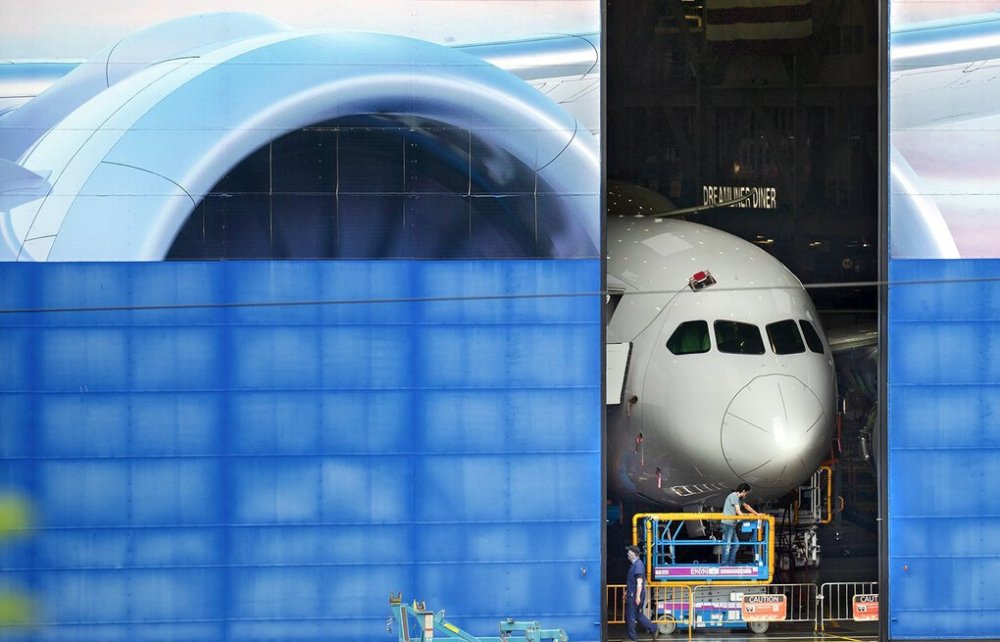
Boeing continues to reduce operating costs

The Boeing Company continues to cut costs. An April 2024 Securities and Exchange Commission (SEC) filing showed that Boeing has spent about US$ 1.9 million on flights for just four of Boeing’s executives since 2021. Dave Calhoun alone accounted for US$ 979,000 of that money. While savings on this front would likely be comparatively minor, especially when compared to the US$ 50 million per day the company lost with its recent strike, any additional effort helps to clean up the American aerospace manufacturer’s cash box.

More cuts at Boeing
Boeing’s job cuts will affect the state of Florida starting in 2025. A combined total of 141 jobs will be lost across the state, although the cuts would take place at several Florida locations. Boeing has been cutting jobs over the past few months, so you might expect the cuts to affect comparatively smaller operations in places like the state of Florida.

Arlington County, Virginia-based Boeing (NYSE: BA) announced in a Worker Adjustment and Retraining Notification (WARN) Act letter on November 15, 2024 that it will cut 141 jobs at various Florida locations. The layoffs are scheduled to begin on January 17, 2024, and will affect around eighteen sites. Employees will not have any bonus rights based on seniority. The affected locations are: 100 Boeing Way, Titusville Building K6-1094 Kennedy Space Center, Building M7-360 Kennedy Space Center, Building M7-505 Kennedy Space Center, Tow Way Road Kennedy Space Center, an unlisted site at Kennedy Space Center and 13501 Ingenuity Drive, Orlando.

In late October 2024, Boeing CEO Kelly Ortberg outlined several challenges facing the company. These challenges include declining trust in the organization, a heavy debt load, and performance shortfalls that have disappointed customers. The CEO pointed to the silver lining of a half-trillion-dollar backlog and the return of employees from a recent strike involving more than 33,000 workers.

Finally, Boeing’s delivery schedules are starting to take a toll on airlines. Copa Airlines, which operates an all-Boeing fleet, is cutting back on routes after it became clear that expected shipments would not arrive on time. Now, four different travel routes have been canceled, although Copa hopes to return to those routes before the end of 2025.

PUBLISHER: Airgways.com
DBk: Boeing.com / Airgways.com
AW-POST: 202412022017AR
OWNERSHIP: Airgways Inc.
A\W A I R G W A Y S ®

Airbus entrega 80 aviones 11/2024

AW | 2024 12 02 20:16 | INDUSTRY

Fuerte recuperación de entregas durante mes Noviembre 2024

Las entregas aumentaron bruscamente a más de ochenta aviones en Noviembre 2024, buscando el fabricante de aviones europeo Airbus Group una fuerte recuperación con un impulso hacia los objetivos de fin de año después de una recesión durante el verano boreal. Después de una advertencia de ganancias a mediados de año impulsada en parte por un déficit en los suministros de motores, las entregas se dispararon en 11/2024 después de que el fabricante de motores CFM y Airbus llegaran a un acuerdo sobre los suministros de motores a corto plazo.

Fuentes de la industria dijeron que las entregas aumentaron al menos un 25% en Noviembre 2024 con respecto al mismo mes del año pasado para superar la marca de 80, lo que elevó las entregas de este año a 640 aviones y dejó unos 110 por realizar. En Diciembre de 2023, Airbus entregó 112 aviones. Si se confirma la superación de la cuota de entregas, sería la cifra más alta en Noviembre 2024 desde 2018, cuando Airbus entregó 89 aviones. Eso contrasta con su rival estadounidense Boeing que ha indicado que reanudará la producción lentamente después de un duro golpe para evitar dañar un frágil tejido industrial, al tiempo que permanece bajo un estrecho escrutinio de los reguladores estadounidenses.

La consultora Cirium Ascend, con sede en el Reino Unido, dijo que estimaba que Boeing entregó alrededor de 12 aviones en Noviembre 2024. Airbus, aunque está muy por delante, continúa luchando por capitalizar sus ganancias porque está agotada y se enfrenta a proveedores frágiles. Oficialmente, el constructor europeo mantiene el objetivo de alrededor de 770 unidades entregadas para todo el año después de reducir el objetivo de 800 aviones en Julio 2024.

A principios de este año 2024, Airbus confirmó su previsión de entregar 800 aviones. Pero luego comenzó a encontrarse con sus propios problemas, como problemas con el motor y otras dificultades de la cadena de suministro, y recortó esa orientación a mitad de año. Además de eso, los continuos problemas con los motores Pratt & Whitney instalados en los aviones Airbus estaban dando ataques a sus clientes.

«Pensé que íbamos a estar en un lugar mejor. Hay que preparar todo el futuro, pero ahora también hay que gestionar el presente para gestionar mucho más de lo que pensábamos», dijo Christian Scherer, Jefe de la División de Aviones Comerciales de Airbus, al diario Wall Street Journal en Octubre 2024.

Según los informes, el rival de Boeing está a 139 aviones de su objetivo de 770 aviones podría encontrar la manera de cumplir con las expectativas reducidas que se fijó para sí mismo este año 2024.

Pero, pocos analistas esperan que alcance la nueva cifra principal después de una serie de problemas de suministro, pero muchos dicen que la redacción cautelosa del pronóstico le da la flexibilidad para entregar tan solo 750 aviones sin provocar una nueva advertencia a los inversores. «Si bien el 770 para todo el año, puede estar ahora fuera de nuestro alcance, todavía vemos 765 como alcanzable», dijo Chloe Lemarie, Analista de Jefferies, quien estima que Airbus entregó 85 aviones en 11/2024. Otros advirtieron que Airbus tendría que mantener un ritmo fuerte para alcanzar las entregas previstas, lo que impulsa los ingresos y el efectivo. «La semana pasada parece ser el cambio necesario para acercarse a su objetivo», dijo Rob Morris, Jefe de Consultoría Global de Cirium Ascend.

Suministro motores
Fabricante de motores a reacción CFM International, copropiedad de GE Aerospace y Safran, acordó en Octubre 2024 desviar algunos motores a Airbus mientras el fabricante de aviones intenta ponerse al día con los retrasos anteriores en las entregas. El acuerdo se produce tras tensas negociaciones sobre la asignación de motores entre las nuevas líneas de montaje y los talleres de reparación donde las aerolíneas realizan el mantenimiento para mantener en vuelo los aviones existentes.

El Director General de Safran, Olivier Andries, confirmó que CFM había dado prioridad a Airbus sobre las aerolíneas de forma temporal para impulsar las entregas de aviones en 2024. Se espera que el péndulo vuelva a oscilar hacia el mercado de repuestos a tiempo para enero, cuando Airbus se desacelere. Algunos analistas han expresado su preocupación de que el cambio en los motores pueda afectar los márgenes de las compañías de motores, pues los fabricantes de motores obtienen más de sus ingresos de actividades de alto margen en el mercado de repuestos que en el equipamiento de nuevos aviones.

Pero el Analista de Bernstein, Douglas Harned, dijo en una nota que CFM podría cambiar los suministros de motores a Airbus previstos para Noviembre y Diciembre 2024, con el fin de ayudar al fabricante de aviones a prepararse para un ajetreado final de año mientras cumple con sus propios objetivos de ventas de repuestos.

CFM International ha dicho que está trabajando tanto para satisfacer la demanda de los clientes como para maximizar la utilización de la flota de las aerolíneas.

Airbus delivers 80 aircraft in 11/2024

Strong recovery in deliveries during November 2024

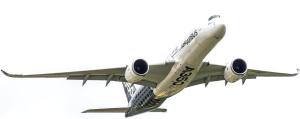
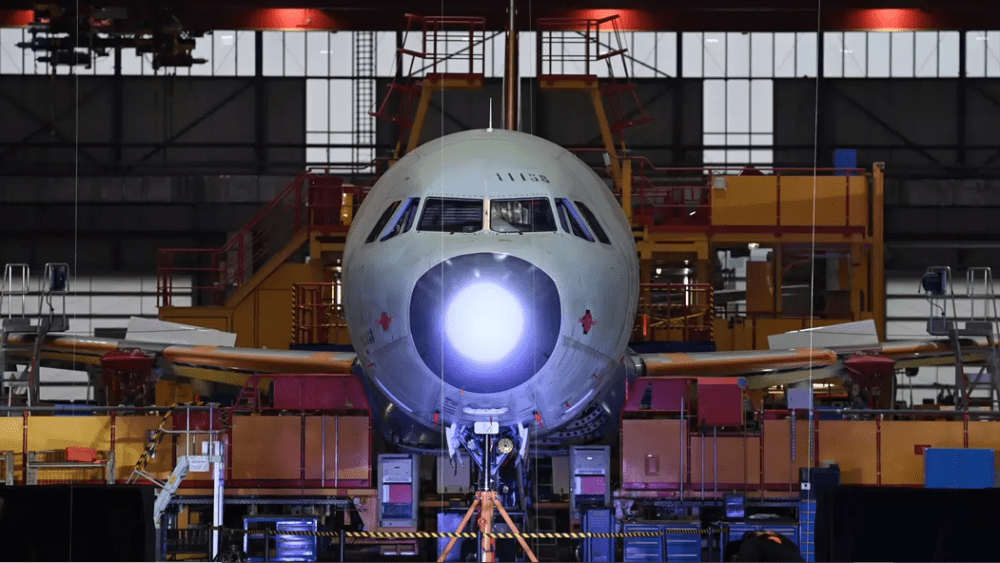
Deliveries rose sharply to more than eighty aircraft in November 2024, with European aircraft maker Airbus Group seeking a strong recovery with a push towards year-end targets after a downturn during the summer. After a mid-year profit warning driven in part by a shortfall in engine supplies, deliveries soared in 11/2024 after engine maker CFM and Airbus reached an agreement on short-term engine supplies.

Industry sources said deliveries rose at least 25% in November 2024 from the same month last year to surpass the 80 mark, bringing this year’s deliveries to 640 aircraft and leaving about 110 to be made. In December 2023, Airbus delivered 112 aircraft. If the quota is confirmed to have been exceeded, it would be the highest figure for November 2024 since 2018, when Airbus delivered 89 aircraft. That contrasts with US rival Boeing which has indicated it will resume production slowly after a hard hit to avoid damaging a fragile industrial fabric, while remaining under close scrutiny from US regulators.

UK-based consultancy Cirium Ascend said it estimated Boeing delivered around 12 aircraft in November 2024. Airbus, while well ahead, continues to struggle to capitalise on its gains because it is stretched thin and facing fragile suppliers. Officially, the European manufacturer is maintaining the target of around 770 units delivered for the full year after lowering the target of 800 aircraft in July 2024.

Earlier this year 2024, Airbus confirmed its forecast of delivering 800 aircraft. But then it started to encounter its own problems, such as engine issues and other supply chain difficulties, and cut that guidance mid-year. On top of that, ongoing problems with Pratt & Whitney engines installed on Airbus aircraft were giving its customers fits.

«I thought we were going to be in a better place. You have to prepare for the future, but now you also have to manage the present to manage much more than we thought», Christian Scherer, Head of Airbus’ Commercial Aircraft Division, told the Wall Street Journal in October 2024.

Boeing’s rival is reportedly 139 planes shy of its 770-plane target and could find a way to meet the reduced expectations it set for itself this year 2024.

But few analysts expect it to hit the new headline figure after a series of supply issues, but many say the cautious wording of the forecast gives it the flexibility to deliver as few as 750 planes without triggering a fresh warning to investors. “While the full-year 770 may now be out of reach, we still see 765 as achievable”, said Jefferies Analyst Chloe Lemarie, who estimates Airbus delivered 85 aircraft in 11/2024. Others warned that Airbus would need to maintain a strong pace to hit forecast deliveries, which boosts revenue and cash.
“Last week looks like the turnaround needed to get closer to its target”, said Rob Morris, Global Head of Consulting at Cirium Ascend.

Engine Supply
Jet engine maker CFM International, co-owned by GE Aerospace and Safran, agreed in October 2024 to divert some engines to Airbus as the planemaker tries to catch up on earlier delivery delays. The deal comes after tense negotiations over the allocation of engines between new assembly lines and repair shops where airlines perform maintenance to keep existing planes flying.

Safran CEO Olivier Andries confirmed that CFM had given priority to Airbus over airlines on a temporary basis to boost aircraft deliveries in 2024. The pendulum is expected to swing back to the aftermarket in time for January, when Airbus slows down. Some analysts have expressed concern that the shift in engines could hurt engine companies’ margins, as engine makers earn more of their revenue from high-margin aftermarket activities than from equipping new aircraft.

But Bernstein analyst Douglas Harned said in a note that CFM could shift engine deliveries to Airbus planned for November and December 2024, in order to help the planemaker prepare for a busy end of the year while meeting its own spare parts sales targets.

CFM International has said it is working to both meet customer demand and maximize utilization of the airlines’ fleet.

PUBLISHER: Airgways.com
DBk: Airbus.com / Regis Duvignau / Airgways.com
AW-POST: 202412022016AR
OWNERSHIP: Airgways Inc.
A\W A I R G W A Y S ®
British Airways presenta nueva First Class

AW | 2024 12 02 19:13 | AIRLINES

Nuevo asiente en Primera con diseño elegante

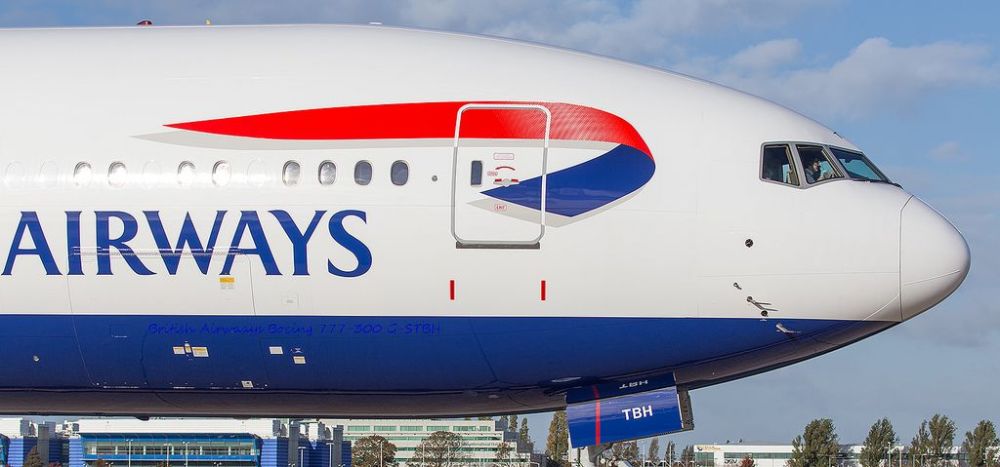
British Airways presentó su nuevo asiento First Class, que cuentan con un diseño elegante, reflejo de los modernos viajes de lujo británicos. La nueva cabina forma parte de los planes de modernización de los Airbus A380 de la aerolínea, que se espera que surque los cielos a mediados de 2026.Ofertas de trabajo en aviación

El nueva First Class ha sido cuidadosamente diseñada para ofrecer la sensación de un moderno hotel de lujo, junto con comodidades hogareñas y cuidados toques británicos a 35.000 pies de altura. Los asientos han sido seleccionados por expertos diseñadores y fabricantes de talla mundial procedentes de todos los rincones de Gran Bretaña e Irlanda, como Londres, Glasgow, West Yorkshire, Kilkeel y Dublín.

El nuevo asiento es ultra-ancho (36,5 pulgadas), con una longitud de cama de 79 pulgadas, elegante mesa, pantalla de TV 4K de 32 pulgadas, iluminación ambiental ajustable que incluye escenas como «relax», «cenar» y «cine». El asiento se puede ajustar con sólo pulsar un botón para encontrar el nivel perfecto de comodidad y se encuentra dentro de una pared curvada de 60 pulgadas para ofrecer la máxima privacidad, sin dejar de proporcionar un entorno espacioso. Para los clientes que viajan juntos en el centro de la cabina, el divisor se abre para crear un espacio de salón compartido, y las mesas plegables permiten a los pasajeros disfrutar de cenas de amigos en el asiento con su compañero de viaje.

Las elegantes curvas de toda la cabina se inspiran en las alas del Concorde de British Airways, dando un flujo natural al espacio y creando un ambiente acogedor. Ofertas de trabajo en aviación

«Estamos increíblemente orgullosos de lanzar la nueva era de la First Class, que amplía los límites del confort, el lujo y la modernidad, teniendo en cuenta las preferencias y expectativas de los clientes hasta el más mínimo detalle», dijo el Director de Atención al Cliente de British Airways, Calum Laming.

La aerolínea sigue invirtiendo en la experiencia global del cliente y ha puesto en marcha más de 120 iniciativas como parte de su transformación de £ 7.000 millones de Libras, desde nuevos asientos para vuelos de corta distancia y mensajería Wi-Fi gratuita a bordo hasta la renovación de sus salas VIP en toda su red mundial.

British Airways unveils new First Class

New First Class seat with sleek design

British Airways has unveiled its new First Class seat, which features a sleek design, reflecting modern British luxury travel. The new cabin is part of the airline’s Airbus A380 modernisation plans, which are expected to take to the skies in mid-2026.Aviation Jobs

The new First Class has been carefully designed to offer the feel of a modern luxury hotel, along with homely comforts and thoughtful British touches at 35,000 feet. The seats have been expertly selected by world-class designers and manufacturers from all corners of Britain and Ireland, including London, Glasgow, West Yorkshire, Kilkeel and Dublin.

The new seat is ultra-wide (36.5 inches), with a 79-inch bed length, elegant table, 32-inch 4K TV screen, adjustable ambient lighting that includes scenes such as «relax», «dine» and «cinema». The seat can be adjusted at the touch of a button to find the perfect level of comfort and is set within a 60-inch curved wall to offer maximum privacy, while still providing a spacious environment. For customers travelling together in the centre of the cabin, the divider opens to create a shared lounge space, and fold-out tables allow passengers to enjoy dinners with friends in the seat with their travelling companion.

The elegant curves throughout the cabin are inspired by the wings of British Airways’ Concorde, giving a natural flow to the space and creating a welcoming atmosphere. Aviation Jobs

«We are incredibly proud to launch the new era of First Class, pushing the boundaries of comfort, luxury and modernity, taking into account customer preferences and expectations down to the smallest detail», said British Airways Chief Customer Officer Calum Laming.

The airline continues to invest in the global customer experience and has launched more than 120 initiatives as part of its £7bn transformation, from new seats for short-haul flights and free Wi-Fi messaging on board to the refurbishment of its lounges across its global network.

PUBLISHER: Airgways.com
DBk: Ba.com / Airgways.com
AW-POST: 202412021913AR
OWNERSHIP: Airgways Inc.
A\W A I R G W A Y S ®
Southwest reducción turbulencias

AW | 2024 12 02 19:12 | AIRLINES

Aerolínea busca reducir riesgo de lesiones por turbulencias
Nuevas asignaciones asientos y reducción uso plásticos

Southwest Airlines terminará su servicio de cabina a una altitud de 18.000 pies en lugar de 10.000 pies durante sus vuelos, lo que permitirá a su tripulación de Cabina de Pasajeros comenzar a prepararse para el aterrizaje. La nueva norma, que entrará en vigor este Miércoles 4 de Diciembre de 2024, significa que los pasajeros de Southwest tendrán que cerrar sus bandejas, terminar sus aperitivos y ponerse el cinturón de seguridad en esta nueva normativa que introduce la aerolínea con sede en Dallas, Texas, Estados Unidos.

«El cambio en los procedimientos está diseñado para reducir el riesgo de lesiones por turbulencias en vuelo para nuestros tripulantes y clientes. Es el resultado de la cercana colaboración de la aerolínea con sus socios laborales y un enfoque robusto en la gestión de seguridad. Nada es más importante para Southwest Airlines que la seguridad de nuestros clientes y empleados», dijo la compañía aérea Southwest.

Aunque las turbulencias leves en los vuelos no son algo fuera de lo común, varias aerolíneas han experimentado turbulencias intensas que han causado mucho más que bebidas caídas y pasajeros agitados. Un vuelo de Air Europa con destino a Uruguay se vio obligado a realizar un aterrizaje de emergencia en Brasil en Julio 2024, después de que al menos treinta personas resultaran heridas por las fuertes turbulencias. En otro incidente a bordo de un vuelo de United Airlines una pasajera fue hospitalizada y al menos otras seis resultaron heridas después de que el vuelo con destino a Cancún, México experimentara un breve periodo de fuertes turbulencias. Otro incidente de turbulencias extremas a bordo ha ocurrido en un avión Boeing 777, que transportaba 211 pasajeros y 18 tripulantes de Londres a Singapur, dejó a un hombre británico de 73 años muerto y decenas de personas hospitalizadas, entre ellas personas con lesiones medulares, cerebrales y óseas u orgánicas. Un mes después del incidente, Singapore Airlines dijo que ofrecía compensaciones de hasta US$ 10.000 a los pasajeros del vuelo.

La Administración Federal de Aviación (FAA) hace un seguimiento de las lesiones sufridas por pasajeros y miembros de la tripulación de las aerolíneas debido a las turbulencias. Entre el 2009 y el 2023, 37 pasajeros y 146 miembros de la tripulación sufrieron lesiones graves causadas por turbulencias en Estados Unidos, con 20 de esas lesiones registradas en 2023.

¿Qué causa las turbulencias a bordo de un vuelo? El nivel de turbulencia que experimenta un avión está causado por diferentes condiciones meteorológicas, entre ellas la presión atmosférica, las corrientes de viento en chorro, el aire alrededor de las montañas, los frentes fríos o cálidos y las tormentas severas. Las turbulencias pueden producirse incluso cuando el cielo parece despejado, lo que nos lleva al tipo más peligroso de turbulencia conocido como turbulencia de aire despejado. Este tipo de turbulencia es invisible a los ojos y suele producirse sin advertencia visible, por lo que es casi imposible de evitar. Según el Servicio Meteorológico Nacional (SMN), la turbulencia de aire despejado se produce con mayor frecuencia en altitudes de 15.000 pies.

Según el Centro Nacional de Investigación Atmosférica, cada año los pilotos informan de un promedio de 65.000 casos de turbulencias de moderadas a graves en Estados Unidos.

Las turbulencias también pueden pasar factura muy alta a las compañías aéreas. Se calcula que el costo para las aerolíneas estadounidenses debido a lesiones, daños en la cabina y el avión, retrasos en los vuelos y tiempo perdido en inspecciones y mantenimiento oscila entre US$ 150 y US$ 500 millones de Dólares al año. Para reducir el riesgo de lesiones graves, la FAA recomienda a los pasajeros que lleven puesto el cinturón de seguridad en todo momento y que presten mucha atención a las instrucciones de la tripulación de vuelo, incluida la lectura de la tarjeta de instrucciones de seguridad situada en el asiento de delante.

Southwest to reduce turbulence

Airline seeks to reduce risk of injuries from turbulence
New seat assignments and reduction in plastic use

Southwest Airlines will end its cabin service at an altitude of 18,000 feet instead of 10,000 feet during its flights, allowing its Cabin Crew to begin preparing for landing. The new rule, which will go into effect this Wednesday, December 4, 2024, means that Southwest passengers will have to close their trays, finish their snacks, and put on their seat belts in this new regulation introduced by the airline based in Dallas, Texas, United States.

«The change in procedures is designed to reduce the risk of injuries from in-flight turbulence for our crew members and customers. It is the result of the airline’s close collaboration with its labor partners and a robust approach to safety management. Nothing is more important to Southwest Airlines than the safety of our customers and employees», said the Southwest airline.

While mild in-flight turbulence is not uncommon, several airlines have experienced severe turbulence that has caused much more than just spilled drinks and agitated passengers. An Air Europa flight bound for Uruguay was forced to make an emergency landing in Brazil in July 2024 after at least thirty people were injured by severe turbulence. In another incident onboard a United Airlines flight, one passenger was hospitalized and at least six others were injured after the flight bound for Cancun, Mexico experienced a brief period of severe turbulence. Another incident of extreme in-flight turbulence has occurred on a Boeing 777 aircraft, carrying 211 passengers and 18 crew from London to Singapore, leaving a 73-year-old British man dead and dozens of people hospitalized, including people with spinal, brain, bone or organ injuries. A month after the incident, Singapore Airlines said it was offering compensation of up to US$ 10,000 to passengers on the flight.

The Federal Aviation Administration (FAA) tracks injuries suffered by airline passengers and crew members due to turbulence. Between 2009 and 2023, 37 passengers and 146 crew members suffered serious injuries caused by turbulence in the United States, with 20 of those injuries recorded in 2023.

What causes turbulence on board a flight? The level of turbulence an aircraft experiences is caused by different weather conditions, including atmospheric pressure, jet streams, air around mountains, cold or warm fronts, and severe storms. Turbulence can occur even when the sky appears clear, which brings us to the most dangerous type of turbulence known as clear-air turbulence. This type of turbulence is invisible to the eye and often occurs without visible warning, making it nearly impossible to avoid. According to the National Weather Service (NWS), clear-air turbulence most often occurs at altitudes of 15,000 feet.

According to the National Center for Atmospheric Research, pilots report an average of 65,000 cases of moderate to severe turbulence in the United States each year.

Turbulence can also take a heavy toll on airlines. The cost to U.S. airlines due to injuries, cabin and aircraft damage, flight delays, and lost time for inspections and maintenance is estimated to range from US$ 150 million to US$ 500 million per year. To reduce the risk of serious injury, the FAA recommends that passengers wear their seat belts at all times and pay close attention to instructions from the flight crew, including reading the safety instruction card located in the seat in front of them.

PUBLISHER: Airgways.com
DBk: Southwest.com / Airgways.com
AW-POST: 202412021912AR
OWNERSHIP: Airgways Inc.
A\W A I R G W A Y S ®

Cambios embarques pasajeros

AW | 2024 12 02 18:58 | AIRLINES / AIRPORTS

Nuevo cambio aerolíneas para embarques de pasajeros

La espera en los aeropuertos para embarcar suele ser uno de los procesos más críticos en la espera de los usuarios del transporte de pasajeros, que suelen llevar tiempo embarcar en el avión. Una nueva medida busca regular que los viajeros respeten las colas y que no haya ningún incidente.

Las prioridades de los pasajeros al embarcar un avión suelen ser diferentes, mientras que las líneas aéreas y los aeropuertos buscan un sistema que les permita desarrollar grupos de prioridad con cuatro niveles, siendo el uno y dos de embarque prioritario, y el tres y de base.

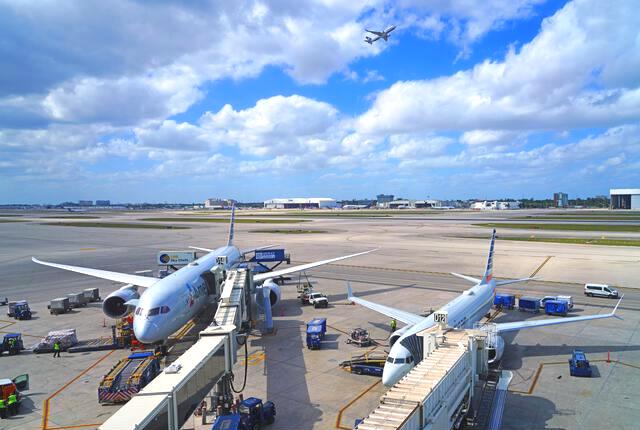
En un intento por agilizar el proceso de embarque y mejorar la experiencia de los pasajeros, American Airlines ha comenzado a probar un innovador software que detecta y alerta sobre comportamientos inapropiados en las puertas de embarque. Este sistema, diseñado específicamente para identificar a los llamados “piojos de las puertas”, pasajeros que intentan abordar antes de que se llame a su grupo asignado, promete poner fin a uno de los problemas más comunes en los aeropuertos: el desorden frente a las puertas. El software funciona detectando a las personas que se acercan a la fila equivocada antes de que sea su turno. En caso de identificar una infracción, emite una alarma audible y envía una notificación al personal de la aerolínea, indicando que el pasajero no pertenece al grupo actualmente llamado. Una vez identificado, el individuo es retirado de la fila y se le solicita esperar a que se anuncie su grupo. Esta medida, que se encuentra en fase de prueba en los aeropuertos de Albuquerque, Tucson y Washington, busca garantizar que los pasajeros que pagan por servicios prioritarios puedan disfrutar de los beneficios correspondientes. Según ejecutivos de American Airlines, los resultados preliminares han sido positivos, aunque aún falta determinar si esta tecnología será adoptada de manera generalizada.

El problema de la congestión en las puertas de embarque no es exclusivo de American Airlines. Muchas aerolíneas han implementado sistemas basados en grupos numerados para organizar a los pasajeros, pero estas medidas a menudo fracasan cuando las personas se aglomeran frente a las puertas antes de tiempo.

La industria aérea no solo enfrenta desafíos dentro de los aviones, sino también en los espacios circundantes. En Nueva Zelanda, el aeropuerto de Dunedin adoptó recientemente una política controvertida: limitar el tiempo de los abrazos de despedida en el área de “dejada” a solo tres minutos. La medida busca reducir el tráfico en la zona de acceso, pero ha sido criticada en redes sociales por considerarse insensible.

Por su parte, el Aeropuerto de Aalborg, en Dinamarca, implementó una normativa similar hace más de una década, limitando el tiempo en la zona “Kiss and Goodbye”. A pesar de las críticas iniciales, la medida fue bien recibida con el tiempo al mejorar el flujo de pasajeros.

Passenger boarding changes

New airline change for passenger boarding

Waiting at airports to board is usually one of the most critical processes in the waiting of passenger transport users, who usually take time to board the plane. A new measure seeks to regulate that travelers respect the queues and that there are no incidents.

Passengers’ priorities when boarding a plane are usually different, while airlines and airports are looking for a system that allows them to develop priority groups with four levels, with one and two being priority boarding, and three being basic.

In an attempt to speed up the boarding process and improve the passenger experience, American Airlines has begun testing innovative software that detects and alerts about inappropriate behavior at the boarding gates. This system, specifically designed to identify so-called «gate lice,» passengers who try to board before their assigned group is called, promises to put an end to one of the most common problems at airports: disorder in front of the gates. The software works by detecting people who approach the wrong line before it is their turn. If it identifies a violation, it sounds an audible alarm and sends a notification to airline staff, indicating that the passenger does not belong to the group currently called. Once identified, the individual is removed from the line and asked to wait for their group to be announced. This measure, which is being tested at airports in Albuquerque, Tucson and Washington, seeks to ensure that passengers who pay for priority services can enjoy the corresponding benefits. According to American Airlines executives, preliminary results have been positive, although it remains to be seen whether this technology will be widely adopted.

The problem of congestion at boarding gates is not unique to American Airlines. Many airlines have implemented systems based on numbered groups to organize passengers, but these measures often fail when people crowd in front of the gates ahead of time.

The airline industry not only faces challenges inside airplanes, but also in the surrounding spaces. In New Zealand, Dunedin Airport recently adopted a controversial policy: limiting the time for goodbye hugs in the “drop-off” area to just three minutes. The measure is intended to reduce traffic in the access area, but has been criticized on social media as insensitive.

Meanwhile, Aalborg Airport in Denmark implemented a similar policy more than a decade ago, limiting time in the “Kiss and Goodbye” zone. Despite initial criticism, the measure was eventually welcomed as it improved passenger flow.

PUBLISHER: Airgways.com
DBk: Aa.com / Airgways.com
AW-POST: 202412021858AR
OWNERSHIP: Airgways Inc.
A\W A I R G W A Y S ®