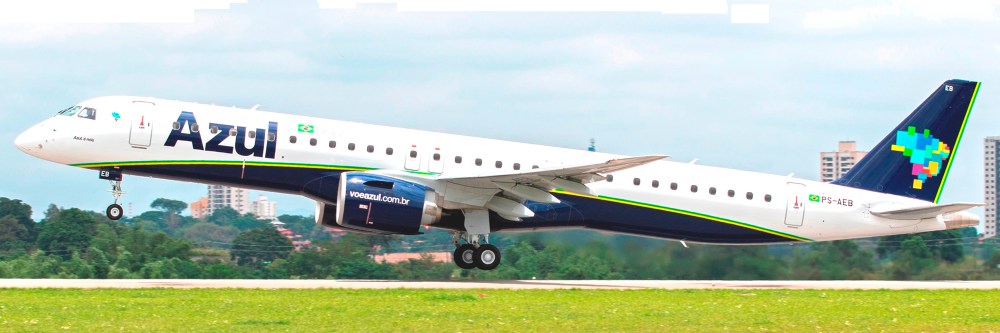
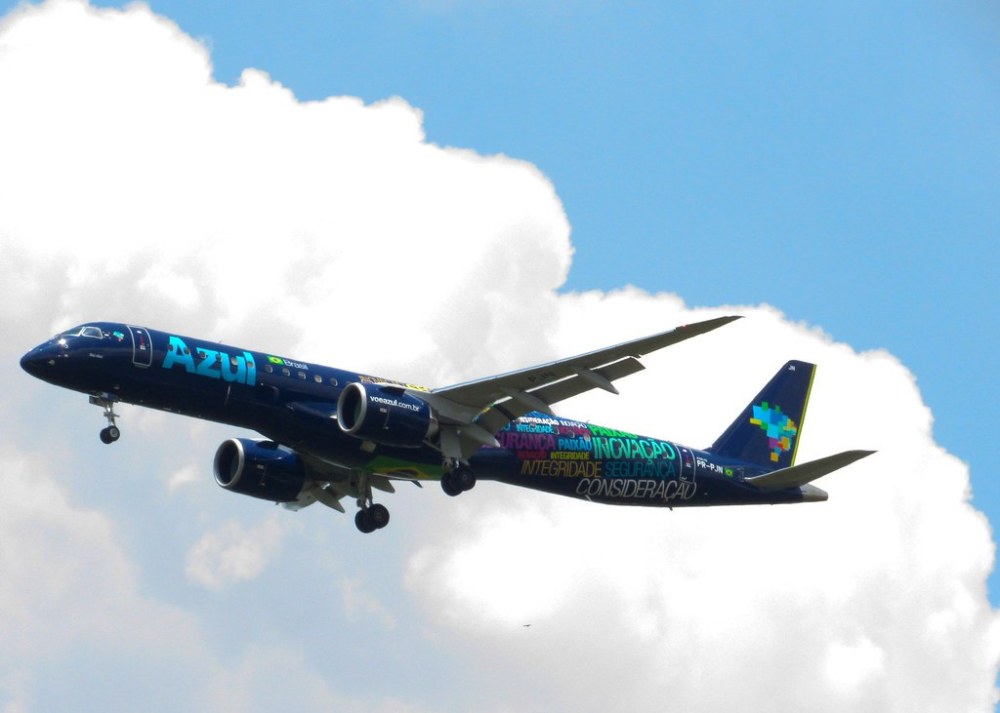
El Lunes 25/11, el fabricante brasileño Embraer ha entregado avión E195-E2 a Azul Linhas Aéreas, el quinto avión recibido en 2024. El avión con matrícula PS-AEY fue pintado con los colores de la bandera brasileña. La aerolínea esperaba tener 13 aviones más de este tipo en 2024.
Pintado con los colores de la bandera brasileña, el avión con matrícula PS-AEY «Corazón Brasileño» sigue un esquema de pintura visto en otros aviones de la aerolínea. Después de ser entregado en la sede del fabricante de aviones, el avión de 136 asientos voló a Montevideo, Uruguay, y luego regresó al país el mismo día para completar el registro brasileño.
El nuevo E195-E2 es parte de un acuerdo por 13 aviones anunciado por Azul en abril y que se suponía que se recibirían este año. Sin embargo, los problemas en la cadena de suministro impidieron que Embraer cumpliera con el plan. La aerolínea afirma tener 205 aviones en su flota, de los cuales 25 son E195-E2. Sin embargo, un número significativo de aviones están en tierra, al parecer debido a la falta de piezas.
«Cada E2 que recibimos es una prueba de lo estratégica que es la asociación con Embraer para nosotros y para el sector de la aviación nacional», dijo Abhi Shah, CEO de Azul.
Este año, Azul también incorporó cuatro A330 de fuselaje ancho de segunda mano, dos A320neo, dos A321P2F (de carga) y un turbohélice ATR 72-600.
Embraer delivers fifth E195-E2 Azul
Azul Linhas Aéreas receives fifth Embraer E195-E2
On Monday 25/11, Brazilian manufacturer Embraer has delivered E195-E2 aircraft to Azul Linhas Aéreas, the fifth aircraft received in 2024. The aircraft with registration PS-AEY was painted in the colors of the Brazilian flag. The airline expected to have 13 more aircraft of this type in 2024
Painted in the colors of the Brazilian flag, the aircraft with registration PS-AEY «Brazilian Heart» follows a paint scheme seen on other aircraft of the airline. After being delivered at the headquarters of the aircraft manufacturer, the 136-seat aircraft flew to Montevideo, Uruguay, and then returned to the country the same day to complete the Brazilian registration.
The new E195-E2 is part of a deal for 13 aircraft announced by Azul in April and which were supposed to be received this year. However, supply chain issues prevented Embraer from fulfilling the plan. The airline claims to have 205 aircraft in its fleet, of which 25 are E195-E2s. However, a significant number of aircraft are grounded, reportedly due to a lack of parts.
“Every E2 we receive is proof of how strategic the partnership with Embraer is for us and for the domestic aviation sector”, said Abhi Shah, CEO of Azul.
This year, Azul also added four second-hand wide-body A330s, two A320neos, two A321P2Fs (cargo), and one ATR 72-600 turboprop.
PUBLISHER: Airgways.com DBk: Voeazul.com.br / Embraer.com / Airgways.com AW-POST: 202411261944AR OWNERSHIP: Airgways Inc. A\W A I R G W A Y S ®
El primer Airbus A320neo de Jetstar Airlines ha llegado a Australia después de un vuelo en ferry desde Toulouse. El avión, VH-A5A, aterrizó en Melbourne a las 23:41 horas de la noche del domingo 24 de noviembre, después de haber volado vía Kuala Lumpur, según datos de FlightRadar24. Había sido visto en pruebas de vuelo a finales del mes pasado en las instalaciones de Airbus en Francia.
El A320neo registrado VH-A5A es el primero de los 13 A320neo en la cartera de pedidos de Jetstar hasta el año fiscal 2029, y forma parte del programa más amplio de renovación de flota del Grupo Qantas.
«Estamos refrescando nuestra flota nacional e internacional de corto radio con nuestro primer A320neo que aterrizará el próximo mes (Noviembre), el primero de cinco para mediados de 2025. Estos nuevos aviones nos ayudarán a aumentar la capacidad y reemplazar gradualmente nuestros aviones existentes. Nuestro 18º Airbus A321neo LR llegó la semana pasada procedente de una cartera de nuevos aviones Airbus», dijo un Portavoz de Jetstar en Octubre 2024.
En general, el A320neo sustituye a los motores IAE V2500 y CFM56-5B del A320ceo, por motores Pratt & Whitney 1100G-JM y CFM LEAP-1A, aunque siendo ligeramente más grande. El A320neo también cuenta con una cabina actualizada y puntas de ala curvadas skarklets que aumentan la eficiencia del combustible.
Jetstar Airlines ha estado actualizando su flota con el A321neo LR, y el primero, VH-OFE ha arribado en 2022. Según Jetstar, los A321neo ofrecen un 99,8 por ciento de fiabilidad mecánica, son un 50 por ciento más silenciosos que los Airbus A320/A321 de tamaño similar y consumen hasta un 20 por ciento menos de combustible.
Jetstar first Airbus A320neo
First Jetstar A320neo lands in Australia
Jetstar Airlines‘ first Airbus A320neo has arrived in Australia after a ferry flight from Toulouse. The aircraft, VH-A5A, landed in Melbourne at 23:41 on Sunday night, 24 November, having flown via Kuala Lumpur, according to data from FlightRadar24. It had been spotted in flight testing late last month at Airbus’s facility in France.
The A320neo registered VH-A5A is the first of 13 A320neos on Jetstar’s order book through to fiscal year 2029, and is part of the Qantas Group’s wider fleet renewal programme.
«We are refreshing our domestic and international short-haul fleet with our first A320neo landing next month (November), the first of five by mid-2025. These new aircraft will help us increase capacity and gradually replace our existing aircraft. Our 18th Airbus A321neo LR arrived last week from a portfolio of new Airbus aircraft,» a Jetstar spokesperson said in October 2024.
Overall, the A320neo replaces the A320ceo’s IAE V2500 and CFM56-5B engines with Pratt & Whitney 1100G-JM and CFM LEAP-1A engines, albeit being slightly larger. The A320neo also features an updated cabin and skarklet-curved wingtips that increase fuel efficiency.
Jetstar Airlines has been updating its fleet with the A321neo LR, with the first, VH-OFE, due to arrive in 2022. According to Jetstar, the A321neos offer 99.8 per cent mechanical reliability, are 50 per cent quieter than similarly sized Airbus A320/A321s, and burn up to 20 per cent less fuel.
PUBLISHER: Airgways.com DBk: Jetstar.com / Airbus.com / Airgways.com AW-POST: 202411261935AR OWNERSHIP: Airgways Inc. A\W A I R G W A Y S ®
Embraer SA espera que su nueva plataforma ONEChain ayude a mantener la producción más predecible al hacer que las operaciones de la cadena de suministro sean más eficientes. Embraer ha implementado un programa para aprovechar su evolución digital y ayudar a gestionar mejor su cadena de suministro. En un momento en que los problemas de la cadena de suministro han seguido molestando a los fabricantes de toda la industria, ONEChain está diseñado para producir una mayor transparencia, una mayor colaboración y más agilidad a través de una plataforma digital integrada.
El resultado, dijo Embraer, es un enfoque más simplificado para las operaciones de la cadena de suministro y uno que el fabricante cree que también beneficiará a sus proveedores. Al incorporar las mejores prácticas, ONEChain está permitiendo a la empresa estandarizar sus procesos, al tiempo que reduce los costos y aumenta la productividad, dijo Embraer.
«Además de lograr una mayor eficiencia operativa, hemos integrado todas las operaciones con nuestros proveedores y socios en una sola plataforma, lo que permite gestionar las operaciones en tiempo real. Esto garantiza una producción más nivelada y uniforme de nuestros productos, una reducción de los costos fijos y variables, y procesos de toma de decisiones más ágiles», dijo Roberto Chaves, Vicepresidente Ejecutivo de Compras y Suministros Globales de Embraer.
ONEChain ha recibido reconocimiento, obteniendo recientemente el Premio a la Innovación de Procesos y el Premio al Ecosistema de Adquisiciones durante la Cumbre de Éxito de Adquisiciones en China. Embraer ha lanzado el programa en Brasil y otros países donde opera, incluidos Estados Unidos, China, Singapur, Francia, Países Bajos y Portugal.
Embraer launches ONEChain
Company seeks to improve supply chain operations
Embraer SA hopes its new ONEChain platform will help keep production more predictable by making supply chain operations more efficient. Embraer has implemented a program to leverage its digital evolution and help better manage its supply chain. At a time when supply chain issues have continued to plague manufacturers across the industry, ONEChain is designed to produce greater transparency, increased collaboration, and more agility through an integrated digital platform.
The result, Embraer said, is a more streamlined approach to supply chain operations and one that the manufacturer believes will also benefit its suppliers. By incorporating best practices, ONEChain is allowing the company to standardize its processes, while reducing costs and increasing productivity, Embraer said.
“In addition to achieving greater operational efficiency, we have integrated all operations with our suppliers and partners into a single platform, allowing operations to be managed in real-time. This ensures a more level and uniform production of our products, a reduction in fixed and variable costs, and more agile decision-making processes”, said Roberto Chaves, Executive Vice President of Global Purchasing and Supply at Embraer.
ONEChain has received recognition, recently earning the Process Innovation Award and the Procurement Ecosystem Award during the Procurement Success Summit in China. Embraer has launched the program in Brazil and other countries where it operates, including the United States, China, Singapore, France, the Netherlands, and Portugal.
PUBLISHER: Airgways.com DBk: Embraer.com / Airgways.com AW-POST: 202411261934AR OWNERSHIP: Airgways Inc. A\W A I R G W A Y S ®
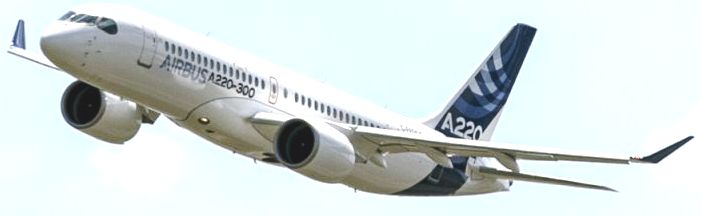
La aerolínea checa Smartwings ingresa como nuevo operador Airbus A220 con la recepción del primero de cuatro unidades. El constructor europeo Airbus Group ha hecho entrega a Smartwings del primer avión regional de última generación bajo la modalidad de alquiler por parte de Air Lease Corporation (ALC). Se trata del avión número de serie SN55311, que se ha matriculado como OK-EYA, y que cuenta con una configuración para 149 asientos en Clase Turista.
CSA Czech Airlines cerró el contrato de leasing en Junio de 2023, antes de que Smartwings, su propietaria desde 2018, decidiese el cierre de dicha aerolínea que en 2023 cumplió 100 años. Los cuatro aviones son parte de los pedidos que la empresa de leasing tenía formalizados con Airbus.
El cierre de CSA Czech Airlines ocurrió el 26 de Octubre de 2024, y a partir de ese día, los dos Airbus A320 que formaban su flota pasaron a operar bajo el código de vuelo de Smartwings. Ambos A320, matriculados OK-HEU y OK-IOO cubrían básicamente la ruta entre Praga y París, aunque efectúan apariciones puntuales en otras rutas. Precisamente en esa ruta es donde el 25/11 ha desarrollado su primer vuelo comercial el nuevo A220. Coincidiendo con la llegada del A220, el A320 OK-IOO ha sido alquilado a la aerolínea canadiense Air Transat durante el invierno.
A pesar del cierre efectivo de CSA Czech Airlines, este A220 se ha entregado pintado con los colores de esta aerolínea, como presumiblemente lo serán los otros tres, uno de los cuales llegará a Praga antes de que finalice 2024, y los otros dos a lo largo de 2025.
Smartwings new A220 operator
First A220 in Czech Airlines colours
Czech airline Smartwings has become a new Airbus A220 operator with the receipt of the first of four units. The European manufacturer Airbus Group has delivered to Smartwings the first state-of-the-art regional aircraft under the lease modality from Air Lease Corporation (ALC). This is the aircraft serial number SN55311, which has been registered as OK-EYA, and which has a configuration for 149 seats in Economy Class.
CSA Czech Airlines closed the leasing contract in June 2023, before Smartwings, its owner since 2018, decided to close the airline, which in 2023 turned 100 years old. The four aircraft are part of the orders that the leasing company had formalised with Airbus.
The closure of CSA Czech Airlines occurred on October 26, 2024, and from that day on, the two Airbus A320s that formed its fleet began to operate under the Smartwings flight code. Both A320s, registered OK-HEU and OK-IOO, basically covered the route between Prague and Paris, although they make occasional appearances on other routes. It was precisely on this route that the new A220 made its first commercial flight on 11/25. Coinciding with the arrival of the A220, the A320 OK-IOO has been leased to the Canadian airline Air Transat during the winter.
Despite the effective closure of CSA Czech Airlines, this A220 has been delivered painted in the colors of this airline, as will presumably be the other three, one of which will arrive in Prague before the end of 2024, and the other two throughout 2025.
PUBLISHER: Airgways.com DBk: Smartwings.com / Airbus.com / Airgways.com AW-POST: 202411261920AR OWNERSHIP: Airgways Inc. A\W A I R G W A Y S ®
Senado celebrará audiencia sobre aumento tarifas a grandes aerolíneas
El aumento de las tarifas aéreas por asignación de asientos y equipaje ha llevado al panel del Subcomité Permanente de Investigaciones del Senado de Estados Unidos a celebrar una audiencia con ejecutivos de las principales aerolíneas estadounidenses para explicar por qué están aumentando las tarifas. El Subcomité, presidido por el Senador Richard Blumenthal, llevará a cabo la audiencia, titulada “El cielo es el límite: nuevas revelaciones sobre las tarifas de las aerolíneas”, para que los ejecutivos de las aerolíneas testifiquen el 4 de Diciembre de 2024. Testificarán ejecutivos de American Airlines, United Airlines, Delta Air Lines, Spirit Airlines y Frontier.
El Subcomité, que opera bajo el Comité de Seguridad Nacional y Asuntos Gubernamentales, ha estadoinvestigando el asunto durante el último año y descubrió que, entre 2018 y 2023, las cinco aerolíneas en cuestión obtuvieron un total de US$ 12.400 millones de Dólares solo en ingresos por tarifas de asientos. Por primera vez en la historia, United Airlines ganó US$ 1.300 millones de Dólares por tarifas de asientos en 2023. Según el informe, algunos transportistas podrían estar impidiendo el pago de impuestos especiales federales sobre el transporte al llamar a ciertos cargos tarifas no imponibles.
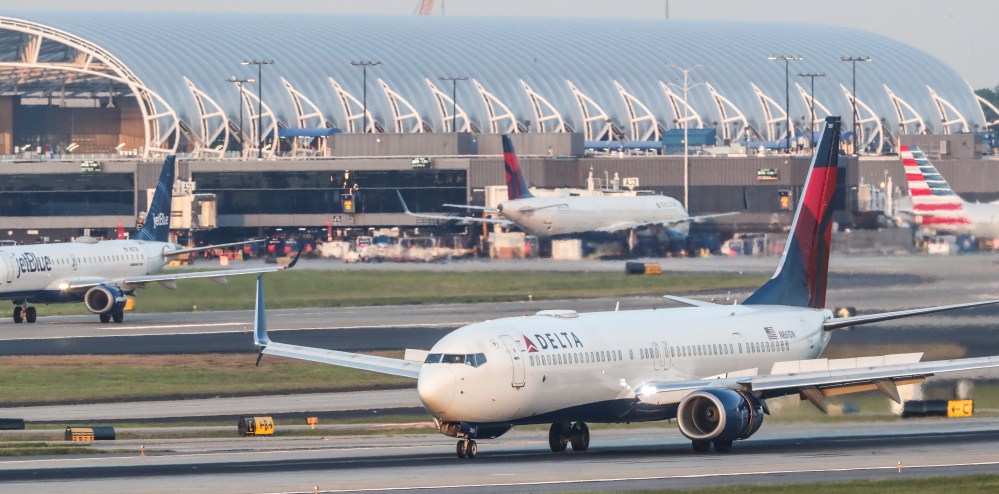
Richard Blumenthal cree que las aerolíneas deberían estar obligadas por ley a divulgar tarifas más detalladas y dice que el Departamento de Transporte de Estados Unidos debería investigar posibles abusos en los sistemas de tarifas actuales. Las tarifas para las aerolíneas han aumentado este año 2024, sobre todo para la facturación de equipaje: las principales aerolíneas, incluidas Delta Air Lines, United Airlines, Alaska Airlines, JetBlue Airways y American Airlines, han aumentado los precios para la facturación de equipaje.
US Senate Hearings on Fees
US Senate to hold hearing on fee increases for major airlines
Rising airfares for seat assignments and baggage have prompted the US Senate Permanent Subcommittee on Investigations panel to hold a hearing with executives from major US airlines to explain why they are raising fares. The Subcommittee, chaired by Senator Richard Blumenthal, will hold the hearing, titled “The Sky’s the Limit: New Revelations on Airline Fees», for airline executives to testify on December 4, 2024. Executives from American Airlines, United Airlines, Delta Air Lines, Spirit Airlines, and Frontier will testify.
The subcommittee, which operates under the Committee on Homeland Security and Governmental Affairs, has been investigating the matter for the past year and found that between 2018 and 2023, the five airlines in question earned a total of US$ 12.4 billion in revenue from seat fees alone. For the first time in history, United Airlines earned US$ 1.3 billion from seat fees in 2023. According to the report, some carriers could be avoiding paying federal excise taxes on transportation by calling certain charges non-taxable fees.
Richard Blumenthal believes airlines should be required by law to disclose more detailed fees and says the U.S. Department of Transportation should investigate potential abuses in current fee systems. Fees for airlines have increased this year 2024, most notably for checked bags: Major airlines including Delta Air Lines, United Airlines, Alaska Airlines, JetBlue Airways, and American Airlines have all raised prices for checked bags.
PUBLISHER: Airgways.com DBk: Senate.gov / John.Spink/Ajc.com / Airgways.com AW-POST: 202411261826AR OWNERSHIP: Airgways Inc. A\W A I R G W A Y S ®
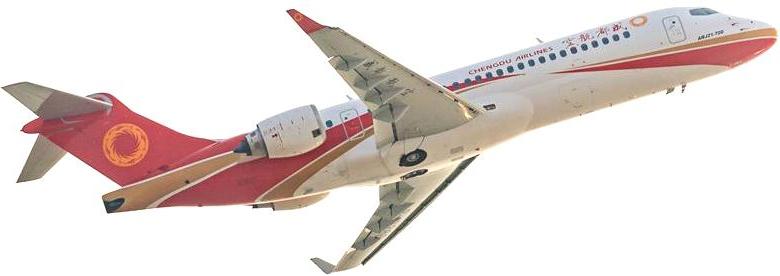
El fabricante de aviones chino COMAC ha rebautizado su avión regional ARJ21 como C909, alineando el avión con la convención de nomenclatura de la empresa estatal para sus otros modelos, en un intento por presentarse como una alternativa a los fabricantes de aviones occidentales dominantes.
COMAC Corp. ha anunciado la estandarización de la línea de aviones comerciales chinos durante la 15ª Exposición Internacional de Aviación y Espacio de China que su aeronave ARJ21 pasará a denominarse comercialmente C909. El anuncio celebrado en la feria ha marcado la estandarización de las denominaciones. La homogeinización de toda la gama de aviones corresponderá a COMAC C909, C919 y C929.
El ARJ 21-700 ha sido un desarrollo de aeronave regional para 100 pasajeros que ha sido un modelo heredado de las antiguas instalaciones que McDonnell Douglas ha desarrollado para su programa Trunkliner. ARJ21 Xiagfeng, en chino: 翔凤 xiángfèng, traducido como «Fénix volador», es un avión de pasajeros regional desarrollado por la empresa COMAC. Es el primer avión a reacción para pasajeros desarrollado y fabricado en serie en República Popular de China.
El fabricante aeronáutico COMAC se refiere al ARJ21 como un avión diseñado por chinos, con derechos de propiedad totalmente independientes, aunque este avión se parece exteriormente al avión Boeing 717 (MD-95). El modelo McDonnell Douglas MD-80 había sido fabricado anteriormente bajo licencia en territorio chino. En consecuencia, el ARJ21 tiene numerosos rasgos que hacen recordar a los reactores McDonnell Douglas MD-95, con un fuselaje, morro y sección de cola similares. En cambio tiene unas alas rediseñadas por el fabricante ucraniano Antonov.
COMAC C909 El 13 de Octubre de 2024 se filtró que el avión sería renombrado como Comac C909 y que el cambio de nombre podría anunciarse en el Airshow de Zhuhai 2024. El renombramiento busca estandarizar la flota de la línea comercial COMAC. El cambio de marca, que se dio a conocer en la feria aérea más grande de China en Zhuhai, presenta el C909 pintado en blanco sobre una cola azul.
«Después de una cuidadosa consideración, una larga gestación y pedir opiniones a muchas partes involucradas, elegimos usar C909 como un nuevo nombre comercial para construir la marca», dijo Zhang Xiaoguang, Director de Marketing de COMAC, a los periodistas.
El C909 también ha reducido el peso, la resistencia y el ruido y ha realizado algunas mejoras en los costos de vuelo en comparación con el ARJ21 comercializado anteriormente, dijo el personal del stand de COMAC en la feria aérea.
COMAC ha lanzado el cambio de marca con el eslogan en inglés «Old friend, new look», y un eslogan chino que se puede traducir como «encontrarse con un viejo amigo por primera vez».
El avión regional ARJ21 de COMAC fue el primer avión propulsado por un motor a reacción de China en alcanzar la producción comercial, entrando en servicio en 2016. Existen alrededor de 124 ARJ21 en operación, según datos de ch-aviation, con varias aerolíneas chinas y también con la aerolínea indonesia TransNusa, el único operador extranjero de COMAC hasta ahora. Hainan Airlines dijo que su filial de bajo coste Urumqi Air encargaría 40 aviones ARJ21-700 para su entrega entre 2025 y 2032.
Las señales del posible nuevo nombre para el ARJ21 llegaron a mediados de Octubre 2024 cuando uno fue visto por entusiastas de la aviación en un aeropuerto chino con el C909 pintado en su cola azul. El diseño de la cola y el nombre del C909 se corresponden con la cola verde y las letras blancas del avión de fuselaje estrecho C919 de COMAC, que está en servicio desde 2023, y con la cola roja de su hermano mayor el C929 de fuselaje ancho, que se encuentra en fase de diseño. El cambio señala la creciente intención de Pekín de presentarse como una alternativa a gran escala a Airbus Group y The Boeing Company que luchan por mantenerse al día con la demanda de aeronaves comerciales.
COMAC renames ARJ21JET
COMAC ARJ21 renames C909
Chinese aircraft manufacturer COMAC has rebranded its ARJ21 regional jet as the C909, bringing the aircraft in line with the state-owned company’s naming convention for its other models in a bid to present itself as an alternative to dominant Western aircraft makers.
COMAC Corp. announced the standardization of the Chinese commercial aircraft lineup during the 15th China International Aviation and Space Exhibition that its ARJ21 aircraft will be commercially designated the C909. The announcement at the show marked the standardization of the naming conventions. The homogenization of the entire aircraft lineup will correspond to the COMAC C909, C919, and C929.
The ARJ 21-700 is a 100-seat regional jet airliner developed by COMAC, a Chinese manufacturer with independent ownership, although the aircraft externally resembles the Boeing 717 (MD-95). The McDonnell Douglas MD-80 was previously licensed in China. The ARJ21 has many features reminiscent of the McDonnell Douglas MD-95 jets, with a similar fuselage, nose, and tail section. Instead it has redesigned wings from Ukrainian manufacturer Antonov.
COMAC C909 On October 13, 2024, it was leaked that the aircraft would be renamed the Comac C909 and that the name change could be announced at the 2024 Zhuhai Airshow. The rebranding seeks to standardize the COMAC commercial line’s fleet. The rebranding, which was unveiled at China’s largest air show in Zhuhai, features the C909 painted in white over a blue tail.
«After careful consideration, long gestation, and asking for opinions from many parties involved, we chose to use C909 as a new commercial name to build the brand», Zhang Xiaoguang, Marketing Director of COMAC, told reporters.
The C909 has also reduced weight, drag, and noise and made some improvements in flight costs compared with the previously marketed ARJ21, said staff at COMAC’s booth at the air show.
COMAC has launched the rebranding with the English slogan «Old friend, new look», and a Chinese slogan that can be translated as «meeting an old friend for the first time».
COMAC’s ARJ21 regional jet was China’s first jet-powered aircraft to reach commercial production, entering service in 2016. There are about 124 ARJ21s in operation, according to ch-aviation data, with several Chinese airlines and also with Indonesian carrier TransNusa, COMAC’s only foreign operator so far. Hainan Airlines said its low-cost subsidiary Urumqi Air would order 40 ARJ21-700 aircraft for delivery between 2025 and 2032.
Signs of the possible new name for the ARJ21 came in mid-October 2024 when one was spotted by aviation enthusiasts at a Chinese airport with the C909 painted on its blue tail. The tail design and name of the C909 match the green tail and white lettering of COMAC’s C919 narrow-body jet, which has been in service since 2023, and the red tail of its big brother the C929 wide-body, which is in the design phase. The change signals Beijing’s growing intention to present itself as a large-scale alternative to Airbus Group and The Boeing Company that are struggling to keep up with demand for commercial aircraft.
PUBLISHER: Airgways.com DBk: Comac.cc / Airgways.com AW-POST: 202411252101AR OWNERSHIP: Airgways Inc. A\W A I R G W A Y S ®
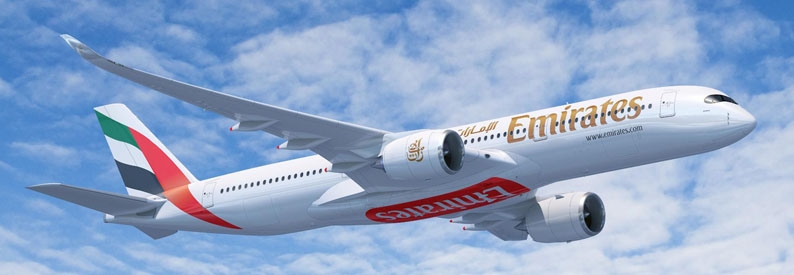
Emirates Airline ha recibido su primer Airbus A350 que llegará al centro de operaciones de la aerolínea, el Aeropuerto Internacional de Dubái (DXB), a finales del 25 de Noviembre de 2024. En una declaración, la aerolínea emiratí dijo que será un hito importante en la flota de la aerolínea con la entrega de su primer A350-900.
El avión A350-900, registrado como A6-EXA, será el primero de los 65 A350-900 que Airbus Group entregará a la aerolínea con sede en Dubai, Emiratos Árabes Unidos. El avión de fuselaje ancho será el primer tipo nuevo en entrar en su flota desde 2008, cuando Emirates recibió su primer Superjumbo A380.
Mientras Airbus ha entregado el A350-900 a Emirates, el avión será transportado desde el Aeropuerto de Toulouse Blagnac (TLS), donde el fabricante europeo de aviones tiene su Línea de Montaje Final (FAL), para Aeropuerto Internacional de Dubái (DXB) a las 16:00 hora local (UTC +1).
Una vez que el A350 de Emirates aterrice en Dubai, el avión recibirá sus toques finales en Emirates Engineering antes de ser presentado oficialmente en un evento especial a finales de esta semana.
Emirates destacó que el vuelo de entrega estará propulsado por una mezcla de combustible para aviones regular y combustible de aviación sostenible (SAF).
El A350-900 debería entrar en servicio comercial en enero de 2025, y el primer destino será el Aeropuerto de Edimburgo (EDI). Le seguirán otros ocho destinos en Asia, Europa y Oriente Medio, dijo la aerolínea.
Retrasos en las entregas Emirates Airline tuvo que retrasar varias veces la fecha de entrada en servicio (EIS) del A350. Inicialmente, la aerolínea esperaba recibir el avión en Agosto 2024, pero se retrasó hasta Octubre 2024. Cuando la aerolínea encargó 15 A350-900 adicionales durante el Salón Aeronáutico de Dubái en Noviembre de 2023, dijo que recibiría las entregas de los aviones entre Agosto de 2024 y principios de 2028. Queda por ver si los recientes retrasos en las entregas han afectado a ese plazo. Durante el mismo evento, Tim Clark, Presidente de Emirates, criticó al A350-1000 y su motor, el Rolls-Royce Trent XWB-97, por estar defectuosos.
Los registros del Grupo de Vuelos de Aviación mostraron que el A6-EXA había completado siete vuelos de prueba antes de su entrega, incluido el vuelo más reciente del fuselaje el 21 de noviembre, que operó bajo el registro de prueba temporal F-WZGA.
Se suponía que la ruta inaugural del A350-900 serían vuelos al Aeropuerto Internacional de Bahréin (BAH), y el tipo estaba programado para reemplazar al Boeing 777 el 15 de Septiembre de 2024. Otros aeropuertos en los que Emirates había programado inicialmente vuelos con el A350-900 son el Aeropuerto Internacional de Kuwait (KWI), el Aeropuerto Internacional de Mascate (MCT), el Aeropuerto Internacional Chhatrapati Shivaji Maharaj de Mumbai (BOM), el Aeropuerto Internacional de Ahmedabad Sardar Vallabhbhai Patel (AMD), el Aeropuerto Internacional de Colombo Bandaranaike (CMB), el Aeropuerto de Lyon-Saint Exupéry (LYS), el Aeropuerto Guglielmo Marconi de Bolonia (BLQ) y el Aeropuerto de Edimburgo (EDI).
Cuando la aerolínea anunció las nueve rutas iniciales del A350-900 en Mayo 2024, Adnan Kazim, Vicepresidente y Director Comercial (CCO) de Emirates, dijo que el A350-900 cambiaría las reglas del juego para la aerolínea. La aeronave permitiría a la aerolínea servir a destinos con una eficiencia operativa y flexibilidad superiores en varias regiones.
«Con los productos de cabina de última generación que incluyen más de nuestro codiciado Premium Economy a más ciudades, tecnologías de entretenimiento a bordo de primer nivel y una gran cantidad de otras características amigables para el cliente, el A350 de Emirates se basa en nuestro compromiso de larga data de invertir en la mejor experiencia del cliente en el cielo», Adnan Kazim.
Emirates takes delivery of 1st A350
Emirates takes delivery of first of its 65 Airbus A350s
Emirates Airline has taken delivery of its first Airbus A350 which will arrive at the airline’s hub, Dubai International Airport (DXB), by the end of November 25, 2024. In a statement, the Emirati carrier said it will be a major milestone in the airline’s fleet with the delivery of its first A350-900.
The A350-900 aircraft, registered as A6-EXA, will be the first of 65 A350-900s to be delivered by Airbus Group to the Dubai, United Arab Emirates-based airline. The wide-body aircraft will be the first new type to enter its fleet since 2008, when Emirates took delivery of its first A380 Superjumbo.
While Airbus has delivered the A350-900 to Emirates, the aircraft will be transported from Toulouse Blagnac Airport (TLS), where the European aircraft manufacturer has its Final Assembly Line (FAL), to Dubai International Airport (DXB) at 16:00 local time (UTC +1).
Once the Emirates A350 touches down in Dubai, the aircraft will receive its finishing touches at Emirates Engineering before being officially unveiled at a special event later this week.
Emirates highlighted that the delivery flight will be powered by a mix of regular jet fuel and sustainable aviation fuel (SAF).
The A350-900 should enter commercial service in January 2025, with the first destination being Edinburgh Airport (EDI). Eight other destinations will follow in Asia, Europe, and the Middle East, the airline said.
Delivery delays Emirates Airline had to push back the A350’s entry-in-service (EIS) date several times. The airline initially expected to take delivery of the aircraft in August 2024, but this was pushed back to October 2024. When the airline ordered 15 additional A350-900s during the Dubai Airshow in November 2023, it said it would take delivery of the aircraft between August 2024 and early 2028. It remains to be seen whether recent delivery delays have affected that timeline. During the same event, Tim Clark, President of Emirates, criticised the A350-1000 and its engine, the Rolls-Royce Trent XWB-97, for being defective.
Aviation Flight Group records showed that A6-EXA had completed seven test flights prior to delivery, including the airframe’s most recent flight on Nov. 21, which operated under the temporary test registration F-WZGA.
The A350-900’s inaugural route was supposed to be flights to Bahrain International Airport (BAH), with the type scheduled to replace the Boeing 777 on 15 September 2024. Other airports that Emirates had initially scheduled flights to with the A350-900 include Kuwait International Airport (KWI), Muscat International Airport (MCT), Mumbai’s Chhatrapati Shivaji Maharaj International Airport (BOM), Ahmedabad Sardar Vallabhbhai Patel International Airport (AMD), Colombo Bandaranaike International Airport (CMB), Lyon-Saint Exupéry Airport (LYS), Bologna Guglielmo Marconi Airport (BLQ) and Edinburgh Airport (EDI).
When the airline announced the initial nine A350-900 routes in May 2024, Adnan Kazim, Emirates Vice President and Chief Commercial Officer (CCO), said the A350-900 would be a game-changer for the airline. The aircraft would enable the airline to serve destinations with superior operational efficiency and flexibility across multiple regions.
“With state-of-the-art cabin products including more of our coveted Premium Economy to more cities, top-notch inflight entertainment technologies, and a host of other customer-friendly features, Emirates’ A350 builds on our long-standing commitment to investing in the best customer experience in the sky”, Adnan Kazim.
PUBLISHER: Airgways.com DBk: Emirates.com / Airbus.com / Airgways.com AW-POST: 202411251620AR OWNERSHIP: Airgways Inc. A\W A I R G W A Y S ®
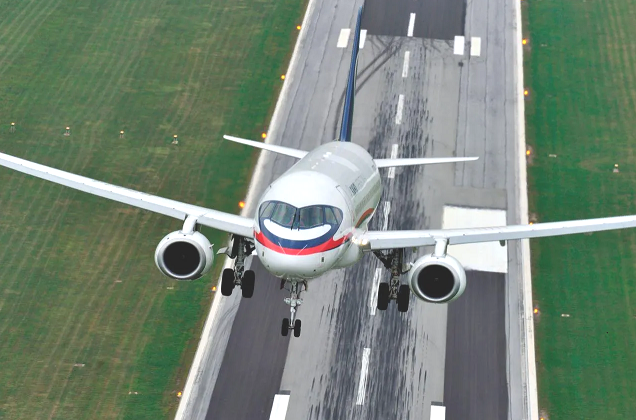
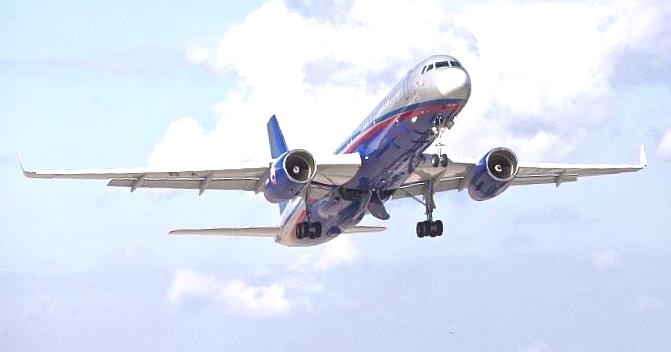
El sector de la aviación en Rusia enfrenta una turbulencia sin precedentes, con la decisión de la United Aeronautical Corporation (UAC) que ha anunciado la destitución de los CEOs de dos de sus principales subsidiarias, A.S. Yakovlev Design Bureau y Public Joint Stock Company Tupolev. Este cambio se produce tras retrasos en la producción, sanciones occidentales y un reciente incidente que involucró a uno de los aviones insignia de Rusia, el SJ-100, que se incendió después de aterrizar en Turquía.
En medio de escándalo incendiario de ambas compañías y el caos en la línea de producción, el Kremlim ha movido la cúpula de más alto nivel en las dos compañías aeronáuticas constructoras de aeronaves, ante la falta de resultados esperados y en medio de una guerra ruso-ucraninana que condiciona el progreso en el sector de la aviación comercial. Los crecientes desafíos dentro del programa de producción de aeronaves domésticas de Rusia, enfrenta el desafío de reemplazar la envejecida de las aerolíneas rusas.
La reestructuración de liderazgo se encuentra bajo presión creciente. La UAC anunció el Lunes 25/11 el despido de Andrei Boginsky, CEO de Yakovlev, y Konstantin Timofeev, Director General de Tupolev. Ambas empresas fueron recientemente integradas en la UAC bajo las órdenes del Presidente Vladimir Putin para optimizar las operaciones.
La UAC asumirá ahora el control directo de Yakovlev y Tupolev, enfatizando la urgencia de acelerar la certificación y la producción en serie de aeronaves nacionales. “Consolidar la gestión a nivel de la empresa matriz nos permite enfocar recursos en cumplir con plazos de producción críticos”, declaró la compañía aeronáutica UAC.
El cambio de liderazgo se produce solo unos días después de que un jet regional SJ-100, una piedra angular de las ambiciones de Rusia en su flota doméstica, se incendiara al aterrizar en Turquía. Aunque todos los pasajeros fueron evacuados de manera segura, el incidente ha generado más dudas sobre la fiabilidad de la industria de la aviación rusa.
El SJ-100, anteriormente conocido como Sukhoi Superjet 100, es central en los esfuerzos de Rusia para contrarrestar las sanciones que limitan el acceso a piezas de Airbus y Boeing. Sin embargo, el programa ha enfrentado importantes contratiempos, incluyendo retrasos en la certificación y producción.
Críticas a la industria Los informes sugieren que el Primer Ministro Mikhail Mishustin ordenó personalmente el despido de Andrei Boginsky, citando un colapso del programa de aviación civil de Rusia. Sin embargo, han surgido relatos contradictorios, con algunos expertos de la industria disputando esta afirmación.
El momento de estos despidos subraya la creciente frustración con la incapacidad de la Federación Rusia para cumplir con sus ambiciosos objetivos. El Gobierno ha prometido más de US$ 2.7 mil millones de Dólares para desarrollar aeronaves nacionales, pero programas como el MC-21, destinado a rivalizar con los modelos Boeing 737 y Airbus A320, han experimentado repetidos retrasos, con la entrada en servicio ahora esperada para 2025.
Sanciones occidentales La industria de la aviación de Rusia ha enfrentado dificultades desde que la invasión del país a Ucrania en 2022 provocó sanciones severas. Estas restricciones han cortado el acceso a componentes críticos para aviones de fabricación occidental, dejando a casi la mitad de la flota de Airbus A320neo de Rusia en tierra debido a problemas con los motores.
Para contrarrestar estos desafíos, Moscú tiene como objetivo producir 600 nuevos aviones para 2030. Sin embargo, persisten preguntas sobre si la industria tiene la capacidad para cumplir con este ambicioso objetivo en medio de interrupciones en la cadena de suministro y obstáculos técnicos.
La crisis dentro del sector de la aviación refleja dificultades más amplias en la base industrial de Rusia bajo sanciones. Los retrasos y la mala gestión en la producción de aviones nacionales han puesto de manifiesto los problemas sistémicos dentro de la planificación y ejecución económica del país.
Perspectivas rusas Los despidos de alto perfil de los ejecutivos de Yakovlev y Tupolev marcan un punto crítico para las ambiciones de aviación de Rusia. Con el tiempo corriendo en sus planes para renovar su flota envejecida, la UAC enfrenta una inmensa presión para entregar resultados. Sin embargo, aún está por verse, si estos cambios de liderazgo serán suficientes para superar los contratiempos en la producción, las sanciones y los desafíos técnicos.
A medida que Moscú se esfuerza por reconstruir su industria de la aviación, las apuestas son altas no solo para UAC, sino también para la posición económica y geopolítica de Rusia en el escenario global.
Tupolev and Yakovlev dismissed
Top aviation bosses are dismissed
The aviation sector in Russia is facing unprecedented turbulence, with the decision of the United Aeronautical Corporation (UAC) to dismiss the CEOs of two of its main subsidiaries, A.S. Yakovlev Design Bureau and Public Joint Stock Company Tupolev. This change comes after production delays, Western sanctions and a recent incident involving one of Russia’s flagship aircraft, the SJ-100, which caught fire after landing in Turkiye.
Amid the arson scandal of both companies and chaos on the production line, the Kremlin has moved the top management of the two aircraft-building companies, in the absence of expected results and in the midst of a Russian-Ukrainian war that conditions progress in the commercial aviation sector. Mounting challenges within Russia’s domestic aircraft production program, the company faces the challenge of replacing Russia’s aging airlines.
Leadership restructuring is under increasing pressure. UAC announced Monday 25/11 the dismissal of Andrei Boginsky, CEO of Yakovlev, and Konstantin Timofeev, General Director of Tupolev. Both companies were recently integrated into UAC under orders from President Vladimir Putin to streamline operations.
UAC will now assume direct control of Yakovlev and Tupolev, emphasizing the urgency of accelerating certification and serial production of domestic aircraft. “Consolidating management at the parent company level allows us to focus resources on meeting critical production deadlines”, UAC aircraft company stated.
The leadership change comes just days after an SJ-100 regional jet, a cornerstone of Russia’s domestic fleet ambitions, caught fire upon landing in Turkey. Although all passengers were safely evacuated, the incident has raised further questions about the reliability of the Russian aviation industry.
The SJ-100, formerly known as the Sukhoi Superjet 100, is central to Russia’s efforts to counter sanctions limiting access to Airbus and Boeing parts. However, the program has faced significant setbacks, including delays in certification and production.
Criticism of the industry Reports suggest that Prime Minister Mikhail Mishustin personally ordered the dismissal of Andrei Boginsky, citing a collapse of Russia’s civil aviation program. However, conflicting accounts have emerged, with some industry experts disputing this claim.
The timing of these dismissals underscores growing frustration with the Russian Federation’s failure to meet its ambitious targets. The government has pledged more than US$ 2.7 billion to develop domestic aircraft, but programs such as the MC-21, intended to rival the Boeing 737 and Airbus A320 models, have seen repeated delays, with entry into service now expected by 2025.
Western sanctions Russia’s aviation industry has faced difficulties since the country’s invasion of Ukraine in 2022 triggered severe sanctions. These restrictions have cut off access to critical components for Western-made aircraft, leaving nearly half of Russia’s Airbus A320neo fleet grounded due to engine issues.
To counter these challenges, Moscow aims to produce 600 new aircraft by 2030. However, questions remain over whether the industry has the capacity to meet this ambitious target amid supply chain disruptions and technical hurdles.
The crisis within the aviation sector reflects broader difficulties in Russia’s industrial base under sanctions. Delays and mismanagement in domestic aircraft production have highlighted systemic problems within the country’s economic planning and execution.
Russian outlook The high-profile dismissals of Yakovlev and Tupolev executives mark a critical point for Russia’s aviation ambitions. With time running out on its plans to revamp its aging fleet, UAC faces immense pressure to deliver results. Whether these leadership changes will be enough to overcome production setbacks, sanctions and technical challenges remains to be seen, however.
As Moscow strives to rebuild its aviation industry, the stakes are high not only for UAC, but also for Russia’s economic and geopolitical position on the global stage.
PUBLISHER: Airgways.com DBk: Gov.ru / Tupolev.ru / Yakovlev.ru / Airgways.com AW-POST: 202411251618AR OWNERSHIP: Airgways Inc. A\W A I R G W A Y S ®
Gobierno aprobó nuevas rutas a tres aerolíneas comerciales
La política de cielos abiertos impulsada por Argentina continúa su expansión con la aprobación a tres aerolíneas internacionales operar nuevas rutas en Argentina. El Gobierno autorizó a SKY Airline, Arajet y JetSMART Airlines Perú a expandir sus servicios en el país, conectando destinos clave. De esta manera y según el texto oficial, los pasajeros tendrán más opciones para viajar, permitiendo acceder la introducción de tarifas más competitivas y horarios de vuelo más convenientes.
Por medio de tres disposiciones oficiales emitidas por el Ministerio de Economía, a través de la Subsecretaría de Transporte Aéreo, el Gobierno de Argentina autorizó a tres aerolíneas extranjeras a operar rutas sudamericanas.
La aerolínea chilena SKY Airline realizará vuelos comerciales regulares entre Brasil, Chile y Argentina. La aerolínea dominicana Arajet cubrirá un incremento de la ruta entre Punta Cana/PUJ—Buenos Aires/EZE. Esta nueva frecuencia se debe al aumento de la demanda que ha recibido la nueva ruta directa estacional desde y hacia Buenos Aires a Punta Cana, República Dominicana, disponible para viajar a partir del 14 de Diciembre de 2024 hasta 8 de Febrero de 2025. Arajet indicó días atás que la conexión sin escalas a Buenos Aires no será la única disponible, pues también se podrán obtener vuelos que conecten República Dominicana con Sao Paulo, Toronto, Montreal, Santiago de Chile, Lima, Ciudad de México y Cancún. También, se pueden elegir operaciones hacia otros destinos en el continente.
Las disposiciones del Gobierno también autorizaron a la aerolínea peruana JetSMART Airlines Perú a realizar vuelos comerciales regulares entre Lima (Perú) y Buenos Aires (Argentina).
Estas nuevas rutas aumentarán las opciones de vuelo para los pasajeros que viajan entre los destinos en Sudamñérica y el Caribe. La competencia entre aerolíneas suele beneficiar a los consumidores, pues las aerolíneas se ven obligadas a ofrecer mejores servicios y precios más convenientes. Esto sucede en un contexto en el que el Gobierno avanza en su intención de privatizar Aerolíneas Argentinas.
De esta manera se formalizó un acuerdo entre gobiernos que permite a una aerolínea operar en un nuevo mercado. Los Cielos Abiertos busca atraer más aerolíneas y mejorar la conectividad local e internacional en Argentina. El Secretario de Transporte, Franco Mogetta, destacó el avance como un logro clave del Gobierno de Javier Milei. El Secretario afirmó que la iniciativa simplifica trámites y fomenta un entorno sin monopolios ni burocracia estatal. La medida forma parte de acuerdos con países como Brasil, Canadá, México y Uruguay para promover la aviación comercial.
Argentina approves more routes
Government approved new routes for three commercial airlines
The open skies policy promoted by Argentina continues its expansion with the approval of three international airlines to operate new routes in Argentina. The Government authorized SKY Airline, Arajet, and JetSMART Airlines Peru to expand their services in the country, connecting key destinations. In this way and according to the official text, passengers will have more options to travel, allowing access to the introduction of more competitive rates and more convenient flight schedules.
Through three official provisions issued by the Ministry of Economy, through the Undersecretariat of Air Transport, the Government of Argentina authorized three foreign airlines to operate South American routes.
The Chilean airline SKY Airline will carry out regular commercial flights between Brazil, Chile, and Argentina. The Dominican airline Arajet will cover an increase in the route between Punta Cana/PUJ—Buenos Aires/EZE. This new frequency is due to the increased demand for the new seasonal direct route to and from Buenos Aires to Punta Cana, Dominican Republic, available for travel from December 14, 2024, to February 8, 2025. Arajet indicated days ago that the non-stop connection to Buenos Aires will not be the only one available, as flights connecting the Dominican Republic with Sao Paulo, Toronto, Montreal, Santiago de Chile, Lima, Mexico City, and Cancun will also be available. Operations to other destinations on the continent can also be chosen.
The Government’s provisions also authorized the Peruvian airline JetSMART Airlines Peru to operate regular commercial flights between Lima (Peru) and Buenos Aires (Argentina).
These new routes will increase flight options for passengers traveling between destinations in South America and the Caribbean. Competition between airlines usually benefits consumers, as airlines are forced to offer better services and more convenient prices. This is happening in a context in which the Government is moving forward with its intention to privatize Aerolíneas Argentinas.
In this way, an agreement between governments was formalized that allows an airline to operate in a new market. Open Skies seeks to attract more airlines and improve local and international connectivity in Argentina. The Secretary of Transportation, Franco Mogetta, highlighted the progress as a key achievement of Javier Milei’s Government. The Secretary stated that the initiative simplifies procedures and promotes an environment without monopolies or state bureaucracy. The measure is part of agreements with countries such as Brazil, Canada, Mexico, and Uruguay to promote commercial aviation.
PUBLISHER: Airgways.com DBk: Argentina.gob.ar / Jetsmart.com / Skyairline.com / Arajet.com / Airgways.com AW-POST: 202411251523AR OWNERSHIP: Airgways Inc. A\W A I R G W A Y S ®
AW | 2024 11 22 12:22 | AIRLINES / AVIATION ORGANISMS / GOVERNMENT
Cinco aerolíneas reciben sanciones por prácticas abusivas
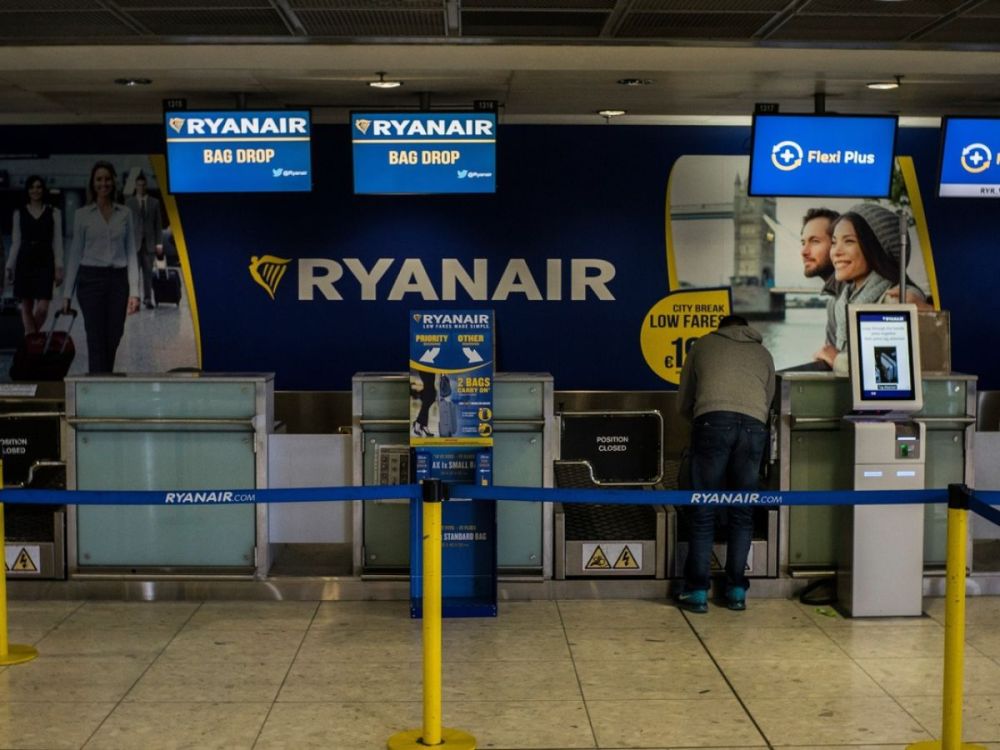
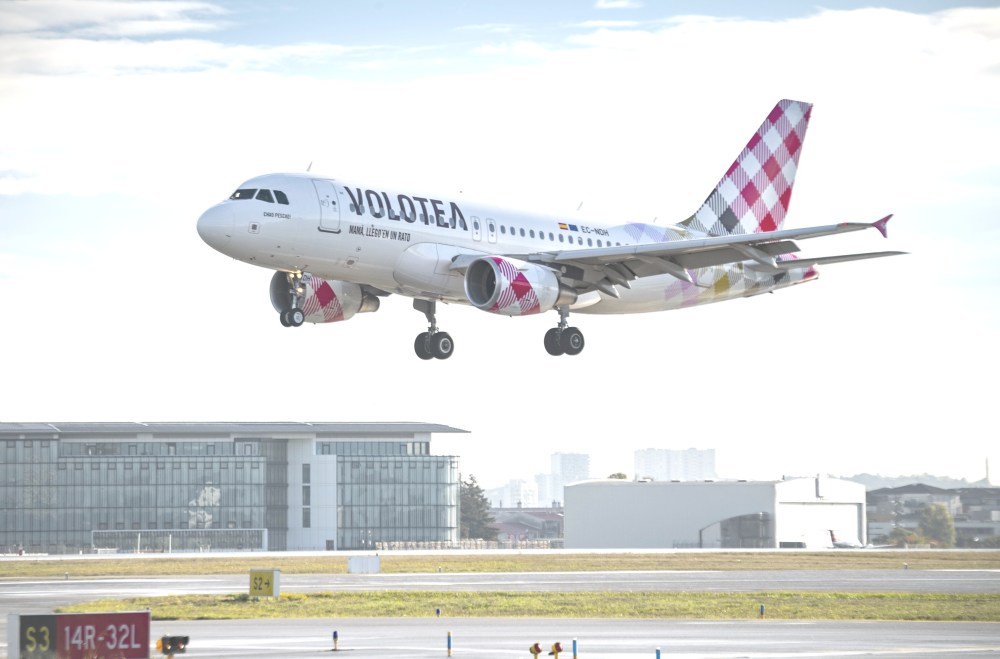
El Gobierno de España anunció el Viernes 22/11 una multa de € 179 millones de Euros/US$ 186 millones de Dólares a las aerolíneas de bajo coste Ryanair, Vueling, EasyJet, Volotea y Norwegian, por prácticas abusivas. Esta sanción confirma y amplía una información ofrecida el 31 de Mayo de 2024 por la asociación de consumidores FACUA (Federación de Asociaciones de Consumidores y Usuarios de Andalucía), que en ese momento dijo haber presentado una denuncia contra prácticas consideradas abusivas y haber conseguido una multa de más de € 150 millones de Euros contra cuatro compañías aéreas.
El Ministerio de Consumo español ha desestimado los recursos que las aerolíneas interpusieron» y sancionó a cinco empresas por un importe total cercano a los € 179 millones de Euros por prácticas abusivas, señaló un comunicado. Las cinco aerolíneas que incurrieron en irregularidades deberán afrontar cargos monetarios. Ryanair tendrá que pagar la multa más elevada, € 107,7 millones de Euros, Vueling € 39,3 millones, Easyjet € 29,1 millones, Norwegian € 1,6 millones y Volotea € 1,2 millones.
Las cinco compañías fueron sancionadas por cobrar suplementos por el equipaje de mano de los pasajeros o por elegir el asiento para poder volar junto a personas dependientes, como discapacitados o niños. También fueron reconvenidas por prohibir el pago de pasajes en efectivo e imponer una tarifa desproporcionada y abusiva por la impresión de tarjetas de embarque en los aeropuertos. La medida incluye «la prohibición a estas empresas de seguir realizando las prácticas sancionadas», precisó el Ministerio de Consumo.
La asociación de consumidores español FACUA celebró en un comunicado la decisión, que definió como las sanciones «más altas que ha aplicado en la historia una autoridad de protección de los consumidores. Los usuarios tienen derecho a reclamar la devolución de estos cargos extra», subrayó el organismo. La medida podrá ser objeto de recurso, pero ante los tribunales, detalló el ministerio.
«Estas multas ilegales e infundadas, inventadas por el Ministerio de Consumo español por motivos políticos, violan claramente la legislación de la Unión Europea», reaccionó en un comunicado el CEO de Ryanair, Michael O’Leary, quien anunció que la empresa recurrirá a apelar el recurso. Las sanciones «serán revocadas por los tribunales de la UE, que han defendido repetidamente el derecho de todas las aerolíneas de la Unión Europea a fijar precios y políticas, libres de interferencia gubernamental», agregó Michael O’Leary.
Spain fines low-cost airlines
Five airlines receive sanctions for abusive practices
On Friday 22/11, the Spanish Government announced a fine of € 179 million Euros/US$ 186 million Dollars to the low-cost airlines Ryanair, Vueling, EasyJet, Volotea, and Norwegian, for abusive practices. This sanction confirms and expands information offered on May 31, 2024 by the consumer association FACUA (Federation of Consumer and User Associations of Andalusia), which at that time said it had filed a complaint against practices considered abusive and had obtained a fine of more than € 150 million Euros against four airlines.
The Spanish Ministry of Consumption has rejected the appeals filed by the airlines and fined five companies a total of nearly € 179 million for abusive practices, a statement said. The five airlines that committed irregularities will have to face monetary charges. Ryanair will have to pay the highest fine, € 107.7 million, Vueling € 39.3 million, Easyjet € 29.1 million, Norwegian € 1.6 million and Volotea € 1.2 million.
The five companies were fined for charging extra for passengers’ hand luggage or for choosing seats to be able to fly with dependent persons, such as the disabled or children. They were also reprimanded for prohibiting the payment of tickets in cash and imposing a disproportionate and abusive fee for printing boarding passes at airports. The measure includes «the prohibition of these companies from continuing to carry out the sanctioned practices», the Ministry of Consumption said.
The Spanish consumer association FACUA welcomed the decision in a statement, which it defined as the «highest sanctions ever applied by a consumer protection authority. Users have the right to claim the refund of these extra charges», the organization stressed. The measure can be appealed, but in court, the ministry said.
«These illegal and unfounded fines, invented by the Spanish Ministry of Consumption for political reasons, clearly violate European Union legislation», reacted Ryanair CEO Michael O’Leary in a statement, who announced that the company will appeal the appeal. The sanctions «will be revoked by the EU courts, which have repeatedly defended the right of all European Union airlines to set prices and policies, free of government interference», Michael O’Leary added.
PUBLISHER: Airgways.com DBk: Dsca.gob.es / Facua.com / Ryanair.com / Airgways.com AW-POST: 202411221222AR OWNERSHIP: Airgways Inc. A\W A I R G W A Y S ®















 airgways.com