Los próximos pasos de Aerolíneas Argentinas a seis meses de la nueva gestión

AW 2016 08 18:20 | AIRLINES

A I R G W A Y S ® 005

El desafío no fue sencillo. Hace seis meses, el team de Aerolíneas Argentinas que ingresó de la mano de la nueva CEO, Isela Costantini, se encontró con un escenario complicado: recibió una compañía con US$ 1000 millones de resultado negativo. La mitad de ese monto es deuda vencida o por vencer. Una firma ineficiente, sin procesos y, como ella misma se la definió a Mauricio (sic), “una empresa con gestión monopólica y cultura estatal”.

En un mano a mano con Apertura.com, Diego García contó detalles de la estrategia comercial de la empresa que recibió su nuevo Airbus 330-200 en la terminal de Ezeiza. Es la séptima aeronave de este tipo que se incorpora a la flota, en este caso, directo desde la fábrica de Airbus en Toulouse, Francia. El acuerdo de financiación por US$ 280 millones que se realizó a tasas fijas de 6,23% y 6,34% por un período de ocho años. Se cerró con la empresa PK Airfinance, la rama financiera de la empresa General Electric Capital Aviation Services Limited (GECAS) y contempla además de esta una nueva aeronave Airbus 330-200 a recibir en octubre, otros tres aviones Boeing 737-800 en los próximos dos años y el cambio de la financiación existente por dos Airbus A 330-200 que fueron adquiridos el año pasado.

¿Utilizaron los primeros seis meses para ordenarse?
Sí. Han sido meses de mucho trabajo. Principalmente pusimos el foco en lo regional y doméstico. Esto último tiene mucho peso porque ya tenemos una estructura de rutas desarrolladas a eficientizar. Y para ello tenemos cuatro estrategias. Por un lado, seguir potenciando el “hub” Aeroparque para los vuelos radiales (cabotaje con base en Buenos Aires); luego el aeropuerto de Ezeiza, para conectar nuestra oferta de vuelos domésticos con la oferta regional e internacional. En tercer lugar, continuar incrementando los vuelos desde las “focus-cities” Córdoba, Rosario y Mendoza; y por último los vuelos intertramos (entre provincias) y los corredores “Norte”, “Sur”, “Petrolero” y próximamente el corredor “Atlántico”.

¿Cuáles son los principales desafíos?
Desde el día uno decidimos cambiar de estrategia y eso fue lo que me motivó personalmente a cambiar de trabajo. De hecho, la primera pregunta que hice durante la entrevista fue: venimos a cambiar la compañía o a hacer más de lo mismo. Y la respuesta fue la que me empujó a aceptar la posición. Respecto a la pregunta, el mayor desafío es consolidar la operación, eficientizando el itinerario. Es decir hacer volar más a los aviones. Por ejemplo uno de los temas con el que nos encontramos era que la operación era muy lineal. Es decir tenías la misma cantidad de frecuencias durante todo el año a destinos que son estacionales lo que generaba que se malgastaran los recursos. Por eso trabajamos en eficientizar , mejorar desde el uso de tripulaciones y aviones hasta mejorar los factores de ocupación.

En números concretos…
En cabotaje, si comparamos julio 2016 con enero 2016, volamos 8% más de “horas block” (la cantidad de horas netas que el avión está en aire) con nuestros Embraer y un 1% más en los Boeing 737NG. Y si comparamos lo volado en enero 2016 con lo que tenemos proyectado para enero 2017, vamos a volar un 20% más de horas block en Embraer y un 8% más en los 737NG. En total estaremos volando un 11% de horas block para el año que viene.

A su vez comparado con 2015, crecimos en nuestra oferta de vuelos un 9,6% y transportamos un un 10% más de pasajeros. Se aumentó el margen de contribución casi un 50 por ciento y ganamos participación de mercado.

Por otra parte estamos cumpliendo nuestro compromiso con el Gobierno para ahorrar US$ 92 millones de ahorro en el costo de distribución de pasajes aéreos. Por el momento estamos logrando este objetivo basado en la reducción de comsiones, publicidad y costo de financiación bancarias. Esto represento un ahorro interanual del 80% en este concepto en el primer semestre sin afectar nuestra cuota de mercado.

Y a futuro, ¿qué proyectos tienen?
Nuestro foco está en seguir trabajando en lograr eficacia con eficiencia. En ese sentido, estamos trabajando en un proyecto llamado O&D. Se trata de un sistema de venta de pasajes basado en algoritmos que permite eficientizar la venta de pasajes según el perfil del comprador en los distintos puntos de venta de Aerolíneas. Este proyecto nos permitirá generar unos USD 20 millones adicionales en 2017.

Y en lo que respecta puntualmente al servicio estamos trabajando muy fuerte en mejorar la experiencia del cliente, a lo largo de todo el proceso de compra. Mejorando desde el sitio web, haciendo mejoras en la sala vip de Ezeiza y planeamos para diciembre o el primer cuatrimestre de 2017 tener la nueva propuesta de entretenimiento a bordo y novedades en el menú, entre otras cosas.

Hay muchas oportunidades de mejora, pero estamos muy motivados con lo que podemos hacer para que el pasajero nos elija como su primera opción.

¿Trabajan en cambiar algunas rutas?
Tenemos un plan en ejecución para federalizar nuestra operación. Es decir, generar más interconexión entre provincias sin tener que pasar por Buenos Aires. Estamos potenciando dos focus city que son Córdoba y Rosario, más allá de Mendoza que ya estaba funcionando. De hecho, el factor de ocupación de Córdoba es del 82 por ciento con picos de 92 en la primer semana de las vacaciones de invierno, En septiembre vamos a sumar el tramo Córdoba-Iguazú y Córdoba-Resistencia. Además ya hay algunos vuelos con 95 por ciento de ocupación que conectan como Ushuaia-Córdoba-Salta en seis horas sin necesidad de pasar por Buenos Aires.

Respecto a las rutas internacionales ya hicimos rentable Nueva York con pequeños ajustes como el code-share (acuerdos de código compartido) que hicimos con Delta que hoy nos ubica entre 1500 y1800 pasajeros al mes, de los cuales un 30 por ciento en vuelan en clase ejecutiva. Barcelona y Roma, por su parte, vienen mostrando una mejoría, si bien este último es el principal desafío para el segundo semestre.

Por otra parte trabajamos en hacer crecer la categoría Club Cóndor (business class) que en el acumulado del año ya tiene una ocupación del 76 por ciento, 5 por ciento más que el año anterior. En otros casos, tuvimos que tomar decisiones en rutas negativas de nuestra oferta internacional como fue la baja de las rutas a Brasilia, Belo horizonte, la Habana y Córdoba-Miami. Reorientando la oferta de vuelos hacia el Caribe, con vuelos directos al Caribe que están mostrando muy buenos resultados de ocupación.

Estamos orientados a trabajar en rutas que creemos poder convertir en positivas como fue el caso de Nueva York. Así estamos trabajando intensamente y con nuestros partners estratégicos para mejorar estos resultados. Sky Team y sus miembros confían en el trabajo que estamos haciendo y están apoyando a Aerolíneas para conseguirlo.

Así las cosas, el equipo liderado por Isela Costantini se enfrenta a uno de los mayores desafíos, “Hemos definido valores que creemos que ya existen pero que hay que mostrar y evidenciar. Todo el mundo tiene un foco en servicio, todo el mundo está preocupado por la seguridad. Hay que hacerlo visible y hablar en voz alta”, finaliza. AIRGWAYS ® Icon-AW

The next steps of Aerolineas Argentinas six months of the new management

The challenge was not easy. Six months ago, the team of Argentine Airlines entered the hand of the new CEO, Isela Costantini, met a complicated scenario: a company received US $ 1000 million negative. Half of that amount is matured or unmatured debt. Inefficient signature without processes and, as she herself described it to Mauritius (sic), «a company with monopoly and state management culture.»

In a dogfight with Apertura.com, Diego Garcia told details of the business strategy of the company which received its new Airbus 330-200 in the terminal Ezeiza. It is the seventh aircraft of this type joined the fleet in this case, direct from the Airbus factory in Toulouse, France. The financing agreement for US $ 280 million held at fixed rates of 6.23% and 6.34% for a period of eight years. The company closed with PK Airfinance, the financial arm of General Electric Capital Aviation Services Limited (GECAS) and also this provides a new Airbus 330-200 aircraft to receive in October, three Boeing 737-800 aircraft in the next two years and the change of existing funding for two Airbus a 330-200 which were acquired last year.

Did you use the first six months to be sorted?
Yes. They have been months of hard work. Mainly we put the focus on the regional and domestic. The latter has much weight because we already have a route structure developed to enhance the efficiency. And for this we have four strategies. On the one hand, further enhance the «hub» for radial Aeroparque flights (cabotage based in Buenos Aires); then Ezeiza airport to connect our offer domestic flights with the regional and international offer. Third, continue to increase flights from the «focus-cities» Cordoba, Rosario and Mendoza; and finally flights between segments (between provinces) and the «North», «South», «Oil» and soon the corridor «Atlantic» runners.

What are the main challenges?
From day one we decided to change strategy and that was what motivated me personally to change jobs. In fact, the first question I asked during the interview was: come to change the company or to do more of the same. And the answer was the one that pushed me to accept the position. Regarding the question, the biggest challenge is to consolidate the operation, eficientizando the itinerary. That is to fly the aircraft. For example, one of the issues we encountered was that the operation was very linear. It is you say you had the same number of frequencies throughout the year to destinations that are seasonal which generated resources will be wasted. So we worked on more efficient, improve from the use of crews and airplanes to improve load factors.

In concrete numbers …
In cabotage, comparing July 2016 to January 2016 we flew over 8% «block hours» (the amount of net hours that the plane is in the air) with our Embraer and a 1% in the Boeing 737NG. And if we compare it flown in January 2016 with what we have planned for January 2017, we will fly 20% more block hours in Embraer and 8% in the 737NG. In total we will be flying a 11% block of hours for next year.

In turn compared to 2015, we grew in our offer of flights by 9.6% and transport 10% more than one passenger. the contribution margin by almost 50 percent and gain increased market share.

On the other hand we are fulfilling our commitment to the Government to save US $ 92 million savings in the cost of distribution of airline tickets. At the moment we are achieving this goal based on reducing suited commissions, advertising and cost of bank financing. This represented an annual saving of 80% on this concept in the first half without affecting our market share.

 And in the future, what projects do you have?
Our focus is on continuing to work on achieving effectiveness with efficiency. In that sense, we are working on a project called O & D. It is a system based on ticket sales more efficient algorithms that allows the sale of tickets to the profile of the buyer at the various outlets Airlines. This project will allow us to generate an additional USD 20 million in 2017.

And as regards the service on time we are working hard on improving the customer experience throughout the entire process. Improving from the website, making improvements in the VIP room Ezeiza and plan for December or the first quarter of 2017 have the new proposal inflight entertainment and news on the menu, among other things.

There are many opportunities for improvement, but we are very encouraged with what we can do for the passenger to choose us as their first choice.

Do they work on changing some routes?
We have a plan for federalization running our operation. That is, generate more interconnection between provinces without having to go through Buenos Aires. We are promoting two focus city that are Cordoba and Rosario, Mendoza beyond that was already running. In fact, the load factor of Cordoba is 82 percent with peaks of 92 in the first week of the winter holidays, in September we will add the section Córdoba-Iguazú and Córdoba-resistance. In addition there are some flights with 95 percent occupancy as connecting Cordoba-Salta Ushuaia in six hours without passing through Buenos Aires.

Regarding international routes we already did cost New York with minor adjustments as the code-share (codeshare agreements) we did with Delta that today is between 1500 y1800 passengers per month, of 30 percent which in flying in class executive. Barcelona and Rome, meanwhile, are showing improvement, although the latter is the main challenge for the second half.

Moreover we work to grow the category Club Condor (business class) than in the full year and has an occupancy rate of 76 percent, 5 percent more than the previous year. In other cases, we had to make decisions on negative routes of our international supply was lower as routes to Brasilia, Belo Horizonte and Cordoba Havana-Miami. Reorienting offering flights to the Caribbean, with direct flights to the Caribbean are showing very good results occupation.

We are oriented to work on routes that we believe we can become positive as was the case in New York. So we are working intensively with our strategic partners to improve these results. Sky Team and its members rely on the work we are doing and are supporting airlines to get it.

So, the team led by Isela Costantini faces one of the biggest challenges, «we have defined values that already exist but you have to show and prove. Everyone has a focus on service, everyone is concerned about security. We must make it visible and speak loudly,» concludes. A\W

Ξ A I R G W A Y S Ξ
SOURCE: apertura.com
DBk: Photographic © AIRGWAYS
AW-POST: 20160817180AR
A\W A I R G W A Y S ®

Hallan partes de la caja negra del avión Eastern Airlines que se estrelló en el Illimani hace 31 años

AW | 2016 06 08 17:00 | AIR CRASH INVESTIGATION

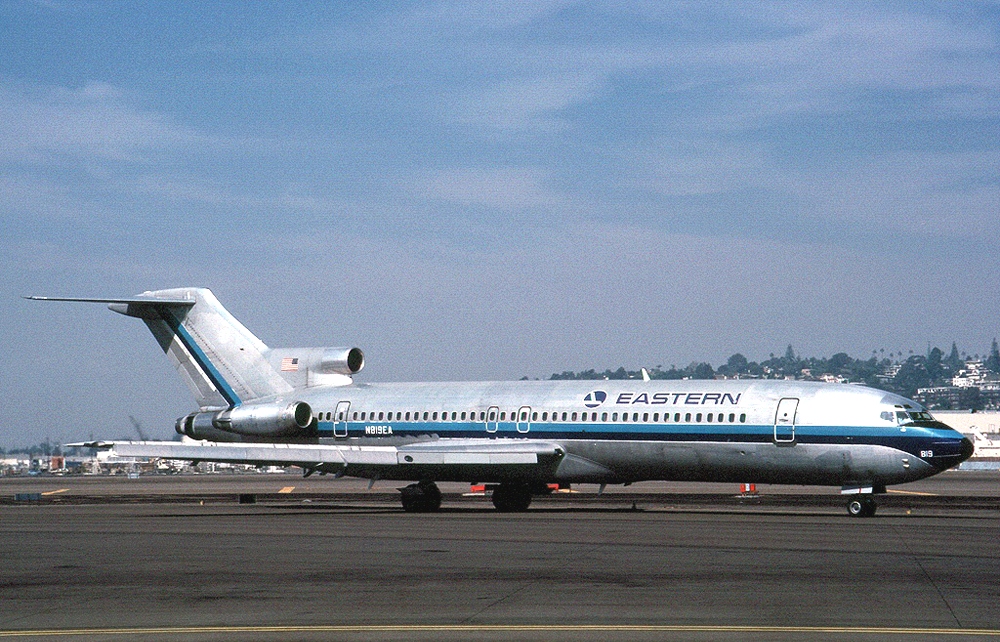
EASTERN AIRLINES EA980

El accidente del avión de Eastern Airlines es considerado uno de los grandes misterios de la aviación. El siniestro acabó con la vida de 29 personas el 1 de enero de 1985.

31 años después de que el avión de la compañía Eastern Airlines que partió de Asunción a Miami, con escala en la ciudad de La Paz, se estrellara en el nevado Illimani; hace unos días, dos exoficiales de infantería norteamericanos, Dan Futrell e Isaac Stoner, encontraron partes de la caja negra de la aeronave.

N819EA

BOEING 727-200 N819EA ACCIDENTADO EN BOLIVIA

«Operación Thonapa”, en alusión al dios andino Tunupa, es el nombre de la expedición que llevaron adelante los dos estadounidenses que se instalaron en proximidades del Illimani, exactamente en la mina «Mesa Khala”, con el objetivo de encontrar la caja negra del Boeing 727-200, que contiene la grabadora de voz de la cabina y el registrador de datos del vuelo, elementos que permitirían conocer la causa del siniestro que provocó la muerte de 29 personas: 19 pasajeros y 10 tripulantes.

«Empezamos este viaje con el objetivo de encontrar la caja negra – la grabadora de voz de la cabina y el registrador de datos de vuelo – del Eastern Airlines vuelo 980. También teníamos la meta de vivir una vida de aventuras, para desafiar a nosotros mismos física y mentalmente, y para volver con una historia”, relata Futrell en su último artículo de su blog Operation Thonapa, con fecha del 3 de junio de este año.

Durante varios días de búsqueda, ambos expedicionarios, con el apoyo de un guía alemán, Robert Rauch, y un cocinero boliviano de nombre José Lazo, escalaron el nevado que está aproximadamente a 6.530 metros de altura sobre el nivel del mar.

imagen
Operation Thonapa

En su primer día de búsqueda encontraron dos piezas de metal destrozadas y retorcidas de color naranja y verde. En la segunda jornada se halló otras tres piezas similares a las del día anterior. Según relata Futrell, hasta ese entonces no tenían certeza de que fueran piezas referidas a la caja negra.

En el tercer día encontraron más escombros de la aeronave y una gran parte de metal, presumiblemente de la ala. También se localizó una sexta pieza de color naranja y verde. «Al igual que las cinco piezas anteriores tenía cables que salen de ella. En una envoltura de plástico alrededor de los cables estaba escrito CKPT VO RCDR», comentó Futrell.

imagen
Operation Thonapa | Partes del Boeing 727-200 de Eastern Airlines

La pieza, según el expedicionario, confirmó que habían encontrado los registradores de la aeronave. «En los últimos dos días hemos hablado mucho de cuánto metal tenemos y si estas son las piezas correctas, si se confirma que tenemos la grabadora de voz de la cabina y suficiente metal para al menos parcialmente confirmar la grabación de datos del vuelo”.

A estas piezas también se sumó un rollo de cinta magnética. Presumiblemente, ésta podría ser parte del registrador de vuelo, aunque también los exploradores creen que sea un video casero del equipaje de algún pasajero del avión.

imagenimagen
Operation Thonapa | Partes de la «caja negra»

«Vamos a trabajar con algunos expertos, una vez que llegue a casa para determinar si alguna información se puede tirar de la cinta. Tenemos la esperanza, pero puede ser poco legible el rollo deteriorado”, anticipó Futrell.

Operación Thonapa es un blog donde se lee la travesía que los dos norteamericanos emprendieron en el país en las últimas semanas para dar con el paradero de la caja negra del Boeing 727-200.

El accidente del avión de Eastern Air es considerado uno de los grandes misterios de la aviación, basta con revisar en Google la cantidad de documentales, artículos y otros trabajos periodísticos para conocer la magnitud que tuvo este hecho en 1985. AIRGWAYS ® Icon-AW


Are parts of the plane’s black box Eastern Airlines crashed into the Illimani 31 years ago

The crash of Eastern Airlines is considered one of the great mysteries of aviation. The incident killed 29 people on January 1, 1985

31 years after the company jet Eastern Airlines departed from Asuncion to Miami with a stopover in the city of La Paz, crashed into the Illimani; A few days ago, two American infantry exoficiales, Dan Futrell and Isaac Stoner, found parts of the black box of the aircraft.

«Operation Thonapa» referring to the Andean god Tunupa, is the name of the expedition who carried out the two Americans who settled in near the Illimani, exactly in the «Mesa Khala» mine, with the aim of finding the black box Boeing 727-200, which contains the recorder and cockpit voice recorder flight details, elements that allow to know the cause of the accident that killed 29 people: 19 passengers and 10 crew.

«We started this journey with the aim of finding the black box – recorder cockpit voice and flight data recorder – the Eastern Airlines flight 980. We also had the goal of living a life of adventure, to challenge ourselves physically and mentally, and to come back with a story, «says Futrell in his latest article of your blog Operation Thonapa, dated June 3 this year.

During several days of searching, both expeditionary, with the support of a German guide, Robert Rauch, and a Bolivian chef named Jose Lazo, climbed the snowy which is about 6,530 meters above the sea level.

On his first day search they found two pieces of mangled metal and twisted orange and green. On the second day three more similar to the previous day’s pieces were found. According tells Futrell, until then were not sure they were pieces related to the black box.

On the third day they found more debris of the aircraft and a large part of metal, presumably from the wing. a sixth piece of orange and green are also located. «Like the five previous pieces had wires coming out of it. In plastic wrap around the cables was written CKPT VO RCDR» said Futrell.

The piece, according to the expeditionary, confirmed that they had found the recorders of the aircraft. «In the last two days we have talked a lot about how much metal we have and if these are the correct parts, if confirmed to have voice recorder cabin and enough metal to at least partially confirm the recording flight data.»

These pieces a roll of magnetic tape also joined. Presumably, this could be part of the flight recorder, but also explorers believe it is a home video baggage a passenger plane.

«We will work with some experts, once you get home to determine if any information can pull the tape. We hope, but can be difficult to read the roll deteriorated,» predicted Futrell.

Thonapa operation is a blog where the journey that the two Americans launched in the country in recent weeks to determine the whereabouts of the black box reads Boeing 727-200.

The crash of Eastern Air is considered one of the great mysteries of aviation, Google just check in the amount of documentaries, articles and other journalistic works for the extent that this was done in 1985. A\W

DATA ACCIDENT DESCRIPTION
  • Date & Time
    Jan 1, 1985 at 2030 LT
  • Type of Aircraft
    Boeing 727-200
  • Operator: 
  • Registration: N819EA
  • Flight Phase: Landing (descent or approach)
  • Flight Type: Scheduled Revenue Flight
  • Survivors: No
  • Site Mountains
  • Schedule
    Asunción-La Paz
  • c/n22556
  • YOM1982
  • Flight number: EA980
  • Location La Paz, La Paz
  • Country: Republic of Bolivia
  • Region: South America
  • Crew on board: 6
  • Crew fatalities: 0
  • Pax on board: 23
  • Pax fatalities: 0
  • Other fatalities: 0
  • Total fatalities: 29
Ξ A I R G W A Y S Ξ
SOURCE: paginasiete.bo / baaa-acro.com
DBk: Photographic © baaa-acro.com
AW-POST: 201606081700AR

70 años de KLM en New York

DC-4

AW | 2016 05 21 05:30 | AIRLINES HISTORY

 > 70 años a la gran manzana, New York

El 21 de mayo de 1946, un DC-4 partió a Nueva York desde Ámsterdam haciendo de KLM en la primera aerolínea europea en ofrecer el servicio a través del Atlántico a los Estados Unidos. Ahora, setenta años después, la red de rutas del Atlántico Norte de KLM sigue siendo una de las puertas de enlace clave entre los dos continentes. Una excelente oportunidad para celebrar y compartir una historia sobre el pasado.

Por supuesto, un setenta aniversario es un hito importante, pero KLM tiene otros destinos en su red que se ha servido por más tiempo. La mayoría están en Europa y más hacia el este de Asia. KLM se quedó más cerca de casa en los primeros días, con vuelos a Londres, París, Hamburgo y Estocolmo. Pero siempre existía la ambición de conectar los Países Bajos a sus colonias en lo que hoy es Indonesia. Por esta razón, el enfoque inicial se centró en Europa y Oriente. Una excepción fue el funcionamiento de las Indias Occidentales de KLM. Pero, una vez más, el principal objetivo era conectar los Países Bajos con sus colonias en el Caribe y América del Sur. Sin embargo, esta visión cambió durante la Segunda Guerra Mundial y se desarrolló rápidamente en los años posteriores a la guerra.
Diplomacia
Fue un sueño largamente acariciado del primer presidente de KLM, Albert Plesman, para iniciar servicio programado entre Ámsterdam y Nueva York. Compañías aéreas en los EE.UU. habían desarrollado un grado de proteccionismo – por decirlo suavemente – y ellos no estaban a punto de dar la bienvenida a un extranjero como KLM con los brazos abiertos. Finalmente, con la ayuda de algún talento diplomático serio, los Países Bajos y los EE.UU. lograron negociar un acuerdo bilateral de aviación civil permitiendo así KLM para volar la ruta Amsterdam-Nueva York. En enero de 1946, KLM inició una serie de vuelos de prueba y, el 21 de mayo de ese mismo año, estábamos listos para ir. El DC-4, un avión de cuatro motores de estar cuarenta y cuatro pasajeros, partió de Schiphol que lleva un complemento de las autoridades gubernamentales, periodistas, personal de KLM y un solo hombre de negocios de Nueva York.
Pluma en el sombrero
Los primeros vuelos incluyen escalas en Glasgow y Gander, Terranova. Lo que es más, hemos tenido que preparar algunas aeropuertos de desvío, así que tuvimos un lugar para parar en caso de mal tiempo. La velocidad era importante, pero la seguridad siempre era más importante. El tiempo de viaje total de veinte y cinco y media horas incluido veintiuna horas de vuelo. El servicio comenzó con dos vuelos a la semana. Sin embargo, la ruta se hizo tan popular que, en 1946 solamente, tuvimos que añadir otros treinta y tres vuelos. En los años que siguieron, la frecuencia aumenta y, en 1950, estábamos volando a Nueva York todos los días de la semana. La ruta que resultó ser un gran éxito y KLM tenía una pluma real en su tapa.
Aumento de la capacidad
En esos años, la aviación civil estaba cambiando constantemente pero inexorablemente. Los pasajeros también estaban cambiando. Aviones fueron creciendo en tamaño y líneas aéreas fueron capaces de ofrecer una mayor capacidad. Volar era una propuesta costosa. Pero, precisamente, mediante la introducción de clase turista y, más tarde, clase económica, se puso a disposición de vuelo a un grupo más amplio de personas. KLM introdujo por primera vez las nuevas clases en esta ruta lo más importante del Atlántico Norte, donde también estaba usando nuevos tipos de aeronaves.

Serving NY 1947

Como un calco historia de KLM, puedo ver nuevos aviones está introduciendo regularmente en las rutas del Atlántico Norte. El DC-8, primer avión de reacción de KLM, voló por primera vez a Nueva York y el mismo fue el caso con el primer Boeing 747-200, nuestro primer avión de fuselaje ancho. Eso fue mano a mano con los aumentos de capacidad. Una y otra vez, KLM vio el potencial de la ruta del Atlántico Norte en crecimiento y actuó en consecuencia.

1960 DC8 werd ingezet op NY

5ta Avenida
Volver a Nueva York. Esto es, después de todo, donde comenzamos. Desde el principio, KLM vio el enorme potencial de esta ruta. Sí, era un símbolo de estatus, pero no sólo eso. El desarrollo de Schiphol en los años posteriores a la guerra y la importancia económica de la cooperación con los EE.UU. crecieron constantemente en importancia. Así que fue de extrañar que, durante años, KLM tuvo su oficina de Nueva York en la Quinta Avenida – no es exactamente la calle shabbiest en la ciudad.

1965 Madurodam op KLM kantoor NY

Madurodam window, KLM office in New York. 1969

En 1959, KLM se trasladó a la esquina de la calle 49 y la 5ª Avenida, por lo que es la única oficina más grande que cualquier línea aérea tenía en Nueva York en el momento. Nuestra «propia» Audrey Hepburn – que tenía una conexión especial los Países Bajos y KLM – abrió la oficina entre otras muchas fiestas. Quinta Avenida durante mucho tiempo ha sido conocida por sus ventanas de Navidad y KLM no estaba a punto de quedarse fuera. Ventana de la Navidad de KLM incluye construcciones de la ciudad holandesa en miniatura de Madurodam, todos los cuales sacaban una gran cantidad de atención. KLM se había puesto en el mapa de la gran manzana. ¿Cómo se hace un pequeño gran país? Me gusta esto. AIRGWAYS ® Icon-AW


70 Years to New York, the Big Apple of KLM’s Eye

On 21 May 1946, a DC-4 set off to New York from Amsterdam making KLM the first European airline to offer service across the Atlantic to the United States. Now, seventy years on, KLM’s North Atlantic route network is still one of the key gateways between the two continents. An excellent opportunity to celebrate and share a story about the past.

Amerika_ontdek_je_met_KLM

Of course a seventieth anniversary is an important milestone, but KLM has other destinations in its network that is has served longer. Most are in Europe and further to the east in Asia. KLM stayed closer to home in the early days, with flights to London, Paris, Hamburg and Stockholm. But there was always the ambition to connect the Netherlands to its colonies in what is now Indonesia. This is why the initial focus was on Europe and the East. One exception was KLM’s West Indies operation. But, again, the main aim was to connect the Netherlands with its colonies in the Caribbean and South America. However, this vision changed during World War II and developed rapidly in the post-war years.

Diplomacy

It was a long-cherished dream of KLM’s first president, Albert Plesman, to start scheduled service between Amsterdam and New York. Airlines in the US had developed a degree of protectionism – to put it mildly – and they were not about to welcome an outsider like KLM with open arms. Finally, with the help of some serious diplomatic talent, the Netherlands and the US managed to hammer out a bilateral civil aviation agreement thereby allowing KLM to fly the Amsterdam-New York route. In January of 1946, KLM initiated a series of test flights and, on 21 May of that same year, we were ready to go. The DC-4, a four-engine aircraft seating forty-four passengers, departed from Schiphol carrying a compliment of governmental authorities, journalists, KLM staff and a single businessman for New York.

Feather in the cap

The first flights included layovers in Glasgow and Gander, Newfoundland. What’s more, we had to prepare a few diversion airports so we had a place to stop in the event of poor weather. Speed was important, but safety was always more important. The total travel time of twenty-five-and-a-half hours included twenty-one hours of flight. The service started with two flights each week. However, the route proved so popular that, in 1946 alone, we had to add another thirty-three flights. In the years that followed, the frequency increased and, in 1950, we were flying to New York every day of the week. The route turned out to be an enormous success and KLM had a real feather in its cap.

Increased capacity

In those years, civil aviation was changing steadily but inexorably. The passengers were also changing. Aircraft were growing in size and airlines were able to offer greater capacity. Flying was an expensive proposition. But, precisely by introducing Tourist Class and, later on, Economy Class, flight became available to a wider group of people. KLM first introduced the new classes on this all-important North Atlantic route, where it was also using new aircraft types.

As I trace KLM’s history, I can see new aircraft being introduced regularly on the North Atlantic routes. The DC-8, KLM’s first jet aircraft, first flew to New York and the same was the case with the first Boeing 747-200, our first wide-body jet. That went hand-in-hand with capacity increases. Time and again, KLM saw the potential of the North Atlantic route growing and acted accordingly.

5th Avenue

Back to New York. That is, after all, where we began. From the very start, KLM saw this route’s enormous potential. Yes, it was a status symbol, but not only that. The development of Schiphol in the post-war years and the economic importance of cooperation with the US grew steadily in importance. So it came as no wonder that, for years, KLM had its New York office on Fifth Avenue – not exactly the shabbiest street in town.

In 1959, KLM moved to the corner of 49th Street and 5th Avenue, making it the single largest office that any airline had in New York at the time. Our “very own” Audrey Hepburn – who had a special connection the Netherlands and KLM – opened the office among much festivity. Fifth Avenue has long been known for its Christmas windows and KLM was not about to be left out. KLM’s Christmas window included constructions from the miniature Dutch city of Madurodam, all of which drew a great deal of attention. KLM had put itself on the map in The Big Apple. How do you make a small country great? Like this. ᴀᴡ

70 jaar naar New York, de Big Apple van KLM’s Eye

Op 21 mei 1946, een DC-4 op weg naar New York van Amsterdam maken van KLM de eerste Europese luchtvaartmaatschappij die dienst over de Atlantische Oceaan te bieden aan de Verenigde Staten. Nu, zeventig jaar later, KLM Noord-Atlantische routenetwerk is nog steeds een van de belangrijkste gateways tussen de twee continenten. Een uitstekende gelegenheid om te vieren en delen een verhaal over het verleden.

Natuurlijk 1/70 jubileum is een belangrijke mijlpaal, maar KLM heeft andere bestemmingen in haar netwerk, dat is langer wordt geserveerd. De meeste zijn in Europa en verder naar het oosten in Azië. KLM bleef dichter bij huis in de vroege dagen, met vluchten naar Londen, Parijs, Hamburg en Stockholm. Maar er was altijd de ambitie om Nederland aan te sluiten op de kolonies in wat nu Indonesië. Dit is de reden waarom de initiële focus lag op Europa en het Oosten. Een uitzondering was KLM West Indies operatie. Maar, nogmaals, was het voornaamste doel naar Nederland te verbinden met zijn koloniën in het Caribisch gebied en Zuid-Amerika. Echter, deze visie veranderde tijdens de Tweede Wereldoorlog en snel ontwikkeld in de naoorlogse jaren.

Diplomatie

Het was een lang gekoesterde droom van KLM’s eerste president, Albert Plesman, te lijndienst tussen Amsterdam en New York te beginnen. Luchtvaartmaatschappijen in de VS had een zekere mate van protectionisme ontwikkeld – op zijn zachtst gezegd – en ze waren niet van plan om een buitenstaander als KLM met open armen verwelkomen. Tot slot, met de hulp van een aantal ernstige diplomatieke talent, Nederland en de Verenigde Staten erin geslaagd om hamer een bilaterale burgerluchtvaart overeenkomst waardoor de KLM op de route Amsterdam-New York vliegen. In januari van 1946, KLM gestart met een reeks testvluchten en, op 21 mei van datzelfde jaar, klaar om te gaan waren we. De DC-4, een vier-engine vliegtuigen zitplaatsen vierenveertig passagiers, vertrok van Schiphol met een compliment van overheden, journalisten, KLM-personeel en een enkele zakenman voor New York.

Veer in de dop

De eerste vluchten opgenomen layovers in Glasgow en Gander, Newfoundland. Wat meer is, moesten we een paar Uitwijkluchthaven te bereiden, zodat we een plek om te stoppen in het geval van slecht weer gehad. Speed was belangrijk, maar veiligheid was altijd belangrijker. De totale reistijd van vijfentwintig-en-een-half uur opgenomen eenentwintig uur van de vlucht. De dienst begon met twee vluchten per week. Echter, de route bleek zo populair dat in 1946 alleen al, we moesten naar een andere drieëndertig vluchten toe te voegen. In de jaren die volgden, de frequentie verhoogd en, in 1950, we vlogen naar New York elke dag van de week. De route bleek een enorm succes te zijn en de KLM had een echte veren in de dop.

grotere capaciteit

In die jaren werd de burgerluchtvaart gestaag maar zeker aan het veranderen. De passagiers werden ook aan het veranderen. Vliegtuigen werden groeien in omvang en luchtvaartmaatschappijen waren in staat om een grotere capaciteit te bieden. Vliegen was een dure propositie. Maar juist door de invoering van Tourist Class en, later, Economy Class, werd de vlucht beschikbaar voor een bredere groep mensen. KLM introduceerde de eerste nieuwe klassen op deze uiterst belangrijke Noord-Atlantische route, waar het werd ook met behulp van een nieuw type luchtvaartuig.

Zoals ik de geschiedenis van KLM op te sporen, kan ik zien nieuwe vliegtuigen worden regelmatig geïntroduceerd op de Noord-Atlantische routes. De DC-8, KLM’s eerste straalvliegtuigen, eerst vloog naar New York en dit was het geval met de eerste Boeing 747-200, onze eerste wide-body jet. Dat ging hand in hand met een capaciteit toeneemt. Keer op keer, KLM zag het potentieel van de Noord-Atlantische route groeit en dienovereenkomstig gehandeld.

5th Avenue

Terug naar New York. Dat is immers waar we begonnen. Vanaf het allereerste begin, KLM zag enorme potentieel van deze route. Ja, het was een statussymbool, maar niet alleen dat. De ontwikkeling van Schiphol in de naoorlogse jaren en het economisch belang van samenwerking met de VS groeide gestaag aan belang. Dus het kwam als het geen wonder dat al jaren, KLM had zijn kantoor in New York op Fifth Avenue – niet precies shabbiest straat in de stad.

In 1959, KLM verplaatst naar de hoek van 49th Street en 5th Avenue, waardoor het de grootste kantoor dat een luchtvaartmaatschappij had in New York op het moment. Onze «eigen» Audrey Hepburn – die een speciale band Nederland en KLM hadden – opende het kantoor onder veel feest. Fifth Avenue is al lang bekend om zijn kerst ramen en KLM was niet over te worden weggelaten. Kerst venster KLM opgenomen constructies uit de miniatuur Nederlandse Madurodam, die allemaal trok veel aandacht. KLM had zich op de kaart in The Big Apple te zetten. Hoe maak je een klein land groot te maken? Soortgelijk. ᴀᴡ

Ξ A I R G W A Y S Ξ
SOURCE: klm.com
DBk: Photographic © A I R G W A Y S
AW-POST: 201605210530AR

“Mujeres al volante” fueron reconocidas por su labor en Paraguay

AW | 2016 05 19 00:17 | AIRLINES HISTORY
ABC color 2013Nueve mujeres trabajadoras en el ámbito del transporte fueron reconocidas ayer por el Ministerio de Trabajo, Empleo y Seguridad Social, bajo el lema “Mujeres al volante… seguridad constante”. Ellas conducen vehículos terrestres y aéreos
Las premiadas recibieron sus distinciones de manos del ministro de Trabajo, Empleo y Seguridad Social, Guillermo Sosa, y de la titular de la dirección de Promoción de la Mujer Trabajadora, Maricruz Méndez Vall.
Ellas son Claudia Martínez González (Dirección de Servicios Urbanos de la Municipalidad de Asunción); Jamilet Quiñónez y Nélida Giménez (empresa de transporte Línea 12 Renovada ESSA); Fulvia Griffith y Diana Centurión (conductoras de taxi), Blanca Soledad González Villalba (conductora de camiones de recolección domiciliaria de la Municipalidad de Asunción); Estrella Cáceres Popesil (transporte, Secretaría Nacional de la Niñez y la Adolescencia); Belinda Stella Sartori Cardozo (piloto de la Aerolínea Sol del Paraguay); Karin Arning (piloto de la empresa de transporte aéreo Latam Airlines.
Pudimos conocer de cerca las historias de vida de Blanca y de Nélida.
Blanca Soledad González Villalba (41) es conductora de camiones de recolección domiciliaria, de la Municipalidad de Asunción. Vive en la Chacarita, Bo. Ricardo Brugada, es madre de seis hijos y abuela de cinco nietos. Es chofer desde hace un año, una de las egresadas del curso “Mujeres al volante”.
“Me siento súper bien, adaptadísima con los compañeros y ellos conmigo. Gracias a Dios no tengo ningún problema”, afirmó.
Cumple ahora el horario nocturno, de 20:00 a 02:00. “Mis compañeros son mis ayudantes. No encuentro ninguna dificultad, ni siquiera en el horario. Trabajé ya en los tres turnos, remarcó.
Como mensaje a las trabajadoras, expresó: “Especialmente a mis compañeras de estudios les digo que se animen; puede ser un poquito complicado para empezar, pero después la satisfacción que te da es muy importante”.
Nélida Giménez (40) es de Ypané, y madre de dos hijos. Antes conducía su propio taxi y ahora es conductora de ómnibus en la empresa de Transporte Línea 12 Renovada ESSA, de 14:00 a 22:00.
“Me gusta mucho mi trabajo, que es diferente a conducir un taxi. La responsabilidad es mucho mayor, más aún por el trayecto céntrico (Mariscal López, Félix Bogado). Importa ser responsable y prestar mucha atención”, subrayó y añadió: “Es necesario permanecer siempre serena. Antes de comenzar las tareas, tomamos un curso de psicología, no es que una va nomás y maneja el colectivo, o si no todo sería muy fácil”.
Acerca del trato recibido, especificó: “Cuando la mujer realiza una tarea considerada ‘fuera de lo común’, en mi experiencia, te chiflan, de forma cachiãi. Después entienden que es una actividad para hombres y mujeres por igual, no es un rol que involucre género”.
Sugirió a sus pares: “Que se animen, que sean py’aguasu; es animarse, y fortalecer la responsabilidad. Todas podemos llegar a hacer cualquier cosa que nos propongamos”. ᴀᴡ


«Women at the wheel» were recognized for their work

Nine women workers in the field of transport were recognized yesterday by the Ministry of Labor, Employment and Social Security, under the theme «Women at the wheel … constant security.» They conduct land and air vehicles.

The awardees received their awards from the Minister of Labor, Employment and Social Security, Guillermo Sosa, and the head of the Directorate for the Promotion of Working Women, Maricruz Méndez Vall.

They are Claudia Martínez González (Department of Urban Services of the Municipality of Asuncion); Jamilet Quinonez and Nélida Giménez (transport company ESSA Renewed Line 12); Fulvia Griffith and Diana Centurion (conductive taxi), Blanca Soledad González Villalba (truck driver residential collection of the Municipality of Asunción); Estrella Cáceres Popesil (transport, National Secretariat for Children and Adolescents); Sartori Stella Belinda Cardozo (airline pilot Sol del Paraguay); Karin Arning (pilot air transport company Latam Airlines.

We were able to learn about the life stories and Nelida Blanca.

Blanca Soledad González Villalba (41) is conductive residential collection truck of the Municipality of Asuncion. He lives in Chacarita, Bo. Ricardo Brugada, mother of six children and grandmother of five grandchildren. It is a driver for a year, one of the graduates of the course «Women at the wheel».

«I feel super good, adaptadísima with peers and them with me. Thank God not have any problem, «he said.

Now meets the night time, from 20:00 to 02:00. «My teammates are my assistants. I find no difficulty, even on the schedule. It already worked three shifts, he said.

As a message to the workers, she said: «Especially my fellow students I tell you dare; it can be a little difficult to start, but after that gives you satisfaction is very important. «

Nelida Giménez (40) is Ypané, and mother of two children. Before driving his own taxi and bus driver is now in the company of Transport Line 12 Renewed ESSA, from 14:00 to 22:00.

«I really like my job, which is different from driving a taxi. The responsibility is much greater, even more by the central route (Mariscal López, Félix Bogado). Matters to be responsible and pay close attention, «he said and added:» We must always remain calm. Before starting the work, took a psychology course, is not a going Nomás and manages the group, or if not all would be very easy. «

About their treatment, specified: «When a woman performs a task considered ‘unusual’, in my experience, you chiflan so cachiãi. Then understand that it is an activity for men and women alike, it is not a role that involves gender. «

He suggested to his peers: «They are encouraged, they are py’aguasu; It is encouraged, and strengthen accountability. All we get to do anything we set our minds «.

Ξ A I R G W A Y S Ξ
SOURCE: abc.com.py
DBk: Photographic © A I R G W A Y S
AW-POST: 201605190017AR

Boeing 247D hace último vuelo

BOEING 247 CON LOS COLORES DE UNITED AIRLINES

AW | 2016 05 01 23:45 | AIRLINES HISTORY

Con el último vuelo del más antiguos bimotor Boeing, un B-247D, avión de pasajeros, el mundo ha sido testigo de un poco de la historia de la aviación.

Los pilotos Mike Carriker y Chad Lundy escribió el capítulo final el martes en la historia de 247D de Boeing. Ellos tocaron tierra para un aterrizaje suave en Boeing Field de Seattle fuera de Museo de Vuelo en Washington.

Bien recibida por los entusiastas de la aviación, la multitud estalló en aplausos cuando el avión – luciendo un mediados de la década de 1930 United Air Lines – librea fue ruedas después de un salto de 15 minutos desde la cercana Paine Field en Everett.

Ciertamente fue una entrega especial que fue años en la fabricación.El avión de diez asiento estaba en proceso de restauración desde 1979. De los 75 247S total construida, que es uno de los cuatro restantes 247Ds en el planeta, dijo el museo.

A partir de ahora, será en exhibición en el Museo de Vuelo como un ejemplo de uno de los primeros aviones modernos. Este es un plano importante. Fue uno de los primeros aviones de tener el tren de aterrizaje retráctil, equipos de deshielo y el piloto automático, dijo Boeing. Lo que realmente hace que este avión cuando debutó en la década de 1930 fue su velocidad máxima: cerca de 200 millas por hora.

Con siete paradas entre Nueva York y Los Ángeles, el Boeing 247 podría hacer el viaje tan pronto como 20 horas, reduciendo el tiempo de aviones anteriores en 7,5 horas, de acuerdo con Boeing. Que era más tranquilo, también.

El popular Ford Tri-Motor que debutó en 1928 tenía un motor más que el 247, pero sólo pudo reunir una velocidad máxima de alrededor de 135 millas por hora. El Boeing 247 era mucho más cómodo y su diseño aerodinámico era más elegante, más moderno, incluso revolucionario.

El Douglas Aircraft Corporation pronto seguido de Boeing 247 con el DC-2, y no pasó mucho tiempo antes de que el 247 fue pasado de moda. Sin embargo, algunos de los 247S todavía estaban volando en la década de 1960, dice Boeing.

El 247 – junto con sus sucesores – fue uno de los aviones pioneros que iniciaron el sector de los viajes transportando 3,6 millones de personas cada año a los puntos de todo el mundo. A\W

Ξ A I R G W A Y S Ξ
SOURCE: q13fox.com
DBk: Photographic © The Boeing Co. / Steve Heeb
AW-POST: 201605012345AR