AW | 2024 07 10 14:47 | AVIATION MARKET / GOVERNMENT
Asoman cambios profundos aviación comercial
Nueva normativa aeronáutica en Argentina
El Gobierno de la República Argentina comenzó con la desregulación del sector aerocomercial. A través del Decreto Nº599/2024, publicado oficialmente el Miércoles 10 de Julio de 2024 en el Boletín Oficial, el Poder Ejecutivo aprobó la reglamentación que establece el acceso a los mercados aerocomerciales, deroga normas y modifica el Código Aeronáutico. El objetivo es continuar fomentando la competencia y eliminar trabas que están vigentes desde mediados del siglo pasado. La medida impacta en las autorizaciones aerocomerciales para operar en territorio argentino. Las mismas serán otorgadas para realizar las actividades de transporte aéreo interno e internacional de pasajeros y/o de cargas, para servicios regulares o no regulares, realizados con aeronaves; para el trabajo aéreo y para los servicios aeroportuarios operacionales y de rampa en general.
El Gobierno de Argentina publicó el Miércoles 10 de Junio de 2024 el Decreto destinado a abrir el sector de la aviación del país, que invita a las aerolíneas extranjeras a ingresar al mercado dominado durante mucho tiempo por la estatal Aerolíneas Argentinas. La reforma debería aumentar el número de rutas, frecuencias de vuelos y atraer más competidores, dijo la Secretaría de Transporte en un comunicado. Las empresas ahora pueden solicitar operar tantas rutas y frecuencias como quieran, un pedido que quedará sujeto a la aprobación de seguridad, según el decreto. Las aerolíneas también tienen ahora control total sobre cuánto cobran por los billetes, afirma el decreto, eliminando una regulación que permitía al Gobierno fijar un precio mínimo. Además, finaliza el monopolio de Intercargo, permitiendo que otras compañías puedan competir en la prestación de servicios en tierra.
La nueva introducción a la aviación comercial permitirá quitar barreras de ingreso a las nuevas líneas aéreas par ainiciar operaciones en Argentina y desregular las frecuencias aéreas y las tarifas.
Respecto a las operaciones logísticas, se terminará el monopolio de Intercargo, la empresa pública que realiza todos los servicios para las compañías aéreas, locales e internacionales a costos directos en moneda internacional Dólar, lo que representaba una desventaja para las aerolíneas en vuelos de cabotaje, donde tales tarifas no alcanzaban a Aerolíneas Argentinas, pues poseía autorizado un manejo de operaciones propio con AeroHandling.
El Reglamento de Acceso a los Mercados que se publica como anexo enumera las condiciones que, de cumplirse, sería un verdadero cambio radical del sistema vigente: “La actividad regulada se regirá por los siguientes principios. Libre acceso al mercado de nuevos explotadores a través de procedimientos administrativos breves y ágiles; estímulo a la competencia leal entre los distintos explotadores; desregulación tarifaria; resguardo de la seguridad operacional; vigilancia operacional continua de los servicios autorizados; libertad en la fijación de frecuencias, en su caso, declarándolas inicialmente en su plan de negocios, para su análisis sujeto a estrictos criterios operativos y a la necesidad de que el tráfico aéreo se desarrolle de manera segura y ordenada y, finalmente, intervenciones de la Administración Pública Nacional limitadas y eficientes, de carácter digital/electrónico, tendientes exclusivamente a la preservación de los principios enunciados precedentemente y transparencia en la medición, asignación y utilización de la capacidad aeroportuaria”.
Aparecen varios lineamientos que cambiarán el sector. Además del compromiso de reducir la intervención del Estado a un mero papel en materias operacional y de seguridad, la norma define la desregulación tarifaria, un sistema que la Argentina perdió desde que el kirchnerismo llegó al poder. De hecho, en aquellos años, el Estado decidía cuál era el valor mínimo del boleto y también el máximo. Se llamó banda tarifaria y era el Poder Ejecutivo el que fijaba el precio de cada tramo.
Con la llamada “Revolución de los Aviones” que impulsaba Guillermo Dietrich en el Gobierno de Mauricio Macri, se quitó la mínima, con lo que aparecieron las low cost que ofrecían precios más baratos, pero no se avanzó con el máximo permitido. Pero, en 2021, la gestión de Alberto Fernández volvió a aquel esquema de bandas, utilizado en muy pocos mercados en el mundo.
Cielos Abiertos
La administración del Presidente libertario Javier Milei, quien asumió el cargo en Diciembre 2023, ha firmado una serie de Acuerdos de Cielos Abiertos con otros países en los últimos meses, permitiendo a sus aerolíneas operar rutas domésticas en Argentina bajo algunas condiciones. En la actualidad, Brasil, Chile, Perú, Ecuador, Panamá, Uruguay y Canadá han firmado acuerdos abriendo potencialmente el mercado argentino a operadores como GOL Linhas Aéreas, LATAM Airlines y Air Canadá. La Secretaría de Transporte dijo el Miércoles 10/07 que se deberían firmar más acuerdos de este tipo en los próximos meses.
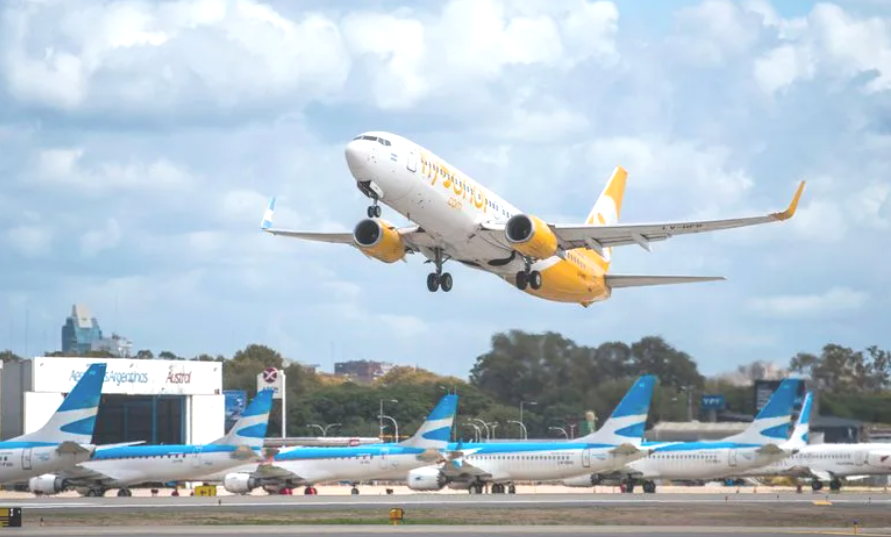
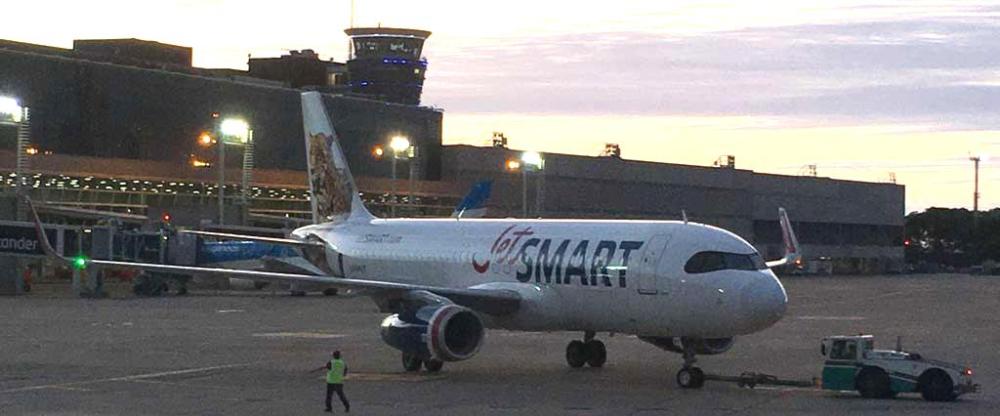
Aerolíneas Argentinas operó el 62% de los vuelos domésticos en Mayo 2024, siguen la aerolínea local de bajo costo Flybondi con el 26% del mercado interno y la aerolínea JetSMART Airlines Argentina con el 11% de la cuota de mercado dooméstico, según los últimos datos disponibles del regulador del ORSNA.
Reglamentación Artículo 110
La reglamentación del Artículo 110 del Código Aeronáutico de argentina permitirá introducir nuevas normativas para aplicarsse en el mercado aéreo argentino en el corto plazo.
El primero de los capítulos del Decreto Nº599/2024, borrará de los requisitos para operar en el país la solicitud de Audiencias Públicas. Es decir, no habrá que tramitar ese permiso necesario, aunque discrecional, que entregaba el Estado. De hecho, la última se celebró durante el Gobierno de Mauricio Macri, que fue la que entregó las licencias con las que vuelan JetSMART Airlines Argentina y Flybondi. Sin audiencias, las rutas se solicitarán por un sistema digital y mucho más ágil, tal como repite la norma en varios pasajes.
Las nuevas normas incluyen un cambio fundamental en el negocio aeronáutico. Cuando estén plenamente en vigencia, tras las reglamentaciones correspondientes, se podrán prestar servicios de cabotaje con aeronaves de matrícula extranjera y hasta tripulación de otra nacionalidad. Es algo muy novedoso para el segmento.
El Certificado de Explotador de Trabajo Aéreo (CETA), uno de los documentos fundamentales para empezar a volar, se dará a la Administración Pública quince días hábiles para que se exprese. Si no lo hace, el solicitante puede pedir un Pronto Despacho y, transcurridos cinco días más, la autoridad deberá emitir en forma automática/digital el CETA.
Operaciones logísticas
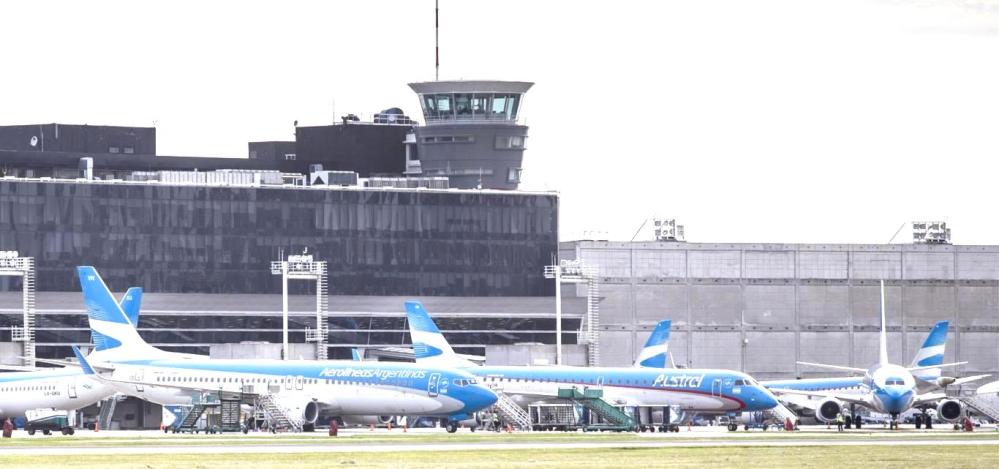
La apertura necesaria de liberalización de las operaciones logísticas en los aeropuertos permitirá incorporar nuevos operadores que compitan con Intercargo, anteriormente encargada casi en exclusividad de los servicios de rampa, asistencia y equipaje para todas las líneas aéreas que operan en el país, con excepción de Aerolíneas Argentinas, Flybondi y American Airlines, que operan su propia prestación. Los gremios aeronáuticos del sector tienen capacidad de fuego como para realizar medidas de fuerza que paralicen la operación. Habrá que estar atento a los movimientos gremiales cuando avance la liberalización.
De acuerdo a la regulación vigente hasta que salga el decreto, las aerolíneas tienen la obligación de contratar a Intercargo salvo que se presten ellas mismas el servicio. American Airlines siempre tuvo su personal de tierra. Aerolíneas Argentinas emplea a Aerohandling, una sociedad del grupo que le da servicios a sus aviones. Actuamente, con las operaciones de Intercargo representaban para las demás líneas aéreas desventajas operativas a costos en moneda Dólar en lugar de la moneda nacional Pesos Argentinos. Con el ingreso de nuevos operadores, incluyendo a Intercargo y Aerohandling, tendrían la posibilidad de ofrecer sus servicios a otras líneas.
Ley Defensa Competencia
El segundo título de los tres tiene que ver con la reglamentación del Artículo 110 del Código Aeronáutico, habla de los requisitos para presentar acuerdos de cooperación interempresaria o comerciales, y establece la implementación de la Ley de Defensa de la Competencia para todas las cuestiones que se sucedan. Es decir, si eventualmente hay planteos de monopolio, por caso, ya no intervendrán los varios entes públicos del sector, sino el Tribunal que lo hace con todas las actividades de la economía.
El tercero, finalmente, apunta a igualar los derechos de utilización de las estaciones aeroportuarias, especialmente, en horas pico. Así las cosas, le encomienda a la autoridad la confección de un “Reglamento Transitorio de Asignación de Capacidad y/o Frecuencias para servicios nacionales o internacionales”, a la espera de uno definitivo para el que le otorga 180 días.
Básicamente, se terminarán algunos privilegios que tiene la línea aérea estatal para disponer de los aeropuertos a su antojo. De hecho, se deroga el Decreto Nº879/21, un reglamento hecho a medida de la empresa pública en épocas de manejo de la agrupación de La Cámpora, no solo de la compañía sino del sector aerocomercial. “Se determinará la capacidad y/o frecuencias disponibles deduciendo los servicios presentados ante la Autoridad Aeronáutica por Aerolíneas Argentinas”, decía un artículo relevante de aquella norma. En otras palabras, en la práctica, la aerolínea estatal disponía los slots necesarios para acaparar el mercado en los aeropuertos y el resto era distribuido entre los pocos operadores nacionales.
Perspectivas aviación Argentina
La intruducción de la nueva normativa permitirá cambios estructurales en la aviación comercial avanzando en más libertad e igualdad entre los operadores aéreos. La cultura kichnerista se encuentra bien arraigada en las metodologías y prácticas en la aviación, con su máximo representante Aerolíneas Argentinas. Pero un cambio de cultura de trabajo está cambiando radicalmente, mientras el futuro permitirá conocer las mejoras de los procesos que generarán el atractivo para un mercado golpeado durante décadas y menos desarrollados de América Latina. 
New aviation in Argentina

Deep changes in commercial aviation are looming
New aeronautical regulations in Argentina
The Government of the Argentine Republic began deregulating the commercial aviation sector. Through Decree No. 599/2024, officially published on Wednesday, July 10, 2024 in the Official Gazette, the Executive Branch approved the regulations that establish access to commercial aviation markets, repeal regulations and modify the Aeronautical Code. The objective is to continue promoting competition and eliminate obstacles that have been in force since the middle of the last century. The measure impacts commercial aviation authorizations to operate in Argentine territory. These will be granted to carry out internal and international air transport activities for passengers and/or cargo, for regular or non-regular services, carried out with aircraft; for aerial work and for operational airport and ramp services in general.
Argentina’s government on Wednesday published the decree aimed at opening up the country’s aviation sector, inviting foreign airlines to enter the market long dominated by state-owned Aerolíneas Argentinas. The reform should increase the number of routes, flight frequencies and attract more competitors, the Ministry of Transport said in a statement. Companies can now apply to operate as many routes and frequencies as they want, a request that will be subject to security approval, according to the decree. Airlines also now have full control over how much they charge for tickets, the decree states, eliminating a regulation that allowed the government to set a minimum price. In addition, it ends Intercargo’s monopoly, allowing other companies to compete in providing ground services.
The new introduction to commercial aviation will remove barriers to entry for new airlines to start operations in Argentina and deregulate air frequencies and fares.
Regarding logistics operations, the monopoly of Intercargo, the public company that performs all services for local and international airlines at direct costs in international currency (Dollar), will end. This represented a disadvantage for airlines on domestic flights, where such rates were not available to Aerolíneas Argentinas, since it had authorized its own operations management with AeroHandling.
The Market Access Regulations published as an annex list the conditions that, if met, would be a true radical change in the current system: “The regulated activity will be governed by the following principles: Free access to the market for new operators through brief and agile administrative procedures; encouragement of fair competition between the different operators; tariff deregulation; safeguarding operational safety; continuous operational surveillance of authorized services; freedom in the setting of frequencies, if applicable, initially declaring them in their business plan, for analysis subject to strict operational criteria and the need for air traffic to develop in a safe and orderly manner and, finally, limited and efficient interventions by the National Public Administration, of a digital/electronic nature, aimed exclusively at preserving the principles stated above and transparency in the measurement, assignment and use of airport capacity”.
Several guidelines appear that will change the sector. In addition to the commitment to reduce the State’s intervention to a mere role in operational and security matters, the norm defines tariff deregulation, a system that Argentina lost since Kirchnerism came to power. In fact, in those years, the State decided what the minimum and maximum ticket price was. It was called the tariff band and it was the Executive Branch that set the price of each section.
With the so-called “Airplane Revolution” promoted by Guillermo Dietrich in Mauricio Macri’s government, the minimum limit was removed, giving rise to low-cost airlines offering cheaper prices, but no progress was made with the maximum limit allowed. However, in 2021, Alberto Fernández’s administration returned to that band scheme, used in very few markets in the world.
Open Skies
The administration of Libertarian President Javier Milei, who took office in December 2023, has signed a series of Open Skies Agreements with other countries in recent months, allowing their airlines to operate domestic routes in Argentina under some conditions. Currently, Brazil, Chile, Peru, Ecuador, Panama, Uruguay and Canada have signed agreements potentially opening the Argentine market to operators such as GOL Linhas Aéreas, LATAM Airlines and Air Canada. The Ministry of Transport said on Wednesday 10/07 that more such agreements should be signed in the coming months.
Aerolíneas Argentinas operated 62% of domestic flights in May 2024, followed by local low-cost carrier Flybondi with 26% of the domestic market and carrier JetSMART Airlines Argentina with 11% of the domestic market share, according to the latest available data from regulator ORSNA.
Regulation Article 110
The regulation of Article 110 of the Argentine Aeronautical Code will allow the introduction of new regulations to be applied in the Argentine air market in the short term.
The first of the chapters of Decree No. 599/2024 will remove the request for Public Hearings from the requirements to operate in the country. That is, it will not be necessary to process that necessary, although discretionary, permit that the State granted. In fact, the last one was held during the Government of Mauricio Macri, which was the one that granted the licenses with which JetSMART Airlines Argentina and Flybondi fly. Without hearings, the routes will be requested through a digital and much more agile system, as the rule repeats in several passages.
The new rules include a fundamental change in the aeronautical business. When they are fully in force, after the corresponding regulations, cabotage services can be provided with foreign-registered aircraft and even crew of another nationality. This is something very new for the segment.
The Certificate of Operator of Aerial Work (CETA), one of the fundamental documents to start flying, will be given to the Public Administration fifteen working days to express itself. If it does not do so, the applicant can request a Prompt Dispatch and, after five more days, the authority must automatically/digitally issue the CETA.
Logistics operations
The necessary opening of the liberalization of logistics operations at airports will allow the incorporation of new operators that compete with Intercargo, previously almost exclusively in charge of ramp, assistance and baggage services for all airlines operating in the country, with the exception of Aerolíneas Argentinas, Flybondi and American Airlines, which operate their own services. The aeronautical unions of the sector have the firepower to carry out forceful measures that paralyze the operation. We will have to be attentive to the union movements when liberalization advances.
According to the current regulations until the decree is issued, airlines are required to hire Intercargo unless they provide the service themselves. American Airlines always had its own ground staff. Aerolíneas Argentinas employs Aerohandling, a company in the group that provides services to its aircraft. Currently, Intercargo’s operations represented operational disadvantages for other airlines at costs in dollars instead of the national currency, Argentine pesos. With the entry of new operators, including Intercargo and Aerohandling, they would have the possibility of offering their services to other airlines.
Competition Defense Law
The second of the three titles has to do with the regulation of Article 110 of the Aeronautical Code, it speaks of the requirements for presenting inter-company or commercial cooperation agreements, and establishes the implementation of the Competition Defense Law for all issues that arise. That is to say, if there are eventually claims of monopoly, for example, the various public entities of the sector will no longer intervene, but the Court that does so with all the activities of the economy.
The third, finally, aims to equalize the rights of use of the airport stations, especially during peak hours. Thus, it entrusts the authority with the preparation of a «Transitional Regulation of Capacity and/or Frequencies Assignment for national or international services», awaiting a definitive one for which it grants 180 days.
Basically, some privileges that the state airline has to use the airports as it pleases will end. In fact, Decree No. 879/21 is repealed, a regulation made to measure for the public company in times of management of the La Cámpora group, not only of the company but of the commercial aviation sector. “The capacity and/or available frequencies will be determined by deducting the services presented to the Aeronautical Authority by Aerolíneas Argentinas”, said a relevant article of that regulation. In other words, in practice, the state airline had the slots necessary to corner the market at the airports and the rest was distributed among the few national operators.
Perspectives on Argentine aviation
The introduction of the new regulation will allow structural changes in commercial aviation, moving towards more freedom and equality among air operators. The Kirchnerist culture is well rooted in the methodologies and practices in aviation, with its most representative Aerolíneas Argentinas. But a change in work culture is radically changing, while the future will allow us to learn about the improvements in the processes that will generate the appeal for a market that has been hit for decades and is less developed in Latin America. 

PUBLISHER: Airgways.com
DBk: Argentina.gob.ar / Airgways.com
AW-POST: 202407101447AR
OWNERSHIP: Airgways Inc.
A\W A I R G W A Y S ®
 airgways.com