Argentina firma Cielos Abiertos
AW | 2024 07 07 13:13 | GOVERNMENT / AIRLINES MARKET
Argentina reforma desregulación Aviación Comercial
La República Argentina ha anunciado que firmará el Lunes 8 de Julio de 2024 la reforma de la Aviación Comercial que desarrollará grandes cambios en las políticas aéreas. El borrador del decreto que enmarcará la política de cielos abiertos establecido en el DNU Nº70/2023 está siendo analizado por el Presidente Javier Milei.
El nuevo Ministerio de Desregulación y Transformación del Estado de la Nación Argentina, a cargo de Federico Sturzenegger pone en marcha su primera gran medida y el Lunes 08/07 firmará la reforma del sector aerocomercial que comenzará la modificación del Código Aeronáutico que incluye la reducción de las rutas de Aerolíneas Argentinas que no sean rentables. Esta es una de las primeras grandes medidas que Federico Sturzenegger tiene planeado implementar.
Modificación del Código Aeronáutico
El borrador del decreto que enmarcará la política de cielos abiertos establecido en el DNU 70/2023 está siendo analizado por el Presidente Javier Milei y contiene una serie de modificaciones del Código Aeronáutico como la apertura del acceso a mercados hasta ahora no cubiertos. También se propone la eliminación de la Audiencia Pública, la incorporación de un nuevo régimen de autorizaciones de rutas, cambios en el registro de aeronaves y contratos y la digitalización de trámites. Además, incluye modificaciones sobre la atención al pasajero y en las infracciones aeronáuticas sobre los planes de vuelo y el accionar de los pilotos, así como de los regímenes de capacidad y frecuencias para servicios aéreos, cuestiones sobre la remoción de aeronaves, equipaje y carga y más libertad para operar drones en el ámbito privado.
Las reformas incluidas en el borrador fueron redactadas por Federico Sturzenegger junto a una comisión presidida por Hernán Gómez, Subsecretario de Transporte Aéreo y los juristas Mara Di Loreto y Eduardo Cartasso, además de grupos empresarios, universitarios y autoridades de Nación, entre otros.
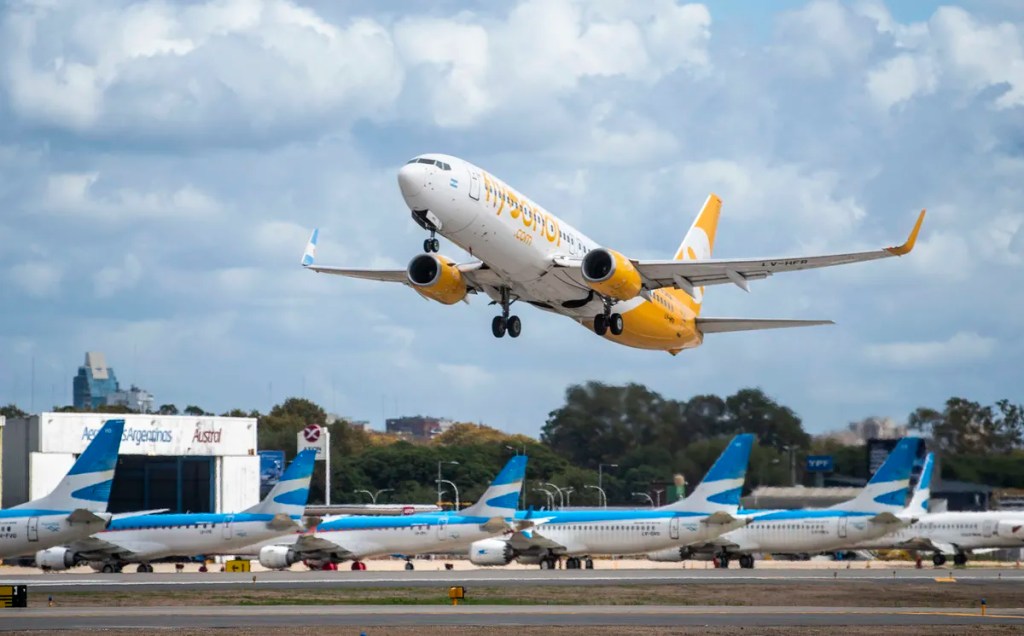
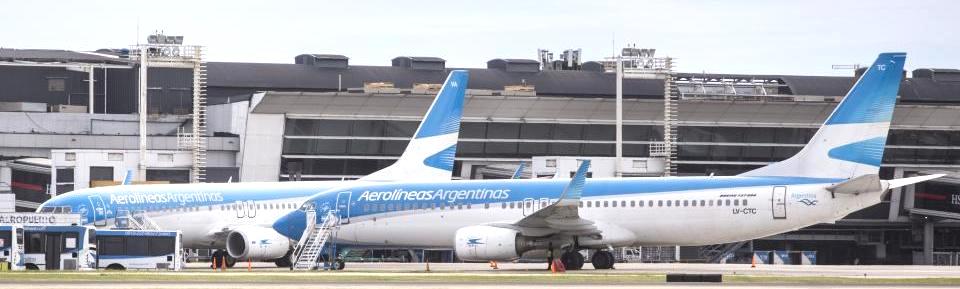
Uno de los puntos importantes que incluye la reforma, es la reducción de rutas que considera no rentables en Aerolíneas Argentinas. El Gobierno sostiene que la única forma de mantener estos trayectos es a través de convenios de financiamiento de las provincias interesadas en mantenerlos. Además, se plantea el reordenamiento del Aeropuerto Jorge Newbery y el Aeropuerto Internacional de Ezeiza: se establecerá con qué capacidad cuentan, cuántos pasajeros por hora pueden albergar y cuántos aviones deben ser removidos. En ese sentido, trascendió que Aerolíneas Argentinas deberá dejar cuatro posiciones en Aeroparque, en respuesta a un pedido que realizan desde hace tiempo las empresas low cost, que no podían traer aviones al país por falta de espacio (slots).
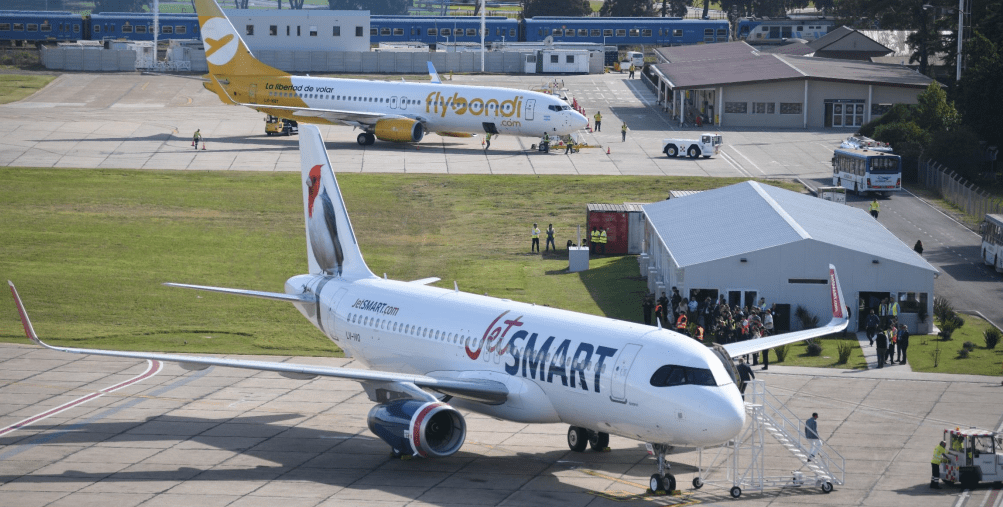
Flybondi sostiene que su intención es traer entre cinco y diez aviones, mientras que JetSMART Airlines Argentina buscaría ingresar seis nuevas aeronaves. Ambas aerolíneas continúan con los reclamos para superar las trabas de su operación en Aeroparque.
Los decretos complementan de alguna manera a los acuerdos que el Gobierno denomina cielos abiertos. Hasta ahora se firmaron memorandos con Brasil, Chile, Perú, Ecuador, Uruguay, Canadá y Panamá y el próximo país sería Paraguay, que tendría una empresa interesada en operar cabotaje en el país, lo cual les abriría la puerta a Aerolíneas Argentinas, JetSMART y Flybondi para hacer lo mismo en terreno paraguayo.
Gremios aeronáuticos
Atentos a los cambios aplicados a la actividad, los gremios del ámbito aerocomercial expusieron su oposición a Cielos Abiertos, pues en la instancia del acuerdo firmado por el Gobierno de Javier Milei con su par de Chile. A través de un comunicado emitido a mediados de Mayo 2024, la Asociación de Pilotos de Líneas Aéreas (APLA) que encabeza Pablo Biró no dudó en definir a la política de cielos abiertos como otra muestra más de pérdida de soberanía. «Esta entrega de un recurso público como lo es el control de la actividad aérea en el país tiene graves efectos concretos, perjudicando tanto a trabajadores como a pasajeros. Por un lado, abren los cielos a empresas extranjeras cuyo interés es operar destinos rentables de nuestro país o buscar subsidios para cubrir aquellos puntos que no lo son. Por otro, reducen frecuencias, desfinancian y vacían Aerolíneas Argentinas imposibilitándola de aprovechar este nuevo escenario y comprometiendo su existencia», dijo la organización sindical.
Perspectivas aviación
La profundización de los cambios en la aviación comercial de Argentina permitirá desarrollar un nuevo escenario en el mercado de más capacidad de líneas aéreas y un incremento de las ofertas de rutas a destinos en el país y el exterior que permitirá beneficiar al usuario del transporte aéreo. 
Argentina signs Open Skies
Argentina reforms deregulation of Commercial Aviation
The Argentine Republic has announced that it will sign on Monday, July 8, 2024, the reform of Commercial Aviation that will develop major changes in air policies. The draft decree that will frame the open skies policy established in DNU No. 70/2023 is being analyzed by President Javier Milei.
The new Ministry of Deregulation and Transformation of the State of the Argentine Nation, headed by Federico Sturzenegger, is launching its first major measure and on Monday, July 8, it will sign the reform of the commercial aviation sector that will begin the modification of the Aeronautical Code that includes the reduction of Aerolíneas Argentinas routes that are not profitable. This is one of the first major measures that Federico Sturzenegger plans to implement.
Modification of the Aeronautical Code
The draft decree that will frame the open skies policy established in DNU 70/2023 is being analyzed by President Javier Milei and contains a series of modifications to the Aeronautical Code such as the opening of access to markets not covered until now. The elimination of the Public Hearing, the incorporation of a new regime of route authorizations, changes in the registration of aircraft and contracts, and the digitalization of procedures are also proposed. In addition, it includes modifications on passenger service and aeronautical infractions on flight plans and the actions of pilots, as well as capacity and frequency regimes for air services, issues on the removal of aircraft, luggage, and cargo, and more freedom to operate drones in the private sector.
The reforms included in the draft were written by Federico Sturzenegger together with a commission chaired by Hernán Gómez, Undersecretary of Air Transport, and the lawyers Mara Di Loreto and Eduardo Cartasso, as well as business groups, university students, and national authorities, among others.
One of the important points included in the reform is the reduction of routes that it considers unprofitable for Aerolíneas Argentinas. The Government maintains that the only way to maintain these routes is through financing agreements with the provinces interested in maintaining them. In addition, the reorganization of the Jorge Newbery Airport and the Ezeiza International Airport is proposed: their capacity will be established, how many passengers per hour they can accommodate, and how many planes must be removed. In this regard, it was revealed that Aerolíneas Argentinas will have to leave four positions in Aeroparque, in response to a request made for some time by low-cost companies, which could not bring planes to the country due to lack of space (slots).
Flybondi maintains that its intention is to bring between five and ten aircraft, while JetSMART Airlines Argentina would seek to bring in six new aircraft. Both airlines continue with their claims to overcome the obstacles to their operation in Aeroparque.
The decrees complement in some way the agreements that the Government calls open skies. So far, memoranda have been signed with Brazil, Chile, Peru, Ecuador, Uruguay, Canada, and Panama and the next country would be Paraguay, which would have a company interested in operating domestic flights in the country, which would open the door for Aerolíneas Argentinas, JetSMART and Flybondi to do the same on Paraguayan soil.
Aeronautical unions
Attentive to the changes applied to the activity, the unions of the aero-commercial sector expressed their opposition to Open Skies, since in the instance of the agreement signed by the Government of Javier Milei with his counterpart from Chile. Through a statement issued in mid-May 2024, the Association of Airline Pilots (APLA) headed by Pablo Biró did not hesitate to define the open skies policy as yet another example of loss of sovereignty. «This surrender of a public resource such as the control of air activity in the country has serious concrete effects, harming both workers and passengers. On the one hand, they open the skies to foreign companies whose interest is to operate profitable destinations in our country or seek subsidies to cover those points that are not. On the other hand, they reduce frequencies, defund and empty Aerolíneas Argentinas, making it impossible for it to take advantage of this new scenario and compromising its existence», said the union organization.
Aviation Perspectives
The deepening of changes in Argentina’s commercial aviation will allow the development of a new scenario in the market of more airline capacity and an increase in the offers of routes to destinations in the country and abroad that will benefit the user of air transport. 

PUBLISHER: Airgways.com
DBk: Argentina.gob.ar / Airgways.com
AW-POST: 202407071313AR
OWNERSHIP: Airgways Inc.
A\W A I R G W A Y S ®


