Retorno Starliner a Tierra

AW | 2024 09 05 22:41 | AEROSPACE

Módulo espacial retornará Viernes 6 Septiembre 2024

 

La NASA y The Boeing Company han establecido el retorno del módulo espacial Starliner CST-100 el Viernes 6 de Septiembre de 2024, justo tres meses después. El programa contemplaba el retorno del la cápsula con la tripulación después de una semana en la Estación Espacial Internacional (ISS).

El regreso del módulo se produce después de fallas en los propulsores, y unas fugas de helio, lo que han determinado devolver al Starliner sin su tripulación a la Tierra. La agencia de la NASA ha solicitado a Boeing para una maniobra segura de desacople con la ISSS que realice un arranque rápido en retroceso del módulo CST-100 para alejarse de la Estación Espacial Internacional. La maniobra reducirá el estrés sobre los propulsores defectuosos de la nave, que volverá vacía a la Tierra. La NASA ha explicado que la nave realizará una maniobra alternativa para alejarse rápido de la estación sin estresar mucho los propulsores.

La nave de Boeing ha estado acoplada a la Estación Espacial Internacional desde el 6 de Junio de 2024. Se suponía que la estadía iba a durar apenas una semana, pero los problemas técnicos que sufrió la Starliner en su aproximación a la estación orbital acabaron condenando la misión. La NASA decidió no arriesgar la vida de sus astronautas, y sus tripulantes permanecerán en la estación espacial esperando una cápsula Dragon de SpaceX.

«Este enfoque alternativo simplemente nos ayuda a que Starliner se aleje más rápido», dijo Dana Weigel, Gerente de la Estación Espacial Internacional, durante una conferencia de prensa celebrada el Miércoles 04/09 por la NASA.

«Pone menos estrés en los propulsores. Hay menos encendidos de los propulsores. Después de desacoplarnos, haremos esta pequeña serie de encendidos usando principalmente los propulsores delanteros. Se necesitan unos cinco minutos para ejecutar toda la secuencia», añadió Steve Stich, Director de Vuelos Comerciales Tripulados de la agencia NASA.

Fallas Starliner
El módulo Starliner CST-100 ha incurrido en fallas de propulsores, con cinco de los 28 motores de maniobra de Starliner fallaron en plena aproximación de la nave a la Estación Espacial Internacional el 06/06, pero cuatro de ellos volvieron a funcionar. Después de meses de pruebas, Boeing no ha podido confirmar la causa exacta del problema. Sus ingenieros sospechan de un sobrecalentamiento que pudo dañar el aislamiento de las líneas de propulsión, pero la explicación no fue suficiente para convencer a la NASA de que la nave es segura. Además del fallo de los propulsores, se detectaron cinco pequeñas fugas de helio.

Programación retorno Starliner
La Starliner CST-100 se desacoplará de la Estación Espacial Internacional (ISS) a las 22:04 UTC del 6 de Septiembre de 2024. Al no contar con un piloto a bordo, lo hará de manera totalmente autónoma, y con una maniobra que no estaba prevista en el plan original. Para minimizar el riesgo de sus propulsores defectuosos, la nave ejecutará un arranque rápido denominado «Breakout Burn», un encendido de motores con el que se alejará velozmente de la estación, colocándose por encima y por detrás del laboratorio donde viven nueve astronautas.

La programación del retorno de la nave CST-100 durará aproximadamente seis horas de vuelo, descartando si existieran dificultades o inconvenientes, el Starliner debería desplegar su paracaídas y aterrizar en el Puerto Espacial de White Sands, en el desierto de Nuevo México, el Sábado a las 04:03 UTC.

Las seis horas de vuelo no preocupan a Boeing, a pesar de las fugas de helio y la pérdida de un propulsor del sistema RCS, la nave tiene helio para una autonomía de más de 70 horas de vuelo y 27 propulsores todavía funcionales. Lo que Boeing y la NASA no podrán recuperar es el módulo de servicio donde están localizados los fallos, pues está diseñado para quemarse en la atmósfera. El Director de la NASA está convencido de que Starliner volverá a volar, pero a Boeing le quedan muchos meses de trabajo para conseguir la certificación para vuelos tripulados de la agencia.

Starliner return to Earth

Space module to return Friday, September 6, 2024

NASA and The Boeing Company have set the return of the Starliner CST-100 space module on Friday, September 6, 2024, exactly three months later. The program contemplated the return of the capsule with the crew after a week on the International Space Station (ISS).

The return of the module occurs after failures in the thrusters, and helium leaks, which have determined to return the Starliner without its crew to Earth. The NASA agency has requested Boeing for a safe undocking maneuver with the ISSS to perform a quick recoil start of the CST-100 module to move away from the International Space Station. The maneuver will reduce the stress on the ship’s defective thrusters, which will return empty to Earth. NASA has explained that the ship will perform an alternative maneuver to quickly move away from the station without putting too much stress on the thrusters.

The Boeing ship has been docked to the International Space Station since June 6, 2024. The stay was supposed to last just a week, but the technical problems that the Starliner suffered on its approach to the orbital station ended up dooming the mission. NASA decided not to risk the lives of its astronauts, and its crew will remain on the space station waiting for a SpaceX Dragon capsule.

«This alternative approach simply helps us get Starliner away faster», said Dana Weigel, Manager of the International Space Station, during a press conference held on Wednesday 04/09 by NASA.

«It puts less stress on the thrusters. There are fewer thruster burns. After we undock, we’ll do this little series of burns using primarily the forward thrusters. It takes about five minutes to run the entire sequence», added Steve Stich, NASA’s Director of Commercial Manned Flight.

Starliner failures
The Starliner CST-100 module has incurred thruster failures, with five of Starliner’s 28 maneuvering engines failing as the craft approached the International Space Station on 06/06, but four of them restarted. After months of testing, Boeing has not been able to confirm the exact cause of the problem. Its engineers suspect overheating that could have damaged the insulation of the propulsion lines, but the explanation was not enough to convince NASA that the craft is safe. In addition to the thruster failure, five small helium leaks were detected.

Starliner return schedule
The Starliner CST-100 will undock from the International Space Station (ISS) at 22:04 UTC on September 6, 2024. Since it does not have a pilot on board, it will do so completely autonomously, and with a maneuver that was not planned in the original plan. To minimize the risk of its defective thrusters, the ship will execute a quick start called «Breakout Burn», an engine ignition with which it will quickly move away from the station, placing itself above and behind the laboratory where nine astronauts live.

The return schedule of the CST-100 ship will last approximately six hours of flight, ruling out any difficulties or inconveniences, the Starliner should deploy its parachute and land at the White Sands Spaceport, in the New Mexico desert, on Saturday at 04:03 UTC.

Boeing is not worried about the six-hour flight time, despite the helium leaks and the loss of a RCS booster. The spacecraft has enough helium for a flight time of more than 70 hours and 27 boosters that are still functional. What Boeing and NASA will not be able to recover is the service module where the faults are located, since it is designed to burn up in the atmosphere. The NASA director is convinced that Starliner will fly again, but Boeing still has many months of work to do to obtain certification for manned flights from the agency.

PUBLISHER: Airgways.com
DBk: Nasa.gov / Boeing.com / Airgways.com
AW-POST: 202409052241AR
OWNERSHIP: Airgways Inc.
A\W A I R G W A Y S ®
Argentina cancela El Palomar

AW | 2024 09 05 17:03 | AIRPORTS / AVIATION ORGANISMS / AIRLINES MARKET / GOVERNMENT

Gobierno confirma cierre aerocomercial Aeropuerto El Palomar

El Gobierno de Argentina ha comunicado oficialmente el cierre del Aeropuero El Palomar (EPA) para opecaciones aerocomerciales debido al escaso interés generado para líneas aéreas low cost. El Secretario de Transporte Franco Monetta ha expresado: «No existe ninguna línea aérea interesada», explicaron desde desde la cartera ante un reclamo del Partido PRO.

El Aeropuerto El Palomar fue fundado el 20 de Julio de 1910 com Base Aérea Militar. El Gobierno de Mauricio Macri permitió introducir cambios en el transporte aéreo permitiendo reinaugurar y reutilizar la aeroestación para operaciones aerocomerciales el 9 de Febrero de 2018, que llegaron hasta Febrero 2020, cancelando las operaciones de líneas aéreas.

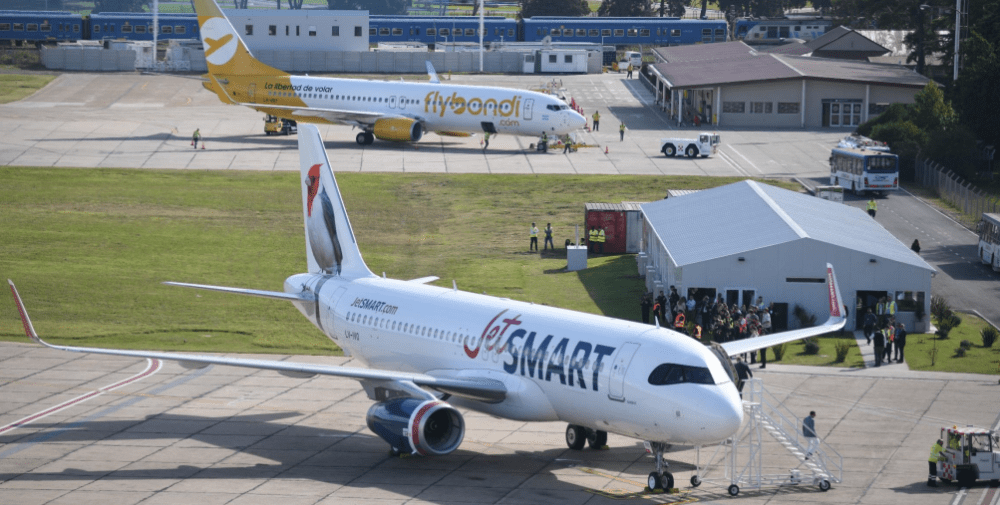
En las preguntas dirigidas al Jefe de Gabinete de Ministros de la Nación Argentina, Guillermo Francos, para su informe de gestión, Diputados del PRO reclamaron al Gobierno Nacional explicaciones sobre los planes para la terminal aérea que fue una bandera del Gobierno PRO de Mauricio Macri. La Secretaría de Transporte, que conduce Franco Mogetta, respondió que «el Aeropuerto de Palomar nunca ha estado cerrado ni inhabilitado comercialmente por esta gestión. Simplemente hasta la fecha no existe ninguna línea aérea interesada de todas aquellas a las que se les ha ofrecido por ejemplo, Flybondi o JetSmart», dice en la respuesta enviada al Congreso.

La reapertura de la terminal de la zona Oeste del Conurbano Bonaerense era una bandera insignia de la gestión del PRO en el Gobierno de Mauricio Macri, mientras que el Gobierno de Alberto Fernández cerró en Febrero de 2020 las operaciones aerocomerciales, trasladando en parte las operaciones hacia Aeroparque y Ezeiza.

El traslado de las operaciones de las líneas aéreas low cost de El Palomar hacia Aeroparque ha traido mejoras para los usuarios del transporte de bajas tarifas, al tiempo que ha disminuido el interés por restablecer los vuelos en la aeroestación del conurbano Bonaerense. Flybondi y JetSMART han desestimado restablecer las rutas aéreas desde El Palomar en favor de Aeroparque y Ezeiza que les ha resultado muy beneficioso en términos operativos. La falta de interés de las aerolíneas en la terminal, sumado a las deficiencias operativas, harían necesarias inversiones para reabrirlo.

La posible reapertura de El Palomar era inscripta como parte del plan de desregulación del mercado aerocomercial del presente Gobierno de Javier Milei para volver a los cielos abiertos, mientras que ninguna línea aérea ha anunciado el interés de volar desde El Palomar. Después de una larga batalla por el icónico primer aeropuerto low cost de Sudamérica, el mercado aéreo de estos tiempos ha decidido centralizar las operaciones en el Aeropuerto Buenos Aires/Jorge Newbery.

Argentina cancels El Palomar

Government confirms closure of El Palomar Airport

The Government of Argentina has officially announced the closure of El Palomar Airport (EPA) for commercial air operations due to the low interest generated by low-cost airlines. The Secretary of Transportation Franco Monetta has stated: «There is no airline interested,» the ministry explained in response to a claim from the PRO Party.

El Palomar Airport was founded on July 20, 1910, as a Military Air Base. The Government of Mauricio Macri allowed changes to be made to air transport, allowing the airport to be reopened and reused for commercial air operations on February 9, 2018, which lasted until February 2020, cancelling airline operations.

In the questions addressed to the Chief of Cabinet of Ministers of the Argentine Nation, Guillermo Francos, for his management report, PRO Deputies demanded from the National Government explanations about the plans for the air terminal that was a flagship of the PRO Government of Mauricio Macri. The Secretary of Transportation, led by Franco Mogetta, responded that «the Palomar Airport has never been closed or commercially disabled by this administration. Simply, to date there is no interested airline of all those to which it has been offered, for example, Flybondi or JetSmart», it says in the response sent to Congress.

The reopening of the terminal in the western area of ​​the Greater Buenos Aires was a flagship of the PRO administration in the Government of Mauricio Macri, while the Government of Alberto Fernández closed commercial air operations in February 2020, partially moving operations to Aeroparque and Ezeiza.

The transfer of low-cost airline operations from El Palomar to Aeroparque has brought improvements for low-fare transport users, while at the same time interest in re-establishing flights at the Buenos Aires metropolitan airport has diminished. Flybondi and JetSMART have rejected re-establishing air routes from El Palomar in favor of Aeroparque and Ezeiza, which has been very beneficial to them in operational terms. The lack of interest from airlines in the terminal, added to operational deficiencies, would make investments necessary to reopen it.

The possible reopening of El Palomar was included as part of the deregulation plan of the current Javier Milei Government’s air market to return to open skies, while no airline has announced interest in flying from El Palomar. After a long battle for the iconic first low-cost airport in South America, the air market of these times has decided to centralize operations at the Buenos Aires/Jorge Newbery Airport.

PUBLISHER: Airgways.com
DBk: Argentina.gob.ar / Airgways.com
AW-POST: 202409051703AR
OWNERSHIP: Airgways Inc.
A\W A I R G W A Y S ®

Argentina elimina Índice Puntualidad

AW | 2024 09 05 16:50 | AVIATION ORGANISMS / AIRLINES MARKET

Gobierno elimina ranking puntualidad para las aerolíneas

El Gobierno de Argentina ha anunciado en el Boletín Oficial a través de la Resolución Nº290/2024 publicada el 5 de Septiembre de 2024 que la Administración Nacional de Aviación Civil (ANAC) derogó el sistema de evaluación estadístico de ranking de puntualidad de las operaciones en las líneas aéreas regulares en Argentina. El sistema de estadísticas y monitoreo de índice de puntualidad había sido establecido en el año 2016 a través de la Resolución N°1195/2016.

Parte del a Resolución del comunicado dice: «El sistema imperante ha resultado hostil a las compañías aéreas en pos de los recursos que debían destinar obligatoriamente a la producción y organización de dichos datos. Luego de evaluar el funcionamiento de los mencionados parámetros, se ha concluido en que el sistema actual no ha resultado eficaz en la disminución de la impuntualidad. Que debe priorizarse el principio de subsidiariedad del Estado Nacional, por tratarse de una actividad de carácter comercial. Que existen diversas empresas de análisis de aviación y prestigiosas organizaciones, ejecutando seguimientos de vuelos a nivel global y elaboran informes de puntualidad. Que, en consecuencia, no resulta justificable el dispendio de recursos aportados por los contribuyentes para el sostenimiento de un sistema de evaluación de puntualidad de impronta estatal».

La nueva normativa emitida por la Agencia Nacional de Aviación Civil (ANAC) expresa la ineficacia del seguimiento de los índices de puntualidad de los vuelos. La agencia ANAC ha expresado que la medida solo incrementaba la carga burocrática de las aerolíneas, que debían destinar recursos a la recolección y presentación de datos sin que esto impactara en la mejora del servicio. Actualmente, existen diversas empresas y organismos globales que realizan un seguimiento de vuelos y emiten informes de puntualidad, lo que hace innecesario el uso de recursos estatales para esta función.

La eliminación del Índice de Puntualidad se ha establecido para promover la eficiencia de la agencia aeronáutica, una política de Cielos Abiertos más amigable con el transporte aéreo mundial. El rol de la ANAC continuará supervisando áreas relativas a las operaciones aerocomerciales, fiscalizar cumplimientos normativos de las líneas aéreas y proteger los derechos de los usuarios del transporte aéreo.

Argentina eliminates Punctuality Index

Government eliminates punctuality ranking for airlines

The Government of Argentina has announced in the Official Gazette through Resolution No. 290/2024 published on September 5, 2024, that the National Civil Aviation Administration (ANAC) has repealed the statistical evaluation system of punctuality ranking of operations on scheduled airlines in Argentina. The system of statistics and monitoring of the punctuality index had been established in 2016 through Resolution No. 1195/2016.

Part of the Resolution of the communiqué says: «The prevailing system has been hostile to airlines in their search for the resources that they should have obligatorily allocated to the production and organization of said data. After evaluating the functioning of the aforementioned parameters, it has been concluded that the current system has not been effective in reducing lateness. That the principle of subsidiarity of the National State must be prioritized since it is a commercial activity. That there are various aviation analysis companies and prestigious organizations, carrying out flight monitoring at a global level and preparing punctuality reports. That, consequently, the expenditure of resources provided by taxpayers for the maintenance of a punctuality evaluation system of a state imprint is not justifiable».

The new regulations issued by the National Civil Aviation Agency (ANAC) express the ineffectiveness of monitoring flight punctuality rates. The ANAC agency has stated that the measure only increased the bureaucratic burden of airlines, which had to allocate resources to the collection and presentation of data without this impacting the improvement of the service. Currently, there are various companies and global organizations that monitor flights and issue punctuality reports, which makes the use of state resources for this function unnecessary.

The elimination of the Punctuality Index has been established to promote the efficiency of the aeronautical agency, an Open Skies policy that is friendlier to global air transport. The role of the ANAC will continue to supervise areas related to commercial air operations, oversee regulatory compliance of airlines, and protect the rights of air transport users.

https://www.boletinoficial.gob.ar/detalleAviso/primera/313355/20240905

PUBLISHER: Airgways.com
DBk: Argentina.gob.ar/anac / Airgways.com
AW-POST: 202409051650AR
OWNERSHIP: Airgways Inc.
A\W A I R G W A Y S ®
Plan inversión Schiphol

AW | 2024 09 05 11:47 | AIRPORTS / GOVERNMENT / AIRLINES

Amsterdam/Schiphol esboza plan inversión próximos cinco años

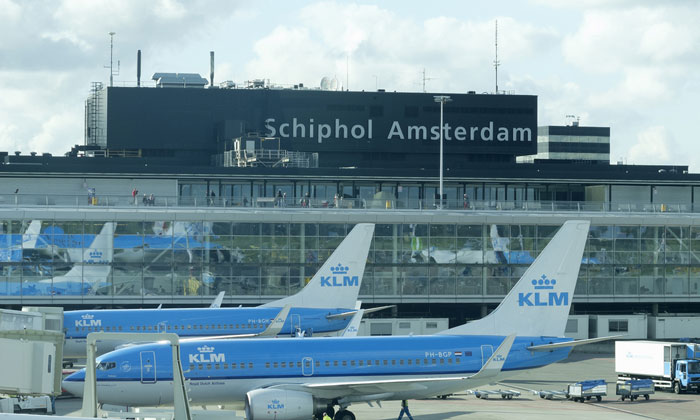
El Aeropuerto de Amsterdam/Schiphol (AMS) ha anunciado el mayor plan de inversión en la historia del aeropuerto neerlandés. El Royal Schiphol Group dijo que se invertirán un total de € 6.000 millones de Euros entre el período 2024—2029, con obras que incluyen la renovación/mantenimiento de instalaciones como el Muelle C, sistemas de climatización, escaleras mecánicas, paradas de aviones y calles de rodaje.

Se encuentra previsto que en 2026 comiencen las obras de un nuevo sótano de equipajes: el proyecto se anunció en enero del año pasado y se ubicará bajo el emplazamiento donde se podría construir una terminal totalmente nueva. El retrasado Muelle A del aeropuerto está programado para abrir en Abril de 2027, ofreciendo un total de ocho puertas de fuselaje estrecho y ancho, así como filtros de seguridad, instalaciones de control fronterizo y puntos de venta minoristas y de alimentos y bebidas en tres pisos.

La plan de mejoras arriba cuando Schiphol informó de cifras de tráfico de pasajeros de 31,8 millones para el primer semestre de 2024, un 11% más que en el mismo período de 2023, pero aún por debajo de los 34,5 millones de pasajeros recibidos en el primer semestre de 2019. El aeropuerto informado que las cifras de tráfico mensual de 2024 se acercan cada vez más a los niveles anteriores a Covid-19, mientras que en los días pico durante el período de Mayo y verano europeo ha desarrollado más tráfico de pasajeros que en 2019.

El CEO de Amsterdam/Schiphol, Pieter van Oord, quien se unió a Royal Schiphol Group a principios de 2024, dijo: «En mis primeros tres meses, estoy impresionado por la resiliencia y la pasión de nuestros colegas. Estamos orgullosos de cumplir una vez más nuestro papel crucial en la conexión de los Países Bajos con el resto del mundo. Todos los días, nuestros colegas hacen todo lo posible por los pasajeros. Ellos marcan la diferencia, con un exitoso mayo y unas vacaciones de verano como buenos ejemplos.

Desafortunadamente, no les ayuda el estado de nuestra infraestructura. Nuestra infraestructura es la base de nuestro servicio, pero actualmente está lejos de lo que queremos ofrecer a nuestros pasajeros como aeropuerto de calidad en los Países Bajos. Tenemos un importante plan de inversión de 6.000 millones de dólares porque es crucial devolver la satisfacción de los pasajeros y el mejor servicio a nuestras aerolíneas.

Al mismo tiempo, necesitamos restablecer el equilibrio entre los beneficios y las cargas de Schiphol. Estamos y seguiremos comprometidos a reducir nuestro impacto acústico en nuestro entorno y a mejorar las condiciones de trabajo de todos los empleados en nuestro aeropuerto».

AEROPUERTO AMSTERDAM/SCHIPHOL (AMS)

Royal Schiphol Group es una empresa aeroportuaria con una importante tarea socioeconómica. Royal Schiphol Group es el propietario y operador del aeropuerto de Amsterdam-Schiphol, el aeropuerto de Róterdam-La Haya y el Aeropuerto de Lelystad, y posee una participación mayoritaria en el Aeropuerto de Eindhoven. Los aeropuertos del Grupo crean valor para la sociedad y la economía, siendo la seguridad un factor clave. Junto con nuestras actividades internacionales, los aeropuertos holandeses de Schiphol Group forman parte de nuestro «Connecting your world».

Reducciones vuelos AMS
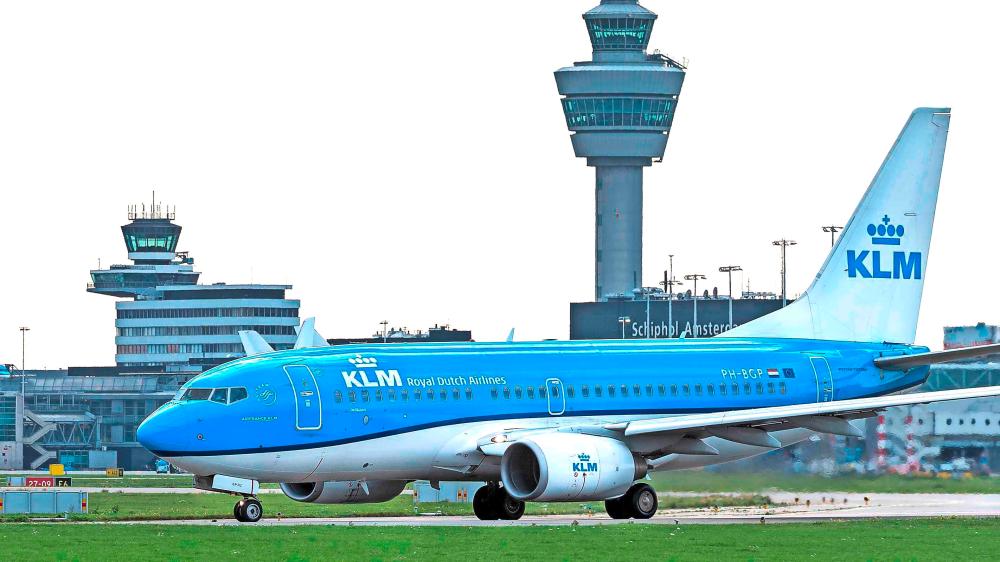
El Gobierno de los Países Bajos ha anunciado una reducción sencible de los vuelos en el Aeropuerto Amsterdam/Schiphol. Los movimientos de vuelos del Aeropuerto de Schiphol se reducirán de 500.000 a 475.000-485.000 anuales para Noviembre de 2025. Las reducciones tienen como objetivo cumplir los objetivos climáticos y disminuir la contaminación acústica mediante la reducción del 3-5% de los vuelos. La principal aerolínea holandesa KLM Airlines ha elogiado la decisión del Gobierno holandés como un enfoque equilibrado, al tiempo que expresa su preocupación por las posibles consecuencias.

La aerolínea de bandera holandesa, KLM, ha acogido con satisfacción el modesto plan del Gobierno holandés para reducir los movimientos anuales de vuelos en el principal aeropuerto del país. La reducción es menos drástica de lo que se esperaba y hará que los movimientos caigan del máximo actual de alrededor de 500.000 anuales a entre 475.000 y 485.000. Ha habido temores de que el impulso de la calidad del Aeropuerto Amsterdam/Schiphol pueda aumentar las tarifas aéreas.

El nuevo límite del tráfico aéreo entrará en vigor a partir de Noviembre de 2025, al inicio de la temporada de vuelos de invierno europeo. Los recortes se describen como modestos y solo recortarán entre el 3% y el 5% de los movimientos de vuelos del aeropuerto. También reducirá los vuelos nocturnos del límite actual de 32.000 vuelos a 27.000 vuelos. El Ministerio holandés declaró: «Este paquete reducirá la contaminación acústica alrededor de Schiphol en un 17 por ciento». Esto es significativamente menos de lo que había querido el Gabinete anterior. Ese gabinete quería un límite de 460.000 a 470.000 movimientos, incluida la disminución del número de vuelos nocturnos de 32.000 a 27.000. KLM ha presentado previamente un plan de reducción de ruido para el aeropuerto.

KLM emitió un comunicado en el que calificó las medidas del gabinete como un «enfoque equilibrado». KLM declaró: «Es importante que el proceso de enfoque equilibrado se complete cuidadosamente. Es positivo que se hayan adoptado una serie de medidas del plan sectorial ‘más limpio, más silencioso y más eficiente’, que cuenta con un amplio apoyo».

La aerolínea KLM Airlines señaló que las operaciones de los aviones son importantes para la economía holandesa, al tiempo que planteó sus preocupaciones. «A KLM le preocupa que la posible pérdida de franjas horarias históricas pueda dar lugar a medidas de represalia por parte de otros países, lo que resultaría en la pérdida de conexiones importantes para los Países Bajos como país de comercio internacional», expresó la aerolínea en su comunicado. Mientras tanto, remarca que es muy importante la responsabilidad de limitar la contaminación acústica.

Las reducciones se deben en parte al deseo del Gobierno neerlandés de cumplir con los objetivos de cambio climático, así como de reducir la contaminación acústica para los residentes de la zona. El gobierno holandés señaló que KLM y Transavia se han comprometido a utilizar aviones más silenciosos por la noche. El aeropuerto de Schiphol ha declarado anteriormente que aumentará significativamente las tarifas para los aviones más ruidosos.

Amsterdam/Schiphol es el segundo aeropuerto más grande de la Unión Europea, y un gran porcentaje de sus vuelos son internacionales. El Estado neerlandés posee casi el 70% de la empresa matriz del aeropuerto, Royal Schiphol Group, junto con el 9,1 % del grupo Air France-KLM, la empresa matriz de KLM Airlines.

Schiphol investment plan

Amsterdam/Schiphol outlines five-year investment plan

Amsterdam Airport/Schiphol (AMS) has announced the largest investment plan in the history of the Dutch airport. The Royal Schiphol Group said a total of €6 billion will be invested between 2024—2029, with works including the renovation/maintenance of facilities such as Pier C, HVAC systems, escalators, aircraft stops and taxiways.

Work on a new baggage depot is scheduled to begin in 2026 the project was announced in January last year and will be located beneath the site where a completely new terminal could be built. The airport’s long-delayed Pier A is scheduled to open in April 2027, offering a total of eight narrow- and wide-body gates, as well as security screening, border control facilities and retail and food and beverage outlets on three floors.

The improvement plan came as Schiphol reported passenger traffic figures of 31.8 million for the first half of 2024, up 11% on the same period in 2023 but still below the 34.5 million passengers received in the first half of 2019. The airport reported that monthly traffic figures for 2024 are increasingly approaching pre-Covid-19 levels, while on peak days during the May and European summer period it has developed more passenger traffic than in 2019.

Amsterdam/Schiphol CEO Pieter van Oord, who joined Royal Schiphol Group at the beginning of 2024, said: «In my first three months, I am impressed by the resilience and passion of our colleagues. We are proud to once again fulfil our crucial role in connecting the Netherlands to the rest of the world. Every day, our colleagues go above and beyond for passengers. They make the difference, with a successful May and a summer holiday are good examples.

Unfortunately, they are not helped by the state of our infrastructure. Our infrastructure is the foundation of our service, but it is currently far from what we want to offer our passengers as a quality airport in the Netherlands. We have a major investment plan of 6 billion dollars because it is crucial to bring passenger satisfaction and the best service back to our airlines.

At the same time, we need to restore the balance between the benefits and burdens of Schiphol. We are and will remain committed to reducing our noise impact on our environment and improving the working conditions of all employees at our airport».

Royal Schiphol Group is an airport company with an important socio-economic task. Royal Schiphol Group is the owner and operator of Amsterdam Airport Schiphol, Rotterdam The Hague Airport, and Lelystad Airport, and holds a majority stake in Eindhoven Airport. The Group’s airports create value for society and the economy, with safety being a key factor. Alongside our international activities, the Schiphol Group’s Dutch airports are part of our «Connecting your world».

AMS Flight Reductions
The Dutch Government has announced a significant reduction in flights at Amsterdam/Schiphol Airport. Flight movements at Schiphol Airport will be reduced from 500,000 to 475,000-485,000 annually by November 2025. The reductions are aimed at meeting climate targets and reducing noise pollution by reducing flights by 3-5%. Dutch major carrier KLM Airlines has praised the Dutch Government’s decision as a balanced approach, while expressing concern about the potential consequences.

The Dutch flag carrier KLM has welcomed the Dutch Government’s modest plan to reduce annual flight movements at the country’s main airport. The reduction is less drastic than expected and will see movements fall from the current peak of around 500,000 annually to between 475,000 and 485,000. There have been fears that the boost to quality at Amsterdam/Schiphol Airport could increase airfares.

The new air traffic cap will come into effect from November 2025, at the start of the European winter flight season. The cuts are described as modest and will only cut between 3% and 5% of the airport’s flight movements. It will also reduce night flights from the current cap of 32,000 flights to 27,000 flights. The Dutch ministry stated: «This package will reduce noise pollution around Schiphol by 17 percent». This is significantly less than the previous Cabinet had wanted. That Cabinet wanted a cap of 460,000 to 470,000 movements, including decreasing the number of night flights from 32,000 to 27,000. KLM has previously submitted a noise reduction plan for the airport.

KLM issued a statement calling the cabinet’s measures a «balanced approach». KLM said: «It is important that the balanced approach process is carefully completed. It is positive that a number of measures from the ‘cleaner, quieter and more efficient’ sector plan, which has broad support, have been adopted».

KLM Airlines noted that aircraft operations are important to the Dutch economy, while raising concerns. «KLM is concerned that the potential loss of historic slots could lead to retaliatory measures by other countries, resulting in the loss of important connections for the Netherlands as an international trading country», the airline said in its statement. Meanwhile, it stresses that the responsibility to limit noise pollution is very important.

The reductions are partly due to the Dutch government’s desire to meet climate change goals, as well as to reduce noise pollution for residents in the area. The Dutch government noted that KLM and Transavia have committed to using quieter aircraft at night. Schiphol Airport has previously stated that it will significantly increase fees for noisier aircraft.

Amsterdam/Schiphol is the second largest airport in the European Union, and a large percentage of its flights are international. The Dutch state owns almost 70% of the airport’s parent company, Royal Schiphol Group, along with 9.1% of the Air France-KLM group, the parent company of KLM Airlines.

PUBLISHER: Airgways.com
DBk: Schiphol.nl / Klm.com / Evert Elzinga / Airgways.com
AW-POST: 202409051147AR
OWNERSHIP: Airgways Inc.
A\W A I R G W A Y S ®

Virgin Atlantic lanzará destino Riad

AW | 2024 09 05 11:20 | AIRLINES ROUTES

Virgin Atlantic lanza ruta a Arabia Saudita

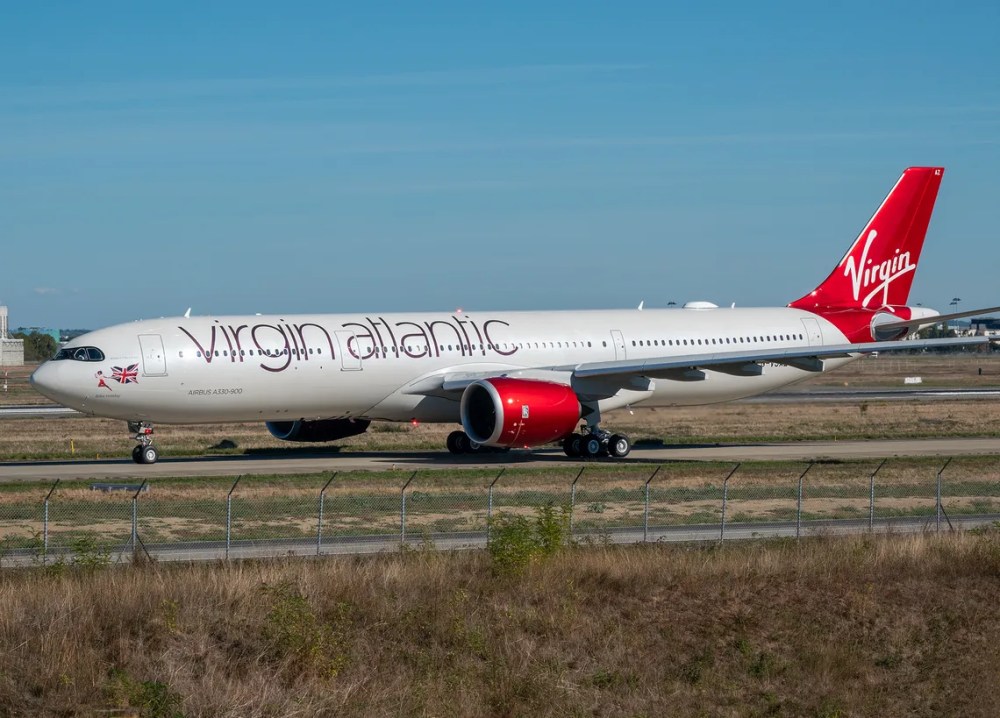
La aerolínea británica Virgin Atlantic Airways ha anunciado el lanzamiento inaugural del destino Riad, Arabia Saudita, a partir del 30 de Marzo de 2025, con un servicio diario operado por los aviones A330neo. La ruta directa London/Heathrow/LHR—Riyadh/RUH con número de vuelo VS242 partirá de Heathrow a las 14:45 y llegará a Riyadh a las 23:35, y el tramo de regreso VS243 saldrá de la capital de Arabia Saudita a las 01:25 y aterrizará de regreso a Londres a las 07:00.

Virgin Atlantic se unirá a British Airways y Saudia Airlines en la ruta Heathrow—Riyadh. Saudia y Virgin son miembros de la Alianza SkyTeam, permitiendo conexiones a destinos como Islamabad, Lahore y Karachi.

VS242 London/Heathrow/LHR 14:45 — Riyadh/RUH 23:35 A330-900
VS243 Riyadh/RUH 01:25 — London/Heathrow/LHR 07:00 A330-900

Más destinos
Virgin Atlantic también ha anunciado planes para regresar a Accra después de más de una década. La aerolínea lanzó por primera vez vuelos a la capital de Ghana en Mayo de 2010, pero suspendió la ruta tres años después citando costos de combustible excepcionalmente altos en Ghana. El servicio se lanzará el 1 de Mayo de 2025 con frecuencias diarias y será operado por los aviones Boeing 787 Dreamliner de la aerolínea. El vuelo VS403 partirá de Heathrow a las 22:30, llegando a Accra a las 05:00 del día siguiente, con el tramo de vuelta VS404 saliendo de Accra a las 09:15 y aterrizando de nuevo en Londres a las 17:25 horas.

La aerolínea competirá con British Airways en la ruta que ha agregado recientemente vuelos entre Gatwick y Accra, complementando su servicio existente de London/Heathrow.

Tanto la ruta de Riad como la de Accra saldrán a la venta el 12 de Septiembre de 2024. Las adiciones de ruta siguen a los planes de Virgin de reanudar los vuelos a Canadá el próximo año 2025, sin embargo, la aerolínea está programada para suspender su ruta de larga data a Shanghái el 10/2024.

Juha Jarvinen, Director Comercial de Virgin Atlantic, dijo respecto a los planes de expansión de rutas: «Riad y Accra se unen a Toronto como nuevas rutas para los vuelos de verano en 2025 y vemos enormes oportunidades para conectar a amigos, familiares y empresas con nuestros nuevos servicios. También estamos encantados de ampliar nuestro código compartido con Saudia, socio de SkyTeam, fortaleciendo aún más la conectividad en la región y más allá, y brindando nuevos beneficios a nuestros clientes leales. Esperamos lanzar estas nuevas rutas en 2025, presentando la marca icónica e inclusiva Virgin Atlantic, la experiencia galardonada y nuestra increíble gente a nuevos clientes en el Reino de Arabia Saudita, Ghana y Toronto».

Virgin Atlantic to launch Riyadh route

Virgin Atlantic launches Saudi Arabia route

British carrier Virgin Atlantic Airways has announced the inaugural launch of Riyadh, Saudi Arabia, from 30 March 2025, with a daily service operated by A330neo aircraft. The direct London/Heathrow/LHR—Riyadh/RUH route with flight number VS242 will depart Heathrow at 14:45 and arrive in Riyadh at 23:35, and the return leg VS243 will depart the Saudi Arabian capital at 01:25 and land back in London at 07:00.

Virgin Atlantic will join British Airways and Saudia Airlines on the Heathrow—Riyadh route. Saudia and Virgin are members of the SkyTeam Alliance, allowing connections to destinations such as Islamabad, Lahore and Karachi.

VS242 London/Heathrow/LHR 14:45 — Riyadh/RUH 23:35 A330-900
VS243 Riyadh/RUH 01:25 — London/Heathrow/LHR 07:00 A330-900

More destinations
Virgin Atlantic has also announced plans to return to Accra after more than a decade. The airline first launched flights to the Ghanaian capital in May 2010, but suspended the route three years later citing exceptionally high fuel costs in Ghana. The service will launch on 1 May 2025 with daily frequencies and will be operated by the airline’s Boeing 787 Dreamliner aircraft. Flight VS403 will depart Heathrow at 22:30, arriving in Accra at 05:00 the following day, with the return leg VS404 departing Accra at 09:15 and landing back in London at 17:25.

The airline will compete with British Airways on the route which has recently added flights between Gatwick and Accra, complementing its existing London/Heathrow service.

Both the Riyadh and Accra routes will go on sale on 12 September 2024. The route additions follow Virgin’s plans to resume flights to Canada next year in 2025, however the airline is scheduled to discontinue its long-standing route to Shanghai on 10/2024.

Commenting on the route expansion plans, Juha Jarvinen, Virgin Atlantic’s Chief Commercial Officer, said: “Riyadh and Accra join Toronto as new routes for summer flights in 2025 and we see huge opportunities to connect friends, family and businesses with our new services. We are also delighted to be expanding our codeshare with SkyTeam partner Saudia, further strengthening connectivity in the region and beyond, and bringing new benefits to our loyal customers. We look forward to launching these new routes in 2025, introducing Virgin Atlantic’s iconic and inclusive brand, award-winning experience and our amazing people to new customers in the Kingdom of Saudi Arabia, Ghana and Toronto”.

PUBLISHER: Airgways.com
DBk: Virginatlantic.com / Airgways.com
AW-POST: 202409051120AR
OWNERSHIP: Airgways Inc.
A\W A I R G W A Y S ®