
AW | 2024 09 05 22:41 | AEROSPACE
Módulo espacial retornará Viernes 6 Septiembre 2024
La NASA y The Boeing Company han establecido el retorno del módulo espacial Starliner CST-100 el Viernes 6 de Septiembre de 2024, justo tres meses después. El programa contemplaba el retorno del la cápsula con la tripulación después de una semana en la Estación Espacial Internacional (ISS).

El regreso del módulo se produce después de fallas en los propulsores, y unas fugas de helio, lo que han determinado devolver al Starliner sin su tripulación a la Tierra. La agencia de la NASA ha solicitado a Boeing para una maniobra segura de desacople con la ISSS que realice un arranque rápido en retroceso del módulo CST-100 para alejarse de la Estación Espacial Internacional. La maniobra reducirá el estrés sobre los propulsores defectuosos de la nave, que volverá vacía a la Tierra. La NASA ha explicado que la nave realizará una maniobra alternativa para alejarse rápido de la estación sin estresar mucho los propulsores.
La nave de Boeing ha estado acoplada a la Estación Espacial Internacional desde el 6 de Junio de 2024. Se suponía que la estadía iba a durar apenas una semana, pero los problemas técnicos que sufrió la Starliner en su aproximación a la estación orbital acabaron condenando la misión. La NASA decidió no arriesgar la vida de sus astronautas, y sus tripulantes permanecerán en la estación espacial esperando una cápsula Dragon de SpaceX.
«Este enfoque alternativo simplemente nos ayuda a que Starliner se aleje más rápido», dijo Dana Weigel, Gerente de la Estación Espacial Internacional, durante una conferencia de prensa celebrada el Miércoles 04/09 por la NASA.
«Pone menos estrés en los propulsores. Hay menos encendidos de los propulsores. Después de desacoplarnos, haremos esta pequeña serie de encendidos usando principalmente los propulsores delanteros. Se necesitan unos cinco minutos para ejecutar toda la secuencia», añadió Steve Stich, Director de Vuelos Comerciales Tripulados de la agencia NASA.
Fallas Starliner
El módulo Starliner CST-100 ha incurrido en fallas de propulsores, con cinco de los 28 motores de maniobra de Starliner fallaron en plena aproximación de la nave a la Estación Espacial Internacional el 06/06, pero cuatro de ellos volvieron a funcionar. Después de meses de pruebas, Boeing no ha podido confirmar la causa exacta del problema. Sus ingenieros sospechan de un sobrecalentamiento que pudo dañar el aislamiento de las líneas de propulsión, pero la explicación no fue suficiente para convencer a la NASA de que la nave es segura. Además del fallo de los propulsores, se detectaron cinco pequeñas fugas de helio.
Programación retorno Starliner
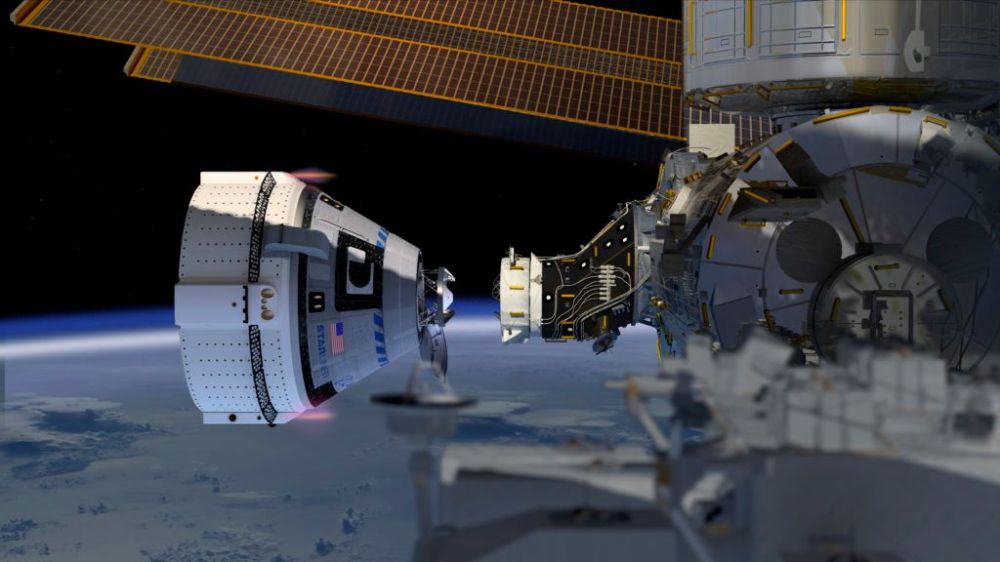
La Starliner CST-100 se desacoplará de la Estación Espacial Internacional (ISS) a las 22:04 UTC del 6 de Septiembre de 2024. Al no contar con un piloto a bordo, lo hará de manera totalmente autónoma, y con una maniobra que no estaba prevista en el plan original. Para minimizar el riesgo de sus propulsores defectuosos, la nave ejecutará un arranque rápido denominado «Breakout Burn», un encendido de motores con el que se alejará velozmente de la estación, colocándose por encima y por detrás del laboratorio donde viven nueve astronautas.
La programación del retorno de la nave CST-100 durará aproximadamente seis horas de vuelo, descartando si existieran dificultades o inconvenientes, el Starliner debería desplegar su paracaídas y aterrizar en el Puerto Espacial de White Sands, en el desierto de Nuevo México, el Sábado a las 04:03 UTC.
Las seis horas de vuelo no preocupan a Boeing, a pesar de las fugas de helio y la pérdida de un propulsor del sistema RCS, la nave tiene helio para una autonomía de más de 70 horas de vuelo y 27 propulsores todavía funcionales. Lo que Boeing y la NASA no podrán recuperar es el módulo de servicio donde están localizados los fallos, pues está diseñado para quemarse en la atmósfera. El Director de la NASA está convencido de que Starliner volverá a volar, pero a Boeing le quedan muchos meses de trabajo para conseguir la certificación para vuelos tripulados de la agencia. 
Starliner return to Earth
Space module to return Friday, September 6, 2024
NASA and The Boeing Company have set the return of the Starliner CST-100 space module on Friday, September 6, 2024, exactly three months later. The program contemplated the return of the capsule with the crew after a week on the International Space Station (ISS).
The return of the module occurs after failures in the thrusters, and helium leaks, which have determined to return the Starliner without its crew to Earth. The NASA agency has requested Boeing for a safe undocking maneuver with the ISSS to perform a quick recoil start of the CST-100 module to move away from the International Space Station. The maneuver will reduce the stress on the ship’s defective thrusters, which will return empty to Earth. NASA has explained that the ship will perform an alternative maneuver to quickly move away from the station without putting too much stress on the thrusters.
The Boeing ship has been docked to the International Space Station since June 6, 2024. The stay was supposed to last just a week, but the technical problems that the Starliner suffered on its approach to the orbital station ended up dooming the mission. NASA decided not to risk the lives of its astronauts, and its crew will remain on the space station waiting for a SpaceX Dragon capsule.
«This alternative approach simply helps us get Starliner away faster», said Dana Weigel, Manager of the International Space Station, during a press conference held on Wednesday 04/09 by NASA.
«It puts less stress on the thrusters. There are fewer thruster burns. After we undock, we’ll do this little series of burns using primarily the forward thrusters. It takes about five minutes to run the entire sequence», added Steve Stich, NASA’s Director of Commercial Manned Flight.
Starliner failures
The Starliner CST-100 module has incurred thruster failures, with five of Starliner’s 28 maneuvering engines failing as the craft approached the International Space Station on 06/06, but four of them restarted. After months of testing, Boeing has not been able to confirm the exact cause of the problem. Its engineers suspect overheating that could have damaged the insulation of the propulsion lines, but the explanation was not enough to convince NASA that the craft is safe. In addition to the thruster failure, five small helium leaks were detected.

Starliner return schedule
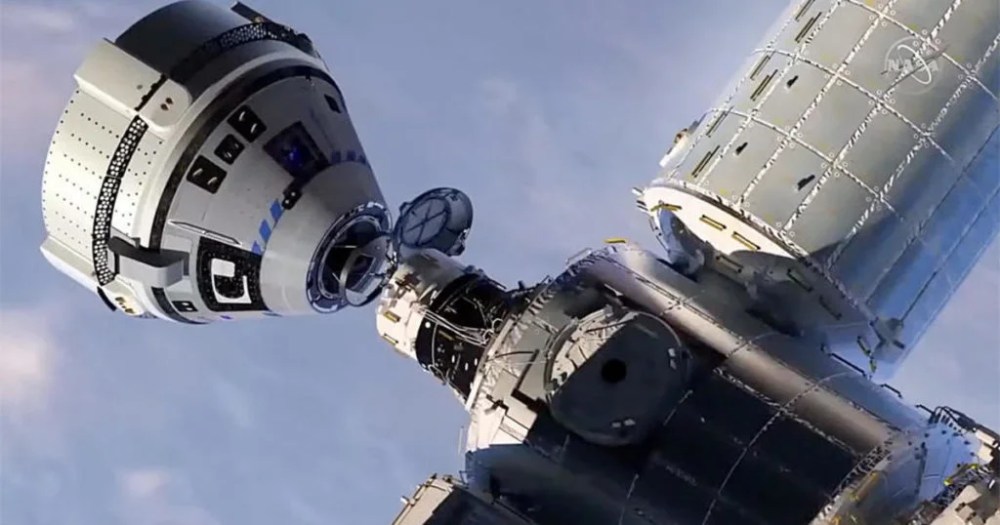
The Starliner CST-100 will undock from the International Space Station (ISS) at 22:04 UTC on September 6, 2024. Since it does not have a pilot on board, it will do so completely autonomously, and with a maneuver that was not planned in the original plan. To minimize the risk of its defective thrusters, the ship will execute a quick start called «Breakout Burn», an engine ignition with which it will quickly move away from the station, placing itself above and behind the laboratory where nine astronauts live.
The return schedule of the CST-100 ship will last approximately six hours of flight, ruling out any difficulties or inconveniences, the Starliner should deploy its parachute and land at the White Sands Spaceport, in the New Mexico desert, on Saturday at 04:03 UTC.
Boeing is not worried about the six-hour flight time, despite the helium leaks and the loss of a RCS booster. The spacecraft has enough helium for a flight time of more than 70 hours and 27 boosters that are still functional. What Boeing and NASA will not be able to recover is the service module where the faults are located, since it is designed to burn up in the atmosphere. The NASA director is convinced that Starliner will fly again, but Boeing still has many months of work to do to obtain certification for manned flights from the agency. 

PUBLISHER: Airgways.com
DBk: Nasa.gov / Boeing.com / Airgways.com
AW-POST: 202409052241AR
OWNERSHIP: Airgways Inc.
A\W A I R G W A Y S ®
 airgways.com