GOL interés por Aerolíneas

AW | 2024 09 23 14:22 | AIRLINES / GOVERNMENT
GOL avanza interés compra de Aerolíneas Argentinas

La crisis gremio-Estado en Aerolíneas Argentinas ha acelerado el interés por la venta por parte del Gobierno de la República Argentina en aras de dar un giro definitivo al conflicto sindical histórico y al pasivo que atraviesa la aerolínea desde hace varias décadas.
El conflicto que ha sacudido a Aerolíneas Argentinas se debe en gran parte a las presiones de los gremios aeronáuticos, quienes han impulsado una serie de medidas de fuerza que han afectado las operaciones de la compañía. Este escenario de inestabilidad ha sido aprovechado por otras empresas del sector que buscan expandirse en el mercado argentino. Las negociaciones entre el Gobierno y los distintos actores de la industria se han intensificado, y uno de los protagonistas ha sido el Grupo Abra, dueño de Avianca y la brasileña GOL.
Varios oferentes han mostrado interés por adquirir la línea aérea de bandera argentina. LATAM Airlines Group, el grupo aéreo más desarrollado en América Latina había mostrado interés por adquirirla, mientras que posteriormente su posición se ha enfriado y ha decidido retirarse de las conversaciones en torno a la posible adquisición de Aerolíneas Argentinas. Esta decisión ha dejado el camino libre para otros interesados, como la brasileña GOL y el Grupo Abra, que buscan consolidar su presencia en el mercado regional, están dispuestos a asumir el control de la aerolínea de bandera argentina, si las condiciones gremiales y económicas lo permiten.
LATAM Group
A pesar de los rumores iniciales sobre el posible interés de LATAM Airlines Group en adquirir Aerolíneas Argentinas, la compañía chilena emitió un comunicado aclarando su posición. En el documento, el grupo aéreo con fuerte presencia en Latinoamérica negó estar involucrada en cualquier tipo de negociación relacionada con la compra de la aerolínea argentina. Esta aclaración fue hecha después de que varios medios especularan sobre una posible alianza entre LATAM Group y el Gobierno argentino para hacerse con el control de Aerolíneas.
“En relación a declaraciones divulgadas por distintos medios en diferentes países sobre el interés en la compra de Aerolíneas Argentinas, el grupo LATAM informa que no forma parte de estas conversaciones”, indicó la aerolínea chilena en su comunicado. A pesar de esta aclaración, LATAM continúa siendo un jugador clave en el mercado aeronáutico de la región, y recientemente firmó un acuerdo interlineal con Aerolíneas Argentinas que permite a los pasajeros de ambas compañías acceder a sus respectivas redes de conexión en determinados territorios.
GOL Linhas Aéreas
El Grupo Abra, que controla a Avianca Airlines y GOL Linhas Aéreas, ha sido uno de los principales interesados en la posible adquisición de Aerolíneas Argentinas. Según fuentes oficiales, las reuniones del Gobierno con representantes de GOL Linhas Aéreas Inteligentes SA tienen como objetivo encontrar soluciones a los problemas gremiales y diseñar un plan que permita reducir las tensiones y garantizar la operatividad de Aerolíneas Argentinas. La presencia en la Casa Rosada, sede del Gobierno nacional de Argentina, de Alberto Fajerman, Asesor del CEO de GOL, ha sido un indicio claro de que las negociaciones están avanzando y que la aerolínea brasileña podría asumir un rol más activo en el futuro de la aerolínea argentina.
La idea de que GOL asuma el control de Aerolíneas Argentinas no es nueva, pero ha ganado fuerza en los últimos meses debido a la creciente presión sindical y a la situación financiera de la aerolínea argentina. Ambas aerolíneas han firmado en el último tiempo acuerdos de alianza comercial que han permitido intercambiar ventajas competivivas.
Un avance en las negociaciones permite desarrollar puntos claves en las negociaciones ha sido la posibilidad de que GOL Linhas Aéreas implemente un plan de restructuración que permita reducir los costos operativos y mejorar la competitividad de Aerolíneas Argentinas en el mercado internacional. Las conversaciones con el gobierno argentino buscan precisamente encontrar soluciones que permitan resolver el conflicto gremial, garantizar la estabilidad laboral y, al mismo tiempo, fortalecer a la compañía.
Otros oferentes
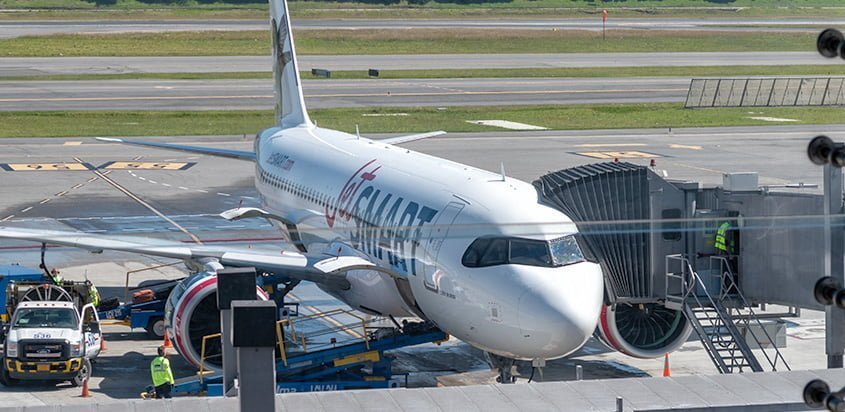
Otros nombres han surgido como posibles interesados en adquirir la aerolínea de bandera. Entre ellos se encuentran Flybondi, JetSMART Airlines, Azul Linhas Aéreas y el empresario Germán Efromovich, quien ha mostrado su interés en el pasado por expandir su presencia en el sector aeronáutico argentino. Las low cost Flybondi y JetSmart, que operan en Argentina, también habrían sido contactadas por el Gobierno argentino como parte de los esfuerzos por diversificar la oferta de servicios en el mercado local.
Este interés por parte de aerolíneas de bajo costo refleja una tendencia creciente en la industria aérea argentina, donde las low cost han logrado ganar terreno frente a las compañías tradicionales, ofreciendo precios competitivos y rutas que conectan puntos estratégicos del país.
Conflicto gremial
El conflicto con los gremios aeronáuticos ha sido uno de los principales obstáculos para la normalización de las operaciones de Aerolíneas Argentinas. Las huelgas y medidas de fuerza han afectado tanto a los pasajeros como a la propia empresa, generando pérdidas millonarias y dañando la imagen de la aerolínea. Los sindicatos exigen mejores condiciones laborales y salariales, mientras que la compañía enfrenta dificultades financieras que complican la posibilidad de satisfacer estas demandas.
El Gobierno de Argentina ha intentado mediar en el conflicto, pero las negociaciones han sido complejas. La posibilidad de que una aerolínea extranjera asuma el control de Aerolíneas Argentinas podría abrir una nueva etapa en la historia de la compañía, aunque también genera resistencia entre algunos sectores que defienden la soberanía de la aerolínea de bandera.
El futuro de Aerolíneas Argentinas sigue siendo incierto. Mientras algunos ven en la posible adquisición por parte de GOL Linhas Aéreas parte del Grupo Abra una oportunidad para modernizar y hacer más eficiente a la aerolínea, otros temen que esto pueda significar una pérdida de control nacional sobre una de las empresas más emblemáticas del país. Las conversaciones entre el Gobierno y los interesados continúan, y las decisiones que se tomen en los próximos meses serán cruciales para definir el rumbo de la compañía.
La industria aeronáutica argentina está atravesando un momento de bisagra con Aerolíneas Argentinas como el principal transportador aéreo nacional, mientras las líneas aéreas y corporaciones pujan por el control de un mercado actualmente dominado por la compañía aérea de bandera.
Acciones Gobierno
Ante los paros sindicales de los Pilotos nucleados en APLA y de Aeronavegantes (AAA) de Aerolíneas Argentinas, el Gobierno de Argentina ha anunciado fuertes medidas de contingencia para paliar la situación de desamparo frente a la cancelación masiva de vuelos en el país. La contratación de tripulaciones extranjeras para Aerolíneas Argentinas es una medida que busca hacer frente la programación de vuelos de cabotaje en pleno conflicto gremial y el otorgamiento de permisos a aerolíneas privadas extranjeras para cubrir los vuelos de la aerolínea de bandera.
El Gobierno ha decretado la Desregulación Aviación Comercial mediante el cual desregula los vuelos de cabotaje en Argentina permitiendo que más aerolíneas incursionen en el desarrollo de la aviación de las líneas aéreas sin necesidad de matricular las aeronaves en el país ni certificar a su personal. El Poder Ejecutivo Nacional podrá autorizar un porcentaje de personal extranjero en los servicios aerocomerciales y la utilización de aeronaves de matrícula extranjera, pero con esta modificación es la ANAC quien podrá otorgar dichos permisos.
«Esta medida, sumada al paquete de desregulaciones que se vienen implementando, posibilitará que otras aerolíneas cubran rutas aéreas locales inmediatamente si [Pablo] Biró y compañía siguen haciendo paros extorsivos», expresó vía X.com, el Secretario de Transporte Franco Mogetta. Esta decisión había sido anticipada por el Jefe de Gabinete, Guillermo Francos, quien horas antes había indicado también que desde el Gobierno se estaban reuniendo con empresas privadas para que se hagan cargo de Aerolíneas Argentinas si continúa el conflicto con el personal aeronáutico, como sucedió la semana pasada.
La ANAC podrá autorizar operaciones con tripulaciones y aeronaves extranjeras a través del Decreto DNU Nº 844/2024, publicado en el Boletín Oficial, el Poder Ejecutivo encomienda en la Administración Nacional de Aviación Civil (ANAC) el otorgamiento de autorizaciones para que personal extranjero desempeñe funciones aeronáuticas en los servicios aerocomerciales, así como también para la utilización de aeronaves de matrícula extranjera a operar en nuestro país cuando una aerolínea lo requiera.
La nueva medida establece que la Autoridad Aeronáutica Nacional deberá reglamentar técnicamente los Artículos Nº106 y Nº107 del Código Aeronáutico, con el fin de establecer los procedimientos adecuados para el otorgamiento de autorizaciones relativas al personal extranjero y a las aeronaves con matrícula extranjera que operen en el territorio nacional, fomentando de esta manera las inversiones en la república Argentina y favoreciendo la conectividad federal. Además, la autoridad aeronáutica deberá dictar la reglamentación técnica correspondiente para el otorgamiento de las mismas, conforme a los estándares internacionales y regionales. El DNU Decreto N° 844/2024 se realiza en el marco del reordenamiento integral de la legislación aerocomercial, con el objetivo de agilizar las gestiones administrativas, promoviendo un mercado de entorno competitivo y flexible para que más personas puedan usar el transporte aéreo y así llegar a todas las ciudades argentinas.
«A su vez, la nueva medida conlleva la necesidad de adecuar y dictar una nueva reglamentación, de conformidad con los estándares internacionales en materia de comercio de bienes y servicios, procurando armonizar el régimen interno con el de los demás países de la Región y del mundo», expresó la Secretaría de Transporte.
Esta medida forma parte de las políticas desregulatorias llevadas adelante por el Gobierno Nacional, y desde el organismo aseguran que este paso «resulta necesario para reforzar los principios de libre acceso a los mercados», generando mayor competitividad y, por lo tanto, una oferta más diversa y conveniente para los pasajeros; garantizando la seguridad operacional y la eficiencia de todo el sistema de transporte aéreo.
Censo situación Aerolíneas
Entre los temas más debatidos en la coyuntura política reciente, la situación de Aerolíneas Argentinas y las universidades nacionales ocupan un lugar central. La discusión sobre la privatización de la aerolínea de bandera está profundamente dividida en la sociedad. Según los datos, la mitad de la población apoya la privatización, mientras que la otra mitad se opone, lo que revela un fuerte grado de polarización. Esta división es particularmente visible según el perfil del votante: el 90% de los votantes de Patricia Bullrich y el 78% de los votantes de Milei apoyan la privatización, mientras que el 90% de los votantes peronistas se opone. 
GOL shows interest in Aerolíneas

GOL shows interest in buying Aerolíneas Argentinas
The union-state crisis at Aerolíneas Argentinas has accelerated the interest in the sale by the Government of the Argentine Republic in order to give a definitive turn to the historical union conflict and the liabilities that the airline has been experiencing for several decades.
The conflict that has shaken Aerolíneas Argentinas is largely due to pressure from the aeronautical unions, who have promoted a series of forceful measures that have affected the company’s operations. This scenario of instability has been taken advantage of by other companies in the sector that seek to expand in the Argentine market. Negotiations between the Government and the different actors in the industry have intensified, and one of the protagonists has been the Abra Group, owner of Avianca and the Brazilian GOL.
Several bidders have shown interest in acquiring the Argentine flag airline. LATAM Airlines Group, the most developed airline group in Latin America, had shown interest in acquiring it, but later its position has cooled and it has decided to withdraw from the talks regarding the possible acquisition of Aerolíneas Argentinas. This decision has left the way clear for other interested parties, such as the Brazilian GOL and the Abra Group, which seek to consolidate their presence in the regional market, and are willing to take control of the Argentine flag carrier, if union and economic conditions allow it.
LATAM Group
Despite initial rumors about the possible interest of LATAM Airlines Group in acquiring Aerolíneas Argentinas, the Chilean company issued a statement clarifying its position. In the document, the airline group with a strong presence in Latin America denied being involved in any type of negotiation related to the purchase of the Argentine airline. This clarification was made after several media outlets speculated about a possible alliance between LATAM Group and the Argentine government to take control of Aerolíneas.
“In relation to statements made by various media in different countries about the interest in the purchase of Aerolíneas Argentinas, the LATAM group informs that it is not part of these conversations”, the Chilean airline indicated in its statement. Despite this clarification, LATAM continues to be a key player in the aeronautical market in the region, and recently signed an interline agreement with Aerolíneas Argentinas that allows passengers of both companies to access their respective connection networks in certain territories.
GOL Linhas Aéreas
The Abra Group, which controls Avianca Airlines and GOL Linhas Aéreas, has been one of the main interested parties in the possible acquisition of Aerolíneas Argentinas. According to official sources, the Government’s meetings with representatives of GOL Linhas Aéreas Inteligentes SA are aimed at finding solutions to union problems and designing a plan to reduce tensions and guarantee the operation of Aerolíneas Argentinas. The presence of Alberto Fajerman, Advisor to the CEO of GOL, at the Casa Rosada, the seat of the Argentine national government, has been a clear indication that negotiations are moving forward and that the Brazilian airline could take on a more active role in the future of the Argentine airline.
The idea of GOL taking control of Aerolíneas Argentinas is not new, but it has gained strength in recent months due to growing union pressure and the financial situation of the Argentine airline. Both airlines have recently signed commercial alliance agreements that have allowed them to exchange competitive advantages.
A breakthrough in the negotiations allows the development of key points in the negotiations has been the possibility of GOL Linhas Aéreas implementing a restructuring plan that allows it to reduce operating costs and improve the competitiveness of Aerolíneas Argentinas in the international market. The conversations with the Argentine government seek precisely to find solutions that allow them to resolve the union conflict, guarantee job stability and, at the same time, strengthen the company.
Other bidders
Other names have emerged as potential buyers of the flag carrier. Among them are Flybondi, JetSMART Airlines, Azul Linhas Aéreas and businessman Germán Efromovich, who has shown interest in the past in expanding his presence in the Argentine aeronautical sector. Low-cost airlines Flybondi and JetSMART, which operate in Argentina, have also reportedly been contacted by the Argentine government as part of efforts to diversify the service offering in the local market.
This interest on the part of low-cost airlines reflects a growing trend in the Argentine airline industry, where low-cost airlines have managed to gain ground against traditional companies, offering competitive prices and routes that connect strategic points in the country.
Union conflict
The conflict with the aeronautical unions has been one of the main obstacles to the normalization of Aerolíneas Argentinas’ operations. Strikes and strikes have affected both passengers and the company itself, generating million-Dollar losses and damaging the airline’s image. The unions demand better working conditions and salaries, while the company faces financial difficulties that complicate the possibility of meeting these demands.
The Argentine Government has tried to mediate in the conflict, but the negotiations have been complex. The possibility of a foreign airline taking control of Aerolíneas Argentinas could open a new stage in the company’s history, although it also generates resistance among some sectors that defend the sovereignty of the flag carrier.
The future of Aerolíneas Argentinas remains uncertain. While some see the possible acquisition of part of the Abra Group by GOL Linhas Aéreas as an opportunity to modernize and make the airline more efficient, others fear that this could mean a loss of national control over one of the country’s most emblematic companies. Talks between the government and the interested parties continue, and the decisions taken in the coming months will be crucial to defining the company’s direction.
The Argentine aeronautical industry is going through a turning point with Aerolíneas Argentinas as the main national air carrier, while airlines and corporations bid for control of a market currently dominated by the national airline.
Government actions
In response to the union strikes by the Pilots of APLA and Aeronavegantes (AAA) of Aerolíneas Argentinas, the Argentine Government has announced strong contingency measures to alleviate the situation of helplessness in the face of the massive cancellation of flights in the country. The hiring of foreign crews for Aerolíneas Argentinas is a measure that seeks to address the scheduling of domestic flights in the midst of a union conflict and the granting of permits to foreign private airlines to cover the flights of the flag carrier.
The Government has decreed the Deregulation of Commercial Aviation through which it deregulates domestic flights in Argentina, allowing more airlines to enter into the development of airline aviation without the need to register aircraft in the country or certify their personnel. The National Executive Power may authorize a percentage of foreign personnel in commercial air services and the use of foreign-registered aircraft, but with this modification it is the ANAC that may grant such permits.
«This measure, added to the package of deregulations that are being implemented, will allow other airlines to cover local air routes immediately if [Pablo] Biró and company continue to carry out extortionate strikes», said Secretary of Transportation Franco Mogetta via X.com. This decision had been anticipated by the Chief of Staff, Guillermo Francos, who hours before had also indicated that the Government was meeting with private companies to take over Aerolíneas Argentinas if the conflict with the aeronautical personnel continues, as happened last week.
ANAC may authorize operations with foreign crews and aircraft through Decree DNU No. 844/2024, published in the Official Gazette, the Executive Branch entrusts the National Civil Aviation Administration (ANAC) with the granting of authorizations for foreign personnel to perform aeronautical functions in commercial air services, as well as for the use of foreign-registered aircraft to operate in our country when an airline requires it.
The new measure establishes that the National Aeronautical Authority must technically regulate Articles No. 106 and No. 107 of the Aeronautical Code, in order to establish the appropriate procedures for granting authorizations related to foreign personnel and aircraft with foreign registration that operate in the national territory, thus promoting investments in the Argentine Republic and favoring federal connectivity. In addition, the aeronautical authority must issue the corresponding technical regulations for granting them, in accordance with international and regional standards. DNU Decree No. 844/2024 is carried out within the framework of the comprehensive reorganization of the commercial aviation legislation, with the aim of streamlining administrative procedures, promoting a competitive and flexible market environment so that more people can use air transport and thus reach all Argentine cities.
«At the same time, the new measure entails the need to adapt and issue new regulations, in accordance with international standards in the field of of trade in goods and services, seeking to harmonize the internal regime with that of other countries in the Region and the world», said the Secretary of Transportation.
This measure is part of the deregulatory policies carried out by the National Government, and the agency assures that this step «is necessary to reinforce the principles of free access to markets», generating greater competitiveness and, therefore, a more diverse and convenient offer for passengers; guaranteeing operational safety and efficiency of the entire air transport system.
Census situation of Aerolíneas
Among the most debated issues in the recent political situation, the situation of Aerolíneas Argentinas and national universities occupy a central place. The discussion on the privatization of the flag carrier is deeply divided in society. According to the data, half of the population supports privatization, while the other half is opposed, which reveals a strong degree of polarization. This division is particularly visible according to the voter profile: 90% of Patricia Bullrich’s voters and 78% of Milei’s voters support privatization, while 90% of Peronist voters oppose it. 

PUBLISHER: Airgways.com
DBk: Argentina.gob.ar / Aerolineas.com / Airgways.com
AW-POST: 202409231422AR
OWNERSHIP: Airgways Inc.
A\W A I R G W A Y S ®






 airgways.com