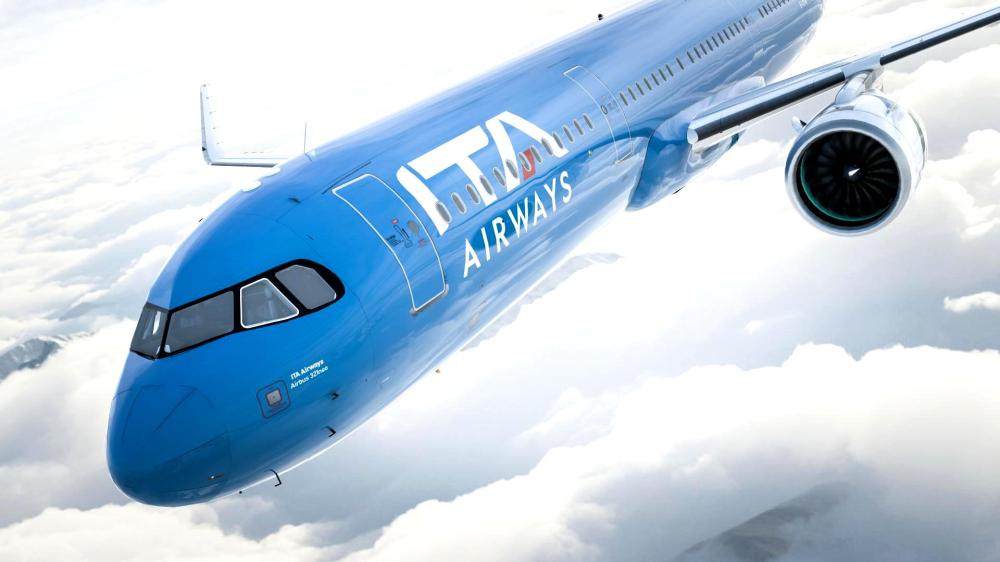
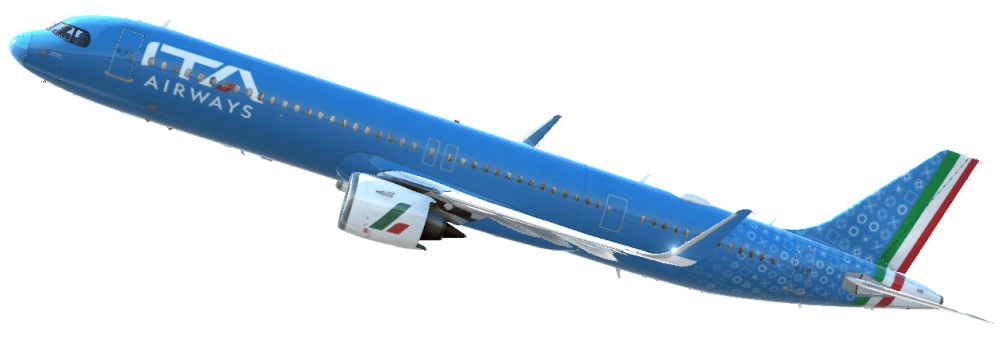
ITA Airways ha inaugurado el 29 de Octubre de 2024 su primera ruta a los Emiratos Árabes Unidos con un vuelo directo entre Roma (FCO) y Dubái (DXB). La aerolínea italiana de referencia operará esta ruta con vuelos diarios. La nueva ruta directa, anunciada por primera vez en junio, ha sido descrita como un hito, pues la compañía busca expandir su red en Oriente Medio.
Emiliana Limosani, Directora Comercial de ITA Airways, dijo: «Como la primera gran adición a nuestro programa de invierno, esta nueva ruta diaria mejorará el turismo y el comercio entre Italia y los Emiratos Árabes Unidos, un mercado estratégico no solo para viajes de punto a punto, sino también para conectar con otros destinos nacionales, internacionales e intercontinentales».
La ruta es atendida por el avión Airbus A321neo de la aerolínea, que cuenta con 12 asientos en cabinas de clase ejecutiva y económica premium y 141 asientos de clase económica. Los vuelos diarios salen de Roma a las 10:40 y llegan a Dubái a las 19:50. Los vuelos de regreso desde la ciudad de los Emiratos Árabes Unidos salen a la 01:50 y llegan a la capital italiana a las 06:00 horas.
La aerolínea, que fue adquirida recientemente por Lufthansa Group, ha estado expandiendo constantemente su red y operará 23 rutas internacionales y 15 intercontinentales este invierno. Esto incluye una nueva conexión directa a Bangkok cinco veces por semana a partir del 16 de Noviembre de 2024, marcando el debut de la aerolínea en Tailandia.
ITA Airways inaugurates Rome-Dubai
ITA Airways launches daily Rome-Dubai service
ITA Airways has inaugurated its first route to the United Arab Emirates on 29 October 2024 with a direct flight between Rome (FCO) and Dubai (DXB). The Italian flagship airline will operate this route with daily flights. The new direct route, first announced in June, has been described as a milestone as the company looks to expand its network in the Middle East.
Emiliana Limosani, Commercial Director of ITA Airways, said: «As the first major addition to our winter schedule, this new daily route will enhance tourism and trade between Italy and the United Arab Emirates, a strategic market not only for point-to-point travel, but also for connecting to other domestic, international and intercontinental destinations».
The route is served by the airline’s Airbus A321neo aircraft, which feature 12 seats in business and premium economy class cabins and 141 economy class seats. Daily flights depart Rome at 10:40 and arrive in Dubai at 19:50. Return flights from the UAE city depart at 01:50 and arrive in the Italian capital at 06:00.
The airline, which was recently acquired by Lufthansa Group, has been steadily expanding its network and will operate 23 international and 15 intercontinental routes this winter. This includes a new direct connection to Bangkok five times a week from 16 November 2024, marking the airline’s debut in Thailand.
PUBLISHER: Airgways.com DBk: Ita-airways.com / Airgways.com AW-POST: 202410311655AR OWNERSHIP: Airgways Inc. A\W A I R G W A Y S ®
La aerolínea estadounidense JetBlue Airways ha anunciado la inauguración de vuelos directo a San Vicente y las Granadinas desde el Aeropuerto Nueva York/John F. Kennedy (JKF). JetBlue Airways está haciendo que sea más fácil escapar del frío con una nuevos servicios a la isla este otoño septentrional.
El servicio Nueva York (JFK)—San Vicente y las Granadinas (SVD) con dos frecuencias semanales (2Frq/S) los Miércoles y Domingos. El nuevo viaje convierte a JetBlue Airways en la primera aerolínea con sede en Estados Unidos en brindar servicio desde JFK a St. Vincent.
«Este otoño, estamos entusiasmados de presentar Bonaire y San Vicente y las Granadinas a nuestra red como parte de nuestra estrategia para servir rutas desatendidas y nuestro énfasis en agregar vuelos a los principales destinos de ocio», dijo David Jehn, Vicepresidente de Planificación de Red y Asociaciones de JetBlue Airways.
El vuelo con destino al Caribe es uno de los dos servicios más nuevos de la aerolínea con sede en Nueva York. La aerolínea comenzará a volar a Bonaire, en Noviembre 2024. Los vuelos a Bonaire comenzarán el 5 de Noviembre de 2024 y operarán con dos frecuencias semanales (2Frq/S) los Martes y Sábados.
JetBlue to St. Vincent & the Grenadines
JetBlue debuts St. Vincent & the Grenadines
American carrier JetBlue Airways has announced the inauguration of nonstop flights to St. Vincent and the Grenadines from New York/John F. Kennedy Airport (JKF). JetBlue Airways is making it easier to escape the cold with new service to the island this northern fall.
The New York (JFK)—St. Vincent and the Grenadines (SVD) service will feature two weekly frequencies (2Frq/S) on Wednesdays and Sundays. The new trip makes JetBlue Airways the first U.S.-based airline to provide service from JFK to St. Vincent.
«This fall, we are excited to introduce Bonaire and St. Vincent and the Grenadines to our network as part of our strategy to serve underserved routes and our emphasis on adding flights to top leisure destinations», said David Jehn, Vice President of Network Planning and Partnerships for JetBlue Airways.
The Caribbean-bound flight is one of the New York-based airline’s two newest services. The airline will begin flying to Bonaire in November 2024. Flights to Bonaire will begin on November 5, 2024 and will operate twice weekly (2Frq/W) on Tuesdays and Saturdays.
PUBLISHER: Airgways.com DBk: Jetblue.com / Airgways.com AW-POST: 202410311647AR OWNERSHIP: Airgways Inc. A\W A I R G W A Y S ®
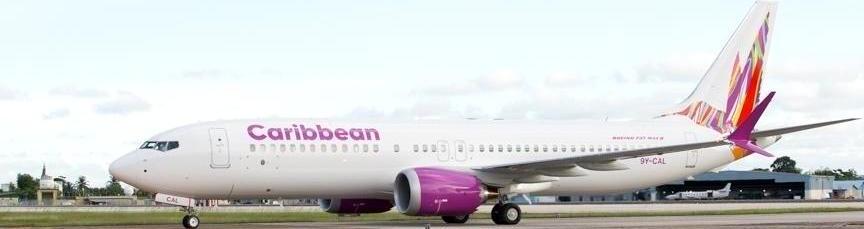
Caribbean Airlines anuncia la reintroducción del servicio entre Kingston, Jamaica y Fort Lauderdale, a partir del 15 de Diciembre de 2024. Los vuelos de clase económica están programados para operar tres frecuencias por semana (3Frq/S) los Martes, Jueves y Sábados. Esta nueva ruta mejorará los viajes de los pasajeros entre Jamaica y el sur de la Florida. Ofrecerá más opciones y comodidad.
Los vuelos entre Kingston y Fort Lauderdale están disponibles para reservar de inmediato a través del sitio web de Caribbean Airlines, así como a través de las agencias de viajes asociadas de la aerolínea. Los clientes también pueden estar atentos a una venta especial de tarifas de lanzamiento, a partir del Viernes 1 de noviembre.
Garvin Medera, CEO de Caribbean Airlines, enfatizó que la decisión de la aerolínea de reintroducir esta ruta se basó en la demanda de los clientes y la retroalimentación directa de la diáspora jamaiquina, tanto en el Caribe como en el extranjero. «El regreso del servicio entre Kingston y Fort Lauderdale es una respuesta directa a las necesidades de nuestros clientes. En Caribbean Airlines, estamos comprometidos a conectar la región del Caribe de manera más efectiva, donde los recursos lo permitan, para garantizar que nuestros pasajeros tengan un mayor acceso a destinos clave que son importantes para ellos».
Con este nuevo servicio, Caribbean Airlines busca conectar la región y destinos populares de todo el mundo. Esto es especialmente importante para los ciudadanos caribeños y la comunidad de la diáspora en general.
Caribbean reintroduces Fort Lauderdale
Caribbean Airlines reintroduces Kingston—Fort Lauderdale service
Caribbean Airlines announces the reintroduction of service between Kingston, Jamaica and Fort Lauderdale, beginning December 15, 2024. Economy class flights are scheduled to operate three frequencies per week (3Frq/S) on Tuesdays, Thursdays, and Saturdays. This new route will enhance passenger travel between Jamaica and South Florida. It will offer more choice and convenience.
Flights between Kingston and Fort Lauderdale are available to book immediately through the Caribbean Airlines website, as well as through the airline’s travel agency partners. Customers can also keep an eye out for a special introductory fare sale, beginning Friday, November 1.
Garvin Medera, CEO of Caribbean Airlines, emphasized that the airline’s decision to reintroduce this route was based on customer demand and direct feedback from the Jamaican diaspora, both in the Caribbean and abroad. “The return of service between Kingston and Fort Lauderdale is a direct response to the needs of our customers. At Caribbean Airlines, we are committed to connecting the Caribbean region more effectively, where resources allow, to ensure our passengers have greater access to key destinations that are important to them”.
With this new service, Caribbean Airlines seeks to connect the region and popular destinations around the world. This is especially important for Caribbean citizens and the diaspora community at large.
PUBLISHER: Airgways.com DBk: Caribbean-airlines.com / Airgways.com AW-POST: 202410311624AR OWNERSHIP: Airgways Inc. A\W A I R G W A Y S ®
Caribbean Airlines, la aerolínea regional, ha anunciado que operará dos vuelos semanales desde Guyana hacia Surinam partir de este 3 de noviembre de 2024. Los vuelos desde Guyana partirán del Aeropuerto Internacional Ogle/Eugene F. Correia (OGL) y llegarán al Aeropuerto Internacional Paramaribo/Johan Adolf Pengel (PBM) en Surinam.
Esta iniciativa forma parte de un plan más amplio de la aerolínea para expandir sus servicios a más destinos en la región. El CEO de Caribbean Airlines, Garvin Madera, declaró nuevamente el compromiso de la aerolínea con mejorar la conectividad en todo el Caribe. En la actualidad, Caribbean Airlines opera en veinticuatro destinos de la región.
Con la designación de Aviareps Spain como su GSA, Caribbean Airlines refuerza su compromiso con sus colaboradores, proporcionando un servicio de atención al cliente local y soporte en ventas más cercano y personalizado. Esta alianza permitirá expandir su red de ventas y mejorar la accesibilidad de sus servicios para los clientes en España.
Caribbean inaugurates Georgetown-Paramaribo
Caribbean inaugurates flights from Guyana to Suriname
Caribbean Airlines, the regional airline, has announced that it will operate two weekly flights from Guyana to Suriname starting on November 3, 2024. Flights from Guyana will depart from Ogle/Eugene F. Correia International Airport (OGL) and arrive at Paramaribo/Johan Adolf Pengel International Airport (PBM) in Suriname.
This initiative is part of a broader plan by the airline to expand its services to more destinations in the region. Caribbean Airlines CEO Garvin Madera again stated the airline’s commitment to improving connectivity throughout the Caribbean. Caribbean Airlines currently operates to twenty-four destinations in the region.
With the appointment of Aviareps Spain as its GSA, Caribbean Airlines reinforces its commitment to its collaborators, providing closer and more personalized local customer service and sales support. This alliance will allow the company to expand its sales network and improve the accessibility of its services to customers in Spain.
PUBLISHER: Airgways.com DBk: Caribbean-airlines.com / Airgways.com AW-POST: 202410311619AR OWNERSHIP: Airgways Inc. A\W A I R G W A Y S ®
AW | 2024 10 31 16:06 | GOVERNMENT / AIRPORTS / AIRLINES
Estado quita a Aerolíneas Argentinas exclusividad pernocte Aeroparque
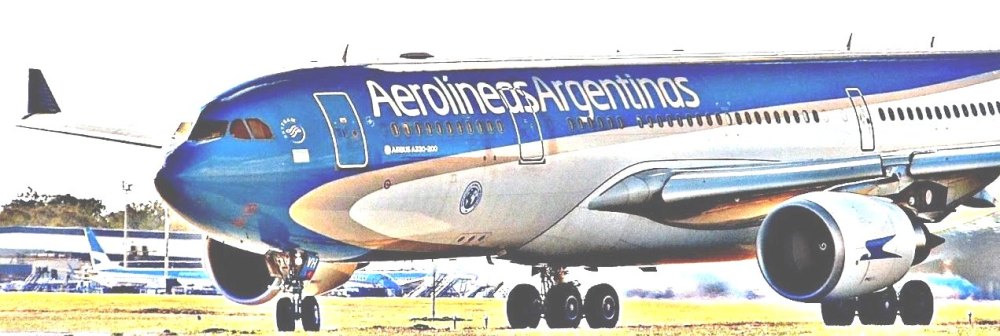
El Gobierno le quita a Aerolíneas Argentinas la exclusividad de pernocte en Aeroparque, otras compañías podrán dejar sus aviones de noche. La medida fue dispuesta por la Secretaria de Transporte y regirá a partir del Viernes 1 de Noviembre de 2024. Los cambios se efectivizan en medio del avance de Presidencia para privatizar la aerolínea de bandera.
En medio de las gestiones para avanzar con la privatización de Aerolíneas Argentinas, el Gobierno de Javier Milei anunció la supresión a la compañía de bandera la exclusividad de pernocte en el Aeropuerto Buenos Aires/Jorge Newvery (AEP) a partir del Viernes 01/11, habilitando a todas las líneas aéreas nacionales realizar pernocte en la terminal porteña. Fuentes oficiales afirmaron que de esta manera buscan ampliar la oferta de vuelos y bajar el precio de los pasajes.
«A partir de mañana otras líneas aéreas como JetSMART y Flybondi podrán acceder a posiciones de pernocte en la plataforma comercial del Aeroparque Jorge Newbery. Es un beneficio que antes era un monopolio exclusivo de Aerolíneas, favorecida injustamente por La Cámpora», anunció el Vocero Presidencial Manuel Adorni en la conferencia de prensa de este Jueves 31/10.
La medida la oficializó el Organismo Regulador del Sistema Nacional de Aeropuertos (ORSNA), que depende de la Secretaría de Transporte, bajo la órbita del Ministerio de Economía que dirige Luis Caputo.
«Antes de esta modificación los aviones de otras empresas por fuera de Aerolíneas Argentinas no podían quedar estacionados en Aeroparque durante la noche. Esto implicaba que si un avión de otra línea aérea llegaba a la noche tarde y salía de nuevo a la mañana temprano, tenía que ir hasta Ezeiza para la mañana siguiente volver a volar de Ezeiza a Aeroparque y ahí recién salir. Un delirio que sólo podía ocurrir en la mano de esta gente. A partir de ahora otras líneas aéreas podrán acceder a posiciones de pernocte en Aeroparque, lo que va a permitir que haya más vuelos a la mañana temprano y poner fin a un delirio corporativista. Esta medida distribuye más equitativamente el espacio del aeropuerto, impulsa la competencia entre las empresas en igualdad de condiciones y brinda un mejor servicio para los pasajeros con una mayor oferta de vuelos y menores precios de los pasajes«, sostuvo el Portavoz Presidencial.
Oficialismo pierde votos Aerolíneas El anuncio coincide con una semana en la que el Gobierno avanzó con el proyecto para privatizar Aerolíneas Argentinas, que había quedado afuera de la Ley Bases, tras obtener el martes dictamen en un plenario de comisiones de Diputados que le permitirá llevar la iniciativa al recinto. Al respecto, Manuel Adorni planteó que en su visión se trataba de un cambio de época, porque la misma clase política que festejaba la estatificación y no le importaba el déficit de la empresa, ahora aprobaron el tratamiento de su privatización.
El Gobierno de Argentina cuenta con 22 adhesiones menos de las que logró en el Congreso al aprobar la Ley Bases para el tratamiento de la venta de aerolíneas Argentinas en la Cámara de Diputados.
El Gobierno nacional había alcanzado una victoria en la Comisión de Presupuesto y Hacienda y Transporte que le permitía avanzar en la privatización de Aerolíneas Argentinas. Luego de un arduo debate, el oficialismo obtuvo el dictamen que necesitaba y posee todo listo para llevar al recinto la discusión que deje a la compañía aérea sujeta a privatización.
Esta será la segunda vez en el año que se debatirá el tema, lo que genera controversias respecto de su viabilidad, porque el reglamento dice que, si se cae un proyecto, no puede ser debatido el mismo período de sesiones; en este caso, en Julio 2024, el Senado eliminó a la compañía de la lista de las posibles empresas a privatizar que incluía la Ley Bases. Antes de esa definición, en Diputados había conseguido los votos necesarios. En ese entonces, cuando se votó la privatización, el oficialismo obtuvo 138 votos afirmativos. Pero entre ese momento y octubre, perdió 22 votos que se fueron a una tercera posición, por lo que los representantes parlamentarios del Gobierno nacional tendrían 116 votos favorables a su proyecto de venta de la compañía y podrían perder en el recinto en el momento en que se trate. Para poder avanzar el Congreso, necesita cumplir con un paso que es la conformación de la Comisión Bicameral de Seguimiento de Empresas Privatizadas.
La propuesta de vender la aerolínea fue tratada en una reunión de las comisiones de Transporte y de Presupuesto, que presiden la radical Pamela Verasay y el libertario José Luis Espert, respectivamente, y el dictamen de mayoría obtuvo 35 firmas entre el oficialismo, el PRO, la UCR, la Coalición Cívica y bloques provinciales. El texto declara a la empresa sujeta de privatización, pero establece que el proceso se ajustará a las condiciones de transparencia que se fijaron en la Ley Bases y que impulsan la intervención de la Auditoría General de la Nación como así también de la bicameral de Seguimiento de las Privatizaciones.
Government cancels AEP overnight exclusivity
State removes Aerolíneas overnight exclusivity at Aeroparque
The Government removes Aerolíneas Argentinas‘ overnight exclusivity at Aeroparque, other companies will be able to leave their planes at night. The measure was ordered by the Secretary of Transportation and will take effect as of Friday, November 1, 2024. The changes are taking effect amid the Presidency’s advance to privatize the flagship airline.
In the midst of the efforts to move forward with the privatization of Aerolíneas Argentinas, the Government of Javier Milei announced the elimination of the flagship company’s overnight exclusivity at the Buenos Aires/Jorge Newvery Airport (AEP) as of Friday, November 1, enabling all national airlines to make overnight stays at the Buenos Aires terminal. Official sources stated that in this way they seek to expand the flight offer and lower the price of tickets.
«Starting tomorrow, other airlines such as JetSMART and Flybondi will be able to access overnight positions on the commercial platform of Aeroparque Jorge Newbery. It is a benefit that was previously an exclusive monopoly of Aerolíneas, unfairly favored by La Cámpora», announced Presidential Spokesperson Manuel Adorni at the press conference on Thursday 31/10.
The measure was made official by the Regulatory Body of the National Airport System (ORSNA), which depends on the Secretariat of Transportation, under the orbit of the Ministry of Economy headed by Luis Caputo.
«Before this change, planes from companies other than Aerolíneas Argentinas could not be parked at Aeroparque overnight. This meant that if a plane from another airline arrived late at night and left again early in the morning, it had to go to Ezeiza to fly from Ezeiza to Aeroparque again the next morning and then leave. A madness that could only happen in the hands of these people. From now on, other airlines will be able to access overnight positions at Aeroparque, which will allow for more flights in the early morning and put an end to a corporatist madness. This measure distributes airport space more equitably, encourages competition between companies on equal terms, and provides better service for passengers with a greater offer of flights and lower ticket prices», said the Presidential Spokesperson.
Officialism loses votes Aerolíneas The announcement coincides with a week in which the Government advanced with the project to privatize Aerolíneas Argentinas, which had been left out of the Ley Bases, after obtaining a ruling on Tuesday in a plenary session of the House of Representatives commissions that will allow it to take the initiative to the floor. In this regard, Manuel Adorni stated that in his view it was a change of era, because the same political class that celebrated the nationalization and did not care about the company’s deficit, now approved the treatment of its privatization.
The Government of Argentina has 22 fewer adhesions than those it achieved in Congress when it approved the Ley Bases for the treatment of the sale of Argentine airlines in the Chamber of Deputies.
The national Government had achieved a victory in the Budget and Finance and Transportation Commission that allowed it to advance in the privatization of Aerolíneas Argentinas. After an arduous debate, the ruling party obtained the opinion it needed and has everything ready to take the discussion to the floor to leave the airline subject to privatization.
This will be the second time this year that the issue will be debated, which generates controversy regarding its viability, because the regulations say that, if a project fails, it cannot be debated in the same session period; in this case, in July 2024, the Senate eliminated the company from the list of possible companies to be privatized that the Ley Bases included. Before that definition, in the House of Representatives it had obtained the necessary votes. At that time, when the privatization was voted on, the ruling party obtained 138 affirmative votes. But between that time and October, it lost 22 votes that went to a third position, so the parliamentary representatives of the national Government would have 116 votes in favor of their project to sell the company and could lose in the floor at the time when it is discussed. In order to move forward, Congress needs to complete a step, which is the formation of the Bicameral Commission for Monitoring Privatized Companies.
The proposal to sell the airline was discussed at a meeting of the Transportation and Budget Commissions, chaired by the radical Pamela Verasay and the libertarian José Luis Espert, respectively, and the majority opinion obtained 35 signatures from the ruling party, the PRO, the UCR, the Civic Coalition and provincial blocks. The text declares the company subject to privatization, but establishes that the process will be adjusted to the conditions of transparency that were set in the Bases Law and that promote the intervention of the General Audit Office of the Nation as well as the bicameral Commission for Monitoring Privatizations.
PUBLISHER: Airgways.com DBk: Argentina.gob.ar / Airgways.com AW-POST: 202410311606AR OWNERSHIP: Airgways Inc. A\W A I R G W A Y S ®
Airbus entrega primer Airbus A321 de alcance extra largo
Airbus Group ha informado el Miércoles 30 de Octubre de 2024 que ha entregado su primer avión de fuselaje estrecho de alcance extralargo A321XLR, marcando otro paso en una era de aviones más pequeños y más eficientes en combustible que vuelan distancias más largas, y ampliando aún más la brecha de entrega entre Airbus y su rival Boeing.
El primer avión fue entregado a la aerolínea española Iberia, que planea estrenarlo en la ruta entre Madrid y Boston el próximo mes. American Airlines y United Airlines también han seleccionado el A321XLR.
Airbus dijo que la versión A321XLR puede volar hasta 11 horas sin escalas, o 4.700 millas náuticas, aproximadamente un 15% más lejos que el A321LR, una versión de largo alcance del avión 321, que se utiliza para misiones transatlánticas como JetBlue Airways entre Nueva York y Amsterdam. El fabricante de aviones ha estado trabajando para obtener la certificación de la aeronave durante cinco años. Consume alrededor de un 30% menos de combustible que los aviones más antiguos, dijo el fabricante.
La compañía europea Iberia tiene más de 500 A321XLR bajo pedido. Es una pequeña parte de su cartera de pedidos que se situaba en casi 8.600 aviones a finales de Junio 2024.
El constructor europeo está estrenando un nuevo avión mientras su rival Boeing está luchando por acelerar las líneas de producción, ejetreadas por los conflictos gremiales y áreas de seguridad deficitarias. El proyecto de una aeronave completamente nueva que se ubicaría entre los 737 y los aviones de pasajeros de fuselaje ancho han quedado postergados. La compañía ahora planea adelgazar, eliminar empleos y potencialmente deshacerse de los negocios que no considera fundamentales para ahorrar efectivo y mejorar la calidad. «Boeing es una compañía de aviones, y en el futuro, necesitamos desarrollar un nuevo avión, pero tenemos mucho trabajo por hacer antes de eso», dijo el CEO Kelly Ortberg, en una llamada de ganancias la semana pasada.
IBERIA A321XLR En un día histórico para el fabricante europeo, Airbus entregó la primera unidad del mundo de la serie A321XLR de Airbus a Iberia que ascendió hasta convertirse en el cliente de lanzamiento en Mayo de 2024. Se espera que la aerolínea, miembro de International Airlines Group (IAG), comience las operaciones comerciales con este fuselaje a principios de noviembre en vuelos al aeropuerto de París-Charles de Gaulle (CDG) para la formación de la tripulación.
Por otro lado, su debut transatlántico está previsto para el 14 de Noviembre de 2024, con un vuelo sin escalas entre Madrid (MAD) y Boston (BOS) como IB347. Estas son las rutas para las que está diseñado el interior del A321XLR. En el caso de IB, el avión de fuselaje estrecho ofrecerá 168 asientos de clase económica y 14 camas totalmente reclinables para sus pasajeros de clase ejecutiva.
Christian Scherer, CEO de Airbus Commercial Aircraft, dijo: «Con cinco años de desarrollo, el A321XLR abre un nuevo capítulo en la conectividad aérea. Es otra primicia de la que nos sentimos orgullosos todos nosotros en Airbus en nuestra búsqueda constante de innovar y aportar valor a nuestros clientes».
El día de la entrega, el 30 de Octubre de 2024, la primera unidad con matrícula EC-OIL aterrizará en el hub de Iberia, el Aeropuerto de Madrid-Barajas, a las 19:20 hora local. IAG realizó un pedido total de 14 unidades más otras 14 opciones, presumiblemente repartidas entre Iberia y Aer Lingus (EI), la aerolínea de bandera irlandesa.
Airbus delivers 1st A321XLR
Airbus delivers first extra-long-range Airbus A321
Airbus Group has reported on Wednesday, October 30, 2024 that it has delivered its first A321XLR extra-long-range narrow-body aircraft, marking another step in an era of smaller, more fuel-efficient planes that fly longer distances, and further widening the delivery gap between Airbus and rival Boeing.
The first aircraft was delivered to Spanish airline Iberia, which plans to debut it on the Madrid-Boston route next month. American Airlines and United Airlines have also selected the A321XLR.
Airbus said the A321XLR version can fly up to 11 hours nonstop, or 4,700 nautical miles, about 15% farther than the A321LR, a long-range version of the 321 jet, which is used for transatlantic missions such as JetBlue Airways between New York and Amsterdam. The planemaker has been working to get the aircraft certified for five years. It consumes about 30% less fuel than older planes, the manufacturer said.
European carrier Iberia has more than 500 A321XLRs on order. It is a small part of its order book that stood at nearly 8,600 planes at the end of June 2024.
The European manufacturer is debuting a new plane as rival Boeing is struggling to speed up production lines hampered by labor disputes and poor safety departments. The project for an all-new aircraft that would slot between the 737 and wide-body jetliners has been shelved. The company now plans to slim down, cut jobs and potentially shed businesses it considers non-core to save cash and improve quality. «Boeing is an airplane company, and in the future, we need to develop a new airplane, but we have a lot of work to do before that», CEO Kelly Ortberg said on an earnings call last week.
IBERIA A321XLR On a historic day for the European manufacturer, Airbus delivered the world’s first unit of the Airbus A321XLR series to Iberia, which rose to become the launch customer in May 2024. The airline, a member of International Airlines Group (IAG), is expected to begin commercial operations with this airframe in early November on flights to Paris-Charles de Gaulle Airport (CDG) for crew training.
On the other hand, its transatlantic debut is scheduled for November 14, 2024, with a non-stop flight between Madrid (MAD) and Boston (BOS) as IB347. These are the routes for which the A321XLR interior is designed. In the case of IB, the narrow-body aircraft will offer 168 economy class seats and 14 fully reclining beds for its business class passengers.
Christian Scherer, CEO of Airbus Commercial Aircraft, said: “Five years in the making, the A321XLR opens a new chapter in air connectivity. It is another first that all of us at Airbus are proud of in our constant quest to innovate and bring value to our customers”.
On delivery day, 30 October 2024, the first unit with registration EC-OIL will land at Iberia’s hub, Madrid-Barajas Airport, at 19:20 local time. IAG has placed a total order for 14 units plus 14 other options, presumably shared between Iberia and Aer Lingus (EI), the Irish flag carrier.
PUBLISHER: Airgways.com DBk: Airbus.com / Iberia.com / Airgways.com AW-POST: 202410301940AR OWNERSHIP: Airgways Inc. A\W A I R G W A Y S ®
Riyadh Air encarga 60 aviones Airbus de fuselaje estrecho
La nueva aerolínea de Arabia Saudí, Riyadh Air, dijo el Miércoles 30/10 que había realizado un pedido de 60 aviones a Airbus Group de aviones de fuselaje estrecho de la familia A321neo mientras se prepara para comenzar a operar en 2025. El acuerdo, firmado en el foro de la Iniciativa de Inversión Futura en Riad, eleva a 132 el número total de aviones pedidos por la startup saudí, que el año pasado encargó 39 Boeing 787 Dreamliners con opciones para 33 más.
Riyadh Air recibiría su primer A321 en la segunda mitad de 2026 y el último avión se entregaría en 2030, dijo Douglas, y agregó que la aerolínea decidirá más adelante cuántos A321 y A321 LR y A321 XLR más grandes se incluirán en el pedido. Los términos financieros no fueron revelados, pero tal acuerdo tendría un valor de alrededor de US$ 4.000 millones de Dólares después de los descuentos típicos, basados en los precios de entrega estimados por la Consultora de Aviación Cirium Ascend.
Airbus se negó a comentar sobre el calendario de las entregas. «Estamos absolutamente encantados de haber trabajado en un complejo acuerdo multilateral para poder anunciar esto con Airbus hoy», dijo Tony Douglas.
El Presidente Ejecutivo de Riyadh Air, Tony Douglas, dijo que la aerolínea ahora planea iniciar conversaciones con Airbus y Boeing para un pedido de aviones de fuselaje ancho A350-1000 o 777X dentro de dos meses, conservando en el anonimato cuántos aviones de fuselaje ancho ordenaría la aerolínea o cuándo tenía la intención de finalizar las negociaciones de pedidos.
La aerolínea también firmó el Miércoles 30/10 una línea de crédito de SAR 5.000 millones de Riyales/US$ 1.300 millones de Dólares con un sindicato de bancos, dijo, cuando se le preguntó sobre la financiación del pedido de aviones.
Startup Riyadh Air Riyadh Air, propiedad del fondo soberano PIF de Arabia Saudita, ha asegurado las entregas en un plazo inusualmente corto dadas las congestionadas líneas de producción de la industria aeronáutica y la fuerte demanda que ha hecho que Airbus agote la mayoría de los modelos hasta el final de la década. Fuentes de la industria dijeron que el momento sugería que Riyadh Air había podido asegurar franjas horarias tempranas, ya que muchas aerolíneas de todo el mundo luchan por cumplir con los pedidos pendientes debido a los débiles balances.
El acuerdo con Airbus se produce tras meses de especulaciones tras un informe de que Riyadh Air había optado por comprar al menos 100 aviones Boeing 737 MAX para satisfacer sus necesidades de fuselaje estrecho junto con los Boeing 787 más grandes. La aerolínea había advertido, sin embargo, que estaba en medio de una secuencia de posibles pedidos y que estaba estudiando tanto a Boeing como a Airbus para la próxima compra de aviones de fuselaje estrecho.
Tony Douglas dijo que la aerolínea se lanzaría en la segunda mitad de 2025 y probablemente firmaría una asociación con una aerolínea en el noroeste de Europa y otra en el subcontinente indio.
Riyadh orders 60 Airbus
Riyadh Air orders 60 Airbus narrow-body aircraft
Saudi Arabia’s new airline, Riyadh Air, said on Wednesday that it had placed an order for 60 aircraft from Airbus Group for narrow-body aircraft of the A321neo family as it prepares to begin operations in 2025. The deal, signed at the Future Investment Initiative forum in Riyadh, brings to 132 the total number of aircraft ordered by the Saudi startup, which last year ordered 39 Boeing 787 Dreamliners with options for 33 more.
Riyadh Air would receive its first A321 in the second half of 2026 and the last aircraft would be delivered in 2030, Douglas said, adding that the airline would decide later how many A321s and larger A321 LRs and A321 XLRs would be included in the order. Financial terms were not disclosed, but such a deal would be worth around $4 billion after typical discounts, based on estimated delivery prices by aviation consultancy Cirium Ascend.
Airbus declined to comment on the timing of the deliveries. «We are absolutely delighted to have worked through a complex multilateral agreement to be able to announce this with Airbus today», said Tony Douglas.
Riyadh Air Chief Executive Tony Douglas said the airline now plans to start talks with Airbus and Boeing for an order for A350-1000 or 777X wide-body aircraft within two months, remaining anonymous on how many wide-body aircraft the airline would order or when it intended to finalize order negotiations.
The airline also signed a SAR 5 billion/US$ 1.3 billion credit line with a syndicate of banks on Wednesday, he said, when asked about financing the aircraft order.
Startup Riyadh Air Riyadh Air, owned by Saudi Arabia’s sovereign wealth fund PIF, has secured deliveries on an unusually short timeframe given the aircraft industry’s congested production lines and strong demand that has seen Airbus sell out of most models until the end of the decade. Industry sources said the timing suggested Riyadh Air had been able to secure early slots as many airlines around the world struggle to fulfil outstanding orders due to weak balance sheets.
The Airbus deal comes after months of speculation following a report that Riyadh Air had opted to buy at least 100 Boeing 737 MAX aircraft to meet its narrow-body needs alongside the larger Boeing 787s. The airline had warned, however, that it was in the middle of a sequence of potential orders and was looking at both Boeing and Airbus for the next narrow-body purchase.
Tony Douglas said the airline would launch in the second half of 2025 and would likely sign a partnership with one airline in north-west Europe and another in the Indian subcontinent.
PUBLISHER: Airgways.com DBk: Riyadhair.com / Airbus.com / Airgways.com AW-POST: 202410301927AR OWNERSHIP: Airgways Inc. A\W A I R G W A Y S ®
Las líneas aéreas de Argentina han condenado el paro de transporte general y pidieron que se cumpla la esencialidad del servicio. Por una cautelar, está en suspenso la aplicación del decreto que sostiene que debe garantizarse un mínimo de operación. Las compañías dicen que no fueron informadas sobre cómo se llevarán adelante la medida de fuerza.
Las aerolíneas repudiaron el paro nacional de transporte de este Miércoles 30/10 por veinticuatro horas que afectará los servicios de aviación, obligándolas a reprogramar cientos de vuelos ante la adhesión a la medida de fuerza del gremio de pilotos, la Asociación de Pilotos de Líneas Aéreas de Argentina (APLA); el sindicato de la Asociación Argentina de Aeronavegantes (AAA), e Intercargo, empresa que presta servicios de rampa en los aeropuertos.
La Cámara de Líneas Aéreas en la Argentina (JURCA) expresó su rechazo y disgusto, y calificó como inaceptable el nivel de indefinición, pues argumentó que los operadores aéreos no fueron informados respecto de las modalidades que presentarán las medidas ni el cronograma de servicios que deben ser garantizados, aludiendo así a la medida cautelar que dejó en suspenso la aplicación del decreto que declaró “esencial” al transporte aéreo.
“Una vez más, la falta de definiciones y el incumplimiento de la ley de las entidades sindicales hace que la industria sufra una paralización masiva de sus operaciones, principalmente por la adhesión del gremio que representa a trabajadores de Intercargo”, manifestó JURCA, en un comunicado que difundió en el marco de la conferencia de aviación comercial ALTA AGM & Airline Leaders Forum, que se lleva adelante en Nassau, Bahamas, organizada por la Asociación Latinoamericana y del Caribe de Transporte Aéreo (ALTA), que nuclea a 51 aerolíneas que representan el 52% del tráfico aéreo de la región.
“No puede dejar de señalarse que una considerable parte de los daños que la medida generará podrían haberse evitado o morigerado con simplemente cumplir la normativa vigente. Aun cuando la rampa es considerada servicio esencial, la despreocupación de los representantes sindicales en cumplir con las reglas aplicables causa la cancelación de centenares de vuelos afectando a decenas de miles de pasajeros y toneladas de carga. En este caso la medida será aún más grave, ya que para algunos operadores implica la cancelación de dos días completos de actividad. La aviación no es meramente un medio de traslado de turistas. Es uno de los motores fundamentales para generar negocios, acceder a mercados, crear fuentes de trabajo y acceder a infinidad de recursos críticos para el crecimiento y desarrollo del país. Los asociados tomaron medidas a su alcance para minimizar el impacto negativo, aun cuando las acciones son ajenas a su voluntad e incurren en grandes pérdidas”, destacó en una carta que lleva la firma del Director Ejecutivo de JURCA, Felipe Baravalle, quien participa del foro.
Entre los miembros de ALTA se encuentran nucleados Aerolíneas Argentinas, Aeroméxico, Air Canada, Air France, Air Europa, American Airlines, Avianca, Boliviana de Aviación, Copa Airlines, Delta Air Lines, United Airlines, GOL Linhas Aéreas, KLM Royal Dutch Airlines, LATAM Airlines, Lufthansa, Qatar Airways, Sky Airline y Turkish Airlines, pues les informaron a sus clientes afectados los pasos a seguir.
También Peter Cerda, Vicepresidente para América de la Asociación de Transporte Aéreo Internacional (IATA), le dijo en el evento de ALTA que apoya la postura de considerar esencial a la industria. “Será la quinta huelga en lo que va de 2024 que impacta al transporte aéreo en un país que está intentando recuperarse económicamente y aumentar la conectividad. El Gobierno tomó esta medida con mucho coraje. Los pasajeros que viajan a la Argentina necesitan cierta garantía de que la experiencia va a ser positiva. Si el país se paraliza, eso los afecta: pueden tener interés en ir, pero no se va a arriesgar. Por eso, el paro es una situación muy desafortunada. En muchos países el transporte aéreo es esencial por ley, como en los Estados Unidos y España. Ahora que están aprobados los decretos, se tienen que implementar. Necesitamos avanzar para que concretar el cambio y que el país sea mucho más competitivo”, expresó.
Argentine airlines strike
Argentine airlines condemn general strike
Argentine airlines have condemned the general transport strike and asked that the essentiality of the service be fulfilled. Due to a precautionary measure, the application of the decree that maintains that a minimum operation must be guaranteed is suspended. The companies say that they were not informed about how the strike will be carried out.
The airlines repudiated the national transport strike this Wednesday 30/10 for twenty-four hours that will affect aviation services, forcing them to reschedule hundreds of flights due to the adherence to the strike by the pilots’ union, the Argentine Airline Pilots Association (APLA); the Argentine Association of Flight Attendants (AAA), and Intercargo, a company that provides ramp services at airports.
The Chamber of Airlines in Argentina (JURCA) expressed its rejection and displeasure, and described the level of uncertainty as unacceptable, arguing that air operators were not informed about the modalities that the measures will present or the schedule of services that must be guaranteed, thus alluding to the precautionary measure that suspended the application of the decree that declared air transport “essential.”
“Once again, the lack of definitions and the failure of unions to comply with the law is causing the industry to suffer a massive stoppage of its operations, mainly due to the adhesion of the union that represents Intercargo workers”, said JURCA, in a statement released within the framework of the ALTA AGM & Airline Leaders Forum commercial aviation conference, which is taking place in Nassau, Bahamas, organized by the Latin American and Caribbean Air Transport Association (ALTA), which brings together 51 airlines that represent 52% of the region’s air traffic.
“It cannot be overlooked that a considerable part of the damage that the measure will generate could have been avoided or mitigated by simply complying with the current regulations. Even though the ramp is considered an essential service, the lack of concern by union representatives to comply with the applicable rules causes the cancellation of hundreds of flights affecting tens of thousands of passengers and tons of cargo. In this case, the measure will be even more serious, since for some operators it implies the cancellation of two full days of activity. Aviation is not merely a means of transporting tourists. It is one of the fundamental engines for generating business, accessing markets, creating sources of work, and accessing countless resources critical for the growth and development of the country. The associates took measures within their reach to minimize the negative impact, even when the actions are beyond their control and incur great losses”, he highlighted in a letter signed by the Executive Director of JURCA, Felipe Baravalle, who participates in the forum.
ALTA members include Aerolíneas Argentinas, Aeroméxico, Air Canada, Air France, Air Europa, American Airlines, Avianca, Boliviana de Aviación, Copa Airlines, Delta Air Lines, United Airlines, GOL Linhas Aéreas, KLM Royal Dutch Airlines, LATAM Airlines, Lufthansa, Qatar Airways, Sky Airline and Turkish Airlines, as they informed their affected clients of the steps to follow.
Peter Cerda, Vice President for America of the International Air Transport Association (IATA), also told the ALTA event that he supports the position of considering the industry essential. “It will be the fifth strike so far in 2024 that impacts air transport in a country that is trying to recover economically and increase connectivity. The Government took this measure with great courage. Passengers traveling to Argentina need some guarantee that the experience will be positive. If the country comes to a standstill, that affects them: they may be interested in going, but they are not going to risk it. That is why the strike is a very unfortunate situation. In many countries, air transport is essential by law, such as in the United States and Spain. Now that the decrees have been approved, they have to be implemented. We need to move forward to make the change happen and make the country much more competitive”, he said.
PUBLISHER: Airgways.com DBk: Apla.org.ar / Aeronavegantes.org.ar / Jurca.org.ar / Alta.aero / Airgways.com AW-POST: 202410301430AR OWNERSHIP: Airgways Inc. A\W A I R G W A Y S ®
Azul logra fondos para compra de Aerolíneas Argentinas GOL Linhas Aéreas busca iniciativa compra
La aerolínea brasileña Azul Linhas Aéreas se ha fortalecido tras el alivio financiero que logró con sus accionistas en un acuerdo de US$ 500 millones de Dólares, el cual fortalece su liquidez y la robustece como candidata para la compra de Aerolíneas Argentinas, aunque directivos de la compañía tratan de enfriar esta posibilidad.
De acuerdo con una comunicación de Azul, esta inyección de capital aliviará su carga de deuda local de US$ 68,6 millones de Dólares en pagos de este año, así como los US$ 550 millones de Dólares en pagarés que vencen en plazos trimestrales durante los próximos cuatro años.
“La conclusión de este acuerdo, realizada a través de negociaciones amistosas, fortalece aún más a la empresa, demuestra la confianza de nuestros socios, refuerza la creencia en nuestro modelo de negocio y en la capacidad de la empresa para generar caja. Los acuerdos les permitirán continuar en nuestra senda de crecimiento”, dijo John Rodgerson, Director Ejecutivo de Azul en su cuenta oficial de LinkedIn.
Estos US$ 500 millones de Dólares en nueva Deuda Senior garantizada, US$ 150 millones de Dólares se aportarán en el transcurso de esta semana y US$ 250 millones de Dólares a finales de 2024, según el documento regulatorio. Así mismo, otros US$ 100 millones de Dólares podrían desbloquearse más adelante, señaló la línea aérea. Este acuerdo cubrirá además algunas obligaciones de Azul con arrendadores y proveedores de piezas para los próximos 18 meses, lo que le permitirá mejorar su flujo de caja en más de 150 millones de dólares, según la compañía aérea.
El Gobierno Nacional de Argentina continúa con el plan de austeridad en la esfera pública, permitiendo el saneamiento en diferentes sectores de organismos como así también la puesta en venta de empresas como Aerolíneas Argentinas.
En medio de la aprobación en Diputados del proyecto que declara a Aerolíneas Argentinas sujeta a privatización, el CEO de Azul Linhas Aereas, John Rodgerson, desmintió rotundamente los rumores sobre un supuesto interés de la compañía de Brasil en comprar la aerolínea de bandera argentina. «Ni siquiera volamos a la Argentina», afirmó John Rodgerson, disipando los rumores de interés; sin embargo, reconoció que la aerolínea brasileña GOL Linhas Aéreas está interesada.
Azul había iniciado sus operaciones en Argentina en 2017, con vuelos en la ruta Córdoba—Recife, pero en 2020 se retiró del país debido a la pandemia. A pesar de la autorización otorgada por la Administración Nacional de Aviación Civil (ANAC) para operar rutas regulares, la compañía decidió no regresar de forma permanente, citando obstáculos económicos como el cepo cambiario y la baja rentabilidad. En Junio de 2024, Azul reanudó temporalmente sus operaciones en la Argentina, ofreciendo vuelos estacionales entre Campinas y Bariloche durante la temporada de invierno. Sin embargo, esta reactivación fue limitada y no implicó un retorno estable al mercado argentino, reflejando las dificultades que las aerolíneas enfrentan para sostener servicios en el país.
El mercado brasileño es clave para la conectividad de Argentina, con un intercambio de casi 300.000 pasajeros en Septiembre 2024, según ANAC. La ruta Buenos Aires—Sao Paulo es cubierta actualmente por nueve aerolíneas, incluidas Aerolíneas Argentinas y GOL.
Azul/GOL bids for Aerolíneas
Azul logra fondos para compra de Aerolíneas Argentinas GOL Linhas Aéreas busca iniciativa compra
The Brazilian airline Azul Linhas Aéreas has been strengthened after the financial relief it achieved with its shareholders in a US$ 500 million agreement, which strengthens its liquidity and strengthens it as a candidate for the purchase of Aerolíneas Argentinas, although company executives are trying to cool down this possibility.
According to a statement from Azul, this capital injection will alleviate its local debt burden of US$ 68.6 million in payments this year, as well as the US$ 550 million in promissory notes that mature in quarterly installments over the next four years.
“The conclusion of this agreement, carried out through friendly negotiations, further strengthens the company, demonstrates the confidence of our partners, reinforces the belief in our business model and in the company’s ability to generate cash. The agreements will allow them to continue on our growth path”, said John Rodgerson, CEO of Azul on his official LinkedIn account.
These US$ 500 million in new Senior Secured Debt, US$ 150 million will be provided during the course of this week, and US$ 250 million by the end of 2024, according to the regulatory document. Likewise, another US$ 100 million could be released later, the airline said. This agreement will also cover some of Azul’s obligations with lessors and parts suppliers for the next 18 months, which will allow it to improve its cash flow by more than US$ 150 million, according to the airline.
The National Government of Argentina continues with the austerity plan in the public sphere, allowing the cleanup in different sectors of organizations as well as the sale of companies such as Aerolíneas Argentinas.
In the midst of the approval in the House of Representatives of the project that declares Aerolíneas Argentinas subject to privatization, the CEO of Azul Linhas Aereas, John Rodgerson, flatly denied rumors about an alleged interest by the Brazilian company in buying the Argentine flag carrier. «We don’t even fly to Argentina», said John Rodgerson, dispelling rumors of interest; however, he acknowledged that the Brazilian airline GOL Linhas Aéreas is interested.
Azul had started its operations in Argentina in 2017, with flights on the Córdoba-Recife route, but in 2020 it withdrew from the country due to the pandemic. Despite the authorization granted by the National Civil Aviation Administration (ANAC) to operate regular routes, the company decided not to return permanently, citing economic obstacles such as the exchange rate cap and low profitability. In June 2024, Azul temporarily resumed its operations in Argentina, offering seasonal flights between Campinas and Bariloche during the winter season. However, this reactivation was limited and did not imply a stable return to the Argentine market, reflecting the difficulties that airlines face in maintaining services in the country.
The Brazilian market is key for Argentina’s connectivity, with an exchange of almost 300,000 passengers in September 2024, according to ANAC. The Buenos Aires-Sao Paulo route is currently served by nine airlines, including Aerolíneas Argentinas and GOL.
PUBLISHER: Airgways.com DBk: Voeazul.com.br / Voegol.com.br / Aerolineas.com / Airgways.com AW-POST: 202410301011AR OWNERSHIP: Airgways Inc. A\W A I R G W A Y S ®
Logra aprobación Comisión para debatir privatización
El Presidente de Argentina Javier Milei continúa enfocado en la privatización de Aerolíneas Argentinas ahora avanzando con una discusión en la Cámara de Diputados. El partido oficialista La Libertad Avanza (LLA), obtuvo el Martes 29/10 el visto bueno en una comisión del Congreso con el apoyo del partido PRO y algunos miembros de la UCR.
El Ejecutivo Nacional se comprometió a privatizar la aerolínea de bandera tan pronto como asumió el cargo, colocándola en la lista de empresas sujetas a privatización en la versión original de las Bases de Ley. Sin embargo, la cláusula fue eliminada posteriormente y no se incluyó en la versión aprobada por el Congreso en Junio 2024.
A principios de Octubre 2024, Presidencia emitió una orden ejecutiva en la que proclamaba que la empresa estaba sujeta a privatización. Esa orden ejecutiva está sujeta a la aprobación del Congreso: si es aprobada por ambas cámaras, el Poder Ejecutivo podría vender la empresa.
Hernán Lombardi, Diputado del PRO, dijo en el debate, que agrupó a las comisiones de Transporte, Presupuesto y Hacienda, que su partido quiere «más vuelos, más frecuencias, para que la Argentina esté mejor conectada dentro del país y con el mundo». Diputados de otros partidos firmaron dos opiniones disidentes. Las coaliciones de centroizquierda e izquierda Unión por la Patria (UXP) y el Frente de Izquierda apoyaron una opinión que rechazaba la privatización. Por su parte, Encuentro Federal y el recientemente formado bloque Democracia para Siempre respaldaron la incorporación de capital privado a la empresa, siendo el estado el accionista mayoritario. Germán Martínez, Jefe del bloque UXP, acusó al gobierno de querer desmantelar la empresa. «Milei no está solo, como dicen algunos. No es solo él, [su hermana y Secretaria de la Presidencia] Karina y [su asesor] el pequeño Santiago Caputo. Los poderes económicos están detrás de él». Acusó a los diputados de otros partidos que apoyan la opinión del gobierno de arrodillarse ante los económicamente poderosos.
«Es una privatización ciega, sin ningún tipo de plan, no genera una política de cielos abiertos, sino que solo privatiza los cielos en Argentina», dijo Diego Giuliano, también de UXP.
Nicolás Massot, de Encuentro Federal, dijo que su bloque propuso «autorizar el ingreso de socios privados a la empresa, con la condición de que el Estado mantenga el control corporativo».
Carolina Gaillard, de UXP, dijo que la compañía voló a diez ciudades en 2008. «Ahora vuela a 52, la empresa no tiene déficit y [el gobierno quiere] venderla porque hay un negocio de [el expresidente Mauricio] Macri y sus amigos. Y los que firman la opinión mayoritaria son cómplices».
El ex-Presidente de Aerolíneas Argentinas, Luis Pablo Ceriani, dijo que, cuando era administrada por el Estado, Aerolíneas Argentinas funcionaba «mucho mejor de lo que era administrada por el sector privado, lo cual era desastroso». Aerolíneas fue nacionalizada en 2008, después de haber sido vendida por una administración anterior a la empresa española Iberia en 1990.
La polémica surgió cuando Fernando Dozo, presentado como abogado y especialista en derecho aeronáutico, dijo que el Gobierno debería «convocar a una licitación internacional para ver quién se puede hacer cargo de esto». Fernando Dozo, quien era Director Ejecutivo de Aerolíneas Argentinas cuando fue privatizada, dijo que el Gobierno español capitalizó la empresa, invirtiendo US$ 3.500 millones de Dólares. «Nos comimos los millones de Dólares. ¡Aquí todos los que destruyeron la empresa están en libertad, todos en libertad! Empezando por la vicepresidenta de la República condenada [Cristina Fernández de Kirchner] y los principales responsables», dijo, alzando la voz, golpeando la mesa y nombrando a ex funcionarios peronistas mientras los diputados de la UXP le gritaban.
Aerolíneas debated in the Chamber of Deputies
Commission to debate privatization obtains approval
Argentine President Javier Milei continues to focus on the privatization of Aerolíneas Argentinas, now moving forward with a discussion in the Chamber of Deputies. The ruling party La Libertad Avanza (LLA), obtained approval on Tuesday 10/29 in a commission of Congress with the support of the PRO party and some members of the UCR.
The National Executive committed to privatize the flag carrier as soon as it took office, placing it on the list of companies subject to privatization in the original version of the Bases of Law. However, the clause was later eliminated and was not included in the version approved by Congress in June 2024.
At the beginning of October 2024, the Presidency issued an executive order proclaiming that the company was subject to privatization. That executive order is subject to approval by Congress: if it is approved by both chambers, the Executive Branch could sell the company.
Hernán Lombardi, a PRO deputy, said in the debate, which brought together the Transport, Budget, and Finance committees, that his party wants «more flights, more frequencies, so that Argentina is better connected within the country and with the world». Deputies from other parties signed two dissenting opinions. The center-left and left coalitions Unión por la Patria (UXP) and the Frente de Izquierda supported an opinion that rejected privatization. For their part, Encuentro Federal and the recently formed bloc Democracia para Siempre supported the incorporation of private capital into the company, with the state being the majority shareholder. Germán Martínez, head of the UXP bloc, accused the government of wanting to dismantle the company. «Milei is not alone, as some say. It is not just him, [his sister and Secretary of the Presidency] Karina, and [his advisor] little Santiago Caputo. The economic powers are behind him». He accused deputies from other parties who support the government’s opinion of bowing down to the economically powerful.
«It is a blind privatization, without any kind of plan, it does not generate an open skies policy, but only privatizes the skies in Argentina», said Diego Giuliano, also from UXP.
Nicolás Massot, from Encuentro Federal, said that his bloc proposed «authorizing the entry of private partners to the company, with the condition that the State maintains corporate control».
Carolina Gaillard, from UXP, said that the company flew to ten cities in 2008. «Now it flies to 52, the company has no deficit and [the government wants] to sell it because there is a business of [former president Mauricio] Macri and his friends. And those who sign the majority opinion are accomplices».
Former Aerolíneas Argentinas President Luis Pablo Ceriani said that when it was state-run, Aerolíneas Argentinas functioned «much better than when it was run by the private sector, which was disastrous». Aerolíneas was nationalized in 2008, after being sold by a previous administration to the Spanish company Iberia in 1990.
The controversy arose when Fernando Dozo, who presented himself as a lawyer and specialist in aeronautical law, said that the government should «call for an international tender to see who can take charge of this», Fernando Dozo, who was CEO of Aerolíneas Argentinas when it was privatized, said that the Spanish government capitalized the company, investing US$ 3.5 billion. «We ate up the millions of dollars. Here, all those who destroyed the company are free, all free! Starting with the convicted vice president of the Republic [Cristina Fernández de Kirchner] and those primarily responsible», he said, raising his voice, banging the table and naming former Peronist officials while the UXP deputies shouted at him.
PUBLISHER: Airgways.com DBk: Argentina.gob.ar / Aerolineas.com / Airgways.com AW-POST: 202410300957AR OWNERSHIP: Airgways Inc. A\W A I R G W A Y S ®












 airgways.com