Porter Airlines lanza nueva ruta entre Montreal y Fort Myers
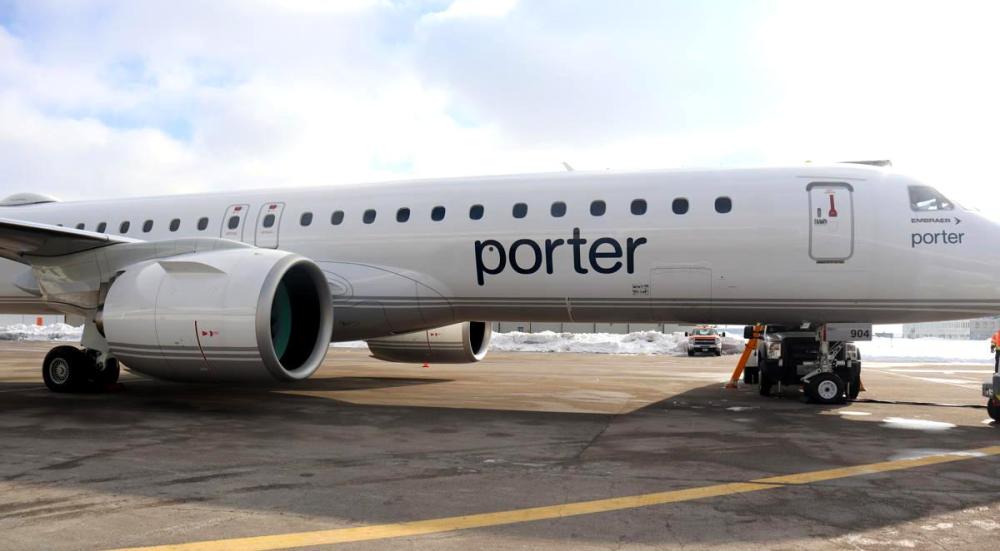
Porter Airlines lanzó una nueva ruta estacional entre el Aeropuerto Internacional de Montreal/Trudeau (YUL) y el Aeropuerto Internacional del Suroeste de Florida (RSW) en Fort Myers. La aerolínea es el único operador que ofrece un servicio sin escalas entre los dos aeropuertos, lo que proporciona a los viajeros una conexión perfecta con el Suroeste del Estado de Florida.
El nuevo servicio, operado por el avión Embraer E195-E2 de Porter Airlines, ofrece a cada pasajero una experiencia única en clase económica, sin asientos intermedios, WiFi gratuito y de alta velocidad.
“Estamos entusiasmados de ofrecer un servicio sin escalas entre Montreal y Fort Myers, lo que facilita a los viajeros conectarse con las hermosas playas y las vibrantes atracciones del suroeste de Florida. La nueva ruta destaca el compromiso de Porter de expandir nuestra red, al tiempo que ofrece una experiencia superior para los viajeros de clase económica”, expresó Edmond Eldebs, Vicepresidente Senior y Director Comercial de Porter Airlines.
«ADM Aéroports de Montréal está encantado con la incorporación de estos nuevos vuelos a Fort Myers. Ya sea por negocios o para disfrutar de las playas, el océano y el clima soleado, esta nueva ruta ofrecida por Porter ofrece una variedad de opciones para los pasajeros que salen de Montreal y llega justo a tiempo para ayudarlos a olvidar el gris del otoño. Estamos muy contentos de poder ayudar a Porter a expandir sus servicios transfronterizos para satisfacer las necesidades de diferentes viajeros», dijo Karl Brochu, Vicepresidente de Operaciones Aeroportuarias y Desarrollo de Servicios Aéreos en Aéroports de Montréal.
Porter launches Montreal-Fort Myers
Porter Airlines launches new route between Montreal and Fort Myers
Porter Airlines has launched a new seasonal route between Montreal/Trudeau International Airport (YUL) and Southwest Florida International Airport (RSW) in Fort Myers. The airline is the only carrier to offer non-stop service between the two airports, providing travelers with a seamless connection to Southwest Florida.
The new service, operated by Porter Airlines’ Embraer E195-E2 aircraft, offers every passenger a unique economy class experience, with no middle seats, free, high-speed WiFi.
“We are excited to offer non-stop service between Montreal and Fort Myers, making it easy for travelers to connect with the beautiful beaches and vibrant attractions of Southwest Florida. The new route highlights Porter’s commitment to expanding our network, while offering a superior experience for economy class travelers”, said Edmond Eldebs, Senior Vice President and Chief Commercial Officer of Porter Airlines.
«ADM Aéroports de Montréal is thrilled with the addition of these new flights to Fort Myers. Whether for business or to enjoy the beaches, ocean and sunny weather, this new route offered by Porter offers a variety of options for passengers departing from Montreal and comes just in time to help them forget the grey of autumn. We are very pleased to be able to help Porter expand its cross-border services to meet the needs of different travelers», said Karl Brochu, Vice President of Airport Operations and Air Service Development at Aéroports de Montréal.
PUBLISHER: Airgways.com DBk: Flyporrter.com / Airgways.com AW-POST: 202412111935AR OWNERSHIP: Airgways Inc. A\W A I R G W A Y S ®
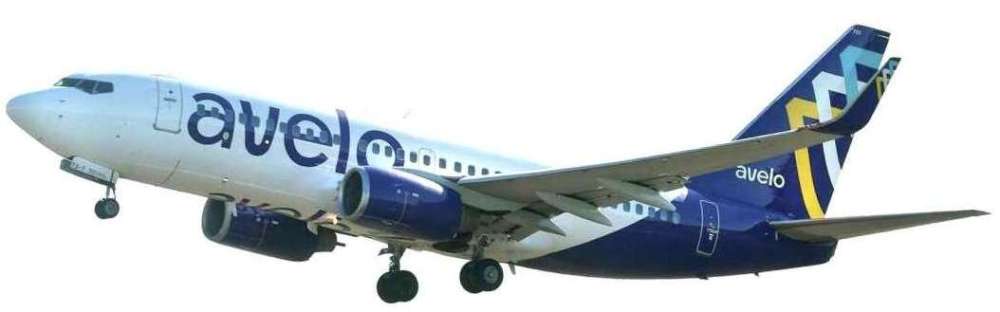
Avelo Airlines anuncia cinco nuevas rutas sin escalas desde el Estado de Connecticut (CT), destacando su crecimiento continuo en el estado. Cuatro de estas rutas partirán del Aeropuerto Tweed-New Haven (HVN), conectando con Jacksonville (JAX), Florida; Dallas-Fort Worth (DFW), Texas; Detroit (DTW), Michigan; y Portland (PWM), Maine. Además, la aerolínea ofrecerá un nuevo destino internacional desde el Aeropuerto Internacional Bradley de Hartford (BDL) hacia Punta Cana (PUJ), en República Dominicana, ampliando su oferta internacional que ya incluye Cancún, México, y Montego Bay, Jamaica.
Con estas nuevas incorporaciones, Avelo operará un total de 39 rutas desde Connecticut, 31 desde Tweed-New Haven y 8 desde Bradley/Hartfort, utilizando aviones Boeing 737 Next-Generation. El Director Ejecutivo de la aerolínea, Andrew Levy, expresó su entusiasmo por esta expansión, destacando la confiabilidad y asequibilidad de los servicios que han llevado a casi tres millones de pasajeros a elegir Avelo en tres años de operaciones en el estado. Las tarifas de introducción para estas rutas comienzan en US$ 39, subrayando el compromiso de la aerolínea con la accesibilidad y conveniencia para sus clientes.
La diversificación de destinos refuerza la estrategia de Avelo para consolidarse como líder en conectividad desde Connecticut, brindando opciones tanto nacionales como internacionales. Los nuevos servicios comienzan a operar a partir de febrero de 2025, marcando un paso significativo en su misión de hacer los viajes aéreos más accesibles y confiables.
Avelo announces 5 new routes
Avelo Airlines adds five new routes
Avelo Airlines announces five new nonstop routes from the State of Connecticut (CT), highlighting its continued growth in the state. Four of these routes will depart from Tweed-New Haven Airport (HVN), connecting to Jacksonville (JAX), Florida; Dallas-Fort Worth (DFW), Texas; Detroit (DTW), Michigan; and Portland (PWM), Maine. In addition, the airline will offer a new international destination from Hartford Bradley International Airport (BDL) to Punta Cana (PUJ), in the Dominican Republic, expanding its international offering that already includes Cancun, Mexico, and Montego Bay, Jamaica.
With these new additions, Avelo will operate a total of 39 routes from Connecticut, 31 from Tweed-New Haven and 8 from Bradley/Hartford, using Boeing 737 Next-Generation aircraft. The airline’s CEO, Andrew Levy, expressed his enthusiasm for this expansion, highlighting the reliability and affordability of the services that have led nearly three million passengers to choose Avelo in three years of operations in the state. Introductory fares for these routes start at US$ 39, underscoring the airline’s commitment to accessibility and convenience for its customers.
The diversification of destinations reinforces Avelo’s strategy to establish itself as a leader in connectivity from Connecticut, providing both domestic and international options. The new services begin operating from February 2025, marking a significant step in its mission to make air travel more accessible and reliable.
PUBLISHER: Airgways.com DBk: Aveloair.com / Airgways.com AW-POST: 202412111933AR OWNERSHIP: Airgways Inc. A\W A I R G W A Y S ®
Aerolíneas Argentinas firma un acuerdo histórico con LATAM
En un movimiento que podría marcar el inicio de una nueva era para Aerolíneas Argentinas, ha firmado un acuerdo histórico con el LATAM Airlines Group, la aerolínea chilena que abandonó las inversiones bajo su filial LATAM Airlines argentina en 2020 tras una reestructuración financiera y políticas adversas.
El cambio de mercado en Argentina ha permitido fortalecer alianzas entre líneas aéreas, con LATAM y aerolíneas celebrando un convenio que incluye acuerdos de código compartido y la comercialización conjunta de rutas nacionales y regionales que ha sido calificado como un paso trascendental tanto para las partes involucradas como para el futuro de la industria aérea en Argentina.
El acuerdo entre LATAM Airlines Group y Aerolíneas Argentinas permitirá la venta de pasajes en más de 140 destinos a lo largo de Sudamérica, incluyendo 55 destinos nacionales en Brasil, 37 en Argentina, 21 en Perú, 19 en Colombia, y 8 en Ecuador. Además, los viajeros podrán acumular y canjear millas recíprocas a través de los programas de viajero frecuente de ambas compañías, lo que beneficiará a más de 48 millones de socios de LATAM Pass y más de 4 millones de miembros de Aerolíneas Plus.
Soledad Berrios, Directora de Alianzas Estratégicas de LATAM, destacó que este acuerdo expande significativamente la oferta local de vuelos, lo que se traduce en mayores beneficios para los clientes al ofrecerles una red de destinos más amplia. Por su parte, Leandro Serino, Gerente de Planeamiento de Redes, Itinerarios y Alianzas de Aerolíneas Argentinas, enfatizó que el convenio fortalecerá el programa Aerolíneas Plus y brindará a los clientes de LATAM acceso a una mayor cantidad de vuelos locales.
Este acuerdo se produce en un contexto político y económico clave para el futuro de Aerolíneas Argentinas. El Gobierno de Javier Milei ha manifestado su intención de privatizar la aerolínea o permitir la entrada de un socio privado. La posibilidad de privatización ha sido una constante en la agenda política desde la asunción de Javier Milei, quien intentó avanzar en la privatización mediante la Ley Bases, aunque esa opción fue desarticulada tras intensas negociaciones con la oposición.
El acuerdo Aerolíneas-LATAM, aunque inicialmente presentado como un simple acuerdo comercial, podría tener implicaciones mucho más profundas. Fuentes del sector aéreo sugieren que este pacto representa un primer paso para una futura participación de LATAM en el capital de Aerolíneas Argentinas, una empresa que, hasta 2020, había sido un competidor directo de la chilena en el mercado de cabotaje argentino. Este tipo de alianza estratégica puede ser un preludio de la entrada de la aerolínea chilena en la compañía argentina, especialmente en un momento en el que se especula sobre la privatización de la aerolínea nacional.
LATAM retorna a Argentina LATAM Airlines Argentina que operaba más de 75 vuelos diarios de cabotaje y empleaba a 2.100 personas en Argentina antes de su salida en 2020, actualmente opera solo unos 27 vuelos internacionales desde el país. La aerolínea chilena se retiró de Argentina tras la pandemia y un proceso de reestructuración financiera que incluyó la reconfiguración de su negocio en varios países, incluido un proceso de quiebra bajo la legislación estadounidense.
En este contexto, el acuerdo con Aerolíneas Argentinas no solo marca un regreso simbólico de LATAM al mercado argentino, sino que también abre la puerta a futuras colaboraciones o incluso a una participación más directa en la aerolínea nacional, algo que se había mencionado como una posibilidad meses atrás.
El sector aéreo local observa con atención los movimientos de Aerolíneas Argentinas, que ha enfrentado una serie de desafíos en los últimos años, incluidos paros y crisis de gestión. Con la creciente incertidumbre sobre su futuro, este acuerdo con LATAM podría ser un indicio de que la aerolínea de bandera está avanzando hacia una nueva fase, en la que las alianzas con actores internacionales podrían ser clave para su sostenibilidad. A medida que el Congreso argentino debate el futuro de Aerolíneas Argentinas, el acuerdo con LATAM se posiciona como una pieza clave en el rompecabezas de la privatización o apertura del mercado de la aviación nacional. Mientras tanto, la industria aérea seguirá observando de cerca cómo evoluciona este inédito acuerdo entre dos gigantes de la aviación sudamericana.
Aerolíneas-LATAM agreement
Aerolíneas Argentinas signs a historic agreement with LATAM
In a move that could mark the beginning of a new era for Aerolíneas Argentinas, it has signed a historic agreement with LATAM Airlines Group, the Chilean airline that abandoned investments under its subsidiary LATAM Airlines Argentina in 2020 following a financial restructuring and adverse policies.
The market change in Argentina has allowed for strengthening alliances between airlines, with LATAM and airlines signing an agreement that includes code-share agreements and the joint marketing of national and regional routes that has been described as a transcendental step both for the parties involved and for the future of the airline industry in Argentina.
The agreement between LATAM Airlines Group and Aerolíneas Argentinas will allow the sale of tickets in more than 140 destinations throughout South America, including 55 national destinations in Brazil, 37 in Argentina, 21 in Peru, 19 in Colombia, and 8 in Ecuador. In addition, travelers will be able to accumulate and redeem reciprocal miles through the frequent flyer programs of both companies, which will benefit more than 48 million LATAM Pass members and more than 4 million Aerolíneas Plus members.
Soledad Berrios, Director of Strategic Alliances at LATAM, highlighted that this agreement significantly expands the local flight offering, which translates into greater benefits for customers by offering them a broader network of destinations. For his part, Leandro Serino, Manager of Network Planning, Itineraries and Alliances at Aerolíneas Argentinas, emphasized that the agreement will strengthen the Aerolíneas Plus program and provide LATAM customers with access to a greater number of local flights.
This agreement takes place in a key political and economic context for the future of Aerolíneas Argentinas. The Government of Javier Milei has expressed its intention to privatize the airline or allow the entry of a private partner. The possibility of privatization has been a constant on the political agenda since Javier Milei took office, who tried to advance privatization through the Ley Bases, although that option was dismantled after intense negotiations with the opposition.
The Aerolíneas-LATAM agreement, although initially presented as a simple commercial agreement, could have much deeper implications. Sources in the airline sector suggest that this pact represents a first step towards a future participation of LATAM in the capital of Aerolíneas Argentinas, a company that, until 2020, had been a direct competitor of the Chilean company in the Argentine domestic market. This type of strategic alliance may be a prelude to the entry of the Chilean airline into the Argentine company, especially at a time when there is speculation about the privatization of the national airline.
LATAM returns to Argentina LATAM Airlines Argentina, which operated more than 75 daily domestic flights and employed 2,100 people in Argentina before its exit in 2020, currently operates only about 27 international flights from the country. The Chilean airline withdrew from Argentina following the pandemic and a financial restructuring process that included the reconfiguration of its business in several countries, including a bankruptcy process under US law.
In this context, the agreement with Aerolíneas Argentinas not only marks a symbolic return of LATAM to the Argentine market, but also opens the door to future collaborations or even a more direct participation in the national airline, something that had been mentioned as a possibility months ago.
The local air sector is closely watching the movements of Aerolíneas Argentinas, which has faced a series of challenges in recent years, including strikes and management crises. With uncertainty about its future growing, this agreement with LATAM could be a sign that the flag carrier is moving towards a new phase, in which alliances with international players could be key to its sustainability. As the Argentine Congress debates the future of Aerolíneas Argentinas, the agreement with LATAM is positioned as a key piece in the puzzle of privatizing or opening up the national aviation market. In the meantime, the airline industry will continue to closely watch how this unprecedented agreement between two giants of South American aviation evolves.
PUBLISHER: Airgways.com DBk: Latamairlines.com / aerolineas.com / Airgways.com AW-POST: 202412111455AR OWNERSHIP: Airgways Inc. A\W A I R G W A Y S ®
American Airlines implementará en todos sus vuelos una solución en todos los aeropuertos permitiendo al equipo de la aerolínea una mayor capacidad de gestión en las puertas de embarque. La aerolínea se encuentra transformando el proceso de embarque en más de cien aeropuertos de Estados Unidos, justo a tiempo para la temporada de fin de año. Este esfuerzo busca optimizar la experiencia de los clientes y el equipo en un período de alta demanda. La tecnología sometida a pruebas exitosas en aeropuertos como Albuquerque Sunport (ABQ), Ronald Reagan de Washington (DCA) y Tucson (TUS), recopilando datos valiosos para perfeccionar el sistema antes de su despliegue general.
El nuevo sistema garantiza que los clientes aborden en su grupo asignado, respetando los beneficios asociados a su estatus AAdvantage o la compra de tarifas específicas. Para los miembros del equipo, la plataforma ofrece mayor control y visibilidad del proceso, reduciendo errores y facilitando el flujo en la puerta de embarque. El sistema implementa una funcionalidad clave: si un cliente intenta abordar antes de que se llame a su grupo, el software emite una alerta sonora y visual. Esto permite al agente de la puerta intervenir rápidamente e invitar al cliente a esperar su turno. En caso de clientes que viajen con acompañantes en grupos diferentes, el sistema cuenta con una solución sencilla para anular la alerta y permitir el embarque conjunto con un solo clic.
Esta aerolínea utiliza un sistema de grupos de embarque que prioriza a los clientes según su tipo de boleto, estatus en el programa AAdvantage, membresías asociadas, tarjetas de crédito elegibles e incluso su servicio militar. Esto asegura una experiencia diferenciada, donde los miembros, al registrarse en el programa, obtienen automáticamente prioridad del Grupo 6 o superior dependiendo de su nivel.
“Nuestros clientes nos han dicho que la posibilidad de embarcar con su grupo asignado es importante para ellos porque es un beneficio asociado con su estatus AAdvantage o la compra de una tarifa”, aseguró en un comunicado de prensa Julie Rath, Vicepresidenta Senior de Operaciones Aeroportuarias, Reservaciones y Recuperación de Servicios de American Airlines.
Esta nueva plataforma, desarrollada internamente, integra funcionalidades diseñadas a partir de la retroalimentación del equipo de American Airlines. Ofrece una visualización detallada del número de clientes por grupo de embarque y de las conexiones entrantes, ayudando a mitigar posibles retrasos o problemas de coordinación. También elimina la necesidad de usar múltiples aplicaciones, reemplazándolas con una pantalla intuitiva que centraliza todas las funciones necesarias para garantizar salidas a tiempo y un embarque sin contratiempos.
Además, proporciona a los miembros del staff mayor información sobre cuántos clientes hay en cada embarque, muestra la hora de llegada prevista para las conexiones entrantes y elimina la necesidad de que los integrantes de cada equipo utilicen aplicaciones múltiples a la hora del embarque, teniendo que utilizar únicamente una pantalla. También, brinda a los miembros del equipo una experiencia más intuitiva para realizar su trabajo, desde tareas de embarque, hasta el respaldo de las salidas a tiempo, según explicaron las autoridades de la aerolínea a través de un comunicado.
¿Dónde está disponible esta iniciativa? La expansión del sistema continuará durante la temporada festiva, abarcando aeropuertos importantes como Austin-Bergstrom (AUS) y Hartsfield-Jackson de Atlanta (ATL). A medida que se implemente en más ubicaciones, American Airlines recopilará información para seguir perfeccionando la tecnología, con planes de extenderla a los centros de conexión y otros aeropuertos en los próximos meses.
“La respuesta positiva inicial de los clientes y los miembros del equipo ha superado nuestras expectativas, por lo que estamos encantados de aprovechar esta tecnología para brindarles lo mejor”, aseguró Julie Rath.
Esta iniciativa refleja el compromiso de la aerolínea con la innovación y la mejora de la experiencia del cliente en momentos críticos como las vacaciones.
American launches boarding policy
New Policy Incorporates Enhanced Boarding Management
American Airlines will implement a solution across all its flights at all airports, allowing the airline’s team to have greater management capabilities at the boarding gates. The airline is transforming the boarding process at more than 100 airports in the United States, just in time for the holiday season. This effort seeks to optimize the experience of customers and team during a period of high demand. The technology has been successfully tested at airports such as Albuquerque Sunport (ABQ), Ronald Reagan Washington (DCA) and Tucson (TUS), collecting valuable data to refine the system before its general deployment.
The new system ensures that customers board in their assigned group, respecting the benefits associated with their AAdvantage status or the purchase of specific fares. For team members, the platform offers greater control and visibility of the process, reducing errors and facilitating flow at the boarding gate. The system implements a key feature: if a customer attempts to board before their group is called, the software issues an audible and visual alert. This allows the gate agent to quickly intervene and invite the customer to wait their turn. In the case of customers traveling with companions in different groups, the system has a simple solution to override the alert and allow joint boarding with a single click.
This airline uses a boarding group system that prioritizes customers based on their ticket type, status in the AAdvantage program, associated memberships, eligible credit cards, and even their military service. This ensures a differentiated experience, where members, upon registering for the program, automatically obtain Group 6 priority or higher depending on their level.
“Our customers have told us that the ability to board with their assigned group is important to them because it is a benefit associated with their AAdvantage status or the purchase of a fare”, said Julie Rath, Senior Vice President of Airport Operations, Reservations and Service Recovery at American Airlines, in a press release.
This new platform, developed in-house, integrates functionalities designed based on feedback from the American Airlines team. It offers a detailed visualization of the number of customers per boarding group and incoming connections, helping to mitigate potential delays or coordination issues. It also eliminates the need to use multiple applications, replacing them with an intuitive screen that centralizes all the functions necessary to ensure on-time departures and smooth boarding.
In addition, it provides staff members with greater information on how many customers are in each boarding group, displays the expected arrival time for incoming connections and eliminates the need for team members to use multiple applications at boarding time, having to use only one screen. It also gives team members a more intuitive experience to perform their work, from boarding tasks to supporting on-time departures, according to the airline authorities in a statement.
Where is this initiative available? The system’s expansion will continue through the holiday season, encompassing major airports such as Austin-Bergstrom (AUS) and Hartsfield-Jackson Atlanta (ATL). As it is rolled out to more locations, American Airlines will gather feedback to continue refining the technology, with plans to roll it out to hubs and other airports in the coming months.
“The initial positive response from customers and team members has exceeded our expectations, so we are thrilled to leverage this technology to bring the best to them”, said Julie Rath.
This initiative reflects the airline’s commitment to innovation and improving the customer experience during critical times like the holidays.
PUBLISHER: Airgways.com DBk: Aa.com / Rose Baca / Airgways.com AW-POST: 202412111430AR OWNERSHIP: Airgways Inc. A\W A I R G W A Y S ®
La Justicia de Estados Unidos dejó en firme el fallo contra el Argentina por la manera en que se renacionalizó la compañía Aerolíneas Argentinas, intimando al país a abonar casi US$ 400 millones. Es la primera negociación del Gobierno de Javier Milei con un fondo buitre propietario de un fallo a su favor. La Corte del Distrito de Columbia ordenó a Argentina a pagar US$ 390,9 millones por la expropiación de Aerolíneas Argentinas. El beneficiario del fallo es el fondo Titan Consortium, titular del juicio por expropiación de la línea aérea y que en Octubre 2024 había solicitado que se ordene al país a abonar el fallo emitido por el CIADI, el Tribunal de Arbitrajes del Banco Mundial que permanece impago.
Titan le adquirió el caso a Burford Capital el 15 de Marzo de 2018, al redefinir su estrategia contra Argentina y concentrarse en la causa por la renacionalización de YPF en 2012. Burford, a su vez, le había adquirido la causa al tribunal español donde se cursaba la causa por la quiebra del grupo español Marsans en unos US$ 17 millones en 2015, y en consecuencia las acciones que detentaba de la demanda contra Argentina por la renacionalización del 2008, con lo que obtuvo una ganancia de casi 740%. El fondo Titan Consortium, original en las demandas contra la Argentina, obtuvo dividendos por más de 2.270%.
«Más específicamente, Titan dice que los países que se adhieren a la convención están obligados por el tratado a pagar todas las indemnizaciones dictadas en su contra. Pero Argentina no ha pagado lo ordenado por el CIADI. El fallo de CIADI no es apelable y la orden de la Corte es final», explicó el especialista Sebastián Maril, Director de Latam Advisors.
A mediados de Noviembre 2024, los abogados de Argentina y los demandantes habían llegado a un acuerdo sobre los términos y condiciones de la sentencia en el caso de expropiación de Aerolíneas. El acuerdo permitía que la Justicia de Estados Unidos se expida, en lo que se denomina sentencia final, sin pasar por un juicio y que, ante incumplimiento del condenado, «activa de manera directa el inicio de procesos de embargos hasta cubrir el total de la sentencia», explicó Sebastián Maril. La Argentina había rechazado en una primera instancia los argumentos que había presentado Titan Consortium en la causa, pero esa presentación no tuvo efecto positivo y un tribunal estadounidense determinó que la sentencia debía ser ejecutada. Lo que sí debe ocurrir ahora es que, tal como se comprometió, que la Argentina pague lo que está estipulado, aunque para que los tiempos comiencen a correr primero se debe expedir el juez que entiende en la causa, quien debe dar la sentencia final.
Según la interpretación de Sebastián Maril, el fallo muestra que «Argentina continúa pagando caro la incorrecta interpretación de las leyes internacionales y el incumplimiento de contratos firmados con empresas que apostaron por invertir en el país mediante concesiones de servicios públicos y similares. Los contribuyentes han abonado US$ 17.000 millones en fallos adversos y en compensación por la expropiación de empresas. Y aún falta».
Reestatización del grupo Aerolíneas La reestatización de Aerolíneas Argentinas fue reglamentada por el Gobierno de Cristina Kirchner el 17 de Diciembre de 2008, luego que la Cámara de Diputados convirtiera en ley el pedido de la ahora ex-Presidenta de Estado de avanzar en esta operación bajo la figura de tratarse de empresas de interés público nacional. Abarcaba Aerolíneas Argentinas, Austral Líneas Aéreas, Jet Pack, Optar y Aerohanding. El 9 de Enero de 2009 la entonces Primer Mandataria habilitó al Ministerio de Planificación Federal, conducido por Julio de Vido, a que inicie la toma de la compañía, en ese entonces en manos del Grupo Marsans. El 5 de Febrero de 2009 el Gobierno de entonces nombró a Julio Alak como Presidente del Directorio, dando forma a la renacionalización.
El 9 de Enero de 2009 Cristina Kirchner habilitó al Ministerio de Planificación Federal, de Julio de Vido, a que inicie la toma de la compañía, en ese entonces en manos del Grupo Marsans.
En paralelo, el Grupo Marsans, que había iniciado desde 2008 una notable desinversión en Aerolíneas Argentinas, comenzaba a mostrar en Diciembre de 2009 evidentes problemas de continuidad en España. El 22 de diciembre se le retiraba el permiso para operar a Air Comet, la compañía bajo la cual operaba Aerolíneas, y el 20 de abril de 2010 la Asociación Internacional del Transporte Aéreo (IATA) les retiró la licencia para vender billetes de avión por impagos. El Grupo Marsans presentó en Junio de 2010 su solicitud de concurso de acreedores voluntario para todas sus sociedades y el 25 de Junio de 2010 la Justicia española le habilitó el proceso de quiebra. El 2 de Julio de 2010 la Justicia española comenzó un proceso contra el Presidente del grupo, Gerardo Díaz Ferrán, por vaciamiento y lavado de activos, en una investigación que incluía la liquidación de los últimos ejercicios de Aerolíneas Argentinas. La causa comenzó a progresar, y el 3 de Diciembre de 2012 Díaz Ferrán fue detenido, acusado de blanqueo de dinero, declarándose culpable el 2 de Julio de 2015 por la causa Marsans. El fallo incluyó cinco años de prisión efectiva, que se cumplirían en 2020. Al estar procesado, no podía comenzar la causa por la manera en que se reestatizó Aerolíneas Argentinas por parte del Gobierno de Cristina Kirchner, operación por la que no se le abonó. La situación fue detectada por los abogados de Burford, quienes contactaron a Díaz Ferrán en prisión y le compraron los derechos para avanzar con el juicio ante el CIADI.
Pero a solo tres días de haber ganado el juicio ante el CIADI, Burford Capital anunció a la Bolsa de Comercio de Londres que vendía el juicio a inversores privados en unos US$ 107 millones de Dólares, y que se concentraría en la causa por la renacionalización de YPF. Burford explicaba en la comunicación que, habiendo ganado suficiente dinero, y ante la necesidad de derivar capitales a esa otra causa que sería más rentable, elegía desprenderse del caso Aerolíneas Argentinas al no tener la certeza sobre los tiempos en que el tribunal del Banco Mundial resolvería la negativa de Argentina a reconocer la derrota judicial. Esto finalmente ocurrió este Martes 10/12, por lo que Burford perdió dinero al no especular con una solución rápida. Sí fue un mega-negocio para los que le compraron el juicio y confiaron en que el CIADI no tardaría tanto en dejar firme el caso.
Aerolíneas, sued for US$ 390.9 million
Argentina continues lawsuit for US$ 390.9 million
The United States Justice confirmed the ruling against Argentina for the way in which the company Aerolíneas Argentinas was renationalized, ordering the country to pay almost US$ 400 million. It is the first negotiation of the Government of Javier Milei with a vulture fund that owns a ruling in its favor. The Court of the District of Columbia ordered Argentina to pay US$ 390.9 million for the expropriation of Aerolíneas Argentinas. The beneficiary of the ruling is the Titan Consortium fund, holder of the lawsuit for the expropriation of the airline and which in October 2024 had requested that the country be ordered to pay the ruling issued by the ICSID, the Arbitration Court of the World Bank that remains unpaid.
Titan acquired the case from Burford Capital on March 15, 2018, as it redefined its strategy against Argentina and focused on the YPF renationalization case in 2012. Burford, in turn, had acquired the case from the Spanish court where the case for the bankruptcy of the Spanish group Marsans was being heard for about US$ 17 million in 2015, and consequently the shares it held in the 2008 renationalization suit against Argentina, making a profit of almost 740%. The Titan Consortium fund, original in the lawsuits against Argentina, earned dividends of more than 2,270%.
«More specifically, Titan says that countries that adhere to the convention are obliged by the treaty to pay all compensation awarded against them. But Argentina has not paid what was ordered by ICSID. The ICSID ruling is not appealable and the Court’s order is final», explained specialist Sebastián Maril, Director of Latam Advisors.
In mid-November 2024, lawyers for Argentina and the plaintiffs had reached an agreement on the terms and conditions of the judgment in the Aerolíneas expropriation case. The agreement allowed the United States Justice to issue a ruling, in what is called a final judgment, without going through a trial and that, in the event of non-compliance by the convicted party, «directly triggers the initiation of seizure proceedings until the total amount of the judgment is covered», explained Sebastián Maril. Argentina had initially rejected the arguments that Titan Consortium had presented in the case, but that presentation had no positive effect and a US court determined that the judgment should be executed. What must happen now is that, as promised, Argentina must pay what is stipulated, although for the time to start running, the judge who is hearing the case must first issue a ruling, who must give the final sentence.
According to Sebastián Maril, the ruling shows that «Argentina continues to pay dearly for the incorrect interpretation of international laws and the non-compliance with contracts signed with companies that decided to invest in the country through public service concessions and similar. Taxpayers have paid US$ 17 billion in adverse rulings and compensation for the expropriation of companies. And there is still more to come».
Renationalization of the Aerolíneas Group The renationalization of Aerolíneas Argentinas was regulated by the Government of Cristina Kirchner on December 17, 2008, after the Chamber of Deputies converted into law the request of the now ex-President of the State to advance in this operation under the figure of dealing with companies of national public interest. It included Aerolíneas Argentinas, Austral Líneas Aéreas, Jet Pack, Optar and Aerohanding. On January 9, 2009, the then President authorized the Ministry of Federal Planning, led by Julio de Vido, to begin the takeover of the company, then in the hands of the Marsans Group. On February 5, 2009, the Government of the time appointed Julio Alak as President of the Board of Directors, giving shape to the renationalization.
On January 9, 2009, Cristina Kirchner authorized the Ministry of Federal Planning, led by Julio de Vido, to begin the takeover of the company, which was then in the hands of the Marsans Group.
In parallel, the Marsans Group, which had begun a significant divestment in Aerolíneas Argentinas in 2008, began to show evident continuity problems in Spain in December 2009. On December 22, Air Comet, the company under which Aerolíneas operated, had its operating license withdrawn, and on April 20, 2010, the International Air Transport Association (IATA) withdrew its license to sell airline tickets due to non-payment. In June 2010, the Marsans Group filed for voluntary bankruptcy for all its companies, and on June 25, 2010, the Spanish courts authorized the bankruptcy process. On July 2, 2010, the Spanish courts began proceedings against the group’s president, Gerardo Díaz Ferrán, for embezzlement and money laundering, in an investigation that included the liquidation of the last fiscal years of Aerolíneas Argentinas. The case began to progress, and on December 3, 2012, Díaz Ferrán was arrested, accused of money laundering, pleading guilty on July 2, 2015 in the Marsans case. The verdict included five years of effective prison, which would be completed in 2020. As he was under investigation, the case could not begin due to the way in which Aerolíneas Argentinas was renationalized by the Government of Cristina Kirchner, an operation for which he was not paid. The situation was detected by Burford’s lawyers, who contacted Díaz Ferrán in prison and bought the rights to move forward with the trial before the ICSID.
But just three days after winning the ICSID case, Burford Capital announced to the London Stock Exchange that it was selling the case to private investors for around US$ 107 million, and that it would concentrate on the case for the renationalization of YPF. Burford explained in the communication that, having earned enough money, and faced with the need to divert capital to this other case that would be more profitable, it chose to get rid of the Aerolíneas Argentinas case as it was not certain about the time in which the World Bank tribunal would resolve Argentina’s refusal to recognize the judicial defeat. This finally occurred on Tuesday 10/12, so Burford lost money by not speculating on a quick solution. It was indeed a mega-deal for those who bought the case and trusted that the ICSID would not take so long to confirm the case.
PUBLISHER: Airgways.com DBk: Dcd.uscourts.gov / Aerolineas.com / Airgways.com AW-POST: 202412ººº422AR OWNERSHIP: Airgways Inc. A\W A I R G W A Y S ®












 airgways.com