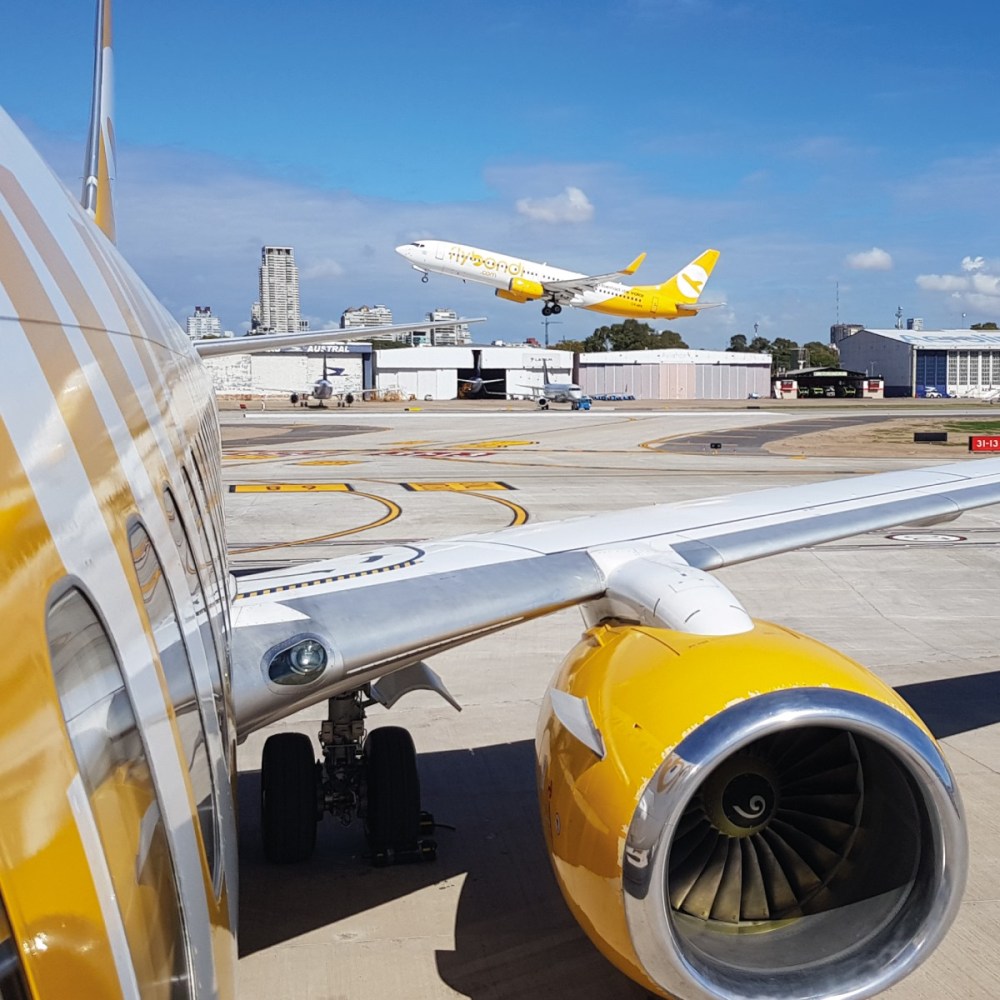
Gobierno monitorea Flybondi
AW | 2024 12 17 14:33 | AIRLINES / AVIATION ORGANISMS

Escrutinio control aerolínea low cost argentina

El Gobierno de Argentina ha establecido un mayor control sobre la aerolínea de presupuesto Flybondi debido a los reiterados problemas de programación y dificultades técnicas en varios aviones. La ANAC, organismo de control, finalmente no sancionaría con quita de rutas, pero controlará su plan para reducir las cancelaciones acumuladas en eswte último período.

Autoridades de la Secretaría de Transporte se volvieron a reunir el Lunes 16/12 con representantes de la low cost Flybondi por el elevado número de cancelaciones que tuvo en el último tiempo y finalmente decidieron que no le aplicarán sanciones económicas ni le quitaran rutas por el momento. Las autoridades escucharon los detalles de la propuesta que la empresa había presentado el Viernes 13/12 y resolvieron seguir monitoreando a diario los avances que permitan reducir significativamente las cancelaciones. La compañía habría normalizado en los últimos días el flujo de ingreso de partes para los aviones alquilados, lo que se traduciría en un menor tiempo de reparación.

La Secretaría de Transporte, tras evaluar la propuesta presentada por la aerolínea podría recibir sanciones por parte de la Administración Nacional de Aviación Civil (ANAC) por los 384 vuelos cancelados en Noviembre 2024.

En Octubre 2024 la ANAC le labró tres actas por 23 vuelos cancelados y por lo menos otras tres por utilizar el taller de mantenimiento que tienen en el Aeropuerto Internacional Ministro Pistarini, mientras se encontraba suspendido. De acuerdo con las actas, la ANAC había suspendido temporalmente el taller de Flybondi en Ezeiza el 04/10 y el 24/10 instó a la empresa a acatar la suspensión, porque había detectado acciones de mantenimiento sobre distintos aviones de la firma (aeronaves LV-KDR, LV-KDQ y LV-KEF) realizadas en el lugar. Por otro lado, después del 24 de Octubre de 2024 también se constató que continuó llevando a cabo tareas de mantenimiento en el mismo taller sobre las aeronaves LV-KJD, LV-KDR, LV-KCE, LV-KHO, LV-KDQ, LV-KJE, LV-KJF, LV-KEF, LV-KAH y LV-KEG, en contraposición a la suspensión temporal por parte de la ANAC. La ANAC ha confirmado lo sucedido, pero dijeron que no estuvo en riesgo la seguridad operacional, porque la suspensión fue por cuestiones tales como errores en los registros de mantenimiento, desorden general en los depósitos, falta de trazabilidad de partes y material aeronáutico, etcétera. Además, según el organismo, le ordenó a la empresa que re-certificara los aviones que fueron revisados en el taller de Ezeiza en otros talleres habilitados.

El 9 de Noviembre de 2024, la ANAC inspeccionó el Boeing 737-800 matrícula LV-KEH de Flybondi y detectó que el burlete de la ventanilla de la cabina de mandos estaba fuera de norma. Según el fabricante, la aeronave debió ser retirada de servicio, pero Flybondi continuó utilizándola, poniendo en riesgo la seguridad operacional. La ANAC emitió una notificación prioritaria el 26/11 exigiendo la reparación antes del próximo vuelo. Una fuente anónima alertó sobre el riesgo de descompresión explosiva, similar a un incidente ocurrido en un vuelo de British Airways en los años 90, donde el parabrisas se desprendió, succionando parcialmente al piloto hacia afuera. La inspección en el avión de Flybondi detectó una luz de 0.23 pulgadas en el burlete, superando la tolerancia máxima de 0.15 pulgadas.

Flybondi enfrenta una crisis operativa por la cantidad de vuelos cancelados, irregularidades en su taller de Ezeiza y las advertencias de la ANAC. La aerolínea ha alquilado aviones con matrícula y tripulación extranjeras para cubrir sus operaciones, pero surgieron nuevas críticas. Pasajeros reportaron asientos rotos y deficiencias en la cabina de las aeronaves alquiladas. Estas irregularidades generan dudas sobre la capacidad de Flybondi para garantizar la seguridad operacional, tanto en sus aviones propios como en los alquilados

La aerolínea respondió: “Para Flybondi resulta absolutamente necesario y prioritario remarcar que esto no estuvo relacionado con la seguridad operacional. Las auditorias realizadas por el organismo controlador (ANAC) en el taller no encontraron falencias en las tareas de mantenimiento realizadas en los aviones ni tampoco tuvo observaciones su condición para la aeronavegabilidad”.

La suspensión finalmente se levantó el 14 de Noviembre de 2024, pero la ANAC tiene previsto hacer una nueva inspección para verificar el cumplimiento de las acciones correctivas ordenadas.

Cancelaciones masivas
La aerolínea low cost Flybondi enfrenta un panorama complicado debido a problemas operativos que han generado fuertes reclamos de los usuarios. Solo en Diciembre 2024, la compañía reprogramó el 45% de sus vuelos, mientras que en Noviembre 2024 canceló el 68% de sus servicios, dejando varados a miles de pasajeros. Entre las denuncias más frecuentes se encuentran vuelos cancelados a último momento, falta de reprogramaciones y reembolsos, y una atención deficiente para resolver las complicaciones. En este contexto, la ANAC intervino y emitió tres actas de infracción tras registrarse en apenas 48 horas 70 vuelos suspendidos.

Según Flybondi, su flota está compuesta por quince (15) aviones Boeing 737-800, pero actualmente solo se encuentran operativoa once, con un promedio de 14 horas de servicio diario. Sin embargo, la aerolínea aún no logró explicar cómo afrontará la alta demanda de los próximos meses ni cómo solucionará las cancelaciones que impactaron al 20% de sus operaciones.

Por su parte, la aerolínea argumenta que las fallas se deben a problemas técnicos, demoras en la entrega de repuestos que quedan retenidos en aduana por hasta tres días y retrasos en los pagos por el alquiler de aviones. No obstante, los usuarios denuncian que la empresa no se hace cargo de los inconvenientes, mientras que el mal servicio y las cancelaciones recurrentes ponen en riesgo su competitividad frente a otras compañías del sector.

“Las cancelaciones y reprogramaciones de Noviembre se debieron a razones operativas por disponibilidad de flota. […] La cadena de suministro de la industria se volvió compleja por las disposiciones de pago al exterior, este es un problema que se arrastra desde 2023. Lo que antes se resolvía en el día, hoy se tarda hasta 96 horas por la demora en el ingreso de repuestos. Entonces cualquier tema operativo, totalmente común en la industria, impacta en la programación del día”, explicaron desde Flybondi.

Flybondi es una de las compañías beneficiadas con la política de cielos abiertos de la Administración de Javier Milei al ser autorizada con más rutas, tripulación extranjera, posiciones en el Aeroparque para pasar la noche y desregulación del servicio de rampas, por ejemplo. Pero nada parece, por ahora, repercutir en una mejora de su desempeño.

Government monitors Flybondi

Scrutiny control airline low cost Argentina

The Government of Argentina has established greater control over the Flybondi budget airline due to repeated programming problems and technical difficulties in several aircraft. The ANAC, control agency, would not finally sanction with removal of routes, but will control its plan to reduce the cancellations accumulated in ESWTE last period.

Authorities of the Ministry of Transport listened to the details of the proposal that the company had presented on Friday 13/12 and resolved to continue monitoring the progress to significantly reduce cancellations. The company would have normalized in recent days the income flow of parts for rented aircraft, which would result in a shorter repair time.

The Ministry of Transportation, after evaluating the proposal presented by the airline could receive sanctions from the National Civil Aviation Administration (ANAC) for the 384 flights canceled in November 2024.

In October 2024, the ANAC was labeled three minutes for 23 canceled flights and at least three others for using the maintenance workshop they have at the Minister Pistarini International Airport, while being suspended. According to the minutes, the ANAC had temporarily suspended the Flybondi workshop in Ezeiza on 04/10 and 10/10 urged the company to comply with the suspension, because it had detected maintenance actions on different aircraft of the firm (LV aircraft -KDR, LV-KDQ, and LV-KEF) made in the place. On the other hand, after October 24, 2024, it was also found that he continued carrying out maintenance tasks in the same workshop on LV-KJD, LV-KDR, LV-KCE, LV-KHO, LV-KDQ, LV, LV, LV -KJE, LV-KJF, LV-KEF, LV-KAH, and LV-KEG, as opposed to the temporal suspension by the ANAC. The ANAC has confirmed what happened, but they said that operational security was not at risk, because the suspension was for issues such as errors in maintenance records, general disorder in deposits, lack of traceability of parts and aeronautical material, and so on. In addition, according to the agency, he ordered the company to re-certify the planes that were reviewed in Ezeiza’s workshop in other enabled workshops.

On November 9, 2024, the ANAC inspected the Flybondi LV-K-K-Keh registration and detected that the burlete of the control cabin was out of norm. According to the manufacturer, the aircraft had to be removed from service, but Flybondi continued to use it, putting operational security at risk. ANAC issued a priority notification on 11/26 demanding reparation before the next flight. An anonymous source warned about the risk of explosive decompression, similar to an incident that occurred on a British Airways flight in the 90s, where the windshield came off, partially sucking the pilot out. The inspection on the Flybondi plane detected a light of 0.23 inches in the burlete, exceeding the maximum tolerance of 0.15 inches.

Flybondi faces an operational crisis due to the amount of canceled flights, irregularities in his Ezeiza workshop, and Anac warnings. The airline has rented aircraft with foreign registration and crew to cover its operations, but new criticisms emerged. Passengers reported broken seats and deficiencies in the cabin of the rented aircraft. These irregularities generate doubts about Flybondi’s ability to guarantee operational security, both in their own and rented planes

The airline replied: “For Flybondi it is absolutely necessary and priority to note that this was not related to operational safety. The audits carried out by the controlling body (ANAC) in the workshop did not find shortcomings in the maintenance tasks carried out in the airplanes nor did their condition for the aircraft had observations”.

The suspension finally rose on November 14, 2024, but the ANAC plans to make a new inspection to verify compliance with ordered corrective actions.

Massive cancellations
The low cost Flybondi airline faces a complicated panorama due to operational problems that have generated strong users’ claims. In December 2024, the company rescheduled 45% of its flights, while in November 2024 it canceled 68% of its services, leaving thousands of passengers stranded. Among the most frequent complaints are canceled flights at the last moment, lack of reprogramming and reimbursements, and poor attention to resolve complications. In this context, the ANAC intervened and issued three minutes of infraction after registering in just 48 hours 70 suspended flights.

According to Flybondi, its fleet is composed of fifteen (15) Boeing 737-800 aircraft, but currently only eleven are found, with an average of 14 hours of daily service. However, the airline still failed to explain how it will face the high demand for the coming months or how it will solve the cancellations that impacted 20% of its operations.

For its part, the airline argues that the failures are due to technical problems, delays in the delivery of spare parts that are retained in Customs for up to three days, and delays in payments for the rental of airplanes. However, users denounce that the company does not take care of the inconveniences, while bad service and recurring cancellations put their competitiveness at risk against other companies in the sector.

“The cancellations and reprogramming of November were due to operational reasons due to fleet availability. […] The industry supply chain became complex due delay in the income of spare parts. Then any operational theme, totally common in the industry, impacts the programming of the day”, they explained from Flybondi.

Flybondi is one of the companies benefiting from the open skies policy of the administration of Javier Milei when authorized with more routes, foreign crew, positions in the Aeroparque to spend the night, and deregulation of the ramp service, for example. But nothing seems, for now, to have an improvement in its performance.

PUBLISHER: Airgways.com
DBk: Argentina.gob.ar/anac / Flybondi.com / Airgways.com
AW-POST: 202412171433AR
OWNERSHIP: Airgways Inc.
A\W A I R G W A Y S ®
Porter lanza Montreal-Fort Myers

AW | 2024 12 11 19:35 | AIRLINES ROUTES

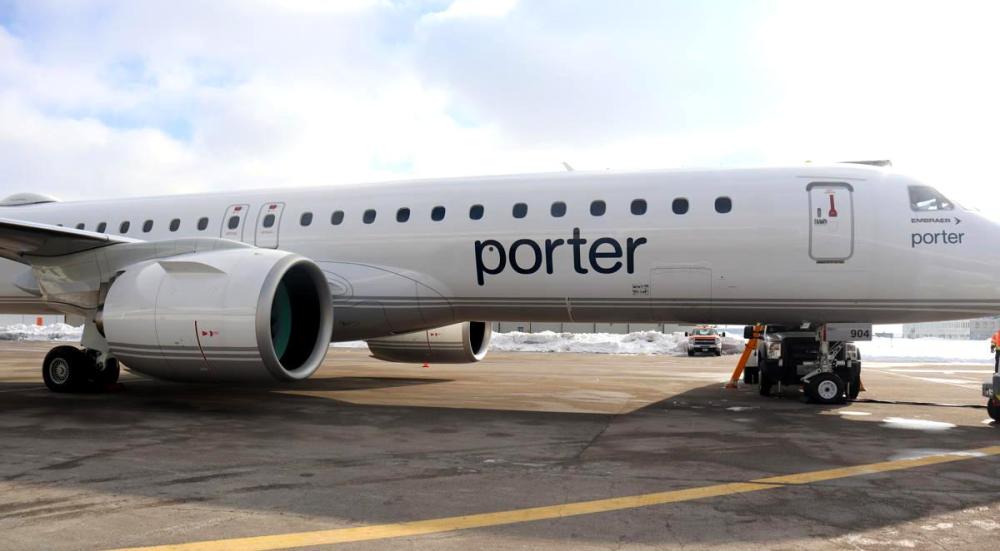
Porter Airlines lanza nueva ruta entre Montreal y Fort Myers

Porter Airlines lanzó una nueva ruta estacional entre el Aeropuerto Internacional de Montreal/Trudeau (YUL) y el Aeropuerto Internacional del Suroeste de Florida (RSW) en Fort Myers. La aerolínea es el único operador que ofrece un servicio sin escalas entre los dos aeropuertos, lo que proporciona a los viajeros una conexión perfecta con el Suroeste del Estado de Florida.

El nuevo servicio, operado por el avión Embraer E195-E2 de Porter Airlines, ofrece a cada pasajero una experiencia única en clase económica, sin asientos intermedios, WiFi gratuito y de alta velocidad.

“Estamos entusiasmados de ofrecer un servicio sin escalas entre Montreal y Fort Myers, lo que facilita a los viajeros conectarse con las hermosas playas y las vibrantes atracciones del suroeste de Florida. La nueva ruta destaca el compromiso de Porter de expandir nuestra red, al tiempo que ofrece una experiencia superior para los viajeros de clase económica”, expresó Edmond Eldebs, Vicepresidente Senior y Director Comercial de Porter Airlines.

«ADM Aéroports de Montréal está encantado con la incorporación de estos nuevos vuelos a Fort Myers. Ya sea por negocios o para disfrutar de las playas, el océano y el clima soleado, esta nueva ruta ofrecida por Porter ofrece una variedad de opciones para los pasajeros que salen de Montreal y llega justo a tiempo para ayudarlos a olvidar el gris del otoño. Estamos muy contentos de poder ayudar a Porter a expandir sus servicios transfronterizos para satisfacer las necesidades de diferentes viajeros», dijo Karl Brochu, Vicepresidente de Operaciones Aeroportuarias y Desarrollo de Servicios Aéreos en Aéroports de Montréal.

Porter launches Montreal-Fort Myers

Porter Airlines launches new route between Montreal and Fort Myers

Porter Airlines has launched a new seasonal route between Montreal/Trudeau International Airport (YUL) and Southwest Florida International Airport (RSW) in Fort Myers. The airline is the only carrier to offer non-stop service between the two airports, providing travelers with a seamless connection to Southwest Florida.

The new service, operated by Porter Airlines’ Embraer E195-E2 aircraft, offers every passenger a unique economy class experience, with no middle seats, free, high-speed WiFi.

“We are excited to offer non-stop service between Montreal and Fort Myers, making it easy for travelers to connect with the beautiful beaches and vibrant attractions of Southwest Florida. The new route highlights Porter’s commitment to expanding our network, while offering a superior experience for economy class travelers”, said Edmond Eldebs, Senior Vice President and Chief Commercial Officer of Porter Airlines.

«ADM Aéroports de Montréal is thrilled with the addition of these new flights to Fort Myers. Whether for business or to enjoy the beaches, ocean and sunny weather, this new route offered by Porter offers a variety of options for passengers departing from Montreal and comes just in time to help them forget the grey of autumn. We are very pleased to be able to help Porter expand its cross-border services to meet the needs of different travelers», said Karl Brochu, Vice President of Airport Operations and Air Service Development at Aéroports de Montréal.

PUBLISHER: Airgways.com
DBk: Flyporrter.com / Airgways.com
AW-POST: 202412111935AR
OWNERSHIP: Airgways Inc.
A\W A I R G W A Y S ®

Avelo anuncia 5 nuevas rutas

AW | 2024 12 11 19:33 | AIRLINES ROUTES

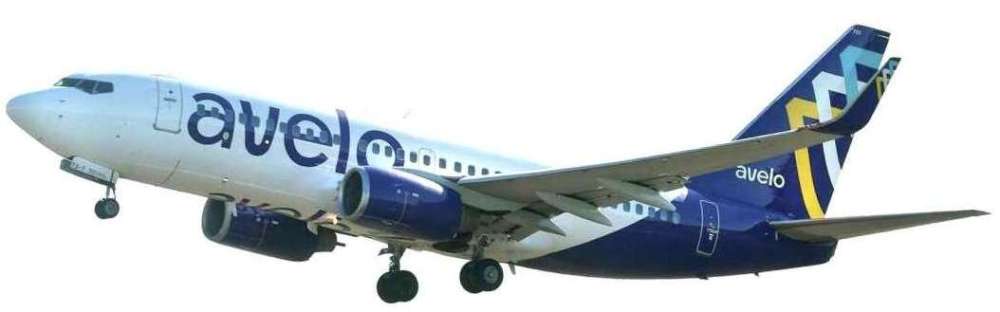
Avelo Airlines incorpora 5 nuevas rutas

Avelo Airlines anuncia cinco nuevas rutas sin escalas desde el Estado de Connecticut (CT), destacando su crecimiento continuo en el estado. Cuatro de estas rutas partirán del Aeropuerto Tweed-New Haven (HVN), conectando con Jacksonville (JAX), Florida; Dallas-Fort Worth (DFW), Texas; Detroit (DTW), Michigan; y Portland (PWM), Maine. Además, la aerolínea ofrecerá un nuevo destino internacional desde el Aeropuerto Internacional Bradley de Hartford (BDL) hacia Punta Cana (PUJ), en República Dominicana, ampliando su oferta internacional que ya incluye Cancún, México, y Montego Bay, Jamaica.

Con estas nuevas incorporaciones, Avelo operará un total de 39 rutas desde Connecticut, 31 desde Tweed-New Haven y 8 desde Bradley/Hartfort, utilizando aviones Boeing 737 Next-Generation. El Director Ejecutivo de la aerolínea, Andrew Levy, expresó su entusiasmo por esta expansión, destacando la confiabilidad y asequibilidad de los servicios que han llevado a casi tres millones de pasajeros a elegir Avelo en tres años de operaciones en el estado. Las tarifas de introducción para estas rutas comienzan en US$ 39, subrayando el compromiso de la aerolínea con la accesibilidad y conveniencia para sus clientes.

La diversificación de destinos refuerza la estrategia de Avelo para consolidarse como líder en conectividad desde Connecticut, brindando opciones tanto nacionales como internacionales. Los nuevos servicios comienzan a operar a partir de febrero de 2025, marcando un paso significativo en su misión de hacer los viajes aéreos más accesibles y confiables.

Avelo announces 5 new routes

Avelo Airlines adds five new routes

Avelo Airlines announces five new nonstop routes from the State of Connecticut (CT), highlighting its continued growth in the state. Four of these routes will depart from Tweed-New Haven Airport (HVN), connecting to Jacksonville (JAX), Florida; Dallas-Fort Worth (DFW), Texas; Detroit (DTW), Michigan; and Portland (PWM), Maine. In addition, the airline will offer a new international destination from Hartford Bradley International Airport (BDL) to Punta Cana (PUJ), in the Dominican Republic, expanding its international offering that already includes Cancun, Mexico, and Montego Bay, Jamaica.

With these new additions, Avelo will operate a total of 39 routes from Connecticut, 31 from Tweed-New Haven and 8 from Bradley/Hartford, using Boeing 737 Next-Generation aircraft. The airline’s CEO, Andrew Levy, expressed his enthusiasm for this expansion, highlighting the reliability and affordability of the services that have led nearly three million passengers to choose Avelo in three years of operations in the state. Introductory fares for these routes start at US$ 39, underscoring the airline’s commitment to accessibility and convenience for its customers.

The diversification of destinations reinforces Avelo’s strategy to establish itself as a leader in connectivity from Connecticut, providing both domestic and international options. The new services begin operating from February 2025, marking a significant step in its mission to make air travel more accessible and reliable.

PUBLISHER: Airgways.com
DBk: Aveloair.com / Airgways.com
AW-POST: 202412111933AR
OWNERSHIP: Airgways Inc.
A\W A I R G W A Y S ®
Acuerdo Aerolíneas-LATAM

AW | 2024 12 11 14:55 | AIRLINES ALLIANCE

Aerolíneas Argentinas firma un acuerdo histórico con LATAM

En un movimiento que podría marcar el inicio de una nueva era para Aerolíneas Argentinas, ha firmado un acuerdo histórico con el LATAM Airlines Group, la aerolínea chilena que abandonó las inversiones bajo su filial LATAM Airlines argentina en 2020 tras una reestructuración financiera y políticas adversas.

El cambio de mercado en Argentina ha permitido fortalecer alianzas entre líneas aéreas, con LATAM y aerolíneas celebrando un convenio que incluye acuerdos de código compartido y la comercialización conjunta de rutas nacionales y regionales que ha sido calificado como un paso trascendental tanto para las partes involucradas como para el futuro de la industria aérea en Argentina.

El acuerdo entre LATAM Airlines Group y Aerolíneas Argentinas permitirá la venta de pasajes en más de 140 destinos a lo largo de Sudamérica, incluyendo 55 destinos nacionales en Brasil, 37 en Argentina, 21 en Perú, 19 en Colombia, y 8 en Ecuador. Además, los viajeros podrán acumular y canjear millas recíprocas a través de los programas de viajero frecuente de ambas compañías, lo que beneficiará a más de 48 millones de socios de LATAM Pass y más de 4 millones de miembros de Aerolíneas Plus.

Soledad Berrios, Directora de Alianzas Estratégicas de LATAM, destacó que este acuerdo expande significativamente la oferta local de vuelos, lo que se traduce en mayores beneficios para los clientes al ofrecerles una red de destinos más amplia. Por su parte, Leandro Serino, Gerente de Planeamiento de Redes, Itinerarios y Alianzas de Aerolíneas Argentinas, enfatizó que el convenio fortalecerá el programa Aerolíneas Plus y brindará a los clientes de LATAM acceso a una mayor cantidad de vuelos locales.

Este acuerdo se produce en un contexto político y económico clave para el futuro de Aerolíneas Argentinas. El Gobierno de Javier Milei ha manifestado su intención de privatizar la aerolínea o permitir la entrada de un socio privado. La posibilidad de privatización ha sido una constante en la agenda política desde la asunción de Javier Milei, quien intentó avanzar en la privatización mediante la Ley Bases, aunque esa opción fue desarticulada tras intensas negociaciones con la oposición.

El acuerdo Aerolíneas-LATAM, aunque inicialmente presentado como un simple acuerdo comercial, podría tener implicaciones mucho más profundas. Fuentes del sector aéreo sugieren que este pacto representa un primer paso para una futura participación de LATAM en el capital de Aerolíneas Argentinas, una empresa que, hasta 2020, había sido un competidor directo de la chilena en el mercado de cabotaje argentino. Este tipo de alianza estratégica puede ser un preludio de la entrada de la aerolínea chilena en la compañía argentina, especialmente en un momento en el que se especula sobre la privatización de la aerolínea nacional.

LATAM retorna a Argentina
LATAM Airlines Argentina que operaba más de 75 vuelos diarios de cabotaje y empleaba a 2.100 personas en Argentina antes de su salida en 2020, actualmente opera solo unos 27 vuelos internacionales desde el país. La aerolínea chilena se retiró de Argentina tras la pandemia y un proceso de reestructuración financiera que incluyó la reconfiguración de su negocio en varios países, incluido un proceso de quiebra bajo la legislación estadounidense.

En este contexto, el acuerdo con Aerolíneas Argentinas no solo marca un regreso simbólico de LATAM al mercado argentino, sino que también abre la puerta a futuras colaboraciones o incluso a una participación más directa en la aerolínea nacional, algo que se había mencionado como una posibilidad meses atrás.

El sector aéreo local observa con atención los movimientos de Aerolíneas Argentinas, que ha enfrentado una serie de desafíos en los últimos años, incluidos paros y crisis de gestión. Con la creciente incertidumbre sobre su futuro, este acuerdo con LATAM podría ser un indicio de que la aerolínea de bandera está avanzando hacia una nueva fase, en la que las alianzas con actores internacionales podrían ser clave para su sostenibilidad. A medida que el Congreso argentino debate el futuro de Aerolíneas Argentinas, el acuerdo con LATAM se posiciona como una pieza clave en el rompecabezas de la privatización o apertura del mercado de la aviación nacional. Mientras tanto, la industria aérea seguirá observando de cerca cómo evoluciona este inédito acuerdo entre dos gigantes de la aviación sudamericana.

Aerolíneas-LATAM agreement

Aerolíneas Argentinas signs a historic agreement with LATAM

In a move that could mark the beginning of a new era for Aerolíneas Argentinas, it has signed a historic agreement with LATAM Airlines Group, the Chilean airline that abandoned investments under its subsidiary LATAM Airlines Argentina in 2020 following a financial restructuring and adverse policies.

The market change in Argentina has allowed for strengthening alliances between airlines, with LATAM and airlines signing an agreement that includes code-share agreements and the joint marketing of national and regional routes that has been described as a transcendental step both for the parties involved and for the future of the airline industry in Argentina.

The agreement between LATAM Airlines Group and Aerolíneas Argentinas will allow the sale of tickets in more than 140 destinations throughout South America, including 55 national destinations in Brazil, 37 in Argentina, 21 in Peru, 19 in Colombia, and 8 in Ecuador. In addition, travelers will be able to accumulate and redeem reciprocal miles through the frequent flyer programs of both companies, which will benefit more than 48 million LATAM Pass members and more than 4 million Aerolíneas Plus members.

Soledad Berrios, Director of Strategic Alliances at LATAM, highlighted that this agreement significantly expands the local flight offering, which translates into greater benefits for customers by offering them a broader network of destinations. For his part, Leandro Serino, Manager of Network Planning, Itineraries and Alliances at Aerolíneas Argentinas, emphasized that the agreement will strengthen the Aerolíneas Plus program and provide LATAM customers with access to a greater number of local flights.

This agreement takes place in a key political and economic context for the future of Aerolíneas Argentinas. The Government of Javier Milei has expressed its intention to privatize the airline or allow the entry of a private partner. The possibility of privatization has been a constant on the political agenda since Javier Milei took office, who tried to advance privatization through the Ley Bases, although that option was dismantled after intense negotiations with the opposition.

The Aerolíneas-LATAM agreement, although initially presented as a simple commercial agreement, could have much deeper implications. Sources in the airline sector suggest that this pact represents a first step towards a future participation of LATAM in the capital of Aerolíneas Argentinas, a company that, until 2020, had been a direct competitor of the Chilean company in the Argentine domestic market. This type of strategic alliance may be a prelude to the entry of the Chilean airline into the Argentine company, especially at a time when there is speculation about the privatization of the national airline.

LATAM returns to Argentina
LATAM Airlines Argentina, which operated more than 75 daily domestic flights and employed 2,100 people in Argentina before its exit in 2020, currently operates only about 27 international flights from the country. The Chilean airline withdrew from Argentina following the pandemic and a financial restructuring process that included the reconfiguration of its business in several countries, including a bankruptcy process under US law.

In this context, the agreement with Aerolíneas Argentinas not only marks a symbolic return of LATAM to the Argentine market, but also opens the door to future collaborations or even a more direct participation in the national airline, something that had been mentioned as a possibility months ago.

The local air sector is closely watching the movements of Aerolíneas Argentinas, which has faced a series of challenges in recent years, including strikes and management crises. With uncertainty about its future growing, this agreement with LATAM could be a sign that the flag carrier is moving towards a new phase, in which alliances with international players could be key to its sustainability. As the Argentine Congress debates the future of Aerolíneas Argentinas, the agreement with LATAM is positioned as a key piece in the puzzle of privatizing or opening up the national aviation market. In the meantime, the airline industry will continue to closely watch how this unprecedented agreement between two giants of South American aviation evolves.

PUBLISHER: Airgways.com
DBk: Latamairlines.com / aerolineas.com / Airgways.com
AW-POST: 202412111455AR
OWNERSHIP: Airgways Inc.
A\W A I R G W A Y S ®

American lanza política embarque

AW | 2024 12 11 14:30 | AIRLINES

Nueva política incorpora mayor gestión embarque

American Airlines implementará en todos sus vuelos una solución en todos los aeropuertos permitiendo al equipo de la aerolínea una mayor capacidad de gestión en las puertas de embarque. La aerolínea se encuentra transformando el proceso de embarque en más de cien aeropuertos de Estados Unidos, justo a tiempo para la temporada de fin de año. Este esfuerzo busca optimizar la experiencia de los clientes y el equipo en un período de alta demanda. La tecnología sometida a pruebas exitosas en aeropuertos como Albuquerque Sunport (ABQ), Ronald Reagan de Washington (DCA) y Tucson (TUS), recopilando datos valiosos para perfeccionar el sistema antes de su despliegue general.

El nuevo sistema garantiza que los clientes aborden en su grupo asignado, respetando los beneficios asociados a su estatus AAdvantage o la compra de tarifas específicas. Para los miembros del equipo, la plataforma ofrece mayor control y visibilidad del proceso, reduciendo errores y facilitando el flujo en la puerta de embarque. El sistema implementa una funcionalidad clave: si un cliente intenta abordar antes de que se llame a su grupo, el software emite una alerta sonora y visual. Esto permite al agente de la puerta intervenir rápidamente e invitar al cliente a esperar su turno. En caso de clientes que viajen con acompañantes en grupos diferentes, el sistema cuenta con una solución sencilla para anular la alerta y permitir el embarque conjunto con un solo clic.

Esta aerolínea utiliza un sistema de grupos de embarque que prioriza a los clientes según su tipo de boleto, estatus en el programa AAdvantage, membresías asociadas, tarjetas de crédito elegibles e incluso su servicio militar. Esto asegura una experiencia diferenciada, donde los miembros, al registrarse en el programa, obtienen automáticamente prioridad del Grupo 6 o superior dependiendo de su nivel.

“Nuestros clientes nos han dicho que la posibilidad de embarcar con su grupo asignado es importante para ellos porque es un beneficio asociado con su estatus AAdvantage o la compra de una tarifa”, aseguró en un comunicado de prensa Julie Rath, Vicepresidenta Senior de Operaciones Aeroportuarias, Reservaciones y Recuperación de Servicios de American Airlines.

Esta nueva plataforma, desarrollada internamente, integra funcionalidades diseñadas a partir de la retroalimentación del equipo de American Airlines. Ofrece una visualización detallada del número de clientes por grupo de embarque y de las conexiones entrantes, ayudando a mitigar posibles retrasos o problemas de coordinación. También elimina la necesidad de usar múltiples aplicaciones, reemplazándolas con una pantalla intuitiva que centraliza todas las funciones necesarias para garantizar salidas a tiempo y un embarque sin contratiempos.

Además, proporciona a los miembros del staff mayor información sobre cuántos clientes hay en cada embarque, muestra la hora de llegada prevista para las conexiones entrantes y elimina la necesidad de que los integrantes de cada equipo utilicen aplicaciones múltiples a la hora del embarque, teniendo que utilizar únicamente una pantalla. También, brinda a los miembros del equipo una experiencia más intuitiva para realizar su trabajo, desde tareas de embarque, hasta el respaldo de las salidas a tiempo, según explicaron las autoridades de la aerolínea a través de un comunicado.

¿Dónde está disponible esta iniciativa?
La expansión del sistema continuará durante la temporada festiva, abarcando aeropuertos importantes como Austin-Bergstrom (AUS) y Hartsfield-Jackson de Atlanta (ATL). A medida que se implemente en más ubicaciones, American Airlines recopilará información para seguir perfeccionando la tecnología, con planes de extenderla a los centros de conexión y otros aeropuertos en los próximos meses.

“La respuesta positiva inicial de los clientes y los miembros del equipo ha superado nuestras expectativas, por lo que estamos encantados de aprovechar esta tecnología para brindarles lo mejor”, aseguró Julie Rath.

Esta iniciativa refleja el compromiso de la aerolínea con la innovación y la mejora de la experiencia del cliente en momentos críticos como las vacaciones.

American launches boarding policy

New Policy Incorporates Enhanced Boarding Management

American Airlines will implement a solution across all its flights at all airports, allowing the airline’s team to have greater management capabilities at the boarding gates. The airline is transforming the boarding process at more than 100 airports in the United States, just in time for the holiday season. This effort seeks to optimize the experience of customers and team during a period of high demand. The technology has been successfully tested at airports such as Albuquerque Sunport (ABQ), Ronald Reagan Washington (DCA) and Tucson (TUS), collecting valuable data to refine the system before its general deployment.

The new system ensures that customers board in their assigned group, respecting the benefits associated with their AAdvantage status or the purchase of specific fares. For team members, the platform offers greater control and visibility of the process, reducing errors and facilitating flow at the boarding gate. The system implements a key feature: if a customer attempts to board before their group is called, the software issues an audible and visual alert. This allows the gate agent to quickly intervene and invite the customer to wait their turn. In the case of customers traveling with companions in different groups, the system has a simple solution to override the alert and allow joint boarding with a single click.

This airline uses a boarding group system that prioritizes customers based on their ticket type, status in the AAdvantage program, associated memberships, eligible credit cards, and even their military service. This ensures a differentiated experience, where members, upon registering for the program, automatically obtain Group 6 priority or higher depending on their level.

“Our customers have told us that the ability to board with their assigned group is important to them because it is a benefit associated with their AAdvantage status or the purchase of a fare”, said Julie Rath, Senior Vice President of Airport Operations, Reservations and Service Recovery at American Airlines, in a press release.

This new platform, developed in-house, integrates functionalities designed based on feedback from the American Airlines team. It offers a detailed visualization of the number of customers per boarding group and incoming connections, helping to mitigate potential delays or coordination issues. It also eliminates the need to use multiple applications, replacing them with an intuitive screen that centralizes all the functions necessary to ensure on-time departures and smooth boarding.

In addition, it provides staff members with greater information on how many customers are in each boarding group, displays the expected arrival time for incoming connections and eliminates the need for team members to use multiple applications at boarding time, having to use only one screen. It also gives team members a more intuitive experience to perform their work, from boarding tasks to supporting on-time departures, according to the airline authorities in a statement.

Where is this initiative available?
The system’s expansion will continue through the holiday season, encompassing major airports such as Austin-Bergstrom (AUS) and Hartsfield-Jackson Atlanta (ATL). As it is rolled out to more locations, American Airlines will gather feedback to continue refining the technology, with plans to roll it out to hubs and other airports in the coming months.

“The initial positive response from customers and team members has exceeded our expectations, so we are thrilled to leverage this technology to bring the best to them”, said Julie Rath.

This initiative reflects the airline’s commitment to innovation and improving the customer experience during critical times like the holidays.

PUBLISHER: Airgways.com
DBk: Aa.com / Rose Baca / Airgways.com
AW-POST: 202412111430AR
OWNERSHIP: Airgways Inc.
A\W A I R G W A Y S ®

Aerolíneas, demandada US$ 390,9 millones

AW | 2024 12 11 14:22 | AIRLINES / GOVERNMENT

Argentina continúa juicio por US$ 390,9 millones

La Justicia de Estados Unidos dejó en firme el fallo contra el Argentina por la manera en que se renacionalizó la compañía Aerolíneas Argentinas, intimando al país a abonar casi US$ 400 millones. Es la primera negociación del Gobierno de Javier Milei con un fondo buitre propietario de un fallo a su favor. La Corte del Distrito de Columbia ordenó a Argentina a pagar US$ 390,9 millones por la expropiación de Aerolíneas Argentinas. El beneficiario del fallo es el fondo Titan Consortium, titular del juicio por expropiación de la línea aérea y que en Octubre 2024 había solicitado que se ordene al país a abonar el fallo emitido por el CIADI, el Tribunal de Arbitrajes del Banco Mundial que permanece impago.

Titan le adquirió el caso a Burford Capital el 15 de Marzo de 2018, al redefinir su estrategia contra Argentina y concentrarse en la causa por la renacionalización de YPF en 2012. Burford, a su vez, le había adquirido la causa al tribunal español donde se cursaba la causa por la quiebra del grupo español Marsans en unos US$ 17 millones en 2015, y en consecuencia las acciones que detentaba de la demanda contra Argentina por la renacionalización del 2008, con lo que obtuvo una ganancia de casi 740%. El fondo Titan Consortium, original en las demandas contra la Argentina, obtuvo dividendos por más de 2.270%.

«Más específicamente, Titan dice que los países que se adhieren a la convención están obligados por el tratado a pagar todas las indemnizaciones dictadas en su contra. Pero Argentina no ha pagado lo ordenado por el CIADI. El fallo de CIADI no es apelable y la orden de la Corte es final», explicó el especialista Sebastián Maril, Director de Latam Advisors.

A mediados de Noviembre 2024, los abogados de Argentina y los demandantes habían llegado a un acuerdo sobre los términos y condiciones de la sentencia en el caso de expropiación de Aerolíneas. El acuerdo permitía que la Justicia de Estados Unidos se expida, en lo que se denomina sentencia final, sin pasar por un juicio y que, ante incumplimiento del condenado, «activa de manera directa el inicio de procesos de embargos hasta cubrir el total de la sentencia», explicó Sebastián Maril. La Argentina había rechazado en una primera instancia los argumentos que había presentado Titan Consortium en la causa, pero esa presentación no tuvo efecto positivo y un tribunal estadounidense determinó que la sentencia debía ser ejecutada. Lo que sí debe ocurrir ahora es que, tal como se comprometió, que la Argentina pague lo que está estipulado, aunque para que los tiempos comiencen a correr primero se debe expedir el juez que entiende en la causa, quien debe dar la sentencia final.

Según la interpretación de Sebastián Maril, el fallo muestra que «Argentina continúa pagando caro la incorrecta interpretación de las leyes internacionales y el incumplimiento de contratos firmados con empresas que apostaron por invertir en el país mediante concesiones de servicios públicos y similares. Los contribuyentes han abonado US$ 17.000 millones en fallos adversos y en compensación por la expropiación de empresas. Y aún falta».

Reestatización del grupo Aerolíneas
La reestatización de Aerolíneas Argentinas fue reglamentada por el Gobierno de Cristina Kirchner el 17 de Diciembre de 2008, luego que la Cámara de Diputados convirtiera en ley el pedido de la ahora ex-Presidenta de Estado de avanzar en esta operación bajo la figura de tratarse de empresas de interés público nacional. Abarcaba Aerolíneas Argentinas, Austral Líneas Aéreas, Jet Pack, Optar y Aerohanding. El 9 de Enero de 2009 la entonces Primer Mandataria habilitó al Ministerio de Planificación Federal, conducido por Julio de Vido, a que inicie la toma de la compañía, en ese entonces en manos del Grupo Marsans. El 5 de Febrero de 2009 el Gobierno de entonces nombró a Julio Alak como Presidente del Directorio, dando forma a la renacionalización.

El 9 de Enero de 2009 Cristina Kirchner habilitó al Ministerio de Planificación Federal, de Julio de Vido, a que inicie la toma de la compañía, en ese entonces en manos del Grupo Marsans.

En paralelo, el Grupo Marsans, que había iniciado desde 2008 una notable desinversión en Aerolíneas Argentinas, comenzaba a mostrar en Diciembre de 2009 evidentes problemas de continuidad en España. El 22 de diciembre se le retiraba el permiso para operar a Air Comet, la compañía bajo la cual operaba Aerolíneas, y el 20 de abril de 2010 la Asociación Internacional del Transporte Aéreo (IATA) les retiró la licencia para vender billetes de avión por impagos. El Grupo Marsans presentó en Junio de 2010 su solicitud de concurso de acreedores voluntario para todas sus sociedades y el 25 de Junio de 2010 la Justicia española le habilitó el proceso de quiebra. El 2 de Julio de 2010 la Justicia española comenzó un proceso contra el Presidente del grupo, Gerardo Díaz Ferrán, por vaciamiento y lavado de activos, en una investigación que incluía la liquidación de los últimos ejercicios de Aerolíneas Argentinas. La causa comenzó a progresar, y el 3 de Diciembre de 2012 Díaz Ferrán fue detenido, acusado de blanqueo de dinero, declarándose culpable el 2 de Julio de 2015 por la causa Marsans. El fallo incluyó cinco años de prisión efectiva, que se cumplirían en 2020. Al estar procesado, no podía comenzar la causa por la manera en que se reestatizó Aerolíneas Argentinas por parte del Gobierno de Cristina Kirchner, operación por la que no se le abonó. La situación fue detectada por los abogados de Burford, quienes contactaron a Díaz Ferrán en prisión y le compraron los derechos para avanzar con el juicio ante el CIADI.

Pero a solo tres días de haber ganado el juicio ante el CIADI, Burford Capital anunció a la Bolsa de Comercio de Londres que vendía el juicio a inversores privados en unos US$ 107 millones de Dólares, y que se concentraría en la causa por la renacionalización de YPF. Burford explicaba en la comunicación que, habiendo ganado suficiente dinero, y ante la necesidad de derivar capitales a esa otra causa que sería más rentable, elegía desprenderse del caso Aerolíneas Argentinas al no tener la certeza sobre los tiempos en que el tribunal del Banco Mundial resolvería la negativa de Argentina a reconocer la derrota judicial. Esto finalmente ocurrió este Martes 10/12, por lo que Burford perdió dinero al no especular con una solución rápida. Sí fue un mega-negocio para los que le compraron el juicio y confiaron en que el CIADI no tardaría tanto en dejar firme el caso.

Aerolíneas, sued for US$ 390.9 million

Argentina continues lawsuit for US$ 390.9 million

The United States Justice confirmed the ruling against Argentina for the way in which the company Aerolíneas Argentinas was renationalized, ordering the country to pay almost US$ 400 million. It is the first negotiation of the Government of Javier Milei with a vulture fund that owns a ruling in its favor. The Court of the District of Columbia ordered Argentina to pay US$ 390.9 million for the expropriation of Aerolíneas Argentinas. The beneficiary of the ruling is the Titan Consortium fund, holder of the lawsuit for the expropriation of the airline and which in October 2024 had requested that the country be ordered to pay the ruling issued by the ICSID, the Arbitration Court of the World Bank that remains unpaid.

Titan acquired the case from Burford Capital on March 15, 2018, as it redefined its strategy against Argentina and focused on the YPF renationalization case in 2012. Burford, in turn, had acquired the case from the Spanish court where the case for the bankruptcy of the Spanish group Marsans was being heard for about US$ 17 million in 2015, and consequently the shares it held in the 2008 renationalization suit against Argentina, making a profit of almost 740%. The Titan Consortium fund, original in the lawsuits against Argentina, earned dividends of more than 2,270%.

«More specifically, Titan says that countries that adhere to the convention are obliged by the treaty to pay all compensation awarded against them. But Argentina has not paid what was ordered by ICSID. The ICSID ruling is not appealable and the Court’s order is final», explained specialist Sebastián Maril, Director of Latam Advisors.

In mid-November 2024, lawyers for Argentina and the plaintiffs had reached an agreement on the terms and conditions of the judgment in the Aerolíneas expropriation case. The agreement allowed the United States Justice to issue a ruling, in what is called a final judgment, without going through a trial and that, in the event of non-compliance by the convicted party, «directly triggers the initiation of seizure proceedings until the total amount of the judgment is covered», explained Sebastián Maril. Argentina had initially rejected the arguments that Titan Consortium had presented in the case, but that presentation had no positive effect and a US court determined that the judgment should be executed. What must happen now is that, as promised, Argentina must pay what is stipulated, although for the time to start running, the judge who is hearing the case must first issue a ruling, who must give the final sentence.

According to Sebastián Maril, the ruling shows that «Argentina continues to pay dearly for the incorrect interpretation of international laws and the non-compliance with contracts signed with companies that decided to invest in the country through public service concessions and similar. Taxpayers have paid US$ 17 billion in adverse rulings and compensation for the expropriation of companies. And there is still more to come».

Renationalization of the Aerolíneas Group
The renationalization of Aerolíneas Argentinas was regulated by the Government of Cristina Kirchner on December 17, 2008, after the Chamber of Deputies converted into law the request of the now ex-President of the State to advance in this operation under the figure of dealing with companies of national public interest. It included Aerolíneas Argentinas, Austral Líneas Aéreas, Jet Pack, Optar and Aerohanding. On January 9, 2009, the then President authorized the Ministry of Federal Planning, led by Julio de Vido, to begin the takeover of the company, then in the hands of the Marsans Group. On February 5, 2009, the Government of the time appointed Julio Alak as President of the Board of Directors, giving shape to the renationalization.

On January 9, 2009, Cristina Kirchner authorized the Ministry of Federal Planning, led by Julio de Vido, to begin the takeover of the company, which was then in the hands of the Marsans Group.

In parallel, the Marsans Group, which had begun a significant divestment in Aerolíneas Argentinas in 2008, began to show evident continuity problems in Spain in December 2009. On December 22, Air Comet, the company under which Aerolíneas operated, had its operating license withdrawn, and on April 20, 2010, the International Air Transport Association (IATA) withdrew its license to sell airline tickets due to non-payment. In June 2010, the Marsans Group filed for voluntary bankruptcy for all its companies, and on June 25, 2010, the Spanish courts authorized the bankruptcy process. On July 2, 2010, the Spanish courts began proceedings against the group’s president, Gerardo Díaz Ferrán, for embezzlement and money laundering, in an investigation that included the liquidation of the last fiscal years of Aerolíneas Argentinas. The case began to progress, and on December 3, 2012, Díaz Ferrán was arrested, accused of money laundering, pleading guilty on July 2, 2015 in the Marsans case. The verdict included five years of effective prison, which would be completed in 2020. As he was under investigation, the case could not begin due to the way in which Aerolíneas Argentinas was renationalized by the Government of Cristina Kirchner, an operation for which he was not paid. The situation was detected by Burford’s lawyers, who contacted Díaz Ferrán in prison and bought the rights to move forward with the trial before the ICSID.

But just three days after winning the ICSID case, Burford Capital announced to the London Stock Exchange that it was selling the case to private investors for around US$ 107 million, and that it would concentrate on the case for the renationalization of YPF. Burford explained in the communication that, having earned enough money, and faced with the need to divert capital to this other case that would be more profitable, it chose to get rid of the Aerolíneas Argentinas case as it was not certain about the time in which the World Bank tribunal would resolve Argentina’s refusal to recognize the judicial defeat. This finally occurred on Tuesday 10/12, so Burford lost money by not speculating on a quick solution. It was indeed a mega-deal for those who bought the case and trusted that the ICSID would not take so long to confirm the case.

PUBLISHER: Airgways.com
DBk: Dcd.uscourts.gov / Aerolineas.com / Airgways.com
AW-POST: 202412ººº422AR
OWNERSHIP: Airgways Inc.
A\W A I R G W A Y S ®

Boeing O&D 11/2024

AW | 2024 12 10 20:30 | INDUSTRY

Boeing entrega 13 aviones en Noviembre 2024
Reanuda tras huelga producción del 737 MAX

The Boeing Company ha anunciado la entrega de trece (13) aviones en Noviembre 2024, siendo el primer mes libre tras finalizar la huelga de trabajadores de 53 días en Seattle (WA), Estados Unidos, y estableciendo la peor cifra desde 2020, mientras que en los primeros once meses del presente año la cifra desciende a 318, unas 143 unidades menos que en el mismo periodo anterior. En cuanto a los pedidos, la compañía cerró acuerdos para 49 aviones comerciales en Noviembre 2024, más de la mitad que los 114 aeronaves solicitadas interanual, y 427 en los primeros once meses, es decir, 658 aeronaves menos.

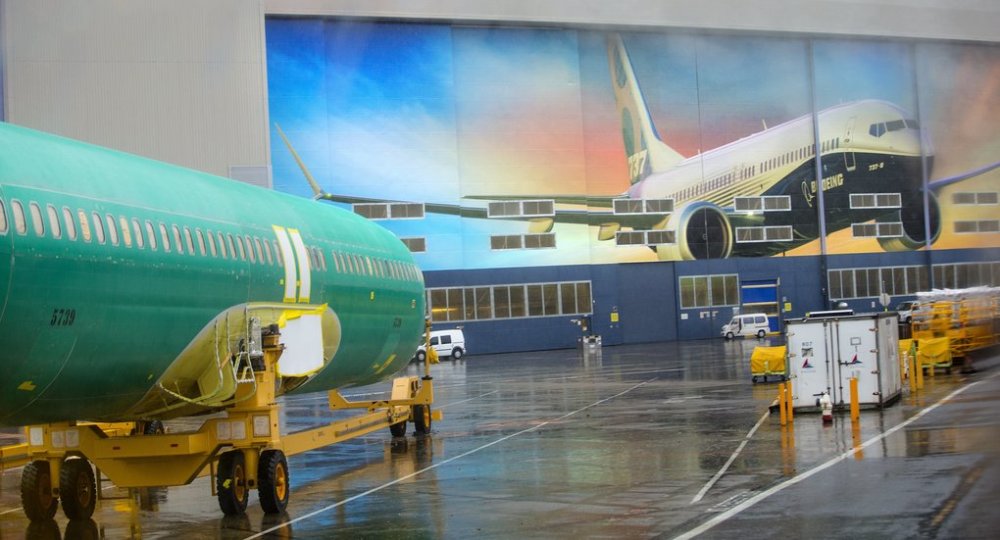
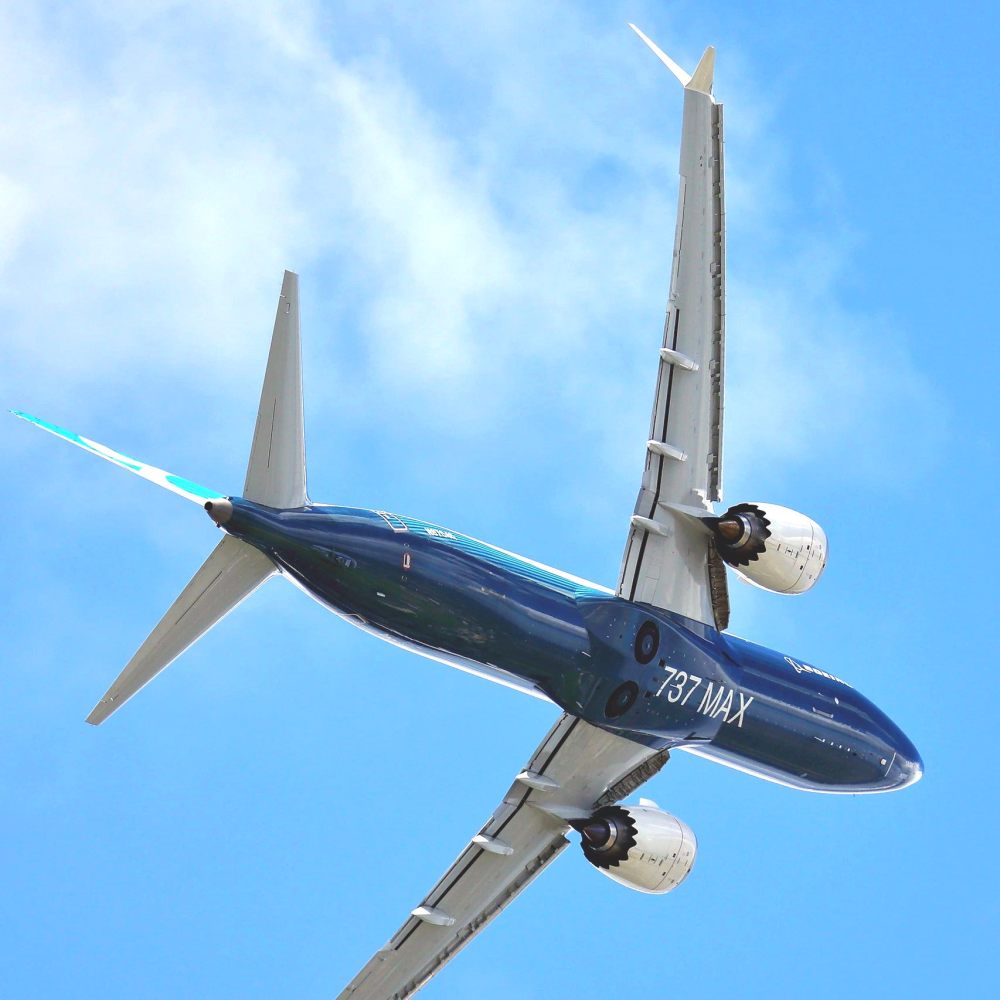
A pesar de los números en descenso, no obstante, Boeing ha comunicado la vuelta a la producción de su avión 737 MAX tras reanudar plenamente las operaciones de su fábrica de Renton, al sur de Seattle (WA), después de cumplirse un mes desde el fin de la huelga de trabajadores en la ciudad, que paralizó su actividad. Tras finalizar el conflicto laboral, la compañía americana se ha dedicado a poner a punto piezas y herramientas, además de formar y certificar de nuevo a los trabajadores que se habían retirado durante la huelga.

Sin embargo, no reanudado la producción en sus líneas de montaje de los modelos 777, 777X y 767 en su fábrica de Everett, al Norte de Seattle, espera que comience en los próximos días. Además, aunque el 787 Dreamliner no se vio afectado por la huelga, pues se fabrica en un complejo no sindicado de Carolina del Sur (VA), el modelo se ha visto obstaculizado por la escasez de equipos de cabina y otros componentes.

Todo ello ha provocado aún más el distanciamiento con respecto a su rival Airbus Group, que entregó un total de 643 aviones entre Enero y Noviembre 2024, mientras que entregó 84 unidades en el undécimo mes.

Boeing O&D 11/2024

Boeing delivers 13 aircraft in November 2024
737 MAX production resumes after strike

The Boeing Company has announced the delivery of thirteen (13) aircraft in November 2024, being the first free month after the end of the 53-day workers’ strike in Seattle (WA), United States, and establishing the worst figure since 2020, while in the first eleven months of this year the figure drops to 318, about 143 units less than in the same period last year. Regarding orders, the company closed agreements for 49 commercial aircraft in November 2024, more than half of the 114 aircraft ordered year-on-year, and 427 in the first eleven months, that is, 658 fewer aircraft.

Despite the declining numbers, however, Boeing has announced the return to production of its 737 MAX aircraft after fully resuming operations at its Renton factory, south of Seattle (WA), one month after the end of the workers’ strike in the city, which paralyzed its activity. After the end of the labor conflict, the American company has dedicated itself to fine-tuning parts and tools, as well as training and recertifying workers who had left during the strike.

However, production has not resumed on its assembly lines of the 777, 777X and 767 models at its Everett factory, north of Seattle, and is expected to begin in the coming days. In addition, although the 787 Dreamliner was not affected by the strike, as it is manufactured in a non-union complex in South Carolina (VA), the model has been hampered by the shortage of cabin equipment and other components.

All of this has further distanced it from its rival Airbus Group, which delivered a total of 643 aircraft between January and November 2024, while it delivered 84 units in the eleventh month.

PUBLISHER: Airgways.com
DBk: Boeing.com / Airgways.com
AW-POST: 202412102030AR
OWNERSHIP: Airgways Inc.
A\W A I R G W A Y S ®

Boeing restablecerá producción 737 MAX

AW | 2024 12 10 15:35 | INDUSTRY / AVIATION ORGANISMS

Activan producción 737 MAX tras un mes después término huelga

The Boeing Company ha anunciado el reinicio de la producción de su avión de pasajeros Boeing 737 MAX más vendido la semana pasada, aproximadamente un mes después del final de una huelga de siete semanas de 33.000 trabajadores. Poner de nuevo en marcha la línea de producción del 737 MAX es esencial para la recuperación del fabricante de aviones, fuertemente lastrado por las deudas, y Boeing tiene unos 4.200 pedidos del avión de pasajeros por parte de aerolíneas deseosas de satisfacer la creciente demanda mundial de viajes aéreos.

La producción se reanudó el Viernes 06/12, según fuentes familiarizadas del sector. Por su parte, el Jefe de la Administración Federal de Aviación (FAA) de Estados Unidos, Mike Whitaker, dijo el Jueves 05/12 que Boeing aún no había reanudado la producción del 737 MAX pero que planeaba hacerlo a finales de este mes.

Los planes de la compañía para aumentar la producción del 737 MAX hasta un objetivo de 56 aviones al mes se han visto obstaculizados por una serie de contratiempos que incluyen dos accidentes aéreos que han impedido volar el modelo debido a problemas de diseño, la pandemia de Coronavirus, problemas en la cadena de suministro, preocupaciones sobre la seguridad de la producción y un mayor escrutinio normativo, junto con la reciente huelga. La FAA limitó la producción a 38 aviones 737 MAX al mes en Enero 2024, después de que un panel de puerta al que le faltaban cuatro pernos clave se desprendiera en pleno vuelo de un 737-9 MAX de Alaska Airlines, dejando al descubierto graves problemas de seguridad en la compañía aeroespacial Boeing.

La semana pasada, Mike Whitaker se negó a decir cuándo creía que la FAA restablecería la capacidad de Boeing para producir más de 38 aviones al mes, pero dijo que le sorprendería que pasaran menos de varios meses antes de que la compañía se acercara al máximo de 38 unidades entregadas.

Boeing prepara para reiniciar la producción de otros modelos, incluyendo el 767, 777 y 777X, en su planta de Everett en los próximos días. La producción del Boeing 787 en Carolina del Sur continuó sin interrupción por la huelga. La empresa ha adoptado una postura cautelosa hacia la reanudación de las operaciones, enfatizando la calidad, la seguridad y la formación de los empleados, lo que se refleja en las cifras de entrega más bajas de Noviembre 2024. Las entregas del mes consistieron en nueve 737, dos cargueros 777 y dos 787-9. United Airlines estuvo entre los receptores, recibiendo tres aviones, incluyendo dos 737 MAX y un 787.

En contraste, tras el final de la última huelga en Noviembre de 2008, Boeing entregó solo cuatro aviones. Para 11/2008, la compañía reportó 49 pedidos brutos pero enfrentó 14 cancelaciones, lo que resultó en 34 pedidos para 737 y 15 para 767 destinados al programa KC-46 de la Fuerza Aérea de EEUU, TUI, una empresa alemana, canceló 14 pedidos, optando por arrendar a BOC Aviation en su lugar, lo que resultó en una ganancia neta de 20 nuevos pedidos de 737 MAX para Boeing. Hasta la fecha en 2024, Boeing ha asegurado 427 pedidos brutos y 370 pedidos netos, teniendo en cuenta cancelaciones y conversiones. Cuando se ajustan según las normas contables, los pedidos netos se sitúan en 191. En comparación, Airbus, el competidor europeo de Boeing, entregó más de 80 aviones en Noviembre 2024.

Boeing to restart 737 MAX production

737 MAX production restarted a month after strike ended

The Boeing Company announced the restart of production of its best-selling Boeing 737 MAX passenger jet last week, about a month after the end of a seven-week strike by 33,000 workers. Getting the 737 MAX production line back on track is essential to the recovery of the debt-laden aircraft manufacturer, and Boeing has about 4,200 orders for the passenger jet from airlines eager to meet rising global demand for air travel.

Production resumed on Friday, according to sources familiar with the sector. Meanwhile, the head of the US Federal Aviation Administration (FAA), Mike Whitaker, said on Thursday, 05/12, that Boeing had not yet resumed production of the 737 MAX but planned to do so later this month.

The company’s plans to ramp up 737 MAX production to a target of 56 planes a month have been hampered by a series of setbacks including two plane crashes that have prevented the model from flying due to design issues, the coronavirus pandemic, supply chain issues, concerns about production safety and increased regulatory scrutiny, along with the recent strike. The FAA limited production to 38 737 MAX planes a month in January 2024 after a door panel missing four key bolts broke off in mid-flight from an Alaska Airlines 737-9 MAX, exposing serious safety issues at the Boeing aerospace company.

Last week, Mike Whitaker declined to say when he thought the FAA would restore Boeing’s ability to produce more than 38 planes a month, but said he would be surprised if it were less than several months before the company got close to the maximum of 38 units delivered.

Boeing is preparing to restart production of other models, including the 767, 777 and 777X, at its Everett plant in the coming days. Boeing 787 production in South Carolina continued uninterrupted by the strike. The company has taken a cautious stance toward resuming operations, emphasizing quality, safety and employee training, reflected in lower delivery figures for November 2024. Deliveries for the month consisted of nine 737s, two 777 freighters and two 787-9s. United Airlines was among the recipients, taking delivery of three aircraft, including two 737 MAXs and one 787.

In contrast, following the end of the last strike in November 2008, Boeing delivered only four aircraft. By 11/2008, the company reported 49 gross orders but faced 14 cancellations, resulting in 34 orders for 737s and 15 for 767s destined for the U.S. Air Force’s KC-46 program. TUI, a German company, cancelled 14 orders, opting to lease to BOC Aviation instead, resulting in a net gain of 20 new 737 MAX orders for Boeing. Year-to-date in 2024, Boeing has secured 427 gross orders and 370 net orders, taking into account cancellations and conversions. When adjusted for accounting rules, net orders stand at 191. By comparison, Boeing’s European competitor Airbus delivered over 80 aircraft as of November 2024.

PUBLISHER: Airgways.com
DBk: Boeing.com / Faa.gov / Airgways.com
AW-POST: 202412101535AR
OWNERSHIP: Airgways Inc.
A\W A I R G W A Y S ®

Air India pedido 100 Airbus

AW | 2024 12 10 15:05 | AIRLINES / INDUSTRY

Air India revela pedido 100 aviones Airbus

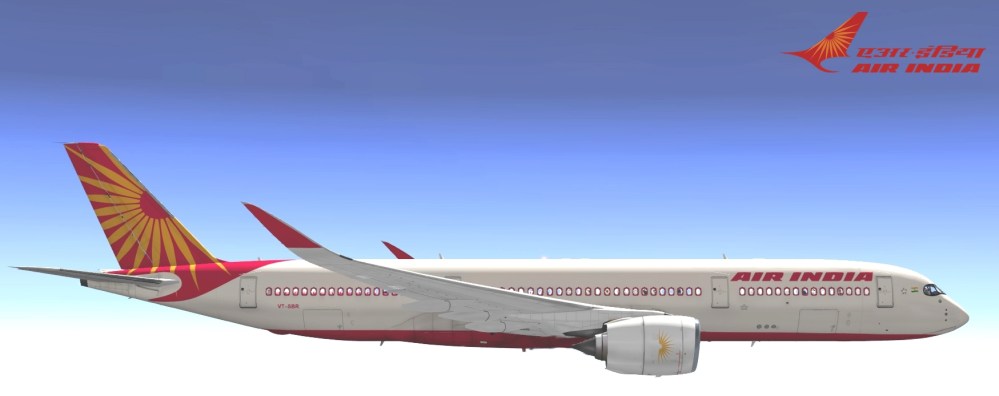
Air India, propiedad del Tata Group, ha anunciado el 09/12 que ha revelado oficialmente los pedidos que realizó anteriormente de diez aviones de fuselaje ancho A350 (10) y noventa aviones de pasillo único de la familia A320 (90). Además, ha seleccionado el componente de servicios de horas de vuelo (FHS-C) de Airbus para su creciente flota de A350.

El último pedido de aviones, que ya está incluido en la cartera de pedidos de Airbus para 2024, se suma a los 40 aviones A350 y 210 aviones de la familia A320 pedidos por Air India en 2023. La cartera total de pedidos de aviones Airbus de Air India asciende ahora a 344 y se han entregado seis A350-900. Los pedidos de aeronaves y servicios forman parte del programa de modernización de la flota de Air India. El paquete de servicios FHS-C ayudará a optimizar el rendimiento y la fiabilidad de la creciente flota de A350 de Air India. Este contrato confirma la posición de Airbus como el mayor proveedor de servicios de mantenimiento de A350 por horas del mundo.

Natarajan Chandrasekaran, Presidente de Tata Sons y Air India, afirmó: “Con un crecimiento de pasajeros en la India superior al del resto del mundo, una infraestructura que mejora significativamente y una población joven con aspiraciones cada vez más globalizada, vemos una razón clara para que Air India amplíe su flota futura más allá de los pedidos en firme de 470 aviones realizados el año pasado. Estos 100 aviones Airbus adicionales ayudarán a posicionar a Air India en el camino hacia un mayor crecimiento y contribuirán a nuestra misión de convertir a Air India en una aerolínea de clase mundial que conecte a la India con todos los rincones del mundo”.

«Tras haber presenciado personalmente el formidable crecimiento del sector de la aviación de la India en los últimos meses, me complace ver que Air India renueva su confianza en Airbus con este pedido adicional de nuestros aviones de la Familia A320 y A350. A través de esta colaboración continua, nos comprometemos a respaldar el éxito del plan de transformación de Air India bajo la visión y el liderazgo de Tata», afirmó Guillaume Faury, CEO de Airbus.

Air India inició sus operaciones con el A350 en Enero de 2024. Marcó la entrada en servicio de este avión de fuselaje ancho de Airbus en el mercado indio. El A350 es el avión de fuselaje ancho más moderno y eficiente del mundo y el líder en largo alcance en la categoría de 300 a 410 plazas, volando eficientemente en cualquier sector, desde rutas de corta distancia hasta rutas de ultra larga distancia de hasta 9.700 millas náuticas. Su diseño limpio incluye tecnologías de última generación, aerodinámica, materiales ligeros y motores de última generación que en conjunto ofrecen una ventaja del 25% en consumo de combustible, costos operativos y emisiones de CO₂, así como una reducción del 50% de ruido en comparación con aviones de la competencia de la generación anterior.

El A321neo es el miembro más grande de la familia A320neo, la más vendida de Airbus, y ofrece una autonomía y un rendimiento incomparables. Al incorporar motores de nueva generación y Sharklets, el A321neo ofrece una reducción del ruido del 50% y un ahorro de combustible y de emisiones de CO₂ de más del 20% en comparación con los aviones de pasillo único de la generación anterior, al tiempo que maximiza la comodidad de los pasajeros en la cabina de pasillo único más amplia del cielo.

Airbus Flight Hour Services (FHS) es un servicio integral de mantenimiento y materiales basado en un pago fijo por hora contractual. FHS-C proporcionará a Air India servicios de componentes totalmente integrados, incluido el almacenamiento en el lugar en Delhi. También proporcionará a la aerolínea acceso a los grupos regionales de repuestos mutualizados de Airbus, así como servicios de reparación e ingeniería para una amplia gama de piezas reemplazables. Los niveles de servicio garantizados de FHS-C y la experiencia en ingeniería de componentes permitirán a Air India beneficiarse de una disponibilidad maximizada de las aeronaves y de ahorros en los costos operativos de mantenimiento.

Air India orders 100 Airbus aircraft

Air India reveals order for 100 Airbus aircraft

Tata Group-owned Air India announced on 09/12 that it has officially revealed its earlier orders for ten A350 widebody aircraft (10) and ninety A320 Family single-aisle aircraft (90). In addition, it has selected Airbus’ Flight Hour Services Component (FHS-C) for its growing A350 fleet.

The latest aircraft order, which is already included in Airbus‘ order book for 2024, adds to the 40 A350 aircraft and 210 A320 Family aircraft ordered by Air India in 2023. Air India’s total Airbus aircraft order book now stands at 344 and six A350-900s have been delivered. The aircraft and service orders are part of Air India’s fleet modernisation programme. The FHS-C service package will help optimise the performance and reliability of Air India’s growing A350 fleet. This contract confirms Airbus’ position as the world’s largest provider of hourly A350 maintenance services.

Natarajan Chandrasekaran, Chairman, Tata Sons and Air India, said: “With passenger growth in India outpacing the rest of the world, significantly improving infrastructure and an aspiring young population becoming more global, we see a clear rationale for Air India to expand its future fleet beyond the firm orders of 470 aircraft placed last year. These additional 100 Airbus aircraft will help position Air India on a path to further growth and contribute to our mission of making Air India a world-class airline connecting India to every corner of the world”.

“Having personally witnessed the tremendous growth of the Indian aviation sector in recent months, I am pleased to see Air India renew its trust in Airbus with this additional order for our A320 and A350 Family aircraft. Through this continued collaboration, we are committed to supporting the success of Air India’s transformation plan under Tata’s vision and leadership”, said Guillaume Faury, CEO of Airbus.

Air India began operations with the A350 in January 2024. It marked the entry into service of this Airbus widebody aircraft in the Indian market. The A350 is the world’s most modern and efficient widebody aircraft and the long-range leader in the 300-410 seat category, flying efficiently on any sector from short-haul to ultra-long-haul routes of up to 9,700 nautical miles. Its clean design features cutting-edge technologies, aerodynamics, lightweight materials and state-of-the-art engines that together deliver a 25% advantage in fuel burn, operating costs and CO₂ emissions, as well as a 50% noise reduction compared to previous-generation competitor aircraft.

The A321neo is the largest member of Airbus’ best-selling A320neo family and offers unrivalled range and performance. Incorporating new-generation engines and Sharklets, the A321neo offers a 50% noise reduction and fuel and CO₂ emissions savings of more than 20% compared to previous-generation single-aisle aircraft, while maximising passenger comfort in the widest single-aisle cabin in the sky.

Airbus Flight Hour Services (FHS) is a comprehensive maintenance and materials service based on a fixed contractual hourly payment. FHS-C will provide Air India with fully integrated component services, including on-site storage in Delhi. It will also provide the airline with access to Airbus’ regional pools of mutualised spare parts, as well as repair and engineering services for a wide range of replaceable parts. FHS-C’s guaranteed service levels and component engineering expertise will enable Air India to benefit from maximised aircraft availability and savings in maintenance operating costs.

PUBLISHER: Airgways.com
DBk: Airbus.com / Airindia.com / Airgways.com
AW-POST: 2024121015053AR
OWNERSHIP: Airgways Inc.
A\W A I R G W A Y S ®

Obras Aeropuerto Trelew

AW | 2024 12 10 15:02 | AIRPORTS / AIRLINES ROUTES

Avanzan obras Aeropuerto de Trelew, Argentina
JetSMART desembarca en Aeropuerto Almirante Zar

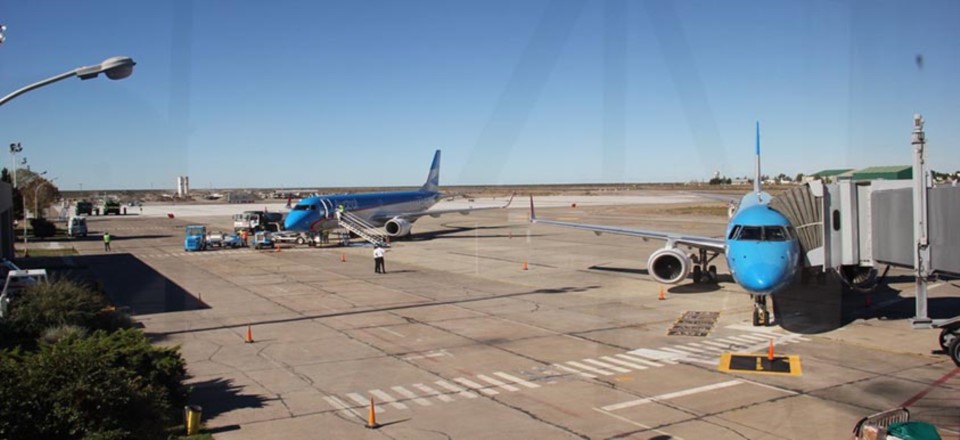
La concesionaria aeroportuaria London Supply que gestiona el Aeropuerto Trelew (REL) prepara la ampliación de la sala de preembarque. Los trabajos comenzarán en los primeros meses de 2025, y permitirán duplicar la capacidad de pasajeros, una mejora esencial para atender a dos vuelos en simultáneo. Actualmente, la sala tiene capacidad para 200 personas, insuficiente frente al aumento proyectado de operaciones aéreas.

El Director del Aeropuerto de Trelew, Fabio Orellano, informó que la concesionaria London Supply se encuentra avanzando en los pasos necesarios para llevar adelante la obra de ampliación de la sala de preembarque que las obras complementarias permitirán aumentar la demanda de tráfico.

La creciente demanda operativa del aeropuerto en la Provincia de Chubut permite entender la necesidad de incrementar y mejorar la infraestructura edilicia de la aeroestación. Actualmente, arriban aeronaves de mediano porte con un promedio por aeronaves de 186 pasajeros, lo que exige anticiparse con una ampliación del espacio. La obra, que no implicará grandes complicaciones al aprovechar infraestructura existente, duplicará la capacidad actual, permitiendo mejorar la atención y la operatividad del aeropuerto.

El ORSNA ha establecido un incremento de la Tasa de Embarque. Esta podría pasar de los actuales AR$ 3.800 Pesos a un rango entre AR$ 10.000 y 11.000 Pesos, con un plazo de 90 días para implementarse una vez aprobado. Este ajuste impactará directamente en el costo final de los pasajes aéreos.

La sala de preembarque del Aeropuerto de Trelew se ampliará para duplicar su capacidad, pues las limitaciones operativas hacen inviables operaciones de más de dos aviones en simultáneo. Actualmente, la sala tiene capacidad para 200 personas; lo que las obras complementarias permitirán atender la capacidad del preembarque con más aeronaves al mismo tiempo, permitiendo duplicar la capacidad.

Aunque las obras no representar grandes dificultades de logística, se estima en términos de tiempo, que en los primeros meses del año que viene estaría arrancando las mejoras edilicias.

Aerolíneas Argentinas en Trelew
Las medidas adoptadas de reestructuración de oficinas por Aerolíneas Argentinas alcanzan el posible cierre de oficinas de en la Ciudad de Trelew, como así también en Comodoro Rivadavia, como parte entre otras ciudades del país que se han visto afectadas por la medida anunciada.

Los posibles cierres de las oficinas de atención física de Aerolíneas Argentinas en la ciudad por el momento no existe información adicional sobre cierres en Chubut. «Hice la consulta en la mañana (de este lunes) y en principio no hay información para Trelew y Comodoro Rivadavia. Sí han cerrado 4 en Argentina, en la Patagonia las de Ushuaia y El Calafate, pero acá no hay ninguna novedad todavía», sostuvo el director responsable de la terminal aérea Fabio Orellano.

JetSMART a Trelew
La incorporación de un servicio aéreo diario cobra relevancia para Trelew, por parte del anuncio realizado por parte de JetSMART Airlines Argentina, que permitirá enlazar Buenos Aires/AEP—Trelew/REL a partir de 2025. Fabio Orellano, El Director del Aeropuerto Internacional Almirante Marcos A. Zar de Trelew, reveló novedades importantes sobre las negociaciones con las aerolíneas JetSMART y Flybondi.

Las conversaciones con JetSMART están en una etapa avanzada, con vistas a implementar un servicio diario de vuelos entre Trelew y Buenos Aires a partir del próximo año 2025. “La idea es Trelew-Buenos Aires, Buenos Aires-Trelew, todos los días, los siete días de la semana”, señaló Fabio Orellano, subrayando que este proyecto busca mejorar significativamente la conectividad aérea para la región.

En cuanto a Flybondi, reconoció que también hubo acercamientos, pero aclaró que “las negociaciones más avanzadas son con JetSMART”. Para concretar el acuerdo, indicó que están trabajando en las coordinaciones necesarias, incluyendo las exigencias operativas de la aerolínea, como la asistencia a los aviones, costos de mangas y tasas aeroportuarias. “Estamos evaluando qué beneficios podemos otorgar para que a ellos les sea más tentativo venir a Trelew”, explicó Fabio Orellano, dejando en claro que la prioridad es garantizar condiciones atractivas que fortalezcan la llegada de nuevas empresas al aeropuerto local.

Trelew Airport works

Works progress at Trelew Airport, Argentina
JetSMART lands at Almirante Zar Airport

The airport concessionaire London Supply, which manages Trelew Airport (REL), is preparing the expansion of the pre-boarding lounge. The works will begin in the first months of 2025, and will allow doubling the passenger capacity, an essential improvement to serve two flights simultaneously. Currently, the lounge has a capacity for 200 people, insufficient to meet the projected increase in air operations.

The Director of Trelew Airport, Fabio Orellano, reported that the concessionaire London Supply is advancing in the necessary steps to carry out the work of expanding the pre-boarding lounge. The complementary works will allow increasing the traffic demand.

The growing operational demand of the airport in the Province of Chubut allows us to understand the need to increase and improve the building infrastructure of the airport. Currently, medium-sized aircraft arrive with an average of 186 passengers per aircraft, which requires anticipating an expansion of space. The work, which will not entail major complications by taking advantage of existing infrastructure, will double the current capacity, allowing for improved service and operation of the airport.

The ORSNA has established an increase in the Boarding Fee. This could go from the current AR$ 3,800 Pesos to a range between AR$ 10,000 and 11,000 Pesos, with a period of 90 days to implement once approved. This adjustment will directly impact the final cost of air tickets.

The pre-boarding room at Trelew Airport will be expanded to double its capacity, since operational limitations make simultaneous operations of more than two aircraft unfeasible. Currently, the room has a capacity for 200 people; The complementary works will allow the pre-boarding capacity to be met with more aircraft at the same time, allowing the capacity to be doubled.

Although the works do not represent major logistical difficulties, it is estimated in terms of time that the building improvements will begin in the first months of next year.

Aerolíneas Argentinas in Trelew
The measures adopted for the restructuring of offices by Aerolíneas Argentinas include the possible closure of offices in the City of Trelew, as well as in Comodoro Rivadavia, among other cities in the country that have been affected by the announced measure.

Regarding the possible closures of the physical offices of Aerolíneas Argentinas in the city, there is currently no additional information on closures in Chubut. «I made the inquiry in the morning (of this Monday) and in principle there is no information for Trelew and Comodoro Rivadavia. Yes, they have closed 4 in Argentina, in Patagonia those of Ushuaia and El Calafate, but here there is no news yet», said the director responsible for the air terminal Fabio Orellano.

JetSMART to Trelew
The incorporation of a daily air service becomes relevant for Trelew, by the announcement made by JetSMART Airlines Argentina, which will allow linking Buenos Aires/AEP—Trelew/REL from 2025. Fabio Orellano, the director of the Almirante Marcos A. Zar International Airport in Trelew, revealed important news about the negotiations with the airlines JetSMART and Flybondi.

Talks with JetSMART are at an advanced stage, with a view to implementing a daily flight service between Trelew and Buenos Aires starting next year 2025. “The idea is Trelew-Buenos Aires, Buenos Aires-Trelew, every day, seven days a week”, said Fabio Orellano, stressing that this project seeks to significantly improve air connectivity for the region.

As for Flybondi, he acknowledged that there were also approaches, but clarified that “the most advanced negotiations are with JetSMART”. To finalize the agreement, he indicated that they are working on the necessary coordination, including the airline’s operational requirements, such as assistance to the planes, sleeve costs and airport fees. “We are evaluating what benefits we can provide so that it is more tempting for them to come to Trelew”, explained Fabio Orellano, making it clear that the priority is to guarantee attractive conditions that strengthen the arrival of new companies to the local airport.

PUBLISHER: Airgways.com
DBk: Aeropuertotrelew.com / Londonsupplygroup.com / Airgways.com
AW-POST: 202412101502AR
OWNERSHIP: Airgways Inc.
A\W A I R G W A Y S ®