Nuevo paro en Aerolíneas
AW | 2024 09 06 10:07 | AIRLINES / AIR TRAFFIC

Pilotos y Aeronavegantes realizan paro Viernes 06/09

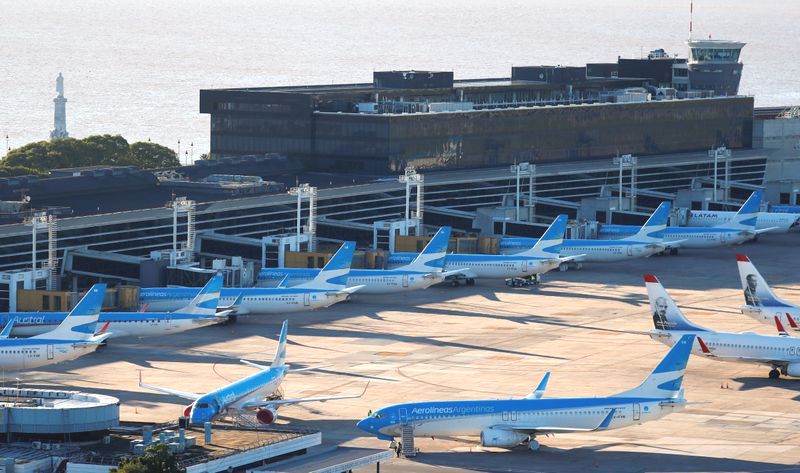
Un nuevo paro salvaje de Pilotos y Aeronavegantes de Aerolíneas Argentinas es realizado el Viernes 6 de Septiembre de 2024 desde las 05:00 hasta las 14:00 horas en Aeropuerto Jorge Newbery y Ezeiza, afectando a unos 150 vuelos y 15.000 pasajeros afectados. La medida de fuerza obedece a un reclamo salarial.

La medida de fuerza de los sindicatos Asociación de Pilotos de Líneas Aéreas (APLA) y la Asociación Argentina de Aeronavegantes (AAA) establece un reclamo de recomposición laboral que es encabezada por el histórico sindicalista Pablo Biró. Además, adhirieron al reclamo gremial la Unión del Personal Superior y Profesional de Empresas Aerocomerciales (UPSA). Además, en las primeras horas del Jueves 05/09, la Asociación Técnicos y Empleados de Protección y Seguridad a la Aeronavegación (ATEPSA), entidad que integra a los trabajadores de ese nicho, habían anunciado que iban al paro. Pero, por la tarde se dictó la conciliación obligatoria y se destrabó el conflicto con este gremio.

«Los gremios APLA y AAA ya demostraron su clara intención de hacer el mayor daño posible a los pasajeros de la compañía durante los paros encubiertos de las últimas dos semanas. Ante todo intento de Aerolíneas Argentinas de reprogramar, demorar, adelantar o de aplicar cualquier tipo de medida para mitigar el impacto de estos paros, los gremios modificaron los horarios de protesta para afectar a la mayor cantidad posible de personas. Esta actitud reprochable continuará siendo respondida por la compañía con descuentos y sanciones. Aerolíneas continuará haciendo su máximo esfuerzo para disminuir el impacto de estas medidas», ha contestado la compañía en un duro comunicado.

El paro podría prolongarse si el operador logístico Intercargo, la empresa que da servicio de rampa, se adhiere a la medida, podrían afectar también el funcionamiento de otras aerolíneas.

La medida de fuerza obligó a la línea aérea a levantar las penalidades por cambio de tickets para resarcir a las más de 15 mil personas que tenían vuelos planificados. Al cancelarse el despegue de al menos unos 150 vuelos, la compañía pidió a los pasajeros que no se presenten en las terminales durante la franja horaria de la protesta.

Autogestión vuelos
Ante esta nueva medida de fuerza, Aerolíneas Argentinas envió un mail con un comunicado a los pasajeros con información para reprogramar ellos mismos sus propios vuelos. La compañía aérea explica que debido a falta de definiciones por parte de los gremios respecto a la modalidad y a la franja horaria en la que se desarrollarán las medidas, la compañía se ve imposibilitada de reprogramar vuelos o tomar otras acciones que atenúen las molestias a nuestros pasajeros, como se ha hecho en otras oportunidades. Por tal motivo, decidieron ofrecer a los pasajeros la opción de poder reprogramar ellos mismos sus propios viajes, sin costo adicional, a través de la web o la aplicación móvil.

Recomiendan revisar el estado del vuelo en aerolineas.com o en el WhatsApp oficial, en la opción estado de vuelo. En caso de cancelación, en el link recibido pueden autogestionar los cambios en la programación de vuelo sin sufrir penalidades en el valor del pasaje aéreo: www.aerolineas.com.ar/autogestion-de-cambios, donde los usuarios pueden realizar el trámite y modificar su vuelo ingresando el código de reserva. También encontrarán información de los pasos que deberán seguir para concretar el trámite. Los cambios de vuelo no sufrirán alteración tarifaria.

Aerolíneas Argentinas expresó la inviabilidad del reclamo: “Piden un 70% de aumento, que para ellos representaría lo perdido por la inflación en lo que va del año”. Desde la línea aérea ofrecieron aumentos escalonados con 3,5% de aumento de Junio 2024, un 3% de Julio 2024 y subas por productividad. También afirmaron que habrá penalizaciones por estas medidas: “Vamos a aplicar descuentos y sanciones cada vez que se afecte la operación, y en particular cuando se tomen medidas orientadas a maximizar el perjuicio directo a los pasajeros”, aseguraron voceros de la compañía.

El Secretario de Transporte de la Nación, Franco Mogetta, dijo que no iban a ceder ante la extorsión. Lo hizo en el Aviation Day, el evento de aviación que se llevó adelante el Jueves 05/09 en el hotel Hilton de la Ciudad de Buenos Aires, organizado por la Asociación de Transporte Aéreo Internacional (IATA) y el Consejo Internacional de Aeropuertos para América Latina y el Caribe (ACI- LAC), que nuclea a funcionarios y referentes de la industria. “Hay sectores que se oponen a estos cambios y resisten apegados a los privilegios, creyéndose dueños de un sistema totalmente cerrado, en el que unos pocos ganan y no les importa absolutamente nada el bienestar de los pasajeros y menos el desarrollo del país de dos o tres dirigentes sindicales. Caiga quien caiga, no vamos a dejar que tres señores sean un impedimento para el desarrollo de la industria y el país. El sector aerocomercial viene de una situación realmente desastrosa, completamente monopolizado con un proteccionismo distorsivo, donde la incorporación de nuevos operadores era tomada como algo negativo. Se hacía todo lo posible para expulsar inversiones”, expresó Franco Mogetta.

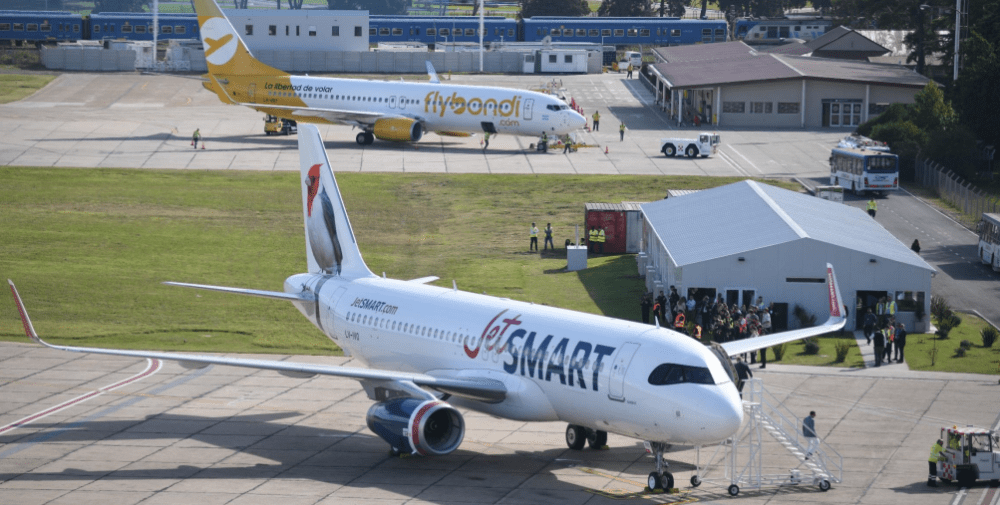
La semana pasada, una medida de fuerza encubierta afectó a miles de pasajeros en aeropuertos de todo el país. Las asambleas que realizaron por la mañana los afiliados a APLA y luego personal de Intercargo afectaron a más de treinta vuelos, en especial de Aerolíneas Argentinas y Flybondi. Ante el anuncio de las asambleas, ambas aerolíneas y también JetSMART Airlines Argentina trasladaron vuelos a Ezeiza, pero resultaron con demoras y cancelaciones decenas de vuelos. De las partidas previstas para el Viernes 30/08 en Aeroparque, Aerolíneas tuvo que cancelar diez vuelos y reprogramar otras quince sólo en la estación metropolitana, y hubo además al menos cuatro vuelos demorados de JetSMART, dos en FlyBondi y uno en LATAM Airlines Argentina.

Futuro Aerolíneas Argentinas
El CEO de Aerolíneas Argentinas, Fabián Lombardo dijo que el Gobierno pretende la privatización de la compañía, pero la iniciativa quedó fuera de la Ley Bases que votó el Congreso. Por ahora, el objetivo es llevarla a un punto de equilibrio para que luego pase a ser rentable en un mercado extremadamente competitivo. «Nosotros tenemos que llevar la compañía al mejor estado posible para que los contribuyentes dejen de poner plata», expresó el ejecutivo.

New strike by Aerolíneas

Pilots and flight attendants strike on Friday 06/09

A new wild strike by Pilots and Flight Attendants of Aerolíneas Argentinas is taking place on Friday, September 6, 2024, from 05:00 to 14:00 at Jorge Newbery Airport and Ezeiza, affecting some 150 flights and 15,000 affected passengers. The strike is due to a salary claim.

The strike by the unions Asociación de Pilotos de Líneas Aéreas (APLA) and Asociación Argentina de Aeronavegantes (AAA) establishes a demand for labor recomposition that is headed by the historic unionist Pablo Biró. In addition, the Unión del Personal Superior y Profesional de Empresas Aerocomerciales (UPSA) joined the union claim. In addition, in the early hours of Thursday 05/09, the Association of Technicians and Employees of Protection and Security in Aeronautics (ATEPSA), an entity that integrates the workers of that niche, had announced that they were going on strike. But, in the afternoon, compulsory conciliation was ordered and the conflict with this union was resolved.

«The unions APLA and AAA have already demonstrated their clear intention to do as much harm as possible to the company’s passengers during the covert strikes of the last two weeks. Faced with any attempt by Aerolíneas Argentinas to reschedule, delay, advance or apply any type of measure to mitigate the impact of these strikes, the unions modified the protest schedules to affect as many people as possible. This reprehensible attitude will continue to be responded to by the company with discounts and sanctions. Aerolíneas will continue to make its maximum effort to reduce the impact of these measures», the company has responded in a harsh statement.

The strike could be prolonged if the logistics operator Intercargo, the company that provides ramp service, adheres to the measure, and could also affect the operation of other airlines.

The strike forced the airline to lift the penalties for changing tickets to compensate the more than 15 thousand people who had scheduled flights. As the takeoff of at least 150 flights was cancelled, the company asked passengers not to show up at the terminals during the protest time slot.

Self-management of flight
In light of this new strike, Aerolíneas Argentinas sent an email with a statement to passengers with information on how to reschedule their own flights. The airline explains that due to the lack of definitions by the unions regarding the modality and time slot in which the strikes will take place, the company is unable to reschedule flights or take other actions to alleviate the inconvenience to our passengers, as has been done on other occasions. For this reason, they decided to offer passengers the option of rescheduling their own trips, at no additional cost, through the website or mobile application.

They recommend checking the flight status on aerolineas.com or on the official WhatsApp, in the flight status option. In case of cancellation, in the link received they can self-manage changes in the flight schedule without suffering penalties in the value of the airfare: www.aerolineas.com.ar/autogestion-de-cambios, where users can carry out the procedure and modify their flight by entering the reservation code. They will also find information on the steps they must follow to complete the procedure. Flight changes will not suffer tariff changes.

Aerolíneas Argentinas expressed the unviability of the claim: “They are asking for a 70% increase, which for them would represent what they have lost due to inflation so far this year”, The airline offered staggered increases with a 3.5% increase in June 2024, a 3% increase in July 2024, and increases for productivity. They also stated that there will be penalties for these measures: “We will apply discounts and sanctions every time the operation is affected, and in particular when measures are taken aimed at maximizing the direct harm to passengers”, said company spokesmen.

The Secretary of Transportation of the Nation, Franco Mogetta, said that they would not give in to extortion. He did so at Aviation Day, the aviation event that took place on Thursday 05/09 at the Hilton Hotel in the City of Buenos Aires, organized by the International Air Transport Association (IATA) and the International Council of Airports for Latin America and the Caribbean (ACI-LAC), which brings together officials and industry representatives. “There are sectors that oppose these changes and resist, clinging to their privileges, believing themselves to be the owners of a totally closed system, in which a few win and care absolutely nothing about the well-being of passengers and even less about the development of the country of two or three union leaders. No matter who falls, we are not going to let three gentlemen be an impediment to the development of the industry and the country. The commercial aviation sector is coming from a truly disastrous situation, completely monopolized with a distorting protectionism, where the incorporation of new operators was seen as something negative. Everything possible was done to expel investments”, said Franco Mogetta.

Last week, a covert strike affected thousands of passengers at airports across the country. The morning meetings held by APLA members and then by Intercargo personnel affected more than thirty flights, especially those of Aerolíneas Argentinas and Flybondi. Following the announcement of the meetings, both airlines and also JetSMART Airlines Argentina moved flights to Ezeiza, but dozens of flights were delayed and cancelled. Of the scheduled flights for Friday 30/08 at Aeroparque, Aerolíneas had to cancel ten flights and reschedule another fifteen at the metropolitan station alone, and there were also at least four delayed flights from JetSMART, two from FlyBondi and one from LATAM Airlines Argentina.

Future Aerolíneas Argentinas
The CEO of Aerolíneas Argentinas, Fabián Lombardo said that the Government intends to privatize the company, but the initiative was left out of the Ley Bases that Congress voted on. For now, the goal is to get it to a point of equilibrium so that it can later become profitable in an extremely competitive market. «We have to get the company to the best possible state so that taxpayers stop putting money in», said the executive.

PUBLISHER: Airgways.com
DBk: Aerolineas.com / Apla.org.ar / Aeronavegantes.org.ar / Reuters.com/Agustin Marcarian / Airgways.com
AW-POST: 202409061007AR
OWNERSHIP: Airgways Inc.
A\W A I R G W A Y S ®


Retorno Starliner a Tierra

AW | 2024 09 05 22:41 | AEROSPACE

Módulo espacial retornará Viernes 6 Septiembre 2024


La NASA y The Boeing Company han establecido el retorno del módulo espacial Starliner CST-100 el Viernes 6 de Septiembre de 2024, justo tres meses después. El programa contemplaba el retorno del la cápsula con la tripulación después de una semana en la Estación Espacial Internacional (ISS).

El regreso del módulo se produce después de fallas en los propulsores, y unas fugas de helio, lo que han determinado devolver al Starliner sin su tripulación a la Tierra. La agencia de la NASA ha solicitado a Boeing para una maniobra segura de desacople con la ISSS que realice un arranque rápido en retroceso del módulo CST-100 para alejarse de la Estación Espacial Internacional. La maniobra reducirá el estrés sobre los propulsores defectuosos de la nave, que volverá vacía a la Tierra. La NASA ha explicado que la nave realizará una maniobra alternativa para alejarse rápido de la estación sin estresar mucho los propulsores.

La nave de Boeing ha estado acoplada a la Estación Espacial Internacional desde el 6 de Junio de 2024. Se suponía que la estadía iba a durar apenas una semana, pero los problemas técnicos que sufrió la Starliner en su aproximación a la estación orbital acabaron condenando la misión. La NASA decidió no arriesgar la vida de sus astronautas, y sus tripulantes permanecerán en la estación espacial esperando una cápsula Dragon de SpaceX.

«Este enfoque alternativo simplemente nos ayuda a que Starliner se aleje más rápido», dijo Dana Weigel, Gerente de la Estación Espacial Internacional, durante una conferencia de prensa celebrada el Miércoles 04/09 por la NASA.

«Pone menos estrés en los propulsores. Hay menos encendidos de los propulsores. Después de desacoplarnos, haremos esta pequeña serie de encendidos usando principalmente los propulsores delanteros. Se necesitan unos cinco minutos para ejecutar toda la secuencia», añadió Steve Stich, Director de Vuelos Comerciales Tripulados de la agencia NASA.

Fallas Starliner
El módulo Starliner CST-100 ha incurrido en fallas de propulsores, con cinco de los 28 motores de maniobra de Starliner fallaron en plena aproximación de la nave a la Estación Espacial Internacional el 06/06, pero cuatro de ellos volvieron a funcionar. Después de meses de pruebas, Boeing no ha podido confirmar la causa exacta del problema. Sus ingenieros sospechan de un sobrecalentamiento que pudo dañar el aislamiento de las líneas de propulsión, pero la explicación no fue suficiente para convencer a la NASA de que la nave es segura. Además del fallo de los propulsores, se detectaron cinco pequeñas fugas de helio.

Programación retorno Starliner
La Starliner CST-100 se desacoplará de la Estación Espacial Internacional (ISS) a las 22:04 UTC del 6 de Septiembre de 2024. Al no contar con un piloto a bordo, lo hará de manera totalmente autónoma, y con una maniobra que no estaba prevista en el plan original. Para minimizar el riesgo de sus propulsores defectuosos, la nave ejecutará un arranque rápido denominado «Breakout Burn», un encendido de motores con el que se alejará velozmente de la estación, colocándose por encima y por detrás del laboratorio donde viven nueve astronautas.

La programación del retorno de la nave CST-100 durará aproximadamente seis horas de vuelo, descartando si existieran dificultades o inconvenientes, el Starliner debería desplegar su paracaídas y aterrizar en el Puerto Espacial de White Sands, en el desierto de Nuevo México, el Sábado a las 04:03 UTC.

Las seis horas de vuelo no preocupan a Boeing, a pesar de las fugas de helio y la pérdida de un propulsor del sistema RCS, la nave tiene helio para una autonomía de más de 70 horas de vuelo y 27 propulsores todavía funcionales. Lo que Boeing y la NASA no podrán recuperar es el módulo de servicio donde están localizados los fallos, pues está diseñado para quemarse en la atmósfera. El Director de la NASA está convencido de que Starliner volverá a volar, pero a Boeing le quedan muchos meses de trabajo para conseguir la certificación para vuelos tripulados de la agencia.

Starliner return to Earth

Space module to return Friday, September 6, 2024

NASA and The Boeing Company have set the return of the Starliner CST-100 space module on Friday, September 6, 2024, exactly three months later. The program contemplated the return of the capsule with the crew after a week on the International Space Station (ISS).

The return of the module occurs after failures in the thrusters, and helium leaks, which have determined to return the Starliner without its crew to Earth. The NASA agency has requested Boeing for a safe undocking maneuver with the ISSS to perform a quick recoil start of the CST-100 module to move away from the International Space Station. The maneuver will reduce the stress on the ship’s defective thrusters, which will return empty to Earth. NASA has explained that the ship will perform an alternative maneuver to quickly move away from the station without putting too much stress on the thrusters.

The Boeing ship has been docked to the International Space Station since June 6, 2024. The stay was supposed to last just a week, but the technical problems that the Starliner suffered on its approach to the orbital station ended up dooming the mission. NASA decided not to risk the lives of its astronauts, and its crew will remain on the space station waiting for a SpaceX Dragon capsule.

«This alternative approach simply helps us get Starliner away faster», said Dana Weigel, Manager of the International Space Station, during a press conference held on Wednesday 04/09 by NASA.

«It puts less stress on the thrusters. There are fewer thruster burns. After we undock, we’ll do this little series of burns using primarily the forward thrusters. It takes about five minutes to run the entire sequence», added Steve Stich, NASA’s Director of Commercial Manned Flight.

Starliner failures
The Starliner CST-100 module has incurred thruster failures, with five of Starliner’s 28 maneuvering engines failing as the craft approached the International Space Station on 06/06, but four of them restarted. After months of testing, Boeing has not been able to confirm the exact cause of the problem. Its engineers suspect overheating that could have damaged the insulation of the propulsion lines, but the explanation was not enough to convince NASA that the craft is safe. In addition to the thruster failure, five small helium leaks were detected.

Starliner return schedule
The Starliner CST-100 will undock from the International Space Station (ISS) at 22:04 UTC on September 6, 2024. Since it does not have a pilot on board, it will do so completely autonomously, and with a maneuver that was not planned in the original plan. To minimize the risk of its defective thrusters, the ship will execute a quick start called «Breakout Burn», an engine ignition with which it will quickly move away from the station, placing itself above and behind the laboratory where nine astronauts live.

The return schedule of the CST-100 ship will last approximately six hours of flight, ruling out any difficulties or inconveniences, the Starliner should deploy its parachute and land at the White Sands Spaceport, in the New Mexico desert, on Saturday at 04:03 UTC.

Boeing is not worried about the six-hour flight time, despite the helium leaks and the loss of a RCS booster. The spacecraft has enough helium for a flight time of more than 70 hours and 27 boosters that are still functional. What Boeing and NASA will not be able to recover is the service module where the faults are located, since it is designed to burn up in the atmosphere. The NASA director is convinced that Starliner will fly again, but Boeing still has many months of work to do to obtain certification for manned flights from the agency.

PUBLISHER: Airgways.com
DBk: Nasa.gov / Boeing.com / Airgways.com
AW-POST: 202409052241AR
OWNERSHIP: Airgways Inc.
A\W A I R G W A Y S ®

Argentina cancela El Palomar

AW | 2024 09 05 17:03 | AIRPORTS / AVIATION ORGANISMS / AIRLINES MARKET / GOVERNMENT

Gobierno confirma cierre aerocomercial Aeropuerto El Palomar

El Gobierno de Argentina ha comunicado oficialmente el cierre del Aeropuero El Palomar (EPA) para opecaciones aerocomerciales debido al escaso interés generado para líneas aéreas low cost. El Secretario de Transporte Franco Monetta ha expresado: «No existe ninguna línea aérea interesada», explicaron desde desde la cartera ante un reclamo del Partido PRO.

El Aeropuerto El Palomar fue fundado el 20 de Julio de 1910 com Base Aérea Militar. El Gobierno de Mauricio Macri permitió introducir cambios en el transporte aéreo permitiendo reinaugurar y reutilizar la aeroestación para operaciones aerocomerciales el 9 de Febrero de 2018, que llegaron hasta Febrero 2020, cancelando las operaciones de líneas aéreas.

En las preguntas dirigidas al Jefe de Gabinete de Ministros de la Nación Argentina, Guillermo Francos, para su informe de gestión, Diputados del PRO reclamaron al Gobierno Nacional explicaciones sobre los planes para la terminal aérea que fue una bandera del Gobierno PRO de Mauricio Macri. La Secretaría de Transporte, que conduce Franco Mogetta, respondió que «el Aeropuerto de Palomar nunca ha estado cerrado ni inhabilitado comercialmente por esta gestión. Simplemente hasta la fecha no existe ninguna línea aérea interesada de todas aquellas a las que se les ha ofrecido por ejemplo, Flybondi o JetSmart», dice en la respuesta enviada al Congreso.

La reapertura de la terminal de la zona Oeste del Conurbano Bonaerense era una bandera insignia de la gestión del PRO en el Gobierno de Mauricio Macri, mientras que el Gobierno de Alberto Fernández cerró en Febrero de 2020 las operaciones aerocomerciales, trasladando en parte las operaciones hacia Aeroparque y Ezeiza.

El traslado de las operaciones de las líneas aéreas low cost de El Palomar hacia Aeroparque ha traido mejoras para los usuarios del transporte de bajas tarifas, al tiempo que ha disminuido el interés por restablecer los vuelos en la aeroestación del conurbano Bonaerense. Flybondi y JetSMART han desestimado restablecer las rutas aéreas desde El Palomar en favor de Aeroparque y Ezeiza que les ha resultado muy beneficioso en términos operativos. La falta de interés de las aerolíneas en la terminal, sumado a las deficiencias operativas, harían necesarias inversiones para reabrirlo.

La posible reapertura de El Palomar era inscripta como parte del plan de desregulación del mercado aerocomercial del presente Gobierno de Javier Milei para volver a los cielos abiertos, mientras que ninguna línea aérea ha anunciado el interés de volar desde El Palomar. Después de una larga batalla por el icónico primer aeropuerto low cost de Sudamérica, el mercado aéreo de estos tiempos ha decidido centralizar las operaciones en el Aeropuerto Buenos Aires/Jorge Newbery.

Argentina cancels El Palomar

Government confirms closure of El Palomar Airport

The Government of Argentina has officially announced the closure of El Palomar Airport (EPA) for commercial air operations due to the low interest generated by low-cost airlines. The Secretary of Transportation Franco Monetta has stated: «There is no airline interested,» the ministry explained in response to a claim from the PRO Party.

El Palomar Airport was founded on July 20, 1910, as a Military Air Base. The Government of Mauricio Macri allowed changes to be made to air transport, allowing the airport to be reopened and reused for commercial air operations on February 9, 2018, which lasted until February 2020, cancelling airline operations.

In the questions addressed to the Chief of Cabinet of Ministers of the Argentine Nation, Guillermo Francos, for his management report, PRO Deputies demanded from the National Government explanations about the plans for the air terminal that was a flagship of the PRO Government of Mauricio Macri. The Secretary of Transportation, led by Franco Mogetta, responded that «the Palomar Airport has never been closed or commercially disabled by this administration. Simply, to date there is no interested airline of all those to which it has been offered, for example, Flybondi or JetSmart», it says in the response sent to Congress.

The reopening of the terminal in the western area of ​​the Greater Buenos Aires was a flagship of the PRO administration in the Government of Mauricio Macri, while the Government of Alberto Fernández closed commercial air operations in February 2020, partially moving operations to Aeroparque and Ezeiza.

The transfer of low-cost airline operations from El Palomar to Aeroparque has brought improvements for low-fare transport users, while at the same time interest in re-establishing flights at the Buenos Aires metropolitan airport has diminished. Flybondi and JetSMART have rejected re-establishing air routes from El Palomar in favor of Aeroparque and Ezeiza, which has been very beneficial to them in operational terms. The lack of interest from airlines in the terminal, added to operational deficiencies, would make investments necessary to reopen it.

The possible reopening of El Palomar was included as part of the deregulation plan of the current Javier Milei Government’s air market to return to open skies, while no airline has announced interest in flying from El Palomar. After a long battle for the iconic first low-cost airport in South America, the air market of these times has decided to centralize operations at the Buenos Aires/Jorge Newbery Airport.

PUBLISHER: Airgways.com
DBk: Argentina.gob.ar / Airgways.com
AW-POST: 202409051703AR
OWNERSHIP: Airgways Inc.
A\W A I R G W A Y S ®

Argentina elimina Índice Puntualidad

AW | 2024 09 05 16:50 | AVIATION ORGANISMS / AIRLINES MARKET

Gobierno elimina ranking puntualidad para las aerolíneas

El Gobierno de Argentina ha anunciado en el Boletín Oficial a través de la Resolución Nº290/2024 publicada el 5 de Septiembre de 2024 que la Administración Nacional de Aviación Civil (ANAC) derogó el sistema de evaluación estadístico de ranking de puntualidad de las operaciones en las líneas aéreas regulares en Argentina. El sistema de estadísticas y monitoreo de índice de puntualidad había sido establecido en el año 2016 a través de la Resolución N°1195/2016.

Parte del a Resolución del comunicado dice: «El sistema imperante ha resultado hostil a las compañías aéreas en pos de los recursos que debían destinar obligatoriamente a la producción y organización de dichos datos. Luego de evaluar el funcionamiento de los mencionados parámetros, se ha concluido en que el sistema actual no ha resultado eficaz en la disminución de la impuntualidad. Que debe priorizarse el principio de subsidiariedad del Estado Nacional, por tratarse de una actividad de carácter comercial. Que existen diversas empresas de análisis de aviación y prestigiosas organizaciones, ejecutando seguimientos de vuelos a nivel global y elaboran informes de puntualidad. Que, en consecuencia, no resulta justificable el dispendio de recursos aportados por los contribuyentes para el sostenimiento de un sistema de evaluación de puntualidad de impronta estatal».

La nueva normativa emitida por la Agencia Nacional de Aviación Civil (ANAC) expresa la ineficacia del seguimiento de los índices de puntualidad de los vuelos. La agencia ANAC ha expresado que la medida solo incrementaba la carga burocrática de las aerolíneas, que debían destinar recursos a la recolección y presentación de datos sin que esto impactara en la mejora del servicio. Actualmente, existen diversas empresas y organismos globales que realizan un seguimiento de vuelos y emiten informes de puntualidad, lo que hace innecesario el uso de recursos estatales para esta función.

La eliminación del Índice de Puntualidad se ha establecido para promover la eficiencia de la agencia aeronáutica, una política de Cielos Abiertos más amigable con el transporte aéreo mundial. El rol de la ANAC continuará supervisando áreas relativas a las operaciones aerocomerciales, fiscalizar cumplimientos normativos de las líneas aéreas y proteger los derechos de los usuarios del transporte aéreo.

Argentina eliminates Punctuality Index

Government eliminates punctuality ranking for airlines

The Government of Argentina has announced in the Official Gazette through Resolution No. 290/2024 published on September 5, 2024, that the National Civil Aviation Administration (ANAC) has repealed the statistical evaluation system of punctuality ranking of operations on scheduled airlines in Argentina. The system of statistics and monitoring of the punctuality index had been established in 2016 through Resolution No. 1195/2016.

Part of the Resolution of the communiqué says: «The prevailing system has been hostile to airlines in their search for the resources that they should have obligatorily allocated to the production and organization of said data. After evaluating the functioning of the aforementioned parameters, it has been concluded that the current system has not been effective in reducing lateness. That the principle of subsidiarity of the National State must be prioritized since it is a commercial activity. That there are various aviation analysis companies and prestigious organizations, carrying out flight monitoring at a global level and preparing punctuality reports. That, consequently, the expenditure of resources provided by taxpayers for the maintenance of a punctuality evaluation system of a state imprint is not justifiable».

The new regulations issued by the National Civil Aviation Agency (ANAC) express the ineffectiveness of monitoring flight punctuality rates. The ANAC agency has stated that the measure only increased the bureaucratic burden of airlines, which had to allocate resources to the collection and presentation of data without this impacting the improvement of the service. Currently, there are various companies and global organizations that monitor flights and issue punctuality reports, which makes the use of state resources for this function unnecessary.

The elimination of the Punctuality Index has been established to promote the efficiency of the aeronautical agency, an Open Skies policy that is friendlier to global air transport. The role of the ANAC will continue to supervise areas related to commercial air operations, oversee regulatory compliance of airlines, and protect the rights of air transport users.

https://www.boletinoficial.gob.ar/detalleAviso/primera/313355/20240905

PUBLISHER: Airgways.com
DBk: Argentina.gob.ar/anac / Airgways.com
AW-POST: 202409051650AR
OWNERSHIP: Airgways Inc.
A\W A I R G W A Y S ®

Plan inversión Schiphol

AW | 2024 09 05 11:47 | AIRPORTS / GOVERNMENT / AIRLINES

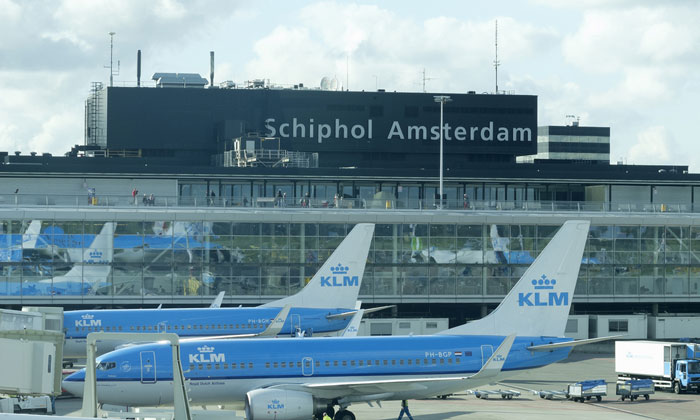
Amsterdam/Schiphol esboza plan inversión próximos cinco años

El Aeropuerto de Amsterdam/Schiphol (AMS) ha anunciado el mayor plan de inversión en la historia del aeropuerto neerlandés. El Royal Schiphol Group dijo que se invertirán un total de € 6.000 millones de Euros entre el período 2024—2029, con obras que incluyen la renovación/mantenimiento de instalaciones como el Muelle C, sistemas de climatización, escaleras mecánicas, paradas de aviones y calles de rodaje.

Se encuentra previsto que en 2026 comiencen las obras de un nuevo sótano de equipajes: el proyecto se anunció en enero del año pasado y se ubicará bajo el emplazamiento donde se podría construir una terminal totalmente nueva. El retrasado Muelle A del aeropuerto está programado para abrir en Abril de 2027, ofreciendo un total de ocho puertas de fuselaje estrecho y ancho, así como filtros de seguridad, instalaciones de control fronterizo y puntos de venta minoristas y de alimentos y bebidas en tres pisos.

La plan de mejoras arriba cuando Schiphol informó de cifras de tráfico de pasajeros de 31,8 millones para el primer semestre de 2024, un 11% más que en el mismo período de 2023, pero aún por debajo de los 34,5 millones de pasajeros recibidos en el primer semestre de 2019. El aeropuerto informado que las cifras de tráfico mensual de 2024 se acercan cada vez más a los niveles anteriores a Covid-19, mientras que en los días pico durante el período de Mayo y verano europeo ha desarrollado más tráfico de pasajeros que en 2019.

El CEO de Amsterdam/Schiphol, Pieter van Oord, quien se unió a Royal Schiphol Group a principios de 2024, dijo: «En mis primeros tres meses, estoy impresionado por la resiliencia y la pasión de nuestros colegas. Estamos orgullosos de cumplir una vez más nuestro papel crucial en la conexión de los Países Bajos con el resto del mundo. Todos los días, nuestros colegas hacen todo lo posible por los pasajeros. Ellos marcan la diferencia, con un exitoso mayo y unas vacaciones de verano como buenos ejemplos.

Desafortunadamente, no les ayuda el estado de nuestra infraestructura. Nuestra infraestructura es la base de nuestro servicio, pero actualmente está lejos de lo que queremos ofrecer a nuestros pasajeros como aeropuerto de calidad en los Países Bajos. Tenemos un importante plan de inversión de 6.000 millones de dólares porque es crucial devolver la satisfacción de los pasajeros y el mejor servicio a nuestras aerolíneas.

Al mismo tiempo, necesitamos restablecer el equilibrio entre los beneficios y las cargas de Schiphol. Estamos y seguiremos comprometidos a reducir nuestro impacto acústico en nuestro entorno y a mejorar las condiciones de trabajo de todos los empleados en nuestro aeropuerto».

AEROPUERTO AMSTERDAM/SCHIPHOL (AMS)

Royal Schiphol Group es una empresa aeroportuaria con una importante tarea socioeconómica. Royal Schiphol Group es el propietario y operador del aeropuerto de Amsterdam-Schiphol, el aeropuerto de Róterdam-La Haya y el Aeropuerto de Lelystad, y posee una participación mayoritaria en el Aeropuerto de Eindhoven. Los aeropuertos del Grupo crean valor para la sociedad y la economía, siendo la seguridad un factor clave. Junto con nuestras actividades internacionales, los aeropuertos holandeses de Schiphol Group forman parte de nuestro «Connecting your world».

Reducciones vuelos AMS
El Gobierno de los Países Bajos ha anunciado una reducción sencible de los vuelos en el Aeropuerto Amsterdam/Schiphol. Los movimientos de vuelos del Aeropuerto de Schiphol se reducirán de 500.000 a 475.000-485.000 anuales para Noviembre de 2025. Las reducciones tienen como objetivo cumplir los objetivos climáticos y disminuir la contaminación acústica mediante la reducción del 3-5% de los vuelos. La principal aerolínea holandesa KLM Airlines ha elogiado la decisión del Gobierno holandés como un enfoque equilibrado, al tiempo que expresa su preocupación por las posibles consecuencias.

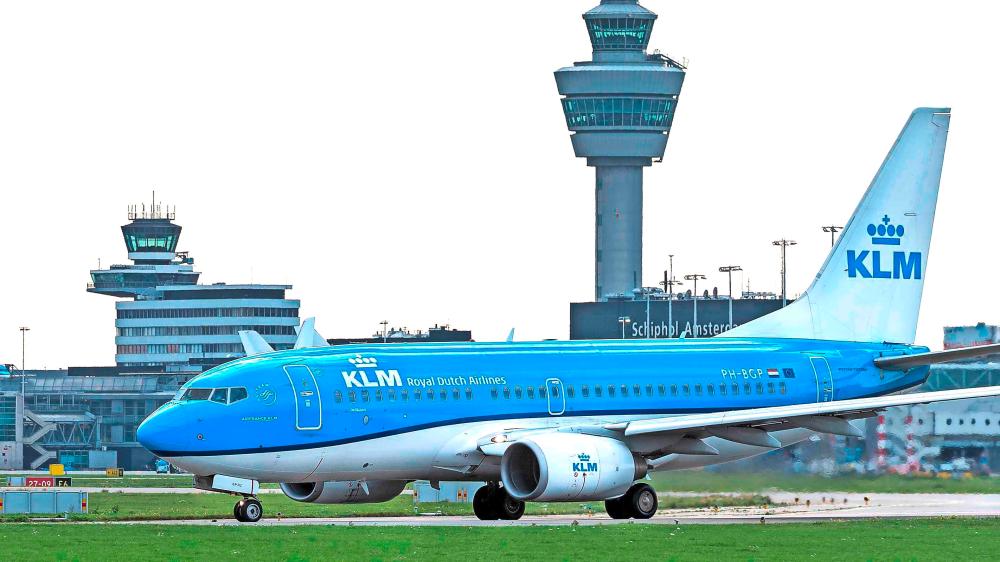
La aerolínea de bandera holandesa, KLM, ha acogido con satisfacción el modesto plan del Gobierno holandés para reducir los movimientos anuales de vuelos en el principal aeropuerto del país. La reducción es menos drástica de lo que se esperaba y hará que los movimientos caigan del máximo actual de alrededor de 500.000 anuales a entre 475.000 y 485.000. Ha habido temores de que el impulso de la calidad del Aeropuerto Amsterdam/Schiphol pueda aumentar las tarifas aéreas.

El nuevo límite del tráfico aéreo entrará en vigor a partir de Noviembre de 2025, al inicio de la temporada de vuelos de invierno europeo. Los recortes se describen como modestos y solo recortarán entre el 3% y el 5% de los movimientos de vuelos del aeropuerto. También reducirá los vuelos nocturnos del límite actual de 32.000 vuelos a 27.000 vuelos. El Ministerio holandés declaró: «Este paquete reducirá la contaminación acústica alrededor de Schiphol en un 17 por ciento». Esto es significativamente menos de lo que había querido el Gabinete anterior. Ese gabinete quería un límite de 460.000 a 470.000 movimientos, incluida la disminución del número de vuelos nocturnos de 32.000 a 27.000. KLM ha presentado previamente un plan de reducción de ruido para el aeropuerto.

KLM emitió un comunicado en el que calificó las medidas del gabinete como un «enfoque equilibrado». KLM declaró: «Es importante que el proceso de enfoque equilibrado se complete cuidadosamente. Es positivo que se hayan adoptado una serie de medidas del plan sectorial ‘más limpio, más silencioso y más eficiente’, que cuenta con un amplio apoyo».

La aerolínea KLM Airlines señaló que las operaciones de los aviones son importantes para la economía holandesa, al tiempo que planteó sus preocupaciones. «A KLM le preocupa que la posible pérdida de franjas horarias históricas pueda dar lugar a medidas de represalia por parte de otros países, lo que resultaría en la pérdida de conexiones importantes para los Países Bajos como país de comercio internacional», expresó la aerolínea en su comunicado. Mientras tanto, remarca que es muy importante la responsabilidad de limitar la contaminación acústica.

Las reducciones se deben en parte al deseo del Gobierno neerlandés de cumplir con los objetivos de cambio climático, así como de reducir la contaminación acústica para los residentes de la zona. El gobierno holandés señaló que KLM y Transavia se han comprometido a utilizar aviones más silenciosos por la noche. El aeropuerto de Schiphol ha declarado anteriormente que aumentará significativamente las tarifas para los aviones más ruidosos.

Amsterdam/Schiphol es el segundo aeropuerto más grande de la Unión Europea, y un gran porcentaje de sus vuelos son internacionales. El Estado neerlandés posee casi el 70% de la empresa matriz del aeropuerto, Royal Schiphol Group, junto con el 9,1 % del grupo Air France-KLM, la empresa matriz de KLM Airlines.

Schiphol investment plan

Amsterdam/Schiphol outlines five-year investment plan

Amsterdam Airport/Schiphol (AMS) has announced the largest investment plan in the history of the Dutch airport. The Royal Schiphol Group said a total of €6 billion will be invested between 2024—2029, with works including the renovation/maintenance of facilities such as Pier C, HVAC systems, escalators, aircraft stops and taxiways.

Work on a new baggage depot is scheduled to begin in 2026 the project was announced in January last year and will be located beneath the site where a completely new terminal could be built. The airport’s long-delayed Pier A is scheduled to open in April 2027, offering a total of eight narrow- and wide-body gates, as well as security screening, border control facilities and retail and food and beverage outlets on three floors.

The improvement plan came as Schiphol reported passenger traffic figures of 31.8 million for the first half of 2024, up 11% on the same period in 2023 but still below the 34.5 million passengers received in the first half of 2019. The airport reported that monthly traffic figures for 2024 are increasingly approaching pre-Covid-19 levels, while on peak days during the May and European summer period it has developed more passenger traffic than in 2019.

Amsterdam/Schiphol CEO Pieter van Oord, who joined Royal Schiphol Group at the beginning of 2024, said: «In my first three months, I am impressed by the resilience and passion of our colleagues. We are proud to once again fulfil our crucial role in connecting the Netherlands to the rest of the world. Every day, our colleagues go above and beyond for passengers. They make the difference, with a successful May and a summer holiday are good examples.

Unfortunately, they are not helped by the state of our infrastructure. Our infrastructure is the foundation of our service, but it is currently far from what we want to offer our passengers as a quality airport in the Netherlands. We have a major investment plan of 6 billion dollars because it is crucial to bring passenger satisfaction and the best service back to our airlines.

At the same time, we need to restore the balance between the benefits and burdens of Schiphol. We are and will remain committed to reducing our noise impact on our environment and improving the working conditions of all employees at our airport».

Royal Schiphol Group is an airport company with an important socio-economic task. Royal Schiphol Group is the owner and operator of Amsterdam Airport Schiphol, Rotterdam The Hague Airport, and Lelystad Airport, and holds a majority stake in Eindhoven Airport. The Group’s airports create value for society and the economy, with safety being a key factor. Alongside our international activities, the Schiphol Group’s Dutch airports are part of our «Connecting your world».

AMS Flight Reductions
The Dutch Government has announced a significant reduction in flights at Amsterdam/Schiphol Airport. Flight movements at Schiphol Airport will be reduced from 500,000 to 475,000-485,000 annually by November 2025. The reductions are aimed at meeting climate targets and reducing noise pollution by reducing flights by 3-5%. Dutch major carrier KLM Airlines has praised the Dutch Government’s decision as a balanced approach, while expressing concern about the potential consequences.

The Dutch flag carrier KLM has welcomed the Dutch Government’s modest plan to reduce annual flight movements at the country’s main airport. The reduction is less drastic than expected and will see movements fall from the current peak of around 500,000 annually to between 475,000 and 485,000. There have been fears that the boost to quality at Amsterdam/Schiphol Airport could increase airfares.

The new air traffic cap will come into effect from November 2025, at the start of the European winter flight season. The cuts are described as modest and will only cut between 3% and 5% of the airport’s flight movements. It will also reduce night flights from the current cap of 32,000 flights to 27,000 flights. The Dutch ministry stated: «This package will reduce noise pollution around Schiphol by 17 percent». This is significantly less than the previous Cabinet had wanted. That Cabinet wanted a cap of 460,000 to 470,000 movements, including decreasing the number of night flights from 32,000 to 27,000. KLM has previously submitted a noise reduction plan for the airport.

KLM issued a statement calling the cabinet’s measures a «balanced approach». KLM said: «It is important that the balanced approach process is carefully completed. It is positive that a number of measures from the ‘cleaner, quieter and more efficient’ sector plan, which has broad support, have been adopted».

KLM Airlines noted that aircraft operations are important to the Dutch economy, while raising concerns. «KLM is concerned that the potential loss of historic slots could lead to retaliatory measures by other countries, resulting in the loss of important connections for the Netherlands as an international trading country», the airline said in its statement. Meanwhile, it stresses that the responsibility to limit noise pollution is very important.

The reductions are partly due to the Dutch government’s desire to meet climate change goals, as well as to reduce noise pollution for residents in the area. The Dutch government noted that KLM and Transavia have committed to using quieter aircraft at night. Schiphol Airport has previously stated that it will significantly increase fees for noisier aircraft.

Amsterdam/Schiphol is the second largest airport in the European Union, and a large percentage of its flights are international. The Dutch state owns almost 70% of the airport’s parent company, Royal Schiphol Group, along with 9.1% of the Air France-KLM group, the parent company of KLM Airlines.

PUBLISHER: Airgways.com
DBk: Schiphol.nl / Klm.com / Evert Elzinga / Airgways.com
AW-POST: 202409051147AR
OWNERSHIP: Airgways Inc.
A\W A I R G W A Y S ®

Virgin Atlantic lanzará destino Riad

AW | 2024 09 05 11:20 | AIRLINES ROUTES

Virgin Atlantic lanza ruta a Arabia Saudita

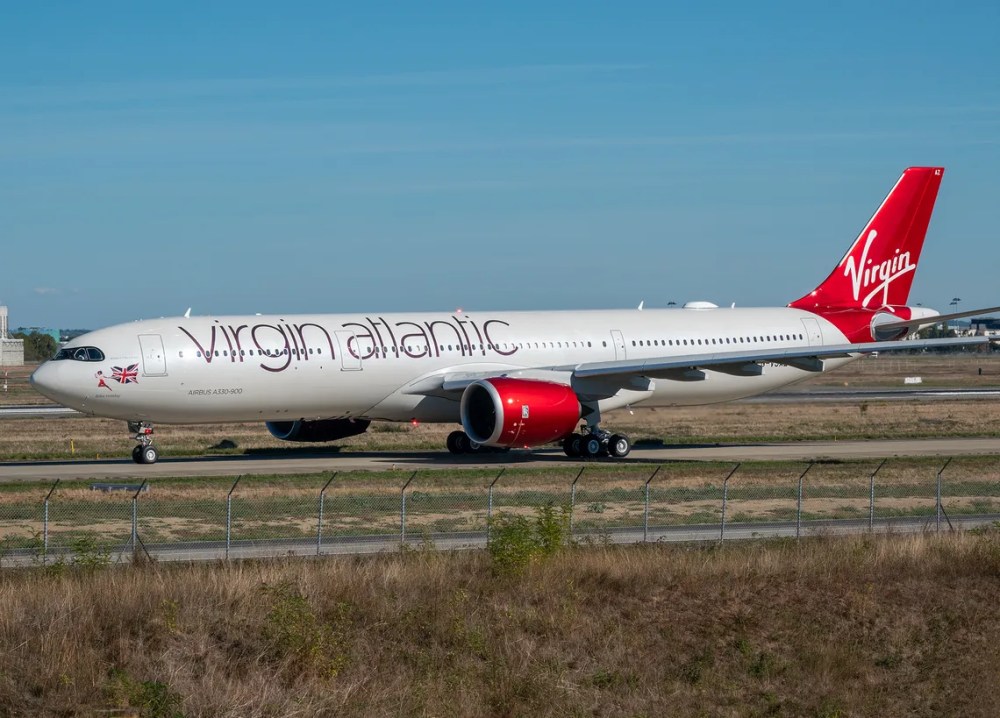
La aerolínea británica Virgin Atlantic Airways ha anunciado el lanzamiento inaugural del destino Riad, Arabia Saudita, a partir del 30 de Marzo de 2025, con un servicio diario operado por los aviones A330neo. La ruta directa London/Heathrow/LHR—Riyadh/RUH con número de vuelo VS242 partirá de Heathrow a las 14:45 y llegará a Riyadh a las 23:35, y el tramo de regreso VS243 saldrá de la capital de Arabia Saudita a las 01:25 y aterrizará de regreso a Londres a las 07:00.

Virgin Atlantic se unirá a British Airways y Saudia Airlines en la ruta Heathrow—Riyadh. Saudia y Virgin son miembros de la Alianza SkyTeam, permitiendo conexiones a destinos como Islamabad, Lahore y Karachi.

VS242 London/Heathrow/LHR 14:45 — Riyadh/RUH 23:35 A330-900
VS243 Riyadh/RUH 01:25 — London/Heathrow/LHR 07:00 A330-900

Más destinos
Virgin Atlantic también ha anunciado planes para regresar a Accra después de más de una década. La aerolínea lanzó por primera vez vuelos a la capital de Ghana en Mayo de 2010, pero suspendió la ruta tres años después citando costos de combustible excepcionalmente altos en Ghana. El servicio se lanzará el 1 de Mayo de 2025 con frecuencias diarias y será operado por los aviones Boeing 787 Dreamliner de la aerolínea. El vuelo VS403 partirá de Heathrow a las 22:30, llegando a Accra a las 05:00 del día siguiente, con el tramo de vuelta VS404 saliendo de Accra a las 09:15 y aterrizando de nuevo en Londres a las 17:25 horas.

La aerolínea competirá con British Airways en la ruta que ha agregado recientemente vuelos entre Gatwick y Accra, complementando su servicio existente de London/Heathrow.

Tanto la ruta de Riad como la de Accra saldrán a la venta el 12 de Septiembre de 2024. Las adiciones de ruta siguen a los planes de Virgin de reanudar los vuelos a Canadá el próximo año 2025, sin embargo, la aerolínea está programada para suspender su ruta de larga data a Shanghái el 10/2024.

Juha Jarvinen, Director Comercial de Virgin Atlantic, dijo respecto a los planes de expansión de rutas: «Riad y Accra se unen a Toronto como nuevas rutas para los vuelos de verano en 2025 y vemos enormes oportunidades para conectar a amigos, familiares y empresas con nuestros nuevos servicios. También estamos encantados de ampliar nuestro código compartido con Saudia, socio de SkyTeam, fortaleciendo aún más la conectividad en la región y más allá, y brindando nuevos beneficios a nuestros clientes leales. Esperamos lanzar estas nuevas rutas en 2025, presentando la marca icónica e inclusiva Virgin Atlantic, la experiencia galardonada y nuestra increíble gente a nuevos clientes en el Reino de Arabia Saudita, Ghana y Toronto».

Virgin Atlantic to launch Riyadh route

Virgin Atlantic launches Saudi Arabia route

British carrier Virgin Atlantic Airways has announced the inaugural launch of Riyadh, Saudi Arabia, from 30 March 2025, with a daily service operated by A330neo aircraft. The direct London/Heathrow/LHR—Riyadh/RUH route with flight number VS242 will depart Heathrow at 14:45 and arrive in Riyadh at 23:35, and the return leg VS243 will depart the Saudi Arabian capital at 01:25 and land back in London at 07:00.

Virgin Atlantic will join British Airways and Saudia Airlines on the Heathrow—Riyadh route. Saudia and Virgin are members of the SkyTeam Alliance, allowing connections to destinations such as Islamabad, Lahore and Karachi.

VS242 London/Heathrow/LHR 14:45 — Riyadh/RUH 23:35 A330-900
VS243 Riyadh/RUH 01:25 — London/Heathrow/LHR 07:00 A330-900

More destinations
Virgin Atlantic has also announced plans to return to Accra after more than a decade. The airline first launched flights to the Ghanaian capital in May 2010, but suspended the route three years later citing exceptionally high fuel costs in Ghana. The service will launch on 1 May 2025 with daily frequencies and will be operated by the airline’s Boeing 787 Dreamliner aircraft. Flight VS403 will depart Heathrow at 22:30, arriving in Accra at 05:00 the following day, with the return leg VS404 departing Accra at 09:15 and landing back in London at 17:25.

The airline will compete with British Airways on the route which has recently added flights between Gatwick and Accra, complementing its existing London/Heathrow service.

Both the Riyadh and Accra routes will go on sale on 12 September 2024. The route additions follow Virgin’s plans to resume flights to Canada next year in 2025, however the airline is scheduled to discontinue its long-standing route to Shanghai on 10/2024.

Commenting on the route expansion plans, Juha Jarvinen, Virgin Atlantic’s Chief Commercial Officer, said: “Riyadh and Accra join Toronto as new routes for summer flights in 2025 and we see huge opportunities to connect friends, family and businesses with our new services. We are also delighted to be expanding our codeshare with SkyTeam partner Saudia, further strengthening connectivity in the region and beyond, and bringing new benefits to our loyal customers. We look forward to launching these new routes in 2025, introducing Virgin Atlantic’s iconic and inclusive brand, award-winning experience and our amazing people to new customers in the Kingdom of Saudi Arabia, Ghana and Toronto”.

PUBLISHER: Airgways.com
DBk: Virginatlantic.com / Airgways.com
AW-POST: 202409051120AR
OWNERSHIP: Airgways Inc.
A\W A I R G W A Y S ®
Boeing acelera entregas 737 MAX

AW | 2024 09 04 17:37 | INDUSTRY

Boeing acelera entregas 737 MAX a China
Reducir inventario clave en medio fuga efectivo y amenaza de huelga

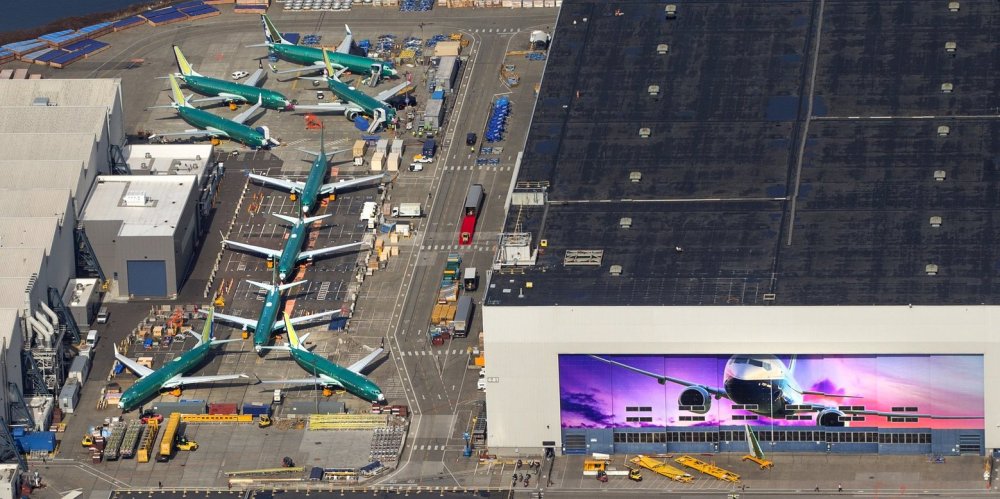
The Boeing Company entregó la mayor cantidad de aviones 737 MAX a China en casi seis años, ofreciendo un atisbo de progreso al nuevo Director Ejecutivo, Kelly Ortberg, mientras trabaja para liquidar una reserva de aviones terminados y reforzar el efectivo en el asediado fabricante de aviones estadounidense.

Las nueve entregas estimadas en Agosto 2024 eclipsaron cada mes desde Diciembre de 2018, según datos de Cirium. Eso fue poco antes de que los reguladores dejaran en tierra el avión de fuselaje estrecho en respuesta a dos accidentes fatales. Los inventarios aumentaron a unos 450 aviones 737 MAX no entregados a finales de 2020 debido a la prolongación de la inmovilización y a la pandemia de Covid-19.

«Si Boeing puede continuar con el ritmo de entregas de agosto a los clientes en China, entonces contribuirá en gran medida a liquidar el inventario que potencialmente se puede entregar», dijo Rob Morris, Jefe de Consultoría de Cirium, la firma de análisis de aviación.

Una nueva crisis al principio de 2024 ralentizó los esfuerzos de Boeing para reducir la cartera de pedidos, y el progreso reciente aún podría desmoronarse con una posible huelga que se avecina en las plantas de la compañía en el área de Seattle (WA). Entregar más aviones al mayor mercado de exportación de Boeing desbloquearía los pagos de entrega, aliviando la presión sobre el maltrecho balance de Boeing mientras el CEO de Boeing se enfoca en estabilizar las operaciones de la fábrica.

Las entregas de Boeing 737 MAX a China están en su nivel más alto desde 2018

China fue el primer país en dejar en tierra el 737 MAX en Marzo de 2019 y uno de los últimos en levantar su prohibición. Sus aerolíneas han operado un número cada vez mayor de aviones MAX desde que se reiniciaron las entregas a principios de 2024. El progreso ha sido de arranque y parada. Un problema con las baterías de la Grabadora de Voz de la Cabina (CVR) llevó a una pausa en los envíos a China del 737 y el modelo 787 Dreamliner, un desarrollo que empeoró las salidas de efectivo de la compañía aeroespacial. Las autoridades chinas levantaron la última suspensión de las entregas de fuselaje ancho a finales de Junio 2024, y del 737 MAX a principios de Julio 2024.

La cartera total de aviones Boeing 737-8 MAX no entregados construidos antes de 2023 era de alrededor de noventa (90) unidades a finales de Junio 2024. La compañía se ha fijado el objetivo de hacer llegar la mayoría de las aeronaves a los clientes para finales de año 2024. Boeing tiene alrededor de 64 unidades MAX 8 en inventario que están destinados a aerolíneas chinas. El ritmo de las entregas de los 737 MAX depende en parte de la rapidez con la que las aerolíneas chinas puedan absorber los nuevos aviones en sus flotas.

Próximos desafíos
Las variantes más pequeña el Boeing 737-7 MAX y el desarrollo de mayor embergadura el 737-10 MAX, están a la espera del Air Operator’s Certificate (AOC) para su homologación y proceso de fabricación en línea, ventas y entregas a las aerolíneas, un proceso que se ha demorado considerablemente a travéz del tiempo desde que el Programa 737 MAX ha sido lanzado allá en la distancia en Agosto 2011.

Además de los problemas de flujo de efectivo, una revisión de la calidad y la posible huelga en la compañía amenazan con pérdidas económicas en la unidad comercial y de defensa, como así también, un vergonzoso revés en su programa espacial Starliner continúa afectando la credibilidad de la empresa mientras busca alternativas para subsanar las fallas en el programa espacial.

Una portavoz de Boeing declinó hacer comentarios antes del informe de pedidos y entregas de agosto, que se espera para el 10 de Septiembre de 2024. Las acciones de Boeing cayeron un 7,3% el Martes 03/09 a su nivel más bajo desde Noviembre de 2022, después de que Wells Fargo & Co. redujera su recomendación al equivalente de Venta. La firma dijo que Boeing probablemente necesitará aumentar el capital para pagar el desarrollo de nuevos aviones, diluyendo a sus accionistas.

El nuevo CEO de la compañía Boeing, que asumió el 8 de Agosto de 2024, tiene una larga lista de problemas que abordar, los más urgentes para evitar la posible huelga que podría dejar inactivas las fábricas de Boeing en el área de Seattle a partir de finales de la próxima semana. Una huelga prolongada también interrumpiría el trabajo en los aviones almacenados que se preparan para la entrega.

Boeing accelerates 737 MAX deliveries

Boeing accelerates 737 MAX deliveries to China
Reducing key inventory amid cash drain and strike threat

The Boeing Company delivered the most 737 MAX jets to China in nearly six years, offering a glimpse of progress to new Chief Executive Kelly Ortberg as he works to clear a backlog of finished planes and shore up cash at the embattled U.S. planemaker.

The nine deliveries estimated by August 2024 eclipsed every month since December 2018, according to Cirium data. That was shortly before regulators grounded the narrow-body jet in response to two fatal crashes. Inventories rose to about 450 undelivered 737 MAX jets by the end of 2020 because of the extended grounding and the Covid-19 pandemic.

«If Boeing can continue its August delivery pace to customers in China, then it will go a long way toward clearing potentially deliverable inventory», said Rob Morris, head of consulting at Cirium, the aviation analytics firm.

A new crisis early in 2024 slowed Boeing’s efforts to reduce the backlog, and recent progress could still unravel with a potential strike looming at the company’s Seattle (WA)-area plants. Delivering more planes to Boeing’s largest export market would unlock delivery payments, easing pressure on Boeing’s battered balance sheet as Boeing’s CEO focuses on stabilizing factory operations.

Boeing 737 MAX deliveries to China at highest level since 2018

China was the first country to ground the 737 MAX in March 2019 and one of the last to lift its ban. Its airlines have operated increasing numbers of MAX aircraft since deliveries restarted in early 2024. Progress has been stop-and-go. A problem with the Cockpit Voice Recorder (CVR) batteries led to a pause in shipments to China of the 737 and the 787 Dreamliner model, a development that worsened the aerospace company’s cash outflows. Chinese authorities lifted the latest suspension of widebody deliveries in late June 2024, and of the 737 MAX in early July 2024.

The total backlog of undelivered Boeing 737-8 MAX aircraft built before 2023 was approximately ninety (90) units as of the end of June 2024. Boeing has about 64 MAX 8s in inventory that are destined for Chinese airlines. The company has set a goal of delivering the majority of the aircraft to customers by the end of 2024. The pace of 737 MAX deliveries depends in part on how quickly Chinese airlines can absorb the new aircraft into their fleets.

Upcoming Challenges
The smaller Boeing 737-7 MAX variants and the larger 737-10 MAX development are awaiting Air Operator’s Certificate (AOC) approval and production line process, sales, and deliveries to airlines, a process that has been considerably delayed over time since the 737 MAX Program was launched far away in August 2011.

In addition to cash flow problems, a quality review and a possible strike at the company threaten economic losses in the commercial and defense unit, as well as an embarrassing setback in its Starliner space program continues to affect the company’s credibility as it seeks alternatives to remedy the flaws in the space program.

A Boeing spokeswoman declined to comment ahead of the August orders and deliveries report, which is expected on Sept. 10, 2024. Boeing shares fell 7.3% on Tuesday to their lowest level since November 2022 after Wells Fargo & Co. cut its recommendation to the equivalent of a sell. The firm said Boeing will likely need to raise capital to pay for the development of new planes, diluting its shareholders.

Boeing’s new CEO, who took over Aug. 8, 2024, has a long list of issues to address, most urgently to avoid a potential strike that could idle Boeing’s Seattle-area factories starting late next week. A prolonged strike would also disrupt work on stored planes being prepared for delivery.

PUBLISHER: Airgways.com
DBk: Boeing.com / Airgways.com
AW-POST: 202409041737AR
OWNERSHIP: Airgways Inc.
A\W A I R G W A Y S ®

Boeing reanuda vuelos MAX 9

AW | 2024 09 04 17:35 | INDUSTRY / AVIATION ORGANISMS

Boeing 737-9 MAX restablece operaciones aerocomerciales

The Boeing Company ha anunciado que se restablece las operaciones aerocomerciales del Boeing 737-9 MAX después de quedar en tierra a principios de año 2024 para pasar por inspecciones y reparaciones. La Federal Aviation Administration (FAA) de Estados Unidos expuso el proceso para devolver el avión Boeing 737-9 MAX al servicio la semana pasada, diciendo que aprobó un proceso exhaustivo de inspección y mantenimiento que se realizará en cada uno de los 171 aviones MAX 9 en tierra. Los aviones quedaron en tierra pocas horas después de que un tapón de la puerta del vuelo AS1282 de Alaska Airlines explotara mientras estaba en el aire, lo que provocó que el avión realizara un aterrizaje de emergencia a principios de este mes.

El cliente de importancia Alaska Airlines comenzó a reanudar los vuelos en los aviones Boeing 737-9 MAX el Viernes 30/08 por la tarde con un vuelo de Seattle a San Diego (CA), anunció la aerolínea la semana pasada. La aerolínea dijo que los aviones solo regresarán al aire paulatinamente «después de que se completen las rigurosas inspecciones y cada avión se considere apto para volar de acuerdo con los requisitos de la Administración Federal de Aviación».

Alaska Airlines dijo que esperaba que todos sus aviones en tierra estuvieran terminados para fin de 09/2024, lo que le permitirá operar completamente su horario de vuelos en su red de servicios. La aerolínea también señaló que trabajará con los clientes que no se sienten cómodos volando en los aviones 737-9 MAX cuando se restablezcan al servicio, diciendo que intentarán moverlos a un vuelo diferente en otro avión.

United Airlines voló su primer vuelo de pasajeros reanudado en el 737-9 MAX el Sábado 31/08 por la mañana desde Newark, Nueva Jersey, a Las Vegas. United Airlines es la única otra aerolínea que utiliza el 737-9 MAX, además de Alaska Airlines.

El Presidente y Director Ejecutivo de Boeing Commercial Airplanes, Stan Deal, dijo a los empleados la semana pasada que el principal objetivo de la compañía es ayudar a las aerolíneas a reanudar sus operaciones normales: «Nuestro enfoque a largo plazo es mejorar nuestra calidad para que podamos recuperar la confianza de nuestros clientes, nuestro regulador y el público que vuela. Francamente, los hemos decepcionado y decepcionado. Lamentamos profundamente la interrupción significativa y la frustración de nuestros clientes, algunos de los cuales han sido criticados pública e injustamente», escribió en un mensaje.

Boeing resumes MAX 9 flights

Boeing 737-9 MAX resumes commercial operations

The Boeing Company has announced that the Boeing 737-9 MAX is being resumed commercial operations after being grounded in early 2024 for inspections and repairs. The US Federal Aviation Administration (FAA) outlined the process for returning the Boeing 737-9 MAX aircraft to service last week, saying it has approved a comprehensive inspection and maintenance process to be performed on each of the 171 grounded MAX 9 aircraft. The planes were grounded just hours after a door plug on Alaska Airlines flight AS1282 exploded while in the air, causing the plane to make an emergency landing earlier this month.

Major customer Alaska Airlines began resuming flights on Boeing 737-9 MAX aircraft on Friday afternoon, August 30, with a flight from Seattle to San Diego, CA, the airline announced last week. The airline said the planes will only be phased back into the air “after rigorous inspections are completed and each aircraft is deemed fit to fly in accordance with Federal Aviation Administration requirements”.

Alaska Airlines said it expected all of its grounded aircraft to be completed by the end of September 2024, allowing it to fully operate its flight schedule across its service network. The airline also noted that it will work with customers who are not comfortable flying on the 737-9 MAX aircraft when they are restored to service, saying it will try to move them to a different flight on another aircraft.

United Airlines flew its first resumed passenger flight on the 737-9 MAX on Saturday morning from Newark, New Jersey, to Las Vegas. United Airlines is the only other airline using the 737-9 MAX besides Alaska Airlines.

Boeing Commercial Airplanes President and CEO Stan Deal told employees last week that the company’s main goal is to help airlines resume normal operations: «Our long-term focus is on improving our quality so we can regain the trust of our customers, our regulator, and the flying public. Frankly, we have let them down and disappointed them. We deeply regret the significant disruption and frustration of our customers, some of whom have been publicly and unfairly criticized», he wrote in a message.

PUBLISHER: Airgways.com
DBk: Boeing.com / Faa.gov / Airgways.com
AW-POST: 202409041735AR
OWNERSHIP: Airgways Inc.
A\W A I R G W A Y S ®

Boeing aproxima huelga en Renton

AW | 2024 09 04 17:00 | INDUSTRY

Boeing podría enfrentar huelga 32.000 trabajadores

El gigante aeroespacial The Boeing Company se enfrenta a un nuevo desafío en forma de una posible huelga de 32.000 trabajadores que podría comenzar en Septiembre 2024 si la compañía y el sindicato de la Asociación Internacional de Maquinistas (IAM) no logran llegar a un acuerdo. El contrato de Boeing con la IAM expira el 12 de Septiembre de 2024, y los miembros del sindicato, que construyen aviones en las instalaciones de Boeing en Renton, en el Estado de Washington (WA), han amenazado con ir a la huelga si no se cumplen sus demandas.

A mediados de Julio 2024, los miembros del sindicato aprobaron una votación de autorización de huelga con un 99,9% a favor. Las votaciones de autorización de huelga son comunes durante la negociación entre sindicatos y empresas y no necesariamente significan que se producirá una huelga.

Boeing ha expresado en un comunicado: «Seguimos confiando en que podemos llegar a un acuerdo que equilibre las necesidades de nuestros empleados y las realidades comerciales que enfrentamos como empresa».

El Presidente del Distrito 751 de IAM, Jon Holden, dijo en un comunicado el Domingo 01/09 que el sindicato está «luchando por el respeto» de Boeing y que está buscando «aumentos salariales razonables que reflejen el valor que aportamos y un sistema de jubilación que recompense nuestra longevidad y habilidad cuando debemos dejar nuestras herramientas porque ya no podemos trabajar. Nuestras propuestas no solo son razonables, sino esenciales para estabilizar una empresa que actualmente se encuentra en caída libre. Mientras los líderes van y vienen, son los miembros de IAM los que fabrican, perforan, sujetan, ensamblan y prueban. Son nuestros miembros de IAM los que mueven las piezas, los aviones y mantienen las máquinas. Somos el alma de la fábrica. Nunca olviden que no hay Boeing sin el IAM».

Boeing se ha enfrentado varios vientos en contra este año 2024, desde incidentes en el aire hasta problemas de fabricación, calidad y rotación de ejecutivos de alto rango. La amenaza de un ataque se produce cuando Boeing se ha enfrentado a un año particularmente desafiante a raíz del reventón en el aire del Panel de la Puerta Trasera de un avión 737-9 MAX en Enero 2024, que provocó una descompresión de la cabina en un vuelo desde Portland, Oregón (OR), para un aterrizaje de emergencia. Las secuelas de ese incidente han provocado retrasos y pausas en su línea de producción para abordar los problemas de control de calidad mientras Boeing, la Administración Federal de Aviación (FAA) y la Junta Nacional de Seguridad en el Transporte (NTSB) de Estados Unidos investigaban los problemas. Boeing también vio al CEO Dave Calhoun renunciar al cargo en medio de la controversia y ser reemplazado por el nuevo CEO Kelly Ortberg.

Anita Mendiratta, Asesora Especial del Secretario General de Turismo de las Naciones Unidas y autora de «The Call to Leadership: Unlocking the Leader Within in Times of Crisis», ha expresado que la disputa laboral plantea un desafío temprano en los esfuerzos de Kelly Ortberg para cambiar la cultura de Boeing: «Esto realmente está poniendo la capacidad de Kelly Ortberg para liderar en primera línea porque, en última instancia, si quiere cambiar el destino de Boeing en términos de su capacidad para recuperarse en calidad, en cultura, en capacidad para servir a sus clientes, reconstruir la confianza en el negocio y la marca y, por lo tanto, reconstruir el resultado final, todo se va a reducir a la producción. La huelga golpea justo en el corazón de su capacidad para transformar la cultura de servicio y la calidad de aquellos que trabajan para Boeing, quienes, por lo tanto, serán la primera ficha de dominó en volcar el resto del proceso de recuperación. Lo que también tenemos que tener en cuenta y empatizar es que las personas que representan a Boeing, y eso es más de 150.000 empleados con sede en Estados Unidos, han tenido cuatro directores ejecutivos en los últimos diez años. Han sido decepcionados continuamente, así que ¿por qué deberían creer que Kelly [Ortberg] va a marcar la diferencia?».

El nuevo CEO de Boeing se ha comprometido con la FAA sobre cuestiones regulatorias y con el gremio IAM sobre las negociaciones del contrato, lo que demuestra que el liderazgo de Boeing está tomando en serio sus preocupaciones, lo que representa una gran oportunidad para demostrar que el liderazgo ha cambiado.

Boeing nears strike in Renton

Boeing could face strike of 32,000 workers

The aerospace giant The Boeing Company is facing a new challenge in the form of a possible strike of 32,000 workers that could begin in September 2024 if the company and the International Association of Machinists (IAM) union fail to reach an agreement. Boeing’s contract with the IAM expires on September 12, 2024, and union members, who build airplanes at Boeing’s Renton facility in Washington State (WA), have threatened to strike if their demands are not met.

In mid-July 2024, union members approved a strike authorization vote with 99.9% in favor. Strike authorization votes are common during bargaining between unions and companies and do not necessarily mean a strike will occur.

Boeing said in a statement: «We remain confident that we can reach an agreement that balances the needs of our employees and the business realities we face as a company».

IAM District 751 President Jon Holden said in a statement Sunday that the union is «fighting for respect» from Boeing and is seeking «reasonable wage increases that reflect the value we bring and a retirement system that rewards our longevity and skill when we must put down our tools because we can no longer work. Our proposals are not only reasonable, but essential to stabilizing a company that is currently in free fall. While leaders come and go, it is IAM members who manufacture, drill, fasten, assemble, and test. It is our IAM members who move the parts, the planes, and maintain the machines. We are the lifeblood of the factory. Never forget that there is no Boeing without the IAM».

Boeing has faced several headwinds this year, from in-air incidents to manufacturing, quality issues, and high-ranking executive turnover. The threat of an attack comes as Boeing has faced a particularly challenging year in the wake of the mid-air blowout of the Rear Door Panel of a 737-9 MAX aircraft in January 2024, which caused a cabin decompression on a flight from Portland, Oregon (OR), for an emergency landing. The aftermath of that incident has led to delays and pauses on its production line to address quality control issues while Boeing, the Federal Aviation Administration (FAA), and the U.S. National Transportation Safety Board (NTSB) investigated the problems. Boeing also saw CEO Dave Calhoun resign from the role amid controversy and be replaced by new CEO Kelly Ortberg.

Anita Mendiratta, Special Adviser to the United Nations Secretary-General for Tourism and author of “The Call to Leadership: Unlocking the Leader Within in Times of Crisis,” has said the labor dispute poses an early challenge to Kelly Ortberg’s efforts to change Boeing’s culture: “This is really putting Kelly Ortberg’s ability to lead on the front line because ultimately if she wants to turn Boeing around in terms of its ability to recover in quality, in culture, in ability to serve its customers, rebuild trust in the business and the brand, and therefore rebuild the bottom line, it’s all going to come down to production. The strike hits right at the heart of her ability to transform the service culture and the quality of those who work for Boeing, who will therefore be the first domino to tip over the rest of the recovery process. What we also have to keep in mind and empathize with is that the people who represent Boeing, and that’s over 150,000 U.S.-based employees, have had four directors executives over the last ten years. They’ve been continually let down, so why should they believe Kelly [Ortberg] is going to make a difference?».

Boeing’s new CEO has engaged with the FAA on regulatory issues and with the IAM union on contract negotiations, showing that Boeing’s leadership is taking their concerns seriously, which represents a great opportunity to demonstrate that leadership has changed.

PUBLISHER: Airgways.com
DBk: Iam751.org / Boeing.com / Airgways.com
AW-POST: 202409041700AR
OWNERSHIP: Airgways Inc.
A\W A I R G W A Y S ®
Regulaciones aéreas Estados Unidos

AW | 2024 09 04 14:17 | AIRLINES MARKET / GOVERNMENT / AVIATION ORGANISMS

Regulaciones industria aérea en Administración Biden

El ex-Director General de la otrora Continental Airlines ha expresado que lamenta que el Gobierno de Estados Unidos estén volviendo a regular las aerolíneas. El ex CEO de Continental Airlines, Frank Lorenzo, lamenta que la Administración Biden y el Departamento de Transporte (DOT) de Pete Buttigieg amenacen con arruinar la industria aérea con regulaciones innecesarias.

El Gobierno se encuentra re-regulando adversamente la industria aérea de Estados Unidos, después de la histótica desregulación a finales de la década del ’70. Frank Lorenzo fue Jefe de Continental Airlines de 1972 a 1990, que incluyó el último año de regulación del transporte aéreo antes de la aprobación de la Ley de Desregulación de Aerolíneas de 1978, que transformó fundamentalmente la industria de la aviación en Estados Unidos de América al eliminar el poder de la Junta de Aeronáutica Civil para establecer precios y rutas.

«El péndulo regulatorio en Washington ahora está oscilando en la dirección opuesta, y las aerolíneas se están llevando la peor parte. La cruzada pública del Presidente Joe Biden contra las tarifas basura y la demonización de la industria, junto con los esfuerzos de cabildeo de grupos como FlyersRights.org y Travelers United, están impulsando reglas nuevas e innecesarias», expresa Frank Lorenzo.

La Administración de Biden ha designado las siguientes tarifas como basura: Primera o segunda maleta facturada, Bolso de mano, Cancelar una reserva, Modificación de una reserva. ¿Existe realmente un problema con oponerse a las llamadas tarifas basura? ¿No es una cuestión bipartidista? Inherente a nuestra concepción de las tarifas basura no es solo que existen, sino que a menudo están ocultas y, por lo tanto, son engañosas.

«Las aerolíneas deberían competir entre sí para asegurar el negocio de los pasajeros, no para ver quién puede cobrar más en tarifas sorpresa. El DOT argumenta que su ofensiva contra las tarifas basura creará un mercado de aerolíneas competitivo al garantizar que los consumidores tengan la información que necesitan para comprender mejor los verdaderos costos de los viajes aéreos», expresó Pete Buttigieg. Pero Lorenzo no cree que esta postura sea la correcta. «Este estándar más alto es difícil de defender. ¿Debería exigirse a Amazon que muestre los gastos de envío en cada página de descripción del artículo? El Departamento de Transporte no ha demostrado que los consumidores carezcan de suficiente información sobre las tarifas de las aerolíneas. Por el contrario, los consumidores pueden ver fácilmente lo que se espera que paguen en cada paso del proceso de compra», expresa Frank Lorenzo.

La mayoría de las personas pueden pensar razonablemente que cambiar o cancelar una reserva no les costará tanto como el boleto en sí. No se trata de prohibir estas tarifas, sino simplemente de hacerlas transparentes.

El Congreso de Estados Unidos ha delegado este poder a las agencias federales. La regulación más absurda del Departamento de Transporte en la memoria reciente fue un mandato, derogado a fines de 2020, que permitía a los pasajeros llevar animales de apoyo emocional a bordo. Como era de esperar, los pasajeros comenzaron a encontrar consuelo en una variedad de criaturas, incluidos conejos, pavos reales e incluso cerdos Pero el DOT ha apresurado un arreglo cerrando la laguna legal de los animales de servicio psiquiátrico.

El Departamento de Transporte del Secretario Pete Buttigieg no ha terminado: ahora propone una compensación en efectivo al estilo de la Unión Europea y comodidades para los vuelos retrasados, independientemente de si la aerolínea podría controlar el retraso. También quiere prohibir las tarifas para que padres e hijos se sienten juntos durante el vuelo.

La Administración Biden no pide a las aerolíneas que emitan pagos en efectivo por retrasos fuera de su control, como el mal tiempo o el terrorismo. Pero sí, en el caso de los retrasos y cancelaciones que están bajo el control del transportista, incluidos los problemas mecánicos, creo que un sistema de compensación haría que los transportistas fueran mucho más responsables y conduciría a más llegadas a tiempo.

Las aerolíneas han prosperado desde la desregulación al proporcionar diferentes niveles de servicio a varios precios. Pero cada vez se les exige más que proporcionen un servicio único para todos en lugar de dejar que los consumidores decidan lo que pagarán y lo que no, lo que reduce la capacidad de los operadores para diferenciar sus ofertas.

Existen ciertos umbrales mínimos en los que nadie debería poder hacer concesiones como la seguridad, la transparencia de las tarifas, u otros ítems en la manera de volar.

«Si bien son cómodos para los pasajeros, los tamaños mínimos de asientos y baños disminuyen la cantidad de asientos que una aerolínea puede vender y sofocan la innovación amigable para los pasajeros. En una industria donde la capacidad está limitada por la disponibilidad limitada de aviones, pilotos y mecánicos, esto hará que las tarifas suban aún más», dice Frank Lorenzo.

«En teoría, estoy en contra de los tamaños mínimos de los asientos y los lavabos, pero cuando el caucho llega a la carretera, ¿cómo se abordan las preocupaciones de seguridad muy reales de evacuar un avión cuando tantos estadounidenses se han vuelto tan obesos que no pueden ingresar y salir de sus asientos de manera segura? Cualquier distancia entre asientos de menos de 28 pulgadas simplemente no es viable, se convierte en un peligro latente. ¿Y es realmente mucho pedir exigir a las compañías aéreas que ofrezcan un aseo lo suficientemente grande como para que uno pueda darse la vuelta en él, especialmente para aquellos que pueden estar realmente discapacitados y no sólo demasiado barato para pagar por el embarque prioritario?», determina el ex CEO de Continental Airlines.

«La desregulación entregó el milagro moderno de los viajes aéreos asequibles a dos generaciones de estadounidenses. Sería una lástima que los políticos y los burócratas no electos se lo quitaran a las generaciones futuras, una regla innecesaria a la vez», sostiene Frank Lorenzo.

La norma propuesta de garantizar que las familias no se separen a bordo sería una regla necesaria de mantener. «Es fácil decir: «Bueno, si quieren sentarse juntos, revisen el mapa de asientos y reserven sus asientos con anticipación. Si quieren sentarse juntos, tomen un vuelo diferente si no hay más asientos juntos». Si bien eso no es ilógico, ¿por qué aceptamos como válido que una familia que compra boletos en un vuelo pueda encontrar a sus hijos pequeños separados? Hasta que las aerolíneas desarrollen sistemas para bloquear la venta de boletos si no hay forma de mantener a las familias unidas, una aerolínea no debe transferir esa expectativa razonable a otros pasajeros a bordo. Porque sabes muy bien que una niña de cuatro años no se va a quedar en la fila 35 mientras sus padres se relajan en la fila 12″», concluye Frank Lorenzo manteniendo su aversión razonable al exceso de regulación y las regulaciones ligeras de la Administración Biden en los últimos años.

Air regulations United States

Air industry regulations under Biden Administration

The former CEO of the former Continental Airlines has expressed regret that the US Government is re-regulating airlines. Former Continental Airlines CEO Frank Lorenzo regrets that the Biden Administration and Pete Buttigieg’s Department of Transportation (DOT) are threatening to ruin the airline industry with unnecessary regulations.

The Government is adversely re-regulating the US airline industry, after the historic deregulation in the late 1970s. Frank Lorenzo was head of Continental Airlines from 1972 to 1990, which included the last year of air transport regulation before the passage of the Airline Deregulation Act of 1978, which fundamentally transformed the aviation industry in the United States of America by eliminating the power of the Civil Aeronautics Board to set prices and routes.

«The regulatory pendulum in Washington is now swinging in the opposite direction, and airlines are bearing the brunt of it. President Joe Biden’s public crusade against junk fares and demonization of the industry, along with the lobbying efforts of groups like FlyersRights.org and Travelers United, are driving new and unnecessary rules», says Frank Lorenzo.

The Biden Administration has designated the following fees as junk: First or second checked bag, Carry-on bag, Canceling a reservation, Modifying a reservation. Is there really a problem with opposing so-called junk fares? Isn’t that a bipartisan issue? Inherent in our conception of junk fares is not only that they exist, but that they are often hidden and therefore misleading.

«Airlines should be competing with each other to secure passenger business, not to see who can charge the most in surprise fees. The DOT argues that its crackdown on junk fares will create a competitive airline marketplace by ensuring that consumers have the information they need to better understand the true costs of air travel”, said Pete Buttigieg. But Lorenzo doesn’t think this stance is the right one. “This higher standard is difficult to defend. Should Amazon be required to display shipping charges on every item description page? The Department of Transportation has not shown that consumers lack sufficient information about airline fees. On the contrary, consumers can easily see what they are expected to pay at every step of the purchasing process”, said Frank Lorenzo.

Most people can reasonably think that changing or canceling a reservation will not cost them as much as the ticket itself. This is not about banning these fees, but simply about making them transparent.

The US Congress has delegated this power to federal agencies. The most absurd Department of Transportation regulation in recent memory was a mandate, repealed in late 2020, that allowed passengers to bring emotional support animals on board. Unsurprisingly, passengers began finding comfort in a variety of creatures, including rabbits, peacocks, and even pigs. But the DOT has rushed through a fix closing the psychiatric service animal loophole.

Secretary Pete Buttigieg’s Department of Transportation isn’t done: It’s now proposing European Union-style cash compensation and amenities for delayed flights, regardless of whether the airline could control the delay. It also wants to ban fees for parents and children to sit together during the flight.

The Biden Administration isn’t asking airlines to issue cash payments for delays outside their control, such as bad weather or terrorism. But yes, for delays and cancellations that are within the carrier’s control, including mechanical issues, I think a compensation system would make carriers much more accountable and lead to more on-time arrivals.

Airlines have thrived since deregulation by providing different levels of service at various prices. But they’re increasingly being required to provide a one-size-fits-all service rather than letting consumers decide what they will and won’t pay for, reducing carriers’ ability to differentiate their offerings.

There are certain minimum thresholds where no one should be able to compromise on things like safety, fare transparency, or other items in the way we fly.

«While comfortable for passengers, minimum seat and lavatory sizes decrease the number of seats an airline can sell and stifle passenger-friendly innovation. In an industry where capacity is constrained by limited availability of aircraft, pilots, and mechanics, this will drive fares even higher», says Frank Lorenzo.

«In theory, I’m against minimum seat and lavatory sizes, but when the rubber hits the road, how do you address the very real safety concerns of evacuating a plane when so many Americans have become so obese they can’t safely enter and exit their seats? Any seat pitch less than 28 inches is simply not viable—it becomes a latent hazard. And is it really too much to ask to require airlines to offer a lavatory large enough for one to turn around in, especially for those who may be genuinely disabled and not just too cheap to pay for priority boarding?», determines the former CEO of Continental Airlines.

«Deregulation handed the modern miracle of affordable air travel to two generations of Americans. It would be a shame if politicians and unelected bureaucrats took it away from future generations, one unnecessary rule at a time», argues Frank Lorenzo.

The proposed rule to ensure that families are not separated on board would be a necessary rule to uphold. «It’s easy to say, ‘Well, if you want to sit together, check the seat map and reserve your seats in advance. “If you want to sit together, take a different flight if there are no more seats together.” While that’s not illogical, why do we accept as valid that a family buying tickets on a flight might find their young children separated? Until airlines develop systems to block ticket sales if there’s no way to keep families together, an airline should not transfer that reasonable expectation to other passengers on board. Because you know damn well that a four-year-old is not going to stay in row 35 while her parents relax in row 12”», concludes Frank Lorenzo, maintaining his reasonable aversion to the Biden Administration’s over-regulation and light-touch regulations of recent years.

PUBLISHER: Airgways.com
DBk: Transportation.gov / Brandon Bell / Smiley N. Pool / Mike Segar / Airgways.com
AW-POST: 202409041417AR
OWNERSHIP: Airgways Inc.
A\W A I R G W A Y S ®