Recibe Certificado Operador Transporte Aéreo Extranjero en EE.UU.
SmartLynx Airlines, un operador de carga y chárter ACMI (Aircraft, Crew, Maintenance, Insurance), reconocido mundialmente, ha recibido el Certificado de Operador Aéreo Extranjero (FAOC) otorgado por la Administración Federal de Aviación (FAA) de los Estados Unidos de América. La certificación permite a la aerolínea comenzar a operar hacia, desde y dentro de los Estados Unidos.
El certificado recibido reconoce que las aeronaves SmartLynx registradas bajo el AOC (Certificado de Operador Aéreo) de Letonia cumplen con los altos estándares y regulaciones de los Estados Unidos. Con la certificación recibida, SmartLynx ahora podrá apoyar a las aerolíneas que operan vuelos chárter completos y ACMI intercontinentales hacia y desde este destino.
Edvinas Demenius, CEO de SmartLynx Airlines: «Los certificados de operación aérea son parte de nuestra infraestructura. Es crucial que una aerolínea, especialmente ACMI, tenga acceso a diferentes regiones. Estados Unidos es el mercado de aviación más grande y uno de los más regulados del mundo y poder prestar nuestros servicios allí aporta mucho valor a la aerolínea e impulsa nuestra competitividad. Aproximadamente un tercio de nuestra flota opera bajo AOC letón. Por lo tanto, este paso nos permite expandir nuestras operaciones y da más flexibilidad».
En 2023, la Administración Federal de Aviación (FAA) de los Estados Unidos de América completó la auditoría de la agencia estatal Agencia de Aviación Civil (CAA), otorgando a Letonia la 1ª categoría. Permitió a los operadores de aeronaves registrados en Letonia, como SmartLynx, comenzar a realizar vuelos de pasajeros en nombre de aerolíneas estadounidenses y vuelos comerciales a Estados Unidos, incluso desde aeropuertos de otros países. Desde 2019, SmartLynx Airlines ha operado vuelos hacia y desde los EE.UU. bajo un AOC maltés. Ahora, las aeronaves registradas bajo el AOC letón también son elegibles para operar estos vuelos.
En 2024, la demanda de pasajeros de vuelos ha alcanzado por primera vez los niveles previos a la pandemia. Como resultado, este año SmartLynx ha transportado un número récord de pasajeros: 7,21 millones entre Enero a Septiembre 2024, lo que supone un 52% más que en el mismo periodo del año pasado que representaba 4,72 millones de usuarios transportados.
SmartLynx Receives FAOC in the USA
Receives Foreign Air Operator Certificate in the USA
SmartLynx Airlines, a globally recognized ACMI (Aircraft, Crew, Maintenance, Insurance) charter and cargo operator, has received the Foreign Air Operator Certificate (FAOC) granted by the Federal Aviation Administration (FAA) of the United States of America. The certification allows the airline to begin operating to, from and within the United States.
The certificate received recognizes that SmartLynx aircraft registered under the Latvian AOC (Air Operator Certificate) meet the high standards and regulations of the United States. With the certification received, SmartLynx will now be able to support airlines operating full charter and intercontinental ACMI flights to and from this destination.
Edvinas Demenius, CEO of SmartLynx Airlines: “Air Operating Certificates are part of our infrastructure. It is crucial for an airline, especially ACMI, to have access to different regions. The US is the largest and one of the most regulated aviation markets in the world and being able to provide our services there brings a lot of value to the airline and boosts our competitiveness. About a third of our fleet operates under Latvian AOC. Therefore, this step allows us to expand our operations and gives more flexibility”.
In 2023, the Federal Aviation Administration (FAA) of the United States of America completed the audit of the state agency Civil Aviation Agency (CAA), granting Latvia the 1st category. It allowed aircraft operators registered in Latvia, such as SmartLynx, to start operating passenger flights on behalf of US airlines and commercial flights to the US, including from airports in other countries. Since 2019, SmartLynx Airlines has operated flights to and from the US under a Maltese AOC. Now, aircraft registered under the Latvian AOC are also eligible to operate these flights.
In 2024, passenger demand for flights has reached pre-pandemic levels for the first time. As a result, this year SmartLynx has transported a record number of passengers: 7.21 million between January and September 2024, which is 52% more than in the same period last year which represented 4.72 million users transported.
PUBLISHER: Airgways.com DBk: Smartlynx.aero / Faa.gov / Airgways.com AW-POST: 202410281122AR OWNERSHIP: Airgways Inc. A\W A I R G W A Y S ®
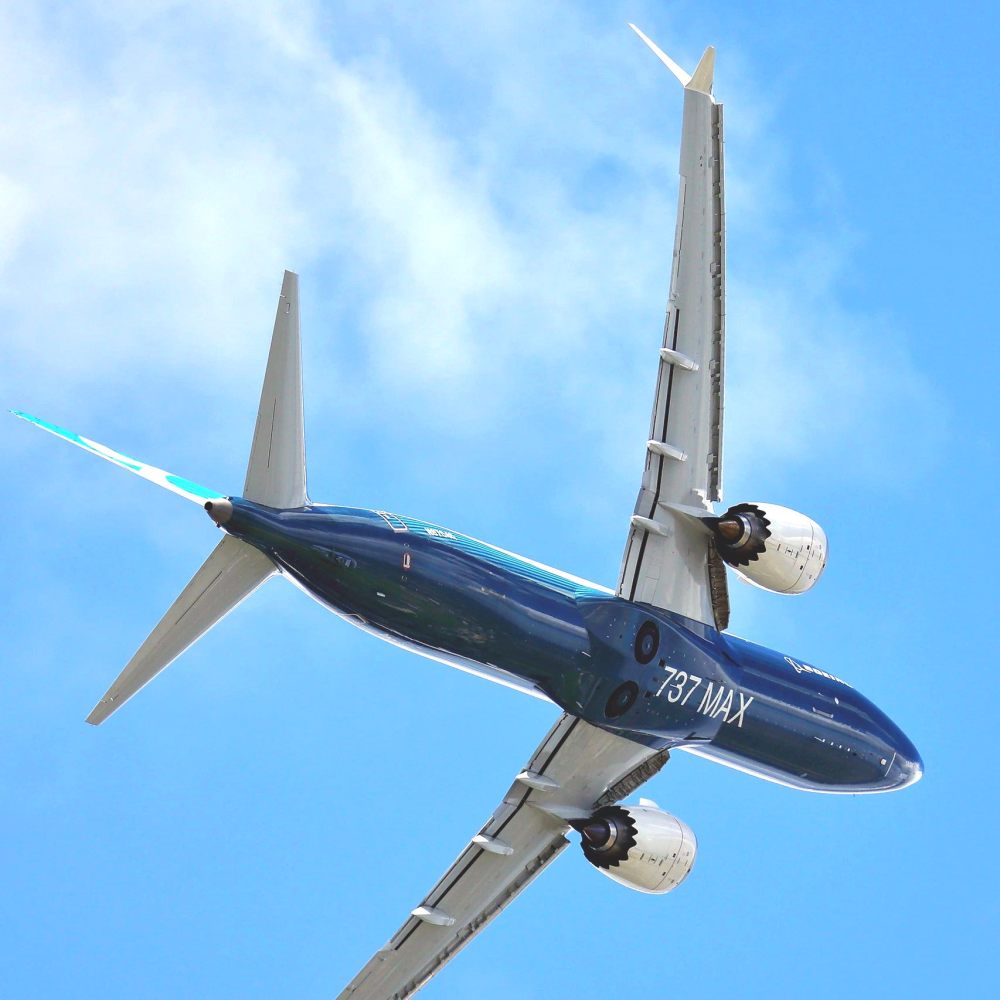
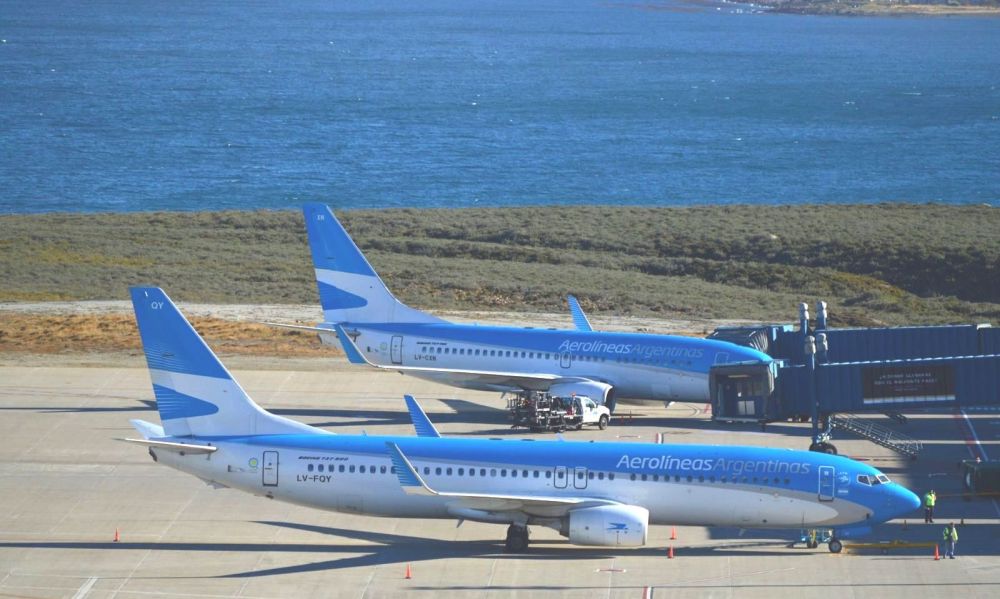
El gremio aeronáutyico de la Asociación de Pilotos de Líneas Aéreas (APLA) de Argentina ha anunciado que se suma al paro de 24 horas dispuesto por el transporte en general para el próximo Miércoles 30 de Octubre de 2024. El sindicato que representa a los pilotos de Aerolíneas Argentinas impulsa esta medida junto a los la unión sindical de los ferroviarios, transporte fluvial y marítimo. El reclamo generalizado es contra «el ajuste impulsado por el Gobierno de Javier Milei, el aumento de los boletos tras la quita de subsidios, el intento de privatización de Aerolíneas Argentinas, el ataque a los jubilados y en rechazo al aumento de la pobreza», epresaron en líneas generales los gremios en cuestión.
La medida de fuerza que se realizará el 30 de Octubre de 2024 tendrá un acatamiento total, incluyendo cancelación de todos los vuelos de Aerolíneas Argentinas. Desde APLA señalan que recurre al paro de 24 horas en respuesta a “la falta de comunicación por parte de las autoridades de la empresa y del Gobierno nos deja sin razones para ser optimistas sobre la resolución de este conflicto. Es imprescindible que el Gobierno y los ejecutivos de la empresa reanuden el diálogo y generen propuestas en pos de un acuerdo”, expresaron desde el sindicato APLA..
En la Mesa Nacional del Transporte que ratificó la medida de fuerza para la próxima semana, se reunieron diversas organizaciones sindicales, y participaron los principales referentes del sector aerocomercial: Pablo Biró (APLA) y Juan Pablo Brey (AAA).
La participación de esta huelga no es la única medida que confirmó la asociación de Pilotos de APLA. Otra medida sindical emerge entre el 1 al 10 de Noviembre de 2024 que implementará un paro que afectará a la instrucción en simuladores de vuelo del Centro de Formación y Entrenamiento de Pilotos (CEFEPRA) de la empresa estatal. Además, del 6 al 13 de Noviembre de 2024 se realizará un cese de actividades en el mismo centro de formación que afectará las actividades de instrucción, incluyendo cursos y simuladores, aunque esta medida de acción gremial no afectará las operaciones de vuelo de la aerolínea.
New Aerolíneas Argentinas strike
Argentine pilots join the 30/10 strike
The aeronautical union of the Association of Airline Pilots (APLA) of Argentina has announced that it is joining the 24-hour strike called for by transport in general for next Wednesday, October 30, 2024. The union that represents the pilots of Aerolíneas Argentinas is promoting this measure together with the union of railway workers, river and maritime transport. The general claim is against «the adjustment promoted by the Government of Javier Milei, the increase in tickets after the removal of subsidies, the attempt to privatize Aerolíneas Argentinas, the attack on retirees and in rejection of the increase in poverty,» the unions in question expressed in general terms.
The strike that will take place on October 30, 2024 will have full compliance, including the cancellation of all Aerolíneas Argentinas flights. APLA points out that it is resorting to a 24-hour strike in response to «the lack of communication from the company’s authorities and the Government leaves us with no reason to be optimistic about the resolution of this conflict. It is essential that the Government and the company’s executives resume dialogue and generate proposals in pursuit of an agreement», said the APLA union.
At the National Transport Roundtable that ratified the strike for next week, various union organizations met, and the main representatives of the commercial aviation sector participated: Pablo Biró (APLA) and Juan Pablo Brey (AAA).
The participation in this strike is not the only measure confirmed by the APLA Pilots Association. Another union measure emerges between November 1 and 10, 2024 that will implement a strike that will affect the instruction in flight simulators at the Pilot Training and Training Center (CEFEPRA) of the state company. In addition, from November 6 to 13, 2024, there will be a cessation of activities at the same training center that will affect training activities, including courses and simulators, although this union action measure will not affect the airline’s flight operations.
PUBLISHER: Airgways.com DBk: Apla.org.ar / Aerolineas.com / Airgways.com AW-POST: 202410241328AR OWNERSHIP: Airgways Inc. A\W A I R G W A Y S ®
Los problemas en las entregas de aviones por parte de The Boeing Company y Airbus Group están obligando a algunas compañías aéreas a despedir tripulaciones. En un esquema donde la industria aeronáutica continua afrontando dificultades con los suministros de producción para las líneas de fabricación de aviones comerciales, las líneas aéreas han detenido su crecimiento y proyecciones. Los retrasos en la entrega de aviones por parte de Boeing y el constructor europeo Airbus Group están obligando a algunas compañías aéreas a despedir tripulaciones y a revisar sus planes de expansión.
La producción en Boeing se había visto frenada tras un incidente en Enero 2024 del vuelo AS1282 de Alaska Airlines, mientras que afronta una huelga de 33.000 trabajadores en sus plantas del área de Seattle (WA), retrasan aún más las posibilidades de entregas a tiempo de unidades a las aerolíneas.
La organización de aviación comercial de la Asociación de Transporte Aéreo Internacional (IATA), ha expresado su preocupación acerca del atraso que se está experimentando el en suministro de autopartes para la construcción de aeronaves y el impacto que atraviesan las líneas aéreas. “Hemos visto que las aerolíneas están empezando a despedir a pilotos y a parte de la tripulación, y no se trata de un problema de demanda, sino de que no están recibiendo los aviones que pueden esperar”, dijo Willie Walsh, Director General de la Asociación de Transporte Aéreo Internacional, en una entrevista en una conferencia en Amsterdam. El organismo de aviación no identificó qué aerolíneas habían puesto personal en excedencia. La ralentización en los fabricantes ha dejado a las aerolíneas frustradas porque no pueden planificar adecuadamente la incorporación de nuevos aviones a la flota.
La producción en Boeing se había visto frenada tras la huelga de 33.000 trabajadores en sus plantas del área de Seattle, han detenido la producción de su modelo 737 MAX, su caballo de batalla. Airbus, por su parte, sigue lidiando con problemas en la cadena de suministro y podría verse obligada a rebajar una vez más su previsión anual de entregas.
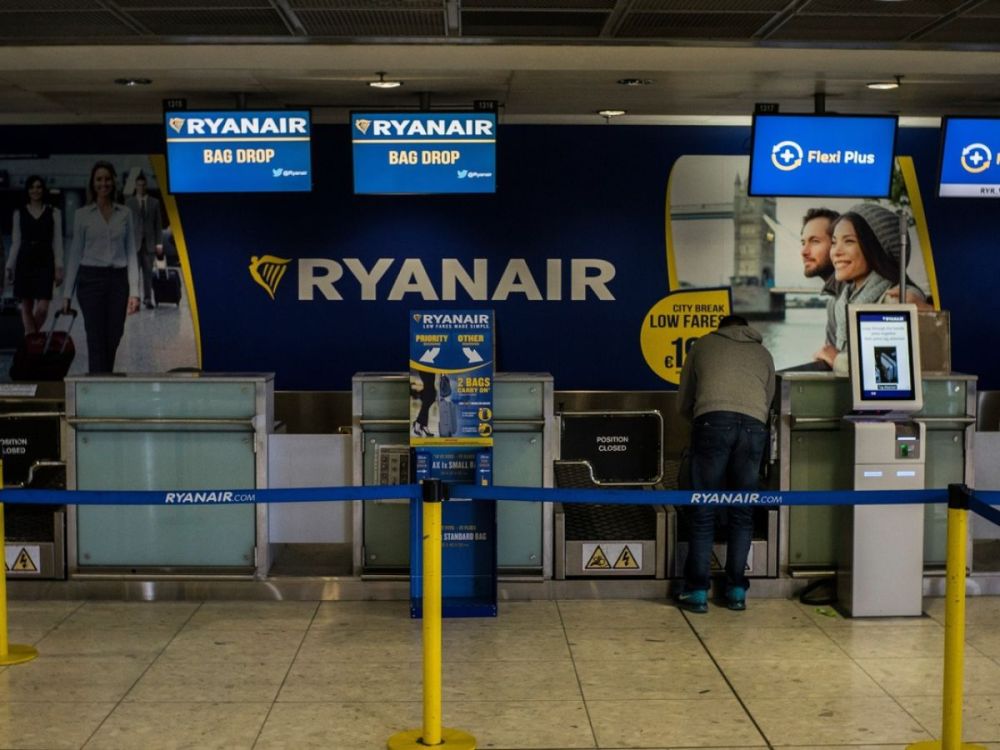
En Europa, el líder de las tarifas bajas, Ryanair Holdings Plc, ha recortado su previsión anual de pasajeros y ha reducido algunas rutas debido a la ralentización de las entregas de Boeing. Su rival más pequeña, Wizz Air Holdings Plc, dijo recientemente que su objetivo de alcanzar los 500 reactores en 2030 podría retrasarse hasta 2031 o 2032 por problemas en la cadena de suministro. Deutsche Lufthansa AG se ha visto obligada a volar con aviones más viejos durante más tiempo mientras espera la llegada de nuevos reactores.
Los transportistas están pensando en moderar sus planes de crecimiento originales en 2026 y es “menos probable que se comprometan a expandirse. Creo que se trata de retos que continuarán durante algunos años”, afirmó Willie Walsh. Las aerolíneas continuarán enfrentando en los próximos dos años dificultades debido a los continuos problemas de la cadena de suministro de los principales constructores de aviones comerciales.
Aircraft delays vs layoffs
IATA aircraft delivery delays force airlines to lay off crews
Problems in aircraft deliveries by The Boeing Company and Airbus Group are forcing some airlines to lay off crews. In a scheme where the aeronautical industry continues to face difficulties with production supplies for commercial aircraft manufacturing lines, airlines have stopped their growth and projections. Delays in the delivery of aircraft by Boeing and the European manufacturer Airbus Group are forcing some airlines to lay off crews and review their expansion plans.
Production at Boeing had been slowed after an incident in January 2024 of Alaska Airlines flight AS1282, while it faces a strike of 33,000 workers at its Seattle (WA) area plants, further delaying the possibilities of on-time delivery of units to airlines.
The International Air Transport Association (IATA) business aviation body has expressed concern about the backlog of aircraft parts and the impact on airlines. “We have seen airlines starting to lay off pilots and some crew, and it’s not a demand issue, it’s just that they’re not getting the aircraft they can expect”, Willie Walsh, Director General of the International Air Transport Association, said in an interview at a conference in Amsterdam. The aviation body did not identify which airlines had put staff on leave. The slowdown at manufacturers has left airlines frustrated that they cannot adequately plan for new aircraft to be added to the fleet.
Production at Boeing had been slowed after 33,000 workers at its Seattle-area plants went on strike, halting production of its workhorse 737 MAX model. Airbus, meanwhile, continues to grapple with supply chain issues and may be forced to once again lower its annual delivery forecast.
In Europe, low-fare leader Ryanair Holdings Plc has cut its annual passenger forecast and reduced some routes because of slowing Boeing deliveries. Smaller rival Wizz Air Holdings Plc recently said its goal of reaching 500 jets by 2030 could be pushed back to 2031 or 2032 because of supply chain issues. Deutsche Lufthansa AG has been forced to fly older planes for longer as it awaits the arrival of new jets.
Carriers are looking to moderate their original growth plans in 2026 and are “less likely to commit to expansion. I think these are challenges that will continue for some years”, Willie Walsh said. Airlines will continue to face challenges over the next two years due to ongoing supply chain problems at major commercial aircraft manufacturers.
PUBLISHER: Airgways.com DBk: Iata.org / Airbus.com / Boeing.com / Gettyimages.com/David Ryder / Airgways.com AW-POST: 202410151020AR OWNERSHIP: Airgways Inc. A\W A I R G W A Y S ®
AW | 2024 10 15 09:11 | GOVERNMENT / AVIATION ORGANISMS / AIRLINES
Impone primeras sanciones a Irán por entregar misiles a Rusia Incluye restricciones a tres aerolíneas
El Consejo de la Unión Europea (UE) aprobó el Lunes 14/10 las primeras sanciones contra la República Islámica de Irán por haber enviado misiles balísticos a la Federación Rusia. Los ministros comunitarios de Exteriores aprobaron medidas restrictivas contra siete personas y siete entidades iraníes, indicó en un comunicado el Consejo de la UE. Las nuevas sanciones aprobadas este Lunes 14/10 afectan a personas y entidades responsables del desarrollo y la transferencia de drones, misiles y tecnología conexa a Rusia para dar apoyo a su guerra de agresión contra Ucrania, así como a grupos armados y entidades que socavan la paz y la seguridad en Oriente Medio y la región del Mar Rojo. A la lista de sancionados se han incluido tres aerolíneas iraníes Saha Airlines, Mahan Air e Iran Air y dos empresas de adquisiciones que la UE considera responsables, respectivamente, de la transferencia y el suministro a Rusia, a través de redes transnacionales de compras, de drones de fabricación iraní y componentes y tecnologías relacionadas, para utilizarlos contra Ucrania.
Por otra parte, el Consejo ha decidido imponer medidas restrictivas al Viceministro de Defensa de Irán, Seyed Hamzeh Ghalandari, y a destacados funcionarios de la Fuerza Qods, el Cuartel General Central Khatam al-Anbiya y la División Espacial de la Fuerza Aeroespacial del Cuerpo de la Guardia Revolucionaria Islámica. También se sancionó a los directores generales de las empresas Iran Aircraft Manufacturing Industries (HESA) y Aerospace Industries Organization (AIO), que cotizan en la Unión Europea. A estas personas se les congelarán sus activos y se les prohibirá viajar a la Unión Europea, mientras que se prohibirá la provisión de fondos o recursos económicos, directa o indirectamente, a las personas físicas o jurídicas, entidades u organismos enumerados, o en su beneficio.
En Marzo 2024, los líderes comunitarios advirtieron a Irán, que ha sido sancionado por la UE por enviar a Rusia drones, transfería misiles balísticos y tecnología relacionada a Moscú para su uso contra Ucrania, la Unión Europea estaría dispuesta a responder rápidamente, incluyendo “nuevas e importantes medidas restrictivas”. En Septiembre 2024, la UE había condenado firmemente que Irán hubiera transferido misiles balísticos a Rusia, algo que consideró entonces como una amenaza directa a la seguridad europea y una escalada material sustantiva en la guerra de agresión de Rusia contra Ucrania. En Mayo 2024, el Consejo amplió el ámbito de aplicación del marco de la UE para la adopción de sanciones en vista del apoyo militar de Irán a la guerra de agresión de Rusia contra Ucrania, a fin de abarcar tanto los drones como los misiles. Ese marco legal se prorrogó posteriormente hasta el 27 de Julio de 2025 y seguirá revisándose anualmente, precisó el Consejo.
Insistieron en que el acceso de Rusia a artículos y tecnologías sensibles con relevancia en el campo de batalla debía “restringirse en la mayor medida posible”, incluso apuntando a entidades de terceros países que permitan esta elusión.
Respuesta Irán La República de Irán ha condenado una serie de sanciones anunciadas por la Unión Europea (UE) y el Reino Unido (RU) como «injustificadas y contrarias al derecho internacional». Esmaeil Baghaei, Portavoz del Ministerio de Relaciones Exteriores iraní, afirmó que las sanciones impuestas contra individuos, aerolíneas y desarrolladores de misiles estaban diseñadas para «desviar la atención pública del genocidio de los palestinos».
El Portavoz rechazó específicamente la afirmación de la UE de que Irán ha transferido misiles y drones a Rusia para su uso contra Ucrania. «Desde el comienzo del conflicto, Irán se ha opuesto a la guerra y ha enfatizado el respeto por la integridad territorial y la soberanía nacional de todos los países, abogando por una solución diplomática a la disputa entre Rusia y Ucrania», dijo Esmaeil Baghaei.
Las nuevas sanciones de la UE, que también se introdujeron en respuesta a que Irán socavó la paz y la seguridad en Oriente Medio, incluyeron a Saha Airlines, Mahan Air e Iran Air, además de dos empresas de adquisición.
«Estos son respectivamente responsables de la transferencia y el suministro, a través de redes de adquisición transnacionales, de vehículos aéreos no tripulados fabricados en Irán y componentes y tecnologías relacionados a Rusia, para ser utilizados en su guerra de agresión contra Ucrania. También se incluyeron en la lista dos empresas involucradas en la producción de propelente utilizado para lanzar cohetes y misiles», dijo la UE el 14 de Octubre de 2024.
Además de la congelación de activos y las prohibiciones de viaje impuestas a las aerolíneas, también se sancionó a destacados funcionarios de defensa iraníes, incluido el Viceministro de Defensa Seyed Hamzeh Ghalandari. Las sanciones se extienden a los miembros del Cuerpo de la Guardia Revolucionaria Islámica (CGRI) y a los directivos de empresas aeroespaciales que cotizan en bolsa. La nueva ronda de sanciones del Reino Unido se dirigió a figuras y organizaciones militares iraníes de alto rango por su papel en el intento de desestabilizar Oriente Medio.
«A pesar de las repetidas advertencias, las peligrosas acciones de Irán y sus representantes están impulsando una mayor escalada en Oriente Medio. Tras su ataque con misiles balísticos contra Israel, estamos haciendo que Irán rinda cuentas y exponiendo a quienes facilitaron estos actos», dijo el Ministro de Relaciones Exteriores del Reino Unido, David Lammy.
Entre las personas y entidades sancionadas por el Reino Unido se encuentran altos cargos del Ejército de la República Islámica de Irán, la Fuerza Aérea de Irán y la Organización de Inteligencia del Cuerpo de los Guardianes de la Revolución Islámica. El paquete de sanciones también incluye la Oficina de Diseño de Sistemas de Propulsión Farzanegan (FPSDB), que diseña y fabrica piezas que se pueden usar en misiles de crucero, así como la Agencia Espacial Iraní, que desarrolla tecnologías que tienen aplicaciones en el desarrollo de misiles balísticos.
European Union sanctions Iran
Imposes first sanctions on Iran for delivering missiles to Russia Includes restrictions on three airlines
The Council of the European Union (EU) approved on Monday 14/10 the first sanctions against the Islamic Republic of Iran for having sent ballistic missiles to the Russian Federation. The EU Foreign Ministers approved restrictive measures against seven Iranian individuals and seven entities, the EU Council said in a statement. The new sanctions approved on Monday 14/10 affect individuals and entities responsible for the development and transfer of drones, missiles, and related technology to Russia to support its war of aggression against Ukraine, as well as armed groups and entities that undermine peace and security in the Middle East and the Red Sea region. The sanctions list includes three Iranian airlines Saha Airlines, Mahan Air, Iran Air, and two procurement companies that the EU considers responsible, respectively, for the transfer and supply to Russia, through transnational procurement networks, of Iranian-made drones and related components and technologies for use against Ukraine.
In addition, the Council decided to impose restrictive measures on Iran’s Deputy Minister of Defence, Seyed Hamzeh Ghalandari, and senior officials of the Qods Force, the Khatam al-Anbiya Central Headquarters, and the Space Division of the Islamic Revolutionary Guard Corps Aerospace Force. The CEOs of the EU-listed companies Iran Aircraft Manufacturing Industries (HESA) and Aerospace Industries Organization (AIO) were also sanctioned. These individuals will have their assets frozen and be banned from travelling to the European Union, while the provision of funds or economic resources, directly or indirectly, to or for the benefit of the listed natural or legal persons, entities or bodies will be prohibited.
In March 2024, EU leaders warned that if Iran, which has been sanctioned by the EU for sending drones to Russia, was transferring ballistic missiles and related technology to Moscow for use against Ukraine, the European Union would be ready to respond swiftly, including “new and significant restrictive measures”. In September 2024, the EU had strongly condemned Iran’s transfer of ballistic missiles to Russia, which it then considered a direct threat to European security and a substantive material escalation in Russia’s war of aggression against Ukraine. In May 2024, the Council extended the scope of the EU framework for the adoption of sanctions in view of Iran’s military support for Russia’s war of aggression against Ukraine, to cover both drones and missiles. That legal framework was subsequently extended until 27 July 2025 and will continue to be reviewed annually, the Council said.
They insisted that Russia’s access to sensitive items and technologies with battlefield relevance should be “restricted to the greatest extent possible”, including by targeting third-country entities that enable this circumvention.
Iran Response The Republic of Iran has condemned a series of sanctions announced by the European Union (EU) and the United Kingdom (UK) as “unjustified and contrary to international law”. Esmaeil Baghaei, Spokesman for the Iranian Foreign Ministry, claimed that the sanctions imposed against individuals, airlines, and missile developers were designed to “divert public attention from the genocide of the Palestinians”.
The Spokesman specifically rejected the EU’s claim that Iran has transferred missiles and drones to Russia for use against Ukraine. “Since the beginning of the conflict, Iran has opposed war and has emphasized respect for the territorial integrity and national sovereignty of all countries, advocating a diplomatic solution to the dispute between Russia and Ukraine”, Esmaeil Baghaei said.
The new EU sanctions, which were also introduced in response to Iran undermining peace and security in the Middle East, targeted Saha Airlines, Mahan Air, and Iran Air, in addition to two procurement companies.
«These are respectively responsible for the transfer and supply, through transnational procurement networks, of Iranian-made unmanned aerial vehicles and related components and technologies to Russia, to be used in its war of aggression against Ukraine. Two companies involved in the production of propellant used to launch rockets and missiles were also included on the list», the EU said on October 14, 2024.
In addition to asset freezes and travel bans imposed on airlines, senior Iranian defense officials were also sanctioned, including Deputy Defense Minister Seyed Hamzeh Ghalandari. The sanctions extend to members of the Islamic Revolutionary Guard Corps (IRGC) and executives of publicly listed aerospace companies. The new round of UK sanctions targeted senior Iranian military figures and organizations for their role in attempting to destabilize the Middle East.
“Despite repeated warnings, the dangerous actions of Iran and its proxies are driving further escalation in the Middle East. Following their ballistic missile attack on Israel, we are holding Iran to account and exposing those who facilitated these acts”, said UK Foreign Secretary David Lammy.
The individuals and entities sanctioned by the UK include senior figures in the Army of the Islamic Republic of Iran, the Iranian Air Force, and the Intelligence Organisation of the Islamic Revolutionary Guard Corps. The sanctions package also includes the Farzanegan Propulsion Systems Design Bureau (FPSDB), which designs and manufactures parts that can be used in cruise missiles, as well as the Iranian Space Agency, which develops technologies that have applications in the development of ballistic missiles.
PUBLISHER: Airgways.com DBk: European-union.europa.eu / Airgways.com AW-POST: 202410150911AR OWNERSHIP: Airgways Inc. A\W A I R G W A Y S ®
AW | 2024 10 14 20:24 | INDUSTRY / GOVERNMENT / AVIATION ORGANISMS
Golpe deja a expertos desconcertados por la estrategia ¿Dónde y quiénes serán despedidos en el reinicio de Boeing? Boeing cerrará línea producción 767 Freighter
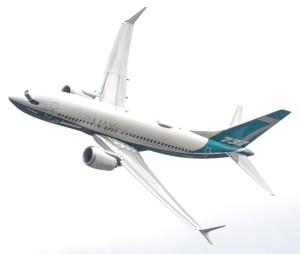
The Boeing Company dijo el Viernes 11/10 que recortaría el 10% de su fuerza laboral, aproximadamente 17.000 empleados, y que pondría fin a la producción de un avión de carga fabricado en el Estado de Washington. La medida se produce cuando los maquinistas de aviones en la región de Puget Sound y otras partes de la costa Oeste de Estados Unidos han estado en huelga durante casi un mes después de rechazar una oferta de contrato de la compañía en Septiembre 2024. Las negociaciones del contrato se estancaron a principios de esta semana y la fabricación sigue detenida en los sitios de Boeing en toda la región. Antes de la huelga, la empresa enfrentaba a pérdidas financieras y a una deuda creciente.
«Necesitamos tener los ojos claros sobre el trabajo que enfrentamos y ser realistas sobre el tiempo que llevará lograr hitos clave en el camino hacia la recuperación. También necesitamos enfocar nuestros recursos en el desempeño y la innovación en las áreas que son fundamentales para lo que somos, en lugar de dispersarnos en demasiados esfuerzos», dijo el Presidente y Director Ejecutivo de Boeing, Kelly Ortberg, en un mensaje a los empleados.
Cambios en el horizante Boeing ha anunciado un inesperado recorte da la plantilla laboral elevando la suma de 17.000 empleados en los próximos meses e involucrarán a ejecutivos, gerentes y otros empleados. Además de los despidos, Boeing dijo que pondría fin a la producción de su avión comercial de carga 767 en 2027 después de entregar aviones pedidos en su línea de construcción en Everett (WA). La compañía también retrasará aún más su Programa 777X que se fabrica en Everett, y se esperan las primeras entregas en 2026.
Negociaciones Boeing-sindicatos «La dirección de Boeing ha decidido perjudicar todos los aspectos de la empresa. El anuncio de Kelly Ortberg no inspira confianza en que haya un plan real para salvar a Boeing de sus heridas autoinfligidas. En lugar de resolver la huelga con los maquinistas»y concentrar los recursos de la compañía en reconstruir la confianza de los reguladores y los clientes, el liderazgo de Boeing ha decidido dañar todos los aspectos de la compañía», dice el representante sindical Ray Goforth, Director Ejecutivo de la Sociedad de Empleados Profesionales de Ingeniería en la Industria Aeroespacial, un sindicato que representa a los ingenieros y trabajadores técnicos de Boeing.
Mientras tanto, unos treinta miembros del Congreso de Estados Unidos, incluida la representante demócrata Pramila Jayapal de Washington, enviaron una carta a Kelly Ortberg y a Jon Holden, Presidente del Local 751 de la Asociación Internacional de Maquinistas, esta semana, instando a las partes a «negociar de buena fe para llegar a un contrato justo de manera oportuna».
Las conversaciones entre la compañía y la Asociación Internacional de Maquinistas y Trabajadores Aeroespaciales (IAM) se han llevado a cabo a través de un mediador federal desde que los aproximadamente 33.000 trabajadores se declararon en huelga en Septiembre 2024. El sindicato ha presionado por un aumento salarial del 40% y la restauración de un plan de pensiones de beneficios definidos.
Boeing hizo una nueva oferta el 23/09 que habría aumentado los salarios en un 30% en cuatro años. También habría duplicado un bono de ratificación a US$ 6.000 y restablecido un bono anual. Los trabajadores habrían recibido una contribución del 100% de las contribuciones al plan 401(k) de hasta el 8% del salario. La compañía dijo el Martes 07/10 que había retirado esa oferta y que nuevas negociaciones no tienen sentido en este momento.
Boeing ha indicado que no está abierto a restablecer el programa de pensiones. Esta semana, la compañía presentó una queja ante la Junta Nacional de Relaciones Laborales, alegando que el sindicato no estaba negociando de buena fe.
El Sindicato de Maquinistas ha calificado de infundadas las reclamaciones de la compañía presentadas ante la National Labor Relations Board (NLRB) y dice que Boeing sigue alejándose de la mesa. El sindicato dijo en un comunicado el Viernes 11/10 por la noche que la decisión de la compañía de poner fin a la producción del carguero comercial 767 «es muy preocupante, particularmente dado el estado actual de las negociaciones». Jon Holden, Presidente del Distrito 751 de IAM, dijo que Boeing está «tratando de negociar con la prensa».
El máximo ejecutivo de Boeing anunció en 09/2024 licencias temporales para los empleados, incluidos ejecutivos y gerentes, para preservar el efectivo en medio de la huelga. Dijo en su nota del viernes que, con los próximos recortes de empleos, la compañía no procedería con el próximo ciclo de licencias. «El estado de nuestro negocio y nuestra recuperación futura requieren acciones duras», expresó el CEO Kelly Ortberg.
El personal de Boeing de la Asociación Internacional de Maquinistas (IAM) y Trabajadores Aeroespaciales abandonaron el trabajo el 13 de Septiembre de 2024 después de rechazar abrumadoramente una oferta de contrato. A pesar de las negociaciones que comenzaron en Mayo 2024 y se intensificaron desde mediados de Septiembre 2024, el desacuerdo entre el sindicato de maquinistas de IAM y Boeing persiste, y las relaciones parecen estar en su punto más bajo.
Boeing planea reducir su fuerza laboral en alrededor de un 10 por ciento en los próximos meses. Empleaba a casi 171.000 personas a finales de 2023, incluidas 41.000 fuera de Estados Unidos.
El impacto financiero directo del primer mes de la huelga alcanzó los US$ 5.000 millones de Dólares, incluidos US$ 3.260 millones para Boeing, según Anderson Economic Group. El resto incluyó pérdidas en los salarios de la industria, los proveedores, los clientes de Boeing y el área de Seattle, más allá de las directamente afectadas por la huelga.
Resultados 3Q2024 El gigante aeroespacial registró una pérdida trimestral de más de US$ 1.400 millones de Dólares en los segundos tres meses del año y vio aumentar su deuda a casi US$ 58.000 millones de Dólares desde US$ 48.000 millones de Dólares durante ese tiempo. El Viernes 11/10, Boeing dijo que espera reconocer costos antes de impuestos de US$ 3.000 millones de Dólares relacionados con los programas 777X y 767 y otros US$ 2.000 millones de Dólares vinculados a programas de defensa, espacio y seguridad. Anticipa ingresos en el tercer trimestre de US$ 17.800 millones de Dólares, con US$ 1.300 millones en flujo de caja operativo negativo. La compañía planea informar los resultados financieros completos del Tercer Trimestre el 23 de Octubre de 2024.
La huelga ha dejado inactivas varias instalaciones en todo el noroeste, incluidas las de Renton, Everett, Auburn y Frederickson en Washington, y Gresham y Portland en Oregón. Debido a la huelga, se ha pausado el trabajo en varios modelos de aviones comerciales, incluidos el 737 MAX, el 767 y el 777, y algunos aviones militares.
Perspectivas Boeing Una ronda histórica de medidas de reducción de costos en Boeing ha dejado a los expertos perplejos y preguntándose si el gigante de la aviación, afectado por una huelga de un mes, está sacrificando su futuro.
«No estoy seguro de ver el plan más grande aquí. Deshacerse de una gran cantidad de talento cuando hay una grave escasez de talento aeroespacial no parece ser la decisión más inteligente», dijo Richard Aboulafia, Consultor de AeroDynamic.
Según los analistas de TD Cowen, el grupo está llevando a cabo un «reinicio estratégico» para recaudar capital y llenar sus arcas en hasta US$ 10.000 millones de Dólares, ante la ausencia de entregas de aviones. Otra opción para recuperar efectivo fresco es vender activos no estratégicos, señaló TD Cowen, que identificó unos US$ 20.000 millones de Dólares en valor potencial.
Según Melius Research, un esfuerzo de recaudación de fondos «fortalecería la posición negociadora de Boeing», pues eliminaría la urgencia de encontrar un acuerdo para reiniciar la producción.
Boeing to cut 17,000 workers
Blow leaves experts baffled by strategy Where and who will be laid off in Boeing’s restart? Boeing to close 767 Freighter production line
The Boeing Company said Friday it would cut 10% of its workforce, roughly 17,000 employees, and end production of a cargo plane made in Washington State. The move comes as aircraft machinists in the Puget Sound region and elsewhere on the U.S. West Coast have been on strike for nearly a month after rejecting a contract offer from the company in September 2024. Contract negotiations stalled earlier this week and manufacturing remains halted at Boeing sites across the region. Before the strike, the company was facing financial losses and mounting debt.
«We need to be clear-eyed about the work we face and realistic about the time it will take to achieve key milestones on the road to recovery. We also need to focus our resources on performance and innovation in the areas that are core to who we are, rather than spreading ourselves thin across too many efforts», Boeing President and CEO Kelly Ortberg said in a message to employees.
Changes on the horizon Boeing has announced an unexpected workforce cut of 17,000 employees in the coming months and will involve executives, managers and other employees. In addition to the layoffs, Boeing said it would end production of its 767 commercial freighter in 2027 after delivering aircraft ordered from its construction line in Everett, WA. The company will also further delay its 777X program that is manufactured in Everett, with first deliveries expected in 2026.
Boeing-union negotiations «Boeing management has decided to hurt every aspect of the company. Kelly Ortberg’s announcement does not inspire confidence that there is a real plan to save Boeing from its self-inflicted wounds. Instead of resolving the strike with machinists and focusing the company’s resources on rebuilding the trust of regulators and customers, Boeing’s leadership has decided to hurt every aspect of the company», says union representative Ray Goforth, Executive Director of the Society of Professional Engineering Employees in the Aerospace Industry, a union representing Boeing engineers and technical workers.
Meanwhile, about thirty members of the U.S. Congress, including Democratic Representative Pramila Jayapal of Washington, sent a letter to Kelly Ortberg and Jon Holden, President of Local 751 of the International Association of Aerospace Engineers. Machinists, this week, urging the parties to “negotiate in good faith to reach a fair contract in a timely manner”.
Talks between the company and the International Association of Machinists and Aerospace Workers (IAM) have been conducted through a federal mediator since the roughly 33,000 workers went on strike in September 2024. The union has pushed for a 40% wage increase and restoration of a defined benefit pension plan.
Boeing made a new offer on 09/23 that would have increased wages by 30% over four years. It also would have doubled a signing bonus to US$ 6,000 and reinstated an annual bonus. Workers would have received a 100% match on 401(k) plan contributions of up to 8% of salary. The company said Tuesday 10/7 that it had withdrawn that offer and that further negotiations are pointless at this time.
Boeing has indicated that it is not open to reinstating the pension program. This week, the company filed a complaint with the National Labor Relations Board, alleging that the union was not bargaining in good faith.
The Machinists Union has called the company’s claims filed with the National Labor Relations Board (NLRB) baseless and says Boeing continues to walk away from the table. The union said in a statement Friday night that the company’s decision to end production of the 767 commercial freighter «is very concerning, particularly given the current state of negotiations», Jon Holden, IAM District 751 President, said Boeing is «trying to negotiate with the press».
Boeing’s top executive announced in 09/2024 temporary furloughs for employees, including executives and managers, to preserve cash amid the strike. He said in his Friday note that, with job cuts coming, the company would not proceed with the next furlough cycle. «The state of our business and our future recovery require tough action», said CEO Kelly Ortberg.
Boeing staff from the International Association of Machinists (IAM) and Aerospace Workers walked off the job on September 13, 2024 after overwhelmingly rejecting a contract offer. Despite negotiations that began in May 2024 and intensified since mid-September 2024, the disagreement between the IAM machinists union and Boeing persists, and relations appear to be at an all-time low.
Boeing plans to reduce its workforce by about 10 percent in the coming months. It employed nearly 171,000 people by the end of 2023, including 41,000 outside the United States.
The direct financial impact of the first month of the strike reached US$ 5 billion, including US$ 3.26 billion for Boeing, according to Anderson Economic Group. The remainder included losses in industry wages, suppliers, Boeing customers and the Seattle area beyond those directly affected by the strike.
3Q2024 Results The aerospace giant posted a quarterly loss of more than US$ 1.4 billion in the second three months of the year and saw its debt rise to nearly US$ 58 billion from US$ 48 billion during that time. On Friday 11/10, Boeing said it expects to recognize pre-tax costs of US$ 3 billion related to the 777X and 767 programs and another US$ 2 billion tied to defense, space and security programs. It anticipates third-quarter revenue of US$ 17.8 billion, with US$ 1.3 billion in negative operating cash flow. The company plans to report full third-quarter financial results on October 23, 2024.
The strike has idled several facilities across the Northwest, including those in Renton, Everett, Auburn and Frederickson in Washington, and Gresham and Portland in Oregon. Because of the strike, work has been paused on several commercial airplane models, including the 737 MAX, 767 and 777, and some military aircraft.
Boeing outlook A historic round of cost-cutting measures at Boeing has left experts perplexed and wondering whether the aviation giant, hit by a month-long strike, is sacrificing its future.
«I’m not sure I see the bigger plan here. Getting rid of a lot of talent when there’s a severe shortage of aerospace talent doesn’t seem like the smartest move», said Richard Aboulafia, Consultant at AeroDynamic.
According to TD Cowen analysts, the group is undertaking a «strategic reset» to raise capital and fill its coffers by as much as US$ 10 billion in the absence of aircraft deliveries. Another option to recover fresh cash is to sell non-core assets, TD Cowen said, identifying some US$ 20 billion in potential value.
According to Melius Research, a fundraising effort would «strengthen Boeing’s negotiating position» by removing the urgency of finding a deal to restart production.
PUBLISHER: Airgways.com DBk: Boeing.com / Goiam.org / Airgways.com AW-POST: 202410142024AR OWNERSHIP: Airgways Inc. A\W A I R G W A Y S ®
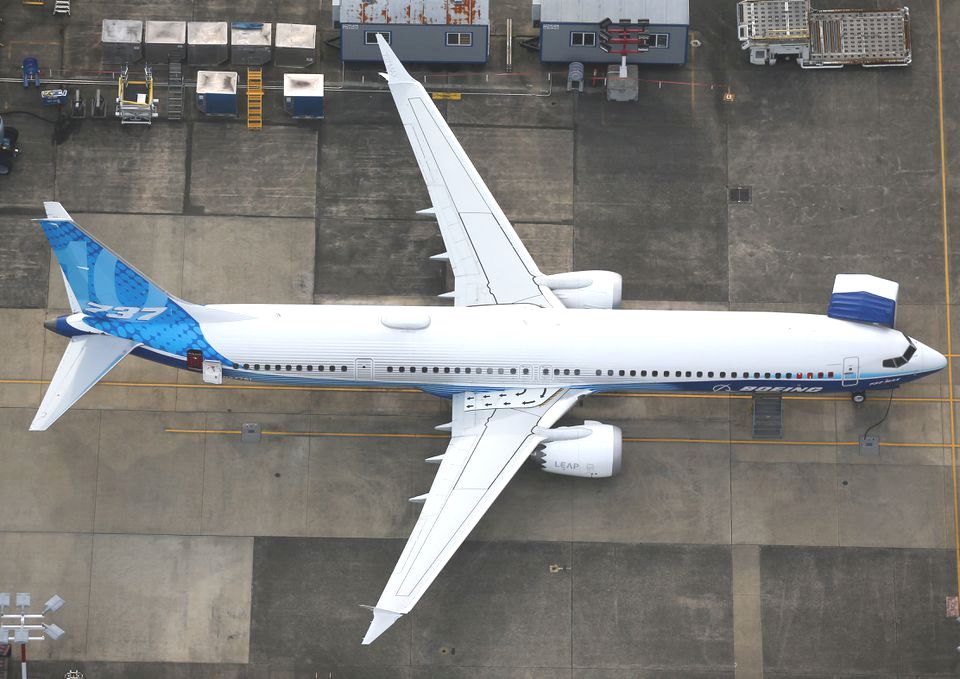
El constructor brasileño Embraer SA ha alcanzado la Certificación de Aeronavegabilidad de la varianta denominada E-190F Freighter por parte de la Federal Aviation Administration (FAA). La variante modificada a carguero puro ha sido totalmente certificada por la agencia estadounidense para operaciones de carga, dando un paso más hacia el módulo para operaciones de carga pura en aerolíneas permitiendo la introducción de una herramienta adicional al esquema de ofertas de la compañía aeroespacial Embraer.
El programa de conversión de aeronaves de la serie E1-JETS a E-Freighter fue certificado por la Agencia Nacional de Aviación Civil de Brasil (ANAC) en Julio 2024 y la certificación EASA está prevista para finales de este año 2024. La conversión de aviones de pasajeros a carguero de Embraer junto a Cargo Loading Systems desarrollado por U.S. Cargo Systems, recibieron la certificación de la FAA en Septiembre de 2024. El avión ha sido lanzado como parte del desarrollado para llenar un vacío en el mercado de carga aérea y para reemplazar modelos más antiguos y menos eficientes.
El programa E190F se lanzó en Mayo de 2022 para satisfacer las demandas cambiantes del comercio electrónico y el comercio moderno, que requieren entregas rápidas y operaciones descentralizadas que impulsan la demanda de entregas más rápidas a los mercados regionales. El E-Freighter realizó su primer vuelo en abril y su primera aparición pública durante el Salón Aeronáutico de Farnborough en Julio 2024.
«La certificación de la FAA es un hito importante en nuestro programa de conversión de pasajeros a cargueros. Estamos entusiasmados de ingresar a este mercado, llenando un vacío que ha evolucionado en el mercado para satisfacer la creciente demanda mundial de entregas más rápidas, no solo a las áreas metropolitanas, sino a todas las regiones. Con nuestra presencia de E-Jet en los EE. UU. y en todo el mundo, estamos ofreciendo soluciones de carga óptimas a nuestros clientes para este mundo conectado», dijo Martyn Holmes, Director Comercial de Embraer Commercial Aviation.
Los E-Jets convertidos en cargueros tendrán más de un 40% más de capacidad de volumen, tres veces el alcance de los grandes turbohélices de carga y hasta un 30% menos de costes operativos que los aviones de fuselaje estrecho más grandes. Si se combina la capacidad bajo el suelo y la cubierta principal, la carga útil estructural máxima es de 13.500 kg para el E190F.
FAA E190-Freighter Certification
Embraer achieves FAA Certification of E-Freighter variant
Brazilian manufacturer Embraer SA has achieved Airworthiness Certification of the variant called E-190F Freighter by the Federal Aviation Administration (FAA). The variant modified to a pure freighter has been fully certified by the US agency for cargo operations, taking another step towards the module for pure cargo operations in airlines allowing the introduction of an additional tool to the Embraer aerospace company’s offering scheme.
The conversion program of aircraft from the E1-JETS series to E-Freighter was certified by the Brazilian National Civil Aviation Agency (ANAC) in July 2024 and the EASA certification is planned for the end of this year 2024. The conversion of Embraer passenger aircraft to freighter together with Cargo Loading Systems developed by U.S. Cargo Systems, received FAA certification in September 2024. The aircraft has been launched as part of the program developed to fill a gap in the air cargo market and to replace older, less efficient models.
The E190F program was launched in May 2022 to meet the changing demands of e-commerce and modern trade, which require fast deliveries and decentralized operations that drive demand for faster deliveries to regional markets. The E-Freighter made its first flight in April and its first public appearance during the Farnborough Airshow in July 2024.
«FAA certification is an important milestone in our passenger-to-freighter conversion program. We are excited to enter this market, filling a gap that has evolved in the market to meet the growing global demand for faster deliveries, not just to metropolitan areas, but to all regions. With our E-Jet presence in the US and around the world, we are offering optimal freighter solutions to our customers for this connected world,» said Martyn Holmes, Commercial Director, Embraer Commercial Aviation.
The E-Jets converted to freighters will have more than 40% more volume capacity, three times the range of large freighter turboprops and up to 30% lower operating costs than larger narrow-body aircraft. Combining underfloor and main deck capacity, the maximum structural payload is 13,500 kg for the E190F.
PUBLISHER: Airgways.com DBk: Embraer.com / Faa.gov / Airgways.com AW-POST: 202410141753AR OWNERSHIP: Airgways Inc. A\W A I R G W A Y S ®
AW | 2024 10 08 16:20 | AVIATION SAFETY / AVIATION ORGANISMS / INDUSTRY
FAA emite alerta de seguridad por problema timón 737
La Administración Federal de Aviación (FAA) dijo el Martes 08/10 que emitió un Alerta de Seguridad para Operadores (SAFO) para las aerolíneas que advierte sobre la posibilidad de un movimiento limitado o atascado del Timón en ciertos aviones Boeing 737 Next Generation y 737 MAX después de que un funcionario de seguridad instó a la agencia a tomar medidas. El alcance de las alertas corresponden a los modelos Boeing 737-600/700/800/900/900ER Next Generation y los Boeing 737-8/8-200/9 MAX. La Junta Nacional de Seguridad en el Transporte (NTSB) emitió el 26 de Septiembre de 2024 recomendaciones de seguridad urgentes a Boeing y a la FAA después de investigar la posibilidad de problemas con el Timón en algunos aviones 737, lo que llevó a la FAA a convocar una Junta de Revisión para acciones correctivas.
La recomendación de la NTSB se produjo mientras investigan un incidente de Febrero 2024 que involucró a un avión de United Airlines. La alerta de seguridad ordena a los pilotos y operadores de aerolíneas que revisen el procedimiento de Boeing para responder a un timón atascado, pero no requiere que las aerolíneas reemplacen las piezas que pueden atascarse. La semana pasada, la NTSB dijo que más de cuarenta operadores extranjeros pueden estar utilizando aviones 737 Next Generation con componentes en el timón que podrían plantear riesgos de seguridad.
La FAA dijo que la alerta proporciona información sobre una verificación automatizada existente del sistema del Timón que identificaría el movimiento limitado o atascado del Timón durante la aproximación antes del aterrizaje, y que las aerolíneas deberían advertir a los pilotos que el Timón podría atascarse o restringirse en vuelo o durante el aterrizaje debido a la humedad que podría acumularse y congelarse.
La NTSB dijo que 271 piezas impactadas pueden ser instaladas en aviones en servicio operados por al menos 40 compañías aéreas extranjeras y 16 pueden ser instaladas en aviones registrados en Estados Unidos y hasta 75 pueden haber sido utilizadas en la instalación de posventa.
Boeing informó anteriormente a los operadores del 737 afectado de una condición potencial con el Actuador de Guía de Despliegue del Timón en Agosto 2024, en lo que se conoce como un mensaje de operador múltiple. El constructor americano dijo el Martes 08/10 que continúa trabajando bajo la supervisión de los reguladores y ha recordado a los operadores las acciones adecuadas que las tripulaciones de vuelo deben tomar si encuentran restricciones en el timón.
La NTSB está investigando un incidente en Febrero 2024 en el que los Pedales del Timón de un 737-8 MAX de United Airlines se quedaron atascados en la posición neutral durante un aterrizaje en Newark. No hubo heridos entre los 161 pasajeros y la tripulación. United Airlines dijo en Septiembre 2024 que las piezas de Control del Timón en cuestión estaban en uso en solo nueve de sus aviones 737 construidos originalmente para otras aerolíneas, y que todos los componentes fueron retirados a principios de este año.
La NTSB criticó anteriormente a Boeing por no informar a United que los 737 que recibió estaban equipados con actuadores conectados mecánicamente al Sistema de Control del Timón y expresó su preocupación de que otras aerolíneas no estuvieran al tanto de su presencia.
FAA issues SAFO on 737 rudder
FAA issues safety alert over 737 rudder issue
The Federal Aviation Administration (FAA) said Tuesday 08/10 that it has issued a Safety Alert for Operators (SAFO) to airlines warning of the possibility of limited or stuck rudder movement on certain Boeing 737 Next Generation and 737 MAX aircraft after a safety official urged the agency to take action. The scope of the alerts corresponds to the Boeing 737-600/700/800/900/900ER Next Generation models and the Boeing 737-8/8-200/9 MAX. The National Transportation Safety Board (NTSB) on September 26, 2024, issued urgent safety recommendations to Boeing and the FAA after investigating the possibility of rudder issues on some 737 aircraft, prompting the FAA to convene a Review Board for corrective action.
The NTSB recommendation came as they investigate a February 2024 incident involving a United Airlines aircraft. The safety alert directs pilots and airline operators to review Boeing’s procedure for responding to a stuck rudder, but it does not require airlines to replace parts that may stick. Last week, the NTSB said more than forty foreign operators may be using Next Generation 737 aircraft with components in the rudder that could pose safety risks.
The FAA said the alert provides information about an existing automated check of the rudder system that would identify limited or stuck rudder movement during approach before landing, and that airlines should warn pilots that the rudder could become stuck or restricted in flight or during landing due to moisture that could accumulate and freeze.
The NTSB said 271 impacted parts may be installed on in-service airplanes operated by at least 40 foreign air carriers and 16 may be installed on U.S.-registered airplanes and as many as 75 may have been used in aftermarket installation.
Boeing previously informed operators of the affected 737 of a potential condition with the Rudder Deployment Guidance Actuator in August 2024, in what is known as a multi-operator message. The American manufacturer said Tuesday 08/10 that it continues to work under the supervision of regulators and has reminded operators of the appropriate actions flight crews should take if they encounter rudder restrictions.
The NTSB is investigating an incident in February 2024 in which the Rudder Pedals of a United Airlines 737-8 MAX became stuck in the neutral position during a landing at Newark. There were no injuries among the 161 passengers and crew. United Airlines said in September 2024 that the Rudder Control parts in question were in use on only nine of its 737 aircraft originally built for other airlines, and that all components were removed earlier this year.
The NTSB previously criticized Boeing for failing to inform United that the 737s it received were equipped with actuators mechanically linked to the Rudder Control System and expressed concern that other airlines were unaware of their presence.
La Administración Federal de Aviación (FAA) de Estados Unidos ha comunicado que no encontró problemas de seguridad significativos en United Airlines luego de una auditoría de supervisión y aprobación mejorada, que se lanzó en Marzo 2024 luego de una serie de percances de seguridad a principios de año. «La revisión no identificó ningún problema de seguridad significativo», dijo la FAA en un comunicado.
En Marzo 2024, la FAA dijo que el aumento de la supervisión era para garantizar que United Airlines cumpliera con las normas de seguridad, identificara los peligros, mitigara los riesgos y gestionara eficazmente la seguridad. Además, si bien permitía a la aerolínea recibir nuevos aviones, requería la presencia de personal de la FAA cuando la aerolínea realizaba inspecciones finales de los nuevos aviones.
La Oficina del Inspector General del Departamento de Transporte (DOT) de los Estados Unidos inició posteriormente una auditoría de la supervisión de la FAA para evaluar las acciones del regulador.
United sufrió varios incidentes a principios de 2024, incluida una excursión en la pista de un avión Boeing 777-200ER en el Aeropuerto Houston Intercontinental que perdió un neumático mientras salía de San Francisco, y un panel externo que desapareció de un avión después de que aterrizó. Ninguno de estos incidentes resultó en víctimas o heridos.
United approves FAA Audit
United Airlines acquitted after FAA audit
The United States Federal Aviation Administration (FAA) has reported that it did not find significant security problems in United Airlines after an improved supervision and approval audit, which was launched in March 2024 after a series of safety mishaps at the beginning of early anus. «The review did not identify any significant security problem», FAA said in a statement.
In March 2024, FAA said that the increase in supervision was to ensure that United Airlines complied with safety standards, identifying the dangers, mitigating the risks, and effectively managing security. In addition, although it allowed the airline to receive new aircraft, it required the presence of FAA personnel when the airline carried out final inspections of the new aircraft.
The Office of the Inspector General of the Department of Transportation (DOT) of the United States later began an audit of the FAA supervision to evaluate the regulator’s actions.
United suffered several incidents in early 2024, including an excursion on the track of a Boeing 777-200er plane at the Houston Intercontinental airport that lost a tire while leaving San Francisco, and an external panel that disappeared from an plane after. None of these incidents resulted in victims or injured.
PUBLISHER: Airgways.com DBk: Faa.gov / United.com / Airgways.com AW-POST: 202410071643AR OWNERSHIP: Airgways Inc. A\W A I R G W A Y S ®
AW | 2024 10 01 20:17 | AVIATION ORGANISMS / AVIATION SAFETY / INDUSTRY
Critica respuesta a problemas derivados del Timón del 737
El Presidente de la National Transport Safety Board (NTSB) critica a la Federal Aviation administration (FAA) por la respuesta al problema del timón del Boeing 737. La Directora de la NTSB, Jennifer Homendy, criticó a los reguladores de la aviación estadounidense por restr importancia a la urgencia de abordar un posible mal funcionamiento del timón en algunos aviones Boeing 737 en una reprimenda inusualmente pública.
Las piezas defectuosas que podrían hacer que el Sistema de Control del Timón del 737 se atasque pueden estar en uso en al menos cuarenta aviones no estadounidenses. El Lunes 30/09, la NTSB escribió en una carta al máximo funcionario de la Administración Federal de Aviación que Boeing había proporcionado en Agosto 2024 indicando que 271 componentes sospechosos podrían estar en uso en aeronaves operadas por aerolíneas extranjeras, mientras que ideciséis podrían seguir en uso en los Estados Unidos, dijo Jennifer Homendy.
En la carta dirigida al Administrador de la FAA, Michael Whitaker, dijo que le preocupa que la FAA «no haya tomado este asunto más en serio hasta que emitimos nuestro informe de recomendación de seguridad urgente», expresó Jennifer Homendy.
La inusual crítica pública llega después de que la NTSB advirtiera la semana pasada que las piezas defectuosas suministradas por Collins Aerospace, una unidad de RTX Corp., para algunos aviones 737 MAX y 737 NG podrían provocar un bloqueo del sistema del timón. La NTSB emitió recomendaciones urgentes a la FAA y Boeing sobre el tema.
La supervisión de Boeing por parte de la FAA ha sido criticada desde que un panel del tamaño de una puerta se desprendió de un 737 MAX durante un vuelo en Enero 2024. La agencia también se ha enfrentado al escrutinio a raíz de dos accidentes del 737 MAX en 2018 y 2019 que mataron a 346 personas.
La FAA dijo el Lunes 30/09 que se está tomando el asunto en serio y que se está poniendo en contacto rápidamente con las autoridades de aviación de otros países para «asegurarse de que tienen la información que necesitan de la FAA, incluidas las acciones recomendadas». El regulador también está planeando pruebas adicionales en simuladores en Octubre 2024, dijo en un comunicado.
Las recomendaciones de la NTSB se derivan de una investigación sobre un incidente del 6 de Febrero 2024 en el que los pedales del Timón de Dirección de un 737-8 MAX operado por United Airlines se atascaron durante el aterrizaje en el Aeropuerto Internacional Newark Liberty en Nueva Jersey.
La Junta de Seguridad de la NTSB dijo que alrededor de 350 piezas se vieron afectadas por el problema. La semana pasada, la FAA dijo que United es la única aerolínea estadounidense que tenía las piezas afectadas y que el entendimiento del regulador es que las piezas actualmente no están en servicio.
United Airlines dijo el Lunes 30/09 que «eliminamos este componente de nuestros nueve aviones afectados a principios de este año». La NTSB no aclaró qué otras aerolíneas estadounidenses podrían estar usando las piezas.
NTSB calls for FAA oversight
Criticizes response to 737 Rudder problems
The chairman of the National Transport Safety Board (NTSB) is criticizing the Federal Aviation Administration (FAA) for its response to the Boeing 737 rudder problem. NTSB Chairman Jennifer Homendy criticized U.S. aviation regulators for downplaying the urgency of addressing a potential rudder malfunction on some Boeing 737 aircraft in an unusually public rebuke.
Defective parts that could cause the 737’s Rudder Control System to jam may be in use on at least forty non-U.S. aircraft. On Monday, September 30, the NTSB wrote in a letter to the Federal Aviation Administration’s top official that Boeing had provided in August 2024 indicating that 271 suspect components could be in use on aircraft operated by foreign airlines, while 16 could remain in use in the United States, Jennifer Homendy said.
In the letter to FAA Administrator Michael Whitaker, he said he is concerned that the FAA «has not taken this matter more seriously until we issued our urgent safety recommendation report», Jennifer Homendy said.
The rare public criticism comes after the NTSB warned last week that defective parts supplied by Collins Aerospace, a unit of RTX Corp., for some 737 MAX and 737 NG aircraft could cause a rudder system jam. The NTSB issued urgent recommendations to the FAA and Boeing on the issue.
The FAA’s oversight of Boeing has come under fire since a door-sized panel broke off a 737 MAX during a flight in January 2024. The agency has also faced scrutiny in the wake of two 737 MAX crashes in 2018 and 2019 that killed 346 people.
The FAA said Monday that it is taking the matter seriously and is quickly reaching out to aviation authorities in other countries to «ensure they have the information they need from the FAA, including recommended actions». The regulator is also planning additional testing in simulators in October 2024, it said in a statement.
The NTSB recommendations stem from an investigation into a Feb. 6, 2024, incident in which the rudder pedals on a 737-8 MAX operated by United Airlines jammed during landing at Newark Liberty International Airport in New Jersey.
The NTSB Safety Board said about 350 parts were affected by the problem. Last week, the FAA said United is the only U.S. airline that had the affected parts and that the regulator’s understanding is that the parts are currently not in service.
United Airlines said Monday 9/30 that «we removed this component from all nine of our affected airplanes earlier this year». The NTSB did not clarify which other U.S. airlines might be using the parts.
PUBLISHER: Airgways.com DBk: Ntsb.gov / Faa.gov / Boeing.com / Airgways.com AW-POST: 202410012017’AR OWNERSHIP: Airgways Inc. A\W A I R G W A Y S ®
AW | 2024 09 25 09:47 | AIRLINES / GOVERNMENT / AVIATION ORGANISMS
Sindicatos marchan al Congreso contra proyecto privatización
Los sindicatos aeronáuticos marchan al Congreso contra el proyecto de privatización de Aerolíneas Argentinas que apoya el Gobierno de Milei. Los cinco sindicatos que nuclean a los trabajadores del sector aeronáutico convocaron el Miércoles 25/09 a una movilización frente al Congreso de la Nación Argentina para reclamar contra la iniciativa del Gobierno de privatizar Aerolíneas Argentinas, en la previa del comienzo del debate convocado por el oficialismo en el plenario de comisiones de Transporte y Presupuesto que acordaron el oficialismo y sus aliados.
La Asociación Argentina de Aeronavegantes, que nuclea al personal de Tripulación de Cabina, convocó a las distintas organizaciones del sector como la Asociación de Personal Aeronáutico (APA), la Asociación de Pilotos de Líneas Aéreas (APLA), la Unión del Personal Superior y Profesional de Empresas Aerocomerciales (UPSA), y ATE ANAC, para una concentración y manifestación frente al Congreso de la Nación que comenzará a las 10:00 horas, una hora antes del inicio del debate del proyecto oficialista para privatizar Aerolíneas Argentinas que acordaron el Gobierno y sus aliados. El lema de la convocatoria es «Todos al Congreso. Aerolíneas Argentinas no se vende, se defiende».
«No solo las fuentes de trabajo son las que están en peligro, sino también la interconectividad de los pueblos y sus economías regionales. Las experiencias de venta de la línea área de bandera fueron absolutamente perjudiciales, no solo para la aeronáutica, sino para el desarrollo de la industria en general», sostuvo el Secretario de Prensa de los Aeronavegantes, Alejandro Kogan, en un comunicado.
La discusión en el Congreso comenzará a las las 11:00 horas en el plenario de comisiones de Transporte y Presupuesto, que presiden la Radical mendocina Pamela Verasay y el oficialista José Luis Espert. Están citados el Vicejefe de Gabinete, José Rolandi; el Secretario de Transporte, Franco Mogetta; y el Presidente de Aerolíneas Argentinas, Fabián Lombardo.
Interesados por Aerolíneas Argentinas La discusión de la privatización de Aerolíneas Argentinas no es un tema histórico, mientras en los períodos de gobiernos kirchneristas la aerolínea era una bandera que defendían a ultranza, actualmente con el cambio de Gobierno, ahora avanza el proyecto privatizador a pesar de haberse dado de baja el tema en la Ley Bases.
El panorama actual de fuertes críticas de los sindicatos aeronáuticos y los reclamos salariales ha profundizado el debate privatizador que ha beneficiado al Estado en pro de des-estatizar la compañía aérea que ha acarreado años de déficit y burocracia.
Ante el nuevo escenario privatizador impulsado por el Gobierno de Argentina, varias aerolíneas han mostrado interés por comprar la línea aérea emblema del país. En el pool de interesados en principio, estaban Avianca Airlines, LATAM Airlines Group, el empresario Germán Efromovich y Azul Linhas Aéreas, mientras que posteriormente el grupo LATAM negó hacer parte del interés de compra.
En contraste, un nuevo oferente ha emergido. El inteerés de GOL Linhas Aéreas Inteligentes SA, la línea aérea brasilera que en este momento se encuentra en proceso de reorganización en el Capítulo 11 en Estados Unidos. GOL, al igual que Avianca, son las aerolíneas que actualmente conforman el Grupo Abra, una unión que consolida un equipo de 28.000 profesionales de aviación y una flota de 300 aviones que sirve a quince países y 150 destinos.
Estas empresas tienen actualmente una relación con Aerolíneas Argentinas, celebrando en Octubre de 2023 con el Grupo Abra un Memorando de Entendimiento (MoU) con la aerolínea de Argentina para fortalecer la colaboración y explorar oportunidades entre las dos compañías aéreas.
Opinión IATA La discusión alrededor a la privatización de Aerolíneas Argentinas es un tema que sigue estando en la agenda del Gobierno de Argentina y en el que cada vez intervienen indirectamente más actores interesados. El Vicepresidente regional para las Américas de la IATA, Peter Cerdá, ha expresado sobre la perspectiva de la agremiación y los principales puntos que hay que tener en cuenta para avanzar con ese propósito. El ejecutivo de la asociación ha expresado que es importante la coyuntura de Aerolíneas Argentinas, las pollíticas implementadas por el Gobierno en materia de regulaciones aeronáuticas que realmente están ayudando al crecimiento futuro del país a nivel aeronáutico. “Han implementado la eliminación de los monopolios, han abierto el mercado a nuevas líneas aéreas para operar internacionalmente y en el país y han implementado ocho acuerdos de cielos abiertos. Son decisiones que han tomado muy rápido, con mucha firmeza y creemos que van a ayudar la industria para que más argentinos viajen”, dijo Peter Cerdá.
Respecto a la posición que defiende la IATA, «Aerolíneas Argentinas tiene un futuro muy prometedor, pero que es necesario asegurarse de que los gremios y el Gobierno lleguen a un acuerdo para avanzar la línea aérea. Si por privatización o no, eso es otra discusión. Lo que tenemos que asegurarnos es de tener menos huelgas y que el sector pueda brindar el servicio que el consumidor está esperando”.
Los datos proporcionados por la Administración Nacional de Aviación Civil de la Argentina (ANAC) en 2023 Aerolíneas Argentinas ha transportado más once millones de pasajeros, lo que representó el 63,6 % del total del mercado.
El Vicepresidente para las Américas de la IATA dejó en claro que no tiene conocimiento sobre el estado de negociaciones. «Hay mucho por hacer en Aerolíneas Argentinas antes de hablar con otras compañías sobre el tema. Creo que lo primero es que el Gobierno, la gerencia de la empresa y el sindicato tienen que llegar a un acuerdo y avanzar hacia un futuro más beneficioso para todos y que esté saneada económicamente”, expresó Peter Cerdá acerca del futuro de la aerolínea.
Protests against Aerolíneas privatization
Aeronautical unions march to Congress against privatization project
The aeronautical unions march to Congress against the privatization project of Aerolíneas Argentinas supported by the Milei Government. The five unions that represent the workers of the aeronautical sector called on Wednesday 25/09 to a mobilization in front of the Congress of the Argentine Nation to protest against the Government’s initiative to privatize Aerolíneas Argentinas, prior to the beginning of the debate called by the ruling party in the plenary session of the Transportation and Budget commissions that the ruling party and its allies agreed upon.
The Argentine Association of Flight Attendants, which represents Cabin Crew personnel, called on the various organizations of the sector such as the Association of Aeronautical Personnel (APA), the Association of Airline Pilots (APLA), the Union of Senior and Professional Personnel of Commercial Aeronautical Companies (UPSA), and ATE ANAC, for a rally and demonstration in front of the National Congress that will begin at 10:00 a.m., one hour before the start of the debate on the official project to privatize Aerolíneas Argentinas that the Government and its allies agreed upon. The slogan of the call is «Everyone to Congress. Aerolíneas Argentinas is not for sale, it is to be defended».
«Not only are jobs in danger, but also the interconnectivity of the peoples and their regional economies. The experiences of selling the flag airline were absolutely detrimental, not only for aeronautics, but for the development of the industry in general», said the Press Secretary of the Aeronavegantes, Alejandro Kogan, in a statement.
The discussion in Congress will begin at 11:00 a.m. in the plenary session of the Transportation and Budget commissions, chaired by the Mendoza Radical Pamela Verasay and the official José Luis Espert. The Deputy Chief of Cabinet, José Rolandi; the Secretary of Transportation, Franco Mogetta; and the President of Aerolíneas Argentinas, Fabián Lombardo, are cited.
Interested in Aerolíneas Argentinas The discussion of the privatization of Aerolíneas Argentinas is not a historical issue. While during the Kirchnerist governments the airline was a flag that was staunchly defended, currently with the change of Government, the privatization project is now advancing despite the fact that the issue has been dropped from the Bases Law.
The current panorama of strong criticism from the aeronautical unions and wage claims has deepened the privatization debate that has benefited the State in favor of de-nationalizing the airline that has brought years of deficit and bureaucracy.
Given the new privatization scenario promoted by the Argentine Government, several airlines have shown interest in buying the country’s flagship airline. In the pool of interested parties at first, there were Avianca Airlines, LATAM Airlines Group, the businessman Germán Efromovich, and Azul Linhas Aéreas, while later the LATAM group denied being part of the purchase interest.
In contrast, a new bidder has emerged. The interest of GOL Linhas Aéreas Inteligentes SA, the Brazilian airline that is currently in the process of reorganization in Chapter 11 in the United States. GOL, like Avianca, are the airlines that currently make up the Abra Group, a union that consolidates a team of 28,000 aviation professionals and a fleet of 300 aircraft that serves fifteen countries and 150 destinations.
These companies currently have a relationship with Aerolíneas Argentinas, celebrating in October 2023 with the Abra Group a Memorandum of Understanding (MoU) with the Argentine airline to strengthen collaboration and explore opportunities between the two airlines.
IATA opinion The discussion around the privatization of Aerolíneas Argentinas is an issue that continues to be on the agenda of the Argentine Government and in which more and more interested parties are indirectly intervening. The IATA Regional Vice President for the Americas, Peter Cerdá, has expressed his views on the association’s perspective and the main points that must be taken into account in order to move forward with this goal. The association’s executive has expressed that the situation of Aerolíneas Argentinas is important, as are the policies implemented by the Government in terms of aeronautical regulations that are really helping the future growth of the country at an aeronautical level. «They have implemented the elimination of monopolies, they have opened the market to new airlines to operate internationally and in the country and they have implemented eight open skies agreements. These are decisions that have been taken very quickly, very firmly and we believe that they will help the industry so that more Argentines travel», said Peter Cerdá.
Regarding the position defended by IATA, «Aerolíneas Argentinas has a very promising future, but it is necessary to ensure that the unions and the Government reach an agreement to advance the airline. Whether through privatization or not, that is another discussion. What we have to ensure is that we have fewer strikes and that the sector can provide the service that the consumer is expecting».
The data provided by the National Civil Aviation Administration of Argentina (ANAC) in 2023 Aerolíneas Argentinas has transported more than eleven million passengers, which represented 63.6% of the total market.
The Vice President for the Americas of IATA made it clear that he has no knowledge of the status of negotiations. «There is a lot to do at Aerolíneas Argentinas before talking to other companies about the issue. «I think the first thing is that the Government, the company’s management, and the union have to reach an agreement and move towards a more beneficial future for everyone and one that is financially healthy», said Peter Cerdá regarding the future of the airline.
PUBLISHER: Airgways.com DBk: Argentina.gob.ar / Congreso.gob.ar / Aeronavegantes.org.ar / Apla.org.ar / Aeronauticosapa.org.ar / Upsa-ospea.com.ar / Ate.org.ar / Iata.org / Aerolineas.com / Clarin.com / Airgways.com AW-POST: 202409250947AR OWNERSHIP: Airgways Inc. A\W A I R G W A Y S ®