Aéreas extranjeras reclaman Argentina
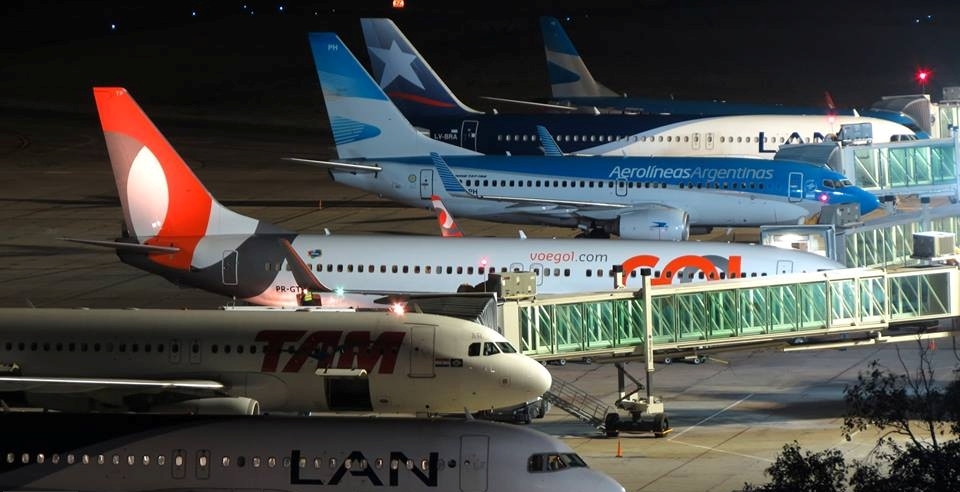
AW | 2021 09 07 14:14 | AIRLINES / AIR TRAFFIC / AVIATION ORGANISMS

Aerolíneas extranjeras piden Gobierno mayor previsibilidad
Exigen eliminación tope de viajeros

Las aerolíneas extranjeras solicitan al Gobierno de Argentina en consonancia con los reclamos emitidos por parte de la Asociación Internacional del Transporte Aéreo (IATA), organismo que nuclea a muchas aerolíneas en el mundo, mayor previsibilidad y eliminar tope de viajeros con un duro reclamo emitido en un documento en el que cuestionaron las restricciones impuestas por la Argentina y reclamaron que se eliminen los topes de viajeros.

La Asociación de Transporte Aéreo Internacional (IATA) emitió un comunicado de prensa en el que le vuelve a pedir al Gobierno previsibilidad y mayor apertura para que Argentina recupere su conectividad aérea internacional. En el documento, IATA, organización que nuclea cerca del 80% de las compañías aéreas del mundo, expresó que a pesar de que los últimos anuncios del Gobierno argentino mostraron signos de flexibilización, la Argentina sigue dando pasos muy lentos hacia la reapertura, dejando a los pasajeros y a la aerolíneas sin una visión clara. “Los países que han adoptado un enfoque coordinado basado en riesgos para la gestión del control fronterizo han recuperado rutas. Mientras que, en Argentina, las medidas draconianas adoptadas hasta ahora están impactando la conectividad del país con el mundo, evidenciando una reducción en sus pares de ciudades de Junio a Julio de 2021 de 107 a 89”, dijo Peter Cerdá, Vicepresidente Regional de IATA para las Américas”.

El comunicado apela a estas razones para renovar su llamado al Gobierno argentino para trabajar en conjunto con la industria aerocomercial en la elaboración de un plan de reanudación y reapertura que “sea claro y definido, con plazos específicos, que permitan reconectar al país de manera segura y catalizar los beneficios que genera una aviación activa y competitiva en el desarrollo social y económico de sus habitantes. Tenemos plena comprensión que, ante todo, el gobierno ha querido proteger la salud de los ciudadanos. Sin embargo, creemos que ya están dadas todas las condiciones para avanzar hacia una nueva normalidad, con la convicción de que es necesario y sobre todo posible, reactivar la economía, el turismo, y las fuentes de trabajo, de forma segura, y al mismo tiempo lograr el reencuentro de las personas en un contexto en que deberemos aprender a convivir con el COVID-19 y sus variantes, no sabemos hasta cuándo».

Felipe Baravalle, Director Ejecutivo de la Cámara de Compañías Aéreas en Argentina (JURCA), dijo este Martes 07/09 que “el proceso no es tan rápido. Todavía las empresas no tienen vuelos pedidos a ese aeropuerto. Una vez que esté habilitado, recién entonces las líneas aéreas pueden pedir al aeropuerto la factibilidad de vuelo. Y luego se requiere la aprobación de la ANAC”.

Aeropuerto Córdoba

La Provincia de Córdoba señala que espera el permiso oficial de agencia de la ANAC para habilitar vuelos a Chile y a Uruguay. En las aerolíneas hasta ahora no hay planes para operar rutas al exterior en los próximos meses. En las últimas semanas comenzó a crecer la expectativa respecto de que el Aeropuerto Córdoba recupere desde septiembre al menos en parte su conectividad aérea al exterior, suspendida desde Marzo de 2020. El Gobierno provincial cordobés completó la presentación con el fin de dejar habilitado el Aeropuerto internacional Córdoba/COR, pero, aseguran las autoridades, aún no logró el permiso oficial de la ANAC.

La respuesta desde las aerolíneas es que no existe ninguna novedad sobre comenzar a operar rutas al exterior. Desde Marzo de 2020 las compañías perdieron la posibilidad de trazar planes con anticipación una programación de vuelos previsible. La Provincia de Córdoba señala que espera el permiso oficial de ANAC para habilitar vuelos a Chile y a Uruguay. En las aerolíneas hasta ahora no hay planes para operar rutas al exterior en los próximos meses. Aunque en las últimas semanas comenzó a crecer la expectativa respecto de que el Aeropuerto Córdoba recupere desde Septiembre 2021 al menos en parte su conectividad aérea al exterior, suspendida desde Marzo de 2020, el reinicio de las operaciones parecen posponerse; mientras que el Aeropuerto de Mendoza ha sido aprobado para restablecer operaciones internacionales.

Las aerolíneas que conservan rutas desde Córdoba aseguran no tener vuelos al exterior planeados en los próximos meses, al menos durante septiembre y durante octubre. Entre las compañías hay aún cierto grado de incertidumbre en materia de permisos (deben presentar con anticipación los planes de vuelo para que sean autorizados) y también dudas respecto del desarrollo de demanda, variable que debe responder para que activen una ruta.

Entre las aerolíneas que se encuentran en stand-by para reiniciar operaciones se encuentran: Aerolíneas Argentinas, la principal operadora del Aeropuerto Córdoba posee 55 frecuencias semanales de rutas domésticas (55Frq/S) no tiene previsto vuelos al exterior desde Córdoba hasta Diciembre 2021 inclusive, informaron voceros. Air Europa, la firma que operaba la ruta Córdoba—Asunción—Madrid antes de la pandemia, actualmente vuela sólo desde Buenos Aires/EZE (Ezeiza) hacia Madrid, aunque de manera extraoficial confirmó en varias ocasiones su interés en retomar la ruta desde Córdoba cuando las condiciones sean las más idóneas. Copa Airlines, la aerolínea de la República de Panamá, es la tercera compañía por número de pasajeros transportados con presencia en Córdoba que opera Córdoba—Panamá. En la empresa señalaron que no hay novedades respecto de la restitución de su vuelo aún, ni hay programación futura para dar a conocer por ahora. Una cuarta compañía que informó a las agencias de viaje su intención de retomar vuelos a Brasil en la temporada verano es GOL Linhas Aéreas, pero la aerolínea todavía no tiene confirmaciones precisas de destinos ni de frecuencias. El cierre de la aerolínea Latam Airlines Argentina, ha dejado a Córdoba de una fuerte conexión que tenía con Santiago de Chile (20Frq/S). Actualmente el grupo Latam Airlines continúa volando desde Buenos Aires/EZE. JetSmart Airlines Argentina opera la ruta Buenos Aires—Santiago de Chile, mientras que los vuelos al exterior desde Córdoba continúan suspendidos por parte del grupo aéreo. La aerolínea cubría las rutas Córdoba—Santiago y Córdoba—La Serena durante el verano septentrional 2018-2019, pero luego dejó las rutas para concentrarse en otras más competitivas. Desde JetSmart, sin embargo, señalaron que por ahora la empresa está focalizada en el mercado doméstico y en rutas regionales desde Buenos Aires que estiman incorporar otras diecisiete adicionales.

Foreign airlines claim Argentina
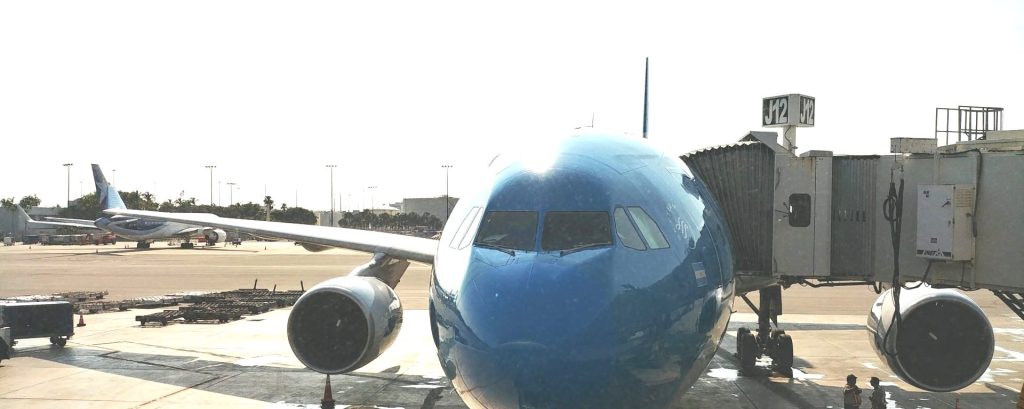
Foreign airlines ask government for greater predictability
They demand elimination of the maximum number of travelers

Foreign airlines request the Government of Argentina in line with the claims issued by the International Air Transport Association (IATA), a body that brings together many airlines in the world, greater predictability and eliminate the limit of travelers with a harsh claim issued in a document in which they questioned the restrictions imposed by Argentina and demanded that the caps on travelers be eliminated.

The International Air Transport Association (IATA) issued a press release in which it once again asks the Government for predictability and greater openness for Argentina to regain its international air connectivity. In the document, IATA, an organization that brings together about 80% of the world’s airlines, expressed that despite the fact that the latest announcements from the Argentine Government showed signs of easing, Argentina continues to take very slow steps towards reopening, leaving passengers and airlines without a clear vision. “Countries that have adopted a coordinated risk-based approach to border control management have regained routes. While in Argentina, the draconian measures adopted so far are impacting the country’s connectivity with the world, showing a reduction in its pairs of cities from June to July 2021 from 107 to 89”, said Peter Cerdá, Regional Vice President of IATA for the Americas.

The statement appeals to these reasons to renew its call to the Argentine Government to work together with the commercial aviation industry in the elaboration of a resumption and reopening plan that «is clear and defined, with specific deadlines, that allow the country to reconnect safely and catalyze the benefits generated by an active and competitive aviation in the social and economic development of its inhabitants. We fully understand that, first and foremost, the government has wanted to protect the health of citizens. However, we believe that all the conditions are in place to move towards a new normal, with the conviction that it is necessary and above all possible to reactivate the economy, tourism, and job sources, safely, and at the same time. time to achieve the reunion of people in a context in which we must learn to live with COVID-19 and its variants, we do not know for how long».

Felipe Baravalle, Executive Director of the Chamber of Air Companies in Argentina (JURCA), said this Tuesday 07/09 that “the process is not so fast. The companies still do not have requested flights to that airport. Once it is enabled, only then can the airlines ask the airport for the feasibility of the flight. And then the approval of the ANAC is required”.

Córdoba Airport

The Province of Córdoba indicates that it awaits the official agency permit from ANAC to enable flights to Chile and Uruguay. In the airlines, so far there are no plans to operate routes abroad in the coming months. In recent weeks, expectations have begun to grow that the Córdoba Airport will recover at least in part its air connectivity abroad since September, suspended since March 2020. The provincial government of Córdoba completed the presentation in order to leave the international airport enabled Córdoba/COR, but, say the authorities, has not yet obtained the official permission of the ANAC.

The answer from the airlines is that there is no news about starting to operate routes abroad. Since March 2020, companies have lost the possibility of drawing up plans in advance for a foreseeable flight schedule. The Province of Córdoba indicates that it awaits official permission from ANAC to enable flights to Chile and Uruguay. In the airlines, so far there are no plans to operate routes abroad in the coming months. Although in recent weeks the expectation has begun to grow that the Córdoba Airport will recover from September 2021 at least in part its air connectivity abroad, suspended since March 2020, the restart of operations seems to be postponed; while Mendoza Airport has been approved to reestablish international operations.

The airlines that maintain routes from Córdoba claim not to have flights abroad planned in the coming months, at least during September and during October 2021. Among the companies there is still a certain degree of uncertainty regarding permits (they must submit flight plans in advance to be authorized) and also doubts regarding the development of demand, a variable that must respond to activate a route.

Among the airlines that are on stand-by to restart operations are: Aerolineas Argentinas, the main operator of Córdoba Airport, has 55 weekly frequencies of domestic routes (55Frq/S) and does not have scheduled flights abroad from Córdoba until December 2021 inclusive, spokespersons reported. Air Europa, the company that operated the Córdoba-Asunción-Madrid route before the pandemic, currently flies only from Buenos Aires/EZE (Ezeiza) to Madrid, although unofficially it confirmed on several occasions its interest in retaking the route from Córdoba when the conditions are the most suitable. Copa Airlines, the airline of the Republic of Panama, is the third company by number of passengers transported with a presence in Córdoba that Córdoba-Panama operates. In the company they indicated that there is no news regarding the restitution of his flight yet, nor is there any future programming to be announced for now. A fourth company that informed travel agencies of its intention to resume flights to Brazil in the summer season is GOL Linhas Aéreas, but the airline still does not have precise confirmations of destinations or frequencies. The closure of the Latam Airlines Argentina airline has left Córdoba with a strong connection it had with Santiago de Chile (20Frq/S). Currently the Latam Airlines group continues to fly from Buenos Aires/EZE. JetSmart Airlines Argentina operates the Buenos Aires-Santiago de Chile route, while flights abroad from Córdoba continue to be suspended by the airline group. The airline served the Córdoba—Santiago and Córdoba—La Serena routes during the northern summer 2018-2019, but then left the routes to focus on more competitive ones. From JetSmart, however, they indicated that for now the company is focused on the domestic market and on regional routes from Buenos Aires that they estimate to incorporate another seventeen additional ones.

PUBLISHER: Airgways.com
DBk: Jurca.org.ar / Iata.org / Anac.gov.ar / Eliseo Carneiro / Airgways.com
AW-POST: 202109071414AR

A\W   A I R G W A Y S ®

IATA: «Argentina perdió conectividad»

AW | 2021 09 06 16:30 | AVIATION ORGANISMS / AIRLINES MARKET

Afirmaciones del Vicepresidente para América de IATA

IATA_Logo.svg

El Vicepresidente para Las Américas de la Asociación Internacional de Transporte Aéreo (IATA), Peter Cerdá sostuvo que Argentina tenía en el mes de Julio del 2019 238 conexiones con el resto del mundo y que actualmente las conexiones solamente alcanzan a 89, lo que refleja la pérdida de conectividad que ha registrado el país, como consecuencia de medidas no del todo acertadas en lo que hace a la actividad aérea, frente a la pandemia.

El Director de IATA ha expresado que desde el Gobierno de Argentina «se escuchan muchos anuncios por parte de los ministros, pero después no se concretan, tampoco tenemos precisiones para el futuro. Lo que hemos tenido con este Gobierno, y con algunos otros a nivel regional, es la falta de colaboración. El ministro de Turismo habla de una posible conectividad con Chile como apertura de un corredor, pero en estos momentos el argentino no puede viajar a Chile porque la frontera está cerrada y al chileno que va a Argentina le toca 7 días de cuarentena, si está vacunado, de lo contrario ni siquiera tiene permiso para ingresar. Ha faltado, a nivel global, colaboración con los gobiernos, no hay nada confirmado, sólo sabemos que para el mes de septiembre no va a haber cambios importantes. Y en este mes, con excepción de Argentina y Chile, el resto de los países de la región están prácticamente abiertos. Uruguay irá abriendo en el transcurso del mes. En Brasil se puede viajar, el problema que tienen allí es que, si bien el país está abierto, a los brasileños no les permiten el ingreso al 80 por ciento de los países a nivel mundial”, expresó Peter Cerdá.

Síntomas de recuperación

“México, por ejemplo, a nivel doméstico, ya está por encima de lo que era en el 2019, Colombia ya lleva varios meses que tienen las fronteras y los vuelos internos operando al cien por cien, Ecuador lo mismo, por lo que la región paulatinamente se ha ido abriendo. A nivel global regional se está moviendo de una manera muy rápida. Los países enfrentan variantes, como el Delta, pero sobre todo en Europa y Norteamérica, no se están tomando medidas agresivas sobre ello. Hay medidas de bioseguridad, con protocolos que se van manteniendo y se van a mantener y esperemos que Argentina y Chile sigan por ese camino”, remarcó el Vicepresidente de IATA para Las Américas.

Chile asoma con optimismo. “En cuanto a que Chile, va a abrir en el próximo mes, vamos a ver un protocolo que se va a ir implementando. La diferencia entre Chile y Argentina, es que con Argentina no hay ningún diálogo y con Chile mucho diálogo, incluso hace dos días nos reunimos con los tres CEO de las compañías chilenas y la ministra de Transporte y ahora tenemos una reunión con el Ministerio de Salud, algo que nunca ha ocurrido con Argentina. “Son dos situaciones muy distintas en la manera en que se están llevando a cabo, no solo en la colaboración, sino en la transparencia de las actitudes y la comunicación, en una es total y en la otra ninguna. Con implementar un sistema de cuarentena ya es un limitante muy grande porque a una gran parte de la población se le está impidiendo viajar. La diferencia en el caso chileno, es que no hay limitantes, no hay ninguna restricción de vuelos, pueden operar todos los vuelos que se disponga, no hay separación entre vuelos de una hora y media, como en Argentina, no hay condicionantes y se opera de manera coordinada. En Argentina hay una limitación de pasajeros, hay una separación de vuelos y está desorganizado, pero al final del día, tanto en Chile como en Argentina la recepción de viajeros no ayuda a la recuperación, no abren fronteras, limitan el transporte de personas para comunicarse entre un país y otro. Por eso hemos estado tan en contra, sobre todo porque hay medidas que van a salvaguardar la seguridad de los pasajeros de manera responsable. En el caso chileno hay más del 80 por ciento de la población que ya está vacunada con dos dosis y en Argentina el 32 por ciento tiene las dos vacunas y el 60 por ciento una. No hay un plan de acción de parte del gobierno argentino para, en coordinación con el sector, con el Ministerio de Salud y la Jefatura de Gabinete, elaborar una acción que establezca una previsión respecto al futuro”, afirmó Peter Cerdá, Vicepresidente para Las Américas de la IATA.

Caso Argentina

Peter Cerdá anticipó que “en la Argentina va a ser muy complicado recuperar el sector, porque se ha perdido conectividad y cuando una ruta se levanta, es muy difícil volver a operarla. No es bueno para el mercado, no es bueno para Aerolíneas, no tener competencia, es necesario contar con alternativas para que así crezca la industria. La competencia es lo que obliga a mejorar y eso redunda en beneficio del pasajero. Necesitamos tener previsibilidad, saber cómo podemos programar el futuro, saber sobre qué bases nos tenemos que apoyar para planificar. Una compañía aérea necesita previsibilidad para funcionar”.

Finalmente reflexionó que “vamos a tener que convivir con el Covid y las variantes que vienen. No se va a ir, por lo que es necesario actuar de manera responsable y razonable para sostener el funcionamiento de la industria. Que dejen viajar a los pasajeros que están vacunados. Los países van a ir abriendo las fronteras a medida que vayan vacunando a su población. En todos los países de la región se va incrementando paulatinamente la conectividad, pero Argentina la va reduciendo”, concluyó Peter Cerdá.

La pérdida del 2020 de las compañías latinoamericanas y del Caribe, acumularon US$ 5 mil millones de Dólares, este año 2021 se proyecta cierta recuperación, por lo que las pérdidas estarán en los órdenes de los US$ 4 mil millones de Dólares.

IATA: «Argentina lost connectivity»

It was affirmed by the Vice-president for America of IATA

The Vice President for the Americas of the International Air Transport Association (IATA), Peter Cerdá said that Argentina had in July 2019 238 connections with the rest of the world and that currently the connections only reach 89, which reflects the loss of connectivity that the country has registered, as a consequence of measures that are not entirely correct in terms of air activity, in the face of the pandemic.

The Director of IATA has expressed that from the Government of Argentina «many announcements are heard by the ministers, but later they are not specified, nor do we have any details for the future. What we have had with this Government, and with some others at the level regional, is the lack of collaboration. The Minister of Tourism speaks of a possible connectivity with Chile as the opening of a corridor, but at the moment the Argentine cannot travel to Chile because the border is closed and the Chilean who goes to Argentina has to 7 days of quarantine, if you are vaccinated, otherwise you do not even have permission to enter. Globally, there has been a lack of collaboration with governments, there is nothing confirmed, we only know that for the month of September there will be no major changes And this month, with the exception of Argentina and Chile, the rest of the countries in the region are practically open. Uruguay will open during the month. In Brazil you can travel, the problem that they have there is that, although the country is open, Brazilians are not allowed to enter 80 percent of the countries worldwide», said Peter Cerdá.

Recovery symptoms

“Mexico, for example, at the domestic level, is already above what it was in 2019, Colombia has already had the borders and internal flights operating one hundred percent for several months, Ecuador the same, so the region it has gradually opened up. At the global regional level it is moving very fast. Countries face variants, such as the Delta, but especially in Europe and North America, aggressive measures are not being taken on it. There are biosafety measures, with protocols that are being maintained and will be maintained and we hope that Argentina and Chile will continue on that path”, remarked the IATA Vice President for the Americas.

Chile appears optimistically. “As for Chile, it is going to open in the next month, we are going to see a protocol that is going to be implemented. The difference between Chile and Argentina is that with Argentina there is no dialogue and with Chile a lot of dialogue, even two days ago we met with the three CEOs of the Chilean companies and the Minister of Transport and now we have a meeting with the Ministry of Health , something that has never happened with Argentina. “They are two very different situations in the way they are being carried out, not only in collaboration, but also in the transparency of attitudes and communication, in one it is total and in the other none. Implementing a quarantine system is already a very big limitation because a large part of the population is being prevented from traveling. The difference in the Chilean case is that there are no limitations, there are no flight restrictions, all available flights can operate, there is no separation between flights of an hour and a half, as in Argentina, there are no conditions and it is operated in a coordinated manner. In Argentina there is a limitation of passengers, there is a separation of flights and it is disorganized, but at the end of the day, both in Chile and in Argentina the reception of travelers does not help recovery, they do not open borders, they limit the transport of people to communicate between one country and another. That is why we have been so against it, especially because there are measures that will safeguard the safety of passengers in a responsible way. In the Chilean case, there are more than 80 percent of the population that is already vaccinated with two doses and in Argentina 32 percent have both vaccines and 60 percent one. There is no action plan on the part of the Argentine government to, in coordination with the sector, with the Ministry of Health and the Chief of Cabinet, develop an action that establishes a forecast for the future”, stated Peter Cerdá, Vice President for the Americas IATA.

Argentina case

Peter Cerdá anticipated that “in Argentina it will be very difficult to recover the sector, because connectivity has been lost and when a route is raised, it is very difficult to operate it again. It is not good for the market, it is not good for Airlines, not having competition, it is necessary to have alternatives in order for the industry to grow. Competition is what forces us to improve and that benefits the passenger. We need to have predictability, to know how we can program the future, to know on what bases we have to support each other to plan. An airline needs predictability to function”.

He finally reflected that “we are going to have to live with the Covid and the variants that come. It is not going away, so it is necessary to act responsibly and reasonably to sustain the operation of the industry. Let passengers who are vaccinated travel. Countries are going to open their borders as they vaccinate their population. In all the countries of the region, connectivity is gradually increasing, but Argentina is reducing it”, concluded Peter Cerdá.

The loss of 2020 of the Latin American and Caribbean companies, accumulated US$ 5 billion Dollars, this year 2021 a certain recovery is projected, so the losses will be in the order of US$ 4 billion Dollars.

PUBLISHER: Airgways.com
DBk: Iata.org / Airgways.com
AW-POST: 202109061630AR

A\W   A I R G W A Y S ®

Singapur aprueba al Boeing 737 MAX

AW | 2021 09 06 07:03 | AVIATION ORGANISMS

Singapur levanta suspensión vuelo Boeing 737 MAX

AW-CAAS Singapore_Isologotype

Singapur anunció este Lunes 06/09 el levantamiento de la suspensión de vuelo a los aviones Boeing 737 MAX, impuesta mundialmente desde Marzo de 2019 a raíz de los accidentes aéreos de este modelo del fabricante estadounidense en Indonesia y Etiopía. La Autoridad de Aviación Civil de Singapur (CAAS) indicó que han tomado esta decisión tras «completar una evaluación técnica, que incluyó los cambios de diseño de la aeronave realizados por Boeing y aprobados por la Administración Federal de Aviación de los Estados Unidos (FAA). La agencia CAAS también revisó los datos operativos de los vuelos de la aeronave que habían reanudado el servicio durante los últimos nueve meses y observó que no ha habido problemas de seguridad», apunta en un comunicado.

Las investigaciones sobre los accidentes aéreos apuntaron hacia defectos en el Sistema de Control de Vuelo conocidos como MCAS, que bajaba automáticamente el morro del avión, permitiendo hacer una lectura errónea sobre la corrección del curso de vuelo.

Estados Unidos levantó la prohibición de vuelo del Boeing 737 MAX en Noviembre de 2020 después de un proceso de revisión de veinte meses y tras varios cambios de diseño realizados por la compañía aeroespacial, que incluye un nuevo programa de control de vuelo. Además de Estados Unidos y Singapur, la Unión Europea autorizó los vuelo del Boeing 737 MAX el pasado Enero 2021 tras los cambios de diseño realizados por la empresa. CAAS condicionó el levantamiento de la citada suspensión a que la compañía aérea que opere el Boeing 737 MAX haya implementado todas las acciones requeridas en la Directiva de Aeronavegabilidad (AD) de la FAA, entre las que se incluye un programa de entrenamiento para la tripulación de vuelo.

Actualmente, la compañía de bandera singapurense Singapore Airlines cuenta con seis aviones Boeing 737-8 MAX, mientras que las aerolíneas extranjeras con destino a la ciudad-Estado también deberán cumplir los requisitos de la autoridad singapurense.

Singapore approves Boeing 737 MAX

Singapore lifts Boeing 737 MAX flight suspension

Singapore announced this Monday 06/09 the lifting of the suspension of flight to the Boeing 737 MAX aircraft, imposed worldwide since March 2019 as a result of the air accidents of this model of the American manufacturer in Indonesia and Ethiopia. The Civil Aviation Authority of Singapore (CAAS) indicated that they have made this decision after «completing a technical evaluation, which included the aircraft design changes made by Boeing and approved by the Federal Aviation Administration of the United States (FAA). The agency CAAS also reviewed the operational data of the flights of the aircraft that had resumed service during the last nine months and observed that there have been no safety problems», it says in a statement.

Investigations into air accidents pointed to defects in the Flight Control System known as MCAS, which automatically lowered the nose of the aircraft, allowing an erroneous reading of the flight course correction.

The United States lifted the Boeing 737 MAX flight ban in November 2020 after a twenty-month review process and several design changes made by the aerospace company, including a new flight control program. In addition to the United States and Singapore, the European Union authorized the Boeing 737 MAX flights last January 2021 after the design changes made by the company. CAAS conditioned the lifting of the aforementioned suspension to the fact that the airline that operates the Boeing 737 MAX has implemented all the actions required in the FAA’s Airworthiness Directive (AD), including a training program for the crew of flight.

Currently, the Singaporean flag carrier Singapore Airlines has six Boeing 737-8 MAX aircraft, while foreign airlines bound for the city-state will also have to meet the requirements of the Singaporean authority.

PUBLISHER: Airgways.com
DBk: Caas.gov.sg / Airgways.com
AW-POST: 202109060703AR

A\W   A I R G W A Y S ®

Malasia aprueba al Boeing 737 MAX


AW | 2021 09 03 00:10 | AVIATION SAFETY / AVIATION ORGANISMS

Malasia levanta prohibición Boeing 737 MAX

Boeing 737 MAX_Isologotype

Boeing_Isologo.svg

El organismo de aviación de la República de Malasia, Autoridad de Aviación Civil de Malasia (CAAM), levantó su prohibición sobre el avión Boeing 737 MAX, poniendo fin a más de dos años de puesta a tierra después de dos accidentes que involucraron a la aeronave. La directiva es aplicable a las aerolíneas locales y extranjeras que operan vuelos comerciales en Malasia utilizando la aeronave, dijo la CAAM en un comunicado el Jueves 02/09.

La decisión de Malasia se produce después de que las autoridades de varios países autorizaban al avión a volar de nuevo después de extensas correcciones. El 737 MAX quedó en tierra en todo el mundo hace más de dos años tras los accidentes en Indonesia y Etiopía donde fallecieron un total de 346 personas. Recientemente, el 26/08 la India levantaba la prohibición del Boeing 737 MAX, dejando a China como el último gran obstáculo para las aprobaciones de certificaciones de seguridad en aviación.

Malaysia approves Boeing 737 MAX

Malaysia lifts Boeing 737 MAX ban

AW-CAAM_Isologotype

The aviation body of the Republic of Malaysia, the Civil Aviation Authority of Malaysia (CAAM), lifted its ban on the Boeing 737 MAX aircraft, ending more than two years of grounding after two accidents involving the aircraft. The directive is applicable to local and foreign airlines operating commercial flights in Malaysia using the aircraft, the CAAM said in a statement on Thursday 02/09.

Malaysia’s decision comes after authorities in several countries cleared the plane to fly again after extensive corrections. The 737 MAX was grounded around the world more than two years ago after accidents in Indonesia and Ethiopia that killed a total of 346 people. Recently, on 08/26, India lifted the ban on the Boeing 737 MAX, leaving China as the last major obstacle to approvals for aviation safety certifications.

PUBLISHER: Airgways.com
DBk: Camm.gov.my / Boeing.com / Airgways.com
AW-POST: 202109030010AR

A\W   A I R G W A Y S ®
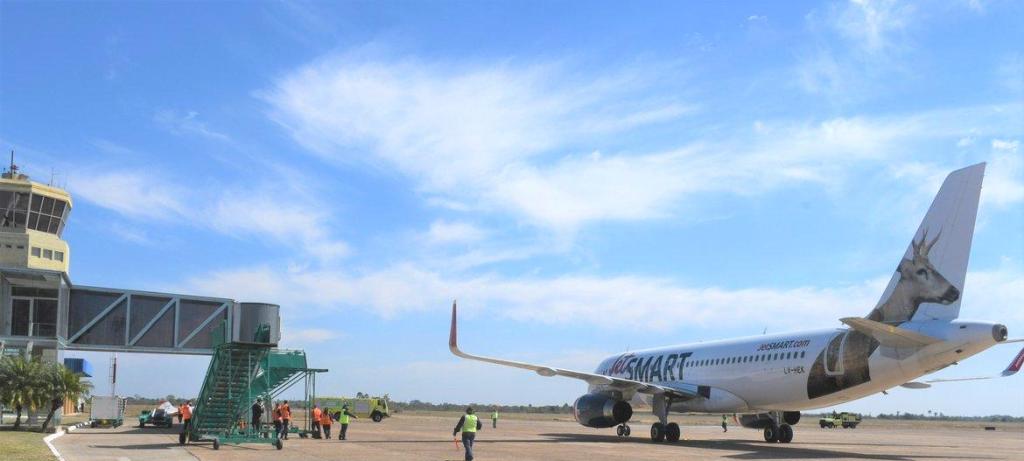
APTA reclama a Aerolíneas

AW | 2021 09 02 07:00 | AIRLINES / AVIATION ORGANISMS

Traslado personal técnico de Austral de Aeroparque a Ezeiza

AW-70000190

Aerolíneas Argentinas_Isologotype 2010_001

La Asociación del Personal Técnico Aeronáutico (APTA) denunció la semana pasada a la dirigencia de Aerolíneas Argentinas de pretender trasladar a todo el personal técnico de Austral Líneas Aéreas que trabaja en el Hangar y oficinas en Aeroparque donde se efectúa tareas de Mantenimiento de las aeronaves regionales Embraer E190 hacia el Hangar 2 en el Aeropuerto Internacional Ezeiza. El argumento de la compañía hace referencia para la obtención de la Certificación de Repair Station por parte de la Federal Aviation Administration (FAA), que es necesaria tras la sinergia de ambas aerolíneas. Al mismo tiempo desean crear un Centro Regional de Servicios de Mantenimiento.

El Sindicato APTA liderado por Ricardo Cirielli rechazó el traspaso injustificado del personal. “Tanto el Hangar de Aeroparque como el de Ezeiza están certificados por la ANAC, pero no por la FAA. Se puede tanto pedir la Certificación FAA de uno u otro, o de ambos. La Empresa tiene la posibilidad de solicitar la Certificación de Repair Station de FAA del ex Hangar de Austral, como la tiene con el Hangar 2 de EZE. Ese no es un motivo válido para el traslado del personal y de los trabajos de Recorrida Mayor de Embraer de Aeroparque a Ezeiza. Tampoco lo es la creación de un Centro Regional de Servicios de Mantenimiento. Ese Centro, perfectamente podría operar distribuido entre Ezeiza y Aeroparque. El plan de traslado empresarial, no contempla los impactos negativos o daños para Aerolíneas Argentinas: El Hangar de Aeroparque de la ex Austral, donde se realizan tareas de MRO, estará vacío y sin ninguna actividad productiva 16 horas al día. Solo registrará actividad de 22:00 Hs a 06:00 Hs, durante el turno de Recorrida Menor. Aerolíneas dejará inactivo un Hangar las dos terceras partes del día. Sería de hecho una desinversión, con la consecuente pérdida de ingresos para la empresa”, expresa el comunicado de prensa del gremio aeronáutico. Ricardo Cirielli remarcó que “en cualquier caso, la consecuencia será fomentar desde la propia Empresa su competencia, en desmedro de sus ganancias y de los puestos de trabajo del personal técnico. Las autoridades tienen la obligación de dar respuestas a estas preguntas, a todos los empleados y empleadas de Aerolíneas Argentinas”. APTA sostiene que si se establece la transferencia de los trabajos de MRO tanto de Aerolíneas Argentinas y ex-Austral Líneas Aéreas generará dificultades operativas y aumento de los costos. Además, las condiciones laborales se verían afectadas dado que el Hangar 2 de Ezeiza no cuenta con las instalaciones y el espacio adecuado para alojar al personal técnico que se quiere trasladar desde el Aeropuerto Jorge Newbery a Ezeiza, para ubicarlos en módulos transitorios (contenedores), pues serían lugares inapropiados como hábitat del personal Técnico.

APTA claims Aerolíneas Argentinas

Transfer of Austral technical staff from Aeroparque to Ezeiza

The Aeronautical Technical Personnel Association (APTA) denounced last week the Aerolíneas Argentinas leadership of trying to transfer all the technical personnel of Austral Líneas Aéreas that work in the Hangar and offices in Aeroparque where maintenance tasks of regional aircraft are carried out. Embraer E190 to Hangar 2 at Ezeiza International Airport. The company’s argument refers to obtaining the Repair Station Certification from the Federal Aviation Administration (FAA), which is necessary after the synenergy of both airlines. At the same time they want to create a Regional Maintenance Services Center.

The APTA Union led by Ricardo Cirielli rejected the unjustified transfer of personnel. “Both the Aeroparque Hangar and the Ezeiza Hangar are certified by the ANAC, but not by the FAA. You can either request the FAA Certification of one or the other, or of both. The Company has the possibility of requesting the FAA Repair Station Certification of the former Austral Hangar, as it does with EZE Hangar 2. This is not a valid reason for the transfer of Embraer Major Tour staff and work from Aeroparque to Ezeiza. Neither is the creation of a Regional Maintenance Services Center. That Center could perfectly operate distributed between Ezeiza and Aeroparque. The business transfer plan does not contemplate negative impacts or damages for Aerolíneas Argentinas: The former Austral Airport Hangar, where MRO tasks are carried out, will be empty and without any productive activity 16 hours a day. It will only record activity from 10:00 PM to 06:00 AM, during the Minor Tour shift. Aerolíneas will idle a Hangar for two-thirds of the day. It would in fact be a divestiture, with the consequent loss of income for the company”, says the aeronautical union’s press release. Ricardo Cirielli remarked that “in any case, the consequence will be to promote its competition from the Company itself, to the detriment of its profits and the jobs of technical personnel. The authorities have the obligation to give answers to these questions, to all the employees of Aerolíneas Argentinas”. APTA maintains that if the transfer of the MRO works of both Aerolíneas Argentinas and former Austral Líneas Aéreas is established, it will generate operational difficulties and increase costs. In addition, labor conditions would be affected since Hangar 2 in Ezeiza does not have the facilities and adequate space to house the technical personnel who want to move from Jorge Newbery Airport to Ezeiza, to place them in transitory modules (containers), since they would be places Inappropriate as a habitat for Technical personnel.

PUBLISHER: Airgways.com
DBk: Aviones.com / Aerolineas.com / Adrián Scandar / Airgways.com
AW-POST: 202109020700AR

A\W   A I R G W A Y S ®

Aeropuerto Corrientes nuevo ILS

AW | 2021 08 29 15:49 | AIRPORTS / AVIATION TECHNOLOGY / AVIATION ORGANISMS

Aeropuerto correntino estrena nuevo sistema ILS

La Empresa Argentina de Navegación Aérea S.E. (EANA) en el marco del Plan de Modernización del Transporte Aéreo que lleva adelante el Ministerio de Transporte de Argentina ha instalado un nuevo Sistema de Aterrizaje por Instrumentos (ILS) en el Aeropuerto Internacional Corrientes/Piragine Niveyro, de la ciudad de Corrientes, para las aproximaciones a su cabecera de Pista 20, significando un importante avance tecnológico que eleva la previsibilidad de las operaciones y asegura un mayor grado de disponibilidad de servicio. Un sistema ILS consiste en un conjunto de transmisores terrestres que emiten señales que guían a las aeronaves en su descenso hacia la pista de aterrizaje, siendo de gran utilidad por su precisión y seguridad, sobre todo en escenarios de visibilidad reducida.

La instalación del nuevo equipo incluyó el cambio de todas las antenas, la construcción de nuevas bases de hormigón y la sustitución de las casetas protectoras. El nuevo sistema incorpora además un transmisor de señales DME, gracias al cual las tripulaciones que se dirigen hacia o parten desde el aeropuerto, pueden conocer con exactitud su distancia al aeródromo. Asimismo, se instaló fibra óptica y antenas de radioenlace entre los equipos y la torre de control, lo que otorga robustez y duplicidad al sistema de comunicaciones. Esto permite al personal de control de tránsito aéreo y de servicio técnico llevar un chequeo continuo del funcionamiento del sistema.

La puesta a punto del nuevo sistema ha permitido comprobar el funcionamiento de los transmisores y las antenas del nuevo ILS, se procedió a la verificación en la que aviones dotados de equipos especiales de medición realizaron una serie de aproximaciones a la pista para verificar la estabilidad, precisión y calidad de las señales radioeléctricas con las que el sistema guía a las aeronaves. Luego, se realizaron los ajustes necesarios para asegurar la máxima confiabilidad de las señales y dejarlos en servicio.

El Ministro de Transporte Alexis Guerrera sostuvo que “esta obra es parte de nuestro Plan de Modernización del Transporte, con el que estamos invirtiendo en más y mejor tecnología para nuestros aeropuertos. Con estos equipos podemos hacer que los vuelos continúen operando de forma segura, aún en condiciones adversas, evitamos cancelaciones y ganamos previsibilidad en el sistema. Eso es mayor calidad de vida para las y los argentinos y es más desarrollo para las provincias”.

New Corrientes Airport ILS

Corrientes Airport launches new ILS system

The Argentine Air Navigation Company S.E. (EANA) within the framework of the Air Transport Modernization Plan carried out by the Ministry of Transport of Argentina has installed a new Instrument Landing System (ILS) at the Corrientes International Airport/Piragine Niveyro, in the city of Corrientes, to the approaches to its head of Runway 20, signifying an important technological advance that increases the predictability of operations and ensures a greater degree of service availability. An ILS system consists of a set of ground transmitters that emit signals that guide the aircraft on their descent towards the runway, being very useful for its precision and safety, especially in scenarios of reduced visibility.

The installation of the new equipment included the change of all the antennas, the construction of new concrete bases and the replacement of the protective sheds. The new system also incorporates a DME signal transmitter, thanks to which the crews heading to or departing from the airport can know exactly their distance from the aerodrome. Likewise, fiber optics and radio link antennas were installed between the equipment and the control tower, which gives the communications system robustness and duplication. This allows air traffic control and technical service personnel to keep a continuous check on the operation of the system.

The fine-tuning of the new system has made it possible to check the operation of the transmitters and antennas of the new ILS, a verification was carried out in which airplanes equipped with special measurement equipment made a series of approaches to the runway to verify stability, precision and quality of the radio signals with which the system guides the aircraft. Then, the necessary adjustments were made to ensure maximum reliability of the signals and leave them in service.

The Minister of Transportation Alexis Guerrera stated that “this work is part of our Transportation Modernization Plan, with which we are investing in more and better technology for our airports. With these equipments we can ensure that flights continue to operate safely, even in adverse conditions, we avoid cancellations and we gain predictability in the system. That is a better quality of life for the Argentines and it is more development for the provinces”.

PUBLISHER: Airgways.com
DBk: Eana.com.ar / Airgways.com
AW-POST: 202108291549AR

A\W   A I R G W A Y S ®
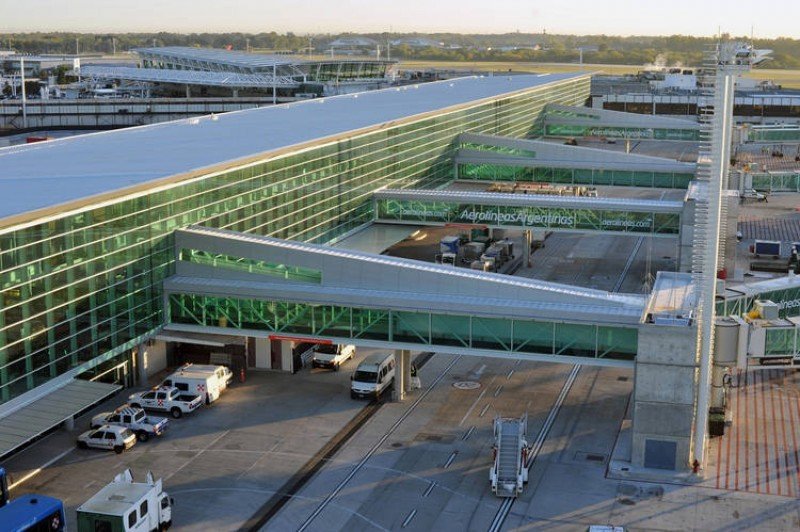
ANAC Argentina detalla tráfico 09/2021

AW | 2021 08 27 16:33 | AIRLINES ROUTES / AVIATION ORGANISMS

Organismo aviación aprueba frecuencias para mes de 09/2021

La Administración Nacional de Aviación Civil (ANAC) h aprobado las rutas respectivas para el mes de Septiembre 2021 permitiendo observar un mejoramiento sustancial respecto a las aprobaciones por bloques cada quince días en estos meses anteriores. El Gobierno de Argentina ha dispuesto que desde el 06/09 al 01/10 el cupo de viajeros que ingresen al país serán 16.100 con unos 2.300 pasajeros diarios. Al igual que semanas anteriores, la mayoría de las aerolíneas tiene más cantidad de vuelos desde Argentina que el número que ingrese.

Aerolíneas Argentinas ha publicado en su sitio web oficial el cronograma de vuelos internacionales operativos, cancelados y reprogramados desde el 1 al 30 de Septiembre de 2021. A Estados Unidos mantiene la ruta Buenos Aires—Miami con 25 vuelos con salidas establecidas entre los días 1 y 30/09. Y habilitó retornos para fechas similares. La aerolínea de bandera también volará a Nueva York los días 6, 13, 20 y 27/09, mientras que se dio luz verde a los servicios desde Nueva York—Buenos Aires de las jornadas del 1, 8, 15, 22 y 29/09. Mientras que, para volar a Europa, dispondrá de trece servicios a Madrid y el mismo número de regresos.

Air France KLM, contará con vuelos Buenos Aires—París los días Lunes, Jueves y Sábados, más un servicio el Miércoles 1 de Septiembre de 2021, mientras que París—Buenos Aires quedará para las jornadas de viernes y domingos. Además, KLM cubrirá Buenos Aires—Amsterdam los Lunes, Miércoles, Viernes y Domingos, mientras que los servicios en sentido inverso ocurrirán los Martes y Sábados.

American Airlines mantiene el vuelo diario ida y vuelta a Miami. Desde Nueva York volará los días 2, 3, 6, 9, 10, 14, 16, 17, 20, 21, 23, 24 y 28 de Septiembre. Mientras que Buenos Aires partirán los días 3, 4, 7, 10, 11, 15, 17, 18, 21, 22, 24, 25 y 29/09. En cuanto a la ruta Dallas saldrán de allá los días 31 de Agosto, 12 y 26 de Septiembre; y desde Buenos Aires los días 1, 13 y 27 de Septiembre de 2021.

En tanto Air Europa, aún no ha notificado cuales son los vuelos aprobados para operar desde Argentina al viejo continente. Por el contrario, Iberia operará desde Madrid a Ezeiza los días 3, 6, 9, 13, 20, 23 y 27 de Septiembre y desde Ezeiza partirán los días 3, 6, 10, 13, 20, 23 y 27/09.

ANAC Argentina details traffic 09/2021

Aviation agency approves frequencies for the month of 09/2021

The National Civil Aviation Administration (ANAC) has approved the respective routes for the month of September 2021, allowing a substantial improvement to be observed with respect to block approvals every fifteen days in these previous months. The Government of Argentina has established that from 09/06 to 10/01 the quota of travelers entering the country will be 16,100 with about 2,300 daily passengers. Like previous weeks, most airlines have more flights from Argentina than the number you enter.

Aerolineas Argentinas has published on its official website the schedule of operational international flights, canceled and rescheduled from September 1 to 30, 2021. To the United States it maintains the Buenos Aires-Miami route with 25 flights with departures established between days 1 and 09/30. And enabled returns for similar dates. The flag carrier will also fly to New York on September 6, 13, 20 and 27, while the green light was given to services from New York—Buenos Aires on days 1, 8, 15, 22 and 29/09. While, to fly to Europe, you will have thirteen services to Madrid and the same number of returns.

Air France KLM will have flights from Buenos Aires—Paris on Monday, Thursday and Saturday, plus a service on Wednesday, September 1, 2021, while Paris—Buenos Aires will be scheduled for Friday and Sunday. Additionally, KLM will cover Buenos Aires—Amsterdam on Mondays, Wednesdays, Fridays, and Sundays, while reverse services will occur on Tuesdays and Saturdays.

American Airlines maintains the daily roundtrip flight to Miami. From New York it will fly on September 2, 3, 6, 9, 10, 14, 16, 17, 20, 21, 23, 24 and 28. While Buenos Aires will depart on days 3, 4, 7, 10, 11, 15, 17, 18, 21, 22, 24, 25 and 29/09. As for the Dallas route, they will leave there on August 31, September 12 and 26; and from Buenos Aires on September 1, 13 and 27, 2021.

Meanwhile, Air Europa has not yet notified which flights are approved to operate from Argentina to the old continent. On the contrary, Iberia will operate from Madrid to Ezeiza on September 3, 6, 9, 13, 20, 23 and 27 and from Ezeiza they will depart on September 3, 6, 10, 13, 20, 23 and 27/09.

PUBLISHER: Airgways.com
DBk: Anac.gov.ar / Airgways.com
AW-POST: 202108271633AR

A\W   A I R G W A Y S ®

India aprueba al Boeing 737 MAX

AW | 2021 08 26 21:13 | AVIATION SAFETY / AVIATION ORGANISMS / INDUSTRY

El 737 MAX consigue recertificación en la India

Boeing_Isologo.svg

Boeing 737 MAX_Isologotype

The Boeing Company ha recibido la aprobación de la recertificación del Boeing 737 MAX. El regulador de aviación de la India, la Dirección General de Aviación Civil (DGCA), dijo el Jueves 26/08 que el 737 MAX ha sido aprobado para retornar a los viajes aéreos. El MAX fue conectado a tierra en todo el mundo de Marzo de 2019 a Diciembre de 2020 en la mayoría de los países. Estados Unidos volvió a aprobar el MAX para vuelos comerciales en Noviembre de 2020, y Europa lo hizo en Febrero 2021. «El levantamiento de la prohibición de vuelo significa que SpiceJet puede recuperar su flota de aviones 737 MAX que ya entregan. La aprobación de la DGCA también podría allanar el camino para un pedido considerable de MAX de la nueva aerolínea india, Akasa», escribió el analista de Vertical Research Partners. Rob Stallard en un informe del Jueves 26/08.

«La decisión de la DGCA es un hito importante hacia la devolución segura del 737 MAX al servicio en la India. Boeing continúa trabajando con los reguladores y nuestros clientes para devolver el avión al servicio en todo el mundo», dijo un portavoz de la compañía en un comunicado enviado por correo electrónico. El 737 MAX ha sido recertificado en aproximadamente 175 de los 195 países donde vuela. Más de treinta aerolíneas han reintroducido el MAX de nuevo en servicio. China es el próximo país importante que los inversores están esperando para la reaprestación del MAX. Los reguladores de China han probado el MAX recientemente, pero no hay un cronograma disponible para la recertificación.Boeing ahora tiene alrededor de US$ 40 mil millones en deuda, neto de efectivo, en su balance. Airbus tiene más efectivo que deuda. Volver a poner el Boeing 737 MAX en servicio en todo el mundo ayudará a mejorar el flujo de caja. Boeing tiene cientos de aviones en inventario que construyó y estacionó mientras buscaba la recertificación para el MAX.

India approves the Boeing 737 MAX

737 MAX achieves recertification in India

Boeing 737 Icon_001

The Boeing Company has received approval for the recertification of the Boeing 737 MAX. India’s aviation regulator, the Directorate General of Civil Aviation (DGCA), said on Thursday 08/26 that the 737 MAX has been approved to return to air travel. The MAX was grounded worldwide from March 2019 to December 2020 in most countries. The United States re-approved the MAX for commercial flights in November 2020, and Europe did so in February 2021. «The lifting of the flight ban means that SpiceJet can regain its fleet of 737 MAX aircraft that already deliver. DGCA could also pave the way for a hefty order from MAX from new Indian airline Akasa», the Vertical Research Partners analyst wrote. Rob Stallard in a report on Thursday 08/26.

«The DGCA’s decision is a major milestone towards the safe return of the 737 MAX to service in India. Boeing continues to work with regulators and our customers to return the aircraft to service worldwide», said a company spokesperson. in an emailed statement. The 737 MAX has been recertified in approximately 175 of the 195 countries where it flies. More than thirty airlines have reintroduced the MAX back into service. China is the next major country investors are waiting for the MAX repricing. Regulators in China have recently tested the MAX, but there is no timetable available for recertification.

Boeing now has about US$ 40 billion in debt, net of cash, on its balance sheet. Airbus has more cash than debt. Putting the Boeing 737 MAX back in service around the world will help improve cash flow. Boeing has hundreds of planes in inventory that it built and parked while seeking recertification for the MAX.

PUBLISHER: Airgways.com
DBk: Dgac.gov.in / Boeing.com / Linsey Wasson / Airgways.com
AW-POST: 202108262113AR

A\W   A I R G W A Y S ®

ALAV reclama mercado para Venezuela

AW | 2021 08 26 16:38 | AIRLINES MARKET / AVIATION ORGANISMS

Perspectivas organismo aviación frente a crisis sanitaria

El Presidente de la Asociación de Líneas Aéreas en Venezuela (ALAV), Humberto Figuera, ha manifestado este Jueves 26/08 la preocupación acerca de mantener las rutas aéreas de Venezuela con los diferentes países de la región, después de las diferencias con México referentes a los problemas sanitarios reflejados por la crisis de la pandemia de Coronavirus.

Humberto Figueroa había expresado que cinco líneas aéreas aparte de Conviasa, volaban hacia Cancún, apenas se abrieron los vuelos en medio de la pandemia. México había suspendido sus vuelos, con excepción de los de Láser, pero la aerolínea recibió un comunicado en el que también está afectada. El organismo cree que la suspensión de los vuelos de diferentes aerolíneas venezolanas hacia México tiene que ver con temas migratorios, aunque la autoridad aeronáutica mexicana está en todo su derecho de aceptar o no vuelos no regulares. Manifestó que se estaban haciendo más vuelos especiales.

En cuanto al cese de operaciones de las líneas aéreas en el país, en el 2003 eran 33 líneas aéreas que volaban desde Venezuela y hoy en día apenas una y las demás todas son venezolanas. “Muchas líneas aéreas se retiraron por no poder acceder al dinero que tenían represado en Venezuela. Tenemos esperanza de que las líneas aéreas regresen a Venezuela porque seguimos siendo un excelente mercado aéreo“, precisó Humberto Figueroa.

ALAV claims market for Venezuela

Perspectives aviation organization in the face of the health crisis

The President of the Association of Airlines in Venezuela (ALAV), Humberto Figuera, has expressed this Thursday, 08/26 the concern about maintaining the air routes of Venezuela with the different countries of the region, after the differences with Mexico regarding the health problems reflected by the crisis of the Coronavirus pandemic.

Humberto Figueroa had expressed that five airlines apart from Conviasa, were flying to Cancun, as soon as the flights were opened in the midst of the pandemic. Mexico had suspended its flights, with the exception of those of Laser, but the airline received a statement in which it is also affected. The agency believes that the suspension of the flights of different Venezuelan airlines to Mexico has to do with immigration issues, although the Mexican aeronautical authority has every right to accept or not non-scheduled flights. He stated that more special flights were being made.

Regarding the cessation of operations of the airlines in the country, in 2003 there were 33 airlines that flew from Venezuela and today only one and the rest are all Venezuelan. “Many airlines withdrew due to not being able to access the money that they had dammed in Venezuela. We are hopeful that the airlines will return to Venezuela because we continue to be an excellent air market», said Humberto Figueroa.

PUBLISHER: Airgways.com
DBk: Alav.org.ve / Airgways.com
AW-POST: 202108261638AR

A\W   A I R G W A Y S ®

Aéreas exigen previsibilidad Argentina

AW | 2021 08 26 06:55 | AIRLINES MARKET / AVIATION ORGANISMS

Compañías aéreas solicitan mayor previsibilidad para operar

Las aerolíneas internacionales que operan en la República Argentina, continúan reclamando mayor previsibilidad para las aprobaciones de las programaciones de vuelos internacionales, pues la demora en la autorización incrementa los riesgos de dejar pasajeros varados. “Es necesario tener las aprobaciones mucho antes que con una semana de anticipación si no se hace muy difícil para las aerolíneas operar de una forma más o menos normal”, señaló Felipe Baravalle, Director de la Cámara de Compañías Aéreas en Argentina (JURCA).

Los pedidos de previsibilidad no son ninguna novedad, hace meses que las empresas aéreas que vuelan en el país le piden al Gobierno una mayor anticipación en las habilitaciones de los vuelos. Recién el Miércoles 25/08 algunas aerolíneas pudieron confirmar cuál será el cronograma de sus vuelos a partir de Septiembre 2021. La incertidumbre venía generando constantes consultas por parte de las casas matrices de las compañías aéreas, explicó Felipe Baravalle. “Para las empresas es necesario tener esta certeza mucho antes porque de lo contrario, si se acerca la fecha de un vuelo que tienen vendido pero que no saben si van a poder operar, prefieren cancelarlo. Si no lo hacen, corren el riesgo de dejar pasajeros en los aeropuertos, que es la peor situación”, dijo el directivo que representa a las aerolíneas internacionales nucleadas en el país. Otro problema para las aerolíneas es el armado de las tripulaciones. “Si una compañía tiene un avión previsto para el 1º de septiembre, hoy ya tiene una tripulación agendada para ese vuelo. Si cuando llegan las aprobaciones ese vuelo no está, ¿qué hace? Ahí tiene un problema, porque tiene empleados que quedan en tierra, esto le significa una pérdida económica a la empresa”, agregó Felipe Baravalle.

Las dificultades para volar en el país han hecho que nueve compañías aéreas decidan suspender sus operaciones con Argentina. Algunas lo hicieron de forma temporal, como Emirates, Ethiopian Airlines, Alitalia, Gol Linhas Aéreas, Azul Linhas Aéreas y Air Canada. Mientras que Latam Airlines, Qatar Airways y Air New Zealand se fueron definitivamente del país. Para Felipe Baravalle, “de seguir así la situación habrá más aerolíneas que decidan irse o suspender sus actividades”.

Varados

JURCA no tiene cifras exactas acerca de cuántos argentinos hay en el exterior: “Continuamos recibiendo preguntas de parte de personas varadas que quieren saber si tenemos alguna novedad sobre el futuro, esto nunca cesó. Si bien es verdad que con las últimas flexibilizaciones se redujo la cantidad de argentinos varados, continúa habiendo gente en situaciones muy delicadas. El PCR obligatorio para poder abordar el avión es un problema, porque es costoso y si una persona lo realiza y después no puede subir al avión, está perdiendo dinero con el cual podría comer una semana”, denunció Felipe Baravalle.

Perspectivas aéreas

La situación de la crisis sanitaria afecta a todo el mundo y la aviación comercial ha sido uno de los rubros más directamente afectados, mientras tanto, el Gobierno mediante el organismo de la ANAC no puede estar habilitando programaciones de vuelos con tan poco tiempo de implementación, por más razones de peso que existan, siempre debe hacerse con mucha antelación. Los reclamos de los organismos internacionales y de Estados Unidos han denunciado este hecho de irregularidad impresentable.

Airlines demand predictability in Argentina

Airline companies request greater predictability to operate

The international airlines that operate in the Argentine Republic continue to demand greater predictability for the approval of international flight schedules, since the delay in authorization increases the risks of leaving passengers stranded. «It is necessary to have approvals much earlier than a week in advance if it is not very difficult for airlines to operate in a more or less normal way», said Felipe Baravalle, Director of the Chamber of Air Companies in Argentina (JURCA).

The predictability requests are nothing new, for months the airlines that fly in the country have asked the Government for greater anticipation in the qualifications of the flights. Just on Wednesday 08/25 some airlines were able to confirm what the schedule of their flights will be as of September 2021. The uncertainty had been generating constant inquiries by the headquarters of the airlines, explained Felipe Baravalle. “For companies it is necessary to have this certainty much earlier because otherwise, if the date of a flight that they have sold approaches but they do not know if they will be able to operate, they prefer to cancel it. If they don’t, they run the risk of leaving passengers at airports, which is the worst situation», said the manager who represents the international airlines based in the country. Another problem for airlines is the assembly of crews. “If a company has a plane scheduled for September 1, today it already has a crew scheduled for that flight. If when the approvals arrive, that flight is not there, what do you do? There he has a problem, because he has employees left on the ground, this means an economic loss for the company», added Felipe Baravalle.

The difficulties in flying in the country have made nine airlines decide to suspend their operations with Argentina. Some did so temporarily, such as Emirates, Ethiopian Airlines, Alitalia, Gol Linhas Aéreas, Azul Linhas Aéreas and Air Canada. While Latam Airlines, Qatar Airways and Air New Zealand definitely left the country. For Felipe Baravalle, «if the situation continues like this, there will be more airlines that decide to leave or suspend their activities».

Stranded

JURCA does not have exact figures about how many Argentines there are abroad: “We continue to receive questions from stranded people who want to know if we have any news about the future, this never stopped. Although it is true that with the latest flexibilizations the number of Argentines stranded has been reduced, there are still people in very delicate situations. The mandatory PCR to be able to board the plane is a problem, because it is expensive and if a person does it and then cannot get on the plane, he is losing money with which he could eat for a week”, denounced Felipe Baravalle.

Aerial perspectives

The situation of the health crisis affects the whole world and commercial aviation has been one of the most directly affected areas, meanwhile, the Government through the ANAC body cannot be enabling flight schedules with such a short time to implement it, For whatever compelling reasons there are, it should always be done well in advance. The claims of international organizations and the United States have denounced this fact of unpresentable irregularity.

PUBLISHER: Airgways.com
DBk: Jurca.org.ar / Trover.com / Airgways.com
AW-POST: 202108260655AR

A\W   A I R G W A Y S ®