AW | 2021 03 15 10:33 | AIRLINES / AVIATION ORGANISMS / GOVERNMENT
Sindicato ASPA sostiene relanzar Mexicana
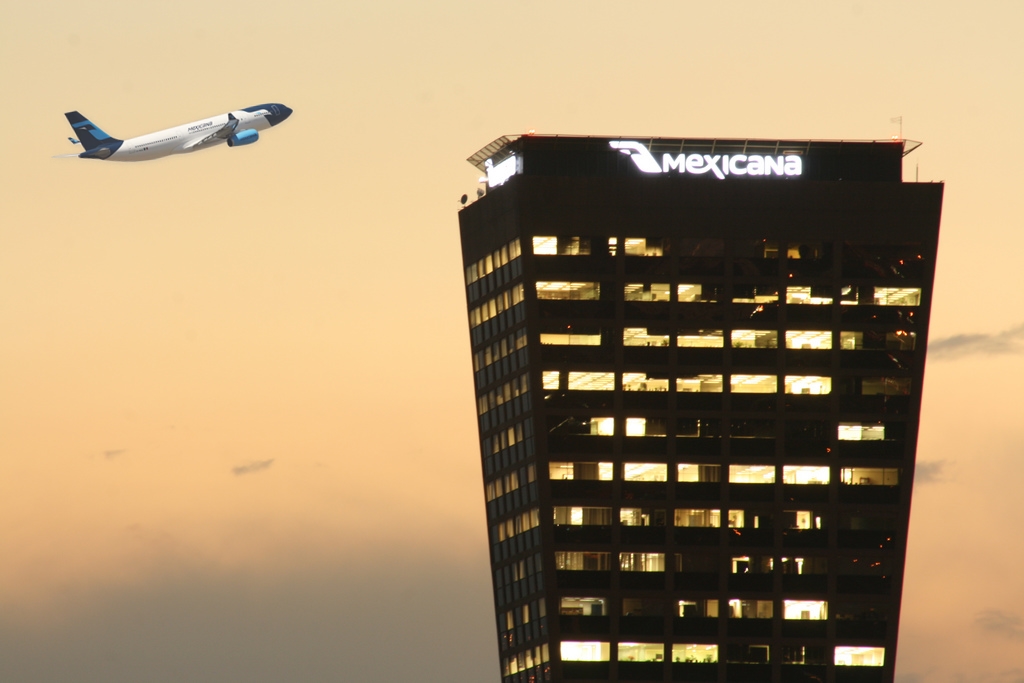
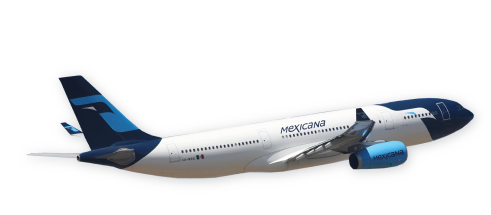
Rafael Suárez, Presidente de la Delegación de la Compañía Mexicana de Aviación en la Asociación Sindical de Pilotos Aviadores (ASPA) de México, enfatizó que los ex-trabajadores de la extinta aerolínea no tienen las facultades para decidir el destino de los bienes de la empresa, luego de que la Asociación de Jubilados, Trabajadores y Ex trabajadores de la Aviación Mexicana (AJTEAM) informó que agremiados de distintas asociaciones optaron por rematar los bienes. “La última luz que le quedaba a Mexicana se extingue por la decisión de sus dirigencias sindicales […] los agremiados se inclinan por el remate de los bienes, repartir la resultante y de esa forma darle santa sepultura a la posibilidad de ver nuevamente surcar los cielos a la que en otros tiempos fue la línea bandera de nuestro país”, dijo AJTEAM en un comunicado.
Los bienes restantes de Mexicana estarían valuados en alrededor de MX$ 1.100 millones de Pesos Mexicanos, aproximadamente el 10% del valor de los laudos, informó AJTEAM, y señaló que jubilados, trabajadores y ex-trabajadores de Mexicana agremiados de ASPA, la Asociación Sindical de Sobrecargos Aviación, Sindicato Nacional de Trabajadores de Transportes, Transformación, Aviación, Servicios y Similares, y la Coalición de Empleados de Confianza, abandonaron los diálogos para el posible regreso de la aerolínea bajo un esquema de cooperativa, sin embargo, Rafael Suárez asegura que los trabajos para relanzar la empresa continúan.
Los ex-empleados de la extinta aerolínea han mantenido seis reuniones de trabajo desde 2020 con autoridades del Instituto Nacional de la Economía Social (INAES). El objetivo es relanzar la empresa para ayudar a liquidar a los colaboradores afectados por la suspensión de operaciones de Mexicana y hacer el pago de las pensiones, ya que los bienes que quedan no cubrirían los pendientes que se tienen con los trabajadores.
Rafael Suárez explicó que los ex-trabajadores no pueden elegir qué se hace con los bienes de la extinta aerolínea, y reiteró en reunión ante al INAES, que los bienes que aún quedan en la masa concursal de Mexicana no pueden disponerse, puesto que están en litigio. “Hay leyes, un concurso mercantil y hay un síndico, este último es quien lleva a cabo las acciones para terminar ese concurso mercantil (…) Nosotros, como trabajadores, no podemos decidir si queremos tal o cual bien. Así no funciona la ley”, señaló el miembro de ASPA. Rafael Suárez señaló en la misma línea que la creación de una cooperativa causó nulo interés entre los ex-trabajadores de Mexicana, y aseguró que a largo de todas las reuniones con el INAES, nunca hubo más de 120 de los más de siete mil ex-trabajadores participando.
“Cien personas no pueden disponer del derecho laboral de 7.500 trabajadores. Si los sobrecargos jubilados quieren trabajar en la conformación de una Cooperativa, podrán hacerlo laborando de forma activa. Esto sigue adelante”, expresa Rafael Suárez. El Presidente de ASPA ha añadido que el sindicato debe seguir paso a paso los juicios y laudos promovidos para llegar a término en beneficio de los trabajadores de Mexicana. El INAES extendió una organización a las asociaciones sindicales para llevar a cabo una reunión virtual el próximo 23 de Marzo de 2021 a las 17:00 horas para avanzar sobre el caso de Mexicana de Aviación.
Mexican property litigation continues
ASPA union supports relaunch of Mexicana
Rafael Suárez, President of the Delegation of the Compañía Mexicana de Aviación in the Union Association of Pilots Aviators (ASPA) of Mexico, emphasized that the ex-workers of the extinct airline do not have the powers to decide the destination of the company’s assets, after the Association of Retirees, Workers and Former Workers of the Mexican Aviation (AJTEAM) reported that members of different associations chose to auction off the assets.
“The last light that was left to Mexicana is extinguished by the decision of its union leaders […] the union members are inclined to auction off the assets, distribute the resulting and thus give a holy burial to the possibility of seeing again take to the skies to what was once the flag line of our country», said AJTEAM in a statement.
The remaining assets of Mexicana would be valued at around MX$ 1,100 million Mexican Pesos, approximately 10% of the value of the awards, reported AJTEAM, noting that retirees, workers and ex-workers of Mexicana members of ASPA, the Trade Union Association de Sobrecargos Aviación, National Union of Transport, Transformation, Aviation, Services and Similar Workers, and the Coalition of Trusted Employees, abandoned the dialogues for the possible return of the airline under a cooperative scheme, however, Rafael Suárez assures that work to relaunch the company continues.
Former employees of the defunct airline have held six work meetings since 2020 with authorities from the National Institute of Social Economy (INAES). The objective is to relaunch the company to help liquidate the collaborators affected by the suspension of Mexicana operations and make the payment of pensions, since the assets that remain would not cover the pending that they have with the workers.
Rafael Suárez explained that ex-workers cannot choose what to do with the assets of the defunct airline, and reiterated in a meeting before INAES that the assets that still remain in the Mexican bankruptcy cannot be disposed of, since they are in litigation. “There are laws, a commercial bankruptcy and there is a trustee, the latter is the one who carries out the actions to end this commercial bankruptcy (…) We, as workers, cannot decide if we want this or that good. This is not how the law works”, said the ASPA member. Rafael Suárez pointed out along the same lines that the creation of a cooperative caused no interest among former Mexicana workers, and assured that throughout all the meetings with INAES, there were never more than 120 of the more than seven thousand former workers. workers participating.
“One hundred people cannot have the labor rights of 7,500 workers. If the retired flight attendants want to work in the formation of a Cooperative, they will be able to do so by working actively. This continues”, says Rafael Suárez. The President of ASPA has added that the union must follow the lawsuits and awards filed step by step in order to reach a conclusion for the benefit of Mexicana workers. INAES extended an organization to union associations to hold a virtual meeting on March 23, 2021 at 05:00 p.m. to advance on the case of Mexicana de Aviación.
Qatar Airways prueba IATA Travel Pass Digital Passport
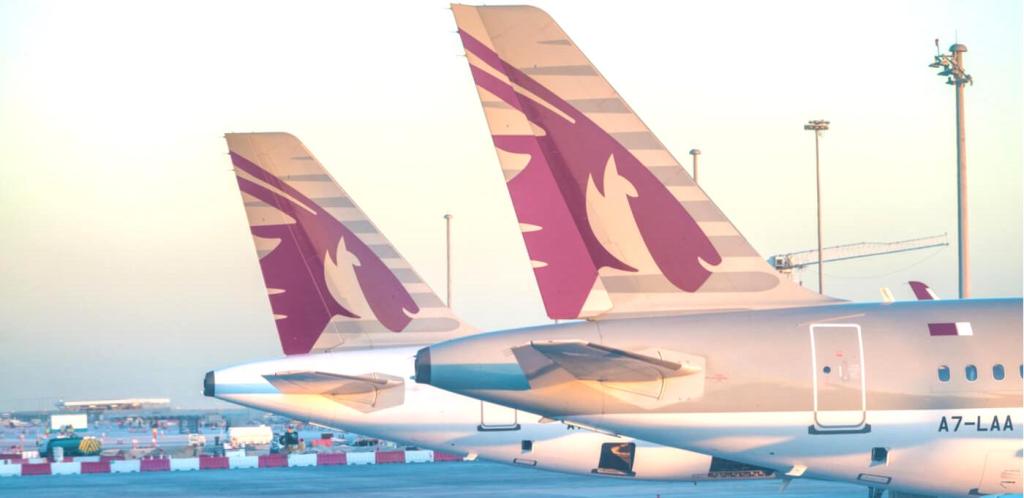
Qatar Airways se enorgullece de convertirse en la primera aerolínea en Oriente Medio en comenzar las pruebas de la innovadora nueva aplicación móvil IATA Travel Pass Digital Passport, en asociación con la Asociación Internacional de Transporte Aéreo (IATA), qatarí Ministerio de Salud Pública, Primary Health Care Corporation y Hamad Medical Corporation, a partir del 11 de Marzo de 2021. Los pasajeros que planean viajar en la ruta de Doha a Estambul comenzarán a probar la plataforma digital ofreciendo una experiencia más segura, segura y sin contacto para los viajeros. En estrecha colaboración con la IATA, Travel Pass es el último ejemplo del compromiso de la galardonada aerolínea de apoyar la recuperación de los viajes internacionales. Los pasajeros de la galardonada ruta Doha-Estambul de la aerolínea se convertirán en el primer grupo en experimentar la aplicación ‘Digital Passport’ que tiene como objetivo desempeñar un papel importante en la visión de la aerolínea de tener una experiencia de viaje más fluida, segura y sin problemas para sus pasajeros.
IATA Travel Pass garantiza que los pasajeros reciban información actualizada sobre las regulaciones sanitarias de COVID-19 en su país de destino, así como cumplir con estrictas regulaciones globales de privacidad de datos para permitir el intercambio de resultados de pruebas COVID-19 con las aerolíneas para verificar que son elegibles para emprender su viaje.
El Director Ejecutivo de Qatar Airways Group, Akbar Al Baker, dijo: «Como la aerolínea líder mundial en seguridad, innovación y experiencia del cliente, somos el defensor más firme de la industria para introducir soluciones digitales para ayudar a los pasajeros a navegar de forma segura y sin problemas por restricciones de entrada complejas y cambiantes en todo el mundo. Confiamos en la credibilidad del IATA Travel Pass como la solución más fiable e innovadora de la industria, dado su fuerte cumplimiento de la privacidad de los datos, su motor de reglas de entrada de larga data y su capacidad para proporcionar una solución integral. Estamos orgullosos de estar a la vanguardia de la prueba de esta plataforma, siendo una de las primeras aerolíneas a nivel mundial y la primera aerolínea en Oriente Medio en probar la tecnología. Con las regulaciones de privacidad de datos más estrictas, IATA Travel Pass es un gran paso hacia la demostración de que los estándares globales de la OACI para pasaportes digitales funcionan. También ayudará a sentar las bases para que los gobiernos de todo el mundo se unan en el desarrollo de regulaciones estandarizadas para reducir el actual mosaico de burocracia en toda la industria de viajes internacionales. En colaboración con la Organización Mundial de la Salud, la IATA también se dedica a ayudar a definir un certificado de vacuna estandarizado que será necesario para la apertura de fronteras y el aumento escalable de los viajes globales».
Qatar implements Digital Passport
Qatar Airways test IATA Travel Pass Digital Passport
Qatar Airways is proud to become the first airline in the Middle East to begin testing of the innovative new mobile app IATA Travel Pass Digital Passport, in partnership with the International Air Transport Association (IATA), Qatari Ministry of Public Health, Primary Health Care Corporation and Hamad Medical Corporation, effective March 11, 2021. Passengers planning to travel on the Doha to Istanbul route will begin testing the digital platform offering a more secure, secure and contactless experience for travelers. In close collaboration with IATA, the Travel Pass is the latest example of the award-winning airline’s commitment to supporting the recovery of international travel. Passengers on the airline’s award-winning Doha-Istanbul route will become the first group to experience the ‘Digital Passport’ app that aims to play an important role in the airline’s vision for a smoother, safer travel experience. and without problems for your passengers.
IATA Travel Pass ensures that passengers receive up-to-date information on COVID-19 health regulations in their destination country, as well as comply with strict global data privacy regulations to enable the exchange of COVID-19 test results with airlines for verify that they are eligible to undertake their journey.
Qatar Airways Group Chief Executive Officer Akbar Al Baker said: «As the world’s leading airline in safety, innovation and customer experience, we are the industry’s strongest advocate for introducing digital solutions to help passengers navigate seamlessly. secure and hassle-free due to complex and ever-changing entry restrictions. We are confident in the credibility of the IATA Travel Pass as the industry’s most reliable and innovative solution, given its strong compliance with data privacy, its rules engine long-standing inbound carrier and its ability to provide a comprehensive solution. We are proud to be at the forefront of testing this platform, being one of the first airlines globally and the first airline in the Middle East to test the technology. stricter data privacy regulations, the IATA Travel Pass is a major step towards demonstrating that ICAO global standards for pa digital ports work. It will also help lay the groundwork for governments around the world to join in developing standardized regulations to reduce the current patchwork of red tape across the international travel industry. In collaboration with the World Health Organization, IATA is also dedicated to helping define a standardized vaccine certificate that will be necessary for the opening of borders and the scalable increase in global travel».
قطر تطبق Digital Passport
تقوم الخطوط الجوية القطرية باختبار جواز السفر الرقمي IATA Travel Pass
تفخر الخطوط الجوية القطرية بأن تصبح أول شركة طيران في الشرق الأوسط تبدأ اختبار تطبيق الهاتف المحمول الجديد المبتكر IATA Travel Pass Digital Passport ، بالشراكة مع الاتحاد الدولي للنقل الجوي (IATA) ، ووزارة الصحة العامة القطرية ، ومؤسسة الرعاية الصحية الأولية. ومؤسسة حمد الطبية ، اعتبارًا من 11 مارس 2021. سيبدأ المسافرون الذين يخططون للسفر على طريق الدوحة إلى اسطنبول باختبار المنصة الرقمية التي تقدم تجربة أكثر أمانًا وأمنًا ولا تلامس للمسافرين. بالتعاون الوثيق مع اتحاد النقل الجوي الدولي ، تعد بطاقة السفر أحدث مثال على التزام شركة الطيران الحائزة على جوائز بدعم استعادة السفر الدولي. سيصبح المسافرون على خط الدوحة-اسطنبول الحائز على جوائز أول مجموعة تختبر تطبيق « Digital Passport » الذي يهدف إلى لعب دور مهم في رؤية شركة الطيران لتجربة سفر أكثر سلاسة وأمانًا وبدون مشاكل لركابك.
يضمن IATA Travel Pass حصول الركاب على معلومات محدثة عن اللوائح الصحية لـ COVID-19 في بلد وجهتهم ، بالإضافة إلى الامتثال للوائح خصوصية البيانات العالمية الصارمة لتمكين تبادل نتائج اختبار COVID-19 مع شركات الطيران للتحقق من أنهم مؤهلون للقيام برحلتهم.
وقال أكبر الباكر ، الرئيس التنفيذي لمجموعة الخطوط الجوية القطرية: «بصفتنا شركة الطيران الرائدة في العالم في مجال السلامة والابتكار وتجربة العملاء ، نحن أقوى داعم في الصناعة لتقديم حلول رقمية لمساعدة الركاب على التنقل بسلاسة. آمن وخالٍ من المتاعب بسبب التعقيد والتعامل مع العملاء. قيود الدخول المتغيرة باستمرار.نحن واثقون من مصداقية جواز سفر IATA باعتباره الحل الأكثر موثوقية وابتكارًا في الصناعة ، نظرًا لامتثاله القوي لخصوصية البيانات ، ومحرك قواعده الناقل الداخلي منذ فترة طويلة وقدرته على توفير حل شامل . نحن فخورون بكوننا في طليعة اختبار هذه المنصة ، لكوننا من أوائل شركات الطيران على مستوى العالم وأول شركة طيران في الشرق الأوسط تختبر التكنولوجيا.لوائح خصوصية البيانات الأكثر صرامة ، تعد بطاقة سفر IATA خطوة رئيسية نحو إثبات ذلك معايير الايكاو العالمية للسلطة الفلسطينية تعمل المنافذ الرقمية. كما أنه سيساعد على إرساء الأساس للحكومات في جميع أنحاء العالم للانضمام إلى وضع لوائح موحدة للحد من الترقيع الحالي للروتين عبر صناعة السفر الدولية. وبالتعاون مع منظمة الصحة العالمية ، يكرس اتحاد النقل الجوي الدولي أيضًا المساعدة في تحديد شهادة لقاح معيارية ستكون ضرورية لفتح الحدود وزيادة السفر العالمي. «
Gremio APLA Argentina reafirma vigencia mandato no volar aviones
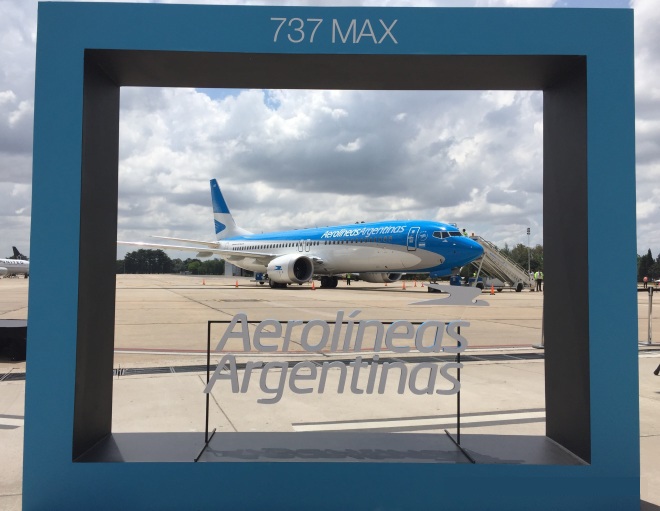
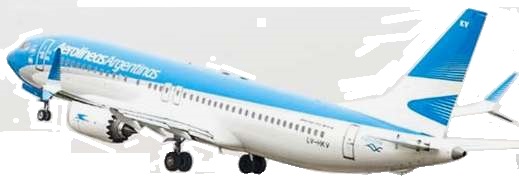
El Gremio de la Asociación de Pilotos de Líneas Aéreas (APLA) de Argentina ha determinado la continuidad de la posición de no aprobar los vuelos de la línea Boeing 737 MAX aunque la Administración Nacional de Aviación Civil (ANAC) de Argentina haya aprobado las operaciones comerciales de los Boeing 737 MAX en el país tanto para Aerolíneas Argentinas como para cualquier otra compañía.
El 16 de Marzo de 2019, el Gobierno de Argentina había prohibido las operaciones comerciales del Boeing 737 MAX en el país. Tras casi un año calendario completo, el Miércoles 10 de Marzo de 2021, la ANAC ha aprobado el retorno de las operaciones comerciales después de los análisis exhaustivos por parte del equipo de investigación bajo los estudios realizados por parte de las agencias de la FAA de Estados Unidos y otros organismos.
La posición de la asociación de APLA que nuclea a los pilotos de la República Argentina es continuar con la postura de no volar los Boeing 737 MAX permitiendo que se tomen más medidas que garanticen la seguridad de las tripulaciones y a los pasajeros. El comunicado de APLA expone: «Reafirmando nuestro compromiso irrenunciable con la seguridad de las operaciones, estamos siguiendo todas las etapas para garantizar la efectividad de las barreras de defensa y mitigaciones adoptadas respecto a los factores de riesgo que motivaron el presente mandato. Por ello, estamos en conversaciones con la compañía para articular un plan de actividad mínima e instrucción que brinde las garantías operativas necesarias para el retorno al servicio de los Boeing 737 MAX».
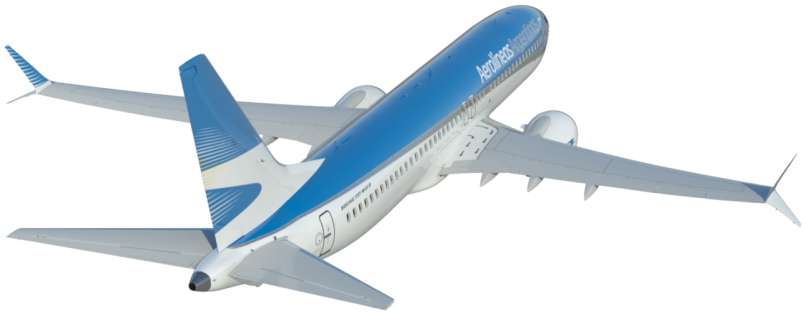
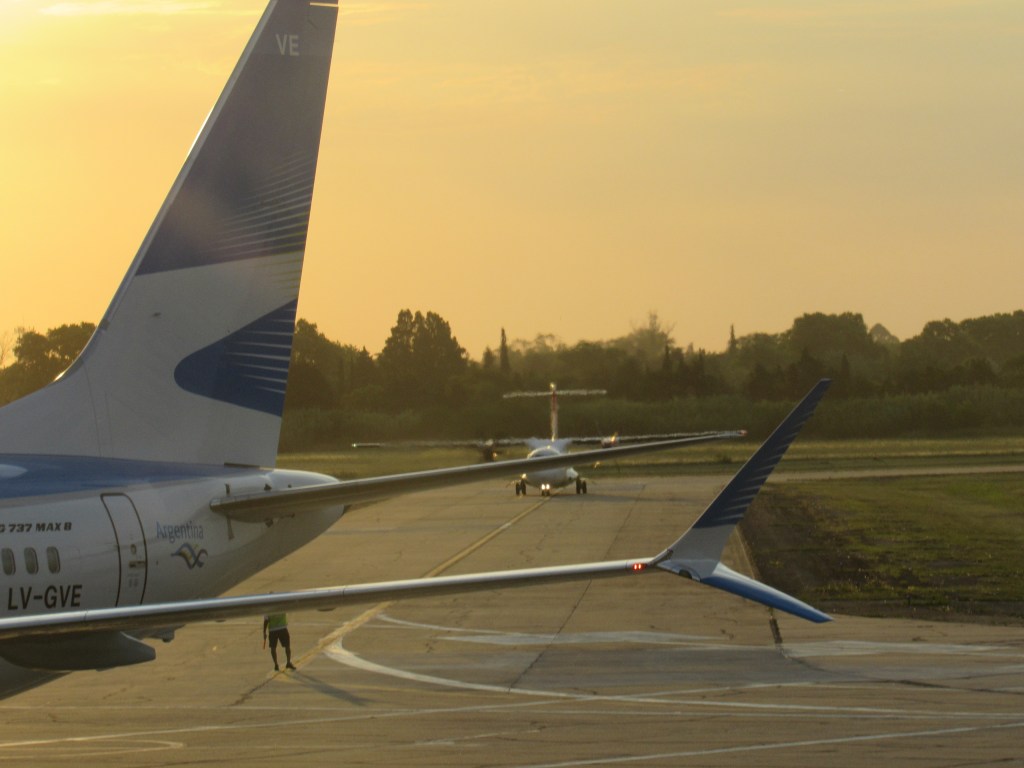
Dentro de los reclamos establecidos por parte de APLA es requerir que se brinde un plan de instrucción para operaciones aéreas de la línea Boeing 737 MAX, de los cuales Aerolíneas Argentinas posee en su flota cinco Boeing 737-8 MAX (5) como único transportador del país con este tipo de aeronaves. Reclaman que este plan de instrucción emitido por la compañía Boeing y respaldado por la FAA sea analizado para establecer mejores niveles de seguridad para el modelo.
El proceso de recertificación de la línea Boeing 737 MAX por parte de la Federal Aviation Administration de Estados Unidos se completó el 18 de Noviembre de 2020, quedando habilitado para las operaciones en su país, permitiendo acompañar nuevas medidas complementarias que otras agencias de aviación implementarán en sus respectivos países. Varios países han establecido las aprobaciones respectivas entre ellas la EASA (Unión Europea), Canadá, Emiratos Árabes Unidos, Australia, México, Panamá, Brasil, Reino Unido, entre muchos otros. GOL Linhas Aéreas ha sido la primera compañía aérea en el mundo en introducir los primeros vuelos regulares el 9 de Diciembre de 2020, seguido posteriormente el 29/12 de American Airlines. En Latinoamérica y el Caribe, Aeroméxico, Cayman Airways y Copa Airlines que poseen en sus flotas este tipo de aeronaves han restablecido los vuelos en su red de rutas.
APLA cancels flying 737 MAX
Gremio APLA Argentina reaffirms mandate not to fly planes
The Guild of the Airline Pilots Association (APLA) of Argentina has determined the continuity of the position of not approving the flights of the Boeing 737 MAX line even though the National Civil Aviation Administration (ANAC) of Argentina has approved the commercial operations of the Boeing 737 MAX in the country as for Aerolineas Argentinas as for any other company.
On March 16, 2019, the Government of Argentina had prohibited the commercial operations of the Boeing 737 MAX in the country. After almost a full calendar year, on Wednesday March 10, 2021, the ANAC has proven the return of commercial operations after exhaustive analyzes by the investigation team under the studies carried out by the agencies of the FAA of States. States and other agencies.
The position of the APLA association that brings together the pilots of the Argentine Republic is to continue with the position of not flying the Boeing 737 MAX, allowing more measures to be taken to guarantee the safety of the crews and passengers. The APLA statement states: «Reaffirming our inalienable commitment to the safety of operations, we are following all stages to guarantee the effectiveness of the defense barriers and mitigations adopted regarding the risk factors that motivated this mandate. Therefore, we are in talks with the company to articulate a minimum activity plan and instruction that provides the operational guarantees necessary for the return to service of the Boeing 737 MAX».
Among the claims established by APLA is to require that an instruction plan be provided for air operations of the Boeing 737 MAX line, of which Aerolíneas Argentinas has in its fleet five Boeing 737-8 MAX (5) as the sole carrier of the country with this type of aircraft. They demand that this training plan issued by the Boeing company and backed by the FAA be analyzed to establish better safety levels for the model.
The process of recertification of the Boeing 737 MAX line by the Federal Aviation Administration of the United States was completed on November 18, 2020, being enabled for operations in its country, allowing to accompany new complementary measures that other aviation agencies will implement in their respective countries. Several countries have established the respective approvals including EASA (European Union), Canada, United Arab Emirates, Australia, Mexico, Panama, Brazil, United Kingdom, among many others. GOL Linhas Aéreas has been the first airline in the world to introduce the first scheduled flights on December 9, 2020, followed later on December 29 by American Airlines. In Latin America and the Caribbean, Aeroméxico, Cayman Airways and Copa Airlines, which have this type of aircraft in their fleets, have re-established flights on their route network.
ANAC aprueba función mantenimiento reducción costos para aéreas
La Agencia Nacional de Aviación Civil (ANAC) de Brasil ha aprobado este Martes 09/03 la revisión de los requisitos de mantenimiento de las aeronaves previstas en el Reglamento de Aviación Civil de Brasil (RBACs) Nº 43, Nº 121 y Nº 135, realizando otra entrega del programa «Vuelo Simple», destinado a la desburocratización y modernización del sector aéreo.
Las modificaciones de los reglamentos abarcan medidas que simplifican la actividad de la aviación y reducen los costes administrativos de los operadores aéreos. El principal cambio para el sector fue el fin del requisito de doble certificación para el mantenimiento por encima del nivel del nivel de la línea, uno bajo el reglamento operativo RBAC Nº 121, para compañías aéreas, o RBAC Nº 135, para taxi aéreo y otro como organización de mantenimiento bajo RBAC No. 145. Los operadores 121 o 135 ahora podrán certificar sus estructuras de mantenimiento sólo bajo sus RBACs en los que operan, pudiendo realizar mantenimiento para su propia flota y para otro titular del mismo tipo de certificado, ya no necesita ser certificado bajo RBAC No. 145.
Los cambios representan una mayor armonización con las regulaciones utilizadas por la autoridad de aviación civil de los Estados Unidos a cargo de la Administración Federal de Aviación (FAA), manteniendo las peculiaridades de la operación brasileña.
ANAC Brazil maintenance requirements
ANAC approves maintenance function that reduces costs for airlines
The National Civil Aviation Agency (ANAC) of Brazil has approved this Tuesday 03/09 the revision of the maintenance requirements of the aircraft provided for in the Brazilian Civil Aviation Regulations (RBACs) No. 43, No. 121 and No. 135, making another delivery of the «Simple Flight» program, aimed at debureaucratization and modernization of the air sector.
The changes to the regulations encompass measures that simplify aviation activity and reduce administrative costs for air operators. The main change for the sector was the end of the requirement of double certification for maintenance above the level of the line, one under the operating regulation RBAC No. 121, for airlines, or RBAC No. 135, for air taxi and another as a maintenance organization under RBAC No. 145. Operators 121 or 135 will now be able to certify their maintenance structures only under their RBACs in which they operate, being able to perform maintenance for their own fleet and for another holder of the same type of certificate, no longer needs to be certified under RBAC No. 145.
The changes represent greater harmonization with the regulations used by the United States civil aviation authority in charge of the Federal Aviation Administration (FAA), maintaining the peculiarities of the Brazilian operation.
Requisitos de manutenção da ANAC Brasil
ANAC aprova função manutenção que reduz custos para linhas aéreas
A Agência Nacional de Aviação Civil (ANAC) do Brasil aprovou nesta terça-feira 03/09 a revisão dos requisitos de manutenção das aeronaves previstos no Regulamento da Aviação Civil (RBACs) Nº 43, Nº 121 e Nº 135, fazendo nova entrega do programa “Vôo Simples”, que visa a desburocratização e modernização do setor aéreo.
As mudanças na regulamentação abrangem medidas que simplificam a atividade da aviação e reduzem os custos administrativos dos operadores aéreos. A principal mudança para o setor foi o fim da exigência de dupla certificação para manutenção acima do nível da linha, uma sob a regulamentação operacional RBAC Nº 121, para companhias aéreas, ou RBAC Nº 135, para táxi aéreo e outra como organização de manutenção sob o RBAC Nº 145. Os operadores 121 ou 135 agora poderão certificar suas estruturas de manutenção apenas sob os RBACs em que operam, podendo realizar manutenção para sua própria frota e para outro titular do mesmo tipo de certificado, não precisa mais ser certificado pelo RBAC Nº 145.
As mudanças representam uma maior harmonização com as normas utilizadas pela autoridade de aviação civil dos Estados Unidos a cargo da Federal Aviation Administration (FAA), mantendo as peculiaridades da operação brasileira.
Peruvian pierde permisos para volar al carecer de garantías
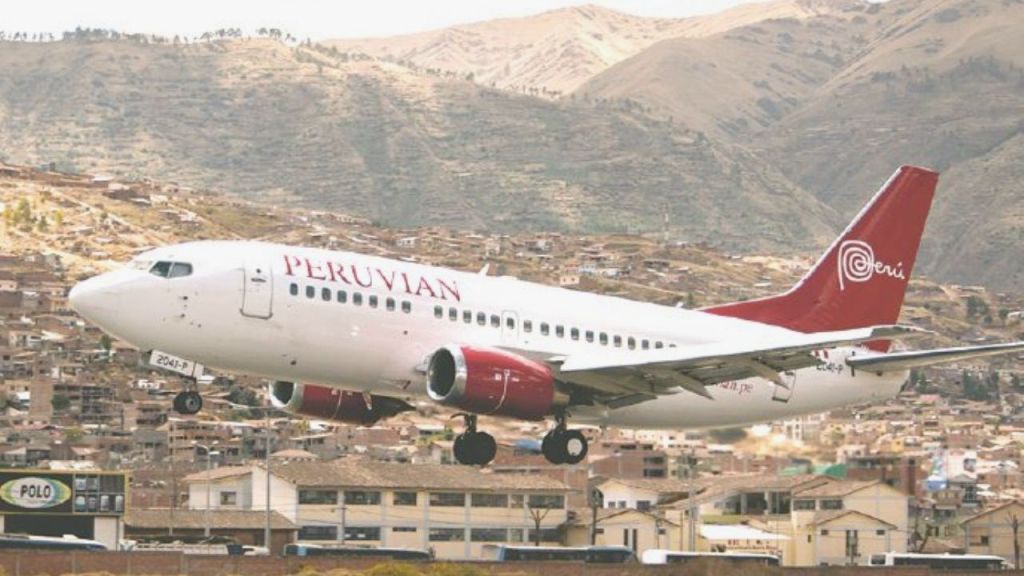
La Dirección General de Aeronáutica Civil (DGAC) de la República de Perú ha informado que la aerolínea Peruvian Airlines ha perdido los permisos para vuelos comerciales en el país por no tener la capacidad económico-financiera para continuar con sus actividades.
Mediante la Resolución Directoral N° 043-2021-MTC/12, la DGAC reportó la decisión, la cual esta sustentada por la Ley de Aeronáutica Civil, la cual indica que en el mes de noviembre del 2020 se le había notificado a la compañía aérea la perdida de sus capacidades, para lo cual le dieron un plazo de quince días para presentar apelar. “Peruvian Air Line S.A.C. ha incurrido en las causales de revocatoria de sus permisos de operación, contempladas en los literales a) y b) del inciso 97.2 del artículo 97° de la Ley N° 27261, por la pérdida de su capacidad técnica y económica-financiera y por no cumplir con reponer la garantía global en el plazo establecido por la reglamentación correspondiente”, comunicó la DGAC.
Sin embargo, Peruvian Airlines en su momento presentó solamente la ampliación de 45 días hábiles para la suspensión de sus operaciones, lo cual no fue concedido debido a que ya existía un prórroga máxima de 180 días. La aerolínea peruana dejó de operar el 4 de Octubre de 2020, tras el Tribunal Fiscal de Aduanas procediera iniciara el embargo de sus cuentas bancarias.
Peruvian Airlines fue fundada en Noviembre de 2007 con sede en Lima, Perú, recibiendo su Certificado de Operador Aéreo (AOC) de la autoridad de aviación de Perú el 7 de Agosto de 2008. La aerolínea comenzó a operar el 29 de Octubre de 2009, ofreciendo principalmente vuelos nacionales fuera de su base principal en el Aeropuerto Internacional Jorge Chávez. El 2 de Octubre de 2019, debido a que el Tribunal Fiscal de Aduanas peruano se apoderó de las cuentas bancarias de la aerolínea después de que la aerolínea no completara los pagos de combustible, iniciaba su proceso de cese de operaciones debido a problemas de liquidez. A Octubre de 2020 la compañía poseía una flota de trece aviones de la línea Boeing 737.
Peruvian cancel AOC permit
Peruvian loses permits to fly due to lack of guarantees
The General Directorate of Civil Aeronautics (DGAC) of the Republic of Peru has reported that the Peruvian Airlines airline has lost permits for commercial flights in the country due to not having the economic-financial capacity to continue with its activities.
Through Directorial Resolution No. 043-2021-MTC/12, the DGAC reported the decision, which is supported by the Civil Aeronautics Law, which indicates that in November 2020 the airline had been notified the loss of his abilities, for which he was given a period of fifteen days to appeal. “Peruvian Air Line S.A.C. has incurred the grounds for revocation of its operating permits, contemplated in literals a) and b) of subsection 97.2 of article 97 of Law No. 27261, due to the loss of its technical and economic-financial with the replacement of the global guarantee within the period established by the corresponding regulations”, the DGAC communicated.
However, Peruvian Airlines at the time only presented an extension of 45 business days for the suspension of its operations, which was not granted because there was already a maximum extension of 180 days. The Peruvian airline stopped operating on October 4, 2020, after the Customs Tax Court proceeded to initiate the seizure of its bank accounts.
Peruvian Airlines was founded in November 2007 with headquarters in Lima, Peru, receiving its Air Operator Certificate (AOC) from the Peruvian aviation authority on August 7, 2008. The airline began operating on October 29, 2009, offering mainly domestic flights out of its main base at Jorge Chávez International Airport. On October 2, 2019, due to the fact that the Peruvian Customs Tax Court seized the airline’s bank accounts after the airline failed to complete fuel payments, it began its process of cessation of operations due to liquidity problems. As of October 2020, the company had a fleet of thirteen Boeing 737 aircraft.
Amadeus permitirá presentación documentos vacunación a aéreas
La empresa española de tecnología de viajes Amadeus ofrecerá la posibilidad de cargar documentos de certificados de vacunación de COVID-19 a través de una aplicación o de los sitios web de las aerolíneas, en un momento en que el sector de los viajes busca la manera de reanudar los vuelos internacionales.
Los sectores público y privado de países dependientes del turismo, como España, Italia y Grecia, han buscado una respuesta unificada al mosaico de requisitos sanitarios, prohibiciones y cuarentenas que han paralizado los viajes en todo el mundo. Amadeus dijo el Martes 09/03 que su sistema, que se alojará dentro de una plataforma ya existente para almacenar datos de identificación, se implantará en el segundo trimestre (2Q2021). Permitirá a los pasajeros cargar los certificados o los resultados de las pruebas PCR o serológicas en una aplicación móvil o el sitio web de cualquier aerolínea como parte del proceso de facturación y reducirá la necesidad de realizar costosas comprobaciones manuales. «La necesidad actual de verificar manualmente los documentos sanitarios manteniendo la distancia social significa que algunas de nuestras aerolíneas clientes necesitan alrededor del 90% de su personal de facturación para procesar sólo el 30% de los pasajeros», dijo en un comunicado Monika Wiederhold, responsable global de seguridad de Amadeus. Aunque Amadeus no dijo a qué aerolíneas o aeropuertos proporcionaría el servicio, una portavoz de la empresa dijo que estaría disponible para sus más de 770.000 clientes de la hostelería.
En Febrero 2021, la IATA, organismo mundial que representa a las aerolíneas, declaró que tendría listo un pasaporte de viaje de COVID-19 para finales de marzo, mientras que British Airways dijo en enero que probaría los pasaportes sanitarios móviles en algunos vuelos. La Unión Europea (UE) ha dicho que pondrá en marcha su propio «pase verde digital» a tiempo para el verano del hemisferio norte. En España, el Ministerio de Turismo ha informado la semana pasada que este país llevaría a cabo su propio proyecto piloto para probar los llamados pasaportes de vacunación antes del verano, cuando espera atraer a los turistas británicos vacunados que actualmente no pueden viajar a España, mientras que en las Islas Baleares y Canarias son posibles lugares para la prueba de dichos pasaportes sanitarios digitales.
Amadeus & vaccination certificates
Amadeus will allow submission of vaccination documents to airlines
The Spanish travel technology company Amadeus will offer the ability to upload COVID-19 vaccination certificate documents through an app or airline websites, at a time when the travel industry is looking for ways to resume international flights.
The public and private sectors of tourism-dependent countries, such as Spain, Italy and Greece, have sought a unified response to the mosaic of health requirements, bans and quarantines that have paralyzed travel around the world. Amadeus said on Tuesday 03/09 that its system, which will be hosted within an existing platform to store identification data, will be rolled out in the second quarter (2Q2021). It will allow passengers to upload serological or PCR test results or certificates to a mobile app or any airline’s website as part of the check-in process and reduce the need for costly manual checks. «The current need to manually verify health documents while maintaining social distance means that some of our client airlines need around 90% of their check-in staff to process only 30% of passengers», Monika Wiederhold, who is responsible for it, said in a statement. Amadeus Security Global. Although Amadeus did not say which airlines or airports it would provide the service to, a company spokeswoman said it would be available to its more than 770,000 hospitality customers.
In February 2021, IATA, the global body representing airlines, declared that it would have a COVID-19 travel passport ready by the end of March, while British Airways said in January that it would test mobile health passports on some flights. The European Union (EU) has said it will launch its own «digital green pass» in time for the northern hemisphere summer. In Spain, the Ministry of Tourism reported last week that this country would carry out its own pilot project to test so-called vaccination passports before the summer, when it hopes to attract vaccinated British tourists who are currently unable to travel to Spain, while that in the Balearic and Canary Islands are possible places for the proof of said digital health passports.
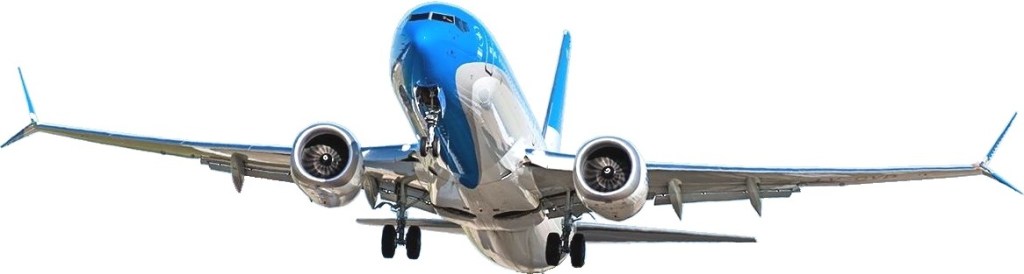
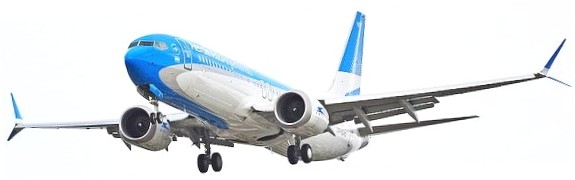
Agencia ANAC aprueba el retorno del Boeing 737 MAX
La Administración Nacional de Aviación Civil (ANAC) de la República Argentina ha anunciado la recertificación de la línea Boeing 737 MAX para operaciones en el territorio del país. La Resolución N° 194-E de fecha 16 de Marzo de 2019 prohibió, por razones de seguridad ante los siniestros acaecidos los días 29 de Octubre de 2018 y 10 de Marzo de 2019, la operación de aeronaves Boeing 737-8 MAX y 737-9 MAX, por parte de todos los operadores certificados en la República Argentina, como así también el sobrevuelo de dichas aeronaves en todo el territorio nacional.
El fabricante The Boeing Company y las autoridades aeronáuticas a nivel mundial han llevado a cabo investigaciones exhaustivas de los siniestros mencionados precedentemente, logrando establecer las causas de los mismos y generando medidas de mitigación que permitieron restablecer niveles aceptables de seguridad operacional en la operación de las aeronaves en cuestión. La Federal Aviation Administration (FAA) ha aprobado los Planes de Instrucción Teórico y Práctico presentados por la compañía Boeing para su impartición a aquellos pilotos que operen aeronaves modelo 737 MAX. Dichos Planes de Instrucción han sido analizados por inspectores de la Dirección Nacional de Seguridad Operacional (DNSO) dependiente de la ANAC, en el marco de las medidas propuestas por la compañía Aerolíneas Argentinas, único operador en Argentina que posee en su flota este tipo de aeronaves.
La FAA ha informado el levantamiento de la restricción de operación de la aeronave, bajo la aplicación de su Directiva de Aeronavegabilidad AD 2020-24-02. La Dirección de Aeronavegabilidad dependiente de la DNSO de la ANAC dentro de su estricto ámbito de competencia, realizó un análisis en lo referido a las condiciones de aeronavegabilidad de las aeronaves Boeing 737 MAX y se expidió mediante la Providencia N° PV-2021-14115026-APN-DNSO#ANAC, basado en el informe técnico contenido en la Nota N° NO-2021-11079592-APN-DNSO#ANAC. La Dirección de Operación de Aeronaves dependiente de la DNSO de la ANAC dentro de su estricto ámbito de competencia, realizó un análisis en lo referido a la operación e instrucción requerida para la operación segura de la aeronave analizando los procedimientos adoptados por parte de Aerolíneas Argentinas, en su flota de Boeing 737-8 MAX y se expidió mediante la Providencia N° PV-2021-14872843-APN-DNSO#ANAC.
La DNSO de la ANAC ha tomado intervención y generado los informes técnicos respectivos. La Dirección de Asuntos Jurídicos dependiente de la Dirección General Legal Técnica y Administrativa (DGLTyA) de la ANAC ha tomado la intervención que le compete. La presente medida se dicta en uso de las facultades conferidas en el Decreto Nº 1.770 de fecha 29 de Noviembre de 2007 y en el Artículo 12 del Código Aeronáutico.
Por ello, la ANAC Argentina resuelve en su resolución: ARTÍCULO 1°. Derógase la Resolución N° 194-E de fecha 16 de Marzo de 2019, por cuyo conducto se prohibió la operación de aeronaves Marca Boeing, Modelos 737-8 MAX y 737-9 MAX, por parte de todos los operadores certificados en la República Argentina, como así también el sobrevuelo de dichas aeronaves en todo el territorio nacional.
ARTÍCULO 2°. Difúndase mediante la página web de la ANAC.
ARTÍCULO 3°. Comuníquese a la Junta de Seguridad de Transporte (JST) y a la Empresa Argentina de Navegación Aérea (EANA) a los efectos del ejercicio de sus respectivas competencias, notifíquese a la empresa Aerolíneas Argentinas Sociedad Anónima, dese a la Dirección Nacional del Registro Oficial para su publicación en el Boletín Oficial, y cumplido archívese.
ANAC, 1era. Latinoamérica
La Administración Nacional de Aviación Civil (ANAC) había certificado el Boeing 737-8 MAX, como el primer organismo regulador en Latinoamérica en Diciembre 2017. El personal técnico de la Dirección Nacional de Aeronavegabilidad de la ANAC había realizado el proceso de matriculación y emisión del Certificado de Aeronavegabilidad de la aeronave, que fue adquirida por Aerolíneas Argentinas. Para llegar a la certificación que emite la ANAC, participaron especialistas en sistemas de aerodinámica, estructura y aviónica. Ellos asistieron a las fábricas de los motores y de la aeronave para la verificación del cumplimiento de los estándares nacionales y los requisitos específicos de esta Autoridad de Aviación Civil.
Incursión mundial 737 MAX
La ANAC estuvo desde el primer momento en contacto tanto con la Junta de Investigación de Accidentes de Aviación Civil (JIAAC) como con Aerolíneas Argentinas, The Boeing Company y la FAA, que es la autoridad original certificante de la aeronave. Luego de un análisis conjunto y a modo preventivo, Aerolíneas Argentinas había suspendido temporalmente las operaciones de sus Boeing 737-8 MAX hasta que haya novedades de la investigación o los aviones de la compañía sean inspeccionados por personal de Boeing. Tras la formalidad de la FAA y otros organismos de aviación mundiales el Boeing 737 MAX había sido puesto en tierra en Marzo 2019 para rediseñar los errores de fabricación en el Sistema de Control de Vuelos conocido como MCAS.
Aerolíneas retorna ops 737 MAX
A través de la Resolución 62/2021 publicada en el Boletín Oficial este Miércoles 10 de Marzo de 2021, la Administración Nacional de Aviación Civil de Argentina oficializó el levantamiento de la prohibición de las operaciones de los Boeing 737-8 MAX y Boeing 737-9 MAX en todo el territorio de la República Argentina. La Dirección Nacional de Seguridad Operacional (DNSO) dependiente de la ANAC, ha analizado los Planes de Instrucción presentados por The Boeing Company ante la FAA de Estados Unidos y que fueran aprobados por ésta.
En Enero 2021 Aerolíneas Argentinas había informado el inicio de las capacitaciones para las tripulaciones técnicas el Centro de Formación y Entrenamiento de Pilotos de la República Argentina (CeFePRA), como parte de entrenamiento aprobado por la Agencia de la ANAC en cumplimiento con los requisitos para el regreso al servicio y las recomendaciones del fabricante, realizado bajo la modalidad CBT (Computer Based Training) que ha proporcionado mayor información acerca del Sistema de Control de Vuelo del Boeing 737 MAX, incluido el Maneuvering Characteristics Augmentation System (MCAS), y los cambios implementados en el software de las aeronaves. Adicionalmente continuarán las prácticas en simuladores de vuelo 737 MAX en Boeing, para completar posteriormente el entrenamiento en Buenos Aires, mientras se actualiza el software del MCAS junto con un cambio reglamentario del cableado en el sistema de las aeronaves.
El proceso de recertificación de los MAX por parte de la Federal Aviation Administration (FAA) de Estados Unidos se había aprobado el 18 de Noviembre de 2020. Correspondientemente, varias agencias de aviación a través del mundo han acompañando la medida de manera gradual. La aerolínea GOL Linhas Aéreas ha sido la primera compañía aérea en el mundo en devolver los vuelos de línea comercial el 9 de Diciembre de 2020, posteriormente se han sumado muchas líneas aéreas al restablecimiento de la aeeronave tras las aprobaciones respectivas de los organismos reguladores de aviación de cada país.
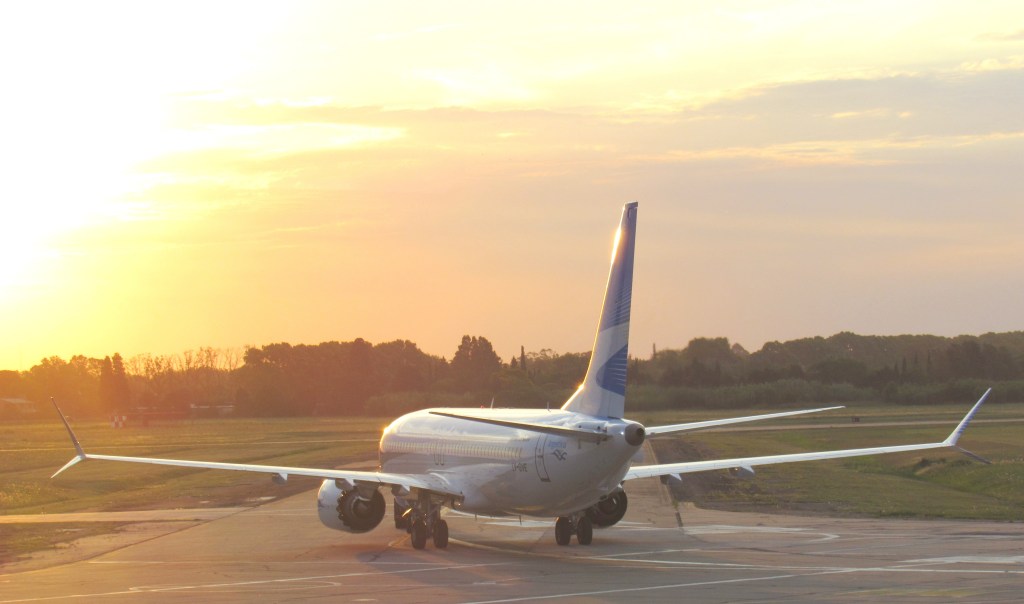
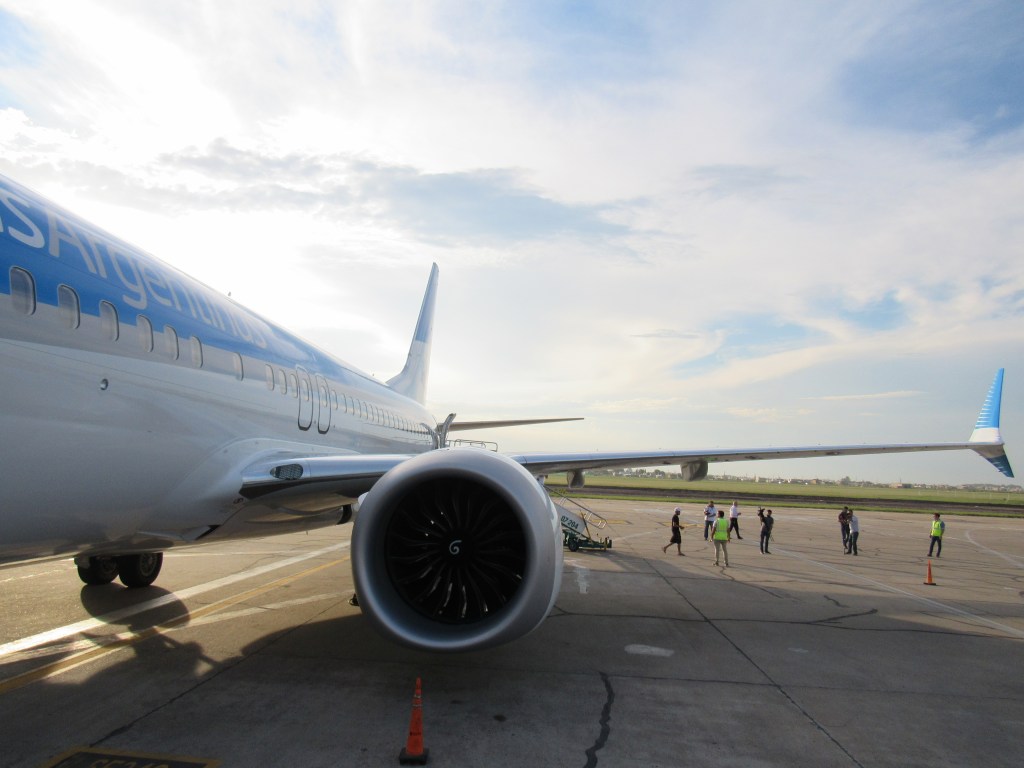
Actualmente, Aerolíneas Argentinas posee en su flota cinco Boeing 737-8 MAX (5), permitiendo restablecer sus operaciones comerciales inicialmente hacia Abril-Mayo 2021. Mientras tanto, la compañía necesitará avanzar con los acuerdos respectivos con la Asociación de Pilotos de Líneas Aéreas (APLA) para homologar los permisos con el gremio que nuclea a los pilotos.
ANAC Argentina recertifies 737 MAX
ANAC agency approves the return of the Boeing 737 MAX
The National Civil Aviation Administration (ANAC) of the Argentine Republic has announced the recertification of the Boeing 737 MAX line for operations in the country’s territory. Resolution No. 194-E dated March 16, 2019 prohibited, for safety reasons in the face of the incidents that occurred on October 29, 2018 and March 10, 2019, the operation of Boeing 737-8 MAX and 737-9 MAX aircraft, by all certified operators in the Argentine Republic, as well as the overflight of said aircraft throughout the national territory.
The manufacturer The Boeing Company and the aeronautical authorities worldwide have carried out exhaustive investigations of the aforementioned accidents, establishing their causes and generating mitigation measures that allowed the restoration of acceptable levels of operational safety in the operation of the aircraft. in question. The Federal Aviation Administration (FAA) has approved the Theoretical and Practical Training Plans presented by the Boeing company for delivery to those pilots who operate model 737 MAX aircraft. These Training Plans have been analyzed by inspectors of the National Directorate of Operational Safety (DNSO) dependent on the ANAC, within the framework of the measures proposed by the company Aerolíneas Argentinas, the only operator in Argentina that has this type of aircraft in its fleet.
The FAA has reported the lifting of the aircraft operation restriction, under the application of its Airworthiness Directive AD 2020-24-02. The Airworthiness Directorate dependent on ANAC’s DNSO within its strict scope of competence, carried out an analysis regarding the airworthiness conditions of Boeing 737 MAX aircraft and it was issued through Ruling No. PV-2021-14115026- APN-DNSO # ANAC, based on the technical report contained in Note No. NO-2021-11079592-APN-DNSO#ANAC. The Aircraft Operation Directorate dependent on the DNSO of ANAC within its strict scope of competence, carried out an analysis regarding the operation and instruction required for the safe operation of the aircraft, analyzing the procedures adopted by Aerolíneas Argentinas, in its Boeing 737-8 MAX fleet and was issued through Providence No. PV-2021-14872843-APN-DNSO#ANAC.
The DNSO of the ANAC has taken action and generated the respective technical reports. The Directorate of Legal Affairs dependent on the Directorate General Legal, Technical and Administrative (DGLTyA) of the ANAC has taken the intervention that corresponds to it. This measure is issued in use of the powers conferred in Decree No. 1,770 dated November 29, 2007 and in Article 12 of the Aeronautical Code.
Therefore, the ANAC Argentina resolves in its resolution: ARTICLE 1. Repeal Resolution No. 194-E dated March 16, 2019, through which the operation of Boeing Brand aircraft, Models 737-8 MAX and 737-9 MAX, was prohibited by all certified operators in the Argentine Republic, as well as the overflight of said aircraft throughout the national territory.
ARTICLE 2. Disseminate through the ANAC website
ARTICLE 3. Contact the Transportation Safety Board (JST) and the Argentine Air Navigation Company (EANA) for the purposes of exercising their respective powers, notify the company Aerolíneas Argentinas Sociedad Anónima, contact the National Directorate of the Official Registry for your publication in the Official Gazette, and completed file.
ANAC, 1st Latin America
The National Civil Aviation Administration (ANAC) had certified the Boeing 737-8 MAX, as the first regulatory body in Latin America in December 2017. The technical staff of the National Airworthiness Directorate of ANAC had carried out the registration process and issuance of the Certificate Airworthiness of the aircraft, which was acquired by Aerolíneas Argentinas. To reach the certification issued by the ANAC, specialists in aerodynamic, structure and avionics systems participated. They assisted the engine and aircraft factories to verify compliance with national standards and the specific requirements of this Civil Aviation Authority.
World raid 737 MAX
The ANAC was in contact with both the Civil Aviation Accident Investigation Board (JIAAC) and Aerolíneas Argentinas, The Boeing Compani and the FAA, which is the original certifying authority for the aircraft. After a joint and preventive analysis, Aerolíneas Argentinas had temporarily suspended the operations of its Boeing 737-8 MAX until there are news of the investigation or the company’s planes are inspected by Boeing personnel. Following the formality of the FAA and other world aviation organizations the Boeing 737 MAX had been grounded in March 2019 to redesign manufacturing errors in the Flight Control System known as MCAS.
Aerolíneas returns ops 737 MAX
Through Resolution 62/2021 published in the Official Gazette this Wednesday, March 10, 2021, the National Civil Aviation Administration of Argentina made official the lifting of the ban on the operations of the Boeing 737-8 MAX and Boeing 737-9 MAX throughout the territory of the Argentine Republic. The National Directorate for Operational Safety (DNSO) dependent on ANAC, has analyzed the Training Plans presented by The Boeing Company to the United States FAA and approved by it.
In January 2021 Aerolíneas Argentinas had reported the start of training for technical crews at the Pilot Training and Training Center of the Argentine Republic (CeFePRA), as part of the training approved by the ANAC Agency in compliance with the requirements for the return to service and the manufacturer’s recommendations, carried out under the CBT (Computer Based Training) modality that has provided more information about the Boeing 737 MAX Flight Control System, including the Maneuvering Characteristics Augmentation System (MCAS), and the changes implemented in aircraft software. Additionally, the 737 MAX flight simulator practices will continue at Boeing, to later complete the training in Buenos Aires, while the MCAS software is updated along with a regulatory change to the wiring in the aircraft system.
The process of recertification of the MAX by the Federal Aviation Administration (FAA) of the United States had been approved on November 18, 2020. Correspondingly, several aviation agencies throughout the world have gradually followed the measure. The airline GOL Linhas Aéreas has been the first airline in the world to return commercial airline flights on December 9, 2020, subsequently many airlines have joined the reestablishment of the aircraft after the respective approvals of the aviation regulatory bodies of each country.
Currently, Aerolíneas Argentinas has five Boeing 737-8 MAXs (5) in its fleet, allowing it to reestablish its commercial operations initially around April-May 2021. Meanwhile, the company will need to advance with the respective agreements with the Airline Pilots Association (APLA) to homologate the permits with the union that brings together the pilots.
AW | 2021 03 08 14:25 | AVIATION ORGANIMS / GOVERNMENT
DOT publica el informe de las aerolíneas de 2020
El Departamento de Transporte (DOT) del Gobierno de Estados Unidos hapublicado datos referentes a la situación del mercado aéreo en el año 2020. Todas las aerolíneas vieron un aumento en las cancelaciones, probablemente como resultado de la pandemia Coronavirus (COVID-19), que causó cambios significativos en los horarios y operaciones de las aerolíneas y en los comportamientos de los consumidores en la manera de volar.
Las aerolíneas de Estados Unidos han continuado volando luego de algunos meses de estancamientos iniciales después de Marzo 2020. Spirit Airlines tuvo el porcentaje más bajo de vuelos cancelados en 2020, según el informe del Departamento de Transporte de Estados Unidos. De los 135.102 vuelos programados de Spirit, 2.964 fueron cancelados, o un 2,19 por ciento, frente al 1,75 por ciento de los vuelos en 2019.
Allegiant Air tuvo el mayor porcentaje de vuelos cancelados, cancelando 14.296 de sus 98.489 vuelos planeados, o 14,52%, en comparación con menos del uno por ciento el año anterior.
Alaska Airlines y Delta Air Lines, y sus socios, siguieron a Spirit con porcentajes de cancelación de 3,71% y 4,24%, respectivamente.
Southwest Airlines se adelantó a Allegiant Air en el penúndolo, cancelando 8.1 por ciento de los vuelos, y detrás de American Airlines, que canceló 6.23 por ciento.
American Airlines y sus socios manejaron con mayor desafío el porcentaje de equipajes de 340.555 de 57.148.720, o 5,96% mal manejadas por cada 1.000. Esa tasa seguía siendo inferior a sus 8,48 sacos por cada 1.000 en 2019. Allegiant Air tuvo el menor número de percances, manejando mal sólo 1,48% por cada 1.000, frente a 1,75 en 2019. En cuanto al manejo de sillas de ruedas y scooters, Allegiant hizo lo mejor, con un mal manejo de sólo el 0,34 por ciento (21 de 6.135). Spirit hizo lo peor, manejando mal 204 de 6,884, o 2.96 por ciento. Endeavor Air y Delta Air Lines también manejaron mal menos del uno por ciento de sillas de ruedas y scooters.
El informe también encontró que en Diciembre 2020, la mayoría de los retrasos fueron causados por compañías aéreas con un 4,51%. El retraso del Sistema Nacional de Aviación fue la segunda causa más común, retrasando el 4,15 por ciento de los vuelos. Sólo el 0,45 por ciento fueron causados por el clima extremo, y el 0,05 por ciento por un retraso de seguridad, pero con unu alto índice de vuelos en tiempo correspondiente al 87%.
2020 DOT Airline Report
DOT Releases 2020 Airline Report
The Department of Transportation (DOT) of the United States Government has published data regarding the situation of the air market in 2020. All airlines saw an increase in cancellations, probably as a result of the Coronavirus (COVID-19) pandemic, which it caused significant changes in airline schedules and operations and in consumer behavior in the way they fly.
US airlines have continued to fly after a few months of initial stagnation after March 2020. Spirit Airlines had the lowest percentage of canceled flights in 2020, according to the US Department of Transportation report. Of Spirit’s 135,102 scheduled flights, 2,964 were canceled, or 2.19 percent, down from 1.75 percent of flights in 2019.
Allegiant Air had the highest percentage of canceled flights, canceling 14,296 of its 98,489 planned flights, or 14.52%, compared to less than one percent the previous year.
Alaska Airlines and Delta Air Lines, and their partners, followed Spirit with cancellation rates of 3.71% and 4.24%, respectively.
Southwest Airlines overtook Allegiant Air in the pendenlo, canceling 8.1 percent of flights, and behind American Airlines network, which canceled 6.23 percent.
American Airlines and its partners most challenged the baggage percentage of 340,555 out of 57,148,720, or 5.96% mishandled per 1,000. That rate was still below its 8.48 bags per 1,000 in 2019. Allegiant Air had the fewest mishaps, mishandling just 1.48% per 1,000, compared to 1.75 in 2019. wheelchairs and scooters, Allegiant did the best, mishandling just 0.34 percent (21 of 6,135). Spirit did the worst, mishandling 204 of 6,884, or 2.96 percent. Endeavor Air and Delta Air Lines also mishandled less than one percent of wheelchairs and scooters.
The report also found that in December 2020, most of the delays were caused by airlines with 4.51%. The delay of the National Aviation System was the second most common cause, delaying 4.15 percent of flights. Only 0.45 percent were caused by extreme weather, and 0.05 percent by a security delay, but with a high on-time rate of 87%.
Argentina ha alcanzado 2020 con recuperación tráfico aéreo de 19.2%
La recuperación del tráfico aéreo de Argentina ha quedado muy rezagado respecto a los índices en América Latina que tuvieron una mayor reactivación, como México (73.8%) y Brasil (69%), pero solamente por arriba de Venezuela, que ha desarrollado un 13% de recuperación tras una fuerte posición de cierre de fronteras por la crisis sanitaria mundial. Según datos proporcionados por la Asociación Internacional de Transporte Aéreo (IATA) encabezan la reactivación México, con una recuperación del 73.8% de su tráfico, seguido por Brasil, con un 69%. Argentina ha reactivado su tráfico aéreo durante 2020 en América Latina con un 19.2% de reactivación. El año pasado, el tráfico regional retrocedió un 59.2%, con un total de 177.3 millones de pasajeros transportados en 2020.
IATA ha reportado que la crisis del sector se profundizó en Enero 2021, retrocediendo el tráfico internacional un 86% en comparación interanual con los niveles de la pre-pandemia. Las nuevas variantes del Coronavirus descubiertas recientemente obligaron a los gobiernos a endurecer las restricciones a los viajes en todo el mundo, perjudicando las perspectivas de reactivación de las aerolíneas. «Aunque muchos países comenzaron a administrar vacunas para hacer frente a la mutación del virus, la aparición de variantes más infecciosas en países como el Reino Unido, Brasil y Sudáfrica obligaron a los gobiernos a prohibir viajes», precisó IATA. En este contexto, la organización alertó que las perspectivas se debilitaron en las últimas semanas, comparado a sus previsiones de diciembre. Ahora, se estima que el sector seguirá operando a pérdida, por lo menos, hasta el cuarto trimestre de este año. «Quemar millones este año no es algo que la industria pueda soportar sin un alivio adicional de los gobiernos», expresa Brian Pearce, Jefe de la IATA.
IATA elevó su previsión de los gastos de las aerolíneas para 2021 a entre US$ 75000-95.000 millones de Dólares, frente a los US$ 48.000 millones de Dólares que había calculado en Diciembre 2020. «Las restricciones impulsan la debilidad en Enero. Las aerolíneas se enfrentan a un comienzo de año realmente difícil. Si la actividad no se reactiva, muchas compañías necesitarán fondos adicionales tras agotar sus reservas de caja», sostuvo Brian Pearce. Para el sector, será clave el avance que se logre en los planes de vacunación, con diferencias sustanciales en los distintos Estados de la región, según IATA. «Marcarán el desempeño de la industria», concluyó Brian Pearce.
IATA/ALTA/ACI-LAC
La Asociación Internacional de Transporte Aéreo (IATA), la Asociación latinoamericana y caribeña de transporte aéreo(ALTA),el Consejo Internacional de Aeropuertos de América Latina y el Caribe(ACI-LAC)y la Organización de Servicios de Navegación Aérea Civil (CANSO),expresan conjuntamente su profunda preocupación por las nuevas medidas y restricciones impuestas a los viajes aéreos a través de América Latina y el Caribe. En un llamamiento a los gobiernos piden la implementación y adhesión a las medidas acordadas internacionalmente que permitan viajar en avión seguro durante la pandemia COVID-19. Revertir los progresos realizados en el restablecimiento de la conectividad aérea en 2020 tendrá un efecto adverso en la recuperación socioeconómica en la región, poniendo en riesgo millones de puestos de trabajo.
El 2021 ha comenzado como un año prometedor y esperanzador con campañas de vacunación que se iniciaron. La salud y la seguridad son y serán siempre la prioridad número uno; por lo tanto, la industria aérea ha estado apoyando y asesorando a los Estados en sus esfuerzos por prevenir la propagación del COVID-19 mediante la implementación de protocolos multicapa de bioseguridad en todas las etapas de viaje. Sin embargo, se están reimponiendo medidas que se habían levantado, como las cuarentenas, además de los requisitos de prueba, además de nuevas prohibiciones de vuelos a determinados destinos. Todo esto representa un retroceso en los esfuerzos de recuperación en muchos sectores económicos, como los viajes y el turismo, entre otros.
«Nuevamente pedimos a los gobiernos que implementen y sigan los protocolos de bioseguridad acordados internacionalmente para la aviación. No podemos volver al comienzo de la pandemia, cerrar fronteras o aplicar cuarentenas cuando ni siquiera la Organización Mundial de la Salud ha señalado que el virus no puede controlarse de esta manera. Siempre habrá un elemento de riesgo, pero hay estrategias para mitigar esto y como industria tenemos protocolos necesarios. Es por eso que debemos aprender a vivir con el virus sin poner millones de puestos de trabajo en riesgo y paralizar las economías que dependen de la aviación, porque no hay alternativas para un transporte rápido, seguro y confiable. El transporte aéreo es clave para la conectividad de un país, especialmente cuando la logística de vacunas requiere conexiones de transporte eficientes para garantizar las entregas», dice Peter Cerdá, Vicepresidente Regional de las Américas de la IATA.
«Los aeropuertos de la región han experimentado una recuperación gradual pero sostenida desde junio pasado, alcanzando el 45% del número total de pasajeros transportados en Noviembre de 2019. Ha sido un esfuerzo conjunto para recuperar la confianza de los pasajeros y proporcionar una experiencia de viaje segura. Los aeropuertos han sido muy estrictos en la implementación de protocolos sanitarios. Además, la aplicación de pruebas en lugar de cuarentenas ha demostrado ser una alternativa altamente eficaz, generando confianza en los viajeros y contribuyendo a la reactivación de los viajes y el turismo. Con la llegada de los meses de verano al hemisferio sur esperábamos una recuperación más acelerada; sin embargo, la imposición de nuevas medidas y restricciones reducirá los incentivos a los viajes», comenta Rafael Echevarne, Director General de ACI-LAC.
«Entre Enero y Noviembre de 2020, las aerolíneas que operan en la región transportaron alrededor del 40% del total de pasajeros transportados en ese período de 2019. Noviembre marcó un hito con cerca de 16 millones de pasajeros en la región (45% del total para noviembre de 2019) gracias a la reactivación de prácticamente todos los países de la región. Esto demuestra que hay interés y necesidad de viajar, por lo tanto, no podemos volver a los cierres fronterizos ni volver a imponer obstáculos a los pasajeros. Reiteramos nuestra disposición a trabajar con los gobiernos en la implementación de mecanismos eficaces y sostenibles que garanticen la salud de los pasajeros y los ciudadanos, mientras recuperamos la conectividad y este importante sector económico», comenta José Ricardo Botelho, Director Ejecutivo y CEO de ALTA.
La industria también está recordando a los gobiernos la importancia de proporcionar un marco regulatorio claro y fiable en virtud del cual las aerolíneas puedan proporcionar operaciones estables a los pasajeros, lo que es una parte integral de la reconstrucción de la confianza de los clientes. Las aerolíneas, aeropuertos y proveedores requieren suficiente aviso previo para permitir una planificación adecuada de las operaciones eficientes y seguras. Los pasajeros también planifican sus viajes con anticipación y los requisitos cambiantes generan incertidumbre y desincentivos para viajar.
La pandemia COVID-19 ha creado un desafío significativo para la aviación y un enfoque importante en este momento es coordinar el reinicio de la industria. La recuperación mundial ha sido desigual, ya que algunas regiones han experimentado descensos en los volúmenes en los últimos meses, mientras que otras están experimentando una recuperación lenta continua de las cifras de vuelos. Por ejemplo, el crecimiento más significativo se observó en el Caribe, donde se agregaron 900 vuelos diarios adicionales entre finales de octubre y finales de Noviembre de 2020. Además de prepararse para el reinicio, las organizaciones de toda la industria están enfrentando un desafío financiero sin precedentes y, aunque entiendo las importantes medidas que se están poniendo en marcha para proteger al público, y a medida que avanzamos hacia la nueva normalidad, hacemos un llamamiento a los gobiernos para que coordinen y apoyen al sector de la aviación durante la duración de esta crisis, expresó Simon Hocquard, Director General CANSO.
Según la Organización Mundial del Turismo (OMT), en 2020 la industria turística mundial retrocedió 30 años, con 1.000 millones de viajeros menos y aproximadamente US$ 1.100 millones de Dólares EE.UU. en ingresos perdidos por el turismo internacional. Por su parte, el Consejo Mundial de Viajes y Turismo (WTTC) ha informado de que unos seis millones de puestos de trabajo en la industria de viajes y turismo y más de US$ 110.000 millones en contribución al PIB están en riesgo solo en América Latina y el Caribe.
La disponibilidad de una vacuna es una gran noticia para la población, pero esperar a que la vacunación masiva levante las restricciones terminaría haciendo más daño. Los protocolos estandarizados y las pruebas previas a los pasajeros garantizarán que mantener las fronteras abiertas no represente un riesgo de contagio, mientras la industria continúa en el camino hacia la recuperación.
La aviación y el turismo son los principales motores del desarrollo socioeconómico en la región y al trabajar juntos se puede recuperar la conectividad que genera millones de puestos de trabajo y restaurar el bienestar de la población.
Argentina 2020 slight recovery 19.2%
Argentina has reached 2020 with air traffic recovery of 19.2%
The recovery of air traffic in Argentina has lagged far behind the indices in Latin America that had a greater reactivation, such as Mexico (73.8%) and Brazil (69%), but only above Venezuela, which has developed 13% of recovery after a strong position of border closure due to the global health crisis. According to data provided by the International Air Transport Association (IATA), Mexico is leading the reactivation, with a recovery of 73.8% of its traffic, followed by Brazil, with 69%. Argentina has reactivated its air traffic during 2020 in Latin America with a 19.2% reactivation. Last year, regional traffic fell 59.2%, with a total of 177.3 million passengers carried in 2020.
IATA has reported that the crisis in the sector deepened in January 2021, with international traffic falling by 86% in year-on-year comparison with pre-pandemic levels. New variants of the Coronavirus recently discovered forced governments to tighten travel restrictions around the world, hurting the prospects for reactivation of airlines. «Although many countries began to administer vaccines to cope with the mutation of the virus, the appearance of more infectious variants in countries such as the United Kingdom, Brazil and South Africa forced governments to ban travel», said IATA. In this context, the organization warned that the outlook weakened in recent weeks, compared to its December forecasts. Now, it is estimated that the sector will continue to operate at a loss, at least until the fourth quarter of this year. «Burning millions this year is not something the industry can bear without additional relief from government», says Brian Pearce, Head of IATA.
IATA raised its forecast for airline spending for 2021 to between US$ 75-95 billion, compared to the US$ 48 billion it had calculated in December 2020. «Restrictions are fueling weakness in January. Airlines are facing a really tough start to the year. If activity doesn’t pick up, many companies will need additional funding after depleting their cash reserves», Brian Pearce said. For the sector, the progress made in vaccination plans will be key, with substantial differences in the different States of the region, according to IATA. «They will set the industry performance», concluded Brian Pearce.
IATA/ALTA/ACI-LAC
The International Air Transport Association (IATA), the Latin American and Caribbean Air Transport Association (ALTA), the International Council of Airports of Latin America and the Caribbean (ACI-LAC) and the Civil Air Navigation Services Organization (CANSO) , jointly express their deep concern over the new measures and restrictions imposed on air travel throughout Latin America and the Caribbean. In an appeal to governments, they ask for the implementation and adherence to internationally agreed measures that allow safe travel by plane during the COVID-19 pandemic. Reversing the progress made in restoring air connectivity in 2020 will have an adverse effect on the socio-economic recovery in the region, putting millions of jobs at risk.
The 2021 has started as a promising and hopeful year with vaccination campaigns that started. Health and safety are and will always be the number one priority; therefore, the airline industry has been supporting and advising States in their efforts to prevent the spread of COVID-19 by implementing multilayer biosafety protocols at all stages of travel. However, measures that had been lifted are being reimposed, such as quarantines, in addition to testing requirements, in addition to new bans on flights to certain destinations. All of this represents a setback in recovery efforts in many economic sectors, such as travel and tourism, among others.
«We again ask governments to implement and follow internationally agreed biosafety protocols for aviation. We cannot go back to the beginning of the pandemic, close borders or apply quarantines when not even the World Health Organization has indicated that the virus cannot. be controlled in this way. There will always be an element of risk, but there are strategies to mitigate this and as an industry we have necessary protocols. That is why we must learn to live with the virus without putting millions of jobs at risk and paralyzing the economies that depend on aviation, because there are no alternatives for fast, safe and reliable transport. Air transport is key to the connectivity of a country, especially when vaccine logistics requires efficient transport connections to guarantee deliveries», says Peter Cerdá , IATA Regional Vice President for the Americas.
«The airports in the region have experienced a gradual but sustained recovery since last June, reaching 45% of the total number of passengers transported in November 2019. It has been a joint effort to regain the confidence of passengers and provide a travel experience Airports have been very strict in the implementation of sanitary protocols, and the application of tests instead of quarantines has proven to be a highly effective alternative, generating confidence in travelers and contributing to the reactivation of travel and tourism. With the arrival of the summer months in the southern hemisphere, we expected a more accelerated recovery, however, the imposition of new measures and restrictions will reduce incentives for travel», says Rafael Echevarne, General Director of ACI-LAC.
«Between January and November 2020, the airlines operating in the region transported around 40% of the total passengers transported in that period of 2019. November marked a milestone with about 16 million passengers in the region (45% of the total by November 2019) thanks to the reactivation of practically all the countries of the region. This shows that there is interest and need to travel, therefore, we cannot return to border closures or re-impose obstacles on passengers. We reiterate our willingness to work with governments in the implementation of effective and sustainable mechanisms that guarantee the health of passengers and citizens, while we recover connectivity and this important economic sector», comments José Ricardo Botelho, Executive Director and CEO of ALTA.
The industry is also reminding governments of the importance of providing a clear and reliable regulatory framework under which airlines can provide stable operations to passengers, which is an integral part of rebuilding customer confidence. Airlines, airports and suppliers require sufficient advance notice to allow proper planning of efficient and safe operations. Passengers also plan their trips in advance and changing requirements create uncertainty and disincentives to travel.
The COVID-19 pandemic has created a significant challenge for aviation and a major focus at this time is coordinating the reboot of the industry. The global recovery has been uneven, with some regions experiencing declines in volumes in recent months, while others are experiencing a continued slow recovery in flight figures. For example, the most significant growth was seen in the Caribbean, where an additional 900 daily flights were added between the end of October and the end of November 2020. In addition to preparing for the restart, organizations across the industry are facing a financial challenge without precedents and while I understand the important measures that are being put in place to protect the public, and as we move towards the new normal, we call on governments to coordinate and support the aviation sector throughout the duration of this crisis , said Simon Hocquard, CANSO CEO.
According to the World Tourism Organization (UNWTO), in 2020 the global tourism industry regressed 30 years, with 1 billion fewer travelers and approximately US$ 1.1 billion in lost revenue from international tourism. For its part, the World Travel and Tourism Council (WTTC) has reported that some six million jobs in the travel and tourism industry and more than US$ 110 billion in contribution to GDP are at risk in Latin America alone and the Caribbean.
The availability of a vaccine is great news for the population, but waiting for mass vaccination to lift restrictions would end up doing more damage. Standardized protocols and pre-passenger testing will ensure that keeping borders open does not pose a risk of contagion, while the industry continues on the road to recovery.
Aviation and tourism are the main drivers of socio-economic development in the region, and by working together the connectivity that generates millions of jobs can be restored and the well-being of the population restored.
APA ha radicado denuncia por derechos de trabajadores aeronáuticos
La Asociación del Personal Aeronáutico (APA), el gremio que conduce Edgardo Llano, ha denunciado a Aerolíneas Argentinas por desconocer derechos de trabajadores de la empresa a cargo en el marco de la pandemia. A través de una presentación formal en el Ministerio de Trabajo de la Nación, APA alertó que Aerolíneas Argentinas impuso a estos trabajadores arbitrariamente la obligación de trabajar, en violación de las normas de emergencia que tutelan estos derechos. “La empresa ha resuelto en forma unilateral, eludiendo la consulta y el diálogo, intimar a compañeras y compañeros con deberes de cuidado de sus hijos menores a trabajar sin respetar el tiempo de cuidado y la atención de sus hijos previstos en la Resolución Nº 60/2021 del Ministerio de Trabajo. Esto ocurre contemporáneamente con el inicio de clases que se ha dado a través de un complejo diagrama que combina presencialidad y virtualidad, el cual depende de cada establecimiento y de la autoridad de aplicación de cada jurisdicción, y que eso exige que se respeten las dispensas de los progenitores”, señaló APA en su denuncia.
APA ha recordado que el Gobierno nacional publicó en el Boletín Oficial una resolución que ordena “la dispensa de concurrir en forma presencial al puesto de trabajo a las personas que resulten indispensables en el hogar en el marco del ciclo lectivo próximo a iniciar”. El secretario General, Edgardo Llano, y el secretario de Prensa, Hugo Perosa ha indicado en un comunicado firmado: “Ante la situación de conflicto planteada, nuestra organización ha solicitado al citado Ministerio una urgente audiencia con la empresa”. APA demandó además que por la naturaleza de dicho conflicto también se cite a representantes del Ministerio de Mujeres, Género y Diversidad, que es un protagonista principal para la mirada y perspectiva de género.
APA Argentina denounces Aerolíneas
APA has filed a complaint for the rights of aeronautical workers
The Aeronautical Personnel Association (APA), the union led by Edgardo Llano, has denounced Aerolíneas Argentinas for ignoring the rights of workers of the company in the framework of the pandemic. Through a formal presentation at the National Labor Ministry, APA warned that Aerolíneas Argentinas arbitrarily imposed the obligation to work on these workers, in violation of the emergency regulations that protect these rights. “The company has unilaterally resolved, avoiding consultation and dialogue, to intimate colleagues with the duties of caring for their minor children to work without respecting the time of care and attention for their children provided for in Resolution No. 60/2021 of the Ministry of Labor. This occurs contemporaneously with the beginning of classes that has been given through a complex diagram that combines presence and virtuality, which depends on each establishment and the enforcement authority of each jurisdiction, and that requires that the exemptions of the parents”, APA pointed out in its complaint.
APA recalled that the national government published in the Official Gazette a resolution that orders «the exemption from attending the job in person to the people who are essential in the home within the framework of the next school year to start». The General Secretary, Edgardo Llano, and the Press Secretary, Hugo Perosa have indicated in a signed statement: «In view of the conflict situation raised, our organization has requested an urgent audience with the company from the aforementioned Ministry». APA also demanded that, due to the nature of said conflict, representatives of the Ministry of Women, Gender and Diversity, which is a main protagonist for the gender perspective and perspective, be cited.


























 airgways.com