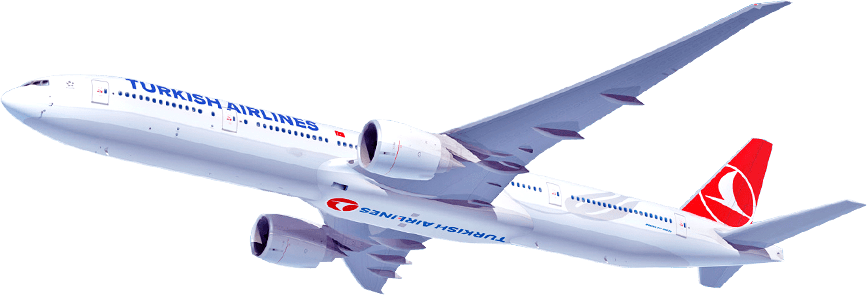
Turkish Airlines encarga otros cuatro cargueros Boeing 777
Turkish Airlines y The Boeing Company han anunciado el 2 de Julio de 2024 un pedido de cuatro Boeing 777 Freighters (4) para reforzar aún más la posición de la aerolínea en el mercado mundial de carga aérea. Con este pedido, Turkish Airlines operará doce Boeing 777 Freighters.
«Esta nueva inversión en la expansión de nuestra flota de carga subraya nuestro compromiso de satisfacer la creciente demanda mundial de servicios de carga aérea. La incorporación de estos Boeing 777 Freighters no solo mejorará nuestras capacidades operativas, sino que también servirá como un paso más en nuestra visión estratégica de alcanzar la cima del sector de carga aérea en todo el mundo, manteniendo nuestra posición de liderazgo con nuestro servicio y eficiencia incomparables para nuestros clientes en todo el mundo», dijo el Director de Carga de Turkish Airlines, Ali Türk.
La compra de 777 Freighters adicionales por parte de Turkish Airlines ayudará a la aerolínea a satisfacer la creciente demanda de servicios de carga, impulsada por el rápido crecimiento del comercio electrónico y la necesidad de un transporte eficiente y confiable en todo el mundo. Los nuevos cargueros permitirán a Turkish Airlines optimizar sus operaciones de carga, reducir costos y entregar mercancías a destinos de todo el mundo a tiempo.
Además de los cargueros, Turkish Airlines opera una flota de aviones Boeing que incluye el 777-300ER (Extended Range), el 737 Next-Generation, el 737 MAX y el 787 Dreamliner.
«Estamos orgullosos de continuar nuestra asociación de larga data con Turkish Airlines y apoyar su expansión de las operaciones de carga con la incorporación de Boeing 777 Freighters. La capacidad de carga útil, el alcance y la flexibilidad del 777 Freighter permitirán a Turkish Airlines ofrecer un servicio al cliente excepcional al tiempo que maximiza la eficiencia operativa», dijo Paul Righi, Vicepresidente de Ventas Comerciales de Boeing para Eurasia.
El Boeing 777 Freighter es el carguero bimotor más capaz del mundo, con una capacidad máxima de carga útil de 102 toneladas métricas (112 toneladas) y un alcance de 9.200 kilómetros (4.970 millas náuticas). Con más de 265 entregas, el 777 Freighter es el avión de carga más vendido de Boeing de todos los tiempos. Como líder del mercado de aviones de carga, Boeing proporciona más del 90% de la capacidad mundial dedicada a los aviones de carga, incluidos los aviones de nueva producción y convertidos.
Turkish Airlines orders 4 Boeing 777F
Turkish Airlines orders another four Boeing 777 Freighters
Turkish Airlines and The Boeing Company have announced on July 2, 2024, an order for four Boeing 777 Freighters (4) to further strengthen the airline’s position in the global air cargo market. With this order, Turkish Airlines will operate twelve Boeing 777 Freighters.
«This new investment in the expansion of our freighter fleet underlines our commitment to meet the growing global demand for air cargo services. The addition of these Boeing 777 Freighters will not only enhance our operational capabilities but will also serve as another step in our strategic vision to reach the top of the air cargo sector worldwide, maintaining our leading position with our unparalleled service and efficiency for our customers around the world», said Turkish Airlines Chief Cargo Officer Ali Türk.
Turkish Airlines’ purchase of an additional 777 Freighters will help the airline meet the growing demand for cargo services, driven by the rapid growth of e-commerce and the need for efficient and reliable transportation around the world. The new freighters will enable Turkish Airlines to optimize its cargo operations, reduce costs, and deliver goods to destinations around the world on time.
In addition to freighters, Turkish Airlines operates a fleet of Boeing aircraft that includes the 777-300ER (Extended Range), 737 Next-Generation, 737 MAX, and 787 Dreamliner.
«We are proud to continue our long-standing partnership with Turkish Airlines and support their expansion of cargo operations with the addition of Boeing 777 Freighters. The 777 Freighter’s payload capacity, range and flexibility will enable Turkish Airlines to deliver exceptional customer service while maximizing operational efficiency», said Paul Righi, Boeing Vice President, Commercial Sales, Eurasia.
The Boeing 777 Freighter is the world’s most capable twin-engine freighter, with a maximum payload capacity of 102 metric tons (112 tonnes) and a range of 9,200 kilometers (4,970 nautical miles). With more than 265 deliveries, the 777 Freighter is Boeing’s best-selling freighter airplane of all time. As the freighter market leader, Boeing provides more than 90% of the world’s dedicated freighter capacity, including new production and converted airplanes.
PUBLISHER: Airgways.com DBk: Turkishairlines.com / Boeing.com / Airgways.com AW-POST: 202407041358AR OWNERSHIP: Airgways Inc. A\W A I R G W A Y S ®
Boeing publicará sus resultados del segundo trimestre el 31 Julio
The Boeing Company ha anunciado el 03/07 que publicará sus resultados financieros del segundo trimestre de 2024 (2Q2024) el Miércoles 31 de Julio de 2024.
El Presidente y Director Ejecutivo, David Calhoun, y el Vicepresidente Ejecutivo y Director Financiero, Brian West, discutirán los resultados y las perspectivas de la compañía durante una conferencia telefónica ese día a las 10:30 a.m. ET.
Boeing to Release 2Q2024 Results
Boeing to release Second Quarter Results on July 31
The Boeing Company announced on July 31, 2024 that it will release its second quarter 2024 (2Q2024) financial results on Wednesday, July 31, 2024.
President and CEO David Calhoun and Executive Vice President and Chief Financial Officer Brian West will discuss the company’s results and outlook during a conference call that day at 10:30 a.m. ET.
BOEING MEDIA
El enlace de la transmisión web del evento está disponible en la sección Eventos y presentaciones de www.boeing.com/investors donde se publicarán los comunicados de prensa y los materiales de presentación antes del evento. También se puede acceder al evento marcando 1-877-692-8955 dentro de los EE.UU. y marcando 234-720-6979 fuera de los EE.UU. El código de acceso para ambos es 3728271.
Las personas deben consultar el sitio de transmisión por Internet antes de la sesión para asegurarse de que sus computadoras puedan acceder a la transmisión de audio y a la presentación de diapositivas. Las instrucciones para obtener el software descargable gratuito requerido se publicarán en el sitio.
Contacto Relaciones con Inversionistas: BoeingInvestorRelations@boeing.com Comunicaciones: media@boeing.com
The webcast link for the event is available in the Events & Presentations section of www.boeing.com/investors where press releases and presentation materials will be posted prior to the event. The event can also be accessed by dialing 1-877-692-8955 within the U.S. and by dialing 234-720-6979 outside the U.S. The access code for both is 3728271.
Individuals should check the webcast site prior to the session to ensure their computers can access the audio stream and slide presentation. Instructions for obtaining the required free downloadable software will be posted on the site.
Problemas fabricante afecta a proveedores Compañía busca nueva dirección
The Boeing Company continúa lidiando con los problemas de seguridad industrial mientras la Administración Federal de Aviación (FAA) y la Junta Nacional de Seguridad en el Transporte (NTSB) continúan ejerciendo más presión sobre el constructor americano de aviación.
Tras el grave incidente del vuelo AS1282 cuando se desprende un tapón de la puerta en pleno vuelo de un Boeing 737-9 MAX en Enero 2024, los investigadores de la FAA y de la NTSB continúan focalizados en la fiscalización pormenorizada de la industria de la aviación. El Departamento de Justicia (DOJ) está aplicando cargos penales por promesas de control de calidad del constructor aeroespacial que, según dijo, el fabricante de aviones ha incumplido.
La compañía Boeing no es la única que se encuentra lidiando con las consecuencias de su último escándalo de seguridad. Aunque las aerolíneas han hablado bastante sobre sus problemas con Boeing, existen dificultades de proveedores que se encuentran confundidos mientras esperan que su gran cliente se resuelva por sí mismo. Boeing está causando a otras empresas de la industria de autopartes complicaciones.
Fallas línea producción La industria de la aviación está bajo presión y en el punto de mira. Piezas defectuosas, pedidos atrasados, problemas organizativos internos: estos son solo algunos de los desafíos globales a los que se enfrenta la industria. Los numerosos fallos encontrados en los aviones del gigante estadounidense Boeing ponen de manifiesto la urgencia del control de calidad. Boeing es la excepción y no la regla, ya que la tasa de fallos de componentes en la industria aeroespacial está en su nivel más bajo de los últimos cincuenta años.
Las fallas de calidad son el resultado de la interacción de múltiples factores que pueden evitarse a través de un riguroso control de calidad e inspección. Este proceso implica numerosas rondas de pruebas y una evaluación estricta tanto de las piezas como de los procesos, lo que reduce la posibilidad de fallos. Estas preocupaciones no se limitan a Boeing, ni siquiera al sector aeroespacial, sino que se extienden a otros actores del transporte, como los fabricantes de automóviles y los operadores ferroviarios. Esto es consecuencia de la creciente fragmentación de la cadena de suministro, así como de una escasez cada vez más pronunciada de personal cualificado en el sector, después de la pandemia. Si bien la Inteligencia Artificial (IA) y la Industria 4.0 pueden ayudar a aliviar esta escasez, no sustituyen a la formación adecuada del personal subalterno, para que aprendan rápidamente las habilidades necesarias para apoyar el ritmo cambiante del sector.
A medida que los fabricantes aceleran el ritmo y adoptan con entusiasmo nuevas herramientas y tecnologías como la IA y el aprendizaje automático, ¿de qué deben protegerse para mantener una alta calidad en todas las etapas de la producción?
La persistente escasez de mano de obra, materiales y componentes está causando interrupciones en la cadena de suministro de la industria de la aviación. Esto está teniendo efectos tangibles en los programas de producción de los fabricantes, ya que la demanda sigue aumentando. En consecuencia, este complejo escenario ha llevado a una disminución de los estándares de calidad durante el proceso de montaje. La pregunta más importante ahora es cómo establecer una cadena de suministro resiliente con un margen de seguridad máximo para evitar problemas críticos.
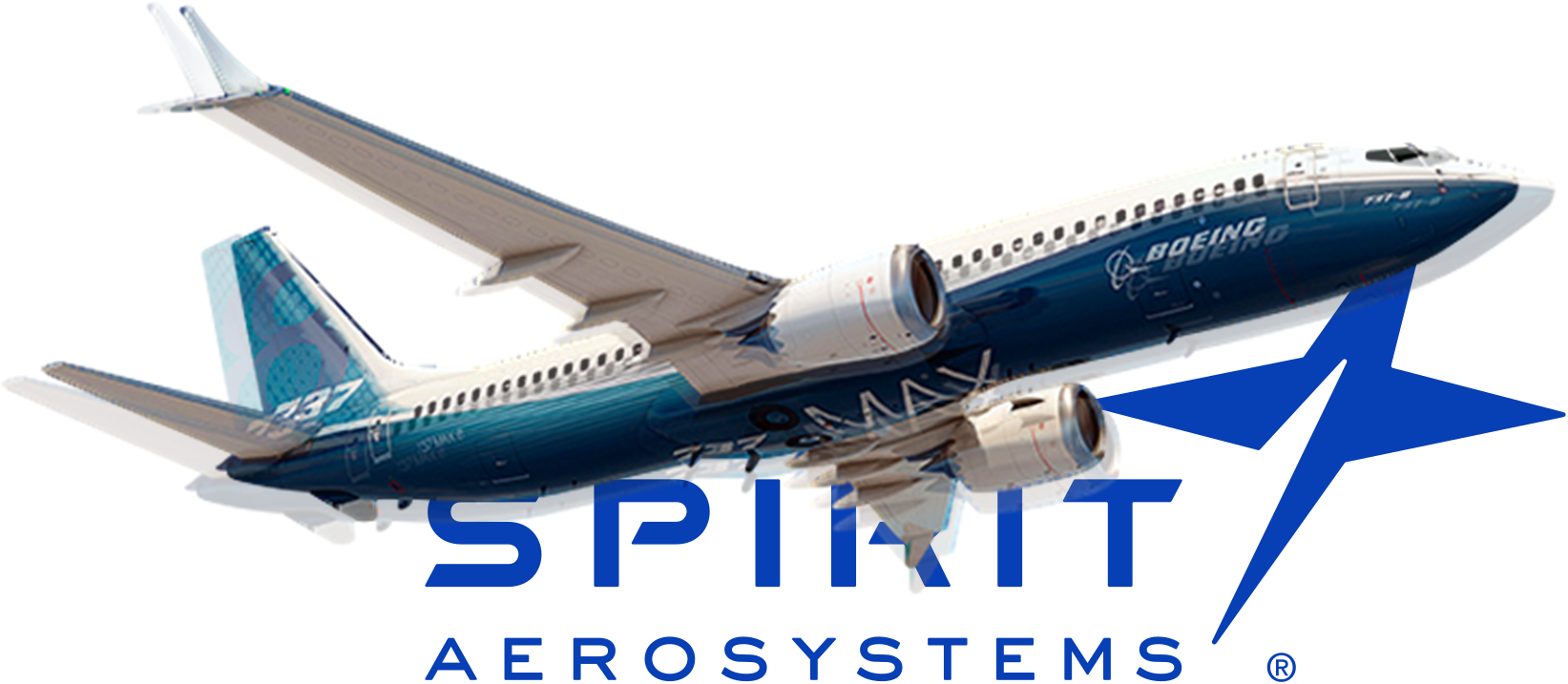
Nueva gerencia Spirit AeroSystems, se encuentra repartiendo sus activos entre dos mega-compañías aeroespaciales, Airbus y Boeing, luego de las aprobaciones para la venta de sus activos- El CEO de Spirit AeroSystems, Patrick Shanahan, se encuentra dirigiendo esta importante compañía de insumos. Tras un acuerdo de venta, Patrick Shananhan podría asomarse como el próximo CEO de The Boeing Company.
Patrick Shanahan en 2019 era Secretario Interino de Defensa de Estados Unidos. Actualmente, se encuentra dirigiendo Spirit AeroSystems, y habiendo negociado el acuerdo para devolver partes importantes de esta compañía a Boeing, y la venta de otras áreas al constructor europeo Airbus, Patrick Shanahan está siendo visto y considerado uno de los principales contendientes para asumir el cargo de CEO de Boeing cuando Dave Calhoun renuncie hacia finales de 4Q2024.
El complejo acuerdo a tres bandas anunciado el Domingo 30/06 por la noche para dividir Spirit AeroSystems entre Boeing y Airbus, devolviendo a las enormes instalaciones de fabricación de Boeing que vendió hace dos décadas, fue diseñado por el CEO de Spirit AeroSystems. Apenas cuatro meses después de que Boeing anunciara su intención de readquirir la mayor parte de este importante proveedor, Patrick Shanahan se aseguró un acuerdo a través de negociaciones personales con la cúpula de los dos mayores rivales del mundo de la aviación. El actual CEO de Spirit AeroSystems, ex alto ejecutivo de Boeing y ex secretario de Defensa interino bajo el Presidente Donald Trump, nombrado CEO de Spirit a fines de 2023, era considerado uno de los principales contendientes para reemplazar a Dave Calhoun como CEO de Boeing.
Como ingeniero y fabricante de Fix-It, Patrick Shanahan «sería una elección inspirada», dijo en Marzo 2024 el veterano analista de aviación Adam Pilarski, de la consultora Avitas. Después de conseguir el acuerdo con el Spirit, Patrick Shanahan, de 62 años, quien pasa los fines de semana en su casa en Seattle (WA), ahora se posiciona como quizás el favorito para asumir el cargo cuando Dave Calhoun deje el cargo a finales de este año. En una entrevista exclusiva el lunes con The Seattle Times, Patrick Shanahan desvió el tema, pero no negó el interés cuando se le preguntó si podría ser el CEO de Boeing: «No me corresponde a mí comentar sobre lo que Boeing podría o no hacer. Estaré atento a que se cierre este acuerdo en Spirit», expresó Patrick Shanahan.
Patrick Shanahan fue contratado para tomar el control de Spirit AeroSystems, con sede en Wichita, Kansas, en Octubre 2023, cuando el anterior Director Ejecutivo, Tom Gentile, fue despedido. Spirit estaba perdiendo dinero, profundamente endeudado y enfrentándose a repetidas revelaciones de defectos de calidad. Unos meses más tarde, el estallido en el aire de un panel del fuselaje de un Boeing 737-9 MAX, un fuselaje construido en Wichita en Septiembre 2023, antes de que Patrick Shanahan asumiera el cargo, precipitó una crisis en curso en Boeing sobre su gestión de calidad.
Parte de la respuesta de Boeing fue aceptar la entrega de fuselajes 737 MAX en la planta de ensamblaje final en Renton (WA) solo si están en gran parte completos y libres de defectos. Los trabajos inacabados y los defectos que requerían retrabajo habían estado entorpeciendo el proceso de ensamblaje en Renton y contribuyeron al error crítico de instalación que causó el desprendimiento de la puerta de salida trasera del fuselaje del Boeing 737-9 MAX de Alaska.
El trabajo en Spirit AeroSystems se ralentizó drásticamente y cada fuselaje ahora se inspecciona cuidadosamente antes de salir de Wichita. «Nuestros equipos han realizado mejoras críticas en el sistema de gestión de calidad en los últimos seis meses. Esas mejoras continuarán. El trabajo que hemos emprendido es hacer cambios que sean duraderos, a prueba de errores en varias de las operaciones críticas», expresó el Lunes 01/07 Patrick Shanahan.
La visión que sostiene del CEO de Spirit AeroSystems es que el futuro de ambas compañías será más seguro cuando Boeing recupere las unidades donde se fabrican todo el fuselaje de la línea más importante de aviones Boeing 737 NG/MAX y el fuselaje delantero de todos sus otros aviones, además de otros componentes importantes de Boeing.
«La unión de Boeing y Spirit permitirá una mayor integración. Reunirá sus sistemas de seguridad y calidad y los hará mejores. La nueva organización será más rápida y ágil. Esta es una industria fabulosa. Estoy orgulloso de desempeñar el papel de hacerlo más fuerte y mejor», concluye el CEO de Spirit AeroSystems, Patrick Shanahan.
Acuerdo por Spirit AeroSystems El acuerdo por parte de The Boeing Company de abonar US$ 4.700 millones de Dólares en acciones, o US$ 37,25 Dólares por acción, también asume la deuda neta de Spirit AeroSystems de unos US$ 3.600 millones de Dólares. Mientras tanto, Spirit AeroSystems pagará a Airbus US$ 559 millones de Dólares para adquirir instalaciones que fabrican piezas del A350 y el A220.
Los analistas financieros se mostraron escépticos el Lunes 01/07 en su evaluación de lo que significará el acuerdo para Boeing. Rob Stallard, de Vertical Research Partners, lo resumió como «bueno para Spirit, bueno para Airbus y menos bueno para Boeing».
Mientras que los accionistas de Spirit obtienen un aumento del 10% en el valor de sus acciones en comparación con cuando se filtró el acuerdo por primera vez en Abril 2024, y Airbus obtiene una gran recompensa, Boeing hereda un proveedor en problemas que requerirá una inversión sustancial para recomponerlo. Sin embargo, Rob Stallard concluye en su nota a los inversores que, para Boeing, «creemos que vale la pena asumir el golpe financiero si esto aumenta las posibilidades de volver a encarrilar el programa 737. Traer Spirit de vuelta a la empresa debería aumentar las posibilidades de aumentar la producción con éxito».
Stewart Glickman, Subdirector de Investigación de CFRA Research, coincidió en que el acuerdo no será una panacea para Boeing. La «posición de Boeing con los reguladores, y su cadencia de entrega de aviones 737 MAX, tardarán en recuperarse», escribió Stewart Glickman, y agregó que el nivel de deuda ahora más alto del fabricante de aviones y la perspectiva a corto plazo de cambiar de CEO introducen riesgos.
A menos que aumente la producción de aviones, es probable que las agencias de crédito penalicen a Boeing, dijo Ben Tsocanos, Director de Aerolíneas de S&P Global Ratings, que por ahora mantiene la calificación de Boeing: «Podríamos bajar la calificación si la compañía no aumenta la producción y las entregas de aviones a finales de este añoNo creemos que haya una mejora inminente», sostiene Ben Tsocanos.
Se espera que el acuerdo tarde alrededor de un año en finalizarse. Así que si Patrick Shanahan se va para asumir el puesto más alto en Boeing, algunos de sus lugartenientes en Spirit AeroSystems tendrán que hacerse cargo de la división de la compañía. Para completar el proceso, el acuerdo primero debe someterse al escrutinio regulatorio. La adquisición por parte de Boeing también está condicionada a que se finalice la parte del acuerdo de Airbus.
Patrick Shanahan expresó su confianza en que el acuerdo se sellará. No ve un bloqueo regulatorio, porque esto no es anticompetitivo. En cuanto a la consecución de la parte de Airbus del acuerdo, dijo que «trabajando con la alta dirección de todas las partes, todo el mundo está alineado e interesado en la transición rápida y sin problemas para garantizar el rendimiento del sistema de producción».
Suponiendo que el acuerdo se finalice, los analistas dijeron que el trabajo de fusionar sin problemas las operaciones de Spirit con las de Boeing no es sencillo porque cada uno enfrenta sus propios problemas internos de producción.
«Es poco probable que la reintegración de Spirit en Boeing sea una bala de plata para los problemas operativos de cualquiera de las dos compañías. Los problemas de Spirit se deben a la pérdida de conocimiento institucional. Cuando el 737 MAX se quedó en tierra y la pandemia, Spirit redujo su plantilla en aproximadamente un 34% para preservar el efectivo. Muchos empleados experimentados se jubilaron o aceptaron trabajos en otros lugares. Se necesitará talento, capacitación y tiempo para arreglar las operaciones de Boeing y Spirit en lugar de un acuerdo», escribió Rob Spingarn de Melius Research.
Peter McNally, Jefe Global de Analistas de Third Bridge, una firma de investigación de acciones, citó «la falta de una fuerza laboral calificada en Spirit como lo que agrava el mismo problema de desgaste en Boeing, para el cual el acuerdo no puede traer una solución rápida. La lógica industrial de integrar la cadena de suministro es sólida, pero la realidad podría resultar más desafiante. Para los clientes de Boeing, es poco probable que esto suponga una solución inmediata para el número de aviones que se pueden entregar».
Patrick Shanahan, naturalmente, es mucho más optimista. Dijo que ha implementado nuevas tecnologías en las plantas de ensamblaje para mejorar la calidad. Estos incluyen cámaras utilizadas para la inspección y automatización o nuevos tipos de herramientas que permiten a las personas con menos experiencia hacer el trabajo con precisión. Dijo que su equipo ya ha renovado muchos de los procedimientos de trabajo en Spirit e instituyó «una capacitación más profunda, no en el aula, sino en apoyo a los mecánicos en la fábrica. Me siento muy bien con el progreso. Estamos volviendo a ser constructores de aviones, fanáticos de los engranajes», concluye Patrick Shanahan.
Los analistas advierten que no habrá una solución rápida de un cambio de cultura laboral, pero Boeing deberá reorganizar su cultura de trabajo y seguridad de manera completa, revisando sus sistemas de manera integral para evitar problemas del pasado y afrontar los nuevos desafíos que deberá hacer frente para retornar a aquella fabulosa compañía símbolo indiscutible de la industria aeroespacial.
Management perspectives at Boeing
Manufacturer problems affect suppliers Company seeks new direction
The Boeing Company continues to grapple with industrial safety issues as the Federal Aviation Administration (FAA) and the National Transportation Safety Board (NTSB) continue to put more pressure on the American aircraft manufacturer.
After the serious incident on flight AS1282 when a door plug came off in mid-flight of a Boeing 737-9 MAX in January 2024, FAA and NTSB investigators continue to focus on the detailed inspection of the aviation industry. The Department of Justice (DOJ) is pursuing criminal charges over the aerospace builder’s quality control promises that it said the planemaker has broken.
The Boeing company is not the only one dealing with the consequences of its latest safety scandal. Although airlines have been quite vocal about their problems with Boeing, there are difficulties from suppliers who are confused as they wait for their big customer to resolve itself. Boeing is causing other companies in the auto parts industry complications.
Production line failures The aviation industry is under pressure and in the spotlight. Defective parts, backorders, and internal organizational problems are just some of the global challenges facing the industry. The numerous failures found in the planes of the American giant Boeing highlight the urgency of quality control. Boeing is the exception rather than the rule, with the component failure rate in the aerospace industry at its lowest level in fifty years.
Quality failures are the result of the interaction of multiple factors that can be avoided through rigorous quality control and inspection. This process involves numerous rounds of testing and strict evaluation of both parts and processes, reducing the possibility of failure. These concerns are not limited to Boeing, or even the aerospace sector, but extend to other transportation players, such as automakers and rail operators. This is a consequence of the increasing fragmentation of the supply chain, as well as an increasingly pronounced shortage of qualified personnel in the sector, after the pandemic. While Artificial Intelligence (AI) and Industry 4.0 can help alleviate these shortages, they are no substitute for properly training junior staff so they quickly learn the skills needed to support the changing pace of the sector.
As manufacturers pick up the pace and eagerly adopt new tools and technologies like AI and machine learning, what must they guard against to maintain high quality at all stages of production?
Persistent shortages of labor, materials, and components are causing disruptions to the aviation industry’s supply chain. This is having tangible effects on manufacturers’ production schedules as demand continues to rise. Consequently, this complex scenario has led to a decrease in quality standards during the assembly process. The most important question now is how to establish a resilient supply chain with a maximum safety margin to avoid critical problems.
New management Spirit AeroSystems is dividing its assets between two mega-aerospace companies, Airbus and Boeing, following approvals for the sale of their assets. Spirit AeroSystems CEO Patrick Shanahan is directing this important inputs company. After a sale agreement, Patrick Shanahan could appear as the next CEO of The Boeing Company.
Patrick Shanahan in 2019 was Acting Secretary of Defense of the United States. Currently running Spirit AeroSystems, and having negotiated the agreement to return important parts of this company to Boeing, and the sale of other areas to the European manufacturer Airbus, Patrick Shanahan is being seen and considered one of the main contenders to take over the position. CEO of Boeing when Dave Calhoun steps down towards the end of 4Q2024.
The complex three-way deal announced Sunday night (6/30) to split Spirit AeroSystems between Boeing and Airbus, returning Boeing to the massive manufacturing facilities it sold two decades ago, was engineered by the CEO of Spirit AeroSystems. Just four months after Boeing announced its intention to reacquire most of this major supplier, Patrick Shanahan secured a deal through personal negotiations with the leadership of the world’s two biggest aviation rivals. The current CEO of Spirit AeroSystems, a former top executive at Boeing and former acting Secretary of Defense under President Donald Trump, was named CEO of Spirit in late 2023 and was considered a leading contender to replace Dave Calhoun as CEO of Boeing.
As Fix-It engineer and manufacturer, Patrick Shanahan «would be an inspired choice», veteran aviation analyst Adam Pilarski of consulting firm Avitas said in March 2024. After securing the Spirit deal, Patrick Shanahan, 62, who spends weekends at his home in Seattle, WA, is now positioned as perhaps the favorite to take over when Dave Calhoun steps down at the end of the year. of this year. In an exclusive interview Monday with The Seattle Times, Patrick Shanahan deflected the topic but did not deny interest when asked if he could be Boeing’s CEO: «It’s not my place to comment on what Boeing might or might not do. I will be watching for this deal to close at Spirit», said Patrick Shanahan.
Patrick Shanahan was hired to take control of Spirit AeroSystems, based in Wichita, Kansas, in October 2023, when previous CEO Tom Gentile was fired. Spirit was losing money, deeply in debt, and facing repeated revelations of quality defects. A few months later, the midair explosion of a fuselage panel of a Boeing 737-9 MAX, a fuselage built in Wichita in September 2023, before Patrick Shanahan took over, precipitated an ongoing crisis at Boeing over its quality management.
Part of Boeing’s response was to accept delivery of 737 MAX fuselages to the final assembly plant in Renton, WA only if they are largely complete and free of defects. Unfinished work and defects requiring rework had been hampering the assembly process in Renton and contributed to the critical installation error that caused the rear exit door to detach from the fuselage of Alaska’s Boeing 737-9 MAX.
Work at Spirit AeroSystems has slowed dramatically and each airframe is now carefully inspected before leaving Wichita. «Our teams have made critical improvements to the quality management system over the past six months. Those improvements will continue. The work we have undertaken is to make long-lasting, error-proof changes in several of the critical operations», said the Monday 07/01 Patrick Shanahan.
The vision held by the CEO of Spirit AeroSystems is that the future of both companies will be more secure when Boeing recovers the units where the entire fuselage of the most important line of Boeing 737 NG/MAX aircraft and the forward fuselage of all its others are manufactured. aircraft, as well as other important Boeing components.
«Boeing and Spirit coming together will allow for greater integration. It will bring their safety and quality systems together and make them better. The new organization will be faster and more agile. This is a fabulous industry. I am proud to play the role of making it stronger and better», concludes Spirit AeroSystems CEO Patrick Shanahan.
Deal for Spirit AeroSystems The Boeing Company’s agreement to pay US$ 4.7 billion in stock or US$ 37.25 per share, also assumes Spirit AeroSystems’ net debt of about US$ 3.6 billion. Meanwhile, Spirit AeroSystems will pay Airbus US$ 559 million to acquire facilities that manufacture parts for the A350 and A220.
Financial analysts were skeptical Monday in their assessment of what the deal will mean for Boeing. Vertical Research Partners’ Rob Stallard summed it up as «good for Spirit, good for Airbus, and less good for Boeing».
While Spirit shareholders get a 10% increase in the value of their shares compared to when the deal was first leaked in April 2024, and Airbus gets a big payoff, Boeing inherits a troubled supplier that will require a investment substantial to put it back together. However, Rob Stallard concludes in his note to investors that, for Boeing, «we believe the financial hit is worth taking the hit if it increases the chances of getting the 737 program back on track. Bringing Spirit back into the company should increase the possibility of successfully increasing production».
Stewart Glickman, Deputy Director of Research at CFRA Research, agreed that the deal will not be a panacea for Boeing. Boeing’s «standing with regulators, and its delivery cadence of 737 MAX aircraft, will take time to recover», Stewart Glickman wrote, adding that the planemaker’s now higher debt level and near-term outlook for changing of CEOs introduce risks.
Unless aircraft production increases, credit agencies are likely to penalize Boeing, said Ben Tsocanos, director of airlines at S&P Global Ratings, which for now maintains Boeing’s rating: «We could downgrade the rating if the company does not increase production and aircraft deliveries later this year we do not believe there is an imminent improvement», says Ben Tsocanos.
The deal is expected to take about a year to finalize. So if Patrick Shanahan leaves to take the top job at Boeing, some of his lieutenants at Spirit AeroSystems will have to take over the company’s division. To complete the process, the deal must first undergo regulatory scrutiny. Boeing’s acquisition is also conditional on the Airbus portion of the deal being finalized.
Patrick Shanahan expressed confidence that the deal will be sealed. He does not see a regulatory blockage, because this is not anti-competitive. Regarding achieving the Airbus side of the deal, he said that «working with senior management from all parties, everyone is aligned and interested in the rapid and smooth transition to ensure the performance of the production system».
Assuming the deal is finalized, analysts said the job of seamlessly merging Spirit’s operations with Boeing’s is not easy because each faces its own internal production problems.
«The reintegration of Spirit into Boeing is unlikely to be a silver bullet for either company’s operational problems. Spirit’s problems are due to the loss of institutional knowledge. When the 737 MAX was grounded and the pandemic, Spirit reduced its workforce by about 34% to preserve cash. Many experienced employees retired or took jobs elsewhere. It will take talent, training, and time to fix Boeing and Spirit operations in lieu of a deal». wrote Rob Spingarn of Melius Research.
Peter McNally, Global Chief Analyst at Third Bridge, an equity research firm, cited «the lack of a skilled workforce at Spirit as compounding the same attrition problem at Boeing, for which the deal cannot bring a quick fix. The industrial logic of integrating the supply chain is sound, but the reality could be more challenging. For Boeing customers, this is unlikely to provide an immediate solution to the number of aircraft that can be delivered».
Patrick Shanahan, naturally, is much more optimistic. He said he has implemented new technologies in assembly plants to improve quality. These include cameras used for inspection and automation or new types of tools that allow less experienced people to do the job with precision. He said his team has already revamped many of the work procedures at Spirit and instituted «more in-depth training, not in the classroom, but in support of mechanics in the factory. I feel very good about the progress. We are getting back to being airplane builders, gearheads», concludes Patrick Shanahan.
Analysts warn that there will be no quick solution to a change in work culture, but Boeing will have to completely reorganize its work and safety culture, reviewing its systems comprehensively to avoid past problems and face the new challenges it will have to face. to return to that fabulous company, the undisputed symbol of the aerospace industry.
PUBLISHER: Airgways.com DBk: Boeing.com / Airgways.com AW-POST: 202407031710AR OWNERSHIP: Airgways Inc. A\W A I R G W A Y S ®
Acuerdo definitivo para adquisición parte Spirit AeroSystems
The Boeing Company ha anunciado el 1 de Julio de 2024 en su sede en Arlington, Virginia, Estados Unidos, que ha llegado a un acuerdo definitivo para adquirir Spirit AeroSystems. La fusión es una transacción de acciones con un valor de capital de aproximadamente US$ 4.700 millones de Dólares, o 37,25 Dólares por acción. El valor total de la transacción es de aproximadamente US$ 8.300 millones de Dólares, incluida la última deuda neta reportada de Spirit AeroSystems.
· Demuestra su compromiso con la seguridad de la aviación y mejora la calidad de los aviones comerciales de Boeing ·Aprovecha las capacidades empresariales de ingeniería y fabricación de Boeing · Mantiene la continuidad de los programas clave de defensa y seguridad nacional de EE.UU. · Apoya la estabilidad de la cadena de suministro y la fuerza laboral de fabricación crítica · Proporciona valor a largo plazo para clientes, empleados y accionistas comerciales y de defensa.
Cada acción ordinaria de Spirit se intercambiará por un número de acciones ordinarias de Boeing igual a una relación de intercambio entre US$ 0,18 y 0,25, calculada como 37,25 Dólares dividido por el precio medio ponderado por volumen de las acciones de Boeing durante el período de 15 días de negociación que finaliza el segundo día de negociación anterior al cierre (sujeto a un mínimo de US$ 149,00 Dólares por acción y un límite máximo de US$ 206,94 Dólares por acción). Los accionistas de Spirit recibirán 0,25 acciones de Boeing por cada una de sus acciones de Spirit si el precio promedio ponderado por volumen es igual o inferior a US$ 149,00 Dólares, y 0,18 acciones de Boeing por cada una de sus acciones de Spirit si el precio promedio ponderado por volumen es igual o superior a US$ 206,94 Dólares.
«Creemos que este acuerdo es en el mejor interés del público que vuela, de nuestros clientes de aerolíneas, de los empleados de Spirit y Boeing, de nuestros accionistas y del país en general. Al reintegrar Spirit, podemos alinear completamente nuestros sistemas de producción comercial, incluidos nuestros sistemas de gestión de seguridad y calidad, y nuestra fuerza laboral con las mismas prioridades, incentivos y resultados, centrados en la seguridad y la calidad», dijo el Presidente y CEO de Boeing, Dave Calhoun.
La adquisición de Spirit por parte de Boeing incluirá sustancialmente todas las operaciones comerciales relacionadas con Boeing, así como operaciones comerciales, de defensa y de posventa adicionales. Como parte de la transacción, Boeing trabajará con Spirit para garantizar la continuidad de las operaciones de apoyo a los clientes de Spirit y los programas que adquiera, incluido el trabajo con el Departamento de Defensa de Estados Unidos. y los clientes de defensa de Spirit con respecto a misiones de defensa y seguridad.
«Estamos orgullosos del papel que desempeña Boeing en el apoyo a nuestros hombres y mujeres uniformados y estamos comprometidos a garantizar la continuidad de los programas de defensa de Spirit», dijo Dave Calhoun.
Airbus SE y Spirit también han firmado un pliego de condiciones vinculante en virtud del cual Airbus adquirirá, suponiendo que las partes hayan celebrado acuerdos definitivos y reciban las aprobaciones regulatorias necesarias, determinados paquetes de trabajo comercial que Spirit realiza para Airbus al mismo tiempo que se cierra la fusión Boeing-Spirit. Además, Spirit propone vender algunas de sus operaciones, incluidas las de Belfast, Irlanda del Norte (operaciones que no son de Airbus), Prestwick, Escocia, y Subang, Malasia. Se espera que la transacción se cierre a mediados de 2025 y está sujeta a la venta de las operaciones de Spirit relacionadas con ciertos paquetes de trabajo comerciales de Airbus y al cumplimiento de las condiciones de cierre habituales, incluidas las aprobaciones regulatorias y de los accionistas de Spirit.
PJT Partners actúa como asesor financiero principal de Boeing, con Goldman Sachs & Co, LLC y Consello actuando como asesores adicionales. Sullivan & Cromwell LLP actúa como asesor externo de Boeing.
Información adicional The Boeing Company presentará ante la Comisión de Bolsa y Valores de EE.UU. (SEC) una declaración de registro en el Formulario S-4, que incluirá una declaración de representación de Spirit que también constituye un prospecto de Boeing, y cualquier otro documento relacionado con la transacción. La declaración de representación/prospecto definitivo se enviará a los titulares de acciones ordinarias de Spirit. SE INSTA A LOS INVERSORES Y ACCIONISTAS DE SPIRIT Y BOEING A QUE LEAN LA DECLARACIÓN DE PODER/PROSPECTO Y CUALQUIER OTRO DOCUMENTO PRESENTADO O QUE SE PRESENTE ANTE LA SEC EN RELACIÓN CON LA TRANSACCIÓN CUANDO ESTÉN DISPONIBLES, YA QUE CONTENDRÁN INFORMACIÓN IMPORTANTE SOBRE BOEING, SPIRIT, LA TRANSACCIÓN Y ASUNTOS RELACIONADOS. La declaración de registro y la declaración de poder/prospecto y otros documentos presentados por Boeing o Spirit ante la SEC, cuando se presenten, estarán disponibles de forma gratuita en el sitio web de la SEC en www.sec.gov. Alternativamente, los inversores y accionistas pueden obtener copias gratuitas de los documentos que Boeing presenta o presentará ante la SEC, incluida la declaración de registro y la declaración de representación/prospecto, en el sitio web de Boeing en www.boeing.com/investors, y pueden obtener copias gratuitas de los documentos que se presentan o se presentarán ante la SEC por Spirit, incluida la declaración de representación/prospecto. en el sitio web de Spirit en https://investor.spiritaero.com/corporate-profile/default.aspx. La información incluida o accesible a través del sitio web de Boeing o Spirit no se incorpora por referencia a este comunicado de prensa.
Este comunicado de prensa no pretende ni constituirá una oferta de venta ni la solicitud de una oferta de compra de valores, ni habrá ninguna venta de valores en ninguna jurisdicción en la que dicha oferta, solicitud o venta sea ilegal antes del registro o calificación apropiados según las leyes de valores de dicha jurisdicción. No se realizará ninguna oferta de valores, excepto por medio de un prospecto que cumpla con los requisitos de la Sección 10 de la Ley de Valores de 1933, según enmendada.
Información adicional está disponible en la sección de Eventos y Presentaciones de www.boeing.com/investors.
Boeing to acquire Spirit AeroSystems
Definitive agreement for the acquisition of Spirit AeroSystems
The Boeing Company announced on July 1, 2024, at its headquarters in Arlington, Virginia, United States, that it has entered into a definitive agreement to acquire Spirit AeroSystems. The merger is an all-stock transaction with an equity value of approximately US$ 4.7 billion, or US$ 37.25 per share. The total value of the transaction is approximately US$ 8.3 billion, including Spirit AeroSystems’ latest reported net debt.
· Demonstrates your commitment to aviation safety and improves the quality of Boeing commercial aircraft ·Leverages Boeing’s engineering and manufacturing business capabilities · Maintains continuity of key US defense and national security programs. · Supports supply chain stability and critical manufacturing workforce · Provides long-term value for commercial and defense customers, employees, and stakeholders.
Each share of Spirit common stock will be exchanged for a number of shares of Boeing common stock equal to an exchange ratio between US$ 0.18 and 0.25, calculated as US$ 37.25 divided by the volume-weighted average price of shares of Spirit. Boeing during the 15 trading day period ending on the second trading day prior to the close (subject to a floor of US$ 149.00 per share and a ceiling of US$ 206.94 per share). Spirit shareholders will receive 0.25 Boeing shares for each of their Spirit shares if the volume-weighted average price is equal to or less than US$ 149.00, and 0.18 Boeing shares for each of their Spirit shares if the volume-weighted average price is equal to or greater than US$ 206.94.
«We believe this agreement is in the best interest of the flying public, our airline customers, Spirit and Boeing employees, our shareholders, and the country at large. By reintegrating Spirit, we can fully align our commercial production systems, including our safety and quality management systems, and our workforce with the same priorities, incentives, and results, focused on safety and quality», said Boeing President and CEO Dave Calhoun.
Boeing’s acquisition of Spirit will include substantially all Boeing-related commercial operations, as well as additional commercial, defense, and aftermarket operations. As part of the transaction, Boeing will work with Spirit to ensure continuity of operations supporting Spirit customers and programs it acquires, including work with the U.S. Department of Defense. and Spirit’s defense customers with respect to defense and security missions.
«We are proud of the role Boeing plays in supporting our men and women in uniform and are committed to ensuring the continuity of Spirit’s defense programs», said Dave Calhoun.
Airbus SE and Spirit have also signed a binding term sheet under which Airbus will acquire, assuming the parties have entered into definitive agreements and receive the necessary regulatory approvals, certain commercial work packages that Spirit performs for Airbus at the same time as it closes the Boeing-Spirit merger. Additionally, Spirit proposes to sell some of its operations, including those in Belfast, Northern Ireland (non-Airbus operations), Prestwick, Scotland, and Subang, Malaysia. The transaction is expected to close in mid-2025 and is subject to the sale of Spirit’s operations related to certain Airbus commercial work packages and the satisfaction of customary closing conditions, including regulatory and shareholder approvals. Spirit.
PJT Partners is acting as lead financial advisor to Boeing, with Goldman Sachs & Co, LLC, and Consello serving as additional advisors. Sullivan & Cromwell LLP is acting as outside counsel to Boeing.
Additional Information The Boeing Company will file with the U.S. Securities and Exchange Commission (SEC) a registration statement on Form S-4, which will include a proxy statement of Spirit that also constitutes a prospectus of Boeing and any other documents related to the transaction. The definitive proxy statement/prospectus will be sent to holders of Spirit common stock. SPIRIT AND BOEING INVESTORS AND SHAREHOLDERS ARE URGED TO READ THE PROXY STATEMENT/PROSPECTUS AND ANY OTHER DOCUMENTS FILED OR FILED WITH THE SEC IN CONNECTION WITH THE TRANSACTION WHEN THEY BECOME AVAILABLE, AS THEY WILL CONTAIN IMPORTANT INFORMATION ABOUT BOEING, SPIRIT, THE TRANSACTION AND RELATED MATTERS. The registration statement and proxy statement/prospectus and other documents filed by Boeing or Spirit with the SEC, when filed, will be available free of charge on the SEC’s website at www.sec.gov. Alternatively, investors and shareholders may obtain free copies of the documents that Boeing has filed or will file with the SEC, including the registration statement and proxy statement/prospectus, on Boeing’s website at www.boeing.com/investors. and may obtain free copies of documents filed or to be filed with the SEC by Spirit, including the proxy statement/prospectus. on Spirit’s website at https://investor.spiritaero.com/corporate-profile/default.aspx. The information included on or accessible through the Boeing or Spirit website is not incorporated by reference into this press release.
This press release is not intended to and shall not constitute an offer to sell or the solicitation of an offer to buy securities, nor shall there be any sale of securities in any jurisdiction in which such offer, solicitation, or sale would be unlawful prior to appropriate registration or qualification under the securities laws of such jurisdiction. No offering of securities will be made except by means of a prospectus that complies with the requirements of Section 10 of the Securities Act of 1933, as amended.
Additional information is available in the Events and Presentations section of www.boeing.com/investors.
PUBLISHER: Airgways.com DBk: Boeing.com / Airgways.com AW-POST: 202407011052AR OWNERSHIP: Airgways Inc. A\W A I R G W A Y S ®
Airbus firma un acuerdo adquisición parte Spirit AeroSystems
Airbus SE Group ha anunciado en Amsterdam, Países Bajos el 1 de Julio de 2024 que ha firmado un acuerdo vinculante con Spirit AeroSystems en relación con una posible adquisición de importantes actividades relacionadas con Airbus, en particular la producción de secciones del fuselaje del A350 en Kinston, en Carolina del Norte, Estados Unidos; St. Nazaire, Francia; alas y la parte media del fuselaje del A220 en Belfast, Irlanda del Norte; y Casablanca, Marruecos; así como de los pilones de la línea A220 en Wichita, Kansas, Estados Unidos.
Con este acuerdo, Airbus pretende garantizar la estabilidad del suministro para sus programas de aviones comerciales a través de un camino a seguir más sostenible, tanto operativa como financieramente, para los diversos paquetes de trabajo de Airbus de los que Spirit AeroSystems es responsable en la actualidad.
La transacción cubriría la adquisición de estas actividades. Airbus será compensado mediante el pago de 559 millones de dólares de Spirit AeroSystems, por una contraprestación nominal de 1 dólar, sujeto a ajustes, incluidos los basados en el perímetro final de la transacción.
La celebración de acuerdos definitivos sigue estando sujeta al consiguiente proceso de diligencia debida. Si bien no hay garantía de que se concluya una transacción, todas las partes están dispuestas e interesadas en trabajar de buena fe para avanzar y completar este proceso lo más oportunamente posible.
Airbus will acquire part of Spirit AeroSystems
Airbus signs an agreement to acquire Spirit AeroSystems
Airbus SE Group announced in Amsterdam, the Netherlands on July 1, 2024, that it has signed a binding agreement with Spirit AeroSystems in relation to a possible acquisition of important Airbus-related activities, in particular the production of A350 fuselage sections at Kinston. in North Carolina, United States; St. Nazaire, France; wings and mid-fuselage of the A220 in Belfast, Northern Ireland; and Casablanca, Morocco; as well as the pylons of the A220 line in Wichita, Kansas, United States.
With this agreement, Airbus aims to ensure the stability of supply for its commercial aircraft programs through a more sustainable path forward, both operationally and financially, for the various Airbus work packages for which Spirit AeroSystems is currently responsible.
The transaction would cover the acquisition of these activities. Airbus will be compensated by paying $559 million from Spirit AeroSystems, for a nominal consideration of $1, subject to adjustments, including those based on the final scope of the transaction.
The conclusion of definitive agreements remains subject to the subsequent due diligence process. While there is no guarantee that a transaction will be concluded, all parties are willing and interested in working in good faith to move forward and complete this process as timely as possible.
PUBLISHER: Airgways.com DBk: Airbus.com / Airgways.com AW-POST: 202407011039AR OWNERSHIP: Airgways Inc. A\W A I R G W A Y S ®
Fokker NextGen ha anunciado en Mijdrecht el 28 de Junio de 2024 que no utilizará el fuselaje de un Fokker F100 en la producción de un avión comercial propulsado por hidrógeno. En su lugar, se opta por un nuevo diseño de piso alto en el que los motores están montados debajo de las alas.
Sin embargo, se utilizará un F100 modificado en la fase de diseño para probar la configuración de hidrógeno. Para ello, la compañía ha seleccionado turboventiladores Rolls-Royce Pearl 15 modificados de 80-89 kN. Las actividades de diseño conceptual para la modificación prevista deberían completarse a finales de 2024, lo que podría dar lugar a un primer vuelo en 2028 y a un lanzamiento al mercado en 2035.
Fokker Next Gen planea desarrollar un avión de fuselaje estrecho, un avión de pasillo único que pueda transportar entre 120 y 150 pasajeros en un diseño 3+3. La aeronave debería ser capaz de cubrir hasta 1.400 millas náuticas (2.590 km), lo que permitiría el queroseno, el hidrógeno líquido o el combustible de aviación sostenible (SAF), así como el combustible para los motores turbofán.
La compañía firmó recientemente un principio de acuerdo con airBaltic y la japonesa Toki Air.
Fokker reviews NextGen future
Fokker reviews the future design of new NextGen aircraft
Fokker NextGen has announced in Mijdrecht on June 28, 2024, that it will not use the fuselage of a Fokker F100 in the production of a hydrogen-powered commercial aircraft. Instead, a new high-floor design is opted for in which the engines are mounted under the wings.
However, a modified F100 will be used in the design phase to test the hydrogen configuration. For this, the company has selected modified Rolls-Royce Pearl 15 turbofans of 80-89 kN. Conceptual design activities for the planned modification should be completed by the end of 2024, which could lead to a first flight in 2028 and a market launch in 2035.
Fokker Next Gen plans to develop a narrowbody aircraft, a single-aisle aircraft that can carry between 120 and 150 passengers in a 3+3 layout. The aircraft should be capable of covering up to 1,400 nautical miles (2,590 km), which would allow for kerosene, liquid hydrogen, or sustainable aviation fuel (SAF), as well as fuel for turbofan engines.
The company recently signed an agreement in principle with airBaltic and Japan’s Toki Air.
PUBLISHER: Airgways.com DBk: Fokkernextgen.com / Airgways.com AW-POST: 2024071033AR OWNERSHIP: Airgways Inc. A\W A I R G W A Y S ®
Airbus acerca acuerdo inicial con Cebú por 70 aviones
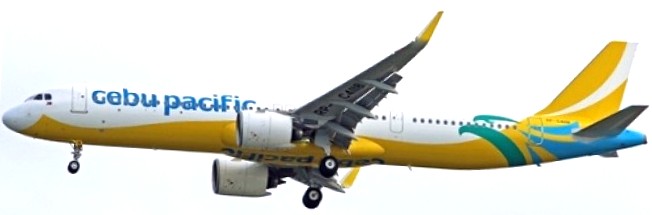
Airbus Group abre una nueva pestaña se está acercando a un acuerdo preliminar con la aerolínea de bajo coste filipina Cebu Air, abre una nueva pestaña para docenas de aviones de fuselaje estrecho que se anunciarán en los próximos días, dijeron el Viernes 28/06 tres personas familiarizadas con el asunto. Cebu Air, que opera como Cebu Pacific Airlines, y Airbus se negaron a comentar sobre cualquier discusión comercial. La aerolínea ha estado buscando encargar entre 100 y 150 aviones de fuselaje estrecho a Boeing, abre una nueva pestaña por un valor de hasta US$ 12.000 millones de Dólares a precios de catálogo, en lo que se consideraba potencialmente la mayor compra de aviones de Filipinas. Dos de las personas familiarizadas en el tema dijeron que el acuerdo involucraba 70 aviones, incluidos varios modelos A321neo.
Cebu Pacific Airlines ha dicho que su objetivo es duplicar con creces su flota para 2035 para aprovechar el auge de los viajes a largo plazo en el sudeste asiático tras la pandemia de COVID-19. Opera una flota de 64 aviones Airbus y 14 ATR, que aumentará a 92 a finales de 2024. Bloomberg News informó a principios de este mes que Cebú estaba listo para favorecer a Airbus por hasta 150 aviones.
Airbus-Cebu initial agreement for 70 aircraft
Airbus approaches initial agreement with Cebu for 70 aircraft
Airbus Group opens a new tab is closing in on a preliminary deal with Philippine low-cost carrier Cebu Air, opens a new tab for dozens of narrow-body jets to be announced in the coming days, three people familiar with the matter said on Friday 28/06. affair. Cebu Air, which operates as Cebu Pacific Airlines, and Airbus declined to comment on any business discussions. The airline has been looking to order between 100 and 150 narrowbody aircraft from Boeing, opening a new tab worth up to US$ 12 billion at list prices, in what was seen as potentially the Philippines’ largest aircraft purchase. Two of the people familiar with the matter said the deal involved 70 aircraft, including several A321neo models.
Cebu Pacific Airlines has said it aims to more than double its fleet by 2035 to take advantage of the long-term travel boom in Southeast Asia following the COVID-19 pandemic. It operates a fleet of 64 Airbus and 14 ATR aircraft, which will increase to 92 by the end of 2024. Bloomberg News reported earlier this month that Cebu was ready to favor Airbus for up to 150 aircraft.
PUBLISHER: Airgways.com DBk: Airbus.com / Cebupacificair.com / Airgways.com AW-POST: 202406291030AR OWNERSHIP: Airgways Inc. A\W A I R G W A Y S ®
Deutsche Aircraft ha comunicado su Boletín Informativo 2Q2024 reportando algunos logros alcanzados durante el segundo trimestre de este año 2024 de la aviación regional.
Deutsche Aircraft continúa innovando con el desarrolla en Dornier Aircraft con el apoyo a la aviación climáticamente neutra en el norte de Europa. Los Combustibles de Aviación Sostenibles (SAF) desempeñan un papel crucial para lograr una aviación casi climáticamente neutra. En colaboración con las partes interesadas clave Energi i Nord, BLU y el Municipio de Bodø de las industrias de energía y aviación en el norte de Noruega, la compañía ha organizado una conferencia muy productiva centrada en el desarrollo comercial del combustible electrónico en esta región.
Progreso en vuelo D328eco La compañía alemana ha alcanzado hitos adicionales para el turbohélice sostenible de 40 plazas D328eco firmando acuerdos con los proveedores Cyient (India) y Satys Cabin (Francia). La demanda del mercado es fuerte y estamos logrando avances significativos para llenar nuestra cartera de pedidos de clientes, incluida la región de Asia y el Pacífico, que es uno de los mercados de mayor crecimiento regional.
Soporte posventa flota D328 Deutsche Aircraft mantiene una asociación estratégica con Airplane Painter, un proveedor de servicios de pintura y sellado con sede en Toulouse, Francia. Airplane Painter ha sido elegido como proveedor exclusivo para el decapado y repintado de la flota D328® en servicio. Pioneros aeroespaciales en ILA Berlín 2024. El innovador banco de pruebas de vuelo D328® UpLift, colaboración entre Deutsche Aircraft y el Centro Aeroespacial Alemán (DLR), muestra capacidades aeroespaciales intersectoriales y está sentando las bases para avances innovadores en la industria de la aviación alemana.
Destacando el compromiso inquebrantable con la aviación innovadora y sostenible, la compañía apoya a los socios de la industria como OEM clave para el D328® UpLift, que se exhibió en el stand de DLR. Nuestro equipo de I+T participó con orgullo en ILA Berlín 2024, interactuando con profesionales de la industria en el stand de BMWK donde se exhibió el avión D328ALPHA. Gracias a nuestros esfuerzos conjuntos con DLR, se llevó a cabo con éxito el primer vuelo de prueba del avión D328® UpLift desde el aeropuerto de Oberpfaffenhofen en Weßling hasta ILA Berlín propulsado por combustible sintético sin compuestos aromáticos.
El equipo de RRHH formó parte del ILA Talent Hub, que resultó ser una plataforma ideal para conectarnos con los mejores talentos, tanto dentro como fuera de la industria. Con nuestra participación buscamos atraer profesionales capacitados y deseosos de contribuir al futuro de la aviación.
Línea montaje D328eco Deutsche Aircraft anuncia el inicio de la construcción de la Línea de Montaje Final (FAL) 100% respetuosa con el medio ambiente en el aeropuerto de Leipzig/Halle, que generará más de 250 puestos de trabajo en Sajonia.
Deutsche Aircraft staff Con un equipo actual de más de 500 personas de todo el mundo, estamos cultivando un entorno de trabajo inclusivo, apoyando activamente el desarrollo de los mejores talentos en la aviación y continuando conectándonos con futuros líderes aeroespaciales. En general, este trimestre vio desarrollos positivos con el programa D328eco a medida que agregamos nuevos proveedores y comenzamos la construcción de nuestra línea de ensamblaje final. Esperamos compartir más desarrollos y noticias interesantes a medida que avanza el año 2024.
Deutsche Aircraft Report 2Q2024
Deutsche Aircraft continues environmental innovation
Deutsche Aircraft has communicated its 2Q2024 Newsletter reporting some achievements achieved during the second quarter of this year 2024 of regional aviation.
Deutsche Aircraft continues to innovate with developments at Dornier Aircraft supporting climate-neutral aviation in Northern Europe. Sustainable Aviation Fuels (SAF) play a crucial role in achieving near climate-neutral aviation. In collaboration with key stakeholders Energi i Nord, BLU, and Bodø Municipality from the energy and aviation industries in northern Norway, the company has organized a very productive conference focused on the commercial development of e-fuel in this region.
Progress in flight D328eco The German company has reached additional milestones for the D328eco 40-seater sustainable turboprop by signing agreements with suppliers Cyient (India) and Satys Cabin (France). Market demand is strong and we are making significant progress in filling our customer order book, including the Asia-Pacific region, which is one of the fastest-growing regional markets.
D328 fleet after-sales support Deutsche Aircraft maintains a strategic partnership with Airplane Painter, a painting and sealing service provider based in Toulouse, France. Airplane Painter has been chosen as the exclusive supplier for the stripping and repainting of the D328® fleet in service. Aerospace pioneers at ILA Berlin 2024. Innovative D328® UpLift flight testbed, a collaboration between Deutsche Aircraft and the German Aerospace Center (DLR), showcases cross-sector aerospace capabilities and is laying the foundation for innovative advancements in the German aviation industry.
Highlighting the unwavering commitment to innovative and sustainable aviation, the company supports industry partners as a key OEM for the D328® UpLift, which was displayed on the DLR stand. Our R&T team proudly participated in ILA Berlin 2024, interacting with industry professionals at the BMWK stand where the D328ALPHA aircraft was displayed. Thanks to our joint efforts with DLR, the first test flight of the D328® UpLift aircraft from Oberpfaffenhofen Airport in Weßling to ILA Berlin powered by aromatic-free synthetic fuel was successfully carried out.
The HR team was part of the ILA Talent Hub, which turned out to be an ideal platform to connect with top talent, both inside and outside the industry. With our participation, we seek to attract trained professionals eager to contribute to the future of aviation.
D328eco assembly line Deutsche Aircraft announces the start of construction of the 100% environmentally friendly Final Assembly Line (FAL) at Leipzig/Halle Airport, which will create more than 250 jobs in Saxony.
Deutsche Aircraft staff With a current team of more than 500 people around the world, we are cultivating an inclusive work environment, actively supporting the development of top talent in aviation, and continuing to connect with future aerospace leaders. Overall, this quarter saw positive developments with the D328eco program as we added new suppliers and began construction of our final assembly line. We look forward to sharing more exciting developments and news as 2024 progresses.
PUBLISHER: Airgways.com DBk: Deutscheaircraft.com / Airgways.com AW-POST: 202406281146AR OWNERSHIP: Airgways Inc. A\W A I R G W A Y S ®
AW | 2024 06 27 17:20 | AVIATION ORGANISMS / GOVERNMENT / INDUSTRY / AVIATION SAFETY
Boeing viola descaradamente regulaciones investigación NTSB
La Junta Nacional de Seguridad en el Transporte (NTSB) ha sancionado a The Boeing Company después de que el fabricante de aviones compartiera «información de investigación no pública» con los medios de comunicación. La agencia federal emitió una declaración contundente alegando que un ejecutivo de Boeing reveló información «no pública» sobre el accidente del vuelo AS1282 de Alaska Airlines del 5 de Enero de 2024 con la prensa.
En un duro comunicado emitido el Jueves 27/06 por la mañana, la agencia de la NTSB dijo que Boeing había violado descaradamente las regulaciones de investigación de la NTSB. Además de compartir detalles de la investigación con la prensa, la agencia acusa a Boeing de especular sobre las posibles causas del reventón del tapón de la puerta del vuelo AS1282 de un Boeing 737-9 MAX de Alaska Airlinesque transportaba a 174 pasajeros y seis miembros de la tripulación, sufrió un reventón en el aire del panel de una puerta pocos minutos después de que el vuelo saliera de Portland, Oregón. el 05/01. La NTSB dice que las violaciones ocurrieron el Martes 27/06 cuando un ejecutivo de Boeing estaba informando a los medios en la oficina de la compañía en Seattle (WA). Se alega que el individuo «proporcionó información de investigación y dio un análisis de información fáctica previamente publicada». La agencia señala que ambas acciones están prohibidas por un acuerdo que Boeing firmó al inicio de la investigación.
En sus comentarios, reportados por primera vez por The Air Current, la Junta de Seguridad de la NTSB sugiere que la ignorancia no es una excusa, señalando que: «Como parte de muchas investigaciones de la NTSB en las últimas décadas, pocas entidades conocen las reglas mejor que Boeing».
La NTSB dice que después de enterarse de la divulgación no autorizada de información, solicitó información adicional sobre la conferencia de prensa del 25 de Junio de 2024. Boeing entregó a la agencia una transcripción que confirmaba que la compañía proporcionó información a los medios de comunicación que la NTSB no había «verificado ni autorizado para su publicación». La Junta de Seguridad también reveló que «Boeing ofreció opiniones y análisis sobre los factores que sugirió que fueron causales del accidente». La agencia informa además que en la sesión informativa, Boeing «describió la investigación de la NTSB como una búsqueda para localizar al individuo responsable del trabajo de tapón de la puerta». Respondió a esta sugerencia, afirmando que la NTSB «se centra en la causa probable del accidente, sin culpar a ningún individuo ni evaluar la responsabilidad».
Consecuencias infracción A la luz de las recientes acciones de Boeing, la NTSB dice que el fabricante de aviones mantendrá su estatus de partido. Sin embargo, actualmente no tendrá acceso a la información de investigación que produce la agencia federal mientras continúa su investigación sobre el accidente del 5 de Enero de 2024. Una consecuencia adicional se sentirá en una próxima audiencia de investigación de la NTSB. A diferencia de otras partes presentes, Boeing no podrá hacer preguntas a otros participantes. El evento, al que Boeing está citado, tendrá lugar los días 6 y 7 de Agosto de 2024 en Washington D.C. Finalmente, la NTSB dice que se coordinará con la División de Fraude del Departamento de Justicia «para proporcionar detalles sobre las recientes publicaciones de información de investigación no autorizada de Boeing en la investigación del enchufe de la puerta del 737-9 MAX».
Boeing, respuesta Boeing reconoció que algunos de sus comentarios en la conferencia de prensa del 25 de Junio de 2024 habían sobrepasado el papel de la NTSB. En su mensaje emitido, expresa: «A medida que continuamos asumiendo la responsabilidad y trabajando de manera transparente, realizamos una sesión informativa en profundidad sobre nuestro Plan de Seguridad y Calidad y compartimos el contexto sobre las lecciones que hemos aprendido del accidente del 5 de Enero [de 2024]. Lamentamos profundamente que algunos de nuestros comentarios, destinados a dejar en claro nuestra responsabilidad en el accidente y explicar las acciones que estamos tomando, sobrepasaron el papel de la NTSB como fuente de información de investigación. Nos disculpamos con la NTSB y estamos listos para responder cualquier pregunta mientras la agencia continúa su investigación», dijo Boeing.
NTSB sanctions Boeing
Boeing blatantly violates regulations in NTSB investigation
The National Transportation Safety Board (NTSB) has sanctioned The Boeing Company after the aircraft manufacturer shared «non-public investigative information» with the media. The federal agency issued a strongly worded statement alleging that a Boeing executive disclosed «non-public» information about the Jan. 5, 2024, crash of Alaska Airlines Flight AS1282 to the press.
In a harsh statement issued Thursday morning, the NTSB agency said Boeing had blatantly violated NTSB investigation regulations. In addition to sharing details of the investigation with the press, the agency accuses Boeing of speculating about the possible causes of the burst door plug on flight AS1282 of an Alaska Airlines Boeing 737-9 MAX that was carrying 174 passengers and six crew members. crew suffered a mid-air door panel burst just minutes after the flight departed Portland, Oregon. on 01/05. The NTSB says the violations occurred on Tuesday 6/27 when a Boeing executive was briefing the media at the company’s Seattle (WA) office. The individual is alleged to have «provided investigative information and given an analysis of previously published factual information». The agency notes that both actions are prohibited by an agreement that Boeing signed at the beginning of the investigation.
In its comments, first reported by The Air Current, the NTSB Safety Board suggests that ignorance is not an excuse, noting that: «As part of many NTSB investigations over the past decades, few entities are aware of the rules better than Boeing».
The NTSB says that after learning of the unauthorized release of information, it requested additional information about the June 25, 2024 press conference. Boeing provided the agency with a transcript confirming that the company provided information to the media that the NTSB had not «verified or authorized it for publication». The Safety Board also revealed that «Boeing provided opinions and analysis on the factors it suggested were causal to the accident». The agency further reports that in the briefing, Boeing «described the NTSB investigation as a search to locate the individual responsible for the door plug work». He responded to this suggestion, stating that the NTSB «focuses on the probable cause of the accident, without blaming any individual or assessing liability».
Violation consequences In light of Boeing’s recent actions, the NTSB says the plane maker will maintain its party status. However, it will currently not have access to the investigative information the federal agency produces as it continues its investigation into the January 5, 2024 crash. An additional consequence will be felt at an upcoming NTSB investigative hearing. Unlike other parties present, Boeing will not be able to ask questions of other participants. The event, to which Boeing is scheduled, will take place on August 6 and 7, 2024 in Washington D.C. Finally, the NTSB says it will coordinate with the Department of Justice’s Fraud Division «to provide details about Boeing’s recent releases of unauthorized investigative information in the 737-9 MAX door plug investigation».
Boeing, response Boeing acknowledged that some of its comments at the June 25, 2024 press conference had overstepped the role of the NTSB. In his message issued, he states: «As we continue to take responsibility and work transparently, we held an in-depth briefing on our Safety and Quality Plan and shared the context of the lessons we have learned from the January 5 accident. [of 2024]. We deeply regret that some of our comments, intended to make clear our responsibility for the accident and explain the actions we are taking, overstepped the NTSB’s role as a source of investigative information. We apologize to the NTSB and we stand ready to answer any questions as the agency continues its investigation», Boeing said.
PUBLISHER: Airgways.com DBk: Ntsb.gov / Boeing.com / Airgways.com AW-POST: 202406271720AR OWNERSHIP: Airgways Inc. A\W A I R G W A Y S ®
El fabricante de aviones Airbus Group ha anunciado una ralentización de la producción de aeronaves comerciales debido a desequilibrios en las áreas espacial y estancamientos en las líneas de producción aerocomercial. El constructor europeo dijo que espera entregar alrededor de 770 aviones antes de finales de 2024. Esta cifra es inferior a la de 800 que se compartía en una perspectiva anterior. Sin embargo, seguiría siendo superior a los 735 entregados del año 2023.
Los desafíos que enfrenta The Boeing Company han hecho que más aerolíneas se pasen al constructor Airbus, lo que podría significar que los retrasos en las entregas tienen un impacto operativo más amplio en la industria. Los problemas de producción de Boeing han acaparado la mayoría de los titulares este año, pero su rival europeo no es inmune a los desafíos más amplios de la industria. La evidencia, si era necesaria, estaba contenida en una presentación de mercado el Lunes 24/06. Airbus comenzó la semana con una nota bastante sombría, anunciando que no cumpliría con sus objetivos financieros anuales para el año en curso. Parte de esto se debió a los costos incurridos dentro de su negocio de tecnología espacial, pero también por turbulencias moderadas en la división de aerolíneas comerciales.
Con Boeing todavía a la defensiva, el rendimiento operativo de Airbus es más importante que nunca. Los problemas bien documentados con el 737 MAX, pero también con su 787 Dreamliner y los próximos programas 777X han asustado a muchos clientes habituales. En los últimos años, varios devotos de Boeing desde hace mucho tiempo se han pasado a su rival europeo para algunos o todos sus futuros pedidos de aviones.
En todos sus programas de aviones, Airbus registró 237 pedidos netos a finales de Mayo 2024, en comparación con los 130 de Boeing. Con más aerolíneas que dependen de los aviones Airbus, las entregas más lentas pueden tener un mayor impacto global.
Factor Airbus A320 En su última actualización del mercado, Airbus reveló que necesitará más tiempo para aumentar las entregas del popular programa A320. El objetivo de 75 nuevos A320 al mes se cumplirá en 2027, un año más tarde de lo previsto. La compañía citó problemas específicos persistentes en la cadena de suministro para el retraso, con los motores y el equipo de la cabina entre los puntos particulares.
La Familia A320 más vendida de Airbus es la columna vertebral de las flotas de corta distancia de las aerolíneas de todo el mundo, desde JetBlue Airways y easyJet hasta Air New Zealand y AirAsia. Un menor número de entregas de aviones nuevos a menudo significa que los aviones más antiguos se mantienen volando durante más tiempo. Si bien esta es una práctica estándar de la industria, tiene algunos inconvenientes. La tecnología de la generación anterior en los aviones más antiguos significa que los aviones suelen ser menos eficientes en el consumo de combustible. Esta es una mala noticia para los objetivos de sostenibilidad y el resultado final, con mayores costos por milla volada. Los aviones más antiguos también necesitan períodos de mantenimiento más largos y costosos que sus contrapartes más nuevas, lo que también tiene un costo operativo y financiero. Las aerolíneas hambrientas de crecimiento son las más afectadas. Si bien esta solución es posible para los operadores más maduros, no es adecuada para empresas de rápido crecimiento como IndiGo. El operador indio depende en gran medida de los nuevos aviones para impulsar el crecimiento neto de su flota.
Los cuellos de botella en las entregas en Airbus y en otros lugares también tienen un impacto adicional. Menos aviones nuevos significan menos capacidad en el mercado. La economía de la oferta y la demanda de las aerolíneas sugiere que el período actual de tarifas aéreas relativamente altas puede continuar durante más tiempo a medida que persistan los problemas de la cadena de suministro. Se compartirán más detalles sobre el estado actual de la salud financiera y operativa de Airbus en sus resultados del primer semestre, que se publicarán el 30 de Julio de 2024.
Airbus will slow down production
European consortium production line challenges
The aircraft manufacturer Airbus Group has announced a slowdown in the production of commercial aircraft due to imbalances in space areas and stagnation in commercial aviation production lines. The European manufacturer said it expects to deliver around 770 aircraft before the end of 2024. This figure is down from the 800 shared in a previous outlook. However, it would still be higher than the 735 delivered in 2023.
The challenges facing The Boeing Company have seen more airlines switch to builder Airbus, which could mean delivery delays have a broader operational impact on the industry. Boeing’s production problems have grabbed most of the headlines this year, but its European rival is not immune to the industry’s broader challenges. The evidence, if necessary, was contained in a market presentation on Monday 06/24. Airbus started the week on a rather somber note, announcing that it would miss its annual financial targets for the current year. Part of this was due to costs incurred within its space technology business, but also due to moderate turbulence in the commercial airline division.
With Boeing still on the defensive, Airbus’ operational performance is more important than ever. The well-documented problems with the 737 MAX, but also its 787 Dreamliner and upcoming 777X programs have scared off many regular customers. In recent years, several longtime Boeing devotees have switched to its European rival for some or all of their future aircraft orders.
Across its aircraft programs, Airbus recorded 237 net orders at the end of May 2024, compared to 130 for Boeing. With more airlines relying on Airbus planes, slower deliveries may have a greater global impact.
Factor Airbus A320 In its latest market update, Airbus revealed it will need more time to ramp up deliveries of the popular A320 program. The target of 75 new A320s per month will be met in 2027, one year later than planned. The company cited specific lingering supply chain issues for the delay, with engines and cabin equipment among the particular points.
Airbus’ best-selling A320 Family is the backbone of the short-haul fleets of airlines around the world, from JetBlue Airways and easyJet to Air New Zealand and AirAsia. Fewer deliveries of new aircraft often mean that older aircraft are kept flying longer. While this is an industry-standard practice, it has some drawbacks. Previous generation technology in older aircraft means the planes are often less fuel efficient. This is bad news for sustainability goals and the bottom line, with higher costs per mile flown. Older aircraft also require longer and more expensive maintenance periods than their newer counterparts, which also takes an operational and financial toll. Growth-hungry airlines are hardest hit. While this solution is possible for more mature operators, it is not suitable for fast-growing companies like IndiGo. The Indian carrier relies heavily on new aircraft to drive net fleet growth.
Delivery bottlenecks at Airbus and elsewhere also have an additional impact. Fewer new planes mean less capacity on the market. Airline supply and demand economics suggest that the current period of relatively high airfares may continue for longer as supply chain issues persist. More details on the current state of Airbus’ financial and operational health will be shared in its first half results, which will be published on July 30, 2024.
PUBLISHER: Airgways.com DBk: Airbus.com / Airgways.com AW-POST: 202406271708AR OWNERSHIP: Airgways Inc. A\W A I R G W A Y S ®

















 airgways.com