AW | 2024 11 18 17:18 | AIRLINES / AVIATION ORGANISMS / GOVERNMENT
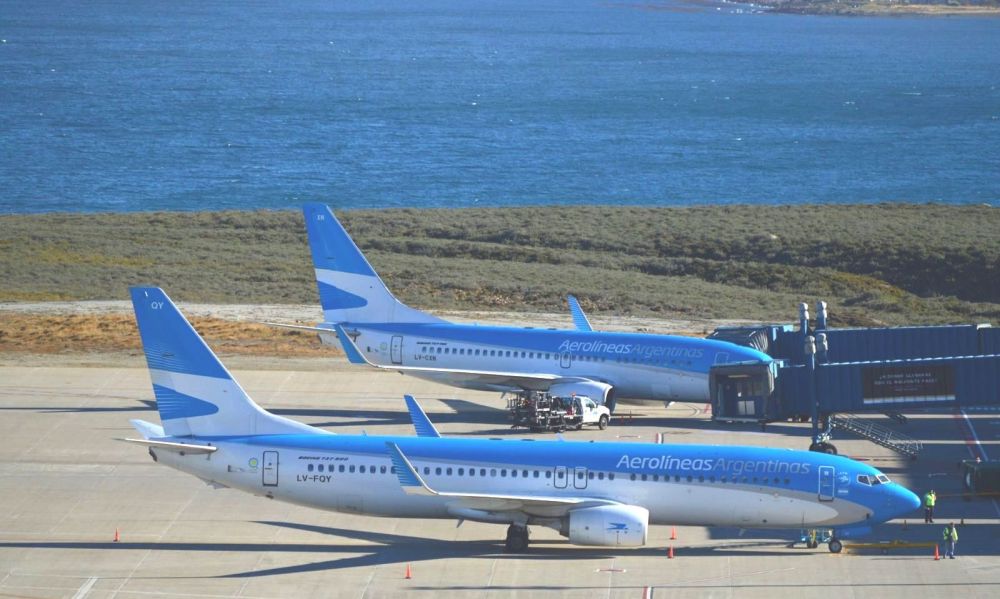
Aerolíneas Argentinas cierra el conflicto con los gremios aéreos
La compañía estatal Aerolíneas Argentinas informó que cerró el conflicto con sus gremios gracias a importantes avances en materia de productividad de la empresa y negociaciones con los gremios aeronáuticos. Según informó la aerolínea, representantes de los gremios APLA (Pilotos), AAA (Tripulantes) y APA (Rampa y Check-in) convalidaron modificaciones en convenios y formas de trabajo por una oferta salarial de un 16%. Mientras que, con APTA (Mecánicos), que habían aceptado la oferta salarial propuesta, se firmaron nuevas condiciones que permitirán cambios en plataforma y hangares que aumentarán significativamente la productividad.
Adaptaciones En cuanto a nuevos acuerdos, el gremio APLA como todo el personal jerárquico y los pilotos jubilados de la empresa perderán los pasajes vacacionales confirmados en clase ejecutiva para ellos y sus familiares directos. Por otro lado, tanto pilotos como tripulantes aceptaron reemplazar el traslado en vehículos pagados por la aerolínea por un esquema de viáticos que se implementará una vez finalizada la temporada alta de verano. Así mismo, los horarios de trabajo iniciarán una vez que los trabajadores arriben a las terminales aéreas y no durante su traslado, como era hasta ahora.
Uno de los avances más significativos, fue la opción de poder reubicar a los mecánicos y el personal de rampa entre hangares y líneas de trabajo de acuerdo a la necesidad de personal, un punto que históricamente había sido de los más conflictivos.
En cuanto a limitaciones a la programación, el gremio de Pilotos levantó una serie de restricciones que afectaban fuertemente la planificación de vuelos. Esto, sumado a diferentes medidas en este ámbito, aumentarán entre el 3% y 5% la eficiencia en las horas mensuales voladas por la compañía.
Este histórico avance con las agremiaciones permitirá a Aerolíneas Argentinas avanzar hacia esquemas productivos más cercanos a los de la industria aerocomercial, mientras reduce costos.
ATC El Gobierno Argentino mantiene negociaciones en otros frentes como con la Empresa Argentina de Navegación Aérea (EANA) que depende de la Secretaría de Transporte del Ministerio de Economía de la Nación, y quienes habían anunciado una nueva medida que iba a afectar a todos los aeropuertos de Argentina durante este fin de semana. Sin embargo, esta fue suspendida mientras se avanza en las negociaciones. «Este avance en las negociaciones refleja el compromiso para garantizar la continuidad del servicio esencial de navegación aérea», mencionaron al respecto desde la compañía aérea. “A su vez, informamos que las negociaciones siguen abiertas con el objetivo de llegar a un acuerdo definitivo sobre las medidas de fuerza establecidas por el gremio que engloba a los Controladores de Tránsito Aéreo», mencionó en un comunicado EANA.
Agreement between Aerolíneas and unions
Aerolíneas Argentinas closes the conflict with the airline unions
The state-owned company Aerolíneas Argentinas reported that it closed the conflict with its unions thanks to important advances in terms of productivity of the company and negotiations with the aeronautical unions. According to the airline, representatives of the unions APLA (Pilots), AAA (Crew), and APA (Ramp and Check-in) approved modifications in agreements and ways of working for a salary offer of 16%. Meanwhile, with APTA (Mechanics), who had accepted the proposed salary offer, new conditions were signed that will allow changes in the platform and hangars that will significantly increase productivity.
Adaptations As for new agreements, the APLA union, like all the hierarchical staff and retired pilots of the company, will lose the confirmed vacation tickets in business class for them and their immediate family members. On the other hand, both pilots and crew agreed to replace the transfer in vehicles paid for by the airline with a travel allowance scheme that will be implemented once the high summer season is over. Likewise, work schedules will begin once the workers arrive at the air terminals and not during their transfer, as was the case until now.
One of the most significant advances was the option of being able to relocate mechanics and ramp personnel between hangars and work lines according to the need for personnel, a point that had historically been one of the most controversial.
Regarding scheduling limitations, the Pilots’ union lifted a series of restrictions that strongly affected flight planning. This, added to different measures in this area, will increase the efficiency of the monthly hours flown by the company by between 3% and 5%.
This historic advance with the unions will allow Aerolíneas Argentinas to move towards production schemes closer to those of the commercial aviation industry, while reducing costs.
ATC The Argentine Government is in talks on other fronts, such as with the Argentine Air Navigation Company (EANA), which is part of the Transportation Secretariat of the Ministry of Economy of the Nation, and who had announced a new measure that would affect all airports in Argentina during this weekend. However, this measure was suspended while the negotiations progress. «This progress in the negotiations reflects the commitment to guarantee the continuity of the essential air navigation service,» the airline mentioned in this regard. «In turn, we inform that the negotiations remain open with the objective of reaching a definitive agreement on the measures of force established by the union that includes the Air Traffic Controllers», EANA mentioned in a statement.
PUBLISHER: Airgways.com DBk: Aerolineas.com Apla.org.ar / Aeronauticosapa.org.ar / Aeronavegantes.com.ar / Eana.com.ar / Airgways.com AW-POST: 202411181718AR OWNERSHIP: Airgways Inc. A\W A I R G W A Y S ®
Embraer firma Memorando de Entendimiento con indonesia PTDI
El fabricante brasileño de aviones Embraer anunció el Domingo 17/11 la firma de un Memorando de Entendimiento (MoU) con la indonesia PT Dirgantara Indonesia (PTDI) para ampliar su colaboración en el sector de la aviación comercial.
Embraer es el tercer fabricante mundial de aviones, por detrás de Airbus y Boeing. El acuerdo se formalizó al margen de la Cumbre del G20 en Río de Janeiro, a la que asistieron autoridades indonesias. La asociación incluye estudios conjuntos para evaluar oportunidades en áreas como la ingeniería y el suministro de aeroestructuras, según Embraer.
«PTDI tiene grandes ambiciones para el país», dijo el Presidente de la empresa PTDI, Gita Amperiawan, en un comunicado.
El ejecutivo de Embraer Rodrigo Silva e Souza dijo por su parte que Indonesia era uno de los mercados de aviación de más rápido crecimiento a nivel mundial, y añadió que Embraer había identificado «áreas en las que ambas partes pueden aprovechar su experiencia, mejorar las capacidades aeroespaciales de Indonesia y ampliar su conectividad aérea».
Embraer-PTDI MoU
Embraer signs Memorandum of Understanding with Indonesian PTDI
Brazilian aircraft manufacturer Embraer announced on Sunday 17/11 the signing of a Memorandum of Understanding (MoU) with Indonesian PT Dirgantara Indonesia (PTDI) to expand its collaboration in the commercial aviation sector.
Embraer is the world’s third-largest aircraft manufacturer, behind Airbus and Boeing. The agreement was formalized on the sidelines of the G20 Summit in Rio de Janeiro, attended by Indonesian authorities. The partnership includes joint studies to assess opportunities in areas such as engineering and supply of aerostructures, according to Embraer.
«PTDI has great ambitions for the country», said PTDI President Gita Amperiawan in a statement.
Embraer executive Rodrigo Silva e Souza said Indonesia was one of the fastest-growing aviation markets globally, adding that Embraer had identified «areas where both parties can leverage their expertise, enhance Indonesia’s aerospace capabilities, and expand its air connectivity».
PUBLISHER: Airgways.com DBk: Embraer.com / Indonesian-aerospace.com / Airgways.com AW-POST: 202411181708AR OWNERSHIP: Airgways Inc. A\W A I R G W A Y S ®
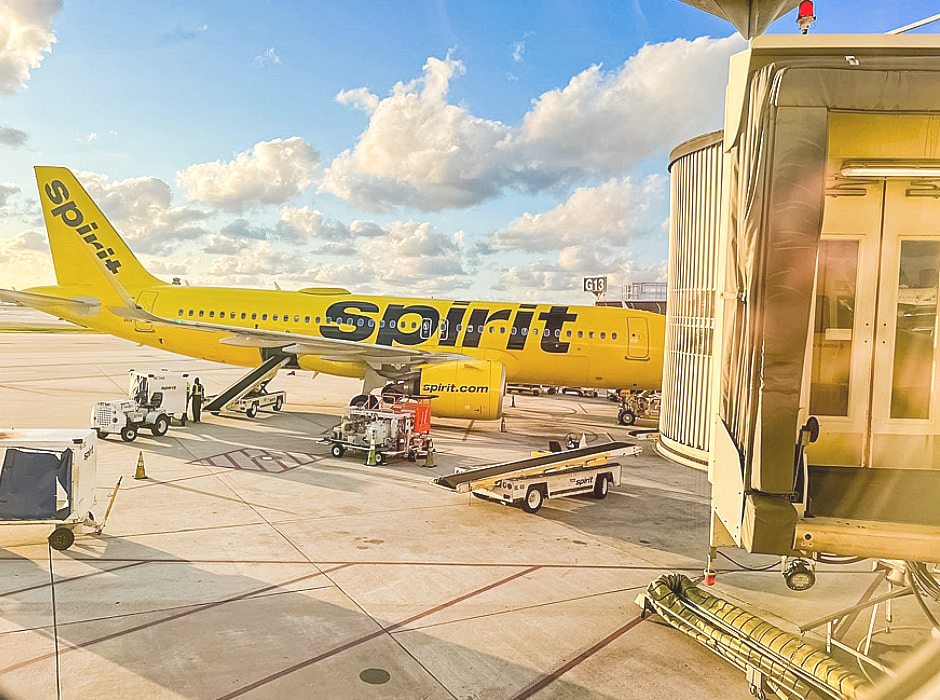
Spirit Airlines se declara en bancarrota Arrastra pérdidas por US$2.2 mil millones en 5 años
La aerolínea de tarifas bajas estadounidense Spirit Airlines se acogió al Capítulo 11 de protección por bancarrota en Nueva York, Estados Unidos el Lunes 18/11; anunciando un acuerdo con los tenedores de bonos para reestructurar sus deudas y recaudar dinero para ayudarlo a operar durante el proceso de bancarrota, del que espera salir en el primer trimestre del próximo año 2025. La aerolínea de presupuesto ha tenido problemas para encontrar su equilibrio después de que su fusión planificada con JetBlue Airways fuera bloqueada por un Juez Federal.
La aerolínea presentó una demanda en el Tribunal de Quiebras de Estados Unidos para el Distrito Sur de Nueva York, diciendo en un comunicado de prensa adjunto que buscaba reestructurar y reducir su deuda.
Spirit Airlines, cuyo enfoque de vender boletos baratos sin comodidades le valió admiradores y detractores, se declaró en bancarrota el Lunes 18/11 después de una serie de reveses, el más reciente el fracaso en la renegociación de su deuda inminente. La aerolínea, que reportó por última vez una ganancia anual en 2019, ha tenido problemas para encontrar su equilibrio después de que un juez federal bloqueó una fusión planificada con JetBlue Airways en enero. Spirit también ha tenido problemas para capitalizar la recuperación de la pandemia debido a la intensa competencia, los problemas del motor y otros factores.
La aerolínea con sede en Miramar, Florida, que ha perdido más de US$ 2.200 millones de Dólares desde principios de 2020, publicó una carta abierta a los clientes en la que decía que los viajeros podían utilizar todos los billetes, créditos y puntos de fidelidad con normalidad.
La Administración Federal de Aviación (FAA) dijo en un comunicado que su supervisión de las aerolíneas incluye la evaluación de cambios significativos en el entorno operativo, que podrían incluir dificultades financieras: «Hemos estado evaluando continuamente a Spirit Airlines a través de nuestro proceso de supervisión regular para garantizar que sus recursos, tamaño y estructura organizativa le permitan cumplir con todos los requisitos operativos», dijo la FAA.
Ted Christie, Director Ejecutivo de la aerolínea, dijo en un comunicado que los acuerdos anunciados el Lunes 18/11 representaban un fuerte voto de confianza en Spirit y nuestro plan a largo plazo. La aerolínea dijo en una presentación judicial que tenía entre 25.000 y 50.000 acreedores, con una deuda total de alrededor de US$ 9.000 millones de Dólares y solo un poco más en activos a fines de Septiembre 2024. Las acciones dejarían de cotizar en la Bolsa de Valores de Nueva York después del anuncio de bancarrota. Las acciones de Spirit habían caído más del 90 por ciento desde principios de año 2024.
«Este conjunto de transacciones fortalecerá materialmente nuestro balance y posicionará a Spirit para el futuro mientras continuamos ejecutando nuestras iniciativas estratégicas para transformar nuestra experiencia del huésped, brindando nuevas opciones de viaje mejoradas, mayor valor y mayor flexibilidad», dijo el CEO Ted Christie de Spirit Airlines.
Historia de Spirit Airlines La aerolínea comenzó a operar como una compañía de camiones que operaba bajo un nombre diferente en 1964. Más tarde se convirtió en un operador turístico y comenzó a ofrecer vuelos en 1990. Dos años más tarde, en 1992 se establece como Spirit Airlines. En 2006, Indigo Partners, un fondo de capital privado, adquirió una participación mayoritaria. Bajo Indigo y el liderazgo de Ben Baldanza, quien pasó una década como Director Ejecutivo de Spirit y falleció en 11/2024, la aerolínea se centró en reducir costos y vender boletos baratos y básicos.
Ese modelo de negocio convirtió a la aerolínea en el blanco de las bromas nocturnas, pero también ayudó a remodelar la industria. Los viajeros acudían en masa a Spirit por sus tarifas bajas, a menudo pasando por alto las preocupaciones sobre la calidad de su servicio. La aerolínea obtuvo ganancias constantes y otras compañías trataron de copiar su enfoque. Actualmente, la mayoría de las aerolíneas estadounidenses ofrecen alguna versión de un boleto sin lujos. Spirit también se convirtió en una fuerza poderosa en la industria, presionando a otros para que redujeran las tarifas. Ese fenómeno se convirtió en una parte central de la exitosa demanda del Departamento de Justicia para evitar la fusión JetBlue-Spirit, con el argumento de que perder Spirit perjudicaría a los consumidores.
Quiebra Spirit La declaración de bancarrota se produce después de que Spirit pasara meses tratando de renegociar sus deudas. Las empresas, incluidas muchas aerolíneas, a menudo emergen de los casos de bancarrota del Capítulo 11 con una base financiera más sólida. Las aerolíneas se han declarado en bancarrota docenas de veces a lo largo de las últimas décadas, según datos de Airlines for America, un grupo comercial. Tres de las compañías más grandes de la industria, American Airlines, Delta Air Lines y United Airlines, presentaron casos de bancarrota después de los ataques terroristas del 11 de Septiembre de 2001. Pero Spirit Airlines es la primera de una aerolínea importante en más de una década.
Las aerolíneas más grandes del país se han beneficiado de la recuperación de la pandemia, en parte aprovechando la demanda de viajes premium e internacionales. Pero Spirit y otras aerolíneas de bajo costo han tenido más dificultades para manejar los crecientes costos, especialmente para la mano de obra, y el aumento de la competencia.
El verano boreal 2024 fue el más concurrido de la historia para los viajes aéreos, según datos de la Administración de Seguridad en el Transporte (TSA). Pero las aerolíneas de tarifas bajas tuvieron problemas porque muchos de los destinos populares a los que sirven estaban inundados de asientos. Las aerolíneas de bajo costo también se han enfrentado a la creciente competencia de las aerolíneas más grandes que venden boletos de economía básica. Durante el verano, Spirit trató de revivir su fortuna ofreciendo servicios premium. En Julio 2024, anunció que comenzaría a vender cuatro paquetes de tarifas, que incluyen diferentes beneficios. La oferta principal incluye espacio adicional para las piernas, embarque prioritario, refrigerios y exención de tarifas de equipaje. Otro incluye algunas de esas ventajas y un asiento central vacío garantizado. Spirit transportó un poco más de pasajeros en el primer semestre de este año en comparación con el mismo período de 2023. Pero esos pasajeros pagaron casi un 20 por ciento menos en tarifas por vuelo.
La aerolínea tiene unos 12.800 empleados, mientras que los principales sindicatos han sostenido que continuarán luchando para conservar las fuentes de trabajo. Algunos problemas están fuera del control en Spirit Airlines. La aerolínea vuela más de doscientas aeronaves de una flota homogénea de Airbus A320, pero un defecto en los motores Pratt & Whitney que impulsan algunos de ellos significa que aproximadamente uno de cada diez aviones no vuelan este año 2024, mientras que Spirit dijo que esperaba comenzar 2025 con 35 aviones en tierra, aumentando a unas 67 unidades desprogramadas.
La aerolínea ha dicho que espera entre US$ 150 y 200 millones de Dólares en compensación por parte de Pratt & Whitney. Para reducir costos, Spirit retrasó la entrega de nuevos aviones y suspendió a los pilotos. Vendió casi dos docenas de aviones en Octubre 2024 y podría vender más, aunque la mayoría de sus aviones se encuentran en régimen de alquiler.
Spirit Airlines files for Chapter 11
Spirit Airlines files for bankruptcy Slugs in losses of US$2.2 billion in 5 years
US low-fare carrier Spirit Airlines filed for Chapter 11 bankruptcy protection in New York, United States on Monday 18/11; announcing an agreement with bondholders to restructure its debts and raise money to help it operate during the bankruptcy process, from which it hopes to emerge in the first quarter of next year 2025. The budget airline has struggled to find its footing after its planned merger with JetBlue Airways was blocked by a Federal Judge.
The airline filed a lawsuit in the US Bankruptcy Court for the Southern District of New York, saying in an accompanying press release that it was seeking to restructure and reduce its debt.
Spirit Airlines, whose approach of selling cheap tickets without amenities earned it both admirers and detractors, filed for bankruptcy on Monday after a series of setbacks, most recently a failure to renegotiate its impending debt. The airline, which last reported an annual profit in 2019, has struggled to find its footing after a federal judge blocked a planned merger with JetBlue Airways in January. Spirit has also struggled to capitalize on the pandemic recovery due to intense competition, engine problems, and other factors.
The Miramar, Florida-based airline, which has lost more than US$ 2.2 billion since the start of 2020, released an open letter to customers saying travelers could use all tickets, credits, and loyalty points as normal.
The Federal Aviation Administration (FAA) said in a statement that its oversight of airlines includes assessing significant changes in the operating environment, which could include financial distress: «We have been continuously evaluating Spirit Airlines through our regular oversight process to ensure that its resources, size and organizational structure allow it to meet all operational requirements», the FAA said.
Ted Christie, the airline’s chief executive, said in a statement that the agreements announced Monday 11/18 represented a strong vote of confidence in Spirit and our long-term plan. The airline said in a court filing that it had between 25,000 and 50,000 creditors, with total debt of about US$ 9 billion and only slightly more in assets as of the end of September 2024. The shares would cease trading on the New York Stock Exchange after the bankruptcy announcement. Spirit shares had fallen more than 90 percent since the start of 2024.
«This set of transactions will materially strengthen our balance sheet and position Spirit for the future as we continue to execute on our strategic initiatives to transform our guest experience, delivering new, enhanced travel options, greater value, and greater flexibility», Spirit Airlines CEO Ted Christie said.
Spirit Airlines history The airline began operations as a trucking company operating under a different name in 1964. It later became a tour operator and began offering flights in 1990. Two years later, in 1992 it was established as Spirit Airlines. In 2006, Indigo Partners, a private equity fund, acquired a majority stake. Under Indigo and the leadership of Ben Baldanza, who spent a decade as Spirit’s CEO and passed away in 11/2024, the airline focused on cutting costs and selling cheap, basic tickets.
That business model made the airline the butt of late-night jokes, but it also helped reshape the industry. Travelers flocked to Spirit for its low fares, often overlooking concerns about the quality of its service. The airline turned a steady profit, and other companies tried to copy its approach. Today, most U.S. airlines offer some version of a no-frills ticket. Spirit also became a powerful force in the industry, pressuring others to lower fares. That phenomenon became a central part of the Justice Department’s successful lawsuit to prevent the JetBlue-Spirit merger, arguing that losing Spirit would hurt consumers.
Spirit bankruptcy The bankruptcy filing comes after Spirit spent months trying to renegotiate its debts. Companies, including many airlines, often emerge from Chapter 11 bankruptcy cases on stronger financial footing. Airlines have filed for bankruptcy dozens of times over the past few decades, according to data from Airlines for America, a trade group. Three of the industry’s largest companies, American Airlines, Delta Air Lines, and United Airlines, filed bankruptcy cases after the Sept. 11, 2001, terrorist attacks. But Spirit Airlines is the first by a major airline in more than a decade.
The nation’s largest airlines have benefited from the pandemic recovery, in part by tapping into demand for premium and international travel. But Spirit and other low-cost carriers have had a harder time handling rising costs, especially for labor, and increased competition.
Summer 2024 was the busiest ever for air travel, according to data from the Transportation Security Administration (TSA). But low-fare airlines struggled because many of the popular destinations they serve were swamped with seats. Low-cost carriers have also faced increasing competition from larger airlines selling basic economy tickets. Over the summer, Spirit tried to revive its fortunes by offering premium services. In July 2024, it announced it would begin selling four fare packages, which include different benefits. The main offering includes extra legroom, priority boarding, snacks, and waived baggage fees. Another includes some of those perks and a guaranteed empty middle seat. Spirit carried slightly more passengers in the first half of this year compared with the same period in 2023. But those passengers paid nearly 20 percent less in fees per flight.
The airline has about 12,800 employees, while major unions have maintained they will continue to fight to retain jobs. Some problems are beyond Spirit Airlines’ control. The airline flies more than 200 aircraft from a homogenous fleet of Airbus A320s, but a defect in the Pratt & Whitney engines that power some of them means that about one in 10 of the planes are not flying this year, while Spirit said it expected to start 2025 with 35 grounded planes, rising to about 67 unscheduled units.
The airline has said it expects between US$ 150 million and US$ 200 million in compensation from Pratt & Whitney. To cut costs, Spirit has delayed delivery of new planes and furloughed pilots. It sold nearly two dozen planes in October 2024 and could sell more, although most of its planes are on lease.
PUBLISHER: Airgways.com DBk: Spirit.com / Nysb.uscourts.gov / Airgways.com AW-POST: 202411181330AR OWNERSHIP: Airgways Inc. A\W A I R G W A Y S ®
Spirit Airlines, una de las principales aerolíneas de bajo costo de Estados Unidos, ha anunciado despedir a alrededor de 330 pilotos entrando la medida en vigor el 31 de Enero de 2025. El ajuste de personal se presenta como parte de un plan integral de reducción de costes y mejora de la posición financiera de la línea aérea. A pesar de la continua alta demanda de viajes, la aerolínea, conocida por sus tarifas bajas, continúa con un arrastre de pérdidas financieras significativas.
Elplan de ajuste contempla despedir a 330 pilotos como así tambbién degradar a 120 Capitanes a Primeros Oficiales. Estas medidas forman parte de un ambicioso plan para lograr un ahorro de US$ 2025 millones de Dólares. Esta decisión se produce en un momento en el que muchas aerolíneas se están beneficiando de un aumento de la demanda, mientras la economía de Spirit Airlines se contrae debido a las dificultades financieras cíclicas. En el segundo trimestre de 2024, la empresa registró una pérdida neta de US$ 158 millones de Dólares, un revés impulsado principalmente por los bajos ingresos. Se esperan nuevas pérdidas en el tercer trimestre de 2024, para las que aún están pendientes los resultados. Esto plantea dudas sobre la viabilidad a largo plazo del modelo de negocio, especialmente en un entorno competitivo dominado por las cuatro principales aerolíneas estadounidenses: United Airlines, American Airlines, Delta Air Lines y Southwest Airlines, y la alta competencia de las low cost nacionales.
Fusión Frontier-Spirit Los problemas de Spirit Airlines se producen en el contexto de una intensa competencia en la industria aérea estadounidense. En Octubre de 2024, surgieron informes de que Spirit Airlines y Frontier Airlines, ambas conocidas aerolíneas de bajo costo, habían reanudado las conversaciones de fusión. Estas consideraciones no son solo una respuesta a los desafíos internos de Spirit, sino también a la presión creada por el dominio del mercado de las principales aerolíneas. Una fusión podría permitir a ambas empresas fortalecer su posición en el mercado y aprovechar las sinergias para reducir costos y aumentar la rentabilidad.
Al mismo tiempo, Spirit Airlines ha iniciado conversaciones con sus tenedores de bonos sobre una posible declaración de bancarrota. Estos acontecimientos ponen de relieve la urgencia de los planes de recuperación financiera. Los expertos sospechan que una fusión con Frontier Airlines podría ser parte de la estrategia para garantizar la estabilidad financiera de la compañía.
Los despidos planeados no son los primeros de su tipo para Spirit Airlines. En Abril de 2024, la aerolínea anunció que despediría a 260 Pilotos a partir del 1 de Septiembre de 2024. Estos planes de despidos en curso forman parte de una estrategia integral para optimizar la estructura de costes de la compañía, pero también están directamente relacionados con la decisión de posponer todas las entregas de aviones Airbus originalmente programadas para el segundo trimestre de 2025 a 2030-2031.
Esta decisión pone de manifiesto las dificultades a las que se enfrenta Spirit Airlines. El aplazamiento de las entregas de aviones podría dar lugar a una nueva reducción de la capacidad a corto plazo, lo que presenta retos adicionales dadas las reducciones de personal previstas.
Spirit plans staff reduction
Airline plans to reduce 330 pilots
Spirit Airlines, one of the leading low-cost airlines in the United States, has announced that it will lay off around 330 pilots, effective January 31, 2025. The staff reduction is part of a comprehensive plan to reduce costs and improve the airline’s financial position. Despite continued high travel demand, the airline, known for its low fares, continues to suffer significant financial losses.
The plan to reduce staff includes laying off 330 pilots as well as demoting 120 Captains to First Officers. These measures are part of an ambitious plan to achieve savings of US$ 2.025 billion. This decision comes at a time when many airlines are benefiting from increased demand, while Spirit Airlines’ economy is contracting due to cyclical financial difficulties. In the second quarter of 2024, the company posted a net loss of US$158 million, a setback driven mainly by low revenues. Further losses are expected in the third quarter of 2024, for which results are still pending. This raises questions about the long-term viability of the business model, especially in a competitive environment dominated by the four major US airlines United Airlines, American Airlines, Delta Air Lines, and Southwest Airlines, and high competition from domestic low-cost carriers.
Frontier-Spirit merger Spirit Airlines’ problems come against the backdrop of intense competition in the US airline industry. In October 2024, reports emerged that Spirit Airlines and Frontier Airlines, both well-known low-cost carriers, had resumed merger talks. These considerations are not only a response to Spirit’s internal challenges but also to the pressure created by the market dominance of major airlines. A merger could allow both companies to strengthen their market position and take advantage of synergies to reduce costs and increase profitability.
At the same time, Spirit Airlines has begun discussions with its bondholders about a possible bankruptcy filing. These developments highlight the urgency of the financial recovery plans. Experts suspect that a merger with Frontier Airlines could be part of the strategy to ensure the company’s financial stability.
The planned layoffs are not the first of their kind for Spirit Airlines. In April 2024, the airline announced that it would lay off 260 pilots effective September 1, 2024. These ongoing layoff plans are part of a comprehensive strategy to optimize the company’s cost structure but are also directly related to the decision to postpone all Airbus aircraft deliveries originally scheduled for the second quarter of 2025 to 2030-2031.
This decision highlights the difficulties that Spirit Airlines is facing. The postponement of aircraft deliveries could lead to a further reduction in capacity in the short term, presenting additional challenges given the planned staff reductions.
PUBLISHER: Airgways.com DBk: Spirit.com / Airgways.com AW-POST: 202411011455AR OWNERSHIP: Airgways Inc. A\W A I R G W A Y S ®
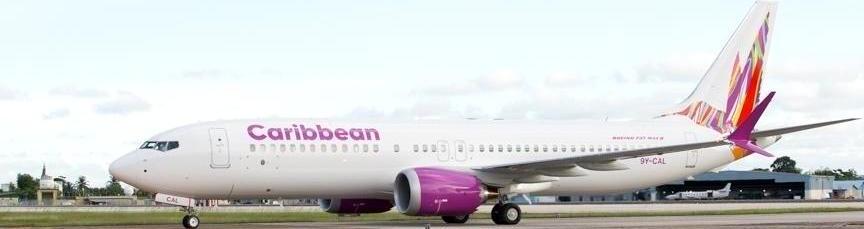
Caribbean Airlines, la aerolínea regional, ha anunciado que operará dos vuelos semanales desde Guyana hacia Surinam partir de este 3 de noviembre de 2024. Los vuelos desde Guyana partirán del Aeropuerto Internacional Ogle/Eugene F. Correia (OGL) y llegarán al Aeropuerto Internacional Paramaribo/Johan Adolf Pengel (PBM) en Surinam.
Esta iniciativa forma parte de un plan más amplio de la aerolínea para expandir sus servicios a más destinos en la región. El CEO de Caribbean Airlines, Garvin Madera, declaró nuevamente el compromiso de la aerolínea con mejorar la conectividad en todo el Caribe. En la actualidad, Caribbean Airlines opera en veinticuatro destinos de la región.
Con la designación de Aviareps Spain como su GSA, Caribbean Airlines refuerza su compromiso con sus colaboradores, proporcionando un servicio de atención al cliente local y soporte en ventas más cercano y personalizado. Esta alianza permitirá expandir su red de ventas y mejorar la accesibilidad de sus servicios para los clientes en España.
Caribbean inaugurates Georgetown-Paramaribo
Caribbean inaugurates flights from Guyana to Suriname
Caribbean Airlines, the regional airline, has announced that it will operate two weekly flights from Guyana to Suriname starting on November 3, 2024. Flights from Guyana will depart from Ogle/Eugene F. Correia International Airport (OGL) and arrive at Paramaribo/Johan Adolf Pengel International Airport (PBM) in Suriname.
This initiative is part of a broader plan by the airline to expand its services to more destinations in the region. Caribbean Airlines CEO Garvin Madera again stated the airline’s commitment to improving connectivity throughout the Caribbean. Caribbean Airlines currently operates to twenty-four destinations in the region.
With the appointment of Aviareps Spain as its GSA, Caribbean Airlines reinforces its commitment to its collaborators, providing closer and more personalized local customer service and sales support. This alliance will allow the company to expand its sales network and improve the accessibility of its services to customers in Spain.
PUBLISHER: Airgways.com DBk: Caribbean-airlines.com / Airgways.com AW-POST: 202410311619AR OWNERSHIP: Airgways Inc. A\W A I R G W A Y S ®
AW | 2024 10 31 16:06 | GOVERNMENT / AIRPORTS / AIRLINES
Estado quita a Aerolíneas Argentinas exclusividad pernocte Aeroparque
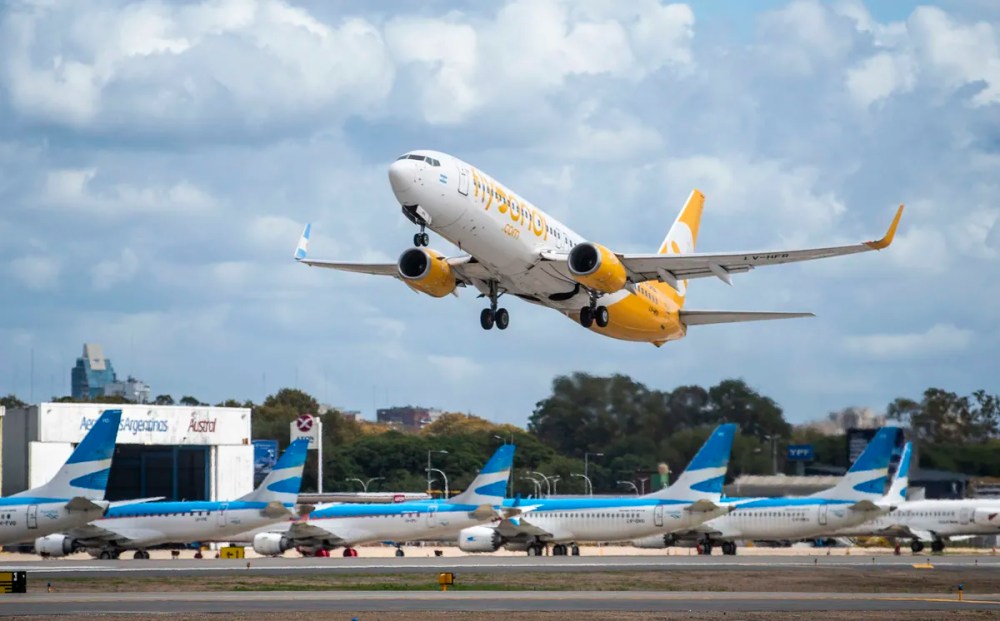
El Gobierno le quita a Aerolíneas Argentinas la exclusividad de pernocte en Aeroparque, otras compañías podrán dejar sus aviones de noche. La medida fue dispuesta por la Secretaria de Transporte y regirá a partir del Viernes 1 de Noviembre de 2024. Los cambios se efectivizan en medio del avance de Presidencia para privatizar la aerolínea de bandera.
En medio de las gestiones para avanzar con la privatización de Aerolíneas Argentinas, el Gobierno de Javier Milei anunció la supresión a la compañía de bandera la exclusividad de pernocte en el Aeropuerto Buenos Aires/Jorge Newvery (AEP) a partir del Viernes 01/11, habilitando a todas las líneas aéreas nacionales realizar pernocte en la terminal porteña. Fuentes oficiales afirmaron que de esta manera buscan ampliar la oferta de vuelos y bajar el precio de los pasajes.
«A partir de mañana otras líneas aéreas como JetSMART y Flybondi podrán acceder a posiciones de pernocte en la plataforma comercial del Aeroparque Jorge Newbery. Es un beneficio que antes era un monopolio exclusivo de Aerolíneas, favorecida injustamente por La Cámpora», anunció el Vocero Presidencial Manuel Adorni en la conferencia de prensa de este Jueves 31/10.
La medida la oficializó el Organismo Regulador del Sistema Nacional de Aeropuertos (ORSNA), que depende de la Secretaría de Transporte, bajo la órbita del Ministerio de Economía que dirige Luis Caputo.
«Antes de esta modificación los aviones de otras empresas por fuera de Aerolíneas Argentinas no podían quedar estacionados en Aeroparque durante la noche. Esto implicaba que si un avión de otra línea aérea llegaba a la noche tarde y salía de nuevo a la mañana temprano, tenía que ir hasta Ezeiza para la mañana siguiente volver a volar de Ezeiza a Aeroparque y ahí recién salir. Un delirio que sólo podía ocurrir en la mano de esta gente. A partir de ahora otras líneas aéreas podrán acceder a posiciones de pernocte en Aeroparque, lo que va a permitir que haya más vuelos a la mañana temprano y poner fin a un delirio corporativista. Esta medida distribuye más equitativamente el espacio del aeropuerto, impulsa la competencia entre las empresas en igualdad de condiciones y brinda un mejor servicio para los pasajeros con una mayor oferta de vuelos y menores precios de los pasajes«, sostuvo el Portavoz Presidencial.
Oficialismo pierde votos Aerolíneas El anuncio coincide con una semana en la que el Gobierno avanzó con el proyecto para privatizar Aerolíneas Argentinas, que había quedado afuera de la Ley Bases, tras obtener el martes dictamen en un plenario de comisiones de Diputados que le permitirá llevar la iniciativa al recinto. Al respecto, Manuel Adorni planteó que en su visión se trataba de un cambio de época, porque la misma clase política que festejaba la estatificación y no le importaba el déficit de la empresa, ahora aprobaron el tratamiento de su privatización.
El Gobierno de Argentina cuenta con 22 adhesiones menos de las que logró en el Congreso al aprobar la Ley Bases para el tratamiento de la venta de aerolíneas Argentinas en la Cámara de Diputados.
El Gobierno nacional había alcanzado una victoria en la Comisión de Presupuesto y Hacienda y Transporte que le permitía avanzar en la privatización de Aerolíneas Argentinas. Luego de un arduo debate, el oficialismo obtuvo el dictamen que necesitaba y posee todo listo para llevar al recinto la discusión que deje a la compañía aérea sujeta a privatización.
Esta será la segunda vez en el año que se debatirá el tema, lo que genera controversias respecto de su viabilidad, porque el reglamento dice que, si se cae un proyecto, no puede ser debatido el mismo período de sesiones; en este caso, en Julio 2024, el Senado eliminó a la compañía de la lista de las posibles empresas a privatizar que incluía la Ley Bases. Antes de esa definición, en Diputados había conseguido los votos necesarios. En ese entonces, cuando se votó la privatización, el oficialismo obtuvo 138 votos afirmativos. Pero entre ese momento y octubre, perdió 22 votos que se fueron a una tercera posición, por lo que los representantes parlamentarios del Gobierno nacional tendrían 116 votos favorables a su proyecto de venta de la compañía y podrían perder en el recinto en el momento en que se trate. Para poder avanzar el Congreso, necesita cumplir con un paso que es la conformación de la Comisión Bicameral de Seguimiento de Empresas Privatizadas.
La propuesta de vender la aerolínea fue tratada en una reunión de las comisiones de Transporte y de Presupuesto, que presiden la radical Pamela Verasay y el libertario José Luis Espert, respectivamente, y el dictamen de mayoría obtuvo 35 firmas entre el oficialismo, el PRO, la UCR, la Coalición Cívica y bloques provinciales. El texto declara a la empresa sujeta de privatización, pero establece que el proceso se ajustará a las condiciones de transparencia que se fijaron en la Ley Bases y que impulsan la intervención de la Auditoría General de la Nación como así también de la bicameral de Seguimiento de las Privatizaciones.
Government cancels AEP overnight exclusivity
State removes Aerolíneas overnight exclusivity at Aeroparque
The Government removes Aerolíneas Argentinas‘ overnight exclusivity at Aeroparque, other companies will be able to leave their planes at night. The measure was ordered by the Secretary of Transportation and will take effect as of Friday, November 1, 2024. The changes are taking effect amid the Presidency’s advance to privatize the flagship airline.
In the midst of the efforts to move forward with the privatization of Aerolíneas Argentinas, the Government of Javier Milei announced the elimination of the flagship company’s overnight exclusivity at the Buenos Aires/Jorge Newvery Airport (AEP) as of Friday, November 1, enabling all national airlines to make overnight stays at the Buenos Aires terminal. Official sources stated that in this way they seek to expand the flight offer and lower the price of tickets.
«Starting tomorrow, other airlines such as JetSMART and Flybondi will be able to access overnight positions on the commercial platform of Aeroparque Jorge Newbery. It is a benefit that was previously an exclusive monopoly of Aerolíneas, unfairly favored by La Cámpora», announced Presidential Spokesperson Manuel Adorni at the press conference on Thursday 31/10.
The measure was made official by the Regulatory Body of the National Airport System (ORSNA), which depends on the Secretariat of Transportation, under the orbit of the Ministry of Economy headed by Luis Caputo.
«Before this change, planes from companies other than Aerolíneas Argentinas could not be parked at Aeroparque overnight. This meant that if a plane from another airline arrived late at night and left again early in the morning, it had to go to Ezeiza to fly from Ezeiza to Aeroparque again the next morning and then leave. A madness that could only happen in the hands of these people. From now on, other airlines will be able to access overnight positions at Aeroparque, which will allow for more flights in the early morning and put an end to a corporatist madness. This measure distributes airport space more equitably, encourages competition between companies on equal terms, and provides better service for passengers with a greater offer of flights and lower ticket prices», said the Presidential Spokesperson.
Officialism loses votes Aerolíneas The announcement coincides with a week in which the Government advanced with the project to privatize Aerolíneas Argentinas, which had been left out of the Ley Bases, after obtaining a ruling on Tuesday in a plenary session of the House of Representatives commissions that will allow it to take the initiative to the floor. In this regard, Manuel Adorni stated that in his view it was a change of era, because the same political class that celebrated the nationalization and did not care about the company’s deficit, now approved the treatment of its privatization.
The Government of Argentina has 22 fewer adhesions than those it achieved in Congress when it approved the Ley Bases for the treatment of the sale of Argentine airlines in the Chamber of Deputies.
The national Government had achieved a victory in the Budget and Finance and Transportation Commission that allowed it to advance in the privatization of Aerolíneas Argentinas. After an arduous debate, the ruling party obtained the opinion it needed and has everything ready to take the discussion to the floor to leave the airline subject to privatization.
This will be the second time this year that the issue will be debated, which generates controversy regarding its viability, because the regulations say that, if a project fails, it cannot be debated in the same session period; in this case, in July 2024, the Senate eliminated the company from the list of possible companies to be privatized that the Ley Bases included. Before that definition, in the House of Representatives it had obtained the necessary votes. At that time, when the privatization was voted on, the ruling party obtained 138 affirmative votes. But between that time and October, it lost 22 votes that went to a third position, so the parliamentary representatives of the national Government would have 116 votes in favor of their project to sell the company and could lose in the floor at the time when it is discussed. In order to move forward, Congress needs to complete a step, which is the formation of the Bicameral Commission for Monitoring Privatized Companies.
The proposal to sell the airline was discussed at a meeting of the Transportation and Budget Commissions, chaired by the radical Pamela Verasay and the libertarian José Luis Espert, respectively, and the majority opinion obtained 35 signatures from the ruling party, the PRO, the UCR, the Civic Coalition and provincial blocks. The text declares the company subject to privatization, but establishes that the process will be adjusted to the conditions of transparency that were set in the Bases Law and that promote the intervention of the General Audit Office of the Nation as well as the bicameral Commission for Monitoring Privatizations.
PUBLISHER: Airgways.com DBk: Argentina.gob.ar / Airgways.com AW-POST: 202410311606AR OWNERSHIP: Airgways Inc. A\W A I R G W A Y S ®
Un nuevo paro general del transporte aéreo se generará Miércoles 30 de Octubre de 2024. La acción tiene alcance nacional de transporte que impactará en varios servicios como trenes, aviones, camiones y barcos. Varias aerolíneas con operaciones locales e internacionales comenzaron a comunicarse con sus pasajeros para advertir sobre cambios, reprogramaciones y/o cancelaciones.
Las líneas aéreas han comenzado a emitir comunicados para dar aviso a los usuarios del transporte aéreo para reprogramar sus vuelos o acceder a las cancelaciones.
La low cost JetSMART Airlines Argentina emitió un comunicado en el que anuncia su decisión de trasladar vuelos que originalmente estaban programados desde el Aeropuerto Jorge Newbery para que salgan desde el Aeropuerto Internacional Ezeiza. “Esta medida tiene como objetivo garantizar la continuidad de las operaciones y asegurar el derecho de los pasajeros a movilizarse libremente dentro del país y hacia destinos internacionales”, expresa el comunicado de la línea aérea. La aerolínea decidió contratar los servicios de rampa en el aeropuerto de Ezeiza para minimizar los inconvenientes a sus pasajeros y asegurar la mayor cantidad posible de vuelos previstos para ese día. Aunque este cambio les permitirá mantener la mayoría de los vuelos, algunos podrían verse afectados por la falta de proveedores en determinadas ciudades del interior como Tucumán, Neuquén y San Martín de los Andes, donde las operaciones continuarán desde Aeroparque bajo el esquema habitual.
Aerolíneas Argentinas anunció que habrá modificaciones en los horarios de los vuelos que estaban previstos para este 30 de Octubre de 2024 y se verán afectados por la medida de fuerza. De esta manera, la empresa le solicitó a los pasajeros «estar atentos a la casilla de mail informada en su reserva por posibles notificaciones sobre cambios en el itinerario de vuelos durante o cerca del horario de inicio y fin de la medida gremial». A su vez, aclaró que «en caso de haber comprado su ticket a través de una agencia de viajes, cualquier modificación será informada por la misma».
Por su parte, el gremio que nuclea a los trabajadores de las líneas aéreas extranjeras dio libertad de acción, pero las compañías comenzaron a reprogramar sus vuelos ante la posibilidad de no contar con atención en tierra, pues la compañía prestadora de servicios logísticos Intercargo no prestará servicios.
En cuanto al conflicto gremial, desde Aerolíneas Argentinas aseguraron que llevaron adelante «todas las acciones que están a su alcance para mitigar el efecto de esta medida a través de reprogramaciones adelantando y postergando salidas fuera de la franja horaria de la medida y creando vuelos especiales para redistribuir a los pasajeros afectados. Lamentamos los inconvenientes que esta medida pudieran causar en los planes de viaje de nuestros pasajeros», expresó la aerolínea en su comunicado.
Al paro general de transporte se incorporan al reclamo los estatales de la Asociación de Trabajadores del Estado (ATE), los cuales tienen injerencia en el gremio de Administración Nacional de Aviación Civil (ANAC), el Organismo Regulador del Sistema Nacional de Aeropuertos (ORSNA), Vías Navegables, el ex-Ministerio de Transporte, la Junta de Seguridad en el Transporte (JST) y la Comisión Nacional de Regulación del Transporte (CNRT), entre otros organismos.
Air transport strike in Argentina
General air transport strike in Argentina
A new general air transport strike will take place on Wednesday, October 30, 2024. The action has a national transport scope that will impact various services such as trains, planes, trucks, and ships. Several airlines with local and international operations began to communicate with their passengers to warn about changes, rescheduling, and/or cancellations.
Airlines have begun to issue statements to notify air transport users to reschedule their flights or access cancellations.
The low-cost JetSMART Airlines Argentina issued a statement announcing its decision to move flights that were originally scheduled from Jorge Newbery Airport to depart from Ezeiza International Airport. «This measure aims to guarantee the continuity of operations and ensure the right of passengers to move freely within the country and to international destinations», the airline’s statement said. The airline decided to hire ramp services at Ezeiza Airport to minimize inconvenience to its passengers and ensure the largest possible number of flights scheduled for that day. Although this change will allow them to maintain most of the flights, some could be affected by the lack of suppliers in certain cities in the interior such as Tucumán, Neuquén, and San Martín de los Andes, where operations will continue from Aeroparque under the usual schedule.
Aerolíneas Argentinas announced that there will be changes in the schedules of the flights that were scheduled for October 30, 2024, and will be affected by the strike. In this way, the company asked passengers to «be attentive to the email inbox informed in their reservation for possible notifications about changes in the flight itinerary during or near the start and end time of the strike». In turn, it clarified that «in case you have purchased your ticket through a travel agency, any modification will be informed by the agency».
For its part, the union that represents workers from foreign airlines gave freedom of action, but the companies began to reschedule their flights in view of the possibility of not having ground support, since the logistics services company Intercargo will not provide services.
Regarding the union conflict, Aerolíneas Argentinas assured that they carried out «all actions within their reach to mitigate the effect of this measure through rescheduling advancing, and postponing departures outside the time slot of the measure and creating special flights to redistribute the affected passengers. We regret the inconvenience that this measure could cause in the travel plans of our passengers», the airline said in its statement.
The general transport strike is joined by state workers from the Association of State Workers (ATE), who have influence in the National Civil Aviation Administration (ANAC), the National Airport System Regulatory Body (ORSNA), Navigable Waterways, the former Ministry of Transport, the Transportation Safety Board (JST) and the National Commission for the Regulation of Transport (CNRT), among other bodies.
PUBLISHER: Airgways.com DBk: Jetsmart.com / Aerolineas.com / Ate.org.ar / Argentina.gob.ar/anac / Argentina.gob.ar/orsna / Argentina.gob.ar/jst / Argentina.gob.ar/cnrt / Airgways.com AW-POST: 202410291117AR OWNERSHIP: Airgways Inc. A\W A I R G W A Y S ®
AW | 2024 10 28 11:34 | AVIATION / AVIATION ORGANISMS / GOVERNMENT
Etapa final evaluaciones aviación programa IASA
Funcionarios de la Administración Federal de Aviación (FAA) llegaron a la Argentina para completar la etapa final de una auditoría del Programa de Evaluación de la Seguridad de la Aviación Internacional (IASA). El estatus de Categoría 1 del país está amenazado, y cualquier posible rebaja tendría implicaciones significativas para su industria de aviación.
Argentina ha mantenido su estatus de Categoría 1 (CAT 1) de primer nivel desde 2005, pero ahora corre el riesgo de perderlo después de años de deterioro de los estándares de seguridad aérea. Una auditoría de la Organización de Aviación Civil Internacional (OACI) realizada en 2022 encontró que el cumplimiento del país con los estándares internacionales era solo del 60,47%, por debajo de otros países de América del Sur. Las evaluaciones correspondientes para los controles comprenden ocho elementos críticos (CE) del Programa IASA, las áreas con peor desempeño del país se encuentran en «(CE-2) Reglamentos Operativos Específicos» con un 37,29%, y «(CE-3) Sistema Estatal de Aviación Civil y Funciones de Supervisión de la Seguridad» con 41,67%. Luego, la FAA realizó su propia evaluación a principios de 2024 y encontró 82 áreas de preocupación.
Otro país latinoamericano que se enfrentó a una degradación a su estatus de Categoría 1 fue México, que sufrió exactamente este destino en 2021. Sin embargo, el país logró recuperar su codiciado estatus de seguridad dos años más tarde mediante la implementación de las mejoras necesarias.
AEROPARQUE (AEP)
Argentina inauguró un nuevo gobierno el año pasado y afirma haber estado inmerso en una carrera contrarreloj para mejorar su infraestructura de aviación civil. El Gobierno de Argentina emitió recientemente el Decreto Nº941/2024 para realizar cambios radicales en su sector de aviación civil. En particular, esto incluye el aumento de los poderes de su regulador de aviación, la Administración Nacional de Aviación Civil (ANAC), para tomar medidas como multas, paradas en tierra, inspecciones y revocaciones de licencias. También tendrá la facultad de designar ciertas responsabilidades, como la navegación aérea y los servicios de operación aeroportuaria, a empresas privadas.
Un comunicado de la Secretaría de Transporte de Argentina dijo: «A pesar de la carrera contrarreloj de la actual administración para revertir esta situación causada por años de mala gestión en la Administración Nacional de Aviación Civil, sigue existiendo la posibilidad de una degradación de categoría para el sistema nacional de aviación».
La agencia de la ANAC afirma que ha logrado aproximadamente un progreso del 85% para abordar los problemas identificados en la evaluación de la FAA a principios de este año, y lo presentará a los funcionarios de la FAA durante su visita.
Los países con Categoría 2 (CAT 2) no pueden lanzar nuevas rutas, aumentar las frecuencias o desplegar nuevas aeronaves en los servicios a los Estados Unidos, lo que dificulta su capacidad para expandir sus redes. Además, no se les permitiría celebrar nuevos acuerdos de código compartido con operadores estadounidenses, y sus operaciones estarían sujetas a un mayor escrutinio por parte de la FAA.
Actualmente, la única aerolínea argentina que vuela a los Estados Unidos es Aerolíneas Argentinas, que opera 13 vuelos semanales entre Buenos Aires (EZE) y Miami (MIA). La aerolínea también tiene un acuerdo de código compartido con la aerolínea estadounidense Delta Air Lines lanzado hace más de una década. Estados Unidos y Argentina tienen una relación de largo historial. Según datos de Cirium, tres aerolíneas estadounidenses están operando vuelos directos entre los dos países a Octubre 2024: American Airlines, Delta Air Lines y United Airlines. American desarrolla tres rutas: Nueva York JFK (JFK), Miami y Dallas/Fort Worth (DFW) a Buenos Aires (EZE). Delta posee dos rutas sirviendo a Atlanta (ATL) y Nueva York JFK a Buenos Aires (EZE). United enlaza un solo destino Houston Intercontinental (IAH) con Buenos Aires (EZE).
FAA IASA audit in Argentina
Final stage of IASA program aviation assessments
Federal Aviation Administration (FAA) officials arrived in Argentina to complete the final stage of an audit of the International Aviation Safety Assessment Program (IASA). The country’s Category 1 status is under threat, and any potential downgrade would have significant implications for its aviation industry.
Argentina has maintained its top-tier Category 1 (CAT 1) status since 2005, but is now at risk of losing it after years of deteriorating air safety standards. An International Civil Aviation Organization (ICAO) audit conducted in 2022 found that the country’s compliance with international standards was only 60.47%, below other South American countries. The corresponding assessments for controls comprise eight critical elements (CE) of the IASA Program, with the country’s worst-performing areas being in «(CE-2) Specific Operating Regulations» at 37.29%, and «(CE-3) State Civil Aviation System and Safety Oversight Functions» at 41.67%. The FAA then conducted its own assessment in early 2024 and found 82 areas of concern.
Another Latin American country that faced a downgrade to its Category 1 status was Mexico, which suffered exactly this fate in 2021. However, the country managed to regain its coveted safety status two years later by implementing the necessary improvements.
Argentina inaugurated a new government last year and claims to have been engaged in a race against time to improve its civil aviation infrastructure. The Government of Argentina recently issued Decree No. 941/2024 to make sweeping changes to its civil aviation sector. In particular, this includes increasing the powers of its aviation regulator, the National Civil Aviation Administration (ANAC), to take action such as fines, groundings, inspections and license revocations. It will also have the power to designate certain responsibilities, such as air navigation and airport operation services, to private companies.
A statement from Argentina’s Ministry of Transport said: «Despite the current administration’s race against time to reverse this situation caused by years of mismanagement at the National Civil Aviation Administration, the possibility of a category downgrade for the national aviation system remains».
The ANAC agency claims it has made about 85% progress in addressing the issues identified in the FAA’s assessment earlier this year, and will present this to FAA officials during their visit.
Category 2 (CAT 2) countries cannot launch new routes, increase frequencies, or deploy new aircraft on services to the United States, hampering their ability to expand their networks. In addition, they would not be allowed to enter into new codeshare agreements with U.S. carriers, and their operations would be subject to increased scrutiny by the FAA.
Currently, the only Argentine airline flying to the United States is Aerolíneas Argentinas, which operates 13 weekly flights between Buenos Aires (EZE) and Miami (MIA). The airline also has a codeshare agreement with U.S. carrier Delta Air Lines launched more than a decade ago. The United States and Argentina have a long-standing relationship. According to Cirium data, three U.S. airlines are operating direct flights between the two countries as of October 2024: American Airlines, Delta Air Lines, and United Airlines. American operates three routes: New York JFK (JFK), Miami, and Dallas/Fort Worth (DFW) to Buenos Aires (EZE). Delta has two routes serving Atlanta (ATL) and New York JFK to Buenos Aires (EZE). United links a single destination Houston Intercontinental (IAH) to Buenos Aires (EZE).
PUBLISHER: Airgways.com DBk: Faa.gov / Airgways.com AW-POST: 202410281134AR OWNERSHIP: Airgways Inc. A\W A I R G W A Y S ®
Recibe Certificado Operador Transporte Aéreo Extranjero en EE.UU.
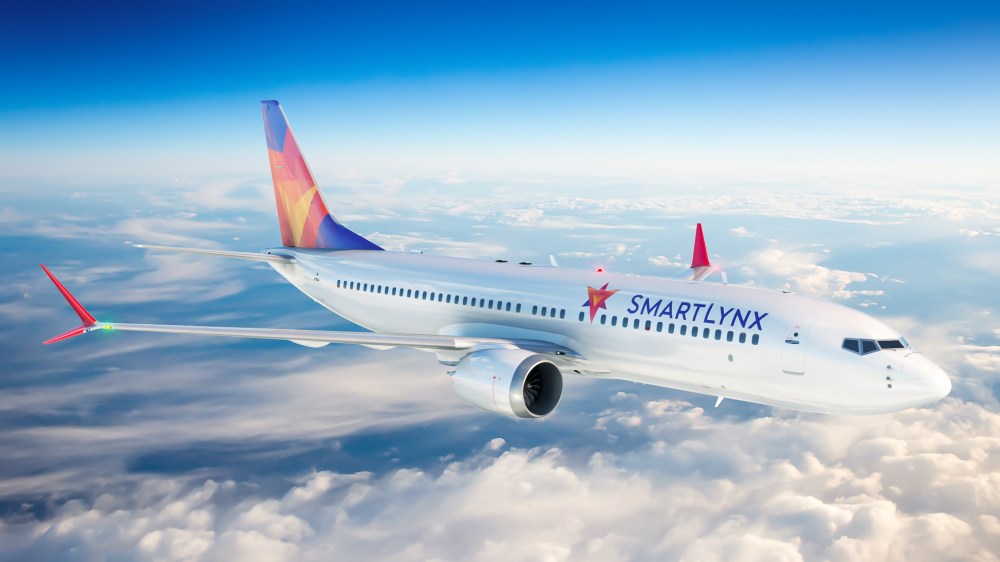
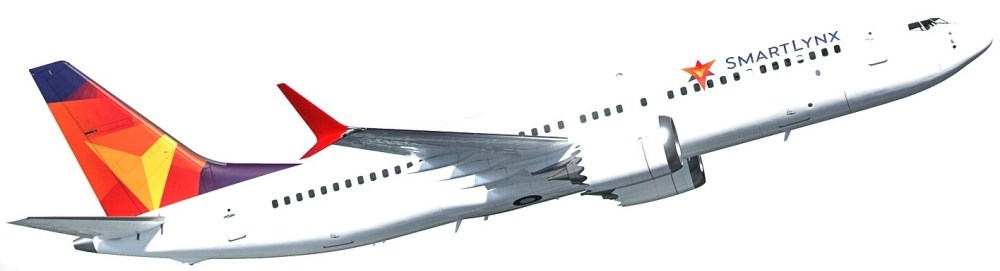
SmartLynx Airlines, un operador de carga y chárter ACMI (Aircraft, Crew, Maintenance, Insurance), reconocido mundialmente, ha recibido el Certificado de Operador Aéreo Extranjero (FAOC) otorgado por la Administración Federal de Aviación (FAA) de los Estados Unidos de América. La certificación permite a la aerolínea comenzar a operar hacia, desde y dentro de los Estados Unidos.
El certificado recibido reconoce que las aeronaves SmartLynx registradas bajo el AOC (Certificado de Operador Aéreo) de Letonia cumplen con los altos estándares y regulaciones de los Estados Unidos. Con la certificación recibida, SmartLynx ahora podrá apoyar a las aerolíneas que operan vuelos chárter completos y ACMI intercontinentales hacia y desde este destino.
Edvinas Demenius, CEO de SmartLynx Airlines: «Los certificados de operación aérea son parte de nuestra infraestructura. Es crucial que una aerolínea, especialmente ACMI, tenga acceso a diferentes regiones. Estados Unidos es el mercado de aviación más grande y uno de los más regulados del mundo y poder prestar nuestros servicios allí aporta mucho valor a la aerolínea e impulsa nuestra competitividad. Aproximadamente un tercio de nuestra flota opera bajo AOC letón. Por lo tanto, este paso nos permite expandir nuestras operaciones y da más flexibilidad».
En 2023, la Administración Federal de Aviación (FAA) de los Estados Unidos de América completó la auditoría de la agencia estatal Agencia de Aviación Civil (CAA), otorgando a Letonia la 1ª categoría. Permitió a los operadores de aeronaves registrados en Letonia, como SmartLynx, comenzar a realizar vuelos de pasajeros en nombre de aerolíneas estadounidenses y vuelos comerciales a Estados Unidos, incluso desde aeropuertos de otros países. Desde 2019, SmartLynx Airlines ha operado vuelos hacia y desde los EE.UU. bajo un AOC maltés. Ahora, las aeronaves registradas bajo el AOC letón también son elegibles para operar estos vuelos.
En 2024, la demanda de pasajeros de vuelos ha alcanzado por primera vez los niveles previos a la pandemia. Como resultado, este año SmartLynx ha transportado un número récord de pasajeros: 7,21 millones entre Enero a Septiembre 2024, lo que supone un 52% más que en el mismo periodo del año pasado que representaba 4,72 millones de usuarios transportados.
SmartLynx Receives FAOC in the USA
Receives Foreign Air Operator Certificate in the USA
SmartLynx Airlines, a globally recognized ACMI (Aircraft, Crew, Maintenance, Insurance) charter and cargo operator, has received the Foreign Air Operator Certificate (FAOC) granted by the Federal Aviation Administration (FAA) of the United States of America. The certification allows the airline to begin operating to, from and within the United States.
The certificate received recognizes that SmartLynx aircraft registered under the Latvian AOC (Air Operator Certificate) meet the high standards and regulations of the United States. With the certification received, SmartLynx will now be able to support airlines operating full charter and intercontinental ACMI flights to and from this destination.
Edvinas Demenius, CEO of SmartLynx Airlines: “Air Operating Certificates are part of our infrastructure. It is crucial for an airline, especially ACMI, to have access to different regions. The US is the largest and one of the most regulated aviation markets in the world and being able to provide our services there brings a lot of value to the airline and boosts our competitiveness. About a third of our fleet operates under Latvian AOC. Therefore, this step allows us to expand our operations and gives more flexibility”.
In 2023, the Federal Aviation Administration (FAA) of the United States of America completed the audit of the state agency Civil Aviation Agency (CAA), granting Latvia the 1st category. It allowed aircraft operators registered in Latvia, such as SmartLynx, to start operating passenger flights on behalf of US airlines and commercial flights to the US, including from airports in other countries. Since 2019, SmartLynx Airlines has operated flights to and from the US under a Maltese AOC. Now, aircraft registered under the Latvian AOC are also eligible to operate these flights.
In 2024, passenger demand for flights has reached pre-pandemic levels for the first time. As a result, this year SmartLynx has transported a record number of passengers: 7.21 million between January and September 2024, which is 52% more than in the same period last year which represented 4.72 million users transported.
PUBLISHER: Airgways.com DBk: Smartlynx.aero / Faa.gov / Airgways.com AW-POST: 202410281122AR OWNERSHIP: Airgways Inc. A\W A I R G W A Y S ®
Aerolínea emblemática checa se transforma bajo grupo Smartwings
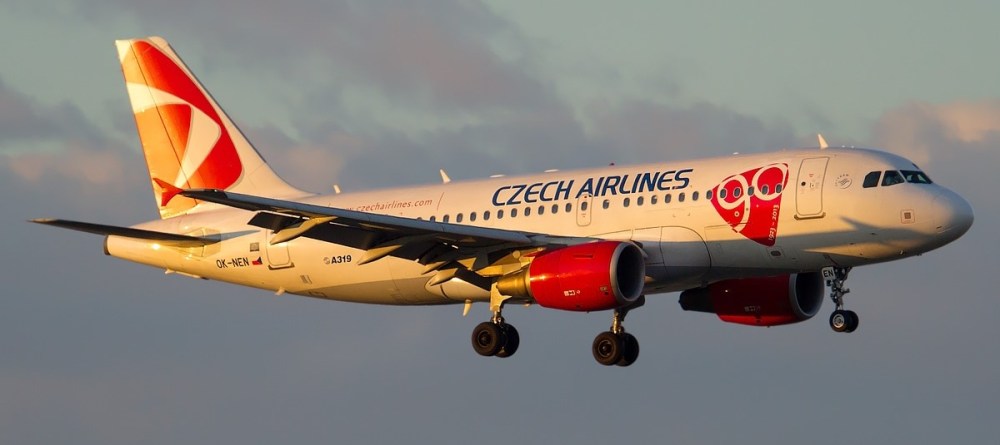
ČSA Czech Airlines ha anunciado el triste final como aerolínea al presentar la quiebra. El Sábado 26 de Octubre de 2024 despegará el último vuelo en la ruta París—Praga, poniendo fin a un siglo de historia de la aviación. Habiendo sido una de las cinco compañías aéreas más antiguas del mundo, Czech Airlines se convertirá en una marca más en la cartera del grupo Smartwings. Tras 101 años de existencia desaparece un símbolo de la aviación comercial.
Fundada en octubre de 1923, los primeros viajes ofrecidos por Czech Airlines, o Czechoslovak State Airlines como se llamaba entonces, fueron vuelos nacionales entre Praga y Bratislava. El primer vuelo de ČSA fue inaugurada el 29 de Octubre de 1923, con un biplano Aero A-14 Brandenburg (L-BARC) pilotado por Karel Brabenec en la ruta Praga—Bratislava. El vuelo inaugural entre las dos ciudades fue realizado por un biplano, en el que viajaban el piloto Karel Brabenec y un periodista, y duró tres horas. Siete años más tarde, las rutas de la compañía se extendieron a destinos en el extranjero, comenzando con Zagreb en Yugoslavia en 1930. En la década de 1970, comenzaron los vuelos regulares a países más lejanos, incluidos los vuelos de larga distancia a Montreal, Nueva York y La Habana.
Sin embargo, este fin de semana, después de un siglo, los vuelos con el código OK desaparecerán del cielo, pues Czech Airlines cesa sus vuelos como aerolínea independiente. La compañía también abandonará la alianza SkyTeam, un acuerdo de cooperación entre más de veinte aerolíneas, incluidas Air France, American Airlines, Delta Air Lines y Korean Air. Sus aviones operarán como parte del portafolio Smartwings, bajo el código QS.
La librea de Czech Airlines no desaparecerá como identidad visual, dos aviones Airbus A320 seguirán volando con los colores de Czech Airlines, al igual que los cuatro nuevos Airbus A220-300, los dos primeros de los cuales se entregarán a finales de este año y los otros dos en el primer semestre de 2025.
Los problemas de la aerolínea comenzaron en los años 1990, con los primeros intentos fallidos de privatización. A los problemas se sumaron los errores de gestión, la crisis económica de 2008, el auge de las aerolíneas de bajo coste y, después, la pandemia de Covid-19. La flota de aviones y el número de rutas comenzaron a disminuir y, en 2018, Czech Airlines pasó a formar parte de Smartwings, que compró casi el 98% de las acciones.
Jan Sůra, experto en transporte aéreo y fundador del sitio web de noticias de viajes zdopravy.cz, comentó sobre el declive de Czech Airlines y las prioridades de los pasajeros de las aerolíneas en la actualidad: “Después de 10 años, está en declive y tiene un número mínimo de pasajeros. Para el público en general probablemente no habrá cambios, porque actualmente Czech Airlines opera solo la ruta de Praga a París y ha sido reemplazada en el mercado por otras aerolíneas”.
El fin de la aerolínea puede evocar en los checos sentimientos de nostalgia y tristeza, pero Jan Sůra señala que tales sentimientos no determinan la elección de billetes de los viajeros. «Creo que la marca ya no tiene ese sentimiento por los viajeros, porque los viajes aéreos han cambiado mucho. El apogeo de CSA fue cuando volar era algo exclusivo y la gente no volaba tan a menudo. Ahora, gracias a la llegada de las aerolíneas de bajo coste, volar se ha convertido en un medio de transporte completamente común, que suele ser la forma más barata de moverse por Europa. Y la gente no decide en función de los sentimientos, sino si se sienten cómodos con el horario de vuelo y el precio».
CSA Airlines restructuring
Czech flagship airline to be transformed under Smartwings Group
ČSA Czech Airlines has announced the sad end of its airline business by filing for bankruptcy. On Saturday, October 26, 2024, the last flight on the Paris-Prague route will take off, ending a century of aviation history. Having been one of the five oldest airlines in the world, Czech Airlines will become another brand in the portfolio of the Smartwings Group. After 101 years of existence, a symbol of commercial aviation is disappearing.
Founded in October 1923, the first flights offered by Czech Airlines, or Czechoslovak State Airlines as it was called then, were domestic flights between Prague and Bratislava. ČSA’s first flight was inaugurated on October 29, 1923, with an Aero A-14 Brandenburg biplane (L-BARC) piloted by Karel Brabenec on the Prague-Bratislava route. The inaugural flight between the two cities was made by a biplane, carrying pilot Karel Brabenec and a journalist, and lasted three hours. Seven years later, the company’s routes were extended to destinations abroad, starting with Zagreb in Yugoslavia in 1930. In the 1970s, regular flights to more distant countries began, including long-haul flights to Montreal, New York, and Havana.
This weekend, however, after a century, flights with the OK code will disappear from the skies, as Czech Airlines ceases its flights as an independent airline. The company will also leave the SkyTeam alliance, a cooperation agreement between more than twenty airlines, including Air France, American Airlines, Delta Air Lines, and Korean Air. Its planes will operate as part of the Smartwings portfolio, under the code QS.
Czech Airlines’ livery will not disappear as a visual identity, two Airbus A320 aircraft will continue to fly in Czech Airlines colours, as will the four new Airbus A220-300s, the first two of which will be delivered by the end of this year and the other two in the first half of 2025.
The airline’s problems began in the 1990s, with the first failed attempts at privatisation. The problems were compounded by management errors, the economic crisis of 2008, the rise of low-cost airlines, and then the Covid-19 pandemic. The aircraft fleet and the number of routes began to decline and in 2018 Czech Airlines became part of Smartwings, which bought almost 98% of the shares.
Jan Sůra, an air transport expert and founder of the travel news website zdopravy.cz, commented on the decline of Czech Airlines and the priorities of airline passengers today: “After 10 years, it is in decline and has a minimal number of passengers. For the general public, there will probably be no change, because Czech Airlines currently operates only the Prague-Paris route and has been replaced on the market by other airlines”.
The end of the airline may evoke feelings of nostalgia and sadness in Czechs, but Jan Sůra points out that such feelings do not determine travelers’ choice of tickets. «I think the brand no longer has that feeling for travellers, because air travel has changed a lot. CSA’s heyday was when flying was something exclusive and people didn’t fly that often. Now, thanks to the arrival of low-cost airlines, flying has become a completely common mode of transport, which is often the cheapest way to get around Europe. And people decide not based on feelings, but whether they are comfortable with the flight schedule and price».
PUBLISHER: Airgways.com DBk: Csa.cz / Smartwings.com / Airgways.com AW-POST: 202410241528AR OWNERSHIP: Airgways Inc. A\W A I R G W A Y S ®
















 airgways.com