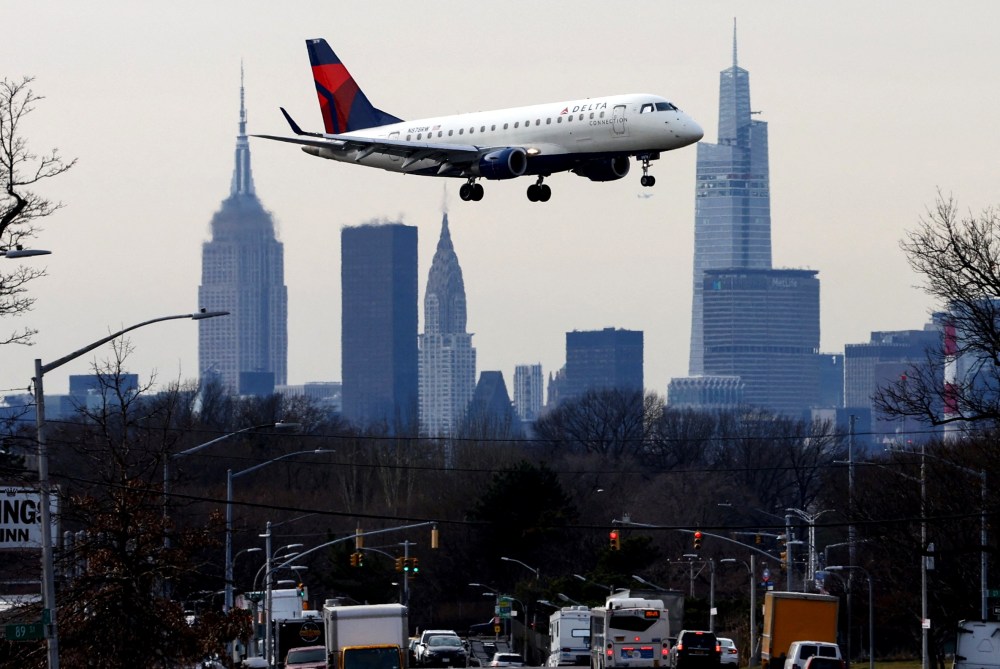
El Departamento de Transporte (DOT) de Estados Unidos ha comunicado la norma federal final que exige que las aerolíneas otorguen reembolsos entró en vigencia este Lunes 28/10. El importante cambio comienza a implementarse solo un mes antes del inicio de lo que probablemente será una gran temporada de viajes de vacaciones. Con esta nueva norma, las aerolíneas en Estados Unidos ahora están obligadas a devolverles a los pasajeros el dinero en efectivo si su vuelo se cancela o retrasa significativamente, incluso si esa persona no solicita explícitamente el reembolso, mientras que no se aceptarán más los tickets de vales.
El Secretario de Transporte, Pete Buttigieg, hizo el anuncio en X después de haber presentado por primera vez la norma propuesta en abril. “Hoy, nuestra norma de reembolso automático entra en pleno vigor. Los pasajeros merecen recuperar su dinero cuando una aerolínea les debe, sin dolores de cabeza ni regateos”.
La nueva norma exige que las aerolíneas procesen automáticamente los reembolsos si el vuelo de un pasajero se cancela o se modifica significativamente, y no aceptan el vuelo modificado significativamente, la nueva reserva en un vuelo alternativo o una compensación alternativa.
El Departamento de Transporte dice que las aerolíneas deben reembolsar al pasajero dentro de siete días hábiles si compró un boleto con tarjeta de crédito y dentro de veinte días calendario si utilizó otra forma de pago.
La medida fue rechazada por la industria aérea. En Julio 2024, Pete Buttigieg dijo a las aerolíneas que deben dejar en claro a los pasajeros cuándo tienen derecho a un reembolso. En una declaración, el lobby industrial Airlines for America (A4A) dijo: “Apoyamos la regla de reembolso automático y estamos felices de complacer a los clientes con un reembolso cuando eligen no volver a reservar”.
New US refund rule
Airlines to automatically refund cancelled flight
The US Department of Transportation (DOT) has announced the final federal rule requiring airlines to provide refunds that went into effect on Monday 10/28. The important change begins to be implemented just one month before the start of what will likely be a big holiday travel season. With this new rule, airlines in the United States are now required to give passengers cash back if their flight is canceled or significantly delayed, even if that person does not explicitly request the refund, while voucher tickets will no longer be accepted.
Transportation Secretary Pete Buttigieg made the announcement at X after first presenting the proposed rule in April. “Today, our automatic refund rule goes into full effect. Passengers deserve to get their money back when an airline owes them, without headaches or haggling”.
The new rule requires airlines to automatically process refunds if a passenger’s flight is canceled or significantly changed, and they do not accept the significantly changed flight, rebooking on an alternative flight, or alternative compensation.
The Department of Transportation says airlines must refund the passenger within seven business days if they purchased a ticket with a credit card and within twenty calendar days if they used another form of payment.
The measure was opposed by the airline industry. In July 2024, Pete Buttigieg told airlines that they must make it clear to passengers when they are entitled to a refund. In a statement, industry lobby Airlines for America (A4A) said: “We support the automatic refund rule and are happy to accommodate customers with a refund when they choose not to rebook”.
PUBLISHER: Airgways.com DBk: Transportation.gov / Reuters.com/Mike Segar / Airgways.com AW-POST: 202410291052AR OWNERSHIP: Airgways Inc. A\W A I R G W A Y S ®
Oficialismo quiere emitir dictamen para privatización
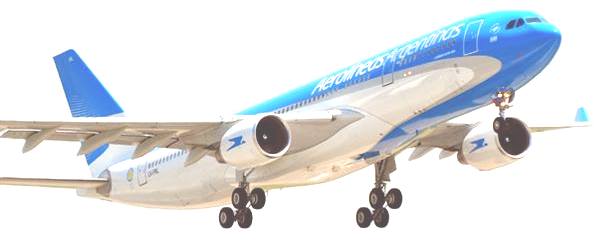
El Gobierno de Argentina, luego de la reunión entre funcionarios y una mesa expandida de aliados oficialistas, consiguió el respaldo para insistir por la puesta en venta de la compañía aérea Aerolíneas Argentinas. En la agenda del Congreso Nacional para este semana, el Gobierno quiere concretar el primer paso de la privatización de Aerolíneas Argentinas. La ruptura del radicalismo abrió una nueva ventana de posibilidades para el oficialismo, que busca garantizarse el apoyo de gobernadores provinciales.
La Casa Rosada retomó la estrategia legislativa que habilita debates en las comisiones del Congreso, mientras establece acuerdos en reuniones paralelas. El oficialismo se muestra confiado en la discusión más importante de la semana, que es emitir dictamen para la privatización de Aerolíneas Argentinas. El debate por la venta de la compañía no estaba programado, pero luego de la reunión entre funcionarios del Ejecutivo y una mesa expandida de aliados oficialistas (PRO, MID y un sector mayoritario de la UCR), el Gobierno consiguió el respaldo legislativo para insistir por la venta de la aerolínea de bandera.
La prioridad que tiene el oficialismo para una nueva privatización, quedó clara por la suspensión de la Comisión de Legislación Laboral junto a la falta de programación de un encuentro por el Presupuesto 2025. La Libertad Avanza superó un complejo debate sobre financiamiento educativo y es cada vez más concreta la posibilidad de conseguir una mayoría para aprobar el Presupuesto 2025. Con la participación cada vez más activa de Santiago Caputo e incluso de Federico Sturzenegger, quien insiste con la divulgación de la ley Hojarasca, que aún no ingresó en su etapa de debate, el Gobierno alcanza los acuerdos por fuera del recinto y los lleva a Comisión cuando tiene el número asegurado.
Government seeks to privatize Aerolíneas
The ruling party wants to issue a ruling for privatization
The Argentine government, after a meeting between officials and an expanded table of ruling party allies, obtained the support to insist on the sale of the airline Aerolíneas Argentinas. On the agenda of the National Congress for this week, the government wants to carry out the first step of the privatization of Aerolíneas Argentinas. The breakup of the radicalism opened a new window of possibilities for the ruling party, which seeks to guarantee the support of provincial governors.
The Casa Rosada resumed the legislative strategy that enables debates in the Congress commissions, while establishing agreements in parallel meetings. The ruling party is confident in the most important discussion of the week, which is to issue a ruling for the privatization of Aerolíneas Argentinas. The debate on the sale of the company was not scheduled, but after the meeting between executive officials and an expanded table of pro-government allies (PRO, MID, and a majority sector of the UCR), the Government obtained legislative support to insist on the sale of the flagship airline.
The priority that the government has for a new privatization was made clear by the suspension of the Labor Legislation Commission along with the lack of scheduling of a meeting on the 2025 Budget. La Libertad Avanza overcame a complex debate on educational financing and the possibility of obtaining a majority to approve the 2025 Budget is increasingly concrete. With the increasingly active participation of Santiago Caputo and even Federico Sturzenegger, who insists on the disclosure of the Hojarasca law, which has not yet entered its debate stage, the Government reaches agreements outside the chamber and takes them to the Commission when it has the number assured.
PUBLISHER: Airgways.com DBk: Argentina.gob.ar / Aerolineas.com / Airgways.com AW-POST: 202410281157AR OWNERSHIP: Airgways Inc. A\W A I R G W A Y S ®
AW | 2024 10 28 11:34 | AVIATION / AVIATION ORGANISMS / GOVERNMENT
Etapa final evaluaciones aviación programa IASA
Funcionarios de la Administración Federal de Aviación (FAA) llegaron a la Argentina para completar la etapa final de una auditoría del Programa de Evaluación de la Seguridad de la Aviación Internacional (IASA). El estatus de Categoría 1 del país está amenazado, y cualquier posible rebaja tendría implicaciones significativas para su industria de aviación.
Argentina ha mantenido su estatus de Categoría 1 (CAT 1) de primer nivel desde 2005, pero ahora corre el riesgo de perderlo después de años de deterioro de los estándares de seguridad aérea. Una auditoría de la Organización de Aviación Civil Internacional (OACI) realizada en 2022 encontró que el cumplimiento del país con los estándares internacionales era solo del 60,47%, por debajo de otros países de América del Sur. Las evaluaciones correspondientes para los controles comprenden ocho elementos críticos (CE) del Programa IASA, las áreas con peor desempeño del país se encuentran en «(CE-2) Reglamentos Operativos Específicos» con un 37,29%, y «(CE-3) Sistema Estatal de Aviación Civil y Funciones de Supervisión de la Seguridad» con 41,67%. Luego, la FAA realizó su propia evaluación a principios de 2024 y encontró 82 áreas de preocupación.
Otro país latinoamericano que se enfrentó a una degradación a su estatus de Categoría 1 fue México, que sufrió exactamente este destino en 2021. Sin embargo, el país logró recuperar su codiciado estatus de seguridad dos años más tarde mediante la implementación de las mejoras necesarias.
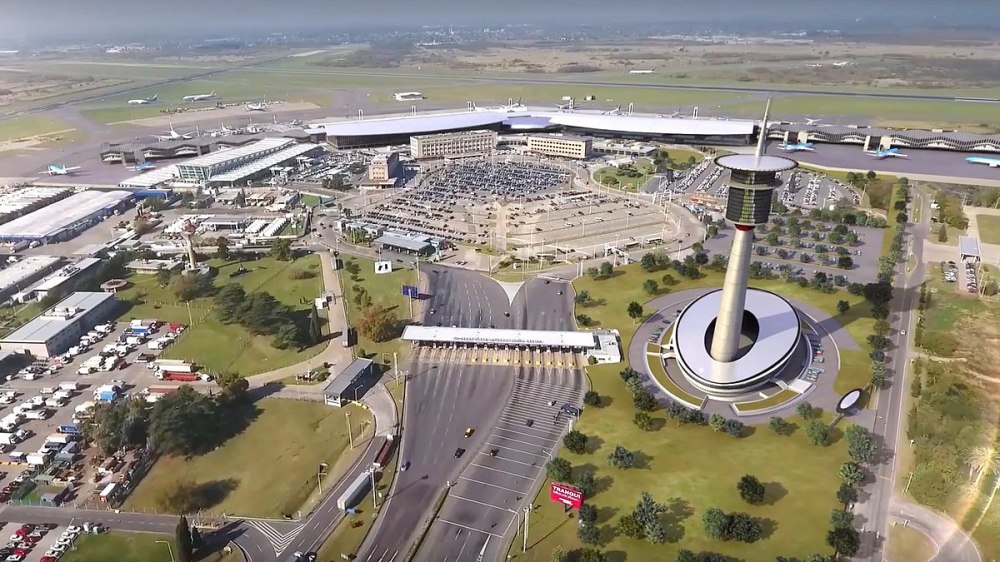
AEROPARQUE (AEP)
Argentina inauguró un nuevo gobierno el año pasado y afirma haber estado inmerso en una carrera contrarreloj para mejorar su infraestructura de aviación civil. El Gobierno de Argentina emitió recientemente el Decreto Nº941/2024 para realizar cambios radicales en su sector de aviación civil. En particular, esto incluye el aumento de los poderes de su regulador de aviación, la Administración Nacional de Aviación Civil (ANAC), para tomar medidas como multas, paradas en tierra, inspecciones y revocaciones de licencias. También tendrá la facultad de designar ciertas responsabilidades, como la navegación aérea y los servicios de operación aeroportuaria, a empresas privadas.
Un comunicado de la Secretaría de Transporte de Argentina dijo: «A pesar de la carrera contrarreloj de la actual administración para revertir esta situación causada por años de mala gestión en la Administración Nacional de Aviación Civil, sigue existiendo la posibilidad de una degradación de categoría para el sistema nacional de aviación».
La agencia de la ANAC afirma que ha logrado aproximadamente un progreso del 85% para abordar los problemas identificados en la evaluación de la FAA a principios de este año, y lo presentará a los funcionarios de la FAA durante su visita.
Los países con Categoría 2 (CAT 2) no pueden lanzar nuevas rutas, aumentar las frecuencias o desplegar nuevas aeronaves en los servicios a los Estados Unidos, lo que dificulta su capacidad para expandir sus redes. Además, no se les permitiría celebrar nuevos acuerdos de código compartido con operadores estadounidenses, y sus operaciones estarían sujetas a un mayor escrutinio por parte de la FAA.
Actualmente, la única aerolínea argentina que vuela a los Estados Unidos es Aerolíneas Argentinas, que opera 13 vuelos semanales entre Buenos Aires (EZE) y Miami (MIA). La aerolínea también tiene un acuerdo de código compartido con la aerolínea estadounidense Delta Air Lines lanzado hace más de una década. Estados Unidos y Argentina tienen una relación de largo historial. Según datos de Cirium, tres aerolíneas estadounidenses están operando vuelos directos entre los dos países a Octubre 2024: American Airlines, Delta Air Lines y United Airlines. American desarrolla tres rutas: Nueva York JFK (JFK), Miami y Dallas/Fort Worth (DFW) a Buenos Aires (EZE). Delta posee dos rutas sirviendo a Atlanta (ATL) y Nueva York JFK a Buenos Aires (EZE). United enlaza un solo destino Houston Intercontinental (IAH) con Buenos Aires (EZE).
FAA IASA audit in Argentina
Final stage of IASA program aviation assessments
Federal Aviation Administration (FAA) officials arrived in Argentina to complete the final stage of an audit of the International Aviation Safety Assessment Program (IASA). The country’s Category 1 status is under threat, and any potential downgrade would have significant implications for its aviation industry.
Argentina has maintained its top-tier Category 1 (CAT 1) status since 2005, but is now at risk of losing it after years of deteriorating air safety standards. An International Civil Aviation Organization (ICAO) audit conducted in 2022 found that the country’s compliance with international standards was only 60.47%, below other South American countries. The corresponding assessments for controls comprise eight critical elements (CE) of the IASA Program, with the country’s worst-performing areas being in «(CE-2) Specific Operating Regulations» at 37.29%, and «(CE-3) State Civil Aviation System and Safety Oversight Functions» at 41.67%. The FAA then conducted its own assessment in early 2024 and found 82 areas of concern.
Another Latin American country that faced a downgrade to its Category 1 status was Mexico, which suffered exactly this fate in 2021. However, the country managed to regain its coveted safety status two years later by implementing the necessary improvements.
Argentina inaugurated a new government last year and claims to have been engaged in a race against time to improve its civil aviation infrastructure. The Government of Argentina recently issued Decree No. 941/2024 to make sweeping changes to its civil aviation sector. In particular, this includes increasing the powers of its aviation regulator, the National Civil Aviation Administration (ANAC), to take action such as fines, groundings, inspections and license revocations. It will also have the power to designate certain responsibilities, such as air navigation and airport operation services, to private companies.
A statement from Argentina’s Ministry of Transport said: «Despite the current administration’s race against time to reverse this situation caused by years of mismanagement at the National Civil Aviation Administration, the possibility of a category downgrade for the national aviation system remains».
The ANAC agency claims it has made about 85% progress in addressing the issues identified in the FAA’s assessment earlier this year, and will present this to FAA officials during their visit.
Category 2 (CAT 2) countries cannot launch new routes, increase frequencies, or deploy new aircraft on services to the United States, hampering their ability to expand their networks. In addition, they would not be allowed to enter into new codeshare agreements with U.S. carriers, and their operations would be subject to increased scrutiny by the FAA.
Currently, the only Argentine airline flying to the United States is Aerolíneas Argentinas, which operates 13 weekly flights between Buenos Aires (EZE) and Miami (MIA). The airline also has a codeshare agreement with U.S. carrier Delta Air Lines launched more than a decade ago. The United States and Argentina have a long-standing relationship. According to Cirium data, three U.S. airlines are operating direct flights between the two countries as of October 2024: American Airlines, Delta Air Lines, and United Airlines. American operates three routes: New York JFK (JFK), Miami, and Dallas/Fort Worth (DFW) to Buenos Aires (EZE). Delta has two routes serving Atlanta (ATL) and New York JFK to Buenos Aires (EZE). United links a single destination Houston Intercontinental (IAH) to Buenos Aires (EZE).
PUBLISHER: Airgways.com DBk: Faa.gov / Airgways.com AW-POST: 202410281134AR OWNERSHIP: Airgways Inc. A\W A I R G W A Y S ®
Recibe Certificado Operador Transporte Aéreo Extranjero en EE.UU.
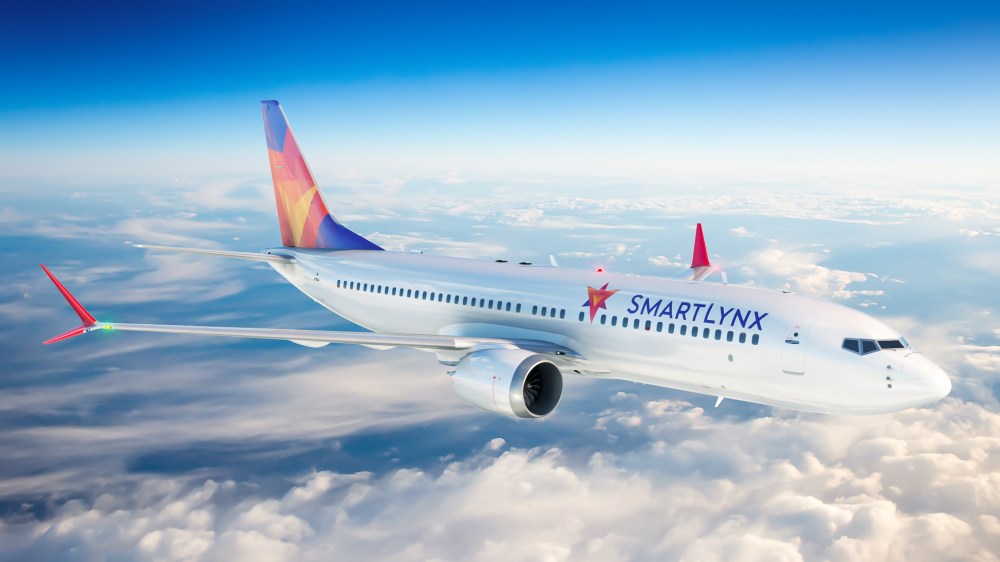
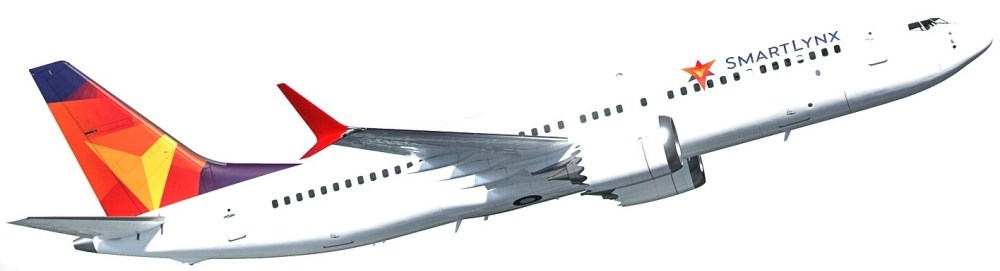
SmartLynx Airlines, un operador de carga y chárter ACMI (Aircraft, Crew, Maintenance, Insurance), reconocido mundialmente, ha recibido el Certificado de Operador Aéreo Extranjero (FAOC) otorgado por la Administración Federal de Aviación (FAA) de los Estados Unidos de América. La certificación permite a la aerolínea comenzar a operar hacia, desde y dentro de los Estados Unidos.
El certificado recibido reconoce que las aeronaves SmartLynx registradas bajo el AOC (Certificado de Operador Aéreo) de Letonia cumplen con los altos estándares y regulaciones de los Estados Unidos. Con la certificación recibida, SmartLynx ahora podrá apoyar a las aerolíneas que operan vuelos chárter completos y ACMI intercontinentales hacia y desde este destino.
Edvinas Demenius, CEO de SmartLynx Airlines: «Los certificados de operación aérea son parte de nuestra infraestructura. Es crucial que una aerolínea, especialmente ACMI, tenga acceso a diferentes regiones. Estados Unidos es el mercado de aviación más grande y uno de los más regulados del mundo y poder prestar nuestros servicios allí aporta mucho valor a la aerolínea e impulsa nuestra competitividad. Aproximadamente un tercio de nuestra flota opera bajo AOC letón. Por lo tanto, este paso nos permite expandir nuestras operaciones y da más flexibilidad».
En 2023, la Administración Federal de Aviación (FAA) de los Estados Unidos de América completó la auditoría de la agencia estatal Agencia de Aviación Civil (CAA), otorgando a Letonia la 1ª categoría. Permitió a los operadores de aeronaves registrados en Letonia, como SmartLynx, comenzar a realizar vuelos de pasajeros en nombre de aerolíneas estadounidenses y vuelos comerciales a Estados Unidos, incluso desde aeropuertos de otros países. Desde 2019, SmartLynx Airlines ha operado vuelos hacia y desde los EE.UU. bajo un AOC maltés. Ahora, las aeronaves registradas bajo el AOC letón también son elegibles para operar estos vuelos.
En 2024, la demanda de pasajeros de vuelos ha alcanzado por primera vez los niveles previos a la pandemia. Como resultado, este año SmartLynx ha transportado un número récord de pasajeros: 7,21 millones entre Enero a Septiembre 2024, lo que supone un 52% más que en el mismo periodo del año pasado que representaba 4,72 millones de usuarios transportados.
SmartLynx Receives FAOC in the USA
Receives Foreign Air Operator Certificate in the USA
SmartLynx Airlines, a globally recognized ACMI (Aircraft, Crew, Maintenance, Insurance) charter and cargo operator, has received the Foreign Air Operator Certificate (FAOC) granted by the Federal Aviation Administration (FAA) of the United States of America. The certification allows the airline to begin operating to, from and within the United States.
The certificate received recognizes that SmartLynx aircraft registered under the Latvian AOC (Air Operator Certificate) meet the high standards and regulations of the United States. With the certification received, SmartLynx will now be able to support airlines operating full charter and intercontinental ACMI flights to and from this destination.
Edvinas Demenius, CEO of SmartLynx Airlines: “Air Operating Certificates are part of our infrastructure. It is crucial for an airline, especially ACMI, to have access to different regions. The US is the largest and one of the most regulated aviation markets in the world and being able to provide our services there brings a lot of value to the airline and boosts our competitiveness. About a third of our fleet operates under Latvian AOC. Therefore, this step allows us to expand our operations and gives more flexibility”.
In 2023, the Federal Aviation Administration (FAA) of the United States of America completed the audit of the state agency Civil Aviation Agency (CAA), granting Latvia the 1st category. It allowed aircraft operators registered in Latvia, such as SmartLynx, to start operating passenger flights on behalf of US airlines and commercial flights to the US, including from airports in other countries. Since 2019, SmartLynx Airlines has operated flights to and from the US under a Maltese AOC. Now, aircraft registered under the Latvian AOC are also eligible to operate these flights.
In 2024, passenger demand for flights has reached pre-pandemic levels for the first time. As a result, this year SmartLynx has transported a record number of passengers: 7.21 million between January and September 2024, which is 52% more than in the same period last year which represented 4.72 million users transported.
PUBLISHER: Airgways.com DBk: Smartlynx.aero / Faa.gov / Airgways.com AW-POST: 202410281122AR OWNERSHIP: Airgways Inc. A\W A I R G W A Y S ®
American Airlines rompe su récord de ruta más larga
American Airlines ha anunciado el 28/10 que ha completado la ruta de pasajeros más larga de la compañía desde los Estados Unidos a Australia. El vuelo AA7 despegó del Aeropuerto Internacional de Dallas-Fort Worth (DFW) a las 10:11 p.m. UTC del Sábado 26 de Octubre de 2024 y aterrizó en el Aeropuerto de Brisbane (BNE) en Australia a las 05:55 a.m. hora local del Lunes 28 de Octubre de 2024. El vuelo más largo de la compañía aérea se realizó en un Boeing 787-9 Dreamlinerpermaneciendo en el aire durante quince horas y 44 minutos, recorriendo 13.636 kilómetros/8.473 millas, según datos aportados por Flightradar24.
El vuelo inaugural marca una nueva ruta regular anunciada a principios de este año por la aerolínea, que llevará pasajeros entre Texas y Queensland varias veces a la semana. El primer vuelo de regreso a Dallas embarcará el Martes 29 de Octubre de 2024.
El Vicepresidente de Operaciones Internacionales de American Airlines, José Freig, dijo: «La emoción que vimos cuando anunciamos por primera vez nuestro nuevo vuelo a Brisbane a principios de año fue abrumadora, por lo que finalmente haber aterrizado en el Estado del Sol desde Dallas-Fort Worth es una ocasión trascendental para American. Con esta nueva ruta, nuestros clientes en Brisbane tendrán acceso a nuestro centro más grande, desde donde pueden conectarse para explorar destinos inexplorados y muy queridos en todo el mundo«.
El CEO del Aeropuerto de Brisbane, Gert-Jan de Graaff, dijo: «La llegada de hoy de American Airlines desde Dallas-Fort Worth es un momento histórico para Brisbane y Queensland. Desde el Estado de la Estrella Solitaria hasta el Estado del Sol, esta nueva conexión entre dos centros desbloquea un potencial increíble en ambos lados del Pacífico».
Ian Petchenik, Director de Comunicaciones de Flightradar24, expresó: «Esperamos que este sea uno de los vuelos más seguidos en Flightradar24, con personas de todo el mundo sintonizando para seguir el progreso de la aeronave desde Dallas-Fort Worth a Brisbane, especialmente ansiosos por ver la transmisión en vivo del aterrizaje. Con el considerable crecimiento de las rutas internacionales este año, la popularidad de Brisbane entre los entusiastas de la aviación también ha aumentado».
Más de 400 personas participaron en una competencia para ver aterrizar la aeronave en el Aeropuerto de Brisbane. Los entusiastas de los aviones pudieron ver el aterrizaje en una transmisión en vivo alojada en YouTube.
Brisbane es la segunda ruta australiana servida por American Airlines, con un servicio diario entre el Aeropuerto Internacional de Los Ángeles y el Aeropuerto Kingsford Smith de Sídney ya en funcionamiento. La aerolínea ha lanzado varias nuevas rutas internacionales a Europa este año. Los vuelos de Barcelona a Dallas-Fort Worth comenzaron en Mayo 2024. En Junio 2024, lanzó nuevas rutas desde el Aeropuerto Internacional de Filadelfia a Copenhague, Dinamarca, así como a Nápoles, Italia, y Niza, Francia.
American Airlines breaks record for longest flight
American Airlines breaks record for longest route
American Airlines announced on 10/28 that it has completed the company’s longest passenger route from the United States to Australia. Flight AA7 took off from Dallas-Fort Worth International Airport (DFW) at 10:11 p.m. UTC on Saturday, October 26, 2024, and landed at Brisbane Airport (BNE) in Australia at 05:55 a.m. local time on Monday, October 28, 2024. The airline’s longest flight was flown on a Boeing 787-9 Dreamliner, staying aloft for fifteen hours and 44 minutes, traveling 13,636 kilometers/8,473 miles, according to data provided by Flightradar24.
The inaugural flight marks a new regular route announced earlier this year by the airline, which will fly passengers between Texas and Queensland multiple times a week. The first return flight to Dallas will board on Tuesday, October 29, 2024.
American Airlines Vice President of International Operations Jose Freig said: “The excitement we saw when we first announced our new flight to Brisbane earlier this year was overwhelming, so to finally have landed in the Sunshine State from Dallas-Fort Worth is a momentous occasion for American. With this new route, our customers in Brisbane will have access to our largest hub, from where they can connect to explore unexplored and much-loved destinations around the world”.
Brisbane Airport CEO Gert-Jan de Graaff said: “Today’s arrival of American Airlines from Dallas-Fort Worth is a historic moment for Brisbane and Queensland. From the Lone Star State to the Sunshine State, this new connection between two hubs unlocks incredible potential on both sides of the Pacific”.
Ian Petchenik, Director of Communications at Flightradar24, said: “We expect this to be one of the most followed flights on Flightradar24, with people from around the world tuning in to follow the aircraft’s progress from Dallas-Fort Worth to Brisbane, especially eager to watch the live stream of the landing. With the considerable growth in international routes this year, Brisbane’s popularity among aviation enthusiasts has also increased”.
More than 400 people entered a competition to watch the aircraft land at Brisbane Airport. Aircraft enthusiasts were able to watch the landing on a live stream hosted on YouTube.
Brisbane is the second Australian route served by American Airlines, with a daily service between Los Angeles International Airport and Sydney’s Kingsford Smith Airport already in operation. The airline has launched several new international routes to Europe this year. Flights from Barcelona to Dallas-Fort Worth began in May 2024. In June 2024, it launched new routes from Philadelphia International Airport to Copenhagen, Denmark, as well as Naples, Italy, and Nice, France.
PUBLISHER: Airgways.com DBk: Aa.com / Airgways.com AW-POST: 202410281111AR OWNERSHIP: Airgways Inc. A\W A I R G W A Y S ®
AW | 2024 10 25 18:16 | AIRLINES HISTORY / AIRLINES ROUTES
Hawaiian Airlines conmemora 40 años enlace Honolulu—Pago Pago
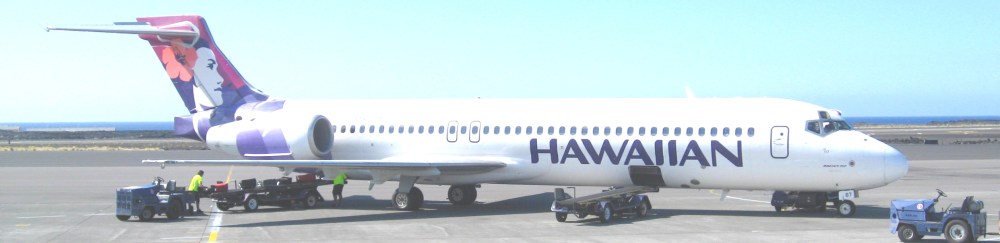
Hawaiian Airlines celebra el 40º aniversarios del servicio que conecta Hawáii y Samoa Americana. La aerolínea hawaiiana conmemoró el Jueves 24/10 cuarenta años de servicio conectando Honolulu y Pago Pago en Samoa Americana. La celebración contó con hula y música durante una ceremonia junto a la puerta en Honolulu.
Hawaiian Airlines inauguró el 24 de Octubre de 1984 los vuelos al Aeropuerto Internacional de Pago Pago, en Samoa Americana, con aviones Douglas DC-8, iniciando su larga relación con el territorio estadounidense. La ruta también marcó un hito importante en la historia de Hawaiian Airlines al convertirse en el primer servicio transpacífico de pasajeros sin escalas y programado regularmente de la compañía, antes de sus vuelos entre Honolulu y Los Ángeles que se lanzaron al año siguiente. Hawaiian actualmente ofrece dos vuelos semanales entre Honolulu (HNL) y Pago Pago (PPG) con aviones Airbus A330 de fuselaje ancho.
El CEO de Hawaiian Airlines, Joe Sprague, se unió a los empleados que celebraron el aniversario junto con los invitados antes de la salida del vuelo HA465 de Honolulu el jueves por la tarde. También se planean festividades en Pago Pago, incluido un evento de servicio comunitario.
Hawaiian celebrates 40th Honolulu-Pago-Pago
Hawaiian Airlines commemorates 40 years of Honolulu-Pago Pago link
Hawaiian Airlines celebrates the 40th anniversary of service connecting Hawaii and American Samoa. The Hawaiian carrier on Thursday 10/24 commemorated forty years of service connecting Honolulu and Pago Pago in American Samoa. The celebration featured hula and music during a gate ceremony in Honolulu.
Hawaiian Airlines inaugurated flights to Pago Pago International Airport in American Samoa on October 24, 1984 with Douglas DC-8 aircraft, beginning its long relationship with the U.S. territory. The route also marked an important milestone in Hawaiian Airlines history by becoming the company’s first regularly scheduled, nonstop transpacific passenger service, preceding its Honolulu-Los Angeles flights that launched the following year. Hawaiian currently offers two weekly flights between Honolulu (HNL) and Pago Pago (PPG) using wide-body Airbus A330 aircraft.
Hawaiian Airlines CEO Joe Sprague joined employees celebrating the anniversary along with guests prior to the departure of flight HA465 from Honolulu on Thursday afternoon. Festivities are also planned at Pago Pago, including a community service event.
PUBLISHER: Airgways.com DBk: Hawaiianairlines.com / Airgways.com AW-POST: 202410251816AR OWNERSHIP: Airgways Inc. A\W A I R G W A Y S ®
Hawaiian inicia despidos relacionados con sinergia
Hawaiian Airlines planea eliminar a 73 personas de su fuerza laboral de 1.400 empleados sin contrato en Hawáii y en el continente a raíz de su reciente fusión con Alaska Air Group Inc. Las reducciones de empleo se producen más de un mes después de que Alaska Air Group, empresa matriz de Alaska Airlines, anunciara el 18 de Septiembre de 2024 que había completado la adquisición de Hawaiian Holdings, empresa matriz de Hawaiian Airlines, por US$ 1.900 millones de Dólares. La fusión es la primera gran combinación de aerolíneas de Estados Unidos desde 2016, cuando los reguladores federales permitieron que Alaska se fusionara con Virgin America.
El portavoz de Hawái, Alex Da Silva, dijo que la gran mayoría de los 1.400 empleados sin contrato de Hawái «recibieron ofertas para permanecer en la organización combinada durante al menos 6 meses, y la intención es retener a la mayoría de las personas durante un año o más, muchos con ofertas a largo plazo. También seguimos animando a todo el mundo a que se postule para puestos vacantes dentro de nuestra organización combinada. Esperamos que algunos puestos interinos no contractuales vinculados a hitos específicos de integración concluyan una vez que se completen los proyectos en los próximos seis a dieciocho meses».
Podrían producirse más reducciones a medida que las aerolíneas se acerquen a operar bajo un único certificado de funcionamiento. El historiador de la aviación Peter Forman dijo que espera que se produzcan más despidos de miembros no negociadores, especialmente a medida que los empleos interinos lleguen a su fin.
«Este es un número tan pequeño de despidos, espero que pueda haber más, pero tal vez no significativamente más. No hay un gran número de rutas superpuestas, por lo que creo que habrá un número menor de despidos que en la mayoría de las fusiones, pero obviamente en la oficina principal hay redundancias», expresaron desde la compañía aérea. Por ahora, los despidos incluyen a 57 personas en Hawái y otras 16 del continente que, según Alex Da Silva, fueron «principalmente por funciones de apoyo a las operaciones duplicadas y sin contrato en los aeropuertos».
Andy Schneider, Vicepresidente Ejecutivo del Equipo de Personas de Alaska Airlines, anunció la reducción de la fuerza laboral de Hawáii el Jueves 24/10 por la tarde en una notificación a la Directora de Relaciones Laborales e Industriales del estado, Jade Butay, en una Notificación de Ajuste y Reentrenamiento de Trabajadores. Los despidos en Hawáii incluyen a 52 personas de la sede corporativa de Hawaiian, donde trabajan 825 personas, cuatro personas del hangar de carga aérea de Hawaiian, donde trabajan 213 personas, y una persona del Aeropuerto Internacional Daniel K. Inouye, donde trabajan 87 personas.
Alex Da Silva dijo que los 73 empleados sin contrato que se están separando de Hawaiian mantendrán sus empleos hasta el 17 de Diciembre de 2024, que es 90 días desde que se cerró la fusión. Dijo que se les pagará hasta fin de año y recibirán un paquete de retención e indemnización, y servicios de colocación laboral individualizados. «Sabemos que este es un momento muy desafiante para los miembros de nuestro equipo y estamos comprometidos a apoyar a todos a través de su transición profesional», dijo Alex Da Silva.
Hawaiian begins restructuring
Hawaiian begins synergy-related layoffs
Hawaiian Airlines plans to eliminate 73 people from its workforce of 1,400 non-contract employees in Hawaii and on the mainland in the wake of its recent merger with Alaska Air Group Inc. The job reductions come more than a month after Alaska Air Group, parent company of Alaska Airlines, announced on Sept. 18, 2024, that it had completed its acquisition of Hawaiian Holdings, parent company of Hawaiian Airlines, for $1.9 billion. The merger is the first major U.S. airline combination since 2016, when federal regulators allowed Alaska to merge with Virgin America.
Hawaii spokesman Alex Da Silva said the vast majority of Hawaii’s 1,400 non-contract employees «received offers to remain with the combined organization for at least 6 months, and the intent is to retain most individuals for a year or more, many with long-term offers. We also continue to encourage everyone to apply for open positions within our combined organization. We expect some non-contract interim positions tied to specific integration milestones to conclude once projects are completed in the next six to eighteen months».
More reductions could come as the airlines move closer to operating under a single operating certificate. Aviation historian Peter Forman said he expects more layoffs of non-bargaining members to occur, especially as interim jobs come to an end.
«This is such a small number of layoffs, I expect there could be more, but maybe not significantly more. There aren’t a huge number of overlapping routes, so I think there will be a smaller number of layoffs than in most mergers, but obviously in the front office there are redundancies», the airline said. For now, the layoffs include 57 people in Hawaii and another 16 on the mainland who Alex Da Silva said were «primarily for duplicate, uncontracted operations support roles at the airports».
Andy Schneider, Alaska Airlines’ Executive Vice President of People, announced the Hawaii workforce reduction Thursday afternoon (Oct 24) in a notification to state Labor and Industrial Relations Director Jade Butay in a Worker Adjustment and Retraining Notification. The Hawaii layoffs include 52 people from Hawaiian’s corporate headquarters, where 825 people work, four people from Hawaiian’s air cargo hangar, where 213 people work, and one person from Daniel K. Inouye International Airport, where 87 people work.
Alex Da Silva said the 73 non-contract employees who are separating from Hawaiian will keep their jobs through Dec. 17, 2024, which is 90 days from when the merger closed. He said they will be paid through the end of the year and will receive a retention and severance package, and individualized job placement services. «We know this is a very challenging time for our team members and we are committed to supporting everyone through their career transition», Alex Da Silva said.
PUBLISHER: Airgways.com DBk: Hawaiianairlines.com / Airgways.com AW-POST: 202410251804AR OWNERSHIP: Airgways Inc. A\W A I R G W A Y S ®
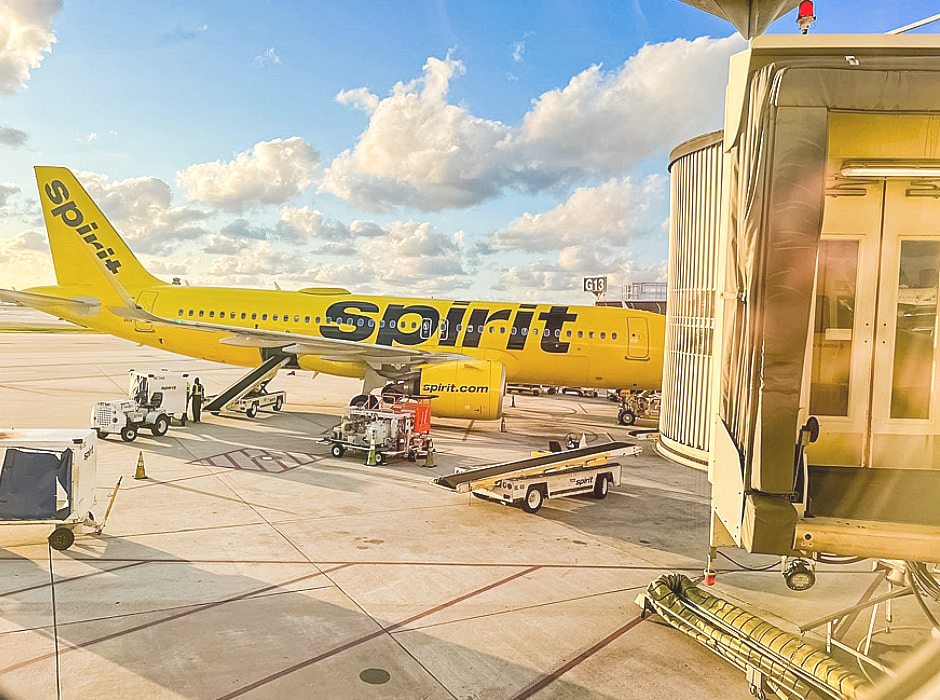
Spirit Airlines planea vender aviones y recortar empleos
Spirit Airlines anunció que venderá varios aviones y despedirá a trabajadores mientras la asediada aerolínea intenta recaudar efectivo. En una presentación el Jueves 24/10 ante la Comisión de Bolsa y Valores (SEC), la aerolínea de ultra bajo costo, cuyo plan para fusionarse con JetBlue Airways fue bloqueado por los reguladores este año 2024, dijo que identificó aproximadamente US$ 80 millones de Dólares en reducciones de costos anualizadas que planea implementar el próximo año. Estas reducciones de costos serán principalmente el resultado de «una reducción en la fuerza laboral proporcional al volumen de vuelos esperado de la compañía», dijo Spirit en la presentación. La compañía no reveló cuántos recortes estarían involucrados. La aerolínea también dijo en la presentación que acordó vender 23 de sus aviones A320ceo/A321ceo a GA Telesis por unos US$ 519 millones de Dólares.
Cancelan fusión Spirit-JetBlue En Enero 2024, un Juez Federal bloqueó la adquisición de Spirit Airlines por parte de JetBlue Airways después de acordar con el Departamento de Justicia (DOJ) que el acuerdo perjudicaría la disponibilidad de boletos aéreos de bajo costo. Las aerolíneas argumentaron que ayudaría a ahorrar a los consumidores cientos de Dólares y crearía un competidor de bajo costo y alto valor para las «Cuatro Grandes» aerolíneas estadounidenses.
El Fiscal General Merrick Garland dio a conocer el Martes 22/10 una demanda para bloquear la fusión de JetBlue y Spirit Airlines por US$ 3.800 millones de Dólares, diciendo que limitará las opciones de los consumidores y aumentará las tarifas. Según los informes, Spirit está en conversaciones con Frontier Airlines sobre una posible fusión
La compañía estimó que los ingresos netos de la venta, en combinación con la descarga de la deuda relacionada con aeronaves de su balance, impulsarán la liquidez en aproximadamente US$ 225 millones de Dólares hasta finales de 2025. Spirit dijo que su capacidad del tercer trimestre de 2024 bajó un 1,2% interanual, y la compañía estima que su capacidad del cuarto trimestre de 2024 disminuirá aproximadamente un 20% interanual.
A pesar de que los planes de fusión con JetBlue fracasaron, Spirit todavía está tratando de revivir. Las conversaciones entre Spirit y Frontier se encuentran en una etapa temprana y que es posible que no se llegue a un acuerdo. Además, sobrevuela las discusiones sobre una posible declaración de bancarrota.
Restructuring at Spirit
Spirit Airlines plans to sell planes, cut jobs
Spirit Airlines announced it will sell several planes and lay off workers as the embattled airline tries to raise cash. In a filing Thursday with the Securities and Exchange Commission, the ultra-low-cost carrier, whose plan to merge with JetBlue Airways was blocked by regulators this year in 2024, said it identified approximately $80 million in annualized cost reductions it plans to implement next year. These cost reductions will primarily be the result of «a reduction in workforce proportional to the company’s expected flight volume», Spirit said in the filing. The company did not disclose how many cuts would be involved. The airline also said in the filing that it agreed to sell 23 of its A320ceo/A321ceo aircraft to GA Telesis for about US$ 519 million.
Spirit-JetBlue merger called off In January 2024, a federal judge blocked JetBlue Airways’ acquisition of Spirit Airlines after agreeing with the Department of Justice (DOJ) that the deal would hurt the availability of low-cost airline tickets. The airlines argued that it would help save consumers hundreds of dollars and create a low-cost, high-value competitor to the «Big Four» U.S. airlines.
Attorney General Merrick Garland filed a lawsuit Tuesday 10/22 to block the US$ 3.8 billion JetBlue and Spirit Airlines merger, saying it will limit consumer choice and increase fares. Spirit is reportedly in talks with Frontier Airlines about a potential merger
The company estimated that the net proceeds from the sale, in combination with the offloading of aircraft-related debt from its balance sheet, will boost liquidity by approximately US$ 225 million through the end of 2025. Spirit said its third-quarter 2024 capacity was down 1.2% year-over-year, and the company estimates its fourth-quarter 2024 capacity will be down approximately 20% year-over-year.
Even though merger plans with JetBlue fell through, Spirit is still trying to revive itself. Talks between Spirit and Frontier are at an early stage and a deal may not be reached. Discussions about a possible bankruptcy filing are also looming.
PUBLISHER: Airgways.com DBk: Spirit.com / Airgways.com AW-POST: 202410251803AR OWNERSHIP: Airgways Inc. A\W A I R G W A Y S ®
Japan Airlines (JAL), miembro de la Alianza Oneworld, comenzó el 25/10 la introducción gradual de su nuevo avión internacional Airbus A350-1000 en los vuelos Londres/LHR—Tokio Haneda/HND con los vuelos JL044 y retorno JL043, brindando a los clientes un nivel aún mayor de comodidad a bordo y una experiencia personalizada. El nuevo A350-1000 de JAL Airlines operará inicialmente en vuelos Londres—Haneda en días alternos. Los vuelos JL044/043 seguirán operando con aviones Boeing 777-300ER en los días en que no esté en servicio el A350-1000. Horarios sujetos a cambios.
El debut europeo del nuevo avión internacional principal de JAL permite a los clientes de la región experimentar interiores de cabina y asientos totalmente nuevos en la configuración de cuatro clases. Las operaciones con los últimos aviones de bajo consumo de combustible también permiten una reducción de entre el 15 y el 25% en las emisiones de CO2 en comparación con los modelos internacionales anteriores.
Cabina del A350-1000 Primera clase de JAL (6 suites): El espacio personal más grande y cómodo de JAL hasta la fecha ofrece seis suites completamente privadas con puertas corredizas. Cada suite ofrece un sofá grande y ajustable que se convierte en una cama individual o doble. Los altavoces integrados en el reposacabezas llenan el espacio con un sonido claro y de alta calidad, y el monitor personal 4K de 43 pulgadas es uno de los más grandes de su clase y ofrece a los clientes una experiencia similar a la de un cine.
Clase Business de JAL (54 suites): Por primera vez, JAL ha introducido espacios totalmente privados en su cabina de clase Business con la introducción del A350-1000. Detrás de cada puerta corrediza hay un asiento totalmente reclinable con cojines que dispersan la presión y un reposacabezas que se eleva para ver una película con mayor facilidad en el gran monitor de 24 pulgadas, incluso cuando está en posición reclinada.
Clase Premium Economy de JAL (24 asientos): El nuevo diseño de los asientos incluye divisiones más grandes para mayor privacidad y el respaldo FIXBACK permite reclinarlos fácilmente y sin estrés. Cada reposapiernas se eleva automáticamente a una posición horizontal para mayor comodidad en viajes más largos, y el nuevo monitor 4K de 16 pulgadas es 1,3 veces más grande que los modelos anteriores de la aerolínea.
Clase Economy de JAL (155 asientos): Los nuevos asientos incluyen una reclinación ajustable que está preestablecida en un ángulo para brindar a los pasajeros una experiencia cómoda desde el momento en que llegan a su asiento. El entretenimiento se puede disfrutar en monitores personales 4K de 13 pulgadas, que son los más grandes que se ofrecen en clase Economy de JAL, y el sistema cuenta con conectividad Bluetooth®.
Servicio de comidas a bordo: Se están introduciendo gradualmente nuevos servicios que se adaptan a las distintas preferencias y valores de los clientes, incluidos menús veganos y vegetarianos renovados. El uso de materiales plásticos no derivados del petróleo para la vajilla y los cubiertos tiene como objetivo reducir el impacto ambiental y abordar cuestiones sociales. La aerolínea también tiene como objetivo ofrecer menús saludables a bordo que satisfagan tanto el cuerpo como la mente.
Entretenimiento a bordo: Se ofrece el sistema de entretenimiento a bordo y el servicio de Wi-Fi más reciente de Panasonic Avionics Corporation (EE.UU.). Y a partir del 1 de Octubre de 2024, los clientes internacionales de JAL en JAL First Class y Business Class pueden disfrutar del servicio de Wi-Fi a bordo gratuito e ilimitado, y los pasajeros de JAL Premium Economy Class y Economy Class pueden aprovechar el acceso gratuito al servicio de Wi-Fi a bordo durante una hora. Todas las clases cuentan con monitores 4K para una visualización de alta calidad con conectividad Bluetooth®, y los clientes pueden crear una lista de favoritos personalizada a través de la integración con la aplicación JAL, lo que mejora su experiencia de entretenimiento a bordo.
El nuevo avión A350-1000 de JAL entró en servicio a principios de este año en la ruta Nueva York/JFK—Haneda/HND y ahora opera dos veces al día con vuelos JL003/004 y JL005/006. Los nuevos aviones también operan ahora diariamente en la ruta Dallas Ft. Worth/DFW— Haneda/HND con vuelos JL011/012.
Para mejorar la satisfacción del cliente y esforzarse por lograr un futuro sostenible, JAL está reemplazando su flota internacional de Boeing 777-300ER por el nuevo avión A350-1000, que combina comodidad con el más moderno desempeño ambiental. Japan Airlines ha recibido actualmente 6 de los 13 A350-1000 pedidos y se compromete a realizar la transición a este avión más avanzado y respetuoso con el medio ambiente.
Acerca de Japan Airlines: Japan Airlines (JAL), la primera compañía de aviación privada de Japón, se estableció en 1951 y es miembro de la Alianza oneworld®. La aerolínea opera una flota de 227 aviones (a marzo de 2024) y comenzó a renovar su flota de aviones de larga distancia internacionales con el Airbus A350-1000 a partir del calendario de invierno de 2023. Junto con otras aerolíneas del Grupo JAL y asociadas, JAL ofrece una extensa red nacional e internacional que presta servicio a 384 aeropuertos en 66 países/regiones. La aerolínea ha recibido numerosos galardones por su servicio excepcional, incluido el reconocimiento como aerolínea de 5 estrellas por parte de Skytrax y el prestigioso título de aerolínea de «Clase Mundial» otorgado por APEX, la Asociación de Experiencia de Pasajeros de Aerolíneas. La aerolínea se dedica a garantizar los más altos estándares de seguridad de vuelo y calidad general del servicio, y se esfuerza por ser la aerolínea preferida por los clientes en todo el mundo.
JAL Expands London-Haneda
Increases new service with A350-1000
Oneworld Alliance member Japan Airlines (JAL) began the phased introduction of its new international Airbus A350-1000 aircraft on London/LHR—Tokyo Haneda/HND flights on 10/25 with flights JL044 and return JL043, providing customers with an even higher level of onboard comfort and a personalized experience. JAL Airlines’ new A350-1000 will initially operate on London—Haneda flights on alternate days. Flights JL044/043 will continue to operate with Boeing 777-300ER aircraft on days when the A350-1000 is not in service. Schedules subject to change.
The European debut of JAL’s new international flagship aircraft allows customers in the region to experience all-new cabin interiors and seating in the four-class configuration. Operations with the latest fuel-efficient aircraft also enable a 15-25% reduction in CO2 emissions compared to previous international models.
A350-1000 Cabin JAL First Class (6 suites): JAL’s largest and most comfortable personal space to date offers six completely private suites with sliding doors. Each suite offers a large, adjustable sofa that converts into a single or double bed. Speakers built into the headrest fill the space with clear, high-quality sound, and the 43-inch 4K personal monitor is one of the largest in its class, offering customers a cinema-like experience.
JAL Business Class (54 suites): For the first time, JAL has introduced completely private spaces in its Business Class cabin with the introduction of the A350-1000. Behind each sliding door is a fully reclining seat with pressure-dispersing cushions and a headrest that lifts up for easier movie viewing on the large 24-inch monitor, even when in the reclined position.
JAL Premium Economy Class (24 seats): The new seat design includes larger partitions for added privacy, and the FIXBACK seatback allows for easy, stress-free reclining. Each leg rest automatically rises to a horizontal position for added comfort on longer journeys, and the new 16-inch 4K monitor is 1.3 times larger than the airline’s previous models.
JAL Economy Class (155 seats): The new seats include an adjustable recline that is preset at an angle to give passengers a comfortable experience from the moment they arrive at their seat. Entertainment can be enjoyed on 13-inch 4K personal monitors, which are the largest offered in JAL Economy Class, and the system features Bluetooth® connectivity.
Inflight Meal Service: New services that cater to customers’ different preferences and values are being gradually introduced, including revamped vegan and vegetarian menus. The use of non-petroleum-based plastic materials for tableware and cutlery aims to reduce environmental impact and address social issues. The airline also aims to offer healthy inflight menus that satisfy both the body and the mind.
Inflight Entertainment: The latest inflight entertainment system and Wi-Fi service from Panasonic Avionics Corporation (USA) are offered. And starting from October 1, 2024, JAL international customers in JAL First Class and Business Class can enjoy free, unlimited inflight Wi-Fi service, and JAL Premium Economy Class and Economy Class passengers can take advantage of free access to inflight Wi-Fi service for one hour. All classes feature 4K monitors for high-quality viewing with Bluetooth® connectivity, and customers can create a personalized favorites list through integration with the JAL app, enhancing their in-flight entertainment experience.
JAL’s new A350-1000 aircraft entered service earlier this year on the New York/JFK—Haneda/HND route and now operates twice daily with flights JL003/004 and JL005/006. The new aircraft also now operate daily on the Dallas Ft. Worth/DFW—Haneda/HND route with flights JL011/012.
To enhance customer satisfaction and strive for a sustainable future, JAL is replacing its international fleet of Boeing 777-300ERs with the new A350-1000 aircraft, which combine comfort with state-of-the-art environmental performance. Japan Airlines has now received 6 of the 13 A350-1000s ordered and is committed to transitioning to this more advanced and environmentally friendly aircraft.
About Japan Airlines: Japan Airlines (JAL), Japan’s first private airline, was established in 1951 and is a member of the oneworld® Alliance. The airline operates a fleet of 227 aircraft (as of March 2024) and began renewing its international long-haul aircraft fleet with the Airbus A350-1000 from the winter 2023 schedule. Together with other JAL Group and partner airlines, JAL offers an extensive domestic and international network serving 384 airports in 66 countries/regions. The airline has received numerous accolades for its exceptional service, including recognition as a 5-Star airline by Skytrax and the prestigious “World Class” airline title by APEX, the Airline Passenger Experience Association. The airline is dedicated to ensuring the highest standards of flight safety and overall service quality, and strives to be the airline of choice for customers worldwide.
PUBLISHER: Airgways.com DBk: Jal.co.jp / Airgways.com AW-POST: 202410251801AR OWNERSHIP: Airgways Inc. A\W A I R G W A Y S ®
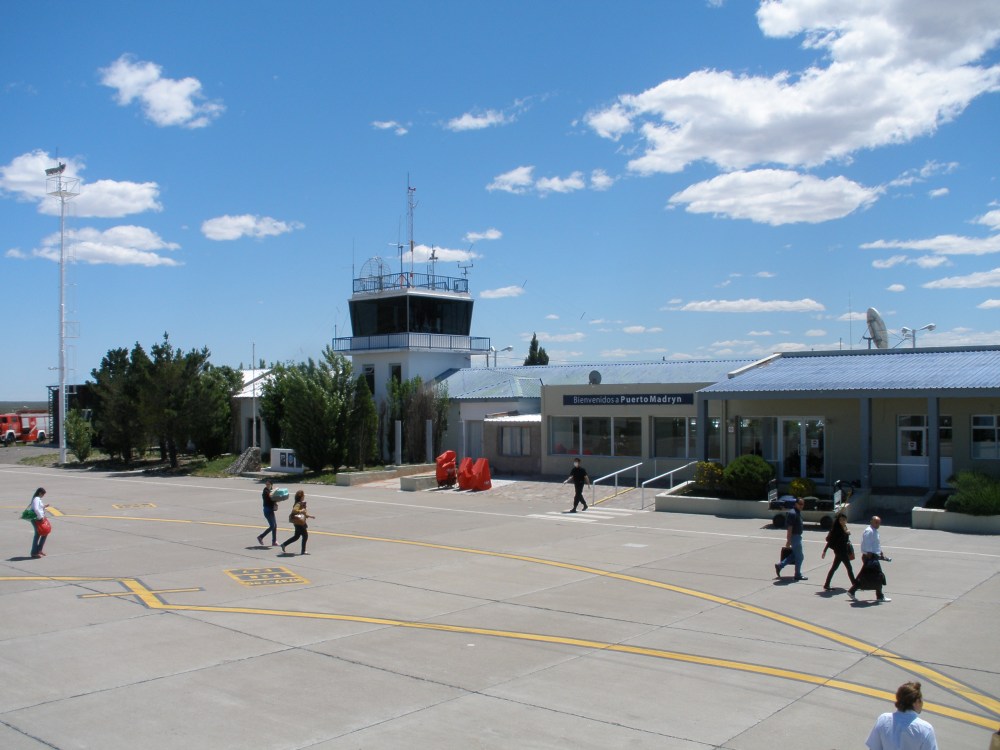
Flybondi ha anunciado que podría cancelar destino Puerto Madryn (PMY), después que un avión Boeing 737-800 quedó inmovilizado en la plataforma del Aeropuerto El Tehuelche el último Domingo 20/10, mientras que la aeroestación permaneció inoperable, con vuelos cancelados y postergados afectando además vuelos de Aerolíneas Argentinas que debió trasladar la programación de sus vuelos a la terminal aérea de Trelew, localizada a 65 kilómetros.
Según informaron medios locales, la aeronave sufrió una falla mecánica el Domingo 20/10 a la tarde y quedó inmovilizada en la plataforma del Aeropuerto Puerto Madryn/El Tehuelche hasta que se pudo resolver el inconveniente el Lunes 21/10 a la noche por un desperfecto mecánico en un Boeing 737 de la firma, que debió esperar el arribo de técnicos para reparar la falla. Sin embargo, fuentes del sector dijeron que la línea aérea de bandera tiene técnicos a disposición en el lugar, mientras que la low cost demoró más de un día en que se acercara personal especializado.
La compañía aérea de presupuesto emitió un comunicado en el que responsabiliza a terceros. La empresa señaló en su comunicado: «Dado que esa situación genera en términos económicos y reputacionales, la low cost se encuentra analizando la continuidad de sus vuelos a Puerto Madryn hasta que haya soluciones que garanticen una infraestructura acorde a las necesidades de la industria». Bajo esos términos, Flybondi reclama al aeropuerto local de la problemática que se viene generando con sus aviones, aunque no así con las aeronaves Aerolíneas Argentinas, o anteriormente con la flota de Andes o Austral.
Flybondi señala que por la disposición del aeropuerto cualquier daño que tenga uno de sus aviones y que suceda en la pista hace que el aeropuerto quede cerrado e inoperativo, resaltando que para la aerolínea esto se debe a lo obsoleto de la terminal aérea que cuenta con una sola posición para aeronaves de más de cinco toneladas, lo que limita significativamente su capacidad operativa. Esto en relación al inconveniente ocurrido el Domingo pasado, cuando uno de los aviones sufrió una avería mecánica que dejó inmovilizada la aeronave en la plataforma del aeropuerto local, lo que causo la inoperatividad del aeropuerto, ya que dos vuelos de Aerolíneas Argentinas debieron ser cancelados.
Sin embargo los inconvenientes de la línea no se resumen a ese episodio, sino que se suman a las constantes cancelaciones que hace la empresa y que vienen generando malestar en los pasajeros que deciden viajar con Flybondi, no sólo a Puerto Madryn sino a diversos destinos. En el comunicado, la empresa cuestiona no contar con espacio suficiente en plataforma por falta de infraestructura adecuada para una ciudad en creciente desarrolló turístico.
Flybondi evalúa la continuidad de su ruta a Puerto Madryn por la deficiente infraestructura del Aeropuerto El Tehuelche, la empresa expresó su “malestar ante las reiteradas acusaciones recibidas en los últimos meses respecto a inconvenientes operativos en el Aeropuerto El Tehuelche. […] Dado el impacto que esta situación genera en términos económicos y reputacionales, la low cost se encuentra analizando la continuidad de sus vuelos a Puerto Madryn hasta que haya soluciones que garanticen una infraestructura acorde a las necesidades de la industria.
Por la disposición del aeropuerto, cualquier novedad técnica que pueda presentar una aeronave, habituales en la industria, y que suceda en la pista hace que el aeropuerto quede cerrado y por lo tanto, inoperativo. Esto se debe a lo obsoleto de la terminal aérea que cuenta con una sola posición para aeronaves de más de cinco toneladas, lo que limita significativamente su capacidad operativa”, expresaron en el comunicado de la línea aérea low cost argentina.
Las operaciones de Flybondi a Madryn fueron inauguradas en Junio de 2022 y por la demanda creciente de la ruta la low cost fue aumentando sus vuelos hasta un vuelo diario que opera actualmente. Actualmente, viajaron por la ruta más de 180.000 personas.
Flybondi evaluates Puerto Madryn destination
OLYMPUS DIGITAL CAMERA
Flybondi evaluates continuity in Puerto Madryn
Flybondi has announced that it could cancel its Puerto Madryn (PMY) destination, after a Boeing 737-800 aircraft was immobilized on the El Tehuelche Airport platform last Sunday 20/10, while the airport remained inoperable, with flights cancelled and postponed, also affecting Aerolíneas Argentinas flights, which had to move its flight schedule to the Trelew air terminal, located 65 kilometers away.
According to local media, the aircraft suffered a mechanical failure on Sunday 20/10 in the afternoon and was immobilized on the Puerto Madryn/El Tehuelche Airport platform until the problem could be resolved on Monday 21/10 in the evening due to a mechanical failure in a Boeing 737 of the firm, which had to wait for the arrival of technicians to repair the fault. However, sources in the sector said that the flag carrier has technicians available on site, while the low-cost airline took more than a day to get specialized personnel.
The budget airline issued a statement in which it blames third parties. The company stated in its statement: «Given the economic and reputational consequences of this situation, the low-cost airline is analyzing the continuity of its flights to Puerto Madryn until there are solutions that guarantee an infrastructure in accordance with the needs of the industry». Under these terms, Flybondi is claiming from the local airport the problems that have been generated with its planes, although not with the Aerolíneas Argentinas aircraft, or previously with the Andes or Austral fleet.
Flybondi points out that due to the layout of the airport, any damage to one of its planes that occurs on the runway causes the airport to be closed and inoperative, highlighting that for the airline this is due to the obsolete nature of the air terminal, which has only one position for aircraft of more than five tons, which significantly limits its operational capacity. This is in relation to the inconvenience that occurred last Sunday, when one of the planes suffered a mechanical failure that left the aircraft immobilized on the platform of the local airport, which caused the airport to be inoperative, since two Aerolíneas Argentinas flights had to be cancelled.
However, the airline’s inconveniences are not limited to that episode, but are added to the constant cancellations made by the company, and which have been generating discomfort among passengers who decide to travel with Flybondi, not only to Puerto Madryn but to various destinations. In the statement, the company questions not having enough space on the platform due to a lack of adequate infrastructure for a city in growing tourist development.
Flybondi evaluates the continuity of its route to Puerto Madryn due to the poor infrastructure of El Tehuelche Airport, the company expressed its “discomfort at the repeated accusations received in recent months regarding operational problems at El Tehuelche Airport. […] Given the impact that this situation generates in economic and reputational terms, the low-cost airline is analyzing the continuity of its flights to Puerto Madryn until there are solutions that guarantee an infrastructure in accordance with the needs of the industry.
Due to the layout of the airport, any technical novelty that an aircraft may present, common in the industry, and that occurs on the runway causes the airport to be closed and therefore, inoperative. This is due to the obsolete nature of the air terminal, which has only one position for aircraft of more than five tons, which significantly limits its operational capacity”, they said in the statement from the Argentine low-cost airline.
Flybondi’s operations to Madryn were inaugurated in June 2022 and due to the growing demand for the route, the low-cost airline increased its flights to the one daily flight it currently operates. Currently, more than 180,000 people have travelled on the route.
AEROPUERTO PUERTO MADRYN En Febrero de 2024, el Aeropuerto de Puerto Madryn/El Tehuelche (PMY) cerró sus puertas mientras se realizaban las obras de rehabilitación integral de la pista y de las calles de rodaje, para mejorar los estándares de seguridad de la terminal. También, se incorporó nuevo señalamiento diurno. La intervención en la terminal incluyó la ampliación y reconfiguración del área de pre-embarque en donde se cuadriplicó el espacio, proporcionando mayor comodidad y servicios a los pasajeros en la zona de espera con instalaciones modernas, funcionales y accesibles para todos. Asimismo, se expandió el hall principal con una nueva área gastronómica más amplia y de mayor confort y se agregó un nuevo núcleo sanitario. En lo que respecta a la zona de control de seguridad, se reconfiguró separándola del área de pre-embarque y visible desde el hall público. En la intervención se incluyeron las oficinas de apoyo para el personal de la Policía de Seguridad Aeroportuaria (PSA). El objetivo de mejorar la experiencia del pasajero y visitantes, se modificó el acceso para generar más espacio en el hall y se renovó la fachada del aeropuerto, otorgándole una imagen más moderna.
Cabe destacar que las obras en la pista fueron ejecutadas por el concesionario Aeropuertos Argentina, bajo la supervisión del Organismo Regulador del Sistema Nacional de Aeropuertos (ORSNA) demandaron una intervención de AR$ 14.000 millones que son recaudados a través del Fideicomiso de Fortalecimiento del Sistema Nacional de Aeropuertos que se fondea con los ingresos de los pasajeros y que tiene como destino el desarrollo de las capacidades de infraestructura necesarias para el sostenimiento y la expansión de los aeropuertos.
PUERTO MADRYN AIRPORT In February 2024, Puerto Madryn/El Tehuelche Airport (PMY) closed its doors while comprehensive rehabilitation works were carried out on the runway and taxiways, to improve the terminal’s safety standards. New daytime signage was also added. The intervention in the terminal included the expansion and reconfiguration of the pre-boarding area, where the space was quadrupled, providing greater comfort and services to passengers in the waiting area with modern, functional and accessible facilities for all. Likewise, the main hall was expanded with a new, larger and more comfortable gastronomic area and a new sanitary core was added. Regarding the security control area, it was reconfigured by separating it from the pre-boarding area and visible from the public hall. The intervention included support offices for the Airport Security Police (PSA) personnel. In order to improve the experience of passengers and visitors, the access was modified to create more space in the hall and the façade of the airport was renovated, giving it a more modern image.
It should be noted that the works on the runway were carried out by the concessionaire Aeropuertos Argentina, under the supervision of the Regulatory Body of the National Airport System (ORSNA) and required an intervention of AR$ 14,000 million that is collected through the Trust Fund for Strengthening the National Airport System, which is funded with passenger revenues and is intended to develop the infrastructure capacities necessary for the maintenance and expansion of airports.
PUBLISHER: Airgways.com DBk: Flybondi.com / Airgways.com AW-POST: 202410251618AR OWNERSHIP: Airgways Inc. A\W A I R G W A Y S ®



















 airgways.com