AW | 2024 09 20 14:06 | INDUSTRY / AIRLINES MARKET
Airbus prevé demanda 1.000 nuevos aviones Tráfico indonesio crece un 7,4%
El fabricante europeo de aviones Airbus Group ha proyectado que Indonesia necesitará al menos mil nuevos aviones en las próximas dos décadas. Esto consolidará su posición como uno de los mercados de más rápido crecimiento del mundo para el sector de la aviación.
Anand Stanley, Presidente de Airbus Asia-Pacífico, atribuyó esta estimación al sólido crecimiento del tráfico de pasajeros de Indonesia, que ronda el 7,4% anual. Esta cifra es más del doble del promedio mundial de 3,6%. Teniendo en cuenta el desarrollo del vasto archipiélago indonesio compuesto por 17.000 islas y una población de 280 millones de personas, muchos de los cuales aún no han experimentado los viajes aéreos, Anand Stanley enfatizó el papel crucial del transporte aéreo para impulsar el crecimiento económico sostenible. «A medida que la demanda de viajes aéreos continúa aumentando, la flota actual y los pedidos confirmados serán claramente insuficientes para satisfacer las crecientes necesidades», dijo en una declaración escrita el Viernes 20 de Septiembre de 2024.
En Indonesia, el número de aviones con más de 100 asientos actualmente en funcionamiento de todos los fabricantes asciende a 480 unidades. Además, existen 490 aviones encargados. Los aviones de la constructora europea Airbus representan la mitad de la flota operativa existente.
Anand Stanley expresó el interés de Airbus en forjar asociaciones en Indonesia, destacando su larga relación con el fabricante de aviones indonesio PT Dirgantara Indonesia, que abarca casi 50 años. Además, Airbus tiene como objetivo establecer nuevas colaboraciones tanto con entidades gubernamentales como privadas.
Con la firma de un Memorándum de Entendimiento (MoU) con el gigante del petróleo y el gas Pertamina durante la inauguración del Salón Aeronáutico Internacional de Bali (BIAS), Anand Stanley enfatizó el inmenso potencial de Indonesia para desarrollar nuevas asociaciones en el ámbito de la sostenibilidad.
A medida que Airbus Group se esfuerza por satisfacer la creciente demanda de viajes aéreos, Anand reconoció el importante desafío de garantizar un futuro sostenible para la industria de la aviación. «Reconocemos a Indonesia como uno de los países de Asia y el Pacífico que ofrece el mayor potencial como fuente de materias primas para el combustible de aviación sostenible (SAF)», agregó Anad Stanley. Estos productos incluyen aceite de cocina usado, residuos agrícolas y desechos municipales, que pueden obtenerse localmente y contribuir al desarrollo local.
Airbus forecasts Indonesia market
Airbus expects demand for 1,000 new aircraft Indonesian traffic grows by 7.4%
European aircraft manufacturer Airbus Group has projected that Indonesia will need at least a thousand new aircraft over the next two decades. This will consolidate its position as one of the world’s fastest-growing markets for the aviation sector.
Anand Stanley, President of Airbus Asia-Pacific, attributed this estimate to Indonesia’s strong passenger traffic growth, which is around 7.4% annually. This figure is more than double the global average of 3.6%. Considering the development of the vast Indonesian archipelago made up of 17,000 islands and a population of 280 million people, many of whom have not yet experienced air travel, Anand Stanley emphasized the crucial role of air transport in driving sustainable economic growth. «As demand for air travel continues to increase, the current fleet and confirmed orders will clearly be insufficient to meet growing needs», he said in a written statement on Friday, September 20, 2024.
In Indonesia, the number of aircraft with more than 100 seats currently in operation from all manufacturers amounts to 480 units. In addition, there are 490 aircraft on order. Aircraft from European manufacturer Airbus account for half of the existing operational fleet.
Anand Stanley expressed Airbus’ interest in forging partnerships in Indonesia, highlighting its long-standing relationship with Indonesian aircraft manufacturer PT Dirgantara Indonesia, spanning nearly 50 years. In addition, Airbus aims to establish new collaborations with both government and private entities.
Signing a Memorandum of Understanding (MoU) with oil and gas giant Pertamina during the opening of the Bali International Airshow (BIAS), Anand Stanley emphasised Indonesia’s immense potential to develop new partnerships in the field of sustainability.
As Airbus Group strives to meet the growing demand for air travel, Anand recognised the significant challenge of ensuring a sustainable future for the aviation industry. “We recognise Indonesia as one of the countries in Asia and the Pacific that offers the greatest potential as a source of feedstock for Sustainable Aviation Fuel (SAF)”. added Anand Stanley. These products include used cooking oil, agricultural residues, and municipal waste, which can be sourced locally and contribute to local development.
PUBLISHER: Airgways.com DBk: Airbus.com / Airgways.com AW-POST: 202409201406AR OWNERSHIP: Airgways Inc. A\W A I R G W A Y S ®
Avelo Airlines extiende su horario de vuelos al oeste de EEUU
Avelo Airlines ha anunciado que extende su horario en la costa Oeste de Estados Unidos. El low-cost estadounidense dijo que está aumentando su programa de vuelos haciendo que sus clientes reserven vuelos desde el 29 de Abri cde 2025 a catorce destinos. Como parte de sus estrategias de mercado ha infomado algunos vuelos con tarifas ultra-baja como desde US$ 57 por trayecto.
Los siguientes destinos permitirán a los usuarios de Avelo Airlines adquirir con más tiempo su reserva: Curva/Redmond (RDM), Boise Idaho (BOI), Eugenio Mineral (EUG), Eureka/Arcata (ACV), Kalispell Mont(FCA), Las Vegas (LAS), Los Ángeles/Burbank (BUR), Medford/ Rogue Valley (MFR), Ontario (ONT), Palma Springs (PSP), Pasco Tri-Cities (PSC), Salem/Portland (SLE), Salt Lake City (SLC), Sonoma/Santa Rosa (STS).
El Chief Commercial de Avelo Airlines, Trevor Yealy dijo: «La temporada de viajes de primavera es a la vuelta de la esquina, y nos complace anunciar la extensión de Horario de vuelos de Avelo en la costa oeste hasta finales de abril. Con el nombre de Avelo tarifas bajas todos los días y confiabilidad líder en la industria, ahora es el momento perfecto para Adelántate a la reserva de escapadas de vacaciones de primavera. Con catorce destinos populares en el oeste de los Estados Unidos para elegir, Avelo ofrece un lugar para todos, desde Famosas playas y aventuras al aire libre para la cultura y el entretenimiento puntos calientes».
Avelo Airlines es apenas con tres años de antigüedad y con 49 destinos, incluyendo internacionales llegadas a Jamaica y México, una aerolínea en constante crecimiento. Avelo posee un ticket fragmentado y desagregado que permite a los clientes elegir los servicios que desean, como embarque prioritario, equipaje documentado, equipaje de mano bolsas superiores y llevar una mascota en la cabina, entre otras opciones.
Aerolínea más conveniente Desde que despegó el 28 de Abril de 2021, Avelo Airlines ha transportado a más de 5.4 millones de clientes en más de 42.000 vuelos. Actualmente, Avelo sirve a 49 destinos que abarcan 23 estados, Puerto Rico y dos países internacionales: Jamaica y México.
Avelo ha desbloqueado una nueva era de conveniencia, elección y competencia al volar rutas no atendidas a comunidades principalmente desatendidas en todo el país. Cada ruta tiene al menos un aeropuerto pequeño y fácil de usar. Esto hace que cada viaje de Avelo sea una experiencia suave, fácil y más agradable que lidiar con las multitudes, la congestión y las largas caminatas en los aeropuertos más grandes.
Avelo se distingue por su confiabilidad líder en la industria. En lo que va del año, Avelo ocupa el puesto #1 en puntualidad y logró la tasa de cancelación de vuelos más baja de la industria. Estos resultados son reportados por Anuvu, una empresa líder en servicios de datos de aviación que también utiliza The Wall Street Journal para la clasificación anual de aerolíneas de la publicación. Los resultados completos de la industria y las clasificaciones de Anuvu están disponibles en AveloAir.com.
Los clientes de Avelo siempre pueden cambiar o cancelar sus itinerarios sin cargos adicionales. Además, las familias pueden viajar con tranquilidad sabiendo que todos los niños menores de 14 años se sentarán automáticamente con un adulto acompañante sin costo adicional.
Avelo ofrece asignaciones de asientos avanzadas a la venta. Un tercio de sus asientos son asientos con espacio adicional para las piernas, que van desde 32 pulgadas hasta más de 36 pulgadas, lo que ofrece una experiencia más cómoda para los clientes que valoran más espacio. Además de las asignaciones anticipadas de asientos, Avelo ofrece varias opciones desagregadas para mejorar el viaje que brindan a los Clientes la flexibilidad de pagar solo por lo que valoran, incluido el embarque prioritario, el equipaje documentado, el equipaje de mano y llevar una mascota en la cabina.
Avelo extends flight schedule
Avelo Airlines extends its flight schedule to the western US
Avelo Airlines has announced that it is extending its schedule on the West Coast of the United States. The American low-cost airline said that it is increasing its flight schedule by making its customers book flights from April 29, 2025 to fourteen destinations. As part of its marketing strategies, it has announced some flights with ultra-low fares such as from US$ 57 per trip.
The following destinations will allow Avelo Airlines customers to purchase their reservations with more time: Curva/Redmond (RDM), Boise Idaho (BOI), Eugenio Mineral (EUG), Eureka/Arcata (ACV), Kalispell Mont (FCA), Las Vegas (LAS), Los Angeles/Burbank (BUR), Medford/ Rogue Valley (MFR), Ontario (ONT), Palma Springs (PSP), Pasco Tri-Cities (PSC), Salem/Portland (SLE), Salt Lake City (SLC), Sonoma/Santa Rosa (STS).
Avelo Airlines Chief Commercial Officer Trevor Yealy said, “Spring travel season is right around the corner, and we are excited to announce the extension of Avelo’s West Coast flight schedule through the end of April. With the Avelo name, everyday low fares, and industry-leading reliability, now is the perfect time to get ahead on booking spring break getaways. With fourteen popular destinations in the Western United States to choose from, Avelo offers a place for everyone, from world-famous beaches and outdoor adventures to cultural and entertainment hot spots”.
Avelo Airlines is just three years old and with 49 destinations, including international arrivals to Jamaica and Mexico, an ever-growing airline. Avelo has a fragmented and unbundled ticket that allows customers to choose the services they want, such as priority boarding, checked bags, carry-on overhead bags, and bringing a pet in the cabin, among other options.
Most convenient airline Since taking off on April 28, 2021, Avelo Airlines has transported more than 5.4 million customers on over 42,000 flights. Avelo currently serves 49 destinations spanning 23 states, Puerto Rico, and two international countries: Jamaica and Mexico.
Avelo has unlocked a new era of convenience, choice, and competition by flying unserved routes to largely underserved communities across the country. Every route has at least one small, user-friendly airport. This makes every Avelo trip a smooth, easy, and more enjoyable experience than dealing with the crowds, congestion, and long walks at larger airports.
Avelo is distinguished by its industry-leading reliability. So far this year, Avelo is ranked #1 in on-time performance and achieved the lowest flight cancellation rate in the industry. These results are reported by Anuvu, a leading aviation data services company that also uses The Wall Street Journal for the publication’s annual airline rankings. Complete industry results and Anuvu rankings are available at AveloAir.com.
Avelo customers can always change or cancel their itineraries without additional fees. Additionally, families can travel with peace of mind knowing that all children under 14 will automatically be seated with an accompanying adult at no additional cost.
Avelo offers advanced seat assignments for sale. One-third of its seats are seats with extra legroom, ranging from 32 inches to over 36 inches, offering a more comfortable experience for customers who value more space. In addition to advance seat assignments, Avelo offers several unbundled travel upgrade options that give customers the flexibility to pay only for what they value, including priority boarding, checked bags, carry-on bags, and bringing a pet in the cabin.
PUBLISHER: Airgways.com DBk: Aveloair.com / Airgways.com AW-POST: 202409201350AR OWNERSHIP: Airgways Inc. A\W A I R G W A Y S ®
Asociación para mejorar servicios entre Francia y Madagascar
Air France y Madagascar Airlines han firmado un acuerdo de cooperación comercial para mejorar los servicios aéreos entre Francia y Madagascar. A partir del 1 de Octubre de 2024, el acuerdo introducirá un acuerdo de comercialización interlínea, que permitirá a los pasajeros reservar vuelos de ambas aerolíneas con un solo billete. Air France operará entre París/Charles de Gaulle (CDG) y Antananarivo (TNR), mientras que Madagascar Airlines se encargará de las rutas nacionales a destinos populares como Nosy Be, Fort Dauphin, Majunga y Tamatave.
La asociación incluye horarios de vuelo coordinados, lo que permite facturar el equipaje sin problemas a los destinos finales y conexiones más fluidas entre los vuelos nacionales y de larga distancia. Además, las aerolíneas están explorando un acuerdo de código compartido para Madagascar Airlines en la ruta París (CDG) Antananarivo (TNR) de Air France, lo que podría ofrecer más opciones de conexión a través del centro de operaciones de Air France en París-Charles de Gaulle.
El Director General de Madagascar Airlines, Thierry de Bailleul, destacó el papel de la asociación en el impulso del turismo y el plan Phénix 2030 de la aerolínea, con el objetivo de atraer a un millón de turistas para 2028. La consejera delegada de Air France, Anne Rigail, destacó la contribución del acuerdo a la mejora de las experiencias de viaje y al fortalecimiento de los lazos culturales y económicos entre Francia y Madagascar.
Air France-Air Madagascar alliance
Partnership to improve services between France and Madagascar
Air France and Madagascar Airlines have signed a commercial cooperation agreement to improve air services between France and Madagascar. From 1 October 2024, the agreement will introduce an interline marketing agreement, allowing passengers to book flights on both airlines with a single ticket. Air France will operate between Paris/Charles de Gaulle (CDG) and Antananarivo (TNR), while Madagascar Airlines will handle domestic routes to popular destinations such as Nosy Be, Fort Dauphin, Majunga and Tamatave.
The partnership includes coordinated flight schedules, allowing for seamless baggage check-in to final destinations and smoother connections between domestic and long-haul flights. In addition, the airlines are exploring a codeshare agreement for Madagascar Airlines on Air France’s Paris (CDG) Antananarivo (TNR) route, which could offer more connection options via Air France’s hub at Paris-Charles de Gaulle.
Madagascar Airlines CEO Thierry de Bailleul highlighted the partnership’s role in boosting tourism and the airline’s Phénix 2030 plan, which aims to attract one million tourists by 2028. Air France CEO Anne Rigail highlighted the agreement’s contribution to improving travel experiences and strengthening cultural and economic ties between France and Madagascar.
PUBLISHER: Airgways.com DBk: Airfrance.com / Airmadagascar.com / Airgways.com AW-POST: 202409201334AR OWNERSHIP: Airgways Inc. A\W A I R G W A Y S ®
Gobierno Argentina podría rescindir rutas a privados
El Gobierno del presidente Javier Milei anunció el Jueves 19/09 que cederá a manos privadas el control de las operaciones de la estatal Aerolíneas Argentinas en el caso de que los gremios continúen con sus protestas, que en las últimas semanas han causado la cancelación de cientos de vuelos. El Portavoz Presidencial Manuel Adorni ha anunciado a periodistas que el Gobierno «ha iniciado conversaciones con varias empresas privadas latinoamericanas para que se hagan cargo de la operación de Aerolíneas, en caso de que las extorsiones que están recibiendo los argentinos con este tipo de medidas continúen».
El pulso que mantiene el Gobierno con los gremios aeronáuticos de Pilotos (APLA) y de Aeronavegantes (AAA) de Aerolíneas Argentinas ha ido incrementándose en las últimas semanas en el marco del reclamo de subas salariales por parte de los trabajadores de la empresa y una protesta encubierta contra la privatización de la aerolínea. Los gremios sostienen que por la inflación los sueldos están desfasados en un 75% y han pedido 25% de aumento y seguir negociando. La empresa ofreció 11% en el marco de las políticas de reducción del gasto público implementadas por Milei, un ultraliberal que llegó al poder en Diciembre 2023. Además del reclamo salarial, los gremialistas acusan al Ejecutivo de buscar la desfinanciación de la aerolínea nacional para después avanzar con su privatización.
La semana pasada un paro de veinticuatro horas convocado por los gremios de pilotos y tripulantes de cabina de Aerolíneas dejó en tierra a unos 37.000 pasajeros de vuelos nacionales e internacionales, lo que generó pérdidas por valor de US$ 2.5 millones de Dólares. Otro reclamo anterior había afectado a unos 15.000 pasajeros. El Gobierno viene arremetiendo contra lo que considera los privilegios laborales de los empleados de la aerolínea nacional y afirma que ganan entre AR$ 3 y 20 millones de Pesos.
El Lunes 16/09 se publicó un Decreto del Ejecutivo que establece como Servico Esencial que quienes pretendan protestar deberán avisar a las autoridades correspondientes con al menos cinco días de anticipación a la fecha elegida. En caso de que las partes no se pongan de acuerdo sobre los servicios mínimos, no podrán ser inferiores al 50% de «la prestación normal y regular de los servicios».
Reestructuración rutas Debido a la escalada del conflicto con los trabajadores de la aviación, el Gobierno nacional ha iniciado conversaciones con varias empresas privadas latinoamericanas para hacerse cargo de Aerolíneas en caso de que la extorsión continúe. «En virtud de las persistentes huelgas convocadas por el sindicato […] el Gobierno nacional ha iniciado conversaciones con varias empresas privadas latinoamericanas para que finalmente se hagan cargo de la operación de Aerolíneas Argentinas en caso de que continúen las extorsiones que están recibiendo los argentinos con este tipo de medidas», dijo el Portavoz Presidencial Manuel Adorni en conferencia de prensa.
En una línea dura pero efectiva, el Gobierno nacional no dará marcha atrás con el desmanejo de la clase sindical que por mucho tiempo ha manipulado al sector de la aviación: «Enterraremos los piquetes sindicales y los privilegios de una casta. Tomaremos medidas enérgicas contra los piquetes de los sindicatos de la aviación», declaró Manuel Adorni.
La privatización de la aerolínea estatal argentina es un deseo de larga data del Presidente Libertario Javier Milei, quien la incluyó en una lista de empresas estatales para ser vendidas en su mega proyecto de la Ley de Bases. Sin embargo, durante las negociaciones para asegurar la aprobación del proyecto de ley en el Congreso, la administración retiró a la empresa de la lista de empresas a la venta.
La amenaza del Gobierno se produce después de semanas de conflicto con sindicatos de pilotos, personal de seguridad aeroportuaria, Controladores Aéreos y otros sindicatos aeronáuticos.
Conflicts over Aerolíneas continue
Argentine government could cancel routes to private companies
The government of President Javier Milei announced on Thursday 19/09 that it will hand over control of the operations of the state-owned Aerolíneas Argentinas to private hands in the event that the unions continue with their protests, which in recent weeks have caused the cancellation of hundreds of flights. Presidential Spokesman Manuel Adorni announced to journalists that the government «has begun conversations with several private Latin American companies to take over the operation of Aerolíneas, in case the extortions that Argentines are receiving with this type of measures continue».
The fight between the Government and the aeronautical unions of Pilots (APLA) and Aeronautical Workers (AAA) of Aerolíneas Argentinas has been increasing in recent weeks within the framework of the demand for salary increases by the company’s workers and a covert protest against the privatization of the airline. The unions maintain that due to inflation, salaries are 75% out of date and have asked for a 25% increase and to continue negotiating. The company offered 11% within the framework of the public spending reduction policies implemented by Milei, an ultra-liberal who came to power in December 2023. In addition to the salary claim, the union members accuse the Executive of seeking to defund the national airline and then move forward with its privatization.
Last week, a twenty-four-hour strike called by the unions of pilots and cabin crew of Aerolíneas grounded some 37,000 passengers on national and international flights, causing losses of US$ 2.5 million. Another previous protest had affected some 15,000 passengers. The Government has been attacking what it considers the labor privileges of the employees of the national airline and claims that they earn between AR$ 3 and 20 million Pesos.
On Monday 16/09, an Executive Decree was published that establishes as an Essential Service that those who intend to protest must notify the corresponding authorities at least five days in advance of the chosen date. In the event that the parties do not agree on the minimum services, they cannot be less than 50% of «the normal and regular provision of services».
Restructuring routes Due to the escalation of the conflict with aviation workers, the national government has begun talks with several private Latin American companies to take over Aerolíneas in case the extortion continues. «Due to the persistent strikes called by the union […] the national government has begun talks with several private Latin American companies to finally take over the operation of Aerolíneas Argentinas in case the extortions that Argentines are receiving with this type of measures continue», said Presidential Spokesperson Manuel Adorni in a press conference.
In a hard but effective line, the national government will not back down from the mismanagement of the union class that has long manipulated the aviation sector: «We will bury the union pickets and the privileges of a caste. We will take strong measures against the pickets of the aviation unions», declared Manuel Adorni.
Privatizing Argentina’s state-owned airline is a long-standing desire of Libertarian President Javier Milei, who included it on a list of state-owned companies to be sold in his mega Ley de Bases project. However, during negotiations to secure the bill’s approval in Congress, the administration removed the company from the list of companies for sale.
The government’s threat comes after weeks of conflict with unions of pilots, airport security personnel, Air Traffic Controllers, and other aeronautical unions.
PUBLISHER: Airgways.com DBk: Argentina.gob.ar / Aerolñineas.com / Airgways.com AW-POST: 202409201135AR OWNERSHIP: Airgways Inc. A\W A I R G W A Y S ®
Compañías aéreas interesadas en Aerolíneas Argentinas
Los anuncios del Gobierno de Argentina de disponer de Aerolíneas Argentinas para la venta ha despertado el interés de líneas aéreas y grupos para adquirir la aerolínea. Actualmente, la lista de compradores que pujan por la línea aérea de bandera de Argentina se amplía a un quinto candidato junto con Avianca Holdings, Latam Airlines Group, Germán Efromovich y Azul Linhas Aéreas, entraría un grupo nacional que cuenta con un socio europeo.
Aerolíneas Argentinas fue creada durante el Gobierno del Presidente Juan Domingo Perón en 1950, después de la fusión de las empresas mixtas Alfa, Zonda, Fama y Aeroposta. Sin embargo, la aerolínea se privatizó en 1989 en la Administración de Carlos Menem y luego fue asignada a Iberia, pasando luego al Grupo Marsans, ambos de España. Luego de la privatización de la propia Iberia, la compañía quedó a cargo de la Sociedad Estatal de Participaciones Industriales (SEPI) de España, que en 2001 la vendió a Air Comet, del grupo español Marsans.
Desafíos financieros Aerolíneas Argentinas ha sido una pieza clave en el mercado aéreo del país, especialmente en el sector de vuelos domésticos, donde mantiene una presencia dominante. Sin embargo, su situación financiera ha sido una carga importante para el gigante estatal. En 2023, la empresa cerró el ejercicio con pérdidas oficiales que alcanzaron los 200 millones de dólares, una cifra significativa pero que, según algunas estimaciones, podría ser aún mayor. El déficit real, si se consideran los subsidios recibidos durante la Administración de Alberto Fernández, podría llegar a los US$ 400 millones de Dólares, una situación insostenible para una empresa que ha estado luchando por alcanzar el punto de equilibrio durante años.
El debate sobre la privatización ha ganado fuerza a medida que la situación financiera de la aerolínea se vuelve más crítica. Fabián Lombardo ha sido claro al señalar que la única vía para garantizar el futuro de la compañía es la privatización, afirmó, aludiendo a la necesidad de reducir costos operativos y de preparar la empresa para que sea atractiva para posibles compradores. Además, agregó que el Gobierno actual comparte esta visión y está comprometido con la reestructuración de la compañía.
Proyecto privatizador La noticia de la posible privatización de Aerolíneas Argentinas ha generado un interés considerable en la industria aérea regional. El CEO Fabián Lombardo ha estado en contacto con varios grupos aéreos de la región, lo que ha llevado a especulaciones sobre quién podría adquirir la aerolínea. Entre los interesados más destacados están Avianca Holdings, Latam Airlines Group, y Germán Efromovich. Si bien una de estas firmas ha negado formalmente su participación en las negociaciones, otras han mostrado interés en explorar el futuro de Aerolíneas Argentinas y su proceso de privatización.
Avianca, con sede en Colombia, es una de las aerolíneas más grandes de América Latina y ha sido un jugador importante en la consolidación del mercado aéreo regional. Latam Group, por su parte, es el mayor grupo aéreo de la región, con presencia en varios países de América Latina y una red de rutas internacionales considerable. Ambos actores estarían interesados en aprovechar la red doméstica y regional de Aerolíneas Argentinas, así como su acceso a 37 rutas nacionales y 20 destinos internacionales que la empresa desarrolla. Además, Germán Efromovich, un empresario con una larga trayectoria en la industria aérea, podría ser otro de los posibles interesados, manteniendo una figura central en la expansión de Avianca y ha mostrado interés en adquirir otras aerolíneas en la región y en el mundo, lo que lo convierte en un candidato lógico para evaluar la compra de Aerolíneas Argentinas. Otro jugador que podría sumarse a esta lista de interesados es Azul Linhas Aéreas, una aerolínea de bajo costo con sede en Brasil. Azul ha ganado terreno en el mercado doméstico brasileño, alcanzando casi el 30% de participación de mercado. Su modelo de negocio de bajo costo podría ser una opción interesante para reestructurar Aerolíneas Argentinas, adaptando la empresa a las nuevas realidades del mercado y permitiendo una operación más eficiente y competitiva.
Futuro mercado aéreo El mercado aéreo argentino ha visto una competencia creciente en los últimos años, con la llegada de nuevas aerolíneas de bajo costo y una mayor demanda de vuelos tanto nacionales como internacionales. Aerolíneas como Flybondi y JetSMART han introducido una dinámica de competencia que ha presionado a Aerolíneas Argentinas a mejorar su oferta y reducir costos. En este contexto, la privatización podría ser una solución para que la compañía se ajuste mejor a las exigencias del mercado actual y pueda competir de manera más efectiva.
El futuro de Aerolíneas Argentinas busca desarrollar un salida a su situación financiera en términos de una privatización que podría marcar un hito en la historia del transporte aéreo en Argentina. Con grandes nombres como Avianca, LATAM, Germán Efromovich, Azul Linhas Aéreas interesados en la compra, el proceso podría atraer una gran atención y generar un cambio significativo en la estructura del mercado aéreo de la región. No obstante, el éxito de esta operación dependerá de múltiples factores, desde la aprobación del Congreso argentino hasta la capacidad de los compradores para manejar la deuda y optimizar la operación de la aerolínea.
Aerolíneas on radar for purchase interest
Airlines interested in Aerolíneas Argentinas
The announcements by the Argentine Government to put Aerolíneas Argentinas up for sale have sparked the interest of airlines and groups to acquire the airline. Currently, the list of buyers bidding for Argentina’s flag carrier has expanded to a fifth candidate, along with Avianca Holdings, Latam Airlines Group, Germán Efromovich and Azul Linhas Aéreas, a national group that has a European partner would enter.
Aerolíneas Argentinas was created during the Government of President Juan Domingo Perón in 1950, after the merger of the joint ventures Alfa, Zonda, Fama and Aeroposta. However, the airline was privatized in 1989 during the Administration of Carlos Menem and was later assigned to Iberia, then passing to the Marsans Group, both from Spain. Following the privatisation of Iberia itself, the company was taken over by Spain’s Sociedad Estatal de Participaciones Industriales (SEPI), which in 2001 sold it to Air Comet, of the Spanish Marsans group.
Financial challenges Aerolíneas Argentinas has been a key player in the country’s airline market, especially in the domestic flights sector, where it maintains a dominant presence. However, its financial situation has been a major burden for the state giant. In 2023, the company closed the year with official losses that reached US$200 million, a significant figure but one that, according to some estimates, could be even higher. The real deficit, if the subsidies received during the Alberto Fernández Administration are considered, could reach US$400 million, an unsustainable situation for a company that has been struggling to break even for years.
The debate over privatisation has gained strength as the airline’s financial situation becomes more critical. Fabian Lombardo has been clear in pointing out that the only way to guarantee the company’s future is privatization, he said, alluding to the need to reduce operating costs and prepare the company to be attractive to potential buyers. He added that the current government shares this vision and is committed to restructuring the company.
Privatization project The news of the possible privatization of Aerolíneas Argentinas has generated considerable interest in the regional airline industry. CEO Fabian Lombardo has been in contact with several airline groups in the region, leading to speculation about who could acquire the airline. Among the most prominent interested parties are Avianca Holdings, Latam Airlines Group, and Germán Efromovich. While one of these firms has formally denied its involvement in the negotiations, others have shown interest in exploring the future of Aerolíneas Argentinas and its privatization process.
Colombia-based Avianca is one of the largest airlines in Latin America and has been a major player in consolidating the regional airline market. Latam Group, for its part, is the largest airline group in the region, with a presence in several Latin American countries and a considerable international route network. Both actors would be interested in taking advantage of Aerolíneas Argentinas’ domestic and regional network, as well as its access to 37 domestic routes and 20 international destinations that the company develops. In addition, Germán Efromovich, a businessman with a long history in the airline industry, could be another of the possible interested parties, maintaining a central figure in the expansion of Avianca and has shown interest in acquiring other airlines in the region and around the world, which makes him a logical candidate to evaluate the purchase of Aerolíneas Argentinas. Another player that could join this list of interested parties is Azul Linhas Aéreas, a low-cost airline based in Brazil. Azul has gained ground in the Brazilian domestic market, reaching almost 30% market share. Its low-cost business model could be an interesting option to restructure Aerolíneas Argentinas, adapting the company to the new realities of the market and allowing a more efficient and competitive operation.
Future of the air market The Argentine air market has seen increasing competition in recent years, with the arrival of new low-cost airlines and a greater demand for both domestic and international flights. Airlines such as Flybondi and JetSMART have introduced a dynamic of competition that has put pressure on Aerolíneas Argentinas to improve its offering and reduce costs. In this context, privatization could be a solution for the company to better adjust to the demands of the current market and be able to compete more effectively.
The future of Aerolíneas Argentinas seeks to develop a way out of its financial situation in terms of a privatization that could mark a milestone in the history of air transport in Argentina. With big names such as Avianca, LATAM, Germán Efromovich, Azul Linhas Aéreas interested in the purchase, the process could attract great attention and generate a significant change in the structure of the air market in the region. However, the success of this operation will depend on multiple factors, from the approval of the Argentine Congress to the ability of the buyers to manage the debt and optimize the operation of the airline.
PUBLISHER: Airgways.com DBk: Aerolineas.com / Airgways.com AW-POST: 202409101044AR OWNERSHIP: Airgways Inc. A\W A I R G W A Y S ®
Aerolíneas Argentinas inicia retiro primer Embraer E190
Aerolíneas Argentinas ha anunciado que inició el retiro del primer Embraer 190-100AR con registro LV-GBK devolviéndolo al Azorra Aviation de Estados Unidos. La primer aeronave regional en ser desprogramada perteneció anteriormente a la flota de Austral Líneas Aéreas que era mienbro del grupo. La unidad fue devuelta en medio del conflicto de acción gremial de disputa salarial y medidas encubiertas por el efecto de una posible privatización. La devolución del primer Embraer E190 forma parte de una desprogramación de varios aviones bajo contrato de leasing.
El Embraer E190-100AR fue fabricado en 2009 con registro MSN291 perteneciente a la versión 100AR, con registro de Matrícula de Prueba PT-TZF y entregado originalmente a la aerolínea regional estadounidense Republic Airways, que opera para American Airlines, Delta Air Lines, y United Airlines. La compañía retiró la unidad para concentrarse en aeronaves más pequeñas en la versión E175. En Julio de 2016, el avión fue incorporado por Austral Líneas Aéreas adquiriendo el registro nacional LV-GBK. La aeronave ha sido configurada con Business (C8) y Economy (Y88) Posee dos motores GE CF34-10E6. Actualmente posee una antigüedad de quince años en servicio.
El primer avión desprogramado y dado de baja de la flota es uno de cuatro Embraer 190 que Aerolíneas Argentinas tenía bajo contrato de leasing con la empresa Azorra Aviation. La aeronave E190 matrícula LV-GAQ perteneciente al mismo lessor también retornará a su propietario junto con otros dos aviones bajo arrendamiento de Nordic Aviation Capital.
Al momento de la desprogramación de la flota, la aeronave E190-100AR conservaba la librea de Austral Líneas Aéreas. Al momento de la entrega a su lessor se remobieron los títulos para volar en ferry hacia el Aeropuerto Regional de Middle Georgia (GA), Estados Unidos, realizando escalas previas en Asunción (ASU) y Manaos (MAO) conn destino final en Middle-Georgia (MCN). Los detalles del avión sobre su futuro se desconocen. Embraer opera una instalación de 155.000 pies cuadrados en el Aeropuerto Regional de Middle Georgia, donde realiza el mantenimiento de aviones comerciales de línea.
Conflicto gremial La desprogramación de los E190 se sucedieron en medio de la disputa gremial de Pilotos (APLA) y Aeronavegantes (AAA), tras la negativa de los Pilotos de Aerolíneas a cumplir con el retorno de la aeronave a su lessor en Estados Unidos. La compañía ha recurrido a la contratación de Pilotos brasileños para efectuar el retorno del avión ante la negativa de los pilotos de Aerolíneas Argentinas que se rehusaron a devolver los aviones al lessor por mandato gremial, alegaron que no avalarían lo que consideraban un vaciamiento de la empresa.
La postura de Aerolíneas Argentinas frente a la negativa de los pilotos a trasladar los aviones ha generado una multa de US$ 26.000 Dólares por cada aeronave, más los gastos derivados del incumplimiento en la devolución. Los pilotos fueron cesanteados por incumplimiento laboral; mientras que ha rechazado la postura gremial, alegando que las acusaciones de vaciamiento son erróneas argumentando que tres aeronaves E190 se encontraban en proceso de devolución, entre ellos los aviones con registro LV-GBK y LV-GAQ.
Aerolíneas retires first E190
Aerolíneas Argentinas begins retirement of first Embraer E190
Aerolíneas Argentinas has announced that it has begun the retirement of the first Embraer 190-100AR with registration LV-GBK, returning it to Azorra Aviation in the United States. The first regional aircraft to be decommissioned previously belonged to the fleet of Austral Líneas Aéreas, which was a member of the group. The unit was returned amid a labor dispute over wages and covert measures due to the effect of a possible privatization. The return of the first Embraer E190 is part of a decommissioning of several aircraft under leasing contract.
The Embraer E190-100AR was manufactured in 2009 with registration MSN291 belonging to the 100AR version, with Test Registration PT-TZF, and originally delivered to the American regional airline Republic Airways, which operates for American Airlines, Delta Air Lines, and United Airlines. The company retired the unit to concentrate on smaller aircraft in the E175 version. In July 2016, the aircraft was incorporated by Austral Líneas Aéreas acquiring the national registration LV-GBK. The aircraft has been configured with Business (C8) and Economy (Y88). It has two GE CF34-10E6 engines. It currently has fifteen years of service.
The first aircraft decommissioned and removed from the fleet is one of four Embraer 190s that Aerolíneas Argentinas had under a leasing contract with the company Azorra Aviation. The E190 aircraft registered LV-GAQ belonging to the same lessor will also return to its owner along with two other aircraft under lease from Nordic Aviation Capital.
At the time of decommissioning from the fleet, the E190-100AR aircraft retained the Austral Líneas Aéreas livery. At the time of delivery to its lessor, the titles were removed to fly by ferry to Middle Georgia Regional Airport (GA), United States, making previous stops in Asunción (ASU) and Manaus (MAO) with a final destination in Middle-Georgia (MCN). The details of the aircraft regarding its future are unknown. Embraer operates a 155,000 square foot facility at Middle Georgia Regional Airport, where it performs maintenance on commercial airliners.
Union conflict The deprogramming of the E190s occurred in the midst of the union dispute between Pilots (APLA) and Aeronavegantes (AAA), following the refusal of the Aerolíneas Pilots to comply with the return of the aircraft to its lessor in the United States. The company has resorted to hiring Brazilian pilots to return the aircraft in response to the refusal of the Aerolíneas Argentinas pilots who refused to return the aircraft to the lessor by union mandate, claiming that they would not support what they considered a hollowing out of the company.
The position of Aerolíneas Argentinas in the face of the pilots’ refusal to move the aircraft has generated a fine of US$ 26,000 Dollars for each aircraft, plus the expenses derived from the failure to return the aircraft. The pilots were dismissed for breach of labour regulations; while the union has rejected the position, claiming that the accusations of emptying are erroneous, arguing that three E190 aircraft were in the process of being returned, including the aircraft registered LV-GBK and LV-GAQ.
PUBLISHER: Airgways.com DBk: Aerolineas.com / Embraer.com / Airgways.com AW-POST: 202409191033AR OWNERSHIP: Airgways Inc. A\W A I R G W A Y S ®
La adquisición de Hawaiian Airlines por parte de Alaska Airlines recibió la aprobación del Departamento de Transporte (DOT) el Martes 17/09 después de que las aerolíneas acordaran una serie de términos diseñados para proteger a los viajeros.
Alaska Air Group, Inc. anunció que ha completado la adquisición de Hawaiian Holdings, Inc., una combinación que amplía el acceso de los huéspedes a destinos nacionales e internacionales, incluso a través de la Alianza OneWorld y una vasta red de socios globales, y ofrece una experiencia notable para los huéspedes a través de dos marcas sólidas con profundos legados al servicio de las comunidades locales.
ADQUISICIÓN HAWAIIAN AIRLINES · La adquisición de Hawaiian Airlines por parte de Alaska Airlines recibió la aprobación del Departamento de Transporte (DOT) el martes después de que las aerolíneas acordaran una serie de términos diseñados para proteger a los viajeros. · El DOT y las dos aerolíneas acordaron que sus respectivos programas de recompensa de millas estarían protegidos en la fusión, y que mantendrían una serie de rutas que sirven a las islas de Hawái y a las zonas rurales de Alaska. · Las aerolíneas dijeron que se enfocarán en cerrar el acuerdo y obtener un certificado de operación de la FAA para operar las aerolíneas bajo una sola compañía.
Las condiciones incluyen garantizar que el valor de los respectivos programas de recompensas por millas de las aerolíneas se mantendrá a través del acuerdo, y mantener una serie de rutas que conectan las islas de Hawái entre sí, Honolulu con los Estados Unidos continentales y que sirven a las áreas rurales de Alaska. Las aerolíneas también acordaron adoptar políticas como asientos familiares gratuitos y descuentos para familias de militares dada su presencia en Hawái y Alaska, dijo el DOT el Martes 18/09.
Alaska Airlines completa la adquisición de Hawaiian Airlines, ampliando los beneficios y las opciones para los viajeros. Hawaiian Airlines se ha unido oficialmente a Alaska Airlines, marcando el comienzo de una asociación que remodelará la industria de viajes en los próximos años. Por primera vez en una aerolínea estadounidense, mantendremos ambas marcas muy queridas. Si bien su experiencia con cada aerolínea sigue siendo la misma por ahora, hay mucho que esperar en los próximos dieciocho meses.
La sinergia de compañías permitirá ampliar las conexiones y beneficios adquirentes. Permite a los huéspedes llegar directamente a 141 destinos, incluidos 29 mercados internacionales, y más de 1.200 destinos a nivel mundial a través de la Alianza OneWorld y socios globales. Mantiene las marcas distintivas de Alaska Airlines y Hawaiian Airlines. Establece a Honolulu como su segundo centro más grande. Ofrecerá a los miembros de HawaiianMiles y a los miembros del plan de millas la posibilidad de transferir millas entre cuentas de forma gratuita. Permitirá a los huéspedes comprar vuelos de Hawaiian Airlines en alaskaair.com y vuelos de Alaska Airlines en hawaiianairlines.com.
«Este es un día histórico para Alaska Airlines, ya que nos unimos oficialmente a Hawaiian Airlines. Alaska y Hawaiian comparten un tremendo orgullo de conectar a las comunidades con un servicio galardonado, y esperamos invitar a más huéspedes a bordo para experimentar lo que hace que ambas marcas sean únicas. Entre Alaska, Hawaiian y Horizon Air, tenemos más de 230 años de historia volando huéspedes y sirviendo a las comunidades. Sé que construiremos sobre ese legado y nos volveremos más fuertes juntos, proporcionando la excelente operación que los huéspedes esperan, ampliando las opciones para viajar sin problemas a casi cualquier parte del mundo y asegurando la estabilidad financiera y el valor que inspira la inversión.
Alaska Airlines y Hawaiian Airlines ahora comienzan el trabajo para asegurar un certificado de operación único con la Administración Federal de Aviación (FAA), que permitirá a las dos aerolíneas operar como una sola aerolínea con un sistema integrado de servicio al pasajero. Mientras tanto, las aerolíneas continuarán operando como aerolíneas separadas sin cambios inmediatos en las operaciones y mantendrán sitios web, sistemas de reserva y programas de lealtad separados hasta más adelante en el proceso de integración. Los huéspedes pueden reservar y viajar con confianza sabiendo que sus viajes se realizarán según lo planeado con la aerolínea correspondiente», Ben Minicucci, Director Ejecutivo de Alaska Air Group.
Alaska Air Group Vuela cerca de 1.500 vuelos diarios a 141 destinos, incluidos 29 mercados internacionales en América, Asia, Australia y el Pacífico Sur. Esta red ampliada alimenta a los más de 1.200 destinos disponibles a través de la Alianza OneWorld. Mantiene centros en Seattle, Honolulu, Los Ángeles, San Francisco, Portland, San Diego y Anchorage, con Honolulu convirtiéndose en el segundo más grande después de Seattle. Opera una flota de 350 aviones, que incluye 2 Boeing 787, 24 Airbus A330, 18 Airbus A321neo, 235 Boeing 737, 19 Boeing 717, 44 Embraer E175 y 8 cargueros dedicados (3 Boeing 737-700, 2 Boeing 737-800 y 3 Airbus A330). Emplea a más de 33.000 personas en América del Norte, Asia y el Pacífico.
Beneficios ampliados para los huéspedes Si bien nada significativo cambia la experiencia del huésped de inmediato, los huéspedes pueden comenzar a experimentar beneficios significativos de esta combinación muy pronto. Nuestras redes complementarias nacionales, internacionales y de carga ampliarán las opciones para los huéspedes y las empresas en la costa oeste y en todas las islas hawaianas. Esto significará más destinos, conectividad sin interrupciones en todo el mundo a travésde socios mundiales y los beneficios que vienen con el acceso al programa de lealtad más generoso de la industria.
A medida que trabajamos en los procesos de integración, los huéspedes pueden esperar que estos beneficios se desarrollen en etapas. La aerolínea Alaska Airlines ha anunciado los benefcios de la integración con Hawaiian Airlines:
· Su plan de millas y HawaiianMiles conservan su valor total: Las millas que tanto le costó ganar en ambos programas de fidelización están seguras y son más valiosas que nunca. · Los miembros de Alaska Lounge obtienen más acceso: Los socios e invitados de Alaska Lounge pueden disfrutar de las ubicaciones de Alaska Lounge cuando vuelen en Hawaiian. · Estamos celebrando Hawaiian Million Milers: Cientos de pasajeros han acumulado más de un millón de millas o más volando Hawaiian Airlines. Reconocemos nuestro agradecimiento por su negocio con nuevos beneficios.
Puede encontrar más información sobre estos beneficios en alaskaair.com.
En las próximas semanas la compañía Alaska Airlines convalidará los siguientes ítems: · Pronto podrá transferir millas entre cuentas de lealtad de Alaska y Hawái para canjear viajes de premio: A finales de este mes, podrá transferir millas sin problemas entre Mileage Plan y HawaiianMiles en una proporción de 1:1, sin cargo. Por ejemplo, si tiene millas en una cuenta HawaiianMiles y desea canjearlas por un vuelo en Alaska o en un socio global de Alaska, simplemente transfiera las millas a su cuenta del plan de millas sin cargo y reserve su viaje de premio en alaskaair.com. · Compra pasajes para vuelos de ambas aerolíneas en ambos sitios web: A partir de este mes, podrás comprar billetes para la mayoría de los vuelos de Hawái en alaskaair.com y para los vuelos de Alaska en hawaiianairlines.com. Pronto ofreceremos la opción de comprar vuelos internacionales de Hawái a destinos como Japón, Corea del Sur y Australia en alaskaair.com. · Presentamos un nuevo programa de viajes solo para aquellos que viven en Hawáii: Llamado Huaka’i por Hawaiian, que significa viaje, incluirá descuentos y beneficios únicos exclusivos para los residentes de Hawái. Los miembros de Huaka’i disfrutarán de beneficios exclusivos cuando viajen entre islas, incluido un 10% de descuento en una reserva por trimestre y una maleta facturada gratis. Los socios de Huaka’i que sean titulares de la tarjeta Mastercard World Elite de Hawaiian Airlines recibirán aún más, con un 20% de descuento en una reserva interinsular por trimestre y el beneficio de su tarjeta de crédito existente de dos maletas facturadas gratis. Además, los miembros recibirán acceso a ofertas exclusivas para toda la red cada mes. En las próximas semanas, los residentes de Hawái recibirán un correo electrónico con un enlace para registrarse y obtener una membresía gratuita.
Alaska acquires Hawaiian
DOT Approves Acquisition of Hawaiian Airlines
Alaska Airlines‘ acquisition of Hawaiian Airlines received approval from the Department of Transportation (DOT) on Tuesday, September 17, after the airlines agreed to a number of terms designed to protect travelers.
Alaska Air Group, Inc. announced that it has completed the acquisition of Hawaiian Holdings, Inc., a combination that expands guest access to domestic and international destinations, including through the OneWorld Alliance and a vast network of global partners, and delivers a remarkable guest experience through two strong brands with deep legacies serving local communities.
HAWAIIAN AIRLINES ACQUISITION · Alaska Airlines’ acquisition of Hawaiian Airlines received approval from the Department of Transportation (DOT) on Tuesday after the airlines agreed to a series of terms designed to protect travelers. · The DOT and the two airlines agreed that their respective mileage reward programs would be protected in the merger, and that they would maintain a number of routes serving the Hawaiian Islands and rural Alaska. · The airlines said they will focus on closing the deal and obtaining an operating certificate from the FAA to operate the airlines under a single company.
Conditions include ensuring that the value of the airlines’ respective mileage rewards programs will be maintained through the deal, and maintaining a number of routes connecting the Hawaiian Islands to each other, Honolulu to the continental United States, and serving rural areas of Alaska. The airlines also agreed to adopt policies such as free family seating and discounts for military families given their presence in Hawaii and Alaska, the DOT said Tuesday, Sept. 18.
Alaska Airlines Completes Acquisition of Hawaiian Airlines, Expanding Benefits and Options for Travelers. Hawaiian Airlines has officially joined Alaska Airlines, marking the beginning of a partnership that will reshape the travel industry for years to come. For the first time with a U.S. airline, we will maintain both beloved brands. While your experience with each airline remains the same for now, there is much to look forward to in the next eighteen months.
The synergy of carriers will allow for expanded acquiring connections and benefits. Allows guests to directly reach 141 destinations, including 29 international markets, and more than 1,200 destinations globally through the OneWorld Alliance and global partners. Maintains the distinctive brands of Alaska Airlines and Hawaiian Airlines. Establishes Honolulu as its second-largest hub. It will offer HawaiianMiles members and mileage plan members the ability to transfer miles between accounts for free. It will allow guests to purchase Hawaiian Airlines flights on alaskaair.com and Alaska Airlines flights on hawaiianairlines.com.
“This is a historic day for Alaska Airlines as we officially join Hawaiian Airlines. Alaska and Hawaiian share tremendous pride in connecting communities with award-winning service, and we look forward to inviting more guests on board to experience what makes both brands unique. Between Alaska, Hawaiian, and Horizon Air, we have more than 230 years of history flying guests and serving communities. I know we will build on that legacy and become stronger together, providing the excellent operation guests expect, expanding options for seamless travel to almost anywhere in the world, and ensuring the financial stability and value that inspires investment.
Alaska Airlines and Hawaiian Airlines are now beginning the work to secure a single operating certificate with the Federal Aviation Administration (FAA), which will allow the two airlines to operate as a single airline with an integrated passenger service system. In the meantime, the airlines will continue to operate as separate airlines with no immediate changes to operations and will maintain separate websites, reservation systems, and loyalty programs until later in the integration process. Guests can book and travel with confidence knowing their trips will go as planned with the right airline», Ben Minicucci, Alaska Air Group CEO.
Alaska Air Group Flies nearly 1,500 daily flights to 141 destinations, including 29 international markets in the Americas, Asia, Australia, and the South Pacific. This expanded network feeds the more than 1,200 destinations available through the OneWorld Alliance. It maintains hubs in Seattle, Honolulu, Los Angeles, San Francisco, Portland, San Diego, and Anchorage, with Honolulu becoming the second largest after Seattle. It operates a fleet of 350 aircraft, including 2 Boeing 787s, 24 Airbus A330s, 18 Airbus A321neos, 235 Boeing 737s, 19 Boeing 717s, 44 Embraer E175s, and 8 dedicated freighters (3 Boeing 737-700s, 2 Boeing 737-700s). 737-800 and 3 Airbus A330). Employs more than 33,000 people in North America, Asia, and the Pacific.
Expanded Guest Benefits While nothing significant changes the guest experience right away, guests can begin to experience significant benefits from this combination very soon. Our complementary domestic, international, and cargo networks will expand options for guests and businesses on the West Coast and throughout the Hawaiian Islands. This will mean more destinations, seamless connectivity around the world through global partners, and the benefits that come with access to the industry’s most generous loyalty program.
As we work through the integration processes, guests can expect these benefits to roll out in stages. Alaska Airlines has announced the benefits of the integration with Hawaiian Airlines:
· Your mileage plan and HawaiianMiles retain their full value: Your hard-earned miles in both loyalty programs are safe and more valuable than ever. · Alaska Lounge members get more access: Alaska Lounge members and guests can enjoy Alaska Lounge locations when flying on Hawaiian. · We’re celebrating Hawaiian Million Milers: Hundreds of passengers have earned more than a million miles or more flying Hawaiian Airlines. We’re recognizing our appreciation for their business with new benefits.
You can find more information about these benefits at alaskaair.com.
In the coming weeks, Alaska Airlines will be validating the following items: · You’ll soon be able to transfer miles between Alaska and Hawaii loyalty accounts to redeem award travel: Later this month, you’ll be able to seamlessly transfer miles between Mileage Plan and HawaiianMiles at a 1:1 ratio, free of charge. For example, if you have miles in a HawaiianMiles account and want to redeem them for a flight on Alaska or an Alaska global partner, simply transfer the miles to your Mileage Plan account at no charge and book your award travel at alaskaair.com. · Buy tickets for flights from both airlines on both websites: Starting this month, you’ll be able to purchase tickets for most Hawaii flights on alaskaair.com and for Alaska flights on hawaiianairlines.com. We’ll soon offer the option to purchase international flights from Hawaii to destinations like Japan, South Korea and Australia on alaskaair.com. · Introducing a new travel program just for those who live in Hawaii: Called Huaka’i for Hawaiian, meaning journey, it will include unique discounts and benefits exclusive to Hawaii residents. Huaka’i members will enjoy exclusive benefits when traveling between islands, including 10% off one booking per quarter and one free checked bag. Huaka’i members who are Hawaiian Airlines World Elite Mastercard cardholders will receive even more, with 20% off one interisland booking per quarter and their existing credit card benefit of two free checked bags. Additionally, members will receive access to exclusive network-wide offers each month. In the coming weeks, Hawaii residents will receive an email with a link to sign up for a free membership.
PUBLISHER: Airgways.com DBk: Alaskaair.com / Hawaiianairlines.com / Transportation.gov / Airgways.com AW-POST: 202409181135AR OWNERSHIP: Airgways Inc. A\W A I R G W A Y S ®
AW | 2024 09 18 11:18 | AIRLINES / AVIATION / INDUSTRY
Falko completa entrega cuatro aviones Embraer E175 a Airlink
La aerolínea sudafricana Airlink ha incorporado cuatro Embraer E175 Jet a su flota de aeronaves comerciales jet. Falko Regional Aircraft Limited (Falko) ha completado la entrega de los cuatro aviones regionales bajo condición en arrendamiento a la principal aerolínea regional independiente de Sudáfrica. Los aviones se entregaron en nombre del fondo gestionado por Falko, Falko Regional Aircraft Opportunities Fund II, y las dos primeras entregas se finalizaron en el cuarto trimestre de 2023 y las dos restantes en Agosto y Septiembre de 2024. Airlink ahora opera aviones Embraer E170, E175 y E190 de la cartera administrada por Falko.
«Hemos entregado con éxito cuatro aviones E175 a la aerolínea líder con sede en Johannesburgo, Airlink. La incorporación de estos aviones a la flota de Airlink marca otro paso significativo de la aerolínea para mejorar su conectividad regional y las capacidades de su flota en todo el sur de África, y estamos orgullosos de poder apoyarlos en su viaje de crecimiento. La transacción amplía aún más la presencia de Falko en África, un mercado cada vez más importante para los aviones regionales. Esperamos ver un crecimiento significativo y oportunidades en el mercado africano de la aviación en las próximas dos décadas, a medida que los países buscan mejorar la conectividad a través y hacia el continente en un intento por facilitar el crecimiento económico», comentó Mark Hughes, Director Comercial de Falko.
El CEO y Director General de Airlink, Rodger Foster, agregó: «Los Embraer E175 alquilados de Falko nos brindan la flexibilidad para ofrecer un servicio a bordo consistente y de alta calidad en una banda más amplia de rutas en toda nuestra red. Actualmente, servimos a más de 45 destinos en el sur y el este de África, y llegamos a mercados de todo el mundo a través de nuestros códigos compartidos y otras asociaciones con 36 de las principales aerolíneas internacionales del mundo. La similitud con nuestros otros E-jets también es vital para la formación de la tripulación aérea, las operaciones de vuelo y el apoyo técnico».
Airlink acquires 4 E175s
Falko completes delivery of four Embraer E175 aircraft to Airlink
South African airline Airlink has added four Embraer E175 Jet aircraft to its fleet of commercial jet aircraft. Falko Regional Aircraft Limited (Falko) has completed the delivery of the four regional aircraft on a lease-back basis to South Africa’s leading independent regional airline. The aircraft were delivered on behalf of Falko-managed fund, Falko Regional Aircraft Opportunities Fund II, with the first two deliveries being completed in Q4 2023 and the remaining two in August and September 2024. Airlink now operates Embraer E170, E175, and E190 aircraft from the Falko-managed portfolio.
“We have successfully delivered four E175 aircraft to leading Johannesburg-based airline, Airlink. The addition of these aircraft to Airlink’s fleet marks another significant step by the airline to enhance its regional connectivity and fleet capabilities across Southern Africa, and we are proud to be able to support them on their growth journey. The transaction further expands Falko’s presence in Africa, an increasingly important market for regional aircraft. We expect to see significant growth and opportunities in the African aviation market over the next two decades, as countries look to improve connectivity across and into the continent in a bid to facilitate economic growth”, commented Mark Hughes, Chief Commercial Officer at Falko.
Airlink CEO and Managing Director Rodger Foster added: “Falko’s leased Embraer E175s give us the flexibility to deliver consistent, high-quality onboard service across a broader band of routes across our network. We currently serve more than 45 destinations in Southern and Eastern Africa, and reach markets around the world through our codeshare and other partnerships with 36 of the world’s leading international airlines. Commonality with our other E-jets is also vital for aircrew training, flight operations, and technical support”.
PUBLISHER: Airgways.com DBk: Flyairlink.com / Falko.com / Embraer.com / Airgways.com AW-POST: 202409181118AR OWNERSHIP: Airgways Inc. A\W A I R G W A Y S ®
AW | 2024 09 18 10:45 | AIRLINES / AIR TRAFFIC / GOVERNMENT / AVIATION
Pilotos APLA anuncian nuevo paro general Controladores aéreos adhieren acción gremial
Los Pilotos nucleados en APLA y los Controladores Aéreos de ATE anunciaron un fuerte y salvaje paro general para el próximo Jueves 19 de Septiembre de 2024. Los gremios aeronáuticos del sector tienen hoja de ruta mientras escala el conflicto por Aerolíneas Argentinas al no recibir respuestas a sus reclamos salariales, ni la apertura del dialogo entre el Sindicato APLA y el Gobierno. Mientras tanto, la Asociación de Pilotos de Líneas Aéreas (APLA) ha tomado medidas de demandas judiciales, como así también en reclamo y rechazo a los despidos en la línea argentina de bandera. Adicionalmente, la Asociación Trabajadores del Estado (ATE) y dependientes de la Administración Nacional de Aviación Civil (ANAC) confirmaron uno paro este Jueves 19/09 para reclamar una recomposición salarial en el sector. La acción sindical se llevará a cabo en dos partes: entre las 06:00 y las 12:00 horas y entre las 17:00 y las 22:00 horas. Durante ese período se garantizarán solo los vuelos sanitarios, humanitarios y aeronaves de Estado; mientras que se encuentra en vigencia la nueva normativa del Gobierno de garantización de vuelos mínimos para los pasajeros que deberían implementar a pesar del paro general.
Paralelamente, tras consultar con equipos jurídicos, la Asociación de Pilotos de Líneas Aéreas de Pablo Biró, a quien el Gobierno nacional expulsará del Directorio de la aerolínea estatal, anunció que recurrirán a la Justicia. Adelantó que la presentación apuntará contra el decreto Presidencial que declaró al transporte aerocomercial como servicio esencial, lo cual implica, entre otros tópicos, que las organizaciones gremiales cumplan prestaciones definidas, aún en conflicto.
Los sindicatos preparan una impugnación judicial contra el decreto que dictó la esencialidad de la actividad aeronáutica. Fuentes gremiales añadieron que solo se debería regular el derecho a huelga en situaciones donde peligre la vida, como lo establece la Organización Internacional del Trabajo (OIT). Tras aclarar que no hay ningún organismo internacional de derechos humanos que sustente esta postura en referencia a la esencialidad de vuelos que promueve el Gobierno, Pablo Biró apuntó que el objetivo del Gobierno es construir una sociedad absolutamente sometida y obediente. “El derecho de huelga es esencial. Es la única vía lícita, la única herramienta, para proteger nuestros intereses económicos y profesionales. Cuando la implementación tiene efecto nulo, la huelga termina siendo un simulacro de defensa. Lo que quieren son trabajadores sometidos, organizaciones obedientes, un pueblo totalmente dominado y quebrado. Un poco por el discurso, por el modelo”, dijo al respecto el titular de APLA.
El sindicalista de APLA expresó que existe un punto central. Para él, al Gobierno no lo asiste el derecho ni la razón. Por eso cada cosa que haga va a chocar con una defensa de los intereses a los que afecte y por el mismo motivo, consideró, que existen certezas de que el conflicto se incrementará.
Al conflicto en Aerolíneas Argentinas se suma el de los aeropuertos.
ATE-ANAC La huelga se de los Controladores Aéreos se comunicó formalmente el pasado 11 de Septiembre de 2024, con un plazo de “cinco días hábiles de anticipación”. Desde las redes sociales, el sindicato señaló que “es responsabilidad del Gobierno generar un esquema de vuelos alternativos fuera de las franjas horarias de la medida de fuerza”, señalaron desde los ATC aeronáuticos.
Desde el sindicato de la ATE-ANAC de Controladores Aéreos justificaron una acción. «Al día de la fecha no hemos tenido ninguna comunicación con los distintos sectores del Gobierno nacional, ni con los de Transporte, y por ende la medida de fuerza del día 19 se mantiene vigente. Esta medida de fuerza se da en el marco de acciones de despidos, del proceso de transferencia de funciones y todo eso sin ningún marco de diálogo establecido que nos permita transitar esta etapa sin conflicto», explicó el Secretario General de ATE-ANAC, Marcelo Belelli.
Los Controladores Aéreos definieron hacer otro paro salvaje que podría afectar a veintisiete aeropuertos agravándose el conflicto aeronáutico. La medida de fuerza será en paralelo a las asambleas que realizarán los gremios de Pilotos APLA y Aeronavegantes AAA que continuarán con el plan de lucha en Aerolíneas Argentinas.
New strike announced 19/09 in Argentina
APLA pilots announce new general strike Air traffic controllers join union action
The Pilots grouped in APLA and the Air Traffic Controllers of ATE announced a strong and savage general strike for next Thursday, September 19, 2024. The aeronautical unions of the sector have a roadmap while the conflict over Aerolíneas Argentinas escalates after not receiving responses to their salary claims, nor the opening of dialogue between the APLA Union and the Government. Meanwhile, the Association of Airline Pilots (APLA) has taken legal action, as well as in protest and rejection of the layoffs in the Argentine flag carrier. Additionally, the State Workers Association (ATE) and employees of the National Civil Aviation Administration (ANAC) confirmed a strike this Thursday, September 19, to demand a salary increase in the sector. The union action will take place in two parts: between 06:00 and 12:00 hours and between 17:00 and 22:00 hours. During this period, only sanitary and humanitarian flights and State aircraft will be guaranteed; while the new Government regulations guaranteeing minimum flights for passengers are in force, which should be implemented despite the general strike.
At the same time, after consulting with legal teams, the Association of Airline Pilots of Pablo Biró, whom the national Government will expel from the Board of Directors of the state airline, announced that they will resort to Justice. He announced that the presentation will target the Presidential decree that declared commercial air transport as an essential service, which implies, among other topics, that the union organizations comply with defined benefits, even in conflict.
The unions are preparing a legal challenge against the decree that established the essentiality of aeronautical activity. Union sources added that the right to strike should only be regulated in situations where life is at risk, as established by the International Labour Organization (ILO). After clarifying that there is no international human rights organization that supports this position in reference to the essentiality of flights promoted by the Government, Pablo Biró pointed out that the Government’s objective is to build an absolutely submissive and obedient society. «The right to strike is essential. It is the only legal way, the only tool, to protect our economic and professional interests. When the implementation has no effect, the strike ends up being a simulation of defense. What they want are submissive workers, obedient organizations, a totally dominated and broken people. A little bit because of the discourse, because of the model», said the head of APLA in this regard.
The APLA unionist expressed that there is a central point. For him, the Government is not assisted by law or reason. That is why everything that is done will clash with a defense of the interests that it affects and for the same reason, he considered, that there are certainties that the conflict will increase.
The conflict at Aerolíneas Argentinas is joined by that at the airports.
ATE-ANAC The Air Traffic Controllers’ strike was formally announced on September 11, 2024, with a period of «five business days in advance». From social networks, the union pointed out that «it is the Government’s responsibility to generate an alternative flight scheme outside the time slots of the strike», said the aeronautical ATC.
The ATE-ANAC Air Traffic Controllers’ union, they justified an action. «To date, we have had no communication with the different sectors of the national Government, nor with those of Transport, and therefore the strike of the 19th remains in force. This strike is taking place in the context of dismissal actions, the process of transfer of functions, and all that without any established framework of dialogue that allows us to go through this stage without conflict», explained the Secretary General of ATE-ANAC, Marcelo Belelli.
The Air Traffic Controllers decided to carry out another wild strike that could affect twenty-seven airports, worsening the aeronautical conflict. The strike will be in parallel to the assemblies that will be held by the unions of Pilots APLA and Aeronavegantes AAA that will continue with the plan of struggle in Aerolíneas Argentinas.
PUBLISHER: Airgways.com DBk: Apla.org.ar / Ate.org.ar / Aerolineas.com / Argentina.gob.ar / Daniel Vides / Airgways.com AW-POST: 202409181045AR OWNERSHIP: Airgways Inc. A\W A I R G W A Y S ®
LATAM Airlines ha anunciado la renovación de las cabinas de pasajeros en su flota de aeronaves comerciales que incluye la incorporación de nuevas cabinas Premium Business con puertas internas, convirtiéndose en el primer grupo de aerolíneas de Sudamérica con esta nueva experiencia para sus pasajeros.
El LATAM Airlines Group se encuentra inmerso en una actualización del interior de las cabinas de pasajeros como parte de las mejoras que introducirá en su flota y la experiencia a bordo de los pasajeros. Los cambios se inician en el mes de Septiembre 2024 que contempla un proceso de renovación de veinticuatro (24) aviones Boeing 787 Dreamliner, con una inversión total de más de US$ 360 millones de Dólares, reacondicionando completamente los interiores de las cabinas con nuevos asientos, entretenimiento a bordo y mejoras de diseño.
La renovación del interior contempla una nueva cabina Premium Business, con la incorporación del nuevo asiento Recaro R7 (anteriormente CL6720) de Recaro Aircraft Seating. El modelo R7 ofrece una comodidad premium, eleva la privacidad a un nuevo nivel, y será una adición destacada a su flota y al mercado sudamericano. Por primera vez, los viajeros contarán con puertas en sus asientos Premium Business, ofreciendo mayor privacidad, espacio personal y comodidad, y convirtiendo a LATAM Airlines en el primer grupo de aerolíneas de Sudamérica en ofrecer esta nueva experiencia. Los asientos de clase Economy, serán completamente renovados por butacas de última generación, diseñadas ergonómicamente para entregar más espacio y comodidad. Asimismo, los pasajeros podrán viajar con mayor comodidad en los asientos Economy Plus, que brindan más espacio para los pies, mayor reclinación, reposapiés y un espacio exclusivo para equipaje.
«Con un diseño que refleja la esencia única del grupo LATAM Airlines y atención al más mínimo detalle, nuestras nuevas cabinas han sido creadas pensando en ofrecer una experiencia de viaje de clase mundial. Los nuevos asientos Premium Business marcan un avance significativo, combinando comodidad, privacidad y elegancia. Estas renovaciones posicionan a LATAM Airlines como líder en la industria, brindando a nuestros pasajeros un nivel de confort sin precedentes y una experiencia de vuelo exclusiva», señala Paulo Miranda, VP de Clientes de LATAM Airlines Group.
Los asientos, tanto en Premium Business como en Economy estarán tapizados con cuero reciclado en hasta un 70%, material con el que ya cuenta la mayor parte de los aviones narrowbodies (aviones de un pasillo) del grupo LATAM Airlines. Este revestimiento, permite reducir en un 87% la cantidad de agua usada en la producción de este material en comparación con la cantidad requerida para el cuero regular. Además, hasta ahora este material ha evitado el envío de 21 toneladas de residuos a relleno sanitario, según datos del fabricante Gen Phoenix.
Los pasajeros de Economy podrán conectarse al entretenimiento a bordo mediante bluetooth para disfrutar, con sus propios audífonos, de la biblioteca de contenido más grande de la región, que incluye más de 240 películas, 740 episodios de programas de televisión, 1500 tracks de música y contenidos exclusivos de Max, Paramount+ y Disney+, que podrán ser vistos a través de renovadas pantallas de alta definición de 12 pulgadas con tecnología táctil.
Adicionalmente, estos aviones incorporarán un mapa 3D interactivo Panasonic’s Arc™, donde se puede obtener información detallada sobre destinos desde el aire, y así poder descubrir lugares emblemáticos de las diferentes ciudades.
«Nuestra estrecha colaboración con el grupo LATAM Airlines ha dado lugar a un asiento verdaderamente único para sus pasajeros de Clase Ejecutiva», señala el Dr. Mark Hiller, CEO de RECARO Aircraft Seating y RECARO Holding.
Los cambios interiores se aplicarán en la flota de veinticuatro aeronaves Boeing 787-8 (10) que son operados en vuelos internacionales en Chile, y Boeing 787-9 (14) que operan tanto en vuelos internacionales en Chile, Brasil, y Perú.
Los primeros aviones que entren a retrofit serán Boeing 787-8. El proceso completo de renovación de los veinticuatro aviones se llevará a cabo en las bases de mantenimiento de São Carlos, Brasil, y Santiago, Chile. Cada retrofit demanda un tiempo de entre dos a cuatro meses dependiendo las mejoras que se realizarán. Las aeronaves con los cambios introducidos comenzarán a volar en el primer semestre del 2025. Se estima que su instalación total finalizará en el segundo semestre de 2026.
LATAM cabin renovation
LATAM Airlines renews cabins of its aircraft
LATAM Airlines has announced the renovation of the passenger cabins in its fleet of commercial aircraft, which includes the incorporation of new Premium Business cabins with internal doors, becoming the first airline group in South America with this new experience for its passengers.
The LATAM Airlines Group is immersed in an update of the interior of the passenger cabins as part of the improvements it will introduce to its fleet and the onboard experience of passengers. The changes begin in September 2024, which includes a renovation process of twenty-four (24) Boeing 787 Dreamliner aircraft, with a total investment of more than US$ 360 million Dollars, completely reconditioning the interiors of the cabins with new seats, onboard entertainment, and design improvements.
The interior renovation includes a new Premium Business cabin, with the incorporation of the new Recaro R7 seat (previously CL6720) from Recaro Aircraft Seating. The R7 model offers premium comfort, elevates privacy to a new level, and will be a standout addition to its fleet and the South American market. For the first time, travelers will have doors in their Premium Business seats, offering greater privacy, personal space, and comfort, making LATAM Airlines the first airline group in South America to offer this new experience. The Economy class seats will be completely renovated with state-of-the-art seats, ergonomically designed to provide more space and comfort. Likewise, passengers will be able to travel in greater comfort in the Economy Plus seats, which offer more space for feet, greater recline, footrests, and an exclusive space for luggage.
«With a design that reflects the unique essence of the LATAM Airlines group and attention to the smallest detail, our new cabins have been created with the goal of offering a world-class travel experience. The new Premium Business seats mark a significant advance, combining comfort, privacy and elegance. These renovations position LATAM Airlines as a leader in the industry, offering our passengers an unprecedented level of comfort and an exclusive flight experience», says Paulo Miranda, VP of Clients for LATAM Airlines Group.
The seats, both in Premium Business and Economy, will be upholstered with up to 70% recycled leather, a material that is already used in most of the narrowbody aircraft of the LATAM Airlines Group. This upholstery reduces the amount of water used in the production of this material by 87% compared to the amount required for regular leather. In addition, so far this material has prevented the sending of 21 tons of waste to landfills, according to data from the manufacturer Gen Phoenix.
Economy passengers will be able to connect to the onboard entertainment via Bluetooth to enjoy, with their own headphones, the largest content library in the region, which includes more than 240 movies, 740 episodes of television shows, 1,500 music tracks, and exclusive content from Max, Paramount+, and Disney+, which can be viewed through renewed 12-inch high-definition screens with touch technology.
Additionally, these aircraft will incorporate a Panasonic’s Arc™ interactive 3D map, where detailed information about destinations can be obtained from the air, and thus be able to discover emblematic places in the different cities.
«Our close collaboration with the LATAM Airlines group has resulted in a truly unique seat for its Business Class passengers», says Dr. Mark Hiller, CEO of RECARO Aircraft Seating and RECARO Holding.
The interior changes will be applied to the fleet of twenty-four Boeing 787-8 (10) aircraft that are operated on international flights in Chile, and Boeing 787-9 (14) aircraft that operate on international flights in Chile, Brazil, and Peru.
The first aircraft to undergo retrofit will be Boeing 787-8s. The complete renovation process of the twenty-four aircraft will be carried out at the maintenance bases in São Carlos, Brazil, and Santiago, Chile. Each retrofit requires a time of between two to four months depending on the improvements to be made. The aircraft with the changes introduced will begin to fly in the first half of 2025. It is estimated that their total installation will be completed in the second half of 2026.
PUBLISHER: Airgways.com DBk: Latam.com / Airgways.com AW-POST: 202409181003AR OWNERSHIP: Airgways Inc. A\W A I R G W A Y S ®





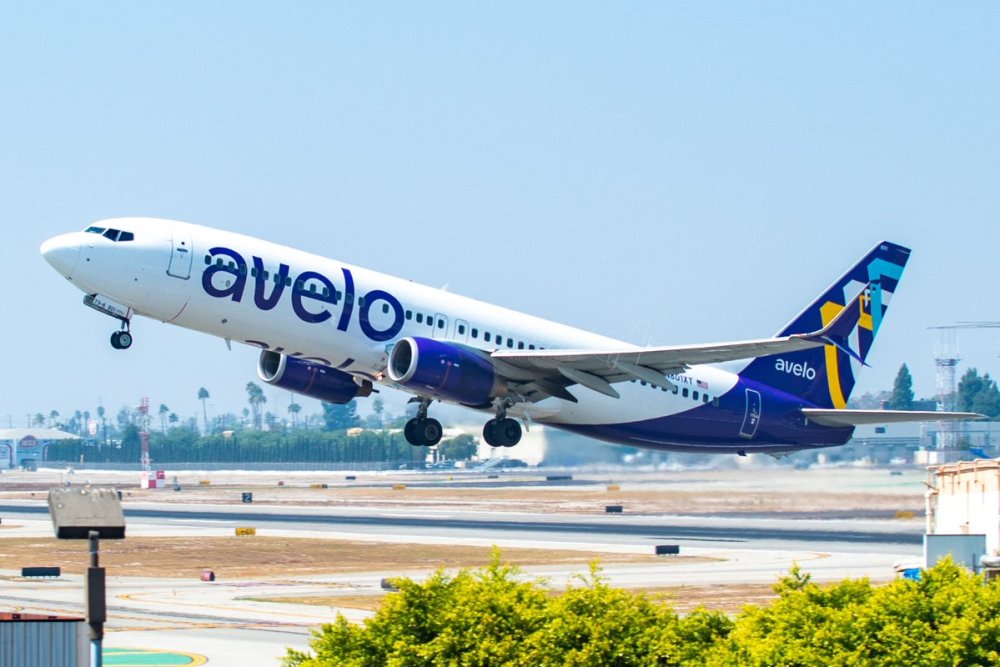


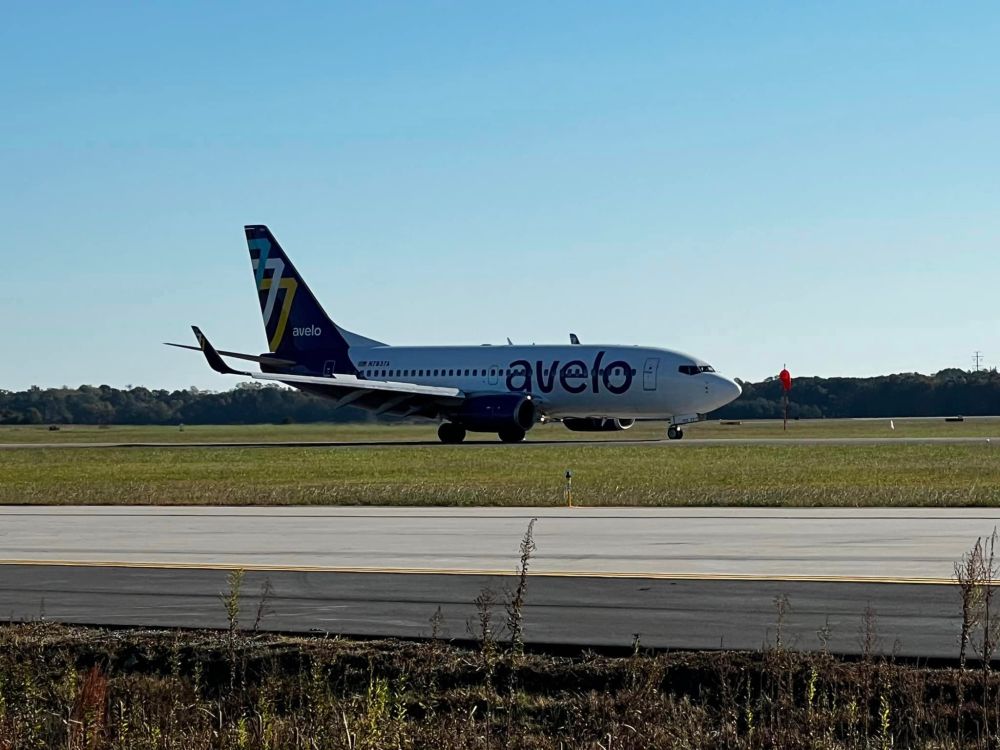


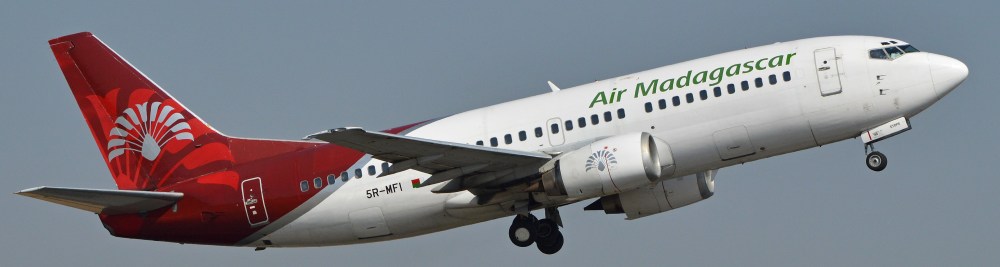



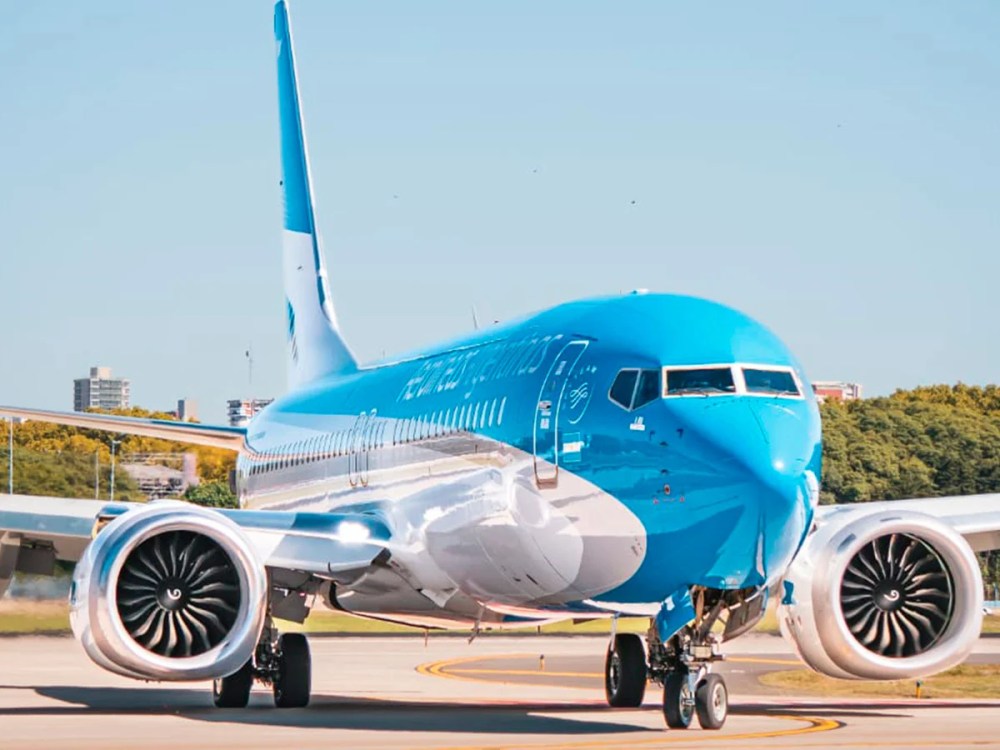




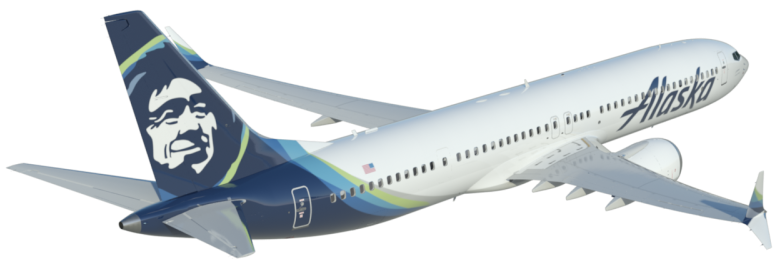
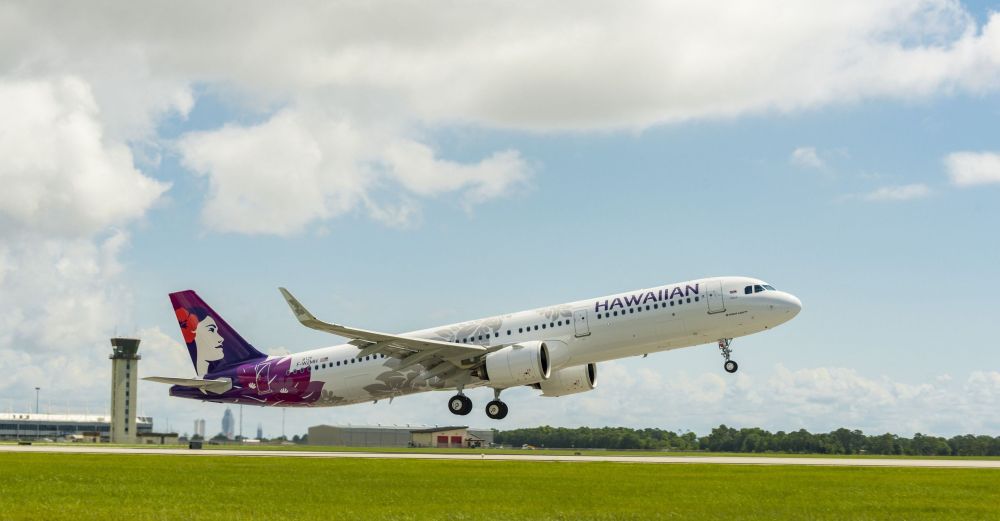

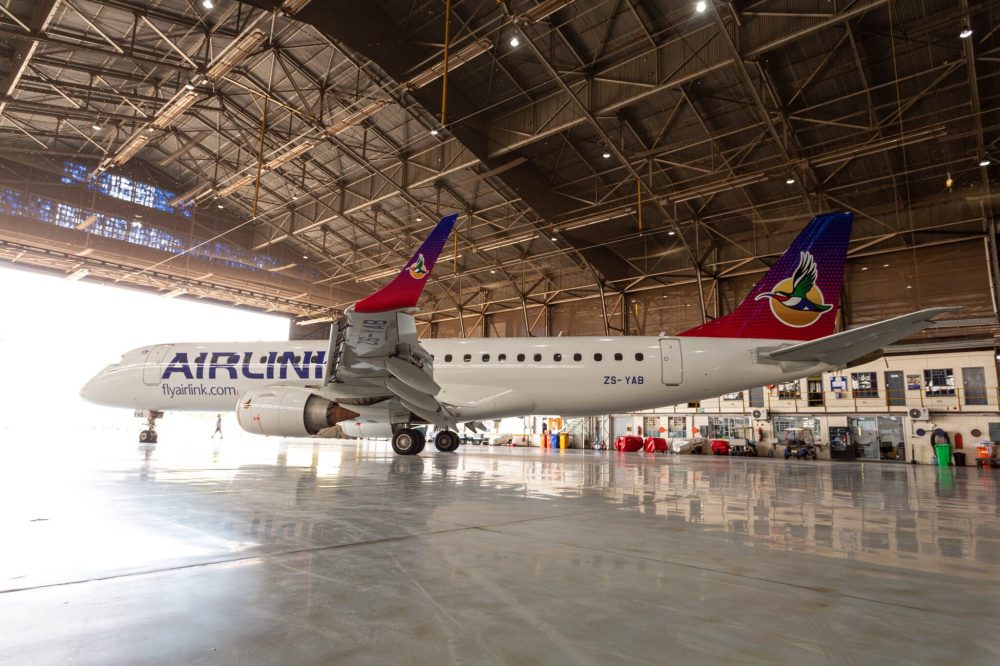


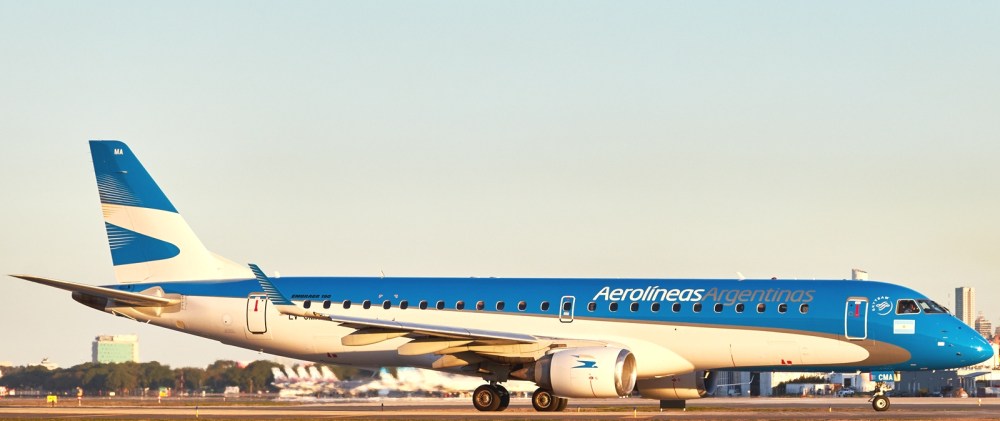
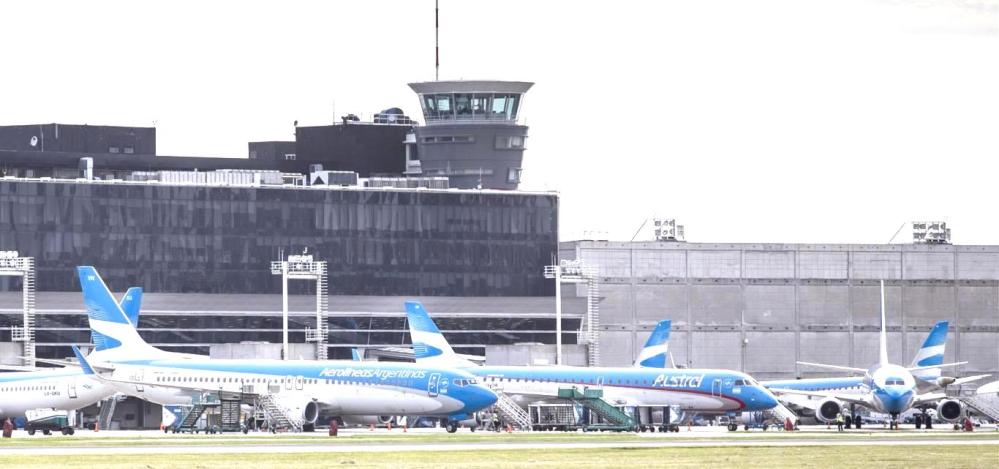


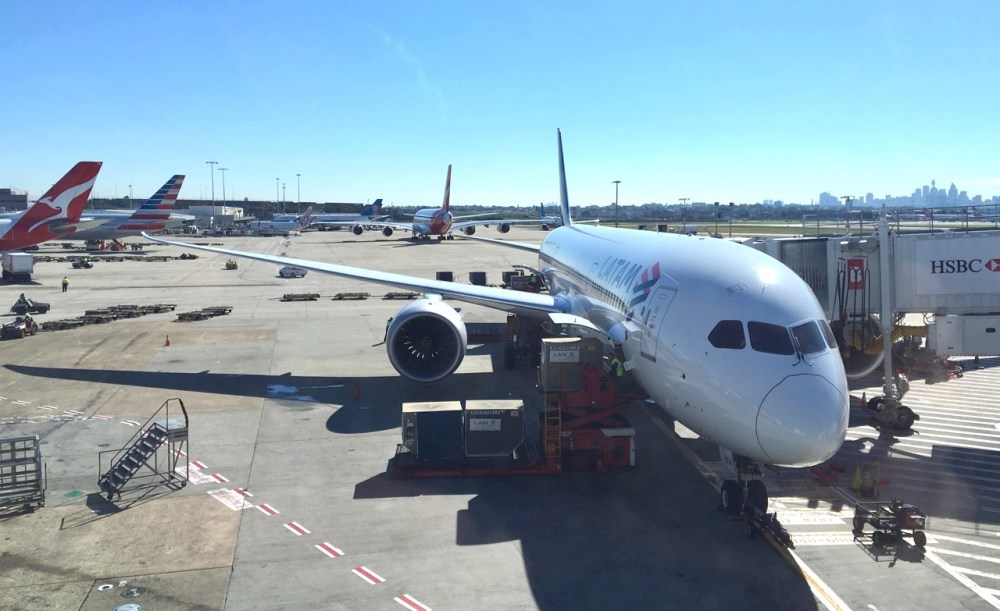

 airgways.com