Southwest 737 MAX sufre Dutch Roll
AW | 2024 06 14 12:07 | AVIATION SAFETY / AIR INVESTIGATION / AVIATION ORGANISMS
Boeing 737 MAX incidente vuelo experimenta vuelco holandés
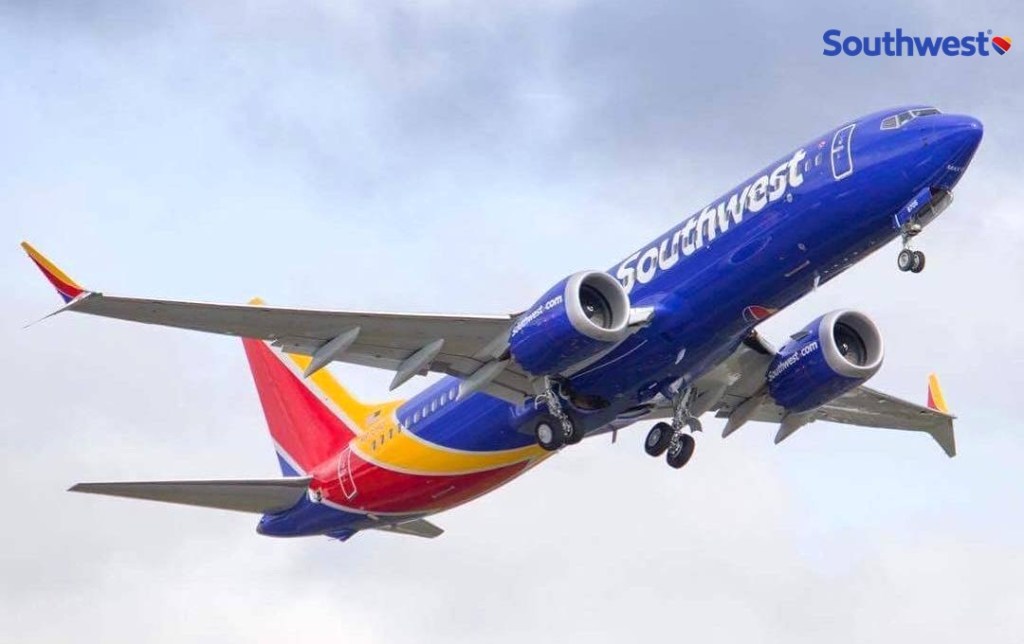
El vuelo WN746 de Southwest Airlines, un Boeing 737-8 MAX que transportaba a 175 pasajeros, viajaba de Phoenix a Oakland el 25 de Mayo de 2024 cuando su cola comenzó a moverse de izquierda a derecha, lo que provocó que las alas del avión se balancearan de un lado a otro.
El Boeing 737-8 MAX de Southwest Airlines, matrícula N8825Q que realizaba el vuelo WN746 desde Phoenix, AZ a Oakland, California, Estados Unidos, con 175 pasajeros y 6 tripulantes, estaba en ruta en FL320 cuando la aeronave experimentó Dutch Roll. La tripulación pudo recuperar el control y aterrizó la aeronave en la Pista 30 de Oakland unos 55 minutos después. La aeronave sufrió daños estructurales sustanciales.
La FAA informó: «La aeronave experimentó un vuelco holandés, recuperó el control y la inspección posterior al vuelco revelló daños en la PCU de reserva». La agencia expresó que la aeronave sufrió daños sustanciales, el suceso fue calificado como un accidente. La aeronave permaneció en tierra en Oakland hasta el 6 de Junio de 2024, luego se posicionó en las instalaciones de Everett, WA (EE.UU.), ATS, y todavía está en tierra en Everett seis días después.
El balanceo holandés es un movimiento acoplado fuera de fase de la aeronave como resultado de una estabilidad direccional debilitada (proporcionada por la cola y el timón verticales), en el que la aeronave oscila alrededor de su eje vertical y longitudinal (guiñada y balanceo acoplados). La PCU es la Unidad de Control de Potencia, un actuador que controla el Timón (vertical).
La CPU posee dañadas dos costillas, en las que se está montando la PCU de pie, así como los soportes del actuador de reserva. Se realizó una reparación temporal en Oakland reemplazando la PCU dañada, el avión fue transportado a Everett para reemplazar las costillas dañadas.
La aeronave experimentó el vuelco holandés a 32.000 pies en vuelo. No se reportaron heridos por el incidente, que los pilotos están entrenados para contrarrestar y los aviones modernos están construidos para combatir con un amortiguador de guiñada.
«La FAA está trabajando en estrecha colaboración con la NTSB (Junta Nacional de Seguridad en el Transporte) y The Boeing Company para investigar este evento. Tomaremos las medidas apropiadas en función de los hallazgos», dijo la agencia FAA en un comunicado.
Un informe preliminar de la FAA encontró que una Unidad de Control de Energía (PCU) en el avión había sido dañada, lo que proporciona energía de respaldo al timón. Boeing y Southwest se negaron a comentar sobre el incidente, y la aerolínea agregó que estaba cooperando con los investigadores de la FAA.
Fuertes críticas
El incidente es solo el más reciente vinculado a un avión de Boeing, que continúa enfrentando un creciente escrutinio por preocupaciones de seguridad. Al menos veinte denunciantes se han pronunciado contra el gigante aeroespacial, que se ha enfrentado a una serie de críticas en los últimos años por repetidos fallos técnicos en todo el mundo.
Un mordaz informe de Transporte e Infraestructura de la Cámara de Representantes del Senado de Estados Unidos en Septiembre de 2020 encontró que dos accidentes del 737 MAX en 2018 y 2019 fueron la horrible culminación de fallas repetidas y graves por parte de la compañía y los reguladores. Luego, en Enero de 2024, el panel de una puerta voló un Boeing 737-9 MAX de Alaska Airlines durante un vuelo de Oregón a California, renovando las preocupaciones de seguridad sobre los aviones. 
Southwest 737 MAX suffers Dutch Roll
Boeing 737 MAX flight incident experiences Dutch rollover
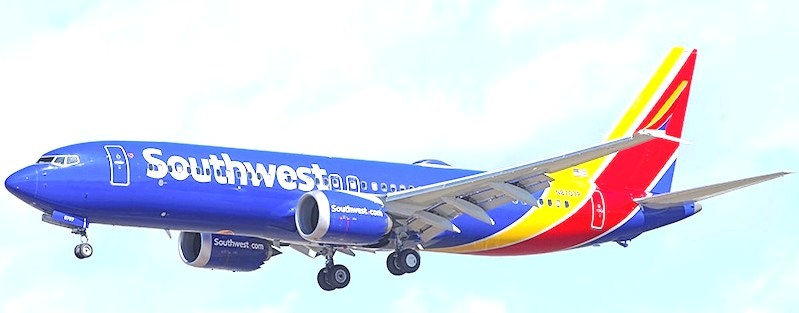
Southwest Airlines Flight WN746, a Boeing 737-8 MAX carrying 175 passengers, was traveling from Phoenix to Oakland on May 25, 2024, when its tail began moving from left to right, causing the plane’s wings to fold. They would swing from one side to the other.
The Southwest Airlines Boeing 737-8 MAX, registration N8825Q, on flight WN746 from Phoenix, AZ to Oakland, California, United States, with 175 passengers and 6 crew, was en route at FL320 when the aircraft experienced Dutch Roll. The crew was able to regain control and landed the aircraft on Runway 30 in Oakland about 55 minutes later. The aircraft suffered substantial structural damage.
The FAA reported: «The aircraft experienced a Dutch rollover, regained control, and post-roll inspection revealed damage to the standby PCU». The agency stated that the aircraft suffered substantial damage, and the event was classified as an accident. The aircraft remained grounded in Oakland until June 6, 2024, then positioned at the Everett, WA (USA) ATS facility, and is still grounded in Everett six days later.
Dutch roll is a coupled out-of-phase motion of the aircraft as a result of weakened directional stability (provided by the vertical tail and rudder), in which the aircraft oscillates around its vertical and longitudinal axis (coupled yaw and roll). The PCU is the Power Control Unit, an actuator that controls the Rudder (vertical).
The CPU has two damaged ribs, on which the standing PCU is being mounted, as well as the backup actuator supports. A temporary repair was performed in Oakland replacing the damaged PCU, and the aircraft was transported to Everett to replace the damaged ribs.
The aircraft experienced the Dutch rollover at 32,000 feet in flight. No injuries were reported from the incident, which pilots are trained to counter and modern aircraft are built to combat with a yaw damper.
«The FAA is working closely with the NTSB (National Transportation Safety Board) and The Boeing Company to investigate this event. We will take appropriate action based on the findings», the FAA agency said in a statement.
A preliminary FAA report found that a Power Control Unit (PCU) on the plane had been damaged, which provides backup power to the rudder. Boeing and Southwest declined to comment on the incident, and the airline added that it was cooperating with FAA investigators.
Strong criticism
The incident is just the latest linked to a Boeing plane, which continues to face increasing scrutiny over safety concerns. At least twenty whistleblowers have spoken out against the aerospace giant, which has faced a series of criticisms in recent years for repeated technical failures around the world.
A scathing US Senate House Transportation and Infrastructure report in September 2020 found that two 737 MAX crashes in 2018 and 2019 were the horrific culmination of repeated and serious failures by the company and regulators. Then, in January 2024, a door panel blew off an Alaska Airlines Boeing 737-9 MAX during a flight from Oregon to California, renewing safety concerns about the planes. 


PUBLISHER: Airgways.com
DBk: Faa.gov / Ntsb.gov / Boeing.com / Southwest.com / Airgways.com
AW-POST: 202406141207AR
OWNERSHIP: Airgways Inc.
A\W A I R G W A Y S ®




 airgways.com