AW | 2024 08 20 13:50 | AVIATION SAFETY / AVIATION ORGANISMS / INDUSTRY
Derectan problemas estructurales en encajes motor-alas
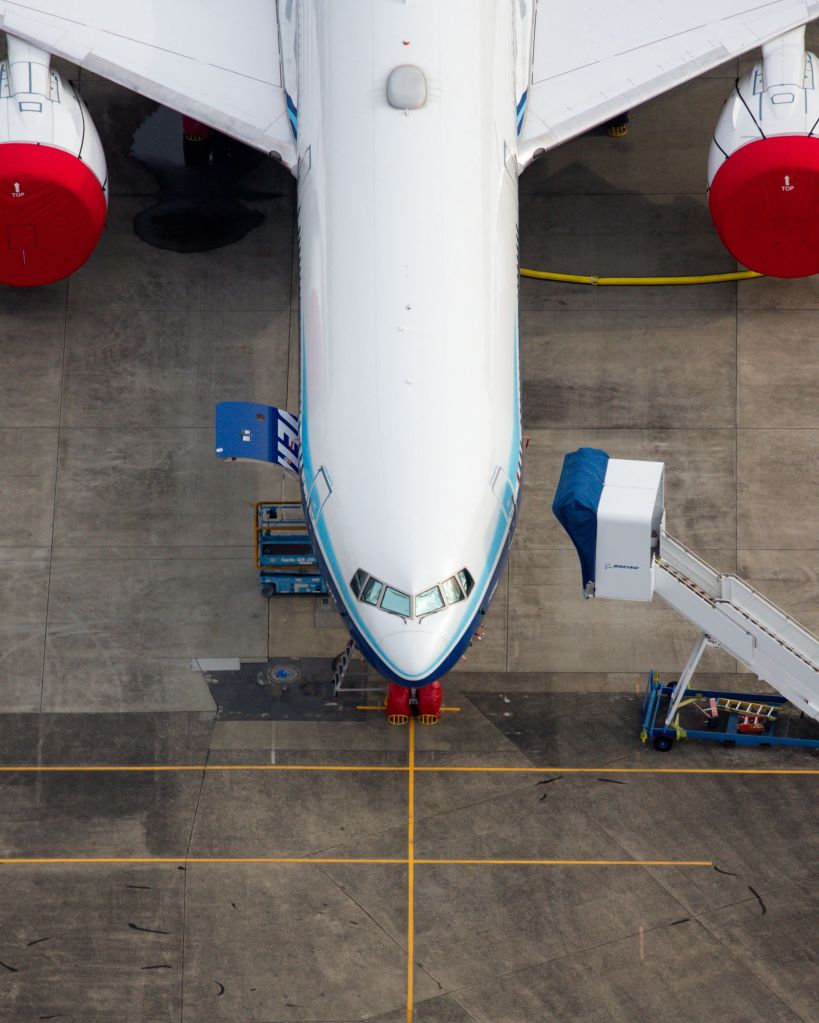
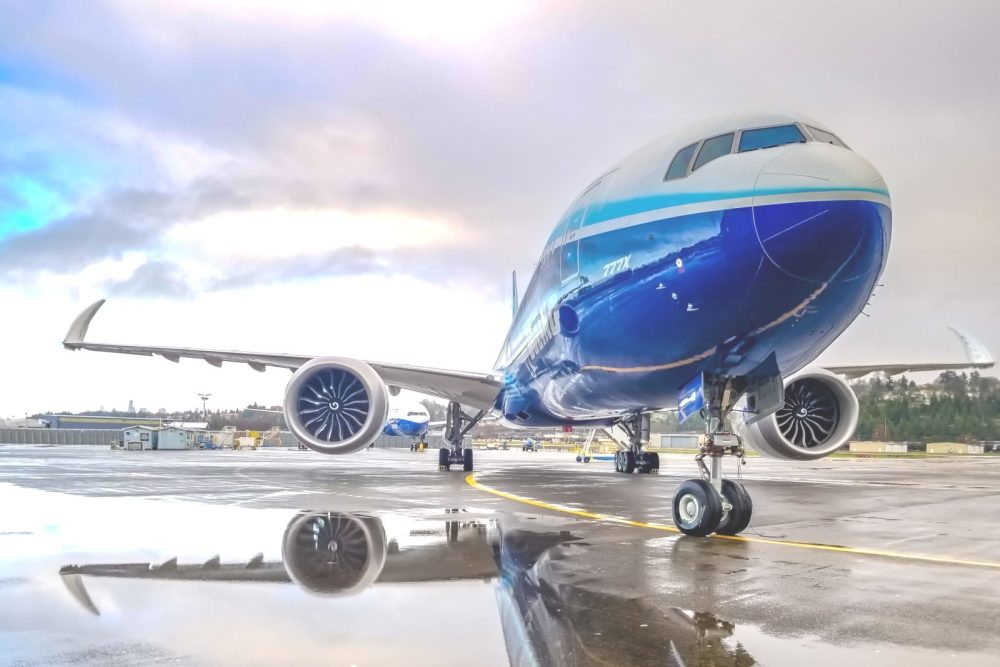
El lanzamiento del avión Boeing 777X, largamente retrasado, se ha encontrado con otro problema, obligando a la compañía a pausar las pruebas y asestando otro golpe a la reputación de calidad de Boeing.
Boeing descubrió problemas en un componente estructural entre el motor y las alas del avión en un vuelo de prueba. Boeing dijo en un comunicado que «identificó un componente que no funcionó como se diseñó» y que está reemplazando la pieza para registrar cualquier aprendizaje del componente.
El Programa 777 ha sido un gran éxito para Boeing desde que entró en servicio en 1995, y sigue siendo el avión de fuselaje ancho más vendido. El derivado 777X que comprende a los 777-8, 777-9 proporcionarían a las aerolíneas una actualización de versión del avión widebody.
El Programa 777X, anunciado por Boeing como el avión bimotor más grande y eficiente del mundo, estimaba entrar en servicio en 2020. Esperaba haber entregado varios centenares de aviones para ese tiempo. Pero ha estado plagado de retrasos y sobrecostos. Otros retrasos enlas pruebas de vuelo han demorado enla línea de tiempo al Boeing 777-9, primer prototipo de la familia 777X. La fecha revisada tentativa asoma hacia el 2025.
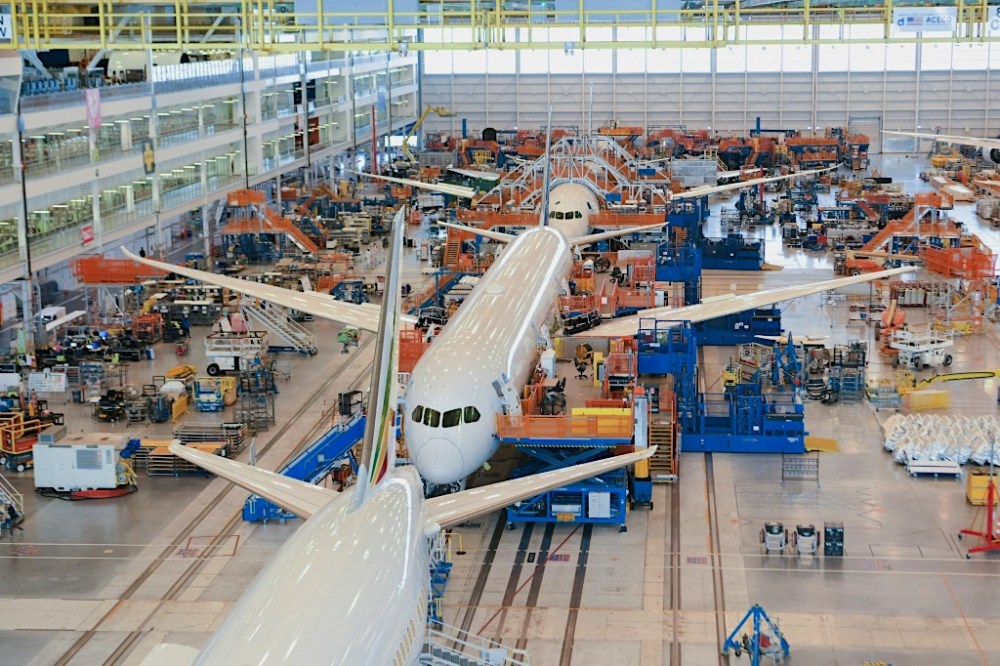
Los problemas del 777X fueron solo los últimos de una serie de preocupaciones de seguridad y calidad relacionadas con las líneas de montaje de Boeing. Esos problemas se han convertido en el foco de múltiples investigaciones federales y revelaciones de denunciantes, y la causa de retrasos en las entregas de aviones que están causando dolores de cabeza a las aerolíneas y pasajeros de todo el mundo.
La semana pasada, Boeing registró un incremento de órdenes de nuevos clientes sobre Airbus en Julio 2024. Sin embargo, todavía está muy por detrás de su rival en pedidos respecto al año 2024, pues las preocupaciones de seguridad continúan haciendo mella en la reputación de la compañía. Boeing ha perdido US$ 33.000 millones de Dólares desde 2019, una cifra asombrosa que subraya lo lejos que ha caído la empresa desde los días en que su nombre era sinónimo de calidad estadounidense.
New 777X Program faults
Structural problems found in engine-wing fittings
The launch of Boeing’s long-delayed Boeing 777X aircraft has hit another snag, forcing the company to pause testing and dealing another blow to Boeing’s reputation for quality.
Boeing discovered problems in a structural component between the engine and the wings of the plane on a test flight. Boeing said in a statement that it «identified a component that did not perform as designed» and is replacing the part to record any learnings from the component.
The 777 Program has been a huge success for Boeing since it entered service in 1995, and it remains the best-selling widebody aircraft. The 777X derivative comprising the 777-8, 777-9 would provide airlines with an upgrade version of the widebody aircraft.
The 777X program, billed by Boeing as the world’s largest and most efficient twin-engine airplane, was expected to enter service in 2020. It hoped to have delivered several hundred planes by that time. But it has been plagued by delays and cost overruns. Other flight-test delays have pushed the Boeing 777-9, the first prototype in the 777X family, off the schedule. The tentative revised date looms as late as 2025.
The 777X problems were just the latest in a series of safety and quality concerns related to Boeing’s assembly lines. Those problems have become the focus of multiple federal investigations and whistleblower revelations, and the cause of aircraft delivery delays that are causing headaches for airlines and passengers around the world.
Last week, Boeing reported an increase in new customer orders for Airbus for July 2024. However, it still lags far behind its rival in 2024 orders as safety concerns continue to take a toll on the company’s reputation. Boeing has lost US$ 33 billion since 2019, a staggering figure that underscores how far the company has fallen from the days when its name was synonymous with American quality.
PUBLISHER: Airgways.com DBk: Boeing.com / Airgways.com AW-POST: 202408201350AR OWNERSHIP: Airgways Inc. A\W A I R G W A Y S ®
AW | 2024 08 20 13:33 | AVIATION SAFETY / AVIATON ORGANOISMS / INDUSTRY
Administración exige inspecciones inmediatas en Boeing Dreamliner
La Federal Aviation Administration (FAA) de Estados Unidos emitió una Directiva de Aeronavegabilidad (AD) para ciertos modelos Boeing 787-8, 787-9 y 787-10 Dreamliner. La orden requiere inspecciones de los asientos afectados del capitán y el primer oficial para detectar tapas de interruptores basculantes faltantes o agrietadas, y para conjuntos de cubiertas de interruptores agrietados o que no funcionen. La orden también requiere una prueba de tracción de la tapa del interruptor basculante, el marcado de los asientos y las acciones de condición aplicables, según documentos de la agencia.
Los documentos indican que el primer informe de movimiento horizontal no controlado de los asientos se produjo en Marzo 2024. Ese informe indicó que el movimiento del asiento hizo que el piloto automático se desconectara, lo que provocó un rápido descenso hasta que el primer oficial tomó el control del vuelo. Varios pasajeros resultaron heridos en ese incidente y algunas de las lesiones fueron graves, según los documentos. La FAA recibió cuatro informes adicionales desde entonces, y el más reciente ocurrió en Junio 2024.
La orden afecta a 158 aviones registrados en Estados Unidos y 737 aviones en todo el mundo, dijo la FAA en un comunicado. Los modelos Dreamliner 787-8, 787-9 y 787-10 se fabrican, ensamblan y entregan en las instalaciones de Boeing South Carolina en North Charleston.
FAA orders 787 inspections
Administration requires immediate inspections on Boeing Dreamliner
The U.S. Federal Aviation Administration (FAA) has issued an Airworthiness Directive (AD) for certain Boeing 787-8, 787-9 and 787-10 Dreamliner models. The order requires inspections of the affected captain and first officer seats for missing or cracked rocker switch covers, and for cracked or non-functioning switch cover assemblies. The order also requires a pull test of the rocker switch cover, marking of the seats and applicable condition actions, according to agency documents.
The documents indicate that the first report of uncontrolled horizontal movement of the seats occurred in March 2024. That report indicated that the seat movement caused the autopilot to disengage, leading to a rapid descent until the first officer took control of the flight. Several passengers were injured in that incident, and some of the injuries were serious, according to the documents. The FAA has received four additional reports since then, with the most recent occurring in June 2024.
The order affects 158 U.S.-registered aircraft and 737 aircraft worldwide, the FAA said in a statement. The 787-8, 787-9, and 787-10 Dreamliner models are manufactured, assembled, and delivered at Boeing South Carolina’s North Charleston facility.
AW | 2024 08 20 12:10 | AIRLINES ALLIANCE / GOVERNMENT
Acuerdo sinergia supera reguladoes antimonopolio
El acuerdo de sinergia entre Alaska Airlines y Hawaiian Airlines supera a los reguladores antimonopolio del Departamento de Justicia de Estados Unidos. El acuerdo valorado en US$ 1.900 millones de Dólares aún debe ser aprobado por el Departamento de Transporte (DOT). Si se aprueba, será la mayor consolidación de aerolíneas estadounidenses desde 2016.
Alaska Airlines ha superado un gran obstáculo en su plan de comprar a su rival Hawaiian Airlines en un acuerdo de US$ 1.900 millones de Dólares. El acuerdo parece haber sido aprobado por los reguladores del Departamento de Justicia de Estados Unidos (DOJ). En un comunicado emitido el Lunes 19/08, Alaska Airlines dijo que el período para que los reguladores antimonopolio investigaran la fusión terminó sin que la agencia presentara una demanda para bloquear el acuerdo.
«Este es un hito importante en el proceso de unirse a nuestras aerolíneas», dijo Alaska Airlines, señalando que había trabajado en estrecha colaboración con el Fiscal General de Hawái para reforzar y expandir nuestros compromisos para el futuro de Hawaiian Airlines y para los consumidores de Hawáii.
Antes de que el acuerdo pueda cerrarse, ahora debe pasar el escrutinio del Departamento de Transporte (DOT) de Estados Unidos, aunque no se ha determinado el tiempo de demandaría la aprobación o rechazo.
«Alaska Airlines y Hawaiian Airlines han presentado una solicitud de transferencia para combinarse bajo un solo certificado y no pueden combinar sus autoridades operativas sin la aprobación del Departamento de Transporte de Estados Unidos. El Departamento está revisando la solicitud y solo puede aprobar una transferencia si es de interés público», dijo un portavoz de la agencia.
Alaska Group Históricamente, tras la desregulación del transporte aéreo de Estados Unidos en 1978, la industria de las aerolíneas ha marcado la tendencia hacia la consolidación. La combinación de Alaska Airlines, la sexta aerolínea más grande de América del Norte por volumen de pasajeros, y Hawaiian Airlines, actualmente la decimosexta más grande del continente, se convertiría en la mayor consolidación de aerolíneas estadounidenses desde que Alaska Airlines adquirió Virgin America por unos US$ 4.000 millones de Dólares en 2016. Posteriormente, Virgin America ha sido absorvida e incorporada a las operaciones de Alaska Airlines.
Actualmente, Alaska Airlines es propietaria de la aerolínea regional Horizon Air, una aerolínea regional estadounidense con sede en SeaTac, Washington (WA), dentro del área metropolitana de Seattle.
La fusión Alaska-Hawaiian es en la práctica una compra por parte de Alaska de Hawaiian Airlines. La intención es mantener Hawaiian como una marca independiente y al mismo tiempo crear sinergias en las operaciones. Juntas, las dos aerolíneas representan una flota de casi 400 aviones que cubren casi 140 destinos.
Ley Antimonopolio En los últimos años, la Administración Biden ha flexionado sus habilidades antimonopolio para evitar fusiones en la industria de las aerolíneas con el argumento de que tienden a perjudicar a los consumidores. En Marzo de 2023, el Departamento de Justicia presentó una demanda antimonopolio contra la aerolínea de bajo coste JetBlue Airways para evitar una fusión con Spirit Airlines valorada en US$ 3.800 millones de Dólares. El Tribunal dictaminó en Enero 2024 que la propuesta de adquisición de Spirit por parte de JetBlue era ilegal porque «violentaba el principio fundamental de la ley antimonopolio: proteger los mercados de Estados Unidos, y a sus participantes en el mercado, de daños anticompetitivos».
En Mayo de 2023, un Juez Federal rechazó una asociación entre American Airlines y JetBlue Airways después de que el Gobierno argumentara con éxito que la alianza suprimía la competencia.
En Diciembre de 2023, el Director Ejecutivo de Alaska Airlines, Ben Minicucci, proyectó confianza en que el Gobierno aprobaría el acuerdo, citando los 12 mercados superpuestos de las dos aerolíneas y una red ampliada que, según dijo, permitiría una competencia más robusta con las Cuatro Grandes aerolíneas: American, United, Delta y Southwest. «Tenemos la esperanza de que se vea de manera positiva», enfatizó Ben Minicucci.
Hawaiian Airlines ha tenido problemas financieros en los últimos años, registrando una pérdida neta combinada de US$ 205 millones de Dólares en los dos primeros trimestres de 2024. La ocmpañía se encuentra esperanzada por la aprobación en el Departamento de Transporte que le permitiría oxigenar sus finanzas y proyectarse en una alianza que la permitiría participar de una amplia red de rutas junto a Alaska Airlines en el Continente Americano.
Alaska-Hawaiian merger passes DOJ
Synergy deal passes Antitrust Regulators
The synergy deal between Alaska Airlines and Hawaiian Airlines has passed antitrust regulators at the U.S. Department of Justice. The deal valued at US$ 1.9 billion must still be approved by the Department of Transportation (DOT). If approved, it will be the largest consolidation of U.S. airlines since 2016.
Alaska Airlines has cleared a major hurdle in its plan to buy rival Hawaiian Airlines in a US$ 1.9 billion deal. The deal appears to have been approved by regulators at the U.S. Department of Justice (DOJ). In a statement issued Monday, August 19, Alaska Airlines said the period for antitrust regulators to investigate the merger ended without the agency filing a lawsuit to block the deal.
«This is an important milestone in the process of joining our airlines», Alaska Airlines said, noting that it had worked closely with the Hawaii Attorney General to reinforce and expand our commitments to the future of Hawaiian Airlines and to Hawaii consumers.
Before the deal can close, it must now pass scrutiny by the U.S. Department of Transportation (DOT), though the timeline for approval or denial has not been determined.
«Alaska Airlines and Hawaiian Airlines have submitted a transfer request to combine under a single certificate and cannot combine their operating authorities without approval from the U.S. Department of Transportation. The Department is reviewing the request and can only approve a transfer if it is in the public interest», an agency spokesperson said.
Alaska Group Historically, following the deregulation of U.S. air transport in 1978, the airline industry has trended toward consolidation. The combination of Alaska Airlines, the sixth-largest airline in North America by passenger volume, and Hawaiian Airlines, currently the sixteenth-largest on the continent, would become the largest consolidation of US airlines since Alaska Airlines acquired Virgin America for about US$ 4 billion in 2016. Virgin America has subsequently been absorbed and incorporated into Alaska Airlines’ operations.
Alaska Airlines currently owns the regional carrier Horizon Air, a US regional airline based in SeaTac, Washington (WA), within the Seattle metropolitan area.
The Alaska-Hawaiian merger is effectively a purchase by Alaska of Hawaiian Airlines. The intention is to maintain Hawaiian as an independent brand while creating synergies in operations. Together, the two airlines represent a fleet of nearly 400 aircraft serving nearly 140 destinations.
Antitrust Law In recent years, the Biden Administration has flexed its antitrust skills to prevent mergers in the airline industry on the grounds that they tend to harm consumers. In March 2023, the Department of Justice filed an antitrust lawsuit against budget carrier JetBlue Airways to prevent a US$ 3.8 billion merger with Spirit Airlines. The Court ruled in January 2024 that JetBlue’s proposed acquisition of Spirit was unlawful because it «violated the fundamental principle of antitrust law: protecting U.S. markets, and their market participants, from anticompetitive harm».
In May 2023, a federal judge rejected a partnership between American Airlines and JetBlue Airways after the government successfully argued that the alliance suppressed competition.
In December 2023, Alaska Airlines CEO Ben Minicucci projected confidence that the government would approve the deal, citing the two airlines’ 12 overlapping markets and an expanded network that he said would allow for more robust competition with the Big Four airlines: American, United, Delta and Southwest. «We’re hopeful that it will be viewed positively», Ben Minicucci emphasized.
Hawaiian Airlines has struggled financially in recent years, posting a combined net loss of US$ 205 million in the first two quarters of 2024. The company is hopeful that approval from the Department of Transportation would allow it to oxygenate its finances and project itself into an alliance that would allow it to participate in a broad route network alongside Alaska Airlines in the Americas.
PUBLISHER: Airgways.com DBk: Justice.gov / Alaskaair.com / Hawaiianairlines.com / Airgways.com AW-POST: 202408201210AR OWNERSHIP: Airgways Inc. A\W A I R G W A Y S ®
Corte EEUU ordena Argentina indemnización por nacionalización
La Justicia de Estados Unidos ordenó a la Argentina pagar US$ 340 millones por la nacionalización y enajenación de Aerolíneas Argentinas en 2008 al Grupo Marsans. El Tribunal de Justicia de Columbia, Washington D.C., hizo lugar una sentencia del Centro Internacional de Arreglo de Diferencias relativas a inversiones (CIADI) para que se ejecute una deuda.
La Argentina nuevamente recibe el reclamo para pagar una gran suma de dinero luego de que la Justicia de los Estados Unidos fallara contra el país por la nacionalización del grupo Aerolíneas Argentinas, que comprendiera además a Austral Líneas Aéreas, Aerohandling y Optar.
Un tribunal de Columbia hizo lugar a una sentencia del Centro Internacional de Arreglo de Diferencias relativas a inversiones (CIADI) para que se ejecute una deuda por US$ 340 millones. El fallo beneficia a Titan Consortium, que es dueña de los derechos de litigio tras la expropiación de Aerolíneas Argentinas en 2008, lo cuales compró a Buford Capital. Buford Capital, por su parte, está en medio de otro litigio contra la Argentina por el caso de YPF.
La Argentina había solicitado que no se hiciera lugar el pedido de Titan Consortium pues señalaba que habían pasado tres años del laudo, pero desde la compañía respondieron que se encontraban dentro de los doce años que permite Columbia para la ejecución de la sentencia.
“El plazo de prescripción es de doce años y, por lo tanto, la demanda de Titan es oportuna. Por lo tanto, la Corte niega la moción de desestimación presentada por Argentina”, indicó el Tribunal de Columbia. Mientras tanto, El Gobierno de Argentina espera apelar la decisión.
Aerolíneas Argentinas case
US Court orders Argentina to pay compensation for nationalization
The US Court ordered Argentina to pay US$ 340 million for the nationalization and sale of Aerolíneas Argentinas in 2008 to the Marsans Group. The Court of Justice of Columbia, Washington D.C., upheld a ruling by the International Center for the Settlement of Investment Disputes (ICSID) to enforce a debt.
Argentina is once again being asked to pay a large sum of money after the United States Court ruled against the country for the nationalization of the Aerolíneas Argentinas group, which also included Austral Líneas Aéreas, Aerohandling, and Optar.
A court in Columbia upheld a ruling by the International Center for the Settlement of Investment Disputes (ICSID) to enforce a debt of US$ 340 million. The ruling benefits Titan Consortium, which owns the litigation rights after the expropriation of Aerolíneas Argentinas in 2008, which it bought from Buford Capital. Buford Capital, for its part, is in the middle of another lawsuit against Argentina over the YPF case.
Argentina had requested that Titan Consortium’s request not be granted because it pointed out that three years had passed since the award, but the company responded that they were within the twelve years that Columbia allows for the execution of the sentence.
“The statute of limitations is twelve years and, therefore, Titan’s claim is timely. Therefore, the Court denies Argentina’s motion to dismiss”, indicated the Columbia Court. In the meantime, the Government of Argentina hopes to appeal the decision.
PUBLISHER: Airgways.com DBk: Cadc.uscourts.gov / Aerolineas.com / Airgways.com AW-POST: 202408201108AR OWNERSHIP: Airgways Inc. A\W A I R G W A Y S ®
AW | 2024 08 19 15:13 | INDUSTRY / AVIATON HISTORY
Embraer celebra 55 años de crecimiento y confianza hacia el futuro
Embraer SA celebrara su 55º aniversario el 19 de Agosto de 2024, inspirada en una historia marcada por la excelencia en el desarrollo de personas y productos, así como en importantes contribuciones a la industria aeronáutica. La compañía aeroespacial con sede en São José dos Campos, Brasil, marca un hito en la historia de la industria, posicionándose como el tercer constructor muncial de aeronaves.
La compañía aeroespacial ha ddesarrollado nueve mil aviones producidos y entregados a más de cien países y una moderna cartera de productos, la compañía ha registrado actualmente más de ochocientas patentes. Estas, junto con otras iniciativas, impulsan el círculo virtuoso de la innovación continua capaz de transformar el conocimiento en actividad industrial de alto valor añadido.
«La industria aeronáutica brasileña es una referencia mundial, y estamos orgullosos de celebrar a Embraer y su historia de logros. Llevamos 55 años produciendo aviones, desarrollando tecnología de punta, formando personas altamente calificadas y contribuyendo al desarrollo de la sociedad. Miramos hacia el futuro con confianza en la capacidad de nuestra gente para continuar con este legado con eficiencia, calidad, innovación, responsabilidad social y un compromiso con una aviación más sostenible», dijo Francisco Gomes Neto, Presidente y CEO de Embraer.
En plena integración y con un intenso intercambio de conocimientos entre todas sus unidades de negocio de Aviación Comercial, Aviación Ejecutiva, Defensa y Seguridad, y Servicios y Soporte, la compañía ha construido una exitosa trayectoria guiada por la formación y cualificación de personas, el desarrollo tecnológico, la innovación, la identificación de oportunidades de mercado, la planificación estratégica, la determinación y la creatividad.
En 2024, Embraer ha estado ejecutando su plan para satisfacer el aumento de la producción de aviones y el crecimiento futuro esperado con inversiones, que incluye actividades de investigación y desarrollo de nuevas tecnologías.
Historia de Embraer El desarrollo de una industria aeronáutica competitiva en Brasil comenzó en la década de 1930 con iniciativas del Gobierno de Brasil y del sector privado. Sin embargo, la concepción del proyecto de creación del Centro Técnico Aeronáutico (CTA) y del Instituto Tecnológico Aeronáutico (ITA) por parte del Ministerio de Aeronáutica y dirigido por el Mariscal del Aire Casimiro Montenegro Filho en la década de 1940 estableció la orientación estratégica para la solidez del sector, con foco en la formación de ingenieros y el desarrollo tecnológico.
El propósito de crear una empresa capaz de transformar la ciencia y la tecnología en ingeniería y capacidad industrial se concretó el 19 de agosto de 1969, mediante el Decreto Ley Nº770, que creó Embraer, una empresa de capital mixto con control estatal. La primera misión fue llevar a cabo la mejora, certificación y producción serializada del proyecto IPD 6504 que dio origen a la aeronave EMB-110 Bandeirante, bajo el liderazgo del ingeniero Ozires Silva en CTA.
En enero de 1970, Embraer comenzó sus operaciones industriales en la Ciudad de São José dos Campos (SP), con pedidos adicionales del gobierno brasileño para producir el avión militar italiano Xavante y el nuevo fumigador EMB-200 Ipanema. En su primera década de existencia, la compañía impulsó aportes clave a la integración nacional a través de la aeronave Bandeirante, que fortaleció el sector de la aviación regional, desarrolló el avión turbohélice ejecutivo EMB-121 Xingu e inició sus primeras exportaciones.
En la década de 1980, con una creciente presencia internacional y consolidándose como una empresa estratégica para Brasil, Embraer logró saltos tecnológicos e innovó en el desarrollo de nuevos productos como el turbohélice de entrenamiento militar EMB-312 Tucano, el avión comercial de 30 plazas EMB-120 Brasilia y el jet subsónico de combate AMX en una cooperación entre Brasil e Italia.
Un intenso período de turbulencias financieras marcó el comienzo del decenio de 1990 y dio lugar a la privatización de la empresa en diciembre de 1994. La combinación de una cultura de excelencia técnica con una cultura de agilidad empresarial dio a la nueva organización un impulso para recuperarse rápidamente y recuperar su posición de liderazgo en la aviación regional, con el inicio de las entregas de la familia de aviones ERJ-145, con una capacidad de 37 a 50 asientos, en 1996.
A principios de la década de 2000, Embraer era una de las mayores empresas exportadoras brasileñas y aceleró el desarrollo de una nueva familia de aviones comerciales, los E-Jets, que consolidarían a la empresa como líder en el segmento de hasta 150 asientos. La empresa, que cotiza en las bolsas de valores de São Paulo y Nueva York, con líneas de producción en Brasil y China, siguió una estrategia de diversificación que estableció la división de aviación ejecutiva con el lanzamiento de los aviones de negocios Legacy 600/650, Phenom 100, Phenom 300, Lineage 1000 y Legacy 450/500. En el área de Defensa, el nuevo EMB-314 Super Tucano de ataque ligero y entrenador comenzó a operar con los colores de la Fuerza Aérea Brasileña (FAB) y comenzó los estudios para un avión multimisión, el C-390. En la misma década, la compañía también desarrolló el EMB-202A Ipanema, propulsado por etanol, el primer avión del mundo certificado y producido en masa para volar con biocombustible y certificado en 2004. También fundó el Instituto Embraer para conducir las acciones sociales de la empresa de forma estructurada, centrándose principalmente en la educación.
Desde 2010, Embraer ha experimentado un fuerte proceso de internacionalización, con actividades industriales consolidadas en Brasil, Estados Unidos, Portugal y México. Asimismo, la compañía impulsó la expansión de la red de servicios y soporte bajo una unidad de negocio dedicada y consolidó el área de defensa y seguridad para desarrollar proyectos en tierra, mar, espacio y ciberseguridad a través de adquisiciones y formación de empresas tecnológicas estratégicas. En la segunda mitad de la década, llegaron al mercado nuevos productos, como los E-Jets de segunda generación, el E2, los jets ejecutivos de tamaño mediano Praetor 500 y Praetor 600 y el C-390, desarrollados bajo sofisticados requisitos del FAB.
En 2020, la innovación, la sostenibilidad y la eficiencia empresarial lideraron la recuperación de la compañía ante el impacto sin precedentes de la pandemia en la industria del transporte aéreo mundial. De una manera más inclusiva y diversa, manteniendo altos estándares de gobierno corporativo, la exitosa ejecución del plan estratégico permitió el inicio de un nuevo ciclo de crecimiento y rentabilidad, con la reanudación de la actividad comercial en todas las unidades de negocio, creando valor para la sociedad en su conjunto. Los proyectos y alianzas disruptivas también permitieron el inicio de nuevos negocios y la creación de EVE, diseñado para acelerar el desarrollo del ecosistema de la Movilidad Aérea Urbana.
Actualmente, con una cartera de pedidos valorada en US$ 21.100 millones de Dólares, más de 19.000 empleados y una presencia verdaderamente global, Embraer está fortaleciendo su posición como una empresa competitiva centrada en la construcción de la aviación sostenible del futuro.
Participación FAdeA La fábrica argentina de FAdeA es partícipe subsidiaria de Embraer. Actualmente, desarrolla componentes del avión táctico-logístico Embraer C390 Millenium. Desde el año 2011 FAdeA participa del Programa KC-390 de la Fuerza Aérea Brasileña en asociación con Embraer para la fabricación puertas del tren de aterrizaje delantero, puerta delantera derecha, rampa de acceso trasero, y cono de cola.
Mientras Embraer registra nuevos pedidos y avanza con la entrega de aeronaves, desde la Fabrica Argentina de Aviones/Brigadier San Martin (FAdeA) confirmaron el envio de nuevos componentes a Brasil para la fabricación de aeronaves C-390 Millenium.
En Agosto 2024 concretó otro envío de componentes a Brasil para la fabricación de nuevos aviones C390. En lo que respecta a este nuevo envió, desde FAdeA indicaron que: “Concretamos una nueva entrega en el programa C-390 Millenium de Embraer, en este caso fue una Puerta de Carga para equipar el avión de serie 017”.
De cara a los próximos meses, con la confirmación de nuevos ordenes de compra por parte de Austria y los Países Bajos, desde Embraer se aseguran de que la producción continuará a buen ritmo, mientras se registra la producción de nuevos ejemplares para la Fuerza Aérea de Brasil, como las entregas de ejemplares para las Fuerzas Aérea de Portugal y Hungría. Esto asegura que FAdeA continuará participando del programa de aeronaves con un creciente pedido de componentes para la fabricación de nuevos aviones de transporte táctico.
Embraer celebrates 55 anniversaries
Embraer celebrates 55 years of growth and confidence towards the future
Embraer SA will celebrate its 55th anniversary on August 19, 2024, inspired by a history marked by excellence in the development of people and products, as well as important contributions to the aeronautical industry. The aerospace company based in São José dos Campos, Brazil, marks a milestone in the history of the industry, positioning itself as the third-largest aircraft manufacturer in the world.
The aerospace company has developed nine thousand aircraft produced and delivered to more than one hundred countries and a modern product portfolio, the company has currently registered more than eight hundred patents. These, along with other initiatives, promote the virtuous circle of continuous innovation capable of transforming knowledge into industrial activity with high added value.
«The Brazilian aeronautical industry is a global reference, and we are proud to celebrate Embraer and its history of achievements. We have been producing aircraft for 55 years, developing cutting-edge technology, training highly qualified people, and contributing to the development of society. We look to the future with confidence in the ability of our people to continue this legacy with efficiency, quality, innovation, social responsibility, and a commitment to more sustainable aviation«, said Francisco Gomes Neto, President and CEO of Embraer.
In full integration and with an intense exchange of knowledge between all its business units of Commercial Aviation, Executive Aviation, Defense and Security, and Services and Support, the company has built a successful trajectory guided by the training and qualification of people, the development technological, innovation, identification of market opportunities, strategic planning, determination, and creativity.
In 2024, Embraer has been executing its plan to meet increased aircraft production and expected future growth with investments, including research and development activities for new technologies.
History of Embraer The development of a competitive aircraft industry in Brazil began in the 1930s with initiatives from the Brazilian Government and the private sector. However, the conception of the project to create the Aeronautical Technical Center (CTA) and the Aeronautical Technological Institute (ITA) by the Ministry of Aeronautics and directed by Air Marshal Casimiro Montenegro Filho in the 1940s established the strategic orientation for the solidity of the sector, with a focus on the training of engineers and technological development.
The purpose of creating a company capable of transforming science and technology into engineering and industrial capacity was realized on August 19, 1969, through Decree Law No. 770, which created Embraer, a mixed capital company with state control. The first mission was to carry out the improvement, certification and serial production of the IPD 6504 project that gave rise to the EMB-110 Bandeirante aircraft, under the leadership of engineer Ozires Silva at CTA.
In January 1970, Embraer began its industrial operations in the City of São José dos Campos (SP), with additional orders from the Brazilian government to produce the Italian Xavante military aircraft and the new EMB-200 Ipanema crop duster. In its first decade of existence, the company promoted key contributions to national integration through the Bandeirante aircraft, which strengthened the regional aviation sector, developed the EMB-121 Xingu executive turboprop aircraft and began its first exports.
In the 1980s, with a growing international presence and consolidating itself as a strategic company for Brazil, Embraer achieved technological leaps and innovated in the development of new products such as the EMB-312 Tucano military training turboprop, the EMB 30-seat commercial aircraft EMB-120 Brasilia and the AMX subsonic combat jet in a cooperation between Brazil and Italy.
EMBRAER E145 JET
An intense period of financial turbulence marked the beginning of the 1990s and led to the privatization of the company in December 1994. The combination of a culture of technical excellence with a culture of business agility gave the new organization the impetus to recover. quickly and regain its leading position in regional aviation, with the start of deliveries of the ERJ-145 family of aircraft, with a capacity of 37 to 50 seats, in 1996.
In the early 2000s, Embraer was one of the largest Brazilian export companies and accelerated the development of a new family of commercial aircraft, the E-Jets, which would consolidate the company as a leader in the segment with up to 150 seats. The company, listed on the São Paulo and New York stock exchanges, with production lines in Brazil and China, followed a diversification strategy that established the executive aviation division with the launch of the Legacy 600/650 business jets. , Phenom 100, Phenom 300, Lineage 1000 and Legacy 450/500. In the Defense area, the new EMB-314 Super Tucano light attack and trainer began operating under the colors of the Brazilian Air Force (FAB) and began studies for a multi-mission aircraft, the C-390. In the same decade, the company also developed the ethanol-powered EMB-202A Ipanema, the world’s first certified and mass-produced aircraft to fly on biofuel and certified in 2004. It also founded the Embraer Institute to conduct the social actions of the company in a structured way, focusing mainly on education.
Since 2010, Embraer has experienced a strong internationalization process, with consolidated industrial activities in Brazil, the United States, Portugal, and Mexico. Likewise, the company promoted the expansion of the services and support network under a dedicated business unit and consolidated the defense and security area to develop projects on land, sea, space, and cybersecurity through acquisitions and formation of strategic technology companies. In the second half of the decade, new products came to market, such as the second-generation E-Jets, the E2, the medium-sized business jets Praetor 500 and Praetor 600, and the C-390, developed under sophisticated FAB requirements.
In 2020, innovation, sustainability and business efficiency led the company’s recovery from the unprecedented impact of the pandemic on the global air transport industry. In a more inclusive and diverse way, maintaining high standards of corporate governance, the successful execution of the strategic plan allowed the beginning of a new cycle of growth and profitability, with the resumption of commercial activity in all business units, creating value for society as a whole. Disruptive projects and alliances also allowed the start of new businesses and the creation of EVE, designed to accelerate the development of the Urban Air Mobility ecosystem.
Today, with an order book valued at US$ 21.1 billion, more than 19,000 employees and a truly global presence, Embraer is strengthening its position as a competitive company focused on building the sustainable aviation of the future.
FAdeA participation The Argentine FAdeA factory is a subsidiary of Embraer. Currently, it develops components for the Embraer C390 Millenium tactical-logistics aircraft. Since 2011, FAdeA has participated in the KC-390 Program of the Brazilian Air Force in association with Embraer for the manufacture of front landing gear doors, right front door, rear access ramp, and tail cone.
While Embraer registers new orders and advances with the delivery of aircraft, the Argentine Aircraft Factory/Brigadier San Martin (FAdeA) confirmed the shipment of new components to Brazil for the manufacture of C-390 Millenium aircraft.
In August 2024, another shipment of components was made to Brazil for the manufacture of new C390 aircraft. Regarding this new shipment, FAdeA indicated that: «We made a new delivery in Embraer’s C-390 Millennium program, in this case it was a Cargo Door to equip the 017 series aircraft».
Looking ahead to the coming months, with the confirmation of new purchase orders from Austria and the Netherlands, Embraer ensures that production will continue at a good pace, while the production of new examples for the Air Force of Brazil, such as the deliveries of copies to the Portuguese and Hungarian Air Forces. This ensures that FAdeA will continue to participate in the aircraft program with a growing order of components for the manufacture of new tactical transport aircraft.
PUBLISHER: Airgways.com DBk: Embraer.com / Airgways.com AW-POST: 202408191513AR OWNERSHIP: Airgways Inc. A\W A I R G W A Y S ®
Nuevo organismo de seguridad aviación reemplaza a PREVAC
El Gobierno de Argentina ha publicado en el Boletín Oficial la Resolución Nº247/2024, que disuelve el Comité de Prevención de Accidentes de la Aviación Civil (PREVAC) y establece la creación de la Comisión para la Prevención de Accidentes e Investigación (CoPrAI). En el marco del trabajo impulsado por la intervención de la Administración Nacional de Aviación Civil (ANAC), y tras la auditoría de la Federal Aviation Administration (FAA) de Estados Unidos, el Gobierno crea un nuevo organismo de control de cumplimiento de las Recomendaciones de Seguridad Operacional para la República Argentina.
La nueva resolución emitida es como consecuencia directa del resultado no satisfactorio de la auditoría realizada por la IASA (International Aviation Safety Assessment), organismo dependiente de la FAA estadounidense en Abril 2024. Las auditorás en la PREVAC determinaron una “ausencia de investigación reglamentaria oportuna después de cada accidente e incidente y un procedimiento para la realización de las mismas”, según expresa el informe.
La PREVAC había sido creado para el estudio de la seguridad operacional, permitiendo establecer medidas o normas de seguridad para la aviación para el análisis integral de las Recomendaciones de Seguridad Operacional (RSO) preliminares o definitivas y establecer la aplicación, control, seguimiento de cumplimiento, evaluación de respuesta y realizar informes de seguimiento y estadísticos de las RSO.
El nuevo organismo dela COPRAI tendrá como funciones:
Realizar el análisis de riesgo preliminar ante la notificación de un suceso y determinar la apertura de una investigación independientemente de la tarea de la Junta de Seguridad en el Transporte (JST), en caso de corresponder.
Validar los inspectores y/o expertos nominados para conformar el “Equipo de Prevención e Investigación”.
Convocar a los miembros del Equipo de Prevención e Investigación que conformaran el equipo de investigación del suceso de acuerdo a la naturaleza del mismo en el caso de la apertura de una investigación y designar el investigador a cargo.
Analizar los informes de seguridad operacional proporcionados por el Equipo de Investigación y validar las medidas de mitigación sugeridas en los mismos.
Validar el análisis integral de la información captada por el Programa de Notificación de Eventos y Deficiencias de Seguridad Operacional (PNSO) junto con las estadísticas de la Junta de Seguridad en el Transporte (JST) y sus Recomendaciones de Seguridad Operacional (RSO) que requieran de una observación transversal y en su caso, presentar propuestas de mejora.
Gestionar la capacitación de los inspectores en prevención e investigación de accidentes e incidentes.
Participar del Grupo A-Cast (Argentina Commercial Aviation Safety Team) y sus grupos de trabajo.
El ámbito de trabajo de la COPRAI estará circunscripto para el análisis de eventos específicos y transversales, análisis y seguimiento a las Recomendaciones de Seguridad Operacional (RSO) emitidas por la JST (Junto de Seguridad de Transporte), prestar colaboración con la JST en la investigación de los sucesos, y dar seguimiento a la capacitación en materia de prevención en la investigación de accidentes e incidentes graves para los inspectores de la ANAC.
Argentina creates COPRAI
New aviation safety body replaces PREVAC
The Government of Argentina has published in the Official Gazette Resolution No. 247/2024, which dissolves the Civil Aviation Accident Prevention Committee (PREVAC) and establishes the creation of the Commission for Accident Prevention and Investigation (CoPrAI). Within the framework of the work promoted by the intervention of the National Civil Aviation Administration (ANAC), and after the audit of the Federal Aviation Administration (FAA) of the United States, the Government creates a new body to control compliance with the Recommendations of Operational Security for the Argentine Republic.
The new resolution issued is as a direct consequence of the unsatisfactory result of the audit carried out by the IASA (International Aviation Safety Assessment), an organization dependent on the US FAA in April 2024. The audits at the PREVAC determined an “absence of timely regulatory investigation after of each accident and incident and a procedure for carrying them out,” according to the report.
The PREVAC had been created for the study of operational safety, allowing the establishment of aviation safety measures or standards for the comprehensive analysis of preliminary or definitive Operational Safety Recommendations (RSO) and establishing the application, control, compliance monitoring, response evaluation and carry out monitoring and statistical reports on RSOs.
The new COPRAI body will have the following functions:
Carry out the preliminary risk analysis upon notification of an event and determine the opening of an investigation independently of the task of the Transportation Safety Board (JST), if applicable.
Validate the inspectors and/or experts nominated to form the “Prevention and Investigation Team”.
Call the members of the Prevention and Investigation Team who will make up the event investigation team according to the nature of the event in the case of opening an investigation and designate the investigator in charge.
Analyze the operational safety reports provided by the Investigation Team and validate the mitigation measures suggested therein.
Validate the comprehensive analysis of the information captured by the Operational Safety Events and Deficiencies Notification Program (PNSO) together with the statistics of the Transportation Safety Board (JST) and its Operational Safety Recommendations (RSO) that require cross-sectional observation and, where appropriate, present proposals for improvement.
Manage the training of inspectors in prevention and investigation of accidents and incidents.
Participate in the A-Cast Group (Argentina Commercial Aviation Safety Team) and its work groups.
The scope of work of the COPRAI will be limited to the analysis of specific and transversal events, analysis and monitoring of the Operational Safety Recommendations (RSO) issued by the JST (Transport Safety Board), providing collaboration with the JST in the investigation of events, and follow up on prevention training in the investigation of accidents and serious incidents for ANAC inspectors.
PUBLISHER: Airgways.com DBk: Argentina.gob.ar/anac / Airgways.com AW-POST: 202408191100AR OWNERSHIP: Airgways Inc. A\W A I R G W A Y S ®
Vuelos cancelados y demorados por medida de fuerza aeronáutica
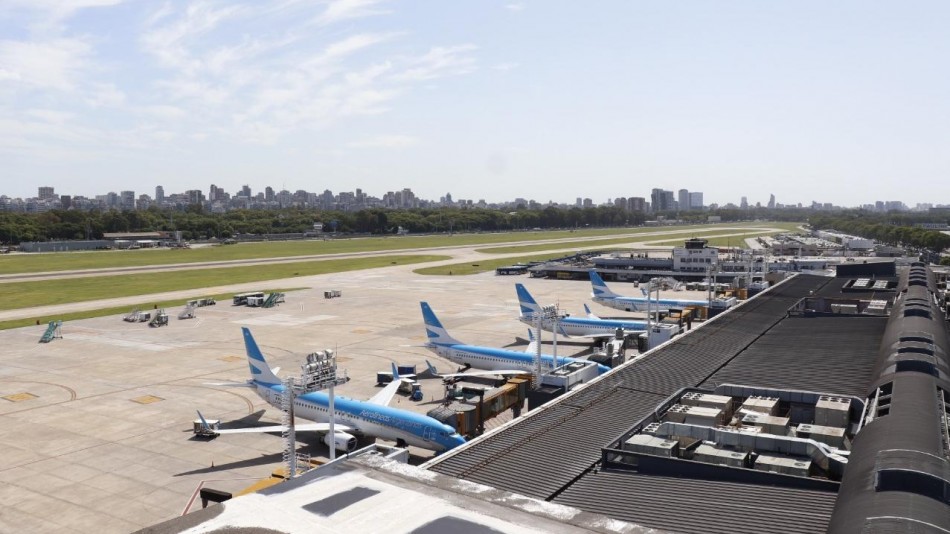
Una medida de fuerza gremial de los trabajadores aeronáuticos este Lunes 19/08 en el Aeropuerto Buenos Aires/Jorge Newbery (AEP), hay demoras y cancelaciones de vuelos de cabotaje y regionales. Los trabajadores del aeropuerto metropolitano se encuentran en asamblea por reclamos salariales tras el fracaso de las negociaciones paritarias.
La protesta de la Asociación del Personal Aeronáutico (APA) y la Unión del Personal Superior y Profesional de Empresas Aerocomerciales (UPSA), que viene reclamando un aumento para los empleados de la compañía estatal de logística de servicios de rampa Intercargo. Los sindicatos precisaron que las primeras asambleas se realizarán de 09:00 a 12:00 horas el Lunes 19/08.
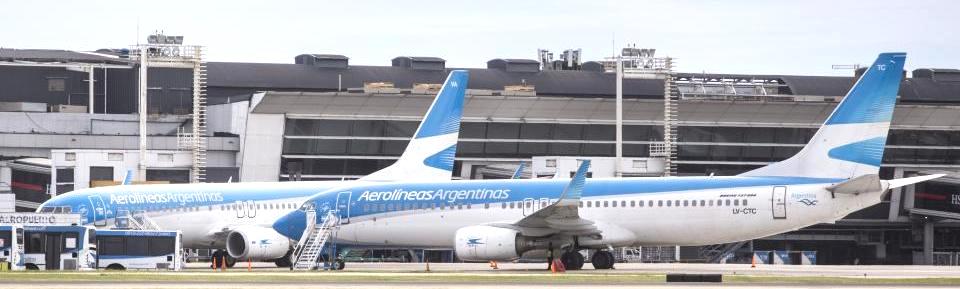
Las líneas aéreas que operan en la aeroestación de la Ciudad de Buenos Aires se verán afectadas por las medidas de fuerza gremial. Aerolíneas Argentinas ha informado que los siguientes vuelos se verían afectados debido a la asamblea convocada por los trabajadores aeronáuticos: AR1340 a Asunción, AR1494 a Salta, AR1444 a San Juan, AR1596 a San Luis, AR1450 a La Rioja, AR1474 a Tucumán, AR1382 a Montevideo, AR1806 a Trelew. La línea aérea ha anunciado que varios vuelos que se trasladaron al Aeropuerto Buenos Aires/Ezeiza (EZE) con destinos a Mar del Plata, Bariloche, Comodoro, Mendoza, Santiago de Chile y Sao Paulo. Se ofreció a los pasajeros cambiar sus vuelos sin penalidades. Aquellos que no aceptaron el cambio anticipado serán reubicados en otros vuelos del día a medida que se descomprima la situación de la programación de vuelos.
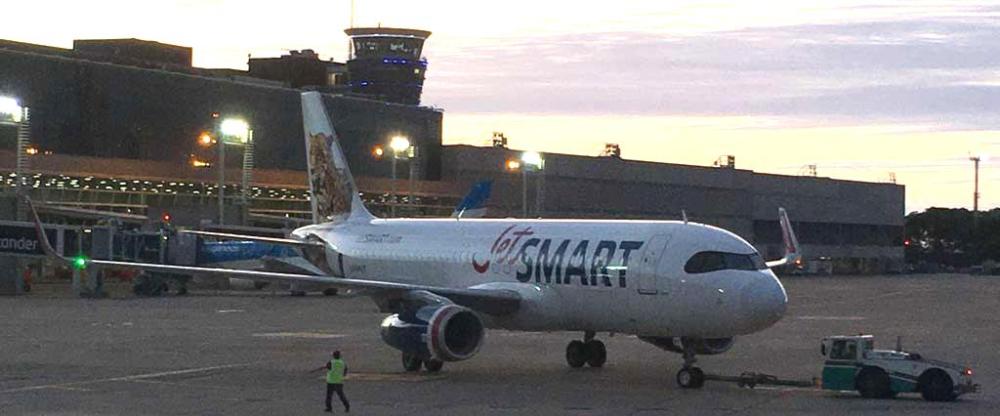
JetSMART Airlines Argentina informó que se ha visto en la necesidad de modificar el horario de partida de algunos de sus vuelos, así como el aeropuerto de partida o llegada de varios de ellos.
Actualmente, los vuelos de Flybondi Líneas Aéreas no se han visto afectados.
Se adelantaron cuatro vuelos de la primera hora de la mañana para las rutas entre Aeroparque y las ciudades de Córdoba y San Martín de los Andes. Por otra parte, otros seis vuelos debieron ser reprogramados para partir o llegar hacia el Aeropuerto Internacional de Ezeiza. La medida afecta a diez vuelos con un total de más de 1.800 pasajeros, tanto internacionales como domésticos.
Cancellations at Aeroparque
Flights canceled and delayed due to aeronautical force measures
A measure of union strength of aeronautical workers this Monday 08/19 at the Buenos Aires/Jorge Newbery Airport (AEP), there are delays and cancellations of domestic and regional flights. The workers of the metropolitan airport are in assembly over salary demands after the failure of joint negotiations.
The protest of the Aeronautical Personnel Association (APA) and the Union of Senior and Professional Personnel of Aerocommercial Companies (UPSA), which has been demanding an increase for the employees of the state ramp services logistics company Intercargo. The unions specified that the first assemblies will be held from 9:00 a.m. to 12:00 p.m. on Monday 08/19.
The airlines that operate at the Buenos Aires City airport will be affected by the union force measures. Aerolíneas Argentinas has reported that the following flights would be affected due to the assembly called by aeronautical workers: AR1340 to Asunción, AR1494 to Salta, AR1444 to San Juan, AR1596 to San Luis, AR1450 to La Rioja, AR1474 to Tucumán, AR1382 to Montevideo, AR1806 to Trelew. The airline has announced that several flights were transferred to the Buenos Aires/Ezeiza Airport (EZE) with destinations to Mar del Plata, Bariloche, Comodoro, Mendoza, Santiago de Chile, and Sao Paulo. Passengers were offered to change their flights without penalties. Those who did not accept the early change will be relocated to other flights of the day as the flight scheduling situation decompresses.
JetSMART Airlines Argentina reported that it has found it necessary to modify the departure time of some of its flights, as well as the departure or arrival airport of several of them.
Currently, Flybondi Líneas Aéreas flights have not been affected.
Four early morning flights were brought forward for the routes between Aeroparque and the cities of Córdoba and San Martín de los Andes. On the other hand, six other flights had to be rescheduled to depart or arrive at the Ezeiza International Airport. The measure affects ten flights with a total of more than 1,800 passengers, both international and domestic.
PUBLISHER: Airgways.com DBk: Aeronauticosapa.org.ar /Upsa-ospea.org.ar / Aerolineas.com / Jetsmart.com / Airgways.com AW-POST: 202408191030AR OWNERSHIP: Airgways Inc. A\W A I R G W A Y S ®
La compañía aeroespacial The Boeing Company continúa con su transformación de filosofía de trabajo introduciendo un cambio cultural en toda la compañía. El nuevo CEO Kelly Ortberg, le ha dado un reseteo y reinicio para restablecer la confianza a la mega-industria aeronáutica estadounidense. El nuevo Director de Boeing está recibiendo elogios de líderes de la industria.
En una señal de nuevos tiempos, Kelly Ortberg recibió un importante respaldo de su mayor cliente de aerolíneas en su primera semana en el cargo, al recibir elogios de Scott Kirby, CEO de United Airlines, expresando que confiaba en la recuperación de la empresa. El Director Ejecutivo de United Airlines, Scott Kirby, elogió a Kelly Ortberg en una publicación de LinkedIn del Jueves 15/08, y agregó que ambos habían almorzado juntos a principios de semana. Scott Kirby dijo que «salió con una confianza renovada de que Boeing está en el camino correcto y se recuperará más rápido de lo que la mayoría espera».
Antes que el CEO de Boeing Dave Calhoun anunciara su renuncia, Scott Kirby y otros tres directores ejecutivos de aerolíneas se reunieron con la Junta Directiva de Boeing, para expresar los problemas que enfrenta la compañía aeroespacial. Como Jefe de la aerolínea que usa más aviones Boeing que cualquier otra, el CEO de United ha hablado abiertamente sobre los problemas del fabricante de aviones a raíz de los incidentes del vuelos AS1282 en Enero 2024 de un Boeing 737-9 MAX. La postura de United ha sido crítica en estos últimos tiempos a Boeing tras los reiterados problemas de calidad en la industria aerocomercial, expresando que pondría en dudas la cartera de pedidos del Boeing 737-10 MAX, y que United buscaría alternativas después de que la explosión agravara las frustraciones con los retrasos.
Scott Kirby aplaudió el hecho de que el nuevo jefe de Boeing tenga experiencia en ingeniería, algo que muchos clientes esperaban dados los problemas de control de calidad bien documentados del fabricante de aviones en los últimos años. Por el contrario, Calhoun trabajó en finanzas, pero su propio predecesor, Dennis Muilenburg, era ingeniero, fue despedido en 2019 en medio de la anterior crisis del 737 MAX. Además, celebró planes de tener su sede en Seattle (WA), el hogar histórico de Boeing. El fabricante de aviones se fundó allí en 1916, pero en 2001 trasladó su sede a Chicago (Illinios) y luego a Arlington (Virginia) en 2022. Esa distancia entre la sede corporativa y las fábricas ha sido criticada, y los críticos dicen que llevó a que las ganancias y la velocidad de producción tuvieran prioridad sobre la calidad.
«Los más de 170.000 empleados de Boeing tienen la experiencia, el impulso y el compromiso para que la compañía vuelva a ser una de las mejores y más importantes marcas del mundo. Y Kelly es el líder adecuado para llevarlos allí», escribió Scott Kirby.
United Airlines, es actualmente el mayor cliente de Boeing en la aviación comercial, por lo que el respaldo de Scott Kirby representa un gran impulso y una renovada esperanza para la industria de la aviación comercial.
Winds of change at Boeing
Aerospace company pursues global backing
The Boeing Company is continuing its transformation of its work philosophy by introducing a company-wide cultural change. New CEO Kelly Ortberg has given the mega-American aerospace industry a reset and restart. Boeing’s new CEO is receiving praise from industry leaders.
In a sign of new times, Kelly Ortberg received a major endorsement from her largest airline customer in her first week on the job, receiving praise from United Airlines CEO Scott Kirby, expressing confidence in the company’s recovery. United Airlines CEO Scott Kirby praised Kelly Ortberg in a LinkedIn post on Thursday, adding that the two had lunched together earlier in the week. Scott Kirby said he «came away with renewed confidence that Boeing is on the right path and will recover faster than most expect».
Before Boeing CEO Dave Calhoun announced his resignation, Scott Kirby and three other airline CEOs met with Boeing’s board of directors to voice the problems facing the aerospace company. As head of the airline that uses more Boeing planes than any other, United’s CEO has been outspoken about the planemaker’s problems in the wake of the January 2024 incident on Boeing 737-9 MAX flight AS1282. United has been critical of Boeing in recent times following repeated quality issues in the airline industry, saying it would put Boeing’s 737-10 MAX order book in doubt, and that United would look for alternatives after the explosion compounded frustrations with delays.
Scott Kirby applauded the fact that Boeing’s new chief has an engineering background, something many customers had expected given the planemaker’s well-documented quality control issues in recent years. In contrast, Calhoun worked in finance, but his own predecessor, Dennis Muilenburg, was an engineer who was fired in 2019 amid the previous 737 MAX crisis. He also held plans to be based in Seattle, WA, Boeing’s historic home. The aircraft manufacturer was founded there in 1916, but moved its headquarters to Chicago, Illinois, in 2001 and then to Arlington, Virginia, in 2022. That distance between corporate headquarters and factories has been criticized, with critics saying it led to profits and production speed taking priority over quality.
«Boeing’s more than 170,000 employees have the experience, drive and commitment to make the company one of the world’s best and most important brands again. And Kelly is the right leader to take them there», Scott Kirby wrote.
United Airlines is currently Boeing’s largest customer in commercial aviation, so Scott Kirby’s endorsement represents a major boost and renewed hope for the commercial aviation industry.
PUBLISHER: Airgways.com DBk:Boeing.com / Airgways.com AW-POST: 202408171750AR OWNERSHIP: Airgways Inc. A\W A I R G W A Y S ®
Tribunal de Washington anula caso Secretos Comerciales
El Juzgado de Tacoma (WA) ha anulado el Caso de Secretos Comerciales exhonerando a The Boeing Company. Un Juez Federal de Estados Unidos anuló un pago de US$ 72 millones de Dólares a Boeing después de que se volviera a examinar un caso de propiedad intelectual. El caso de «secretos comerciales» fue desestimado porque los demandantes no probaron el valor de la información.
En 2020, Zunum Aero acusó al gigante aeronáutico de acceder a sus «secretos comerciales» y utilizar la información para diseñar sus propios aviones. Pero ese veredicto del jurado fue anulado por el juez James L. Robart del Tribunal de Distrito de los Estados Unidos para el Distrito Oeste de Washington. Dijo que Zunum Aero no había podido probar que la información en cuestión cumplía con los estándares de «secreto comercial».
El reclamante proporcionó sólo descripciones vagas y amorfas que estaban muy por debajo de proporcionar los ejemplos concretos específicos necesarios para clasificar la información como diferente de los conocimientos generalmente entendidos de la industria. «La claridad no requiere un tomo. Sin embargo, requiere que el demandante se tome el tiempo para ‘separar [sus] secretos comerciales de la otra información’ conocida o comprobable por la industria», escribió el Juez en su decisión. Debido a que el caso fracasó en la primera pregunta, la Ley determinó que no era necesario examinar cómo Boeing encontró la información y cómo se utilizó.
El juicio original ordenó a Boeing pagar a Zunum US$ 81,2 millones de Dólares por robo de secretos comerciales luego se dedujeron 20 millones, y 11,5 millones de Dólares por daños y perjuicios por interferencia comercial, relacionados con una supuesta violación de las reglas de inversión. La demanda original alegaba que Boeing había accedido a planes de negocios, datos de mercado y análisis técnicos a través de un proceso de diligencia debida «bajo el pretexto de una inversión estratégica en Zunum».
Court overturns Boeing case
Washington Court Annuls Trade Secrets Case
The Tacoma (WA) Court has annulled the Trade Secrets Case, exonerating The Boeing Company. A US Federal Judge voided a US$72 million payment to Boeing after an intellectual property case was re-examined. The «trade secrets» case was dismissed because the plaintiffs did not prove the value of the information.
In 2020, Zunum Aero accused the aviation giant of accessing its «trade secrets» and using the information to design its own planes. But that jury verdict was overturned by Judge James L. Robart of the United States District Court for the Western District of Washington. He said Zunum Aero had failed to prove that the information in question met «trade secret» standards.
The complainant provided only vague and amorphous descriptions that fell far short of providing the specific concrete examples necessary to classify the information as different from generally understood industry knowledge. «Clarity does not require a tome. However, it requires that the plaintiff take the time to ‘separate [its] trade secrets from other information’ known or verifiable to the industry», the Judge wrote in his decision. Because the case failed on the first question, the Act determined that it was not necessary to examine how Boeing found the information and how it was used.
The original lawsuit ordered Boeing to pay Zunum US$81.2 million for theft of trade secrets, then deducted US$ 20 million, and US$ 11.5 million in damages for commercial interference, related to an alleged violation of the investment rules. The original lawsuit alleged that Boeing had accessed business plans, market data and technical analysis through a due diligence process «under the guise of a strategic investment in Zunum».
PUBLISHER: Airgways.com DBk: Cityoftacoma.org / Boeing.com / Airgways.com AW-POST: 202408171743AR OWNERSHIP: Airgways Inc. A\W A I R G W A Y S ®
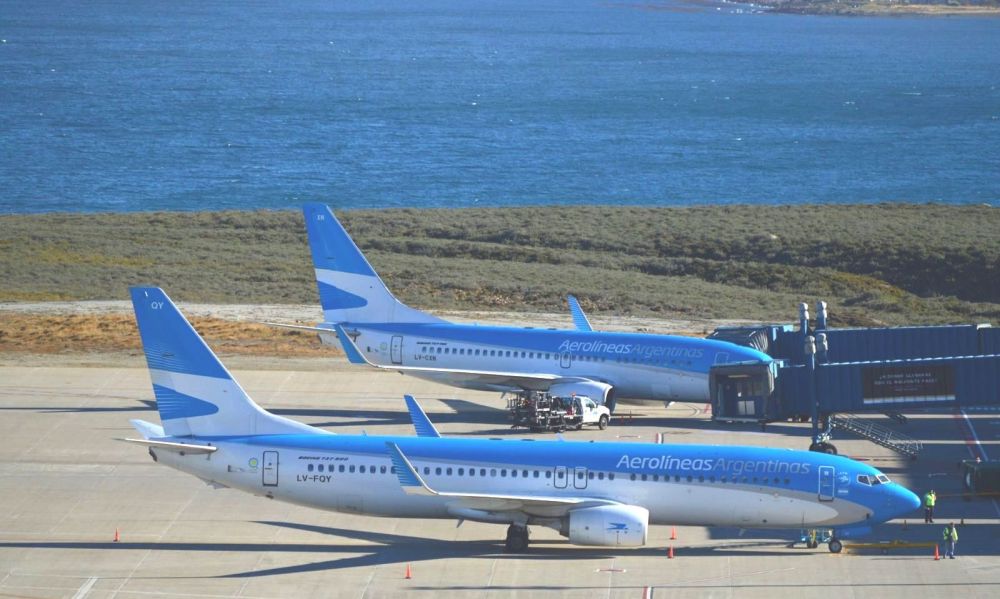
Aerolíneas Argentinas incrementará 25% oferta vuelos temporada alta
Aerolíneas Argentinas ha anunciado un aumento de las frecuencias de vuelos hacia Brasil para temporada alta verano 2025. Para la temporada alta, se espera un aumento considerable de la cantidad de pasajeros, por eso la empresa aérea aumentará las frecuencias semanales a los principales destinos turísticos del país vecino.
La aerolínea inició la venta de pasajes aéreos a los cuatro destinos de playa que opera en Brasil, con novedades en cuanto a la oferta y conectividad, incluyendo vuelos desde Córdoba (COR) y Rosario (ROS).
Desde Córdoba (COR), la compañía opera dos vuelos semanales a Río de Janeiro (GIG), con un incremento de cuatro frecuencias semanales entre los meses de Enero y Marzo 2025. También entre Enero y Marzo 2025, operará tres vuelos semanales a Florianópolis y uno semanal a Salvador de Bahía (SSA).
Desde Rosario (ROS), Aerolíneas Argentinas ofrece cuatro frecuencias semanales a Río de Janeiro (GIG) y otras tres a Florianópolis (FLN), que permanecerán activas entre Enero—Marzo 2025.
Desde Buenos Aires (AEP), la compañía opera actualmente 21 frecuencias semanales hacia Río de Janeiro (GIG), que aumentarán a 32 frecuencias durante la temporada Enero—Marzo 2025. Incorporará un vuelo extra hacia Salvador de Bahía (SSA) desde Octubre 2024, pasando así a siete frecuencias semanales. También desde Buenos Aires (AEP), habrá 14 vuelos semanales hacia Florianópolis (FLN). Actualmente, Aerolíneas opera desde Julio 2024 la ruta Buenos Aires/AEP—Porto Seguro/BPS sumará una nueva frecuencia a partir de Septiembre 2024 con dos frecuencias semanales. La oferta total de vuelos hacia Brasil para la temporada estival 2025 aumentará un 25% en comparación interanual del verano 2024.
La agencia de la ANAC Argentina ha publicado los últimos datos del mercado brasileño que muestran a Aerolíneas Argentina liderando los 113.904 pasajeros transportados durante el mes de Julio 2024, con una mejora del 17,69% respecto a los 101.097 pasajeros registrados interanual.
Aerolíneas will increase its offer by 25% in Brazil
Aerolíneas will increase its offer of flights in the high season by 25%
Aerolíneas Argentinas has announced an increase in the frequency of flights to Brazil for the high season of summer 2025. For the high season, a considerable increase in the number of passengers is expected, which is why the airline will increase the weekly frequencies to the main tourist destinations in the neighboring country.
The airline began selling air tickets to the four beach destinations it operates in Brazil, with new developments in terms of supply and connectivity, including flights from Córdoba (COR) and Rosario (ROS).
From Córdoba (COR), the company operates two weekly flights to Rio de Janeiro (GIG), with an increase of four weekly frequencies between the months of January and March 2025. Also between January and March 2025, it will operate three weekly flights to Florianópolis and one weekly flight to Salvador de Bahía (SSA).
From Rosario (ROS), Aerolíneas Argentinas offers four weekly flights to Rio de Janeiro (GIG) and three to Florianópolis (FLN), which will remain active between January and March 2025.
From Buenos Aires (AEP), the company currently operates 21 weekly flights to Rio de Janeiro (GIG), which will increase to 32 flights during the January-March 2025 season. It will incorporate an additional flight to Salvador de Bahía (SSA) from October 2024, thus increasing to seven weekly flights. Also from Buenos Aires (AEP), there will be 14 weekly flights to Florianópolis (FLN). Currently, Aerolíneas operates the Buenos Aires/AEP—Porto Seguro/BPS route from July 2024 and will add a new frequency from September 2024 with two weekly flights. The total offer of flights to Brazil for the 2025 summer season will increase by 25% compared to the 2024 summer season.
The ANAC Argentina agency has published the latest data for the Brazilian market, which shows Aerolíneas Argentina leading the way with 113,904 passengers transported during the month of July 2024, with an improvement of 17.69% compared to the 101,097 passengers registered year-on-year.
PUBLISHER: Airgways.com DBk: Aerolineas.com / Argentina.gob.ar/anac / Airgways.com AW-POST: 202408160957AR OWNERSHIP: Airgways Inc. A\W A I R G W A Y S ®




















 airgways.com