Spirit y Frontier retoman negociaciones posible sinergia
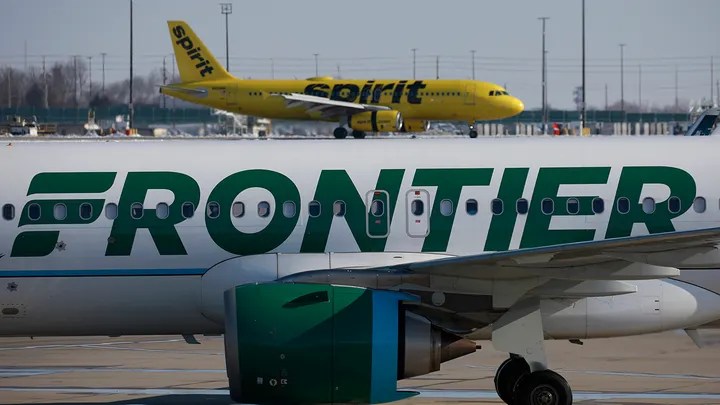
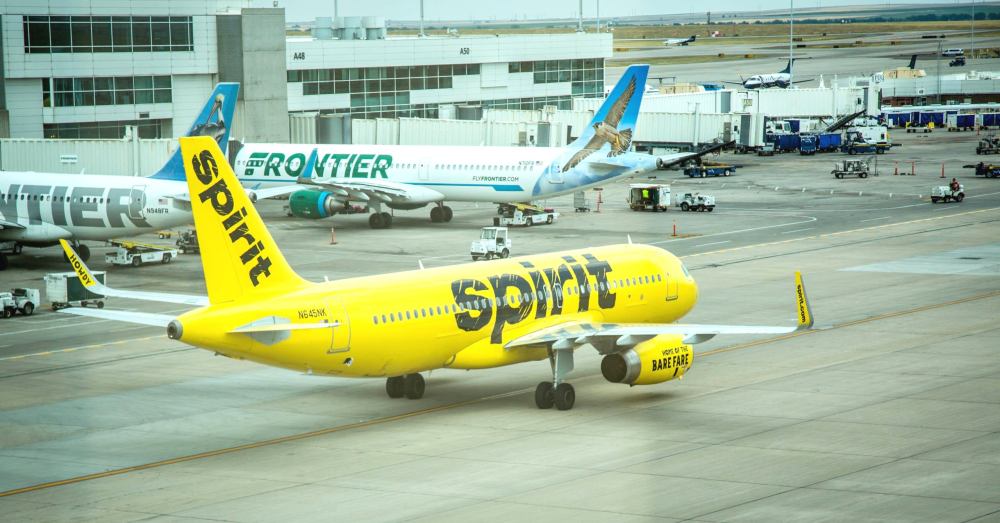
Spirit Airlines y Frontier Airlines han reanudado las negociaciones por una posible fusión. Las conversaciones han estado en la mesa de negocios de manera intermitentes desde 2016. En Febrero de 2022, las empresas anunciaron un acuerdo de fusión definitivo valorado en US$ 2.900 millones de Dólares, cayendo el acuerdo en Junio 2024. Spirit había abandonado ese acuerdo por otra oferta de otro rival de bajo costo JetBlue Airways. Pero después de que un Juez Federal bloqueó la fusión por preocupaciones de que la combinación de las dos aerolíneas de bajo costo sería anticompetitiva, Spirit y JetBlue cancelaron su acuerdo de US$ 3.800 millones de Dólares en Marzo 2024. Desde entonces, Spirit ha luchado por encontrar su equilibrio, mientras que a JetBlue no le está yendo mucho mejor.
A principios de Octubre 2024, las acciones de Spirit se desplomaron tras los informes de que pronto podría declararse en bancarrota. Durante meses se ha especulado que Spirit podría estar acercándose a la insolvencia. Sin embargo, en una presentación regulatoria el viernes, la compañía dijo que retrasó su plazo para refinanciar aproximadamente US$ 1.100 millones de Dólares en deuda hasta el 23 de Diciembre de 2024. Spirit también dijo que había tomado prestada la totalidad de una línea de crédito renovable de US$ 300 millones de Dólares que había establecido en Marzo de 2020. Está previsto que los préstamos en el marco de esa línea venzan a finales de Septiembre de 2026. La compañía también reiteró que espera terminar 2024 con más de US$ 1.000 millones de Dólares en liquidez.
Spirit-Frontier restart negotiations
Spirit and Frontier restart negotiations over possible synergy
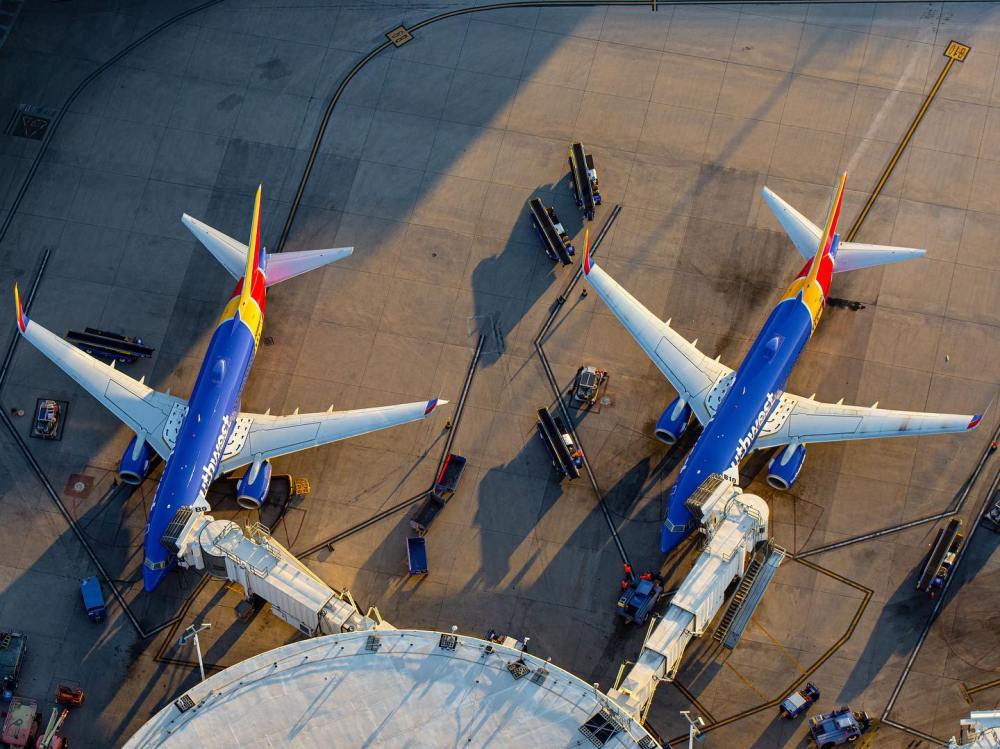
Spirit Airlines and Frontier Airlines have resumed negotiations over a possible merger. Talks have been on the table on and off since 2016. In February 2022, the companies announced a definitive merger agreement valued at US$ 2.9 billion, with the deal set to close in June 2024. Spirit had abandoned that deal in favor of another offer from fellow low-cost rival JetBlue Airways. But after a federal judge blocked the merger over concerns that combining the two low-cost carriers would be anti-competitive, Spirit and JetBlue called off their US$ 3.8 billion deal in March 2024. Since then, Spirit has struggled to find its footing, while JetBlue isn’t faring much better.
In early October 2024, Spirit’s stock plummeted following reports that it may soon file for bankruptcy. There has been speculation for months that Spirit may be nearing insolvency. However, in a regulatory filing on Friday, the company said it has pushed back its deadline to refinance approximately US$ 1.1 billion in debt to December 23, 2024. Spirit also said it had borrowed in full from a US$ 300 million revolving credit facility it had established in March 2020. Borrowings under that facility are scheduled to mature at the end of September 2026. The company also reiterated that it expects to end 2024 with more than US$ 1 billion in liquidity.
PUBLISHER: Airgways.com DBk: Spirit.com / Flyfrontier.com / Airgways.com AW-POST: 202410232027AR OWNERSHIP: Airgways Inc. A\W A I R G W A Y S ®
AW | 2024 10 23 20:11 | AIRLINES MARKET / GOVERNMENT
Solicita a aerolíneas centroasiáticas que realicen vuelos nacionales
Ante la escasez de aviones debido a las sanciones occidentales, Rusia está en conversaciones con algunos países de Asia Central para que sus aerolíneas realicen vuelos nacionales y ayuden a satisfacer un repunte de la demanda de viajes. Las aerolíneas rusas, que utilizan muchos aviones occidentales entregados antes de la guerra de Ucrania, tienen dificultades para satisfacer la creciente demanda de transporte aéreo, ya que las sanciones dificultan el acceso a las piezas y la producción nacional tarda en aumentar.
El Ministro de Transportes de la Federación Rusia, Roman Starovoit, declaró la semana pasada que el país estaba en conversaciones con los llamados países «amigos», entre ellos Kazajstán, sobre la posibilidad de que aerolíneas extranjeras operen vuelos nacionales, según informaron las agencias de noticias rusas. Rusia también se ha puesto en contacto con Uzbekistán, que está estudiando la propuesta, según declaró a Reuters una fuente del gobierno uzbeko. «Hasta la fecha, no ha habido ninguna petición oficial de la parte rusa al respecto», declaró el Ministerio de Transportes de Kazajstán. Las autoridades de Tayikistán y Kirguistán tampoco han recibido ninguna petición oficial. El Ministerio de Transportes de Kazajstán declaró que se centraba en satisfacer la creciente demanda interna, donde el tráfico de pasajeros ha aumentado un 15% respecto al año pasado.
Artem Zhavoronkov, socio del bufete de abogados ruso Nordic Star, afirmó que es poco probable que las aerolíneas centroasiáticas quieran arriesgarse a operar vuelos nacionales rusos, ya que ello podría acarrearles a su vez sanciones occidentales. «Es un riesgo grave y casi ninguna gran empresa de los países vecinos estará dispuesta a aceptarlo», dijo Artem Zhavoronkov.
En 2022, las aerolíneas rusas vieron caer el número de pasajeros un 14,7%, hasta 94,7 millones, debido a las sanciones occidentales y a que gran parte de Europa les cerró su espacio aéreo. Tras un repunte del 11,3% en 2023, el número de pasajeros va camino de volver a dispararse este año, según datos de Rosaviatsia, el organismo de control de la aviación civil rusa.
Moscú planea suministrar a las aerolíneas rusas hasta 1.000 aviones de fabricación nacional de aquí a 2030, pero los lanzamientos de producción se posponen constantemente. Sergei Chemezov, Jefe del conglomerado estatal Rostec, declaró el Miércoles 23/10 ante el Parlamento que la producción en serie del avión MS-21 y del Superjet New comenzaría en 2025 y 2026, respectivamente.
Actualmente, las normas rusas sólo permiten a las aerolíneas extranjeras volar entre ciudades rusas y aeropuertos extranjeros. Una fuente de la industria aeronáutica afirmó que las aerolíneas extranjeras podrían tener dificultades para obtener la aprobación de arrendadores y aseguradoras aunque se actualicen las normas.
Russia faces air transport shortage
Russia asks Central Asian airlines to operate domestic flights
Faced with a shortage of aircraft due to Western sanctions, Russia is in talks with some Central Asian countries to have their airlines operate domestic flights to help meet a surge in travel demand. Russian airlines, which use many Western planes delivered before the Ukraine war, are struggling to meet rising demand for air transport as sanctions hamper access to parts and domestic production is slow to ramp up.
Russian Transport Minister Roman Starovoit said last week that the country was in talks with so-called «friendly» countries, including Kazakhstan, about the possibility of foreign airlines operating domestic flights, Russian news agencies reported. Russia has also been in contact with Uzbekistan, which is studying the proposal, an Uzbek government source told Reuters. «So far, there has been no official request from the Russian side in this regard», the Kazakh Ministry of Transport said. The authorities in Tajikistan and Kyrgyzstan have also not received any official requests. The Kazakh Ministry of Transport said it was focusing on meeting growing domestic demand, where passenger traffic has increased by 15% compared to last year.
Artem Zhavoronkov, a partner at Russian law firm Nordic Star, said Central Asian airlines are unlikely to want to risk operating Russian domestic flights as this could in turn bring them Western sanctions. «It is a serious risk and almost no large company from neighbouring countries will be willing to take it«, Artem Zhavoronkov said.
In 2022, Russian airlines saw passenger numbers fall by 14.7% to 94.7 million due to Western sanctions and much of Europe closing its airspace to them. After a 11.3% surge in 2023, passenger numbers are on track to soar again this year, according to data from Rosaviatsia, Russia’s civil aviation watchdog.
Moscow plans to supply Russian airlines with up to 1,000 domestically-made aircraft by 2030, but production launches are constantly being postponed. Sergei Chemezov, head of state-owned conglomerate Rostec, told parliament on Wednesday that serial production of the MS-21 and Superjet New aircraft would begin in 2025 and 2026, respectively.
Currently, Russian rules only allow foreign airlines to fly between Russian cities and foreign airports. An aviation industry source said foreign airlines could struggle to get approval from lessors and insurers even if the rules are updated.
PUBLISHER: Airgways.com DBk: Government.ru / Airgways.com AW-POST: 202410232011AR OWNERSHIP: Airgways Inc. A\W A I R G W A Y S ®
Boeing presenta resultados trimestrales 3Q2024 Empleados votarían posible levantamiento huelga
The Boeing Company presentará este Miércoles 23/10 sus resultados del Tercer Trimestre (3Q2024), el mismo día en el que sus empleados en Estados Unidos votarán si aceptan o no la propuesta de la compañía de subir un 35% los salarios después de casi un mes y medio de una huelga que ha terminado de debilitar la estructura del gigante aeronáutico.
Hasta Junio 2024, la compañía aeroespacial perdió US$ 1.794 millones de Dólares/€ 1.654 millones de Euros, el triple que un año antes, en un contexto marcado por la crisis de seguridad que vivía desde que el 5 de Enero de 2024 un avión Boeing 737-9 MAX del vuelo AS1282 de Alaska Airlines perdiera parte de su fuselaje al desprenderse la Puerta Trasera izquierda posterior de la aeronave comercial, resultando ilesos pasajeros y tripulación. Entonces anunció cambios en su cúpula Directiva y el nombramiento de su nuevo Consejero Delegado, Kelly Ortberg, que tendría el propósito de sanear la compañía después de unos años convulsos.
Una de las primeras medidas anunciadas por el nuevo directivo fue la reducción de la plantilla en un 10%, lo que supone unos 17.000 empleos, incluyendo directivos, gerentes y empleados. Mientras tanto, Boeing ha tenido que hacer frente a otro problema: Unos 33.000 trabajadores de la compañía en el área de Seattle, Estados Unidos, comenzaron el 13 de Septiembre de 2024 una huelga indefinida para que la empresa accediera a actualizar los salarios tras 16 años de congelación, lo que coincide con la última huelga convocada en la compañía.
Boeing aseguraba que cumplir la demanda de elevar un 40% los salarios no era posible y los empleados no querían aceptar menos. Pasadas cinco semanas desde el inicio de los paros y gracias a la intermediación de la Casa Blanca, el fabricante ha ofertado a sus trabajadores una subida salarial del 35%, algo aceptable para el sindicato, quien someterá la propuesta a votación este mismo Miércoles 23/10. En concreto, el preacuerdo recoge una subida del 35% repartida en cuatro años, una bonificación anual garantizada del 4% y una bonificación adicional de US$ 7.000 Dólares/€ 6.449 Euros si finalmente es aceptado.
La huelga ha costado a Boeing decenas de miles de millones de Dólares y las agencias de calificación crediticia han avisado del riesgo de acabar siendo catalogada como ‘basura’. La compañía no descarta hacer una ampliación de capital para tratar de salvar las cuentas.
El contexto actual tiene precedentes incluso antes de la pandemia. Entre Octubre de 2018 y Marzo de 2019 dos aviones del modelo 737-8 MAX de diferentes compañías sufrieron accidentes aéreos que se cobraron la vida de 346 personas en su conjunto. Tras el segundo de estos accidentes, las autoridades internacionales de transporte aéreo paralizaron toda la flota mundial de este modelo, causando pérdidas milmillonarias a las compañías aéreas e iniciando una investigación sobre Boeing que destaparía una serie de brechas de seguridad. La flota de 737 MAX no vio levantado el veto por parte de la Administración Federal de Aviación (FAA) de Estados Unidos hasta finales de 2020.
Boeing presents 3Q2024 results
Presents quarterly results amid employees voting to lift strike
The Boeing Company will present its Third Quarter (3Q2024) results this Wednesday 23/10, the same day that its employees in the United States will vote on whether or not to accept the company’s proposal to raise salaries by 35% after almost a month and a half of a strike that has ended up weakening the structure of the aeronautical giant.
By June 2024, the aerospace company had lost US$ 1,794 million dollars/€ 1,654 million euros, three times more than a year earlier, in a context marked by the safety crisis it had been experiencing since January 5, 2024, when a Boeing 737-9 MAX aircraft from Alaska Airlines flight AS1282 lost part of its fuselage when the rear left rear door of the commercial aircraft came loose, leaving passengers and crew unharmed. It then announced changes in its management team and the appointment of its new CEO, Kelly Ortberg, who would aim to clean up the company after a few turbulent years.
One of the first measures announced by the new manager was the reduction of the workforce by 10%, which represents about 17,000 jobs, including executives, managers, and employees. Meanwhile, Boeing has had to deal with another problem: Some 33,000 company workers in the Seattle area, United States, began an indefinite strike on September 13, 2024, to force the company to agree to update wages after 16 years of freezing, which coincides with the last strike called in the company.
Boeing claimed that meeting the demand to raise wages by 40% was not possible and employees did not want to accept less. Five weeks after the start of the strikes and thanks to the mediation of the White House, the manufacturer has offered its workers a 35% salary increase, something acceptable to the union, who will submit the proposal to a vote this Wednesday 23/10. Specifically, the pre-agreement includes a 35% increase spread over four years, a guaranteed annual bonus of 4%, and an additional bonus of US$ 7,000 Dollars/€ 6,449 Euros if it is finally accepted.
The strike has cost Boeing tens of billions of dollars and credit rating agencies have warned of the risk of being classified as ‘junk’. The company has not ruled out making a capital increase to try to save its accounts.
The current context has precedents even before the pandemic. Between October 2018 and March 2019, two 737-8 MAX model aircraft from different companies suffered air accidents that claimed the lives of 346 people in total. After the second of these accidents, international air transport authorities paralyzed the entire global fleet of this model, causing billions of dollars in losses to airlines and starting an investigation into Boeing that would uncover a series of security breaches. The 737 MAX fleet was not banned by the United States Federal Aviation Administration (FAA) until the end of 2020.
PUBLISHER: Airgways.com DBk: Boeing.com / Airgways.com AW-POST: 202410221633AR OWNERSHIP: Airgways Inc. A\W A I R G W A Y S ®
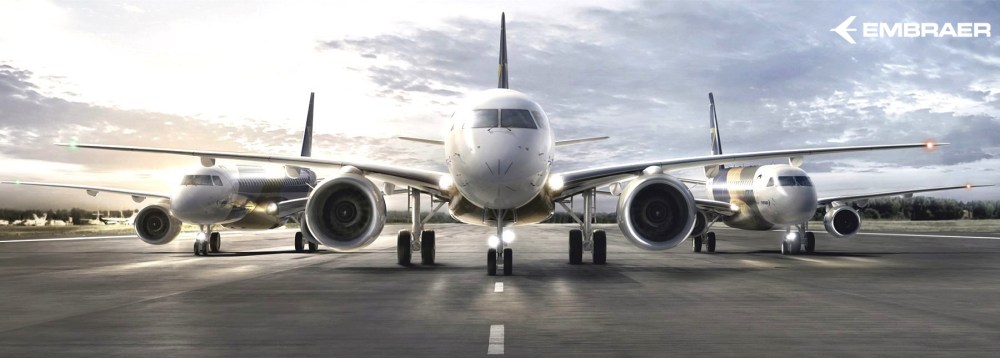
El fabricante brasileño Embraer SA ha entregado un total de 57 aviones en el tercer trimestre, un aumento del 33% en comparación con el mismo período del año pasado y del 24% con respecto al año anterior trimestre. Por segmentos de negocio, en el área de aviación comercial entregó 16 aviones y otros 41 aviones de aviación ejecutiva. Mientras tanto, en el segmento de defensa y seguridad entregó 2 aviones C-390 Millennium durante el trimestre, el primer avión a Hungría y el séptimo a Brasil. La cartera de pedidos de toda la empresa alcanzó valores por US$ 22.700 millones de Dólares/€ 20.923 millones de Euros en el tercer trimestre, un 25% más que en el mismo trimestre del año anterior y su nivel máximo en nueve años. La disminución nominal de la cartera de pedidos desde su nivel máximo histórico se puede explicar por un crecimiento más fuerte (mayores entregas) y un período estacionalmente más lento para las ventas debido al verano en el hemisferio norte.
En la categoría de Jets Ejecutivos, las entregas alcanzaron las 41 unidades y aumentaron más del 45% interanual y más del 50% intertrimestral. La cartera de pedidos de la unidad de negocios alcanzó los US$ 44.400 millones de Dólares/€ 4.050 millones de Euros durante el trimestre, un 3% más interanual. Los jets medianos y supermedianos Praetor 500 y Praetor 600 representaron cerca de la mitad de las entregas del segmento (19 jets) impulsados por el impulso positivo de esta familia de aeronaves. Mientras tanto, el Phenom 300, el avión más vendido en su categoría durante 12 años consecutivos en todo el mundo, fue una vez más el de mejor desempeño (18 jets) durante el trimestre.
En la Aviación Comercial, las entregas alcanzaron los 16 aviones, apoyados por 12 unidades de la familia E2 y 4 de la familia E1 durante el período, lo que representa un aumento de más del 5% interanual. El punto destacado fue la entrega del primer avión E2 en virtud de un contrato firmado con un arrendador para abastecer a la aerolínea polaca LOT Polish Airlines. El acuerdo incluye dos aviones más antes de fin de año. Además, Virgin Australia realizó un pedido en firme de ocho aviones pequeños de fuselaje estrecho E190-E2 durante el trimestre. En consecuencia, la cartera de pedidos del segmento alcanzó los US$ 11.100 millones de Dólares/€ 10.231 millones de Euros en el tercer trimestre de 2024, casi un 30% más interanual.
Defensa y Seguridad registró el mayor aumento en la cartera de pedidos, seguido de Servicios y Soporte, mientras que Aviación Ejecutiva y Comercial registraron disminuciones marginales. La Fuerza Aérea húngara recibió su primer C-390 Millennium y la Fuerza Aérea brasileña recibió su séptima unidad. Además, se firmó un nuevo contrato en firme para la adquisición de nueve aviones C-390 con los Países Bajos y Austria. El impulso positivo se trasladó al A-29 Super Tucano, con contratos de venta firmados con Paraguay y Uruguay. La cartera de pedidos del segmento alcanzó los US$ 3.600 millones de Dólares/€ 3.38 millones de Euros, un aumento de alrededor de US$ 1.500 millones de Dólares/€ 1.382 millones de Euros o alrededor del 70% tanto intertrimestral como interanual.
La cartera de pedidos de Servicios y Soporte alcanzó los 3.500 millones de dólares (3.226 millones de euros), lo que supone un aumento de más del 25% interanual y más del 10% respecto al trimestre anterior.
La empresa anunció en el tercer trimestre la expansión de su red de soporte al cliente en la región Asia-Pacífico a través de asociaciones con SIA Engineering Corporation y Fokker Services Asia, y en Estados Unidos con una inversión directa en nuevas instalaciones en Texas.
Embraer invertirá US$ 64 millones en nuevas instalaciones en Texas (EEUU) para dar soporte a su creciente flota comercial. Embraer ampliará su capacidad de MRO en Fort Worth, Texas, creando 250 empleos y aumentando en un 53% el soporte a la flota de E-Jets en Estados Unidos.
Embraer invertirá US$ 70 millones de Dólares/€ 64,3 millones de Euros en la ampliación de su red de servicios de mantenimiento, reparación y revisión (MRO) mediante la apertura de un nuevo centro de servicios en el Aeropuerto Perot Field Alliance, en Fort Worth (Texas), para dar soporte a la creciente flota de E-Jets en Estados Unidos.
Con las nuevas instalaciones, la capacidad del fabricante para atender a los clientes de E-Jets aumentará en un 53% en el país norteamericano. Además, creará aproximadamente 250 nuevos puestos de trabajo en el sector de la aviación en Texas.
En colaboración con la ciudad de Fort Worth, el condado de Denton y el Estado de Texas, Embraer espera comenzar a operar en un hangar existente a principios del segundo trimestre de 2025, mientras construye un segundo hangar que deberá estar acabado en 2027.
Así, el nuevo centro de servicio de Fort Worth se sumará a la red global de la compañía brasileña, que incluye 80 centros autorizados y 12 centros de servicio propios en todo el mundo.
«Estamos muy contentos de recibir la aprobación final para esta importante expansión de nuestro negocio de MRO que apoya nuestra continua inversión en el mercado estadounidense», según el Presidente y Consejero Delegado de Embraer Services & Support, Carlos Naufel.
La ciudad de Texas ha sido seleccionada como ubicación finalista para el proyecto propuesto, sujeto a la aprobación por parte de las autoridades gubernamentales locales de ciertos incentivos propuestos.
Embraer deliveries 33% in 3Q2024
Embraer delivered 57 aircraft through September 2024
Brazilian manufacturer Embraer SA has delivered a total of 57 aircraft in the third quarter, an increase of 33% compared to the same period last year and 24% compared to the previous quarter. By business segment, in the commercial aviation area it delivered 16 aircraft and another 41 executive aviation aircraft. Meanwhile, in the defense and security segment it delivered 2 C-390 Millennium aircraft during the quarter, the first aircraft to Hungary and the seventh to Brazil. The company-wide order book reached values of US$ 22.7 billion Dollars/€ 20.923 billion Euros in the third quarter, 25% more than in the same quarter of the previous year and its highest level in nine years. The nominal decline in the order book from its all-time high can be explained by stronger growth (higher deliveries) and a seasonally slower period for sales due to the summer in the Northern Hemisphere.
In the Business Jets category, deliveries reached 41 units and increased by more than 45% year-on-year and more than 50% quarter-on-quarter. The business unit’s order book reached US$44.4 billion/€4.05 billion during the quarter, up 3% year-on-year. The Praetor 500 and Praetor 600 midsize and super-midsize jets accounted for close to half of the segment’s deliveries (19 jets) driven by the positive momentum of this aircraft family. Meanwhile, the Phenom 300, the best-selling aircraft in its category for 12 consecutive years worldwide, was once again the best performer (18 jets) during the quarter.
In Commercial Aviation, deliveries reached 16 aircraft, supported by 12 E2 Family and 4 E1 Family units during the period, representing an increase of more than 5% year-on-year. The highlight was the delivery of the first E2 aircraft under a contract signed with a lessor to supply Polish carrier LOT Polish Airlines. The agreement includes two more aircraft before the end of the year. In addition, Virgin Australia placed a firm order for eight E190-E2 small narrow-body aircraft during the quarter. Consequently, the segment’s order book reached US$ 11.1 billion USD/€ 10.23 billion EUR in 3Q2024, up almost 30% year-on-year.
Defence & Security recorded the largest increase in order book, followed by Services & Support, while Business and Commercial Aviation recorded marginal declines. The Hungarian Air Force received its first C-390 Millennium and the Brazilian Air Force received its seventh unit. In addition, a new firm contract for the acquisition of nine C-390 aircraft was signed with the Netherlands and Austria. The positive momentum carried over to the A-29 Super Tucano, with sales contracts signed with Paraguay and Uruguay. The order book for the segment reached US$3.6 billion/€3.38 billion, an increase of around US$1.5 billion/€1.38 billion or around 70% both quarter-on-quarter and year-on-year.
The Services and Support order book reached US$ 3.5 billion/€ 3.226 billion, an increase of more than 25% year-on-year and more than 10% compared to the previous quarter.
The company announced in the third quarter the expansion of its customer support network in the Asia-Pacific region through partnerships with SIA Engineering Corporation and Fokker Services Asia, and in the United States with a direct investment in new facilities in Texas.
Embraer will invest US$ 64 million in new facilities in Texas (USA) to support its growing commercial fleet. Embraer will expand its MRO capacity in Fort Worth, Texas, creating 250 jobs and increasing support for the E-Jets fleet in the United States by 53%
Embraer will invest US$ 70 million Dollars/€ 64.3 million Euros in the expansion of its maintenance, repair and overhaul (MRO) services network by opening a new service center at Perot Field Alliance Airport, in Fort Worth (Texas), to support the growing fleet of E-Jets in the United States.
With the new facility, the manufacturer’s capacity to serve E-Jets customers will increase by 53% in the North American country. It will also create approximately 250 new jobs in the aviation sector in Texas.
In collaboration with the City of Fort Worth, Denton County, and the State of Texas, Embraer expects to begin operations in an existing hangar in early Q2 2025, while constructing a second hangar that is due to be completed in 2027.
The new Fort Worth service center will thus join the Brazilian company’s global network, which includes 80 authorized centers and 12 owned service centers around the world.
«We are very pleased to receive final approval for this important expansion of our MRO business that supports our continued investment in the U.S. market», according to Embraer Services & Support President and CEO Carlos Naufel.
The Texas city has been selected as a finalist location for the proposed project, subject to approval by local government authorities of certain proposed incentives.
PUBLISHER: Airgways.com DBk: Embraer.com / Airgways.com AW-POST: 202410221625AR OWNERSHIP: Airgways Inc. A\W A I R G W A Y S ®
Elliott y Southwest Airlines inician conversaciones
Elliott Investment Management y Southwest Airlines inician conversaciones para evitar una batalla por el consejo. El accionista Elliott ha iniciado conversaciones conla compañía aérea para potencialmente evitar una pugna por el control del Consejo de Administración de la aerolínea. El objetivo de estas negociaciones es alcanzar un acuerdo que podría evitar una batalla más extensa por los puestos en el consejo. Las discusiones se encuentran aún en una fase inicial, y los detalles del posible acuerdo no se han hecho públicos.
Representantes de Elliott y Southwest Airlines están actualmente participando en estas negociaciones. El resultado de estas conversaciones podría tener importantes repercusiones en la gobernanza y la dirección estratégica de la aerolínea. Por el momento, los términos exactos y el avance de las discusiones se mantienen en estricta confidencialidad.
La resolución de este conflicto potencial será crucial para el futuro de Southwest Airlines, que podría influir en las decisiones estratégicas y operativas de la compañía en un momento en que la industria aérea enfrenta desafíos significativos.
Talks at Southwest
Elliott and Southwest Airlines begin talks
Elliott Investment Management and Southwest Airlines begin talks to avoid a battle for the board. Shareholder Elliott has begun talks with the airline to potentially avoid a fight for control of the airline’s Board of Directors. The goal of these negotiations is to reach an agreement that could avoid a more extensive battle for board seats. The discussions are still in an early phase, and the details of the potential agreement have not been made public.
Representatives of Elliott and Southwest Airlines are currently participating in these negotiations. The outcome of these talks could have important implications for the airline’s governance and strategic direction. At this time, the exact terms and progress of the discussions are being kept strictly confidential.
The resolution of this potential conflict will be crucial to the future of Southwest Airlines, which could influence the company’s strategic and operational decisions at a time when the airline industry is facing significant challenges.
PUBLISHER: Airgways.com DBk: Southwest.com / Elliottmgmt / Airgways.com AW-POST: 202410221617AR OWNERSHIP: Airgways Inc. A\W A I R G W A Y S ®
AW | 2024 10 21 11:24 | AIRLINES MARKET / GOVERNMENT
Argentina emerge hacia apertura mercado aéreo
En el marco de la política de cielos abiertos y en medio del conflicto con Aerolíneas Argentinas, el Secretario de Transporte, Franco Mogetta, anunció que la empresa de vuelos chárter American Jet Líneas Aéreas sumará nueve aeronaves a partir de inicios del próximo año para hacer vuelos regionales regulares. Por su parte, el Ministro de Desregulación y Transformación del Estado, Federico Sturzenegger, agregó que una nueva aerolínea, que sería Humming Airways, conectará distintas ciudades del interior de la Provincia de Buenos Aires en las próximas semanas.
“Se siguen incrementando rutas que darán más conectividad a los argentinos y también nuevas fuentes de trabajo. La libre competencia con reglas claras hará grande al país. El monopolio que estamos destruyendo nada bueno ha generado”, afirmó Franco Mogetta vía la red social X, al compartir la búsqueda de personal iniciada por American Jet por el arribo de los nueve aviones.
“American Jet requerirá nuevas tripulaciones para la operación de nueve aeronaves nuevas de entre 50 y 100 asientos, que ingresarán a la flota de la compañía a partir de inicios de 2025. De acuerdo al plan de rutas aéreas regulares regionales a iniciar próximamente, abrimos el proceso de recepción de candidaturas para la convocatoria de selección de pilotos/tripulantes de cabina/mecánicos. Requisito mínimo de horas de vuelo para pilotos: 1500 horas/500 horas en multimotor”, dice el aviso.
Autoridades de la firma confirmaron los planes de expansión y dijeron que están en pleno desarrollo, por lo que por ahora no harán más comentarios hasta la llegada de las primeras aeronaves hacia fin de año. Los aviones regionales se utilizan para viajes cortos entre ciudades pequeñas o de una ciudad grande a otra más pequeña.
En el caso de American Jet, la empresa había realizado vuelos regionales en el pasado. Sin embargo, desde la pandemia de Covid-19 solo realizaba vuelos chárter, ejecutivos, sanitarios y de trabajo con bases en el Aeroparque Jorge Newbery, San Fernando, Neuquén y Mendoza.
Otra aerolínea toma forma, Humming Airways, la nueva empresa, con sede en Tandil, Provincia de Buenos Aires, uniría esa ciudad y otros destinos provinciales como Junín, Olavarría, Buenos Aires/Jorge Newbery, y Venado Tuerto, Provincia de Santa Fe.
Desde el Gobierno han manifestado el fuerte interés por recuperar el mercado doméstico. Las aéreas low cost han manifestado la incorporación de más capacidad aérea. Flybondi incorporará cinco aviones Boeing 737 Next Generation adicionales, mientras que JetSMART Argentina también sumaría nuevos aviones.
Flybondi traerá al país desde el exterior aviones alquilados bajo la modalidad ACMI (Aircraft, Crew, Maintenance and Insurance). La línea aérea de bajo costo ha presentado la documentación, aunque resta completar algo del contrato que luego deberá pasar por distintas instancias de aprobación por parte de la Administración Nacional de Aviación Civil (ANAC) de Argentina. Aunque habían informado la incorporación de cinco aviones finalmente incorporarían un número de siete aeronaves, dos de España y cinco de Lituania.
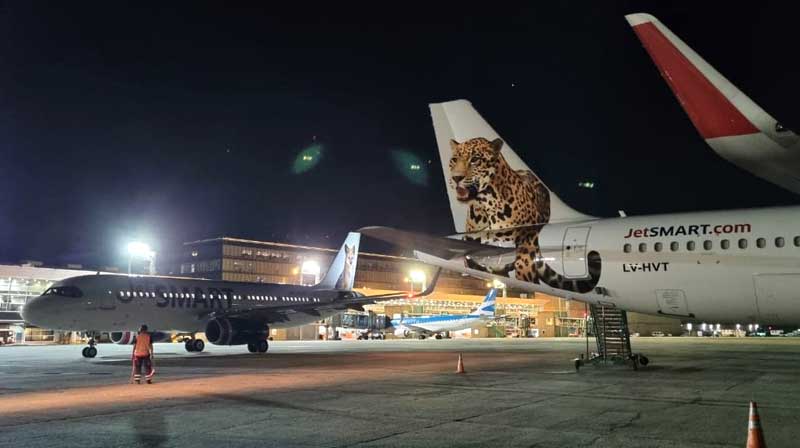
Mientras tanto, JetSMART Airlines Argentina ha tomado entrega el Domingo 20/10 del segundo avión de matrícula chilena que está incorporando a su flota de diez aviones, con los que ofrecerá más de 236 vuelos semanales en veinte rutas, tanto dentro de la Argentina como hacía cinco países de la región en Sudamérica.
Hace un mes, autoridades del Gobierno se reunieron con representantes de ambas compañías en busca de que operen más rutas en el país para disputarle participación de mercado a Aerolíneas Argentinas. La aerolínea de bandera representa actualmente casi el 70% del mercado doméstico y si dejara de operar por el conflicto paritario o por medidas de fuerza por una eventual privatización, unas 18 rutas quedarían sin conectividad.
LATAM Argentina El Ministro de Desregulación y Transformación del Estado, Federico Sturzenegger dijo que LATAM Airlines Argentina podría volver a volar en la Argentina. En una reunión con empresarios de las pyme, el Ministro de Desregulación contó que la aerolínea, cuya filial local se fue del país en Febrero de 2021, debido a un fuerte conflicto de idiología política, le había planteado la posibilidad de cubrir destinos como Córdoba y Mendoza, ante la nueva normativa aeronáutica que autoriza a operar con matrícula extranjera.
El LATAM Group, de capitales chilenos-brasileños, podría volver a volar en el mercado de cabotaje argentino después de casi cuatro años. LATAM Argentina, la filial local del grupo, anunció definitivamente su partida del país en Febrero de 2021, luego de parar en Junio de 2020 en medio de tensiones con los gremios y dificultades para operar en un contexto que favorecía a Aerolíneas Argentinas, manejada en ese momento por la agrupación política militante de La Cámpora. Fastidiada por el conflicto y las trabas que generaban como por ejemplo cuando aterrizaban en los aeropuertos y sus pasajeros se veían obligados a esperar hasta 45 minutos o más arriba del avión porque el servicio de rampas, de la estatal Intercargo, se demoraba en acercar la escalera; mientras también tenían un frente de conflictos con el reclamo de los hangares de LATAM en Aeroparque, que Aerolíneas Argentinas detentaba para su adquisición. Además, habían sufrido la cancelación de la ruta Rosario/ROS—Lima/LIM con la filial LATAM Perú.
Tras la celebración de la reunión empresarial en la sede de la Cámara Argentina de la Mediana Empresa (CAME), donde lo escuchaban unos ciento veinte directivos, se sustenta en la Resolución Nº363 la Administración Nacional de Aviación Civil (ANAC) y que autoriza a empresas del sector a tener personal extranjero y operar con matrícula extranjera. “LATAM me dijo que, en esas condiciones, volvería a volar en la Argentina”, contó Federico Sturzenegger.
La sola mención del tema sin dudas agregará ruido en el conflicto entre el Gobierno y Aerolíneas Argentinas; mientras que la firma del convenio de cielos abiertos que firmaron en Abril 2024 la Argentina y Chile permitirá recíprocamente vuelos de cabotaje de las líneas aéreas entre ambos países, y la posibilidad de trabajar con matrícula extranjera flexibilizaría las condiciones de trabajo y darían por descontado el retorno de LATAM Airlines Argentina, mientras que esperan autorizaciones para iniciar vuelos entre Buenos Aires (AEP) y Mendoza (MDZ) y Córdoba (COR).
En la reunión del CAME, el Ministro de Desregulación y Transformación del Estado, Federico Sturzenegger, había adentrado en realidad en el tema mientras hablaba de algo más general, la necesidad de modernizar y desregular los diferentes sectores de la economía. Fue en ese momento que citó como ejemplo lo que pasaba en el mercado aerocomercial a través de una anécdota personal: dijo que estaba impresionado por el precio que había pagado días atrás su mujer cuando, ante la falta de vuelos locales, se tomó un taxi desde Río Gallegos a El Calafate. “¿Cómo puede ser que no haya más oferta?”, se preguntó, y ahí escuchó la objeción de Guillermo Polke, Secretario Gremial de CAME y Presidente de la Federación Económica de Santa Cruz, que le dijo que seguramente no era rentable utilizar un avión de 100 pasajeros para cubrir un trayecto tan corto. “Nadie dice un avión de 100 pasajeros; pero de 15 plazas, por ahí así”, insistió Sturzenegger, y enumeró varios puntos del país en los que, como consecuencia de la falta de cobertura aérea, los usuarios estaban obligados a trasladarse en auto.
Uno de ellos fue Campo de Piedra Pomes, en Catamarca. “Es uno de los lugares más lindos de la Argentina, parecido al Cañón del Colorado en Estados Unidos de América, y hay que hacer un viaje en auto de seis horas desde San Fernando, la capital de la provincia cuyana. Si hubiera vuelos, sería una explosión de turismo”, argumentó. Después, habló de la localidad de Villa Ángela, en la Provincia de Chaco, también alejada de la ciudad capital de Resistencia, y de Las Lomitas, Provincia de Formosa, distante a unas 5 horas de transporte terrestre de la capital de la provincia, permitiendo desarrollar vuelos con aviones de reducido porte en la región.
Argentina opens air trade
Argentina emerges towards opening air market
Within the framework of the open skies policy and in the midst of the conflict with Aerolíneas Argentinas, the Secretary of Transportation, Franco Mogetta, announced that the charter flight company American Jet Líneas Aéreas will add nine aircraft starting at the beginning of next year to make regular regional flights. For his part, the Minister of Deregulation and Transformation of the State, Federico Sturzenegger, added that a new airline, which would be Humming Airways, will connect different cities in the interior of the Province of Buenos Aires in the coming weeks.
“The routes that will give more connectivity to Argentines and also new sources of work continue to increase. Free competition with clear rules will make the country great. The monopoly that we are destroying has not generated anything good”, said Franco Mogetta via the social network X, when sharing the search for personnel initiated by American Jet for the arrival of the nine planes.
“American Jet will require new crews for the operation of nine new aircraft with between 50 and 100 seats, which will enter the company’s fleet starting in early 2025. In accordance with the regional scheduled air routes plan to be launched soon, we are opening the process of receiving applications for the call for selection of pilots/cabin crew/mechanics. Minimum flight hours requirement for pilots: 1,500 hours/500 hours on multi-engine”, the notice says.
Firm authorities confirmed the expansion plans and said that they are in full development, so for now they will not make any further comments until the arrival of the first aircraft towards the end of the year. Regional aircraft are used for short trips between small cities or from a large city to a smaller one.
In the case of American Jet, the company had operated regional flights in the past. However, since the Covid-19 pandemic, it only carried out charter, executive, health, and work flights with bases in Aeroparque Jorge Newbery, San Fernando, Neuquén, and Mendoza.
Another airline is taking shape, Humming Airways, the new company, based in Tandil, Province of Buenos Aires, would link that city and other provincial destinations such as Junín, Olavarría, Buenos Aires/Jorge Newbery, and Venado Tuerto, Province of Santa Fe.
The Government has expressed strong interest in recovering the domestic market. Low-cost airlines have expressed the incorporation of more air capacity. Flybondi will incorporate five additional Boeing 737 Next Generation aircraft, while JetSMART Argentina will also add new aircraft.
Flybondi will bring to the country from abroad aircraft rented under the ACMI (Aircraft, Crew, Maintenance and Insurance) modality. The low-cost airline has submitted the documentation, although some of the contract remains to be completed, which will then have to go through various approval stages by the National Civil Aviation Administration (ANAC) of Argentina. Although they had reported the incorporation of five aircraft, they would finally incorporate a number of seven aircraft, two from Spain and five from Lithuania.
Meanwhile, JetSMART Airlines Argentina has taken delivery on Sunday 20/10 of the second Chilean-registered aircraft that it is incorporating into its fleet of ten aircraft, with which it will offer more than 236 weekly flights on twenty routes, both within Argentina and to five countries in the region in South America.
A month ago, government authorities met with representatives of both companies in search of them operating more routes in the country to compete for market share with Aerolíneas Argentinas. The flag carrier currently represents almost 70% of the domestic market and if it were to stop operating due to the collective bargaining dispute or due to forceful measures for an eventual privatization, some 18 routes would be left without connectivity.
LATAM Argentina The Minister of Deregulation and State Transformation, Federico Sturzenegger, said that LATAM Airlines Argentina could return to flying in Argentina. In a meeting with SME businessmen, the Minister of Deregulation said that the airline, whose local subsidiary left the country in February 2021, due to a strong conflict of political ideology, had raised the possibility of covering destinations such as Córdoba and Mendoza, given the new aeronautical regulations that authorize operating with foreign registration.
The LATAM Group, with Chilean-Brazilian capital, could return to flying in the Argentine domestic market after almost four years. LATAM Argentina, the group’s local subsidiary, definitively announced its departure from the country in February 2021, after stopping in June 2020 amid tensions with unions and difficulties in operating in a context that favored Aerolíneas Argentinas, managed at that time by the militant political group La Cámpora. Annoyed by the conflict and the obstacles that they generated, such as when they landed at airports and their passengers were forced to wait up to 45 minutes or more on the plane because the ramp service, from the state-owned Intercargo, took a long time to bring the stairs; while they also had a conflict front with the claim of the LATAM hangars in Aeroparque, which Aerolíneas Argentinas held for its acquisition. In addition, they had suffered the cancellation of the Rosario/ROS—Lima/LIM route with the subsidiary LATAM Perú.
After the business meeting held at the headquarters of the Argentine Chamber of Medium-sized Enterprises (CAME), where about one hundred and twenty executives were listening to him, he is based on Resolution No. 363 of the National Civil Aviation Administration (ANAC), and which authorizes companies in the sector to have foreign personnel and operate with foreign registration. «LATAM told me that, under those conditions, it would fly again in Argentina», said Federico Sturzenegger.
The mere mention of the issue will undoubtedly add noise to the conflict between the Government and Aerolíneas Argentinas; while the signing of the open skies agreement signed in April 2024 by Argentina and Chile will reciprocally allow domestic flights by airlines between both countries, and the possibility of working with foreign registration would make working conditions more flexible and would take for granted the return of LATAM Airlines Argentina, while they await authorizations to start flights between Buenos Aires (AEP) and Mendoza (MDZ) and Córdoba (COR).
At the CAME meeting, the Minister for Deregulation and State Transformation, Federico Sturzenegger, had actually delved into the subject while talking about something more general, the need to modernize and deregulate the different sectors of the economy. It was at that moment that he cited as an example what was happening in the commercial air market through a personal anecdote: he said that he was impressed by the price that his wife had paid a few days ago when, due to the lack of local flights, she took a taxi from Río Gallegos to El Calafate. “How can it be that there is no more supply?”, he asked himself, and there he heard the objection of Guillermo Polke, Trade Secretary of CAME and President of the Economic Federation of Santa Cruz, who told him that it was surely not profitable to use a 100-passenger plane to cover such a short journey. “Nobody says a 100-passenger plane; But with 15 seats, around there», insisted Sturzenegger, and listed several places in the country where, as a consequence of the lack of air coverage, users were forced to travel by car.
One of them was Campo de Piedra Pomes, in Catamarca. «It is one of the most beautiful places in Argentina, similar to the Colorado Canyon in the United States of America, and you have to make a six-hour car trip from San Fernando, the capital of the Cuyo province. If there were flights, it would be an explosion of tourism», he argued. Then, he spoke of the town of Villa Ángela, in the Province of Chaco, also far from the capital city of Resistencia, and of Las Lomitas, Province of Formosa, about 5 hours away by land transport from the capital of the province, allowing the development of flights with small planes in the region.
PUBLISHER: Airgways.com DBk: Argentina.gob.ar / Redcame.org.ar / Airgways.com AW-POST: 202410211124AR OWNERSHIP: Airgways Inc. A\W A I R G W A Y S ®
AW | 2024 10 21 10:33 | GOVERNMENT / AIRLINES MARKET
Gobierno argentino celebra aerolíneas privadas compren aviones
En medio de las disputas por la privatización y el futuro de Aerolíneas Argentinas, el Gobierno del Presidente Javier Milei celebró que varias competidoras de la línea de bandera en vuelos de cabotaje continúen ampliando sus flotas y sumando rutas.
El Secretario de Transporte de Argentina, Franco Mogetta, que republicó un comunicado de American Jet en el que la compañía solicita tripulaciones para nueve nuevos aviones de entre 50 y 100 asientos que comenzarán a volar a partir del 2025.
«En el marco de las políticas de cielos abiertos se siguen incrementando rutas que darán más conectividad a los argentinos y también nuevas fuentes de trabajo. La libre competencia con reglas claras harán grande al País, el monopolio que estamos destruyendo nada bueno ha generado», escribió el Secretario Franco Mogetta en su cuenta de X.
Ese mensaje fue replicado por su compañero de Gabinete, el Ministro de Desregulación y Transformación del Estado, Federico Sturzenegger, que al dato aportado por Franco Mogetta sumó otros incrementos de flota en dos compañías más. «Nueve aviones incorpora American Jet. En breve Flybondi suma cinco aviones y JetSMART [Airlines Argentina] sigue ampliando su flota. Y en solo semanas arrancan vuelos para tres ciudades del interior de la provincia de Buenos Aires en una nueva aerolínea VLLC!», escribió el Ministro Federico Sturzenegger.
Estos últimos dos anuncios del ministro estarían relacionados con un reclamo que venían haciendo ambas compañías: poder traer aviones de matrícula extranjera al país para realizar vuelos de cabotaje.
El Gobierno les dio el visto bueno y JetSMART Airlines Argentina anunció la incorporación de dos aviones, ambos de matrícula chilena (CC), para sumarse a los ocho de matrícula argentina (LV) que actualmente tienen en el país. En ese mismo sentido, su competidora Flybondi ha expresado por medio del CEO Mauricio Sana que quiere llegar a una flota de 20 aviones para la temporada alta 2024-2025.
Ambos mensajes desde el Ejecutivo llegan en la misma semana en la que el Presidente Javier Milei, ante el freno que sufren en el Congreso los proyectos de ley para privatizar Aerolíneas Argentinas más allá del decreto del Ejecutivo que declaró a la línea aérea sujeta a privatización, amenazó que «si la ley no pasa, se la vamos a entregar a los empleados».
Tras esa declaración del Martes 15/10, un día después se produjo otra novedad en el sector aeronáutico que se venía adelantando desde días antes. Fue la expulsión del sindicalista del gremio de pilotos APLA, Pablo Biró del Directorio de Aerolíneas Argentinas, durante una asamblea de accionistas que consideró que su comportamiento iba en contra de los intereses de la compañía aérea. Así, aunque el gremio podría impugnar judicialmente la situación, Pablo Biró deja de ser uno de los cinco directores de Aerolíneas Argentinas, cargo que hasta ahora ejercía en representación del Programa de Propiedad Participada (PPP) de los trabajadores. No se descarta que con el verano pueda llegar otra vez la alta conflictividad con los sindicatos, que tuvo un pico hace poco y que obligó a suspender vuelos en Aeroparque y Ezeiza.
Argentina celebrates private airlines
Argentine government celebrates private airlines buying planes
Amid the disputes over the privatization and future of Aerolíneas Argentinas, the Government of President Javier Milei celebrated that several competitors of the national airline in domestic flights continue to expand their fleets and add routes.
The Secretary of Transportation of Argentina, Franco Mogetta, republished a statement from American Jet in which the company requests crews for nine new planes of between 50 and 100 seats that will begin to fly starting in 2025.
«Within the framework of open skies policies, routes continue to increase that will provide more connectivity to Argentines and also new sources of work. Free competition with clear rules will make the country great, the monopoly that we are destroying has not generated anything good», wrote Secretary Franco Mogetta on his X account.
That message was replicated by his Cabinet colleague, the Minister of Deregulation and Transformation of the State, Federico Sturzenegger, who added other fleet increases in two more companies to the data provided by Franco Mogetta. «American Jet is adding nine planes. Soon Flybondi will add five planes and JetSMART [Airlines Argentina] continues to expand its fleet. And in just a few weeks, flights to three cities in the interior of the province of Buenos Aires will begin on a new VLLC airline!», wrote Minister Federico Sturzenegger.
These last two announcements by the minister would be related to a claim that both companies had been making: to be able to bring foreign-registered planes into the country to carry out domestic flights.
The Government gave them the go-ahead and JetSMART Airlines Argentina announced the addition of two planes, both with Chilean registration (CC), to join the eight with Argentine registration (LV) that they currently have in the country. In the same sense, its competitor Flybondi has expressed through CEO Mauricio Sana that it wants to reach a fleet of 20 planes for the 2024-2025 high season.
Both messages from the Executive come in the same week in which President Javier Milei, faced with the blockage in Congress of the bills to privatize Aerolíneas Argentinas beyond the Executive decree that declared the airline subject to privatization, threatened that «if the law does not pass, we will hand it over to the employees».
After that declaration on Tuesday 15/10, one day later another development occurred in the aeronautical sector that had been anticipated for days before. It was the expulsion of the union member of the APLA pilots’ union, Pablo Biró from the Board of Directors of Aerolíneas Argentinas, during a shareholders’ meeting that considered that his behavior went against the interests of the airline. Thus, although the union could challenge the situation in court, Pablo Biró is no longer one of the five directors of Aerolíneas Argentinas, a position that until now he held as a representative of the Participated Ownership Program (PPP) of the workers. It is not ruled out that summer could bring a new wave of conflict with unions, which peaked recently and forced the suspension of flights at Aeroparque and Ezeiza.
PUBLISHER: Airgways.com DBk: Argentina.gob.ar / Airgways.com AW-POST: 202410211033AR OWNERSHIP: Airgways Inc. A\W A I R G W A Y S ®
Después de la victoria de Argentina en la Copa América Colombia 2024, la aerolínea low cost colombiana Wingo cumplió su promesa y le realizó un vuelo homenaje a la low cost argentina Flybondi en Colombia. La campaña, ideada por Havas Colombia junto a HOY by Havas Argentina, logró cuestionar a los fanáticos del fútbol y a los viajeros frecuentes de ambas aerolíneas, aprovechando la pasión futbolera que comparten los dos países.
El concepto de la apuesta consistía que si Argentina ganaba la Copa América Colombia 2024, Wingo le tenía que hacer un vuelo homenaje a Flybondi en suelo colombiano, y si ganaba Colombia, Flybondi le hacía un vuelo homenaje a Wingo en una ruta argentina. Con la victoria de la selección argentina, Wingo cumplió con su parte del trato y Flybondi obtuvo su primer vuelo de Bogotá a Medellín.
“Lo que hicimos con Wingo, Flybondi, Havas Colombia y HOY by Havas Argentina muestra cómo la colaboración entre marcas y agencias puede llevar la creatividad a otro nivel. Más que una simple apuesta, fue una forma entretenida de unir fuerzas y crear algo que conectara de verdad con la gente en tiempo real, además todos somos apasionados por el fútbol”, expresó Horacio Maggi CCO de Havas Colombia.
“Lo que realmente hizo especial esta acción fue la sinergia que se creó entre las marcas y los equipos creativos. Demostramos que, al colaborar, podemos generar ideas que conectan y tienen un impacto en toda la región”, dijeron Charlie Meza y Tatiana Dobosz directores creativos de HOY by Havas Argentina.
La acción no solo generó un gran impacto en redes, sino que también permitió que ambas aerolíneas conectaran de una manera innovadora y divertida con sus audiencias, siendo parte de la conversación futbolera y reforzando los lazos entre Argentina y Colombia. Nunca se había apostado una nueva ruta solo confiando en la selección de un país, bueno, siempre hay una primera vez, cosas del mundo de las aerolíneas.
Wingo paid Flybondi’s bet
Soccer bet between Wingo and Flybondi
After Argentina’s victory in the Copa América Colombia 2024, the Colombian low-cost airline Wingo kept its promise and made a tribute flight to the Argentine low-cost airline Flybondi in Colombia. The campaign, devised by Havas Colombia together with HOY by Havas Argentina, managed to question football fans and frequent travelers of both airlines, taking advantage of the passion for football that the two countries share.
The concept of the bet was that if Argentina won the Copa América Colombia 2024, Wingo had to make a tribute flight to Flybondi on Colombian soil, and if Colombia won, Flybondi would make a tribute flight to Wingo on an Argentine route. With the victory of the Argentine team, Wingo fulfilled its part of the deal and Flybondi obtained its first flight from Bogotá to Medellín.
“What we did with Wingo, Flybondi, Havas Colombia, and HOY by Havas Argentina shows how collaboration between brands and agencies can take creativity to another level. More than just a bet, it was an entertaining way to join forces and create something that really connected with people in real-time, and we are all passionate about football”, said Horacio Maggi, CCO of Havas Colombia.
“What really made this action special was the synergy that was created between the brands and the creative teams. We showed that, by collaborating, we can generate ideas that connect and have an impact throughout the region”, said Charlie Meza and Tatiana Dobosz, creative directors of HOY by Havas Argentina.
The action not only generated a great impact on social media, but also allowed both airlines to connect in an innovative and fun way with their audiences, being part of the football conversation and strengthening the ties between Argentina and Colombia. Never before had a new route been decided based solely on the selection of a country, well, there is always a first time, things in the world of airlines.
PUBLISHER: Airgways.com DBk: Flybondi.com / Wingo.com / Airgways.com AW-POST: 202410211026AR OWNERSHIP: Airgways Inc. A\W A I R G W A Y S ®
Emirates SkyCargo incorporará cinco Boeing 777 cargueros
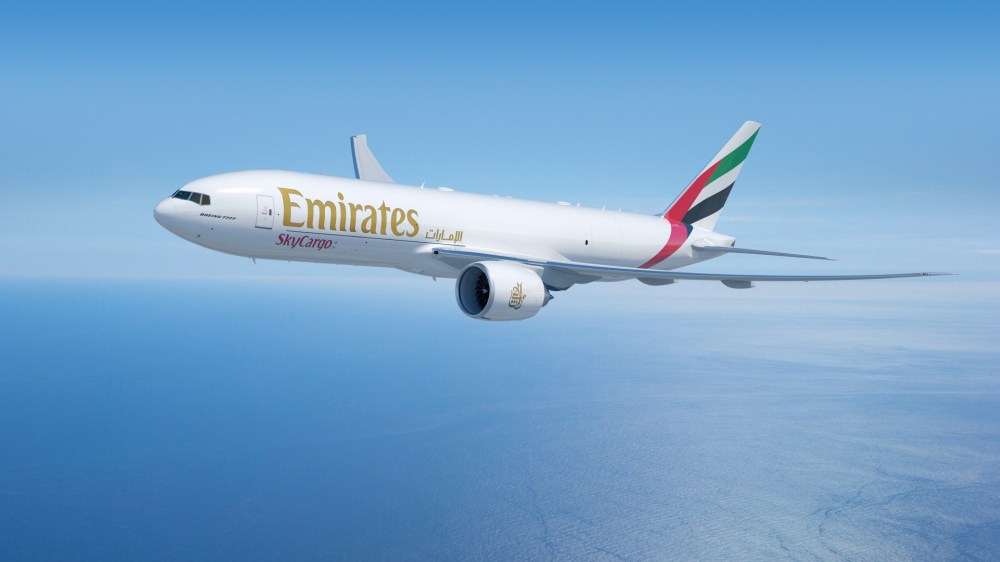
The Boeing Company y Emirates SkyCargo anunciaronel Lunes 21/10 un pedido de cinco aviones Boeing 777F de carga, que representan los bimotores más grandes y de mayor alcance del mundo, que se suma a su compra anterior de cinco 777 Freighters. El último pedido, que se concretó en Septiembre 2024 y figura como no identificado en el sitio web de pedidos y entregas de Boeing, eleva la cartera de pedidos de Emirates a 249 aviones de fuselaje ancho de Boeing, incluidos 14 777 Freighters.
La transportadora anuncia un segundo pedido en 10/2024 para el carguero bimotor más eficiente y capaz de la industria Como división de carga de la aerolínea internacional más grande del mundo, Emirates SkyCargo planea operar 21 777 cargueros en los próximos años, casi duplicando su flota actual de 11 cargueros a medida que la aerolínea continúa expandiendo su capacidad.
«Estamos invirtiendo en nuevos aviones de carga para satisfacer la creciente demanda y ofrecer a nuestros clientes de todo el mundo aún más flexibilidad, conectividad y opciones para aprovechar las oportunidades del mercado. La demanda de los servicios de carga aérea de Emirates ha experimentado un auge. Esto refleja la creciente importancia de Dubái como centro logístico global de confianza y preferencia, y también el éxito de las soluciones a medida de Emirates SkyCargo, que abordan las necesidades de los transportistas en diferentes sectores industriales», afirmó Su Alteza el Jeque Ahmed bin Saeed Al Maktoum, Presidente y Director Ejecutivo de Emirates Airline and Group.
El 777 Freighter puede volar más lejos con una autonomía de 9.200 kilómetros/4.970 millas náuticas y transportar más carga 102 Tn toneladas que cualquier otro avión de carga bimotor actual. Esta capacidad permite a los operadores transportar más carga en más rutas sin escalas con una mejor economía operativa, conectando mercados de carga de alto valor como Oriente Medio con Estados Unidos y Europa .
«Emirates sigue marcando la dirección de nuestra industria y agradecemos profundamente la confianza que han depositado en la familia de aviones de fuselaje ancho de Boeing para que sirva como columna vertebral de su flota global. Estamos orgullosos de apoyar el crecimiento de Emirates SkyCargo, que confía en el rendimiento y la versatilidad de nuestro 777 Freighter para seguir conectando al mundo», afirmó Stephanie Pope, Presidenta y Consejera Delegada de Boeing Commercial Airplanes.
Boeing prevé que en los próximos 20 años entrarán en servicio 2.845 aviones de carga adicionales para satisfacer la creciente demanda del comercio mundial y el comercio electrónico. El 777 Freighter es el avión de carga más vendido de Boeing de todos los tiempos, con 275 entregados hasta la fecha. Como líder del mercado de aviones de carga, Boeing proporciona más del 90% de la capacidad mundial dedicada a aviones de carga, incluidos los aviones nuevos y los transformados.
Emirates expands 777F fleet
Emirates SkyCargo to add five Boeing 777 Freighters
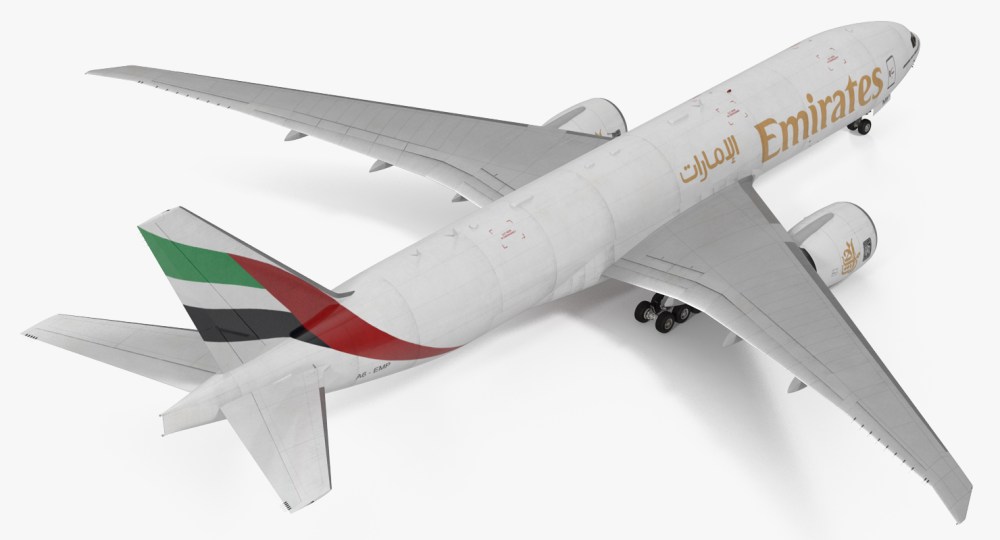
The Boeing Company and Emirates SkyCargo announced on Monday 21/10 an order for five Boeing 777F freighters, representing the largest and longest-range twin-engine aircraft in the world, adding to its previous purchase of five 777 Freighters. The latest order, which was finalized in September 2024 and is listed as unidentified on Boeing’s orders and deliveries website, brings Emirates’ order book to 249 Boeing widebody aircraft, including 14 777 Freighters.
Carrier announces second order in 10/2024 for industry’s most efficient and capable twin-engine freighter As the cargo division of the world’s largest international airline, Emirates SkyCargo plans to operate 21,777 freighters in the coming years, nearly doubling its current fleet of 11 freighters as the airline continues to expand its capacity.
“We are investing in new freighter aircraft to meet growing demand and offer our customers around the world even more flexibility, connectivity and choice to take advantage of market opportunities. Demand for Emirates air freight services has boomed. This reflects Dubai’s growing importance as a trusted and preferred global logistics hub, and also the success of Emirates SkyCargo’s tailored solutions, which address the needs of shippers across different industry sectors”, said His Highness Sheikh Ahmed bin Saeed Al Maktoum, President and Chief Executive Officer, Emirates Airline and Group.
The 777 Freighter can fly further with a range of 9,200 kilometres/4,970 nautical miles and carry more cargo (102 tonnes) than any other twin-engine freighter aircraft today. This capability enables operators to carry more cargo on more non-stop routes with better operating economics, connecting high-value cargo markets such as the Middle East with the US and Europe.
“Emirates continues to set the direction for our industry and we deeply appreciate the trust they have placed in the Boeing family of widebody airplanes to serve as the backbone of their global fleet. We are proud to support the growth of Emirates SkyCargo, which relies on the performance and versatility of our 777 Freighter to continue connecting the world”, said Stephanie Pope, President and CEO of Boeing Commercial Airplanes.
Boeing anticipates that an additional 2,845 freighters will enter service over the next 20 years to meet the growing demand for global trade and e-commerce. The 777 Freighter is Boeing’s best-selling freighter of all time, with 275 delivered to date. As the freighter market leader, Boeing provides more than 90% of the world’s dedicated freighter capacity, including new and converted airplanes.
PUBLISHER: Airgways.com DBk: Emirates.com / Boeing.com / Airgways.com AW-POST: 202410210953AR OWNERSHIP: Airgways Inc. A\W A I R G W A Y S ®
Mandarin Airlines, la filial regional de la aerolínea de bandera de Taiwán, China Airlines, y el fabricante de aviones regionales, ATR Aircraft, anunciaron la firma de un pedido en firme de un ATR 72-600, lo que subraya la confianza inquebrantable de la aerolínea en ATR como la plataforma óptima para las operaciones nacionales de la isla.
Este acuerdo estratégico se produce poco después del pedido de seis ATR 72-600 realizado en el Salón Aeronáutico de París del año pasado. La entrega de los aviones adicionales está programada para el primer trimestre de 2026, para satisfacer la demanda de temporada alta de Mandarin Airlines. Se han entregado tres de los seis aviones del pedido anterior, mientras que las entregas de los próximos tres se realizarán en el tercer y cuarto trimestre de 2025.
El turbohélice de última generación complementará la flota existente de la aerolínea de 12 ATR 72-600. Operando principalmente desde su centro de operaciones principal en el Aeropuerto Songshan de Taipei, Mandarin Airlines desempeña un papel fundamental en la red nacional de Taiwán, ofreciendo conexiones esenciales a ocho destinos clave, incluidas las islas de Kinmen, Penghu y Matsu. Los servicios aéreos confiables garantizan un acceso constante a bienes, servicios y transporte esenciales para residentes y empresas, además de estimular el crecimiento económico y fomentar la integración social.
El Presidente de Mandarin Airlines, Kao Shing-Hwang, expresó su entusiasmo por la expansión de la flota y afirmó: “La incorporación de este nuevo ATR 72-600 subraya nuestra confianza en ATR como la plataforma preferida para servir a los mercados nacionales de la isla de manera responsable. La excepcional eficiencia de combustible, los bajos costos operativos y la confiabilidad del turbohélice lo convierten en la opción perfecta para fortalecer nuestras rutas actuales y explorar nuevos servicios para estimular aún más la economía local y el sector turístico en todo Taiwán”.
Nathalie Tarnaud Laude, Directora Ejecutiva de ATR, agregó: “Mandarin Airlines ha estado abriendo constantemente nuevas oportunidades para las comunidades taiwanesas de manera responsable y rentable durante los últimos siete años. Estamos agradecidos por su continua confianza en las capacidades de ATR, lo que demuestra la relevancia de nuestro producto para sus operaciones, y estamos firmemente comprometidos a brindarles apoyo continuo, asegurando operaciones confiables y rentables a largo plazo”.
Mandarin Airlines orders ATR-72
Mandarin Airlines places order for ATR 72-600
Mandarin Airlines, the regional subsidiary of Taiwanese flag carrier China Airlines, and regional aircraft manufacturer ATR Aircraft announced the signing of a firm order for an ATR 72-600, underlining the airline’s unwavering confidence in ATR as the optimal platform for the island’s domestic operations.
This strategic agreement comes on the heels of the order for six ATR 72-600s placed at last year’s Paris Air Show. Delivery of the additional aircraft is scheduled for the first quarter of 2026, to meet Mandarin Airlines’ peak season demand. Three of the six aircraft from the previous order have been delivered, with deliveries of the next three due in Q3 and Q4 2025.
The state-of-the-art turboprop will complement the airline’s existing fleet of 12 ATR 72-600s. Operating primarily from its main hub at Taipei Songshan Airport, Mandarin Airlines plays a pivotal role in Taiwan’s domestic network, offering essential connections to eight key destinations including the islands of Kinmen, Penghu, and Matsu. Reliable air services ensure consistent access to essential goods, services, and transportation for residents and businesses, as well as stimulating economic growth and fostering social integration.
Mandarin Airlines President Kao Shing-Hwang expressed his excitement about the fleet expansion, saying: “The addition of this new ATR 72-600 underlines our confidence in ATR as the preferred platform to serve the island’s domestic markets responsibly. The turboprop’s exceptional fuel efficiency, low operating costs, and reliability make it the perfect choice to strengthen our current routes and explore new services to further stimulate the local economy and tourism sector across Taiwan”.
Nathalie Tarnaud Laude, CEO of ATR, added: “Mandarin Airlines has been consistently opening up new opportunities for Taiwanese communities in a responsible and profitable manner over the past seven years. We are grateful for their continued trust in ATR’s capabilities, which demonstrates the relevance of our product to their operations, and we are firmly committed to providing them with ongoing support, ensuring reliable and profitable operations in the long term”.
PUBLISHER: Airgways.com DBk: Mandarin-airlines.com / Atraircraft.com / Airgways.com AW-POST: 202410210945AR OWNERSHIP: Airgways Inc. A\W A I R G W A Y S ®














 airgways.com