Director Ejecutivo renuncia aerolínea tras salida bancarrota
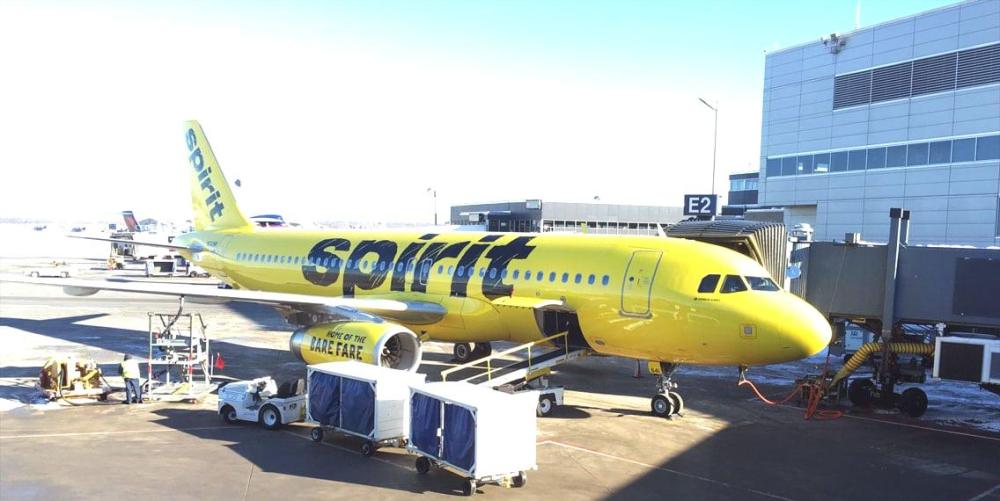
El Director Ejecutivo de Spirit Airlines, Ted Christie, anuncia su renuncia después de que la aerolínea saliera del proceso de bancarrota un mes después de que la aerolínea cumpliera la reestructuración del Capítulo 11.
En un comunicado emitido el 7 de Abril de 2025, la aerolínea confirmó que Ted Chirstie había renunciado y dijo que la Junta Directiva está en proceso de nombrar un reemplazo permanente. Hasta que se nombre a un nuevo CEO, la compañía será dirigida por una Oficina del Presidente interina, que incluye al Vicepresidente Ejecutivo y Director Financiero Fred Cromer, al Vicepresidente Ejecutivo y Director de Operaciones John Bendoraitis, y al Vicepresidente Senior y Consejero General Thomas Canfield.
«Agradezco a Ted por sus incansables esfuerzos en el transcurso de sus 13 años en la compañía. Ha visto mucho y ha hecho mucho durante su mandato aquí, incluida la conducción de la empresa a través de la crisis de COVID y múltiples coyunturas estratégicas, así como, más recientemente, una reestructuración corporativa», dijo Robert Milton, Presidente de Spirit Airlines.
Además, la aerolínea anunció que el Vicepresidente Ejecutivo y Director Comercial, Matt Klein, también dejará su cargo, y Rana Ghosh asumirá el cargo de Vicepresidente Senior y Director Comercial de inmediato. Estos cambios de liderazgo se producen en un momento en el que Spirit Airlines se enfrenta a continuas dificultades financieras, esfuerzos de reestructuración y una reciente declaración de bancarrota del Capítulo 11.
El 12 de Marzo de 2025, Spirit Airlines anunció que había salido de la reestructuración del Capítulo 11 después de que un tribunal de los Estados Unidos aprobara su plan de reorganización, que incluía una inversión de capital de US$ 350 millones de Dólares de los inversores existentes. En el mismo anuncio, la aerolínea dijo que Christie continuará liderando la aerolínea como presidente y director ejecutivo, junto con su equipo ejecutivo existente. Sin embargo, la aerolínea agregó que tendrá una Junta Directiva reconstituida.
Según la Comisión de Bolsa y Valores (SEC) de Estados Unidos, Spirit otorgó importantes bonificaciones de retención a sus altos ejecutivos en Noviembre de 2024, solo seis días antes del anuncio de su reestructuración y declaración de bancarrota. El informe de la SEC muestra que Ted Christie recibió un bono de retención de US$ 3,8 millones de Dólares. Matt Klein recibió un premio de retención de US$ 250,000. Sin embargo, el informe de la SEC establece que si los ejecutivos nombrados dejan de ser empleados activamente por Spirit antes del primer aniversario, entonces deben reembolsar a Spirit el monto bruto del premio de retención dentro de los diez días.
PUBLISHER: Airgways.com DBk: Spirit.com / Airgways.com AW-POST: 202504081947AR OWNERSHIP: Airgways Inc. A\W A I R G W A Y S ®
Aerolínea convertirá totalmente económica en 2Q2026
Air India Express ha anunciado el cambio de módulo como aerolínea clásica asociada a Air India, a una estructura como línea aérea de presupuesto. Se encuentra lista para reconfigurar la cabina de sus aviones de dos y tres clases a un diseño totalmente económico para Abril de 2026, dijo el Director Gerente Aloke Singh durante una conferencia de prensa en la sede de la compañía. «Ciertos aviones Boeing 737-8 serán reconfigurados y convertidos todos en clase económica», dijo Aloke Singh.
Los aviones en cuestión fueron entregados como colas blancas originalmente destinados a varias aerolíneas chinas. Air India Express los recogió cuando tenían las cabinas instaladas. Treinta y seis de los cuarenta y un Boeing 737-8 MAX operados por Air India Express cuentan con ocho asientos de clase ejecutiva, y otros dos aviones del tipo están equipados con cuatro de esos asientos. Los aviones también tienen diferentes configuraciones de clase económica, que van desde 150 a 186 asientos. Trece de los aviones también tienen 18 asientos económicos más cada uno. Adicionalmente Air India Express también opera dos A320-200neo con 12 asientos de clase ejecutiva cada uno.
La aerolínea espera aumentar su número de pasajeros en un 50% en el año fiscal 2026, hasta el 31 de Marzo de 2026, pasando de 20 millones a 30 millones. La aerolínea de bajo costo planea recibir quince aviones en el año fiscal 2026, incluidos 11 aviones nuevos de fábrica y cuatro fuselajes utilizados anteriormente por la empresa matriz Air India. En total, la aerolínea espera añadir 149 aviones en los próximos años, cincuenta Boeing 737-10 MAX (50) y noventa y nueve Boeing 737-8 MAX (99).
Air India Express opera actualmente una flota de 104 aviones que incluyen veinticuatro A320-200ceo (24), doce A320-200neo (12), veintiséis Boeing 737-800 (26) y cuarenta y dos Boeing 737-8 MAX (42). La aerolínea introducirá el A321-200neo en su flota a partir del 15 de Abril de 2025, en la ruta entre Delhi International—Goa Mopa.
PUBLISHER: Airgways.com DBk: Airindiaexpress.com / Airgways.com AW-POST: 202504081937AR OWNERSHIP: Airgways Inc. A\W A I R G W A Y S ®
El Tribunal de Apelación de la India National Company ha desestimado varias apelaciones contra una sentencia de enero de 2025 que ordenaba la liquidación de GO First Airlines. El Juez Ashok Bhushan dictó sus decisiones el 4 de Abril de 2025, desestimando apelaciones separadas del Sindicato Bhartiya Kamgar Sena Mumbai, el ex empleado Arjun Dhawan & Ors y el vehículo de inversión de Nishant Pitti, Busy Bee Airways Pvt. Ltd.
Nishant Pitti, quien fundó la agencia de viajes en línea EaseMyTrip, fue la persona de más alto perfil que intentó devolver la vida a GO First, que colapsó en Mayo de 2023. Si bien no logró detener la orden de liquidación, NishanPitti aún puede presentar una propuesta de compra de activos ante el liquidador y el Comité de Acreedores de GO First. Sostiene que la aerolínea india tiene algunos activos intangibles viables, incluido el valor de la marca y su licencia emitida por la Dirección General de Aviación Civil.
Nishant Pitti se había asociado previamente con Ajay Singh, propietario y Director Gerente de SpiceJet, para hacer una oferta para comprar GO First cuando se puso a la venta en 2024. Sin embargo, Nishant Pitti puso fin a su participación después de que un tribunal ordenara la cancelación del registro de los aviones de GO First y su devolución a sus arrendadores.
La liquidación de Go First permitirá a los acreedores y prestamistas recuperar parte de los Rs 65.210 millones de Rupias/US$ 759 millones de Dólares que se les deben.
PUBLISHER: Airgways.com DBk: Airgways.com AW-POST: 202504081825AR OWNERSHIP: Airgways Inc. A\W A I R G W A Y S ®
EVA Air amplía pedido seis aviones A350-1000 y tres A321neo
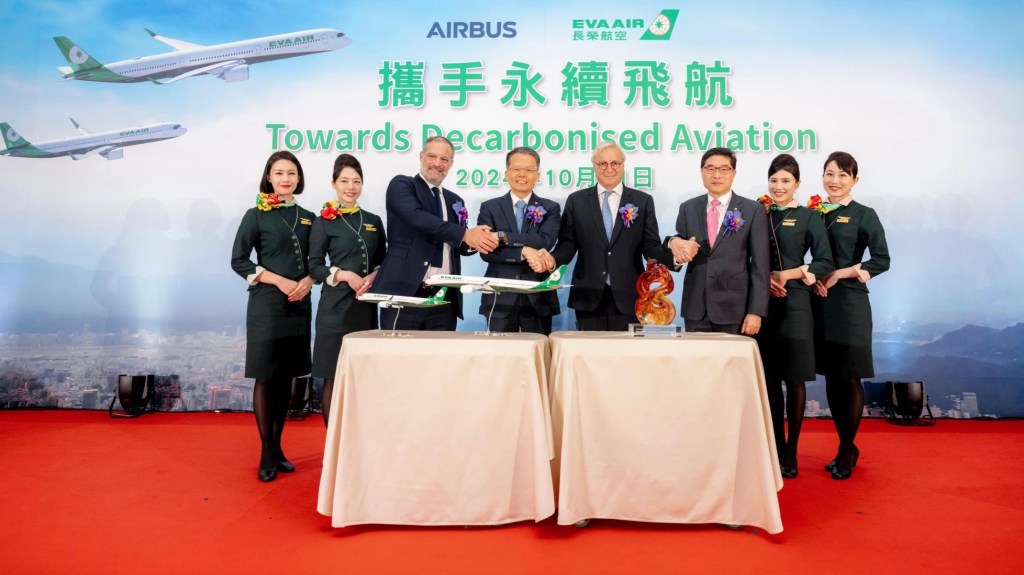
La aerolínea taiwanesa EVA Air ha realizado un pedido en firme de seis aviones Airbus A350-1000 (6) de largo alcance y tres aviones A321neo (3) de pasillo único, concretando así un compromiso anunciado por la aerolínea en Marzo de 2025. Los nuevos pedidos elevarán la cartera de pedidos de EVA Air a 24 aviones A350-1000 y 18 A321neo.
“Las nuevas incorporaciones a nuestra flota reafirman nuestro compromiso con la aviación sostenible y con ofrecer una experiencia de viaje excepcional. Tanto el A350-1000 como el A321neo marcan un alto estándar en sus respectivas categorías, ofreciendo una eficiencia y comodidad excepcionales a nuestros pasajeros. A medida que avanzamos con los planes de expansión de nuestra flota y red, esperamos aprovechar la mayor autonomía y eficiencia de estos aviones para fortalecer nuestra posición en el mercado”, afirmó Clay Sun, presidente de EVA Air.
“Los nuevos pedidos de EVA Air subrayan el atractivo del A350-1000, líder en largo alcance, como referente en operaciones intercontinentales, y del A321neo como líder en eficiencia regional. Valoramos profundamente la confianza de EVA Air en estos aviones de última generación y estamos listos para apoyar su integración fluida en la flota de la aerolínea para asegurar el éxito futuro», declaró Benoît de Saint-Exupéry, Vicepresidente Ejecutivo de Ventas de Aviones Comerciales de Airbus.
El A350 es el avión de fuselaje ancho más moderno y eficiente del mundo y ha establecido nuevos estándares para los viajes intercontinentales. Ofrece la mayor autonomía de cualquier avión comercial en producción actualmente. Impulsado por la última generación de motores Rolls-Royce, el avión puede volar hasta 18.000 kilómetros sin escalas, con un consumo un 25% menor de combustible que los modelos de generaciones anteriores y una reducción similar de emisiones de carbono.
Al igual que todos los aviones Airbus, el A350 ya puede operar con hasta un 50% de combustible de aviación sostenible (SAF). Airbus se propone que sus aviones sean capaces de utilizar hasta un 100% de SAF para 2030.
La familia A350 ha recibido más de 1.360 pedidos de 60 clientes en todo el mundo, con más de 640 aviones actualmente en las flotas de 38 operadores, volando principalmente en rutas de larga distancia. El A321neo forma parte de la familia A320neo, que incorpora las últimas tecnologías, como motores de nueva generación, Sharklets y optimizadores de eficiencia de cabina, que en conjunto permiten un ahorro de combustible del 20%. Con más de 6.800 pedidos de más de 90 clientes desde su lanzamiento en 2016, el A321neo ha captado más del 80% del mercado.
PUBLISHER: Airgways.com DBk: Evaair.com / Airbus.com / Airgways.com AW-POST: 202504072104AR OWNERSHIP: Airgways Inc. A\W A I R G W A Y S ®
El fabricante aeronáutico The Boeing Company alcanzó acuerdos con demandantes por el accidente aéreo del vuelo ET-302 de Ethiopian Airlines en Marzo de 2019 de una aeronave Boeing 737-8 MAX con lo cual evitó el inicio de un juicio civil en Estados Unidos, informó un abogado de la querella.
El Lunes 07/04 debía comenzar en Chicago un proceso con jurado popular para evaluar dos demandas presentadas por familiares de las víctimas del accidente que causó 157 muertes. «Se alcanzó un acuerdo el domingo por la noche para las dos demandas», informó el bufete Clifford, que representa a numerosos familiares de las víctimas.
«Nos comprometimos desde el principio a compensar plena y justamente a las familias y hemos aceptado la responsabilidad legal de hacerlo. Seguimos trabajando para encontrar una solución justa a las peticiones de las familias», dijo Boeing el Lunes 07/04.
Esta habría sido la primera demanda civil contra Boeing en relación con respectoo a la catástrofe aérea del vuelo ET-302. Se puede llegar a un acuerdo extrajudicial en cualquier momento, incluso durante el juicio.
Procesos judiciales El accidente ocurrió el 10 de Marzo de 2019 con el vuelo ET-302 de Ethiopian Airlines en la ruta Adís Abeba a Nairobi. El avión se estrelló a los seis minutos del despegue, provocando la muerte de sus 157 ocupantes.
Familiares de 155 víctimas demandaron a Boeing entre Abril de 2019 y Marzo de 2021 por muerte injustificada y negligencia. Hasta el 27 de Marzo de 2021, todavía había 18 demandas abiertas, según una fuente cercana al caso. Desde entonces se han resuelto al menos otras cuatro demandas, incluidas las dos concluidas el domingo, según varias fuentes. Para simplificar el procedimiento, el Juez Federal Jorge Alonso estableció grupos de cinco o seis demandas y fijó una fecha de juicio para cada grupo. Si todas las demandas de un grupo llegan a un acuerdo extrajudicial, el juicio se cancelaría.
PUBLISHER: Airgways.com DBk: Cliffordchance.com / Boeing.com / Airgways.com AW-POST: 202504072052AR OWNERSHIP: Airgways Inc. A\W A I R G W A Y S ®
Acuerdo fusión creará aerolínea regional más grande
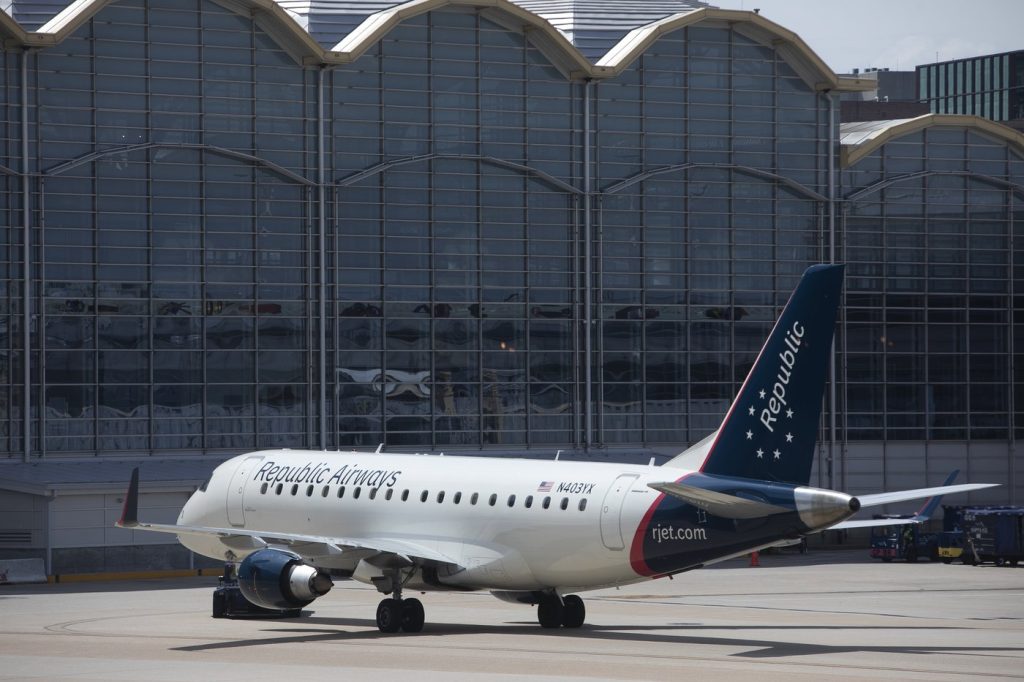
Mesa Air Group Inc. y Republic Airways Holdings Inc. (RJET) anunciaron el Lunes 7 de Abril de 2025 fusionarse en un acuerdo de acciones, dijeron las compañías en un movimiento que les daría una flota más grande e impulsaría la eficiencia en los vuelos regionales y la gestión de la tripulación. La compañía combinada, que operaría como Republic Airways Holdings Inc, tendrá una sola flota de unos 310 aviones Embraer 170/175.
Republic Airways Holdings, Inc. es un holding de aerolíneas estadounidense con sede en Indianápolis, Indiana (IN), que es propietaria de Republic Airways, una aerolínea regional estadounidense que opera en los Estados Unidos, y LIFT Academy. Republic opera una flota de aviones Embraer 170 y Embraer 175.
Mesa Air Group, Inc., con sede en Phoenix (AZ), es la sociedad de cartera de Mesa Airlines, una aerolínea regional que opera como United Express Airlines. Con sede en Phoenix, Arizona, Mesa es una compañía aérea regional que brinda servicio comercial regular de pasajeros en todo Estados Unidos, así como en Canadá, México, Cuba y las Bahamas. La flota consta de 145 aviones con aproximadamente 610 salidas diarias y actualmente opera desde domicilios en Phoenix, Arizona (PHX), Dallas, Texas (DFW), Houston, Texas (IAH), Sterling, Virginia (IAD) y Louisville, Kentucky (SDF). Las acciones de Mesa, con sede en Phoenix, Arizona, que tiene un valor de mercado de US$ 29,3 millones de Dólares, subieron un 23,8% en las operaciones previas a la comercialización.
Mega-fusión Los términos del acuerdo de fusión, que se espera que se cierre a fines del tercer o principios del cuarto trimestre de 2025, no fueron revelados. Los accionistas de Republic poseerían el 88% de la compañía combinada, mientras que los de Mesa poseerían un mínimo del 6% y hasta el 12%, dependiendo de cumplir con ciertos criterios previos al cierre. Se espera que la compañía combinada permanezca cotizando en el Nasdaq bajo un nuevo símbolo «RJET». La junta de la nueva entidad tendrá seis directores existentes de Republic y un director independiente de la Junta de Mesa Air Group. Republic continuará operando vuelos para American Airlines, Delta Air Lines y United Airlines, bajo los acuerdos de compra de capacidad (CPA) existentes, mientras que Mesa Airlines apoyará a United Airlines bajo un nuevo CPA de diez años, como resultado de este acuerdo, dijeron las compañías.
«El anuncio de hoy es un emocionante próximo paso en los más de 40 años de historia de Mesa, uno que representa el mejor resultado para nuestros accionistas, empleados y todas nuestras partes interesadas. Al reunir lo mejor de nuestras organizaciones, crearemos un operador regional que continúe conectando comunidades en todo Estados Unidos y al mismo tiempo brinde oportunidades de progreso a nuestros empleados», dijo Jonathan Ornstein, Presidente y Director Ejecutivo de Mesa Air Group.
«Estamos encantados de combinar los equipos de Republic y Mesa para crear uno de los principales operadores de Embraer Jet del mundo. Republic y Mesa comparten la misión común de conectar a las comunidades de todo Estados Unidos, y creemos que podemos lograr mejor esa misión juntos. Con esta combinación, estamos estableciendo una empresa pública única, bien capitalizada, que se beneficiará de la profunda experiencia de los asociados de Republic y Mesa, creando valor para todas las partes interesadas en el futuro», dijo Bryan Bedford, Presidente y Director Ejecutivo de Republic.
Beneficios alianza Dentro de los beneficios de la sinergia entre Mesa Air Group y Republic Airways Holdings Inc. permitirá mejorar las economías de escala. La combinación propuesta representa una oportunidad de transformación para mejorar significativamente la escala de las aerolíneas combinadas, tanto financiera como operativamente, con una flota más grande y unificada. Esto permitirá una gestión más eficiente y productiva de los recursos de vuelo y tripulación a nivel regional. La plataforma mejorada está bien posicionada para un aumento de la valoración, respaldada por un perfil financiero más sólido, una mayor relevancia entre los inversores institucionales globales y un mejor acceso a los mercados de capitales.
Mejorará de la posición de capital y liquidez. Se espera que el apalancamiento neto pro forma al cierre sea de aproximadamente 2,5 veces y que la liquidez como porcentaje de los ingresos pro forma sea superior al 15%. Juntos, la compañía combinada tendrá la solidez financiera y la flexibilidad para realizar inversiones críticas, impulsar la rentabilidad sostenida y continuar brindando el mejor servicio al cliente de su clase bajo una marca unificada. Un balance general más sólido para la aerolínea combinada reforzará la capacidad de la Compañía para navegar los ciclos del mercado, responder a las oportunidades estratégicas y mantener una estrategia de asignación de capital flexible que optimice los rendimientos para todas las partes interesadas.
Acrecentará las redes y operaciones complementarias. La combinación propuesta representa una oportunidad única para unir las redes de Mesa y Republic para establecer la aerolínea regional preferida de Estados Unidos. La compañía posterior a la fusión mantendrá una sola flota de aproximadamente 310 aviones Embraer E170/E175, con más de 1.250 salidas diarias, a través de las redes de vuelo existentes de ambas aerolíneas y operará dentro de las estructuras y rutas de base actuales de Mesa y Republic. Mesa y Republic continuarán operando bajo sus certificados de operación existentes de la Administración Federal de Aviación (FAA) hasta que obtengan un certificado de operación única para la aerolínea combinada.
Culturas sinérgicas basadas en la seguridad y la fiabilidad. Mesa y Republic comparten valores y principios comunes, que incluyen un enfoque intransigente en brindar servicios seguros y confiables para los pasajeros, excelencia operativa y una cultura que brinda oportunidades de crecimiento profesional y avance para los asociados. Tanto Mesa como Republic están incluidos en el registro de Auditoría de Seguridad Operacional (IOSA) de la Asociación Internacional de Transporte Aéreo, el estándar internacionalmente reconocido para la seguridad de las aerolíneas y la excelencia operativa. Estos principios se mantendrán y mejorarán con la fusión.
Fortalecerá el equipo talentoso posicionado para emocionantes oportunidades de crecimiento. La compañía combinada continuará sirviendo a socios clave, incluidos American Airlines, Delta Air Lines y United Airlines. Las partes esperan retener a todas las tripulaciones de vuelo, técnicos y otro personal operativo dentro de la entidad posterior a la fusión, que estará dirigida por un equipo de gestión experimentado y experimentado.
Visión general combinada Republic Airways continuará apoyando a American Airlines, Delta Air Lines y United Airlines en virtud de sus Acuerdos de Compra de Capacidad (CPA) existentes, y las operaciones de Mesa apoyarán a United Airlines bajo un nuevo CPA de 10 años, como resultado de esta transacción. Se espera que la compañía combinada produzca ingresos de aproximadamente US$ 1.900 millones de Dólares, márgenes antes de impuestos del 7% al 9%, excluyendo los costos únicos de fusión e integración, y un EBITDA ajustado superior a los US$ 320 millones de Dólares. Como parte de la transacción, Mesa no contribuirá con ninguna deuda a la aerolínea combinada. Se prevé que los saldos proforma de efectivo y deuda posteriores a la fusión sean de US$ 285 millones de Dólares y US$ 1.100 millones de Dólares, respectivamente. Se prevé que la transacción genere creación de valor tanto para Mesa como para los accionistas de Republic, que se beneficiarán de la propiedad de una aerolínea mejor capitalizada con mayores economías de escala, debido a la sólida posición financiera, las ganancias estables y el flujo de caja de Republic.
La compañía combinada estará dirigida por el equipo de liderazgo ejecutivo de Republic. La Junta Directiva estará compuesta por seis directores existentes de la Junta Directiva de la Republic Airways Holdings Inc. y un director independiente de la Junta Directiva de Mesa Air Group.
Acuerdo de fusión Al cierre de la transacción, los accionistas de Republic Airways Holdings Inc. poseerán el 88% de las acciones ordinarias de la compañía combinada. Los accionistas de Mesa Air Group poseerán un mínimo del 6% y hasta el 12% de la compañía combinada, dependiendo del cumplimiento de ciertos criterios previos al cierre por parte de Mesa. Todas las obligaciones de deuda pendientes de Mesa se extinguirán como resultado de la transacción. Simultáneamente con la ejecución y entrega del Acuerdo de Fusión, Mesa, Republic y United Airlines, Inc., entre otras partes, celebraron un Acuerdo Tripartito, en virtud del cual, entre otras cosas: Mesa tomará ciertas medidas en o antes del cierre de la fusión para disponer de ciertos activos, extinguir ciertos pasivos y efectuar ciertas transacciones relacionadas; y United Airlines tomará ciertas medidas en o antes del cierre de la sinergia para facilitar las acciones de Mesa en la primer cláusula citada.
La transacción ha sido aprobada por unanimidad por los Consejos de Administración de ambas compañías y se espera que se cierre a finales del tercer trimestre o principios del cuarto trimestre de 2025. La transacción está sujeta a las condiciones de cierre habituales, incluidas las aprobaciones regulatorias y de los accionistas de ambas compañías.
Simpson Thacher & Bartlett LLP se desempeña como asesor legal y Goldman Sachs & Co. LLC se desempeña como asesor financiero de Republic Airways. FTI Capital Advisors, LLC se desempeña como asesor financiero de Mesa Air Group. Pachulski Stang Ziehl & Jones LLP y DLA Piper LLP se desempeñan como asesores legales. Sidley Austin LLP se desempeña como asesor legal de United.
REPUBLIC AIRWAYS HOLDINGS INC.
Información adicional Este comunicado de prensa se relaciona con la fusión propuesta que involucra a Mesa y Republic. En relación con la transacción propuesta, Mesa presentará ante la SEC una Declaración de Registro del Formulario S-4, que incluirá una declaración de representación en el Anexo 14A. Inmediatamente después de presentar su declaración de poder definitiva ante la SEC, Mesa enviará por correo la declaración de poder definitiva y una tarjeta de poder a cada accionista con derecho a voto en la reunión especial relacionada con la transacción propuesta. Se insta a los inversores y tenedores de valores de mesa a leer la declaración de representación (incluidas las enmiendas o suplementos a la misma) y cualquier otro documento relevante en relación con la transacción que mesa presente ante la sec cuando estén disponibles, ya que contendrán información importante sobre la transacción propuesta. La declaración de poder definitiva, la declaración de poder preliminar y cualquier otro documento presentado por Mesa ante la SEC (cuando esté disponible) se pueden obtener de forma gratuita en el sitio web de la SEC en http://www.sec.gov o accediendo a la sección de Relaciones con los Inversores del sitio web de Mesa en https://investor.mesa-air.com/.
Información sobre medidas financieras no GAAP Esta comunicación contiene cierta información que no se calcula de acuerdo con los GAAP (no GAAP), como el EBITDA, el EBITDA ajustado y el apalancamiento neto. Creemos que los inversores encontrarán útiles estas medidas no GAAP para evaluar nuestro rendimiento. Estas medidas son utilizadas frecuentemente por analistas de seguridad, inversores institucionales y otras partes interesadas en la evaluación de empresas de nuestra industria. Las medidas no GAAP no deben considerarse de forma aislada o como un sustituto de nuestros resultados informados preparados de acuerdo con GAAP y, según se calculan, pueden no ser comparables con medidas de título similar de otras compañías. Por último, esta comunicación también incluye ciertas medidas financieras prospectivas no GAAP. No podemos presentar una conciliación cuantitativa de esta información financiera prospectiva no GAAP porque la gerencia no puede predecir de manera confiable todos los componentes necesarios de dichas medidas.
Acerca de Republic Airways Inc. Fundada en 1974, Republic Airways mantiene una flota de más de 240 aviones Embraer 170/175 y ofrece un servicio regular de pasajeros con más de 1.000 vuelos diarios a más de 80 ciudades de Estados Unidos, Canadá, el Caribe y Centroamérica. La aerolínea ofrece vuelos de tarifa fija operados bajo las marcas de sus socios de código compartido: American Eagle, Delta Connection y United Express. La aerolínea emplea a más de 6.000 profesionales de la aviación. Más información en www.rjet.com.
Acerca de Mesa Air Group, Inc. Fundada en 1982 y con sede en Phoenix, Arizona, Mesa Air Group, Inc. es el holding de Mesa Airlines, una compañía aérea regional que brinda servicio regular de pasajeros a 89 ciudades en 40 estados, el Distrito de Columbia, las Bahamas, Canadá, Cuba y México. Mesa opera una flota de 60 aviones Embraer 175 con más de 250 salidas programadas diarias y cuenta con aproximadamente 1,700 empleados. Mesa opera todos sus vuelos como United Express de conformidad con los términos de un acuerdo de compra de capacidad celebrado con United Airlines, Inc. Más información en www.mesa-air.com
Contactos para los medios de comunicación de Republic Airways (612) 839-5172 corpcomm@rjet.com
Danielle Fornabaio / Ashley Grund de Gladstone Place Partners 212-230-5930
Para Mesa Air Group (602) 685 4010 Investor.relations@mesa-air.com
PUBLISHER: Airgways.com DBk: Rjet.com / Mesa-air.com / Ap.com/Jenny Kane / Airgways.com AW-POST: 202504071840AR OWNERSHIP: Airgways Inc. A\W A I R G W A Y S ®
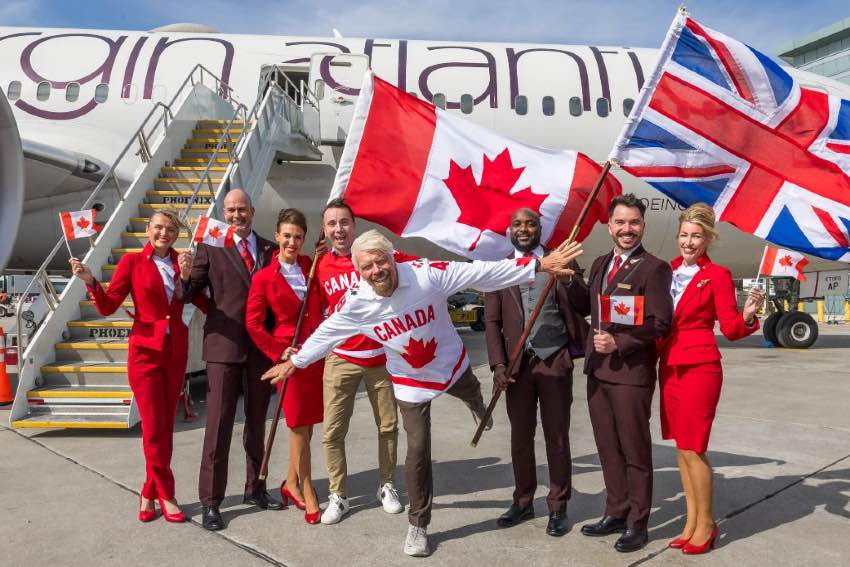
Virgin Atlantic Airways ha anunciado que retornó los enlaces entre el Reino Unido y Canadá, después de más de una década de ausencia, Virgin Atlantic reanudó sus vuelos a Canadá el 30 de Marzo de 2025. Con el nuevo servicio directo diario entre el Aeropuerto de Londres Heathrow (LHR) y el Aeropuerto Internacional Toronto/Pearson (YYZ), la aerolínea refuerza su presencia en Norteamérica y ofrece a los viajeros opciones ampliadas para vuelos transatlánticos.
El vuelo inaugural del 30/03, VS 147, partió de Londres a las 18:02 p.m. hora local y aterrizó en Toronto según lo programado a las 20:42 p.m. hora local. La ruta será operada por un Boeing 787-9, con capacidad para un total de 258 pasajeros: 31 en Clase Superior, 35 en Clase Económica Premium y 192 en Clase Económica. Virgin Atlantic espera transportar más de 165.000 pasajeros anualmente en esta ruta.
A bordo se encontraba Sir Richard Branson, fundador y Presidente de Virgin Atlantic, quien subrayó personalmente la importancia de este evento. En un comunicado, el CEO expresó su alegría por regresar a Toronto y enfatizó la energía y el espíritu de la ciudad.
Acuerdos & alianzas En paralelo con el lanzamiento de los vuelos a Toronto, Virgin Atlantic anunció un acuerdo de código compartido ampliado con la aerolínea canadiense WestJet. Esta asociación permite a los pasajeros reservar conexiones sin interrupciones desde Toronto a otras 13 ciudades canadienses, incluidas Calgary, Edmonton, Vancouver, Winnipeg y Ottawa. Compartir la Terminal 3 del Aeropuerto Internacional Pearson de Toronto garantizará una transición fluida entre vuelos. Juha Jarvinen, director comercial de Virgin Atlantic, enfatizó que esta colaboración subraya la importancia del mercado canadiense y ofrece a los clientes opciones de viaje ampliadas.
Otro beneficio de la nueva conexión aérea es la conectividad mejorada a destinos clave en la India. Los pasajeros de Canadá ahora pueden viajar a Delhi, Mumbai y Bengaluru a través de Londres con tiempos de transferencia cortos. Este desarrollo es particularmente importante para la gran diáspora india en Canadá y fortalece los lazos culturales y económicos entre los países.
A pesar de estos desarrollos positivos, Virgin Atlantic enfrenta desafíos en el mercado transatlántico. Los informes indican una desaceleración en la demanda de vuelos entre el Reino Unido y América del Norte. Los analistas lo atribuyen a la incertidumbre económica y al aumento de las tensiones entre Estados Unidos y Europa. Estos factores podrían impactar en la rentabilidad de las aerolíneas de este segmento.
PUBLISHER: Airgways.com DBk: Virginatlantic.com / Airgways.com AW-POST: 202504071810AR OWNERSHIP: Airgways Inc. A\W A I R G W A Y S ®
Aerolíneas canadienses reducen tráfico por guerrra comercial
Las aerolíneas canadienses enfrentan un panorama desolador en sus rutas hacia Estados Unidos con reducciones de reservas de vuelos, capacidad hacia Estados Unidos debido a las presiones arancelarias impuestas, mientras que apuestan a destinos como Europa y el Caribe. El mismo escenario enfrentarían las líneas aéreas de México, donde la nueva política estadounidense impuesta por la Administración Trump afectaría las rutas entre ambos estados.
La guerra comercial lanzada por Donald Trump marca el ritmo del mercado actual, modificando el panorama de las redes aéreas entre ambos países. Las aerolíneas recortan vuelos y miran hacia elmercado de Europa desde que Donald Trump desató una guerra comercial de alcance mundial y consecuencias imprevisibles por las modificaciones arancelarias. Los datos de la firma OAG revelaron que las reservas de vuelos desde Canadá hacia Estados Unidos cayeron más del 70% en comparación con el 2024, recortando cerca de 320.000 asientos para los próximos siete meses.
«Esta caída abrupta sugiere que los viajeros postergan sus reservas, probablemente por la incertidumbre en torno a la disputa comercial», afirmó John Grant, Analista Jefe de OAG. Según Cirium, otra consultora del sector, las reservas a ciudades clave como Nueva York, Miami y Los Ángeles disminuyeron un 23% para los próximos tres meses.
Controles migratorios En los últimos días, Canadá alertó a sus ciudadanos sobre los controles invasivos y los medios destacaron que las autoridades migratorias revisan los dispositivos digitales, la actividad en redes sociales y hasta copian información sin consentimiento, por lo que recomiendan viajar a Estados Unidos con teléfonos descartables.
Air Canada y Flair Airlines lideran los recortes en los vuelos. La primera eliminó 468 vuelos, un 8,2% de su operación, mientras que Flair redujo más de un tercio de sus frecuencias. Sin embargo, United Airlines y la low cost Porter Airlines aumentaron su oferta.
Ante el desplome, algunas aerolíneas viraron su estrategia. WestJet, la segunda mayor línea aérea de Canadá, canceló rutas como Nueva York—Calgary y Orlando—Edmonton, pero reforzó sus vuelos a Europa. «Vemos un cambio en las reservas desde Estados Unidos hacia destinos como México, el Caribe y Europa», declaró un portavoz de la aerolínea.
La guerra comercial escaló esta semana cuando el Presidente de Estados Unidos Donald Trump impuso aranceles a autos canadienses. El Primer Ministro de Canadá Mark Carney tildó de injustificadas las medidas y advirtió: «La relación basada en la integración económica y la cooperación militar con Estados Unidos se terminó». Canadá anunciará represalias en estos días.
Las reservas de europeos hacia Estados Unidos bajaron un 25%, iniciando una fuerte desaceleración en las rutas transatlánticas. Con aerolíneas y hoteles en alerta, la industria viaja hacia un escenario incierto, donde las rutas y las reservas dependen, cada vez más del escenario de la geopolítica.
PUBLISHER: Airgways.com DBk: Canada.ca / Westjet.com / Oag.com / Airgways.com AW-POST: 202504071647AR OWNERSHIP: Airgways Inc. A\W A I R G W A Y S ®
Embraer celebrará cumbre impulsar mercado aeronaves Asia
Embraer organizará una Cumbre de Financiación de Aeronaves de Embraer en Tokio el 8 de Abril de 2025, ofreciendo a los inversores la oportunidad de conocer la cartera de aeronaves de Embraer y su creciente adopción por parte de las aerolíneas de primer nivel a nivel mundial.
La cumbre de Tokio marca la primera de Embraer en la región de Asia Pacífico, basándose en el éxito de la edición anterior en Nueva York en 2024. Esto subraya el compromiso de Embraer de interactuar con la comunidad financiera global y destacar el potencial de su cartera de aeronaves, particularmente la familia E2-Jets, dentro del creciente mercado de Asia-Pacífico.
El Director Financiero de Embraer, Antonio Carlos García, ha destacado que la edición japonesa de la Cumbre de Finanzas de Aviación de Embraer promoverá una comprensión más profunda del potencial de los E-Jets y contribuirá a un panorama financiero más favorable, beneficiando a la economía de la aviación en general en Japón y Asia Pacífico.
Arjan Meijer, Presidente y Director Ejecutivo de Embraer Commercial Aviation, ha afirmado que este evento es una prolongación del largo compromiso con la comunidad. «Demostrará aún más las capacidades de nuestra plataforma, la importante oportunidad de mercado que representa y el impacto positivo que ya está teniendo en nuestras aerolíneas asociadas», ha expresado el ejecutivo.
El segmento comercial de Embraer y sus aerolíneas clientes se han beneficiado del ecosistema japonés de financiación de la aviación durante décadas. La familia Embraer E2 está cobrando una gran importancia, y aerolíneas como KLM, Scoot, LOT y Virgin han adoptado la plataforma por su eficiencia operativa y atractivo en el mercado.
La cumbre invita a las principales partes interesadas entre ellas bancos, compañías de leasing y otros miembros de la comunidad financiera) en la financiación de aerolíneas a conocer mejor este impulso. Los asistentes escucharán presentaciones de mercado a cargo de ejecutivos de Embraer, así como perspectivas de arrendadores, aerolíneas y otros líderes del sector, que abarcarán las estrategias y experiencias de las aerolíneas en la financiación de E-Jets.
PUBLISHER: Airgways.com DBk: Embraer.com / Airgways.com AW-POST: 202504042045AR OWNERSHIP: Airgways Inc. A\W A I R G W A Y S ®
Boeing 787 establece ruta non-stop récord Corea del Sur—Argentina Vuelo comercial más largo de la historia
El Domingo 28 de Marzo del 2021, el Boeing 787-8 matrícula P4-787 completó un vuelo sin escalas entre Seúl y Buenos Aires que fue reconocido como el más largo de la historia en términos de distancia recorrida. Según informó la empresa operadora Comlux, el trayecto abarcó 10.520 millas náuticas equivalentes a 19.483 kilómetros y se extendió durante 20 horas y 19 minutos. Este dato fue confirmado públicamente por la compañía a través de un comunicado publicado en su cuenta de LinkedIn.
Esta operación no solo se destacó por la duración del vuelo, sino también por el hecho de haberse ejecutado sin interrupciones técnicas o escalas intermedias, lo cual constituye una hazaña significativa dentro de la aviación civil contemporánea. La aeronave implicada, un Boeing 787-8 Dreamliner, logró así establecer una nueva marca en el ámbito de vuelos de ultra largo alcance, superando registros previos dentro de su categoría.
Vuelo más largo La operación récord tuvo lugar entre el Sábado 26 y el Domingo 28 de Marzo de 2025. El Boeing 787-8 despegó desde el Aeropuerto Internacional Incheon (ICN) en Seúl a las 12:57 (hora local) bajo el identificador de vuelo XAA4787. Tras casi veinte horas y media en el aire, aterrizó en el Aeropuerto Internacional Ezeiza (EZE), en Buenos Aires a las 21:16 (hora local). La distancia de 19.483 kilómetros cubierta durante esta travesía sin escalas representa no solo un desafío técnico, sino también logístico, dado que este tipo de operaciones requiere una planificación minuciosa en cuanto al consumo de combustible, condiciones atmosféricas y distribución de carga. A pesar de que el vuelo no formó parte de una ruta comercial regular, sí quedó registrado como una operación formal con número de vuelo y cronograma determinado.
La aeronave que protagonizó el vuelo récord pertenece a Comlux, una compañía con sede en Suiza que se especializa en vuelos chárter para clientes VIP y corporativos. El Boeing 787-8 involucrado en esta operación está registrado con la matrícula P4-787 y opera bajo la gestión de esta firma que suele movilizar aeronaves de largo alcance con configuraciones personalizadas y de alta gama. Continuó su trayecto hacia Punta del Este, Uruguay, indicando una planificación extendida y no un viaje puntual. Antes de concretar el vuelo récord hacia Buenos Aires, el Boeing 787-8 ya había sido avistado en el país.
El 18 de Febrero de 2025 realizó maniobras de entrenamiento en el Aeropuerto Córdoba (COR). Luego de esa escala técnica, la aeronave continuó su trayecto hacia Punta del Este, Uruguay, lo que indica que su presencia en la región responde a una planificación extendida y no a un viaje puntual. El motivo exacto del vuelo hacia Argentina, se lo vincula con actividades del piloto y cineasta Enrique Piñeyro.
Características 787 Dreamliner El Boeing 787-8, parte de la familia Dreamliner, está diseñado para cubrir rutas de largo alcance con eficiencia operativa. Su autonomía estándar se sitúa en torno a los 14.200 kilómetros, cifra que representa su capacidad bajo condiciones regulares de carga y configuración. No obstante, el vuelo entre Seúl y Buenos Aires, que superó los 19.000 kilómetros, demuestra que con una planificación precisa y un ajuste adecuado del balance entre pasajeros, carga y combustible, el avión puede exceder considerablemente sus parámetros de fábrica. Este rendimiento ampliado se alcanza gracias a factores como una carga reducida, una tripulación optimizada, condiciones meteorológicas favorables y una gestión estratégica del combustible.
Vuelos non-stop más largos del mundo De acuerdo con el sitio Aviation Job Search, estos son los tres vuelos directos que se realizan con frecuencia más largos del planeta, un récord de resistencia tanto para los aviones como para los pasajeros.
Auckland —Doha Lo opera Qatar Airways, uniendo Auckland, Nueva Zelanda, con Doha, Catar, en una distancia de 14.500 km y una duración aproximada de 18 horas y 30 minutos. La compañía utiliza el Airbus A350-1000, reconocido por su diseño eficiente y cómodo para rutas de larga distancia. Este vuelo atraviesa Australia, Indonesia y el Mar Arábigo antes de aterrizar en Doha.
Londres—Perth Realizado por Qantas Airways, que conecta el Aeropuerto de Londres Heathrow (LHR) con el Aeropuerto de Perth (PER) en Australia. El vuelo, que cubre 14.498 km y dura alrededor de 17 horas y 30 minutos, utiliza el Boeing 787-9 Dreamliner.
La ruta, inaugurada el 24 de Marzo de 2018, sobrevuela Europa, Oriente Medio, India y finalmente llega a Perth. El Boeing 787-9 Dreamliner ha revolucionado los viajes de larga distancia gracias a su diseño eficiente y confortable.
Nueva York—Singapur El vuelo directo más largo del mundo lo realiza Singapore Airlines, conectando el Aeropuerto John F. Kennedy de Nueva York (JFK) con el Aeropuerto Changi de Singapur (SIN). Este vuelo cubre aproximadamente 15.300 km en un tiempo estimado de entre 18 y 19 horas. La aerolínea utiliza el modelo Airbus A350-900ULR, diseñado para vuelos ultra largos con eficiencia y comodidad. La ruta cruza el Atlántico, sobrevuela partes de Europa, Rusia, China e Indonesia antes de llegar a su destino.
PUBLISHER: Airgways.com DBk: Aviationjobsearch.com / Comlux.com / Airgways.com AW-POST: 202504042037AR OWNERSHIP: Airgways Inc. A\W A I R G W A Y S ®














 airgways.com