Perspectivas en FAdeA
AW | 2024 09 09 11:00 | INDUSTRY

FAdeA inicia reconversión en busca de equilibrio económico 2025

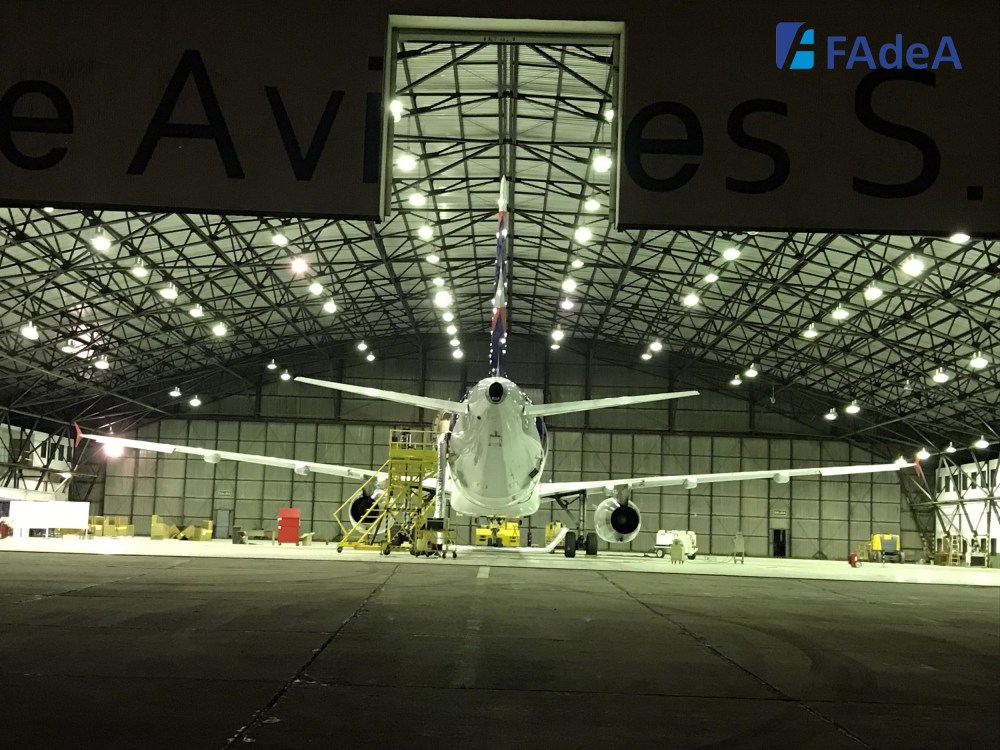
La fábrica aeronáutica FAdeA de Argentina comenzó su proceso para fortalecer su posición en el mercado y asegurar su estabilidad financiera. La empresa firmó acuerdos estratégicos con Embraer, Akaer, FlyBondi y JetSMART Airlines, y amplió sus servicios de mantenimiento. El directorio tiene la meta de que el 50% de la facturación provenga de clientes privados.

La conocida Fábrica Militar de Aviones de Córdoba (FMA) como se denominaba anteriormente, fue fundada el 10 de Octubre de 1927 por el Ing. Francisco de Arteaga. Actualmente, la Fábrica Argentina de Aviones (FAdeA SA) inició en los últimos meses un proceso de reconversión, con vista hacia el 2025. El Directorio, encabezado por Fernando Sibilla, asumió en Febrero de 2024 y tiene como objetivo que los números de la empresa estén en equilibrio para 2025. Además, el plan para 2026 es que la mitad de la facturación, sea con clientes privados. El Presidente de FAdeA, destacó la importancia de estos acuerdos en un contexto económico desafiante: “Sabemos que son tiempos muy difíciles. Nos toca gestionar esta empresa en un momento de grandes desafíos internos y externos, pero estamos convencidos que gracias al empuje de nuestra gente y la gestión que venimos llevando a cabo junto al Ministerio de Defensa, lograremos generar las condiciones necesarias para que esta empresa sea fuente de desarrollo productivo, que aporte estratégicamente a nuestras Fuerzas Armadas, sin necesidad de depender del Estado Argentino para su subsistencia. FAdeA tiene todas las condiciones para ser una empresa autónoma que agregue valor a todos los argentinos”.

Proveedor Embraer KC-390
FAdeA fortaleció su posición en la industria aeronáutica global al proveer componentes para el avión KC-390 de la empresa brasileña Embraer. Este avión, desarrollado y producido en Sao José dos Campos, recibió conjuntos fabricados por FAdeA en su planta de Córdoba, con herramientas de última generación y personal altamente capacitado. Esta incorporación de tecnología, técnicas y herramientas impulsa a la empresa con sede en Córdoba y contribuye al avance de la industria de la aviación en el país.

El KC-390, un avión de transporte militar, experimentó un notable incremento en sus ventas. Embraer, la tercera mayor productora mundial de aeronaves, detrás de Boeing y Airbus, tiene asegurada la venta de 140 unidades de este modelo hasta 2028. Entre los componentes que fabrica FAdeA para el KC-390 se encuentran: Puerta de tren de nariz: consta de cuatro puertas para el tren de aterrizaje delantero del avión, Rack de equipamiento: montado dentro de la cabina de la aeronave, se utiliza para alojar componentes eléctricos de comunicación de cabina, Spoiler: los frenos aerodinámicos, fabricados principalmente con fibra de carbono. El Ship-set consta de 6 spoilers por semiala y 12 por avión. Cono de cola: su principal función es cerrar el fuselaje en la zona trasera del avión, Puerta de carga, se utiliza como acceso principal para la carga y descarga del avión, Carenado de Flap: conformado por 8 subconjuntos, 4 por cada semiala, Acuerdos por servicios de mantenimiento

FAdeA no solo se destaca en la fabricación de componentes para aviones, sino que también ha ampliado su oferta de servicios de mantenimiento (MRO). Actualmente, la empresa realiza trabajos en ruedas, frenos y sistemas de oxígeno de aeronaves para la aerolínea JetSMART, enfocándose principalmente en la flota de aviones A320 y A321. Además, lleva a cabo tareas de pintura para Aerolíneas Argentinas y mantiene aviones militares. Esta diversificación en servicios refuerza la posición de FAdeA como un actor clave en la industria aeronáutica argentina, contribuyendo tanto al sector civil como al militar.

Convenio con Akaer
FAdeA firmó un acuerdo con Akaer, la empresa privada brasileña especializada en soluciones aeroespaciales y de defensa, para colaborar en proyectos estratégicos, enfocándose en el desarrollo de tecnologías avanzadas y la producción de aeroestructuras. Este acuerdo prevé la cooperación en la fabricación y ensamblaje de piezas estructurales y subconjuntos aeronáuticos, con un especial énfasis en la automatización y el uso de robots. Akaer se encargará del desarrollo de productos y del montaje final, mientras que FAdeA se dedicará a la fabricación de piezas y ofrecerá servicios de ingeniería en sus instalaciones.

FAdeA outlook

FAdeA begins reconversion in search of economic balance by 2025

The Argentine aeronautical factory FAdeA began its process to strengthen its position in the market and ensure its financial stability. The company signed strategic agreements with Embraer, Akaer, FlyBondi, and JetSMART Airlines, and expanded its maintenance services. The board of directors has the goal of having 50% of the billing come from private clients.

The well-known Military Aircraft Factory of Córdoba (FMA), as it was previously called, was founded on October 10, 1927 by Eng. Francisco de Arteaga. Currently, the Argentine Aircraft Factory (FAdeA SA) has started a reconversion process in recent months, looking towards 2025. The Board of Directors, headed by Fernando Sibilla, took office in February 2024 and aims for the company’s numbers to be balanced by 2025. In addition, the plan for 2026 is for half of the billing to be with private clients. The President of FAdeA highlighted the importance of these agreements in a challenging economic context: “We know that these are very difficult times. We have to manage this company in a time of great internal and external challenges, but we are convinced that thanks to the drive of our people and the management that we have been carrying out together with the Ministry of Defense, we will be able to generate the necessary conditions for this company to be a source of productive development, which strategically contributes to our Armed Forces, without having to depend on the Argentine State for its subsistence. FAdeA has all the conditions to be an autonomous company that adds value to all Argentines”.

Embraer KC-390 Supplier
FAdeA strengthened its position in the global aeronautical industry by supplying components for the KC-390 aircraft of the Brazilian company Embraer. This aircraft, developed and produced in Sao José dos Campos, received assemblies manufactured by FAdeA at its plant in Córdoba, with state-of-the-art tools and highly trained personnel. This incorporation of technology, techniques, and tools boosts the Córdoba-based company and contributes to the advancement of the aviation industry in the country.

The KC-390, a military transport aircraft, experienced a notable increase in its sales. Embraer, the world’s third largest aircraft producer behind Boeing and Airbus, has secured the sale of 140 units of this model until 2028. Among the components that FAdeA manufactures for the KC-390 are: Nose gear door: consists of four doors for the aircraft’s front landing gear, Equipment rack: mounted inside the aircraft cabin, it is used to house electrical components for cockpit communication, Spoiler: the aerodynamic brakes, made mainly of carbon fiber. The Ship-set consists of 6 spoilers per wing and 12 per aircraft. Tail cone: its main function is to close the fuselage in the rear area of ​​the aircraft, Cargo door, used as the main access for loading and unloading the aircraft, Flap fairing: made up of 8 subassemblies, 4 for each wing, Maintenance service agreements

FAdeA not only stands out in the manufacture of aircraft components, but has also expanded its maintenance services offering (MRO). The company currently carries out work on aircraft wheels, brakes and oxygen systems for the airline JetSMART, focusing mainly on the A320 and A321 aircraft fleet. In addition, it carries out painting tasks for Aerolíneas Argentinas and maintains military aircraft. This diversification in services reinforces FAdeA’s position as a key player in the Argentine aeronautical industry, contributing to both the civil and military sectors.

Agreement with Akaer
FAdeA signed an agreement with Akaer, the private Brazilian company specializing in aerospace and defense solutions, to collaborate on strategic projects, focusing on the development of advanced technologies and the production of aerostructures. This agreement provides for cooperation in the manufacture and assembly of structural parts and aeronautical subassemblies, with a special emphasis on automation and the use of robots. Akaer will be responsible for product development and final assembly, while FAdeA will be dedicated to the manufacture of parts and will offer engineering services at its facilities.

PUBLISHER: Airgways.com
DBk: Fadeasa.com.ar / Airgways.com
AW-POST: 202409091100AR
OWNERSHIP: Airgways Inc.
A\W A I R G W A Y S ®
Vueling nuevas rutas desde Paris/Orly

AW | 2024 09 09 10:37 | AIRLINES ROUTES

Vueling lanza dos nuevas rutas a Luleå (Suecia) e Ivalo (Finlandia)

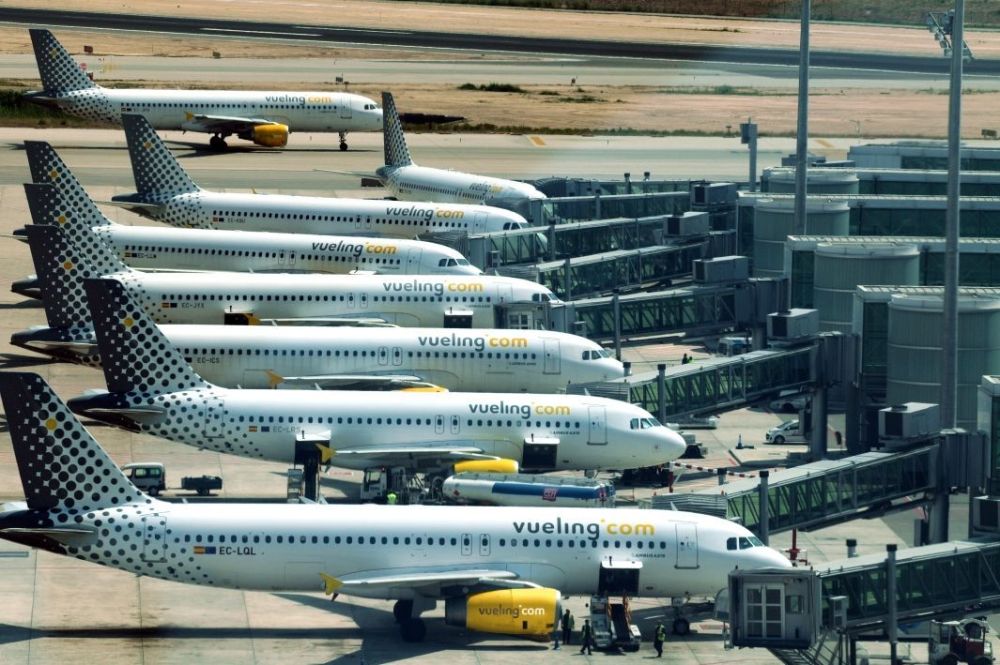
Vueling ha anunciado dos nuevas rutas directas estacionales desde París-Orly a Laponia, que inaugurarán los destinos hacia Luleå en Suecia e Ivalo en Finlandia a partir de Diciembre de 2024. Los vuelos a Luleå operarán con una frecuencia semanal desde el 21 de Diciembre de 2024 hasta el 29 de Marzo de 2025, mientras que los vuelos a Ivalo funcionarán del 28 de Diciembre de 2024 al 29 de Marzo de 2025.

Los nuevos destinos con enfoque turístico permitirán explorar el atractivo de la zona del Círculo Polar Ártico, ampliando las ofertas a los clientes por nuevos destinos. La aerolínea española Vueling amplía su presencia en el mercado francés y continúa diversificando su oferta invernal, aprovechando el éxito de rutas como Barcelona a Rovaniemi y Tromsø, ahora incorporando los destinos de Luleå e Ivalo como parte de su expansión.

Vueling launches new routes from Paris/Orly

Vueling launches two new routes to Luleå and Ivalo

Vueling has announced two new seasonal direct routes from Paris-Orly to Lapland, which will inaugurate the destinations to Luleå in Sweden and Ivalo in Finland from December 2024. Flights to Luleå will operate on a weekly basis from 21 December 2024 to 29 March 2025, while flights to Ivalo will operate from 28 December 2024 to 29 March 2025.

The new tourist-focused destinations will allow customers to explore the appeal of the Arctic Circle area, expanding the offers to new destinations. Spanish airline Vueling is expanding its presence in the French market and continuing to diversify its winter offering, taking advantage of the success of routes such as Barcelona to Rovaniemi and Tromsø, and now incorporating the destinations of Luleå and Ivalo as part of its expansion.

PUBLISHER: Airgways.com
DBk: Vueling.com / Airgways.com
AW-POST: 202409091037AR
OWNERSHIP: Airgways Inc.
A\W A I R G W A Y S ®
Air Belgium aproxima quiebra

AW | 2024 09 09 10:35 | AIRLINES / GOVERNMENT

Aerolínea belga busca una salida de Acreedores

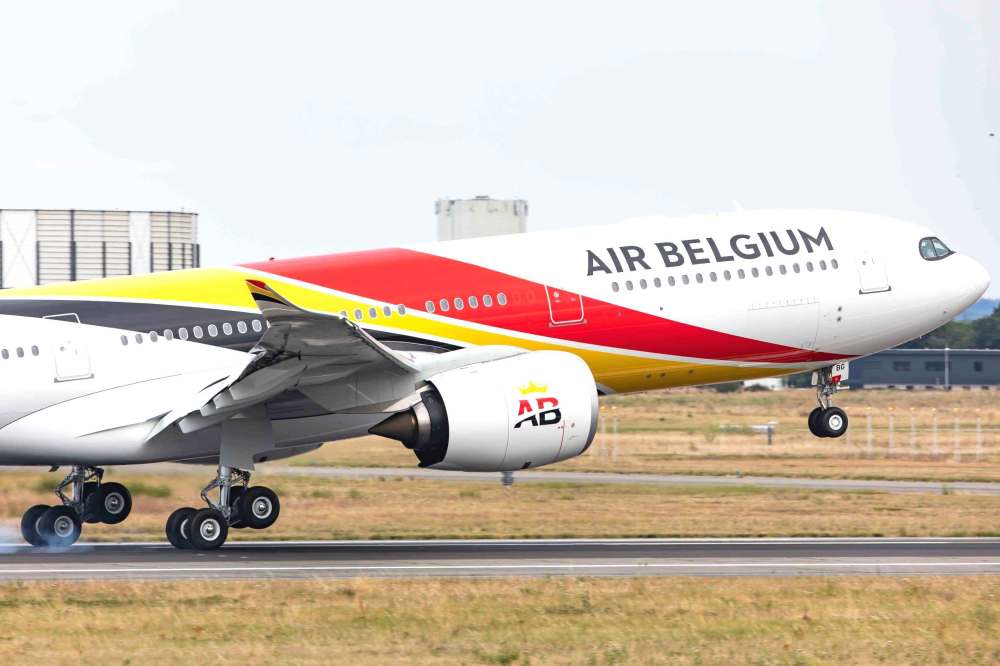
La aerolínea de Bélgica Air Belgium busca una salida económica antes del vencimiento del plazo del acogimiento de la Convocatoria de Acreedores un año atrás. La compañía aérea había suspendido sus operaciones de vuelos en 2023, mientras se enfrenta a una semana crítica tras no haber conseguido inversionistas como respaldo financiero.

Los representantes de Air Belgium comparecieron ante el Tribunal Comercial de Nivelles el 3 de Septiembre de 2024, donde se le concedieron a la aerolínea dos semanas más para encontrar una solución. El diario L’Echo ha comunicado que Air Belgium ha estado protegida de sus acreedores durante un año como parte de una Reorganización Judicial, un procedimiento que permite a una empresa con problemas financieros reestructurarse. Air Belgium necesita alrededor de € 18 millones de Euros/US$ 19.6 millones de Dólares a corto plazo, pero sin esa inversión, la quiebra es probablemente inevitable.

La aerolínea china Sichuan Airlines había sido considerada como un posible inversionista en Air Belgium, pero desestimó su interés. El Tribunal belga dio más tiempo a la aerolínea después de que apareciera un nuevo inversor después de la fecha límite.

En Septiembre de 2023, Air Belgium anunció que suspendía sus operaciones de vuelos de pasajeros para centrarse en el transporte de mercancías y los servicios de aeronaves, tripulación, mantenimiento y seguros (ACMI).

Air Belgium fundada en 2016 es una aerolínea chárter y de carga con sede en Mont-Saint-Guibert y sede en el Aeropuerto de Bruselas.​Inicialmente, conectaba Bélgica con Asia. Sin embargo, desde 2022, la aerolínea reorientó su red hacia África, con destinos que incluyen Sudáfrica y Mauricio.

Air Belgium nears bankruptcy

Belgian airline seeks exit from creditors

Belgian airline Air Belgium is seeking an economic exit before the deadline for filing for creditors expires a year ago. The airline had suspended its flight operations in 2023, while facing a critical week after failing to secure investors as financial backing.

Representatives of Air Belgium appeared before the Nivelles Commercial Court on September 3, 2024, where the airline was granted two more weeks to find a solution. The daily L’Echo has reported that Air Belgium has been protected from its creditors for a year as part of a Judicial Reorganisation, a procedure that allows a financially troubled company to restructure itself. Air Belgium needs around € 18 million Euros/US$ 19.6 million Dollars in the short term, but without that investment, bankruptcy is likely inevitable.

Chinese airline Sichuan Airlines had been considered as a potential investor in Air Belgium, but dismissed its interest. The Belgian court gave the airline more time after a new investor emerged after the deadline.

In September 2023, Air Belgium announced that it was suspending its passenger flight operations to focus on freight transport and aircraft, crew, maintenance, and insurance (ACMI) services.

Air Belgium founded in 2016 is a charter and cargo airline based in Mont-Saint-Guibert and based at Brussels Airport.​Initially, it connected Belgium with Asia. However, since 2022, the airline reoriented its network towards Africa, with destinations including South Africa and Mauritius.

PUBLISHER: Airgways.com
DBk: Airbelgium.com / Airgways.com
AW-POST: 202409091035AR
OWNERSHIP: Airgways Inc.
A\W A I R G W A Y S ®

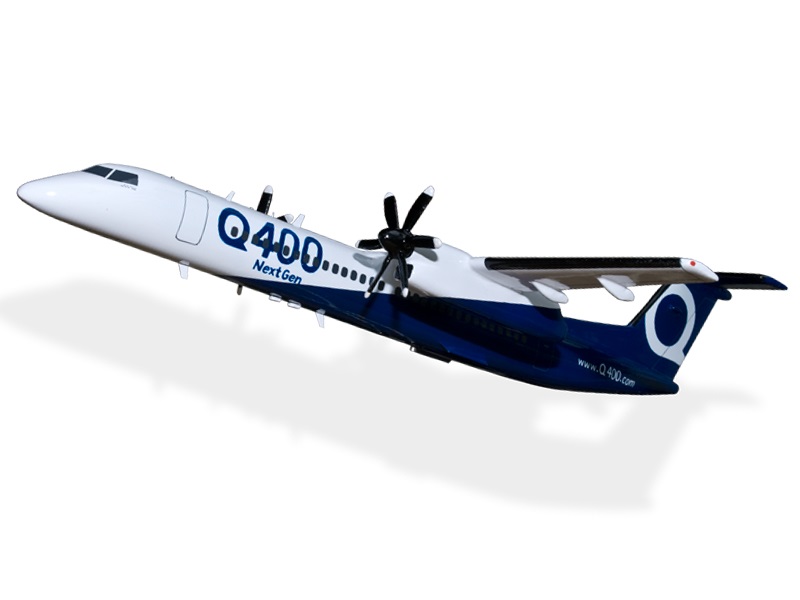
DAP inaugura ruta Dash 8-Q400

AW | 2024 09 09 10:23 | AIRLINES ROUTES

Aerolínea regional chilena inaugura ruta Punta Arenas—Puerto Williams

La aerolínea chilena Aerovías DAP ha anunciado el Viernes 6 de Septiembre de 2024 la incorporación de una nueva aeronave De Havilland DHC-8-Q400, realizando el primer vuelo oficial de su nuevo avión turboprop, conectando Punta Arenas/PUQ—Puerto Williams/WPU en Chile. La aeronave despegó pasadas las 13:00 horas con pasajeros habituales y algunos invitados especiales, aterrizando sin inconvenientes en la capital de la Provincia Antártica tras un vuelo de 45 minutos.

El Dash 8-Q400, presentado por la aerolínea el pasado 15 de Julio de 2024 en el Aeropuerto Presidente Carlos Ibáñez del Campo, cuenta con una capacidad para 74 pasajeros. Su incorporación a la flota de DAP busca mejorar la conectividad y el servicio en la región de Magallanes, especialmente en rutas con orografía desafiante y aeropuertos con infraestructura limitada, gracias a su capacidad para operar en pistas cortas de al menos 1.000 metros.

Aerovías DAP compone una flota de 32 aeronaves, con 14 de mediano porte, realizando vuelos regulares, chárter y sanitarios, y es una pieza clave en la conectividad de Magallanes, con operaciones hacia la Antártica y otras rutas como Porvenir, Pampa Guanaco y Balmaceda.

El nuevo Dash 8-Q400 representa un avance significativo para la aerolínea y la región. Además, con las obras de ampliación y mejora del Aeródromo Guardiamarina Zañartu en Puerto Williams, la comunidad austral se siente cada vez más conectada, algo esencial para su desarrollo y el bienestar de sus habitantes.

DAP inaugurates Dash 8-Q400 route

Chilean regional inaugurates Punta Arenas—Puerto Williams route

The Chilean airline Aerovías DAP has announced on Friday, September 6, 2024, the incorporation of a new De Havilland DHC-8-Q400 aircraft, making the first official flight of its new turboprop aircraft, connecting Punta Arenas/PUQ—Puerto Williams/WPU in Chile. The aircraft took off after 1:00 p.m. with regular passengers and some special guests, landing without incident in the capital of the Antarctic Province after a 45-minute flight.

The Dash 8-Q400, presented by the airline on July 15, 2024, at the Presidente Carlos Ibáñez del Campo Airport, has a capacity for 74 passengers. Its incorporation into the DAP fleet seeks to improve connectivity and service in the Magallanes region, especially on routes with challenging orography and airports with limited infrastructure, thanks to its ability to operate on short runways of at least 1,000 meters.

Aerovías DAP comprises a fleet of 32 aircraft, including 14 medium-sized aircraft, carrying out regular, charter, and medical flights, and is a key piece in Magallanes’ connectivity, with operations to Antarctica and other routes such as Porvenir, Pampa Guanaco, and Balmaceda.

The new Dash 8-Q400 represents a significant advance for the airline and the region. In addition, with the expansion and improvement works at the Guardiamarina Zañartu Aerodrome in Puerto Williams, the southern community feels increasingly connected, something essential for its development and the well-being of its inhabitants.

PUBLISHER: Airgways.com
DBk: Dapairline.com / Airgways.com
AW-POST: 202409091023AR
OWNERSHIP: Airgways Inc.
A\W A I R G W A Y S ®
PRO proyecto privatización Aerolíneas

AW | 2024 09 09 09:31 | AIRLINES / GOVERNMENT

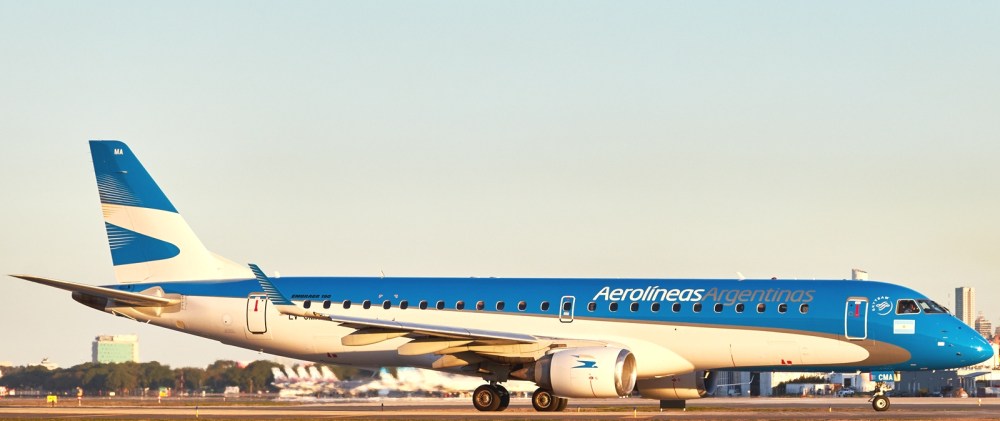
PRO presenta proyecto para privatizar Aerolíneas Argentinas

El bloque de Diputados del PRO presentó un proyecto para privatizar Aerolíneas Argentinas, en el medio de un programa de medidas de fuerza de los pilotos para reclamar aumentos salariales, que afectó a alrededor de 15.000 pasajeros.

El proyecto había sido incluido por el Gobierno en la Ley Bases. Sin embargo, tuvieron que dar marcha atrás durante las negociaciones para su aprobación en el Congreso.

El Diputado PRO por la Provincia de Buenos Aires, Hernán Lombardi, fue el encargado de presentar el texto, junto a otros veinte legisladores del partido. Según argumentaron, viajar en la aerolínea se convirtió en los últimos años en «un privilegio para unos pocos, financiado por aquellos que apenas pueden cubrir sus necesidades básicas. Para muchos que intentan acceder a este servicio, el alto costo de los pasajes, sumado a la escasa oferta de rutas aéreas, representó un obstáculo significativo», aseguraron.

Privatización de Aerolíneas Argentinas
Para el PRO, la privatización de la línea aérea es la manera para que funcione «bajo criterios de eficiencia comercial, mejorando la calidad del servicio y generando un ambiente más competitivo a todos los ciudadanos». Otro de los argumentos del PRO que conduce Mauricio Macri fue el de adjudicar la ineficiencia a los años de corrupción dentro de la aerolínea y el «uso de la empresa como un nicho para acomodar militancia partidaria y la extorsión por parte de algunos sindicatos, algo que le costó millones de Dólares a todos los argentinos».

Aerolíneas Argentinas finalizó el 2023 con el récord máximo de pasajeros transportados desde su fundación en 1950. La compañía transportó 12,9 millones de 2019, superando en el transcurso del 2024 unos 13,8 millones de pasajeros.

PRO project privatization of Aerolíneas

PRO presents project to privatize Aerolíneas Argentinas

The PRO block of Deputies presented a project to privatize Aerolíneas Argentinas, in the middle of a program of force measures by pilots to demand salary increases, which affected around 15,000 passengers.

The project had been included by the Government in the Ley Bases. However, they had to back down during the negotiations for its approval in Congress.

The PRO Deputy for the Province of Buenos Aires, Hernán Lombardi, was in charge of presenting the text, along with twenty other legislators from the party. According to their arguments, traveling on the airline became in recent years «a privilege for a few, financed by those who can barely cover their basic needs. For many who try to access this service, the high cost of tickets, added to the scarce offer of air routes, represented a significant obstacle», they said.

Privatization of Aerolíneas Argentinas
For the PRO, the privatization of the airline is the way for it to operate «under criteria of commercial efficiency, improving the quality of service and generating a more competitive environment for all citizens». Another of the arguments of the PRO led by Mauricio Macri was to attribute the inefficiency to the years of corruption within the airline and the «use of the company as a niche to accommodate party militancy and extortion by some unions, something that cost millions of dollars to all Argentines».

Aerolíneas Argentinas ended 2023 with the highest record of passengers transported since its foundation in 1950. The company transported 12.9 million in 2019, surpassing some 13.8 million passengers in 2024.

PUBLISHER: Airgways.com
DBk: Pro.com.ar / Diputados.gov.ar / Airgways.com
AW-POST: 202409090931AR
OWNERSHIP: Airgways Inc.
A\W A I R G W A Y S ®

Boeing-IAM acuerdo sindical

AW | 2024 09 09 09:11 | INDUSTRY / AVIQATION ORGANISMS

Boeing oferta contrato histórico con sindicato IAM

The Boeing Company alcanzó el Domingo 8 de Septiembre de 2024 un acuerdo tentativo sobre una oferta de contrato histórica con los Distritos 751 y W24 de la International Association of Machinists and Aerospace Workers (IAM), que representan a más de 33.000 empleados de Boeing.

La Presidenta y Directora Ejecutiva de Boeing Commercial Airplanes, Stephanie Pope, compartió lo siguiente en un mensaje de video a los empleados: «Hemos escuchado lo que es importante para ti para el nuevo contrato. Y hemos llegado a un acuerdo tentativo con el sindicato sobre una oferta histórica que cuida de usted y de su familia. La oferta de contrato proporciona el mayor aumento salarial general de la historia, una menor participación en los costos médicos para que la atención médica sea más asequible, mayores contribuciones de la empresa para su jubilación y mejoras para un mejor equilibrio entre el trabajo y la vida personal.

Igual de importante, este contrato profundiza nuestro compromiso con el noroeste del Pacífico. Las raíces de Boeing están aquí, en Washington. Es donde generaciones de trabajadores han construido increíbles aviones que conectan el mundo. Y es por eso que estamos entusiasmados de que, como parte del contrato, nuestro equipo en la región de Puget Sound construya el próximo avión nuevo de Boeing. Esto iría de la mano con nuestros otros modelos insignia, lo que significaría seguridad laboral para las generaciones venideras. Es un gran compromiso contigo y con nuestra comunidad».

Sindicato IAM 751 / W24
Más de 33.000 empleados están representados por IAM 751 principalmente en Washington y W24 en Portland, Oregón. También hay un pequeño grupo de empleados en California. Si bien apoya principalmente la producción de aviones comerciales y de defensa, espacio y seguridad que incluyen 737 MAX, 767, 777/777X, P-8, KC-46A Tanker, E-7 Wedgetail, la unidad de negociación también incluye empleados en Servicios Globales y funciones corporativas. Esta es la primera negociación completa entre Boeing e IAM 751 y W24 en 16 años. Después de la ratificación de un nuevo contrato en 2008, los empleados aprobaron dos extensiones de contrato en 2011 y 2014. La extensión actual de ocho años comenzó en 2016.

Como empresa aeroespacial líder a nivel mundial, Boeing desarrolla, fabrica y da servicio a aviones comerciales, productos de defensa y sistemas espaciales para clientes en más de 150 países. Como uno de los principales exportadores de Estados Unidos, la compañía aprovecha los talentos de una base de proveedores globales para promover las oportunidades económicas, la sostenibilidad y el impacto en la comunidad. El diverso equipo de Boeing está comprometido a innovar para el futuro, liderar con sostenibilidad y cultivar una cultura basada en los valores fundamentales de la compañía de seguridad, calidad e integridad.

Boeing-IAM union deal

BOEING 787-10

Boeing offers historic contract with IAM union

The Boeing Company reached a tentative agreement on Sunday, September 8, 2024, on a historic contract offer with Districts 751 and W24 of the International Association of Machinists and Aerospace Workers (IAM), representing more than 33,000 Boeing employees.

Boeing Commercial Airplanes President and CEO Stephanie Pope shared the following in a video message to employees: “We’ve listened to what’s important to you for the new contract. And we’ve reached a tentative agreement with the union on a historic offer that takes care of you and your family. The contract offer provides the largest overall wage increase in history, lower medical cost sharing to make health care more affordable, increased company contributions for your retirement, and improvements for a better work-life balance.

Just as importantly, this contract deepens our commitment to the Pacific Northwest. Boeing’s roots are here in Washington. It’s where generations of workers have built incredible airplanes that connect the world. And that’s why we’re excited that, as part of the contract, our team in the Puget Sound region will build Boeing’s next new airplane. This would go hand-in-hand with our other flagship models, meaning job security for generations to come. It’s a huge commitment to you and our community».

IAM 751/W24 Union
More than 33,000 employees are represented by IAM 751 primarily in Washington and W24 in Portland, Oregon. There is also a small group of employees in California. While it primarily supports the production of commercial and defense, space and security aircraft including the 737 MAX, 767, 777/777X, P-8, KC-46A Tanker, E-7 Wedgetail, the bargaining unit also includes employees in Global Services and corporate functions. This is the first full negotiation between Boeing and IAM 751 and W24 in 16 years. After ratification of a new contract in 2008, employees approved two contract extensions in 2011 and 2014. The current eight-year extension began in 2016.

As a leading global aerospace company, Boeing develops, manufactures, and delivers Boeing serves commercial airplanes, defense products, and space systems for customers in more than 150 countries. As a leading U.S. exporter, the company leverages the talents of a global supplier base to advance economic opportunity, sustainability, and community impact. Boeing’s diverse team is committed to innovating for the future, leading with sustainability, and cultivating a culture based on the company’s core values ​​of safety, quality, and integrity.

PUBLISHER: Airgways.com
DBk: Boeing.com / Goiam.org / Reuters.com/Randall Hill / Airgways.com
AW-POST: 202409090911AR
OWNERSHIP: Airgways Inc.
A\W A I R G W A Y S ®

Informe Preliminar Voepass 2283

AW | 2024 09 07 19:00 | AIR INVESTIGATION / AVIATION SAFETY / AVIATION ORGANISMS

CENIPA publica informe accidente ATR 72-500

El 6 de septiembre de 2024 la aagencia de investigación brasileña CENIPA publicó el Informe Preliminar del accidente del vuelo Voepass 2283 que se estrelló en Vinhedo, Sao Paulo, Brasil.

voepass_isologotype_svg

A casi un més del accidente de la aeronave turboprop regional ATR 72-500, la agencia de investigación aeronáutica anuncia el inforome de la secuencia de los eventos. Con base en la información recopilada durante la acción inicial, así como las grabaciones del Registrador de Datos de Vuelo (FDR) y el Registrador de Voz de la Cabina (CVR), la Comisión Investigadora identificó la secuencia de eventos que precedió a la colisión de la aeronave con el suelo. Para registrar las horas descritas en este campo, se utilizó como referencia el Tiempo Universal Coordinado (UTC).

PRELIMINARY REPORT VUELO VOEPASS | 2Z-2283 | CAC—GRU | ATR 72-500

14:58:05 | La aeronave comenzó a despegar de la Pista 15 de Cascavel SBCA/CAC, con 58 pasajeros y 4 tripulantes a bordo.

15:12:40 | Se encendieron los Antihielos de las hélices Nº1 y Nº2.

15:14:56 | El Detector Electrónico de Hielo conectado al Sistema Centralizado de Alerta de la Tripulación (CCAS) mostró una señal de advertencia al cruzar FL130.

15:15:03 | Se activó el deshielo del fuselaje.

15:15:42 | Se escuchó una sola campanilla en la cabina. La tripulación informó entonces de que se había producido un mensaje de avería en el fuselaje de deshielo.

15:15:49 | Se desactivó el Deshielo del fuselaje.

15:16:25 | El Detector Electrónico de Hielo dejó de mostrar la señal de advertencia.

15:17:08 | El Detector Electrónico de Hielo mostró una señal de advertencia.

15:19:13 | El Detector Electrónico de Hielo dejó de mostrar la señal de advertencia.

15:23:43 | El Detector Electrónico de Hielo mostró una señal de advertencia.

15:30:05 | El Detector Electrónico de Hielo dejó de mostrar la señal de advertencia.

16:11:02 | El Detector Electrónico de Hielo mostró una señal de advertencia.

16:12:41 | El Detector Electrónico de Hielo dejó de mostrar la señal de advertencia.

16:12:55 | El Detector Electrónico de Hielo mostró una señal de advertencia.

16:15:16 | El Segundo al Mando (SIC) hizo contacto por radio con el despachador operativo de la aerolínea en el Aeropuero Sao Paulo/Guarulhos, con el fin de realizar las coordinaciones necesarias para su llegada.

16:16:25 | Al mismo tiempo que la coordinación con el despachador operativo, se llamó a una azafata por el intercomunicador. La SIC le pidió que esperara un momento y continuó la comunicación con el despachador;

16:17:20 | El Detector Electrónico de Hielo dejó de mostrar la señal de advertencia. En ese momento, la SIC estaba solicitando información a la azafata para transmitirla al despachador operativo.

16:17:32 | El Detector Electrónico de Hielo mostró una señal de advertencia. En este momento, el Piloto al Mando (PIC) estaba informando a los pasajeros sobre las condiciones y la hora estimada para el aterrizaje en Sao Paulo/Guarulhos (SBGR).

16:17:41 | Se activó el Deshielo del fuselaje.

El Capitán (ATPL) había acumulado un total de 5.248 horas y 665 horas en tipo, el primer oficial (ATPL) había acumulado un total de 5.143 horas y 3.543 horas en tipo. El informe dice: «Ambos pilotos habían completado la formación teórica y práctica y se habían sometido a exámenes de competencia en un simulador de vuelo, que incluían formación de emergencia y, en particular, gestión de vuelo en condiciones de hielo».

CENIPA también informó que la aeronave había sido despachada bajo los requisitos de la lista de equipo mínimo con el PACK 1 inoperativo, restringiendo la aeronave a FL170. El CENIPA declaró:

El procedimiento operativo incluyó lo siguiente:
· Necesidad de calcular el combustible considerando el consumo de la aeronave a FL100.
· No destacando que el par motor relacionado con el Pack inoperativo aumentaría; y el ajuste de la Palanca de Potencia (PL) requerido para el motor afectado.

El informe señala: «Además, de acuerdo con las transcripciones de las comunicaciones de audio entre el PS-VPB y los organismos de control, se encontró que no hubo declaración de emergencia».

ACCIDENTE VUELO VOEPASS 2283
VOEPASS LINHAS AÉREAS
FECHA: 09/08/2024
VUELO: 2Z-2283 CASCAVEL/CAC—SAO PAULO/GRU
AERONAVE: ATR AIRCRAFT ATR 72-500
LUGAR ACCIDENTE: VINHEDO, SAO PAULO, BRASIL.

Un Avions de Transport Regional ATR-72-212A, matrícula PS-VPB, de la aerolínea Voepass Linhas Aéreas que realizaba el vuelo 2Z-2283 desde Cascavel (PR) a São Paulo Guarulhos (SP), Brasil, con 58 pasajeros y 4 tripulantes, estaba en la aproximación inicial alrededor de FL170, cuando la aeronave perdió el control y se estrelló en una zona residencial en Vila Santa Fe, Vinhedo, SP (Brasil) a unas 7 millas náuticas al sureste del aeropuerto de Viracopos y a unas 40 millas náuticas al noroeste del aeropuerto de Guarulhos. coordenadas aproximadas S23.050 W47.020, alrededor de las 13:22L (16:22Z). La aeronave se rompió en varias partes y estalló en llamas. Todos los ocupantes perecieron en el accidente. Ninguna casa residencial fue alcanzada, no hubo heridos en el suelo.

La aerolínea confirmó que la aeronave que transportaba a 58 pasajeros y 4 tripulantes tuvo un accidente cerca de Vinhedo, SP (Brasil), las circunstancias del accidente, así como la situación de las personas a bordo, aún se desconocen. La aerolínea informó más tarde que en realidad había 57 pasajeros y 4 tripulantes a bordo, desafortunadamente todos murieron en el accidente. La aeronave había partido de Cascavel sin ninguna restricción de vuelo y con todos los sistemas listos para llevar a cabo la operación.

El 10 de Agosto de 2024, la aerolínea confirmó que había una persona número 62 a bordo, que no se había registrado debido a un problema técnico relacionado con la validación del check-in, la validación del embarque y el recuento de personas a bordo. Los hospitales de Vinhedo y Valinhos fueron puestos en alerta para recibir posibles heridos.Las autoridades locales informaron que aunque la aeronave se estrelló cerca de residencias con personas adentro, ninguna persona en tierra ha resultado herida.

FAB Brasil, proveedor de ATC, informó que el vuelo fue normal hasta las 16:20Z, sin embargo, a partir de entonces ya no hubo comunicación de la aeronave y la tripulación no respondió a las llamadas, tampoco hubo llamada de emergencia ni informe del piloto sobre condiciones climáticas adversas. El contacto con el radar se perdió a las 16:22Z.

La CENIPA de Brasil ha abierto una investigación. CENIPA anunció más tarde que han recuperado tanto los datos de vuelo como la grabadora de voz de la cabina, las cajas negras se están enviando a Brasilia, DF, donde serán leídas y analizadas. En conferencia de prensa, CENIPA confirmó que la aeronave que transportaba a 61 personas no había emitido una llamada de emergencia.

El 11 de Agosto de 2024, los servicios de emergencia informaron que habían completado sus tareas en el lugar del accidente, se habían recuperado todos los cuerpos, se habían retirado los motores y la cola para su examen, y el lugar de los restos se había entregado a CENIPA para su posterior remoción y análisis de los restos. Más tarde, el 11 de Agosto de 2024, CENIPA informó en conferencia de prensa, que ambas cajas negras han sido descargadas y validadas de manera exitosa y completa, los datos ahora están siendo analizados. Los motores de la aeronave están siendo examinados para determinar si estaban funcionando en el momento del impacto. Los investigadores de la BEA francesa han llegado al lugar para unirse a la investigación. Los investigadores de la TSB canadiense, los motores fueron fabricados en Canadá, se esperan en la sede de CENIPA en breve. Se puede esperar un informe preliminar 30 días después del accidente.

El 12 de Agosto de 2024, los medios de comunicación brasileños informaron que la aeronave había estado en problemas desde el 11 de marzo de 2024, cuando sufrió un golpe de cola que recibió daños estructurales. Tras su regreso al servicio cuatro meses después y un mes antes del accidente, los pasajeros reportaron que el sistema de aire acondicionado no funcionaba con un calor increíble a bordo.

Los datos de ADS-B muestran que la aeronave había estado en ruta a FL170 y estaba comenzando el descenso inicial a las 16:21Z cuando los datos de vuelo se volvieron erráticos coincidiendo con los videos de los observadores terrestres de un giro plano. La aeronave volvió a subir a FL172 antes de comenzar el rápido descenso final.

Preliminary Report Voepass 2283

CENIPA publishes ATR 72-500 accident report

On September 6, 2024, the Brazilian investigative agency CENIPA published the Preliminary Report of the accident of Voepass flight 2283 that crashed in Vinhedo, Sao Paulo, Brazil.

Almost a month after the accident of the ATR 72-500 regional turboprop aircraft, the aeronautical investigation agency announces the report of the sequence of events. Based on the information collected during the initial action, as well as the recordings of the Flight Data Recorder (FDR) and the Cockpit Voice Recorder (CVR), the Investigative Commission identified the sequence of events that preceded the collision of the aircraft with the ground. To record the times described in this field, Coordinated Universal Time (UTC) was used as a reference.

PRELIMINARY REPORT VOEPASS FLIGHT | 2Z-2283 | CAC—GRU | ATR 72-500

14:58:05 | The aircraft began to take off from Runway 15 of Cascavel SBCA/CAC, with 58 passengers and 4 crew on board.

15:12:40 | The Anti-Ice on propellers No. 1 and No. 2 were turned on.

15:14:56 | The Electronic Ice Detector connected to the Centralized Crew Alert System (CCAS) showed a warning signal when crossing FL130.

15:15:03 | The fuselage de-icing was activated.

15:15:42 | A single bell was heard in the cockpit. The crew then reported that a fuselage de-icing fault message had occurred.

15:15:49 | Airframe Deicing has been disabled.

15:16:25 | The Electronic Ice Detector stopped displaying the warning signal.

15:17:08 | The Electronic Ice Detector displayed a warning signal.

15:19:13 | The Electronic Ice Detector stopped displaying the warning signal.

15:23:43 | The Electronic Ice Detector displayed a warning signal.

15:30:05 | The Electronic Ice Detector stopped displaying the warning signal.

16:11:02 | The Electronic Ice Detector displayed a warning signal.

16:12:41 | The Electronic Ice Detector stopped displaying the warning signal.

16:12:55 | The Electronic Ice Detector displayed a warning signal.

16:15:16 | The Second in Command (SIC) made radio contact with the airline’s operational dispatcher at Sao Paulo/Guarulhos Airport, in order to make the necessary arrangements for his arrival.

16:16:25 | At the same time as the coordination with the operational dispatcher, a flight attendant was called by intercom. The SIC asked her to wait a moment and continued communication with the dispatcher;

16:17:20 | The Electronic Ice Detector stopped displaying the warning signal. At that time, the SIC was requesting information from the flight attendant to transmit to the operational dispatcher.

16:17:32 | The Electronic Ice Detector displayed a warning signal. At this time, the Pilot in Command (PIC) was briefing passengers on the conditions and estimated time for landing at Sao Paulo/Guarulhos (SBGR).

16:17:41 | Airframe De-Icing was activated.

The Captain (ATPL) had accumulated a total of 5,248 hours and 665 hours on type, the First Officer (ATPL) had accumulated a total of 5,143 hours and 3,543 hours on type. The report says: «Both pilots had completed theoretical and practical training and had undergone competency tests on a flight simulator, which included emergency training and in particular flight management in icing conditions.»

CENIPA also reported that the aircraft had been dispatched under the minimum equipment list requirements with PACK 1 inoperative, restricting the aircraft to FL170. CENIPA stated:

The operating procedure included the following:
· Need to calculate fuel considering the aircraft’s consumption at FL100.
· Not highlighting that the engine torque related to the inoperative Pack would increase; and the Power Lever (PL) adjustment required for the affected engine.

The report states: «In addition, according to the transcripts of the audio communications between the PS-VPB and the control agencies, it was found that there was no emergency declaration».

ACCIDENT VOEPASS FLIGHT 2283 VOEPASS LINHAS AÉREAS

DATE: 08/09/2024 FLIGHT: 2Z-2283 CASCAVEL/CAC—SAO PAULO/GRU AIRCRAFT: ATR AIRCRAFT ATR 72-500 ACCIDENT LOCATION: VINHEDO, SAO PAULO, BRAZIL.

An ATR-72-212A Regional Transport Aircraft, registration PS-VPB, of the airline Voepass Linhas Aéreas that was operating flight 2Z-2283 from Cascavel (PR) to São Paulo Guarulhos (SP), Brazil, with 58 passengers and 4 crew members , was on initial approach around FL170, when the aircraft lost control and crashed in a residential area in Vila Santa Fe, Vinhedo, SP (Brazil) about 7 nautical miles southeast of Viracopos Airport and about 40 nautical miles northwest of Guarulhos Airport. approximate coordinates S23.050 W47.020, at around 13:22L (16:22Z). The aircraft broke into several parts and burst into flames. All occupants perished in the accident. No houses residential area was hit, there were no injuries on the ground.

The airline confirmed that the aircraft carrying 58 passengers and 4 crew members had an accident near Vinhedo, SP (Brazil), the circumstances of the accident, as well as the situation of the people on board, are still unknown. The airline later reported There were actually 57 passengers and 4 crew members on board, unfortunately all of whom died in the accident. The aircraft had departed Cascavel without any flight restrictions and with all systems ready to carry out the operation.

On August 10, 2024, The airline confirmed that there was a 62nd person on board, who had not registered due to a technical problem related to check-in validation, boarding validation and counting of people on board. The hospitals in Vinhedo and Valinhos were on alert for possible injuries. Local authorities reported that although the aircraft crashed near residences with people inside, no one on the ground was injured.

FAB Brasil, ATC provider, reported that the flight was normal until 16:20Z, however, from then on there was no communication from the aircraft and the crew did not respond to calls, there was no emergency call or report from the pilot in adverse weather conditions. Radar contact was lost at 16:22Z.

Brazil’s CENIPA has opened an investigation. CENIPA later announced that they have recovered both the flight data and the cockpit voice recorder, The black boxes are being sent to Brasilia, DF, where they will be read and analyzed. At a press conference, CENIPA confirmed that the aircraft carrying 61 people had not issued an emergency call.

On August 11, 2024, emergency services They reported that they had completed their tasks at the accident site, all bodies had been recovered, the engines and tail had been removed for examination, and the wreckage site had been turned over to CENIPA for further removal and analysis of the wreckage. remains. Later, on August 11, 2024, CENIPA reported at a press conference that both black boxes have been successfully and completely downloaded and validated, the data is now being analyzed. The aircraft’s engines are being examined to determine if were running at the time of impact. Investigators from the French BEA have arrived on site to join the investigation. Investigators from the Canadian TSB, the engines were manufactured in Canada, are expected at CENIPA headquarters shortly. a preliminary report is expected 30 days after the accident.

On August 12, 2024, Brazilian media reported that the aircraft had been in trouble since March 11, 2024, when it suffered a tail strike that received structural damage. After Upon its return to service four months later and a month before the accident, passengers reported that the air conditioning system was not working due to the incredible heat on board.

ADS-B data shows the aircraft had been en route to FL170 and was beginning the initial descent at 16:21Z when flight data became erratic coinciding with ground observer videos of a flat spin. The aircraft climbed back to FL172 before beginning the final rapid descent.

PUBLISHER: Airgways.com
DBk: Fab.mil.br/cenipa / Atraircraft.com / Airgways.com
AW-POST: 202409071900AR
OWNERSHIP: Airgways Inc.
A\W A I R G W A Y S ®
Starliner regreso exitoso a Tierra

AW | 2024 09 07 15:33 | AEROSPACE

Módulo Starliner retorna sin tripulación a Tierra

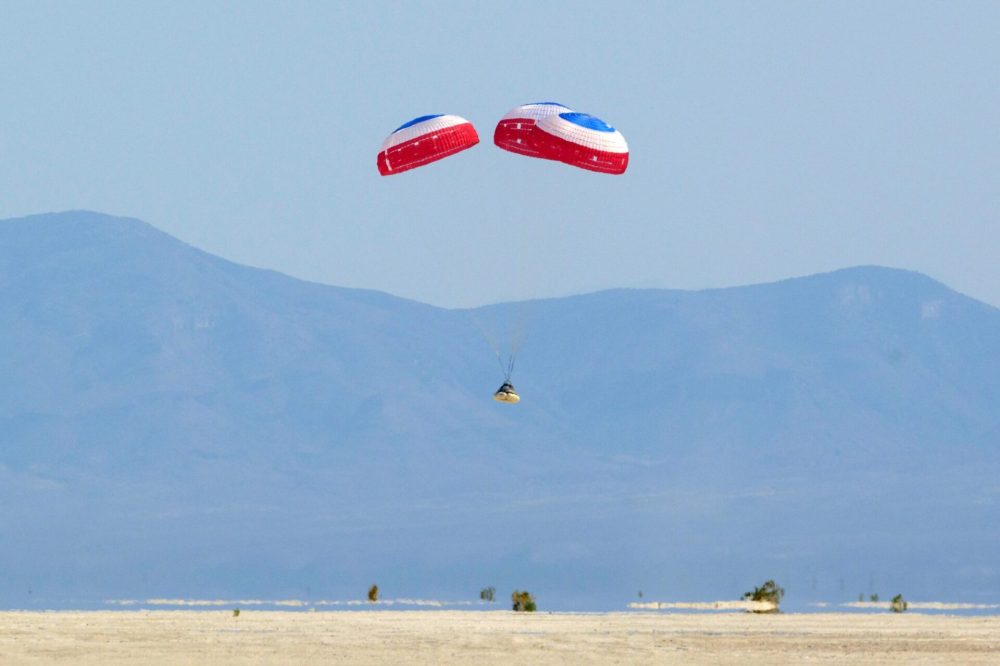
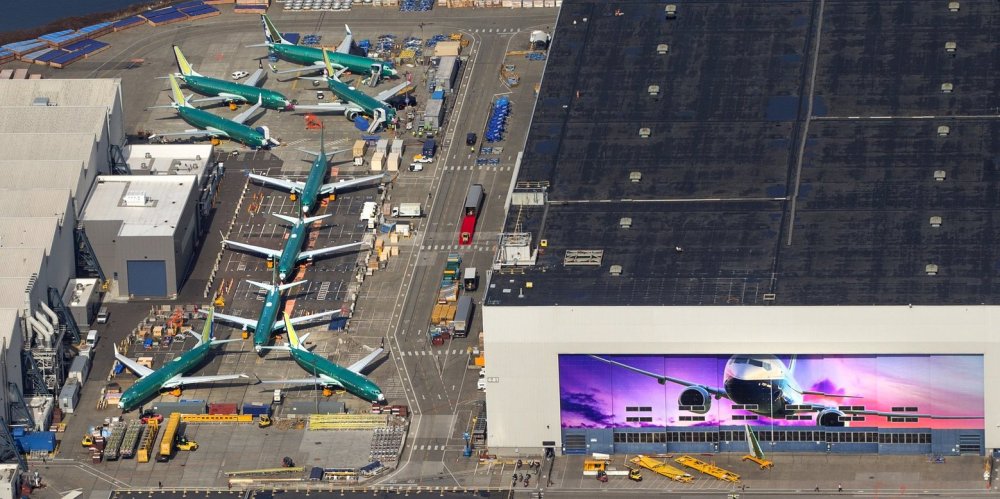
La cápsula Starliner de Boeing completó su regreso a la Tierra sin los dos astronautas de la NASA. El artefacto se desacopló con éxito de la Estación Espacial Internacional (ISS) a las 18:04 ETD del Viernes 06/09 y llegó a Nuevo México a las 00:01 hora local de este Sábado 07/09, con ayuda de paracaídas en White Sand, en Nuevo México (EEUU), después de un viaje de seis horas tras desacoplarse sin problemas de la Estación Espacial Internacional. Tras separarse suavemente de la ISS, la nave efectuó una secuencia programada de 12 encendidos cortos de propulsión que la lanzó lejos de la estación, tal como estaba planeado, y llegó a la denominada “zona de seguridad” para después realizar otros encendidos sin problemas.

La nave llegó a la Tierra después de tres meses en los que debido a los problemas técnicos tuvo que regresar sin sus dos tripulantes, los astronautas Barry ‘Butch’ Wilmore y Sunita ‘Suni’ Williams, que retornarán en febrero en una nave de SpaceX.

La primera misión tripulada de Boeing, empresa que con este viaje busca la certificación oficial de la Starliner, terminó los primeros minutos del Sábado 07/09 con la caída de la cápsula desocupada en el desierto. El viaje hacia Nuevo México supone el fin de la accidentada misión de prueba de la cápsula, que de una estancia planeada de ocho días en la EEI finalmente volvió al cabo de tres meses, tras una serie de problemas con el sistema de propulsión y fugas de helio.

Steve Stich, Director del Programa de Tripulación Comercial de la NASA, expresó esta semana que las fugas de helio en la nave posiblemente están vinculadas a la corrosión de unos sellos. El directivo defendió que durante la misión tripulada de prueba, llamada CFT (Crew Flight Test), muchas partes del vuelo transcurrieron muy bien y que no cree que sea necesario un nuevo diseño para el sistema de propulsores.

Ambos astronautas despegaron desde Florida a bordo de la Starliner el pasado 5 de Junio de 2024 y luego se acoplaron con éxito al laboratorio orbital. La misión contemplaba un regreso para mediados de ese mes, pero fallos en unos propulsores y el hallazgo de pequeñas fugas de helio aplazaron su vuelta.

El lanzamiento de la misión Crew 9 desde el Centro Espacial Kennedy de Florida en una nave de SpaceX, en la que regresarán los astronautas de Starliner, está previsto para el próximo 24 de Septiembre de 2024. La misión, de seis meses de duración y que supondrá la novena rotación de tripulación en la EEI que emprenda SpaceX para la NASA, no despegará con los cuatro tripulantes planificados inicialmente, sino solo con dos, para dar espacio a los dos astronautas de Starliner atrapados en Estación Espacial Internacional.

Starliner Successful Return to Earth

Starliner Module Returns to Earth Unmanned

Boeing‘s Starliner capsule completed its return to Earth without the two NASA astronauts. The craft successfully undocked from the International Space Station (ISS) at 18:04 ETD on Friday 06/09 and arrived in New Mexico at 00:01 local time on Saturday 07/09, with the help of a parachute in White Sands, New Mexico (USA), after a six-hour trip after undocking safely from the International Space Station. After gently separating from the ISS, the craft performed a programmed sequence of 12 short propulsion burns that launched it away from the station, as planned, and reached the so-called «safety zone» to then perform other burns without problems.

The ship arrived on Earth after three months in which, due to technical problems, it had to return without its two crew members, astronauts Barry ‘Butch’ Wilmore and Sunita ‘Suni’ Williams, who will return in February on a SpaceX ship.

The first manned mission of Boeing, the company that with this trip seeks the official certification of the Starliner, ended in the first minutes of Saturday 07/09 with the fall of the unoccupied capsule in the desert. The trip to New Mexico marks the end of the capsule’s troubled test mission, which from a planned eight-day stay on the ISS finally returned after three months, after a series of problems with the propulsion system and helium leaks.

Steve Stich, Director of NASA’s Commercial Crew Program, said this week that the helium leaks in the ship are possibly linked to the corrosion of some seals. The director defended that during the manned test mission, called CFT (Crew Flight Test), many parts of the flight went very well and that he does not believe that a new design for the propulsion system is necessary.

Both astronauts took off from Florida aboard the Starliner on June 5, 2024 and then successfully docked with the orbital laboratory. The mission contemplated a return in the middle of that month, but failures in some propellants and the discovery of small helium leaks postponed their return.

The Crew 9 mission, which will return the Starliner astronauts to the International Space Station, is scheduled to launch on September 24, 2024 from Florida’s Kennedy Space Center on a SpaceX spacecraft. The six-month mission, which will mark SpaceX’s ninth crew rotation on the ISS for NASA, will not take off with the four crew members initially planned, but only with two, to make room for the two Starliner astronauts stranded on the International Space Station.

PUBLISHER: Airgways.com
DBk: Nasa.gov / Boeing.com / Airgways.com
AW-POST: 202409071533AR
OWNERSHIP: Airgways Inc.
A\W A I R G W A Y S ®

NASA prepara retorno Starliner

AW | 2024 09 06 17:28 | AEROSPACE

Cobertura en vivo retorno cápsula Starliner a su regreso a Tierra

La agencia espacial de la NASA brindará cobertura en vivo de las próximas actividades para la salida de la nave espacial Starliner de Boeing de la Estación Espacial Internacional (ISS) y su regreso a la Tierra. La nave espacial no tripulada partirá del laboratorio en órbita para aterrizar en el puerto espacial de White Sands en Nuevo México, Estados Unidos.

El Starliner CST-100 está programado para desacoplarse de forma autónoma de la estación espacial el Viernes 06 de Septiembre de 2024, aproximadamente a las 06:04 p.m. EDT para comenzar el viaje a casa, si las condiciones climáticas lo permiten. La NASA y Boeing apuntan aproximadamente a las 12:03 a.m. del Sábado 7 de Septiembre de 2024 para el aterrizaje y la conclusión de la prueba de vuelo.

Antes del regreso de Starliner, la NASA organizará una conferencia de prensa previa a la salida a las 12 p.m., el miércoles 4 de septiembre, desde el Centro Espacial Johnson de la agencia en Houston. Participarán la tripulación comercial de la NASA y los gerentes del Programa de la Estación Espacial Internacional y un director de vuelo.

Los astronautas de la NASA Butch Wilmore y Suni Williams se lanzaron a bordo de la nave espacial Starliner de Boeing el 5 de junio para su primer vuelo tripulado, llegando a la estación espacial el 6 de junio. A medida que Starliner se acercaba al laboratorio orbital, la NASA y Boeing identificaron fugas de helio y experimentaron problemas con los propulsores de control de reacción de la nave espacial. Para la seguridad de los astronautas, la NASA anunció el 24 de Agosto de 2024 que Starliner regresará a la Tierra desde la estación sin tripulación. Wilmore y Williams permanecerán a bordo de la estación y regresarán a casa en Febrero de 2025 a bordo de la nave espacial Dragon de SpaceX con otros dos miembros de la tripulación asignados a la misión SpaceX Crew-9 de la NASA.

COBERTURA EN DIRECTO
La cobertura en vivo de la NASA del regreso y las actividades relacionadas se transmitirá en NASA+, la aplicación de la NASA y el sitio web de la agencia. Aprenda a transmitir la programación de la NASA a través de una variedad de plataformas, incluidas las redes sociales.

La cobertura de la NASA es la siguiente (todas las horas del este y sujetas a cambios en función de las operaciones en tiempo real):

MIÉRCOLES 4 DE SEPTIEMBRE DE 2024
12:00 p.m. Conferencia de prensa previa a la salida de Starliner desde el Centro Espacial Johnson de la NASA en NASA+, la aplicación de la NASA, YouTube y el sitio web de la agencia.

VIERNES 6 DE SEPTIEMBRE DE 2024
05:45 p.m. Comienza la cobertura de desacoplamiento en NASA+, la aplicación de la NASA, YouTube y el sitio web de la agencia.
06:04 p.m. Desacoplamiento cápsula Starliner CST-100.
10:50 p.m. Se reanuda la cobertura de la quema de desorbitación, la entrada y el aterrizaje en NASA+, la aplicación de la NASA, YouTube y el sitio web de la agencia.

SÁBADO 7 DE SEPTIEMBRE DE 2024
12:03 a.m. Aterrizaje selectivo del módulo Starliner.
01:30 a.m. Conferencia de prensa posterior al aterrizaje con los siguientes participantes: Joel Montalbano, administrador asociado adjunto de la Dirección de Misiones de Operaciones Espaciales de la sede de la NASA en Washington. Steve Stich, gerente del Programa de Tripulación Comercial, Centro Espacial Kennedy de la NASA en Florida. Dana Weigel, gerente de la Estación Espacial Internacional Johnson de la NASA. John Shannon, vicepresidente de Boeing Exploration Systems. Mark Nappi, vicepresidente y director del Programa de Tripulaciones Comerciales de Boeing. La cobertura de la conferencia de prensa posterior al aterrizaje se transmitirá en vivo en NASA+, la aplicación de la NASA, YouTube y el sitio web de la agencia.

NASA prepares for Starliner return

Live coverage of Starliner capsule return to Earth

NASA‘s space agency will provide live coverage of upcoming activities for Boeing‘s Starliner spacecraft’s departure from the International Space Station and its return to Earth. The uncrewed spacecraft will depart the orbiting laboratory to land at the White Sands Spaceport in New Mexico, United States.

The Starliner CST-100 is scheduled to autonomously undock from the space station on Friday, September 6, 2024, at approximately 06:04 p.m. EDT to begin the journey home, weather permitting. NASA and Boeing are targeting approximately 12:03 a.m. on Saturday, September 7, 2024, for landing and conclusion of the flight test.

Ahead of Starliner’s return, NASA will host a pre-departure press conference at 12 p.m. Wednesday, Sept. 4, from the agency’s Johnson Space Center in Houston. NASA’s commercial crew, and International Space Station Program managers, and a flight director will participate.

NASA astronauts Butch Wilmore and Suni Williams launched aboard Boeing’s Starliner spacecraft on June 5 for their first crewed flight, arriving at the space station on June 6. As Starliner approached the orbiting laboratory, NASA and Boeing identified helium leaks and experienced issues with the spacecraft’s reaction control thrusters. For the safety of the astronauts, NASA announced on Aug. 24, 2024, that Starliner will return to Earth from the station uncrewed. Wilmore and Williams will remain aboard the station and return home in February 2025 aboard SpaceX’s Dragon spacecraft with two other crew members assigned to NASA’s SpaceX Crew-9 mission.

LIVE COVERAGE
NASA’s live coverage of the return and related activities will stream on NASA+, the NASA app, and the agency’s website. Learn how to stream NASA programming across a variety of platforms, including social media.

NASA’s coverage is as follows (all times Eastern and subject to change based on real-time operations):

WEDNESDAY, SEPTEMBER 4, 2024
12:00 p.m. Starliner pre-departure press conference from NASA’s Johnson Space Center on NASA+, the NASA app, YouTube, and the agency’s website.

FRIDAY, SEPTEMBER 6, 2024
5:45 p.m. Undocking coverage begins on NASA+, the NASA app, YouTube, and the agency website.
6:04 p.m. Starliner CST-100 capsule undocking.
10:50 p.m. Coverage of the deorbit burn, entry, and landing resumes on NASA+, the NASA app, YouTube, and the agency website.

SATURDAY, SEPTEMBER 7, 2024
12:03 a.m. Selective landing of the Starliner module.
1:30 a.m. Post-landing press conference with the following participants: Joel Montalbano, deputy associate administrator for the Space Operations Mission Directorate at NASA Headquarters in Washington. Steve Stich, Commercial Crew Program manager, NASA Kennedy Space Center in Florida. Dana Weigel, NASA Johnson International Space Station manager. John Shannon, vice president, Boeing Exploration Systems. Mark Nappi, vice president and director, Boeing Commercial Crew Program. Coverage of the post-landing press conference will be streamed live on NASA+, the NASA app, YouTube, and the agency’s website.

LIVE COVERAGE RETURN STARLINER CST-100

https://www.youtube.com/@NASA

ACCREDITED PRESS
To attend the post-landing press conference in person, U.S. media outlets must contact the NASA Johnson Newsroom by 12:00 p.m. on September 6, 2024. To join the post-landing press conference by telephone, media outlets must contact the NASA Johnson Newsroom no later than one hour before the start of the event.

See full mission coverage, the NASA Commercial Crew blog, and more mission information at:

WEBSITE: https://www.nasa.gov/commercialcrew

Joshua Finch / Jimi Russell
Headquarters, Washington
202-358-1100
joshua.a.finch@nasa.gov / james.j.russell@nasa.gov

Leah Cheshier Space Center
Johnson, Houston
281-483-5111
leah.d.cheshier@nasa.gov

Steve Siceloff Space Center
Kennedy, Florida
321-867-2468
steven.p.sieceloff@nasa.gov

PUBLISHER: Airgways.com
DBk: Nasa.gov / Boeing.com / Airgways.com
AW-POST: 202409061728AR
OWNERSHIP: Airgways Inc.
A\W A I R G W A Y S ®
American programación 2025

AW | 2024 09 05 12:00 | AIRLINES ROUTES

Programación vuelos verano de 2025
Lanzamiento nuevas rutas a Europa

Mientras el otoño está en el horizonte, American Airlines se está preparando para traer más viajeros a Europa el próximo verano con cinco nuevas rutas. A medida que la aerolínea continúa aumentando su servicio transatlántico, American reanudará los vuelos a Edimburgo, Escocia (EDI), por primera vez desde 2019 y agregará nuevas rutas a Atenas, Grecia (ATH); Madrid (MAD); Milán (MXP) y Roma (FCO). Los boletos estarán disponibles para su compra a partir del 9 de Septiembre de 2024 en aa.com y en la aplicación móvil de American.

«Esperamos ofrecer a los clientes más formas de visitar sus destinos favoritos en Europa el próximo verano. La reanudación del servicio a Edimburgo y la adición de nuevas rutas a otros destinos populares en todo el continente ofrecerán a los clientes un acceso conveniente desde la red nacional líder en la industria de American a todo lo que Europa tiene para ofrecer», dijo Brian Znotins, Vicepresidente Senior de Planificación de Redes y Horarios de American.

Explorar Europa
Desde Filadelfia (PHL), los clientes podrán conectarse desde más de 80 destinos en los Estados Unidos a diecisiete destinos transatlánticos, incluido un nuevo servicio a EDI que brindará a los viajeros un acceso conveniente para visitar los imponentes castillos y los impresionantes paisajes naturales de Escocia.

American ampliará su programación a Italia el próximo año con un nuevo servicio desde Miami (MIA) a Roma (FCO) y Filadelfia (PHL) a Milán/Malpensa (MXP). American servirá a Roma/Fiumicino (FCO) desde seis aeropuertos de Estados Unidos en 2025, más que cualquier otra aerolínea estadounidense, y brindará a los clientes la mayor cantidad de itinerarios de una sola parada desde todo EE.UU. para experimentar la rica historia y la deliciosa cocina de Italia.

Con el nuevo servicio desde Charlotte (CLT), Carolina del Norte, a Atenas (ATH), American ofrecerá cuatro vuelos diarios a Grecia en 2025, proporcionando acceso a Grecia desde más aeropuertos estadounidenses que cualquier otra aerolínea el próximo verano.

Por primera vez en la historia, American conectará su centro de Chicago (ORD) con Madrid (MAD). American ofrece el mayor servicio de cualquier aerolínea estadounidense a España, y los clientes podrán ampliar sus horizontes de viaje con conexiones en los socios de American a destinos posteriores en Europa, Oriente Medio y África.

CHARLOTTE/CLT—ATENAS/ATH 05/06/2025 BOEING 777-200
CHICAGO/ORD—MADRID/MAD 30/03/2025 BOEING 787-8
MIAMI/MIA—ROMA/FCO 05/07/2025 BOEING 777-200
FILADELFIA/PHL—EDIMBURGO/EDI 23/05/2025 BOEING 787-8
FILADELFIA/PHL—MILAN/MXP 23/05/2025 BOEING 787-8

American está dando a los clientes más tiempo para ver los lugares de interés. American ofrecerá más de 70 salidas diarias a más de 20 destinos transatlánticos en el verano de 2025. Lanzado en 2024, American traerá de vuelta vuelos a Copenhague (CPH), Dinamarca, Nápoles (NAP), Italia y Niza (NCE), Francia, para la temporada de viajes de verano de 2025.

Los clientes que sueñan con visitar monumentos y museos emblemáticos de París tendrán más formas de visitar la capital francesa con la extensión del servicio estacional de invierno desde MIA hasta el verano. American también ampliará sus operaciones en otras tres rutas transatlánticas para dar a los clientes más tiempo para viajar a los principales destinos de Europa.

DALLASA-FORT WORTH/DFW—BARCELONA/BCN 30/03/2025 BOEING 777-200
MIAMI/MIA—PARIS/CDG BOEING 787-8
FILADELFIA/PHL—ATENAS/ATH 30/03/2025 BOEING 787-8
FILADELFIA/PHL—NAPOLES/NAP 05/05/2025 BOEING 787-8

Más asientos premium a Asia
Para los viajeros que buscan cruzar el Pacífico el próximo verano septentrional 2025, American ofrecerá capacidad ampliada en cuatro rutas a Asia. Los clientes tendrán más acceso a Tokio y más allá, con aviones más grandes que operarán en todos los vuelos de American desde Dallas-Fort Worth (DFW) y Los Ángeles (LAX) a Japón. Con los servicios de código compartido operados por los socios de American, los clientes pueden acceder fácilmente a más de 30 destinos adicionales en Japón y Asia Oriental con una sola escala.

DALLAS-FORT WORTH/DFW—TOKYO HANEDA/HND 1FRQ/D BOEING 787-9
DALLAS-FORT WORTH—TOKYO NARITA/NRT 1FRQ/D BOEING 777-200
DALLAS-FORT WORTH—SHANGHÁI/PVG 1FRQ/D BOEING 787-9
LOS ANGELES/LAX—TOKYO HANEDA/HND 2FRQ/D BOEING 787-9

American 2025 schedule

Summer 2025 flight schedule
New routes to Europe launching

As fall is on the horizon, American Airlines is preparing to bring more travelers to Europe next summer with five new routes. As the airline continues to grow its transatlantic service, American will resume flights to Edinburgh, Scotland (EDI), for the first time since 2019 and add new routes to Athens, Greece (ATH); Madrid (MAD); Milan (MXP) and Rome (FCO). Tickets will be available for purchase beginning September 9, 2024 at aa.com and on the American mobile app.

“We look forward to offering customers more ways to visit their favorite destinations in Europe next summer. The resumption of service to Edinburgh and the addition of new routes to other popular destinations across the continent will offer customers convenient access from American’s industry-leading domestic network to all that Europe has to offer”, said Brian Znotins, American’s Senior Vice President of Network and Schedule Planning.

Exploring Europe
From Philadelphia (PHL), customers will be able to connect from more than 80 destinations in the United States to seventeen transatlantic destinations, including new service to EDI that will give travelers convenient access to visit the awe-inspiring castles and stunning natural landscapes of Scotland.

American will expand its schedule to Italy next year with new service from Miami (MIA) to Rome (FCO) and Philadelphia (PHL) to Milan/Malpensa (MXP). American will serve Rome/Fiumicino (FCO) from six U.S. airports in 2025, more than any other U.S. airline, and will provide customers with the most one-stop itineraries from across the U.S. to experience Italy’s rich history and delicious cuisine.

With new service from Charlotte (CLT), North Carolina, to Athens (ATH), American will offer four daily flights to Greece in 2025, providing access to Greece from more U.S. airports than any other airline next summer.

For the first time in history, American will connect its Chicago (ORD) hub to Madrid (MAD). American offers the most service of any U.S. airline to Spain, and customers will be able to expand their travel horizons with connections on American’s partners to onward destinations in Europe, the Middle East and Africa.

CHARLOTTE/CLT—ATHENS/ATH 05/06/2025 BOEING 777-200
CHICAGO/ORD—MADRID/MAD 30/03/2025 BOEING 787-8
MIAMI/MIA—ROME/FCO 05/07/2025 BOEING 777-200
PHILADELPHIA/PHL—EDINBURGH/EDI 23/05/2025 BOEING 787-8
PHILADELPHIA/PHL—MILAN/MXP 23/05/2025 BOEING 787-8

American is giving customers more time to see the sights. American will offer more than 70 daily departures to more than 20 transatlantic destinations in summer 2025. Launching in 2024, American will bring back flights to Copenhagen (CPH), Denmark, Naples (NAP), Italy, and Nice (NCE), France, for the summer 2025 travel season.

Customers dreaming of visiting iconic Parisian monuments and museums will have more ways to visit the French capital with the extension of winter seasonal service from MIA into the summer. American will also expand operations on three additional transatlantic routes to give customers more time to travel to top destinations in Europe.

DALLAS-FORT WORTH/DFW—BARCELONA/BCN 03/30/2025 BOEING 777-200
MIAMI/MIA—PARIS/CDG BOEING 787-8
PHILADELPHIA/PHL—ATHENS/ATH 03/30/2025 BOEING 787-8
PHILADELPHIA/PHL—NAPLES/NAP 05/05/2025 BOEING 787-8

More Premium Seats to Asia
For travelers looking to cross the Pacific next summer in 2025, American will offer expanded capacity on four routes to Asia. Customers will have more access to Tokyo and beyond, with larger aircraft operating on all American flights from Dallas-Fort Worth (DFW) and Los Angeles (LAX) to Japan. With codeshare services operated by American partners, customers can easily access more than 30 additional destinations in Japan and East Asia with just one stop.

DALLAS-FORT WORTH/DFW—TOKYO HANEDA/HND 1FRQ/D BOEING 787-9
DALLAS-FORT WORTH—TOKYO NARITA/NRT 1FRQ/D BOEING 777-200
DALLAS-FORT WORTH—SHANGHÁI/PVG 1FRQ/D BOEING 787-9
LOS ANGELES/LAX—TOKYO HANEDA/HND 2FRQ/D BOEING 787-9

PUBLISHER: Airgways.com
DBk: Aa.com / Airgways.com
AW-POST: 202409051200AR
OWNERSHIP: Airgways Inc.
A\W A I R G W A Y S ®