Transportará alrededor 200.000 pasajeros durante Semana Santa
Aerolíneas Argentinas ha proyectado tranportar cerca de 210.000 pasajeros durante el próximo fin de semana largo de Semana Santa 2025, según informó la compañía en un comunicado. Del total de pasajeros, más de 160.000 volarán en la red de cabotaje, mientras que 28.000 lo harán en vuelos regionales. El resto corresponde a operaciones internacionales de largo alcance hacia destinos de Europa, Estados Unidos y el Caribe. Entre los destinos más elegidos se destacan Iguazú, Bariloche, Mendoza, El Calafate, Córdoba, Salta, Ushuaia, Río de Janeiro, Neuquén y Tucumán, dichos destinos concentran casi el 50% del total de pasajeros transportados.
La ocupación promedio de los vuelos programados para este período alcanza el 80%, y el día de mayor movimiento será el jueves 17, con más de 38.000 pasajeros transportados en una sola jornada.
“Aerolíneas Argentinas continúa consolidando su crecimiento en el tráfico de temporada alta, reafirmando su compromiso con la conectividad y con la sustentabilidad económica de la compañía”, indicaron desde la empresa estatal en un comunicado.
PUBLISHER: Airgways.com DBk: Aerolineas.com / Airgways.com AW-POST: 202504161708AR OWNERSHIP: Airgways Inc. A\W A I R G W A Y S ®
Las aerolíneas Flybondi y JetSMART Argentina ofrecen grandes descuentos y promociones para realizar vuelos en Argentina. En el caso de JetSMART Airlines Argentina volvió con su oferta en pasajes por menos de AR$ 25.000, mientras que Flybondi no quiso quedarse atrás y ofrece pasajes gratis.
Las aerolíneas low cost de Argentina lanzaron una promociones de pasajes aéreos con precios muy económicos o con bonificaciones en uno de los tramos. JetSMART por menos de AR$ 25.000 mientras que Flybondi regala ida y vuelta.
La semana pasada la compañía aérea JetSMART Argentina había lanzado una promoción que cautivó a todos los viajeros. Ahora, regresaron desde el Lunes 14/04 conseguiendo vuelos económicos para un destino en Argentina. Por ejemplo, Bariloche, el precio final por tramo es de AR$ 24.500.
JetSMART Argentina compite con nuevas promociones en la guerra tarifaria low cost con precios promocionales que durarán únicamente desde el Lunes 14/04 hasta el Jueves 17/4 hasta las 10:00 horas. El único requisito es que los pasajes son para viajar desde el 21/04 post Semana Santa hasta el 30 de Septiembre de 2025. Se trata de un amplio rango de fechas para que los pasajeros puedan elegir cuando vacacionar, incluyendo temporada de vacaciones de invierno. Para poder adquirirlos se debe ingresar a la página web en Jetsmart.com y allí seleccionar la opción «Comprá acá». Allí se podrán ver las diferentes fechas y sus precios.
Flybondi redobla la apuesta y regala pasajes ida y vuelta. «Comprá un pasaje ida y vuelta esta semana y te regalamos una escapadita», expresa la low cost a través de su web. Según informó Flybondi, regala un pasaje ida y vuelta para volar por Argentina. Es una promoción válida del 14 al 20 de Abril de 2025. El único requisito es comprar un pasaje para volar en cualquier época del año, a cambio la compañía regala otro pasaje el cuál tiene una validez de un año para ser utilizado en cualquier destino nacional desde Buenos Aires. Por ejemplo, Flybondi ofrece pasajes a Bariloche desde AR$ 33.000, a Neuquén desde AR$ 30.000 finales por tramo, que se pueden conseguir a través de la web.
PUBLISHER: Airgways.com DBk: Jetsmart.com / Flybondi.com / Airgways.com AW-POST: 202504150717AR OWNERSHIP: Airgways Inc. A\W A I R G W A Y S ®
AW | 2025 04 03 14:41 | AIRLINES MARKET / GOVERNMENT
Falta acceso repuestos obligará aéreas renunciar 30% aeronaves Rusia continúa impulsando producción nacional
Las aerolíneas rusas siguen inmersas en una profunda crisis por los bloqueos económicos impuesto por Occidente. El Director General del conglomerado aeronáutico Rostec, Sergei Chemezov, las compañías aéreas del país tendrán que desprenderse de al menos 200 aviones de pasajeros fabricados en su mayoría por Airbus y Boeing, debido a las incapacidades de poder continuar manteniéndolos.
Las aerolíneas de la Federación Rusia cuentan en la actualidad con una cifra aproximada de setecientas aeronaves procedentes de Occidente, lo que implicaría poner en tierra definitivamente un 30% de las capacidades de flotas occidentales, muchos de los cuales serán desmantelados porque las sanciones impuestas por la invasión de Ucrania impiden a las empresas rusas importar las piezas necesarias para llevar a cabo las reparaciones o el mantenimiento de las mismas. Además, muchas de estas aeronaves han de someterse a una serie de modificaciones obligatorias, según las directivas de las autoridades de aviación de Estados Unidos (FAA) y de Europa (EASA), para lo cual precisan de la cooperación de los fabricantes. Las compañías aéreas rusas conservan un 90% de sus vuelos son realizados por aviones de fabricación local.
La Federación Rusia es un mundo de grande con incontables aerolíneas que operan en condiciones muy inestables, antre las grandes aerolíneas se encuentran Aeroflot Russian Airlines, S7 Airlines, Aurora, Nordstar, Ikar, Red Wings Airlines, Rossiya, Ural Airlines, Utair Airlines, Yakutia Airlines, Yamal Airlines, y entre las de menor envergadura se encuentran Alrosa Mirny Air Enterprise, Angara Airlines, Art Avia, Azimuth Airlines, Chukotavia, Gazpromavia, IrAero, Izhavia, Khabarovsk Airlines, Komiaviatrans, Cosmos Airlines, KrasAvia, Polar Airlines, RusLine, Severstal Air Company, Turukhan Airlines, UVT Aero. Entre las líneas aéreas low cost se encuentran Pobeda Airlines y Smartavia. Culminando con las compañías charters existen Azur Air, I-Fly, Nordwing Airlines.
Cuando en 2022 Occidente aplicó las sanciones económicas en respuesta a la invasión de Ucrania, las aerolíneas rusas dejaron de pagar los alquileres de los aviones, acumulando mientras tanto las deudas correspondientes. Varias de estas compañías, según los medios de comunicación rusos, están al borde de la quiebra debido al desastre económico que están padeciendo. El problema central son las deudas derivadas de los alquileres de los aviones occidentales, que se han ido acumulando.
El Gobierno ruso permitió a las aerolíneas borrar de sus balances esas deudas. Definitivamente se quedan con los aviones sin pagar y sin siquiera que conste como deuda. ¿Por qué la crisis económica? Porque sobre esa deuda borrada de los libros contables, el estado ruso aplica a las compañías un impuesto del 25 por ciento. O sea que al final deberían pagar un 25 por ciento de la deuda. Como nadie durante esta crisis guardó el dinero a la espera de poder pagar, ahora se encuentran con un flujo de caja muy limitado.
Curiosamente, las grandes tienen menos dificultades para absorver los compromisos de deudas porque en muchos casos se hicieron con la propiedad de los aviones negociando puntualmente con la empresa alquiladora, es el caso de 165 de los 400 aviones occidentales que había antes del conflicto. Pero alrededor de veinticinco aerolíneas medianas no han actuado en el frente económico, y actualmente se encuentran con una crisis en perspectivas.
La flota actual rusa de procedencia Occidental alcanza los setecientos aviones aproximadamente, mientras que se encuentran operativos ciento noventa y tres aeronaves. Una situación compleja para las aerolíneas rusas, que no solamente tienen que reemplazar esas aeronaves por otras, sino atender la demanda de las rutas servidas.
Rusia admite gravedad crisis aviación El Ministerio de Transportes de la Federación Rusia, a cargo de Vitaly Savelyev, ha abierto el país permitiendo legalmente volar hacia 52 países del mundo, sobre los que no existen restricciones. Pero las dificultades que afrontan para volar es por la falta de aviones y por aquellos que no llegan a embargarse en el exterior.
El Ministro de Transportes, admitió que el país únicamente puede usar 193 de los casi 700 aviones habituales. Las llíneas aéreas pueden operar con libertad las aeronaves que son de procedencia nacional que son confiscados, como los Antonov 148 o Yakovlev SuperJet SJ-100 de los que existen 148 operativos y algunos Airbus o Boeing de propiedad de las aerolíneas.
Los problemas se acumulan, porque además los precios en Rusia se han disparado y es muy difícil para los viajeros disponer de dinero.
El Ministro de Transportes dijo ante el Comité de Transportes de la Duma que cree que las compañías aéreas rusas pueden transportar ahora 90 millones de pasajeros internamente y 10 millones al extranjero, mientras continúan intentando buscar soluciones con las compañías de alquiler de los aviones y con las aerolíneas. Sin embargo, obviamente, los primeros quieren sus aeronaves. Mientras tanto, las líneas aéreas están congelando los contratos de sus empleados, dado que no necesitan a una gran parte de ellos.
Industrial nacional La gran esperanza del país es impulsar la producción nacional de los modelos MC-21 y SJ-100, si bien hasta el momento las aerolíneas aún no han recibido ni una unidad. Las dificultades para desarrollar un avión 100% con aeropartes nacionales recién está alcanzando su objetivo, pero la demanda de estos no estará disponible en el corto plazo.
PUBLISHER: Airgways.com DBk: Mintrans.gov.ru / Airgways.com AW-POST: 202504031441AR OWNERSHIP: Airgways Inc. A\W A I R G W A Y S ®
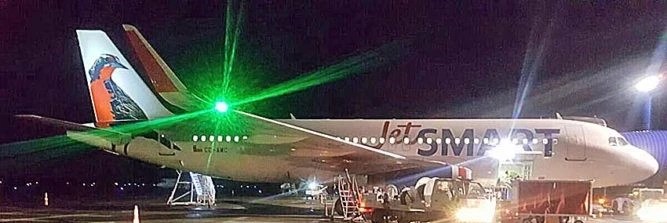
La aerolínea low cost JetSMART Airlines Argentina ha estado adquiriendo mayor participación de mercado doméstico en los últimos doce meses producto de la pérdida de un 10% de cuota de Aerolíneas Argentinas, como consecuencia del recorte de rutas y servicios en el marco del plan de ajuste de gastos y el recorte de servicios.
En un contexto económico donde algunos sectores todavía no muestran una recuperación sólida, el movimiento aéreo, tanto de cabotaje como internacional, está alcanzando niveles altos. La cantidad de pasajeros que se movilizaron por el país en Febrero 2025 alcanzó los 2.703.828, superando en un 3% el récord anterior, cuando se registraron 2.614.943. Por su parte, en los vuelos internacionales se transportaron 1.398.868 pasajeros, lo que representa un aumento del 22%, respecto a los 1.147.537 de Febrero 2024 y un 2% más que el récord previo de Febrero 2018, que fue de 1.368.854. Además, se observó un incremento del 4% en el número de movimientos aéreos en comparación con Febrero de 2024, alcanzando un total de 31.503 vuelos, frente a los 30.391 registrados en el mismo mes del año anterior. Estos resultados reflejan la consolidación del crecimiento sostenido del sector aerocomercial, que, tras un Enero 2025 récord con 4.561.866 pasajeros, continúa mostrando una tendencia positiva en Febrero 2025, impulsada por las políticas de desregulación y apertura implementadas por la Secretaría de Transporte del Ministerio de Economía de la Nación. Los datos provienen de un nuevo sistema de medición incorporado por la ANAC, diseñado para registrar tanto el volumen de pasajeros que transitan por cada uno de los aeropuertos del Sistema Nacional de Aeropuertos, como la cantidad de movimientos aéreos realizados, sumando esta información a los datos de tráfico aéreo. Este sistema tiene como objetivo proporcionar un seguimiento detallado de la actividad aerocomercial, permitiendo obtener cifras sobre el flujo total de pasajeros y vuelos, lo que mejora la calidad y transparencia de la información disponible.
Desarrollo doméstico Si bien hay un crecimiento general de la actividad, no todas las compañías aéreas tienen el mismo comportamiento, especialmente en la actividad interna. Aerolíneas Argentinas domina la mayor parte del mercado de cabotaje, aunque en los últimos doce meses está mostrando un retroceso en su participación. Flybondi, con sus problemas de programación, enfrenta un amesetamiento de su actividad, mientras que JetSMART Argentina se encuentra impulsando la conectividad argentina con más rutas y aviones.
Aerolíneas Argentinas poseía un 68% de market share en Febrero del 2024, mientras que un años posterior en Febrero 2025 bajó a 58%, con una pérdida de 10 punto porcentuales. Esto significó una disminución de 102.330 pasajeros, al pasar de los 885.445 de hace un año a 783.115 del mes pasado. La segunda empresa en cuanto a participación de mercado el Flybondi, con una penetración de 22% de las operaciones. En Febrero de 2024 representaba 21% del negocio de cabotaje. Sin embargo, la disminución de actividad de Aerolíneas Argentinas tuvo una beneficiaria directa y se trata de JetSMART Argentina, que en los últimos doce meses creció 8 puntos porcentuales al pasar de 11% de participación a 19% y detentando el segundo puesto con la otra low cost. La ampliación de su flota y el inicio de vuelos a nuevas rutas, impulsaron este crecimiento.
Aeropuertos Lo que se percibe en el mercado en general es el incremento del movimiento aéreo interno, tanto por los vuelos de cabotaje como por el impacto de los servicios internacionales directos en algunos aeropuertos del interior. Durante Febrero de 2025, varios aeropuertos experimentaron un notable crecimiento en la cantidad de pasajeros internacionales en comparación con el mismo mes del año anterior.
Los aeropuertos de Jujuy, Tucumán y El Calafate retomaron sus conexiones internacionales, registrando nuevamente pasajeros directamente del exterior. Jujuy reanudó su ruta hacia Asunción, operada por Paranair desde Noviembre de 2024. El Calafate inició su ruta con Santiago de Chile, operada por Sky desde Diciembre de 2024, y Tucumán estableció la conexión con Punta Cana, operada por Aerolíneas Argentinas desde Enero de 2025. El Aeropuerto de Rosario experimentó un crecimiento del 123% respecto a Febrero de 2024, gracias a la incorporación de nuevas rutas, como la de Punta Cana, y a la reactivación de conexiones con Florianópolis, Río de Janeiro y Lima. El Aeropuerto Salta registró un aumento del 90% en el número de pasajeros en comparación con el año anterior, impulsado por el inicio de la ruta con Asunción, operada por Paranair, mientras que Bariloche experimentó un crecimiento del 80%, favorecido por la reactivación de las operaciones de LATAM Airlines.
PUBLISHER: Airgways.com DBk: Jetsmart.com / Argentina.gob.ar/anac / Airgways.com AW-POST: 202503251503AR OWNERSHIP: Airgways Inc. A\W A I R G W A Y S ®
AW | 2025 03 19 09:43 | AIRLINES MARKET / INDUSTRY
Busca fabricar más 200 aviones para amortizar reemplazos
La Federación Rusia tendrá que fabricar por lo menos doscientos aviones antes de 2030 para suplir la retirada de los aviones propiedad de aerolíneas extranjeras que se marcharon del país debido a la guerra en Ucrania, declaró el 18/03 Serguéi Chémezov, Director de la corporación estatal para el desarrollo tecnológico, Rostec.
«Todavía no podemos asegurar una cantidad concreta, ya que tan sólo hemos empezado a hablar de ello con las aerolíneas, pero creo que serán como mínimo unos 200 los aviones que se tendrán que fabricar para suplir aquellos aviones extranjeros que están envejeciendo y son utilizados por las aerolíneas, aunque quizás se necesiten más», declaró el funcionario durante el congreso de la Unión Rusa de Industriales y Empresarios.
El programa inicial para el desarrollo aeronáutico que decretó el Gobierno ruso en su momento propone fabricar 994 aviones comerciales para el año 2030, de los cuales 592 serían de la United Aircraft Corporation, aunque anteriormente Sergéi Chémezov declaró que el programa debía corregirse para coincidir con los planes y posibilidades actuales, debido a que cuando se redactó el decreto en 2022 no había conocimiento de cómo evolucionaría la situación con respecto a la industria aeronáutica por las sanciones impuestas por Occidente, mientras que los aviones eran propiedad de compañías extranjeras que debían ser devueltos a sus respectivos lessors.
Rusia fabricó tan sólo siete aviones entre el inicio de la guerra en Ucrania entre Febrero de 2022 y finales de 2024, en comparación con las 13 aeronaves fabricadas en 2021, lo que remarca la falta de capacidad para establecer la fabricación en línea de aeronaves comerciales en el país. A ello se suma el factor de que la industria aeronáutica civil ahora compite con la industria militar, que tiene mayor necesidad ante el número limitado de capacidad de producción causada en gran parte por las sanciones económicas, que restringen las importaciones rusas de tecnología y equipos modernos.
Además de nacionalizar los aviones de las aerolíneas extranjeras que dejaron de operar en Rusia, las empresas rusas se vieron obligadas a canibalizar (desguazar) parte de la flota para reutilizar sus piezas y arreglar aviones en mal estado. En sus operaciones para esquivar las sanciones europeas, Moscú llegó a importar en 2023 componentes para aviones de una empresa registrada en Gabón por valor de US$ 2.000 millones de Dólares.
Aerolíneas rusas reducen flotas Las líneas aéreas rusas continúan reduciendo el número de vuelos debido a la creciente escasez de aviones. El centro de investigación ruso Aeroprogress señaló que en 2025, el tráfico aéreo nacional disminuirá un 6,1% a 79,5 millones de pasajeros y el tráfico internacional disminuirá un 6,7% a 25,2 millones.
Rosaviatsiya, la Agencia Federal de Transporte Aéreo de Rusia, también prevé una caída, pero a menor escala: un 1,5% hasta los 83,3 millones de pasajeros en vuelos nacionales y un 2% hasta los 26,4 millones en vuelos internacionales. La reducción se debió a la escasez de aviones. En 2024, las aerolíneas rusas retiraron 58 aviones debido a problemas de reparación, reduciendo la flota total a 1.138 aviones y 920 helicópteros.
Debido a las sanciones impuestas por Occidente, es imposible comprar nuevos aviones en Europa o Estados Unidos, y Boeing y Airbus han dejado de entregar piezas de repuesto y asistencia técnica. Como resultado, las corporaciones se ven obligadas a reparar la aeronave ellas mismas, lo que a menudo implica desmontar un avión para arreglar otro.
Las autoridades rusas prometieron entregar más de 1.000 nuevos aviones a las aerolíneas para 2030, pero durante los tres años de guerra, las fábricas produjeron solo cinco: tres (3) Tu-214 y dos (2) Il-96-300, según las fuentes oficiales. En 2025, el Gobierno ruso recortó el plan de producción en 1,5 veces.
Recientemente, Yakovlev ha desarrollado y realizado el primer vuelo del SJ-100 con motores y aviónica 100% de origen rusos, mientras que la compañía espera que esta noticia imprima esperanzas para que se inicien producciones enlínea para entregar aeronaves a las líneas aéreas que se encuentran escazas de flotas.
PUBLISHER: Airgways.com DBk: Rostec.ru / Aeroprogress.ru / Government.ru/en/department/74/events / Airgways.com AW-POST: 202503190943AR OWNERSHIP: Airgways Inc. A\W A I R G W A Y S ®
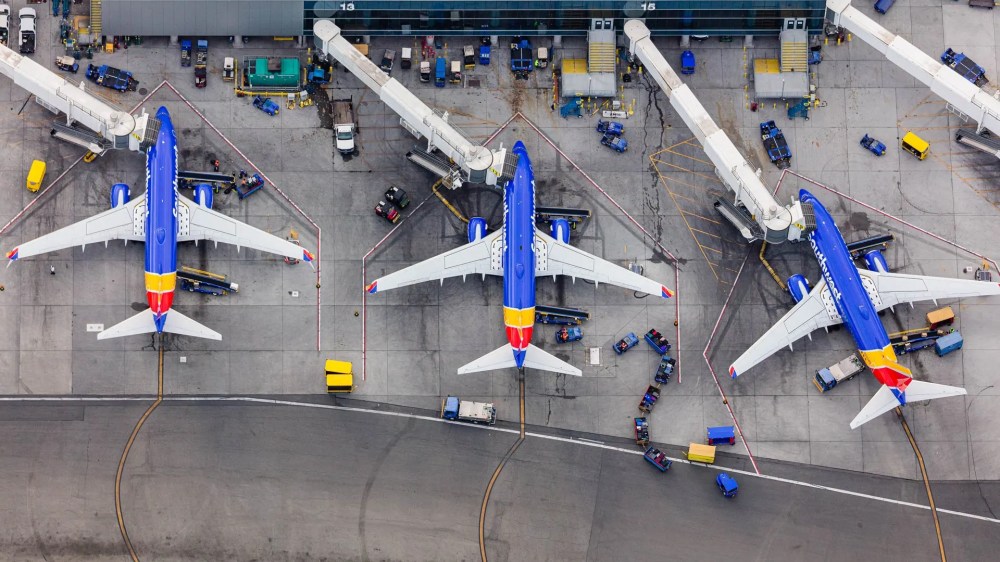
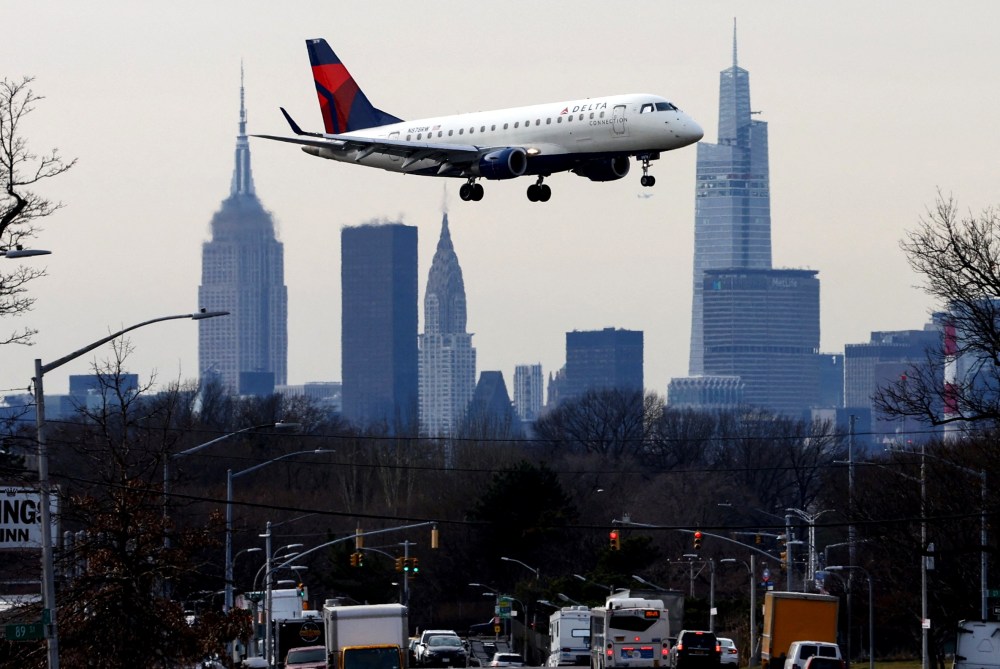
Las principales aerolíneas de Estados Unidos han advertido sobre una desaceleración en la demanda de vuelos nacionales debido a factores económicos inciertos y recientes incidentes aéreos. La caída en las reservas se ha convertido en una preocupación central para el sector, lo que ha llevado a algunas compañías a reducir su capacidad de asientos para mitigar pérdidas.
El impacto ha sido significativo en aerolíneas como Delta Air Lines, Southwest Airlines, United Airlines y American Airlines, cuyos ejecutivos participaron en la conferencia industrial de J.P. Morgan en Nueva York. Durante el evento, expresaron su preocupación por la situación y señalaron que el panorama para el primer trimestre de 2025 no ha sido tan positivo como se esperaba inicialmente.
Impacto accidente aéreos Uno de los principales factores que han contribuido a la caída en las reservas es el impacto psicológico de dos accidentes recientes. El primero ocurrió el 29 de Enero de 2025, cuando un avión regional de American Airlines colisionó en el aire con un helicóptero Black Hawk del Ejército de Estados Unidos sobre Washington, D.C. El segundo incidente tuvo lugar el 17 de Febrero de 2025 en Toronto, Canadá, cuando un jet regional se estrelló al aterrizar, volcó y se incendió. Aunque en este último caso no se reportaron víctimas fatales, las imágenes del avión en posición invertida causaron preocupación entre los pasajeros.
El CEO de Delta Air Lines, Ed Bastian, reconoció que estos eventos han generado inquietud entre los viajeros. “Causó un gran impacto en los consumidores. Hay una generación que no sabía que estas cosas pueden pasar”, afirmó durante la conferencia. La reacción inmediata de los pasajeros fue cancelar o retrasar la compra de boletos, lo que se reflejó en una reducción de las reservas en los días posteriores a cada incidente.
Según los datos de las aerolíneas, tras el accidente del 29 de Enero de 2025, las reservas disminuyeron drásticamente, luego mostraron una leve recuperación y volvieron a caer después del accidente en Toronto, Canadá.
Incertidumbre económica Más allá del impacto de los accidentes, las aerolíneas señalaron que la incertidumbre económica también está jugando un papel clave en la desaceleración de la demanda. Empresas y pasajeros están siendo más cautelosos a la hora de gastar en boletos de avión, lo que se traduce en una menor actividad en el sector. Otro factor que ha afectado a las aerolíneas es la reducción en los viajes gubernamentales. Además, los viajes corporativos también han experimentado una baja, pues muchas compañías están esperando a ver cómo evoluciona la economía antes de reanudar gastos en traslados de empleados. Para contrarrestar la baja en la demanda, varias aerolíneas han decidido disminuir la cantidad de asientos disponibles en sus vuelos. Esta estrategia busca equilibrar la oferta con la demanda y evitar vuelos con ocupaciones demasiado bajas que generen pérdidas económicas. La combinación de estos factores ha llevado a una menor ocupación en los vuelos nacionales y, en consecuencia, a una revisión de estrategias por parte de las aerolíneas. Ante este escenario, las aerolíneas han comenzado a tomar medidas para mitigar las pérdidas.
United Airlines informó que los viajes de empleados del Gobierno han disminuido en un 50%, lo que ha golpeado particularmente a aeropuertos como el Aeropuerto Nacional Ronald Reagan en Washington, D.C., donde American Airlines ha registrado pérdidas considerables. En respuesta, la aerolínea ha optado por reducir la cantidad de vuelos en esa terminal para minimizar el impacto financiero. Delta Air Lines estima que sus ingresos para este trimestre serán 500 millones de dólares menores a lo proyectado inicialmente, lo que representa una reducción del 4%. American Airlines, en particular, ha optado por disminuir su operación en Washington, D.C., donde la reducción en los viajes gubernamentales ha sido más notoria. La aerolínea busca así limitar los efectos negativos en sus finanzas.
A pesar del descenso en las reservas de vuelos nacionales, las aerolíneas han destacado que la demanda de viajes internacionales se mantiene sólida. Según los ejecutivos de las compañías, la temporada de verano podría traer un repunte importante en este segmento, ya que los viajeros aún muestran interés en vuelos de larga distancia. Las aerolíneas esperan que destinos en Europa, Asia y América Latina registren una fuerte actividad en los próximos meses, lo que podría compensar, al menos parcialmente, la debilidad en el mercado doméstico.
PUBLISHER: Airgways.com DBk: Jpmhealthcareconferences.org / Delta.com / Aa.com / United.com / Airgways.com AW-POST: 202503121620AR OWNERSHIP: Airgways Inc. A\W A I R G W A Y S ®
La fuerte desaceleración de la economía de Argentina en 2024 se reflejó en el sector aerocomercial mostrando una reducción de vuelos domésticos en comparación con 2023. Tras la desregulación del mercado aerocomercial por parte del Gobierno de Javier Milei y la suspensión de rutas que no resultaban rentables, Aerolíneas Argentinas perdió participación de mercado tanto en el segmento de cabotaje como en el internacional en el último año. Ocurre en conjunto con una caída de pasajeros a nivel local y suba en destinos del exterior.
De acuerdo al último informe publicado por la Administración Nacional de Aviación Civil (ANAC), a Diciembre de 2024 la aerolínea de bandera alcanzó un market share en los vuelos locales del 59%, mientras que un año atrás era del 67% y en enero de 2024, del 69%. En contraposición, la lowcost Flybondi ascendió a 23% y JetSmart a 17%, lo que representa un incremento de 3 y 5 puntos porcentuales, respectivamente. Esto ocurre en un marco de un plan integral de Aerolíneas, conducida actualmente por Fabián Lombardo, para reducir su déficit operativo en un 50%. Por ejemplo, la empresa suspendió, por baja demanda, el Corredor Atlántico, una ruta aérea iniciada en 2022 que conectaba mediante intertramos Aeroparque con Comodoro Rivadavia, Mar del Plata, Bahía Blanca, Trelew y Río Gallegos. En tanto, el 85% fue el promedio de ocupación en cabotaje durante 2024, pero había empezado el año en enero con un 89% y cerró diciembre con un 82%.
El mercado de cabotaje en su conjunto se redujo 8,3% en 2024 en relación al año previo. En contraposición, el mercado internacional se incrementó del 14% en el mismo período. Esto se debe en parte a la apreciación cambiaria y la fuerte recesión del primer semestre del 2024.
En lo que refiere al mercado internacional, Aerolíneas tuvo en Diciembre 2024 una participación de 18%, un descenso respecto al 23% del mismo mes de 2023. En segunda posición estuvo LATAM Airlines con 16%, GOL 9%, Iberia 6%, American Airlines 6%, SkyAirline 5%, JetSMART Airlines Argentina y el resto con un 30% de participación de mercado.
En general, la cantidad de vuelos de cabotaje de Aerolíneas Argentinas también se redujo un 5% en 2024. Además, cayó su participación en las principales rutas internacionales como en las rutas entre Argentina y Brasil que pasó de 27% en Diciembre de 2023 a 21% en el mismo mes de 2024, Argentina-Chile de 17% a 11%, Argentina-España de 24% a 18%, Argentina- Perú de 12% a 10% y Argentina- Estados Unidos de 20% a 14%.
PUBLISHER: Airgways.com DBk: Argentina.gob.ar/anac / Aerolineas.com / Airgways.com AW-POST: 202501291406AR OWNERSHIP: Airgways Inc. A\W A I R G W A Y S ®
Gobierno aprobó nuevas rutas a tres aerolíneas comerciales
La política de cielos abiertos impulsada por Argentina continúa su expansión con la aprobación a tres aerolíneas internacionales operar nuevas rutas en Argentina. El Gobierno autorizó a SKY Airline, Arajet y JetSMART Airlines Perú a expandir sus servicios en el país, conectando destinos clave. De esta manera y según el texto oficial, los pasajeros tendrán más opciones para viajar, permitiendo acceder la introducción de tarifas más competitivas y horarios de vuelo más convenientes.
Por medio de tres disposiciones oficiales emitidas por el Ministerio de Economía, a través de la Subsecretaría de Transporte Aéreo, el Gobierno de Argentina autorizó a tres aerolíneas extranjeras a operar rutas sudamericanas.
La aerolínea chilena SKY Airline realizará vuelos comerciales regulares entre Brasil, Chile y Argentina. La aerolínea dominicana Arajet cubrirá un incremento de la ruta entre Punta Cana/PUJ—Buenos Aires/EZE. Esta nueva frecuencia se debe al aumento de la demanda que ha recibido la nueva ruta directa estacional desde y hacia Buenos Aires a Punta Cana, República Dominicana, disponible para viajar a partir del 14 de Diciembre de 2024 hasta 8 de Febrero de 2025. Arajet indicó días atás que la conexión sin escalas a Buenos Aires no será la única disponible, pues también se podrán obtener vuelos que conecten República Dominicana con Sao Paulo, Toronto, Montreal, Santiago de Chile, Lima, Ciudad de México y Cancún. También, se pueden elegir operaciones hacia otros destinos en el continente.
Las disposiciones del Gobierno también autorizaron a la aerolínea peruana JetSMART Airlines Perú a realizar vuelos comerciales regulares entre Lima (Perú) y Buenos Aires (Argentina).
Estas nuevas rutas aumentarán las opciones de vuelo para los pasajeros que viajan entre los destinos en Sudamñérica y el Caribe. La competencia entre aerolíneas suele beneficiar a los consumidores, pues las aerolíneas se ven obligadas a ofrecer mejores servicios y precios más convenientes. Esto sucede en un contexto en el que el Gobierno avanza en su intención de privatizar Aerolíneas Argentinas.
De esta manera se formalizó un acuerdo entre gobiernos que permite a una aerolínea operar en un nuevo mercado. Los Cielos Abiertos busca atraer más aerolíneas y mejorar la conectividad local e internacional en Argentina. El Secretario de Transporte, Franco Mogetta, destacó el avance como un logro clave del Gobierno de Javier Milei. El Secretario afirmó que la iniciativa simplifica trámites y fomenta un entorno sin monopolios ni burocracia estatal. La medida forma parte de acuerdos con países como Brasil, Canadá, México y Uruguay para promover la aviación comercial.
Argentina approves more routes
Government approved new routes for three commercial airlines
The open skies policy promoted by Argentina continues its expansion with the approval of three international airlines to operate new routes in Argentina. The Government authorized SKY Airline, Arajet, and JetSMART Airlines Peru to expand their services in the country, connecting key destinations. In this way and according to the official text, passengers will have more options to travel, allowing access to the introduction of more competitive rates and more convenient flight schedules.
Through three official provisions issued by the Ministry of Economy, through the Undersecretariat of Air Transport, the Government of Argentina authorized three foreign airlines to operate South American routes.
The Chilean airline SKY Airline will carry out regular commercial flights between Brazil, Chile, and Argentina. The Dominican airline Arajet will cover an increase in the route between Punta Cana/PUJ—Buenos Aires/EZE. This new frequency is due to the increased demand for the new seasonal direct route to and from Buenos Aires to Punta Cana, Dominican Republic, available for travel from December 14, 2024, to February 8, 2025. Arajet indicated days ago that the non-stop connection to Buenos Aires will not be the only one available, as flights connecting the Dominican Republic with Sao Paulo, Toronto, Montreal, Santiago de Chile, Lima, Mexico City, and Cancun will also be available. Operations to other destinations on the continent can also be chosen.
The Government’s provisions also authorized the Peruvian airline JetSMART Airlines Peru to operate regular commercial flights between Lima (Peru) and Buenos Aires (Argentina).
These new routes will increase flight options for passengers traveling between destinations in South America and the Caribbean. Competition between airlines usually benefits consumers, as airlines are forced to offer better services and more convenient prices. This is happening in a context in which the Government is moving forward with its intention to privatize Aerolíneas Argentinas.
In this way, an agreement between governments was formalized that allows an airline to operate in a new market. Open Skies seeks to attract more airlines and improve local and international connectivity in Argentina. The Secretary of Transportation, Franco Mogetta, highlighted the progress as a key achievement of Javier Milei’s Government. The Secretary stated that the initiative simplifies procedures and promotes an environment without monopolies or state bureaucracy. The measure is part of agreements with countries such as Brazil, Canada, Mexico, and Uruguay to promote commercial aviation.
PUBLISHER: Airgways.com DBk: Argentina.gob.ar / Jetsmart.com / Skyairline.com / Arajet.com / Airgways.com AW-POST: 202411251523AR OWNERSHIP: Airgways Inc. A\W A I R G W A Y S ®
El Departamento de Transporte (DOT) de Estados Unidos ha comunicado la norma federal final que exige que las aerolíneas otorguen reembolsos entró en vigencia este Lunes 28/10. El importante cambio comienza a implementarse solo un mes antes del inicio de lo que probablemente será una gran temporada de viajes de vacaciones. Con esta nueva norma, las aerolíneas en Estados Unidos ahora están obligadas a devolverles a los pasajeros el dinero en efectivo si su vuelo se cancela o retrasa significativamente, incluso si esa persona no solicita explícitamente el reembolso, mientras que no se aceptarán más los tickets de vales.
El Secretario de Transporte, Pete Buttigieg, hizo el anuncio en X después de haber presentado por primera vez la norma propuesta en abril. “Hoy, nuestra norma de reembolso automático entra en pleno vigor. Los pasajeros merecen recuperar su dinero cuando una aerolínea les debe, sin dolores de cabeza ni regateos”.
La nueva norma exige que las aerolíneas procesen automáticamente los reembolsos si el vuelo de un pasajero se cancela o se modifica significativamente, y no aceptan el vuelo modificado significativamente, la nueva reserva en un vuelo alternativo o una compensación alternativa.
El Departamento de Transporte dice que las aerolíneas deben reembolsar al pasajero dentro de siete días hábiles si compró un boleto con tarjeta de crédito y dentro de veinte días calendario si utilizó otra forma de pago.
La medida fue rechazada por la industria aérea. En Julio 2024, Pete Buttigieg dijo a las aerolíneas que deben dejar en claro a los pasajeros cuándo tienen derecho a un reembolso. En una declaración, el lobby industrial Airlines for America (A4A) dijo: “Apoyamos la regla de reembolso automático y estamos felices de complacer a los clientes con un reembolso cuando eligen no volver a reservar”.
New US refund rule
Airlines to automatically refund cancelled flight
The US Department of Transportation (DOT) has announced the final federal rule requiring airlines to provide refunds that went into effect on Monday 10/28. The important change begins to be implemented just one month before the start of what will likely be a big holiday travel season. With this new rule, airlines in the United States are now required to give passengers cash back if their flight is canceled or significantly delayed, even if that person does not explicitly request the refund, while voucher tickets will no longer be accepted.
Transportation Secretary Pete Buttigieg made the announcement at X after first presenting the proposed rule in April. “Today, our automatic refund rule goes into full effect. Passengers deserve to get their money back when an airline owes them, without headaches or haggling”.
The new rule requires airlines to automatically process refunds if a passenger’s flight is canceled or significantly changed, and they do not accept the significantly changed flight, rebooking on an alternative flight, or alternative compensation.
The Department of Transportation says airlines must refund the passenger within seven business days if they purchased a ticket with a credit card and within twenty calendar days if they used another form of payment.
The measure was opposed by the airline industry. In July 2024, Pete Buttigieg told airlines that they must make it clear to passengers when they are entitled to a refund. In a statement, industry lobby Airlines for America (A4A) said: “We support the automatic refund rule and are happy to accommodate customers with a refund when they choose not to rebook”.
PUBLISHER: Airgways.com DBk: Transportation.gov / Reuters.com/Mike Segar / Airgways.com AW-POST: 202410291052AR OWNERSHIP: Airgways Inc. A\W A I R G W A Y S ®
AW | 2024 10 23 20:11 | AIRLINES MARKET / GOVERNMENT
Solicita a aerolíneas centroasiáticas que realicen vuelos nacionales
Ante la escasez de aviones debido a las sanciones occidentales, Rusia está en conversaciones con algunos países de Asia Central para que sus aerolíneas realicen vuelos nacionales y ayuden a satisfacer un repunte de la demanda de viajes. Las aerolíneas rusas, que utilizan muchos aviones occidentales entregados antes de la guerra de Ucrania, tienen dificultades para satisfacer la creciente demanda de transporte aéreo, ya que las sanciones dificultan el acceso a las piezas y la producción nacional tarda en aumentar.
El Ministro de Transportes de la Federación Rusia, Roman Starovoit, declaró la semana pasada que el país estaba en conversaciones con los llamados países «amigos», entre ellos Kazajstán, sobre la posibilidad de que aerolíneas extranjeras operen vuelos nacionales, según informaron las agencias de noticias rusas. Rusia también se ha puesto en contacto con Uzbekistán, que está estudiando la propuesta, según declaró a Reuters una fuente del gobierno uzbeko. «Hasta la fecha, no ha habido ninguna petición oficial de la parte rusa al respecto», declaró el Ministerio de Transportes de Kazajstán. Las autoridades de Tayikistán y Kirguistán tampoco han recibido ninguna petición oficial. El Ministerio de Transportes de Kazajstán declaró que se centraba en satisfacer la creciente demanda interna, donde el tráfico de pasajeros ha aumentado un 15% respecto al año pasado.
Artem Zhavoronkov, socio del bufete de abogados ruso Nordic Star, afirmó que es poco probable que las aerolíneas centroasiáticas quieran arriesgarse a operar vuelos nacionales rusos, ya que ello podría acarrearles a su vez sanciones occidentales. «Es un riesgo grave y casi ninguna gran empresa de los países vecinos estará dispuesta a aceptarlo», dijo Artem Zhavoronkov.
En 2022, las aerolíneas rusas vieron caer el número de pasajeros un 14,7%, hasta 94,7 millones, debido a las sanciones occidentales y a que gran parte de Europa les cerró su espacio aéreo. Tras un repunte del 11,3% en 2023, el número de pasajeros va camino de volver a dispararse este año, según datos de Rosaviatsia, el organismo de control de la aviación civil rusa.
Moscú planea suministrar a las aerolíneas rusas hasta 1.000 aviones de fabricación nacional de aquí a 2030, pero los lanzamientos de producción se posponen constantemente. Sergei Chemezov, Jefe del conglomerado estatal Rostec, declaró el Miércoles 23/10 ante el Parlamento que la producción en serie del avión MS-21 y del Superjet New comenzaría en 2025 y 2026, respectivamente.
Actualmente, las normas rusas sólo permiten a las aerolíneas extranjeras volar entre ciudades rusas y aeropuertos extranjeros. Una fuente de la industria aeronáutica afirmó que las aerolíneas extranjeras podrían tener dificultades para obtener la aprobación de arrendadores y aseguradoras aunque se actualicen las normas.
Russia faces air transport shortage
Russia asks Central Asian airlines to operate domestic flights
Faced with a shortage of aircraft due to Western sanctions, Russia is in talks with some Central Asian countries to have their airlines operate domestic flights to help meet a surge in travel demand. Russian airlines, which use many Western planes delivered before the Ukraine war, are struggling to meet rising demand for air transport as sanctions hamper access to parts and domestic production is slow to ramp up.
Russian Transport Minister Roman Starovoit said last week that the country was in talks with so-called «friendly» countries, including Kazakhstan, about the possibility of foreign airlines operating domestic flights, Russian news agencies reported. Russia has also been in contact with Uzbekistan, which is studying the proposal, an Uzbek government source told Reuters. «So far, there has been no official request from the Russian side in this regard», the Kazakh Ministry of Transport said. The authorities in Tajikistan and Kyrgyzstan have also not received any official requests. The Kazakh Ministry of Transport said it was focusing on meeting growing domestic demand, where passenger traffic has increased by 15% compared to last year.
Artem Zhavoronkov, a partner at Russian law firm Nordic Star, said Central Asian airlines are unlikely to want to risk operating Russian domestic flights as this could in turn bring them Western sanctions. «It is a serious risk and almost no large company from neighbouring countries will be willing to take it«, Artem Zhavoronkov said.
In 2022, Russian airlines saw passenger numbers fall by 14.7% to 94.7 million due to Western sanctions and much of Europe closing its airspace to them. After a 11.3% surge in 2023, passenger numbers are on track to soar again this year, according to data from Rosaviatsia, Russia’s civil aviation watchdog.
Moscow plans to supply Russian airlines with up to 1,000 domestically-made aircraft by 2030, but production launches are constantly being postponed. Sergei Chemezov, head of state-owned conglomerate Rostec, told parliament on Wednesday that serial production of the MS-21 and Superjet New aircraft would begin in 2025 and 2026, respectively.
Currently, Russian rules only allow foreign airlines to fly between Russian cities and foreign airports. An aviation industry source said foreign airlines could struggle to get approval from lessors and insurers even if the rules are updated.
PUBLISHER: Airgways.com DBk: Government.ru / Airgways.com AW-POST: 202410232011AR OWNERSHIP: Airgways Inc. A\W A I R G W A Y S ®















 airgways.com