Regulaciones aéreas Estados Unidos

AW | 2024 09 04 14:17 | AIRLINES MARKET / GOVERNMENT / AVIATION ORGANISMS

Regulaciones industria aérea en Administración Biden

El ex-Director General de la otrora Continental Airlines ha expresado que lamenta que el Gobierno de Estados Unidos estén volviendo a regular las aerolíneas. El ex CEO de Continental Airlines, Frank Lorenzo, lamenta que la Administración Biden y el Departamento de Transporte (DOT) de Pete Buttigieg amenacen con arruinar la industria aérea con regulaciones innecesarias.

El Gobierno se encuentra re-regulando adversamente la industria aérea de Estados Unidos, después de la histótica desregulación a finales de la década del ’70. Frank Lorenzo fue Jefe de Continental Airlines de 1972 a 1990, que incluyó el último año de regulación del transporte aéreo antes de la aprobación de la Ley de Desregulación de Aerolíneas de 1978, que transformó fundamentalmente la industria de la aviación en Estados Unidos de América al eliminar el poder de la Junta de Aeronáutica Civil para establecer precios y rutas.

«El péndulo regulatorio en Washington ahora está oscilando en la dirección opuesta, y las aerolíneas se están llevando la peor parte. La cruzada pública del Presidente Joe Biden contra las tarifas basura y la demonización de la industria, junto con los esfuerzos de cabildeo de grupos como FlyersRights.org y Travelers United, están impulsando reglas nuevas e innecesarias», expresa Frank Lorenzo.

La Administración de Biden ha designado las siguientes tarifas como basura: Primera o segunda maleta facturada, Bolso de mano, Cancelar una reserva, Modificación de una reserva. ¿Existe realmente un problema con oponerse a las llamadas tarifas basura? ¿No es una cuestión bipartidista? Inherente a nuestra concepción de las tarifas basura no es solo que existen, sino que a menudo están ocultas y, por lo tanto, son engañosas.

«Las aerolíneas deberían competir entre sí para asegurar el negocio de los pasajeros, no para ver quién puede cobrar más en tarifas sorpresa. El DOT argumenta que su ofensiva contra las tarifas basura creará un mercado de aerolíneas competitivo al garantizar que los consumidores tengan la información que necesitan para comprender mejor los verdaderos costos de los viajes aéreos», expresó Pete Buttigieg. Pero Lorenzo no cree que esta postura sea la correcta. «Este estándar más alto es difícil de defender. ¿Debería exigirse a Amazon que muestre los gastos de envío en cada página de descripción del artículo? El Departamento de Transporte no ha demostrado que los consumidores carezcan de suficiente información sobre las tarifas de las aerolíneas. Por el contrario, los consumidores pueden ver fácilmente lo que se espera que paguen en cada paso del proceso de compra», expresa Frank Lorenzo.

La mayoría de las personas pueden pensar razonablemente que cambiar o cancelar una reserva no les costará tanto como el boleto en sí. No se trata de prohibir estas tarifas, sino simplemente de hacerlas transparentes.

El Congreso de Estados Unidos ha delegado este poder a las agencias federales. La regulación más absurda del Departamento de Transporte en la memoria reciente fue un mandato, derogado a fines de 2020, que permitía a los pasajeros llevar animales de apoyo emocional a bordo. Como era de esperar, los pasajeros comenzaron a encontrar consuelo en una variedad de criaturas, incluidos conejos, pavos reales e incluso cerdos Pero el DOT ha apresurado un arreglo cerrando la laguna legal de los animales de servicio psiquiátrico.

El Departamento de Transporte del Secretario Pete Buttigieg no ha terminado: ahora propone una compensación en efectivo al estilo de la Unión Europea y comodidades para los vuelos retrasados, independientemente de si la aerolínea podría controlar el retraso. También quiere prohibir las tarifas para que padres e hijos se sienten juntos durante el vuelo.

La Administración Biden no pide a las aerolíneas que emitan pagos en efectivo por retrasos fuera de su control, como el mal tiempo o el terrorismo. Pero sí, en el caso de los retrasos y cancelaciones que están bajo el control del transportista, incluidos los problemas mecánicos, creo que un sistema de compensación haría que los transportistas fueran mucho más responsables y conduciría a más llegadas a tiempo.

Las aerolíneas han prosperado desde la desregulación al proporcionar diferentes niveles de servicio a varios precios. Pero cada vez se les exige más que proporcionen un servicio único para todos en lugar de dejar que los consumidores decidan lo que pagarán y lo que no, lo que reduce la capacidad de los operadores para diferenciar sus ofertas.

Existen ciertos umbrales mínimos en los que nadie debería poder hacer concesiones como la seguridad, la transparencia de las tarifas, u otros ítems en la manera de volar.

«Si bien son cómodos para los pasajeros, los tamaños mínimos de asientos y baños disminuyen la cantidad de asientos que una aerolínea puede vender y sofocan la innovación amigable para los pasajeros. En una industria donde la capacidad está limitada por la disponibilidad limitada de aviones, pilotos y mecánicos, esto hará que las tarifas suban aún más», dice Frank Lorenzo.

«En teoría, estoy en contra de los tamaños mínimos de los asientos y los lavabos, pero cuando el caucho llega a la carretera, ¿cómo se abordan las preocupaciones de seguridad muy reales de evacuar un avión cuando tantos estadounidenses se han vuelto tan obesos que no pueden ingresar y salir de sus asientos de manera segura? Cualquier distancia entre asientos de menos de 28 pulgadas simplemente no es viable, se convierte en un peligro latente. ¿Y es realmente mucho pedir exigir a las compañías aéreas que ofrezcan un aseo lo suficientemente grande como para que uno pueda darse la vuelta en él, especialmente para aquellos que pueden estar realmente discapacitados y no sólo demasiado barato para pagar por el embarque prioritario?», determina el ex CEO de Continental Airlines.

«La desregulación entregó el milagro moderno de los viajes aéreos asequibles a dos generaciones de estadounidenses. Sería una lástima que los políticos y los burócratas no electos se lo quitaran a las generaciones futuras, una regla innecesaria a la vez», sostiene Frank Lorenzo.

La norma propuesta de garantizar que las familias no se separen a bordo sería una regla necesaria de mantener. «Es fácil decir: «Bueno, si quieren sentarse juntos, revisen el mapa de asientos y reserven sus asientos con anticipación. Si quieren sentarse juntos, tomen un vuelo diferente si no hay más asientos juntos». Si bien eso no es ilógico, ¿por qué aceptamos como válido que una familia que compra boletos en un vuelo pueda encontrar a sus hijos pequeños separados? Hasta que las aerolíneas desarrollen sistemas para bloquear la venta de boletos si no hay forma de mantener a las familias unidas, una aerolínea no debe transferir esa expectativa razonable a otros pasajeros a bordo. Porque sabes muy bien que una niña de cuatro años no se va a quedar en la fila 35 mientras sus padres se relajan en la fila 12″», concluye Frank Lorenzo manteniendo su aversión razonable al exceso de regulación y las regulaciones ligeras de la Administración Biden en los últimos años.

Air regulations United States

Air industry regulations under Biden Administration

The former CEO of the former Continental Airlines has expressed regret that the US Government is re-regulating airlines. Former Continental Airlines CEO Frank Lorenzo regrets that the Biden Administration and Pete Buttigieg’s Department of Transportation (DOT) are threatening to ruin the airline industry with unnecessary regulations.

The Government is adversely re-regulating the US airline industry, after the historic deregulation in the late 1970s. Frank Lorenzo was head of Continental Airlines from 1972 to 1990, which included the last year of air transport regulation before the passage of the Airline Deregulation Act of 1978, which fundamentally transformed the aviation industry in the United States of America by eliminating the power of the Civil Aeronautics Board to set prices and routes.

«The regulatory pendulum in Washington is now swinging in the opposite direction, and airlines are bearing the brunt of it. President Joe Biden’s public crusade against junk fares and demonization of the industry, along with the lobbying efforts of groups like FlyersRights.org and Travelers United, are driving new and unnecessary rules», says Frank Lorenzo.

The Biden Administration has designated the following fees as junk: First or second checked bag, Carry-on bag, Canceling a reservation, Modifying a reservation. Is there really a problem with opposing so-called junk fares? Isn’t that a bipartisan issue? Inherent in our conception of junk fares is not only that they exist, but that they are often hidden and therefore misleading.

«Airlines should be competing with each other to secure passenger business, not to see who can charge the most in surprise fees. The DOT argues that its crackdown on junk fares will create a competitive airline marketplace by ensuring that consumers have the information they need to better understand the true costs of air travel”, said Pete Buttigieg. But Lorenzo doesn’t think this stance is the right one. “This higher standard is difficult to defend. Should Amazon be required to display shipping charges on every item description page? The Department of Transportation has not shown that consumers lack sufficient information about airline fees. On the contrary, consumers can easily see what they are expected to pay at every step of the purchasing process”, said Frank Lorenzo.

Most people can reasonably think that changing or canceling a reservation will not cost them as much as the ticket itself. This is not about banning these fees, but simply about making them transparent.

The US Congress has delegated this power to federal agencies. The most absurd Department of Transportation regulation in recent memory was a mandate, repealed in late 2020, that allowed passengers to bring emotional support animals on board. Unsurprisingly, passengers began finding comfort in a variety of creatures, including rabbits, peacocks, and even pigs. But the DOT has rushed through a fix closing the psychiatric service animal loophole.

Secretary Pete Buttigieg’s Department of Transportation isn’t done: It’s now proposing European Union-style cash compensation and amenities for delayed flights, regardless of whether the airline could control the delay. It also wants to ban fees for parents and children to sit together during the flight.

The Biden Administration isn’t asking airlines to issue cash payments for delays outside their control, such as bad weather or terrorism. But yes, for delays and cancellations that are within the carrier’s control, including mechanical issues, I think a compensation system would make carriers much more accountable and lead to more on-time arrivals.

Airlines have thrived since deregulation by providing different levels of service at various prices. But they’re increasingly being required to provide a one-size-fits-all service rather than letting consumers decide what they will and won’t pay for, reducing carriers’ ability to differentiate their offerings.

There are certain minimum thresholds where no one should be able to compromise on things like safety, fare transparency, or other items in the way we fly.

«While comfortable for passengers, minimum seat and lavatory sizes decrease the number of seats an airline can sell and stifle passenger-friendly innovation. In an industry where capacity is constrained by limited availability of aircraft, pilots, and mechanics, this will drive fares even higher», says Frank Lorenzo.

«In theory, I’m against minimum seat and lavatory sizes, but when the rubber hits the road, how do you address the very real safety concerns of evacuating a plane when so many Americans have become so obese they can’t safely enter and exit their seats? Any seat pitch less than 28 inches is simply not viable—it becomes a latent hazard. And is it really too much to ask to require airlines to offer a lavatory large enough for one to turn around in, especially for those who may be genuinely disabled and not just too cheap to pay for priority boarding?», determines the former CEO of Continental Airlines.

«Deregulation handed the modern miracle of affordable air travel to two generations of Americans. It would be a shame if politicians and unelected bureaucrats took it away from future generations, one unnecessary rule at a time», argues Frank Lorenzo.

The proposed rule to ensure that families are not separated on board would be a necessary rule to uphold. «It’s easy to say, ‘Well, if you want to sit together, check the seat map and reserve your seats in advance. “If you want to sit together, take a different flight if there are no more seats together.” While that’s not illogical, why do we accept as valid that a family buying tickets on a flight might find their young children separated? Until airlines develop systems to block ticket sales if there’s no way to keep families together, an airline should not transfer that reasonable expectation to other passengers on board. Because you know damn well that a four-year-old is not going to stay in row 35 while her parents relax in row 12”», concludes Frank Lorenzo, maintaining his reasonable aversion to the Biden Administration’s over-regulation and light-touch regulations of recent years.

PUBLISHER: Airgways.com
DBk: Transportation.gov / Brandon Bell / Smiley N. Pool / Mike Segar / Airgways.com
AW-POST: 202409041417AR
OWNERSHIP: Airgways Inc.
A\W A I R G W A Y S ®

Flybondi evalúa ingresar a Brasil

AW | 2024 08 30 14:00 | AIRLINES / AIRLINES MARKET

Flybondi analiza posibilidades incursionar mercado brasileño

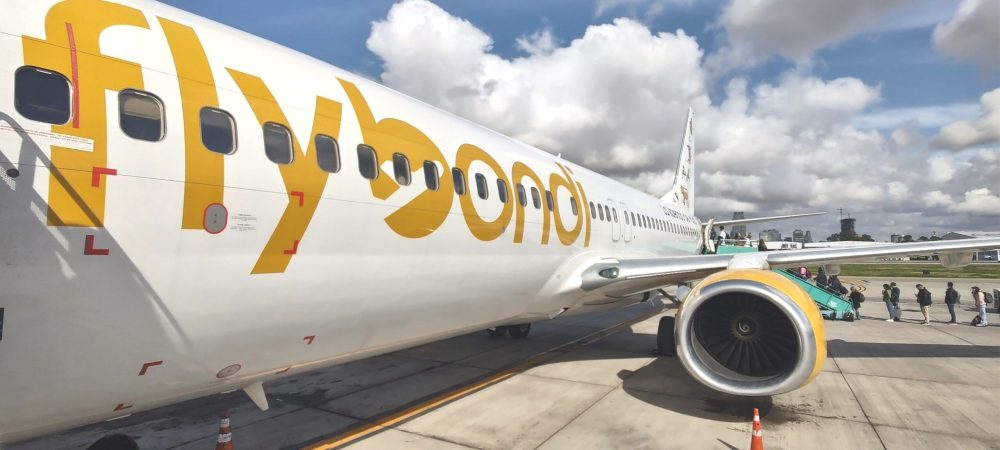
La aerolínea argentina Flybondi está evaluando su posible entrada en el mercado doméstico en Brasil, como un nuevo operador aéreo, dijo el Director Ejecutivo de la compañía, Mauricio Sana.

El CEO de Flybondi ha hablado durante una entrevista con EFE este Miércoles 28/08, en Brasilia. El responsable de Flybondi, que participó esta semana en una reunión con autoridades brasileñas en Brasilia, señaló que Brasil tiene un potencial enorme para elevar el número de pasajeros. Brasil tiene cerca de 90 millones de vuelos internos al año, para una población de 210 millones, y según Mauricio Sana, se podría elevar esa cifra a entre 120 y 150 millones de vuelos si se consigue reducir el coste de los billetes aéreos. Para alcanzar ese objetivo debería adoptar buenas prácticas que permitan reducir los costes de las aerolíneas y hacer que la inversión se vuelva mucho más atractiva.

«Entendemos que hay un potencial de mercado importante, porque existe la infraestructura, existe el mercado, existe incluso las posibilidades de que una aerolínea low cost pueda entrar generando muy buenos resultados a nivel de mercado. Por ahora lo tenemos bastante claro. Sin embargo, seguimos explorando todo este marco de acción en términos regulatorios, en términos incluso comerciales para poder tomar una decisión final en algún momento», afirmó el CEO Mauricio Sana.

Entre los mayores obstáculos para entrar en el mercado, citó el precio de los combustibles, las discusiones en el Legislativo sobre el cobro del equipaje y el alto coste de la judicialización. Justamente este último punto fue tratado esta semana durante un seminario en el que participaron la Agencia Nacional de Aviación Civil (ANAC) de Brasil, las aerolíneas y los magistrados, que firmaron un compromiso para tratar de reducir el elevado número de demandas de los pasajeros contra las aerolíneas. Además, expresó que las aerolíneas brasileñas son multadas por fallos operacionales que son normales dentro de los estándares y aseguró que en 2023, las tres grandes aerolíneas brasileñas pagaron más de R$ 1.000 millones de Reales/US$ 177 millones de Dólares en concepto de penalizaciones.

Flybondi ha estado anunciando en reiteradas oportunidades las tratativas de incursionar en el mercado de Brasil. La low cost argentina continua dependiendo de su capacidad para incrementar el número de aviones para lograr una expansión en la región. «Hoy nosotros tenemos quince aviones. En la medida que logremos incrementar esa capacidad de aviones, tenemos ya algunas otras ciudades identificadas para posibles operaciones desde Argentina hacia Brasil», comentó el ejecutivo.

Flybondi vuela a veintidós destinos, dieciocho en Argentina y tres en Brasil, hacia Río de Janeiro, São Paulo y Florianópolis, ciudades que conecta con Buenos Aires con catorce vuelos semanales.

Flybondi evaluates entering Brazil

Flybondi analyzes possibilities of entering the Brazilian market

The Argentine airline Flybondi is evaluating its possible entry into the domestic market in Brazil, as a new airline operator, said the company’s Executive Director, Mauricio Sana.

The CEO of Flybondi spoke during an interview with EFE this Wednesday 28/08, in Brasilia. The head of Flybondi, who participated this week in a meeting with Brazilian authorities in Brasilia, said that Brazil has enormous potential to increase the number of passengers. Brazil has about 90 million internal flights a year, for a population of 210 million, and according to Mauricio Sana, that number could be raised to between 120 and 150 million flights if the cost of airline tickets is reduced. To achieve this objective, it should adopt good practices that allow reducing the costs of airlines and make the investment much more attractive.

«We understand that there is significant market potential, because the infrastructure exists, the market exists, and there is even the possibility that a low-cost airline could enter the market and generate very good results. For now, we are quite clear about this. However, we are still exploring this entire framework of action in regulatory terms, even in commercial terms, in order to make a final decision at some point», said CEO Mauricio Sana.

Among the biggest obstacles to entering the market, he cited the price of fuel, the discussions in the legislature on baggage charges, and the high cost of legal proceedings. This last point was discussed this week during a seminar attended by the National Civil Aviation Agency (ANAC) of Brazil, airlines, and judges, who signed a commitment to try to reduce the high number of lawsuits by passengers against airlines. He also said that Brazilian airlines are fined for operational failures that are normal within the standards and assured that in 2023, the three major Brazilian airlines paid more than R$ 1 billion/US$ 177 million in penalties.

Flybondi has been repeatedly announcing its efforts to enter the Brazilian market. The Argentine low-cost airline continues to depend on its ability to increase the number of aircraft to achieve expansion in the region. «Today we have fifteen aircraft. As we manage to increase that aircraft capacity, we already have some other cities identified for possible operations from Argentina to Brazil», said the executive.

Flybondi flies to twenty-two destinations, eighteen in Argentina and three in Brazil, to Rio de Janeiro, São Paulo, and Florianópolis, cities that it connects to Buenos Aires with fourteen weekly flights.

PUBLISHER: Airgways.com
DBk: Flybondi.com / Airgways.com
AW-POST: 202408301400AR
OWNERSHIP: Airgways Inc.
A\W A I R G W A Y S ®
Brasil aprueba fondos aerolíneas

AW | 2024 08 30 1203 | GOVERNMENT / AIRLINES MARKET

Congreso brasileño aprueba fondo financiamiento aerolíneas

Brasil ha aprobado el Miércoles 28/08 inyectar fondos para dar asistencia a las líneas aéreas de Brasil tras una serie de dificultades financieras. El Senado brasileño aprobó la Ley del Fondo Nacional de Aviación Civil (FNAC). Tras el paso por la Cámara de Diputadosaprobado el Miércoles 28/08, el proyecto contempla la utilización de recursos para brindar financiamiento a las compañías aéreas que operan vuelos regulares en el país. Se espera la promulgación final del Ejecutivo Nacional.

“El financiamiento de las aerolíneas es fundamental para ampliar la flota de aeronaves en el país y el número de vuelos y pasajes ofertados. Esto hace que el costo operativo de las empresas disminuya y, en consecuencia, disminuya aún más el valor de la tarifa”, dijo el ministro Silvio Costa Filho, de Puertos y Aeropuertos.

Un Comité Gestor del Fondo Nacional de Aviación Civil (FNAC) que estará monitoreado por el Ministerio de Puertos y Aeropuertos (MPor) de Brasil para la cumplimentación eficaz de los recursos destinados a préstamos. El fondo permitirá el financiamiento de alrededor de R$ 5.000 millones de Reales/US$ 890 millones Dólares para fortalecer el sector de la industria aerocomercial regular en el país Sudamericano.

El Banco Nacional de Desarrollo Económico y Social (BNDES) de Brasil será el operador principal del FNAC, junto con bancos e instituciones financieras públicas o privadas en los financiamientos con recursos del FNAC, siempre que asuman los riesgos de las operaciones y sean habilitados por el BNDES. El Consejo Monetario Nacional (CMN) reglamentará las diferentes líneas de financiamiento disponibles, sus fines específicos, las tasas de interés aplicables, plazos de pago, comisiones y demás condiciones que los tomadores de financiamiento deberán cumplir.

El Fondo Nacional de Aviación Civil (FNAC) es un fondo contable y financiero, vinculado al Ministerio de Infraestructura, creado por el Artículo Nº63 de la Ley Nº12.462 del 4 de Agosto de 2011. La misión de la FNAC es fomentar el desarrollo del sistema nacional de aviación civil.

Las acciones del Gobierno de Brasil arriban en un tiempo donde las principales compañías aéreas del país se encuentran atravesando crisis financieras. LATAM Airlines Group junto a su filial en Brasil afrontaron un proceso de reestructuración al completar su salida en Noviembre 2022, mientras GOL Linhas Aéreas se acogió al Capítulo 11 en Enero 2024, y Azul Linhas Aéreas continúa su reestructuración evitando acogerse al proceso. Las ayudas llegan en un momento oportuno para dar oxígeno a la industria de los viajes en el país.

Brazil approves airline funding

Brazilian Congress approves airline financing fund

On Wednesday 28/08 Brazil approved the injection of funds to assist Brazilian airlines after a series of financial difficulties. The Brazilian Senate approved the National Civil Aviation Fund (FNAC) Law. After passing through the Chamber of Deputies approved on Wednesday 28/08, the project contemplates the use of resources to provide financing to airlines that operate regular flights in the country. The final promulgation of the National Executive is expected.

“Airline financing is essential to expand the fleet of aircraft in the country and the number of flights and tickets offered. This causes the operating cost of the companies to decrease and, consequently, the value of the fare to decrease even more”, said Minister Silvio Costa Filho, of Ports and Airports.

A Steering Committee for the National Civil Aviation Fund (FNAC) that will be monitored by the Ministry of Ports and Airports (MPor) of Brazil for the efficient completion of the resources destined for loans. The fund will allow the financing of around R$ 5 billion Real/US$ 890 million Dollars to strengthen the regular commercial aviation industry sector in the South American country.

The National Bank for Economic and Social Development (BNDES) of Brazil will be the main operator of the FNAC, together with public or private banks and financial institutions in financing with FNAC resources, provided that they assume the risks of the operations and are authorized by the BNDES. The National Monetary Council (CMN) will regulate the different lines of financing available, their specific purposes, the applicable interest rates, payment terms, commissions, and other conditions that borrowers must comply with.

The National Civil Aviation Fund (FNAC) is an accounting and financial fund, linked to the Ministry of Infrastructure, created by Article No. 63 of Law No. 12,462 of August 4, 2011. The mission of the FNAC is to promote the development of the national civil aviation system.

The actions of the Brazilian Government come at a time when the country’s main airlines are going through financial crises. LATAM Airlines Group and its subsidiary in Brazil faced a restructuring process by completing its exit in November 2022, while GOL Linhas Aéreas filed for Chapter 11 in January 2024, and Azul Linhas Aéreas continues its restructuring by avoiding filing for bankruptcy. The aid comes at an opportune time to give oxygen to the travel industry in the country.

PUBLISHER: Airgways.com
DBk: Gov.br / Airgways.com
AW-POST: 202408301203AR
OWNERSHIP: Airgways Inc.
A\W A I R G W A Y S ®
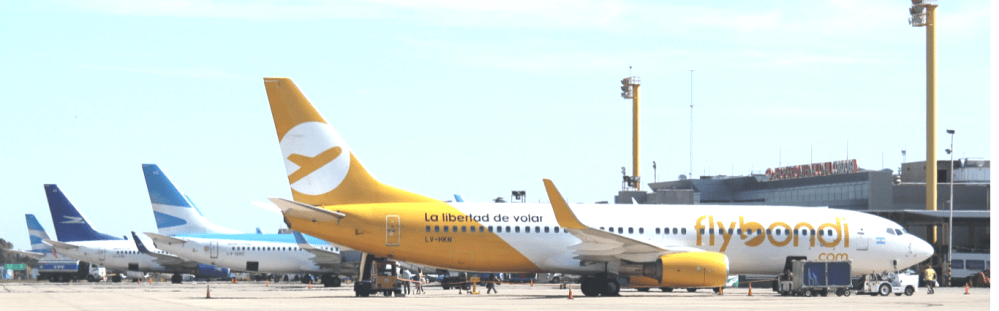
REX obtiene plazo para comprador

AW | 2024 08 23 10:50 | AIRLINES / AIRLINES MARKET / GOVERNMENT

Administradores obtuvieron prórroga para conseguir comprador

La atribulada aerolínea regional Rex Express Airlines, más conocida como REX, ha revelado ante un Tribunal que existen ofertas de compra tentativas en trámite para la aerolínea. En una audiencia el viernes 23/08 en la Corte Federal ante la Jueza Elizabeth Cheeseman, los representantes legales de los administradores de la línea aérea solicitaron al Tribunal que conceda una extensión en el proceso de convocatoria mientras los potenciales inversores revisan los datos confidenciales de la empresa en preparación para posibles ofertas.

Rex Airlines Pty Ltd es una aerolínea regional australiana fundada el 11 de Julio de 2002, con sede en Mascot, Nueva Gales del Sur (NSW). Opera servicios regulares regionales y domésticos, utilizando aviones a reacción y turbohélice. Rex Airlines entró en administración el 30 de Julio de 2024 con una deuda de US$ 500 millones de Dólares, con el administrador Ernst and Young designado para tomar el control de la empresa.

El Tribunal Federal ha espresado que la compañía tenía 4.800 acreedores no clientes y que no había perspectivas de que la compañía pudiera ser devuelta a los directores sin algún tipo de reestructuración. También existen los acreedores contingentes, o clientes cuyos vuelos desaparecieron después de que la aerolínea cesara sus operaciones.

El Tribunal informó que está en marcha un proceso de venta y que se entregarán ofertas no indicativas a los administradores. Las ofertas vinculantes podrían llegar a mediados de Septiembre 2024solicitando por parte de los administradores a la Jueza Elizabeth Cheeseman que extendiera el período de convocatoria hasta el 25 de Noviembre de 2024 para permitir que esas ofertas se reciban y procesen. La Jueza accedió a la solicitud mediante una orden dictada el Viernes 23/08 por la tarde.

Los administradores, en una declaración posterior a la orden, dijeron que la extensión del plazo les ayudaría a garantizar que el proceso de ventas fuera integral y competitivo. “Consideramos que un proceso de venta integral y competitivo garantizará el mayor valor posible para las Empresas Rex y, al garantizar el mayor valor para las empresas, se garantizará el mayor retorno posible para los acreedores. Hemos considerado los intereses de los acreedores en su conjunto al asegurar esta extensión, incluidos los empleados y proveedores actuales que continúan comerciando con Rex Companies, quienes se verían afectados negativamente si la empresa se liquidara, y los clientes dedicados que dependen de la red regional de Rex. Durante este período, los administradores pretenden continuar con la actividad normal de la mayor parte del negocio, incluida la red regional de Saab. Esta solicitud no afecta a las empresas que no están en concurso de acreedores, incluidas Pel-Air y la Australian Airline Pilot Academy, que siguen operando con normalidad. Tenemos previsto convocar la segunda reunión de acreedores lo antes posible una vez finalizado el proceso de venta. Esperamos proporcionar a los acreedores una actualización más detallada sobre qué parte de la extensión solicitada se requiere en la próxima quincena», dijeron desde la compañía Rex Airlines.

Algunas partes de Rex Airlines siguen comercializándose y la empresa posee unos 1.000 empleados, pero los administradores han despedido cientos de puestos de trabajo.

Regulador ACCC
El regulador de la competencia de Australia, la Comisión Australiana de Competencia y Consumidores (ACCC), dijo el Jueves 22/08 que vigilará de cerca las tarifas aéreas nacionales entre ciudades metropolitanas después de que la aerolínea Regional Express Airlines, se retiró del mercado en Julio 2024 cuando entró en Administración Voluntaria.

El colapso de la aerolínea low cost Bonza Airlines y la retirada de REX entre ciudades metropolitanas significa que ninguna ruta nacional tenía más de dos grupos de aerolíneas compitiendo en Julio 2024, dijo la ACCC. «Con la suspensión de los servicios de REX estamos monitoreando de cerca las tarifas aéreas y permanecemos atentos a cualquier aumento en los precios en las rutas en las que Rex ya no vuela», dijo en un comunicado la comisionada de la ACCC, Anna Brakey.

Las principales rutas urbanas estaban dominadas por Qantas Airways, Jetstar y Virgin Australia Airlines. La llegada de Regional Express (REX) proporcionó un impulso de competencia muy necesario, lo que hizo bajar los precios y brindó a los viajeros más opciones. Según la ACCC, la presencia de REX en varias rutas interurbanas provocó una reducción significativa de las tarifas aéreas. El organismo de control informó que el precio medio por pasajero cayó alrededor de un 25% en las rutas en las que operaba Regional Express. Esta presión competitiva obligó a las aerolíneas dominantes a bajar sus precios, beneficiando a los consumidores en general. Sin embargo, la incursión de REX en el mercado metropolitano a grandes ciudades ha sido de corta duración. La aerolínea estaba agobiada por los desafíos de la altamente competitiva industria de la aviación, se vio aún más presionada por las consecuencias económicas de la crisis sanitaria mundial del COVID-19. El 30 de Julio de 2024, REX nombró administradores mientras luchaba bajo el peso de una deuda de US$ 500 millones de Dólares. En consecuencia, la aerolínea dejó en tierra su flota de Boeing 737, deteniendo sus operaciones en las principales rutas metropolitanas.

Futuro de Rex Airlines
A pesar del sombrío panorama, los administradores designados EY Australia mantienen la esperanza de que se pueda encontrar una solución para salvar la aerolínea. Actualmente, se encuentran explorando opciones para el futuro de la aerolínea. El Viernes 23/08 presentaron un recurso ante el Tribunal Federal para solicitar una prórroga del plazo de convocatoria, lo que permitiría más tiempo para conseguir un comprador o recapitalizar la empresa.

Los administradores creen que el mejor resultado para los acreedores de REX sería una venta o recapitalización de la aerolínea como empresa en funcionamiento. «Nuestra opinión actual es que el mayor rendimiento para los acreedores probablemente se derive de una venta o recapitalización del negocio como empresa en funcionamiento», dijeron en un comunicado. Han solicitado una prórroga hasta el 25 de Noviembre de 2024 para finalizar este proceso, aunque esperan tener un panorama más claro dentro de las próximas dos semanas.

SAAB 340 DE REX AIRLINES

Si la aerolínea Regional Express Airlines alcanza una estructuración sea mediante una venta o una inversión adicional, podría continuar operando sus servicios regionales e interurbanos, preservando el panorama competitivo en el mercado de la aviación de Australia. Sin embargo, si la aerolínea se ve obligada a cerrar, las consecuencias podrían ser de gran alcance, especialmente para los viajeros que dependen de viajes aéreos asequibles entre las principales ciudades.

El Gobierno Federal australiano ha intervenido para ofrecer cierta tranquilidad a los viajeros y a las comunidades regionales que podrían verse afectadas por el posible colapso de REX. El Gobierno ha garantizado todas las reservas de vuelos regionales con REX, asegurando que los pasajeros que ya hayan comprado boletos no se queden varados. Además, se ha discutido un nuevo rescate, pero dependería de que REX priorizara sus servicios a áreas fuera de las capitales, lo que se alinea con el enfoque original de la aerolínea en la región de Australia. Esta intervención gubernamental subraya la importancia de REX para las comunidades regionales a las que sirve. Para muchas áreas, REX proporciona una conexión vital con ciudades más grandes, apoyando tanto los viajes de negocios como de placer. La posible pérdida de estos servicios podría tener un impacto significativo en estas comunidades, destacando aún más la necesidad de una solución sostenible a los problemas financieros de la aerolínea.

En un acontecimiento algo positivo para la industria de la aviación australiana, la ACCC informó que, por primera vez en casi cuatro años, las aerolíneas del país han obtenido una tasa de cancelación inferior al promedio a largo plazo de la industria. En Mayo de 2024, la tasa de cancelación fue del 2,1%, ligeramente por debajo del promedio a largo plazo del 2,2%. Esta mejora en la confiabilidad es un cambio bienvenido para los viajeros que han enfrentado interrupciones significativas en los últimos años.

Sin embargo, el informe también señaló que Qantas Airways, uno de los principales actores del mercado, tuvo la tasa de cancelación más alta de todas las aerolíneas australianas en Junio de 2024, con un 3,3%. Esta estadística destaca los desafíos actuales dentro de la industria, incluso cuando mejora el desempeño general.

El posible colapso de Rex Airlines representaría una coyuntura crítica para el mercado de viajes aéreos de Australia. La salida de esta desafiante aerolínea de las rutas de la capital podría conducir a un aumento significativo de las tarifas aéreas, revirtiendo los avances alcanzados desde 2021. Las advertencias de la ACCC sobre la reducción de la competencia resaltan la importancia de mantener un mercado diverso y competitivo que traiga beneficios a los consumidores y mejores ofertas laborales.

A medida que los administradores de REX buscan más tiempo para asegurar el futuro de la aerolínea, el resultado de sus esfuerzos será seguido de cerca tanto por la industria de la aviación como por el público viajero, sea mediante la intervención del Gobierno, una venta estratégica o una recapitalización, la esperanza es que se pueda encontrar una solución para preservar la dinámica competitiva que ha mantenido las tarifas aéreas asequibles para millones de australianos.

REX gets deadline for buyer

Administrators granted extension to find buyer

Troubled regional airline Rex Express Airlines, better known as REX, has revealed to a court that there are tentative takeover bids in the pipeline for the airline. At a hearing on Friday 23/08 in the Federal Court before Judge Elizabeth Cheeseman, legal representatives of the airline’s administrators asked the court to grant an extension to the tender process while potential investors review confidential company data in preparation for possible bids.

Rex Airlines Pty Ltd is an Australian regional airline established on 11 July 2002, headquartered in Mascot, New South Wales (NSW). It operates scheduled regional and domestic services, using jet and turboprop aircraft. Rex Airlines entered administration on 30 July 2024 with debt of US$ 500 million, with administrator Ernst and Young appointed to take control of the company.

The Federal Court has said the company had 4,800 non-customer creditors and there was no prospect of the company being returned to directors without some form of restructuring. There are also contingent creditors, or customers whose flights disappeared after the airline ceased operations.

The Court said a sale process is underway and non-indicative offers will be delivered to the administrators. Binding offers could arrive as early as mid-September 2024, with the administrators asking Judge Elizabeth Cheeseman to extend the call period until 25 November 2024 to allow those offers to be received and processed. The Judge granted the request in an order made on Friday afternoon 23/08.

The administrators, in a statement following the order, said the extension of the deadline would help them ensure the sales process was comprehensive and competitive. “We consider that a comprehensive and competitive sale process will ensure the greatest possible value for the Rex Companies and, by ensuring the greatest possible value for the companies, the greatest possible return will be ensured for creditors. We have considered the interests of creditors as a whole in securing this extension, including current employees and suppliers who continue to trade with Rex Companies, who would be adversely affected if the company were to go into liquidation, and dedicated customers who rely on Rex’s regional network. During this period, the administrators intend to continue the normal operation of the majority of the business, including Saab’s regional network. This application does not affect businesses not in receivership, including Pel-Air and the Australian Airline Pilot Academy, which continue to trade as normal. We plan to convene the second meeting of creditors as soon as possible after the sale process is complete. We expect to provide creditors with a more detailed update on how much of the requested extension is required in the next fortnight», Rex Airlines said.

Parts of Rex Airlines continue to trade and the company employs around 1,000 people, but the administrators have made hundreds of jobs redundant.

ACCC regulator
Australia’s competition regulator, the Australian Competition and Consumer Commission (ACCC), said on Thursday 22/08 that it will closely monitor domestic airfares between metropolitan cities after the carrier Regional Express Airlines, withdrew from the market in July 2024 when it entered voluntary administration.

The collapse of low-cost carrier Bonza Airlines and the withdrawal of REX between metropolitan cities means that no domestic route had more than two competing airline groups in July 2024, the ACCC said. «With the suspension of REX services we are closely monitoring airfares and remain vigilant for any price increases on routes that Rex no longer flies», ACCC Commissioner Anna Brakey said in a statement.

The main urban routes were dominated by Qantas Airways, Jetstar and Virgin Australia Airlines. The arrival of Regional Express (REX) provided a much-needed boost of competition, driving down prices and giving travellers more choice. According to the ACCC, REX’s presence on several intercity routes led to a significant reduction in airfares. The watchdog reported that the average price per passenger fell by around 25% on routes where Regional Express operated. This competitive pressure forced dominant airlines to lower their prices, benefiting consumers overall. However, REX’s foray into the metropolitan market to large cities has been short-lived. The airline was burdened by the challenges of the highly competitive aviation industry, further pressured by the economic fallout from the COVID-19 global health crisis. On 30 July 2024, REX appointed administrators as it struggled under the weight of US$ 500 million in debt. Consequently, the airline grounded its Boeing 737 fleet, halting operations on major metropolitan routes.

Future of Rex Airlines
Despite the bleak outlook, appointed administrators EY Australia remain hopeful that a solution can be found to save the airline. They are currently exploring options for the airline’s future. On Friday 23/08 they filed an application with the Federal Court to request an extension of the call deadline, which would allow more time to find a buyer or recapitalise the company.

The administrators believe that the best outcome for REX’s creditors would be a sale or recapitalisation of the airline as a going concern. «Our current view is that the highest return for creditors is likely to arise from a sale or recapitalisation of the business as a going concern», they said in a statement. They have requested an extension until 25 November 2024 to finalise this process, although they hope to have a clearer picture within the next two weeks.

If Regional Express Airlines does achieve a restructuring either through a sale or additional investment, it would be able to continue to operate its regional and intercity services, preserving the competitive landscape in Australia’s aviation market. However, if the airline is forced to close, the consequences could be far-reaching, especially for travellers who rely on affordable air travel between major cities.

The Australian Federal Government has stepped in to offer some reassurance to travellers and regional communities that could be affected by the potential collapse of REX. The Government has guaranteed all regional flight bookings with REX, ensuring that passengers who have already purchased tickets are not left stranded. In addition, a further bailout has been discussed, but would be contingent on REX prioritising its services to areas outside of capital cities, which aligns with the airline’s original focus on regional Australia. This government intervention underlines the importance of REX to the regional communities it serves. For many areas, Rex provides a vital connection to larger cities, supporting both business and leisure travel. The potential loss of these services could have a significant impact on these communities, further highlighting the need for a sustainable solution to the airline’s financial problems.

In a somewhat positive development for the Australian aviation industry, the ACCC reported that for the first time in almost four years, the country’s airlines have achieved a cancellation rate below the industry’s long-term average. In May 2024, the cancellation rate was 2.1%, slightly below the long-term average of 2.2%. This improvement in reliability is a welcome change for travellers who have faced significant disruption in recent years.

However, the report also noted that Qantas Airways, one of the major market players, had the highest cancellation rate of all Australian airlines in June 2024, at 3.3%. This statistic highlights the ongoing challenges within the industry, even as overall performance improves.

The potential collapse of Rex Airlines would represent a critical juncture for Australia’s air travel market. The departure of this challenger airline from capital routes could lead to a significant increase in airfares, reversing the gains made since 2021. The ACCC’s warnings about reduced competition highlight the importance of maintaining a diverse and competitive market that brings benefits to consumers and better job offers.

As REX’s administrators seek more time to secure the airline’s future, the outcome of their efforts will be closely watched by both the aviation industry and the travelling public–whether through Government intervention, a strategic sale or a recapitalisation, the hope is that a solution can be found to preserve the competitive dynamic that has kept airfares affordable for millions of Australians.

PUBLISHER: Airgways.com
DBk: Fedcourt.gov.au / Accc.gov.au / Rex.com.au / Airgways.com
AW-POST: 202408231050AR
OWNERSHIP: Airgways Inc.
A\W A I R G W A Y S ®
Mercado internacional chino

AW | 2024 08 09 11:42 | AIRLINES MARKET

Aerolíneas chinas ganan cuota mercado internacional
Aerolíneas extranjeras pierden interés en China

Las aerolíneas chinas están ganando cuota de mercado en rutas internacionales, según muestran datos del sector. La proporción de vuelos internacionales hacia y desde China operados por las aerolíneas del país es más alta que antes de que el COVID-19 dejara en tierra gran parte de la aviación mundial y sigue aumentando. Desde el estallido de la guerra en Ucrania en 2022, las aerolíneas chinas han seguido tomando rutas más cortas hacia el norte hacia Europa y América del Norte a través del vasto espacio aéreo de la Federación Rusia.

Eso ha ampliado la ventaja de costos que tenían las aerolíneas chinas y les ha permitido tomar una mayor participación en el mercado internacional en un momento en que la feroz competencia en las rutas nacionales ha ejercido presión sobre los precios de los boletos y la rentabilidad.

Mientras que las líneas aéreas rivales extranjeras se ven disuadidos por la débil demanda de viajes a China y el aumento de los costes y la prolongación de los tiempos de vuelo debido a la necesidad de evitar el espacio aéreo ruso. Aerolíneas extranjeras, lideradas por aerolíneas occidentales como British Airways y la australiana Qantas Airways están retirando servicios u optando por no reiniciar los vuelos a China después de la pandemia, mientras que las aerolíneas chinas están expandiendo sus operaciones en el extranjero.

British Airways ha comunicado el Jueves 08/08 que detendría los vuelos de Londres a Pekín durante un año a partir de finales de Octubre 2024 por razones comerciales y el mes pasado suspendió uno de sus vuelos dos veces al día Londres/LGW—Hong Kong/HKG por el mismo período.

Las aerolíneas de Europa, Estados Unidos y otros países han sido prohibidas del espacio aéreo ruso por Moscú o por sus propios gobiernos o han optado por no sobrevolar por motivos de seguridad.

Chinese international market

Chinese airlines gain international market share
Foreign airlines lose interest in China

Chinese airlines are gaining market share on international routes, industry data shows. The proportion of international flights to and from China operated by the country’s airlines is higher than before COVID-19 grounded much of global aviation and is still rising. Since the outbreak of war in Ukraine in 2022, Chinese airlines have continued to take shorter routes north to Europe and North America through the vast airspace of the Russian Federation.

That has widened the cost advantage Chinese airlines had and allowed them to take a larger share of the international market at a time when fierce competition on domestic routes has put pressure on ticket prices and profitability.

While rival foreign airlines are deterred by weak demand for travel to China and rising costs and longer flight times due to the need to avoid Russian airspace, foreign airlines, led by Western carriers such as British Airways and Australia’s Qantas Airways are withdrawing services or choosing not to restart flights to China after the pandemic, while Chinese airlines are expanding their overseas operations.

British Airways said on Thursday 08/08 that it would stop flights from London to Beijing for a year from the end of October 2024 for commercial reasons and last month suspended one of its twice-daily London/LGW—Hong Kong/HKG flights for the same period.

Airlines from Europe, the United States, and other countries have been banned from Russian airspace by Moscow or their own governments or have chosen not to fly over it for safety reasons.

PUBLISHER: Airgways.com
DBk: Airgways.com
AW-POST: 202408091142AR
OWNERSHIP: Airgways Inc.
A\W A I R G W A Y S ®
Perspectivas aviación Argentina

AW | 2024 08 04 22:15 | AIRLINES MARKET

Proyecciones low cost aumento de servicio

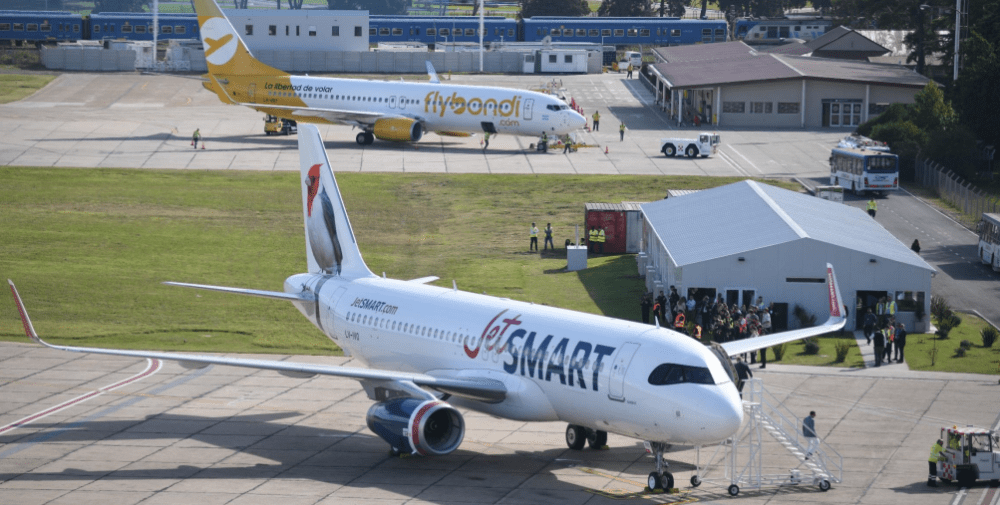
La política de Cielos Abiertos establecida en Argentina continua atrayendo nuevas noticias. Las aerolíneas JetSMART Airlines Argentina sumará dos aviones adicionales, mientras que Flybondi incorporaría cinco aviones en régimen de alquiler.

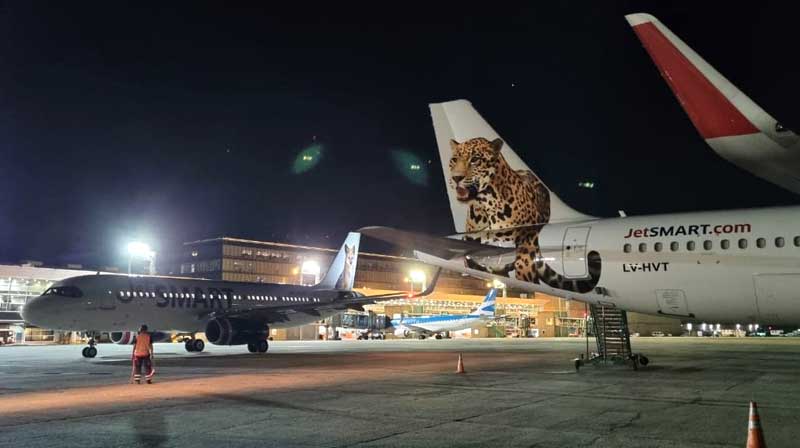
La aerolínea JetSMART Argentina se encuentra estudiando ampliar el tráfico doméstico en el país, alentados por los cambios en las políticas aéreas en Argentina. Los dos aviones Airbus A320 se sumarán a los ocho que actualmente tiene en el país y la idea es que operen, uno en el Aeropuerto Jorge Newbery (AEP) y el otro en el Aeropuerto Ezeiza (EZE). Los dos nuevos Airbus A320 que traerá JetSMART implican una inversión de US$ 160 millones de Dólares.

El ejecutivo destacó que la Argentina esté poniéndose al día con la regulación de la región y del mundo, y resaltó que el hecho de que aviones de matrícula extranjera puedan hacer cabotaje es algo que ya estaba permitido en todos los países. “Es importante porque los activos de la aviación son costosos y nuestros mercados no son tan grandes, falta desarrollarlos. Una flota única que pueda usarse en todos los países da mayor flexibilidad”, explicó el CEO del grupo JetSMART. Las dos aeronaves Airbus A320 que llegarán son de matrícula chilena y lo que resta para que estén operativos para hacer cabotaje es un acuerdo de doble vigilancia con Chile. Se firmará próximamente entre la Administración Nacional de Aviación Civil (ANAC) y la Dirección General de Aeronáutica Civil de Chile.

JetSMART Argentina ha anunciado que consolida el Hub Mendoza (MDZ) en detrimento de Córdoba (COR) como potencial segundo hub. Regresan los vuelos directos a Salta (SLA) y Bariloche (BRC). “Vamos a traer dos aeronaves en Octubre y Noviembre próximos y vamos a sumar empleos y conectividad. Vamos a reestructurar nuestra oferta y, en Enero de 2025, vamos a estar en el doble de asientos de lo que volamos en Junio y adicionalmente tendremos tres rutas nuevas: Mendoza/MDZ—Salta/SLA, Mendoza/MDZ—Bariloche/BRC y Buenos Aires/AEP—Comodoro Rivadavia/CRD”, dijo Estuardo Ortiz, CEO de JetSMART Airlines.

El JetSMART Airlines Group continúa la expansión de la compañía que opera en Chile, Argentina, Perú y Colombia con cuarenta equipos en 81 rutas, incluyendo 26 rutas internacionales y 55 domésticas en presencia en ocho países.

La low cost argentina Flybondi también prevé traer cinco aeronaves Boeing 737-800 al país procedentes de Lituania con tripulación de ese origen, según fuentes oficiales.

“Más que cielos abiertos, nuestra idea es ir camino a cielos únicos. Que en toda Sudamérica se vuele como si fueran vuelos de cabotaje. Para eso, ya firmamos acuerdos con seis países de la región y dos extra región y pronto estaremos anunciando nuevos entendimientos. Esto no es anuncio, es una realidad, la competencia resulta en mejores servicios y mejores costos. Donde JetSMART compite la tarifa baja a la mitad. Buenos Aires—Montevideo bajó de US$ 800 a US$ 400 y con la ruta Buenos Aires—Asunción pasó algo similar”, dijo el Secretario de Transporte, Franco Mogetta.

El Ministro de Desregulación y Transformación del Estado, Federico Sturzenegger ha expresado: «Es el resultado de perderle el miedo a la liberta. El empresario está para servir, no para perjudicar. Los países no son ricos porque no quieran, sino porque hay papelitos que dicen que hay cosas que no se pueden hacer porque a alguien se le ocurrió. Son restricciones a la competencia. Nuestro trabajo es ir sacando esos papelitos. Esperamos que este círculo virtuoso continúe y se vaya profundizando”.

Perspectivas aéreas
La Secretaría de Transporte como la ANAC Argentina empezaron a desregular el mercado y liberar espacios en Aeroparque (AEP) pero no hay una hoja de ruta clara sobre cómo ordenar las dos principales estaciones aéreas del país.

El retorno a operaciones del Aeropuerto El Palomar continúa en la agenda nacional. El Secretario de Transporte Franco Mogetta ha expresado que se encuentran haciendo mantenimientos y obras. El Palomar es siempre una alternativa si lo solicitan las aerolíneas.

Las líneas aéreas poseen sus respectivas flotas actuales: Aerolíneas Argentinas (84), Flybondi (15), JetSMART Argentina (10), aunque varias aeronaves se encuentran en mantenimiento. Las nuevas regualciones aéreas permitirán incrementar nuevas rutas, más aeronaves y un aumento de participación de más líneas aéreas en el mercado doméstico.

Argentina aviation outlook

Low cost projections increase service

The Open Skies policy established in Argentina continues to attract new news. The airlines JetSMART Airlines Argentina will add two additional aircraft, while Flybondi would incorporate five aircraft on a rental basis.

The airline JetSMART Argentina is studying the possibility of expanding domestic traffic in the country, encouraged by changes in air policies in Argentina. The two Airbus A320 aircraft will be added to the eight that it currently has in the country and the idea is that they will operate, one at Jorge Newbery Airport (AEP) and the other at Ezeiza Airport (EZE). The two new Airbus A320 that JetSMART will bring imply an investment of US$ 160 million Dollars.

The executive highlighted that Argentina is catching up with the regulations of the region and the world, and stressed that the fact that foreign-registered aircraft can do domestic traffic is something that was already allowed in all countries. “It is important because aviation assets are expensive and our markets are not that big, they need to be developed. A single fleet that can be used in all countries gives greater flexibility”, explained the CEO of the JetSMART group. The two Airbus A320 aircraft that will arrive are Chilean-registered and what remains to be operational for domestic flights is a double surveillance agreement with Chile. It will be signed soon between the National Civil Aviation Administration (ANAC) and the General Directorate of Civil Aeronautics of Chile.

JetSMART Argentina has announced that it is consolidating the Mendoza Hub (MDZ) to the detriment of Córdoba (COR) as a potential second hub. Direct flights to Salta (SLA) and Bariloche (BRC) are returning. “We are going to bring two aircraft in October and November and we are going to add jobs and connectivity. We are going to restructure our offer and, in January 2025, we will have twice as many seats as we flew in June and we will also have three new routes: Mendoza/MDZ—Salta/SLA, Mendoza/MDZ—Bariloche/BRC and Buenos Aires/AEP—Comodoro Rivadavia/CRD”, said Estuardo Ortiz, CEO of JetSMART Airlines.

The JetSMART Airlines Group continues the expansion of the company that operates in Chile, Argentina, Peru, and Colombia with forty aircraft on 81 routes, including 26 international routes and 55 domestic routes in eight countries.

The Argentine low-cost company Flybondi also plans to bring five Boeing 737-800 aircraft to the country from Lithuania with crew from that origin, according to official sources.

“More than open skies, our idea is to go towards unique skies. That all of South America is flown as if they were domestic flights. To this end, we have already signed agreements with six countries in the region and two outside the region, and we will soon be announcing new agreements. This is not an announcement, it is a reality: competition results in better services and better costs. Where JetSMART competes, the fare drops by half. Buenos Aires-Montevideo dropped from US$ 800 to US$ 400, and something similar happened with the Buenos Aires-Asunción route”, said the Secretary of Transportation, Franco Mogetta.

The Minister of Deregulation and Transformation of the State, Federico Sturzenegger, has expressed: «It is the result of losing the fear of freedom. The businessman is there to serve, not to harm. Countries are not rich because they do not want to, but because there are pieces of paper that say that there are things that cannot be done because someone thought of it. They are restrictions to competition. Our job is to remove those pieces of paper. We hope that this virtuous circle continues and deepens».

Air perspectives
The Ministry of Transportation and ANAC Argentina began to deregulate the market and free up space in Aeroparque (AEP) but there is no clear roadmap on how to organize the two main air stations in the country.

The return to operations of El Palomar Airport continues on the national agenda. The Secretary of Transportation, Franco Mogetta, has expressed that they are doing maintenance and works. El Palomar is always an alternative if requested by the airlines.

The airlines have their respective current fleets: Aerolíneas Argentinas (84), Flybondi (15), JetSMART Argentina (10), although several aircraft are under maintenance. The new air regulations will allow for the increase of new routes, more aircraft and an increase in the participation of more airlines in the domestic market.

PUBLISHER: Airgways.com
DBk: Argentina.gob.ar / Jetsmart.com / Flybondi.com / Airgways.com
AW-POST: 202408042215AR
OWNERSHIP: Airgways Inc.
A\W A I R G W A Y S ®

Aéreas Paraguay incursionarán Argentina

AW | 2024 08 01 11:55 | AIRLINES MARKET

Aerolíneas paraguayas vuelos internos en territorio de Argentina

Las aerolíneas paraguayas han solicitado pista para hacer vuelos en territorio argentino como parte de la desregulación aérea en el país. El proceso de Cielos Abierto continúa estimulando la pluralidad en un mercado más competitivo. Las líneas aéreas de Paraguay podrán iniciar el proceso de Certificación de Operador Aéreo (AOC) en Argentina incorporándose como nuevos operadores domésticos. Esto permitirá a las compañías aéreas competir en el mercado de cabotaje con las aerolíneas, y permitir mayor integración con Paraguay y Sudamérica.

Paraguay se sumó a la política de Cielos Abiertos impulsado por el Gobierno de Argentina y mediante un acuerdo liderado por la Dirección Nacional de Aeronáutica Civil (DINAC) de Paraguay se desregula el sector aéreo, que promete ventajas para ambos países.

El Director de Aeronáutica de la DINAC, José Luis Chávez, explicó el alcance del convenio que permite vuelos de cabotaje de las líneas aéreas del otro Estado, tanto de pasajeros como de cargas, así como la adopción de un sistema de frecuencias ilimitado. “Habilita a las empresas paraguayas a realizar vuelos de cabotaje dentro del territorio argentino, sin que ese vuelo parta desde Paraguay, la misma oportunidad tendrán las empresas argentinas que deseen hacer lo mismo en nuestro territorio”, expresó José Chávez.

El Director de la DINAC ha dicho de los beneficios que tendrán las compañías aéreas paraguayas como Paranair y LATAM Paraguay. A partir del presente, estas aerolíneas podrán volar desde cualquier punto del país, hacer vuelos internos en Argentina, sin necesidad de despegar desde Paraguay. “Es muy importante, porque desregula un poco la situación que anteriormente se estaban dando a través de tratados bilaterales. Se fijaba la cantidad de vuelos, los puntos, hoy con este acuerdo, se libera todo eso, se amplía la posibilidad de vuelos entre Argentina y Paraguay, queda libre, no hay alguna restricción, pueden volar las veces que soliciten, también las empresas paraguayas pueden aumentar su capacidad de vuelo hacia la Argentina, y eso hace que sea para el turismo especialmente bastante interesante y también para atraer inversiones al país”, expresó José Chávez acerca de los beneficios de la desregulación aérea en Argentina

El acuerdo de Cielos Abierto permitirá estimular la industria del transporte aéreo com más ofertas, a la vez que permitiría alcanzar valores de pasajes más competitivos para el sector de las líneas aéreas y una mayor oferta de vuelos y destinos. Aunque las tarifas dependen de la oferta y la demanda, para Chávez existe la posibilidad de que bajen los costos de pasajes a medida que el servicio gane competitividad. Estos cambios alentarán el tráfico de pasajeros entre Paraguay y Argentina entre los aeropuertos Silvio Pettirossi (ASU) y Guaraní (AGT), en Minga Guazú.

Paraguayan airlines will enter Argentina

Paraguayan airlines will operate domestic flights in Argentina

Paraguayan airlines have requested a runway to operate flights in Argentina as part of the country’s air deregulation. The Open Skies process continues to stimulate diversity in a more competitive market. Paraguayan airlines will be able to begin the Air Operator Certification (AOC) process in Argentina by joining as new domestic operators. This will allow airlines to compete in the domestic market with airlines, and allow for greater integration with Paraguay and South America.

Paraguay joined the Open Skies policy promoted by the Government of Argentina and through an agreement led by the National Directorate of Civil Aeronautics (DINAC) of Paraguay, the air sector is deregulated, which promises advantages for both countries.

The Director of Aeronautics at DINAC, José Luis Chávez, explained the scope of the agreement that allows domestic flights by airlines from the other State, both for passengers and cargo, as well as the adoption of an unlimited frequency system. “It enables Paraguayan companies to carry out domestic flights within Argentine territory, without the flight having to depart from Paraguay. Argentine companies that wish to do the same in our territory will have the same opportunity”, said José Chávez.

The Director of DINAC has spoken of the benefits that Paraguayan airlines such as Paranair and LATAM Paraguay will have. From now on, these airlines will be able to fly from any point in the country, make internal flights in Argentina, without having to take off from Paraguay. “It is very important, because it deregulates a little the situation that was previously taking place through bilateral treaties. The number of flights and points was set, and today with this agreement, all of that is freed up, the possibility of flights between Argentina and Paraguay is expanded, it is free, there are no restrictions, they can fly as many times as they request, Paraguayan companies can also increase their flight capacity to Argentina, and that makes it especially interesting for tourism and also for attracting investments to the country”, said José Chávez about the benefits of air deregulation in Argentina

The Open Skies agreement will allow the stimulation of the air transport industry with more offers, while allowing for more competitive ticket prices for the airline sector and a greater offer of flights and destinations. Although the rates depend on supply and demand, for Chávez there is the possibility that ticket costs will go down as the service gains competitiveness. These changes will encourage passenger traffic between Paraguay and Argentina between the Silvio Pettirossi (ASU) and Guaraní (AGT) airports in Minga Guazú.

PUBLISHER: Airgways.com
DBk: Dinac.gov.py / Argentina.gob.ar / Airgways.com
AW-POST: 202408011155AR
OWNERSHIP: Airgways Inc.
A\W A I R G W A Y S ®

Lowcost argentinas a Brasil

AW | 2024 07 29 10:30 | AIRLINES MARKET

Flybondi/JetSMART buscan ampliar mercado brasileño

Las aerolíneas lowcost argentinas Flybondi y JetSMART Airlines Argentina continúan examinando las oportunidades de crecimiento hacia Brasil buscando ampliar rutas a medida que se abre el mercado, dijeron ejecutivos de ambas empresas.

“¿Es cierto que a Brasil le falta una aerolínea de ultra bajo costo? Probablemente”, dijo el Director Ejecutivo de la aerolínea chilena JetSMART Airlines, Estuardo Ortiz. La firma, que actualmente opera nueve rutas dentro y fuera de Brasil, considera al país como un mercado instrumental para sus operaciones.

Flybondi también está analizando la ampliación de rutas a Brasil, dijo el Director General Mauricio Sana. Hace dos años atrás, la compañía low cost analizaba incurrir en operaciones de cabotaje en Brasil, mientras que esperaba una mejora en las condiciones de mercado para ingresar como un nuevo operador doméstico.

En los últimos meses, Argentina firmó una serie de acuerdos de Cielos Abiertos con Uruguay, Chile, incluido Brasil. El acuerdo con Brasil aumenta el número de frecuencias de vuelo permitidas entre las naciones. Sin embargo, con Chile y Uruguay, las aerolíneas de esos países pueden operar vuelos domésticos en Argentina y viceversa. “El acuerdo firmado con Brasil de frecuencias todavía no incluye vuelos domésticos. Pero el Gobierno (argentino) quiere permitirlo. Las tarifas son muy altas y carece de conectividad. Brasil tiene GOL y Azul, que no son aerolíneas de bajo costo”, dijeron fuentes de Flybondi. La Secretaría de Transportes de Argentina espera que se pudiera firmar tal acuerdo.

Flybondi continúa analizando la posibilidad de operar vuelos domésticos en Brasil. Mientras tanto, JetSMART se está centrando sólo en vuelos internacionales por el momento. El ejecutivo Estuardo Ortíz dijo que las regulaciones en Brasil, como la estricta protección al consumidor y una propuesta para incluir automáticamente el equipaje en los costos de los boletos, afectaron la viabilidad de operar allí, como así tembién los altos costos del combustible para la aviación comercial.

Argentine low-cost airlines to Brazil

Flybondi/JetSMART seek to expand Brazilian market

Argentine low-cost airlines Flybondi and JetSMART Airlines Argentina continue to examine growth opportunities in Brazil by seeking to expand routes as the market opens, executives from both companies said.

“Is it true that Brazil lacks an ultra-low-cost airline? Probably”, said the CEO of Chilean airline JetSMART Airlines, Estuardo Ortiz. The firm, which currently operates nine routes in and out of Brazil, considers the country as an instrumental market for its operations.

Flybondi is also analyzing the expansion of routes to Brazil, said CEO Mauricio Sana. Two years ago, the low-cost company was considering incurring in domestic operations in Brazil, while waiting for an improvement in market conditions to enter as a new domestic operator.

In recent months, Argentina signed a series of Open Skies agreements with Uruguay, Chile, including Brazil. The agreement with Brazil increases the number of flight frequencies allowed between the nations. However, with Chile and Uruguay, airlines from those countries can operate domestic flights in Argentina and vice versa. “The agreement signed with Brazil on frequencies still does not include domestic flights. But the (Argentine) government wants to allow it. The fares are very high and it lacks connectivity. Brazil has GOL and Azul, which are not low-cost airlines”, Flybondi sources said. Argentina’s Ministry of Transport hopes that such an agreement could be signed.

Flybondi continues to analyze the possibility of operating domestic flights in Brazil. Meanwhile, JetSMART is focusing only on international flights for the moment. Executive Estuardo Ortiz said that regulations in Brazil, such as strict consumer protection and a proposal to automatically include baggage in ticket costs, affected the viability of operating there, as well as high fuel costs for commercial aviation.

PUBLISHER: Airgways.com
DBk: Flybondi.com / Jetsmart.com / Airgways.com
AW-POST: 202407291030AR
OWNERSHIP: Airgways Inc.
A\W A I R G W A Y S ®

Nueva aviación en Argentina

AW | 2024 07 10 14:47 | AVIATION MARKET / GOVERNMENT

Asoman cambios profundos aviación comercial
Nueva normativa aeronáutica en Argentina

El Gobierno de la República Argentina comenzó con la desregulación del sector aerocomercial. A través del Decreto Nº599/2024, publicado oficialmente el Miércoles 10 de Julio de 2024 en el Boletín Oficial, el Poder Ejecutivo aprobó la reglamentación que establece el acceso a los mercados aerocomerciales, deroga normas y modifica el Código Aeronáutico. El objetivo es continuar fomentando la competencia y eliminar trabas que están vigentes desde mediados del siglo pasado. La medida impacta en las autorizaciones aerocomerciales para operar en territorio argentino. Las mismas serán otorgadas para realizar las actividades de transporte aéreo interno e internacional de pasajeros y/o de cargas, para servicios regulares o no regulares, realizados con aeronaves; para el trabajo aéreo y para los servicios aeroportuarios operacionales y de rampa en general.

El Gobierno de Argentina publicó el Miércoles 10 de Junio de 2024 el Decreto destinado a abrir el sector de la aviación del país, que invita a las aerolíneas extranjeras a ingresar al mercado dominado durante mucho tiempo por la estatal Aerolíneas Argentinas. La reforma debería aumentar el número de rutas, frecuencias de vuelos y atraer más competidores, dijo la Secretaría de Transporte en un comunicado. Las empresas ahora pueden solicitar operar tantas rutas y frecuencias como quieran, un pedido que quedará sujeto a la aprobación de seguridad, según el decreto. Las aerolíneas también tienen ahora control total sobre cuánto cobran por los billetes, afirma el decreto, eliminando una regulación que permitía al Gobierno fijar un precio mínimo. Además, finaliza el monopolio de Intercargo, permitiendo que otras compañías puedan competir en la prestación de servicios en tierra.

La nueva introducción a la aviación comercial permitirá quitar barreras de ingreso a las nuevas líneas aéreas par ainiciar operaciones en Argentina y desregular las frecuencias aéreas y las tarifas.

Respecto a las operaciones logísticas, se terminará el monopolio de Intercargo, la empresa pública que realiza todos los servicios para las compañías aéreas, locales e internacionales a costos directos en moneda internacional Dólar, lo que representaba una desventaja para las aerolíneas en vuelos de cabotaje, donde tales tarifas no alcanzaban a Aerolíneas Argentinas, pues poseía autorizado un manejo de operaciones propio con AeroHandling.

El Reglamento de Acceso a los Mercados que se publica como anexo enumera las condiciones que, de cumplirse, sería un verdadero cambio radical del sistema vigente: “La actividad regulada se regirá por los siguientes principios. Libre acceso al mercado de nuevos explotadores a través de procedimientos administrativos breves y ágiles; estímulo a la competencia leal entre los distintos explotadores; desregulación tarifaria; resguardo de la seguridad operacional; vigilancia operacional continua de los servicios autorizados; libertad en la fijación de frecuencias, en su caso, declarándolas inicialmente en su plan de negocios, para su análisis sujeto a estrictos criterios operativos y a la necesidad de que el tráfico aéreo se desarrolle de manera segura y ordenada y, finalmente, intervenciones de la Administración Pública Nacional limitadas y eficientes, de carácter digital/electrónico, tendientes exclusivamente a la preservación de los principios enunciados precedentemente y transparencia en la medición, asignación y utilización de la capacidad aeroportuaria”.

Aparecen varios lineamientos que cambiarán el sector. Además del compromiso de reducir la intervención del Estado a un mero papel en materias operacional y de seguridad, la norma define la desregulación tarifaria, un sistema que la Argentina perdió desde que el kirchnerismo llegó al poder. De hecho, en aquellos años, el Estado decidía cuál era el valor mínimo del boleto y también el máximo. Se llamó banda tarifaria y era el Poder Ejecutivo el que fijaba el precio de cada tramo.

Con la llamada “Revolución de los Aviones” que impulsaba Guillermo Dietrich en el Gobierno de Mauricio Macri, se quitó la mínima, con lo que aparecieron las low cost que ofrecían precios más baratos, pero no se avanzó con el máximo permitido. Pero, en 2021, la gestión de Alberto Fernández volvió a aquel esquema de bandas, utilizado en muy pocos mercados en el mundo.

Cielos Abiertos
La administración del Presidente libertario Javier Milei, quien asumió el cargo en Diciembre 2023, ha firmado una serie de Acuerdos de Cielos Abiertos con otros países en los últimos meses, permitiendo a sus aerolíneas operar rutas domésticas en Argentina bajo algunas condiciones. En la actualidad, Brasil, Chile, Perú, Ecuador, Panamá, Uruguay y Canadá han firmado acuerdos abriendo potencialmente el mercado argentino a operadores como GOL Linhas Aéreas, LATAM Airlines y Air Canadá. La Secretaría de Transporte dijo el Miércoles 10/07 que se deberían firmar más acuerdos de este tipo en los próximos meses.

Aerolíneas Argentinas operó el 62% de los vuelos domésticos en Mayo 2024, siguen la aerolínea local de bajo costo Flybondi con el 26% del mercado interno y la aerolínea JetSMART Airlines Argentina con el 11% de la cuota de mercado dooméstico, según los últimos datos disponibles del regulador del ORSNA.

Reglamentación Artículo 110
La reglamentación del Artículo 110 del Código Aeronáutico de argentina permitirá introducir nuevas normativas para aplicarsse en el mercado aéreo argentino en el corto plazo.

El primero de los capítulos del Decreto Nº599/2024, borrará de los requisitos para operar en el país la solicitud de Audiencias Públicas. Es decir, no habrá que tramitar ese permiso necesario, aunque discrecional, que entregaba el Estado. De hecho, la última se celebró durante el Gobierno de Mauricio Macri, que fue la que entregó las licencias con las que vuelan JetSMART Airlines Argentina y Flybondi. Sin audiencias, las rutas se solicitarán por un sistema digital y mucho más ágil, tal como repite la norma en varios pasajes.

Las nuevas normas incluyen un cambio fundamental en el negocio aeronáutico. Cuando estén plenamente en vigencia, tras las reglamentaciones correspondientes, se podrán prestar servicios de cabotaje con aeronaves de matrícula extranjera y hasta tripulación de otra nacionalidad. Es algo muy novedoso para el segmento.

El Certificado de Explotador de Trabajo Aéreo (CETA), uno de los documentos fundamentales para empezar a volar, se dará a la Administración Pública quince días hábiles para que se exprese. Si no lo hace, el solicitante puede pedir un Pronto Despacho y, transcurridos cinco días más, la autoridad deberá emitir en forma automática/digital el CETA.

Operaciones logísticas
La apertura necesaria de liberalización de las operaciones logísticas en los aeropuertos permitirá incorporar nuevos operadores que compitan con Intercargo, anteriormente encargada casi en exclusividad de los servicios de rampa, asistencia y equipaje para todas las líneas aéreas que operan en el país, con excepción de Aerolíneas Argentinas, Flybondi y American Airlines, que operan su propia prestación. Los gremios aeronáuticos del sector tienen capacidad de fuego como para realizar medidas de fuerza que paralicen la operación. Habrá que estar atento a los movimientos gremiales cuando avance la liberalización.

De acuerdo a la regulación vigente hasta que salga el decreto, las aerolíneas tienen la obligación de contratar a Intercargo salvo que se presten ellas mismas el servicio. American Airlines siempre tuvo su personal de tierra. Aerolíneas Argentinas emplea a Aerohandling, una sociedad del grupo que le da servicios a sus aviones. Actuamente, con las operaciones de Intercargo representaban para las demás líneas aéreas desventajas operativas a costos en moneda Dólar en lugar de la moneda nacional Pesos Argentinos. Con el ingreso de nuevos operadores, incluyendo a Intercargo y Aerohandling, tendrían la posibilidad de ofrecer sus servicios a otras líneas.

Ley Defensa Competencia
El segundo título de los tres tiene que ver con la reglamentación del Artículo 110 del Código Aeronáutico, habla de los requisitos para presentar acuerdos de cooperación interempresaria o comerciales, y establece la implementación de la Ley de Defensa de la Competencia para todas las cuestiones que se sucedan. Es decir, si eventualmente hay planteos de monopolio, por caso, ya no intervendrán los varios entes públicos del sector, sino el Tribunal que lo hace con todas las actividades de la economía.

El tercero, finalmente, apunta a igualar los derechos de utilización de las estaciones aeroportuarias, especialmente, en horas pico. Así las cosas, le encomienda a la autoridad la confección de un “Reglamento Transitorio de Asignación de Capacidad y/o Frecuencias para servicios nacionales o internacionales”, a la espera de uno definitivo para el que le otorga 180 días.

Básicamente, se terminarán algunos privilegios que tiene la línea aérea estatal para disponer de los aeropuertos a su antojo. De hecho, se deroga el Decreto Nº879/21, un reglamento hecho a medida de la empresa pública en épocas de manejo de la agrupación de La Cámpora, no solo de la compañía sino del sector aerocomercial. “Se determinará la capacidad y/o frecuencias disponibles deduciendo los servicios presentados ante la Autoridad Aeronáutica por Aerolíneas Argentinas”, decía un artículo relevante de aquella norma. En otras palabras, en la práctica, la aerolínea estatal disponía los slots necesarios para acaparar el mercado en los aeropuertos y el resto era distribuido entre los pocos operadores nacionales.

Perspectivas aviación Argentina
La intruducción de la nueva normativa permitirá cambios estructurales en la aviación comercial avanzando en más libertad e igualdad entre los operadores aéreos. La cultura kichnerista se encuentra bien arraigada en las metodologías y prácticas en la aviación, con su máximo representante Aerolíneas Argentinas. Pero un cambio de cultura de trabajo está cambiando radicalmente, mientras el futuro permitirá conocer las mejoras de los procesos que generarán el atractivo para un mercado golpeado durante décadas y menos desarrollados de América Latina.

New aviation in Argentina

Deep changes in commercial aviation are looming
New aeronautical regulations in Argentina

The Government of the Argentine Republic began deregulating the commercial aviation sector. Through Decree No. 599/2024, officially published on Wednesday, July 10, 2024 in the Official Gazette, the Executive Branch approved the regulations that establish access to commercial aviation markets, repeal regulations and modify the Aeronautical Code. The objective is to continue promoting competition and eliminate obstacles that have been in force since the middle of the last century. The measure impacts commercial aviation authorizations to operate in Argentine territory. These will be granted to carry out internal and international air transport activities for passengers and/or cargo, for regular or non-regular services, carried out with aircraft; for aerial work and for operational airport and ramp services in general.

Argentina’s government on Wednesday published the decree aimed at opening up the country’s aviation sector, inviting foreign airlines to enter the market long dominated by state-owned Aerolíneas Argentinas. The reform should increase the number of routes, flight frequencies and attract more competitors, the Ministry of Transport said in a statement. Companies can now apply to operate as many routes and frequencies as they want, a request that will be subject to security approval, according to the decree. Airlines also now have full control over how much they charge for tickets, the decree states, eliminating a regulation that allowed the government to set a minimum price. In addition, it ends Intercargo’s monopoly, allowing other companies to compete in providing ground services.

The new introduction to commercial aviation will remove barriers to entry for new airlines to start operations in Argentina and deregulate air frequencies and fares.

Regarding logistics operations, the monopoly of Intercargo, the public company that performs all services for local and international airlines at direct costs in international currency (Dollar), will end. This represented a disadvantage for airlines on domestic flights, where such rates were not available to Aerolíneas Argentinas, since it had authorized its own operations management with AeroHandling.

The Market Access Regulations published as an annex list the conditions that, if met, would be a true radical change in the current system: “The regulated activity will be governed by the following principles: Free access to the market for new operators through brief and agile administrative procedures; encouragement of fair competition between the different operators; tariff deregulation; safeguarding operational safety; continuous operational surveillance of authorized services; freedom in the setting of frequencies, if applicable, initially declaring them in their business plan, for analysis subject to strict operational criteria and the need for air traffic to develop in a safe and orderly manner and, finally, limited and efficient interventions by the National Public Administration, of a digital/electronic nature, aimed exclusively at preserving the principles stated above and transparency in the measurement, assignment and use of airport capacity”.

Several guidelines appear that will change the sector. In addition to the commitment to reduce the State’s intervention to a mere role in operational and security matters, the norm defines tariff deregulation, a system that Argentina lost since Kirchnerism came to power. In fact, in those years, the State decided what the minimum and maximum ticket price was. It was called the tariff band and it was the Executive Branch that set the price of each section.

With the so-called “Airplane Revolution” promoted by Guillermo Dietrich in Mauricio Macri’s government, the minimum limit was removed, giving rise to low-cost airlines offering cheaper prices, but no progress was made with the maximum limit allowed. However, in 2021, Alberto Fernández’s administration returned to that band scheme, used in very few markets in the world.

Open Skies
The administration of Libertarian President Javier Milei, who took office in December 2023, has signed a series of Open Skies Agreements with other countries in recent months, allowing their airlines to operate domestic routes in Argentina under some conditions. Currently, Brazil, Chile, Peru, Ecuador, Panama, Uruguay and Canada have signed agreements potentially opening the Argentine market to operators such as GOL Linhas Aéreas, LATAM Airlines and Air Canada. The Ministry of Transport said on Wednesday 10/07 that more such agreements should be signed in the coming months.

Aerolíneas Argentinas operated 62% of domestic flights in May 2024, followed by local low-cost carrier Flybondi with 26% of the domestic market and carrier JetSMART Airlines Argentina with 11% of the domestic market share, according to the latest available data from regulator ORSNA.

Regulation Article 110
The regulation of Article 110 of the Argentine Aeronautical Code will allow the introduction of new regulations to be applied in the Argentine air market in the short term.

The first of the chapters of Decree No. 599/2024 will remove the request for Public Hearings from the requirements to operate in the country. That is, it will not be necessary to process that necessary, although discretionary, permit that the State granted. In fact, the last one was held during the Government of Mauricio Macri, which was the one that granted the licenses with which JetSMART Airlines Argentina and Flybondi fly. Without hearings, the routes will be requested through a digital and much more agile system, as the rule repeats in several passages.

The new rules include a fundamental change in the aeronautical business. When they are fully in force, after the corresponding regulations, cabotage services can be provided with foreign-registered aircraft and even crew of another nationality. This is something very new for the segment.

The Certificate of Operator of Aerial Work (CETA), one of the fundamental documents to start flying, will be given to the Public Administration fifteen working days to express itself. If it does not do so, the applicant can request a Prompt Dispatch and, after five more days, the authority must automatically/digitally issue the CETA.

Logistics operations
The necessary opening of the liberalization of logistics operations at airports will allow the incorporation of new operators that compete with Intercargo, previously almost exclusively in charge of ramp, assistance and baggage services for all airlines operating in the country, with the exception of Aerolíneas Argentinas, Flybondi and American Airlines, which operate their own services. The aeronautical unions of the sector have the firepower to carry out forceful measures that paralyze the operation. We will have to be attentive to the union movements when liberalization advances.

According to the current regulations until the decree is issued, airlines are required to hire Intercargo unless they provide the service themselves. American Airlines always had its own ground staff. Aerolíneas Argentinas employs Aerohandling, a company in the group that provides services to its aircraft. Currently, Intercargo’s operations represented operational disadvantages for other airlines at costs in dollars instead of the national currency, Argentine pesos. With the entry of new operators, including Intercargo and Aerohandling, they would have the possibility of offering their services to other airlines.

Competition Defense Law
The second of the three titles has to do with the regulation of Article 110 of the Aeronautical Code, it speaks of the requirements for presenting inter-company or commercial cooperation agreements, and establishes the implementation of the Competition Defense Law for all issues that arise. That is to say, if there are eventually claims of monopoly, for example, the various public entities of the sector will no longer intervene, but the Court that does so with all the activities of the economy.

The third, finally, aims to equalize the rights of use of the airport stations, especially during peak hours. Thus, it entrusts the authority with the preparation of a «Transitional Regulation of Capacity and/or Frequencies Assignment for national or international services», awaiting a definitive one for which it grants 180 days.

Basically, some privileges that the state airline has to use the airports as it pleases will end. In fact, Decree No. 879/21 is repealed, a regulation made to measure for the public company in times of management of the La Cámpora group, not only of the company but of the commercial aviation sector. “The capacity and/or available frequencies will be determined by deducting the services presented to the Aeronautical Authority by Aerolíneas Argentinas”, said a relevant article of that regulation. In other words, in practice, the state airline had the slots necessary to corner the market at the airports and the rest was distributed among the few national operators.

Perspectives on Argentine aviation
The introduction of the new regulation will allow structural changes in commercial aviation, moving towards more freedom and equality among air operators. The Kirchnerist culture is well rooted in the methodologies and practices in aviation, with its most representative Aerolíneas Argentinas. But a change in work culture is radically changing, while the future will allow us to learn about the improvements in the processes that will generate the appeal for a market that has been hit for decades and is less developed in Latin America.

PUBLISHER: Airgways.com
DBk: Argentina.gob.ar / Airgways.com
AW-POST: 202407101447AR
OWNERSHIP: Airgways Inc.
A\W A I R G W A Y S ®

Argentina firma Cielos Abiertos

AW | 2024 07 07 13:13 | GOVERNMENT / AIRLINES MARKET

Argentina reforma desregulación Aviación Comercial

La República Argentina ha anunciado que firmará el Lunes 8 de Julio de 2024 la reforma de la Aviación Comercial que desarrollará grandes cambios en las políticas aéreas. El borrador del decreto que enmarcará la política de cielos abiertos establecido en el DNU Nº70/2023 está siendo analizado por el Presidente Javier Milei.

El nuevo Ministerio de Desregulación y Transformación del Estado de la Nación Argentina, a cargo de Federico Sturzenegger pone en marcha su primera gran medida y el Lunes 08/07 firmará la reforma del sector aerocomercial que comenzará la modificación del Código Aeronáutico que incluye la reducción de las rutas de Aerolíneas Argentinas que no sean rentables. Esta es una de las primeras grandes medidas que Federico Sturzenegger tiene planeado implementar.

Modificación del Código Aeronáutico
El borrador del decreto que enmarcará la política de cielos abiertos establecido en el DNU 70/2023 está siendo analizado por el Presidente Javier Milei y contiene una serie de modificaciones del Código Aeronáutico como la apertura del acceso a mercados hasta ahora no cubiertos. También se propone la eliminación de la Audiencia Pública, la incorporación de un nuevo régimen de autorizaciones de rutas, cambios en el registro de aeronaves y contratos y la digitalización de trámites. Además, incluye modificaciones sobre la atención al pasajero y en las infracciones aeronáuticas sobre los planes de vuelo y el accionar de los pilotos, así como de los regímenes de capacidad y frecuencias para servicios aéreos, cuestiones sobre la remoción de aeronaves, equipaje y carga y más libertad para operar drones en el ámbito privado.

Las reformas incluidas en el borrador fueron redactadas por Federico Sturzenegger junto a una comisión presidida por Hernán Gómez, Subsecretario de Transporte Aéreo y los juristas Mara Di Loreto y Eduardo Cartasso, además de grupos empresarios, universitarios y autoridades de Nación, entre otros.

Uno de los puntos importantes que incluye la reforma, es la reducción de rutas que considera no rentables en Aerolíneas Argentinas. El Gobierno sostiene que la única forma de mantener estos trayectos es a través de convenios de financiamiento de las provincias interesadas en mantenerlos. Además, se plantea el reordenamiento del Aeropuerto Jorge Newbery y el Aeropuerto Internacional de Ezeiza: se establecerá con qué capacidad cuentan, cuántos pasajeros por hora pueden albergar y cuántos aviones deben ser removidos. En ese sentido, trascendió que Aerolíneas Argentinas deberá dejar cuatro posiciones en Aeroparque, en respuesta a un pedido que realizan desde hace tiempo las empresas low cost, que no podían traer aviones al país por falta de espacio (slots).

Flybondi sostiene que su intención es traer entre cinco y diez aviones, mientras que JetSMART Airlines Argentina buscaría ingresar seis nuevas aeronaves. Ambas aerolíneas continúan con los reclamos para superar las trabas de su operación en Aeroparque.

Los decretos complementan de alguna manera a los acuerdos que el Gobierno denomina cielos abiertos. Hasta ahora se firmaron memorandos con Brasil, Chile, Perú, Ecuador, Uruguay, Canadá y Panamá y el próximo país sería Paraguay, que tendría una empresa interesada en operar cabotaje en el país, lo cual les abriría la puerta a Aerolíneas Argentinas, JetSMART y Flybondi para hacer lo mismo en terreno paraguayo.

Gremios aeronáuticos
Atentos a los cambios aplicados a la actividad, los gremios del ámbito aerocomercial expusieron su oposición a Cielos Abiertos, pues en la instancia del acuerdo firmado por el Gobierno de Javier Milei con su par de Chile. A través de un comunicado emitido a mediados de Mayo 2024, la Asociación de Pilotos de Líneas Aéreas (APLA) que encabeza Pablo Biró no dudó en definir a la política de cielos abiertos como otra muestra más de pérdida de soberanía. «Esta entrega de un recurso público como lo es el control de la actividad aérea en el país tiene graves efectos concretos, perjudicando tanto a trabajadores como a pasajeros. Por un lado, abren los cielos a empresas extranjeras cuyo interés es operar destinos rentables de nuestro país o buscar subsidios para cubrir aquellos puntos que no lo son. Por otro, reducen frecuencias, desfinancian y vacían Aerolíneas Argentinas imposibilitándola de aprovechar este nuevo escenario y comprometiendo su existencia», dijo la organización sindical.

Perspectivas aviación
La profundización de los cambios en la aviación comercial de Argentina permitirá desarrollar un nuevo escenario en el mercado de más capacidad de líneas aéreas y un incremento de las ofertas de rutas a destinos en el país y el exterior que permitirá beneficiar al usuario del transporte aéreo.

Argentina signs Open Skies

Argentina reforms deregulation of Commercial Aviation

The Argentine Republic has announced that it will sign on Monday, July 8, 2024, the reform of Commercial Aviation that will develop major changes in air policies. The draft decree that will frame the open skies policy established in DNU No. 70/2023 is being analyzed by President Javier Milei.

The new Ministry of Deregulation and Transformation of the State of the Argentine Nation, headed by Federico Sturzenegger, is launching its first major measure and on Monday, July 8, it will sign the reform of the commercial aviation sector that will begin the modification of the Aeronautical Code that includes the reduction of Aerolíneas Argentinas routes that are not profitable. This is one of the first major measures that Federico Sturzenegger plans to implement.

Modification of the Aeronautical Code
The draft decree that will frame the open skies policy established in DNU 70/2023 is being analyzed by President Javier Milei and contains a series of modifications to the Aeronautical Code such as the opening of access to markets not covered until now. The elimination of the Public Hearing, the incorporation of a new regime of route authorizations, changes in the registration of aircraft and contracts, and the digitalization of procedures are also proposed. In addition, it includes modifications on passenger service and aeronautical infractions on flight plans and the actions of pilots, as well as capacity and frequency regimes for air services, issues on the removal of aircraft, luggage, and cargo, and more freedom to operate drones in the private sector.

The reforms included in the draft were written by Federico Sturzenegger together with a commission chaired by Hernán Gómez, Undersecretary of Air Transport, and the lawyers Mara Di Loreto and Eduardo Cartasso, as well as business groups, university students, and national authorities, among others.

One of the important points included in the reform is the reduction of routes that it considers unprofitable for Aerolíneas Argentinas. The Government maintains that the only way to maintain these routes is through financing agreements with the provinces interested in maintaining them. In addition, the reorganization of the Jorge Newbery Airport and the Ezeiza International Airport is proposed: their capacity will be established, how many passengers per hour they can accommodate, and how many planes must be removed. In this regard, it was revealed that Aerolíneas Argentinas will have to leave four positions in Aeroparque, in response to a request made for some time by low-cost companies, which could not bring planes to the country due to lack of space (slots).

Flybondi maintains that its intention is to bring between five and ten aircraft, while JetSMART Airlines Argentina would seek to bring in six new aircraft. Both airlines continue with their claims to overcome the obstacles to their operation in Aeroparque.

The decrees complement in some way the agreements that the Government calls open skies. So far, memoranda have been signed with Brazil, Chile, Peru, Ecuador, Uruguay, Canada, and Panama and the next country would be Paraguay, which would have a company interested in operating domestic flights in the country, which would open the door for Aerolíneas Argentinas, JetSMART and Flybondi to do the same on Paraguayan soil.

Aeronautical unions
Attentive to the changes applied to the activity, the unions of the aero-commercial sector expressed their opposition to Open Skies, since in the instance of the agreement signed by the Government of Javier Milei with his counterpart from Chile. Through a statement issued in mid-May 2024, the Association of Airline Pilots (APLA) headed by Pablo Biró did not hesitate to define the open skies policy as yet another example of loss of sovereignty. «This surrender of a public resource such as the control of air activity in the country has serious concrete effects, harming both workers and passengers. On the one hand, they open the skies to foreign companies whose interest is to operate profitable destinations in our country or seek subsidies to cover those points that are not. On the other hand, they reduce frequencies, defund and empty Aerolíneas Argentinas, making it impossible for it to take advantage of this new scenario and compromising its existence», said the union organization.

Aviation Perspectives
The deepening of changes in Argentina’s commercial aviation will allow the development of a new scenario in the market of more airline capacity and an increase in the offers of routes to destinations in the country and abroad that will benefit the user of air transport.

PUBLISHER: Airgways.com
DBk: Argentina.gob.ar / Airgways.com
AW-POST: 202407071313AR
OWNERSHIP: Airgways Inc.
A\W A I R G W A Y S ®