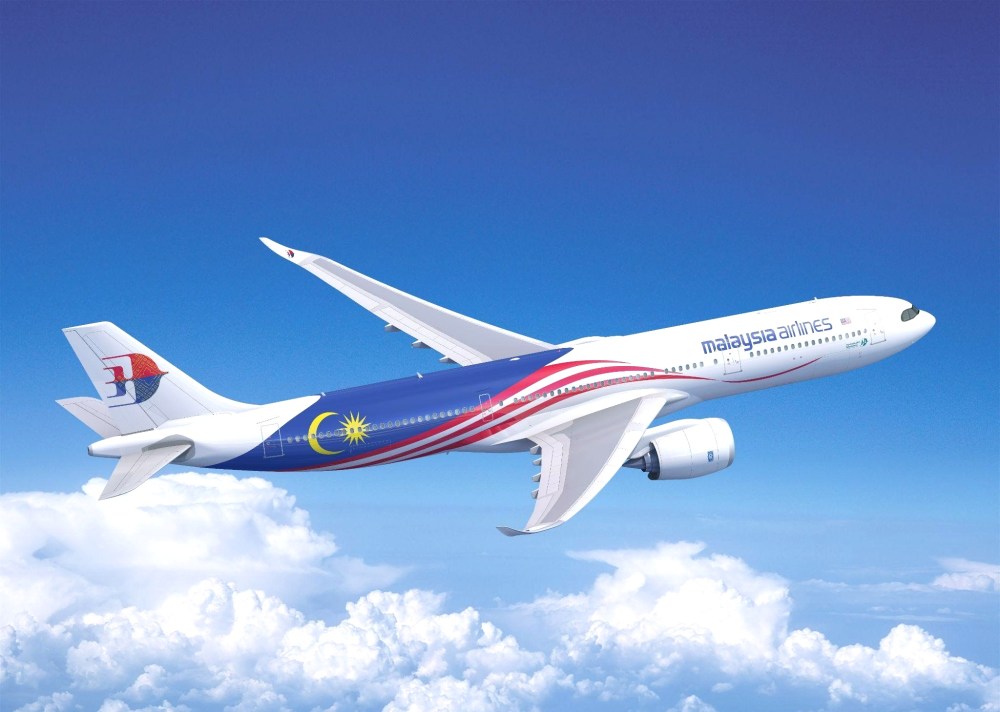
Malaysia Aviation Group (MAG), la empresa matriz de Malaysia Airlines, recibió su primer A330neo en Toulouse, Francia, ha informado la compañía matriz el 29 de Noviembre de 2024. El A330-900 es el primero de los veinte aviones que MAG arrendará a la compañía de leasing Avolon Aerospace Leasing Limited y establecerá nuevos estándares de eficiencia de combustible y experiencia de los pasajeros.
El A330neo para Malaysia Airlines está configurado con un diseño premium de dos clases, con 297 asientos, con 28 suites de clase Business totalmente reclinables y una cabina Economy totalmente nueva con capacidad para 269 pasajeros. Los pasajeros disfrutarán de más espacio personal en todas partes, con mayor espacio de almacenamiento en los compartimentos superiores, mejor calidad del aire y lo último en entretenimiento a bordo y conectividad Wi-Fi de alta velocidad.
La aerolínea desplegará el avión en rutas a través de Asia y el Pacífico, así como en rutas seleccionadas al Medio Oriente.
Malaysia Airlines es la vigésima segunda compañía que se suma a un número cada vez mayor de operadores aéreos globales que utilizan el moderno A330neo, que ahorra combustible. Actualmente, Airbus ha entregado más de 140 aviones A330neo a aerolíneas de todo el mundo, y este modelo ofrece una eficiencia sin igual en su clase.
Malaysia takes delivery of first A330neo
Airbus delivers first A330neo to Malaysia Airlines
Malaysia Aviation Group (MAG), the parent company of Malaysia Airlines, has taken delivery of its first A330neo in Toulouse, France, the parent company has announced on 29 November 2024. The A330-900 is the first of twenty aircraft that MAG will lease from leasing company Avolon Aerospace Leasing Limited and will set new standards for fuel efficiency and passenger experience.
The A330neo for Malaysia Airlines is configured with a premium two-class layout, with 297 seats, featuring 28 fully lie-flat Business Class suites and an all-new Economy cabin with capacity for 269 passengers. Passengers will enjoy more personal space throughout, with increased overhead bin storage, improved air quality, and the latest in inflight entertainment and high-speed Wi-Fi connectivity.
The airline will deploy the aircraft on routes across Asia and the Pacific, as well as on selected routes to the Middle East.
Malaysia Airlines is the 22nd carrier to join a growing number of global air operators using the modern, fuel-efficient A330neo. Airbus has now delivered more than 140 A330neo aircraft to airlines around the world, and the model offers unrivalled efficiency in its class.
PUBLISHER: Airgways.com DBk: Malaysiaairlines.com / Airbus.com / Airgways.com AW-POST: 202412041237AR OWNERSHIP: Airgways Inc. A\W A I R G W A Y S ®
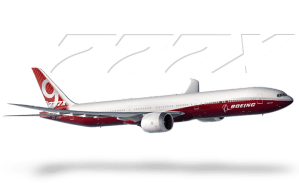
Retrasos programa Boeing 777X generan fuerte impacto aerolíneas
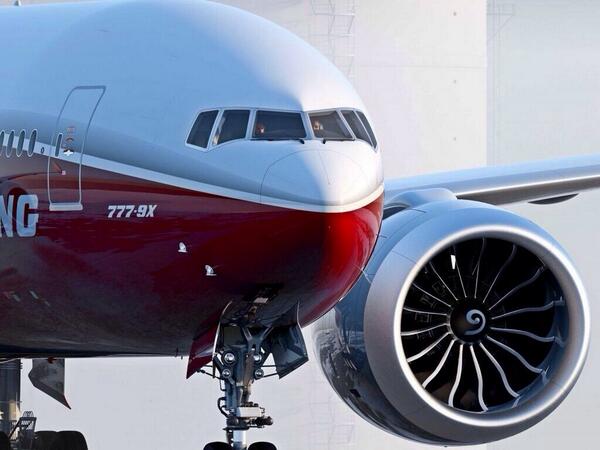
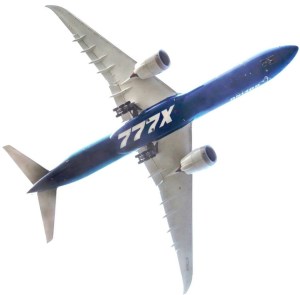
El Boeing 777X, un avión muy esperado, ha enfrentado retrasos significativos en su desarrollo y entrega. Esto ha causado una considerable frustración para aerolíneas como Cathay Pacific, Emirates Airline, Lufthansa German Airlines y Qatar Airways que han invertido fuertemente en la aeronave. Los retrasos, atribuidos a varios factores, incluyendo desafíos técnicos y el impacto de la pandemia de COVID-19, han interrumpido las operaciones de las aerolíneas y llevado a pérdidas financieras, debido a la postergación del programa 777X para su certificación y entregas a las líneas aéreas en todo el mundo.
La aerolínea emblemática del Reino de Emiratos Árabes Unidos, Emirates Airline dice textualmente que le cortaron las alas por los retrasos en las factorías de Boeing. Emirates es una entidad frustrada debido a la falta de aviones, dijo el Miércoles 26/11 el Presidente de la compañía, añadiendo que ahora tendría una flota de 85 aviones Boeing 777-9X si el fabricante de aviones hubiera podido entregarlos a tiempo. «Somos expansionistas, como ustedes saben. Y nos han cortado las alas», dijo Tim Clark a los periodistas en un evento con motivo de la entrega del primer avión Airbus A350 de Emirates.
Emirates Airline, la mayor aerolínea de Oriente Medio, ha expresado cada vez más su descontento por los retrasos y la incertidumbre que afectan a la entrega de los aviones 777-9X, que se vieron exacerbados por una huelga de semanas de los trabajadores de la fábrica de Boeing. Cuando se le preguntó si había algún plan para revisar los pedidos a la luz de los retrasos, el CEO de la aerolínea árabe expresó que la compañía se tomaría el tiempo para determinar las acciones a seguir. «Espero que con los US$ 21.000 millones de Dólares que acaban de inyectar en la empresa y el fin de la huelga, ahora estén trabajando durante los próximos meses para resolver lo que van a hacer. Lo observamos muy de cerca», dijo Tim Clark.
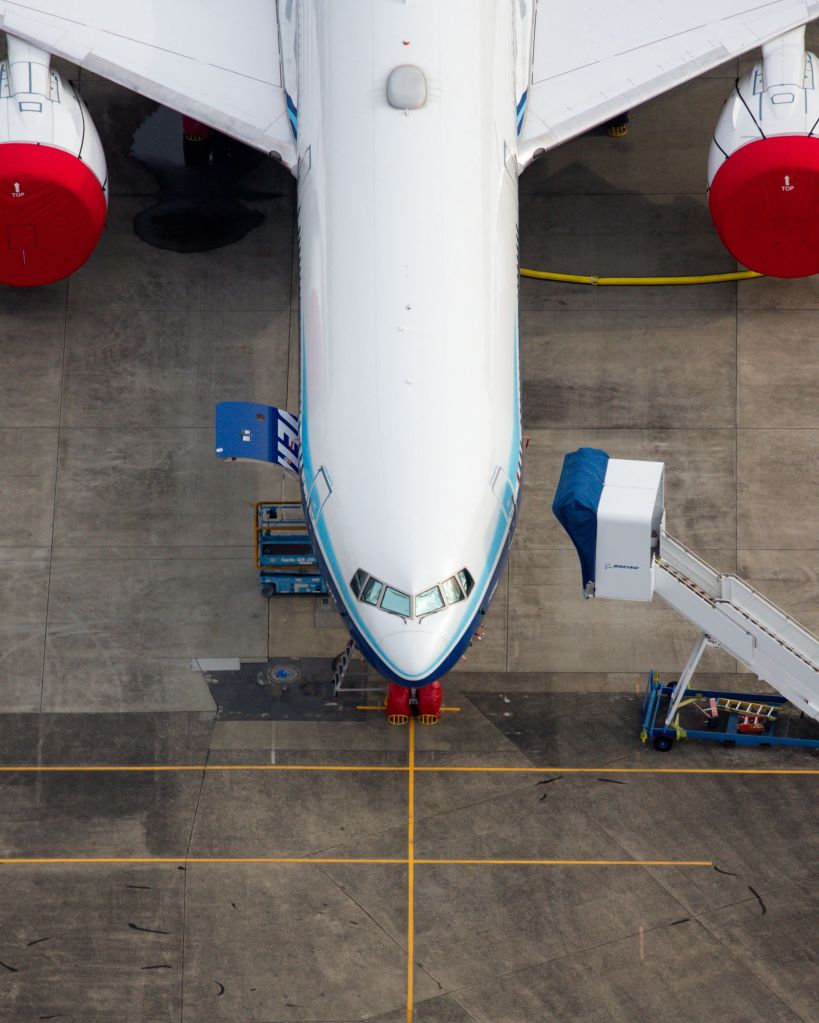
El CEO de Boeing Robert Kelly Ortberg dijo en Octubre 2024 que el fabricante de aviones había dicho a los clientes que espera la primera entrega de su 777X en 2026, debido a los desafíos en el desarrollo, una pausa en las pruebas de vuelo y el paro laboral.
En vista de la distancia que genera recibir nuevos pedidos de aeronaves de cuerpo ancho de Boeing, el CEO de Emirates Airline expresó que el nuevo avión Airbus A350 impulsará la próxima fase de crecimiento de la aerolínea, lo que le permitirá considerar nuevos destinos.
Boeing 777X program challenges
Boeing 777X program delays have a strong impact on airlines
The Boeing 777X, a highly anticipated aircraft, has faced significant delays in its development and delivery. This has caused considerable frustration for airlines such as Cathay Pacific, Emirates Airline, Lufthansa German Airlines, and Qatar Airways that have invested heavily in the aircraft. The delays, attributed to several factors, including technical challenges and the impact of the COVID-19 pandemic, have disrupted airline operations and led to financial losses, due to the postponement of the 777X program for certification and deliveries to airlines around the world.
The flagship airline of the Kingdom of the United Arab Emirates, Emirates Airline says that its wings were clipped due to delays at Boeing factories. Emirates is a frustrated entity due to the lack of planes, the company’s president said on Wednesday, adding that it would now have a fleet of 85 Boeing 777-9X aircraft if the planemaker had been able to deliver them on time. «We are expansionists, as you know. And our wings have been clipped«, Tim Clark told reporters at an event marking the delivery of Emirates’ first Airbus A350 aircraft.
Emirates Airline, the largest carrier in the Middle East, has increasingly expressed discontent over delays and uncertainty affecting the delivery of 777-9X aircraft, which were exacerbated by a weeks-long strike by Boeing factory workers. Asked if there were any plans to review orders in light of the delays, the CEO of the Arab carrier said the company would take time to determine next steps. «I’m hoping that with the $21 billion they just pumped into the company and the end of the strike, they’re now working over the next few months to figure out what they’re going to do. We’re watching it very closely», Tim Clark said.
Boeing CEO Robert Kelly Ortberg said in October 2024 that the aircraft manufacturer had told customers it expects first delivery of its 777X in 2026, due to development challenges, a pause in flight testing, and the work stoppage.
Looking ahead to receiving new orders for Boeing’s wide-body aircraft, the CEO of Emirates Airline said the new Airbus A350 aircraft will boost the airline’s next phase of growth, allowing it to consider new destinations.
PUBLISHER: Airgways.com DBk: Boeing.com / Emirates.com / Airgways.com AW-POST: 202412032044AR OWNERSHIP: Airgways Inc. A\W A I R G W A Y S ®
Icelandair recibió este Martes 3 de Diciembre de 2024 su primer avión Airbus A321LR, marcando el inicio de la renovación de la flota de la aerolínea para rutas en el rango alto de medias distancias. El avión es el primero de cuatro que se arrendarán a SMBC Aviation Capital Limited. La aerolínea también recibirá 13 A321XLR.
La nueva incorporación A321RL (Long Range) es propulsado por motores Pratt & Whitney GTF, configurados para 187 asientos en una configuración de dos clases Business (22) y Turista (165). La cabina Airspace del avión cuenta con compartimentos XL, que ofrecen un 60% más de espacio de almacenamiento. Además, los pasajeros se beneficiarán de una conectividad avanzada de puerta a puerta, entretenimiento a bordo y un sistema de iluminación de última generación que mejorará el bienestar y la experiencia general de los viajeros.
El A321LR es ideal para las rutas transatlánticas, ya que proporciona una autonomía de hasta 4.000 millas náuticas. Hasta la fecha, más de 90 compañías de todo el mundo han encargado más de 6.700 A321neo.
Icelandair takes delivery of 1st A321LR
Icelandair takes delivery of its first Airbus A321LR
Icelandair took delivery of its first Airbus A321LR aircraft on Tuesday, December 3, 2024, marking the start of the airline’s fleet renewal for medium-haul routes. The aircraft is the first of four to be leased to SMBC Aviation Capital Limited. The airline will also take delivery of 13 A321XLRs.
The new addition A321RL (Long Range) is powered by Pratt & Whitney GTF engines, configured for 187 seats in a two-class configuration of Business (22) and Economy (165). The aircraft’s Airspace cabin features XL compartments, offering 60% more storage space. In addition, passengers will benefit from advanced gate-to-gate connectivity, in-flight entertainment, and a state-of-the-art lighting system that will enhance travelers’ well-being and overall experience.
The A321LR is ideal for transatlantic routes, offering a range of up to 4,000 nautical miles. To date, more than 90 airlines around the world have ordered more than 6,700 A321neos.
PUBLISHER: Airgways.com DBk: Icelandair.com / Airbus.com / Airgways.com AW-POST: 202412032014AR OWNERSHIP: Airgways Inc. A\W A I R G W A Y S ®
La aerolínea española Level Airlines ha obtenido su Certificado de Operador Aéreo (AOC) logrando así autonomía operativa. En esta nueva etapa seguirá reforzando la conectividad directa entre Barcelona y aeropuertos clave en América.
La aerolínea de largo radio con sede en Barcelona, España, acaba de obtener el certificado que permite realizar operaciones de manera independiente, con lo que se emancipa de Iberia dentro del IAG Group.
La compañía aérea ha iniciado sus operaciones en 2017 como marca comercial operada por Iberia. El hito alcanzado en Diciembre 2024 permitirá desarrollar su autonomía operativa, lo que la dotará de mayor agilidad para alcanzar sus objetivos estratégicos. De este modo, contará con procesos propios dentro del grupo aéreo, de la misma forma que el resto de las aerolíneas del grupo Aer Lingus, British Airways, Iberia Líneas Aéreas y Vueling.
Para obtener el Certificado de Operador Aéreo (AOC), la compañía ha requerido duplicar su plantilla de oficinas este año, creando un nuevo equipo de operaciones y dimensionando el resto de los departamentos. Las tripulaciones técnicas Comandantes, Primeros Oficiales y los Tripulantes de Cabina también formarán parte de la nueva estructura de Level. Para ello, se han celebrado las convocatorias de sus correspondientes procesos de selección.
Rafael Jiménez Hoyos, CEO de la compañía, destaca que “hoy es un día histórico. La obtención de nuestro AOC es un paso fundamental para nuestra aerolínea, que contribuirá a acometer nuestro plan de crecimiento y expansión al mismo tiempo que se crea un legado y un know how del largo radio en Barcelona. Este hito marca el inicio de una nueva etapa, en la que seguiremos trabajando con el mismo compromiso de consolidar Level como una aerolínea eficiente, innovadora y orientada a la clientela, conectando Barcelona con el mundo de manera directa y sin escalas”.
Con el AOC y la licencia de explotación, da inicio una última fase del proceso que tendrá lugar a partir de ahora y durante el 2025. En dicho periodo hará los trámites pertinentes para obtener los permisos para volar a cada país. En el caso de Level son Argentina, Chile y Estados Unidos. Cuando este último proceso se haya completado, Level empezará a operar con el código IATA “LL”.
En esta nueva etapa, la compañía seguirá reforzando la conectividad directa entre Barcelona y aeropuertos clave en América, como sus ciudades de destino actuales: Nueva York, Boston, Miami, San Francisco, Los Ángeles, Buenos Aires y Santiago de Chile. Level contempla dar la bienvenida a su séptimo avión en las próximas semanas y contar con ocho aviones en su flota de Airbus A330-200 en 2026.
Level obtains AOC
Spanish airline achieves operational autonomy
The Spanish airline Level Airlines has obtained its Air Operator Certificate (AOC) thus achieving operational autonomy. In this new stage it will continue to strengthen direct connectivity between Barcelona and key airports in America.
The long-haul airline based in Barcelona, Spain, has just obtained the certificate that allows it to carry out operations independently, thereby emancipating itself from Iberia within the IAG Group.
The airline began operations in 2017 as a commercial brand operated by Iberia. The milestone reached in December 2024 will allow it to develop its operational autonomy, which will provide it with greater agility to achieve its strategic objectives. In this way, it will have its own processes within the airline group, in the same way as the rest of the airlines in the Aer Lingus group, British Airways, Iberia Líneas Aéreas and Vueling.
In order to obtain the Air Operator Certificate (AOC), the company has had to double its office staff this year, creating a new operations team and sizing the rest of the departments. The technical crews, Commanders, First Officers and Cabin Crew will also be part of the new Level structure. To this end, the corresponding selection processes have been held.
Rafael Jiménez Hoyos, CEO of the company, highlights that “today is a historic day. Obtaining our AOC is a fundamental step for our airline, which will contribute to undertaking our growth and expansion plan while creating a legacy and know-how for long-haul flights in Barcelona. This milestone marks the beginning of a new stage, in which we will continue working with the same commitment to consolidate Level as an efficient, innovative and customer-oriented airline, connecting Barcelona with the world directly and without stops”.
With the AOC and the operating license, the last phase of the process begins, which will take place from now until 2025. During this period, the company will complete the necessary procedures to obtain the permits to fly to each country. In the case of Level, these are Argentina, Chile and the United States. When this last process is completed, Level will begin to operate with the IATA code “LL”.
In this new stage, the company will continue to strengthen direct connectivity between Barcelona and key airports in America, such as its current destination cities: New York, Boston, Miami, San Francisco, Los Angeles, Buenos Aires and Santiago de Chile. Level plans to welcome its seventh aircraft in the coming weeks and have eight aircraft in its Airbus A330-200 fleet in 2026.
PUBLISHER: Airgways.com DBk: Flylevel.com / Airgways.com AW-POST: 202412031458AR OWNERSHIP: Airgways Inc. A\W A I R G W A Y S ®
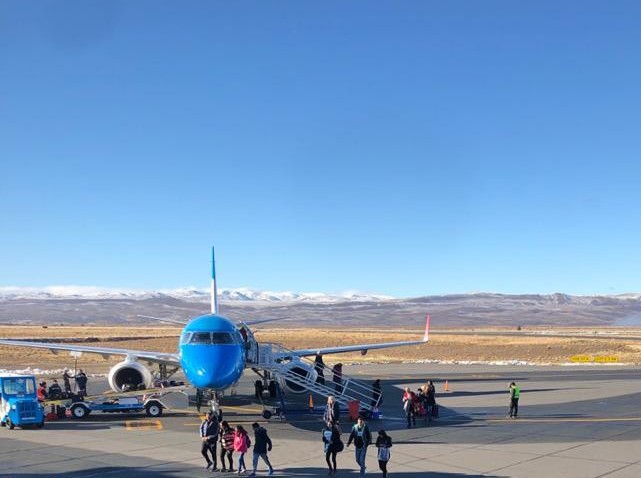
Aerolíneas Argentinas cerrará varias oficinas en el país
Aerolíneas Argentinas confirmó el cierre de varias oficinas en la Región Patagonia y en otros destinos en Argentina. La medida incluye localidades como El Calafate, Comodoro Rivadavia y Neuquén. El Calafate, un destino turístico clave, perderá su oficina esta semana. La empresa informó que no renovará los contratos de alquiler de las oficinas. Este cierre también afecta a otras ciudades como Ushuaia, Santiago del Estero y Jujuy.
Los cierres eliminan la atención presencial en puntos turísticos estratégicos que genera preocupación en el sector turístico. Esto impactará en los usuarios del transporte aéreo que requieren asistencia directa. La falta de oficinas físicas genera preocupación entre los usuarios y el sector turístico como servicio esencial de contacto personal que representa un soporte importante para pasajeros. Usuarios señalaron dificultades para resolver problemas urgentes sin oficinas. La presencia física brindaba mayor tranquilidad durante los viajes. La decisión también impactará en regiones alejadas con menor conectividad. Los habitantes perderán un servicio que simplificaba el acceso al transporte aéreo.
La compañía aérea ha asegurado que no despedirá empleados. «Los trabajadores serán reubicados en otras áreas», señalaron desde la empresa. Algunas reubicaciones incluirán áreas de transporte dentro de la aerolínea. Los detalles sobre las nuevas funciones aún no fueron confirmados.
Aerolíneas justifica la medida como parte de una reorganización operativa. La empresa busca optimizar recursos y adaptarse a nuevas dinámicas. El cierre de oficinas presenciales responde al crecimiento de canales digitales. La compra de pasajes y consultas se realizan cada vez más online.
Las oficinas eran vistas como un respaldo importante para los usuarios. Turistas y locales valoraban la posibilidad de resolver problemas en persona. El cierre coincide con una temporada de alta demanda turística en el sur. El anuncio generó incertidumbre en un momento clave para el turismo. De esta manera Aerolíneas Argentinas enfrenta críticas por esta decisión. Usuarios y empresarios esperan medidas que compensen la pérdida del servicio presencial.
La digitalización avanza, pero no reemplaza la atención física para todos. Regiones alejadas y dependientes del turismo serán las más afectadas. Este cambio marca un antes y un después en el modelo de atención de Aerolíneas. La transición hacia un enfoque digital genera desafíos y resistencias.
Aerolíneas closes several offices
Aerolíneas Argentinas will close several offices in the country
Aerolíneas Argentinas confirmed the closure of several offices in the Patagonia Region and in other destinations in Argentina. The measure includes towns such as El Calafate, Comodoro Rivadavia and Neuquén. El Calafate, a key tourist destination, will lose its office this week. The company reported that it will not renew the rental contracts for the offices. This closure also affects other cities such as Ushuaia, Santiago del Estero and Jujuy.
The closures eliminate face-to-face attention in strategic tourist spots, which is a concern for the tourism sector. This will impact air transport users who require direct assistance. The lack of physical offices is a concern for users and the tourism sector as an essential personal contact service that represents an important support for passengers. Users pointed out difficulties in resolving urgent problems without offices. Physical presence provided greater peace of mind during trips. The decision will also impact remote regions with less connectivity. Residents will lose a service that simplified access to air transport.
The airline has assured that it will not lay off employees. «Workers will be relocated to other areas», the company said. Some relocations will include transport areas within the airline. Details about the new functions have not yet been confirmed.
Aerolíneas justifies the measure as part of an operational reorganization. The company seeks to optimize resources and adapt to new dynamics. The closure of physical offices responds to the growth of digital channels. Ticket purchases and inquiries are increasingly done online.
The offices were seen as an important support for users. Tourists and locals valued the possibility of solving problems in person. The closure coincides with a season of high tourist demand in the south. The announcement generated uncertainty at a key moment for tourism. In this way, Aerolíneas Argentinas faces criticism for this decision. Users and businessmen expect measures that compensate for the loss of face-to-face service.
Digitalization advances, but does not replace physical attention for all. Remote regions dependent on tourism will be the most affected. This change marks a turning point in Aerolíneas’ customer service model. The transition to a digital approach creates challenges and resistance.
PUBLISHER: Airgways.com DBk: Aerolineas.com / Airgways.com AW-POST: 202412031452AR OWNERSHIP: Airgways Inc. A\W A I R G W A Y S ®
British Airways presentó su nuevo asiento First Class, que cuentan con un diseño elegante, reflejo de los modernos viajes de lujo británicos. La nueva cabina forma parte de los planes de modernización de los Airbus A380 de la aerolínea, que se espera que surque los cielos a mediados de 2026.Ofertas de trabajo en aviación
El nueva First Class ha sido cuidadosamente diseñada para ofrecer la sensación de un moderno hotel de lujo, junto con comodidades hogareñas y cuidados toques británicos a 35.000 pies de altura. Los asientos han sido seleccionados por expertos diseñadores y fabricantes de talla mundial procedentes de todos los rincones de Gran Bretaña e Irlanda, como Londres, Glasgow, West Yorkshire, Kilkeel y Dublín.
El nuevo asiento es ultra-ancho (36,5 pulgadas), con una longitud de cama de 79 pulgadas, elegante mesa, pantalla de TV 4K de 32 pulgadas, iluminación ambiental ajustable que incluye escenas como «relax», «cenar» y «cine». El asiento se puede ajustar con sólo pulsar un botón para encontrar el nivel perfecto de comodidad y se encuentra dentro de una pared curvada de 60 pulgadas para ofrecer la máxima privacidad, sin dejar de proporcionar un entorno espacioso. Para los clientes que viajan juntos en el centro de la cabina, el divisor se abre para crear un espacio de salón compartido, y las mesas plegables permiten a los pasajeros disfrutar de cenas de amigos en el asiento con su compañero de viaje.
Las elegantes curvas de toda la cabina se inspiran en las alas del Concorde de British Airways, dando un flujo natural al espacio y creando un ambiente acogedor. Ofertas de trabajo en aviación
«Estamos increíblemente orgullosos de lanzar la nueva era de la First Class, que amplía los límites del confort, el lujo y la modernidad, teniendo en cuenta las preferencias y expectativas de los clientes hasta el más mínimo detalle», dijo el Director de Atención al Cliente de British Airways, Calum Laming.
La aerolínea sigue invirtiendo en la experiencia global del cliente y ha puesto en marcha más de 120 iniciativas como parte de su transformación de £ 7.000 millones de Libras, desde nuevos asientos para vuelos de corta distancia y mensajería Wi-Fi gratuita a bordo hasta la renovación de sus salas VIP en toda su red mundial.
British Airways unveils new First Class
New First Class seat with sleek design
British Airways has unveiled its new First Class seat, which features a sleek design, reflecting modern British luxury travel. The new cabin is part of the airline’s Airbus A380 modernisation plans, which are expected to take to the skies in mid-2026.Aviation Jobs
The new First Class has been carefully designed to offer the feel of a modern luxury hotel, along with homely comforts and thoughtful British touches at 35,000 feet. The seats have been expertly selected by world-class designers and manufacturers from all corners of Britain and Ireland, including London, Glasgow, West Yorkshire, Kilkeel and Dublin.
The new seat is ultra-wide (36.5 inches), with a 79-inch bed length, elegant table, 32-inch 4K TV screen, adjustable ambient lighting that includes scenes such as «relax», «dine» and «cinema». The seat can be adjusted at the touch of a button to find the perfect level of comfort and is set within a 60-inch curved wall to offer maximum privacy, while still providing a spacious environment. For customers travelling together in the centre of the cabin, the divider opens to create a shared lounge space, and fold-out tables allow passengers to enjoy dinners with friends in the seat with their travelling companion.
The elegant curves throughout the cabin are inspired by the wings of British Airways’ Concorde, giving a natural flow to the space and creating a welcoming atmosphere. Aviation Jobs
«We are incredibly proud to launch the new era of First Class, pushing the boundaries of comfort, luxury and modernity, taking into account customer preferences and expectations down to the smallest detail», said British Airways Chief Customer Officer Calum Laming.
The airline continues to invest in the global customer experience and has launched more than 120 initiatives as part of its £7bn transformation, from new seats for short-haul flights and free Wi-Fi messaging on board to the refurbishment of its lounges across its global network.
PUBLISHER: Airgways.com DBk: Ba.com / Airgways.com AW-POST: 202412021913AR OWNERSHIP: Airgways Inc. A\W A I R G W A Y S ®
Aerolínea busca reducir riesgo de lesiones por turbulencias Nuevas asignaciones asientos y reducción uso plásticos
Southwest Airlines terminará su servicio de cabina a una altitud de 18.000 pies en lugar de 10.000 pies durante sus vuelos, lo que permitirá a su tripulación de Cabina de Pasajeros comenzar a prepararse para el aterrizaje. La nueva norma, que entrará en vigor este Miércoles 4 de Diciembre de 2024, significa que los pasajeros de Southwest tendrán que cerrar sus bandejas, terminar sus aperitivos y ponerse el cinturón de seguridad en esta nueva normativa que introduce la aerolínea con sede en Dallas, Texas, Estados Unidos.
«El cambio en los procedimientos está diseñado para reducir el riesgo de lesiones por turbulencias en vuelo para nuestros tripulantes y clientes. Es el resultado de la cercana colaboración de la aerolínea con sus socios laborales y un enfoque robusto en la gestión de seguridad. Nada es más importante para Southwest Airlines que la seguridad de nuestros clientes y empleados», dijo la compañía aérea Southwest.
Aunque las turbulencias leves en los vuelos no son algo fuera de lo común, varias aerolíneas han experimentado turbulencias intensas que han causado mucho más que bebidas caídas y pasajeros agitados. Un vuelo de Air Europa con destino a Uruguay se vio obligado a realizar un aterrizaje de emergencia en Brasil en Julio 2024, después de que al menos treinta personas resultaran heridas por las fuertes turbulencias. En otro incidente a bordo de un vuelo de United Airlines una pasajera fue hospitalizada y al menos otras seis resultaron heridas después de que el vuelo con destino a Cancún, México experimentara un breve periodo de fuertes turbulencias. Otro incidente de turbulencias extremas a bordo ha ocurrido en un avión Boeing 777, que transportaba 211 pasajeros y 18 tripulantes de Londres a Singapur, dejó a un hombre británico de 73 años muerto y decenas de personas hospitalizadas, entre ellas personas con lesiones medulares, cerebrales y óseas u orgánicas. Un mes después del incidente, Singapore Airlines dijo que ofrecía compensaciones de hasta US$ 10.000 a los pasajeros del vuelo.
La Administración Federal de Aviación (FAA) hace un seguimiento de las lesiones sufridas por pasajeros y miembros de la tripulación de las aerolíneas debido a las turbulencias. Entre el 2009 y el 2023, 37 pasajeros y 146 miembros de la tripulación sufrieron lesiones graves causadas por turbulencias en Estados Unidos, con 20 de esas lesiones registradas en 2023.
¿Qué causa las turbulencias a bordo de un vuelo? El nivel de turbulencia que experimenta un avión está causado por diferentes condiciones meteorológicas, entre ellas la presión atmosférica, las corrientes de viento en chorro, el aire alrededor de las montañas, los frentes fríos o cálidos y las tormentas severas. Las turbulencias pueden producirse incluso cuando el cielo parece despejado, lo que nos lleva al tipo más peligroso de turbulencia conocido como turbulencia de aire despejado. Este tipo de turbulencia es invisible a los ojos y suele producirse sin advertencia visible, por lo que es casi imposible de evitar. Según el Servicio Meteorológico Nacional (SMN), la turbulencia de aire despejado se produce con mayor frecuencia en altitudes de 15.000 pies.
Según el Centro Nacional de Investigación Atmosférica, cada año los pilotos informan de un promedio de 65.000 casos de turbulencias de moderadas a graves en Estados Unidos.
Las turbulencias también pueden pasar factura muy alta a las compañías aéreas. Se calcula que el costo para las aerolíneas estadounidenses debido a lesiones, daños en la cabina y el avión, retrasos en los vuelos y tiempo perdido en inspecciones y mantenimiento oscila entre US$ 150 y US$ 500 millones de Dólares al año. Para reducir el riesgo de lesiones graves, la FAA recomienda a los pasajeros que lleven puesto el cinturón de seguridad en todo momento y que presten mucha atención a las instrucciones de la tripulación de vuelo, incluida la lectura de la tarjeta de instrucciones de seguridad situada en el asiento de delante.
Southwest to reduce turbulence
Airline seeks to reduce risk of injuries from turbulence New seat assignments and reduction in plastic use
Southwest Airlines will end its cabin service at an altitude of 18,000 feet instead of 10,000 feet during its flights, allowing its Cabin Crew to begin preparing for landing. The new rule, which will go into effect this Wednesday, December 4, 2024, means that Southwest passengers will have to close their trays, finish their snacks, and put on their seat belts in this new regulation introduced by the airline based in Dallas, Texas, United States.
«The change in procedures is designed to reduce the risk of injuries from in-flight turbulence for our crew members and customers. It is the result of the airline’s close collaboration with its labor partners and a robust approach to safety management. Nothing is more important to Southwest Airlines than the safety of our customers and employees», said the Southwest airline.
While mild in-flight turbulence is not uncommon, several airlines have experienced severe turbulence that has caused much more than just spilled drinks and agitated passengers. An Air Europa flight bound for Uruguay was forced to make an emergency landing in Brazil in July 2024 after at least thirty people were injured by severe turbulence. In another incident onboard a United Airlines flight, one passenger was hospitalized and at least six others were injured after the flight bound for Cancun, Mexico experienced a brief period of severe turbulence. Another incident of extreme in-flight turbulence has occurred on a Boeing 777 aircraft, carrying 211 passengers and 18 crew from London to Singapore, leaving a 73-year-old British man dead and dozens of people hospitalized, including people with spinal, brain, bone or organ injuries. A month after the incident, Singapore Airlines said it was offering compensation of up to US$ 10,000 to passengers on the flight.
The Federal Aviation Administration (FAA) tracks injuries suffered by airline passengers and crew members due to turbulence. Between 2009 and 2023, 37 passengers and 146 crew members suffered serious injuries caused by turbulence in the United States, with 20 of those injuries recorded in 2023.
What causes turbulence on board a flight? The level of turbulence an aircraft experiences is caused by different weather conditions, including atmospheric pressure, jet streams, air around mountains, cold or warm fronts, and severe storms. Turbulence can occur even when the sky appears clear, which brings us to the most dangerous type of turbulence known as clear-air turbulence. This type of turbulence is invisible to the eye and often occurs without visible warning, making it nearly impossible to avoid. According to the National Weather Service (NWS), clear-air turbulence most often occurs at altitudes of 15,000 feet.
According to the National Center for Atmospheric Research, pilots report an average of 65,000 cases of moderate to severe turbulence in the United States each year.
Turbulence can also take a heavy toll on airlines. The cost to U.S. airlines due to injuries, cabin and aircraft damage, flight delays, and lost time for inspections and maintenance is estimated to range from US$ 150 million to US$ 500 million per year. To reduce the risk of serious injury, the FAA recommends that passengers wear their seat belts at all times and pay close attention to instructions from the flight crew, including reading the safety instruction card located in the seat in front of them.
PUBLISHER: Airgways.com DBk: Southwest.com / Airgways.com AW-POST: 202412021912AR OWNERSHIP: Airgways Inc. A\W A I R G W A Y S ®
Nuevo cambio aerolíneas para embarques de pasajeros
La espera en los aeropuertos para embarcar suele ser uno de los procesos más críticos en la espera de los usuarios del transporte de pasajeros, que suelen llevar tiempo embarcar en el avión. Una nueva medida busca regular que los viajeros respeten las colas y que no haya ningún incidente.
Las prioridades de los pasajeros al embarcar un avión suelen ser diferentes, mientras que las líneas aéreas y los aeropuertos buscan un sistema que les permita desarrollar grupos de prioridad con cuatro niveles, siendo el uno y dos de embarque prioritario, y el tres y de base.
En un intento por agilizar el proceso de embarque y mejorar la experiencia de los pasajeros, American Airlines ha comenzado a probar un innovador software que detecta y alerta sobre comportamientos inapropiados en las puertas de embarque. Este sistema, diseñado específicamente para identificar a los llamados “piojos de las puertas”, pasajeros que intentan abordar antes de que se llame a su grupo asignado, promete poner fin a uno de los problemas más comunes en los aeropuertos: el desorden frente a las puertas. El software funciona detectando a las personas que se acercan a la fila equivocada antes de que sea su turno. En caso de identificar una infracción, emite una alarma audible y envía una notificación al personal de la aerolínea, indicando que el pasajero no pertenece al grupo actualmente llamado. Una vez identificado, el individuo es retirado de la fila y se le solicita esperar a que se anuncie su grupo. Esta medida, que se encuentra en fase de prueba en los aeropuertos de Albuquerque, Tucson y Washington, busca garantizar que los pasajeros que pagan por servicios prioritarios puedan disfrutar de los beneficios correspondientes. Según ejecutivos de American Airlines, los resultados preliminares han sido positivos, aunque aún falta determinar si esta tecnología será adoptada de manera generalizada.
El problema de la congestión en las puertas de embarque no es exclusivo de American Airlines. Muchas aerolíneas han implementado sistemas basados en grupos numerados para organizar a los pasajeros, pero estas medidas a menudo fracasan cuando las personas se aglomeran frente a las puertas antes de tiempo.
La industria aérea no solo enfrenta desafíos dentro de los aviones, sino también en los espacios circundantes. En Nueva Zelanda, el aeropuerto de Dunedin adoptó recientemente una política controvertida: limitar el tiempo de los abrazos de despedida en el área de “dejada” a solo tres minutos. La medida busca reducir el tráfico en la zona de acceso, pero ha sido criticada en redes sociales por considerarse insensible.
Por su parte, el Aeropuerto de Aalborg, en Dinamarca, implementó una normativa similar hace más de una década, limitando el tiempo en la zona “Kiss and Goodbye”. A pesar de las críticas iniciales, la medida fue bien recibida con el tiempo al mejorar el flujo de pasajeros.
Passenger boarding changes
New airline change for passenger boarding
Waiting at airports to board is usually one of the most critical processes in the waiting of passenger transport users, who usually take time to board the plane. A new measure seeks to regulate that travelers respect the queues and that there are no incidents.
Passengers’ priorities when boarding a plane are usually different, while airlines and airports are looking for a system that allows them to develop priority groups with four levels, with one and two being priority boarding, and three being basic.
In an attempt to speed up the boarding process and improve the passenger experience, American Airlines has begun testing innovative software that detects and alerts about inappropriate behavior at the boarding gates. This system, specifically designed to identify so-called «gate lice,» passengers who try to board before their assigned group is called, promises to put an end to one of the most common problems at airports: disorder in front of the gates. The software works by detecting people who approach the wrong line before it is their turn. If it identifies a violation, it sounds an audible alarm and sends a notification to airline staff, indicating that the passenger does not belong to the group currently called. Once identified, the individual is removed from the line and asked to wait for their group to be announced. This measure, which is being tested at airports in Albuquerque, Tucson and Washington, seeks to ensure that passengers who pay for priority services can enjoy the corresponding benefits. According to American Airlines executives, preliminary results have been positive, although it remains to be seen whether this technology will be widely adopted.
The problem of congestion at boarding gates is not unique to American Airlines. Many airlines have implemented systems based on numbered groups to organize passengers, but these measures often fail when people crowd in front of the gates ahead of time.
The airline industry not only faces challenges inside airplanes, but also in the surrounding spaces. In New Zealand, Dunedin Airport recently adopted a controversial policy: limiting the time for goodbye hugs in the “drop-off” area to just three minutes. The measure is intended to reduce traffic in the access area, but has been criticized on social media as insensitive.
Meanwhile, Aalborg Airport in Denmark implemented a similar policy more than a decade ago, limiting time in the “Kiss and Goodbye” zone. Despite initial criticism, the measure was eventually welcomed as it improved passenger flow.
PUBLISHER: Airgways.com DBk: Aa.com / Airgways.com AW-POST: 202412021858AR OWNERSHIP: Airgways Inc. A\W A I R G W A Y S ®
Gobierno avanzará con privatización de Aerolíneas Argentinas
El Jefe de Gabinete de argentina, Guillermo Francos, aseguró que se avanzará en la privatización de Aerolíneas Argentinas, pues el Gobierno no quiere financiar con el dinero de los argentinos una empresa con un déficit operativo cercanos a los US$ 400 millones de Dólares. De esta manera, al brindar su informe de gestión ante el Senado Nacional, el funcionario reiteró la vocación del Poder Ejecutivo de vender la empresa estatal, aunque para ello se deberá aprobar una ley en el Congreso Nacional.
La privatización de Aerolíneas Argentinas fue eliminada de la Ley Bases y ahora hay un dictamen para poder tratarlo en sesiones extraordinarias o en el próximo período ordinario que se iniciará en marzo.
El mandatario aseguró: “Avanzaremos hacia la privatización de Aerolíneas. No estamos dispuestos a financiar con el dinero de todos los argentinos una empresa con un déficit operativo cercano a los 400 millones de dólares, cuyos servicios utiliza una ínfima parte de la población”.
En su informe, Francos defendió “la desregulación del sistema aéreo y la implementación de una política de cielos abiertos generaron grandes beneficios para el sector. Se expandieron las rutas aerocomerciales, se ampliaron las operaciones en Aeroparque y se mejoró el contrato aéreo de pasajeros, equipaje y carga”.
También se refirió al conflicto planteado con Intercargo y, en ese sentido, señaló que no permitirán la extorsión en esa empresa que se ocupa de los servicios aeroportuarios en tierra, embarque y desembarque de pasajeros, la carga y descarga de equipaje, la limpieza y el remolque de aeronaves.
“Para terminar con este monopolio, desregulamos el servicio de rampas en aeropuertos y abrimos el juego a nuevas empresas que quieran brindar este servicio”, destacó.
Dijo que se registro un estado desastroso en el sistema aerocomercial argentino al asumir el Gobierno y añadió: “Esto quedó evidenciado en el riesgo de perder la Categoría 1, otorgada a nuestro país por la Administración Federal de Aviación (FAA), la autoridad aeronáutica de Estados Unidos, basada en los estándares de seguridad operacional establecidos por la Organización de Aviación Civil Internacional (OACI) de las Naciones Unidas”.
Progress on privatization of Aerolíneas Argentinas
Government will move forward with privatization of Aerolíneas
The Chief of Cabinet of Argentina, Guillermo Francos, assured that progress will be made on the privatization of Aerolíneas Argentinas, since the Government does not want to finance with the money of the Argentines a company with an operating deficit close to US$ 400 million Dollars. In this way, when giving his management report before the National Senate, the official reiterated the vocation of the Executive Branch to sell the state company, although for this a law must be approved in the National Congress.
The privatization of Aerolíneas Argentinas was eliminated from the Ley Bases and now there is a ruling to be able to deal with it in extraordinary sessions or in the next ordinary period that will begin in March.
The president assured: «We will move towards the privatization of Aerolíneas. We are not willing to use the money of all Argentines to finance a company with an operating deficit of close to 400 million dollars, whose services are used by a tiny part of the population”.
In his report, Francos defended “the deregulation of the air system and the implementation of an open skies policy that generated great benefits for the sector. The commercial air routes were expanded, the operations at Aeroparque were expanded and the air contract for passengers, baggage, and cargo was improved”.
He also referred to the conflict with Intercargo and, in that sense, he pointed out that they will not allow “extortion” in that company that deals with airport services on the ground, boarding, and disembarking of passengers, loading and unloading of baggage, cleaning and towing of aircraft.
“To end this monopoly, we deregulated the ramp service at airports and opened the game to new companies that want to provide this service”, he stressed.
He said that the Argentine air transport system was in a disastrous state when the government took office and added: “This was evidenced by the risk of losing Category 1, granted to our country by the Federal Aviation Administration (FAA), the United States aeronautical authority, based on operational safety standards established by the United Nations International Civil Aviation Organization (ICAO)».
PUBLISHER: Airgways.com DBk: Argentina.gob.ar / Aerolineas.com / Daniel Vides / Airgways.com AW-POST: 202411281020AR OWNERSHIP: Airgways Inc. A\W A I R G W A Y S ®
Hainan Airlines anunció que su subsidiaria de bajo costo, Urumqi Air, recibirá 40 aviones regionales COMAC C909, anteriormente conocidos como ARJ21-700. Las entregas están programadas entre 2025 y 2032, sujetas a la aprobación de los accionistas.
Durante la 15ª Exposición Aeroespacial Internacional de China, HNA Aviation Group, holding matriz de Hainan Airlines había anunciado la firma de un pedido de 60 aviones C919 y 40 C909, aunque no especificó cuáles de sus aerolíneas los operarían. Actualmente, Urumqi Air opera una flota de 15 Boeing 737-800. La incorporación de los C909 mejorará la capacidad regional de la aerolínea con sede en Xinjiang y se alinea con la iniciativa de China para promover la producción nacional de aviones, según nuestro medio asociado, Aeroin.
El C909 fue rebautizado oficialmente durante el Salón Aeronáutico de Zhuhai de 2024, el mayor evento de aviación de China. Este cambio sigue la convención de nomenclatura existente del fabricante, que incluye aviones como el C919 y el futuro C929. El nuevo nombre había sido visto en aviones en el aeropuerto de Shanghái-Pudong a mediados de Octubre de 2024, lo que desató especulaciones antes del salón aeronáutico.
El ARJ21, que entró en servicio en Junio de 2016, ha sido ampliamente utilizado por las aerolíneas chinas y es operado internacionalmente por TransNusa de Indonesia. Hasta la fecha se han entregado 146 unidades.
Además, durante el Salón Aeronáutico de Zhuhai, COMAC confirmó que Air China será el cliente de lanzamiento del tan esperado avión de fuselaje ancho C929, destacando la creciente colaboración entre las aerolíneas chinas y los fabricantes nacionales para expandir la aviación en el país.
HNA Aviation Group se ha convertido en el cuarto grupo de aviación más grande de China, cubriendo el mantenimiento, el transporte de pasajeros y carga. El grupo controla doce aerolíneas con una flota de 619 aviones.
Hainan orders 40 C909s
COMAC C909 wins move
Hainan Airlines announced that its low-cost subsidiary, Urumqi Air, will receive 40 COMAC C909 regional aircraft, formerly known as ARJ21-700. Deliveries are scheduled between 2025 and 2032, subject to shareholder approval.
During the 15th China International Aerospace Exhibition, HNA Aviation Group, Hainan Airlines’ parent holding company, had announced the signing of an order for 60 C919 and 40 C909 aircraft, although it did not specify which of its airlines would operate them. Currently, Urumqi Air operates a fleet of 15 Boeing 737-800s. The addition of the C909s will improve the Xinjiang-based airline’s regional capacity and aligns with China’s initiative to promote domestic aircraft production, according to our partner media, Aeroin.
The C909 was officially renamed during the 2024 Zhuhai Airshow, China’s largest aviation event. This change follows the manufacturer’s existing naming convention, which includes aircraft such as the C919 and the upcoming C929. The new name had been spotted on aircraft at Shanghai Pudong Airport in mid-October 2024, sparking speculation ahead of the airshow.
The ARJ21, which entered service in June 2016, has been widely used by Chinese airlines and is operated internationally by Indonesia’s TransNusa. 146 units have been delivered to date.
Also, during the Zhuhai Airshow, COMAC confirmed that Air China will be the launch customer for the long-awaited C929 wide-body aircraft, highlighting the growing collaboration between Chinese airlines and domestic manufacturers to expand aviation in the country.
HNA Aviation Group has become China’s fourth largest aviation group, covering maintenance, passenger and cargo transportation. The group controls twelve airlines with a fleet of 619 aircraft.
PUBLISHER: Airgways.com DBk: Hainanairlines.com / Urumqi-air.com / Comac.cc / Airgways.com AW-POST: 202411262016AR OWNERSHIP: Airgways Inc. A\W A I R G W A Y S ®















 airgways.com