Ξ 100º aniversarios Tupolev Ξ

AW | 2022 10 27 14:05 | AVIATION HHISTORY / INDUSTRY

La industria aeronáutica rusa celebra 100 años

Tupolev_Logo_historisch.svg

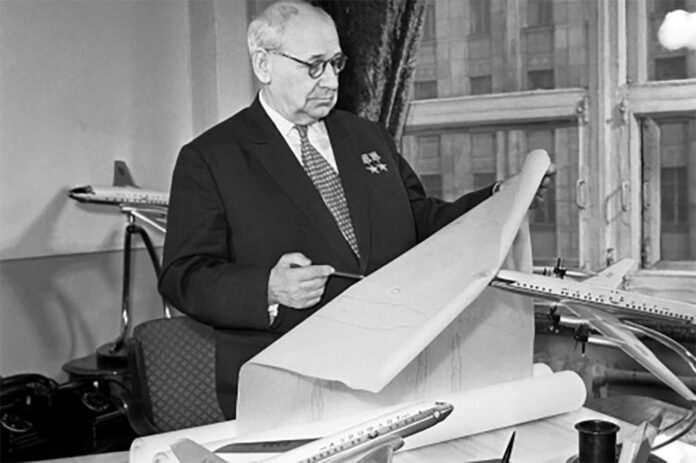
El 22 de Octubre de 2022, Tupolev festeja sus 100 aniversarios de la fundación de la oficina de diseño creada por Andrey Nikolayevich Tupolev, que se convertiría en la Oficina de Diseño Tupolev. Tupolev ha diseñado más de cien modelos de aviones civiles y militares y ha producido más de 18.000 aviones para Rusia, la Unión Soviética y el Bloque del Este desde su fundación.

Los comienzos

La historia de la Oficina de Diseño Tupolev comenzó con la organización de la Comisión para la Construcción de Aeronaves en el Instituto Central Aerohidrodinámico (TsAGI) en Octubre de 1922. Andrey Tupolev, un joven diseñador de aviones, fue nombrado presidente de la comisión, que insistió en el uso generalizado. de aleaciones de metales ligeros en la construcción de aviones, creyendo con razón que eran el futuro de la aviación.

El primer avión doméstico ANT-2 totalmente metálico (cuyo nombre incluye las iniciales y el apellido de Tupolev) fue construido en 1924. En él, el diseñador no solo aplicó la experiencia mundial de usar metal corrugado en el recubrimiento, sino que también mejoró el proceso de su fabricación, aumentando la rigidez y reduciendo el peso, además de desarrollar una tecnología que aceleró la producción de máquinas producidas en masa.

En 1929, despegó el primer avión de pasajeros en serie soviético ANT-9 (PS-9). Cada uno de los nueve pasajeros tenía derecho a una silla de mimbre junto a la ventana con una abertura para ventilación.

Década 1930

AW-Tupolev ANT-20

En 1936, un equipo de diseñadores dirigido por Tupolev había desarrollado y construido alrededor de 50 tipos de aviones. Entre ellos se encuentran los bombarderos pesados ANT-4 (TB-1) y ANT-6 (TB-3), que se convirtieron en la base de la aviación de bombarderos de la URSS. Al mismo tiempo, el TB-1 se convirtió en el primer bombardero bimotor totalmente metálico del mundo. «Nuestro país necesita una aviación tan fuerte que nadie se atreva a acercarse a nuestras fronteras», dijo el diseñador en ese momento.

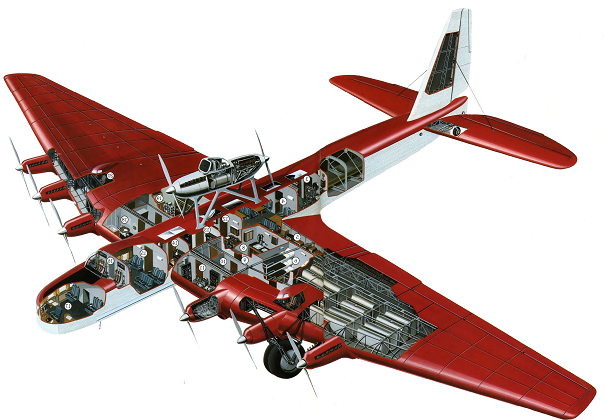
A mediados de la década de 1930, la Oficina de Diseño de Tupolev creó el avión más grande del mundo, el ANT-20 «Maxim Gorky». Con una envergadura de 63 m y propulsado por ocho motores, el avión fue utilizado con fines propagandísticos con recursos recaudados por la población, podía llevar a bordo a más de 70 pasajeros.

El sonido del ANT-20 se escuchó desde 30 km de distancia y para controlar el gigante aéreo, servos, innovadores en ese momento, estaban previstos en el proyecto. El avión realizó vuelos de demostración y promoción para Tupolev, uno de los cuales contó con la presencia del escritor francés Saint-Exupéry,

Otro avión, el ANT-25, estableció varios récords mundiales de vuelos sin escalas, como el famoso vuelo de la tripulación de Valery Chkalov de la URSS a los Estados Unidos sobre el Polo Norte en 1937 y el vuelo de la tripulación de Mikhail Gromov en ruta. directamente a California.

Tupolev llamó al avión récord «un conjunto de innovaciones técnicas». Para mejorar la aerodinámica, utilizó un ala de gran envergadura, 2,5 veces la longitud del fuselaje, y un tren de aterrizaje retráctil. El avión llevaba equipo de navegación para todo clima durante todo el día. En el ANT-37, un desarrollo del ANT-25, los pilotos Grizodubova, Osipenko y Raskova establecieron un récord mundial de distancia de vuelo para una tripulación femenina.

Luego, el bombardero de alta velocidad ANT-40 SB se convirtió en el avión Tupolev más producido masivamente, con más de 6.800 unidades construidas. Su velocidad de más de 500 km/h fue única a mediados de la década de 1930: superó a los cazas de esos años, lo que permitió al SB alejarse del enemigo rápidamente. Además, el bombardero fue capaz de levantar una tonelada a una altura de 12.246 m, estableciendo un récord mundial.

Década 1950

En el período posterior a la Guerra Patriótica, la Oficina de Diseño de Tupolev comenzó a crear aviones a reacción. El Tu-16 se convirtió en el primer bombardero de misiles transónicos. gracias a un diseño afinado, cuya optimización Tupolev monitoreaba personalmente diariamente, el resultado fue un avión que despegó en 1952 y fue operado por las fuerzas aéreas soviéticas y rusas hasta mediados de la década de 1990. Su versión con licencia, Xian H-6, sirve en la Fuerza Aérea China hasta mediados de la década de 1990.

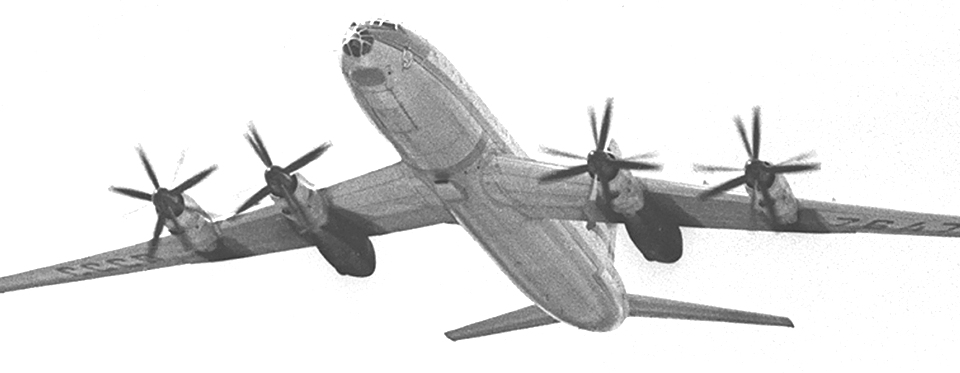
Otra estrella fue el Tupolev Tu-95, el portador de misiles turbohélice en serie más rápido y único del mundo en ese momento. La efectividad del diseño se evidencia por el hecho de que los diseños de la aeronave se desarrollaron en solo ocho meses y, después de otros seis meses, la máquina comenzó las pruebas de vuelo. El potencial de modernización inherente al Tu-95 le permite permanecer en servicio hoy en día.

Sobre la base del Tu-95, se construyó el avión de pasajeros de largo alcance Tu-114, en el que, en particular, el primer secretario del Comité Central del Partido Comunista, Nikita Khrushchev, visitó los Estados Unidos. Un episodio divertido se relacionó con esto, mostrando el grado de innovación del avión: cuando el Tu-114 llegó a los Estados Unidos, el país anfitrión no pudo encontrar una escalera de pasajeros adecuada debido al tren de aterrizaje inusualmente alto del transatlántico soviético.

Década 1960

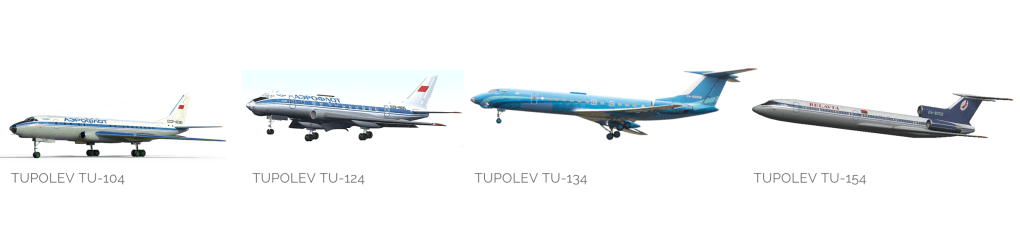
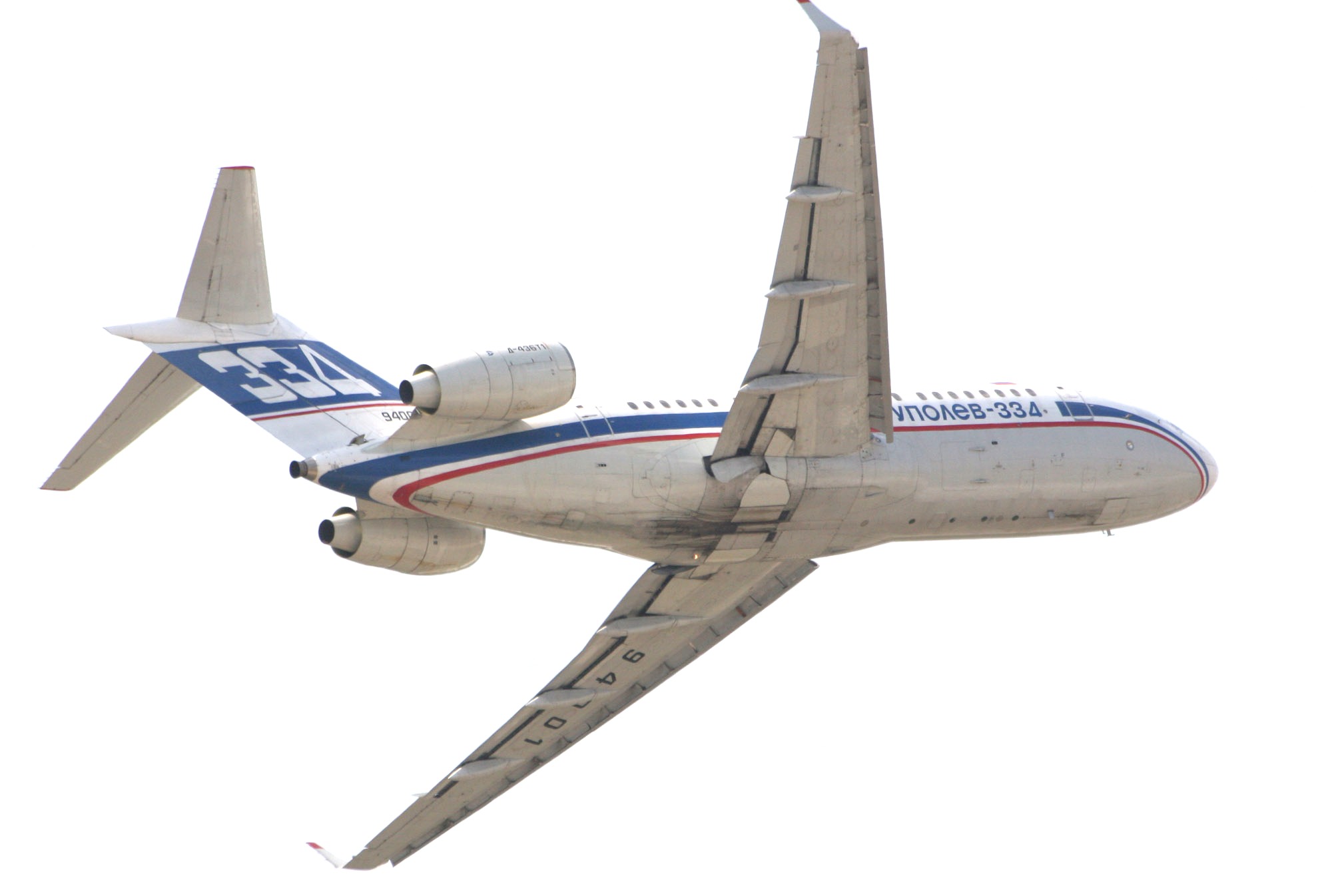
Otro famoso avión Tupolev es el Tu-104, el primer avión de pasajeros a reacción nacional. Marcó el comienzo de una larga línea de Tupolev civiles soviéticos: Tu-124, Tu-134, Tu-154. La Oficina de Diseño de Tupolev comenzó a desarrollar un avión de pasajeros para reemplazar el primer avión a reacción de media distancia, el Tu-104, en la década de 1960. Se suponía que el nuevo avión, que se convertiría en el Tu-154, sería más rápido y económico. y, lo más importante, transportar más pasajeros (hasta 160 personas).

La primera máquina experimental se fabricó en 1966, dos años más tarde el piloto de pruebas Yuri Sukhov la llevó a los cielos, demostrando el éxito del diseño. En particular, por primera vez en la historia de la industria aeronáutica soviética, un avión civil utilizó redundancias de los sistemas principales con dos de respaldo. Por lo tanto, se minimizó la posibilidad de perder el control de la aeronave.

Década 1970

Al principio, el Tu-154 se utilizó solo para el transporte postal y solo en Febrero de 1972 realizó su primer vuelo de pasajeros en la ruta Moscú-Mineralnye Vody. En el mismo año, tuvo lugar el primer vuelo internacional desde la capital soviética a Praga. De 1975 a 1984, el Tu-154 se sometió a una modernización, lo que permitió aumentar el peso de despegue a 104 toneladas, además de recibir nuevos motores económicos.

Década 1980

El Tu-154 se convirtió en el avión de pasajeros doméstico más utilizado en la Unión Soviética. En total, se produjeron más de 950 aviones de este tipo, de los cuales 150 se exportaron a 15 países. Sirvió de base para el Tu-155 experimental, que a mediados de la década de 1980 investigó la aplicabilidad del combustible criogénico en la aviación. El demostrador de tecnología ha completado 70 vuelos con gas natural licuado y cinco con hidrógeno líquido.

En Agosto de 1955, la Oficina de Diseño de Tupolev comenzó a trabajar en un bombardero supersónico de largo alcance para reemplazar al Tu-16. Como resultado, apareció el Tu-22, el primer portador de misiles supersónicos, adoptado por la aviación de largo alcance y la aviación de la Armada de la URSS. Su versión profundamente modernizada continúa sirviendo en las Fuerzas Aeroespaciales Rusas.

El ala de apertura variable se utiliza en el Tu-160, el avión supersónico más grande en la historia de la aviación militar rusa y el equipo de aviación de combate más pesado del mundo. La envergadura del bombardero estratégico es de 55,7 m y la carga máxima de combate es de 45 toneladas. El avión realizó su primer vuelo en 1981 y tiene 44 récords mundiales oficiales. Debido a sus elegantes contornos, el avión de combate lleva el nombre no oficial de «Cisne Blanco», lo que ilustra la conocida expresión del fundador de la compañía que dice que «solo los aviones hermosos vuelan bien».

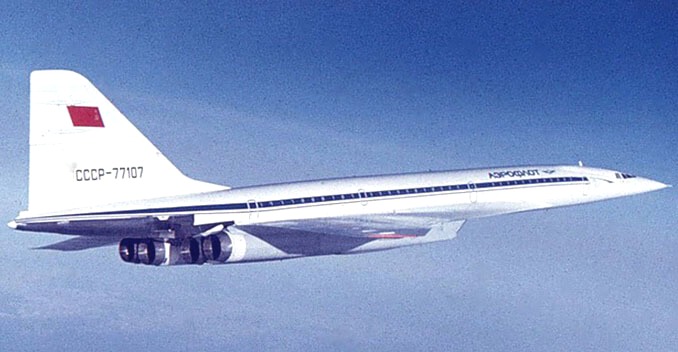
El Tu-144, a su vez, se convirtió en el primer avión de pasajeros supersónico producido en masa del mundo. Su primer vuelo en diciembre de 1968 fue dos meses antes de las pruebas de vuelo del avión supersónico franco-británico Concorde. Según Tupolev, el programa para crear el Tu-144, que era capaz de volar a casi el doble de la velocidad del sonido, se convirtió en el más grande y complejo en la historia de la construcción de aviones soviéticos. Requirió un salto cualitativo en la industria soviética y el desarrollo de una serie de nuevas tecnologías. Se llevaron a cabo investigaciones en el campo de la aerodinámica, la ciencia de los materiales, las deformaciones estructurales y el calentamiento cinético (la piel del recubrimiento estaba muy caliente por la fricción con la atmósfera), se crearon nuevos lubricantes, se crearon máquinas, en particular, para soldar titanio.

Actualidad

En 2006, Tupolev se convirtió en una división de la United Aircraft Corporation en una fusión con Mikoyan, Ilyushin, Irkut, Sukhoi, y Yakovlev por decreto del presidente ruso Vladimir Putin. Actualmente, la Joint Stock Company Tupolev (Tupolev PJSC), parte de United Aircraft Corporation (UAC), una de las joyas de la ingeniería aeronáutica rusa. Tupolev está involucrado en numerosos sectores aeroespaciales y de defensa, incluido el desarrollo, la fabricación y la revisión de productos aeroespaciales civiles y militares, como aviones y sistemas de armas, y también tecnologías de misiles y aviación naval.

Tupolev pertenece al conglomerado estatal United Aircraft Corporation (UAC), que forma parte de Rostec, que reúne a toda la industria aeronáutica rusa. La principal área de trabajo es la producción y modernización de aviones de largo alcance: Tu-160, Tu-95MS, Tu-22M3 y el desarrollo de nuevos sistemas de aviación.

Tupolev está desarrollando actualmente diseños avanzados de aviones de largo alcance para las necesidades de las Fuerzas Aeroespaciales Rusas. Hay un proyecto para un bombardero estratégico de nueva generación, con un diseño de «ala voladora», y producido con tecnologías y materiales que reducen la visibilidad en el rango del radar. El avión será capaz de transportar misiles de crucero estratégicos actuales y futuros, bombas de alta precisión, armas hipersónicas y estará equipado con los últimos equipos de comunicaciones y guerra electrónica.

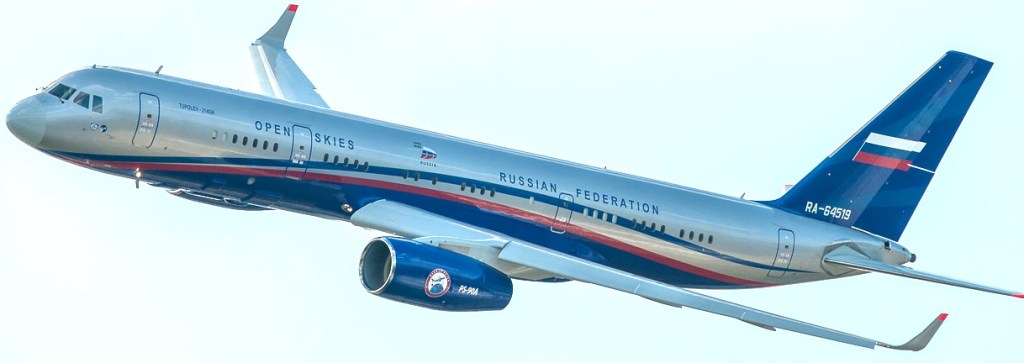
En el contexto de las sanciones occidentales contra Rusia, la United Aircraft Corporation está aumentando la producción del avión civil Tu-214. El prototipo de este avión, todavía bajo el código Tu-204, realizó su primer vuelo en 1989, pero el colapso de la URSS y la posterior falta de financiación de la industria aeronáutica impidieron la producción a gran escala. En Agosto de 2022, el Director General de UAC, Yuri Slyusar, dijo en una entrevista que había decidido aumentar la producción en serie de aviones Tu-214 a diez unidades por año. La aerolínea Aeroflot Russian Airlines considera el avión Tu-214 como uno de los aviones base de su flota con una orden por cuarenta (40) unidades y UVT Aero ha solicitado cuatro (4) aviones.

Ξ 100th anniversaries Tupolev Ξ

Russian aircraft industry celebrates 100 years

On October 22, 2022, Tupolev celebrates its 100th anniversary of the founding of the design bureau created by Andrey Nikolayevich Tupolev, which would become the Tupolev Design Bureau. Tupolev has designed more than a hundred civil and military aircraft models and has produced more than 18,000 aircraft for Russia, the Soviet Union and the Eastern Bloc since its founding.

The beginnings

The history of the Tupolev Design Bureau began with the organization of the Commission for Aircraft Construction at the Central Aerohydrodynamic Institute (TsAGI) in October 1922. Andrey Tupolev, a young aircraft designer, was appointed chairman of the commission, which insisted on widespread use. of light metal alloys in aircraft construction, rightly believing that they were the future of aviation.

The first all-metal domestic aircraft ANT-2 (the name of which includes Tupolev’s initials and surname) was built in 1924. In it, the designer not only applied the world experience of using corrugated metal in the coating, but also improved the manufacturing process, increasing rigidity and reducing weight, as well as developing a technology that accelerated the production of mass-produced machines.

In 1929, he took off the first Soviet serial airliner ANT-9 (PS-9). Each of the nine passengers was entitled to a wicker chair by the window with an opening for ventilation.

1930s

By 1936, a team of designers led by Tupolev had developed and built around 50 types of aircraft. Among them are the ANT-4 (TB-1) and ANT-6 (TB-3) heavy bombers, which became the basis of the bomber aviation of the USSR. At the same time, the TB-1 became the world’s first all-metal twin-engine bomber. «Our country needs aviation so strong that no one dares to approach our borders», the designer said at the time.

In the mid-1930s, the Tupolev Design Bureau created the world’s largest aircraft, the ANT-20 «Maxim Gorky». With a wingspan of 63 m and powered by eight engines, the plane was used for propaganda purposes with resources raised by the population, it could carry more than 70 passengers on board.

The sound of the ANT-20 was heard from 30 km away and in order to control the aerial giant, servos, innovative at that time, were planned in the project. The plane made demonstration and promotional flights for Tupolev, one of which was attended by the French writer Saint-Exupéry,

Another aircraft, the ANT-25, set several world records for non-stop flights, such as the famous flight of Valery Chkalov’s crew from the USSR to the United States over the North Pole in 1937 and the flight of Mikhail Gromov’s crew in route. directly to California.

Tupolev called the record plane «a set of technical innovations». To improve aerodynamics, it used a long-span wing, 2.5 times the length of the fuselage, and retractable landing gear. The aircraft carried all-weather navigation gear throughout the day. In the ANT-37, a development of the ANT-25, pilots Grizodubova, Osipenko and Raskova set a world record for the distance flown by a female crew.

The ANT-40 SB high-speed bomber then became the most mass-produced Tupolev aircraft, with more than 6,800 units built. Its speed of more than 500 km/h was unique in the mid-1930s: it outperformed the fighters of those years, allowing the SB to get away from the enemy quickly. In addition, the bomber was able to lift one ton to a height of 12,246m, setting a world record.

1950s

In the post-Patriotic War period, the Tupolev Design Bureau began to create jet aircraft. The Tu-16 became the first transonic missile bomber. Thanks to a fine-tuned design, the optimization of which Tupolev personally monitored daily, the result was an aircraft that took off in 1952 and was operated by the Soviet and Russian air forces until the mid-1990s. Its licensed version, Xian H-6, served in the Chinese Air Force until the mid-1990s.

Another star was the Tupolev Tu-95, the world’s fastest and only serial turboprop missile carrier at the time. The effectiveness of the design is evidenced by the fact that the designs for the aircraft were developed in just eight months, and after another six months the machine began flight tests. The modernization potential inherent in the Tu-95 allows it to remain in service today.

On the basis of the Tu-95, the Tu-114 long-range passenger aircraft was built, on which, in particular, the first secretary of the Central Committee of the Communist Party, Nikita Khrushchev, visited the United States. An amusing episode tied in with this, showing the degree of innovation of the aircraft: when the Tu-114 arrived in the United States, the host country was unable to find a suitable passenger ladder due to the Soviet liner’s unusually tall landing gear.

1960s

Another famous Tupolev aircraft is the Tu-104, the first domestic jet airliner. It marked the beginning of a long line of Soviet civilian Tupolevs: Tu-124, Tu-134, Tu-154. The Tupolev Design Bureau began developing a passenger aircraft to replace the first medium-haul jet aircraft, the Tu-104, in the 1960s. The new aircraft, to become the Tu-154, was supposed to It would be faster and cheaper. and, most importantly, carry more passengers (up to 160 people).

The first experimental machine was built in 1966, two years later test pilot Yuri Sukhov took it to the skies, proving the success of the design. In particular, for the first time in the history of the Soviet aircraft industry, a civil aircraft used redundancies of the main systems with two backup ones. Therefore, the possibility of losing control of the aircraft was minimized.

1970s

At first, the Tu-154 was used only for postal transport and only in February 1972 it made its first passenger flight on the Moscow-Mineralnye Vody route. In the same year, the first international flight from the Soviet capital to Prague took place. From 1975 to 1984, the Tu-154 underwent modernization, which allowed the take-off weight to be increased to 104 tons, as well as receiving new inexpensive engines.

1980s

The Tu-154 became the most widely used domestic airliner in the Soviet Union. In total, more than 950 aircraft of this type were produced, of which 150 were exported to 15 countries. It served as the basis for the experimental Tu-155, which in the mid-1980s investigated the applicability of cryogenic fuel in aviation. The technology demonstrator has completed 70 flights on liquefied natural gas and five on liquid hydrogen.

In August 1955, the Tupolev Design Bureau began work on a supersonic long-range bomber to replace the Tu-16. As a result, the Tu-22 appeared – the first carrier of supersonic missiles, adopted by long-range aviation and the aviation of the USSR Navy. Its deeply modernized version continues to serve in the Russian Aerospace Forces.

The variable aperture wing is used on the Tu-160, the largest supersonic aircraft in the history of Russian military aviation and the heaviest combat aviation equipment in the world. The wingspan of the strategic bomber is 55.7 m, and the maximum combat payload is 45 tons. The plane made its first flight in 1981 and holds 44 official world records. Due to its graceful contours, the fighter jet bears the unofficial name «White Swan», illustrating the company founder’s well-known expression that «only beautiful planes fly well».

The Tu-144, in turn, became the world’s first mass-produced supersonic passenger aircraft. Its first flight in December 1968 was two months before the flight tests of the Franco-British supersonic airliner Concorde. According to Tupolev, the program to create the Tu-144, which was capable of flying at almost twice the speed of sound, became the «largest and most complex» in the history of Soviet aircraft construction. It required a qualitative leap in Soviet industry and the development of a number of new technologies. Research was carried out in the field of aerodynamics, materials science, structural deformations and kinetic heating (the skin of the coating was very hot from friction with the atmosphere), new lubricants were created, machines were created, in particular, for welding titanium.

Present

МАКС-2007-ЗВГ-007 (1)

In 2006, Tupolev became a division of the United Aircraft Corporation in a merger with Mikoyan, Ilyushin, Irkut, Sukhoi, and Yakovlev by decree of Russian President Vladimir Putin. Currently, the Tupolev Joint Stock Company (Tupolev PJSC), part of the United Aircraft Corporation (UAC), one of the jewels of Russian aeronautical engineering. Tupolev is involved in numerous aerospace and defense sectors, including the development, manufacturing and servicing of civil and military aerospace products, such as aircraft and weapons systems, as well as naval aviation and missile technologies.

Tupolev belongs to the state conglomerate United Aircraft Corporation (UAC), which is part of Rostec, which brings together the entire Russian aircraft industry. The main area of ​​work is the production and modernization of long-range aircraft: Tu-160, Tu-95MS, Tu-22M3 and the development of new aviation systems.

Tupolev is currently developing advanced long-range aircraft designs for the needs of the Russian Aerospace Forces. There is a project for a new generation strategic bomber, with a «flying wing» design, and produced with technologies and materials that reduce visibility in the radar range. The aircraft will be capable of carrying current and future strategic cruise missiles, high-precision bombs, hypersonic weapons and will be equipped with the latest communications and electronic warfare equipment.

In the context of Western sanctions against Russia, the United Aircraft Corporation is increasing production of the Tu-214 civil aircraft. The prototype of this aircraft, still under the code Tu-204, made its first flight in 1989, but the collapse of the USSR and the subsequent lack of funding from the aircraft industry prevented large-scale production. In August 2022, UAC Director General Yuri Slyusar said in an interview that he had decided to increase the serial production of Tu-214 aircraft to ten units per year. The airline Aeroflot Russian Airlines considers the Tu-214 aircraft as one of the base aircraft of its fleet with an order for forty (40) units and UVT Aero has requested four (4) aircraft.

PUBLISHER: Airgways.com
DBk: Tupolev.ru / FoxbatGraphics Image Library / Airgways.com
AW-POST: 202210271405AR
OWNERSHIP: Airgways Inc.
A\W A I R G W A Y S ®

Ξ 50º aniversarios Tragedia Andes Ξ

AW | 2022 10 13 23:58 | AVIATION HISTORY

A medio siglo del accidente que conmocionó al mundo

AW-FAIRCHILD-HILLER-227D-FUERZA-AEREA-URUGUAYA PA-3

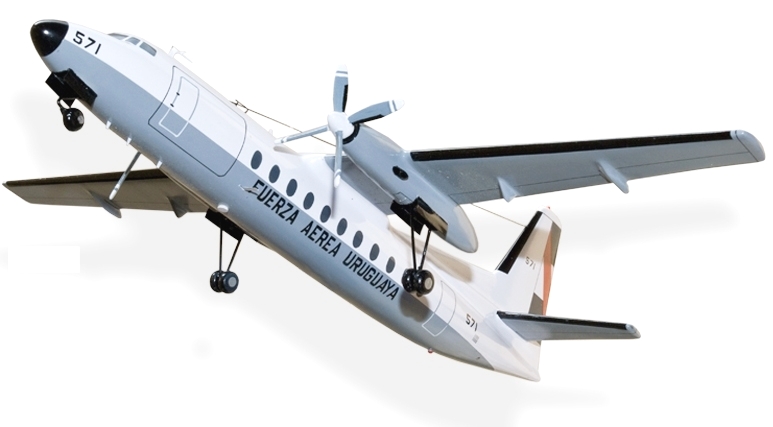
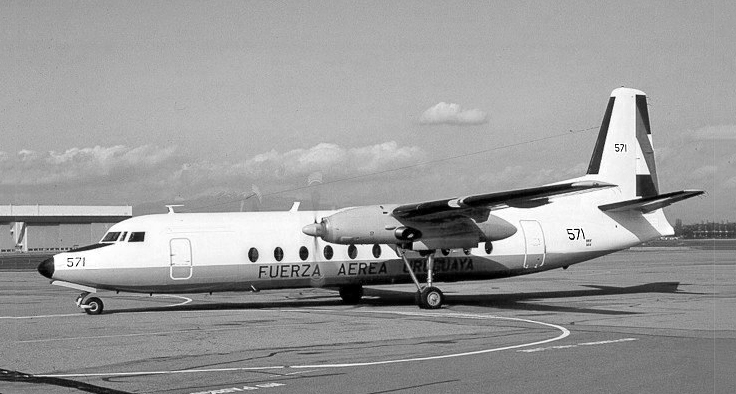
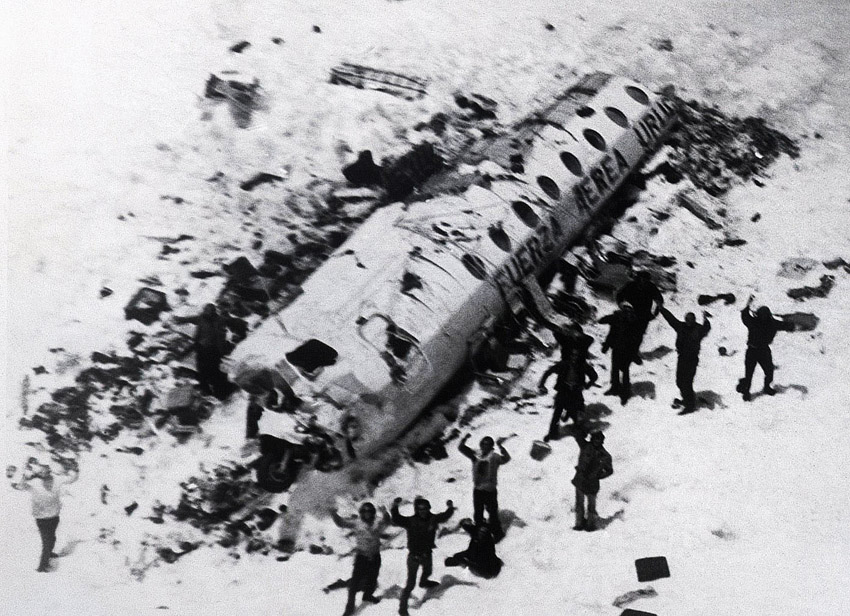
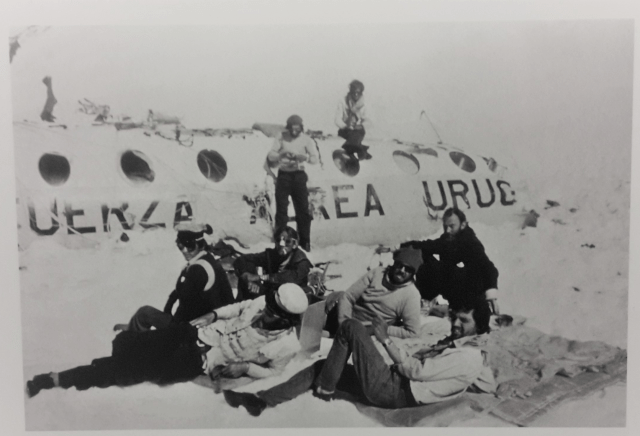
El vuelo 571 de la Fuerza Aérea Uruguaya, fue un vuelo fletado desde Montevideo, Uruguay, con destino a Santiago, Chile, que se estrelló en la cordillera de los Andes el 13 de Octubre de 1972. El accidente y la posterior supervivencia se conocieron como el Desastre del Vuelo de los Andes, Tragedia de los Andes y el Milagro de los Andes.

Mientras cruzaba los Andes durante el mal tiempo, el inexperto copiloto Lagurara estaba a los mandos del Fairchild FH-227D. Creyó erróneamente que la aeronave había llegado a Curicó, donde el vuelo giraría para descender al Aeropuerto de Pudahuel. No se dio cuenta de que las lecturas de los instrumentos indicaban que todavía estaba a 60-70 km (37-43 millas) de Curicó. Comenzó a descender y el avión golpeó una montaña, cortando ambas alas y la sección de la cola. La porción restante del fuselaje se deslizó por un glaciar a un estimado de 350 km/h (220 mph) y descendió unos 725 metros (2,379 pies) antes de estrellarse contra el hielo y la nieve.

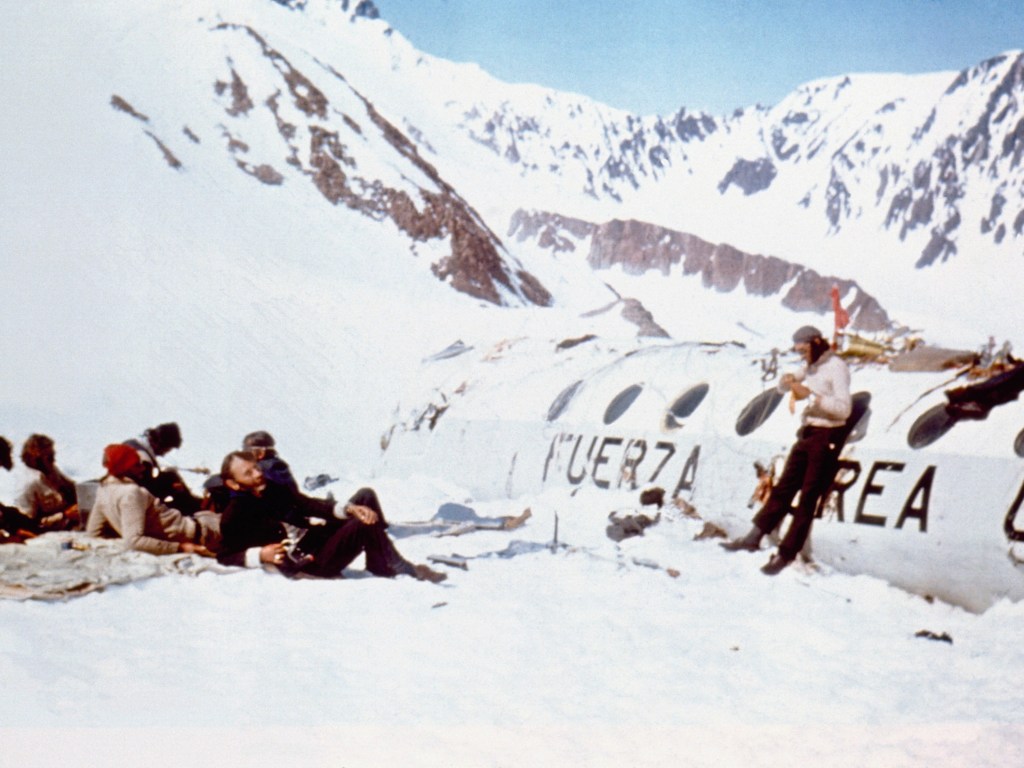
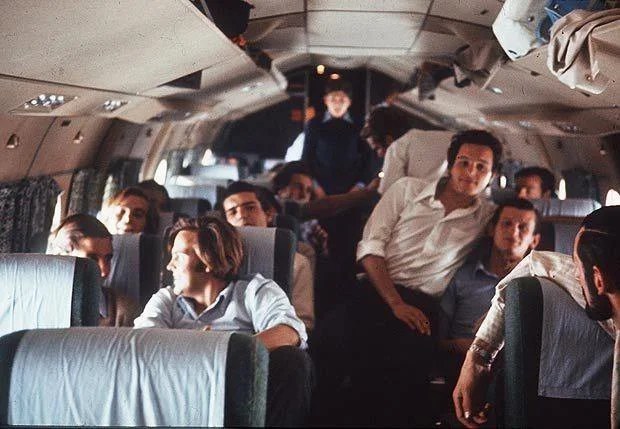
El vuelo transportaba a 45 pasajeros y tripulantes, incluidos 19 miembros del equipo de rugby Old Christians Club, junto con sus familias, simpatizantes y amigos. Tres miembros de la tripulación y nueve pasajeros murieron de inmediato; varios más murieron poco después debido a las gélidas temperaturas y la gravedad de sus heridas. El naufragio fue localizado a una altura de 3.570 metros (11.710 pies) en los remotos Andes del extremo occidental de Argentina, justo al este de la frontera con Chile. Las autoridades sobrevolaron el lugar del accidente varias veces durante los días siguientes, buscando la aeronave, pero no pudieron ver el fuselaje blanco contra la nieve. Los esfuerzos de búsqueda fueron cancelados después de ocho días.

Durante los siguientes 72 días, los sobrevivientes sufrieron dificultades extremas, incluida la exposición, el hambre y una avalancha, lo que provocó la muerte de trece pasajeros más. El resto de pasajeros recurrieron al canibalismo. A medida que el clima mejoró con la llegada de finales de la primavera, dos sobrevivientes, Nando Parrado y Roberto Canessa, escalaron un pico de montaña de 4.650 metros (15.260 pies) sin equipo y caminaron durante 10 días en Chile para buscar ayuda, viajando 61 km (38 millas). El 23 de Diciembre de 1972, dos meses después del accidente, el último de los 16 supervivientes fue rescatado. La noticia de su milagrosa supervivencia atrajo titulares mundiales.

Los miembros del equipo amateur de rugby Old Christians Club de Montevideo, Uruguay, estaban programados para jugar un partido contra el Old Boys Club, un equipo de rugby inglés en Santiago, Chile. El presidente del club, Daniel Juan, fletó un Fairchild FH-227D biturbohélice de la Fuerza Aérea Uruguaya para volar el equipo sobre los Andes hasta Santiago. El avión transportaba a 40 pasajeros y cinco miembros de la tripulación. El Coronel Julio César Ferradas era un experimentado piloto de la Fuerza Aérea que tenía un total de 5.117 horas de vuelo. Lo acompañó el copiloto teniente coronel Dante Héctor Lagurara. Había 10 asientos adicionales y los miembros del equipo invitaron a algunos amigos y familiares a acompañarlos. Cuando alguien canceló en el último minuto, Graziela Mariani compró el asiento para poder asistir a la boda de su hija mayor.

El avión partió del Aeropuerto Internacional de Carrasco el 12 de Octubre de 1972, pero un frente de tormenta sobre los Andes los obligó a detenerse durante la noche en Mendoza, Argentina. Aunque hay una ruta directa de Mendoza a Santiago 200 kilómetros (120 millas) al oeste, las altas montañas requieren una altitud de 25,000 a 26,000 pies (7,600 a 7,900 m), muy cerca del techo operativo máximo del FH-227D de 28,000 pies (8,500 m). Dado que el avión FH-227 estaba completamente cargado, esta ruta habría requerido que el piloto calculara muy cuidadosamente el consumo de combustible y evitara las montañas. En cambio, era costumbre que este tipo de aeronaves volaran una ruta más larga de 600 kilómetros (370 millas) y 90 minutos en forma de «U» desde Mendoza hacia el sur hasta Malargüe utilizando la vía aérea A7 (conocida hoy como UW44). Desde allí, los aviones volaron hacia el oeste a través de la vía aérea G-17 (UB684), cruzando Planchón hasta el radiobacón curicó en Chile, y desde allí hacia el norte hasta Santiago.

AW-Tragedia de los Andes__Newletter-0014

El clima del 13 de Octubre de 1972 también afectó el vuelo. En esa mañana las condiciones sobre los Andes no habían mejorado, pero se esperaban cambios a primera hora de la tarde. El piloto esperó y despegó a las 14:18 horas del Viernes 13 de Octubre de 1972 desde Mendoza. Voló hacia el sur desde Mendoza hacia el radiobacon de Malargüe en el nivel de vuelo 180 (FL180, 18,000 pies (5,500 m)). Lagurara llamó por radio al aeropuerto de Malargüe con su posición y les dijo que alcanzarían los 2.515 metros (8.251 pies) de altura del Paso Planchón a las 03:21 p.m. Planchón Pass es el punto de entrega de control de tráfico aéreo de un lado a otro de los Andes, con controladores en Mendoza transfiriendo tareas de seguimiento de vuelos al control de tráfico aéreo de Pudahuel en Santiago, Chile. Una vez que cruzó las montañas en Chile, al sur de Curicó, se suponía que la aeronave debía girar hacia el norte e iniciar un descenso al aeropuerto de Pudahuel en Santiago.

El piloto Ferradas había volado a través de los Andes 29 veces anteriormente. En este vuelo estaba entrenando al copiloto Lagurara, que estaba a los mandos. Mientras volaban a través de los Andes, las nubes oscurecían las montañas. El avión, FAU 571, tenía cuatro años y tenía 792 horas de fuselaje. El avión era considerado por algunos pilotos como de poca potencia, y había sido apodado por ellos como el «trineo de plomo».

Dada la cobertura de nubes, los pilotos volaban bajo condiciones meteorológicas instrumentales a una altitud de 18,000 pies (5,500 m) (FL180), y no pudieron confirmar visualmente su ubicación. Si bien algunos informes indican que el piloto estimó incorrectamente su posición utilizando el cálculo muerto, el piloto confiaba en la navegación por radio. El instrumento VOR/DME de la aeronave mostró al piloto una lectura digital de la distancia a la siguiente radiobaliza en Curicó. En planchón Pass, el avión todavía tenía que viajar 60-70 km (37-43 millas) para llegar a Curicó.

De todos modos, a las 03:21 p.m., poco después de transitar el paso, Lagurara contactó a Santiago y notificó a los controladores aéreos que esperaba llegar a Curicó un minuto después. El tiempo de vuelo desde el paso a Curicó es normalmente de 11 minutos, pero solo tres minutos después el piloto le dijo a Santiago que estaban pasando Curicó y girando hacia el norte. Solicitó permiso al control de tráfico aéreo para descender. El controlador en Santiago, sin saber que el vuelo todavía estaba sobre los Andes, lo autorizó a descender a 11,500 pies (3,500 m) (FL115). Un análisis posterior de su trayectoria de vuelo encontró que el piloto no solo había girado demasiado pronto, sino que había girado en una dirección de 014 grados, cuando debería haber girado a 030 grados.

A medida que el avión descendía, una turbulencia severa arrojó el avión hacia arriba y hacia abajo. Nando Parrado recordó haber golpeado una corriente descendente, lo que provocó que el avión cayera varios cientos de pies y saliera de las nubes. Los jugadores de rugby bromearon sobre la turbulencia al principio, hasta que algunos pasajeros vieron que el avión estaba muy cerca de la montaña. «Ese fue probablemente el momento en que los pilotos vieron la cresta negra elevándose muerta por delante».

Roberto Canessa dijo más tarde que pensó que el piloto giró hacia el norte demasiado pronto, y comenzó el descenso a Santiago mientras la aeronave todavía estaba en lo alto de los Andes. Luego, «comenzó a subir, hasta que el avión estaba casi vertical y comenzó a detenerse y temblar». Sonó la alarma de colisión en tierra de la aeronave, alarmando a todos los pasajeros.

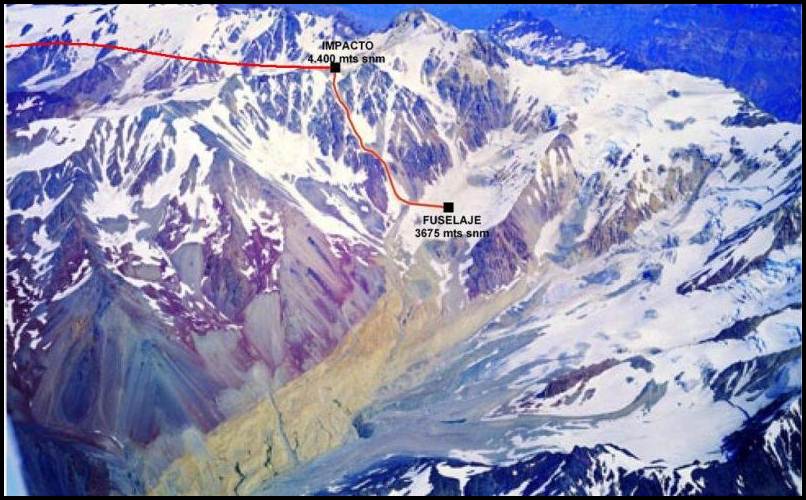
El piloto aplicó la máxima potencia en un intento de ganar altitud. Los relatos de testigos y la evidencia en la escena indicaron que el avión golpeó la montaña dos o tres veces. El piloto pudo llevar la nariz del avión sobre la cresta, pero a las 03:34 p.m., la parte inferior del cono de cola puede haber recortado la cresta a 4.200 metros (13.800 pies). La siguiente colisión cortó la banda derecha. Algunas pruebas indican que fue arrojado hacia atrás con tal fuerza que arrancó el estabilizador vertical y el cono de cola. Cuando el cono de cola se desprendió, se llevó consigo la parte trasera del fuselaje, incluidas dos filas de asientos en la sección trasera de la cabina de pasajeros, la cocina, la bodega de equipaje, el estabilizador vertical y los estabilizadores horizontales, dejando un gran agujero en la parte trasera del fuselaje. Tres pasajeros, el navegante y el mayordomo se perdieron con la sección de cola.

El avión continuó hacia adelante y hacia arriba otros 200 metros (660 pies) durante unos segundos más cuando el ala izquierda golpeó un afloramiento a 4.400 metros (14.400 pies), arrancando el ala. Una de las hélices atravesó el fuselaje cuando el ala a la que estaba unido fue cortada. Dos pasajeros más cayeron de la parte trasera abierta del fuselaje. La parte delantera del fuselaje voló directamente a través del aire antes de deslizarse por el glaciar empinado a 350 km/h (220 mph) como un tobogán de alta velocidad y descendió unos 725 metros (2,379 pies). Cuando el fuselaje chocó con un banco de nieve, los asientos fueron arrancados de su base y arrojados contra el mamparo delantero y entre sí. El impacto aplastó la cabina con los dos pilotos dentro, matando a Ferradas de inmediato.

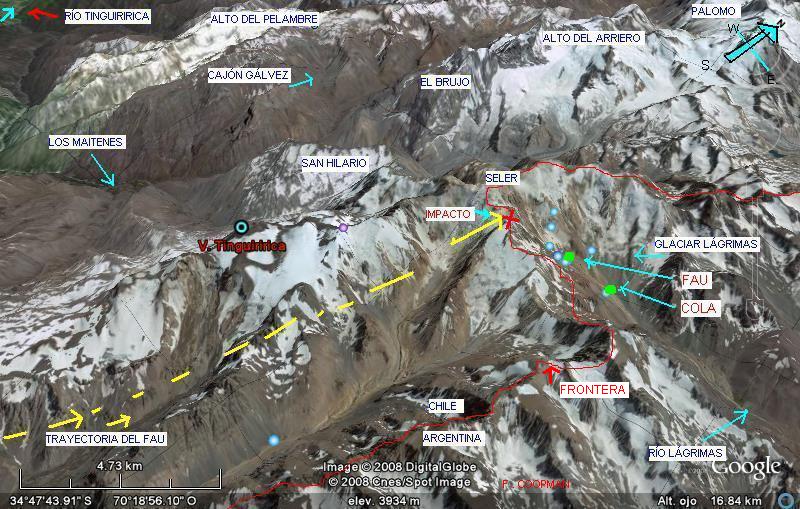
La investigación oficial concluyó que el accidente fue causado por un vuelo controlado en el terreno debido a un error del piloto. El fuselaje del avión se posó en un glaciar en 34°45′54″S 70°17′11″O a una altitud de 3.570 metros (11.710 pies) en el Departamento Malargüe, Provincia de Mendoza. El glaciar sin nombre, más tarde llamado Glaciar de las Lágrimas, se encuentra entre el Monte Sosneado y el Volcán Tinguiririca de 4.280 metros (14.040 pies) de altura, a caballo entre la remota frontera montañosa entre Chile y Argentina. Está al sur de los 4.650 metros (15.260 pies) de altura del Monte Seler.

Ξ 50th anniversary Tragedy of the Andes Ξ

Half a century after the accident that shocked the world

Flight 571 of the Uruguayan Air Force, was a chartered flight from Montevideo, Uruguay, bound for Santiago, Chile, which crashed in the Andes Mountains on October 13, 1972. The accident and subsequent survival became known as the Disaster of the Flight of the Andes, Tragedy of the Andes and the Miracle of the Andes.

While crossing the Andes during bad weather, inexperienced co-pilot Lagurara was at the controls of the Fairchild FH-227D. He mistakenly believed that the aircraft had arrived in Curicó, where the flight would turn to descend to Pudahuel Airport. He did not realize that the instrument readings indicated that he was still 60-70 km (37-43 miles) from Curicó. He began to descend and the plane hit a mountain, severing both wings and the tail section. The remaining portion of the fuselage slid down a glacier at an estimated 220 mph (350 km/h) and dropped some 2,379 feet (725 meters) before crashing into ice and snow.

AW-FAU 571__0011

The flight was carrying 45 passengers and crew, including 19 members of the Old Christians Club rugby team, along with their families, supporters and friends. Three crew members and nine passengers died immediately; several more died soon after due to the frigid temperatures and the severity of their injuries. The wreck was located at an elevation of 3,570 meters (11,710 feet) in the remote Andes of Argentina’s far west, just east of the Chilean border. Authorities flew over the crash site several times over the next few days, looking for the aircraft, but could not see the white fuselage against the snow. Search efforts were called off after eight days.

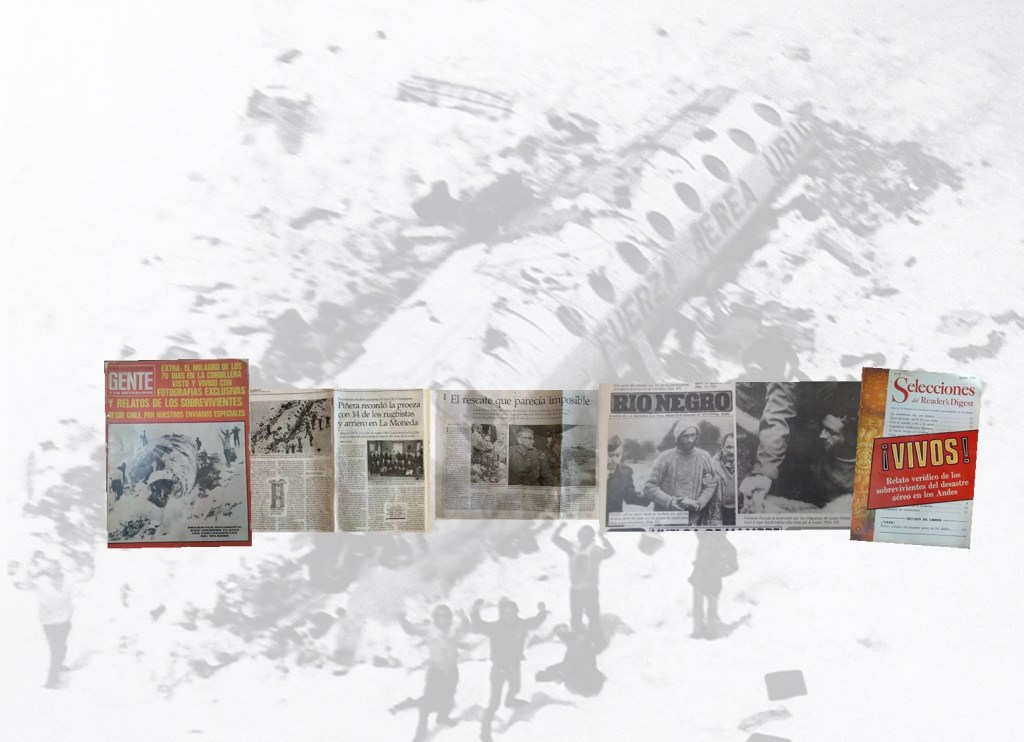
Over the next 72 days, the survivors suffered extreme hardship, including exposure, starvation, and an avalanche, resulting in the deaths of a further thirteen passengers. The rest of the passengers resorted to cannibalism. As the weather improved with the arrival of late spring, two survivors, Nando Parrado and Roberto Canessa, scaled a 15,260-foot (4,650-meter) mountain peak without equipment and trekked for 10 days in Chile to seek help, traveling 61 km (38 miles). On December 23, 1972, two months after the accident, the last of the 16 survivors was rescued. The news of his miraculous survival attracted world headlines.

Members of the Old Christians Club amateur rugby team from Montevideo, Uruguay were scheduled to play a match against the Old Boys Club, an English rugby team in Santiago, Chile. Club president Daniel Juan chartered a twin-turboprop Fairchild FH-227D from the Uruguayan Air Force to fly the team over the Andes to Santiago. The aircraft was carrying 40 passengers and five crew members. Colonel Julio César Ferradas was an experienced Air Force pilot who had a total of 5,117 flight hours. He was accompanied by co-pilot Lieutenant Colonel Dante Héctor Lagurara. There were an additional 10 seats and the team members invited some friends and family to join them. When someone canceled at the last minute, Graziela Mariani bought her seat so she could attend her oldest daughter’s wedding.

The plane left Carrasco International Airport on October 12, 1972, but a storm front over the Andes forced them to stop overnight in Mendoza, Argentina. Although there is a direct route from Mendoza to Santiago 200 kilometers (120 mi) to the west, the high mountains require an altitude of 25,000 to 26,000 feet (7,600 to 7,900 m), very close to the FH-227D’s maximum operating ceiling of 28,000 feet (8,500m). Since the FH-227 aircraft was fully loaded, this route would have required the pilot to calculate fuel consumption very carefully and avoid mountains. Instead, it was customary for this type of aircraft to fly a longer route of 600 kilometers (370 miles) and 90 minutes in a «U» shape from Mendoza south to Malargüe using the A7 airway (known today as UW44). From there, the planes flew west via airway G-17 (UB684), across Planchón to radiobacón Curicó in Chile, and from there north to Santiago.

The weather on October 13, 1972 also affected the flight. On that morning the conditions over the Andes had not improved, but changes were expected in the early afternoon. The pilot waited and took off at 14:18 hours on Friday, October 13, 1972 from Mendoza. He flew south from Mendoza toward the Malargüe radiobacon at flight level 180 (FL180, 18,000 feet (5,500 m)). Lagurara radioed the Malargüe airport with his position and told them that they would reach the 2,515-meter (8,251-foot) height of Paso Planchón at 03:21 p.m. Planchón Pass is the air traffic control handover point from one side of the Andes to the other, with controllers in Mendoza transferring flight tracking duties to Pudahuel air traffic control in Santiago, Chile. Once he crossed the mountains in Chile, south of Curicó, the aircraft was supposed to turn north and begin a descent to the Pudahuel airport in Santiago.

Pilot Ferradas had flown across the Andes 29 times previously. On this flight he was training co-pilot Lagurara, who was at the controls. As they flew through the Andes, clouds obscured the mountains. The aircraft, FAU 571, was four years old and had 792 airframe hours. The aircraft was considered by some pilots to be underpowered, and had been nicknamed by them the «lead sled».

Given the cloud cover, the pilots were flying under instrument meteorological conditions at an altitude of 18,000 feet (5,500 m) (FL180), and were unable to visually confirm their location. While some reports indicate that the pilot incorrectly estimated his position using dead reckoning, the pilot relied on radio navigation. The aircraft’s VOR/DME instrument showed the pilot a digital readout of the distance to the next marker on Curico. At Planchón Pass, the plane still had to travel 60-70 km (37-43 miles) to reach Curicó.

In any case, at 03:21 p.m., shortly after transiting the pass, Lagurara contacted Santiago and notified air traffic controllers that he expected to arrive in Curicó a minute later. Flight time from the pass to Curicó is normally 11 minutes, but only three minutes later the pilot told Santiago that they were passing Curicó and turning north. He requested permission from air traffic control to descend. The controller in Santiago, unaware that the flight was still over the Andes, cleared it to descend to 11,500 feet (3,500 m) (FL115). Further analysis of his flight path found that the pilot had not only turned too soon, but had turned in a direction of 014 degrees, when he should have turned at 030 degrees.

As the plane descended, severe turbulence tossed the plane up and down. Nando Parrado recalled hitting a downdraft, causing the plane to drop several hundred feet and out of the clouds. The rugby players joked about the turbulence at first, until some passengers saw that the plane was too close to the mountain. «That was probably the moment the pilots saw the black crest rising dead ahead».

Roberto Canessa later said that he thought the pilot turned north too soon, and began the descent to Santiago while the aircraft was still high in the Andes. He then «began to climb, until the plane was almost vertical and it began to stall and shake». The aircraft’s ground collision alarm sounded, alarming all passengers.

The pilot applied full power in an attempt to gain altitude. Witness accounts and evidence at the scene indicated that the plane hit the mountain two or three times. The pilot was able to bring the nose of the aircraft over the ridge, but by 03:34 p.m. the bottom of the tail cone may have clipped the ridge at 4,200 meters (13,800 ft). The next collision cut the right wing. Some evidence indicates that it was thrown backwards with such force that it tore off the vertical stabilizer and tail cone. When the tail cone detached, it took with it the rear of the fuselage, including two rows of seats in the rear section of the passenger cabin, galley, baggage hold, vertical stabilizer, and horizontal stabilizers, leaving a large hole in the rear of the fuselage. Three passengers, the navigator and the steward were lost with the tail section.

The aircraft continued forward and upward another 200 meters (660 ft) for a few more seconds when the left wing hit an outcrop at 4,400 meters (14,400 ft), ripping the wing off. One of the propellers tore through the fuselage when the wing it was attached to was severed. Two more passengers fell from the open rear of the fuselage. The front part of the fuselage flew straight through the air before sliding down the steep glacier at 220 mph (350 km/h) like a high-speed slide and descending some 2,379 feet (725 meters). When the fuselage struck a snow bank, the seats were ripped off their bases and thrown against the forward bulkhead and each other. The impact crushed the cockpit with both pilots inside, killing Ferradas immediately.

The official investigation concluded that the accident was caused by a controlled flight on the ground due to pilot error. The plane’s fuselage landed on a glacier at 34°45’54″S 70°17’11″W at an altitude of 3,570 meters (11,710 feet) in Malargüe Department, Mendoza Province. The unnamed glacier (later named Glaciar de las Lágrimas or Glacier of Tears) lies between Mount Sosneado and the 4,280-meter (14,040-foot) high Tinguiririca Volcano, straddling the remote mountainous border between Chile and Argentina. It is south of the 4,650-meter (15,260-foot) high Mount Seler.

PUBLISHER: Airgways.com
DBk: Wikipedia.org / Airgways.com
AW-POST: 202210132358AR
OWNERSHIP: Airgways Inc.
A\W A I R G W A Y S ®

40º primer vuelo Boeing 747-300

AW | 2022 10 05 16:55 | AVIATION HISTORY

Boeing 747-300 inauguraba los cielos hace cuarenta años

Boeing_Isologo.svg

AW-747logo

El Boeing 747-300 iniciaba su vuelo inaugural un 5 de Octubre de 1982. El avión fue la cuarta variante principal del famoso Jumbo Jet del fabricante estadounidense en alcanzar los cielos, después del 747-100, el 747SP (Special Performance) y el 747-200. Tras la salida al mundo, la aeronave se destacaba por poseer una cubierta superior más grande. Sin embargo, la cubierta superior estirada se pusieron a disposición más tarde para su adaptación en modelos más antiguos. El Boeing 747-300 salió de la fábrica el 21 de Septiembre de 1982, y su primer vuelo tuvo lugar dos semanas después, el 5 de Octubre de 1982.

La aerolínea Swissair fue el primer operador mundial en realizar un pedido del Boeing 747-300 con cuatro aeronaves en su versión estándar a lo largo de los años, así como tres con puertas de carga laterales. La aerolínea realizó su pedido en Junio de 1980 e inauguró su primer vuelo el 23 de Marzo de 1983.

Especificaciones 747-300

El Boeing 747-300 cuenta con una cubierta superior de 23 pies y 4 pulgadas más larga (7,11 m) que el Serie 200. La Cubierta Superior Estirada (SUD) tiene dos puertas de salida de emergencia y es la diferencia más visible entre el -Serie 300 y los modelos anteriores. Después de ser hecho estándar en el 747-300, el SUD se ofreció como una actualización y como una opción a las variantes anteriores que aún estaban en producción. Un ejemplo para una modernización fueron dos UTA -200 Combis que se convirtieron en 1986, y un ejemplo para la opción fueron dos nuevos aviones JAL Serie 100 (designados 100BSR SUD), el primero de los cuales se entregó el 24 de Marzo de 1986.

El Boeing 747-300 introdujo una nueva escalera recta a la cubierta superior, en lugar de una escalera de caracol en las variantes anteriores, lo que crea espacio por encima y por debajo para más asientos. Los cambios aerodinámicos menores permitieron que la velocidad de crucero del Serie 300 alcanzara Mach 0.85 en comparación con Mach 0.84 en los modelos Serie 200 y Serie 100, conservando el mismo peso de despegue. El Serie 300 podría equiparse con los mismos motores Pratt & Whitney y Rolls-Royce que en el Serie 200, así como con motores General Electric CF6-80C2B1 actualizados.

Swissair realizó el primer pedido del 747-300 el 11 de Junio de 1980. La variante revivió la designación 747-300, que se había utilizado previamente en un estudio de diseño que no llegó a la producción. El 747-300 voló por primera vez el 5 de Octubre de 1982, y la primera entrega del tipo fue a Swissair el 23 de Marzo de 1983. En 1982, su costo unitario fue de US$ 83 millones de Dólares (US$ 233,1 millones en la actualidad). Además del modelo de pasajeros, se produjeron otras dos versiones Serie 300M, Serie 300SR. El 747-300M (Mixto: pasajero/carga) cuenta con capacidad de carga en la parte trasera de la cubierta principal, similar al Serie 200M, pero con la cubierta superior estirada puede transportar más pasajeros. El Boeing 747-300SR, un modelo doméstico de corto alcance y alta capacidad, se produjo para los mercados japoneses con un máximo de asientos para 584. No se construyó ninguna versión de carguero de producción del 747-300, pero Boeing comenzó las modificaciones de los modelos de pasajeros Serie 300 usados en cargueros en 2000.

Se entregaron un total de 81 aviones de la serie Boeing 747-300, 56 para uso de pasajeros, 21 Serie 300M y 4 de la Serie 300SR. En 1985, solo dos años después de que el Serie 300 entrara en servicio, el tipo fue reemplazado por el anuncio del Boeing 747-400 más avanzado. El último Boeing 747-300 fue entregado en Septiembre de 1990 a Sabena Airlines. Mientras que unos Serie 300 continuaron operando el tipo de avión, varios grandes transportistas reemplazaron sus 747-300 con 747-400. Air France, Air India, Pakistan International Airlines y Qantas Airways fueron algunas de las últimas aerolíneas importantes en operar el 747-300. El 29 de Diciembre de 2008, Qantas Airways voló su último servicio programado del Boeing 747-300, operando desde Melbourne a Los Angeles a través de Auckland. En Julio de 2015, Pakistan International Airlines retiró su último 747-300 después de treinta años de servicio. A partir de Julio de 2019, solo dos 747-300 permanecen en servicio comercial, con Mahan Air (1) y TransAVIAexport Airlines (1).

Actualidad Serie 300

Actualmente, el Boeing 747-300 no se ve casi en los cielos del mundo. Boeing no ha tenido un buen desempeño con la Serie 300, convirtiéndola en la segunda variante 747 de peor desempeño en términos de ventas, detrás del Boeing 747SP de fuselaje corto que vendió solo 55 ejemplares. La razón clave para la falta de popularidad del Boeing 747-300 fue el hecho de que fue rápidamente eclipsado por la variante posterior el 747-400 lanzado en 1985, actualizando la tecnología de sus sistemas de cabina de mando de cristal líquidos. La actualización de la tecnología desplazaría rápidamente al 747-300 sellando su destino a una pocas aerolíneas cargueras en el mundo.

40th first flight Boeing 747-300

Boeing 747-300 inaugurated the skies forty years ago

Swissair logo

The Boeing 747-300 began its inaugural flight on October 5, 1982. The aircraft was the fourth main variant of the famous American manufacturer’s Jumbo Jet to reach the skies, after the 747-100, the 747SP (Special Performance) and the 747 -200. After going out into the world, the aircraft was notable for having a larger upper deck. However, stretched top covers were made available later for retrofitting on older models. The Boeing 747-300 left the factory on September 21, 1982, and its first flight took place two weeks later, on October 5, 1982.

The airline Swissair was the first world operator to place an order for the Boeing 747-300 with four aircraft in its standard version over the years, as well as three with side cargo doors. The airline placed its order in June 1980 and inaugurated its first flight on March 23, 1983.

Specifications 747-300

AW.747-Sunset

The Boeing 747-300 features an upper deck that is 23 feet 4 inches (7.11 m) longer than the 200 Series. The Stretched Top Deck (SUD) has two emergency exit doors and is the most visible difference between the -300 Series and earlier models. After being made standard on the 747-300, the SUD was offered as an upgrade and as an option to earlier variants still in production. An example for a modernization were two UTA -200 Combis which were converted in 1986, and an example for option were two new JAL Series 100 aircraft (designated 100BSR SUD), the first of which was delivered on 24 March 1986.

The Boeing 747-300 introduced a new straight stairway to the upper deck, rather than a spiral stairway on previous variants, creating space above and below for more seating. Minor aerodynamic changes allowed the Series 300’s cruise speed to reach Mach 0.85 compared to Mach 0.84 on the Series 200 and Series 100 models, while retaining the same takeoff weight. The Series 300 could be fitted with the same Pratt & Whitney and Rolls-Royce engines as in the Series 200, as well as updated General Electric CF6-80C2B1 engines.

Swissair placed the first order for the 747-300 on June 11, 1980. The variant revived the 747-300 designation, which had previously been used in a design study that did not make it to production. The 747-300 first flew on October 5, 1982, and the first delivery of the type was to Swissair on March 23, 1983. In 1982, its unit cost was US$83 million (US$233,000). 1 million today). In addition to the passenger model, two other versions were produced Series 300M, Series 300SR. The 747-300M (Combined: passenger/freight) has cargo capacity on the rear of the main deck, similar to the 200M Series, but with the upper deck stretched it can carry more passengers. The Boeing 747-300SR, a short-haul, high-capacity domestic model, was produced for Japanese markets with a maximum seating capacity of 584. No production freighter version of the 747-300 was built, but Boeing began modifications of the 300 Series passenger models used on freighters in 2000.

A total of 81 Boeing 747-300 series aircraft were delivered, 56 for passenger use, 21 Series 300M and 4 Series 300SR. In 1985, just two years after the Series 300 entered service, the type was superseded by the announcement of the more advanced Boeing 747-400. The last Boeing 747-300 was delivered in September 1990 to Sabena Airlines. While a few Series 300s continued to operate the aircraft type, several large carriers replaced their 747-300s with 747-400s. Air France, Air India, Pakistan International Airlines and Qantas Airways were some of the last major airlines to operate the 747-300. On December 29, 2008, Qantas Airways flew its last scheduled Boeing 747-300 service, operating from Melbourne to Los Angeles via Auckland. In July 2015, Pakistan International Airlines retired its last 747-300 after thirty years of service. As of July 2019, only two 747-300s remain in commercial service, with Mahan Air (1) and TransAVIAexport Airlines (1).

300 Series outlook

Currently, the Boeing 747-300 is hardly seen in the skies of the world. Boeing has not done well with the 300 Series, making it the second worst performing 747 variant in terms of sales, behind the short-body Boeing 747SP which sold just 55 examples. The key reason for the lack of popularity of the Boeing 747-300 was the fact that it was quickly overshadowed by the later variant the 747-400 launched in 1985, upgrading the technology of its liquid crystal cockpit systems. The technology upgrade would rapidly displace the 747-300, sealing its fate for only a few cargo airlines in the world.

PUBLISHER: Airgways.com
DBk: Boeing.com / Airgways.com
AW-POST: 202210051655AR
OWNERSHIP: Airgways Inc.
A\W A I R G W A Y S ®

Ξ 30º aniversarios tragedia EL AL Ξ

AW | 2022 10 04 22:02 | AVIATION HISTORY

Vuelo ELY1862 de El Al Airlines se estrella en Amsterdam

AW-EL AL__ELY1862

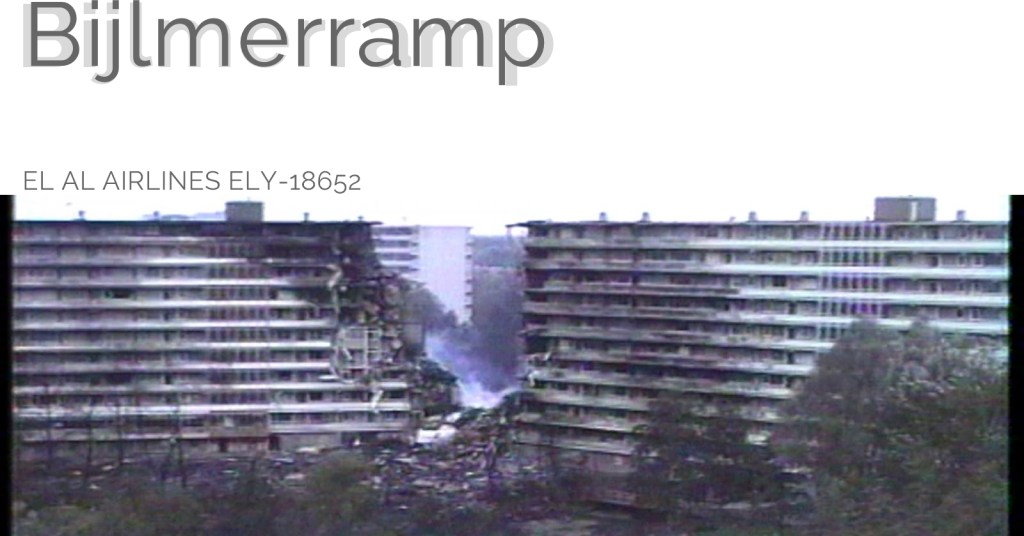
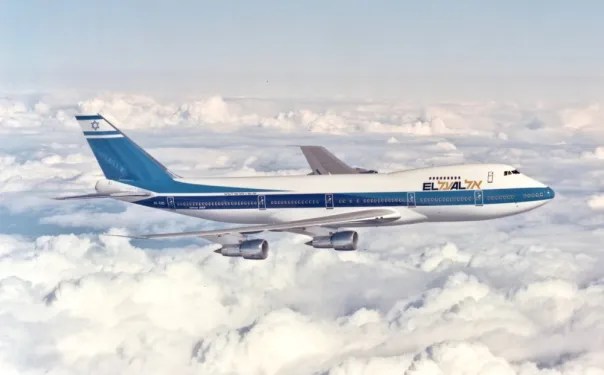
El 4 de Octubre de 1992, el vuelo ELY-1862 de la aerolínea israelita El Al Airlines, un avión de carga Boeing 747-200F se estrellaba en los pisos de Groeneveen y Klein-Kruitberg en el Barrio de Bijlmermeer, coloquialmente conocido como «Bijlmer», parte de Amsterdam-Zuidoost, en el Reino de los Países Bajos. El accidente se conoce en holandés como el Bijlmerramp, «Desastre de Bijlmer». En total, 43 personas fueron reportadas oficialmente como muertas, incluidos los tres miembros de la tripulación de la aeronave y 39 personas en tierra. Además de estas muertes, 11 personas resultaron gravemente heridas y 15 personas recibieron heridas leves. El número exacto de personas muertas en el terreno es discutido, ya que el edificio albergaba a muchos inmigrantes indocumentados procedentes de la ex-colonia holandesa de Surinam. El accidente es el desastre de aviación más mortífero que ha ocurrido en los Países Bajos.

El 4 de Octubre de 1992, el avión de carga, un Boeing 747-258F, registro de matrícula 4X-AXG, que viajaba desde el Aeropuerto Internacional New York/John F. Kennedy/JFK en Nueva York al Aeropuerto Internacional/Ben Gurion/TLV, en la localidad de Lod en Israel, haciendo escala en el Aeropuerto/Amsterdam-Schiphol/AMS de Amsterdam. Durante el vuelo de Nueva York a Schiphol, se observaron tres problemas: fluctuaciones en la regulación de la velocidad del piloto automático, problemas con una radio y fluctuaciones en el voltaje del generador eléctrico en el motor número tres, el motor interno en el ala derecha que luego se desprendería de la aeronave e iniciaría el accidente.

El avión aterrizó en Schiphol a las 02:40 p.m. para la carga de carga y el cambio de tripulación. La aeronave fue reabastecida de combustible y los problemas observados fueron reparados, al menos provisionalmente. La tripulación estaba compuesta por el Capitán (Cmt) Yitzhak Fuchs (59), el Primer Oficial (FO) Arnon Ohad (32) y el Ingeniero de Vuelo Gedalya Sofer (61). Un solo pasajero llamado Anat Solomon (23) estaba a bordo. Ella era una empleada de El Al con sede en Amsterdam, y viajaba a Tel Aviv para casarse con otro empleado de El Al Airlines. El Capitán Yitzhak Fuchs era un aviador experimentado, habiendo volado como piloto de cazabombardero en la fuerza aérea israelí a fines de la década de 1950. Tenía más de 25.000 horas de vuelo, incluidas 9.500 horas en el Boeing 747. El Primer Oficial Arnon Ohad tenía menos experiencia que los otros dos miembros de la tripulación, habiendo registrado 4.288 horas de vuelo, 612 de ellas en el Boeing 747. El Ingeniero de Vuelo Gedalya Sofer fue el miembro de la tripulación más experimentado en el vuelo, con más de 26.000 horas de experiencia de vuelo, de las cuales 15.000 en el Boeing 747.

Cronograma tragedia

El vuelo ELY-1862 estaba programado para salir a las 05:30 p.m., pero se retrasó hasta las 06:20 p.m. Partió de la Pista 01L (más tarde conocida como Pista 36C) en dirección Norte a las 06:22 p.m. Una vez en el aire, el avión giró a la derecha. Poco después del giro, a las 06:27 p.m., sobre el Gooimeer, un lago cerca de Amsterdam, los testigos en el suelo escucharon un fuerte estallido y vieron caer escombros, un rastro de humo y un destello momentáneo de fuego en el ala derecha mientras el avión subía a través de 1.950 m (6.400 pies). El Motor No. 3 (ala derecha, más cercano al fuselaje) se desprendió del ala derecha de la aeronave, disparado hacia adelante, dañó las lamas del ala, luego cayó hacia atrás y golpeó el Motor No. 4 (ala derecha, más alejado del fuselaje), arrancándolo del ala. Los dos motores se cayeron de la aeronave, también arrancando un tramo de 10 m/33 pies del borde de ataque del ala. El fuerte ruido atrajo la atención de algunos navegantes de recreo en el Gooimeer. Los navegantes notificaron a la Guardia Costera de los Países Bajos de dos objetos que habían visto caer del cielo. Un navegante, un oficial de policía, dijo que inicialmente pensó que los dos objetos que caían eran paracaidistas, pero a medida que se acercaban pudo ver que eran motores de avión.

El Primer Oficial hizo una llamada de Mayday al Control de Tráfico Aéreo (ATC) e indicó que querían regresar a Schiphol. A las 06:28:45 p.m., el primer oficial informó: «El Al 1862, perdió el motor número tres y número cuatro, el motor número tres y el motor número cuatro». ATC y la tripulación de vuelo aún no comprendieron la gravedad de la situación. Aunque la tripulación de vuelo sabía que había perdido potencia de los motores, no vieron que los motores se habían desprendido por completo y que el ala había sido dañada. El motor fuera de borda en el ala de un 747 es visible desde la cabina solo con dificultad y el motor intra-borda en el ala no es visible en absoluto. Dadas las decisiones que el capitán y la tripulación tomaron tras la pérdida de potencia del motor, la comisión de investigación parlamentaria holandesa que más tarde estudió el accidente concluyó que la tripulación no sabía que ambos motores se habían separado del ala derecha.

En la noche del accidente, la pista de aterrizaje en uso en Schiphol era la Pista 06. La tripulación solicitó la Pista 27, la más larga de Schiphol, para un aterrizaje de emergencia, a pesar de que significaba aterrizar con un viento de cola de 21 nudos. El avión todavía estaba demasiado alto y cerca de aterrizar cuando dio la vuelta al aeropuerto. Se vio obligado a continuar dando vueltas alrededor de Amsterdam hasta que pudo reducir la altitud a la requerida para una aproximación final al aterrizaje. Durante el segundo círculo, las aletas de las alas se extendieron. Las aletas de borde de arrastre intra-borda se extendieron, pues estaban impulsadas por el sistema hidráulico número uno, que todavía estaba funcionando, pero las aletas de borde de arrastre fuera de borda no lo hicieron, porque estaban impulsadas por el sistema hidráulico número cuatro, que había fallado cuando el motor número cuatro se rompió. La condición de solapa parcial significaba que el avión tendría una actitud de tono más alta de lo normal a medida que se ralentizaba. Las lamas del borde de ataque se extendían en el ala izquierda, pero no en el ala derecha, debido al extenso daño sufrido cuando los motores se separaban, lo que también había interrumpido severamente el flujo de aire sobre el ala derecha. Esa configuración diferencial hizo que el ala izquierda generara significativamente más sustentación que la derecha, especialmente cuando la actitud de lanzamiento aumentó a medida que disminuía la velocidad del aire. El aumento de la elevación en el lado izquierdo aumentó la tendencia a rodar más a la derecha, tanto porque el alerón fuera de borda derecho estaba inoperativo como porque el empuje de los motores izquierdos se incrementó en un intento de reducir la muy alta tasa de hundimiento de la aeronave. A medida que la aeronave disminuyó la velocidad, la capacidad de los controles restantes para contrarrestar el balanceo derecho disminuyó. La tripulación finalmente perdió casi toda la capacidad de evitar que el avión rodara hacia la derecha. El balanceo alcanzó los 90° justo antes del impacto con los apartamentos del Barrio de Bijlmermeer, Amsterdam.

A las 06:35:25 p.m., el primer oficial transmitió por radio a ATC: «Bajando, 1862, bajando, bajando, copiando, bajando». En el fondo, se escuchó al capitán instruir al primer oficial en hebreo para que levantara las aletas y bajara el tren de aterrizaje.

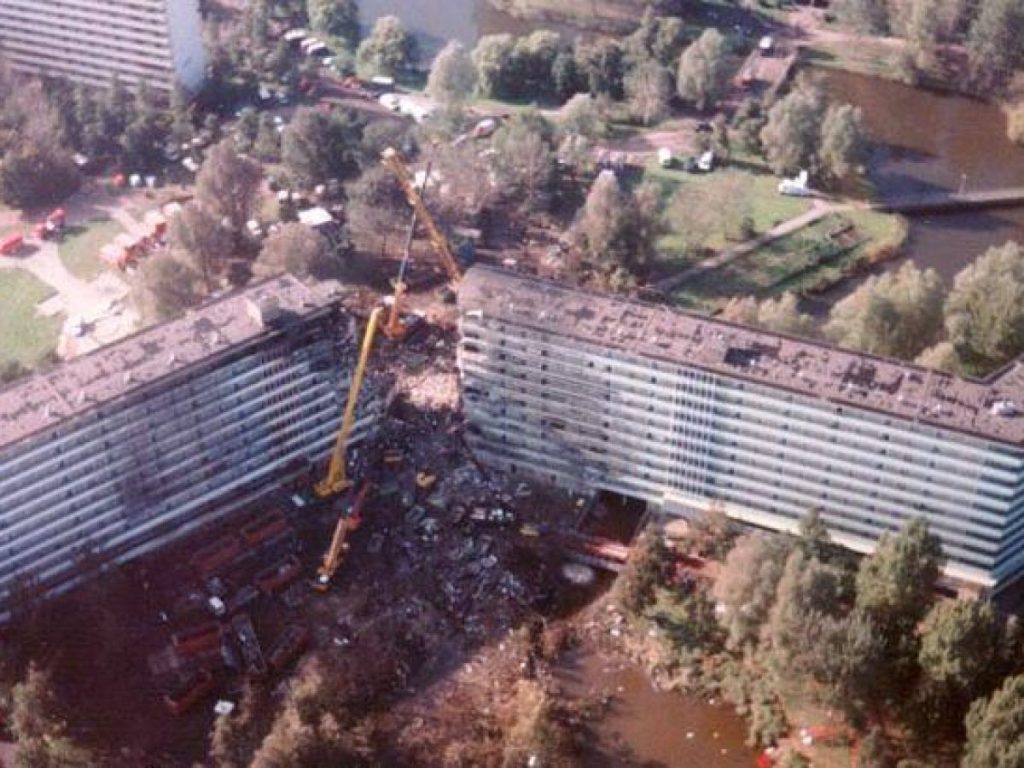
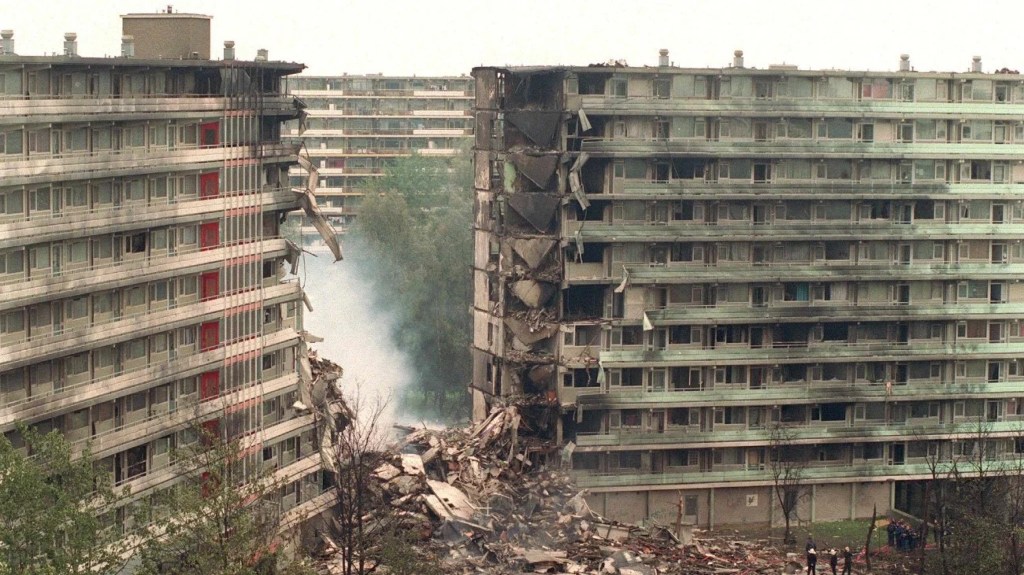
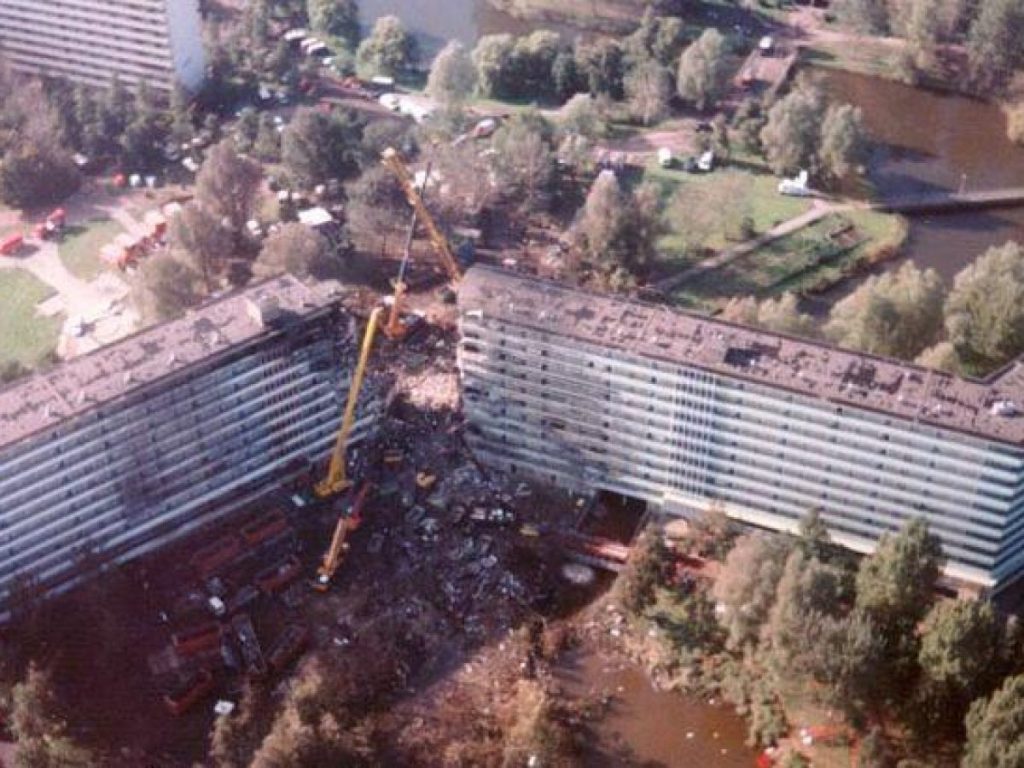
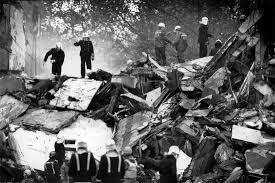
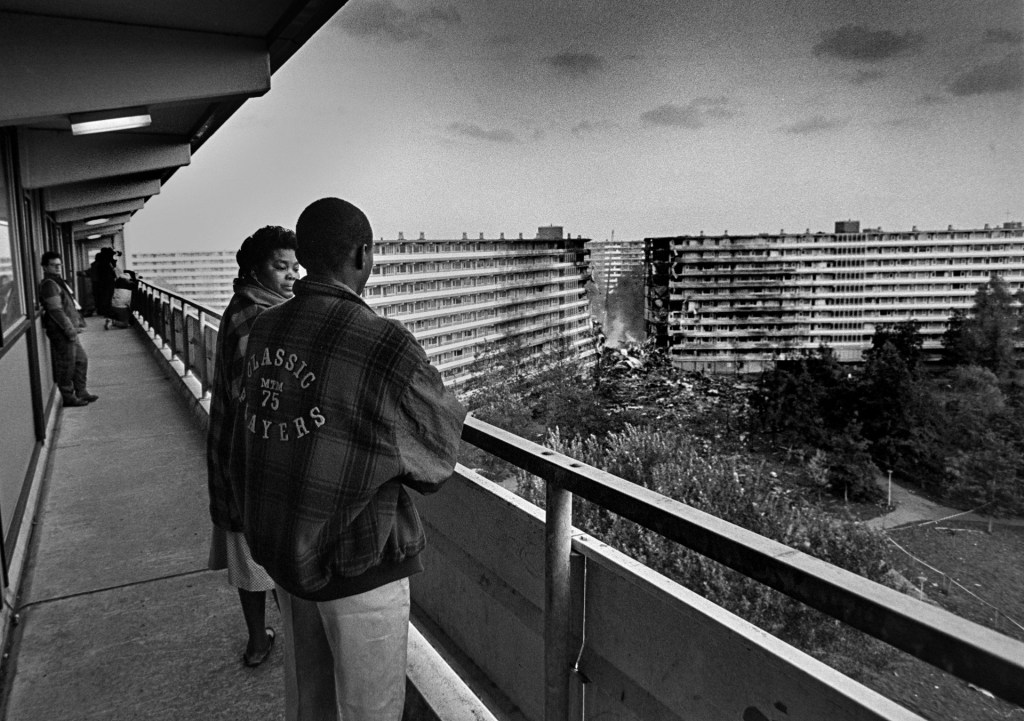
A las 06:35:42 p.m. hora local, el avión se zambulló desde el cielo y se estrelló contra dos complejos de apartamentos de gran altura en el Barrio Bijlmermeer de Amsterdam, en la esquina de un edificio donde el complejo Groeneveen se encontraba con el complejo Klein-Kruitberg. Explotó en una bola de fuego, lo que causó que el edificio colapsara parcialmente hacia adentro, destruyendo docenas de apartamentos. La cabina se detuvo al este del edificio, entre el edificio y el viaducto de la línea 53 del Metro de Amsterdam; la cola se rompió y fue volada por la fuerza de la explosión.

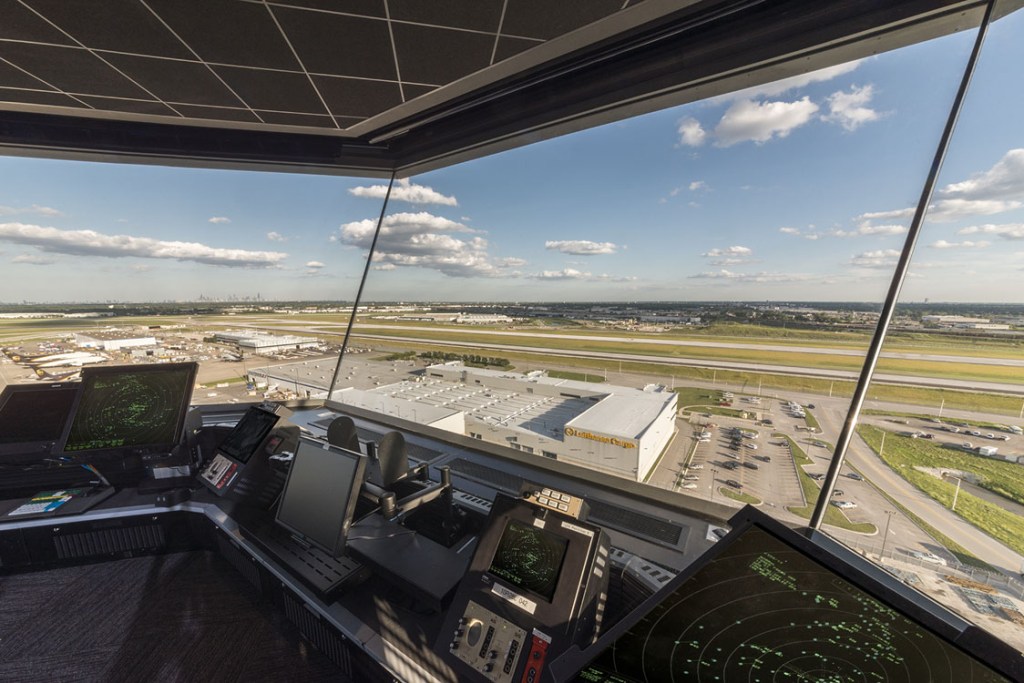
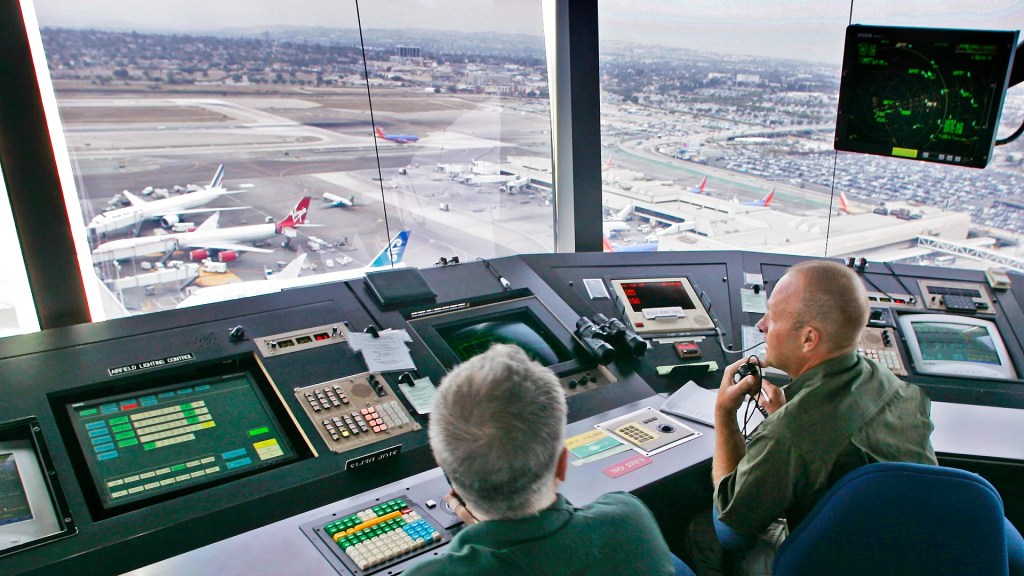
Durante los últimos momentos del vuelo, los ATC hicieron varios intentos desesperados de contactar con la aeronave. Los controladores de llegada de Schiphol trabajan desde un edificio cerrado en Schiphol-East, no desde la torre de control. A las 06:35:45 p.m., la Torre de Control/TWR informó a los controladores de llegada: «Het is gebeurd», literalmente «Ha sucedido», pero coloquialmente «Se acabó». En ese momento, una gran columna de humo que emanaba de la escena del accidente era visible desde la Torre de Control. El avión había desaparecido del Radar de Control de llegadas. Los controladores de llegada informaron que la aeronave había sido localizada por última vez a 1,5 kilómetros/0,93 millas/0,81 nmi al Oeste de Weesp, y el personal de emergencia fue enviado de inmediato.

En el momento del accidente, dos agentes de policía estaban en Bijlmermeer revisando un informe de robo. Vieron que el avión se desplomaba e inmediatamente hicieron sonar una alarma. Los primeros camiones de bomberos y servicios de rescate llegaron a los pocos minutos del accidente. Se aconsejó a los hospitales cercanos que se prepararan para cientos de víctimas. El complejo estaba habitado en parte por inmigrantes de Surinam y Aruba, ambas antiguas colonias holandesas, y el número de muertos fue difícil de estimar en las horas posteriores al accidente.

El accidente también fue presenciado por una estación de bomberos cercana en Flierbosdreef. Los socorristas se encontraron con un incendio de proporciones gigantescas que se propagó rápidamente y que consumió los diez pisos de los edificios y tenía 120 metros/390 pies de ancho. Nadie sobrevivió desde el punto de choque, pero algunos lograron escapar del resto del edificio. Los testigos informaron haber visto a personas saltando del edificio para escapar del incendio.

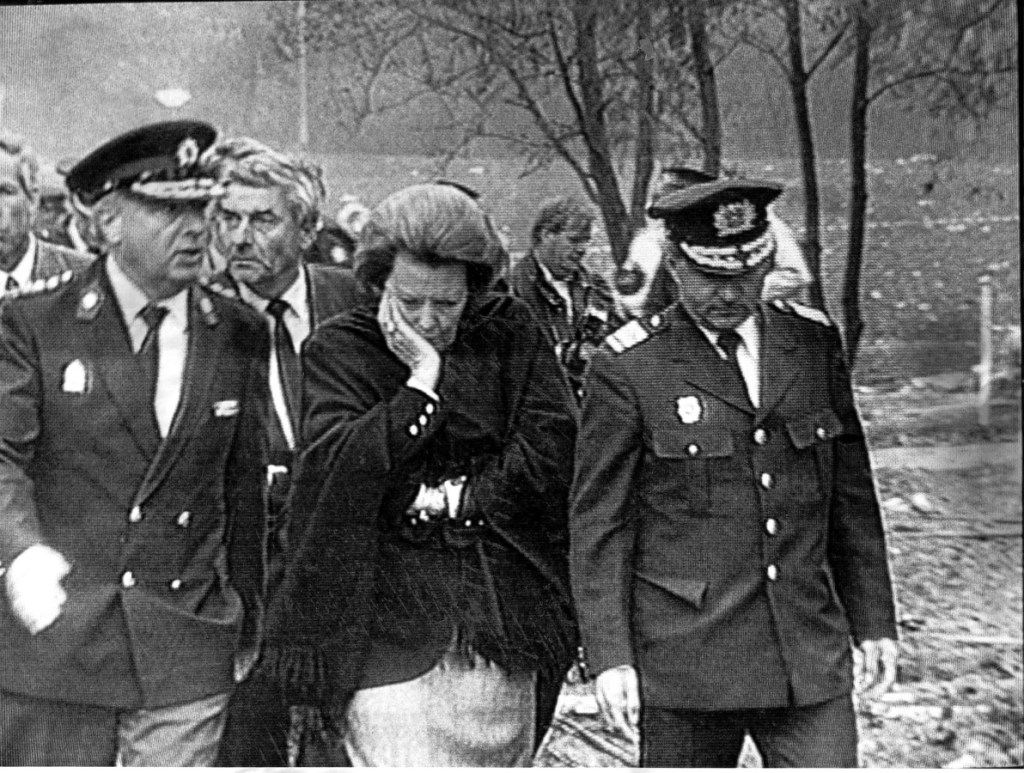
Cientos de personas quedaron sin hogar por el accidente; los autobuses municipales de la ciudad se utilizaron para transportar a los sobrevivientes a refugios de emergencia. Los bomberos y la policía también se vieron obligados a lidiar con los informes de saqueos en la zona. El Primer Ministro Ruud Lubbers y la Reina Beatriz visitaron el lugar del desastre la tarde siguiente. El Primer Ministro dijo: «Este es un desastre que ha sacudido a todo el país».

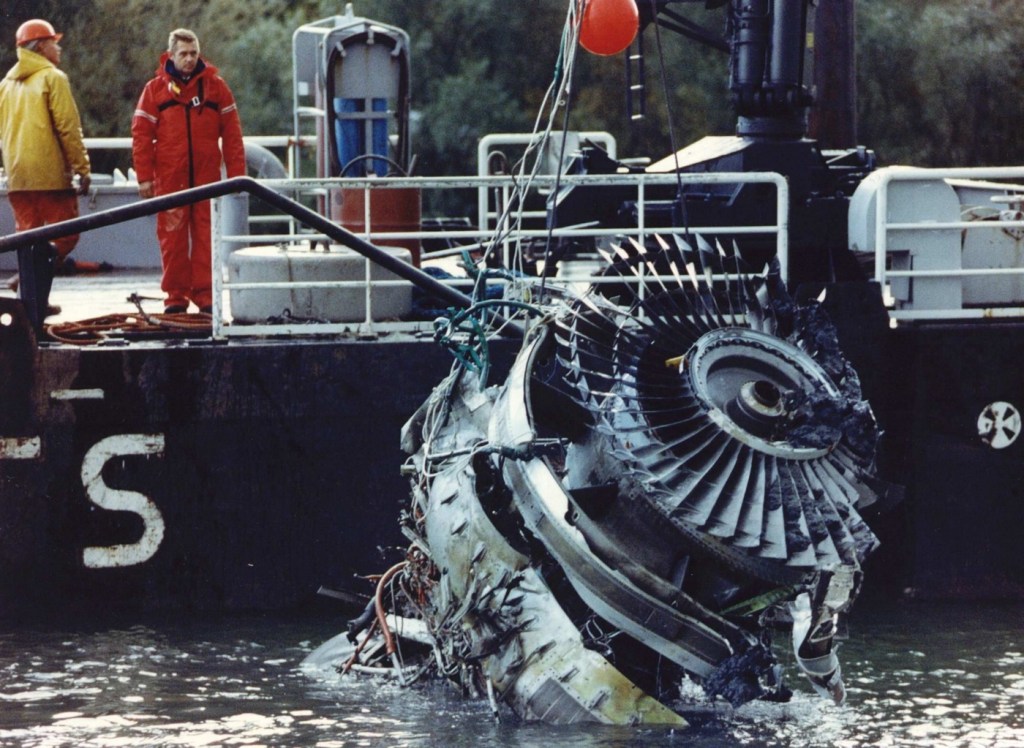
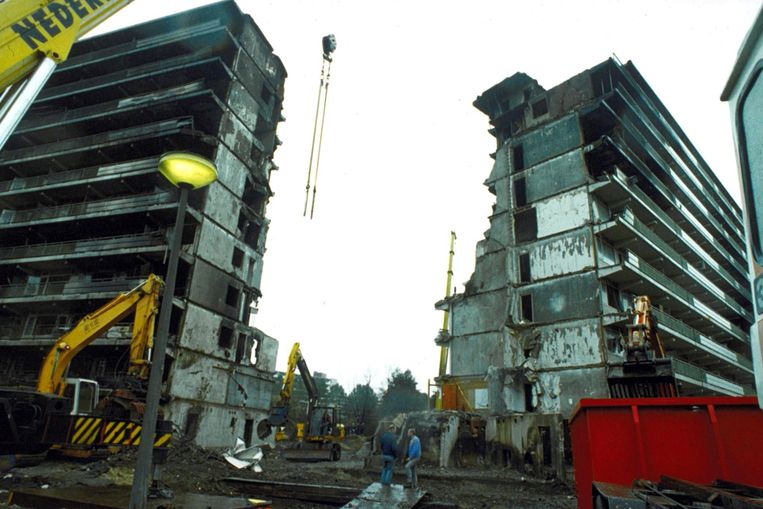
En los días inmediatamente posteriores al desastre, los cuerpos de las víctimas fueron recuperados del lugar del accidente. El Alcalde ordenó que se retiraran los escombros y los restos de los aviones, y los investigadores encontraron los pasadores críticos del fusible del pilón del motor en el vertedero. Los dos motores caídos fueron recuperados del Gooimeer, al igual que piezas de una sección de 9 metros (30 pies) del borde de ataque del ala derecha. Los restos de la aeronave fueron transportados a Schiphol para su análisis.

El Registrador de Datos de Vuelo (FDR) de la aeronave fue recuperado del lugar del accidente y fue gravemente dañado, con la cinta rota en cuatro lugares. La sección que contenía los datos de los últimos dos minutos y medio del vuelo estaba particularmente dañada. La grabadora se envió a los Estados Unidos para su recuperación y los datos se extrajeron con éxito. A pesar de las intensas actividades de búsqueda para recuperar la Registrador de Voz de Cabina (CVR) del área de restos, nunca se encontró, aunque los empleados de El Al Airlines declararon que se había «instalado» en la aeronave.

Investigaciones ELY1862

En caso de cargas excesivas en los motores Boeing 747 o pilones del motor, los pasadores de fusible que sujetan la góndola del motor al ala están diseñados para fracturarse limpiamente, lo que permite que el motor se separe de la aeronave sin dañar el ala o el tanque de combustible del ala. Los aviones de pasajeros generalmente están diseñados para permanecer en condiciones de volar en caso de una falla o separación del motor, por lo que pueden aterrizar de manera segura. El daño a un ala o tanque de combustible del ala puede tener consecuencias desastrosas. La Junta de Seguridad Aérea de los Países Bajos descubrió que los pasadores de fusibles no habían fallado correctamente, sino que tenían grietas de fatiga antes de la falla de sobrecarga. La Junta reunió una secuencia probable de eventos para la pérdida del motor tres:

Falla gradual por fatiga y luego falla de sobrecarga del pasador de fusible de media espiga interna en la ubicación interna de paredes delgadas
Fallo por sobrecarga del asa exterior del accesorio del pilón de larguero medio intraborda
Fallo de sobrecarga del pasador de fusible de lapar media fueraborda en la ubicación de paredes delgadas y agrietadas por fatiga fuera de borda
Fallo de sobrecarga del pasador de fusible de larguero medio fuera de borda en la ubicación interna de paredes delgadas

Esta secuencia de fallos consecutivos hizo que el motor interno y el pilón se liberaran. Su trayectoria después de romper el ala hizo que se estrellara contra el motor fuera de borda y lo arrancara y su pilón del ala. También se causaron graves daños en el borde delantero de la banda derecha. Tanto la pérdida de potencia hidráulica como el daño en el ala derecha impidieron el correcto funcionamiento de los flaps que la tripulación luego trató de extender en vuelo.

La investigación indicó que la tripulación pudo mantener el avión en el aire al principio debido a su alta velocidad del aire (280 nudos/kn), aunque el daño al ala derecha, lo que resultó en una elevación reducida, había hecho que mantener el nivel fuera más difícil. A 280 kn (520 km/h; 320 mph), sin embargo, la elevación en el ala derecha era suficiente para mantener el avión en el aire. Una vez que tuvo que reducir la velocidad de aterrizaje, la cantidad de sustentación en el ala derecha era insuficiente para permitir un vuelo estable, por lo que un aterrizaje seguro habría sido muy difícil de lograr. El avión luego se inclinó bruscamente hacia la derecha con muy pocas posibilidades de recuperación.

Se determinó que las causas probables oficiales eran: Se encontró que el diseño y la certificación del pilón Boeing 747-200 eran inadecuados para proporcionar el nivel de seguridad requerido. Además, el sistema para garantizar la integridad estructural mediante inspección falló. Esto finalmente causó, probablemente iniciado por la fatiga en el pasador de fusibles del mástil central interno, que el pilón y el motor no. 3 se separaran del ala de tal manera que el pilón y el motor No. 4 se arrancaron, parte del borde de ataque del ala se dañó y el uso de varios sistemas se perdió o limitó. Esto posteriormente dejó a la tripulación de vuelo con un control muy limitado del avión. Debido a la capacidad de control marginal, un aterrizaje seguro se volvió altamente improbable, si no virtualmente imposible.

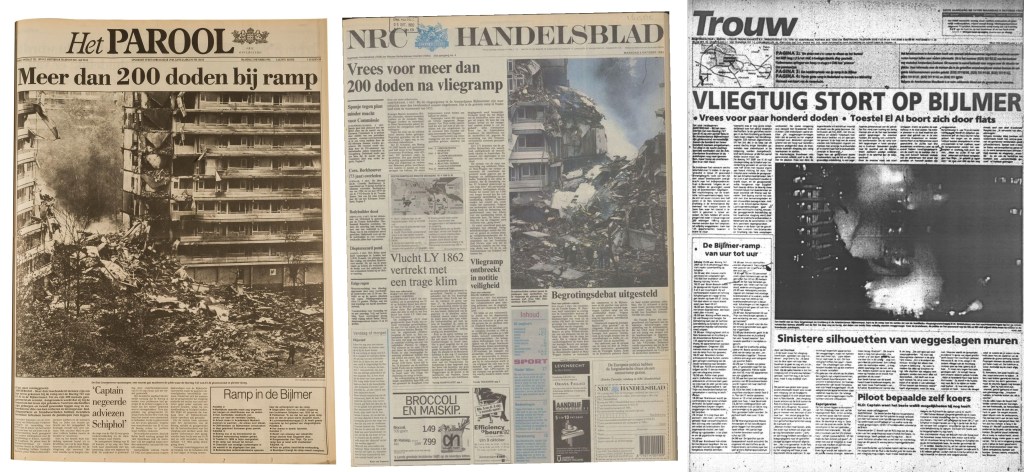
Cuarenta y tres personas murieron en el desastre: los cuatro ocupantes de la aeronave (tres miembros de la tripulación y un pasajero no renacido) y 39 personas en tierra. Esto fue considerablemente más bajo de lo esperado; la policía había estimado originalmente un número de muertos de más de 200 y el Alcalde de Amsterdam, Ed van Thijn, había dicho que 240 personas estaban desaparecidas. Veintiséis personas sufrieron lesiones no fatales; 11 de ellos resultaron heridos de gravedad suficiente como para requerir tratamiento hospitalario. Ha persistido la creencia de que el número real de víctimas muertas en el accidente fue considerablemente mayor. Bijlmermeer poseía un alto número de residentes que viven allí ilegalmente, particularmente de Ghana y Surinam, y los miembros de la comunidad ghanesa declararon que perdieron un número considerable de ocupantes indocumentados que no se contaron entre los muertos.

Memorial

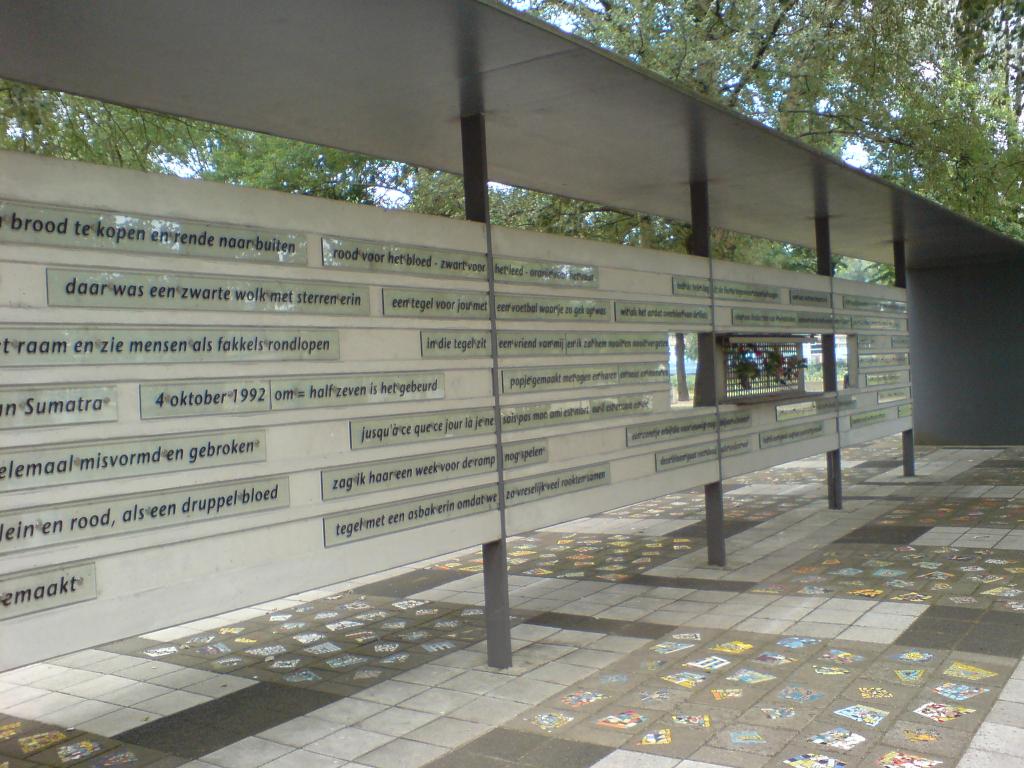
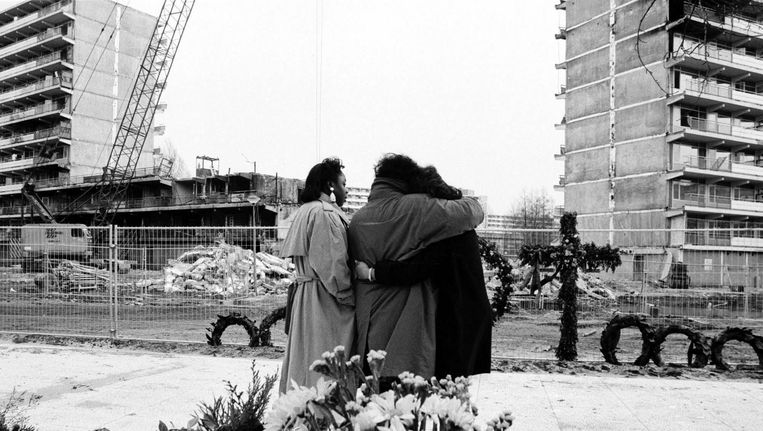
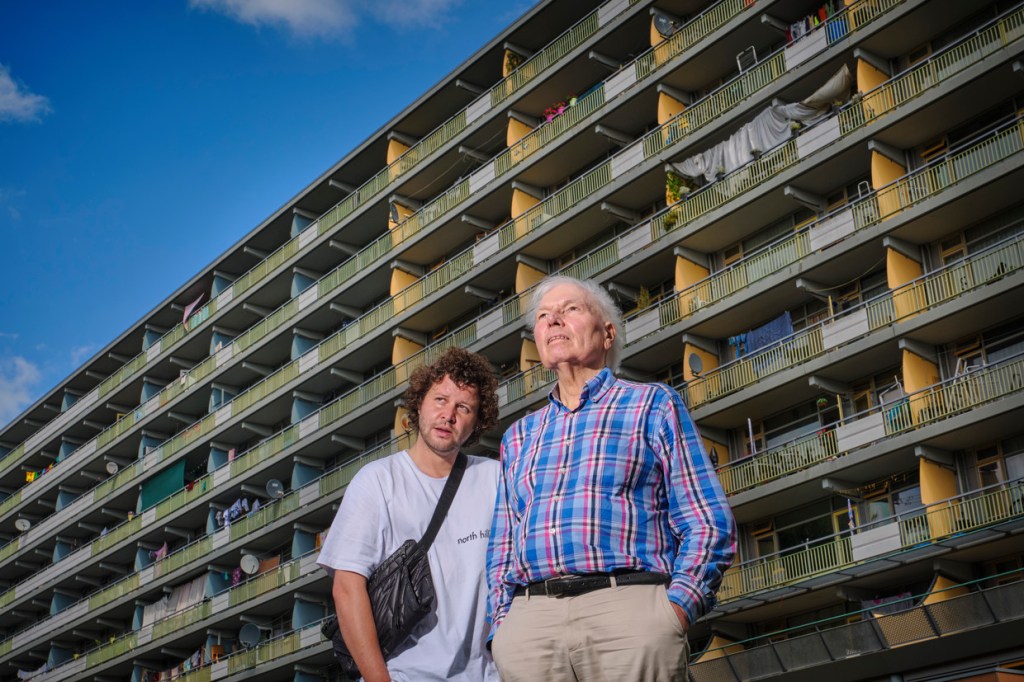
Un monumento, diseñado por los arquitectos Herman Hertzberger y Georges Descombes, fue construido cerca del lugar del accidente con los nombres de las víctimas. Las flores se colocan en un árbol que sobrevivió al desastre, conocido como «el árbol que lo vio todo» (de boom die alles zag). Anualmente se celebra un memorial público para conmemorar el desastre; ningún avión sobrevuela la zona durante una hora por respeto a las víctimas.

Problemas de salud

Poco después del desastre, se anunció que el avión contenía frutas, perfumes y componentes de computadora. La ministra holandesa Hanja Maij-Weggen afirmó que estaba segura de que no contenía carga militar.

Las quejas de salud de los sobrevivientes después del accidente aumentaron el número de preguntas sobre la carga. En 1998, el portavoz de El Al Airlines, Nachman Klieman, reveló públicamente que se habían incluido en la carga 190L de dimetilfosfonato, un producto químico de la Lista 2 de la Convención sobre las Armas Químicas. El principal uso comercial del producto químico es como retardante de llama. Otros usos comerciales son un aditivo de preignición para gasolina, agente antiespumante, plastificante, estabilizador, acondicionador textil, agente antiestático, un aditivo para solventes y fluidos hidráulicos de baja temperatura, y como catalizador/reactivo en la síntesis orgánica de gases nerviosos Sarin & Soman. El Estado de Israel observó que el producto químico se había incluido en el manifiesto de carga de conformidad con las reglamentaciones internacionales, que el material no era tóxico y que su uso previsto era probar los filtros de los detectores de armas químicas. El Ministerio de Relaciones Exteriores holandés confirmó que había sabido sobre la presencia de productos químicos en el avión. El envío fue desde una planta química estadounidense al Instituto de Investigación Biológica de Israel bajo una licencia del Departamento de Comercio de los Estados Unidos. Según el sitio de armas químicas CWInfo, la cantidad involucrada era «demasiado pequeña para la preparación de una cantidad militarmente útil de sarín, pero sería consistente con la fabricación de pequeñas cantidades para probar métodos de detección y ropa protectora».

Ξ 30th anniversaries tragedy EL AL Ξ

El Al Airlines flight ELY1862 crashes in Amsterdam

On October 4, 1992, Israeli El Al Airlines flight ELY-1862, a Boeing 747-200F cargo plane crashed into the Groeneveen and Klein-Kruitberg flats in the Bijlmermeer neighborhood, colloquially known as «Bijlmer», part of Amsterdam-Zuidoost, in the Kingdom of the Netherlands. The accident is known in Dutch as the Bijlmerramp, «Bijlmer disaster». In total, 43 people were officially reported dead, including the three crew members of the aircraft and 39 people on the ground. In addition to these deaths, 11 people were seriously injured and 15 people received minor injuries. The exact number of people killed on the ground is disputed, as the building housed many undocumented immigrants from the former Dutch colony of Suriname. The accident is the deadliest aviation disaster to have occurred in the Netherlands.

On October 4, 1992, the cargo plane, a Boeing 747-258F, registration number 4X-AXG, was traveling from New York/John F. Kennedy/JFK International Airport in New York to Ben Gurion/JFK International Airport. TLV, in the town of Lod in Israel, making a stopover at Amsterdam Airport/Amsterdam-Schiphol/AMS. During the flight from New York to Schiphol, three problems were noted: fluctuations in autopilot speed regulation, problems with a radio, and fluctuations in electrical generator voltage on engine number three, the internal engine in the right wing which would then detach from the aircraft and start the accident.

The plane landed at Schiphol at 02:40 p.m. for cargo loading and crew change. The aircraft was refueled and the problems observed were repaired, at least temporarily. The crew consisted of Captain (Cmt) Yitzhak Fuchs (59), First Officer (FO) Arnon Ohad (32), and Flight Engineer Gedalya Sofer (61). A single passenger named Anat Solomon (23) was on board. She was an El Al employee based in Amsterdam, traveling to Tel Aviv to marry another El Al Airlines employee. Captain Yitzhak Fuchs was an experienced aviator, having flown as a fighter-bomber pilot in the Israeli air force in the late 1950s. He had more than 25,000 flight hours, including 9,500 hours in the Boeing 747. First Officer Arnon Ohad had less experienced than the other two crew members, having logged 4,288 flight hours, 612 of them on the Boeing 747. Flight Engineer Gedalya Sofer was the most experienced crew member on the flight, with more than 26,000 flight hours. flight experience, including 15,000 on the Boeing 747.

Tragedy timeline

Flight ELY-1862 was scheduled to depart at 05:30 p.m., but was delayed until 06:20 p.m. It departed from Runway 01L (later known as Runway 36C) heading north at 06:22 p.m. Once in the air, the plane turned to the right. Shortly after the turn, at 06:27 p.m., over the Gooimeer, a lake near Amsterdam, witnesses on the ground heard a loud bang and saw falling debris, a trail of smoke, and a momentary flash of fire on the right wing. as the plane climbed through 1,950 m (6,400 ft). The No. 3 Engine (right wing, closest to the fuselage) detached from the right wing of the aircraft, shot forward, damaging the wing blades, then fell backwards and hit the No. 4 Engine (right wing, furthest of the fuselage), ripping it from the wing. Both engines fell off the aircraft, also ripping off a 10m/33ft section of the wing’s leading edge. The loud noise attracted the attention of some recreational boaters on the Gooimeer. Boaters notified the Netherlands Coast Guard of two objects they had seen fall from the sky. One navigator, a police officer, said he initially thought the two falling objects were skydivers, but as they got closer he could see they were aircraft engines.

The First Officer made a Mayday call to Air Traffic Control (ATC) and indicated that they wanted to return to Schiphol. At 06:28:45 p.m., the first officer reported: «The Al 1862, lost engine number three and number four, engine number three and engine number four». ATC and the flight crew still did not understand the seriousness of the situation. Although the flight crew knew that it had lost power from the engines, they did not see that the engines had completely detached and that the wing had been damaged. The outboard motor on the wing of a 747 is only barely visible from the cockpit and the inboard motor on the wing is not visible at all. Given the decisions that the captain and crew made following the loss of engine power, the Dutch parliamentary inquiry committee that later studied the accident concluded that the crew was unaware that both engines had separated from the right wing.

On the night of the accident, the runway in use at Schiphol was Runway 06. The crew requested Runway 27, the longest runway at Schiphol, for an emergency landing, even though it meant landing with a tailwind of 21 knots. The plane was still too high and close to landing when it circled the airport. He was forced to continue circling around Amsterdam until he was able to reduce altitude to that required for a final landing approach. During the second circle, the wing flaps spread out. The inboard trailing edge flaps extended because they were powered by number one hydraulics, which was still working, but the outboard trailing edge flaps didn’t, because they were powered by number four hydraulics, which it had failed when the number four engine broke down. The partial flap condition meant that the aircraft would have a higher than normal pitch attitude as it slowed down. The leading edge louvers extended on the left wing, but not on the right wing, due to extensive damage sustained when the engines separated, which had also severely disrupted airflow over the right wing. That differential configuration caused the left wing to generate significantly more lift than the right, especially when launch attitude increased as airspeed decreased. The increased lift on the left side increased the tendency to roll further to the right, both because the right outboard aileron was inoperative and because thrust from the left engines was increased in an attempt to reduce the very high sink rate. of the aircraft. As the aircraft slowed, the ability of the remaining controls to counter right roll decreased. The crew eventually lost almost all ability to prevent the plane from rolling to the right. The roll reached 90° just before impact with the apartments in the Bijlmermeer Quarter, Amsterdam.

At 06:35:25 p.m., the first officer radioed to ATC: «Lowering, 1862, lowering, lowering, copying, lowering». In the background, the captain could be heard instructing the first officer in Hebrew to raise the flaps and lower the landing gear.

At 06:35:42 p.m. local time, the plane dove from the sky and crashed into two high-rise apartment complexes in Amsterdam’s Bijlmermeer neighborhood, on the corner of a building where the Groeneveen complex met the Klein-Kruitberg complex. It exploded in a fireball, causing the building to partially collapse inward, destroying dozens of apartments. The car stopped to the east of the building, between the building and the viaduct of line 53 of the Amsterdam Metro; the tail broke off and was blown away by the force of the explosion.

During the last moments of the flight, ATC made several desperate attempts to contact the aircraft. Schiphol arrival controllers work from a closed building at Schiphol-East, not from the control tower. At 06:35:45 p.m., the Control Tower/TWR informed the arrival controllers: «Het is gebeurd», literally «It has happened», but colloquially «It’s over». At that time, a large plume of smoke emanating from the accident scene was visible from the Control Tower. The plane had disappeared from the Arrivals Control Radar. Arrival controllers reported that the aircraft had last been located 1.5 kilometres/0.93 miles/0.81 nmi west of Weesp, and emergency personnel were dispatched immediately.

At the time of the accident, two police officers were in the Bijlmermeer reviewing a theft report. They saw the plane go down and immediately sounded an alarm. The first fire trucks and rescue services arrived within minutes of the accident. Nearby hospitals were advised to prepare for hundreds of casualties. The complex was inhabited in part by immigrants from Suriname and Aruba, both former Dutch colonies, and the death toll was difficult to estimate in the hours after the crash.

The accident was also witnessed by a nearby fire station in Flierbosdreef. First responders encountered a fast-spreading fire of gigantic proportions that consumed all ten stories of the buildings and was 390 feet/120 meters wide. No one survived from the crash point, but some managed to escape from the rest of the building. Witnesses reported seeing people jumping from the building to escape the fire.

Hundreds of people were left homeless by the accident; the city’s municipal buses were used to transport survivors to emergency shelters. Firefighters and police were also forced to deal with reports of looting in the area. Prime Minister Ruud Lubbers and Queen Beatrix visited the disaster site the following afternoon. The Prime Minister said: «This is a disaster that has shaken the whole country».

In the days immediately following the disaster, the bodies of the victims were recovered from the crash site. The Mayor ordered debris and aircraft wreckage removed, and investigators found the critical pins of the engine pylon fuse in the dump. The two fallen engines were recovered from the Gooimeer, as were pieces of a 30-foot (9-meter) section of the right wing’s leading edge. The wreckage of the aircraft was transported to Schiphol for analysis.

The aircraft’s Flight Data Recorder (FDR) was recovered from the crash site and was severely damaged, with the tape broken in four places. The section containing the data for the last two and a half minutes of the flight was particularly damaged. The recorder was shipped to the United States for recovery and the data was successfully extracted. Despite intense search activities to recover the Cockpit Voice Recorder (CVR) from the wreckage area, it was never found, although El Al Airlines employees stated that it had been «installed» on the aircraft.

ELY1862 investigations

In the event of excessive loads on the Boeing 747 engines or engine pylons, the shear pins that hold the engine nacelle to the wing are designed to fracture cleanly, allowing the engine to separate from the aircraft without damaging the wing or the engine. wing fuel tank. Airliners are generally designed to remain airworthy in the event of an engine failure or separation, so they can land safely. Damage to a wing or wing fuel tank can have disastrous consequences. The Netherlands Aviation Safety Board found that the fuse pins had not failed properly, but instead had fatigue cracks prior to overload failure. The Board put together a probable sequence of events for the loss of engine three:

Gradual fatigue failure then overload failure of internal half-pin fuse pin at internal thin-walled location
Inboard mid-spar pylon attachment outer handle overload failure
Outboard Mid Lapar Fuse Pin Overload Failure at Outboard Fatigue Cracked and Thin Wall Location
Outboard mid-spar fuse pin overload failure at thin-walled internal location

This sequence of consecutive failures caused the internal motor and pylon to break free. Its trajectory after breaking the wing caused it to crash into the outboard and rip it and its wing pylon off. Severe damage was also caused to the leading edge of the right wing. Both the loss of hydraulic power and the damage to the right wing prevented the correct operation of the flaps, which the crew later tried to extend in flight.

Investigation indicated that the crew was able to keep the aircraft airborne at first due to its high airspeed (280 kn/kn), although damage to the right wing, resulting in reduced lift, had made keeping level it was more difficult. At 280 kn (520 km/h; 320 mph), however, the lift on the right wing was enough to keep the aircraft airborne. Once it had to slow down for landing, the amount of lift on the right wing was insufficient to allow stable flight, so a safe landing would have been very difficult to achieve. The aircraft then banked sharply to the right with very little chance of recovery.

The official probable causes were determined to be: The design and certification of the Boeing 747-200 pylon was found to be inadequate to provide the required level of safety. In addition, the system to ensure structural integrity through inspection failed. This eventually caused, probably started by fatigue in the inner center mast fuse pin, that the pylon and engine failed. 3 will separate from the wing in such a way that the pylon and engine no. 4 were ripped off, part of the wing leading edge was damaged and the use of various systems was lost or limited. This subsequently left the flight crew with very limited control of the aircraft. Due to marginal controllability, a safe landing became highly unlikely, if not virtually impossible.

Forty-three people died in the disaster: the four occupants of the aircraft (three crew members and one unreborn passenger) and 39 people on the ground. This was considerably lower than expected; police had originally estimated a death toll of more than 200 and Amsterdam Mayor Ed van Thijn had said 240 people were missing. Twenty-six people sustained non-fatal injuries; 11 of them were injured seriously enough to require hospital treatment. The belief has persisted that the actual number of victims killed in the accident was considerably higher. Bijlmermeer had a high number of residents living there illegally, particularly from Ghana and Suriname, and members of the Ghanaian community stated that they lost a considerable number of undocumented occupants who were not counted among the dead.

Memorial

A memorial, designed by architects Herman Hertzberger and Georges Descombes, was built near the crash site bearing the names of the victims. The flowers are placed on a tree that survived the disaster, known as «the tree that saw it all» (from boom die alles zag). A public memorial is held annually to commemorate the disaster; no plane flies over the area for an hour out of respect for the victims.

MEMORIAL FOR THE VICTIMS NEXT TO «THE TREE THAT SAW EVERYTHING»

Health problems

Shortly after the disaster, it was announced that the plane contained fruits, perfumes and computer components. Dutch minister Hanja Maij-Weggen said she was sure she did not contain military burden.

The health complaints of the survivors after the accident increased the number of questions about the load. In 1998, El Al Airlines spokesman Nachman Klieman publicly revealed that they had been included in the 190L of dimethylfosphonate, a chemical of List 2 of the Convention on Chemical Weapons. The main commercial use of the chemical is as a flame retardant. Other commercial uses are a preignation additive for gasoline, antispuming agent, plasticizing, stabilizer, textile conditioner, antistatic agent, an additive for solvents and low temperature hydraulic fluid. The state of Israel observed that the chemical had been included in the load manifesto in accordance with international regulations, that the material was not toxic and that its planned use was to test the filters of chemical weapons detectors. The Dutch Foreign Ministry confirmed that he had known about the presence of chemicals on the plane. The shipment was from an American chemical plant to the Israel Biological Research Institute under a license from the United States Commerce Department. According to the CWinfo chemical weapons, the amount involved was «too small for the preparation of a militarily useful amount of Sarin, but would be consistent with the manufacture of small amounts to test detection methods and protective clothing».

PUBLISHER: Airgways.com
DBk: Government.nl / Nos.nl / Parool.nl / Nu.nl / Wikimedia.org / Bijlmermuseum.nl / Volkskrant.nl / Airgways.com
AW-POST: 202210042202AR
OWNERSHIP: Airgways Inc.
A\W A I R G W A Y S ®

100º aniversarios ICAN

AW | 2022 08 20 21:07 | AVIATION HISTORY / AIRPORTS

Celebración 100 años fundamento navegación aérea

En 1933 todo el espacio aéreo cercano a los aeropuertos importantes estaba controlado por un centro de Control de Tráfico Aéreo (ATC). Pero, antes de su existencia los primeros pilotos se orientaban por faros y flechas pintadas en el suelo para encontrar los aeropuertos. Un campo, ni siquiera asfaltado y dos luces, una verde y una roja, era todo lo necesario para que un avión volara antes de 1922. En 1919, sin embargo, parecía evidente que aquello había que regularlo, sobre todo entre Francia, Alemania, Holanda y Gran Bretaña. Para ello se creó en Julio de 1922 la Comisión International de Navegación Aérea (ICAN), cuyo tratado fue ratificado por apenas diez países, año en que se pusieron los fundamentos para el control aéreo. Por coincidencia, también en 1922 tuvo lugar en Normandía la primera colisión de dos aviones en vuelo, lo cual finalmente puso en marcha el control con más resolución, si cabe.

Tras la Primera Guerra Mundial aparecieron cientos de pilotos civiles y muchas pequeñas aerolíneas empezaron a volar. La primera decisión de la Comisión CINA fue obligar a todos los aviones, por entonces capaces de transportar hasta doce pasajeros, a llevar radio, pese a lo que se seguían usando señales visuales para despegar. Sólo en vuelo, comenzaba a operar la radio. El aeródromo de partida se tenía que poner en comunicación con el de llegada para darle datos. Se estableció que se volaba en ciertos sentidos y se fijó una distancia vertical de 300 metros, nunca menos de 150.

Estados Unidos introdujo normas desde 1926, con la Ley de la Aviación Comercial, pero aún se necesitaron dos años más para que el aeropuerto de Sant Louis usara el primer controlador, Archie League, para supervisar los aterrizajes y despegues. Los años 30 fueron los del desarrollo rápido del control aéreo. En 1933 todo el espacio aéreo cercano a los aeropuertos importantes estaba ya controlado, con la necesidad de permisos para volar. También se introdujeron las radio balizas, situadas en las rutas más importantes. Pero no fue hasta la llegada del Douglas DC-3 que se revolucionó el transporte aéreo, aunque esto es historia para otro día porque no han pasado aún los cien años.

ICAN 100º anniversaries

Celebration 100 years air navigation foundation

In 1933 all airspace near major airports was controlled by an Air Traffic Control (ATC) center. But, before its existence, the first pilots were guided by lighthouses and arrows painted on the ground to find the airports. A field, not even paved, and two lights, one green and one red, was all that was necessary for a plane to fly before 1922. In 1919, however, it seemed clear that this had to be regulated, especially between France, Germany, Holland and Great Britain. For this, the International Air Navigation Commission (ICAN) was created in July 1922, whose treaty was ratified by just ten countries, the year in which the foundations for air control were laid. By coincidence, also in 1922, the first collision of two planes in flight took place in Normandy, which finally triggered the control with even more resolution.

After the First World War, hundreds of civilian pilots appeared and many small airlines began to fly. The first decision of the CINA Commission was to force all planes, then capable of carrying up to twelve passengers, to carry a radio, despite the fact that visual signals were still used to take off. Only in flight, the radio began to operate. The departure aerodrome had to be in communication with the arrival aerodrome to give it data. It was established that it was flown in certain directions and a vertical distance of 300 meters was established, never less than 150.

The United States introduced regulations as early as 1926, with the Commercial Aviation Act, but it took another two years for the St. Louis airport to use the first controller, Archie League, to oversee landings and takeoffs. The 1930s were the years of rapid development of air traffic control. In 1933 all the air space near the important airports was already controlled, with the need for permits to fly. Radio beacons were also introduced, located on the most important routes. But it was not until the arrival of the Douglas DC-3 that air transport was revolutionized, although that is history for another day because the hundred years have not yet passed.

PUBLISHER: Airgways.com
DBk: Icao.int / Airgways.com
AW-POST: 202208202107AR
OWNERSHIP: Airgways Inc.
A\W A I R G W A Y S ®

Boeing impacto económico Alabama

AW | 2022 06 08 21:55 | INDUSTRY / AVIATION HISTORY

Boeing valor por US$ 2.700 millones en el Estado
Compañía celebra 60º aniversarios en Alabama

Boeing_Isologotype

The Boeing Company anunció el Martes 07/06 que contribuye con más de US$ 2.700 millones de Dólares anuales al crecimiento económico de Alabama (AL), Estados Unidos, citando un estudio encargado por la compañía. Eso incluye más de 9.000 empleos directos e indirectos en todo el estado. La presencia de Boeing en Alabama es principalmente en Huntsville. «Los hallazgos muestran el papel crítico que Boeing desempeñó para hacer crecer una industria espacial y de defensa vital y vibrante y una fuerza laboral de Alabama altamente calificada y de alto valor», dijo la compañía en el comunicado que anuncia los resultados del estudio. Boeing se asoció el año pasado con el Colegio Culverhouse de Comercio y Administración de Empresas de la Universidad de Alabama para realizar un estudio de impacto económico a gran escala en todo el estado.

«Durante seis décadas, Alabama y Boeing han compartido una asociación de innovación, crecimiento y prosperidad. Hoy en día, más de 3,000 empleados de Boeing Alabama, y miles más en compañías proveedoras en todo el estado, ayudan a crear los productos aeroespaciales y de defensa más avanzados del mundo. Este estudio ayuda a cuantificar el impacto significativo de la compañía en la economía del estado. Mirando hacia el futuro, estamos comprometidos con el éxito continuo de nuestros clientes, la salud económica del estado y contribuir a la calidad de vida general en las comunidades donde vivimos y trabajamos», dijo en un comunicado Cindy Gruensfelder, Vicepresidenta y Gerente General de Boeing Missile and Weapon Systems y Ejecutiva Senior del sitio de Huntsville.

Aspectos destacados citados por Boeing del estudio en 2021, destacan la producción económica de US$ 2,731 mil millones, de los cuales US$ 663.2 millones representan ganancias para 9.402 empleos directos e indirectos. Ese año, las ganancias generaron US$ 61.5 millones en ingresos fiscales, incluidos US$ 35 millones en impuestos estatales y US$ 26.5 millones en impuestos locales. Los ingresos del estado comprendieron US$ 21.8 millones de impuestos sobre la renta individual, US$ 11.4 millones de impuestos a las ventas y US$ 1.8 millones de impuestos a la propiedad. Los ingresos locales del condado y el municipio provienen de US$ 14.2 millones de impuestos a las ventas y alrededor de US$ 12.3 millones de impuestos a la propiedad. La compañía también realizó compras y gastos en el estado, no relacionados con la nómina, de US$ 979.1 millones, lo que elevó el gasto total de la compañía en el estado a aproximadamente US$ 1.3 mil millones. Además del impacto económico significativo que Boeing brinda a Alabama, la compañía también contribuye de manera significativa al desarrollo de la comunidad y la fuerza laboral en el estado, incluidos US$ 2,9 millones en contribuciones comerciales y subvenciones benéficas en 2021.

Boeing también anunció en una conferencia de prensa en Huntsville la concesión de dos subvenciones de US$ 60.000, a los programas STEM del Boys and Girls Club y al programa Hiring Our Heroes de la Fundación de la Cámara del Condado de Huntsville/Madison.

Ξ 60º aniversarios Alabama Ξ

Celebrando sus 60º aniversarios en el Estado de Alabama (AL), Boeing dijo que su participación en este Estado comenzó cuando estableció operaciones para avanzar en el desarrollo inicial del propulsor Etapa 1 del cohete Saturno V. Hoy en día, la fuerza laboral de Boeing en Alabama está asumiendo un papel de liderazgo en el desarrollo de las etapas centrales, las etapas superiores y la aviónica para el Sistema de Lanzamiento Espacial de la NASA, el cohete más poderoso que la agencia espacial haya desarrollado.

Boeing también dijo que sus operaciones en Alabama están muy involucradas en los programas de defensa antimisiles de Estados Unidos. Su división de Sistemas de Misiles y Armas tiene su sede en Huntsville, que incluye programas que protegen a los Estados Unidos, combatientes, aliados y socios internacionales contra amenazas que van desde misiles balísticos intercontinentales hasta aviones hostiles, como la Defensa de Medio Curso terrestre (GMD) y la Capacidad Avanzada Patriot-3 (PAC-3).

«Boeing ha sido un socio comunitario ejemplar y es un modelo para apoyar muchos de nuestros programas de educación y fuerza laboral durante sus seis décadas en Huntsville. Hoy, estamos especialmente agradecidos a Boeing por su apoyo a nuestro programa piloto con Hiring Our Heroes que ayudará a los miembros del servicio alistados a hacer la transición a carreras de fabricación en el área de Huntsville. Creemos que esto se convertirá en una solución de fuerza laboral para toda la región», dijo Lucia Cape, Vicepresidenta Senior de Desarrollo Económico de la Cámara del Condado de Huntsville/Madison, en un comunicado.

Boeing economic impact Alabama

Boeing value for US$ 2,700 million in the State
Company celebrates 60th anniversaries in Alabama

Boeing_Isologotype_Blue

The Boeing Company announced on Tuesday 06/07 that it contributes more than US$2.7 billion annually to the economic growth of Alabama (AL), United States, citing a study commissioned by the company. That includes more than 9,000 direct and indirect jobs statewide. Boeing’s presence in Alabama is primarily in Huntsville. «The findings show the critical role Boeing played in growing a vital and vibrant defense and space industry and a highly-skilled, high-value Alabama workforce», the company said in a statement announcing the study results. Boeing partnered last year with the University of Alabama Culverhouse College of Commerce and Business Administration to conduct a large-scale, statewide economic impact study.

«For six decades, Alabama and Boeing have shared a partnership of innovation, growth and prosperity. Today, more than 3,000 Boeing Alabama employees, and thousands more at supplier companies across the state, help create the aerospace and advanced defense systems in the world This study helps quantify the company’s significant impact on the state’s economy Looking to the future, we are committed to the continued success of our customers, the economic health of the state and contributing to the quality of life in the communities where we live and work», Cindy Gruensfelder, vice president and general manager of Boeing Missile and Weapon Systems and senior executive of the Huntsville site, said in a statement.

Highlights cited by Boeing from the study in 2021, highlight the economic output of US$ 2.731 billion, of which US$ 663.2 million represent profits for 9,402 direct and indirect jobs. That year, the profits generated US$ 61.5 million in tax revenue, including US$ 35 million in state taxes and US$ 26.5 million in local taxes. The state’s revenue comprised US$ 21.8 million of individual income taxes, US$ 11.4 million of sales taxes, and US$ 1.8 million of property taxes. Local county and town revenues come from US$ 14.2 million in sales taxes and about US$ 12.3 million in property taxes. The company also made non-payroll in-state purchases and expenditures of US$ 979.1 million, bringing the company’s total out-of-state spending to approximately US$ 1.3 billion. In addition to the significant economic impact Boeing brings to Alabama, the company also contributes significantly to community and workforce development in the state, including US$ 2.9 million in business contributions and charitable grants in 2021.

Boeing also announced at a press conference in Huntsville the award of two US$ 60,000 grants, to the Boys and Girls Club’s STEM programs and the Huntsville/Madison County Chamber Foundation’s Hiring Our Heroes program.

Boeing Isotype-002

Ξ 60th Anniversaries Alabama Ξ

Celebrating its 60th anniversaries in the State of Alabama (AL), Boeing said its involvement in the State began when it established operations to advance early development of the Stage 1 booster for the Saturn V rocket. Today, Boeing’s workforce in Alabama is taking a leadership role in developing the core stages, upper stages and avionics for NASA’s Space Launch System, the most powerful rocket the space agency has ever developed.

Boeing also said its operations in Alabama are heavily involved in US missile defense programs. Its Weapons and Missile Systems division is headquartered in Huntsville, which includes programs that protect the United States, warfighters, allies, and international partners against threats ranging from intercontinental ballistic missiles to hostile aircraft, such as the Ground Midcourse Defense ( GMD) and the Patriot Advanced Capability-3 (PAC-3).

«Boeing has been an exemplary community partner and is a model for supporting many of our education and workforce programs during its six decades in Huntsville. Today, we are especially grateful to Boeing for their support of our pilot program with Hiring Our Heroes that will help enlisted service members to transition to manufacturing careers in the Huntsville area. We believe this will become a workforce solution for the entire region», said Lucia Cape, Senior Vice President of Economic Development for the House of Representatives. Huntsville/Madison County, in a statement.

PUBLISHER: Airgways.com
DBk: Boeing.com / Airgways.com
AW-POST: 202206082155AR
OWNERSHIP: Airgways Inc.
A\W A I R G W A Y S ®

Veinte años proyecto Dornier 728JET

AW | 2022 04 19 12:45 | AIRLINES

Fairchild-Dornier 728JET, veinte aniversarios de proyecto truncado

fairchild-dornier-logo-png-transparent

El consorcio Fairchild-Dornier había alcanzado una madurez en el desarrollo de nuevas aeronaves entrando el nuevo siglo. El constructor germano-estadounidense había anunciado hacia Marzo 2022 el nacimiento de un nuevo modelo de aeronaves regionales denominado Dornier Do-728JET, una aeronave bimotor que marcaría un cambio en la filosofía y en la manera de volar. Problemas de finanzas habían hecho que el proyecto sea abandonado.

AW-Do-728JET__0002

Dornier había sido reconocido durante mucho tiempo como un fabricante de aviones robustos y de confianza, con los modelos Do-228, Do-328 y Do-328JET teniendo bastante éxito comercial a través del mundo. En la década de 1990, la compañía fue adquirida por Fairchild Aircraft, con sede en Estados Unidos, y se propuso crear un nuevo avión regional, denominado Fairchild Dornier 728. Sin embargo, el avión nunca llegó a ningún cliente.

En Diciembre de 1999, Fairchild Aerospace Corporation fue adquirida por la aseguradora alemana Allianz A.G. y el grupo de inversión estadounidense Clayton, Dubilier & Rice Inc. por un valor de US$ 1.200 millones de Dólares. En 2003, los activos de Fairchild fueron comprados por M7 Aerospace y la nueva compañía se trasladó a San Antonio, Estado de Texas, Estados Unidos.

Dornier Flugzeugwerke fue un fabricante de aviones alemán fundado en Friedrichshafen en 1914 por Claude Dornier. A lo largo de su larga vida útil, la compañía produjo muchos diseños para los mercados civil y militar. La compañía alemana Dornier se introducía en la década de 1980 con dificultades financieras. El fabricante de aviones alemán había tenido éxito con sus modelos de aviones turboprop Do 228 y Do 328 diseñados en 1981 y 1991 respectivamentes, lo que llevó a una compra por parte de Daimler-Benz (actualmente Mercedes Benz). Sin embargo, en 1996, la firma estadounidense Fairchild compró la marca Dornier de ocho décadas de antigüedad y vino con grandes proyectos debajo de sus alas. Después de ofrecer nuevas variantes del Do 328 turboprop, Fairchild Dornier anunció un cambio masivo en 1997. El fabricante de aviones lanzó la nueva línea de aviones a reacción regionales, denominada Do-728JET, como así también nuevas variantes Do-528JET y Do- 928JET, toda una famolia de jet regionales que contemplaba una capacidad para entre 50 a 110 pasajeros y ofrecerían una fuerte economía de ahorra de combustible gracias a los nuevos motores. La familia 728JET tenía un diseño interesante, con alas planas y un fuselaje voluminoso.

Las aerolíneas estaban muy interesadas en un nuevo avión regional, dado que en el mercado mundial existía una necesidad de reemplazar el parque aeronáutico de aviones regionales. La había anunciado un pedido de sesenta (60) aeronaves aviones más sesenta (60) opciones 60 poco después del lanzamiento oficial, siendo la aerolínea de lanzamiento del modelo. La producción iniciaba su proceso en línea construyendo tres prototipos para pruebas y aprobaciones regulatorias.

Dificultades financieras

Los problemas y dificultades financieras estaban haciendo temblar el proyecto de un nuevo avión de línea. Fairchild comenzó a probar el 728JET en 2000, optando por construir tres al principio para la aprobación regulatoria. Sin embargo, con un precio de costos de casi US$ 1.000 millones para 2001, el fabricante de aviones estaba luchando desesperadamente para financiar el proyecto. El 728JET debutó públicamente el 21 de Marzo de 2002, con un exitoso lanzamiento del primer prototipo utilizado para conmemorar la ocasión. Sin embargo, el Director de Adquisiciones de Lufthansa, Nico Buchholz, expresó: «Cuando presionamos el botón rojo para revelar el avión, supe que era básicamente una cáscara vacía, incapaz de volar. Para mí, este lanzamiento fue un evento triste, ya que era consciente de lo que estaba a punto de suceder».

A pesar de los intentos de obtener inversiones del Gobierno alemán y los fabricantes interesados, Fairchild no pudo sellar ningún acuerdo. Fairchild-Dornier se declaró formalmente en bancarrota en Abril de 2002, frustrando el nacimiento de un nuevo producto 728JET. Las esperanzas de levantar vuelo se truncaron por las dificultades financieras y los problemas relacionados al 9/11 en Estados Unidos y los impactos en la aviación comercial, fue un tiempo poco propicio para el lanzamiento de una gran familia de aeronaves regionales.

Twenty years Dornier 728JET project

Fairchild-Dornier 728JET, twenty anniversaries of a truncated project

AW-Fairchild-Dornier__Isologotype

The Fairchild-Dornier consortium had reached a maturity in the development of new aircraft entering the new century. The German-American manufacturer had announced around March 2022 the birth of a new regional aircraft model called the Dornier Do-728JET, a twin-engine aircraft that would mark a change in philosophy and in the way of flying. Financial problems had caused the project to be abandoned.

Dornier had long been recognized as a manufacturer of robust and reliable aircraft, with the Do-228, Do-328 and Do-328JET models having considerable commercial success throughout the world. In the 1990s, the company was acquired by US-based Fairchild Aircraft and set out to create a new regional airliner, dubbed the Fairchild Dornier 728. However, the aircraft never found any customers.

In December 1999, Fairchild Aerospace Corporation was acquired by the German insurer Allianz A.G. and the American investment group Clayton, Dubilier & Rice Inc. for a value of US$ 1.2 billion. In 2003, Fairchild’s assets were purchased by M7 Aerospace and the new company relocated to San Antonio, Texas, USA.

Dornier Flugzeugwerke was a German aircraft manufacturer founded in Friedrichshafen in 1914 by Claude Dornier. Throughout its long lifespan, the company produced many designs for the civil and military markets. The German company Dornier entered the 1980s with financial difficulties. The German aircraft manufacturer had been successful with its Do 228 and Do 328 turboprop aircraft models designed in 1981 and 1991 respectively, leading to a purchase by Daimler-Benz (now Mercedes Benz). However, in 1996, the American firm Fairchild bought the eight-decade-old Dornier brand and came with big projects under its wings. After offering new variants of the Do 328 turboprop, Fairchild Dornier announced a massive change in 1997. The aircraft manufacturer launched the new line of regional jet aircraft, called the Do-728JET, as well as new Do-528JET and Do-928JET variants. , a whole family of regional jets that contemplabsa a capacity for between 50 to 110 passengers and would offer a strong fuel saving economy thanks to the new engines. The 728JET family had an interesting design, with flat wings and a bulky fuselage.

The airlines were very interested in a new regional aircraft, since there was a need in the world market to replace the fleet of regional aircraft. An order for sixty (60) aircraft aircraft plus sixty (60) options 60 had been announced shortly after the official launch, being the launch carrier of the model. The production began its process online, building three prototypes for testing and regulatory approvals.

Financial difficulties

Financial problems and difficulties were shaking the project for a new airliner. Fairchild began testing the 728JET in 2000, opting to build three at first for regulatory approval. However, with a cost price of nearly US$ 1 billion for 2001, the planemaker was desperately struggling to finance the project. The 728JET made its public debut on March 21, 2002, with a successful launch of the first prototype used to commemorate the occasion. However, Lufthansa Procurement Director Nico Buchholz said: «When we pressed the red button to reveal the aircraft, I knew it was basically an empty shell, unable to fly. For me, this launch was a sad event, as I was aware of what was about to happen».

Despite attempts to obtain investment from the German government and interested manufacturers, Fairchild was unable to seal a deal. Fairchild-Dornier formally declared bankruptcy in April 2002, thwarting the birth of a new 728JET product. The hopes of taking flight were cut short by financial difficulties and problems related to 9/11 in the United States and the impacts on commercial aviation, it was an inauspicious time for the launch of a large family of regional aircraft.

PUBLISHER: Airgways.com
DBk: Fairchild-dornier.com / Airgways.com
AW-POST: 202204191245AR
OWNERSHIP: Airgways Inc.
A\W A I R G W A Y S ®

Aerolíneas homenaje 40º Malvinas

AW | 2022 04 03 12:45 | AIRLINES / AVIATION HISTORY

Homenaje 40º aniversarios gesta Islas Malvinas

Aerolíneas Argentinas_Isologotype 2010_Tx

Aerolíneas Argentinas ha incorporado en sus vuelos a partir del Sábado 02/04 mensajes presentes en todos los asientos de las aeronaves de la compañía argentina aludiendo a los cuarenta aniversarios de la gesta de las Islas Malvinas.

Este Sábado 2 de Abril 2022 se cumplen 40 años del comienzo de la guerra entre Argentina y el Reino Unido por la soberanía de las Islas Malvinas e islas del Atlántico Sur. Para conmemorar la histórica fecha la aerolínea ha incorporado mensajes en las cabeceras de los asientos de un Boeing 737-700 con la frase «Malvina nos une». Según expresaron los empleados de Aerolíneas Argentinas consultados al respecto, el homenaje se mantendrá durante toda la semana y los pasajeros podrán llevarse los carteles si desean hacerlo. Además, en pleno vuelo el Comandante destacó la fecha histórica y aseguró que las Malvinas son y serán argentinas generando los aplausos de todos los pasajeros.

Homage airlines 40º Malvinas

Tribute to the 40th anniversaries of the Malvinas Islands

Aerolíneas Argentinas_Isotype_Skyblue_002

Aerolineas Argentinas has incorporated into its flights as of Saturday 04/02 messages present in all the seats of the aircraft of the Argentine company alluding to the forty anniversaries of the deed of the Malvinas Islands.

This Saturday, April 2, 2022, marks the 40th anniversary of the beginning of the war between Argentina and the United Kingdom for the sovereignty of the Malvinas Islands and the South Atlantic islands. To commemorate the historic date, the airline has incorporated messages in the headrests of the seats of a Boeing 737-700 with the phrase «Malvina unites us». According to the employees of Aerolíneas Argentinas consulted in this regard, the tribute will continue throughout the week and passengers will be able to take the posters if they wish to do so. In addition, in full flight, the Commander highlighted the historic date and assured that the Malvinas are and will be Argentine, generating applause from all passengers.

PUBLISHER: Airgways.com
DBk: Aerolineas.com / Airgways.com
AW-POST: 202204031245AR
OWNERSHIP: Airgways Inc.
A\W A I R G W A Y S ®

3º aniversario vuelo ET302 Ethiopian

AW | 2022 03 09 20:29 | AVIATION SAFETY / AVIATION HISTORY

Tercer aniversario tragedia vuelo Boeing 737-8 MAX

AW-700Boeing8MAX_ET-302_001

Este 10 de Marzo de 2022 se cumplen tres años de la tragedia aérea del vuelo ET302 de Ethiopian Airlines, un vuelo internacional regular de pasajeros que despegó desde el Aeropuerto Internacional Addis Abeba/Bole/ADD en Etiopía al Aeropuerto Internacional Nairobi/Jomo Kenyatta/NBO en Nairobi, Kenia. El 10 de Marzo de 2019, el avión Boeing 737-8 MAX que operaba el vuelo se estrelló cerca de la Ciudad de Bishoftu seis minutos después del despegue, matando a las 157 personas a bordo.

El vuelo ET-302 es el accidente más mortífero de Ethiopian Airlines hasta la fecha, superando el secuestro fatal del vuelo 961 que resultó en un accidente cerca de las Comoras en 1996. También es el accidente aéreo más mortífero que ha ocurrido en Etiopía, superando el accidente de un Antonov An-26 de la Fuerza Aérea etíope en 1982, que mató a 73 personas. Este fue el segundo accidente del MAX 8 en menos de cinco meses después del accidente del vuelo 610 de Lion Air en octubre de 2018 en Indonesia. Provocó una puesta a tierra a largo plazo mundial del avión y la investigación de cómo se aprobó el servicio de la aeronave.

Aeronaves y tripulación

El avión era un Boeing 737-8 MAX , registrado ET-AVJ número de serie del fabricante SN62450, (número de construcción 7243), propulsado por dos motores CFM International LEAP-1B. El avión fue fabricado en octubre de 2018 y entregado el 15 de Noviembre de 2018, por lo que tenía alrededor de cuatro meses de antigüedad en el momento del accidente. Había volado desde Johannesburgo, Sudáfrica como ET858 la noche anterior.

El capitán del avión era Yared Getachew, de 29 años, que había estado volando con la aerolínea durante casi nueve años y había registrado un total de 8.122 horas de vuelo, incluidas 4.120 horas en el Boeing 737. Había sido capitán de Boeing 737-800 desde noviembre de 2017, y Boeing 737 MAX desde Julio de 2018. En el momento del accidente, era el capitán más joven de la aerolínea. El primer oficial, Ahmed Nur Mohammod Nur, de 25 años, era un recién graduado de la academia de la aerolínea con 361 horas de vuelo registradas, incluidas 207 horas en el Boeing 737.

Cronología accidente

El vuelo ET302 fue un vuelo internacional regular de pasajeros de Addis Abeba a Nairobi. El avión despegó de Addis Abeba a las 08:38 hora local (05:38 UTC) del día 10 de Marzo de 2019 con 149 pasajeros y 8 tripulantes a bordo. Un minuto después del vuelo, el primer oficial, siguiendo las instrucciones del capitán, informó un problema de «control de vuelo» a la torre de control. Dos minutos después del vuelo, el sistema MCAS del avión se activó, lanzando el avión en una inmersión hacia el suelo. Los pilotos lucharon por controlarlo y lograron evitar que la nariz se hundiera más, pero el avión continuó perdiendo altitud. El MCAS luego se activó nuevamente, dejando caer la nariz aún más abajo. Luego, los pilotos accionaron un par de interruptores para desactivar el sistema de pestañas de ajuste eléctrico, que también desactivó el software MCAS. Sin embargo, al apagar el sistema de ajuste eléctrico, también apagan su capacidad de recortar el estabilizador en una posición neutral con el interruptor eléctrico ubicado en sus yugos. La única otra forma posible de mover el estabilizador sería accionando la rueda a mano, pero debido a que el estabilizador estaba ubicado frente al ascensor, fuertes fuerzas aerodinámicas lo empujaban. Como los pilotos habían dejado inadvertidamente los motores a plena potencia de despegue, lo que hizo que el avión acelerara a alta velocidad, hubo más presión sobre el estabilizador. Los intentos de los pilotos de volver a colocar manualmente el estabilizador en su posición fracasaron. Tres minutos después del vuelo, con la aeronave perdiendo altitud y acelerando más allá de sus límites de seguridad, el capitán instruyó al primer oficial para que solicitara permiso al control de tráfico aéreo para regresar al aeropuerto. Se concedió el permiso y los controladores aéreos desviaron otros vuelos que se acercaban. Siguiendo las instrucciones del control de tráfico aéreo, giraron el avión hacia el este y rodó hacia la derecha. La banda derecha llegó a apuntar hacia abajo a medida que el giro se empinaba. A las 08:43, después de haber luchado para evitar que la nariz del avión se hundiera más tirando manualmente del yugo, el capitán le pidió al primer oficial que lo ayudara, y volvió a encender el sistema de pestañas de ajuste eléctrico con la esperanza de que le permitiera volver a poner el estabilizador en un ajuste neutro. Sin embargo, al volver a encender el sistema de ajuste, también reactivó el sistema MCAS, que empujó la nariz más hacia abajo. El capitán y el primer oficial intentaron levantar la nariz tirando manualmente de sus yugos, pero el avión continuó hundiéndose hacia el suelo.

El avión desapareció de las pantallas de radar y se estrelló casi a las 08:44, seis minutos después del despegue. Los datos de seguimiento de vuelos mostraron que la altitud y la velocidad de ascenso y descenso de la aeronave fluctuaban. Varios testigos declararon que el avión arrastraba «humo blanco» e hizo ruidos extraños antes de estrellarse. El avión impactó el suelo a casi 700 millas por hora (1.100 km/h). No hubo sobrevivientes.

Se estrelló en la woreda Distrito de Gimbichu, región de Oromia, en un campo agrícola cerca de la ciudad de Bishoftu, a 62 kilómetros (39 millas/33 nmi) al sureste del Aeropuerto Internacional de Bole. El impacto creó un cráter de unos 90 pies (27 m) de ancho, 120 pies (37 m) de largo, y los restos fueron conducidos hasta 30 pies (9,1 m) de profundidad en el suelo. Los restos estaban esparcidos por el campo junto con efectos personales y partes del cuerpo.

Respuesta de emergencia

Poco después del accidente, la policía y un equipo de bomberos de una base cercana de la Fuerza Aérea etíope llegaron y extinguieron los incendios causados por el accidente. La policía acordonó el sitio, y el personal de la Cruz Roja Etíope y los investigadores de accidentes aéreos se trasladaron. Junto con los aldeanos locales, examinaron los restos, recuperando piezas de la aeronave, efectos personales y restos humanos. Se trajeron camiones y excavadoras para ayudar a despejar el lugar del accidente. Los restos humanos encontrados fueron embolsados y llevados al Aeropuerto Internacional de Bole para su almacenamiento en unidades de refrigeración que normalmente se utilizan para almacenar rosas destinadas a la exportación, antes de ser llevados al Hospital St. Paul en Addis Abeba para su almacenamiento en espera de identificación. Personal de Interpol y Blake Emergency Services, una empresa privada británica de respuesta a desastres contratada por el gobierno etíope, llegó para recolectar tejido humano para pruebas de ADN, y un equipo forense de la Policía de Israel también llegó para ayudar a identificar los restos de las dos víctimas israelíes del accidente. La empresa china de construcción ferroviaria CRSG, a la que más tarde se unió otra empresa de construcción, CCCC, trajo equipos a gran escala, incluidas excavadoras y camiones. Recuperaron ambos registradores de vuelo el 11 de Marzo de 2019, encontrándose el primero a las 09:00 hs de la mañana y el segundo registrador de vuelo a la 14:00 hs, respectivamente. Las cajas negras fueron entregadas a Ethiopian Airlines y enviadas a París para su inspección por la BEA, la agencia francesa de investigación de accidentes de aviación.

Respuestas

El Primer Ministro etíope, Abiy Ahmed, ofreció sus condolencias a las familias de las víctimas. El CEO de Ethiopian Airlines, Tewolde Gebremariam, visitó el lugar del accidente, confirmó que no hubo sobrevivientes y expresó sus condolencias. Boeing emitió una declaración de condolencia.

El Parlamento etíope declaró el 11 de Marzo de 2019 como un día de luto nacional. Durante la apertura de la cuarta Asamblea de las Naciones Unidas para el Medio Ambiente en Nairobi, se guardó un minuto de silencio en solidaridad con las víctimas. El Presidente Muhammadu Buhari de Nigeria, en su mensaje de condolencia en nombre del gobierno y el pueblo de Nigeria, extendió sus sinceras condolencias al primer ministro Abiy Ahmed de Etiopía, al pueblo de Etiopía, Kenia, Canadá, China y a todas las demás naciones que perdieron ciudadanos en el accidente.

El 11 de Marzo, la FAA comentó que el modelo Boeing 737-8 MAX estaba en condiciones de volar. Sin embargo, debido a las preocupaciones sobre la operación de la aeronave, la FAA ordenó a Boeing que implementara cambios de diseño, efectivos para abril. Declaró que Boeing «planea actualizar los requisitos de entrenamiento y los manuales de la tripulación de vuelo en respuesta al cambio de diseño» al Sistema de Aumento de Características de Maniobra (MCAS) de la aeronave. Los cambios también incluirán mejoras en la activación del MCAS y la señal de ángulo de ataque. Boeing declaró que la actualización se desarrolló en respuesta al accidente de Lion Air, pero no la vinculó con el accidente de Ethiopian Airlines.

El 19 de Marzo, la Secretaria de Transporte de los Estados Unidos, Elaine L. Chao, envió un memorando al Inspector General de los Estados Unidos pidiéndole que «proceda con una auditoría para compilar una historia objetiva y detallada de las actividades que resultaron en la certificación del avión Boeing 737-MAX 8».

Flight International comentó que el accidente probablemente aumentaría la inquietud sobre el Boeing 737 MAX que se sintió después del accidente del vuelo JT610 de Lion Air en Octubre de 2018, que ocurrió de manera similar poco después del despegue y mató a todos a bordo. Las acciones de Boeing cayeron un 11% durante el fin de semana. Para el 23 de Marzo, Boeing había perdido más de US$ 40 mil millones en valor de mercado, cayendo alrededor del 14% desde el accidente.

Conexiones a tierra

Después del accidente de Ethiopian Airlines, China y la mayoría de las otras autoridades de aviación civil dejaron en tierra el avión de pasajeros por los riesgos de seguridad percibidos. El CEO de Boeing, Dennis Muilenburg, aseguró al Presidente Donald Trump que el avión era seguro, en respuesta a los comentarios de Trump en las redes sociales. Al tener nueva evidencia de similitudes de accidentes, la Administración Federal de Aviación de los Estados Unidos (FAA) dejó en tierra la aeronave el 13 de Marzo de 2019, revirtiendo un Aviso de aeronavegabilidad continua emitido dos días antes. Alrededor de 30 aviones 737 MAX volaban en el espacio aéreo de los Estados Unidos en ese momento y se les permitió llegar a sus destinos. Para el 18 de Marzo, los reguladores dejaron en tierra los 387 aviones MAX en servicio con 59 aerolíneas en todo el mundo y realizaron 8.600 vuelos cada semana. Se operaron varios vuelos de ferry con solapas extendidas para eludir la activación del MCAS.

Posteriormente, la puesta a tierra se convirtió en la más larga de un avión de pasajeros estadounidense. A partir de Enero de 2020, otros 400 aviones de nueva fabricación esperan su entrega a las aerolíneas en espera del regreso de la aeronave al servicio.

Investigación

La Autoridad de Aviación Civil de Etiopía (ECAA), la agencia responsable de investigar los accidentes de aviación civil en Etiopía, investigó el accidente. El fabricante de aviones, Boeing, declaró que estaba preparado para trabajar con la Junta Nacional de Seguridad del Transporte de los Estados Unidos (NTSB) y ayudar a Ethiopian Airlines. La Administración Federal de Aviación de los Estados Unidos también ayudó en la investigación.

Tanto la grabadora de voz de la cabina como la grabadora de datos de vuelo se recuperaron del lugar del accidente el 11 de Marzo de 2019. La agencia francesa de investigación de accidentes de aviación BEA anunció que analizaría los registradores de vuelo del vuelo. BEA recibió los registradores de vuelo el 14 de Marzo. El 17 de Marzo, el Ministro de Transporte de Etiopía, Dagmawit Moges, anunció que «la caja negra se ha encontrado en buenas condiciones que nos permitió extraer casi todos los datos que contiene» y que los datos preliminares recuperados del registrador de datos de vuelo muestran una clara similitud con los del vuelo JT610 de Lion Air que se estrelló frente a Indonesia.

El 13 de Marzo de 2019, la FAA anunció que las nuevas pruebas encontradas en el lugar del accidente y los datos satelitales en el vuelo ET302 sugerían que la aeronave podría haber sufrido el mismo problema que había sufrido la aeronave que operaba el vuelo JT610 de Lion Air. Los investigadores descubrieron que el tornillo neumático que controlaba el ángulo de cabeceo del estabilizador horizontal del vuelo ET302, estaba en la posición completa de «nariz hacia abajo». El hallazgo sugirió que, en el momento del accidente, el vuelo 302 estaba configurado para bucear, similar al vuelo JT610 de Lion Air. Debido a este hallazgo, algunos expertos en Indonesia sugirieron que el Comité Nacional de Seguridad del Transporte de Indonesia (NTSC) debería cooperar con el equipo de investigación del vuelo ET302. Más tarde en la noche, el NTSC ofreció asistencia al equipo de investigación del vuelo ET302, afirmando que el comité y el Ministerio de Transporte de Indonesia enviarían investigadores y representantes del gobierno para ayudar con la investigación del accidente.

Informe preliminar

El 4 de Abril de 2019, la ECAA publicó el informe preliminar sobre el accidente. El informe preliminar no menciona específicamente el MCAS, sino que afirma que «aproximadamente cinco segundos después del final del movimiento del estabilizador ANU (nariz de la aeronave hacia arriba), se produjo una tercera instancia de comando de ajuste automático AND (nariz de la aeronave hacia abajo) sin ningún movimiento correspondiente del estabilizador, lo que es consistente con los interruptores de corte del ajuste del estabilizador en la posición de «recorte».

Aproximadamente un minuto después del vuelo, se seleccionó una velocidad aérea de 238 nudos (441 km/h/274 mph). Unos 12 segundos después, el piloto automático se desconectó. El informe preliminar afirma que el empuje se mantuvo en la configuración de despegue (94% N1) y los aceleradores no se movieron durante todo el vuelo. En los siguientes 30 segundos, el ajuste del estabilizador se movió 4,2 grados hacia abajo, de 4,6 a 0,4 unidades. En los siguientes diez (10) segundos, el ajuste volvió a subir a 2,3 unidades como resultado de la entrada del piloto y los pilotos acordaron y ejecutaron el procedimiento de corte del ajuste del estabilizador, cortando la potencia al motor de ajuste operado por MCAS.

Informe provisional

El 9 de Marzo de 2020, la ECAA publicó un informe provisional sobre el accidente. Este informe indicó que los valores del ángulo de ataque izquierdo y derecho (AOA) se desviaron en 59°. El mensaje de desacuerdo de AOA no apareció. La velocidad mínima de funcionamiento izquierda y la velocidad del agitador de palanca izquierdo se calcularon como mayores que la velocidad máxima de funcionamiento sin ninguna detección de invalidez. Las barras de Flight Director desaparecieron y luego reaparecieron con la izquierda y la derecha mostrando una guía diferente. El agitador de palo izquierdo activado. El recorte de nariz hacia abajo (MCAS) se activó cuatro veces. Se activa el clacker derecho de exceso de velocidad. En el tercer disparador MCAS no hubo un movimiento correspondiente del estabilizador, lo que es consistente con los interruptores de corte de ajuste del estabilizador que están en la posición de «recorte» en ese momento. El diseño del MCAS se basó en entradas de sensor AOA individuales, lo que lo hizo vulnerable a la activación no deseada. La diferencia de entrenamiento de B737NG a B737 MAX fue inadecuada.

Informe final

El 10 de Marzo de 2021, el segundo aniversario del accidente, la ECAA anunció que el informe final sobre el accidente se publicaría pronto, aunque no proporcionó una fecha específica. Sin embargo, otras partes han expresado su desacuerdo con las conclusiones.

Declaraciones de las partes

Ethiopian Airlines dijo que MCAS estaba «hasta donde sabemos» activo cuando el avión se estrelló. Según el ministro de transporte etíope Dagmawit Moges, la tripulación «realizó todos los procedimientos proporcionados repetidamente por el fabricante, pero no pudo controlar la aeronave». Bjorn Fehrm de Leeham News declaró que el informe preliminar confirma que «la tripulación de vuelo siguió los procedimientos prescritos por la FAA y Boeing en la Directiva de Aeronavegabilidad 2018-23-51», publicado poco después del accidente de Lion Air.

El CEO de Boeing, Dennis Muilenburg, dijo el 29 de Abril que si «revisas la lista de verificación llama a las acciones que se tomarían en torno a la gestión de la energía y la gestión del lanzamiento del avión. También se refiere a los interruptores de corte, que después de una activación que no fue inducida por el piloto, que golpearía los interruptores de corte. Y, en algunos casos, esos procedimientos no se siguieron por completo».

Un aumento de datos en los datos de vuelo llevó a especulaciones sobre un pájaro u otros escombros que golpeaban el avión mientras despegaba, cortando el sensor de flujo de aire. Estas especulaciones fueron desestimadas por Ethiopian Airlines, y el investigador jefe Amdye Ayalew Fanta declaró que no había indicios de tales daños.

El 25 de Abril, The Aviation Herald presentó 25 preguntas que han surgido después del accidente a la Junta de Estandarización de Vuelo (FSB) de la FAA con respecto a su borrador para la certificación del avión Boeing 737 MAX. Anteriormente, declaró que una copia de la versión de la sección 2.6 del Manual de Operaciones de Vuelo, «Irregularidades operativas», en uso por Ethiopian Airlines en el momento del accidente estaba fechada el 1 de Noviembre de 2017 y no incluía material del Boletín del Operador emitido por Boeing el 6 de Noviembre de 2018.

Análisis de expertos

Basado en el informe preliminar, The Aviation Herald llega a la conclusión: «Ninguna de las tres tripulaciones» (JT-43, JT-610, ET-302) «se habría visto obligada a reaccionar bajo presión de tiempo para evitar un accidente, […] sin los fallos técnicos [de los sensores de ángulo de ataque] y las entradas de ajuste de la nariz hacia abajo».

Según la revista de aviación The Air Current y The Seattle Times, el informe preliminar muestra que los pilotos inicialmente siguieron el procedimiento para desactivar el ajuste desbocado, pero el esfuerzo de recuperación no tuvo éxito. Los pilotos han demostrado en un simulador que las ruedas de ajuste no se pueden mover en condiciones severas de mal ajuste combinadas con una alta velocidad del aire. A medida que los pilotos del vuelo ET302 tiraban del yugo para levantar la nariz, las fuerzas aerodinámicas en el elevador de la cola crearían una fuerza opuesta en el tornillo de ajuste del estabilizador que evitaría que los pilotos movieran la rueda de ajuste a mano.

La resolución de este problema de recorte atascado no es parte del manual actual del 737 de Boeing de acuerdo con The Air Current. El Seattle Times informa que los pilotos del 737-200 fueron entrenados para esta falla, pero los modelos posteriores se volvieron tan confiables que este procedimiento ya no era necesario.

Los expertos teorizan que la dificultad para recortar hizo necesario que la tripulación de vuelo soltara el recorte y tratara de usar el recorte electrónico en un esfuerzo por corregir la configuración fuera de ajuste. Según Bjorn Fehrm (Leeham News) y Peter Lemme en este momento, el avión volaba «a 375kts y MCAS nunca fue diseñado para recortar en estas combinaciones de velocidad/altitud».

Análisis piloto

John Cox, un ex piloto del 737 y representante de seguridad del sindicato de pilotos, y Chesley Sullenberger, quien abandonó con éxito el vuelo 1549 de US Airways en el río Hudson, ambos hicieron réplicas en simulador de vuelo del vuelo 302. Cox describió la rápida aparición de eventos imprevistos como un «… caldo de cultivo para la confusión y la saturación de tareas». Chesley Sullenberger comentó que «incluso sabiendo lo que iba a suceder, pude ver cómo las tripulaciones se habrían quedado sin tiempo y altitud antes de que pudieran haber resuelto los problemas». Mientras defendía las acciones de los pilotos, Sullenberger también fue muy crítico al permitir que alguien con solo 200 horas de experiencia de vuelo fuera el primer oficial.

3rd anniversary flight ET302 Ethiopian

Third anniversary tragedy flight Boeing 737-8 MAX

Ethiopian_Airlines_Logo.svg

This March 10, 2022 marks third years since the air tragedy of Ethiopian Airlines flight ET302, a regular international passenger flight that took off from Addis Ababa/Bole/ADD International Airport in Ethiopia to Nairobi/Jomo Kenyatta/NBO International Airport. in Nairobi, Kenya. On March 10, 2019, the Boeing 737-8 MAX aircraft operating the flight crashed near Bishoftu City six minutes after takeoff, killing all 157 people on board.

Flight ET-302 is Ethiopian Airlines’ deadliest crash to date, surpassing the fatal hijacking of Flight 961 that resulted in an accident near the Comoros in 1996. It is also the deadliest plane crash to have occurred in Ethiopia, surpassing the crash of an Antonov An-26 of the Ethiopian Air Force in 1982, which killed 73 people. This was the second MAX 8 crash in less than five months after the crash of Lion Air Flight 610 in October 2018 in Indonesia. It prompted a worldwide long-term grounding of the aircraft and investigation of how the aircraft was approved for service.

Aircraft and crew

The aircraft was a Boeing 737-8 MAX, registered ET-AVJ manufacturer’s serial number SN62450, (build number 7243), powered by two CFM International LEAP-1B engines. The plane was manufactured in October 2018 and delivered on November 15, 2018, so it was around four months old at the time of the accident. He had flown in from Johannesburg, South Africa as ET858 the night before.

The plane’s captain was 29-year-old Yared Getachew, who had been flying with the airline for nearly nine years and had logged a total of 8,122 flight hours, including 4,120 hours on the Boeing 737. He had been a Boeing captain 737-800 since November 2017, and Boeing 737 MAX since July 2018. At the time of the accident, he was the youngest captain of the airline. The first officer, Ahmed Nur Mohammod Nur, 25, was a recent airline academy graduate with 361 logged flight hours, including 207 hours on the Boeing 737.

Accident timeline

Flight ET302 was a scheduled international passenger flight from Addis Ababa to Nairobi. The plane took off from Addis Ababa at 08:38 local time (05:38 UTC) on March 10, 2019 with 149 passengers and 8 crew members on board. One minute into the flight, the first officer, following instructions from the captain, reported a «flight control» problem to the control tower. Two minutes into the flight, the plane’s MCAS system activated, launching the plane into a dive toward the ground. The pilots struggled to control it and managed to keep the nose from sinking any further, but the plane continued to lose altitude. MCAS then activated again, dropping the nose even lower. The pilots then flipped a pair of switches to disable the electrical trim tab system, which also disabled the MCAS software. However, by turning off the power trim system, they also turn off your ability to trim the stabilizer to a neutral position with the power switch located on your yokes. The only other possible way to move the stabilizer would be by turning the wheel by hand, but because the stabilizer was located in front of the elevator, strong aerodynamic forces pushed on it. Since the pilots had inadvertently left the engines at full takeoff power, causing the plane to accelerate to high speed, there was more pressure on the stabilizer. The pilots’ attempts to manually return the stabilizer to its position failed. Three minutes into the flight, with the aircraft losing altitude and accelerating beyond its safe limits, the captain instructed the first officer to request permission from air traffic control to return to the airport. Permission was granted and air traffic controllers diverted other oncoming flights. Following instructions from air traffic control, they turned the plane to the east and it rolled to the right. The right wing came to point down as the turn steepened. At 08:43, having struggled to keep the plane’s nose from sinking any further by manually pulling on the yoke, the captain asked the first officer to assist him, and he turned the power-adjustable tab system back on in hopes. to allow him to return the gimbal to a neutral setting. However, by turning the trim system back on, he also reactivated the MCAS system, which pushed the nose further down. The captain and first officer attempted to raise the nose by manually pulling on its yokes, but the aircraft continued to sink toward the ground.

The plane disappeared from radar screens and crashed at almost 08:44, six minutes after takeoff. Flight tracking data showed that the aircraft’s altitude and rate of climb and descent fluctuated. Several witnesses stated that the plane was trailing «white smoke» and made strange noises before crashing. The plane hit the ground at almost 700 miles per hour (1,100 km/h). There were no survivors.

It crashed in the Gimbichu District woreda, Oromia region, in an agricultural field near the town of Bishoftu, 62 kilometers (39 miles/33 nmi) southeast of Bole International Airport. The impact created a crater about 90 feet (27 m) wide, 120 feet (37 m) long, and debris was driven up to 30 feet (9.1 m) deep into the ground. The remains were scattered across the field along with personal effects and body parts.

Emergency response

Shortly after the accident, police and a fire team from a nearby Ethiopian Air Force base arrived and extinguished the fires caused by the accident. Police cordoned off the site, and Ethiopian Red Cross personnel and plane crash investigators moved in. Along with local villagers, they sifted through the wreckage, recovering aircraft parts, personal effects and human remains. Trucks and bulldozers were brought in to help clear the crash site. The human remains found were bagged and taken to Bole International Airport for storage in refrigeration units normally used to store roses destined for export, before being taken to St. Paul’s Hospital in Addis Ababa for storage pending ID. Staff from Interpol and Blake Emergency Services, a British private disaster response company contracted by the Ethiopian government, arrived to collect human tissue for DNA testing, and an Israel Police forensic team also arrived to help identify the remains of the two Israeli victims of the accident. The Chinese railway construction company CRSG, later joined by another construction company, CCCC, brought in large-scale equipment, including excavators and trucks. They recovered both flight recorders on March 11, 2019, finding the first one at 09:00 in the morning and the second flight recorder at 14:00, respectively. The black boxes were handed over to Ethiopian Airlines and sent to Paris for inspection by the BEA, the French aviation accident investigation agency.

Answers

Ethiopian Prime Minister Abiy Ahmed offered his condolences to the families of the victims. Ethiopian Airlines CEO Tewolde Gebremariam visited the crash site, confirmed there were no survivors and expressed his condolences. Boeing issued a statement of condolence.

The Ethiopian parliament declared March 11, 2019 as a day of national mourning. During the opening of the fourth United Nations Environment Assembly in Nairobi, a minute of silence was observed in solidarity with the victims. President Muhammadu Buhari of Nigeria, in his message of condolence on behalf of the government and people of Nigeria, extended his sincere condolences to Prime Minister Abiy Ahmed of Ethiopia, the people of Ethiopia, Kenya, Canada, China and all other nations that they lost citizens in the accident.

On March 11, the FAA commented that the Boeing 737-8 MAX model was airworthy. However, due to concerns about the aircraft’s operation, the FAA directed Boeing to implement design changes, effective by April. It stated that Boeing «plans to update the training requirements and flight crew manuals in response to the design change» to the aircraft’s Maneuvering Characteristics Augmentation System (MCAS). Changes will also include improvements to MCAS activation and the angle of attack signal. Boeing stated that the update was developed in response to the Lion Air crash, but did not link it to the Ethiopian Airlines crash.

On March 19, United States Secretary of Transportation Elaine L. Chao sent a memorandum to the United States Inspector General asking him to «proceed with an audit to compile an objective and detailed history of the activities that resulted in the certification of the Boeing 737-MAX 8 aircraft».

Flight International commented that the accident would likely add to concerns about the Boeing 737 MAX that were felt after the crash of Lion Air flight JT610 in October 2018, which similarly occurred shortly after takeoff and killed everyone on board. Boeing shares fell 11% over the weekend. By March 23, Boeing had lost more than US$ 40 billion in market value, down about 14% since the accident.

Ground connections

After the Ethiopian Airlines crash, China and most other civil aviation authorities grounded the passenger plane over perceived safety risks. Boeing CEO Dennis Muilenburg assured President Donald Trump that the plane was safe, in response to Trump’s comments on social media. Having new evidence of accident similarities, the United States Federal Aviation Administration (FAA) grounded the aircraft on March 13, 2019, reversing a Continued Airworthiness Notice issued two days earlier. Around 30 737 MAX aircraft were flying in United States airspace at the time and were allowed to reach their destinations. By March 18, regulators grounded all 387 MAX planes in service with 59 airlines around the world, flying 8,600 flights each week. Several ferry flights were operated with flaps extended to circumvent MCAS activation.

The grounding subsequently became the longest for an American airliner. As of January 2020, a further 400 newly manufactured aircraft await delivery to airlines pending the return of the aircraft to service.

Research

The Ethiopian Civil Aviation Authority (ECAA), the agency responsible for investigating civil aviation accidents in Ethiopia, investigated the crash. The aircraft manufacturer, Boeing, stated that it was prepared to work with the US National Transportation Safety Board (NTSB) and help Ethiopian Airlines. The United States Federal Aviation Administration also assisted in the investigation.

Both the cockpit voice recorder and the flight data recorder were recovered from the crash site on March 11, 2019. The French aviation accident investigation agency BEA announced that it would analyze the flight recorders of the flight. BEA received the flight recorders on March 14. On March 17, the Ethiopian Minister of Transport, Dagmawit Moges, announced that «the black box has been found to be in good condition which allowed us to extract almost all the data it contains» and that the preliminary data retrieved from the flight data recorder They show a clear similarity to those of Lion Air flight JT610 that crashed off Indonesia.

On March 13, 2019, the FAA announced that new evidence found at the crash site and satellite data on Flight 302 suggested that the aircraft may have suffered the same problem as the aircraft operating Lion Flight JT610. Air Investigators discovered that the pneumatic screw that controlled the pitch angle of Flight ET302’s horizontal stabilizer was in the full «nose down» position. The finding suggested that, at the time of the accident, Flight 302 was configured to dive, similar to Lion Air Flight JT610. Due to this finding, some experts in Indonesia suggested that the Indonesian National Transportation Safety Committee (NTSC) should cooperate with the flight ET302 investigation team. Later in the evening, the NTSC offered assistance to the ET302 flight investigation team, stating that the committee and the Indonesian Ministry of Transport would send investigators and government representatives to assist with the accident investigation.

Preliminary report

On April 4, 2019, the ECAA published the preliminary report on the accident. The preliminary report does not specifically mention MCAS, but rather states that «approximately five seconds after the end of the ANU (aircraft nose up) stabilizer movement, a third AND (aircraft nose up) auto-adjust command instance occurred (aircraft nose up). down) without any corresponding outrigger movement, which is consistent with the outrigger trim trim switches in the «trim» position.

Approximately one minute into the flight, an airspeed of 238 knots (441 km/h/274 mph) was selected. About 12 seconds later, the autopilot disengaged. The preliminary report states that the thrust was maintained in the takeoff configuration (94% N1) and the throttles did not move throughout the flight. In the next 30 seconds, the gimbal setting moved down 4.2 degrees, from 4.6 to 0.4 units. Within the next ten (10) seconds, the trim went back up to 2.3 units as a result of pilot input and the pilots agreed and executed the stabilizer trim cut-off procedure, cutting power to the trim motor operated by MCAS.

Interim report

On March 9, 2020, the ECAA published an interim report on the accident. This report indicated that the left and right angle of attack (AOA) values ​​deviated by 59°. AOA’s disagree message did not appear. The left minimum running speed and the left lever agitator speed were calculated to be greater than the maximum running speed without any invalidity detection. The Flight Director bars disappeared and then reappeared with the left and right showing different guidance. The left stick shaker activated. The nose down trim (MCAS) was activated four times. The right overspeed clacker is activated. On the third MCAS trigger there was no corresponding gimbal movement, which is consistent with the gimbal trim cutoff switches being in the «trim» position at that time. The MCAS design relied on individual AOA sensor inputs, making it vulnerable to unwanted activation. The training difference from B737NG to B737 MAX was inadequate.

Final report

On March 10, 2021, the second anniversary of the accident, the ECAA announced that the final report on the accident would be published soon, although it did not provide a specific date. However, other parties have expressed disagreement with the conclusions.

Declarations of the parties

Ethiopian Airlines said MCAS was «as far as we know» active when the plane crashed. According to Ethiopian Transport Minister Dagmawit Moges, the crew «performed all the procedures repeatedly provided by the manufacturer, but were unable to control the aircraft.» Bjorn Fehrm of Leeham News stated that the preliminary report confirms that «the flight crew followed the procedures prescribed by the FAA and Boeing in Airworthiness Directive 2018-23-51», released shortly after the Lion Air accident.

Boeing CEO Dennis Muilenburg said on April 29 that if «you go through the checklist it calls out the actions that would be taken around power management and aircraft launch management. It also refers to switches that after an activation that was not pilot-induced, that would hit the kill switches. And, in some cases, those procedures were not fully followed».

A spike in flight data led to speculation about a bird or other debris hitting the plane as it took off, cutting out the airflow sensor. These speculations were dismissed by Ethiopian Airlines, with chief investigator Amdye Ayalew Fanta stating that there was no indication of such damage.

On April 25, The Aviation Herald submitted 25 questions that have arisen after the accident to the FAA’s Flight Standardization Board (FSB) regarding its draft certification of the Boeing 737 MAX aircraft. Previously, it stated that a copy of the version of section 2.6 of the Flight Operations Manual, «Operational Irregularities», in use by Ethiopian Airlines at the time of the accident was dated November 1, 2017 and did not include material from the Bulletin of the Operator issued by Boeing on November 6, 2018.

Expert analysis

Based on the preliminary report, The Aviation Herald concludes: «None of the three crews» (JT-43, JT-610, ET-302) «would have been forced to react under time pressure to avoid an accident, […] without the glitches [of angle of attack sensors] and nose-down trim inputs».

According to aviation magazine The Air Current and The Seattle Times, the preliminary report shows that the pilots initially followed the procedure to disable the runaway trim, but the recovery effort was unsuccessful. Pilots have shown in a simulator that trim wheels cannot move under severe mis-trim conditions combined with high airspeed. As the pilots of Flight 302 pulled on the yoke to lift the nose, aerodynamic forces on the tail lift would create an opposing force on the stabilizer adjusting screw that would prevent the pilots from moving the adjusting wheel by hand.

Resolution of this stuck clipping issue is not part of Boeing’s current 737 manual according to The Air Current. The Seattle Times reports that 737-200 pilots were trained for this fault, but later models became so reliable that this procedure was no longer necessary.

Experts theorize that the difficulty in trimming made it necessary for the flight crew to drop the trim and try to use electronic trim in an effort to correct the out-of-fit setting. According to Bjorn Fehrm (Leeham News) and Peter Lemme at this time, the aircraft was flying «at 375kts and MCAS was never designed to cut back on these speed/altitude combinations».

Pilot analysis

John Cox, a former 737 pilot and pilots union safety representative, and Chesley Sullenberger, who successfully ditched US Airways Flight 1549 into the Hudson River, both made flight simulator replicas of Flight 302. Cox described the rapid onset of unforeseen events as a «…breeding ground for confusion and task overload.» Sullenberger commented that «even knowing what was going to happen, I could see how the crews would have run out of time and altitude before they could have worked out the problems». While defending the pilots’ actions, Sullenberger was also highly critical of allowing someone with only 200 hours of flight experience to be the first officer.

PUBLISHER: Airgways.com
DBk: Airgways.com
AW-POST: 202203092029AR
OWNERSHIP: Airgways Inc.
A\W A I R G W A Y S ®

Ξ 35º aniversarios Fokker 100 Ξ

AW | 2021 12 01 16:04 | AVIATION HISTORY / INDUSTRY

35º aniversarios primer vuelo Fokker 100

AW-Fokker_Logotype

El primer vuelo del Fokker F100 estaba programado para tener su primer vuelo el 29 de Noviembre de 1986. Si bien todo el personal involucrado puso su mejor esfuerzo y el avión estaba listo para ello, el clima no estaba listo para ello. El mejor avión regional construido hizo su primer vuelo 30 de Noviembre de 1986. El primer prototipo Fokker 100 (Q1), PH-MKH.

El Aeropuerto Amsterdam/Schiphol/AMS estuvo envuelto en niebla durante todo el día, con la visibilidad máxima reportada durante el día de 800 a 900 metros (2600 a 2900 pies). Hacia el final de la mañana, la visibilidad cayó tan bajo como 100-200 metros (300-650 pies) no el clima para un primer vuelo. En lugar del primer vuelo, se hicieron algunas carreras de alta velocidad en una de las pistas de Schiphol. La aeronave Fokker 100 prototipo matrícula PH-MKH fue puesto de nuevo a dormir después, con toda la esperanza de un primer vuelo al día siguiente! Ese día siguiente fue hace 35 años, un Domingo 30 de Noviembre de 1986. En las primeras horas, Amsterdam/Schiphol estaba nuevamente envuelto en niebla, pero el sol de invierno logró quemar la niebla y se hizo evidente que el vuelo podría continuar en algún momento después del mediodía.

La tripulación para este primer vuelo fue: Henk Themmen (Piloto Jefe de Pruebas), Wim Huson (Piloto del proyecto, Copiloto), Wim Burgers (Ingeniero de Fligth). Después de un taxi sin incidentes y una carrera de despegue a las 14.16 hora local, el Fokker 100 fue transportado por primera vez. El vuelo inaugural duró más de 2 horas y sirvió también como primer vuelo de prueba. ¡Fue completado con éxito por un exitoso AutoLand! El programa de pruebas sería volado por dos prototipos, además del PH-MKH (Q1) el segundo prototipo PH-MKC (Q2) realizaría su primer vuelo el 25 de Febrero de 1987.

El Fokker 100 fue desarrollado al mismo tiempo que su hermano turbohélice el Fokker 50, aproximadamente 3 años antes del primer vuelo del Fokker 100. El Fokker 100 fue diseñado como sucesor del Fokker F.28 Fellowship. Algunas de las principales mejoras con el Fokker 28 fueron: Ala supercrítica totalmente nueva, Fuselaje estirado de 5,74 metros (18,8 pies), Estabilizador agrandado, Rockwell Collins DU-1000 EFIS (Sistema electrónico de instrumentos de vuelo), Aviónica digital, Capacidad Cat IIIB AutoLand, Motores Rolls Royce Tay 620 (más tarde estaría disponible el Tay 650).

Fokker involucró a los clientes de lanzamiento en el desarrollo de la aeronave y acomodó sus deseos. La capacidad Cat IIIB AutoLand probada en el vuelo inaugural, por ejemplo, fue un deseo de la aerolínea nacional suiza de la época Swissair, como una puerta de servicio en el fuselaje izquierdo, delante del motor. Como segundo cliente, KLM quería una puerta de pasajeros que se abriera hacia adelante. Debido a sus destinos, no necesitaban el aire acondicionado integral de apertura descendente, inicialmente diseñado. Además, KLM solicitó puertas de carga más grandes, junto con un sistema de correa móvil como piso de la bahía de carga para facilitar la descarga. Estas solicitudes de diseño se cumplieron. USair solicitó que los aviones que ordenaron se entregaran con un fuselaje altamente pulido sin pintar (aunque se aplicó un recubrimiento transparente). Hasta entonces, Fokker siempre había pintado sus aviones con los colores de sus clientes. Tuvieron que desarrollar un procedimiento especial para cumplir con la solicitud de USair.

Esta flexibilidad de Fokker resultó en una gran cantidad de pedidos, incluso antes de que el avión hubiera abandonado la mesa de dibujo. Para cuando la fábrica de aviones Fokker cerró debido a la bancarrota, se construyeron 283 Fokker 100. Además, se desarrolló una hermana pequeña, el Fokker 70.

Ξ 35th anniversary Fokker 100 Ξ

35th Anniversaries First Flight Fokker 100

Fokker.svg

The maiden flight of the Fokker F100 was scheduled to have its maiden flight on November 29, 1986. While all the personnel involved did their best and the aircraft was ready for it, the weather was not ready for it. The best regional aircraft built made its first flight November 30, 1986. The first prototype Fokker 100 (Q1), PH-MKH.

Amsterdam/Schiphol/AMS Airport was shrouded in fog throughout the day, with the maximum visibility reported during the day at 800 to 900 meters (2,600 to 2,900 feet). Towards the end of the morning, visibility dropped as low as 100-200 meters (300-650 feet) not the weather for a first flight. Instead of the first flight, some high-speed races were made on one of the Schiphol tracks. The aircraft Fokker 100 prototype registration PH-MKH was put back to sleep afterwards, with all hope of a first flight the next day! That next day was 35 years ago, a Sunday, November 30, 1986. In the early hours, Amsterdam/ Schiphol was shrouded in fog again, but the winter sun managed to burn out the fog and it became clear that the flight could continue for some time. moment after noon.

The crew for this first flight were: Henk Themmen (Chief Test Pilot), Wim Huson (Project Pilot, Co-pilot), Wim Burgers (Flight Engineer). After an uneventful taxi and a takeoff run at 2:16 p.m. local time, the Fokker 100 was transported for the first time. The maiden flight lasted more than 2 hours and also served as the first test flight. It was successfully completed by a successful AutoLand! The test program would be flown by two prototypes, in addition to the PH-MKH (Q1) the second PH-MKC (Q2) prototype would make its first flight on February 25, 1987.

The Fokker 100 was developed at the same time as its turboprop brother the Fokker 50, approximately 3 years before the first flight of the Fokker 100. The Fokker 100 was designed as a successor to the Fokker F.28 Fellowship. Some of the major improvements with the Fokker 28 were: All-New Supercritical Wing, 5.74-meter (18.8-foot) Stretched Fuselage, Enlarged Stabilizer, Rockwell Collins DU-1000 EFIS (Electronic Flight Instrument System), Digital Avionics, Cat IIIB AutoLand capacity, Rolls Royce Tay 620 engines (later the Tay 650 would be available).

Fokker involved launch customers in the development of the aircraft and accommodated their wishes. The Cat IIIB AutoLand capability tested on the maiden flight, for example, was a wish of the Swiss national airline of the Swissair era, such as a service door in the left fuselage, in front of the engine. As a second customer, KLM wanted a forward-opening passenger door. Due to their destinations, they did not need the integral downdraft air conditioner, initially designed. In addition, KLM requested larger loading doors, along with a mobile strap system as the loading bay floor to facilitate unloading. These design requests were met. USair requested that the aircraft they ordered be delivered with a highly polished, unpainted fuselage (although a clear coating was applied). Until then, Fokker had always painted its planes in the colors of its customers. They had to develop a special procedure to fulfill USair’s request.

This flexibility from Fokker resulted in a large number of orders, even before the aircraft had left the drawing board. By the time the Fokker aircraft factory closed due to bankruptcy, 283 Fokker 100s were built. In addition, a little sister, the Fokker 70, was developed.

Ξ 35 jarig bestaan ​​Fokker 100 Ξ

35e verjaardag Eerste vlucht Fokker 100

De eerste vlucht van de Fokker F100 zou zijn eerste vlucht hebben op 29 november 1986. Hoewel al het betrokken personeel zijn best deed en het vliegtuig er klaar voor was, was het weer er niet klaar voor. Het beste gebouwde regionale vliegtuig maakte zijn eerste vlucht op 30 november 1986. Het eerste prototype Fokker 100 (Q1), PH-MKH.

Amsterdam/Schiphol/AMS Airport was de hele dag in mist gehuld, met het maximale zicht overdag op 800 tot 900 meter (2.600 tot 2.900 voet). Tegen het einde van de ochtend daalde het zicht tot 100-200 meter (300-650 voet), niet het weer voor een eerste vlucht. In plaats van de eerste vlucht werden er enkele hogesnelheidsraces gehouden op een van de Schipholbanen. Het vliegtuig Fokker 100 prototype registratie PH-MKH werd daarna weer ingeslapen, met alle hoop op een eerste vlucht de volgende dag! Die volgende dag was 35 jaar geleden, een zondag 30 november 1986. In de vroege uurtjes was Amsterdam/Schiphol weer in mist gehuld, maar de winterzon wist de mist te verdrijven en het werd duidelijk dat de vlucht om een moment na de middag.

De bemanning voor deze eerste vlucht waren: Henk Themmen (Chief Test Pilot), Wim Huson (Project Pilot, Co-piloot), Wim Burgers (Flight Engineer). Na een rustige taxi en een startrun om 14.16 uur lokale tijd werd de Fokker 100 voor het eerst vervoerd. De eerste vlucht duurde ruim 2 uur en diende tevens als eerste testvlucht. Het werd met succes voltooid door een succesvol AutoLand! Het testprogramma zou gevlogen worden door twee prototypes, naast de PH-MKH (Q1) zou het tweede PH-MKC (Q2) prototype zijn eerste vlucht maken op 25 februari 1987.

De Fokker 100 werd tegelijk met zijn turbopropbroer de Fokker 50 ontwikkeld, ongeveer 3 jaar voor de eerste vlucht van de Fokker 100. De Fokker 100 werd ontworpen als opvolger van de Fokker F.28 Fellowship. Enkele van de belangrijkste verbeteringen met de Fokker 28 waren: geheel nieuwe superkritische vleugel, 5,74 meter (18,8 voet) gestrekte romp, vergrote stabilisator, Rockwell Collins DU-1000 EFIS (Electronic Flight Instrument System), Digital Avionics, Cat IIIB AutoLand capaciteit, Rolls Royce Tay 620-motoren (later zou de Tay 650 beschikbaar zijn).

Fokker betrok launch customers bij de ontwikkeling van het vliegtuig en speelde in op hun wensen. De Cat IIIB AutoLand-capaciteit die op de eerste vlucht werd getest, was bijvoorbeeld een wens van de Zwitserse nationale luchtvaartmaatschappij uit het Swissair-tijdperk, zoals een servicedeur in de linkerromp, voor de motor. Als tweede klant wilde KLM een naar voren openende passagiersdeur. Vanwege hun bestemming hadden ze de in eerste instantie ontworpen integrale downdraft-airconditioner niet nodig. Daarnaast vroeg KLM om grotere laaddeuren en een mobiel spansysteem als laadvloer om het lossen te vergemakkelijken. Aan deze ontwerpverzoeken is voldaan. USair verzocht om de levering van het door hen bestelde vliegtuig met een zeer gepolijste, ongeverfde romp (hoewel er een heldere coating was aangebracht). Tot dan toe had Fokker zijn vliegtuigen altijd in de kleuren van zijn klanten geschilderd. Ze moesten een speciale procedure ontwikkelen om aan het verzoek van USair te voldoen.

Deze flexibiliteit van Fokker resulteerde in een groot aantal orders, nog voordat het vliegtuig de tekentafel had verlaten. Tegen de tijd dat de Fokker-vliegtuigfabriek wegens faillissement werd gesloten, waren er 283 Fokker 100’s gebouwd.Daarnaast werd een zusje ontwikkeld, de Fokker 70.

PUBLISHER: Airgways.com
DBk: Fokker-hystory.com / Airgways.com
AW-POST: 202112011604AR

A\W   A I R G W A Y S ®