93º HAZAÑA TRANSATLÁNTICA DE PILOTO AMELIA EARHART
Amelia Earhart se convirtió en la primera mujer en volar a través del Atlántico alcanzando un hito histórica. Amelia Earhart, nacida en Atchison, Kansas, despegó para su vuelo como la primera mujer en volar a través del Océano Atlántico un 18 de Junio de 1928.
La Sociedad Histórica de Kansas dice que Amelia Earhart nació el 24 de Julio de 1897, en Atchison. Dijo que se inspiró para crear una versión casera de una montaña rusa cuando vio una en la Feria Mundial de St. Louis de 1904 que volcó el automóvil y el pasajero en el borde de un techo y dijo que se sentía «como volar». Según la Sociedad, Amelia Earhart despegaba con su Fokker Frienship el 18 de Junio de 1928, lo que lanzó su carrera y la estableció como una pionera de la aviación, convirtiéndose en la primera mujer en volar a través del Océano Atlántico y escribió sobre su experiencia en 20:40 hs. publicada por George Palmer Putnam, con quien Amelia Earhart se casó en Febrero de 1931.
La NASA dice que el Fokker Friendship fue pilotado por Wilmer Stults y Louis Gordon, mientras que se le pidió a Amelia Earhart que fuera la primera mujer en volar a través del Atlántico después de la continua promoción de las mujeres en la aviación. Después de la finalización del vuelo, se convirtió en una celebridad internacional. Luego estableció un récord por volar solo a través del Atlántico en su Lockheed Vega. Voló el vuelo de 14 horas y 56 minutos de Terranova a Irlanda en Mayo de 1932. Ese año, dijo que fue elegida Presidenta de los Noventa y Nueve, una organización de mujeres pilotos. Luego estableció aún más récords: la primera mujer en volar sola sin escalas de costa a costa y la primera persona en solitario sobre el Pacífico desde Honolulu, Hawaii hacia Oakland, California.
El 17 de Marzo de 1837, comenzó su vuelo de 29.000 millas alrededor del ecuador con una tripulación de tres: Fred Noonan, Harry Manning y Paul Mantz. Despegó de Oakland y se dirigió hacia el oeste a Hawáii, pero tuvo dificultades durante el despegue en Honolulu y el avión sufrió graves daños. Después de las reparaciones, dijo que ella y Noonan partieron de Miami, Florida, el 1 de Junio de 1937 y se dirigieron al este. Alrededor de 22.000 millas en el vuelo, dijo que necesitaban aterrizar el 29 de Junio de 1937, en Lae, Nueva Guinea. El 02/07, dijo que la pareja partió para su vuelo de 2.556 millas a la isla Howland en medio del Pacífico, sin embargo, nunca llegaron allí. El reporte de la Guardia Costera de Estados Unidos, Itasca, fue asignado para encontrar el avión durante esta etapa del vuelo. La última transmisión del avión fue recibida por el Itasca a las 08:43 a.m. Dijo que un esfuerzo masivo de búsqueda comenzó para encontrar el avión perdido. Amelia Earhart y Fred Noonan nunca fueron encontrados y su desaparición sigue siendo un misterio.
La audaz piloto Amelia Earhart deja un legado impresionante en el continuo ejemplo de pasión y tenacidad para todos los aviadores a través del mundo. Su compromiso con la aviación continúa dejando una huella indeleble en los amantes de la aviación como la aspiración más profunda del espíritu.
Amelia Earhart, transatlantic feat
93º TRANSATLANTIC HAZAÑTICA OF PILOT AMELIA EARHART
Amelia Earhart became the first woman to fly across the Atlantic reaching a historic milestone. Amelia Earhart, born in Atchison, Kansas, took off for her flight as the first woman to fly across the Atlantic Ocean on June 18, 1928.
The Kansas Historical Society says that Amelia Earhart was born on July 24, 1897, in Atchison. She said she was inspired to create a homemade version of a roller coaster when she saw one at the 1904 St. Louis World’s Fair that flipped the car and passenger onto the edge of a roof and said she felt «like fly». According to the Society, Amelia Earhart was taking off with her Fokker Frienship on June 18, 1928, which launched her career and established her as a pioneer in aviation, becoming the first woman to fly across the Atlantic Ocean and wrote about her experience. in 20:40 hs, posted by George Palmer Putnam, whom she married Amelia Earhart in February 1931.
NASA says the Fokker Friendship was piloted by Wilmer Stults and Louis Gordon, while Amelia Earhart was asked to be the first woman to fly across the Atlantic after the continued promotion of women in aviation. After the completion of the flight, she became an international celebrity. She then set a record for flying solo across the Atlantic in her Lockheed Vega. She flew the 14 hour 56 minute flight from Newfoundland to Ireland in May 1932. That year, she said she was elected President of the Ninety-Nine, an organization of women pilots. She then she set even more records: the first woman to fly solo nonstop from coast to coast and the first solo person over the Pacific from Honolulu, Hawaii to Oakland, California.
On March 17, 1837, she began her 29,000-mile flight around the equator with a crew of three: Fred Noonan, Harry Manning, and Paul Mantz. She took off from Oakland and headed west to Hawaii, but she had difficulty taking off in Honolulu and the plane was badly damaged. After the repairs, she said that she and Noonan left Miami, Florida, on June 1, 1937 and headed east. About 22,000 miles into the flight, she said they needed to land on June 29, 1937, in Lae, New Guinea. On 07/02, she said the couple left for their 2,556-mile flight to Howland Island in the middle of the Pacific, yet they never got there. The US Coast Guard report, Itasca, was assigned to find the plane during this stage of the flight. The last transmission of the plane was received by Itasca at 08:43 a.m. She said a massive search effort began to find the missing plane. Amelia Earhart and Fred Noonan were never found and their disappearance remains a mystery.
Fearless pilot Amelia Earhart leaves an impressive legacy as a continuing example of passion and tenacity for all Airmen throughout the world. Her commitment to aviation continues to leave an indelible mark on aviation enthusiasts as the deepest aspiration of the spirit.
Aer Lingus se encuentra celebrando sus 85º aniversarios de sus operaciones aerocomerciales en Irlanda. Formada el 15 de Abril de 1936 como Irish Sea Airways, iniciaba sus operaciones aerocomerciales un 27 de Mayo del misno año. La denimonación de la compañía Aer Lingus es una anglicización de «aerloingeas» que significa «flotas aéreas». Fundada por el gobierno irlandés, fue privatizada entre 2006 y 2015 y ahora es una subsidiaria de propiedad total de International Airlines Group (IAG). La sede central de la aerolínea se encuentra en los terrenos del Aeropuerto de Dublín en Cloghran, condado de Dublín.
Ryanair poseía más del 29% de las acciones de Aer Lingus y el Estado irlandés poseía más del 25% antes de ser comprada por IAG en 2015. El Estado había mantenido previamente una participación del 85% hasta la decisión del Gobierno de flotar la compañía en las bolsas de Dublín y Londres el 2 de Octubre de 2006. Las principales sociedades del grupo son Aer Lingus Limited, Aer Lingus Beachey Limited, Aer Lingus (Ireland) Limited y Dirnan Insurance Company Limited, todas ellas de propiedad total. El 26 de Mayo de 2015, después de meses de negociaciones sobre una posible adquisición de IAG, el gobierno irlandés acordó vender su participación del 25% en la compañía. Ryanair retuvo una participación del 30% en Aer Lingus que acordó vender a IAG el 10 de Julio de 2015 por 2,55 euros por acción. En Agosto de 2015, los accionistas de Aer Lingus aceptaron oficialmente la oferta de adquisición de IAG. IAG asumió posteriormente el control de Aer Lingus el 2 de Septiembre de 2015.
Aer Lingus es un antiguo miembro de la alianza aérea Oneworld, que dejó el 31 de Marzo de 2007. Después de la adquisición por IAG, se esperaba que Aer Lingus reingrese a Oneworld, sin embargo, en una rueda de prensa el 15 de Noviembre de 2017, el entonces Consejero Delegado de la aerolínea, Stephen Kavanagh, declaraba que la aerolínea no tiene planes de unirse a Oneworld. La aerolínea tiene código compartido con los miembros de Oneworld, Star Alliance y SkyTeam, así como acuerdos interlíneas con Etihad Airways, JetBlue Airways y United Airlines. Aer Lingus tiene un modelo de negocio híbrido, que opera un servicio de tarifa mixta en sus rutas europeas y servicio completo, vuelos de dos clases en rutas transatlánticas.
Historia temprana
Aer Lingus iniciaba sus operaciones con un primer vuelo entre Baldonnel Airfield al suroeste de Dublín y el Aeropuerto de Bristol (UK), ubicado a tres millas del centro de la ciudad. Para el histórico primer vuelo, Irish Sea Airways utilizó un biplano Dragon de Havilland DH.84 registro EI-ABI para seis pasajeros. Más tarde ese mismo año, la aerolínea adquirió un segundo avión, un DH.86 Express de cuatro motores para acomodar catorce pasajeros. Con este avión, Irish Sea Airways operó el primer enlace aéreo entre Irlanda y Londres. El DH.84 Dragon también fue utilizado para inaugurar vuelos entre Dublín y Liverpool, una ruta que la aerolínea continuó volando durante la Segunda Guerra Mundial. En 1937 Aer Lingus, como se le conocía ahora, pasó a ser propiedad total del gobierno irlandés y operaba vuelos entre Irlanda y el Reino Unido. Mientras continuaba operando vuelos esporádicos durante la guerra entre Dublín, Liverpool y Manchester, fue el fin de las hostilidades lo que vio a Aer Lingus expandirse. En 1946, un acuerdo anglo-irlandés otorgó a British Overseas Airways Corporation (BOAC) y British European Airways (BEA) una participación del 40% en la aerolínea por los derechos exclusivos de viaje del Reino Unido. A finales de la década de 1940 y principios de la de 1950, Aer Lingus amplió sus vuelos introduciendo nuevas rutas a Ámsterdam, Bruselas y Roma.
Aer Lingus transatlántica
Aer Lingus continuaba expandiéndose más allá del continente, ahora con un enfoque de librea verde que lo destacaría hacia el futuro. Después de acumular veinte años de vuelos exitosos, la aerolínea irlandesa puso su mirada en Estados Unidos y su fuerte colectividad de descendientes de inmigrantes irlandeses que se habían establecido en la costa este. Aer Lingus entró en la era del avión jet el 14 de Diciembre de 1960, cuando recibió tres Boeing 720 que se utilizó en sus rutas a Boston y a Nueva York. El Boeing 720 demostró tener éxito en las rutas transatlánticas y se complementó con la llegada del primer Boeing 707 de Aer Lingus en 1964. Ahora ganando popularidad con el deseo de American de rastrear sus raíces irlandesas, Aer Lingus compró Boeing 747 más grandes para transportar más pasajeros entre América y la Isla Esmeralda.
Aer Lingus, new look
Buscando mantenerse al día con los tiempos, Aer Lingus decidió dar a su flota un cambio de imagen en 1974 con una nueva librea que presentaba un trébol blanco en la aleta trasera. La nueva librea verde, azul y blanca también vio la eliminación de las palabras Internacional e Irlandesa del fuselaje.
En 1977 Aer Lingus se convirtió en la segunda aerolínea europea después de SAS cuando reclutó a su primera mujer piloto Gráinne Cronin. La aerolínea irlandesa también tenía la distinción de ser la única aerolínea que no fuera Alitalia en volar el Papa. En septiembre de 1979, el Papa Juan Pablo II voló a bordo de un Boeing 747 especialmente fletado de Roma a Dublín y luego de Shannon a Boston.
Después de adquirir un Airbus A330 en Mayo de 1994, Aer Lingus operó su primer vuelo transatlántico entre Dublín y los Estados Unidos. La introducción de los nuevos aviones de larga distancia bimotores dejó obsoletos a los mayores de 747 años y cesaron sus operaciones en 1995 después de veinticinco años de servicio. Durante ese tiempo, habían volado más de ocho millones de pasajeros.
IAG compra Aer Lingus
El 14 de Diciembre de 2014, International Airlines Group (IAG), propietaria de British Airways, Iberia y Vueling, lanzaba una oferta de adquisición de € 1.000 millones de Euros para Aer Lingus Group plc. Tras un prolongado proceso de venta, Aer Lingus fue adquirida por international airlines group (IAG) en Septiembre de 2015 por € 1.500 millones de Euros y puesta bajo el mismo paraguas que British Airways y la aerolínea española de bandera nacional Iberia.
Actualmente, Aer Lingus continúa con un proceso de adaptación y reestructuración impulsado por la crisis sanitaria mundial, esperando que un resurgimiento de los viajes recupere los resultados económicos. Todo el mundo en Irlanda está anticipando un regreso a los viajes al extranjero a partir del 15 de Julio de 2021 en el marco del nuevo Sistema de Certificados Verdes Digitales impulsado por la Unión Europea (UE).
Aer Lingus celebrates 85th anniversaries
Aer Lingus commemorates 85 years of air operations
Aer Lingus is celebrating its 85th anniversary of its commercial airline operations in Ireland. Formed on April 15, 1936 as Irish Sea Airways, it began its commercial air operations on May 27 of the same year. The company name Aer Lingus is an anglicization of «aerloingeas» which means «air fleets». Founded by the Irish government, it was privatized between 2006 and 2015 and is now a wholly owned subsidiary of International Airlines Group (IAG). The airline’s headquarters are located on the grounds of Dublin Airport in Cloghran, County Dublin.
Ryanair owned more than 29% of Aer Lingus shares and the Irish State owned more than 25% before it was bought by IAG in 2015. The State had previously held an 85% stake until the Government’s decision to float the company in the Dublin and London Stock Exchanges on October 2, 2006. The main group companies are Aer Lingus Limited, Aer Lingus Beachey Limited, Aer Lingus (Ireland) Limited and Dirnan Insurance Company Limited, all wholly owned. On May 26, 2015, after months of negotiations on a possible acquisition of IAG, the Irish government agreed to sell its 25% stake in the company. Ryanair retained a 30% stake in Aer Lingus which it agreed to sell to IAG on July 10, 2015 for € 2.55 per share. In August 2015, Aer Lingus shareholders officially accepted IAG’s takeover offer. IAG subsequently assumed control of Aer Lingus on September 2, 2015.
Aer Lingus is a former member of the Oneworld airline alliance, which left on March 31, 2007. After the acquisition by IAG, Aer Lingus was expected to re-enter Oneworld, however, at a press conference on November 15, 2017, the then CEO of the airline, Stephen Kavanagh, stated that the airline has no plans to join Oneworld. The airline has codeshare with members of Oneworld, Star Alliance and SkyTeam, as well as interline agreements with Etihad Airways, JetBlue Airways and United Airlines. Aer Lingus has a hybrid business model, operating a mixed-fare service on its European routes and full-service, two-class flights on transatlantic routes.
Early history
Aer Lingus began operations with a first flight between Baldonnel Airfield southwest of Dublin and Bristol Airport (UK), located three miles from the city center. For the historic first flight, Irish Sea Airways used a Dragon de Havilland DH.84 biplane EI-ABI registration for six passengers. Later that year, the airline purchased a second aircraft, a four-engine DH.86 Express to accommodate fourteen passengers. With this aircraft, Irish Sea Airways operated the first air link between Ireland and London. The DH.84 Dragon was also used to launch flights between Dublin and Liverpool, a route the airline continued to fly during World War II. In 1937 Aer Lingus, as it was now known, became fully owned by the Irish government and operated flights between Ireland and the United Kingdom. While it continued to operate sporadic flights during the war between Dublin, Liverpool and Manchester, it was the end of hostilities that saw Aer Lingus expand. In 1946, an Anglo-Irish agreement gave British Overseas Airways Corporation (BOAC) and British European Airways (BEA) a 40% stake in the airline for exclusive UK travel rights. In the late 1940s and early 1950s, Aer Lingus expanded its flights by introducing new routes to Amsterdam, Brussels and Rome.
Aer Lingus transatlantic
Aer Lingus continued to expand beyond the continent, now with a green livery focus that would set it apart for the future. After accumulating twenty years of successful flights, the Irish airline set its sights on the United States and its strong community of descendants of Irish immigrants who had settled on the East Coast. Aer Lingus entered the jet aircraft era on December 14, 1960, when it received three Boeing 720s that were used on its routes to Boston and New York. The Boeing 720 proved successful on transatlantic routes and was complemented by the arrival of the first Aer Lingus Boeing 707 in 1964. Now gaining popularity with American’s desire to trace its Irish roots, Aer Lingus purchased larger Boeing 747s to carry more. passengers between America and the Emerald Isle.
Aer Lingus, new look
Seeking to keep up with the times, Aer Lingus decided to give its fleet a makeover in 1974 with a new livery that featured a white clover on the rear fin. The new green, blue and white livery also saw the International and Irish words removed from the fuselage.
In 1977 Aer Lingus became the second European airline after SAS when it recruited its first female pilot Gráinne Cronin. The Irish airline also had the distinction of being the only airline other than Alitalia to fly the Pope. In September 1979, Pope John Paul II flew aboard a specially chartered Boeing 747 from Rome to Dublin and then from Shannon to Boston.
After acquiring an Airbus A330 in May 1994, Aer Lingus operated its first transatlantic flight between Dublin and the United States. The introduction of the new twin-engine long-haul aircraft rendered those over 747 years old obsolete and they ceased operations in 1995 after 25 years of service. During that time, more than eight million passengers had flown.
IAG buys Aer Lingus
On December 14, 2014, International Airlines Group (IAG), owner of British Airways, Iberia and Vueling, launched a € 1 billion acquisition offer for Aer Lingus Group plc. After a lengthy sale process, Aer Lingus was acquired by the international airlines group (IAG) in September 2015 for € 1.5 billion and placed under the same umbrella as British Airways and the Spanish national airline Iberia.
Aer Lingus is currently continuing an adaptation and restructuring process driven by the global health crisis, hoping that a resurgence in travel will bring back economic performance. Everyone in Ireland is anticipating a return to overseas travel starting July 15, 2021 under the new Digital Green Certificate System promoted by the European Union (EU).
AW | 2021 05 24 00:00 | AIRPORTS / AVIATION HISTORY
Aeropuerto de Groningen Eelde celebra su 90 aniversario
El Aeropuerto Groningen/Eelde GRQ/EHGG celebra este 23 de Mayo de 2021 su 90 aniversarios. En 1931 se inauguró oficialmente el aeródromo. Es un aeropuerto internacional menor en el noreste de los Países Bajos. Se encuentra cerca de Eelde en la Provincia de Drenthe, a 4,8 millas náuticas/8,9 km/5,5 millas al sur de la ciudad de Groningen en la Provincia de Groningen.
El aeropuerto comenzó bajo el nombre de «Hakenkampsveld» en 1928 y fue inaugurado oficialmente en 1931. Fue renombrado «Luchthaven Eelde» en 1933. Durante la Segunda Guerra Mundial, el ejército alemán ocupó el aeropuerto. Desde 1958, ha habido destinos europeos desde el aeropuerto. Desde 1988, el aeropuerto se llama Groningen Airport Eelde. El vuelo comercial de primera clase se realizó en 1934. En la Segunda Guerra Mundial, el aeropuerto fue utilizado como una base aérea alemana, pero el papel durante la guerra siguió siendo relativamente pequeño. El aeropuerto tal como lo conocemos en la actualidad se desarrolló a principios de la década de 1950. Después de que el gobierno decidiera en 1951 ampliar el aeropuerto, el aeropuerto de Groningen Eelde fue designado como puerto de desvío para Schiphol. Para asumir este papel, el campo tuvo que ser atendido. Por ejemplo, se construyeron las dos pistas actuales y se construyeron otras instalaciones para manejar el posible tráfico aéreo. La inauguración oficial del nuevo aeropuerto fue llevada a cabo por el príncipe Bernardo en 1957. El aeropuerto neerlandés actualmente es quizás más conocido por su papel como campo de entrenamiento y aeropuerto de desvío para el Amsterdam/Schiphol. En 2015, el aeropuerto transportó 220.710 pasajeros. El aeropuerto es también la base de la KLM Flight Academy, Noord Nederlandse Aero Club (NNAC) y General Enterprises. GroningenEelde Airport tiene una pista pavimentada asfaltada. La Pista 05/23 mide 2.500 m × 45 m (8.202 pies × 148 pies), que se ha ampliado desde 1.800 metros en 2013. Sólo la Pista 23 tiene un DME/ILS (localizador a 109,9 MHz, sin marcadores).
Historia Aeropuerto Groningen
Década de 1920-1930: primeros años
La historia de Groningen Airport Eelde (GAE) se remonta a 1927, cuando Hayo Hindriks, un ex concejal del Municipio Eelde, se acercó a la KLM (sin informar al consejo de la comunidad). Sabía que la KLM estaría interesado en un enlace aéreo entre Rotterdam, Ámsterdam y Groningen. El 13 de Julio de 1928, el consejo de la comunidad acordó una propuesta para asignar ‘Hakenkampsveld’, un terreno de doce hectáreas dentro del Municipio de Eelde, como aeropuerto. El aeropuerto fue inaugurado oficialmente por el Alcalde Jan Gerard Legro el 23 de Mayo de 1931. Alrededor de unos 40.000 visitantes vieron el espectáculo aéreo, que se celebró para el acto de la inauguración. El 15/08 del mismo año comenzó el primer servicio programado entre Eelde y Amsterdam/Schiphol, aunque no parecía viable económicamente. En 1933, el nombre del aeropuerto fue cambiado a «NV Luchthaven Eelde». Los accionistas eran las provincias de Groningen y Drenthe, los municipios de Groningen, Eelde y Assen y las Cámaras de Comercio y Fábricas de Groningen, Drenthe y las colonias de turba. Ahora había dinero para ampliar el aeropuerto. En ese momento la superficie del aeropuerto abarcaba doce hectáreas. Se estableció un nuevo servicio entre el aeropuerto y Amsterdam/Schiphol.
Década de 1940: Segunda Guerra Mundial
Durante la Segunda Guerra Mundial, entre 1940 y 1945, el aeropuerto fue ocupado por el ejército alemán. Sin embargo, sus hangares fueron completamente destruidos por soldados holandeses, cuando se retiraron de los invasores militarmente superiores. La ocupación fue un duro golpe a las prometedoras expectativas del aeropuerto, pero el aeropuerto jugó un papel importante en la guerra. Durante la ocupación, el aeropuerto fue ampliado considerablemente por los alemanes. Muchos hangares fueron construidos y el delantal se amplió para acomodar aviones de combate. A principios de 1945, en la postrimería, los alemanes abandonaron su»Fliegerhorst». Durante el retiro alemán, un miembro de la resistencia local, W.W. Krijthe, evitó que el aeropuerto explotara, cortando los cables de encendido de los explosivos. En el verano de 1945, soldados canadienses utilizaron el aeropuerto para almacenar vehículos de la 5.ª División Canadiense (Blindada). Los canadienses llamaron al sitio como «Finitocamp».
El aeródromo volvió a manos del NV Luchtvaartterrein Noord-Nederland. El Gobierno nacional asumió la mayor parte del costo de restaurar el sistema de drenaje dañado en el aeródromo. El Gobierno subsidió más desarrollos en el aeropuerto para que pudiera cumplir con las normas internacionales y permanecer registrado para la aviación. El aeropuerto fue nombrado como aeropuerto alternativo para vuelos con destino a Ámsterdam/Schiphol, en 1948. Para atender estos aviones desviadores, se tuvo que diseñar un nuevo plan base para la nivelación y drenaje de las pistas, con una pista principal de 1.800 metros de largo y una secundaria de 1.500 metros, vías de rodaje y delantal. Las nuevas pistas estaban finalmente listas para el servicio en 1953, haciendo del sitio un aeródromo oficial.
Década de 1950
El 16 de Agosto de 1954, el Rijksluchtvaartschool (RLS) o Academia Nacional de Aviación, se trasladó al Aeropuerto Groningen desde Gilze-Rijen, donde la KLM Airlines adquiriría la propiedad de la RLS en 1991, convirtiéndose en la KLM Flight Academy. En el transcurso de los siguientes dos años después de 1954, una escuela de teoría de vuelos, la educación secundaria y final de vuelo, así como otras sucursales transferidas a Eelde, haciendo del aeropuerto un importante sitio de entrenamiento de aviación. En 1956, el aeropuerto fue renombrado como «Luchthaven Eelde NV». La inauguración oficial del complejo de edificios del aeropuerto tuvo lugar al año siguiente, el 15 de Mayo de 1957, por el Príncipe Bernard. El primer aterrizaje de un avión europeo tuvo lugar el 13 de Julio de 1958. Doce pasajeros abordaron el avión, haciendo un viaje a Mallorca para unas vacaciones de catorce días. En el mismo año, se puso en uso una nueva torre de control de tráfico aéreo.
Década 1960-1970
Durante la década de 1960, los servicios programados fueron restablecidos, inicialmente, vuelos nacionales operados por NLM. Se vio que el aeródromo tenía el potencial de operar útilmente como aeropuerto regional y desempeñar un papel en la infraestructura de la parte norte de los Países Bajos. Se creó el Comité de Estudio para el Desarrollo del Aeropuerto de Eelde. El Comité sugirió examinar más de cerca los aeropuertos regionales de otros países y ver cómo se habían desarrollado. El aeropuerto de Eelde parecía ser una parte clave de un sistema de infraestructura más grande en la región. Otro hallazgo fue que el ruido de los aviones era un problema mayor en Eelde que en aeropuertos similares. Por lo tanto, se estableció un comité de contaminación acústica. En 1977, se abrió una nueva terminal de pasajeros y se construyó más espacio de estacionamiento para los coches. Además de esto, se estableció un enlace de autobús a la ciudad de Groningen, mejorando la accesibilidad del aeropuerto. El trabajo comenzó a expandir el delantal y agregar un hangar. En el mismo año, el Ministerio holandés de Infraestructuras y Medio Ambiente publicó el Plan Estructural de Aeródromos Civiles. Este plan establecía que debía tenerse en cuenta una ampliación de la pista principal en 500 metros. Esto haría posibles vuelos de todos los tipos de aeronaves.
Década 1980-1990
De 1979 a 1982, se modernizaron los edificios que albergan el Servicio Estatal de Aviación (Rijksluchtvaartdienst) y el servicio meteorológico. Se construyó una nueva torre de control de tráfico aéreo. El nombre del aeródromo fue cambiado una vez más en 1988, convirtiéndose oficialmente en «Groningen Airport Eelde NV». Esto se decidió porque la importancia internacional del aeropuerto había aumentado constantemente con los años. Con el aeropuerto cada vez más concurrido debido a los vuelos de vacaciones, se decidió unirse a los dos salones de pasajeros existentes juntos. Esto creó una única sala de salidas capaz de contener a 200 pasajeros. La fusión también dio lugar a una sala de llegadas con una cinta transportadora. También se añadió un nuevo aparcamiento. Groningen Airport Eelde recibió una suma de 2,5 millones de florines para un nuevo salón de pasajes. Esta suma fue donada por el fondo europeo de apoyo ISP, que fue concedido por la provincia de Drenthe. Esto financiaría casi un tercio de los costos de la nueva sala.
En 1997, el Gobierno holandés planeaba detener el apoyo financiero a la mayoría de los aeropuertos regionales. A pesar de ello, el aeropuerto todavía tenía derecho a ƒ 25 millones de Florines/€ 11,3 millones de Euros para la ampliación de su pista principal. El 12 de Noviembre de 1999, el Gobierno estuvo de acuerdo con la propuesta de ampliar la pista, siempre que se terminara el vuelo de los circuitos de entrenamiento de aviones grandes.
Década 2000s–2010
En Abril de 2000, la mayoría del parlamento holandés no se opuso a la ampliación de la pista, pero debido a la modificación de la legislación ambiental y los procedimientos de objeción civil, tomaría doce años más hasta que el proyecto se iniciara realmente. Ryanair inició un servicio programado a su base londinense de Stansted en 2003. Este servicio atrajo a muchos pasajeros al aeropuerto. Sin embargo, este servicio no duró mucho; Ryanair rescindió el servicio en mayo de 2004. Una de las razones de esto fue la limitada longitud de la pista principal, limitando el alcance efectivo y la carga máxima del avión. Por último, el Consejo de Estado de la provincia dio el visto bueno definitivo a la ampliación de la pista el 15 de Febrero de 2012. Ryanair anunció tres nuevas rutas, regresando al aeropuerto después de ocho años. La pista extendida se puso en servicio el 24 de Abril de 2013. Sin embargo, una vez más Ryanair no operaba desde Eelde durante mucho tiempo, siendo el último vuelo en Noviembre de 2014. En Junio de 2014, la aerolínea de bajo coste británica Flybe comenzó un nuevo servicio durante todo el año a Londres-Southend. A partir de marzo de 2018 este servicio se amplió considerablemente, de seis a 18 vuelos por semana. El 19 de Septiembre de 2016, Nordica comenzó a operar dos vuelos al día entre Groningen y Copenhague. En noviembre de 2018, Nordica anunció que cerraría su base en Groningen en Diciembre, cerrando las rutas durante todo el año a Copenhague un Munich, así como servicios de temporada a Ibiza y Niza. El 4 de Marzo de 2019, los vuelos a Copenhague se reanudaron, ahora llevados a cabo por AIS Airlines con aviones BAe Jetstream 32 de 19 asientos. El 23 de Mayo de 2021 el Aeropuerto Groningen/Eelde celebra su 90 aniversarios.
Aeropuerto del Norte
El denominado «Aeropuerto del Norte» se ha convertido en un aeropuerto de trayectoria importante. El centro de formación de KLM se encuentra en el aeropuerto local en Groningen, con el que desempeña un papel importante en la aviación holandesa. Las compañías aéreas Transavia, TUIfly y Corendon Airlines, entre otras ofrecen vuelos regulares y vacacionales. Sin embargo, durante el período de la actual pandemia de corinavirus el aeropuerto también ha alojado aeronaves como almacenamiento temporal entre ellos para la compañía KLM Airlines que tuvieron que ser obligados a permanecer en tierra.
Al Aeropuerto Groningen/Eelde también le gusta verse a sí mismo como el aeropuerto del futuro. Con un parque solar más grande, una iniciativa de innovación y sostenibilidad y el desarrollo del hidrógeno, el aeropuerto quiere centrarse en una aviación innovadora y sostenible.
Ξ 90th Anniversaries Groningen Airport Ξ
Groningen airport eelde celebrates its 90th anniversary
The Groningen/Eelde Airport GRQ/EHGG celebrates its 90th anniversary on May 23, 2021. In 1931 the airfield was officially opened. It is a minor international airport in the northeast of the Netherlands. It is located near Eelde in the Province of Drenthe, 4.8 nautical miles/8.9 km/5.5 miles south of the city of Groningen in the Province of Groningen.
The airport started under the name «Hakenkampsveld» in 1928 and was officially opened in 1931. It was renamed «Luchthaven Eelde» in 1933. During World War II, the German army occupied the airport. Since 1958, there have been European destinations from the airport. Since 1988, the airport has been called Groningen Airport Eelde. The first class commercial flight took place in 1934. In World War II, the airport was used as a German air base, but the role during the war remained relatively small. The airport as we know it today was developed in the early 1950s. After the government decided in 1951 to expand the airport, Groningen Eelde Airport was designated as a diversion port for Schiphol. To take on this role, the field had to be tended. For example, the two current runways were built and other facilities were built to handle possible air traffic. The official opening of the new airport was carried out by Prince Bernard in 1957. The Dutch airport today is perhaps best known for its role as a training ground and diversion airport for Amsterdam/Schiphol. In 2015, the airport carried 220,710 passengers. The airport is also home to the KLM Flight Academy, Noord Nederlandse Aero Club (NNAC), and General Enterprises. GroningenEelde Airport has an asphalt paved runway. Runway 05/23 measures 2,500 m×45 m (8,202 ft×148 ft), which has been expanded from 1,800 meters in 2013. Only Runway 23 has a DME/ILS (locator at 109.9 MHz, no markers).
Groningen Airport History
Decade 1920-1930s: early years
The history of Groningen Airport Eelde (GAE) dates back to 1927, when Hayo Hindriks, a former councilor of the Eelde Municipality, approached the KLM (without informing the community council). He knew that KLM would be interested in an air link between Rotterdam, Amsterdam and Groningen. On July 13, 1928, the community council agreed on a proposal to assign ‘Hakenkampsveld’, a twelve hectare piece of land within the Municipality of Eelde, as an airport. The airport was officially opened by Mayor Jan Gerard Legro on May 23, 1931. Around 40,000 visitors saw the air show, which was held for the opening ceremony. On 08/15 of the same year, the first scheduled service between Eelde and Amsterdam/Schiphol began, although it did not seem economically viable. In 1933, the name of the airport was changed to «NV Luchthaven Eelde». The shareholders were the provinces of Groningen and Drenthe, the municipalities of Groningen, Eelde and Assen and the Chambers of Commerce and Factories of Groningen, Drenthe and the peat colonies. Now there was money to expand the airport. At that time the surface of the airport covered twelve hectares. A new service was established between the airport and Amsterdam/Schiphol.
Decade 1940s: World War II
During World War II, between 1940 and 1945, the airport was occupied by the German army. However, their hangars were completely destroyed by Dutch soldiers, when the militarily superior invaders withdrew. The occupation was a severe blow to the airport’s promising expectations, but the airport played a major role in the war. During the occupation, the airport was considerably expanded by the Germans. Many hangars were built and the apron was enlarged to accommodate fighter jets. At the beginning of 1945, in the end, the Germans abandoned their «Fliegerhorst». During the German retreat, a member of the local resistance, W.W. Krijthe, prevented the airport from exploding by severing the ignition wires from the explosives. In the summer of 1945, Canadian soldiers used the airport to store vehicles for the Canadian 5th Division (Armored). Canadians called the site «Finitocamp».
The airfield was returned to the NV Luchtvaartterrein Noord-Nederland. The national government assumed most of the cost of restoring the damaged drainage system at the airfield. The government subsidized further developments at the airport so that it could meet international standards and remain registered for aviation. The airport was named as an alternative airport for flights to Amsterdam/Schiphol in 1948. In order to serve these diverter aircraft, a new base plan had to be designed for the leveling and drainage of the runways, with a main runway of 1,800 meters of long and a secondary of 1,500 meters, taxiways and apron. The new runways were finally ready for service in 1953, making the site an official airfield.
Decade 1950s
On August 16, 1954, the Rijksluchtvaartschool (RLS) or National Aviation Academy, moved to Groningen Airport from Gilze-Rijen, where KLM Airlines would acquire ownership of the RLS in 1991, becoming the KLM Flight Academy. Over the course of the next two years after 1954, a flight theory school, secondary and final flight education, as well as other branches transferred to Eelde, making the airport a major aviation training site. In 1956, the airport was renamed «Luchthaven Eelde NV». The official opening of the airport building complex took place the following year, May 15, 1957, by Prince Bernard. The first landing of a European plane took place on July 13, 1958. Twelve passengers boarded the plane, making a trip to Mallorca for a fourteen-day vacation. In the same year, a new air traffic control tower was put into use.
Decade 1960-1970s
During the 1960s, scheduled services were reestablished, initially on domestic flights operated by NLM. The airfield was seen to have the potential to usefully operate as a regional airport and play a role in the infrastructure of the northern part of the Netherlands. The Eelde Airport Development Study Committee was created. The Committee suggested taking a closer look at regional airports in other countries and seeing how they had developed. Eelde airport appeared to be a key part of a larger infrastructure system in the region. Another finding was that aircraft noise was a bigger problem at Eelde than at similar airports. Therefore, a noise pollution committee was established. In 1977, a new passenger terminal was opened and more parking space for cars was built. In addition to this, a bus link to the city of Groningen was established, improving the accessibility of the airport. Work began to expand the apron and add a hangar. In the same year, the Dutch Ministry of Infrastructure and Environment published the Structural Plan for Civil Aerodromes. This plan established that an extension of the main runway by 500 meters should be taken into account. This would make flights of all types of aircraft possible.
Decade 1980-1990
From 1979 to 1982, the buildings housing the State Aviation Service (Rijksluchtvaartdienst) and the meteorological service were modernized. A new air traffic control tower was built. The name of the airfield was changed once more in 1988, officially becoming «Groningen Airport Eelde NV». This was decided because the international importance of the airport had steadily increased over the years. With the airport becoming increasingly crowded due to holiday flights, it was decided to join the two existing passenger lounges together. This created a single departure hall capable of holding 200 passengers. The merger also resulted in an arrivals hall with a conveyor belt. A new car park was also added. Groningen Airport Eelde received a sum of 2.5 million guilders for a new hall. This sum was donated by the European ISP support fund, which was awarded by the province of Drenthe. This would finance almost a third of the costs of the new room.
In 1997, the Dutch government planned to stop financial support for most regional airports. Despite this, the airport was still entitled to ƒ 25 million Florins/€ 11.3 million for the expansion of its main runway. On November 12, 1999, the Government agreed with the proposal to expand the runway, provided that the flight of the training circuits of large aircraft was completed.
Decade 2000–2010
In April 2000, the majority of the Dutch parliament did not oppose the extension of the runway, but due to the change in environmental legislation and civil objection procedures, it would take twelve more years for the project to actually start. Ryanair started a scheduled service to its London base in Stansted in 2003. This service attracted many passengers to the airport. However, this service did not last long; Ryanair terminated service in May 2004. One reason for this was the limited length of the main runway, limiting the effective range and maximum load of the aircraft. Finally, the Council of State of the province gave the final approval to the extension of the runway on February 15, 2012. Ryanair announced three new routes, returning to the airport after eight years. The extended runway was put into service on April 24, 2013. However, once again Ryanair did not operate from Eelde for a long time, the last flight being in November 2014. In June 2014, the British low-cost airline Flybe started a new year-round service to London-Southend. As of March 2018, this service was considerably expanded, from six to 18 flights per week. On September 19, 2016, Nordica began operating two flights a day between Groningen and Copenhagen. In November 2018, Nordica announced that it would close its base in Groningen in December, closing year-round routes to Copenhagen and Munich, as well as seasonal services to Ibiza and Nice. On March 4, 2019, flights to Copenhagen resumed, now carried out by AIS Airlines with 19-seat BAe Jetstream 32 aircraft. On May 23, 2021, Groningen/Eelde Airport celebrates its 90th anniversary.
North Airport
The so-called «North Airport» has become an airport with an important trajectory. KLM’s training center is located at the local airport in Groningen, with which it plays an important role in Dutch aviation. The airlines Transavia, TUIfly and Corendon Airlines, among others, offer scheduled and vacation flights. However, during the period of the current corinavirus pandemic the airport has also housed aircraft as temporary storage between them for the KLM Airlines company that had to be forced to remain on the ground.
Groningen/Eelde Airport also likes to see itself as the airport of the future. With a larger solar park, an innovation and sustainability initiative and the development of hydrogen, the airport wants to focus on innovative and sustainable aviation.
Ξ 90-jarig jubileum Groningen Airport Ξ
Groningen Airport Eelde viert haar 90-jarig bestaan
De Luchthaven Groningen/Eelde GRQ/EHGG viert op 23 Mei 2021 haar 90-jarig bestaan. In 1931 werd het vliegveld officieel geopend. Het is een kleine internationale luchthaven in het noordoosten van Nederland. Het is gelegen nabij Eelde in de Provincie Drenthe, 4,8 zeemijl/8,9 km/5,5 mijl ten zuiden van de stad Groningen in de provincie Groningen.
Het vliegveld begon in 1928 onder de naam ,,Hakenkampsveld» en werd officieel geopend in 1931. Het werd omgedoopt tot ,,Luchthaven Eelde» in 1933. Tijdens de Tweede Wereldoorlog werd het vliegveld bezet door het Duitse leger. Sinds 1958 zijn er Europese bestemmingen vanaf de luchthaven. Sinds 1988 heet de Luchthaven Groningen Airport Eelde. De eerste klas commerciële vlucht vond plaats in 1934. In de Tweede Wereldoorlog werd de luchthaven gebruikt als Duitse luchtmachtbasis, maar de rol tijdens de oorlog bleef relatief klein. De luchthaven zoals we die nu kennen is ontwikkeld in het begin van de jaren 50. Nadat de regering in 1951 besloot de luchthaven uit te breiden, werd Groningen Eelde Airport aangewezen als omleidingshaven voor Schiphol. Om deze rol op zich te nemen, moest het veld worden onderhouden. Zo werden de twee huidige start en landingsbanen aangelegd en werden andere voorzieningen gebouwd om mogelijk vliegverkeer af te handelen. De officiële opening van de nieuwe luchthaven vond plaats in 1957 door Prins Bernard. De Nederlandse luchthaven is tegenwoordig misschien wel het meest bekend vanwege haar rol als oefenterrein en omleidingsluchthaven voor Amsterdam/Schiphol. In 2015 vervoerde de luchthaven 220.710 passagiers. De luchthaven is ook de thuisbasis van de KLM Flight Academy, de Noord Nederlandse Aero Club (NNAC) en General Enterprises. Groningen Airport Eelde heeft een geasfalteerde landingsbaan. Baan 05/23 meet 2.500 m x 45 m (8.202 ftx148 ft), die in 2013 is uitgebreid van 1.800 meter. Alleen baan 23 heeft een DME/ILS (locator op 109,9 MHz, geen markeringen).
Groningen Airport History
Decennium 1920-1930: vroege jaren
De geschiedenis van Groningen Airport Eelde (GAE) gaat terug tot 1927, toen Hayo Hindriks, een voormalig wethouder van de gemeente Eelde, de KLM benaderde (zonder de gemeenteraad te informeren). Hij wist dat KLM geïnteresseerd zou zijn in een luchtverbinding tussen Rotterdam, Amsterdam en Groningen. Op 13 Juli 1928 stemde de gemeenteraad in met een voorstel om ,,Hakenkampsveld» een stuk land van twaalf hectare binnen de gemeente Eelde, toe te wijzen als luchthaven. De luchthaven werd op 23 Mei 1931 officieel geopend door burgemeester Jan Gerard Legro. Ongeveer 40.000 bezoekers zagen de vliegshow, die werd gehouden voor de openingsceremonie. Op 15/08 van datzelfde jaar begon de eerste lijndienst tussen Eelde en Amsterdam/Schiphol, hoewel deze economisch niet levensvatbaar leek. In 1933 werd de naam van de luchthaven gewijzigd in ,,NV Luchthaven Eelde». De aandeelhouders waren de provincies Groningen en Drenthe, de gemeenten Groningen, Eelde en Assen en de Kamers van Koophandel en Fabrieken van Groningen, Drenthe en de veenkoloniën. Nu was er geld om de luchthaven uit te breiden. Op dat moment besloeg de oppervlakte van de luchthaven twaalf hectare. Er is een nieuwe dienst tot stand gekomen tussen de luchthaven en Amsterdam/Schiphol.
Decennium 1940: Tweede Wereldoorlog
Tijdens de Tweede Wereldoorlog, tussen 1940 en 1945, werd de luchthaven bezet door het Duitse leger. Hun hangars werden echter volledig verwoest door Nederlandse soldaten, toen de militair superieure indringers zich terugtrokken. De bezetting was een zware klap voor de veelbelovende verwachtingen van de luchthaven, maar de luchthaven speelde een grote rol in de oorlog. Tijdens de bezetting werd het vliegveld flink uitgebreid door de Duitsers. Er werden veel hangars gebouwd en het platform werd vergroot om plaats te bieden aan straaljagers. Begin 1945, in de nasleep, lieten de Duitsers hun,,Fliegerhorst» achter. Tijdens de Duitse terugtocht heeft een lid van het lokale verzet, W.W. Krijthe, voorkwam dat de luchthaven explodeerde door de ontstekingskabels van de explosieven door te snijden. In de zomer van 1945 gebruikten Canadese soldaten het vliegveld om voertuigen te stallen voor de Canadese 5th Division (Armoured). Canadezen noemden de site ,,Finitocamp».
Het vliegveld is teruggegeven aan de NV Luchtvaartterrein Noord-Nederland. De nationale overheid nam de meeste kosten voor het herstel van het beschadigde afvoersysteem op het vliegveld op zich. De overheid subsidieerde verdere ontwikkelingen op de luchthaven zodat deze kon voldoen aan internationale standaarden en geregistreerd kon blijven voor de luchtvaart. De luchthaven werd genoemd als alternatieve luchthaven voor vluchten naar Amsterdam/Schiphol in 1948. Om deze omleidingsvliegtuigen te bedienen moest een nieuw basisplan worden ontworpen voor het egaliseren en afvoeren van de start en landingsbanen, met een hoofdbaan van 1.800 meter lang en een secundaire van 1.500 meter, taxibanen en platform. De nieuwe banen waren eindelijk klaar voor gebruik in 1953, waardoor het een officieel vliegveld werd.
Decennium 50
Op 16 Augustus 1954 verhuisde de Rijksluchtvaartschool (RLS) of National Aviation Academy vanuit Gilze-Rijen naar Groningen Airport, waar KLM Airlines in 1991 eigenaar zou worden van de RLS en de KLM Flight Academy zou worden. In de loop van de volgende twee jaar, na 1954, werden een vliegtheorie-school, een middelbare en laatste vliegopleiding en andere takken overgebracht naar Eelde, waardoor de luchthaven een belangrijke luchtvaartopleidingslocatie werd. In 1956 werd de luchthaven omgedoopt tot ,,Luchthaven Eelde NV». De officiële opening van het gebouwencomplex van de luchthaven vond het jaar daarop, 15 Mei 1957, plaats door Prins Bernard. De eerste landing van een Europees vliegtuig vond plaats op 13 Juli 1958. Twaalf passagiers stapten in het vliegtuig en maakten een reis naar Mallorca voor een veertiendaagse vakantie. In hetzelfde jaar werd een nieuwe verkeerstoren in gebruik genomen.
Decennium 1960-1970
In de jaren zestig werden de lijndiensten hersteld, aanvankelijk op binnenlandse vluchten van NLM. Het vliegveld bleek de potentie te hebben om als regionale luchthaven zinvol te opereren en een rol te spelen in de infrastructuur van Noord-Nederland. De Studiecommissie Luchthavenontwikkeling Eelde werd opgericht. De commissie stelde voor regionale luchthavens in andere landen nader te bekijken en te kijken hoe deze zich hebben ontwikkeld. Luchthaven Eelde bleek een belangrijk onderdeel te zijn van een groter infrastructuursysteem in de regio. Een andere bevinding was dat vliegtuiglawaai op Eelde een groter probleem was dan op vergelijkbare luchthavens. Daarom is er een commissie geluidshinder opgericht. In 1977 werd een nieuwe passagiersterminal geopend en kwam er meer parkeerruimte voor auto’s. Daarnaast is er een busverbinding met de stad Groningen tot stand gekomen, waardoor de bereikbaarheid van de luchthaven is verbeterd. Het werk begon om het platform uit te breiden en een hangar toe te voegen. In hetzelfde jaar publiceerde het Nederlandse Ministerie van Infrastructuur en Milieu het Structuurplan Civiele Luchtvaartterreinen. In dit plan is bepaald dat rekening gehouden moet worden met een verlenging van de hoofdbaan met 500 meter. Dit zou vluchten van alle soorten vliegtuigen mogelijk maken.
Decennium 1980-1990
Van 1979 tot 1982 werden de gebouwen van de Rijksluchtvaartdienst en de meteorologische dienst gemoderniseerd. Er werd een nieuwe verkeerstoren gebouwd. De naam van het vliegveld werd in 1988 nogmaals veranderd en werd officieel ,,Groningen Luchtvaart Eelde NV». Dit is besloten omdat het internationale belang van de luchthaven in de loop der jaren gestaag is toegenomen. Omdat de luchthaven steeds voller wordt door vakantievluchten, is besloten om de twee bestaande passagierslounges samen te voegen. Hierdoor ontstond één vertrekhal met plaats voor 200 passagiers. De fusie resulteerde ook in een aankomsthal met lopende band. Er werd ook een nieuwe parkeerplaats toegevoegd. Groningen Eelde Luchtvaart ontving een bedrag van 2,5 miljoen gulden voor een nieuwe hal. Dit bedrag is gedoneerd door het Europese ISP-ondersteuningsfonds, dat is toegekend door de Provincie Drenthe. Hiermee zou bijna een derde van de kosten van de nieuwe kamer worden gefinancierd.
In 1997 was de Nederlandse regering van plan de financiële steun aan de meeste regionale luchthavens stop te zetten. Desondanks had de luchthaven recht op ƒ 25 miljoen gulden/€ 11,3 miljoen voor de uitbreiding van haar hoofdbaan. Op 12 November 1999 stemde de regering in met het voorstel om de landingsbaan uit te breiden, op voorwaarde dat de vlucht van de opleidingscircuits van grote vliegtuigen was voltooid.
Decennium 2000 -2010
In April 2000 was d meerderheid van het Nederlandse parlement niet tegen de verlenging van de baan, maar door de wijziging van milieuwetgeving en civiele bezwaarprocedures zou het nog twaalf jaar duren voordat het project daadwerkelijk van start ging. Ryanair startte in 2003 een lijndienst naar zijn Londense basis in Stansted. Deze dienst trok veel passagiers naar de luchthaven. Deze dienst duurde echter niet lang; Ryanair beëindigde de dienst in mei 2004. Een reden hiervoor was de beperkte lengte van de hoofdbaan, waardoor het effectieve bereik en de maximale belasting van het vliegtuig beperkten. Ten slotte gaf de Raad van State van de provincie op 15 Februari 2012 de definitieve goedkeuring voor de verlenging van de landingsbaan. Ryanair kondigde drie nieuwe routes aan die na acht jaar terugkeren naar de luchthaven. De verlengde landingsbaan werd op 24 April 2013 in gebruik genomen. Ryanair heeft echter opnieuw lange tijd niet gevlogen vanaf Eelde, de laatste vlucht was in November 2014. In Juni 2014 startte de Britse lagekostenmaatschappij Flybe een nieuwe het hele jaar door dienst naar London-Southend. Vanaf maart 2018 is deze service aanzienlijk uitgebreid, van zes naar 18 vluchten per week. Op 19 september 2016 startte Nordica met twee vluchten per dag tussen Groningen en Kopenhagen. In November 2018 kondigde Nordica aan dat het zijn basis in Groningen in December zou sluiten en het hele jaar door routes naar Kopenhagen en München zou sluiten, evenals seizoensgebonden diensten naar Ibiza en Nice. Op 4 Maart 2019 werden de vluchten naar Kopenhagen hervat, nu uitgevoerd door AIS Airlines met BAe Jetstream 32-vliegtuigen met 19 zitplaatsen. Op 23 Mei 2021 viert Groningen/ Eelde Luchtvaart haar 90-jarig bestaan.
Luchthaven Noord
De zogenaamde ,,Luchtvaart Noord» is een luchthaven geworden met een belangrijk traject. Het trainingscentrum van KLM is gevestigd op de lokale luchthaven in Groningen en speelt daarmee een belangrijke rol in de Nederlandse luchtvaart. Onder meer de luchtvaartmaatschappijen Transavia, TUIfly en Corendon Airlines bieden lijn en vakantievluchten aan. Tijdens de huidige corinaviruspandemie heeft de luchthaven echter ook vliegtuigen gehuisvest als tijdelijke opslag tussen hen voor het bedrijf KLM Airlines dat noodgedwongen aan de grond moest blijven.
Groningen/Eelde Luchtvaart ziet zichzelf ook graag als de luchthaven van de toekomst. Met een groter zonnepark, een innovatie- en duurzaamheidsinitiatief en de ontwikkeling van waterstof wil de luchthaven inzetten op innovatieve en duurzame luchtvaart.
Museo Chicago incorpora a un Boeing 727 de United Airlines
El Museo de Ciencia e Industria de Chicago (MSI) ha incorporado a un nuevo integrante a su familia de piezas del museo. La llegada del avión Boeing 727-100, matrícula N7017U fue el 17º 727 construido por The Boeing Company a principios de la década de 1990 que ha representado una gran noticia en ese momento de la historia. El reacondicionamiento de la nueva pieza para el museo aterrizó en Meigs Field, ahora Northerly Island, en 1992 en una pista ciertamente no destinada a aviones de pasajeros. Fue llevado en barcaza a Indiana, donde se preparó para la exposición, luego en barcaza de nuevo y a través de Lake Shore Drive hacia el Museo de Ciencia e Industria de Chicago mientras la multitud observaba al nuevo integrante del MSI.
La exposición «Take Flight» en el nivel del balcón en el museo del Hyde Park asomaba la elegante máquina aérea con estilo vintage, el Boeing 727-100 de tres motores que vio por primera vez el servicio con United Airlines en 1964. La aeronave ha sido colocada en un piso de cristal. Hay una legendaria caja negra y secciones que muestran el interior del avión 727. La exhibición estática en el piso principal de la sala es fascinante, donde muestra un tren de aterrizaje que desarrolla la retracción cada media hora. Dos pantallas frente al avión en el balcón replican lo que los controladores de tráfico aéreo ven en cada película sobre las aeronaves.
El ex-Piloto del United Airlines, Capitán Ken Voelker, estaba a mano con uniforme completo, mezclándose con los visitantes y repartiendo alfileres de ala piloto a los más jóvenes. Se retiró en 2014 y ayuda a organizar el equipo de pilotos que ocasionalmente se ofrecen como guías turísticos. Dijo que según sus libros de registro, había volado este mismo 727 cuando estaba en servicio al menos media docena de veces. Fue un avión estupendo en su día, dijo. El tercio delantero del avión, incluyendo unas cuantas filas de asientos y la cabina, ha sido restaurado a su aspecto cuando entró en servicio por primera vez. «El 727 fue muy sensible. Todos los controles estaban físicamente vinculados a las aletas y a otra parte de la aeronave por cable e hidráulica. Era grande, pero era como volar un coche deportivo, era muy divertido volarlo», dijo el ex-Capitán. Actualmente, los sistemas fly-by-wire significan que todas esas conexiones son por señales electrónicas y computadoras.
United Airlines ha donado este avión al museo para conocer más de cerca la historia del fascinante avión comercial de su tiempo. En su flota solía tener más de cien Boeing 727 en servicio, adaptándose para todo tipo de aeropuertos y trayectos cortos y era el avión más común de su época. También era del tamaño adecuado para el museo: «Lo suficientemente grande como para tener un impacto, pero no un 747», dijo el líder creativo de MSI, John Llewellyn.
La aeronave cuelga en la Galería de Transporte del MSI de Chicago montada en tres vigas de acero que están integradas tanto en el balcón como en el avión. Según John Llewellyn, el peso del avión es en realidad menor que el peso de las partes del balcón que tuvieron que cortar para que encajara. La exposición del MSI había cerrado en Octubre de 2020 para el proyecto de renovación. El fuselaje del Boeing 727-100 está inscrito con el nombre del capitán William Norwood, el primer piloto de color para el servicio de United Airlines, y una entrevista en video cuenta su historia.
MSI Chicago renews with Boeing 727
Chicago Museum incorporates a United Airlines Boeing 727
The Chicago Museum of Science and Industry (MSI) has added a new member to its family of museum pieces. The arrival of the Boeing 727-100 aircraft, registration N7017U was the 17th 727 built by The Boeing Company in the early 1990s that was big news at that time in history. The refurbishment of the new museum piece landed at Meigs Field, now Northerly Island, in 1992 on a runway certainly not intended for airliners. He was taken by barge to Indiana, where he prepared for the exhibition, then by barge again and across Lake Shore Drive to the Chicago Museum of Science and Industry as the crowd watched the new MSI member.
The «Take Flight» exhibit on the balcony level in the Hyde Park museum featured the elegant vintage-style aerial machine, the three-engine Boeing 727-100 that first saw service with United Airlines in 1964. The aircraft has been placed on a glass floor. There is a legendary black box and sections showing the interior of the 727 aircraft. The static display on the main floor of the room is fascinating, showing an undercarriage developing retraction every half hour. Two screens in front of the plane on the balcony replicate what air traffic controllers see in each movie about the aircraft.
Former United Airlines Pilot Captain Ken Voelker was on hand in full uniform, mingling with visitors and handing out pilot wing pins to the younger ones. He retired in 2014 and helps organize the team of pilots who occasionally volunteer as tour guides. He said that according to his log books, he had flown this same 727 when it was in service at least half a dozen times. It was a great plane in its day, he said. The front third of the aircraft, including a few rows of seats and the cabin, has been restored to its appearance when it first entered service. «The 727 was very sensitive. All the controls were physically linked to the fins and to another part of the aircraft by cable and hydraulics. It was big, but it was like flying a sports car, it was a lot of fun to fly it», said the former Captain. Currently, fly-by-wire systems mean that all those connections are by electronic signals and computers.
United Airlines has donated this aircraft to the museum to learn more about the history of the fascinating commercial aircraft of its time. In its fleet it used to have more than one hundred Boeing 727s in service, adapting for all types of airports and short routes and it was the most common aircraft of its time. It was also just the right size for the museum: «Big enough to make an impact, but not a 747», said MSI creative leader John Llewellyn.
The aircraft hangs in the MSI Chicago Transportation Gallery mounted on three steel girders that are built into both the balcony and the plane. According to John Llewellyn, the weight of the plane is actually less than the weight of the balcony parts that had to be cut to fit. The MSI exhibition had closed in October 2020 for the renovation project. The fuselage of the Boeing 727-100 is inscribed with the name of Captain William Norwood, the first colored pilot for United Airlines service, and a video interview tells the story of him.
AW | 2021 04 01 15:10 | AVIATION HISTORY / AIRLINES
Ξ 100º hazaña Adrienne Bolland en Cordillera de los Andes Ξ
Adrienne Bolland, precursora del cruce de los Andes
El 1 de Abril de 1921, Adrienne Bolland, una joven aviadora de 26 años, alza vuelo en Mendoza al comando de un Caudron G3 biplaza, sin mapa ni brújula, con el objetivo de cruzar la Cordillera de los Andes entre Argentina y Chile. Alcanzando una velocidad de 50 km/h, Adrienne Bolland cruza la gran cadena cordillerana cerca de su punto más alto, el Cerro Aconcagua, de 6.962 metros sobre el nivel del mar, y aterriza en Santiago de Chile, luego de un vuelo de 4 horas y 15 minutos, durante el cual tuvo que soportar temperaturas extremas (-26°C).
Cien años después de esta hazaña, dos vuelos comerciales de Air France, operados en Boeing 787 y Boeing 777, despegaron simultáneamente de París-Charles de Gaulle el 31 de Marzo de 2021 para aterrizar en Buenos Aires y Santiago de Chile el 1 de Abril de 2021, con ambos vuelos fueron piloteados exclusivamente por mujeres en homenaje a Adrienne Bolland, quien no sólo marcó un importante hito en la historia de la aviación, sino que también, a lo largo de su vida, luchó por los derechos y el reconocimiento a las mujeres. Las mujeres pilotos estuvieron a cargo del vuelo AF228 para representar la hazaña de los Andes.
En Buenos Aires, la Directora General de Air France-KLM para Argentina, Bolivia, Paraguay y Uruguay, Nathalie Larivet, junto a la Sra. Embajadora de Francia en Argentina, Claudia Scherer-Effosse, dieron la bienvenida al vuelo AF228 en el Aeropuerto Internacional Ezeiza. El vuelo fue piloteado por la Comandante Laurence Elles-Mariani, con una trayectoria de más de 24 años al mando de aviones de Air France, y las copilotos Stéphanie Petiot y Caroline Szekezly. Cien años después, todas las profesiones de la aviación son accesibles para las mujeres. El legado de las pioneras de la aviación, como Adrienne Bolland, que lucharon por visibilizar y hacer reconocer sus habilidades, contribuyó mucho a que así sea y su recuerdo está muy presente entre el personal de Air France. Nathalie Larivet, Directora General Air France KLM para Argentina, Bolivia, Paraguay y Uruguay, comentó: “Es una gran satisfacción para nosotros poder organizar actividades que visibilicen la historia de esta gran aviadora. Adrienne Bolland es una fuente de inspiración para todas las mujeres que desean alcanzar un ambicioso objetivo profesional, sobre todo en áreas en las que el género femenino aún está poco representado”. En las palabras de la Embajadora de Francia, Claudia Scherer-Effosse, Adrienne Bolland es «una mujer que encarna el valor y la fuerza de todas aquellas que lucharon por hacer realidad sus sueños, y por deconstruir los estereotipos de la época, que las confinaban a cumplir el rol de mujer socialmente establecido».
Celebraciones en Argentina
Durante todo el año del centenario, la Embajada de Francia en Argentina desarrollará distintos eventos y actos simbólicos para visibilizar a Adrienne Bolland. Una muestra fotográfica en las rejas de la Embajada, una escultura del artista franco-argentino Pablo Reinoso que se podrá disfrutar al aire libre y ciclos de conferencias sobre esta gran aviadora son solo algunos de los eventos que se podrán aprovechar a lo largo del año.
La igualdad de género, una prioridad para Air France, siendo desde hace casi 20 años que la compañía está comprometida con la diversidad de género y la igualdad profesional entre hombres y mujeres. La compañía promueve el acceso de las mujeres a todas las profesiones. Air France es también una de las pocas empresas dirigidas por dos mujeres: Anne-Marie Couderc, Presidenta del Consejo de Administración, y Anne Rigail, Directora General. Actualmente, se enorgullece de sus 18.913 mujeres, involucradas en todos los sectores y en todos los niveles de la empresa, que representan el 44.9% del total de los empleados. En Marzo de 2021, de acuerdo con la obligación legal en Francia, Air France publicó su índice de igualdad profesional entre hombres y mujeres. La compañía obtuvo una puntuación de 89/100, siendo el umbral mínimo fijado por el gobierno 75/100. Este resultado, que refleja el compromiso y el trabajo de todos los equipos de Air France para lograr una auténtica igualdad profesional, es un estímulo para continuar los esfuerzos en esta dirección.
Precursor of crossing the Andes
Ξ 100th feat Adrienne Bolland in the Andes mountains Ξ
Adrienne Bolland, forerunner of crossing the Andes
On April 1, 1921, Adrienne Bolland, a 26-year-old aviator, takes flight in Mendoza at the command of a two-seater Caudron G3, without a map or compass, with the aim of crossing the Andes Mountains between Argentina and Chile. Reaching a speed of 50 km / h, Adrienne Bolland crosses the great mountain range near its highest point, Cerro Aconcagua, 6,962 meters above sea level, and lands in Santiago de Chile, after a 4-hour flight and 15 minutes, during which he had to endure extreme temperatures (-26 °C).
One hundred years after this feat, two commercial Air France flights, operated by Boeing 787 and Boeing 777, simultaneously took off from Paris-Charles de Gaulle on March 31, 2021 to land in Buenos Aires and Santiago de Chile on April 1, In 2021, both flights were piloted exclusively by women in tribute to Adrienne Bolland, who not only marked an important milestone in the history of aviation, but also, throughout her life, fought for the rights and recognition of women. women. The female pilots were in charge of flight AF228 to represent the feat of the Andes.
In Buenos Aires, the General Director of Air France-KLM for Argentina, Bolivia, Paraguay and Uruguay, Nathalie Larivet, together with the Ambassador of France in Argentina, Claudia Scherer-Effosse, welcomed flight AF228 at the International Airport Ezeiza. The flight was piloted by Commander Laurence Elles-Mariani, with a track record of more than 24 years in command of Air France aircraft, and co-pilots Stéphanie Petiot and Caroline Szekezly. One hundred years later, all aviation professions are accessible to women. The legacy of the pioneers of aviation, such as Adrienne Bolland, who fought to make her skills visible and recognized, contributed a lot to this, and the memory of her is very present among Air France personnel. Nathalie Larivet, Air France KLM General Director for Argentina, Bolivia, Paraguay and Uruguay, commented: “It is a great satisfaction for us to be able to organize activities that make the history of this great aviator visible. Adrienne Bolland is a source of inspiration for all women who want to achieve an ambitious professional goal, especially in areas where the female gender is still underrepresented”. In the words of the Ambassador of France, Claudia Scherer-Effosse, Adrienne Bolland is «a woman who embodies the courage and strength of all those who fought to make their dreams come true, and to deconstruct the stereotypes of the time, which confined them. to fulfill the role of socially established woman».
Celebrations in Argentina
Throughout the centenary year, the French Embassy in Argentina will develop different events and symbolic acts to make Adrienne Bolland visible. A photographic exhibition on the bars of the Embassy, a sculpture by the French-Argentine artist Pablo Reinoso that can be enjoyed in the open air and series of conferences on this great aviator are just some of the events that can be used throughout the year.
Gender equality, a priority for Air France, and for almost 20 years the company has been committed to gender diversity and professional equality between men and women. The company promotes women’s access to all professions. Air France is also one of the few companies run by two women: Anne-Marie Couderc, Chairman of the Board of Directors, and Anne Rigail, Managing Director. Today, it is proud of its 18,913 women, involved in all sectors and at all levels of the company, who represent 44.9% of total employees. In March 2021, in accordance with the legal obligation in France, Air France published its index of professional equality between men and women. The company obtained a score of 89/100, with the minimum threshold set by the government being 75/100. This result, which reflects the commitment and work of all Air France teams to achieve true professional equality, is a stimulus to continue efforts in this direction.
Précurseur de la traversée des Andes
Adrienne Bolland, précurseur de la traversée des Andes
Le 1er avril 1921, Adrienne Bolland, une aviatrice de 26 ans, prend son envol à Mendoza aux commandes d’un Caudron G3 biplace, sans carte ni boussole, dans le but de traverser les Andes entre l’Argentine et le Chili . Atteignant une vitesse de 50 km / h, Adrienne Bolland traverse la grande chaîne de montagnes près de son point culminant, le Cerro Aconcagua, à 6962 mètres d’altitude, et atterrit à Santiago du Chili, après un vol de 4 heures et 15 minutes, au cours desquelles il a dû supporter des températures extrêmes (-26°C).
Cent ans après cet exploit, deux vols commerciaux Air France, opérés par Boeing 787 et Boeing 777, ont décollé simultanément de Paris-Charles de Gaulle le 31 mars 2021 pour atterrir à Buenos Aires et Santiago du Chili le 1er avril 2021, les deux vols ont été pilotés exclusivement par des femmes en hommage à Adrienne Bolland, qui a non seulement marqué une étape importante dans l’histoire de l’aviation, mais aussi, tout au long de sa vie, s’est battue pour les droits et la reconnaissance des femmes. Les femmes pilotes étaient en charge du vol AF228 pour représenter l’exploit des Andes.
À Buenos Aires, la directrice générale d’Air France-KLM pour l’Argentine, la Bolivie, le Paraguay et l’Uruguay, Nathalie Larivet, ainsi que l’ambassadrice de France en Argentine, Claudia Scherer-Effosse, ont accueilli le vol AF228 à l’aéroport international d’Ezeiza. Le vol était piloté par le commandant Laurence Elles-Mariani, avec une expérience de plus de 24 ans à la tête des avions d’Air France, et les copilotes Stéphanie Petiot et Caroline Szekezly. Cent ans plus tard, tous les métiers de l’aviation sont accessibles aux femmes. L’héritage des pionniers de l’aviation, comme Adrienne Bolland, qui a eu du mal à rendre leurs compétences visibles et reconnues, y a beaucoup contribué et leur mémoire est très présente parmi les personnels d’Air France. Nathalie Larivet, directrice générale d’Air France KLM pour l’Argentine, la Bolivie, le Paraguay et l’Uruguay, a commenté: «C’est une grande satisfaction pour nous de pouvoir organiser des activités qui rendent visible l’histoire de ce grand aviateur. Adrienne Bolland est une source d’inspiration pour toutes les femmes qui souhaitent atteindre un objectif professionnel ambitieux, en particulier dans les domaines où le genre féminin est encore sous-représenté». Pour reprendre les mots de l’Ambassadrice de France, Claudia Scherer-Effosse, Adrienne Bolland est «une femme qui incarne le courage et la force de tous ceux qui se sont battus pour réaliser leurs rêves et déconstruire les stéréotypes de l’époque qui les confinaient remplir le rôle de femme socialement établie».
Célébrations de l’Ambassade de France en Argentine
Tout au long de l’année du centenaire, l’ambassade de France en Argentine développera différents événements et actes symboliques pour rendre visible Adrienne Bolland. Une exposition photographique sur les bars de l’ambassade, une sculpture de l’artiste franco-argentin Pablo Reinoso à apprécier en plein air et des séries de conférences sur ce grand aviateur ne sont que quelques-uns des événements qui peuvent être utilisés tout au long du an.
L’égalité hommes-femmes, une priorité pour Air France, et depuis près de 20 ans, l’entreprise s’engage pour la mixité et l’égalité professionnelle entre les hommes et les femmes. L’entreprise favorise l’accès des femmes à toutes les professions. Air France est également l’une des rares entreprises dirigées par deux femmes: Anne-Marie Couderc, présidente du conseil d’administration, et Anne Rigail, directrice générale. Aujourd’hui, elle est fière de ses 18 913 femmes, impliquées dans tous les secteurs et à tous les niveaux de l’entreprise, qui représentent 44,9% de l’effectif total. En mars 2021, conformément à l’obligation légale en France, Air France a publié son indice d’égalité professionnelle entre hommes et femmes. L’entreprise a obtenu un score de 89/100, le seuil minimum fixé par le gouvernement étant de 75/100. Ce résultat, qui reflète l’engagement et le travail de toutes les équipes d’Air France pour une véritable égalité professionnelle, est un stimulant pour poursuivre les efforts dans ce sens.
Hitos de Adrienne Bolland
Primera mujer piloto contratada por la Societé des avions Caudrón en Febrero de 1920. Segunda mujer en atravesar el canal de la Mancha en avión, 25 de Agosto de 1920. Primera mujer en sobrevolar la Cordillera de los Andes, 1 de Abril de 1921. Récord femenino de vueltas en 1924 con 212 vueltas en 72 minutos, aunque confesó que no valoraba esta marca pues su objetivo era batir el récord masculino que estaba en 1.111 vueltas, según publicó la Revista Icare.
Adrienne Bolland milestones
First female pilot hired by the Societé des avions Caudrón in February 1920. Second woman to cross the English Channel by plane, August 25, 1920. First woman to fly over the Andes Mountains, April 1, 1921. She was the women’s record for laps in 1924 with 212 laps in 72 minutes, although she confessed that she did not value this mark because her goal was to beat the men’s record, which was 1,111 laps, according to Icare Magazine.
Les jalons d’Adrienne Bolland
Première femme pilote engagée par la Société des avions Caudrón en Février 1920. Deuxième femme à traverser la Manche en avion, le 25 Août 1920. Première femme à survoler les Andes, le 1er Avril 1921. Record de tours féminin en 1924 avec 212 tours en 72 minutes, même si elle a avoué ne pas apprécier cette marque car son objectif était de battre le record masculin de 1111 tours, selon Icare Magazine
AW | 2021 03 20 23:05 | INDUSTRY / AVIATION HISTORY
10º Aniversarios primer vuelo del Jumbo Jet Intercontinental
El 20 de Marzo de 2021 el Boeing 747-400I Intercontinental celebra su décimo aniversarios de su primer vuelo rollout, la obra insignia del fabricante de aviones americano conocida como la saga del Jumbo Jet. The Boeing Company había anunciado una nueva variante 747, la 747-8, el 14 de Noviembre de 2005. Conocido como el 747 Advanced antes de su lanzamiento, el 747-8 utiliza la misma tecnología de motor y cabina que el 787, de ahí el uso de la denominación «8». La variante está diseñada para ser más silenciosa, más económica y más respetuosa con el medio ambiente. El fuselaje del 747-8 se alarga de 232 a 251 pies (70.8 a 76.4 m), marcando la primera variante de estiramiento del avión. La alimentación es suministrada por los motores General Electric GEnx-2B67.
La versión de pasajeros, llamada 747-8 Intercontinental o 747-8I, está diseñada para transportar hasta 467 pasajeros en una configuración de 3 clases y volar más de 8.000 nmi (15.000 km) a Mach 0,855. Como derivado del ya común 747-400, el 747-8 tiene el beneficio económico de una formación similar y partes intercambiables. El primer vuelo de prueba del tipo ocurrió el 20 de Marzo de 2011. El 747-8 ha superado al Airbus A340-600 como el avión de pasajeros más largo del mundo. El primer -8I fue entregado en Mayo de 2012 a Lufthansa German Airlines. El 747-8 ha recibido 153 pedidos totales, incluyendo 106 para el -8F y 47 para el -8I a partir de Junio de 2020. Boeing ha diseñado otras variantes de la serie 8 como el carguero Boeing 747-8F, que se deriva del 747-400ERF.
El 747-8 iba a ser la variante final de la categoría que definió la familia Boeing 747 antes de que se anunciara su suspensión en 2020. El serie 8 se había convertido en el avión de pasajeros más largo en servicio, pero fue destronado por la línea del Boeing 777-9, que ahora está programado para entrar en servicio aéreo a finales de 2023, es considerado la aeronave más larga que se haya construido.
Al entrar en el mercado fue como producto de la respuesta al Airbus A380 apodado Superjumbo. El desarrollo de la línea Boeing 747-8 sólo vio realmente el éxito como carguero con 107 unidades fabricadas de la versión 8F, mientras que de la línea de pasajeros del 747-8I sólo se construyeron 48 ejemplares.
Actualmente, las compañías aéreas han estado acelerando el retiro de los mega-transportes Boeing 747 y A380 producto de los cambios de mercado por la crisis sanitaria mundial que ha impactado en los viajes con aeronaves de gran porte y larga distancia. La reina de los cielos continúa su vuelo con algunas aeronaves surcando los cielos resistiéndose a abandonarlos, pero la segunda vida de la era Jumbo Jet continúa sobreviviendo con el rejuvenecimiento del transporte de carga que prolongará la continuidad de la saga del coloso del aire.
10 years first flight Boeing 747-400I
10th Anniversaries of the first flight of the Jumbo Jet Intercontinental
On March 20, 2021, the Boeing 747-400I Intercontinental celebrates its tenth anniversary of its first rollout flight, the flagship work of the American aircraft manufacturer known as the Jumbo Jet saga. The Boeing Company had announced a new 747 variant, the 747-8, on November 14, 2005. Known as the 747 Advanced prior to its launch, the 747-8 uses the same engine and cabin technology as the 787, hence the use of the designation «8». The variant is designed to be quieter, cheaper and more environmentally friendly. The 747-8’s fuselage stretches from 232 to 251 feet (70.8 to 76.4 m), marking the aircraft’s first stretch variant. Power is supplied by General Electric GEnx-2B67 motors.
The passenger version, called the 747-8 Intercontinental or 747-8I, is designed to carry up to 467 passengers in a 3-class configuration and fly more than 8,000 nm (15,000 km) at Mach 0.855. As a derivative of the now common 747-400, the 747-8 has the economic benefit of similar formation and interchangeable parts. The first test flight of the type occurred on March 20, 2011. The 747-8 has surpassed the Airbus A340-600 as the longest airliner in the world. The first -8I was delivered in May 2012 to Lufthansa German Airlines. The 747-8 has received 153 total orders, including 106 for the -8F and 47 for the -8I as of June 2020. Boeing has designed other variants of the 8 series such as the Boeing 747-8F freighter, which is derived from the 747-400ERF.
The 747-8 was to be the final variant in the category that defined the Boeing 747 family before its suspension was announced in 2020. The Series 8 had become the longest airliner in service, but was dethroned by the Boeing 777-9 line, which is now scheduled to enter air service in late 2023, is considered the longest aircraft ever built.
Entering the market was as a product of the response to the Airbus A380 nicknamed Superjumbo. The development of the Boeing 747-8 line only really saw success as a freighter with 107 manufactured units of the 8F version, while only 48 units were built of the 747-8I passenger line.
Currently, airlines have been accelerating the withdrawal of the Boeing 747 and A380 mega-carriers as a result of market changes due to the global health crisis that has impacted on travel with large and long-haul aircraft. The queen of the skies continues her flight with some aircraft soaring through the skies resisting to abandon them, but the second life of the Jumbo Jet era continues to survive with the rejuvenation of cargo transport that will prolong the continuity of the saga of the colossus of the air.
30 aniversarios accidente vuelo 585 United en Colorado Springs
El vuelo UA585 de United Airlines con un Boeing 737-200 se dirigía de Denver a Colorado Springs un 3 de Marzo de 1991 y se estrelló cerca del Aeropuerto de Colorado Springs en Widefield Community Park, localizado en la parte sur de la ciudad, justo al sur del aeropuerto. Un total de veinticinco personas murieron en el accidente aéreo en Colorado Springs en esta fecha en 1991. Todos a bordo murieron en el accidente al instante, y el accidente dejó un cráter en el suelo donde golpeó. Una chica que estaba cerca cuando el avión cayó resultó herida cuando fue golpeada al suelo por la fuerza del accidente.
Conmemorativo 30º años
«Hoy honramos a aquellos que perdieron la vida en este día hace 30 años en el vuelo 585 de United Airlines. El vuelo de pasajeros programado el 3 de Marzo de 1991 se dirigía de Denver a Colorado Springs. Hay un área de estar conmemorativa en Widefield Community Park para honrar a las 25 víctimas», escribieron funcionarios del Aeropuerto de Colorado Springs en una publicación en Facebook el Miércoles 03/03.
La investigación de la Junta Nacional de Seguridad en el Transporte (NTSB) había determinado que el accidente fue el resultado de «un mal funcionamiento repentino de la unidad de control de potencia del timón de la aeronave.
30th year United UA585 accident
30th anniversary United Airlines flight 585 crash in Colorado Springs
United Airlines flight UA585 with a Boeing 737-200 was heading from Denver to Colorado Springs on March 3, 1991 and crashed near the Colorado Springs Airport in Widefield Community Park, located in the southern part of the city, just off south of the airport. A total of twenty-five people were killed in the Colorado Springs plane crash on this date in 1991. All aboard were killed in the crash instantly, and the crash left a crater in the ground where it struck. A girl who was nearby when the plane fell was injured when she was struck to the ground by the force of the accident.
Commemorative 30 years
«Today we honor those who lost their lives on this day 30 years ago on United Airlines Flight 585. The passenger flight scheduled for March 3, 1991 was heading from Denver to Colorado Springs. There is a memorial seating area in Widefield. Community Park to Honor 25 Victims», Colorado Springs Airport officials wrote in a Facebook post on Wednesday 03/03.
The National Transportation Safety Board (NTSB) investigation had determined that the accident was the result of «a sudden malfunction of the aircraft’s rudder power control unit.
AW | 2021 03 01 16:57 | AIRPORTS / AIR TRAFFIC / AVIATION HISTORY
Aeroparque reinicia operaciones Lunes 15/03
La proximidad de la reapertura ansiada del Aeropuerto Jorge Newbery SABE/AEP marcará el primer destino hacia San Juan el 16 de Marzo de 2021, tras el cierre por refacciones en Agosto 2020. Estrictamente hablando, el inicio de los vuelos en la aeroestación de la Ciudad de Buenos Aires será el Lunes 15/03 con un arribo procedente de Córdoba. A casi un año sin funcionar desde Marzo de 2020 por la pandemia, desde la Secretaría de Transporte de Nación informaron que el 15/03 el Aeroparque queda habilitado nuevamente iniciando las primeras operaciones comerciales.
El primer vuelo comercial será un arribo el 15 de Marzo de 2021, se produciría minutos después de las 19:00 hs. procedente de Córdoba y el Martes 16/03 estará despegando ese mismo avión hacia Salta. El primer vuelo de salida programado es a la Provincia de San Juan, a las 14:45 horas arribando al Aeropuerto San Juan/Domingo Faustino Sarmiento a las 16:40 horas. El siguiente vuelo está programado a Santiago de Chile, convirtiéndolo en el primer viaje internacional desde el Aeropuerto Jorge Newbery.
En esa semana los aviones irán saliendo gradualmente de Ezeiza y retornando a Aeroparque para que, una semana después, esté funcionando plenamente dentro del nuevo esquema que presentará la reapertura de la aeroestación refaccionada. Tras el período de pandemia, la aviación comercial ha sufrido cambios importantes en el mercado aéreo quedando en el camino Latam Airlines Argentina y Austral Líneas Aéreas, mientras se ha concentrado en el período post-pandemia en Aerolíneas Argentinas, Jetsmart Airlines Argentina, Flybondi Líneas Aéreas y Andes Líneas Aéreas.
Testeos sanitarios
Tras las experiencias de los consumidores referente a los vuelos desde el Aeropuerto Internacional Ezeiza en el área de la Terminal C para vuelos domésticos en tiempos de pandemia, han sido un tanto agobiantes y estresantes para los usuarios del transporte aéreo en medio de tantos requisitos previo a cada vuelo. Aeroparque también tendrá un espacio para los testeos de Covid-19. Con el regreso de las actividades de la aeroestación porteña, dispondrá de un centro de toma de muestras con un procedimiento similar al del Aeropuerto Ezeiza. Se planea que el primer aterrizaje del 15/03 proveniente de Córdoba permita activar los protocolos sanitarios en el Aeropuerto Jorge Newbery.
Aniversario aviador Newbery
Este 1 de Marzo de 2021 se cumplen 107 años de la trágica desaparición del pionero de la aviación de Argentina, Jorge Newbery, como el visionario que fue, alentó y estimuló una actividad que solo estaba reservada para muy pocos países en el mundo. Además, se destacó como ingeniero electricista, deportista, funcionario público y hasta hombre de ciencia.
Jorge Newbery fue un hombre extraordinario e inolvidable. Visionario como muy pocos, sus enormes aportes a la sociedad aún perduran. Era detallista y observador, todo lo que emprendía lo hacía mediante el cálculo previo de las posibilidades. Merced a su inmenso carisma, su amplia sonrisa era marca registrada. Sus despegues y aterrizajes fueron ovacionados por multitudes, que veían cómo un hombre se elevaba con una máquina más pesada que el aire, y deleitaba a todos con sus maniobras acrobáticas. Su permanente iniciativa y empuje desarrolló la incipiente aviación argentina. Este aviador apasionado Jorge Alejandro Newbery continúa volando como un legado para la humanidad.
Jorge Newbery Airport Approach
Aeroparque restarts operations Monday 03/15
The proximity of the long-awaited reopening of the Jorge Newbery Airport SABE/AEP will mark the first destination to San Juan on March 16, 2021, after the closure for spare parts in August 2020. Strictly speaking, the start of flights at the air station of the City of Buenos Aires It will be on Monday 03/15 with an arrival from Córdoba. Almost a year without working since March 2020 due to the pandemic, from the Ministry of Transportation of the Nation they reported that on 03/15 the Aeroparque is enabled again, starting the first commercial operations.
The first commercial flight will be an arrival on March 15, 2021, it would take place minutes after 07:00 p.m. from Córdoba and on Tuesday 03/16 that same plane will be taking off to Salta. The first scheduled departure flight is to the Province of San Juan, at 2:45 p.m. arriving at the San Juan/Domingo Faustino Sarmiento Airport at 04:40 p.m. The next flight is scheduled to Santiago de Chile, making it the first international trip from Jorge Newbery Airport.
In that week the planes will gradually leave Ezeiza and return to Aeroparque so that, a week later, it is fully operating within the new scheme that will present the reopening of the refurbished air station. After the pandemic period, commercial aviation has undergone important changes in the air market, leaving Latam Airlines Argentina and Austral Líneas Aéreas on the way, while it has concentrated in the post-pandemic period in Aerolíneas Argentinas, Jetsmart Airlines Argentina, Flybondi Líneas Aéreas and Andes Líneas Aéreas.
Sanitary tests
Following consumer experiences regarding flights from Ezeiza International Airport in the Terminal C area for domestic flights in times of pandemic, they have been somewhat overwhelming and stressful for air transport users amid so many requirements prior to every flight. Aeroparque will also have a space for Covid-19 tests. With the return of the activities of the Buenos Aires airport, it will have a sampling center with a procedure similar to that of the Ezeiza Airport. It is planned that the first landing on 03/15 from Córdoba will allow the activation of sanitary protocols at Jorge Newbery Airport.
Newbery Aviator Anniversary
This March 1, 2021 marks the 107th anniversary of the tragic disappearance of the pioneer of Argentine aviation, Jorge Newbery, as the visionary who was, encouraged and stimulated an activity that was only reserved for very few countries in the world. In addition, he stood out as an electrical engineer, sportsman, public servant and even a man of science. Jorge Newbery was an extraordinary and unforgettable man. Visionary like very few, his enormous contributions to society still endure. He was detailed and observant, everything he undertook he did by pre-calculating the possibilities. Thanks to his immense charisma, his wide smile was a trademark. His takeoffs and landings were applauded by crowds, who watched a man rise with a machine heavier than air, and delight everyone with his acrobatic maneuvers. His permanent initiative and drive developed the incipient Argentine aviation. This passionate aviator Jorge Alejandro Newbery continues to fly as a legacy for humanity.
AW | 2021 02 03 16:08 | AEROSPACE / AVIATION HISTORY
Historia de la tragedia del Transbordador Challenger
Un 28 de Enero de 1986, hace 35 años atrás, el Transbordador Espacial Challenger se proyectaba al espacio cuando la nave explotó después del lanzamiento marcando un hito impresionante en la industria aeroespacial y las repercusiones en la Agencia de la NASA. El Transbordador Espacial Challenger, Orbiter Vehicle Designation: OV-099, fue el segundo orbitador del programa de transbordadores espaciales de la NASA en ser puesto en servicio, después del Columbia. El Challenger fue construido por la División de Sistemas de Transporte Espacial de Rockwell International, en Downey, California.
Historia del Challenger
El primer vuelo STS-6 comenzó el 4 de Abril de 1983. El orbitador fue lanzado y aterrizó nueve veces antes de desintegrar 73 segundos en su décima misión STS-51-L, el 28 de Enero de 1986, resultando en la muerte de los siete miembros de la tripulación, incluido una maestra de escuela civil. Challenger fue el primero de los dos orbitadores que fueron destruidos en vuelo, seguido por el Columbia en 2003. El accidente del Challenger condujo a una puesta en tierra de dos años y medio de la flota de transbordadores; resultando la reanudación de los vuelos en 1988, con el lanzamiento del Discovery de su misión STS-26. Challenger fue reemplazado por Endeavour, que fue construido a partir de repuestos estructurales ordenados por la NASA en los contratos de construcción para Discovery y Atlantis.
El Transbordador Challenger fue nombrado en honor al HMS Challenger, una corbeta británica que fue el buque de mando de la Expedición Challenger, una expedición mundial pionera de investigación marina emprendida desde 1872 hasta 1876. El Módulo Lunar Apolo 17, que aterrizó en la Luna en 1972, también fue nombrado Challenger.
Debido al bajo volumen de producción de orbitadores, el programa de transbordadores espaciales decidió construir un vehículo como un artículo de prueba estructural, STA-099, que más tarde podría convertirse en un vehículo de vuelo. El contrato para el STA-099 fue adjudicado a North American Rockwell el 26 de Julio de 1972, y la construcción se completó en Febrero de 1978. Después del lanzamiento del STA-099, fue enviado a un sitio de pruebas de Lockheed en Palmdale, donde pasó más de 11 meses en pruebas de vibración diseñadas para simular vuelos enteros de transbordador, desde el lanzamiento hasta el aterrizaje. Para evitar daños durante las pruebas estructurales, se realizaron pruebas de calificación a un factor de seguridad de 1,2 veces las cargas límite de diseño. Las pruebas de calificación se utilizaron para validar modelos computacionales, y el cumplimiento del factor de seguridad 1.4 requerido se mostró mediante análisis. EL STA-099 era esencialmente un fuselaje completo de un orbitador del transbordador espacial, con sólo un módulo de tripulación de maqueta instalado y aislamiento térmico colocado en su fuselaje delantero.
La NASA planeó reacondicionar el prototipo Orbitador Enterprise (OV-101), utilizado para las pruebas de vuelo, como el segundo orbitador operacional; pero Enterprise carecía de la mayoría de los sistemas necesarios para el vuelo, incluyendo un sistema de propulsión funcional, aislamiento térmico, un sistema de soporte vital y la mayor parte de la instrumentación de la cabina. Modificarlo para el vuelo espacial se consideró demasiado difícil, costoso y lento. Dado que el STA-099 no estaba tan lejos en la construcción de su fuselaje, sería más fácil actualizar a un artículo de vuelo. Debido a que las pruebas de calificación del STA-099 impidieron daños, la NASA encontró que reconstruir el STA-099 como un orbitador digno de vuelo sería menos costoso que reacondicionar Enterprise. Los trabajos de conversión del STA-099 al estado operativo comenzaron en Enero de 1979, comenzando con el módulo de la tripulación (la parte presurizada del vehículo), ya que el resto del vehículo todavía estaba siendo utilizado para las pruebas por Lockheed. El STA-099 regresó a la planta de Rockwell en noviembre de 1979, y el módulo de tripulación original e inacabado fue reemplazado por el modelo recién construido. Las partes principales del STA-099, incluyendo las puertas de la bahía de carga útil, la solapa del cuerpo, las alas y el estabilizador vertical, también tuvieron que ser devueltas a sus subcontratistas individuales para su reelaboración. A principios de 1981, la mayoría de estos componentes habían regresado a Palmdale para ser reinstalados. Los trabajos continuaron en la conversión hasta Julio de 1982, cuando el nuevo orbitador se lanzó como Challenger.
Challenger, al igual que los orbitadores construidos después de él, tenía menos baldosas en su sistema de protección térmica que Columbia, aunque todavía hacía un uso más pesado de las baldosas blancas LRSI en la cabina y el fuselaje principal que los orbitadores posteriores. La mayoría de las baldosas en las puertas de la bahía de carga útil, las superficies de las alas superiores y las superficies del fuselaje trasero fueron reemplazadas por el aislamiento de fieltro blanco Nomex de DuPont. Estas modificaciones y una estructura general más ligera permitieron a Challenger llevar 2,500 libras (1,100 kg) más carga útil que el fuselaje y las alas del Columbia.
Challenger fue el primer orbitador en tener un sistema de visualización frontal para su uso en la fase de descenso de una misión, y el primero en contar con motores principales de Fase I clasificados para un 104% de empuje máximo.
Vuelos y modificaciones
Después de su primer vuelo en Abril de 1983, Challenger voló en el 85% de todas las misiones del transbordador espacial. Incluso cuando los orbitadores Discovery y Atlantis se unieron a la flota, Challenger voló tres misiones al año de 1983 a 1985. Challenger, junto con Discovery, fue modificado en el Centro Espacial Kennedy para poder llevar la etapa superior Centaur-G en su bahía de carga útil. Si el vuelo STS-51-L hubiera tenido éxito, la próxima misión del Challenger habría sido el despliegue de la sonda Ulises con el Centauro para estudiar las regiones polares del Sol.
Challenger voló a la primera mujer americana, afroamericana, holandesa y canadiense al espacio; llevó a cabo tres misiones de Spacelab; e realizó el primer lanzamiento nocturno y el aterrizaje nocturno de un transbordador espacial.
A mediados de 1985, el Presidente Ronald Reagan encargó a los directores de misión de la NASA que el orbitador Challenger sería seleccionado para pilotar la próxima misión STS-51-L (el décimo y último vuelo del orbitador en su carrera), inicialmente planeaba lanzarse el 26 de Enero de 1986, después de varios retrasos técnicos y administrativos. Esta misión atrajo una enorme atención de los medios de comunicación, ya que uno de los miembros de la tripulación era una maestra de escuela civil Christa McAuliffe, que fue asignada para llevar a cabo conferencias en vivo desde el orbitador, como parte del Proyecto Profesor en el Espacio de la NASA, mientras que otros miembros despliegan el satélite TDRS y llevan a cabo observaciones de cometas.
Sin embargo, a finales de Enero de 1986, los ingenieros del Centro Espacial Kennedy se encontraron con varios retrasos técnicos y meteorológicos. La frustración se produjo con los gerentes, especialmente después de lo que normalmente habría sido una oportunidad de lanzamiento perfectamente buena el 27 de Enero de 1986. La presión de los medios de comunicación y las relaciones públicas dio lugar a que los gerentes anularon las preocupaciones de seguridad de los ingenieros con el lanzamiento de la misión al día siguiente el 28 de Enero de 1986.
Lanzamiento espacial
El Transbordador Espacial Challenger hizo su vuelo en su misión décima misión el 28 de Enero de 1986. El vuelo de la décima misión espacial del Transbordador Challenger estaba compuesta por siete astronautas, y entre ellos la primera Profesora en el espacio Christa McAuliffe, la segunda afroamericana en el espacio Ronald McNair, la segunda mujer astronauta de la NASA en el espacio Judith Resnik, el primer astronauta asiático-estadounidense Ellison Onizuka, el especialista en carga útil de Hughes Aircraft Gregory Jarvis, el Piloto Michael Smith y el Comandante Dick Scobee.
El despegue del orbitador Challenger tuvo una inusual onda fría desviándose sobre el Centro Espacial Kennedy y explotó a las 11:38 a.m. EST. Poco más de un minuto después del vuelo, la junta de refuerzo defectuosa se abrió, lo que resultó que dichas Juntas Tóricas de refuerzo de cohetes sólidos que se congelaban, comprometió su función, lo que llevó a una llama que derritió los puntales de fijación que resultó en una falla estructural catastrófica y la explosión del tanque externo. Las ondas de presión resultantes y las fuerzas aerodinámicas destruyeron el orbitador, resultando en la pérdida de toda la tripulación.
Challenger fue el primer transbordador espacial en ser destruido en un accidente de misión. Los escombros recogidos de la nave están actualmente enterrados en silos de misiles desmantelados en Launch Complex 31, Cape Canaveral Air Force Station. Una sección del fuselaje recuperado del transbordador espacial Challenger también se puede encontrar en el monumento conmemorativo «Forever Remembered» en el Complejo de Visitantes del Centro Espacial Kennedy en Florida. Los escombros del orbitador a veces se lavan en la costa de Florida. Esto es recogido y transportado a los silos para su almacenamiento. Debido a su pérdida temprana, Challenger fue el único transbordador espacial que nunca usó el logotipo de la albóndiga de la NASA, y nunca fue modificado con la Cabina de cristal MEDS. La cola nunca fue equipada con un conducto de arrastre, que fue instalado en los orbitadores restantes en 1992. Challenger y la nave hermana Columbia son los dos únicos transbordadores que nunca visitaron la Estación Espacial Mir o la Estación Espacial Internacional (ISS). En Septiembre de 2020 Netflix lanzó Challenger: The Final Flight, una miniserie de cuatro partes creada por Steven Leckart y Glen Zipper que documenta la tragedia en primera persona.
Demandas y efectos
En Marzo de 1988, el Gobierno Federal y Morton Thiokol Inc. acordaron pagar US$ 7.7 millones en efectivo y anualidades a las familias de cuatro de los siete astronautas Challenger como parte de un acuerdo destinado a evitar demandas en el peor desastre espacial de la nación, según documentos del Gobierno. Los documentos muestran que Morton Thiokol, que fabricó los propulsores de cohetes sólidos defectuosos culpados por el accidente, pagó el 60 por ciento, o US$ 4.641.000. El resto, US$ 3.094.000, fue pagado por el Gobierno.
En Septiembre de 1988, un Juez Federal desestimó dos demandas que buscaban US$ 3.000 millones de Dólares del fabricante de cohetes del transbordador espacial Morton Thiokol Inc. por Roger Boisjoly, un ex-ingeniero de la compañía que advirtió contra el malogrado lanzamiento del Challenger de 1986.
Las ondas de choque a través de la NASA y sus socios aeroespaciales y de defensa fueron inmensas, y tomó más de dos años reanudar los vuelos después de una investigación externa, rediseños y otras medidas. El accidente también causó algunas cancelaciones del programa, como un jetpack astronauta que voló caminantes espaciales en misiones de rescate por satélite y un plan para lanzar transbordadores espaciales desde California además de Florida.
Investigaciones
Una larga investigación independiente del accidente llevada a cabo por la Comisión Rogers había revelado una gran cantidad de cuestiones de seguridad. Entre los hallazgos de la Comisión se encontraba un proceso de toma de decisiones defectuoso para el lanzamiento, y los gerentes no apreciaban plenamente los peligros de lanzar un transbordador espacial en clima frío. La causa técnica última fue la «destrucción de los sellos de refuerzo de cohetes sólidos que están destinados a evitar que los gases calientes se filtren a través de la articulación, durante la quema del propulsor del motor del cohete», escribió la Comisión.
Numerosos cambios de diseño en los propulsores de cohetes, incluyendo un diseño conjunto diferente, permitieron que el transbordador espacial continuara volando con seguridad los propulsores de cohetes sólidos después de Challenger. Esto se demostró a través de un riguroso desarrollo, pruebas y análisis de validación, y se ha demostrado con el funcionamiento exitoso de más de 200 boosters, incluyendo 86 lanzamientos exitosos de transbordadores espaciales y más de 40 pruebas estáticas exitosas. Después de cada lanzamiento y prueba, los boosters fueron inspeccionados minuciosamente y verificados el rendimiento de las articulaciones.
Otro incidente fatal en 2003, el desastre de Columbia que mató a siete astronautas, renovó los llamamientos para que la NASA se centrara en la seguridad. El transbordador, después de otra investigación y más rediseños, regresó al vuelo y los astronautas pudieron terminar de construir la Estación Espacial Internacional (ISS). Pero Columbia finalmente impulsó el final del programa de transbordadores espaciales, que llevó a cabo 135 misiones con 2 vuelos fatales durante 30 años antes de retirarse en 2011.
Los problemas de seguridad siguen ocurriendo durante las misiones humanas, que exigen un alto grado de atención porque son tan técnicamente complejas y conllevan enormes riesgos. Continúan las conversaciones sobre la seguridad hasta el día de hoy en todos los sectores de la comunidad espacial. Por ejemplo, la NASA hizo una gran sacudida en el liderazgo en la exploración humana en 2019, citando preocupaciones de costos y horarios con el programa lunar Artemis, que tiene como objetivo poner a los astronautas en la luna en 2024, una línea de tiempo que algunos miembros de la comunidad espacial encontraron que eran demasiado ambiciosos. En ese momento, la NASA enfatizó repetidamente que estaba procediendo rápidamente, pero con seguridad, al hacer pruebas clave para finalmente llevar astronautas a la Luna.
Perspectivas aeroespaciales
En la próxima década, se prevé que empresas privadas como Virgin Galactic y Blue Origin estarán entre las que llevan a la gente al espacio en su propia nave espacial, y se enfrentan a sus propias preguntas sobre los requisitos de seguridad para sus astronautas (en gran parte turistas espaciales o particulares). A principios de esta semana, Axiom Space anunció la primera misión privada tripulada a la ISS,que lanzará a cuatro personas a la órbita a bordo de un SpaceX Crew Dragon en 2022.
La división TRW Aerospace and Information Systems Division, a cargo de Phil McAlister, que supervisa la próxima generación de vehículos astronautas a la ISS que acaba de empezar a volar personas el año pasado, en el caso de SpaceX Crew Dragon. La nave espacial Boeing Starliner sigue trabajando para cumplir con los hitos clave que permiten a las personas a bordo. La compañía espera volar una segunda misión de prueba en Marzo 2021 para abordar problemas de software que fallaron un vuelo similar de 2019 y Enero 2021 y causaron que la NASA emitiera 80 acciones correctivas al trabajo de The Boeing Company en el Starliner.
Un informe de 2018 dijo que Boeing y SpaceX inicialmente tuvieron problemas para cumplir con los estrictos requisitos de seguridad de la NASA para la tripulación comercial. Tres años más tarde, sin embargo, McAlister dijo que los enfoques de las empresas y el enfoque de la NASA están alineados para hacer que el programa sea seguro, confiable y rentable. El equipo comercial combina las culturas de las empresas y las culturas de la NASA, agregó Phil McAlister, para ser eficaz para las necesidades del programa. Empresas públicas como SpaceX y Boeing tienen la responsabilidad de con los accionistas para garantizar la rentabilidad, mientras que la misión gubernamental de la NASA es, en parte, impulsar los avances en campos como el espacio y la ciencia para beneficiar a diferentes poblaciones y sectores de la Tierra. Además, la NASA revisa cuidadosamente todos los requisitos para garantizar que la nave espacial comercial cumpla con las especificaciones de la misión, incluida la seguridad, dijo McAlister. Boeing y SpaceX escuchan y a veces, han pedido datos hasta el Programa Apolo de las décadas de 1960 y 1970 para aprender de la experiencia de la NASA.
El personal de la NASA está entrenado fuertemente, no para dictar el diseño de la nave espacial de socios comerciales, sino más bien para decir si el diseño satisface las necesidades de la NASA y para sugerir remedios, según la situación lo dicte. «Hemos sido capaces de comunicar y traducir esa experiencia [de Challenger] a nuestros socios, y la importancia que aprendemos de la atención a los detalles, y permanecer ‘hambrientos’, es decir, siempre mirando el hardware y lo que está tratando de decirnos», dijo Phil McAlister.
Para explicar el trágico accidente aeroespacial del Transbordador Challenger, simplemente este tema complejo se reduce a una explicación a un lenguaje más humano: Se habían producido problemas de sellado en las pruebas en las Juntas Tóricas y en vuelos anteriores antes del Challenger. Pero debido a que los ingenieros y gerentes vieron que se produjeron problemas de sellos sin incidentes importantes resultantes, la desviación del diseño del transbordador fue normalizada, lo que significa que los defectos se hicieron más aceptados, y la tragedia marcaba un punto de inflexión en la historia aeroespacial mundial.
Ξ 35th Anniversaries explosion of the Challenger Ξ
History of the Challenger Shuttle Tragedy
On January 28, 1986, 35 years ago, the Space Shuttle Challenger was projected into space when the spacecraft exploded after launch, marking an impressive milestone in the aerospace industry and repercussions on the NASA Agency. The Challenger Space Shuttle, Orbiter Vehicle Designation: OV-099, was the second orbiter in NASA’s space shuttle program to be put into service, after Columbia. The Challenger was built by Rockwell International’s Space Transportation Systems Division in Downey, California.
Challenger history
The first STS-6 flight began on April 4, 1983. The orbiter was launched and landed nine times before disintegrating 73 seconds on its tenth STS-51-L mission, on January 28, 1986, resulting in the death of the seven crew members, including a civil school teacher. Challenger was the first of two orbiters to be destroyed in flight, followed by Columbia in 2003. The Challenger accident led to a two-and-a-half-year grounding of the shuttle fleet; resulting in the resumption of flights in 1988, with the launch of the Discovery of its STS-26 mission. Challenger was replaced by Endeavor, which was built from structural spares ordered by NASA in the construction contracts for Discovery and Atlantis.
The Shuttle Challenger was named after the HMS Challenger, a British corvette that was the command ship of the Challenger Expedition, a pioneering global marine research expedition undertaken from 1872 to 1876. The Apollo 17 Lunar Module, which landed on the Moon in 1972, he was also named a Challenger.
Due to the low volume of orbiter production, the space shuttle program decided to build a vehicle as a structural test item, STA-099, which could later be converted into a flight vehicle. The contract for the STA-099 was awarded to North American Rockwell on July 26, 1972, and construction was completed in February 1978. After the STA-099 was launched, it was shipped to a Lockheed test site in Palmdale, where he spent more than 11 months in vibration tests designed to simulate entire shuttle flights, from launch to landing. To avoid damage during structural testing, qualification tests were performed at a factor of safety of 1.2 times the design limit loads. Qualification tests were used to validate computational models, and compliance with the required safety factor 1.4 was shown by analysis. The STA-099 was essentially a complete fuselage of a space shuttle orbiter, with only a mock-up crew module installed and thermal insulation placed on its forward fuselage.
NASA planned to refit the Orbiter Enterprise prototype (OV-101), used for flight tests, as the second operational orbiter; but Enterprise lacked most of the systems necessary for flight, including a functional propulsion system, thermal insulation, a life support system, and most of the cockpit instrumentation. Modifying it for space flight was deemed too difficult, expensive, and time consuming. Since the STA-099 was not that far behind in building its fuselage, it would be easier to upgrade to a flight article. Because the STA-099 qualification tests prevented damage, NASA found that rebuilding STA-099 as a flight-worthy orbiter would be less expensive than refurbishing the Enterprise. Work on converting the STA-099 to operational status began in January 1979, beginning with the crew module (the pressurized part of the vehicle), as the remainder of the vehicle was still being used for testing by Lockheed. The STA-099 returned to the Rockwell plant in November 1979, and the original, unfinished crew module was replaced with the newly built model. Major parts of the STA-099, including the payload bay doors, body flap, wings, and vertical stabilizer, also had to be returned to their individual subcontractors for rework. By early 1981, most of these components had returned to Palmdale to be reinstalled. Work continued on the conversion until July 1982, when the new orbiter was launched as the Challenger.
Challenger, like the orbiters built after it, had fewer tiles in its thermal protection system than Columbia, although it still made heavier use of the white LRSI tiles in the cockpit and main fuselage than the later orbiters. Most of the tile on the payload bay doors, upper wing surfaces, and rear fuselage surfaces were replaced by DuPont’s Nomex white felt insulation. These modifications and a lighter overall structure allowed Challenger to carry 2,500 pounds (1,100 kg) more payload than the Columbia’s fuselage and wings.
Challenger was the first orbiter to have a frontal display system for use in the descent phase of a mission, and the first to have Phase I main engines rated for 104% maximum thrust.
SPACE SHUTTLE CHALLENGER IN ORBIT IN 1983, DURING STS-7
Flights and modifications
After its maiden flight in April 1983, Challenger flew 85% of all space shuttle missions. Even when the Discovery and Atlantis orbiters joined the fleet, Challenger flew three missions a year from 1983 to 1985. Challenger, along with Discovery, was modified at the Kennedy Space Center to be able to carry the Centaur-G upper stage in its bay. Useful load. If the STS-51-L flight had been successful, Challenger’s next mission would have been to deploy the Ulysses probe with the Centaur to study the polar regions of the Sun.
Challenger flew the first American, African American, Dutch and Canadian women into space; carried out three Spacelab missions; e performed the first night launch and night landing of a space shuttle.
In mid-1985, President Ronald Reagan tasked NASA mission directors that the Challenger orbiter would be selected to pilot the next STS-51-L mission (the orbiter’s 10th and final flight in its career), initially planning to launch. on January 26, 1986, after several technical and administrative delays. This mission attracted enormous media attention, as one of the crew members was a civil school teacher Christa McAuliffe, who was assigned to conduct lectures live from the orbiter, as part of the Teacher Project in NASA Space, while other members deploy the TDRS satellite and carry out comet observations.
However, in late January 1986, Kennedy Space Center engineers encountered various technical and meteorological delays. Frustration ensued with managers, especially after what would normally have been a perfectly good pitching opportunity on January 27, 1986. Pressure from the media and public relations resulted in managers overriding concerns from Engineers’ safety with the launch of the mission the next day on January 28, 1986.
Space launch
The Space Shuttle Challenger made its flight on its 10th mission on January 28, 1986. The flight of the 10th Space Shuttle Challenger mission consisted of seven astronauts, including the first Professor in Space Christa McAuliffe, the second African American. in space Ronald McNair, NASA’s second female astronaut in space Judith Resnik, first Asian-American astronaut Ellison Onizuka, Hughes Aircraft payload specialist Gregory Jarvis, Pilot Michael Smith, and Commander Dick Scobee.
The Challenger orbiter liftoff had an unusual cold wave drifting over the Kennedy Space Center and exploded at 11:38 a.m. ITS T. Just over a minute after the flight, the faulty reinforcement joint was opened, resulting in said solid rocket reinforcement O-Rings freezing, compromising their function, leading to a flame that melted the fixing struts that resulted in catastrophic structural failure and the explosion of the external tank. The resulting pressure waves and aerodynamic forces destroyed the orbiter, resulting in the loss of the entire crew.
Challenger was the first space shuttle to be destroyed in a mission accident. The debris collected from the ship is currently buried in dismantled missile silos at Launch Complex 31, Cape Canaveral Air Force Station. A section of the salvaged fuselage from the Space Shuttle Challenger can also be found in the «Forever Remembered» memorial at the Kennedy Space Center Visitor Complex in Florida. Orbiter debris sometimes washed up on the Florida coast. This is collected and transported to silos for storage. Due to its early loss, Challenger was the only space shuttle that never used NASA’s meatball logo, and it was never modified with the MEDS Glass Cockpit. The tail was never equipped with a drag chute, which was installed on the remaining orbiters in 1992. Challenger and sister ship Columbia are the only two shuttles that never visited the Mir Space Station or the International Space Station (ISS). In September 2020 Netflix released Challenger: The Final Flight, a four-part miniseries created by Steven Leckart and Glen Zipper that documents the tragedy in the first person.
Lawsuits and effects
In March 1988, the Federal Government and Morton Thiokol Inc. agreed to pay US$ 7.7 million in cash and annuities to the families of four of the seven Challenger astronauts as part of an agreement aimed at avoiding lawsuits in the nation’s worst space disaster, according to government documents. Documents show Morton Thiokol, who made the faulty solid rocket boosters blamed for the accident, paid 60 percent, or US$ 4,641,000. The rest, US$ 3,094,000, was paid by the government.
In September 1988, a Federal Judge dismissed two lawsuits seeking $ 3 billion from space shuttle rocket maker Morton Thiokol Inc. for Roger Boisjoly, a former company engineer who warned against the ill-fated launch of the Challenger from 1986.
The shockwaves through NASA and its aerospace and defense partners were immense, and it took more than two years to resume flights after external investigation, redesigns and other measures. The accident also caused some program cancellations, such as an astronaut jetpack who flew spacewalkers on satellite rescue missions and a plan to launch space shuttles from California in addition to Florida.
Research
A lengthy independent investigation of the accident by the Rogers Commission had revealed a host of safety concerns. Among the Commission’s findings was a flawed decision-making process for the launch, and managers did not fully appreciate the dangers of launching a space shuttle in cold weather. The ultimate technical cause was the «destruction of solid rocket booster seals which are intended to prevent hot gases from leaking through the joint, during the rocket motor propellant burning», the Commission wrote.
Numerous design changes to the rocket boosters, including a different joint design, allowed the space shuttle to continue to safely fly solid rocket boosters after Challenger. This was demonstrated through rigorous development, testing, and validation analysis, and has been demonstrated with the successful operation of more than 200 boosters, including 86 successful space shuttle launches and more than 40 successful static tests. After each launch and test, the boosters were thoroughly inspected and the performance of the joints verified.
Another fatal incident in 2003, the Columbia disaster that killed seven astronauts, renewed calls for NASA to focus on safety. The shuttle, after another investigation and further redesigns, returned to flight and the astronauts were able to finish building the International Space Station (ISS). But Columbia ultimately pushed for the end of the space shuttle program, which carried out 135 missions with 2 fatal flights over 30 years before withdrawing in 2011.
Security problems continue to occur during human missions, which require a high degree of attention because they are so technically complex and carry enormous risks. Talks about safety continue to this day in all sectors of the space community. For example, NASA made a big shake-up in leadership in human exploration in 2019, citing cost and timing concerns with the Artemis lunar program, which aims to put astronauts on the moon by 2024, a timeline that some members of the space community found them to be too ambitious. At the time, NASA repeatedly emphasized that it was proceeding quickly, but surely, by doing key tests to finally get astronauts to the Moon.
Aerospace perspectives
In the next decade, private companies like Virgin Galactic and Blue Origin are predicted to be among those taking people into space in their own spacecraft, facing their own questions about safety requirements for their astronauts (largely part space tourists or individuals). Earlier this week, Axiom Space announced the first private manned mission to the ISS, which will launch four people into orbit aboard a spaceX Crew Dragon in 2022.
The TRW Aerospace and Information Systems Division, headed by Phil McAlister, which oversees the next generation of astronaut vehicles to the ISS that just started flying people last year, in the case of SpaceX Crew Dragon. The Boeing Starliner spacecraft continues to work to meet key milestones that allow people on board. The company expects to fly a second test mission in March 2021 to address software issues that failed a similar flight in 2019 and January 2021 and caused NASA to issue 80 corrective actions to The Boeing Company’s work on the Starliner.
A 2018 report said Boeing and SpaceX initially struggled to meet NASA’s stringent safety requirements for commercial crews. Three years later, however, McAlister said that the company’s approaches and NASA’s approach are aligned to make the program safe, reliable, and cost-effective. The commercial team combines the cultures of the companies and the cultures of NASA, added Phil McAlister, to be effective for the needs of the program. Public companies such as SpaceX and Boeing have a responsibility to shareholders to ensure profitability, while NASA’s government mission is, in part, to drive advancements in fields such as space and science to benefit different populations and industries. the earth. Additionally, NASA carefully reviews all requirements to ensure the commercial spacecraft meets mission specifications, including safety, McAlister said. Boeing and SpaceX listen and sometimes have asked for data back to the Apollo Program of the 1960s and 1970s to learn from NASA’s experience.
NASA personnel are heavily trained, not to dictate the design of the commercial partner spacecraft, but rather to say whether the design meets NASA’s needs and to suggest remedies, as the situation dictates. «We have been able to communicate and translate that [Challenger] experience to our partners, and the importance we learn from attention to detail, and staying ‘hungry’, that is, always looking at the hardware and what it is trying to tell us», Phil McAlister said.
To explain the tragic aerospace crash of the Challenger Shuttle, this complex topic simply boils down to an explanation in more human language: There had been sealing problems in testing at the O-rings and on previous flights prior to Challenger. But because engineers and managers saw seal problems occur with no resulting major incidents, the shuttle’s design deviation was normalized, meaning flaws became more accepted, and the tragedy marked a turning point in the world aerospace history.
AW | 2020 12 22 12:50 | AIRPORTS / AVIATION HISTORY
Aeropuerto Salt Lake City conmemora 100º aniversarios
El Lunes 21/12, el Departamento de Aeropuertos de Salt Lake City conmemoró sus 100 aniversarios, en honor al logro, el Gobernador Gary Herbert del Estado de Utah, Estados Unidos, proclamó el 21 de Diciembre de 2020, «Día de la aviación en Utah». El aeropuerto también ha publicado un libro de historia de 100 años y un video documental para conmemorar este acontecimiento histórico. El comienzo de lo que hoy es el 23º aeropuerto más concurrido de América del Norte y el 85º más concurrido del mundo, tuvo lugar en Woodward Field cuando un grupo de visionarios se reunieron para abrir camino en el primer campo de aterrizaje de aviones permanentes de la ciudad.
En 2019, el aeropuerto registró cifras récord de más de 26 millones de pasajeros y más de 370 vuelos partieron diariamente a 99 destinos sin escalas, incluyendo Amsterdam, Londres y París. El aeropuerto recientemente añadió un hito importante a la cronología del aeropuerto al abrir la Fase I de The New SLC,el primer nuevo aeropuerto de gran centro que se construyó en los Estados Unidos en el siglo XXI.
Bill Wyatt, Director Ejecutivo del Departamento de Aeropuertos de Salt Lake City, dijo en un comunicado preparado: «A lo largo de los 100 años de historia de nuestro aeropuerto, ha contribuido a muchas historias de vida. A medida que nos embarcamos en los próximos 100 años, esperamos que los viajeros y el personal continúen creando recuerdos ricos, tal como lo hicieron los millones de personas en el último siglo antes que ellos. Como se señaló en la proclamación del Gobernador, la dedicación de Woodward Field marcó el desarrollo de una época importante en nuestra historia».
Ξ 100th Anniversaries Salt Lake City Ξ
Salt Lake City Airport Commemorates 100th Anniversaries
On Monday 12/21, the Salt Lake City Airport Department commemorated its 100th anniversary, in honor of the achievement, Governor Gary Herbert of the State of Utah, United States, proclaimed on December 21, 2020, «Aviation Day in Utah». The airport has also published a 100-year history book and video documentary to commemorate this historic event. The beginning of what is now the 23rd busiest airport in North America and the 85th busiest in the world took place at Woodward Field when a group of visionaries gathered to make their way onto the first permanent aircraft landing field in the United States. city.
In 2019, the airport recorded record numbers of more than 26 million passengers and more than 370 flights departed daily to 99 non-stop destinations, including Amsterdam, London and Paris. The airport recently added an important milestone to the airport’s timeline by opening Phase I of The New SLC, the first new large-hub airport to be built in the United States in the 21st century.
Bill Wyatt, Executive Director of the Salt Lake City Airports Department, said in a prepared statement: «Throughout our airport’s 100-year history, he has contributed to many life stories. As we embark on the next 100 years, we hope that travelers and staff will continue to create rich memories, just as the millions of people did in the last century before them. As noted in the Governor’s proclamation, the dedication of Woodward Field marked the development of a important time in our history».
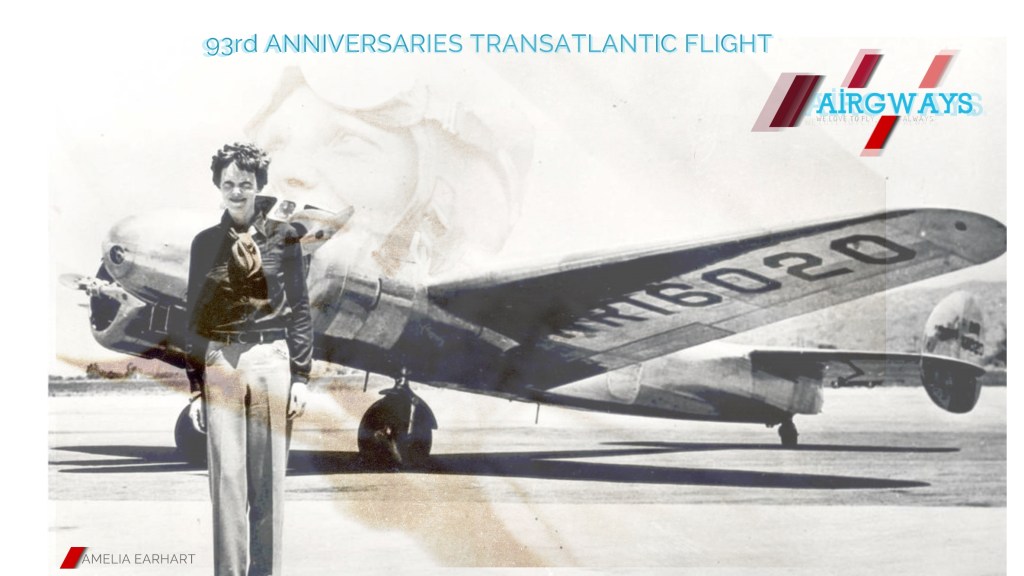

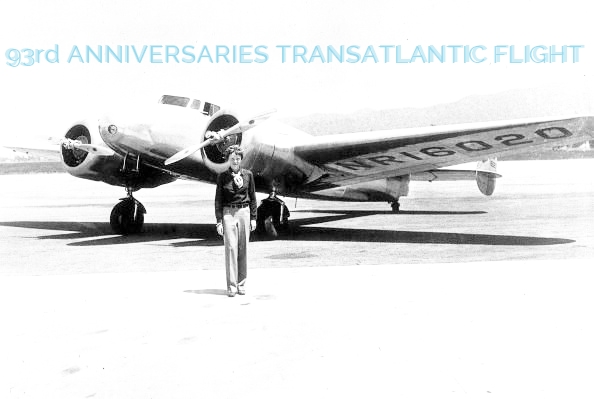


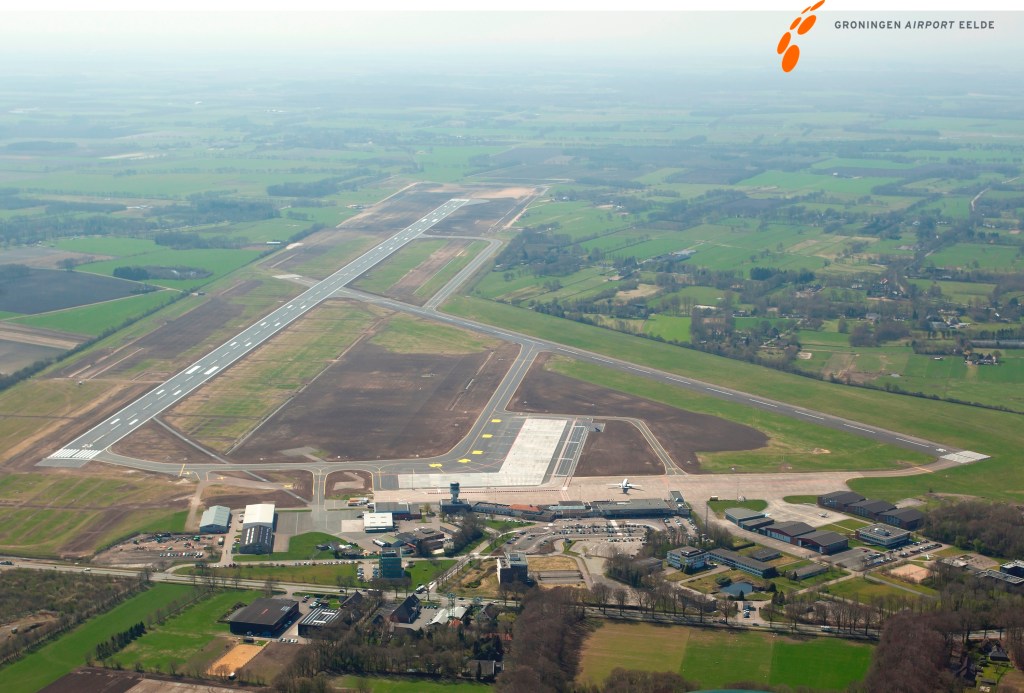



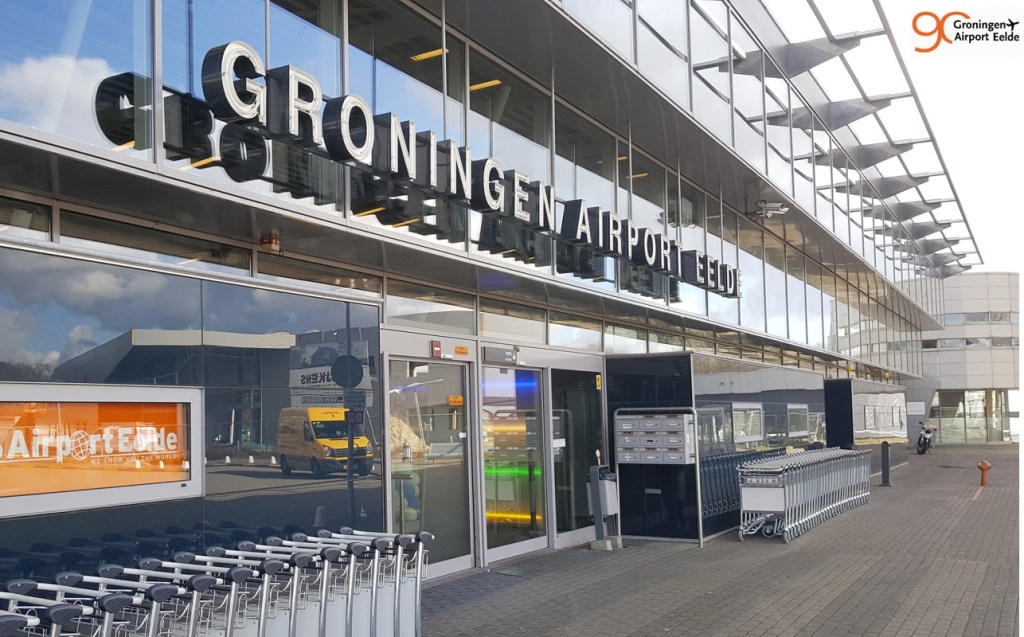


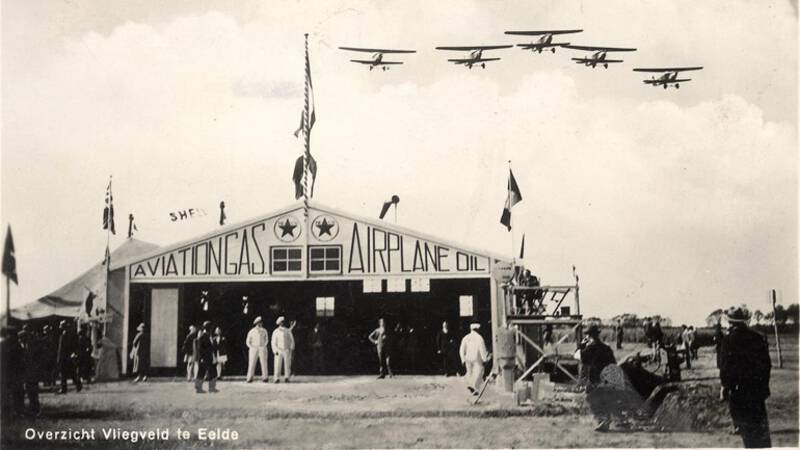
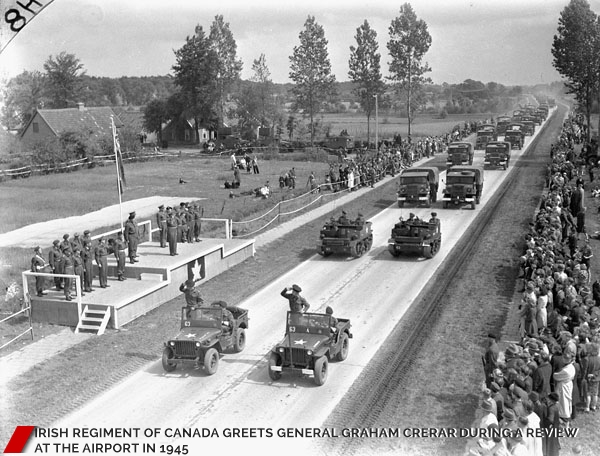
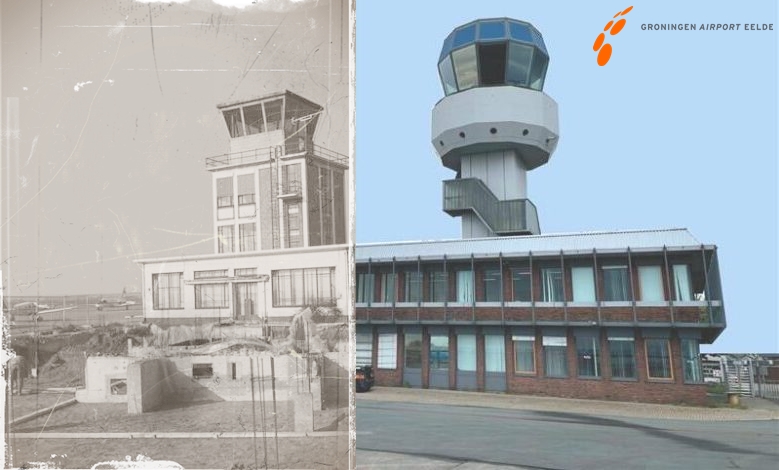
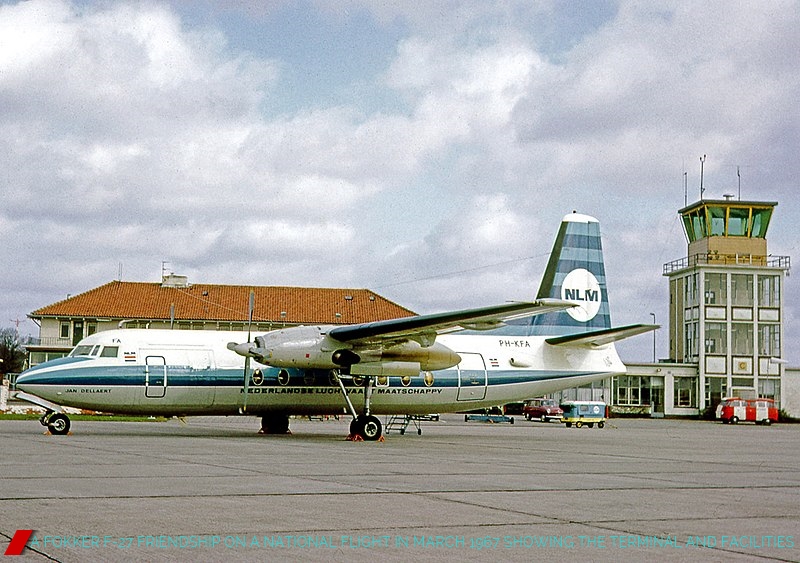


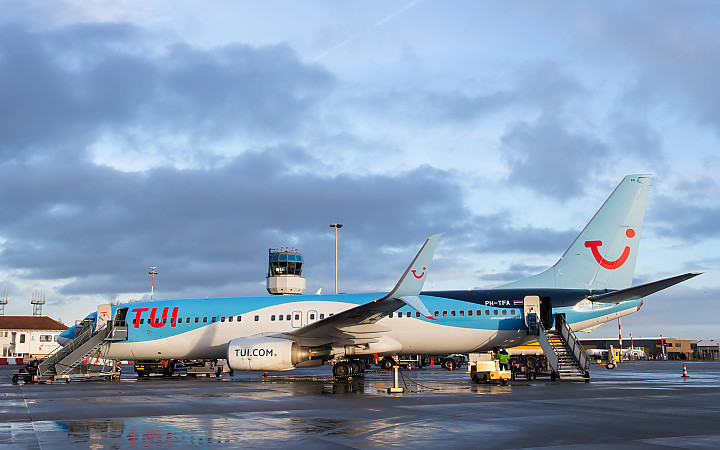
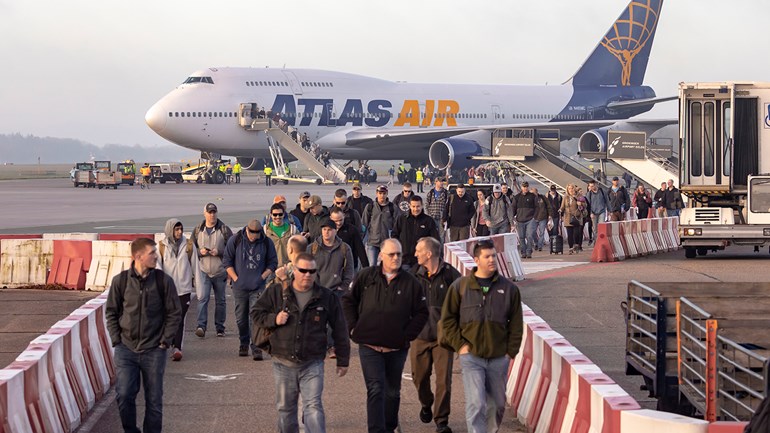
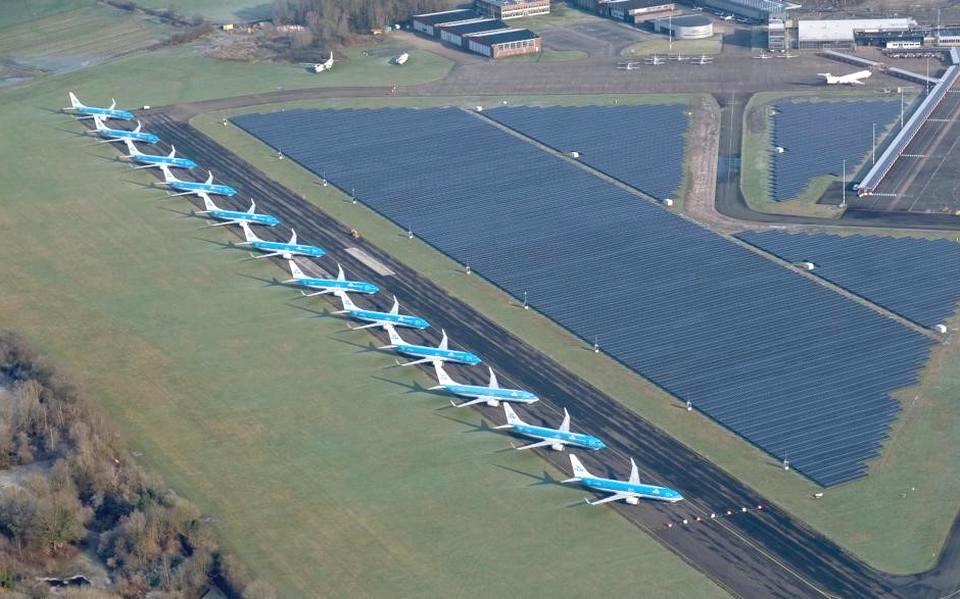

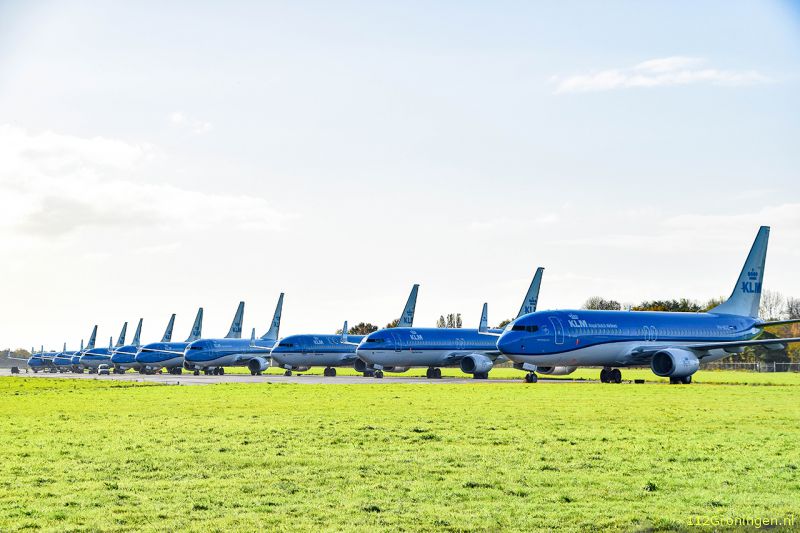


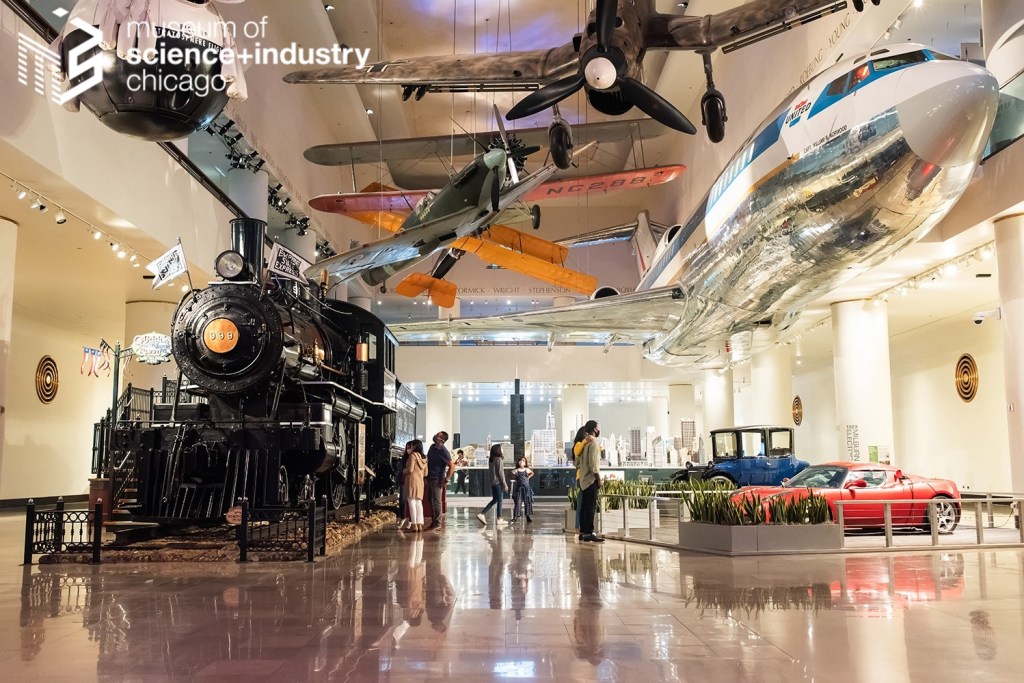

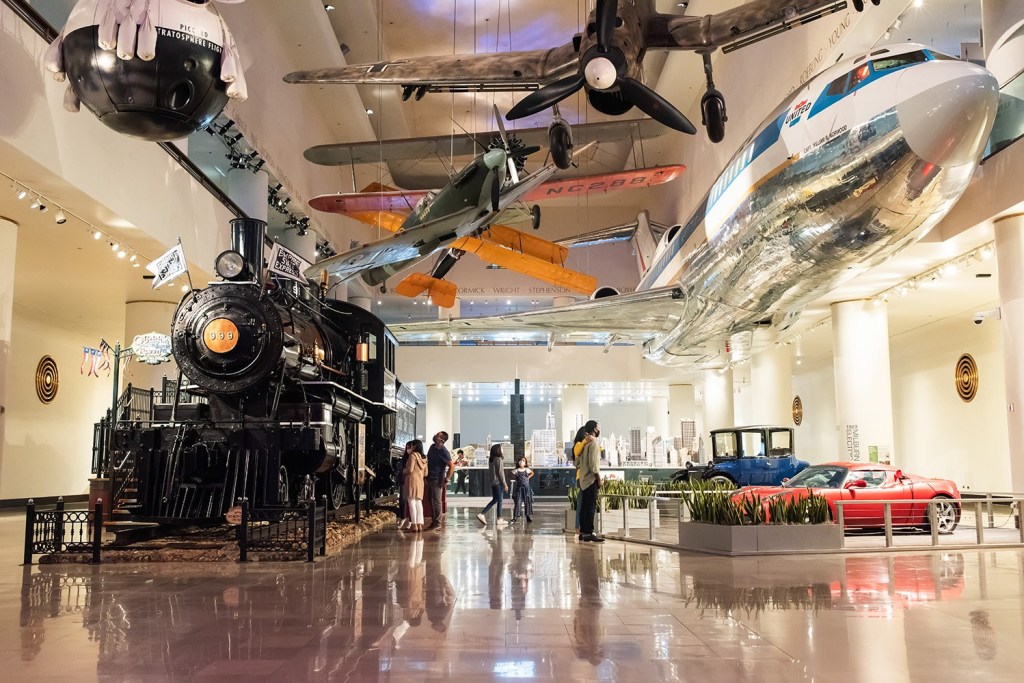

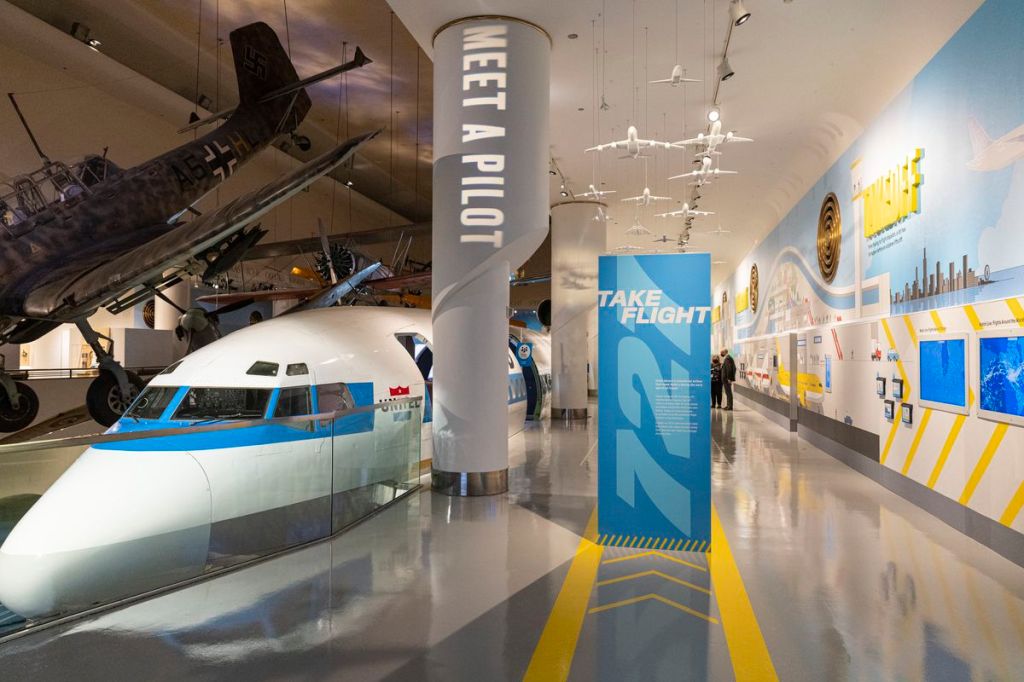


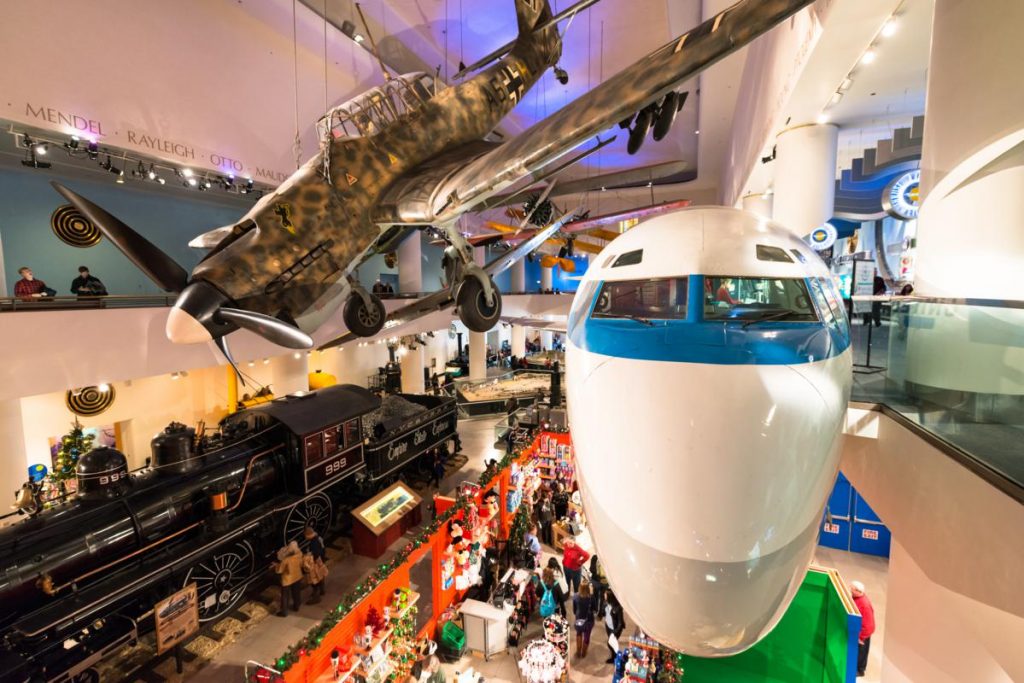
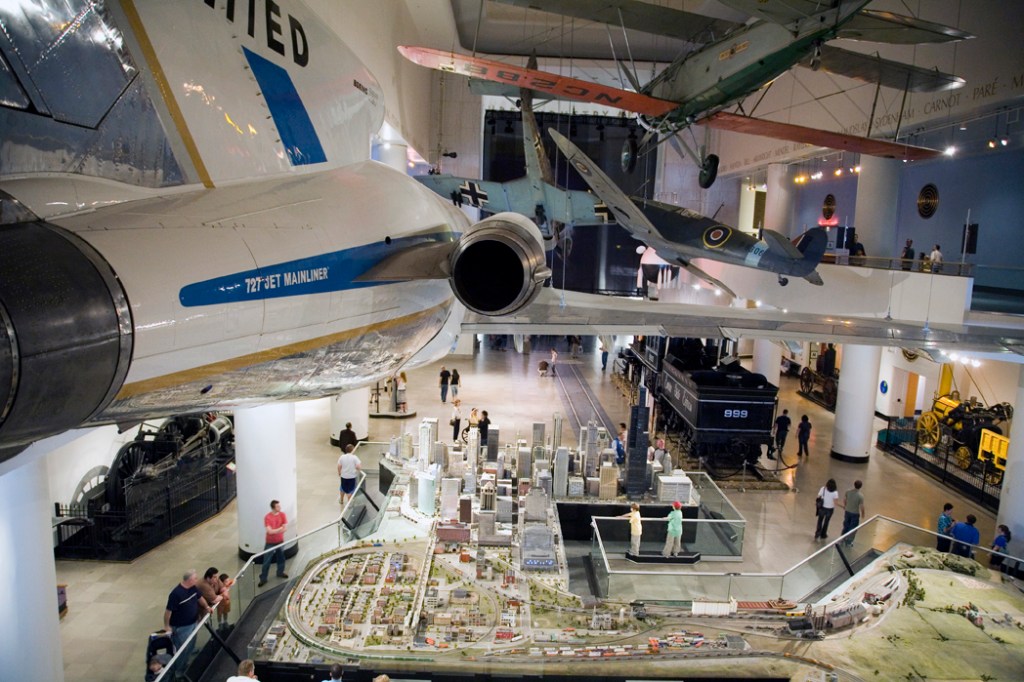
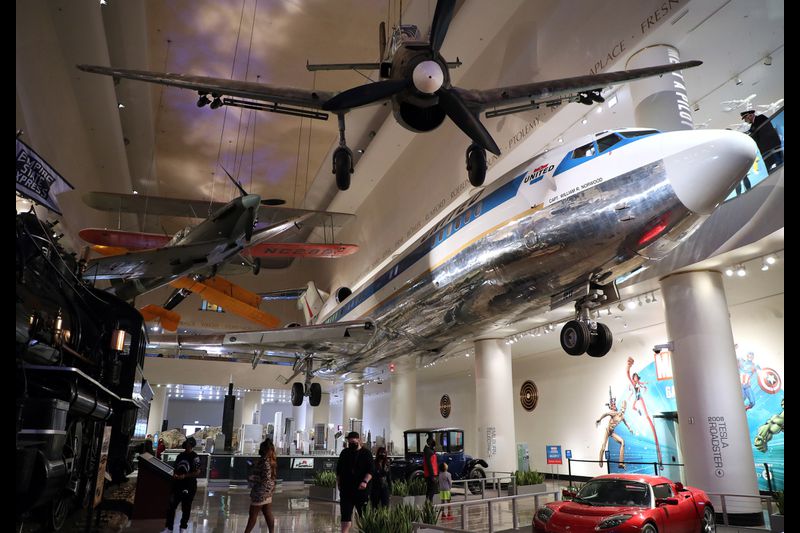
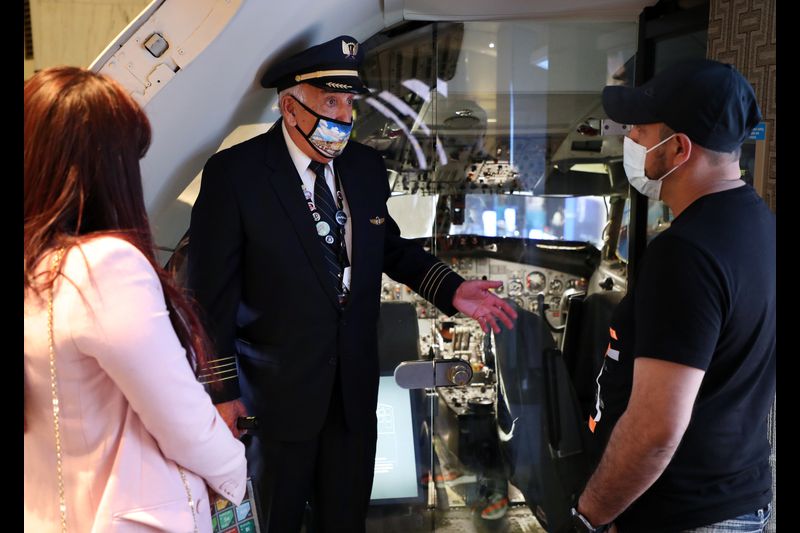
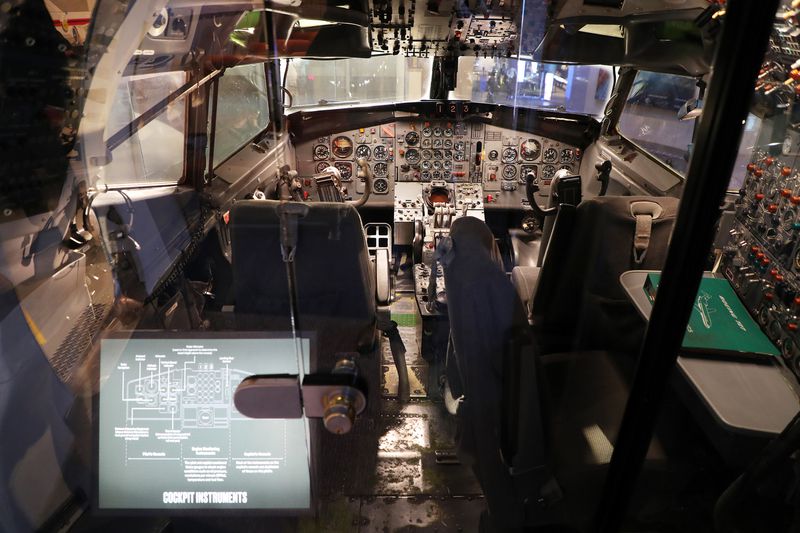
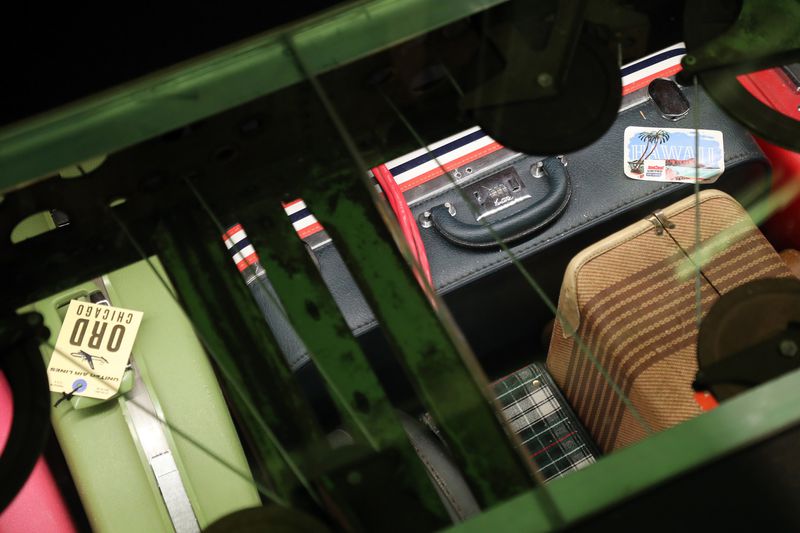
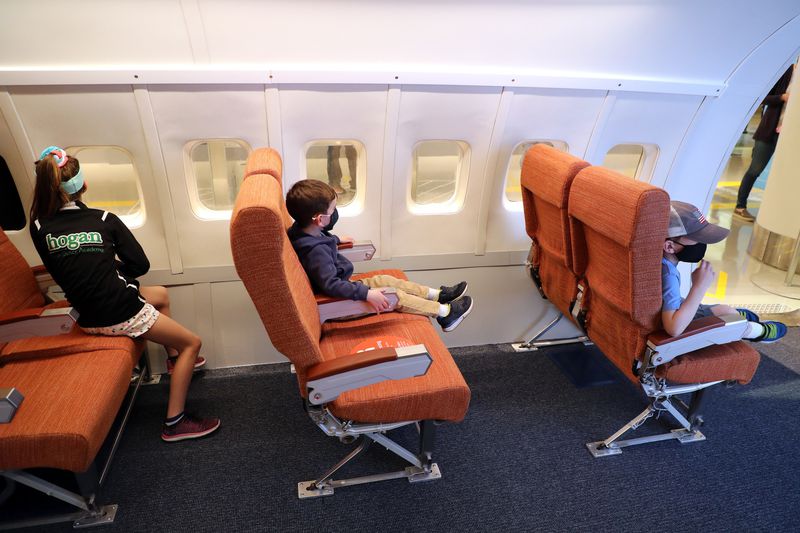
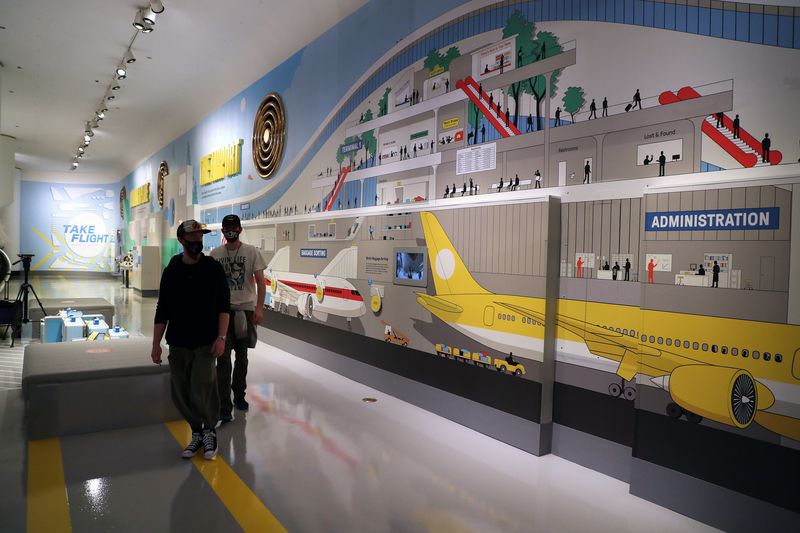
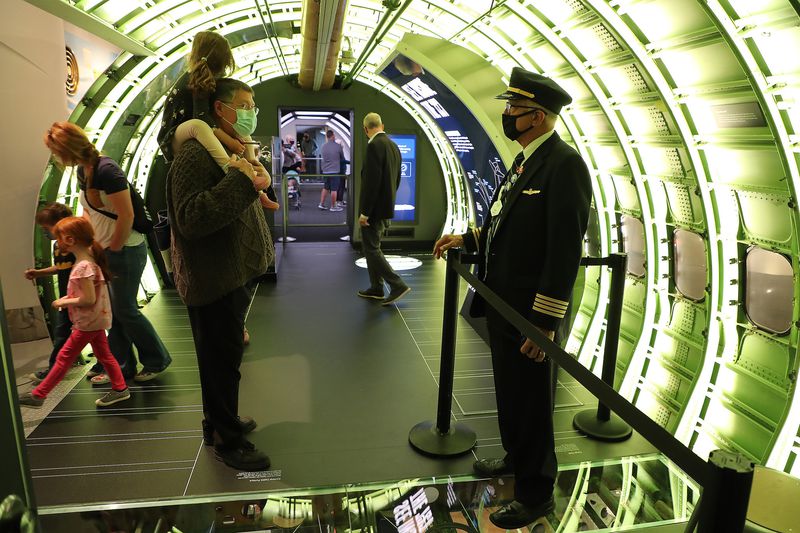
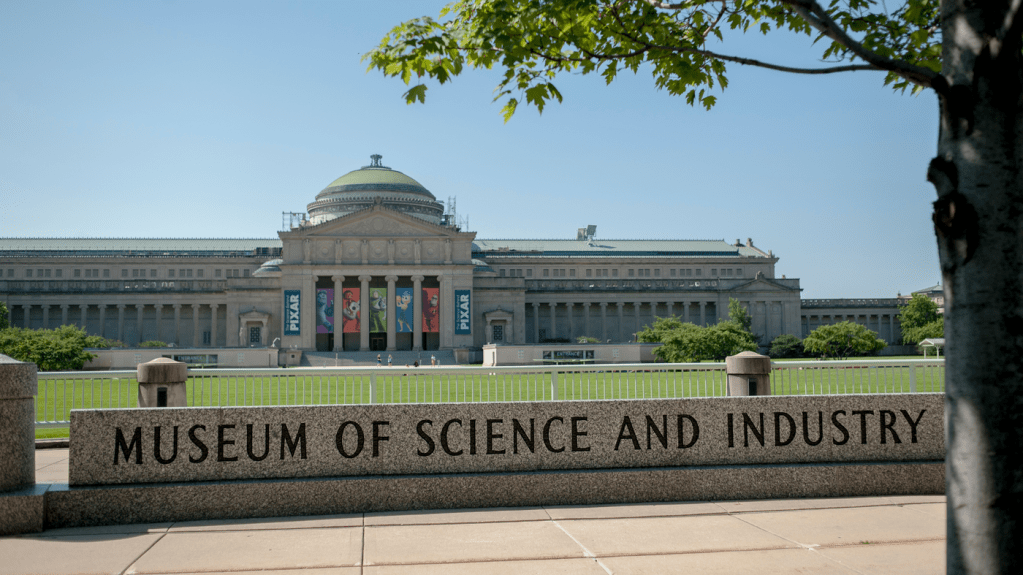

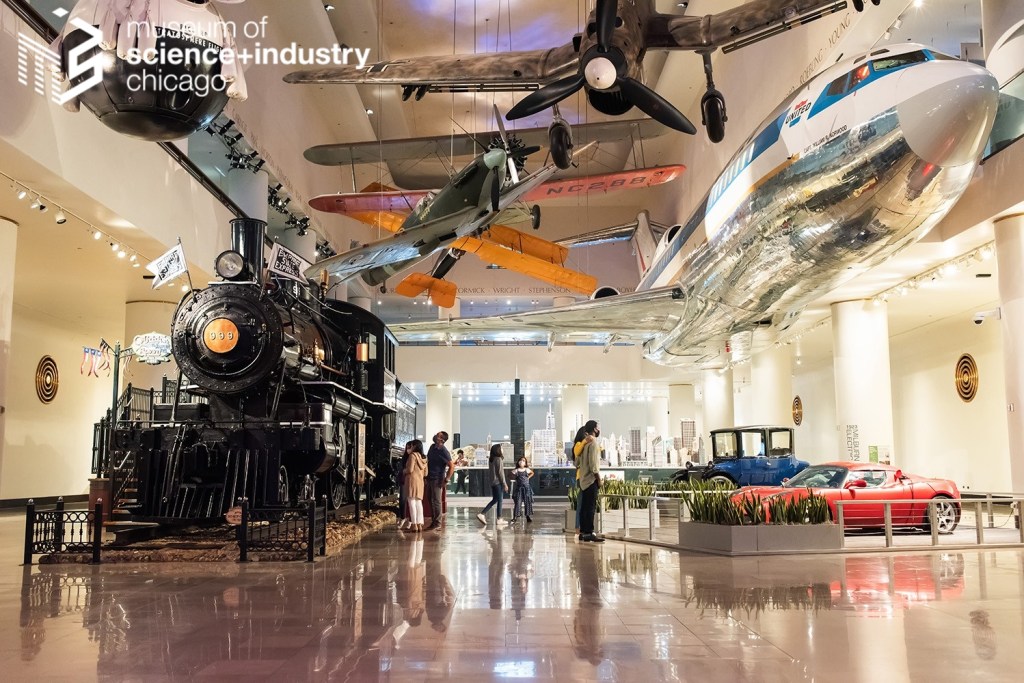









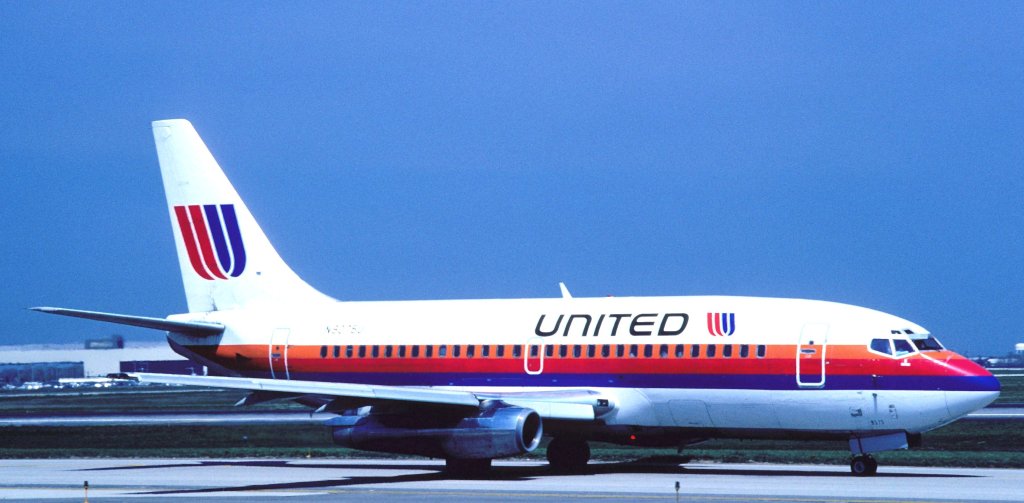


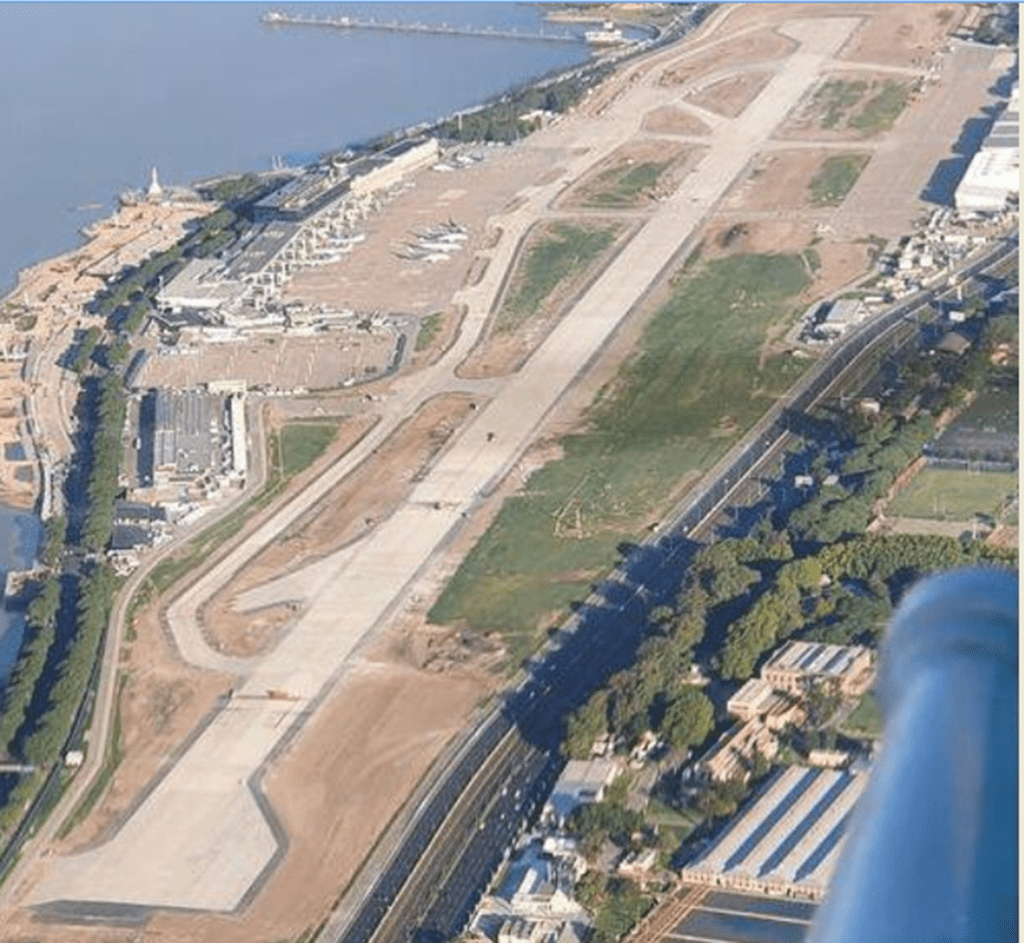


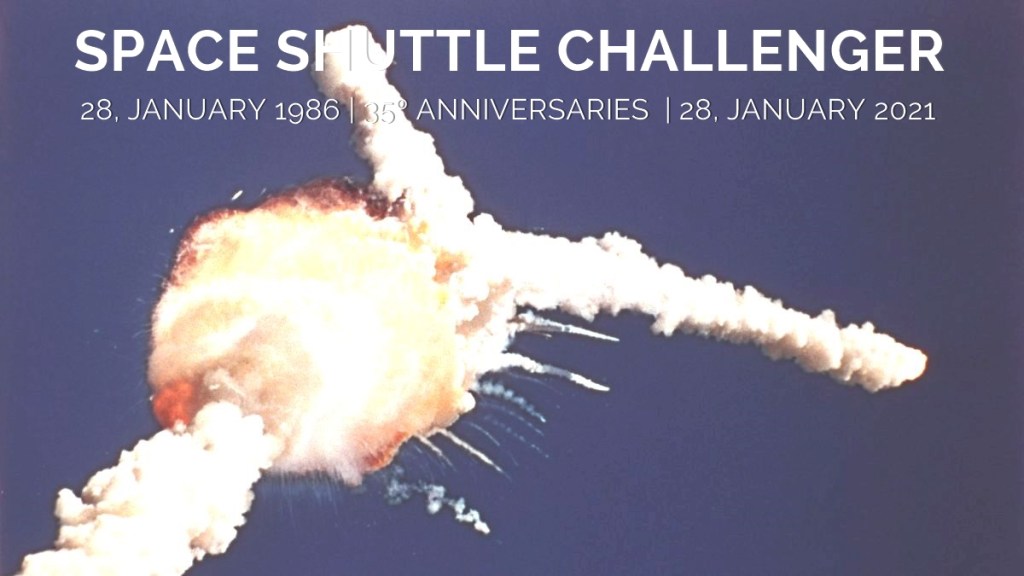



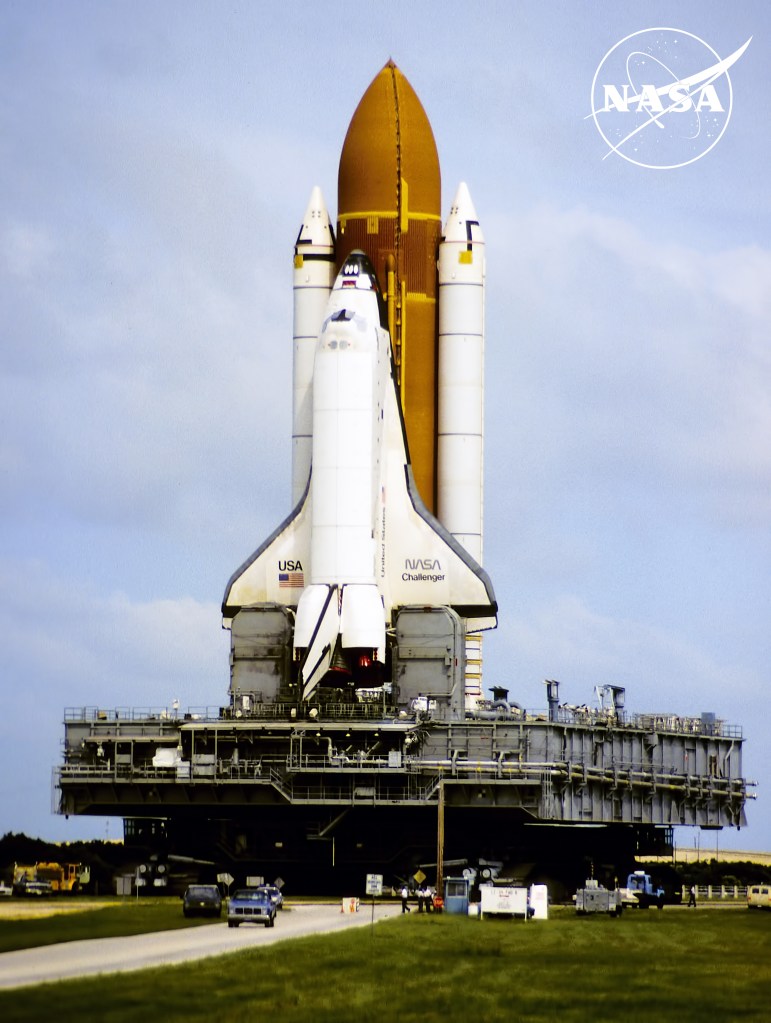

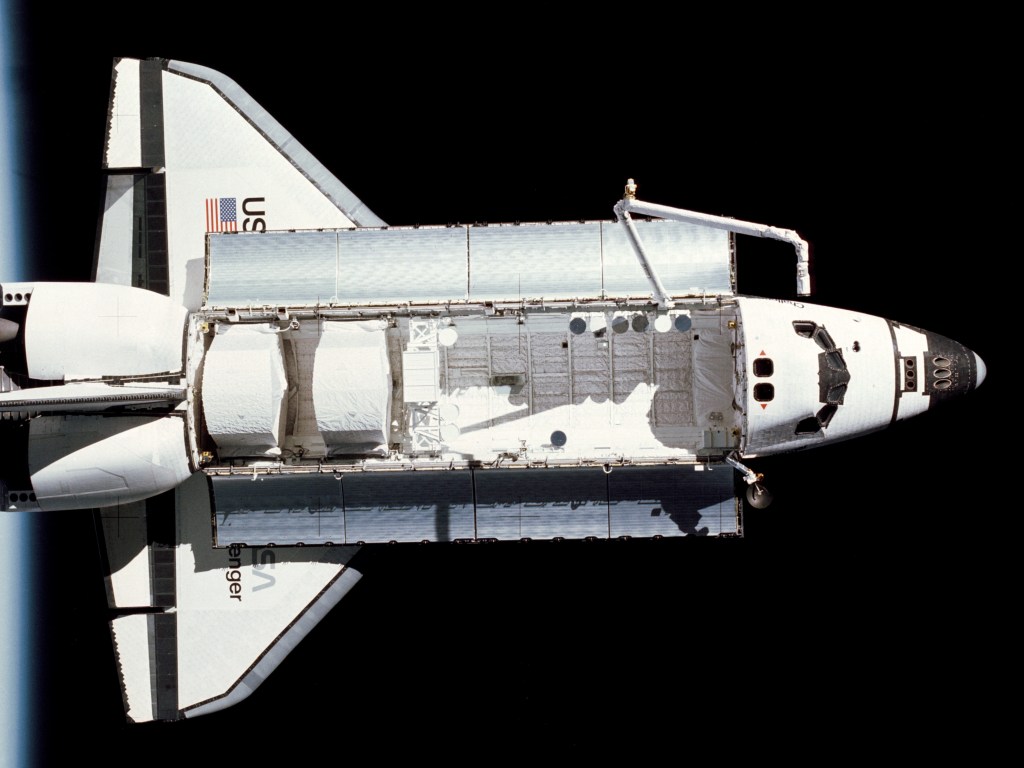

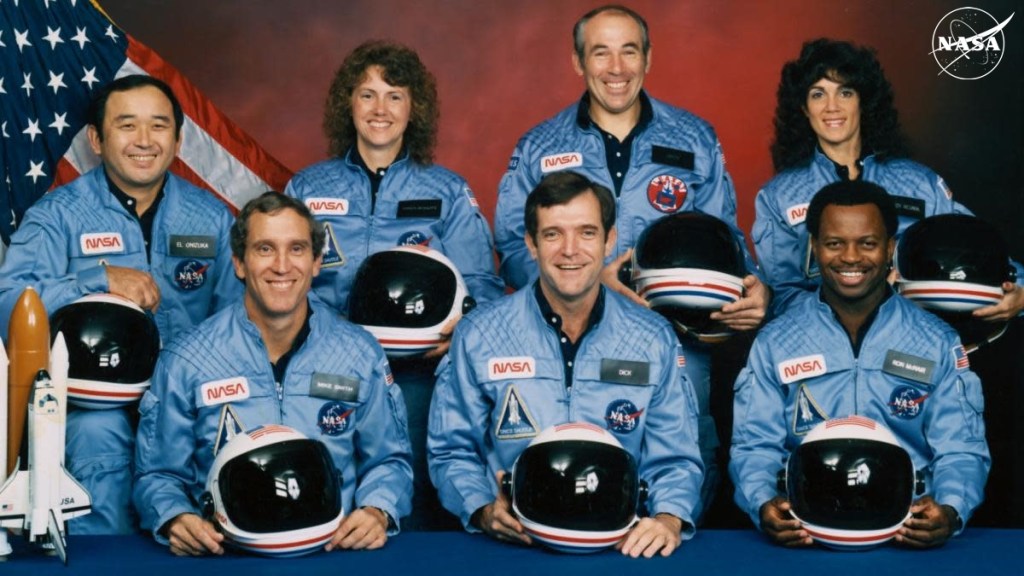
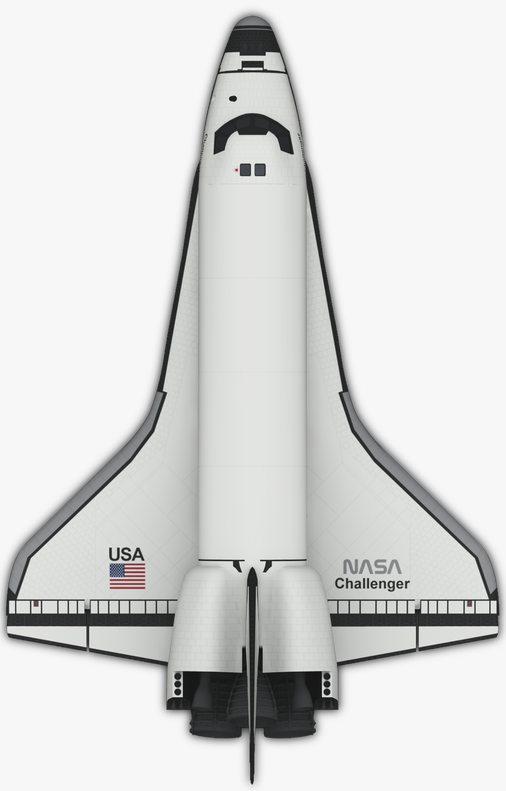



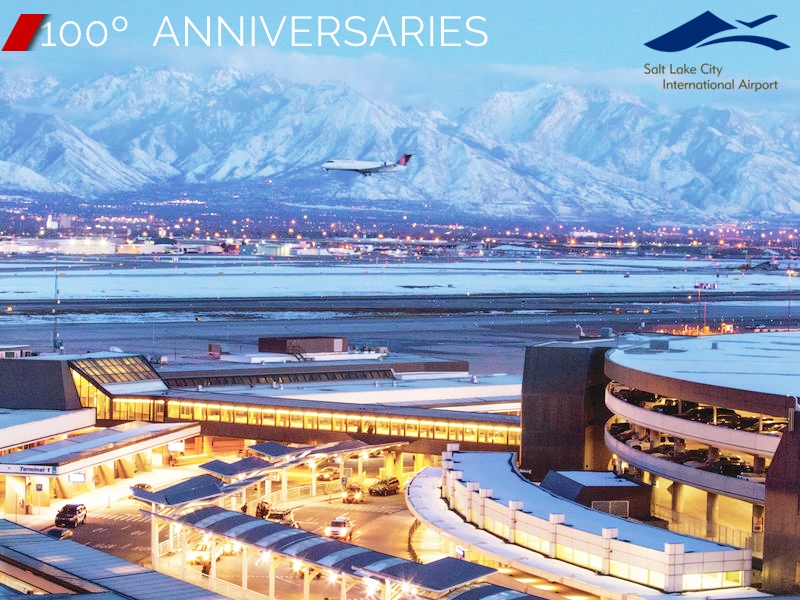


 airgways.com