FAA recomienda aeropuertos sin alcohol
AW | 2021 08 06 15:18 | AVIATION ORGANISMS / AVIATION SAFETY

Estudios FAA sugieren prohibir ventas para disminuir delitos
FAA-Isologotype

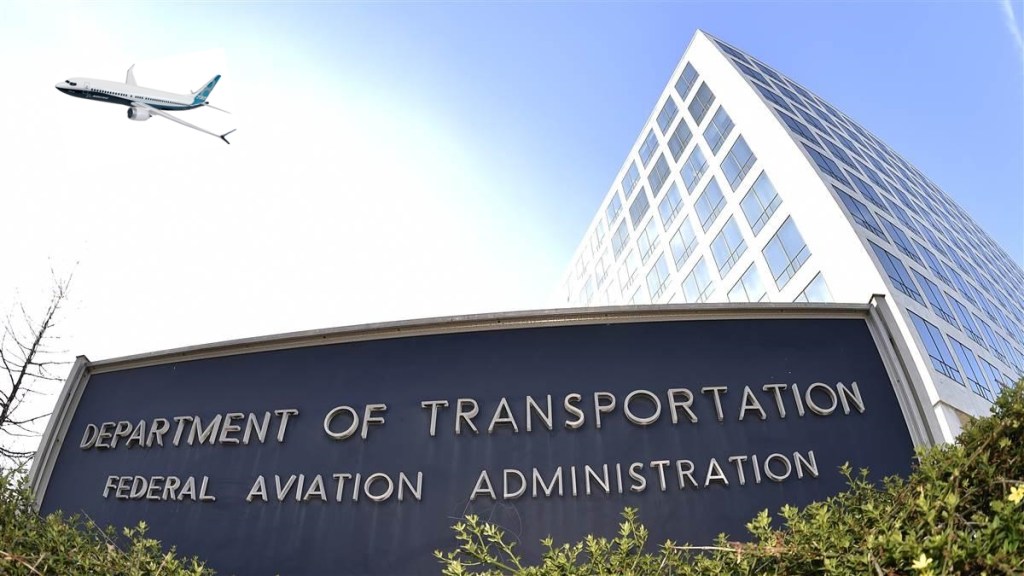
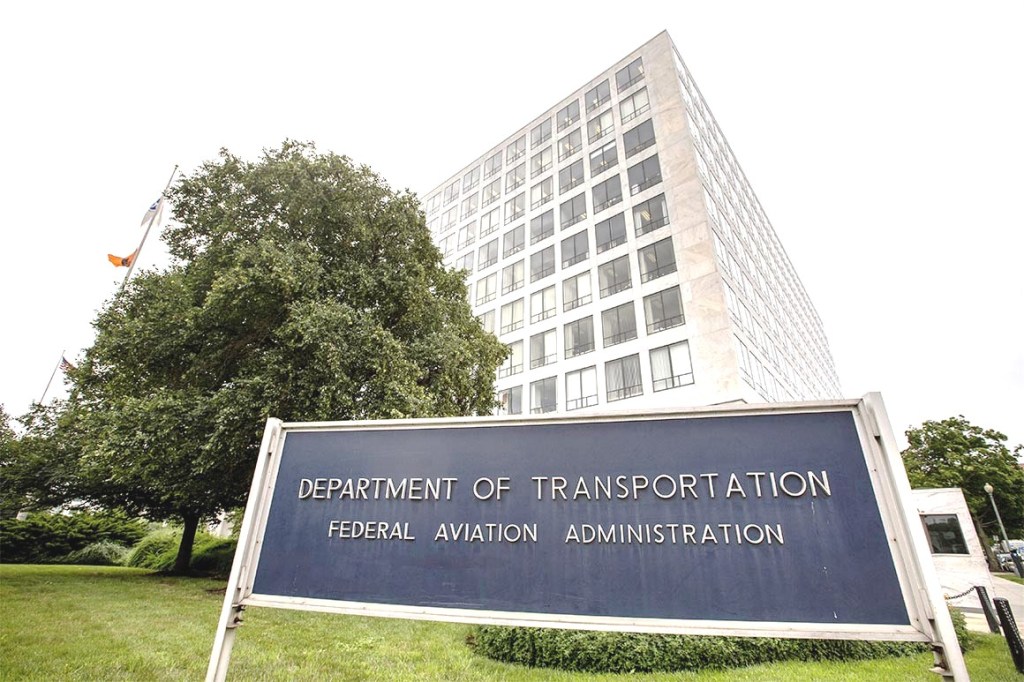
La Administración Federal de Aviación (FAA) ha solicitado como recomendación a todos los aeropuertos que se encuentran en Estados Unidos que dejen de vender bebidas alcohólicas para llevar a bordo y comiencen a monitorear el servicio de estos productos, ante el incremento de pasajeros rebeldes o peligrosos en los vuelos.

Steve Dickson, Administrador de la FAA, envió una carta a los directivos de todos los aeropuertos al argumentar que las investigaciones de la agencia han arrojado que las bebidas alcohólicas contribuyen a un comportamiento peligroso. La Administración prohíbe que los pasajeros consuman en el avión bebidas alcohólicas que no proporcione la aerolínea que vuela en territorio estadounidense. Sin embargo, se ha detectado que en restaurantes, bares y tiendas se ha ofrecido alcohol para llevar y los viajeros lo han consumido en el proceso de abordaje o en las aeronaves.

En Febrero 2021, un pasajero de SkyWest Airlines fue multado con US$ 22.000 Dólares luego de que ignoró las instrucciones de usar mascarillas, no respetar el aviso de uso del cinturón y por beber alcohol no proporcionado por la aerolínea. A medida que ha incrementado el flujo de pasajeros en Estados Unidos tras el confinamiento por la pandemia de Covid-19, también han aumentado los casos de agresiones contra los asistentes de vuelo, rechazo al uso de mascarillas y consumo de alcohol durante los vuelos. Esta semana, pasajeros de un vuelo de Frontier Airlines ataron a un hombre a su asiento con cinta adhesiva luego de que acosó y tocó a dos asistentes de vuelo. Según los reportes, el viajero se encontraba en estado de ebriedad. El Administrador de la FAA exhortó a los aeropuertos a trabajar con los concesionarios para evitar el alcohol para llevar. Entre las sugerencias se encuentra colocar señalizaciones y anuncios, así como educar a los concesionarios.

Los pasajeros con mal comportamiento pueden ser sancionados con multas de hasta US$ 35.000 Dólares, cargos criminales y ser vetados de por vida en algunas aerolíneas. Líneas aéreas como American Airlines y Southwest Airlines han suspendido la venta de bebidas alcohólicas hasta que el cubrebocas deje de ser obligatorio. No obstante, la venta de estos productos para llevar en los aeropuertos se ha convertido en un obstáculo para estas medidas.

FAA recommends alcohol-free airports

FAA studies suggest banning sales to reduce crime

The Federal Aviation Administration (FAA) has requested as a recommendation that all airports in the United States stop selling alcoholic beverages to take on board and begin to monitor the service of these products, given the increase in unruly or dangerous passengers. on flights.

Steve Dickson, Administrator of the FAA, sent a letter to the managers of all airports arguing that the agency’s investigations have found that alcoholic beverages contribute to dangerous behavior. The Administration prohibits passengers from consuming alcoholic beverages on the plane that are not provided by the airline that flies in the United States. However, it has been detected that in restaurants, bars and shops alcohol has been offered to take away and travelers have consumed it in the boarding process or on the aircraft.

In February 2021, a SkyWest Airlines passenger was fined US$ 22,000 after he ignored instructions to wear masks, not respect the seat belt notice and for drinking alcohol not provided by the airline. As the flow of passengers in the United States has increased after the confinement by the Covid-19 pandemic, the cases of attacks against flight attendants, rejection of the use of masks and consumption of alcohol during flights have also increased. This week, passengers on a Frontier Airlines flight tied a man to his seat with duct tape after he harassed and touched two flight attendants. According to reports, the traveler was intoxicated. The FAA Administrator urged airports to work with concessionaires to avoid carry-away alcohol. Suggestions include posting signs and advertisements, as well as educating dealers.

Passengers with bad behavior can be sanctioned with fines of up to US$ 35,000 Dollars, criminal charges and be banned for life in some airlines. Airlines such as American Airlines and Southwest Airlines have suspended the sale of alcoholic beverages until the mask is no longer mandatory. However, the sale of these take-out products at airports has become an obstacle to these measures.

PUBLISHER: Airgways.com
DBk: Faa.gov / Airgways.com
AW-POST: 202108061518AR

A\W   A I R G W A Y S ®
EANA inaugura lactancias aeropuertos

AW | 2021 08 05 11:20 | AIRPORTS / AVIATION ORGANISMS

EANA inauguró nuevos espacios lactancia en Goya y Río Gallegos

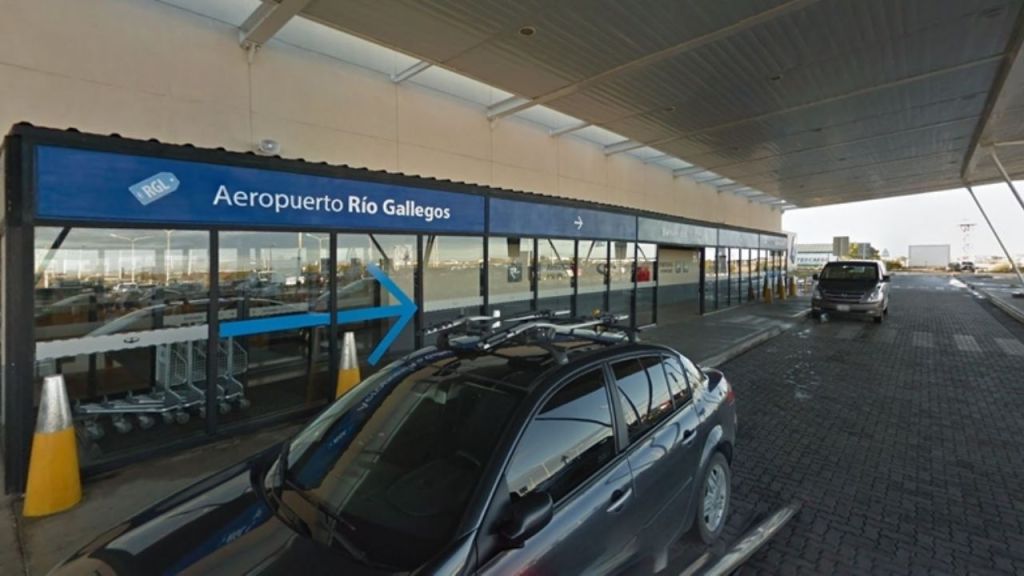
En el marco de la Semana Mundial de la Lactancia Materna, la Empresa Argentina de Navegación Aérea Sociedad del Estado (EANA), del Ministerio de Transporte de la República Argentina, inauguró dos nuevos espacios de lactancia para sus trabajadoras del Aeródromo de Goya (Corrientes) y del Aeropuerto de Río Gallegos (Santa Cruz). La inauguración de las instalaciones se realizó en forma virtual y simultánea. Estuvo a cargo de Gabriela Logatto, Presidenta y Gerenta General de EANA, y Diego Segovia, Jefe de Gabinete. Acompañaron el acto, representantes de las gerencias de Operaciones, Seguridad Operacional e Igualdad de Oportunidades y Género, así como Florencia Esperón, Directora de Políticas de Género del Ministerio de Transporte, y representantes de los aeropuertos, jefaturas y trabajadoras de los servicios de navegación aérea.

En alusión a la importancia del acontecimiento, Gabriela Logatto destacó que “estas inauguraciones para nosotros son una política institucional que hemos tomado desde el primer día. Significa darle más derechos a las trabajadoras y trabajadores, y los espacios de lactancia tienen que ver con eso. Espacios que sean confortables, que sean dignos, que tengan privacidad, donde las trabajadoras puedan sentirse cómodas. Por eso es tan importante que en cada aeropuerto en donde EANA esté presente existan espacios de lactancia, ya sean propios o compartidos con otras instituciones”.

Por su parte, Florencia Esperón manifestó que “estos espacios se suman a más de 20 espacios de lactancia que hemos inaugurado desde el inicio de nuestra gestión. Cuando hay decisión, hay derechos y eso es lo que venimos a hacer, a ampliar derechos e igualdad de oportunidades para todas y todos. A dejar de hacernos los sordos cuando escuchamos que una persona lactante tiene dificultades para sostener, con la comodidad e higiene que necesita, su decisión de amamantar en su lugar de trabajo. Realmente, estas conquistas de derechos no dejan de emocionar”.

Las trabajadoras de EANA que actualmente estén en período de lactancia cuentan ahora con sitios optimizados para su extracción de leche materna durante su jornada de trabajo en condiciones higiénicas y dignas, que les garantizan tranquilidad, intimidad y cuidado. El espacio de Goya se encuentra en el segundo piso de la torre de control, mientras que el de Río Gallegos se halla en la planta baja de la torre de control respectiva. Estos espacios expresan su derecho a amamantar y forman parte de las medidas establecidas en materia de conciliación en el Plan de Igualdad EANA 2030, que prevé contar con comodidades similares en todos los aeropuertos del país. EANA sigue trabajando en pos de asegurar que allí donde una de sus trabajadoras se encuentre en período de lactancia exista un espacio digno que acompañe su decisión y garantice su derecho.

EANA opens more airport breastfeeding spaces

EANA inaugurated new lactation spaces in Goya and Río Gallegos

Within the framework of World Breastfeeding Week, the Argentine Air Navigation Company Sociedad del Estado (EANA), of the Ministry of Transport of the Argentine Republic, inaugurated two new breastfeeding spaces for its workers at the Goya Aerodrome (Corrientes) and the Río Gallegos Airport (Santa Cruz). The inauguration of the facilities took place virtually and simultaneously. It was led by Gabriela Logatto, President and General Manager of EANA, and Diego Segovia, Chief of Cabinet. The event was accompanied by representatives of the Operations, Operational Safety and Equal Opportunities and Gender managements, as well as Florencia Esperón, Director of Gender Policies of the Ministry of Transport, and representatives of the airports, headquarters and workers of the air navigation services .

Alluding to the importance of the event, Gabriela Logatto stressed that “these inaugurations for us are an institutional policy that we have taken from day one. It means giving workers more rights, and breastfeeding spaces have to do with that. Spaces that are comfortable, that are dignified, that have privacy, where the workers can feel comfortable. That is why it is so important that in each airport where EANA is present there are breastfeeding spaces, whether they are their own or shared with other institutions”.

For her part, Florencia Esperón stated that “these spaces are added to more than 20 breastfeeding spaces that we have inaugurated since the beginning of our administration. When there is a decision, there are rights and that is what we come to do, to expand rights and equal opportunities for all. To stop playing deaf when we hear that a nursing person is having difficulty sustaining, with the comfort and hygiene that he needs, his decision to breastfeed in her workplace. Really, these conquests of rights do not stop moving”.

EANA workers who are currently breastfeeding now have optimized sites for expressing breast milk during their workday in hygienic and dignified conditions, which guarantee them peace of mind, privacy and care. Goya’s space is located on the second floor of the control tower, while that of Río Gallegos is located on the ground floor of the respective control tower. These spaces express their right to breastfeed and are part of the conciliation measures established in the EANA 2030 Equality Plan, which provides for similar facilities at all airports in the country. EANA continues to work towards ensuring that wherever one of its workers is breastfeeding, there is a dignified space that accompanies her decision and guarantees her right.

PUBLISHER: Airgways.com
DBk: Eana.com.ar / Airgways.com
AW-POST: 202108051120AR

A\W   A I R G W A Y S ®

FAA emite AD para línea 737NG/MAX

AW | 2021 08 06 10:28 | AVIATION SAFETY / AVIATION ORGANISMS

FAA emite directiva sobre posible problema extinción incendios

FAA-Isologotype

La Administración Federal de Aviación (FAA) emitió el Jueves 05/08 una nueva Directiva de Aeronavegabilidad (AD) relativa a la seguridad para los aviones Boeing 737NG (Next Generation) y Boeing 737 MAX para abordar un posible problema con la reducción de las capacidades de extinción de incendios. La normativa de la FAA regulada en las 14 CFR Part 39 establece su Docket No. FAA-2019-0480; Product Identifier 2019-NM-041-AD; Amendment 39-21498; AD 2021-08-04.

La FAA dijo que los aviones pueden tener un control de flujo electrónico fallido de los paquetes de aire acondicionado que ventilan el aire en la bodega de carga desde otras áreas del avión. La directiva prohíbe a los operadores transportar carga en la bodega de carga si los aviones están operando con esta condición a menos que puedan verificar que los artículos no son inflamables y no son incombustibles. La FAA dijo que la directiva cubre todos los aviones Boeing 737-8, 737-9 y 737-8 200 MAX, algunos aviones de las series 737-800 y 737-900ER Next Generation, entre otras aeronaves más antiguas.

Boeing no hizo comentarios de inmediato. La Directiva de Aeronavegabilidad afecta a 663 aviones registrados en los Estados Unidos y aproximadamente 2.204 en todo el mundo. Los operadores deben cumplir con esta directiva a partir de los 10 días posteriores a la fecha de publicación.

FAA issues AD for 737NG/MAX line

FAA issues directive on possible firefighting problem

The Federal Aviation Administration (FAA) issued on Thursday 05/08 a new Airworthiness Directive (AD) relating to safety for Boeing 737NG (Next Generation) and Boeing 737 MAX aircraft to address a possible problem with reduced capacities. fire fighting. The FAA regulations regulated in 14 CFR Part 39 establish its Docket No. FAA-2019-0480; Product Identifier 2019-NM-041-AD; Amendment 39-21498; AD 2021-08-04.

The FAA said planes may have failed electronic flow control of the air conditioning packages that ventilate the air in the cargo hold from other areas of the plane. The directive prohibits operators from transporting cargo in the cargo hold if aircraft are operating in this condition unless they can verify that the items are non-flammable and non-combustible. The FAA said the directive covers all Boeing 737-8, 737-9 and 737-8 200 MAX aircraft, some 737-800 and 737-900ER Next Generation series aircraft, among other older aircraft.

Boeing had no immediate comment. The Airworthiness Directive affects 663 registered aircraft in the United States and approximately 2,204 worldwide. Operators must comply with this directive beginning 10 days after the publication date.

FAA / AD 2021-08-04

PUBLISHER: Airgways.com
DBk: Faa.gov / Boeing.com / Airgways.com
AW-POST: 202108061028AR

A\W   A I R G W A Y S ®

Global Crossing Airlines recibe AOC

AW | 2021 08 04 17:48 | AIRLINES / AVIATION ORGANISMS

Startup estadounidense iniciará operaciones

AW-GlobalX Airlines_Isologotype

Global Crossing Airlines (GlobalX), ha anunciado próximo inicio de operaciones aerocomerciales en Estados Unidos, convirtiéndose en otra nueva startup americana post-pandemia. La nueva compañía aérea ha recibido su Certificado de Operador Aéreo (AOC) de la Administración Federal de Aviación (FAA).

Un comunicado de la línea aérea este 4 de Agosto de 2021 expresa la complacencia en anunciar que ha recibido su AOC que lo autoriza como una aerolínea comercial PART 121 y suplementaria. Las aerolíneas con autorizaciones FAR 121 Flag Operation para realizar operaciones aerocomerciales regulares de transporte aéreo de más de nueve pasajeros transportados. Seguidamente, continúa con las autorizaciones pendientes por parte del Departamento de Transporte de los Estados Unidos (DOT).

GlobalX se convertirá en la aerolínea más nueva de los Estados Unidos. GlobalX planea comenzar operaciones con aeronaves Airbus A320-200CEO (1) configurado para 180 pasajeros en una sola clase Economy y A321-200CEO (1) con 183 asientos configurado en tres clases. como parte del inicio de sus operaciones aéreas domésticas. Ambas aeronaves se encuentran bajo régimen de alquiler. El Airbus A320-200 es propiedad de la compañía de arrendamiento de aeronaves más grande de Oriente Medio, Dubai Aerospace Enterprise (DAE Capital). El Airbus A321-200 es propiedad de Magnetic Leasing, con sede en Tallin, Estonia, una subsidiaria de Guangzhou Hangxin Aviation Technology.

Base Operaciones

La nueva startup iniciará operaciones en dos hub, en el Aeropuerto Internacional de Miami (MIA) y el Aeropuerto Internacional de Atlantic City (ACY). GlobalX se ha focalizado en atraer clientes para los negocios de los casinos de Atlantic City y las operaciones desde Miami para recibir tráfico de las líneas de cruceros del sur de la Florida. Además, la aerolínea apunta a un mercado disponible para transportar personas a destinos importantes de cadenas hoteleras y resorts, grupos de incentivos y vuelos de logística. Adicionalmente, GlobalX Crossing Airlines ha señalado la intención de agregar dos aeronaves Airbus A320 hacia el 4Q2021.

Global Crossing Airlines receives AOC

American startup will start operations

Global Crossing Airlines (GlobalX), has announced the upcoming start of commercial air operations in the United States, becoming another new post-pandemic American startup. The new airline has received its Air Operator Certificate (AOC) from the Federal Aviation Administration (FAA).

A statement from the airline on August 4, 2021 expresses its pleasure in announcing that it has received its AOC that authorizes it as a PART 121 commercial airline and supplementary. Airlines with FAR 121 Flag Operation authorizations to carry out regular commercial air operations of more than nine passengers transported. Next, it continues with the pending autoirizations by the United States Department of Transportation (DOT).

GlobalX will become the newest airline in the United States. GlobalX plans to begin operations with Airbus A320-200CEO (1) aircraft configured for 180 passengers in a single Economy class and A321-200CEO (1) with 183 seats configured in three classes. as part of the start of its domestic air operations. Both aircraft are under lease. The Airbus A320-200 is owned by the largest aircraft leasing company in the Middle East, Dubai Aerospace Enterprise (DAE Capital). The Airbus A321-200 is owned by Tallinn, Estonia-based Magnetic Leasing, a subsidiary of Guangzhou Hangxin Aviation Technology.

Operations Base

The new startup will begin operations in two hubs, at Miami International Airport (MIA) and Atlantic City International Airport (ACY). GlobalX has focused on attracting customers for the Atlantic City casino businesses and operations from Miami to receive traffic from the South Florida cruise lines. In addition, the airline is targeting an available market to transport people to major destinations for hotel chains and resorts, incentive groups and logistics flights. Additionally, GlobalX Crossing Airlines has indicated the intention to add two Airbus A320 aircraft by 4Q2021.

PUBLISHER: Airgways.com
DBk: Globalairlinesgroup.com / Faa.gov / Airgways.com
AW-POST: 202108041748AR

A\W   A I R G W A Y S ®
2020 peor año histórico aviación

AW | 2021 08 04 11:07 | AVIATION / AVIATION ORGANISMS

IATA confirma 2020 peor año industria aerocomercial

La International Air Transport Asociation (IATA), el organismo de aviación que nuclea a muchas aerolíneas a nivel mundial ha expresado que el 2020 ha representado el peor año en la historia de la aviación comercial mundial. “El 2020 fue el peor año registrado y que a todos nos gustaría olvidar. Pero el análisis de las estadísticas de rendimiento revela una asombrosa historia de perseverancia. En lo más profundo de la crisis en abril de 2020, el 66% de la flota de transporte aéreo comercial del mundo quedó en tierra cuando los gobiernos cerraron fronteras o impusieron cuarentenas estrictas. Desaparecieron un millón de puestos de trabajo. Y las pérdidas de la industria durante el año totalizaron 126.000 millones de dólares. Muchos gobiernos reconocieron las contribuciones críticas de la aviación y brindaron salvavidas financieros y otras formas de apoyo. Pero fueron las rápidas acciones de las aerolíneas y el compromiso de nuestra gente lo que hizo que la industria de las aerolíneas atravesara el año más difícil de su historia”, ha expresado Willie Walsh, Director General de IATA.

IATA_Logo.svg

Las compañías aéreas transportaron a través del mundo un total de 1.800 millones de pasajeros en servicios regulares, lo que representa una disminución del 60,2% con respecto al año 2019. De promedio, hubo una pérdida de US$ 71,7 Dólares por pasajero en 2020, correspondiente a pérdidas netas de US$ 126.400 millones de Dólares totales. La capacidad global de las aerolíneas se desplomó en un 56,7% ASK, siendo la capacidad internacional la más afectada con una reducción del 68,3%. El factor de carga de pasajeros en todo el sistema se redujo al 65,1% en 2020, en comparación con el 82,5% del año anterior 2019. La región de Oriente Medio sufrió la mayor proporción de pérdidas por tráfico de pasajeros con una caída del 71,5% en RPK en comparación con 2019, seguida de Europa (-69,7%) y la región de África (-68,5%). China se convirtió en el mercado interno más grande en 2020 por primera vez registrada, ya que los viajes aéreos se recuperaron más rápido en su mercado interno tras sus esfuerzos por controlar los rebrotes del Coronavirus.

Déficit pilotos

La escasez de pilotos comerciales es un problema con el que el sector de la aviación lleva años lidiando y, según un estudio de la consultora estratégica Oliver Wyman, para el año 2025 existirá un déficit en este grupo profesional de entre 34.000 y 50.000 personas. En una encuesta a los líderes de operaciones de vuelo de varias aerolíneas de todo el mundo hace dos años, el 62% ya consideraba la escasez de pilotos cualificados como un riesgo clave para el funcionamiento del sector, que se enfrenta ahora a una delicada situación de cara a su crecimiento futuro.

La escasez de pilotos es un problema que atañe a todas las regiones del planeta, mientras que algunas lo atraviesan un problema mayor. En Estados Unidos, por ejemplo, se encuentra en una delicada situación de desequilibrio entre la oferta y la demanda de pilotos debido en gran medida al envejecimiento, jubilaciones anticipadas y jubilaciones corrientes de un sector importante de ese sector de la aviación comercial. Otro factor es la entrada que supone el coste de la capacitación. De este modo, el país se enfrentará a un déficit de 12.000 pilotos en 2023, agrupando el 13% del total de la demanda sin cubrir de todo el mundo. En Asia-Pacífico, otra de las regiones castigadas por la escasez, hará frente a un déficit de 23.000 pilotos para finales de la década. En China, la escasez de pilotos se debe esencialmente al rápido aumento de la demanda de viajes aéreos impulsada por una creciente clase media, que sitúa al sector ante la obligación de una rapidísima ampliación de capacidades. En Oriente Medio se suma a las áreas con una escasez más acuciante, mientras que Europa, África y Latinoamérica mantienen un mayor equilibrio entre oferta y demanda.

El impacto de la crisis sanitaria mundial ha dado lugar a una disminución de la actividad social, económica y comercial generado por la pandemia con un descenso en picado del número de vuelos operados y, en consecuencia, de la demanda de pilotos comerciales. Aún así, a pesar de lasa nuevas variantes del virus que continúan en diferentes lugares del mundo, la aviación comercial continúa mostrando signos de recuperación, estimando una recomposición total del número de pasajeros hacia el 2022 al 2024, mientras que la demanda de pilotos vendrá marcada por la activación de aeronaves en el mercado, que ha recuperado el 76% de los niveles previos al Covid-19, alcanzando el 99% en China.

La actual crisis sanitaria mundial ha provocado que muchas aerolíneas tengan dificultades respecto a los programas de formación de nuevos pilotos, mientras que atraviesan dificultades financieras que intentan restructurar para sobrevivir. Se estima que muchos de los pilotos despedidos durante la pandemia estarían retornando a sus puestos; entre 25.000 y 35.000 pilotos actuales y futuros podrían quedar afuera por retiros u otros motivos. Pero la velocidad con la que las aerolíneas puedan recuperar sus operaciones dependerá de la agilidad con la que consigan recuperar y consolidar sus filas de pilotos.

2020 worst historical year commercial aviation

IATA confirms 2020 worst year for the commercial airline industry

The International Air Transport Asociation (IATA), the aviation body that brings together many airlines worldwide has stated that 2020 has represented the worst year in the history of global commercial aviation. “2020 was the worst year on record and one that we would all like to forget. But analysis of the performance statistics reveals an astonishing story of perseverance. In the depths of the crisis in April 2020, 66% of the world’s commercial air transport fleet was grounded when governments closed borders or imposed strict quarantines. One million jobs disappeared. And the industry’s losses for the year totaled US$ 126 billion. Many governments recognized the critical contributions of aviation and provided financial lifesavers and other forms of support. But it was the swift actions of the airlines and the commitment of our people that put the airline industry through the most difficult year in its history”, said Willie Walsh, IATA Director General.

Air companies transported a total of 1.8 billion passengers in scheduled services throughout the world, representing a decrease of 60.2% compared to 2019. On average, there was a loss of US$ 71.7 Dollars per passenger in 2020, corresponding to net losses of US$ 126,400 million in total dollars. The global capacity of the airlines collapsed by 56.7% ASK, with international capacity being the most affected with a reduction of 68.3%. The system-wide passenger load factor decreased to 65.1% in 2020, compared to 82.5% in the prior year 2019. The Middle East region suffered the highest proportion of passenger traffic losses with a 71.5% drop in RPK compared to 2019, followed by Europe (-69.7%) and the Africa region (-68.5%). China became the largest domestic market in 2020 for the first time on record, as air travel recovered faster in its domestic market following its efforts to control Coronavirus outbreaks.

Pilot deficit

IATA-Headquarters _001

The shortage of commercial pilots is a problem that the aviation sector has been dealing with for years and, according to a study by the strategic consultancy Oliver Wyman, by 2025 there will be a deficit in this professional group of between 34,000 and 50,000 people. In a survey of flight operations leaders of various airlines around the world two years ago, 62% already considered the shortage of qualified pilots as a key risk for the operation of the sector, which now faces a delicate situation of face to its future growth.

The shortage of pilots is a problem that affects all regions of the planet, while some face a bigger problem. In the United States, for example, it is in a delicate situation of imbalance between the supply and demand of pilots largely due to the aging, early retirement and current retirements of an important sector of that sector of commercial aviation. Another factor is the input cost of the training. Thus, the country will face a deficit of 12,000 pilots in 2023, accounting for 13% of the total unmet demand from around the world. In Asia-Pacific, another region hit by shortages, it will face a shortfall of 23,000 pilots by the end of the decade. In China, the shortage of pilots is essentially due to the rapid increase in demand for air travel driven by a growing middle class, which places the sector facing the obligation of a very rapid expansion of capacities. In the Middle East, it joins the areas with the most pressing shortages, while Europe, Africa and Latin America maintain a greater balance between supply and demand.

The impact of the global health crisis has led to a decline in social, economic and commercial activity generated by the pandemic with a steep decline in the number of flights operated and, consequently, in the demand for commercial pilots. Even so, despite the new variants of the virus that continue in different parts of the world, commercial aviation continues to show signs of recovery, estimating a total recomposition of the number of passengers by 2022 to 2024, while the demand for pilots will be marked due to the activation of aircraft in the market, which has recovered 76% of the pre-Covid-19 levels, reaching 99% in China.

The current global health crisis has caused many airlines to struggle with new pilot training programs, while facing financial difficulties trying to restructure to survive. It is estimated that many of the pilots fired during the pandemic would be returning to their posts; between 25,000 and 35,000 current and future pilots could be left out due to retirements or other reasons. But the speed with which airlines can recover their operations will depend on the agility with which they manage to recover and consolidate their ranks of pilots.

PUBLISHER: Airgways.com
DBk: Iata.org / Oliverwyman.com / Gettyimages.com/Justin Sullivan / Airgways.com
AW-POST: 202108041107AR

A\W   A I R G W A Y S ®

Espacio lactancia en Aeropuerto Ezeiza

AW | 2021 08 03 08:50 | AVIATION ORGANISMS / AIRLINES / AIRPORTS

EANA Aerolíneas inauguran nuevo espacio de lactancia en Ezeiza

La Empresa Argentina de Navegación Aérea (EANA) avanza con su plan de creación de espacios de lactancia, tras firmar un acuerdo de colaboración con Aerolíneas Argentinas. En virtud de lo acordado, trabajadoras de ambas empresas del Ministerio de Transporte podrán gozar de las ventajas de un espacio de lactancia común en el Aeropuerto Internacional de Ezeiza/Ministro Pistarini. La iniciativa en conjunto se da en el marco del Plan Igualdad EANA 2030 y beneficia a trabajadoras de ambas empresas.

El convenio lleva la firma de la Presidenta y Gerenta General de EANA, Gabriela Logatto, y del Presidente de Aerolíneas Argentinas, Pablo Ceriani. En la inauguración también estuvieron presentes autoridades de ambas empresas, como el jefe de gabinete de EANA, Diego Segovia, y las responsables de las áreas de género junto a trabajadoras de EANA y Aerolíneas Argentinas. Resaltando la trascendencia del convenio, Gabriela Logatto sostuvo que este “es el primer espacio de lactancia inaugurado de manera conjunta y será el primero de varios que garantizarán el derecho de las trabajadoras en período de lactancia. Es un hermoso proyecto y un orgullo hacerlo junto a nuestra aerolínea de bandera”. Así mismo, Pablo Ceriani afirmó estar “muy contento por este convenio de colaboración con EANA y poder compartir este espacio de lactancia. Es una medida muy importante, una política del Gobierno Nacional en la que trabajamos colaborando entre organismos. Nos enorgullece y nos pone felices porque es algo demandado, una necesidad para tener mejores condiciones de trabajo y generar igualdad de derechos”.

El nuevo espacio de lactancia, que está ubicado en la Terminal C del Aeropuerto de Ezeiza, es el séptimo inaugurado por EANA como parte de su política de inclusión y equidad. Ambas empresas, en conjunto, impulsarán la creación de más espacios de lactancia que permitan garantizar el derecho a amamantar de las madres trabajadoras en los distintos aeropuertos del país. Los espacios de lactancia favorecen la permanencia laboral de trabajadoras que se encuentren en el período de amamantamiento, al facilitarles un ambiente exclusivo, higiénico y digno para la extracción de leche materna durante sus jornadas de trabajo. Resulta además fundamental para la promoción de la prolongación del amamantamiento. La Organización Mundial de la Salud recomienda que este período se extienda hasta los primeros dos años de vida.

Breastfeeding space at Ezeiza Airport

EANA and Aerolíneas inaugurate a new breastfeeding space in Ezeiza

The Argentine Air Navigation Company (EANA) advances with its plan to create breastfeeding spaces, after signing a collaboration agreement with Aerolíneas Argentinas. By virtue of the agreement, workers from both companies of the Ministry of Transportation will be able to enjoy the advantages of a common breastfeeding space at the Ezeiza/ Ministro Pistarini International Airport. The joint initiative takes place within the framework of the EANA 2030 Equality Plan and benefits workers from both companies.

The agreement is signed by the President and General Manager of EANA, Gabriela Logatto, and the President of Aerolíneas Argentinas, Pablo Ceriani. Authorities from both companies were also present at the inauguration, such as EANA’s chief of staff, Diego Segovia, and those responsible for the gender areas, along with workers from EANA and Aerolíneas Argentinas. Highlighting the significance of the agreement, Gabriela Logatto said that this “is the first breastfeeding space to be opened jointly and it will be the first of several that will guarantee the right of breastfeeding workers. It is a beautiful project and a pride to do it together with our flag airline”. Likewise, Pablo Ceriani said he was “very happy for this collaboration agreement with EANA and to be able to share this breastfeeding space. It is a very important measure, a policy of the National Government in which we work collaborating between organizations. It makes us proud and makes us happy because it is something in demand, a necessity to have better working conditions and generate equal rights”.

The new lactation space, which is located in Terminal C of the Ezeiza Airport, is the seventh inaugurated by EANA as part of its inclusion and equity policy. Both companies, together, will promote the creation of more breastfeeding spaces that guarantee the right to breastfeed of working mothers at the different airports in the country. The lactation spaces favor the work permanence of workers who are in the breastfeeding period, by providing them with an exclusive, hygienic and dignified environment for the extraction of breast milk during their working hours. It is also essential for promoting prolonged breastfeeding. The World Health Organization recommends that this period be extended to the first two years of life.

PUBLISHER: Airgways.com
DBk: Eana.com.ar / Aerolineas.com / Airgways.com
AW-POST: 202108030850AR

A\W   A I R G W A Y S ®

Sindicatos reclaman en Argentina

AW | 2021 08 02 10:57 | AVIATION ORGANISMS / GOVERNMENT

Gremios aeronáuticos exigen agenda al Gobierno

AW-78808

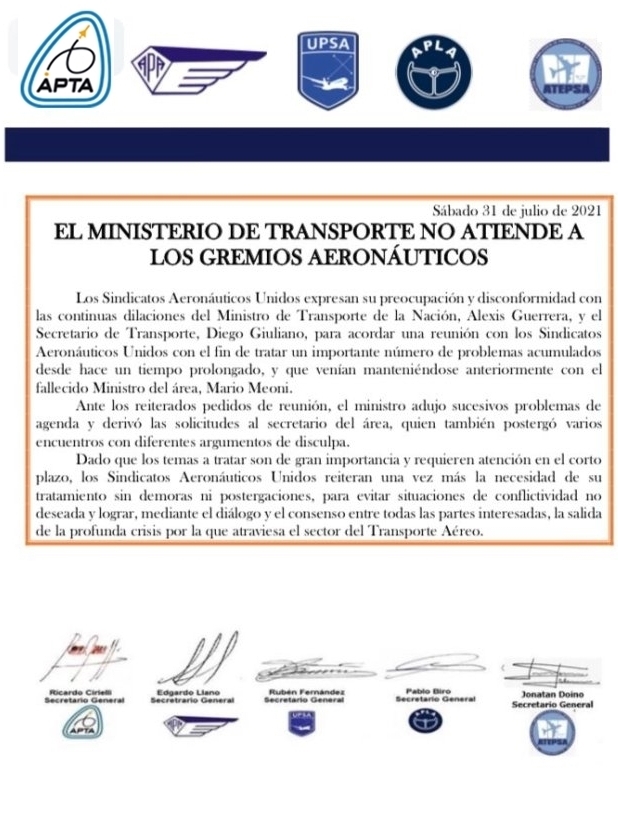
Los gremios aeronáuticos de la República Argentina han solicitado por medio de una carta dirigida al Gobierno la agenda para considerar temar relacionados al transporte aéreo en el país. Los sindicatos APA (Asociación del Personal Aeronáutico), APLA (Asociación de Pilotos de Líneas Aéreas), APTA (Asociación del Personal Técnico Aeronáutico), ATEPSA (Asociación Técnicos y Empleados de Protección y Seguridad a la Aeronavegación) y UPSA (Unión del Personal Superior y Profesional de Empresas Aerocomerciales), han solicitado por medio de un comunicado del Sábado 31/07 donde expresan el reclamo de la falta de atención por parte del Ministerio de Transporte a temas de prioridad para la aviación comercial.

La unión de los sindicatos argentinos han expresado la profunda preocupación por las reiteradas postergaciones a reuniones entre las partes. Los gremios han comunicado la situación de la aviación comercial en el país: «Dado que los temas a tratar son de gran importancia y requieren atención en el corto plazo, los Sindicatos Aeronáuticos Unidos reiteran una vez más la necesidad de su tratamiento sin demoras ni postergaciones, para evitar situaciones de conflictividad no deseada y lograr, mediante el diálogo y el consenso entre todas las partes interesadas, la salida de la profunda crisis por la que atraviesa el sector del transporte aéreo».

La falta de definiciones por parte del Estado, pone en alerta a los sindicatos aeronáuticos sobre temas clave de la industria aérea, como el restablecimiento del piso tarifario para vuelos de cabotaje, la prestación de servicios de handling aeroportuario, los acuerdos bilaterales entre países, el interchange, las regulaciones del mercado entre la prestadora estatal Aerolíneas Argentinas, las líneas aéreas operativas en el país que incluyen a las low cost y el tratamiento del personal de Avian Líneas Aéreas (Avianca Argentina), aún sin definiciones.

Unions claim in Argentina

Aeronautical unions demand agenda from the Government

The aeronautical unions of the Argentine Republic have requested by means of a letter addressed to the Government the agenda to consider issues related to air transport in the country. Unions APA (Association of Aeronautical Personnel), APLA (Association of Airline Pilots), APTA (Association of Aeronautical Technical Personnel), ATEPSA (Association of Technicians and Employees of Protection and Safety to Air Navigation) and UPSA (Union of Senior and Professional Personnel Aerocomerciales), have requested by means of a statement on Saturday 07/31 where they express the claim of the lack of attention by the Ministry of Transport to priority issues for commercial aviation.

The union of the Argentine unions have expressed deep concern over the repeated submissions to meetings between the parties. The unions have communicated the situation of commercial aviation in the country: «Given that the issues to be discussed are of great importance and require attention in the short term, the United Aeronautical Unions reiterate once again the need for their treatment without delay or postponement. , to avoid situations of unwanted conflict and achieve, through dialogue and consensus among all interested parties, the way out of the deep crisis that the air transport sector is going through».

The lack of definitions by the State puts the aeronautical unions on alert on key issues in the airline industry, such as the reestablishment of the rate floor for domestic flights, the provision of airport handling services, bilateral agreements between countries, the interchange, the market regulations between the state provider Aerolineas Argentinas, the airlines operating in the country that include low cost and the treatment of Avian Lineas Aereas (Avianca Argentina) personnel, still without definitions.

PUBLISHER: Airgways.com
DBk: Apla.org.ar / Aviones.com / Atepsa.org.ar / Upsa-ospea.com.ar / Airgways.com
AW-POST: 202108021057AR

A\W   A I R G W A Y S ®
IATA reporta mejora aviación comercial

AW | 2021 07 30 10:47 | AVIATION ORGANISMS / AIRLINES MARKET

Leve repunte de aviación mundial

IATA_Logo.svg

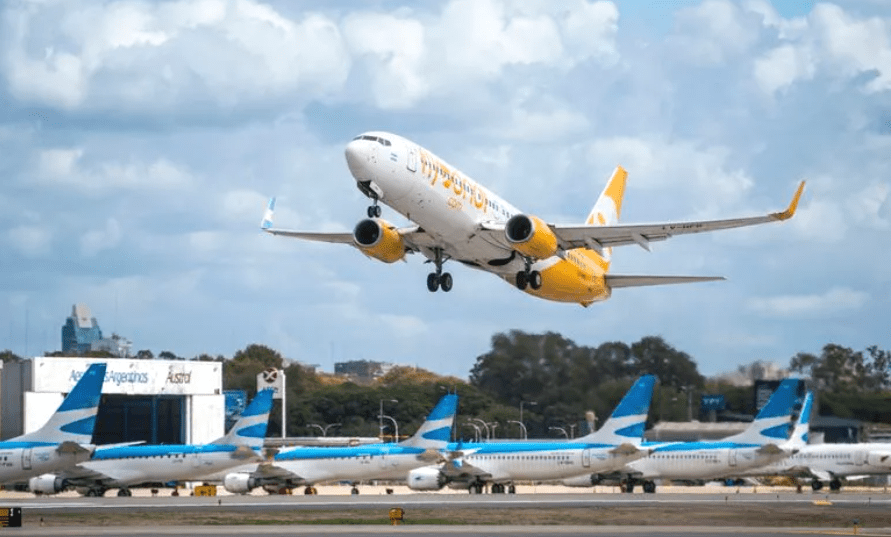
La Asociación de Transporte Aéreo Internacional (IATA) anunció el desempeño de la demanda de pasajeros para Junio de 2021, lo que muestra una mejora muy leve en los mercados de viajes aéreos nacionales e internacionales. La demanda se mantiene significativamente por debajo de los niveles anteriores a COVID-19 debido a las restricciones de viajes internacionales.

Como las comparaciones entre los resultados mensuales de 2021 y 2020 están distorsionadas por el impacto extraordinario de COVID-19, a menos que se indique lo contrario, todas las comparaciones son a Junio de 2019, que siguió un patrón de demanda normal. La demanda total de viajes aéreos en Junio de 2021 (medida en pasajeros-kilómetros de ingresos o RPK) disminuyó un 60,1% en comparación con Junio de 2019. Esa fue una pequeña mejora con respecto a la disminución del 62,9% registrada en Mayo de 2021 en comparación con Mayo de 2019. La demanda internacional de pasajeros en Junio 2021 fue 80,9% inferior a 06/2019, una mejora con respecto al descenso del 85,4% registrado en Mayo de 2021 en comparación con hace dos años. Todas las regiones con la excepción de Asia-Pacífico contribuyeron a la demanda ligeramente mayor. La demanda interna total se redujo un 22,4% en comparación con los niveles anteriores a la crisis (06/2019), una ligera ganancia con respecto a la caída del 23,7% registrada en Mayo de 2021 en comparación con el período de 2019. El desempeño en los mercados domésticos clave se mezcló con Rusia reportando una fuerte expansión mientras que China regresó a territorio negativo.

“Estamos viendo un movimiento en la dirección correcta, particularmente en algunos mercados domésticos clave. Pero la situación de los viajes internacionales está lejos de donde debemos estar. Junio ​​2021 debería ser el comienzo de la temporada alta, pero las aerolíneas llevaban solo el 20% de los niveles de 2019. Eso no es una recuperación, es una crisis continua causada por la inacción del gobierno”, dijo Willie Walsh, Director General de IATA.

El tráfico internacional de Junio 2021 de las aerolíneas de Asia-Pacífico cayó un 94,6% en comparación con Junio de 2019, sin cambios desde el descenso del 94,5% en Mayo de 2021 frente a mayo de 2019. La región tuvo las caídas de tráfico más pronunciadas por undécimo mes consecutivo. La capacidad cayó un 86,7% y el factor de ocupación bajó 48,3 puntos porcentuales hasta el 33,1%, el más bajo entre las regiones.

Los operadores europeos vieron su tráfico internacional de junio disminuir un 77,4% en comparación con junio de 2019, una ganancia de la disminución del 85,5% en mayo en comparación con el mismo mes de 2019. La capacidad disminuyó un 67,3% y el factor de ocupación cayó 27,1 puntos porcentuales hasta el 60,7%.

Las aerolíneas de Oriente Medio registraron una caída de demanda del 79,4% en Junio 2021 en comparación con Junio de 2019, mejorando desde la disminución del 81,3% en Mayo 2021, en comparación con el mismo mes de 2019. La capacidad disminuyó 65,3% y el factor de ocupación se deterioró 31,1 puntos porcentuales a 45,3%.

La demanda de Junio 2021 de las aerolíneas norteamericanas cayó un 69,6% en 06/2021 en comparación con el período de 2019, mejorando desde la caída del 74,2% en Mayo 2021 en comparación con hace dos años. La capacidad se hundió un 57,3% y el factor de ocupación bajó 25,3 puntos porcentuales hasta el 62,6%.

Las aerolíneas latinoamericanas experimentaron una caída del 69,4% en el tráfico de Junio 2021 en comparación con el mismo mes de 2019, mejoró con respecto a la caída del 75,3% en 05/2021 en comparación con Mayo de 2019. La capacidad de Junio 2021 cayó un 64,6% y el factor de ocupación cayó 11,3 puntos porcentuales a 72,7%, que fue el factor de carga más alto entre las regiones por noveno mes consecutivo.

El tráfico de las aerolíneas africanas cayó un 68,2% en 06/2021 en comparación con el mismo mes de hace dos años, una mejora con respecto al descenso del 71,5% en Mayo 2021 en comparación con 05/2019. La capacidad de Junio 2021 se contrajo un 60,0% en comparación con Junio 2019, y el factor de ocupación disminuyó 14,5 puntos porcentuales hasta el 56,5%.

IATA reports very slight improvement

Commercial aviation market slight rebound

The International Air Transport Association (IATA) announced passenger demand performance for June 2021, showing very slight improvement in the domestic and international air travel markets. Demand remains significantly below pre-COVID-19 levels due to international travel restrictions.

As comparisons between 2021 and 2020 monthly results are skewed by the extraordinary impact of COVID-19, unless otherwise noted, all comparisons are to June 2019, which followed a normal demand pattern. Total air travel demand in June 2021 (measured in revenue passenger-kilometers or RPK) decreased by 60.1% compared to June 2019. That was a small improvement over the 62.9% decrease recorded. in May 2021 compared to May 2019. International passenger demand in June 2021 was 80.9% lower than 06/2019, an improvement from the 85.4% decrease recorded in May 2021 compared to ago two years. All regions with the exception of Asia-Pacific contributed to the slightly higher demand. Total domestic demand fell 22.4% compared to pre-crisis levels (06/2019), a slight gain from the 23.7% drop recorded in May 2021 compared to the period of 2019. Performance in key domestic markets mixed with Russia reporting strong expansion while China returned to negative territory.

“We are seeing a move in the right direction, particularly in some key domestic markets. But the international travel situation is far from where we should be. June 2021 should be the start of peak season, but airlines were only at 20% of 2019 levels. That is not a recovery, it is an ongoing crisis caused by government inaction”, said Willie Walsh, Director. IATA General.

June 2021 international traffic for Asia-Pacific airlines fell 94.6% compared to June 2019, unchanged from the 94.5% decrease in May 2021 compared to May 2019. The region had the Steepest traffic drops for the eleventh consecutive month. Capacity fell 86.7% and load factor fell 48.3 percentage points to 33.1%, the lowest among regions.

European operators saw their June international traffic decrease 77.4% compared to June 2019, a gain from the 85.5% decrease in May compared to the same month in 2019. Capacity decreased 67.3 % and the load factor fell 27.1 percentage points to 60.7%.

Middle East airlines reported a 79.4% drop in demand in June 2021 compared to June 2019, improving from the 81.3% decrease in May 2021, compared to the same month in 2019. Capacity decreased 65.3% and the load factor deteriorated 31.1 percentage points to 45.3%.

June 2021 demand from North American airlines fell 69.6% in 06/2021 compared to the 2019 period, improving from the 74.2% drop in May 2021 compared to two years ago. Capacity sank 57.3% and load factor fell 25.3 percentage points to 62.6%.

Latin American airlines experienced a 69.4% drop in traffic in June 2021 compared to the same month in 2019, improved from the 75.3% drop in 05/2021 compared to May 2019. Capacity June 2021 fell 64.6% and load factor fell 11.3 percentage points to 72.7%, which was the highest load factor among the regions for the ninth consecutive month.

African airline traffic fell 68.2% in 06/2021 compared to the same month two years ago, an improvement from the 71.5% decrease in May 2021 compared to 05/2019. The June 2021 capacity contracted 60.0% compared to June 2019, and the load factor decreased 14.5 percentage points to 56.5%.

PUBLISHER: Airgways.com
DBk: Iata.org / Airgways.com
AW-POST: 202107301047AR

A\W   A I R G W A Y S ®
Pilotos APLA medidas fuerza

AW | 2021 07 27 15:17 | AVIATION ORGANISMS / GOVERNMENT

APLA analiza medidas de fuerza en la Provincia de Chubut

El Sindicato de la Asociación de Pilotos de Líneas Aéreas (APLA) ha anunciado posibles medidas de fuerza por dos cesantías que se hicieron efectivas jornadas atrás, una de ellas contra un trabajador que es delegado del sindicato aeronáutico APLA que podrían determinar la interrupción de los vuelos en la Provincia de Chubut en la Región Patagonia. Los pilotos no descartan incluso que el conflicto pueda escalar a nivel nacional. El Presidente de APLA, Pablo Biró, ha precisado que uno de los despedidos es delegado de la Asociación. El representante de los pilotos ha manifestado en defensa de los pilotos que se desempeñan en la Dirección de Aeronáutica de Chubut, advirtiendo que tal organización se encuentra en estado de alerta y pronta a adoptar medidas gremiales que podrán afectar la regularidad de los vuelos a la provincia patagónica. El comunicado oficial emitido en la noche de este Lunes 26/07 remite a las denuncias del sindicato sobre lo que consideró un “proceso de persecución y despidos. Mientras que días atrás se inició la persecución sindical y laboral contra los pilotos afiliados a APLA, despidiéndolos y suplantándolos con pilotos de menor licencia”, al tiempo que reclamaron la urgente reincorporación de dos pilotos que fueran cesanteados.

Entre las medidas que podría definir ese sindicato sobre la situación descripta no se descartó la eventual afectación de vuelos en la provincia o hasta alcanzarlos a nivel nacional. «Esperemos que se revierta esta inmoralidad, que el Gobernador tenga un instructor privado volando estos aviones, porque hay un límite», remarcó el Secretario General de APLA apuntando al mandatario patagónico Mariano Arcioni.

APLA pilots force measurements

APLA analyzes force measures in the Province of Chubut

The Union of the Airline Pilots Association (APLA) has announced possible measures of force for two layoffs that took place days ago, one of them against a worker who is a delegate of the aeronautical union APLA that could determine the interruption of flights in the Province of Chubut in the Patagonia Region. The pilots do not even rule out that the conflict could escalate to the national level. The President of APLA, Pablo Biró, has specified that one of the dismissed is a delegate of the Association. The representative of the pilots has declared in defense of the pilots who work in the Directorate of Aeronautics of Chubut, warning that such organization is in a state of alert and ready to adopt union measures that may affect the regularity of flights to the province Patagonian. The official statement issued on the night of this Monday 07/26 refers to the union’s complaints about what it considered a “process of persecution and dismissals. While days ago the union and labor persecution began against the pilots affiliated to APLA, firing them and supplanting them with pilots with less licenses”, while demanding the urgent reinstatement of two pilots who were laid off.

Among the measures that this union could define on the described situation, the eventual impact on flights in the province or even at the national level was not ruled out. «Let’s hope this immorality is reversed, that the Governor has a private instructor flying these planes, because there is a limit», remarked the Secretary General of APLA, pointing to the Patagonian president Mariano Arcioni.

PUBLISHER: Airgways.com
DBk: Apla.org.ar / Chubut.gov.ar / Airgways.com
AW-POST: 202107271517AR

A\W   A I R G W A Y S ®
México busca recuperar CAT1

AW | 2021 07 27 14:27 | AVIATION ORGANISMS / AVIATION SAFETY

México firma convenio con EEUU para recuperar Categoría 1

México ha firmado un convenio con la Administración Federal de Aviación (FAA) de Estados Unidos para recuperar el grado de su seguridad aérea, degradada a Categoría 2 en Mayo pasado, informó este Domingo 25/07 la Secretaría de Comunicaciones y Transportes (SCT). La Secretaría de Comunicaciones y Transportes reiteró que es prioridad la recuperación de la Categoría 1 (CAT1) para establecer los nieves de seguridad idóneos anteriores a la pandemia.

La FAA anunció el 25 de Mayo de 2021 que rebajaría la calificación a México de Categoría 1 a Categoría 2 en seguridad aérea, con lo cual prohíbe a los transportistas mexicanos ofrecer nuevos servicios o rutas en Estados Unidos. Según su evaluación, el país latinoamericano no cumple con los estándares de la Organización de Aviación Civil Internacional (OACI), la entidad de las Naciones Unidas que regula la aeronáutica mundial. La medida también impide a las aerolíneas estadounidenses comercializar y vender boletos con aerolíneas asociadas mexicanas, aunque no afecta el servicio existente de las aerolíneas mexicanas a Estados Unidos. El Gobierno de los Estados Unidos había expresado sus preocupaciones de seguridad con respecto al sistema de aviación en México. La FAA “identificó varias áreas de incumplimiento de los estándares mínimos de seguridad de la OACI”. La OACI es la Organización de Aviación Civil Internacional, un organismo asociado con las Naciones Unidas que conecta a los reguladores de la aviación de todo el mundo.

Los expertos de la FAA “realizarán visitas a nuestro país que comenzarán el próximo mes de Agosto, a través de las cuales proporcionarán la asistencia técnica necesaria”, anunció la Agencia Federal de Aviación Civil (AFAC) de la SCT en un comunicado. La dependencia dijo que la Enmienda al Memorándum de Entendimiento (MoU) entró en vigor desde el Viernes 23/07. La SCT detalló que los trabajos durante la visita de los expertos estadounidenses implican “una revisión técnica, para determinar si la supervisión de la seguridad operacional a cargo de la AFAC cumple con los estándares mínimos”.

El Gobierno mexicano señaló que los especialistas darán a la autoridad aeronáutica de México un informe de sus hallazgos y sus recomendaciones de mejora. La Secretaría de Comunicaciones y Transportes reiteró que es prioridad la recuperación de la Categoría 1, en el menor tiempo posible, por lo que no se han detenido “bajo ninguna circunstancia las acciones de mejora que permitan solventar lo observado por la FAA”.

Actualmente, las tres compañías aéreas mexicanas cumplen con los estándares de seguridad de la Asociación Internacional de Transporte Aéreo (IATA), mientras que trabajan en conjunto para solucionar lo antes posible esta situación. “Aseguramos a nuestros pasajeros que, cuando vuelan con pilotos de la Asociación ASPA, viajan con pilotos que han cumplido los más altos estándares internacionales en materia de seguridad”, señalaron. Asimismo, ASPA dijo que pone a disposición de la AFAC su experiencia, conocimiento y expertos en materia técnica para ayudar en la solución de los hallazgos que existan en la auditoría.

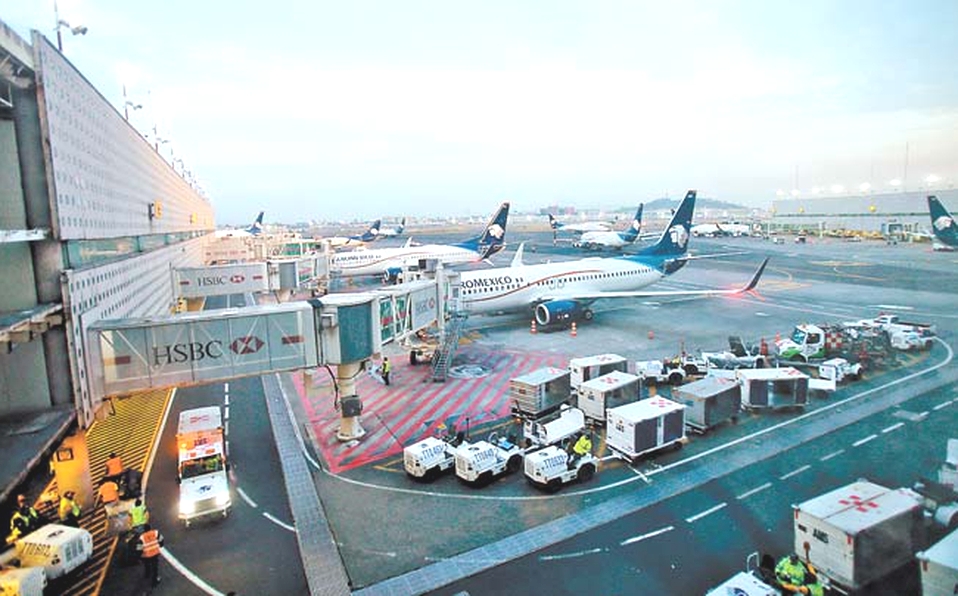
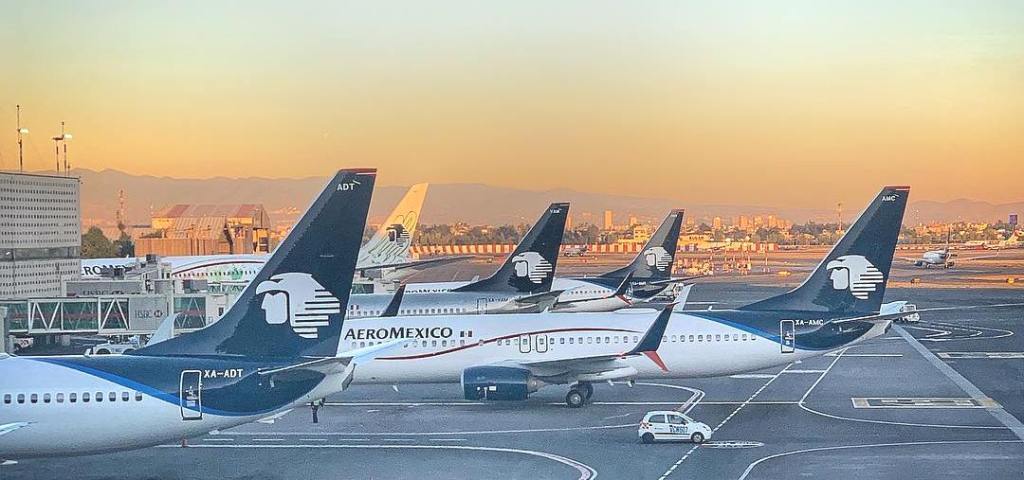
Aeroméxico mencionó en un comunicado que sus operaciones desde y hacia Estados Unidos no tendrán afectaciones. Además de que la seguridad de sus pasajeros es la máxima prioridad y por ello continuará operando bajo los más altos estándares internacionales. “Todos los boletos, reservaciones, vouchers electrónicos, Puntos Premier y beneficios del programa de lealtad, continuarán vigentes […] Estamos en la mejor disposición de apoyar a las autoridades aeronáuticas de nuestro país para que recuperen la Categoría 1 en beneficio de la industria”, expresaron desde la aerolínea.

Mexico seeks to recover CAT1

Mexico signs an agreement with the US to recover Category 1

Mexico has signed an agreement with the Federal Aviation Administration (FAA) of the United States to recover the degree of its air safety, downgraded to Category 2 last May, reported this Sunday 07/25 the Secretary of Communications and Transportation (SCT). The Ministry of Communications and Transportation reiterated that the recovery of Category 1 (CAT1) is a priority to establish the ideal safety snows prior to the pandemic.

The FAA announced on May 25, 2021 that it would lower Mexico’s rating from Category 1 to Category 2 in air safety, thereby prohibiting Mexican carriers from offering new services or routes in the United States. According to their assessment, the Latin American country does not meet the standards of the International Civil Aviation Organization (ICAO), the United Nations entity that regulates global aeronautics. The measure also prevents US airlines from marketing and selling tickets with Mexican partner airlines, although it does not affect the existing service of Mexican airlines to the United States. The United States Government had expressed its security concerns regarding the aviation system in Mexico. The FAA «identified several areas of non-compliance with ICAO minimum safety standards». ICAO is the International Civil Aviation Organization, a body associated with the United Nations that connects aviation regulators from around the world.

FAA experts «will make visits to our country that will begin next August, through which they will provide the necessary technical assistance», announced the Federal Civil Aviation Agency (AFAC) of the SCT in a statement. The agency said that the Amendment to the Memorandum of Understanding (MoU) entered into force on Friday 07/23. The SCT detailed that the work during the visit of the US experts involves «a technical review, to determine if the safety supervision by the AFAC complies with the minimum standards».

The Mexican government indicated that the specialists will provide the Mexican aeronautical authority with a report of their findings and recommendations for improvement. The Ministry of Communications and Transportation reiterated that the recovery of Category 1 is a priority, in the shortest possible time, so they have not stopped «under any circumstances the improvement actions that allow solving what is observed by the FAA».

Currently, the three Mexican airlines comply with the safety standards of the International Air Transport Association (IATA), while working together to solve this situation as soon as possible. «We assure our passengers that, when they fly with ASPA Association pilots, they are traveling with pilots who have met the highest international safety standards», they said. Likewise, ASPA said that it makes its experience, knowledge and experts in technical matters available to the AFAC to help in solving the findings that exist in the audit.

Aeroméxico mentioned in a statement that its operations to and from the United States will not be affected. In addition to the fact that the safety of its passengers is the highest priority and therefore it will continue to operate under the highest international standards. «All tickets, reservations, electronic vouchers, Premier Points and loyalty program benefits will continue to be valid […] We are in the best position to support the aeronautical authorities of our country to recover Category 1 for the benefit of the industry”, they expressed from the airline.

PUBLISHER: Airgways.com
DBk: Faa.gov / Gob.mx/sct / Iata.org / Aspa.org.mx / Airgways.com
AW-POST: 202107271427AR

A\W   A I R G W A Y S ®