Gremios argentinos medidas fuerza

AW | 2021 10 01 00:55 | AVIATION ORGANISMS

Sindicatos aeronáuticos iniciarán medidas de fuerza

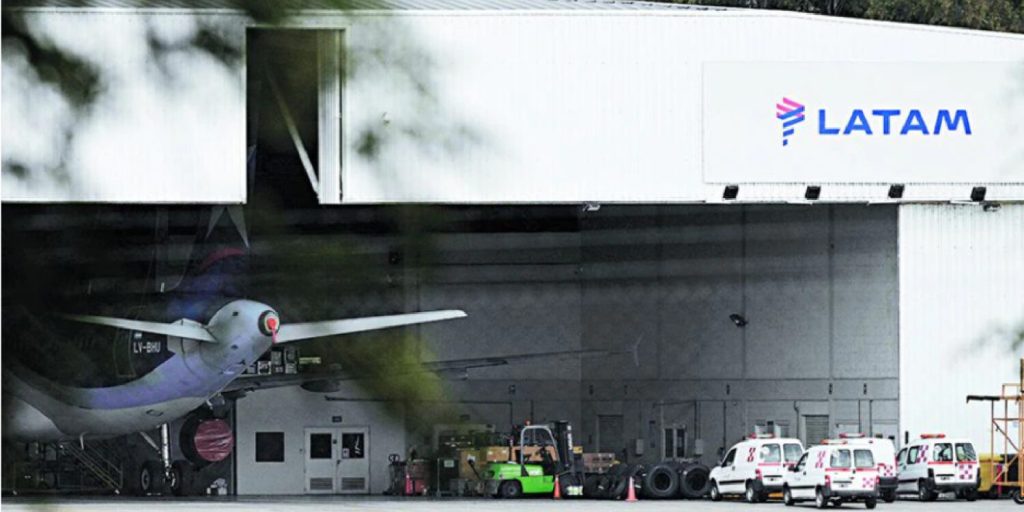
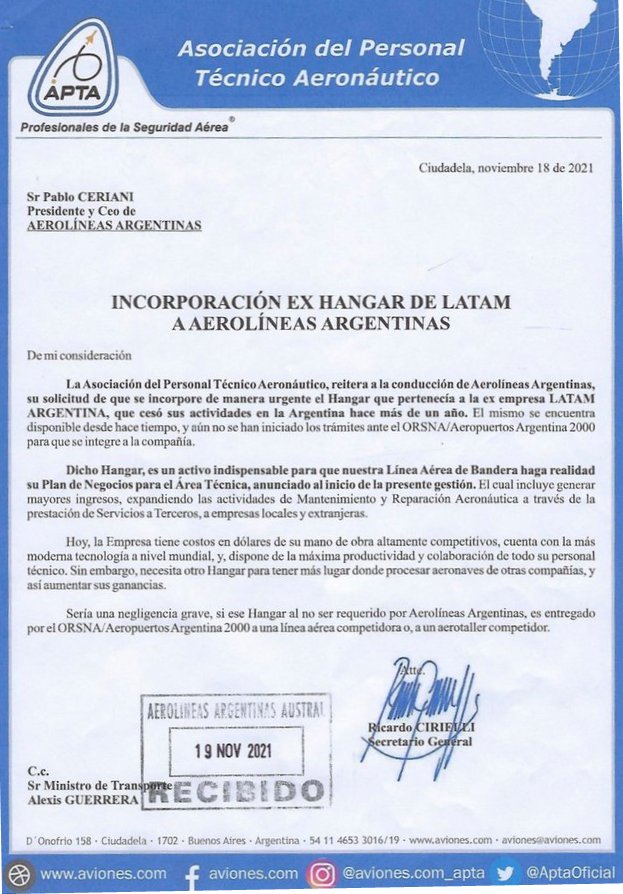
Los gremios aeronáuticos de Argentina anunciaron la realización de medidas de acción directa en los vuelos, en represalia por lo que calificaron como falta de respuesta del Gobierno nacional a una serie de reclamos, que van desde la reinstalación de una tarifa mínima para los vuelos de cabotaje hasta la reubicación del personal de las desaparecidas aerolíneas Latam Airlines Argentina, Avianca Argentina y Flyest Líneas Aéreas.

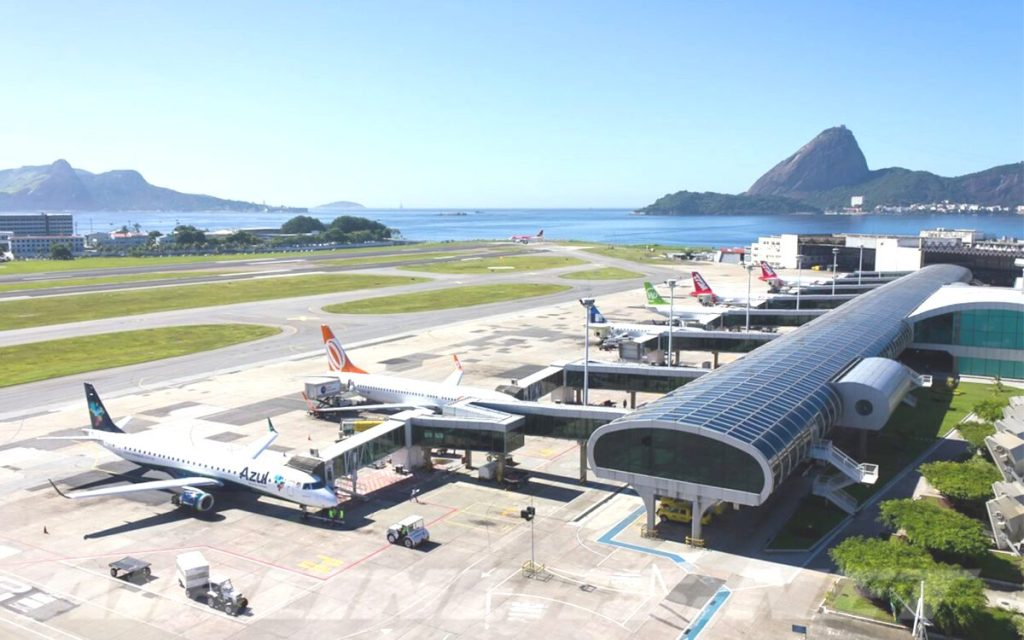
Las medidas de fuerza fueron confirmadas este Martes 28/09, aun después de una visita que el Presidente Alberto Fernández junto al Ministro de Transporte Alexis Guerra, hicieran el día anterior en el Aeropuerto Jorge Newbery, durante la cual el Ejecutivo Nacional encabezó una asamblea de trabajadores de esa estación aérea. Los gremios insistieron en que las medidas de fuerza anunciadas continúan vigentes, si bien no pusieron fecha para su realización. El comunicado del Lunes 27/09, ratificado nuevamente el Martes 28/09, fue firmado por los gremios de Pilotos (APLA), Técnicos Aeronáuticos (APTA), Personal Aeronáutico (APA), Controladores Aéreos (ATEPSA) y Personal Superior (UPSA).

El reclamo de fondo de las agrupaciones aeronáuticas es para exigir al Poder Ejecutivo que retrotraiga con una serie de medidas que tomó el Gobierno de Macri y que siguen vigentes, en especial, la eliminación de la banda tarifaria mínima y acuerdo de interchange que en su momento le permitió a la desaparecida Latam Airlines Argentina volar la ruta Ezeiza-Miami con un avión de matrícula chilena.

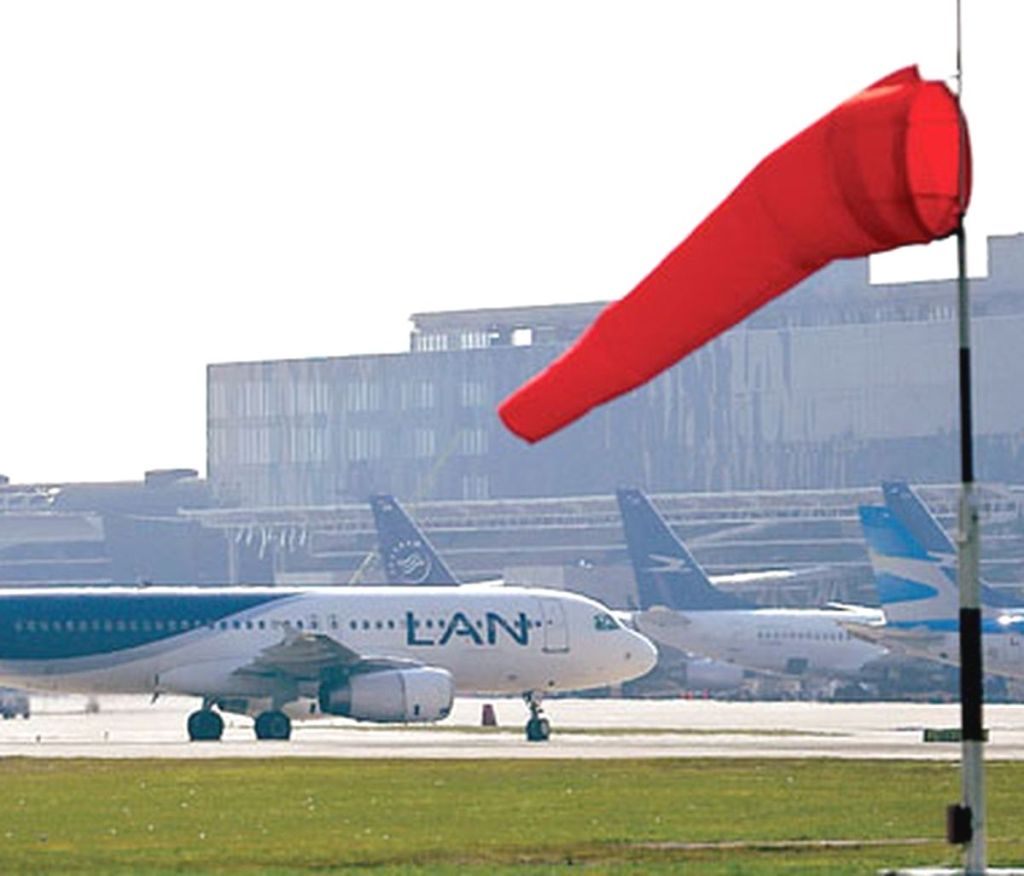
En su reclamo, los gremialistas no vacilaron en cuestionar la política exterior del Gobierno nacional y asociarla a lo que dicen está pasando en la política aerocomercial. «Vemos con suma preocupación que, mientras otros gobiernos de la región avanzan unilateralmente con lo hace Chile, estableciendo una nueva demarcación de los límites establecidos por el Tratado firmado en 1984 en una clara actitud de injerencia de nuestra soberanía, el gobierno argentino sigue permitiendo que aeronaves chilenas vuelen en nuestro país como si tuviesen matrícula nacional (LV) y demostrando una absoluta pasividad en distintas áreas», plantearon los gremios. Lo cierto es que en este momento no hay aviones chilenos en territorio argentino, con la salvedad de los escasos vuelos que la Administración Nacional de Aviación Civil (ANAC) otorgó a las filiales de Latam Airlines Chile y Brasil para realizar vuelos desde el Aeropuerto Ezeiza.

Sin embargo, hay pedidos de esta línea aérea para realizar vuelos regionales hacia Brasil, Chile y Perú desde los aeropuertos de Mendoza y Buenos Aires/AEP a partir de Octubre 2021. Esos pedidos, junto a los de los demás formulados por las aerolíneas internacionales, todavía no tuvieron respuesta por parte de la ANAC. Fue en ese contexto en el cual ahora salieron a presionar los gremios que encabezan Pablo Biró (APLA), Ricardo Cirielli (APTA), Edgardo Llano (APA), Jonatan Doino (ATEPSA) y Rubén Fernández (UPSA).

«Que no hayan reinstalado bandas tarifarias (que es un pedido que también hicieron las empresas) o que a esta altura no hayan retrotraído el inter change es inentendible. El inter-change se aprobó a pedido (y en beneficio) de una sola línea aérea, LATAM Argentina. Y si el propio Estado no lo retrotrae, y no deja en claro que está viciado de toda nulidad por chocar contra toda la normativa nacional, regional e internacional, deja abierto el precedente para que cualquiera pueda usarlo«, dijeron desde APLA.

Argentine unions measures strength

Aeronautical unions will initiate force measures

The aeronautical unions of Argentina announced the implementation of direct action measures on the flights, in retaliation for what they described as a lack of response from the national government to a series of claims, ranging from the reinstatement of a minimum rate for domestic flights until the relocation of the personnel of the defunct airlines Latam Airlines Argentina, Avianca Argentina and Flyest Líneas Aéreas.

The measures of force were confirmed this Tuesday, 09/28, even after a visit that President Alberto Fernández together with the Minister of Transportation Alexis Guerra made the day before at the Jorge Newbery Airport, during which the Executive led a workers’ assembly from that air station. The unions insisted that the announced force measures remain in force, although they did not set a date for their completion. The communiqué of Monday 27/09, ratified again on Tuesday 28/09, was signed by the unions of Pilots (APLA), Aeronautical Technicians (APTA), Aeronautical Personnel (APA), Air Traffic Controllers (ATEPSA) and Senior Personnel (UPSA).

The substantive claim of the aeronautical groups is to demand that the National Executive roll back with a series of measures that the Macri Government took and that remain in force, especially the elimination of the minimum rate band and the interchange agreement that at the time It allowed the defunct Latam Airlines Argentina to fly the Ezeiza-Miami route with a Chilean-registered plane.

In their claim, the unionists did not hesitate to question the foreign policy of the national Government and associate it with what they say is happening in commercial air policy. «We see with great concern that, while other governments in the region are advancing unilaterally with Chile, establishing a new demarcation of the limits established by the Treaty signed in 1984 in a clear attitude of interference with our sovereignty, the Argentine government continues to allow that Chilean aircraft fly in our country as if they had national registration (LV) and showing absolute passivity in different areas», stated the unions. The truth is that at this time there are no Chilean planes in Argentine territory, with the exception of the few flights that the National Civil Aviation Administration (ANAC) granted to the subsidiaries of Latam Airlines Chile and Brazil to make flights from Ezeiza Airport.

However, there are requests from this airline to make regional flights to Brazil, Chile and Peru from the airports of Mendoza and Buenos Aires/AEP as of October 2021. Those requests, along with those of the others made by international airlines, they still had no response from the ANAC. It was in this context that the unions led by Pablo Biró (APLA), Ricardo Cirielli (APTA), Edgardo Llano (APA), Jonatan Doino (ATEPSA) and Rubén Fernández (UPSA) came out to pressure.

«That they have not reinstated rate bands (which is a request that the companies also made) or that at this point they have not rolled back the interchange is unintelligible. The inter-change was approved at the request (and for the benefit) of a single airline , LATAM Argentina. And if the State itself does not roll it back, and does not make it clear that it is flawed of any nullity because it collides with all national, regional and international regulations, it leaves the precedent open so that anyone can use it», they said from APLA.

PUBLISHER: Airgways.com
DBk: Apla.org,ar / Aviones.com / Aeronauticosapa.org.ar / Upsa-ospea.com.ar / Atepsa.org.ar / Argentina.gob.ar / Airgways.com
AW-POST: 202110010055AR

A\W   A I R G W A Y S ®

Demoras autorizaciones ANAC Argentina

AW | 2021 09 30 09:36 | AIRLINES ROUTES / AVIATON ORGANISMS

Nueve aerolíneas sin autorizaciones para volar 10/2021

Actualmente, nueve aerolíneas todavía no tienen la autorización de Administración Nacional de Aviación Civil (ANAC) para volar en Octubre 2021. Reclaman por desprolijidades y favoritismo. Aerolíneas Argentinas ha recibido las aprobaciones de programación, mientras que el resto de las aerolíneas internacionales continúan demoradas este Miércoles 29/09 a la noche la autorización de la ANAC para operar sus vuelos desde Argentina o con destino al país, por lo cual miles de viajeros que pretenden regresar o volar al exterior en los próximos días todavía no tienen la confirmación sobre si finalmente podrán utilizar sus pasajes en tiempo y forma.

A la espera de las resoluciones sobre el nuevo cupo de pasajeros internacionales de cara a la progresiva apertura de fronteras, la primera línea aérea que recibió el listado de ANAC con todos los vuelos autorizados para Octubre fue Aerolíneas Argentinas.

Aerolíneas Argentinas
Los vuelos programados de Aerolíneas Argentinas son los siguientes: Buenos Aires/AEP—Asunción Martes/Viernes y el regreso los mismos días; Buenos Aires/EZE—Bogotá Miérecoes y retorno Jueves; Buenos Aires/AEP—Montevideo Martes y Viernes y con regreso los mismos días; Buenos Aires/EZE—Lima los Martes, retorno Martes; Buenos Aires/EZE—Madrid Martes, Miércoles, Viernes y Domingo y Madrid—Buenos Aires/EZE Lunes, Miércoles, Jueves y Sábado. Buenos Aires/EZE—Miami. Buenos Aires/EZE—Nueva York/JFK Lunes y Jueves con regreso Miércoles y Sábados. Buenos Aires/AEP—Punta del Este Jueves y Domingo, ídem vuelta; Buenos Aires/AEP—Sao Paulo/Guarulhos Lunes y Jueves, retorno ídem. Buenos Aires/AEP—Santa Cruz de la Sierra Miércoles, con el regreso Jueves; Mendoza—Santiago de Chile y de Santiago— Mendoza ídem; Buenos Aires/AEP—Santiago de Chile Lunes/Jueves, con el regreso de los mismos días.

Todavía no hay información sobre los vuelos de Aeroméxico, Air Europa, Air France, Iberia, JetSmart Airlines, KLM Airlines, Level Airlines, Lufthansa German Airlines y Swiss International Air Lines. Se espera que en las próximas horas se conozca la lista completa de autorizaciones, a tan sólo 24 horas del comienzo de las operaciones de Octubre 2021.

Para el resto de las aerolíneas, ANAC solamente autorizó vuelos para la primera quincena de Octubre 2021 y son los siguientes:

Latam Airlines
3 y 10/10 Sao Paulo/GRU—Buenos Aires/AEP (LA 8032 y 8034) y Buenos Aires/AEP—Sao Paulo/GRU (LA 8033 y 8035). 1, 8, 15/10 Sao Paulo/GRU—Buenos Aires/EZE (LA 8132) y Buenos Aires/EZE—Sao Paulo/GRU (LA 8009/8033); 5, 12/10 Santiago de Chile—Buenos Aires/EZE (LA 475) y de Buenos Aires/EZE—Santiago de Chile/SCL (LA 474); y los vuelos de Lima/LIM—Buenos Aires/EZE 02/10 (LA 2069), 4, 11/10 (LA 2429) y Buenos Aires/EZE—Lima/LIM 3 (LA 2470), 4, 11/10 (LA 2428).

United Airlines
2, 5, 7, 9, 12, 14/10 de Houston/HOU—Buenos Aires/EZE (UA 819); 3, 6, 8, 10, 13/10 Buenos Aires/EZE—Houston/HOU (UA 818).

Copa Airlines
3, 5, 7, 10, 11, 14/10 de Panamá/PTY—Buenos Aires/EZE y 4, 6, 8, 11, 12, 15/10 viceversa Buenos Aires/EZE—Panamá/PTY.

Avianca Airlines
2, 9/10 Bogotá/BOG—Buenos Aires/EZE (AV 89); 3, 10/10 Buenos Aires/EZE—Bogotá/BOG (AV 88); 1, 5, 12/10 Bogotá/BOG—Buenos Aires/EZE (AV 219); 2, 6, 13/10 Buenos Aires/EZE—Bogotá/BOG (AV 218).

American Airlines
Frecuencias todos los días de Miami/MIA—Buenos Aires/EZE y viceversa; 7, 9, 12, 14/10 Dallas/DFW—Buenos Aires/EZE y 8, 10, 13, 15/10 Buenos Aires/EZE—Dallas/DFW; 1, 2, 3, 4, 5, 6, 7, 9, 11, 14 de Nueva York/JFK—Buenos Aires/EZE.

Boliviana de Aviación
2, 7, 9, 14/10 de Santa Cruz de la Sierra/VVI—Buenos Aires/EZE (OB 708); y 2, 7, 9, 14 Buenos Aires/EZE—Santa Cruz de la Sierra/VVI (OB 709).

Delta Air Lines
5, 12/10 Atlanta/ATL—Buenos Aires/EZE (DL 101); 6, 13/10 Buenos Aires/EZE—Atlanta/ATL (DL 110).

Paranair
1, 4, 7, 10, 14/10 Asunción/ASU—Buenos Aires/AEP (ZP 818/LA 6012); 1, 4, 7, 10, 14/10 Buenos Aires/AEP—Asunción/ASU (ZP 819/LA 6014); 3, 11/10 Asunción/ASU—Buenos Aires/EZE (ZP 818/LA 6012) y Buenos Aires/EZE—Asunción/ASU (ZP 819/LA 6014).

Sky Airline
1, 8, 13/10 Santiago de Chile/SCL—Buenos Aires/EZE, y Buenos Aires/EZE—Santiago de Chile/SCL.

Turkish Airlines
5, 12/10 Estambul/ISL—Buenos Aires/EZE (TK 15), Buenos Aires/EZE—Estambul/ISL (TK 16), de Sao Paulo/GRU—Buenos Aires/EZE (TK 15) y Buenos Aires/EZE—Sao Paulo/GRU (TK 16).

ANAC Argentina authorization delays

Nine airlines without authorization to fly 10/2021

Currently, nine airlines still do not have the authorization of ANAC to fly in October 2021. They claim for sloppiness and favoritism. Aerolineas Argentinas has received scheduling approvals, while the rest of the international airlines continue to delay this Wednesday, September 29 at night, the authorization of the ANAC to operate their flights from Argentina or to the country Therefore, thousands of travelers who intend to return or fly abroad in the coming days still do not have confirmation on whether they will finally be able to use their tickets in a timely manner.

While waiting for the resolutions on the new international passenger quota with a view to the progressive opening of borders, the first airline to receive the ANAC list with all the flights authorized for October was AerolÍneas Argentinas.

Aerolíneaas Argentinas
The scheduled flights of Aerolíneas Argentinas are the following: Buenos Aires/AEP—Asunción Tuesday/ Friday and the return the same days; Buenos Aires/EZE—Bogotá Wednesday and return Thursday; Buenos Aires/AEP—Montevideo Tuesday and Friday and with return the same days; Buenos Aires/EZE—Lima on Tuesdays, return Tuesday; Buenos Aires/EZE—Madrid Tuesday, Wednesday, Friday and Sunday and Madrid—Buenos Aires/EZE Monday, Wednesday, Thursday and Saturday. Buenos Aires/EZE—Miami. Buenos Aires/EZE—New York/JFK Monday and Thursday with return Wednesday and Saturday. Buenos Aires/AEP—Punta del Este Thursday and Sunday, idem return; Buenos Aires/AEP—Sao Paulo/Guarulhos Monday and Thursday, return idem. Buenos Aires/AEP—Santa Cruz de la Sierra Wednesday, with the return Thursday; Mendoza—Santiago de Chile and Santiago—Mendoza idem; Buenos Aires/AEP— Santiago de Chile Monday/Thursday, with the return of the same days.

There is no information yet on the flights of Aeroméxico, Air Europa, Air France, Iberia, JetSmart Airlines, KLM Airlines, Level Airlines, Lufthansa German Airlines and Swiss International Air Lines. It is expected that in the next few hours the complete list of authorizations will be known, just 24 hours from the start of operations in October 2021.

For the rest of the airlines, ANAC only authorized flights for the first half of October and they are as follows:

Latam Airlines
3 and 10/10 Sao Paulo / GRU—Buenos Aires/AEP (LA 8032 and 8034) and Buenos Aires/AEP—Sao Paulo/ GRU (LA 8033 and 8035). 1, 8, 10/15 Sao Paulo/GRU—Buenos Aires/EZE (LA 8132) and Buenos Aires/EZE —Sao Paulo/GRU (LA 8009/8033); 5, 12/10 Santiago de Chile—Buenos Aires/EZE (LA 475) and Buenos Aires/EZE—Santiago de Chile / SCL (LA 474); and the flights from Lima/LIM—Buenos Aires/EZE 02/10 (LA 2069), 4, 11/10 (LA 2429) and Buenos Aires/EZE—Lima/LIM 3 (LA 2470), 4, 11/10 ( LA 2428).

United Airlines
2, 5, 7, 9, 12, 10/14 from Houston/HOU—Buenos Aires/EZE (UA 819); 3, 6, 8, 10, 13/10 Buenos Aires/EZE —Houston/HOU (UA 818).

Copa Airlines
3, 5, 7, 10, 11, 10/14 of Panama/PTY—Buenos Aires/EZE and 4, 6, 8, 11, 12, 10/15 vice versa Buenos Aires/ EZE—Panama/PTY.

Avianca Airlines
2, 9/10 Bogotá/BOG—Buenos Aires/EZE (AV 89); 3, 10/10 Buenos Aires/EZE—Bogotá/BOG (AV 88); 1, 5, 12/10 Bogotá / BOG—Buenos Aires / EZE (AV 219); 2, 6, 13/10 Buenos Aires/EZE—Bogotá/BOG (AV 218).

American Airlines
Frequencies every day from Miami/MIA—Buenos Aires/EZE and vice versa; 7, 9, 12, 10/14 Dallas/DFW— Buenos Aires/EZE and 10, 10, 13, 10/15 Buenos Aires/EZE—Dallas/DFW; 1, 2, 3, 4, 5, 6, 7, 9, 11, 14 of New York/JFK—Buenos Aires/EZE.

Boliviana de Aviación
2, 7, 9, 10/14 of Santa Cruz de la Sierra/VVI—Buenos Aires/EZE (OB 708); and 2, 7, 9, 14 Buenos Aires/EZE —Santa Cruz de la Sierra/VVI (OB 709).

Delta Air Lines
5, 10/12 Atlanta/ATL—Buenos Aires/EZE (DL 101); 6, 10/13 Buenos Aires/EZE—Atlanta/ATL (DL 110).

Paranair
1, 4, 7, 10, 10/14 Asunción/ASU—Buenos Aires/AEP (ZP 818/LA 6012); 1, 4, 7, 10, 10/14 Buenos Aires/ AEP-Asunción/ASU (ZP 819/LA 6014); 3, 11/10 Asunción/ASU—Buenos Aires/EZE (ZP 818/LA 6012) and Buenos Aires/EZE—Asunción/ASU (ZP 819/LA 6014).

Sky Airline
1, 8, 13/10 Santiago de Chile/SCL—Buenos Aires/EZE, and Buenos Aires/EZE—Santiago de Chile/SCL.

Turkish airlines
5, 12/10 Istanbul/ISL—Buenos Aires/EZE (TK 15), Buenos Aires/EZE—Istanbul/ISL (TK 16), from Sao Paulo/ GRU—Buenos Aires/EZE (TK 15) and Buenos Aires/EZE—Sao Paulo/GRU (TK 16).

PUBLISHER: Airgways.com
DBk: Anac.gov.ar / Airgways.com
AW-POST: 202109300936AR

A\W   A I R G W A Y S ®

Boeing busca aprobación china 737 MAX

AW | 2021 09 29 22:02 | AVIATION ORGANISMS / AVIATION SAFETY

Regulador chino CAAC y Boeing continúan evaluando compromiso

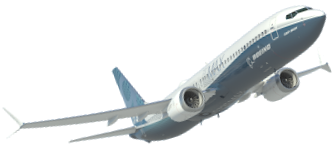
Boeing 737 MAX_Isologotype

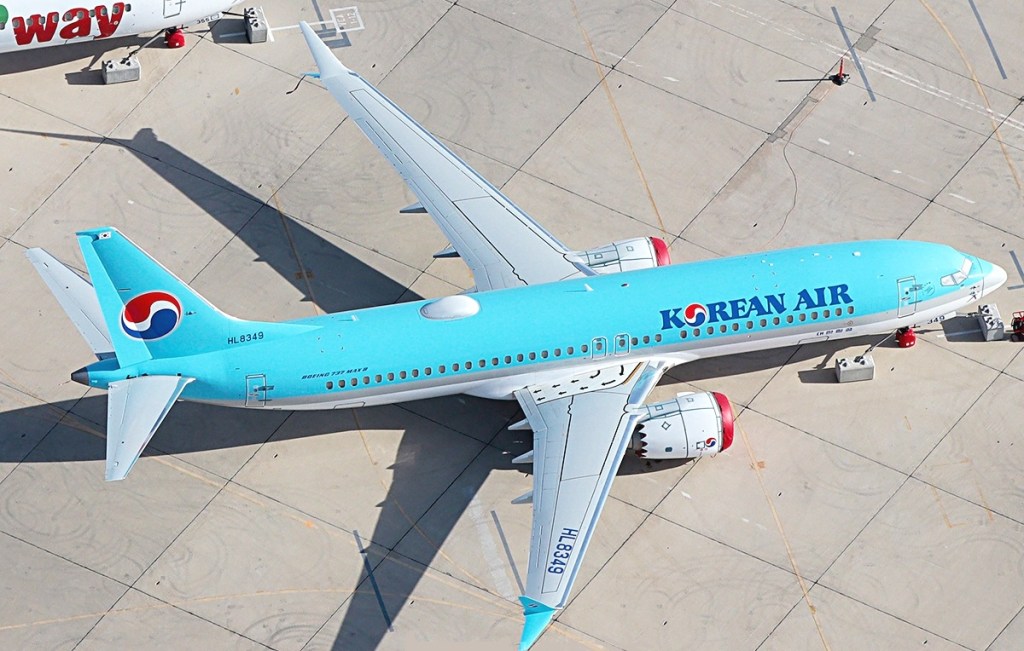
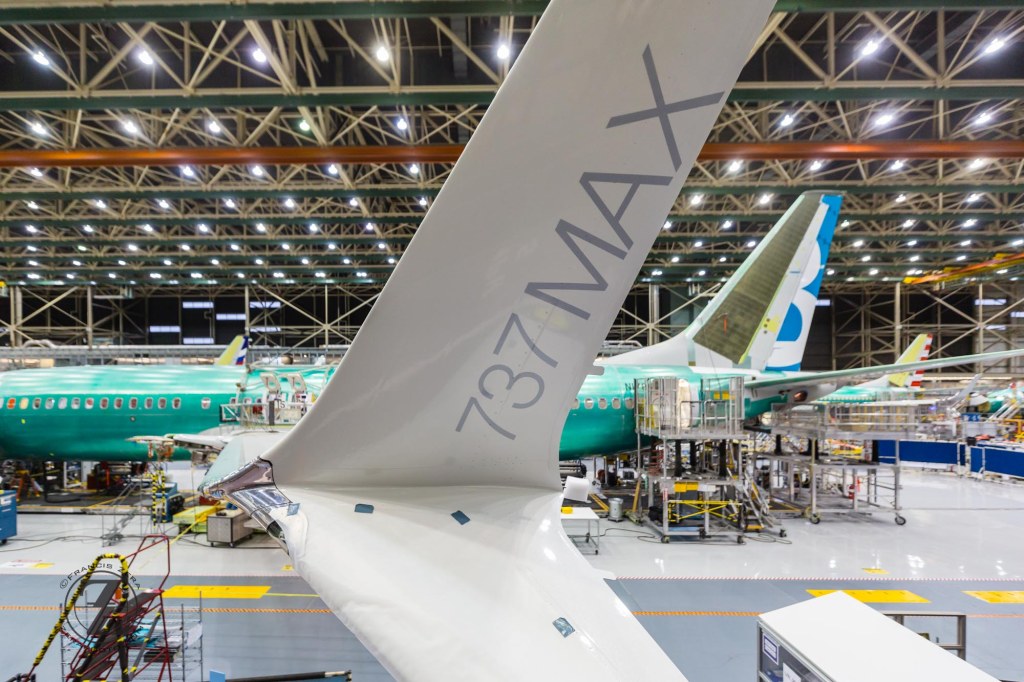
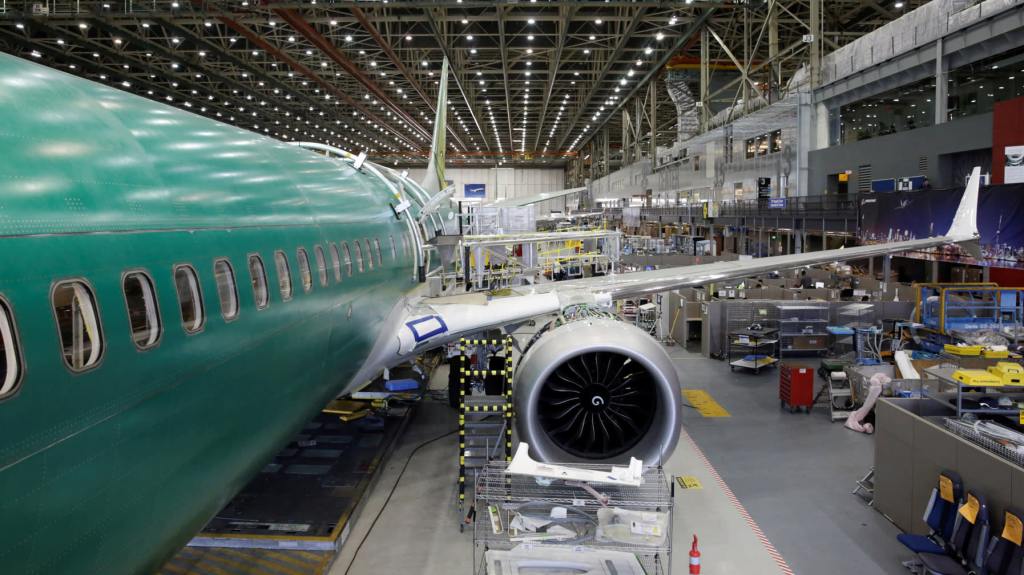
El vuelo de prueba del Boeing 737 MAX para el regulador de aviación de China, la Administración de Aviación Civil de China (CAAC), en el mes de Agosto 2021 fue exitoso y el fabricante de aviones espera que se levante una puesta a tierra de dos años este para este 2021, dijo el Miércoles 29/09 la Jefe de Negocios de Boeing en China, Sherry Carbary, en sintonía con la feria aeronáutica Airshow China 2021: «Se fue sin problemas», dijo la Presidenta de Boeing China, sobre el vuelo de prueba.

Boeing trabaja con la CAAC mientras revisa los datos y finaliza los informes antes de decidir si el avión puede ser devuelto al servicio, dijo Carbary. La prohibición, que se ha levantado en Occidente y varios países asiáticos, podría aliviarse en China alrededor de noviembre. «Tenemos la esperanza de que suceda a finales de año. Depende de CAAC. Pero puedo decirles que estamos haciendo todo lo posible para apoyarlos y nos alienta lo cerca que están trabajando con nosotros», dijo Sherry Carbary.

Antes de que el 737 MAX fuera incursionado en Marzo de 2019 después de dos accidentes aéreos, Boeing estaba vendiendo una cuarta parte de los aviones que construía anualmente a compradores chinos. Las ventas de la compañía en China también se han visto obstaculizadas por las tensiones comerciales entre Estados Unidos y China.

La Secretaria de Comercio de Estados Unidos, Gina Raimondo, dijo el Martes 28/09 que el Gobierno chino estaba impidiendo que sus aerolíneas nacionales compren decenas de miles de millones de dólares en aviones Boeing. Sherry Carbary se negó a comentar directamente sobre los comentarios, pero dijo que el comercio libre y justo era importante para permitir que Boeing entregara sus aviones en todo el mundo. «Creo que en este momento nuestros dos gobiernos están teniendo algunos problemas competitivos en algunos temas delicados que son legítimos y los dos países deben trabajar a través de ellos», dijo la Jefe de Boeing China.

Boeing pursues Chinese 737 MAX approval

Chinese regulator CAAC and Boeing continue to assess commitment

The test flight of the Boeing 737 MAX for the Chinese aviation regulator, the Civil Aviation Administration of China (CAAC), in August 2021 was successful and the aircraft manufacturer expects a grounding of two This year for 2021, said on Wednesday 09/29 the Head of Business of Boeing in China, Sherry Carbary, in tune with the Airshow China 2021 aeronautical fair: «It went without problems», said the President of Boeing China, about the test flight.

Boeing works with the CAAC as it reviews the data and finalizes the reports before deciding whether the plane can be returned to service, Carbary said. The ban, which has been lifted in the West and several Asian countries, could be eased in China around November. «We are hopeful that it will happen by the end of the year. It is up to CAAC. But I can tell you that we are doing everything we can to support them and we are encouraged by how closely they are working with us», said Sherry Carbary.

Before the 737 MAX was launched in March 2019 after two plane crashes, Boeing was selling a quarter of the planes it built annually to Chinese buyers. The company’s sales in China have also been hampered by trade tensions between the United States and China.

US Commerce Secretary Gina Raimondo said Tuesday 09/28 that the Chinese government was preventing its domestic airlines from buying tens of billions of dollars worth of Boeing jets. Sherry Carbary declined to comment directly on the comments, but said free and fair trade was important in enabling Boeing to deliver its jets around the world. «I think right now our two governments are having some competitive problems on some sensitive issues that are legitimate and the two countries should work through them», said the Head of Boeing China.

PUBLISHER: Airgways.com
DBk: Boeing.com / Airgways.com
AW-POST: 202109292202AR

A\W   A I R G W A Y S ®

FAA software tráfico aeropuertos

AW | 2021 09 28 20:17 | AIRPORTS / AVIATION ORGANISMS / GOVERNMENT

FAA implementará software para reducir retrasos en aeropuertos

La Administración Federal de Aviación (FAA) dijo el Martes 28/09 que planea implementar una nueva capacidad de software para reducir los tiempos de taxeo y la congestión de rampas para vuelos en veintisiete aeropuertos.

La FAA y la NASA dijeron que el nuevo software fue probado durante cuatro años que calcula los retrocesos de las puertas en los aeropuertos centrales ocupados para que cada avión pueda rodar directamente a la pista y despegar. Cuando se implemente, la FAA dijo que anticipa ahorrar anualmente más de 7 millones de galones de combustible y eliminar más de 75.000 toneladas de emisiones de CO2.

FAA airport traffic software

FAA USA to implement software to reduce airport delays

The Federal Aviation Administration (FAA) said Tuesday 09/28 that it plans to implement a new software capability to reduce taxi times and flight ramp congestion at twenty-seven airports.

The FAA and NASA said the new software was tested for four years that calculates gate setbacks at busy hub airports so that each plane can taxi directly to the runway and take off. When implemented, the FAA said it anticipates saving more than 7 million gallons of fuel annually and eliminating more than 75,000 tons of CO2 emissions.

PUBLISHER: Airgways.com
DBk: Faa.gov / Nasa.gov / Nytimes.com / Airgways.com
AW-POST: 202109282017AR

A\W   A I R G W A Y S ®

Auditoría Aeropuerto Gualeguaychú

AW | 2021 09 28 20:08 | AIRPORTS / AVIATION ORGANISMS

Técnicos de ANAC auditarán la pista Aeropuerto Gualeguaychú

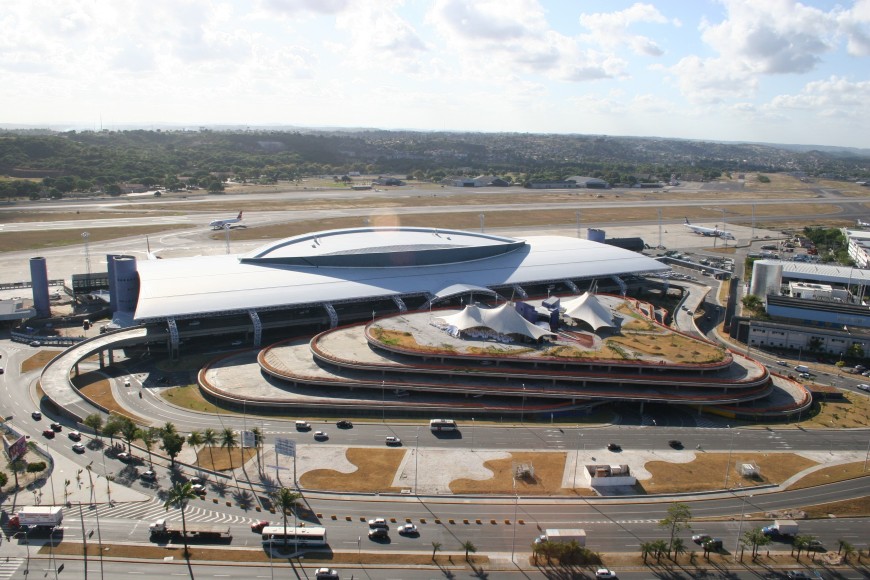
La autoridad aeronáutica de la Agencia Nacional de Aviación Civil (ANAC) de Argentina mostró interés en gestionar la reapertura de la estación aérea y nombrar un nuevo Jefe para reanudar los servicios en el Aeropuerto Gualeguaychú GHU/SAAG. La Directora de Infraestructura y Servicios Aeroportuarios, Noemí Muchnik, ha recibido a la delegación de Gualeguaychú que tramitó la reapertura de la estación aérea local. La reunión se ha desarrollado este Lunes 27/09 en Buenos Aires como parte de los trámites para habilitar la aeroestación localizada en el margen del Río Uruguay en la Provincia de Entre Ríos. En el encuentro se trataron temas relacionados a la actual situación de clausura de la estación y medidas para revertir ese estatus.

ANAC determinó enviar a mediados de Octubre 2021 una comisión de técnicos para auditar las condiciones de la pista y la factibilidad de su reasfaltado a corto plazo. A su vez, Noemí Muchnik afirmó que el organismo «trabajará para contar con una autoridad aeronáutica que se transforme en jefe de aeródromo para evitar que se extienda la clausura actual por ausencia de este responsable». En la reunión se trataron temas como la utilidad del aeródromo para la ciudad, la posibilidad de que se consolide la figura de aeropuerto autorizado para vuelos nocturnos de entrenamiento. La delegación de la aeroestación destacó la predisposición de ANAC para resolver estas cuestiones vinculadas al aeródromo. En el encuentro, la Directora Nacional de la Empresa Argentina de Navegación Aérea (EANA), Gabriela Logatto, saludó a la delegación de Gualeguaychú mostrando la apertura para la reanudación de servicios desde el Aeropuerto Gualeguaychú.

Gualeguaychú Airport Audit

ANAC technicians will audit the Gualeguaychú Airport runway

The aeronautical authority of Argentina’s National Civil Aviation Agency (ANAC) showed interest in managing the reopening of the air station and appointing a new Chief to resume services in Gualeguaychú Airport GHU/SAAG. The Director of Infrastructure and Airport Services, Noemí Muchnik, has received the Gualeguaychú delegation that processed the reopening of the local air station. The meeting took place this Monday 09/27 in Buenos Aires as part of the procedures to enable the air station located on the banks of the Uruguay River in the Province of Entre Ríos. The meeting discussed issues related to the current situation of closure of the station and measures to reverse that status.

ANAC decided to send in mid-October 2021 a commission of technicians to audit the conditions of the runway and the feasibility of resurfacing in the short term. In turn, Noemí Muchnik affirmed that the organization «will work to have an aeronautical authority that will become the head of the aerodrome to prevent the current closure from being extended due to the absence of this person in charge». The meeting discussed issues such as the usefulness of the aerodrome for the city, the possibility of consolidating the figure of an authorized airport for night training flights. The air station delegation highlighted ANAC’s willingness to resolve these issues related to the aerodrome. At the meeting, the National Director of the Argentine Air Navigation Company (EANA), Gabriela Logatto, greeted the Gualeguaychú delegation showing the opening for the resumption of services from the Gualeguaychú Airport.

PUBLISHER: Airgways.com
DBk: Anac.gov.ar / Eana.com.ar / Airgways.com
AW-POST: 202109282008AR

A\W   A I R G W A Y S ®
United Airlines multada por retrasos

AW | 2021 09 27 12:50 | AIRLINES / AVIATION ORGANISMS

DOT multa a United Airlines por extensos retrasos en tierra

United Airlines ha sido multada por demoras en las salidas de frecuencias en veinticinco vuelos programados, asignándole una multa por incumplimientos de los deberes del transporte público. La aerolínea recibió una condena a pagar de US$ 950.000 Dólares. La aerolínea recibió crédito de US$ 750.000 por compensar a los pasajeros en vuelos retrasados y US$ 200.000 por el costo de desarrollar una herramienta para mejorar la gestión de vuelos desviados. Los vuelos fueron demorados por diferentes causas en tierra durante varias horas, aplicando la multa más grande impuesta por el Gobierno de Estados Unidos por retrasos tan largos. El Departamento de Transporte (DOT) dijo el Viernes 24/09 que los incidentes ocurrieron entre Diciembre de 2015 y Febrero de 2021. Más de 3.200 pasajeros quedaron atrapados en aviones sin que se les diera la oportunidad de desembarcar, dijo el DOT. En una orden de consentimiento, United dijo que la mayoría de los retrasos involucraron desvíos causados por el clima severo, cuando la aerolínea se enfoca en asegurarse de que los aviones aterricen de manera segura. La aerolínea dijo que era un pequeño número de los casi 8 millones operados por United Airlines y sus filiales de United Express durante el lapso de cinco años de las violaciones.

Las reglas federales requieren que las aerolíneas den a los pasajeros la oportunidad de regresar a la terminal si un avión en un vuelo nacional se sienta en tierra durante al menos tres horas, cuatro horas en el caso de los vuelos internacionales. Se permiten excepciones por problemas de seguridad, protección o control de tráfico aéreo. El retraso más largo, más de cinco horas, ocurrió en Abril de 2016 después de que un vuelo internacional con destino a Houston se desviara a Nueva Orleans. A los pasajeros solo se les dio la oportunidad de desembarcar después de que los pilotos excedieran su jornada laboral legal y tuvieran que ser reemplazados por otra tripulación, según una orden de consentimiento. Cinco retrasos ocurrieron el mismo día en Abril de 2019, cuando una tormenta invernal gruñó el aeropuerto O’Hare de Chicago, lo que provocó que los vuelos se desviaran al Aeropuerto Regional del Condado de Dane en Wisconsin (WI).

United fined for delays

DOT fines United Airlines for lengthy ground delays

United Airlines has been fined for delays in frequency departures on twenty-five scheduled flights, assigning it a fine for breaches of public transport duties. The airline received a sentence to pay of US$ 950,000 Dollars. The airline received a credit of US$ 750,000 for compensating passengers on delayed flights and US$ 200,000 for the cost of developing a tool to improve the management of diverted flights. The flights were delayed for different reasons on the ground for several hours, applying the largest fine imposed by the United States Government for such long delays. The Department of Transportation (DOT) said on Friday 09/24 that the incidents occurred between December 2015 and February 2021. More than 3,200 passengers were trapped on planes without being given a chance to disembark, the DOT said. In a consent order, United said most of the delays involved diversions caused by severe weather, as the airline focuses on making sure planes land safely. The airline said it was a small number of the nearly 8 million operated by United Airlines and its United Express affiliates during the five-year span of the violations.

Federal rules require airlines to give passengers the opportunity to return to the terminal if a plane on a domestic flight sits on the ground for at least three hours, four hours in the case of international flights. Exceptions are allowed for safety, security or air traffic control problems. The longest delay, more than five hours, occurred in April 2016 after an international flight bound for Houston was diverted to New Orleans. Passengers were only given the opportunity to disembark after the pilots exceeded their legal working hours and had to be replaced by another crew, according to a consent order. Five delays occurred on the same day in April 2019, when a winter storm grunted Chicago’s O’Hare Airport, causing flights to be diverted to Dane County Regional Airport in Wisconsin (WI).

PUBLISHER: Airgways.com
DBk: Transportation.gov / United.com / Airgways.com
AW-POST: 202109271250AR

A\W   A I R G W A Y S ®

Argentina aproxima reaperturas exterior

AW | 2021 09 26 16:10 | AIRPORTS / AIRLINES / AVIATION ORGANISMS

Aeropuertos argentinos retornarán internacionales

AW-Copa Airlines_73770008

Los anuncios del Gobierno de Argentina este Viernes respecto a los procesos de liberación de aislamiento continuará permitiendo a las aerolíneas y aeropuertos flexibilizar el cronograma de vuelos. Luego de la reapertura del Aeropuerto Mendoza que ha sido habilitado por el ORSNA par alas operaciones aerocomerciales, las principales aeroestaciones de Argentina buscan adecuarse para recibir vuelos del exterior.

El Gobierno de la Provincia de Santa Fe continúa analizando la reapertura de las frecuencias del Aeropuerto Internacional Rosario/ROS hacia el exterior planificadas para el 4Q2021, mientras que el Aeropuerto Internacional Córdoba/COR analiza las proyecciones con una fecha definida para el 25/10, tras establecer un fuerte reclamo de las agencias de turismo y organismos de aviación.

Aeropuerto Rosario

El Aeropuerto Internacional Rosario continúa evaluando la reapertura de la aeroestación santefesina, mientras que el Gobierno de Santa Fe ha establecido los primeros lineamientos sanitarios deberán presentar un certificado sanitario completo en los catorce días previos al arribo a Argentina, que además incluye un testeo gratuito a cinco días del ingreso al país de los pasajeros. El Gobierno provincial posee una fecha tentativa para la reapertura que próximamente será anunciada, mientras tanto las compañías aéreas internacionales calientan motores para su retorno a Rosario. GOL Linhas Aéreas había anunciado su aproximación a restablecer operaciones hacia el 10/2021, mientras que Copa Airlines estaría planificando retornar en el 4Q2021. La aerolínea low cost chilena Sky Airline que anteriormente operaba en Rosario estaría planificando volver a volar en la aeroestación, aunque no existen confirmaciones al respecto.

Aeropuerto Córdoba

Continúan las gestiones para que la reapertura de los vuelos internacionales del Aeropuerto Córdoba, tras los fuertes reclamos reiterados. Las distintas empresas que vuelan desde la aeroestación mediterránea a distintos destinos del exterior están a la espera de una definición en ese sentido. La compañía aérea Latam Airlines ha solicitado el pedido formal de autorización a la ANAC para volar desde Córdoba a Santiago de Chile, Lima y Sao Paulo, estableciendo entre tres y cuatro frecuencias semanales. También Copa Airlines con su ruta Panamá—Córdoba con alta demanda permite operaciones como red distributiva con el Hub de Las Américas. La compañía operaba en la pre-pandemia los destinos Buenos Aires/EZE, Rosario, Salta, Rosario y Mendoza.

Argentina approaches foreign reopening

Argentine airports will return international

The announcements of the Government of Argentina this Friday regarding the isolation release processes will continue to allow airlines and airports to make the flight schedule more flexible. After the reopening of the Mendoza Airport, which has been enabled by the ORSNA for commercial air operations, the main air stations in Argentina seek to adapt to receive flights from abroad.

The Government of the Province of Santa Fe continues to analyze the reopening of the Rosario International Airport/ROS frequencies to the exterior planned for 4Q2021, while the Córdoba International Airport/COR analyzes the projections with a date defined for 10/25. after establishing a strong claim from tourism agencies and aviation organizations.

Rosario Airport

AW-Sky Airlines_A320N_0001

Rosario International Airport continues evaluating the reopening of the Santefesina air station, while the Government of Santa Fe has established the first sanitary guidelines, they must present a complete sanitary certificate in the fourteen days prior to arrival in Argentina, which also includes a free test of five days of entry to the country of the passengers. The provincial government has a tentative date for the reopening that will be announced shortly, meanwhile the international airlines warm up their engines for their return to Rosario. GOL Linhas Aéreas had announced its approach to reestablishing operations by 10/2021, while Copa Airlines would be planning to return in 4Q2021. The Chilean low cost airline Sky Airline that previously operated in Rosario would be planning to fly again at the air station, although it has not confirmed this.

Cordoba Airport

Efforts continue for the reopening of international flights at Córdoba Airport, after repeated strong claims. The different companies that fly from the Mediterranean air station to different destinations abroad are waiting for a definition in this regard. The airline company Latam Airlines has requested a formal request for authorization from ANAC to fly from Córdoba to Santiago de Chile, Lima and Sao Paulo, establishing between three and four weekly frequencies. Copa Airlines, with its high-demand Panama—Córdoba route, also allows operations as a distribution network with the Hub of Las Américas. The company operated in the pre-pandemic destinations Buenos Aires/EZE, Rosario, Salta, Rosario and Mendoza.

PUBLISHER: Airgways.com
DBk: Anac.gov.ar / Aeropuertorosario.com / Aa2000.com.ar / Eliseo Carneiro / Airgways.com
AW-POST: 202109261610AR

A\W   A I R G W A Y S ®
IATA reclama retención fondos a aéreas

AW | 2021 09 24 15:30 | AIRLINES / AVIATION ORGANISMS

Compañías aéreas acusan gobiernos retención fondos

Las aerolíneas acusan a veinte países de retener sus fondos lo que atenta contra la estabilidad de las mismas. «Esto contraviene las convenciones internacionales y podría ralentizar la recuperación de los viajes. No es el momento de marcar un gol en propia puerta poniendo en riesgo la conectividad aérea», alerta Asociación Internacional del Transporte Aéreo (IATA). Si la pandemia ha supuesto un golpe de dimensiones inimaginables para el negocio de la aviación, las aerolíneas se enfrentan ahora a un problema añadido que podría retrasar la recuperación.

El organismo de aviación denuncia que varios países impiden a las compañías repatriar el dinero procedente de la venta de billetes de avión, de servicios de carga u otras actividades. Estima que los fondos bloqueados se acercan a los US$ 1.000 millones de Dólares. “Esto contraviene las convenciones internacionales y podría ralentizar la recuperación de los viajes y el turismo en los mercados afectados mientras la industria de las aerolíneas lucha por recuperarse de la crisis del Covid-19. Es fundamental que todos los gobiernos den prioridad a garantizar que los fondos se puedan repatriar de manera eficiente. Ahora no es el momento de marcar un gol en propia puerta poniendo en riesgo la conectividad aérea”, alerta el Director General de IATA, Willie Walsh.

En total, IATA estima que cerca de veinte países tienen en su poder US$ 963 millones de Dólares que pertenecen a compañías aéreas: Bangladesh US$ 146,1 millones, Líbano US$ 175,5 millones, Nigeria US$ 143,8 millones y Zimbabwe US$ 142,7 millones acaparan más del 60% de esta cifra, aunque ha habido avances positivos en Bangladesh y Zimbabwe últimamente. “Alentamos a los gobiernos a trabajar con la industria para resolver los problemas que impiden que las aerolíneas repatrien fondos. Esto permitirá que la aviación brinde la conectividad necesaria para mantener los empleos y dinamizar las economías a medida que se recuperan del Covid-19”, concluye Willie Walsh.

IATA claims withholding of funds from airlines

Airlines accuse governments withholding funds

The airlines accuse twenty countries of withholding their funds, which undermines their stability. «This contravenes international conventions and could slow down travel recovery. This is not the time to score an own goal, putting air connectivity at risk», warns the International Air Transport Association (IATA). If the pandemic has been an unimaginable blow to the aviation business, airlines now face an added problem that could delay recovery.

The aviation body denounces that several countries prevent companies from repatriating money from the sale of airline tickets, cargo services or other activities. He estimates that the blocked funds are close to US$ 1 billion. “This contravenes international conventions and could slow the recovery of travel and tourism in affected markets as the airline industry struggles to recover from the Covid-19 crisis. It is critical that all governments prioritize ensuring that funds can be repatriated efficiently. Now is not the time to score an own goal putting air connectivity at risk”, warns IATA Director General Willie Walsh.

In total, IATA estimates that nearly twenty countries have US$ 963 million dollars owned by airlines: Bangladesh US$ 146.1 million, Lebanon US$ 175.5 million, Nigeria US$ 143.8 million and Zimbabwe US $ 142.7 million accounts for more than 60% of this figure, although there have been positive developments in Bangladesh and Zimbabwe of late. “We encourage governments to work with the industry to solve the problems that prevent airlines from repatriating funds. This will allow aviation to provide the connectivity necessary to maintain jobs and energize economies as they recover from Covid-19”, concludes Willie Walsh.

PUBLISHER: Airgways.com
DBk: Iata.org / Airgways.com
AW-POST: 202109241530AR

A\W   A I R G W A Y S ®
American-JetBlue reclaman al DOJ

AW | 2021 09 22 16:38 | AIRLINES MARKET / AIRLINES ALLIANCE / AVIATION ORGANISMS

Reclaman DOJ por aprobación de alianza

La Northeast Alliance integrada por American Airlines y JetBlue Airways se formó en 2020 y opera desde cuatro aeropuertos importantes en Boston y Nueva York. El Departamento de Justicia (DOJ) de Estados Unidos dice que las dos compañías se han comprometido a brindar información comercial sobre qué rutas volarán, cuándo volarán, quién las realizará, qué tamaño de aviones utilizarán para cada vuelo. “La agencia no puede permitir que American Airlines fortalezca aún más la aerolínea, donde la competencia ya es extremadamente baja”, dijo Richard A. Powers, Secretario de Justicia Auxiliar Interino del Departamento de Justicia Antimonopolio.

American Airlines es la aerolínea más grande del mundo, junto con Delta Air Lines, United Airlines y Southwest Airlines, controlan colectivamente más del 80% de los viajes aéreos nacionales, según el DOJ. Antes de la alianza, JetBlue Airways había desafiado a American Airlines en los aeropuertos del noreste. “Sería mejor para los consumidores si los estadounidenses y JetBlue siguieran siendo feroces competidores en lugar de aliados”, dijo Richard Powers. El DOJ dijo que las dos aerolíneas también supuestamente compartieron los ingresos en estos aeropuertos, eliminando sus incentivos para competir entre sí. Además, la Northeast Alliance ha permitido a las partes combinar sus puertas, permisos de vuelo y aterrizaje, conocidos como slots, según el DOJ.

Un abogado de American Airlines expresó que la aerolínea se siente segura de que el caso no proporciona evidencia de cómo la alianza está perjudicando a los consumidores. Robin Hayes, Director Ejecutivo de JetBlue Airways dijo el Martes 22/09 que el compromiso de la empresa con los aranceles “competitivos bajos sigue siendo tan fuerte como siempre. Esto no es en absoluto como fusionarse con Estados Unidos. Tenemos dos modelos de negocio diferentes, no trabajamos juntos en la fijación de precios. Es posible que tenga una imagen completa de los beneficios [Northeast Alliance]. Quiero asegurarles que la acción del Ministerio de Defensa no afectará la continuación de nuestros programas. [Northeast Alliance]”, expresó la compañía JetBlue.

Según el DOJ, la alianza de aerolíneas causará pérdidas de cientos de millones de Dólares a las aerolíneas de todo el país a través de tarifas más bajas y opciones reducidas.

American-JetBlue complains to DOJ

DOJ claim for alliance approval

The Northeast Alliance composed of American Airlines and JetBlue Airways was formed in 2020 and operates out of four major airports in Boston and New York. The US Department of Justice (DOJ) says the two companies have committed to providing commercial information on which routes they will fly, when they will fly, who will fly them, what size aircraft they will use for each flight. «The agency cannot allow American Airlines to further strengthen the airline, where competition is already extremely low», said Richard A. Powers, Acting Assistant Attorney General for the Antitrust Justice Department.

American Airlines is the world’s largest airline, along with Delta Air Lines, United Airlines and Southwest Airlines, collectively controlling more than 80% of domestic air travel, according to the DOJ. Prior to the alliance, JetBlue had challenged American Airlines at northeastern airports. «It would be better for consumers if the Americans and JetBlue remained fierce competitors rather than allies», said Richard Powers. The DOJ said the two airlines also allegedly shared revenue at these airports, removing their incentives to compete with each other. Additionally, the Northeast Alliance has allowed the parties to combine their doors, flight and landing permits, known as slots, according to the DOJ.

A lawyer for American Airlines said the airline feels confident the case does not provide evidence of how the alliance is hurting consumers. JetBlue Airways CEO Robin Hayes said Tuesday 09/22 that the company’s commitment to “competitive low tariffs remains as strong as ever. This is not at all like merging with the United States. We have two different business models, we do not work together on pricing. You may have a complete picture of the benefits [Northeast Alliance]. I want to assure you that the action of the Ministry of Defense will not affect the continuation of our programs. [Northeast Alliance]», expressed the JetBlue company.

According to the DOJ, the airline alliance will cause hundreds of millions of dollars in losses to airlines nationwide through lower fares and reduced options.

PUBLISHER: Airgways.com
DBk: Justice.gov / Aa.com / Jetblue.com / Zach Griff / Airgways.com
AW-POST: 202109221638AR

A\W   A I R G W A Y S ®

Restricciones slots en Europa-Asia

AW | 2021 09 17 18:17 | AIRLINES MARKET / AVIATION ORGANISMS

Endurecimiento franjas horarias provoca represalias de Asia

Los reguladores de centros asiáticos de transportes aéreos como Singapur y Hong Kong han amenazado con tomar represalias contra los planes de la Unión Europea de obligar a las compañías aéreas a empezar a utilizar las franjas horarias de despegue y aterrizaje congeladas durante la pandemia de Coronavirus, una medida que podría obligar a las compañías aéreas europeas a volar con asientos vacíos durante miles de kilómetros, generando pérdidas, o el abandono de las franjas horarias.

Las autoridades que controlan las franjas horarias en los principales aeropuertos asiáticos están dispuestas a imponer condiciones similares de uso o pérdida a las compañías aéreas europeas que vuelan a las ciudades de Asia, lo que aumenta la posibilidad de una guerra comercial en el sector por el impacto desigual del COVID-19. Después de una unidad poco común durante la pandemia, cuando los transportistas estaban siendo rescatados o tratando de mantenerse a flote, los líderes de la industria dicen que la disputa ha reavivado las diferencias fundamentales en un sector fragmentado mientras el mundo se recupera a diferentes velocidades.

Las tensiones han aumentado desde Julio 2021, cuando la Unión Europea (UE) anunció planes para obligar a las aerolíneas a utilizar el 50% de sus derechos o perderlos a favor de sus rivales a partir del próximo mes. Esa medida reinstauró parcialmente las normas de competencia que se habían dejado de aplicar mientras las aerolíneas luchaban por sobrevivir a la pandemia. Pero mientras la decisión de la UE refleja una recuperación del tráfico que ya está en marcha en el mercado europeo, principalmente de corta distancia, las compañías asiáticas protestan porque serán penalizadas injustamente porque sus redes de larga distancia tardarán mucho más en recuperarse. Algunos reguladores asiáticos ya han avisado a las aerolíneas europeas de que tendrán que volar al menos el 50% del tiempo, según fuentes del sector, lo que supone un riesgo de peleas políticas sobre el futuro de unos enlaces de transporte que son importantes para el comercio mundial.

Singapur, una de las diversas jurisdicciones asiáticas que han establecido normas de reciprocidad no comunicadas anteriormente, ha incluido las disposiciones para garantizar un trato justo. En Asia, las cuarentenas prolongadas siguen siendo la norma para los viajeros y las aerolíneas operaron sólo al 14% de su capacidad internacional de 2019 en julio, muy por debajo de los niveles del 46% de 2019 vistos en Europa y del 48% en América del Norte, según los datos de la Asociación Internacional de Transporte Aéreo (IATA).

En Europa, Lufthansa German Airlines, la aerolínea de la UE con más vuelos a Asia, dijo que las duras normas de la UE podrían perjudicar en última instancia al clima y a las aerolíneas, si se ven obligadas a volar con aviones vacíos para mantener las franjas horarias. Air France y KLM dijeron que sus decisiones de volar no se basaban en las franjas horarias de los aeropuertos.

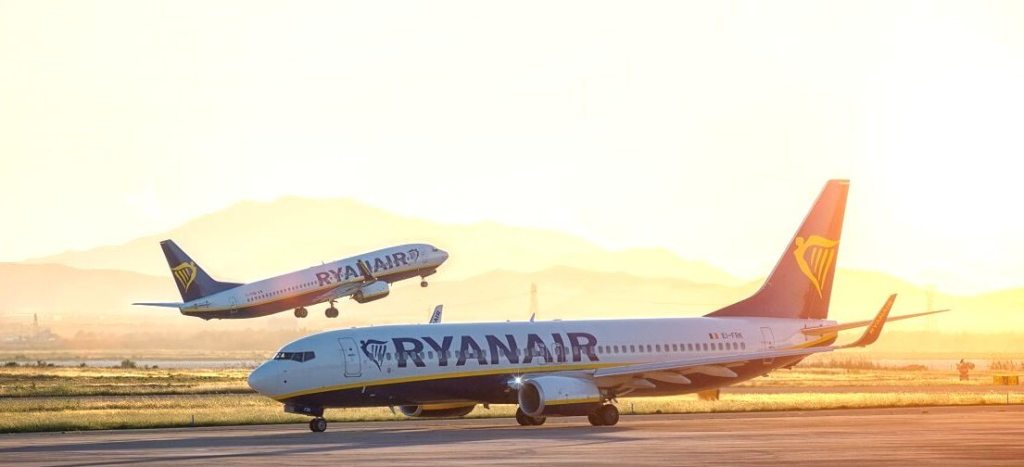
La UE rompió con una recomendación del sector a nivel mundial y endureció las normas para la temporada de horarios de invierno, que va de octubre a marzo, tras la fuerte presión ejercida por compañías de bajo coste como Ryanair, con grandes redes de corto recorrido, y por los aeropuertos europeos, muchos de los cuales están privatizados y tratan de producir beneficios. «Ya no estamos en la fase de crisis inmediata. Ahora estamos en una situación en la que el mercado es estable, con niveles mucho más bajos de los que había en 2019, pero es estable», dijo Aidan Flanagan, Director de Seguridad y Capacidad del Consejo Internacional de Aeropuertos de Europa.

La Comisión Europea (CE) dijo en Julio 2021 que la tasa de uso del 50%, por debajo del 80% en tiempos normales, se eligió para garantizar un buen uso de la capacidad aeroportuaria y beneficiar a los consumidores. También concedió excepciones para que las aerolíneas no tengan que alcanzar el 50% mientras se mantengan medidas estrictas como la cuarentena que dificulta los viajes. La Comisión no respondió inmediatamente a una solicitud de comentarios.

Una vez que se levanten las restricciones a los viajes, las compañías aéreas asiáticas tendrán que impulsar los vuelos a la Unión Europea en un plazo de seis semanas o se arriesgarán a perder las franjas horarias, aunque la demanda tarde en volver. «Cuando la demanda no está ahí, no es razonable esperar que la gente opere. Es una ventana realmente corta la que tienen una vez que se eliminan las restricciones para volver a calibrar toda esa operación», dijo Lara Maughan, Jefa de la División de Franjas Horarias de la IATA.

Singapur, Hong Kong y Corea del Sur son algunos de los países que están adoptando una línea más dura contra las compañías europeas, dijo una fuente del sector que no estaba autorizada a comentar públicamente el asunto. Las autoridades de Singapur y Hong Kong confirmaron que existen disposiciones de reciprocidad, pero declinaron comentar casos concretos. Mientras tanto, a pesar de la posibilidad de conflicto entre Asia y Europa, Estados Unidos anunció el jueves unas normas de temporada de invierno más permisivas para las compañías aéreas internacionales que la Unión Europea.

Slot restrictions in Europe-Asia

Tightening slots triggers retaliation from Asia

Regulators at Asian air transport hubs such as Singapore and Hong Kong have threatened to retaliate against plans by the European Union to force airlines to start using frozen take-off and landing slots during the Coronavirus pandemic, a measure that could force European airlines to fly with empty seats for thousands of kilometers, generating losses, or the abandonment of slots.

The authorities that control the slots in the main Asian airports are prepared to impose similar conditions of use or loss to the European airlines that fly to the cities of Asia, increasing the possibility of a trade war in the sector due to the impact. unequal of COVID-19. After a rare drive during the pandemic, when carriers were being rescued or trying to stay afloat, industry leaders say the dispute has rekindled fundamental differences in a fragmented sector as the world recovers at different speeds.

Tensions have risen since July 2021, when the European Union (EU) announced plans to force airlines to use 50% of their rights or lose them to rivals starting next month. That measure partially reinstated competition rules that had been discontinued as airlines struggled to survive the pandemic. But while the EU decision reflects a recovery of traffic already underway in the European market, mainly short-distance, Asian companies are protesting that they will be unfairly penalized because their long-distance networks will take much longer to recover. Some Asian regulators have already warned European airlines that they will have to fly at least 50% of the time, according to industry sources, posing a risk of political fights over the future of transport links that are important for trade. world.

Singapore, one of several Asian jurisdictions that have established previously unreported reciprocity rules, has included provisions to ensure fair treatment. In Asia, long quarantines remain the norm for travelers, with airlines operating at just 14% of their 2019 international capacity in July, well below the 46% 2019 levels seen in Europe and 48% in the Americas. del Norte, according to data from the International Air Transport Association (IATA).

In Europe, Lufthansa German Airlines, the EU airline with the most flights to Asia, said tough EU rules could ultimately hurt the weather and airlines, if they are forced to fly empty planes to maintain the stripes. hours. Air France and KLM said their decisions to fly were not based on airport slots.

The EU broke with a recommendation from the sector worldwide and tightened the rules for the winter time season, which runs from October to March, after strong pressure exerted by low-cost companies such as Ryanair, with large short-haul networks, and by European airports, many of which are privatized and trying to make a profit. «We are no longer in the immediate crisis phase. We are now in a situation where the market is stable, with levels much lower than there were in 2019, but it is stable», said Aidan Flanagan, Director of Security and Capacity of the International Council of Airports of Europe.

The European Commission (EC) said in July 2021 that the 50% usage rate, below 80% in normal times, was chosen to ensure good use of airport capacity and benefit consumers. He also granted exceptions so that airlines do not have to reach 50% while strict measures such as quarantine that make travel difficult are maintained. The Commission did not immediately respond to a request for comment.

Once travel restrictions are lifted, Asian airlines will have to boost flights to the European Union within six weeks or risk losing slots, even if demand is late to return. «When the demand is not there, it is not reasonable to expect people to trade. It is a really short window that they have once the restrictions are removed to recalibrate that whole operation», said Lara Maughan, Chief of the Division of IATA Time Slots.

Singapore, Hong Kong and South Korea are some of the countries that are taking a tougher line against European companies, said an industry source who was not authorized to comment publicly on the matter. The Singapore and Hong Kong authorities confirmed that reciprocity provisions exist, but declined to comment on specific cases. Meanwhile, despite the potential for conflict between Asia and Europe, the United States on Thursday announced more lenient winter season rules for international airlines than the European Union.

PUBLISHER: Airgways.com
DBk: Ec.europa.eu / Iata.com / Aci-europe.org / Airgways.com
AW-POST: 202109171817AR

A\W   A I R G W A Y S ®