Aeroflot suspende vuelos internacionales por bloqueo
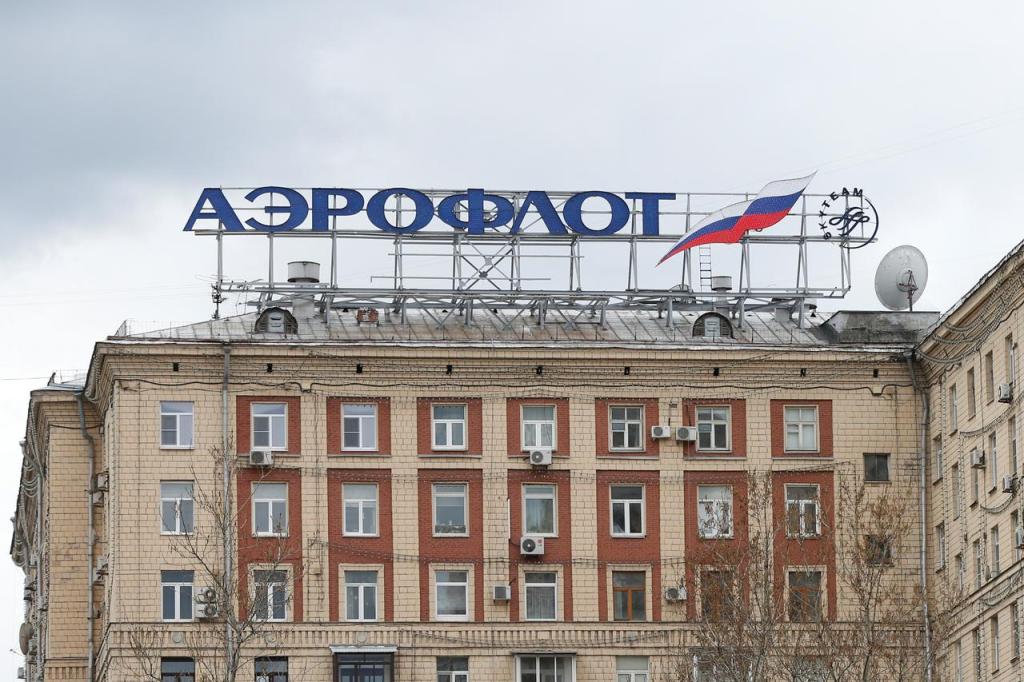
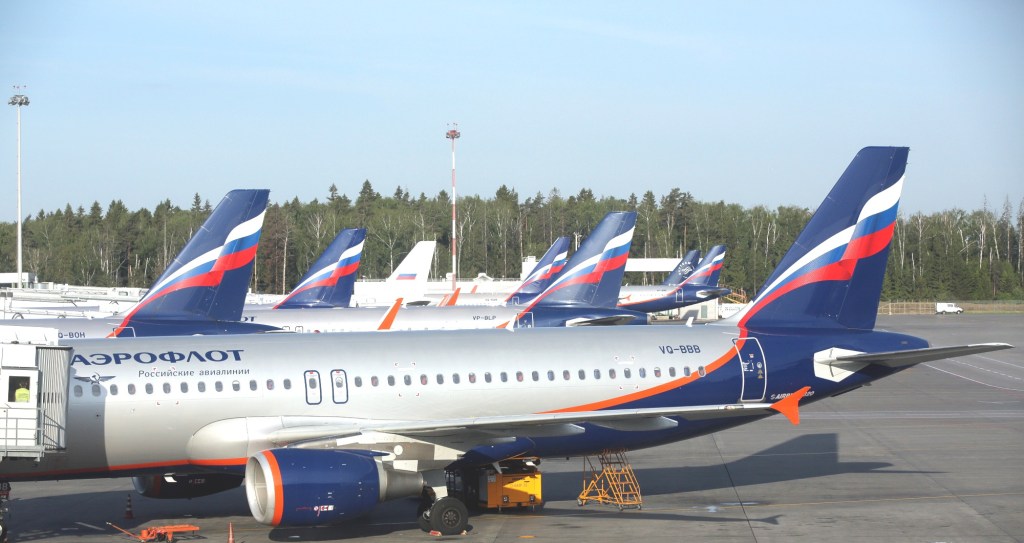
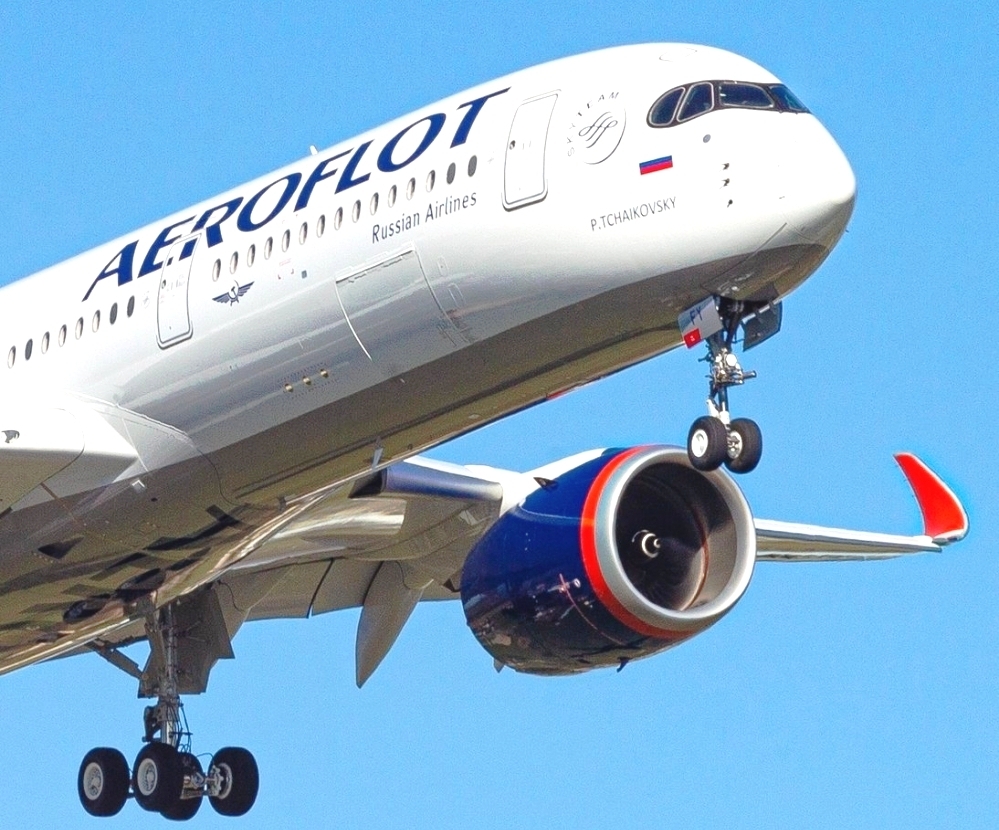
Aeroflot Russian Airlines suspenderá los vuelos internacionales a partir del 8 de Marzo de 2022. Aeroflot explicó sobre su decisión que se debe a “circunstancias que dificultan los vuelos operativos”, con la excepción de Bielorussia. La medida de la aerolínea estatal se produce después de que la agencia de aviación del país, Rosaviatsiya, recomendara que todas las aerolíneas rusas con aviones arrendados en el extranjero suspendieran los vuelos de pasajeros y de carga al extranjero debido a un alto riesgo de que los aviones arrendados en el extranjero sean confiscados como parte de las sanciones occidentales que prohíben el arrendamiento de aviones a Rusia.
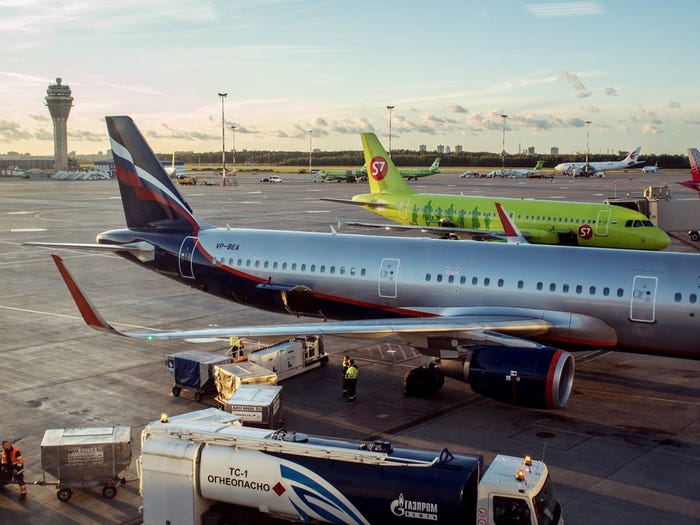
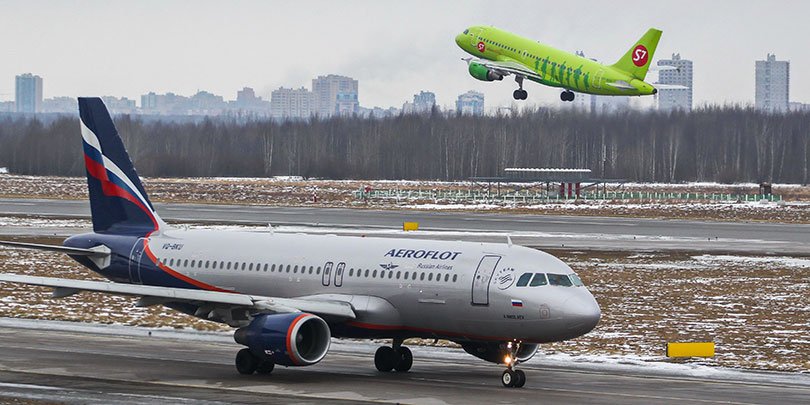
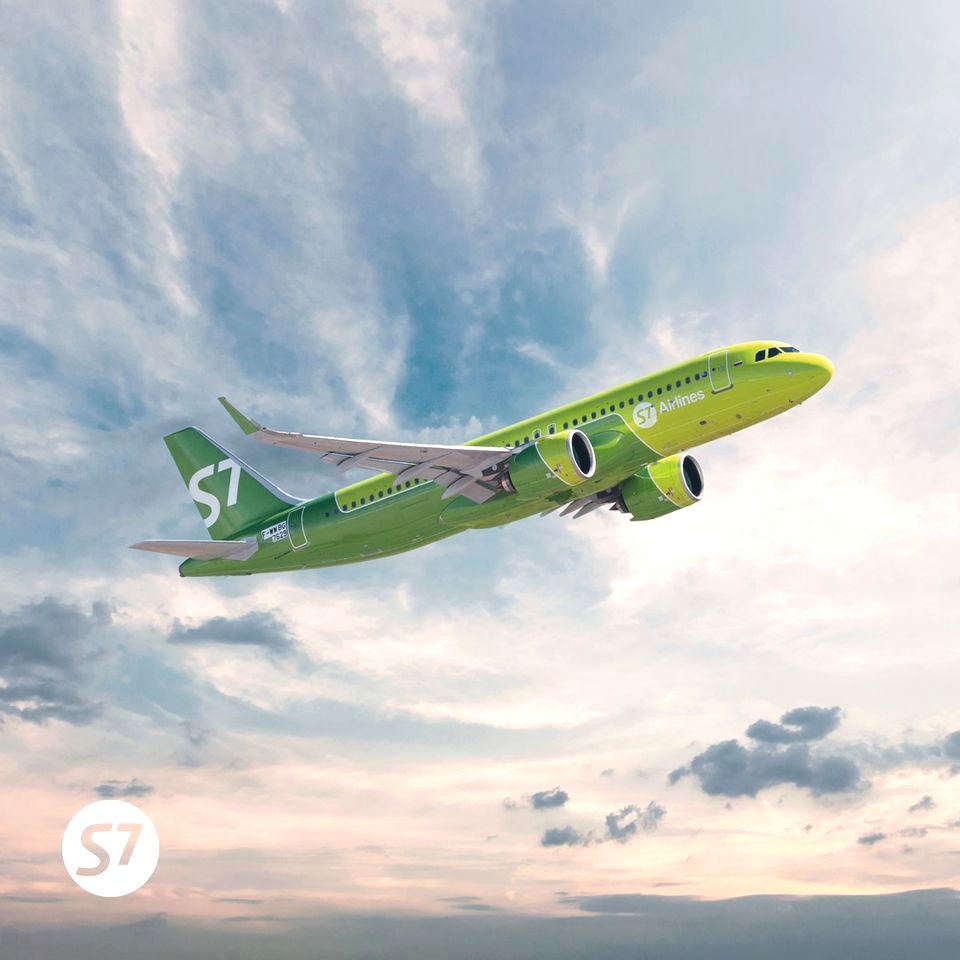
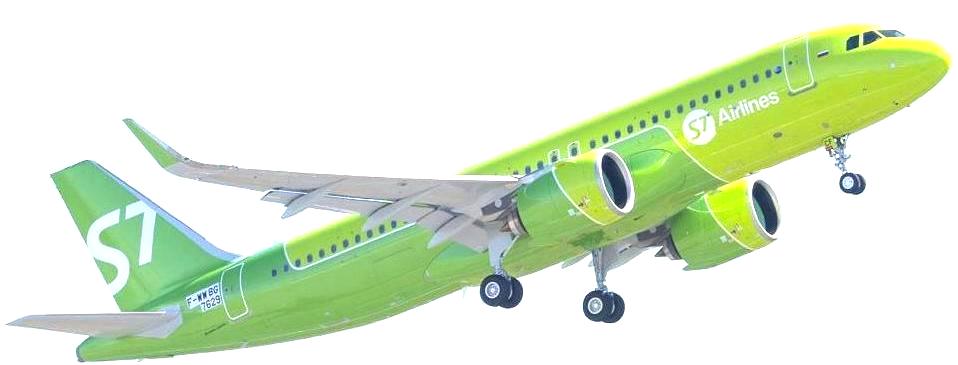
La recomendación de Rosaviatsiya no se aplica a las aerolíneas rusas que utilizan aviones rusos o aviones extranjeros que no corren el riesgo de ser confiscados. Tampoco se aplica a las aerolíneas extranjeras de países que no han impuesto sanciones a Rusia y no han cerrado su espacio aéreo para los aviones rusos. El comunicado de Aeroflot del Sábado 05/03. Aeroflot dijo que cancelaría los boletos de regreso para los pasajeros que tienen programado salir de Rusia después del 6 de Marzo de 2022 y viajar de regreso después del 8 de Marzo de 2022. Aquellos con boletos de ida podrán volar hasta el 08/03. Días atrás, la aerolínea privada más grande de Rusia, S7 Airlines anunció que suspendería todos los vuelos internacionales a partir de este Sábado 05/03.
Aeroflot international suspension
Aeroflot suspends international flights due to blockade
Aeroflot Russian Airlines will suspend international flights from March 8, 2022. Aeroflot explained its decision is due to «circumstances that make operational flights difficult», with the exception of Belarus. The move by the state airline comes after the country’s aviation agency, Rosaviatsiya, recommended that all Russian airlines with planes leased abroad suspend passenger and cargo flights abroad due to a high risk of passengers flying abroad. Foreign-leased aircraft are confiscated as part of Western sanctions that prohibit the leasing of aircraft to Russia.
Rosaviatsiya’s recommendation does not apply to Russian airlines using Russian planes or foreign planes that are not at risk of being seized. It also does not apply to foreign airlines from countries that have not imposed sanctions on Russia and have not closed their airspace to Russian aircraft. Aeroflot’s statement on Saturday 03/05. Aeroflot said it would cancel return tickets for passengers scheduled to depart Russia after March 6, 2022 and return after March 8, 2022. Those with one-way tickets will be able to fly until 03/08. Days ago, the largest private airline in Russia, S7 Airlines announced that it would suspend all international flights starting this Saturday 03/05.
PUBLISHER: Airgways.com DBk: Aeroflot.com / Ruaviation.com / Airgways.com AW-POST: 202203051827AR OWNERSHIP: Airgways Inc. A\W A I R G W A Y S ®
Gobierno analiza nacionalizar aviones occidentales en leasing Expropiación de aeronaves por parte de Rusia
Las sanciones impuestas ha minado de complicaciones a la economía de la Federación Rusia hacia el futuro. En lo que representaría una nueva escalada de las consecuencias de las sanciones impuestas por occidente a Rusia tras la invasión de Ucrania, el Ministerio de Transporte analiza comprar o nacionalizar los aviones entregados a aerolíneas rusas por operadores de leasing extranjeros. Los lessors se vieron obligados a retirar de las flotas rusas los aviones entregados por las consecuencias de las multas a las que podrían enfrentarse. De acuerdo a la cadena RBC, y recogido por Bloomberg, el Ministerio retendría los aviones para que las aerolíneas continúen operando y también para destinar una parte como fuente de repuestos. En promedio, los grandes lessors tienen aproximadamente un 6 a 8% de sus flotas totales contratadas por operadores rusos. AerCap, que actualmente tiene 152 aviones, corre riesgos de perder activos por un valor de US$ 2.500 millones de Dólares si la idea de la nacionalización prospera.
A mediano plazo, la estrategia de confiscación deberá complementarse con una provisión de piezas de contrabando o ingeniería inversa haciendo uso de su importante capacidad industrial. Pero a medida que las piezas pierdan trazabilidad, las aeronaves perderían su aeronavegabilidad.
Bloqueo mundial
Las sanciones de la Unión Europea, Estados Unidos y Canadá abarcan toda una serie de actividades, desde la prestación de servicios a empresas rusas hasta la realización de transacciones financieras que permitan realizar pagos, aplicándose medidas muy fuertes en el sector de la aviación. Las prohibiciones de vuelo recíprocas entre Occidente y Rusia impidieron a la compañía aérea de bandera Aeroflot Russian Airlines, S7 Airlines, Rossiya Airlines, entre otras, volar a destinos como la Unión Europea, Estados Unidos y Canadá. Rusia, por su parte, ha denegado el acceso a rutas de vuelo clave sobre su territorio, lo que ha dificultado los servicios europeos a Asia.
Airbus y Boeing declararon que suspenderán el suministro de aviones, piezas de repuesto y asistencia a los clientes rusos, mientras que la división de mantenimiento Technik de Deutsche Lufthansa AG ha interrumpido sus servicios de soporte técnico y mantenimiento en ese país.
Russia would nationalize Western planes
Government analyzes nationalizing Western aircraft in leasing Expropriation of aircraft by Russia
The imposed sanctions have undermined the economy of the Russian Federation with complications in the future. In what would represent a new escalation of the consequences of the sanctions imposed by the West on Russia after the invasion of Ukraine, the Ministry of Transport analyzes buying or nationalizing the planes delivered to Russian airlines by foreign leasing operators. The lessors were forced to withdraw the delivered planes from the Russian fleets because of the consequences of the fines they could face. According to the RBC chain, and collected by Bloomberg, the Ministry would retain the planes so that the airlines continue operating and also to allocate a part as a source of spare parts. On average, the large lessors have approximately 6-8% of their total fleets contracted to Russian operators. AerCap, which currently has 152 planes, risks losing US$ 2.5 billion worth of assets if the nationalization idea goes through.
In the medium term, the confiscation strategy must be complemented with a supply of contraband or reverse engineering parts, making use of its important industrial capacity. But as parts lose traceability, aircraft would lose their airworthiness.
World lockdown
The sanctions of the European Union, the United States and Canada cover a whole series of activities, from providing services to Russian companies to carrying out financial transactions that allow payments to be made, applying very strong measures in the aviation sector. The reciprocal flight bans between the West and Russia prevented the flag carrier Aeroflot Russian Airlines, S7 Airlines, Rossiya Airlines, among others, from flying to destinations such as the European Union, the United States and Canada. Russia, for its part, has denied access to key flight routes over its territory, hampering European services to Asia.
Airbus and Boeing declared that they will suspend the supply of aircraft, spare parts and assistance to Russian customers, while the maintenance division Technik of Deutsche Lufthansa AG has interrupted its technical support and maintenance services in that country.
PUBLISHER: Airgways.com DBk: Mintrans.gov.ru / Airgways.com AW-POST: 202203050525AR OWNERSHIP: Airgways Inc. A\W A I R G W A Y S ®
La compañía aérea rusa S7 Airlines ha anunciado este Viernes 04/03 la cancelación de todos sus vuelos internacionales a partir de este Sábado 05/03 tras el cierre del espacio aéreo de muchos países a los aviones rusos en represalia por la invasión de la Federación Rusia a Ucrania. «Lamentablemente, a partir del 5 de Marzo de 2022 S7 Airlines se ve obligada a cancelar todos sus vuelos internacionales. Los pasajeros de los vuelos cancelados serán informados por la compañía aérea, nuestros especialistas trabajan con ellos», señaló la compañía aérea en un comunicado.
Según la línea aérea, S7 Airlines ayudará a los turistas a regresar en vuelos de compañías asociadas. «Los pasajeros de los vuelos internacionales cancelados podrán recibir el total reintegro del costo del pasaje tras recibir el mensaje sobre la cancelación del vuelo», añadió la compañía.
S7 Airlines cancels foreign flights
Total cancellation of international flights
The Russian airline S7 Airlines has announced this Friday 03/04 the cancellation of all its international flights starting this Saturday 03/05 after the closure of the airspace of many countries to Russian planes in retaliation for the invasion of the Russian Federation to Ukraine. «Unfortunately, as of March 5, 2022, S7 Airlines is forced to cancel all its international flights. Passengers on canceled flights will be informed by the airline, our specialists work with them», the airline said in a statement.
According to the airline, S7 Airlines will help tourists return on partner airline flights. «Passengers of canceled international flights will be able to receive a full refund of the cost of the ticket after receiving the message about the cancellation of the flight», the company added.
Rusia-Ucrania acuerdo corredores humanitarios
Ucrania y Rusia acordaron un alto el fuego temporal para corredores humanitarios
La segunda ronda de negociaciones entre la Federación Rusia y Ucrania sobre la invasión rusa tuvo lugar en Belovezhskaya Pushcha, en la región bielorrusa de Brest, cerca de la frontera polaca. Representantes de los grupos negociadores de Rusia y Ucrania afirmaron que en la reunión de ayer Jueves 03/03 se acordó un alto el fuego temporal en los lugares donde se establezcan corredores humanitarios para la evacuación de civiles en Ucrania.
El Asesor Presidencial ucraniano Myjailo Podoliak informó que se ha alcanzado un acuerdo para un cese el fuego temporal por motivos humanitarios en las negociaciones de este Jueves 03/03 con Rusia. “Las partes han llegado a un entendimiento sobre la creación conjunta de corredores humanitarios con un alto el fuego temporal. Es decir, no en todas partes, sino sólo en aquellos lugares donde se ubicarán los propios corredores humanitarios, será posible el cese al fuego durante la operación. No obstante, la delegación negociadora ucraniana no obtuvo los resultados que esperaba y continuará el diálogo en una tercera ronda de conversaciones”.
Por su parte, el Jefe negociador ruso, Vladimir Medinski, señaló que las delegaciones lograron un entendimiento mutuo en algunos temas. “Las posiciones son absolutamente claras. están desglosadas por puntos. En parte de ellas logramos un entendimiento mutuo”. El acuerdo humanitario alcanzado ayer entre Rusia y Ucrania es bueno, va a permitir la salida de muchas personas, pero es un acuerdo limitado, no es un cese al fuego.
Russia-Ukraine agreement on humanitarian corridors
Ukraine and Russia agreed to a temporary ceasefire for humanitarian corridors
The second round of negotiations between the Russian Federation and Ukraine on the Russian invasion took place in Belovezhskaya Pushcha, in the Belarusian region of Brest, near the Polish border. Representatives of the negotiating groups of Russia and Ukraine affirmed that at yesterday’s meeting, Thursday 03/03, a temporary ceasefire was agreed in the places where humanitarian corridors are established for the evacuation of civilians in Ukraine.
The Ukrainian Presidential Advisor Myjailo Podoliak reported that an agreement has been reached for a temporary ceasefire for humanitarian reasons in the negotiations this Thursday 03/03 with Russia. “The parties have reached an understanding on the joint creation of humanitarian corridors with a temporary ceasefire. That is, not everywhere, but only in those places where the humanitarian corridors themselves will be located, a ceasefire will be possible during the operation. However, the Ukrainian negotiating delegation did not obtain the results it expected and will continue the dialogue in a third round of talks”.
For his part, the Russian chief negotiator, Vladimir Medinski, pointed out that the delegations reached a mutual understanding on some issues. “The positions are absolutely clear. They are broken down by points. In part of them we achieved a mutual understanding”. The humanitarian agreement reached yesterday between Russia and Ukraine is good, it will allow many people to leave, but it is a limited agreement, it is not a ceasefire.
PUBLISHER: Airgways.com DBk: S7.ru / Gov.ua / Ft.com / Airgways.com AW-POST: 202203042045AR OWNERSHIP: Airgways Inc. A\W A I R G W A Y S ®
El fabricante brasileño de aviones Embraer S.A. ha confirmado este Jueves 3 de Marzo de 2022 que se unirá a The Boeing Company y Airbus Group para detener el suministro de piezas y aviones a la Federación Rusia como parte de los bloqueos políticos y económicos impuestos por innumerables estados, organismos y compañías alrededor del mundo.
La compañía brasileña ha expresado el total apoyo a las restricciones impuestas a Rusia debido al atropello a la paz mundial. Embraer está monitoreando de cerca la evolución de la situación y continuará cumpliendo, con las sanciones internacionales impuestas a Rusia y ciertas regiones de Ucrania mediante la suspensión de piezas, mantenimiento y servicios de soporte técnico para clientes afectados por sanciones.
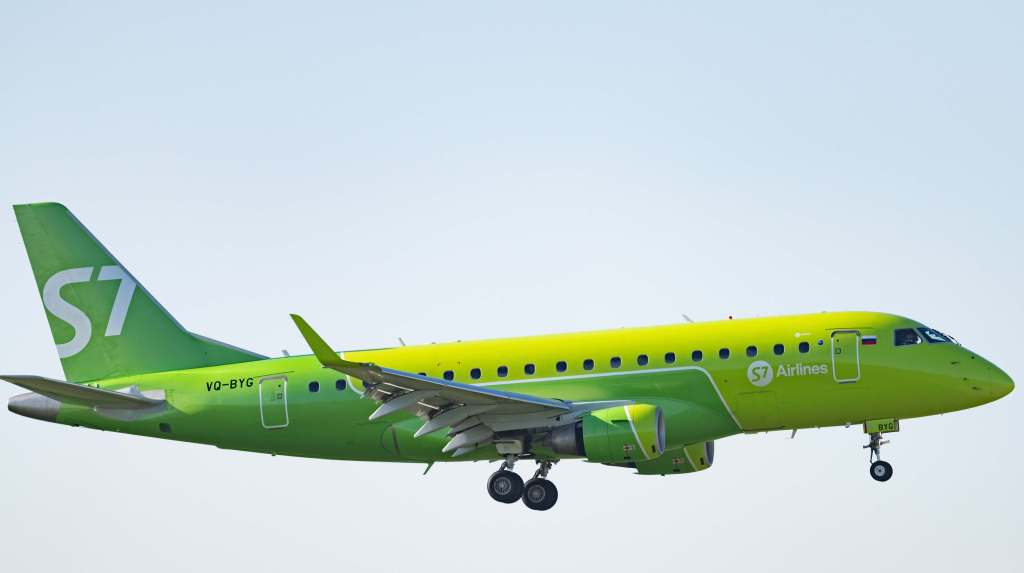
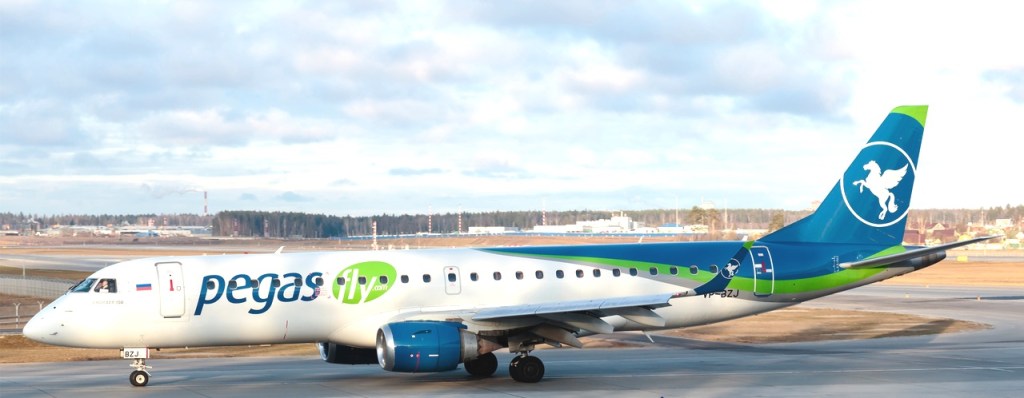
Embraer posee actualmente dos importantes clientes de aerolíneas comerciales en Rusia: S7 Airlines que posee una flota de diecisiete E170 (17) en operación, mientras que Pegas Fly tiene seis E190 (6) más grandes. Varios operadores privados y chárter también utilizan los aviones de negocios del fabricante, incluidos Sirius-Aero, RusJet y PremierAvia.
El mercado en la Federación Rusia se ha convertido en una importante plaza para el constructor brasileño. A medida que Occidente continúa aplicando medidas de bloqueos, más compañías se adhieren a aislar al país como represalias por los graves atropellos a la dignidad humana, donde la guerra nunca será un justificativo de la garantía por la paz.
Embraer breaks relations with Russia
Embraer joins global blockade of Russia
Brazilian aircraft manufacturer Embraer S.A. has confirmed this Thursday, March 3, 2022 that it will join The Boeing Company and Airbus Group in stopping the supply of parts and aircraft to the Russian Federation as part of the political and economic blockades imposed by countless states, organizations and companies around the world.
The Brazilian company has expressed full support for the restrictions imposed on Russia due to the violation of world peace. Embraer is closely monitoring the evolution of the situation and will continue to comply with the international sanctions imposed on Russia and certain regions of Ukraine by suspending parts, maintenance and technical support services for customers affected by sanctions.
Embraer currently has two major commercial airline customers in Russia: S7 Airlines which has a fleet of seventeen E170s (17) in operation, while Pegas Fly has six larger E190s (6). Several private and charter operators also use the manufacturer’s business jets, including Sirius-Aero, RusJet and PremierAvia.
The market in the Russian Federation has become an important place for the Brazilian manufacturer. As the West continues to apply blockade measures, more companies join in isolating the country in retaliation for the serious violations of human dignity, where war will never be a justification for the guarantee of peace.
PUBLISHER: Airgways.com DBk: Embraer.com / Airgways.com AW-POST: 202203031705AR OWNERSHIP: Airgways Inc. A\W A I R G W A Y S ®
Compromete US$ 2 millones para apoyar respuesta humanitaria
The Boeing Company ha anunciado este 3 de Marzo de 2022 un paquete de asistencia de emergencia de US$ 2 millones para apoyar los esfuerzos de respuesta humanitaria en Ucrania. El paquete de asistencia se dirigirá a las organizaciones que trabajan para llevar alimentos, agua, ropa, medicinas y refugio a los ucranianos desplazados, incluidos aquellos que buscan refugio en los países vecinos. Además, Boeing igualará todas las contribuciones de los empleados calificados realizadas en apoyo de la ayuda humanitaria ucraniana a través del programa de igualación caritativa de la compañía.
«El conflicto que se desarrolla en Ucrania está llevando a una emergencia humanitaria significativa, y Boeing tomará medidas para apoyar al pueblo ucraniano. Nuestros pensamientos están con todos aquellos que han sido empujados en medio de esta crisis. Mientras trabajamos para garantizar la seguridad de los empleados de Boeing en la región, esperamos que este paquete de asistencia ayude a brindar un apoyo muy necesario a aquellos que están desplazados y sufren», dijo Dave Calhoun, Presidente y CEO de Boeing.
La financiación del Boeing Charitable Trust apoyará a las siguientes organizaciones: US$ 1.000.000 a CARE para ayudar con la distribución de alimentos, agua y kits de higiene, así como asistencia monetaria y apoyo psicosocial para los ucranianos afectados, con un enfoque en mujeres, niños y ancianos. US$ 500.000 a la Cruz Roja Americana para apoyar el movimiento mundial de la Cruz Roja que brinda ayuda humanitaria crítica a las personas afectadas por la crisis de Ucrania. US$ 250.000 a Americares para ayudar con la distribución de medicamentos y suministros médicos, así como para apoyar la atención médica crítica para las familias desplazadas por la crisis, incluidos los servicios de salud mental. US$ 250.000 a organizaciones que trabajan para apoyar a las poblaciones vulnerables y desplazadas en Ucrania y los países vecinos.
«La situación humanitaria en Ucrania empeora cada hora. En la última semana, más de 500.000 personas han huido de Ucrania hacia los países vecinos. Se espera que este número aumente a más de un millón en los próximos días. El apoyo de Boeing es muy oportuno e impactante. Nos ayudará a proporcionar alimentos duraderos, artículos de higiene, pañales, sacos de dormir, colchonetas y otras necesidades críticas para aliviar el sufrimiento», dijo Michelle Nunn, Presidenta y CEO de CARE USA.
«Gracias al generoso apoyo de Boeing, la red mundial de la Cruz Roja está ayudando a las familias afectadas por los continuos combates en Ucrania. Estamos agradecidos por socios como Boeing mientras trabajamos juntos para proporcionar ayuda humanitaria crítica en respuesta a la crisis de Ucrania», dijo Anne McKeough, Directora de Desarrollo de la Cruz Roja Americana.
«Estamos muy agradecidos por el increíble apoyo de Boeing mientras trabajamos para proteger la salud de las familias que huyen de la devastadora crisis en Ucrania. Esta donación apoyará directamente los esfuerzos de respuesta de Americares y ayudará a nuestro equipo de respuesta de emergencia en el terreno a restaurar el acceso a la atención para aquellos que más lo necesitan», dijo Kate Dischino, Vicepresidenta de Programas de Emergencia de Americares.
La salud y el bienestar de los empleados de Boeing y sus familias en todo el mundo siguen siendo una prioridad para la compañía. Boeing y los equipos asociados están verificando a los empleados afectados mientras continúan coordinando con agencias gubernamentales, clientes y proveedores para evaluar los impactos humanos y comerciales en la región.
Los esfuerzos de ayuda humanitaria se alinean con el compromiso continuo de la compañía con las comunidades donde viven y trabajan nuestros empleados de Boeing. Boeing está activo y comprometido en Europa, contribuyendo con un total combinado de US$ 11 millones de Dólares/€ 9,9 millones de Euros en contribuciones caritativas en todo el continente en los últimos cinco años. En 2021, Boeing donó US$ 13 millones de Dólares a los esfuerzos humanitarios y de socorro en casos de desastre a nivel mundial.
Como empresa aeroespacial líder a nivel mundial, Boeing desarrolla, fabrica y presta servicios a aviones comerciales, productos de defensa y sistemas espaciales para clientes en más de 150 países. El diverso equipo de Boeing está comprometido a innovar para el futuro y vivir los valores fundamentales de la compañía de seguridad, calidad e integridad.
Boeing backs aid to Ukraine
Commits US$ 2 million to support humanitarian response
The Boeing Company has announced this March 3, 2022 a US$ 2 million emergency assistance package to support humanitarian response efforts in Ukraine. The aid package will go to organizations working to bring food, water, clothing, medicine and shelter to displaced Ukrainians, including those seeking refuge in neighboring countries. In addition, Boeing will match all qualified employee contributions made in support of Ukrainian humanitarian aid through the company’s charitable matching program.
«The unfolding conflict in Ukraine is leading to a significant humanitarian emergency, and Boeing will take action to support the Ukrainian people. Our thoughts are with all those who have been thrust into the midst of this crisis. As we work to ensure the safety of the Boeing employees in the region, we hope this assistance package will help provide much-needed support to those who are displaced and suffering», said Dave Calhoun, Boeing president and CEO.
Funding from the Boeing Charitable Trust will support the following organizations: US$1,000,000 to CARE to help with the distribution of food, water and hygiene kits, as well as cash assistance and psychosocial support for affected Ukrainians, with a focus on women , children and the elderly. US$ 500,000 to the American Red Cross to support the global Red Cross movement providing critical humanitarian aid to people affected by the Ukraine crisis. US$ 250,000 to Americares to help with the distribution of medicines and medical supplies, as well as to support critical health care for families displaced by the crisis, including mental health services. US$ 250,000 to organizations working to support vulnerable and displaced populations in Ukraine and neighboring countries.
«The humanitarian situation in Ukraine is getting worse by the hour. In the last week, more than 500,000 people have fled Ukraine for neighboring countries. This number is expected to rise to more than a million in the coming days. Boeing’s support is very timely and impactful. It will help us provide durable food, hygiene items, diapers, sleeping bags, sleeping mats and other critical necessities to alleviate suffering», said Michelle Nunn, President and CEO of CARE USA.
«Thanks to Boeing’s generous support, the Red Cross global network is helping families affected by the ongoing fighting in Ukraine. We are grateful for partners like Boeing as we work together to provide critical humanitarian assistance in response to the Ukraine crisis», said Anne McKeough, Director of Development for the American Red Cross.
«We are so grateful for Boeing’s incredible support as we work to protect the health of families fleeing the devastating crisis in Ukraine. This donation will directly support Americares’ response efforts and help our emergency response team on the ground restore access to care for those who need it most», said Kate Dischino, Americares Vice President of Emergency Programs.
The health and well-being of Boeing employees and their families around the world remain a top priority for the company. Boeing and partner teams are verifying affected employees while continuing to coordinate with government agencies, customers and suppliers to assess human and business impacts in the region.
Humanitarian relief efforts align with the company’s ongoing commitment to the communities where our Boeing employees live and work. Boeing is active and engaged in Europe, contributing a combined US$ 11 million/€ 9.9 million Euro in charitable contributions across the continent over the past five years. In 2021, Boeing donated US$13 million to global disaster relief and humanitarian efforts.
As a leading global aerospace company, Boeing develops, manufactures and services commercial aircraft, defense products and space systems for customers in more than 150 countries. Boeing’s diverse team is committed to innovating for the future and living the company’s core values of safety, quality and integrity.
PUBLISHER: Airgways.com DBk: Boeing.com / Airgways.com AW-POST: 202203031618AR OWNERSHIP: Airgways Inc. A\W A I R G W A Y S ®
TAG Airlines designada aerolínea de bandera de Guatemala
La República de Guatemala ha anunciado la designación de la nueva aerolínea de bandera TAG Airlines con el nombramiento oficial por parte del Gobierno guatemalteco. Durante un acto oficial llevado a cabo este Miércoles 02/03 se otorgó el nombramiento oficial, como reconocimiento a los más de 60 años de trayectoria, ceremonia se llevó a cabo en el hangar de TAG Airlines del Aeropuerto Internacional La Aurora, con la presencia de representantes de la industria de la aviación, operadores turísticos, empresarios y autoridades de turismo de México y Centroamérica, así como integrantes del cuerpo diplomático.
Marcela Toriello, Presidenta de TAG Airlines, agradeció la distinción y refrendó el compromiso de la empresa para impulsar la conectividad y el desarrollo económico. “Con gran emotividad, comparto con ustedes que mi esposo Jonathan Layton siempre tuvo el sueño de que TAG Airlines surcara nuevos horizontes y se convirtiera en la aerolínea más importante de nuestro país y de la región. Hoy me complace asegurar que ese sueño es una realidad y con emoción recibimos la distinción que nos brindan las autoridades de Guatemala”, expresó con júbilo la excelente noticia. Julio Gamero, CEO de TAG Airlines, habló sobre el proceso de transformación y modernización de la aerolínea, indicando que la empresa alista los detalles para sus nuevas rutas, que entrarán en operación en el corto período, entre ellas la ruta Guatemala—Mérida, que iniciará operaciones en el primer trimestre de este año con cuatro frecuencias semanales (4Frq/S) y tarifas competitivas, así como la nueva ruta Guatemala—Oaxaca, que se suman a las que actualmente operan entre Guatemala—Cancún, Guatemala—Tapachula y Cancún—Flores. También destacó que la aerolínea se transforma con operaciones hacia diferentes destinos, para convertirse en la aerolínea con la mayor conectividad en la región.
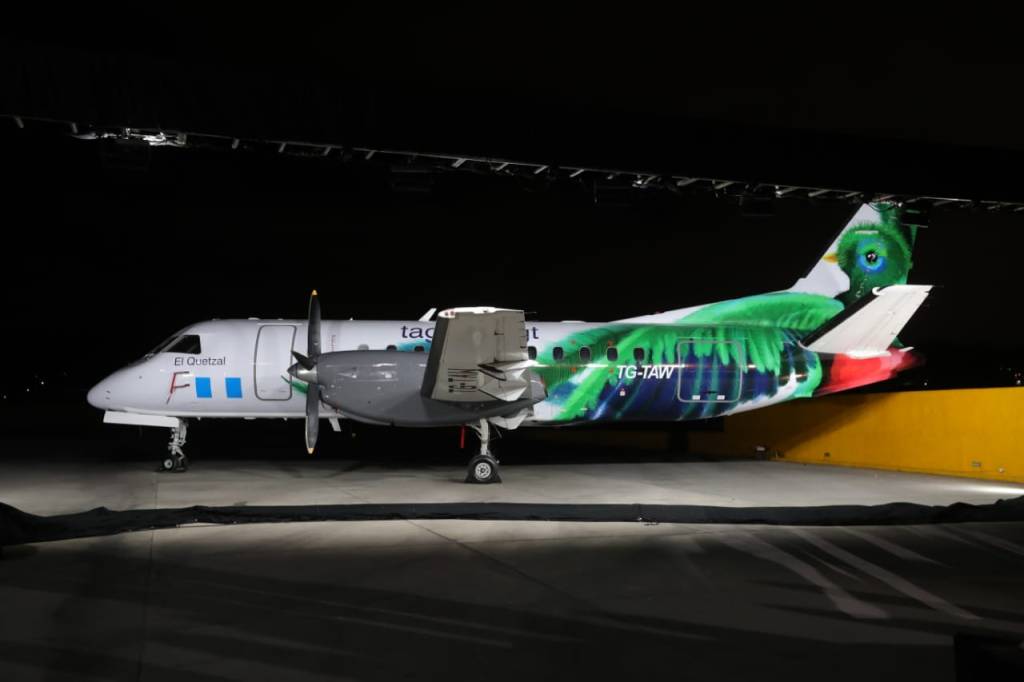
Durante el evento se dio a conocer la imagen de un avión conmemorativo, con el emblemático quetzal, considerada ave sagrada del mundo maya y símbolo del país. El diseño fue una idea original de la reconocida artista Analucía Sian Quiroa y representa la majestuosidad del quetzal conquistando el viento, volando libre y surcando el cielo.
Historia de TAG Airlines
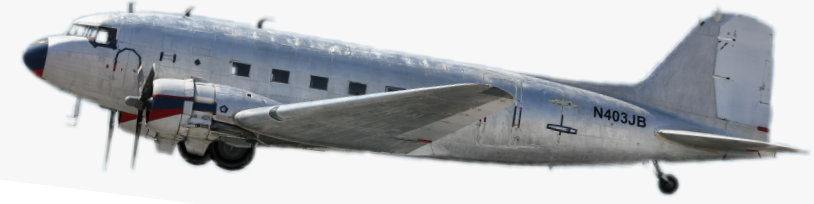
Fundada en 1961, fue la compañía pionera de la aviación civil en Guatemala y la primera empresa guatemalteca certificada como Operador Aéreo bajo las regulaciones de Aviación Civil Internacional, por lo que también es fundadora de la Asociación de Líneas Aéreas y la Gremial de Líneas Aéreas de Carga de la Cámara de Industria, entre otras. En 1972, la compañía añadió un Douglas DC-3 a su flota, compitiendo en ese entonces con la empresa aérea estatal Aviateca.
TAG Airlines opera veintisiete vuelos diarios en Guatemala, Honduras, El Salvador, Belice y México. Cuenta con una flota de más de 20 aeronaves y recientemente recibió la certificación de seguridad operacional ISSA. Además, ofrece vuelos para ejecutivos, turistas, chárter y servicios aéreos de ambulancia, fumigación, publicidad, filmación, carga externa y FBO. TAG Airlines es una empresa 100% guatemalteca, que desde hace sesenta años se dedica a la conectividad aérea y el desarrollo de operaciones de transporte comercial de pasajeros ejecutivos y turísticos, con ubicación en el Aeropuerto Internacional La Aurora.
Qué es una aerolínea bandera
Una aerolínea bandera es la que representa a un país como una forma de soberanía, pues permite al Estado organizar su espacio aéreo. Una de las principales razones por las que existe y se ha desarrollado el concepto de aerolínea de bandera es para contar con una empresa que actúe oficialmente en nombre del Estado. En Guatemala, la empresa de aviación estatal fue en un tiempo Aviateca. Las aerolíneas de bandera en todo el mundo son un elemento central en la economía de un Estado, pues generan ingresos para el mismo, independientemente de que estén operadas de forma pública o privada.
Reconocimientos
La Asociación Latinoamericana y del Caribe de Transporte Aéreo (ALTA), reconoció a principios de año 2022 el liderazgo de TAG Airlines para fortalecer la conectividad regional en Centroamérica y en los destinos del Mundo Maya. Durante el encuentro que sostuvo Julio Gamero, CEO de TAG Airlines, con José Ricardo Botelho, Director Ejecutivo y CEO de ALTA, quien realizó una visita de trabajo a Guatemala. En la reunión, también participaron Francis Argueta Aguirre, director general de Aeronáutica Civil (DGAC); Rolando Schweikert, presidente de la Cámara de Turismo de Guatemala (CAMTUR); Motty Rodas, directora de la Asociación Guatemalteca de Líneas Aéreas (AGLA); y Paul Hagen, presidente de la Asociación de Agencias de Viajes de Guatemala (AGAV).
TAG designated flag carrier
The Republic of Guatemala has announced the designation of the new flag carrier TAG Airlines with the official appointment by the Guatemalan Government. During an official act carried out this Wednesday 03/02, the official appointment was granted, in recognition of the more than 60 years of experience, a ceremony was held in the TAG Airlines hangar of the La Aurora International Airport, with the presence of representatives of the aviation industry, tour operators, businessmen and tourism authorities from Mexico and Central America, as well as members of the diplomatic corps.
Marcela Toriello, President of TAG Airlines, thanked the distinction and endorsed the company’s commitment to promote connectivity and economic development. “It is with great emotion that I share with you that my husband, Jonathan Layton, always had the dream that TAG Airlines would cross new horizons and become the most important airline in our country and in the region. Today I am pleased to assure you that this dream is a reality and with emotion we receive the distinction that the Guatemalan authorities give us”, she expressed with joy the excellent news. Julio Gamero, CEO of TAG Airlines, spoke about the transformation and modernization process of the airline, indicating that the company is preparing the details for its new routes, which will come into operation in the short term, including the Guatemala-Mérida route, which will start operations in the first quarter of this year with four weekly frequencies (4Frq/S) and competitive rates, as well as the new Guatemala—Oaxaca route, in addition to those currently operating between Guatemala—Cancún, Guatemala—Tapachula and Cancún—Flowers. He also highlighted that the airline is transforming with operations to different destinations, to become the airline with the greatest connectivity in the region.
During the event, the image of a commemorative plane was unveiled, with the emblematic quetzal, considered a sacred bird of the Mayan world and a symbol of the country. The design was an original idea of the renowned artist Analucía Sian Quiroa and represents the majesty of the quetzal conquering the wind, flying free and soaring through the sky.
History of TAG Airlines
Founded in 1961, it was the pioneer civil aviation company in Guatemala and the first Guatemalan company certified as an Air Operator under International Civil Aviation regulations, for which it is also the founder of the Association of Air Lines and the Guild of Air Lines of Guatemala. Charge of the Chamber of Industry, among others. In 1972, the company added a Douglas DC-3 to its fleet, competing at the time with the state-owned airline company Aviateca.
TAG Airlines operates twenty-seven daily flights in Guatemala, Honduras, El Salvador, Belize and Mexico. It has a fleet of more than 20 aircraft and recently received ISSA safety certification. In addition, it offers flights for executives, tourists, charter and air ambulance services, fumigation, advertising, filming, external cargo and FBO. TAG Airlines is a 100% Guatemalan company, which for sixty years has been dedicated to air connectivity and the development of commercial transportation operations for executive and tourist passengers, with a location at La Aurora International Airport.
What is a flag carrier
A flag airline is the one that represents a country as a form of sovereignty, since it allows the State to organize its airspace. One of the main reasons why the flag carrier concept exists and has been developed is to have a company that acts officially on behalf of the State. In Guatemala, the state aviation company was once Aviateca. Flag carriers around the world are a central element in the economy of a State, as they generate income for it, regardless of whether they are operated publicly or privately.
Acknowledgments
The Latin American and Caribbean Air Transport Association (ALTA), recognized at the beginning of 2022 the leadership of TAG Airlines to strengthen regional connectivity in Central America and in the destinations of the Mayan World. During the meeting held by Julio Gamero, CEO of TAG Airlines, with José Ricardo Botelho, Executive Director and CEO of ALTA, who made a working visit to Guatemala. Also participating in the meeting were Francis Argueta Aguirre, director general of Civil Aeronautics (DGAC); Rolando Schweikert, president of the Guatemalan Chamber of Tourism (CAMTUR); Motty Rodas, director of the Guatemalan Airline Association (AGLA); and Paul Hagen, president of the Association of Travel Agencies of Guatemala (AGAV).
PUBLISHER: Airgways.com DBk: Guatemala.gob.gt / Tag.com.gt / Airgways.com AW-POST: 202203031520AR OWNERSHIP: Airgways Inc. A\W A I R G W A Y S ®
AW | 2022 03 02 10:00 | GOVERNMENT / AIR TRAFFIC / AVIATION SAFETY
Estados Unidos prohíbe vuelos rusos desde su espacio aéreo
El Presidente de Estados Unidos Joe Biden confirmó durante su discurso sobre el Estado de la Unión el Martes 01/03 que Estados Unidos prohibirá que los vuelos de propiedad y operación rusa ingresen al espacio aéreo estadounidese. Ademas, la principal compañia aeroespacial The Boeing Company anunció el Martes 02/03 por la noche que suspendió las principales operaciones en Moscú y cerró temporalmente su oficina en Kiev. «También estamos suspendiendo los servicios de piezas, mantenimiento y soporte técnico para las aerolíneas rusas. A medida que el conflicto continúa, nuestros equipos se centran en garantizar la seguridad de nuestros compañeros de equipo en la región», expresó el Portavoz de la compañia.
La acción en respuesta a la invasión rusa de Ucrania sigue a restricciones similares por parte de Canadá, el Reino Unido y la Unión Europea. United Airlines también se ha unido a otras importantes aerolíneas de pasajeros de Estados Unidos para suspender las rutas que cruzan el espacio aéreo ruso. Rusia tomó represalias prohibiendo los aviones de Canadá, la UE y otros países. Rusia tomó represalias prohibiendo los aviones de Canadá, la UE y otros países.
El Presidente Joe Biden dijo que la prohibición de vuelos aislará a Rusia y agregará «una presión adicional sobre su economía. No tiene idea de lo que viene», dijo Joe Biden refiriéndose al Presidente ruso, Vladimir Putin.
US bans Russian flights
US bans Russian flights from US airspace
President Joe Biden confirmed during his State of the Union address on Tuesday 03/01 that the United States will ban Russian owned and operated flights from entering US airspace. In addition, the main aerospace company The Boeing Company announced on Tuesday night 03/02 that it suspended the main operations in Moscow and temporarily closed its office in Kiev. «We are also suspending parts, maintenance and technical support services for Russian airlines. As the conflict continues, our teams are focused on ensuring the safety of our teammates in the region», said the company’s Spokesman.
The action in response to Russia’s invasion of Ukraine follows similar restrictions by Canada, the United Kingdom and the European Union. United Airlines has also joined other major US passenger carriers in suspending routes that cross Russian airspace. Russia retaliated by banning planes from Canada, the EU and other countries. Russia retaliated by banning planes from Canada, the EU and other countries.
President Joe Biden said the flight ban will isolate Russia and «additional pressure on its economy. He has no idea what’s coming,» Joe Biden said of Russian President Vladimir Putin.
PUBLISHER: Airgways.com DBk: Whitehouse.gov / Boeing.com / Airgways.com AW-POST: 202203021000AR OWNERSHIP: Airgways Inc. A\W A I R G W A Y S ®
AW | 2022 02 27 15:00 | AIR TRAFFIC / AIRLINES / GOVERNMENT
Unión Europea cerrará espacio aéreo a aerolíneas rusas
La Unión Europea (UE) ha informado que cerrará su espacio aéreo a aerolíneas rusas. Casi toda Europa cierra su espacio aéreo a las aerolíneas rusas. Los países europeos están cerrando su espacio aéreo a los vuelos rusos e instando a otros a seguir su ejemplo, aumentando la presión sobre el Presidente Vladimir Putin al tratar de aislar a Moscú después de su invasión de Ucrania. Los miembros de la Unión Europea Austria, Bulgaria, Chequia, Estonia, Francia, Letonia, Lituania, Alemania, Italia, Eslovenia, Finlandia, Malta, Polonia, Rumania, España, Bélgica, Luxemburgo, Suecia y Dinamarca han cerrado su espacio aéreo a los vuelos rusos o han anunciado que lo harán. El Reino Unido e Islandia, que no forman parte de la UE, también han prohibido los vuelos de las aerolíneas rusas en apoyo de Ucrania. El Gobierno de Macedonia del Norte también prohibió todos los aviones rusos de sus cielos, pero dijo que los vuelos humanitarios estarán exentos. Finlandia comparte una frontera de 1.300 kilómetros (800 millas) con la Federación Rusia, la más larga de la UE. Su aerolínea de bandera, Finnair, se especializa en vuelos entre Europa y Asia que vuelan sobre Rusia, pero sus servicios están actualmente limitados debido a las restricciones de entrada asiáticas como resultado de la pandemia de Coronavirus.
En Estados Unidos, Delta Air Lines ha suspendido su asociación de código compartido con Aeroflot Russian Airlines. «Hemos eliminado nuestro código de los servicios operados por Aeroflot más allá del aeropuerto Sheremetyevo de Moscú y eliminado el código de Aeroflot de los servicios operados por Delta desde Los Ángeles y Nueva York-JFK. Se harán adaptaciones para los clientes afectados por estos cambios», dijo Delta en un comunicado el Sábado 26/02. Actualmente, la aerolínea estadounidense no opera vuelos a Ucrania o la Federación Rusia.
Bloqueo político
No hay una prohibición en toda la UE, pero varias naciones han pedido que el bloque tome medidas unidas contra los vuelos rusos mientras Occidente busca aumentar las sanciones a Moscú por la invasión a su vecino país, Ucrania. El Ministro de Relaciones Exteriores danés, Jeppe Kofod, dijo en Twitter que su país buscaría una prohibición en una reunión de ministros de la UE el Domingo 27/02. El Ministro sueco de Asuntos de la UE, Hans Dahlgren, dijo que una prohibición en toda Europa sería la más eficiente: «Queremos que se haga lo antes posible, y la mejor y más rápida manera sería que se haga a nivel europeo».
La tenaza occidental contra la Federación Rusia aprieta más fuerte: la mayor parte de los países europeos decidieron cerrar sus espacios aéreos a partir de anoche a las compañías de aviación rusas, una represalia suplementaria contra la invasión decidida por el mandatario ruso Vladimir Putin contra Ucrania. Un país soberano tras otro los Estados del Viejo Continente comenzaron anoche 26/02 a aplicar la misma decisión. La prohibición se aplicará a los aviones y operadores aeronáuticos rusos durante varios meses., aunque no concierne, sin embargo, a eventuales vuelos humanitarios. Rusia se ve ahora enfrentada a una importante zona de exclusión aérea por parte de Europa, que la obligará a hacer importantes desvíos aéreos. Con esta sanción suplementaria, que se agrega a la decisión tomada este Sábado 26/02 de los principales países occidentales de desconectar a gran parte de los bancos rusos de la plataforma de mensajería bancaria Swift, verdadero esqueleto del sistema financiero mundial. También decidieron bloquear las operaciones de su Banco Central, a fin de reducir su capacidad de liquidar sus activos. Concretamente, la medida impedirá a Vladimir Putin utilizar los US$ 630.000 millones de Dólares de reservas en divisas del Banco Central para financiar su invasión ucraniana y defender su moneda nacional, el Rublo.
Moscú replicó a esas sanciones anunciando el congelamiento de haberes y la nacionalización de activos de empresas occidentales, y comenzó a su vez a prohibir a varios países el sobrevuelo de su territorio. En la noche del Sábado 26/02, los ministros de Relaciones Exteriores de la Unión Europea (UE) se reunirán para analizar la posibilidad de adoptar sanciones suplementarias.
EU to close airspace to Russia
European Union to close airspace to Russian airlines
The European Union (EU) has reported that it will close its airspace to Russian airlines. Almost all of Europe closes its airspace to Russian airlines. European countries are closing their airspace to Russian flights and urging others to follow suit, mounting pressure on President Vladimir Putin as he tries to isolate Moscow after his invasion of Ukraine. The members of the European Union Austria, Bulgaria, Czechia, Estonia, France, Latvia, Lithuania, Germany, Italy, Slovenia, Finland, Malta, Poland, Romania, Spain, Belgium, Luxembourg, Sweden and Denmark have closed their airspace to Russian flights or have announced that they will. The UK and Iceland, which are not part of the EU, have also banned flights by Russian airlines in support of Ukraine. North Macedonia’s government has also banned all Russian planes from its skies, but said humanitarian flights will be exempt. Finland shares a 1,300-kilometre (800-mile) border with the Russian Federation, the longest in the EU. Its flag carrier, Finnair, specializes in flights between Europe and Asia flying over Russia, but its services are currently limited due to Asian entry restrictions as a result of the Coronavirus pandemic.
In the United States, Delta Air Lines has suspended its codeshare partnership with Aeroflot Russian Airlines. «We have removed our code from Aeroflot-operated services beyond Moscow Sheremetyevo Airport and removed the Aeroflot code from Delta-operated services from Los Angeles and New York-JFK. Accommodations will be made for customers affected by these changes». Delta said in a statement on Saturday 02/26. Currently, the US airline does not operate flights to Ukraine or the Russian Federation.
Political blockade
There is no EU-wide ban, but several nations have called for the bloc to take united action against Russian flights as the West seeks to increase sanctions on Moscow over its invasion of neighboring Ukraine. Danish Foreign Minister Jeppe Kofod said on Twitter that his country would seek a ban at a meeting of EU ministers on Sunday 02/27. Swedish EU Affairs Minister Hans Dahlgren said a Europe-wide ban would be the most efficient: «We want it to be done as soon as possible, and the best and fastest way would be to do it at European level».
The Western grip against the Russian Federation tightens more strongly: most European countries decided to close their airspace to Russian aviation companies as of last night, an additional retaliation against the invasion decided by Russian President Vladimir Putin against Ukraine. One sovereign country after another, the States of the Old Continent began last night, 02/26, to apply the same decision. The ban will apply to Russian aircraft and aircraft operators for several months, although it does not concern, however, any humanitarian flights. Russia is now facing a major no-fly zone from Europe, which will force it to make significant air diversions. With this additional sanction, which is added to the decision taken this Saturday 02/26 by the main Western countries to disconnect a large part of the Russian banks from the Swift banking messaging platform, the true skeleton of the world financial system. They also decided to block the operations of its Central Bank, in order to reduce its ability to liquidate its assets. Specifically, the measure will prevent Vladimir Putin from using the Central Bank’s US$ 630 billion in foreign exchange reserves to finance his Ukrainian invasion and defend his national currency, the Ruble.
Moscow responded to these sanctions by announcing the freezing of assets and the nationalization of assets of Western companies, and in turn began to prohibit several countries from flying over its territory. On the night of Saturday 02/26, the foreign ministers of the European Union (EU) will meet to analyze the possibility of adopting additional sanctions.
PUBLISHER: Airgways.com DBk: Europa.eu / Airgways.com AW-POST: 202202271500AR OWNERSHIP: Airgways Inc. A\W A I R G W A Y S ®
AW | 2022 02 25 15:51 | AVIATION / AIRLINES ALLIANCE / GOVERNMENT
Cambios en equilibrio de poder entre las aerolíneas Impacto industria aviación Europa-Rusia
El ataque de la Federación Rusia a Ucrania ha golpeado duramente a todas las acciones de aerolíneas europeas, pero algunas aerolíneas están mucho más expuestas que otras. el nuevo escenario podría tener un impacto considerable en los mercados de aviación en múltiples regiones. Como parte de las imposiciones económicas de Occidente a la Federación Rusia se encuentran la cancelación del espacio aéreo europeo en muchos países, imposiciones económicas y duras sanciones.
Bloqueos industriales
La Unión Europea (UE) se ha pronunciado este Viernes 25/02 que prohibirá la exportación de todos los aviones, equipos y piezas de repuesto a Rusia como parte del bloqueo. Esta medida cae bajo sanciones más amplias impuestas por la Comisión Europea (CE) tras la invasión de Ucrania por parte de Rusia. En un intento por ser más autosuficiente, la industria de la aviación de Rusia ha estado dando pasos significativos para expandir sus programas de desarrollo en el sector de la aviación. A pesar de este enfoque, hubo varias colaboraciones con empresas europeas. El constructor europeo Airbus Group estaba interesada en aumentar su cuota de mercado en Rusia en 2021, y la compañía confirmó recientemente varios nuevos pedidos de las aerolíneas de Rusia. La firma también tiene un interés significativo en los recursos de la nación, como el titanio, para construir sus aviones. Además, las marcas bajo el paraguas de Airbus también suministran piezas, incluidos asientos, a aviones rusos. Los negocios entre Rusia y otros países europeos habían estado activos durante la última década, pero el cambio en las relaciones entre Occidente y Rusia ha virado bruscamente.
La presidenta de la Comisión Europea, Ursula von der Leyen, ha expresado en la Cumbre extraordinaria de la UE: «El tercer tema es que prohibimos la venta de todas las piezas de repuesto y equipos de aviones a las aerolíneas de Rusia. Esto degradará sectores clave de la economía de Rusia y la conectividad del país. Las 3/4 partes de las flotas aéreas comerciales actuales de Rusia que construimos en la Unión Europea, los Estados Unidos y Canadá, y por lo tanto dependen masivamente de eso».
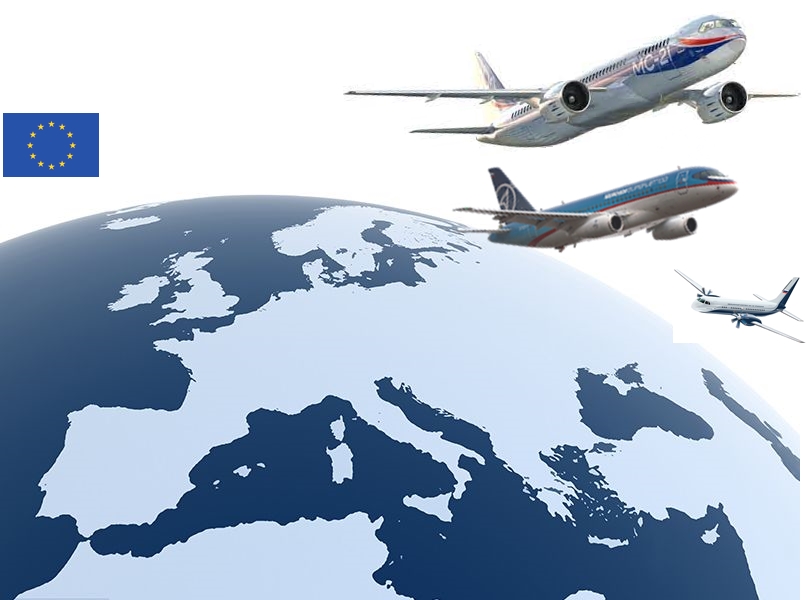
Rusia había estado tomando medidas para revisar su industria de la aviación en los últimos años, con la promoción de los programas Irkut MC-21, Sukhoi SSJ e Ilyushin Il-114. Las sanciones contra la nación podrían catalizar aún más la autosuficiencia en medio de la dependencia existente de partes de compañías extranjeras. El país ha estado interesado en rusificar su actividad de aviación. Sin embargo, las sanciones contra sus aerolíneas y la industria en general sin duda tendrán un impacto en las operaciones. Se espera un cambio abrupto en la economía rusa y en las capacidades de la aviación para ser independientes.
El impacto de la industria en las aerolíneas rusas provocaría cancelaciones o reestructuraciones de órdenes de aeronaves. Actualmente, Aeroflot posee siete Airbus A350 y posee una orden inicial de veintidós unidades adicionales. Azimuth Airlines había colocado un pedido por seis Airbus A220 (6) para 2024.
Bloqueos aerolíneas
La crisis ruso-ucraniana ha tenido un impacto generalizado en la aviación a escala local y global. Antes de que ocurriera la invasión, varias aerolíneas habían estado suspendiendo vuelos a Ucrania debido a las crecientes tensiones en la región. Ucrania luego cerró completamente su espacio aéreo antes de que le siguiera el de Moldavia.
Varios países europeos han implementado sus propias medidas contra las aerolíneas rusas en medio de los eventos de esta semana. Por ejemplo, este Jueves 24/02 se anunció que Aeroflot Russian Airlines ha sido prohibida en el Reino Unido como parte de las sanciones contra la Federación Rusia. Desde entonces, Rusia ha tomado represalias prohibiendo a los operadores del Reino Unido de su espacio aéreo.
Delta Air Lines ha eliminado los lazos de alianza con Aeroflot Russian Airlines a medida que las consecuencias de la invasión rusa de Ucrania se extienden en los viajes aéreos. Delta Air Lines se ha pronunciado este Viernes 25/02 que está suspendiendo los lazos aerocomerciales con su par ruso. «Delta ha retirado nuestros servicios de código compartido operados en conjunto con la aerolínea nacional rusa, Aeroflot, con efecto inmediato. Hemos eliminado nuestro código de los servicios operados por Aeroflot más allá del Aeropuerto Sheremetyevo de Moscú y eliminado el código de Aeroflot de los servicios operados por Delta desde Los Ángeles/LAX y Nueva York/JFK. Se harán adaptaciones para los clientes afectados por estos cambios», dijo Delta Air Lines, con sede en Atlanta, en un comunicado.
Delta Air Lines y Aeroflot Russian Airlines son miembros actuales de la alianza de aerolíneas SkyTeam. El grupo SkyTeam no comentó de inmediato si Aeroflot sería eliminada de la alianza. Los llamados acuerdos de código compartido permiten a las aerolíneas vender asientos en vuelos a destinos que su propia aerolínea no sirve. Los transportistas utilizan estos acuerdos a menudo para proporcionar un mayor alcance internacional a los clientes.
El Reino Unido prohibió el Jueves 24/02 a Aeroflot volar al país y Rusia tomó represalias cerrando su espacio aéreo a las aerolíneas británicas. El Departamento de Transporte de Estados Unidos no hizo comentarios sobre si seguiría su ejemplo. Las aerolíneas británicas y otras aerolíneas se han visto obligadas a cancelar vuelos o cambiar rutas alrededor de Rusia debido al conflicto bélico. Ucrania cerró su espacio aéreo antes de la invasión de Rusia y los funcionarios de aviación europeos advirtieron a las aerolíneas que no sobrevuelen el país o partes del oeste de Rusia.
KLM Royal Dutch Airlines, un socio de Delta Air Lines, ha comunicado el Viernes 25/02 que ha cancelado parte de su servicio en Rusia. «Hemos decidido en este momento, dada la situación incierta, no permitir que nuestra tripulación pase la noche en Rusia. Por lo tanto, no es posible llevar a cabo el vuelo nocturno a Moscú, por lo que lo hemos cancelado», dijo en un comunicado.
Aviation impact Russia-Ukraine war
Changes in balance of power between airlines Europe-Russia aviation industry impact
The Russian Federation’s attack on Ukraine has hit all European airline stocks hard, but some airlines are much more exposed than others. the new scenario could have a considerable impact on aviation markets in multiple regions. As part of the economic impositions of the West on the Russian Federation are the cancellation of European airspace in many countries, economic impositions and harsh sanctions.
Industrial locks
The European Union (EU) has pronounced this Friday 02/25 that it will prohibit the export of all aircraft, equipment and spare parts to Russia as part of the blockade. This measure falls under broader sanctions imposed by the European Commission (EC) following Russia’s invasion of Ukraine. In a bid to become more self-sufficient, the Russian aviation industry has been taking significant steps to expand its development programs in the aviation sector. Despite this approach, there were several collaborations with European companies. The European constructor Airbus Group was interested in increasing its market share in Russia in 2021, and the company recently confirmed several new orders from Russia’s airlines. The firm also has a significant interest in the nation’s resources, such as titanium, to build its planes. In addition, brands under the Airbus umbrella also supply parts, including seats, to Russian aircraft. Business between Russia and other European countries had been brisk for the past decade, but the shift in relations between the West and Russia has turned sharply.
The president of the European Commission, Ursula von der Leyen, has expressed at the extraordinary EU Summit: «The third issue is that we prohibit the sale of all aircraft spare parts and equipment to Russian airlines. This will degrade sectors key to Russia’s economy and the country’s connectivity. 3/4 of Russia’s current commercial air fleets that we build in the European Union, the United States and Canada, and therefore rely massively on that».
Russia had been taking steps to overhaul its aviation industry in recent years, promoting the Irkut MC-21, Sukhoi SSJ and Ilyushin Il-114 programs. Sanctions against the nation could further catalyze self-sufficiency amid existing reliance on parts of foreign companies. The country has been interested in Russifying its aviation activity. However, the sanctions against its airlines and the industry in general will undoubtedly have an impact on operations. An abrupt change in the Russian economy and aviation capabilities to be independent is expected.
The industry’s impact on Russian airlines would lead to cancellations or restructuring of aircraft orders. Aeroflot currently owns seven Airbus A350s and has an initial order for an additional twenty-two units. Azimuth Airlines had placed an order for six Airbus A220s (6) by 2024.
Airline blockades
The Russian-Ukrainian crisis has had a widespread impact on aviation on a local and global scale. Before the invasion took place, several airlines had been suspending flights to Ukraine due to rising tensions in the region. Ukraine then completely closed its airspace before Moldova’s followed.
Several European countries have implemented their own measures against Russian airlines amid this week’s events. For example, this Thursday 02/24 it was announced that Aeroflot Russian Airlines has been banned in the United Kingdom as part of the sanctions against the Russian Federation. Russia has since retaliated by banning UK operators from its airspace.
Delta Air Lines has cut alliance ties with Aeroflot Russian Airlines as the fallout from Russia’s invasion of Ukraine spreads across air travel. Delta Air Lines has declared this Friday 02/25 that it is suspending commercial ties with its Russian counterpart. «Delta has withdrawn our codeshare services operated in conjunction with Russia’s national carrier, Aeroflot, effective immediately. We have removed our code from Aeroflot-operated services beyond Moscow’s Sheremetyevo Airport and removed Aeroflot’s code from services operated by Delta from Los Angeles/LAX and New York/JFK. Accommodations will be made for customers affected by these changes», Atlanta-based Delta Air Lines said in a statement.
Delta Air Lines and Aeroflot Russian Airlines are current members of the SkyTeam airline alliance. The SkyTeam group did not immediately comment on whether Aeroflot would be removed from the alliance. So-called codeshare agreements allow airlines to sell seats on flights to destinations not served by their own airline. Carriers often use these agreements to provide greater international reach to customers.
The United Kingdom banned Aeroflot on Thursday 02/24 from flying to the country and Russia retaliated by closing its airspace to British airlines. The US Department of Transportation did not comment on whether it would follow suit. British airlines and other airlines have been forced to cancel flights or change routes around Russia due to the war. Ukraine closed its airspace before Russia’s invasion and European aviation officials have warned airlines not to fly over the country or parts of western Russia.
KLM Royal Dutch Airlines, a partner of Delta Air Lines, has announced on Friday 02/25 that it has canceled part of its service in Russia. «We have decided at this time, given the uncertain situation, not to allow our crew to spend the night in Russia. Therefore, it is not possible to carry out the overnight flight to Moscow, which is why we have canceled it», he said in a statement. release.
PUBLISHER: Airgways.com DBk: Ec.europa.eu / Gov.uk / Delta.com / Klm.com / Airgways.com AW-POST: 202202251551AR OWNERSHIP: Airgways Inc. A\W A I R G W A Y S ®
Promoviendo la ética y la integridad en el desarrollo actividad
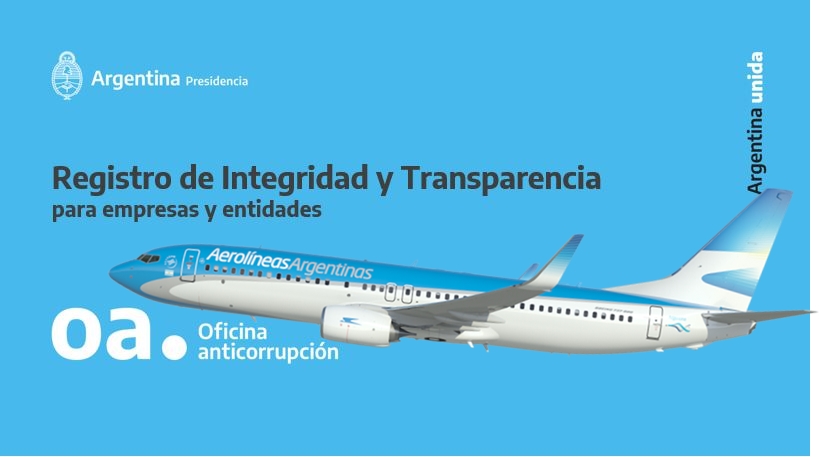
El Jueves 24 de Febrero de 2022 se firmó un acuerdo de colaboración para la promoción del Registro de Integridad y Transparencia para Empresas y entidades (RITE) entre la Oficina Anticorrupción (OA) y Aerolíneas Argentinas. La firma del acuerdo fue realizada en las oficinas de Aerolíneas por Félix Crous, titular de la OA, y Luis Pablo Ceriani, Presidente de Aerolíneas Argentinas.
Félix Crous expresó que la firma de este acuerdo es “la formalización de una acción de trabajo cotidiano. RITE es una herramienta que parte de la idea de tomar lo bueno que existe y adecuarlo a nuestras condiciones, y en este marco nos complace que las grandes empresas se anoten en este proyecto. La razón de ser de esta herramienta es colaborativa. Es la posibilidad de socializar entre la comunidad de negocios, de empresas, para mejorar la perspectiva frente al Estado y para crear un ecosistema de transparencia. Desde la Oficina tratamos de ser parte del sistema nervioso central de un sistema de integridad donde todos los actores jueguen, donde nuestro rol sea el de activos promotores de políticas públicas de promoción de integridad y transparencia”.
El CEO de Aerolíneas, Pablo Ceriani dijo: “Para nosotros todo lo que tenga que ver con transparencia es importante porque es uno de los valores de la compañía. Siempre vamos a estar dispuestos para brindar colaboración con esta iniciativa y con cualquier otra que surja porque para nosotros es importante que todo el mundo sepa que los fondos en Aerolíneas se manejan de manera transparente. Trabajamos para mejorar los procesos y procedimientos constantemente”. Más adelante, Pablo Ceriani resaltó la incorporación de Aerolíneas Argentinas al RITE revalorizando a la aerolínea con el compromiso ante el organismo.
La línea aérea de bandera de la República Argentina, cuya misión principal es contribuir a la conectividad dentro de la Argentina y con el mundo, impulsa y promueve políticas para favorecer la integridad, la transparencia y procurar que su actividad se desarrolle bajo los más altos estándares éticos. En el acuerdo, los organismos sostienen que la iniciativa tiende a la promoción de la sinergia entre el sector público y privado para la ética y la integridad en el desarrollo de los negocios, al cumplimiento de los objetivos de desarrollo sostenible y a la implementación efectiva de la Ley 27.401. A su vez, resalta que la integridad y transparencia forman parte de los principales valores que Aerolíneas tiene como objetivo asegurar y operativizar en el marco de todas las actividades que desarrolla.
El objetivo del RITE es contribuir al desarrollo, mejora y madurez de los programas de integridad mediante la generación de incentivos, el intercambio de buenas prácticas y la realización de actividades formativas. Se trata de una iniciativa colectiva para prevenir la corrupción impulsando el desarrollo de los programas de integridad en las organizaciones y la adopción de la plataforma digital, que propone la articulación con organismos, empresas y organizaciones intermedias para el diseño del registro de integridad y transparencia para empresas y entidades.
Estuvieron presentes durante la firma el subsecretario de la Dirección de Planificación de Políticas de Transparencia de la OA, Luis Villanueva; el Director Nacional de Asuntos Estratégicos, Nicolás Gómez; la Directora Nacional de Ética Pública, Natalia Torres; el Director de Asuntos Legales de ARSA, Nicola Sykes; el Gerente de Auditoría de Procesos y Compliance, Fabián Fernández; y el Jefe de Compliance, Federico Ponzio.
Aerolíneas Argentinas-OA Agreement
Promoting ethics and integrity in the development of activity
On Thursday, February 24, 2022, a collaboration agreement was signed for the promotion of the Registry of Integrity and Transparency for Companies and Entities (RITE) between the Anticorruption Office (OA) and Aerolíneas Argentinas. The agreement was signed at the Aerolíneas offices by Félix Crous, head of the OA, and Luis Pablo Ceriani, President of Aerolíneas Argentinas.
Félix Crous expressed that the signing of this agreement is “the formalization of a daily work action. RITE is a tool based on the idea of taking what is good and adapting it to our conditions, and in this context we are pleased that large companies sign up for this project. The raison d’être of this tool is collaborative. It is the possibility of socializing among the business community, of companies, to improve the perspective vis-à-vis the State and to create an ecosystem of transparency. From the Office we try to be part of the central nervous system of an integrity system where all the actors play, where our role is that of active promoters of public policies to promote integrity and transparency”.
Aerolíneas CEO Pablo Ceriani said: “For us, everything that has to do with transparency is important because it is one of the company’s values. We will always be willing to collaborate with this initiative and with any other that arises because it is important for us that everyone knows that the funds in Aerolíneas are handled in a transparent manner. We work to improve processes and procedures constantly”. Later, Ceriani highlighted the incorporation of Aerolíneas Argentinas to the RITE, revaluing the airline with the commitment to the organization.
The flag carrier airline of the Argentine Republic, whose main mission is to contribute to connectivity within Argentina and with the world, drives and promotes policies to favor integrity, transparency and ensure that its activity is carried out under the highest standards. ethical. In the agreement, the organizations maintain that the initiative tends to promote synergy between the public and private sectors for ethics and integrity in business development, compliance with the objectives of sustainable development and the effective implementation of the Law 27,401. At the same time, it highlights that integrity and transparency are part of the main values that Aerolíneas aims to ensure and operationalize within the framework of all the activities it develops.
The objective of the RITE is to contribute to the development, improvement and maturity of integrity programs by generating incentives, exchanging good practices and carrying out training activities. This is a collective initiative to prevent corruption by promoting the development of integrity programs in organizations and the adoption of the digital platform, which proposes articulation with agencies, companies and intermediate organizations for the design of the integrity and transparency register for companies and entities.
Present during the signing were the Undersecretary of the OA Transparency Policy Planning Department, Luis Villanueva; the National Director of Strategic Affairs, Nicolás Gómez; the National Director of Public Ethics, Natalia Torres; the Director of Legal Affairs of ARSA, Nicola Sykes; the Process Audit and Compliance Manager, Fabián Fernández; and the Head of Compliance, Federico Ponzio.
PUBLISHER: Airgways.com DBk: Argentina.gob.ar / Aerolineas.com / Airgways.com AW-POST: 2022022241734AR OWNERSHIP: Airgways Inc. A\W A I R G W A Y S ®






















 airgways.com