Junta Directiva nombra a Kelly Ortberg Presidente y Director Ejecutivo
The Boeing Company ha anunciado el 31 de Julio de 2024 que su Consejo de Administración ha elegido a Robert K. «Kelly» Ortberg como nuevo Presidente y Director Ejecutivo de la compañía, a partir del 8 de Agosto de 2024. Ortberg también formará parte del Consejo de Administración de Boeing. Sucederá a Dave Calhoun, quien a principios de este año 2024 anunció su intención de retirarse de la compañía, después de haberse desempeñado como Presidente y CEO desde Enero de 2020, y como miembro del Consejo de Administración de Boeing desde 2009.
«La Junta llevó a cabo un proceso de búsqueda exhaustivo y extenso durante los últimos meses para seleccionar al próximo CEO de Boeing y Kelly tiene las habilidades y la experiencia adecuadas para liderar Boeing en su próximo capítulo. Kelly es un líder experimentado que es profundamente respetado en la industria aeroespacial, con una reputación bien ganada por construir equipos sólidos y dirigir empresas complejas de ingeniería y fabricación. Esperamos trabajar con él mientras lidera a Boeing a través de este período importante en su larga historia. La Junta también desea agradecer a Dave Calhoun por su sólido liderazgo en Boeing, primero como presidente y luego como CEO, cuando intervino para dirigir la compañía a través de los desafíos de los últimos años», dijo Steven Mollenkopf, Presidente de la Junta.
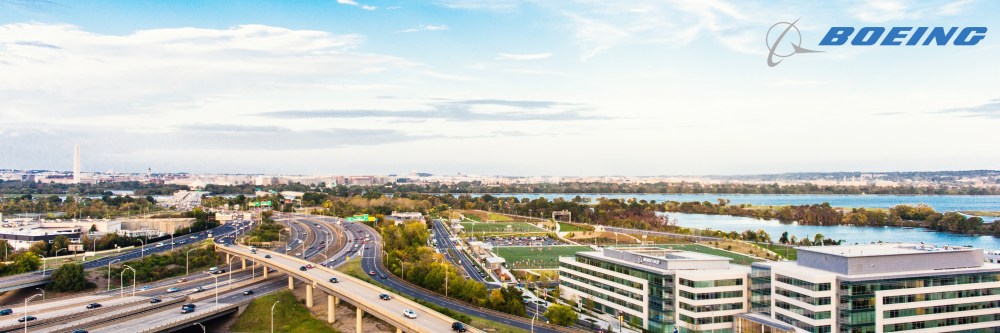
SEDE THE BOEING COMPANY EN ARLINGTON, ESTADO DE VIRGINIA, ESTADOS UNIDOS
«Me siento extremadamente honrado y humilde de unirme a esta compañía icónica. Boeing tiene una tremenda y rica historia como líder y pionero en nuestra industria, y estoy comprometido a trabajar junto con los más de 170.000 empleados dedicados de la compañía para continuar esa tradición, con la seguridad y la calidad a la vanguardia. Hay mucho trabajo por hacer, y estoy ansioso por comenzar», expresó Robert Ortberg.
Robert Ortberg, de 64 años, es Licenciado en Ingeniería Mecánica por la Universidad de Iowa. Aporta más de 35 años de liderazgo aeroespacial a este puesto. Comenzó su carrera en 1983 como ingeniero en Texas Instruments, y luego se unió a Rockwell Collins en 1987 como Gerente de Programas y ocupó puestos de liderazgo cada vez más importantes en la compañía antes de convertirse en su Presidente y Director Ejecutivo en 2013. Tras cinco años al frente de Rockwell Collins, dirigió la integración de la empresa con United Technologies y RTX Corporation hasta su retirada de RTX en 2021. Ha ocupado varios puestos de liderazgo importantes en la industria, incluido el de miembro de la Junta Directiva de RTX. Además, es miembro de la Junta Directiva de Aptiv PLC, una empresa de tecnología global y líder de la industria en arquitectura de sistemas de vehículos. Fue Presidente de la Junta de Gobernadores de la Asociación de Industrias Aeroespaciales (AIA).
Como empresa aeroespacial líder a nivel mundial, Boeing desarrolla, fabrica y da servicio a aviones comerciales, productos de defensa y sistemas espaciales para clientes en más de 150 países. Como uno de los principales exportadores de Estados Unidos, la compañía aprovecha los talentos de una base de proveedores globales para promover las oportunidades económicas, la sostenibilidad y el impacto en la comunidad. El diverso equipo de Boeing está comprometido con la innovación para el futuro, el liderazgo con la sostenibilidad y el cultivo de una cultura basada en los valores fundamentales de la empresa: seguridad, calidad e integridad.
New CEO Boeing takes over
Board of Directors names Kelly Ortberg President and CEO
The Boeing Company announced on July 31, 2024, that its Board of Directors has elected Robert K. «Kelly» Ortberg as the company’s new President and Chief Executive Officer, effective August 8, 2024. Ortberg will also join the Boeing Board of Directors. He will succeed Dave Calhoun, who earlier this year 2024 announced his intention to retire from the company, having served as President and CEO since January 2020, and as a member of Boeing’s Board of Directors since 2009.
«The Board conducted a thorough and extensive search process over the past several months to select Boeing’s next CEO and Kelly has the right skills and experience to lead Boeing in its next chapter. Kelly is an experienced leader who is deeply respected. in the aerospace industry, with a well-earned reputation for building strong teams and leading complex engineering and manufacturing companies. We look forward to working with him as he leads Boeing through this important period in its long history. The Board also wishes to thank Dave Calhoun. for his strong leadership at Boeing, first as president and then as CEO, when he stepped in to lead the company through the challenges of recent years», said Steven Mollenkopf, Chairman of the Board.
«I am extremely honored and humbled to join this iconic company. Boeing has a tremendous, rich history as a leader and pioneer in our industry, and I am committed to working alongside the company’s more than 170,000 dedicated employees to continue that tradition. with safety and quality at the forefront. There is a lot of work to do, and I am eager to get started», said Robert Ortberg.
Robert Ortberg, 64, has a degree in Mechanical Engineering from the University of Iowa. He brings more than 35 years of aerospace leadership to this position. He began his career in 1983 as an engineer at Texas Instruments, then joined Rockwell Collins in 1987 as a Program Manager and held increasingly senior leadership positions at the company before becoming its President and CEO in 2013. After five years leading Rockwell Collins, he led the company’s integration with United Technologies and RTX Corporation until his retirement from RTX in 2021. He has held several important industry leadership positions, including a member of the RTX Board of Directors. Additionally, he serves on the Board of Directors of Aptiv PLC, a global technology company and industry leader in vehicle systems architecture. He was Chairman of the Board of Governors of the Aerospace Industries Association (AIA).
As a leading global aerospace company, Boeing develops, manufactures, and services commercial aircraft, defense products, and space systems for customers in more than 150 countries. As one of America’s leading exporters, the company leverages the talents of a global supplier base to advance economic opportunity, sustainability, and community impact. Boeing’s diverse team is committed to innovating for the future, leading with sustainability, and cultivating a culture based on the company’s core values: safety, quality, and integrity.
PUBLISHER: Airgways.com DBk: Boeing.com / Airgways.com AW-POST: 202408082350AR OWNERSHIP: Airgways Inc. A\W A I R G W A Y S ®
AW | 2024 08 07 23:59 | AVIATION ORGANISMS / AVIATION SAFETY / INDUSTRY
Segundo día de audiencia sobre seguridad industrial
El segundo día de Audiencia llevada a cabo el Miércoles 07/08 por parte de la Junta Nacional de Seguridad en el Transporte (NTSB) sobre el accidente de la puerta del Boeing 737-9 MAX de Alaska Airlines, en Washington (WA), ha permitido continuar el análisis de las fallas industriales por parte del constructor americano The Boeing Company y la subsidiaria Spirit AeroSystems.
El jefe de la Junta Nacional de Seguridad en el Transporte (NTSB, por sus siglas en inglés) dijo el Miércoles 07/08 que Boeing debería haber abordado el trabajo de producción no autorizado hace mucho tiempo. «Este accidente nunca debería haber sucedido. Esto debería haberse detectado años antes. Ha habido numerosas, numerosas auditorías de Boeing, auditorías de la FAA, revisiones de cumplimiento, planes de acción de cumplimiento, señalando un historial de un trabajo no autorizado, remociones no autorizadas», dijo la Presidenta de la NTSB, Jennifer Homendy, a los periodistas en el segundo día de una audiencia sobre el incidente del 5 de Enero de 2024 en el que una Puerta trasera salió eyectada del vuelo AS1282 de Alaska Airlines después de despegar de Portland, Oregon (OR). Agregó que no había garantía de que el problema del panel de la puerta no volviera a ocurrir.
El funcionario de la Administración Federal de Aviación (FAA), Brian Knaup, dijo en la audiencia que la agencia ha encontrado problemas adicionales con las remociones no autorizadas por parte de Boeing. «Tenemos una acción de cumplimiento abierta en torno a las expulsiones. La FAA ha aumentado las investigaciones de las líneas directas y los informes de denunciantes», expresó Brian Knaup.
Defendió la supervisión de la FAA a Boeing antes del accidente. «Creemos que llevamos a cabo una supervisión efectiva. La cultura de seguridad no es una cuestión de cumplimiento», dijo Brian Knaup, admitiendo que fue mejor después el accidente del vuelo AS1282. La FAA ha aumentado las auditorías sin previo aviso y ha adquirido espacio dedicado para el personal en la fábrica del 737 de Boeing y en el proveedor Spirit AeroSystems. Actualmente, Boeing está en proceso de adquisición de este fabricante de autopartes con sede en Wichita, Kansas (KS).
Procesos incompletos Boeing no había creado ningún documento para la extracción del tapón de la Puerta Trasera del 737-9 MAX. La línea de producción había fallado en sus procesos de construcción cuando empleados obstruyeron el área con tapones donde tendría que haberse colocado los pernos. Al enchufe le faltaban cuatro pernos de llave cuando fue entregado a Alaska Airlines, dijo la agencia de la NTSB.
Si Boeing hubiera aprendido de trabajos no autorizados anteriores, «entonces esto se habría detectado y se habría evitado. Tenemos muchas preguntas, se conocía información», dijo Jennifer Homendy sobre la supervisión de la FAA a Boeing, citando defectos, documentos faltantes e incorrectos, así como políticas incorrectas que han sido problemas durante años.
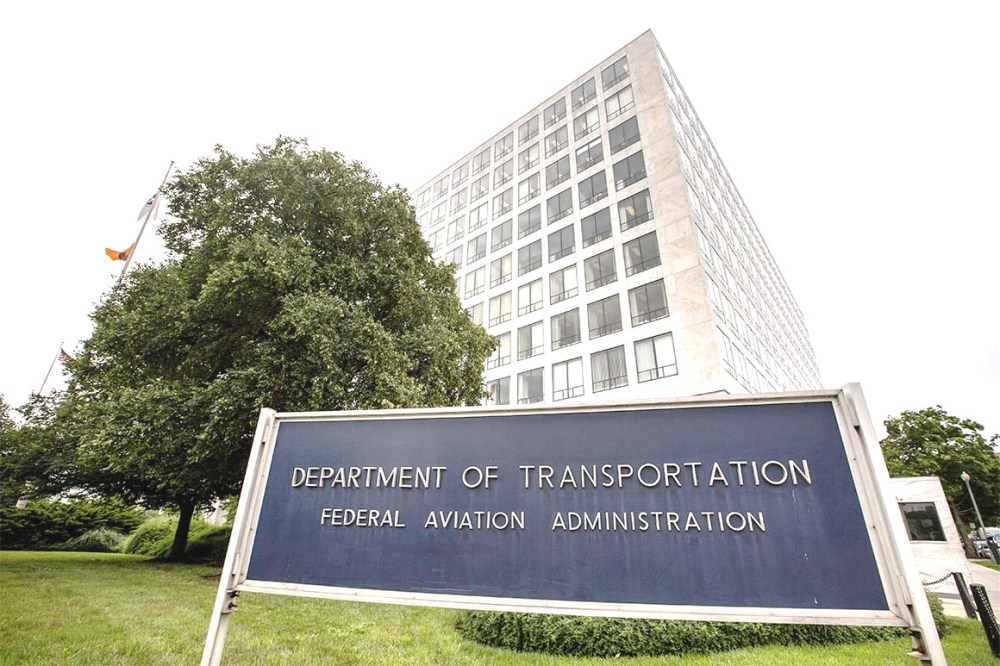
Fiscalización FAA Después del incidente del vuelo AS1282, la FAA prohibió a Boeing expandir la producción más allá de 38 aviones por mes y anunció una revisión de 90 días del fabricante de aviones. Ha requerido importantes mejoras de calidad y fabricación antes de que permita al fabricante de aviones aumentar la producción.
El Administrador de la FAA, Michael Whitaker, dijo en Junio 2024 que la agencia estaba demasiado alejada de la supervisión de Boeing. El enfoque de la FAA antes del accidente en el aire era demasiado centrado en las auditorías de papeleo y no lo suficiente en las inspecciones. La FAA también ha aumentado el número de inspectores en las fábricas de Boeing y Spirit. «Continuaremos nuestra supervisión agresiva de la compañía y nos aseguraremos de que solucione sus problemas sistémicos de calidad de producción», dijo la FAA. La FAA reveló el Miércoles 07/08 que tiene dieciséis acciones de cumplimiento abiertas que involucran a Boeing, con ocho de ellas lanzadas desde el incidente del vuelo AS1282 de Alaska Airlines.
La semana pasada, la Presidenta del Comité Senatorial de Comercio, Maria Cantwell, y la Senadora Tammy Duckworth presentaron un proyecto de ley para revisar y fortalecer los sistemas de gestión de seguridad en la FAA. Jennifer Homendy dijo que la NTSB planea llevar a cabo una encuesta sobre la cultura de seguridad de los empleados de la fábrica de Boeing en Renton, Washington, que fabrica el 737 MAX.
NTSB-Boeing-Spirit hearing
Second day of hearing on industrial safety
The second day of the hearing held on Wednesday 07/08 by the National Transportation Safety Board (NTSB) on the crash of the door of the Boeing 737-9 MAX of Alaska Airlines, in Washington (WA), has allowed the analysis of the industrial failures by the American manufacturer The Boeing Company and the subsidiary Spirit AeroSystems to continue.
The head of the National Transportation Safety Board (NTSB) said on Wednesday 07/08 that Boeing should have addressed the unauthorized production work a long time ago. “This accident should never have happened. This should have been caught years earlier. There have been numerous, numerous Boeing audits, FAA audits, compliance reviews, compliance action plans, pointing to a history of unauthorized work, unauthorized removals”, NTSB Chair Jennifer Homendy told reporters on the second day of a hearing into the Jan. 5, 2024, incident in which a rear door was ejected from Alaska Airlines flight AS1282 after takeoff from Portland, Oregon (OR). She added that there was no guarantee that the door panel issue would not happen again.
Federal Aviation Administration (FAA) official Brian Knaup said at the hearing that the agency has found additional issues with unauthorized removals by Boeing. “We have an open enforcement action around the removals. The FAA has increased hotline investigations and whistleblower reports”, Brian Knaup said.
He defended the FAA’s oversight of Boeing before the crash. «We believe we conducted effective oversight. Safety culture is not a compliance issue», said Brian Knaup, admitting that it was better after the crash of Flight AS1282. The FAA has increased unannounced audits and acquired dedicated staff space at Boeing’s 737 factory and at supplier Spirit AeroSystems. Boeing is currently in the process of acquiring this Wichita, Kansas (KS)-based auto parts manufacturer.
Incomplete processes Boeing had not created any documents for the removal of the 737-9 MAX Rear Door Plug. The production line had failed in its build processes when employees clogged the area with plugs where the bolts should have been placed. The plug was missing four key pins when it was delivered to Alaska Airlines, the NTSB agency said.
If Boeing had learned from previous unauthorized work, “then this would have been caught and prevented. We have a lot of questions, information was known”, Jennifer Homendy said of the FAA’s oversight of Boeing, citing defects, missing and incorrect documents, as well as incorrect policies that have been problems for years.
FAA oversight After the AS1282 incident, the FAA banned Boeing from expanding production beyond 38 planes per month and announced a 90-day review of the planemaker. It has required significant quality and manufacturing improvements before it allows the planemaker to increase production.
FAA Administrator Michael Whitaker said in June 2024 that the agency was too far removed from Boeing’s oversight. The FAA’s focus before the mid-air accident was too focused on paperwork audits and not enough on inspections. The FAA has also increased the number of inspectors at Boeing and Spirit factories. «We will continue our aggressive oversight of the company and ensure it fixes its systemic production quality issues». The FAA revealed Wednesday 07/08 that it has sixteen open enforcement actions involving Boeing, with eight of them launched since the Alaska Airlines Flight AS1282 incident.
Last week, Senate Commerce Committee Chair Maria Cantwell and Senator Tammy Duckworth introduced a bill to review and strengthen safety management systems at the FAA. Jennifer Homendy said the NTSB plans to conduct a survey of the safety culture of employees at Boeing’s Renton, Washington, factory that makes the 737 MAX.
PUBLISHER: Airgways.com DBk: Transportation.gov / Faa.gov / Boeing.com / Airgways.com AW-POST: 202408072359AR OWNERSHIP: Airgways Inc. A\W A I R G W A Y S ®
El Cathay Group de Hong Kong ha anunciado el 07/08 un pedido en firme a Airbus Group por treinta (30) aviones de fuselaje ancho A330-900neo. El pedido se produce tras una evaluación exhaustiva realizada por la aerolínea en el marco de su programa de renovación de flota de aviones de fuselaje ancho de tamaño medio.
El nuevo avión permitirá a Cathay modernizar su flota de A330-300 de la generación anterior y ampliar sus operaciones en rutas regionales de alta capacidad. El avión también ofrecerá flexibilidad para cubrir destinos de mayor alcance. Al igual que todos los aviones A330neo, la flota estará equipada con motores Rolls-Royce Trent 7000 de última generación.
Ronald Lam, Director Ejecutivo de Cathay Group, afirmó: “Mientras Cathay completa la última etapa de su proceso de reconstrucción, estamos pasando página hacia la modernización y el crecimiento, tanto en términos de alcance como de calidad. Estamos encantados de anunciar este nuevo pedido de aviones A330neo de última generación. Esta importante inversión refleja no solo nuestra inmensa confianza en el estatus de Hong Kong como centro de aviación internacional líder, sino que también representa nuestro compromiso de fomentar el desarrollo continuo de nuestra ciudad natal. El A330 es un tipo de avión que ha prestado un buen servicio a Cathay Pacific durante casi 30 años. Estos nuevos aviones prestarán servicio principalmente a nuestros destinos regionales en Asia, aunque también ofrecerán la flexibilidad necesaria para prestar servicio a destinos de mayor distancia según sea necesario. La mejora de la eficiencia de combustible de estos A330neos, junto con sus altos estándares de confort, nos permitirán mejorar aún más la experiencia que ofrecemos a nuestros clientes y, al mismo tiempo, contribuir a nuestro objetivo de emisiones netas de carbono cero para 2050”.
Christian Scherer, Director Ejecutivo de Airbus Commercial Aircraft, afirmó: «Este último pedido de Cathay, uno de los operadores de A330 con más experiencia del mundo, supone un importante respaldo a la última generación del A330neo. Es el sucesor natural de las flotas A330 existentes, ya que aporta los más altos niveles de uniformidad técnica y operativa, y reducciones significativas en el consumo de combustible y las emisiones de carbono. Además, la galardonada cabina Airspace ofrece una experiencia de vuelo totalmente nueva. En Cathay, el A330neo se convertirá en la columna vertebral de sus operaciones regionales de fuselaje ancho, con la versatilidad necesaria para operar en rutas más largas. Junto con sus flotas de la Familia A320 y A350, la aerolínea podrá aprovechar al máximo las sinergias únicas de la línea de productos Airbus de última generación”.
El A330-900 es capaz de volar 7.200 millas náuticas/13.330 km sin escalas y cuenta con la galardonada cabina Airspace, que ofrece una experiencia de vuelo superior. Como todos los aviones Airbus, el A330neo ya puede operar con hasta un 50 % de combustible de aviación sostenible (SAF), con el objetivo de aumentar esta cifra al 100 % en 2030.
A finales de Julio 2024, la Familia A330 había conseguido 1.805 pedidos en firme de más de 130 clientes en todo el mundo, con 1.469 aviones en servicio en rutas de larga, media y corta distancia en todo el mundo.
Cathay Group Orders A330neo
Cathay Pacific Selects Airbus A330-900
Hong Kong-based Cathay Group announced on 07/08 a firm order from Airbus Group for thirty (30) A330-900neo wide-body aircraft. The order follows a thorough assessment by the airline as part of its mid-size wide-body fleet renewal programme.
The new aircraft will enable Cathay to modernise its previous generation A330-300 fleet and expand its operations on high-capacity regional routes. The aircraft will also offer flexibility to serve longer range destinations. Like all A330neo aircraft, the fleet will be equipped with the latest generation Rolls-Royce Trent 7000 engines.
Ronald Lam, Chief Executive Officer of Cathay Group, said: “As Cathay completes the final stage of its rebuilding process, we are turning the page towards modernisation and growth, both in terms of range and quality. “We are delighted to announce this new order for state-of-the-art A330neo aircraft. This significant investment reflects not only our immense confidence in Hong Kong’s status as a leading international aviation hub, but also represents our commitment to fostering the continued development of our home city. The A330 is an aircraft type that has served Cathay Pacific well for nearly 30 years. These new aircraft will primarily serve our regional destinations in Asia, although they will also offer the flexibility to serve longer-haul destinations as required. The improved fuel efficiency of these A330neos, coupled with their high standards of comfort, will enable us to further enhance the experience we offer our customers while contributing to our goal of net-zero carbon emissions by 2050”.
Christian Scherer, CEO of Airbus Commercial Aircraft, said: “This latest order from Cathay, one of the world’s most experienced A330 operators, is a significant endorsement of the latest generation A330neo. It is the natural successor to the existing A330 fleets, bringing the highest levels of technical and operational commonality, and significant reductions in fuel burn and carbon emissions. In addition, the award-winning Airspace cabin offers a completely new flying experience. For Cathay, the A330neo will become the backbone of its regional widebody operations, with the versatility to operate on longer routes. Together with its A320 Family and A350 fleets, the airline will be able to take full advantage of the unique synergies of the next-generation Airbus product line”.
The A330-900 is capable of flying 7,200 nautical miles/13,330 km non-stop and features the award-winning Airspace cabin, which offers a superior flying experience. Like all Airbus aircraft, the A330neo can already operate on up to 50% sustainable aviation fuel (SAF), with the aim of increasing this figure to 100% by 2030.
As of the end of July 2024, the A330 Family had secured 1,805 firm orders from more than 130 customers worldwide, with 1,469 aircraft in service on long-, medium- and short-haul routes around the world.
PUBLISHER: Airgways.com DBk: Cathaypacific.com / Airbus.com / Airgways.com AW-POST: 202408071052AR OWNERSHIP: Airgways Inc. A\W A I R G W A Y S ®
AW | 2024 08 06 22:16 | AVIATION ORGANISMS / AVIATION SAFETY / INDUSTRY
Primer día de audiencia federal de escrutinio a Boeing y Spirit
La audiencia de la Junta Nacional de Seguridad en el Transporte (NTSB) sobre los incidentes del vuelo AS1282 de un Boeing 737-9 MAX de Alaska Airlines en Enero 2014 ha concluido este Martes 06/08 su primer día de dos jornadas, en la que los investigadores interrogaron al personal de The Boeing Company sobre los problemas de seguridad en el fabricante de aviones y el impacto para los usuarios del transporte aéreo en adelante.
La agencia federal de la NTSB dijo anteriormente que el tapón de la puerta se rompió en pleno vuelo porque el avión salió de una fábrica de Boeing sin los cuatro pernos necesarios para mantener el tapón de la puerta en su lugar. Los trabajadores de la línea de ensamblaje del Boeing 737 MAX que perdió un enchufe en una puerta dijeron a los investigadores federales de seguridad que se sentían presionados a hacer su trabajo demasiado rápido para evitar errores, según un testimonio publicado el Martes 06/08 al comienzo de la audiencia de investigación de dos días.
Escrutino a Boeing Muchos de los documentos presesntados eran transcripciones de entrevistas realizadas por investigadores de la NTSB durante los siete meses transcurridos desde el accidente. Uno de los entrevistados, identificado solo como «Ensamblador Instalador de Puertas B», le dijo al investigador que la carga de trabajo en la fábrica de Boeing era demasiado grande para evitar que se cometieran errores: «En cuanto a la carga de trabajo, siento que definitivamente estábamos tratando de producir demasiado producto, ¿verdad? Así es como se cometen los errores. La gente trata de trabajar demasiado rápido. Quiero decir, no puedo hablar por nadie más, pero estábamos ocupados. Estuvimos trabajando mucho», dijo el trabajador no identificado de Boeing.
Una transcripción mostró que un empleado de Boeing, identificado como Door Master Lead, dijo a los investigadores que los aviones requerían gran parte del trabajo durante el proceso de ensamblaje para ser rehechos debido a problemas que se descubren, como sucedió con el tapón de la puerta que se retiró para arreglar algunos remaches. El trabajador dijo que no había una capacitación especial para abrir, cerrar o quitar un tapón de puerta en comparación con una puerta normal. Ese trabajador le dijo a la NTSB que su equipo fue «puesto en aguas desconocidas donde […] estábamos reemplazando puertas como si estuviéramos reemplazando nuestra ropa interior».
Un Jefe de equipo de Boeing en la fábrica de lalínea 737 MAX informó a los investigadores sobre los problemas de baja moral de los empleados y alta rotación de personal. «Tenemos mucha rotación específicamente porque, ya sabes, este puede ser un trabajo estresante. Lo que la empresa quiere y lo que tenemos las habilidades y capacidades para realizar en ese momento a veces eso no coincide, por lo que algunas personas se descontentan; sienten que están siendo sobrecargados de trabajo; Sienten que, ya sabes, se están aprovechando de nosotros», dijo el Jefe del equipo Boeing en una de las transcripciones.
Un inspector de la FAA en la fábrica de Boeing dijo a los investigadores de la NTSB que los inspectores de la FAA «han oído hablar de presión, [pero] no han podido corroborar esas afirmaciones».
Escrutinio a Spirit AeroSystems El fuselaje del avión fue fabricado por el proveedor de Boeing, Spirit AeroSystems, y llegó a la fábrica de Boeing con los cuatro pernos en su lugar, según el testimonio en la audiencia. Pero había problemas con los remaches del tapón de la puerta que necesitaban ser reparados, por lo que se retiró el tapón de la puerta para que se pudiera realizar el trabajo. Había empleados de Spirit en la planta de Boeing, pero la comunicación entre los trabajadores de Boeing y Spirit en el piso de la fábrica de Boeing no era buena, según otra transcripción de la entrevista publicada el Martes 06/08.
“Básicamente, somos las cucarachas de la fábrica”, dijo un empleado no identificado de Spirit AeroSystems a los investigadores de la NTSB.
Exposición NTSB En el vuelo AS1282 del 5 de Enero de 2024 de Alaska Airlines se le reventó el tapón de la puerta del costado de una Puerta de Emeergencia trasera de un Boeing 737 MAX cuando se acercaba a los 16.000 pies. El incidente dejó un enorme agujero en el costado del avión, haciendo que las máscaras de oxígeno cayeran del techo, arrancando la ropa y arrancando los teléfonos de las manos de los pasajeros. Afortunadamente, la tripulación pudo aterrizar el avión averiado sin lesiones físicas graves. Siete pasajeros y una azafata fueron atendidos por lesiones al aterrizar. Fue una combinación de la habilidad de la tripulación de vuelo y la buena suerte que nadie muriera. Pero el trauma de estar en el vuelo probablemente afectó a muchos de los que estaban a bordo del avión, dijo Jennifer Homendy, Presidenta de la NTSB, en los comentarios iniciales de la audiencia.
«Las lesiones que no podemos ver, de las que a menudo no hablamos, pueden tener impactos profundos y duraderos en las vidas y los medios de subsistencia», dijo la Presidenta de la NTSB. Ofreció una disculpa en nombre de la agencia a las personas en el vuelo.
El accidente causó un grave daño a la confianza del público en el fabricante de aviones Boeing, lo que provocó una serie de investigaciones federales sobre sus prácticas y la seguridad y calidad de sus aviones.
Los ejecutivos de Boeing a cargo del control de calidad se enfrentan a la Junta de Seguridad para hacer preguntas, incluida la Vicepresidenta Senior de Calidad de Boeing Commercial Airplanes, Elizabeth Lund. Junto a la ejecutiva durante la mitad de la audiencia del Martes 06/08 está Doug Ackerman, Vicepresidente de Calidad de Proveedores de Boeing Commercial Airplanes.
Pero Jennifer Homendy estaba claramente frustrada y lista para rechazar a Boeing en su primer testimonio, diciéndole a Elizabeth Lund que «esto no es una campaña de relaciones públicas para Boeing». Dijo que la audiencia se está llevando a cabo para averiguar qué se hizo antes del accidente, no el entrenamiento más duro y las mejoras de calidad realizadas desde entonces. «Se puede hablar de dónde estamos hoy, pero esta es una investigación sobre lo que sucedió el 5 de Enero», dijo Jennifer Homendy.
Informe Preliminar La NTSB ha publicado los hallazgos preliminares del incidente, revelando que el avión utilizado en el vuelo salió de la fábrica de Boeing en Renton, Washington, diez semanas antes y sin los cuatro pernos necesarios para mantener el tapón de la puerta en su lugar.
Desde ese informe, Boeing ha dicho que las razones de ese descuido se redujeron a algo tan simple como la falta de documentación. Cuando el fuselaje del avión llegó a la fábrica de Boeing desde el proveedor Spirit AeroSystems, el tapón de la puerta estaba en su lugar, al igual que los cuatro pernos destinados a mantenerlo firmemente unido al costado del avión. Pero hubo problemas con cinco remaches cerca de donde estaba instalado el tapón de la puerta, y los trabajadores de Boeing quitaron el tapón de la puerta para arreglar esos remaches.
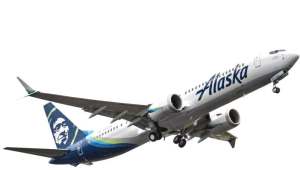
BOEING 737-9 MAX DE ALASKA AIRLINES
Según Boeing, los trabajadores que arreglaron los remaches no generaron la documentación que indicaba que habían quitado el tapón de la puerta y los cuatro pernos para hacer ese trabajo.
Cuando otro grupo de empleados volvió a colocar el enchufe, Boeing dice que los empleados no pensaron que el avión realmente volaría en esas condiciones. En su lugar, simplemente estaban bloqueando el agujero con el tapón para proteger el interior del fuselaje de las inclemencias del tiempo mientras el avión se movía hacia una zona diferente del complejo de la fábrica. Ese grupo de empleados a menudo hace ese tipo de arreglos temporales. Esos empleados probablemente asumieron que existía documentación que mostraba que el tapón y los pernos habían sido retirados, y que el papeleo impulsaría a otra persona a lo largo de la línea a instalar los pernos. Pero sin el papeleo, nadie en la línea de montaje sabía que el tapón de la puerta se había retirado alguna vez, o que faltaban sus pernos y necesitaban ser reemplazados.
Deficiencias línea 737 MAX Boeing se enfrentó anteriormente a la posibilidad de enfrentar cargos penales debido a problemas con el 737 MAX que se mantuvieron ocultos a la Administración Federal de Aviación (FAA) durante el proceso de certificación original. Esos problemas llevaron a una falla de diseño en el avión al que se culpa de dos accidentes fatales de los vuelos JT-610 de Lion Air en Octubre 2018 y ET-302 de Ethiopian Airlines en Marzo 2019 que mataron en conjunto a 346 personas.
En Enero 2021, Boeing y el Departamento de Justicia llegaron a un acuerdo que aplazaba el enjuiciamiento penal de Boeing durante tres años por sus empleados que defraudaron a la FAA durante el proceso de certificación. Pero ese período de prueba de tres años debía terminar pocos días después del vuelo del 05/012024. En cambio, el Departamento de Justicia (DOJ) reabrió la investigación tras el incidente de Alaska Airlines, y el mes pasado Boeing acordó declararse culpable de cargos penales y ser puesta bajo la supervisión de un monitor designado por el tribunal.
Pero la investigación es solo uno de los problemas que enfrenta Boeing debido al incidente. Podría haber cargos penales relacionados con las fallas que llevaron al incidente, pues el FBI ha notificado a los pasajeros y miembros de la tripulación que podrían ser considerados víctimas de delitos.
La FAA también ha aumentado el escrutinio del proceso de fabricación de Boeing y está limitando la cantidad de aviones que puede construir, lo que se ha sumado a las pérdidas financieras de la compañía que ahora han alcanzado los US$ 33.000 millones de Dólares desde el segundo accidente fatal en 2019.
Las ventas de Boeing se han desplomado un 70% en los primeros seis meses de este año. En Junio 2024 vendió solo tres aviones de pasajeros, y uno de ellos fue a Alaska Airlines para reemplazar el avión utilizado en el vuelo del 5 de Enero de 2024, que Boeing ha recomprado a la aerolínea.
Cambios de diseño previstos La Vicepresidenta Senior de Calidad de Boeing, Elizabeth Lund, dijo en la audiencia que la compañía espera tener una solución en el plazo de un año para evitar que un reventón así vuelva a ocurrir. «Están trabajando en algunos cambios de diseño que permitirán que el tapón de la puerta no se cierre si hay algún problema hasta que esté firmemente asegurado», dijo Elizabeth Lund en respuesta a preguntas sobre por qué Boeing no tenía un sistema de advertencia para los tapones de las puertas similar al que se implementa para las puertas normales.
La inusual audiencia de investigación de dos días es clave para cerrar el caso sobre el incidente del 05/08, que llevó a una inmovilización de diecinueve días del 737-9 MAX en los Estados Unidos. La NTSB dice que «utilizará la información recopilada para completar la investigación, determinar la causa probable y hacer recomendaciones para mejorar la seguridad del transporte». Todavía faltan meses para que se emita un informe final.
NTSB-Boeing-Spirit Hearing
First day of federal hearing scrutinizing Boeing and Spirit
The National Transportation Safety Board (NTSB) hearing on the incidents involving Alaska Airlines Boeing 737-9 MAX flight AS1282 in January 2014 concluded its first day of two days on Tuesday, August 6, with investigators questioning The Boeing Company personnel about safety issues at the aircraft manufacturer and the impact on air traffic users going forward.
The federal agency NTSB previously said the door stopper broke in flight because the plane left a Boeing factory without the four bolts needed to hold the door stopper in place. Workers on the Boeing 737 MAX assembly line that lost a plug on a door told federal safety investigators they felt pressured to do their jobs too quickly to avoid mistakes, according to testimony released Tuesday 06/08 at the start of the two-day investigative hearing.
Boeing scrutiny Many of the documents submitted were transcripts of interviews conducted by NTSB investigators over the seven months since the crash. One of the interviewees, identified only as «Door Installer Assembler B», told the investigator that the workload at the Boeing factory was too great to prevent mistakes from being made: «As far as workload, I feel like we were definitely trying to produce too much product, right? That’s how mistakes are made. People try to work too fast. I mean, I can’t speak for anybody else, but we were busy. We were working a lot», the unidentified Boeing worker said.
A transcript showed that a Boeing employee, identified as the Door Master Lead, told investigators that the planes required much of the work during the assembly process to be remade because of problems that were discovered, such as with the door stopper being removed to fix some rivets. The worker said there was no special training for opening, closing or removing a door stopper compared to a regular door. That worker told the NTSB that his crew was “put into uncharted waters where […] we were replacing doors like we were replacing our underwear”.
A Boeing crew chief at the 737 MAX factory told investigators about problems with low employee morale and high staff turnover. «We have a lot of turnover specifically because, you know, this can be a stressful job. What the company wants and what we have the skills and capabilities to perform at the time sometimes that doesn’t match up, so some people get disgruntled; they feel like they’re being overworked; they feel like, you know, they’re taking advantage of us», the Boeing crew chief said in one of the transcripts.
INGRID BARRENTINE/ALASKA AIRLINES
An FAA inspector at the Boeing factory told NTSB investigators that FAA inspectors «have heard about pressure, [but] they haven’t been able to substantiate those claims».
Scrutiny of Spirit AeroSystems The plane’s fuselage was manufactured by Boeing supplier Spirit AeroSystems and arrived at the Boeing factory with all four bolts in place, according to testimony at the hearing. But, there were problems with the door plug rivets that needed to be fixed, so the door plug was removed so the work could be done. There were Spirit employees at the Boeing plant, but communication between Boeing and Spirit workers on the Boeing factory floor was poor, according to another transcript of the interview released Tuesday, August 6.
“Basically, we’re the cockroaches of the factory”, an unidentified Spirit AeroSystems employee told NTSB investigators.
NTSB Exposition On Jan. 5, 2024, Alaska Airlines flight AS1282, the door stopper on the side of a rear emergency door on a Boeing 737 MAX blew out as it approached 16,000 feet. The incident left a gaping hole in the side of the plane, causing oxygen masks to fall from the ceiling, ripping clothing, and knocking phones out of passengers’ hands. Fortunately, the crew was able to land the disabled plane without serious physical injuries. Seven passengers and one flight attendant were treated for injuries upon landing. It was a combination of the flight crew’s skill and good luck that no one died. But the trauma of being on the flight likely affected many of those on board the plane, NTSB Chair Jennifer Homendy said in opening remarks at the hearing.
«Injuries we can’t see, that we often don’t talk about, can have profound and lasting impacts on lives and livelihoods», said NTSB Chairwoman Jennifer Homendy. She offered an apology on behalf of the agency to those on the flight.
The crash caused serious damage to public confidence in aircraft manufacturer Boeing, prompting a series of federal investigations into its practices and the safety and quality of its planes.
Boeing executives in charge of quality control face the Safety Board for questions, including Boeing Commercial Airplanes Senior Vice President of Quality Elizabeth Lund. Joining the executive for half of the Tuesday 06/08 hearing is Doug Ackerman, Vice President of Supplier Quality for Boeing Commercial Airplanes.
But Jennifer Homendy was clearly frustrated and ready to push back against Boeing in her first testimony, telling Elizabeth Lund that «this is not a PR campaign for Boeing». She said the hearing is being held to find out what was done before the crash, not the tougher training and quality improvements made since. “You can talk about where we are today, but this is an investigation into what happened on January 5”, Jennifer Homendy said.
Preliminary Report The NTSB has released preliminary findings of the incident, revealing that the plane used in the flight left Boeing’s Renton, Washington, factory ten weeks early and without the four bolts needed to hold the door plug in place.
Since that report, Boeing has said the reasons for that oversight came down to something as simple as a lack of documentation. When the plane’s fuselage arrived at Boeing’s factory from supplier Spirit AeroSystems, the door plug was in place, as were the four bolts meant to hold it firmly attached to the side of the plane. But, there were problems with five rivets near where the door plug was installed, and Boeing workers removed the door plug to fix those rivets.
According to Boeing, the workers who fixed the rivets did not generate paperwork indicating they had removed the door plug and four bolts to do that job.
When another group of employees put the plug back in, Boeing says the employees didn’t think the plane would actually fly in those conditions. Instead, they were simply blocking the hole with the plug to protect the inside of the fuselage from inclement weather while the plane moved to a different area of the factory complex. That group of employees often makes those kinds of temporary fixes. Those employees likely assumed there was paperwork showing the plug and bolts had been removed, and that the paperwork would prompt someone else down the line to install the bolts. But without the paperwork, no one on the assembly line knew the door plug had ever been removed, or that its bolts were missing and needed to be replaced.
737 MAX Deficiencies Boeing previously faced the possibility of facing criminal charges due to problems with the 737 MAX that were kept hidden from the Federal Aviation Administration (FAA) during the original certification process. Those problems led to a design flaw in the plane that is blamed for two fatal crashes of Lion Air flights JT-610 in October 2018 and Ethiopian Airlines ET-302 in March 2019 that together killed 346 people.
In January 2021, Boeing and the Justice Department reached an agreement that deferred criminal prosecution of Boeing for three years for its employees who defrauded the FAA during the certification process. But that three-year probation period was set to end just days after the 05/01/2024 flight. Instead, the Department of Justice (DOJ) reopened the investigation following the Alaska Airlines incident, and last month Boeing agreed to plead guilty to criminal charges and be placed under the supervision of a court-appointed monitor.
But the investigation is just one of the problems Boeing faces because of the incident. There could be criminal charges related to the failures that led to the incident, as the FBI has notified passengers and crew members that they could be considered victims of crimes.
The FAA has also increased scrutiny of Boeing’s manufacturing process and is limiting the number of planes it can build, adding to the company’s financial losses that have now reached US$ 33 billion since the second fatal crash in 2019.
Boeing’s sales have plummeted 70% in the first six months of this year. It sold just three passenger jets in June 2024, and one of those went to Alaska Airlines to replace the plane used on the January 5, 2024, flight, which Boeing has bought back from the airline.
Design changes planned Boeing Senior Vice President of Quality Elizabeth Lund told the hearing that the company hopes to have a solution within a year to prevent such a blowout from happening again. «They are working on some design changes that will allow the door stopper to not close if there is a problem until it is firmly secured», Elizabeth Lund said in response to questions about why Boeing did not have a warning system for door stoppers similar to the one implemented for regular doors.
The unusual two-day investigative hearing is key to closing the case on the 05/08 incident, which led to a 19-day grounding of the 737-9 MAX in the United States. The NTSB says it will «use the information gathered to complete the investigation, determine probable cause, and make recommendations to improve transportation safety». A final report is still months away.
PUBLISHER: Airgways.com DBk: Transportation.gov / Boeing.com / Spirit.aero / Airgways.com AW-POST: 202408062216AR OWNERSHIP: Airgways Inc. A\W A I R G W A Y S ®
Compañía holandesa prepara desembarco primer narrowbody A320neo
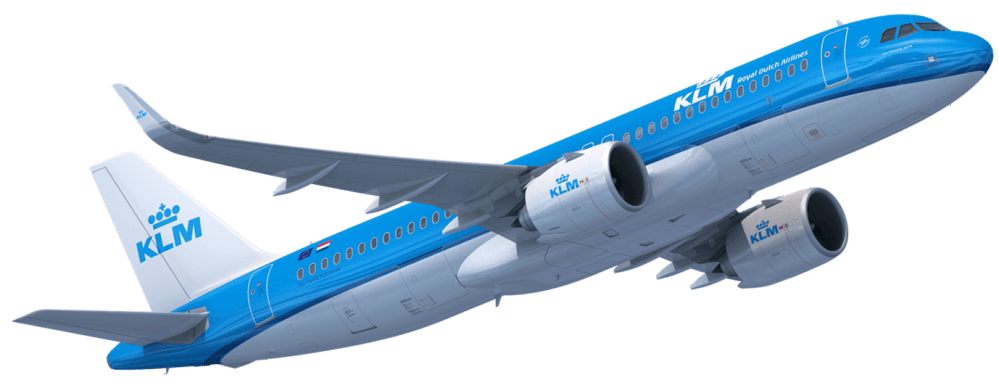
La aerolínea neeerlandesa KLM Royal Dutch Airlines recibirá pronto al primer Airbus A321neo. La nueva aeronave realizó el Martes 06/08 su primer vuelo en el Aeropuerto de Hamburgo-Finkenwerder (XFW) para comenzar las pruebas y la aceptación de la aeronave.
El A321neo con MSN11895 posee matrícula de prueba D-AXXQ. Despegó de Finkenwerder a las 10:00 UTC del Martes 06/08, sobrevolando el norte de Alemania y Polonia, antes de regresar a después de casi tres horas después a las 13:00 UTC. Este es el primero de muchos vuelos de pruebas por los que pasará el fuselaje antes de ser finalmente recibido por KLM en las próximas semanas.
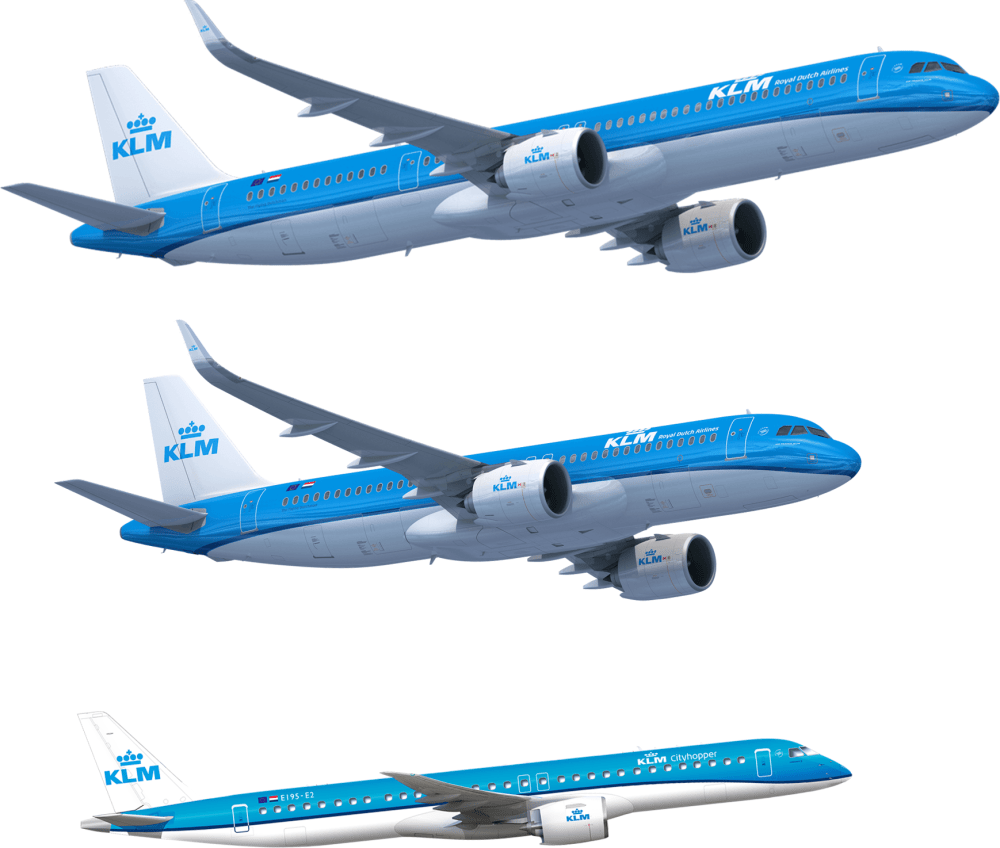
El avión A321neo empleará el registro PH-AXA, es el avión número 11.895 de la familia Airbus A320 y el primero de un gran pedido del Grupo Air France-KLM de hasta 160 unidades. El número total de aeronaves para KLM Airlines no está definido, dependiendo de la distribución y demanda de cada aerolínea, ya que la empresa matriz distribuirá esta nueva flota entre sus filiales Transavia France (TO) y Holland (HV).
KLM Airlines espera activar el primer A321neo el 16 de Septiembre de 2024 empleando el vuelo KL1267 que conecta el Aeropuerto Amsterdam/Schiphol (AMS) con Copenaghe/Kastrup (CPH).
Septiembre de 2024 marcará el comienzo crucial de una de las mayores transiciones de flota en la historia de KLM. Comenzará a subplantar la flota de aviones Boeing 737 más antiguos en favor de la familia A320neo, más eficiente en combustible.
La introducción del Airbus A321neo representa un cambio de filosofía en la flota de la aerolínea más antigua del mundo. KLM ha s ido un cliente histórico a The Boeing Company, mientras que la consolidación con el grupo Air France-KLM Group ha inclinado la tendencia a homogeneizar flotas para reducir costos en la alianza aérea.
KLM to take delivery of first A321neo
Dutch carrier prepares to take delivery of first narrowbody A320neo
KLM Royal Dutch Airlines will soon take delivery of its first Airbus A321neo. The new aircraft made its maiden flight at Hamburg-Finkenwerder Airport (XFW) on Tuesday 06/08 to begin testing and acceptance of the aircraft.
The A321neo with MSN11895 has test registration D-AXXQ. It took off from Finkenwerder at 10:00 UTC on Tuesday 06/08, flying over northern Germany and Poland, before returning almost three hours later at 13:00 UTC. This is the first of many test flights the airframe will undergo before finally being received by KLM in the coming weeks.
The A321neo aircraft, which will carry the registration PH-AXA, is the 11,895th aircraft in the Airbus A320 family and the first of a large order from the Air France-KLM Group for up to 160 units. The total number of aircraft for KLM Airlines is not defined, depending on the distribution and demand of each airline, as the parent company will distribute this new fleet between its subsidiaries Transavia France (TO) and Holland (HV).
KLM Airlines expects to activate the first A321neo on 16 September 2024 using flight KL1267 connecting Amsterdam/Schiphol Airport (AMS) with Copenhagen/Kastrup (CPH).
September 2024 will mark the crucial beginning of one of the largest fleet transitions in KLM’s history. It will begin to phase out the fleet of older Boeing 737 aircraft in favour of the more fuel-efficient A320neo family.
The introduction of the Airbus A321neo represents a change of philosophy for the fleet of the world’s oldest airline. KLM has been a long-standing customer of The Boeing Company, while the consolidation with the Air France-KLM Group has led to a trend towards homogenising fleets to reduce costs in the airline alliance.
PUBLISHER: Airgways.com DBk: Klm.com / Airbus.com / Airgways.com AW-POST: 202408061823AR OWNERSHIP: Airgways Inc. A\W A I R G W A Y S ®
Airbus Group ha anunciado que ha entregado setenta aeronaves a cuarenta clientes en todo el mundo. Airbus entregó 77 aviones el mes pasado, lo que eleva su total para 2024 a 400. El fabricante europeo también añadió 59 aviones a su cartera de pedidos. Airbus se enfrenta a retos en 2024, con 327 pedidos brutos frente a los 1.044 de 2023. A321XLR que entrará en servicio pronto, con Iberia como cliente de lanzamiento.
Las entregas han resultado estimulantes. United Airlines, ha recibido entre el 19 al 31 de Julio de 2024 tres A321neo (3). La erolínea estadounidense se encuentra aumentando rápidamente su flota de A321neo después de recibir el primer avión el otoño pasado. En el mercado de fuselaje ancho Airbus entregó varios aviones: un A350-1000 (1) a Japan Airlines. Delta Air Lines añadió otro A350-900 (1) a su flota. Croatia Airlines recibió su primer A220-300 (1), la más grande de las dos variantes, una orden total de quince unidades. La entrega tuvo lugar en Mirabel, Canadá. Croatia Airlines eligió el A220 para la renobación de su flota, mientras que permitirá eficientizar su economía en rutas europeas.
La aerolínea nipona Japan Airlines (JAL) ha realizado un pedido por veinte (20) A350 y agregó otros once (11) A321neo. Virgin Atlantic Airways ha añadido un pedido por otros siete (7) A330-900neo, lo que elevará su flota total de A330neo a diecinueve unidades. Un cliente no revelado encargó quince (15) A321neo, y Berniq Airways añadió una solicitud por seis (6) A320neo. El mayor pedido del año ha venido de American Airlines, con ochenta y cinco 85 aviones A321neo. Esto fue parte de un pedido más grande que incluía aviones Boeing y Embraer. Saudia Airlines ha encomendado cincuenta y un (51) A321neo.
Perspectivas Airbus Tanto Airbus Grop como The Boeing Company enfrentan un año de dificultades y desafíos, aunque del lado del fabricante europeo vislumbra un panorama más alentador. En su informe del primer semestre de 2024, Airbus informó sólo 327 pedidos brutos frente a los 1.044 del mismo periodo de 2023. El CEO de Airbus dijo que el desempeño financiero de la compañía durante el primer semestre del año refleja cambios en el sector espacial.
«El desempeño financiero semestral refleja principalmente cargos significativos en nuestro negocio espacial. Estamos abordando las causas fundamentales de estos problemas. En los aviones comerciales, nos centramos en las entregas y en la preparación de los próximos pasos de la puesta en marcha, al tiempo que abordamos los desafíos específicos de la cadena de suministro y protegemos el abastecimiento de paquetes de trabajo clave», ha expresado Airbus en su comunicado oficial.
Airbus 77 aircraft July 2024
Airbus delivers 77 aircraft to 40 customers
Airbus Group has announced that it has delivered seventy aircraft to forty customers worldwide. Airbus delivered 77 aircraft last month, bringing its total for 2024 to 400. The European manufacturer also added 59 aircraft to its order book. Airbus faces challenges in 2024, with 327 gross orders compared to 1,044 in 2023. A321XLR due to enter service soon, with Iberia as a launch customer.
Deliveries have been encouraging. United Airlines, has received three A321neo (3) between 19 and 31 July 2024. The US airline is rapidly increasing its A321neo fleet after receiving the first aircraft last autumn. In the widebody market, Airbus delivered several aircraft: one A350-1000 (1) to Japan Airlines. Delta Air Lines added another A350-900 (1) to its fleet. Croatia Airlines received its first A220-300 (1), the larger of the two variants, a total order of fifteen units. The delivery took place in Mirabel, Canada. Croatia Airlines chose the A220 for the renewal of its fleet, while it will allow it to streamline its economy on European routes.
The Japanese airline Japan Airlines (JAL) has placed an order for twenty (20) A350s and added another eleven (11) A321neos. Virgin Atlantic Airways has added an order for another seven (7) A330-900neos, which will bring its total A330neo fleet to nineteen units. An undisclosed customer ordered fifteen (15) A321neos, and Berniq Airways added a request for six (6) A320neos. The largest order of the year has come from American Airlines, with eighty-five 85 A321neo aircraft. This was part of a larger order that included Boeing and Embraer aircraft. Saudia Airlines has ordered fifty-one (51) A321neos.
Airbus outlook Both Airbus Group and The Boeing Company face a year of difficulties and challenges, although the European manufacturer’s side sees a more encouraging outlook. In its report for the first half of 2024, Airbus reported only 327 gross orders compared to 1,044 for the same period in 2023. The CEO of Airbus said that the company’s financial performance during the first half of the year reflects changes in the space sector.
«The half-year financial performance primarily reflects significant charges in our space business. We are addressing the root causes of these issues. In commercial aircraft, we are focusing on deliveries and preparing for the next steps of start-up, while addressing specific supply chain challenges and protecting the supply of key work packages», Airbus said in its official statement.
PUBLISHER: Airgways.com DBk: Airbus.com / Airgways.com AW-POST: 202408061752AR OWNERSHIP: Airgways Inc. A\W A I R G W A Y S ®
AW | 2024 08 06 16:49 | INDUSTRY / AVIATION ORGANISMS
A321XLR alcanza certificación tipo con motores LEAP-1A
La Agencia de la Unión Europea para la Seguridad Aérea (EASA) ha certificado el nuevo Airbus A321XLR con motores CFM International LEAP-1A y su entrada en servicio está prevista para finales de verano septentrional. Los modelos de motor de las aeronaves Airbus A321XLR comparten la misma clasificación de empuje de despegue con el LEAP-1A30, LEAP-1A32, LEAP-1A33, LEAP-1A33B2 y LEAP-1A35A, que se han utilizado para impulsar el A321neo y el A321LR.
Sin embargo, cuando CFM International, una empresa conjunta entre GE Aerospace y Safran Aircraft Engines, anunció la noticia sobre el A321XLR y la certificación de los respectivos modelos de motores CFM International LEAP-1A, la compañía dijo que EASA y la Administración Federal de Aviación (FAA) certificaron los cuatro modelos el 10 de Julio de 2024. En ese momento, Gaël Méheust, Presidente y Director Ejecutivo (CEO) de CFM International, comentó que el motor siempre se diseñó con una clasificación de empuje de 35.000 libras de fuerza (15.568 daN), lo que permitió que el motor se utilizara para aviones de mayor alcance y Mayor Peso Máximo de Despegue (MTOW).
«Como resultado, no se requirieron modificaciones en el motor, lo que brinda a los operadores el beneficio adicional de un 100 por ciento de comunalidad con sus flotas existentes de la familia A320neo», ha expresado en el comunicado Airbus Group.
Airbus declaró que certificaría el A321XLR con los motores Pratt & Whitney PW1100G, también conocidos como Geared Turbofan (GTF), en algún momento posterior de 2024.
EASA cert. A321XLR LEAP-1A
A321XLR achieves type certification with LEAP-1A engines
The European Union Aviation Safety Agency (EASA) has certified the new Airbus A321XLR with CFM International LEAP-1A engines and its entry into service is planned for late northern summer. The engine models of the Airbus A321XLR aircraft share the same takeoff thrust classification with the LEAP-1A30, LEAP-1A32, LEAP-1A33, LEAP-1A33B2, and LEAP-1A35A, which have been used to power the A321neo and the A321LR.
However, when CFM International, a joint venture between GE Aerospace and Safran Aircraft Engines, announced the news about the A321XLR and the certification of the respective CFM International LEAP-1A engine models, the company said that EASA and the Federal Aviation Administration (FAA) certified all four models on July 10, 2024. At the time, Gaël Méheust, President and Chief Executive Officer (CEO) of CFM International, commented that the engine was always designed with a thrust rating of 35,000 pounds-force (15,568 daN), which allowed the engine to be used for longer-range and higher Maximum Takeoff Weight (MTOW) aircraft.
«As a result, no engine modifications were required, giving operators the added benefit of 100 percent commonality with their existing A320neo Family fleets», Airbus Group said in a statement.
Airbus said it would certify the A321XLR with Pratt & Whitney PW1100G engines, also known as Geared Turbofan (GTF), sometime later in 2024.
PUBLISHER: Airgways.com DBk: Airbus.com / Airgways.com AW-POST: 202408061649AR OWNERSHIP: Airgways Inc. A\W A I R G W A Y S ®
Los ejecutivos de The Boeing Company y Spirit AeroSystems testificarán en la audiencia del Martes 06/08 de la Agencia NTSB sobre la emergencia del vuelo AS1282 de Alaska Airlines que involucró a un avión Boeing 737-9 MAX en emergencia en Estados Unidos en Enero de 2024.
La Junta Nacional de Seguridad en el Transporte (NTSB) ha informado que ejecutivos de la compañía aeroespacial Boeing y de Spirit AeroSystems testificarán en una audiencia de dos días a partir del Martes 6 de Agosto de 2024 sobre la explosión en el aire de una puerta traseera de un avión de Alaska Airlines. La Vicepresidenta Senior de Calidad de Boeing, Elizabeth Lund, y Doug Ackerman, Vicepresidente de Calidad de Proveedores de Boeing, se encuentran entre los que testificarán, dijo la NTSB. Terry George, Vicepresidente Senior y Gerente General del Programa Boeing en Spirit AeroSystems y Scott Grabon, Director Senior de Calidad del 737 en Spirit, que fabrica el fuselaje del 737 MAX, también compadecerán en la testimonial ante la agencia gubernamental de transporte estadounidense.
Varios funcionarios de la Administración Federal de Aviación (FAA) también testificarán en la audiencia, programada para durar veinte horas durante dos días, sobre el reventón del tapón de la puerta del Boeing 737-9 MAX de Alaska Airlines al que le faltaban cuatro pernos.
La audiencia revisará cuestiones que incluyen la fabricación e inspecciones del 737, la gestión de seguridad y los sistemas de gestión de calidad, la supervisión de la FAA y los problemas relacionados con la apertura y el cierre del tapón de la puerta.
Boeing ha dicho que no existe documentación para documentar la remoción de los pernos. Boeing y la FAA no hicieron comentarios de inmediato. Un portavoz de Spirit AeroSystems dijo que la compañía «está totalmente comprometida a cooperar con la NTSB en su investigación sobre este incidente».
En Enero 2024, la FAA prohibió a Boeing expandir la producción del 737 MAX. En Junio 2024, el Administrador de la FAA, Mike Whitaker, dijo que la agencia estaba demasiado alejada de la supervisión de Boeing antes de Enero 2024. También en Junio 2024, la NTSB dijo que Boeing violó las reglas de investigación al proporcionar información no pública a los medios y especular sobre las posibles causas. En Julio 2024, Boeing acordó recomprar Spirit AeroSystems por un valor de US$ 4.700 millones de Dólares en acciones, y Airbus Group se hizo cargo de las actividades deficitarias del proveedor centradas en Europa. En Julio 2024, Boeing acordó declararse culpable de un cargo de conspiración de fraude criminal y pagar una multa de 243,6 millones de dólares para resolver una investigación del Departamento de Justicia de Estados Unidos sobre dos accidentes fatales de 737 MAX.
La Junta de Seguridad dijo que los comentarios de la Vicepresidenta Senior de Calidad de Boeing, Elizabeth Lunda a los medios eran inexactos o desconocidos para la NTSB, mientras que otros no habían sido revelados previamente. La NTSB dijo que Boeing no verá la información producida durante su investigación y, a diferencia de otras partes, ahora no se le permitirá hacer preguntas a otros participantes durante la audiencia.
Boeing-Spirit NTSB hearing
Boeing and Spirit to testify before NTSB
Executives from The Boeing Company and Spirit AeroSystems will testify at the NTSB hearing Tuesday, August 6, on the Alaska Airlines Flight AS1282 emergency involving a Boeing 737-9 MAX aircraft in the United States in January 2024.
The National Transportation Safety Board (NTSB) has announced that executives from the aerospace company Boeing and Spirit AeroSystems will testify at a two-day hearing beginning Tuesday, August 6, 2024, on the midair explosion of a rear door on an Alaska Airlines aircraft. Boeing Senior Vice President of Quality Elizabeth Lund and Doug Ackerman, Boeing Vice President of Supplier Quality, are among those who will testify, the NTSB said. Terry George, Senior Vice President and General Manager of Boeing Programs at Spirit AeroSystems, and Scott Grabon, Senior Director of 737 Quality at Spirit, which makes the fuselage for the 737 MAX, will also testify at the hearing before the U.S. government transportation agency.
Several Federal Aviation Administration (FAA) officials will also testify at the hearing, scheduled to last 20 hours over two days, about the blowout of the door stopper on Alaska Airlines’ Boeing 737-9 MAX that was missing four bolts.
The hearing will review issues including 737 manufacturing and inspections, safety management and quality management systems, FAA oversight, and issues related to the opening and closing of the door stopper.
Boeing has said there is no documentation to document the removal of the bolts. Boeing and the FAA did not immediately comment. A Spirit AeroSystems spokesperson said the company “is fully committed to cooperating with the NTSB in its investigation into this incident”.
In January 2024, the FAA banned Boeing from expanding production of the 737 MAX. In June 2024, FAA Administrator Mike Whitaker said the agency was too far removed from Boeing’s oversight before January 2024. Also in June 2024, the NTSB said Boeing violated investigative rules by providing nonpublic information to the media and speculating about possible causes. In July 2024, Boeing agreed to buy back Spirit AeroSystems for US$ 4.7 billion worth of stock, and Airbus Group took over the supplier’s loss-making Europe-focused activities. In July 2024, Boeing agreed to plead guilty to one count of criminal fraud conspiracy and pay a US$ 243.6 million fine to settle a U.S. Justice Department investigation into two fatal 737 MAX crashes.
The safety board said Boeing Senior Vice President of Quality Elizabeth Lunda’s comments to the media were inaccurate or unknown to the NTSB, while others had not been previously disclosed. The NTSB said Boeing will not see information produced during its investigation and, unlike other parties, will now not be allowed to ask questions of other participants during the hearing.
PUBLISHER: Airgways.com DBk: Transportation.gov / Faa.gov / Boeing.com / Spirit.aero / Airgways.com AW-POST: 202408060022AR OWNERSHIP: Airgways Inc. A\W A I R G W A Y S ®
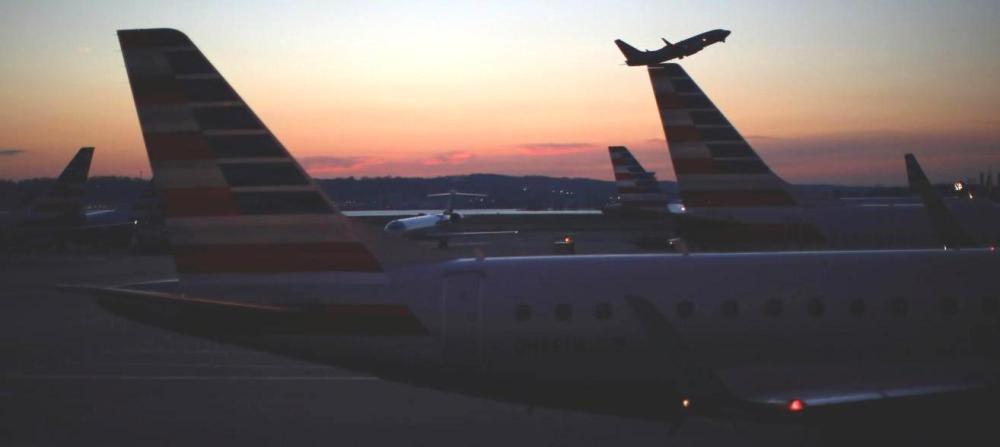
Embraer prevé demanda aviones por US$ 640.000 millones
El constructor de aviones Embraer emitió recientemente su pronóstico a veinte años para entregas de aviones comerciales de menos de 150 asientos, el segmento de mercado en el que tiene más éxito. El informe estima la demanda mundial de 10.500 nuevos aviones a reacción y turbohélice durante el período 2024-2043. Una perspectiva de veinte años para los aviones regionales identifica la necesidad de que las aerolíneas optimicen sus flotas para servir a los mercados de mediana o baja densidad cuando son esenciales múltiples frecuencias diarias. En términos financieros, estima que la demanda total de nuevos aviones de menos de 150 asientos durante ese período será de US$ 640.000 millones de Dólares.
Embraer es el tercer mayor fabricante mundial de aviones civiles, después de Airbus y Boeing, y tiene divisiones para los sectores de aviación comercial, ejecutiva, militar y agrícola. Es reconocida principalmente por sus jets comerciales regionales y de mediano alcance, en particular los E-Jets de fuselaje estrecho.
El informe reconoce un crecimiento de la demanda regional similar en Asia y América Latina que ha sido identificado por Airbus y Boeing en sus pronósticos anuales en los últimos años, además de un crecimiento constante y altas tasas de reemplazo en los mercados establecidos en América del Norte y Europa. Pero Embraer señala que la relevancia de la categoría de aviones pequeños de fuselaje estrecho está aumentando, pues los aviones más grandes no siempre son económica u operativamente viables para los mercados de densidad media y baja, particularmente cuando las frecuencias diarias múltiples son esenciales para que esas ciudades se mantengan bien conectadas.
Las nuevas entregas de aviones comerciales de menos de 150 asientos durante el período de pronóstico totalizarán 8.470 unidades, fuertemente concentradas en los mercados desarrollados de América del Norte (2.610, 30,8% del total) y Europa/CEI (2.110; 24,9%), con China y Asia Pacífico (2.260; 26,7%) aumentando el volumen. América Latina (770; 9,1%), África (380; 4,5%) y Oriente Medio (340; 4,0%) completan las perspectivas de la demanda regional.
EMBRAER E2-JETS
Actualmente, la compañía aérea Piedmont Airlines filial de American Airlines había anunciado el restablecimiento de la línea Embraer E145 (12) como parte de la creciente demanda de aviones regionales, un auspicio favorable en un entorno de mercado emergente.
«Una flota mixta de aviones de menos de 150 asientos y aviones de fuselaje estrecho más grandes será la estrategia de flota exitosa para los próximos veinte años. El entorno pos-pandémico es diferente en muchos aspectos. La combinación de pasajeros de negocios y de placer es diferente. Los patrones de demanda son diferentes. El lugar de trabajo corporativo es diferente. Y el comercio electrónico está en auge. Las aerolíneas están aumentando su capacidad en los grandes mercados, pero las ciudades más pequeñas aún necesitan mantenerse bien conectadas a las redes de aerolíneas con un servicio aéreo de alta frecuencia. Creemos que los aviones de la categoría de menos de 150 asientos son los más eficientes y rentables para abordar esa necesidad», resumió Arjan Meijer, Presidente y CEO de Aviación Comercial de Embraer.
Embraer demands regional aircraft
Embraer forecasts US$ 640 billion in aircraft demand
Aircraft manufacturer Embraer recently issued its twenty-year forecast for deliveries of commercial aircraft with fewer than 150 seats, the market segment in which it is most successful. The report estimates global demand for 10,500 new jet and turboprop aircraft over the period 2024-2043. A twenty-year outlook for regional aircraft identifies the need for airlines to optimize their fleets to serve medium- or low-density markets where multiple daily frequencies are essential. In financial terms, it estimates total demand for new aircraft with fewer than 150 seats over that period to be US$ 640 billion.
Embraer is the world’s third-largest manufacturer of civil aircraft, after Airbus and Boeing, and has divisions for the commercial, executive, military and agricultural aviation sectors. It is best known for its regional and medium-range business jets, particularly the narrow-body E-Jets.
The report acknowledges similar regional demand growth in Asia and Latin America that has been identified by Airbus and Boeing in their annual forecasts in recent years, as well as steady growth and high replacement rates in established markets in North America and Europe. But Embraer notes that the relevance of the small narrow-body aircraft category is increasing, as larger aircraft are not always economically or operationally viable for medium and low-density markets, particularly when multiple daily frequencies are essential for those cities to remain well connected.
New deliveries of commercial aircraft with fewer than 150 seats during the forecast period will total 8,470 units, heavily concentrated in the developed markets of North America (2,610; 30.8% of the total) and Europe/CIS (2,110; 24.9%), with China and Asia Pacific (2,260; 26.7%) increasing the volume. Latin America (770; 9.1%), Africa (380; 4.5%) and the Middle East (340; 4.0%) round out the regional demand outlook.
Presently, Piedmont Airlines, a subsidiary of American Airlines, had announced the reinstatement of the Embraer E145 line (12) as part of the growing demand for regional aircraft, a favorable omen in an emerging market environment.
“A mixed fleet of aircraft under 150 seats and larger narrowbody aircraft will be the successful fleet strategy for the next twenty years. The post-pandemic environment is different in many ways. The mix of business and leisure passengers is different. Demand patterns are different. The corporate workplace is different. And e-commerce is booming. Airlines are increasing capacity in large markets, but smaller cities still need to stay well connected to airline networks with high-frequency air service. We believe aircraft in the sub-150-seat category are the most efficient and cost-effective to address that need”, summarized Arjan Meijer, President and CEO of Commercial Aviation at Embraer.
PUBLISHER: Airgways.com DBk: Embraer.com / Airgways.com AW-POST: 202408051643AR OWNERSHIP: Airgways Inc. A\W A I R G W A Y S ®
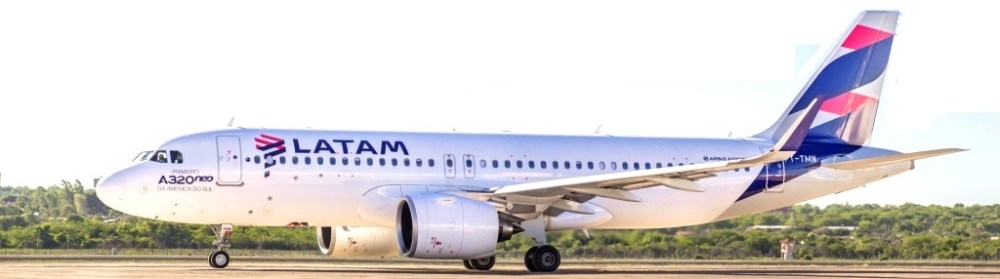
El LATAM Airlines Group ha anunciado la entrega a la filial LATAM Airlines Chile de su nuevo Airbus A320neo. La aerolínea chilena ha tomado entrega de su nueva aeronave A320-251N, tras un largo período sin tomar nuevos aviones del mismo modelo desde Diciembre de 2019. La compañía continúa con el programa de actualización de flota con el objetivo de reemplazar progresivamente la anterior generación del A320ceo.
La nueva aeronave A320neo de LATAM Airlines Chile está registrada como CC-BHH, con una configuración de 174 asientos. La aeronave posee Serial Number SN12226, variante A320-251N. Obtuvo el Test registration F-WWBP. Emplea dos motores de última generación CFMI LEAP-1A26.
El programa de renovación de flota del grupo se centra en la actualización de la flota A320ceo hacia los nuevos aviones derivados A320neo y A321neo, que se han centralizado en la división brasileña. LATAM Chile no recibía un avión de Airbus directamente de fábrica desde 2019, salvo el CC-BHF que fue un traspaso desde la filial de Brasil en 2022.
El nuevo avión A320neo realizó el vuelo de entrega y aterrizó en Fortaleza, Ceará, luego de una ruta directa desde Toulouse, Francia, donde está ubicada la principal fábrica de Airbus. Desde el noreste de Brasil, el avión con matrícula CC-BHH se dirigió a São Carlos, en el interior de São Paulo. En la escala en São Paulo se realizó en los talleres que LATAM el proceso de pintado exterior de su librea. Luego se dirigirá a Santiago de Chile, para su nacionalización y posterior entrada en servicio operativo.
LATAM Airlines Chile tiene en servicio una flota de A319 (15), A320ceo (78), A320neo (7), A321ceo (18), Boeing 767-300ER (9), Boeing 787-8 (10) y Boeing 787-9 (26).
LATAM Chile takes delivery new Airbus A320neo
LATAM Chile takes delivery of new Airbus A320neo
LATAM Airlines Group has announced the delivery of its new Airbus A320neo to its subsidiary LATAM Airlines Chile. The Chilean airline has taken delivery of its new A320-251N aircraft, after a long period without taking delivery of new aircraft of the same model since December 2019. The company continues with the fleet update program with the aim of progressively replacing the previous generation of the A320ceo.
LATAM Airlines Chile’s new A320neo aircraft is registered as CC-BHH, with a 174-seat configuration. The aircraft has Serial Number SN12226, variant A320-251N. It obtained Test registration F-WWBP. It uses two latest generation CFMI LEAP-1A26 engines.
The group’s fleet renewal program focuses on upgrading the A320ceo fleet to the new A320neo and A321neo derivative aircraft, which have been centralized in the Brazilian division. LATAM Chile has not received an Airbus aircraft directly from the factory since 2019, except for the CC-BHF which was transferred from the Brazilian subsidiary in 2022.
The new A320neo aircraft made the delivery flight and landed in Fortaleza, Ceará, after a direct route from Toulouse, France, where the main Airbus factory is located. From the northeast of Brazil, the aircraft with registration CC-BHH headed to São Carlos, in the interior of São Paulo. During the stopover in São Paulo, the exterior painting process of its livery was carried out in LATAM’s workshops. It will then head to Santiago de Chile, for nationalization and subsequent entry into operational service.
LATAM Airlines Chile has in service a fleet of A319 (15), A320ceo (78), A320neo (7), A321ceo (18), Boeing 767-300ER (9), Boeing 787-8 (10) and Boeing 787-9 (26).
PUBLISHER: Airgways.com DBk: Latam.com / Airbus.com / Reuters.com/Regis Duvignau / Airgways.com AW-POST: 202408051206AR OWNERSHIP: Airgways Inc. A\W A I R G W A Y S ®




























 airgways.com