90ª aniversario del vuelo transatlántico

4962efc3c14d3fd89db04f918457b9e4

AW | 2017 05 21 23:50 |HISTORY

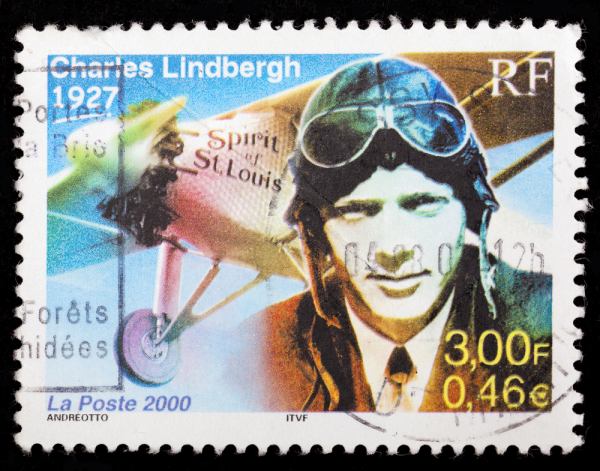
El piloto norteamericano Charles Lindbergh realiza la hazaña de cruzar el Atlántico en un vuelo sin escalas un 21 de mayo de 1927

Resultado de imagen para Spirit of St. Louis png

Resultado de imagen para Charles Lindbergh png

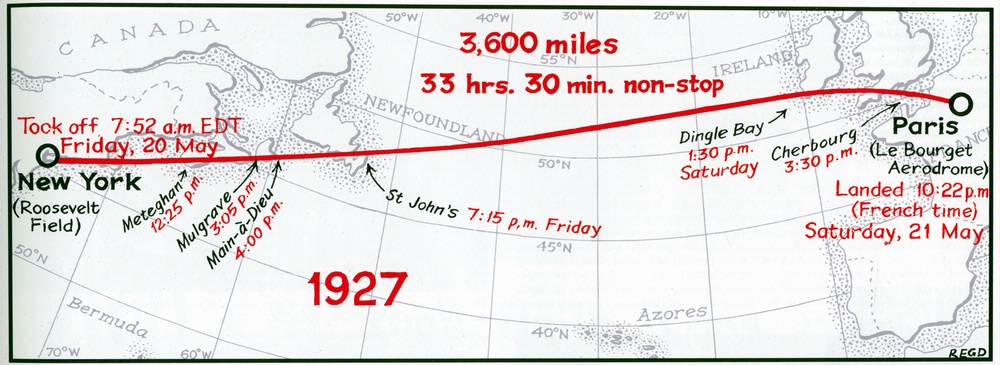
El joven piloto norteamericano cruza el Atlántico en un vuelo sin escalas y en solitario: Nueva York-París en tan solo 33 horas, 30 minutos y 30 segundos. América tenía un nuevo héroe. La aviación había cambiado para siempre

21 de mayo de 1927. El joven piloto norteamericano Charles Lindbergh aterriza en el aeropuerto de Le Bourget, a pocos kilómetros de París. 33 horas, 30 minutos y 30 segundos antes había partido del aeropuerto de Nueva York con un objetivo, cruzar el océano atlántico sin escalas y en solitario. Sus primeras palabras son: ‘Bueno, lo conseguí’.

https://i0.wp.com/www.avalonrosedesign.net/freebies/ARD-FGF-5.png

https://airandspace.si.edu/webimages/previews/6325p.jpg

Había nacido un héroe para América. Al tiempo, la aviación, un lujo al alcance de solo unos pocos, pasaba a contemplarse desde otro prisma. Con su vuelo, Lindbergh cambiaba la percepción de la gente sobre factibilidad de la aviación comercial, haciéndola mucho más cercana al mundo real. Pocos años después de su legendario vuelo, surgirían las primeras líneas aéreas que atravesarían el océano con pasaje.

https://airandspace.si.edu/sites/default/files/images/exhibition-stories/thumbnails/NASM-NAM-A-4819-A.jpg

CHARLES LINDBERGH, JOVEN AVIADOR QUE REALIZÓ LA PROEZA DE CRUZAR EL ATLÁNTICO

Nacido en Detroit en 1902, Charles Lindbergh era un joven intrépido y valiente con un sueño: volar. Por ello a los 20 años decide abandonar sus estudios de ingeniería mecánica y se inscribe en el programa de entrenamiento de una escuela de vuelo y mecánica, la Aircroft Corporation de Nebraska. Ese mismo año, el 1 de abril de 1922, realiza su primer vuelo como pasajero en un biplano y completamente seducido por la aviación, compra su propio avión, Jenny. Dos años después empieza a entrenar en el cuerpo aéreo de los Estados Unidos donde consigue el primer puesto de su promoción. Obtenida la titulación empieza a trabajar como piloto civil en la línea de correo postal de San Luis.

En 1927, Charles toma una decisión que cambiará su vida para siempre. Ocho años antes el filántropo francés Raymond B. Orteig había ofrecido una cuantiosa suma, 25.000 dólares de recompensa al piloto que lograse acometer una hazaña aeronáutica entonces inconcebible, cruzar el Atlántico sin escalas en solitario. Punto de partida, Nueva York, destino, París. El joven piloto, sin arredrarse ante la complejidad de la travesía decide optar al premio.

https://public-media.smithsonianmag.com/filer/a8/32/a8327baa-9198-4476-8a92-091cd1705de9/2001137hweb.jpg

Fabricado por:
Ryan Airline Company
Diseñado por:
Donald A. Hall

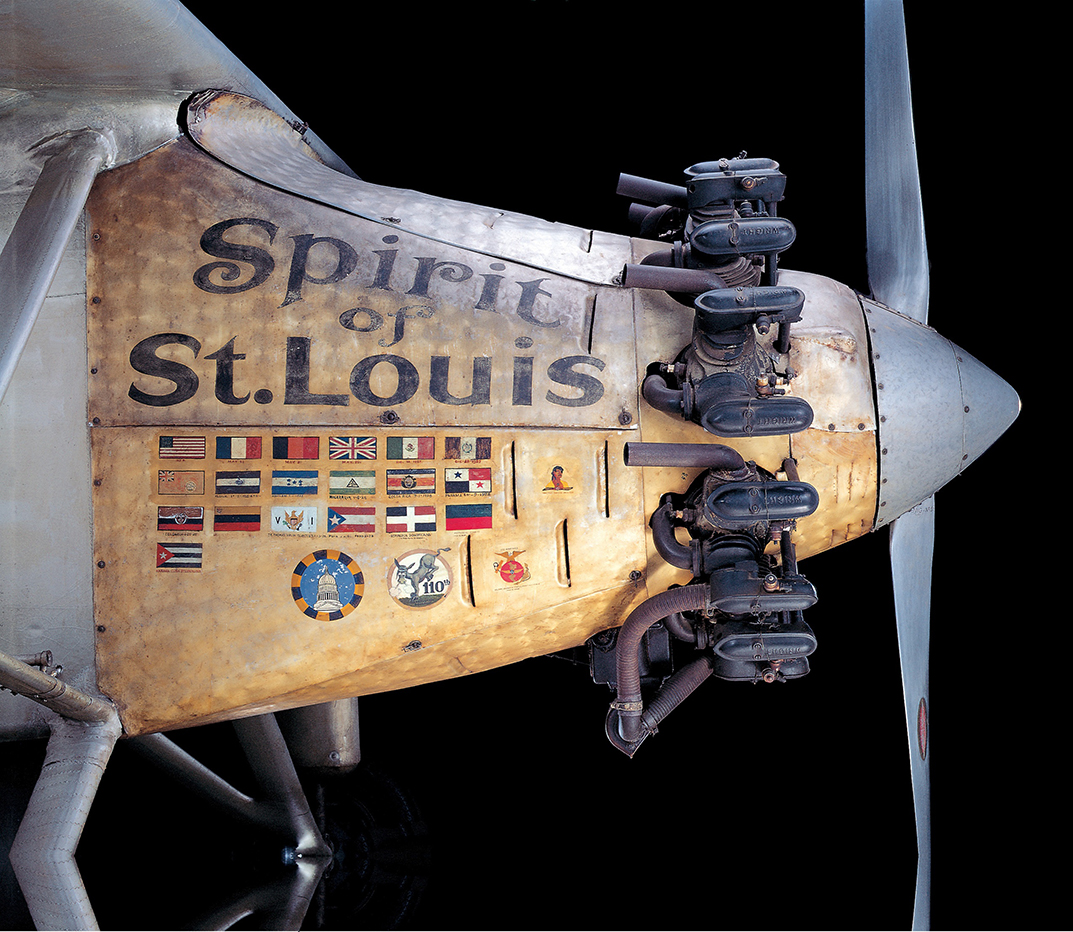
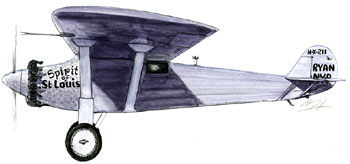
Su avión será el Spirit of St Louis llamado así en honor de los dos industriales luisianos que le permiten abordar el proyecto financiando el vuelo trasatlántico. Ellos consiguen un préstamo de 15.000 dólares. Lindbergh aporta otros 2.000 de su propio bolsillo, y Ryan Aeronautical Company pone otros 1.000. En total,, 18.000 dólares, una cantidad muy inferior a la de sus rivales en la prueba. Ryan acuerda fabricar un monoplano especial por 10.850 dólares. Se trata de un monomotor modelo Ryan NYP, fabricado en San Diego, California. Un avión con alas de implantación alta y estructura de madera. Su fuselaje lo integran tubos de acero y su revestimiento exterior es de tela. El propio Lindbergh colabora en el proyecto, a él se debe la decisión de incluir un solo motor, así como el sacrificio de la visibilidad frontal en pro de la ubicación del depósito del combustible lo que le obligaría al uso de un periscopio. El diseño del aparato obedece a un único objetivo, optimizar la aerodinámica ofreciendo la mínima resistencia al aire, para lo cual su peso debía de ser lo más bajo posible. En pro de ello se sacrifican el aparato de radio y el indicador del nivel de combustible así como el asiento del piloto que se reduce a una ligera silla de mimbre.Resultado de imagen para Charles Lindbergh Spirit of St. Louis png

El aviador loco, modo en que se referían a él los medios de comunicación de la época estaba listo para despegar.

El viernes 20 de mayo de 1927, Lindbergh parte desde el aeropuerto neoyorquino de Garden City decidido a triunfar, son las 7 horas 25 minutos. El Spirit pesa dos toneladas en total, el depósito supone la parte más relevante de las mismas, cargado con 2.000 litros de gasolina, suficientes según el criterio del piloto para volar 7.000 kilómetros. Lindbergh ha limitado al mínimo su equipaje, como o bjetos de precisión sólo lleva compases magnéticos e indicadores de estabilidad y velocidad. Respondiendo a la prensa afirma que sencillamente navegaría por medio del compás y trataría de volar siempre en línea recta, siguiendo un arco de semicírculo máximo. Su despensa es parca: cinco bocadillos, cinco litros de agua, chocolate caliente, café y pastillas nutritivas. Lo mínimo para subsistir durante la travesía venciendo al sueño y el cansancio.Imagen relacionada

21 de mayo, Lindbergh aterriza en el aeropuerto de Le Bourget, a pocos kilómetros de París. Sus primeras palabras son: ‘Bueno, lo conseguí’.

América tenía un nuevo héroe. Lindbergh vuelve a Washington escoltado por un buque militar y recibido por el presidente Coolidge y una multitud exultante.

El resto ya es historia. Lindbergh recibe la Medalla de Honor del Congreso y la Cruz de Vuelo Distinguido pasando a engrosar el olimpo de los ídolos estadounidenses convertido en una leyenda de la aviación. AIRGWAYS ® Icon-AW

4962efc3c14d3fd89db04f918457b9e4

90th anniversary transatlantic flight

The American pilot Charles Lindbergh accomplishes the feat ofResultado de imagen para Spirit of St. Louis png crossing the Atlantic in a nonstop flight a 21 of May of 1927

Resultado de imagen para flight transatlantic Spirit of St. Louis mapThe young American pilot crosses the Atlantic on a nonstop and solo flight: New York-Paris in just 33 hours, 30 minutes and 30 seconds. America had a new hero. Aviation had changed forever


https://s-media-cache-ak0.pinimg.com/originals/90/cd/2e/90cd2e951494126740a106a564e16981.jpg

May 21, 1927, Charles Lindbergh lands in Paris’ Le Bourget Field.

May 21, 1927. The young American pilot Charles Lindbergh lands at the airport of Le Bourget, a few kilometers from Paris. 33 hours, 30 minutes and 30 seconds earlier had departed New York airport with a goal, to cross the Atlantic ocean nonstop and alone. His first words are, ‘Well, I got it.’

https://acesflyinghigh.files.wordpress.com/2014/07/charles-lindbergh-nyh-19220522-lindberg-flight.jpg

https://i0.wp.com/usaradio.com/wp-content/uploads/2017/05/8705793590_776b78bad5_k.jpg


A hero had been born for America. At the same time, aviation, a luxury within reach of only a few, came to be seen from another perspective. With his flight, Lindbergh changed people’s perception of commercial aviation’s feasibility, making it much closer to the real world. A few years after his legendary flight, the first airlines that would cross the ocean with passage would arise.

Born in Detroit in 1902, Charles Lindbergh was an intrepid and brave young man withImagen relacionada a dream: to fly. That is why at age 20 he decides to drop his mechanical engineering studies and enrolls in the Aircroft Corporation of Nebraska training program for a flying and mechanical school. That same year, the 1 of April of 1922, realizes its first flight like passenger in a biplane and completely seduced by the aviation, it buys its own airplane, Jenny. Two years later he began to train in the United States air body where he achieved the first position of his promotion. Obtained the degree begins to work like civil pilot in the line of postal mail of San Luis.

In 1927, Charles makes a decision that will change his life forever. Eight years earlier the French philanthropist Raymond B. Orteig had offered a large sum of $ 25,000 to the pilot who could undertake an inconceivable aeronautical feat, to cross the Atlantic without a single stop. Starting point, New York, destination, Paris. The young pilot, without being discouraged by the complexity of the journey decides to opt for the prize.

https://userscontent2.emaze.com/images/26c416d9-03ab-4e42-8280-53f2ebd0f44f/d44ffba8404c846958fe5de807bfa7a9.png

His plane will be the Spirit of St Louis named in honor of the two industrialists Luisis who allow him to approach the project financing the transatlantic flight. They get a loan of $ 15,000. Lindbergh contributes another 2,000 from his own pocket, and Ryan Aeronautical Company puts another 1,000. In total, $ 18,000, much less than their rivals in the test. Ryan agrees to manufacture a special monoplane for $ 10,850. This is a single-engine Ryan NYP model, manufactured in San Diego, California. An airplane with wings of high implantation and structure of wood. Its fuselage is made of steel tubes and its exterior cladding is made of cloth. Lindbergh himself collaborates in the project, he is due the decision to include a single engine, as well as the sacrifice of the frontal visibility in favor of the location of the fuel tank which would force him to use a periscope. The design of the device obeys a single objective, optimizing the aerodynamics offering the minimum resistance to air, for which its weight should be as low as possible. This is done by sacrificing the radio and the fuel level indicator as well as the driver’s seat which is reduced to a slight wicker chair. The flyer mad, way they referred to him the media of the time was ready to take off.

On Friday, May 20, 1927, Lindbergh leaves from the New York airport in Garden City determined to succeed, it is 7 hours 25 minutes. The Spirit weighs two tons in total, the deposit is the most relevant part of them, loaded with 2,000 liters of gasoline, sufficient according to the pilot’s criteria to fly 7,000 kilometers. Lindbergh has kept his luggage to a minimum, as he or she only has magnetic compasses and indicators of stability and speed. Responding to the press, he said he would simply sail through the compass and try to fly in a straight line, following a maximum semicircle arc. Their pantry is meager: five sandwiches, five liters of water, hot chocolate, coffee and nutritious pills. The minimum to survive during the voyage overcoming sleep and tiredness.Resultado de imagen para 90th anniversary transatlantic flight Charles Lindbergh

May 21, Lindbergh lands at the airport of Le Bourget, a few kilometers from Paris. His first words are, ‘Well, I got it.’

America had a new hero. Lindbergh returns to Washington escorted by a military vessel and received by President Coolidge and an exulting crowd.

The rest is history. Lindbergh receives the Congressional Medal of Honor and the Cross of Distinguished Flight passing to swell the olympic of the American idols become an aviation legend. A \ W

         Resultado de imagen para Charles Lindbergh png

Ξ A I R G W A Y S Ξ
SOURCE: CharlesLindbergh.com / Lavanguardia.com
DBk: Usaradio.com / Acesflyinghigh.wordpress.com / Pinimg.com / Airandspace.si.edu / Emaze.com / Avalonrosedesign.net / Smithsonianmag.com / CharlesLindbergh.com
AW-POST: 201705212350AR

A \ W   A I R G W A Y S ®

Boeing Everett 50º construyendo aviones

web1_L1-BoeingEverett50th-EDH-170517-1200x737.jpg

AW | 2017 05 21 21:38| HISTORY

Boeing-Company-Logo50 años de historia de la construcción de avionesa-i-r-g-w-a-y-s-tmk-001 Boeing en Everett


Everett, WA · Bill Rietkerk recogió su diploma universitario del
programa de ingeniería aeronáutica de la Universidad de Washington en un sábado de 1966. El próximo lunes, comenzó a trabajar en la planta Renton de The Boeing Co. El jugador de 23 años fue uno de los 50.000 trabajadores contratados por la compañía a mediados de los años sesenta.

https://i0.wp.com/www.boeing.com/resources/boeingdotcom/commercial/customers/american-airlines/aal-787-timeline/assets/images/timeline/american-airlines/timeline-707.png
Boeing estaba en auge. Había rugido en la Edad del Jet con el 707 y luego con el 727.Resultado de imagen para Boeing Pain Field  png Pocos meses después de que Rietkerk empezara, el Boeing Lunar Orbiter devolvió las primeras fotografías de la Luna. Toda la industria estaba ocupada en convertir la ciencia ficción del día en la realidad de mañana. «Fue un momento emocionante» para un joven ingeniero, dijo Rietkerk.

El año en que se graduó, Boeing se comprometió a hacer un avión de pasajeros para enano a todos los demás aviones de pasajeros en el cielo. Se esperaba que el 747 transportaba a más de 350 pasajeros entre continentes, lo que lo hace aproximadamente dos veces y media más grande que los aviones de pasajeros más grandes del día, el 707 y el Douglas DC-8. La compañía necesitaría una enorme fábrica para fabricar el gigantesco avión.

https://2qibqm39xjt6q46gf1rwo2g1-wpengine.netdna-ssl.com/wp-content/uploads/2017/05/web1_L1-BoeingEverett50th-EDH-170517.jpg

Engineer Bill Rietkerk in front of a Boeing 747-8 in the Everett factory on May 17. Rietkerk has been with the company since the Everett plant was built in 1967. (Andy Bronson / The Herald)


Esa necesidad llevó a Boeing y Rietkerk a Everett, donde la compañía desarrolló aviones que revolucionaron el transporte aéreo. Este 1 de mayo marcó 50 años desde que comenzó la producción de aviones de pasajeros en la planta, que estaba lejos de terminar en ese momento. El piso de la fábrica seguía siendo suciedad. Mecánicos, ingenieros, analistas y otros trabajadores usaban hardhats mientras la construcción continuaba alrededor.

El emblemático jumbo fue sólo el comienzo de Boeing Everett. Todos los grandes aviones de doble pasillo de la compañía, los 747, 767, 777 y 787, fueron desarrollados en la planta extensa. Cada uno de ellos ha influido drásticamente en cómo se hacen los aviones, cómo funcionan las aerolíneas y cómo vuela la gente.

https://i0.wp.com/paineairport.com/images/kpae13139w.png

«Es difícil pensar en una fábrica más influyente en cualquier lugar», dijo Kevin Michaels, director de AeroDynamic Advisory, una firma de consultoría aeroespacial en Ann Arbor, Michigan.

Más del 60 por ciento de los aviones de doble pasillo volando ahora se hicieron en Everett. Cuando Boeing decidió fabricar su nuevo avión, el 777X, y las avanzadas alas de material compuesto del avión, en Everett, la compañía se aseguró de que la planta continuara moldeando el mundo y empujando los límites tecnológicos.

Pista larga

Boeing fácilmente podría haber terminado en otra parte para hacer el 747. La empresa necesitaba un sitio con ferrocarril, carreteras y una pista larga. A principios de 1966, la lista corta de los administradores de la propiedad de Boeing incluía a Everett, McChord Air Force Base y Walnut Creek, California. El ingeniero aprovechó para diseñar el jumbo, Joe Sutter, rechazó la idea de trasladar la producción a California.

«Les dije que sería un gran desastre», dijo en una entrevista con The Daily Herald en 2015. Murió el año pasado. «Tuvimos 29 meses para sacar un avión y si iba a pasar el 25 por ciento de mi tiempo corriendo entre aquí y California, ¿cuándo ayudaría a diseñar el avión?»

https://2qibqm39xjt6q46gf1rwo2g1-wpengine.netdna-ssl.com/wp-content/uploads/2017/05/web1_009-BoeingEverett50thWEB-EDH-170517-.jpg

NACIMIENTO DEL BOEING 747 «JUMBO»

Los líderes de Boeing esperaban que el 747 fuera pronto superado por aviones de pasajeros más rápidos. Por lo tanto, los diseñadores enfatizaron su uso como un avión de carga y poner la cubierta de vuelo en la parte superior del fuselaje, dando al 747 su definición joroba.

Mientras los líderes de la compañía consideraban dónde construir el jumbo, el dueño y editor del Daily Herald en ese momento, Robert Best, se dispuso a cortejar a la compañía a Paine Field. Luego encabezó la comisión que supervisaba el aeropuerto propiedad del condado de Snohomish. Best y el director del aeropuerto George Petrie lanzaron Everett al presidente Bill Allen de Boeing, que los interrumpió. «Dijo que ya habían optado por unas 700 acres. Bob y yo nos miramos sorprendidos «, dijo Petrie. «No teníamos ni idea de que Boeing estaba pensando en eso.»

Los funcionarios locales se comprometieron a hacer lo que fuera necesario para aterrizar la fábrica, que Boeing espera que empleará a unas 15.000 personas. Hoy en día, alrededor de 40.000 personas trabajan en la planta extensa y edificios de oficinas.

La zona estaba cubierta por bosques densos. Mientras los trabajadores despejaban los árboles y nivelaban el terreno ondulado en la primavera de 1966, ocasionalmente tenían que perseguir a los osos, dijo Sutter.

El 3 de enero de 1967, los primeros 113 trabajadores de Boeing llegaron al lugar. Un ejecutivo de Boeing dio la bienvenida al grupo, llamándolos «Increíbles».

El apodo se mantuvo y se convirtió en una fuente de orgullo para los miles de trabajadores involucrados en la creación de la 747. Lo hicieron con reglas de diapositivas y esquemas dibujados a mano, con rifles y soldadores, y con un enfoque implacable durante largas horas, día. El director del programa, Mal Stamper, despegó un día – una sola Navidad – durante los años en que el 747 estaba en desarrollo.

Más tarde ese año, Rietkerk se unió al programa 747. Su trabajo era asegurar que las piezas diseñadas por la miríada de equipos de ingeniería pudieran encajar en el interior del avión. Sin programas de diseño digital, él y otros ingenieros instalaron prototipos en una maqueta de tamaño completo 747, alojada en el primer edificio terminado en el sitio.

Cuando entró por primera vez en el edificio, el tamaño y la altura del cuerpo de aluminio pulido lo detuvieron. En Renton, el 707 era el jet más grande que él había visto. «No me había dado cuenta del alcance del proyecto» hasta ese momento, dijo. «Mi reacción fue ‘Wow, esto va a ser algo para sacar.'»

El primer 747, llamado la «Ciudad de Everett», rodó en la pista principal en Paine Field para su vuelo inaugural el 9 de febrero de 1969. Rietkerk y un par de otros ingenieros se escabulleron sobre el techo de la fábrica y observaron desde una pasarela cerca del aire Torre de control de tráfico encaramado sobre la planta.

Accionado por los motores revolucionarios de Pratt & Whitney, el jumbo comenzó a rodar lentamente al principio. El 747 tomó velocidad y graciosamente se levantó en el aire. El tamaño del avión hacía parecer que flotaba más que volando, dijo. «¡El avión está volando maravillosamente!» Brien Wygle, piloto de pruebas de Boeing, dijo por la radio.

Menos de un año después, un 747 de Pan Am transportaba pasajeros por el océano Atlántico por primera vez. Los viajes en avión nunca serían los mismos.

Auge, busto y más allá

Boeing en pleno auge en los años 1960 se desplomó a finales de la década. Una recesión económica, los altos precios de los combustibles y otros cambios obligaron a la compañía a despedir a decenas de miles de trabajadores. «Fue devastador», recordó Rietkerk. Su grupo de 240 ingenieros disminuyó a 35.

Cuando Boeing tropezó, llegó un rival. Varias empresas aeroespaciales europeas vacilantes colaboraron para crear Airbus, que vio su primer avión, el A300, tomar vuelo a finales de 1972. Pasó sin mucho aviso en Everett. «No nos dimos cuenta de lo que un competidor fuerte que se convertiría», dijo.

Boeing se había recuperado a finales de la década de 1970, y su fuerza de trabajo aumentó a medida que la producción de aviones volvía a aumentar. Mientras que los días de Los Increíbles habían terminado, todavía había un sentido de propósito en la planta de Everett, recordó Bonnie Grisim, que se había unido a Boeing en 1969.

«Tuvimos enormes fiestas navideñas», dijo al Herald en 2016. La planta se cerró y se establecieron mesas en los pasillos. «Todo el mundo traía comida, y los gerentes estaban a cargo de pavos y jamones«, dijo Grisim. «Calentamos la comida en los hornos de la cabina de pintura.»

La planta creció mientras que Boeing agregó nuevas líneas de ensamblaje del aeroplano, comenzando con una extensión de 20 acres para el pasillo gemelo 767 en los últimos años 70.

https://i0.wp.com/airchive.com/blog/wp-content/uploads/2013/08/Boeing-767-Assembly-1.jpg

LÍNEA DE MONTAJE DEL BOEING 767

El 767 comenzó una evolución todavía en curso en la aviación hoy. El Twin Jet más pequeño fue diseñado inicialmente para rutas de gama media demasiado pequeñas para un jumbo y demasiado grande para un 707. Sin embargo, las actualizaciones posteriores ampliaron su rango, y las aerolíneas lo utilizaron para ser pionero de nuevas rutas de punto a punto de Transatlantic.

Eso comenzó un cambio de décadas de distancia de los aeropuertos centrales para vuelos más directos, dijo el analista aeroespacial Scott Hamilton.

https://i0.wp.com/img.aeroexpo.online/es/images_ar/photo-g/169439-10214153.jpg

A principios de los años noventa, Boeing atacó a jefes con funcionarios locales sobre su plan de agregar otros 36 acres de espacio de fábrica para su nuevo 777.

«¿Hubo problemas? Claro, había «, dijo en 2006 el ex gerente de Boeing Everett, Jim Johnson. Gestionó la planta de 1988 a 1993. Los líderes de la empresa no se habían enganchado en los líderes locales, que fueron capturados de guardia, dijo.

En respuesta, le dijeron a la compañía que tendría que cubrir $ 50 millones para los alcantarillados adicionales, trabajos de carreteras y otros trabajos requeridos por la fuerza de trabajo más grande. Finalmente, las dos partes llegaron a un acuerdo. Desde entonces, Boeing ha desarrollado una relación más estrecha con los principales líderes estatales y locales, que han estado dispuestos a mantener feliz el motor que impulsa la economía local.

Lanzado en 1990, el 777 revolucionó cómo se desarrollan los aviones. Era el primer jet diseñado enteramente con computadoras. Su cola estaba hecha principalmente de materiales compuestos, que constituían alrededor del 12 por ciento del material en el avión. Eso fue por encima del 2 o 3 por ciento en los aviones Boeing anteriores.

«Boeing no colgó simplemente los paneles compuestos en los marcos del metal,» como otros fabricantes del avión hicieron en ese entonces, dijo Kevin Michaels con AeroDynamic Advisory. Los diseñadores del avión usaron las nuevas herramientas de diseño digital para crear estructuras compuestas, que maximizaron su beneficio, dijo.

El 777 primero voló en 1994. Menos de un año más tarde, transportó a pasajeros a través del Atlántico. Desde el primer día, el 777 fue un caballo de batalla de viajes de largo recorrido, un nicho que todavía domina.

FK,4923,36,737-max-round-pin

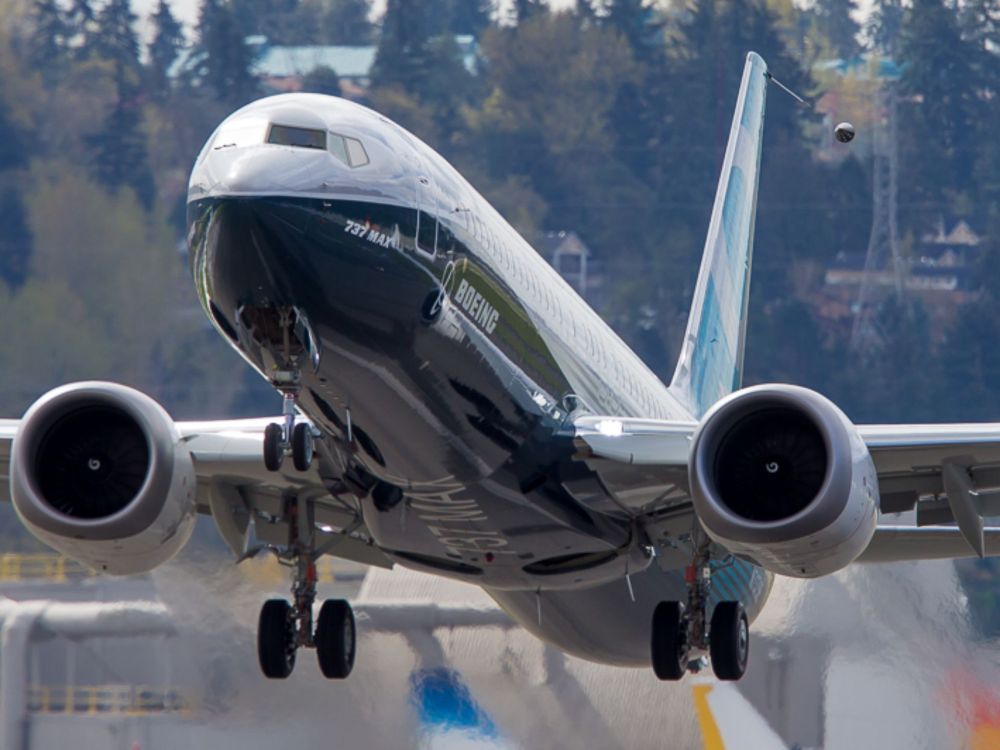
«Boeing hizo todo eso en cuatro años», dijo. Piensa en dónde estamos hoy. «Dios mío, incluso el 737 MAX (una mejora de un avión existente) está tomando años. «
636276922200159426-MAX-9-2

PRIMER VUELO DEL BOEING 737 MAX

En 2003, Boeing volvió a revolucionar el transporte aéreo con el 787. Empujó lashttps://787.aircanada.com/images/hero.png fronteras tecnológicas en su diseño, materiales, aviónica e incluso su cadena de suministro.

Ansiosos por ver 787 terrenos de producción en Washington, los líderes estatales y locales entraron en acción. Se obtuvieron brechas fiscales lucrativas, procesos de permisos simplificados, inversiones en transporte y otros incentivos. Al final del año, Boeing anunció que el avión sería montado en Everett.

https://2qibqm39xjt6q46gf1rwo2g1-wpengine.netdna-ssl.com/wp-content/uploads/2017/05/web1_024A-BOEINGEVERTT-50th.jpg

Algunos de los cambios resultaron más que Boeing y sus proveedores pudieron manejar. El 787 estaba atascado por problemas de suministro y diseño que le han costado a Boeing miles de millones de dólares. Sin embargo, el avión ha continuado la evolución que comenzó el 767, lo que permite a las aerolíneas evitar los aeropuertos centrales para los vuelos más directos.

Boeing hace más aviones ahora en Everett que hace 20 años. Sin embargo, la decisión de la compañía de trasladar su sede corporativa y poner una segunda línea de ensamblaje 787 en Carolina del Sur, desconcertó a la región, convenciendo a muchos de que la compañía se apresuraba a abandonar el estado.

En 2013, la compañía consideró públicamente poner la producción de su nuevo 777X fuera de Washington. Los legisladores respondieron con la mayor recaudación de impuestos estatales en la historia de los Estados Unidos, un acuerdo por un valor estimado de $ 8,7 mil millones en 16 años, y los miembros del sindicato de maquinistas aprobaron un contrato cargado de concesiones. Los críticos calificaron el comportamiento de Boeing de shakedown, mientras que los partidarios dijeron que era simplemente la realidad de la competencia global.

Todavía asombrado

Rietkerk todavía trabaja en Everett, ahora en el programa 767. La demanda comercial para el jet está disminuyendo, pero continúa cambiando la aviación como el KC-46 Pegasus, el tanque militar más avanzado del reabastecimiento aéreo. Boeing espera entregar el primer petrolero a la Fuerza Aérea de los Estados Unidos para fines de 2017.

https://img.vehiclepad.com/31bd170d24d13c12f410ee76c0805e22_similiar-boeing-logo-transparent-keywords-boeing-747-png_777-223.png

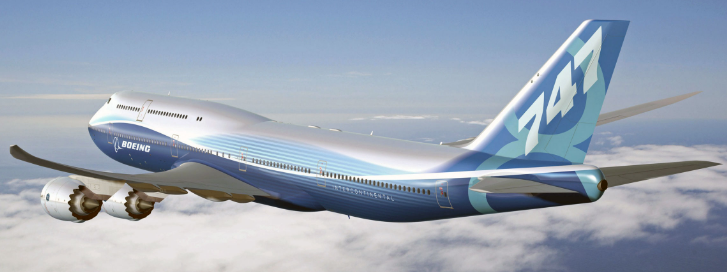
ÚLTIMA VERSIÓN DEL JUMBO, EL BOEING 747-8I

Durante una reciente caminata en la fábrica, Rietkerk se detuvo por debajo de un 747 y levantó la vista hacia la cabina de vuelo en alto. «Todavía me asombra», dijo el jugador de 73 años.

Boeing está trabajando hoy en el futuro con su 777X, su producción de ala compuesta y nuevos sistemas de producción automatizados. La fabricación de las avanzadas alas de material compuesto de la aeronave en la planta asegura que Everett estará a la vanguardia de la industria en los próximos años.

«Las alas están cambiando muy significativamente. Son mucho más delgados y más complejos que nunca «, dijo Michaels. «Casi no puedes hacer nada más que materiales compuestos.»

Eso podría hacer que Everett sea un favorito cuando Boeing considera dónde hacer su próximo nuevo avión. Aumentar la automatización significa que se necesitarán menos trabajadores para fabricar esos aviones. No obstante, el éxito de la planta dependerá de contar con trabajadores talentosos, dijo la vicepresidenta de Boeing Commercial Airplanes, Kathy Moodie. Ella opera en la planta de Everett.

Resultado de imagen para The Boeing Company logoHay mucho trabajo por hacer. La firma de consultoría de aviación Flight Ascend espera que se necesitarán 7.960 aviones de doble pasillo en los próximos 20 años. Boeing estima que el mercado tiene un valor de 2,8 billones de dólares. Ganar ese trabajo para Everett dependerá de los mismos factores fundamentales que impulsaron su éxito hace medio siglo, dijo.

«Mis principales preocupaciones ahora son la asequibilidad, la eficiencia, la seguridad y conseguir que el siguiente grupo de talento aquí», dijo Moodie. «En 50 años, la persona sentada aquí va a decir, ‘Mi número uno de preocupaciones siguen siendo competitivos, asequibles, la construcción de los mejores aviones de la manera más segura y mantener el talento en la Boeing Co.'»  AIRGWAYS ® Icon-AW

Boeing Everett 50th building aircraft

web1_L1-BoeingEverett50th-EDH-170517-1200x737.jpg

Resultado de imagen para The Boeing Company logo

50 history-making years of building Boeing jets in Everett

Resultado de imagen para The Boeing Company logoEverett, WA · Bill Rietkerk picked up his college diploma from the University of Washington’s aeronautical engineering program on a Saturday in 1966. The next Monday, he started work at The Boeing’s Co. Renton plant. The 23-year-old was one of 50,000 workers hired by the company in the mid-1960s.

https://2qibqm39xjt6q46gf1rwo2g1-wpengine.netdna-ssl.com/wp-content/uploads/2017/05/web1_M4-EarlyPaineField-EDH-170521.jpg

Dozens of cars and a new building under construction at Paine Field, date unknown. Local officials pledged to do whatever was needed to land the factory, which Boeing expected would employ about 15,000 people. Today, roughly 40,000 people work at the sprawling plant and office buildings.

Boeing was booming. It had roared into the Jet Age with the 707 and then the 727. A few months after Rietkerk started, Boeing’s Lunar Orbiter sent back the first photographs of the Moon. The entire industry was busy turning the day’s science fiction into tomorrow’s reality. “It was a thrilling time” for a young engineer, Rietkerk said.

The year he graduated, Boeing committed to make a jetliner to dwarf every other passenger plane in the sky. The 747 was expected to carry more than 350 passengers between continents, making it about two-and-a-half times bigger than the largest airliners of the day, the 707 and the Douglas DC-8. The company would need a massive factory to make the mammoth plane.

https://2qibqm39xjt6q46gf1rwo2g1-wpengine.netdna-ssl.com/wp-content/uploads/2017/05/web1_S2-Joe-Sutter-EDH-170521.jpg

Joe Sutter with the first 747 in 1969. Sutter has been described as the “father of the 747” (Photo courtesy The Boeing Co. )

That need brought Boeing and Rietkerk to Everett, where the company developed jets that revolutionized air travel. This May 1 marked 50 years since jetliner production began at the plant, which was far from finished at the time. The factory floor was still dirt. Mechanics, engineers, analysts and other workers wore hardhats while construction continued all around.

The iconic jumbo was just the beginning for Boeing Everett. All of the company’s big, twin-aisle airplanes — the 747, 767, 777 and 787 — were developed at the sprawling plant. Each has dramatically influenced how airplanes are made, how airlines operate and how people fly. “It’s hard to think of a more influential factory anywhere,” said Kevin Michaels, head of AeroDynamic Advisory, an aerospace consulting firm in Ann Arbor, Michigan.

More than 60 percent of the twin-aisle jets flying now were made in Everett. When Boeing decided to make its new jetliner, the 777X, and the plane’s advanced composite-material wings, in Everett, the company ensured the plant would continue to shape the world and push technological boundaries.

Long runwayResultado de imagen para 50 history-making years of building Boeing jets in Everett

Boeing could easily have ended up elsewhere to make the 747. The company needed a site with rail, roads and a long runway. By early 1966, Boeing property managers’ short list included Everett, McChord Air Force Base and Walnut Creek, California. The engineer tapped to design the jumbo, Joe Sutter, balked at the idea of moving production to California.

“I told them it would be a big disaster,” he said in an interview with The Daily Herald in 2015. He died last year. “We had 29 months to roll an airplane out, and if I was going to spend 25 percent of my time running between here and California, when the hell would I help design the airplane?”

Boeing leaders expected the 747 would soon be surpassed by faster passenger jets. So, designers emphasized its use as a cargo plane and put the flight deck on top of the fuselage, giving the 747 its defining hump.

As company leaders considered where to build the jumbo, The Daily Herald’s owner and publisher at the time, Robert Best, set out to woo the company to Paine Field. He then headed the commission which oversaw the Snohomish County-owned airport. Best and airport director George Petrie pitched Everett to Boeing president Bill Allen, who interrupted them. “He said they had already optioned about 700 acres. Bob and I looked at each other in amazement,” Petrie said. “We had no idea Boeing was thinking that big.”

Local officials pledged to do whatever was needed to land the factory, which Boeing expected would employ about 15,000 people. Today, roughly 40,000 people work at the sprawling plant and office buildings.

The area was covered by dense forest. As workers cleared trees and levelled the rolling terrain in the spring of 1966, they occasionally had to chase off bears, Sutter said. On Jan. 3, 1967, the first 113 Boeing workers arrived onsite. A Boeing executive welcomed the group, calling them the “Incredibles.”

The nickname stuck and became a source of pride for the thousands of workers involved in creating the 747. They did it with slide rules and hand-drawn schematics, with rivet guns and soldering irons, and with a relentless focus through long hours, day after day. The program manager, Mal Stamper, took off one day — a single Christmas — during the years the 747 was in development.

Later that year, Rietkerk joined the 747 program. His job was to ensure the parts designed by the myriad engineering teams could all fit together inside the plane. Without digital design programs, he and other engineers installed prototypes in a full-size 747 mockup, housed in the first building completed on site.

When he first stepped inside the building, the size and towering height of the polished-aluminum body stopped him. At Renton, the 707 was the biggest jet he had seen. “I hadn’t realized the scope of the project” until that moment, he said. “My reaction was ‘Wow, this is going to be something to pull off.’”

The first 747, dubbed the “City of Everett,” taxied onto the main runway at Paine Field for its maiden flight on Feb. 9, 1969. Rietkerk and a couple other engineers snuck onto the factory roof and watched from a catwalk near the air traffic control tower perched above the plant.

Powered by revolutionary engines from Pratt & Whitney, the jumbo started rolling — slowly at first. The 747 picked up speed and gracefully lifted into the air. The plane’s size made it look like it was floating more than flying, he said. “The airplane’s flying beautifully!” Boeing test pilot Brien Wygle said over the radio.

Less than a year later, a Pan Am 747 carried passengers across the Atlantic Ocean for the first time. Air travel would never be the same.

Boom, bust and beyond

Boeing’s booming 1960s went bust by the decade’s end. An economic downturn, high fuel prices and other changes forced the company to lay off tens of thousands of workers. “It was devastating,” Rietkerk recalled. His group of 240 engineers dwindled to 35.

As Boeing stumbled, a rival arrived. Several faltering European aerospace companies collaborated to create Airbus, which saw its first airplane, the A300, take flight in late 1972. It passed without much notice in Everett. “We didn’t perceive what a strong competitor they would become,” he said.

Boeing had recovered by the late 1970s, and its workforce swelled as airplane production picked up again. While the days of The Incredibles were over, there was still a sense of purpose in the Everett plant, recalled Bonnie Grisim, who had joined Boeing in 1969. “We had huge Christmas parties,” she told the Herald in 2016. The plant shut down and tables were set up in the aisles.

“Everyone brought food, and managers were in charge of turkeys and hams,” Grisim said. “We warmed the food in the paint-booth ovens.”

The plant grew as Boeing added new airplane assembly lines, starting with a 20-acre expansion for the twin-aisle 767 in the late 1970s.

The 767 started an evolution still underway in aviation today. The smaller twin-jet initially was designed for mid-range routes too small for a jumbo and too big for a 707. However, later upgrades extended its range, and airlines used it to pioneer new point-to-point Transatlantic routes.

That began a decades-long shift away from hub airports for more direct flights, aerospace analyst Scott Hamilton said.

In the early 1990s, Boeing butted heads with local officials over its plan to add another 36 acres of factory space for its new 777.

“Were there issues? Sure, there were,” former Boeing Everett manager Jim Johnson said in 2006. He managed the plant from 1988 to 1993. Company leaders had not looped in local leaders, who were caught off guard, he said.

In response, they told the company it would have to cover $50 million for the additional sewers, roadwork and other work needed by the larger workforce. Eventually, the two sides reached an agreement. Since then, Boeing has developed a closer relationship with key state and local leaders, who have been keen to keep happy the engine driving the local economy.

Launched in 1990, the 777 revolutionized how airplanes are developed. It was the first jet designed entirely with computers. Its tail was made mostly from composite materials, which made up about 12 percent of the material on the airplane. That was up from the 2 or 3 percent on earlier Boeing jetliners.

https://2qibqm39xjt6q46gf1rwo2g1-wpengine.netdna-ssl.com/wp-content/uploads/2017/05/web1_M3-BoeingEverett50thWEB-EDH-170517.jpg

The Boeing assembly plant in Everett is adorned with a set of murals that set a Guinness world record. A mural was applied to all six assembly bay doors, which are each 82 feet high and 300 to 350 feet wide, about the length of a National Football League field. (Photo Courtesy The Boeing Co. )

“Boeing didn’t just hang composite panels on metal frames,” as other airplane makers did at the time, said Kevin Michaels with AeroDynamic Advisory. The plane’s designers used the new digital design tools to create all-composite structures, which maximized their benefit, he said.

The 777 first flew in 1994. Less than a year later, it carried passengers across the Atlantic. From day one, the 777 was a workhorse of long-haul travel, a niche it still dominates.

“Boeing did all that in four years,” he said. “Think about where we are today. My gosh, even the 737 MAX (an upgrade of an existing plane) is taking years.”

In 2003, Boeing set out to again revolutionize air travel with the 787. It pushed technological boundaries in its design, materials, avionics and even its supply chain.

http://imagespng.com/Data/DownloadLogo/plane_PNG5259%20(1).png

Anxious to see 787 production land in Washington, state and local leaders jumped into action. Lucrative tax breaks, streamlined permitting processes, transportation investments and other incentives followed. At the end of the year, Boeing announced the plane would be assembled in Everett.

https://pbs.twimg.com/media/DANw_lXV0AA40ad.jpg

THE STAR OF BOEING, B787. EJEMPLAR DELIVERED TO ETIHAD AIRWAYS

Some of the changes proved more than Boeing and its suppliers could handle. The 787 was bogged down by supply and design problems that have cost Boeing billions of dollars. However, the plane has continued the evolution that the 767 began, allowing airlines to bypass hub airports for more direct flights.

Boeing makes more airplanes now at Everett than it did 20 years ago. However, the company’s decision to move its corporate headquarters and to put a second 787 assembly line in South Carolina, unnerved the region, convincing many that the company was rushing to leave the state.

https://s-media-cache-ak0.pinimg.com/736x/0d/96/a4/0d96a4be48d80b52b835038006d2fba3.jpg

In 2013, the company publicly considered putting production of its new 777X outside Washington. Lawmakers responded with the biggest state tax break in U.S. history, a deal worth an estimated $8.7 billion over 16 years, and members of the Machinists union approved a concession-laden contract. Critics called Boeing’s behavior a shakedown, while supporters said it was merely the reality of global competition.

Still amazed

Rietkerk still works at Everett, now on the 767 program. Commercial demand for the jet is waning, but it continues to change aviation as the KC-46 Pegasus, the most advanced aerial refueling military tanker. Boeing expects to hand over the first tanker to the U.S. Air Force by the end of 2017.
https://static.seekingalpha.com/uploads/2017/1/5847171_14858640419399_rId5.png

LATEST VERSION OF JUMBO, THE BOEING 747-8I

During a recent walk in the factory, Rietkerk paused below a 747 and looked up to the flight deck perched high overhead. “It still amazes me,” the 73-year-old said.

Boeing is working on the future today with its 777X, its composite wing production and new automated production systems. Making the airplane’s advanced, composite-material wings at the plant ensures Everett will be on the forefront of the industry for years to come.

“Wings are changing very significantly. They are much thinner and more complex than ever,” Michaels said. “You almost can’t make them out of anything but composites anymore.”https://image.issuu.com/170521055844-e03c54172d3a4bb9bbae725d3258f75c/jpg/page_1_thumb_large.jpg

That could make Everett a front-runner when Boeing considers where to make its next new jetliner. Increasing automation means fewer workers will be needed to make those planes. Nonetheless, the plant’s success will depend on having talented workers, Boeing Commercial Airplanes vice president Kathy Moodie said. She runs operations at the Everett plant.

There is plenty of work to be had. Aviation consulting firm Flight Ascend expects that 7,960 twin-aisle aircraft will be needed in the next 20 years. Boeing estimates the market is worth $2.8 trillion. Winning that work for Everett will depend on the same fundamental factors that drove its success half a century ago, she said.

“My top concerns right now are affordability, efficiency, safety and getting that next group of talent in here,” Moodie said. “In 50 years, the person sitting here is going to say, ‘My number-one concerns are remaining competitive, affordable, building the best airplanes in the safest way and keeping the talent coming into the Boeing Co.” A \ W

HeraldNet
   © 2017, Everett Herald and Sound Publishing, Inc.

aw-icon-red-1000

Ξ A I R G W A Y S Ξ
SOURCE: Heraldnet.com
DBk: Boeing.com / Paineairport.com / Airchive.com / Heraldnet.com / Seattletimes.com /  Pinterest.com
AW-POST: 201705212138AR

A \ W   A I R G W A Y S ®

Fokker 70 de KLM regresó a Amsterdam

https://upload.wikimedia.org/wikipedia/commons/4/4c/PH-KZK_KLM_Cityhopper_Fokker_F70_-_cn_11581_-_pic2.JPG

AW | 2017 05 21 19:43 | AIR INVESTIGATION

Resultado de imagen para KLM Cityhopper logoUn avión de KLM Cityhopper  el sábado volvió a Schiphol con un problema. El Fokker 70 se dirigía a Billund en Dinamarca.

«Los pasajeros eran más tarde otro dispositivo para Billund transportado», dijo el portavoz de KLM. Poco después de despegue KL-1345 marcó el piloto que había un problema con el sistema hidráulico, según la Aviación Herald. A unos 180 kilómetros de Ámsterdam, decidió los pilotos del F70 con matrícula PH-KZK vuelta a Schiphol.

Teléfono de reemplazo
Una vez devuelto, el City Hopper aterrizó sin problemas en la pista y fue rodando por sus propios medios al terminal. Los pasajeros fueron desembarcados y se tomaron dos horas y media más tarde, todavía con un reemplazo de Fokker 70 (el PH KZC) a Billund través. No hubo heridos. Sólo el sábado poner un KLM Fokker 70 de la ruta. Otros días se opera con un vuelo de Embraer. No es un buen mes para KLM. En las últimas semanas, varios aviones regresó al aeropuerto o varado en el extranjero. AIRGWAYS ® Icon-AW

KLM Fokker 70 returns to Amsterdam


A KLM Cityhopper device returned on Saturday to Schiphol with a problem. The Fokker 70 was on its way to Billund in Denmark.

«The passengers were later transported to Billund with another device,» said KLM spokesperson. Shortly after taking off KL-1345 flight, the pilot noted that there was a problem with the hydraulic system, according to Aviation Herald. At about 180 kilometers from Amsterdam, the F70 pilots decided to return to Schiphol with registration PH-KZK.

Replacement device
Once returned, the Cityhopper landed safely on the Polderbaan and could taxi to the terminal on its own. The passengers were taken off board and were able to travel to Billund two and a half hours later with a replacement Fokker 70 (the PH-KZC). Nobody got injured. Only on Saturdays KLM puts a Fokker 70 on the route. Other days, the company is flying out with an Embraer. It’s not a good month for KLM. Over the last few weeks, more devices have returned to the airport or stranded abroad. A \ W

https://planefinder.net/images/5983902:Photo:203422.jpg

KLM Fokker keert terug naar Amsterdam

Een KLM Cityhopper toestel is zaterdag teruggekeerd naar Schiphol met een probleem. De Fokker 70 was onderweg naar Billund in Denemarken.

“De passagiers zijn later met een ander toestel naar Billund vervoerd”, aldus de woordvoerder van KLM. Kort na het opstijgen van vlucht KL-1345 merkte de piloot dat er een probleem was met het hydraulisch systeem, volgens Aviation Herald. Op zo’n 180 kilometer van Amsterdam, besloten de piloten van de F70 met registratie PH-KZK terug te keren naar Schiphol.

Vervangend toestel
Eenmaal teruggekeerd, landde de Cityhopper veilig op de Polderbaan en kon op eigen kracht naar de terminal taxiën. De passagiers werden van boord gehaald en konden tweeëneenhalf uur later alsnog met een vervangende Fokker 70 (de PH-KZC) naar Billund door. Niemand raakte gewond. Alleen op zaterdag zet KLM een Fokker 70 in op de route. Andere dagen voert de maatschappij de vlucht met een Embraer uit. Het is geen goede maand voor KLM. De afgelopen weken zijn meerder toestellen teruggekeerd naar de luchthaven of gestrand in het buitenland. A \ W


Ξ A I R G W A Y S Ξ
SOURCE: Upinthesky.nl
DBk: Remco de Wit / Wikipedia.org / Planefinder.net
AW-POST: 201705211943AR

A \ W   A I R G W A Y S ®

PAWA con planes de expansión

https://i0.wp.com/www.miamiherald.com/latest-news/w7o16n-IMG_2802.00_01_51_08.Still002.jpg/alternates/LANDSCAPE_1140/IMG_2802.00_01_51_08.Still002.jpg

AW | 2017 05 21 19:27 | AIRLINES

Pawa Dominicana presentan planes de expansión de la aerolínea

Simeón García, presidente del Consejo de Administración de la aerolínea, encabezó la comitiva que visitó al primer mandatario para conversar sobre el estatus actual de operación de la aerolínea bandera dominicana y sus proyecciones en el mercado dominicano.

Santo Domingo, República Dominicana · Los principales ejecutivos de Pawa Dominicana realizaron una visita al presidente Danilo Medina en el Palacio Nacional, en la que discutieron los planes de expansión y crecimiento de la empresa aeronáutica, así como su estatus actual e inversiones en el mercado dominicano.

Simeón García, presidente del Consejo de Administración, encabezó la comitiva de la aerolínea, que estuvo también integrada por Gary Stone, presidente ejecutivo; Víctor Casado, director general de Administración y Finanzas; y Alexander Barrios, director de Asuntos Corporativos de Pawa Dominicana.

Durante el encuentro, los ejecutivos le expusieron al mandatario los avances de sus operaciones aéreas al aproximarse a su segundo año, así como el gran potencial de crecimiento con que cuenta la región y que Pawa Dominicana quiere seguir explotando, como lo ha venido haciendo hasta la fecha, con el firme objetivo de convertir el Aeropuerto Internacional de Las Américas José Francisco Peña Gómez (AILA) en el hub del Caribe, lo que permitirá la conectividad directa con los demás países de la región, no solo en términos turísticos, sino también en términos comerciales.

García y Stone enfatizaron cómo en este corto tiempo han crecido de tres a ocho destinos, incluyendo San Juan de Puerto Rico y Miami, Florida; con un volumen de pasajeros transportados que supera los 200 mil durante los primeros 20 meses de operaciones.

Los ejecutivos señalaron también que Pawa Dominicana se ha logrado posicionar como una de las aerolíneas de mayor crecimiento interanual en toda Latinoamérica, con una presencia en el mercado que ha venido a incentivar el desarrollo de la aviación comercial en el país.  AIRGWAYS ® Icon-AW

PAWA with expansion plans

Pawa Dominicana present plans to expand the airline

Simeón García, chairman of the airline’s board of directors, headed the delegation that visited the president to discuss the current status of the Dominican flag airline and its projections in the Dominican market.

Santo Domingo, Dominican Republican · Principal executives from Pawa Dominicana paid a visit to President Danilo Medina at the National Palace, where they discussed the expansion and growth plans of the aeronautical company, as well as its current status and investments in the Dominican market.

Simeón García, Chairman of the Board of Directors, headed the airline’s delegation, which was also composed of Gary Stone, executive president; Víctor Casado, General Director of Administration and Finance; And Alexander Barrios, Director of Corporate Affairs for Pawa Dominicana.

During the meeting, the executives told the president the progress of their air operations as they approach their second year, as well as the great potential for growth in the region and Pawa Dominicana wants to continue to exploit, as it has been doing until With the firm objective of turning the José Francisco Peña Gómez International Airport (AILA) into the Caribbean hub, which will allow direct connectivity with other countries in the region, not only in tourist terms, but also in commercial terms.


Garcia and Stone emphasized how in this short time they have grown from three to eight destinations, including San Juan de Puerto Rico and Miami, Florida; With a volume of passengers transported that exceeds 200 thousand during the first 20 months of operations.

The executives also pointed out that Pawa Dominicana has managed to position itself as one of the fastest growing inter-annual airlines in Latin America, with a presence in the market that has come to encourage the development of commercial aviation in the country. A \ W

Ξ A I R G W A Y S Ξ
SOURCE: Elperiodico.com.do
DBk: Elperiodico.com.do / Pawa Dominicana
AW-POST: 201705211927AR

A \ W   A I R G W A Y S ®

Quejas por servicios aéreos en Filipinas


https://i0.wp.com/fm.cnbc.com/applications/cnbc.com/resources/img/editorial/2016/02/17/103393930-GettyImages-510762100.1910x1000.jpg

AW | 2017 05 21 19:14 | AIRLINES

El Comité analizará los abusos de las líneas aéreas Philippines Airlines (PAL) y Cebu Pacific Air

Manila, Filipinas · El Líder de la Mayoría de la Cámara Rodolfo C. Fariñas (1er Distrito, Ilocos Norte) advirtió a dos compañías aéreas que el Congreso revisará sus franquicias si no abordan las quejas de pasajes costosos y vuelos retrasados.

El comité convocó a representantes de los organismos gubernamentales interesados ​​y las compañías aéreas privadas para explicar la causa de los precios irrazonables de los billetes de avión y el problema constante de los retrasos en los vuelos, que han molestado desde hace tiempo al público.

La audiencia se basó en la Resolución de la Cámara 267, presentada por el Representante Ferjenel G. Biron, MD (4º Distrito, Iloilo) y HR 723, presentada por Reps. Vicente SE Veloso (3º Distrito, Leyte) y Victoria Isabel G. Noel , AN WARAY). El comité pidió una investigación, en apoyo de la legislación, sobre lo que ellos llaman tarifas «excesivas y oportunistas» cobradas por las principales aerolíneas, en particular el PAL y Cebu Pacific.

La costosa cuestión de las tarifas aéreas se vio agravada por numerosas quejas de legisladores y sus electores acerca de los largos vuelos retrasados. Veloso dijo que la Junta de Aeronáutica Civil (CAB) ha abandonado su deber de regular los precios de las líneas aéreas en beneficio de la gente. Veloso, ex Juez Asociado de la Corte de Apelaciones (CA), recordó al Director Ejecutivo de la CAB, Carmelo Arcilla, que el funcionario podría estar violando las disposiciones de la Ley contra prácticas de corrupción y corrupción si insiste en sus opiniones y continúa descuidando su mandato bajo Republic Ley 776 que reorganizó el CAB y la Administración de Aeronáutica Civil.

Arcilla dijo al comité que desde la emisión de la Orden Ejecutiva (EO) 219 durante el gobierno de Ramos, la industria aérea ya estaba desregulada. Biron dijo que parece que hay un cartel que maneja toda la industria aérea.

Los autores de los HR 267 y 273 detallaron su cuota de «historias de terror» que experimentaron personalmente, tales como costosas tarifas aéreas, especialmente para las reservas de vuelos y compras del mismo día y vuelos retrasados ​​de dos horas hasta cinco a seis horas sin Los pasajeros eran compensados ​​incluso con bocadillos o agua por las molestias que llevaban.

«Montar un avión está destinado a ser conveniente y eficiente en el tiempo. Los acontecimientos recientes, sin embargo, demuestran que el viaje aéreo no es cómo se pensó para ser. Hoy en día, se ha convertido en una realidad para todos, todos los que pueden manejar la posibilidad de inconvenientes; Todos los que pueden enfrentar el riesgo de largos retrasos; Y todos los que pueden pagar el alto precio de los boletos «, dijo Sarmiento. Sarmiento recordó de nuevo a las compañías aéreas que antes que nada, un transporte público es ante todo un servicio público, y un negocio segundo.

Instó a la Autoridad de Aviación Civil de Filipinas (CAAP), a la Autoridad del Aeropuerto Internacional de Manila (MIAA), a la Autoridad del Aeropuerto Internacional de Mactan-Cebú (MCIAA), a la Autoridad de Aviación Civil de Filipinas.

Retrasos en los vuelos
Los miembros del comité expresaron su decepción con la respuesta de Arcilla de que la industria ya estaba desregulada. También rechazaron la declaración de los representantes de las compañías aéreas de que diversas razones afectan sus precios.

Ellos recordaron a Arcilla que una mera EO no puede perseguir una ley, como la RA 776, que otorgó mandato específico a la agencia para regular y considerar todas las fuerzas del mercado, que se refiere tanto a las compañías aéreas (suministro) Antes de firmar acuerdos con las aerolíneas sobre cuestiones relativas al precio de los billetes.

Mientras tanto, se creó un grupo de trabajo técnico (TWG) presidido por el vicepresidente del comité, el representante Edgar Mary Sarmiento (1 º distrito, Samar) para abordar los problemas de tarifas aéreas y vuelos retrasados. AIRGWAYS ® Icon-AW


Complaints about air services in the Philippines

289572

The Committee will analyze the abuses of the airlines Philippines Airlines (PAL) and Cebu Pacific Air

Manila, Philippines · House Majority Leader Rodolfo C. Fariñas (1st District, Ilocos Norte) warned two airline companies that Congress will review their franchises if they do not address complaints of costly airfare and delayed flights.

The committee summoned representatives of concerned government agencies and the private airline firms to explain the root cause of the unreasonable prices of airline tickets and the perennial problem of flight delays, which have long inconvenienced the public.

The hearing was based on House Resolution 267 filed by Rep. Ferjenel G. Biron, M. D. (4th District, Iloilo) and HR 723 filed by Reps. Vicente S. E. Veloso (3rd District, Leyte) and Victoria Isabel G. Noel (Party-list, AN WARAY). The committee called for an inquiry, in aid of legislation, on what they call as “excessive and opportunistic” airfares collected by major airlines, particularly the PAL and Cebu Pacific.

The costly airline fares issue was compounded by numerous complaints from lawmakers and their constituents about long delayed flights. Veloso said the Civil Aeronautics Board (CAB) has abandoned its duty to regulate airline pricing intended to benefit the people. Veloso, a former Court of Appeals (CA) Associate Justice, reminded CAB Executive Director Carmelo Arcilla that the official might be violating the provisions in the Anti-Graft and Corrupt Practices Act if he insists on his views and continues to neglect his mandate under Republic Act 776 which reorganized the CAB and the Civil Aeronautics Administration

Arcilla told the committee that since the issuance of Executive Order (EO) 219 during the Ramos administration, the airline industry was already deregulated. Biron said there seems to be a cartel running the whole airline industry.

The authors of HRs 267 and 273 detailed their share of “horror stories” that they personally experienced, such as costly airfares, especially for same day purchase and flight bookings, and flights delayed from two hours to as long as five to six hours, without passengers being compensated with even snacks or water for the inconvenience they bore.

“Riding an airplane is meant to be convenient and time efficient. Recent developments, however, show that air travel is not how it was envisioned to be. Today, it has become a reality for everyone, everyone who can handle the possibility of inconvenience; everyone who can face the risk of long delays; and everyone who can afford the high price of tickets,” Sarmiento said. Sarmiento reminded anew the airline companies that before anything else, a public transport is first and foremost a public service, and a business venture second.

He urged the Civil Aviation Authority of the Philippines (CAAP), Manila International Airport Authority (MIAA), Mactan-Cebu International Airport Authority (MCIAA), Civil Aviation Authority of the Philippines (CAAP), and CAB to address the real reason behind the flight delays.

Flight delays

The committee members expressed disappointment with Arcilla’s response that the industry was already deregulated. They also rejected the statement of the airline firms’ representatives that various reasons affect their pricing.

They reminded Arcilla that a mere EO cannot tramp on a law, such as RA 776, which gave specific mandate to the agency to regulate and consider all market forces, which refers to both the airline companies (supply) and commuting public (demand), before entering into agreements with airlines on ticket price matters.

Meanwhile, a technical working group (TWG) chaired by committee vice chairman Rep. Edgar Mary Sarmiento (1st District, Samar) was created to tackle the airline fare pricing and delayed flights issues. A \ W


Ξ A I R G W A Y S Ξ
SOURCE: Canadianinquirer.net
DBk: Nikki D. Pili / Cnbc.com
AW-POST: 201705211914AR

A \ W   A I R G W A Y S ®

Gol vuela directo BA- João Pessoa

https://airgways.com/wp-content/uploads/2017/05/cf949-116_5442.jpg

AW | 2017 05 21 18:21 | AIRLINES ROUTES

Buenos Aires tendrá un vuelo directo a la ciudad brasileña de João Pessoa

El vuelo será gerenciado por Gol Líneas Aéreas, partirá desde el Aeropuerto de Ezeiza a las 12.35 de cada sábado y llegará al Aeropuerto Castro Pinto a las 17.35. Será a partir del 1° de julio próximo.

Un nuevo vuelo directo semanal entre Buenos Aires y la ciudad de João Pessoa, en el estado de Paraiba, en Brasil permitirá, a partir del 1º de julio próximo, ampliar la conectividad aérea entre Argentina y el nordeste brasileño.

Según lo anunciado por la Empresa Paraibana de Turismo (PBTur), el vuelo será gerenciado por Gol Líneas Aéreas, partirá desde el Aeropuerto de Ezeiza a las 12.35 de cada sábado y llegará al Aeropuerto Castro Pinto a las 17.35, mientras que el retorno será a las 18.35, con llegada prevista para las 0.50, luego de una escala técnica en Maceió.

PBTur anunció también que, para recibir el vuelo inaugural, organiza un evento que comenzará con el clásico bautismo de la aeronave a cargo de los bomberos del aeropuerto, luego del cual los pasajeros serán agasajados con un espectáculo de forró (música popular del nordeste brasileño) y recibirán un kit con los diferentes destinos de Paraiba. AIRGWAYS ® Icon-AW

https://i.ytimg.com/vi/Hei95X-_ilk/maxresdefault.jpg

Gol flies directly to BA- João Pessoa

Buenos Aires will have a direct flight to the Brazilian city of Joao Pessoa


The flight will be managed by Gol Líneas Aéreas, departing from Ezeiza Airport at 12.35 every Saturday and arriving at Castro Pinto Airport at 17.35. It will be from next July 1

A new weekly direct flight between Buenos Aires and the city of João Pessoa in the state of Paraiba in Brazil will allow, from July 1 next, to expand the air connectivity between Argentina and Northeast Brazil.

As announced by the Paraibana Tourism Company (PBTur), the flight will be managed by Gol Líneas Aéreas, departing from Ezeiza Airport at 12.35 every Saturday and arriving at Castro Pinto Airport at 17.35, while the return will be to At 18.35, with an expected arrival at 0.50, after a technical stop in Maceió.

PBTur also announced that, to receive the inaugural flight, it organizes an event that will begin with the classic baptism of the aircraft in charge of the airport firefighters, after which passengers will be entertained with a forró show (popular Brazilian Northeast music) And will receive a kit with the different destinations of Paraiba.

This weekend Gol company put on sale, through its website, the tickets for the trip, tickets that have an initial value of 1,875 reais (9,320 Argentine pesos) for the round trip.

With the aim of increasing sales in Argentina, PBTur announced that on June 14, at 10, it will hold a launch event at the Brazilian Embassy in Buenos Aires, which will be attended by the governor of Paraiba, Ricardo Coutinho , And the vice president of Gol, Eduardo Bernardes. A \ W

Gol voa direto BA-João Pessoa

Buenos Aires terá um vôo direto para a cidade brasileira de João Pessoa


Imagen relacionadaO vôo será gerida pela Gol Linhas Aéreas, vai partir do Aeroporto de Ezeiza às 12:35 todos os sábados e chegar ao aeroporto Castro Pinto a 17.35. Será a partir de 1 de Julho do próximo

Um novo vôo semanal direto entre Buenos Aires e na cidade de João Pessoa, no estado da Paraíba, no Brasil permitirá que, a partir de 1 de julho de expandir a conectividade de ar entre o nordeste da Argentina e do Brasil.

Conforme anunciado pela Paraibana de Turismo (PBTUR) Company, o voo será gerido pela Gol Linhas Aéreas, vai partir do Aeroporto de Ezeiza às 12:35 todos os sábados e chegar ao aeroporto Castro Pinto em 17.35, enquanto o retorno será 18.35, com chegada prevista para 0,50, após uma escala em Maceió.

PBTUR também anunciou que, para o vôo inaugural, organizou um evento que vai começar com o batismo clássico da aeronave pelo fogo aeroporto, após o qual os passageiros serão tratados a um show de forró (música popular do Nordeste brasileiro) e receberão um kit com diferentes destinos na Paraíba.

Este fim de semana a empresa Gol acondicionados para venda através do seu site, os bilhetes para a viagem, bilhetes com um valor inicial de 1.875 reais (9.320 pesos) para a viagem de ida e volta.

A fim de aumentar as vendas na Argentina, a PBTUR anunciou que em 14 de junho, às 10, realizou um evento de lançamento na Embaixada do Brasil em Buenos Aires, solenidade que contará com a presença do governador da Paraíba, Ricardo Coutinho e vice-presidente da Gol, Eduardo Bernardes. A \ W

Ξ A I R G W A Y S Ξ
SOURCE: Telam.com.ar
DBk: Ytimg.com / uol.com.br / Spotterinjpa.blogspot.com
AW-POST: 201705211821AR

A \ W   A I R G W A Y S ®

Incidente Boeing 737-800 de Aeroméxico

https://i0.wp.com/soyreferee.com/wp-content/uploads/2017/05/Aeromexico.jpg

AW | 2017 05 21 17:35 | AIR INVESTIGATION

Un Boeing 737 de Aeroméxico colisiona con camión de catering en Los Ángeles; seis heridosResultado de imagen para Aeromexico AM 642

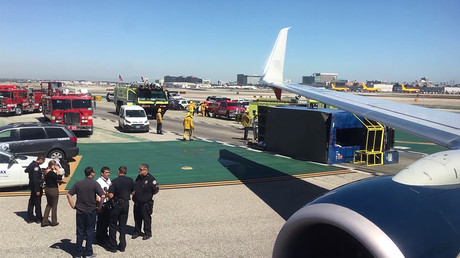
Un Boeing 737-800 de Aeroméxico, matrícula XA-AML, procedente de la Ciudad de México con vuelo AM642, produjo un incidente contra un camión de catering durante el rodaje en el Aeropuerto Internacional de Los Ángeles (LAX) en la tarde de este sábado 20 de mayo.

Según el comunicado de la compañía aérea mexicana, Aeroméxico, comunicó: «Durante el carreteo a la pocisión de contacto, golpeó un vehículo de servicio con la punta de la semiala derecha en el Aeropuerto internacional de Los Ángeles, provocando su volcadura. No se presentaron lesiones en los pasajeros ni tripulantes, sin embargo ocupantes del vehículo de servicio fueron trasladados para su valoración médica».

Los lesionados iban a bordo del camión, que circulaba sobre la pista de aterrizaje. Algunos de los lesionados fueron atendidos en el lugar; minutos después el portavoz del Departamento de Bomberos, Brian Humphrey confirmó a una persona grave. AIRGWAYS ® Icon-AW

Aeromexico Boeing 737-800 Incident

https://i1.wp.com/www.transponder1200.com/wp-content/uploads/2017/05/DATWv_hUIAEI1y7.jpg?fit=1200%2C900An Aeromexico Boeing 737 collides with catering truck in Los Angeles; Six injured


An Aeromexico Boeing 737-800, XA-AML registration, from Mexico City with AM642 flight, produced an incident against a catering truck during the filming at the Los Angeles International Airport (LAX) on the afternoon of this Saturday, May 20.

According to sources at the Mexican airline, Aeroméxico, he said: «During the taxiing to the contact point, he hit a service vehicle with the tip of the right wing at the Los Angeles International Airport, causing its rollover. There were injuries to passengers or crew, however occupants of the service vehicle were transferred for medical evaluation».
Resultado de imagen para Aeromexico AM 642
The injured were aboard the truck, which was running on the runway. Some of the injured were taken care of on the spot; Minutes later, Fire Department spokesman Brian Humphrey confirmed a serious person.
A \ W


Ξ A I R G W A Y S Ξ
SOURCE: AIRGWAYS / Aeromexico.com
DBk:  Transponder1200.com / Los Angeles Fire Department
AW-POST: 201705211735AR

A \ W   A I R G W A Y S ®

Incidente vuelo DL159 de Delta

https://www.gannett-cdn.com/-mm-/7875aaef5dd721cf216096ba3e23eb3acbccab00/c=0-230-4694-2882&r=x1683&c=3200x1680/local/-/media/2017/05/20/DetroitFreeP/DetroitFreePress/636309058181194889-IMG-US-TRAVEL-DELTA-PASS-1-.JPG

AW | 2017 05 21 16:20 | AIR INVESTIGATION

Delta descarga combustible sobre el lago Michigan, regresa al Aeropuerto de Detroit

Detroit, Estados Unidos · Un vuelo de Delta Air Lines se dirigió a Seúl, Corea del Sur, tuvo que descargar combustible y regresar al aeropuerto metropolitano de Detroit el sábado después de que una luz en la cabina indicara que posiblemente había un panel de mantenimiento abierto en el exterior del avión, un portavoz de Dijo la aerolínea. El vuelo DL159 despegó de Detroit a las 4:48 p.m. ET, y unos 30 minutos después se encendió la luz indicadora, dijo el portavoz de Delta, Trebor Banstetter.

Dijo que el avión, que tenía 375 pasajeros a bordo, rodeó el lago Michigan, arrojando combustible durante aproximadamente una hora para ayudar a garantizar un aterrizaje seguro, lo que ocurrió poco antes de las 7 pm «Desembarcaron sin incidentes», dijo Banstetter. Él dijo que el avión iba a ser mirado por el mantenimiento y la línea aérea está explorando opciones para acomodar pasajeros. AIRGWAYS ® Icon-AW

Delta flight DL159 incident

Delta plane dumps fuel over Lake Michigan, returns to Detroit airpor

Detroit, USA · A Delta Air Lines flight headed to Seoul, South Korea, had to dump fuel and return to Detroit Metropolitan Airport on Saturday after a light in the cockpit indicated there possibly was an open maintenance panel on the outside of the aircraft, a spokesman for the airline said. Flight DL159 took off from Detroit at 4:48 p.m. ET, and about 30 minutes later the indicator light came on, Delta spokesman Trebor Banstetter said.

He said the plane, which had 375 passengers on board, circled Lake Michigan, dumping fuel for about an hour in order to help ensure a safe landing, which it did shortly before 7 p.m. «They landed safely without incident,» Banstetter said. He said the plane was going to be looked at by maintenance and the airline is exploring options to accommodate passengers. A \ W

Ξ A I R G W A Y S Ξ
SOURCE: Usatoday.com
DBk: Gannett-cdn.com
AW-POST: 201705211620AR

A \ W   A I R G W A Y S ®