Star Alliance 20 aniversarios

AW | 2017 05 23 23:10 | AIRLINES ALLIANCE
Star Alliance fue la primera alianza de varias aerolíneas cumpliendo sus 20 aniversarios. En la actualidad compite con Oneworld y SkyTeam

La Star Alliance cumple 20 años con una red robustecida e integral que opera 18.400 vuelos al día. Dicha conectividad continuará expandiéndose con la incorporación de nuevas rutas e incremento de frecuencias en respuesta a la creciente demanda de viajeros.
Transcurrieron dos décadas de “conectar personas y culturas” que hoy se celebran con una estrategia enfocada en la tecnología para mejorar la experiencia de viaje de los clientes de la Alianza.
El CEO de Star Alliance, Jeffrey Goh, dijo “las aerolíneas fundadoras tuvieron la visión que la industria aérea necesitaba en 1997, cuando sorprendieron al mundo con el anuncio de creación de la primera alianza global de aerolíneas”. Hoy, esa visión que en su momento se tuvo desde Air Canada, Lufthansa, Scandinavian Airlines, THAI y United; está integrada por 28 aerolíneas que son miembros que conectan con sus redes a sus viajeros a través de 1.300 destinos en 191 países y que mantienen a la Star Alliance a la vanguardia de los cielos.
Nuevos retos de mercado
Para afrontar los nuevos retos del mercado, la Alianza ha cambiado su foco estratégico al dedicarse no solo a la expansión de la red, sino a ofrecer una experiencia integral a los más de 14 millones de clientes anuales que conectan entre aerolíneas miembro durante sus viajes. Para lograrlo, se ha ubicado a la tecnología digital como el corazón de la estrategia para permitirle a los pasajeros tener el control de su viaje y personalizar sus trayectos según sus necesidades particulares. “Ofrecerle una experiencia digital avanzada al viajero de hoy dentro de todas las aerolíneas miembro de la Alianza, constituye el pilar central de nuestro nuevo foco estratégico”, expresó Jeffrey Goh.

Star Alliance logrará materializar su objetivo a través del recién constituido hub de IT que ha permitido una mejor integración de servicios back – end entre las aerolíneas asociadas. Esta infraestructura le ha permitido a la Alianza, por ejemplo, mejorar la confiabilidad de procesos check in para itinerarios multi-aerolínea y asegurar la acreditación rápida de millas de viajero frecuente acumuladas en el programa que el viajero prefiera. Además, en caso que el usuario no acredite las millas al momento de su viaje, las podrá reclamar en línea a través del sitio web de su programa de viajero frecuente, aún si las millas fueron recolectadas en un vuelo con otra aerolínea miembro de Star Alliance.
El hub de equipaje, el más reciente proyecto del hub de IT, entró en funcionamiento a finales del 2016 para facilitar la coordinación de equipajes entre aerolíneas miembro y los sistemas especializados en los aeropuertos. Hoy procesa en promedio cinco millones de mensajes de equipaje por día; lo que les permite a las aerolíneas mantener a los clientes informados sobre el estado de su maleta y proporcionar actualizaciones proactivas.
Jeffrey Goh, CEO de Star Alliance, expresó que “la estrategia consiste en desarrollar capacidades digitales que puedan ser utilizadas por nuestras aerolíneas miembro para mejorar sus propios productos; así pueden ofrecer cuidado extendido a sus viajeros frecuentes aun cuando están viajando con otra aerolínea de la red”. 

Star Alliance 20 anniversaries
 Star Alliance was the first alliance of several airlines to celebrate its 20 anniversaries. Currently competing with Oneworld and SkyTeam
The Star Alliance turns 20 anniversaries with a robust and comprehensive network that operates 18,400 flights a day. This connectivity will continue to expand with the incorporation of new routes and the increase of frequencies in response to the increasing demand of travelers.
Two decades of «connecting people and cultures» today are celebrated with a technology-focused strategy to improve the travel experience of Alliance customers.
Star Alliance CEO Jeffrey Goh said that «the founding airlines had the vision the industry needed in 1997 when they surprised the world with the announcement of the creation of the first global airline alliance.» Today, that vision that in its moment was from Air Canada, Lufthansa, Scandinavian Airlines, THAI and United; It is made up of 28 member airlines that connect their travelers to their networks through 1,300 destinations in 191 countries and keep the Star Alliance at the forefront of the skies.
New Market Challenges
For new market challenges, the Alliance has shifted its strategic focus to dedication not only to the extension of the red, but an offer an integral experience to the more than 14 million annual customers that connect between member airlines during their travels. To achieve this, it has put a digital technology at the heart of the strategy to allow passengers to take control of their journey and customize their journeys according to their particular particulars. «Delivering an advanced digital experience to today’s traveler within all Alliance member airlines is central to our new strategic focus,» said Jeffrey Goh.

Star Alliance will achieve its goal through the newly established IT hub that has a better integration of back – end services between the associated airlines. This infrastructure has allowed the Alliance, for example, to improve the reliability of verification processes for multi-airline itineraries and the rapid accreditation of frequent flyer miles accumulated in the program that the traveler prefers. In addition, in the event that the user does not credit miles at the time of their travel, the right to claim online through their frequent flyer program website, even more miles were collected on a flight with another airline Star Alliance.
The equipment center, the latest IT center project, came online in late 2016 to facilitate team coordination between airlines and specialized airport systems. Processing today five million messages of luggage per day; this allows airlines to keep customers informed about suitcase status and provide proactive updates.
Star Alliance Executive Director Jeffrey Goh said: «The strategy is to develop digital capabilities that can be used by our airlines to improve their own products; they can also offer extended care to their frequent flyers when they are traveling with another airline. net». A \ W
Ξ A I R G W A Y S Ξ
SOURCE: Star Alliance / AIRGWAYS
DBk: Star Alliance / Lufthansa.com / Flickr.com
AW-POST: 201705232310AR
A \ W A I R G W A Y S ®


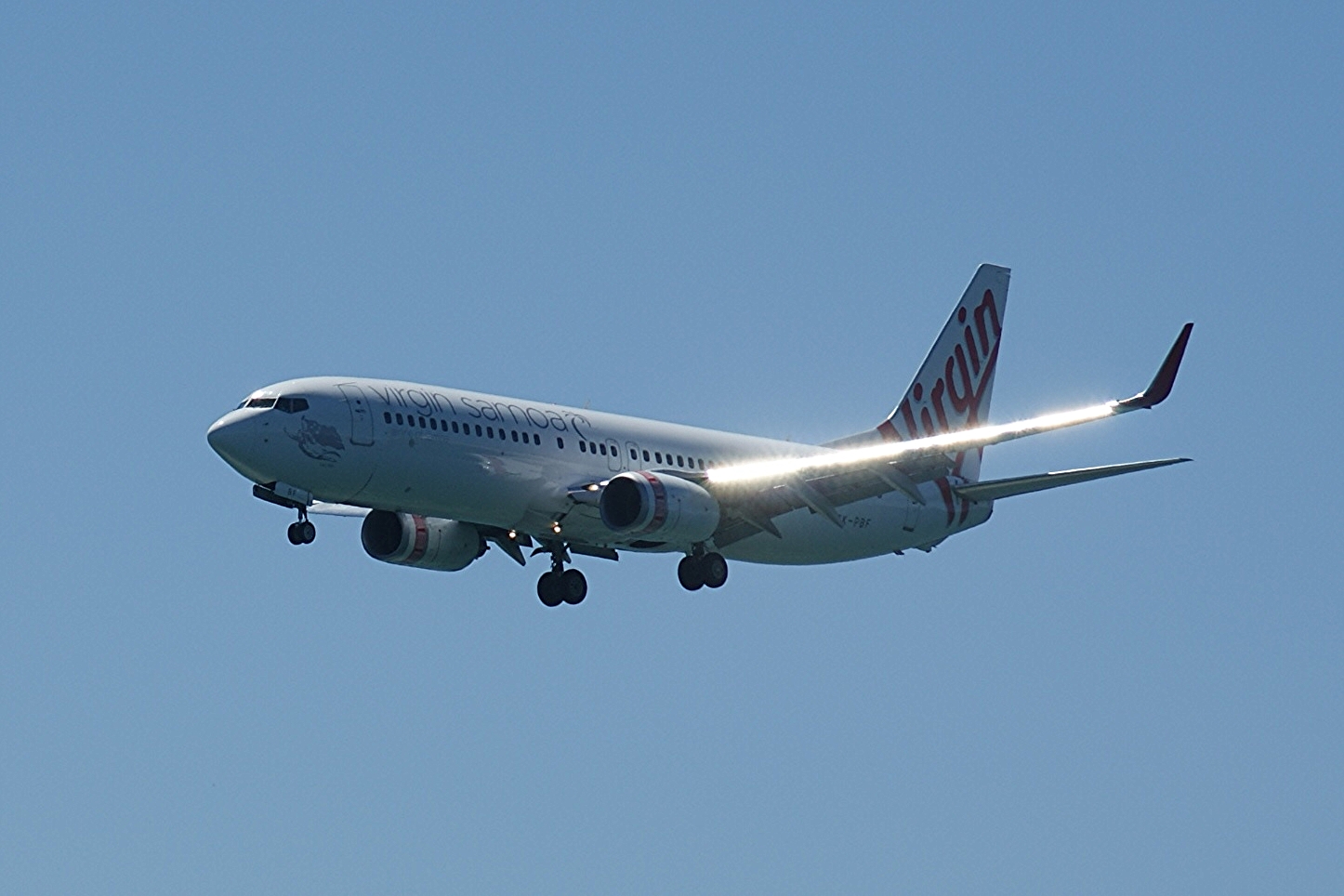
 El cierre de Virgin Samoa pone en duda los vuelos directos de Australia
 El futuro de los vuelos directos entre Australia y Samoa está bajo una nube después de que el gobierno de la nación del Pacífico pidiera el fin de su compañía aérea conjuntamente con Virgin Australia. El gobierno de Samoa dijo a Virgin Australia a principios de este mes que quería poner fin a su empresa conjunta, Virgin Samoa, para el 12 de noviembre.
 Dissatisfaction with the venture has been simmering within the Samoan government for some time amid allegations Virgin Australia and Air New Zealand, formerly a Virgin Australia shareholder and the only other major airline servicing the island nation, had been colluding on fares, according to the Samoa Observer.


 After the tower notified Flight 1579 of the fire, the flight crew deployed the plane’s slide chutes and evacuated the passengers on the tarmac. Emergency response teams came to the scene to treat minor injuries, according to Buccino. Passenger Lo Toney said the plane caught fire on the taxiway and never took off.
 the flight attendants, in a controlled but somewhat frantic manner, rushed us off the plane and we used the slide.»
 airgways.com