Aeropuerto Paysandú forma parte Sistema Nacional Aeropuertos
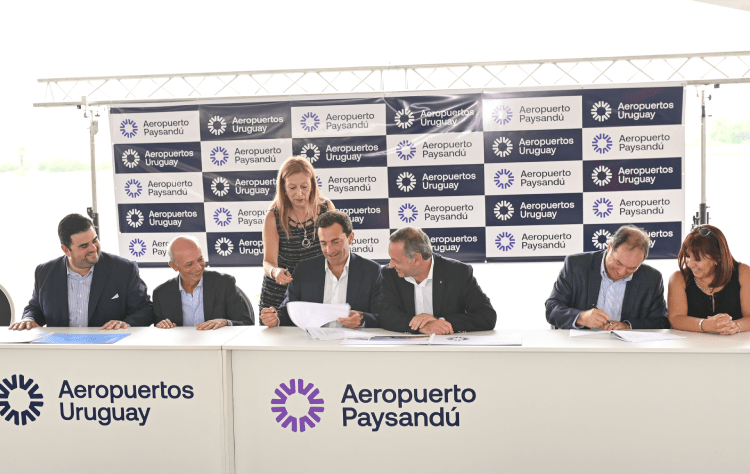
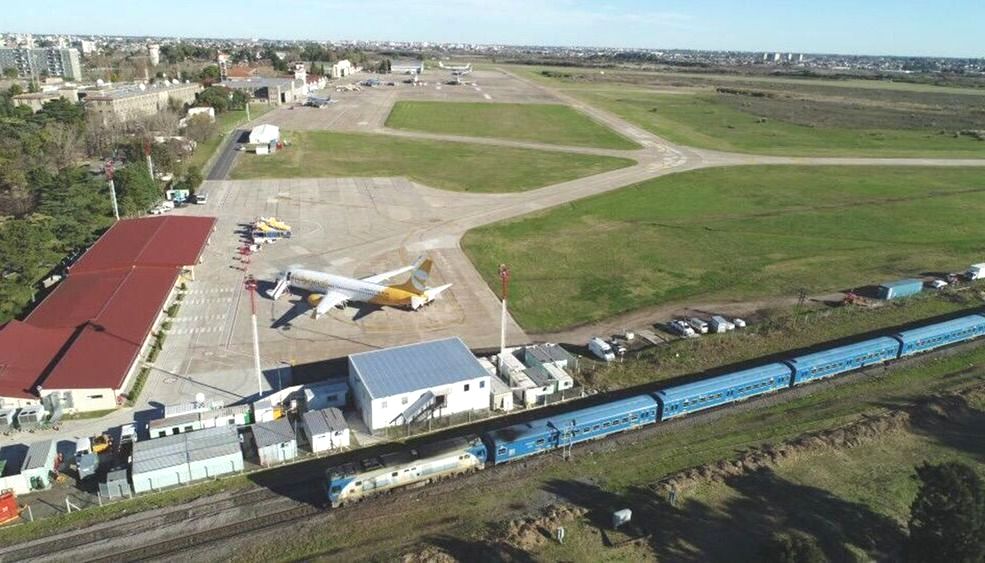
El Aeropuerto Paysandú ha ingresado al Sistema Nacional Aeropuertos. Como parte del desarrollo del Sistema Nacional de Aeropuertos Internacionales (SINAI), Aeropuertos Uruguay celebró junto al Ministerio de Defensa Nacional la toma de posesión del Aeropuerto Internacional de Paysandú/Tydeo Larre Borges/PDU. En la ceremonia estuvieron presentes el Ministro de Defensa Nacional, Javier García, el Secretario de Presidencia, Álvaro Delgado, el intendente de Paysandú, Nicolás Olivera, representantes de Aeropuertos Uruguay, autoridades nacionales y departamentales.
Este es el quinto aeropuerto que pasa a formar parte del Sistema Nacional de Aeropuertos Internacionales que lleva adelante Aeropuertos Uruguay, empresa del grupo Corporación América Airports. La compañía anunció una inversión de alrededor de US$ 10 millones de Dólares para las obras de modernización y compartió con la comunidad local el plan de modernización que se llevará adelante en el Aeropuerto de Paysandú.
Las obras se iniciarán en el segundo semestre de 2024 e incluirán la construcción de una nueva y moderna terminal de pasajeros, así como la renovación de la infraestructura aeroportuaria, recapado de la pista, calle de rodaje, construcción de nueva plataforma, la instalación de una estación meteorológica automática, una nueva planta de combustible, cerco y camino perimetral, además de la iluminación de plataforma y balizamiento de la pista con tecnología LED, un anillo perimetral de fibra óptica para las comunicaciones, entre otras.
El objetivo de las obras es llevar el aeropuerto de Paysandú a los estándares internacionales establecidos por la normativa de la Organización de la Aviación Civil Internacional, brindando un excelente nivel de servicios.
“Es un honor llevar adelante un proyecto estratégico para el país en una industria que derrama oportunidad en tantos sectores. La toma de posesión del Aeropuerto Internacional de Paysandú es un paso más para hacer realidad nuestro propósito de desarrollar una red aeroportuaria nacional sólida, que permita fortalecer la conectividad del país y sea un motor de desarrollo”, expresó Diego Arrosa, CEO de Aeropuertos Uruguay.
En el marco del desarrollo del Sistema Nacional de Aeropuertos Internacionales, Aeropuertos Uruguay, que también gestiona los Aeropuertos de Carrasco y de Punta del Este, asumió el compromiso de modernizar seis aeropuertos del interior del país, ubicados en Carmelo, Rivera, Salto, Melo, Durazno y Paysandú.
En Diciembre 2022 la compañía inauguró junto al Presidente de la República el nuevo Aeropuerto Internacional de Carmelo, el primero en ser modernizado por la compañía en el proceso, cuyo primer mes de funcionamiento en temporada reportó resultados históricos para la operativa del Aeropuerto.
Paysandú enters SINAI Uruguay
Paysandú Airport is part of the National Airports System
Paysandú Airport has entered the National Airports system. As part of the development of the National System of International Airports (SINAI), Uruguay Airports celebrated with the Ministry of National Defense, taking possession of the Paysandú International Airport/Tydeo Larre Borges/PDU. The ceremony was present at the Minister of National Defense, Javier García, the Secretary of Presidency, Álvaro Delgado, the mayor of Paysandú, Nicolás Olivera, representatives of Uruguay airports, national and departmental authorities.
This is the fifth airport that becomes part of the National System of International Airports that carries out Airports Uruguay, a company of the Corporation Airports. The company announced an investment of around US$ 10 million for modernization works and shared with the local community the modernization plan that will be carried out at Paysandú airport.
The works will begin in the second semester of 2024 and will include the construction of a new and modern passenger terminal, as well as the renewal of the airport infrastructure, re-shaped of the track, shooting street, construction of new platform, the installation of a Automatic weather station, a new fuel plant, fence and perimeter road, in addition to the platform lighting and beaconing of the track with LED technology, a perimeter ring of fiber optic for communications, among others.
The objective of the works is to take the Paysandú airport to the international standards established by the regulations of the International Civil Aviation Organization, providing an excellent level of services.
“It is an honor to carry out a strategic project for the country in an industry that spills opportunity in so many sectors. The inauguration of the Paysandú International Airport is another step to realize our purpose of developing a solid national airport network, which allows strengthening the connectivity of the country and is a development engine”, said Diego Arrosa, CEO of Uruguay Airports.
Within the framework of the development of the National System of International Airports, Uruguay Airports, which also manages the airports of Carrasco and Punta del Este, assumed the commitment to modernize six airports inside the country, located in Carmelo, Rivera, Salto, Melo, Melo, Peach and Paysandú.
In December 2022, the company opened with the President of the Republic the New Carmelo International Airport, the first to be modernized by the company in the process, whose first month of operation in season reported historical results for the airport operation.
PUBLISHER: Airgways.com DBk: Dinacia.gob.uy / Aeropuertosuruguay.com.uy / Airgways.com AW-POST: 202302111326AR OWNERSHIP: Airgways Inc. A\W A I R G W A Y S ®
AW | 2023 02 11 12:39 | AVIATION HISTORY / INDUSTRY
Embraer 50º aniversarios operaciones Bandeirante
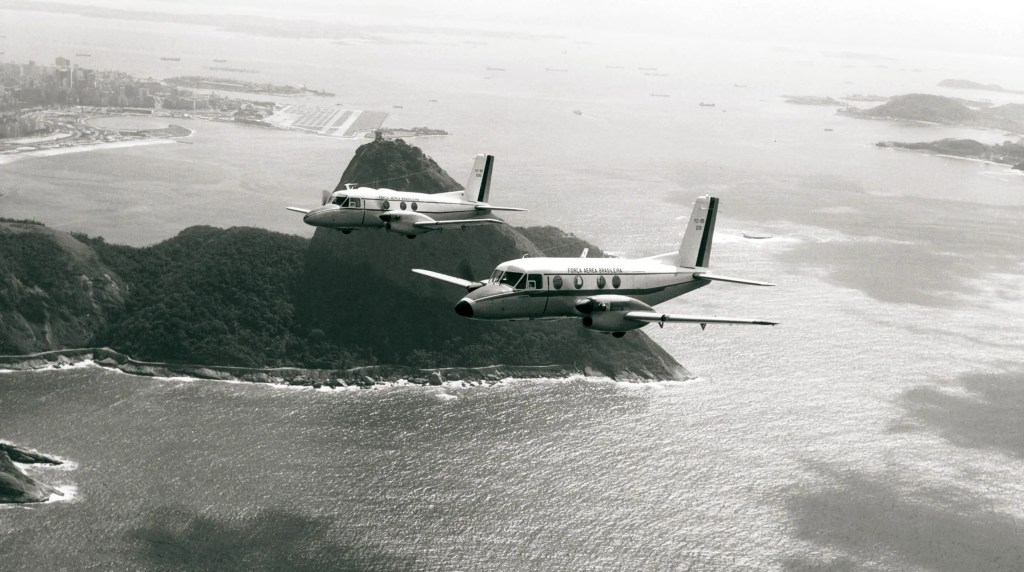
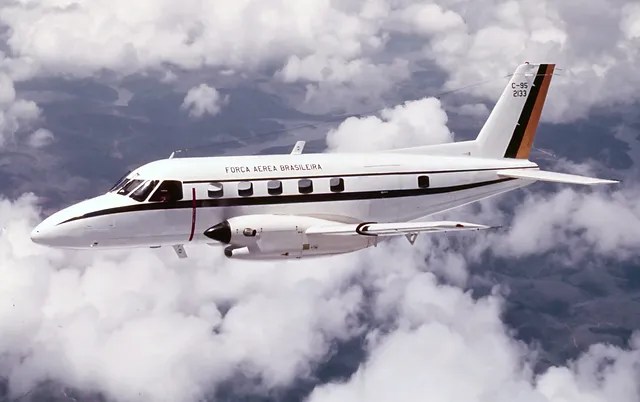
Embraer ha celebrado el Jueves 09/02 el cincuenta aniversarios de operaciones del turbohélice bimotor EMB-110 Bandeirante. El modelo entró en servicio con la Força Aérea Brasileira (FAB/Fuerza Aérea Brasileña) el 9 de Febrero de 1973, marcando el inicio de la era de aviones civiles del fabricante brasileño. En total, se entregaron 498 EMB-110 a clientes en 36 países antes de que la producción terminara en 1990.
Autorizado por el Ministerio de Aeronáutica de Brasil en 1965, el Bandeirante fue desarrollado bajo el proyecto aeronáutico IPD/PAR 6504. El prototipo voló por primera vez el 22 de Octubre de 1968. Las versiones de la aeronave se han utilizado para misiones que incluyen servicio regional de pasajeros, transporte de carga, instrucción de vuelo, búsqueda y rescate, reconocimiento militar y apoyo humanitario.
«El avión fue un hito para el desarrollo de la aviación regional en todo el mundo y el primer éxito comercial de la industria aeronáutica brasileña en el extranjero. Robusto y versátil, resultado de un proyecto innovador para la época, el Bandeirante fue producido en versiones para uso civil y militar, y nos llena de orgullo saber que muchas unidades todavía están en funcionamiento hoy en día», dijo el Presidente y CEO de Embraer, Francisco Gomes Neto.
Historia del Bandeirante
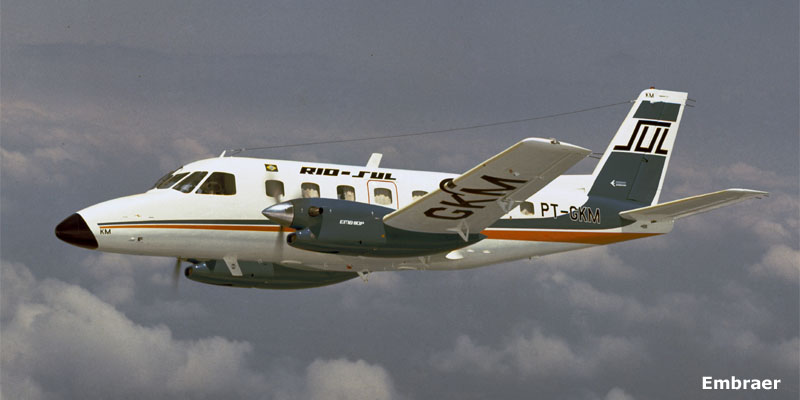
El Embraer EMB-110 es un avión de transporte ligero biturbohélice brasileño de propósito general de 15-21 pasajeros diseñado por Embraer para uso militar y civil. El EMB 110 fue diseñado por el ingeniero francés Max Holste; había sido diseñado de acuerdo con las especificaciones emitidas por el Ministerio de Aeronáutica de Brasil en 1965. El objetivo era crear un avión de propósito general, adecuado para funciones civiles y militares con un bajo costo operativo y alta confiabilidad. El 26 de octubre de 1968, el prototipo YV-95 realizó su primer vuelo; otros dos aviones de desarrollo EMB 110 seguirían junto con un pedido inicial de 80 aviones de transporte para la Fuerza Aérea Brasileña en el año siguiente. La certificación de tipo fue recibida de las autoridades de aviación brasileñas a fines de 1972, permitiendo su entrada en servicio en abril de 1973 con la compañía aérea brasileña Transbrasil.
EMBRAER EMB-100
Los orígenes del EMB 110 Bandeirante se remontan a la emisión de una directiva por el Ministerio de Aeronáutica de Brasil en 1965; Esto requería la producción de un avión de transporte para operaciones civiles y militares que fuera confiable y poseyera bajos costos operativos. Debía estar equipado con motores turbohélice, un ala de montaje bajo, y tener capacidad suficiente para acomodar a ocho personas; estas estipulaciones se habían extraído de un estudio del tráfico aéreo comercial brasileño y tenían como objetivo producir un avión que se adaptara bien a la infraestructura aeroportuaria existente en el país en ese momento. La especificación resultante que se había generado bajo el programa IPD-6504 daría forma en gran medida a la futura aeronave.
Los primeros trabajos en lo que se convertiría en el EMB 110 en realidad son anteriores al establecimiento de su fabricante, Embraer, que fue fundado en agosto de 1969. El diseñador principal fue el ingeniero francés Max Holste. La construcción del prototipo fue supervisada por el ingeniero aeronáutico brasileño Ozires Silva, quien también jugaría un papel clave en la fundación y funcionamiento de Embraer. La compañía fue creada para llevar a cabo la comercialización de la aeronave y la producción en serie.
El 26 de Octubre de 1968, el primer prototipo, que llevaba la designación militar YC-95, realizó su primer vuelo desde el aeropuerto de São José dos Campos. Pilotado por José Mariotto Ferreira y acompañado por el ingeniero de vuelo Michel Cury, aterrizó después de aproximadamente 50 minutos. Antes de este punto, se habían trabajado un total de 110.000 horas de proyecto, produciendo 12.000 planos de fabricación, respaldados por 22.000 horas de cálculos estructurales y aerodinámicos; También se han gastado aproximadamente 282.000 horas de fabricación y herramientas de aeronaves. El prototipo fue presentado oficialmente ante varios funcionarios civiles y militares junto con miembros de la prensa en un evento celebrado cuatro días después, durante el cual se repitió su vuelo inaugural. El rendimiento positivo del prototipo llevó a la producción de la aeronave, y por lo tanto al establecimiento de Embraer, siendo aprobado a mediados de 1969; la empresa de nueva creación asumiría la responsabilidad de su producción el 2 de Enero de 1970.
Rediseño y producción en cantidad Se construyó un par adicional de prototipos, que fueron designados EMB 100. El 19 de Octubre de 1969, el segundo prototipo realizó su primer vuelo, mientras que el tercer prototipo siguió el 29 de Junio de 1970. Si bien estos prototipos arrojaron resultados positivos en las pruebas, se reconoció que las condiciones del mercado habían cambiado hasta el punto en que un avión de ocho asientos parecía ser menos viable de lo que parecía anteriormente; por lo tanto, se decidió rediseñar rápidamente el EMB 100 en el EMB 110 Bandeirante, que presentaba varios avances tecnológicos junto con una mayor capacidad.
En mayo de 1970, el programa fue reforzado por la Fuerza Aérea Brasileña (FAB) que decidió emitir a Embraer un pedido inicial de 80 aviones de producción. Cerca del final de 1972, el Bandeirante recibió su certificado de aeronavegabilidad brasileño. El 9 de Febrero de 1973, se realizó la primera entrega a la FAB.
En una configuración típica, el EMB 110 tenía entre 15 y 21 pasajeros, y fue volado por un par de pilotos. Varias configuraciones y personalizaciones fueron posibles para adaptarse a los diversos requisitos y condiciones de funcionamiento de los clientes. El modelo EMB 110P1A/41, que estaba equipado con 18 asientos, tenía una longitud de 15,1 metros, una altura de 4,92 metros y una envergadura de 15,33 metros. Tiene una velocidad máxima de crucero de 411 km/h (222 nudos), mientras que su velocidad de crucero más económica fue de 341 km/h (184 nudos), a cuya velocidad se puede lograr un alcance efectivo de 1.964 km (1.060 NM) incluso mientras se conservan los combustibles de reserva durante otros 45 minutos de vuelo. El EMB 110 tiene un techo de servicio de 21.490 pies.
Durante la década de 1970, Embraer optó por aprovechar el éxito del EMB 110 diseñando un derivado ampliado de la aeronave, designado como EMB 120 Brasilia; Además de ser lo suficientemente grande como para acomodar hasta 30 pasajeros, también era más rápido y estaba equipado con una cabina presurizada. Todo el desarrollo posterior del EMB 110 fue detenido por Embraer durante la década de 1980 para concentrar sus recursos en el desarrollo y producción del nuevo EMB 120.
Embraer has celebrated on Thursday 09/02 the fifty anniversaries of operations of the Bimotor EMB-110 Bandeirante. The model entered service with the Brazilian Air Força (FAB/Brazilian Air Force) on February 9, 1973, marking the beginning of the Civil Air age of the Brazilian manufacturer. In total, 498 EMB-110 were delivered to customers in 36 countries before production ended in 1990.
Authorized by the Ministry of Aeronautics of Brazil in 1965, the Bandeirante was developed under the IPD/PAR 6504 Aeronautical Project. The prototype flew for the first time on October 22, 1968. The versions of the aircraft have been used for missions that include service Regional passengers, cargo transport, flight, search and rescue instruction, military recognition and humanitarian support.
«The plane was a milestone for the development of regional aviation worldwide and the first commercial success of the Brazilian aeronautical industry abroad. Robust and versatile, the result of an innovative project for the time, the Bandoante was produced in versions For civil and military use, and we are proud to know that many units are still in operation today», said the president and Embraer CEO, Francisco Gomes Neto.
History of the Bandeirante
The Embraer EMB-110 is a lightweight light turbo-propeller transport plane of general purpose of 15-21 passengers designed by Embraer for military and civil use. EMB 110 was designed by the French engineer Max Holste; It had been designed according to the specifications issued by the Ministry of Aeronautics of Brazil in 1965. The objective was to create a general purpose plane, suitable for civil and military functions with a low operational cost and high reliability. On October 26, 1968, the YV-95 prototype made its first flight; Two other EMB 110 development aircraft would continue along with an initial order of 80 transport aircraft for the Brazilian Air Force in the following year. The type certification was received from the Brazilian aviation authorities at the end of 1972, allowing its entry into service in April 1973 with the Transbrasil Brazilian airline.
The origins of the EMB 110 Bandoante date back to the issuance of a directive by the Ministry of Aeronautics of Brazil in 1965; This required the production of a transport aircraft for civil and military operations that was reliable and possessed low operational costs. It should be equipped with turboheric engines, a low mounting wing, and have sufficient capacity to accommodate eight people; These stipulations had been extracted from a study of Brazilian commercial air traffic and aimed to produce a plane that adapted well to the existing airport infrastructure in the country at that time. The resulting specification that had been generated under the IPD-6504 program would greatly shape the future aircraft.
The first works in what would become the EMB 110 are actually prior to the establishment of its manufacturer, Embraer, which was founded in August 1969. The main designer was the French engineer Max Holste. The construction of the prototype was supervised by the Brazilian aeronautical engineer Ozires Silva, who would also play a key role in the foundation and operation of Embraer. The company was created to carry out the marketing of the aircraft and serial production.
On October 26, 1968, the first prototype, which carried the military designation YC-95, made its first flight from São José Dos Campos airport. Piloted by José Mariotto Ferreira and accompanied by flight engineer Michel Cury, landed after approximately 50 minutes. Before this point, a total of 110,000 hours of project had worked, producing 12,000 manufacturing planes, backed for 22,000 hours of structural and aerodynamic calculations; Approximately 282,000 hours of manufacturing and aircraft tools have also been spent. The prototype was officially presented to several civil and military officials along with members of the press at an event held four days later, during which its inaugural flight was repeated. The positive performance of the prototype led to the production of the aircraft, and therefore to the Embraer establishment, being approved in mid 1969; the newly created company would assume responsibility for its production on January 2, 1970.
Redesign and quantity production An additional pair of prototypes were built, which were designated EMB 100. On October 19, 1969, the second prototype made its first flight, while the third prototype continued on June 29, 1970. Although these prototypes showed positive results in The evidence was recognized that the market conditions had changed to the point where an eight -seat plane seemed to be less viable than it seemed before; therefore, it was decided to quickly redesign the EMB 100 in the EMB 110 Bandeirante, which presented several technological advances along with greater capacity.
In May 1970, the program was reinforced by the Brazilian Air Force (FAB) that decided to emit an initial order of 80 production aircraft. Near the end of 1972, the Bandeirante received his Brazilian aircraft certificate. On February 9, 1973, the first installment was made to the FAB.
In a typical configuration, EMB 110 had between 15 and 21 passengers, and was flown by a couple of pilots. Several configurations and customizations were possible to adapt to the various requirements and operating conditions of customers. The EMB 110P1A/41 model, which was equipped with 18 seats, had a length of 15.1 meters, a height of 4.92 meters and one wingspan of 15.33 meters. It has a maximum cruise speed of 411 km/h (222 knots), while its cheapest cruise speed was 341 km/h (184 knots), at whose speed an effective range of 1,964 km (1,060 nm) Even while reserve fuels are preserved for another 45 minutes of flight. EMB 110 has a 21,490 feet service roof.
During the 1970s, Embraer chose to take advantage of the success of EMB 110 designing an expanded derivative of the aircraft, designated as EMB 120 Brasilia; In addition to being large enough to accommodate up to 30 passengers, it was also faster and was equipped with a pressurized cabin. All subsequent development of EMB 110 was arrested by Embraer during the 1980s to concentrate its resources on the development and production of the new EMB 120.
PUBLISHER: Airgways.com DBk: Embraer.com / Airgways.com AW-POST: 202302111239AR OWNERSHIP: Airgways Inc. A\W A I R G W A Y S ®
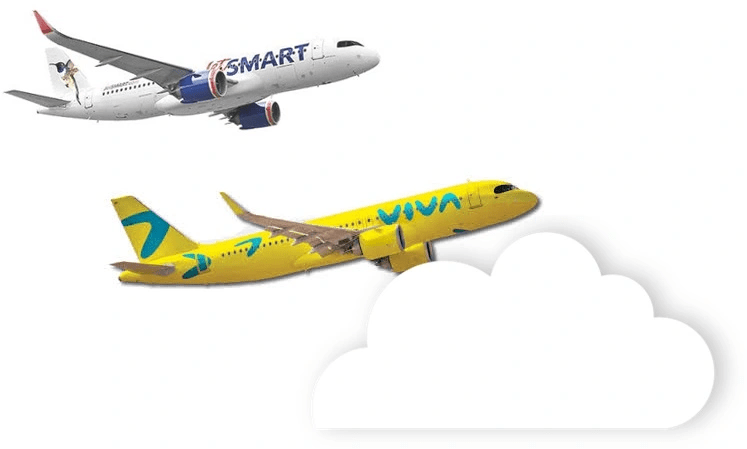
Confirman inicio de negociaciones JetSMART-Viva Air Colombia
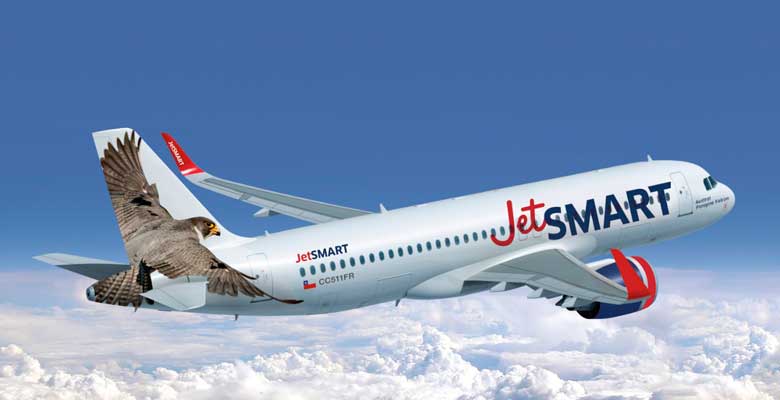
El interés de la aerolínea JetSMART Airlines de adquirir a Viva Air Colombia ha recibió visto bueno de parte de la compañía aérea colombiana. La compañía chilena ha confirmado por medio de un comunicado en el que reiteró su interés de compra de la aérea de Colombia. JetSMART aseguró que mantiene activo su interés con miras a la adquisición del 100% de las acciones de Viva Air, “en el marco de las normas existentes y del debido proceso, de manera expedita y transparente”.
Castlesouth Limited, accionista controlante de Viva Air, respondió a la invitación realizada por la aerolínea chilena para negociar una posible transacción confirmando su interés, lo que da inicio al proceso oficial de negociación entre las empresas. Estuardo Ortiz, CEO de JetSMART Airlines Group, afirmó: “Celebramos la rápida respuesta de Castlesouth y esperamos avanzar en la consolidación de una opción viable para Viva y los viajeros”.
El comunicado de la compañía chilena es anunciado horas después de que Viva Air Colombia anunciara que se sometería a un proceso de recuperación empresarial en Colombia. JetSMART dijo que mantiene su interés en comprar a Viva Air después que la agencia Aerocivil Colombia cancelara la sinergia Avianca-Viva Air Colombia por considerarla posición dominante de mercado. «Creemos que una transacción entre JetSMART y Viva Air permitirá mantener el modelo ultra bajo costo en Colombia y eso permitirá seguir ofreciendo más rutas a menores precios. Tenemos una visión de largo plazo para expandirnos en Suramérica y estamos en posición de continuar invirtiendo en nuestro crecimiento», expresó el CEO Estuardo Ortíz.
La aerolínea chilena aseguró que tiene los recursos, capacidad y experiencia para negociar y cerrar una adquisición de manera ágil. La presentación de oferta se habrá próximamente ante los organismos correspondientes para avanzar en la compra de la aerolínea low cost colombiana. JetSMART Airlines había mostrado interés por efectivizar una filial en Colombia, mientras que esta opción presenta una viabilidad más conveniente para hacer pie en medio de una fuerte competencia de mercado en Colombia.
Actualmente, JetSMART Airlines opera 79 rutas en siete países de Suramérica y en Colombia, donde opera desde finales de 2019, vuela a Bogotá, Cali y Medellín con destino a Chile. La aerolínea alcanza un rápido crecimiento de la región y cuenta con una orden en firme de aviones Airbus A320NEO y A321NEO con estimaciones de superar una flota de 124 aviones para 2029.
JetSMART Airlines Group forma parte del portafolio de líneas aéreas de Indigo Partners, fondo de inversión estadounidense que controla otras cinco líneas aéreas y es reconocido por su liderazgo en este segmento de la industria aérea mundial.
Viva Air-JetSMART Airlines
Confirms start of negotiations JetSMART-Viva Air Colombia
The interest of the airline JetSMART Airlines to acquire Viva Air Colombia has received approval from the Colombian airline. The Chilean company has confirmed through a statement in which it reiterated its interest in purchasing the Colombian airline. JetSMART assured that it maintains its interest active with a view to the acquisition of 100% of the shares of Viva Air, «within the framework of existing regulations and due process, in an expeditious and transparent manner».
Castlesouth Limited, Viva Air’s controlling shareholder, responded to the invitation made by the Chilean airline to negotiate a possible transaction confirming its interest, which begins the official negotiation process between the companies. Estuardo Ortiz, CEO of JetSMART Airlines Group, said: «We celebrate Castlesouth’s quick response and look forward to consolidating a viable option for Viva and travelers».
The Chilean company’s statement is announced hours after Viva Air Colombia announced that it would undergo a business recovery process in Colombia. JetSMART said that it maintains its interest in buying Viva Air after the agency Aerocivil Colombia canceled the Avianca-Viva Air Colombia synergy, considering it a dominant market position. «We believe that a transaction between JetSMART and Viva Air will allow us to maintain the ultra-low-cost model in Colombia and that will allow us to continue offering more routes at lower prices. We have a long-term vision to expand in South America and we are in a position to continue investing in our growth», said CEO Estuardo Ortíz.
The Chilean airline assured that it has the resources, capacity and experience to negotiate and close an acquisition in an agile manner. The presentation of the offer will soon be before the corresponding organizations to advance in the purchase of the Colombian low cost airline. JetSMART Airlines had shown interest in creating a subsidiary in Colombia, while this option presents a more convenient feasibility to establish itself in the midst of strong market competition in Colombia.
Currently, JetSMART Airlines operates 79 routes in seven South American countries and in Colombia, where it has been operating since the end of 2019, it flies to Bogotá, Cali and Medellín to Chile. The airline achieves rapid growth in the region and has a firm order for Airbus A320NEO and A321NEO aircraft with estimates to exceed a fleet of 124 aircraft by 2029.
JetSMART Airlines Group is part of the airline portfolio of Indigo Partners, a US investment fund that controls five other airlines and is recognized for its leadership in this segment of the global airline industry.
PUBLISHER: Airgways.com DBk: Jetsmart.com / Vivaair.com / Airgways.com AW-POST: 202302111000AR OWNERSHIP: Airgways Inc. A\W A I R G W A Y S ®
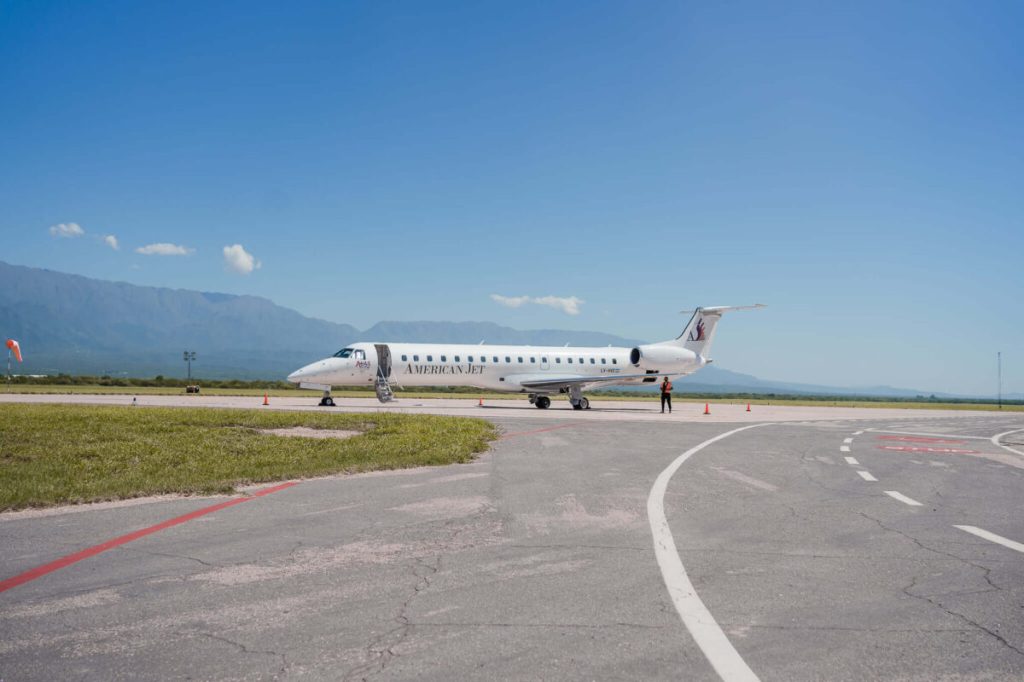
Alas La Rioja ha celebrado su primer aniversario con el primer servicio de transporte aéreo propio con el que cuenta la Provincia de La Rioja. La línea aérea riojana presenta un modelo alternativo para los riojanos para volar a Buenos Aires y que permite a la ciudadanía contar con otra opción de conexión rápida con la capital argentina.
El Gobernador de la Provincia de La Rioja, Ricardo Quintela, celebró el primer año de la compañía aérea recibiendo a turistas que llegaron en el vuelo del primer aniversario de Alas La Rioja. Ricardo Quintela se acercó al Aeropuerto La Rioja/Vicente Almandos Almonacid/IRJ. El festejo de la empresa se dio de la mano de los pasajeros que iban o regresaban de Buenos Aires, y que son quienes posibilitaron este aniversario por lo que fueron agasajados con presentes y la presencia de artistas locales.
El Gobernador Ricardo Quintela, agradeció en primer término a los usuarios que eligen esta empresa para realizar sus viajes. “Estamos muy contentos que en un año, los riojanos se hayan apropiado de este servicio que obedece a que La Rioja tiene una gran demanda, que va creciendo día a día con las políticas de turismo, de trabajo, implementadas y que oportunamente contaba con una oferta muy limitada. Creemos que fue un gran acierto en materia de transporte porque vino de la mano también de la prestación de un servicio que está a la altura de lo que cualquier empresa del rubro puede ofrecer por lo que felicito también a las autoridades de la Secretaría de Transporte y al personal de Alas”, señaló el mandatario.
Alas La Rioja es una empresa que nació con la idea de hacer del transporte aéreo un servicio accesible y más popular de lo que tradicionalmente es, por ello busca contar con tarifas bajas, lo que se ve reflejado en que más de 7.000 pasajeros la eligieron. En la actualidad cuenta con tres frecuencias semanales (3Frq/S) y tarifa plana que enlaza la ruta La Rioja/IRJ—Buenos Aires/AEP.
First anniversary Alas La Rioja
Alas la Rioja celebrates its first anniversary
Alas La Rioja has celebrated its first anniversary with the first own air transport service with which the Province of La Rioja has. The Rioja airline presents an alternative model for the Riojans to fly to Buenos Aires and that allows citizens to have another quick connection option with the Argentine capital.
The governor of the province of La Rioja, Ricardo Quintela, celebrated the first year of the airline receiving tourists who arrived on the flight of the first anniversary of Alas La Rioja. Ricardo Quintela approached the La Rioja/Vicente Almos Almonacid Airport/IRJ. The company’s celebration was given by the passengers who were going or returned from Buenos Aires, and who allowed this anniversary for what they were entertained with present and the presence of local artists.
Governor Ricardo Quintela, first thanked users who choose this company to make their trips. “We are very happy that in a year, the Riojans have appropriated this service that obeys that the Rioja has a great demand, which is growing day by day with tourism, labor policies, implemented and that timely had a very limited offer. We believe that it was a great success in transport because it also came hand in to wings staff”, said the Governor.
Alas La Rioja is a company that was born with the idea of making air transport an accessible and more popular service than it is traditionally, so it seeks to have low rates, which is reflected in that more than 7,000 passengers chose it. It currently has three weekly frequencies (3Frq/S) and flat rate that links the route La Rioja/IRJ—Buenos Aires/AEP.
PUBLISHER: Airgways.com DBk: Alaslarioja.com.ar / Larioja.gov.ar / Airgways.com AW-POST: 202302110955AR OWNERSHIP: Airgways Inc. A\W A I R G W A Y S ®
Ruta Buenos Aires—Florianópolis hasta fines de Abril 2023
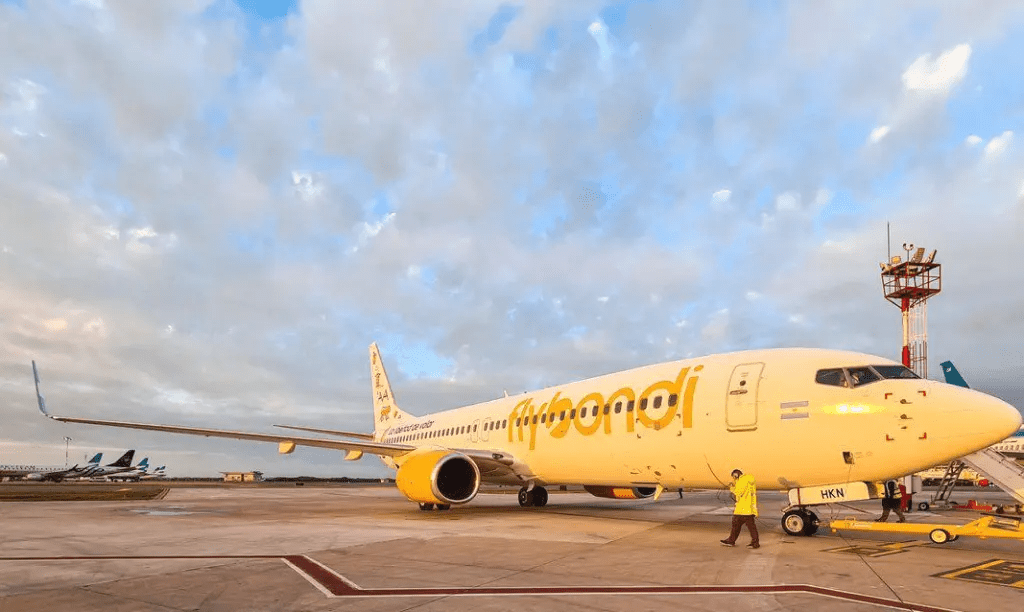
Flybondi ha anunciado la extensión de los vuelos en la ruta Buenos Aires/EZE—Florianópolis/FLN para la temporada estival hasta el 30 de Abril de 2023. La primera aerolínea argentina low cost en conectar Argentina y Brasil decidió extender el período de la temporada que inicialmente se cerraría el 12/04 y ahora se extenderá hasta el 30/04.
La ruta EZE—FLN posee dos frecuencias diarias (2Frq/D), saliendo a las 01:30 am desde el Aeropuerto Buenos Aires/EZE y arribando a las 04:15 am a Aeropuerto Florianópolis/FLN y 18:20 pm desde Buenos Aires/EZE aterrizando a las 21:15 pm en Florianópolis/FLN, con una duración del viaje de dos horas. En el período extendido, la frecuencia de rutas será de tres frecuencias semanales los Miércoles, Viernes y Domingos.
Flybondi también opera en Brasil volando desde Buenos Aires a São Paulo y Río de Janeiro. Los boletos se pueden comprar a través del sitio web de Flybondi en flybondi.com.
Flybondi extends EZE-FLN season
Buenos Aires—Florianópolis route until the end of April 2023
Flybondi has announced the extension of the flights on the Buenos Aires/EZE—Florianopolis/FLN route for the summer season until April 30, 2023. The first Low Cost Argentina airline in connecting Argentina and Brazil decided to extend the period of the season that Initially it would close on 12/04 and now it will be extended until 04/30.
The EZE—FLN route has two daily frequencies (2Frq/D), leaving at 01:30 am from the Buenos Aires/Eze airport and arriving at 04:15 am to Florianopolis/FLN airport and 18:20 pm from Buenos Aires/EZE landing at 21:15 pm in Florianopolis/FLN, with a two hour trip duration. In the extended period, the frequency of routes will be three weekly frequencies (3Frq/S) on Wednesdays, Fridays and Sundays.
Flybondi also operates in Brazil flying from Buenos Aires to São Paulo and Rio de Janeiro. Tickets can be purchased through the Flybondi website at Flybondi.com.
Flybondi estende a temporada EZE-FLN
Rota de Buenos Aires —Florianópolis até o final de Abril de 2023
O Flybondi anunciou a extensão dos vôos na rota Buenos Aires/EZE—Florianópolis/FLN para a temporada de verão até 30 de Abril de 2023. A primeira companhia aérea da Argentina de baixo custo na conexão da Argentina e o Brasil decidiu estender o período da temporada que inicialmente fecharia em 12/04 e agora será estendido até 30/04.
A rota Eze—FLN possui duas frequências diárias (2Frq/D), saindo às 01:30 do Aeroporto Buenos Aires/EZE e chegando às 04:15 ao Aeroporto Florianopolis/FLN e 18:20 de Buenos Aires/EZE aterrissando às 21:15 em Florianópolis/FLN, com uma duração de duas horas de viagem. No período prolongado, a frequência de rotas será de três frequências semanais (3Frq/S) às Quartas, Sextas e Domingos.
O Flybondi também opera no Brasil voando de Buenos Aires para São Paulo e Rio de Janeiro. Os ingressos podem ser adquiridos no site da Flybondi em Flybondi.com.br.
PUBLISHER: Airgways.com DBk: Flybondi.com / Airgways.com AW-POST: 202302110951AR OWNERSHIP: Airgways Inc. A\W A I R G W A Y S ®
Flybondi prevé incorporar cinco aviones y más destinos
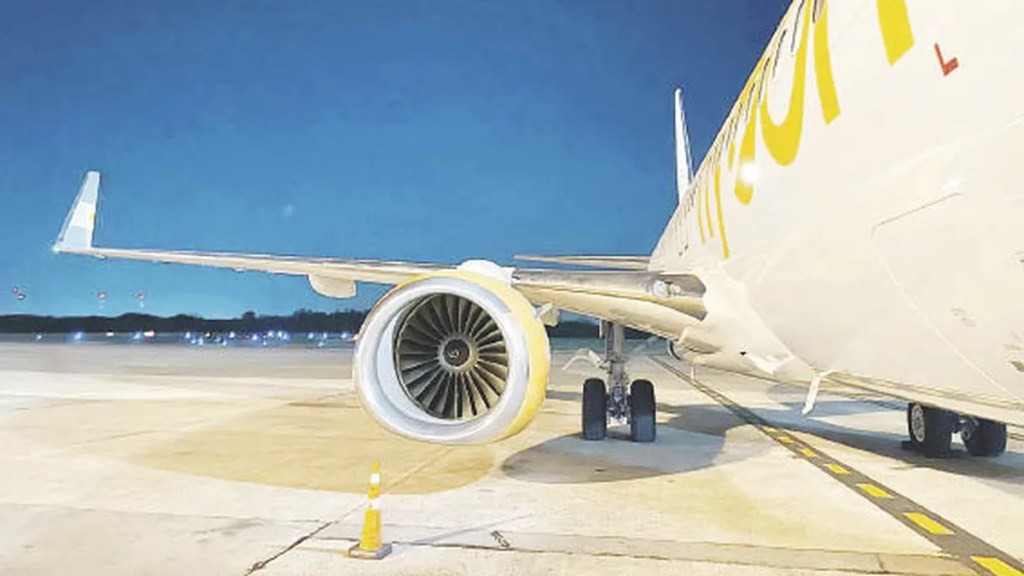
La compañía aérea Flybondi Líneas Aéreas ha anunciado oportunamente en 4Q2022 la incorporación de más aeronaves y laampliación de rutas en Argentina. El segundo plan de expansión para el segundo semestre de 2023 estiman hacer una facturación de US$ 500 millones de Dólares junto con la incorporación de cinco aviones Boeing 737-800 adicionales a la flota.
En los últimos años la aerolínea low cost ha experimentado un gran crecimiento en el tráfico de pasajeros enlas rutas domésticas gracias al impulso de los viajes económicos en el país. “Cuando llegamos a Argentina en 2018 había alrededor de 41 millones de habitantes y solo ocho millones viajaban en avión, lo que es un nivel muy bajo comparado a cualquier país”, explica Mauricio Sana, Director Ejecutivo de Flybondi. Además, cuenta que 2019 fue un año bisagra en para el mercado aéreo porque se sumaron más compañías de bajo costo: “Consolidamos un modelo eficiente en vuelos y cantidad de pasajeros, lo que nos permitió manejar precios competitivos y eliminar la barrera de entrada a los pasajeros que querían volar”, expresa el directivo.
En 2019 Flybondi observó una explosión del mercado de 12 millones de pasajeros se ha incrementado a 16 millones. Flybondi también logró romper con la estacionalidad del turismo y expandir la base de pasajeros durante todo el año, reduciendo la dependencia de la temporada alta. Además, la compañía ha sido pionera en el desarrollo de operaciones de bajo costo/bajo precio a partir de la Revolución de los Aviones. “Iniciamos operaciones hace cinco años con el propósito de dar la libertad de volar. El objetivo era ambicioso pero estábamos convencidos que sería posible, y así fue y hasta lo superamos”, sostiene Mauricio Sana.
Proyecciones 2023
Para el 2023, la compañía prevé sumar cinco aviones Boeing 737-800 adicionales a los doce existentes completando una flota total de diecisiete para fortalecer el mercado doméstico y regional con nuevas rutas. “Esperamos terminar el año con 17 aviones, esto debería pasar en el segundo semestre. Estamos analizando nuevos destinos, pero todo se definirá en función de cómo van a operar los aviones”, adelanta el CEO de Flybondi.
Además, estima una facturación cercana a los US$ 500 millones de Dólares y cuenta con más de setenta búsquedas laborales abiertas en todo el país. Actualmente, tiene más de 1150 empleados y genera más de 18.500 puestos de trabajo indirectos.
A partir del 2 de Marzo de 2023, la aerolínea volverá a conectar las ciudades de Córdoba y Salta con una frecuencia de tres vuelos semanales (3Frq/S). “Estamos muy contentos de volver a conectar la provincia de Córdoba con Salta, tal como operamos pre pandemia. Son dos mercados muy importantes. Tuvimos un gran crecimiento e incorporamos más aviones, sumamos más frecuencias a nuestra red de conectividad y más destinos”, comenta Federico Pastori, Director Comercial de Flybondi.
En este contexto, el Hub Córdoba representa una base fuerte para la aerolínea pues es la segunda plaza con más operaciones y facturación de la línea aérea. Desarrolla tres rutas operando Córdoba/COR—Buenos Aires/AEP, Córdoba/COR—Bariloche/BRC y Córdoba/COR—Neuquén/NQN; y a partir de Marzo 2023 funcionará la ruta Córdoba/COR—Salta/SLA. El total de tráfico Córdoba-Buenos Aires representa un 20%, Córdoba-Neuquén es el 50% y Córdoba-Bariloche el 40%. Con la incorporación de Córdoba-Salta la aerolínea estará operando veinticinco vuelos semanales que pasarán por el hub de distribución de Córdoba.
“Después de la pandemia, en 2021, ya habíamos vuelto a los niveles de movilidad de 2019 y empezamos a crecer muy rápido”, expresa entusiasmado el Director Comercial de Flybondi.
La compañía transportó a más de seis millones de personas, de las cuales el 20% voló en avión por primera vez. La aerolínea opera actualmente a los siguientes destinos: Buenos Aires, Bariloche, Corrientes, Córdoba, Jujuy, Mendoza, Neuquén, Posadas, Iguazú, Salta, Santiago del Estero, Trelew, Tucumán, Puerto Madryn, Ushuaia, El Calafate y Comodoro Rivadavia. En las rutas regionales opera hacia Brasil a Río de Janeiro, São Pablo y Florianópolis.
Flybondi projection 2023
Flybondi plans to incorporate five aircraft and more destinations
The Flybondi airlines airlines has announced in a timely manner in 4Q2022 the incorporation of more aircraft and the route ampliation in Argentina. The second expansion plan for the second semester of 2023 estimates to make an invoicing of US$ 500 million along with the incorporation of five 737-800 additional aircraft to the fleet.
In recent years, the Low Cost airline has experienced great growth in passenger traffic on domestic routes thanks to the impulse of economic trips in the country. «When we arrived in Argentina in 2018 there were around 41 million inhabitants and only eight million were traveling by plane, which is a very low level compared to any country», explains Mauricio Sana, Executive Director of Flybondi. In addition, it says that 2019 was a year hinge for the air market because more low-cost companies were added: “We consolidated an efficient model on flights and number of passengers, which allowed us to handle competitive prices and eliminate the entrance barrier to the Passengers who wanted to fly”, says the manager.
In 2019 Flybondi observed an explosion of the market of 12 million passengers has increased to 16 million. Flybondi also managed to break the seasonality of tourism and expand the passenger base throughout the year, reducing the dependence of the high season. In addition, the company has been a pioneer in the development of low cost/low price operations from the aircraft revolution. “We started operations five years ago with the purpose of giving the freedom to fly. The goal was ambitious but we were convinced that it would be possible, and so we were overcome”, says Mauricio Sana.
2023 projections
By 2023, the company plans to add five Boeing 737-800 aircraft additional to the existing twelve completing a total seventeen fleet to strengthen the domestic and regional market with new routes. “We hope to finish the year with 17 aircraft, this should happen in the second semester. We are analyzing new destinations, but everything will be defined depending on how the airplanes will operate”, says the CEO of Flybondi.
In addition, it estimates a turnover close to US$ 500 million and has more than seventy open labor searches throughout the country. Currently, it has more than 1150 employees and generates more than 18,500 indirect jobs.
As of March 2, 2023, the airline will connect the cities of Córdoba and jump with a frequency of three weekly flights (3Frq/S). “We are very happy to connect the province of Córdoba with Salta, as we operate pre pandemia. They are two very important markets. We had great growth and incorporated more airplanes, we add more frequencies to our connectivity network and more destinations”, says Federico Pastori, commercial director of Flybondi.
In this context, Hub Córdoba represents a strong base for the airline because it is the second place with more operations and billing of the airline. It develops three routes operating Córdoba/COR—Buenos Aires/AEP, Córdoba/COR—Bariloche/BRC and Córdoba/COR—Neuquén/NQN; and from March 2023 the Córdoba/COR—Salta/SLA route will work. The total of Córdoba-Buenos Aires traffic represents 20%, Córdoba-Neuquén is 50%and Córdoba-Bariloche 40%. With the incorporation of Córdoba-Salta the airline will be operating twenty-five weekly flights that will pass through the distribution hub of Córdoba.
«After the pandemic, in 2021, we had already returned to the mobility levels of 2019 and we began to grow very fast», says Flybondi’s commercial director enthusiastically.
The company transported more than six million people, of which 20% flew by plane for the first time. The airline currently operates to the following destinations: Buenos Aires, Bariloche, Corrientes, Córdoba, Jujuy, Mendoza, Neuquén, Posadas, Iguazú, Salta, Santiago del Estero, Trelew, Tucumán, Puerto Madryn, Ushuaia, El Calafate and Comodoro Rivadavia. On the regional routes it operates towards Brazil to Rio de Janeiro, São Pablo and Florianopolis.
PUBLISHER: Airgways.com DBk: Flybondi.com / Airgways.com AW-POST: 202302101358AR OWNERSHIP: Airgways Inc. A\W A I R G W A Y S ®
Aeropuerto de Bruselas estrena primer duty free sin humanos
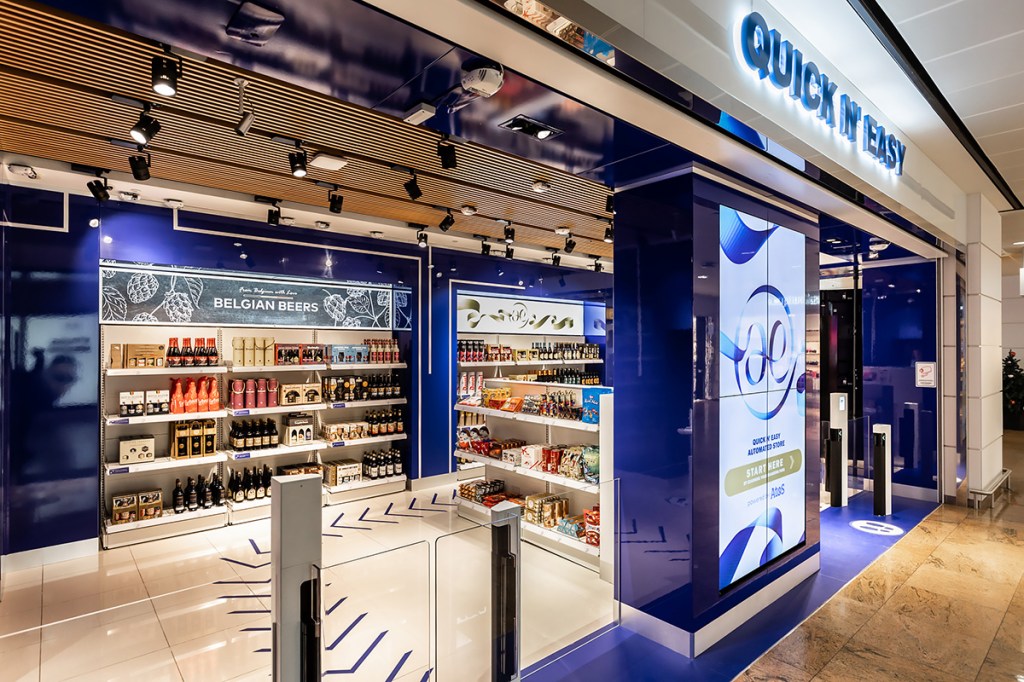
En Bélgica, dos empresas, Largardère y Atos han trabajado conjuntamente para terminar el diseño de un punto de venta Duty Free sin impuestos totalmente automatizado. La tienda se llama «Quick N’Easy» (Rápido y fácil) y ya está operativa, vendiendo cervezas y chocolates. En modo de prueba, el comercio abrió al público. El viajero que entra ha de escanear su tarjeta de embarque y desde ese momento puede escoger todos los productos que desee. Con una tecnología sofisticada, todo se carga en la tarjeta de débito o de crédito en el momento de abandonar la tienda.
El Director del Aeropuerto de Bruselas-Zaventem, Arnaud Feist, dice que «estamos siempre trabajando para mejorar la experiencia de nuestros clientes, dando por supuesto que la atención automática es un deseo del cliente y no la voluntad de ahorro de las empresas vendedoras. Con esta solución innovadora una compra se puede hacer rápidamente y autónomamente, sin necesidad de escanear los productos».
Brussels 1st Duty Free without humans
Brussels airport premieres first Duty Free without humans
In Belgium, two companies, Largardère and Atos have worked together to finish the design of a Duty Free point of sale without totally automated taxes. The store is called «Quick n’easy» (fast and easy) and is already operational, selling beers and chocolates. In evidence, trade opened the public. The traveler who enters has to scan your boarding card and from that moment you can choose all the products you want. With sophisticated technology, everything is loaded on the debit or credit card at the time of leaving the store.
The director of the Airport of Brussels-Zaventm, Arnaud Feist, says that «we are always working to improve the experience of our clients, assuming that automatic attention is a client’s desire and not the will to save the vendors. This innovative solution can be made quickly and autonomously, without the need to scan the products».
PUBLISHER: Airgways.com DBk: Brusselsairport.be / Lagardere.com / Atos.net / Airgways.com AW-POST: 202302101337AR OWNERSHIP: Airgways Inc. A\W A I R G W A Y S ®
Cuarto trimestre con sólidos desempeños de ingresos y costos
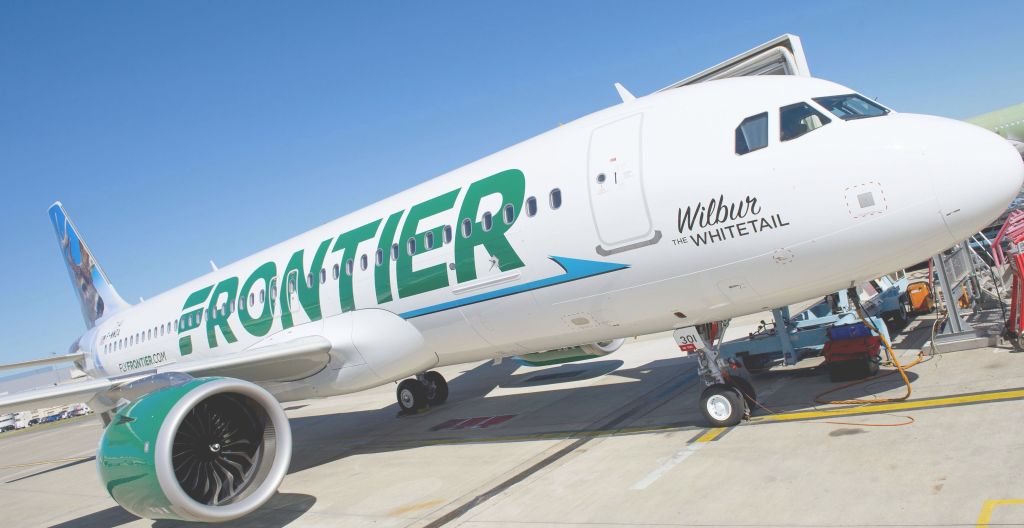
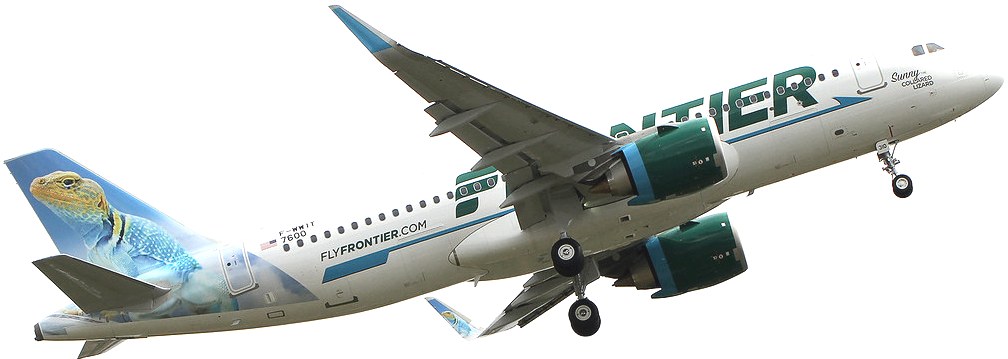
Frontier Group Holdings, Inc. empresa matriz de Frontier Airlines, Inc., informó el Miércoles 08/02 sus resultados rentables para el cuarto trimestre de 2022 (4Q2022) gracias al sólido rendimiento de los ingresos, incluidos los ingresos complementarios récord por pasajero y una mejora en los costos unitarios. La compañía ha alcanzado ingresos operativos totales de US$ 906 millones, un 38 por ciento más que en el trimestre de 2019 con una capacidad 15 por ciento más alta, lo que resultó en un aumento del 21 por ciento en los ingresos por milla de asiento disponible (RASM) durante el mismo período. Generó ingresos complementarios récord de US$ 82 por pasajero, un 41 por ciento más que en el trimestre de 2019 y un cinco por ciento más que en el trimestre anterior. Desde que salió de la pandemia, obtuvo el costo más bajo por milla de asiento disponible (CASM) de 9.93 centavos, CASM (excluyendo combustible), una medida no GAAP, de 6.43 centavos, y CASM ajustado (no GAAP) (excluyendo combustible) de 6.40 centavos. Obtuvo un margen antes de impuestos del 5,5 por ciento y un margen ajustado (no GAAP) antes de impuestos del 5,7 por ciento.
Terminó el trimestre en una sólida posición de liquidez con US$ 761 millones de efectivo sin restricciones y equivalentes de efectivo, o US$ 332 millones netos de deuda total. Recibió dos aviones A320NEO (2) y tres A321NEO (3) durante el cuarto trimestre, aumentando la proporción de la flota compuesta por los aviones de la familia A320NEO más eficientes en combustible al 72 por ciento al 31 de Diciembre de 2022, entre los más altos de todas las principales aerolíneas de Estados Unidos.
Generó 103 millas de asiento disponibles (ASM) por galón, lo que convierte a Frontier en la aerolínea más eficiente en combustible de todas las principales aerolíneas de EE. UU. y afirma su compromiso continuo de ser la «Aerolínea más Ecológica de Estados Unidos». Servicio ampliado en 16 mercados nacionales, incluidas seis nuevas rutas desde el Aeropuerto Internacional Phoenix Sky Harbor para coincidir con la apertura de una base de tripulación en noviembre de 2022, y seis mercados internacionales.
Se anunció la nueva base de tripulación Dallas-Fort Worth que se espera que abra en mayo de 2023 junto con cinco nuevas rutas el lanzamiento del GoWild All-You-Can-Fly Pass, que brinda a los pasajeros la oportunidad de realizar un número ilimitado de vuelos a todos los destinos nacionales e internacionales de Frontier.
«Los resultados del cuarto trimestre fueron sólidos, respaldados por ingresos complementarios récord y mejoras significativas en CASM y utilización. De cara a 2023, tenemos la intención de reforzar nuestra ventaja competitiva impulsando una mayor mejora en los ingresos complementarios por pasajero y los costos unitarios. Hoy, nuestra ventaja de costo total sobre el promedio de la industria es más amplia de lo que era en 2019, y espero que se amplíe aún más este año. Con estos factores contribuyentes, estoy seguro de que estamos en camino de devolver a la aerolínea a los niveles de ganancias por avión anteriores a la pandemia en la segunda mitad de 2023. Estoy extraordinariamente orgulloso de Team Frontier por sus incansables contribuciones en 2022, ya que nos encontramos con desafíos operativos repetidos e incontrolables, incluida la reciente tormenta invernal Elliott. Nuestro equipo superó condiciones climáticas traicioneras, trabajó turnos prolongados y gestionó las interrupciones de los clientes para llevarlos a sus destinos de manera segura. No podría tener más confianza en Team Frontier y en nuestro futuro juntos como la aerolínea de ultra bajo costo de Estados Unidos», comentó Barry Biffle, Presidente y CEO de Frontier Airlines.
Flota aérea
Al 31 de Diciembre de 2022, Frontier Airlines tenía una flota de 120 aviones Airbus de pasillo único, según el cronograma a continuación, todos financiados con arrendamientos operativos que expiran entre 2023 y 2034.
AERONAVES
UNIDADES
ASIENTOS
A320CEO
13
180/186
A320NEO
82
186
A210CEO
21
230
A321NEO
4
230
TOTAL
120
Frontier Airlines es la aerolínea más ecológica de Estados Unidos medida por ASM por galón de combustible consumido. Durante el cuarto trimestre de 2022, Frontier generó 103 ASM por galón, un cuatro por ciento más que en el trimestre de 2019. Para obtener más información sobre las iniciativas de sostenibilidad de Frontier, visita http://www.flygreener.com.
Frontier recibió dos aviones A320NEO (2) y tres A321NEO (3) durante el cuarto trimestre de 2022, aumentando la proporción de la flota compuesta por los aviones de la familia A320NEO más eficientes en combustible al 72 por ciento al 31 de diciembre de 2022, entre los más altos de todas las principales aerolíneas estadounidenses. Se espera que el A321NEO desbloquee eficiencias de escala significativas a través del ahorro de combustible y un mayor promedio de asientos por salida. Al 31 de Diciembre de 2022, más del 70 por ciento de las futuras entregas de aviones comprometidos, incluidos los arrendamientos directos, son para aviones A321NEO.
Al 31 de Diciembre de 2022, la compañía tenía compromisos para 231 aviones adicionales que se entregarán hasta 2029, incluidos los compromisos de compra de 67 aviones A320NEO y 154 aviones A321NEO y otros 10 aviones A321NEO a través de arrendamientos directos. En Diciembre de 2022, Airbus notificó a la Compañía su intención de cambiar las entregas de aviones en un rango de uno a cinco meses para aviones inicialmente programados en 2023, lo que provocó que nueve aviones A321neo cambiaran a 2024 desde 2023 y reduciendo el crecimiento de la capacidad disponible en 2023 en aproximadamente un cinco por ciento.
Perspectivas Frontier
La guía del primer trimestre de 2023 y de todo el año 2023 que se proporciona a continuación se basa en las estimaciones actuales de la Compañía y no es una garantía de rendimiento futuro. Esta guía está sujeta a riesgos e incertidumbres significativos que podrían causar que los resultados reales difieran materialmente, incluidos los factores de riesgo discutidos en los informes de la Compañía archivados en la SEC. Frontier no asume ninguna obligación de actualizar ninguna declaración o estimación prospectiva, excepto según lo exija la ley aplicable. Además, esta guía excluye partidas especiales y la conciliación de medidas no GAAP con las medidas GAAP comparables porque tales cantidades no se pueden determinar en este momento.
Se prevé que la capacidad crezca entre un 17 y un 19 por ciento en el primer trimestre de 2023 en comparación con el trimestre de 2022, mientras que se espera que la capacidad de todo el año crezca entre un 23 y un 28 por ciento con respecto a 2022 después de tener en cuenta los retrasos antes mencionados en las entregas de aviones A321NEO. Dadas las eficiencias de costos unitarios esperadas del avión A321NEO, la Compañía ahora espera que el CASM ajustado (no GAAP) (excluyendo el combustible) esté por debajo de seis centavos durante la segunda mitad de 2023 y modestamente por encima de los seis centavos para todo el año, un nivel que la aerolínea espera que esté materialmente por debajo del promedio de la industria.
Frontier reports 4Q2022 earnings
Fourth quarter with strong revenue and cost performances
Frontier Group Holdings, Inc. parent company of Frontier Airlines, Inc., reported on Wednesday 02/08 its profitable results for the fourth quarter of 2022 (4Q2022) thanks to strong revenue performance, including record ancillary revenue per passenger and a improvement in unit costs. The company has achieved total operating income of US$ 906 million, up 38 percent from the 2019 quarter with 15 percent higher capacity, resulting in a 21 percent increase in revenue per seat mile. available (RASM) during the same period. It generated record ancillary revenue of US$ 82 per passenger, up 41 percent from the 2019 quarter and up five percent from the prior quarter. Since coming out of the pandemic, it had its lowest cost per available seat mile (CASM) of 9.93 cents, CASM (excluding fuel), a non-GAAP measure, of 6.43 cents, and adjusted CASM (non-GAAP) (excluding fuel). of 6.40 cents. It earned a pre-tax margin of 5.5 percent and an adjusted (non-GAAP) pre-tax margin of 5.7 percent.
It ended the quarter in a strong liquidity position with US$ 761 million of unrestricted cash and cash equivalents, or US$ 332 million net of total debt. Received delivery of two A320NEO (2) and three A321NEO (3) aircraft during the fourth quarter, increasing the proportion of the fleet comprised of the most fuel-efficient A320NEO Family aircraft to 72 percent as of December 31, 2022, among the most fuel-efficient high of all major US airlines.
Generated 103 Available Seat Miles (ASM) per gallon, making Frontier the most fuel-efficient airline of all major US airlines and affirming its continued commitment to being «America’s Greenest Airline» . Expanded service in 16 domestic markets, including six new routes from Phoenix Sky Harbor International Airport to coincide with the opening of a crew base in November 2022, and six international markets.
Announced new Dallas-Fort Worth crew base expected to open in May 2023 along with five new routes launch of the GoWild All-You-Can-Fly Pass, giving passengers the opportunity to take unlimited flights to all Frontier domestic and international destinations.
«Fourth quarter results were strong, supported by record ancillary revenue and significant improvements in CASM and utilization. Looking forward to 2023, we intend to bolster our competitive advantage by driving further improvement in ancillary revenue per passenger and unit costs. Today, our total cost advantage over the industry average is wider than it was in 2019, and I expect it to widen even further this year.With these contributing factors, I am confident that we are on track to return to the airline to pre-pandemic earnings per plane levels in the second half of 2023. I am extraordinarily proud of Team Frontier for their tireless contributions in 2022 as we encountered repeated and uncontrollable operational challenges, including the recent winter storm Elliott. Our team weathered treacherous weather conditions, worked long shifts and managed customer outages to get them to their destinations safely. I couldn’t be more confident in Team Frontier and our future together as America’s ultra-low-cost carrier», said Barry Biffle, President and CEO of Frontier Airlines.
Air fleet
As of December 31, 2022, Frontier Airlines had a fleet of 120 Airbus Airbus Airbus with the schedule below, all financed with operational leases that expire between 2023 and 2034.
AIRCRAFT
QUANTITY
SEATS
A320CEO
13
180/186
A320NEO
82
186
A321CEO
21
230
A321NEO
4
240
TOTAL
120
Frontier Airlines is the most ecological airline in the United States measured by ASM by gallon of fuel consumed. During the fourth quarter of 2022, Frontier generated 103 ASM per gallon, four percent more than in the quarter of 2019. For more information about Frontier’s sustainability initiatives, visit http://www.flygrenener.com.
Frontier received two A320NEO (2) and three A321NEO (3) aircraft during the fourth quarter of 2022, increasing the proportion of the fleet composed of the most efficient A320NEO airplanes in fuel at 72 percent as of December 31, 2022, among the highest of all the main American airlines. The A321NEO is expected to unlock significant scale efficiencies through fuel savings and a higher average seats per exit. As of December 31, 2022, more than 70 percent of the future deliveries of compromised aircraft, including direct leases, are for A321neo aircraft.
As of December 31, 2022, the company had commitments for 231 additional aircraft that will be delivered until 2029, including the purchase commitments of 67 A320NEO aircraft and 154 A321NEO aircraft and another 10 A321NEO aircraft through direct leases. In December 2022, Airbus notified the company its intention to change aircraft deliver The capacity available in 2023 in approximately five percent.
Frontier perspectives
The guide of the first quarter of 2023 and all the year 2023 provided below is based on the company’s current estimates and is not a guarantee of future performance. This guide is subject to significant risks and uncertainties that could cause real results to differ materially, including risk factors discussed in the reports of the company filed in the SEC. Frontier does not assume any obligation to update any prospective statement or estimate, except as required by the applicable law. In addition, this guide excludes special games and the reconciliation of non GAAP measures with comparable GAAP measures because such amounts cannot be determined at this time.
The capacity is expected to grow between 17 and 19 percent in the first quarter of 2023 compared to the quarter of 2022, while the capacity of the whole year is expected to grow between 23 and 28 percent with respect to at 2022 after taking into account the delays mentioned above in the A321NEO aircraft deliveries. Given the expected unit cost efficiencies of the A321NEO plane, the company now expects the adjusted CASM (not GAAP) (excluding the fuel) being below six cents during the second half of 2023 and modestly above the six cents for everything The year, a level that the airline expects it to be materially below the industry average.
PUBLISHER: Airgways.com DBk: Flyfrontier.com / Airgways.com AW-POST: 202302101233AR OWNERSHIP: Airgways Inc. A\W A I R G W A Y S ®
Flybondi Líneas Aéreas ha designado a Fabián Pérez como su nuevo Gerente de Seguridad Operacional de la compañía low cost en Febrero 2023, cargo que representará la responsabilidad del Sistema de Gestión de Seguridad Operacional, del monitoreo de los indicadores de seguridad de la organización, y de las unidades operativas.
Fabián Pérez cuenta con una amplia experiencia en el sector aeronáutico, en diferentes funciones, cargos, empresas y países. Con cuarenta años de trayectoria fue piloto e instructor de vuelo en Aero Kern S. A, Aviajet S.A. Además, se desempeñó como Primer Oficial, Comandante, Instructor de vuelo y Simulador e Inspector, Facilitador CRM en LAPA, Southern Winds, LAN Express (Chile) y LATAM Airlines Argentina, compañía en la que estuvo más de dieciocho años cumpliendo el cargo de Subgerente de Desarrollo de Proyectos y Metodologías Instruccionales. Fabián Pérez ingresó a Flybondi en Mayo de 2022 como Gerente de Instrucción de Vuelo
El nuevo Gerente de Operaciones ha expresado: “Estoy muy contento con esta nueva función en Flybondi. Es una gran oportunidad para aportar al crecimiento y desarrollo de la compañía que le permitió a mucha gente conocer esta apasionante actividad, a la cual pertenezco y dediqué gran parte de mi vida”.
Flybondi designates Operational Manager
Flybondi New Operational Security Manager
Flybondi Líneas Aéreas has appointed Fabián Pérez as its new operational security manager of the Low Cost company in February 2023, a position that will represent the responsibility of the operational security management system, the monitoring of the organization’s security indicators, and The operational units.
Fabián Pérez has extensive experience in the aeronautical sector, in different functions, positions, companies and countries. With forty years of experience he was a pilot and flight instructor at Aero Kern S. A, Aviajet S.A. In addition, he served as the first officer, commander, flight instructor and simulator and inspector, CRM facilitator in LAP of project development and instructional methodologies. Fabián Pérez entered Flybondi in May 2022 as a flight instruction manager
The new operations manager said: “I am very happy with this new function in Flybondi. It is a great opportunity to contribute to the growth and development of the company that allowed many people to know this exciting activity, to which I belong and dedicate much of my life”.
PUBLISHER: Airgways.com DBk: Flybondi.com / Airgways.com AW-POST: 202302101229AR OWNERSHIP: Airgways Inc. A\W A I R G W A Y S ®
AW | 2023 02 10 11:11 | GOVERNMENT / AIRLINES MARKET
Políticos en medio de gestión de Aerolíneas Reclamos mercado aéreo argentino
El Gobierno de argentina y el CEO de Aerolíneas Argentinas, Pablo Ceriani cruzaron a Mauricio Macri por las low cost ante reclamo de posición dominante de mercado de la transportadora oficial. En medio de varios cruces de entredichos entre el ex-mandatario Presidencial con el Gobierno actual, se cumplen cinco años del Aeropuerto El Palomar y el establecimiento de la Revolución de los Aviones allá por el año 2018.
El ex-Presidente Mauricio Macri volvió a cuestionar en duros términos la política aerocomercial que lleva adelante el Gobierno y apuntó una vez más contra Aerolíneas Argentinas. Ante esto, los ministros de Turismo y de Transporte y el Presidente de la aerolínea de bandera salieron a responderle y lo acusaron de no discutir con datos verdaderos.
El líder del PRO recordó que hace cinco años se inauguraba el Aeropuerto El Palomar, al que calificó como «un éxito, porque gracias a las nuevas líneas low-cost, los argentinos pudieron volar mucho más barato a todo el país» y cuestionó que el actual gobierno «lo cerró de un día para el otro, sin argumentos ni explicaciones, sólo por mezquindad y malicia. El Palomar pronto va a volver a funcionar. Este gobierno no cree en darles lo mejor a los ciudadanos de a pie. Prefiere proteger corporaciones e intereses. Por eso volvió al modelo de pocos vuelos carísimos y al (casi) monopolio doméstico de Aerolíneas, a pesar de que pierde 700 millones de Dólares por año y está manejada por sindicatos extorsionadores y patoteros. No les interesa mejorarle la vida a los argentinos, les interesa tener contento a Pablo Biró. Esa es la verdad», publicó Mauricio Macri. En su mensaje, el ex-mandatario también auguró un cambio profundo en nuestro país: «A todos los que usaban el Aeropuerto de Palomar o trabajaban ahí y lo quieren ver abierto y funcionando otra vez, les digo que tengan un poquito más de paciencia. No tengo dudas de que volverá a tener vida».
La respuesta de los funcionarios de Gobierno respondieron a las declaraciones del ex-madatario del PRO. El Ministro de Turismo y Deportes, Matías Lammens, fue uno de los que refutó los argumentos de Maurio Macri: “El expresidente Macri tiene todo el derecho del mundo a tener sus prejuicios ideológicos, arengar políticamente a sus seguidores e incluso criticar las políticas del Gobierno si así lo desea. Lo que no puede hacer una persona que tuvo la máxima responsabilidad institucional es mentir o desconocer datos absolutamente públicos de una de las industrias estratégicas para el desarrollo de nuestro país”, dijo el titular de la cartera de Turismo. En una publicación que hizo en su cuenta de Twitter, sostuvo que los datos de ANAC «muestran que en Enero de este año ya volaron por el país más personas que en el mismo mes de 2020. Y eso a pesar de que atravesamos, fruto de la pandemia, la peor crisis de la historia del turismo y del sector aeronáutico”.
También hace referencia a las low cost que antes volaban desde El Palomar: «Esas aerolíneas hoy operan en Aeroparque, el aeropuerto de cabotaje más importante de Argentina, que le permite a sus pasajeros aterrizar a diez minutos del Obelisco y conectar con todo el país. Macri les puede preguntar a los dueños de Flybondi y JetSMART sobre sus ambiciosos planes de inversión. Pero si no quiere hacerlo, sí puede leer en los medios que, en estos tres años, con una pandemia de por medio, Flybondi pasó de 5 a 12 aviones y Jet Smart de 4 a 8”.
Por su parte, el Ministro de Transporte, Diego Giuliano, apuntó contra el pensamiento unitario: “Como acostumbran Larreta y Macri, sólo piensan en el AMBA. Nosotros pensamos en un país federal y lo llevamos a la acción invirtiendo en todo el sistema aéreo nacional para que las y los argentinos viajen mejor y más conectados. Trabajamos con las compañías low cost que operaban desde El Palomar, que trasladaron sus operaciones a Ezeiza y Aeroparque, donde incrementaron sus flotas gracias a las capacidades operativas de estas terminales”, detalló Diego Giuliano. El Ministro también dijo que “en Enero 2023 superamos los números de pasajeros prepandemia con 2.5 millones de personas volando por el país».
Mauricio Macri ha cuestionado en varias ocasiones el financiamiento de Aerolíneas Argentinas por parte del Estado y la crítica su funcionamiento. En esta oportunidad, el Presidente de la aerolínea acusó al exmandatario de haber hecho “populismo aerocomercial y poner en riesgo la conectividad de todo el país”.
Pablo Ceriani: “Es lógico para la visión centralista de Macri sostener un tercer aeropuerto en AMBA». Pablo Ceriani consideró que durante la gestión de Macri “lo que sucedió en realidad fue una guerra tarifaria, donde todas las empresas operaron por debajo de sus costos generando pérdidas millonarias a toda la industria. ¿Cuál fue el resultado? LATAM Argentina se fue del país luego de perder 300 millones de Dólares en 2018 y en 2019. Andes, Norwegian y Avian dejaron de operar antes que Macri deje el Gobierno. Hicieron populismo aerocomercial y pusieron en riesgo la conectividad de todo el país».
Mercado aéreo
Pablo Ceriani cuestionó: «¿De qué monopolio habla este señor? Al señalar que hoy en Argentina vuelan más personas que en 2019 y las low cost, que operan en Aeroparque y Ezeiza, representan el 35% del mercado”. Al referirse a los dichos de Macri en cuanto a que «Aerolíneas pierde US$ 700 millones por año, eso fue durante su gestión” y le pidió que discutan con números verdaderos. “En 2022, redujimos los aportes del Estado a la mitad y proyectamos un 2023 con aún menos aportes. Discutamos el déficit de Aerolíneas, pero con los números verdaderos. Es lógico para la visión centralista de Macri sostener un tercer aeropuerto en AMBA que requería una inversión millonaria y que el resto del sistema aeroportuario subsidie su operación. Nuestra mirada federal, nos obliga a priorizar el desarrollo de los aeropuertos del interior”, remarcó el CEO de Aerolíneas Argentinas.
Consideraciones finales
En medio de los cruces entre el ex-mandatario Mauricio Macri y la órbita Gobierno-Aerolíneas, hay que tener presente que las implicancias y reclamos que se sostienen de ambos lados revisten un examen más exhaustivo y detallado y no solamente dichos aleatorios que terminan sin fundamentar el peso necesario para hallar las conclusiones convincentes. En ambos lados se han hecho cosas buenas y con buenas intenciones, pero por otro lado, con intereses creados es necesario el sinceramiento del compromiso por mejorar el transporte aéreo en Argentina unida a reglas claras que definan una línea definida de la aviación comercial independientemente del gobierno de turno.
Government & macrismo crossing by Aerolíneas
Politicians in the middle of airline management Argentine air market claims
The Government of Argentina and the CEO of Aerolíneas Argentinas, Pablo Ceriani crossed Mauricio Macri for the Low Cost before claim of the dominant market position of the official conveyor. In the midst of several crosses of question between the former presidential demand with the current government, five years of the El Palomar airport and the establishment of the revolution of the airplanes there in 2018 are completed.
Former President Mauricio Macri again questioned in hard terms the aerocomercial policy carried out by the Government and once again pointed against Aerolíneas Argentinas. Given this, the Ministers of Tourism and Transportation and the president of the flag airline went out to answer him and accused him of not discussing with true data.
The PRO leader recalled that five years ago the El Palomar Airport was inaugurated, which he described as «a success, because thanks to the new low-cost lines, the Argentines could fly much cheaper to the whole country» and questioned that the Current government «closed it from one day to the next, without arguments or explanations, just for meanness and malice. The Palomar will soon work again. This government does not believe in giving the best to the citizens on foot. He prefers to protect corporations and interests. That is why he returned to the model of few very expensive and (almost) domestic monopoly of Aerolíneas, even though he loses 700 million Dollars per year and is managed by extortive unions […]. They are not interested in improving the life of the lives of Argentinos, are interested in being happy for Pablo Biró. That is the truth», Mauricio Macri published. In his message, the former marker also predicted a deep change in our country: «To all those who used Palomar airport or worked there and want to see it open and working again, I tell them that they have a little more patience. I have no doubt that he will have life again».
The response of the government officials responded to the statements of the former PRO. The Minister of Tourism and Sports, Matías Lammens, was one of those who refuted the arguments of Maurio Macri: “The former president Macri has all the right of the world to have his ideological prejudices, politically harangue his followers and even criticize the government’s policies If you want. What a person who had the maximum institutional responsibility is not to do is lie or ignore absolutely public data of one of the strategic industries for the development of our country”, said Tourism portfolio. In a publication he made on his Twitter account, he said that ANAC’s data «shows that in January this year more people already flew over the country than in the same month of 2020. And that despite the fact that we crossed, the result of the result of Pandemia, the worst crisis in the history of tourism and the aeronautical sector”.
It also refers to the low costs that were now flying from the palomar: «These airlines today operate in Aeroparque, the most important cabotage airport in Argentina, which allows its passengers to land ten minutes from the obelisk and connect with the entire country. Macri can ask the owners of Flybondi and JetSMART about their ambitious investment plans. But if you don’t want to do it, you can read in the media that, in these three years, with a pandemic in between, Flybondi went from 5 to 12 aircraft and jet smart from 4 to 8”.
For his part, the Minister of Transportation, Diego Giuliano, pointed against unit thinking: “As Larreta and Macri usually think of the AMBA. We think of a federal country and lead it to action by investing throughout the national air system so that Argentines travel better and more connected. We worked with the low -cost companies that operated from El Palomar, which transferred their operations to Ezeiza and Aeroparque, where they increased their fleets thanks to the operational capabilities of these terminals”, said Diego Giuliano. The minister also said that «in January 2023 we exceeded the numbers of prepandymia passengers with 2.5 million people flying through the country».
Mauricio Macri has several times the financing of Aerolíneas Argentinas by the State and criticism of its operation. On this occasion, the president of the airline accused the ex-President of having made «aerocomercial populism and putting the connectivity of the whole country at risk».
Pablo Ceriani: «It is logical for Macri’s centralist vision to sustain a third airport in AMBA.» Pablo Ceriani considered that during Macri’s management «what happened was actually a tariff war, where all companies operated below their costs generating millionaire losses to the entire industry. What was the result? Latam Argentina left the country after losing $ 300 million in 2018 and 2019. Andes, Norwegian and Avian stopped operating before Macri left the government. They made populism aerocomercial and put the connectivity throughout the country at risk».
Air market
Pablo Ceriani questioned: «What monopoly does this man speak? When pointing out that in Argentina more people fly than in 2019 and the low cost, which operate in Aeroparque and Ezeiza, represent 35% of the market».
When referring to Macri’s sayings that «Aerolíneas loses US$ 700 million per year, that was during their management» and asked him to discuss with true numbers. «In 2022, we reduced the contributions of the State in half and we project A 2023 with even less contributions. We discuss the airline deficit, but with true numbers. It is logical for Macri’s centralist vision to sustain a third airport in AMBA that required a millionaire investment and that the rest of the airport system subsidizes its operation. Federal look, forces us to prioritize the development of interior airports”, said the CEO of Aerolíneas Argentinas.
Final considerations
In the midst of the crossings between the former president Mauricio Macri and the Government-Aerolíneas orbit, we must bear in mind that the implications and claims that are held from both sides have a more exhaustive and detailed exam The necessary weight to find convincing conclusions. On both sides there have been good things and with good intentions, but on the other hand, with interest created it is necessary to sincerely improve air transport in Argentina together with clear rules that define a defined line of commercial aviation regardless of the government shift.
PUBLISHER: Airgways.com DBk: Argentina.gob.ar / Airgways.com AW-POST: 2023020101111AR OWNERSHIP: Airgways Inc. A\W A I R G W A Y S ®



























 airgways.com