Transporta más 1 millón pasajeros período 12/2022-01/2023
Aerolíneas Argentinas ha transportado desde el 15 de Diciembre de 2022 al 15 de Enero de 2023 más de un millón de pasajeros en la temporada 2022-2023, logrando desarrollar un total de 250 despegues diarios lo que significa más de 33.000 pasajeros por jornada. Para esta temporada, Aerolíneas dispuso una programación con incrementos en la oferta de asientos y vuelos de un 4% respecto al mismo periodo pre-COVID, con nuevas rutas como Merlo (SL) y vuelos especiales de verano a Mar del Plata desde Córdoba, Mendoza, Rosario y Tucumán. De igual forma, reforzó sus vuelos a Bariloche, El Calafate, Neuquén, Puerto Madryn, Iguazú y Salta, entre otros. Además, a partir de Diciembre 2022 comenzaron los vuelos a Florianópolis tanto desde Buenos Aires como de Córdoba y Rosario. También, desde Córdoba y Mendoza se operan vuelos estacionales a Rio de Janeiro.
«Este año proyectamos alcanzar cifras históricas en cuanto a cantidad de pasajeros transportados, vamos a operar con cargueros, incrementar la flota y crecer muchísimo. Esta primera parte de la temporada nos permite ser optimistas respecto a los desafíos que tenemos por delante», expresó Pablo Ceriani, titular de Aerolíneas Argentinas.
Aerolíneas Argentinas cerró 2022 habiendo transportado 11.670.000 pasajeros, sumando nuevos destinos como Merlo (Provincia de San Luis), Brasilia, La Habana y los vuelos directos desde São Paulo a los principales puntos turísticos del país, entre las principales novedades.
Para 2023, la compañía aérea proyecta superar la marca histórica de 13.000.000 de pasajeros transportados, sumar nueva flota y continuar la ampliando su red de 38 destinos nacionales, 48 rutas interprovinciales y 21 destinos internacionales.
Aerolíneas million pax monthly
It transports more 1 million passengers period 12/2022-01/2023
Aerolíneas Argentinas has transported from December 15, 2022 to January 15, 2023 more than one million passengers in the 2022-2023 season, managing to develop a total of 250 daily takeoffs which means more than 33,000 passengers per day. For this season, Aerolíneas had a program with increases in the offer of seats and 4% flights compared to the same pre-Covid period, with new routes such as Merlo (SL) and Special Summer Flights to Mar del Plata from Córdoba, Mendoza, Rosario and Tucumán. Similarly, he reinforced his flights to Bariloche, El Calafate, Neuquén, Puerto Madryn, Iguazú and Salta, among others. In addition, as of December 2022, flights to Florianopolis began both from Buenos Aires and Córdoba and Rosario. Also, from Córdoba and Mendoza seasonal flights are operated to Rio de Janeiro.
«This year we plan to reach historical figures in terms of number of passengers transported, we will operate with charges, increase the fleet and grow a lot. This first part of the season allows us to be optimistic about the challenges we have ahead», said Pablo Ceriani, head of Aerolíneas Argentinas.
Aerolíneas Argentinas closed 2022 having transported 11,670,000 passengers, adding new destinations such as Merlo (Province of San Luis), Brasilia, Havana and direct flights from São Paulo to the main tourist points of the country, among the main novelties.
By 2023, the airline projects to exceed the historical brand of 13,000,000 passengers transported, add new fleet and continue expanding its network of 38 national destinations, 48 interprovincial routes and 21 international destinations.
PUBLISHER: Airgways.com DBk: Aerolineas.com / Airgways.com AW-POST: 202301171422AR OWNERSHIP: Airgways Inc. A\W A I R G W A Y S ®
Las asociaciones de sindicatos de las low cost argentinas criticaron los acuerdos con el Ministerio de Trabajo. La escena sindical en el ámbito aéreo atraviesa uno de sus momentos más calientes. Tras los acuerdos rubricados entre los sindicatos de Aeronavegantes (AAA) y el de los Pilotos de APLA con el Ministerio de Trabajo, los gremios creados en las low cost JetSMART Airlines Argentina y Flybondi Líneas Aéreas salieron a condenar los pactos alegando falta de derechos reconocidos y con críticas a las asociaciones sindicales consolidadas, a las que acusaron de «parasitar la línea de bandera estatal y esquilmar al estado con inmorales subsidios». La respuesta no se hizo esperar: desde la Federación Internacional de Trabajadores del Transporte (ITF), con Pablo Moyano como Vicepresidente, definieron a los gremios low cost como «creados a medida por las empresas e instrumentos de las patronales».
La reacción de las organizaciones ligadas a las aerolíneas de bajo costo resultó consecuencia del acuerdo firmado el 22 de Diciembre de 2022 por Kelly Olmos, titular de la cartera de Trabajo, y Juan Pablo Brey, Secretario General de Aeronavegantes, que estableció pautas laborales comunes para todos los Tripulantes de Cabina de Pasajeros en la Argentina. «A partir de la rúbrica de este documento, que se firma en el ámbito de la Cámara de Líneas Aéreas de la República Argentina (CLARA), nuestra actividad ve fijado un piso de condiciones laborales que deberá ser respetado por todas las empresas que operen aerocomercialmente dentro del territorio nacional», publicó Pablo Brey, en Dicimbre 2022 en su espacio en la red Twitter.
Tras este acuerdo, tanto la Asociación Trabajadores Aeronáuticos de Flybondi (ATAF) como la Asociación Sindical Trabajadores de JetSmart (ASTJ) salieron a criticar el pacto a través de un comunicado. Sin rodeos, acusaron a Trabajo de «cercenar sus derechos sindicales y dejarlos sin trabajo atendiendo al expreso pedido de los gremios aeronáuticos tradicionales. […] Las asociaciones de Pilotos y Aeronavegantes, que parasitan la línea de bandera estatal y esquilman al Estado con inmorales subsidios, pretenden poner de rodillas a las low cost, imponiendo condiciones laborales disparatadas en complicidad con el Gobierno Nacional», expresaron en el texto elaborado por los gremios de low cost.
Sindicatos amarillos
La réplica de los gremios que cerraron el acuerdo y las entidades internacionales que integran dichas organizaciones llegó en las últimas horas y a través de una condena contundente a la posición de ATAF y ASTJ. Los gremios recordaron el vínculo de JetSMART Airlines Argentina y Flybondi con el Macrismo. En concreto, la ITF se refirió a las asociaciones de las low cost como sindicatos amarillos por ser creados a medida de las empresas y en clara referencia a los colores del macrismo. Vale recordar que tanto JetSMART como Flybondi comenzaron a operar durante la gestión de Mauricio Macri y a través del Aeropuerto El Palomar.
Edgar Díaz, Secretario Regional de ITF, fue uno de los primeros que apuntó a las compañías de presupuesto locales. «Este acuerdo que se firmó es ejemplo para la región y otros lugares del mundo para contener a los trabajadores de las low cost. Un modelo de acción que estamos apoyando en la región y muy lejos está de estar contra los trabajadores, pero que claramente activa acciones de lobby como es el caso de JetSMART y Flybondi, usándolos como punta de lanza. […] En todos los países donde hay empresas low cost se repite sistemáticamente que los sindicatos que ellos mismos arman dejan a la luz que claramente responden a sus intereses y no a los trabajadores», expuso, en un comunicado que divulgó la federación.
Pablo Moyano fue con los tapones de punta desde su rol de Vicepresidente Global de la ITF: lanzó duro mensaje a las asociaciones sindicalistas low cost. El dirigente dijo que dichos gremios, «han sido creados en el macrismo, son la clara expresión de la derecha. Ningún trabajador puede criticar un acuerdo que mejora sus condiciones laborales. Acá hay sindicatos de actividad y son los que discuten todo el marco laboral. Estos sindicatos patronales que no dan ningún debate público con alguna persona física, se esconden en declaraciones anónimas que las empresas imponen en los grandes gremios», afirmó.
Low Cost vs classic unions
Low Cost from Argentina vs classic unions
Argentine Low Cost unions associations criticized the agreements with the death ministry. The union scene in the aerial field crosses one of its hottest moments. After the agreements signed between the Airrnavigators unions (AAA) and that of the appa. with the Ministry of Labor, the guilds created in the low cost JetSMART Airlines Argentina and Flybondi Líneas Aéreas went out to condemn the pacts claiming lack of recognized rights and with criticism of the Consolidated union associations, which they accused of «parasitizing the state flag line and shearing the State with immoral subsidies». The answer was not long in waiting: from the International Federation of Transport Workers (ITF), with Pablo Moyano as vice president, they defined the low cost guilds as «custom created by the companies and instruments of the employers».
The reaction of organizations linked to low-cost airlines was a consequence of the agreement signed on December 22, 2022 by Kelly Olmos, head of the work portfolio, and Juan Pablo Brey, general secretary of aircrafts, which established common labor guidelines for All Cabin Crew of Epasajeros in Argentina. «From the rubric of this document, which is signed within the scope of the Chamber of Airlines of the Argentine Republic (CLARA), our activity is fixed a floor of working conditions that must be respected by all the companies that operate aerocomercially Within the national territory», Pablo Brey published, in Dicimbre 2022 in his space on the Twitter Network.
After this agreement, both the Flybondi Aeronautical Workers Association (ATAF) and the Trade Union Association of Jetsmart (ASTJ) went out to criticize the pact through a statement. Without rodeos, they accused work of «curtailing their union rights and leaving them without work according to the express request of the traditional aeronautical guild Immoral subsidies, they intend to put the low cost on their knees, imposing crazy working conditions in complicity with the national government», they said in the text prepared by low cost’s guilds.
Yellow unions
The replica of the unions that closed the agreement and the international entities that make up these organizations arrived in the last hours and through a forceful conviction to the position of ATAF and ASTJ. The guilds remembered the link of JetSMART Airlines Argentina and Flybondi with Macrismo. Specifically, ITF referred to Low Cost associations as yellow unions for being created as companies and in clear reference to the colors of Macrismo. It is worth remembering that both JetSMART and Flybondi began operating during the management of Mauricio Macri and through the El Palomar Airport.
Edgar Díaz, Regional Secretary of ITF, was one of the first who pointed to local budget companies. «This agreement that was signed is an example for the region and other places in the world to contain Low Cost workers. An action model that we are supporting in the region and far from being against workers, but clearly active Lobby shares as is the case of Jetsmart and Flybondi, using them as a spearhead. […] In all countries where there are low cost companies, it is systematically repeated that the unions that they assemble leave the light that clearly respond to His interests and not to workers», he said, in a statement disclosed by the Federation.
Pablo Moyano went with the cut -off caps since his role as Global Vice President of the ITF: he released a hard message to the low cost union associations. The leader said that these guilds, «have been created in macrismo, are the clear expression of the right. No worker can criticize an agreement that improves their working conditions. Here there are activity unions and are the ones that discuss the entire work framework. These employer unions that do not give any public debate with some natural person, hide in anonymous statements that companies impose on the great unions», he said.
PUBLISHER: Airgways.com DBk: Twitter.com/tflybondi / Twitter.com/sjetsmart / Aeronavegantes.org.ar / Itfglobal.org / Airgwways.com AW-POST: 202301171125AR OWNERSHIP: Airgways Inc. A\W A I R G W A Y S ®
AW | 2023 01 17 10:31 | INDUSTRY / AVIATION TECHNOLOGY
Airbus prueba nuevas tecnologías para mejorar asistencia pilotos Desarrollos en seguridad de vuelo y eficiencia operativa
Airbus UpNext, una subsidiaria de propiedad total de Airbus Group, ha comenzado a probar nuevas tecnologías de asistencia al piloto, en tierra y en vuelo, en un avión de prueba A350-1000. Conocidas como DragonFly, las tecnologías que se están demostrando incluyen desvío de emergencia automatizado en crucero, aterrizaje automático y asistencia de taxi y tienen como objetivo evaluar la viabilidad y pertinencia de explorar más a fondo los sistemas de vuelo autónomos en apoyo de operaciones más seguras y eficientes.
“Estas pruebas son uno de varios pasos en la investigación metódica de tecnologías para mejorar aún más las operaciones y mejorar la seguridad. Inspirados en la biomimética, los sistemas que se están probando han sido diseñados para identificar características en el paisaje que permiten que un avión “vea” y maniobre de manera segura y autónoma dentro de su entorno, de la misma manera que se sabe que las libélulas tienen la capacidad de reconocer puntos de referencia”, dijo Isabelle Lacaze, Directora del demostrador DragonFly, Airbus UpNext.
Durante la campaña de prueba de vuelo, las tecnologías pudieron ayudar a los pilotos en vuelo, gestionar un evento simulado de miembro de la tripulación incapacitado y durante las operaciones de aterrizaje y rodaje. Teniendo en cuenta factores externos como las zonas de vuelo, el terreno y las condiciones meteorológicas, la aeronave pudo generar un nuevo plan de trayectoria de vuelo y comunicarse tanto con el Control de Tráfico Aéreo (ATC) como con el Centro de Control de Operaciones de la aerolínea.
Airbus UpNext también ha explorado funciones de asistencia en taxi, que se probaron en condiciones en tiempo real en el aeropuerto de Toulouse-Blagnac. La tecnología proporciona a la tripulación alertas de audio en reacción a los obstáculos, control de velocidad asistido y guía a la pista utilizando un mapa de aeropuerto dedicado. Además de estas capacidades, Airbus UpNext está lanzando un proyecto para preparar la próxima generación de algoritmos basados en visión por computadora para avanzar en la asistencia de aterrizaje y rodaje.
Estas pruebas fueron posibles gracias a la cooperación con las subsidiarias de Airbus y socios externos, incluidos Cobham, Collins Aerospace, Honeywell, Onera y Thales. DragonFly fue financiado parcialmente por la Autoridad de Aviación Civil de Francia (DGAC) como parte del plan French Stimulus, que forma parte del Plan Europeo, Next Generation EU y el plan France 2030.
Airbus presents DragonFly
Airbus tests new technologies to improve pilot assistance Flight security developments and operational efficiency
Airbus Upnext, a total property subsidiary of Airbus Group, has begun to try new pilot assistance technologies, on land and in flight, on an A350-1000 test plane. Known as DragonFly, the technologies that are being demonstrated include cruise automated emergency detour, automatic landing and taxi assistance and aim efficient
“These tests are one of several steps in the methodical research of technologies to further improve operations and improve security. Inspired by biomimetics, the systems that are being tested have been designed to identify characteristics in the landscape that allow a “see” plane and maneuver safely and autonomously within its environment, in the same way that it is known that dragonflies They have the ability to recognize reference points”, said Isabelle Lacaze, Director of the DragonFly demonstrator, Airbus Upnext.
During the flight test campaign, technologies were able to help pilots in flight, manage a simulated member event of the incapacitated crew and during landing and filming operations. Taking into account external factors such as flight areas, terrain and weather conditions, the aircraft could generate a new flight career plan and communicate both with air traffic control (ATC) and with the Operations Control Center of Operations Control The airline.
Airbus Upnext has also explored taxi assistance functions, which were tested in real-time conditions at Toulouse-Blagnac Airport. The technology provides the crew Audio alerts in reaction to obstacles, assisted speed control and guide to the track using a dedicated airport map. In addition to these capabilities, Airbus Upnext is launching a project to prepare the next generation of computer -based algorithms to advance landing and filming assistance.
These tests were possible thanks to cooperation with the subsidiaries of Airbus and external partners, including Cobham, Collins Aerospace, Honeywell, Onera and Thales. DragonFly was partially funded by the France Civil Aviation Authority (DGAC) as part of the French Stimulus Plan, which is part of the European Plan, Next Generation EU and the France 2030 Plan.
PUBLISHER: Airgways.com DBk: Airbus.com / Airgways.com AW-POST: 202301171031AR OWNERSHIP: Airgways Inc. A\W A I R G W A Y S ®
AW | 2023 01 17 10:19 | AIR TRAFFIC / GOVENRMENT / AVIATION ORGANISMS
¿Qué hubo detrás del colapso de la FAA de la semana pasada?
El Secretario de Transporte, Pete Buttigieg, hablaba después de dirigirse a la Junta de Investigación de Transporte en Washington, el 11 de Enero de 2023. Las elecciones de personal de Pete Buttigieg fueron ciertamente un factor.
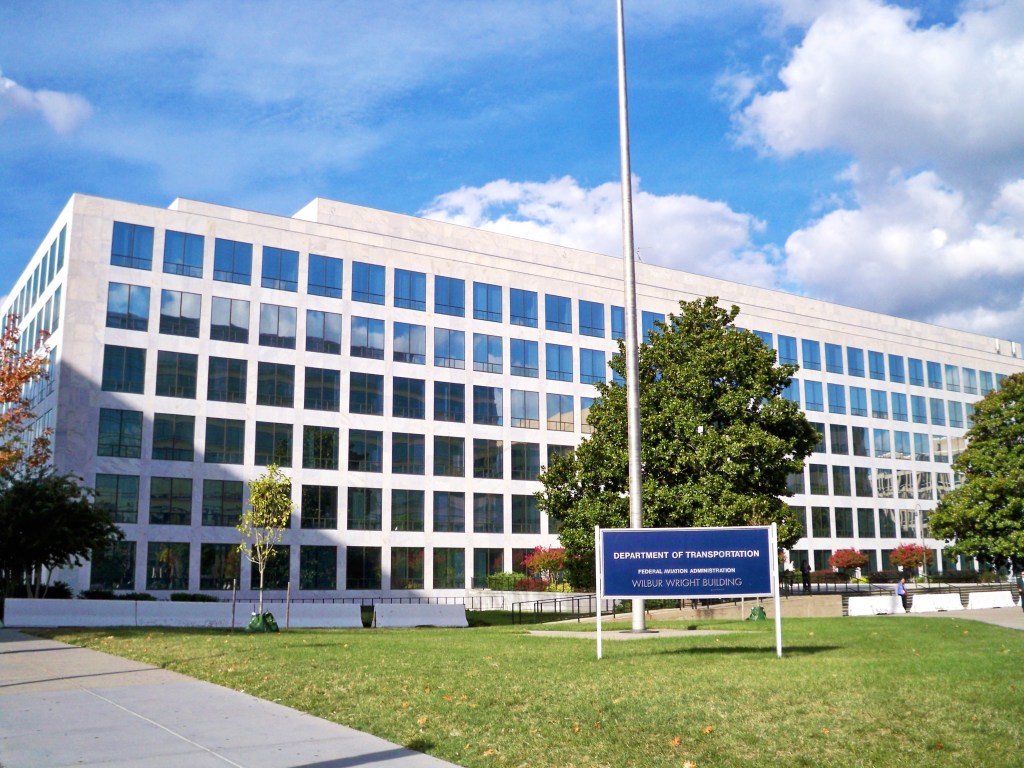
Tras los problemas con el sistema de Aviso NOTAM de la Administración Federal de Aviación (FAA) la semana pasada, que provocó retrasos en los vuelos en todo Estados Unidos, el Secretario de Transporte Pete Buttigieg se encuentra asediado y bajo escrutinio por la avería. Sin embargo, aunque muchos críticos se han apresurado a culpar al Secretario, hay un contexto importante que de otra manera no se ha informado.
Proyecto Puertas Giratorias
Hasta la primavera pasada, la FAA era supervisada por un designado por la Administración Trump llamado Steve Dickson, un ex ejecutivo de Delta Air Lines que, como Jefe de la FAA, dirigía la agencia que regulaba a Delta y sus competidores. Desafortunadamente, ese tipo de disposición de puerta giratoria no es en absoluto infrecuente para la FAA, que tiene un historial de captura regulatoria. La relación amigo-amigo entre la FAA y la industria que supervisa fue tan extrema que la Cámara de Representantes, no conocida por su fuerte escrutinio del cabildeo de la industria, votó unánimemente para crear una oficina de denunciantes dentro de la FAA aislada del Administrador. Esa protección del denunciante fue particularmente importante con Steve Dickson al timón, dadas sus represalias contra un denunciante que planteó preocupaciones de seguridad en Delta mientras era ejecutivo de la aerolínea. Después de que una piloto de Delta presentó un informe que documentaba las preocupaciones de seguridad y lo que consideraba posibles violaciones de la regulación de la FAA, Steve Dickson la obligó a ver a un psiquiatra que le diagnosticó trastorno bipolar. Ese diagnóstico fue rechazado por un panel de médicos de la Clínica Mayo. Después de la terrible experiencia, la FAA corroboró una de las afirmaciones hechas por el piloto.
Pete Buttigieg podría haberle dado a Steve Dickson la bota desde el salto, pero no lo hizo. Si bien el Administrador de la FAA es nombrado por un período de cinco años, el Presidente aún puede despedirlo, al igual que el Ejecutivo Nacional puede despedir a los jefes de otras agencias del poder ejecutivo. Los presidentes Clinton y Trump despidieron a directores de la Oficina Federal de Investigaciones. Biden hizo lo mismo con el Director de la Oficina Republicana de Protección Financiera del Consumidor, el Asesor General de la Junta Nacional de Relaciones Laborales, entre otros. Pero parece poco probable que Joe Biden haga esa llamada en la FAA por su cuenta, particularmente en un asunto tan técnico como la regulación de la aviación. Lo más probable es que se remitiera al juicio de Pete Buttigieg.
Existía un reinicio completo en el Departamento de Transporte (DOT) en particular. Elaine Chao, la predecesora de Pete Buttigieg, era celosamente anti-regulación y dedicada a permitir o instigar a las corporaciones mientras explotaban a los consumidores estadounidenses. Su filosofía de conducción parecía ser que su papel como secretaria era servir a las corporaciones de élite y transporte, una de las cuales, la compañía naviera Foremost, es propiedad de su familia. Elaine Chao pasó su tiempo tanto en el Departamento de Transporte como, bajo George W. Bush, en el Departamento de Trabajo buscando debilitar a los trabajadores mientras canalizaba más ganancias a los bolsillos de las élites económicas.
Es difícil para la FAA trabajar por el interés público mientras está continuamente dirigida por personas que tienen profundos vínculos con los ejecutivos de las aerolíneas.
Steve Dickson fue nombrado para dirigir la FAA a raíz de los accidentes del Boeing 737 MAX para estabilizar el barco y restaurar la fe en la asediada agencia reguladora de aviación. Resolvió con éxito el problema de Boeing y renovó las inspecciones de seguridad. Incluso insistió en no volver a certificar el 737 MAX hasta que hubiera volado personalmente uno y lo hubiera juzgado desde la perspectiva de un piloto. Pero esto no obvia la tendencia compensatoria de Steve Dickson a socavar las preocupaciones de seguridad de los pilotos enviándolos a un examen de salud mental a una piloto de Delta Air Lines por plantear tales problemas. Es difícil para la FAA trabajar por el interés público mientras está continuamente dirigida por personas que tienen profundos vínculos con los ejecutivos de las aerolíneas. Esto es especialmente cierto cuando el liderazgo de la FAA tiene un historial de tomar medidas enérgicas contra los empleados cuando plantean preocupaciones de seguridad, en lugar de tomar medidas enérgicas contra las preocupaciones de seguridad en sí mismas.
La solución fácil para Pete Buttigieg habría sido deshacerse de Steve Dickson y nombrar a un nuevo agente de la FAA. En cambio, Buttigieg y Biden optaron por dejar que Steve Dickson continuara su mandato. Sin embargo, a principios de 2022, Steve Dickson renunció a su puesto por su propia voluntad, diciendo, como es costumbre, que quería pasar más tiempo con su familia. El candidato de la Administración Biden para asumir el cargo ha languidecido en el Senado durante meses. Phil Washington, el nominado, ha enfrentado críticas por lo que algunos expertos en aviación creen que es una experiencia insuficiente específica de la aviación. Por su parte, Buttigieg y la Casa Blanca han citado su amplia experiencia gerencial en transporte e infraestructura.
Mientras tanto, la FAA se ha quedado con una vacante en la parte superior durante la mayor parte del año. Por ley, se supone que el Administrador adjunto debe llevar a cabo los deberes del administración cuando la oficina está vacía. No es así como el DOT ha manejado la vacante. La agencia pasó por alto al Administrador Adjunto Bradley Mims y en su lugar nombró a Billy Nolen, Administrador asociado para la seguridad de la aviación, como Administrador interino. Al anunciar la promoción de Billy Nolen, la misma declaración indicó que Bradley Mims también asumiría una responsabilidad adicional.
No hay una explicación real de por qué Billy Nolen fue elegido sobre Bradley Mims. Ambos tienen décadas de experiencia. La diferencia más notable entre ellos es que Nolen es un ex ejecutivo de una aerolínea que también trabajó en Airlines for America (A4A), un poderoso grupo comercial (que incluye a Southwest entre sus miembros más destacados). Bradley Mims, por otro lado, trabajó principalmente en consultoría de transporte, así como en una variedad de roles de asesoría del sector público. Buttigieg fue con alguien que solía presionar para las aerolíneas y luego pasó a ayudar a administrar una aerolínea. Dado el problemático legado de la FAA de acercarse a las aerolíneas, esa elección no fue tranquilizadora.
Matt Stoller, del Proyecto Estadounidense de Libertades Económicas, ha opinado que el mal funcionamiento de NOTAM probablemente no fue culpa de Pete Buttigieg, pues las aerolíneas se habían negado a pagar por la actualización del sistema. Sin embargo, lo que es culpa de Buttigieg es permitir que la FAA y el DOT continúen usando guantes de seda cuando actúen como reguladores. Ha permitido que todas menos una aerolínea nacional se salgan con la suya con una advertencia por retener ilegalmente los reembolsos de los clientes. Y después de la debacle de los viajes aéreos del verano pasado, en lugar de tomar medidas enérgicas contra las aerolíneas, Buttigieg acaba de enviar una carta severa.
El sistema NOTAM está sufriendo de negligencia, que resultó la semana pasada en la primera conexión a tierra masiva desde el 9/11. Buttigieg no es directamente culpable de esa falla específica, pero es responsable de las decisiones de personal sobre quién estaba supervisando la situación. También es responsable de establecer el tono de las interacciones entre el DOT y una industria de la aviación que aparentemente distribuye dividendos de una manera más oportuna de lo que transporta a los estadounidenses.
Presión a FAA
La presión está aumentando sobre la Administración Federal de Aviación (FAA) después de que varios incidentes de alto perfil crearon dolores de cabeza para los viajeros y el candidato del presidente Biden, Phil Washington, enfrenta un polémico proceso de confirmación para el puesto principal de la agencia que está listo para comenzar.
Millones de viajeros aéreos quedaron varados en los aeropuertos de todo el país durante la temporada de vacaciones cuando el sistema de programación de la tripulación de Southwest Airlines colapsó, lo que provocó una investigación del Departamento de Transporte (DOT), que es la agencia matriz de la FAA.
Los vuelos en todo el país fueron suspendidos temporalmente la semana pasada después de una interrupción en el sistema de Aviso a Misiones Aéreas (NOTAM) de la FAA, que alerta a los pilotos y otro personal sobre problemas aéreos y retrasos en el aeropuerto, lo que resultó en la cancelación de más de 1.000 vuelos cancelados y miles más retrasados. El Secretario de Transporte, Pete Buttigieg, y funcionarios de la FAA están investigando la falla informática que ha sido causada por personal que no ha seguido los procedimientos.
Además de los problemas de la agencia, se evitó un casi desastre en el Aeropuerto John F. Kennedy de Nueva York el Viernes 13/01 cuando los controladores de tráfico aéreo vieron un Boeing 777 de American Airlines rodando a través de la pista mientras que un Boeing 737 de Delta estaba usando para despegar. La FAA le dijo que el vuelo de Delta logró detener su rodaje de despegue «aproximadamente 1.000 pies» antes de llegar al vuelo estadounidense. La agencia está investigando el incidente en conjunto con la Junta Nacional de Seguridad del Transporte (NTSB).
Esos incidentes han provocado un mayor escrutinio de las operaciones de la FAA y han llamado la atención sobre el hecho de que la agencia ha estado sin un administrador confirmado por el Senado desde Marzo de 2022, cuando el administrador de la era Trump, Stephen Dickson, renunció y fue reemplazado por el administrador interino Billy Nolen.
Post-Colapso Traffic USA
What was behind the collapse of the FAA last week?
The Secretary of Transportation, Pete Buttigieg, spoke after heading to the Transportation Research Board in Washington, on January 11, 2023. Pete Buttigieg personnel elections were certainly a factor.
After the problems with the Notam notice system of the Federal Aviation Administration (FAA) last week, which caused flight delays throughout the United States, the Secretary of Transportation Pete Buttigieg is besieged and under scrutiny due to the breakdown. However, although many critics have rushed to blame the secretary, there is an important context that has not been informed otherwise.
Rotatory doors project
Until the past spring, the FAA was supervised by a designated by the Trump administration called Steve Dickson, a former Delta Air Lines executive who, as head of the FAA, directed the agency that regulated Delta and its competitors. Unfortunately, this type of rotating door disposition is not unusual for FAA, which has a regulatory capture history. The friend-friendly relationship between the FAA and the industry that Supervisa was so extreme that the House of Representatives, not known for its strong scrutiny of the lobbying of the industry, unanimously voted to create a complainant office within the isolated FAA of the administrator. That protection of the complainant was particularly important with Steve Dickson to the helm, given his reprisals against a complainant who raised security concerns in Delta while he was an executive of the airline. After a Delta pilot presented a report that documented security concerns and what it considered possible violations of FAA regulation, Steve Dickson forced her to see a psychiatrist who diagnosed him bipolar disorder. This diagnosis was rejected by a panel of doctors from the Mayo Clinic. After the terrible experience, FAA corroborated one of the claims made by the pilot.
Pete Buttigieg could have given Steve Dickson the boot from the jump, but he did not. While the FAA administrator is appointed for a period of five years, the president can still fire him, just like the National Executive can fire the heads of other agencies of the Executive Power. The presidents Clinton and Trump fired directors of the Federal Office of Investigations. Biden did the same with the director of the Republican Office of Financial Protection of the Consumer, the General Advisor of the National Board of Labor Relations, among others. But it seems unlikely that Joe Biden will make that call in the FAA on his own, particularly in a matter as technical as the regulation of aviation. Most likely to be referred to Pete Buttigieg’s trial.
There was a complete restart in the Department of Transportation (DOT) in particular. Elaine Chao, the predecessor of Pete Buttigieg, was jealously anti-regulation and dedicated to allowing or instigating corporations while exploding US consumers. His driving philosophy seemed to be that his role as a secretary was to serve elite and transport corporations, one of which, the Naviera Fornost company is owned by his family. Elaine Chao spent her time both in the Department of Transportation and, under George W. Bush, in the Labor Department seeking to weaken workers while channeling more profits to the pockets of economic elites.
It is difficult for FAA to work for the public interest while they are continuously directed by people who have deep links with the executives of the airlines.
Steve Dickson was appointed to direct the FAA following the accidents of Boeing 737 Max to stabilize the ship and restore faith in the besieged Aviation Regulatory Agency. He successfully solved the Boeing problem and renewed security inspections. He even insisted not to certify the 737 Max until he had personally flown and had judged him from the perspective of a pilot. But this does not obviate the compensatory tendency of Steve Dickson to undermine the security concerns of the pilots by sending them to a mental health exam to a Delta Air Lines pilot for posing such problems. It is difficult for FAA to work for the public interest while they are continuously directed by people who have deep links with the executives of the airlines. This is especially true when FAA leadership has a history of taking energetic measures against employees when they pose security concerns, instead of taking energetic measures against self-confidence.
The easy solution for Pete Buttigieg would have been to get rid of Steve Dickson and appoint a new FAA agent. Instead, Buttigieg and Biden chose to let Steve Dickson continue his mandate. However, at the beginning of 2022, Steve Dickson resigned his position for his own will, saying, as usual, that he wanted to spend more time with his family. The Biden administration candidate to assume the position has languished in the Senate for months. Phil Washington, the nominee, has faced criticism so some aviation experts believe it is a specific insufficient experience of aviation. For their part, Buttigieg and the White House have cited their extensive management and infrastructure managerial experience.
Meanwhile, FAA has stayed with a vacancy at the top during most of the year. By law, the attached administrator is supposed to carry out the duties of the administration when the office is empty. This is not how the DOT has handled the vacancy. The agency overlooked the attached administrator Bradley Mims and instead appointed Billy Nolen, an associate administrator for aviation security, as an interim administrator. When announcing the promotion of Billy Noen, the same statement indicated that Bradley Mims would also assume additional responsibility.
There is no real explanation of why Billy Nolen was chosen about Bradley Mims. Both have decades of experience. The most notable difference between them is that Noen is a former executive of an airline who also worked on Airlines For America (A4A), a powerful commercial group (which includes Southwest among its most prominent members). Bradley Mims, on the other hand, worked mainly on transport consulting, as well as a variety of public sector advice roles. Buttigieg went with someone who used to press for airlines and then went on to help administer an airline. Given the problematic legacy of the FAA to approach the airlines, that choice was not reassuring.
Matt Stoller, of the American project for economic freedoms, has opined that Notam’s malfunction was probably not Pete Buttigieg’s fault, since the airlines had refused to pay for the system update. However, what is Buttigieg’s fault is to allow FAA and DOT to continue using silk gloves when they act as regulators. It has allowed all but a national airline to get yours with a warning for illegally retaining customer refunds. And after the debacle of the air trips last summer, instead of taking energetic measures against airlines, Buttigieg has just sent a severe letter.
The Notam system is suffering from negligence, which resulted last week in the first mass ground connection since 9/11. Buttigieg is not directly guilty of that specific failure, but is responsible for personnel decisions about who was supervising the situation. He is also responsible for establishing the tone of the interactions between the DOT and an aviation industry that apparently distributes dividends in a more timely way of what he transports to Americans.
FAA pressure
The pressure is increasing on the Federal Aviation Administration (FAA) after several high -profile incidents created headaches for travelers and President Biden’s candidate, Phil Washington, faces a controversial confirmation process for the main position of the agency that is ready to start.
Millions of air travelers were stranded in the airports throughout the country during the vacation season when the Southwest Airlines Collapsed crew system, which caused an investigation by the Department of Transportation (DOT), which is the parent agency of FAA.
Flights throughout the country were temporarily suspended last week after an interruption in the Air Missions (Notam) of the FAA, which alerts the pilots and other personnel about air problems and delays in the airport, which which It resulted in the cancellation of more than 1,000 canceled flights and thousands more delayed. The Secretary of Transportation, Pete Buttigieg, and FAA officials are investigating the computer failure that has been caused by personnel who have not followed the procedures.
In addition to the agency’s problems, an almost disaster was avoided at the John F. Kennedy airport in New York on Friday 13/01 when air traffic controllers saw a Boeing 777 American Airlines rolling through the track while a Boeing 737 Delta was using to take off. The FAA told him that Delta’s flight managed to stop her «approximately 1,000 feet» take off before reaching the American flight. The agency is investigating the incident in conjunction with the National Transport Security Board (NTSB).
These incidents have caused greater scrutiny of FAA’s operations and have drawn attention to the fact that the agency has been without an administrator confirmed by the Senate since March 2022, when the Trump era administrator Stephen Dickson, He resigned and was replaced by interim administrator Billy Nolen.
PUBLISHER: Airgways.com DBk: Transportation.gov / Faa.gov / Airgways.com AW-POST: 202301171019AR OWNERSHIP: Airgways Inc. A\W A I R G W A Y S ®
Incorpora Boeing 737-800NG registro LV-KEF Alcanza 6 millones pasajeros transportados desde fundación
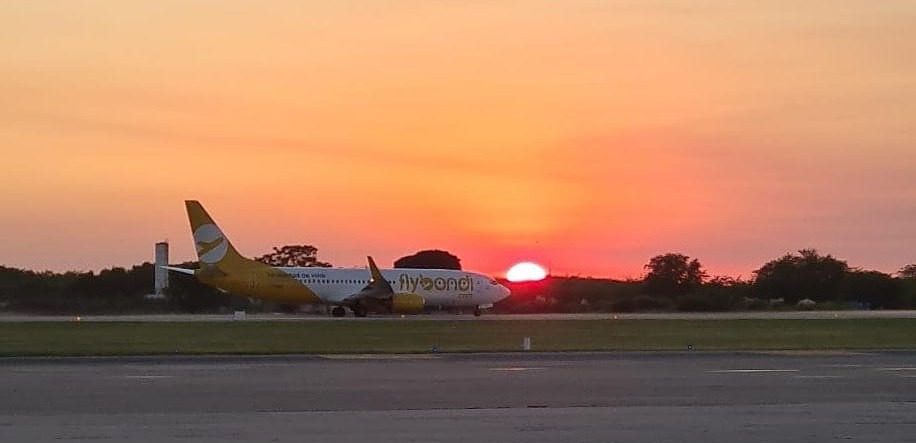
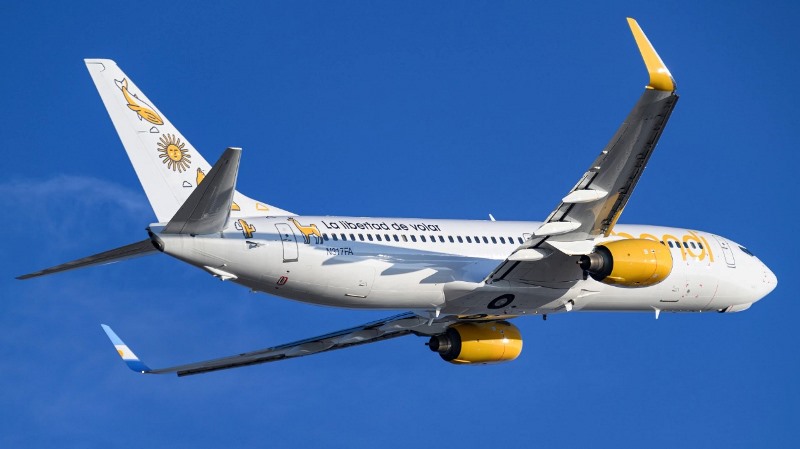
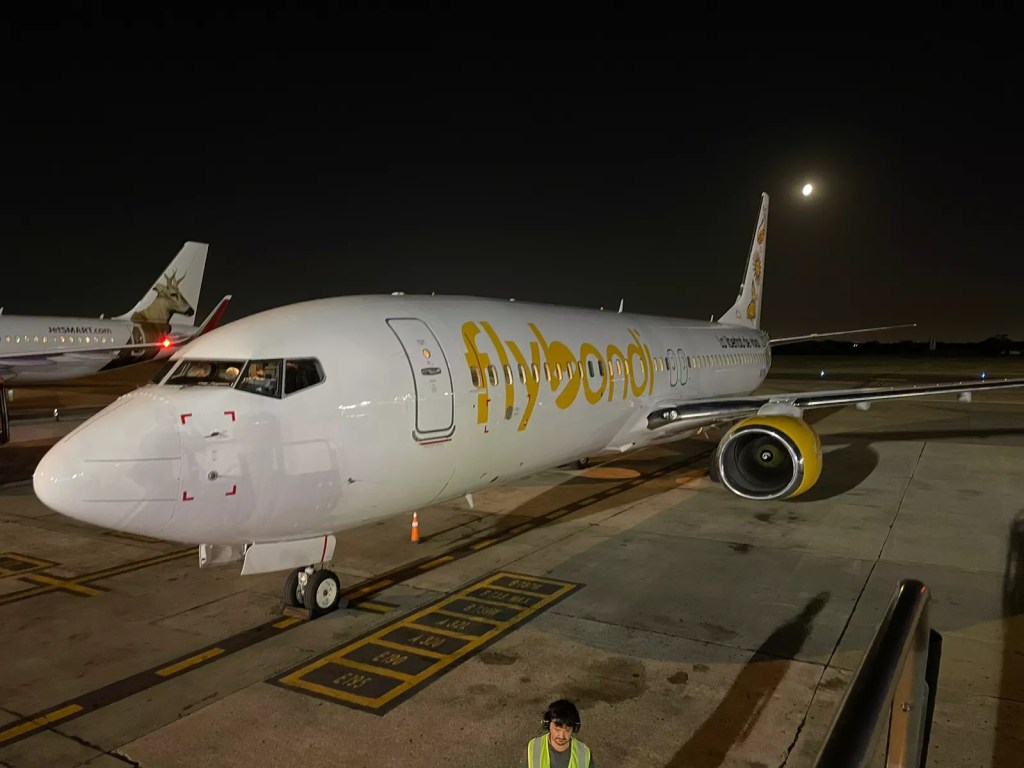
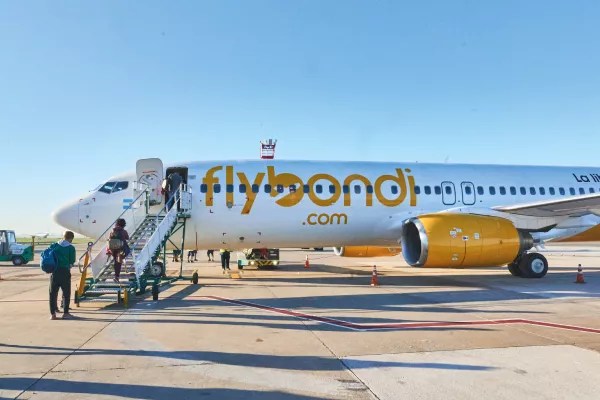
La compañía aérea low cost Flybondi Líneas Aéreas recibió la semana pasada un nuevo avión para incorporarse a su flota aérea. Se trata de la duodécima aeronave Boeing 737-800 Next Generation proveniente de Arkansas (AR), Estados Unidos, que comenzará su operación comercial luego de realizar los procesos administrativos de matriculación y de certificación, y llevará la matrícula LV-KEF.
CARACTARÍSTICAS BOEING 737-800 MSN: 30147 Serial Number: SN30147 LN: 3327 Tipo/Versión: 737-8U3 Primer vuelo: 21/06/2010 Antigüedad: 12,6 años Configuración Cabina Pasajeros: Y189 Código hexadecimal: E0B146 Planta motriz: 2 x CFMI CFM56-7B26 Matrícula: LV-KEF Estado: Activo
La aerolínea también lanzó al mercado de leasing una búsqueda de por lo menos cinco aviones para continuar sumando durante 2023. La cuota de mercado de la compañía aumentó más del doble respecto de 2019, ubicándose actualmente en el 21% para vuelos nacionales y 5% para el mercado internacional, con un nivel de ocupación por encima del 90%.
Recientemente Flybondi anunció su tercera ruta interprovincial y a partir del 2 de Marzo de 203 volverá a conectar las provincias de Córdoba y Salta, con tres frecuencias semanales (3Frq/S) los días Martes, Jueves y Sábados. Otro hito que comunicaron fue el logro de los primeros días de Enero 2023 en los que la compañía alcanzó los 6 millones de pasajeros transportados desde el inicio de su operación. “Somos la segunda aerolínea más grande del país y la primera en ocupación. Llegamos hace casi cinco años para revolucionar la industria y durante 2022 demostramos que estamos preparados para mucho más. Además, celebrar que seis millones de pasajeros se sumaron a la libertad de volar es la materialización de ese objetivo en común”, sostuvo Mauricio Sana, CEO de Flybondi.
La compañía aérea low cost ha anunciado que entre sus pasajeros se mantienen un registro de un 20% de las personas que viajan en la low cost son personas que vuelan por primera vez en su vida. Prevé incorporar este 2023 otras cinco unidades Boeing 737-800 para ampliar sus rutas aéreas.
El inversor principal de Flybondi es Cartesian Capital Group LLC, seguido por Yamasa Co. Limited y Givin Capital como también inversores privados de la Argentina y Europa.
Flybondi incorporates 12º Boeing 737-800
Incorporates Boeing 737-800NG LV-KEF Registration Reaches 6 million passengers transported from Foundation
The low cost Flybondi airlines received a new plane last week to join its air fleet. This is the twelfth Boeing 737-800 Next Generation aircraft from Arkansas (AR), United States, which will begin its commercial operation after carrying out the administrative processes of enrollment and certification, and will carry the LV-KEF registration.
Characteristics Boeing 737-800 MSN: 30147 Serial Number: SN30147 LN: 3327 Type/Version: 737-8U3 First flight: 06/21/2010 Antiquity: 12.6 years Passenger cabin configuration: Y189 Hexadecimal Code: E0B146 Motor plant: 2 X CFMI CFM56-7B26 Registration: LV-KF State: active
The airline also launched a search for at least five aircraft to continue adding for 2023. The company’s market share increased more than double compared to 2019, currently located in 21% for national flights and 5% for The international market, with an occupation level above 90%.
Recently Flybondi announced its third interprovincial route and as of March 2, 203, it will connect the provinces of Córdoba and Salta, with three weekly frequencies (3Frq/S) on Tuesdays, Thursdays and Saturdays. Another milestone that communicated was the achievement of the first days of January 2023 in which the company reached 6 million passengers transported from the beginning of its operation. “We are the second largest airline in the country and the first in occupation. We arrived almost five years ago to revolutionize the industry and for 2022 we show that we are prepared for much more. In addition, celebrating that six million passengers joined the freedom to fly is the materialization of that objective in common”, said Mauricio Sana, CEO of Flybondi.
The low cost airline has announced that among its passengers there are a record of 20% of the people traveling in the low cost are people who fly for the first time in their life. It plans to incorporate this 2023 other Boeing 737-800 units to expand its air routes.
Flybondi’s main investor is Cartesian Capital Group LLC, followed by Yamasa Co. Limited and Givin Capital as well as private investors in Argentina and Europe.
PUBLISHER: Airgways.com DBk: Flybondi.com / Airgways.com AW-POST: 202301170905AR OWNERSHIP: Airgways Inc. A\W A I R G W A Y S ®
AW | 2023 01 16 21:44 | AVIATION SAFETY / AIR INVESTIGATION
Accidente aéreo en Nepal deja saldo 68 muertes
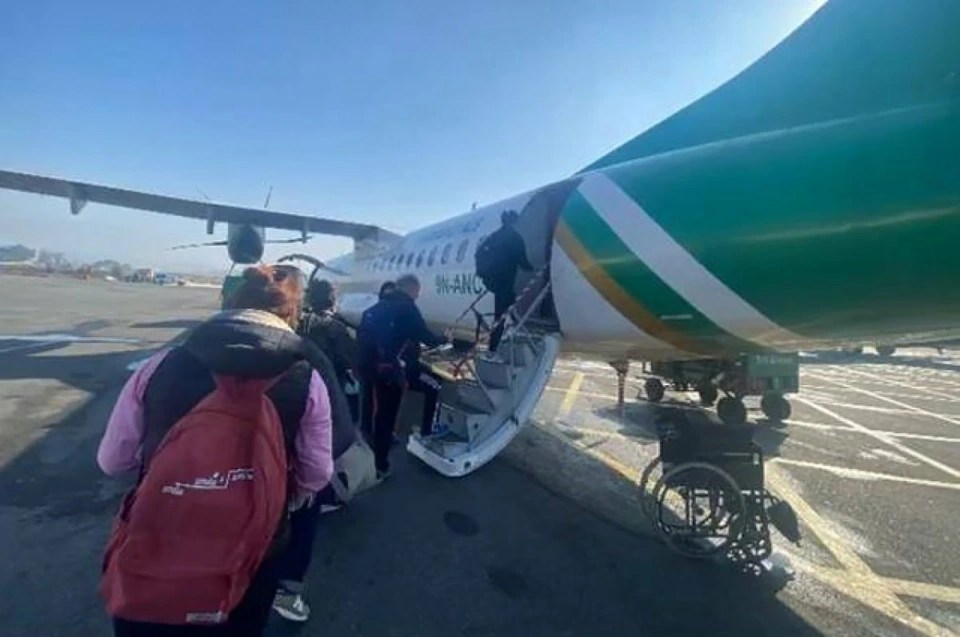
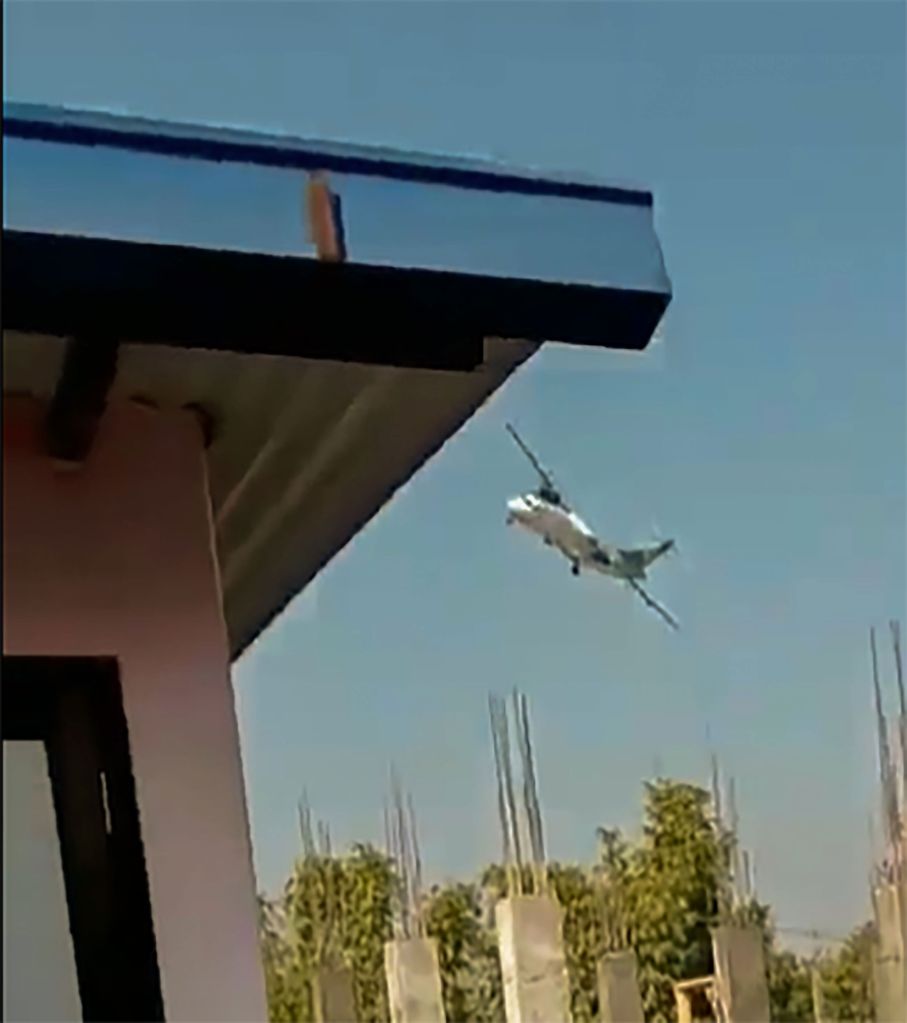
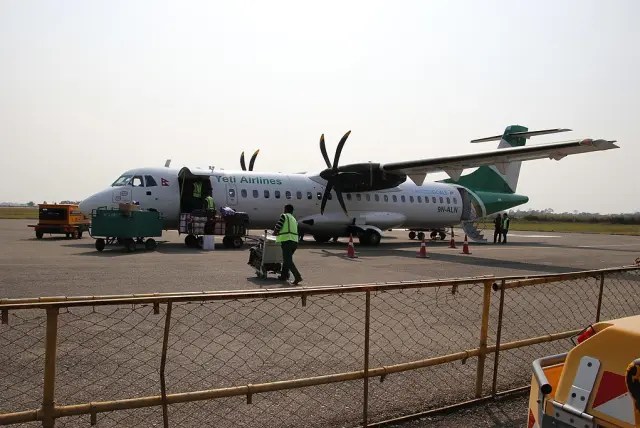
Un ATR 72-500 de la aerolínea regional nepalí Yeti Airlines que transportaba a 68 pasajeros y cuatro tripulantes se estrelló mientras se aproximaba al Aeropuerto Internacional de Pokhara/PKR, Nepal, en la mañana del 15 de Enero de 2023. Al menos 68 personas murieron, según las autoridades locales. El vuelo YT691 volaba un servicio doméstico desde la capital de Nepal, Katmandú, a Pokhara. El video que circula en Internet muestra el avión a bajo nivel antes de rodar bruscamente hacia la izquierda. El avión ATR 72-500, registro 9N-ANC, de 15,5 años de antigüedad fue entregado en Agosto de 2007 y voló con Kingfisher Airlines en India y Nok Air de Tailandia antes de ser arrendado a la aerolínea Yeti Airlines en Abril de 2019. Voló durante 23.761 ciclos durante 24.944 horas. Yeti Airlines tiene seis ATR 72 (6), con edades comprendidas entre 11 y 15 años.
La compañía fabricante franco-italiana ATR Aircraft dijo en un comunicado que sus «especialistas están totalmente comprometidos para apoyar tanto la investigación como al cliente».
Los datos de CAPA/OAG muestran que Yeti Airlines es la tercera aerolínea más grande en términos de capacidad doméstica, que aumentó en el último año tras el regreso a la normalidad del turismo.
La filial de la aerolínea, Tara Air, sufrió un accidente fatal en Mayo de 2022. En ese accidente, un De Havilland Canada DHC-6-300 Twin Otter se estrelló mientras volaba a nivel nacional entre Pokhara y Jomsom, matando a los 22 a bordo.
INQUIETANTE FOTO ANTES DE LA PARTIDA DEL TRÁGICO VUELO YT691 DE YETI AIRLINES
En un comunicado tras el último accidente de ATR, la Autoridad de Aviación Civil de Nepal (CAAN) dijo que dos helicópteros habían sido enviados inmediatamente al lugar del accidente, seguidos por un equipo de rescate terrestre con personal del ejército nepalés, la policía, el municipio local y la Asociación de Rescate del Himalaya.
En una actualización del 16 de Enero de 2023, CAAN confirmó que la grabadora de datos de vuelo de la aeronave y una grabadora de voz de la cabina habían sido recuperadas. El video supuestamente del lugar del accidente mostró el avión casi completamente destruido.
Antes del accidente, Yeti Airlines, creada en 1998, tenía una flota de seis ATR 72-500 (6), que opera en servicios domésticos. En un comunicado, la aerolínea dijo que había cancelado todos los vuelos programados para el 16 de Enero de 2023.
El Aeropuerto Internacional de Pokhara ha sido inaugurado el 1 de Enero de 2023. Fue construido para reemplazar el aeropuerto anterior de la ciudad, ubicado a 1,6 nm al oeste, con vuelos que se transfieren gradualmente a la nueva instalación. El nuevo aeropuerto tiene una sola Pista 12/30 de 8.200 pies de largo y es el tercer aeropuerto internacional de Nepal, su predecesor se ha utilizado únicamente para servicios nacionales. El nuevo aeropuerto cuenta con dos terminales, para pasajeros internacionales y nacionales.
ATR 72 Yeti Airlines accident
Accident in Nepal leaves 68 deaths balance
An ATR 72-500 from the Nepalí Yeti Airlines regional airline that transported 68 passengers and four crew crashed while approaching the Pokhara/Pkr International Airport, Nepal, on the morning of January 15, 2023. At least 68 people died , according to local authorities. The flight YT691 was flying a domestic service from the capital of Nepal, Katmandu, to Pokhara. The video that circulates on the Internet shows the plane at low level before rolling sharply to the left. The ATR 72-500 aircraft, 9N-ANC registration, 15.5 years old was delivered in August 2007 and flew with Kingfisher Airlines in India and Nok Air from Thailand before being leased to the Yeti Airlines airline in April 2019 It flew for 23,761 cycles for 24,944 hours. Yeti Airlines has six ATR 72 (6), aged between 11 and 15 years.
The Franco-Italian manufacturer ATR Aircraft said in a statement that its «specialists are totally committed to support both research and customer».
The CAPA/OAG data show that Yeti Airlines is the third largest airline in terms of domestic capacity, which increased in the last year after the return to the normality of tourism.
The airline subsidiary, Tara Air, suffered a fatal accident in May 2022. In that accident, a Havilland Canada DHC-6-300 Twin Otter crashed while flying nationwide between Pokhara and Jomsom, killing at 22 a board.
In a statement after the last accident of ATR, the Civil Aviation Authority of Nepal (CAAN) said that two helicopters had been sent immediately to the scene of the accident, followed by a land rescue team with personnel from the Nepalese Army, the Police, the Police, the local municipality and the Himalayan rescue association.
In an update of January 16, 2023, CAAN confirmed that the aircraft flight data recorder and a cabin voice recorder had been recovered. The video supposedly of the accident site showed the plane almost completely destroyed.
Before the accident, Yeti Airlines, created in 1998, had a fleet of six ATR 72-500 (6), which operates in domestic services. In a statement, the airline said it had canceled all the flights scheduled for January 16, 2023.
Pokhara International Airport has been inaugurated on January 1, 2023. It was built to replace the previous airport of the city, located 1.6 Nm to the west, with flights that are gradually transferred to the new installation. The new airport has only one 12/30 track of 8,200 feet and is the third International Airport of Nepal, its predecessor has been used only for national services. The new airport has two terminals, for international and national passengers.
TOPSHOT – Rescuers inspect the wreckage at the site of a Yeti Airlines plane crash in Pokhara on January 16, 2023. Nepal observed a day of mourning on January 16 for the victims of the nation’s deadliest aviation disaster in three decades, with 67 people confirmed killed in the plane crash. (Photo by PRAKASH MATHEMA / AFP)
THE IMAGES MAY HURT THE SUSCEPTIBILITY OF THE PEOPLE
PUBLISHER: Airgways.com DBk: Caanepal.gov.np / Pokharaairport.com.np / Centreofaviation.com / Oag.com / Atraircraft.com / Afp.com / East2West / Airgways.com AW-POST: 202301162144AR OWNERSHIP: Airgways Inc. A\W A I R G W A Y S ®
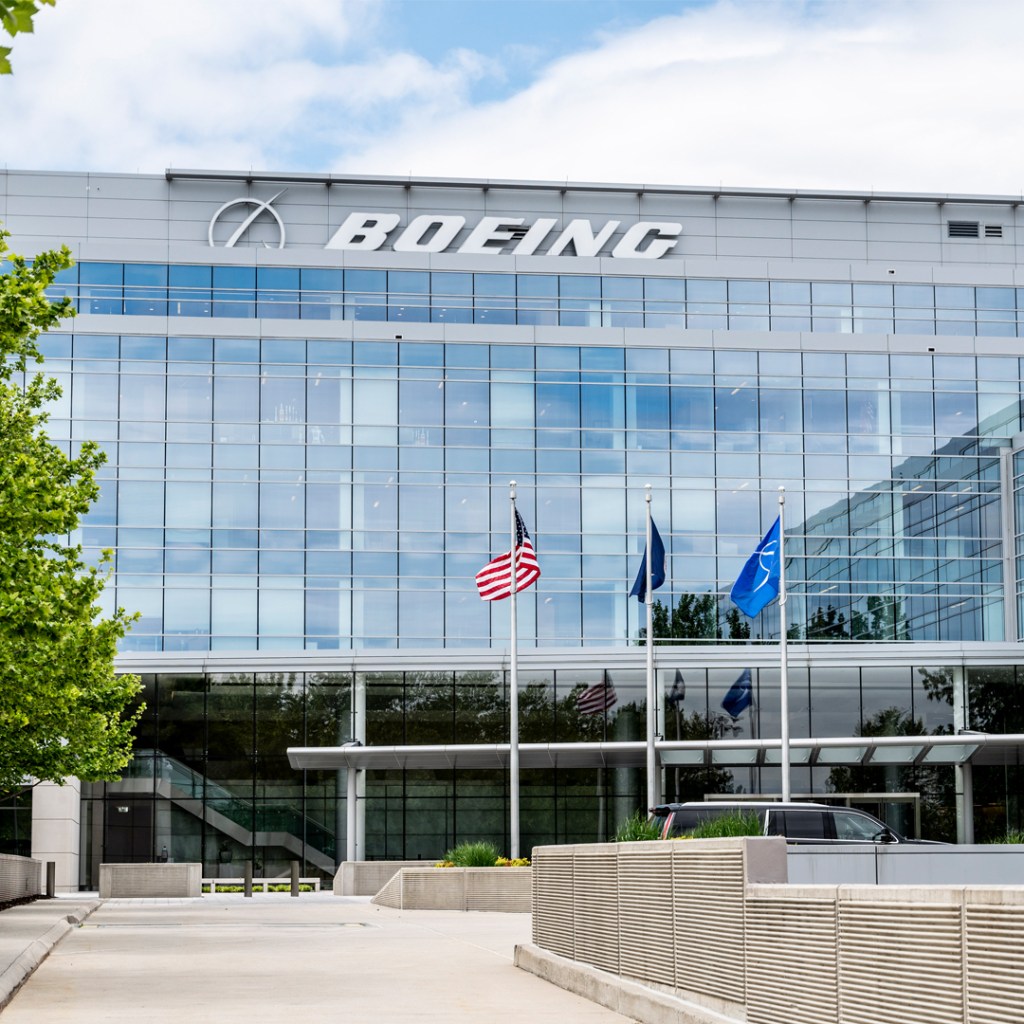
The Boeing Company reportó 774 pedidos comerciales el año pasado después de cancelaciones y conversiones, incluidos 561 pedidos para la familia 737 y 213 pedidos para los aviones de doble pasillo líderes en el mercado de la compañía. Boeing entregó 69 aviones comerciales en Diciembre 2022, incluidos 53 737 MAX, lo que eleva las entregas totales para 2022 a 480 aviones.
«Trabajamos duro en 2022 para estabilizar la producción del 737, reanudar las entregas del 787, lanzar el 777-8 Freighter y, lo más importante, cumplir con los compromisos de nuestros clientes. A medida que la industria de las aerolíneas expande su recuperación, estamos viendo una fuerte demanda en toda nuestra familia de productos, particularmente el altamente eficiente 737 MAX y el 787 Dreamliner. Nos mantendremos enfocados en impulsar la estabilidad dentro de nuestras operaciones y la cadena de suministro mientras trabajamos para cumplir con nuestros clientes en 2023 y más allá», dijo el Presidente y CEO de Boeing Commercial Airplanes, Stan Deal.
Los pedidos comerciales después de cancelaciones y conversiones incluyen: 561 pedidos para el 737 MAX, agregando nuevos clientes como ANA, Delta Air Lines, IAG y la aerolínea de bajo costo Arajet, 213 pedidos de fuselaje ancho, incluidos 114 787, 31 767 y 68 777, 78 pedidos en toda la línea de carga de Boeing, incluidos 45 pedidos para el 767-300 Freighter y el actual 777 Freighter. Lanzamiento del 777-8 Freighter con más de 50 pedidos, incluidas conversiones, para el carguero más capaz del mercado.
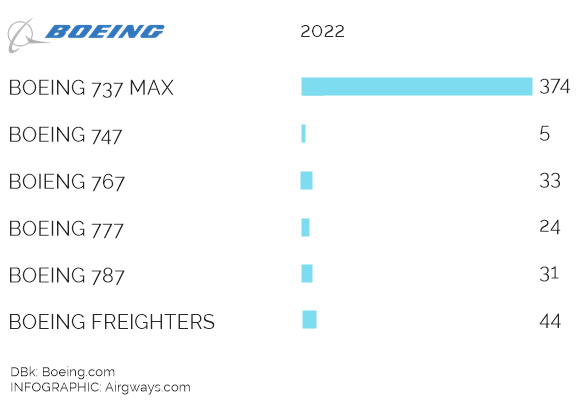
Las entregas comerciales incluyen: 387 737, incluidos 374 737 MAX y 13 aviones derivados militares, 93 aviones de fuselaje ancho, incluidos 5 747, 33 767, 24 777 y 31 787, 44 cargueros de nueva producción.
Al 31 de Diciembre de 2022, la cartera de pedidos de Commercial Airplanes es de 4.578 aviones.
Boeing O&D 2022
Aircraft orders and deliveries in 2022
The Boeing Company reported 774 commercial orders last year after cancellations and conversions, including 561 orders for the 737 Family and 213 orders for the company’s market-leading twin-aisle jets. Boeing delivered 69 commercial aircraft in December 2022, including 53,737 MAXs, bringing total deliveries for 2022 to 480 aircraft.
«We are working hard in 2022 to stabilize 737 production, resume 787 deliveries, launch the 777-8 Freighter and, most importantly, meet our customer commitments. As the airline industry expands its recovery, we are seeing strong demand across our family of products, particularly the highly efficient 737 MAX and 787 Dreamliner. We will remain focused on driving stability within our operations and supply chain as we work to deliver for our customers in 2023 and beyond there», said Boeing Commercial Airplanes President and CEO Stan Deal.
Commercial orders after cancellations and conversions include: 561 orders for the 737 MAX, adding new customers including ANA, Delta Air Lines, IAG and budget airline Arajet, 213 widebody orders, including 114,787, 31,767 and 68,777, 78 orders across Boeing’s freight line, including 45 orders for the 767-300 Freighter and current 777 Freighter, 777-8 Freighter launched with over 50 orders, including conversions, for the most capable freighter on the market.
Commercial deliveries include: 387,737, including 374,737 MAX and 13 military derivatives, 93 wide-body aircraft, including 5,747, 33,767, 24,777 and 31,787, 44 new production freighters.
As of December 31, 2022, Commercial Airplanes’ order book is 4,578 aircraft.
PUBLISHER: Airgways.com DBk: Boeing.com / Airgways.com AW-POST: 202301111043AR OWNERSHIP: Airgways Inc. A\W A I R G W A Y S ®
The Boeing Company anunció el Martes 10/01 importantes entregas de programas en sus operaciones comerciales y de defensa para el cuarto trimestre de 2022. La compañía proporcionará resultados financieros detallados del cuarto trimestre el 25 de Enero de 2023. Las principales entregas de programas durante el cuarto trimestre fueron las siguientes: Boeing entregó el mes pasado 69 aviones comerciales para terminar el año con 480 entregas, un 41% más que los 340 en 2021, dijo la compañía el Martes 10/01. El total de diciembre incluyó 53 de sus aviones 737 MAX y un 737-800A, 10 787 de diferentes tamaños y tres 777. China Southern Airlines recibió uno de esos 777. La compañía aeronáutica entregó 152 aviones en el cuarto trimestre, un 60% más que los 95 del trimestre del año anterior.
Las entregas son un punto de referencia clave para Boeing porque están vinculadas con el flujo de caja libre. La compañía ha trabajado para superar los problemas de fabricación y seguridad, y el año pasado reinició las entregas de su 787 más vendido por primera vez en casi dos años.
Airbus, rival de Boeing, dijo que entregó 661 aviones en 2022 para convertir a la compañía de aviación europea en la más grande del mundo por cuarto año consecutivo.
Boeing O&D 4Q2022
Boeing announces deliveries in the fourth quarter
The Boeing Company announced on Tuesday 10/01 significant program deliveries across its commercial and defense operations for the fourth quarter of 2022. The company will provide detailed fourth-quarter financial results on January 25, 2023. Major program deliveries during the fourth quarter were as follows: Boeing delivered 69 commercial aircraft last month to end the year with 480 deliveries, 41% more than the 340 in 2021, the company said on Tuesday 01/10. The December total included 53 of its 737 MAX aircraft and one 737-800A, 10,787 of various sizes and three 777s. China Southern Airlines took delivery of one of those 777s. The airline delivered 152 aircraft in the fourth quarter, up 60%. than the 95 of the quarter of the previous year.
Deliveries are a key benchmark for Boeing because they are tied to free cash flow. The company has worked to overcome manufacturing and safety issues, and last year restarted deliveries of its best-selling 787 for the first time in nearly two years.
Boeing rival Airbus said it delivered 661 planes in 2022 to make the European airline the world’s largest for the fourth year in a row.
PUBLISHER: Airgways.com DBk: Boeing.com / Airgways.com AW-POST: 202301111035AR OWNERSHIP: Airgways Inc. A\W A I R G W A Y S ®
Airbus informa de pedidos y entregas de aviones comerciales en 2022
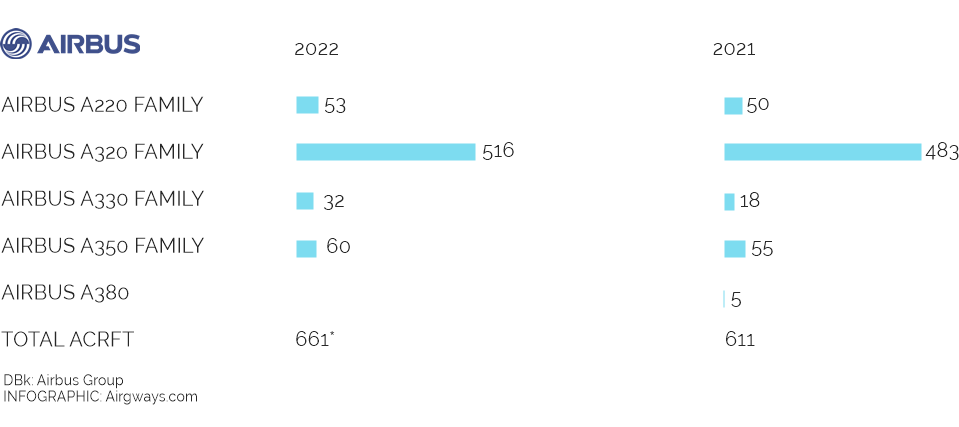
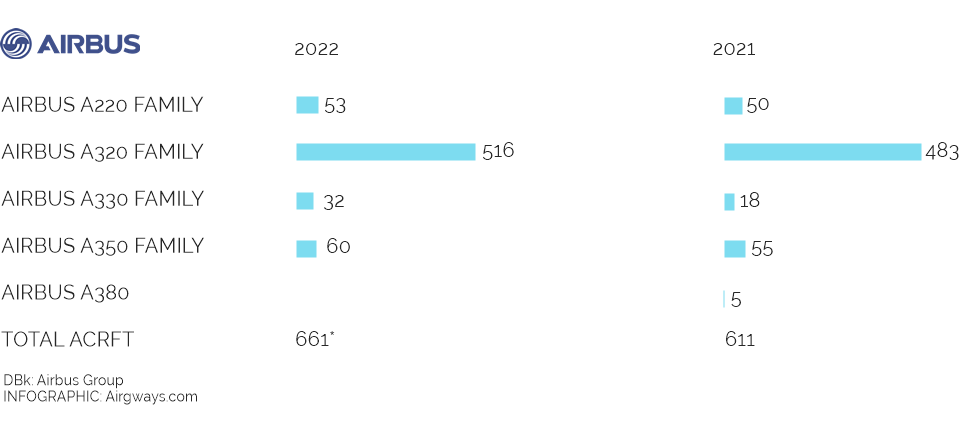
Airbus Group SE ha informado el 10/01 que entregó 661 aviones comerciales a 84 clientes en 2022 y registró 1.078 nuevos pedidos brutos. La cartera de pedidos de Airbus a finales de Diciembre de 2022 era de 7.239 aviones.
“En 2022 atendimos a 84 clientes con 661 entregas, un aumento del 8 % en comparación con 2021. Obviamente, eso es menos de lo que buscábamos, pero dada la complejidad del entorno operativo, quiero agradecer a los equipos y a nuestros socios por el arduo trabajo y la resultado final. La importante entrada de pedidos que cubre todas nuestras familias de aviones, incluidos los cargueros, refleja la solidez y competitividad de nuestra línea de productos. Continuamos nuestra trayectoria de aceleración para cumplir con nuestra cartera de pedidos”, dijo Guillaume Faury, Consejero Delegado de Airbus.
En 2022, las entregas incluyeron:
Después de una reducción de [*] dos (2) aviones A350-900 a Aeroflot Russian Airlines previamente registrados como vendidos en diciembre de 2021 para los cuales no fue posible una transferencia debido a las sanciones internacionales contra Rusia.
Airbus obtuvo igualmente 1.078 nuevos pedidos (820 netos) en todos los programas y segmentos del mercado, incluidos varios compromisos de alto perfil de algunas de las principales aerolíneas del mundo. En unidades de aeronaves, Airbus registró un ratio neto contable/facturado significativamente superior a uno.
Por programa, el A220 obtuvo 127 nuevos pedidos brutos firmes. La Familia A320NEO obtuvo 888 nuevos pedidos brutos. En el segmento de fuselaje ancho, Airbus obtuvo 63 nuevos pedidos brutos, incluidos 19 A330 y 44 A350, de los cuales 24 fueron para el A350F recién lanzado.
Los resultados financieros del año completo de 2022 se publicarán el 16 de Febrero de 2023.
Airbus O&D report 2022
Airbus reports commercial aircraft orders and deliveries in 2022
Airbus Group SE has reported on 01/10 that it delivered 661 commercial aircraft to 84 customers in 2022 and recorded 1,078 gross new orders. The Airbus order book at the end of December 2022 was 7,239 aircraft.
“In 2022 we served 84 customers with 661 deliveries, an 8% increase compared to 2021. Obviously, that’s less than we were looking for, but given the complexity of the operating environment, I want to thank the teams and our partners for the hard work work and the final result. The significant order intake covering all of our aircraft families, including freighters, reflects the strength and competitiveness of our product line. We continue our acceleration trajectory to fulfill our order book”, said Guillaume Faury, Airbus CEO.
In 2022, deliveries included:
After a reduction of [*] two (2) aircraft to A350-900 Aeroflot Russian Airlines previously registered as sold in December 2021 for which a transfer was not possible due to international sanctions against Russia.
Airbus also won 1,078 new orders (820 net) across all programs and market segments, including several high-profile commitments from some of the world’s leading airlines. In aircraft units, Airbus posted a net book/toll ratio significantly above one.
By program, the A220 won 127 firm gross new orders. The A320NEO Family achieved 888 gross new orders. In the widebody segment, Airbus won 63 gross new orders, including 19 A330s and 44 A350s, of which 24 were for the newly launched A350F.
Financial results for the full year of 2022 will be published on February 16, 2023.
PUBLISHER: Airgways.com DBk: Airbus.com / Airgways.com AW-POST: 202301111001AR OWNERSHIP: Airgways Inc. A\W A I R G W A Y S ®
AW | 2023 01 10 14:57 | AIRLINES / AIRPORTS / AIRLINES MARKET / GOVERNMENT
Reaviva polémica por low cost en Aeroparque
El Gobierno de Argentina dispuso una medida de regionalización para las líneas aéreas que ofrecen vuelos regionales en el Aeropuerto Buenos Aires/Jorge Newbery/AEP y resurgió un reclamo de las low-cost argentinas. El cambio que habilitó el Gobierno reaviva una vieja disputa de slots para las aerolíneas de presupuesto local.
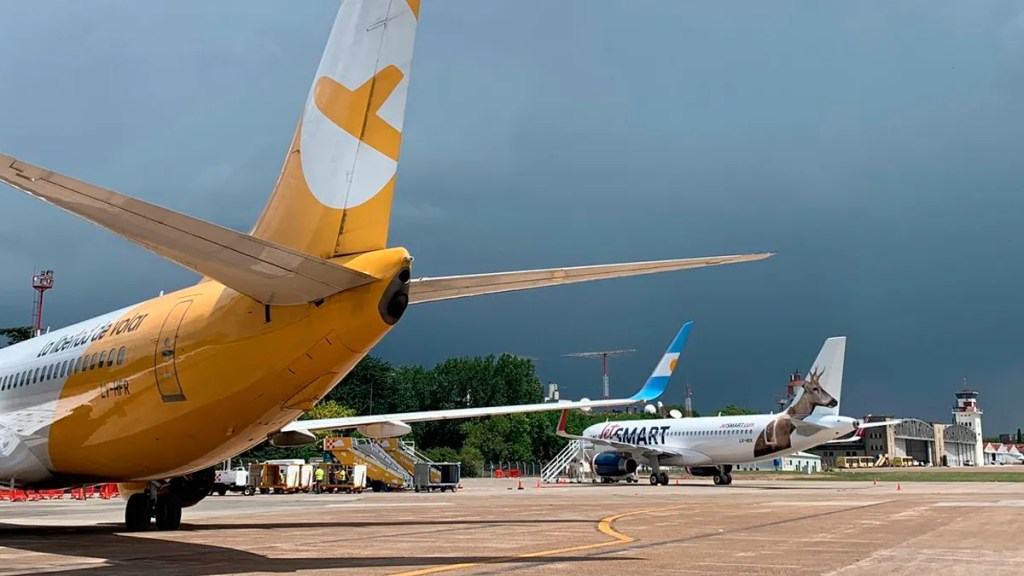
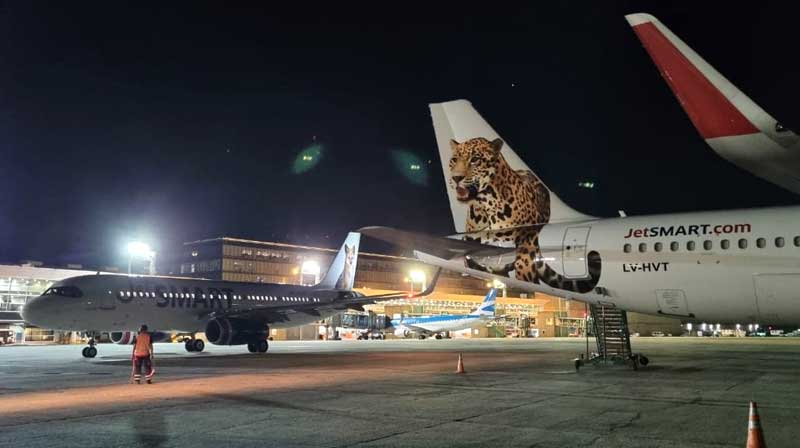
La regionalización de Aeroparque ha reavivado la puja política entre el Gobierno con las low-cost debido al viejo reclamo de las low cost para aumentar los amarres (slots) en la aeroestación de la Ciudad de Buenos Aires. El reclamo se fundamenta legítimamente en que el cierre del Aeropuerto El Palomar/EPA por parte del Gobierno de turno permitiría a las líneas aéreas argentinas low cost migrar su base operativa hacia el Aeropuerto Buenos Aires/Jorge Newbery/AEP. Tras la finalización del reacondicionamiento de las obras de ampliación y mejoramiento de Aeroparque en Marzo 2021, el Gobierno se había comprometido a habilitar todos los vuelos regulares de las aerolíneas low cost Flybondi Líneas Aéreas y JetSMART Airlines Argentina, pero las solicitudes han sido reiteradamente postergadas en favor de Aerolíneas Argentinas.
Actualmente, las low cost operan algunos vuelos desde Aeroparque y otras rutas regionales desde el Aeropuerto Ezeiza/EZE, mientras que el mayor número de amarres en Aeroparque representan para Aerolíneas Argentinas.
Regionalización & 6º libertad
A través de la Resolución Nº744/2022 publicada en el Boletín Oficial, la Administración Nacional de Aviación Civil (ANAC) les permite ahora a las aéreas que ofrecen vuelos en Aeroparque vender pasajes con conexión. De esa manera, se pone en práctica la sexta libertad aérea, posibilitando viajar desde Aeroparque haciendo escala en países de la región para seguir a otro destino final y viceversa. La noticia fue recibida con beneplácito por las líneas aéreas clásicas por los beneficios que traerá; pero las low-cost no han aplaudido este beneficio porque no ha sido inclusivo. Aunque aseguran que a ellas no les impacta de lleno en el tráfico diario, insisten con un viejo pedido: recibir la autorización para aumentar su capacidad operativa en el Aeropuerto Buenos Aires/Jorge Newbery. Tras el cierre de El Palomar, las low-cost tuvieron que trasladar casi toda su operación al Aeropuerto Ezeiza/EZE.
Desde ANAC afirmaron que «están dadas las condiciones para permitir la sexta libertad en Aeroparque y se hicieron los estudios correspondientes para evaluar que no se sature la capacidad». Pero las low-cost apuntan que, desde que cerró el Aeropuerto low cost El Palomar, quieren llevar más aviones a la terminal aérea porteña para aumentar las frecuencias aéreas que ofrecen y no pueden hacerlo ante la falta de decisión política del Gobierno de Argentina.
Argumentan que el hecho de que ahora los pasajeros podrán volar desde Aeroparque a países de la región para seguir viaje en conexión al Caribe o los Estados Unidos va en desmedro de los usuarios que eligen viajar a destinos de cabotaje con tarifas más bajas y tienen que movilizarse hasta Ezeiza, lo que implica un gasto de tiempo y dinero para quienes viven cerca de la base metropolitana.
Desde Aeroparque las low cost operan discretamente algunas rutas domésticas. Flybondi vuela de forma directa solo a Florianópolis. El resto de sus vuelos a Brasil que comprende Río de Janeiro y São Paulo y a Asunción (Paraguay) se operan desde Ezeiza. En tanto, JetSMART Airlines Argnetina tiene vuelos solo en la ruta Buenos Aires—Santiago de Chile.
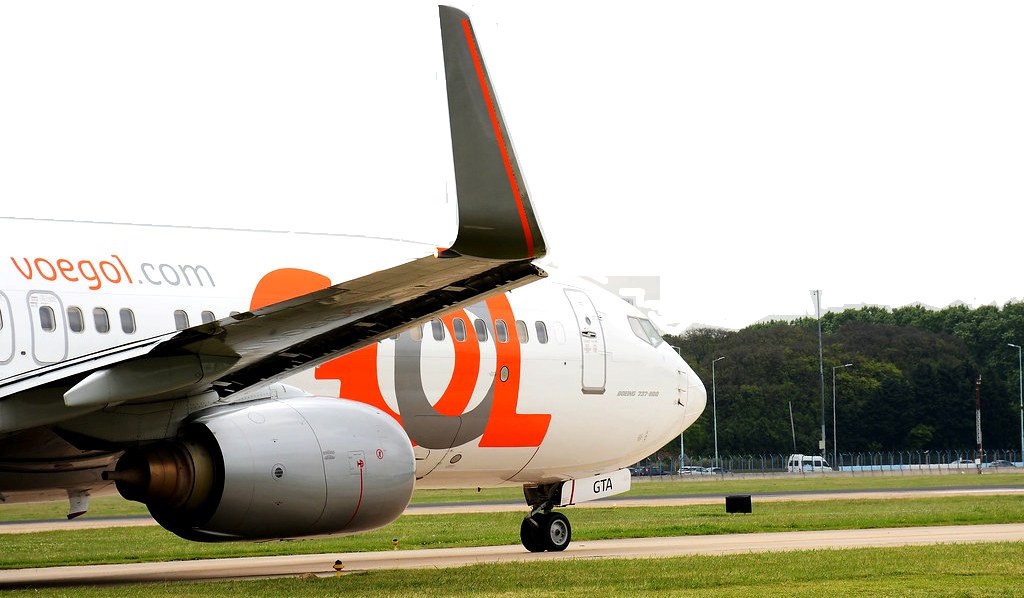
La regionalización y la aplicación de la sexta libertad para el Aeroparque permitirá beneficiar a Aerolíneas Argentinas, LATAM Airlines y GOL Linhas Aéreas, que operan en Aeroparque y poseen una importante red regional por lo que podrán realizar rutas Buenos Aires/AEP hacia destinos en Sudamérica, conexiones al Caribe y Estados Unidos. Los pasajeros podrán comprar los tramos por separado o un pasaje completo que incluya la conectividad desde el destino inicial al final, viajando con la misma aerolínea. La nueva medida significa una ventaja competitiva para atraer más usuarios desde el Aeroparque, con la conveniencia de salir desde la Ciudad de Buenos Aires y alcanzar rápidamente conexiones con otros destinos internacionales. Aunque el cambio de la nueva disposición de sexta libertad no les afecta e impacta a las low-cost argentinas, pues ofrecen solo vuelos directos punto a punto.
Amarres Aeroparque
Tras el cierre del Aeropuerto El Palomar, tanto a Flybondi como a JetSMART les prometieron más lugar en la estación metropolitana. JetSMART Argentina recibió un amarre y otros tres por el espacio que dejó vacante Norwegian Air Argentina, mientras que Flybondi Líneas Aéreas consiguió tres slots. Desde entonces, el espacio que tienen continúa siendo el mismo, por lo que las aeronaves que recibieron en el último tiempo pernoctan en Ezeiza.
Flybondi introdujo a Argentina su décimo primer avión, como parte del plan de inversión por US$ 42 millones que anunció a fines de 2021, al que denominó ‘Plan 2X’, con el objetivo de duplicar su flota y oferta. Ahora, tiene tres aeronaves en Aeroparque y ocho en Ezeiza. Por su parte, JetSMART, que también quiere aumentar su capacidad en la terminal porteña, terminó 2022 con cuatro aviones en Aeroparque y cuatro en Ezeiza.
Cambios Aeroparque
La gestión a cargo de Guillermo Dietrich, durante la Presidencia de Mauricio Macri, trasladó a Ezeiza las operaciones con países limítrofes. La decisión del anterior Gobierno se basó en la intención de descomprimir Aeroparque. Solo permanecieron allí los vuelos que tenían como destino u origen Montevideo y Punta del Este, por lo que la estación aérea quedó reservada casi completamente para el mercado de cabotaje. Así fue que el 3 de Mayo de 2018 dejaron de operar gran parte de los vuelos regionales y se movieron a Ezeiza. La otra mitad dejó de hacerlo progresivamente hasta el 1 de Abril de 2019, fecha límite que se estableció para la concreción de la segunda etapa del traslado.
Con las obras de ampliación que se llevaron adelante en Aeroparque y su reinauguración tras la cuarentena aérea en Marzo de 2021, volvieron las operaciones con Brasil, Chile, Uruguay, Paraguay y Bolivia, a las que se agregó Perú y en 2022 se sumó Colombia. Pero esa reanudación ha sido parcial, con ventas de vuelos punto a punto, y no con conexiones, como ocurrió hasta el macrismo, en la época en que había vuelos regionales desde y hacia Aeroparque. Es decir, en 2020, la venta quedó autorizada solo para vuelos directos entre Buenos Aires y destinos del Mercosur, Perú y Colombia. El 2 de Enero de 2020, antes del inicio de la pandemia, el Gobierno anunció que el Aeropuerto Buenos Aires/Jorge Newbery/AEP retomaría los vuelos internacionales bajo la regionalización que impulsa el Ministerio de Transporte. Ahora, la diferencia es que las aéreas que operan en Aeroparque podrán comercializar servicios con escalas.
Perspectivas low cost
El crecimiento de las líneas aéreas en Argentina se encuentra atada a los vaivenes de la política aeronáutica que establece el Gobierno de turno, priorizando los intereses de Aerolíneas Argentinas condicionando el mercado aéreo hacia un monopolio, sumándose la intencionalidad de manipular los intereses de Aeroparque para ser funcional a la aerolínea de bandera. Por su parte, las low cost continuarán solicitando a la agencia de la ANAC las aprobaciones de ampliación de amarres y más frecuencias tal como había prometido el Gobierno tras la finalización de obras en 03/2021.
El consorcio AA2000 continuará con futuras etapas de modificaciones de la aeroestación de Aeroparque que permitirán el ingreso de más franjas horarias, más aeronaves y mejores servicios, es imperativo que desde el Gobierno obre de acuerdo con las reglas claras de mercado donde todas las aerolíneas argentinas puedan acceder al Aeropuerto Jorge Newbery con los mismo derechos priorizando el beneficio para todos los usuarios del transporte aéreo de Argentina.
Ambas compañías desean incorporar más aeronaves para operar desde Aeroparque. Pero, teniendo en cuenta que aunque insisten para que haya cambios, todavía no lograron modificaciones en las disposiciones de los organismos de aviación. Las low cost diseñaron sus planes de crecimiento para 2023 operando principalmente en Ezeiza.
Argentina, low cost and Aeroparque
Rekindles controversy over low cost at Aeroparque
The Government of Argentina ordered a regionalization measure for the airlines that offer regional flights at the Buenos Aires/Jorge Newbery/AEP Airport and a claim from the Argentine low-cost resurfaced. The change that the Government enabled revives an old dispute over slots for local budget airlines.
The regionalization of Aeroparque has revived the political struggle between the Government and the low-cost companies due to the old claim of the low-cost companies to increase the moorings (slots) in the air station of the City of Buenos Aires. The claim is legitimately based on the fact that the closure of the El Palomar/EPA Airport by the current government would allow low-cost Argentine airlines to migrate their operational base to the Buenos Aires/Jorge Newbery/AEP Airport. After the completion of the reconditioning of the expansion and improvement works of Aeroparque in March 2021, the Government had promised to enable all regular flights of the low-cost airlines Flybondi Líneas Aéreas and JetSMART Airlines Argentina, but the requests have been repeatedly postponed in favor of Aerolíneas Argentinas.
Currently, low cost airlines operate some flights from Aeroparque and other regional routes from Ezeiza/EZE Airport, while the largest number of berths at Aeroparque are for Aerolíneas Argentinas.
Regionalization & 6th freedom
Through Resolution No. 744/2022 published in the Official Gazette, the National Civil Aviation Administration (ANAC) now allows airlines that offer flights at Aeroparque to sell connecting tickets. In this way, the sixth air freedom is put into practice, making it possible to travel from Aeroparque with a stopover in countries of the region to continue to another final destination and vice versa. The news was welcomed by the classic airlines for the benefits it will bring; but the low-cost have not applauded this benefit because it has not been inclusive. Although they assure that they are not fully affected by daily traffic, they insist on an old request: to receive authorization to increase their operational capacity at the Buenos Aires/Jorge Newbery Airport. After the closure of El Palomar, the low-cost companies had to transfer almost all their operations to the Ezeiza/EZE Airport.
From ANAC they affirmed that «the conditions are in place to allow the sixth freedom in Aeroparque and the corresponding studies were carried out to evaluate that the capacity is not saturated». But the low-cost companies point out that, since the El Palomar low-cost airport closed, they want to bring more planes to the Buenos Aires air terminal to increase the air frequencies they offer and they cannot do so due to the lack of political decision from the Government of Argentina.
They argue that the fact that now passengers will be able to fly from Aeroparque to countries in the region to continue traveling in connection to the Caribbean or the United States is detrimental to users who choose to travel to cabotage destinations with lower rates and have to move to Ezeiza, which implies a cost of time and money for those who live near the metropolitan base.
From Aeroparque the low cost operate discreetly some domestic routes. Flybondi flies directly only to Florianópolis. The rest of its flights to Brazil, which includes Rio de Janeiro and São Paulo, and to Asunción (Paraguay) are operated from Ezeiza. Meanwhile, JetSMART Airlines Argentina has flights only on the Buenos Aires-Santiago de Chile route.
The regionalization and application of the sixth freedom for the Aeroparque will benefit Aerolíneas Argentinas, LATAM Airlines and GOL Linhas Aéreas, which operate in Aeroparque and have an important regional network, so they will be able to carry out Buenos Aires/AEP routes to destinations in South America, connections to the Caribbean and the United States. Passengers will be able to buy the sections separately or a complete ticket that includes connectivity from the initial destination to the final destination, traveling with the same airline. The new measure means a competitive advantage to attract more users from the Aeroparque, with the convenience of leaving from the City of Buenos Aires and quickly reaching connections with other international destinations. Although the change of the new provision of sixth freedom does not affect them and impacts the Argentine low-cost, since they only offer direct point-to-point flights.
Moorings Aeroparque
After the closure of El Palomar Airport, both Flybondi and JetSMART were promised more space in the metropolitan station. JetSMART Argnetina received one berth and another three for the space left vacant by Norwegian Air Argentina, while Flybondi Líneas Aéreas got three slots. Since then, the space they have has remained the same, so the aircraft they recently received spend the night at Ezeiza.
Flybondi introduced its eleventh aircraft to Argentina, as part of the US$ 42 million investment plan that it announced at the end of 2021, which it called ‘Plan 2X’, with the aim of doubling its fleet and offer. Now, it has three aircraft at Aeroparque and eight at Ezeiza. For its part, JetSMART, which also wants to increase its capacity at the Buenos Aires terminal, ended 2022 with four planes at Aeroparque and four at Ezeiza.
Aeroparque changes
The management in charge of Guillermo Dietrich, during the Presidency of Mauricio Macri, transferred to Ezeiza the operations with bordering countries. The decision of the previous Government was based on the intention to decompress Aeroparque. Only the flights that had Montevideo and Punta del Este as their destination or origin remained there, so the air station was reserved almost entirely for the cabotage market. So it was that on May 3, 2018, a large part of the regional flights stopped operating and moved to Ezeiza. The other half stopped doing so progressively until April 1, 2019, the deadline that was established for the completion of the second stage of the transfer.
With the expansion works that were carried out at Aeroparque and its reopening after the air quarantine in March 2021, operations with Brazil, Chile, Uruguay, Paraguay and Bolivia returned, to which Peru was added and in 2022 Colombia was added. But this resumption has been partial, with sales of point-to-point flights, and not with connections, as happened until the macrismo, at the time when there were regional flights to and from Aeroparque. In other words, in 2020, the sale was authorized only for direct flights between Buenos Aires and Mercosur, Peru and Colombia destinations. On January 2, 2020, before the start of the pandemic, the Government announced that the Buenos Aires/Jorge Newbery/AEP Airport would resume international flights under the regionalization promoted by the Ministry of Transportation. Now, the difference is that the airlines that operate in Aeroparque will be able to market services with stopovers.
Low-cost perspectives
The growth of the airlines in Argentina is tied to the fluctuations of the aeronautical policy established by the Government of the day, prioritizing the interests of Aerolíneas Argentinas conditioning the air market towards a monopoly, adding the intention of manipulating the interests of Aeroparque to be functional to the flag carrier. For their part, the low cost will continue to request approvals from the ANAC agency for the expansion of moorings and more frequencies as promised by the Government after the completion of works on 03/2021.
The AA2000 consortium will continue with future stages of modifications to the Aeroparque airstation that will allow the entry of more time slots, more aircraft and better services. It is imperative that the Government works in accordance with clear market rules where all Argentine airlines can access Jorge Newbery Airport with the same rights prioritizing the benefit for all users of air transport in Argentina.
Both companies want to incorporate more aircraft to operate from Aeroparque. But, taking into account that although they insist that there be changes, they have not yet achieved modifications in the provisions of the aviation organizations. The low cost companies designed their growth plans for 2023, operating mainly in Ezeiza.
PUBLISHER: Airgways.com DBk: Airgways.com / Anac.gov.ar / AW-POST: 202301101457AR OWNERSHIP: Airgways Inc. A\W A I R G W A Y S ®



























 airgways.com