JetSmart se enfrenta litigio con Jetsmarter por registro de marca
La aerolínea estadounidense Jetsmarter ha solicitado el rechazo de validez de marca a JetSmart Airlines por las similitudes y problemas a confundir la razón social de las aerolíneas implicadas. La solicitud fue argumentada por los abogados de Jetsmarter, una aplicación móvil para usuarios de aviones jet privados, con sede en Estados Unidos.
El comienzo del litigio se había iniciado a mediados de 2017, cuando la compañía JetSmart Airlines, creada por el fondo estadounidense Indigo Partners Inc. había solicitado la inscripción de su marca para la Clase 12, clasificación que incluye vehículos aéreos, y Clase 41, publicación de revistas, entre otros servicios, ante el Instituto Nacional de Propiedad Industrial. No obstante, la solicitud fue refutada por los abogados de Jetsmarter con sede en Fort Lauderdale (FL), Estados Unidos. El Instituto de Propiedad Industrial en primera instancia, resolvió parcialmente a favor de la compañía Jetsmarter: “Concederse la marca pedida será motivo de toda suerte de errores o confusiones entre el público consumidor, en cuanto a la procedencia de la cobertura que se quiere distinguir”.
Jetsmarter vs JetSmart
JetSmart faces lawsuit with Jetsmarter over trademark registration
The American airline Jetsmarter has requested the rejection of brand validity from JetSmart Airlines due to the similarities and problems to confuse the business name of the airlines involved. The request was argued by the lawyers of Jetsmarter, a mobile application for private jet users, based in the United States.
The beginning of the litigation had started in mid-2017, when the company JetSmart Airlines, created by the American fund Indigo Partners Inc., had requested the registration of its brand for Class 12, a classification that includes air vehicles, and Class 41, publication of magazines, among other services, before the National Institute of Industrial Property. However, the request was refuted by the lawyers of Jetsmarter based in Fort Lauderdale (FL), United States. The Institute of Industrial Property in the first instance, partially resolved in favor of the company Jetsmarter: «Granting the requested trademark will be the cause of all kinds of errors or confusion among the consuming public, regarding the origin of the coverage that is to be distinguished».
Ilyushin limita construcción en masa del Il-96-400M
La compañía rusa Ilyushin Aviation Complex ha anunciado una disminución drástica de la línea de fabricación del avión tetramotor Ilyushin Il-96 widebody que transporte 370 pasajeros. La UAC Corporation, empresa matriz, ha tomado la decisión de abandonar la producción en masa del modelo Il-96-400M. Ensamblado por Voronezh Aircraft Manufacturing Company (VASO), parte del conglomerado estatal, el jet de cuatro motores es una variante más grande del widebody. La razón de la disminución de la fabricación ha sido el nuevo escenario de la pandemia que ha disminuido abruptamente las órdenes de aeronaves del conglomerado. «No hay orden de las aerolíneas y, teniendo en cuenta el COVID-19 y el tiempo de inactividad de los aviones de larga distancia en todo el mundo, la producción en serie del Il-96-400M aún no está prevista», dijo el Viceprimer Ministro de la Federación Rusia, Yury Ivanovich Borisov. El constructor VASO completará el ensamblaje de sólo dos Il-96-400M que serán entregados a Rossiya Airlines, una aerolínea estatal utilizada por altos funcionarios del Gobierno Federal.
Rostec Corporation, una empresa estatal de tecnología del Gobierno ruso, ha explicado que el avión de cuatro motores no estaba destinado a la producción en masa. En su lugar, su misión es servir como un avión especial, con órdenes únicas. El Il-96-400M ha surgido como una alternativa más barata y rápida para ofrecer un avión de larga distancia y de gran capacidad a las aerolíneas rusas, mientras que el proyecto sino-ruso CR929 continúa en la etapa de desarrollo para ofrecer nuevas tecnologías.
La previsión original del modelo Il-96-400M era que la producción comenzara en 2019, pero ni siquiera se ha completado el primer avión de prueba, lo que debería ocurrir en los próximos meses por lo que la línea de producción parecería ser cancelada definitivamente. La gran diferencia en relación con la variante Il-96-300 es el aumento de la longitud del fuselaje para permitir el transporte de más pasajeros. El jet, sin embargo, sigue utilizando los turborreactores PS-90A que no son tan eficientes, pero desarrollan una versión más potente de propulsión.
Ilyushin dice que la Cabina de cristal del Il-96-400M permite que la tripulación esté compuesta por tres personas, lo cual es contradictorio con los estándares occidentales. El fabricante también añade que el fuselaje recibió materiales nuevos y ligeros que redujeron el peso del jet, además de mejoras aerodinámicas en las alas. Las dimensiones de la aeronave es de 64 metros de largo y una envergadura de 60 metros, con una capacidad de 150.000 litros de combustible, el Il-96-400 podrá volar durante 8.750 km, según datos oficiales del fabricante.
Ilyushin decreases line Il-96
Ilyushin limits mass construction of Il-96-400M
The Russian company Ilyushin Aviation Complex has announced a drastic reduction in the production line for the four-engine Ilyushin Il-96 widebody aircraft that carries 370 passengers. The UAC Corporation, the parent company, has made the decision to abandon mass production of the Il-96-400M. Assembled by Voronezh Aircraft Manufacturing Company (VAS), part of the state conglomerate, the four-engine jet is a larger variant of the widebody. The reason for the decline in manufacturing has been the new pandemic scenario that has sharply decreased the conglomerate’s aircraft orders. «There is no order from the airlines and, considering COVID-19 and the downtime of long-haul aircraft around the world, serial production of the Il-96-400M is not yet planned», said the Deputy Prime Minister of the Russian Federation, Yury Ivanovich Borisov. Builder VASO will complete the assembly of only two Il-96-400Mq that will be delivered to Rossiya Airlines, a state airline used by high-ranking federal government officials.
Rostec Corporation, a state-owned Russian government technology company, has explained that the four-engine plane was not intended for mass production. Instead, your mission is to serve as a special aircraft, with unique orders. The Il-96-400M has emerged as a cheaper and faster alternative to offer a long-haul and high-capacity aircraft to Russian airlines, while the Sino-Russian CR929 project continues in the development stage to offer new technologies.
The original forecast for the Il-96-400M model was for production to start in 2019, but the first test aircraft has not even been completed, which should happen in the next few months so the production line seems to be definitively canceled. The big difference in relation to the Il-96-300 variant is the increased length of the fuselage to allow the transport of more passengers. The jet, however, continues to use PS-90A turbojets, which are not as efficient, but develop a more powerful version of propulsion.
Ilyushin says that the Il-96-400M’s glass cockpit allows the crew to be three people, which is inconsistent with Western standards. The manufacturer also adds that the fuselage received new and lightweight materials that reduced the weight of the jet, as well as aerodynamic improvements on the wings. The dimensions of the aircraft is 64 meters long and has a wingspan of 60 meters, with a capacity of 150,000 liters of fuel, the Il-96-400 will be able to fly for 8,750 km, according to official data from the manufacturer.
Ильюшин снижает линейку Ил-96
Ильюшин ограничил массовое строительство Ил-96-400М
Российская компания Авиационный комплекс Ильюшина объявила о резком сокращении производства четырехдвигательного широкофюзеляжного самолета Ильюшин Ил-96, перевозящего 370 пассажиров. Головная компания Корпорация ОАК приняла решение отказаться от серийного производства Ил-96-400М. Самолет с четырьмя двигателями, собранный Воронежским авиастроительным заводом (ВАС), входящим в государственный конгломерат, представляет собой более крупный вариант широкофюзеляжного самолета. Причиной спада производства стал сценарий новой пандемии, резко снизивший заказы конгломерата на самолеты. «Заказов от авиакомпаний нет, и, учитывая COVID-19 и простои дальнемагистральных самолетов по всему миру, серийное производство Ил-96-400М пока не планируется», сказал заместитель председателя правительства РФ. Российская Федерация, Юрий Иванович Борисов. Строитель ВАСО завершит сборку всего двух Ил-96-400Mq, которые будут доставлены государственной авиакомпании «Россия», которой пользуются высокопоставленные чиновники федерального правительства.
Корпорация Ростех, государственная государственная технологическая компания России, пояснила, что четырехмоторный самолет не предназначался для массового производства. Вместо этого ваша миссия – служить специальным самолетом с уникальными заказами. Ил-96-400М стал более дешевой и быстрой альтернативой, предлагающей российским авиакомпаниям дальнемагистральный и высокопроизводительный самолет, в то время как китайско-российский проект CR929 продолжает находиться в стадии разработки, предлагая новые технологии.
Первоначальный прогноз для модели Ил-96-400М предполагал начало производства в 2019 году, но первые испытательные самолеты еще даже не были завершены, что должно произойти в ближайшие несколько месяцев, поэтому производственная линия, похоже, окончательно отменена. Большим отличием от варианта Ил-96-300 является увеличенная длина фюзеляжа, позволяющая перевозить больше пассажиров. Однако на самолете по-прежнему используются ТРД ПС-90А, которые не так эффективны, но развивают более мощный вариант силовой установки.
Ильюшин говорит, что стеклянная кабина Ил-96-400М позволяет экипажу из трех человек, что не соответствует западным стандартам. Производитель также добавляет, что фюзеляж получил новые облегченные материалы, которые уменьшили вес самолета, а также улучшили аэродинамику крыльев. Размеры самолета составляют 64 метра в длину и размах крыла 60 метров, при емкости 150 000 литров топлива Ил-96-400 сможет пролететь 8 750 км, по официальным данным производителя.
AW | 2021 04 19 14:47 | AIRLINES ROUTES / GOVERNMENT
MyJet Xpress Airlines obtiene mayor aprobación solicitud ATR
La aerolínea de carga de la República de Malaysia, MyJet Xpress Airlines ha recibido la autorización del mayor número de solicitudes de Derechos de Tráfico Aéreo (ATR) aprobadas en el primer trimestre del año (1Q2021), dijo la Comisión de Aviación de Malasia (Mavcom). Las filiales y socios de MyJet Xpress son Neptune Capital Inc de Malasia, Airmark Aviation, My Indo Airlines of Indonesia. En un comunicado de prensa, Mavcom dijo que de las veinticuatro aprobaciones ATR para el primer trimestre 2021, MyJet Xpress recibió el mayor número de aprobaciones, con un total de doce ATR, siguiendo a Malaysia Airlines Bhd con seis, AirAsia Group Bhd con cuatro y Raya Airways Sdn Bhd con dos aprobaciones ATR. En su informe ATR del primer trimestre publicado este 19/04, Mavcom dijo que las solicitudes ATR en el trimestre registraron una aprobación del 100% de la comisión sobre las 24 solicitudes ATR recibidas de las aerolíneas. Unas veintiún rutas fueron asignadas de las ATR para rutas internacionales, mientras que las tres restantes son para rutas nacionales. La comisión dijo que la tasa de solicitud de ATR se redujo en un 51,7% en contraste con las 43 solicitudes ATR en el último trimestre de 2020, con un aumento del 33,33% en comparación con las 18 solicitudes ATR del 1Q2020.
El Presidente Ejecutivo de Mavcom, Datuk Seri Saripuddin Kasim, dijo que en vista del impacto de Covid-19, la comisión reconoce y continúa analizando los desafíos a los que se enfrentan las aerolíneas. «Nos complace observar que la condición relajada que se proporciona a las compañías aéreas puede apoyar la continua recuperación del sector mientras se prepara gradualmente para la reanudación de los servicios completos en el futuro. Junto con esto, la comisión sigue observando un crecimiento saludable del segmento de carga dada la acelerada y creciente demanda de necesidades logísticas. Esto demuestra la agilidad y resiliencia del sector en la superación de la pandemia, ya que esperamos un desarrollo positivo para el sector aeronáutico de la nación».
Mientras tanto, Mavcom dijo que el trimestre notó circunstancias extraordinarias, por las cuales no se registró ninguna expiración de los ATR debido a la implementación de medidas por parte de la comisión para aliviar los desafíos que enfrentan las aerolíneas durante la pandemia. Esta facilidad de condición se implementó para facilitar los desafíos administrativos y regulatorios de las aerolíneas y les permitió mantener activa su cartera actual de ATR. Esto marca el segundo trimestre consecutivo sin ninguna expiración de los ATR. Sin embargo, esto no se aplica a los ATR que se han considerado caducados y revocados automáticamente, así como a los ATR para las rutas que las aerolíneas han terminado deliberadamente por su propia voluntad.
MyJet Xpress air traffic authorizations
MyJet Xpress Airlines gets further ATR application approval
Republic of Malaysia cargo carrier MyJet Xpress Airlines has received clearance for the largest number of Air Traffic Rights (ATR) applications approved in the first quarter of the year (1Q2021), said the Malaysian Aviation Commission (Mavcom). The subsidiaries and partners of MyJet Xpress are Neptune Capital Inc of Malaysia, Airmark Aviation, My Indo Airlines of Indonesia. In a press release, Mavcom said that of the twenty-four ATR approvals for Q1 2021, MyJet Xpress received the highest number of approvals, with a total of twelve ATRs, following Malaysia Airlines Bhd with six, AirAsia Group Bhd with four and Raya Airways Sdn Bhd with two ATR approvals. In its first quarter ATR report released on 04/19, Mavcom said that ATR requests in the quarter registered 100% commission approval on the 24 ATR requests received from airlines. Some twenty-one routes were assigned from the ATRs for international routes, while the remaining three are for domestic routes. The commission said the ATR application rate dropped by 51.7% in contrast to 43 ATR requests in the last quarter of 2020, with an increase of 33.33% compared to 18 ATR requests in 1Q2020.
Mavcom Chief Executive Officer Datuk Seri Saripuddin Kasim said that in light of the impact of Covid-19, the commission recognizes and continues to analyze the challenges airlines are facing. «We are pleased to note that the relaxed condition provided to airlines can support the continued recovery of the sector as it gradually prepares for the resumption of full services in the future. Along with this, the commission continues to see healthy growth in the segment. of cargo given the accelerated and growing demand for logistics needs. This demonstrates the agility and resilience of the sector in overcoming the pandemic, as we expect a positive development for the nation’s aeronautical sector».
Meanwhile, Mavcom said the quarter noted extraordinary circumstances, for which no expiration of ATRs was recorded due to the commission’s implementation of measures to alleviate the challenges airlines face during the pandemic. This conditionality facility was implemented to ease the airlines’ administrative and regulatory challenges and allowed them to keep their current ATR portfolio active. This marks the second consecutive quarter without any expiration of the ATRs. However, this does not apply to ATRs that have been deemed expired and automatically revoked, as well as to ATRs for routes that airlines have deliberately terminated of their own free will.
Kebenaran lalu lintas udara MyJet Xpress
MyJet Xpress mendapat kelulusan permohonan ATR lebih lanjut
Syarikat penerbangan kargo Republik Malaysia MyJet Xpress Airlines Sdn Bhd telah menerima izin untuk jumlah permohonan Hak Lalu Lintas Udara (ATR) terbesar yang diluluskan pada suku pertama tahun ini (1Q2021), kata Suruhanjaya Penerbangan Malaysia (Mavcom). Anak syarikat dan rakan kongsi MyJet Xpress adalah Neptune Capital Inc of Malaysia, Airmark Aviation, My Indo Airlines of Indonesia. Dalam siaran akhbar, Mavcom mengatakan bahawa dari dua puluh empat kelulusan ATR untuk Q1 2021, MyJet Xpress mendapat jumlah kelulusan tertinggi, dengan jumlah dua belas ATR, mengikuti Malaysia Airlines Bhd dengan enam, AirAsia Group Bhd dengan empat dan Raya Airways Sdn Bhd dengan dua kelulusan ATR. Dalam laporan ATR suku pertama yang dikeluarkan pada 04/19, Mavcom mengatakan bahawa permintaan ATR pada suku tersebut mencatatkan kelulusan komisen 100% pada 24 permintaan ATR yang diterima dari syarikat penerbangan. Sebanyak dua puluh satu laluan diberikan dari ATR untuk laluan antarabangsa, sementara tiga selebihnya adalah untuk laluan domestik. Suruhanjaya itu mengatakan kadar permohonan ATR turun 51.7% berbeza dengan 43 permintaan ATR pada suku terakhir 2020, dengan kenaikan 33.33% berbanding 18 permintaan ATR pada 1Q2020.
Ketua Pegawai Eksekutif Mavcom, Datuk Seri Saripuddin Kasim berkata, berdasarkan kesan Covid-19, suruhanjaya itu menyedari dan terus menganalisis cabaran yang dihadapi syarikat penerbangan. «Kami gembira dapat memperhatikan bahawa keadaan santai yang diberikan kepada syarikat penerbangan dapat menyokong pemulihan sektor yang berterusan kerana secara beransur-ansur mempersiapkan untuk dimulakan semula perkhidmatan penuh di masa depan. Seiring dengan ini, komisi terus melihat pertumbuhan yang sihat di segmen ini. kargo memandangkan permintaan yang semakin meningkat dan meningkat untuk keperluan logistik. Ini menunjukkan ketangkasan dan ketahanan sektor ini dalam mengatasi wabak tersebut, kerana kami mengharapkan perkembangan positif bagi sektor aeronautik negara».
Sementara itu, Mavcom mengatakan suku itu mencatat keadaan luar biasa, yang tidak berakhirnya ATR dicatat kerana pelaksanaan langkah-langkah komisi untuk meringankan tantangan yang dihadapi syarikat penerbangan selama wabak tersebut. Kemudahan bersyarat ini dilaksanakan untuk meringankan cabaran pentadbiran dan peraturan syarikat penerbangan dan membolehkan mereka memastikan portfolio ATR semasa mereka aktif. Ini menandakan suku kedua berturut-turut tanpa tamat tempoh ATR. Namun, ini tidak berlaku untuk ATR yang dianggap telah habis masa berlakunya dan dicabut secara automatik, serta ATR untuk laluan yang sengaja ditamatkan syarikat penerbangan atas kehendak bebas mereka sendiri.
PUBLISHER: Airgways.com DBk: Neptuneair.com / Mohd Suhaimi Mohamed Yusuf / Airgways.com AW-POST: 202104191447AR
AW | 2021 04 19 14:09 | AIRLINES ROUTES / GOVERNMENT
Aerolínea nacional de Bahréin iniciará vuelos directos en 06/2021
Gulf Air ha anunciado la inauguración de vuelos desde Manama, capital del Reino de Bahréin hacia Tel Aviv, Israel. La aerolínea ha anunciado el Domingo 18/04 que comenzará a ofrecer vuelos directos entre Manama y Tel Aviv a partir del 3 de Junio de 2021. Se espera que los boletos de clase turista cuesten alrededor de US$ 299 por asiento, dijo la aerolínea. También se espera que las aerolíneas israelíes establezcan pronto rutas a Bahréin.
Acuerdo Abraham
Los vuelos son los últimos de una serie de movimientos que unen a Israel más cerca del Golfo desde que los Emiratos Árabes Unidos y Bahréin establecieron relaciones diplomáticas plenas con el Estado judío bajo los Acuerdos de Abraham, un pacto negociado bajo el expresidente estadounidense Donald Trump. Desde entonces, los Emiratos Árabes Unidos han comenzado a volar a Tel Aviv, mientras que las aerolíneas El Al Airlines y Arkia Airlines continúan volando la ruta comercial.
Los acuerdos rompieron con la noción árabe de larga data de que no debería haber normalización con Israel hasta que alcance un acuerdo de paz global con los palestinos. El peso pesado regional Arabia Saudita se ha abstenido hasta ahora de formalizar los lazos con Israel, pero ha dado luz verde a los sobrevuelos del Estado judío, en un signo implícito de aprobación.
Gulf Air launches Manama-Tel Aviv
Bahrain National Airline to Start Direct Flights 06/2021
Gulf Air has announced the inauguration of flights from Manama, capital of the Kingdom of Bahrain to Tel Aviv, Israel. The airline announced on Sunday 04/18 that it will begin offering direct flights between Manama and Tel Aviv from June 3, 2021. Economy class tickets are expected to cost around US$ 299 per seat, the airline said. Israeli airlines are also expected to establish routes to Bahrain soon.
Abraham Agreement
The flights are the latest in a series of moves bringing Israel closer to the Gulf since the United Arab Emirates and Bahrain established full diplomatic relations with the Jewish state under the Abraham Accords, a pact negotiated under former US President Donald Trump. Since then, the UAE has started flying to Tel Aviv, while El Al Airlines and Arkia Airlines continue to fly the commercial route.
The accords broke with the long-standing Arab notion that there should be no normalization with Israel until it reaches a comprehensive peace agreement with the Palestinians. Regional heavyweight Saudi Arabia has so far refrained from formalizing ties with Israel, but has given the go-ahead for overflights of the Jewish state, an implicit sign of approval.
طيران الخليج تطلق المنامة – تل أبيب
شركة البحرين الوطنية للطيران تبدأ رحلاتها المباشرة 06/2021
أعلنت شركة طيران الخليج عن افتتاح رحلاتها من المنامة عاصمة مملكة البحرين إلى تل أبيب بإسرائيل. أعلنت شركة الطيران يوم الأحد 04/18 أنها ستبدأ في تقديم رحلات مباشرة بين المنامة وتل أبيب اعتبارًا من 3 يونيو 2021. ومن المتوقع أن تكلف تذاكر الدرجة السياحية حوالي 299 دولارًا أمريكيًا للمقعد ، حسبما ذكرت شركة الطيران. ومن المتوقع أيضًا أن تنشئ الخطوط الجوية الإسرائيلية مسارات إلى البحرين قريبًا.
اتفاق ابراهام
وهذه الرحلات هي الأحدث في سلسلة تحركات تقرب إسرائيل من الخليج منذ أن أقامت الإمارات والبحرين علاقات دبلوماسية كاملة مع الدولة اليهودية بموجب اتفاقات إبراهيم ، وهي اتفاقية تم التفاوض عليها في عهد الرئيس الأمريكي السابق دونالد ترامب. منذ ذلك الحين ، بدأت الإمارات العربية المتحدة تسيير رحلاتها إلى تل أبيب ، بينما تواصل شركة إل عال للطيران وأركيا إيرلاينز تسيير رحلاتها على الطريق التجاري.
وتعارض الاتفاقات مع المفهوم العربي الراسخ بأنه لا ينبغي أن يكون هناك تطبيع مع إسرائيل حتى تتوصل إلى اتفاق سلام شامل مع الفلسطينيين. امتنعت المملكة العربية السعودية ، ذات الوزن الثقيل في المنطقة ، حتى الآن عن إضفاء الطابع الرسمي على العلاقات مع إسرائيل ، لكنها أعطت الضوء الأخضر لعمليات التحليق فوق الدولة اليهودية ، وهي إشارة ضمنية على الموافقة.
מפרץ אייר משיקה את מנאמה-תל אביב
חברת התעופה הלאומית של בחריין מתחילה טיסות ישירות 06/2021
Gulf Air, הודיעה על חנוכת הטיסות ממנאמה, בירת ממלכת בחריין לתל אביב, ישראל. חברת התעופה הודיעה ביום ראשון 04/18 כי תחל להציע טיסות ישירות בין מנמה לתל אביב החל מה -3 ביוני 2021. כרטיסי מחלקת התיירים צפויים לעלות בסביבות 299 דולר למושב, כך מסרה חברת התעופה. חברות תעופה ישראליות צפויות גם להקים בקרוב קווים לחריין.
הסכם אברהם
הטיסות הן האחרונות בסדרת מהלכים שמקרבת את ישראל למפרץ מאז איחוד האמירויות הערביות ובחריין כיננו יחסים דיפלומטיים מלאים עם המדינה היהודית במסגרת הסכמי אברהם, הסכם שניהל נשיא ארה»ב לשעבר דונלד טראמפ. מאז החלה איחוד האמירויות לטוס לתל אביב, בעוד אל על איירליינס וארקיע איירליינס ממשיכות לטוס בנתיב המסחרי.
ההסכמים נשברו עם התפיסה הערבית רבת השנים לפיה לא צריכה להיות נורמליזציה עם ישראל עד שתגיע להסכם שלום כולל עם הפלסטינים. ערב הסעודית האזורית כבדת משקל אזורי נמנעה עד כה מלהתגבש את הקשרים עם ישראל, אך נתנה את הלכת החץ לשטף המדינה היהודית, סימן אישור מרומז.
Empresa designada proceso reestructuración de Interjet
La empresa española Argos Capital Partners será la encargada de la reestructuración de la aerolínea mexicana Interjet. La compañía con amplia experiencia en procesos de reestructuración corporativa y financiera ha sido seleccionada del concurso mercantil de ABC Aerolíneas SA de CV. Con más de cuarenta años de experiencia, la compañía reestructuradora ha refinanciado de manera exitosa operaciones por más de US$ 25.000 millones de Dólares a través de estructuras de deuda. Argos Partners ha participado de manera activa en operaciones de reestructuración de empresas como Iberia Líneas Aéreas, British Airways y Air Europa.
El pasado 22 de Marzo de 2021, la aerolínea Interjet anunciaba a través de su Presidente del Consejo, Alejandro del Valle, la entrada a un concurso mercantil en México, con la intensión de reestructurar sus deudas y de ser posible reiniciar operaciones aéreas lo antes posible. Ante este panorama, Alejandro del Valle ha señalado que al menos tres fondos de inversión se encontraban interesados en la compañía aérea. Entre pasillos se comentaba cierto interés de la aerolínea Lufthansa German Airlines pero fue rechazada una relación con el proceso de inversión. Interjet había entrado de manera voluntaria a un proceso de protección a la bancarrota a través del Capítulo 11 de la Ley de Bancarrotas de Estados Unidos, con lo que buscaba de igual forma negociar sus deudas.
Actualmente, Interjet mantiene una deuda de más de US$ 1.250 millones de Dólares en concepto de impuestos al Servicio de Administración Tributaria (SAT), gastos de combustible a ASSA, además del impago de los sueldos a sus empleados desde hace más de seis quincenas y pago de prestaciones adicionales.
Reembolsos pax
Interjet tiene previsto llevar a cabo en los próximos días una estrategia para reembolsar a los pasajeros antes de entrar en concurso de acreedores. Su plan consiste en arribar a un acuerdo con los bancos para que los pasajeros que compraron a través de una entidad bancaria puedan recuperar ese dinero, ha señalado Carlos del Valle, vocero de la aerolínea.
En los próximos días, Interjet presentará su estrategia para realizar el reembolso a sus pasajeros que realizaron la compra de boletos a través de una entidad bancaria, en tanto continúa en conversaciones con otros acreedores antes de entrar a concurso mercantil. “Estamos por sacar un plan para los pasajeros que se quedaron en tierra con un boleto, que tengan su dinero de regreso. En un principio buscamos darles un voucher pero hoy no tiene sentido, lo que vamos hacer es hablar con los bancos para que puedan recuperar ese dinero”, dijo Carlos del Valle del Río, Portavoz de la aerolínea. De acuerdo con el vocero, el 97% de los pasajeros realizaron la compra de boletos a través de una tarjeta de crédito o débito, cuyo monto no pasó a la aerolínea sino que lo retuvieron los bancos.
Asamblea General
Continúan las negociaciones con otros acreedores para llegar a acuerdos antes de la reunión de la Asamblea General Extraordinaria de Accionistas que se realizará el próximo 26 de Abril de 2021, en donde, entre otros puntos, se tomará la decisión de entrar a Concurso Mercantil. Los socios evaluarán todos los elementos para tomar esa decisión, mientras continúan las negociaciones con los proveedores para alcanzar un concurso mercantil ordenado y para llegar a un acuerdo previo sobre la deuda. Esto permitirá la entrada de nuevos inversionistas y capital a Interjet que permita dar viabilidad y certeza a los trabajadores.
En estas ocho semanas, Interjet también negociará con la Sección 15 de la CTM, sindicato que representa a su trabajadores, para que levanten la huelga que estallaron el 08/01 pasado ante el impago de ocho quincenas. La intención es levantar la huelga antes de ese periodo, agregó, y para ello se negocia la inyección de capital que le permita liquidar ese adeudo.
Re-startup
A partir de la Asamblea General Extraordinaria del próximo 26/04 la aerolínea se enfocará por el tiempo de seis a ocho semanas en negociar con proveedores adeudos y pagos con el objetivo de retomar operaciones comerciales hacia Julio o Agosto 2021.
Argross Partners restructures Interjet
Designated company restructuring process of Interjet
The Spanish company Argos Capital Partners will be in charge of the restructuring of the Mexican airline Interjet. The company with extensive experience in corporate and financial restructuring processes has been selected from the ABC Aerolíneas SA de CV commercial contest. With more than forty years of experience, the restructuring company has successfully refinanced operations for more than US$ 25,000 million through debt structures. Argoss Partners has actively participated in the restructuring operations of companies such as Iberia Lineas Aereas, British Airways and Air Europa.
On March 22, 2021, the interjet airline announced through its Chairman of the Board, Alejandro del Valle, the entry into a commercial bankruptcy in Mexico, with the intention of restructuring its debts and, if possible, restart air operations as soon as possible. Against this background, Alejandro del Valle has indicated that at least three investment funds were interested in the airline. Between corridors, there was some interest in the airline Lufthansa German Airlines, but a relationship with the investment process was rejected. Interjet had voluntarily entered a bankruptcy protection process through Chapter 11 of the United States Bankruptcy Law, thus seeking to negotiate its debts as well.
Currently, Interjet has a debt of more than US$ 1,250 million dollars in taxes to the Tax Administration Service (SAT), fuel expenses to ASSA, in addition to the non-payment of salaries to its employees for more than six fortnights and payment of additional benefits.
Refunds pax
Interjet plans to carry out a strategy in the coming days to reimburse passengers before entering bankruptcy. His plan is to reach an agreement with the banks so that passengers who bought through a bank can recover that money, said Carlos del Valle, a spokesman for the airline.
In the coming days, Interjet will present its strategy to reimburse its passengers who purchased tickets through a bank, while it continues in talks with other creditors before entering bankruptcy. “We are about to come up with a plan for passengers who stayed on the ground with a ticket, to have their money back. At first we tried to give them a voucher but today it doesn’t make sense, what we are going to do is talk to the banks so that they can recover that money», said Carlos del Valle del Río, spokesperson for the airline. According to the spokesperson, 97% of passengers purchased tickets through a credit or debit card, the amount of which was not passed on to the airline but was withheld by banks.
General Assembly
Negotiations continue with other creditors to reach agreements before the meeting of the Extraordinary General Assembly of Shareholders to be held on April 26, 2021, where, among other points, the decision to enter the Bankruptcy will be made. The partners will evaluate all the elements to make that decision, while continuing negotiations with suppliers to reach an orderly commercial competition and to reach a prior agreement on the debt. This will allow the entry of new investors and capital to Interjet that allows to give viability and certainty to the workers.
In these eight weeks, Interjet will also negotiate with Section 15 of the CTM, the union that represents its workers, to lift the strike that broke out last 01/08 due to the non-payment of eight fortnights. The intention is to lift the strike before that period, he added, and for this the capital injection is negotiated to allow it to settle that debt.
Re-startup
As of the Extraordinary General Assembly on 04/26, the airline will focus for six to eight weeks on negotiating debts and payments with suppliers with the aim of resuming commercial operations by July or August 2021.
Continúan vuelos a Brasil en medio de los contagios
Aerolíneas Argentinas ha recibido una fuerte crítica por seguir operando vuelos comerciales en Brasil, en medio de la preocupación por la presencia de la variable del Coronavirus denominada Manaos, que según los especialista es más contagios. En medio de los crecientes índices de contagios, la ex-diplomática Alicia Castro utilizó su cuenta de Twitter para criticar a Aerolíneas Argentinas por continuar con sus operaciones en Brasil, tras que se conociera un informe del propio Ministerio de Salud de la Provincia de Buenos Aires, Daniel Gollan, sobre la presencia de la cepa Manaos en la Ciudad de La Plata lo que ha provocado una fuerte reacción en todo el arco político. «Argentina sigue operando vuelos a Rio de Janeiro y San Pablo, Brasil. Inexplicable. Irresponsable», sostuvo Alicia Castro este mediodía en su cuenta de red social. En otro posteo que realizó previamente, la ex-diplomática sostuvo: «41 países que sumados, tienen menos muertos por coronavirus que la Argentina, han tenido políticas de cierre temporario de fronteras y suspensión de vuelos. Con récord de contagios y de muertos por la cepa Manaos que alguien nos explique cómo seguimos volando a Brasil».
El Ministerio de Salud de la Provincia de Buenos Aires ha dado a conocer los índices de contagiosidad que representaron el 74% de pacientes enfermos con residencia en La Plata habrían contraído la variante Manaos. De acuerdo a un informe de AFP, la variante P1 del virus tiene la mutación E484K, que podría generar más infecciones que las otras cepas. Además tiene numerosas variaciones en la proteína Spike, a través de la cual el virus ingresa a las células para infectarlas. De acuerdo a Jesem Orellana, investigador en Amazonas del Instituto Fiocruz, «la variante puede desestabilizar regiones donde hay poco control de la circulación del virus y con poca infraestructura, causando el colapso de hospitales». El foco está puesto en los vuelos hacia Brasil debido al incremento de los casos en Argentina por lo que ha incrementado las críticas por la falta de controles efectivos ante el avance de la cepa Manaos.
Criticism for flights Aerolíneas to Brazil
Flights to Brazil continue amid infections
Aerolíneas Argentinas has received strong criticism for continuing to operate commercial flights in Brazil, amid concern about the presence of the Coronavirus variable called Manaus, which according to specialists is more contagious. In the midst of the growing rates of infections, the former diplomat Alicia Castro used her Twitter account to criticize Aerolineas Argentinas for continuing with its operations in Brazil, after a report from the Ministry of Health of the Province of Buenos Aires became known, Daniel Gollan, on the presence of the Manaos strain in the City of La Plata, which has provoked a strong reaction throughout the political sphere. «Argentina continues to operate flights to Rio de Janeiro and São Paulo, Brazil. Inexplicable. Irresponsible», Alicia Castro said this afternoon on her social network account. In another post that she previously made, the ex-diplomat said: «41 countries that together have fewer deaths from coronavirus than Argentina, have had policies of temporary border closures and suspension of flights. With a record of infections and deaths from the Manaus strain that someone explain to us how we continue to fly to Brazil».
The Ministry of Health of the Province of Buenos Aires has released the contagiousness indexes that represented 74% of sick patients residing in La Plata. They would have contracted the Manaus variant. According to an AFP report, the P1 variant of the virus has the E484K mutation, which could cause more infections than the other strains. It also has numerous variations in the Spike protein, through which the virus enters cells to infect them. According to Jesem Orellana, a researcher in Amazonas at the Fiocruz Institute, «the variant can destabilize regions where there is little control of the circulation of the virus and with little infrastructure, causing the collapse of hospitals». The focus is placed on flights to Brazil due to the increase in cases in Argentina, which has increased criticism for the lack of effective controls against the advance of the Manaus strain.
Aeropuerto Rosario recibió certificado de Salud Aeroportuaria
El Aeropuerto Internacional Rosario SAAR/ROS ha recibido el Certificado de Salud Aeroportuaria siendo el primero del interior de Argentina en acceder a esta acreditación que otorga el Consejo Internacional de Aeropuertos (ACI). El Consejo Internacional de Aeropuertos (ACI), otorgó el certificado de “Salud Aeroportuaria” a la terminal aérea de Rosario por los protocolos sanitarios que se implementan en el contexto de la pandemia generada por el Coronavirus. “Este certificado internacional reafirma la calidad y el compromiso con el que trabajamos todos los días para que nuestros pasajeros y toda la comunidad aeroportuaria se sientan seguros a la hora de volar y permanecer en nuestras instalaciones. Desde el primer momento que nos enfrentamos al Covid-19, nos convocamos para cuidar la salud de todas las personas vinculadas a nuestra actividad. En esta instancia hemos sido reconocidos, bajo las exigencias de un organismo internacional, por las medidas que llevamos adelante”, expresó el Presidente del Directorio del Aeropuerto Internacional de Rosario (AIR), Eduardo Romagnoli.
Desde el Consejo Internacional de Aeropuertos, destacaron el compromiso del AIR con la seguridad de los pasajeros, empleados y el público en general. “Luego de revisar la evidencia presentada, el AIR demostró que está brindando una experiencia segura para todos y que está en línea con las medidas de salud recomendadas y establecidas en las pautas de reinicio y recuperación de la aviación”, señaló el Director del Consejo, Luis Felipe de Oliveira.
Desde el reinicio de los vuelos comerciales, el aeropuerto de Rosario se encuentra operativo las 24 horas y operando con regularidad vuelos de cabotajes de Aerolíneas Argentinas y Jetsmart Airlines Argentina. “Si bien por definiciones de las autoridades sanitarias nacionales no hay vuelos comerciales regulares internacionales en los aeropuertos del interior de la Argentina, quienes soliciten y obtengan la pertinente autorización a ANAC podrán realizar procedimientos en nuestro aeropuerto”, destacó Eduardo Romagnoli.
Rosario receives health certificate
Rosario Airport received Airport Health certificate
Rosario International Airport SAAR/ROS has received the Airport Health Certificate, being the first in the interior of Argentina to access this accreditation granted by the Airports Council International (ACI). The Airports Council International (ACI), granted the certificate of «Airport Health» to the Rosario air terminal for the health protocols that are implemented in the context of the pandemic generated by the Coronavirus. “This international certificate reaffirms the quality and commitment with which we work every day so that our passengers and the entire airport community feel safe when flying and staying at our facilities. From the first moment that we face covid 19, we convene ourselves to take care of the health of all the people linked to our activity. In this instance, we have been recognized, under the demands of an international organization, for the measures we carry out”, said Eduardo Romagnoli, Chairman of the Board of Directors of Rosario International Airport (AIR).
From the Airports Council International, they highlighted AIR’s commitment to the safety of passengers, employees and the general public. «After reviewing the evidence presented, AIR demonstrated that it is providing a safe experience for all and that it is in line with the recommended health measures and established in the aviation restart and recovery guidelines», said the Council Director, Luis Felipe de Oliveira.
Since the restart of commercial flights, the Rosario airport has been operating 24 hours a day and regularly operating domestic flights of Aerolíneas Argentinas and Jetsmart Airlines Argentina. «Although according to definitions of the national health authorities, there are no regular international commercial flights at airports in the interior of Argentina, those who request and obtain the pertinent authorization from ANAC may carry out procedures at our airport», Eduardo Romagnoli highlighted.
Vuelo AR1060 aterrizará este Lunes 19/04 en Argentina
El Airbus 330-200 de la compañía Aerolíneas Argentinas aterrizó el Sábado 17/04 en el Aeropuerto Internacional Moscú/Sheremetievo y terminará el proceso de carga hacia las 02:30 del Lunes 19/04 con seis horas de diferencia con la Federación Rusia, por lo que se estima arribar al Aeropuerto Internacional Ezeiza, alrededor de las 19:30 hs del Lunes. Hasta el momento, el Gobierno ha realizado once operaciones completadas por la línea de bandera hacia la capital de la Federación Rusa se trajeron al país 4.467.745 dosis de la vacuna fabricada por el Instituto Gamaleya, acondicionadas en contenedores especiales (Thermobox) que necesitan estar refrigerados con sistema termogel y hielo seco para mantener la temperatura a -18ºC grados bajo cero.
El vuelo de Aerolíneas Argentinas que debía llegar este Domingo 18/04 al Aeropuerto Internacional de Ezeiza con un nuevo cargamento de las vacunas rusas Sputnik V quedó varado en Moscú y se estima arribe este Lunes 19/04 por la tarde. Las autoridades sanitarias rusas comunicaron a la tripulación argentina, minutos después de aterrizar en el Aeropuerto de Sheremetyevo, que aún no están a disposición las vacunas Sputnik V.
Además de los once servicios a Rusia, la compañía realizó dos vuelos hacia y desde Beijing y en dichas operaciones llegaron al país 1.904.000 dosis de la vacuna fabricada por Sinopharm. Por otro lado, las dosis de AstraZeneca arribaron a primera hora del Domingo 18/04 al Aeropuerto Internacional de Ezeiza en un vuelo de la aerolínea KLM, forman parte de los nueve millones de vacunas adquiridas por Argentina a través del mecanismo COVAX. De acuerdo con lo informado por el Monitor Público de Vacunación del Ministerio de Salud, hasta hoy se habían distribuido 7.237.108 dosis en todo el país, de las cuales se aplicaron 5.754.919 en 4.996.672 personas con una dosis y en 758.247 con las dos.
Aerolíneas 12th medical flight Russia
Flight AR1060 will land this Monday 04/19 in Argentina
The Airbus 330-200 of the Aerolíneas Argentinas company landed on Saturday 04/17 at the Moscow/Sheremetievo International Airport and will finish the loading process at 02:30 on Monday 04/19, six hours apart with the Russian Federation, by what is estimated to arrive at the Ezeiza International Airport, around 07:30 p.m. on Monday. So far, the Government has carried out eleven operations completed by the flag line to the capital of the Russian Federation. 4,467,745 doses of the vaccine manufactured by the Gamaleya Institute were brought to the country, packed in special containers (Thermobox) that need to be refrigerated with a thermogel system and dry ice to maintain the temperature at -18ºC degrees below zero.
The Aerolíneas Argentinas flight that was to arrive this Sunday 04/18 at the Ezeiza International Airport with a new shipment of Russian Sputnik V vaccines was stranded in Moscow and is expected to arrive this Monday 04/19 in the afternoon. The Russian health authorities informed the Argentine crew, minutes after landing at Sheremetyevo Airport, that the Sputnik V vaccines are not yet available.
In addition to the eleven services to Russia, the company made two flights to and from Beijing and in these operations 1,904,000 doses of the vaccine manufactured by Sinopharm arrived in the country. On the other hand, the AstraZeneca doses arrived early on Sunday 04/18 at Ezeiza International Airport on a KLM airline flight, they are part of the nine million vaccines acquired by Argentina through the COVAX mechanism. According to what was reported by the Public Vaccination Monitor of the Ministry of Health, to date 7,237,108 doses had been distributed throughout the country, of which 5,754,919 were applied in 4,996,672 people with one dose and in 758,247 with both.
AW | 2021 04 18 16:58 | INDUSTRY / AVIATION SAFETY
Boeing enfrenta crisis de dirección corporativa
La Junta Corporativa de The Boeing Company continúa bajo presión mientras las familias de las víctimas del accidente de los Boeing 737 MAX impulsan la reforma en la cúpula gobernativa de la compañía aeroespacial, lo que presume que más directores podrían ser apartados la próxima semana mientras la firma de aviación intenta recuperar su reputación después de la crisis del 737 MAX y la recesión por la supresión de los vuelos por la pandemia mundial. La crisis de directores de alto nivel podrían continuar sus destituciones del Consejo de Administración de Boeing la próxima semana cuando los familiares de las víctimas de los dos accidentes aéreos que han involucrado aeronaves Boeing 737-8 MAX se unan a los accionistas para impulsar nuevas reformas de alto nivel en el gigante aeroespacial.
La compañía con sede en Chicago, celebrará este Martes 20/04 su reunión anual en su intento de recuperar su aplomo financiero y reputacional tras la puesta en tierra de sus aviones 737 MAX y el repunte de la pandemia en el mercado de viajes comerciales. Boeing ha realizado cambios en la membresía y estructura de su Consejo después que un segundo 737 MAX se estrelló en Etiopía en 2019, incluyendo siete directores que ya se han ido o deben renunciar la próxima semana. Los cambios, sin embargo, no han incluido a dos ejecutivos clave bajo ataque de algunos miembros de la familia y accionistas, el Presidente Larry Kellner, y Edmund Giambastiani, responsable del panel de Seguridad de la Junta. «Este es un consejo de administración de políticos de capital privado y celebridades y personas fallidas de GE que están drenando los activos heredados de la compañía para obtener ganancias actuales para ellos y los accionistas», dijo Michael Stumo, cuya hija Samya Rose, de 24 años, murió en el accidente del vuelo ET-302 de Ethiopian Airlines. Michael Stumo dijo que Boeing había despedido a cientos de ingenieros, recortes en áreas de calidad y utilizado ganancias para comprar opciones de acciones para ejecutivos.
Desde los accidentes, Boeing ha añadido cuatro nuevos miembros a su consejo. Larry Kellner, el ex-Director ejecutivo de la antigua aerolínea estadounidense Continental Airlines, dijo a principios de este año que la Junta trabajaría para identificar a «diversos candidatos con experiencia apropiada que aporten perspectivas calificadas». Boeing dice que su lista de diez directores para la reelección incluye a dos mujeres y dos personas de color. Pero informes recientes han indicado que los desafíos a los que se enfrenta Boeing han obstaculizado a la compañía en la adquisición de nuevos directores.
Las consecuencias de los accidentes del 737 MAX continúan resonando después de que una serie de audiencias del Congreso desenterraron una cultura de ocultación en la compañía, y evidencia de que la compañía había ignorado las advertencias claras de los ingenieros de que la tecnología anti-estancamiento del modelo no era confiable. Aunque aún no se ha emitido un informe oficial de la Administración Federal de Aviación (FAA) sobre los accidentes, Boeing ha librado una intensa campaña de relaciones públicas para ganar la aceptación pública del 737 MAX al que ahora se refiere como el 737-8 después de que pasó por modificaciones para lograr la recertificación por parte de los reguladores de seguridad aérea, que muchos creen que fueron marginados durante la certificación de seguridad original del avión.
En el proceso, Boeing ha hecho cambios en la supervisión de la dirección de su consejo como parte de lo que el Director Ejecutivo, David Calhoun, miembro del consejo desde 2009, ha descrito como una revisión de seguridad e ingeniería de arriba a abajo. Los cambios incluyen una política que pide un presidente independiente y un nuevo comité centrado en la seguridad. Pero las empresas de asesoramiento de representación están divididas sobre si las reformas han ido lo suficientemente lejos. Uno de ellos, Institutional Shareholder Services, ha acreditado a Boeing por cambios significativos en el consejo y la gestión, y reformas en los procesos de seguridad y cumplimiento de la compañía y recomienda que los inversores reeligen el consejo de administración de la compañía. Pero otra firma de asesoramiento de apoderados, Glass Lewis, ha recomendado a los accionistas que voten en contra de la reelección de Larry Kellner y Edmund Giambastiani. «Creemos que son en parte responsables de las fallas de la junta con respecto a su evaluación y gestión de riesgos. Nos preguntamos si estos directores deben seguir sirviendo en el consejo de la compañía», escribió Glass Lewis en un informe del 26 de Marzo de 2021.
Boeing, por su parte, señala a los cuatro nuevos directores del Consejo como prueba del profundo compromiso de la junta para refrescar su membresía y dice que su consejo altamente calificado y diverso tiene una mezcla de experiencias necesarias para supervisar la gestión de la compañía.
Pero Michael Stumo sostiene que los accionistas deberían forzar la salida de Larry Kellner y Edmund Giambastiani la próxima semana: «Sabemos que en lugar de hacer algo después del primer accidente [del vuelo JT-610 de Lion Air] encendieron al equipo de relaciones públicas para culpar a otros e hicieron afirmaciones falsas de seguridad mientras recogían sus cheques de la junta y opciones de acciones. Larry Kellner es un tipo de capital privado y CEO fallido de Continental, y Edmund Giambastiani presidió el Comité de Seguridad, que no hizo nada y estaba totalmente dormido al volante».
Los informes negativos sobre las interacciones entre Boeing y la FAA siguen proliferando. En una entrevista con el Diario Seattle Times en Marzo 2021, un ingeniero de seguridad de la FAA y veterano de Boeing Joe Jacobsen, quien había participado en la certificación original del 737 MAX de los controles de vuelo del avión, dijo que cree que se necesitan mejoras adicionales. Joe Jacobsen también pidió la sustitución de algunas de las personas en los más altos niveles de gestión de la FAA. En su directiva de emergencia después del accidente de Lion Air, cree que la agencia no había advertido a los pilotos de posibles fallos en los controles del acelerador del Boeing 737 MAX que podrían haber contribuido al accidente etíope.
Mientras que el Boeing 737 MAX ha vuelto al servicio y Boeing ha anunciado nuevas ventas del avión los problemas persisten. A principios de este mes, las aerolíneas estadounidenses retiraron 67 de los aviones de los horarios de programación de vuelos después de que Boeing alertara de un posible problema eléctrico descubierto durante el montaje en su línea de fabricación en Everett (WA).
Los accionistas tienen opciones relativamente limitadas para impulsar cambios en la reunión de la próxima semana. Los Consejeros que no obtengan el 60% de los votos de los accionistas deberán presentar sus dimisiones. Si la Junta no acepta los cambios, pueden seguir sirviendo por un año más. Ese fue el proceso que aseguró la jubilación de dos directores, Susan Schwab y Arthur Collins, la próxima semana. Pero las empresas de inversión involucradas en cambios en los Consejos hasta ahora, incluyendo Blackrock, Vanguard y State Street, aún no han indicado si apoyarán o se opondrán a Larry Kellner y Edmund Giambastiani. El resto de de los Directores, incluido David Calhoun, son lo que Michael Stumo llama «representantes de la erosión y entropía de Boeing. Ellos endurecen a los denunciantes y hacen lo suficiente para cumplir con el cumplimiento más bajo posible de las reglas de la FAA. Con sus enormes activos y el apoyo implícito del Gobierno, Boeing podría fabricar los aviones más fantásticos del siglo XXI. Pero necesita a alguien con verdadero liderazgo para limpiar la casa, corregir los problemas apoyados por una junta con experiencia en ingeniería y fabricación», sentencia Michael Stumo.
Boeing gasket under pressure
Boeing Faces Corporate Leadership Crisis
The Boeing Company‘s Corporate Board remains under pressure as the families of the victims of the Boeing 737 MAX accident push for reform at the aerospace company’s governing body, presuming that more directors could be removed next week while signing. Aviation tries to recover its reputation after the crisis of the 737 MAX and the recession due to the suppression of flights due to the global pandemic. The crisis of senior directors could continue their removals from the Boeing Board of Directors next week when relatives of the victims of the two air crashes involving Boeing 737-8 MAX aircraft join shareholders in pushing for new reforms of high level in the aerospace giant.
The Chicago-based company will hold its annual meeting on Tuesday 04/20 in its attempt to regain its financial and reputational poise after the grounding of its 737 MAX aircraft and the rebound of the pandemic in the commercial travel market. Boeing has made changes to its board membership and structure after a second 737 MAX crashed in Ethiopia in 2019, including seven directors who have either left or are due to resign next week. The changes, however, have not included two key executives under attack from some family members and shareholders, President Larry Kellner, and Edmund Giambastiani, head of the Board’s Security panel. «This is a board of directors of private equity politicians and celebrities and failed GE folks who are draining the company’s inherited assets for current profits for themselves and shareholders«, said Michael Stumo, whose daughter Samya Rose, 24 years old, he died in the crash of Ethiopian Airlines Flight ET-302. Michael Stumo said Boeing had laid off hundreds of engineers, cuts in quality areas and used profits to buy executive stock options.
Since the accidents, Boeing has added four new members to its board. Larry Kellner, the former CEO of the former US carrier Continental Airlines, said earlier this year that the Board would work to identify «diverse candidates with appropriate experience who will bring qualified perspectives». Boeing says its list of ten directors for re-election includes two women and two people of color. But recent reports have indicated that the challenges facing Boeing have hampered the company in acquiring new directors.
The aftermath of the 737 MAX crashes continue to echo after a series of Congressional hearings unearthed a culture of secrecy at the company, and evidence that the company had ignored clear warnings from engineers that the anti-stall technology of the model was unreliable. Although an official Federal Aviation Administration (FAA) report on the accidents has yet to be issued, Boeing has waged an intense public relations campaign to gain public acceptance of the 737 MAX which it now refers to as the 737-8 after that it underwent modifications to achieve recertification by aviation safety regulators, which many believe were sidelined during the aircraft’s original safety certification.
In the process, Boeing has made changes to its board’s management oversight as part of what Chief Executive Officer David Calhoun, a board member since 2009, has described as a top-down engineering and safety review. The changes include a policy calling for an independent chairman and a new committee focused on security. But representation advisory firms are divided on whether the reforms have gone far enough. One of them, Institutional Shareholder Services, has credited Boeing for significant board and management changes, and reforms to the company’s safety and compliance processes, and recommends that investors re-elect the company’s board of directors. But another proxy advisory firm, Glass Lewis, has recommended that shareholders vote against the reelection of Larry Kellner and Edmund Giambastiani. «We believe they are partly responsible for the board’s failures regarding its risk assessment and management. We wonder whether these directors should continue to serve on the company’s board», Glass Lewis wrote in a March 26, report. 2021.
Boeing, for its part, singles out the four new board directors as evidence of the board’s deep commitment to refreshing its membership and says its highly qualified and diverse board has a mix of experience necessary to oversee the company’s management.
But Michael Stumo argues that shareholders should force Larry Kellner and Edmund Giambastiani out next week: «We know that instead of doing something after the first accident [of Lion Air flight JT-610] they fired up the public relations team to blaming others and made false safety claims while collecting their board checks and stock options. Larry Kellner is a private equity guy and failed CEO of Continental, and Edmund Giambastiani chaired the Safety Committee, which did nothing and was totally asleep at the wheel».
Negative reports about interactions between Boeing and the FAA continue to proliferate. In an interview with the Seattle Times in March 2021, FAA safety engineer and Boeing veteran Joe Jacobsen, who had participated in the original 737 MAX certification of the plane’s flight controls, said he believes they are needed. additional improvements. Joe Jacobsen also called for the replacement of some of the people in the FAA’s highest management levels. In his emergency directive after the Lion Air crash, he believes the agency had failed to warn pilots of potential flaws in the Boeing 737 MAX’s throttle controls that could have contributed to the Ethiopian crash.
While the Boeing 737 MAX has returned to service and Boeing has announced new sales of the plane, problems persist. Earlier this month, US airlines removed 67 of the planes from flight schedules after Boeing warned of a possible electrical problem discovered during assembly at its Everett, WA manufacturing line.
Shareholders have relatively limited options to push for changes at next week’s meeting. Directors who do not obtain 60% of the votes of the shareholders must submit their resignations. If the Board does not accept the changes, they can continue to serve for one more year. That was the process that ensured the retirement of two directors, Susan Schwab and Arthur Collins, next week. But investment firms involved in board changes so far, including Blackrock, Vanguard and State Street, have yet to indicate whether they will support or oppose Larry Kellner and Edmund Giambastiani. The rest of the Directors, including David Calhoun, are what Michael Stumo calls «representatives of Boeing’s erosion and entropy. They toughen up whistleblowers and do enough to meet the lowest possible compliance with FAA rules. With its huge assets and implicit government support, Boeing could make the most fantastic airplanes of the 21st century. But it needs someone with real leadership to clean the house, correct problems supported by a board with engineering and manufacturing experience», judgment Michael Stumo.
Andalucía se rebela contra el cierre de Airbus en Puerto Real
Los trabajadores y sindicatos han solicitado al Gobierno de España que haga valer su peso como accionista y cliente del gigante europeo Airbus Group para evitar el desmantelamiento de la planta de Puerto Real, Provincia de Cádiz. Airbus Group ha contraído pérdidas por un valor de € 1.133 millones de Euros en 2020 menos que en 2019. En la inauguración del nuevo Campus Futura de Airbus en Getafe, Madrid, este Jueves 15/04 que ha supuesto una inversión en torno a los € 400 millones de Euros, el Gobierno español ha enfrentado un reclamo sindical, tras el blindaje de la celebración del evento. Más de 800 personas acudieron a esta marcha, que se anunció como la primera de las movilizaciones que amenazan la paz social de la bahía gaditana. La plantilla directa cercana a los 400 empleados han permitido manifestar sus reclamos referentes a la conservación de la planta de Puerto Real.
El gigante aeronáutico europeo, en el que España participa con un 4,1% del accionariado frente al 11% de Francia y el 10,9% de Alemania, aún no ha tomado la decisión definitiva o al menos no la ha comunicado públicamente sobre el cierre de esa factoría gaditana, aunque extraoficialmente se lo ha comunicado a todas las partes implicadas, incluyendo administraciones públicas y trabajadores. El propio Presidente de la Junta de Andalucía, Juanma Moreno, señaló la pasada semana en una visita a Cádiz que la empresa le había «explicado las razones que motivan ese cierre» mientras que la ministra de Hacienda y portavoz del Gobierno, la andaluza María Jesús Montero, insistía que lo importante es que no se pierdan puestos de trabajo. Frente a ese desconcierto, los trabajadores tomaron el jueves los accesos a la capital gaditana y protagonizaron imágenes de barricadas y de bloqueo de la ciudad que desde hace años no se veían en la zona, recordando las históricas protestas de los astilleros públicos.
Mientras, en el Parlamento de Andalucía, la oposición acusaba al presidente regional de tibio y de no defender los intereses de la región, lo que ha motivado un endurecimiento del discurso de la Junta. El propio María Jesús Moreno salió del pleno al patio de la cámara autonómica para fotografiarse con los representantes sindicales de Airbus apoyando sus reivindicaciones mientras en su web mostraba su «rechazo frontal a que un posible cierre de las plantas que la compañía Airbus tiene en la Bahía de Cádiz se traduzca en una pérdida de empleo, por lo que presionará al Gobierno de España para que salve la factoría que la empresa tiene en la localidad de Puerto Real”.
El Parlamento andaluz ha salido a defender y a exigir a la empresa Airbus Group el mantenimiento de todos los empleos directos e indirectos, la carga de trabajo de todas las plantas existentes que la empresa tiene en Andalucía y evitar la deslocalización de cualesquiera de esas plantas. El Parlamento ha aprobado una proposición por unanimidad con el respaldo de los cinco grupos de la cámara regional. Airbus cuenta con cuatro plantas en Andalucía, dos de ellas en Sevilla (San Pablo y Tablada), centradas en la rama militar, cuyo máximo exponente es la línea de ensamblaje final del avión de transporte militar europeo A400M. Actualmente, trabajan en estas factorías unos 4.600 empleados, 2.600 puestos directos y 2.000 de subcontratas. Además, en Cádiz cuenta con otras dos factorías: el CBC (Centro Bahía de Cádiz) situado en El Puerto de Santa María, también dependiente de la división de Defensa y Espacio de Airbus, con otros 800 empleados aproximadamente, la mitad de ellos de subcontratas, y la factoría de Puerto Real.
Declinación de Puerto Real
La Planta de Puerto Real fue inaugurada hace 32 años, en Octubre de 1988 como respuesta a la falta de espacio de la antigua fábrica de CASA en Los Puntales. Al contrario que otras plantas, está adscrita a la división de Operaciones, dedicada a la construcción de aviones civiles. De hecho, en estas más de tres décadas ha experimentado diversas transformaciones para especializarse en la fabricación de grandes piezas de enormes aeronaves como el A380 o el A350. Es precisamente la cancelación en el año 2019 del Programa A380 lo que ha dado la puntilla a la planta portorrealeña. Durante los últimos años, tanto la norteamericana Boeing como la europea Airbus apostaron por los grandes aparatos, con el 747 en el caso de Estados Unidos, y con el A380 de Europa. La fábrica de Puerto Real podía presumir de hacer algunas piezas destacadas como la sección del fuselaje Belly fairing, el HTP, el timón de profundidad y el estabilizador de cola, de 40 metros de largo, que se envía en barco desde el muelle de La Cabezuela a Toulouse, Francia, donde se encontraba la línea de montaje final. Sin embargo, el fracaso de ventas de estos grandes aviones ha hecho cambiar la estrategia tanto de Airbus como de Boeing.
A esta situación se ha unido la pandemia del Coronavirus, que ha provocado la mayor crisis que ha vivido la aviación civil, con miles de aparatos en tierra por la falta de turismo y de viajes de negocio en todo el mundo. En este contexto, Airbus planteó el año pasado el recorte de 1.611 puestos de trabajo en España, de los que 899 corresponden a la división de Operaciones, y otros 722 a la división militar, a ejecutar a lo largo de 2021. La compañía perdió 1.133 millones el pasado año, aunque este resultado fue menos malo que el de 2019, cuando registró € 1.362 millones de Euros negativos debido a diversas provisiones excepcionales. El Presidente del Gobierno, Pedro Sánchez, se reunió el 4 de Febrero de 2021 con el CEO de Airbus, Guillaume Faury, y llegó a varios acuerdos de ayudas estatales y compra de aviones a cambio de minimizar el impacto en el empleo. Así, concretaron una serie de medidas de apoyo, como el PTA o Plan Tecnológico Aeronáutico, ligado a los fondos de recuperación de la UE, que será gestionado por el Centro para el Desarrollo Tecnológico Industrial (CDTI), con € 160 millones y financiará diferentes proyectos protagonizados por Airbus.
Otro de los temas concretados fue la puesta en marcha del llamado Aerofondo, dotado con € 100 millones para apoyar a las pymes proveedoras de Airbus. Junto a estos € 260 millones, el Gobierno destacó la existencia del Fondo de Apoyo a la Inversión Industrial Productiva, con € 600 millones de los presupuestos del 2021 y gestionado por Sepides, para prestar apoyo financiero en la promoción de inversiones de carácter industrial. Por otra parte, el Ejecutivo español puso a total disposición de Airbus el centro de experimentación de El Arenosillo, en Huelva, dependiente del Instituto Nacional de Técnica Aeroespacial, para el desarrollo y pruebas de aeronaves no tripuladas. Además, se concretaron la adquisición de 40 helicópteros en una compra conjunta de los ministerios de Defensa e Interior. De estos, 36 serán del tipo H135, modelo que ya usan instituciones como el Cuerpo Nacional de Policía, la Guardia Civil, los Bombers de la Generalitat de Catalunya, la Ertzaintza y buena parte de las comunidades autónomas como ambulancias aéreas. Los cuatro restantes serán H160 de uso exclusivamente militar.
Sin embargo, apenas unos días después, el jefe de operaciones del grupo, Michael Schöllhorn, trasladaba a la junta de portavoces del comité intercentros que la compañía «veía difícil mantener dos centros en Cádiz». Desde entonces, la tensión ha ido en aumento en la bahía gaditana, donde la empresa no dice nada oficialmente pero traslada a las autoridades y a los sindicatos extraoficialmente el cierre de Puerto Real.
El propio Presidente de Airbus España, Alberto Gutiérrez, ha reiterado que la decisión no está tomada definitivamente, si bien los trabajadores creen que el anuncio es cuestión de días y que podría llevarse a cabo este próximo miércoles 21 en una reunión prevista en la sede de Toulouse. Allí se anunciaría el traslado de la producción del A350 a Getafe y la del A320 a El Puerto de Santa María, así como los posibles traslados y recolocaciones de los empleados. El Presidente del Comité de empresa de Puerto Real, Juan Manuel Trujillo, prefiere no responder a los rumores. El presidente de los empresarios gaditanos y del Consejo Andaluz de Cámaras de Comercio, Javier Sánchez Rojas, considera que «sería un gran error desprenderse de una planta puntera como la de Puerto Real, la única de Airbus en España con acceso directo a un puerto para el transporte de componentes por barco». Por otra parte, asegura que «no nos meteríamos en la estrategia de ninguna empresa si fuera El Corte Inglés o Carrefour, que son privadas, pero es que en el caso de Airbus creemos que el Gobierno tiene mucho que decir».
Plan industrial alternativo
En términos parecidos se expresa el presidente del Consejo Empresarial Aeronáutico, Antonio Conde, quien lamenta que todas las inversiones del Estado en la planta de Puerto Real, en accesos portuarios, carreteras, etc. no se hagan valer en estos momentos. La situación de las empresas subcontratadas y proveedoras de Airbus en la zona es dramática. Son cerca de 25, que a finales de 2019 contaban con una plantilla de 1.500 trabajadores especializados como ingenieros, mecánicos, logística, maquinaria, utillaje, entre otros. Tras la suspensión del programa A380 se redujeron a unos 1.000, de los que más de un 60% se encuentran acogidos a un ERTE. «Si se confirma el cierre de la planta y el traslado de la producción será el desmantelamiento de la industria auxiliar en Cádiz y una ruina para la zona», insiste Antonio Conde. Junto a ello, el representante empresarial denuncia ante El Confidencial que este colectivo ha presentado a las autoridades un plan que salve a la industria auxiliar sin que nadie les haya respondido hasta la fecha. Ese plan pasa por dedicar sus empresas, ante la falta de pedidos de nuevos aviones, a la reparación de aviones de transporte de mercancías, que se han multiplicado en los últimos meses gracias al aumento del comercio electrónico de grandes plataformas como Amazon. Su intención era aprovechar las instalaciones del cercano Aeropuerto de Jerez, si bien AENA rechazó el proyecto para construir en su espacio una planta solar fotovoltáica. Los empresarios ofrecen otras alternativas, que van desde la construcción de drones hasta la entrada en la industria ferroviaria.
Proyección de futuro positiva
Lo cierto es que la situación del sector aeronáutico atraviesa una crisis momentánea que ha dado un giro de 180 grados a las previsiones para la próxima década. A final de 2019, Airbus y Boeing se frotaban las manos tras hacer públicas sus previsiones sobre el número de aviones que van a precisar las aerolíneas en los 20 próximos años, hasta 2038, tanto para la renovación de flotas como para su ampliación. Las proyecciones de las dos firmas señalaban que el mercado pasaría de los 23.000 aviones actuales, a una flota global de cerca de 48.000. Airbus y Boeing estimaban que en los próximos 20 años se construirán unos 40.000 aviones, por valor de unos € 5 billones de Euros. Según la Asociación Internacional de Compañías Aéreas (IATA), 2019 se cerró con más de 4.000 millones de personas que se movieron por el mundo en aviones.
Sin embargo, al comenzar el confinamiento, el tráfico aéreo en Europa disminuyó cerca del 91%, según Eurocontrol. Así mismo, IATA pronosticó una recesión económica y pérdidas de producción dos veces mayores que en la crisis financiera de 2008. En un primer momento, la falta total de ingresos de las aerolíneas les llevó a congelar nuevos pedidos, retrasar calendarios de entrega e incluso rechazar entregas de aviones por falta de tesorería. Todo ello conlleva impactos extraordinarios a nivel comercial, industrial y tecnológico. Esta situación ha hecho temblar los cimientos de una de las industrias estratégicas de la región, el sector aeronáutico andaluz, que está compuesto por 124 empresa, la mayoría en el eje Sevilla-Cádiz, que viven en un 80% de la producción de Airbus, tanto en su rama militar como en la civil. La industria aeroespacial andaluza facturó € 2.530 millones de Euros y empleó a 15.931 personas en el año 2019, según el informe elaborado por Andalucía Aerospace. Desde 2007, la facturación del sector se ha triplicado y el empleo es más del doble. Este sector representa un 1,57% del PIB global andaluz. De hecho, en 2017, las exportaciones de aviones de € 3.293 millones de Euros se situaron por primera vez por encima de las de aceite que facturaron € 3.193 millones de Euros.
Airbus Puerto Real claims
Andalusia rebels against the closure of Airbus in Puerto Real
The workers and unions have asked the Government of Spain to assert its weight as a shareholder and client of the European giant Airbus Group to avoid the dismantling of the Puerto Real plant, Province of Cádiz. Airbus Group has incurred losses of € 1,133 million in 2020 less than in 2019. At the inauguration of the new Airbus Futura Campus in Getafe, Madrid, this Thursday 04/15, which has involved an investment of around € 400 million, the Spanish Government has faced a union claim, after the shielding of the celebration of the event. More than 800 people attended this march, which was announced as the first of the mobilizations that threaten social peace in the Bay of Cadiz. The direct staff of close to 400 employees have made it possible to express their claims regarding the conservation of the Puerto Real plant.
The European aeronautical giant, in which Spain participates with 4.1% of the shareholding compared to 11% in France and 10.9% in Germany, has not yet made the final decision or at least has not communicated it publicly about the closure of this factory in Cadiz, although unofficially it has been communicated to all the parties involved, including public administrations and workers. The President of the Junta de Andalucía, Juanma Moreno, pointed out last week during a visit to Cádiz that the company had «explained the reasons behind this closure» while the Minister of Finance and Government spokesperson, the Andalusian María Jesús Montero insisted that the important thing is that jobs are not lost. Faced with this confusion, the workers took the accesses to the capital of Cádiz on Thursday and staged images of barricades and blockades of the city that had not been seen in the area for years, recalling the historic protests of the public shipyards.
Meanwhile, in the Andalusian Parliament, the opposition accused the regional president of being lukewarm and of not defending the interests of the region, which has led to a hardening of the Junta’s discourse. María Jesús Moreno himself came out of the plenary session to the patio of the regional chamber to be photographed with the Airbus union representatives supporting their demands while on his website he showed his «frontal rejection of a possible closure of the plants that the Airbus company has in the Bay of Cádiz translates into a loss of employment, so it will pressure the Government of Spain to save the factory that the company has in the town of Puerto Real”.
The Andalusian Parliament has come out to defend and demand that the Airbus Group company maintain all direct and indirect jobs, the workload of all the existing plants that the company has in Andalusia and prevent the relocation of any of these plants. Parliament has unanimously approved a proposal with the backing of the five groups in the regional chamber. Airbus has four plants in Andalusia, two of them in Seville (San Pablo and Tablada), focused on the military branch, whose maximum exponent is the final assembly line of the European military transport aircraft A400M. Currently, some 4,600 employees, 2,600 direct positions and 2,000 subcontractors work in these factories. In addition, it has two other factories in Cádiz: the CBC (Centro Bahía de Cádiz) located in El Puerto de Santa María, also dependent on the Defense and Space division of Airbus, with another 800 employees approximately, half of them subcontractors, and the Puerto Real factory.
Decline of Puerto Real
The Puerto Real Plant was inaugurated 32 years ago, in October 1988 in response to the lack of space in the old CASA factory in Los Puntales. Unlike other plants, it is attached to the Operations division, dedicated to the construction of civil aircraft. In fact, in these more than three decades it has undergone various transformations to specialize in the manufacture of large parts for huge aircraft such as the A380 or the A350. It is precisely the cancellation in 2019 of the A380 Program that has given the finishing touch to the Port-Royal plant. In recent years, both the North American Boeing and the European Airbus bet on large aircraft, with the 747 in the case of the United States, and with the A380 in Europe. The Puerto Real factory could boast of making some outstanding pieces such as the Belly fairing section of the fuselage, the HTP, the elevator and the tail stabilizer, 40 meters long, which is shipped by ship from the La Cabezuela dock. to Toulouse, France, where the final assembly line was located. However, the failure to sell these large aircraft has changed the strategy of both Airbus and Boeing.
This situation has been joined by the Coronavirus pandemic, which has caused the greatest crisis in civil aviation, with thousands of aircraft on the ground due to the lack of tourism and business trips around the world. In this context, Airbus last year proposed cutting 1,611 jobs in Spain, of which 899 correspond to the Operations division, and another 722 to the military division, to be executed throughout 2021. The company lost 1,133 million last year, although this result was less bad than that of 2019, when it recorded negative € 1,362 million due to various exceptional provisions. The President of the Government, Pedro Sánchez, met on February 4, 2021 with the CEO of Airbus, Guillaume Faury, and reached several agreements for state aid and the purchase of aircraft in exchange for minimizing the impact on employment. Thus, they specified a series of support measures, such as the PTA or Aeronautical Technological Plan, linked to the EU recovery funds, which will be managed by the Center for Industrial Technological Development (CDTI), with € 160 million and will finance different projects starring Airbus.
Another of the specific issues was the launch of the so-called Aerofondo, endowed with € 100 million to support Airbus SMEs. Along with these € 260 million, the Government highlighted the existence of the Productive Industrial Investment Support Fund, with € 600 million from the 2021 budgets and managed by Sepides, to provide financial support in the promotion of industrial investments. On the other hand, the Spanish Executive made the El Arenosillo experimentation center in Huelva, dependent on the National Institute of Aerospace Technology, fully available to Airbus for the development and testing of unmanned aircraft. In addition, the acquisition of 40 helicopters was completed in a joint purchase by the Defense and Interior ministries. Of these, 36 will be of the H135 type, a model already used by institutions such as the National Police Corps, the Civil Guard, the Bombers of the Generalitat de Catalunya, the Ertzaintza and a good part of the autonomous communities as air ambulances. The remaining four will be H160s for exclusively military use.
However, just a few days later, the group’s chief operating officer, Michael Schöllhorn, informed the board of spokesmen of the inter-center committee that the company «found it difficult to maintain two centers in Cádiz». Since then, the tension has increased in the bay of Cádiz, where the company does not say anything officially but unofficially transfers the closure of Puerto Real to the authorities and unions.
The President of Airbus Spain himself, Alberto Gutiérrez, has reiterated that the decision has not been definitively taken, although the workers believe that the announcement is a matter of days and that it could be carried out this coming Wednesday 21 at a meeting scheduled at the headquarters of Toulouse. There, the transfer of the A350 production to Getafe and the A320 production to El Puerto de Santa María would be announced, as well as the possible transfers and relocations of the employees. The President of the Puerto Real Works Council, Juan Manuel Trujillo, prefers not to respond to the rumors. The president of Cadiz businessmen and of the Andalusian Council of Chambers of Commerce, Javier Sánchez Rojas, considers that «it would be a great mistake to part with a state-of-the-art plant such as Puerto Real, the only Airbus plant in Spain with direct access to a port for the transport of components by ship». On the other hand, he assures that «we would not get involved in the strategy of any company if it were El Corte Inglés or Carrefour, which are private, but in the case of Airbus we believe that the Government has a lot to say».
Alternative industrial plan
In similar terms, the president of the Aeronautical Business Council, Antonio Conde, regrets that all the investments of the State in the Puerto Real plant, in port accesses, roads, etc. do not assert yourself at this time. The situation of Airbus subcontractors and suppliers in the area is dramatic. There are about 25, which at the end of 2019 had a staff of 1,500 specialized workers such as engineers, mechanics, logistics, machinery, tooling, among others. After the suspension of the A380 program, they were reduced to around 1,000, of which more than 60% are covered by an ERTE. «If the closure of the plant and the transfer of production is confirmed, it will be the dismantling of the auxiliary industry in Cádiz and a ruin for the area», insists Antonio Conde. Along with this, the business representative denounces to El Confidencial that this group has presented to the authorities a plan to save the auxiliary industry without anyone having responded to date. This plan involves dedicating their companies, given the lack of orders for new aircraft, to the repair of freight aircraft, which have multiplied in recent months thanks to the increase in electronic commerce from large platforms such as Amazon. Its intention was to take advantage of the facilities of the nearby Jerez Airport, although AENA rejected the project to build a photovoltaic solar plant in its space. Entrepreneurs offer other alternatives, ranging from building drones to entering the rail industry.
Positive future projection
The truth is that the situation of the aeronautical sector is going through a momentary crisis that has given a 180 degree turn to the forecasts for the next decade. At the end of 2019, Airbus and Boeing rubbed their hands after making public their forecasts on the number of planes that airlines will need in the next 20 years, until 2038, both for the renewal of fleets and for their expansion. The projections of the two firms indicated that the market would go from the current 23,000 aircraft to a global fleet of about 48,000. Airbus and Boeing estimated that some 40,000 aircraft will be built in the next 20 years, worth about € 5 billion. According to the International Association of Air Companies (IATA), 2019 closed with more than 4,000 million people who moved around the world on airplanes.
However, when the lockdown began, air traffic in Europe decreased by about 91%, according to Eurocontrol. Likewise, IATA predicted an economic recession and production losses twice as high as in the financial crisis of 2008. At first, the total lack of income of the airlines led them to freeze new orders, delay delivery schedules and even reject aircraft deliveries due to lack of cash. All this entails extraordinary impacts on a commercial, industrial and technological level. This situation has shaken the foundations of one of the strategic industries in the region, the Andalusian aeronautical sector, which is made up of 124 companies, the majority on the Seville-Cádiz axis, which live on 80% of Airbus production, both in its military and civil branches. The Andalusian aerospace industry had a turnover of € 2,530 million Euros and employed 15,931 people in 2019, according to the report prepared by Andalucía Aerospace. Since 2007, the sector’s turnover has tripled and employment has more than doubled. This sector represents 1.57% of the Andalusian global GDP. In fact, in 2017, aircraft exports of € 3,293 million Euros were for the first time above those of oil, which had a turnover of € 3,193 million.
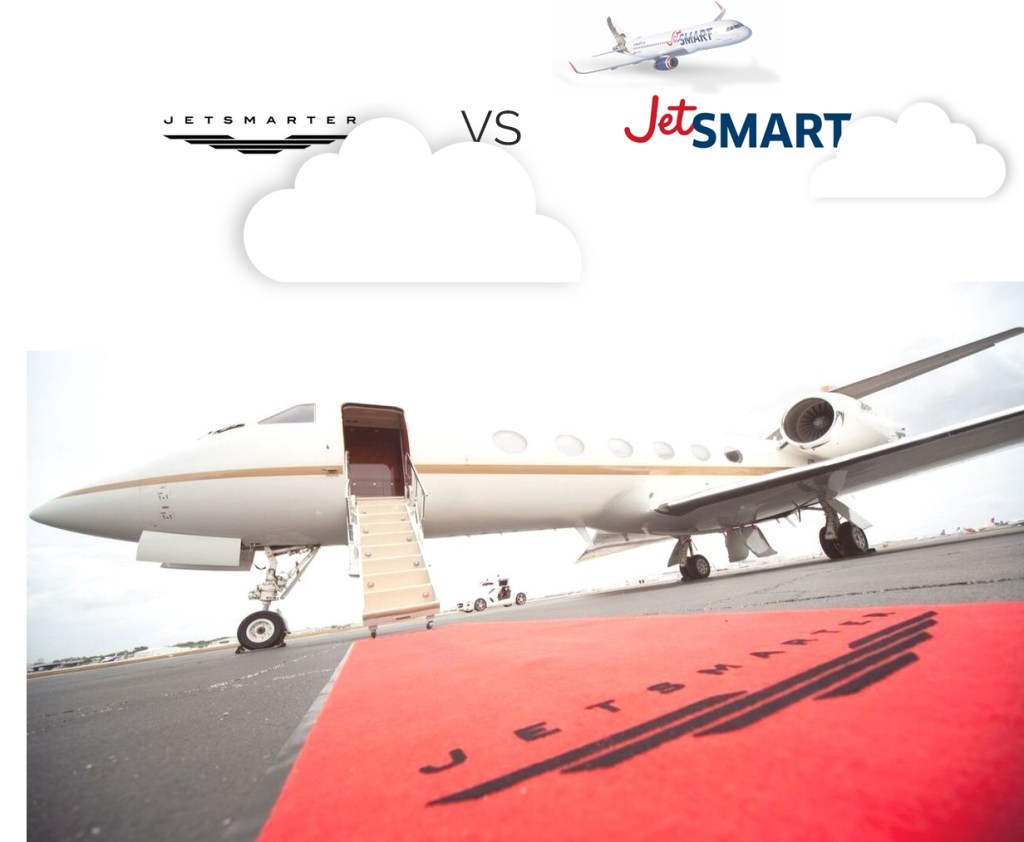

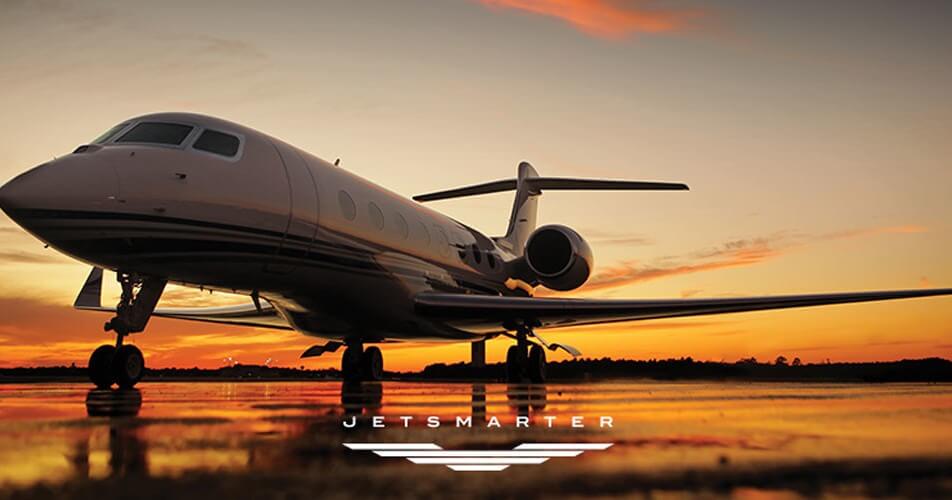
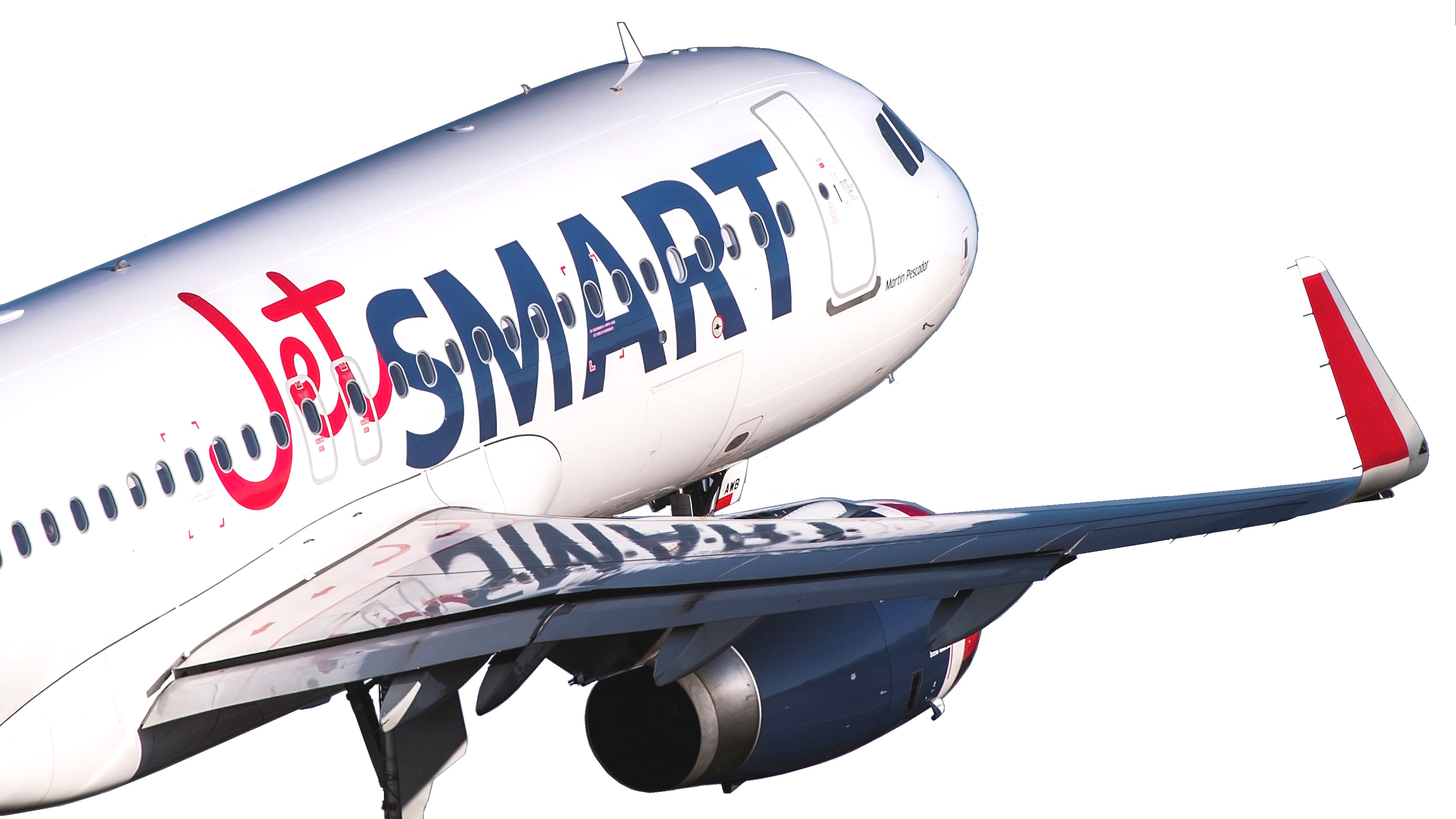


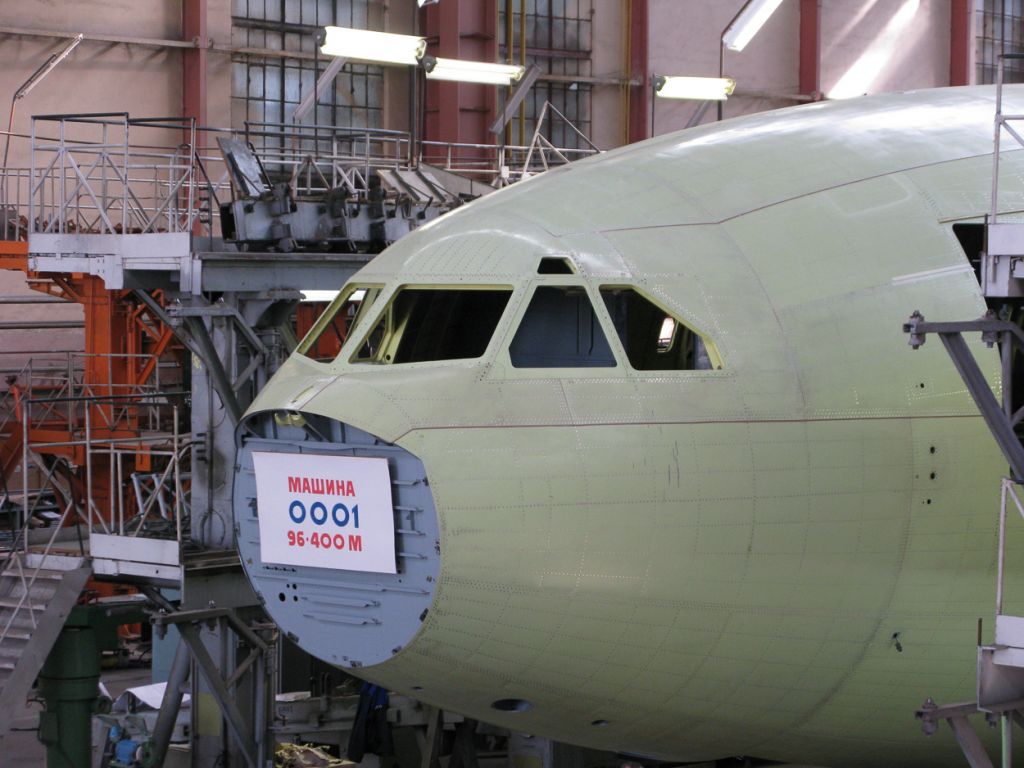

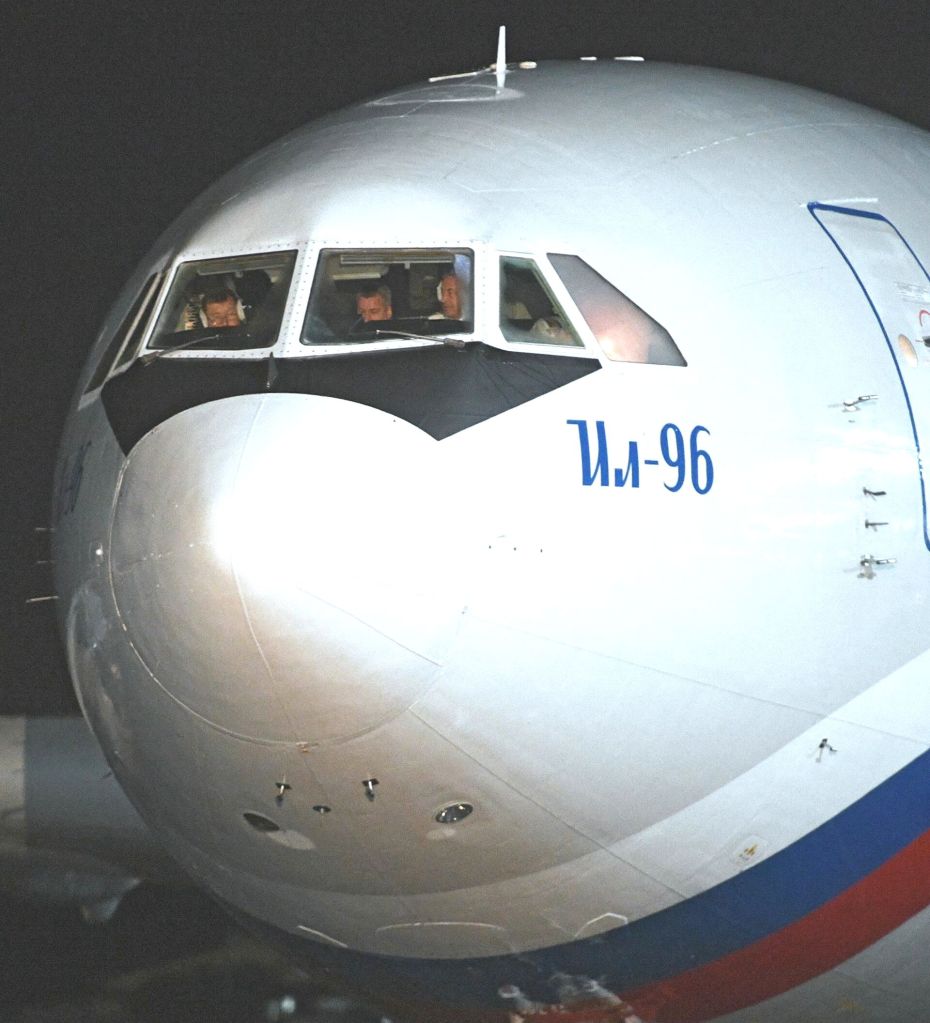
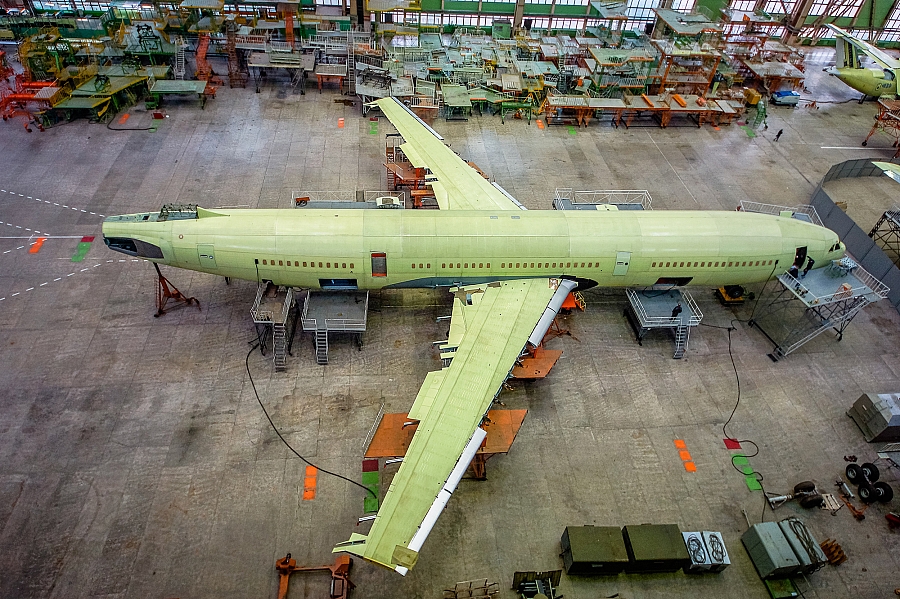
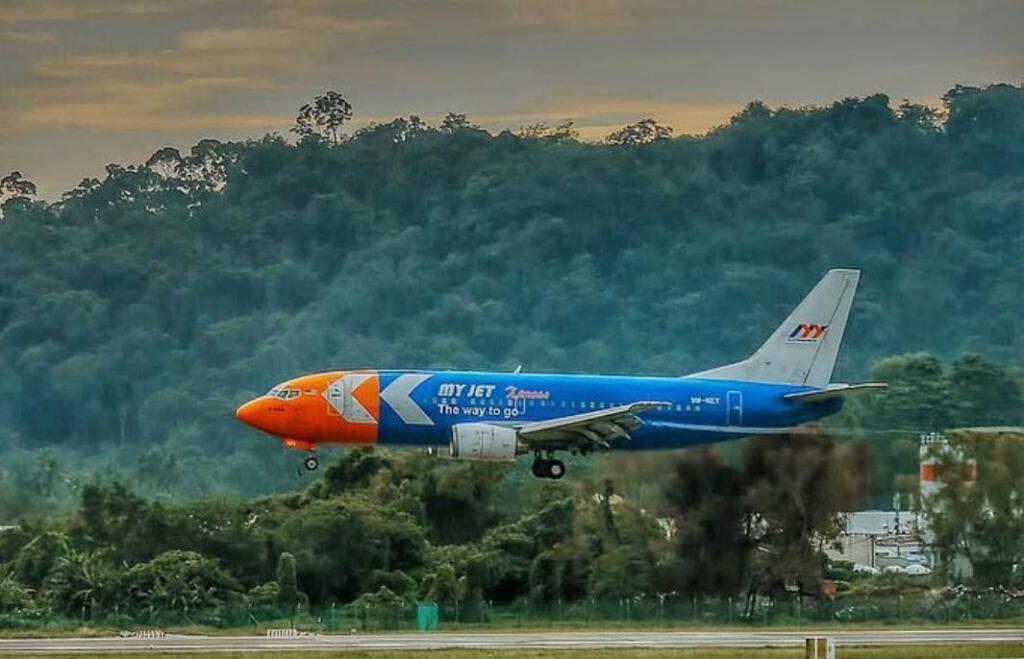

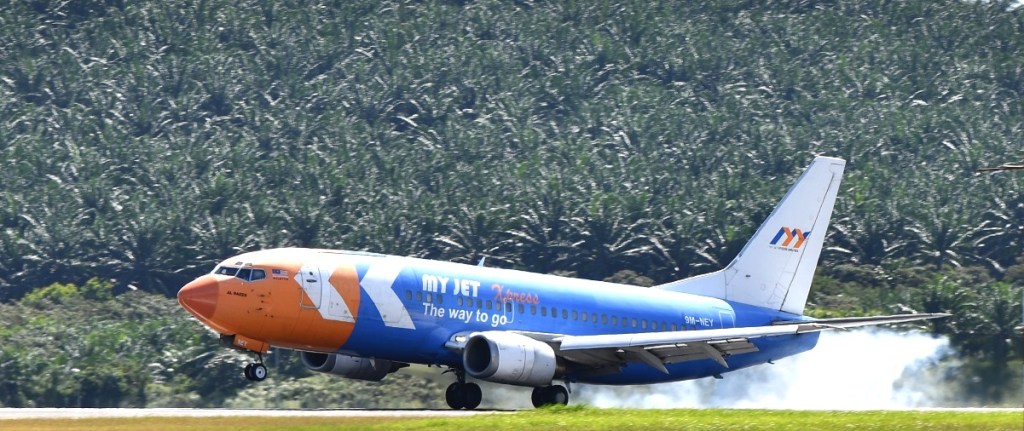
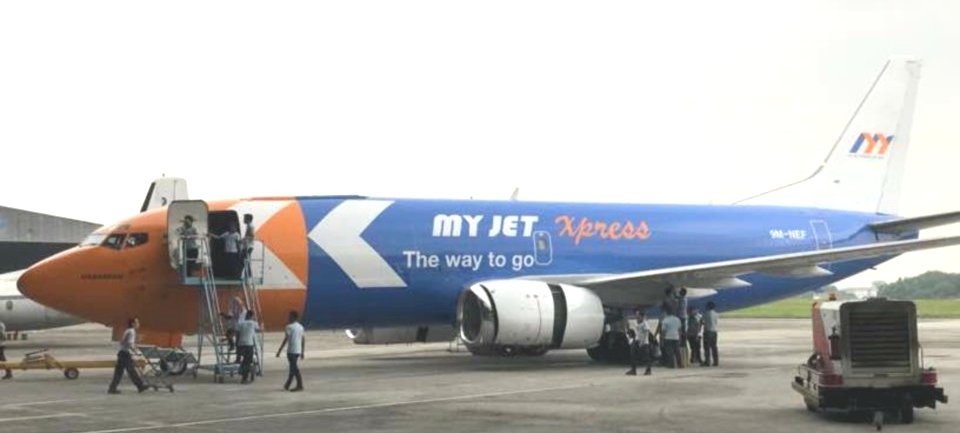
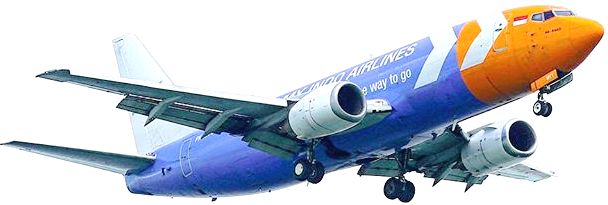
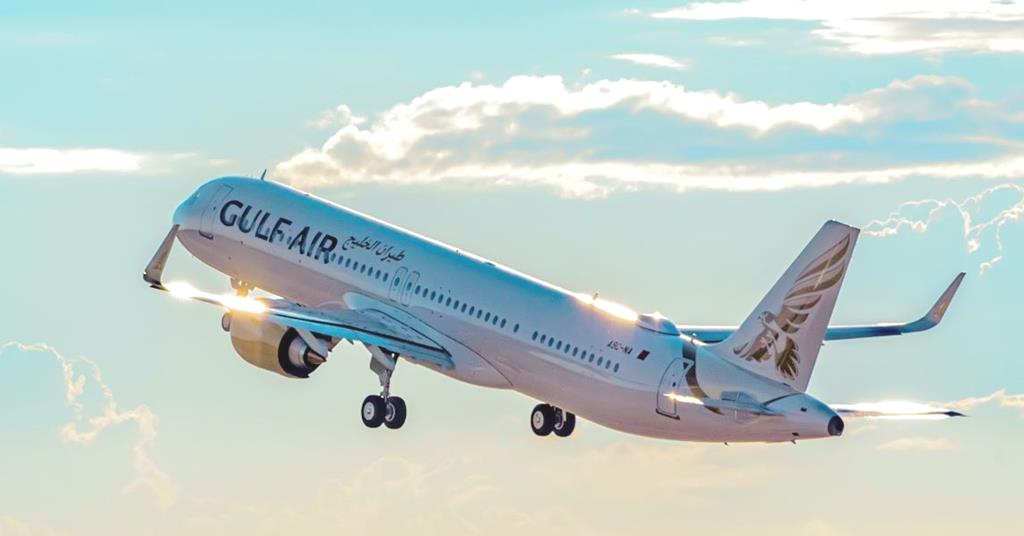
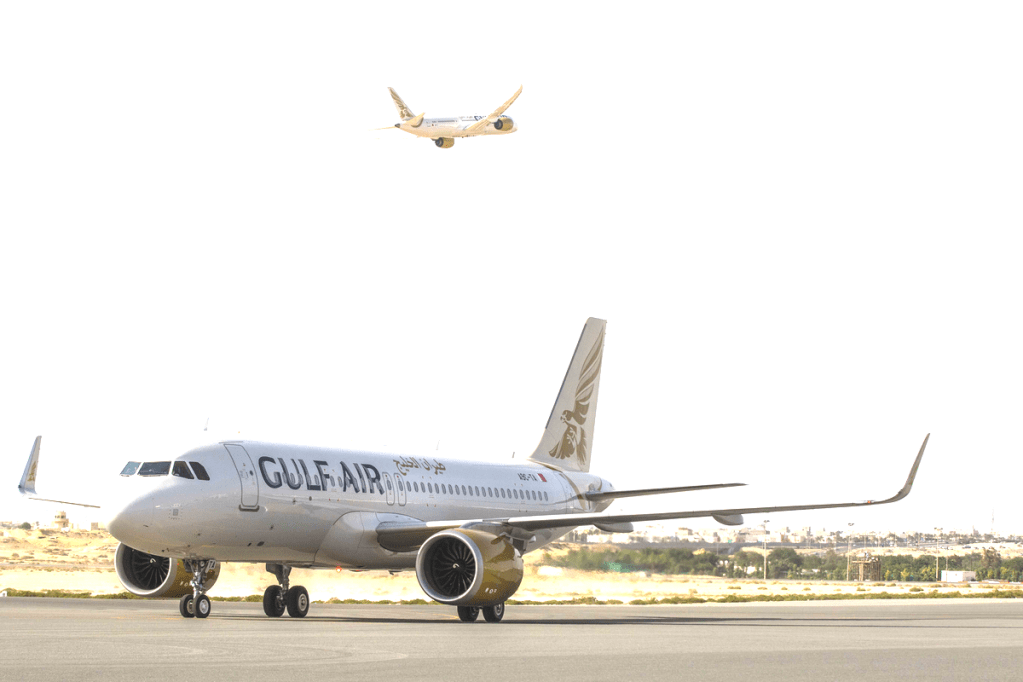

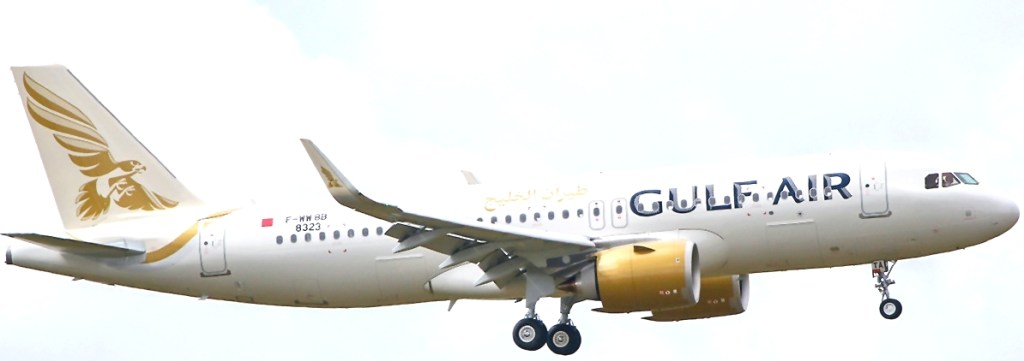
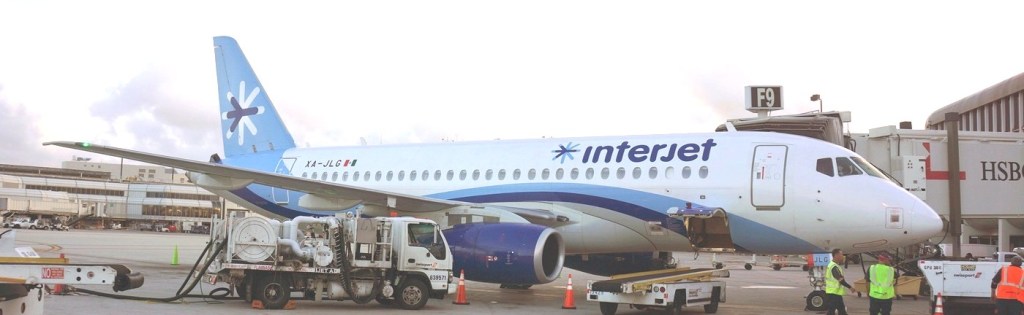

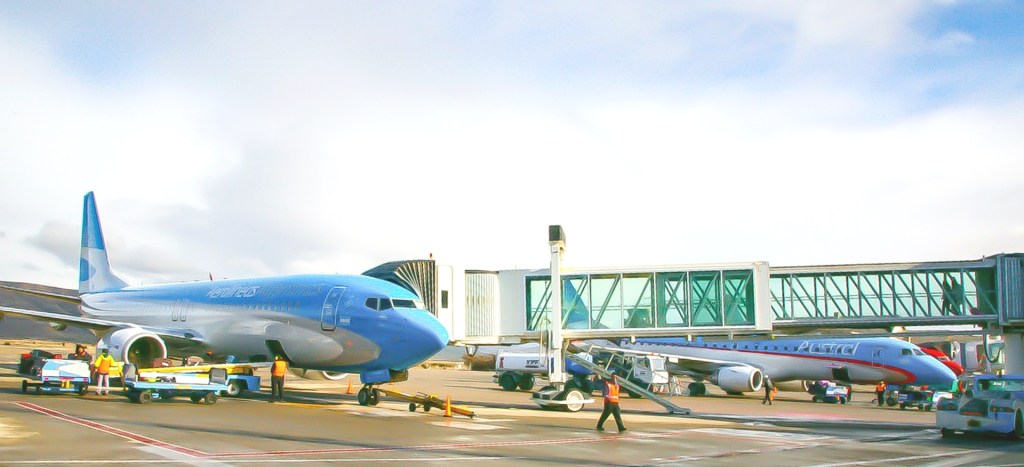


 airgways.com