Mercado Libre busca acuerdos con aerolíneas chilenas
Mercado Libre ha estado negociando el ingreso al mercado de la industria de las aerolíneas para el transporte y logística de la carga para formalizar una alianza que le permita a la empresa argentina de e-commerce profundizar su modelo de distribución a regiones que, hasta ahora, sólo funciona por tierra de manera exclusiva con Chilexpress y Blue Express, para enviar su paquetería. JetSmart Airlines, Sky Airline y Latam Airlines han entrado en contacto Mercado Libre par ala realización de negociaciones y formalización de una alianza par ala distribución de carga en Chile.
La firma de comercio electrónico de capitales argentinos ha entrado en contacto con Sky Airline, JetSmart Airlines y Latam Airlines para ofrecer este negocio en un momento d eauge del transporte de mercaderías donde los ingresos por pasajeros transportados aún funciona a un tercio de su capacidad. Actualmente, las líneas aéreas se encuentran potenciando el segmento de carga para tener más oxígeno en 2021.
Desde Mercado Libre explicaron que hasta ahora han “tenido reuniones preliminares con distintos actores de la industria para, cuando sea necesario, contar con estas soluciones”. Las conversaciones están en diferentes etapas de avance que podrían avanzar en una definición en las próximas semanas que permitirán a las aerolíneas concretar con urgencia un acuerdo que permitirá estimular la distribución de mercaderías en la región.
Mercado Libre agreements in Chile
Mercado Libre seeks agreements with Chilean airlines
Mercado Libre has been negotiating the entry into the market of the airline industry for cargo transportation and logistics to formalize an alliance that allows the Argentine e-commerce company to deepen its distribution model to regions that, until now, It only works by land exclusively with Chilexpress and Blue Express, to send your parcel. JetSmart Airlines, Sky Airline and Latam Airlines have contacted Mercado Libre to carry out negotiations and formalize an alliance for cargo distribution in Chile.
The e-commerce firm of Argentine capital has contacted Sky Airline, JetSmart Airlines and Latam Airlines to offer this business at a time of boom in the transport of goods where the income from passengers transported still works at a third of its capacity. Currently, airlines are boosting the cargo segment to have more oxygen in 2021.
From Mercado Libre they explained that so far they have «had preliminary meetings with different industry players to, when necessary, have these solutions». The talks are in different stages of progress that could advance in a definition in the coming weeks that will allow the airlines to urgently finalize an agreement that will stimulate the distribution of goods in the region.
Azul Linhas Aéreas anuncia vuelos a tres nuevos destinos
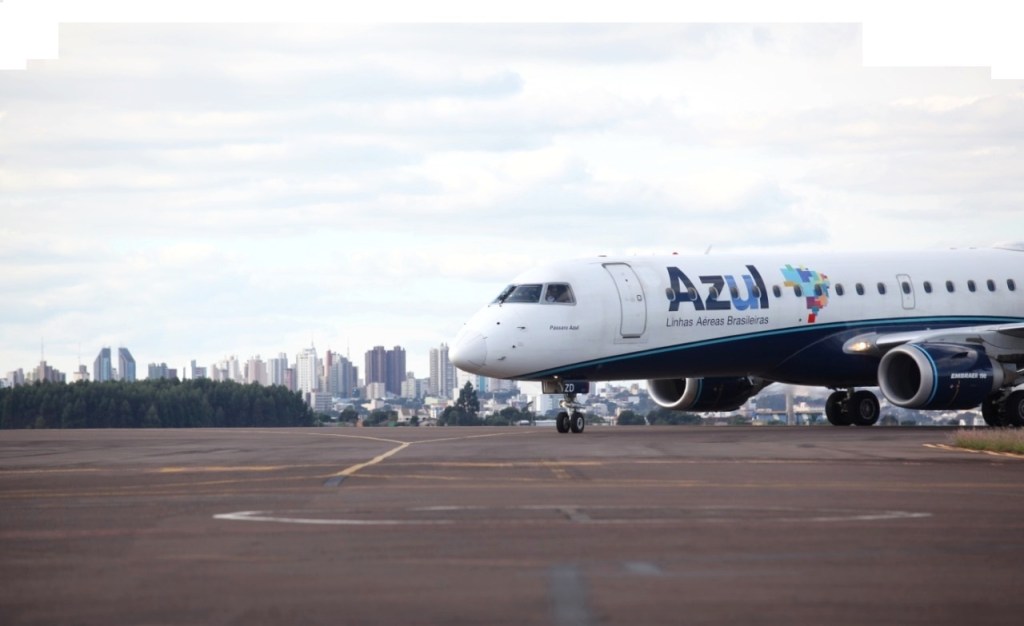
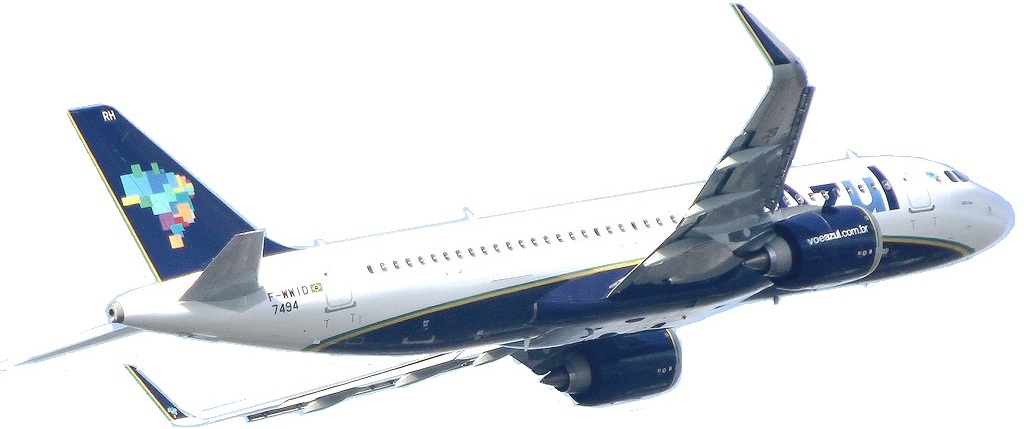
Azul Linhas Aéreas ha anunciado la incorporación de tres nuevos destinos a tres nuevas ciudades de Brasil: São Gabriel da Cachoeira (AM), Ponta Porã (MS) y Correia Pinto (SC) a partir del segundo semestre de 2021. En la ciudad de São Gabriel da Cachoeira en el Estado de Amazonas, la previsión es iniciar vuelos el 3 de Agosto de 2021 y desembarcar en Ponta Porã en Mato Grosso do Sul y Correia Pinto en Santa Catarina el 8 de Septiembre de 2021 como parte de la expansión a nuevos destinos. La compañía declara que el inicio de las ventas de los nuevos vuelos y la confirmación de las fechas previstas dependerán de la ejecución y terminación de las obras de mejora en la infraestructura aeroportuaria de las tres ciudades, además de la conclusión de las negociaciones para los acuerdos de reducción de ICMS para los combustibles de aviación con el fin de fomentar la operación en los estados.
Para São Gabriel da Cachoeira, Azul espera volar tres veces a la semana (3 Frq/S), conectando la ciudad con Brasilia empleando Embraer E195 configurados para 118 pasajeros. Ponta Porã tendrá una conexión diaria con Viracopos (1 Frq/D), sin definición de aeronave. Correia Pinto, en el estado de Santa Catarina, enlazará con Campinas (SP) con un a frecuencia diaria (1 Frq/D).
«Azul es la aerolínea más grande del país por volumen de vuelos diarios y destinos atendidos y el anuncio de la planificación de tres nuevas y nuevas bases para Agosto y Septiembre refuerza la inversión de la compañía en conectar todas las regiones brasileñas. Cada nueva base incluida fortalece nuestra red y, al mismo tiempo, permite el desarrollo económico de la región que será atendida. En un año de incertidumbre, reforzamos la inversión de la empresa en Brasil, creyendo en el potencial del país y teniendo la expectativa de que, con la vacunación masiva, podamos tener una segunda mitad de recuperación para el sector», dice Vitor Silva, Gerente de Planificación de Red de Azul Linhas Aéreas.
Azul incorporates 3 new destinations
Azul Linhas Aéreas announces flights to three new destinations
Azul Linhas Aéreas has announced the incorporation of three new destinations to three new cities in Brazil: São Gabriel da Cachoeira (AM), Ponta Porã (MS) and Correia Pinto (SC) as of the second half of 2021. In the city of São Gabriel da Cachoeira in the State of Amazonas, the forecast is to start flights on August 3, 2021 and disembark in Ponta Porã in Mato Grosso do Sul and Correia Pinto in Santa Catarina on September 8, 2021 as part of the expansion to new destinations. The company declares that the start of the sales of the new flights and the confirmation of the planned dates will depend on the execution and completion of the improvement works in the airport infrastructure of the three cities, in addition to the conclusion of the negotiations for the agreements. reduction of ICMS for aviation fuels in order to promote operation in the states.
For São Gabriel da Cachoeira, Azul expects to fly three times a week (3 Frq/S), connecting the city with Brasilia using Embraer E195 configured for 118 passengers. Ponta Porã will have a daily connection with Viracopos (1 Frq/D), without definition of an aircraft. Correia Pinto, in the state of Santa Catarina, will link with Campinas (SP) with a daily frequency (1 Frq/D).
«Azul is the largest airline in the country by volume of daily flights and destinations served and the announcement of the planning of three new and new bases for August and September reinforces the company’s investment in connecting all Brazilian regions. Each new base included strengthens our network and, at the same time, allows the economic development of the region that will be served.In a year of uncertainty, we reinforced the investment of the company in Brazil, believing in the potential of the country and having the expectation that, with the mass vaccination, we can have a second half of recovery for the sector», says Vitor Silva, Network Planning Manager of Azul Linhas Aéreas.
Azul incorpora 3 novos destinos
Azul Linhas Aéreas anuncia vôos para três novos destinos
A Azul Linhas Aéreas anunciou a partir do segundo semestre de 2021 a incorporação de três novos destinos a três novas cidades no Brasil: São Gabriel da Cachoeira (AM), Ponta Porã (MS) e Correia Pinto (SC). Na cidade de São Gabriel da Cachoeira no Estado do Amazonas, a previsão é iniciar vôos no dia 3 de Agosto de 2021 e desembarcar em Ponta Porã, no Mato Grosso do Sul, e Correia Pinto, em Santa Catarina, no dia 8 de Setembro de 2021, como parte da expansão para novos destinos. A empresa declara que o início das vendas dos novos vôos e a confirmação das datas previstas dependerá da execução e conclusão das obras de melhoria da infraestrutura aeroportuária das três cidades, além da conclusão das negociações para o redução do ICMS para combustíveis de aviação, a fim de promover a operação nos estados.
Para São Gabriel da Cachoeira, a Azul espera voar três vezes por semana (3 Frq/S), ligando a cidade a Brasília por meio do Embraer E195 configurado para 118 passageiros. Ponta Porã terá conexão diária com Viracopos (1 Frq/D), sem definição de aeronave. Correia Pinto, em Santa Catarina, fará a ligação com Campinas (SP) com frequência diária (1 Frq/D).
“A Azul é a maior companhia aérea do país em volume de voos diários e destinos atendidos e o anúncio do planejamento de três novas bases para agosto e setembro reforça o investimento da companhia em conectar todas as regiões brasileiras. Cada nova base incluída fortalece nossa malha e, ao mesmo tempo, permite o desenvolvimento econômico da região que será atendida. Em um ano de incertezas, reforçamos o investimento da empresa no Brasil, acreditando no potencial do país e tendo a expectativa de que a vacinação em massa, possamos ter um segundo semestre de recuperação para o setor”, afirma Vitor Silva, gerente de Planejamento de Redes da Azul Linhas Aéreas.
Alaska Airlines ampliación pedido de 29 Boeing 737-9 MAX
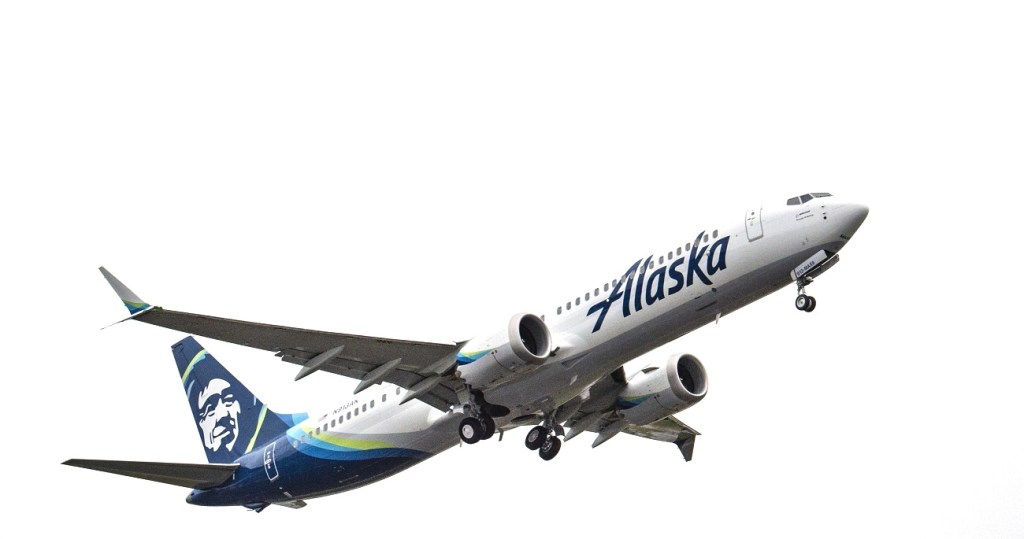
Alaska Air Group Inc., matriz de Alaska Airlines ha comunicado este Martes 30/03 la colocación de una orden con The Boeing Company, bajo el cual compra 23 aviones Boeing 737-9 MAX adicionales para ser entregados en el período 2023-2024. Se espera que el acuerdo modificado, en virtud del cual se esperan para el período establecido, aumente el ritmo al que la flota de la aerolínea se desplaza de vuelta a los aviones de la línea del constructor americano. El libro de pedidos de Boeing 737 MAX incluye opciones y compromisos de arrendamiento en 120 aviones, puede ejercer otras opciones para comprar 15 aviones con entregas entre 2023 y 2026.
En Diciembre 2020 Alaska Airlines con sede en Seattle (WA) y The Boeing Company habían acercado un aposición de acuerdo para avanzar en la compra de los 23 aviones de la Serie MAX 9, un pedido valorado en unos US$ 2.960 millones de Dólares a precios de lista antes de descuentos significativos. Los Boeing 737-9 MAX reducirán en un 20% menos el consumo de combustible y reducirán las emisiones en un 20% por asiento en comparación con los aviones que reemplaza, dijo Boeing en un comunicado.
Perspectivas MAX
A principios de este mes de Marzo 2021, el fabricante de aviones ganó pedidos para 24 del modelo 737-8 de un patrocinador de la aerolínea canadiense de bajo costo Flair Airlines. El acuerdo con Alaska Airlines se produce justo un día después de que Boeing informara la venta de 100 nuevos aviones Boeing 737-7 MAX a su antiguo y más importante cliente mundial Southwest Airlines, en su mayor victoria en su cartera de pedidos desde que se levantó la prohibición de seguridad.
La última medida indica una creciente confianza en los aviones de la línea 737 MAX tras una prohibición de seguridad que había puesto las aeronave en tierra por veinte meses provocada por fallos en la seguridad de las aeronaves, después de dos accidentes aéreos. Se espera que el acuerdo Boeing-Alaska aumente el ritmo al que la flota de la aerolínea cambia de nuevo de poseer una flota dual Airbus-Boeing a ser cliente exclusivo de The Boeing Company.
Alaska orders an additional 23 737-9 MAXs
Alaska Airlines expanded order for 29 Boeing 737-9 MAXs
Alaska Air Group Inc., parent of Alaska Airlines, announced on Tuesday 03/30 the placement of an order with The Boeing Company, under which it purchase 23 additional Boeing 737-9 MAX aircraft to be delivered in the 2023-2024 period. The modified agreement, under which they are expected for the established period, is expected to increase the rate at which the airline’s fleet shifts back to the aircraft of the American manufacturer’s line. The Boeing 737 MAX order book includes options and lease commitments on 120 aircraft, you can exercise other options to purchase 15 aircraft with deliveries between 2023 and 2026.
In December 2020 Alaska Airlines based in Seattle (WA) and The Boeing Company had approached an agreement apposition to advance in the purchase of the 23 MAX 9 Series aircraft, an order valued at about US$ 2.96 billion dollars at prices list before significant discounts. The Boeing 737-9 MAXs will reduce fuel consumption by 20% and reduce emissions by 20% per seat compared to the aircraft it replaces, Boeing said in a statement.
Perspectives MAX
Earlier this month in March 2021, the aircraft manufacturer won orders for 24 of the 737-8 from a sponsor of the Canadian low-cost airline Flair Airlines. The deal with Alaska Airlines comes just one day after Boeing reported the sale of 100 new Boeing 737-7 MAX aircraft to its oldest and largest global customer Southwest Airlines, in its biggest order book win since it was lifted. the security ban.
The latest measure indicates growing confidence in the 737 MAX aircraft following a safety ban that had grounded the aircraft for twenty months caused by aircraft safety failures after two plane crashes. The Boeing-Alaska deal is expected to increase the rate at which the airline’s fleet shifts back from owning a dual Airbus-Boeing fleet to being an exclusive customer of The Boeing Company.
La aerolínea SAS Airlines ha obtenido financiación para la entrega de las próximas aeronaves para adquisición e introducción a su flota. El acuerdo es a través de la venta y retro-arrendamiento con la compañía de leasing CDB Aviation Leasing, mediante el trato para la obtención del financiamiento con el Banco de Desarrollo de China para recibir aeronaves de la familia Airbus Group. Un avión Airbus A350-900 (1) se entregó a SAS el 26/03, mientras que tres A320NEO (3) no se entregarán hasta la primavera de 2022. SAS tiene un pedido de Airbus A320NEO (80) y Airbus A350-900 (8) además de Airbus A321LR(3).
«SAS Airlines ha trabajado anteriormente con CDB Aviation Lease Finance para otras transacciones de S&LB, y nos complace haber obtenido financiamiento para las entregas de nuevos aviones junto con Pat Hannigan y su equipo. El financiamiento permite financiar la transición a una sola flota con emisiones significativamente más bajas de una manera rentable y rentable», dice Magnus Ornberg, CFO de SAS Airlines en un comunicado de prensa.
SAS obtains aircraft financing
SAS secures financing for upcoming aircraft
The airline SAS Airlines has obtained financing for the delivery of the next aircraft for acquisition and introduction to its fleet. The agreement is through the sale and leaseback with the leasing company CDB Aviation Leasing, through the agreement to obtain financing with the China Development Bank to receive aircraft from the Airbus Group family. One Airbus A350-900 aircraft (1) was delivered to SAS on 03/26, while three A320NEOs (3) will not be delivered until spring 2022. SAS has an order for Airbus A320NEO (80) and Airbus A350-900 ( 8) in addition to Airbus A321LR (3).
«SAS Airlines has previously worked with CDB Aviation Lease Finance for other S&LB transactions, and we are pleased to have secured financing for new aircraft deliveries together with Pat Hannigan and his team. The financing allows funding the transition to a single fleet with significantly emissions. lower in a profitable and profitable manner», says Magnus Ornberg, CFO of SAS Airlines in a press release.
AW | 2021 03 30 18:33 | AIRLINES / GOVERNMENT / AVIATION
Pilotos Fuerza Aérea capacitados para Boeing 737
La compañía Aerolíneas Argentinas ha anunciado este 30 de Marzo de 2021 la conclusión de la capacitación a pilotos de la Fuerza Aérea Argentina en los simuladores de Boeing 737 Next Generation en el Centro de Entrenamiento CEFEPRA. La Fuerza Aérea Argentina se encuentra finalizando las capacitaciones a sus pilotos, despachantes y Tripulantes de Cabina bajo la empresa Aerolíneas en el Centro de Instrucción localizado en Ezeiza, Provincia de Buenos Aires, con la finalidad de ampliar las capacidades de la Fuerza Aérea para la próxima adquisición de un Boeing 737-700 Next Generation como estaba planificado antes de la pandemia.
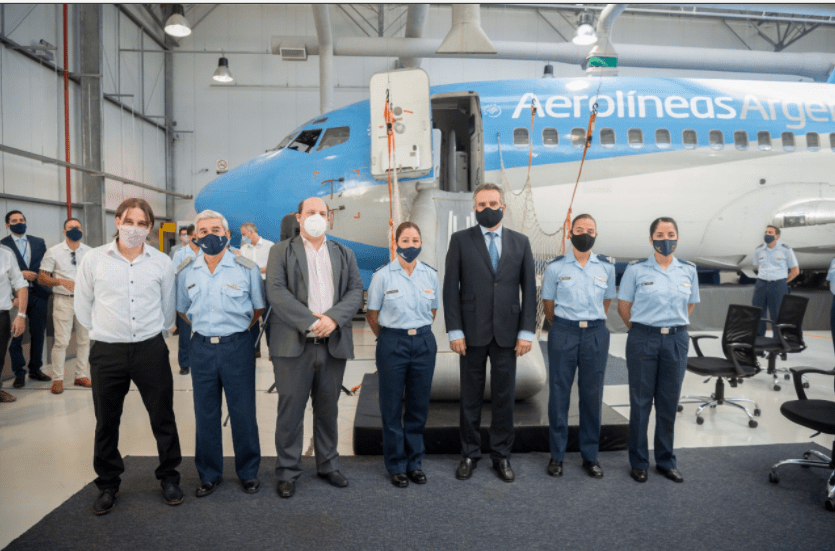
El Presidente de Aerolíneas Argentinas, Pablo Ceriani, encabezó el acto de entrega de diplomas al personal de la Fuerza Aérea Argentina, quienes completaron un curso de instrucción en el Boeing 737, anticipándose a la introducción del modelo en la I Brigada Aérea, Grupo I de transporte. En el acto, que tuvo lugar en la mock up de entrenamiento, participaron el CEO de Aerolíneas Argentinas, Pablo Ceriani, el Ministro de Defensa, Agustin Rossi y el Jefe del Estado Mayor Conjunto, Xavier Isaac. El CEO de Aerolíneas Argentinas, Pablo Ceriani ha expresado: «Nuestro centro de instrucción es un espacio modelo, único en el país y la región, en el cual se capacita el personal de Aerolíneas». La entrega de diplomar a cardo del ejecutivo y del Ministro de Defensa, Agustín Rossi a 28 miembros de la Fuerza Aérea, mostrando un orgullo para el aporte a la formación profesional del personal. Los entrenamientos requeridos para la formación de la línea Boeing 737NG comprendieron a 11 pilotos, 8 despachantes de aeronaves y 13 tripulantes de cabina.
La Fuerza Aérea Argentina había iniciado el proceso de ampliación y modernización de la flota que se había establecido hacia el 2020 para la adquisición de un Boeing 737-700 para reforzar las capacidades de transporte táctico y logístico del país. Tras las dificultades de la presente pandemia, las autoridades estiman la incorporación de la unidad reacondicionada hacia el 4Q2021.
Argentina FFAA pilot training
Air Force pilots trained for Boeing 737
The company Aerolíneas Argentinas has announced on March 30, 2021 the conclusion of the training for pilots of the Argentine Air Force in the Boeing 737 Next Generation simulators at the CEFEPRA Training Center. The Argentine Air Force is completing the training of its pilots, dispatchers and Cabin Crew members under the company Aerolíneas in the Training Center located in Ezeiza, Province of Buenos Aires, in order to expand the capabilities of the Air Force for the next acquisition of a Boeing 737-700 Next Generation as planned before the pandemic.
The President of Aerolíneas Argentinas, Pablo Ceriani, led the ceremony to deliver diplomas to the personnel of the Argentine Air Force, who completed an instruction course in the Boeing 737, anticipating the introduction of the model in the I Air Brigade, Group I of transport. The event, which took place in the training mock up, was attended by the CEO of Aerolineas Argentinas, Pablo Ceriani, the Minister of Defense, Agustin Rossi and the Chief of the Joint Chiefs of Staff, Xavier Isaac. The CEO of Aerolíneas Argentinas, Pablo Ceriani has expressed: «Our training center is a model space, unique in the country and the region, in which Aerolíneas personnel are trained». The delivery of diplomas to the executive officer and the Minister of Defense, Agustín Rossi, to 28 members of the Air Force, showing pride in their contribution to the professional training of the personnel. The training required for the formation of the Boeing 737NG line comprised 11 pilots, 8 aircraft dispatchers and 13 cabin crew.
The Argentine Air Force had begun the process of expansion and modernization of the fleet that had been established around 2020 for the acquisition of a Boeing 737-700 to reinforce the country’s tactical and logistical transport capabilities. After the difficulties of the present pandemic, the authorities estimate the incorporation of the reconditioned unit by 4Q2021.
Aniversario de incursión aviación comercial mundial
Tras un año de la puesta en tierra de la aviación comercial en Marzo 2020, la incertidumbre frente al panorama de la pandemia genera temores y esperanzas entre los gobiernos, aerolíneas y el sector turístico. Las líneas aéreas continúan golpeadas por el impacto del Coronavirus, se enfrentan a una nueva tormenta por los rebrotes en la Región de Latinoamérica. Las compañías aéreas han estado sobrevolando su situación con aperturas parciales, pero la decisión de prolongar las restricciones podrían agravar la situación frente al compromiso de cuidar a la población de extender los contagios, una decisión salomónica. En medio de este panorama, las aerolíneas de mayor tamaño disminuyen su estructura, ajustando sus modelos de negocio para sobrevivir, mientras las low cost con mayor cintura aprovechan el viento a su favor para expandir sus servicios con un diseño rentable para soportar los fuertes vientos actuales.
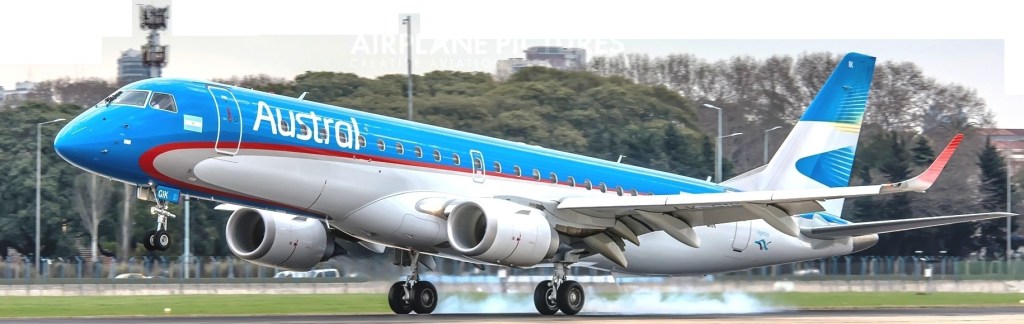
Desde que inició la pandemia hasta la fecha, en la región han dejado de operar firmas arrastradas por la crisis pandémica y la supresión de los vuelos. Aerolíneas como Avianca Perú, Latam Argentina, Austral Líneas Aéreas como parte de una crisis de reestructuración, y Flyest Líneas Aéreas, One Airlines y TAME Airlines han cerrado por el impacto directo por la crisis sanitaria. Star Perú Airlines había dejado de operar, pero recientemente ha anunciado su retorno a los cielos peruanos.
Incursión aviación
El 13 de Marzo de 2020 los gobiernos de Argentina y Venezuela anunciaron la suspensión de los vuelos provenientes de Europa, Estados Unidos, China y Japón para evitar la propagación de un misterioso virus que se expandía rápidamente por el mundo. Fueron los primeros países de Latinoamérica en cancelar vuelos, y su decisión llegó apenas un día después de que el Gobierno de Estados Unidos prohibiera la entrada de extranjeros desde 26 países. Hasta esa fecha, 125.000 personas habían sido diagnosticadas con COVID-19 en 118 países del mundo y la cifra de fallecidos superaba los 4.600. Un año después, más de 120 millones de personas se han contagiado y 2,7 millones han muerto. Así de letal ha sido esta pandemia que ha destruido economías y ha hecho sucumbir a las mayores industrias. La aérea ha sido una de las más golpeadas, con una pérdida de US$ 118.500 millones en 2020 según estimaciones de la Asociación Internacional de Transporte Aéreo (IATA). El organismo dice que la industria atraviesa la crisis más devastadora desde la Segunda Guerra Mundial.
La pandemia obligó a dejar en tierra gran parte de las flotas de las aerolíneas durante meses. En consecuencia, durante 2020 el tráfico aéreo se precipitó 61% interanual, con una caída más pronunciada en los vuelos internacionales (-75%) sobre los nacionales (-49%). Las aerolíneas vieron reducidos sus ingresos en más del 60% y tuvieron que recortar costos de manera agresiva para mantenerse a flote. Y aunque las expectativas para 2021 eran un poco más alentadoras, por un repunte de vuelos que se registró en el cuarto trimestre y el inicio de la vacunación contra la COVID-19, los resultados no son buenos. “Las nuevas cepas del coronavirus están provocando mayores restricciones de viaje por parte de los gobiernos y la incertidumbre sobre la duración de estas medidas está afectando de forma negativa a los viajes”, explica Peter Cerdá, Vicepresidente para las Américas de IATA.
El escenario sombrío que ha estado plagando el Coronavirus, con su epicentro en Wuhan, China, está generando un efecto bisagra: por un lado nuevos rebrotes, por el otro nuevas esperanzas por las fuertes compañas de vacunación en el planeta. América Latina empieza a ver algo de luz principalmente en los mercados de Brasil y México, los gigantes de la región, que muestran junto a Colombia la recuperación más rápida en este hemisferio. Aún así, los datos de la IATA en la región dan cuenta de un desplome del 79% de la demanda en Enero 2020 en comparación con 2019, una caída mayor en dos puntos que la de diciembre pasado. El resultado es apenas mejor que otras regiones, como Europa (83,2%) y Medio Oriente (82,3%). El otro factor en el que destaca Latinoamérica es el de la ocupación, que cayó hasta el 55,3%, pero se mantuvo como el mejor dato global por cuarto mes consecutivo, según el organismo internacional. Sin embargo, estos datos que parecen favorecer a la región son más circunstanciales.
En otras palabras, se avecinan nuevas turbulencias y las aerolíneas, todavía resentidas por un desafiante 2020, adaptan sus modelos, suspenden rutas, ajustan frecuencias y reducen costos para hacer el vuelo más ligero. Actualmente, México, Brasil y Colombia podrían enfrentar mejor el segundo impacto, según los expertos. “En Diciembre 2020, los países más liberales como México, Brasil y Colombia lograron recuperar la mayor cantidad de vuelos respecto a los niveles evidenciados en 2019. México recuperó hasta diciembre cerca del 74% de los vuelos, seguido por Brasil (69%) y Colombia (57%). Los países que han mantenido las fronteras abiertas han tenido una recuperación más rápida y sostenida, mientras que los que han reforzado sus medidas de ingreso al país no han permitido una recuperación del mercado aéreo. Países como Chile, que retrocede a las restricciones sin previo aviso, crean incertidumbre y desincentivo a viajar”, detalla Peter Cerdá, de la IATA. En el otro extremo aparecen países como Argentina y Uruguay, que han impuesto restricciones fuertes al ingreso de viajeros, limitando la recuperación de su mercado a un 19% y 22%, respectivamente.
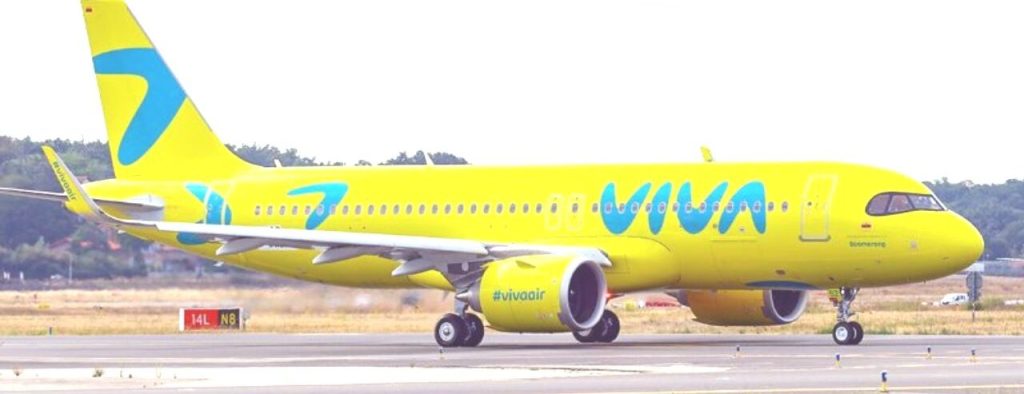
En Chile, sede de Latam Airlines Group, el mayor grupo aéreo de la región, hubo un recorte en tráfico aéreo de más del 70% en el mes de Enero 2021. A pesar de estos obstáculos, en el vuelo hacia la recuperación de la industria aérea hay aerolíneas que avanzan a mayor velocidad, las denominadas low cost, que parecen estar ganando terreno a las tradicionales. Las low cost están aumentado su oferta de asientos, inclusive a niveles de capacidad cercanos o mayores a los de antes de la pandemia, con la finalidad de posicionarse en el mercado y tomar una mayor participación con respecto a las aerolíneas de servicio completo. Esto se observa claramente en México, Colombia y Brasil, entre las líneas aéreas Viva Aerobus, Volaris Airlines y la colombiana Viva Air. Son las tres aerolíneas mejores posicionadas de este modelo, según datos de OAG, proveedor global de información aeronáutica digital. Aun así, lo importante en estos momentos no es solo posicionarse en el mercado, sino que cada ruta debe contribuir a la rentabilidad de la red, un difícil objetivo de alcanzar este año para todas las aerolíneas, independientemente del modelo.
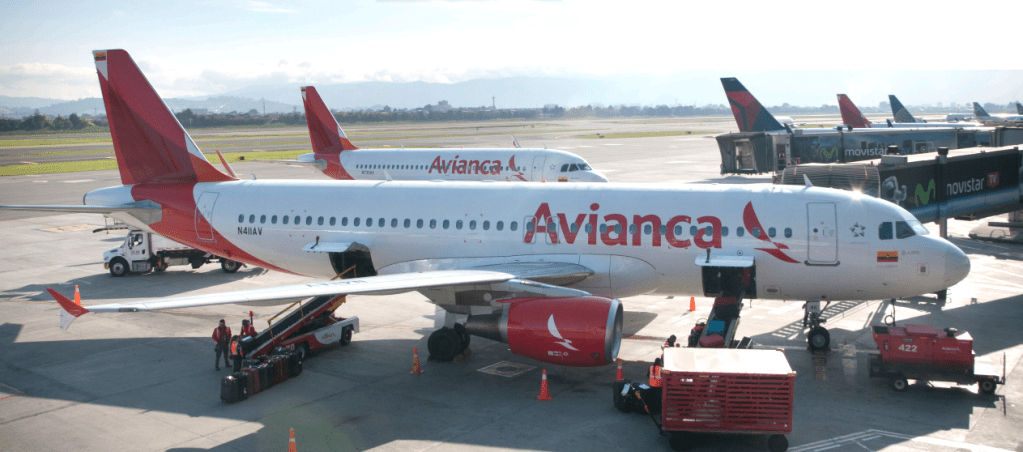
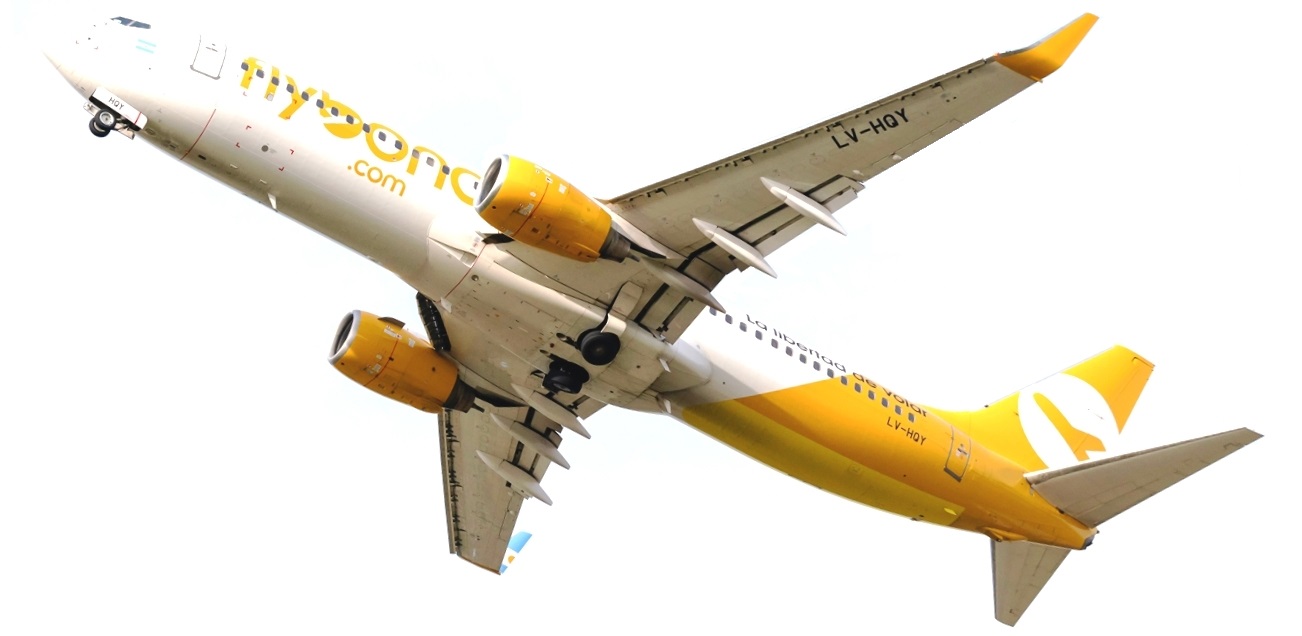
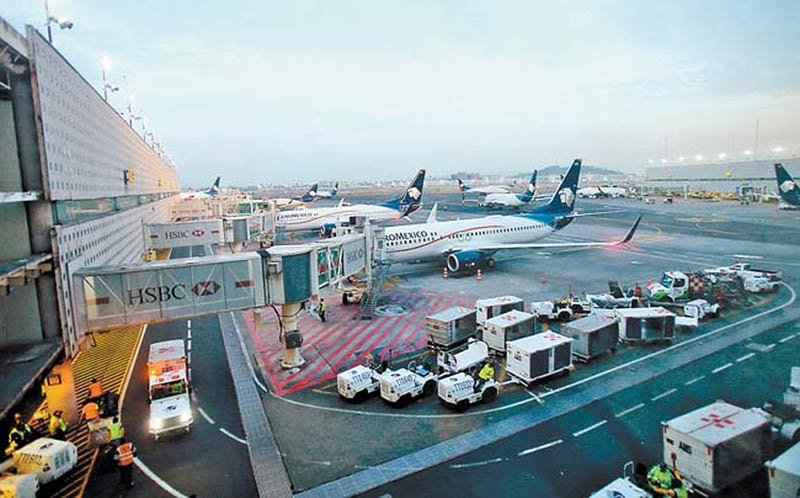
Las aerolíneas Aeroméxico, Latam Airlines y Azul Linhas Aéreas son las tres compañías de servicio completo con mejor estabilidad en la oferta de asientos, según el registro de OAG correspondiente a las dos primeras semanas de Marzo 2021. De las tres, la mexicana sobresale con una tendencia a mejorar sus niveles, la brasileña se mantiene sin cambios y el grupo chileno, que mostraba una recuperación en la oferta de asientos más sólida a finales de 2020, ahora muestra retrocesos. El grupo lo completan la colombiana Avianca y la panameña Copa Airlines con la menor recuperación de oferta. En cuanto al modelo low cost, las tendencias son más favorables: la mexicana Viva Aerobus lidera con la mejor posición, seguida por la colombiana Viva Air y Volaris Airlines. Las tres han logrado mantener una recuperación de su oferta de asientos. Le siguen la aerolínea JetSmart Airlines y la brasileña GOL Linhas Aéreas con pocos cambios en las últimas semanas; mientras la chilena Sky Airline y la argentina Flybondi Líneas Aéreas aparecen con la menor recuperación de la oferta y se observan bastante cautelosas. «Este comportamiento responde a demandas más débiles, que han obligado a las aerolíneas a acomodar las operaciones para prestar el servicio en esta nueva coyuntura. Por ello, están tomando medidas como reducir costos e incentivar la demanda, ofreciendo tarifas competitivas y operando vuelos a pesar de que estos cuenten con factores de carga bajos y no alcancen el punto de equilibrio”, expresa Peter Cerdá.
El caso de Aerolíneas Argentinas continúa siendo asistida por el Gobierno. Actualmente, un fondo estatal de partidas presupuestarias de US$ 390 millones de Dólares han sido aprobadas para 2021. Actualmente emplea a 11.868 trabajadores, incluidos más de 2.400 técnicos de mantenimiento y más de 2.100 tripulantes de cabina producto de la sinergia producida con Austral Líneas Aéreas. Entre 2008 y 2019, Aerolíneas ha tenido un EBIT negativo de US$ 4.530 millones de Dólares, según sus estadísticas. Históricamente, ha tenido un desempeño financiero alineado con el desarrollo económico del país. El escenario del próximo mercado argentino podría posicionarla como una aerolínea con un nuevo enfoque en el desarrollo de sus operaciones.
Avianca Holdings y Copa Airlines han tomado decisiones de este tipo para mantenerse en un vuelo largo e impredecible. La centenaria compañía colombiana, que el año pasado inició un proceso de reestructuración bajo el Capítulo 11 de la Ley de Quiebras de Estados Unidos, dice que está adaptando su modelo de negocios a la nueva realidad para convertirse en una compañía más liviana, flexible y eficiente. Estos cambios incluyen precios más competitivos, una red muy consistente con rutas directas y sin escalas y un producto sencillo donde el cliente puede escoger lo que necesite para volar. “Esta estrategia nos permitirá incrementar nuestra relevancia en otros mercados y diversificar los servicios que ofrecemos: estamos listos y adaptados”, afirma Avianca. La compañía tuvo una caída de la demanda del 84% en el último trimestre de 2020. Actualmente, vuela 77 rutas y ha suspendido 26 durante la crisis por la pandemia. Bajo su liviano nuevo modelo –que busca adaptar su capacidad en algunos destinos– tiene contemplado abrir 50 nuevas rutas en los próximos tres años. Las primeras cinco que operarán en el formato de punto a punto (sin escala) y que están previstas para mediados de este año, son Medellín–Cancún, Medellín–Punta Cana, Guatemala–Nueva York, Guatemala–Washington D.C., San José–Miami y San Salvador–Toronto.
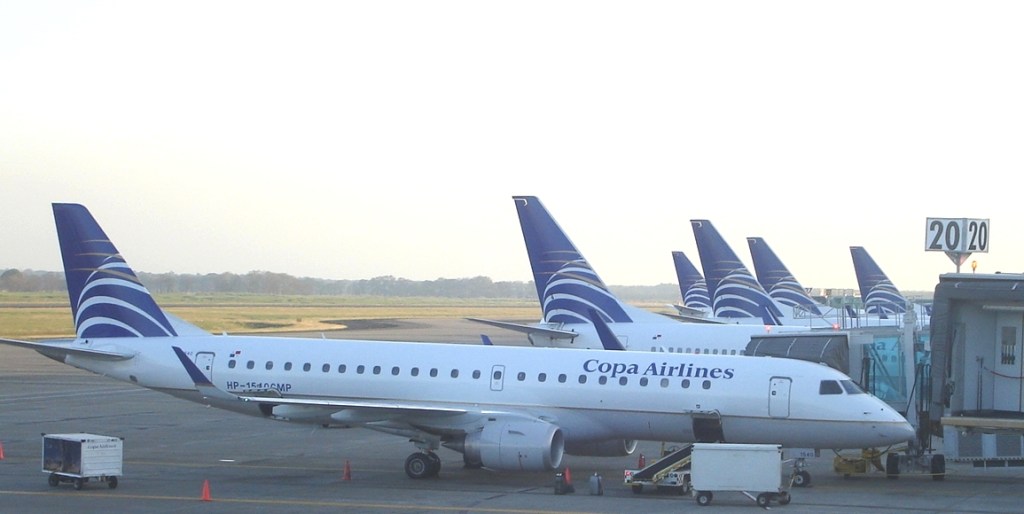
La panameña Copa Airlines no ahondó en detalles en cuanto a las medidas tomadas para adaptarse a los tiempos de crisis, pero aclaró que las decisiones sobre número de vuelos y destinos las deciden con pocos meses de antelación. “El panorama de 2021 es muy incierto y difícil de predecir”, sostiene la aerolínea de panameña. La compañía, que cerró el año pasado con una reducción del 75% en el número de pasajeros comparado con 2019, espera una leve mejora en el primer trimestre de este año con una reducción del 70%.
Latam Airlines y Aeroméxico prefirieron no responder a la solicitud de comentarios, pero sus recientes informes de resultados financieros dan muestra del estado de ambas compañías, que al igual que Avianca, están en un proceso de reestructuración bajo el Capítulo 11.
Aeroméxico, la compañía acaba de recibir el último tramo de US$ 625 millones de un financiamiento total de US$ 1.000 millones que consiguió para su plan de reestructuración. Pero alcanzar ese hito no ha sido tarea fácil. La compañía hizo profundos ajustes en su planilla, que implicó duras negociaciones con uno de los mayores sindicatos de aviación de la región, el despido de 1.830 empleados y la reducción de salarios. En cuanto a sus datos operacionales, el grupo mexicano registró en 2020 una caída del 61% en el tráfico de pasajeros, mientras que la oferta se derrumbó el 50%, dando como resultado un factor de ocupación de solamente 70%. En términos financieros, estas cifras se tradujeron en ingresos por MEX$ 7.170 millones de Pesos Mexicanos/US$ 361,2 millones y un 58,4% menos respecto a 2019 y una pérdida neta de MEX$ 9.717 millones de Pesos/US$ 489,5 millones.
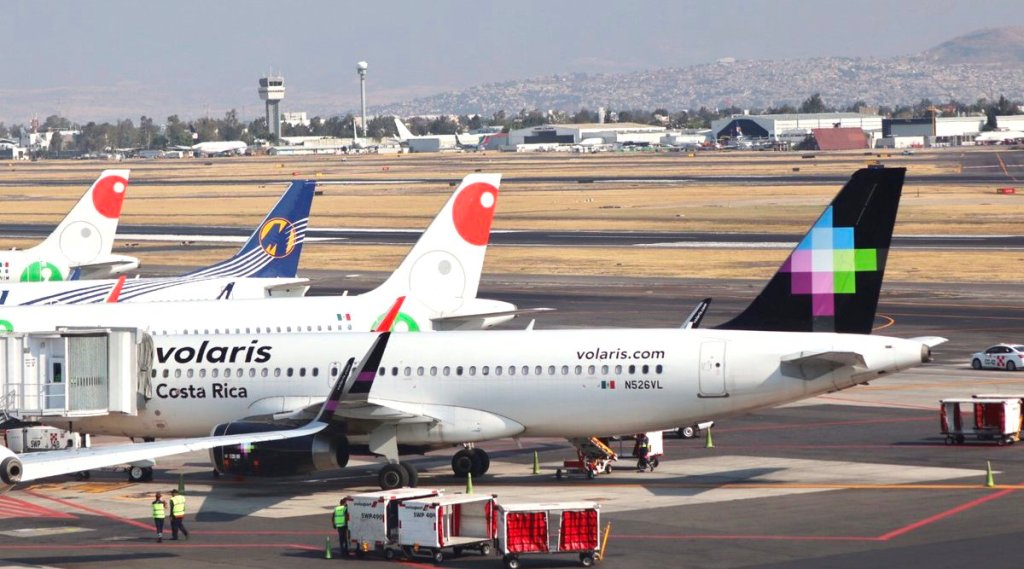
La Región Latinoamérica ha visto un proceso de consolidación exitoso que permite que muchas líneas aéreas tengan una operación fuerte pese a los altos costos que están pagando y las medidas preventivas que adoptan. En el modelo low cost las historias no son muy distintas en cuanto a sus resultados, aunque algunas han marcado diferencia con una respuesta agresiva para conquistar el mercado. Este es el caso de la mexicana Volaris Airlines que tuvo el mejor resultado operativo en 2020 al aprovechar el retroceso de sus competidores. La compañía alcanzó el 38% del mercado doméstico de México, un incremento porcentual de siete puntos más que en 2019 y aumentó a 11% su participación en vuelos internacionales, apoyada en doce nuevas rutas que sumó en el último año, principalmente hacia Estados Unidos. En este terreno compite con Viva Aerobus, que se posiciona detrás de la participación que ha cedido Interjet, aerolínea mexicana que dejó de operar desde hace cuatro meses debido a una profunda crisis financiera y que recientemente anunció que acudiría al Capítulo 11. Interjet tenía un 20% del mercado local en México y su competencia estaba al acecho. Viva Aerobus espera cerrar Marzo 2021 con un 25% de capacidad.
Viva Air de Colombia ha anunciado su expansión en la región aprovechando la reestructuración de operaciones, flotas y rutas de Avianca y Latam Airlines Colombia. La aerolínea prevé aumentar en Marzo 2021 un 2% su capacidad respecto a Enero 2021 e incrementar su participación de mercado entre 29% y 35% este año. Recientemente, recibió la autorización para ingresar al mercado mexicano, con tres rutas que anteriormente volaba Interjet: Medellín–Ciudad de México, Medellín–Cancún y Bogotá–Ciudad de México.
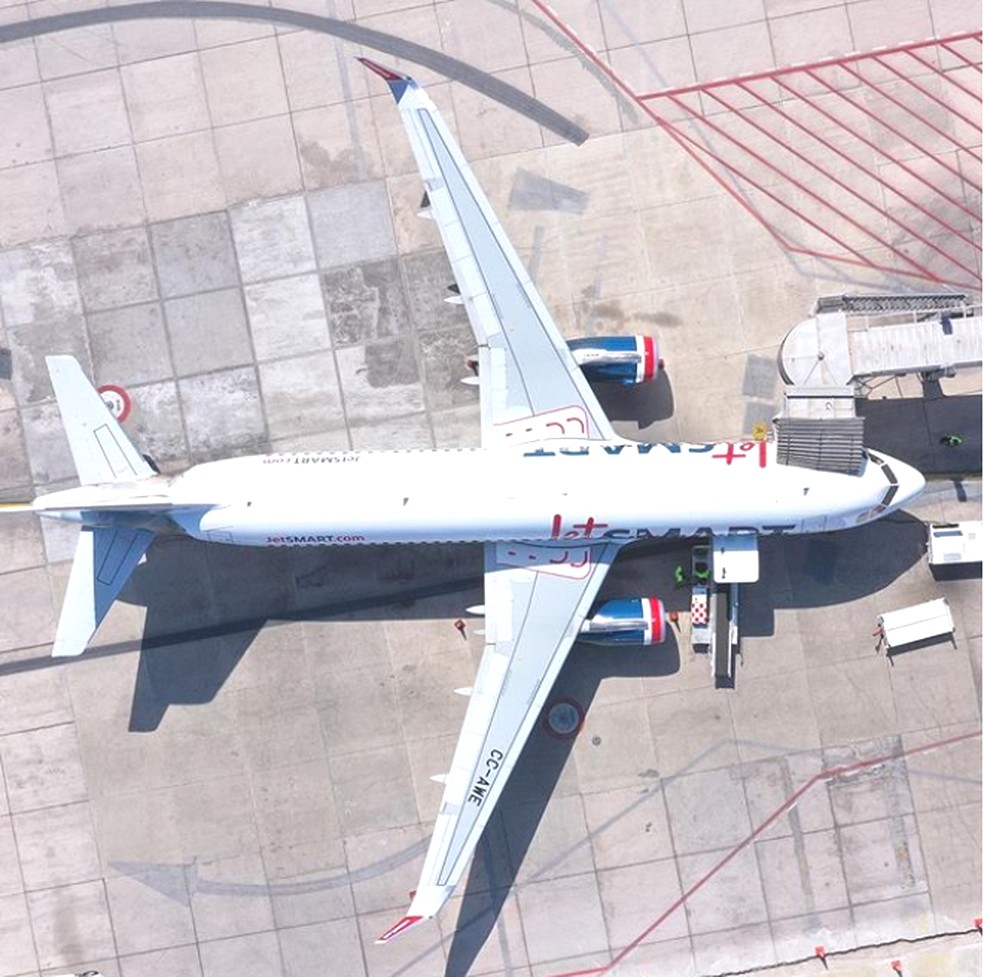
JetSmart Airlines Group ha estado ganando terreno rápidamente. “Pudimos adaptarnos rápidamente e incluso aumentar nuestra conectividad en mercados domésticos e internacionales en los países donde operamos”, reconoce Estuardo Ortíz, CEO de la aerolínea. En concreto, la compañía pasó de treinta rutas antes de la pandemia a treinte y seis, con nuevos destinos dentro de Chile y Argentina, y prepara una apuesta fuerte en el mercado colombiano para los próximos meses.
SKY Airline afronta algunas dificultades de recuperación. La aerolínea presidida por Holger Paulmann, esperaba recuperar el 50% de la demanda para Diciembre 2020, pero no ha alcanzado sus objetivos operativos ni financieros necesarios para salir de la crisis y para lo cual contrató el año pasado al Banco BTG Pactual. El banco planteó como mejor opción emitir un bono convertible en acciones por US$ 100 millones, pero la idea no prosperó. En medio de esta incertidumbre, surgieron tres interesados en participar en la propiedad a través de una inyección de capital, uno de ellos Drake Group, holding de inversiones de Nicolás Ibáñez, inversionista-socio de JetSmart. En Enero 2021 se esperaba una decisión clave sobre este aspecto, pero se ha postergado. Mientras tanto, la aerolínea ha ido suspendiendo algunas rutas: la próxima será la de Lima y Cancún que dejará de operar momentáneamente desde Abril 2021, al igual que Bogotá–Santiago de Chile.
Perspectivas Latinoamérica
Las líneas aéreas están enfocadas en reconstruir la demanda, eliminando rutas que representan una contribución marginal o una sobreexpansión, mientras estimulan el mercado con tarifas bajas para intentar mantenerse a flote en un ambiente de incertidumbre. “Está claro que se está generando una nueva composición en la participación de mercado, pero no así de la demanda. La demanda debe reconstruirse nuevamente y tomará tiempo”, expresa René Armas Maes, Vicepresidente Comercial y socio de MIDAS Aviation, consultora especializada en aviación, con sede en Londres.
La reestructuración de todas las compañías permitirá aumentar la competitividad entre los principales referentes aéreos en la región. Pero la tormenta aún no se disipa y la situación económica de la industria aérea sigue siendo muy delicada. La primera mitad de este año se presenta como un verdadero desafío para las líneas aéreas. La falta de liquidez y mayores restricciones que obligan a las compañías a quemar efectivo, se mantendrá posiblemente hasta el tercer trimestre, a juicio de los expertos.
La fórmula para salir de la crisis actual pasa por equilibrar el retorno a un flujo de caja en equilibrio para alcanzar una sólida fortaleza financiera, un mayor control en la oferta de asientos y mantener los costos más bajos mientras se enfoca en estimular la demanda con rentabilidad con tarifas que la incentiven y una estrategia de ingresos complementarios acorde, mientras se hace frente al período más letal para la aviación comercial después de la Segunda Guerra Mundial, una tarea colosal para lo cual no hay recetas mágicas, pero sobran las esperanzas para recuperar la normalidad en el mundo de la aviación.
Latin American aviation perspectives
World commercial aviation raid anniversary
After a year of the landing of commercial aviation in March 2020, the uncertainty in the face of the pandemic outlook generates fears and hopes among governments, airlines and the tourism sector. Airlines continue to be hit by the impact of the Coronavirus, they face a new storm due to outbreaks in the Latin American Region. The airlines have been flying over their situation with partial openings, but the decision to extend the restrictions could aggravate the situation compared to the commitment to protect the population from spreading infections, a Solomonic decision. In the midst of this panorama, the largest airlines reduce their structure, adjusting their business models to survive, while the low cost ones with a higher waist take advantage of the wind in their favor to expand their services with a profitable design to withstand the current strong winds.
Since the pandemic began to date, firms dragged by the pandemic crisis and the suppression of flights have ceased to operate in the region. Airlines such as Avianca Peru, Latam Argentina, Austral Líneas Aéreas as part of a restructuring crisis, and Flyest Líneas Aéreas, One Airlines and TAME Airlines have closed due to the direct impact of the health crisis. Star Peru Airlines had stopped operating, but recently announced its return to the Peruvian skies.
Aviation incursion
On March 13, 2020, the governments of Argentina and Venezuela announced the suspension of flights from Europe, the United States, China and Japan to prevent the spread of a mysterious virus that was spreading rapidly throughout the world. They were the first Latin American countries to cancel flights, and their decision came just a day after the United States government banned the entry of foreigners from 26 countries. Until that date, 125,000 people had been diagnosed with COVID-19 in 118 countries of the world and the death toll exceeded 4,600. A year later, more than 120 million people have been infected and 2.7 million have died. This is how deadly this pandemic has been, destroying economies and causing major industries to succumb. The airline has been one of the hardest hit, with a loss of US$ 118.5 billion in 2020 according to estimates by the International Air Transport Association (IATA). The agency says the industry is going through the most devastating crisis since World War II.
The pandemic forced a large part of the airline fleets to land for months. Consequently, during 2020 air traffic fell 61% year-on-year, with a more pronounced fall in international flights (-75%) over national ones (-49%). Airlines saw their revenues slashed by more than 60% and had to aggressively cut costs to stay afloat. And although the expectations for 2021 were a little more encouraging, due to a rebound in flights that occurred in the fourth quarter and the start of vaccination against COVID-19, the results are not good. «The new strains of the coronavirus are causing greater travel restrictions by governments and the uncertainty about the duration of these measures is negatively affecting travel», explains Peter Cerdá, IATA Vice President for the Americas.
The gloomy scenario that the Coronavirus has been plaguing, with its epicenter in Wuhan, China, is generating a hinge effect: on the one hand, new outbreaks, on the other, new scares due to the strong vaccination campaigns on the planet. Latin America is beginning to see some light, mainly in the markets of Brazil and Mexico, the giants of the region, which together with Colombia show the fastest recovery in this hemisphere. Even so, IATA data in the region show a 79% drop in demand in January 2020 compared to 2019, a drop greater by two points than last December. The result is only slightly better than other regions, such as Europe (83.2%) and the Middle East (82.3%). The other factor in which Latin America stands out is occupancy, which fell to 55.3%, but remained the best global figure for the fourth consecutive month, according to the international organization. However, these data that seem to favor the region are more circumstantial.
In other words, new turbulence is coming and airlines, still resentful of a challenging 2020, adapt their models, suspend routes, adjust frequencies and reduce costs to make the flight lighter. Currently, Mexico, Brazil and Colombia could better cope with the second impact, according to experts. “In December 2020, the most liberal countries such as Mexico, Brazil and Colombia managed to recover the largest number of flights with respect to the levels evidenced in 2019. Until December, Mexico recovered about 74% of the flights, followed by Brazil (69%) and Colombia (57%). The countries that have kept their borders open have had a faster and more sustained recovery, while those that have strengthened their measures to enter the country have not allowed a recovery in the air market. Countries like Chile, which regress to restrictions without prior notice, create uncertainty and disincentive to travel”, explains Peter Cerdá, from IATA. At the other extreme are countries such as Argentina and Uruguay, which have imposed strong restrictions on the entry of travelers, limiting the recovery of their market to 19% and 22%, respectively.
In Chile, headquarters of Latam Airlines Group, the largest airline group in the region, there was a cut in air traffic of more than 70% in January 2021. Despite these obstacles, in the flight towards the recovery of the industry There are airlines that move faster, the so-called low cost, which seem to be gaining ground on the traditional ones. Low cost companies are increasing their seat offer, even at capacity levels close to or greater than those before the pandemic, in order to position themselves in the market and take a greater share with respect to full-service airlines. This is clearly observed in Mexico, Colombia and Brazil, among the airlines Viva Aerobus, Volaris Airlines and the Colombian Viva Air. They are the three best-positioned airlines in this model, according to data from OAG, a global provider of digital aeronautical information. Even so, the important thing at this time is not only to position itself in the market, but that each route must contribute to the profitability of the network, a difficult objective to achieve this year for all airlines, regardless of the model.
The airlines Aeroméxico, Latam Airlines and Azul Linhas Aéreas are the three full service companies with the best stability in the offer of seats, according to the OAG registry corresponding to the first two weeks of March 2021. Of the three, the Mexican one stands out with one tendency to improve its levels, the Brazilian one remains unchanged and the Chilean group, which showed a recovery in the more solid seat offer at the end of 2020, now shows setbacks. The group is completed by the Colombian Avianca and the Panamanian Copa Airlines with the lowest supply recovery. Regarding the low cost model, the trends are more favorable: the Mexican Viva Aerobus leads with the best position, followed by the Colombian Viva Air and Volaris Airlines. All three have managed to maintain a recovery in their seat supply. It is followed by the airline JetSmart Airlines and the Brazilian GOL Linhas Aéreas with few changes in recent weeks; while Chile’s Sky Airline and Argentina’s Flybondi Líneas Aéreas appear with the least recovery in supply and are quite cautious. «This behavior responds to weaker demands, which have forced airlines to accommodate operations to provide the service in this new situation. Therefore, they are taking measures such as reducing costs and encouraging demand, offering competitive rates and operating flights despite that these have low load factors and do not reach the equilibrium point”, says Peter Cerdá.
The case of Aerolíneas Argentinas continues to be assisted by the Government. Currently, a state fund of budgetary items of US$ 390 million has been approved for 2021. It currently employs 11,868 workers, including more than 2,400 maintenance technicians and more than 2,100 cabin crew as a result of the synergy produced with Austral Líneas Aéreas. Between 2008 and 2019, Aerolíneas has had a negative EBIT of US$ 4,530 million, according to its statistics. Historically, it has had a financial performance aligned with the economic development of the country. The scenario of the next Argentine market could position it as an airline with a new focus on the development of its operations.
Avianca Holdings and Copa Airlines have made such decisions to stay on a long and unpredictable flight. The centenary Colombian company, which last year began a restructuring process under Chapter 11 of the United States Bankruptcy Law, says that it is adapting its business model to the new reality to become a company “lighter, more flexible and efficient». These changes include more competitive prices, a very consistent network with direct and non-stop routes and a simple product where the customer can choose what he needs to fly. «This strategy will allow us to increase our relevance in other markets and diversify the services we offer: we are ready and adapted,» says Avianca. The company had a drop in demand of 84% in the last quarter of 2020. Currently, it flies 77 routes and has suspended 26 during the crisis due to the pandemic. Under its lightweight new model – which seeks to adapt its capacity in some destinations – it plans to open 50 new routes in the next three years. The first five that will operate in the point-to-point format (without scale) and which are scheduled for the middle of this year, are Medellín–Cancún, Medellín–Punta Cana, Guatemala–New York, Guatemala–Washington DC, San José–Miami. and San Salvador–Toronto.
Panamanian Copa Airlines did not elaborate on the measures taken to adapt to times of crisis, but clarified that decisions on the number of flights and destinations are decided a few months in advance. «The outlook for 2021 is very uncertain and difficult to predict», says the Panamanian airline. The company, which closed last year with a 75% reduction in the number of passengers compared to 2019, expects a slight improvement in the first quarter of this year with a reduction of 70%.
Latam Airlines and Aeroméxico chose not to respond to the request for comment, but their recent financial results reports show the status of both companies, which, like Avianca, are undergoing a Chapter 11 restructuring process.
Aeroméxico, the company has just received the last tranche of US$ 625 million of a total financing of US$ 1 billion that it obtained for its restructuring plan. But reaching that milestone has not been an easy task. The company made deep adjustments to its payroll, which involved tough negotiations with one of the largest aviation unions in the region, laying off 1,830 employees and cutting wages. Regarding its operational data, the Mexican group registered a 61% drop in passenger traffic in 2020, while supply collapsed 50%, resulting in a load factor of only 70%. In financial terms, these figures translated into revenues of MEX$ 7,170 million Mexican Pesos/US$ 361.2 million and 58.4% less compared to 2019 and a net loss of MEX$ 9,717 million Pesos/US$ 489,5 million.
The Latin America Region has seen a successful consolidation process that allows many airlines to have a strong operation despite the high costs they are paying and the preventive measures they are adopting. In the low cost model, the stories are not very different in terms of their results, although some have made a difference with an aggressive response to conquer the market. This is the case of the Mexican Volaris Airlines, which had the best operating result in 2020 by taking advantage of the decline of its competitors. The company reached 38% of the domestic market in Mexico, a percentage increase of seven points more than in 2019 and increased its participation in international flights to 11%, supported by twelve new routes that it added in the last year, mainly to the United States. In this field, it competes with Viva Aerobus, which is positioned behind the participation that Interjet has given, a Mexican airline that stopped operating four months ago due to a deep financial crisis and that recently announced that it would go to Chapter 11. Interjet had a 20% of the local market in Mexico and its competition was lurking. Viva Aerobus expects to close March 2021 with 25% capacity.
Viva Air de Colombia has announced its expansion in the region taking advantage of the restructuring of operations, fleets and routes of Avianca and Latam Airlines Colombia. The airline plans to increase its capacity by 2% in March 2021 compared to January 2021 and increase its market share between 29% and 35% this year. It recently received authorization to enter the Mexican market, with three routes previously flown by Interjet: Medellín–Mexico City, Medellín–Cancún and Bogotá–Mexico City.
JetSmart Airlines Group has been rapidly gaining ground. «We were able to adapt quickly and even increase our connectivity in domestic and international markets in the countries where we operate», acknowledges Estuardo Ortíz, CEO of the airline. Specifically, the company went from thirty routes before the pandemic to thirty-six, with new destinations within Chile and Argentina, and is preparing a strong bet in the Colombian market for the coming months.
SKY Airline faces some recovery difficulties. The airline chaired by Holger Paulmann, expected to recover 50% of demand by December 2020, but has not reached its operational or financial objectives necessary to get out of the crisis and for which it hired BTG Pactual Bank last year. The bank proposed the best option to issue a convertible bond in shares for US$ 100 million, but the idea did not prosper. In the midst of this uncertainty, three interested parties emerged to participate in the property through an injection of capital, one of them Drake Group, an investment holding company of Nicolás Ibáñez, an investor-partner of JetSmart. A key decision on this aspect was expected in January 2021, but it has been postponed. Meanwhile, the airline has been suspending some routes: the next will be Lima and Cancun, which will stop operating momentarily from April 2021, as well as Bogotá-Santiago de Chile.
Latin American perspectives
Airlines are focused on rebuilding demand, eliminating routes that represent a marginal contribution or overexpansion, while stimulating the market with low fares to try to stay afloat in an environment of uncertainty. “It is clear that a new composition is being generated in market share, but not in demand. Demand must be rebuilt again and it will take time”, says René Armas Maes, Commercial Vice President and partner of MIDAS Aviation, a consultancy specializing in aviation, based in London.
The restructuring of all the companies will make it possible to increase competitiveness among the main airline references in the region. But the storm has not yet dissipated and the economic situation of the airline industry remains very delicate. The first half of this year presents itself as a real challenge for airlines. The lack of liquidity and greater restrictions that force companies to burn cash, will possibly continue until the third quarter, according to experts.
The formula to get out of the current crisis is to balance the return to an equilibrium cash flow to achieve solid financial strength, greater control in the supply of seats and keep costs lower while focusing on stimulating demand with profitability with incentive fares and a matching supplemental revenue strategy, as it tackles the deadliest period for commercial aviation after World War II, a colossal task for which there are no magic bullets, but there is plenty of hope to regain it. normalcy in the world of aviation.
Norse Atlantic Airways firma contrato arrendamiento 9 Boeing 787
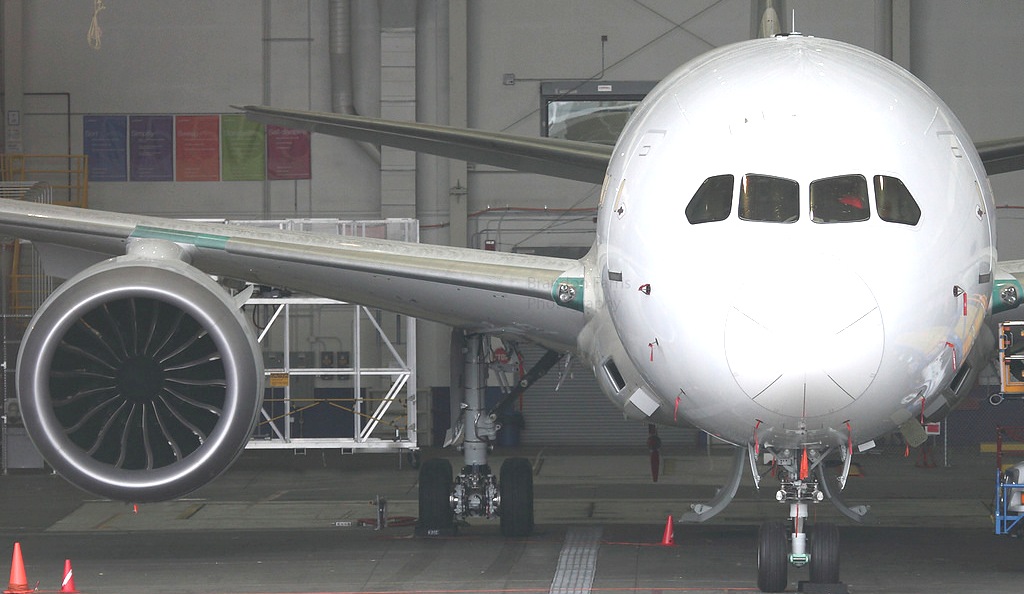
La nueva startup noruega Norse Atlantic Airways de larga distancia, del inversor noruego Bjørn Tore Larsen, ha anunciado la firma un contrato de arrendamiento con AerCap por nueve Boeing 787 Dreamliner como parte de la estructura de la nueva compañía. Como parte del inicio de las operaciones de la nueva startup noruega, «Norse Atlantic Airways espera poder proporcionar a nuestros pasajeros un viaje intercontinental cómodo, asequible a bordo de estos aviones de última generación», expresó Bjørn Tore Larsen, CEO de la nueva aerolínea. La programación de entrega de las aeronaves Boeing 787 incluyen el calendario de este año 2021 en formato de leasing que incluyen Boeing 787-9 (6) y Boeing 787-8 (3) aeronaves seleccionadas del mercado existente residual.
El modelo de negocio de larga distancia de bajo costo de Norse Atlantic Airways resurge luego de fracasar las operaciones de Norwegian Air Shuttle ASA. Varias de las figuras claves detrás de la nueva startup fueron fundamentales para poner en marcha a Norse Atlantic Airways. El acuerdo sigue a una exitosa colocación de acciones privadas por un valor de US$ 152 millones por parte de la nueva compañía, reflejando la confianza en la nueva aerolínea de inversores noruegos e internacionales.
Bjørn Tore Larsen es un importante hombre de las finanzas noruega y ahora se lanza como un nuevo CEO de Norse Atlantic Airways restableciendo a la proximidad el retorno de los vuelos transatlánticos. Algunos lo ven como otra jugada arriesgada, pero en la compañía se muestran confiados con una próxima apertura de los vuelos para restablecer el negocio para cubrir el espacio dejado por parte de Norwegian Air.
Aercap, con sede en Dublín, República de Irlanda, se ha convertido enel referente de las compañías de leasing de aeronaves líder del mundo con más de 1.000 aviones en su cartera, luego de la adquisición de GECAS Leasing. El CCO de AerCap, Peter Anderson, ha establecido su optimismo tras el acuerdo celebraso con Norse Atlantic Airways. «Con sus características operativas superiores, el 787 es el avión perfecto para que Norse Atlantic Airways lance una moderna aerolínea de bajo coste de larga distancia. Estamos encantados de proporcionarles sus primeros aviones», dice AerCap. La nueva startup espera iniciar sus operaciones en algún momento del 2021 para reestablecer los enlaces abandonados por parte de Norwegian.
Norse Atlantic leases Boeing 787
Norse Atlantic Airways signs lease for 9 Boeing 787s
Norwegian aviator Bjørn Tore Larsen’s new Norwegian long-haul startup Norse Atlantic Airways, has announced the signing of a lease with AerCap for nine Boeing 787 Dreamliners as part of the new company’s structure. As part of the start-up of the new Norwegian startup, «Norse Atlantic Airways looks forward to providing our passengers with comfortable, affordable intercontinental travel aboard these next-generation aircraft», said Bjørn Tore Larsen, CEO of the new airline. The delivery schedules for Boeing 787 aircraft include this year’s 2021 schedule in leasing format that include Boeing 787-9 (6) and Boeing 787-8 (3) aircraft selected from the existing residual market.
Norse Atlantic Airways’ low-cost long-haul business model resurfaces after the failure of Norwegian Air Shuttle ASA operations. Several of the key figures behind the new startup were instrumental in getting Norse Atlantic Airways up and running. The deal follows a successful placement of private shares worth US$ 152 million by the new company, reflecting the confidence in the new airline by Norwegian and international investors.
Bjørn Tore Larsen is a leading Norwegian finance man and is now launching himself as a new CEO of Norse Atlantic Airways by reestablishing the return of transatlantic flights nearby. Some see it as another risky move, but the company is confident with an upcoming opening of flights to restore business to cover the space left by Norwegian Air.
Aercap, based in Dublin, Republic of Ireland, has become the benchmark for the world’s leading aircraft leasing companies with more than 1,000 aircraft in its portfolio, following the acquisition of GECAS Leasing. AerCap CCO Peter Anderson has established his optimism following the celebrated deal with Norse Atlantic Airways. «With its superior operational characteristics, the 787 is the perfect aircraft for Norse Atlantic Airways to launch a modern low-cost long-haul airline. We are delighted to provide them with their first aircraft», AerCap said. The new startup expects to start operations sometime in 2021 to reestablish the links endorsed by Norwegian.
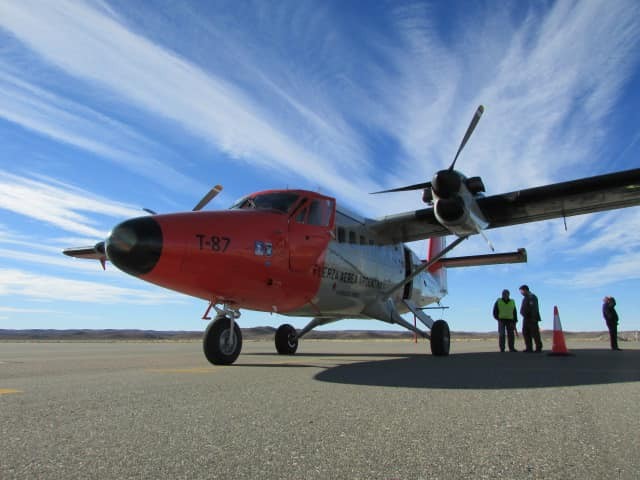
LADE (Líneas Aéreas del Estado) ha anunciado un programa de reapertura de rutas como parte de las estrategias para mantener conexiones vitales en la Región Patagonia en Argentina. La asignación de una nueva ruta Comodoro Rivadavia-Puerto Madryn a partir del 30 de Marzo de 2021 se incorpora a otras rutas establecidas por la aerolínea de fomento del Estado argentino. La línea aérea retomará los servicios regulares en aeronaves turbohélices Twin Otter DHC-6, permitiendo mantener dos frecuencias semanales (2Frq/S), los días Martes y Jueves.
El restablecimiento de las operaciones de LADE Líneas Aéreas es de capital importancia para la Región Patagonia. En el caso particular de Puerto Padryn, un destino turístico por excelencia, continuaba con la supresión de los vuelos regulares desde hace más de un año como consecuencia de la pandemia del Coronavirus. Andes Líneas Aéreas había suspendido el trayecto Buenos Aires—Puerto Madryn al comenzar el impacto de virus en el país en Marzo 2020.
LADE continúa desarrollando ampliaciones de vuelos en la región en medio del aislamiento que ha generado la pandemia. La compañía de fomento ha establecido días atrás una nueva conexión Comodoro Rivadavia—El Calafate como un nuevo destino al sur en la Provincia de Santa Cruz para atender la demanda y enlace vital para esa área remota de Argentina. Una nueva ruta desde Comodoro Rivadavia—Puerto Madryn—Buenos Aires podría establecerse próximamente para aprovechar la temporada de las ballenas.
LADE Argentina new route Puerto Madryn
LADE establishes Comodoro Rivadavia-Puerto Madryn link
LADE (Líneas Aéreas del Estado) has announced a program to reopen routes as part of the strategies to maintain vital connections in the Patagonia Region in Argentina. The assignment of a new Comodoro Rivadavia-Puerto Madryn route as of March 30, 2021 is incorporated into other routes established by the development airline of the Argentine State. The airline will resume regular services on Twin Otter DHC-6 turbulent aircraft, allowing it to maintain two weekly frequencies (2Frq/S), on Tuesdays and Thursdays.
The reestablishment of LADE Líneas Aéreas operations is of paramount importance for the Patagonia Region. In the particular case of Puerto Padryn, a tourist destination par excellence, it continued with the suppression of regular flights for more than a year as a result of the Coronavirus pandemic. Andes Líneas Aéreas had suspended the Buenos Aires—Puerto Madryn route when the virus began to hit the country in March 2020.
LADE continues to develop flight extensions in the region amid the isolation generated by the pandemic. Days ago, the development company established a new Comodora Rivadavia—El Calafate connection as a new destination to the south in the Province of Santa Cruz to meet the demand and vital link for that remote area of Argentina. A new route from Comodoro Rivadavia—Puerto Madryn—Buenos Aires could be established soon to take advantage of the whale season.
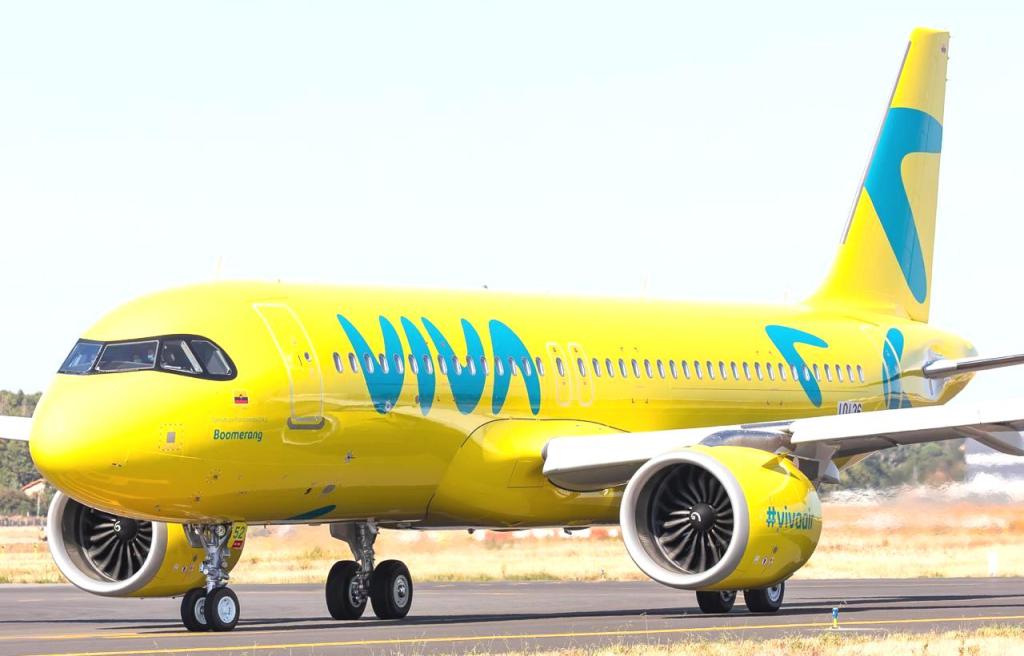
La aerolínea colombiana Viva Air planea el lanzamiento de cuatro rutas internacionales a México y los Estados Unidos hacia Junio de 2021. Las nuevas rutas Medellín—Cancún, Medellín—Ciudad de México, Medellín—Orlando, y Bogotá—Ciudad de México se han establecido como parte de de su expansión internacional que la compañía de presupuesto se encuentra desarrollando para posicionar la marca en Sudamérica.
Félix Antelo, Director de Viva Air, ha expresado que los nuevos lanzamientos representan un gran desafío para la compañía en el marco de las desafiantes condiciones de mercado que impera en la industria aérea como consecuencia de la pandemia. Colombia y Perú cerraron sus fronteras en un esfuerzo para contener la pandemia de Covid-19, obligando a que Viva Air quedara en tierra, dejando de percibir más de US$ 100 millones de Dólares en ingresos durante el periodo de cierre. A pesar de las consecuencias económicas para la aviación y el turismo, la compañía se encuentra en un proceso de crecimiento en medio de un escenario de retracción del mercado.
Viva Air recurrió a un plan de contingencia rápido para afrontar la crisis que incluyó recortes salariales, solicitudes de licencias no remuneradas, renegociaciones con aeropuertos, proveedores, bancos, entre otros, para hacer frente a la deuda. La aerolínea realizó certificaciones en protocolos de bioseguridad, tanto en Colombia como en Perú, como una estrategia para recobrar la confianza del pasajero en la empresa. “Salimos proporcionalmente más fortalecidos de la crisis, que sin duda ha sido la peor en la historia de la aviación, todo ello gracias al modelo de bajo costo, el cual resultó ser la vía correcta”, explicó Félix Antelo.
La aerolínea ha establecido un 30% más de demanda en Marzo 2021, comparada con el mismo periodo interanual 2019, permitiendo establecer un incremento hacia todo el año 2021. Actualmente la aerolínea colombiana ofrece tres rutas internacionales: Medellín—Lima (Perú), Medellín—Miami (Estados Unidos) y Bogotá—Lima.
Perspectivas Viva Air
La aerolínea Viva Air antes de buscar nuevas rutas en en mercado, la compañía se enfocará en consolidar su red de servicios actuales, para posteriormente buscarán incrementar las frecuencias internacionales. «La pandemia genera mucha incertidumbre, por lo que procuran ser más realistas con sus expectativas de crecimiento», expresó Félix Antelo.
Viva Air international expansion
Viva Air expanding market into the future
Colombian airline Viva Air plans to launch four international routes to Mexico and the United States by June 2021. The new routes Medellín—Cancún, Medellín—Mexico City, Medellín—Orlando, and Bogotá—Mexico City have been established as part of its international expansion that the budget company is developing to position the brand in South America.
Félix Antelo, Director of Viva Air, has expressed that the new launches represent a great challenge for the company in the framework of the challenging market conditions that prevail in the airline industry as a result of the pandemic. Colombia and Peru closed their borders in an effort to contain the Covid-19 pandemic, forcing Viva Air to remain on the ground, ceasing to receive more than US$ 100 million in revenue during the closure period. Despite the economic consequences for aviation and tourism, the company is in a growth process amid a scenario of market retraction.
Viva Air resorted to a rapid contingency plan to face the crisis that included salary cuts, requests for unpaid licenses, renegotiations with airports, suppliers, banks, among others, to deal with the debt. The airline carried out certifications in biosafety protocols, both in Colombia and Peru, as a strategy to regain passenger confidence in the company. “We emerged proportionally stronger from the crisis, which has undoubtedly been the worst in the history of aviation, all thanks to the low-cost model, which turned out to be the right way”, explained Félix Antelo.
The airline has established 30% more demand in March 2021, compared to the same year-on-year period 2019, allowing an increase to be established towards the entire year 2021. Currently, the Colombian airline offers three international routes: Medellín—Lima (Peru), Medellín—Miami (United States) and Bogotá-Lima.
Viva Air perspectives
The airline Viva Air before looking for new routes in the market, the company will focus on consolidating its current service network, to later seek to increase international frequencies. «The pandemic generates a lot of uncertainty, so they try to be more realistic with their growth expectations,» said Félix Antelo.
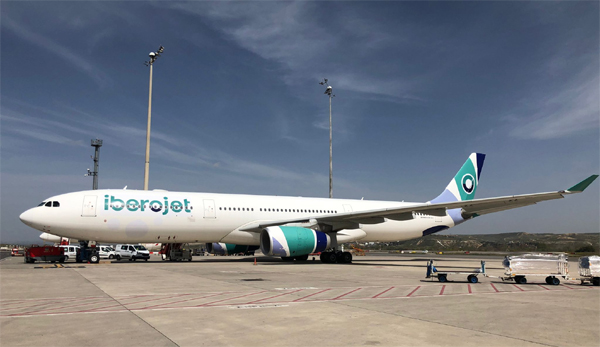
La nueva aerolínea Iberojet, producto de la fusión de las líneas aéreas Evelop (España) y Orbest (Portugal), ha presentado públicamente su identidad visual como parte de la estructuración de ambas compañías de ocio. La aerorolínea ha presentado a un Airbus A330-300 de los siete aviones que componen la flota con una nueva librea unificando los criterios opereativos post-pandemia. “Ya tenemos el primer A330 con la nueva librea. El nombre icónico de Iberojet hace honor a los mercados que son nuestra casa y a nuestra apasionante actividad. La unificación simplificará el posicionamiento de las aerolíneas de Ávoris, juntando los atributos y los valores en una sola marca”, destaca el Subdirector de la compañía aérea, Paul Verhagen.
La nueva compañía aérea Iberojet nace tras un importante esfuerzo de reestructuración que permitirá incorporar cambios a bordo de las aeronaves como así también el servicio brindado, posicionando mejores menúes, más entretenimiento a bordo y una Clase Turista mejorada. A partir de Mayo 2021, Evelop de España y Orbest de Portugal continuarán su viaje bajo la marca unificada de Iberojet como parte de las estrategias corporativas para afianzarse en el mercado de aviación post-pandemia. La marca Iberojet, comprada en subasta por el Grupo Barceló tras la quiebra de Orizonia, perteneció durante lustros al grupo Iberostar, antes de que el turoperador fuera vendido con el resto de la división emisora al fondo Carlyle.
Iberojet launches visual image
Iberojet presents corporate image
The new airline Iberojet, product of the merger of the airlines Evelop (Spain) and Orbest (Portugal), has publicly presented its visual identity as part of the structuring of both leisure companies. The airline has presented one Airbus A330-300 of the seven aircraft that make up the fleet with a new livery unifying post-pandemic operational criteria. “We already have the first A330 in the new livery. The iconic name of Iberojet honors the markets that are our home and our exciting activity. The unification will simplify the positioning of Ávoris airlines, bringing together attributes and values in a single brand”, highlights the Deputy Director of the airline, Paul Verhagen.
The new airline Iberojet was born after an important restructuring effort that will allow the incorporation of changes on board the aircraft as well as the service provided, positioning better menus, more inflight entertainment and an improved Economy Class. Starting in May 2021, Evelop from Spain and Orbest from Portugal will continue their journey under the unified Iberojet brand as part of corporate strategies to establish themselves in the post-pandemic aviation market. The Iberojet brand, bought at auction by the Barceló Group after the bankruptcy of Orizonia, belonged to the Iberostar group for decades, before the tour operator was sold with the rest of the issuing division to the Carlyle fund.




















 airgways.com