La aerolínea vietnamita low cost Vietjet Air ha anunciado una serie de rutas de viaje desde Da Nang hacia Thanh Hoa, Nha Trang (Khanh Hoa), Da Lat (Lam Dong), y Vinh (Nghe An) a Phu Quoc (Kien Giang) con el objetivo de dar la bienvenida al verano y satisfacer la creciente demanda de los turistas en esa temporada. Los vuelos de conexión entre Vinh y Phu Quoc se desplegaron desde la víspera, mientras que desde Da Nang y Thanh Hoa a Phu Quoc se operarán a partir del Viernes 02/04 próximo, y los de Nha Trang y Da Lat, desde el 29/04. También se intensificará la frecuencia de los vuelos en las rutas actuales desde Hanoi, Ciudad Ho Chi Minh y Hai Phong a Phu Quoc y otros destinos.
La aerolínea de presupuesto Vietjet Air se empeña en ofrecer mejores servicios a sus clientes con opciones de diversificación de vuelos y horarios estables que brinda excelentes experiencias de vuelo en aviones modernos con asientos cómodos, tripulaciones de cabina amigables y muchas actividades culturales y artísticas únicas a 10 mil metros de altura. Los viajeros pueden reservar sus boletos en los canales de venta oficiales de la aerolínea en el sitio web http://www.vietjetair.com, la aplicación móvil Vietjet Air, su página oficial de Facebook, las taquillas y agentes. Vietjet recomienda a los pasajeros cumplir con la declaración sanitaria obligatoria a través del sitio https://tokhaiyte.vn, además de usar mascarilla durante el vuelo para garantizar la seguridad personal y de la comunidad. Recientemente, la aerolínea ha sido certificada por el sitio web AirlineRatings con siete estrellas, la calificación global más alta, en el cumplimiento de la prevención contra la epidemia del COVID-19.
La aerolínea de nueva generación Vietjet lidera la revolución en la aviación nacional, regional e internacional. Con su capacidad avanzada en la administración de costos, explotación y operación, Vietjet ofrece la oportunidad de volar a un precio económico y flexible, proporcionando una amplia variedad de servicios que satisfacen todas las necesidades de sus pasajeros. La aerolínea es un miembro de pleno derecho de la Asociación Internacional de Transporte Aéreo (IATA), que posee el certificado de Auditoría de Seguridad Operacional (IOSA). Como la aerolínea privada más grande de Vietnam, fue galardonada con la clasificación más alta en seguridad, con siete estrellas, en 2018 y 2019 por Airlineratings.com, el único sitio web de calificación de productos y seguridad del mundo, y resultó catalogada como una de las 50 mejores aerolíneas del planeta por operaciones y financiamiento saludables en esos dos años por Airfinance Journal. La firma también ha sido nombrada Mejor Aerolínea de Bajo Costo por organizaciones de renombre como Skytrax, CAPA y Airline Ratings, entre otros.
Para el año 2020, Vietjet logró una ganancia después de impuestos de 3.000 millones de Dólares, convirtiéndose en una de las pocas aerolíneas en el mundo que no realizó despidos y operó de manera rentable en 2020. La empresa también registró una estructura de ingreso auxiliar de casi el 50 por ciento, lo que muestra que la aerolínea potenció esos servicios para compensar la baja de los ingresos por billetes de avión. También, según el informe, Vietjet posee un activo total de dos mil millones de dólares y un capital de US$ 752 millones, mientras el índice de liquidez actual se mantiene en 1,2 veces, un buen nivel en la industria de la aviación mundial. En 2020, la aerolínea operó 78.462 vuelos con 120.093 horas seguras, transportando a más de 15 millones de pasajeros con la aplicación estricta de las regulaciones sobre seguridad epidémica. Vietjet registró también los resultados operativos positivos, como una tasa de utilización de asientos superior al 80 por ciento, una tasa de puntualidad superior al 90 por ciento.
Vietjet Air expansion of services
Vietnamese airline Vietjet offers new summer routes
The Vietnamese low cost airline Vietjet Air has announced a series of travel routes from Da Nang to Thanh Hoa, Nha Trang (Khanh Hoa), Da Lat (Lam Dong), and Vinh (Nghe An) to Phu Quoc (Kien Giang) with the objective of welcoming the summer and meeting the growing demand of tourists in that season.
Specifically, the connecting flights between Vinh and Phu Quoc were deployed since the day before, while from Da Nang and Thanh Hoa to Phu Quoc will be operated from next Friday 02/04, and those from Nha Trang and Da Lat, from on 04/29. The frequency of flights on current routes from Hanoi, Ho Chi Minh City and Hai Phong to Phu Quoc and other destinations will also be intensified.
Budget airline Vietjet Air strives to offer better services to its customers with flight diversification options and stable schedules that provides excellent flight experiences in modern aircraft with comfortable seats, friendly cabin crews and many unique cultural and artistic activities at 10 thousand meters high. Travelers can book their tickets through the airline’s official sales channels on the website http://www.vietjetair.com, the Vietjet Air mobile app, its official Facebook page, ticket offices and agents. Vietjet recommends that passengers comply with the mandatory health declaration through the site https://tokhaiyte.vn, in addition to wearing a mask during the flight to ensure personal and community safety. Recently, the airline has been certified by the AirlineRatings website with seven stars, the highest global rating, in compliance with the prevention against the COVID-19 epidemic.
The new generation airline Vietjet is leading the revolution in national, regional and international aviation. With its advanced capabilities in cost management, exploitation and operation, Vietjet offers the opportunity to fly at an economical and flexible price, providing a wide variety of services that satisfy all the needs of its passengers. The airline is a full member of the International Air Transport Association (IATA), which holds the Operational Safety Audit (IOSA) certificate. As the largest private airline in Vietnam, it was awarded the highest safety rating, with seven stars, in 2018 and 2019 by Airlineratings.com, the world’s only product and safety rating website, and was listed as a Top 50 Airlines on the Planet for Healthy Operations and Financing in Those Two Years by Airfinance Journal. The firm has also been named Best Low Cost Airline by renowned organizations such as Skytrax, CAPA and Airline Ratings, among others.
By 2020, Vietjet achieved an after-tax profit of US$ 3 billion, becoming one of the few airlines in the world that did not lay off layoffs and operated profitably in 2020. The company also posted an ancillary revenue structure of almost 50 percent, which shows that the airline boosted these services to compensate for the decline in airline ticket revenue. Also, according to the report, Vietjet has a total assets of two billion dollars and capital of US$ 752 million, while the current liquidity ratio remains at 1.2 times, a good level in the global aviation industry. In 2020, the airline operated 78,462 flights with 120,093 safe hours, transporting more than 15 million passengers with the strict application of epidemic safety regulations. Vietjet also recorded the positive operating results, such as a seat utilization rate of more than 80 percent, a punctuality rate of more than 90 percent.
Vietjet Air mở rộng dịch vụ
Hãng hàng không Việt Nam Vietjet mở đường bay mùa hè mới
Hãng hàng không giá rẻ Việt Nam Vietjet Air vừa công bố hàng loạt đường bay từ Đà Nẵng đến Thanh Hóa, Nha Trang (Khánh Hòa), Đà Lạt (Lâm Đồng), Vinh (Nghệ An) đến Phú Quốc (Kiên Giang) với các mục tiêu đón hè và đáp ứng nhu cầu ngày càng đông của du khách trong mùa đó. Các đường bay nối Vinh-Phú Quốc đã được triển khai từ ngày hôm trước, trong khi từ Đà Nẵng, Thanh Hóa đến Phú Quốc sẽ được khai thác từ thứ Sáu tuần sau 02/04, còn Nha Trang và Đà Lạt từ 29/04. Tần suất các chuyến bay trên các đường bay hiện tại từ Hà Nội, Thành phố Hồ Chí Minh, Hải Phòng đến Phú Quốc và các điểm đến khác cũng sẽ được tăng cường.
Hãng hàng không giá rẻ Vietjet Air luôn nỗ lực mang đến cho khách hàng những dịch vụ tốt hơn với các lựa chọn bay đa dạng và lịch trình ổn định, mang đến trải nghiệm bay tuyệt vời trên máy bay hiện đại với ghế ngồi thoải mái, đội ngũ tiếp viên thân thiện và nhiều hoạt động văn hóa nghệ thuật đặc sắc trên độ cao 10 nghìn mét. Du khách có thể đặt vé trên các kênh bán hàng chính thức của hãng trên website http://www.vietjetair.com, ứng dụng di động Vietjet Air, trang Facebook chính thức, các phòng vé và đại lý của hãng. Vietjet khuyến cáo hành khách tuân thủ việc khai báo sức khỏe bắt buộc qua trang https://tokhaiyte.vn, bên cạnh việc đeo khẩu trang trong suốt chuyến bay để đảm bảo an toàn cho cá nhân và cộng đồng. Mới đây, hãng hàng không đã được trang web AirlineRatings chứng nhận bảy sao, xếp hạng cao nhất toàn cầu, tuân thủ công tác phòng chống dịch COVID-19.
Hãng hàng không thế hệ mới Vietjet đang dẫn đầu cuộc cách mạng hàng không quốc gia, khu vực và quốc tế. Với năng lực quản lý, khai thác và khai thác chi phí tiên tiến, Vietjet mang đến cơ hội bay với mức giá tiết kiệm, linh hoạt, cung cấp nhiều loại hình dịch vụ đáp ứng mọi nhu cầu của hành khách. Hãng hàng không là thành viên chính thức của Hiệp hội Vận tải Hàng không Quốc tế (IATA), tổ chức có chứng chỉ Đánh giá An toàn Hoạt động (IOSA). Là hãng hàng không tư nhân lớn nhất Việt Nam, được xếp hạng an toàn cao nhất, với bảy sao, vào năm 2018 và 2019 bởi Airlineratings.com, trang web đánh giá sản phẩm và an toàn duy nhất trên thế giới, đồng thời được xếp vào danh sách 50 Hãng hàng không hàng đầu trên Hành tinh cho Hoạt động và tài chính lành mạnh trong hai năm đó của Tạp chí Airfinance. Hãng cũng đã được các tổ chức nổi tiếng như Skytrax, CAPA và Airline Ratings, vinh danh là Hãng hàng không giá rẻ tốt nhất.
Đến năm 2020, Vietjet đạt lợi nhuận sau thuế 3 tỷ US$, trở thành một trong số ít các hãng hàng không trên thế giới không sa thải nhân viên và hoạt động có lãi vào năm 2020. Công ty cũng công bố cơ cấu doanh thu phụ trợ gần 50%, trong đó cho thấy hãng đẩy mạnh các dịch vụ này để bù đắp cho doanh thu vé máy bay sụt giảm. Cũng theo báo cáo, Vietjet có tổng tài sản hai tỷ đô la và vốn 752 triệu đô la Mỹ, trong khi hệ số thanh khoản hiện tại vẫn ở mức 1,2 lần, một mức tốt trong ngành hàng không toàn cầu. Năm 2020, hãng khai thác 78.462 chuyến bay với 120.093 giờ an toàn, vận chuyển hơn 15 triệu lượt hành khách với việc thực thi nghiêm ngặt các quy định về an toàn dịch bệnh. 90 phần trăm.
Arrendador de aeronaves subasta 17 aviones de la aerolínea
El arrendador de aviones SkyWorks Leasing está subastando 17 aviones de Latam Airlines Group actualmente almacenados en Victorville, California, Estados Unidos. Latam Airlines Group rechazó varios contratos de arrendamiento en 2020 debido a su proceso de bancarrota según el Capítulo 11 de la Ley de Quiebra de Estados Unidos. Ahora está reevaluando las necesidades reales de la flota adecuadas al nuevo escenario post-pandemia.
La actual situación del proceso de reorganización voluntaria y de reestructuración de la deuda bajo la protección del Capítulo 11 en Estados Unidos, Latam Airlines Group está evaluando en estos momentos las necesidades de flota, adecuadas a los próximos años. SkyWorks Leasing, radicada en Irlanda, rematará dos Airbus A350-900, cuatro Boeing 787-9 y once Airbus A321-200 mediante subasta pública, prevista para realizarse el 14 de Abril de 2021. Los A321 están comprometidos con arrendamientos a largo plazo, que se espera comiencen en el segundo trimestre de 2021, mientras que los A350 y 787 están fuera de arrendamiento, dijo SkyWorks Leasing.
SkyWorks auctions Latam aircraft
The aircraft lessor auctions 17 aircraft of the airline
Aircraft lessor SkyWorks Leasing is auctioning 17 Latam Airlines Group aircraft currently stored in Victorville, California, United States. Latam Airlines Group rejected several leases in 2020 due to its bankruptcy proceedings under Chapter 11 of the United States Bankruptcy Law. Now it is reassessing the real needs of the fleet appropriate to the new post-pandemic scenario.
The current situation of the process of voluntary reorganization and debt restructuring under the protection of Chapter 11 in the United States, Latam Airlines Group is currently evaluating the fleet needs, suitable for the coming years. Ireland-based SkyWorks Leasing will auction two Airbus A350-900, four Boeing 787-9 and eleven Airbus A321-200 through public auction, scheduled to take place on April 14, 2021. The A321s are committed to long-term leases, which They are expected to start in the second quarter of 2021, while the A350 and 787 are out of lease, SkyWorks Leasing said.
Argentina anuncia nuevas medidas en tráfico internacional
El décimo vuelo de Aerolíneas Argentinas con destino a Moscú partió este Lunes 29/03 a la madrugada en busca de vacunas Sputnik V contra el Coronavirus y estará de regreso el próximo Martes 30/03 en horas de la tarde, según confirmó el Presidente de la línea de bandera, Pablo Ceriani, a través de su cuenta de Twitter. ”Queremos anunciar que mañana a las 2 sale un nuevo vuelo de Aerolíneas a Rusia en búsqueda de más dosis de la vacuna Sputnik V. Es la décima operación que realizamos a Moscú”, publicó Ceriani en la red social en la tarde del Domingo 28/03.
Bajo el número de vuelo AR1066, el Airbus 330-200, matrícula LV-GIF, despegó desde el Aeropuerto Internacional Ezeiza a las 02:00 hs [hora local argentina], estimando su arribo al Aeropuerto Internacional Moscow/Sheremétievo a las 18:30 [hora local argentina], 0:30 del Martes 30/03 [hora local rusa]. Está previsto que, por los trabajos de carga de las vacunas, la aeronave permanezca en tierra hasta alrededor de las 14:30 hs y su retorno al Aeropuerto Ezeiza se establezca alrededor de las 16:30 hs del Martes 30/03. ”El esfuerzo logístico que se realiza para sacar los vuelos en cuestión de horas se puede hacer porque hay una línea aérea puesta al servicio de los argentinos. Cada avión que llega con vacunas permite darle continuidad al plan de vacunación trazado por el Gobierno Nacional”, señaló Pablo Ceriani.
Desde fines de Diciembre 2020, Aerolíneas Argentinas se encuentra realizando operaciones de vuelos especiales con el objetivo de traer vacunas contra el coronavirus al país. En los nueve vuelos completados hacia y desde la Federación Rusa se trajeron en total unas 3.669.000 dosis de Sputnik V. El último viernes, bajo el número de vuelo AR1065, llegaron al país 370.000 nuevas dosis de la Sputnik V. Además, se realizó un vuelo a Beijing, República Popular China, en el cual vinieron 908.000 dosis de la vacuna producida por Sinopharm. Hasta el momento, la cantidad de vacunas contra el Covid-19 que llegaron al país en vuelos de Aerolíneas Argentinas es de 4.577.000.
Reprogramación vuelos internacionales
En el marco de las medidas dispuestas por el gobierno nacional para intensificar los controles a fin de evitar la llegada al país de las nuevas cepas de coronavirus, la Administración Nacional de Aviación Civil (ANAC) reprogramará desde este Lunes 29 de Marzo de 2021 los horarios de todos los vuelos internacionales. Las aerolíneas comunicarán a sus pasajeros los nuevos horarios. La resolución oficial busca espaciar las frecuencias y evitar aglomeraciones.
Ante el aumento de los casos de Covid-19 y el temor de las autoridades nacionales de que ingresen las cepas británica y brasileña en forma masiva, la ANAC anunció esta resolución adoptada ante la emergencia sanitaria que vive el país. Las aerolíneas tendrán que avisar a sus pasajeros sobre el cambio de horario. “Los pasajeros deben esperar la comunicación de su aerolínea. Cuando reciban la confirmación, solo deberán verificar el estado de su vuelo”, dijeron fuentes del Ministerio de Transporte de Argentina.
La medida fue informada por correo electrónico a las aerolíneas y busca que los vuelos sean reprogramados en distintos horarios, pero en los mismos días pautados. Esta decisión busca espaciar las frecuencias entre vuelos para evitar aglomeraciones de pasajeros al momento de realizar los testeos en el sector de arribos del Aeropuerto Internacional de Ezeiza. “La modificación apunta exclusivamente a generar una distancia entre cada de arribo de alrededor de 120 minutos, manteniéndose los vuelos. No existe ni un cambio de fase ni ninguna otra medida adicional a las ya anunciadas por el Jefe de Gabinete de Ministros [Santiago Cafiero], sino un mero reacomodamiento y redistribución de los vuelos a efectos de dar cumplimiento con las medidas sanitarias correspondientes”, informó la ANAC en un comunicado.
Otras medidas de prevención
La reprogramación de vuelos internacionales se da en el contexto de un mayor control en las fronteras dispuesto por el gobierno nacional para reducir el impacto de la segunda ola de la pandemia. Desde el pasado Sábado 27/03 todas las personas que lleguen al país están obligadas a someterse a dos tests a cargo del pasajero, uno al arribo y otro siete días después y están suspendidos los vuelos desde Chile, Brasil y México. En tanto, continúan suspendidos los provenientes de Gran Bretaña e Irlanda del Norte. En caso de que el primer testeo de un resultado negativo de coronavirus, deberán hacer un aislamiento en un domicilio comprobado durante una semana. De ser positivo, las autoridades determinarán dónde realiza el aislamiento, cuya estadía también estará a cargo del pasajero y se les realizará un estudio genómico para precisar la cepa.
Tenth flight Aerolíneas for vaccines
Argentina announces new measures in international traffic
The tenth flight of Aerolíneas Argentinas to Moscow departed this Monday 03/29 at dawn in search of Sputnik V vaccines against the Coronavirus and will be back next Tuesday 03/30 in the afternoon, as confirmed by the President of the flag line, Pablo Ceriani, through his Twitter account. «We want to announce that tomorrow at 2 am a new Aerolíneas flight leaves for Russia in search of more doses of the Sputnik V vaccine. It is the tenth operation we carried out in Moscow», Pablo Ceriani published on the social network on the afternoon of Sunday 28 / 03.
Under flight number AR1066, Airbus 330-200, registration LV-GIF, took off from Ezeiza International Airport at 02:00 am [Argentine local time], estimating its arrival at Moscow/Sheremetyevo International Airport at 18:30 [Argentine local time], 0:30 on Tuesday 03/30 [Russian local time]. Due to the vaccine loading work, the aircraft is expected to remain on the ground until around 2:30 p.m. and its return to Ezeiza Airport will be established around 4:30 p.m. on Tuesday 03/30. «The logistical effort that is made to get the flights out in a matter of hours can be done because there is an airline at the service of the Argentines. Each plane that arrives with vaccines allows continuity to the vaccination plan drawn up by the National Government”, said Pablo Ceriani.
Since the end of December 2020, Aerolíneas Argentinas has been conducting special flight operations with the aim of bringing vaccines against the coronavirus to the country. In the nine flights completed to and from the Russian Federation, a total of 3,669,000 doses of Sputnik V were brought in. Last Friday, under flight number AR1065, 370,000 new doses of Sputnik V arrived in the country. a flight to Beijing, People’s Republic of China, in which 908,000 doses of the vaccine produced by Sinopharm came. So far, the number of vaccines against Covid-19 that arrived in the country on Aerolineas Argentinas flights is 4,577,000.
Rescheduling international flights
Within the framework of the measures arranged by the national government to intensify controls in order to prevent the arrival in the country of new strains of coronavirus, the National Civil Aviation Administration (ANAC) will reprogram the schedules from this Monday, March 29, 2021. of all international flights. The airlines will inform their passengers of the new schedules. The official resolution seeks to space the frequencies and avoid crowds.
Given the increase in cases of Covid-19 and the fear of the national authorities that British and Brazilian strains will enter in a massive way, the ANAC announced this resolution adopted in the face of the health emergency that the country is experiencing. The airlines will have to notify their passengers about the time change. “Passengers must wait for communication from their airline. When they receive the confirmation, they will only have to verify the status of their flight”, said sources from the Ministry of Transport of Argentina.
The measure was informed by email to the airlines and seeks that the flights be rescheduled at different times, but on the same scheduled days. This decision seeks to space the frequencies between flights to avoid crowds of passengers at the time of testing in the arrivals area of the Ezeiza International Airport. “The modification aims exclusively at generating a distance between each arrival of around 120 minutes, keeping the flights. There is neither a change of phase nor any other measure in addition to those already announced by the Chief of the Cabinet of Ministers [Santiago Cafiero], but a mere rearrangement and redistribution of the flights in order to comply with the corresponding sanitary measures”, he reported the ANAC in a statement.
Other preventive measures
The rescheduling of international flights occurs in the context of greater control at the borders provided by the national government to reduce the impact of the second wave of the pandemic. Since last Saturday 03/27 all people arriving in the country are required to undergo two tests by the passenger, one upon arrival and another seven days later, and flights from Chile, Brazil and Mexico are suspended. Meanwhile, those from Great Britain and Northern Ireland continue to be suspended. In the event that the first test of a negative result of coronavirus, they must make an isolation in a verified address for a week. If positive, the authorities will determine where the isolation is carried out, whose stay will also be in charge of the passenger and a genomic study will be carried out to determine the strain.
Southwest ordena 100 aviones Boeing 737 MAX, más 155 opciones
The Boeing Company y Southwest Airlines anunciaron este Lunes, 29 de Marzo de 2021 que la aerolínea continuará construyendo su negocio alrededor de la familia Boeing 737 MAX con un nuevo pedido para 100 aviones y 155 opciones en dos modelos. El acuerdo llega después de una evaluación de flotas de varios años por parte de Southwest y significa que Boeing y sus proveedores podrían construir más de 600 nuevos aviones 737 MAX para la aerolínea hasta 2031.
Southwest había estado explorando opciones para modernizar el componente más grande de su flota el 737-700 que sirve a las necesidades de la aerolínea para un avión de 140-150 asientos. Con el nuevo acuerdo, la aerolínea reafirmó el Boeing 737-7 MAX como su avión preferido de reemplazo y crecimiento. El jet complementará el 737-8 MAX, que sirve a las necesidades de Southwest para un modelo de 175 asientos. Ambos miembros de la familia 737 MAX reducirán el uso de combustible y las emisiones de carbono en al menos un 14% en comparación con los aviones que reemplazan, ayudando a mejorar los costos operativos y el rendimiento ambiental. Southwest dijo que la solución le permite mantener las eficiencias operativas de una flota de Boeing 737 para soportar su red de rutas punto a punto de bajo costo.
«Southwest Airlines ha estado operando la serie Boeing 737 durante casi 50 años, y el avión ha hecho contribuciones significativas a nuestro éxito sin precedentes. El compromiso de hoy con el 737 MAX consolida nuestro continuo aprecio por el avión y confirma nuestros planes de ofrecer la serie de aviones Boeing 737 a nuestros empleados y clientes en los próximos años. Estamos orgullosos de continuar nuestra tradición de ser el mayor operador mundial de una flota de Boeing», dijo Gary Kelly, Presidente y CEO de Southwest Airlines.
«Además de apoyar nuestros esfuerzos para operar de manera sostenible y eficiente, el 737 MAX ofrece a los empleados y clientes comodidades de viaje, como una cabina más silenciosa, espacios de contenedores superiores más grandes, asientos con reposacabezas ajustables y más espacio de galera para el servicio a bordo», dijo Mike Van de Ven, Director de Operaciones de Southwest Airlines.
El nuevo acuerdo de compra lleva el libro de pedidos de Southwest a 200 737-7 y 180 737-8, más de 30 de los cuales ya han sido entregados. Southwest también tendrá 270 opciones para cualquiera de los dos modelos, tomando el compromiso de compra directa de la aerolínea con más de 600 aviones. La aerolínea también planea incorporar 737 MAX adicionales a través de arrendadores de terceros.
«Southwest Airlines ha sido durante mucho tiempo un líder y bellwether para la industria aérea y esta orden es un gran voto de confianza para los viajes aéreos comerciales. A medida que la distribución de vacunas continúa repuntando, la gente está regresando a los cielos y alimentando las esperanzas de una recuperación completa y un crecimiento renovado en toda nuestra industria. Nos sentimos profundamente honrados por la continua confianza de Southwest en Boeing y el 737. Su decisión de flota hoy trae más estabilidad para nuestro programa comercial más grande y asegurará que toda nuestra familia 737 construirá nuevos aviones para Southwest en los próximos años», dijo Stan Deal, Presidente y CEO de Boeing Commercial Airplanes.
Como parte del acuerdo, Southwest también ampliará su uso de las soluciones digitales de Boeing para apoyar su flota 737 MAX, incluyendo Gestión de Salud de Aviones, Caja de Herramientas de Rendimiento de Mantenimiento y herramientas de gráficos de navegación digital. Boeing también proporcionará actualizaciones de software del sistema y nuevos equipos habilitadores de comunicaciones inalámbricas para soportar las operaciones de Southwest.
Southwest orders 100 Boeing 737-7 MAX
Southwest orders 100 Boeing 737 MAX planes, plus 155 options
The Boeing Company and Southwest Airlines announced this Monday, March 29, 2021 that the airline will continue to build its business around the Boeing 737 MAX family with a new order for 100 aircraft and 155 options in two models. The deal comes after a multi-year fleet assessment by Southwest and means Boeing and its suppliers could build more than 600 new 737 MAX jets for the airline through 2031.
Southwest had been exploring options to modernize the largest component in its fleet, the 737-700 that serves the airline’s needs for a 140-150 seat aircraft. With the new agreement, the airline reaffirmed the Boeing 737-7 MAX as its preferred replacement and growth aircraft. The jet will complement the 737-8 MAX, which serves Southwest’s needs for a 175-seat model. Both members of the 737 MAX family will reduce fuel use and carbon emissions by at least 14% compared to the aircraft they replace, helping to improve operating costs and environmental performance. Southwest said the solution enables it to maintain the operational efficiencies of a Boeing 737 fleet to support its network of low-cost point-to-point routes.
«Southwest Airlines has been operating the Boeing 737 series for nearly 50 years, and the aircraft has made significant contributions to our unprecedented success. Today’s commitment to the 737 MAX consolidates our continued appreciation for the aircraft and confirms our plans to offer the Boeing 737 series of aircraft to our employees and customers for years to come. We are proud to continue our tradition of being the world’s largest operator of a Boeing fleet», said Gary Kelly, President and CEO of Southwest Airlines.
«In addition to supporting our efforts to operate sustainably and efficiently, the 737 MAX offers employees and customers travel comforts such as a quieter cabin, larger upper container spaces, adjustable headrest seats, and more galley space for onboard service», said Mike Van de Ven, Southwest Airlines Chief Operating Officer.
The new purchase agreement brings Southwest’s order book to 200 737-7 and 180 737-8, more than 30 of which have already been delivered. Southwest will also have 270 options for either model, taking the airline’s direct purchase commitment with more than 600 aircraft. The airline also plans to add an additional 737 MAXs through third-party lessors.
«Southwest Airlines has long been a leader and bellwether for the airline industry and this order is a huge vote of confidence for commercial air travel. As vaccine distribution continues to rebound, people are taking to the skies and feeding hopes for a full recovery and renewed growth across our industry. We are deeply honored by Southwest’s continued confidence in Boeing and the 737. Your fleet decision today brings more stability to our largest commercial program and will ensure that all of our The 737 family will build new aircraft for Southwest in the coming years», said Stan Deal, President and CEO of Boeing Commercial Airplanes.
As part of the agreement, Southwest will also expand its use of Boeing digital solutions to support its 737 MAX fleet, including Aircraft Health Management, Maintenance Performance Toolbox and digital navigation graphics tools. Boeing will also provide system software updates and new wireless communications enabling equipment to support Southwest operations.
AW | 2021 03 28 21:22 | AVIATION / INDUSTRY / GOVERNMENT
Puja por la supremacía aérea entre EEUU y China
Las relaciones entre Estados Unidos de América y la República Popular de China continúan pujando el plan de Pekín para la supremacía de la aviación. El plan de China de convertirse en una potencia en la fabricación de aviones civiles podría descarrilar por los controles de exportación estadounidenses sobre productos de aviación, ya que la tensión entre Pekín y Washington no muestra signos de relajación a pesar de una nueva administración en Washington. Una guerra comercial entre las dos economías más grandes del mundo se ha transformado en una batalla por la supremacía tecnológica que se ha extendido al sector de la aviación en los últimos dos años.
En medio de los temores de que la competitividad global estadounidense podría verse comprometida y la tecnología crítica podría caer en manos del ejército chino, Washington se ha dirigido a empresas chinas, incluidas muchas en la industria aeroespacial, restringiéndoles la compra de productos fabricados en Estados Unidos. «Por el momento, la Administración Biden no ha flexibilizado ningún control, y puede que nunca. Mucho dependerá de la trayectoria general de las relaciones entre Estados Unidos y China y del resultado de las revisiones de políticas en curso», dijo Scott Kennedy, Asesor Principal y residente de confianza en negocios y economía chinas del Centro de Estudios Estratégicos e Internacionales (CSIS) en Washington.
Aproximando competencia
China tiene grandes esperanzas en su aeronave insignia C919 en particular, un avión de pasajeros de media distancia de cuerpo estrecho diseñado para competir con el Boeing 737 y el Airbus A320. Se espera que reciba su certificado de aeronavegabilidad este año. Pero el fabricante del avión, la estatal Commercial Aircraft Corporation of China (COMAC), fue añadido a una lista negra de supuestas compañías militares chinas por el Departamento de Defensa de Estados Unidos en enero. Bajo una orden ejecutiva firmada el año pasado por el entonces Presidente Donald Trump, las empresas estadounidenses no pueden invertir en estas entidades. «No creo que Estados Unidos deba ver a Comac, y China, como un competidor global de aviones. Pero también creo que hay muchos funcionarios del gobierno estadounidense que quieren una oportunidad para verse duros en cuestiones comerciales, y en cuestiones de propiedad intelectual, con China», dijo Richard Aboulafia, Vicepresidente de Análisis de la consultora de aviación y defensa Teal Group.
Guerra comercial sino-americana
El despliegue del avión insignia de pasajeros de China sigue en el aire mientras se espera que las restricciones tecnológicas estadounidenses persistan bajo la Administración de Joe Biden. Algunos también pueden verlo como una oportunidad para que la Administración de Aviación Civil de China (CAAC) al menos discuta las condiciones para la recertificación de 737 MAX. El negocio de Boeing en China y el regreso a los cielos de su problemático avión 737 MAX se han visto envueltos en la creciente tensión entre Pekín y Washington. China fue el primer país en aterrizar el 737 MAX en Marzo de 2019 después de dos accidentes aéreos. La Agencia de Aviación de la CAAC no ha dado un calendario para que el avión de pasajeros vuelva al servicio en China.
China es un gran importador de productos de aviación estadounidenses y ha confiado principalmente en componentes estadounidenses para su C919. Como tal, hay crecientes preocupaciones entre los fabricantes estadounidenses de que China podría comenzar a buscar alternativas a medida que el gobierno estadounidense busca endurecer las licencias. Un informe publicado en Febrero 2021 por la Cámara de Comercio de Estados Unidos, un grupo de presión estadounidense orientado a los negocios, dijo que el gobierno estadounidense ha hecho cada vez más difícil para las empresas estadounidenses obtener licencias de exportación para vender productos de doble uso a clientes chinos, creando incertidumbre que es difícil para las empresas estadounidenses mitigar e incentivando a los clientes chinos a reemplazar a los proveedores estadounidenses. Los productos de doble uso se definen como productos y tecnología que tienen aplicación civil y militar.
Made in China 2025
El plan industrial estatal de China, apodado «Made in China 2025» (MIC2025) que tiene como objetivo actualizar sus industrias de alta tecnología a los niveles occidentales y disminuir su dependencia de las importaciones y su programa de fusión militar-civil plantean grandes preocupaciones a la hora de regular las exportaciones de doble uso, según un informe de Enero 2021 elaborado por el Servicio de Investigación del Congreso. Las políticas tecnológicas de China a menudo requieren empresas conjuntas y asociaciones en las que la parte china controla la tecnología y la propiedad intelectual. Muchos socios chinos de empresas estadounidenses son entidades controladas por el gobierno, lo que aumenta la posibilidad de que la tecnología estadounidense pueda estar avanzando en las capacidades gubernamentales y militares de China.
Richard Aboulafia cree que sería difícil para China reemplazar la tecnología de aviación estadounidense y ser aún más difícil para ella innovar a puerta cerrada. Un desacoplamiento en el sector de la aviación podría significar que Estados Unidos puede perderse el mayor mercado de crecimiento del mundo, pero China también podría terminar «con un sistema estatal inferior y de aspecto interno que se haga eco de la experiencia de la industria soviética», dijo el analista de aviación.
Aviación global
Las empresas estadounidenses realmente no pueden perder ante los competidores europeos como resultado de estas reglas, por dos razones. Una de ellas, las empresas europeas que aplicaron estas normas podrían enfrentarse a sanciones en los Estados Unidos, en particular para los programas de defensa. Dos, hay muy pocos sistemas aeroespaciales europeos. El motor del C919 es una empresa conjunta entre GE y la francesa Safran. Casi todo en el mercado aeroespacial civil mundial, fuera de Rusia, es un producto global.
La Administración Trump impulsó un aluvión de acciones punitivas dirigidas a Pekín hacia finales del año pasado, muchas de las cuales apuntaron a la industria de la aviación. La mayor empresa estatal de aviación y defensa de China, la Aviation Industry Corporation of China (AVIC), fue puesta en la lista de «compañías militares comunistas chinas». Siete filiales de AVIC también fueron catalogadas como «usuarios finales militares» por el Departamento de Comercio de los Estados Unidos, lo que significa que los exportadores estadounidenses están obligados a obtener licencias para venderles ciertos productos.
«Las empresas que están en la lista de usuarios finales militares del Departamento de Comercio están sujetas a un requisito de licencia para ciertos artículos sensibles que se describen en las regulaciones de control de exportaciones de Estados Unidos«, dijo Nick Turner, un Abogado especializado en sanciones económicas y lucha contra el lavado de dinero en Steptoe & Johnson en Hong Kong. No hay ninguna posibilidad de que China pueda ser autosuficiente en la fabricación de aviones comerciales en los próximos 30-40 años. «Si esto tendría un impacto importante en las empresas depende de si reciben esos artículos y de si sus proveedores estadounidenses pueden obtener licencias para seguir proporcipándoles», expresa Scott Kennedy.
La aviación es parte integral de MIC2025, que ha sido criticada por los mayores socios comerciales de China, Estados Unidos y Europa, por dar a las empresas chinas una ventaja injusta a través de subsidios gubernamentales y otras formas de apoyo estatal. Si bien desde entonces China se ha abstenido de hablar públicamente sobre MIC2025, su inversión en aviación y su objetivo de esculpir una parte de la lucrativa industria no ha cambiado. En el 14º Plan Quinquenal de Pekín y los objetivos de desarrollo a largo plazo para 2035, la aviación y la industria aeroespacial han sido destacadas como las industrias emergentes estratégicas que son cruciales para el avance económico de China y su desarrollo debe ser acelerado. «No hay ninguna posibilidad de que China pueda ser autosuficiente en la fabricación de aeronaves comerciales en los próximos 30-40 años. Tampoco deberían serlo. Nadie es plenamente autosuficiente, ni siquiera Estados Unidos ni [la Unión Europea]. La especialización tiene sentido», dijo Scott Kennedy.
World aviation supremacy
Bid for air supremacy between the US and China
Relations between the United States of America and the People’s Republic of China continue to push Beijing’s plan for aviation supremacy. China’s plan to become a civilian aircraft powerhouse could be derailed by US export controls on aviation products, as tension between Beijing and Washington shows no signs of easing despite a new administration in Washington. A trade war between the world’s two largest economies has morphed into a battle for technological supremacy that has spread to the aviation sector in the past two years.
Amid fears that US global competitiveness could be compromised and critical technology could fall into the hands of the Chinese military, Washington has targeted Chinese companies, including many in the aerospace industry, restricting them from purchasing US-made products. «At the moment, the Biden Administration has not relaxed any controls, and may never have. Much will depend on the overall trajectory of US-China relations and the outcome of ongoing policy reviews», said Scott Kennedy, Advisor. Principal and trusted resident in Chinese business and economics at the Center for Strategic and International Studies (CSIS) in Washington.
Approaching competition
China has high hopes for its flagship C919 aircraft in particular, a narrow-body medium-haul airliner designed to compete with the Boeing 737 and Airbus A320. It is expected to receive its certificate of airworthiness this year. But the plane’s maker, the state-run Commercial Aircraft Corporation of China (COMAC), was added to a blacklist of alleged Chinese military companies by the US Department of Defense in January. Under an executive order signed last year by then-President Donald Trump, American companies cannot invest in these entities. «I don’t think the United States should see COMAC, and China, as a global aircraft competitor. But I also think there are a lot of US government officials who want an opportunity to be tough on trade issues, and on intellectual property issues, with China», said Richard Aboulafia, Vice President of Analytics for aviation and defense consultancy Teal Group.
Sino-American trade war
The deployment of China’s flagship airliner remains in the air as US technology restrictions are expected to persist under the Joe Biden Administration. Some may also see it as an opportunity for the Civil Aviation Administration of China (CAAC) to at least discuss the conditions for 737 MAX recertification. Boeing’s business in China and the return to the skies of its troublesome 737 MAX jet have been caught up in rising tension between Beijing and Washington. China was the first country to land the 737 MAX in March 2019 after two plane crashes. The CAAC Aviation Agency has not given a timetable for the passenger jet to return to service in China.
China is a large importer of American aviation products and has relied primarily on American components for its C919. As such, there are growing concerns among US manufacturers that China could start looking for alternatives as the US government seeks to tighten licenses. A report published in February 2021 by the US Chamber of Commerce, a business-oriented US lobby group, said the US government has made it increasingly difficult for US companies to obtain export licenses to sell dual-use products. to Chinese customers, creating uncertainty that is difficult for US companies to mitigate and incentivizing Chinese customers to replace US suppliers. Dual-use products are defined as products and technology that have civil and military applications.
Made in China 2025
China’s state industrial plan, dubbed «Made in China 2025» (MIC2025) that aims to upgrade its high-tech industries to Western levels and decrease its dependence on imports and its military-civil fusion program raises great concerns to when regulating dual-use exports, according to a January 2021 report prepared by the Congressional Research Service. China’s technology policies often call for joint ventures and partnerships in which the Chinese side controls technology and intellectual property. Many Chinese partners of US companies are government-controlled entities, raising the possibility that US technology may be advancing China’s military and government capabilities.
Richard Aboulafia believes that it would be difficult for China to replace American aviation technology and be even more difficult for it to innovate behind closed doors. A decoupling in the aviation sector could mean that the United States may miss out on the world’s largest growth market, but China could also end up with «an inferior, domestic-looking state system that echoes the experience of Soviet industry», said the aviation analyst.
Global aviation
American companies really cannot lose to European competitors as a result of these rules, for two reasons. One of them, European companies that enforced these rules could face sanctions in the United States, particularly for defense programs. Two, there are very few European aerospace systems. The C919 engine is a joint venture between GE and France’s Safran. Almost everything in the global civil aerospace market, outside of Russia, is a global product.
The Trump Administration launched a barrage of punitive actions targeting Beijing towards the end of last year, many of which targeted the aviation industry. China’s largest state-owned aviation and defense company, the Aviation Industry Corporation of China (AVIC), was put on the list of «Chinese communist military companies». Seven AVIC affiliates were also listed as «military end users» by the US Department of Commerce, meaning that US exporters are required to obtain licenses to sell certain products to them.
«Companies that are on the Department of Commerce’s military end-user list are subject to a licensing requirement for certain sensitive items that are outlined in the United States export control regulations», said Nick Turner, an Lawyer specializing in economic sanctions and the fight against money laundering at Steptoe & Johnson in Hong Kong. There is no chance that China can become self-sufficient in manufacturing commercial aircraft in the next 30-40 years. «Whether this would have a significant impact on companies depends on whether they receive those items and whether their US suppliers can obtain licenses to continue to supply them», says Scott Kennedy.
Aviation is an integral part of MIC2025, which has been criticized by major trading partners China, the United States, and Europe, for giving Chinese companies an unfair advantage through government subsidies and other forms of state support. While China has since refrained from speaking publicly about MIC2025, its investment in aviation and its goal of sculpting a piece of the lucrative industry has not changed. In Beijing’s 14th Five-Year Plan and the long-term development goals for 2035, aviation and aerospace have been highlighted as the strategic emerging industries that are crucial for China’s economic advancement and their development must be accelerated. «There is no chance that China can be self-sufficient in manufacturing commercial aircraft in the next 30-40 years. Nor should they be. No one is fully self-sufficient, not even the United States or [the European Union]. Specialization makes sense», Scott Kennedy said.
Comisión Europea aprueba nueva aerolínea de bandera italiana
La Comisión Europea ha aprobado la nueva compañía italiana producto de la reestructuración de la Alitalia Società Aerea Italiana S.p.A. permitiendo configurar la deuda, los derechos de aterrizaje (slots), entre otros detalles. Los derechos de aterrizaje en los aeropuertos, especialmente en algunos de ellos, en Europa y en Estados Unidos, son muy caros. Ita Líneas Aéreas la nueva entidad bajo el ala de la nueva Alitalia permitirá conservarlos slots vitales para su funcionamiento. La nueva Alitalia tendrá un 75% menos aviones.
La Comisión Europea exige a la empresa italiana que renuncie a una serie de slots. Es lo mismo que se le exigió a Lufthansa en Frankfurt y Munich. Pero el Gobierno italiano dice que la nueva aerolínea de bandera también debería tener sus slots y parte de los activos de su predecesor. Ita ha rechazado la idea de renunciar a las franjas horarias en el aeropuerto de Milán/Linate, donde Alitalia tenía más del 50 por ciento de los segmentos antes de la pandemia. El Gobierno de Italia y la Comisión Europea continuarán negociando una flexibilidad para permitir a la aérea continuar proyectando su reestructuración para continuar volando.
Europe approves new Alitalia
European Commission approves new Italian-flagged airline
The European Commission has approved the new Italian company resulting from the restructuring of Alitalia Società Aerea Italiana S.p.A. allowing to configure the debt, the landing rights (slots), among other details. Landing fees at airports, especially some of them, in Europe and the United States, are very expensive. Ita Lineas Aereas, the new entity under the wing of the new Alitalia, will allow them to conserve vital slots for their operation. The new Alitalia will have 75% fewer aircraft.
The European Commission requires the Italian company to give up a series of slots. It is the same that was demanded of Lufthansa in Frankfurt and Munich. But the Italian government says that the new flag carrier should also have its slots and part of the assets of its predecessor. Ita has rejected the idea of giving up slots at the Milan / Linate airport, where Alitalia had more than 50 percent of the segments before the pandemic. The Government of Italy and the European Commission will continue negotiating flexibility to allow the airline to continue planning its restructuring to continue flying.
L’Europa approva la nuova Alitalia
Commissione Europea approva nuova aerea battente bandiera italiana
La Commissione Europea ha approvato la nuova società italiana derivante dalla ristrutturazione di Alitalia Società Aerea Italiana S.p.A. consentendo di configurare il debito, i diritti di atterraggio (slot), tra gli altri dettagli. Le tasse di atterraggio negli aeroporti, specialmente alcuni di loro, in Europa e negli Stati Uniti, sono molto costose. Ita Lineas Aereas, la nuova entità sotto l’ala protettrice della nuova Alitalia, consentirà loro di conservare spazi vitali per la loro operatività. La nuova Alitalia avrà il 75% di aeromobili in meno.
La Commissione Europea impone all’azienda italiana di rinunciare a una serie di slot. È lo stesso che è stato richiesto a Lufthansa a Francoforte e Monaco. Ma il governo italiano afferma che anche la nuova compagnia di bandiera dovrebbe avere i suoi slot e parte degli asset del suo predecessore. Ita ha rifiutato l’idea di rinunciare alle bande orarie all’aeroporto di Milano/Linate, dove Alitalia aveva oltre il 50 per cento dei segmenti prima della pandemia. Il governo italiano e la Commissione europea continueranno a negoziare la flessibilità per consentire alla compagnia aerea di continuare a pianificare la sua ristrutturazione per continuare a volare.
AW | 2021 03 27 17:27 | AIR INVESTIGATION / AVIATION SAFETY / GOVERNMENT
Investigación periodística vuelo MH370
Florence De Changy es una galardonada corresponsal extranjera del Periódico de Prensa francés Le Monde, que cubre el área de Asia y el Pacífico. Florence de Changy ha estado reportando e investigando la desaparición del vuelo MH-370 desde 2014 cuando la aeronave desapareció el 8 de Marzo de 2014, con el misterio nunca resuelto. La desaparición del vuelo MH-370 ha arrojado una pérdida de los 239 pasajeros a bordo, junto con la tripulación de vuelo del avión Boeing 777-200ER de Malaysia Airlines.
La autora francesa argumenta que el misterio en sí es la mayor estafa de todos. La periodista afirma que la Fuerza Aérea de Estados Unidos derribó el vuelo MH370 en un intento fallido de interceptarlo e incautar equipos electrónicos en su camino a China en una nueva teoría sorprendente sobre el avión desaparecido. Florence De Changy, en el libro de 400 páginas, argumenta que las teorías actuales están fuera de lugar, y que ha habido un esfuerzo combinado para cubrir la verdad de lo que sucedió. En cambio, sugiere que el avión podría haber sido derribado por la Fuerza Aérea de los Estados Unidos en un intento de interceptar el avión y confiscar la carga en ruta hacia Beijing, China.
En su teoría, Florence De Chargy denuncia que el ejército estadounidense utilizó la tecnología de interferencia electrónica para hacer que el avión desapareciera de las pantallas de radar antes de finalmente derribarlo después de un intento fallido de volver a enrutarlo e incautar equipos electrónicos altamente sensibles a China. Esa es la sorprendente teoría presentada por la periodista francesa Florence De Changy en su nuevo libro ‘The Disappearing Act: The Impossible Case of MH370’.
Florence De Changy ha estado informando e investigando sobre la aerolínea desaparecida desde que el misterio dominó los canales de noticias durante semanas y meses después de Marzo de 2014. En el libro de 400 páginas, el periodista de investigación y corresponsal en el Lejano Oriente del diario francés Le Monde ahonda en las numerosas teorías que se han presentado para explicar el misterio de lo que le sucedió al avión. Pero la idea de que el caso es un misterio, argumenta Florence De Changy, es una fabricación en sí misma, perpetuada por los responsables y conocedores de lo que realmente le sucedió al Boeing 777 el 8 de Marzo de 2014. El vuelo MH370 de Malaysia Airlines volaba de Kuala Lumpur a Pekín cuando desapareció en 2014. En fotos: el avión desaparecido despegando en Francia en 2011
Como escribe Florence De Changy, «No fue posible […] que un Boeing 777 simplemente hubiera desaparecido». Ella llama irónicamente a la desaparición el mayor misterio en la historia de la aviación como a su juicio, lamayor estafa. Después de que la escritora entra en gran detalle a lo largo de 14 capítulos disipando una serie de teorías que se han presentado que el avión fue secuestrado; que el capitán se había quedado loco; que había habido un incendio a bordo; que hubo un evento de hipoxia en la cabina, Florence De Changy presenta su propia hipótesis en el epílogo del libro. El vuelo MH370, sugiere, fue derribado por la Fuerza Aérea de los Estados Unidos después de un intento fallido de interceptar el avión e incautar un cargamento de «equipo electrónico» que estaba en camino a Pekín, y que Estados Unidos no quería que China tuviera. En los meses siguientes a la misión fallida y el derribo del avión, Florence De Changy dice que los gobiernos involucrados en las secuelas Estados Unidos, China, Malasia, Australia, Vietnam y el Reino Unido y Francia, en calidad de investigación, se embarcaron en una campaña de distracción y desinformación para ocultar la atrocidad. La periodista prefacio su hipótesis diciendo que se basa en sus siete años de investigaciones en varios continentes que recuerda en el libro, pero que es puramente su propia teoría de lo que pasó con el vuelo MH370.
Cronología investigaciones
Desde el primer día, cuando el avión Boeing 777-200ER de Malaysia Airlines desapareció mientras volaba de Kuala Lumpar (Malaysia) a Pekín (China) pero desapareció del radar, Florence De Changy dice que fue golpeada por la incompetencia de las autoridades malasias, por su flagrante desprecio por la verdad y su evidente deseo de no decirle a nadie nada importante. Los detalles de lo sucedido fueron reconstituidos por el juicio y el error, y «reunidos como un rompecabezas durante semanas, meses y años posteriores, a la luz de la información que fue liberada en regates y drabs, en su mayor parte diluido en un océano de datos falsos o inexactos», escribe la periodista francesa.
Los datos certeros del vuelo MH-370 es que el avión Boeing 777-200ER despegó de Kuala Lumpur a las 12:21 a.m. del Sábado 8 de Marzo de 2014. La aeronave debía aterrizar en Pekín a las 06:30 a.m. el mismo día. A bordo del Boeing 777-200ER había 227 pasajeros y 12 tripulantes. El avión fue visto por última vez en un radar civil a la 01:21 a.m., sobre el océano donde el Mar del Sur de China se encuentra con el Golfo de Tailandia. Su ruta de vuelo prevista debería haberla tomado sobre el Mar de China Meridional y Vietnam. Pero los funcionarios sostienen que el avión fue rastreado en un radar militar sobre el estrecho de Malaca, un estrecho tramo de agua entre la península malaya y la isla indonesia de Sumatra después de haber hecho un giro en U sobre Malasia, en lugar de dirigirse hacia el océano Índico. A las 02:25 a.m., las autoridades dicen que el radar militar detectó lo que podría haber sido el jetliner, a 200 millas al noroeste de la Isla de Penang, lo que sugiere que el avión se había vuelto hacia el norte hacia las Islas Andamán (India).
Lo que se convertiría en la misión de búsqueda más extensa y costosa del mundo en la historia de la aviación fue lanzada, que Florence De Changy alega que era completamente inútil, e incluso se llevó a cabo para ocultar la realidad. El periodista sostiene que cuando un mago hace un truco, se requiere una táctica sobre todo para que tenga éxito: la distracción. En el caso del MH370, argumenta, la distracción fue una desinformación generalizada. «En el caso del MH370, se desplegaron muchos medios diferentes al mismo tiempo. El avance de la verdad ha sido paralizado desde el primer día», sostiene la Corresponsal francesa del Le Monde.
El análisis de los movimientos de la aeronave identificó un área de búsqueda de 23.000 millas cuadradas (60.000 kilómetros cuadrados) en el sur del Océano Índico, aproximadamente a 1.200 millas al oeste de Perth, una ciudad en el suroeste de Australia. Australia asumió el cargo de la búsqueda el 17 de Marzo de 2014, que según Florence De Changy estaba a miles de kilómetros del lugar donde el avión fue realmente derribado. La operación fue ruinosamente costosa (£ 103 millones) y un fracaso abyecto. No se encontró nada, ni siquiera un cinturón de seguridad. «Cuando se trataba del arte de desinformar una operación de búsqueda y proporcionar desinformación deliberada o accidental, Australia estuvo muy cerca de Malasia», escribe Florence De Changy. La periodista argumenta que la explicación más simple que el MH370 se estrelló en el Mar del Sur de China poco después de ser visto por última vez en señales regionales fue «anulada y manipulada en un tiempo récord», a pesar de corroborar las pruebas en ese momento.
Esto no fue ayudado por la cobertura de noticias las 24 horas del evento, escribe, que perpetuaron teorías, como la de dos misteriosos pasajeros iraníes con pasaportes falsos que potencialmente estaban detrás del desastre. Los pasajeros iraníes resultaron haber comprado sus pasaportes falsificados en Tailandia. Malaysia Airlines se negó, por razones de seguridad, a explicar cómo los viajeros con pasaportes falsificados habían podido comprar billetes. Interpol dijo que no eran terroristas conocidos. Aparentemente los iraníes hacen esto todo el tiempo, para evitar ser identificados en los aeropuertos. La pista se enfrió, después de haber sido el foco de toda la cobertura de noticias durante 48 horas.
El personaje del Comandante Zaharie Ahmad Shah también fue rápidamente puesto en tela de juicio, con sugerencias de que el evento podría haber sido un asesinato-suicidio. Sin embargo, Florence De Changy argumenta que ningún piloto sabría cómo hacer que un avión desapareciera totalmente de la manera en que lo hizo el MH370.
También señala que durante décadas, los militares han estado tratando de hacer aviones furtivos que son indetectables para otros. No es tan fácil, dice. Además, dice que incluso si la teoría de que Piloto Zaharie Ahmad Shah había estrellado deliberadamente el avión, el misterio del paradero de un enorme avión que transportaba a 239 personas aún no está resuelto.
Trozos de avión comenzaron a aparecer en playas de toda la región. La mejor esperanza era un flaperon (lo que ahora se llaman alerones), que se lavó en la orilla de la Isla Reunión cerca de Madagascar. Los franceses, que estaban investigando en la Isla Reunión dijeron que estaban casi seguros de que provenía del MH370. El Primer Ministro malasio anunció su certeza de que procedía del MH370. Pero el flaperon había perdido su placa de identificación, y están tan bien unidos que realmente no debería haberse desprendido. Florence De Changy descubrió que las placas de identificación se retiran rutinariamente cuando las piezas de las aeronaves en desguace en los cementerios de aviones se reciclan, por lo que el flaperon podría haber venido de cualquier avión viejo. Ella cree que incluso podría haber sido plantado allí. Después de cientos de páginas de contar la historia de su investigación, y desacreditar las numerosas teorías presentadas como explicaciones, Florence De Changy ofrece su hipótesis.
Teoría cargamento
En el Being 777-200ER la carga era de 2,5 toneladas de equipos electrónicos Motorola mal documentados, dice. El autor sugiere que esto pertenecía a los Estados Unidos, y que China quería poner sus manos en él. Investigando la carga, Florence De Changy escribe que no había sido sometida a la revisión de seguridad adecuada. En ese momento, Estados Unidos, bajo el Gobierno de Barack Obama, estaba retirando tropas de Afganistán. Algunos creen que la carga misteriosa son los restos de un avión no tripulado derribado en Pakistán, o equipo militar capturado por los talibanes. Florence De Changy dice que sea lo que fuera, Pekín bajo el nuevo liderazgo de Xi Jinping en ese momento quería tener sus manos de ella, y lo había dirigido a través de Kuala Lumpar para ser llevado a Pekín en un avión de pasajeros. Pero cuando Estados Unidos se enteró de la trama, Florence De Changy sugiere que la superpotencia rival se le ocurrió un plan para interceptar la carga, y para obligar al MH370 a aterrizar, confiscar la carga y enviarla de camino a Pekín con sólo dos horas de retraso. En ese momento, Florence De Changy informa que Estados Unidos estaba participando en una operación de defensa aérea en la región, y que el plan podría ser enmascarado como una operación de entrenamiento.
Además, IGARI, el punto de transferencia de control (Waypoint), cuando el Control del Tráfico Aéreo (ATC) de Malasia entrega a sus homólogos vietnamitas en la ruta que está tomando el MH370, está controlado por Singapur, un aliado de Estados Unidos. En este punto del vuelo, Florence De Changy sugiere que dos aviones estadounidenses de alerta temprana aérea (AWACS) podrían haber dirigido la acción táctica-bélica contra el vuelo MH370 desde arriba y abajo bloqueando completamente su campo magnético y todas las comunicaciones, haciéndolo invisible. En este punto, el Piloto Zaharie Ahmad Shah habría recibido la orden de Estados Unidos de aterrizar el avión en una base aérea cercana, probablemente base aérea U-Tapao en Tailandia, dice Florence De Changy.
Lo que la planificación no tuvo en cuenta, sin embargo, fue la negativa del piloto a seguir tales órdenes, en lugar de decir que mantendría su rumbo a Beijing hasta que Malaysia Airlines le dijera lo contrario. Es posible que el Piloto y el Copiloto intentaran tomar un atajo para llegar al espacio aéreo chino más rápidamente, sugiere Florence De Changy, pero su intento de escapar de las garras de los aviones estadounidenses fracasó. «El derribo podría haber sido un error, pero también podría haber sido un último recurso para evitar que el avión y su carga especial cayeran en manos chinas».
Florence De Changy también dice que es una posibilidad que en realidad fue China la que golpeó el avión, volando hacia su espacio aéreo en una región que es altamente volátil. Con su enorme presencia naval en la región, Florence De Changy dice, bajo la cobertura de la desinformación que se está extendiéndose en ese momento, que Estados Unidos podría haber despejado el lugar del accidente mientras la búsqueda internacional del avión tuvo lugar a miles de kilómetros de distancia.
La periodista detalla entonces cómo respondieron Estados Unidos y China tras el accidente, escribiendo cómo le llamó la atención la discreción poco característica de los funcionarios estadounidenses durante toda la crisis, un país que es conocido por ofrecer apoyo en desastres. También señala que Estados Unidos nunca lanzó «el más mínimo reproche a las autoridades malasias por tal desastre», en el que participaron un avión Boeing de fabricación estadounidense y ciudadanos estadounidenses a bordo. Tampoco es ningún secreto, escribe, que Estados Unidos tiene una amplia cobertura satelital en la región, pero no se ha ofrecido ayuda en forma de imágenes satelitales de las numerosas posiciones que el país tiene sobre el Mar de China Meridional. Estados Unidos tampoco ha estado con ayuda y recursos en la búsqueda del avión desaparecido, dice Florence De Changy.
A pesar de esto, señala los registros de llamadas entre Barack Obama y Xi Jinping después, los detalles de los cuales no fueron completamente publicados, y sugiere que ambos podrían haber estado al tanto de lo que le sucedió al MH370. Pero, ¿por qué China estaría de acuerdo con esto, con la mayoría de los pasajeros siendo ciudadanos chinos? En la crisis, Florence De Changy dice que China probablemente vio una oportunidad. Xi Xingping estaba a menos de un año de su tiempo como Presidente, y ella escribe que el líder se enfrentaba a una elección: O expone la responsabilidad de Estados Unidos por el desastre, o lo usa para hacer un trato.
En los meses y años siguientes, China comenzó a expandirse agresivamente en el Mar de China Meridional, con Estados Unidos en gran medida haciendo la vista gorda, ofreciendo poca resistencia. Por ejemplo, el 2 de Mayo de 2014, semanas después de la desaparición del MH370, National Offshore Oil Corporation trasladó su plataforma petrolera de US$ 1.000 millones de Dólares, el Hai Yang Shi You 981, a un lugar a 17 millas náuticas de la Isla de Tritón, la isla más al suroeste de las disputadas islas Paracel. «¿No es irónico que mientras Australia estaba atrayendo a los titulares de noticias mundiales, con su pretensión de estar supervisando la operación de búsqueda más grande (falsa) en la historia de la humanidad, China estaba realizando silenciosamente una operación incomparable más ambiciosa, más costosa y más consecuente?», escribe Florence De Changy.
Otras naciones también lo han mantenido en silencio, afirma. Malasia, que fue la más afectada por la mayoría de las críticas en la prensa mundial; Vietnam, cuyas costas están más cerca de donde Florence De Changy cree que el avión cayó; Francia, propietaria de la Isla Reunión donde un pedazo de escombros se lavó en tierra; el Reino Unido, cuya División de Investigaciones de Accidentes Aéreos estableció el lugar final del accidente del MH370. Todos eran a sabiendas o sin saberlo cómplices, afirma la Corresponsal del Le Monde en Asia-Pacífico.
¿Por qué mintió todo el mundo?
Porque aunque los malasios en realidad no querían que el rompecabezas se resolviera por razones que Florence De Changy explica, querían que se viera que se había resuelto, para que pudieran olvidarse de él. Francia estaba tratando de vender armas a Malasia, y estaba feliz de engrasar las ruedas. El informe francés sobre un misterioso flaperon que se desvaneció en una costa lejana nunca fue publicado.
Malasia y Estados Unidos desarrollaron una relación sorprendentemente estrecha en los meses siguientes a la desaparición, escribe Florence De Changy, y en 2016, Vietnam se había convertido en el mercado de exportación de más rápido crecimiento de Estados Unidos.
Aunque la reportera reconoce en numerosas ocasiones que su hipótesis es descabellada, se mantiene firme en su desacreditación de las otras teorías que se han presentado, y que la narrativa aceptada y las acusaciones sobre el piloto deben ser ampliamente cuestionadas. «He establecido que el MH370 no dio vuelta en U, no sobrevuela Malasia y, para cortar una larga historia, nunca se estrelló en el sur del Océano Índico. Muchas más pistas apuntan a un intento encubierto de interceptación que salió terriblemente mal, con un accidente fatal que ocurrió entre las 02:40 a.m. entre Vietnam y China», describe Florence De Chargy.
Surprising New Theory MH370
Journalistic investigation flight MH370
Florence De Changy is an award-winning foreign correspondent for the French newspaper Le Monde, which covers the Asia-Pacific area. Florence de Changy has been reporting and investigating the disappearance of Flight MH-370 since 2014 when the aircraft disappeared on March 8, 2014, with the mystery never solved. The disappearance of flight MH-370 has resulted in a loss of 239 passengers on board, along with the flight crew of the Malaysia Airlines Boeing 777-200ER aircraft.
The French author argues that the mystery itself is the biggest scam of all. The journalist claims that the US Air Force shot down Flight MH370 in a failed attempt to intercept it and seize electronic equipment on its way to China in a shocking new theory about the missing plane. Florence De Changy, in the 400-page book, argues that current theories are misplaced, and that there has been a combined effort to cover up the truth of what happened. Instead, she suggests that the plane could have been shot down by the United States Air Force in an attempt to intercept the plane and seize the cargo en route to Beijing, China.
In her theory, Florence De Chargy claims that the US military used electronic jamming technology to make the plane disappear from radar screens before finally shooting it down after a failed attempt to re-route it and seize highly sensitive electronic equipment. to China. That’s the surprising theory put forward by French journalist Florence De Changy in her new book ‘The Disappearing Act: The Impossible Case of MH370’.
Florence De Changy has been reporting and investigating the missing airline since the mystery dominated the news channels for weeks and months after March 2014. In the 400-page book, the investigative journalist and Far East correspondent for the newspaper French Le Monde delves into the many theories that have been put forward to explain the mystery of what happened to the plane. But the idea that the case is a mystery, argues Florence De Changy, is a fabrication in itself, perpetuated by those responsible and knowledgeable about what really happened to the Boeing 777 on March 8, 2014. Malaysia flight MH370 Airlines was flying from Kuala Lumpur to Beijing when it disappeared in 2014. In photos: the missing plane taking off in France in 2011
As Florence De Changy writes, «It was not […] possible that a Boeing 777 had simply disappeared». She ironically calls the disappearance the greatest mystery in the history of aviation as in her opinion the greatest scam. After the writer goes into great detail throughout 14 chapters dispelling a series of theories that have been put forward that the plane was hijacked; that the captain had gone mad; that there had been a fire on board; that there was a hypoxic event in the cabin, Florence De Changy presents her own hypothesis in the book’s epilogue. Flight MH370, she suggests, was shot down by the United States Air Force after an unsuccessful attempt to intercept the plane and seize a shipment of «electronic equipment» that was en route to Beijing, and that the United States did not want. China had. In the months following the failed mission and the downing of the plane, Florence De Changy says that the governments involved in the aftermath the United States, China, Malaysia, Australia, Vietnam, and the United Kingdom and France, as an investigation, embarked on a campaign of distraction and misinformation to hide the atrocity. The journalist preface her hypothesis by saying that it is based on the seven years of investigations of her on various continents that she remembers in the book, but that it is purely her own theory of what happened to flight MH370.
Investigations chronology
From day one, when the Malaysia Airlines Boeing 777-200ER plane disappeared while flying from Kuala Lumpar (Malaysia) to Beijing (China) but disappeared from the radar, Florence De Changy says she was hit by the incompetence of the Malaysian authorities, for his blatant disregard for the truth and his obvious desire not to tell anyone anything important. The details of what happened were reconstituted by trial and error, and «put together like a puzzle over the weeks, months and years afterward, in light of the information that was released in dribbles and drabs, for the most part diluted in an ocean of false or inaccurate data», writes the French journalist.
The accurate data from flight MH-370 is that the Boeing 777-200ER plane took off from Kuala Lumpur at 12:21 a.m. Saturday, March 8, 2014. The aircraft was due to land in Beijing at 06:30 a.m. The same day. On board the Boeing 777-200ER there were 227 passengers and 12 crew members. The plane was last seen on civilian radar at 01:21 a.m., over the ocean where the South China Sea meets the Gulf of Thailand. His intended flight path should have been over the South China Sea and Vietnam. But officials say the plane was tracked on military radar over the Straits of Malacca a narrow stretch of water between the Malay Peninsula and the Indonesian island of Sumatra after making a U-turn over Malaysia, rather than heading. towards the Indian Ocean. At 02:25 a.m., authorities say military radar detected what could have been the jetliner, 200 miles northwest of Penang Island, suggesting the plane had turned north toward the Andaman Islands (India).
What would become the world’s most extensive and expensive search mission in aviation history was launched, which Florence De Changy alleges was completely futile, and was even carried out to hide reality. The journalist argues that when a magician does a trick, a tactic is required above all for it to be successful: distraction. In the case of the MH370, she argues, the distraction was widespread misinformation. «In the case of the MH370, many different media were deployed at the same time. The advance of the truth has been paralyzed from day one», says the French Correspondent for Le Monde.
Analysis of the aircraft’s movements identified a 23,000-square-mile (60,000-square-kilometer) search area in the southern Indian Ocean, approximately 1,200 miles west of Perth, a city in southwestern Australia. Australia assumed responsibility for the search on March 17, 2014, which according to Florence De Changy was thousands of kilometers from where the plane was actually shot down. The operation was ruinously expensive (£ 103 million) and an abject failure. Nothing was found, not even a seat belt. «When it came to the art of misinforming a search operation and providing deliberate or accidental misinformation, Australia came very close to Malaysia,» writes Florence De Changy. The journalist argues that the simplest explanation that the MH370 crashed into the South China Sea shortly after being last seen on regional signals was nullified and tampered with in record time», despite corroborating evidence at that time. moment.
This was not helped by 24-hour news coverage of the event, he writes, which perpetuated theories, such as that of two mysterious Iranian passengers with false passports who were potentially behind the disaster. The Iranian passengers turned out to have bought their forged passports in Thailand. Malaysia Airlines declined, for security reasons, to explain how travelers with counterfeit passports had been able to buy tickets. Interpol said they were not known terrorists. Iranians apparently do this all the time, to avoid being identified at airports. The track went cold, having been the focus of all news coverage for 48 hours.
The character of Commander Zaharie Ahmad Shah was also quickly called into question, with suggestions that the event could have been a murder-suicide. However, Florence De Changy argues that no pilot would know how to make a plane totally disappear the way the MH370 did.
She also points out that for decades, the military has been trying to make stealth jets that are undetectable to others. It’s not that easy, she says. Furthermore, she says that even if the theory that Pilot Zaharie Ahmad Shah had deliberately crashed the plane, the mystery of the whereabouts of a huge plane carrying 239 people is still unsolved.
Pieces of plane began to appear on beaches throughout the region. The best hope was a flaperon (now called ailerons), which washed up on the shore of Reunion Island near Madagascar. The French, who were investigating on Reunion Island, said they were almost certain it came from MH370. The Malaysian Prime Minister announced his certainty that it came from the MH370. But the flaperon had lost its nameplate, and they are so tightly attached that it really shouldn’t have come off. Florence De Changy found that dog tags are routinely removed when scrapped aircraft parts at aircraft graveyards are recycled, so the flaperon could have come from any old aircraft. She believes that it might even have been planted there. After hundreds of pages of telling the story of her research, and debunking the numerous theories presented as explanations, Florence De Changy offers her hypothesis.
Cargo theory
On the Being 777-200ER the cargo was 2.5 tons of poorly documented Motorola electronics, she says. The author suggests that this belonged to the United States, and that China wanted to get its hands on it. Investigating the cargo, Florence De Changy writes that it had not undergone the proper security review. At the time, the United States, under the Barack Obama administration, was withdrawing troops from Afghanistan. Some believe the mysterious cargo is the wreckage of a downed drone in Pakistan, or military equipment captured by the Taliban. Florence De Changy says that whatever it was, Beijing under the new leadership of Xi Jinping at the time wanted to have her hands on hers, and had led him through Kuala Lumpar to be taken to Beijing on a passenger plane. But when the United States learned of the plot, Florence De Changy suggested that the rival superpower came up with a plan to intercept the cargo, and to force the MH370 to land, confiscate the cargo, and send it on its way to Beijing with only two hours to spare. delay. At the time, Florence De Changy reports that the United States was participating in an air defense operation in the region, and that the plan could be masked as a training operation.
Furthermore, IGARI, the transfer of control point (Waypoint), when Malaysia’s Air Traffic Control (ATC) hands over its Vietnamese counterparts on the route the MH370 is taking, is controlled by Singapore, an ally of the United States. At this point in the flight, Florence De Changy suggests that two American Air Early Warning Aircraft (AWACS) could have directed the tactical-warfare action against flight MH370 from above and below, completely blocking its magnetic field and all communications, rendering it invisible. At this point, Pilot Zaharie Ahmad Shah would have been ordered by the United States to land the plane at a nearby air base, probably U-Tapao Air Base in Thailand, says Florence De Changy.
What the planning did not take into account, however, was the pilot’s refusal to follow such orders, rather than saying that he would stay on course for Beijing until Malaysia Airlines told him otherwise. It’s possible that the Pilot and Copilot tried to take a shortcut to get into Chinese airspace more quickly, Florence De Changy suggests, but her attempt to escape the clutches of American planes failed. «The shootdown could have been a mistake, but it could also have been a last resort to prevent the plane and its special cargo from falling into Chinese hands».
Florence De Changy also says that it is a possibility that it was actually China that hit the plane, flying into its airspace in a region that is highly volatile. With its huge naval presence in the region, Florence De Changy says, under the cover of the disinformation that is spreading at the time, that the United States could have cleared the crash site while the international search for the plane took place thousands of miles away.
The journalist then details how the United States and China responded after the accident, writing how she was struck by the uncharacteristic discretion of US officials throughout the crisis, a country that is known for offering disaster support. She also notes that the United States never issued «the slightest reproach to the Malaysian authorities for such a disaster», involving a US-made Boeing plane and US citizens on board. It is also no secret, she writes, that the United States has extensive satellite coverage in the region, but no help has been offered in the form of satellite images of the many positions the country has over the South China Sea. The United States has also not been with help and resources in the search for the missing plane, says Florence De Changy.
Despite this, she points to the call logs between Barack Obama and Xi Jinping afterward, the details of which were not fully released, and suggests that both may have been aware of what happened to the MH370. But why would China agree to this, with the majority of the passengers being Chinese citizens? In the crisis, Florence De Changy says China probably saw an opportunity. Xi Xingping was less than a year away from her time as President, and she writes that the leader was facing a choice: Either he exposes America’s responsibility for the disaster, or he uses it to make a deal.
In the months and years that followed, China began to aggressively expand into the South China Sea, with the United States largely turning a blind eye, offering little resistance. For example, on May 2, 2014, weeks after the disappearance of the MH370, National Offshore Oil Corporation moved its US$ 1 billion oil rig, the Hai Yang Shi You 981, to a location 17 nautical miles from the Triton Island, the southwesternmost island of the disputed Paracel Islands. «Isn’t it ironic that while Australia was drawing world news headlines, claiming to be overseeing the largest (fake) search operation in human history, China was quietly conducting a more ambitious, incomparable operation. costly and more consequential?», writes Florence De Changy.
Other nations have also kept it quiet, she says. Malaysia, which was hit the hardest by most of the criticism in the world press; Vietnam, whose shores are closer to where Florence De Changy thinks the plane went down; France, owner of Reunion Island where a piece of rubble washed ashore; the United Kingdom, whose Air Accident Investigations Division established the final crash site of the MH370. All were knowingly or unknowingly accomplices, says the Le Monde Asia-Pacific Correspondent.
Why did everyone lie?
Because while Malaysians didn’t really want the puzzle to be solved for reasons Florence De Changy explains, they wanted it to be seen to have been solved, so they could forget about it. France was trying to sell weapons to Malaysia, and was happy to grease the wheels. The French report on a mysterious flaperon that vanished off a distant shore was never published.
Malaysia and the United States developed a surprisingly close relationship in the months following the disappearance, writes Florence De Changy, and by 2016, Vietnam had become America’s fastest-growing export market.
Although the reporter acknowledges on numerous occasions that her hypothesis is far-fetched, she stands firm in her discrediting of the other theories that have been put forward, and that the accepted narrative and allegations about the pilot must be widely questioned. «I have established that the MH370 did not make a U-turn, does not fly over Malaysia, and to cut a long story short, it never crashed in the southern Indian Ocean. Many more clues point to a covert interception attempt that went terribly wrong, with a fatal accident that occurred between 02:40 am between Vietnam and China», describes Florence De Chargy.
Caribbean Airlines ha lanzado un nuevo programa pruebas sanitarias
La aerolínea con sede en Trinidad & Tobago, Caribbean Airlines, se ha asociado con Ink Aviation en una plataforma integrada que reserva y gestiona el pago de las pruebas anti-Covid-19. «Este es un paso importante para que Caribbean Airlines apoye a los países a reabrir sus fronteras de forma segura, evitando al mismo tiempo la importación de casos de COVID-19. La plataforma es compatible con todos los certificados de prueba COVID-19 digitales y en papel, incluidos los resultados de las pruebas RT-PCR, LAMP y Antigen», dijo Steve Azevedo, Director de Operaciones de la aerolínea caribeña.
Caribbean Airlines ha relanzado gran parte de su red regional, con la excepción de los vuelos a Trinidad y Tobago, que sigue cerrado por el turismo. «La innovadora solución permite a los pasajeros verificar sus credenciales de salud utilizando varias opciones de identificación. Y funciona perfectamente con cualquier sistema de control de salida (DCS), sistemas de inmigración y todos los pasaportes de salud digital auto-soberanos. Además, un formulario de declaración incorporado digitaliza y unifica los detalles de viaje presentados por el pasajero con información avanzada de pasajeros», dijo Steve Azevedo.
Caribbean Airlines launches test interface
Caribbean Airlines has launched a new sanitary testing program
The Trinidad & Tobago-based airline, Caribbean Airlines, has partnered with Ink Aviation on an integrated platform that books and manages payment for anti-Covid-19 tests. «This is an important step for Caribbean Airlines to support countries in reopening their borders safely, while avoiding the importation of COVID-19 cases. The platform is compatible with all digital COVID-19 test certificates and on paper, including the results of the RT-PCR, LAMP and Antigen tests», said Steve Azevedo, Director of Operations for the Caribbean airline.
Caribbean Airlines has relaunched a large part of its regional network, with the exception of flights to Trinidad and Tobago, which is still closed due to tourism. «The innovative solution allows passengers to verify their health credentials using various identification options. And it works seamlessly with any departure control system (DCS), immigration systems, and all self-sovereign digital health passports. In addition, a The built-in declaration form digitizes and unifies the trip details submitted by the passenger with advanced passenger information», said Steve Azevedo.
La Administración Estatal de Aviación de Ucrania ha permitido a la nueva aerolínea ucraniana de bajo coste Bees Airlines iniciar vuelos hacia Armenia, Bulgaria y Georgia como parte del proceso de expansión de la nueva aerolínea ucraniana. La programación de los vuelos de la nueva compañía low cost ucraniana comprende 16 vuelos chárter y 13 regulares. Entre los vuelos regulares serán operados a Burgas, Varna (Bulgaria), Heraklion, Rodas, Araxos, (Grecia), Batumi (Georgia), Alicante, Barcelona (España), Tirana (Albania) y Larnaca (Chipre). A la aerolínea se le ha permitido operar vuelos regulares de Odessa (Ucrania) a Tiflis (Georgia) y a Ereván (Armenia) y de Lviv (Ucrania) a Ereván (Armenia),
Durante una conferencia de prensa, la dirección de la aerolínea de presupuesto Bees Airlines ha anunciado que los vuelos regulares a Armenia y Georgia comenzarán en Mayo 2021, mientras que los demás destinos se informarán más adelante se forma detallada.
Bees Airlines expands destinations
Route expansion in Europe and nearby Asia
The State Aviation Administration of Ukraine has allowed the new Ukrainian low-cost airline Bees Airlines to start flights to Armenia, Bulgaria and Georgia as part of the expansion process of the new Ukrainian airline. The flight schedule of the new Ukrainian low cost company includes 16 charter flights and 13 scheduled flights. Among the regular flights will be operated to Burgas, Varna (Bulgaria), Heraklion, Rhodes, Araxos, (Greece), Batumi (Georgia), Alicante, Barcelona (Spain), Tirana (Albania) and Larnaca (Cyprus). The airline has been allowed to operate regular flights from Odessa (Ukraine) to Tbilisi (Georgia) and to Yerevan (Armenia) and from Lviv (Ukraine) to Yerevan (Armenia),
During a press conference, the management of the budget airline Bees Airlines has announced that regular flights to Armenia and Georgia will begin in May 2021, while the other destinations will be reported later in detail.
Argentina suspende vuelos a Brasil, Chile y México
El Gobierno de la República Argentina ha aprobado recientemente nuevas restricciones a los viajes internacionales para enfrentar la segunda ola del Coronavirus que ha ingresado al país austral. El Gobierno argentino busca desalentar ahora los viajes de los argentinos al exterior después del incremento de los casos de Coronavirus en una segunda ola de contagios. Los viajes al exterior han sido establecidos en Diciembre 2020, luego que los índices de contagios habían alcanzado una disminución considerable. El Ejecutivo nacional ha establecido nuevas restricciones ante el avance de los casos, que incluyen la suspensión de vuelos desde Brasil, Chile y México y mayores controles para quienes regresen de los demás países. Las medidas, publicadas en el Boletín Oficial, entrarán en vigor a partir del Sábado 27/03.
En la región, tanto en Brasil como en Chile existe una alta circulación comunitaria de la cepa de Coronavirus denominada Manaos, una de las más contagiosas, y con la suspensión de viajes el Gobierno busca limitar su propagación. La decisión de incluir a México se da después de que decenas de estudiantes de secundaria llegasen contagiados tras un viaje de placer. El hecho de que todos los alumnos hubiese dado negativo en los tests de detección del virus realizados en México y, en cambio, su resultado fuese positivo en el aeropuerto de Buenos Aires provocaron la apertura de una investigación ante la posible existencia de pruebas de diagnóstico falsas en México. Para evitar situaciones similares, el Gobierno de Argentina obligará a los pasajeros que regresen del exterior a pagar de su bolsillo un test PCR y otro a los siete días. Si el primero da positivo, la cuarentena tendrá que realizarse en alguno de los alojamientos designados por el Gobierno, a cargo también del viajero. De dar negativo, los recién llegados podrán permanecer aislados en el domicilio que hagan constar en la declaración jurada. La prohibición de circulación a estos países entra en vigencia desde el Sábado 27/03 sobre Brasil, Chile y México que se incorporan a las restricciones existentes sobre Gran Bretaña. Los viajeros desde los demás países, a partir del Lunes 29/03 deberán consultar con sus aerolíneas la disponibilidad de sus vuelos, ya que el objetivo es la disminución progresiva de los viajes aéreos.
Incremento de casos
Las medidas anunciadas por el Gobierno llegan cuando Argentina ha ingresado en una segunda ola de Covid-19. Mientras la vacunación avanza a ritmo más lento del esperado, con 3,4 millones de vacunas inoculadas hasta la fecha, los casos han subido de manera sostenida en las últimas semanas en la ciudad de Buenos Aires y en otras nueve provincias del país. Hasta la fecha, 2,2 millones de personas se han contagiado con el virus SARS-CoV-2 en Argentina y 55.092 han fallecido. El Gobierno argentino mantiene por ahora la libertad de movimiento al turismo interno, pero ha pedido a la población que extreme las medidas de cuidado y mantenga el distanciamiento físico para evitar la propagación masiva del virus.
Argentina suspension regional flights
Argentina suspends flights to Brazil, Chile and Mexico
The Government of the Argentine Republic has recently approved new restrictions on international travel to face the second wave of the Coronavirus that has entered the southern country. The Argentine government now seeks to discourage Argentine travel abroad after the increase in Coronavirus cases in a second wave of infections. The trips abroad have been established in December 2020, after the infection rates had reached a considerable decrease. The national Executive has established new restrictions before the progress of the cases, which include the suspension of flights from Brazil, Chile and Mexico and greater controls for those who return from other countries. The measures, published in the Official Gazette, will come into effect from Saturday 03/27.
In the region, both in Brazil and in Chile there is a high community circulation of the Coronavirus strain called Manaus, one of the most contagious, and with the suspension of travel the Government seeks to limit its spread. The decision to include Mexico comes after dozens of high school students arrived infected after a pleasure trip. The fact that all the students had tested negative in the virus detection tests carried out in Mexico and, instead, their result was positive at the Buenos Aires airport led to the opening of an investigation into the possible existence of false diagnostic tests in Mexico. To avoid similar situations, the Government of Argentina will force passengers returning from abroad to pay for a PCR test out of pocket and another after seven days. If the first tests positive, the quarantine will have to be carried out in one of the accommodations designated by the Government, also at the expense of the traveler. If negative, newcomers may remain isolated at the address stated in the affidavit. The driving ban in these countries comes into effect from Saturday 03/27 on Brazil, Chile and Mexico, which are incorporated into the existing restrictions on Great Britain. Travelers from other countries, as of Monday 03/29, should check with their airlines the availability of their flights, since the objective is the progressive reduction of air travel.
Increase in cases
The measures announced by the Government come when Argentina has entered a second wave of Covid-19. While vaccination advances at a slower rate than expected, with 3.4 million vaccines inoculated to date, cases have risen steadily in recent weeks in the city of Buenos Aires and in nine other provinces of the country. To date, 2.2 million people have been infected with the SARS-CoV-2 virus in Argentina and 55,092 have died. For now, the Argentine government maintains freedom of movement for internal tourism, but has asked the population to take extreme care measures and maintain physical distancing to avoid the massive spread of the virus.
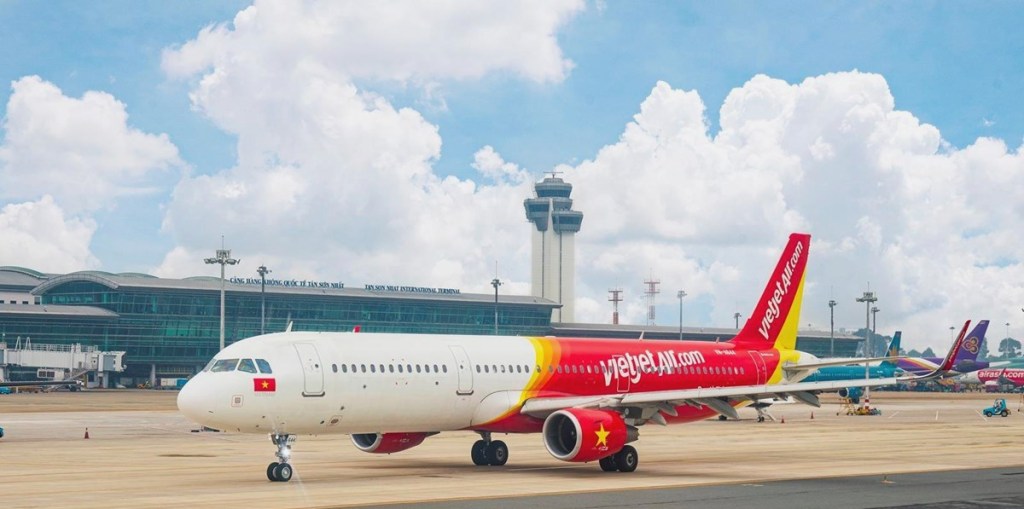


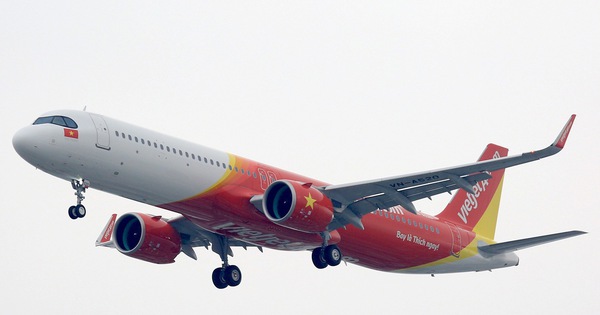

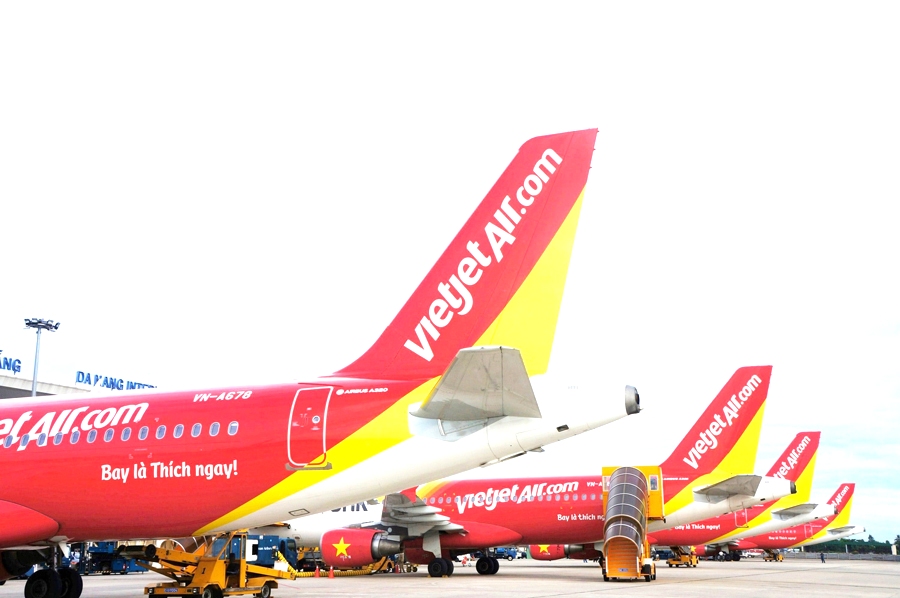

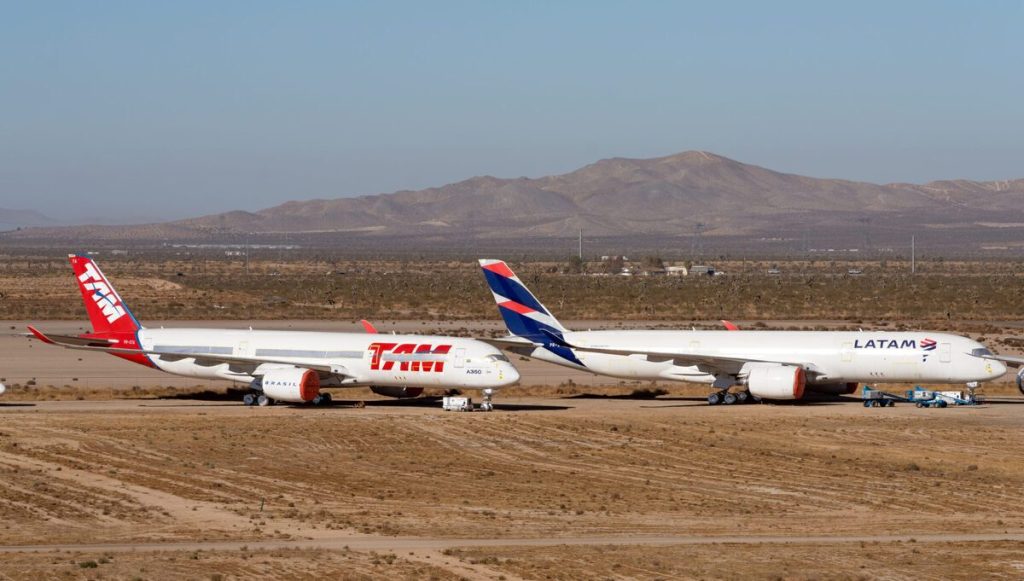
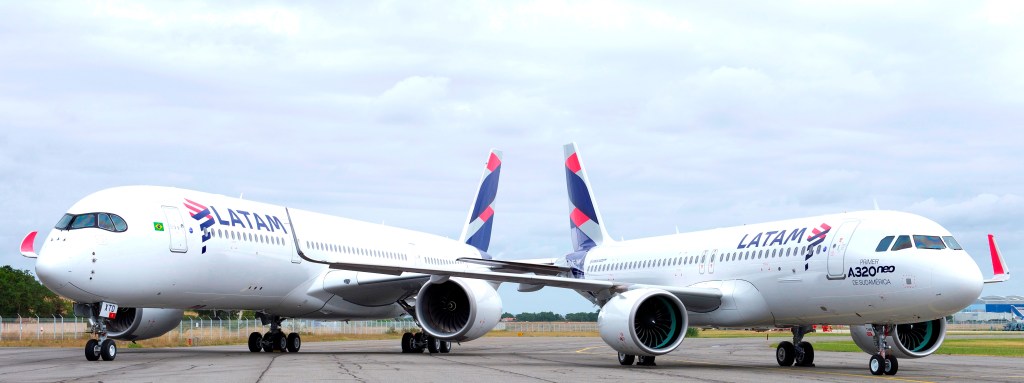
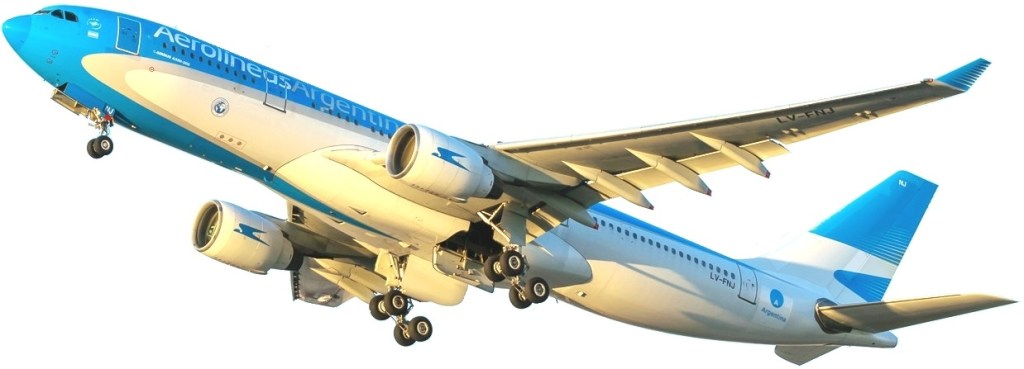
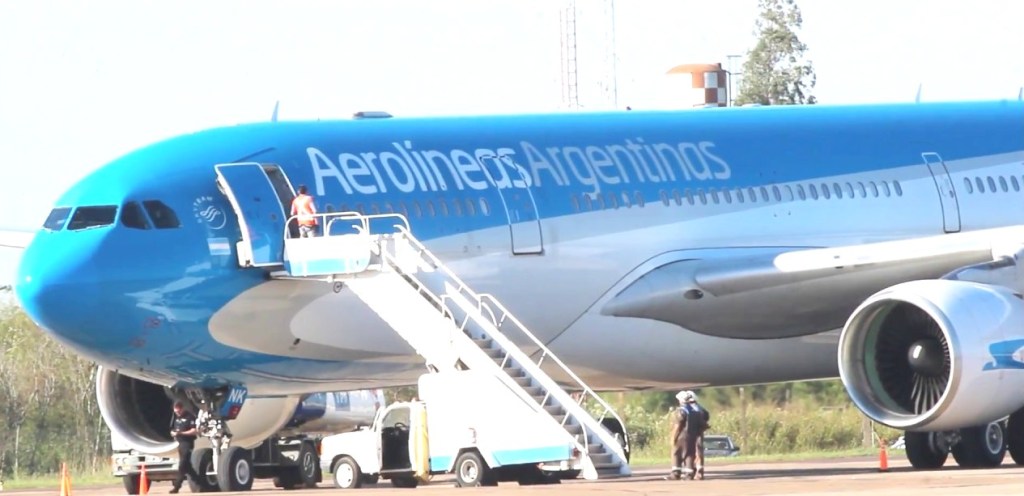
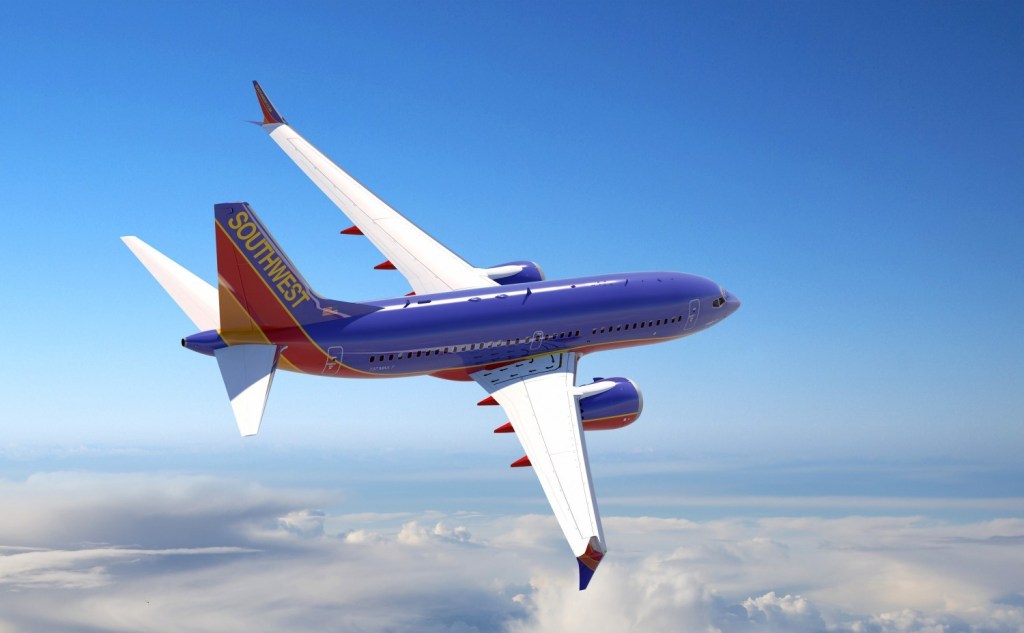


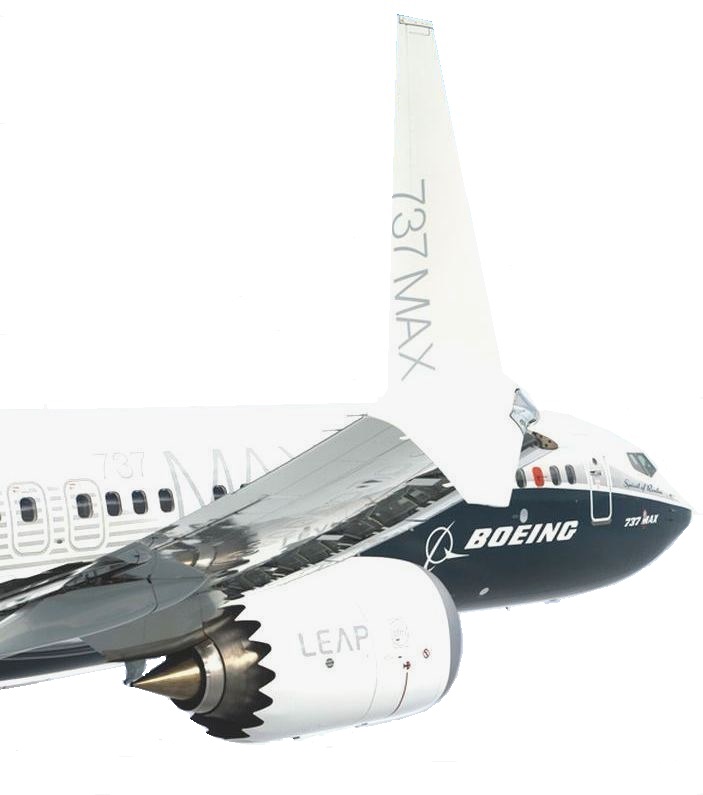
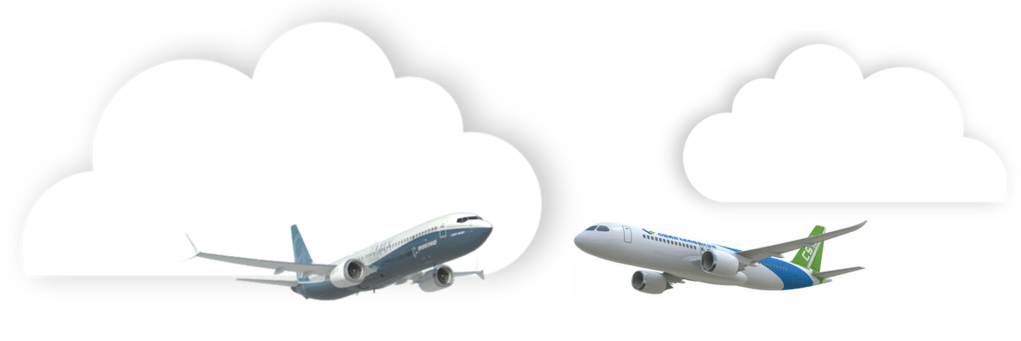


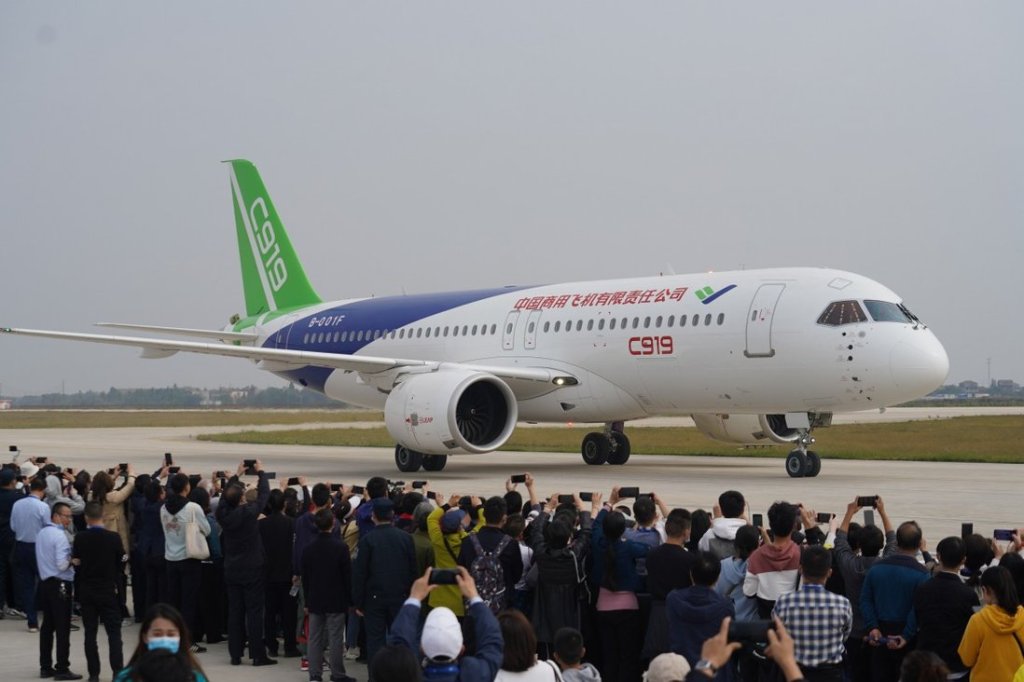

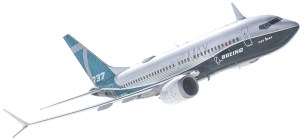
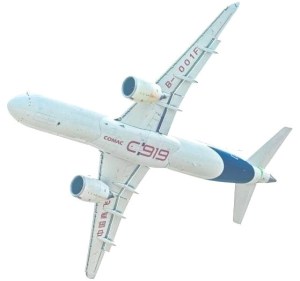


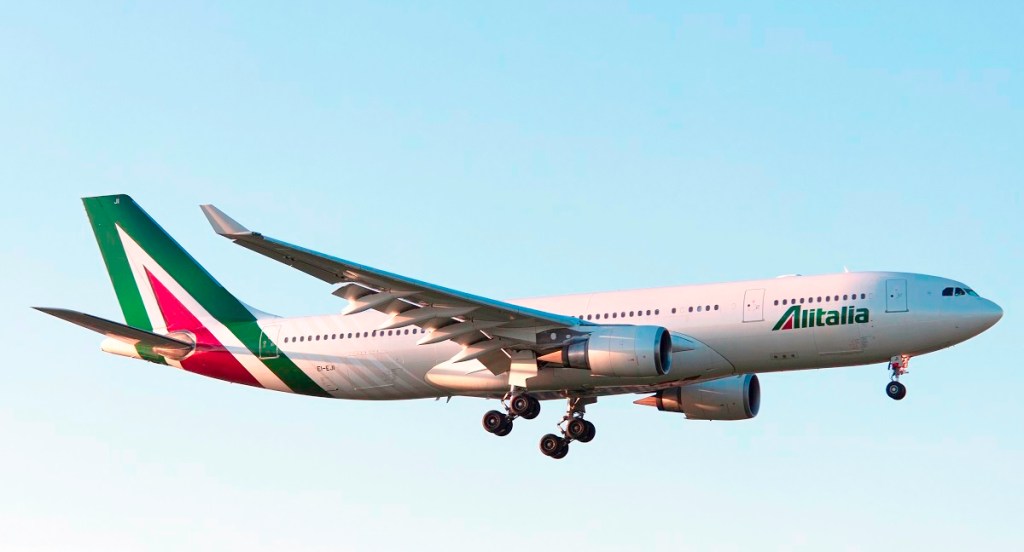
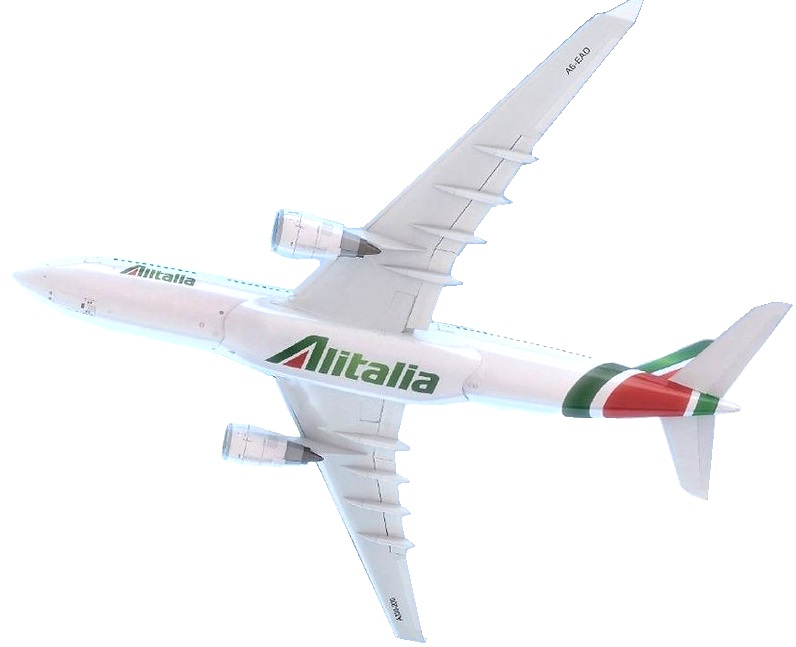


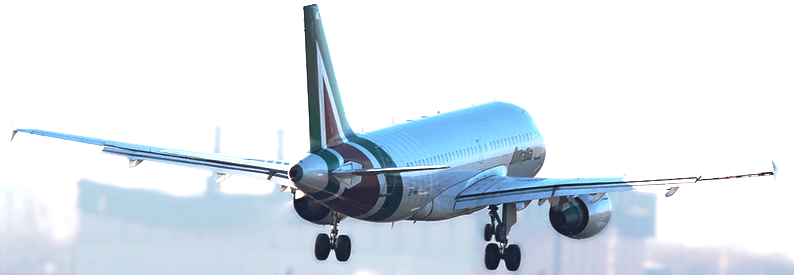

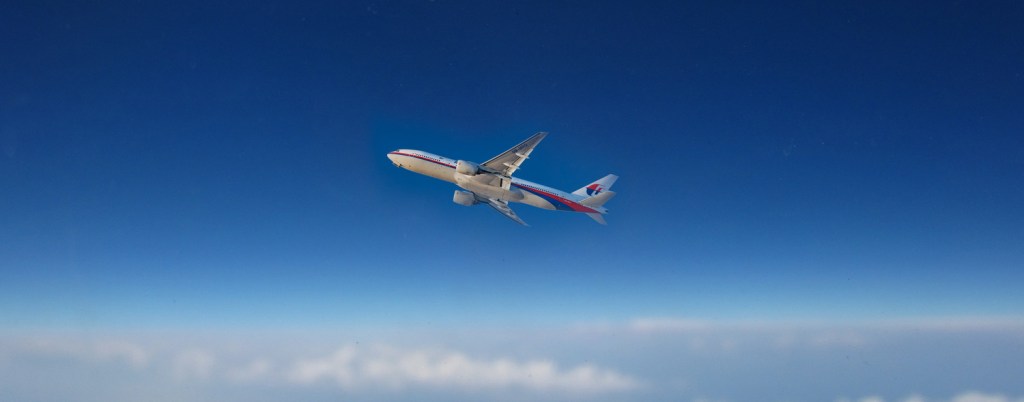

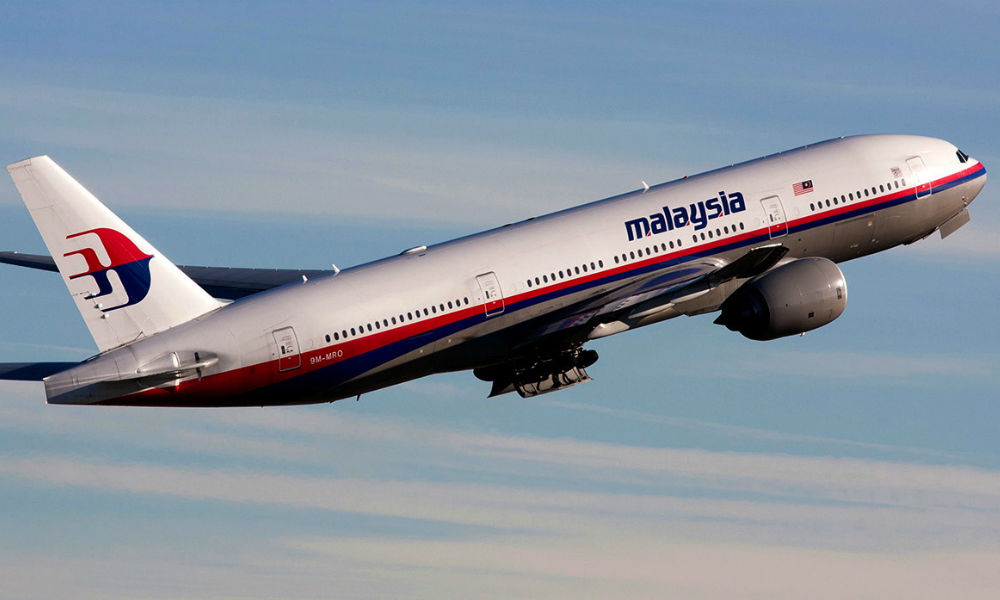


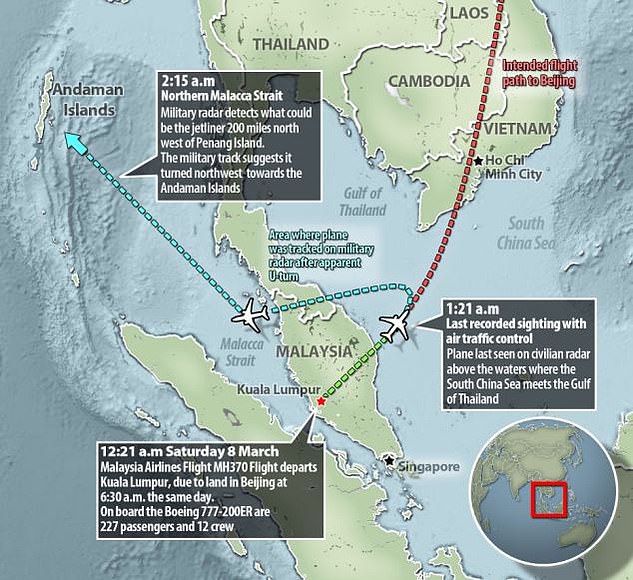

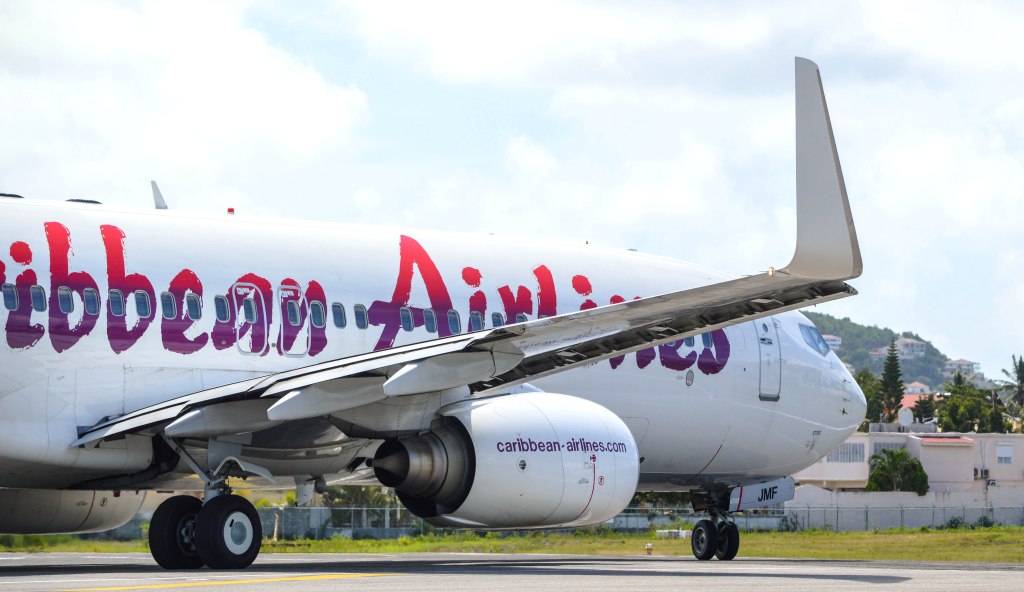


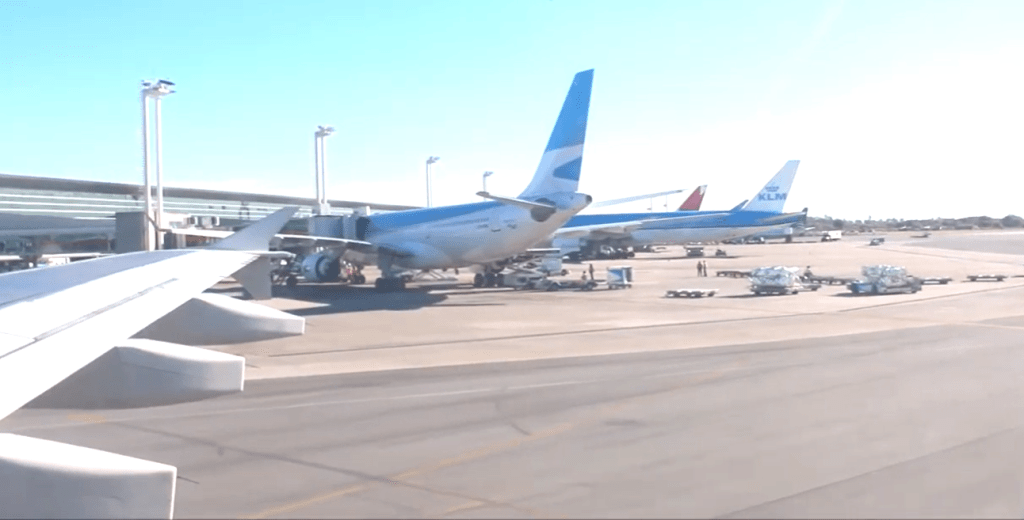
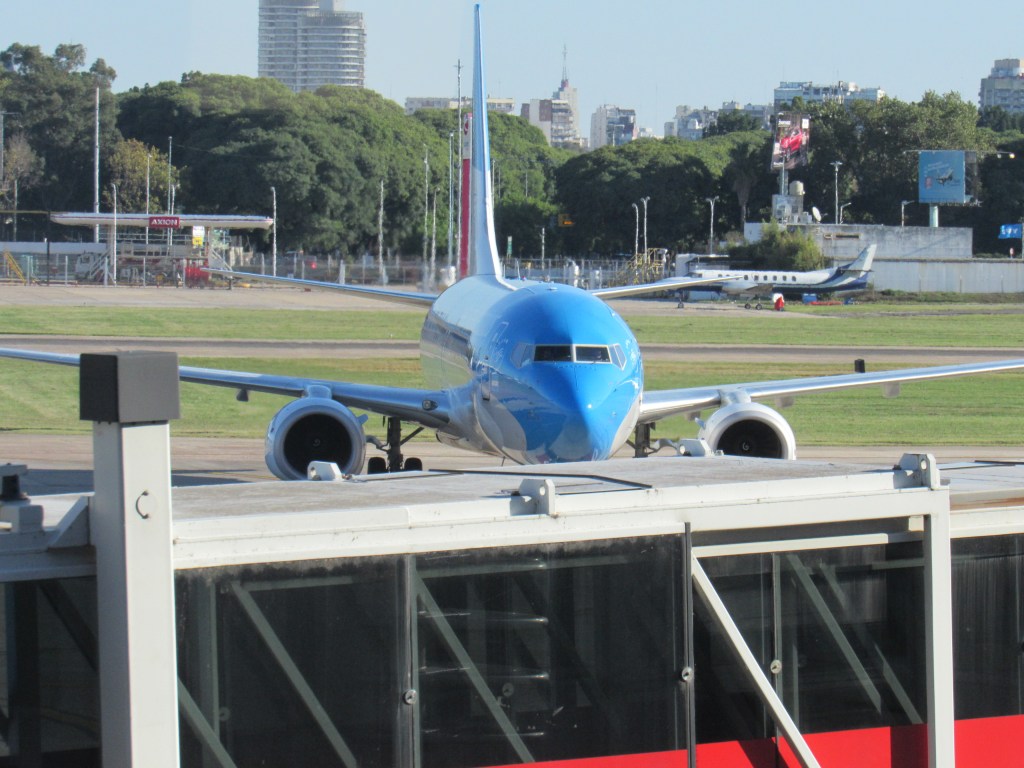
 airgways.com