SLS completa éxito revisión diseño

AW | 2020 12 22 09:33 | AEROSPACE

Space Launch System pasa revisión crítica de diseño

SLS_Home_Page_Banner

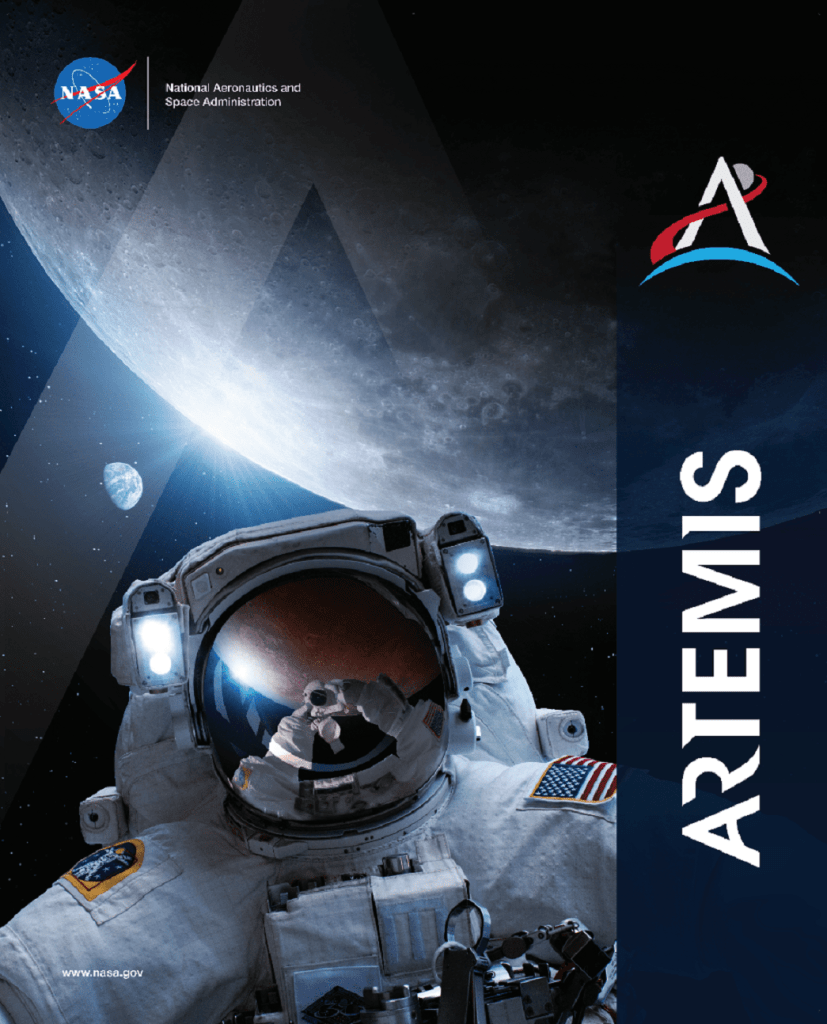
The Boeing Company y la NASA han completado con éxito una revisión crítica del diseño para el Sistema de Lanzamiento Espacial (SLS) de la NASA, Prose. Boeing ya ha iniciado actividades de fabricación que apoyarán la construcción del primer EUS en el centro de montaje Michoud de la NASA en Nueva Orleans. Exitosa revisión independiente avanza más potente Cohete Block 1B a la siguiente fase en desarrollo y transición a la construcción de hardware

El cohete SLS utiliza propulsión por etapas para enviar la nave espacial Orion de la NASA y astronautas, además de suministros, a la luna y más allá. El escenario central construido por Boeing impulsa el SLS en vuelo temprano, eventualmente separándose cuando la etapa superior toma el control y proporciona el poder de enviar vehículos tripulados, hábitats espaciales y otras cargas útiles a la luna u otros destinos del espacio profundo.

Para cumplir la misión lunar Artemis I de la NASA, la variante Block 1 de SLS utilizará una fase de propulsión criogénica interogénica de la Alianza de Lanzamiento de Boeing/United con un motor RL-10 para tomar una nave espacial Orion desenroscada en un vuelo de prueba a la luna. Los cohetes SLS Block 1 se utilizarán para dos vuelos tripulados posteriores, incluyendo la primera misión humana a la órbita lunar desde el programa Apolo.

La próxima versión de SLS, Block 1B, utilizará EUS, que cuenta con tanques de combustible más grandes y cuatro motores RL-10 para darle un impulso de rendimiento. Eso permitirá al SLS Block 1B llevar un Orion con una tripulación de cuatro, así como más de 10 toneladas métricas de carga útil co-manifestada.

«El bloque SLS 1B de la NASA con el EUS es capaz de enviar astronautas y carga de apoyo esencial a la luna y más allá. EUS fue diseñado para vuelos tripulados desde el principio, y la capacidad de elevación adicional que viene con el EUS requiere menos vuelos para permitir una presencia humana sostenida en el espacio profundo de forma más rápida y segura. La Luna está a 238.000 millas de la Tierra, y Marte en su punto más cercano ha estado a 35 millones de millas de distancia transportar tripulaciones en el menor número de vuelos, para duraciones más cortas, es el enfoque más seguro para los viajes humanos en el espacio profundo. Sólo el SLS impulsado por el EUS puede transportar el Orion, junto con la carga de misión necesaria, en un lanzamiento a la luna, o más allá», dijo Steve Snell, Director de Programas de EUS para Boeing.

Boeing es la compañía aeroespacial más grande del mundo y proveedor líder de aviones comerciales, sistemas de defensa, espacio y seguridad, y servicios globales. Como el principal exportador estadounidense, la compañía apoya a clientes comerciales y gubernamentales en más de 150 países y aprovecha los talentos de una base de proveedores global. Basándose en un legado de liderazgo aeroespacial, Boeing continúa liderando la tecnología y la innovación, entregando para sus clientes e invirtiendo en su gente y crecimiento futuro.

SLS completes successful design review

Decision looms on when to introduce new SLS upper stage – Spaceflight Now

Space Launch System passes critical design review

The Boeing Company and NASA have successfully completed a critical design review for NASA’s Space Launch System (SLS), Prose. Boeing has already started manufacturing activities that will support the construction of the first EUS at NASA’s Michoud Assembly Center in New Orleans. Successful Independent Review Advances More Powerful Rocket Block 1B To Next Phase In Development And Transition To Hardware Construction

The SLS rocket uses staged propulsion to send NASA’s Orion spacecraft and astronauts, plus supplies, to the moon and beyond. The Boeing-built center stage propels the SLS into early flight, eventually separating when the upper stage takes over and provides the power to send manned vehicles, space habitats and other payloads to the moon or other deep space destinations.

To fulfill NASA’s Artemis I lunar mission, the Block 1 variant of SLS will utilize a Boeing/United Launch Alliance cryogenic propulsion phase with an RL-10 engine to take an unthreaded Orion spacecraft on a flight of test the moon. The SLS Block 1 rockets will be used for two subsequent manned flights, including the first human mission to lunar orbit since the Apollo program.

The next version of the SLS, Block 1B, will use EUS, which features larger fuel tanks and four RL-10 engines to give it a performance boost. That will allow the SLS Block 1B to carry an Orion with a crew of four, as well as more than 10 metric tons of co-manifested payload.

«NASA’s SLS 1B block with the EUS is capable of sending astronauts and essential support cargo to the moon and beyond. EUS was designed for manned flight from the ground up, and the additional lifting capacity that comes with the EUS requires fewer flights to allow a sustained human presence in deep space more quickly and safely The Moon is 238,000 miles from Earth, and Mars at its closest has been 35 million miles away Transport crews in the fewest numbers flights, for shorter durations, is the safest approach to human travel in deep space. Only the EUS-powered SLS can carry the Orion, along with the necessary mission payload, on a moon launch, or beyond», said Steve Snell, EUS Program Director for Boeing.

Boeing is the world’s largest aerospace company and a leading provider of commercial aircraft, defense, space and security systems, and global services. As the leading US exporter, the company supports commercial and government clients in more than 150 countries and leverages the talents of a global supplier base. Building on a legacy of aerospace leadership, Boeing continues to lead in technology and innovation, delivering for its customers and investing in its people and future growth.


PUBLISHER: Airgways.com
DBk: Boeing.com / Airgways.com
AW-POST: 202012220933AR

A\W   A I R G W A Y S ®

Eclipse solar Chile/Argentina 2020

AW | 2020 12 14 16:22 | AEROSPACE

Eclipse solar total en la Patagonia de América del Sur

AW-Eclipse

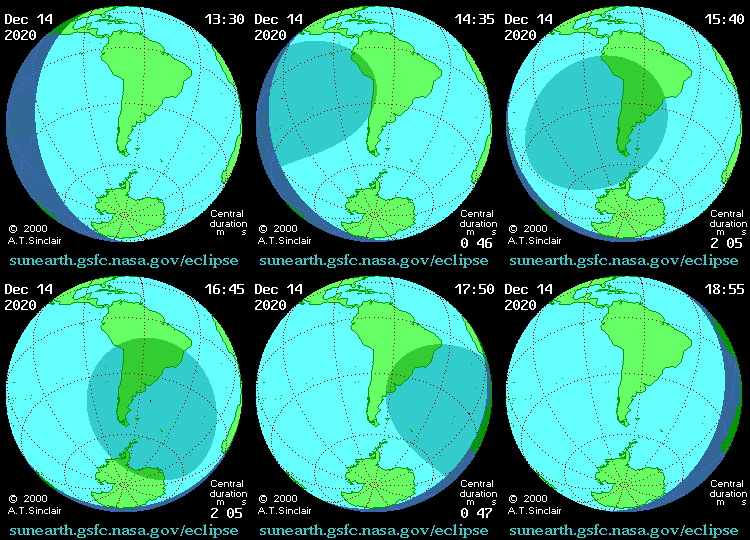
El Eclipse solar total ha atravesado Chile y Argentina el 14 de Diciembre de 2020 que ha sido transmitido en vivo este Lunes por la mañana. Un eclipse solar total ocurre cuando el Satélite natural de la Luna pasa por delante del sol desde la perspectiva del planeta Tierra y cubre completamente la superficie solar generando un fenómeno astrológico mágico. A partir de las 09:30 a.m. del Lunes 14/12 en el la Luna transitó directamente frente al sol, proyectando su sombra sobre un sendero estrecho que ha cruzado el sur de América del Sur, específicamente en la Región de la Patagonia de Chile y Argentina.

Eclipse solar

El evento es en realidad el resultado de una notable coincidencia geométrica: el tamaño de la luna y su distancia de la tierra es casi el mismo tamaño exacto que el sol en nuestro cielo. Así que, en esas raras ocurrencias donde la Luna hace un camino directo a través del sol, obtenemos un eclipse solar. Si esto sucediera cuando la luna está un poco más lejos de la Tierra en su órbita, por lo tanto, un poco más pequeño, entonces no cubre todo el sol y en su lugar crea un eclipse anular, donde se puede ver un brillante anillo de luz solar alrededor de los bordes. El 14 de Diciembre de 2020, sin embargo, la Luna está más cerca de la Tierra y ha bordeado todo el sol, creando una oscuridad temporal en la franja proyectada transversalmente sobre la Patagonia.

El próximo eclipse solar total se desarrollará en 2024, un eclipse solar completo que tomará un camino bastante cerca de Detroit. La totalidad estará justo hacia el sur, en la línea limítrofe del Estado de Michigan, Estados Unidos.

Solar eclipse Chile/Argentina 2020

Total Solar Eclipse in Patagonia in South America

The total solar eclipse has crossed Chile and Argentina on December 14, 2020 which has been broadcast live this Monday morning. A total solar eclipse occurs when the natural satellite of the Moon passes in front of the sun from the perspective of planet Earth and completely covers the solar surface, generating a magical astrological phenomenon. Starting at 09:30 a.m. On Monday 12/14, the Moon transited directly in front of the sun, casting its shadow on a narrow path that has crossed southern South America, specifically in the Patagonia Region of Chile and Argentina.

Solar eclipse

The event is actually the result of a remarkable geometric coincidence: the size of the moon and its distance from the earth is almost the exact same size as the sun in our sky. So, in those rare occurrences where the Moon makes a direct path through the sun, we get a solar eclipse. If this happened when the moon is a little further from Earth in its orbit, therefore slightly smaller, then it does not cover the entire sun and instead creates an annular eclipse, where you can see a bright ring of sunlight around the edges. On December 14, 2020, however, the Moon is closer to Earth and has skirted the entire sun, creating a temporary darkness in the strip projected transversely over Patagonia.

The next total solar eclipse will unfold in 2024, a full solar eclipse that will take a path quite close to Detroit. The totality will be just to the south, on the Michigan state line, United States.

ECLIPSE TOTAL CHILE-ARGENTINA 2020


PUBLISHER: Airgways.com
DBk: Nasa.gov / Eclipse.gsfc.nasa.gov / Airgways.com
AW-POST: 202012141622AR

A\W   A I R G W A Y S ®
Arianespace-Airbus firman contrato

AW | 2020 12 09 15:57 | AEROSPACE

Arianespace/Airbus firman contrato para lanzar satélites observación

Arianespace_Isologotype

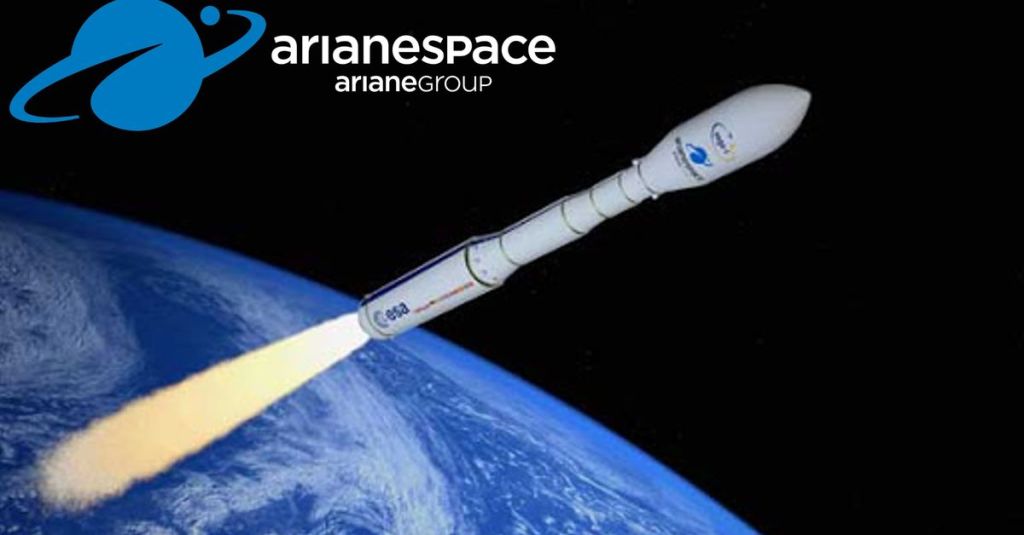
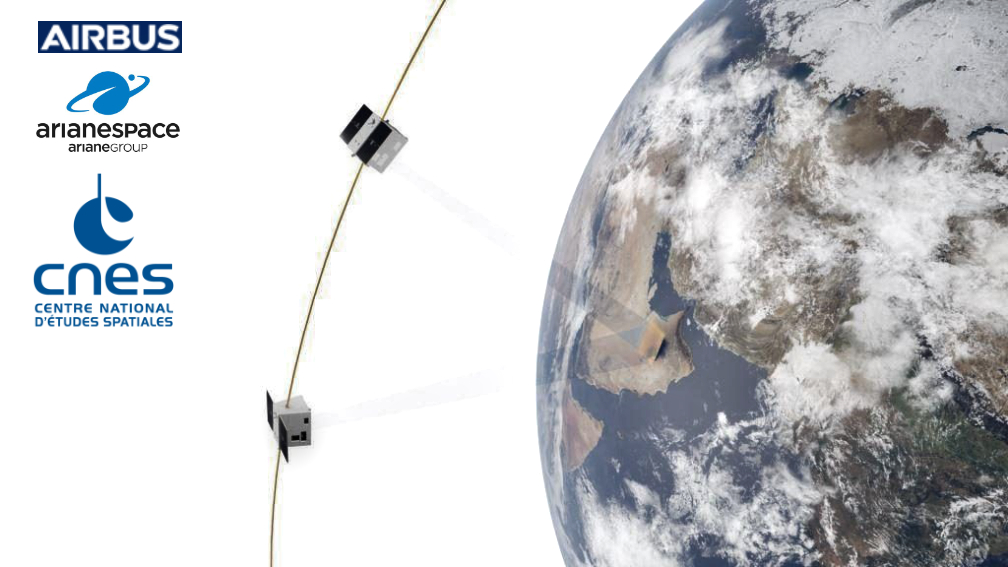
Arianespace Group ha firmado un contrato con Airbus Gruop SE para lanzar cuatro satélites de observación óptica de nueva generación de la constelación CO3D (Composante Optique 3D), que se orbitarán con el lanzador Vega C. El CEO de Arianespace, Stéphane Isra-l, y Philippe Pham, Vicepresidente Senior de Observación de la Tierra, Navegación y Ciencia de Airbus, dijeron que las dos compañías han firmado el contrato de lanzamiento para la constelación CO3D de minisatélite de observación de la tierra, desarrollado con la agencia espacial francesa CNES.

La constelación de CO3D consta de cuatro satélites idénticos, construidos sobre una plataforma totalmente eléctrica altamente innovadora desarrollada por Airbus. Como resultado de la asociación CNES y Airbus, CO3D ofrecerá imágenes estereoscópicas de la Tierra a una resolución de 50 cm, con una alta tasa de revisita. Estos datos se introducirán en un sistema de procesamiento digital de Airbus, que integrará algoritmos avanzados de CNES para producir rápidamente mapas 3D ultraprecisos de la superficie de nuestro planeta. Con un peso aproximado de 300 kg. cada uno, estos satélites serán lanzados juntos como co-pasajeros en un solo vuelo y desplegados en una órbita polar a una altitud de 500km. La misión está programada para 2023 desde el Centro Espacial Guayana, el Puerto Espacial de Europa en la Guayana Francesa, utilizando un vehículo de lanzamiento Vega C.

Al comentar el contrato, Isra-l dijo: «Con varios meses para ir antes del primer lanzamiento de Vega C, este lanzador europeo de elevación ligera de nueva generación ha reafirmado su capacidad para satisfacer las necesidades innovadoras de los usuarios en órbita baja, especialmente con la capacidad de transportar múltiples cargas útiles, beneficiándose de la mejora del rendimiento. Para Arianespace, esto es una señal más de la renovada confianza en el sistema Vega por parte de nuestros socios de Airbus y CNES desde hace mucho tiempo». Vega es el miembro de nueva generación y altamente versátil de la familia de lanzadores Arianespace, junto con el pesado Ariane 5 y la Soyuz de elevación media, desplegada desde el Centro Espacial Guayana. Vega es un programa de la Agencia Espacial Europea (ESA), con Colleferro, con sede en Italia Avio como contratista principal industrial.

El rendimiento y la versatilidad de Vega permiten a Arianespace proporcionar las mejores soluciones de lanzamiento posibles en órbita terrestre baja para cargas útiles de tamaño pequeño y mediano, abarcando una amplia gama de aplicaciones (observación de la tierra, ciencia, educación, defensa). Con Vega C, Arianespace ofrecerá un mayor rendimiento y volumen bajo el carenado de carga útil para sus pasajeros. El lanzamiento inaugural de Vega C está previsto para 2021.

Arianespace-Airbus sign contract

Arianespace/Airbus signs contract to launch optical observation satellites

AW-Airbus-Arianespace-CNES-C03D-sat-Earth-1

Arianespace Group has signed a contract with Airbus Group SE to launch four new-generation optical observation satellites of the CO3D (Composante Optique 3D) constellation, which will orbit with the Vega C launcher. Arianespace CEO Stéphane Isra-l and Philippe Pham, Senior Vice President of Earth Observation, Navigation and Science at Airbus, said the two companies have signed the launch contract for the CO3D constellation of earth observation mini-satellite, developed with the French space agency CNES.

The CO3D constellation consists of four identical satellites, built on a highly innovative all-electric platform developed by Airbus. As a result of the CNES and Airbus partnership, CO3D will offer stereoscopic images of the Earth at a resolution of 50 cm, with a high revisit rate. This data will be fed into an Airbus digital processing system, which will integrate advanced CNES algorithms to rapidly produce ultra-precise 3D maps of our planet’s surface. With an approximate weight of 300 kg. each, these satellites will be launched together as co-passengers in a single flight and deployed in a polar orbit at an altitude of 500km. The mission is scheduled for 2023 from the Guiana Space Center, Europe’s Spaceport in French Guiana, using a Vega C.

Commenting on the contract, Isra-l said: «With several months to go before the Vega C’s first launch, this new generation European light lift launcher has reaffirmed its ability to meet the innovative needs of low orbit users, especially with the ability to carry multiple payloads, benefiting from improved performance. For Arianespace, this is a further sign of the renewed confidence in the Vega system by our longtime partners at Airbus and CNES». Vega is the highly versatile, next-generation member of the arianespace family of launchers, along with the heavy Ariane 5 and the mid-elevation Soyuz, deployed from the Guayana Space Center. Vega is a program of the European Space Agency (ESA), with Italian-based Colleferro Avio as the main industrial contractor.

Vega’s performance and versatility enable Arianespace to provide the best possible launch solutions in low Earth orbit for small and medium-sized payloads, spanning a wide range of applications (earth observation, science, education, defense). With Vega C, Arianespace will offer increased performance and volume under the payload fairing for its passengers. The inaugural launch of Vega C is planned for 2021.


PUBLISHER: Airgways.com
DBk: Arianespace.com / Airbus.com / Airgways.com
AW-POST: 202012091557AR

A\W   A I R G W A Y S ®

SpaceX aborta vuelo prueba Starship

AW | 2020 12 09 12:44 | AIRLINES

SpaceX aborta lanzamiento prueba del Starship

Starship_Isologottype

SpaceX-Logo.svg

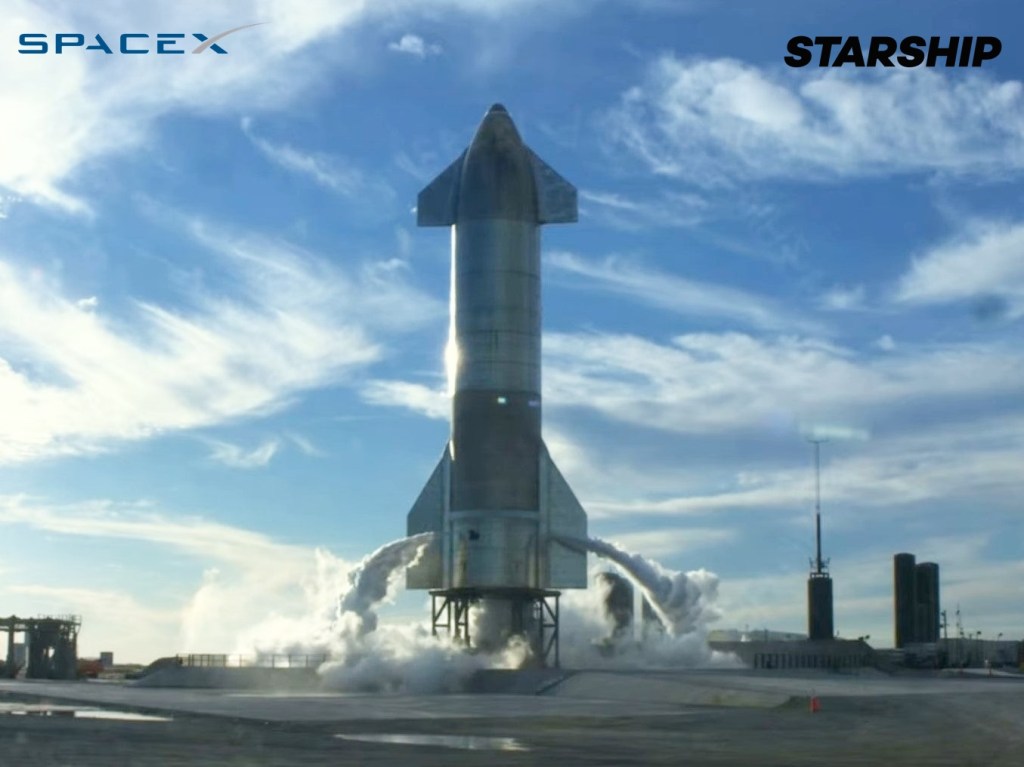
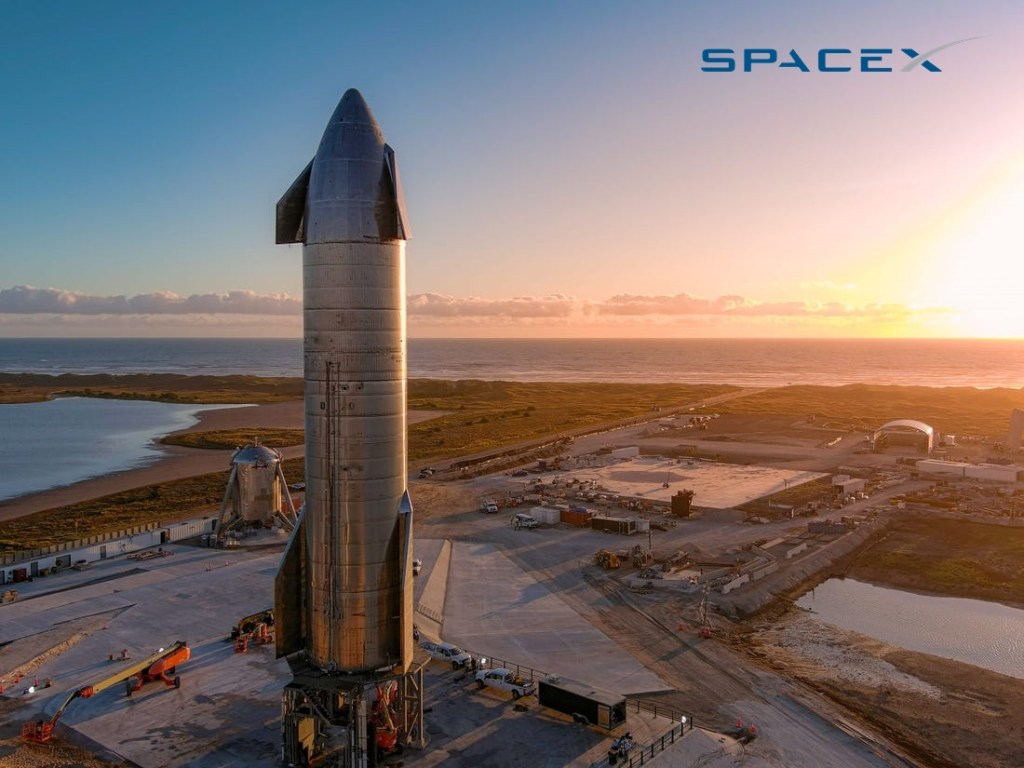
SpaceX tenía programado para este Martes 08/12 por la tarde, el lanzamiento del proyecto de prueba del Starship pero ha sido abortado a 1.3 segundos antes del despegue, cuando los motores Raptor iniciaron un aborto y el prototipo de la nave estelar detuvo su programación de vuelo. La compañía proporcionará actualizaciones sobre su próxima oportunidad de lanzamiento en su cuenta de Twitter.

La compañía planea lanzar el cohete a una altura de casi 8 millas, o 12,5 kilómetros, por encima de las instalaciones de SpaceX en Boca Chica, Estado de Texas (TX), antes de aterrizar el vehículo de nuevo en el suelo. La prueba está destinada a demostrar la capacidad de la nave estelar de lanzar y aterrizar erguido, algo que se espera que la nave espacial haga tanto en la Tierra como en otros mundos. SpaceX tiene como objetivo utilizar Starship para enviar carga y personas a destinos del espacio profundo como la Luna y Marte. Una prueba como esta ayudará a demostrar la capacidad de la nave estelar para realizar un vuelo controlado y ver si el hardware del cohete, en particular los tres motores principales raptor, funciona según lo esperado.

SpaceX afirma que el prototipo de Starship realmente realizaría «una maniobra de volteo de aterrizaje, que sería la primera para un vehículo de este tamaño». No hay muchos detalles sobre la maniobra disponible públicamente, pero es una prueba arriesgada que fácilmente podría fracasar, expresó el CEO de SpaceX, Elon Musk, dando una probabilidad de éxito de una un tres. SpaceX también está desfasando la posibilidad de que la prueba haga un lanzamiento y aterrizaje perfectos. «Con una prueba como esta, el éxito no se mide por la finalización de objetivos específicos, sino más bien por lo mucho que podemos aprender, lo que informará y mejorará la probabilidad de éxito en el futuro a medida que SpaceX avance rápidamente en el desarrollo de Starship», escribió SpaceX sobre el vuelo en su sitio web. Pero si el programa continúa con éxito, el vuelo pondrá a la compañía en camino para intentar pruebas aún más ambiciosas en el futuro, culminando finalmente en el primer lanzamiento de La nave estelar en órbita. Para esta prueba, SpaceX planea proporcionar una transmisión en vivo del vuelo, que se pondrá en marcha justo antes del despegue. Sin embargo, es difícil dar un tiempo sólido para cuando eso sucederá. La Administración Federal de Aviación lanzó restricciones de vuelo para el espacio aéreo alrededor de Boca Chica de 09:00 a.m. a 06:00 p.m. ET, y también hay restricciones de vuelo para el miércoles y jueves de esta semana. «La programación es dinámica y es probable que cambie, como es el caso de todas las pruebas de desarrollo», escribe SpaceX. La compañía proporcionará actualizaciones a través de Twitter,así que asegúrese de seguir a SpaceX durante todo el día para echar un vistazo al vuelo de este cohete.

SpaceX aborts Starship test flight

SpaceX aborts Starship test launch

SpaceX had scheduled for this Tuesday 12/08 in the afternoon, the launch of the Starship test project but it was aborted at 1.3 seconds before takeoff, when the Raptor engines started an abort and the prototype of the starship stopped its programming of flight. The company will provide updates on its next pitching opportunity on its Twitter account.

The company plans to launch the rocket almost 8 miles, or 12.5 kilometers, above the SpaceX facility in Boca Chica, Texas (TX), before landing the vehicle back on the ground. The test is intended to demonstrate the starship’s ability to launch and land upright, something the spacecraft is expected to do both on Earth and on other worlds. SpaceX aims to use Starship to send cargo and people to deep space destinations like the Moon and Mars. A test like this will help demonstrate the starship’s ability to perform controlled flight and see if the rocket’s hardware, particularly the three main raptor engines, is working as expected.

SpaceX claims that the Starship prototype would actually perform «a landing flip maneuver, which would be the first for a vehicle of this size». There are not many details about the maneuver publicly available, but it is a risky test that could easily fail, SpaceX CEO Elon Musk said, giving a one in three chance of success. SpaceX is also out-of-phase for the test to make a perfect launch and landing. «With a test like this, success is not measured by the completion of specific goals, but rather by how much we can learn, which will inform and improve the likelihood of success going forward as SpaceX rapidly progresses development. of Starship», SpaceX wrote about the flight on its website. But if the program continues successfully, the flight will put the company on track to attempt even more ambitious tests in the future, eventually culminating in the first launch of the starship in orbit. For this test, SpaceX plans to provide a live broadcast of the flight, which will go live just before takeoff. However, it is difficult to give a solid time for when that will happen. The Federal Aviation Administration released flight restrictions for the airspace around Boca Chica from 09:00 a.m. to 06:00 p.m. ET, and there are also flight restrictions for Wednesday and Thursday of this week. «Scheduling is dynamic and likely to change, as is the case with all development tests», writes SpaceX. The company will provide updates via Twitter, so be sure to follow SpaceX throughout the day to catch a glimpse of this rocket’s flight.


PUBLISHER: Airgways.com
DBk: Spacex.com / Airgways.com
AW-POST: 202012091244AR

A\W   A I R G W A Y S ®

NASA-Boeing completan test paracaídas

A reused drogue parachute deploys from Boeing’s CST-100 Starliner test article

AW | 2020 12 08 18:55 | AEROSPACE

Completan test paracaídas de la cápsula espacial de Boeing

Starliner_Isologotype - copia

Boeing_Isologo.svg

La NASA y Boeing han completado la última prueba de caída de globos en paracaídas de la nave espacial Crew Space Transportation CST-100 Starliner poniendo fin a una campaña de confiabilidad que ayudará a fortalecer el sistema de aterrizaje de la nave espacial antes de los vuelos tripulados hacia y desde la Estación Espacial Internacional (ISS). Starliner es la primera cápsula de tripulación orbital de producción estadounidense que aterriza en tierra firme. La nave espacial utiliza una serie de paracaídas y airbags que se despliegan a altitudes específicas permitiendo a Starliner tocar suavemente en el desierto del oeste de los Estados Unidos. La NASA también utilizará los datos recopilados de las pruebas de paracaídas para modelar el rendimiento del paracaídas Starliner en diferentes escenarios de misión.

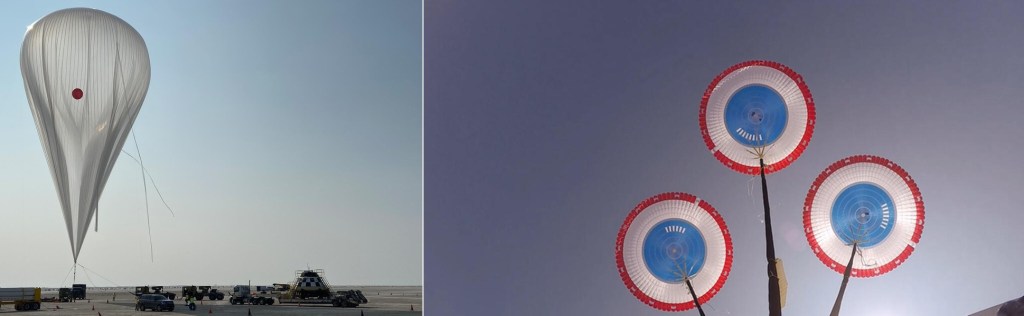
La campaña, desarrollada por Boeing y la NASA, utilizó seis pruebas de caída de globos de un artículo de prueba de Starliner para recopilar datos de rendimiento suplementarios en los paracaídas y el sistema de aterrizaje de la nave espacial. Cada prueba de caída se centró en un conjunto diferente de condiciones adversas y utilizó paracaídas pre-volados para evaluar los márgenes de reutilización para futuras misiones. Durante los aterrizajes nominales, Starliner utiliza dos pequeños paracaídas para llevar el escudo térmico delantero de la nave espacial y exponer el hardware crítico necesario para el resto de la secuencia del sistema de aterrizaje. Starliner luego despliega dos paracaídas drogue para ralentizar y estabilizar la cápsula antes de que tres pequeños paracaídas piloto saquen las tres redes eléctricas de la nave espacial. Los tres paracaídas principales continúan ralentizando el descenso de Starliner para un touchdown seguro y suave apoyado por los airbags de aterrizaje del vehículo. «Nuestra filosofía siempre ha sido probar el hardware del sistema juntos para ver cómo interactúan todos los elementos. Nuestro vehículo no cabe en un avión, así que la única manera de levantar un artículo de prueba lo suficientemente alto como para simular una secuencia completa del sistema de aterrizaje es con un globo muy grande», dijo El líder del Sistema de Aterrizaje Starliner en Boeing Mike McCarley.

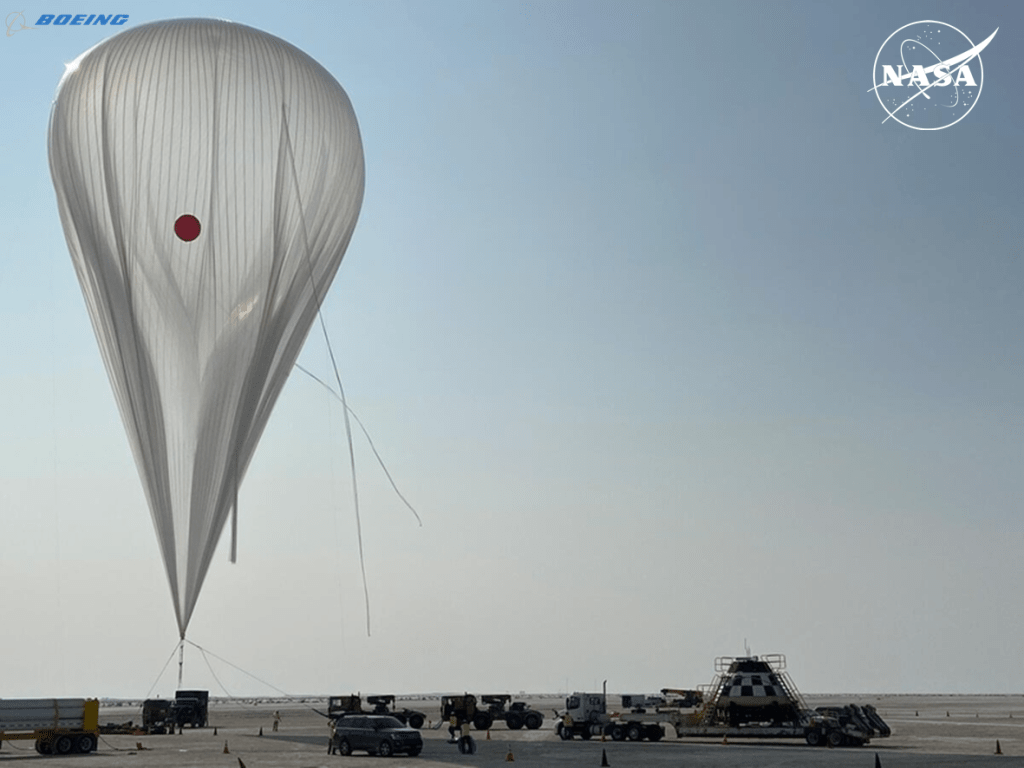
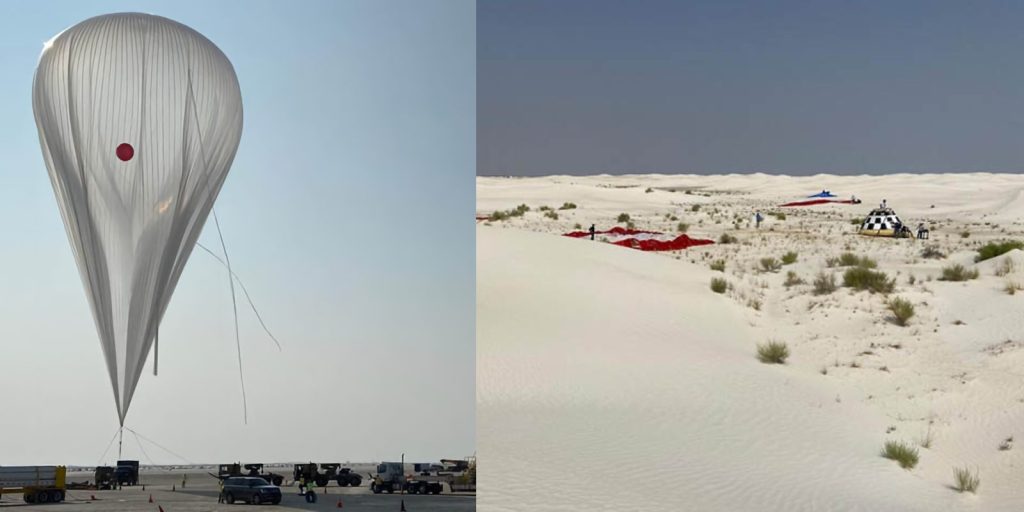
Para la prueba final, un globo a gran altitud proporcionado por Near Space Corporation levantó el artículo de prueba de Starliner 35,000 pies por encima del desierto de Nuevo México. Equipado con paracaídas reutilizados, el sistema de aterrizaje de Starliner ejecutó con éxito un escenario de reingreso poco probable simulando dos fallas separadas. Los equipos de prueba primero impidieron que uno de los paracaídas del escudo térmico delantero del vehículo se desplegara, pero como estaba previsto, el escudo térmico se separó con éxito sin afectar al resto de los eventos de la secuencia de aterrizaje. El equipo de prueba evitó entonces que uno de los paracaídas drogue de Starliner se desplegara requiriendo que el artículo de prueba de Starliner montara aproximadamente 10.000 pies bajo un solo paracaídas drogue que ya había sido volado dos veces. Los tres paracaídas principales de Starliner se realizaron dentro de los límites necesarios en función del escenario, a pesar de las cargas más altas y de haber volado cuatro veces anteriores. Estos puntos de datos adicionales se utilizarán para validar aún más los modelos de rendimiento de los paracaídas. «Los sistemas de paracaídas son inherentemente complejos. Estos son eventos caóticos por naturaleza. Usted podría hacer la misma prueba una y otra vez y ver resultados ligeramente diferentes. Es por eso que la coherencia en la recopilación de datos es tan importante», dijo Mike McCarley.

Boeing mejorará aún más sus márgenes de paracaídas principales reforzando y aumentando la fuerza de ciertas líneas de suspensión dentro de cada dosel. Estas líneas se mantienen tensas durante las primeras etapas de despliegue y realizan una función de arrecife que permite a la red de Starliner inflarse por etapas para gestionar la carga en la nave espacial y los paracaídas. «Al aumentar la resistencia de sus puntos de material y de fijación, estamos mejorando la fiabilidad del sistema con solo ajustes menores. A medida que nuestro sistema de aterrizaje continúa ejecutándose con éxito, Boeing se compromete a desarrollar la cápsula de tripulación orbital más segura posible y esta prueba suplementaria nos está ayudando a lograr ese objetivo», dijo Dan Niedermaier, Gerente de Pruebas de Vuelo de Starliner.

Boeing y la NASA continuarán recopilando datos sobre los paracaídas de Starliner a través de la segunda prueba de vuelo orbital de la nave espacial antes de los vuelos tripulados a partir de 2021, pero la fase de prueba que utiliza globos a gran altitud ya está completa. «Esta última gota de globo es agridulce para muchos de nosotros. Marca el final de una valiosa serie de pruebas que tomó cientos de personas trabajando muy duro para ejecutar. No podríamos estar más satisfechos con los resultados y agradecidos a nuestro cliente de la NASA por asociarnos con nosotros en esta campaña», dijo Dan Niedermaier.

El Programa de Tripulación Comercial de la NASA está trabajando con la industria aeroespacial estadounidense a medida que las empresas desarrollan y operan una nueva generación de naves espaciales y sistemas de lanzamiento capaces de transportar tripulaciones a órbita terrestre baja y a la estación espacial. El transporte comercial hacia y desde la estación proporcionará una utilidad ampliada, tiempo de investigación adicional y oportunidades más amplias para el descubrimiento en el puesto de avanzada orbital.

NASA/Boeing complete parachute tests

Parachute test of Boeing space capsule completed

AW-Boeing_Starliner

NASA and The Boeing Company have completed the latest parachute balloon drop test of the Crew Space Transportation CST-100 Starliner spacecraft ending a reliability campaign that will help strengthen the spacecraft’s landing system prior to manned flights. to and from the International Space Station (ISS). Starliner is the first American-made orbital crew capsule to land on land. The spacecraft uses a series of parachutes and airbags that deploy at specific altitudes allowing Starliner to touch softly in the desert of the western United States. NASA will also use the data collected from the parachute tests to model the performance of the Starliner parachute in different mission scenarios.

The campaign, developed by Boeing and NASA, used six balloon drop tests from a Starliner test article to collect supplemental performance data on the spacecraft’s parachutes and landing system. Each drop test focused on a different set of adverse conditions and used pre-flown parachutes to assess reuse margins for future missions. During nominal landings, Starliner uses two small parachutes to carry the spacecraft’s forward heat shield and expose the critical hardware needed for the remainder of the landing system sequence. Starliner then deploys two drogue parachutes to slow and stabilize the capsule before three small pilot parachutes pull out the spacecraft’s three electrical grids. The three main parachutes continue to slow Starliner’s descent for a safe and smooth touchdown supported by the vehicle’s landing airbags. «Our philosophy has always been to test the system hardware together to see how all the elements interact. Our vehicle does not fit on an airplane, so the only way to lift a test item high enough to simulate a complete system sequence landing is with a very large balloon», said Boeing Starliner Landing System leader Mike McCarley.

For the final test, a high-altitude balloon provided by Near Space Corporation lifted Starliner’s test article 35,000 feet above the New Mexico desert. Equipped with repurposed parachutes, the Starliner landing system successfully executed an unlikely re-entry scenario simulating two separate failures. The test teams first prevented one of the vehicle’s forward heat shield parachutes from deploying, but as planned, the heat shield successfully detached without affecting the rest of the events in the landing sequence. The test team then prevented one of Starliner’s drogue parachutes from deploying by requiring the Starliner test article to ride approximately 10,000 feet under a single drogue parachute that had already been flown twice. Starliner’s three main parachutes performed within the necessary limits depending on the scenario, despite the higher loads and having flown four previous times. These additional data points will be used to further validate the parachute performance models. «Parachute systems are inherently complex. These are chaotic events in nature. You could run the same test over and over again and see slightly different results. This is why consistency in data collection is so important», said Mike. McCarley.

Boeing will further improve its main parachute margins by reinforcing and increasing the strength of certain suspension lines within each canopy. These lines are kept taut during the early stages of deployment and perform a reef function that allows the Starliner network to inflate in stages to handle the cargo on the spacecraft and parachutes. «By increasing the strength of its material and attachment points, we are improving system reliability with only minor adjustments. As our landing system continues to perform successfully, Boeing is committed to developing the safest orbital crew capsule possible. and this supplemental testing is helping us achieve that goal», said Dan Niedermaier, Starliner Flight Test Manager.

Boeing and NASA will continue to collect data on the Starliner parachutes through the spacecraft’s second orbital flight test before manned flights starting in 2021, but the test phase using high-altitude balloons is now complete. «This last blob is bittersweet for many of us. It marks the end of a valuable series of tests that took hundreds of hard-working people to execute. We couldn’t be more satisfied with the results and grateful to our NASA client for partner with us on this campaign», said Dan Niedermaier.

NASA’s Commercial Crew Program is working with the US aerospace industry as companies develop and operate a new generation of spacecraft and launch systems capable of transporting crews to low Earth orbit and to the space station. Commercial transportation to and from the station will provide expanded utility, additional research time, and broader opportunities for discovery at the orbital outpost.


PUBLISHER: Airgways.com
DBk: Nasa.gov / Boeing.com / Spaceexplored.com / Airgways.com
AW-POST: 202012081855AR

A\W   A I R G W A Y S ®

SpaceX Misión 21

AW | 2020 12 06 10:22 | AEROSPACE

Lanzamiento de SpaceX a la Estación Espacial 06/12 2020

CRS21_Isologotype

NASA_Isologotype

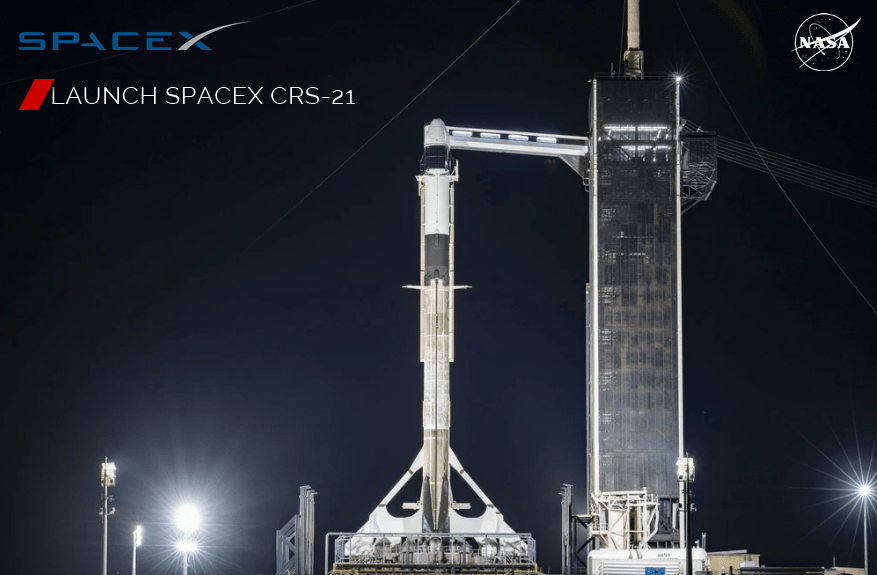
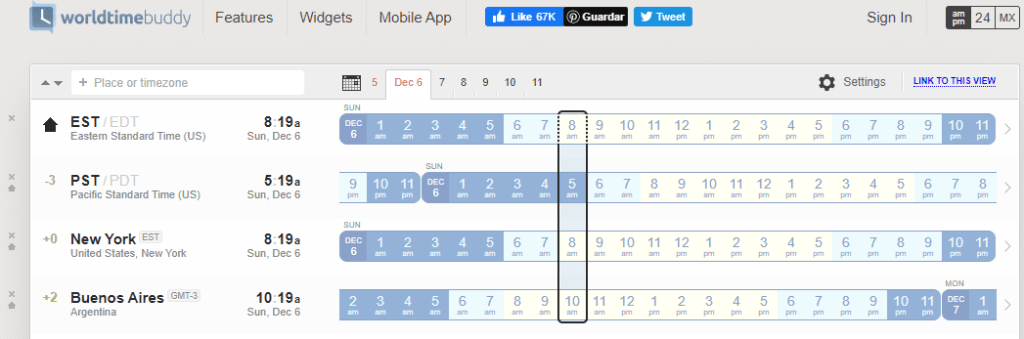
El lanzamiento espacial programado para este Domingo 6 de Diciembre de 2020 llevará una serie de equipos científicos a los astronautas que viven y trabajan en el laboratorio en órbita. El vuelo robótico, llamado CRS-21, marca la 21º misión para SpaceX bajo su contrato de servicios de reabastecimiento de carga comercial con la NASA. El lanzamiento está programado para las 11:17 a.m. EST (1617 GMT) desde el Centro Espacial Kennedy de la NASA en el Estado de Florida.

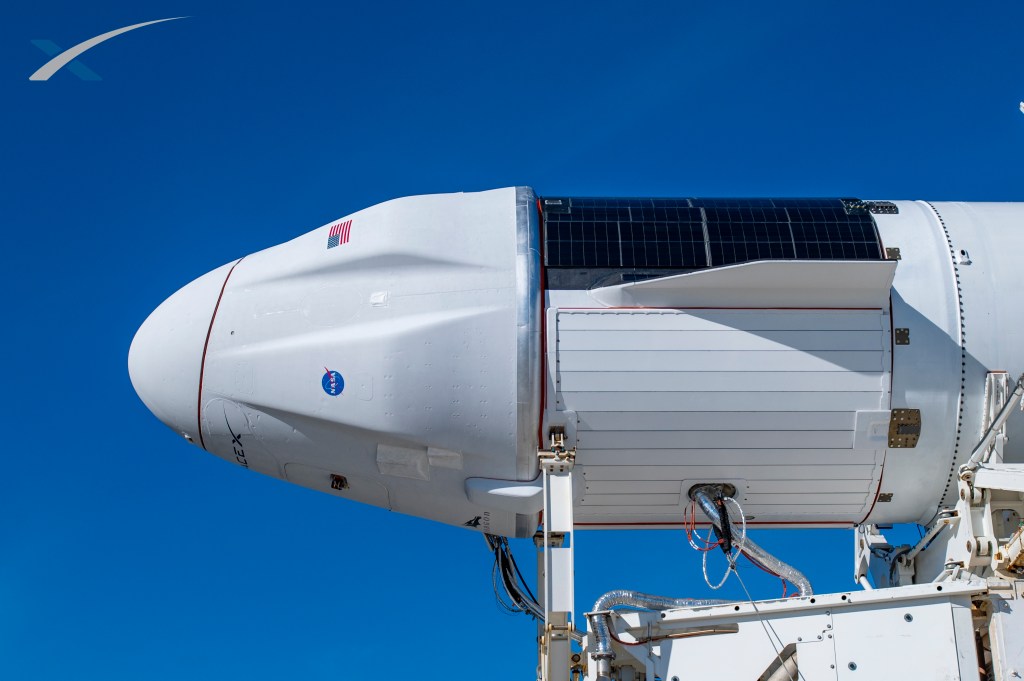
SpaceX inicialmente tenía como objetivo lanzar la misión de carga CRS-21 para la NASA el Sábado 05/12, pero el mal tiempo provocó un retraso. «Debido al mal tiempo en el área de recuperación para el intento de hoy, ahora apuntando el Domingo 6 de Diciembre a las 11:17 a.m. EST para el lanzamiento de CRS-21», escribió SpaceX en una actualización temprano el sábado por la mañana. SpaceX planea recuperar el booster Falcon 9 de la misión para su reutilización posterior. La cápsula de carga Dragon mejorada que se lanzará sobre un veterano cohete SpaceX Falcon 9 está llena de 6,400 libras (2,903 kilogramos) de suministros e investigaciones científicas. El equipo de investigación apoyará una variedad de experimentos en las ciencias de la vida, medicina regenerativa y muchos otros campos. El lanzamiento se transmitirá envivo a través de los canales de la NASA TV y SpaceX.

SpaceX Mission 21

SpaceX Launch to the Space Station 06/12 2020

The space launch scheduled for this Sunday, December 6, 2020 will bring a series of scientific equipment to the astronauts who live and work in the orbiting laboratory. The robotic flight, called CRS-21, marks the 21st mission for SpaceX under its commercial cargo refueling services contract with NASA. Launch is scheduled for 11:17 a.m. EST (1617 GMT) from NASA’s Kennedy Space Center in the State of Florida.

SpaceX initially aimed to launch the CRS-21 cargo mission for NASA on Saturday 05/12, but bad weather caused a delay. «Due to bad weather in the recovery area for today’s attempt, now targeting Sunday December 6 at 11:17 am EST for the launch of CRS-21», SpaceX wrote in an update early Saturday morning. SpaceX plans to retrieve the Falcon 9 booster from the mission for later reuse. The upgraded Dragon cargo capsule to be launched atop a veteran SpaceX Falcon 9 rocket is packed with 6,400 pounds of science supplies and research. The research team will support a variety of experiments in the life sciences, regenerative medicine, and many other fields. The launch will be broadcast live on NASA TV and SpaceX channels.

LAUNCH SPACEX CRS21 MISSION


PUBLISHER: Airgways.com
DBk: Nasa.gov / Spacex.com / Space.com / Airgways.com
AW-POST: 202012061022AR

A\W   A I R G W A Y S ®

Boeing construye poderoso cohete SLS

AW | 2020 12 02 22:38 | AEROSPACE

Carrera para construcción del cohete más revolucionario

Boeing_Isologotype_Blue

The Boeing Company ha revelado su programa de Space Launch System/Sistema de Lanzamiento Espacial (SLS) que dará forma al futuro en el espacio profundo. Cuando la NASA envíe a la primera mujer y al próximo hombre a la Luna, esos astronautas no solo serán los primeros humanos en aterrizar en la superficie lunar desde la misión del Apolo 17 en 1972, sino que también estarán montando sobre el cohete más grande y poderoso de la historia de la NASA construido por Boeing.

NASA_Isologotype

El SLS será más alto que la Estatua de la Libertad cuando esté listo para despegar de la plataforma de lanzamiento con la tripulación del programa Artemis de la NASA. Con una potencia de casi 9 millones de libras de empuje, será lo suficientemente potente como para llevar una carga útil de 38 toneladas métricas a la luna. Según Matt Duggan, Gerente de Operaciones y Gestión de Misiones de la compañía Boeing, el Space Launch System es una pieza clave de tecnología que permitirá a los humanos viajar más lejos en el espacio y por períodos más largos. «La razón por la que necesitamos cohetes más grandes y más grandes, a medida que vamos más allá y más en el espacio, es que queremos llevar más y más cosas con nosotros a medida que avanzamos. Vas a empacar de manera diferente si vas de viaje de un mes, que si vas de viaje durante la noche. Ahí es donde entra el SLS. Puede llevar estas enormes, enormes cargas útiles […] e incluir todos los suministros que los seres humanos necesitan para vivir y trabajar en el espacio profundo», expresó Matt Duggan.

Esa capacidad de transportar grandes cargas útiles no es sólo vital para llevar tripulación y carga a la luna, sino también para futuras misiones al planeta Marte. A diferencia de los cohetes anteriores desarrollados para las misiones de la NASA, el SLS será capaz de llevar cargas útiles enteras, premontadas, al espacio profundo para que los suministros estén listos para ir a Marte a medida que los humanos lleguen. Mientras que el equipo que trabaja en el SLS incluye veteranos que trabajaron en el programa de transbordadores espaciales y la Estación Espacial Internacional y el diseño del SLS en sí incorpora piezas utilizadas en misiones de transbordadores, mucho ha cambiado desde que se construyeron las naves espaciales anteriores. «Nunca se ha hecho antes de esta manera. Estamos aprovechando las mejores y más modernas prácticas de ingeniería que tenemos hoy en día. Y creo que esa es una gran ventaja que tenemos ahora sobre las personas que con éxito, por supuesto, pero que diseñaron Saturno V. Era un cohete en el que había gente haciendo diseños en papel, haciendo cálculos a mano y haciendo piezas a mano. Podemos hacer tanto análisis en un solo día como lo hicieron en todo su programa a lo largo de los años. Y con la fabricación asistida por computadora, podemos construir piezas que son tan precisas, que están literalmente esculpidas para ser exactamente lo que necesitan ser», dijo Matt Duggan. Ese nivel de precisión incluso va hasta las partes más pequeñas. Matt Duggan dice que cada parte del cohete, hasta cada perno específico, es rastreado individualmente a lo largo de la construcción. «Sabemos en todas partes que ha estado y cada persona que lo ha tocado. Y conocemos su historia, casi hasta cuando era metal siendo extraído del suelo. Es ese nivel de detalle, para que tengas la seguridad de que cada parte es segura», precisó el Gerente de Operaciones de la Misión SLS.

A pesar de la pandemia mundial, Matt Duggan dice que el SLS todavía está en camino de lanzarse. Los equipos de Boeing y la NASA se están preparando para una llamada prueba de fuego caliente, cuando los cuatro motores RS-25 del cohete serán disparados durante el tiempo que lo harían durante un lanzamiento real. Luego, después de una década de desarrollo, el SLS estará listo para Artemis I en 2021. Esta será la primera vez que el SLS se lance completo con la Cápsula Espacial Orion desenroscada en la parte superior, despegando del ISS del Centro Espacial Kennedy de la NASA en Cabo Cañaveral, Estado de Florida, para una misión de tres semanas alrededor del Satélite de la Luna. A partir de ahí, la NASA se preparará para un aterrizaje lunar con Artemis II, antes de llevar a su primera tripulación a la Luna con Artemis III. El Jefe Matt Duggan de la Misión SLS ha expresado que las misiones a Marte serán el próximo desafío emocionante en el camino por delante. «Cuando los humanos aterrizaron en la Luna, hace 50 años, ese fue un momento decisivo para mucha gente, para una generación. Y eso no fue sólo una celebración como individuo o como nación, sino que fue todo el camino hasta la especie. Todo el mundo podría estar detrás de eso. Y creo que Marte será lo mismo, ese tipo de desafío».

Boeing builds powerful SLS rocket

Race to build the most revolutionary rocket

Boeing_Isologotype_Sky

The Boeing Company has revealed its Space Launch System (SLS) program that will shape the future in deep space. When NASA sends the first woman and next man to the Moon, those astronauts will not only be the first humans to land on the lunar surface since the Apollo 17 mission in 1972, but they will also be riding on the largest rocket and mighty from NASA history built by Boeing.

The SLS will be taller than the Statue of Liberty when it is ready to lift off from the launch pad with NASA’s Artemis program crew. With a power of almost 9 million pounds of thrust, it will be powerful enough to carry a payload of 38 metric tons to the moon. According to Matt Duggan, the Boeing Company’s Operations and Mission Management Manager, the Space Launch System is a key piece of technology that will allow humans to travel further in space and for longer periods. «The reason we need bigger and bigger rockets, as we go further and further into space, is that we want to take more and more things with us as we go. You’re going to pack differently if you go from month-long trip, than if you’re traveling overnight. That’s where the SLS comes in. It can carry these huge, huge payloads and include all the […] supplies that humans need to live and work in the deep space», said Matt Duggan.

That ability to carry large payloads is not only vital for getting crew and cargo to the moon, but also for future missions to the planet Mars. Unlike previous rockets developed for NASA missions, the SLS will be able to carry entire, pre-assembled payloads into deep space so supplies are ready to go to Mars as humans arrive. While the team working on the SLS includes veterans who served on the space shuttle program and the International Space Station and the design of the SLS itself incorporates parts used in shuttle missions, much has changed since previous spacecraft were built. «It’s never been done this way before. We’re taking advantage of the best and most modern engineering practices that we have today. And I think that’s a huge advantage that we now have over people who successfully, of course, but who designed Saturn V. It was a rocket with people making designs on paper, doing calculations by hand, and making parts by hand. We can do as much analysis in one day as they did in their entire program over the years. And with In computer-aided manufacturing, we can build parts that are so precise, they are literally sculpted to be exactly what they need to be», said Matt Duggan. That level of precision even goes down to the smallest parts. Matt Duggan says that every part of the rocket, down to each specific bolt, is individually tracked throughout the build. «We know everywhere it has been and each person who has touched it. And we know its history, almost even when it was metal being extracted from the ground. It is that level of detail, so you can be sure that each part is safe», specified the Operations Manager of the SLS Mission.

Despite the global pandemic, Matt Duggan says the SLS is still on its way to launch. Teams at Boeing and NASA are preparing for a so-called hot litmus test, when the rocket’s four RS-25 engines will fire for as long as they would during an actual launch. Then, after a decade of development, the SLS will be ready for Artemis I in 2021. This will be the first time the SLS has been launched complete with the Orion space capsule unscrewed on top, blasting off the ISS at the Kennedy Space Center of the NASA at Cape Canaveral, Florida, for a three-week mission around the Moon’s Satellite. From there, NASA will prepare for a lunar landing with Artemis II, before taking its first crew to the Moon with Artemis III. Mission SL Chief Matt Duggan has expressed that missions to Mars will be the next exciting challenge on the road ahead. «When humans landed on the Moon, 50 years ago, that was a defining moment for many people, for a generation. And that was not just a celebration as an individual or as a nation, but it was all the way to the species. Everything. the world could be behind that. And I think Mars will be the same, that kind of challenge».


PUBLISHER: Airgways.com
DBk: Nasa.gov / Boeing.com / Cnet.com / Airgways.com
AW-POST: 202012022238AR

A\W   A I R G W A Y S ®

China aluniza nave Chang’e-5

AW | 2020 12 02 10:00 | AEROSPACE

China aluniza nave espacial Chang’e-5 en misión científica

China_National_Space_Administration_Isologotype

La República de China ha arribado al Satélite de la Luna en una misión con el objetivo de recolección de material del suelo para regresar con ellos a la Tierra a mediados de Diciembre 2020. La agencia oficial de noticias china Xinhua, ha comunicado el gran paso de la nación en este acontecimiento importante para las investigaciones científicas. La sonda pasará dos días recogiendo rocas y tierra de la superficie lunar, con el objetivo de devolver el primer caché de muestras lunares a la Tierra desde 1976.

La nave espacial, Chang’e-5, fue el tercer aterrizaje lunar por parte de China desde 2013, cuando Chang’e-3 y su rover Yutu se convirtieron en el primer visitante de China en hacer un aterrizaje suave en la Luna. En 2019, Chang’e-4 aterrizó en el otro lado del satélite natural, la primera nave espacial de la Tierra en hacer eso. Se planean al menos tres incursiones lunares con el robot Chang’e-5 adicionales para la próxima década, antes de la aspiración de China de construir una base lunar para los astronautas en la década de 2030. Un cohete fue lanzado el 5 de Marzo de 2020 que transportaba la sonda lanzada este Martes 01/12 desde un sitio en la isla china de Hainan. En un movimiento inusual para el programa espacial típicamente secreto de China, el despegue y el viaje a órbita fue cubierto en vivo por las emisoras estatales, con imágenes hechas por cámaras montadas en el cohete. El programa en vivo sugiere que el Partido Comunista tiene una creciente confianza en el programa espacial del país.

Después que la nave espacial entró en órbita alrededor de la Luna, Chang’e-5 se dividió en dos: el lander ahora en la superficie y un orbitador que espera su regreso. La nave espacial frenó y entró con éxito en una órbita elíptica el Sábado 29/11, y frenó de nuevo el Domingo 30/11 para entrar en una órbita casi circular. Las maniobras adicionales el Lunes 01/12 y el Martes 02/12 prepararon la nave espacial de aterrizaje para su descenso a la superficie. El lander tocó tierra en Mons Ramker, una llanura volcánica que se estima que tiene alrededor de 1.200 millones de años. Eso es considerablemente más joven que los lugares explorados por Apolo y el alunizaje de la antigua Unión Soviética, que tenían más de tres mil millones de años.

El lander tendrá que llevar a cabo sus tareas de perforación y scooping dentro de un solo día lunar, que dura 14 días terrestres. No está diseñado para sobrevivir a la fría y oscura noche lunar. El lander Chang’e-5 incluye un pequeño cohete, y antes de que se ponga el sol, se despedazará con las muestras de roca y tierra. Este cohete se reunirá y atracará con la nave espacial en órbita para el viaje de regreso a la Tierra. Las muestras serán transferidas al orbitador para el viaje de regreso a nuestro planeta.

Está previsto que la muestra aterrice en la región de Mongolia Interior de China a mediados de Diciembre 2020. La corta edad de las muestras podría resultar valiosa para los científicos de la Tierra, que pueden usarlas para calibrar mejor las técnicas para estimar las edades de las superficies geológicas en planetas, lunas y asteroides en todo el sistema solar. Los especímenes también pueden ayudar a los científicos a probar hipótesis sobre lo que causó el vulcanismo evidente en la región de la luna donde desembarcó Chang’e-5.

Si las operaciones en la luna y el regreso a la Tierra son exitosas, China será sólo la tercera nación en traer muestras lunares aquí. Los astronautas de la NASA lograron esa hazaña durante los alunizajes del Apolo, al igual que los landers robóticos de la Unión Soviética en 1976. Esas muestras hicieron contribuciones importantes a la comprensión de la evolución del sistema solar, y los científicos planetarios han esperado ansiosamente muestras adicionales.

China lands Chang’e-5 ship

China lands Chang’e-5 spacecraft on science mission

CLEP

The Republic of China has arrived at the Moon Satellite on a mission with the aim of collecting soil material to return with them to Earth in mid-December 2020. The official Chinese news agency Xinhua has reported the great step of the nation in this important event for scientific research. The probe will spend two days collecting rocks and soil from the lunar surface, with the goal of returning the first cache of lunar samples to Earth since 1976.

The spacecraft, Chang’e-5, was China’s third lunar landing since 2013, when Chang’e-3 and its rover Yutu became the first visitor from China to make a soft landing on the Moon. In 2019, Chang’e-4 landed on the other side of the natural satellite, the first spacecraft on Earth to do that. At least three additional lunar forays with the Chang’e-5 robot are planned for the next decade, ahead of China’s aspiration to build a lunar base for astronauts in the 2030s. A rocket was launched on March 5, 2020 that carried the probe launched this Tuesday 01/12 from a site on the Chinese island of Hainan. In an unusual move for China’s typically secretive space program, the liftoff and journey into orbit was covered live by state broadcasters, with images made by cameras mounted on the rocket. The live show suggests that the Communist Party has growing confidence in the country’s space program.

After the spacecraft entered orbit around the Moon, Chang’e-5 split into two: the lander now on the surface and an orbiter awaiting its return. The spacecraft braked and successfully entered an elliptical orbit on Saturday 11/29, and braked again on Sunday 11/30 to enter a near-circular orbit. Additional maneuvers on Monday 12/01 and Tuesday 12/02 prepared the landing spacecraft for its descent to the surface. The lander made landfall on Mons Ramker, a volcanic plain estimated to be around 1.2 billion years old. That’s considerably younger than the sites explored by Apollo and the former Soviet Union moon landing, which were over three billion years old.

The lander will have to carry out its drilling and scooping tasks within a single lunar day, which lasts 14 Earth days. It is not designed to survive the cold dark lunar night. The Chang’e-5 lander includes a small rocket, and before the sun sets, it will shatter with rock and soil samples. This rocket will meet and dock with the orbiting spacecraft for the journey back to Earth. The samples will be transferred to the orbiter for the return trip to our planet.

The sample is scheduled to land in China’s Inner Mongolia region in mid-December 2020. The young age of the samples could prove valuable to scientists on Earth, who can use them to better calibrate techniques for estimating the ages of the samples. Geologic surfaces on planets, moons, and asteroids throughout the solar system. The specimens can also help scientists test hypotheses about what caused the volcanism evident in the region of the moon where Chang’e-5 landed.

If the operations on the moon and the return to Earth are successful, China will be only the third nation to bring lunar samples here. NASA astronauts accomplished that feat during the Apollo moon landings, as did robotic landers of the Soviet Union in 1976. Those samples made important contributions to understanding the evolution of the solar system, and planetary scientists have eagerly awaited samples. additional.

中國登陸Chang娥五號艦

中國將Chang娥五號航天器送上科學任務

中華民國已抵達月球衛星,其任務是收集土壤物質,並於2020年12月中旬返回地球。中國官方通訊社新華社報導說,國家在這一重要的科學研究活動中。該探測器將花費兩天的時間從月球表面收集岩石和土壤,目標是自1976年以來將第一批月球樣本返回地球。

Chang'e_5_Mission_Patch

2013娥五號飛船是自2013年以來中國第三次登月,當時Chang娥三號和它的漫遊者Yutu成為了中國第一個在月球上軟著陸的遊客。在2019年,Chang娥四號降落在天然衛星的另一側,這是地球上第一個這樣做的航天器。在中國渴望在2030年代為宇航員建立登月基地之前,計劃在未來十年至少再進行3次使用Chang’e-5機器人的登月嘗試。3月5日,火箭發射升空載有該探測器的2020年本週二01/12從中國海南島的一個地點發射升空。對於中國典型的秘密太空計劃而言,這是不尋常的舉動,國家廣播公司現場直播了升空和進入軌道的過程,並用安裝在火箭上的照相機拍攝了圖像。現場表演表明,共產黨對該國的太空計劃越來越有信心。

航天器進入繞月球軌道後,Chang娥五號分裂成兩部分:現在著陸器降落在地表,還有一顆等待其返回的軌道器。飛船在周六11/29制動並成功進入橢圓形軌道,並在周日11/30再次製動以進入近圓形軌道。 12月1日星期一和12/02日星期二的其他演習為著陸航天器下降做好了準備。該著陸器在蒙斯·拉姆克(Mons Ramker)登陸,據估計該火山約有12億年的歷史。這比阿波羅(Apollo)和前蘇聯登月的探索地點還年輕,後者已有30億多年的歷史了。

著陸器將必須在一個陰曆日(持續14個地球日)內執行鑽探和鏟取任務。它不是為在寒冷的陰暗夜中生存而設計的。 ‘娥五號著陸器包括一枚小型火箭,在太陽落山之前,它將被岩石和土壤樣本破壞。該火箭將與軌道航天器相遇並停靠,以返回地球。樣本將被轉移到軌道器,以返回我們的星球。

該樣品定於2020年12月中旬登陸中國內蒙古地區。樣品的年輕年齡可能對地球上的科學家證明是有價值的,他們可以利用它們更好地校準估計樣品年齡的技術。整個太陽系中行星,衛星和小行星的地質表面。這些標本還可以幫助科學家檢驗關於在Chang娥五號著陸的月球區域明顯造成火山活動的原因的假設。

如果成功進行月球飛行和返回地球,中國將是第三個將月球樣本帶到這裡的國家。美國宇航局的宇航員在這一阿波羅登月期間就完成了這一壯舉,就像蘇聯在1976年進行的機器人著陸器一樣。這些樣品為理解太陽系的發展做出了重要貢獻,行星科學家也熱切期待著樣品。額外。


PUBLISHER: Airgways.com
DBk: Cnsa.gov.cn / Xinhuanet.com / Jin Liwang
AW-POST: 202012021000AR

A\W   A I R G W A Y S ®

Starliner avanza hacia el 2021

AW | 2020 11 26 01:10 | AEROSPACE

Segundo intento de Boeing prueba de vuelo Starliner avanza en 2021

Starliner_Isologotype - copia

Dos días antes de que SpaceX lanzara su primera misión operativa con cuatro astronautas a bordo, Suni Williams, que se está entrenando para ser el Comandante de la segunda misión tripulada de The Boeing Company, deseó lo mejor a sus colegas con solo un toque de nostalgia. “Será increíble verlos llegar a la Estación Espacial Internacional (ISS) y estar allí trabajando durante los próximos seis meses. Espero específicamente verlos vivir allí porque nuestra tripulación, mi tripulación, será la tripulación complementaria del Boeing Starliner». Suni Williams tiene al menos otro año para esperar hasta que sea su turno.

La NASA estima que Boeing no estará listo para un segundo intento de un vuelo de prueba sin tripulación hasta el primer trimestre de 2021, con el inicio de vuelos operativos con tripulación posiblemente a fines del próximo año. Boeing y SpaceX habían estado desarrollando y probando las respectivas naves espaciales de las compañías para el Programa de Tripulación Comercial de la NASA, desde que fueron elegidas por la NASA en 2014 para construir naves espaciales capaces de llevar humanos a la ISS. Pero los problemas de software hicieron que el Starliner de Boeing no pudiera acoplarse con la estación espacial durante su primera prueba de vuelo orbital en Diciembre de 2019. Mientras tanto, SpaceX ha eliminado su prueba de vuelo orbital sin tripulación, la prueba de vuelo con tripulación y ahora el primer vuelo operativo de cuatro astronautas. La tripulación atracó con éxito en la Estación Espacial Internacional unas 27 horas después.

En un movimiento que señala la necesidad de Boeing de fortalecer su equipo técnico, la compañía contrató a la ex líder de software de SpaceX, Jinnah Hosein, a principios de este mes. Jinnah Hosein llega a la mesa con una experiencia que podría ser especialmente útil con el Programa Starliner. En SpaceX, Jinnah Hosein dirigió el desarrollo de software para Falcon, Falcon Heavy, Dragon y Crew Dragon. Ahora, Vicepresidente de Ingeniería de software de Boeing, se centrará en el software en toda la empresa.

Richard Aboulafia, analista de aviación y aeroespacial de Teal Group, cree que esta contratación es un paso importante para que Boeing vuelva a encarrilarse. «Ha habido una des-priorización de las habilidades técnicas y de ingeniería y, de hecho, un desempoderamiento del personal técnico que tienen, así que fueron buenas noticias», dijo Richard Aboulafia.

Steve Stich, Gerente del Programa de Tripulación Comercial de la NASA, reiteró que están enfocados en solucionar los problemas de software. “Hemos estado trabajando mano a mano con Boeing. Han trabajado muchísimo en su vehículo. Continúan procesando ese vehículo para OFT. El elemento del ritmo realmente es preparar el software para funcionar», dijo Steve Stich en una llamada con los periodistas. Además de Starliner, la división espacial también está lidiando con una investigación criminal sobre afirmaciones de que la compañía utilizó información privilegiada para ofertar por un contrato de aterrizaje lunar de la NASA.

Boeing también se está recuperando de los desastres del 737 MAX. Los analistas estiman que las pérdidas del programa oscilan entre US$ 20 mil millones y US$ 25 mil millones. Después de 20 meses de estar en tierra, la FAA autorizó a Boeing a reanudar el servicio de pasajeros del 737 MAX el 18 de Noviembre de 2020, pero Richard Aboulafia dice que tomará uno o dos años antes de que la compañía tenga un flujo de caja positivo. «Es una gran deuda que han contraído y pasará un tiempo antes de que cambie el panorama», dijo Richard Aboulafia.

A pesar de sus problemas financieros, Boeing está pagando de su bolsillo el nuevo vuelo orbital debido a su compromiso con la seguridad y la calidad. La compañía anunció en Enero 2020 que había presupuestado US$ 410 millones de Dólares para otro vuelo de prueba. Para recuperar el tiempo perdido, Boeing está actualizando la nave espacial Starliner para que esté lista para los humanos. El vehículo utilizado en el próximo vuelo de prueba será el mismo que se utilizó para el vuelo con tripulación de la astronauta Suni Williams. “La próxima nave espacial que suba al OFT-2 estará esencialmente lista para que haya gente a bordo. Por lo que es un poco diferente de OFT-1, donde no teníamos todos los sistemas en su lugar. Así que es un poco más diligente que estemos trabajando en la nave espacial», expresó la astronauta.

Cosmonautas Americanos-rusos

Todavía no es una certeza, pero al menos algo se está moviendo diplomáticamente! Según un nuevo informe, la NASA ha propuesto volar cosmonautas rusos con cápsulas de SpaceX y Boeing para llegar a la ISS. ¿Un signo de colaboración cada vez más estrecha? Según los rumores, esta propuesta de la agencia espacial estadounidense está vinculada a la posibilidad de seguir utilizando la Soyuz rusa para llegar a la ISS. Ahora que SpaceX ha pasado las pruebas (con Demo-2 y Crew-1) y Estados Unidos está de vuelta independiente para los lanzamientos, la oferta podría ser tentadora.

Perspectivas Starliner

Si todo va bien con el vuelo de prueba a principios de 2021, Suni Williams dijo que se espera que el primer vuelo tripulado con los astronautas Barry Wilmore, Nicole Mann y Michael Fincke sea en la primavera, lo que pondría el vuelo tripulado de Williams a fines de 2021. “También tenemos que preocuparnos por qué puertos están abiertos en la estación espacial. Se está llenando un poco de espacio y eso es algo realmente bueno y tendremos que trabajar en el calendario», dijo Suni Williams.

SpaceX dice que durante los próximos 15 meses volará ocho misiones de carga y Crew Dragon. Boeing continúa procesando los vehículos Starliner en sus instalaciones en el Centro Espacial Kennedy.

Starliner moves towards 2021

Boeing’s second attempt at Starliner flight test moves further in 2021

Two days before SpaceX launched its first operational mission with four astronauts on board, Suni Williams, who is training to be the Commander of The Boeing Company second manned mission, wished his colleagues the best with just a hint of nostalgia. “It will be amazing to see them arrive at the International Space Station and be there working for the next six months. I specifically look forward to seeing them live there because our crew, my crew, will be the supplemental crew of the Boeing Starliner”, Suni Williams has at least another year to wait until it’s his turn.

AW-Boeing_Starliner

NASA estimates that Boeing will not be ready for a second attempt at an unmanned test flight until the first quarter of 2021, with operational crewed flights starting possibly late next year. Boeing and SpaceX had been developing and testing the companies’ respective spacecraft for NASA’s Commercial Crew Program, since they were chosen by NASA in 2014 to build spacecraft capable of bringing humans to the ISS. But software problems made Boeing’s Starliner unable to dock with the space station during its first orbital flight test in December 2019. In the meantime, SpaceX has phased out its unmanned orbital flight test, the crewed flight test. and now the first operational flight of four astronauts. The crew successfully docked at the International Space Station some 27 hours later.

In a move that signals Boeing’s need to strengthen its technical team, the company hired former SpaceX software leader Jinnah Hosein earlier this month. Jinnah Hosein comes to the table with an experience that could be especially helpful with the Starliner Program. At SpaceX, Jinnah Hosein led software development for Falcon, Falcon Heavy, Dragon, and Crew Dragon. Now Vice President of Software Engineering at Boeing, he will focus on software across the enterprise.

Richard Aboulafia, an aviation and aerospace analyst at Teal Group, believes this hiring is an important step in getting Boeing back on track. «There has been a de-prioritization of technical and engineering skills and, indeed, disempowerment of the technical staff that they have, so it was good news», said Richard Aboulafia.

Steve Stich, NASA Commercial Crew Program Manager, reiterated that they are focused on solving software problems. “We have been working hand in hand with Boeing. They have done a lot of work on your vehicle. They continue to process that vehicle for OFT. The element of pacing is really getting the software ready to go», Steve Stich said in a call with reporters. In addition to Starliner, the space division is also dealing with a criminal investigation into claims that the company used inside information to bid for a NASA lunar landing contract.

Boeing is also recovering from the 737 MAX disasters. Analysts estimate the program’s losses to range from US$ 20 billion to US$ 25 billion. After 20 months of being on the ground, the FAA authorized Boeing to resume passenger service of the 737 MAX on November 18, 2020, but Richard Aboulafia says it will take a year or two before the company has a cash flow. positive. «It is a great debt that they have incurred and it will be a while before the picture changes», said Richard Aboulafia.

Despite its financial problems, Boeing is paying out of pocket for the new orbital flight because of its commitment to safety and quality. The company announced in January that it had budgeted US$ 410 million for another test flight. To make up for lost time, Boeing is updating the Starliner spacecraft to be human-ready. The vehicle used on the next test flight will be the same as the one used for astronaut Suni Williams’ crewed flight. “The next spacecraft to board OFT-2 will be essentially ready for people on board. So it is a bit different from OFT-1, where we didn’t have all systems in place. So it is a little more diligent that we are working on the spacecraft», said the astronaut.

American-Russian cosmonauts

It is still not a certainty, but at least something is moving diplomatically! According to a new report, NASA has proposed flying Russian cosmonauts with SpaceX and Boeing capsules to reach the ISS. A sign of ever closer collaboration? According to rumors, this proposal by the US space agency is linked to the possibility of continuing to use the Russian Soyuz to reach the ISS. Now that SpaceX has passed the tests (with Demo-2 and Crew-1) and the United States is back independent for launches, the offer could be tempting.

Starliner Operspective

If all goes well with the test flight in early 2021, Suni Williams said that the first manned flight with astronauts Barry Wilmore, Nicole Mann and Michael Fincke is expected to be in the spring, which would put Williams’ manned flight on track. late 2021. “We also have to worry about which ports are open on the space station. It’s filling up a little bit of space and that’s a really good thing and we’ll have to work on the schedule», Suni Williams said.

SpaceX says it will fly eight cargo and Crew Dragon missions over the next 15 months. Boeing continues to process Starliner vehicles at its facility at the Kennedy Space Center.


PUBLISHER: Airgways.com
DBk: Nasa.gov / Boeing.com / Floridatoday.com / Airgways.com
AW-POST: 202011260110AR

A\W   A I R G W A Y S ®

Renace OneWeb Satellites

AW | 2020 11 22 14:54  | AEROSPACE

La compañía de internet satelital OneWeb renace oficialmente

OneWeb_Isologotype

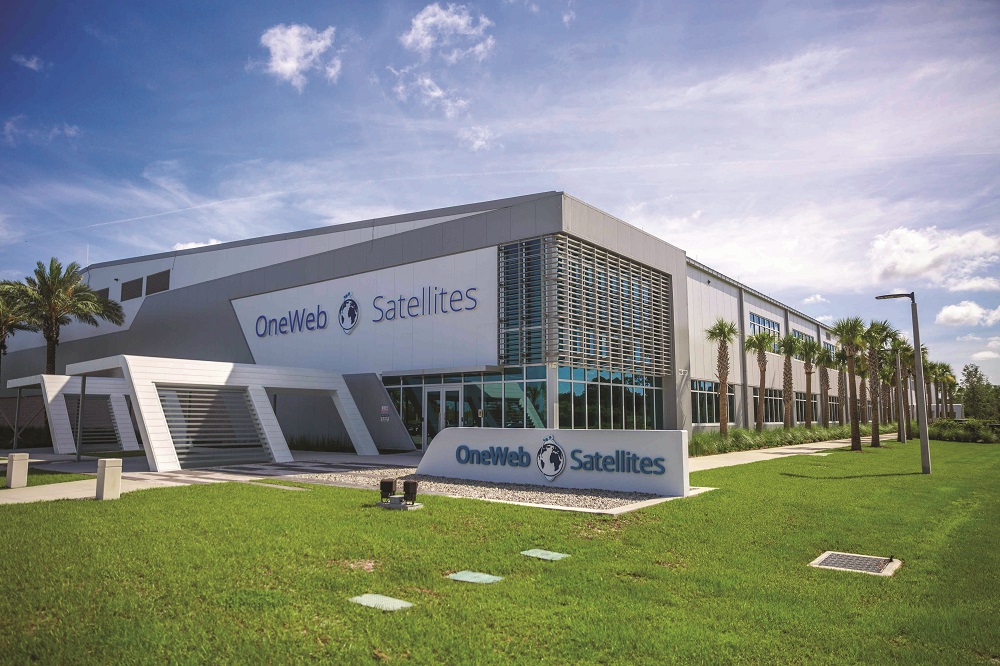
La compañía satelital OneWeb anglo-india ha renacido nuevamente. El operador de satélites ha salido formalmente de la bancarrota financiera. La propiedad se ha transferido a una nueva compañía con sus principales accionistas que ahora son el Gobierno del Reino Unido y el conglomerado indio Bharti Global Ltd. La nueva explotación toma posesión de todos los activos del operador, incluidos los 74 satélites que tiene en órbita y toda la infraestructura terrestre para apoyarlos. Esto significa que el negocio con sede en Londres ahora puede resolver su megaconstelación de banda ancha.

La empresa de satélites de comunicación de banda ancha Oneweb ha surgido de su estado de protección por bancarrota del Capítulo 11 este 20/11. Es oficialmente propiedad de un consorcio formado por el gobierno del Reino Unido y Bharti Global de la India, mientras que ha asumido como CEO Neil Masterson, reemplazando al Director Ejecutivo saliente Adrián Steckel, que permanecerá como asesor de la Junta Directiva.

OneWeb buscó la protección del Capítulo 11 en los Estados Unidos en Marzo 2020 después de que su entonces mayor accionista, el financiador de tecnología japonés Softbank, se retirara de una mayor inversión en el proyecto. El proceso de licitación para recoger los activos, incluyendo las frecuencias de radio utilizadas por la constelación, fue ganado por un consorcio liderado por el gobierno de Londres y Bharti, que están inyectando $500 millones en la empresa renacida. La venta, que fue aprobada por un Tribunal Federal de Estados Unidos el mes pasado, ve a OneWeb reanudar el comercio con sus viejas deudas eliminadas.

El anuncio del Viernes 20/11 de la finalización de la venta va acompañado del nombramiento de un nuevo director ejecutivo. Será Neil Masterson, anteriormente co-Director de Operaciones del Proveedor de información empresarial Thomson Reuters. El anterior CEO de OneWeb, el experimentado ejecutivo de telecomunicaciones Adrián Steckel, continuará como asesor del consejo. El Sr. Neil Masterson, que actualmente tiene su sede en Nueva York, regresa a Londres para asumir su nuevo papel. «Estoy deseando ayudar al equipo de OneWeb a ofrecer y comercializar su visión para proporcionar acceso a Internet en todo el mundo. OneWeb tiene un fuerte propósito social para mejorar el acceso del mundo a la información, que comparto. Tiene un gran talento, una oportunidad comercial convincente, y es apoyado por propietarios e inversionistas comprometidos y bien informados», expresó Neil Masterson en un comunicado.

La participación del Gobierno del Reino Unido en el rescate de la compañía ha sido controvertida, con críticos cuestionando por qué los ministros invertirían tanto dinero en lo que sigue siendo una empresa arriesgada. El Secretario de Negocios Alok Sharma incluso tuvo que emitir una dirección ministerial para impulsar la inversión después de que los funcionarios declararon su objeción. Pero los defensores de la conexión OneWeb ven grandes oportunidades en la constelación de satélites para ofrecer una gama de servicios más allá de la conectividad a Internet. Uno de esos servicios incluiría el posicionamiento preciso, la navegación y el calendario, una capacidad que el gobierno está dispuesto a establecer de alguna forma ahora que su asociación en el proyecto de navegación satelital Galileo de la Unión Europea ha terminado después del Brexit.

Competencia espacial

El principal competidor de OneWeb en el juego de megaconstelación es Starlink, que está siendo creado por la compañía de cohetes californiana SpaceX. Starlink, que tiene más de 700 satélites en órbita, actualmente la arquitectura de su red requiere más satélites que OneWeb ya ha comenzado las pruebas beta con los clientes. Los dos proyectos están, sin embargo, siguiendo modelos de negocio muy diferentes. OneWeb trabajará con telecos asociados para entregar sus conexiones de banda ancha, mientras que Starlink venderá directamente al consumidor.

Airbus, socio

Un socio industrial clave en el futuro será el gigante aeroespacial paneuropeo Airbus. Ya está involucrado en la fábrica de Florida, habiendo diseñado los satélites de primera generación, y el brazo del Reino Unido de la compañía tiene sus ojos en ayudar a desarrollar capacidades futuras. «La visión del Reino Unido al invertir en OneWeb no solo ayudará a ofrecer conectividad a Internet de alta velocidad en todo el mundo, sino que también tiene el potencial de proporcionar una navegación y un calendario de alta precisión. Las primeras investigaciones en Airbus y de otros expertos clave indican que los futuros satélites de órbita baja de la Tierra de OneWeb podrían ofrecer una mayor resiliencia nacional y un gran salto adelante en la infraestructura necesaria para desplegar vehículos verdaderamente autónomos: terrestres, aéreos y marítimos. Esta es una área en la que el Reino Unido podría ahora liderar el mundo aprovechando la oportunidad de estar a la vanguardia de esta nueva tecnología y del amplio ecosistema de negocios de servicios necesarios para apoyar esa visión», dijo Richard Franklin, Director general de Airbus Defence and Space UK.

Plan director

El fundador y Presidente de Bharti Global, Sunil Bharti Mittal, dijo que fue muy gratificante ver cómo los meses de arduo trabajo puestos en la compra llegaron a una conclusión. «Es un muy buen trato. Si uno tenía que tirar los dados, este es el mejor. Vengo del mundo de las telecomunicaciones. Para mí, esta es ahora la próxima frontera».

El plan de OneWeb es tomar 648 naves espaciales en alto para ofrecer conectividad a Internet a casi todas las superficies terrestres y marítimas de todo el mundo. Los siguientes 36 satélites ya han sido enviados desde una fábrica de Florida al Cosmódromo Vostochny de la Federación Russia para su lanzamiento en un Cohete Soyuz, actualmente programado para el 17 de Diciembre de 2020. Los componentes existen para otros tres lotes, y los nuevos propietarios han estado ocupados en las últimas semanas restablecimiento de viejas cadenas de suministro para aumentar completamente la producción a los niveles previos a la bancarrota.

La prioridad de la nueva compañía OneWeb tiene que ser construir su red de banda ancha de primera generación. El objetivo es tener cobertura en el hemisferio norte hasta unos 50 grados de latitud el próximo año que cubriría el Reino Unido, con la constelación completa en su lugar el año siguiente. Se han reservado dieciséis lanzamientos con la compañía francesa de Cohetes Arianespace para facilitar el despliegue.

Para lograr sus objetivos, el proyecto, sin embargo, necesitará más dinero en efectivo. «Necesitaremos un total de entre 2.000 y 2.250mn de dinero fresco para completar esta constelación. Importantemente, tenemos prioridad de espectro. En mi industria, como tengo experiencia, el espectro es más valioso. Y esta empresa es bendecida con la mayor prioridad a nivel mundial en el espectro Ku. Para la Generación 2, por supuesto tendremos una navegación y un tiempo precisos a gran escala. Y si el Gobierno del Reino Unido quiere otras cargas útiles críticas para las necesidades de seguridad, haremos lo que sea necesario», dijo Sunil Bharti Mittal.

OneWeb Satellites is reborn

OneWeb satellite internet company officially reborn

oneweb-satellites-squarelogo-1580936813038

The Anglo-Indian OneWeb satellite company has been reborn again. The satellite operator has formally emerged from financial bankruptcy. Ownership has been transferred to a new company with its main shareholders who are now the UK Government and Indian conglomerate Bharti Global Ltd. The new operation takes possession of all the operator’s assets, including the 74 satellites in orbit and all the ground infrastructure to support them. This means that the London-based business can now solve its broadband mega-constellation.

Broadband communication satellite company Oneweb emerged from its Chapter 11 bankruptcy protection status on 11/20. It is officially owned by a consortium made up of the UK Government and India’s Bharti Global, while Neil Masterson has taken over as CEO, replacing outgoing CEO Adrian Steckel, who will remain as advisor to the Board of Directors.

OneWeb sought Chapter 11 protection in the United States in March 2020 after its then-largest shareholder, Japanese technology funder Softbank, pulled out of further investment in the project. The bidding process to collect the assets, including the radio frequencies used by the constellation, was won by a consortium led by the London government and Bharti, who are injecting US$ 500 million into the reborn company. The sale, which was approved by a US Federal Court last month, sees OneWeb resume trading with its old debts wiped out.

The announcement on Friday 11/20 of the completion of the sale is accompanied by the appointment of a new CEO. It will be Neil Masterson, formerly Co-Chief Operating Officer of Business Information Provider Thomson Reuters. The former CEO of OneWeb, seasoned telecommunications executive Adrián Steckel, will continue as an advisor to the board. Mr. Neil Masterson, who is currently based in New York, returns to London to take on his new role. «I look forward to helping the OneWeb team deliver and market their vision to provide Internet access around the world. OneWeb has a strong social purpose to improve the world’s access to information, which I share. It has a great talent, an opportunity compelling business, and is supported by committed and knowledgeable owners and investors», Neil Masterson said in a statement.

The UK government’s involvement in the company’s bailout has been controversial, with critics questioning why ministers would invest so much money in what remains a risky venture. Business Secretary Alok Sharma even had to issue a ministerial address to boost investment after officials declared their objection. But proponents of the OneWeb connection see great opportunities in the constellation of satellites to offer a range of services beyond Internet connectivity. One of those services would include precise positioning, navigation and timing, a capability the government is willing to establish in some way now that its partnership in the European Union’s Galileo satellite navigation project has ended after Brexit.

Spatial competence

OneWeb’s main competitor in the mega-constellation game is Starlink, which is being created by the Californian rocket company SpaceX. Starlink, which has more than 700 satellites in orbit, its network architecture currently requires more satellites than OneWeb has already started beta testing with customers. The two projects are, however, following very different business models. OneWeb will work with partner telcos to deliver its broadband connections, while Starlink will sell directly to the consumer.

Airbus, partner

A key industrial partner in the future will be the pan-European aerospace giant Airbus. He’s already involved in the Florida factory, having designed the first-generation satellites, and the UK arm of the company has its eyes on helping develop future capabilities. ‘The UK’s vision of investing in OneWeb will not only help deliver high-speed internet connectivity around the world, but also has the potential to provide highly accurate navigation and timing. Early research at Airbus and from Other key experts indicate that OneWeb’s future low-Earth orbit satellites could offer greater national resilience and a major leap forward in the infrastructure needed to deploy truly autonomous vehicles-land, air, and sea. This is one area where the UK could now lead the world by seizing the opportunity to be at the forefront of this new technology and the broad ecosystem of services business needed to support that vision», said Richard Franklin, Managing Director of Airbus Defense and Space UK.

Master plan

Bharti Global Founder and President Sunil Bharti Mittal said it was very gratifying to see the months of hard work put into purchasing come to a conclusion. «It’s a very good deal. If you had to roll the dice, this is the best. I come from the world of telecommunications. For me, this is now the next frontier».

OneWeb’s plan is to take 648 spacecraft aloft to offer Internet connectivity to almost all land and sea surfaces around the world. The following 36 satellites have already been shipped from a Florida factory to the Russian Federation’s Vostochny Cosmodrome for launch on a Soyuz Rocket, currently scheduled for December 17, 2020. The components exist for another three batches, and the new owners They have been busy in recent weeks reestablishing old supply chains to fully increase production to pre-bankruptcy levels.

The priority of the new OneWeb company has to be to build its first generation broadband network. The goal is to have coverage in the northern hemisphere down to about 50 degrees latitude next year that would cover the UK, with the full constellation in place the following year. Sixteen launches have been booked with the French rocket company Arianespace to facilitate deployment.

To achieve its goals, the project, however, will need more cash. «We will need a total of between 2.000bn and 2.25bn fresh money to complete this constellation. Importantly, we have spectrum priority. In my industry, as I have experience, spectrum is more valuable. And this company is blessed with the highest priority at the level. worldwide on the Ku spectrum. For Generation 2, of course we will have precise navigation and timing on a large scale. And if the UK Government wants other critical payloads for security needs, we will do whatever it takes», he said. Sunil Bharti Mittal.


PUBLISHER: Airgways.com
DBk: Onewebsatellites.com / Airgways.com
AW-POST: 202011221454AR

A\W   A I R G W A Y S ®