Aviones de combate húngaros interceptan al A321 Falsa amenaza de bomba en vuelo sobre cielo rumano
Aviones de combate húngaros fueron alertados para interceptar un avión civil Airbus A321 el Sábado 19/03 por la noche tras la información de que el avión transportaba una bomba, dijo el Ministerio de Defensa de Hungría en un comunicado el Domingo 20/03 por la mañana. «Los Gripens del ejército húngaro fueron alertados el 19 de marzo por la noche debido a un avión civil Airbus A321. El avión volaba en el espacio aéreo rumano cuando señaló una amenaza de bomba para el control civil del tráfico aéreo», dijo el Ministerio. La aeronave cubría la ruta entre Georgia hacia Polonia.
El avión de pasajeros Airbus A321 fue escoltado por los aviones de la Fuerza Aérea Rumana hasta la frontera rumano-húngara, donde la tarea fue asumida por los aviones de combate de las Fuerzas Armadas húngaras, según el Ministerio de Defensa de Hungría. También informó que el avión A321 fue escoltado fuera del espacio aéreo húngaro, donde la Fuerza Aérea Eslovaca se hizo cargo. Según los medios locales de Polonia, el avión aterrizó después de las 11 p.m. en el Aeropuerto de Varsovia. Después de revisar el avión y el equipaje de los pasajeros, la policía anunció que no se encontró nada peligroso a bordo.
Este tipo de amenaza de bomba fue la segunda en una semana. El Lunes 14/03, los aviones de combate Gripen se apresuraron a interceptar un avión civil después de que se le dijera al Control de Tráfico Aéreo que el avión llevaba una bomba. El Airbus A319-100 serbio que volaba de Belgrado a Moscú fue devuelto a la frontera entre Hungría y Eslovaquia después de que la Torre de Control de Belgrado dijera al Control de Tráfico Aéreo húngaro que el avión tenía una bomba a bordo. Los Gripens identificaron el avión serbio y lo escoltaron fuera del espacio aéreo de Hungría hacia Serbia. Los Gripen permanecieron en vuelo cerca de la frontera hasta que el Airbus A319 aterrizó de manera segura.
A321 bomb threat
Hungarian fighter jets intercept A321 Fake bomb threat in flight over Romanian sky
Hungarian warplanes were alerted to intercept an Airbus A321 civil aircraft on Saturday 03/19 evening following information that the plane was carrying a bomb, the Hungarian Defense Ministry said in a statement on Sunday 03/20 morning. «Hungarian Army Gripens were alerted on March 19 at night due to an Airbus A321 civil aircraft. The aircraft was flying in Romanian airspace when it signaled a bomb threat to civil air traffic control», the ministry said. The aircraft was traveling between Georgia and Poland.
The Airbus A321 passenger plane was escorted by Romanian Air Force planes to the Romanian-Hungarian border, where the task was taken over by Hungarian Armed Forces fighter jets, according to the Hungarian Defense Ministry. It also reported that the A321 aircraft was escorted out of Hungarian airspace, where the Slovak Air Force took over. According to local Polish media, the plane landed after 11 p.m. at Warsaw Airport. After searching the plane and the luggage of the passengers, the police announced that nothing dangerous was found on board.
This type of bomb threat was the second in a week. On Monday 03/14, Gripen fighter jets scrambled to intercept a civilian plane after Air Traffic Control was told the plane was carrying a bomb. The Serbian Airbus A319-100 flying from Belgrade to Moscow was returned to the Hungarian-Slovak border after the Belgrade Control Tower told the Hungarian Air Traffic Control that the plane had a bomb on board. The Gripens identified the Serbian plane and escorted it out of Hungarian airspace towards Serbia. The Gripens remained in flight near the border until the Airbus A319 landed safely.
PUBLISHER: Airgways.com DBk: Defence.hu / Airgways.com AW-POST: 202203201515AR OWNERSHIP: Airgways Inc. A\W A I R G W A Y S ®
AW | 2022 03 19 12:30 | AIR INVESTIGATION / GOVERNMENT
Comienza juicio ex-piloto Boeing 737 MAX por cargos de fraude
Un Fiscal Federal dijo el Viernes 18/03 que el ex-piloto de pruebas de Boeing Mark A. Forkner ha faltado a la verdad a los reguladores sobre los cambios en un sistema crítico de Control de Vuelo en el Boeing 737 MAX para reducir el costo de la capacitación de pilotos y ahorrarle a la compañía dinero. Sin embargo, un abogado defensor dijo que los ingenieros de Boeing mantuvieron a Mark A. Forkner en la oscuridad sobre los cambios en el Sistema de Control de Vuelo conocido como Sistema de Aumento de Características de Maniobra (MCAS), que jugó un papel en dos accidentes aéreos JT-610 Lion Air y ET-302 Ethiopian Airlines que mataron en conjunto a 346 personas.
Mark A. Forkner fue a juicio en el Tribunal de Distrito de los Estados Unidos en Fort Worth por cuatro cargos de fraude. Es la única persona que enfrenta cargos penales en el caso, que provocó una condena generalizada a Boeing. Cuando el juicio comenzó con la selección del jurado y las declaraciones de apertura, Mark Forkner habló solo brevemente, cuando el juez pidió su declaración de culpabilidad. «No soy culpable», dijo, de pie y volviéndose para enfrentar al jurado. Según los documentos judiciales de ambas partes, es probable que el juicio cuente con el testimonio de expertos técnicos y también comunicaciones internas de Boeing para arrojar luz sobre las discusiones sobre el Boeing 737 MAX dentro de la compañía. Los fiscales también intentarán usar los propios mensajes de texto de Mark Forkner en su contra, especialmente uno en el que dijo: «Así que básicamente mentí a los reguladores [sin saberlo]». «El acusado tenía desprecio por estos reguladores, y se burló de estos reguladores», dijo el Fiscal Scott Armstrong a los jurados, y agregó que a medida que Mark Forkner aprendió más sobre los cambios en el Sistema de Control de Vuelo MCAS, «duplicó las mentiras».
El Abogado defensor de Mark Folkner, David Gerger, dijo que su lado mostrará a los jurados que los ingenieros de Boeing ocultaron información a Piloto experimentado, no siendo Mark Forkner quien se propuso ahorrarle dinero a la compañía minimizando los requisitos de capacitación de pilotos, ese objetivo provino directamente de la Junta Directiva de Boeing.
Las declaraciones de apertura se produjeron después de la selección de un jurado de once hombres y una mujer, más cuatro suplentes. El Juez Reed O’Connor dejó en claro que no había forma de descalificar a todos los posibles miembros del jurado que habían leído o visto noticias sobre el Boeing 737 MAX. Preguntó a varias personas si podían dejar de lado sus nociones sobre el tema y centrarse en la evidencia que se presentará cuando comience el testimonio el Lunes 21/03.
Hasta 2018, fecha de su retirada de Mark Forkner como Jefe Piloto Técnico de The Boeing Company para la línea 737 MAX. lo que le dio un papel clave en la evaluación de las diferencias entre la última versión del 737 y las versiones anteriores, y en la decisión de cuánto entrenamiento necesitaban los pilotos para volar la nueva versión. Según la acusación, Mark Forkner sabía sobre los cambios que hicieron que un sistema clave de Control de Vuelo se activara con más frecuencia de lo planeado originalmente, pero retuvo ese conocimiento de los reguladores de la Administración Federal de Aviación (FAA). Como resultado, la información sobre el nuevo Sistema de Control de Vuelo MCAS se eliminó de un informe de la FAA y de los manuales del avión. La mayoría de los pilotos no lo sabían.
El MCAS activado en lecturas defectuosas del sensor minutos antes de los accidentes en 2018 frente a la costa de Indonesia y 2019 en Etiopía empujó repetidamente las narices de los aviones hacia abajo, y los pilotos no pudieron recuperar el control. La acusación no culpa de los accidentes a Mark Forkner, pero sus abogados dijeron que no enfrentaría cargos penales si los accidentes no hubieran ocurrido. «La investigación podría haber aterrizado en Boeing, o en sus altos ejecutivos que alguna vez fueron sujetos pero ahora son testigos en el juicio», escribieron los abogados defensores en un documento. El temor a ser asociado con los accidentes hizo que «los testigos se ganaran el favor de la fiscalía», dijeron. La lista de testigos de la acusación incluye a tres empleados de Boeing, expertos del Gobierno y representantes de dos grandes clientes de Boeing: Southwest Airlines y American Airlines.
La defensa podría llamar a más de dos docenas de empleados actuales o anteriores de Boeing, incluidos varios pilotos de prueba y Curtis Ewbank, un Ingeniero que renunció después de alegar que sus jefes rechazaron las mejoras de seguridad del MAX por motivos de costos. Mark Forkner figura como un testigo potencial.
The Boeing Company llegó a un acuerdo con funcionarios federales para evitar el enjuiciamiento por conspiración. La compañía pagó una multa de US$ 244 millones como parte del acuerdo de Enero de 2021.
Por separado, las familias de los pasajeros que murieron en los accidentes están pidiendo a otro Juez Federal en Fort Worth (TX) que deshaga el acuerdo de Boeing y considere cargos penales contra la compañía y los altos ejecutivos, que dicen que ponen las ganancias por encima de la seguridad. Los miembros de la familia argumentan que Boeing, con sede en Chicago, apresuró una nueva versión del 737 a la producción porque su rival europeo Airbus estaba muy por delante de él en el desarrollo de un avión más eficiente en el consumo de combustible. MCAS se agregó al Boeing 737 MAX para acomodar motores nuevos y más grandes en el diseño del 737 de una estructura de cincuenta años de antigüedad.
«El 737 ha tenido su día. Todo debería haber sido desechado, y deberían haber puesto un nuevo avión en la mesa de dibujo», dijo Adrian Toole, un hombre británico cuya hija Joanna murió en el segundo accidente del Boeing 737-8 MAX.
Ex-pilot 737 MAX trial begins
Trial begins for former Boeing 737 MAX pilot on fraud charges
A Federal Prosecutor said on Friday 03/18 that former Boeing test pilot Mark A. Forkner has failed to tell the truth to regulators about changes to a critical Flight Control system on the Boeing 737 MAX to reduce the cost of pilot training and save the company money. However, a defense attorney said Boeing engineers kept Mark A. Forkner in the dark about changes to the Flight Control System known as the Maneuvering Characteristics Augmentation System (MCAS), which played a role in two JT-610 Lion Air and ET-302 Ethiopian Airlines plane crashes that together killed 346 people.
Mark A. Forkner went on trial in the United States District Court in Fort Worth on four counts of fraud. He is the only person facing criminal charges in the case, which drew widespread condemnation of Boeing. As the trial began with jury selection and opening statements, Mark Forkner spoke only briefly as the judge called for his guilty plea. «I’m not guilty», he said, standing up and turning to face the jury. According to court documents from both parties, the trial is likely to feature the testimony of technical experts as well as internal Boeing communications to shed light on discussions about the Boeing 737 MAX within the company. Prosecutors will also try to use Mark Forkner’s own text messages against him, especially one in which he said, «So I basically lied to regulators [without knowing it]». «The defendant had contempt for these regulators, and he scoffed at these regulators,» Prosecutor Scott Armstrong told jurors, adding that as Mark Forkner learned more about the changes to the MCAS Flight Control System, «he doubled down the lies».
Defense attorney for Mark Folkner, David Gerger, said his side will show jurors that Boeing engineers withheld information from Experienced Pilot, not being Mark Forkner who set out to save the company money by minimizing pilot training requirements, that objective came directly from the Board of Directors of Boeing.
The opening statements came after the selection of a jury of eleven men and one woman, plus four alternates. Judge Reed O’Connor made it clear that there was no way to disqualify all potential jurors who had read or seen news about the Boeing 737 MAX. He asked several people if they could put aside their notions on the subject and focus on the evidence that will be presented when the testimony begins on Monday 3/21.
Until 2018, the date of Mark Forkner’s retirement as Chief Technical Pilot of The Boeing Company for the 737 MAX line. giving him a key role in evaluating the differences between the latest version of the 737 and previous versions and deciding how much training pilots needed to fly the new version. According to the indictment, Mark Forkner knew about changes that caused a key Flight Control system to activate more frequently than originally planned but withheld that knowledge from Federal Aviation Administration (FAA) regulators. As a result, information about the new MCAS Flight Control System was removed from an FAA report and the aircraft’s manuals. Most of the pilots didn’t know that.
MCAS triggered on faulty sensor readings minutes before the crashes in 2018 off the coast of Indonesia and 2019 in Ethiopia repeatedly pushed the planes’ noses down, and the pilots were unable to regain control. The prosecution does not blame Mark Forkner for the accidents, but his attorneys said he would not face criminal charges if the accidents had not occurred. «The investigation could have landed on Boeing, or its top executives who were once subjects but are now witnesses at trial», defense attorneys wrote in a document. Fear of being associated with the accidents made «witnesses curry favor with the prosecution», they said. The prosecution’s witness list includes three Boeing employees, government experts and representatives of two major Boeing customers: Southwest Airlines and American Airlines.
The defense could call on more than two dozen current or former Boeing employees, including several test pilots and Curtis Ewbank, an engineer who resigned after alleging his bosses rejected MAX safety upgrades on cost grounds. Mark Forkner is listed as a potential witness.
The Boeing Company reached an agreement with federal officials to avoid prosecution for conspiracy. The company paid a US$ 244 million fine as part of the January 2021 settlement.
Separately, the families of the passengers who died in the crashes are asking another Federal Judge in Fort Worth, TX, to undo the Boeing settlement and consider criminal charges against the company and top executives, who they say put profits for above security. Family members argue that Chicago-based Boeing rushed a new version of the 737 into production because its European rival Airbus was so far ahead of it in developing a more fuel-efficient plane. MCAS was added to the Boeing 737 MAX to accommodate new and larger engines in the fifty-year-old airframe 737 design.
«The 737 has had its day. Everything should have been scrapped, and a new plane should have been put on the drawing board», said Adrian Toole, a British man whose daughter Joanna was killed in the second Boeing 737-8 MAX crash.
PUBLISHER: Airgways.com DBk: Txnd.uscourts.gov/location/fort-worth / Boeing.com / Bizjournals.com / Airgways.com AW-POST: 202203191230AR OWNERSHIP: Airgways Inc. A\W A I R G W A Y S ®
Deficiente gestión de aerolínea Malaysia Airlines Devastador informe de ATSB revela falencias seguridad
Australia ha sacado ala luz que la aerolínea malaya Malaysia Airlines se salvó de otra catástrofe aérea. El incidente ocurrió cuando nadie comprobó que el avión despegó con un equipo clave cubierto para protegerlo de las avispas.
Malaysia Airlines parece una compañía perseguida por las catástrofes perdió uno de sus aviones en el vuelo MH-370 en elSudoeste asiático, que aún hoy sigue sin aparecer; otro de sus aviones del vuelo MH-017 fue derribado probablemente por militares rusos o pro-rrusos mientras sobrevolaba la frontera este de Ucrania. Ahora aparece otra situación que afortunadamente no acabó en desastre, cuando un vuelo de Brisbane, Australia, en 2018 en un avión Airbus A330-300 con 215 pasajeros volaba hacia Kuala Lumpur. El incidente del vuelo de Malaysia Airlines A330-300 está relacionado con los sensores de velocidad del aire, conocidos como Tubos Pitot son instrumentos vitales para volar. Estos equipos estaban tapados y, por ello, no funcionaban. Ha habido varios accidentes fatales por este motivo, con aviones de otros modelos.
A última hora de la noche del 18 de Julio de 2018, un Airbus A330-300 de Malaysia Airlines matrícula 9M-MTK regresó del aeropuerto de Brisbane/BNE para transportar a 215 pasajeros y 14 tripulantes hasta Kuala Lumpur/KUL. En el momento del retroceso, el informe de la ATSB revela que se habían dejado cubiertas en las tres sondas pitot (sensores de velocidad del aire) de la aeronave. Los instrumentos mostraron una bandera roja de velocidad en lugar de la indicación de velocidad aérea desde el principio del despegue, y velocidades de aire irrealmente bajas después.
Las autoridades australianas, a través de la ATSB (Oficina de Seguridad en el Transporte de Australia), llevaron a cabo la investigación, “una de las más sustantivas y complejas” de los últimos años. La conclusión es que el personal de Malaysia Airlines falló en varias ocasiones, tomando decisiones incorrectas, parciales, inadecuadas, que pudieron haber conducido a una catástrofe. La investigación australiana halló que, en el día del suceso, varias personas que tenían funciones clave de control en el avión omitieron por completo su trabajo o solo cumplieron el mismo parcialmente. Para Australia, “si se hubieran completado todas las inspecciones previas al vuelo relevantes y se hubieran realizado a fondo, es muy probable que las cubiertas de la sonda pitot se hubieran visto y retirado. Es importante tratar cada tarea o inspección relacionada con la seguridad como si fuera la última barrera para protegerse contra un accidente”, dijo el investigador Angus Mitchell.
Las sondas Pitot, que detectan la velocidad y temperatura del aire, y que están relacionadas con otros accidentes aéreos del pasado, habían sido cubiertas en este avión debido a un problema con las avispas del lodo en el aeropuerto, que a veces pueden volar hacia los sensores. La ATSB, después de este incidente, emitió un aviso de seguridad para que las aerolíneas que operaban a Brisbane consideraran el uso de cubiertas para las sondas pitot y, sobre todo, que cuando se usen estas cubiertas, se aseguren de que existan procesos rigurosos para confirmar que se retiran antes del vuelo. La investigación descubrió una variedad de problemas más profundos. “Los enfoques inconsistentes entre múltiples organizaciones que interactúan pueden tener implicaciones de seguridad que son difíciles de predecir”, dijo Angus Mitchell. La ATSB descubrió que “la sorpresa, la incertidumbre, la presión del tiempo y la comunicación ineficaz entre los dos pilotos” durante el despegue probablemente provocaron estrés y una gran carga de trabajo cognitivo. Esto redujo su capacidad para interpretar la situación y tomar una decisión con suficiente antelación para rechazar el despegue con seguridad.
Airbus, por su parte, ha implementado estándares adicionales de capacitación de la tripulación de vuelo sobre la velocidad aerodinámica en el despegue.
Multiplicidad fallas
El Airbus subió a 11.000 pies y dio vueltas mientras realizaba la resolución de problemas y otros procedimientos, lo que llevó al cierre de los sistemas de datos aéreos de la aeronave. Utilizando la escala de velocidad de respaldo, los procedimientos de gestión de la velocidad aérea y la asistencia del ATC de Brisbane, los pilotos pudieron aterrizar de manera segura en el aeropuerto de Brisbane. Después de una investigación compleja y de larga duración, la ATSB identificó factores de seguridad en una variedad de temas, incluidas las operaciones en tierra y cubierta de vuelo, sistemas de advertencia de aeronaves, control de tráfico aéreo, cartas de aeródromos y gestión de riesgos y cambios. El Comisionado Jefe de la ATSB, Angus Mitchell, declaró: «A primera vista, un observador podría estar desconcertado en cuanto a cómo múltiples comprobaciones pueden no detectar el ajuste de las cubiertas de la sonda pitot antes del vuelo, o cómo una tripulación de vuelo puede completar un despegue sin que se muestre ninguna velocidad aérea válida. Esto llevó a la ATSB a emprender una de sus investigaciones más sustantivas y complejas en los últimos años».
Informe de ATSB
El informe de la ATSB señala que la tripulación de vuelo, los ingenieros y el coordinador de despacho debían realizar varias verificaciones previas a la salida, destinadas a identificar daños en la aeronave u otras condiciones inseguras, como la instalación de cubiertas de sonda pitot. Las avispas son un problema en el aeropuerto de Brisbane que requiere el uso de cubiertas de sonda pitot. Sin embargo, estos controles se omitieron por completo total o solo parcialmente, por una variedad de razones, incluida una comunicación inadecuada y una diligencia reducida. En otros cambios de Malaysia Airlines en Brisbane, el informe encontró que algunos controles de tripulación de vuelo, ingeniería y despacho también se omitieron o fueron incompletos. La sorpresa, la incertidumbre, la presión del tiempo y la comunicación ineficaz entre los dos pilotos durante el despegue probablemente condujeron al estrés y a una alta carga de trabajo cognitivo, según el informe. El capitán, como piloto a cargo, no anunció asertivamente la presencia de un problema ni especificó claramente su naturaleza cuando se detectó, retrasando la respuesta del primer oficial.
Malaysia realiza cambios
Aunque el Comandante y el Primer Oficial intentaron transmitir información sobre los problemas de velocidad aérea, hubo una coordinación limitada entre ellos, lo que redujo su capacidad para interpretar la situación y tomar una decisión lo suficientemente temprano como para rechazar con seguridad el despegue. El informe dice además: «Varias personas en la noche, así como sus contrapartes en otras ocasiones, actuaron como si la realización de varias inspecciones externas de aeronaves fuera responsabilidad de otra persona. La mayoría de estos problemas podrían haberse resuelto con una mejor comunicación».
Tras el incidente, Malaysia Airlines añadió procedimientos que exigen la colocación de una placa en la cubierta de vuelo como alerta visual para las tripulaciones de vuelo cuando se instalan cubiertas de sonda pitot; realizó cambios en los arreglos de ingeniería en Brisbane, reduciendo la probabilidad de error; publicó un boletín de seguridad de vuelo para la tripulación de vuelo sobre la vigilancia durante las caminatas; e hizo numerosos cambios en los procesos de cambio y gestión de riesgos. El Sr. Angus Mitchell añadió: «La cooperación de todas las organizaciones involucradas ha sido muy alentadora, especialmente la cantidad de acciones de seguridad que han emprendido. Se han abordado muchas brechas de seguridad como resultado de esta extensa investigación».
Australia has brought to light that the Malaysian airline Malaysia Airlines was saved from another air disaster. The incident occurred when no one checked that the plane took off with key equipment covered to protect it from wasps.
Malaysia Airlines seems like a company haunted by catastrophes, it lost one of its planes on flight MH-370 in Southwest Asia, which is still missing today; another of its planes from flight MH-017 was probably shot down by Russian or pro-Russian military while flying over the eastern border of Ukraine. Now another situation appears that fortunately did not end in disaster, when a flight from Brisbane, Australia, in 2018 on an Airbus A330-300 aircraft with 215 passengers was flying to Kuala Lumpur. The Malaysia Airlines flight A330-300 incident is related to airspeed sensors, known as Pitot Tubes, which are vital instruments for flying. These teams were covered and, therefore, did not work. There have been several fatal accidents for this reason, with aircraft of other models.
Late in the evening of July 18, 2018, a Malaysia Airlines Airbus A330-300 registration 9M-MTK returned from Brisbane/BNE Airport to transport 215 passengers and 14 crew to Kuala Lumpur/KUL. At the time of the pushback, the ATSB report reveals that covers had been left on the aircraft’s three pitot probes (airspeed sensors). Instruments showed a red speed flag in place of the airspeed indication from the start of takeoff, and unrealistically low airspeeds afterwards.
The Australian authorities, through the ATSB (Australian Transport Safety Bureau), carried out the investigation, «one of the most substantive and complex» in recent years. The conclusion is that the Malaysia Airlines staff failed on several occasions, making incorrect, partial, inadequate decisions, which could have led to a catastrophe. The Australian investigation found that, on the day of the event, a number of people who had key control functions on the plane skipped their jobs entirely or only partially performed their jobs. For Australia, “had all relevant pre-flight inspections been completed and thoroughly performed, it is highly likely that the pitot probe covers would have been seen and removed. It is important to treat each safety-related task or inspection as if it were the last barrier to protect against an accident”, said researcher Angus Mitchell.
Pitot probes, which detect air speed and temperature, and which are linked to other plane crashes in the past, had been covered on this plane due to a problem with mud wasps at the airport, which can sometimes fly into sensors. The ATSB, following this incident, issued a safety advisory for airlines operating to Brisbane to consider the use of pitot probe covers and, more importantly, when using these covers, to ensure that rigorous processes are in place to confirm that they are removed before the flight. The investigation uncovered a variety of deeper problems. «Inconsistent approaches between multiple interacting organizations can have security implications that are difficult to predict», said Angus Mitchell. The ATSB found that “surprise, uncertainty, time pressure, and ineffective communication between the two pilots” during takeoff likely led to stress and a high cognitive workload. This reduced their ability to interpret the situation and make a decision early enough to safely reject takeoff.
Airbus, for its part, has implemented additional flight crew training standards on takeoff airspeed.
Multiplicity faults
The Airbus climbed to 11,000 feet and circled while performing troubleshooting and other procedures, leading to the shutdown of the aircraft’s air data systems. Using the backup speed ladder, airspeed management procedures and assistance from Brisbane ATC, the pilots were able to land safely at Brisbane Airport. After a lengthy and complex investigation, the ATSB identified safety factors in a variety of topics, including ground and flight deck operations, aircraft warning systems, air traffic control, aerodrome charts, and risk management. and changes. ATSB Chief Commissioner Angus Mitchell stated: «At first glance, an observer might be puzzled as to how multiple checks might not detect the fit of pitot probe covers before flight, or how a flight crew can complete a takeoff without any valid airspeed being displayed. This prompted the ATSB to undertake one of its most substantive and complex investigations in recent years».
ATSB Report
The ATSB report notes that the flight crew, engineers, and dispatch coordinator were required to perform several pre-departure checks aimed at identifying aircraft damage or other unsafe conditions, such as the installation of pitot probe covers. Wasps are a problem at Brisbane Airport requiring the use of pitot probe covers. However, these checks were completely or only partially bypassed, for a variety of reasons, including inadequate communication and reduced diligence. In other Malaysia Airlines changes at Brisbane, the report found that some flight crew, engineering and dispatch checks were also skipped or incomplete. Surprise, uncertainty, time pressure, and ineffective communication between the two pilots during takeoff likely led to stress and a high cognitive workload, according to the report. The captain, as pilot in charge, did not assertively announce the presence of a problem or clearly specify its nature when it was detected, delaying the first officer’s response.
Malaysia makes changes
Although the Commander and First Officer attempted to relay information about airspeed issues, there was limited coordination between them, reducing their ability to interpret the situation and make a decision early enough to safely reject takeoff. The report further states: «Several people on the night, as well as their counterparts at other times, acted as if conducting various external aircraft inspections was someone else’s responsibility. Most of these issues could have been resolved with better communication».
Following the incident, Malaysia Airlines added procedures requiring a plaque to be placed on the flight deck as a visual alert to flight crews when pitot probe covers are installed; made changes to the engineering arrangements in Brisbane, reducing the probability of error; published a flight safety bulletin for flight crews on vigilance during walks; and made numerous changes to change and risk management processes. Mr. Angus Mitchell added: «The cooperation of all the organizations involved has been very encouraging, especially the number of security actions they have taken. Many security gaps have been addressed as a result of this extensive investigation».
PUBLISHER: Airgways.com DBk: Atsb.gov.au / Airgways.com AW-POST: 202203191119AR OWNERSHIP: Airgways Inc. A\W A I R G W A Y S ®
AW | 2022 03 04 17:30 | AIR INVESTIGATION / AVIATION SAFETY
Boeing 737-800 debió aterrizar de emergencia
El Vuelo AR1516 de Aerolíneas Argentinas ha sufrido una despresurización en la ruta Córdoba—Salta, cuando la aeronave Boeing 737-800 tuvo que retornar el aeropuerto de origen. El incidente había generado daños leves a 54 pasajeros, pero ninguno de gravedad. Se abrirá una investigación por este incidente en vuelo. En el avión viajaban ciento cuarenta (140) personas y seis (6) tripulantes.
El Boeing 737-800 de Aerolíneas Argentinas había despegado desde el Aeropuerto Internacional Córdoba/COR con destino al Aeropuerto Internacional Salta/SLA cuando a diez minutos del decolaje una despresurización obligaba a la aeronave a aterrizar de emergencia en el Aeropuerto Internacional Córdoba/Ambrosio Taravella, resultando algunos de los pasajeros con heridas leves, aunque con crisis nerviosa. Las primeras informaciones indican que el avión había partido este Viernes 04/03 con destino a la ciudad de Salta y a unos diez minutos del despegue, pasadas las 10:00 hs se habría producido la despresurización. A raíz del incidente la tripulación solicitó a los pasajeros que utilicen las mascarillas hasta que finalmente se pudo estabilizar la situación y el avión terminó aterrizando en el Aeropuerto de Córdoba.
Defensa Civil, el servicio de emergencias 107 y las autoridades sanitarias de Córdoba dispusieron un corredor sanitario para asistir a los afectados. Desde la Municipalidad de Córdoba precisaron que siete ambulancias llegaron al lugar para atender a heridos leves y que también había ambulancias de servicios privados. A raíz de incidente, se registraron demoras en otros vuelos programados en Córdoba.
Aerolíneas Argentinas ha comunicado sobre seis heridos que fueron asistidos y no debieron ser trasladados. Informaron que el incidente ocurrió en el vuelo AR1516 que despegó desde Córdoba/COR hacia Salta/SLA a las 14:15 hs, con 140 pasajeros a bordo y 6 tripulantes. “El avión realizó el aterrizaje de manera normal a las 14:39 hs, que en una presunta desprezurizacion implican la caída de máscaras y el procedimiento en tierra que incluye bomberos, ambulancias, etc. La aeronave pudo efectuar el aterrizaje sin ninguna maniobra ni procedimiento fuera de lo usual. Se atendieronseis personas con distintas sintomatologías que incluyen pánico, presión o dolor de oídos. Ninguna tuvo que ser trasladada”, expresaron en el comunicado.
Según indicaron, el avión quedó desafectado por este Viernes 04/03 y se aguardaba el informe de la tripulación y el informe técnico resultante de la recorrida de mantenimiento. Por último, informaron que el vuelo nuevo con destino a Salta partirá a las 20:00 hs de este Viernes 04/03 con otra aeronave.
Aerolíneas AR1516 undergoes depressurization
Boeing 737-800 had to make an emergency landing
Aerolíneas Argentinas Flight AR1516 suffered a depressurization on the Córdoba-Salta route, when the Boeing 737-800 aircraft had to return to the airport of origin. The incident had caused slight damage to 54 passengers, but none seriously. An investigation will be opened for this in-flight incident. One hundred and forty (140) people and six (6) crew members were traveling on the plane.
The Aerolineas Argentinas Boeing 737-800 had taken off from Córdoba/COR International Airport bound for Salta/SLA International Airport when, ten minutes after takeoff, a depressurization forced the aircraft to make an emergency landing at Córdoba/Ambrosio Taravella International Airport. resulting in some of the passengers with minor injuries, although with a nervous breakdown. The first information indicates that the plane had left this Friday 03/04 bound for the city of Salta and about ten minutes after takeoff, after 10:00 a.m., the depressurization would have occurred. As a result of the incident, the crew asked passengers to wear masks until the situation was finally stabilized and the plane ended up landing at Córdoba Airport.
Civil Defense, the emergency service 107 and the health authorities of Córdoba set up a health corridor to assist those affected. From the Municipality of Córdoba they specified that seven ambulances arrived at the scene to attend to minor injuries and that there were also ambulances from private services. As a result of the incident, delays were recorded in other scheduled flights in Córdoba.
Aerolíneas Argentinas has reported six injured people who were treated and should not have been transferred. They reported that the incident occurred on flight AR1516 that took off from Córdoba/COR to Salta/SLA at 2:15 p.m., with 140 passengers on board and 6 crew members. “The plane landed normally at 2:39 p.m., which in an alleged depressurization involves the fall of masks and the procedure on the ground that includes firefighters, ambulances, etc. The aircraft was able to land without any unusual maneuver or procedure. Six people with different symptoms were treated, including panic, pressure or ear pain. None had to be moved», they said in the statement.
As they indicated, the plane was disaffected by this Friday 03/04 and the report of the crew and the technical report resulting from the maintenance tour were awaited. Finally, they reported that the new flight to Salta will depart at 8:00 p.m. this Friday 03/04 with another aircraft.
PUBLISHER: Airgways.com DBk: Lavoz.com.ar / Aerolineas.com / Airgways.com AW-POST: 202203041730AR OWNERSHIP: Airgways Inc. A\W A I R G W A Y S ®
AW | 2022 02 02 14:37 | AIR INVESTIGATION / GOVERNMENT
Tribunal francés establece fecha juicio accidente aéreo
La fecha del juicio sobre las reclamaciones de las víctimas en el caso del accidente aéreo en el Aeropuerto Moscú/Sheremetyevo ha sido revelada. El Tribunal de París considerará las reclamaciones de las víctimas en el caso del accidente aéreo del vuelo AFL1492 de Aeroflot Russian Airlines ocurrido en Sheremetyevo el 5 de Mayo de 2019 con una aeronave Sukhoi SSJ-100.
El Tribunal de París comenzará el 4 de Abril de 2022 a considerar las reclamaciones de las víctimas como resultado de un aterrizaje forzoso y el incendio del avión Sukhoi Superjet 100 (SSJ-100) en el Aeropuerto Moscú/Sheremetyevo en Mayo de 2019. El Abogado de las víctimas Igor Trunov ha anunciado la fecha establecida para inicio de la audiencia judicial. Además de la fecha de la audiencia, Igor Trunov reveló el monto total de las reclamaciones. Así, el importe de las reclamaciones oscila entre los € 500.000 a € 1,5 millones de Euros por cada víctima y fallecido. En total, el monto alcanzaría un valor de € 25 millones de Euros en reclamaciones por daños. Según el abogado, los acusados en el tribunal serán cinco empresas francesas que suministran sistemas y partes de la aeronave, así como una alemana y una estadounidense: Leach International Europe, Liebherr-Aerospace Toulouse SAS, Safran Landing Systems, Thales Avionics, PowerJet, L’Equipement et la Construction Electrique (ECE), Curtiss-Wright Corp.
Igor Turunov recordó que, según la conclusión integral de los expertos en el campo de la seguridad de la aviación, el accidente aéreo ocurrió debido a defectos en la estructura del SSJ-100 y su incumplimiento de las normas de aeronavegabilidad. Durante el aterrizaje de emergencia, no hubo una destrucción excesiva de los puntales del tren de aterrizaje principal cuando se superó la sobrecarga, lo que a su vez condujo a la destrucción de los cajones del tanque de combustible, fugas de combustible similares a avalanchas e incendios.
Trial crash SSJ-100 Aeroflot
French court sets plane crash trial date
The trial date on victims’ claims in the Moscow/Sheremetyevo Airport plane crash case has been revealed. The Paris Court will consider the claims of the victims in the case of the plane crash of Aeroflot Russian Airlines flight AFL1492 that occurred in Sheremetyevo on May 5, 2019 with a Sukhoi SSJ-100 aircraft.
The Paris Court will start on April 4, 2022 to consider the claims of the victims as a result of a forced landing and fire of the Sukhoi Superjet 100 (SSJ-100) aircraft at the Moscow/Sheremetyevo Airport in May 2019. The Counsel of the victims Igor Trunov has announced the date set for the start of the court hearing. In addition to the date of the hearing, Igor Trunov revealed the total amount of claims. Thus, the amount of the claims ranges from €500,000 to €1.5 million Euros for each victim and deceased. In total, the amount would reach a value of €25 million Euros in claims for damages. According to the lawyer, the defendants in court will be five French companies that supply aircraft systems and parts, as well as one German and one American: Leach International Europe, Liebherr-Aerospace Toulouse SAS, Safran Landing Systems, Thales Avionics, PowerJet, L ‘Equipement et la Construction Electrique (ECE), Curtiss-Wright Corp.
Igor Turunov recalled that, according to the comprehensive conclusion of experts in the field of aviation safety, the plane crash occurred due to defects in the structure of the SSJ-100 and its non-compliance with airworthiness regulations. During the emergency landing, there was no excessive destruction of the main landing gear struts when the overload was exceeded, which in turn led to the destruction of the fuel tank drawers, avalanche-like fuel leaks and fires.
Пробная катастрофа SSJ-100 Аэрофлот
Французский суд назначил дату суда
Названа дата судебного разбирательства по иску потерпевших по делу о крушении самолета в аэропорту Москва/Шереметьево. Парижский суд рассмотрит иски потерпевших по делу о крушении самолета АэрофлотРоссийские авиалинии рейса AFL1492, произошедшего в Шереметьево 5 мая 2019 года с самолетом Sukhoi SSJ-100.
4 апреля 2022 года Парижский суд приступит к рассмотрению требований потерпевших в результате вынужденной посадки и пожара самолета Sukhoi Superjet 100 (SSJ-100) в аэропорту Москва/Шереметьево в мае 2019 года. Потерпевший Игорь Трунов объявил дату, назначенную для начала судебного заседания. Помимо даты судебного заседания Игорь Трунов раскрыл общую сумму исковых требований. Таким образом, сумма требований колеблется от €500 000 до €1,5 млн за каждого потерпевшего и погибшего. В общей сложности сумма требований о возмещении ущерба достигнет 25 миллионов евро. По словам адвоката, ответчиками в суде будут пять французских компаний, поставляющих авиационные системы и детали, а также одна немецкая и одна американская: Leach International Europe, Liebherr-Aerospace Toulouse SAS, Safran Landing Systems, Thales Avionics, PowerJet, L. ‘Equipement et la Construction Electrique (ECE), Curtiss-Wright Corp.
Игорь Турунов напомнил, что, согласно комплексному заключению специалистов в области авиационной безопасности, авиакатастрофа произошла из-за дефектов конструкции SSJ-100 и несоответствия его требованиям летной годности. При аварийной посадке не было чрезмерного разрушения стоек основных стоек шасси при превышении перегрузок, что в свою очередь привело к разрушению ящиков топливных баков, лавинообразным утечкам топлива и возгораниям.
PUBLISHER: Airgways.com DBk: Cours-appel.justice.fr / Airgways.com AW-POST: 202202021437AR OWNERSHIP: Airgways Inc. A\W A I R G W A Y S ®
Familiares pasajeros reclaman al Gobierno de Irán por derribo Acusan utilizar como escudo aeronave por conflicto Irán-EEUU
Los familiares de los pasajeros fallecidos a bordo del vuelo PS752 de la aerolínea Ukraine International Airlines (UIA) a bordo de un Boeing 737-800 continúan reclamando por la complicidad del Gobierno de la República Islámica de Irán envuelto en el derribo del vuelo ucraniano.
Los familiares Mohsen Asadi-Lari y Zahra Majd, los padres de dos de los pasajeros que murieron cuando el Cuerpo de la Guardia Revolucionaria Islámica (CGRI) derribó el vuelo PS752/AUI752 de Ukraine International Airlines ocurrido el 8 de Enero de 2020.
El vuelo PS752 de Ukraine International Airlines (PS752/AUI752) fue un vuelo internacional regular de pasajeros de Teherán a Kiev operado por Ukraine International Airlines (UIA). El 8 de Enero de 2020, el Boeing 737-800 que operaba la ruta fue derribado poco después del despegue del Aeropuerto Internacional Teherán/Imán Jomeini por el Cuerpo de la Guardia Revolucionaria Islámica iraní (IRGC). Los 176 pasajeros y la tripulación murieron. El derribo ocurrió durante la crisis del Golfo Pérsico de 2019-2022, cinco días después de que Estados Unidos asesinara al mayor general del IRGC Qasem Soleimani y horas después de que Irán tomara represalias lanzando misiles balísticos contra bases estadounidenses en Irak. El Gobierno iraní inicialmente negó la responsabilidad de la destrucción del avión, pero la investigación de las agencias de inteligencia occidentales y el público en general reveló que el avión fue derribado por dos misiles tierra-aire. El 11 de Enero de 2020, el Gobierno iraní admitió que los militares habían derribado el avión, habiéndolo confundido con un misil de crucero. La revelación provocó protestas pidiendo la destitución del líder supremo Ali Khamenei en respuesta al derribo y la negación del Gobierno.
Los familiares de los pasajeros fallecidos han expresado que se encuentran reuniendo pruebas para demostrar que el accidente fue intencional y afirmaron que el avión fue utilizado de «escudo humano» para evitar que se produjera una guerra con los Estados Unidos luego que Irán atacara las bases militares estadounidenses en Irak en respuesta al asesinato perpetrado contra el comandante de las Fuerzas Qods del CGRI general Qasem Soleimani por los estadounidense unos días antes. Ellos dijeron que el CGRI dijo explícitamente que si el avión no hubiese sido derribado, hubiese estallado una guerra con los Estados Unidos que hubiese puesto en peligro la vida de 10 millones de iraníes y agregaron que el comandante en jefe del CGRI Salami insistió en hacerles una visita de condolencia. La pareja enfatizó que el derribo del vuelo PS752 «no fue un accidente», que la investigación fue manipulada utilizando ingeniería inversa y que el juicio celebrado en Irán a los responsables no le servirá a la Justicia. Ellos describieron cómo no se les devolvió ninguna de las pertenencias de sus hijos, incluyendo los dispositivos electrónicos y especularon que esto puede ser debido a que los dispositivos electrónicos contenían información sobre lo que sucedió en el vuelo. También dijeron que las excavadoras despejaron el lugar del accidente muy rápidamente luego del desastre. Los padres también dijeron que no conocen la identidad de ninguno de los acusados en el juicio, a excepción de un hombre identificado como el «Sr. Seyyedoun», quienes dijeron es adjunto al Comandante General de la Fuerza Aeroespacial del CGRI Amir-Ali Hajizadeh.
Mohsen Asadi-Lari se desempeñó como Viceministro de Salud para Asuntos Internacionales, pero fue despedido de su cargo luego que el vuelo PS752 fue derribado. Este dijo que inicialmente no había creído en las afirmaciones de que el avión fue derribado por misiles del CGRI porque creyó suponer que el CGRI debía defender a los iraníes.
Flight PS752 shootdown claim
Family passengers claim the Government of Iran for shooting down Accused of using aircraft as a shield for the Iran-US conflict
The relatives of the passengers who died aboard Ukraine International Airlines (UIA) flight PS752 aboard a Boeing 737-800 continue to claim the complicity of the Government of the Islamic Republic of Iran involved in the re-arrival of the Ukrainian flight.
Relatives Mohsen Asadi-Lari and Zahra Majd, the parents of two of the passengers who died when the Islamic Revolutionary Guard Corps (IRGC) shot down Ukraine International Airlines flight PS752/AUI752 on January 8, 2020.
Ukraine International Airlines Flight PS752 (PS752/AUI752) was a scheduled international passenger flight from Tehran to Kiev operated by Ukraine International Airlines (UIA). On January 8, 2020, the Boeing 737-800 operating the route was shot down shortly after takeoff from Tehran/Imam Khomeini International Airport by the Iranian Islamic Revolutionary Guard Corps (IRGC). All 176 passengers and crew were killed. The shootdown occurred during the 2019-2022 Persian Gulf crisis, five days after the US assassinated IRGC Major General Qasem Soleimani and hours after Iran retaliated by launching ballistic missiles at US bases in Iraq. The Iranian government initially denied responsibility for the plane’s destruction, but investigation by Western intelligence agencies and the general public revealed that the plane was shot down by two surface-to-air missiles. On January 11, 2020, the Iranian government admitted that the military had shot down the plane, mistaking it for a cruise missile. The revelation sparked protests calling for the ouster of Supreme Leader Ali Khamenei in response to the downing and the government’s denial.
The relatives of the deceased passengers have expressed that they are gathering evidence to show that the accident was intentional and affirmed that the plane was used as a «human shield» to prevent a war with the United States from taking place after Iran attacked military bases. in Iraq in response to the assassination of IRGC Qods Force commander General Qasem Soleimani by the Americans a few days earlier. They said that the IRGC explicitly said that if the plane had not been shot down, a war with the United States would have broken out that would have endangered the lives of 10 million Iranians, adding that IRGC commander-in-chief Salami insisted on giving them a condolence visit. The couple emphasized that the shooting down of flight PS752 «was not an accident», that the investigation was manipulated using reverse engineering and that the trial held in Iran of those responsible will not serve justice. They described how none of their children’s belongings, including electronic devices, were returned to them and speculated that this may be because the electronic devices contained information about what happened on the flight. They also said bulldozers cleared the crash site very quickly after the disaster. The parents also said they do not know the identity of any of the defendants in the trial, except for a man identified as «Mr. Seyyedoun,» who they said is deputy to IRGC Aerospace Force Commander General Amir-Ali Hajizadeh.
Mohsen Asadi-Lari served as Deputy Health Minister for International Affairs but was fired from his post after flight PS752 was shot down. He said that he had initially not believed the claims that the plane was shot down by IRGC missiles because he assumed that the IRGC was supposed to defend the Iranians.
PUBLISHER: Airgways.com DBk: Airgways.com AW-POST: 202202021006AR OWNERSHIP: Airgways Inc. A\W A I R G W A Y S ®
AW | 2021 12 24 10:08 | AIR INVESTIGATION / GOVERNMENT
Justicia absolvió a los acusados tragedia aérea Austral
El Tribunal Oral Federal (TOF) Nº 5 de la República Argentina ha dado a conocer el veredicto del fallo judicial de la tragedia aérea del vuelo AU2553 de Austral Líneas Aéreas; mientras que los fundamentos se conocerán el 25 de Marzo de 2022. Después de veinticuatro años de tramitación de la causa, el Tribunal Oral Federal 5 absolvió este Jueves 23/12 a todos los imputados por la caída del avión McDonnell Douglas DC-9-32 matrícula LV-WEG de la aerolínea Austral Líneas Aéreas que se precipitó a tierra el 10 de Octubre de 1997 en Nuevo Berlín, cerca de la ciudad uruguaya de Fray Bentos.
Los jueces Daniel Obligado, Adriana Pallioti y José Martínez Sobrino dieron a conocer en el mediodía del día Jueves 23 de Diciembre de 2021 el veredicto, después de dos años de tramitación del juicio. Los fundamentos se conocerán el 25 de Marzo de 2022. El fallo absolvió a 34 imputados, en rigor, 33, porque uno falleció durante la sustanciación del debate y, en su caso, se extinguió la acción penal por el deceso. El tribunal dispuso todas las absoluciones argumentando que no se había acreditado la participación de cada uno de ellos en la tragedia y porque la fiscalía, a cargo del Juan Patricio García Elorrio, no formuló acusaciones en contra de los imputados.
La causa se inició como consecuencia de la caída de la aeronave y por el delito de «Estrago Doloso» del vuelo AU2553 de Austral Líneas Aéreas, que causó la muerte de 74 personas a bordo. El vuelo se dirigía desde Posadas/PSS a Buenos Aires/AEP y se precipitó a tierra en la Estancia Magallanes, localizada en el pueblo de Nuevo Berlín. La aeronave McDonnell Douglas DC-9-32, registro LV-WEG impactó en la zona rural cercana a la ciudad uruguaya de Fray Bentos.
Austral Líneas Aéreas había estado en manos de la española Iberia hasta 1995 y, al momento del siniestro, pertenecía al Instituto Nacional de Industria (INI) de España. La Comisión Investigadora de Accidentes Aéreos (CIADA) de Uruguay concluyó que la caída de la aeronave se produjo como consecuencia directa de una errónea decisión del copiloto que produjo la pérdida de control de la nave. Ese error fue inducido por el congelamiento de los tubos de Pitot (sensor de velocidad) y la inexistencia en el avión de la alarma recomendada para alertar sobre esa situación, no homologadas por la Fuerza Aérea Argentina, así como la falta de entrenamiento adecuado de los pilotos.
Vuelo AU2553
La tripulación del vuelo estaba integrada por Jorge Cécere (Comandante), Horacio Núñez (Copiloto), Susana Trotta (Comisaria de a bordo), Bibiana Rumachella (Primera Auxiliar) y Fernando Álvarez (Segundo Auxiliar). El Capitán era Jorge Cécere, de 40 años, quien había estado con la aerolínea desde 1989 y registró 9.238 horas, incluidas 223 horas en el DC-9. El Primer Oficial fue Horacio Núñez, quien también tenía 40 años. Había estado con la aerolínea desde 1993 y tenía 2.910 horas de vuelo. Tenía más experiencia en el DC-9 que el Comandante Jorge Cécere, con 1.384 horas en ese avión.
La aeronave involucrada en el accidente fue un McDonnell Douglas DC-9-32, matrícula LV-WEG. Tuvo su vuelo inaugural en 1969, y tenía veintiocho años en el momento del accidente. Anteriormente había operado para Iberia con matrícula EC-BQT, y fue transferida a la aerolínea en 1993 tras la compra de la compañía por parte de la aerolínea española.
La aeronave, que partió de Posadas y debía aterrizar en el Aeropuerto Buenos Aires Jorge Newbery/AEP se vio obligada a desviarse hacia Fray Bentos para evitar una tormenta. El examen del Registrador de Datos de Vuelo (FDR) de la aeronave reveló que poco después de que ocurriera la desviación, el indicador de velocidad aérea de la aeronave comenzó a caer a una velocidad aérea indicada alarmantemente baja. Desconocido para los pilotos, esto no fue causado directamente, por una pérdida de potencia, sino por el hielo formado dentro del Tubo Pitot, que lee la velocidad del aire para el indicador midiendo la presión del aire de entrada. El hielo que obstruía el Tubo de Pitot reducía el flujo de aire, dando así una velocidad de aire erróneamente baja indicada.
En respuesta a lo que interpretaron como una pérdida de potencia del motor, los pilotos aumentaron gradualmente la potencia de los motores para mantener la velocidad del aire; al no ver ninguna mejora, se pusieron en contacto con la torre de control del aeropuerto de Ezeiza y solicitaron autorización para descender a una altitud más baja. Después de no recibir respuesta, el Capitán decidió descender a una altitud más baja para aumentar la velocidad incluso sin autorización recibida del Control de Tráfico Aéreo. Mientras descendía de su altitud asignada de 35,000 pies y alcanzaba los 31,700 pies, el Capitán identificó la indicación de velocidad aérea defectuosa y ordenó al Primer Oficial que dejara de descender y redujera la velocidad, porque las lecturas no eran confiables. Sin embargo, el Primer Oficial hizo caso omiso de las órdenes del Capitán y desplegó los listones de las alas para mantener su altitud y reducir la velocidad de parada del avión. En consecuencia, en este punto el avión en realidad estaba volando a una velocidad más alta de lo normal; estaba descendiendo, lo que aumentaba aún más la velocidad del aire a un punto peligrosamente cercano a VNE, el «nunca exceder la velocidad», por encima del cual podría ocurrir un daño estructural a la aeronave. Con los slats extendidos a una velocidad más allá de sus límites operativos, una de ellas fue arrancada de la aeronave, causando una asimetría catastrófica en el flujo de aire sobre las alas. El avión se volvió inmediatamente incontrolable y se estrelló.
Según una investigación de las Fuerzas Aéreas Argentina (FAA) y la Fuerza Aérea Uruguaya (FAU), el Tubo Pitot, el principal instrumento para medir las velocidades aéreas de las aeronaves, se congeló cuando la aeronave pasó a través de una nube cumulonimbus de 15.000 metros (49.000 pies) de altura, bloqueando el instrumento y haciendo que diera una lectura falsa. Agravando este problema estaba la ausencia de la alarma diseñada para reportar el mal funcionamiento, lo que plantea serias dudas sobre las irregularidades de inspección por parte de la Fuerza Aérea Argentina en ese tiempo.
Durante el descenso, el FDR registró un aumento en la velocidad del aire de 300 km/h (160 kn) a 800 km/h (430 kn) en tres segundos, lo que solo podía significar el descongelamiento repentino del Tubo de Pitot. Los especialistas estimaron que el avión se estrelló casi perpendicularmente al suelo, en un ángulo de casi 90° con respecto a la superficie, a una velocidad de 1.200 km/h (650 kn). Dependiendo de la fuente, el cráter dejado por el accidente tenía seis metros (20 pies) de profundidad y 30 metros (98 pies) de ancho, 25 pies (7,6 m) de profundidad y 30 pies (9,1 m) de ancho, o 25 pies (7,6 m) de profundidad y 80 pies (24 m) de ancho.
Cronología judicial
En 2003 los imputados habían sido sobreseídos, pero mediante apelaciones, tres años más tarde, resultaron procesados por el cargo de Estrago Doloso, y en sucesivas etapas (2013, 2017 y 2018) la causa llegó a la etapa de juicio. El debate comenzó el 26 de Marzo 2018 y un año y medio después las querellas pidieron que los imputados fueran condenados a 25 años de prisión, pero la fiscalía no formuló acusación y reclamó la absolución de todos los imputados por el «beneficio de la duda».
La fiscalía había pedido, no obstante, penas para el ex Director de Certificación Aeronáutica, Danilo Wenk, pero tampoco la causa prosperará en su caso ya que murió el 15 de Diciembre de 2021, antes de que se conociera el veredicto. Entonces, la acción penal en su contra se extinguió.
El fallo exculpó a Manuel Morán, ex-Presidente de Austral Líneas Aéreas, Director de Iberia y titular de Aerolíneas Argentinas y su controlante Interinvest S.A.; Mario Víctor Sruber, Vicepresidente de Austral; Gabriel Mario Pérez Junqueira, Gerente de Asesoría de Aerolíneas Argentinas y Director de Austral, al igual que Walter Hayas, Mario Daniel Cardoni, Fernando José Francisco Mayorga, Francisco Javier Monzón y Ángel Rafael Sanchis Herrero. También benefició a Javier Losa de la Cruz, Gerente Técnico de Austral; Jorge Belarmino Fernández, Gerente de Mantenimiento; Ricardo Embon, Gerente de Planeamiento e Ingeniería; Andrés Alberto Arribillaga, Instructor de Vuelo; Juan Manuel Baigorria, Director Nacional de Aeronavegabilidad; Carlos Horacio González, Director de Habilitación y Fomento del Comando de Regiones Aéreas; Hugo Alberto Adib, Director de Certificación Córdoba; Carlos Carmenini, Jefe de Transporte Aéreo Regular; Norberto Alfredo Sotelo Ossa, Director Aviación de Transporte; Eduardo Sánchez Ara, Director de Certificación Córdoba; Guillermo Destefanis y Juan Fortuny, integrantes de la Comisión Asesora de Licencias de Funciones Aeronáuticas Civiles.
El fallo también abarca a Enrique Ventura de Anchorena, Gerente de Operaciones de Austral Líneas Aéreas; Pablo Alfredo Chini, Gerente de Aseguramiento de Calidad; Norberto Hugo Nieves, Auditor de Aseguramiento de Calidad; Miguel Arturo Salvioli, Subgerente de Ingeniería; Norberto Alejandro Verne, Subgerente de Planeamiento; Claudio Marcelo Gorla, Inspector de la Dirección Nacional de Aeronavegabilidad, al igual que Héctor Alejandro Pérez, Juan Casimiro Astrada Ladrón de Guevara, este último quien intervino en el proceso de habilitación y certificación de la aeronave siniestrada. La resolución del Tribunal alcanza también a Eduardo Carlos Ford, Gerente de Operaciones de Vuelo; Alberto Muñoz, Gerente de Logística de Austral; y Rodolfo Gerardo Giromini, Instructor de vuelo al igual que Roberto Luis Pignato, y Ángel Norberto Esnagola, quienes instruyeron a los pilotos que protagonizaron el siniestro.
Court ruling tragedy AU2553
Justice acquitted the accused Austral air tragedy
The Federal Oral Court (TOF) No. 5 of the Argentine Republic has released the verdict of the court ruling on the plane tragedy of Austral Líneas Aéreas flight AU2553; While the grounds will be known on March 25, 2022. After twenty-four years of processing the case, the Federal Oral Court 5 acquitted this Thursday 12/23 all those accused of the crash of the McDonnell Douglas DC-9-32 plane. Registration LV-WEG of the Austral Lineas Aereas airline that crashed to the ground on October 10, 1997 in Nuevo Berlin, near the Uruguayan city of Fray Bentos.
Judges Daniel Obligado, Adriana Pallioti and José Martínez Sobrino announced the verdict at noon on Thursday, December 23, 2021, after two years of processing the trial. The grounds will be known on March 25, 2022. The ruling acquitted 34 defendants, strictly speaking, 33, because one died during the debate and, where appropriate, the criminal action for the death was terminated. The court ordered all the acquittals arguing that the participation of each of them in the tragedy had not been proven and because the prosecution, in charge of Juan Patricio García Elorrio, did not formulate accusations against the accused.
The case was initiated as a result of the crash of the aircraft and the crime of «Painful Havoc» of Austral Lineas Aereas flight AU2553, which caused the death of 74 people on board. The flight was heading from Posadas/PSS to Buenos Aires/AEP and landed at the Estancia Magallanes, located in the town of Nuevo Berlin. The McDonnell Douglas DC-9-32 aircraft, registration LV-WEG, hit the rural area near the Uruguayan city of Fray Bentos.
Austral Lineas Aereas had been in the hands of Spain’s Iberia until 1995 and, at the time of the incident, it belonged to the National Institute of Industry (INI) of Spain. The Uruguayan Air Accident Investigative Commission (CIADA) concluded that the crash of the aircraft occurred as a direct consequence of an erroneous decision by the co-pilot that caused the loss of control of the aircraft. This error was induced by the freezing of the Pitot tubes (speed sensor) and the non-existence in the aircraft of the recommended alarm to alert about this situation, not approved by the Argentine Air Force, as well as the lack of adequate training of the pilots.
Flight AU2553
The flight crew was made up of Jorge Cécere (Commander), Horacio Núñez (Copilot), Susana Trotta (Flight Commissary), Bibiana Rumachella (First Assistant) and Fernando Álvarez (Second Assistant). The Captain was Jorge Cécere, 40, who had been with the airline since 1989 and logged 9,238 hours, including 223 hours on the DC-9. The First Officer was Horacio Núñez, who was also 40 years old. He had been with the airline since 1993 and had 2,910 flight hours. He had more DC-9 experience than Captain Jorge Cécere, with 1,384 hours on that plane.
THE ACCIDENTED AIRCRAFT McDONNELL DOUGLAS DC-9-32 AUSTRAL LÍNEAS AÉREAS LV-WEG REGISTRY
The aircraft involved in the accident was a McDonnell Douglas DC-9-32, registration LV-WEG. He had his maiden flight in 1969, and he was twenty-eight years old at the time of the accident. It had previously operated for Iberia with registration EC-BQT, and was transferred to the airline in 1993 after the purchase of the company by the Spanish airline.
The aircraft, which left Posadas and was supposed to land at the Buenos Aires Jorge Newbery/AEP Airport, was forced to divert to Fray Bentos to avoid a storm. Examination of the aircraft’s Flight Data Recorder (FDR) revealed that shortly after the deviation occurred, the aircraft’s airspeed indicator began to drop to an alarmingly low indicated airspeed. Unknown to pilots, this was not caused directly, by a loss of power, but by ice formed inside the pitot tube, which reads the air speed for the gauge by measuring the intake air pressure. Ice obstructing the pitot tube reduced airflow, thus giving an erroneously low indicated air velocity.
In response to what they interpreted as a loss of engine power, the pilots gradually increased engine power to maintain airspeed; Seeing no improvement, they contacted the Ezeiza airport control tower and requested authorization to descend to a lower altitude. After receiving no response, the Captain decided to descend to a lower altitude to increase speed even without authorization received from Air Traffic Control. While descending from his assigned altitude of 35,000 feet and reaching 31,700 feet, the Captain identified the faulty airspeed indication and ordered the First Officer to stop descending and slow down, because the readings were unreliable. However, the First Officer ignored the Captain’s orders and deployed the wing slats to maintain his altitude and reduce the aircraft’s stopping speed. Consequently, at this point the plane was actually flying at a higher speed than normal; it was descending, further increasing airspeed to a point dangerously close to VNE, the «never overspeed» point, above which structural damage to the aircraft could occur. With the slats extended at a speed beyond their operational limits, one of them was ripped away from the aircraft, causing catastrophic asymmetry in the airflow over the wings. The plane immediately became uncontrollable and crashed.
According to an investigation by the Argentine Air Force (FAA) and the Uruguayan Air Force (FAU), the Pitot Tube, the main instrument for measuring aircraft air speeds, froze when the aircraft passed through a cumulonimbus cloud of 15,000 meters (49,000 feet) high, blocking the instrument and causing it to give a false reading. Compounding this problem was the absence of the alarm designed to report the malfunction, which raises serious doubts about the inspection irregularities by the Argentine Air Force at that time.
During the descent, the FDR recorded an increase in air speed from 300 km/h (160 kn) to 800 km/h (430 kn) in three seconds, which could only mean the sudden thawing of the Pitot Tube. Specialists estimated that the plane crashed almost perpendicular to the ground, at an angle of almost 90° to the surface, at a speed of 1,200 km/h (650 kn). Depending on the source, the crater left by the accident was six meters (20 feet) deep and 30 meters (98 feet) wide, 25 feet (7.6 m) deep and 30 feet (9.1 m) wide. wide, or 25 feet (7.6 m) deep and 80 feet (24 m) wide.
Judicial chronology
In 2003 the defendants had been dismissed, but through appeals, three years later, they were prosecuted for the charge of Painful Havoc, and in successive stages (2013, 2017 and 2018) the case reached the trial stage. The debate began on March 26, 2018 and a year and a half later the complaints asked that the accused be sentenced to 25 years in prison, but the prosecution did not file an accusation and demanded the acquittal of all the accused for the «benefit of the doubt».
The prosecution had, however, requested penalties for the former Director of Aeronautical Certification, Danilo Wenk, but the case will not prosper in his case either since he died on December 15, 2021, before the verdict was known. Then, the criminal action against him was extinguished.
The ruling exonerated Manuel Morán, former President of Austral Líneas Aéreas, Director of Iberia and head of Aerolineas Argentinas and its controlling company Interinvest S.A.; Mario Víctor Sruber, Vice President of Austral; Gabriel Mario Pérez Junqueira, Advisory Manager of Aerolineas Argentinas and Director of Austral, as well as Walter Hayas, Mario Daniel Cardoni, Fernando José Francisco Mayorga, Francisco Javier Monzón and Ángel Rafael Sanchis Herrero. It also benefited Javier Losa de la Cruz, Austral’s Technical Manager; Jorge Belarmino Fernández, Maintenance Manager; Ricardo Embon, Planning and Engineering Manager; Andrés Alberto Arribillaga, Flight Instructor; Juan Manuel Baigorria, National Director of Airworthiness; Carlos Horacio González, Director of Qualification and Promotion of the Air Regions Command; Hugo Alberto Adib, Director of Córdoba Certification; Carlos Carmenini, Head of Regular Air Transport; Norberto Alfredo Sotelo Ossa, Director of Transport Aviation; Eduardo Sánchez Ara, Director of Córdoba Certification; Guillermo Destefanis and Juan Fortuny, members of the Civil Aeronautical Functions Licensing Advisory Commission.
The ruling also covers Enrique Ventura de Anchorena, Austral Lineas Aereas Operations Manager; Pablo Alfredo Chini, Quality Assurance Manager; Norberto Hugo Nieves, Quality Assurance Auditor; Miguel Arturo Salvioli, Deputy Manager of Engineering; Norberto Alejandro Verne, Deputy Manager of Planning; Claudio Marcelo Gorla, Inspector of the National Airworthiness Directorate, as well as Héctor Alejandro Pérez, Juan Casimiro Astrada Ladrón de Guevara, the latter who intervened in the qualification and certification process of the wrecked aircraft. The Court’s resolution also reaches Eduardo Carlos Ford, Flight Operations Manager; Alberto Muñoz, Austral Logistics Manager; and Rodolfo Gerardo Giromini, Flight Instructor like Roberto Luis Pignato, and Ángel Norberto Esnagola, who instructed the pilots who were involved in the accident.
El vuelo MH-017 de Malaysia Airlines, que realizaba la ruta Amsterdam—Kuala Lumpur despegó del Aeropuerto Amsterdam/Schiphol en Julio de 2014, y los fiscales lanzaron esta semana los argumentos finales en el juicio. Los cuatro sospechosos en juicio son los ciudadanos rusos Igor Girkin, Sergei Dubinsky y Oleg Pulatov, y el ciudadano ucraniano Leonid Kharchenko, acusado de lanzar el misil BUK que causó el derribo del avión Boeing 777-200ER sobre el Este de Ucrania devastado por la guerra.
Los fiscales holandeses pidieron el Miércoles 22/12 cadena perpetua para cuatro sospechosos en juicio en ausencia, acusados de derribar el vuelo MH-017 de Malaysia Airlines sobre Ucrania con un misil tierra-aire, matando a 298 personas a bordo. Los cuatro se han negado a comparecer ante el tribunal en los Países Bajos y están siendo juzgados en ausencia. «Estamos pidiendo que los sospechosos Girkin, Dubinsky, Pulatov y Kharchenko, cada uno por su responsabilidad de estrellar un avión que provocó la muerte y el asesinato de 298 personas, sean condenados a cadena perpetua», dijo el Fiscal Manon Ridderbeks al tribunal el Miércoles 22/12.
Los fiscales han argumentado esta semana que los cuatro sospechosos desempeñaron un papel fundamental en la seguridad del sistema BUK, que probablemente tenía la intención de atacar un avión de combate ucraniano. Los investigadores internacionales dicen que el misil fue traído originalmente de una base militar rusa, aparentemente para ser utilizado en la lucha contra las fuerzas ucranianas. «Nuestra evidencia es convincente y abundante. Tenemos muchas fuentes de donde provienen las pruebas y se apoyan mutuamente», dijo la Fiscal Jefe Digna van Boetzelaer.
Los fiscales dijeron que el despliegue del misil fue planeado y organizado, y que no importaba si los sospechosos cometieron un error al apuntar a un avión de pasajeros. «Si consideramos cuánto tiempo dedicaron los acusados a planificar y organizar el despliegue del BUK, es aún más conmovedor la poca atención que parecen haber prestado al riesgo de derribar inadvertidamente un avión de pasajeros. En términos legales, los acusados eran civiles y, por lo tanto, no se les permitió disparar contra ningún avión, ya sea civil o militar», argumentaron los fiscales, según los documentos del juicio el Miércoles 22/12.
Anton Kotte, quien perdió a su hijo, nuera y nieto en el accidente, dio la bienvenida a los procedimientos del Miércoles 22/12. Piet Ploeg, quien perdió a tres familiares en el accidente, dijo que la solicitud de sentencia era solicitada. «Solo hay una sentencia que es apropiada para este crimen, y esa es la cadena perpetua».
Las audiencias se producen cuando se disparan nuevas tensiones sobre Ucrania, con Occidente acusando a Moscú de planear una invasión. Kiev ha estado luchando contra una insurgencia pro-Moscú en dos regiones separatistas fronterizas con Rusia desde 2014, cuando el Kremlin anexó la península ucraniana de Crimea. La Federación Rusia ha reunido recientemente tropas cerca de las fronteras de Ucrania y Occidente lo ha acusado durante semanas de planear una invasión, advirtiendo a Moscú de sanciones masivas en caso de que lance un ataque. Moscú niega las afirmaciones, y el presidente Vladimir Putin busca conversaciones con su homólogo estadounidense Joe Biden y garantías de seguridad para retirar sus tropas. El Ministro de Relaciones Exteriores de Rusia, Sergei Lavrov, acusó a Estados Unidos de doble rasero poco antes de que comenzara el juicio. Dijo que Washington instruyó a las aerolíneas estadounidenses a no volar sobre territorio ruso cerca de la frontera con Ucrania en la primavera de 2014, pero nadie cerró el espacio aéreo después de que estalló la guerra más tarde ese año.
El más conocido de los sospechosos, Igor Girkin, de 49 años, apodado «artillero», fue uno de los principales comandantes separatistas al comienzo del conflicto con el ejército ucraniano. Dijo el Miércoles 22/12 que no estaba sorprendido por la solicitud de los fiscales, y negó que los rebeldes derribaran el avión. «Si hubieran podido condenarme a muerte, lo habrían hecho, sin duda», dijo la agencia de noticias rusa Interfax. Se dice que Sergei Dubinsky, de 57 años, está vinculado a la inteligencia militar rusa, mientras que Oleg Pulatov, de 53 años, es un ex miembro de las fuerzas especiales rusas y el adjunto de Dubinsky. Se cree que Leonid Kharchenko, de 48 años, dirigió una unidad separatista en el este de Ucrania.
Las naciones occidentales impusieron duras sanciones a la Federación Rusia en medio de la indignación internacional por el derribo del vuelo MH17. El veredicto final del juicio al derribo del vuelos MH-017 de Malaysia Airlines no se espera hasta finales de 2022 como muy pronto.
Fiscalía Países Bajos
La Fiscalía de los Países Bajos quiere que se impongan cadenas perpetuas a los cuatro hombres sospechosos de derribar el vuelo MH-017 en el este de Ucrania. Según los fiscales, se ha demostrado que los acusados Igor Girkin, Sergei Dubinskiy, Oleg Pulatov y Leonid Kharchenko son culpables de causar el accidente de un avión, lo que resultó en muertes, y de los asesinatos de las 298 personas a bordo. En vista de su papel esencial en el derribo del MH-017, el Ministerio Público considera que los cuatro hombres son los principales perpetradores, a pesar de que en realidad no presionaron el botón para lanzar el misil antiaéreo que derribó el avión. En la sala del tribunal del Complejo Judicial de Schiphol, los fiscales dijeron el miércoles que solo se aplica un castigo a estos delitos:
«El derribo fue el resultado de una operación planificada y organizada por los demandados. Juntos, los acusados tomaron la decisión consciente de desplegar un arma extremadamente destructiva con el objetivo de derribar un avión. Cada uno de los acusados puede ser considerado igualmente responsable de este despliegue conjunto del Buk TELAR. El derribo del MH17 con un misil Buk acabó brutalmente con la vida de las 298 personas a bordo. Se ha causado un sufrimiento increíblemente profundo e irreversible a los parientes más cercanos. (…) Los delitos son, por su propia naturaleza, tan graves y sus consecuencias tan grandes que, desde el punto de vista de la retribución, sólo la pena máxima de prisión es apropiada en vista de la injusticia causada por los acusados».
El 17 de Julio de 2014, el vuelo MH-017 de Malaysia Airlines de Ámsterdam a Kuala Lumpur se estrelló en el este de Ucrania, donde se está librando un conflicto armado. Las 298 personas a bordo, de dieciseis países, mueren. La investigación del Equipo Conjunto de Investigación ha demostrado que el avión fue derribado por un misil Buk proporcionado por una unidad del ejército ruso: la 53ª Brigada de Misiles Antiaéreos de Kursk. En Marzo de 2020, la Fiscalía holandesa inicia un proceso contra cuatro sospechosos: tres rusos y un ucraniano.
Evidencia abundante y convincente
Esta semana, los fiscales resumieron el extenso expediente del caso, que incluye material forense de los restos del MH17 y los cuerpos de las víctimas, investigaciones de forenses y otros expertos, cientos de conversaciones telefónicas grabadas y otros datos de telecomunicaciones, y declaraciones de testigos. También hay mucha información de fuentes abiertas: fotos y videos del Buk TELAR y publicaciones en las redes sociales, incluidos los mensajes publicados por los acusados. Utilizando las diversas fuentes de evidencia, se puede hacer una reconstrucción de lo que realmente sucedió antes, durante y poco después del derribo del MH17: «Cuando se ven colectivamente y en relación entre sí, todas estas diferentes fuentes de evidencia se apoyan y refuerzan mutuamente. Por lo tanto, en opinión del Ministerio Fiscal, las pruebas del curso de los hechos del 17 de julio de 2014 expuestas en la acusación son abundantes y convincentes».
LA JEFA DE PRENSA DIGNA VAN BOETZELAER HABLA CON LA PRENSA
La aviación civil se encuentra dentro del alcance mortal
Desde Abril de 2014 en adelante, los cuatro acusados son miembros de un grupo armado que lucha contra las fuerzas armadas ucranianas, por su propia cuenta como voluntarios. Como los cazas están sufriendo grandes pérdidas y no pueden golpear a los aviones enemigos que vuelan a gran altitud, solicitan un sistema de defensa aérea más pesado de Rusia. Bajo el liderazgo de los acusados, el Buk TELAR que reciben es llevado a un lugar estratégico de lanzamiento, directamente debajo de una ruta de vuelo de aviación civil. Según los fiscales, la probabilidad de que los acusados apuntaran a un avión de combate ucraniano no resta valor a su culpabilidad: «En los combates, decidieron desplegar un arma más pesada con un alcance aún mayor y un poder aún más destructivo que las que ya tenían a su disposición: un Buk TELAR. Al hacerlo, trajeron aviones civiles dentro de su rango mortal. El riesgo para la aviación civil también era específicamente previsible para los acusados. Después de todo, era ampliamente conocido dentro de su grupo armado que el espacio aéreo no había sido cerrado y que los aviones de pasajeros sobrevolaban la zona de conflicto».
Indiferencia
El hecho de que derribaran la aeronave en el curso de un conflicto armado no puede tenerse en cuenta a favor de los acusados. Los acusados no eran militares regulares y, lo que es más, no demostraron ningún respeto por el derecho internacional humanitario. Los fiscales sostienen en contra de los acusados que se han mostrado indiferentes al riesgo de víctimas civiles. El Ministerio Público también los culpa de no explicarse. Después de que el MH17 fue derribado, escondieron el Buk TELAR, lo expulsaron al amparo de la oscuridad y desde entonces hasta el día de hoy han tratado de ocultar sus roles. Sólo el acusado Pulatov ha contratado abogados; los otros tres acusados no participan en el procedimiento y están siendo juzgados en rebeldía.
Parientes más cercanos
El juicio MH-017 está siendo seguido por los amigos y familiares de las víctimas, tanto en los Países Bajos como en otros lugares. Más de un centenar de familiares hicieron uso de su derecho a dirigirse a la corte este otoño. Y más de 300 familiares han presentado reclamaciones de indemnización. Los fiscales han dicho que, en su opinión, los acusados, si son condenados, deben pagar esta compensación. El Ministerio Público ha hecho hincapié en que sólo está haciendo una recomendación de sentencia. Corresponde al tribunal dictar sentencia. El juicio continuará el próximo año, con la declaración de la defensa del caso. No se espera un veredicto antes del otoño de 2022.
Flight MH-017 trial
Dutch prosecutors ask for life in prison for plane shoot down
Malaysia Airlines flight MH-017, flying the Amsterdam-Kuala Lumpur route, took off from Amsterdam/Schiphol Airport in July 2014, and prosecutors released their final arguments at trial this week. The four suspects on trial are Russian nationals Igor Girkin, Sergei Dubinsky and Oleg Pulatov, and Ukrainian national Leonid Kharchenko, accused of launching the BUK missile that caused the downing of the Boeing 777-200ER aircraft over war-torn eastern Ukraine.
Dutch prosecutors on Wednesday 12/22 requested life imprisonment for four suspects in absentia trial, accused of shooting down Malaysia Airlines flight MH-017 over Ukraine with a surface-to-air missile, killing 298 people on board. All four have refused to appear in court in the Netherlands and are being tried in absentia. «We are asking that the suspects Girkin, Dubinsky, Pulatov and Kharchenko, each for their responsibility for crashing a plane that caused the death and murder of 298 people, be sentenced to life imprisonment», Prosecutor Manon Ridderbeks told the court on Wednesday. 12/22.
Prosecutors have argued this week that the four suspects played a critical role in the security of the BUK system, which was likely intended to attack a Ukrainian fighter jet. International investigators say the missile was originally brought in from a Russian military base, apparently to be used in the fight against Ukrainian forces. «Our evidence is compelling and abundant. We have many sources where the evidence comes from and they are mutually supportive», said Chief Prosecutor Digna van Boetzelaer.
Prosecutors said the missile’s deployment was planned and organized, and that it didn’t matter if the suspects made a mistake by targeting an airliner. «When you consider how much time the defendants spent planning and organizing the deployment of the BUK, it is even more poignant how little attention they seem to have paid to the risk of inadvertently shooting down an airliner. Legally, the defendants were civilians and therefore Therefore, they were not allowed to shoot at any aircraft, whether civilian or military», argued prosecutors, according to trial documents on Wednesday 12/22.
Anton Kotte, who lost his son, daughter-in-law and grandson in the accident, welcomed the proceedings on Wednesday 12/22. Piet Ploeg, who lost three family members in the accident, said the request for sentencing was requested. «There is only one sentence that is appropriate for this crime, and that is life imprisonment».
The hearings come as new tensions erupt over Ukraine, with the West accusing Moscow of planning an invasion. Kiev has been fighting a pro-Moscow insurgency in two separatist regions bordering Russia since 2014, when the Kremlin annexed Ukraine’s Crimean peninsula. The Russian Federation has recently mustered troops near Ukraine’s borders and the West has accused it for weeks of planning an invasion, warning Moscow of massive sanctions should it launch an attack. Moscow denies the claims, and President Vladimir Putin is seeking talks with his US counterpart Joe Biden and security guarantees to withdraw troops from him. Russian Foreign Minister Sergei Lavrov accused the United States of double standards shortly before the trial began. He said Washington instructed US airlines not to fly over Russian territory near the Ukrainian border in the spring of 2014, but no one closed the airspace after the war broke out later that year.
The best known of the suspects, Igor Girkin, 49, nicknamed «gunner», was one of the main separatist commanders at the beginning of the conflict with the Ukrainian army. He said on Wednesday 12/22 that he was not surprised by prosecutors’ request, and denied that the rebels shot down the plane. «If they could have sentenced me to death, they certainly would have», said the Russian news agency Interfax. Sergei Dubinsky, 57, is said to be linked to Russian military intelligence, while Oleg Pulatov, 53, is a former member of the Russian special forces and Dubinsky’s deputy. Leonid Kharchenko, 48, is believed to have led a separatist unit in eastern Ukraine.
Western nations imposed tough sanctions on the Russian Federation amid international outrage over the downing of flight MH17. The final verdict of the trial on the downing of Malaysia Airlines flight MH-017 is not expected until the end of 2022 at the earliest.
Netherlands Prosecutor’s Office
The Netherlands Prosecutor’s Office wants life sentences imposed on the four men suspected of shooting down flight MH-017 in eastern Ukraine. According to prosecutors, defendants Igor Girkin, Sergei Dubinskiy, Oleg Pulatov and Leonid Kharchenko have been shown to be guilty of causing a plane crash, resulting in deaths, and the murders of all 298 people on board. In view of their essential role in the downing of MH-017, the Public Ministry considers the four men to be the main perpetrators, despite the fact that they did not actually press the button to launch the anti-aircraft missile that shot down the plane. In the courtroom of the Schiphol Judicial Complex, prosecutors said Wednesday that only one punishment applies to these crimes:
«The shootdown was the result of an operation planned and organized by the defendants. Together, the defendants made a conscious decision to deploy an extremely destructive weapon with the aim of shooting down an aircraft. Each of the defendants can be held equally responsible for this. Joint deployment of the Buk TELAR. The downing of the MH17 with a Buk missile brutally killed all 298 people on board. Incredibly deep and irreversible suffering has been caused to the closest relatives. The crimes are, by their very nature, so serious and their consequences so great that, from the point of view of retribution, only the maximum sentence of imprisonment is appropriate in view of the injustice caused by the accused».
On July 17, 2014, Malaysia Airlines flight MH-017 from Amsterdam to Kuala Lumpur crashed in eastern Ukraine, where an armed conflict is raging. All 298 people on board, from sixteen countries, die. The investigation of the Joint Investigation Team has shown that the aircraft was shot down by a Buk missile provided by a unit of the Russian army: the 53rd Kursk Anti-Aircraft Missile Brigade. In March 2020, the Dutch Public Prosecutor’s Office starts a process against four suspects: three Russians and one Ukrainian.
Abundant and compelling evidence
This week, prosecutors summarized the lengthy case file, which includes forensic material from the remains of MH17 and the bodies of the victims, investigations by forensics and other experts, hundreds of recorded telephone conversations and other telecommunications data, and witness statements. There is also a lot of information from open sources: photos and videos of the Buk TELAR and posts on social media, including messages posted by the defendants. Using the various sources of evidence, a reconstruction can be made of what actually happened before, during and shortly after the downing of MH17: «When viewed collectively and in relation to each other, all these different sources of evidence mutually support and reinforce each other. Therefore, in the opinion of the Public Prosecutor, the evidence of the course of the events of July 17, 2014 exposed in the indictment is abundant and compelling».
Civil aviation is in deadly range
From April 2014 onwards, the four defendants are members of an armed group fighting against the Ukrainian armed forces, on their own account as volunteers. As the fighters are taking heavy losses and unable to hit enemy planes flying at high altitude, they request a heavier air defense system from Russia. Under the leadership of the defendants, the Buk TELAR they receive is brought to a strategic launch site, directly below a civil aviation flight path. According to prosecutors, the likelihood that the defendants targeted a Ukrainian fighter jet does not detract from their guilt: «In the fighting, they decided to deploy a heavier weapon with an even greater range and even more destructive power than what they already had at their disposal: a TELAR Buk. In doing so, they brought civilian aircraft within their deadly range. The risk to civil aviation was also specifically predictable for the defendants. After all, it was widely known within their armed group that the airspace had not been closed and that passenger planes were flying over the conflict zone».
Indifference
The fact that the aircraft was shot down in the course of an armed conflict cannot be factored in favor of the accused. The defendants were not regular military personnel and, what is more, they did not show any respect for international humanitarian law. Prosecutors argue against the defendants that they have been indifferent to the risk of civilian casualties. The Public Ministry also blames them for not explaining themselves. After MH17 was shot down, they hid the Buk TELAR, expelled it under cover of darkness and from then until today they have tried to hide their roles. Only the defendant Pulatov has hired lawyers; the other three defendants are not participating in the proceedings and are being tried in absentia.
Closest relatives
The MH-017 trial is being followed by the friends and relatives of the victims, both in the Netherlands and elsewhere. More than a hundred family members made use of their right to address the court this fall. And more than 300 family members have filed compensation claims. Prosecutors have said that, in their view, the defendants, if convicted, should pay this compensation. The Public Ministry has emphasized that it is only making a sentencing recommendation. It is up to the court to pass judgment. The trial will continue next year, with the declaration of the defense of the case. A verdict is not expected before fall 2022.
Para el texto completo del discurso de clausura del Ministerio Público en su intervención ante el tribunal: www.prosecutionservice.nl/mh17/
For the full text of the closing speech of the Public Ministry in its intervention before the court: www.prosecutionservice.nl/mh17/
AW | 2021 12 21 11:03 | AIR INVESTIGATION / GOVERNMENT
Sentencias Tribunal Justicia holandés contra milicianos
Las personas que derribaron el vuelo MH-017 de Malaysia Airlines sobre Ucrania en 2014 probablemente esperaban golpear un avión militar ucraniano, según una audiencia de un Tribunal de Justicia holandés el Lunes 20/12 cuando la fiscalía comenzó a leer los cargos contra los procesados. Tres rusos y un ucraniano están acusados de derribar el Boeing de Malaysia Airlines en Julio de 2014 con un misil antiaéreo Buk de fabricación rusa, matando a las 298 personas a bordo. Los acusados están siendo juzgados en ausencia, ya que Rusia se ha negado a extraditarlos. La fiscalía tiene la intención de concluir su presentación de pruebas el miércoles. No se espera un veredicto hasta el próximo año.
El Fiscal Thijs Berger dijo que el juicio se trataba de sacar la verdad a la luz: «Después de todo, un mundo que no hace ningún esfuerzo por determinar la verdad y castigar a los culpables cuando cientos de civiles inocentes son asesinados está dejando a sus civiles como un juego limpio», dijo el fiscal, según un informe difundido. La fiscalía presentó pruebas como fotos, conversaciones telefónicas interceptadas, videos y declaraciones de testigos. Según la fiscalía, las pruebas muestran claramente que el acusado adquirió el misil Buk y lo disparó. Sin embargo, agregaron, probablemente fue un error y en realidad tenía la intención de golpear un avión militar ucraniano.
En Julio de 2014, el ejército ucraniano y los separatistas pro-rrusos se enzarzaron en feroces combates por el control del este de Ucrania. El avión de Malaysia Airlines se dirigía de Ámsterdam a Kuala Lumpur. Como la mayoría de las víctimas eran holandesas, el juicio se está llevando a cabo en los Países Bajos.
Court of Justice MH017
Dutch Court judgments against militiamen
The people who shot down Malaysia Airlines flight MH-017 over Ukraine in 2014 were likely hoping to hit a Ukrainian military plane, according to a Dutch court hearing on Monday 12/20 when the prosecution began to read the charges against the defendants. Three Russians and a Ukrainian are accused of shooting down the Malaysia Airlines Boeing in July 2014 with a Russian-made Buk anti-aircraft missile, killing all 298 people on board. The defendants are being tried in absentia, as Russia has refused to extradite them. The prosecution intends to conclude its presentation of evidence on Wednesday. A verdict is not expected until next year.
Prosecutor Thijs Berger said the trial was about bringing the truth to light: «After all, a world that makes no effort to determine the truth and punish the guilty when hundreds of innocent civilians are killed is leaving its civilians as fair play», said the prosecutor, according to a released report. The prosecution presented evidence such as photos, intercepted telephone conversations, videos and witness statements. According to the prosecution, the evidence clearly shows that the defendant acquired the Buk missile and fired it. However, they added, it was probably a mistake and was actually intended to hit a Ukrainian military plane.
In July 2014, the Ukrainian army and pro-Russian separatists engaged in fierce fighting for control of eastern Ukraine. The Malaysia Airlines plane was heading from Amsterdam to Kuala Lumpur. As most of the victims were Dutch, the trial is taking place in the Netherlands.
Boeing 737 MAX declara emergencia y retorna a Mumbai
El vuelo SG-467 de SpiceJet de Mumbai a Calcuta operado en un avión Boeing 737-8 MAX declaró una emergencia en el aire el Jueves 09/12 y aterrizó de regreso en Mumbai, India. El vuelo partió de Mumbai justo antes de las 07:00 p.m. y voló durante unos veinte minutos antes de que se desarrollara el inconveniente, sobre lo cual la tripulación del vuelo decidió retornar hacia Mumbai.
Los aviones Boeing 737 MAX reanudaron las operaciones de pasajeros en India el mes pasado después de quedar en tierra en marzo de 2019, luego de dos accidentes mortales en Indonesia y Etiopía. Según las fuentes, se desarrolló un inconveniente con el bypass del filtro de aceite de la aeronave. «El vuelo SG-467 de SpiceJet que operaba Mumbai-Kolkata regresó a Mumbai después del despegue debido a un problema técnico. El avión aterrizó de forma segura en Mumbai», dijo un portavoz de SpiceJet.
SpiceJet 737 MAX flight incident
Boeing 737 MAX declares emergency and returns to Mumbai
SpiceJet flight SG-467 from Mumbai to Kolkata operated on a Boeing 737-8 MAX aircraft declared an airborne emergency on Thursday 09/12 and landed back in Mumbai, India. The flight left Mumbai just before 07:00 p.m. and flew for about twenty minutes before the problem developed, upon which the flight crew decided to return to Mumbai.
Boeing 737 MAX jets resumed passenger operations in India last month after being grounded in March 2019, following two fatal accidents in Indonesia and Ethiopia. According to sources, an issue developed with the aircraft’s oil filter bypass. «SpiceJet flight SG-467 operating Mumbai-Kolkata returned to Mumbai after take-off due to a technical problem. The aircraft landed safely in Mumbai», said a SpiceJet spokesperson.
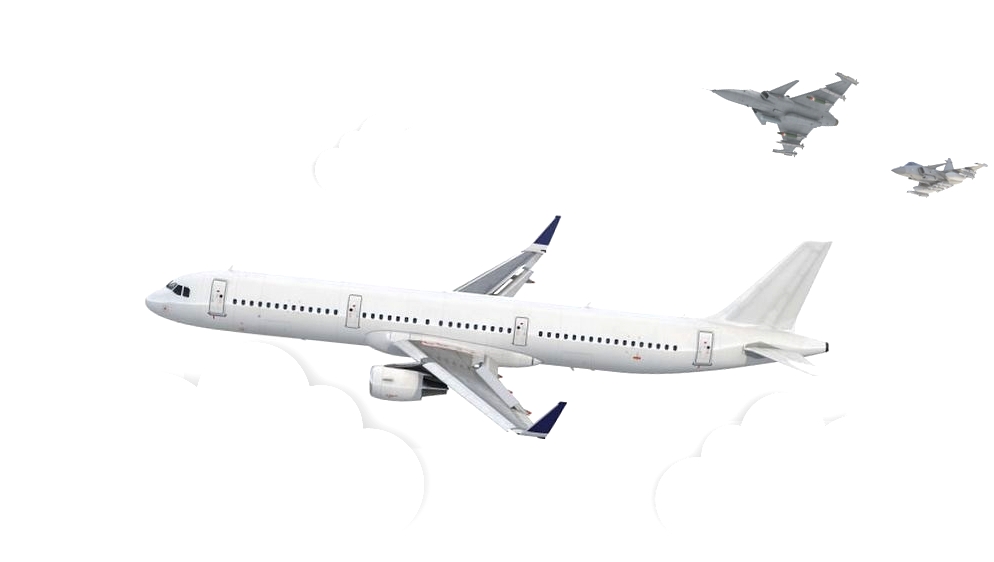








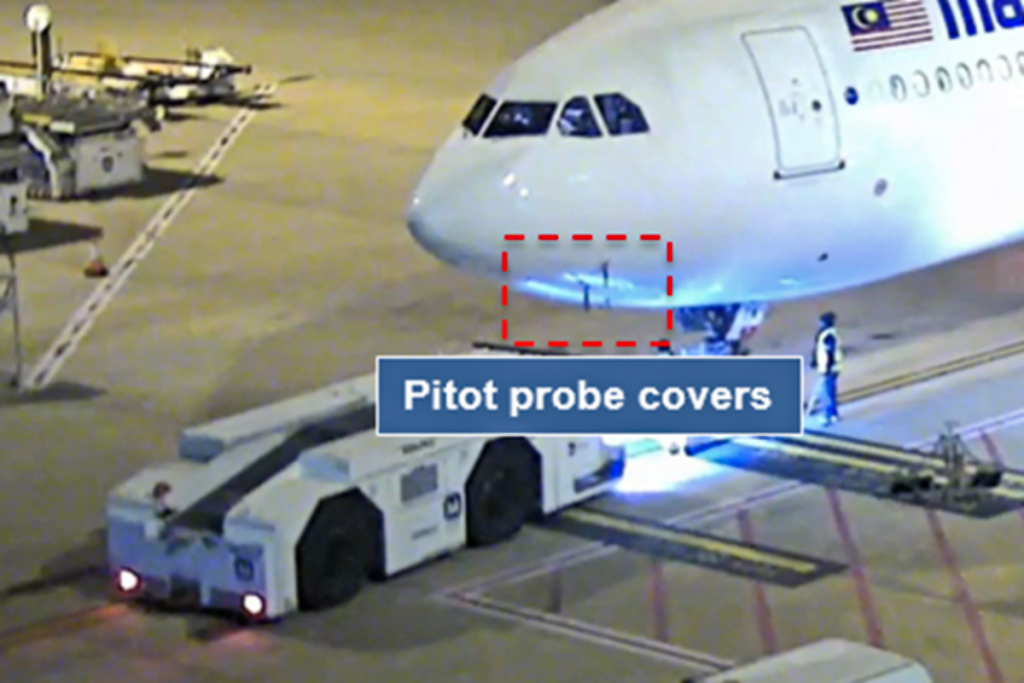
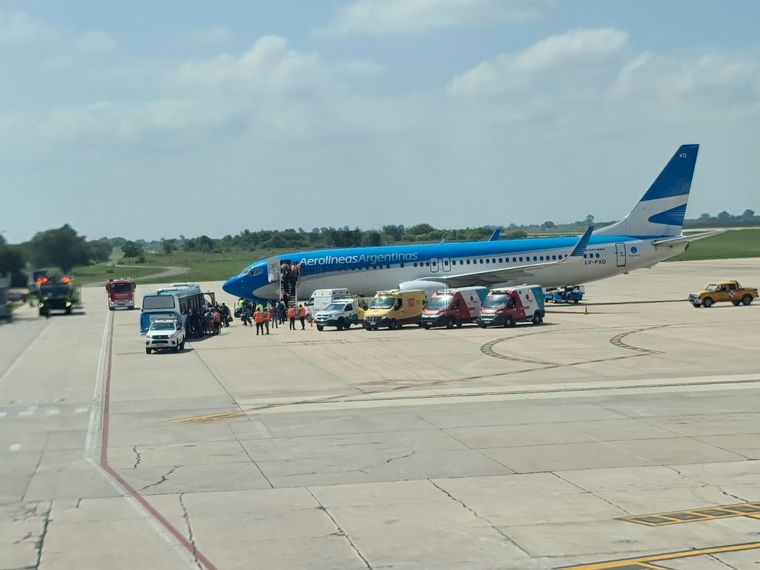



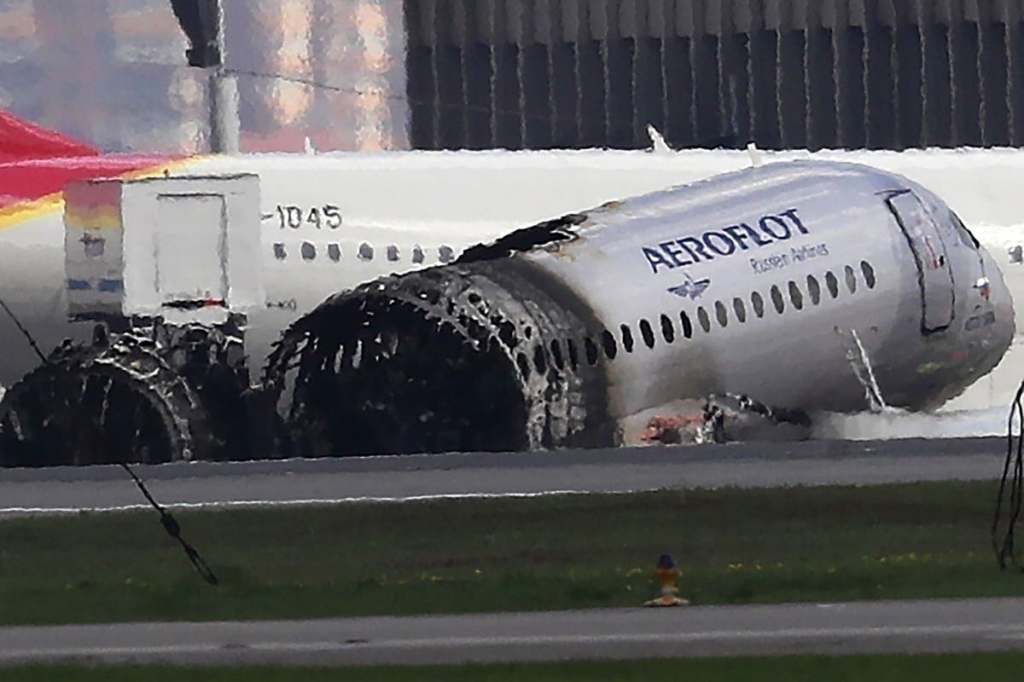


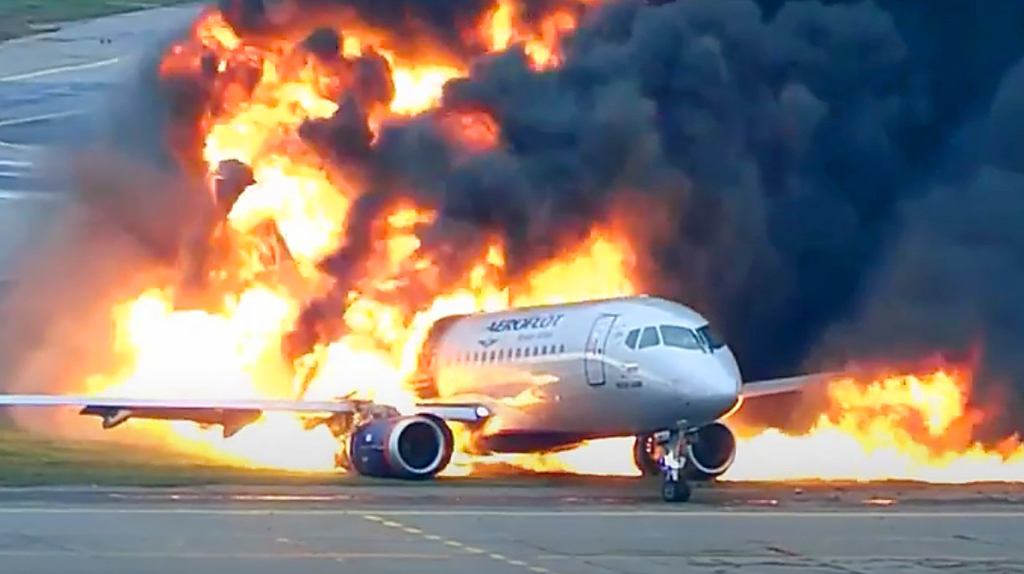

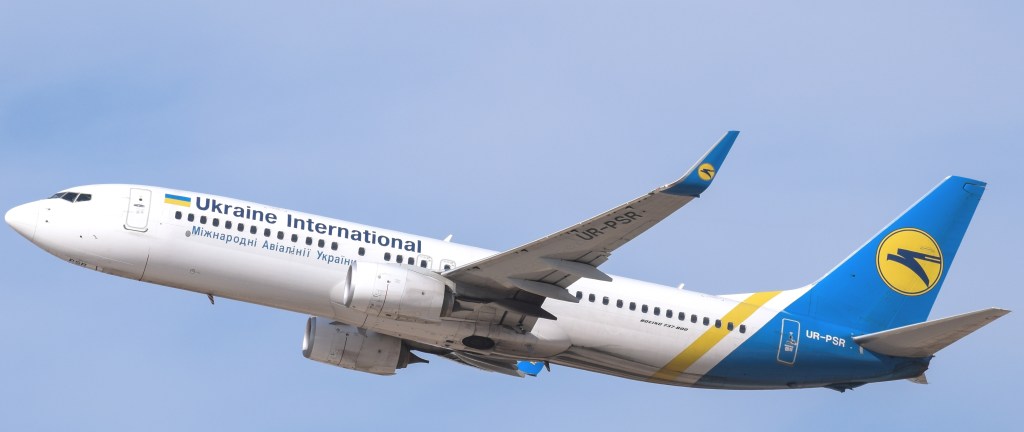

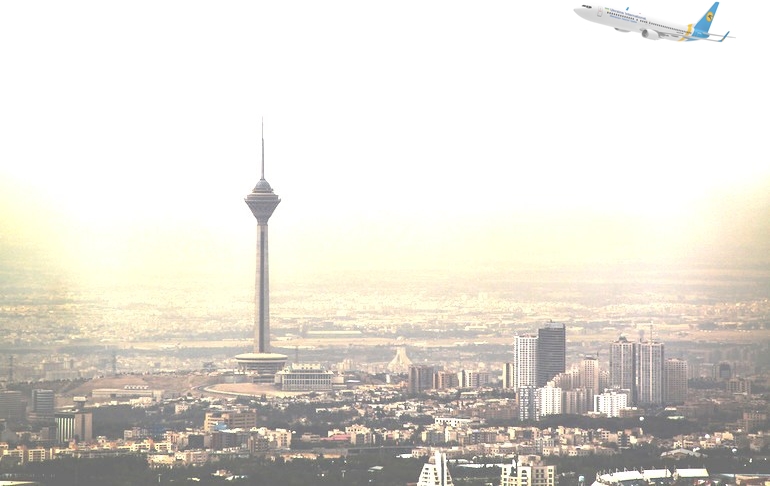
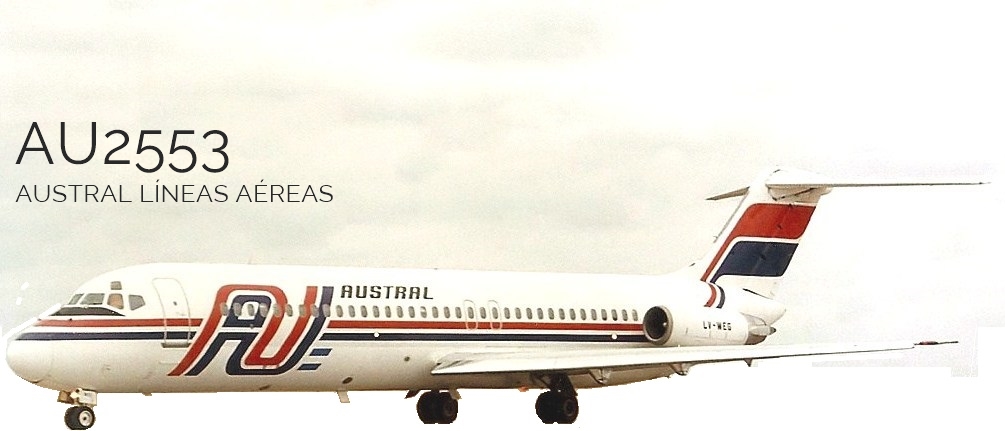


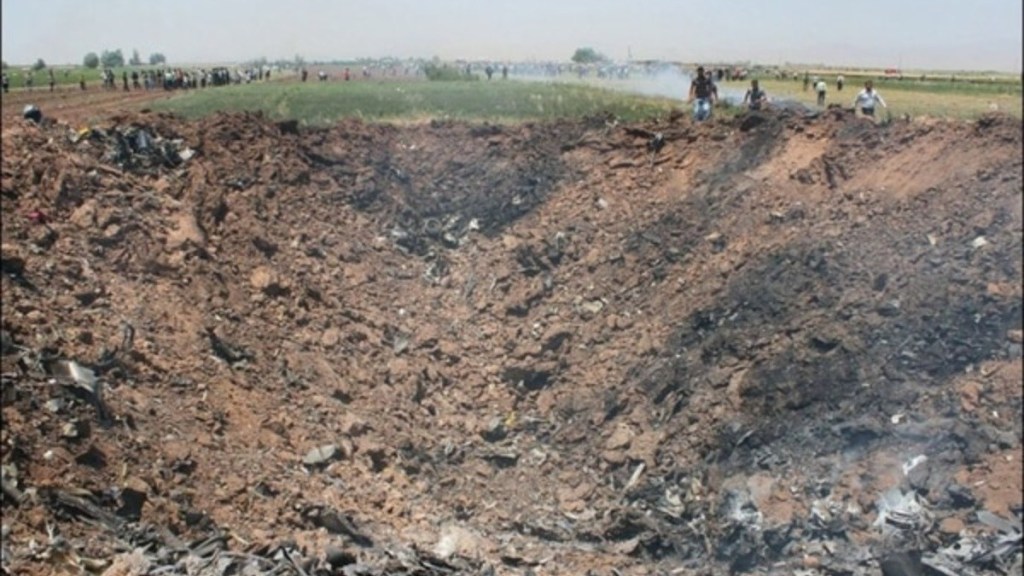

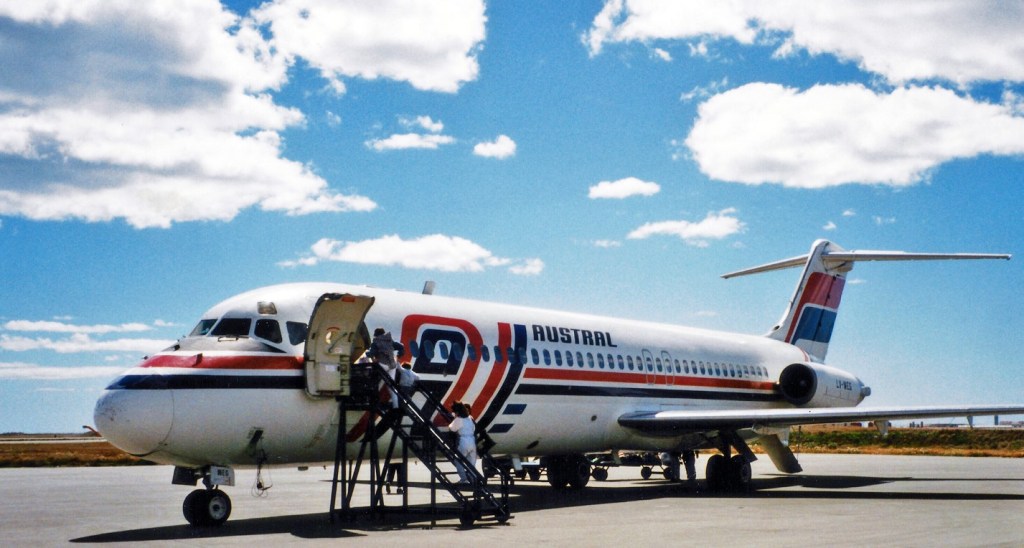

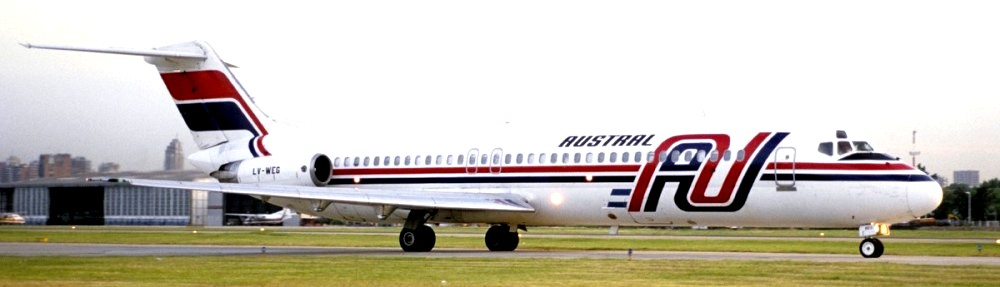




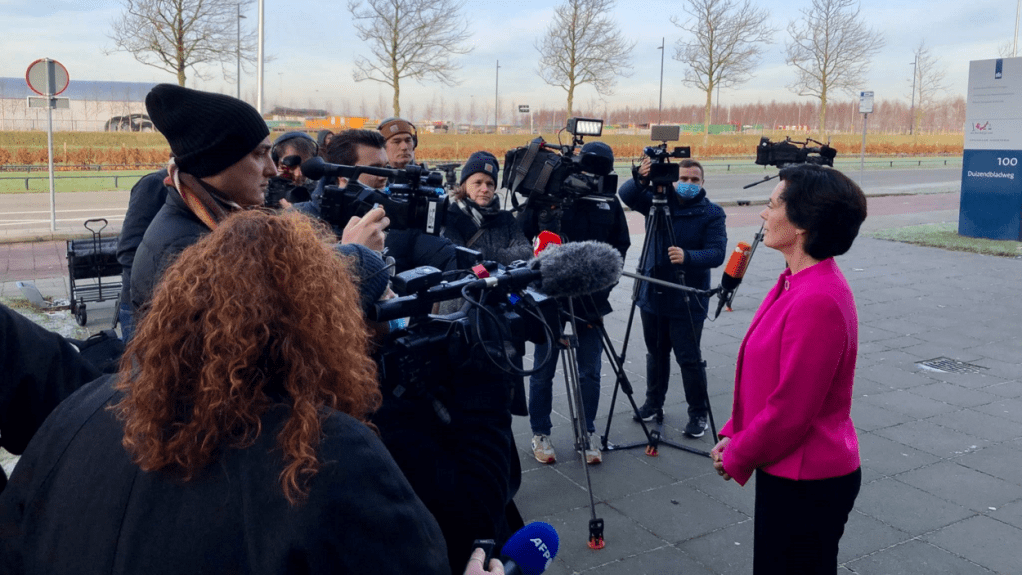
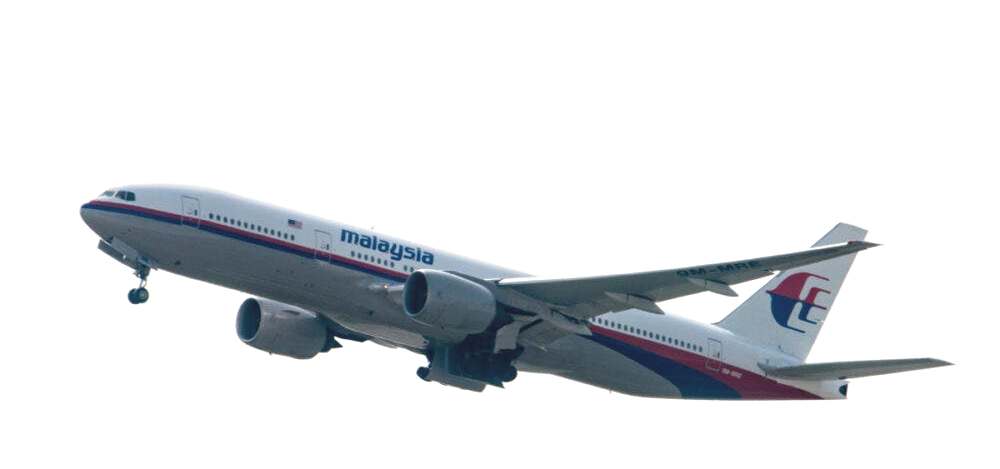
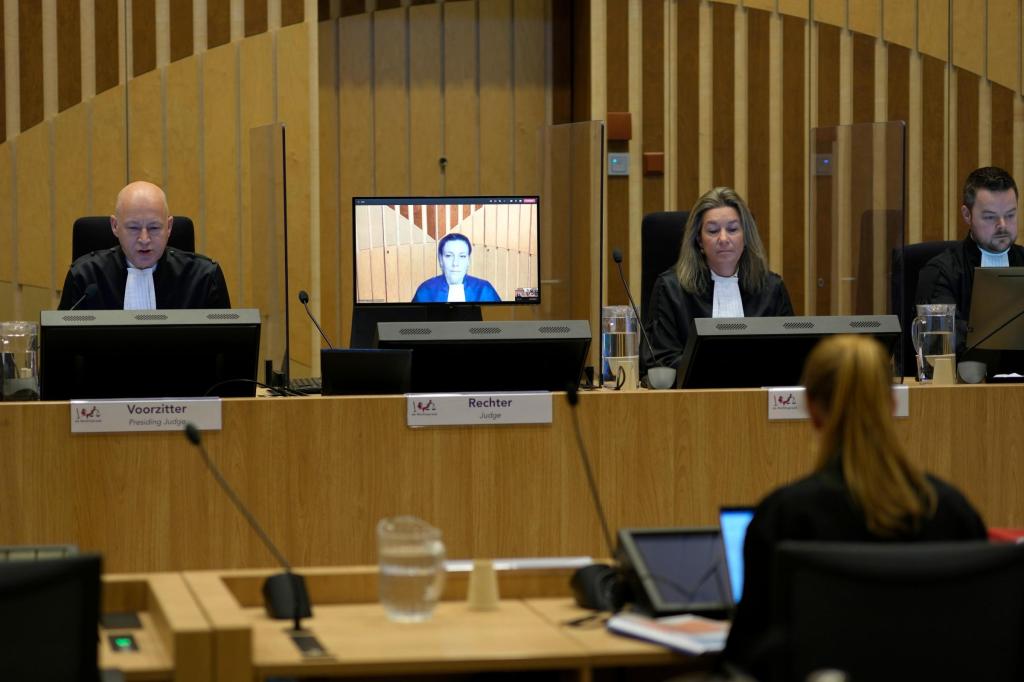


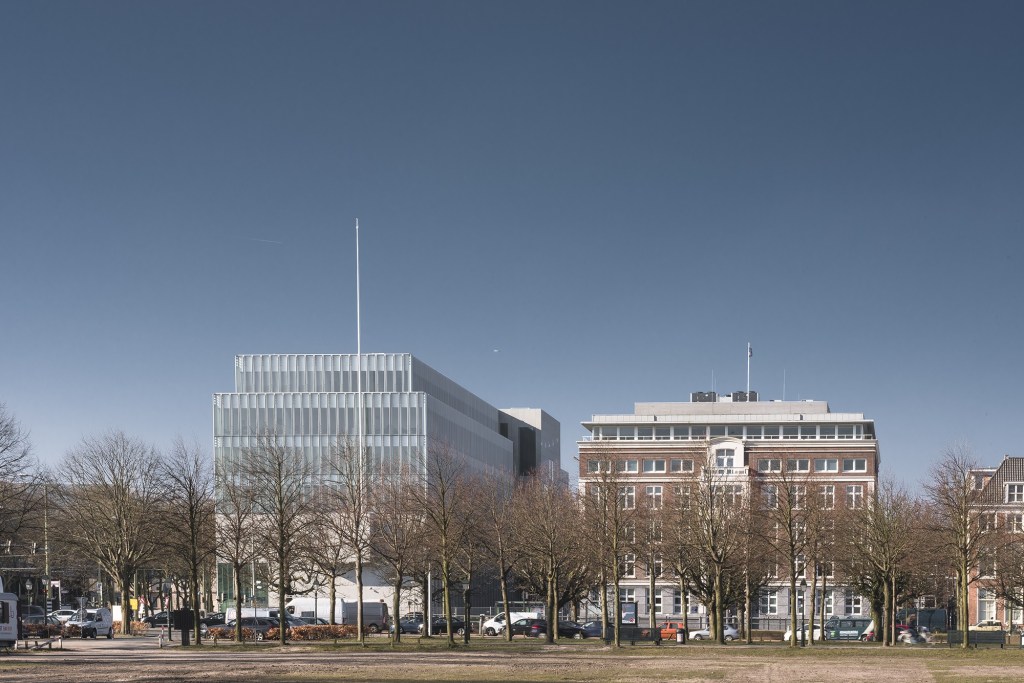


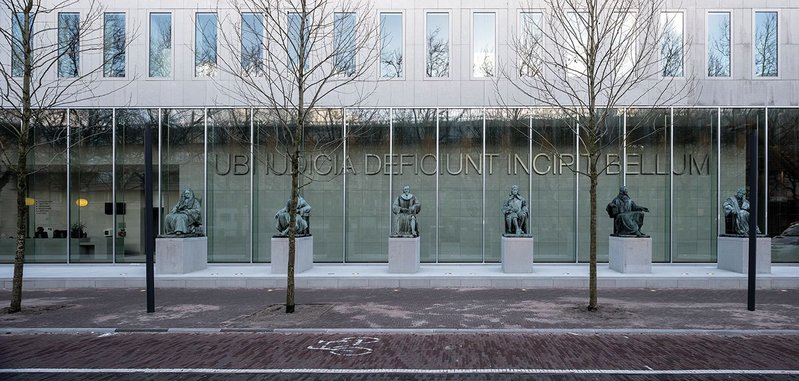


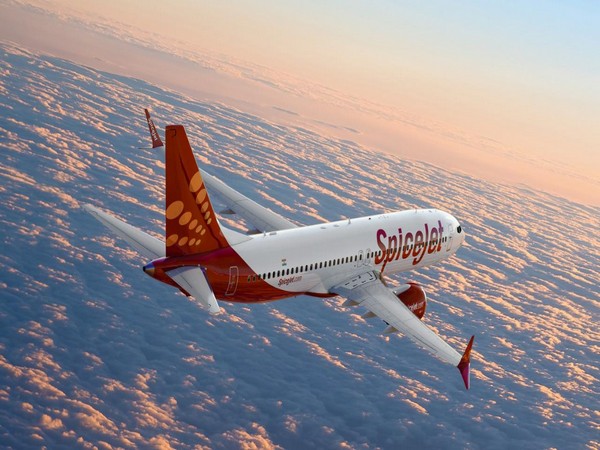


 airgways.com