4º Aniversario del vuelo MH370

Resultado de imagen para MH370

AW | 2018 03 08 05:38 | AVIATION SAFETY / AIR INVESTIGATION

Resultado de imagen para MH370 logoEl 8 de Marzo de 2014 desaparecía el vuelo MH370 de Malaysia Airlines de las pantallas de radar, cumpliéndose un gran enigma de la aviación comercial

La Organización de Aviación Civil Internacional de Malasia (OACI) dará a conocer una declaración provisional relativa a las actualizaciones de investigación que involucraron al desaparecido vuelo MH370 de Malaysia Airlines el Jueves, 8 de Marzo 2018, marcando el cuarto aniversario de la desaparición del pasajero Boeing 777-200ER avión de reacción.

El Ministro de Transporte, Datuk Seri Liow Tiong Lai, dijo que el investigador jefe del equipo, Datuk Kok Soo Chon, divulgaría las actualizaciones de la investigación a través de una transmisión televisiva en Radio Televisyen Malaysia (RTM) 1, a las 3pm.

«La declaración también se cargará en el sitio web oficial MH370 http://www.mh370.gov.my por lo que, primero se pondrá a disposición de los familiares y, posteriormente, se hará público», dijo en un comunicado aquí el Miércoles, 7 de Marzo.

El vuelo MH370, que venía de Kuala Lumpur a Beijing el 8 de marzo de 2014, fue reportado como desaparecido y los 239 pasajeros y miembros de la tripulación fueron declarados muertos.

«La fecha, 8 de marzo de 2014, siempre estará en nuestra memoria. Sin duda, ha sido un difícil y difícil proceso de 48 meses para las familias y los seres queridos de los pasajeros y la tripulación del vuelo MH370».

«Pueden haber pasado cuatro años, pero los recuerdos de los pasajeros y la tripulación a bordo siempre estarán con todos nosotros y serán recordados cariñosamente, no solo por las familias, sino también por los malasios y la comunidad mundial», dijo el Sr. Liow.

Agregó que el gobierno mantuvo su compromiso de buscar respuestas para la misteriosa desaparición del vuelo cuando acordó contratar a Ocean Infinity Limited, una compañía de exploración de fondos marinos con sede en los Estados Unidos para buscar el avión el 10 de enero de este año.

La búsqueda con base en «sin curación, sin honorarios» debe realizarse dentro de un plazo de 90 días. Liow dijo que la misión involucró a un total de 65 tripulantes a bordo, incluidos dos miembros de la Royal Malaysian Navy como representantes del gobierno malasio y, hasta la fecha, el buque, Seabed Constructor había cubierto más de 16,000 km2 dentro de los 25,000 km cuadrados más área probable. AIRWAYS® AW-Icon TXT

Resultado de imagen para MH370 searching

4th anniversary of flight MH370

On March 8, 2014, Malaysia Airlines flight MH370 disappeared from the radar screens, fulfilling a great enigma of commercial aviation

Resultado de imagen para MH370 searchingThe Malaysian International Civil Aviation Organization (ICAO) will release an interim statement regarding the investigation updates that involved the missing MH370 flight of Malaysia Airlines on Thursday, March 8, 2018, marking the fourth anniversary of the disappearance of passenger Boeing 777-200ER jet plane.

The Minister of Transport, Datuk Seri Liow Tiong Lai, said that the team’s chief investigator, Datuk Kok Soo Chon, would disseminate the research updates through a television broadcast on Radio Televisyen Malaysia (RTM) 1, at 3pm.

«The statement will also be uploaded to the official MH370 website http://www.mh370.gov.my so it will first be made available to family members and subsequently made public», he said in a statement here on Wednesday, 7 of March.

Flight MH370, which was coming from Kuala Lumpur to Beijing on March 8, 2014, was reported as missing and the 239 passengers and crew members were declared dead.

«The date, March 8, 2014, will always be in our memory, and it has undoubtedly been a difficult and difficult 48-month process for the families and loved ones of the passengers and crew of flight MH370».

«It may have been four years, but the memories of the passengers and the crew on board will always be with all of us and will be remembered fondly, not only by the families, but also by the Malaysians and the world community», said Mr. Liow. .

He added that the government remained committed to finding answers to the mysterious disappearance of the flight when it agreed to contract Ocean Infinity Limited, a US-based seabed exploration company to search for the plane on January 10 this year.

The search based on «without cure, without fees» must be made within a period of 90 days. Liow said the mission involved a total of 65 crew members on board, including two members of the Royal Malaysian Navy as representatives of the Malaysian government and, to date, the ship, Seabed Constructor had covered more than 16,000 km2 within 25,000 km squares plus probable area. A \ W


Ξ A I R G W A Y S Ξ
SOURCE:  Airgways.com
DBk: Straitstimes.com
AW-POST: 201803080538AR

A\W   A I R G W A Y S ®

National Geographic especial sobre MH17

AW-7000777017

AW | 2018 02 21 14:31 | AI INVESTIGATION / AVIATION SAFETY

Resultado de imagen para National Geographic logoLa National Geographic emitirá serie documental sobre la tragedia aérea del Malaysia Airlines MH-017

El primer episodio de una nueva serie de ‘Air Crash Investigation‘ en el canal National Geographic está completamente dedicado al MH17. Sobre la base de entrevistas Resultado de imagen para MH17 pngexclusivas con los empleados de Dutch Safety Board (OVV), se realizó una reconstrucción detallada del desastre, anunció el canal el miércoles.

En el programa ‘Air Crash Investigation’ todas las semanas se está investigando un accidente o desastre de la aviación. El primer episodio de la nueva temporada cuenta, sobre la base de entrevistas con investigadores holandeses de OVV, cómo se ha establecido la causa del desastre del MH17. Los 298 pasajeros del Boeing 777 de Malaysia Airlines el 17 de julio de 2014 fueron asesinados en el desastre.

El acceso a la zona del desastre se vio obstaculizado por la guerra en el este de Ucrania y la OVV tardó meses en recuperar los restos. La reconstrucción trae estos y otros desafíos que los investigadores encontraron en la imagen.

Más de 150 episodios de ‘Air Crash Investigation’ se han realizado y transmitido en todo el mundo. En temporadas anteriores, las transmisiones se dedicaron al desastre de Bijlmer y al colapso de Turkish Airlines en Schiphol. El episodio del MH17 se mostrará en National Geographic el domingo 4 de marzo a las 9:30 PM *.

[*] Ver programación National Geographic para los países respectivos.

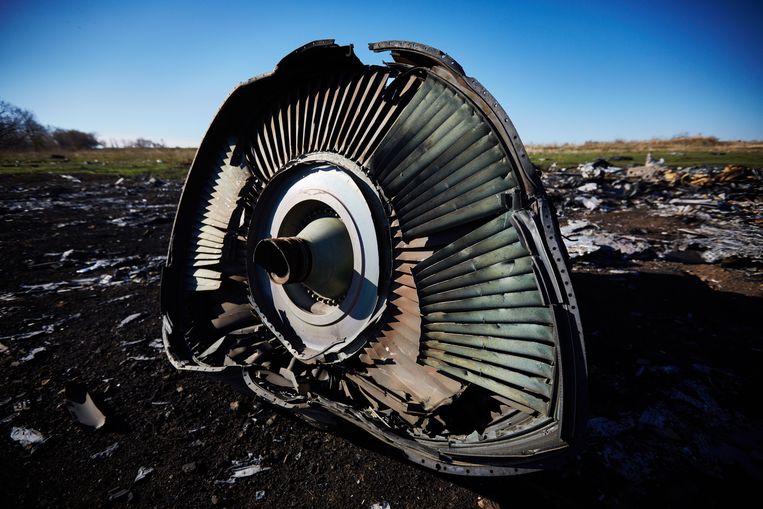
Partes del vuelo accidentado MH17 de Malaysia Airlines en el este de Ucrania, 100 días después del accidente.

National Geographic makes a special on MH17

Resultado de imagen para national geographic channelThe National Geographic will issue documentary series about the Malaysian Airlines MH-017 air tragedy

The first episode of a new series of ‘Air Crash Investigation‘ on the National Geographic channel is completely dedicated to MH17. On the basis of exclusive interviews with the employees of the Dutch Safety Board (OVV), a detailed reconstruction of the disaster was carried out, the channel announced on Wednesday.

In the ‘Air Crash Investigation’ program every week an accident or aviation disaster is being investigated. The first episode of the new season has, based on interviews with Dutch OVV researchers, how the cause of the MH17 disaster has been established. The 298 passengers of the Malaysia Airlines Boeing 777 on July 17, 2014 were killed in the disaster.

Access to the disaster area was hampered by the war in eastern Ukraine and the OVV took months to recover the remains. The reconstruction brings these and other challenges that the researchers found in the image.

More than 150 episodes of ‘Air Crash Investigation’ have been made and broadcast around the world. In previous seasons, the transmissions were dedicated to the Bijlmer disaster and the collapse of Turkish Airlines in Schiphol. The MH17 episode will be shown at National Geographic on Sunday, March 4 at 9:30 PM *. A \ W

[*] See National Geographic programming for the respective countries.


Ξ A I R G W A Y S Ξ
SOURCE:  Airgways.com
DBk: Hln.be / Natgeotv.com
AW-POST: 201802211431AR

A\W   A I R G W A Y S ®

Informe Accidente 6W703 An-148 Saratov

Resultado de imagen para Air crash 6W703 An-148 Saratov

AW | 2018 02 16 10:48 | AIR INVESTIGATION / AVIATION SAFETY

logo_antonovAN-148-estrellado-Moscu-completa-FotoAFP_MEDIMA20180212_0043_31Informes actualizados sobre tragedia aérea vuelo 6W703 de Saratov Airlines

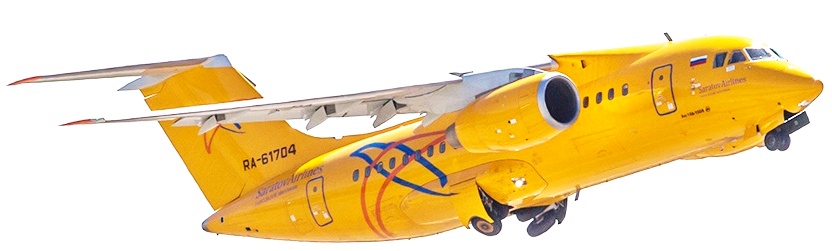
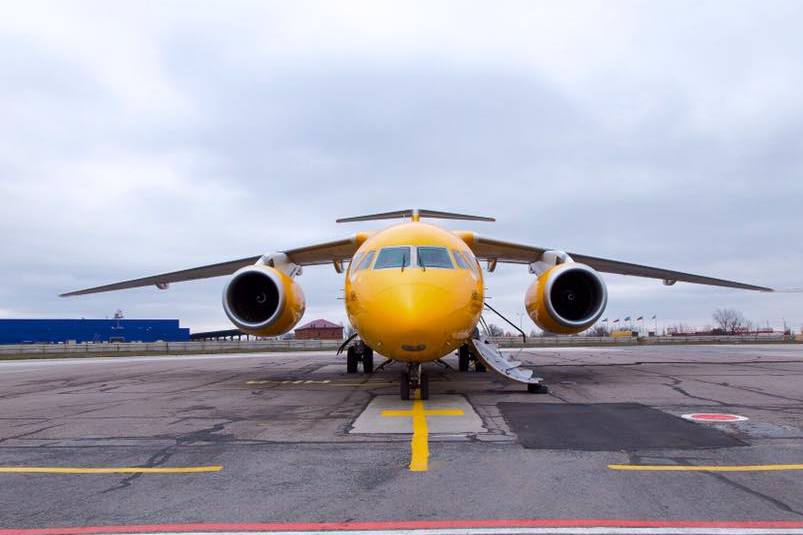
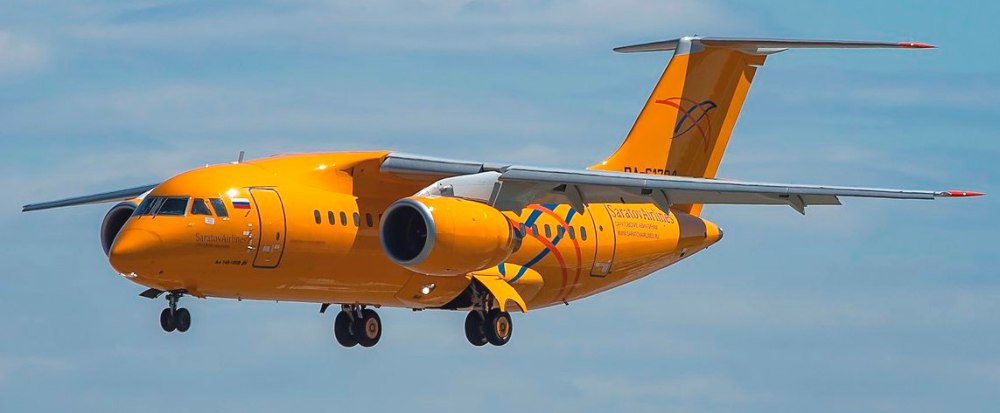
El accidente del vuelo 6W703 de un Antonov An-148 de fabricación rusa de la compañía aérea Saratov Airlines efectuaba un vuelo entre Moscú y Orsk el día 11 de Febrero 2018. Los restos del avión accidentado se encontraron cerca del asentamiento Stepanovskoye en la región de Moscú. Los 71 ocupantes fallecieron producto de la colisión contra el terreno.

Investigaciones vuelo 6W703

Las investigaciones reportan que se han encontrado más de 4.500 piezas en el lugar donde se estrelló el avión ruso Antonov-148 el domingo minutos después de despegar del Aeropuerto Domodedovo de Moscú.

Resultado de imagen para 6W703 An-148 Saratov

VUELO 6W703, 4.500 FRAGMENTOS DEL ANTONOV An-148 DE SARATOV AIRLINES

Los expertos recuperan datos de la grabadora de voz An-148 accidentada. «La zona de búsqueda es de 50 hectáreas, no se ha ampliado aún más. Los rescatistas han encontrado 389 fragmentos de avión durante el día, mientras que se han encontrado más de 4.500 piezas de restos desde que comenzó el trabajo», informan expertos de aviación. Todos ellos han sido entregados al Instituto de Investigación de Vuelo Gromov cerca de Moscú, donde los fragmentos del avión se agregan en sus lugares apropiados para el diseño delineado en un área especial. La búsqueda continúa en el sitio. Los rescatistas están examinando minuciosamente toda el área, ya que parte de los fragmentos se pueden encontrar bajo la nieve y en la tierra.

La oficina de la región de Moscú del Ministerio de Situaciones de Emergencia de Rusia ha informado que los esfuerzos principales se concentran en examinar nuevas secciones y en recoger los restos y las pertenencias personales de los pasajeros. «Drones, motos de nieve, así como hardware de rescate especializado fuera de la carretera, grúas, excavadoras, excavadoras, instrumentos de búsqueda y monitoreo del suelo se utilizan activamente en la operación de búsqueda», dijo el ministerio de emergencias. El trabajo continúa las 24 horas con rescatadores trabajando en turnos. Las tiendas equipadas con todas las instalaciones necesarias fueron lanzadas y las cocinas de campo están abiertas en el sitio, dijo la fuente.

Caja Negra del An-148

La grabadora dde registros del Antonov An-148 de Saratov Airlines se ha encontrado entre los restos del avión. Los trabajadores han estado buscando pistas sobre la caída del domingo cerca de Moscú, que mató a las 71 personas a bordo.

Según los informes, los pilotos tuvieron una discusión cuando trataron de resolver el problema antes de aumentar su velocidad e inclinar el avión hacia el suelo. Los datos de la caja negra sugieren que los pilotos no pudieron encender la calefacción de su equipo de medición de presión antes del despegue, a pesar de que el procedimiento figura en una lista de verificación previa. Esto causó que el dispositivo se congele.

El An-148 se precipitó en picado en un campo nevado 6 minutos después de abandonar el aeropuerto Domodedovo de Moscú el domingo, que se dirigía a Orsk en los montes Urales. Más de 1.400 partes del cuerpo y cientos de fragmentos de avión se han recuperado hasta el momento del sitio del accidente.

Saratov reanuda operaciones An-148

Saratov Airlines reanudará sus operaciones con Antonov An-148s, días después de suspender vuelos con ese tipo a raíz del fatal accidente en Moscú. La aerolínea rusa, una de las dos únicas líneas aéreas del país que usa An-148s, debe devolver el twinjet a su red el 16 de febrero luego de completar los controles técnicos exhaustivos de la flota.

Saratov dice, sin embargo, que las operaciones An-148 se llevarán a cabo con un equipo «reforzado», que incluirá un instructor piloto. Los An-148 han sido cruciales para la reciente expansión de la red de la aerolínea. Saratov ha tenido que introducir un cronograma reestructurado desde la suspensión, que incluyó la sugerencia de que los pasajeros con destino a Moscú utilicen el servicio ferroviario de Kursk, un viaje de más de 5 horas.

Flota de Saratov Airlines

Saratov tiene cinco An-148, configurados con 83 asientos, así como un par de Embraer 195, y también tiene varios Yakovlev Yak-42. El año pasado optó por modernizar su flota con dos Embraer 195 más, y la aerolínea también mostró interés en el jet regional MRJ90 de Mitsubishi. Los funcionarios de Saratov Airlines se han reunido con representantes de la compañía japonesa varias veces. AIRWAYS® AW-Icon TXT

Resultado de imagen para An-148 Saratov png

Reports Accident An-148 Saratov Airlines

Updated reports on air tragedy flight 6W703 of Saratov Airlines

The accident of flight 6W703 of an Antonov An-148 of Russian manufacture of the airline Saratov Airlines made a flight between Moscow and Orsk on February 11, 2018. The remains of the crashed plane were found near the settlement Stepanovskoye in the region of Moscow. The 71 occupants died as a result of the collision with the ground.

Flight research 6W703

Investigations report that more than 4,500 pieces have been found in the place where the Russian Antonov-148 plane crashed on Sunday minutes after taking off from Domodedovo Airport in Moscow.

Experts recover data from the rugged An-148 voice recorder. «The search area is 50 hectares, it has not been extended further, rescuers have found 389 pieces of aircraft during the day, while more than 4,500 pieces of remains have been found since the work began», inform aviation experts. All of them have been delivered to the Gromov Flight Research Institute near Moscow, where fragments of the aircraft are added in their proper places for the design delineated in a special area. The search continues on the site. Rescuers are thoroughly examining the entire area, since part of the fragments can be found under snow and on land.

The office of the Moscow region of the Ministry of Emergency Situations of Russia has reported that the main efforts are focused on examining new sections and collecting the remains and personal belongings of the passengers. «Drones, snowmobiles, as well as specialized rescue hardware off the road, cranes, excavators, excavators, search instruments and soil monitoring are actively used in the search operation», said the emergency ministry. The work continues 24 hours with rescuers working in shifts. The stores equipped with all the necessary facilities were launched and the field kitchens are open on the site, the source said.

Black Box of the An-148

The record recorder of Antonov An-148 of Saratov Airlines has been found among the wreckage of the plane. Workers have been searching for clues about Sunday’s fall near Moscow, which killed all 71 people on board.

Resultado de imagen para 6W703 An-148 Saratov

BLACK BOX OF ANTONOV FLIGHT 6W703 AN-148

According to reports, the pilots had a discussion when they tried to solve the problem before increasing their speed and tilting the plane towards the ground. The black box data suggests that the pilots could not turn on their pressure measurement equipment before take-off, even though the procedure is listed in a prior checklist. This caused the device to freeze.

The An-148 plummeted into a snowfield 6 minutes after leaving the Domodedovo airport in Moscow on Sunday, which was heading to Orsk in the Ural mountains. More than 1,400 body parts and hundreds of plane fragments have been recovered until the time of the accident site.

3e8a0c9d4a5248198ec367ab5b992022.jpg

Saratov resumes operations An-148

Saratov Airlines will resume operations with Antonov An-148s, days after suspending flights with that type in the wake of the fatal accident in Moscow. The Russian airline, one of the only two airlines in the country that uses An-148s, must return the twinjet to its network on February 16 after completing exhaustive technical controls on the fleet.

Saratov says, however, that An-148 operations will be carried out with a «reinforced» team, which will include a pilot instructor. The An-148 have been crucial to the recent expansion of the airline’s network. Saratov has had to introduce a restructured schedule since the suspension, which included the suggestion that passengers bound for Moscow use the Kursk rail service, a trip of more than 5 hours.

Fleet of Saratov Airlines

Saratov has five An-148, configured with 83 seats, as well as a pair of Embraer 195, and also has several Yakovlev Yak-42. Last year it opted to modernize its fleet with two more Embraer 195, and the airline also showed interest in the MRJ90 regional jet from Mitsubishi. Officials of Saratov Airlines have met with representatives of the Japanese company several times. A \ W

Resultado de imagen para 6W703 An-148 Saratov

Отчеты о несчастных случаях Ан-148 Саратовские авиалинии

Antonov_logo.svgОбновлены отчеты о воздушном трагедии полета 6W703 Саратовских авиалиний

11 февраля 2018 года полет между Москвой и Орском совершил авиационный полет 6W703 Антонова Ан-148 российского производства авиакомпании Саратовские авиалинии. Остатки разбившегося самолета были обнаружены вблизи поселка Степановское в районе Москва. 71 человек погибли в результате столкновения с землей.

Исследование полетов 6W703

Как сообщают исследователи, в месте, где российский самолет «Антонов-148» разбился в воскресенье, после взлета из аэропорта Домодедово в Москве было обнаружено более 4500 штук.

Эксперты восстанавливают данные с прочного рекордера Ан-148. «Площадь поиска составляет 50 гектаров, она еще не расширена, спасатели нашли 389 единиц самолетов в течение дня, а с начала работы было найдено более 4500 единиц останков», информировать авиационных экспертов.  Все они были доставлены в Летный научно-исследовательский институт им. Громова под Москвой, где фрагменты самолета добавлены в их надлежащие места для дизайна, выделенного в специальной зоне. Поиск продолжается на сайте. Спасатели тщательно изучают всю площадь, так как часть фрагментов может быть найдена под снегом и на суше.

Офис Московского региона МЧС России сообщил, что основные усилия направлены на изучение новых разделов и сбор останков и личных вещей пассажиров. «В операции поиска активно используются дроны, снегоходы, а также специализированные спасательные средства с дороги, краны, экскаваторы, экскаваторы, поисковые инструменты и мониторинг почвы», сказали в чрезвычайном министерстве. Работа продолжается 24 часа, когда спасатели работают в смену. Источники сообщили, что были открыты магазины, оборудованные всеми необходимыми удобствами, и открытые кухонные площадки открыты.

Черный ящик Ан-148

Среди обломков самолета обнаружен рекордсмен Ан-148 Саратовских авиалиний. Рабочие искали подсказки о падении в воскресенье под Москвой, в результате чего погибло все 71 человек.

Согласно сообщениям, пилоты обсуждали, когда они пытались решить проблему, прежде чем увеличивать свою скорость и наклонять самолет к земле. Данные черного ящика позволяют предположить, что пилоты не смогли включить оборудование для измерения давления до взлета, хотя процедура указана в предыдущем контрольном списке. Это заставило устройство замерзнуть.

Ан-148 упал на снежный покров через 6 минут после выхода из аэропорта Домодедово в Москве в воскресенье, который направлялся в Орск в Уральские горы. Более 1400 частей тела и сотни фрагментов самолета были восстановлены до момента аварии.

Саратов возобновляет операции Ан-148

Саратовские авиалинии возобновят операции с Ан-148 Антоном, через несколько дней после приостановления рейсов с этим типом после аварии в Москве. Российская авиакомпания, одна из двух авиакомпаний в стране, использующая Ан-148, должна вернуть двухжильный самолет в свою сеть 16 февраля после завершения полного технического контроля флота.

Однако Саратов говорит, что операции Ан-148 будут проводиться с «усиленной» командой, в которую войдет пилот-инструктор. Ан-148 сыграли решающую роль в недавнем расширении сети авиакомпаний. Саратов должен был ввести реструктурированный график с момента приостановления, который включал предложение о том, что пассажиры, направляющиеся в Москву, используют Курскую железнодорожную службу, поездку более 5 часов.

Флот Саратовских авиалиний

Саратов имеет пять Ан-148, рассчитанных на 83 места, а также пару Embraer 195, а также несколько Яковлевых Яков-42. В прошлом году он решил модернизировать свой флот еще двумя Embraer 195, и авиакомпания также проявила интерес к региональному самолету MRJ90 от Mitsubishi. Официальные представители Саратовских авиалиний неоднократно встречались с представителями японской компании. A \ W

VIDEO LINK > https://twitter.com/twitter/statuses/962851240811089921


Ξ A I R G W A Y S Ξ
SOURCE:  Airgways.com
DBk: Government.ru/en/department/68 / Twitter.com/Saratov
AW-POST: 201802161048AR

A\W   A I R G W A Y S ®

Datos preliminares accidente An-148 vuelo 6W703 Saratov Airlines


AW-70001148


AW | 2018 02 13 16:22 | AIR INVESTIGATION / AVIATION SAFETY

logo_antonovPrimeros datos preliminares sobre el accidente del vuelo 6W703 del Antonov An-148 de Saratov Airlines

Los primeros datos preliminares del accidente del vuelo 6W703 del Antonov An-148 de Saratov Airlines que el domingo dejó un saldo de 71 muertos pudo deberse a la congelación de los medidores de velocidad, que dieron información errónea a los pilotos permitiendo que el avión perdiese potencia y se precipitara a tierra.

La mal lectura de los instrumentos del velocímetro aportados por un error debido a la presunta congelación de los tubos pitots pudieron haber provocado el siniestro del An-148, según el Comité Interestatal de Aviación.

El avión explotó al colisionar con el terreno minutos después de haber despegado, según los investigadores federales. «El análisis preliminar de la información registrada, así como el análisis de casos similares en el pasado permiten suponer que un factor desencadenante de los problemas durante el vuelo son los datos erróneos sobre la velocidad del avión mostrados en las pantallas de los pilotos», dice el comunicado.

ÁEREA DEL IMPACTO DEL VUELO 6W703 DE SARATOV AIRLINES

Los investigadores tratan ahora de reconstruir lo que pasó. El domingo por la tarde, el avión AN-148 de Saratov Airlines que operaba el vuelo 6W703 de Moscú a Orsk, en la Provincia de Oremburgo, se estrelló a las afueras de la capital rusa tras haber salido del Aeropuerto de Domodedovo. Al parecer en algún momento el sistema de calentamiento de los tres receptores de presión fue desactivado, mientras que en los 15 vuelos previos registrados por las cajas negras del avión los velocímetros fueron recalentados, según el comunicado. La región de Moscú suele experimentar temperaturas bajo cero en esta época del año. Así, el domingo se formó hielo en los sensores del avión, que dieron datos equivocados. Los datos del registrador de vuelo señalan que 2 minutos y 30 segundos después del despegue comenzaron a producirse divergencias entre los indicadores de velocidad del piloto y el copiloto. Estos dispositivos son conocidos como ‘tubos de Pitot’ y permiten a los pilotos controlar la velocidad del aparato, un elemento necesario para su equilibrio en vuelo. Si estos tubos funcionan mal a causa de obstrucción por hielo pueden mostrar una velocidad incorrecta a los pilotos. Esto puede hacer caer al avión si vuela demasiado lento. «Antes de la colisión contra el suelo el indicador del cuadro de mandos del piloto comenzó a mostrar un brusco aumento de la velocidad, que en el momento del choque era de aproximadamente 800 kilómetros por hora, mientras que el del copiloto era igual a cero», señaló el Comité Interestatal de Aviación en su comunicado. No hubo explosión previa a bordo.

Los servicios de emergencia han estado peinando un área de 30 hectáreas en un campo cubierto de nieve para recuperar los restos para la investigación, según el Ministerio de Transporte.

El Antonov An-148, fabricado en Rusia, tenía ocho años de antigüedad. Los fabricantes -ucranianos y rusos- de estos aviones prometieron ayudar en la investigación, informa la agencia DPA. Los expertos tendrán ahora que estudiar las grabaciones del registro de audio para verificar las acciones de los pilotos y sus reacciones a la alarma de amenaza de colisión. También se efectuará un análisis exhaustivo del sistema de calefacción de los medidores de presión de este modelo para establecer qué tipos de fallos pueden surgir. AIRWAYS® AW-Icon TXT

Preliminary data accident An-148 flight 6W703 Saratov Airlines

AW-70001848First preliminary data on the accident of flight 6W703 of Antonov An-148 of Saratov Airlines

The first preliminary data of the accident of the flight 6W703 of the Antonov An-148 of Saratov Airlines that on Sunday left a balance of 71 dead could be due to the freezing of the speed meters, which gave erroneous information to the pilots allowing the airplane to lose power and it will fall to the ground.

The misreading of the speedometer instruments contributed by an error due to the alleged freezing of the pitot tubes could have caused the loss of the An-148, according to the Interstate Aviation Committee.

The plane exploded when it collided with the ground minutes after it took off, according to federal investigators. «The preliminary analysis of the recorded information, as well as the analysis of similar cases in the past, allow us to suppose that a triggering factor of the problems during the flight is the erroneous data on the speed of the airplane shown on the screens of the pilots», says the notice.

Researchers are now trying to reconstruct what happened. On Sunday afternoon, the An-148 aircraft of Saratov Airlines operating flight 6W703 from Moscow to Orsk, in the province of Orenburg, crashed outside the Russian capital after leaving the Domodedovo airport. Apparently at some point the heating system of the three pressure receptors was deactivated, while in the previous 15 flights recorded by the plane’s black boxes the speedometers were reheated, according to the statement. The Moscow region tends to experience sub-zero temperatures at this time of year. Thus, on Sunday, ice formed on the aircraft sensors, which gave the wrong data. The flight recorder data indicates that divergences between the pilot and co-pilot speed indicators began to occur 2 minutes and 30 seconds after takeoff. These devices are known as ‘Pitot tubes’ and allow pilots to control the speed of the flight. apparatus, a necessary element for its balance in flight. If these tubes malfunction because of ice blockage they may show an incorrect speed to the pilots. This can make the plane fall if it flies too slowly. «Before the collision with the ground the pilot’s dashboard indicator began to show a sudden increase in speed, which at the time of the crash was approximately 800 kilometers per hour, while that of the co-pilot was equal to zero», noted the Interstate Aviation Committee in its statement. There was no previous explosion on board.

The emergency services have been combing an area of ​​30 hectares in a snowy field to recover the remains for the investigation, according to the Ministry of Transport.

Antonov An-148, manufactured in Russia, was eight years old. The manufacturers Ukrainian and Russian of these aircraft promised to help in the investigation, reports the DPA agency. The experts will now have to study the recordings of the audio record to verify the actions of the pilots and their reactions to the collision threat alarm. An exhaustive analysis of the heating system of the pressure gauges of this model will also be carried out to establish what types of failures may arise. A \ W


Предварительная авария данных Ан-148 полет 6W703 Саратовские авиалинии

Antonov_logo.svgПервые предварительные данные об аварии на полете 6W703 Ан-148 «Саратовские авиалинии»

Первые предварительные данные об аварии рейса 6W703 Ан-148 Саратовские Aвиалинии, который в воскресенье оставил баланс в 71 мейн, могут быть вызваны замораживанием счетчиков скорости, что дало ошибочную информацию пилотам, позволяющим самолету терять мощность и он упадет на землю.

Неправильное использование приборов спидометра, вызванное ошибкой из-за предполагаемого замораживания трубок Пито, могло привести к потере Ан-148, согласно Межгосударственному авиационному комитету.

По словам федеральных следователей, самолет взорвался, когда он столкнулся с рельефом минут после взлета. «Предварительный анализ записанной информации, а также анализ подобных случаев в прошлом позволяют предположить, что причиной возникновения проблем во время полета являются ошибочные данные о скорости самолета, показанного на экранах пилотов», говорит заявление.

ОБЛАСТЬ ВОЗДУШНОЙ ТРАГЕДИИ ПОЛЕТА 6W703 АНТОНОВ АН-148 ДЕ САРАТОВСКИЕ АВИАЛИНИИ

Исследователи сейчас пытаются восстановить то, что произошло. В воскресенье днем ​​самолет Ан-148 самолета «Саратовские авиалинии» 6W703 из Москвы в Орск в Оренбургской области вылетел за пределы российской столицы после выхода из аэропорта Домодедово. По-видимому, в какой-то момент система отопления трех рецепторов давления была дезактивирована, а в предыдущих 15 полетах, зафиксированных черными ящиками самолета, спидометры были повторно нагреты, согласно заявлению. В это время года Московская область имеет тенденцию испытывать отрицательные температуры. Таким образом, в воскресенье лед сформировался на датчиках самолета, что дало неверные данные. Данные бортового регистратора показывают, что расхождения между индикаторами скорости пилота и второго пилота начали происходить через 2 минуты и 30 секунд после взлета. Эти устройства известны как «трубки Пито» и позволяют пилотам контролировать скорость полета. аппарат, необходимый элемент для его баланса в полете. Если эти трубки неисправны из-за блокировки льда, они могут показывать неправильную скорость пилотам. Это может привести к падению самолета, если он летит слишком медленно. «Перед столкновением с землей индикатор контрольной панели пилота начал резко увеличивать скорость, которая во время аварии составляла около 800 километров в час, а второй пилот был равен нулю», отметил в своем заявлении Межгосударственный авиационный комитет. На борту не было предыдущего взрыва.

По данным Министерства транспорта, аварийная служба расчистила площадь в 30 гектаров на снежном поле, чтобы восстановить останки для расследования.

Антонов Ан-148, изготовленных в России, было восемь лет. Производители украинские и российские, этих самолетов обещали помочь в расследовании, сообщает агентство DPA. Теперь эксперты должны будут изучить записи аудиозаписей, чтобы проверить действия пилотов и их реакцию на сигнал тревоги о столкновении. Будет также проведен исчерпывающий анализ системы отопления манометров этой модели, чтобы установить, какие типы сбоев могут возникнуть. A \ W


Ξ A I R G W A Y S Ξ
SOURCE:  Airgways.com
DBk: Government.ru/en/department/68 / Saratovairlines.ru / Associated Press / Ruaviation.com / Heraldnet.com / Thesun.co.uk / Bostonherald.com
AW-POST: 201802131622AR

A\W   A I R G W A Y S ®

Accidente 6W704 An-148 Saratov Airlines

AW-700008899.jpg

AW | 2018 02 12 19:05 | AIR INVESTIGATION / AVIATION SAFETY

Accidente aéreo de un Antonov An-148 de Saratov Airlines

El vuelo 6W703 de la aerolínea rusa Saratov Airlines, un Antonov An-148, fue destruido después de impactar contra el terreno cerca de Stepanovskoye, Russsia. Todos los 65 pasajeros y 6 miembros de la tripulación fallecieron.

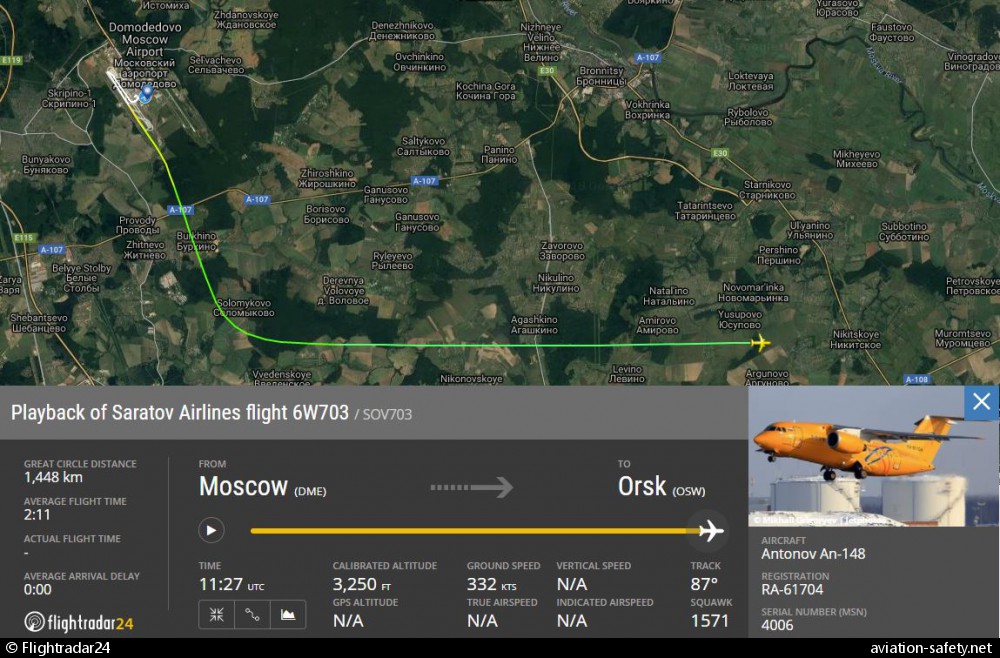
El avión Antonov An-148 despegó de la pista 14R en el Aeropuerto Domodedovo de Moscú a las 14:21 hs, hora local (11:21 UTC). El último contacto en el sitio web de seguimiento de vuelos Flightradar24 fue a las 14:27 hs. Antes de esa pérdida de contacto, estaba en un fuerte descenso desde 6400 pies. El avión impactó en un campo nevado y se desintegró.

El clima sobre la hora de salida en el Aeropuerto de Domodedovo incluyó visibilidad limitada (2100m) durante nevadas ligeras. La temperatura era de -5°C, cubierta de nubes a 2600 pies.

Los investigadores siguen desconcertados sobre la causa del accidente de Saratov Airlines en el que perecieron las 71 personas a bordo, pero una teoría es que el hielo en el motor causó una explosión que derribó al Antonov. La mayoría de los restos del avión fueron encontrados cerca de la frontera rusa con Kazajstán.

El jet regional bimotor An-148 con destino a Orsk, en los Urales meridionales, cayó pocos minutos después de despegar del aeropuerto Domodedovo de Moscú el domingo por la tarde. Todos los 65 pasajeros y seis tripulantes a bordo fueron asesinados.

Los investigadores rusos rápidamente descartaron un ataque terrorista pero no especularán sobre las posibles razones del accidente. El accidente ha reavivado las preguntas sobre el An-148, ya que el historial de seguridad del modelo es irregular, con un accidente previo y una serie de incidentes importantes en los que los pilotos lucharon por aterrizar de forma segura. Saratov Airlines ha puesto a tierra varios otros An-148 en su flota en espera de la sonda de choque.

El Comité de Investigaciones, la principal agencia de investigación estatal de Rusia, dijo que el avión estaba intacto y que no había fuego a bordo antes de que cayera al suelo.

Los tanques de combustible del avión explotaron al impactar, dispersando escombros en 30 hectáreas en la nieve profunda, según el Ministerio de Emergencia, que utilizó drones para dirigir la búsqueda.

El viceprimer ministro, Arkady Dvorkovich, dijo en una reunión del gabinete que los equipos de emergencia han encontrado datos de vuelo y grabadores de conversaciones en la cabina, que son cruciales para determinar la causa del accidente.

La aerolínea dijo que el capitán del avión tenía más de 5,000 horas de tiempo de vuelo, 2,800 de ellas en un An-148. El otro piloto tenía 812 horas de experiencia, principalmente en ese modelo.

A pesar del movimiento de Saratov Airlines para conectar sus An-148, otro operador ruso del avión, Angara, con sede en Irkutsk, en el este de Siberia, dijo que seguirá volando. Las agencias gubernamentales rusas que también operan el avión tampoco las han puesto a tierra.

La producción del avión en Rusia se detuvo el año pasado debido a la baja demanda y los informes de los medios indicaron que algunos operadores, incluida Saratov Airlines, estaban experimentando una escasez de repuestos. Al parecer, algunas líneas aéreas tuvieron que canibalizar algunos de sus aviones para mantener a otros en condiciones de volar.

Entre los principales problemas, en marzo de 2011, un An-148 se estrelló durante un vuelo de entrenamiento en Rusia, matando a los seis tripulantes a bordo. Los investigadores culparon al error del piloto. AIRWAYS® AW-Icon TXT

Saratov_Airlines_Antonov_An-148_RA-61703_on_final_approach_at_Irkutsk_Airport

Accident flight 6W704 An-148 Saratov Airlines

Airplane crash of an Antonov An-148 of Saratov Airlines

Flight 6W703 of the Russian airline Saratov Airlines, an Antonov An-148, was destroyed after hitting the ground near Stepanovskoye, Russsia. All 65 passengers and 6 crew members died.

The Antonov An-148 aircraft took off from runway 14R at Moscow’s Domodedovo Airport at 2:21 p.m., local time (11:21 UTC). The last contact on the flight tracking website Flightradar24 was at 2:27 p.m. Before that loss of contact, it was in a steep descent from 6400 feet. The plane hit a snowfield and disintegrated.

The weather on departure time at Domodedovo Airport included limited visibility (2100m) during light snowfall. The temperature was -5 ° C, cloud cover at 2600 feet.

Researchers remain puzzled over the cause of the Saratov Airlines crash in which the 71 people on board were killed, but one theory is that the ice in the engine caused an explosion that toppled Antonov. Most of the plane’s remains were found near the Russian border with Kazakhstan.

The twin-engine regional jet An-148 bound for Orsk in the southern Urals fell a few minutes after taking off from Domodedovo airport in Moscow on Sunday afternoon. All 65 passengers and six crew members on board were killed.

Russian investigators quickly ruled out a terrorist attack but will not speculate on the possible reasons for the accident. The accident has rekindled questions about the An-148, as the safety history of the model is irregular, with a previous accident and a series of major incidents in which the pilots struggled to land safely. Saratov Airlines has grounded several other An-148s in its fleet awaiting the shock probe.

The Investigation Committee, Russia’s leading state research agency, said the plane was intact and that there was no fire on board before it fell to the ground.

The plane’s fuel tanks exploded on impact, scattering debris in 30 hectares in the deep snow, according to the Emergency Ministry, which used drones to direct the search.

Deputy Prime Minister Arkady Dvorkovich told a cabinet meeting that emergency teams have found flight data and cockpit conversation recorders, which are crucial in determining the cause of the accident.

The airline said that the captain of the plane had more than 5,000 hours of flight time, 2,800 of them in an An-148. The other pilot had 812 hours of experience, mainly in that model.

Despite the movement of Saratov Airlines to connect its An-148, another Russian operator of the plane, Angara, based in Irkutsk, in eastern Siberia, said it will continue to fly. Russian government agencies that also operate the plane have not grounded them either.

Production of the aircraft in Russia was stopped last year due to low demand and media reports indicated that some operators, including Saratov Airlines, were experiencing a shortage of spare parts. Apparently, some airlines had to cannibalize some of their planes to keep others in a position to fly.

Among the main problems, in March 2011, an An-148 crashed during a training flight in Russia, killing all six crew members on board. The investigators blamed the pilot’s mistake. A \ W


Ξ A I R G W A Y S Ξ
SOURCE:  Airgways.com
DBk: Aviation-safety.net / Cbc.ca
AW-POST: 201802121905AR

A\W   A I R G W A Y S ®

FAA investiga fallas A321 de Spirit

AW | 2018 02 11 08:30 | AVIATION SAFETY / AIR INVESTIGATION

Resultado de imagen para FAALa FAA investiga dos fallas en aeronave Airbus A321 de Spirit Airlines

Las autoridades federales de aviación de Estados Unidos, Federal Aviation Administration (FAA) están investigando dos fallas mecánicas en un avión de Spirit Airlines que describen como incidentes separados y no relacionados.

La aerolínea de bajo costo tuvo que realizar un aterrizaje de un Airbus A321 después de que un ruido de motor en vuelo se detectase el 4 de Febrero 2018 lo que provocó que el piloto regresara al Aeropuerto Internacional McCarran en Las Vegas. El vuelo comenzó a temblar violentamente causando pánico entre los pasajeros y la tripulación.

La misma aeronave tuvo un incidente el 28 de Enero 2018, los tripulantes en un vuelo desde Akron, Ohio a Fort Lauderdale se enfermaron por los humos de la unidad de potencia auxiliar (APU) del Airbus A321.

El vocero de la FAA, Allen Kenitzer, dijo que los incidentes no están relacionados y que están involucrados dos sistemas completamente separados. Stephen Schuler, portavoz de la aerolínea con sede en Florida, dijo que en ambos casos, algunos miembros de la tripulación fueron evaluados por médicos pero no hospitalizados. Dijo que ningún pasajero reportó ningún problema durante el incidente del humo. El incidente más reciente, la tripulación sintió una vibración en un motor y volvió por precaución. Dijo que el motor ha sido reemplazado.

«La seguridad de nuestros huéspedes y la tripulación es nuestra principal prioridad en Spirit Airlines», dijo Schuler. El avión A321 efectuó 32 vuelos entre el incidente del 28 de enero y el problema del motor de Las Vegas el 4 de Febrero. AIRWAYS® AW-Icon TXT

Resultado de imagen para A321 Spirit Airlines wiki

FAA investigates A321 failures of Spirit Airlines

The FAA investigates two failures in Airbus A321 aircraft of Spirit Airlines

The federal aviation authorities of the United States, Federal Aviation Administration (FAA) are investigating two mechanical failures in a Spirit Airlines plane that they describe as separate and unrelated incidents.

The low-cost airline had to make an Airbus A321 landing after an in-flight engine noise was detected on February 4, 2018 which caused the pilot to return to the McCarran International Airport in Las Vegas. The flight began to shake violently causing panic among passengers and crew.

The same aircraft had an incident on January 28, 2018, the crew on a flight from Akron, Ohio to Fort Lauderdale got sick from the fumes of the auxiliary power unit (APU) of the Airbus A321.

FAA spokesman Allen Kenitzer said the incidents are unrelated and that two completely separate systems are involved. Stephen Schuler, spokesman for the Florida-based airline, said that in both cases, some crew members were evaluated by doctors but not hospitalized. He said no passenger reported any problems during the smoke incident. The most recent incident, the crew felt a vibration in an engine and returned as a precaution. He said that the engine has been replaced.

«The safety of our guests and crew is our top priority on Spirit Airlines», said Schuler. The A321 plane made 32 flights between the January 28 incident and the Las Vegas engine problem on February 4. A \ W


Ξ A I R G W A Y S Ξ
SOURCE:  Airgways.com
DBk: Faa.gov / Wikimedia.org
AW-POST: 2018021108030AR

A\W   A I R G W A Y S ®

Lecciones AF447 para búsqueda MH370

AW | 2018 01 25 17:02 | AVIATION SAFETY / AIR INVESTIGATION

El naufragio del vuelo MH370 de Malaysia Airlines, si se encuentra, podría conservarse «como una cápsula del tiempo» debido a la profundidad, la quietud y la temperatura de las aguas en el sur del océano Índico

El hombre que codirigió la búsqueda de Air France AF447, que se estrelló en el Océano Atlántico en 2009, dice que si MH370 está en el fondo del mar o cerca de él, los restos y cuerpos podrían conservarse en gran medida, y aún así darles a los investigadores pistas sobre por qué el avión desapareció tan lejos del curso.

El vuelo AF447 de Air France estuvo en el agua a casi cuatro kilómetros de profundidad durante casi dos años antes de que los buscadores finalmente lo encontraran y recuperaran la grabadora de datos de vuelo y la grabadora de voz de la cabina. Ambas grabadoras todavía estaban en condiciones suficientes para arrojar luz sobre los minutos finales del avión, a pesar de haber estado inmersas a tal profundidad durante tanto tiempo. «Incluso si entra agua, tienen formas de quitarle información. Ahora en este caso [MH370] es un poco diferente, porque el avión estuvo volando durante unas siete horas, y no sé qué tipo de información quedaría en la caja negra. Se sigue reescribiendo», dice el oceanógrafo estadounidense David Gallo.

Los oceanógrafos australianos dicen que el Océano Índico en el área de la búsqueda actual de MH370, que comenzó este lunes, incluye varios volcanes y crestas, y se reduce a unos 5 km de profundidad.

Debido a la completa ausencia de luz en ese océano profundo, los investigadores de Air France usaron señales de sonar de vehículos submarinos no tripulados para encontrar el avión y luego mapear su forma y posición. Una vez que se encontraron los restos del naufragio, usaron cámaras para crear un mosaico finamente detallado de todo el sitio del naufragio. El Dr. David Gallo dice que los casi cuatro años de búsqueda infructuosa de MH370 no significan que el avión desaparecido de Malasia no será encontrado. AIRWAYS® AW-Icon TXT

Lessons from the AF447 for the MH370 search

The wreck of Malaysia Airlines flight MH370, if found, could be conserved «as a time capsule» due to the depth, stillness and temperature of the waters in the southern Indian Ocean

The man who co-directed the search for Air France AF447, which crashed into the Atlantic Ocean in 2009, says that if MH370 is at or near the bottom of the sea, the remains and bodies could be preserved to a large extent, and still give them to the researchers clues as to why the plane disappeared so far from the course.

Air France’s AF447 flight was almost four kilometers deep in the water for almost two years before the search engines finally found it and retrieved the flight data recorder and cockpit voice recorder. Both recorders were still in sufficient condition to shed light on the final minutes of the plane, despite having been immersed at such depth for so long. «Even if water comes in, they have ways to take away information, now in this case [MH370] is a bit different, because the plane was flying for about seven hours, and I do not know what kind of information would be in the black box», says US oceanographer David Gallo.

Australian oceanographers say that the Indian Ocean in the area of ​​the current MH370 search, which began on Monday, includes several volcanoes and ridges, and is reduced to about 5 km deep.

Due to the complete absence of light in that deep ocean, Air France investigators used sonar signals from unmanned underwater vehicles to find the plane and then map its shape and position. Once the wreck was found, they used cameras to create a finely detailed mosaic of the entire wreck site. Dr. David Gallo says that the nearly four years of unsuccessful search of MH370 does not mean that the missing plane from Malaysia will not be found. A \ W


Ξ A I R G W A Y S Ξ
SOURCE:  Airgways.com
DBk: Fab.mil.br
AW-POST: 201801251702AR

A\W   A I R G W A Y S ®

Investigación American AA383

AW | 2018 01 25 15:28 | AVIATION SAFETY / AIR INVESTIGATION

Investigación del vuelo AA383 de American Airlines

El vuelo AA383 de American Airlines era un vuelo regular de pasajeros que operaba desde el Aeropuerto Chicago O’Hare hasta el Aeropuerto Internacional de Miami. El 28 de octubre de 2016, el Boeing 767-300ER que operaba el vuelo (registrado N345AN), estaba acelerando para despegar de la Rwy 28R de Chicago O’Hare, cuando el motor derecho del avión sufrió una falla no contenida que provocó un incendio severo. La tripulación logró abortar el despegue y evacuar a todos a bordo, mientras que los servicios de emergencia contra incendios lograron apagar el incendio. Veinte personas resultaron heridas, y el avión sufrió daños irreparables.

El  vuelo AA383 de American Airlines aborta despegue por principio de incendio. El Boeing 767-300 comienza a incendiarse por lo que la tripulación declara la emergencia y evacúan a la totalidad de los pasajeros por medio de los toboganes inflables y las salidas de emergencias sobre las alas.

Al menos veinte personas fueron hospitalizadas por heridas menores. El capitán de la aeronave, al abortar el despegue, ocasionó que los frenos se sometieran a la máxima exigencia, provocando un sobrecalentamiento y posterior incendio de los mismos.

La falta de visibilidad pareció ser una de las causas por la que los pasajeros efectuaron una evacuación del Boeing 767-300 en el Aeropuerto O’Hare de Chicago.

La Junta Nacional de Seguridad del Transporte determinó que existió una demora en las respuestas de evacuación del Boeing 767-300 por parte de la tripulación del vuelo AA383 en el Aeropuerto Internacional O’Hare de Chicago.

Los investigadores solicitaron entrevistas a los pilotos para corroborar si una cámara de video podría haberlos alertados, debido a que la tripulación de mando no podía ver el principio de incendio en la zona alar. La NTSB está estudiando el caso para determinar si es necesario elaborar nuevas directivas de seguridad para alertar a la tripulación ante este tipo de emergencias. AIRWAYS® AW-Icon TXT

American AA383 Research

Investigation of American Airlines flight AA383

American Airlines Flight AA383 was a regular passenger flight operating from Chicago O’Hare Airport to Miami International Airport. On October 28, 2016, the Boeing 767-300ER operating the flight (registered N345AN), was accelerating to take off from Rwy 28R of Chicago O’Hare, when the right engine of the aircraft suffered an uncontrolled fault that caused a fire severe. The crew managed to abort the takeoff and evacuate everyone on board, while the emergency fire services managed to put out the fire. Twenty people were injured, and the plane suffered irreparable damage.

The AA383 flight of American Airlines aborts take-off by fire principle. The Boeing 767-300 starts to catch fire, so the crew declares the emergency and evacuates all the passengers by means of the inflatable slides and the emergency exits on the wings.

At least twenty people were hospitalized for minor injuries. The captain of the aircraft, upon aborting the takeoff, caused the brakes to be subjected to the maximum demand, causing overheating and subsequent fire of the same.

The lack of visibility seemed to be one of the reasons why passengers evacuated the Boeing 767-300 at O’Hare Airport in Chicago.

The National Transportation Safety Board determined that there was a delay in the evacuation responses of the Boeing 767-300 by the crew of flight AA383 at O’Hare International Airport in Chicago.

The investigators requested interviews to the pilots to corroborate if a video camera could have alerted them, because the command crew could not see the beginning of fire in the wing zone. The NTSB is studying the case to determine if it is necessary to develop new safety directives to alert the crew to this type of emergency. A \ W

VIDEO > https://youtu.be/VdSEAEN5DbM

Ξ A I R G W A Y S Ξ
SOURCE:  Airgways.com
DBk:  American.com / Youtube.com
AW-POST: 201801251528AR

A\W   A I R G W A Y S ®

Rescate Boeing 737-800 Pegasus Airlines

AW | 2018 01 19 10:38 | AVIATION SAFETY / AIR INVESTIGATION

El avión Boeing 737-800 de la aerolínea Pegasus ha sido removido del desbarranco de pista

El accidente del vuelo PC8622 del Boeing 737-800 de Pegasus Airlines, con 168 personas a bordo, salió de la pista después de aterrizar en el aeropuerto de Trabzon el 13 de Enero de 2018. Todos los pasajeros y la tripulación fueron evacuados y nadie resultó herido, pero los que estaban a bordo hablaron de pánico cuando el avión se inclinó primero hacia el mar en el aeropuerto de Trabzon, en el noreste de Turquía.

Las autoridades turcas han utilizado una gran grúa para recuperar un avión de pasajeros que se salió de una pista de aterrizaje en el norte de Turquía y se detuvo en un acantilado a unos metros del Mar Negro.

Las razones primariasa del despiste, según informaron los pilotos es que el motor derecho del avión había experimentado un repentino aumento de velocidad que lo obligó a desviarse hacia la izquierda. La junta de investigación abrió un expediente para determinar las causas del accidente del vuelo PC8622. AIRWAYS® AW-Icon TXT

Rescue Boeing 737-800 from Pegasus Airlines

The Pegasus airline’s Boeing 737-800 aircraft has been removed from the runway debris

The crash of Pegasus AirlinesBoeing 737-800 PC8622 flight, with 168 people on board, left the runway after landing at Trabzon airport on January 13, 2018. All passengers and crew were evacuated and no one was found He was wounded, but those on board spoke of panic when the plane first bowed to the sea at the Trabzon airport in northeastern Turkey.

Turkish authorities have used a large crane to retrieve a passenger plane that left a runway in northern Turkey and stopped on a cliff a few meters from the Black Sea.

The main reasons for the confusion, according to the pilots, is that the right engine of the plane had experienced a sudden increase in speed that forced it to turn to the left. The investigation board opened a file to determine the causes of the accident of flight PC8622. A\W


Ξ A I R G W A Y S Ξ
SOURCE:  Airgways.com
DBk: Flypgs.com / Radiocms.net
AW-POST: 201801191038AR

A\W   A I R G W A Y S ®

MH370 Investigación en el Séptimo Arco

maxresdefault.jpg

AW | 2018 01 12 18:21 | AIR INVESTIGATION / AVIATION SAFETY

Resultado de imagen para MH370 logoLa investgación del vuelo MH370 de Malaysia Airlines está considerando un nuevo área de búsqueda propuesta a 35 grados al sur en el sur del Océano Índico

La investigación del fatídico vuelo MH370 está tomando otro curso de investigación con las evidencias aportadas hasta la fecha. La falta de escombros enla costa australiana, aparte de una toallita pequeña supuestamente proveniente del Malaysia Airlines que se encontró en una playa Western Australia en 2015 que puede o no haber provenido de MH370; cada pedazo de escombros que se sabe que proviene del avión desaparecido apareció en la costa este de África o cerca de las islas del Océano Índico.

Curso de la investigación dle MH370

Los investigadores australianos creen significativo que hay cinco posibles modos de control del piloto automático en los que el avión podría haber estado en el momento en que se quedó sin combustible y se estrelló en el océano.

Los cálculos basados ​​en cuatro de esos ajustes apuntan a un sitio de colisión más al sur, 36º-39º latitud sur o más al norte 33º-34º latitud sur, donde las corrientes oceánicas en los días posteriores al despegue del avión corrieron hacia el este, y se espera que lave al menos algunos restos hacia Australia.

Una fuente cercana a la investigación dice que solo uno de los cinco ajustes del piloto automático, el rumbo magnético constante (CMH), llevaría a un sitio de impacto en 35ºS, donde la corriente del océano en ese momento corría en la dirección opuesta, hacia África.

Existe otra evidencia en las semanas y meses después de que el avión desapareció, los pings emitidos por el Boeing 777-200ER por partede los satelitales fueron recogidos del avión por el satélite británico Inmarsat, llevaron al equipo de búsqueda dirigido por Australia a centrarse en un área de 120,000 kilómetros cuadrados alrededor de 36º, o más al sur, una búsqueda que finalmente resultó infructuosa.

Solo ahora, desde el examen de varios escombros y estudios sobre patrones de deriva oceánica, el probable sitio de naufragio se desplazó hacia el norte a un área de alrededor de 35º latitud sur, sobre la línea imaginaria conocida como «séptimo arco», que muestra posibles ubicaciones del avión en el momento del séptimo ping.

Mapa del séptimo arco en el Océano Índico al sur de Perth, mostrando el séptimo arco

El gobierno malasio confirmó esta semana que había firmado un acuerdo para pagarle a la firma estadounidense de exploración de fondos marinos Ocean Infinity entre U$D 20 millones y U$D 70 millones si encuentra la aeronave desaparecida dentro de los 90 días de iniciar una nueva búsqueda. Su nave de búsqueda Seabed Constructor ya se dirige a la nueva zona de búsqueda y comenzará a recorrer el fondo del océano la próxima semana. Ocean Infinity confía en encontrar el avión si efectivamente está dentro del área de búsqueda. El explorador tiene una capacidad para cubrir 25,000 Kilómetros cuadrados dentro de las primeras tres o cuatro semanas de la búsqueda.

El Dr. David Griffin, un oceanógrafo australiano en el CSIRO, lideró el análisis de deriva que el año pasado ayudó a reducir la zona de búsqueda a un área no mayor a 25,000 kilómetros cuadrados, donde Ocean Infinity enfocará su búsqueda. «La razón oceanográfica de por qué 35 [grados sur] es más probable que digamos 34º, o 33º, o 32º, es que en todas esas latitudes la corriente va hacia el este», dijo el Dr. Griffin.

Escombros en costa Este de África

La configuración del piloto automático y el descubrimiento de escombros en África incluido un flaperón que se confirmó que provenía del vuelo MH370 no son la única evidencia que respalda la teoría de que el avión desaparecido se encuentra en la nueva zona de búsqueda propuesta, al norte del área ya buscada.

Image resultLas imágenes satelitales francesas que se vieron por primera vez en Marzo de 2014, aproximadamente una semana después de que el avión desapareció, mostraron objetos blancos en esta misma área, a 35º latitud sur. Las fotos francesas eran de mala calidad, por lo que es casi imposible ver cuáles eran los objetos. Fue entonces que los objetos fueron descartados como de poca importancia importancia. Otras fotos habían mostrado manchas similares en otras partes del sur del Océano Índico, muchas de las cuales fueron descartadas más tarde como contenedores de envío, basura oceánica general o incluso vainas de delfines.

Fotografías satelitales francesas en blanco y negro que muestran los objetos a unos 35 grados sur después de la desaparición del MH370

FOTOGRAFÍA SATELITAL FRANCESA TOMADA EN  2014 DÍAS POSTERIORES A LA DESAPARICIÓN DEL VUELO MH370

Pero a medida que otras evidencias comenzaron a apuntar más al norte los resultados del estudio de deriva de CSIRO y el descubrimiento de más restos relacionados con el avión perdido, los investigadores de pronto recordaron las imágenes de satélite. Le pidieron a los franceses mejores copias. Y solo entonces se dieron cuenta de que las fotos eran más significativas de lo que se pensaba. «Cuando alguien los mira, piensas, si no son trozos de avión, ¿qué son? Porque para muchos de esos otros objetos puedes encontrar una explicación, pero para estos no puedes», dijo el Dr. Griffin.

El análisis de deriva incluyó cálculos retrospectivos para medir dónde podrían haber estado los objetos en las horas posteriores a la desaparición de MH370. Efectivamente, fue alrededor de 35ºS, la nueva zona donde Ocean Infinity se está preparando para buscar. Cuando Ocean Infinity llegue a su destino la próxima semana, no será la primera vez que los buques de los fondos marinos hayan buscado a lo largo del séptimo arco a 35S.

En las semanas posteriores a la desaparición del MH370, los buscadores recorrieron el fondo oceánico a lo largo de la misma trayectoria desde aproximadamente 32º a 39º latitud sur, y no encontraron nada. Pero el Dr. Griffin dice que la búsqueda fue muy estrecha, apenas 20 kilómetros a cada lado del arco.

La nueva búsqueda escaneará un área más amplia. Aunque la evidencia que incluye el flaperón del avión, que se encontró en Tanzania, apoya la teoría de que el avión pasó por un descenso rápido una vez que se quedó sin combustible y aterrizó cerca del «séptimo arco».

El examen del flaperón indica que se retrajo en el momento del impacto, desacreditando la teoría de que el piloto todavía tenía el control y tratando de deslizar el avión lo más lejos posible antes de que se estrelló.

Image result for ATSB AustraliaLa evidencia en un informe de la Oficina de Seguridad del Transporte de Australia (ASTB) a fines de 2016 evaluando las comunicaciones satelitales desde el avión, conocida como Doppler Shift Burst Frequency Offset, también es consistente con un descenso rápido y el sitio del naufragio está más cerca del séptimo arco.

La nueva búsqueda comenzará la próxima semana. Para calificar para su día de pago multimillonario, Ocean Infinity debe encontrar el campo de desechos o los registradores de vuelo dentro de los 90 días. E incluso si se encuentra el avión, puede que nunca haya una explicación satisfactoria de por qué desapareció MH370.

El especialista en aviación Trevor Jensen expresó en la necesidad de observar cuán certero será encontrar el avión, ya que «las grabadoras de vuelo, las grabadoras de voz, ahora estarían tan dañadas».  AIRWAYS® AW-Icon TXT

MH370 Research in the Seventh Arc

Resultado de imagen para MH370 logoThere is a particularly tempting reason why the remnants of Malaysia Airlines flight MH370 can be found within the proposed new search area 35 degrees south in the southern Indian Ocean

It is the lack of any aircraft residue found on the west coast of Australia. In addition to a small towel in the Malaysia Airlines package found on a WA beach in 2015  which may or may not have come from MH370 every piece of debris known to come from the missing plane appeared on the east coast of Africa or near there. islands.

This is significant, given that Australian researchers believe that there are five possible autopilot control modes in which the aircraft could have been at the time it ran out of fuel and crashed into the ocean.

Calculations based on four of those adjustments point to a collision site farther south 36º-39º degrees south or farther north 33º-34º degrees south, where ocean currents in the days after the plane takes off They ran to the east, and are expected to wash at least some remains towards Australia.

A source close to the investigation says that only one of the five settings of the autopilot constant magnetic heading (CMH) would lead to an impact site in 35S, where the ocean current at that time was running in the opposite direction, towards Africa .

However, other evidence in the weeks and months after the plane disappeared, that is, the satellite «pings» collected from the plane by the British satellite Inmarsat, led the Australian-led search team to focus on an area of ​​120,000 kilometers. squares around 36 degrees. or further south, a search that ultimately proved unsuccessful.

Only now, from the examination of several debris and studies of oceanic drift patterns, the probable shipwreck site moved northward to an area of ​​about 35 degrees south, on the imaginary line known as the «seventh arc», which shows Possible locations of the plane at the time of the seventh «ping».

The Malaysian government confirmed this week that it had signed an agreement to pay US marine exploration firm Ocean Infinity between US $ 20 million and US $ 70 million if it finds the missing aircraft within 90 days of starting a new search. Your Seabed Builder search engine is already heading to the new search area and will start touring the ocean floor next week. Ocean Infinity is confident of finding the plane if it is indeed within the search area. The explorer has a capacity to cover 25,000 square kilometers within the first three or four weeks of the search.

Dr. David Griffin, an Australian oceanographer at CSIRO, led the drift analysis that last year helped reduce the search area to an area no larger than 25,000 square kilometers, where Ocean Infinity will focus its search. «The oceanographic reason why 35 [south degrees] is more likely to say 34º, or 33º, or 32º, is that in all those latitudes the current is going east», said Dr. Griffin.

Debris on East coast of Africa

The configuration of the autopilot and the discovery of debris in Africa including a flaperon that was confirmed to be from flight MH370 are not the only evidence that supports the theory that the missing plane is located in the proposed new search area, to the north of the area already searched.

The French satellite images that were first seen in March 2014, about a week after the plane disappeared, showed white objects in this same area, at 35º south latitude. The French photos were of poor quality, so it is almost impossible to see what the objects were. It was then that the objects were discarded as of minor importance. Other photos had shown similar spots in other parts of the southern Indian Ocean, many of which were later discarded as shipping containers, general ocean litter or even dolphin pods.

But as other evidence began to point northward at the results of the CSIRO drift survey and the discovery of more remains related to the lost plane, the researchers suddenly recalled the satellite images. They asked the French for better copies. And only then did they realize that the photos were more significant than previously thought. «When someone looks at you, you think, if they are not airplane pieces, what are they? Because for many of those other objects you can find an explanation, but for these you can not», said Dr. Griffin.

The drift analysis included retrospective calculations to measure where the objects might have been in the hours after the disappearance of MH370. Indeed, it was around 35ºS, the new area where Ocean Infinity is preparing to search. When Ocean Infinity arrives at its destination next week, it will not be the first time that deep-sea vessels have searched along the seventh arc at 35S.

In the weeks after the disappearance of the MH370, the searchers traversed the ocean floor along the same path from approximately 32º to 39º south latitude, and found nothing. But Dr. Griffin says the search was very narrow, barely 20 kilometers on each side of the arch.

The new search will scan a wider area. Although the evidence that includes the plane’s flaperon, which was found in Tanzania, supports the theory that the plane went through a rapid descent once it ran out of fuel and landed near the «seventh arc».

The examination of the flaperon indicates that it retracted at the time of impact, discrediting the theory that the pilot was still in control and trying to glide the aircraft as far as possible before it crashed.

Evidence in a report from the Australian Transportation Security Office (ASTB) in late 2016 evaluating satellite communications from the plane, known as Doppler Shift Burst Frequency Offset, is also consistent with a rapid decline and the wreck site is closer to the seventh arc.

The new search will begin next week. To qualify for your multi-million dollar payday, Ocean Infinity must find the waste field or flight recorders within 90 days. And even if the plane is found, there may never be a satisfactory explanation of why MH370 disappeared.

Aviation specialist Trevor Jensen expressed the need to observe how accurate it will be to find the plane, since «the flight recorders, the voice recorders, would now be so damaged». A \ W


Ξ A I R G W A Y S Ξ
SOURCE:  Airgways.com
DBk: Atsb.com.au / Ga.gov.au / Defense.gouv.fr / Telegraph.co.uk
AW-POST: 201801121821AR

A\W   A I R G W A Y S ®