Huelga handling Aeropuerto El Prat

Resultado de imagen para El Prat Airport

AW | 2019 07 27 15:41 | AIR TRAFFIC / AIRLINES

Alrededor de mil vuelos afectados por la huelga de handling de Iberia en el Aeropuerto El Prat de España

Unos mil vuelos con origen y destino en el Aeropuerto de Barcelona-El Prat podrían verse afectados este fin de semana, entre los días 27 y 28 Julio 2019 a raíz de una huelgo promovida por el sector de handling del aeropuerto. Los vuelos podrían sufrir demoras y cancelaciones a causa de la huelga de trabajadores de tierra de Iberia Servicios Aeroportuarios. La unidad de servicios aeroportuarios presta servicio a 27 aerolíneas nacionales e internacionales incluyendo a sus socias en el International Airlines Group (IAG) Vueling, British Airways, Aer Lingus, Level y la franquicia regional Air Nostrum. Un 65% de las compañías que operan en Aeropuerto El Prat emplean los servicios del handling de Iberia. La low cost catalana Vueling ya ha cancelado 112 vuelos.

Iberia gestiona directamente escasas rutas en el Aeropuerto Barcelona-El Prat, pero su personal de tierra, unos 2.700 empleados, da cobertura a otras 27 compañías. Vueling, que concentra el 40% del tráfico en El Prat y es la principal aerolínea por volumen de tráfico, ha anunciado la supresión de 48 vuelos que tenía programados el Sábado y otras 64 anulaciones para el Domingo.

Los sindicatos UGT y USO mantuvieron la convocatoria, tras fracasar la reunión de mediación con la dirección de Iberia, de cerca de 2.700 trabajadores, entre personal de tierra, servicios de handling y técnicos de mantenimiento aeronáutico, lo que afecta a la propia aerolínea española y a Vueling, Level, British Airways, Emirates y Avianca, entre las principales. El Ministerio de Fomento de España, por su parte, ha fijado los servicios mínimos durante las dos jornadas de huelga. Este viernes, los representantes de la empresa y los trabajadores se han reunido por más de seis horas en la sede del Departament de Treball de la Generalitat. Ninguna de las partes se ha movido ni un ápice de su posición, por lo que no han llegado a un acuerdo, manteniéndose la convocatoria.

Comité de huelga

El pasado día 24 Julio 2019 fracasó la segunda reunión de mediación en la consejería de Trabajo para tratar de llegar a un acuerdo que permitiera desconvocar los paros, tras la cual, UGT acusó a Iberia de «inmovilismo».

El comité de huelga de los Sindicatos UGT y USO denuncia la «sobrecarga de trabajo» y el «incumplimiento de acuerdos». El aeropuerto catalán, segundo de España en tráfico de pasajeros, registró el año pasado más de 50,17 millones de viajeros, con un crecimiento del 6,1%. El comité plantea la necesidad urgente de estabilizar el empleo y transformar la totalidad de los trabajadores fijos de tiempo parcial a fijos a tiempo completo y pasar a fijos a 400 trabajadores eventuales, de una plantilla eventual de más de 1.000 personas.AW-Icon-TXT-01

Resultado de imagen para El Prat AirportStrike handling El Prat Airport

Around a thousand flights affected by the Iberia handling strike at Spain’s El Prat Airport

Some thousand flights to and from the Barcelona-El Prat Airport could be affected this weekend, between July 27 and 28, 2019 following a strike promoted by the airport’s handling sector. The flights could suffer delays and cancellations due to the strike of land workers of Iberia Airport Services. The airport services unit serves 27 national and international airlines including its partners in the International Airlines Group (IAG) Vueling, British Airways, Aer Lingus, Level and the regional Air Nostrum franchise. 65% of the companies that operate at El Prat Airport use Iberia handling services. The Catalan low cost Vueling has already canceled 112 flights.

Iberia directly manages few routes at Barcelona-El Prat Airport, but its ground staff, some 2,700 employees, provide coverage to 27 other companies. Vueling, which concentrates 40% of traffic in El Prat and is the main airline by volume of traffic, has announced the suppression of 48 flights scheduled on Saturday and another 64 cancellations for Sunday.

The UGT and USO unions maintained the call, after the mediation meeting with the management of Iberia failed, about 2,700 workers, including ground personnel, handling services and aeronautical maintenance technicians, which affects the Spanish airline itself and Vueling, Level, British Airways, Emirates and Avianca, among the main ones. The Ministry of Development of Spain, meanwhile, has set the minimum services during the two days of strike. This Friday, the representatives of the company and the workers have met for more than six hours at the headquarters of the Department of Treball of the Generalitat. Neither party has moved an iota of its position, so they have not reached an agreement, maintaining the call.

Strike committee

On July 24, 2019, the second mediation meeting in the Ministry of Labor failed to try to reach an agreement that would allow the work to be called off, after which, UGT accused Iberia of «immobility.»

The strike committee of the UGT and USO unions denounces the «work overload» and the «breach of agreements». The Catalan airport, second in Spain in passenger traffic, registered more than 50.17 million passengers last year, with a growth of 6.1%. The committee raises the urgent need to stabilize employment and transform all permanent part-time workers to full-time and to 400 permanent workers, from a temporary workforce of more than 1,000 people. A \ W


Ξ A I R G W A Y S Ξ
SOURCE: Airgways.com
DBk: Aeropuertobarcelona-elprat.com
AW-POST: 201907271541AR

A\W   A I R G W A Y S ®

Fallo y demoras en Schiphol-Amsterdam

Resultado de imagen para Schiphol airportAW | 2019 07 25 12:04 | AIRPORTS / AIR TRAFFIC

Resultado de imagen para Schiphol airport logoFallo suministro combustible en Aeropuerto de Amsterdam-Schiphol

Entre 25.000 y 30.000 pasajeros han quedado varados en el Aeropuerto de Amsterdam-Schiphol, a consecuencia del fallo en el sistema de suministro de combustible que obligó a una paralización de las salidas durante seis horas, según un portavoz del aeropuerto, citado por la agencia alemana de noticias DPA. Más de 100 aviones no pudieron salir debido al fallo en las compañías proveedoras del fuel, lo que obligó a la cancelación de 180 vuelos. Adicionalmente, el problema del combustible causó una gran cantidad de retrasos.

El aeropuerto de la capital holandesa precisó en su portal que «debido a una falla en el Sistema de Aircraft Fuel Supply, una compañía de terceros que controla el suministro de combustible de los aviones, las aerolíneas que operan en Schiphol no pudieron re-abastecer sus aeronaves de combustible ayer. Esto causó una interrupción en nuestro horario de vuelo».

Según los datos de FlightRadar24.com, el 64% de las salidas fue cancelado y el 20% se retrasó como resultado de la crisis del combustible. Además, el aeropuerto sufría un retraso promedio de 35 minutos para aquellos que pudieron repostar.

Según las estadísticas de salida del portal, en estos momentos, el retraso medio de salida con base en los nuevos horarios asignados a los vuelos es de 23 minutos, aunque por la tabla de partidas, supera los 30 minutos. El 62% de las salidas están retrasadas y el 10%, canceladas, aunque los valores van cambiando, aumentando paulatinamente los retrasos y bajando las anulaciones, según se van normalizando las operaciones.

El aeropuerto esperaba que varios miles de pasajeros tuvieran que pasar la noche y no era suficiente el equipamiento de que dispone. Los hoteles del aeropuerto trataron de disponer de habitaciones para los pasajeros que debían pasar la noche, así como ofrecerles los diferentes asientos acolchados en varias salas, pensados para largas esperas, lo que era una tarea imposible. Ámsterdam es uno de los aeropuertos europeos de más movimiento, ya que además de vuelos directos sirve como hub de conexión de muchas rutas desde y hacia otros continentes.

Informa Schiphol

El aeropuerto de Ámsterdam en su portal confirma la advertencia de que habrá retrasos y posibles cancelaciones como resultado de la interrupción de ayer, debido a la falla en el sistema de Aircraft Fuel Supply, una compañía externa responsable del suministro de jet fuel. Agregan que, «debido a las consecuencias de ayer, también esperamos un día un tanto interrumpido hoy Jueves 25 julio 2019. Como resultado, los pasajeros pueden experimentar retrasos y posibles cancelaciones. Entendemos que esta situación puede ser muy molesta e inconveniente para los viajeros». Y recomiendan a los pasajeros verificar los detalles de su vuelo y asegurarse de comunicarse con su aerolínea para obtener más información. A pesar de todas las medidas, hay colas en el check-in, seguridad y control de pasaportes. También recomiendan buscar información sobre el vuelo respectivo en la aplicación para el tiempo de espera más actual en los controles de seguridad.

Fallo del Sistema Aircraft Fuel Supply

La inusual e inesperada avería en el Sistema de Suministro de Combustible de Aviones tiene paralizado a las aeronaves y pasajeros el Aeropuerto de Schiphol-Amsterdam, causando retrasos y cancelaciones que afectan a toda Europa. Desde media tarde tampoco se permite el aterrizaje por la falta de espacio de aparcamiento. Desde aproximadamente el mediodía, un fallo en la red que permite que el combustible llegue a los aparcamientos donde están los aviones, impide que las compañías aéreas puedan operar normalmente. Por este motivo, los aviones no despegan, lo que ha obligado a media tarde a comenzar las cancelaciones de aterrizajes, salvo emergencias.

Los técnicos del aeropuerto están trabajando para resolver el problema pero se considera que el caos se extenderá durante el resto del miércoles y, en el mejor de los casos, se mantendrá hasta primera hora del jueves.

Schiphol, el principal aeropuerto de Amsterdam y de Holanda, es uno de los más importantes de Europa. El sistema de suministro de combustible es operado por una empresa diferente del operador del aeropuerto. La empresa se llama Aircraft Fuel Supply y es la que está encargada del mantenimiento de las instalaciones.

Las terminales están empezando a llenarse de pasajeros a la espera de que sus aviones puedan partir, lo cual podrá ocurrir una vez se pueda suministrar el combustible. Normalmente, incluso aunque dispongan de capacidad, los aviones operan con una carga de combustible limitada al vuelo que van a operar más el margen de seguridad. Por ello, cargan en cada aeropuerto. Cuando un aeropuerto no puede suministrar combustible, extremo absolutamente inusual, el problema adquiere grandes dimensiones.

El Aeropuerto Schiphol dispone de un sistema central de carga de combustible, frecuente en grandes aeropuertos. Esto significa que no operan los camiones habituales, sino que el combustible se obtiene de una red de tuberías subterráneas que es la que ha dejado de operar.AW-Icon-TXT-01

Resultado de imagen para Schiphol luchthavenFailure and delays in Schiphol-Amsterdam

Fuel supply failure in Amsterdam Airport Schiphol

Between 25,000 and 30,000 passengers have been stranded at Amsterdam-Schiphol Airport, as a result of the failure in the fuel supply system that forced a stoppage of departures for six hours, according to an airport spokesman, quoted by the German agency of DPA news. More than 100 airplanes could not leave due to the failure in the companies supplying the fuel, which forced the cancellation of 180 flights. Additionally, the fuel problem caused a lot of delays.

The airport of the Dutch capital said on its website that «due to a failure in the Aircraft Fuel Supply System, a third-party company that controls the fuel supply of the aircraft, the airlines operating in Schiphol were unable to refuel their aircraft fuel yesterday. This caused a disruption in our flight schedule».

According to data from FlightRadar24.com, 64% of departures were canceled and 20% were delayed as a result of the fuel crisis. In addition, the airport suffered an average delay of 35 minutes for those who were able to refuel.

According to the exit statistics of the portal, at the moment, the average departure delay based on the new schedules assigned to the flights is 23 minutes, although due to the departure table, it exceeds 30 minutes. 62% of the departures are delayed and 10% canceled, although the values ​​are changing, gradually increasing the delays and lowering the cancellations, as operations are normalized.

The airport hoped that several thousand passengers had to spend the night and the equipment available was not enough. The hotels of the airport tried to have rooms for the passengers who had to spend the night, as well as offering them the different padded seats in several rooms, designed for long waits, which was an impossible task. Amsterdam is one of the busiest European airports, since in addition to direct flights it serves as a hub for connecting many routes to and from other continents.

Schiphol reports

The Amsterdam airport on its portal confirms the warning that there will be delays and possible cancellations as a result of yesterday’s interruption, due to the failure of the Aircraft Fuel Supply system, an external company responsible for the supply of jet fuel. They add that, «due to the consequences of yesterday, we also expect a somewhat interrupted day today Thursday, July 25, 2019. As a result, passengers may experience delays and possible cancellations. We understand that this situation can be very annoying and inconvenient for travelers». And they recommend passengers to verify the details of their flight and be sure to contact their airline for more information. Despite all the measures, there are queues at check-in, security and passport control. They also recommend looking for information on the respective flight in the application for the most current waiting time in security checks.

Aircraft Fuel Supply System Failure

The unusual and unexpected breakdown in the Aircraft Fuel Supply System has paralyzed the aircraft and passengers at Schiphol-Amsterdam Airport, causing delays and cancellations that affect all of Europe. Landing is not allowed since mid-afternoon due to lack of parking space. From about noon, a network failure that allows fuel to reach the parking lots where the planes are, prevents airlines from operating normally. For this reason, the planes do not take off, which has forced mid-afternoon to begin the cancellation of landings, except in emergencies.

The airport technicians are working to solve the problem but it is considered that the chaos will continue during the rest of Wednesday and, in the best case, will remain until early Thursday.

Schiphol, the main airport in Amsterdam and the Netherlands, is one of the most important in Europe. The fuel supply system is operated by a company other than the airport operator. The company is called Aircraft Fuel Supply and is the one in charge of the maintenance of the facilities.

The terminals are beginning to fill up with passengers waiting for their planes to depart, which may occur once the fuel can be supplied. Normally, even if they have capacity, airplanes operate with a fuel load limited to the flight that will operate plus the safety margin. Therefore, they charge at each airport. When an airport cannot supply fuel, an extremely unusual extreme, the problem acquires large dimensions.

Schiphol Airport has a central fuel loading system, frequent in large airports. This means that the usual trucks do not operate, but that the fuel is obtained from a network of underground pipes that is the one that has stopped operating. A \ W

Resultado de imagen para Schiphol airport fuel systemFalen en vertragingen op Schiphol-Amsterdam

Brandstoftoevoer mislukt op Amsterdam-Schiphol Luchthaven

Tussen de 25.000 en 30.000 passagiers zijn gestrand op Amsterdam-Schiphol Luchthaven, als gevolg van het falen in het brandstoftoevoersysteem dat volgens een woordvoerder van de luchthaven, aangehaald door een Duitse woordvoerder van het vliegveld, zes uur tot stilstand leidde. DPA nieuws. Meer dan 100 vliegtuigen konden niet vertrekken vanwege de storing in de bedrijven die de brandstof leverden, waardoor 180 vluchten moesten worden geannuleerd. Bovendien veroorzaakte het brandstofprobleem veel vertragingen.

De luchthaven van de Nederlandse hoofdstad zei op haar website dat ,,door een storing in het Aircraft Fuel Supply System, een derde bedrijf dat de brandstoftoevoer van het vliegtuig controleert, de luchtvaartmaatschappijen die op Schiphol opereren niet in staat waren om hun vliegtuigen bij te tanken brandstof gisteren. Dit veroorzaakte een verstoring in ons vluchtschema».

Volgens gegevens van FlightRadar24.com werd 64% van de vertrekken geannuleerd en 20% vertraagd als gevolg van de brandstofcrisis. Bovendien had de luchthaven een gemiddelde vertraging van 35 minuten voor degenen die konden tanken.

Volgens de exitstatistieken van de portal is de gemiddelde vertrekvertraging op basis van de nieuwe schema’s die aan de vluchten zijn toegewezen op dit moment 23 minuten, hoewel deze vanwege de vertrektabel langer is dan 30 minuten. 62% van de vertrekken zijn vertraagd en 10% geannuleerd, hoewel de waarden veranderen, waardoor de vertragingen geleidelijk toenemen en de annuleringen worden verlaagd, aangezien de operaties zijn genormaliseerd.

De luchthaven hoopte dat enkele duizenden passagiers moesten overnachten en dat de beschikbare apparatuur niet genoeg was. De hotels van de luchthaven probeerden kamers te hebben voor de passagiers die de nacht moesten doorbrengen, en boden hen de verschillende beklede stoelen in verschillende kamers, ontworpen voor lang wachten, wat een onmogelijke taak was. Amsterdam is een van de drukste Europese luchthavens, omdat het naast rechtstreekse vluchten dient als een hub voor het verbinden van vele routes van en naar andere continenten.

Schiphol rapporteert

De luchthaven van Amsterdam op haar portaal bevestigt de waarschuwing dat er vertragingen en mogelijke annuleringen zullen optreden als gevolg van de onderbreking van gisteren, als gevolg van het falen van het vliegtuigbrandstofsysteem, een extern bedrijf dat verantwoordelijk is voor de levering van vliegtuigbrandstof. Ze voegen eraan toe: ,,vanwege de gevolgen van gisteren verwachten we vandaag ook een enigszins onderbroken dag vandaag, donderdag 25 Juli 2019. Als gevolg hiervan kunnen passagiers vertragingen en mogelijke annuleringen ervaren. We begrijpen dat deze situatie erg vervelend en lastig kan zijn voor reizigers». En ze raden passagiers aan om de details van hun vlucht te verifiëren en contact op te nemen met hun luchtvaartmaatschappij voor meer informatie. Ondanks alle maatregelen zijn er wachtrijen bij het inchecken, beveiliging en paspoortcontrole. Ze raden ook aan om informatie te zoeken over de respectieve vlucht in de applicatie voor de meest actuele wachttijd bij veiligheidscontroles.
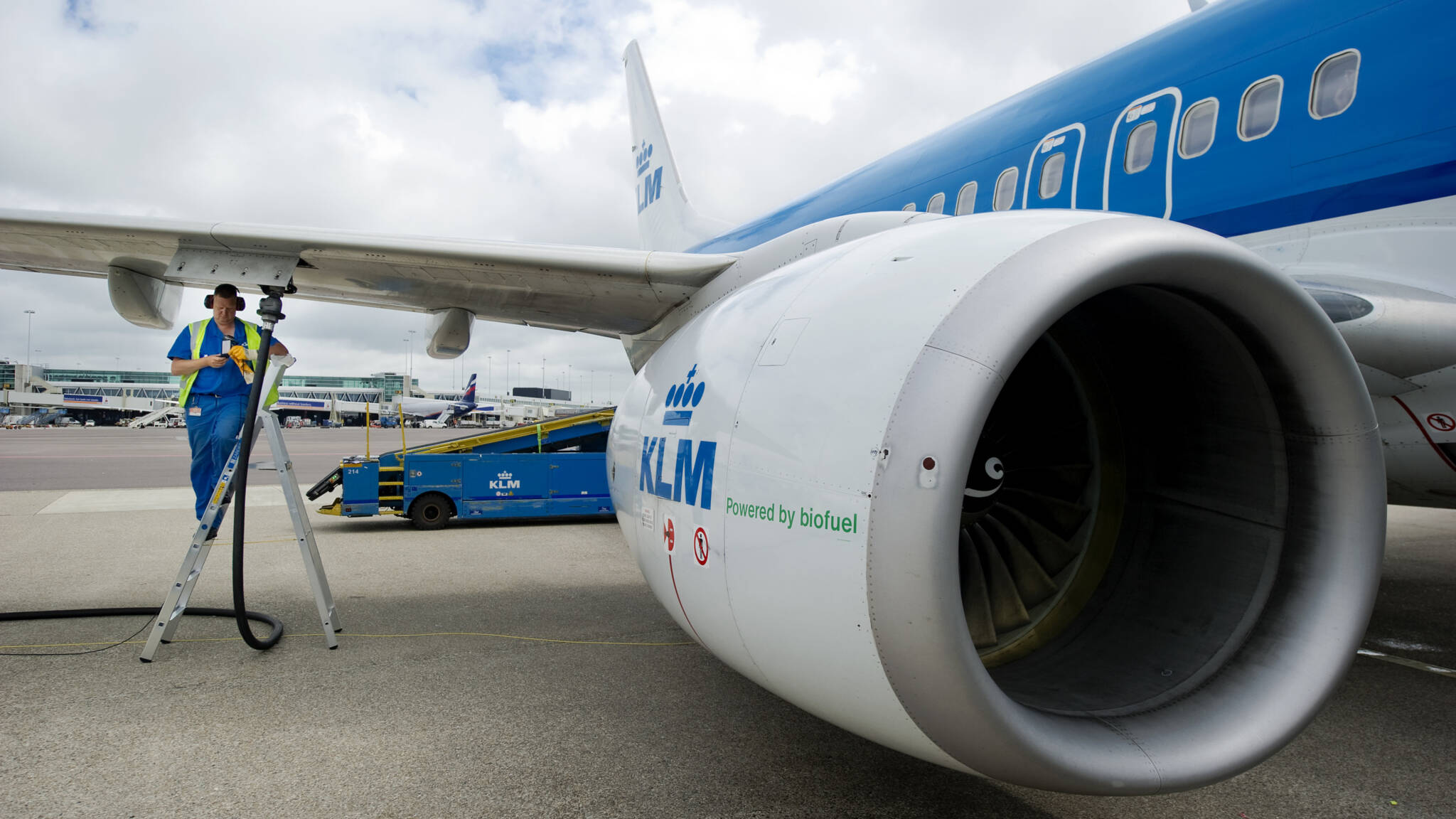
Resultado de imagen para Schiphol luchthavenStoring brandstoftoevoer systeem

De ongebruikelijke en onverwachte storing in het brandstoftoevoersysteem van vliegtuigen heeft het vliegtuig en de passagiers op Schiphol-Amsterdam verlamd, waardoor vertragingen en annuleringen zijn ontstaan ​​die heel Europa treffen. Landing is sinds midden van de middag niet toegestaan ​​vanwege gebrek aan parkeerruimte. Vanaf ongeveer het middaguur verhindert een netwerkfout waardoor brandstof de parkeerplaatsen waar de vliegtuigen zich bevinden, normaal functioneert. Om deze reden vertrekken de vliegtuigen niet, wat halverwege de middag heeft gedwongen met het annuleren van landingen te beginnen, behalve in noodsituaties.

De luchthaventechnici werken eraan om het probleem op te lossen, maar er wordt vanuit gegaan dat de chaos de rest van woensdag zal voortduren en in het beste geval tot begin donderdag zal blijven bestaan.

Schiphol, de belangrijkste luchthaven in Amsterdam en Nederland, is een van de belangrijkste in Europa. Het brandstoftoevoersysteem wordt beheerd door een ander bedrijf dan de luchthavenexploitant. Het bedrijf heet vliegtuigbrandstoftoevoer en is verantwoordelijk voor het onderhoud van de faciliteiten.

De terminals beginnen vol te lopen met passagiers die wachten tot hun vliegtuigen vertrekken, wat kan gebeuren als de brandstof eenmaal is geleverd. Normaal, zelfs als ze capaciteit hebben, opereren vliegtuigen met een brandstofbelasting die beperkt is tot de vlucht die zal werken plus de veiligheidsmarge. Daarom rekenen ze op elke luchthaven. Wanneer een luchthaven geen brandstof kan leveren, een extreem ongewoon extreem, krijgt het probleem grote afmetingen.

Schiphol heeft een centraal brandstofbeladingssysteem, frequent op grote luchthavens. Dit betekent dat de gebruikelijke vrachtwagens niet werken, maar dat de brandstof wordt verkregen uit een netwerk van ondergrondse leidingen die niet meer werkt. A \ W


Ξ A I R G W A Y S Ξ
SOURCE: Airgways.com
DBk: Schiphol.nl / Nrc.nl / Nos.nl / FlightRadar24.com / Dpa-international.com / Wabx.com  / Wtcschiphol.nl
AW-POST: 201907251204AR

A\W   A I R G W A Y S ®

Próximas huelgas aeropuertos Londres

Image result for gatwick airportsAW | 2019 07 16 15:58 | AIRPORTS / AIR TRAFFIC

Los aeropuertos de Londres sufrirán huelgas para Julio/Agosto 2019

Guardias de seguridad, ingenieros, personal de servicio de pasajeros y más de 4.000 trabajadores están programados para secundar varias jornadas de huelga en los aeropuertos Heathrow, Stansted y Gatwick. Los trabajadores no se quedan atrás con paros de 17 días programados en el Aeropuerto Headrow, y votaciones de sindicatos decisivos para el Aeropuerto Stanted.

Más de 4.000 trabajadores del Aeropuerto de Heathrow secundarán una huelga convocada para los días 26-27 Julio y 5-6 Agosto y 23-24 Agosto 2019, afectado a más de un millón de pasajeros que se movilizan por esos días para disfrutar de sus vacaciones estivales. En el Aeropuerto Stansted, el personal de facturación de Easyjet parará durante 17 días y el Aeropuerto Gatwick está pendiente de la votación de dos grupos de trabajadores que podría desembocar en sendas movilizaciones para el mes de Agosto 2019.

Guardias de seguridad, ingenieros, personal de servicio de pasajeros y conductores están programados para secundar estas jornadas de huelga que durarán un total de seis días. El Aeropuerto Heathrow ha comunicado que se ha comprometido a trabajar con las aerolíneas en los planes de contingencia para minimizar el inminente caos de verano por los efectos de los paros.

Más de 80 millones de pasajeros viajan a través de Heathrow cada año y las huelgas comenzarán en lo que podría ser su fin de semana más transitado, el del Viernes 26 Julio 2019, justo al comienzo de las vacaciones escolares en gran parte de Inglaterra.

Reclamos de huelga

Las huelgas del personal en las cinco terminales de Heathrow han sido respaldadas por ocho votaciones tras el rechazo de una oferta de pago de 18 meses que asciende a un 2,7%, teniendo en cuenta las disparidades salariales entre los trabajadores denunciadas por el sindicato Unite que reclama, entre otras cosas, ₤ 3,75 Libras (€ 4,15 euros) extra por día para los trabajadores peor pagados.

En Heathrow, los pilotos de British Airways también podrían protagonizar sendos paros el día 5 de agosto después de que las negociaciones con el sindicato de pilotos, Balpa, sobre un acuerdo salarial de 11% durante tres años, se rompieran la semana pasada (Récord en 2019: 23 millones de pasajeros sufrirán interrupciones en sus vuelos).

Para Stansted y Gatwick las perspectivas no son alagüeñas, pues el personal de facturación de Easyjet en Stansted realizará una huelga durante 17 días este verano, según ha confirmado el sindicato Unite. Por su parte, en Gatwick, el segundo aeropuerto más grande de Gran Bretaña, se está llevando a cabo una votación por parte de dos grupos de trabajadores que podría desencadenar huelgas e interrupciones durante el mes de Agosto 2019.AW-Icon-TXT-01

Image result for headrow airportsUpcoming strikes London airports

London airports will suffer strikes for July / August 2019

Security guards, engineers, passenger service personnel and more than 4,000 workers are scheduled to support several days of strikes at Heathrow, Stansted and Gatwick airports. Workers are not left behind with 17-day stoppages scheduled at Headrow Airport, and voting by decisive unions for the Stanted Airport.

More than 4,000 workers at Heathrow Airport will support a strike called for the days 26-27 July and 5-6 August and 23-24 August 2019, affecting more than one million passengers who are mobilized during those days to enjoy their vacations summer At Stansted Airport, Easyjet’s billing staff will stop for 17 days and Gatwick Airport is awaiting the vote of two groups of workers that could lead to individual mobilizations for the month of August 2019.

Security guards, engineers, passenger service personnel and drivers are scheduled to support these strike days that will last a total of six days. Heathrow Airport has announced that it has committed to working with airlines on contingency plans to minimize the impending summer chaos due to the effects of work stoppages.

More than 80 million passengers travel through Heathrow every year and strikes will begin on what could be their busiest weekend, on Friday 26 July 2019, right at the start of school holidays in much of England.

Strike claims

Staff strikes at the five Heathrow terminals have been supported by eight ballots following the rejection of an 18-month payment offer amounting to 2.7%, taking into account wage disparities among workers reported by the Unite union which claims, among other things, ₤ 3.75 Pounds (€ 4.15 euros) extra per day for the lowest paid workers.

At Heathrow, British Airways pilots could also stage stoppages on August 5 after negotiations with the pilots’ union, Balpa, over a wage deal of 11% over three years, broke last week (Record in 2019: 23 million passengers will suffer interruptions in their flights).

For Stansted and Gatwick the prospects are not encouraging, because the personnel of Easyjet billing in Stansted will strike for 17 days this summer, as confirmed by the union Unite. For its part, in Gatwick, the second largest airport in Britain, a vote is taking place by two groups of workers that could trigger strikes and interruptions during the month of August 2019. A \ W


Ξ A I R G W A Y S Ξ
SOURCE: Airgways.com
DBk: Heathrow.com / Gatwickairport.com / Airgways.com / Time.com
AW-POST: 201907161558AR

A\W   A I R G W A Y S ®

54º Cumbre del Mercosur en Santa Fe

AW-70003022.jpgAW | 2019 07 16 15:35 | AIR TRAFFIC / AIRPORTS

descargaAeropuerto Sauce Viejo de Argentina afectado por la 54º Cumbre del Mercosurmercosur.jpg

La 54º Cumbre del Mercosur en la Ciudad de Santa Fe, Argentina modificará el sistema de navegación aérea por lo que el Aeropuerto Metropolitano de Santa Fe estará inoperativo para las aerolíneas durante la jornada de la cumbre.

El Aeropuerto Metropolitano de Sauce Viejo informó que sus vuelos regulares comerciales del día Miércoles 17 Julio 2019 se suspenderán por la 54ª Cumbre del Mercosur, los mismos afectados al aeropuerto de la Provincia de Santa Fe serán programados para aterrizar en el Aeropuerto de Paraná en la vecina Provincia de Entre Ríos.

54º Cumbre Mercosur

Por la llegada de los presidentes y la reunión que mantendrán los mandatarios, el miércoles no se realizarán operaciones aerocomerciales. Las salidas y llegadas de vuelos que parten o tengan destino al Aeropuerto Metropolitano Sauce Viejo, se trasladarán al Aeropuerto Paraná. Se desplegó un amplio operativo en la zona por la llegada de las comitivas de los distintos países y el arribo de los mandatarios.

El Aeropuerto Santa Fe se encuentra con un movimiento inusual ante la llegada de los primeros mandatarios y demás funcionarios de los países que participan de la 54ª Cumbre del Mercosur. «Tenemos un operativo de seguridad muy importante que se irá incrementando con el pasar de las horas hasta que lleguen las comitivas presidenciales».

Se espera que este martes arriben los presidentes de Uruguay y Paraguay, mientras que el miércoles llegarán los mandatarios de Brasil, Bolivia, Chile y Argentina. Para el operativo de seguridad trabajan 200 efectivos de la Policía Aeroportuaria junto a fuerzas de seguridad provinciales y nacionales.AW-Icon-TXT-01

Resultado de imagen para mercosur flag54th Mercosur Summit in Santa Fe

Sauce Viejo Airport in Argentina affected by the 54th Mercosur Summit

The 54th Mercosur Summit in the City of Santa Fe, Argentina will modify the air navigation system so the Metropolitan Airport of Santa Fe will be inoperative for the airlines during the day of the summit.

The Metropolitan Airport of Sauce Viejo reported that its scheduled commercial flights on Wednesday 17 July 2019 will be suspended by the 54th Mercosur Summit, the same affected to the airport of the Province of Santa Fe will be scheduled to land at the Paraná Airport in the neighbor Province of Entre Ríos.

54th Mercosur Summit

By the arrival of the presidents and the meeting that the presidents will maintain, on Wednesday there will be no air commercial operations. Departures and arrivals of flights departing from or destined for the Sauce Viejo Metropolitan Airport will be transferred to the Paraná Airport. A large operation was deployed in the area due to the arrival of the comitivas of the different countries and the arrival of the leaders.

Santa Fe Airport meets an unusual movement before the arrival of the first presidents and other officials of the countries participating in the 54th Mercosur Summit. «We have a very important security operation that will increase with the passing of the hours until the presidential comitivas arrive».

It is expected that on Tuesday the presidents of Uruguay and Paraguay will arrive, while on Wednesday the presidents of Brazil, Bolivia, Chile and Argentina will arrive. 200 security officers from the Airport Police work together with provincial and national security forces. A\W


Ξ A I R G W A Y S Ξ
SOURCE: Airgways.com
DBk: Aeropuertosantafe.com.ar / Airgways.com
AW-POST: 201907161535AR

A\W   A I R G W A Y S ®

Incremento tráfico Argentina

IMG_1331.JPGAW | 2019 07 16 11:13 | AIR TRAFFIC

Aumento del tráfico de pasajeros en Junio 2019 en Argentina

wiM3Usd__400x400En Junio 2019 viajaron 1.191.000 pasajeros en vuelos comerciales de cabotaje en la República Argentina lo que representa un 26% más respecto del mismo mes del año pasado y un 82% comparado con Junio 2015. Los aviones volaron al 78% de su capacidad, contra un 68% del mismo mes de 2018. Los mayores crecimientos se registraron en El Palomar (92%), Iguazú (80%) y Ezeiza (76%), por donde circularon más de 92 mil pasajeros. Además, este mes, que históricamente es el que registra menos pasajeros, tuvo más movimiento que Enero 2018, gracias a la eliminación de la banda mínima tarifaria, que incentiva los viajes en temporada baja.

Impulsados por la Revolución de los Aviones, en Junio más de 126 mil personas viajaron dentro del país en forma directa sin tener que conectar a través de los aeropuertos del Área Metropolitana de Buenos Aires (Aeroparque, Ezeiza y El Palomar), y unos 131.000 conectaron desde sus provincias directamente con el exterior.

El nuevo edificio de partidas del Aeropuerto de Ezeiza tendrá un sistema de transporte de equipaje completamente automatizado: los escáneres de rayos X serán reemplazados por tomógrafos 3D, lo que mejorará los controles. Además, antes de llegar a los mostradores de check-in los pasajeros podrán dejar su equipaje gracias a un sistema automatizado que puede procesar hasta 4.000 valijas por hora y es el primero que se utilizará en la Argentina.

Córdoba, Mendoza y Ezeiza sumarán 3 radares fabricados en Bariloche por la empresa estatal Invap, con una inversión de 16 millones de dólares y empleando a 50 personas en forma directa. Hacía 30 años que no se adquirían radares primarios para aviación civil en nuestro país. Los radares, del tipo primario con secundario asociado, incorporan la última tecnología en vigilancia de la aeronáutica civil y darán mayor eficiencia en la gestión del servicio, apostando al desarrollo tecnológico local.

El Aeropuerto El Palomar sumó 3 nuevos mostradores de check-in y ya son 11 los que están conectados en línea con el sistema de traslado de equipaje y los escáneres que controlan el contenido de las valijas. Además, se creó un área de filas nuevas, con mayor capacidad, que se suma a la ampliación del hall del área pública, y se reconfiguró el ingreso al aeropuerto, con una entrada más cómoda y mejor ubicada que lleva directo a los nuevos mostradores.

Se están invirtiendo más de AR$ 5.000 millones en equipamiento y tecnología para reducir demoras, congestiones y cancelaciones. En junio se puso en marcha un sistema instrumental de aterrizaje ILS en Tucumán para reemplazar al anterior, que tenía 35 años de uso. Este sistema ayuda a lograr aterrizajes con la mayor precisión, sobre todo en condiciones de poca visibilidad.

La Revolución de los aviones está en plena marcha, con 6 conexiones nuevas desde Junio 2019. American Airlines inauguró el vuelo directo Córdoba-Miami con 4 frecuencias por semana agregando un destino más a los 13 internacionales que ya tiene esa ciudad. Bariloche, por otra parte, ahora conecta con Campinas (San Pablo, Brasil) con un servicio de Azul Linhas Aéreas; y a través de Jetsmart Argentina Airlines, con Mendoza y Córdoba. La low cost también empezó a volar de Iguazú a El Palomar y Salta en junio.

El Aeropuerto de Córdoba tiene nueva pista principal, totalmente repavimentada y con una vida útil de 20 años, lista para recibir más vuelos impulsados por la Revolución de los Aviones y el posicionamiento del aeropuerto como hub de conexiones. También reconstruimos las calles de rodaje y ampliamos el acceso a la plataforma y estamos instalando un nuevo sistema de balizamiento y tecnología que le darán categoría internacional, como sólo tiene el Aeropuerto de Ezeiza.AW-Icon-TXT-01

Imagen relacionadaTraffic increase Argentina

Increase in passenger traffic in June 2019 in Argentina

In June 2019, 1,191,000 passengers traveled on commercial cabotage flights in the Argentine Republic, which represents 26% more than the same month last year and 82% compared to June 2015. The aircraft flew at 78% capacity, compared to 68% in the same month of 2018. The highest growth was recorded in El Palomar (92%), Iguazú (80%) and Ezeiza (76%), where more than 92,000 passengers traveled. In addition, this month, which is historically the one that registers fewer passengers, had more movement than January 2018, thanks to the elimination of the minimum fare band, which encourages trips in the low season.

Driven by the Aircraft Revolution, in June more than 126 thousand people traveled directly within the country without having to connect through the airports of the Metropolitan Area of ​​Buenos Aires (Aeroparque, Ezeiza and El Palomar), and about 131,000 connected from its provinces directly with the outside.

The new Ezeiza Airport departures building will have a fully automated baggage transport system: the X-ray scanners will be replaced by 3D scanners, which will improve the controls. In addition, before arriving at the check-in counters, passengers can leave their luggage thanks to an automated system that can process up to 4,000 bags per hour and is the first to be used in Argentina.

Córdoba, Mendoza and Ezeiza will add 3 radars manufactured in Bariloche by the state company Invap, with an investment of 16 million dollars and employing 50 people directly. It had been 30 years since primary radars for civil aviation in our country were acquired. The radars, of the primary type with associated secondary, incorporate the latest technology in civil aeronautical surveillance and will give greater efficiency in the management of the service, betting on local technological development.

El Palomar Airport added 3 new check-in counters and there are already 11 that are connected online with the baggage transfer system and the scanners that control the contents of the suitcases. In addition, an area of ​​new rows was created, with greater capacity, which adds to the expansion of the public area hall, and reconfigured the entrance to the airport, with a more comfortable and better located entrance that leads directly to the new counters.

More than AR $ 5 billion in equipment and technology are being invested to reduce delays, congestion and cancellations. In June, an instrumental ILS landing system was launched in Tucumán to replace the previous one, which was 35 years old. This system helps achieve landings with the highest precision, especially in low visibility conditions.

The Revolution of the airplanes is in full march, with 6 new connections from June 2019. American Airlines inaugurated the direct flight Córdoba-Miami with 4 frequencies per week adding one more destination to the 13 international that already has that city. Bariloche, on the other hand, now connects with Campinas (San Pablo, Brazil) with a service of Azul Linhas Aéreas; and through Jetsmart Argentina Airlines, with Mendoza and Córdoba. The low cost also began to fly from Iguazú to El Palomar and Salta in June.

Cordoba Airport has a new main runway, fully repaved and with a useful life of 20 years, ready to receive more flights driven by the Aircraft Revolution and the positioning of the airport as a hub of connections. We also rebuild the taxiways and expand the access to the platform and we are installing a new beacon system and technology that will give it international status, as only Ezeiza Airport has. A \ W


Ξ A I R G W A Y S Ξ
SOURCE: Airgways.com
DBk: Anac.gob.ar / Airgways.com / Clarin.com
AW-POST: 201907161113AR

A\W   A I R G W A Y S ®

Apertura espacio aéreo Pakistán

Resultado de imagen para Pakistan AirportAW | 2019 07 16 10:57 | AIR TRAFFIC / AVIATION SAFETY

El espacio aéreo de Pakistán se abre para las aerolíneas después de la huelga de Balakot

Pakistán, por quinta vez desde el 26 Febrero 2019, extendió el cierre del espacio aéreo hasta el 26 Julio 2019. En un gran respiro para las aerolíneas, así como para los pasajeros que vuelan hacia la República de Pakistán, el espacio aéreo paquistaní está abierto para las aerolíneas comerciales después de un lapso de unos cinco meses.

Pakistán ha cancelado el NOTAM por su espacio aéreo WEF 0038 IST, con la proBabilidad de restablecer los vuelos a la brevedad para las rutas hacia Pakistán o de aquellos vuelos a través del espacio aéreo de Pakistán. Sin embargo, Pakistán canceló esta orden en un Notam (Aviso a los aviadores) emitido a primera hora de la mañana del Martes 16 Julio 2019. El tiempo de vuelo debido al cierre del espacio aéreo ha aumentado entre 45 y 90 minutos, dependiendo del tipo de aeronave y otros.

Antecedentes

La República de Pakistán cerró totalmente su espacio aéreo el 26 Febrero 2019 después de que los aviones de combate del caza de la Fuerza Aérea de la India atacaran un campo de entrenamiento terrorista Jaish-e-Mohammed en Balakot luego del ataque terrorista Pulwama en Cachemira, matando a personal del CRPF. Este cierre del espacio aéreo ha provocado enormes pérdidas para los transportistas que vuelan al oeste de la India, así como a otros transportistas internacionales que vuelan al oeste de la India.

Los transportistas indios han perdido alrededor US$ 4.405.500.000 millones de dólares hasta mediados de Junio 2019 debido a este cierre del espacio aéreo. Una gran parte de las pérdidas ha sido realizada por la aerolínea nacional Air India, que tiene la red internacional más grande entre las aerolíneas indias.AW-Icon-TXT-01

Resultado de imagen para Pakistan AirportAirspace opening Pakistan

Pakistan airspace opens for entries after the Balakot strike

Pakistan, for the fifth time since February 26, 2019, to extend the closure of airspace until July 26, 2019. In a great respite for the use of passengers flying to the Republic of Pakistan, Pakistani airspace is open for business results after a lapse of about five months.

Pakistan has canceled the NOTAM for its airspace WEF 0038 IST, with the ability to re-establish flights as soon as possible for routes to the State of passengers through Pakistan’s airspace. Tuesday, July 16, 2019. The flight time is due to a closure of the airspace. It has increased between 45 and 90 minutes. of aircraft and others.

Background

The Republic of Pakistan completely closed its airspace on February 26, 2019 after the Indian Air Force fighter aircraft attacked a terrorist training camp Jaish-e-Mohammed in Balakot after the Pulwama terrorist attack in Kashmir, Killing CRPF staff. This closing of the airspace has caused great quantities for the carriers that fly to the west of India, as well as to other international carriers that fly to the west of India.

Carriers have lost around US$ 4,405,500,000 million until mid-June 2019 due to this closure of airspace. A large part of the losses has been made by the national airline Air India, which has the largest international network among Indian airlines. A \ W


Ξ A I R G W A Y S Ξ
SOURCE: Airgways.com
DBk: Tindiatimes.com / Dhaketribune.com / Economictimes.com
AW-POST: 201907161057AR

A\W   A I R G W A Y S ®

Paro afecta 5.000 pasajeros en Argentina

IMG_1364.JPGAW | 2019 07 06 11:03 | AIR TRAFFIC / GOVERNMENT

Continúan demoras en Aeroparque, normaliza en Ezeiza

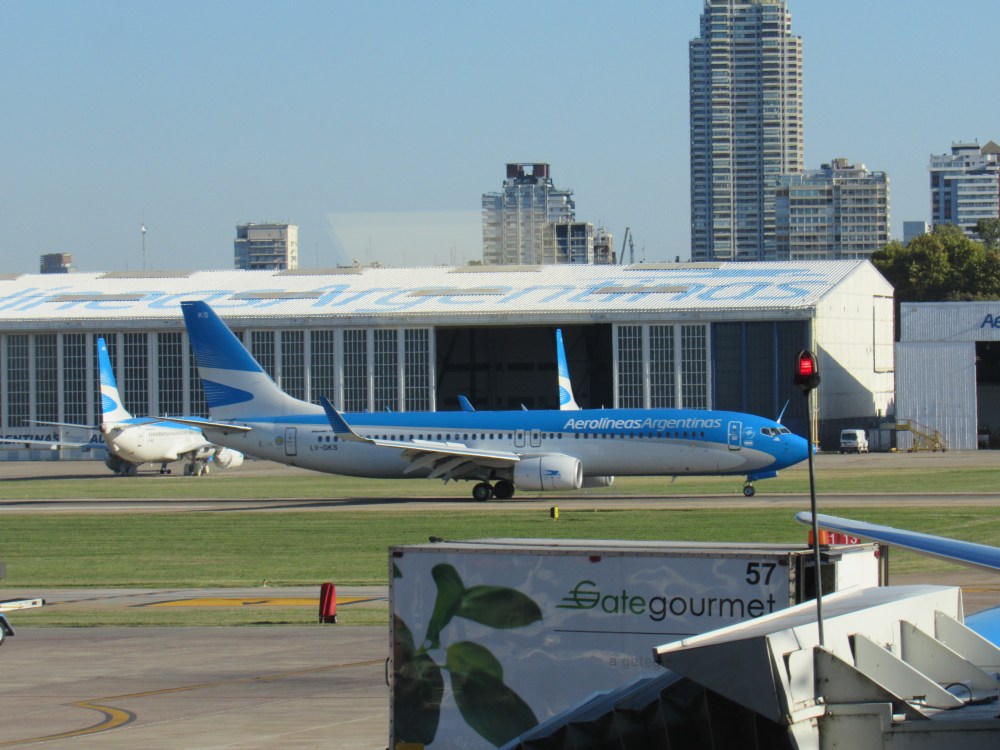
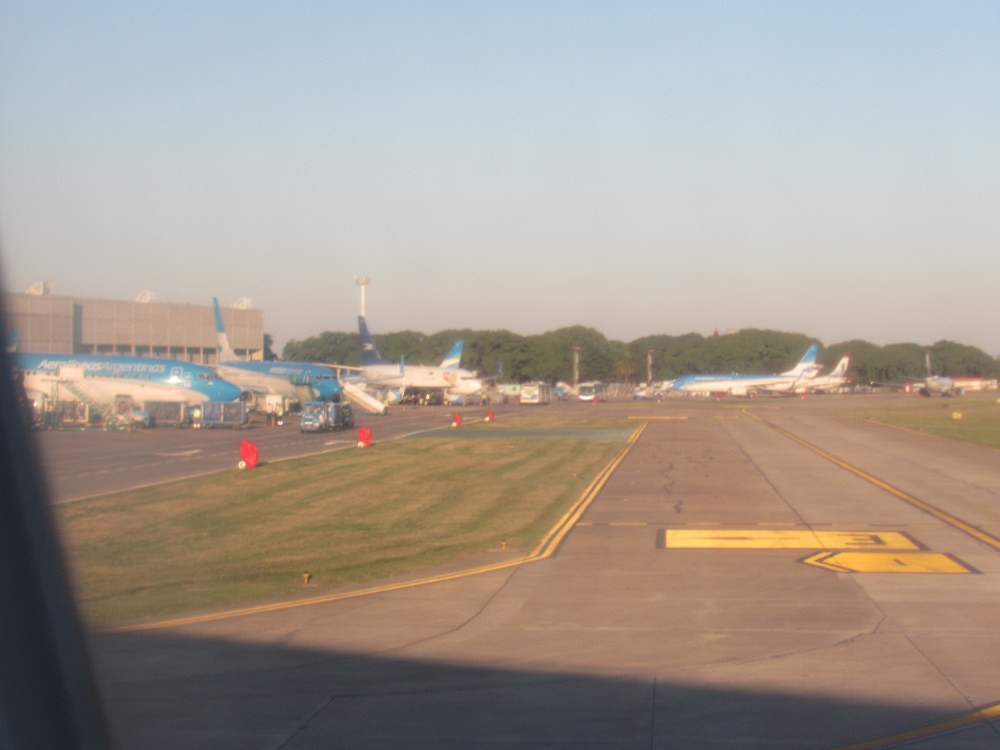
La medida de fuerza se va descomprimiendo en el Aeropuerto Ezeiza, pero en Aeroparque continúan las reprogramaciones por las demoras ocasionadas por el paro aeronáutico. En el inicio del fin de semana largo, más de 5.000 pasajeros fueron perjudicados ayer por un paro sorpresivo de la Asociación de Pilotos de Líneas Aéreas (APLA) y la Asociación Argentina de Aeronavegantes (AAA), que obligó a suspender o reprogramar medio centenar de vuelos. La medida que se produjo en una larga asamblea que se extendió durante casi toda la mañana desde las 05:00 horas del día Viernes 5 Julio 2019 provocó fuertes protestas y nerviosismo entre los pasajeros. Los pilotos justificaron su decisión en que todas las compañías nacionales estatales o privadas tienen sus balances en rojo. Las principales compañías afectadas por la medida de fuerza en la República Argentina fueron Aerolíneas Argentinas, Latam Argentina Airlines y Andes Líneas Aéreas.

“Los pilotos que perdemos nuestra fuente laboral no tenemos reinserción en el país. El sistema aerocomercial es insostenible bajo estas circunstancias”, afirmaron los sindicatos. Sólo Aerolíneas Argentinas reprogramó 40 vuelos, mientras que Latam Airlines recomendó a sus pasajeros chequear el estado de los vuelos en su página web latam.com.

Política vs usuarios

Pasajeros a los gritos, otros que perdieron reservas y sufrieron un fuerte perjuicio económico y todo tipo de dificultades, fue el escenario que se vuelve habitual en medio del tira y afloje de los sindicatos aeronáuticos alineados a la corriente política del kirchnerismo en contra del Gobierno actual, a poco más de un mes de las primarias.

Las principales compañías afectadas por la medida fueron Aerolíneas Argentinas, Latam Airlines y Andes Líneas Aéreas. Todo justo antes del fin de semana extralargo, mientras los pilotos advirtieron que la medida podría repetirse durante el fin de semana.

A las 6 horas, en Ezeiza, los pasajeros estaban embarcando cuando fueron sorprendidos por la medida de fuerza. A decenas los reprogramaron para salir hoy sábado a las 08:00 hs, siempre y cuando no se repita la medida de fuerza, que generó una fuerte reacción del Gobierno, que vinculó a los gremios que realizaron la medida de fuerza con el kirchnerismo. El reclamo también generó una larga fila de unos 200 metros en el sector de ventas para que a algunos viajeros les cambien los pasajes. Los pasajeros también se quejaron de que durante más de dos horas de espera en Ezeiza debieron esperar sentados en el piso o en sus valijas, pensando que sería algo momentáneo y podrían viajar en breve. Quienes deban volar este fin de semana deberán estar atentos a la actitud de los gremios, porque las protestas podrían repetirse, según advirtieron.

Gobierno vs sindicalistas aeronáuticos

El Ministro de Transporte de la Nación, Guillermo Dietrich, cuestionó duramente a los sindicalistas aeronáuticos que realizan medidas de fuerza ayer viernes por la mañana contra la política aérea del Gobierno Nacional. “Le dijimos al Ministro Dietrich que su política aerocomercial iba a fracasar. Fracasó y dejó a muchos compañeros despedidos en todos los sectores e impacta negativamente en las que quedan de pie”, alertó Pablo Biró, titular de la Asociación de Pilotos de Líneas Aéreas (APLA), uno de los cinco gremios que organizaron asambleas sorpresivas.

Edgardo Llano, Jefe de la Asociación del Personal Aeronáutico (APA), coincidió con Biró. “La revolución de los aviones terminó siendo la devolución de los aviones. Un fracaso total por parte del ministro. Empresas cerradas, pérdidas de puestos de trabajo, una situación lamentable”, consideró el gremialista. Desde la Asociación Argentina de Aeronavegantes, que conduce Juan Pablo Brey, también advirtieron por el reciente acuerdo aeronáutico firmado con el gobierno de los Estados Unidos. “Lo que hace es profundizar una crisis que venimos denunciando desde el principio de la gestión de Mauricio Macri. Una gestión que jamás priorizó el desarrollo del sector aerocomercial y muchísimo menos del correcto funcionamiento de una aerolínea de bandera”, argumentó Alejandro Kogan, secretario adjunto de los aeronavegantes.

En medio de las protestas que afectaron a 10.000 pasajeros, El Ministro de Transporte replicó duramente a los gremios, en particular a Biró. “Es un dirigente kirchnerista que busca complicarle la vida a miles de pasajeros. Dice falsedades, hace política de manera autoritaria”, sostuvo el ministro.

Voces desde Aerolíneas

El CEO de Aerolíneas Argentinas, Luis Malvido, no dudó en vincular el paro a una protesta política: “Usan a esta empresa como escenario político para su campaña. No es casualidad que hagan este daño hoy, que es un día espectacular de ventas y de gestión. Es un paro político, solo hay que ver las fotos que se sacan (los gremialistas) con la oposición. Es proselitismo que afecta a nuestros pasajeros”, sentenció.

AW-7001382.JPGAeroparque/Ezeiza

En el día de hoy Sábado 6 Julio 2019 continúan las demoras en el aeropuerto Jorge Newbery por la huelga. Los vuelos de Aeroparque que tenían horario de partida durante la noche del viernes continúan demorados o fueron reprogramados para hoy Sábado. Tras varias horas de demoras y cancelaciones, los vuelos en el Aeropuerto Ezeiza comenzaron a desarrollarse con normalidad. aunque

En el sitio web de Aeropuertos Argentina 2000 (AA2000) se exhibe que los vuelos que partirán esta mañana desde Ezeiza están en horario. En Aeroparque la situación es diferente: tanto las llegadas como las partidas estaban demoradas este Viernes, mientras que los que fueron reprogramados para la madrugada del Sábado sí figuran en horario.

La sorpresiva medida de fuerza de APLA generó inconvenientes en 34 partidas y ocasionó un verdadero caos que afectó a 5.000 pasajeros. A esta medida intransigente de APLA se sumó otra de la Asociación Argentina de Aeronavegantes (AAA), que comanda Juan Pablo Brey, que realizaron una asamblea informativa.

Muchos de los destinos turísticos afectados correspondieron a provincias donde el próximo lunes 8 Julio 2018 comienzan las vacaciones de invierno: Chubut, Córdoba, Entre Ríos, La Rioja, Mendoza, Misiones, Neuquén, San Juan, Santa Fe y Tucumán.

En el caso de Aerolíneas Argentinas, la cantidad de afectados dependerá de la hora que terminen las asambleas. La compañía de bandera debió reprogramar 40 vuelos el Viernes en un día en el que esperaban trasladar a más de 42 mil personas. Con el correr de las horas, se confirmó que fueron 37 los vuelos cancelados por Aerolíneas. Afectaron a 5.000 pasajeros, los cuales fueron reubicados. Por otro lado, otros 55 vuelos sufrieron demoras, por lo cual 6.500 resultaron perjudicados. Desde Latam recomiendan a los pasajeros chequear el estado del vuelo a través de la página web latam.com o la Apps de Latam Airlines, sobre todo aquellos que tengan conexión con otras aerolíneas. En la Terminal C del Aeropuerto Internacional Ezeiza se formó una larga cola de pasajeros indignados que pretendían reclamar por los cambios del cronograma de vuelos.AW-Icon-TXT-01

Resultado de imagen para paro aeronauticoParo affects 5,000 passengers in Argentina
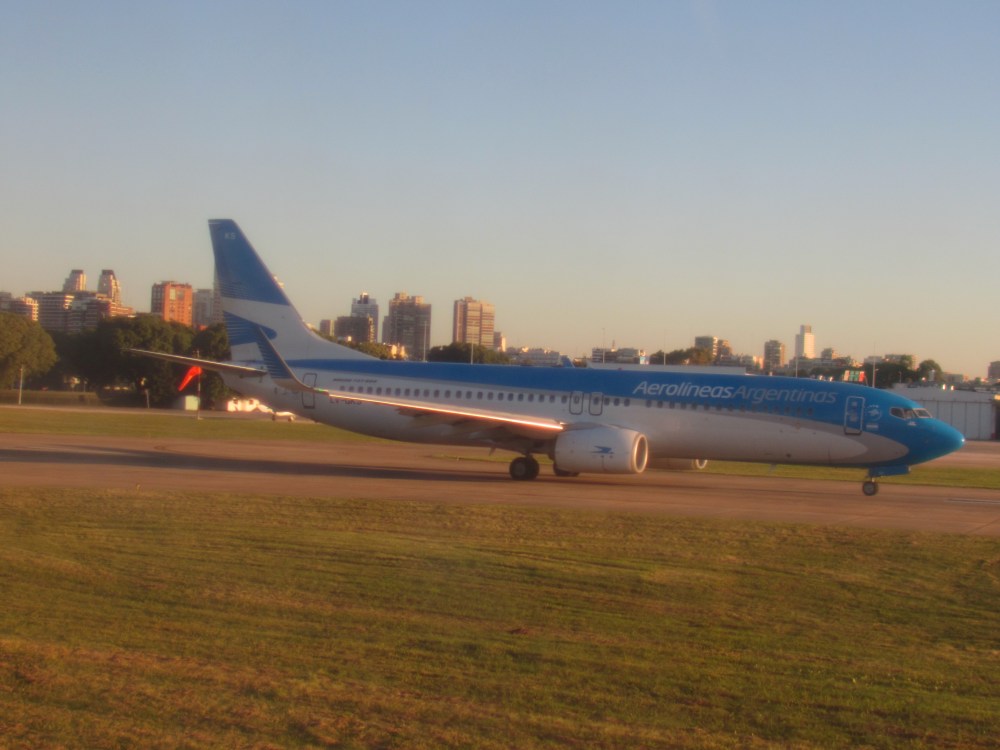
Delays continue in Aeroparque, normalized in Ezeiza

The force measurement is decompressed at the Ezeiza Airport, but at the Aeroparque the reprogramming continues due to the delays caused by the aeronautical strike. At the beginning of the long weekend, more than 5,000 passengers were injured yesterday by a surprise stoppage of the Association of Airline Pilots (APLA) and the Argentine Aeronavegantes Association (AAA), which forced the suspension or rescheduling of more than 50 passengers. flights. The measure that took place in a long assembly that lasted almost all morning from 05:00 hours on Friday, July 5, 2019 provoked strong protests and nervousness among the passengers. The pilots justified their decision in which all the national state or private companies have their balance sheets in red. The main companies affected by the measure of force in the Argentine Republic were Aerolíneas Argentinas, Latam Argentina Airlines and Andes Líneas Aéreas.

«The pilots who lose our labor source do not have reinsertion in the country. The aero-commercial system is unsustainable under these circumstances», the unions said. Only Aerolíneas Argentinas reprogrammed 40 flights, while Latam Airlines recommended its passengers to check the status of flights on its website latam.com.

Policy vs users

Passengers to the screams, others who lost reservations and suffered a severe economic damage and all kinds of difficulties, was the scenario that becomes common in the middle of the tug of war of the aeronautical unions aligned to the political current of Kirchnerism against the current Government, a little more than a month from the primaries.

The main companies affected by the measure were Aerolíneas Argentinas, Latam Airlines and Andes Líneas Aéreas. Everything just before the extra long weekend, while the pilots warned that the measure could be repeated during the weekend.

At 6 o’clock, in Ezeiza, the passengers were embarking when they were surprised by the force measurement. Dozens were rescheduled to leave today Saturday at 08:00 hs, as long as the measure of strength is not repeated, which generated a strong reaction from the Government, which linked the unions that made the measure of strength with Kirchnerism. The claim also generated a long line of about 200 meters in the sales sector for some passengers to change the tickets. The passengers also complained that during more than two hours of waiting in Ezeiza they had to wait sitting on the floor or in their suitcases, thinking that it would be something momentary and they could travel shortly. Those who must fly this weekend should be attentive to the attitude of the guilds, because the protests could be repeated, they warned.

Government vs. aeronautical unionists

The Minister of Transportation of the Nation, Guillermo Dietrich, harshly questioned the aeronautical unionists who carried out measures of force yesterday Friday morning against the air policy of the National Government. «We told Minister Dietrich that his airline policy was going to fail. He failed and left many colleagues dismissed in all sectors and negatively impacts those who remain standing», warned Pablo Biró, head of the Association of Airline Pilots (APLA), one of the five unions that organized surprise assemblies.

Edgardo Llano, Chief of the Aeronautical Personnel Association (APA), agreed with Biró. «The revolution of the planes ended up being the return of the planes. A total failure on the part of the minister. Companies closed, job losses, an unfortunate situation», said the unionist. From the Argentine Association of Aeronavegantes, which leads Juan Pablo Brey, also warned by the recent aeronautical agreement signed with the government of the United States. «What it does is to deepen a crisis that we have been denouncing since the beginning of Mauricio Macri’s administration. A management that never prioritized the development of the aviation sector and much less the proper functioning of a flag carrier», argued Alejandro Kogan, deputy secretary of the air passengers.

In the midst of the protests that affected 10,000 passengers, the Minister of Transport responded harshly to the guilds, particularly to Biró. «He is a Kirchner leader who seeks to complicate the lives of thousands of passengers. He says falsehoods, he does politics in an authoritarian way», the minister said.

Voices from Aerolíneas

The CEO of Aerolíneas Argentinas, Luis Malvido, did not hesitate to link the strike to a political protest: «They use this company as a political scenario for their campaign. It is no coincidence that they do this damage today, which is a spectacular day of sales and management. It is a political strike, you just have to see the pictures that are taken (the gremialistas) with the opposition. It is proselytizing that affects our passengers», he said.

Aeroparque / Ezeiza

Today, Saturday, July 6, 2019, delays continue at the Jorge Newbery airport due to the strike. Aeroparque flights that had departure time during the night of Friday are still delayed or were rescheduled for Saturday. After several hours of delays and cancellations, the flights at Ezeiza Airport began to develop normally even though

On the website of Aeropuertos Argentina 2000 (AA2000) it is shown that the flights departing this morning from Ezeiza are scheduled. In Aeroparque the situation is different: both arrivals and departures were delayed this Friday, while those that were rescheduled for the early hours of Saturday do appear on time.

The surprising measure of strength of APLA generated problems in 34 games and caused a real chaos that affected 5,000 passengers. To this uncompromising measure of APLA was added another of the Argentine Association of Air Navigators (AAA), commanded by Juan Pablo Brey, who held an informative assembly.

Many of the affected tourist destinations corresponded to provinces where next Monday 8 July 2018 winter holidays begin: Chubut, Córdoba, Entre Ríos, La Rioja, Mendoza, Misiones, Neuquén, San Juan, Santa Fe and Tucumán.

In the case of Aerolíneas Argentinas, the number of affected will depend on the time the assemblies end. The flag company had to reprogram 40 flights on Friday in a day in which they expected to move more than 42 thousand people. With the passing of the hours, it was confirmed that 37 flights were canceled by Aerolíneas. They affected 5,000 passengers, who were relocated. On the other hand, another 55 flights suffered delays, for which 6,500 were harmed. From Latam, passengers are recommended to check the status of the flight through the website latam.com or the Latam Airlines Apps, especially those that have connections with other airlines. In Terminal C of the Ezeiza International Airport, a long queue of indignant passengers formed, claiming to be affected by changes in the flight schedule. A \ W


Ξ A I R G W A Y S Ξ
SOURCE: Airgways.com
DBk: Apla.org.ar / Aeronavegantes.org.ar / Aa2000.com.ar / Aimdigital.com.ar / Airgways.com / Mendozapost.com
AW-POST: 201907061103AR

A\W   A I R G W A Y S ®

Medidas fuerza de APLA en Argentina

IMG_1372.JPGAW | 2019 07 05 08:59 | AIRLINES / AIR TRAFFIC
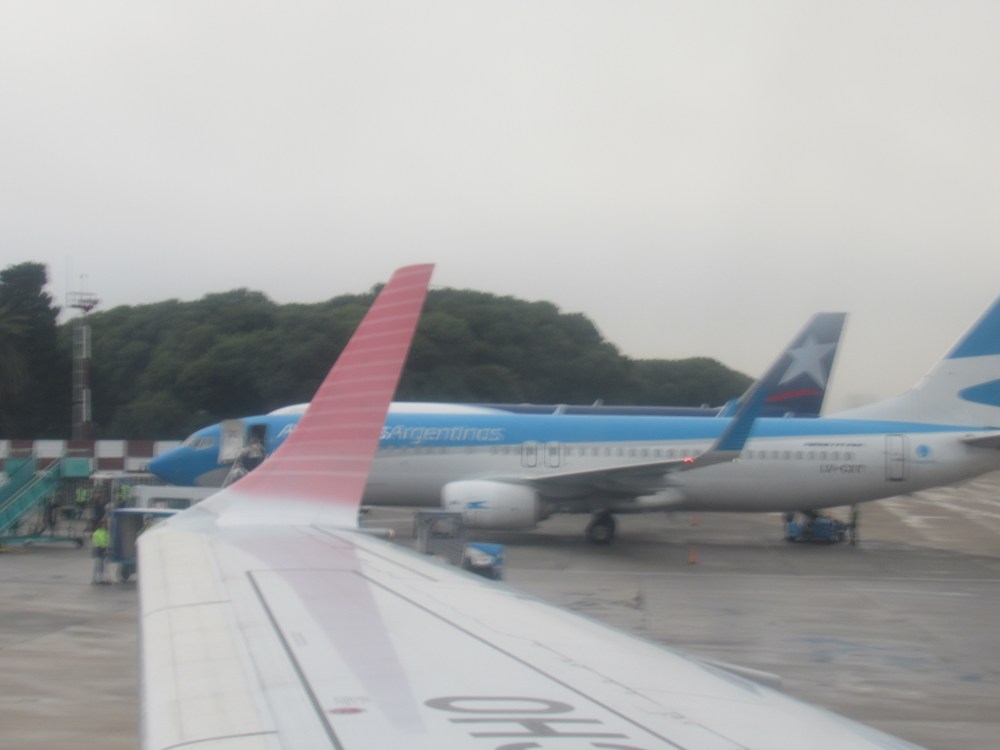
La medida gremial afectó principalmente a los vuelos de Aerolíneas, Latam Argentina Airlines y Andes Líneas Aéreas

Numerosos vuelos cancelados y otros con demoras se registraban esta mañana en Aeroparque  y el Aeropuerto Ezeiza, a raíz de una asamblea que llevaba adelante la Asociación de Pilotos de Líneas Aéreas (APLA) y la Asociación Argentina de Aeronavegantes (AAA). Los pilotos de APLA iniciaron una asamblea a las 5 de la mañana y a las 8 se sumaron los aeronavegantes. Aerolíneas Argentinas ya reprogramó 40 partidas en el comienzo del fin de semana largo.

La acción gremial comenzó a las 05:00 hs y, desde esa hora, no salen vuelos de cabotaje ni internacionales desde esas dos terminales aéreas, las de mayor envergadura del país. APLA emitió un comunicado a las 8 confirmando el levantamiento de la medida de protesta que afectó principalmente a los vuelos de Aerolíneas, Latam y Andes.

Las asambleas informativas realizadas por la Asociación de Pilotos de Líneas Aéreas (APLA), la Asociación de Personal Aeronáutico (APA) y la Asociación Argentina de Aeronavegantes (AAA) tienen sin actividad a la compañía desde la 5 de la mañana de este viernes y lo previsto es que la situación se mantenga al menos hasta las 10 de la mañana. Las asambleas, una medida de fuerza, los gremios están informando a sus afiliados sobre la «crisis del sistema aerocomercial argentino».

Las principales compañías afectadas por la medida son Aerolíneas Argentinas, Latam y Andes. Pasadas las 08:00 de la mañana, ya eran 25 los vuelos afectados en el Aeroparque Jorge Newbery. Siete de ellos estaban cancelados; otros nueve, en condición de demorados, mientras que acerca de nueve más, Aeropuertos Argentina 2000 sugería: «Consulte a la compañía». Mientras que en Ezeiza, a las 08:05 hs. ya había cinco vuelos cancelados y uno demorado.

Denuncia de APLA

Según APLA, «todas las compañías nacionales (estatales o privadas) tienen sus balances en rojo. Hoy, los pilotos que perdemos nuestra fuente laboral no tenemos reinserción en el país. El sistema aerocomercial es insostenible bajo estas circunstancias», afirmaron en un comunicado.

El comunicado del gremio se inicia señalando que «la crisis del mercado aerocomercial argentino se agrava día a día». Y enseguida enumera argumentos para esta afirmación: Avianca Argentina ha suspendido sus operaciones y no paga los haberes a sus trabajadores desde hace meses. Andes Líneas Aéreas, luego de devolver la totalidad de su flota Boeing 737, está operando con solo 3 aviones Boeing MD-80 y sigue adelante con un plan de despidos encubiertos con el que ya redujo su dotación de pilotos de 83 a 57 colegas.

Aerolíneas Argentinas va a terminar 2019 con 200 pilotos menos y desprogramando el 30% de su flota de largo alcance como parte del achicamiento del área internacional que afecta directamente la viabilidad de la Línea Aérea de Bandera.

Latam Argentina, tras años de promesas de crecimiento, no solo sigue ajena a la expansión que tuvo el holding en el país (a través de sus filiales extranjeras), sino que ahora busca flexibilizar las condiciones laborales con una propuesta de 19 cambios al Convenio Colectivo de Trabajo.

La mayoría de las Direcciones Provinciales de Aeronáutica se encuentran bajo procesos de desinversión que favorecen la contratación de servicios aéreos privados en perjuicio del trabajo de los pilotos.AW-Icon-TXT-01

IMG_1252.JPGStrength measures of APLA in Argentina

The union measure mainly affected the flights of Airlines, Latam Argentina Airlines and Andes Líneas Aéreas

Numerous canceled flights and others with delays were registered this morning at the Aeroparque and the Ezeiza Airport, following an assembly held by the Association of Airline Pilots (APLA) and the Argentine Aircraft Association (AAA). The APLA pilots started an assembly at 5 o’clock in the morning and at 8 o’clock the air travelers joined. Aerolíneas Argentinas has already rescheduled 40 games at the start of the long weekend.

The trade union action began at 05:00 am and, from that hour, no domestic or international flights depart from those two air terminals, the largest in the country. APLA issued a statement at 8 o’clock confirming the lifting of the protest measure that affected mainly flights of Aerolíneas, Latam and Andes.

The informative assemblies carried out by the Association of Airline Pilots (APLA), the Association of Aeronautical Personnel (APA) and the Argentine Aircraft Association (AAA) have no activity to the company since 5 o’clock this Friday and It is expected that the situation will continue at least until 10 am The assemblies, a measure of strength, the unions are informing their members about the «crisis of the Argentinean commercial airline system».

The main companies affected by the measure are Aerolíneas Argentinas, Latam and Andes. After 08:00 in the morning, there were already 25 affected flights in the Aeroparque Jorge Newbery. Seven of them were canceled; another nine, on condition of delay, while about nine more, Aeropuertos Argentina 2000 suggested: «Consult the company». While in Ezeiza, at 08:05 hs. There were already five flights canceled and one delayed.

APLA complaint

According to APLA, «all national companies (state or private) have their balances in red, today pilots who lose our labor source do not have reinsertion in the country, the commercial air system is unsustainable under these circumstances», they said in a statement.

The statement of the guild begins by noting that «the crisis of the Argentinean commercial market is getting worse day by day». And then it lists arguments for this affirmation: Avianca Argentina has suspended its operations and does not pay the salaries to its workers for months. Andes Airlines, after returning all of its Boeing 737 fleet, is operating with only 3 Boeing MD-80s and is moving forward with a plan for disguised dismissals with which it has already reduced its number of pilots from 83 to 57 colleagues.

Aerolíneas Argentinas will end 2019 with 200 fewer pilots and deprogramming 30% of its long-range fleet as part of the shrinkage of the international area that directly affects the viability of the Flag Airline.

Latam Argentina, after years of promises of growth, not only remains foreign to the expansion that the holding company had in the country (through its foreign subsidiaries), but now seeks to flexibilize working conditions with a proposal of 19 changes to the Collective Agreement of work.

The majority of the Provincial Aeronautical Directorates are under disinvestment processes that favor the contracting of private air services to the detriment of the work of the pilots. A \ W


Ξ A I R G W A Y S Ξ
SOURCE: Airgways.com
DBk: Apla.org.ar / Aeronavegantes.ogr.ar / Aa2000.com.ar / Airgways.com
AW-POST: 201907050859AR

A\W   A I R G W A Y S ®

Huelga afecta vuelos EVA Air

eva-airways-planeAW | 2019 06 24 16:21 | AIRLINES / AIR TRAFFIC

Image result for ministry transport taiwanImage result for eva air  strikeLa aerolínea taiwanesa EVA Air cancela más de 600 vuelos debido a huelga en curso

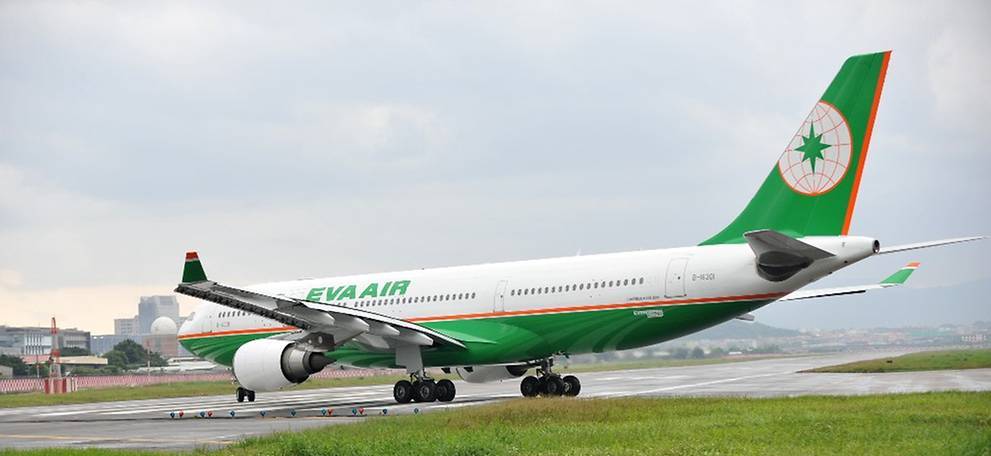
Una huelga de azafatas obligó a Eva Air de Taiwán a cancelar cientos de vuelos, justo cuando comienza la temporada de vacaciones de verano. La aerolínea tendrá en tierra un total de 852 vuelos desde el Domingo 23 al 28 Junio 2018, dijo un portavoz de Eva Air. El sindicato de auxiliares de vuelo anunció la huelga el jueves pasado después de que las dos partes no acordaron un subsidio por día.

EVA Air la aerolínea de Taiwán sufre una huelga con cancelaciones que afectarán más de 640 vuelos desde el Domingo hasta el viernes debido a una huelga sindical en curso contra la aerolínea taiwanesa Eva Airways, que se espera que afecte a más de 100.000 pasajeros, dijo la aerolínea. Los vuelos entre Taipei y Hong Kong, una de las rutas aéreas internacionales más concurridas del mundo, así como desde Taiwán a Japón, Singapur, Londres y Nueva York se verán afectados, según el sitio web de Eva Air. Hasta el sábado, más de 200 vuelos habían sido cancelados, con más de 40,000 pasajeros afectados.

Eva Air, que es una de las dos principales compañías de transporte de Taiwan, se ha comprometido a ayudar a organizar los asientos de vuelo para los pasajeros o a transferirlos a los vuelos de otras aerolíneas.

La huelga, a la que se han unido más de 1.000 empleados, está afectando a cerca de la mitad de la capacidad de carga diaria de la aerolínea.Los destinos de vuelos afectados incluyeron ciudades en América del Norte, Europa, el sudeste de Asia y otros lugares.

Los miembros del sindicato dijeron que la huelga probablemente sea a largo plazo, ya que la administración no estaba cediendo a las demandas sobre los subsidios diarios y otros puntos de discusión. El Ministerio de Transporte de Taiwán ha establecido un grupo de trabajo de emergencia para enfrentar la huelga.AW-Icon-TXT-01

Image result for eva air  strikeStrike affects EVA Air flights

Taiwanese airline EVA Air cancels more than 600 flights due to strike in progress

A flight of stewardesses forced Eva Air of Taiwan to cancel hundreds of flights, just as the summer holiday season begins. The airline will have a total of 852 flights on the ground from Sunday 23 to 28 June 2018, a spokesperson for Eva Air said. The flight attendants union announced the strike last Thursday after the two parties did not agree on a subsidy per day.

EVA Air, the Taiwanese airline, goes on strike with cancellations that will affect more than 640 flights from Sunday through Friday due to an ongoing union strike against Taiwanese airline Eva Airways, which is expected to affect more than 100,000 passengers, the airline said. airline. Flights between Taipei and Hong Kong, one of the busiest international air routes in the world, as well as from Taiwan to Japan, Singapore, London and New York will be affected, according to the Eva Air website. Until Saturday, more than 200 flights had been canceled, with more than 40,000 passengers affected.

Eva Air, which is one of Taiwan’s two main carriers, is committed to helping organize flight seats for passengers or transfer them to flights of other airlines.

The strike, which has joined more than 1,000 employees, is affecting about half of the daily load capacity of the airline. The affected flight destinations included cities in North America, Europe, Southeast Asia and other places.

Union members said the strike was likely to be long-term, as the administration was not giving in to demands on daily subsidies and other points of discussion. The Taiwan Ministry of Transportation has established an emergency task force to deal with the strike. A \ W


Ξ A I R G W A Y S Ξ
SOURCE: Airgways.com
DBk: Evaair.com / Taiwannews.tw / Afp.com / Airgways.com / Straitstimes.com
AW-POST: 201906241621AR

A\W   A I R G W A Y S ®

Corte eléctrico afectó a Argentina

AW-7000056.JPGAW | 2019 06 16 18:30 | AIR TRAFFIC

Falla eléctrica no ha afectado navegación aérea en Argentina

Una falla generalizada en el sistema de electricidad dejó a toda la Argentina continental y Uruguay sin electricidad, un apagón que un funcionario de la compañía de energía calificó de sin precedentes.

La causa del apagón todavía no se han establecido, pero gran parte de la Argentina se vio afectada por fuertes lluvias este fin de semana, y la empresa estatal de servicios públicos de Uruguay, UTE, dijo que la lluvia reciente dañó algunos sistemas y que aún era necesario repararlos.

La falla eléctrica se remonta a dos líneas de 500.000 voltios en un corredor que lleva la energía a Buenos Aires desde la Represa Yacyretá localizada en la Provincia de Corrientes y la República del Paraguay, que sirve de suministro a Argentina y Paraguay.

Argentina tiene más de 44 millones de personas, mientras que la población de Uruguay es de aproximadamente 3.5 millones. Una red eléctrica que sirve a ambas naciones se colapsó a las 07:07 am, cortando la electricidad en toda Argentina y afectando también a Uruguay, dijo la Secretaría de Energía de Argentina.

Operaciones vuelos

Los vuelos operaban normalmente, dijo Carlos Armentano, portavoz de Aeropuertos Argentina 2000, la compañía que opera la mayoría de los aeropuertos del país. En cambio los puertos argentinos se paralizaron por unas horas, dijo Guillermo Wade, Gerente de la Cámara de Actividades Portuarias y Marítimas.AW-Icon-TXT-01

Resultado de imagen para yacyretáElectrical cut affected Argentina

Electrical failure has not affected air navigation in Argentina

A generalized failure in the electricity system left the entire continental Argentina and Uruguay without electricity, a blackout that an official of the energy company described as unprecedented.

The cause of the blackout has not yet been established, but much of Argentina was affected by heavy rains this weekend, and Uruguay’s state utility UTE said the recent rain damaged some systems and that it was necessary to repair them.

The electrical fault goes back to two lines of 500,000 volts in a corridor that carries the energy to Buenos Aires from the Yacyretá Dam located in the Province of Corrientes and the Republic of Paraguay, which serves as a supply to Argentina and Paraguay.

Argentina has more than 44 million people, while the population of Uruguay is approximately 3.5 million. An electrical grid serving both nations collapsed at 07:07 am, cutting electricity throughout Argentina and also affecting Uruguay, the Argentine Energy Secretariat said.

Flight operations

The flights operated normally, said Carlos Armentano, spokesman for Aeropuertos Argentina 2000, the company that operates most of the country’s airports. On the other hand, the Argentine ports were paralyzed for a few hours, said Guillermo Wade, Manager of the Chamber of Port and Maritime Activities. A \ W


Ξ A I R G W A Y S Ξ
SOURCE: Airgways.com
DBk: Aa2000.com.ar / Nytimes.com / Airgways.com
AW-POST: 201906161830AR

A\W   A I R G W A Y S ®