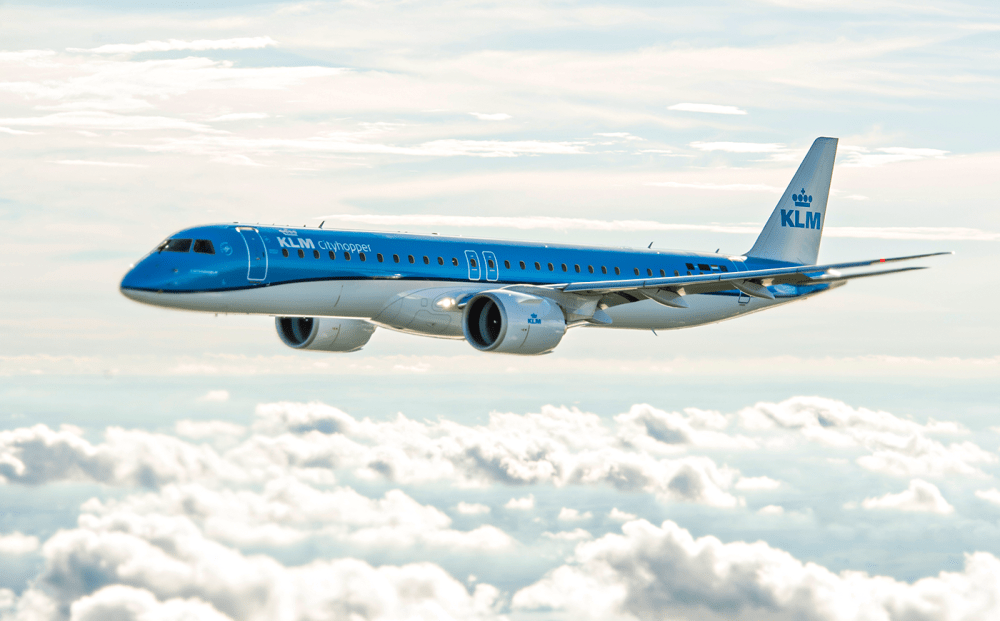
KLM Cityhopper recibió dos aviones Embraer E195-E2 alcanzando un total de veinte (20) unidades de la segunda generación de jets brasileños en su flota. La aeronave registrada como PH-NXT aterrizó en el Aeropuerto Internacional Amsterdam/Schiphol el Viernes 22 de Noviembre de 2024. Ambas aeronaves partieron de las instalaciones de Embraer en São José dos Campos con destino a la capital de los Países Bajos, realizando dos escalas técnicas en Recife y Tenerife.
Los aviones E195-E2 que se unen a la flota de KLM Cityhopper se encuentran bajo la modalidad de alquiler por parte de Aircastle Limited.
El jet regional E195-E2 tiene una capacidad de 132 pasajeros, lo que representa un 32% más de asientos en comparación con sus antecesores de primera generación el Embraer E190-E1, que será reemplazado gradualmente por el producto más actualizado E2-Jet. La estrecha relación entre KLM y Embraer se remonta a 2007, cuando la compañía holandesa recibió el primero de los 65 E2-Jets encargados al fabricante brasileño.
KLM Cityhopper sigue a la espera de la entrega de los cinco aviones restantes para completar el pedido de 25 Embraer E195-E2, con opción a la compra de diez unidades adicionales. Además, la aerolínea está considerando realizar un pedido adicional, que también incluye el E190-E2 más pequeño.
Cityhopper takes delivery of 2 E2-JETS
KLM Cityhopper adds two Embraer E195-E2s
KLM Cityhopper has taken delivery of two Embraer E195-E2 aircraft, bringing the total number of the second generation of Brazilian jets to twenty (20) units in its fleet. The aircraft registered as PH-NXT landed at Amsterdam/Schiphol International Airport on Friday, November 22, 2024. Both aircraft departed from Embraer’s facilities in São José dos Campos bound for the capital of the Netherlands, making two technical stops in Recife and Tenerife.
The E195-E2 aircraft joining the KLM Cityhopper fleet are being leased by Aircastle Limited.
The E195-E2 regional jet has a capacity of 132 passengers, representing 32% more seats compared to its first-generation predecessor, the Embraer E190-E1, which will be gradually replaced by the more up-to-date E2-Jet product. The close relationship between KLM and Embraer dates back to 2007, when the Dutch company received the first of 65 E2-Jets ordered from the Brazilian manufacturer.
KLM Cityhopper is still awaiting delivery of the remaining five aircraft to complete the order for 25 Embraer E195-E2s, with an option to purchase ten additional units. In addition, the airline is considering placing an additional order, which also includes the smaller E190-E2.
PUBLISHER: Airgways.com DBk: Klm.com / Embraer.com / Airgways.com AW-POST: 202411262006AR OWNERSHIP: Airgways Inc. A\W A I R G W A Y S ®
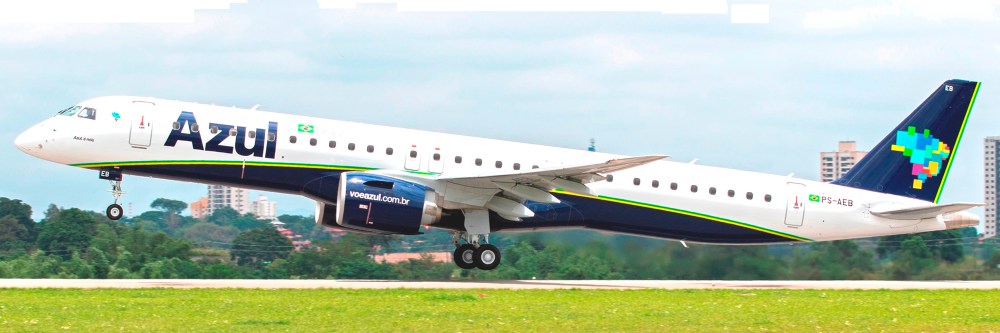
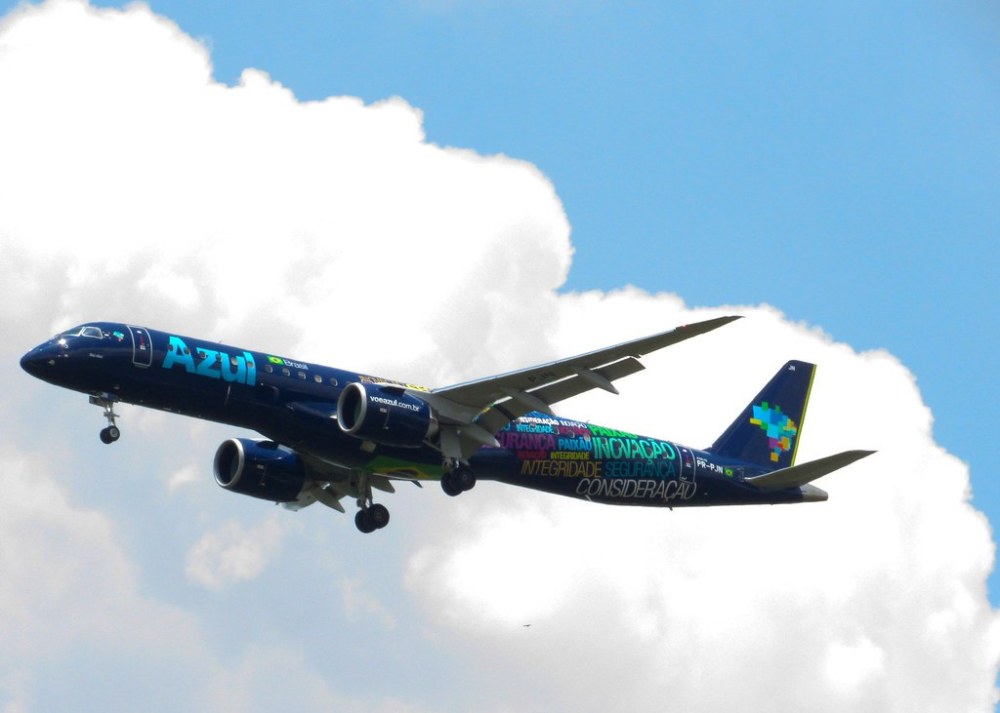
El Lunes 25/11, el fabricante brasileño Embraer ha entregado avión E195-E2 a Azul Linhas Aéreas, el quinto avión recibido en 2024. El avión con matrícula PS-AEY fue pintado con los colores de la bandera brasileña. La aerolínea esperaba tener 13 aviones más de este tipo en 2024.
Pintado con los colores de la bandera brasileña, el avión con matrícula PS-AEY «Corazón Brasileño» sigue un esquema de pintura visto en otros aviones de la aerolínea. Después de ser entregado en la sede del fabricante de aviones, el avión de 136 asientos voló a Montevideo, Uruguay, y luego regresó al país el mismo día para completar el registro brasileño.
El nuevo E195-E2 es parte de un acuerdo por 13 aviones anunciado por Azul en abril y que se suponía que se recibirían este año. Sin embargo, los problemas en la cadena de suministro impidieron que Embraer cumpliera con el plan. La aerolínea afirma tener 205 aviones en su flota, de los cuales 25 son E195-E2. Sin embargo, un número significativo de aviones están en tierra, al parecer debido a la falta de piezas.
«Cada E2 que recibimos es una prueba de lo estratégica que es la asociación con Embraer para nosotros y para el sector de la aviación nacional», dijo Abhi Shah, CEO de Azul.
Este año, Azul también incorporó cuatro A330 de fuselaje ancho de segunda mano, dos A320neo, dos A321P2F (de carga) y un turbohélice ATR 72-600.
Embraer delivers fifth E195-E2 Azul
Azul Linhas Aéreas receives fifth Embraer E195-E2
On Monday 25/11, Brazilian manufacturer Embraer has delivered E195-E2 aircraft to Azul Linhas Aéreas, the fifth aircraft received in 2024. The aircraft with registration PS-AEY was painted in the colors of the Brazilian flag. The airline expected to have 13 more aircraft of this type in 2024
Painted in the colors of the Brazilian flag, the aircraft with registration PS-AEY «Brazilian Heart» follows a paint scheme seen on other aircraft of the airline. After being delivered at the headquarters of the aircraft manufacturer, the 136-seat aircraft flew to Montevideo, Uruguay, and then returned to the country the same day to complete the Brazilian registration.
The new E195-E2 is part of a deal for 13 aircraft announced by Azul in April and which were supposed to be received this year. However, supply chain issues prevented Embraer from fulfilling the plan. The airline claims to have 205 aircraft in its fleet, of which 25 are E195-E2s. However, a significant number of aircraft are grounded, reportedly due to a lack of parts.
“Every E2 we receive is proof of how strategic the partnership with Embraer is for us and for the domestic aviation sector”, said Abhi Shah, CEO of Azul.
This year, Azul also added four second-hand wide-body A330s, two A320neos, two A321P2Fs (cargo), and one ATR 72-600 turboprop.
PUBLISHER: Airgways.com DBk: Voeazul.com.br / Embraer.com / Airgways.com AW-POST: 202411261944AR OWNERSHIP: Airgways Inc. A\W A I R G W A Y S ®
El primer Airbus A320neo de Jetstar Airlines ha llegado a Australia después de un vuelo en ferry desde Toulouse. El avión, VH-A5A, aterrizó en Melbourne a las 23:41 horas de la noche del domingo 24 de noviembre, después de haber volado vía Kuala Lumpur, según datos de FlightRadar24. Había sido visto en pruebas de vuelo a finales del mes pasado en las instalaciones de Airbus en Francia.
El A320neo registrado VH-A5A es el primero de los 13 A320neo en la cartera de pedidos de Jetstar hasta el año fiscal 2029, y forma parte del programa más amplio de renovación de flota del Grupo Qantas.
«Estamos refrescando nuestra flota nacional e internacional de corto radio con nuestro primer A320neo que aterrizará el próximo mes (Noviembre), el primero de cinco para mediados de 2025. Estos nuevos aviones nos ayudarán a aumentar la capacidad y reemplazar gradualmente nuestros aviones existentes. Nuestro 18º Airbus A321neo LR llegó la semana pasada procedente de una cartera de nuevos aviones Airbus», dijo un Portavoz de Jetstar en Octubre 2024.
En general, el A320neo sustituye a los motores IAE V2500 y CFM56-5B del A320ceo, por motores Pratt & Whitney 1100G-JM y CFM LEAP-1A, aunque siendo ligeramente más grande. El A320neo también cuenta con una cabina actualizada y puntas de ala curvadas skarklets que aumentan la eficiencia del combustible.
Jetstar Airlines ha estado actualizando su flota con el A321neo LR, y el primero, VH-OFE ha arribado en 2022. Según Jetstar, los A321neo ofrecen un 99,8 por ciento de fiabilidad mecánica, son un 50 por ciento más silenciosos que los Airbus A320/A321 de tamaño similar y consumen hasta un 20 por ciento menos de combustible.
Jetstar first Airbus A320neo
First Jetstar A320neo lands in Australia
Jetstar Airlines‘ first Airbus A320neo has arrived in Australia after a ferry flight from Toulouse. The aircraft, VH-A5A, landed in Melbourne at 23:41 on Sunday night, 24 November, having flown via Kuala Lumpur, according to data from FlightRadar24. It had been spotted in flight testing late last month at Airbus’s facility in France.
The A320neo registered VH-A5A is the first of 13 A320neos on Jetstar’s order book through to fiscal year 2029, and is part of the Qantas Group’s wider fleet renewal programme.
«We are refreshing our domestic and international short-haul fleet with our first A320neo landing next month (November), the first of five by mid-2025. These new aircraft will help us increase capacity and gradually replace our existing aircraft. Our 18th Airbus A321neo LR arrived last week from a portfolio of new Airbus aircraft,» a Jetstar spokesperson said in October 2024.
Overall, the A320neo replaces the A320ceo’s IAE V2500 and CFM56-5B engines with Pratt & Whitney 1100G-JM and CFM LEAP-1A engines, albeit being slightly larger. The A320neo also features an updated cabin and skarklet-curved wingtips that increase fuel efficiency.
Jetstar Airlines has been updating its fleet with the A321neo LR, with the first, VH-OFE, due to arrive in 2022. According to Jetstar, the A321neos offer 99.8 per cent mechanical reliability, are 50 per cent quieter than similarly sized Airbus A320/A321s, and burn up to 20 per cent less fuel.
PUBLISHER: Airgways.com DBk: Jetstar.com / Airbus.com / Airgways.com AW-POST: 202411261935AR OWNERSHIP: Airgways Inc. A\W A I R G W A Y S ®
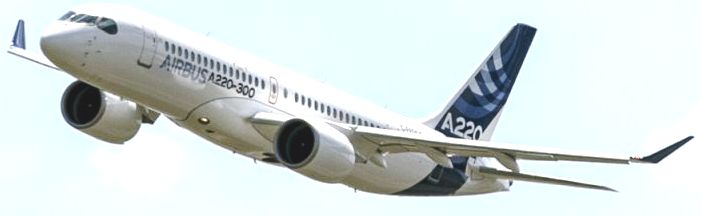
La aerolínea checa Smartwings ingresa como nuevo operador Airbus A220 con la recepción del primero de cuatro unidades. El constructor europeo Airbus Group ha hecho entrega a Smartwings del primer avión regional de última generación bajo la modalidad de alquiler por parte de Air Lease Corporation (ALC). Se trata del avión número de serie SN55311, que se ha matriculado como OK-EYA, y que cuenta con una configuración para 149 asientos en Clase Turista.
CSA Czech Airlines cerró el contrato de leasing en Junio de 2023, antes de que Smartwings, su propietaria desde 2018, decidiese el cierre de dicha aerolínea que en 2023 cumplió 100 años. Los cuatro aviones son parte de los pedidos que la empresa de leasing tenía formalizados con Airbus.
El cierre de CSA Czech Airlines ocurrió el 26 de Octubre de 2024, y a partir de ese día, los dos Airbus A320 que formaban su flota pasaron a operar bajo el código de vuelo de Smartwings. Ambos A320, matriculados OK-HEU y OK-IOO cubrían básicamente la ruta entre Praga y París, aunque efectúan apariciones puntuales en otras rutas. Precisamente en esa ruta es donde el 25/11 ha desarrollado su primer vuelo comercial el nuevo A220. Coincidiendo con la llegada del A220, el A320 OK-IOO ha sido alquilado a la aerolínea canadiense Air Transat durante el invierno.
A pesar del cierre efectivo de CSA Czech Airlines, este A220 se ha entregado pintado con los colores de esta aerolínea, como presumiblemente lo serán los otros tres, uno de los cuales llegará a Praga antes de que finalice 2024, y los otros dos a lo largo de 2025.
Smartwings new A220 operator
First A220 in Czech Airlines colours
Czech airline Smartwings has become a new Airbus A220 operator with the receipt of the first of four units. The European manufacturer Airbus Group has delivered to Smartwings the first state-of-the-art regional aircraft under the lease modality from Air Lease Corporation (ALC). This is the aircraft serial number SN55311, which has been registered as OK-EYA, and which has a configuration for 149 seats in Economy Class.
CSA Czech Airlines closed the leasing contract in June 2023, before Smartwings, its owner since 2018, decided to close the airline, which in 2023 turned 100 years old. The four aircraft are part of the orders that the leasing company had formalised with Airbus.
The closure of CSA Czech Airlines occurred on October 26, 2024, and from that day on, the two Airbus A320s that formed its fleet began to operate under the Smartwings flight code. Both A320s, registered OK-HEU and OK-IOO, basically covered the route between Prague and Paris, although they make occasional appearances on other routes. It was precisely on this route that the new A220 made its first commercial flight on 11/25. Coinciding with the arrival of the A220, the A320 OK-IOO has been leased to the Canadian airline Air Transat during the winter.
Despite the effective closure of CSA Czech Airlines, this A220 has been delivered painted in the colors of this airline, as will presumably be the other three, one of which will arrive in Prague before the end of 2024, and the other two throughout 2025.
PUBLISHER: Airgways.com DBk: Smartwings.com / Airbus.com / Airgways.com AW-POST: 202411261920AR OWNERSHIP: Airgways Inc. A\W A I R G W A Y S ®
Senado celebrará audiencia sobre aumento tarifas a grandes aerolíneas
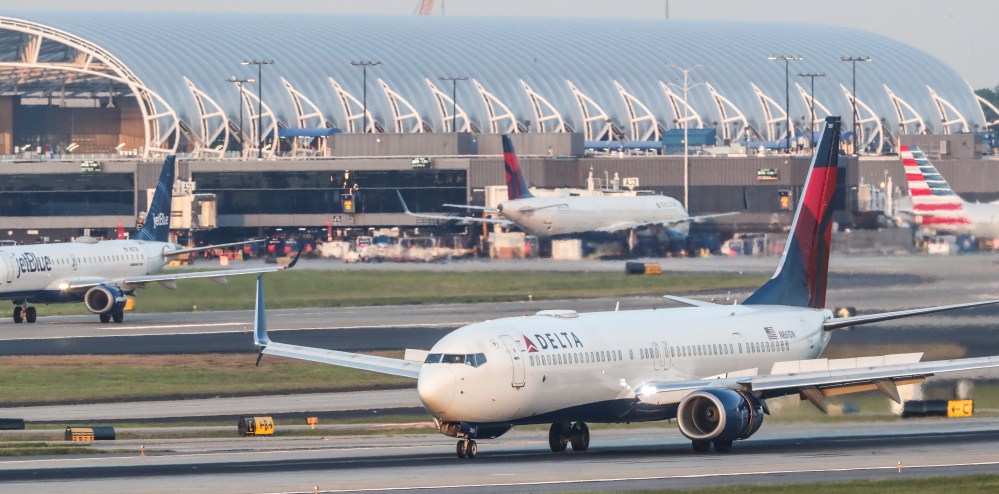
El aumento de las tarifas aéreas por asignación de asientos y equipaje ha llevado al panel del Subcomité Permanente de Investigaciones del Senado de Estados Unidos a celebrar una audiencia con ejecutivos de las principales aerolíneas estadounidenses para explicar por qué están aumentando las tarifas. El Subcomité, presidido por el Senador Richard Blumenthal, llevará a cabo la audiencia, titulada “El cielo es el límite: nuevas revelaciones sobre las tarifas de las aerolíneas”, para que los ejecutivos de las aerolíneas testifiquen el 4 de Diciembre de 2024. Testificarán ejecutivos de American Airlines, United Airlines, Delta Air Lines, Spirit Airlines y Frontier.
El Subcomité, que opera bajo el Comité de Seguridad Nacional y Asuntos Gubernamentales, ha estadoinvestigando el asunto durante el último año y descubrió que, entre 2018 y 2023, las cinco aerolíneas en cuestión obtuvieron un total de US$ 12.400 millones de Dólares solo en ingresos por tarifas de asientos. Por primera vez en la historia, United Airlines ganó US$ 1.300 millones de Dólares por tarifas de asientos en 2023. Según el informe, algunos transportistas podrían estar impidiendo el pago de impuestos especiales federales sobre el transporte al llamar a ciertos cargos tarifas no imponibles.
Richard Blumenthal cree que las aerolíneas deberían estar obligadas por ley a divulgar tarifas más detalladas y dice que el Departamento de Transporte de Estados Unidos debería investigar posibles abusos en los sistemas de tarifas actuales. Las tarifas para las aerolíneas han aumentado este año 2024, sobre todo para la facturación de equipaje: las principales aerolíneas, incluidas Delta Air Lines, United Airlines, Alaska Airlines, JetBlue Airways y American Airlines, han aumentado los precios para la facturación de equipaje.
US Senate Hearings on Fees
US Senate to hold hearing on fee increases for major airlines
Rising airfares for seat assignments and baggage have prompted the US Senate Permanent Subcommittee on Investigations panel to hold a hearing with executives from major US airlines to explain why they are raising fares. The Subcommittee, chaired by Senator Richard Blumenthal, will hold the hearing, titled “The Sky’s the Limit: New Revelations on Airline Fees», for airline executives to testify on December 4, 2024. Executives from American Airlines, United Airlines, Delta Air Lines, Spirit Airlines, and Frontier will testify.
The subcommittee, which operates under the Committee on Homeland Security and Governmental Affairs, has been investigating the matter for the past year and found that between 2018 and 2023, the five airlines in question earned a total of US$ 12.4 billion in revenue from seat fees alone. For the first time in history, United Airlines earned US$ 1.3 billion from seat fees in 2023. According to the report, some carriers could be avoiding paying federal excise taxes on transportation by calling certain charges non-taxable fees.
Richard Blumenthal believes airlines should be required by law to disclose more detailed fees and says the U.S. Department of Transportation should investigate potential abuses in current fee systems. Fees for airlines have increased this year 2024, most notably for checked bags: Major airlines including Delta Air Lines, United Airlines, Alaska Airlines, JetBlue Airways, and American Airlines have all raised prices for checked bags.
PUBLISHER: Airgways.com DBk: Senate.gov / John.Spink/Ajc.com / Airgways.com AW-POST: 202411261826AR OWNERSHIP: Airgways Inc. A\W A I R G W A Y S ®
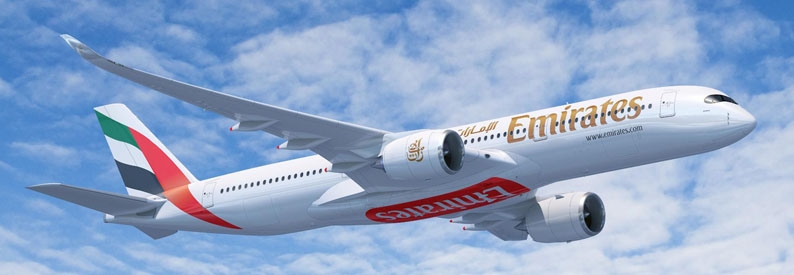
Emirates Airline ha recibido su primer Airbus A350 que llegará al centro de operaciones de la aerolínea, el Aeropuerto Internacional de Dubái (DXB), a finales del 25 de Noviembre de 2024. En una declaración, la aerolínea emiratí dijo que será un hito importante en la flota de la aerolínea con la entrega de su primer A350-900.
El avión A350-900, registrado como A6-EXA, será el primero de los 65 A350-900 que Airbus Group entregará a la aerolínea con sede en Dubai, Emiratos Árabes Unidos. El avión de fuselaje ancho será el primer tipo nuevo en entrar en su flota desde 2008, cuando Emirates recibió su primer Superjumbo A380.
Mientras Airbus ha entregado el A350-900 a Emirates, el avión será transportado desde el Aeropuerto de Toulouse Blagnac (TLS), donde el fabricante europeo de aviones tiene su Línea de Montaje Final (FAL), para Aeropuerto Internacional de Dubái (DXB) a las 16:00 hora local (UTC +1).
Una vez que el A350 de Emirates aterrice en Dubai, el avión recibirá sus toques finales en Emirates Engineering antes de ser presentado oficialmente en un evento especial a finales de esta semana.
Emirates destacó que el vuelo de entrega estará propulsado por una mezcla de combustible para aviones regular y combustible de aviación sostenible (SAF).
El A350-900 debería entrar en servicio comercial en enero de 2025, y el primer destino será el Aeropuerto de Edimburgo (EDI). Le seguirán otros ocho destinos en Asia, Europa y Oriente Medio, dijo la aerolínea.
Retrasos en las entregas Emirates Airline tuvo que retrasar varias veces la fecha de entrada en servicio (EIS) del A350. Inicialmente, la aerolínea esperaba recibir el avión en Agosto 2024, pero se retrasó hasta Octubre 2024. Cuando la aerolínea encargó 15 A350-900 adicionales durante el Salón Aeronáutico de Dubái en Noviembre de 2023, dijo que recibiría las entregas de los aviones entre Agosto de 2024 y principios de 2028. Queda por ver si los recientes retrasos en las entregas han afectado a ese plazo. Durante el mismo evento, Tim Clark, Presidente de Emirates, criticó al A350-1000 y su motor, el Rolls-Royce Trent XWB-97, por estar defectuosos.
Los registros del Grupo de Vuelos de Aviación mostraron que el A6-EXA había completado siete vuelos de prueba antes de su entrega, incluido el vuelo más reciente del fuselaje el 21 de noviembre, que operó bajo el registro de prueba temporal F-WZGA.
Se suponía que la ruta inaugural del A350-900 serían vuelos al Aeropuerto Internacional de Bahréin (BAH), y el tipo estaba programado para reemplazar al Boeing 777 el 15 de Septiembre de 2024. Otros aeropuertos en los que Emirates había programado inicialmente vuelos con el A350-900 son el Aeropuerto Internacional de Kuwait (KWI), el Aeropuerto Internacional de Mascate (MCT), el Aeropuerto Internacional Chhatrapati Shivaji Maharaj de Mumbai (BOM), el Aeropuerto Internacional de Ahmedabad Sardar Vallabhbhai Patel (AMD), el Aeropuerto Internacional de Colombo Bandaranaike (CMB), el Aeropuerto de Lyon-Saint Exupéry (LYS), el Aeropuerto Guglielmo Marconi de Bolonia (BLQ) y el Aeropuerto de Edimburgo (EDI).
Cuando la aerolínea anunció las nueve rutas iniciales del A350-900 en Mayo 2024, Adnan Kazim, Vicepresidente y Director Comercial (CCO) de Emirates, dijo que el A350-900 cambiaría las reglas del juego para la aerolínea. La aeronave permitiría a la aerolínea servir a destinos con una eficiencia operativa y flexibilidad superiores en varias regiones.
«Con los productos de cabina de última generación que incluyen más de nuestro codiciado Premium Economy a más ciudades, tecnologías de entretenimiento a bordo de primer nivel y una gran cantidad de otras características amigables para el cliente, el A350 de Emirates se basa en nuestro compromiso de larga data de invertir en la mejor experiencia del cliente en el cielo», Adnan Kazim.
Emirates takes delivery of 1st A350
Emirates takes delivery of first of its 65 Airbus A350s
Emirates Airline has taken delivery of its first Airbus A350 which will arrive at the airline’s hub, Dubai International Airport (DXB), by the end of November 25, 2024. In a statement, the Emirati carrier said it will be a major milestone in the airline’s fleet with the delivery of its first A350-900.
The A350-900 aircraft, registered as A6-EXA, will be the first of 65 A350-900s to be delivered by Airbus Group to the Dubai, United Arab Emirates-based airline. The wide-body aircraft will be the first new type to enter its fleet since 2008, when Emirates took delivery of its first A380 Superjumbo.
While Airbus has delivered the A350-900 to Emirates, the aircraft will be transported from Toulouse Blagnac Airport (TLS), where the European aircraft manufacturer has its Final Assembly Line (FAL), to Dubai International Airport (DXB) at 16:00 local time (UTC +1).
Once the Emirates A350 touches down in Dubai, the aircraft will receive its finishing touches at Emirates Engineering before being officially unveiled at a special event later this week.
Emirates highlighted that the delivery flight will be powered by a mix of regular jet fuel and sustainable aviation fuel (SAF).
The A350-900 should enter commercial service in January 2025, with the first destination being Edinburgh Airport (EDI). Eight other destinations will follow in Asia, Europe, and the Middle East, the airline said.
Delivery delays Emirates Airline had to push back the A350’s entry-in-service (EIS) date several times. The airline initially expected to take delivery of the aircraft in August 2024, but this was pushed back to October 2024. When the airline ordered 15 additional A350-900s during the Dubai Airshow in November 2023, it said it would take delivery of the aircraft between August 2024 and early 2028. It remains to be seen whether recent delivery delays have affected that timeline. During the same event, Tim Clark, President of Emirates, criticised the A350-1000 and its engine, the Rolls-Royce Trent XWB-97, for being defective.
Aviation Flight Group records showed that A6-EXA had completed seven test flights prior to delivery, including the airframe’s most recent flight on Nov. 21, which operated under the temporary test registration F-WZGA.
The A350-900’s inaugural route was supposed to be flights to Bahrain International Airport (BAH), with the type scheduled to replace the Boeing 777 on 15 September 2024. Other airports that Emirates had initially scheduled flights to with the A350-900 include Kuwait International Airport (KWI), Muscat International Airport (MCT), Mumbai’s Chhatrapati Shivaji Maharaj International Airport (BOM), Ahmedabad Sardar Vallabhbhai Patel International Airport (AMD), Colombo Bandaranaike International Airport (CMB), Lyon-Saint Exupéry Airport (LYS), Bologna Guglielmo Marconi Airport (BLQ) and Edinburgh Airport (EDI).
When the airline announced the initial nine A350-900 routes in May 2024, Adnan Kazim, Emirates Vice President and Chief Commercial Officer (CCO), said the A350-900 would be a game-changer for the airline. The aircraft would enable the airline to serve destinations with superior operational efficiency and flexibility across multiple regions.
“With state-of-the-art cabin products including more of our coveted Premium Economy to more cities, top-notch inflight entertainment technologies, and a host of other customer-friendly features, Emirates’ A350 builds on our long-standing commitment to investing in the best customer experience in the sky”, Adnan Kazim.
PUBLISHER: Airgways.com DBk: Emirates.com / Airbus.com / Airgways.com AW-POST: 202411251620AR OWNERSHIP: Airgways Inc. A\W A I R G W A Y S ®
AW | 2024 11 22 12:22 | AIRLINES / AVIATION ORGANISMS / GOVERNMENT
Cinco aerolíneas reciben sanciones por prácticas abusivas
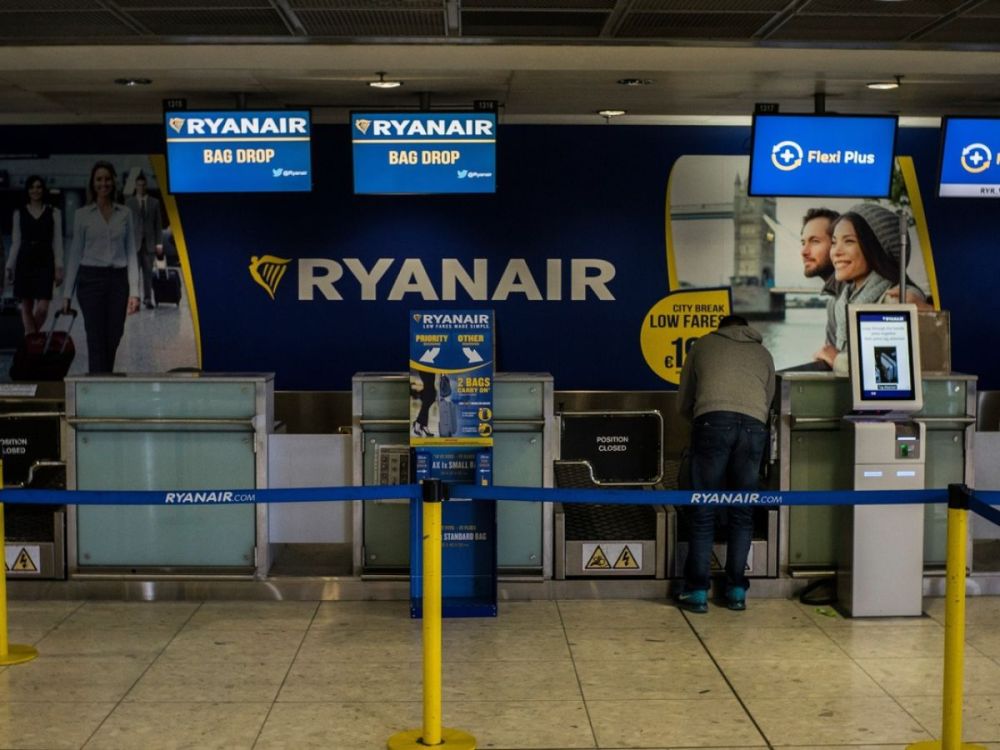
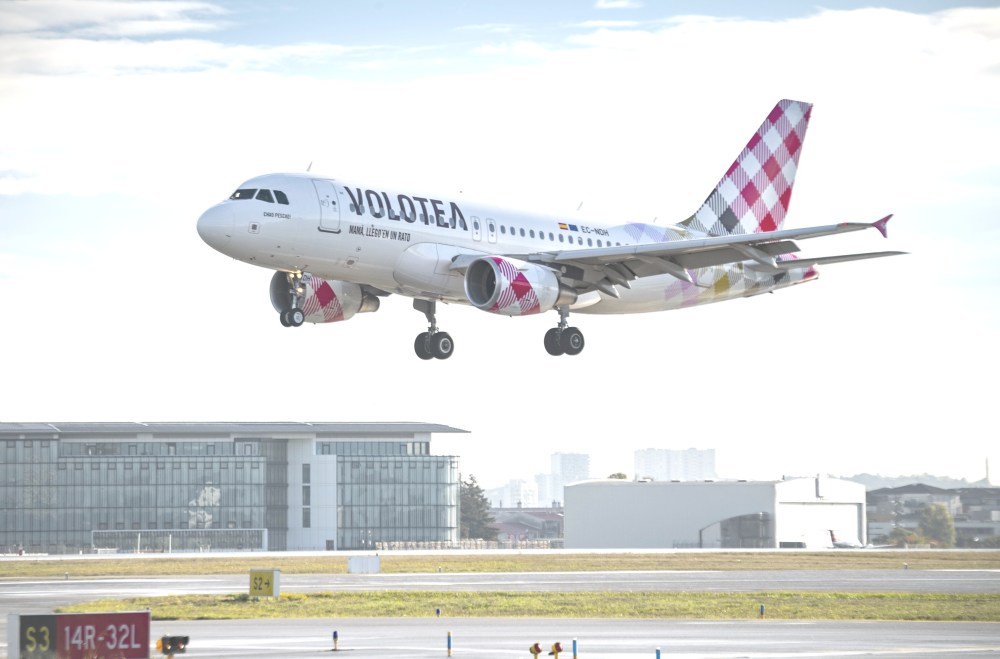
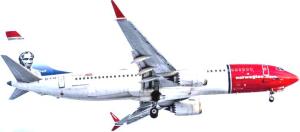
El Gobierno de España anunció el Viernes 22/11 una multa de € 179 millones de Euros/US$ 186 millones de Dólares a las aerolíneas de bajo coste Ryanair, Vueling, EasyJet, Volotea y Norwegian, por prácticas abusivas. Esta sanción confirma y amplía una información ofrecida el 31 de Mayo de 2024 por la asociación de consumidores FACUA (Federación de Asociaciones de Consumidores y Usuarios de Andalucía), que en ese momento dijo haber presentado una denuncia contra prácticas consideradas abusivas y haber conseguido una multa de más de € 150 millones de Euros contra cuatro compañías aéreas.
El Ministerio de Consumo español ha desestimado los recursos que las aerolíneas interpusieron» y sancionó a cinco empresas por un importe total cercano a los € 179 millones de Euros por prácticas abusivas, señaló un comunicado. Las cinco aerolíneas que incurrieron en irregularidades deberán afrontar cargos monetarios. Ryanair tendrá que pagar la multa más elevada, € 107,7 millones de Euros, Vueling € 39,3 millones, Easyjet € 29,1 millones, Norwegian € 1,6 millones y Volotea € 1,2 millones.
Las cinco compañías fueron sancionadas por cobrar suplementos por el equipaje de mano de los pasajeros o por elegir el asiento para poder volar junto a personas dependientes, como discapacitados o niños. También fueron reconvenidas por prohibir el pago de pasajes en efectivo e imponer una tarifa desproporcionada y abusiva por la impresión de tarjetas de embarque en los aeropuertos. La medida incluye «la prohibición a estas empresas de seguir realizando las prácticas sancionadas», precisó el Ministerio de Consumo.
La asociación de consumidores español FACUA celebró en un comunicado la decisión, que definió como las sanciones «más altas que ha aplicado en la historia una autoridad de protección de los consumidores. Los usuarios tienen derecho a reclamar la devolución de estos cargos extra», subrayó el organismo. La medida podrá ser objeto de recurso, pero ante los tribunales, detalló el ministerio.
«Estas multas ilegales e infundadas, inventadas por el Ministerio de Consumo español por motivos políticos, violan claramente la legislación de la Unión Europea», reaccionó en un comunicado el CEO de Ryanair, Michael O’Leary, quien anunció que la empresa recurrirá a apelar el recurso. Las sanciones «serán revocadas por los tribunales de la UE, que han defendido repetidamente el derecho de todas las aerolíneas de la Unión Europea a fijar precios y políticas, libres de interferencia gubernamental», agregó Michael O’Leary.
Spain fines low-cost airlines
Five airlines receive sanctions for abusive practices
On Friday 22/11, the Spanish Government announced a fine of € 179 million Euros/US$ 186 million Dollars to the low-cost airlines Ryanair, Vueling, EasyJet, Volotea, and Norwegian, for abusive practices. This sanction confirms and expands information offered on May 31, 2024 by the consumer association FACUA (Federation of Consumer and User Associations of Andalusia), which at that time said it had filed a complaint against practices considered abusive and had obtained a fine of more than € 150 million Euros against four airlines.
The Spanish Ministry of Consumption has rejected the appeals filed by the airlines and fined five companies a total of nearly € 179 million for abusive practices, a statement said. The five airlines that committed irregularities will have to face monetary charges. Ryanair will have to pay the highest fine, € 107.7 million, Vueling € 39.3 million, Easyjet € 29.1 million, Norwegian € 1.6 million and Volotea € 1.2 million.
The five companies were fined for charging extra for passengers’ hand luggage or for choosing seats to be able to fly with dependent persons, such as the disabled or children. They were also reprimanded for prohibiting the payment of tickets in cash and imposing a disproportionate and abusive fee for printing boarding passes at airports. The measure includes «the prohibition of these companies from continuing to carry out the sanctioned practices», the Ministry of Consumption said.
The Spanish consumer association FACUA welcomed the decision in a statement, which it defined as the «highest sanctions ever applied by a consumer protection authority. Users have the right to claim the refund of these extra charges», the organization stressed. The measure can be appealed, but in court, the ministry said.
«These illegal and unfounded fines, invented by the Spanish Ministry of Consumption for political reasons, clearly violate European Union legislation», reacted Ryanair CEO Michael O’Leary in a statement, who announced that the company will appeal the appeal. The sanctions «will be revoked by the EU courts, which have repeatedly defended the right of all European Union airlines to set prices and policies, free of government interference», Michael O’Leary added.
PUBLISHER: Airgways.com DBk: Dsca.gob.es / Facua.com / Ryanair.com / Airgways.com AW-POST: 202411221222AR OWNERSHIP: Airgways Inc. A\W A I R G W A Y S ®
Nueva aerolínea desembarca en Argentina Incorpora dos Airbus A320 para Flybondi
La compañía Avion Express, con sede en Lituania, empresa especializada en servicios ACMI anunció oficialmente su ingreso al mercado sudamericano mediante una alianza estratégica con la aerolínea argentina Flybondi.
Avion Express es el mayor operador ACMI (Aeronave, Tripulación, Mantenimiento y Seguros) de fuselaje estrecho del mundo y la mayor aerolínea de Lituania. Con sede en Vilna, Avion Express trabaja actualmente con clientes en Europa, América del Sur, Asia-Pacífico.
El desembarco en Argentina permitirá realizar operaciones con dos Airbus A320-200ceo afectados al servicio pata Flybondi, que iniciarán operaciones comerciales hacia finales de Noviembre de 2024 y extendiéndose durante la temporada estival hasta Marzo de 2025.
Las aeronaves Airbus A320-200ceo emplearán matrículas LY-VEL y LY-MLJ, que se encuentran en vuelo hacia la Argentina. El primero fue entregado a Spanair en Mayo de 2003, y pasó a manos de Avion Express en 2014, empleándolos en diferentes aerolíneas europeas. El LY-MLJ fue entregado a Wizz Air en Abril de 2009 y se integró a Avion Express en Mayo de 2022, siendo colocado en aerolíneas como Transavia France, Sun Express, Pegasus y Viva Aerobus.
Modelo ACMI ACMI se puede definir como un acuerdo de arrendamiento de aeronaves celebrado entre dos líneas aéreas, en el que una de las líneas aéreas (la arrendadora) proporciona los aviones, tripulación, mantenimiento y seguros (ACMI) a la otra aerolínea (la arrendataria), que es quien paga las horas trabajadas. La arrendataria también cubre los costes de operaciones directas (DOC) que incluyen, entre otras: combustible, tarifas aeroportuarias y cargos por sobrevuelo, así como cualquier otras tasas, impuestos, etc.
“Estamos orgullosos y honrados de ser el primer operador ACMI con Airbus A320 en Argentina, colaborando con Flybondi para fortalecer su capacidad operativa durante este próximo verano en el hemisferio sur”, declaró Darius Kajokas, CEO de Avion Express.
“Este logro es el resultado de meses de trabajo y fue posible gracias a las nuevas disposiciones regulatorias. Estamos muy satisfechos de colaborar con Avion Express para responder a la alta demanda de nuestros pasajeros”, dijo por su parte Mauricio Sana, CEO de Flybondi.
El acuerdo con Avion Express permitirá a Flybondi incrementar la flexibilidad operativa durante la alta demanda estival. La colaboración entre ambas líneas aéreas refleja un modelo ACMI conveniente para aprovechar las diferencias estacionales entre mercados, mientras Europa enfrenta una temporada baja invernal, Sudamérica experimenta un aumento en la demanda por su verano.
La introducción de dos Airbus A320 marca el comienzo de un nuevo modelo de aeronave en la compañía asociada a una flota homogenea de Boeing 737 Next Generation.
Flybondi incorporó hace dos semanas atrás, dos (2) Boeing 737-800 a través de una modalidad del tipo wet lease, permitiendo alcanzar una flota de diecinueve (19) aviones para fortalecer la estructura para la temporada de verano 2024-2025.
Avion Express detalla que su enfoque estratégico en América Latina busca fortalecer su presencia en mercados clave. “Estamos en el proceso de obtener un certificado de operador aéreo (AOC) en Brasil para atender la creciente demanda en esta región y ofrecer mayor flexibilidad a las aerolíneas”, agregó Kajokas.
Roberto Held, Jefe de Desarrollo de Negocio para las Américas de Avion Express, expresó: «Esta colaboración refleja la fuerza de nuestro compromiso compartido para satisfacer las demandas de un mercado en crecimiento bajo un modelo muy eficiente para las aerolíneas y que nada de esto habría sido posible sin el inquebrantable apoyo y liderazgo del equipo de Flybondi, las autoridades reguladoras argentinas y un dinámico sector de la aviación en esta región que sigue prosperando. Juntos, estamos sentando las bases para una mayor conectividad e innovación en Argentina y en la región».
Avion Express lands in Argentina
New airline lands in Argentina Two Airbus A320s for Flybondi
The Lithuanian-based company Avion Express, a company specializing in ACMI services, officially announced its entry into the South American market through a strategic alliance with the Argentine airline Flybondi.
Avion Express is the largest narrow-body ACMI (Aircraft, Crew, Maintenance and Insurance) operator in the world and the largest airline in Lithuania. Based in Vilnius, Avion Express currently works with clients in Europe, South America, Asia-Pacific.
The landing in Argentina will allow operations with two Airbus A320-200ceo assigned to the Flybondi service, which will begin commercial operations towards the end of November 2024 and extend during the summer season until March 2025.
The Airbus A320-200ceo aircraft will use registrations LY-VEL and LY-MLJ, which are in flight to Argentina. The first was delivered to Spanair in May 2003, and passed into the hands of Avion Express in 2014, using them in different European airlines. The LY-MLJ was delivered to Wizz Air in April 2009 and was integrated into Avion Express in May 2022, being placed in airlines such as Transavia France, Sun Express, Pegasus and Viva Aerobus.
ACMI Model ACMI can be defined as an aircraft leasing agreement between two airlines, in which one of the airlines (the lessor) provides the aircraft, crew, maintenance, and insurance (ACMI) to the other airline (the lessee), which is the one who pays for the hours worked. The lessee also covers the direct operating costs (DOC) which include, among others: fuel, airport fees, and overflight charges, as well as any other fees, taxes, etc.
“We are proud and honored to be the first ACMI operator with Airbus A320 in Argentina, collaborating with Flybondi to strengthen its operational capacity during this coming summer in the southern hemisphere”, said Darius Kajokas, CEO of Avion Express.
“This achievement is the result of months of work and was made possible thanks to the new regulatory provisions. We are very pleased to collaborate with Avion Express to respond to the high demand of our passengers”, said Mauricio Sana, CEO of Flybondi.
The agreement with Avion Express will allow Flybondi to increase operational flexibility during the high summer demand. The collaboration between both airlines reflects a convenient ACMI model to take advantage of the seasonal differences between markets, while Europe faces a low winter season, South America experiences an increase in demand for its summer.
The introduction of two Airbus A320 marks the beginning of a new aircraft model in the company associated with a homogeneous fleet of Boeing 737 Next Generation.
Two weeks ago, Flybondi incorporated two (2) Boeing 737-800 through a wet lease modality, allowing it to reach a fleet of nineteen (19) aircraft to strengthen the structure for the 2024-2025 summer season.
Avion Express details that its strategic focus in Latin America seeks to strengthen its presence in key markets. “We are in the process of obtaining an air operator certificate (AOC) in Brazil to meet the growing demand in this region and offer greater flexibility to airlines”, added Kajokas.
Roberto Held, Head of Business Development for the Americas at Avion Express, said: «This collaboration reflects the strength of our shared commitment to meeting the demands of a growing market under a highly efficient model for airlines and that none of this would have been possible without the unwavering support and leadership of the Flybondi team, Argentine regulatory authorities and a dynamic aviation sector in this region that continues to thrive. Together, we are laying the groundwork for greater connectivity and innovation in Argentina and the region».
AVION EXPRESS Avion Express nació en 2005 bajo el nombre Nordic Solutions Air Services. Avion Express forma parte de Avia Solutions Group, una de las empresas de leasing más grandes del mundo.
La aerolínea operaba inicialmente cuatro aviones turboprop de carga y pasajeros Saab 340.
En 2008, la empresa fue rebautizada con su nombre actual: Avion Express. Más tarde, en 2010, Avion Express fue adquirida por la compañía de inversión francesa Eyjafjoll SAS, formada por Avion Capital Partners de Suiza junto con otros inversores. Los nuevos propietarios pusieron en práctica una estrategia a largo plazo para hacer crecer la aerolínea como especialista ACMI. La primera fase de este plan consistió en la introducción de un Airbus A320 en la flota.
En 2011, Avion Express presentó su primer avión de pasajeros Airbus A320 LY-VEX, que también fue el primer avión Airbus registrado en Lituania. La introducción de este avión marcó una nueva era en la historia de la compañía. En diciembre se añadieron otros dos Airbus A320 a la flota.
En 2012, se alquilaron dos aviones Airbus A320 a la aerolínea islandesa WOW air.
En 2013, Avion Express superó con éxito la auditoría de seguridad operacional de IOSA, obteniendo consecuentemente la certificación IATA. El último avión de carga Saab 340 fue retirado de operación en marzo de 2013.
Durante el verano de 2014, la aerolínea operaba una flota de nueve Airbus A320 y 2 Airbus A319. Ese mismo año, Avion Express estableció una filial, Dominican Wings, una aerolínea de bajo coste con sede en Santo Domingo, República Dominicana.
En el verano de 2017, Avion Express introdujo el avión Airbus A321 en la flota de la empresa. Durante el año 2017, un total de tres aeronaves de este tipo comenzaron a operar en nombre de Thomas Cook Airlines y Condor.
En Junio de 2017, Avion Express anunció la venta de su participación del 65% en Dominican Wings al Presidente de la Compañía, el Sr. Víctor Pacheco.
En 2019, Avion Express estableció Avion Express Malta, una empresa subsidiaria con sede en Malta. La compañía inició operaciones en mayo y actualmente opera ocho aviones Airbus A320 y A321.
Agosto de 2017, Avion Express firmó un acuerdo de asociación con la Academia de Aviación de Lituania (Instituto de Aviación de VGTU A. Gustaitis). El enfoque principal de la asociación es brindar a los estudiantes de Pilotaje de Aeronaves y programas técnicos la oportunidad de aprender más sobre la aviación y la empresa, adquirir experiencia mientras realizan pasantías y unirse a la aerolínea después de sus estudios. Desde el otoño de 2017, Avion Express también ha estado colaborando con BAA Training en el programa de cadetes para personas con poca o ninguna experiencia de vuelo. Según esta asociación, BAA Training está capacitando y proporcionando pilotos para cubrir las vacantes de la flota en expansión de Avion Express. En Abril de 2019, Avion Express anunció el lanzamiento de su primer programa de capacitación MPL con capacitación BAA.
A Noviembre de 2023, Avion Express opera la siguiente flota: Airbus A320-200 (52) configurados para 180 pasajeros, y Airbus A321-200 (2) configurados para transportar 220 pasajeros, con un total de 54 unidades, y una flota con una antigüedad promedio de 15,4 años a Agosto 2023.
AVION EXPRESS Avion Express was founded in 2005 under the name Nordic Solutions Air Services. Avion Express is part of Avia Solutions Group, one of the largest leasing companies in the world.
The airline initially operated four Saab 340 turboprop passenger and freighter aircraft.
In 2008, the company was renamed to its current name: Avion Express. Later, in 2010, Avion Express was acquired by the French investment company Eyjafjoll SAS, formed by Avion Capital Partners from Switzerland together with other investors. The new owners implemented a long-term strategy to grow the airline as an ACMI specialist. The first phase of this plan involved the introduction of an Airbus A320 into the fleet.
In 2011, Avion Express introduced its first Airbus A320 passenger aircraft LY-VEX, which was also the first Airbus aircraft registered in Lithuania. The introduction of this aircraft marked a new era in the company’s history. In December another two Airbus A320s were added to the fleet.
In 2012, two Airbus A320 aircraft were leased to the Icelandic airline WOW air.
In 2013, Avion Express successfully passed the IOSA operational safety audit, consequently obtaining IATA certification. The last Saab 340 cargo aircraft was retired from operation in March 2013.
During the summer of 2014, the airline operated a fleet of nine Airbus A320s and 2 Airbus A319s. That same year, Avion Express established a subsidiary, Dominican Wings, a low-cost airline based in Santo Domingo, Dominican Republic.
In the summer of 2017, Avion Express introduced the Airbus A321 aircraft into the company’s fleet. During 2017, a total of three aircraft of this type began operating on behalf of Thomas Cook Airlines and Condor.
In June 2017, Avion Express announced the sale of its 65% stake in Dominican Wings to the Company’s President, Mr. Victor Pacheco.
In 2019, Avion Express established Avion Express Malta, a subsidiary company based in Malta. The company started operations in May and currently operates eight Airbus A320 and A321 aircraft.
In August 2017, Avion Express signed a partnership agreement with the Lithuanian Aviation Academy (Aviation Institute of VGTU A. Gustaitis). The main focus of the partnership is to provide students of Aircraft Piloting and technical programs with the opportunity to learn more about aviation and the company, gain experience while doing internships, and join the airline after their studies. Since autumn 2017, Avion Express has also been collaborating with BAA Training on the cadet program for people with little or no flying experience. Under this partnership, BAA Training is training and providing pilots to fill vacancies in Avion Express’ expanding fleet. In April 2019, Avion Express announced the launch of its first MPL training program with BAA Training.
As of November 2023, Avion Express operates the following fleet: Airbus A320-200 (52) configured for 180 passengers, and Airbus A321-200 (2) configured to carry 220 passengers, with a total of 54 units, and a fleet with an average age of 15.4 years as of August 2023.
PUBLISHER: Airgways.com DBk: Aviasg.com / Flybondi.com / Airgways.com AW-POST: 202411211043AR OWNERSHIP: Airgways Inc. A\W A I R G W A Y S ®
AW | 2024 11 18 17:18 | AIRLINES / AVIATION ORGANISMS / GOVERNMENT
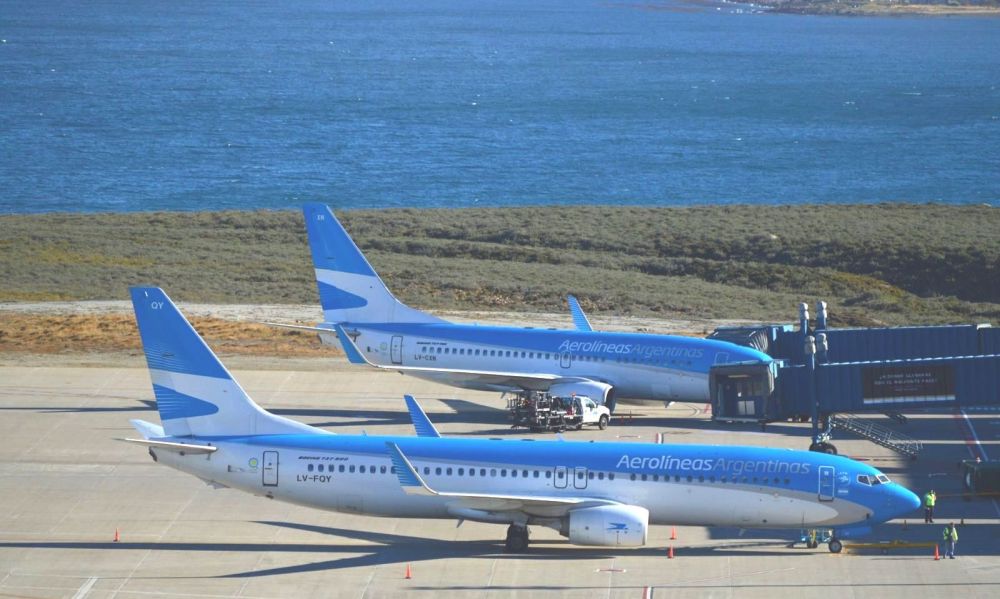
Aerolíneas Argentinas cierra el conflicto con los gremios aéreos
La compañía estatal Aerolíneas Argentinas informó que cerró el conflicto con sus gremios gracias a importantes avances en materia de productividad de la empresa y negociaciones con los gremios aeronáuticos. Según informó la aerolínea, representantes de los gremios APLA (Pilotos), AAA (Tripulantes) y APA (Rampa y Check-in) convalidaron modificaciones en convenios y formas de trabajo por una oferta salarial de un 16%. Mientras que, con APTA (Mecánicos), que habían aceptado la oferta salarial propuesta, se firmaron nuevas condiciones que permitirán cambios en plataforma y hangares que aumentarán significativamente la productividad.
Adaptaciones En cuanto a nuevos acuerdos, el gremio APLA como todo el personal jerárquico y los pilotos jubilados de la empresa perderán los pasajes vacacionales confirmados en clase ejecutiva para ellos y sus familiares directos. Por otro lado, tanto pilotos como tripulantes aceptaron reemplazar el traslado en vehículos pagados por la aerolínea por un esquema de viáticos que se implementará una vez finalizada la temporada alta de verano. Así mismo, los horarios de trabajo iniciarán una vez que los trabajadores arriben a las terminales aéreas y no durante su traslado, como era hasta ahora.
Uno de los avances más significativos, fue la opción de poder reubicar a los mecánicos y el personal de rampa entre hangares y líneas de trabajo de acuerdo a la necesidad de personal, un punto que históricamente había sido de los más conflictivos.
En cuanto a limitaciones a la programación, el gremio de Pilotos levantó una serie de restricciones que afectaban fuertemente la planificación de vuelos. Esto, sumado a diferentes medidas en este ámbito, aumentarán entre el 3% y 5% la eficiencia en las horas mensuales voladas por la compañía.
Este histórico avance con las agremiaciones permitirá a Aerolíneas Argentinas avanzar hacia esquemas productivos más cercanos a los de la industria aerocomercial, mientras reduce costos.
ATC El Gobierno Argentino mantiene negociaciones en otros frentes como con la Empresa Argentina de Navegación Aérea (EANA) que depende de la Secretaría de Transporte del Ministerio de Economía de la Nación, y quienes habían anunciado una nueva medida que iba a afectar a todos los aeropuertos de Argentina durante este fin de semana. Sin embargo, esta fue suspendida mientras se avanza en las negociaciones. «Este avance en las negociaciones refleja el compromiso para garantizar la continuidad del servicio esencial de navegación aérea», mencionaron al respecto desde la compañía aérea. “A su vez, informamos que las negociaciones siguen abiertas con el objetivo de llegar a un acuerdo definitivo sobre las medidas de fuerza establecidas por el gremio que engloba a los Controladores de Tránsito Aéreo», mencionó en un comunicado EANA.
Agreement between Aerolíneas and unions
Aerolíneas Argentinas closes the conflict with the airline unions
The state-owned company Aerolíneas Argentinas reported that it closed the conflict with its unions thanks to important advances in terms of productivity of the company and negotiations with the aeronautical unions. According to the airline, representatives of the unions APLA (Pilots), AAA (Crew), and APA (Ramp and Check-in) approved modifications in agreements and ways of working for a salary offer of 16%. Meanwhile, with APTA (Mechanics), who had accepted the proposed salary offer, new conditions were signed that will allow changes in the platform and hangars that will significantly increase productivity.
Adaptations As for new agreements, the APLA union, like all the hierarchical staff and retired pilots of the company, will lose the confirmed vacation tickets in business class for them and their immediate family members. On the other hand, both pilots and crew agreed to replace the transfer in vehicles paid for by the airline with a travel allowance scheme that will be implemented once the high summer season is over. Likewise, work schedules will begin once the workers arrive at the air terminals and not during their transfer, as was the case until now.
One of the most significant advances was the option of being able to relocate mechanics and ramp personnel between hangars and work lines according to the need for personnel, a point that had historically been one of the most controversial.
Regarding scheduling limitations, the Pilots’ union lifted a series of restrictions that strongly affected flight planning. This, added to different measures in this area, will increase the efficiency of the monthly hours flown by the company by between 3% and 5%.
This historic advance with the unions will allow Aerolíneas Argentinas to move towards production schemes closer to those of the commercial aviation industry, while reducing costs.
ATC The Argentine Government is in talks on other fronts, such as with the Argentine Air Navigation Company (EANA), which is part of the Transportation Secretariat of the Ministry of Economy of the Nation, and who had announced a new measure that would affect all airports in Argentina during this weekend. However, this measure was suspended while the negotiations progress. «This progress in the negotiations reflects the commitment to guarantee the continuity of the essential air navigation service,» the airline mentioned in this regard. «In turn, we inform that the negotiations remain open with the objective of reaching a definitive agreement on the measures of force established by the union that includes the Air Traffic Controllers», EANA mentioned in a statement.
PUBLISHER: Airgways.com DBk: Aerolineas.com Apla.org.ar / Aeronauticosapa.org.ar / Aeronavegantes.com.ar / Eana.com.ar / Airgways.com AW-POST: 202411181718AR OWNERSHIP: Airgways Inc. A\W A I R G W A Y S ®
Spirit Airlines se declara en bancarrota Arrastra pérdidas por US$2.2 mil millones en 5 años
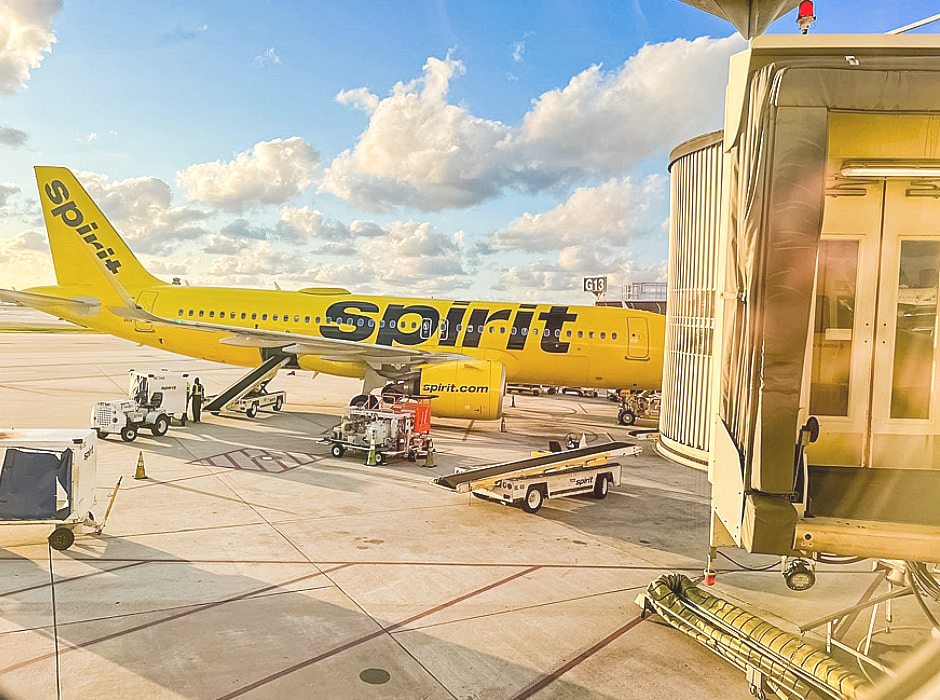
La aerolínea de tarifas bajas estadounidense Spirit Airlines se acogió al Capítulo 11 de protección por bancarrota en Nueva York, Estados Unidos el Lunes 18/11; anunciando un acuerdo con los tenedores de bonos para reestructurar sus deudas y recaudar dinero para ayudarlo a operar durante el proceso de bancarrota, del que espera salir en el primer trimestre del próximo año 2025. La aerolínea de presupuesto ha tenido problemas para encontrar su equilibrio después de que su fusión planificada con JetBlue Airways fuera bloqueada por un Juez Federal.
La aerolínea presentó una demanda en el Tribunal de Quiebras de Estados Unidos para el Distrito Sur de Nueva York, diciendo en un comunicado de prensa adjunto que buscaba reestructurar y reducir su deuda.
Spirit Airlines, cuyo enfoque de vender boletos baratos sin comodidades le valió admiradores y detractores, se declaró en bancarrota el Lunes 18/11 después de una serie de reveses, el más reciente el fracaso en la renegociación de su deuda inminente. La aerolínea, que reportó por última vez una ganancia anual en 2019, ha tenido problemas para encontrar su equilibrio después de que un juez federal bloqueó una fusión planificada con JetBlue Airways en enero. Spirit también ha tenido problemas para capitalizar la recuperación de la pandemia debido a la intensa competencia, los problemas del motor y otros factores.
La aerolínea con sede en Miramar, Florida, que ha perdido más de US$ 2.200 millones de Dólares desde principios de 2020, publicó una carta abierta a los clientes en la que decía que los viajeros podían utilizar todos los billetes, créditos y puntos de fidelidad con normalidad.
La Administración Federal de Aviación (FAA) dijo en un comunicado que su supervisión de las aerolíneas incluye la evaluación de cambios significativos en el entorno operativo, que podrían incluir dificultades financieras: «Hemos estado evaluando continuamente a Spirit Airlines a través de nuestro proceso de supervisión regular para garantizar que sus recursos, tamaño y estructura organizativa le permitan cumplir con todos los requisitos operativos», dijo la FAA.
Ted Christie, Director Ejecutivo de la aerolínea, dijo en un comunicado que los acuerdos anunciados el Lunes 18/11 representaban un fuerte voto de confianza en Spirit y nuestro plan a largo plazo. La aerolínea dijo en una presentación judicial que tenía entre 25.000 y 50.000 acreedores, con una deuda total de alrededor de US$ 9.000 millones de Dólares y solo un poco más en activos a fines de Septiembre 2024. Las acciones dejarían de cotizar en la Bolsa de Valores de Nueva York después del anuncio de bancarrota. Las acciones de Spirit habían caído más del 90 por ciento desde principios de año 2024.
«Este conjunto de transacciones fortalecerá materialmente nuestro balance y posicionará a Spirit para el futuro mientras continuamos ejecutando nuestras iniciativas estratégicas para transformar nuestra experiencia del huésped, brindando nuevas opciones de viaje mejoradas, mayor valor y mayor flexibilidad», dijo el CEO Ted Christie de Spirit Airlines.
Historia de Spirit Airlines La aerolínea comenzó a operar como una compañía de camiones que operaba bajo un nombre diferente en 1964. Más tarde se convirtió en un operador turístico y comenzó a ofrecer vuelos en 1990. Dos años más tarde, en 1992 se establece como Spirit Airlines. En 2006, Indigo Partners, un fondo de capital privado, adquirió una participación mayoritaria. Bajo Indigo y el liderazgo de Ben Baldanza, quien pasó una década como Director Ejecutivo de Spirit y falleció en 11/2024, la aerolínea se centró en reducir costos y vender boletos baratos y básicos.
Ese modelo de negocio convirtió a la aerolínea en el blanco de las bromas nocturnas, pero también ayudó a remodelar la industria. Los viajeros acudían en masa a Spirit por sus tarifas bajas, a menudo pasando por alto las preocupaciones sobre la calidad de su servicio. La aerolínea obtuvo ganancias constantes y otras compañías trataron de copiar su enfoque. Actualmente, la mayoría de las aerolíneas estadounidenses ofrecen alguna versión de un boleto sin lujos. Spirit también se convirtió en una fuerza poderosa en la industria, presionando a otros para que redujeran las tarifas. Ese fenómeno se convirtió en una parte central de la exitosa demanda del Departamento de Justicia para evitar la fusión JetBlue-Spirit, con el argumento de que perder Spirit perjudicaría a los consumidores.
Quiebra Spirit La declaración de bancarrota se produce después de que Spirit pasara meses tratando de renegociar sus deudas. Las empresas, incluidas muchas aerolíneas, a menudo emergen de los casos de bancarrota del Capítulo 11 con una base financiera más sólida. Las aerolíneas se han declarado en bancarrota docenas de veces a lo largo de las últimas décadas, según datos de Airlines for America, un grupo comercial. Tres de las compañías más grandes de la industria, American Airlines, Delta Air Lines y United Airlines, presentaron casos de bancarrota después de los ataques terroristas del 11 de Septiembre de 2001. Pero Spirit Airlines es la primera de una aerolínea importante en más de una década.
Las aerolíneas más grandes del país se han beneficiado de la recuperación de la pandemia, en parte aprovechando la demanda de viajes premium e internacionales. Pero Spirit y otras aerolíneas de bajo costo han tenido más dificultades para manejar los crecientes costos, especialmente para la mano de obra, y el aumento de la competencia.
El verano boreal 2024 fue el más concurrido de la historia para los viajes aéreos, según datos de la Administración de Seguridad en el Transporte (TSA). Pero las aerolíneas de tarifas bajas tuvieron problemas porque muchos de los destinos populares a los que sirven estaban inundados de asientos. Las aerolíneas de bajo costo también se han enfrentado a la creciente competencia de las aerolíneas más grandes que venden boletos de economía básica. Durante el verano, Spirit trató de revivir su fortuna ofreciendo servicios premium. En Julio 2024, anunció que comenzaría a vender cuatro paquetes de tarifas, que incluyen diferentes beneficios. La oferta principal incluye espacio adicional para las piernas, embarque prioritario, refrigerios y exención de tarifas de equipaje. Otro incluye algunas de esas ventajas y un asiento central vacío garantizado. Spirit transportó un poco más de pasajeros en el primer semestre de este año en comparación con el mismo período de 2023. Pero esos pasajeros pagaron casi un 20 por ciento menos en tarifas por vuelo.
La aerolínea tiene unos 12.800 empleados, mientras que los principales sindicatos han sostenido que continuarán luchando para conservar las fuentes de trabajo. Algunos problemas están fuera del control en Spirit Airlines. La aerolínea vuela más de doscientas aeronaves de una flota homogénea de Airbus A320, pero un defecto en los motores Pratt & Whitney que impulsan algunos de ellos significa que aproximadamente uno de cada diez aviones no vuelan este año 2024, mientras que Spirit dijo que esperaba comenzar 2025 con 35 aviones en tierra, aumentando a unas 67 unidades desprogramadas.
La aerolínea ha dicho que espera entre US$ 150 y 200 millones de Dólares en compensación por parte de Pratt & Whitney. Para reducir costos, Spirit retrasó la entrega de nuevos aviones y suspendió a los pilotos. Vendió casi dos docenas de aviones en Octubre 2024 y podría vender más, aunque la mayoría de sus aviones se encuentran en régimen de alquiler.
Spirit Airlines files for Chapter 11
Spirit Airlines files for bankruptcy Slugs in losses of US$2.2 billion in 5 years
US low-fare carrier Spirit Airlines filed for Chapter 11 bankruptcy protection in New York, United States on Monday 18/11; announcing an agreement with bondholders to restructure its debts and raise money to help it operate during the bankruptcy process, from which it hopes to emerge in the first quarter of next year 2025. The budget airline has struggled to find its footing after its planned merger with JetBlue Airways was blocked by a Federal Judge.
The airline filed a lawsuit in the US Bankruptcy Court for the Southern District of New York, saying in an accompanying press release that it was seeking to restructure and reduce its debt.
Spirit Airlines, whose approach of selling cheap tickets without amenities earned it both admirers and detractors, filed for bankruptcy on Monday after a series of setbacks, most recently a failure to renegotiate its impending debt. The airline, which last reported an annual profit in 2019, has struggled to find its footing after a federal judge blocked a planned merger with JetBlue Airways in January. Spirit has also struggled to capitalize on the pandemic recovery due to intense competition, engine problems, and other factors.
The Miramar, Florida-based airline, which has lost more than US$ 2.2 billion since the start of 2020, released an open letter to customers saying travelers could use all tickets, credits, and loyalty points as normal.
The Federal Aviation Administration (FAA) said in a statement that its oversight of airlines includes assessing significant changes in the operating environment, which could include financial distress: «We have been continuously evaluating Spirit Airlines through our regular oversight process to ensure that its resources, size and organizational structure allow it to meet all operational requirements», the FAA said.
Ted Christie, the airline’s chief executive, said in a statement that the agreements announced Monday 11/18 represented a strong vote of confidence in Spirit and our long-term plan. The airline said in a court filing that it had between 25,000 and 50,000 creditors, with total debt of about US$ 9 billion and only slightly more in assets as of the end of September 2024. The shares would cease trading on the New York Stock Exchange after the bankruptcy announcement. Spirit shares had fallen more than 90 percent since the start of 2024.
«This set of transactions will materially strengthen our balance sheet and position Spirit for the future as we continue to execute on our strategic initiatives to transform our guest experience, delivering new, enhanced travel options, greater value, and greater flexibility», Spirit Airlines CEO Ted Christie said.
Spirit Airlines history The airline began operations as a trucking company operating under a different name in 1964. It later became a tour operator and began offering flights in 1990. Two years later, in 1992 it was established as Spirit Airlines. In 2006, Indigo Partners, a private equity fund, acquired a majority stake. Under Indigo and the leadership of Ben Baldanza, who spent a decade as Spirit’s CEO and passed away in 11/2024, the airline focused on cutting costs and selling cheap, basic tickets.
That business model made the airline the butt of late-night jokes, but it also helped reshape the industry. Travelers flocked to Spirit for its low fares, often overlooking concerns about the quality of its service. The airline turned a steady profit, and other companies tried to copy its approach. Today, most U.S. airlines offer some version of a no-frills ticket. Spirit also became a powerful force in the industry, pressuring others to lower fares. That phenomenon became a central part of the Justice Department’s successful lawsuit to prevent the JetBlue-Spirit merger, arguing that losing Spirit would hurt consumers.
Spirit bankruptcy The bankruptcy filing comes after Spirit spent months trying to renegotiate its debts. Companies, including many airlines, often emerge from Chapter 11 bankruptcy cases on stronger financial footing. Airlines have filed for bankruptcy dozens of times over the past few decades, according to data from Airlines for America, a trade group. Three of the industry’s largest companies, American Airlines, Delta Air Lines, and United Airlines, filed bankruptcy cases after the Sept. 11, 2001, terrorist attacks. But Spirit Airlines is the first by a major airline in more than a decade.
The nation’s largest airlines have benefited from the pandemic recovery, in part by tapping into demand for premium and international travel. But Spirit and other low-cost carriers have had a harder time handling rising costs, especially for labor, and increased competition.
Summer 2024 was the busiest ever for air travel, according to data from the Transportation Security Administration (TSA). But low-fare airlines struggled because many of the popular destinations they serve were swamped with seats. Low-cost carriers have also faced increasing competition from larger airlines selling basic economy tickets. Over the summer, Spirit tried to revive its fortunes by offering premium services. In July 2024, it announced it would begin selling four fare packages, which include different benefits. The main offering includes extra legroom, priority boarding, snacks, and waived baggage fees. Another includes some of those perks and a guaranteed empty middle seat. Spirit carried slightly more passengers in the first half of this year compared with the same period in 2023. But those passengers paid nearly 20 percent less in fees per flight.
The airline has about 12,800 employees, while major unions have maintained they will continue to fight to retain jobs. Some problems are beyond Spirit Airlines’ control. The airline flies more than 200 aircraft from a homogenous fleet of Airbus A320s, but a defect in the Pratt & Whitney engines that power some of them means that about one in 10 of the planes are not flying this year, while Spirit said it expected to start 2025 with 35 grounded planes, rising to about 67 unscheduled units.
The airline has said it expects between US$ 150 million and US$ 200 million in compensation from Pratt & Whitney. To cut costs, Spirit has delayed delivery of new planes and furloughed pilots. It sold nearly two dozen planes in October 2024 and could sell more, although most of its planes are on lease.
PUBLISHER: Airgways.com DBk: Spirit.com / Nysb.uscourts.gov / Airgways.com AW-POST: 202411181330AR OWNERSHIP: Airgways Inc. A\W A I R G W A Y S ®

















 airgways.com