Aerolínea brasileña Total será primera fuera de Asia
La pequeña aerolínea brasileña Total Linhas Aéreas espera firmar el próximo mes de Octubre de 2024 un contrato para adquirir cuatro aviones del fabricante Commercial Aircraft Corporation of China (COMAC), que la convertirían en la primera empresa fuera de Asia en operar las aeronaves chinas, dijeron este viernes sus controladores.
«Estamos conversando con COMAC desde hace un año, cuando viajé a China a conocer el producto, y regresaré el 15 de octubre para finalizar las negociaciones», expresó el socio controlador de la aerolínea brasileña, Paulo Almada.
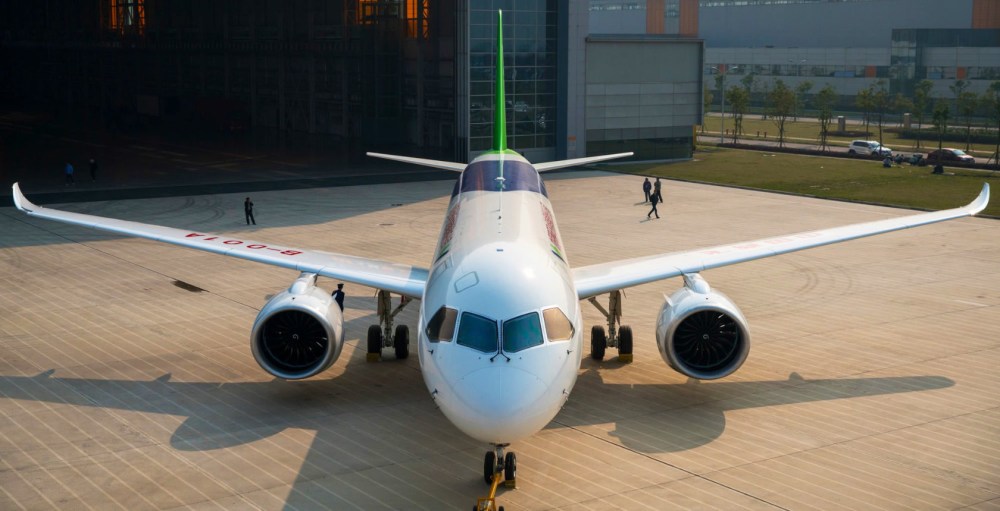
El modelo negociado es el COMAC C919, el primer avión comercial de tamaño medio diseñado y fabricado en China, con capacidad para transportar entre 156 a 168 pasajeros en su configuración normal y un alcance de hasta 5.555 kilómetros. «Se trata de un avión excepcional, que compite con el Airbus A320 Neo y con el Boeing 737 MAX, y que cabe en nuestro proyecto de expansión y en nuestro presupuesto», afirmó Paulo Almada.
El contrato negociado prevé la compra de diez aeronaves C919, de las que cuatro son firmes y las otras seis son opciones de compra, dependiendo de los resultados y de si se cumplen los plazos de entrega.
El Presidente de Total Linhas Aéreas explicó que la principal ventaja ofrecida por COMAC es la disponibilidad a corto plazo, ya que la aerolínea china se comprometió a entregar los cuatro primeros aparatos a partir de Marzo 2025. Una vez firmado el contrato, lo remitirá a la Agencia Nacional de Aviación Civil (ANAC) de Brasil, para que el regulador inicie el proceso de homologación de la aeronave china, que es lo único que faltaría para que el modelo pueda operar en el país. Paulo Almada explicó que Total es una pequeña empresa de carga que también ofrece vuelos chárter pero que, en sus proyectos de expansión, planea comenzar a operar vuelos regulares de pasajeros a partir del próximo año, en el modelo de prestación de servicios y fletes.
Total Linhas Aéreas posee actualmente contratos con otras líneas aéreas y con empresas petroleras para ofrecer transporte de pasajeros, pero Almada afirmó que necesita ampliar la flota con el objetivo de expandir las operaciones y las rutas. La aerolínea cuenta actualmente con una flota de nueve aeronaves Boeing 737 (5), Boeing 727 (2) y ATR42 (2) y espera recibir otros seis ATR hasta diciembre, con lo que puede comenzar a operar el próximo año con quince aviones.
Además de los aviones chinos, Total está negociando con el fabricante brasileño Embraer el alquiler de más aviones para ampliar la flota. La empresa también tiene interés en adquirir aviones de Embraer, pero el fabricante brasileño solo tendría condiciones de comenzar a entregar los aparatos en 2027, afirmó Paulo Almada.
Total to add COMAC aircraft
Brazilian airline Total will be the first outside Asia
The small Brazilian airline Total Linhas Aéreas expects to sign a contract next October 2024 to acquire four aircraft from the manufacturer Commercial Aircraft Corporation of China (COMAC), which would make it the first company outside Asia to operate Chinese aircraft, its controllers said on Friday.
«We have been talking with COMAC for a year, when I traveled to China to see the product, and I will return on October 15 to finalize the negotiations», said the controlling partner of the Brazilian airline, Paulo Almada.
The negotiated model is the COMAC C919, the first medium-sized commercial aircraft designed and manufactured in China, with the capacity to transport between 156 and 168 passengers in its normal configuration and a range of up to 5,555 kilometers. «This is an exceptional aircraft, which competes with the Airbus A320 Neo and the Boeing 737 MAX, and which fits into our expansion project and our budget,» said Paulo Almada.
The negotiated contract provides for the purchase of ten C919 aircraft, of which four are firm and the other six are purchase options, depending on the results and whether delivery deadlines are met.
The President of Total Linhas Aéreas explained that the main advantage offered by COMAC is short-term availability, since the Chinese airline has committed to delivering the first four aircraft from March 2025. Once the contract is signed, it will be sent to the National Civil Aviation Agency (ANAC) of Brazil, so that the regulator can begin the approval process for the Chinese aircraft, which is the only thing missing for the model to be able to operate in the country. Paulo Almada explained that Total is a small cargo company that also offers charter flights but, in its expansion projects, plans to start operating regular passenger flights starting next year, in the service and freight model.
Total Linhas Aéreas currently has contracts with other airlines and oil companies to offer passenger transport, but Almada said it needs to expand the fleet in order to expand operations and routes. The airline currently has a fleet of nine Boeing 737 (5), Boeing 727 (2), and ATR42 (2) aircraft and expects to receive another six ATRs by December, with which it can begin operating next year with fifteen aircraft.
In addition to the Chinese aircraft, Total is negotiating with the Brazilian manufacturer Embraer to lease more aircraft to expand the fleet. The company is also interested in acquiring Embraer aircraft, but the Brazilian manufacturer would only be able to start delivering the aircraft in 2027, said Paulo Almada.
PUBLISHER: Airgways.com DBk: Total.com.br / Comac.cc / Airgways.com AW-POST: 202409271337AR OWNERSHIP: Airgways Inc. A\W A I R G W A Y S ®
British Airways convierte mayor compradora emisiones carbono
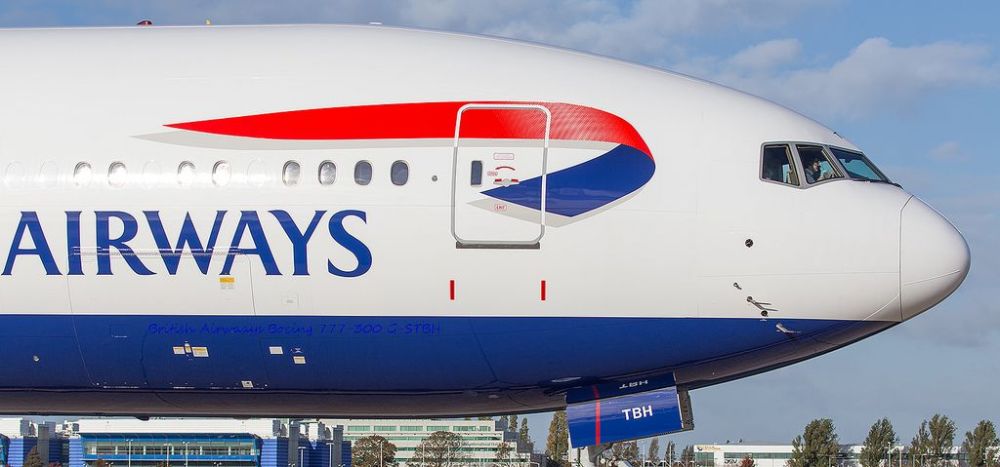
British Airways (BA) ha firmado un acuerdo de seis años para comprar más de ₤ 9 millones de Libras Esterlinas en créditos de eliminación de carbono en el Reino Unido y en el extranjero. La compra a través de la empresa CUR8, con sede en el Reino Unido, significa que la aerolínea de bandera se convertirá en el mayor comprador de absorciones de carbono en el Reino Unido y en el mayor comprador de remociones de carbono por parte de las aerolíneas en todo el mundo.
La eliminación de carbono es el proceso de capturar CO2 de la atmósfera y bloquearlo durante largos períodos. British Airways dice que aproximadamente un tercio de sus reducciones de emisiones provendrán de la absorción de carbono para 2050.
Ejemplos de dónde se están comprando los créditos de eliminación de carbono incluyen un esquema en Escocia que capturará las emisiones de CO2 de las destilerías de whisky y las reutilizará en materiales de construcción, y el uso de una técnica mejorada de meteorización de rocas «para bloquear el carbono durante miles de años».
El acuerdo para comprar 33.000 toneladas de créditos a través de CUR8 se suma a las compras anteriores de eliminación de carbono más pequeñas de BA a través de Climeworks y 1PointFive.
En 2023, la aerolínea británica easyJet se convirtió en la primera aerolínea en firmar un contrato con Airbus para su iniciativa de eliminación de carbono conocida como Airbus Carbon Capture Offer.
Airbus Group se ha asociado con 1PointFive, que está aprovechando la tecnología de Captura y Almacenamiento Directo de Carbono en el Aire (DACCS) para filtrar y eliminar las emisiones de CO2 del aire utilizando ventiladores de extracción de alta potencia, antes de almacenarlo en depósitos subterráneos.
Carrie Harris, Directora de Sostenibilidad de British Airways, dijo: «A medida que nos acercamos a la mitad de esta década crítica de acción, estamos agudizando nuestro enfoque en lograr un progreso real y tangible para 2030. Sabemos que volar tiene un impacto significativo en el planeta, y lograr el cero neto para 2050 requiere una acción audaz e innovadora hoy, así como una transformación a largo plazo, y nuestras últimas inversiones en la eliminación de carbono reflejan este compromiso.
Si bien son pequeños en comparación con nuestras emisiones totales, estos proyectos son cruciales para estimular el mercado de absorción de carbono. Al apoyar soluciones pioneras, no solo contribuimos al progreso inmediato, sino que también sentamos las bases para los cambios a gran escala necesarios para cumplir nuestros objetivos climáticos. No hay camino hacia el cero neto para la aviación sin la eliminación de carbono».
Alianza Global British Airways, también se ha convertido en miembro de la Alianza Global del Premio Earthshot, fundado por el Príncipe Guillermo, un premio medioambiental mundial que se concede cada año a cinco ganadores por sus contribuciones al medio ambiente.
La aerolínea británica dijo que trabajar con el premio ayudaría a apoyar «el descubrimiento, la inversión y la aceleración de soluciones innovadoras y escalables para las personas y para el planeta, que van desde los combustibles alternativos hasta la reducción de los plásticos de un solo uso».
British Airways largest zero-carbon airline
British Airways becomes largest buyer of carbon emissions
British Airways (BA) has signed a six-year deal to buy more than £ 9 billion worth of carbon removal credits in the UK and abroad. The purchase through UK-based company CUR8 means the flag carrier will become the largest buyer of carbon removals in the UK and the largest buyer of carbon removals by airlines worldwide.
Carbon removal is the process of capturing CO2 from the atmosphere and locking it away for long periods. British Airways says about a third of its emissions reductions will come from carbon absorption by 2050.
Examples of where carbon removal credits are being purchased include a scheme in Scotland that will capture CO2 emissions from whisky distilleries and repurpose them into building materials, and the use of an enhanced rock weathering technique “to lock carbon in for thousands of years”.
The deal to buy 33,000 tonnes of credits through CUR8 adds to BA’s previous smaller carbon removal purchases through Climeworks and 1PointFive.
In 2023, British airline easyJet became the first airline to sign a contract with Airbus for its carbon removal initiative known as the Airbus Carbon Capture Offer.
Airbus Group has partnered with 1PointFive, which is leveraging Direct Air Carbon Capture and Storage (DACCS) technology to filter and remove CO2 emissions from the air using high-powered extraction fans, before storing it in underground reservoirs.
Carrie Harris, British Airways’ Director of Sustainability, said: “As we approach the halfway point of this critical decade of action, we are sharpening our focus on making real, tangible progress by 2030. We know that flying has a significant impact on the planet, and achieving net zero by 2050 requires bold, innovative action today as well as long-term transformation, and our latest investments in carbon removal reflect this commitment.
While small compared to our total emissions, these projects are crucial to stimulating the carbon removal market. By supporting pioneering solutions, we are not only contributing to immediate progress but also laying the foundation for the large-scale changes needed to meet our climate goals. There is no path to net zero for aviation without carbon removal”.
Global Alliance British Airways has also become a member of the Earthshot Prize Global Alliance, founded by Prince William, a global environmental award given each year to five winners for their contributions to the environment.
The British airline said working with the prize would help support «the discovery, investment, and acceleration of innovative and scalable solutions for people and the planet, ranging from alternative fuels to reducing single-use plastics».
PUBLISHER: Airgways.com DBk: Ba.com / Cur8.earth / Airgways.com AW-POST: 202409260855AR OWNERSHIP: Airgways Inc. A\W A I R G W A Y S ®
AW | 2024 09 25 09:47 | AIRLINES / GOVERNMENT / AVIATION ORGANISMS
Sindicatos marchan al Congreso contra proyecto privatización
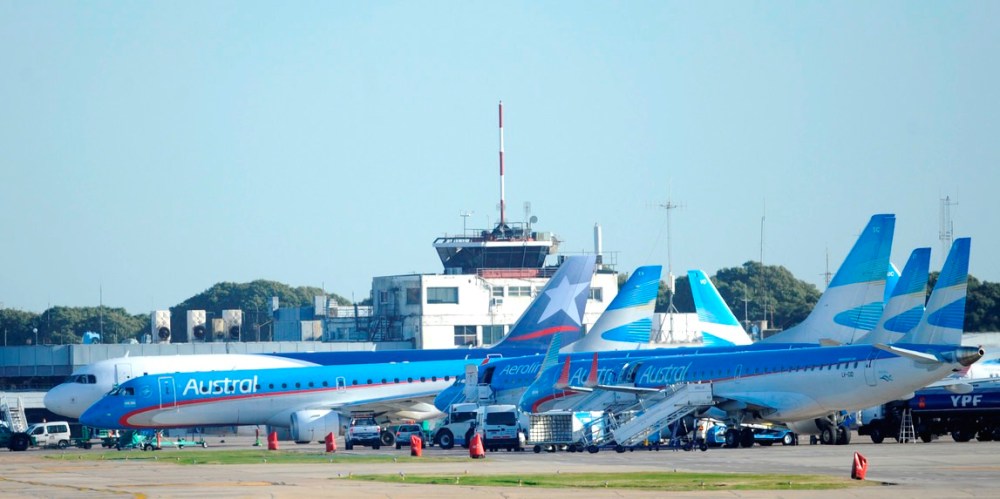
Los sindicatos aeronáuticos marchan al Congreso contra el proyecto de privatización de Aerolíneas Argentinas que apoya el Gobierno de Milei. Los cinco sindicatos que nuclean a los trabajadores del sector aeronáutico convocaron el Miércoles 25/09 a una movilización frente al Congreso de la Nación Argentina para reclamar contra la iniciativa del Gobierno de privatizar Aerolíneas Argentinas, en la previa del comienzo del debate convocado por el oficialismo en el plenario de comisiones de Transporte y Presupuesto que acordaron el oficialismo y sus aliados.
La Asociación Argentina de Aeronavegantes, que nuclea al personal de Tripulación de Cabina, convocó a las distintas organizaciones del sector como la Asociación de Personal Aeronáutico (APA), la Asociación de Pilotos de Líneas Aéreas (APLA), la Unión del Personal Superior y Profesional de Empresas Aerocomerciales (UPSA), y ATE ANAC, para una concentración y manifestación frente al Congreso de la Nación que comenzará a las 10:00 horas, una hora antes del inicio del debate del proyecto oficialista para privatizar Aerolíneas Argentinas que acordaron el Gobierno y sus aliados. El lema de la convocatoria es «Todos al Congreso. Aerolíneas Argentinas no se vende, se defiende».
«No solo las fuentes de trabajo son las que están en peligro, sino también la interconectividad de los pueblos y sus economías regionales. Las experiencias de venta de la línea área de bandera fueron absolutamente perjudiciales, no solo para la aeronáutica, sino para el desarrollo de la industria en general», sostuvo el Secretario de Prensa de los Aeronavegantes, Alejandro Kogan, en un comunicado.
La discusión en el Congreso comenzará a las las 11:00 horas en el plenario de comisiones de Transporte y Presupuesto, que presiden la Radical mendocina Pamela Verasay y el oficialista José Luis Espert. Están citados el Vicejefe de Gabinete, José Rolandi; el Secretario de Transporte, Franco Mogetta; y el Presidente de Aerolíneas Argentinas, Fabián Lombardo.
Interesados por Aerolíneas Argentinas La discusión de la privatización de Aerolíneas Argentinas no es un tema histórico, mientras en los períodos de gobiernos kirchneristas la aerolínea era una bandera que defendían a ultranza, actualmente con el cambio de Gobierno, ahora avanza el proyecto privatizador a pesar de haberse dado de baja el tema en la Ley Bases.
El panorama actual de fuertes críticas de los sindicatos aeronáuticos y los reclamos salariales ha profundizado el debate privatizador que ha beneficiado al Estado en pro de des-estatizar la compañía aérea que ha acarreado años de déficit y burocracia.
Ante el nuevo escenario privatizador impulsado por el Gobierno de Argentina, varias aerolíneas han mostrado interés por comprar la línea aérea emblema del país. En el pool de interesados en principio, estaban Avianca Airlines, LATAM Airlines Group, el empresario Germán Efromovich y Azul Linhas Aéreas, mientras que posteriormente el grupo LATAM negó hacer parte del interés de compra.
En contraste, un nuevo oferente ha emergido. El inteerés de GOL Linhas Aéreas Inteligentes SA, la línea aérea brasilera que en este momento se encuentra en proceso de reorganización en el Capítulo 11 en Estados Unidos. GOL, al igual que Avianca, son las aerolíneas que actualmente conforman el Grupo Abra, una unión que consolida un equipo de 28.000 profesionales de aviación y una flota de 300 aviones que sirve a quince países y 150 destinos.
Estas empresas tienen actualmente una relación con Aerolíneas Argentinas, celebrando en Octubre de 2023 con el Grupo Abra un Memorando de Entendimiento (MoU) con la aerolínea de Argentina para fortalecer la colaboración y explorar oportunidades entre las dos compañías aéreas.
Opinión IATA La discusión alrededor a la privatización de Aerolíneas Argentinas es un tema que sigue estando en la agenda del Gobierno de Argentina y en el que cada vez intervienen indirectamente más actores interesados. El Vicepresidente regional para las Américas de la IATA, Peter Cerdá, ha expresado sobre la perspectiva de la agremiación y los principales puntos que hay que tener en cuenta para avanzar con ese propósito. El ejecutivo de la asociación ha expresado que es importante la coyuntura de Aerolíneas Argentinas, las pollíticas implementadas por el Gobierno en materia de regulaciones aeronáuticas que realmente están ayudando al crecimiento futuro del país a nivel aeronáutico. “Han implementado la eliminación de los monopolios, han abierto el mercado a nuevas líneas aéreas para operar internacionalmente y en el país y han implementado ocho acuerdos de cielos abiertos. Son decisiones que han tomado muy rápido, con mucha firmeza y creemos que van a ayudar la industria para que más argentinos viajen”, dijo Peter Cerdá.
Respecto a la posición que defiende la IATA, «Aerolíneas Argentinas tiene un futuro muy prometedor, pero que es necesario asegurarse de que los gremios y el Gobierno lleguen a un acuerdo para avanzar la línea aérea. Si por privatización o no, eso es otra discusión. Lo que tenemos que asegurarnos es de tener menos huelgas y que el sector pueda brindar el servicio que el consumidor está esperando”.
Los datos proporcionados por la Administración Nacional de Aviación Civil de la Argentina (ANAC) en 2023 Aerolíneas Argentinas ha transportado más once millones de pasajeros, lo que representó el 63,6 % del total del mercado.
El Vicepresidente para las Américas de la IATA dejó en claro que no tiene conocimiento sobre el estado de negociaciones. «Hay mucho por hacer en Aerolíneas Argentinas antes de hablar con otras compañías sobre el tema. Creo que lo primero es que el Gobierno, la gerencia de la empresa y el sindicato tienen que llegar a un acuerdo y avanzar hacia un futuro más beneficioso para todos y que esté saneada económicamente”, expresó Peter Cerdá acerca del futuro de la aerolínea.
Protests against Aerolíneas privatization
Aeronautical unions march to Congress against privatization project
The aeronautical unions march to Congress against the privatization project of Aerolíneas Argentinas supported by the Milei Government. The five unions that represent the workers of the aeronautical sector called on Wednesday 25/09 to a mobilization in front of the Congress of the Argentine Nation to protest against the Government’s initiative to privatize Aerolíneas Argentinas, prior to the beginning of the debate called by the ruling party in the plenary session of the Transportation and Budget commissions that the ruling party and its allies agreed upon.
The Argentine Association of Flight Attendants, which represents Cabin Crew personnel, called on the various organizations of the sector such as the Association of Aeronautical Personnel (APA), the Association of Airline Pilots (APLA), the Union of Senior and Professional Personnel of Commercial Aeronautical Companies (UPSA), and ATE ANAC, for a rally and demonstration in front of the National Congress that will begin at 10:00 a.m., one hour before the start of the debate on the official project to privatize Aerolíneas Argentinas that the Government and its allies agreed upon. The slogan of the call is «Everyone to Congress. Aerolíneas Argentinas is not for sale, it is to be defended».
«Not only are jobs in danger, but also the interconnectivity of the peoples and their regional economies. The experiences of selling the flag airline were absolutely detrimental, not only for aeronautics, but for the development of the industry in general», said the Press Secretary of the Aeronavegantes, Alejandro Kogan, in a statement.
The discussion in Congress will begin at 11:00 a.m. in the plenary session of the Transportation and Budget commissions, chaired by the Mendoza Radical Pamela Verasay and the official José Luis Espert. The Deputy Chief of Cabinet, José Rolandi; the Secretary of Transportation, Franco Mogetta; and the President of Aerolíneas Argentinas, Fabián Lombardo, are cited.
Interested in Aerolíneas Argentinas The discussion of the privatization of Aerolíneas Argentinas is not a historical issue. While during the Kirchnerist governments the airline was a flag that was staunchly defended, currently with the change of Government, the privatization project is now advancing despite the fact that the issue has been dropped from the Bases Law.
The current panorama of strong criticism from the aeronautical unions and wage claims has deepened the privatization debate that has benefited the State in favor of de-nationalizing the airline that has brought years of deficit and bureaucracy.
Given the new privatization scenario promoted by the Argentine Government, several airlines have shown interest in buying the country’s flagship airline. In the pool of interested parties at first, there were Avianca Airlines, LATAM Airlines Group, the businessman Germán Efromovich, and Azul Linhas Aéreas, while later the LATAM group denied being part of the purchase interest.
In contrast, a new bidder has emerged. The interest of GOL Linhas Aéreas Inteligentes SA, the Brazilian airline that is currently in the process of reorganization in Chapter 11 in the United States. GOL, like Avianca, are the airlines that currently make up the Abra Group, a union that consolidates a team of 28,000 aviation professionals and a fleet of 300 aircraft that serves fifteen countries and 150 destinations.
These companies currently have a relationship with Aerolíneas Argentinas, celebrating in October 2023 with the Abra Group a Memorandum of Understanding (MoU) with the Argentine airline to strengthen collaboration and explore opportunities between the two airlines.
IATA opinion The discussion around the privatization of Aerolíneas Argentinas is an issue that continues to be on the agenda of the Argentine Government and in which more and more interested parties are indirectly intervening. The IATA Regional Vice President for the Americas, Peter Cerdá, has expressed his views on the association’s perspective and the main points that must be taken into account in order to move forward with this goal. The association’s executive has expressed that the situation of Aerolíneas Argentinas is important, as are the policies implemented by the Government in terms of aeronautical regulations that are really helping the future growth of the country at an aeronautical level. «They have implemented the elimination of monopolies, they have opened the market to new airlines to operate internationally and in the country and they have implemented eight open skies agreements. These are decisions that have been taken very quickly, very firmly and we believe that they will help the industry so that more Argentines travel», said Peter Cerdá.
Regarding the position defended by IATA, «Aerolíneas Argentinas has a very promising future, but it is necessary to ensure that the unions and the Government reach an agreement to advance the airline. Whether through privatization or not, that is another discussion. What we have to ensure is that we have fewer strikes and that the sector can provide the service that the consumer is expecting».
The data provided by the National Civil Aviation Administration of Argentina (ANAC) in 2023 Aerolíneas Argentinas has transported more than eleven million passengers, which represented 63.6% of the total market.
The Vice President for the Americas of IATA made it clear that he has no knowledge of the status of negotiations. «There is a lot to do at Aerolíneas Argentinas before talking to other companies about the issue. «I think the first thing is that the Government, the company’s management, and the union have to reach an agreement and move towards a more beneficial future for everyone and one that is financially healthy», said Peter Cerdá regarding the future of the airline.
PUBLISHER: Airgways.com DBk: Argentina.gob.ar / Congreso.gob.ar / Aeronavegantes.org.ar / Apla.org.ar / Aeronauticosapa.org.ar / Upsa-ospea.com.ar / Ate.org.ar / Iata.org / Aerolineas.com / Clarin.com / Airgways.com AW-POST: 202409250947AR OWNERSHIP: Airgways Inc. A\W A I R G W A Y S ®
Azul Linhas Aéreas ha anunciado la incorporación del primer Airbus A321P2F carguero. El Lunes 23/09 se compartieron en las redes sociales imágenes del primer A321P2F en sus procesos finales de rollout. La aeronave arrendada de AerCap a la aerolínea brasileña, estrenará una nueva librea en pintura azul y celeste y el nombre Azul Cargo en letras aumentadas.
De esta manera, Azul Linhas Aéreas reforzará su flota de carga con la aeronave narrowbody A321ceo, que es capaz de transportar hasta 28 toneladas, impulsado por motores IAE2500, muy por encima de su competidor Boeing 737-400F que opera con la compañía con un total de 20,5 toneladas.
El primer A321P2F de Azul recibió la matrícula PS-AJA y acumula casi diecinueve años en servicio. El avión debutó con China Southern Airlines en 2006, donde voló hasta Agosto de 2023. El Airbus voló por última vez el 9 de Septiembre de 2024, todavía con su matrícula anterior, OE-IAW. El A321 fue devuelto a AerCap y se sometió a un proceso de conversión de carga entre Marzo y Agosto en Guangzhou, China.
Azul Cargo to debut A321 freighter
First A321P2F freighter from Azul Cargo
Azul Linhas Aéreas has announced the incorporation of the first Airbus A321P2F freighter. On Monday 23/09, images of the first A321P2F in its final rollout processes were shared on social media. The aircraft leased from AerCap to the Brazilian airline will debut a new livery in blue and light blue paint and the name Azul Cargo in enlarged letters.
In this way, Azul Linhas Aéreas will reinforce its cargo fleet with the narrowbody A321ceo aircraft, which is capable of transporting up to 28 tons, powered by IAE2500 engines, well above its competitor Boeing 737-400F that operates with the company with a total of 20.5 tons.
Azul’s first A321P2F received the registration PS-AJA and has been in service for almost nineteen years. The aircraft debuted with China Southern Airlines in 2006, where it flew until August 2023. The Airbus last flew on 9 September 2024, still under its previous registration, OE-IAW. The A321 was returned to AerCap and underwent a freighter conversion process between March and August in Guangzhou, China.
PUBLISHER: Airgways.com DBk: Voeazul.com.br / Airbus.com / Airgways.com AW-POST: 202409241205AR OWNERSHIP: Airgways Inc. A\W A I R G W A Y S ®
Un avión Boeing 737-800 de Aerolíneas Argentinas perdió una rueda del Tren Principal izquierdo después de aterrizar el vuelo AR1677 en el Aeropuerto Buenos Aires Jorge Newbery (AEP) el Lunes 23/09 por la tarde proveniente de Ushuaia. La aeronave con matrícula LV-CXT efectuaba la ruta Ushuaia/USH—Buenos Aires/AEP, después de aterrizar y a baja velocidad se desprende una rueda del conjunto del Tren Principal izquierdo, pudiendo efectuar el taxeo sin mayores percances, con la totalidad de los pasajeros y Tripulación sin reportar daños físicos ni materiales. La línea aérea ha emitido un comunicado y aseguraron que el accidente no comprometió la seguridad de los pasajeros
La aeronave Boeing 737-81D matrícula LV CXT, una vez aterrizado en Aeroparque alrededor de las 17:50 horas sufrió el desprendimiento de un neumático mientras circulaba por la pista a baja velocidad.
Investigadores de la Junta de Seguridad de Transporte (JST) se dirigen al lugar del incidente ocurrido con la aeronave aproximadamente a las 21:00 UTC. La investigación está a cargo de la JIAAC
“El avión matrícula LV-CXT, una vez aterrizado en Aeroparque y cuando estaba circulando en calle de rodaje a baja velocidad, sufrió un desprendimiento de neumático. No comprometió en ningún momento la seguridad de los pasajeros ni de la aeronave”, informaron desde Aerolíneas Argentinas a través de un comunicado. Además, afirmaron que los técnicos de la compañía se encuentran analizando el caso para identificar el origen de la falla.
La línea aérea de bandera ha minimizado el incidente por las condiciones y el contexto, y lo clasificaron como un asunto menor. La Junta de Seguridad de Transporte (JST) lo definió como “Incidente Grave”. También abrieron una investigación por lo sucedido, la cual quedó a cargo del organismo autorizado.
“La JST lo califica como grave por una tipología que utilizan ellos, pero para nosotros fue un incidente menor y no está ni cerca de serlo; es casi la clasificación más baja que tenemos”, indicaron desde Aerolíneas Argentinas. Por el momento, la compañía no se expresó públicamente ante el incidente.
Aerolíneas 737 loses tire
Boeing 737-800 loses wheel on left main gear
A Boeing 737-800 of Aerolíneas Argentinas lost a wheel on the left main gear after landing flight AR1677 at Buenos Aires Jorge Newbery Airport (AEP) on Monday afternoon 23/09 from Ushuaia. The aircraft with registration LV-CXT was flying the Ushuaia/USH—Buenos Aires/AEP route. After landing and at low speed, a wheel came off the left main gear assembly, and was able to taxi without any major incidents, with all passengers and crew reporting no physical or material damage. The airline has issued a statement and assured that the accident did not compromise the safety of passengers
The Boeing 737-81D aircraft registered LV CXT, once landed at Aeroparque around 17:50 hours, suffered a tire detachment while traveling on the runway at low speed.
Investigators from the Transportation Safety Board (JST) are heading to the scene of the incident that occurred with the aircraft at approximately 21:00 UTC. The investigation is being conducted by the JIAAC
“The aircraft registered LV-CXT, once landed at Aeroparque and when it was traveling on the taxiway at low speed, suffered a tire detachment. It did not compromise the safety of the passengers or the aircraft at any time”, Aerolíneas Argentinas reported in a statement. In addition, they stated that the company’s technicians are analyzing the case to identify the origin of the fault.
The flag carrier has downplayed the incident due to the conditions and context, and classified it as a minor issue. The Transportation Safety Board (JST) defined it as a “Serious Incident”. They also opened an investigation into what happened, which was handled by the authorized body.
“The JST classifies it as serious due to a typology they use, but for us it was a minor incident and it is not even close to being one; it is almost the lowest classification we have”, said Aerolíneas Argentinas. For the moment, the company has not publicly commented on the incident.
PUBLISHER: Airgways.com DBk: Argentina.gob.ar/jst / Aerolineas.com / Airgways.com AW-POST: 202409241017AR OWNERSHIP: Airgways Inc. A\W A I R G W A Y S ®
GOL avanza interés compra de Aerolíneas Argentinas
La crisis gremio-Estado en Aerolíneas Argentinas ha acelerado el interés por la venta por parte del Gobierno de la República Argentina en aras de dar un giro definitivo al conflicto sindical histórico y al pasivo que atraviesa la aerolínea desde hace varias décadas.
El conflicto que ha sacudido a Aerolíneas Argentinas se debe en gran parte a las presiones de los gremios aeronáuticos, quienes han impulsado una serie de medidas de fuerza que han afectado las operaciones de la compañía. Este escenario de inestabilidad ha sido aprovechado por otras empresas del sector que buscan expandirse en el mercado argentino. Las negociaciones entre el Gobierno y los distintos actores de la industria se han intensificado, y uno de los protagonistas ha sido el Grupo Abra, dueño de Avianca y la brasileña GOL.
Varios oferentes han mostrado interés por adquirir la línea aérea de bandera argentina. LATAM Airlines Group, el grupo aéreo más desarrollado en América Latina había mostrado interés por adquirirla, mientras que posteriormente su posición se ha enfriado y ha decidido retirarse de las conversaciones en torno a la posible adquisición de Aerolíneas Argentinas. Esta decisión ha dejado el camino libre para otros interesados, como la brasileña GOL y el Grupo Abra, que buscan consolidar su presencia en el mercado regional, están dispuestos a asumir el control de la aerolínea de bandera argentina, si las condiciones gremiales y económicas lo permiten.
LATAM Group A pesar de los rumores iniciales sobre el posible interés de LATAM Airlines Group en adquirir Aerolíneas Argentinas, la compañía chilena emitió un comunicado aclarando su posición. En el documento, el grupo aéreo con fuerte presencia en Latinoamérica negó estar involucrada en cualquier tipo de negociación relacionada con la compra de la aerolínea argentina. Esta aclaración fue hecha después de que varios medios especularan sobre una posible alianza entre LATAM Group y el Gobierno argentino para hacerse con el control de Aerolíneas.
“En relación a declaraciones divulgadas por distintos medios en diferentes países sobre el interés en la compra de Aerolíneas Argentinas, el grupo LATAM informa que no forma parte de estas conversaciones”, indicó la aerolínea chilena en su comunicado. A pesar de esta aclaración, LATAM continúa siendo un jugador clave en el mercado aeronáutico de la región, y recientemente firmó un acuerdo interlineal con Aerolíneas Argentinas que permite a los pasajeros de ambas compañías acceder a sus respectivas redes de conexión en determinados territorios.
GOL Linhas Aéreas El Grupo Abra, que controla a Avianca Airlines y GOL Linhas Aéreas, ha sido uno de los principales interesados en la posible adquisición de Aerolíneas Argentinas. Según fuentes oficiales, las reuniones del Gobierno con representantes de GOL Linhas Aéreas Inteligentes SA tienen como objetivo encontrar soluciones a los problemas gremiales y diseñar un plan que permita reducir las tensiones y garantizar la operatividad de Aerolíneas Argentinas. La presencia en la Casa Rosada, sede del Gobierno nacional de Argentina, de Alberto Fajerman, Asesor del CEO de GOL, ha sido un indicio claro de que las negociaciones están avanzando y que la aerolínea brasileña podría asumir un rol más activo en el futuro de la aerolínea argentina.
La idea de que GOL asuma el control de Aerolíneas Argentinas no es nueva, pero ha ganado fuerza en los últimos meses debido a la creciente presión sindical y a la situación financiera de la aerolínea argentina. Ambas aerolíneas han firmado en el último tiempo acuerdos de alianza comercial que han permitido intercambiar ventajas competivivas.
Un avance en las negociaciones permite desarrollar puntos claves en las negociaciones ha sido la posibilidad de que GOL Linhas Aéreas implemente un plan de restructuración que permita reducir los costos operativos y mejorar la competitividad de Aerolíneas Argentinas en el mercado internacional. Las conversaciones con el gobierno argentino buscan precisamente encontrar soluciones que permitan resolver el conflicto gremial, garantizar la estabilidad laboral y, al mismo tiempo, fortalecer a la compañía.
Otros oferentes Otros nombres han surgido como posibles interesados en adquirir la aerolínea de bandera. Entre ellos se encuentran Flybondi, JetSMART Airlines, Azul Linhas Aéreas y el empresario Germán Efromovich, quien ha mostrado su interés en el pasado por expandir su presencia en el sector aeronáutico argentino. Las low cost Flybondi y JetSmart, que operan en Argentina, también habrían sido contactadas por el Gobierno argentino como parte de los esfuerzos por diversificar la oferta de servicios en el mercado local.
Este interés por parte de aerolíneas de bajo costo refleja una tendencia creciente en la industria aérea argentina, donde las low cost han logrado ganar terreno frente a las compañías tradicionales, ofreciendo precios competitivos y rutas que conectan puntos estratégicos del país.
Conflicto gremial El conflicto con los gremios aeronáuticos ha sido uno de los principales obstáculos para la normalización de las operaciones de Aerolíneas Argentinas. Las huelgas y medidas de fuerza han afectado tanto a los pasajeros como a la propia empresa, generando pérdidas millonarias y dañando la imagen de la aerolínea. Los sindicatos exigen mejores condiciones laborales y salariales, mientras que la compañía enfrenta dificultades financieras que complican la posibilidad de satisfacer estas demandas.
El Gobierno de Argentina ha intentado mediar en el conflicto, pero las negociaciones han sido complejas. La posibilidad de que una aerolínea extranjera asuma el control de Aerolíneas Argentinas podría abrir una nueva etapa en la historia de la compañía, aunque también genera resistencia entre algunos sectores que defienden la soberanía de la aerolínea de bandera.
El futuro de Aerolíneas Argentinas sigue siendo incierto. Mientras algunos ven en la posible adquisición por parte de GOL Linhas Aéreas parte del Grupo Abra una oportunidad para modernizar y hacer más eficiente a la aerolínea, otros temen que esto pueda significar una pérdida de control nacional sobre una de las empresas más emblemáticas del país. Las conversaciones entre el Gobierno y los interesados continúan, y las decisiones que se tomen en los próximos meses serán cruciales para definir el rumbo de la compañía.
La industria aeronáutica argentina está atravesando un momento de bisagra con Aerolíneas Argentinas como el principal transportador aéreo nacional, mientras las líneas aéreas y corporaciones pujan por el control de un mercado actualmente dominado por la compañía aérea de bandera.
Acciones Gobierno Ante los paros sindicales de los Pilotos nucleados en APLA y de Aeronavegantes (AAA) de Aerolíneas Argentinas, el Gobierno de Argentina ha anunciado fuertes medidas de contingencia para paliar la situación de desamparo frente a la cancelación masiva de vuelos en el país. La contratación de tripulaciones extranjeras para Aerolíneas Argentinas es una medida que busca hacer frente la programación de vuelos de cabotaje en pleno conflicto gremial y el otorgamiento de permisos a aerolíneas privadas extranjeras para cubrir los vuelos de la aerolínea de bandera.
El Gobierno ha decretado la Desregulación Aviación Comercial mediante el cual desregula los vuelos de cabotaje en Argentina permitiendo que más aerolíneas incursionen en el desarrollo de la aviación de las líneas aéreas sin necesidad de matricular las aeronaves en el país ni certificar a su personal. El Poder Ejecutivo Nacional podrá autorizar un porcentaje de personal extranjero en los servicios aerocomerciales y la utilización de aeronaves de matrícula extranjera, pero con esta modificación es la ANAC quien podrá otorgar dichos permisos.
«Esta medida, sumada al paquete de desregulaciones que se vienen implementando, posibilitará que otras aerolíneas cubran rutas aéreas locales inmediatamente si [Pablo] Biró y compañía siguen haciendo paros extorsivos», expresó vía X.com, el Secretario de Transporte Franco Mogetta. Esta decisión había sido anticipada por el Jefe de Gabinete, Guillermo Francos, quien horas antes había indicado también que desde el Gobierno se estaban reuniendo con empresas privadas para que se hagan cargo de Aerolíneas Argentinas si continúa el conflicto con el personal aeronáutico, como sucedió la semana pasada.
La ANAC podrá autorizar operaciones con tripulaciones y aeronaves extranjeras a través del Decreto DNU Nº 844/2024, publicado en el Boletín Oficial, el Poder Ejecutivo encomienda en la Administración Nacional de Aviación Civil (ANAC) el otorgamiento de autorizaciones para que personal extranjero desempeñe funciones aeronáuticas en los servicios aerocomerciales, así como también para la utilización de aeronaves de matrícula extranjera a operar en nuestro país cuando una aerolínea lo requiera.
La nueva medida establece que la Autoridad Aeronáutica Nacional deberá reglamentar técnicamente los Artículos Nº106 y Nº107 del Código Aeronáutico, con el fin de establecer los procedimientos adecuados para el otorgamiento de autorizaciones relativas al personal extranjero y a las aeronaves con matrícula extranjera que operen en el territorio nacional, fomentando de esta manera las inversiones en la república Argentina y favoreciendo la conectividad federal. Además, la autoridad aeronáutica deberá dictar la reglamentación técnica correspondiente para el otorgamiento de las mismas, conforme a los estándares internacionales y regionales. El DNU Decreto N° 844/2024 se realiza en el marco del reordenamiento integral de la legislación aerocomercial, con el objetivo de agilizar las gestiones administrativas, promoviendo un mercado de entorno competitivo y flexible para que más personas puedan usar el transporte aéreo y así llegar a todas las ciudades argentinas.
«A su vez, la nueva medida conlleva la necesidad de adecuar y dictar una nueva reglamentación, de conformidad con los estándares internacionales en materia de comercio de bienes y servicios, procurando armonizar el régimen interno con el de los demás países de la Región y del mundo», expresó la Secretaría de Transporte.
Esta medida forma parte de las políticas desregulatorias llevadas adelante por el Gobierno Nacional, y desde el organismo aseguran que este paso «resulta necesario para reforzar los principios de libre acceso a los mercados», generando mayor competitividad y, por lo tanto, una oferta más diversa y conveniente para los pasajeros; garantizando la seguridad operacional y la eficiencia de todo el sistema de transporte aéreo.
Censo situación Aerolíneas Entre los temas más debatidos en la coyuntura política reciente, la situación de Aerolíneas Argentinas y las universidades nacionales ocupan un lugar central. La discusión sobre la privatización de la aerolínea de bandera está profundamente dividida en la sociedad. Según los datos, la mitad de la población apoya la privatización, mientras que la otra mitad se opone, lo que revela un fuerte grado de polarización. Esta división es particularmente visible según el perfil del votante: el 90% de los votantes de Patricia Bullrich y el 78% de los votantes de Milei apoyan la privatización, mientras que el 90% de los votantes peronistas se opone.
GOL shows interest in Aerolíneas
GOL shows interest in buying Aerolíneas Argentinas
The union-state crisis at Aerolíneas Argentinas has accelerated the interest in the sale by the Government of the Argentine Republic in order to give a definitive turn to the historical union conflict and the liabilities that the airline has been experiencing for several decades.
The conflict that has shaken Aerolíneas Argentinas is largely due to pressure from the aeronautical unions, who have promoted a series of forceful measures that have affected the company’s operations. This scenario of instability has been taken advantage of by other companies in the sector that seek to expand in the Argentine market. Negotiations between the Government and the different actors in the industry have intensified, and one of the protagonists has been the Abra Group, owner of Avianca and the Brazilian GOL.
Several bidders have shown interest in acquiring the Argentine flag airline. LATAM Airlines Group, the most developed airline group in Latin America, had shown interest in acquiring it, but later its position has cooled and it has decided to withdraw from the talks regarding the possible acquisition of Aerolíneas Argentinas. This decision has left the way clear for other interested parties, such as the Brazilian GOL and the Abra Group, which seek to consolidate their presence in the regional market, and are willing to take control of the Argentine flag carrier, if union and economic conditions allow it.
LATAM Group Despite initial rumors about the possible interest of LATAM Airlines Group in acquiring Aerolíneas Argentinas, the Chilean company issued a statement clarifying its position. In the document, the airline group with a strong presence in Latin America denied being involved in any type of negotiation related to the purchase of the Argentine airline. This clarification was made after several media outlets speculated about a possible alliance between LATAM Group and the Argentine government to take control of Aerolíneas.
“In relation to statements made by various media in different countries about the interest in the purchase of Aerolíneas Argentinas, the LATAM group informs that it is not part of these conversations”, the Chilean airline indicated in its statement. Despite this clarification, LATAM continues to be a key player in the aeronautical market in the region, and recently signed an interline agreement with Aerolíneas Argentinas that allows passengers of both companies to access their respective connection networks in certain territories.
GOL Linhas Aéreas The Abra Group, which controls Avianca Airlines and GOL Linhas Aéreas, has been one of the main interested parties in the possible acquisition of Aerolíneas Argentinas. According to official sources, the Government’s meetings with representatives of GOL Linhas Aéreas Inteligentes SA are aimed at finding solutions to union problems and designing a plan to reduce tensions and guarantee the operation of Aerolíneas Argentinas. The presence of Alberto Fajerman, Advisor to the CEO of GOL, at the Casa Rosada, the seat of the Argentine national government, has been a clear indication that negotiations are moving forward and that the Brazilian airline could take on a more active role in the future of the Argentine airline.
The idea of GOL taking control of Aerolíneas Argentinas is not new, but it has gained strength in recent months due to growing union pressure and the financial situation of the Argentine airline. Both airlines have recently signed commercial alliance agreements that have allowed them to exchange competitive advantages.
A breakthrough in the negotiations allows the development of key points in the negotiations has been the possibility of GOL Linhas Aéreas implementing a restructuring plan that allows it to reduce operating costs and improve the competitiveness of Aerolíneas Argentinas in the international market. The conversations with the Argentine government seek precisely to find solutions that allow them to resolve the union conflict, guarantee job stability and, at the same time, strengthen the company.
Other bidders Other names have emerged as potential buyers of the flag carrier. Among them are Flybondi, JetSMART Airlines, Azul Linhas Aéreas and businessman Germán Efromovich, who has shown interest in the past in expanding his presence in the Argentine aeronautical sector. Low-cost airlines Flybondi and JetSMART, which operate in Argentina, have also reportedly been contacted by the Argentine government as part of efforts to diversify the service offering in the local market.
This interest on the part of low-cost airlines reflects a growing trend in the Argentine airline industry, where low-cost airlines have managed to gain ground against traditional companies, offering competitive prices and routes that connect strategic points in the country.
Union conflict The conflict with the aeronautical unions has been one of the main obstacles to the normalization of Aerolíneas Argentinas’ operations. Strikes and strikes have affected both passengers and the company itself, generating million-Dollar losses and damaging the airline’s image. The unions demand better working conditions and salaries, while the company faces financial difficulties that complicate the possibility of meeting these demands.
The Argentine Government has tried to mediate in the conflict, but the negotiations have been complex. The possibility of a foreign airline taking control of Aerolíneas Argentinas could open a new stage in the company’s history, although it also generates resistance among some sectors that defend the sovereignty of the flag carrier.
The future of Aerolíneas Argentinas remains uncertain. While some see the possible acquisition of part of the Abra Group by GOL Linhas Aéreas as an opportunity to modernize and make the airline more efficient, others fear that this could mean a loss of national control over one of the country’s most emblematic companies. Talks between the government and the interested parties continue, and the decisions taken in the coming months will be crucial to defining the company’s direction.
The Argentine aeronautical industry is going through a turning point with Aerolíneas Argentinas as the main national air carrier, while airlines and corporations bid for control of a market currently dominated by the national airline.
Government actions In response to the union strikes by the Pilots of APLA and Aeronavegantes (AAA) of Aerolíneas Argentinas, the Argentine Government has announced strong contingency measures to alleviate the situation of helplessness in the face of the massive cancellation of flights in the country. The hiring of foreign crews for Aerolíneas Argentinas is a measure that seeks to address the scheduling of domestic flights in the midst of a union conflict and the granting of permits to foreign private airlines to cover the flights of the flag carrier.
The Government has decreed the Deregulation of Commercial Aviation through which it deregulates domestic flights in Argentina, allowing more airlines to enter into the development of airline aviation without the need to register aircraft in the country or certify their personnel. The National Executive Power may authorize a percentage of foreign personnel in commercial air services and the use of foreign-registered aircraft, but with this modification it is the ANAC that may grant such permits.
«This measure, added to the package of deregulations that are being implemented, will allow other airlines to cover local air routes immediately if [Pablo] Biró and company continue to carry out extortionate strikes», said Secretary of Transportation Franco Mogetta via X.com. This decision had been anticipated by the Chief of Staff, Guillermo Francos, who hours before had also indicated that the Government was meeting with private companies to take over Aerolíneas Argentinas if the conflict with the aeronautical personnel continues, as happened last week.
ANAC may authorize operations with foreign crews and aircraft through Decree DNU No. 844/2024, published in the Official Gazette, the Executive Branch entrusts the National Civil Aviation Administration (ANAC) with the granting of authorizations for foreign personnel to perform aeronautical functions in commercial air services, as well as for the use of foreign-registered aircraft to operate in our country when an airline requires it.
The new measure establishes that the National Aeronautical Authority must technically regulate Articles No. 106 and No. 107 of the Aeronautical Code, in order to establish the appropriate procedures for granting authorizations related to foreign personnel and aircraft with foreign registration that operate in the national territory, thus promoting investments in the Argentine Republic and favoring federal connectivity. In addition, the aeronautical authority must issue the corresponding technical regulations for granting them, in accordance with international and regional standards. DNU Decree No. 844/2024 is carried out within the framework of the comprehensive reorganization of the commercial aviation legislation, with the aim of streamlining administrative procedures, promoting a competitive and flexible market environment so that more people can use air transport and thus reach all Argentine cities.
«At the same time, the new measure entails the need to adapt and issue new regulations, in accordance with international standards in the field of of trade in goods and services, seeking to harmonize the internal regime with that of other countries in the Region and the world», said the Secretary of Transportation.
This measure is part of the deregulatory policies carried out by the National Government, and the agency assures that this step «is necessary to reinforce the principles of free access to markets», generating greater competitiveness and, therefore, a more diverse and convenient offer for passengers; guaranteeing operational safety and efficiency of the entire air transport system.
Census situation of Aerolíneas Among the most debated issues in the recent political situation, the situation of Aerolíneas Argentinas and national universities occupy a central place. The discussion on the privatization of the flag carrier is deeply divided in society. According to the data, half of the population supports privatization, while the other half is opposed, which reveals a strong degree of polarization. This division is particularly visible according to the voter profile: 90% of Patricia Bullrich’s voters and 78% of Milei’s voters support privatization, while 90% of Peronist voters oppose it.
PUBLISHER: Airgways.com DBk: Argentina.gob.ar / Aerolineas.com / Airgways.com AW-POST: 202409231422AR OWNERSHIP: Airgways Inc. A\W A I R G W A Y S ®
La compañía aérea TAAG Angola Airlines recibió su primer Airbus A220 el 19 de Septiembre de 2024 en Montreal, Canadá, como parte de un contrato de arrendamiento de quince (15) aviones de Azorra Aviation y Air Lease Finance Corp. (ILFC).
La nueva aeronave regional de fabricación europea A220-300 con matrícula D2-TAA, desarrolla una configuración de 137 asientos Clase Ejecutiva (12) y Clase Económica (125). El A220-300 ha realizado el vuelo en ferry desde Canadá hacia la República de Angola en camino hacia la capital Luanda, donde se unirá a la flota actual de 23 aviones de TAAG, que incluye Boeing 737 Next Generation, Boeing 777 y turbohélices De havilland Canada Dash 8-Q400.
Esta entrega forma parte de un plan de renovación de la flota más amplio, que también incluye la futura llegada de cuatro Boeing 787 Dreamliners. La aerolínea estrenó en Julio 2024 la nueva librea de la aerolínea, permitiendo actualizar su identidad visual con detalles de estilo de fuente de letras más estilizadas conservando el original isotipo de su animal antílope africano Sable Gigante en la deriva. Además, TAAG se está preparando para trasladar su centro de operaciones a un nuevo aeropuerto internacional en Luanda.
TAAG takes delivery of 1st A220
TAAG Angola Airlines takes delivery of first Airbus A220
TAAG Angola Airlines has taken delivery of its first Airbus A220 on September 19, 2024 in Montreal, Canada, as part of a fifteen (15) aircraft lease from Azorra Aviation and Air Lease Finance Corp. (ILFC).
The new European-made A220-300 regional aircraft with registration D2-TAA, has a configuration of 137 Business Class (12) and Economy Class (125) seats. The A220-300 has made the ferry flight from Canada to the Republic of Angola en route to the capital Luanda, where it will join TAAG’s current fleet of 23 aircraft, which includes Boeing 737 Next Generation, Boeing 777 and De Havilland Canada Dash 8-Q400 turboprops.
This delivery is part of a broader fleet renewal plan, which also includes the future arrival of four Boeing 787 Dreamliners. The airline debuted its new livery in July 2024, allowing it to update its visual identity with more stylized font style details while retaining the original isotype of its Giant Sable Drift African Antelope animal. In addition, TAAG is preparing to move its operations center to a new international airport in Luanda.
PUBLISHER: Airgways.com DBk: Taag.com / Airbus.com / Azorra.com / Airgways.com AW-POST: 202409230855AR OWNERSHIP: Airgways Inc. A\W A I R G W A Y S ®
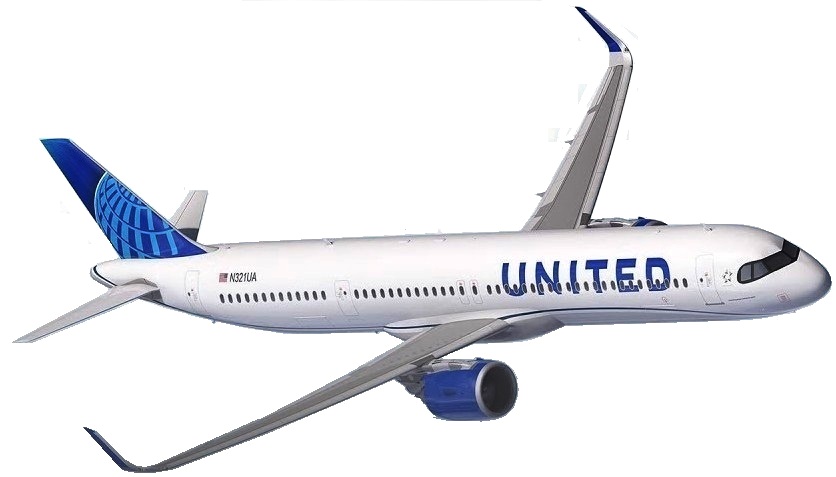
Arrendamiento veinte aviones Airbus A321neo para United Airlines
SMBC Aviation Capital ha anunciado la firma de contratos de arrendamiento definitivos con United Airlines por veinte (20) aviones Airbus A321neo. La llegada de los aviones se anunció previamente como parte del plan de flota de United en Abril de 2024, y está previsto que se entregue a partir de 2026 y procederá de la cartera de pedidos directos de Airbus de SMBC Aviation Capital. Este anuncio del acuerdo se suma a una transacción de venta y arrendamiento posterior de 20 aviones Boeing 737-8 MAX recientemente completada entre SMBC Aviation Capital y United Airlines.
En el Salón Aeronáutico de Farnborough de Julio de 2024, SMBC anunció que ejercerá opciones para veintidos (22) pedidos en firme de aviones de la familia A320neo.
«La relación entre SMBC y United nunca ha sido más fuerte y estos arrendamientos son una parte significativa de nuestros esfuerzos para optimizar nuestro balance y aumentar nuestro retorno sobre el capital. Agradecemos a SMBC por su continuo apoyo y asociación», dijo en un comunicado Michael Leskinen, Director Financiero de United.
SMBC Aviation Capital, con sede en Dublín, Irlanda, es una de las principales empresas de arrendamiento de aviones del mundo, especializada en el suministro de aviones comerciales a aerolíneas de todo el mundo.
SMBC Leases 20 A321neo Aircraft to United
Leasing Twenty Airbus A321neo Aircraft to United Airlines
SMBC Aviation Capital has announced the signing of definitive lease agreements with United Airlines for twenty (20) Airbus A321neo aircraft. The aircraft were previously announced to arrive as part of United’s fleet plan in April 2024, and are scheduled for delivery beginning in 2026 and will be sourced from SMBC Aviation Capital’s Airbus direct order book. This agreement announcement follows a recently completed sale and leaseback transaction of 20 Boeing 737-8 MAX aircraft between SMBC Aviation Capital and United Airlines.
At the Farnborough Airshow in July 2024, SMBC announced that it will exercise options for twenty-two (22) firm orders for A320neo family aircraft.
«The relationship between SMBC and United has never been stronger and these leases are a significant part of our efforts to optimize our balance sheet and increase our return on capital. We thank SMBC for their continued support and partnership», Michael Leskinen, United’s chief financial officer, said in a statement.
SMBC Aviation Capital, based in Dublin, Ireland, is one of the world’s leading aircraft leasing companies, specializing in the supply of commercial aircraft to airlines around the world.
PUBLISHER: Airgways.com DBk: Smbc.aero / United.com / Airbus.com / Airgways.com AW-POST: 202409201408AR OWNERSHIP: Airgways Inc. A\W A I R G W A Y S ®
Gobierno Argentina podría rescindir rutas a privados
El Gobierno del presidente Javier Milei anunció el Jueves 19/09 que cederá a manos privadas el control de las operaciones de la estatal Aerolíneas Argentinas en el caso de que los gremios continúen con sus protestas, que en las últimas semanas han causado la cancelación de cientos de vuelos. El Portavoz Presidencial Manuel Adorni ha anunciado a periodistas que el Gobierno «ha iniciado conversaciones con varias empresas privadas latinoamericanas para que se hagan cargo de la operación de Aerolíneas, en caso de que las extorsiones que están recibiendo los argentinos con este tipo de medidas continúen».
El pulso que mantiene el Gobierno con los gremios aeronáuticos de Pilotos (APLA) y de Aeronavegantes (AAA) de Aerolíneas Argentinas ha ido incrementándose en las últimas semanas en el marco del reclamo de subas salariales por parte de los trabajadores de la empresa y una protesta encubierta contra la privatización de la aerolínea. Los gremios sostienen que por la inflación los sueldos están desfasados en un 75% y han pedido 25% de aumento y seguir negociando. La empresa ofreció 11% en el marco de las políticas de reducción del gasto público implementadas por Milei, un ultraliberal que llegó al poder en Diciembre 2023. Además del reclamo salarial, los gremialistas acusan al Ejecutivo de buscar la desfinanciación de la aerolínea nacional para después avanzar con su privatización.
La semana pasada un paro de veinticuatro horas convocado por los gremios de pilotos y tripulantes de cabina de Aerolíneas dejó en tierra a unos 37.000 pasajeros de vuelos nacionales e internacionales, lo que generó pérdidas por valor de US$ 2.5 millones de Dólares. Otro reclamo anterior había afectado a unos 15.000 pasajeros. El Gobierno viene arremetiendo contra lo que considera los privilegios laborales de los empleados de la aerolínea nacional y afirma que ganan entre AR$ 3 y 20 millones de Pesos.
El Lunes 16/09 se publicó un Decreto del Ejecutivo que establece como Servico Esencial que quienes pretendan protestar deberán avisar a las autoridades correspondientes con al menos cinco días de anticipación a la fecha elegida. En caso de que las partes no se pongan de acuerdo sobre los servicios mínimos, no podrán ser inferiores al 50% de «la prestación normal y regular de los servicios».
Reestructuración rutas Debido a la escalada del conflicto con los trabajadores de la aviación, el Gobierno nacional ha iniciado conversaciones con varias empresas privadas latinoamericanas para hacerse cargo de Aerolíneas en caso de que la extorsión continúe. «En virtud de las persistentes huelgas convocadas por el sindicato […] el Gobierno nacional ha iniciado conversaciones con varias empresas privadas latinoamericanas para que finalmente se hagan cargo de la operación de Aerolíneas Argentinas en caso de que continúen las extorsiones que están recibiendo los argentinos con este tipo de medidas», dijo el Portavoz Presidencial Manuel Adorni en conferencia de prensa.
En una línea dura pero efectiva, el Gobierno nacional no dará marcha atrás con el desmanejo de la clase sindical que por mucho tiempo ha manipulado al sector de la aviación: «Enterraremos los piquetes sindicales y los privilegios de una casta. Tomaremos medidas enérgicas contra los piquetes de los sindicatos de la aviación», declaró Manuel Adorni.
La privatización de la aerolínea estatal argentina es un deseo de larga data del Presidente Libertario Javier Milei, quien la incluyó en una lista de empresas estatales para ser vendidas en su mega proyecto de la Ley de Bases. Sin embargo, durante las negociaciones para asegurar la aprobación del proyecto de ley en el Congreso, la administración retiró a la empresa de la lista de empresas a la venta.
La amenaza del Gobierno se produce después de semanas de conflicto con sindicatos de pilotos, personal de seguridad aeroportuaria, Controladores Aéreos y otros sindicatos aeronáuticos.
Conflicts over Aerolíneas continue
Argentine government could cancel routes to private companies
The government of President Javier Milei announced on Thursday 19/09 that it will hand over control of the operations of the state-owned Aerolíneas Argentinas to private hands in the event that the unions continue with their protests, which in recent weeks have caused the cancellation of hundreds of flights. Presidential Spokesman Manuel Adorni announced to journalists that the government «has begun conversations with several private Latin American companies to take over the operation of Aerolíneas, in case the extortions that Argentines are receiving with this type of measures continue».
The fight between the Government and the aeronautical unions of Pilots (APLA) and Aeronautical Workers (AAA) of Aerolíneas Argentinas has been increasing in recent weeks within the framework of the demand for salary increases by the company’s workers and a covert protest against the privatization of the airline. The unions maintain that due to inflation, salaries are 75% out of date and have asked for a 25% increase and to continue negotiating. The company offered 11% within the framework of the public spending reduction policies implemented by Milei, an ultra-liberal who came to power in December 2023. In addition to the salary claim, the union members accuse the Executive of seeking to defund the national airline and then move forward with its privatization.
Last week, a twenty-four-hour strike called by the unions of pilots and cabin crew of Aerolíneas grounded some 37,000 passengers on national and international flights, causing losses of US$ 2.5 million. Another previous protest had affected some 15,000 passengers. The Government has been attacking what it considers the labor privileges of the employees of the national airline and claims that they earn between AR$ 3 and 20 million Pesos.
On Monday 16/09, an Executive Decree was published that establishes as an Essential Service that those who intend to protest must notify the corresponding authorities at least five days in advance of the chosen date. In the event that the parties do not agree on the minimum services, they cannot be less than 50% of «the normal and regular provision of services».
Restructuring routes Due to the escalation of the conflict with aviation workers, the national government has begun talks with several private Latin American companies to take over Aerolíneas in case the extortion continues. «Due to the persistent strikes called by the union […] the national government has begun talks with several private Latin American companies to finally take over the operation of Aerolíneas Argentinas in case the extortions that Argentines are receiving with this type of measures continue», said Presidential Spokesperson Manuel Adorni in a press conference.
In a hard but effective line, the national government will not back down from the mismanagement of the union class that has long manipulated the aviation sector: «We will bury the union pickets and the privileges of a caste. We will take strong measures against the pickets of the aviation unions», declared Manuel Adorni.
Privatizing Argentina’s state-owned airline is a long-standing desire of Libertarian President Javier Milei, who included it on a list of state-owned companies to be sold in his mega Ley de Bases project. However, during negotiations to secure the bill’s approval in Congress, the administration removed the company from the list of companies for sale.
The government’s threat comes after weeks of conflict with unions of pilots, airport security personnel, Air Traffic Controllers, and other aeronautical unions.
PUBLISHER: Airgways.com DBk: Argentina.gob.ar / Aerolñineas.com / Airgways.com AW-POST: 202409201135AR OWNERSHIP: Airgways Inc. A\W A I R G W A Y S ®
Compañías aéreas interesadas en Aerolíneas Argentinas
Los anuncios del Gobierno de Argentina de disponer de Aerolíneas Argentinas para la venta ha despertado el interés de líneas aéreas y grupos para adquirir la aerolínea. Actualmente, la lista de compradores que pujan por la línea aérea de bandera de Argentina se amplía a un quinto candidato junto con Avianca Holdings, Latam Airlines Group, Germán Efromovich y Azul Linhas Aéreas, entraría un grupo nacional que cuenta con un socio europeo.
Aerolíneas Argentinas fue creada durante el Gobierno del Presidente Juan Domingo Perón en 1950, después de la fusión de las empresas mixtas Alfa, Zonda, Fama y Aeroposta. Sin embargo, la aerolínea se privatizó en 1989 en la Administración de Carlos Menem y luego fue asignada a Iberia, pasando luego al Grupo Marsans, ambos de España. Luego de la privatización de la propia Iberia, la compañía quedó a cargo de la Sociedad Estatal de Participaciones Industriales (SEPI) de España, que en 2001 la vendió a Air Comet, del grupo español Marsans.
Desafíos financieros Aerolíneas Argentinas ha sido una pieza clave en el mercado aéreo del país, especialmente en el sector de vuelos domésticos, donde mantiene una presencia dominante. Sin embargo, su situación financiera ha sido una carga importante para el gigante estatal. En 2023, la empresa cerró el ejercicio con pérdidas oficiales que alcanzaron los 200 millones de dólares, una cifra significativa pero que, según algunas estimaciones, podría ser aún mayor. El déficit real, si se consideran los subsidios recibidos durante la Administración de Alberto Fernández, podría llegar a los US$ 400 millones de Dólares, una situación insostenible para una empresa que ha estado luchando por alcanzar el punto de equilibrio durante años.
El debate sobre la privatización ha ganado fuerza a medida que la situación financiera de la aerolínea se vuelve más crítica. Fabián Lombardo ha sido claro al señalar que la única vía para garantizar el futuro de la compañía es la privatización, afirmó, aludiendo a la necesidad de reducir costos operativos y de preparar la empresa para que sea atractiva para posibles compradores. Además, agregó que el Gobierno actual comparte esta visión y está comprometido con la reestructuración de la compañía.
Proyecto privatizador La noticia de la posible privatización de Aerolíneas Argentinas ha generado un interés considerable en la industria aérea regional. El CEO Fabián Lombardo ha estado en contacto con varios grupos aéreos de la región, lo que ha llevado a especulaciones sobre quién podría adquirir la aerolínea. Entre los interesados más destacados están Avianca Holdings, Latam Airlines Group, y Germán Efromovich. Si bien una de estas firmas ha negado formalmente su participación en las negociaciones, otras han mostrado interés en explorar el futuro de Aerolíneas Argentinas y su proceso de privatización.
Avianca, con sede en Colombia, es una de las aerolíneas más grandes de América Latina y ha sido un jugador importante en la consolidación del mercado aéreo regional. Latam Group, por su parte, es el mayor grupo aéreo de la región, con presencia en varios países de América Latina y una red de rutas internacionales considerable. Ambos actores estarían interesados en aprovechar la red doméstica y regional de Aerolíneas Argentinas, así como su acceso a 37 rutas nacionales y 20 destinos internacionales que la empresa desarrolla. Además, Germán Efromovich, un empresario con una larga trayectoria en la industria aérea, podría ser otro de los posibles interesados, manteniendo una figura central en la expansión de Avianca y ha mostrado interés en adquirir otras aerolíneas en la región y en el mundo, lo que lo convierte en un candidato lógico para evaluar la compra de Aerolíneas Argentinas. Otro jugador que podría sumarse a esta lista de interesados es Azul Linhas Aéreas, una aerolínea de bajo costo con sede en Brasil. Azul ha ganado terreno en el mercado doméstico brasileño, alcanzando casi el 30% de participación de mercado. Su modelo de negocio de bajo costo podría ser una opción interesante para reestructurar Aerolíneas Argentinas, adaptando la empresa a las nuevas realidades del mercado y permitiendo una operación más eficiente y competitiva.
Futuro mercado aéreo El mercado aéreo argentino ha visto una competencia creciente en los últimos años, con la llegada de nuevas aerolíneas de bajo costo y una mayor demanda de vuelos tanto nacionales como internacionales. Aerolíneas como Flybondi y JetSMART han introducido una dinámica de competencia que ha presionado a Aerolíneas Argentinas a mejorar su oferta y reducir costos. En este contexto, la privatización podría ser una solución para que la compañía se ajuste mejor a las exigencias del mercado actual y pueda competir de manera más efectiva.
El futuro de Aerolíneas Argentinas busca desarrollar un salida a su situación financiera en términos de una privatización que podría marcar un hito en la historia del transporte aéreo en Argentina. Con grandes nombres como Avianca, LATAM, Germán Efromovich, Azul Linhas Aéreas interesados en la compra, el proceso podría atraer una gran atención y generar un cambio significativo en la estructura del mercado aéreo de la región. No obstante, el éxito de esta operación dependerá de múltiples factores, desde la aprobación del Congreso argentino hasta la capacidad de los compradores para manejar la deuda y optimizar la operación de la aerolínea.
Aerolíneas on radar for purchase interest
Airlines interested in Aerolíneas Argentinas
The announcements by the Argentine Government to put Aerolíneas Argentinas up for sale have sparked the interest of airlines and groups to acquire the airline. Currently, the list of buyers bidding for Argentina’s flag carrier has expanded to a fifth candidate, along with Avianca Holdings, Latam Airlines Group, Germán Efromovich and Azul Linhas Aéreas, a national group that has a European partner would enter.
Aerolíneas Argentinas was created during the Government of President Juan Domingo Perón in 1950, after the merger of the joint ventures Alfa, Zonda, Fama and Aeroposta. However, the airline was privatized in 1989 during the Administration of Carlos Menem and was later assigned to Iberia, then passing to the Marsans Group, both from Spain. Following the privatisation of Iberia itself, the company was taken over by Spain’s Sociedad Estatal de Participaciones Industriales (SEPI), which in 2001 sold it to Air Comet, of the Spanish Marsans group.
Financial challenges Aerolíneas Argentinas has been a key player in the country’s airline market, especially in the domestic flights sector, where it maintains a dominant presence. However, its financial situation has been a major burden for the state giant. In 2023, the company closed the year with official losses that reached US$200 million, a significant figure but one that, according to some estimates, could be even higher. The real deficit, if the subsidies received during the Alberto Fernández Administration are considered, could reach US$400 million, an unsustainable situation for a company that has been struggling to break even for years.
The debate over privatisation has gained strength as the airline’s financial situation becomes more critical. Fabian Lombardo has been clear in pointing out that the only way to guarantee the company’s future is privatization, he said, alluding to the need to reduce operating costs and prepare the company to be attractive to potential buyers. He added that the current government shares this vision and is committed to restructuring the company.
Privatization project The news of the possible privatization of Aerolíneas Argentinas has generated considerable interest in the regional airline industry. CEO Fabian Lombardo has been in contact with several airline groups in the region, leading to speculation about who could acquire the airline. Among the most prominent interested parties are Avianca Holdings, Latam Airlines Group, and Germán Efromovich. While one of these firms has formally denied its involvement in the negotiations, others have shown interest in exploring the future of Aerolíneas Argentinas and its privatization process.
Colombia-based Avianca is one of the largest airlines in Latin America and has been a major player in consolidating the regional airline market. Latam Group, for its part, is the largest airline group in the region, with a presence in several Latin American countries and a considerable international route network. Both actors would be interested in taking advantage of Aerolíneas Argentinas’ domestic and regional network, as well as its access to 37 domestic routes and 20 international destinations that the company develops. In addition, Germán Efromovich, a businessman with a long history in the airline industry, could be another of the possible interested parties, maintaining a central figure in the expansion of Avianca and has shown interest in acquiring other airlines in the region and around the world, which makes him a logical candidate to evaluate the purchase of Aerolíneas Argentinas. Another player that could join this list of interested parties is Azul Linhas Aéreas, a low-cost airline based in Brazil. Azul has gained ground in the Brazilian domestic market, reaching almost 30% market share. Its low-cost business model could be an interesting option to restructure Aerolíneas Argentinas, adapting the company to the new realities of the market and allowing a more efficient and competitive operation.
Future of the air market The Argentine air market has seen increasing competition in recent years, with the arrival of new low-cost airlines and a greater demand for both domestic and international flights. Airlines such as Flybondi and JetSMART have introduced a dynamic of competition that has put pressure on Aerolíneas Argentinas to improve its offering and reduce costs. In this context, privatization could be a solution for the company to better adjust to the demands of the current market and be able to compete more effectively.
The future of Aerolíneas Argentinas seeks to develop a way out of its financial situation in terms of a privatization that could mark a milestone in the history of air transport in Argentina. With big names such as Avianca, LATAM, Germán Efromovich, Azul Linhas Aéreas interested in the purchase, the process could attract great attention and generate a significant change in the structure of the air market in the region. However, the success of this operation will depend on multiple factors, from the approval of the Argentine Congress to the ability of the buyers to manage the debt and optimize the operation of the airline.
PUBLISHER: Airgways.com DBk: Aerolineas.com / Airgways.com AW-POST: 202409101044AR OWNERSHIP: Airgways Inc. A\W A I R G W A Y S ®
















 airgways.com