Aeropuerto de Catania cierra tras activación Volcán Etna
El Volcán Etna, situado en la sureña isla italiana de Sicilia, ha expulsado de manera espectacular fuego y cenizas en una explosión en la parte sureste de la montaña, lo que ha obligado al aeropuerto de Catania a paralizar sus operaciones. Medios locales y usuarios de redes sociales han compartido fotos y vídeos del evento que muestran una enorme humareda ascendiendo del cráter mientras la lava cae por la ladera en un incidente del que no se han reportado ni daños ni heridos. El flujo de lava alcanzado por la explosión del Volcán Etna ha alcanzado una altitud de 2.000 metros.
El Aeropuerto Catania ha cesado temporalmente las operaciones debido a las cenizas que han caído en balcones, casas y calles tras ascender más de un kilómetro en el aire, lo que ha hecho poco seguro volar. Estos sucesos no son poco comunes en el Etna, que tiene una altitud de 3.300 metros.
Active Etna volcano
Catania airport closes after activation of the Etna Volcano
The Etna Volcano, located on the southern Italian island of Sicily, has dramatically expelled fire and ash in an explosion in the southeast part of the mountain, forcing the Catania airport to paralyze its operations. Local media and social media users have shared photos and videos of the event that show huge smoke rising from the crater as lava falls down the hillside in an incident with no reported damage or injuries. The lava flow reached by the Etna Volcano explosion has reached an altitude of 2,000 meters.
Catania Airport has temporarily ceased operations due to ash that has fallen on balconies, houses and streets after ascending more than a kilometer in the air, which has made flying unsafe. These events are not uncommon on Mount Etna, which is 3,300 meters high.
Vulcano attivo dell’Etna
L’aeroporto di Catania chiude dopo l’attivazione del vulcano Etna
Il Vulcano Etna, situato nella Sicilia meridionale dell’isola, ha espulso in modo drammatico fuoco e cenere in un’esplosione nella parte sud-est della montagna, costringendo l’aeroporto di Catania a paralizzare le sue operazioni. Gli utenti dei media locali e dei social media hanno condiviso foto e video dell’evento che mostrano un enorme fumo che sale dal cratere mentre la lava cade giù dalla collina in un incidente senza danni o feriti riportati. La colata lavica raggiunta dall’esplosione del vulcano Etna ha raggiunto quota 2.000 metri.
L’aeroporto di Catania ha temporaneamente cessato le operazioni a causa della cenere caduta su balconi, case e strade dopo essere salita per oltre un chilometro in aria, il che ha reso pericoloso il volo. Questi eventi non sono rari sull’Etna, che è alto 3.300 metri.
AW | 2021 02 15 11:50 | AIRPORTS / AVIATION SAFETY / GOVERNMENT
Aeropuertos civiles saudíes son atacados por drones
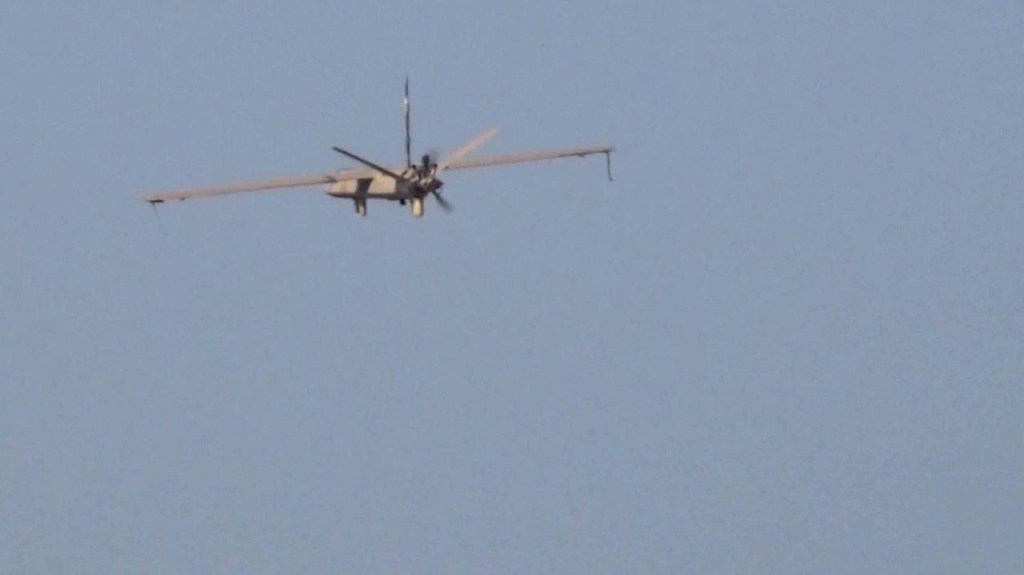
El grupo hutí alineado con Irán en Yemen dijo que el Lunes 15/02 había atacado los aeropuertos Abha y Jeddah de Arabia Saudita con drones. En un comunicado en Twitter, el portavoz militar hutí Yahya Sarea dijo que los ataques detuvieron las operaciones en los aeropuertos durante dos horas como resultado. La coalición liderada por Arabia Saudí que lucha contra los hutíes en Yemen dijo que a primera hora de la mañana del Lunes 15/02 había interceptado y destruido un avión no tripulado cargado de explosivos disparado por los hutíes hacia el reino. No hubo confirmación de las autoridades sauditas de la interrupción en los aeropuertos.
Los hutíes han dicho que han lanzado ataques que han golpeado un campo aéreo o una base en el sur de Arabia Saudita casi todos los días durante nueve días. El Miércoles 10/02 Riyadh dijo que un ataque causó un incendio en un avión civil en el Aeropuerto de Abha. La coalición intervino en Yemen en 2015, respaldando a las fuerzas gubernamentales que luchan contra los hutíes que controlan la capital y las zonas más pobladas. Los funcionarios de la ONU están tratando de revivir las conversaciones de paz para poner fin a la guerra que la ONU dice que ha creado la crisis humanitaria más grande del mundo.
Jeddah and Abha airports attack
Saudi civilian airports are attacked by drones
The Iran-aligned Houthi group in Yemen said that on Monday 02/15 it had attacked Saudi Arabia’s Abha and Jeddah airports with drones. In a statement on Twitter, Houthi military spokesman Yahya Sarea said the attacks halted operations at airports for two hours as a result. The Saudi-led coalition fighting the Houthis in Yemen said that early in the morning on Monday 02/15 it had intercepted and destroyed an explosives-laden drone fired by the Houthis into the kingdom. There was no confirmation from the Saudi authorities of the disruption at the airports.
The Houthis have said they have launched attacks that have hit an airfield or base in southern Saudi Arabia almost every day for nine days. On Wednesday 02/10 Riyadh said that an attack caused a fire in a civilian plane at Abha Airport. The coalition intervened in Yemen in 2015, backing government forces fighting the Houthis who control the capital and the most populated areas. UN officials are trying to revive the peace talks to end the war the UN says has created the world’s largest humanitarian crisis.
هجوم مطاري جدة وأبها
المطارات المدنية السعودية تتعرض للهجوم بطائرات بدون طيار
قالت جماعة الحوثي المتحالفة مع إيران في اليمن إنها هاجمت يوم الاثنين 15 فبراير مطاري أبها وجدة السعوديتين بطائرات مسيرة. وقال يحيى سريع المتحدث باسم الجيش الحوثي في بيان على تويتر إن الهجمات أوقفت العمليات في المطارات لمدة ساعتين نتيجة لذلك. قال التحالف الذي تقوده السعودية والذي يقاتل الحوثيين في اليمن إنه اعترض في وقت مبكر من صباح يوم الاثنين 15/2 / ودمر طائرة مسيرة محملة بالمتفجرات أطلقها الحوثيون على المملكة. ولم يصدر تأكيد من السلطات السعودية لتعطيل المطارات.
قال الحوثيون إنهم شنوا هجمات استهدفت قاعدة جوية أو قاعدة في جنوب السعودية كل يوم تقريبًا لمدة تسعة أيام. قالت الرياض يوم الأربعاء 2/10 الحالي ، إن هجومًا تسبب في حريق بطائرة مدنية بمطار أبها. تدخل التحالف في اليمن عام 2015 ، لدعم القوات الحكومية التي تقاتل الحوثيين الذين يسيطرون على العاصمة والمناطق الأكثر كثافة سكانية. يحاول مسؤولو الأمم المتحدة إحياء محادثات السلام لإنهاء الحرب التي تقول الأمم المتحدة إنها تسببت في أكبر أزمة إنسانية في العالم.
Gobierno Alemania oferta alternativas para paliar crisis
El Gobierno de Alemania a anunciado este 14/02 que va a inyectar € 900 millones de Euros para rescatar a los aeropuertos del país en una profunda crisis un año después de que la actividad aérea se paralizara en su mayor parte. Estas ayudas se suman a las decenas de millones ya desembolsados para Lufthansa German Airlnes, Condor Airlines, Tui Airways, entre otras líneas aéreas.
Las inyecciones de dinero corresponden a partidas para aeropuertos alemanes. Para el nuevo Aeropuerto Berlín-Brandenburgo se le ha asignado € 400 millones de Euros, como así tambien partidas para el Aeropuerto Colonia/Bonn y para el Aeropuerto Munich. Otros doce aeropuertos, incluyendo el de Frankfurt/Main, el más grande del país, obtendrán € 200 millones. Los recursos serán una combinación de préstamos, compras de acciones y avales. A los que los Gobiernos de los respectivos estados deberán añadir dinero adicional, según indica el gobierno Alemán.
Las ayudas alcanzan también para la autoridad de control aéreo DFS (Deutsche Flugsicherung GmbH) con una partida de € 300 millones de Euros, que es incapaz de ingresar dinero para financiarse en estos momentos. Ese dinero será a cambio de la participación del Gobierno en el capital de la compañía. Los demás accionistas aún deberán aceptar esta fórmula.
Sin embargo, esta ayuda que no llega a los mil millones de Euros, dista mucho de las pérdidas de tres mil millones que los aeropuertos dicen haber tenido entre el año pasado y lo que va de este, según la asociación que los agrupa. Su portavoz indicó que los aeropuertos están todos al borde del colapso económico. En Alemania, los aeropuertos son habitualmente propiedad de los gobiernos de los lander, con inversores privados en algunos casos. Alemania está siendo uno de los países más generosos en el salvamento de su sector del transporte, con fuertes ayudas económicas. Antes, como es bien conocido, Lufthansa obtuvo nueve mil millones de Euros.
Germany rescue € 900M for airports
German government offers alternatives to alleviate crisis
The Government of Germany announced this 02/14 that it is going to inject € 900 million Euros to rescue the country’s airports in a deep crisis one year after the air activity was mostly paralyzed. These aid are in addition to the tens of millions already disbursed for Lufthansa German Airlnes, Condor Airlines, Tui Airways, among other airlines.
The money injections correspond to items for German airports. For the new Berlin-Brandenburg Airport, € 400 million has been allocated, as well as allocations for the Cologne/Bonn Airport and for the Munich Airport. Twelve other airports, including Frankfurt / Main, the largest in the country, will get € 200 million. The resources will be a combination of loans, share purchases and guarantees. To which the governments of the respective states must add additional money, according to the German government.
The aid also reaches the air traffic control authority DFS (Deutsche Flugsicherung GmbH) with an item of € 300 million Euros, which is unable to enter money to finance itself at this time. That money will be in exchange for the Government’s participation in the capital of the company. The other shareholders must still accept this formula.
However, this aid, which does not reach one billion euros, is far from the losses of three billion that airports say they had between last year and so far, according to the association that groups them. His spokeswoman indicated that the airports are all on the brink of economic collapse. In Germany, airports are typically owned by lander governments, with private investors in some cases. Germany is being one of the most generous countries in rescuing its transport sector, with strong financial aid. Before, as is well known, Lufthansa earned nine billion Euros.
Deutschland rettet 900 Millionen für Flughäfen
Die Bundesregierung bietet alternativen zur krisenbewältigung
Die Deutsche Regierung kündigte am 14.02. An, dass sie € 900 Millionen Euro einbringen wird, um die Flughäfen des Landes in einer tiefen Krise ein Jahr nach der größtenteils gelähmten Luftaktivität zu retten. Diese Beihilfen kommen zu den zehn Millionen hinzu, die bereits unter anderem für Lufthansa German Airlnes, Condor Airlines und Tui Airways ausgezahlt wurden.
Die Geldspritzen entsprechen Artikeln für deutsche Flughäfen. Für den neuen Flughafen Berlin-Brandenburg wurden € 400 Millionen. Euro sowie Zuweisungen für den Flughafen Köln/Bonn und den Flughafen München bereitgestellt. Zwölf weitere Flughäfen, darunter Frankfurt am Main, der größte des Landes, erhalten € 200 Millionen Euro. Die Ressourcen werden eine Kombination aus Darlehen, Aktienkäufen und Garantien sein. Dazu müssen die Regierungen der jeweiligen Bundesländer nach Angaben der Bundesregierung zusätzliches Geld hinzufügen.
Die Beihilfe erreicht auch die Flugsicherung GmbH mit einem Posten von € 300 Millionen Euro, die derzeit kein Geld zur Selbstfinanzierung eingeben kann. Dieses Geld wird als Gegenleistung für die Beteiligung der Regierung am Kapital des Unternehmens verwendet. Die anderen Aktionäre müssen diese Formel weiterhin akzeptieren.
Diese Hilfe, die nicht eine Milliarde Euro erreicht, ist jedoch weit entfernt von den Verlusten von drei Milliarden, die Flughäfen nach Angaben des Verbandes, der sie zusammenfasst, zwischen dem letzten Jahr und bisher hatten. Sein Sprecher wies darauf hin, dass die Flughäfen kurz vor dem wirtschaftlichen Zusammenbruch stehen. In Deutschland befinden sich Flughäfen in der Regel im Besitz von Landerregierungen, in einigen Fällen auch bei privaten Investoren. Deutschland ist eines der großzügigsten Länder bei der Rettung seines Verkehrssektors mit starker finanzieller Unterstützung. Zuvor hatte Lufthansa bekanntlich neun Milliarden Euro verdient.
México inaugura Aeropuerto Internacional Felipe Ángeles
El Aeropuerto Internacional Felipe Ángeles/AIFA de Santa Lucía, México ha sido formalmente inaugurado por el Presidente de México este Miércoles 10/02. El Ejecutivo Nacional Andrés Manuel López Obrador establece la apertura de la nueva aeroestación ubicada en la anterior Base Aérea de Santa Lucía. “Hoy se va a inaugurar la base aérea del nuevo aeropuerto; tomaremos un avión del Aeropuerto Benito Juárez para aterrizar en el Aeropuerto Felipe Ángeles”, indicó el mandatario mexicano. El nuevo aeropuerto internacional ha establecido una primera etapa hacia las operaciones internacionales.
El evento se llevará a cabo en el marco del Día de la Fuerza Aérea Mexicana. Esta primera etapa del nuevo aeropuerto está conformado con seis hangares y la conclusión de la primera pista. Los representantes del aeropuerto no han establecido qué aerolíneas formarían parte de esta inauguración. Hasta el momento ninguna de empresa aérea mexicana ha confirmado su presencia para las operaciones en el Aeropuerto Internacional Felipe Ángeles, como así tampoco se han anunciado el inicio de las operaciones aerocomerciales.
El costo total del proyecto del aeropuerto se calcula en MX$ 79.695 millones de Pesos, de acuerdo con cifras del Gobierno Federal. El nuevo aeropuerto posee una Torre de Control de 88 metros de altura y está equipada con una cabina para 12 controladores aéreos. Mientras tanto, el edificio Terminal todavía continuará con las obras de construcción que tendrá una estructura de casi un kilómetro de largo. La inauguración de la Terminal Aérea está programada para el 21 de Marzo del 2022.
Santa Lucía Airport Inauguration
Mexico opens Felipe Ángeles International Airport
The Felipe Ángeles International Airport/AIFA of Santa Lucía, Mexico has been formally inaugurated by the President of Mexico this Wednesday 02/10. The National Executive Andrés Manuel López Obrador establishes the opening of the new air station located in the former Santa Lucía Air Base. “Today the air base of the new airport will be inaugurated; we will take a plane from the Benito Juárez Airport to land at the Felipe Angeles Airport”, said the Mexican President. The new international airport has established a first stage towards international operations.
The event will take place within the framework of the Mexican Air Force Day. This first stage of the new airport consists of six hangars and the completion of the first runway. Airport representatives have not established which airlines would be part of this inauguration. To date, no Mexican airline company has confirmed its presence for operations at the Felipe Angeles International Airport, and the start of commercial air operations has not been announced either.
The total cost of the airport project is estimated at MX$ 79,695 million pesos, according to Federal Government figures. The new airport has a Control Tower 88 meters high and is equipped with a cabin for 12 air traffic controllers. Meanwhile, the Terminal building will still continue with the construction works that will have a structure almost a kilometer long. The inauguration of the Air Terminal is scheduled for March 21, 2022.
AW | 2021 02 09 10:57 | AIRLINES / AIRPORTS / GOVERNMENT
Aerolíneas publica próxima programación vuelos Aeroparque
Aerolíneas Argentinas está incorporando su próxima programación de vuelos para el reinicio de las operaciones en el Aeropuerto Regional Jorge Newbery AEP/SABE. Tras la proximidad de la terminación de obras hacia el 15/03, la aeroestación estaría en condiciones de volver a operar servicios de domésticos y regionales.
El Aeropuerto Jorge Newbery continuará siendo la aeroestación de más tráfico de Argentina, estimando su apertura para el 15 de Marzo de 2021 restableciendo su operatibidad. Mientras tanto, Aeroparque también estará alcanzada por las normas sanitaria para su apertura.
Aerolíneas Argentinas publicó los cronograma de operaciones en la reacondicionada Aeroparque. El primer vuelo de Aerolíneas Argentinas en programación es el del Lunes 16 de Marzo de 2021 Buenos Aires/AEP—Córdoba/COR.
Remodelación Aeroparque
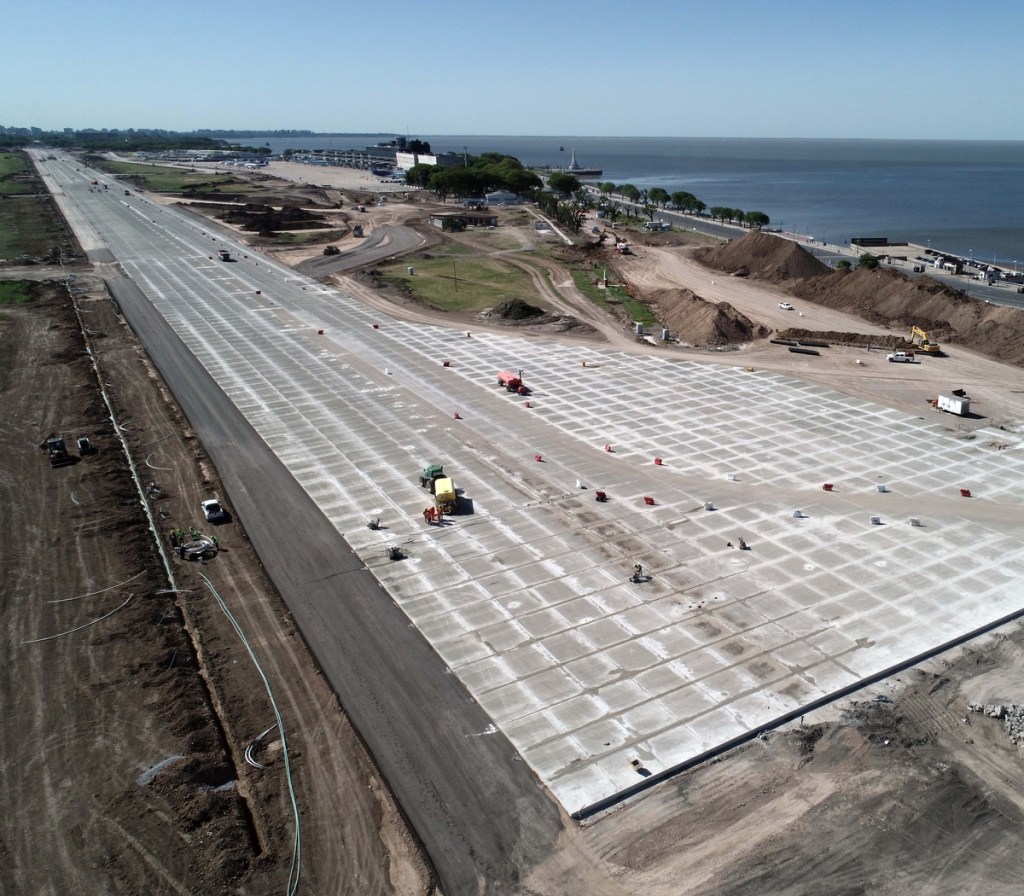
Los trabajos de remodelación insumieron una inversión de AR$ 5.000 millones de Pesos e incluyeron la prolongación de la pista principal, el balizamiento, las calles de rodaje y reformas en el hall central. Cambiará su calificación hacia terminal regional donde podrán operar aeronaves de mayor porte que las actuales como los Airbus A330-200 de Aerolíneas Argentinas. La última gran remodelación se había realizado hacia finales de los años 70, antes del Mundial de Fútbol 1978. Luego hubo obras de modernización parcial de algunas áreas. La demolición completa de la vieja pista, se realizó noviembre y parte de los restos y escombros se usaron para el relleno de la nueva, un corredor de hormigón que va en paralelo a las avenidas Cantilo y Costanera Norte.
Las remodelaciones están cumplidas en un alto porcentaje aunque faltan reformas el edificio central. Las obras que cambian por completo la estación aérea porteña estarían terminadas, en líneas generales, sobre las pistas y las calles de rodajes. Aunque los trabajos continuarán en el interior del edificio mientras se espera que el Organismo Regulador del Sistema Aeroportuario (ORSNA) verifique los trabajos y sugiera eventuales correcciones. Lo trabajos alcanzan un 70% del total proyectado. Una vez que concluidos, se realizarán las pruebas de toda la nueva infraestructura.
El sector de aterrizaje actualmente posee 2.700 metros de largo, 590 metros adicionales. Sumó 340 metros hacia el norte y 250 hacia el sur. Las dimensiones del ancho de la pista han sido modificados, actualmente mide 60 metros, mientras que antes tenía 40 metros. Y se agregarán 5 metros de hormigón y 7,5 metros de cada lado del concreto asfáltico.
Estos cambios harán que el aeroparque cambie su calificación a Regional lo cual implica la aceptación de maquinas de mayor porte, como los A330 de Aerolíneas, u otros costos operativos mayores que correrán por cuenta de las empresa que contraten los espacios. «La pista propiamente dicha está terminada. Ahora se está trabajando en los rodajes, que son las calles por las que los aviones acceden a ella, y en los márgenes. También en las franjas, que son esos paños de pasto a los costados, porque hay que nivelarlas», cuenta el Arquitecto Jorge Leggieri, gerente de Obras de Infraestructura Aeroportuaria del Organismo Regulador del Sistema Nacional de Aeropuertos (ORSNA).
Las calles de rodaje a las que se refiere son utilizadas también como salidas rápidas, que permiten a un avión ir a la plataforma después del aterrizaje. De esta manera se agiliza la operación y se libera la pista para nuevos despegues o aterrizajes. La obra incluye un nuevo hall de arribos y partidas para vuelos internacionales, con mayor infraestructura y confort para los pasajeros. Estará ubicado junto a dónde hoy se observa el estacionamiento norte. La necesidad de ampliar la terminal surge de la idea de que todos los vuelos a países de la región vuelvan a operar desde este aeropuerto metropolitano. Por eso, ganarán espacio las salas de embarque, los controles de seguridad y migratorios, las zonas de despacho y retiro de valijas y el área del check in. Otra parte importante de la renovación está vinculada al balizamiento. Como Ezeiza, el Aeroparque tendrá categoría 3, lo que le permitirá realizar despegues y aterrizajes en condiciones meteorológicas adversas. «Casi el total de los aeropuertos del país tienen una categoría 1 de balizamiento, lo que es suficiente para operar», explican desde la concesionaria Aeropuertos Argentina 2000.
Aeropuertos Argentina 2000 llevó adelante el proceso de diseño, licitación, contratación y dirección de obra. El ORSNA las evalúa y aprueba y, además, se encarga de fiscalizar y certificar. Los trabajos se financian con fondos públicos de asignación específica del Fideicomiso para el Fortalecimiento del Sistema Nacional de Aeropuertos (FFSNA).
Regionalización Aeroparque
El Aeropuerto Jorge Newbery se han realizado reformas estructurales en la Pista 13/31 desarrollando una nueva base de hormigón. Otras obras han incluido un nuevo hall de arribos y partidas para vuelos internacionales que han incorporado mayor infraestructura y comodidad para los pasajeros. Los cambios introducidos permitirán tener mayor espacio en las salas de embarque, los controles de seguridad y migratorios, las zonas de despacho y retiro de valijas y el área del check in.
La reapertura del Aeropuerto Jorge Newbery permitirá introducir mejoras al transporte aéreo y ampliar las perspectivas de las aerolíneas posicionando a la aeroestación en una de las más importantes de la región. La renovación del Aeroparque permitirá introducir más vuelos y más aerolíneas donde operarán JetSmart Airlines Argentina, Flybondi Líneas Aéreas, Andes Líneas Aéreas, entre otras compañías.
La operatividad de los vuelos estará enmarcada en potenciar los vuelos de cabotaje e incorporando más vuelos regionales hacia Sudamérica permitiendo jerarquizar al aeropuerto a un nivel como el Aeropuerto Sao Paulo/Congonhas, en Brasil.
El Gobierno de Argentina ha establecido la decisión de proveer al Aeroparque de una nueva terminal aérea para vuelos domésticos y regionales con el objetivo de potenciar el tráfico de pasajeros desde la aeroestación más importante del país.
Aerolíneas programming Aeroparque
Aerolíneas publishes next schedule for Aeroparque flights
Aerolíneas Argentinas is incorporating its next flight schedule for the restart of operations at the Jorge Newbery AEP/SABE Regional Airport. After the proximity of the completion of works towards 03/15, the air station would be in a position to return to operating domestic and regional services.
Jorge Newbery Airport will continue to be the busiest airstation in Argentina, with its opening scheduled for March 15, 2021, restoring its operability. Meanwhile, Aeroparque will also be reached by the health regulations for its opening.
Aerolíneas Argentinas published the schedule of operations in the reconditioned Aeroparque. The first scheduled flight is Monday March 16, 2021 Buenos Aires/AEP-Córdoba/COR.
Aeroparque Remodeling
The remodeling work involved an investment of AR$ 5,000 million pesos and included the extension of the main runway, the markings, the taxiways and renovations in the central hall. It will change its qualification to a regional terminal where it will be able to operate larger aircraft than the current ones, such as the Airbus A330-200 of Aerolíneas Argentinas. The last major remodeling had been carried out towards the end of the 70s, before the 1978 Soccer World Cup. Then there were partial modernization works in some areas. The complete demolition of the old runway was carried out in November and part of the remains and rubble were used to fill the new one, a concrete corridor that runs parallel to Cantilo and Costanera Norte avenues.
The remodeling is completed in a high percentage although the central building is lacking reforms. The works that completely change the Buenos Aires air station would be completed, in general, on the runways and taxiways. Although the works will continue inside the building while waiting for the Airport System Regulatory Body (ORSNA) to verify the works and suggest possible corrections. The works reach 70% of the total projected. Once completed, the entire new infrastructure will be tested.
The landing sector is currently 2,700 meters long, an additional 590 meters. It totaled 340 meters to the north and 250 to the south. The dimensions of the width of the track have been modified, currently it measures 60 meters, while previously it was 40 meters. And 5 meters of concrete and 7.5 meters on each side of the asphalt concrete will be added.
These changes will cause the airport to change its rating to Regional, which implies the acceptance of larger machines, such as the Airlines A330, or other higher operating costs that will be borne by the companies that contract the spaces. «The runway itself is finished. Now we are working on the filming, which are the streets through which the airplanes access it, and on the margins. Also on the strips, which are those grass patches on the sides, because they have to be leveled», says Architect Jorge Leggieri, Manager of Airport Infrastructure Works of the Regulatory Body of the National Airport System (ORSNA).
The taxiways to which it refers are also used as express exits, which allow an aircraft to go to the apron after landing. In this way the operation is streamlined and the runway is freed for new takeoffs or landings. The work includes a new arrivals and departures hall for international flights, with greater infrastructure and comfort for passengers. It will be located next to where the north parking lot is observed today. The need to expand the terminal arises from the idea that all flights to countries in the region will operate again from this metropolitan airport. For this reason, the departure lounges, the security and immigration controls, the dispatch and baggage pick-up areas and the check-in area will gain space. Another important part of the renovation is linked to the beaconing. Like Ezeiza, the Aeroparque will have category 3, which will allow it to take off and land in adverse weather conditions. «Almost all the airports in the country have a category 1 beacon, which is enough to operate», they explain from the concessionaire Airports Argentina 2000.
Airports Argentina 2000 carried out the process of design, bidding, contracting and construction management. The ORSNA evaluates and approves them and, in addition, is in charge of supervising and certifying. The works are financed with public funds assigned specifically by the Trust for the Strengthening of the National Airport System (FFSNA).
Aeroparque regionalization
At Jorge Newbery Airport, structural reforms have been carried out on Runway 13/31, developing a new concrete base. Other works have included a new arrivals and departures hall for international flights that have incorporated greater infrastructure and comfort for passengers. The changes introduced will allow for more space in the departure lounges, the security and immigration controls, the baggage dispatch and pick-up areas and the check-in area.
The reopening of Jorge Newbery Airport will make it possible to introduce improvements in air transport and broaden the perspectives of the airlines, positioning the air station as one of the most important in the region. The renovation of the Airport will allow the introduction of more flights and more airlines where JetSmart Airlines Argentina, Flybondi Líneas Aéreas, Andes Líneas Aéreas, among other companies will operate.
The operation of the flights will be framed in promoting domestic flights and incorporating more regional flights to South America, allowing the airport to be ranked at a level such as the Sao Paulo/Congonhas Airport, in Brazil.
The Government of Argentina has established the decision to provide the Aeroparque with a new air terminal for domestic flights and regional with the aim of boosting passenger traffic from the most important air station in the country.
Aeropuerto Miami 2020 supera volumen de carga respecto al 2019
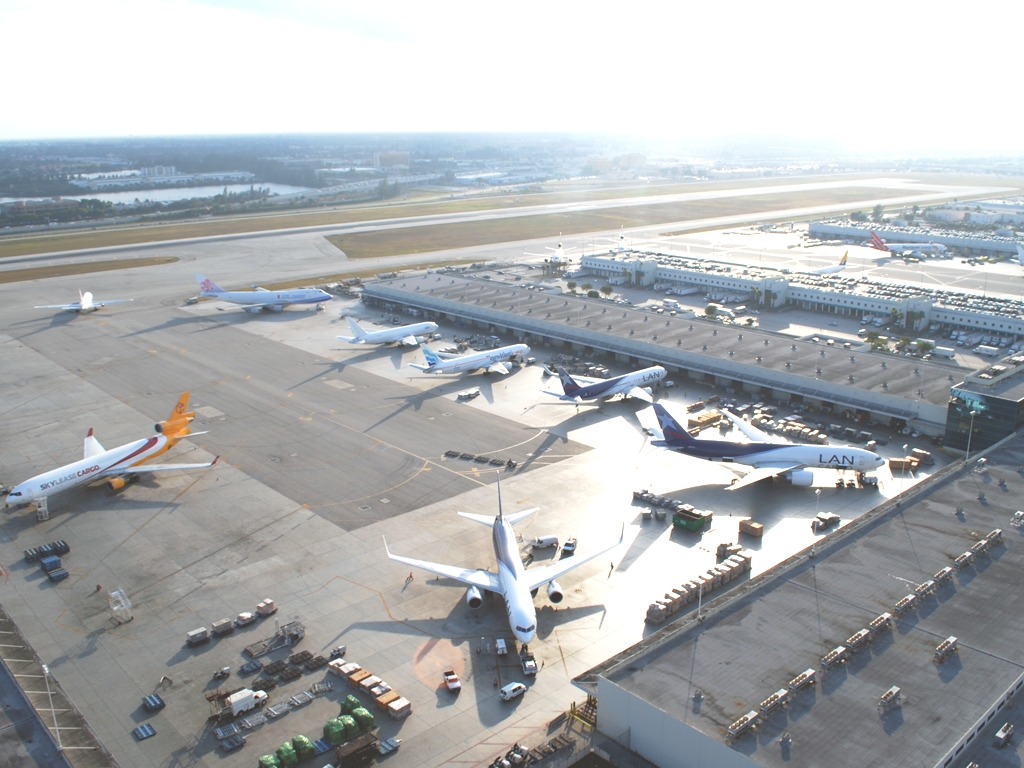
El Aeropuerto Internacional Miami/MIA ha mostrado índices de volumen de carga de 2,32 millones de toneladas en 2020, unos 57.382 millones de toneladas adicionales que el año anterior 2019. «La puerta de entrada a Florida terminó el año excepcionalmente fuerte con un promedio de 210.000 toneladas en Octubre, Noviembre y Diciembre, lo que los convierte en los meses más activos del aeropuerto en cuanto a volúmenes de carga», indicó este Jueves 04/02 la revista especializada Airport World.
MIA también cerró 2020 con un récord de 59.000 vuelos solo de carga, lo que supuso casi 8.000 vuelos más que en 2019. «Nuestro año récord no hubiera sido posible sin la sólida asociación que compartimos con todas y cada una de las aerolíneas, agencias federales y proveedores de logística que adaptaron y mantuvieron sus servicios durante la pandemia», dijo el Director y CEO del MIA, Lester Sola. El Aeropuerto de Miami ha agradecido por el apoyo continuo y avanzan para alcanzar «niveles aún mayores juntos en 2021, a medida que facilitamos el comercio más esencial en nuestra región y el mundo. Estamos profundamente agradecidos por su apoyo continuo y esperamos alcanzar niveles aún mayores juntos en 2021, a medida que facilitamos el comercio más esencial en nuestra región y el mundo», expresó el CEO Lester Sola.
El MIA destacó como el aeropuerto más concurrido de Estados Unidos para carga internacional y productos perecederos, y continúa siendo un centro global para suministros esenciales y comercio electrónico durante la pandemia. La Alcaldesa del Condado de Miami-Dade, Daniella Levine Cava, apuntó que «el hecho de que este crecimiento haya ocurrido durante la pandemia es aún más alentador. A medida que avanza nuestro repunte económico local, tenemos la suerte de tener un centro líder de pasajeros y carga como MIA que está prosperando durante estos tiempos sin precedentes».
El año 2020 probablemente no fue tan bueno en lo que se refiere a tráfico de pasajeros debido a las restricciones de movilidad por la pandemia, aunque aun faltan cifras oficiales. En 2019 logró la marca histórica de 45,9 millones de pasajeros, casi un millón más que el año anterior, y revalidó su posición entre los diez aeropuertos más importantes del país.
Miami outperforms air cargo
Miami Airport 2020 exceeds cargo volume compared to 2019
Miami International Airport/MIA has shown cargo volume rates of 2.32 million tons in 2020, an additional 57.382 million tons than the prior year 2019. «The gateway to Florida ended the year exceptionally strong with an average of 210,000 tons in October, November and December, which makes them the airport’s busiest months in terms of cargo volumes», said the specialized magazine Airport World this Thursday 04/02.
MIA also closed 2020 with a record 59,000 cargo-only flights, which was almost 8,000 more flights than in 2019. «Our record year would not have been possible without the strong partnership we share with each and every airline, federal agency and logistics providers that adapted and maintained their services during the pandemic», said MIA Director and CEO Lester Sola. Miami Airport is grateful for the continued support and they are moving forward to reach «even higher levels together in 2021, as we facilitate the most essential trade in our region and the world. We are deeply grateful for your continued support and look forward to reaching even higher levels. together in 2021, as we facilitate the most essential commerce in our region and the world», said CEO Lester Sola.
The MIA stood out as the busiest airport in the United States for international cargo and perishable goods, and it continues to be a global hub for essential supplies and e-commerce during the pandemic. Miami-Dade County Mayor Daniella Levine Cava noted that «the fact that this growth occurred during the pandemic is even more encouraging. As our local economic rebound progresses, we are fortunate to have a leading center for passengers and cargo like MIA that is thriving during these unprecedented times».
The year 2020 was probably not that good in terms of passenger traffic due to mobility restrictions due to the pandemic, although official figures are still lacking. In 2019 it achieved the historic mark of 45.9 million passengers, almost a million more than the previous year, and revalidated its position among the ten most important airports in the country.
Gobierno India inicia tercera etapa privatización de aeropuertos
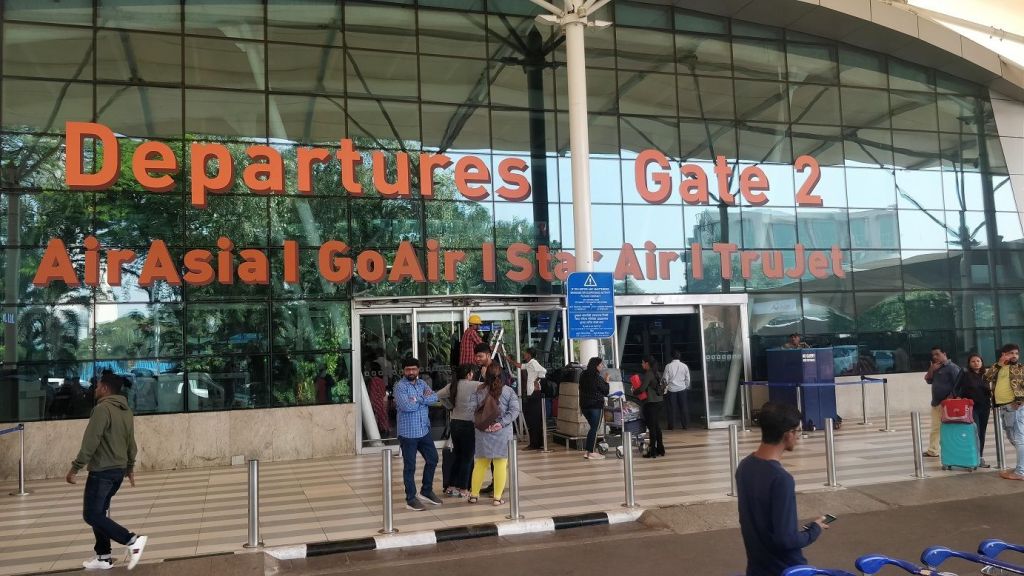
El Gobierno de la India ha iniciado el proceso de privatización de aeropuertos del país. La Autoridad Aeroportuaria de la India (AAI) comenzará la tercera etapa del proceso de privatización aeroportuaria para entre seis a diez aeropuertos en Abril 2021, dijo el Jueves 04/02 el Secretario de Aviación Civil, Pradeep Singh Kharola. El Gobierno utilizará un nuevo enfoque para privatizar aeropuertos, presentando oferta de paquete de aeropuerto rentable con un aeropuerto con pérdidas para el proceso de venta. La ministra de Finanzas, Nirmala Sitharaman, dijo en su discurso presupuestario que el Gobierno privatizará los aeropuertos operados por AAI de las ciudades de nivel II y III durante 2021-22. AAI está recaudando ₹ 2.100 crore de los bancos por sus necesidades de gastos de capital en 2021-22, dijo su presidente interino Anuj Agarwal. AAI ya ha aprobado la propuesta de Adani Group de hacerse cargo del Aeropuerto de Mumbai.
En Septiembre de 2020, el conglomerado liderado por Gautam Adani había firmado un pacto definitivo para comprar la deuda de GVK Airport Developers Ltd, contra la cual se había prometido una participación del 50,5% en Mumbai International Airport Ltd (MIAL). El Grupo Adani había dicho que también comprará la participación combinada del 23,5% en manos de Airport Co. de Sudáfrica y el grupo Bidvest de Sudáfrica en MIAL.
Indian airports privatization
Indian government begins third stage of airport privatization
The Government of India has started the process of privatizing airports in the country. The Airport Authority of India (AAI) will begin the third stage of the airport privatization process for six to ten airports in April 2021, said on Thursday 04/02 the Secretary of Civil Aviation, Pradeep Singh Kharola. The government will use a new approach to privatize airports, presenting a profitable airport package offering with a losing airport for the sale process. Finance Minister Nirmala Sitharaman said in her budget speech that the government will privatize AAI-operated airports in Tier II and III cities during 2021-22. AAI is raising ₹ 2,100 crore from banks for its capital spending needs in 2021-22, said its acting chairman Anuj Agarwal. AAI has already approved Adani Group’s proposal to take over Mumbai Airport.
In September 2020, the conglomerate led by Gautam Adani had signed a definitive agreement to buy the debt of GVK Airport Developers Ltd, against which a 50.5% stake in Mumbai International Airport Ltd (MIAL) had been promised. The Adani Group had said that it will also buy the combined 23.5% stake held by South Africa’s Airport Co. and South Africa’s Bidvest group in MIAL.
भारतीय हवाई अड्डों का निजीकरण
भारत सरकार ने हवाई अड्डे के निजीकरण का तीसरा चरण शुरू किया
भारत सरकार ने देश में हवाई अड्डों के निजीकरण की प्रक्रिया शुरू कर दी है। भारतीय विमानपत्तन प्राधिकरण (एएआई) अप्रैल 2021 में छह से दस हवाई अड्डों के लिए हवाई अड्डे के निजीकरण की प्रक्रिया के तीसरे चरण की शुरुआत करेगा, गुरुवार को 04/02 नागरिक उड्डयन सचिव प्रदीप सिंह खारोला ने कहा। सरकार हवाई अड्डों के निजीकरण के लिए एक नए दृष्टिकोण का उपयोग करेगी, बिक्री प्रक्रिया के लिए एक खोने वाले हवाई अड्डे के साथ एक लाभदायक हवाई अड्डे के पैकेज की पेशकश करेगी। वित्त मंत्री निर्मला सीतारमण ने अपने बजट भाषण में कहा कि सरकार 2021-22 के दौरान टीयर II और III शहरों में AAI- संचालित हवाई अड्डों का निजीकरण करेगी। एएआई ने कहा कि एएआई 2021-22 में पूंजीगत खर्च की जरूरतों के लिए बैंकों से 2,100 करोड़ रुपये जुटा रहा है। एएआई पहले ही मुंबई हवाईअड्डे पर अडानी समूह के प्रस्ताव को मंजूरी दे चुका है।
सितंबर 2020 में, गौतम अडानी के नेतृत्व वाले समूह ने जीवीके एयरपोर्ट डेवलपर्स लिमिटेड के ऋण को खरीदने के लिए एक निश्चित समझौते पर हस्ताक्षर किए थे, जिसके खिलाफ मुंबई इंटरनेशनल एयरपोर्ट लिमिटेड (एमआईएएल) में 50.5% हिस्सेदारी का वादा किया गया था। अडानी समूह ने कहा था कि वह एमआईएएल में दक्षिण अफ्रीका के हवाईअड्डा कंपनी और दक्षिण अफ्रीका के बिडवेस्ट समूह द्वारा संयुक्त 23.5% हिस्सेदारी खरीदेगा।
El Aeropuerto Antonio B. Won Pat/GUM de la Isla de Guam ha incorporado recientemente tecnología avanzada para la seguridad aeroportuaria. La Administración de Seguridad en el Transporte (TSA) en el Aeropuerto Internacional de Guam, un territorio no incorporado de los Estados Unidos, ha comenzado a utilizar un escáner de Tomografía Computarizada (TC) avanzada en su punto de control de seguridad.
El escáner ayudará a los oficiales de la TSA a detectar artículos dentro del equipaje de mano que pueden suponer amenazas a la seguridad. Durante el proceso de cribado, una cámara de rayos X hace clic en varias imágenes mientras gira alrededor de la cinta transportadora para producir una imagen 3D del interior de la bolsa que se está examinando. Al mismo tiempo, el escáner de TC utiliza un algoritmo sofisticado para examinarlos e interpretarlos. Los oficiales de la TSA pueden rotar la imagen en pantalla para una inspección visual exhaustiva para asegurarse de que no hay amenazas en la bolsa, sin abrirla. Esto reducirá el número de bolsas que deben inspeccionarse manualmente para resolver una posible amenaza, eliminando los posibles puntos de contacto en medio de la pandemia en curso.
El director de seguridad federal de la TSA Pacific, Jenel Cline, dijo: «Los viajeros verán el nuevo escáner de TC en uso en el punto de control de seguridad en GUM. Esta unidad proporciona capacidades mejoradas de detección de amenazas de seguridad, lo que permite al oficial de la TSA realizar pruebas de rayos X para obtener una mejor vista del contenido de la bolsa. Nos complace tener esta nueva pieza de equipo de cribado para aumentar la eficacia y eficiencia de nuestras operaciones de seguridad». Cuando la TC está en uso, los pasajeros pueden abstenerse de retirar los ordenadores portátiles y otros dispositivos electrónicos de su equipaje de mano.
Guam Airport incorporates CT technology
Guam airport incorporates computed tomography
Guam Island’s Antonio B. Won Pat/GUM Airport has recently incorporated advanced technology for airport security. The Transportation Security Administration (TSA) at Guam International Airport, an unincorporated territory of the United States, has begun using an advanced Computed Tomography (CT) scanner at its security checkpoint.
The scanner will help TSA officers detect items in carry-on baggage that may pose security threats. During the screening process, an X-ray camera clicks on various images as it rotates around the conveyor belt to produce a 3D image of the inside of the bag being examined. At the same time, the CT scanner uses a sophisticated algorithm to examine and interpret them. TSA officers can rotate the screen image for a thorough visual inspection to make sure there are no threats in the bag, without opening it. This will reduce the number of bags that need to be manually inspected to resolve a potential threat, eliminating potential contact points amid the ongoing pandemic.
TSA Pacific Federal Security Director Jenel Cline said: «Travelers will see the new CT scanner in use at the security checkpoint at GUM. This unit provides enhanced security threat detection capabilities, which allows the TSA officer to perform X-ray testing to get a better view of the contents of the bag. We are pleased to have this new piece of screening equipment to increase the effectiveness and efficiency of our security operations». When the TC is in use, passengers can refrain from removing laptops and other electronic devices from their carry-on luggage.
Aeropuerto Jorge Newbery continúan los trabajos de remodelación
El Aeropuerto Jorge Newbery SABE/AEP permanece fuera de servicio desde mediados del año 2020, permitiendo continuar con las modificaciones con las perspectivas de ampliar su capacidad operativa restableciendo los vuelos regionales/internacionales.
Las obras complementarias de la aeroestación continúan avanzando pese a los contratiempos que genera la pactual pandemia, con unos plazos fijados el año pasado por el Gobierno tuvieron que ser modificados a raíz demoras surgidas en el último tramo de 2020. Las perspectivas de la apertura del aeropuerto estaba anunciada para Febrero 2021, pero un ajuste en el cronograma establecido hicieron posponer la reapertura hacia el 15 de Marzo de 2021. «Se extendió el NOTAM de cierre hasta el 15 de Marzo, pero tiene que ver con cuestiones operativas relacionadas a calibraciones, verificaciones y capacitaciones que deben llevarse a cabo, previas a la habilitación. Las obras en el edificio ostentan un avance cercano al 50 por ciento. Puede parecer poco, pero hay que tener en cuenta que se mide en función del porcentaje de la inversión gastado hasta el momento. Y generalmente los equipamientos y todo lo que se coloca en las etapas finales de la arquitectura, que incluye desde los equipos de aire acondicionado hasta los artefactos de iluminación, tiene un peso grande en esa inversión», dijo un portavoz del Organismo Regulador del Sistema Nacional de Aeropuertos (ORSNA). La Pista 13/31 está renovada por completo. «La pista propiamente dicha está terminada. Ahora se está trabajando en los rodajes, que son las calles por las que los aviones acceden a ella, y en los márgenes. También en las franjas, que son esos paños de pasto a los costados, porque hay que nivelarlas», se informó desde el organismo.
Los cambios establecidos
En cuanto a los trabajos que se siguen haciendo en la terminal, el plan activo contempla inversiones por al menos AR$ 5.000 millones de Pesos. Aprovechando el momento particular de parálisis de la aviación comercial que ocurrió en 2020, el Organismo Regulador del Sistema Nacional de Aeropuertos (ORSNA) solicitó a Aeropuertos Argentina 2000 el estudio de la factibilidad para realizar una obra de envergadura, con vistas de largo plazo y así mejorar la categoría de la pista actual. La obra viene a complementar la transformación que está viviendo Aeroparque en el contexto de su regionalización con nuevos estacionamientos Sur y estacionamientos en subsuelos en tierra ganada al río, debajo de nuevo parque costero, check in, capacidad de la terminal, paseo costero, entre otros, se informó desde la concesionaria.
La pista del Aeropuerto Jorge Newbery contaba con 2.100 metros previo a estas labores. Ahora sumó 275 metros hacia el sur y 340 hacia el norte (615 metros en total). De esa manera llega a tener 2.715 metros de largo y, además, se ensanchó 20 metros. «Esto permitirá optimizar las operaciones regionales y mejorar la seguridad y la conectividad con el exterior», comunicó recientemente Aeropuertos Argentina 2000. En concreto, habilitará el movimiento de aviones de gran porte. Con vistas al arribo de vuelos internacionales, las obras en marcha sumarán 800 metros cuadrados de superficie, y además se promueve una ampliación del área de partidas, que abarcará algo más de 4.600 metros cuadrados. El retorno del Aeroparque representará un alivio para el Aeropuerto Internacional Ezeiza, que concentra toda la actividad aerocomercial de los vuelos domésticos e internacionales. «El preembarque internacional se diagramó para poder manejar la operación de seis vuelos en una hora, por lo que se refuncionalizó el espacio actual. Se mantienen los 3 scanners de la Policía de Seguridad Aeroportuaria y se agregan seis boxes dobles de migraciones (doce posiciones en total) y cinco e-gates de migraciones. Hay 2 puertas de preembarque nacional que funcionarán como posiciones flex, es decir, las puertas 12 y 13 de nacional se pueden usar para embarcar vuelos inter, y esto se hará mediante mamparas de vidrio similares a las que ya hay en el aeropuerto de Córdoba. Habrá dos locales gastronómicos», indicó la empresa
El plan de obras contempla desembolsos del orden de los AR$ 5.000 millones de pesos. Asimismo, en el sector de arribos internacionales, habrá tres cintas y se separarán para brindar mayor comodidad. Se quintuplicará la superficie de oficinas para Aduana y Migraciones. Los trabajos en marcha también incluyen mejoras en el sistema de señalización, con la perspectiva de garantizar la operatividad en situaciones climáticas adversas. «Las obras contemplarán un nuevo sistema de balizamiento de alta intensidad en configuración de Categoría Operacional III, rodajes y salidas rápidas, que incluye luces de eje pista, bordes, umbral y fin de pista, y nuevos sistemas de luces de aproximación en ambas cabeceras. Dichas instalaciones mejorarán sustancialmente la seguridad de las operaciones y permitirán operar en condiciones de baja visibilidad», concluyó la compañía.
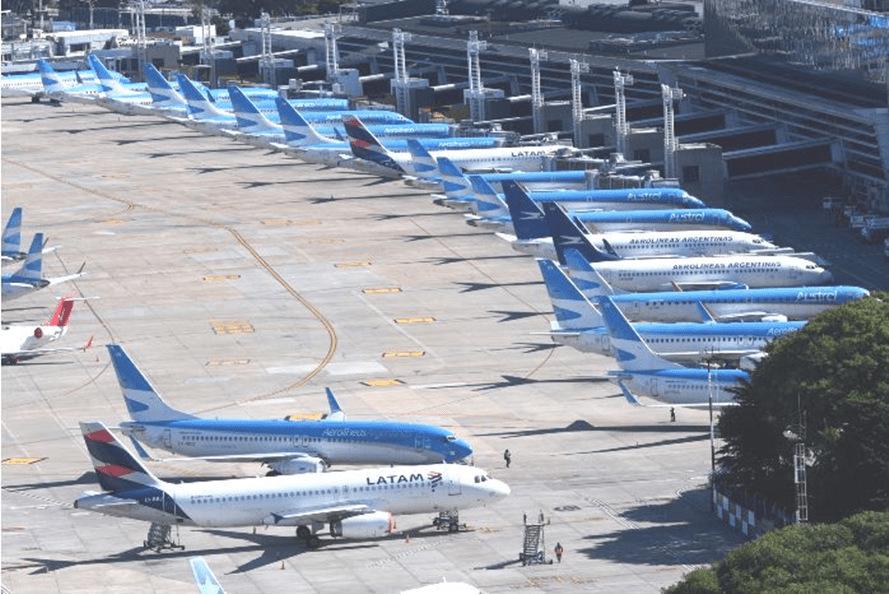
El retorno de la terminal aérea porteña permitirá a las low cost desembarcar en un aeropuerto de posoción estratégica para el país. JetSmart Airlines Argentina cuenta con tres amarres (slots) para comenzar a operar desde ese aeropuerto. Flybondi Líneas Aéreas continuará las negociaciones para activar un plan alternativo al del Aeropuerto El Palomar. Aerolíneas Argentinas detentará más del 80% de las operaciones aéreas. El retorno del Aeropuerto Jorge Newbery también traerá aparejado el despegue de los seis aviones A320CEO de Latam Airlines Argentina que permanecen dentro de la estación aérea.
Aeroparque opening around 15/03
Jorge Newbery Airport remodeling work continues
Jorge Newbery SABE/AEP Airport has been out of service since mid-2020, allowing the modifications to continue with the prospect of expanding its operational capacity by reestablishing regional/international flights.
The complementary works of the air station continue to advance despite the setbacks generated by the pactual pandemic, with deadlines set last year by the Government had to be modified due to delays arising in the last section of 2020. The prospects for the opening of the airport It was announced for February 2021, but an adjustment in the established schedule made the reopening postponed until March 15, 2021. «The closing NOTAM was extended until March 15, but it has to do with operational issues related to calibrations, verifications and training that must be carried out, prior to the habilitation. The works in the building show an advance close to 50 percent. It may seem little, but it must be taken into account that it is measured based on the percentage of the investment spent up to the moment. And generally the equipment and everything that is placed in the final stages of architecture, which includes air conditioning equipment. Even the lighting fixtures have a great weight in that investment», said a spokesman for the Regulatory Body of the National Airport System (ORSNA). Runway 13/31 is completely renovated. «The runway itself is finished. Now we are working on the filming, which are the streets through which the airplanes access it, and on the margins. Also on the strips, which are those grass patches on the sides, because you have to level them», it was reported from the agency.
The established changes
As for the work that continues to be done at the terminal, the active plan includes investments of at least AR$ 5,000 million Pesos. Taking advantage of the particular moment of paralysis of commercial aviation that occurred in 2020, the Regulatory Agency of the National Airport System (ORSNA) requested that Aeropuertos Argentina 2000 study the feasibility of carrying out a large-scale work, with long-term views and thus improving the current runway’s category. The work complements the transformation that Aeroparque is undergoing in the context of its regionalization with new South parking lots and underground parking lots on land reclaimed from the river, under a new coastal park, check in, capacity from the terminal, coastal walk, among others, was reported from the concessionaire.
The Jorge Newbery Airport runway had 2,100 meters prior to these tasks. Now it added 275 meters to the south and 340 to the north (615 meters in total). In this way it becomes 2,715 meters long and, in addition, it widened 20 meters. «This will make it possible to optimize regional operations and improve security and connectivity with the exterior», Airports Argentina 2000 recently reported. Specifically, it will enable the movement of large aircraft. With a view to the arrival of international flights, the works underway will add an area of 800 square meters, and an expansion of the departure area is also being promoted, which will cover just over 4,600 square meters. The return of the Aeroparque will represent a relief for the Ezeiza International Airport, which concentrates all the commercial aviation activity of domestic and international flights. «The international pre-boarding was planned to handle the operation of six flights in one hour, so the current space was re-functionalized. The 3 scanners of the Airport Security Police are maintained and six double migration boxes are added (twelve positions in total) and five migration e-gates. There are 2 national pre-boarding gates that will function as flex positions, that is, national gates 12 and 13 can be used to board inter flights, and this will be done through glass partitions similar to those that already exist in the Córdoba airport. There will be two gastronomic places», the company indicated.
The works plan includes disbursements in the order of AR$ 5,000 million pesos. Also, in the International Arrivals sector, there will be three ribbons and they will be separated to provide greater comfort. The office space for Customs and Immigration will be quintupled. Work underway also includes improvements to the signaling system, with the perspective of guaranteeing operability in adverse weather conditions. «The works will include a new high intensity beaconing system in Operational Category III configuration, taxiing and rapid departures, which includes runway center line, edge, threshold and end of runway lights, and new approach lighting systems at both headwaters. These facilities will substantially improve the safety of operations and will allow operating in low visibility conditions», the company concluded.
The return of the Buenos Aires air terminal will allow low cost companies to disembark at an airport with a strategic position for the country. JetSmart Airlines Argentina has three moorings (slots) to start operating from that airport. Flybondi Líneas Aéreas will continue negotiations to activate an alternative plan to that of El Palomar Airport. Aerolíneas Argentinas will hold more than 80% of the air operations. The return of the Jorge Newbery Airport will also bring about the takeoff of the six Latam Airlines Argentina A320CEO aircraft that remain inside the air station.
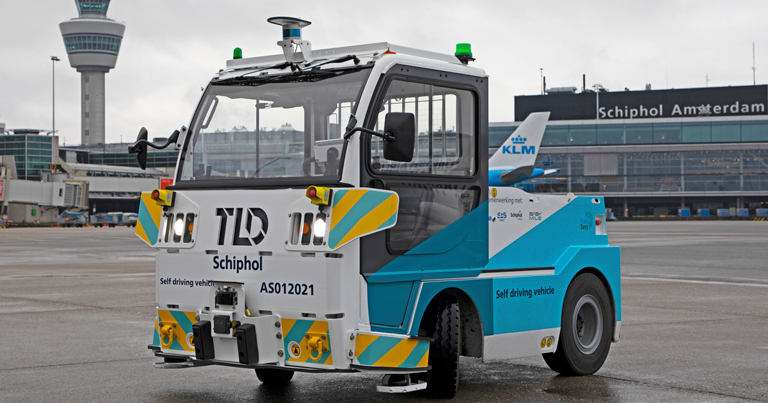
El Aeropuerto Amsterdam/Schiphol ha iniciado un ensayo de un tractor de equipaje autónomo que llevará el equipaje a la aeronave a la estación. El ensayo forma parte de un nuevo programa lanzado por Royal Schiphol Group, llamado Autonomous Airside Operations, en apoyo de su visión de operar los aeropuertos más sostenibles del mundo para 2050. El objetivo del ensayo es descubrir si la tecnología es segura y eficiente y cómo se pueden integrar los vehículos autónomos con el resto del tráfico en el aeropuerto. El ensayo, que durará hasta finales de Febrero 2021, se está llevando a cabo en colaboración con KLM Ground Services y Smart Airport Systems.
La prueba se iniciará en un área definida en la que se simula el proceso de equipaje. En la segunda fase, el ensayo continuará en un entorno operativo para llevar equipaje a la aeronave. El vehículo autónomo se cargará en el área de equipaje, después de lo cual navegará a un puesto de aeronaves a través de una ruta fija. Durante las pruebas con el tractor de equipaje, habrá un operador de seguridad en el vehículo autónomo para detener el vehículo si es necesario. El vehículo autónomo ha sido fabricado por el proveedor de equipos de manipulación en tierra TLD, con EasyMile suministrando el software autónomo. Los aeropuertos de Rotterdam La Haya y Eindhoven también probarán tractores de equipaje autónomos esta primavera, en asociación con Vanderlande.
Royal Schiphol Group ha compartido su visión de que para 2050, las operaciones diarias en el delantal en los aeropuertos habrán cambiado significativamente. Según el operador del aeropuerto, las actividades aeroportuarias en tierra, como el transporte de equipaje, el transporte de pasajeros y el remolque de aeronaves, serán inteligentes y autónomas. El objetivo es, en última instancia, sustituir todos los vehículos aéreos por una flota interconectada de vehículos autónomos y libres de emisiones, con el fin de garantizar y mejorar la calidad a largo plazo. Hassan Charaf, Jefe de Innovación de Royal Schiphol Group, comentó: «A pesar de la crisis del coronavirus, seguimos invirtiendo en calidad e innovación. Hemos puesto en marcha el programa Operaciones Autónomas de la Zona Aérea con el fin de trabajar con los socios aeroportuarios paso a paso hacia una gestión en tierra inteligente y preparada para el futuro. En esta fase inicial, nos centramos en el desarrollo del conocimiento a través de ensayos en varios aeropuertos. Esto nos permitirá combinar ideas y determinar qué cuellos de botella requieren una atención especial y qué pasos deben tomarse en el futuro a medida que trabajamos hacia un aeropuerto autónomo. Sobre esta base, determinaremos los pasos concretos de seguimiento».
Schiphol tests autonomous luggage
Schiphol Airport starts trials of autonomous baggage tractor
Amsterdam/Schiphol Airport has started a trial of an autonomous baggage tractor that will bring the baggage from the aircraft to the station. The trial is part of a new program launched by Royal Schiphol Group, called Autonomous Airside Operations, in support of its vision of operating the world’s most sustainable airports by 2050. The goal of the trial is to discover whether the technology is safe and secure. efficient and how autonomous vehicles can be integrated with other traffic at the airport. The trial, which will last until the end of February 2021, is being carried out in collaboration with KLM Ground Services and Smart Airport Systems.
The test will start in a defined area where the baggage process is simulated. In the second phase, the trial will continue in an operational environment to bring baggage to the aircraft. The autonomous vehicle will be loaded into the baggage area, after which it will navigate to an aircraft stand via a fixed route. During tests with the baggage tractor, there will be a security operator in the autonomous vehicle to stop the vehicle if necessary. The autonomous vehicle has been manufactured by ground handling equipment provider TLD, with EasyMile supplying the autonomous software. Rotterdam The Hague and Eindhoven airports will also test autonomous baggage tractors this spring, in partnership with Vanderlande.
Royal Schiphol Group has shared its vision that by 2050, daily operations on the apron at airports will have changed significantly. According to the airport operator, airport activities on the ground, such as baggage transport, passenger transport and aircraft towing, will be smart and autonomous. The ultimate goal is to replace all air vehicles with an interconnected fleet of autonomous and emission-free vehicles, in order to ensure and improve quality in the long term. Hassan Charaf, Head of Innovation at Royal Schiphol Group, commented: «Despite the coronavirus crisis, we continue to invest in quality and innovation. We have launched the Autonomous Air Zone Operations program in order to work with airport partners step-by-step towards smart and future-proof ground management. In this initial phase, we focus on developing knowledge through trials at various airports. This will allow us to combine ideas and determine which bottlenecks require special attention and what steps need to be taken in the future as we work toward an autonomous airport. Based on this, we will determine concrete follow-up steps».
Schiphol test autonome bagage
Schiphol start proef met autonome bagagetrekker
Amsterdam/Schiphol Airport is begonnen met een proef met een autonome bagagetrekker die de bagage van het vliegtuig naar het station zal brengen. De proef maakt deel uit van een nieuw programma dat door Royal Schiphol Group is gelanceerd, genaamd Autonomous Airside Operations, ter ondersteuning van haar visie om in 2050 de meest duurzame luchthavens ter wereld te exploiteren. Het doel van de proef is om te ontdekken of de technologie veilig is. efficiënt en hoe autonome voertuigen kunnen worden geïntegreerd met ander verkeer op de luchthaven. De proef, die duurt tot eind februari 2021, wordt uitgevoerd in samenwerking met KLM Ground Services en Smart Airport Systems.
De test begint in een afgebakend gebied waar het bagageproces wordt gesimuleerd. In de tweede fase wordt de proef voortgezet in een operationele omgeving om bagage naar het vliegtuig te brengen. Het zelfrijdende voertuig wordt in de bagageruimte geladen, waarna het via een vaste route naar een vliegtuigopstelplaats navigeert. Tijdens tests met de bagagetrekker zal er een beveiligingsmedewerker in het zelfrijdende voertuig aanwezig zijn om het voertuig indien nodig te stoppen. Het autonome voertuig is vervaardigd door TLD, leverancier van grondafhandelingsapparatuur, waarbij EasyMile de autonome software levert. In samenwerking met Vanderlande gaan de luchthavens Rotterdam Den Haag en Eindhoven dit voorjaar ook autonome bagagetrekkers testen.
Royal Schiphol Group heeft de visie gedeeld dat in 2050 de dagelijkse gang van zaken op het platform op luchthavens aanzienlijk zal zijn veranderd. Luchthavenactiviteiten op de grond, zoals bagagevervoer, personenvervoer en het slepen van vliegtuigen, zullen volgens de luchthavenexploitant slim en autonoom zijn. Het uiteindelijke doel is om alle luchtvoertuigen te vervangen door een onderling verbonden vloot van autonome en emissievrije voertuigen, om zo de kwaliteit op lange termijn te waarborgen en te verbeteren. Hassan Charaf, Head of Innovation bij Royal Schiphol Group: ,,Ondanks de coronaviruscrisis blijven we investeren in kwaliteit en innovatie. We hebben het programma Autonomous Air Zone Operations gelanceerd om stap voor stap samen met luchthavenpartners te werken. slim en toekomstbestendig grondmanagement. In deze beginfase richten we ons op het ontwikkelen van kennis door middel van proeven op verschillende luchthavens. Hierdoor kunnen we ideeën combineren en bepalen welke knelpunten speciale aandacht vragen en welke stappen er in de toekomst moeten worden gezet. toewerken naar een autonome luchthaven. Op basis daarvan bepalen we concrete vervolgstappen».
















 airgways.com