Tras próxima reanudación Aeroparque arribarían vuelos a Rosario
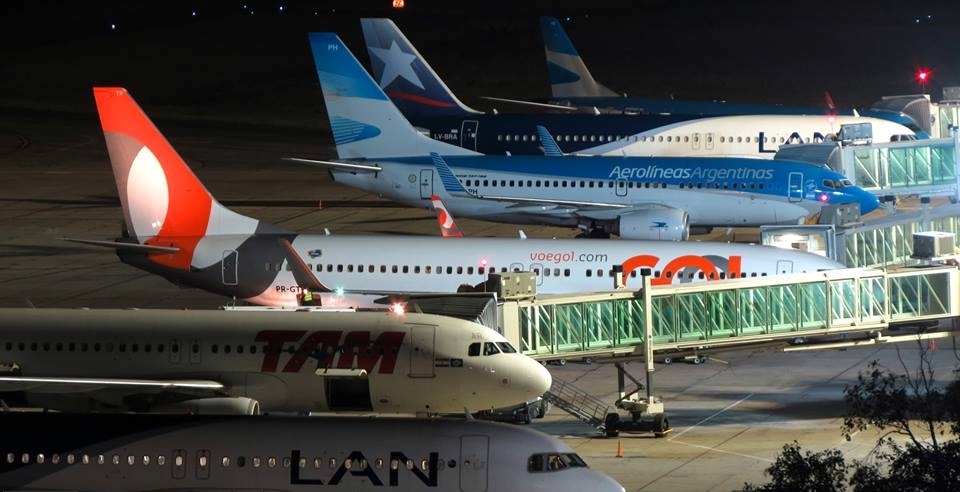
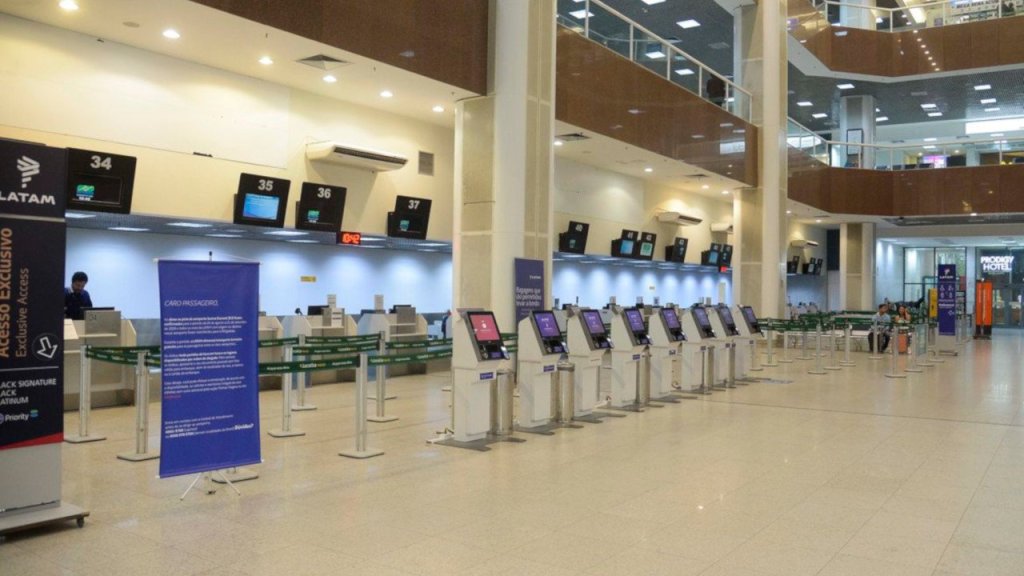
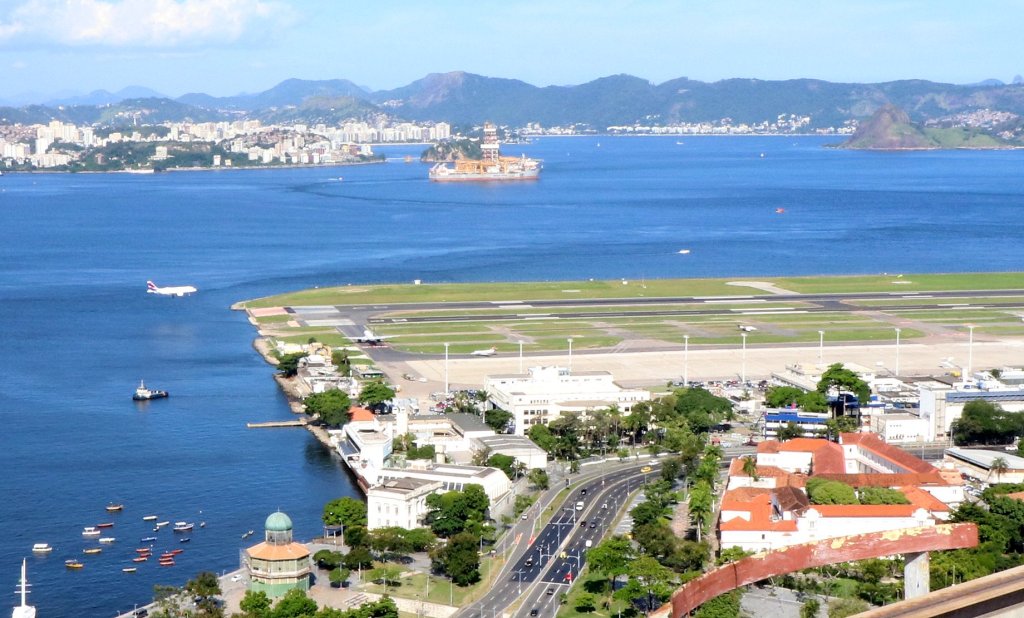
La próxima reapertura del Aeropuerto Jorge Newbery de la ciudad de Buenos Aires, el flujo de tráfico se incrementará a los diferentes destinos del país marcado por los protocolos sanitarios vigentes. Después de casi ocho meses en reparaciones, la aeroestación de Aeroparque estará habilitada hacia el 15 de Marzo de 2021 iniciando la programación de vuelos comerciales al día siguiente (16/03) para reactivar la alicaída economía de las líneas aéreas y el impacto que represente para cada aeropuerto del interior de Argentina.
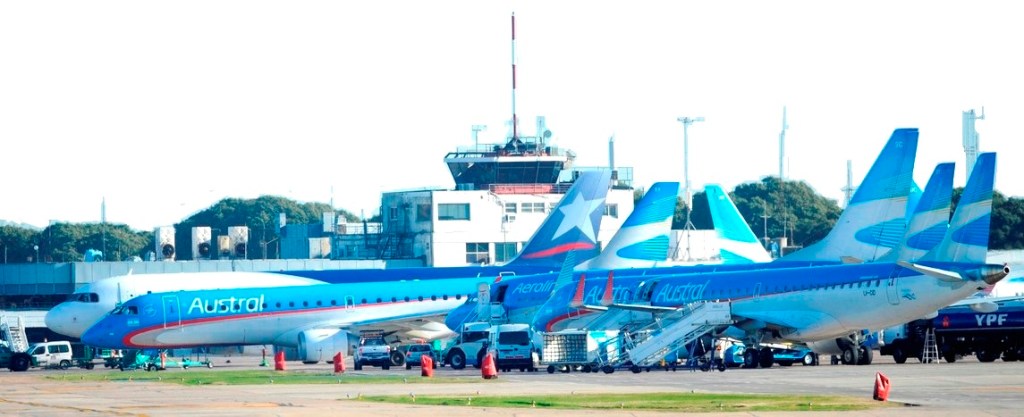
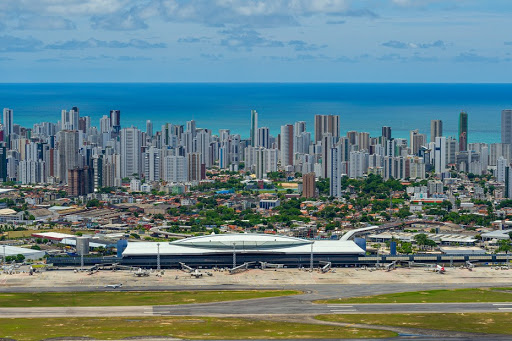
La reanudación de los vuelos domésticos en el Aeropuerto Jorge Newbery permitirá reactivar el tráfico de pasajeros en el Aeropuerto Internacional Rosario, para traer un poco de oxígeno a una demanda paralizada en el sector. Según la programación vigente, la terminal rosarina tendrá por parte de Aerolíneas Argentinas doce frecuencias semanales (12Frq/S) con aeronaves Embraer E190-100AR; hacia Santa Fe tres frecuencias semanales (3Frq/S); y hacia Paraná tres frecuencias semanales (3Frq/S).
Los directivos del Aeropuerto Rosario han expresado que actualmente no se ha oficializado la nueva programación, pero a la brevedad estaría confirmada. De todos modos, a partir de Marzo 2021 se espera un incremento sustancial de todas las frecuencias en el país gracias a la reactivación del Aeropuerto Jorge Newbery.
Rosario Airport slight activation
After the next Aeroparque resumption, flights would arrive in Rosario
The next reopening of the Jorge Newbery Airport in the city of Buenos Aires, the flow of traffic will increase to the different destinations in the country marked by current health protocols. After almost eight months in repairs, the Aeroparque airstation will be enabled by March 15, 2021, starting the scheduling of commercial flights the next day (03/16) to reactivate the ailing economy of the airlines and the impact it represents for each airport in the interior of Argentina.
The resumption of domestic flights at Jorge Newbery Airport will allow passenger traffic to be reactivated at Rosario International Airport, to bring a pod of oxygen to a paralyzed demand in the sector. According to the current schedule, the Rosario terminal will have twelve weekly frequencies (12Frq/S) by Aerolíneas Argentinas with Embraer E190-100AR aircraft; to Santa Fe three weekly frequencies (3Frq/S); and to Paraná three weekly frequencies (3Frq/S).
The managers of Rosario Airport have expressed that the new programming has not been made official at the moment, but it would be confirmed shortly. Anyway, as of March 2021, a substantial increase in all frequencies in the country is expected thanks to the reactivation of the Jorge Newbery Airport.
Aeropuerto Jorge Newbery reabre a partir del 15 Marzo 2021
El Aeropuerto Jorge Newbery SABE/AEP de la ciudad de Buenos Aires reabre a partir del 15 de Marzo de 2021, recibiendo una excelente noticia a los usuarios del transporte aéreo. La aeroestación reiniciará operaciones luego de un año cerrado por la pandemia y por reformas. El refaccionado Aeropuerto Jorge Newbery reabrirá a partir del próximo 15/03 a partir de las 22:00 horas [hora local Argentina]. De esta manera la principal aeroestación del país tiene cuenta regresiva para retornar a la actividad aerocomercial. Las aerolíneas han iniciado la venta de tickets con esa terminal como punto de salida.
Aerolíneas Argentinas ha establecido su programación de vuelos domésticos a partir del próximo 16/03, mientras que los vuelos regionales se determinará más adelante. Con el cierre del Aeropuerto El Palomar, las aerolíneas low-cost también comenzarán a operar desde el reformado Aeroparque permitiendo acceder a franjas horarias (slots) para vuelos de cabotaje. Jetsmart Airlines Argentina ha establecido la programación de vuelos en su sistema de reservas donde ha programado su primer vuelo el 16/03 a partir de las 07:15 hs. con destino a Córdoba. Flybondi Líneas Aéreas ha informado que en los próximos días comenzarán a realizar la programación de sus cronogramas de vuelos desde Aeroparque.
Aprobaciones Aeroparque
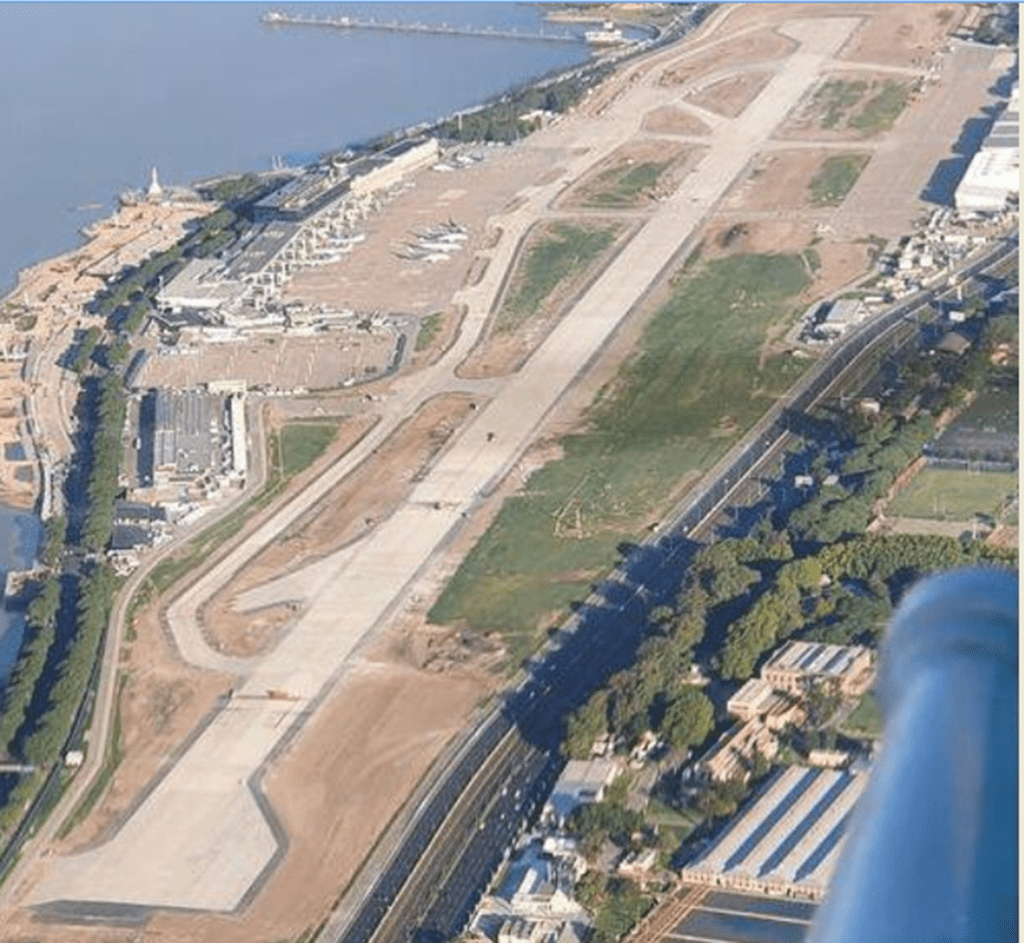
El Aeropuerto Jorge Newbery cerró sus operaciones aéreas el 1 de Agosto de 2020 por obras de modernización en la pista y en el sector de la terminal aérea en el que operarán los vuelos regionales. Los trabajos incluyeron el agregado de 615 metros de largo y 20 de ancho de pista, para optimizar las operaciones regionales y mejorar la seguridad y la conectividad con el exterior. La pista pasará de los 2.100 metros actuales de largo y 40 de ancho, a 2.715 de largo con un ancho de 60 metros. En el sector de vuelos internacionales, se amplió el sector de arribos con la suma de 800m2 de superficie y se refuncionalizará el sector de partidas en la terminal de pasajeros, que abarcará una superficie aproximada de 4.630 m2.
Estas remodelaciones permitirán las operaciones de aeronaves de mayor porte, como los Boeing 787 y los Airbus A330. También se amplió el sector de arribos y partidas internacionales en la terminal de pasajeros, y se dispuso un nuevo sistema de balizamiento para la seguridad operacional en los despegues y aterrizajes.
Inicialmente, la reapertura del Aeropuerto Jorge Newbery está prevista para los vuelos domésticos. Desde el Ministerio de Transporte confirmaron la fecha de reapertura y señalaron que, en principio, el Aeroparque funcionará solo para los vuelos de cabotaje, mientras que toda la operación internacional se mantendrá a través del Aeropuerto Internacional Ezeiza. Más adelante, se espera que la aeroestación de la ciudad de Buenos Aires esté disponible también operar algunos vuelos regionales. La decisión dependerá del Ministerio de Salud y del Organismo Regulador del Sistema Nacional de Aeropuertos (ORSNA). En tanto, desde la ANAC también confirmaron que el 15 de marzo es la fecha prevista para la reapertura. “Nuestras fiscalizaciones indican que esos plazos son cumplibles”, aseguraron. Con todo, la decisión final está en manos de ORSNA, el organismo que controla todos los aeropuertos.
La autorización para las líneas aéreas ha sido comunicada a través de una nota técnica de la Administración Nacional de Aviación Civil (ANAC), permitiendo acceder a la explotación aérea de la aeroestación. Las obras concluyentes a las 22:00 horas del 15 de Marzo de 2021, permitirán acceder a las líneas aéreas de Argentina volar desde esta importante aeroestación a partir del 16/03. En un principio, se preveía que las obras finalizaran durante Febrero 2021, pero se extendieron al menos un mes más de lo previsto. Antes del cierre, por la terminal aérea pasaron 920.000 pasajeros en Enero 2020 y 844.000 en Febrero 2020. La reapertura permitirá expandir las operaciones en el principal aeropuerto de Argentina por número de pasajeros transportados.
Regionalización Aeroparque
Además de los vuelos de cabotaje, Aerolíneas Argentinas ya comenzó a vender pasajes con destinos internacionales desde el Aeroparque y tiene programados vuelos a Lima, San Pablo, Río de Janeiro, Santa Cruz de la Sierra y Montevideo. Según dijeron en la compañía estatal, el plan de regionalización había sido aprobado por la Administración Nacional de Aviación Civil (ANAC) en marzo del año pasado, pero no se pudo concretar por la irrupción de la pandemia.
Las obras de modernización y alargue de la pista de despegue y aterrizaje que programó el Gobierno tienen como fin la regionalización del Aeroparque. Mientras tanto, todavía está en discusión qué pasará con los vuelos internacionales de las aerolíneas low cost en su nueva aeroestación, que hasta hace un años atrás operaban desde el Aeropuerto El Palomar, pero finalmente la ANAC dispuso el cierre de ese aeropuerto para actividades aerocomerciales. El argumento oficial fue que es demasiado costoso mantener tres aeropuertos en el área metropolitana de Buenos Aires, sobre todo en este contexto de baja demanda producto de la pandemia.
Aeroparque reopens next 03/15
Jorge Newbery Airport reopens as of March 15, 2021
The Jorge Newbery Airport SABE/AEP of the city of Buenos Aires reopens as of March 15, 2021, receiving excellent news for air transport users. The airstation will restart operations after a year closed due to the pandemic and due to reforms. The refurbished Jorge Newbery Airport will reopen on 03/15 at 10:00 pm [Argentina local time]. In this way, the main air station in the country has a countdown to return to commercial air activity. The airlines have started selling tickets with that terminal as the point of departure.
Aerolíneas Argentinas has established its domestic flight schedule from 03/16, while regional flights will be determined later. With the closure of El Palomar Airport, low-cost airlines will also start operating from the renovated Aeroparque, allowing access to time slots for domestic flights. Jetsmart Airlines Argentina has established the flight schedule in its reservation system where it has scheduled its first flight on 03/16 from 07:15 am. bound for Córdoba. Flybondi Lineas Aereas have reported that in the coming days they will begin to schedule their flight schedules from Aeroparque.
Aeroparque approvals
Jorge Newbery Airport closed its air operations on August 1, 2020 due to modernization works on the runway and in the area of the air terminal where regional flights will operate. The works included the addition of 615 meters long and 20 meters wide, to optimize regional operations and improve safety and connectivity with the outside world. The track will go from the current 2,100 meters long and 40 wide, to 2,715 long with a width of 60 meters. In the international flights sector, the arrivals sector was expanded with an area of 800m2 and the departures sector in the passenger terminal will be re-functionalized, covering an approximate area of 4,630 m2.
These refurbishments will allow the operations of larger aircraft, such as the Boeing 787 and the Airbus A330. The international arrivals and departures sector was also expanded at the passenger terminal, and a new beacon system was set up for operational safety at take-offs and landings.
Initially, the reopening of Jorge Newbery Airport is planned for domestic flights. The Ministry of Transportation confirmed the reopening date and indicated that, in principle, the Aeroparque will work only for domestic flights, while the entire international operation will continue through the Ezeiza International Airport. Later, it is expected that the airstation of the city of Buenos Aires will also be available to operate some regional flights. The decision will depend on the Ministry of Health and the Regulatory Body of the National Airport System (ORSNA). Meanwhile, Anac also confirmed that March 15 is the scheduled date for the reopening. «Our audits indicate that these deadlines are achievable», they assured. However, the final decision is in the hands of Orsna, the body that controls all airports.
The authorization for the airlines has been communicated through a technical note from the National Civil Aviation Administration (ANAC), allowing access to the aerial operation of the air station. The final works at 10:00 p.m. on March 15, 2021, will allow Argentina’s airlines to fly from this important air station as of 03/16. At first, the works were expected to finish during February 2021, but they took at least a month longer than planned. Before the closure, 920,000 passengers passed through the air terminal in January 2020 and 844,000 in February 2020. The reopening will allow the expansion of operations at the main airport in Argentina by number of passengers transported.
Aeroparque Regionalization
In addition to domestic flights, Aerolíneas Argentinas has already started selling tickets to international destinations from the Aeroparque and has scheduled flights to Lima, São Paulo, Rio de Janeiro, Santa Cruz de la Sierra and Montevideo. According to the state company, the regionalization plan had been approved by the National Civil Aviation Administration (ANAC) in March last year, but could not be finalized due to the outbreak of the pandemic.
The modernization and extension works of the take-off and landing runway that the Government programmed are aimed at regionalizing the Airport. Meanwhile, it is still under discussion what will happen to the international flights of the low cost airlines in their new airstation, which until a year ago operated from the El Palomar Airport, but finally the ANAC ordered the closure of that airport for commercial air activities. The official argument was that it is too expensive to maintain three airports in the metropolitan area of Buenos Aires, especially in this context of low demand as a result of the pandemic.
🛬 Se aproxima un renovado Aeroparque. Con más aviones. Más amplio. Más moderno. Más regional. Más conectado.
🙌🏻 Próximamente volverá a funcionar Aeroparque y acá abajo detallamos las principales obras que permitirán optimizar las operaciones regionales y mejorar su conexión 👇🏻 pic.twitter.com/VJPyxlSfAf
El primer aeropuerto ecológico del mundo, en las islas Galápagos, Ecuador ha sido inaugurado. Las islas Galápagos se encuentran localizadas a caso 1.000 kilómetros de distancia de la costa del pacífico ecuatoriano. El archipiélago recibe alrededor de 250.000 turistas por año, que llegan atraídos por los refugios naturales de tiburones, tortugas gigantes y lobos marinos, entre otras especies.
Terminal aérea Seymour
El Aeropuerto Internacional Seymour, localizado en Baltra, es considerado el primer aeropuerto del mundo en ser totalmente ecológico. Tiene una extensión de 6.000 metros cuadrados y su techo tipo sombrilla alcanza los 10.000 metros cuadrados. Estas estructuras son sostenidas por tuberías de acero de unos 30 centímetros de diámetro que fueron recuperadas de los campos de extracción petrolera de la Amazonía ecuatoriana. La modernísima aero-estación, construida por el consorcio Aeropuertos Argentina 2000 con una inversión de US$ 26 millones de Dólares, no utiliza combustibles fósiles para sus operaciones diarias. El Programa de las Naciones Unidas para el Medio Ambiente (PNUMA) ha destacado especialmente su inédita característica. Gracias a las nuevas obras se registra en las instalaciones un ahorro de energía del 70% frente a la demanda.
Características ecológicas
Funciona al 100% con energía renovable (solar y eólica) generada por paneles fotovoltaicos instalados en el conjunto de los caminos de la terminal y molinos de vientos ubicados estratégicamente. Se ha reutilizado más del 80% del material del antiguo aeropuerto: sus viejas estructuras metálicas y la madera, especialmente. Las piedras volcánicas de las islas se emplearon para revestir los muros externos y mimetizar la construcción con el entorno. Esto disminuye mucho el impacto ambiental. La iluminación y la ventilación son naturales en todos los espacios y se logró la reforestación integral con flora autóctona. Los techos del edificio fueron construidos con material refractario para reducir la temperatura interior. Se colocaron paneles solares sobre los techos de los edificios para que reciban la potente radiación de la línea del Ecuador. El agua de los inodoros y los lavabos se recupera, se trata y se reutiliza. Es originalmente tomada del océano y luego desalinizada. Ingresa a la terminal y una vez empleada se evita la generación de agua residual. El diseño de los desagües pluviales permite el control de calidad y cantidad de las descargas y se incorporaron colectores solares para calentar el agua. Los aviones no pueden abastecerse de combustible en Galápagos para evitar la contaminación ambiental.
El aeropuerto emplea carbono neutral, que se trata del único sistema avalado institucionalmente que permite evaluar y reconocer los esfuerzos realizados por los aeropuertos participantes para gestionar y reducir sus emisiones de CO2 (Ecogal). El Aeropuerto Ecológico de Galápagos se convirtió en el primero en Latinoamérica y El Caribe en ser carbono neutral y el segundo en todo el continente americano. Este logro fue certificado por el Consejo Internacional de Aeropuertos, ACI, a través del programa Airport Carbon Acreditation. Representa el único sistema avalado institucionalmente que permite evaluar y reconocer los esfuerzos realizados por los aeropuertos participantes para gestionar y reducir sus emisiones de CO2. La acreditación Nivel 4 “Neutralidad” marcó un importante precedente en la región que permite fijar el rumbo que deberían de seguir todos los aeropuertos del mundo. “Se trata de un aeropuerto que ya es referente mundial de construcciones sustentables. Recibió la certificación del Consejo de la Construcción Ecológica de Estados Unidos (U.S Green Building Council). Lo más importante es que se trata de un edificio autosustentable. Cuenta con la última tecnología mundial y ofrece un adecuado confort a los pasajeros sin contaminar el medio ambiente. Ese es el legado que pretendemos dejar para los pasajeros y para el resto de la industria aérea del mundo”, ha expresado el Departamento de Comunicación de la Corporación América de Argentina.
Galapagos 1st ecological airport
Galapagos the world’s first ecological airport
The first ecological airport in the world, in the Galapagos Islands, Ecuador has been inaugurated. The Galapagos Islands are located about 1,000 kilometers away from the Ecuadorian Pacific coast. The archipelago receives around 250,000 tourists per year, who arrive attracted by the natural refuges of sharks, giant tortoises and sea lions, among other species.
Seymour Air Terminal
Seymour International Airport, located in Baltra, is considered the first airport in the world to be totally ecological. It has an area of 6,000 square meters and its umbrella-like roof reaches 10,000 square meters. These structures are supported by steel pipes of about 30 centimeters in diameter that were recovered from the oil extraction fields of the Ecuadorian Amazon. The very modern airport, built by the Aeropuertos Argentina 2000 consortium with an investment of US $ 26 million, does not use fossil fuels for its daily operations. The United Nations Environment Program (UNEP) has especially highlighted its unprecedented characteristic. Thanks to the new works, energy savings of 70% are recorded in the facilities compared to demand.
Ecological characteristics
It works 100% with renewable energy (solar and wind) generated by photovoltaic panels installed in all the roads of the terminal and strategically located windmills. More than 80% of the material from the old airport has been reused: its old metal structures and wood, especially. The volcanic stones of the islands were used to cover the external walls and blend the construction with the environment. This greatly reduces the environmental impact. Lighting and ventilation are natural in all spaces and comprehensive reforestation with native flora was achieved. The roofs of the building were constructed with refractory material to reduce the interior temperature. Solar panels were placed on the roofs of the buildings to receive the powerful radiation from the Equator. Water from toilets and sinks is recovered, treated and reused. It is originally taken from the ocean and then desalinated. It enters the terminal and once used the generation of waste water is avoided. The design of the storm drains allows the quality and quantity of the discharges to be controlled and solar collectors were incorporated to heat the water. Airplanes cannot refuel in Galapagos to avoid environmental pollution.
The airport uses carbon neutral, which is the only institutionally endorsed system that allows evaluating and recognizing the efforts made by participating airports to manage and reduce their CO2 emissions (Ecogal). The Galapagos Ecological Airport became the first in Latin America and the Caribbean to be carbon neutral and the second in the entire American continent. This achievement was certified by the Airports Council International, ACI, through the Airport Carbon Accreditation program. It represents the only institutionally endorsed system that allows evaluating and recognizing the efforts made by participating airports to manage and reduce their CO2 emissions. The Level 4 “Neutrality” accreditation set an important precedent in the region that allows setting the course that all airports in the world should follow. “It is an airport that is already a world benchmark for sustainable construction. It has received certification from the United States Green Building Council. The most important thing is that it is a self-sustaining building. It has the latest world technology and offers adequate comfort to passengers without polluting the environment. This is the legacy that we intend to leave for passengers and for the rest of the world’s airline industry”, has expressed the Communications Department of the América de Argentina Corporation.
Aeropuerto de Catania cierra tras activación Volcán Etna
El Volcán Etna, situado en la sureña isla italiana de Sicilia, ha expulsado de manera espectacular fuego y cenizas en una explosión en la parte sureste de la montaña, lo que ha obligado al aeropuerto de Catania a paralizar sus operaciones. Medios locales y usuarios de redes sociales han compartido fotos y vídeos del evento que muestran una enorme humareda ascendiendo del cráter mientras la lava cae por la ladera en un incidente del que no se han reportado ni daños ni heridos. El flujo de lava alcanzado por la explosión del Volcán Etna ha alcanzado una altitud de 2.000 metros.
El Aeropuerto Catania ha cesado temporalmente las operaciones debido a las cenizas que han caído en balcones, casas y calles tras ascender más de un kilómetro en el aire, lo que ha hecho poco seguro volar. Estos sucesos no son poco comunes en el Etna, que tiene una altitud de 3.300 metros.
Active Etna volcano
Catania airport closes after activation of the Etna Volcano
The Etna Volcano, located on the southern Italian island of Sicily, has dramatically expelled fire and ash in an explosion in the southeast part of the mountain, forcing the Catania airport to paralyze its operations. Local media and social media users have shared photos and videos of the event that show huge smoke rising from the crater as lava falls down the hillside in an incident with no reported damage or injuries. The lava flow reached by the Etna Volcano explosion has reached an altitude of 2,000 meters.
Catania Airport has temporarily ceased operations due to ash that has fallen on balconies, houses and streets after ascending more than a kilometer in the air, which has made flying unsafe. These events are not uncommon on Mount Etna, which is 3,300 meters high.
Vulcano attivo dell’Etna
L’aeroporto di Catania chiude dopo l’attivazione del vulcano Etna
Il Vulcano Etna, situato nella Sicilia meridionale dell’isola, ha espulso in modo drammatico fuoco e cenere in un’esplosione nella parte sud-est della montagna, costringendo l’aeroporto di Catania a paralizzare le sue operazioni. Gli utenti dei media locali e dei social media hanno condiviso foto e video dell’evento che mostrano un enorme fumo che sale dal cratere mentre la lava cade giù dalla collina in un incidente senza danni o feriti riportati. La colata lavica raggiunta dall’esplosione del vulcano Etna ha raggiunto quota 2.000 metri.
L’aeroporto di Catania ha temporaneamente cessato le operazioni a causa della cenere caduta su balconi, case e strade dopo essere salita per oltre un chilometro in aria, il che ha reso pericoloso il volo. Questi eventi non sono rari sull’Etna, che è alto 3.300 metri.
AW | 2021 02 15 11:50 | AIRPORTS / AVIATION SAFETY / GOVERNMENT
Aeropuertos civiles saudíes son atacados por drones
El grupo hutí alineado con Irán en Yemen dijo que el Lunes 15/02 había atacado los aeropuertos Abha y Jeddah de Arabia Saudita con drones. En un comunicado en Twitter, el portavoz militar hutí Yahya Sarea dijo que los ataques detuvieron las operaciones en los aeropuertos durante dos horas como resultado. La coalición liderada por Arabia Saudí que lucha contra los hutíes en Yemen dijo que a primera hora de la mañana del Lunes 15/02 había interceptado y destruido un avión no tripulado cargado de explosivos disparado por los hutíes hacia el reino. No hubo confirmación de las autoridades sauditas de la interrupción en los aeropuertos.
Los hutíes han dicho que han lanzado ataques que han golpeado un campo aéreo o una base en el sur de Arabia Saudita casi todos los días durante nueve días. El Miércoles 10/02 Riyadh dijo que un ataque causó un incendio en un avión civil en el Aeropuerto de Abha. La coalición intervino en Yemen en 2015, respaldando a las fuerzas gubernamentales que luchan contra los hutíes que controlan la capital y las zonas más pobladas. Los funcionarios de la ONU están tratando de revivir las conversaciones de paz para poner fin a la guerra que la ONU dice que ha creado la crisis humanitaria más grande del mundo.
Jeddah and Abha airports attack
Saudi civilian airports are attacked by drones
The Iran-aligned Houthi group in Yemen said that on Monday 02/15 it had attacked Saudi Arabia’s Abha and Jeddah airports with drones. In a statement on Twitter, Houthi military spokesman Yahya Sarea said the attacks halted operations at airports for two hours as a result. The Saudi-led coalition fighting the Houthis in Yemen said that early in the morning on Monday 02/15 it had intercepted and destroyed an explosives-laden drone fired by the Houthis into the kingdom. There was no confirmation from the Saudi authorities of the disruption at the airports.
The Houthis have said they have launched attacks that have hit an airfield or base in southern Saudi Arabia almost every day for nine days. On Wednesday 02/10 Riyadh said that an attack caused a fire in a civilian plane at Abha Airport. The coalition intervened in Yemen in 2015, backing government forces fighting the Houthis who control the capital and the most populated areas. UN officials are trying to revive the peace talks to end the war the UN says has created the world’s largest humanitarian crisis.
هجوم مطاري جدة وأبها
المطارات المدنية السعودية تتعرض للهجوم بطائرات بدون طيار
قالت جماعة الحوثي المتحالفة مع إيران في اليمن إنها هاجمت يوم الاثنين 15 فبراير مطاري أبها وجدة السعوديتين بطائرات مسيرة. وقال يحيى سريع المتحدث باسم الجيش الحوثي في بيان على تويتر إن الهجمات أوقفت العمليات في المطارات لمدة ساعتين نتيجة لذلك. قال التحالف الذي تقوده السعودية والذي يقاتل الحوثيين في اليمن إنه اعترض في وقت مبكر من صباح يوم الاثنين 15/2 / ودمر طائرة مسيرة محملة بالمتفجرات أطلقها الحوثيون على المملكة. ولم يصدر تأكيد من السلطات السعودية لتعطيل المطارات.
قال الحوثيون إنهم شنوا هجمات استهدفت قاعدة جوية أو قاعدة في جنوب السعودية كل يوم تقريبًا لمدة تسعة أيام. قالت الرياض يوم الأربعاء 2/10 الحالي ، إن هجومًا تسبب في حريق بطائرة مدنية بمطار أبها. تدخل التحالف في اليمن عام 2015 ، لدعم القوات الحكومية التي تقاتل الحوثيين الذين يسيطرون على العاصمة والمناطق الأكثر كثافة سكانية. يحاول مسؤولو الأمم المتحدة إحياء محادثات السلام لإنهاء الحرب التي تقول الأمم المتحدة إنها تسببت في أكبر أزمة إنسانية في العالم.
Gobierno Alemania oferta alternativas para paliar crisis
El Gobierno de Alemania a anunciado este 14/02 que va a inyectar € 900 millones de Euros para rescatar a los aeropuertos del país en una profunda crisis un año después de que la actividad aérea se paralizara en su mayor parte. Estas ayudas se suman a las decenas de millones ya desembolsados para Lufthansa German Airlnes, Condor Airlines, Tui Airways, entre otras líneas aéreas.
Las inyecciones de dinero corresponden a partidas para aeropuertos alemanes. Para el nuevo Aeropuerto Berlín-Brandenburgo se le ha asignado € 400 millones de Euros, como así tambien partidas para el Aeropuerto Colonia/Bonn y para el Aeropuerto Munich. Otros doce aeropuertos, incluyendo el de Frankfurt/Main, el más grande del país, obtendrán € 200 millones. Los recursos serán una combinación de préstamos, compras de acciones y avales. A los que los Gobiernos de los respectivos estados deberán añadir dinero adicional, según indica el gobierno Alemán.
Las ayudas alcanzan también para la autoridad de control aéreo DFS (Deutsche Flugsicherung GmbH) con una partida de € 300 millones de Euros, que es incapaz de ingresar dinero para financiarse en estos momentos. Ese dinero será a cambio de la participación del Gobierno en el capital de la compañía. Los demás accionistas aún deberán aceptar esta fórmula.
Sin embargo, esta ayuda que no llega a los mil millones de Euros, dista mucho de las pérdidas de tres mil millones que los aeropuertos dicen haber tenido entre el año pasado y lo que va de este, según la asociación que los agrupa. Su portavoz indicó que los aeropuertos están todos al borde del colapso económico. En Alemania, los aeropuertos son habitualmente propiedad de los gobiernos de los lander, con inversores privados en algunos casos. Alemania está siendo uno de los países más generosos en el salvamento de su sector del transporte, con fuertes ayudas económicas. Antes, como es bien conocido, Lufthansa obtuvo nueve mil millones de Euros.
Germany rescue € 900M for airports
German government offers alternatives to alleviate crisis
The Government of Germany announced this 02/14 that it is going to inject € 900 million Euros to rescue the country’s airports in a deep crisis one year after the air activity was mostly paralyzed. These aid are in addition to the tens of millions already disbursed for Lufthansa German Airlnes, Condor Airlines, Tui Airways, among other airlines.
The money injections correspond to items for German airports. For the new Berlin-Brandenburg Airport, € 400 million has been allocated, as well as allocations for the Cologne/Bonn Airport and for the Munich Airport. Twelve other airports, including Frankfurt / Main, the largest in the country, will get € 200 million. The resources will be a combination of loans, share purchases and guarantees. To which the governments of the respective states must add additional money, according to the German government.
The aid also reaches the air traffic control authority DFS (Deutsche Flugsicherung GmbH) with an item of € 300 million Euros, which is unable to enter money to finance itself at this time. That money will be in exchange for the Government’s participation in the capital of the company. The other shareholders must still accept this formula.
However, this aid, which does not reach one billion euros, is far from the losses of three billion that airports say they had between last year and so far, according to the association that groups them. His spokeswoman indicated that the airports are all on the brink of economic collapse. In Germany, airports are typically owned by lander governments, with private investors in some cases. Germany is being one of the most generous countries in rescuing its transport sector, with strong financial aid. Before, as is well known, Lufthansa earned nine billion Euros.
Deutschland rettet 900 Millionen für Flughäfen
Die Bundesregierung bietet alternativen zur krisenbewältigung
Die Deutsche Regierung kündigte am 14.02. An, dass sie € 900 Millionen Euro einbringen wird, um die Flughäfen des Landes in einer tiefen Krise ein Jahr nach der größtenteils gelähmten Luftaktivität zu retten. Diese Beihilfen kommen zu den zehn Millionen hinzu, die bereits unter anderem für Lufthansa German Airlnes, Condor Airlines und Tui Airways ausgezahlt wurden.
Die Geldspritzen entsprechen Artikeln für deutsche Flughäfen. Für den neuen Flughafen Berlin-Brandenburg wurden € 400 Millionen. Euro sowie Zuweisungen für den Flughafen Köln/Bonn und den Flughafen München bereitgestellt. Zwölf weitere Flughäfen, darunter Frankfurt am Main, der größte des Landes, erhalten € 200 Millionen Euro. Die Ressourcen werden eine Kombination aus Darlehen, Aktienkäufen und Garantien sein. Dazu müssen die Regierungen der jeweiligen Bundesländer nach Angaben der Bundesregierung zusätzliches Geld hinzufügen.
Die Beihilfe erreicht auch die Flugsicherung GmbH mit einem Posten von € 300 Millionen Euro, die derzeit kein Geld zur Selbstfinanzierung eingeben kann. Dieses Geld wird als Gegenleistung für die Beteiligung der Regierung am Kapital des Unternehmens verwendet. Die anderen Aktionäre müssen diese Formel weiterhin akzeptieren.
Diese Hilfe, die nicht eine Milliarde Euro erreicht, ist jedoch weit entfernt von den Verlusten von drei Milliarden, die Flughäfen nach Angaben des Verbandes, der sie zusammenfasst, zwischen dem letzten Jahr und bisher hatten. Sein Sprecher wies darauf hin, dass die Flughäfen kurz vor dem wirtschaftlichen Zusammenbruch stehen. In Deutschland befinden sich Flughäfen in der Regel im Besitz von Landerregierungen, in einigen Fällen auch bei privaten Investoren. Deutschland ist eines der großzügigsten Länder bei der Rettung seines Verkehrssektors mit starker finanzieller Unterstützung. Zuvor hatte Lufthansa bekanntlich neun Milliarden Euro verdient.
México inaugura Aeropuerto Internacional Felipe Ángeles
El Aeropuerto Internacional Felipe Ángeles/AIFA de Santa Lucía, México ha sido formalmente inaugurado por el Presidente de México este Miércoles 10/02. El Ejecutivo Nacional Andrés Manuel López Obrador establece la apertura de la nueva aeroestación ubicada en la anterior Base Aérea de Santa Lucía. “Hoy se va a inaugurar la base aérea del nuevo aeropuerto; tomaremos un avión del Aeropuerto Benito Juárez para aterrizar en el Aeropuerto Felipe Ángeles”, indicó el mandatario mexicano. El nuevo aeropuerto internacional ha establecido una primera etapa hacia las operaciones internacionales.
El evento se llevará a cabo en el marco del Día de la Fuerza Aérea Mexicana. Esta primera etapa del nuevo aeropuerto está conformado con seis hangares y la conclusión de la primera pista. Los representantes del aeropuerto no han establecido qué aerolíneas formarían parte de esta inauguración. Hasta el momento ninguna de empresa aérea mexicana ha confirmado su presencia para las operaciones en el Aeropuerto Internacional Felipe Ángeles, como así tampoco se han anunciado el inicio de las operaciones aerocomerciales.
El costo total del proyecto del aeropuerto se calcula en MX$ 79.695 millones de Pesos, de acuerdo con cifras del Gobierno Federal. El nuevo aeropuerto posee una Torre de Control de 88 metros de altura y está equipada con una cabina para 12 controladores aéreos. Mientras tanto, el edificio Terminal todavía continuará con las obras de construcción que tendrá una estructura de casi un kilómetro de largo. La inauguración de la Terminal Aérea está programada para el 21 de Marzo del 2022.
Santa Lucía Airport Inauguration
Mexico opens Felipe Ángeles International Airport
The Felipe Ángeles International Airport/AIFA of Santa Lucía, Mexico has been formally inaugurated by the President of Mexico this Wednesday 02/10. The National Executive Andrés Manuel López Obrador establishes the opening of the new air station located in the former Santa Lucía Air Base. “Today the air base of the new airport will be inaugurated; we will take a plane from the Benito Juárez Airport to land at the Felipe Angeles Airport”, said the Mexican President. The new international airport has established a first stage towards international operations.
The event will take place within the framework of the Mexican Air Force Day. This first stage of the new airport consists of six hangars and the completion of the first runway. Airport representatives have not established which airlines would be part of this inauguration. To date, no Mexican airline company has confirmed its presence for operations at the Felipe Angeles International Airport, and the start of commercial air operations has not been announced either.
The total cost of the airport project is estimated at MX$ 79,695 million pesos, according to Federal Government figures. The new airport has a Control Tower 88 meters high and is equipped with a cabin for 12 air traffic controllers. Meanwhile, the Terminal building will still continue with the construction works that will have a structure almost a kilometer long. The inauguration of the Air Terminal is scheduled for March 21, 2022.
AW | 2021 02 09 10:57 | AIRLINES / AIRPORTS / GOVERNMENT
Aerolíneas publica próxima programación vuelos Aeroparque
Aerolíneas Argentinas está incorporando su próxima programación de vuelos para el reinicio de las operaciones en el Aeropuerto Regional Jorge Newbery AEP/SABE. Tras la proximidad de la terminación de obras hacia el 15/03, la aeroestación estaría en condiciones de volver a operar servicios de domésticos y regionales.
El Aeropuerto Jorge Newbery continuará siendo la aeroestación de más tráfico de Argentina, estimando su apertura para el 15 de Marzo de 2021 restableciendo su operatibidad. Mientras tanto, Aeroparque también estará alcanzada por las normas sanitaria para su apertura.
Aerolíneas Argentinas publicó los cronograma de operaciones en la reacondicionada Aeroparque. El primer vuelo de Aerolíneas Argentinas en programación es el del Lunes 16 de Marzo de 2021 Buenos Aires/AEP—Córdoba/COR.
Remodelación Aeroparque
Los trabajos de remodelación insumieron una inversión de AR$ 5.000 millones de Pesos e incluyeron la prolongación de la pista principal, el balizamiento, las calles de rodaje y reformas en el hall central. Cambiará su calificación hacia terminal regional donde podrán operar aeronaves de mayor porte que las actuales como los Airbus A330-200 de Aerolíneas Argentinas. La última gran remodelación se había realizado hacia finales de los años 70, antes del Mundial de Fútbol 1978. Luego hubo obras de modernización parcial de algunas áreas. La demolición completa de la vieja pista, se realizó noviembre y parte de los restos y escombros se usaron para el relleno de la nueva, un corredor de hormigón que va en paralelo a las avenidas Cantilo y Costanera Norte.
Las remodelaciones están cumplidas en un alto porcentaje aunque faltan reformas el edificio central. Las obras que cambian por completo la estación aérea porteña estarían terminadas, en líneas generales, sobre las pistas y las calles de rodajes. Aunque los trabajos continuarán en el interior del edificio mientras se espera que el Organismo Regulador del Sistema Aeroportuario (ORSNA) verifique los trabajos y sugiera eventuales correcciones. Lo trabajos alcanzan un 70% del total proyectado. Una vez que concluidos, se realizarán las pruebas de toda la nueva infraestructura.
El sector de aterrizaje actualmente posee 2.700 metros de largo, 590 metros adicionales. Sumó 340 metros hacia el norte y 250 hacia el sur. Las dimensiones del ancho de la pista han sido modificados, actualmente mide 60 metros, mientras que antes tenía 40 metros. Y se agregarán 5 metros de hormigón y 7,5 metros de cada lado del concreto asfáltico.
Estos cambios harán que el aeroparque cambie su calificación a Regional lo cual implica la aceptación de maquinas de mayor porte, como los A330 de Aerolíneas, u otros costos operativos mayores que correrán por cuenta de las empresa que contraten los espacios. «La pista propiamente dicha está terminada. Ahora se está trabajando en los rodajes, que son las calles por las que los aviones acceden a ella, y en los márgenes. También en las franjas, que son esos paños de pasto a los costados, porque hay que nivelarlas», cuenta el Arquitecto Jorge Leggieri, gerente de Obras de Infraestructura Aeroportuaria del Organismo Regulador del Sistema Nacional de Aeropuertos (ORSNA).
Las calles de rodaje a las que se refiere son utilizadas también como salidas rápidas, que permiten a un avión ir a la plataforma después del aterrizaje. De esta manera se agiliza la operación y se libera la pista para nuevos despegues o aterrizajes. La obra incluye un nuevo hall de arribos y partidas para vuelos internacionales, con mayor infraestructura y confort para los pasajeros. Estará ubicado junto a dónde hoy se observa el estacionamiento norte. La necesidad de ampliar la terminal surge de la idea de que todos los vuelos a países de la región vuelvan a operar desde este aeropuerto metropolitano. Por eso, ganarán espacio las salas de embarque, los controles de seguridad y migratorios, las zonas de despacho y retiro de valijas y el área del check in. Otra parte importante de la renovación está vinculada al balizamiento. Como Ezeiza, el Aeroparque tendrá categoría 3, lo que le permitirá realizar despegues y aterrizajes en condiciones meteorológicas adversas. «Casi el total de los aeropuertos del país tienen una categoría 1 de balizamiento, lo que es suficiente para operar», explican desde la concesionaria Aeropuertos Argentina 2000.
Aeropuertos Argentina 2000 llevó adelante el proceso de diseño, licitación, contratación y dirección de obra. El ORSNA las evalúa y aprueba y, además, se encarga de fiscalizar y certificar. Los trabajos se financian con fondos públicos de asignación específica del Fideicomiso para el Fortalecimiento del Sistema Nacional de Aeropuertos (FFSNA).
Regionalización Aeroparque
El Aeropuerto Jorge Newbery se han realizado reformas estructurales en la Pista 13/31 desarrollando una nueva base de hormigón. Otras obras han incluido un nuevo hall de arribos y partidas para vuelos internacionales que han incorporado mayor infraestructura y comodidad para los pasajeros. Los cambios introducidos permitirán tener mayor espacio en las salas de embarque, los controles de seguridad y migratorios, las zonas de despacho y retiro de valijas y el área del check in.
La reapertura del Aeropuerto Jorge Newbery permitirá introducir mejoras al transporte aéreo y ampliar las perspectivas de las aerolíneas posicionando a la aeroestación en una de las más importantes de la región. La renovación del Aeroparque permitirá introducir más vuelos y más aerolíneas donde operarán JetSmart Airlines Argentina, Flybondi Líneas Aéreas, Andes Líneas Aéreas, entre otras compañías.
La operatividad de los vuelos estará enmarcada en potenciar los vuelos de cabotaje e incorporando más vuelos regionales hacia Sudamérica permitiendo jerarquizar al aeropuerto a un nivel como el Aeropuerto Sao Paulo/Congonhas, en Brasil.
El Gobierno de Argentina ha establecido la decisión de proveer al Aeroparque de una nueva terminal aérea para vuelos domésticos y regionales con el objetivo de potenciar el tráfico de pasajeros desde la aeroestación más importante del país.
Aerolíneas programming Aeroparque
Aerolíneas publishes next schedule for Aeroparque flights
Aerolíneas Argentinas is incorporating its next flight schedule for the restart of operations at the Jorge Newbery AEP/SABE Regional Airport. After the proximity of the completion of works towards 03/15, the air station would be in a position to return to operating domestic and regional services.
Jorge Newbery Airport will continue to be the busiest airstation in Argentina, with its opening scheduled for March 15, 2021, restoring its operability. Meanwhile, Aeroparque will also be reached by the health regulations for its opening.
Aerolíneas Argentinas published the schedule of operations in the reconditioned Aeroparque. The first scheduled flight is Monday March 16, 2021 Buenos Aires/AEP-Córdoba/COR.
Aeroparque Remodeling
The remodeling work involved an investment of AR$ 5,000 million pesos and included the extension of the main runway, the markings, the taxiways and renovations in the central hall. It will change its qualification to a regional terminal where it will be able to operate larger aircraft than the current ones, such as the Airbus A330-200 of Aerolíneas Argentinas. The last major remodeling had been carried out towards the end of the 70s, before the 1978 Soccer World Cup. Then there were partial modernization works in some areas. The complete demolition of the old runway was carried out in November and part of the remains and rubble were used to fill the new one, a concrete corridor that runs parallel to Cantilo and Costanera Norte avenues.
The remodeling is completed in a high percentage although the central building is lacking reforms. The works that completely change the Buenos Aires air station would be completed, in general, on the runways and taxiways. Although the works will continue inside the building while waiting for the Airport System Regulatory Body (ORSNA) to verify the works and suggest possible corrections. The works reach 70% of the total projected. Once completed, the entire new infrastructure will be tested.
The landing sector is currently 2,700 meters long, an additional 590 meters. It totaled 340 meters to the north and 250 to the south. The dimensions of the width of the track have been modified, currently it measures 60 meters, while previously it was 40 meters. And 5 meters of concrete and 7.5 meters on each side of the asphalt concrete will be added.
These changes will cause the airport to change its rating to Regional, which implies the acceptance of larger machines, such as the Airlines A330, or other higher operating costs that will be borne by the companies that contract the spaces. «The runway itself is finished. Now we are working on the filming, which are the streets through which the airplanes access it, and on the margins. Also on the strips, which are those grass patches on the sides, because they have to be leveled», says Architect Jorge Leggieri, Manager of Airport Infrastructure Works of the Regulatory Body of the National Airport System (ORSNA).
The taxiways to which it refers are also used as express exits, which allow an aircraft to go to the apron after landing. In this way the operation is streamlined and the runway is freed for new takeoffs or landings. The work includes a new arrivals and departures hall for international flights, with greater infrastructure and comfort for passengers. It will be located next to where the north parking lot is observed today. The need to expand the terminal arises from the idea that all flights to countries in the region will operate again from this metropolitan airport. For this reason, the departure lounges, the security and immigration controls, the dispatch and baggage pick-up areas and the check-in area will gain space. Another important part of the renovation is linked to the beaconing. Like Ezeiza, the Aeroparque will have category 3, which will allow it to take off and land in adverse weather conditions. «Almost all the airports in the country have a category 1 beacon, which is enough to operate», they explain from the concessionaire Airports Argentina 2000.
Airports Argentina 2000 carried out the process of design, bidding, contracting and construction management. The ORSNA evaluates and approves them and, in addition, is in charge of supervising and certifying. The works are financed with public funds assigned specifically by the Trust for the Strengthening of the National Airport System (FFSNA).
Aeroparque regionalization
At Jorge Newbery Airport, structural reforms have been carried out on Runway 13/31, developing a new concrete base. Other works have included a new arrivals and departures hall for international flights that have incorporated greater infrastructure and comfort for passengers. The changes introduced will allow for more space in the departure lounges, the security and immigration controls, the baggage dispatch and pick-up areas and the check-in area.
The reopening of Jorge Newbery Airport will make it possible to introduce improvements in air transport and broaden the perspectives of the airlines, positioning the air station as one of the most important in the region. The renovation of the Airport will allow the introduction of more flights and more airlines where JetSmart Airlines Argentina, Flybondi Líneas Aéreas, Andes Líneas Aéreas, among other companies will operate.
The operation of the flights will be framed in promoting domestic flights and incorporating more regional flights to South America, allowing the airport to be ranked at a level such as the Sao Paulo/Congonhas Airport, in Brazil.
The Government of Argentina has established the decision to provide the Aeroparque with a new air terminal for domestic flights and regional with the aim of boosting passenger traffic from the most important air station in the country.
Aeropuerto Miami 2020 supera volumen de carga respecto al 2019
El Aeropuerto Internacional Miami/MIA ha mostrado índices de volumen de carga de 2,32 millones de toneladas en 2020, unos 57.382 millones de toneladas adicionales que el año anterior 2019. «La puerta de entrada a Florida terminó el año excepcionalmente fuerte con un promedio de 210.000 toneladas en Octubre, Noviembre y Diciembre, lo que los convierte en los meses más activos del aeropuerto en cuanto a volúmenes de carga», indicó este Jueves 04/02 la revista especializada Airport World.
MIA también cerró 2020 con un récord de 59.000 vuelos solo de carga, lo que supuso casi 8.000 vuelos más que en 2019. «Nuestro año récord no hubiera sido posible sin la sólida asociación que compartimos con todas y cada una de las aerolíneas, agencias federales y proveedores de logística que adaptaron y mantuvieron sus servicios durante la pandemia», dijo el Director y CEO del MIA, Lester Sola. El Aeropuerto de Miami ha agradecido por el apoyo continuo y avanzan para alcanzar «niveles aún mayores juntos en 2021, a medida que facilitamos el comercio más esencial en nuestra región y el mundo. Estamos profundamente agradecidos por su apoyo continuo y esperamos alcanzar niveles aún mayores juntos en 2021, a medida que facilitamos el comercio más esencial en nuestra región y el mundo», expresó el CEO Lester Sola.
El MIA destacó como el aeropuerto más concurrido de Estados Unidos para carga internacional y productos perecederos, y continúa siendo un centro global para suministros esenciales y comercio electrónico durante la pandemia. La Alcaldesa del Condado de Miami-Dade, Daniella Levine Cava, apuntó que «el hecho de que este crecimiento haya ocurrido durante la pandemia es aún más alentador. A medida que avanza nuestro repunte económico local, tenemos la suerte de tener un centro líder de pasajeros y carga como MIA que está prosperando durante estos tiempos sin precedentes».
El año 2020 probablemente no fue tan bueno en lo que se refiere a tráfico de pasajeros debido a las restricciones de movilidad por la pandemia, aunque aun faltan cifras oficiales. En 2019 logró la marca histórica de 45,9 millones de pasajeros, casi un millón más que el año anterior, y revalidó su posición entre los diez aeropuertos más importantes del país.
Miami outperforms air cargo
Miami Airport 2020 exceeds cargo volume compared to 2019
Miami International Airport/MIA has shown cargo volume rates of 2.32 million tons in 2020, an additional 57.382 million tons than the prior year 2019. «The gateway to Florida ended the year exceptionally strong with an average of 210,000 tons in October, November and December, which makes them the airport’s busiest months in terms of cargo volumes», said the specialized magazine Airport World this Thursday 04/02.
MIA also closed 2020 with a record 59,000 cargo-only flights, which was almost 8,000 more flights than in 2019. «Our record year would not have been possible without the strong partnership we share with each and every airline, federal agency and logistics providers that adapted and maintained their services during the pandemic», said MIA Director and CEO Lester Sola. Miami Airport is grateful for the continued support and they are moving forward to reach «even higher levels together in 2021, as we facilitate the most essential trade in our region and the world. We are deeply grateful for your continued support and look forward to reaching even higher levels. together in 2021, as we facilitate the most essential commerce in our region and the world», said CEO Lester Sola.
The MIA stood out as the busiest airport in the United States for international cargo and perishable goods, and it continues to be a global hub for essential supplies and e-commerce during the pandemic. Miami-Dade County Mayor Daniella Levine Cava noted that «the fact that this growth occurred during the pandemic is even more encouraging. As our local economic rebound progresses, we are fortunate to have a leading center for passengers and cargo like MIA that is thriving during these unprecedented times».
The year 2020 was probably not that good in terms of passenger traffic due to mobility restrictions due to the pandemic, although official figures are still lacking. In 2019 it achieved the historic mark of 45.9 million passengers, almost a million more than the previous year, and revalidated its position among the ten most important airports in the country.
Gobierno India inicia tercera etapa privatización de aeropuertos
El Gobierno de la India ha iniciado el proceso de privatización de aeropuertos del país. La Autoridad Aeroportuaria de la India (AAI) comenzará la tercera etapa del proceso de privatización aeroportuaria para entre seis a diez aeropuertos en Abril 2021, dijo el Jueves 04/02 el Secretario de Aviación Civil, Pradeep Singh Kharola. El Gobierno utilizará un nuevo enfoque para privatizar aeropuertos, presentando oferta de paquete de aeropuerto rentable con un aeropuerto con pérdidas para el proceso de venta. La ministra de Finanzas, Nirmala Sitharaman, dijo en su discurso presupuestario que el Gobierno privatizará los aeropuertos operados por AAI de las ciudades de nivel II y III durante 2021-22. AAI está recaudando ₹ 2.100 crore de los bancos por sus necesidades de gastos de capital en 2021-22, dijo su presidente interino Anuj Agarwal. AAI ya ha aprobado la propuesta de Adani Group de hacerse cargo del Aeropuerto de Mumbai.
En Septiembre de 2020, el conglomerado liderado por Gautam Adani había firmado un pacto definitivo para comprar la deuda de GVK Airport Developers Ltd, contra la cual se había prometido una participación del 50,5% en Mumbai International Airport Ltd (MIAL). El Grupo Adani había dicho que también comprará la participación combinada del 23,5% en manos de Airport Co. de Sudáfrica y el grupo Bidvest de Sudáfrica en MIAL.
Indian airports privatization
Indian government begins third stage of airport privatization
The Government of India has started the process of privatizing airports in the country. The Airport Authority of India (AAI) will begin the third stage of the airport privatization process for six to ten airports in April 2021, said on Thursday 04/02 the Secretary of Civil Aviation, Pradeep Singh Kharola. The government will use a new approach to privatize airports, presenting a profitable airport package offering with a losing airport for the sale process. Finance Minister Nirmala Sitharaman said in her budget speech that the government will privatize AAI-operated airports in Tier II and III cities during 2021-22. AAI is raising ₹ 2,100 crore from banks for its capital spending needs in 2021-22, said its acting chairman Anuj Agarwal. AAI has already approved Adani Group’s proposal to take over Mumbai Airport.
In September 2020, the conglomerate led by Gautam Adani had signed a definitive agreement to buy the debt of GVK Airport Developers Ltd, against which a 50.5% stake in Mumbai International Airport Ltd (MIAL) had been promised. The Adani Group had said that it will also buy the combined 23.5% stake held by South Africa’s Airport Co. and South Africa’s Bidvest group in MIAL.
भारतीय हवाई अड्डों का निजीकरण
भारत सरकार ने हवाई अड्डे के निजीकरण का तीसरा चरण शुरू किया
भारत सरकार ने देश में हवाई अड्डों के निजीकरण की प्रक्रिया शुरू कर दी है। भारतीय विमानपत्तन प्राधिकरण (एएआई) अप्रैल 2021 में छह से दस हवाई अड्डों के लिए हवाई अड्डे के निजीकरण की प्रक्रिया के तीसरे चरण की शुरुआत करेगा, गुरुवार को 04/02 नागरिक उड्डयन सचिव प्रदीप सिंह खारोला ने कहा। सरकार हवाई अड्डों के निजीकरण के लिए एक नए दृष्टिकोण का उपयोग करेगी, बिक्री प्रक्रिया के लिए एक खोने वाले हवाई अड्डे के साथ एक लाभदायक हवाई अड्डे के पैकेज की पेशकश करेगी। वित्त मंत्री निर्मला सीतारमण ने अपने बजट भाषण में कहा कि सरकार 2021-22 के दौरान टीयर II और III शहरों में AAI- संचालित हवाई अड्डों का निजीकरण करेगी। एएआई ने कहा कि एएआई 2021-22 में पूंजीगत खर्च की जरूरतों के लिए बैंकों से 2,100 करोड़ रुपये जुटा रहा है। एएआई पहले ही मुंबई हवाईअड्डे पर अडानी समूह के प्रस्ताव को मंजूरी दे चुका है।
सितंबर 2020 में, गौतम अडानी के नेतृत्व वाले समूह ने जीवीके एयरपोर्ट डेवलपर्स लिमिटेड के ऋण को खरीदने के लिए एक निश्चित समझौते पर हस्ताक्षर किए थे, जिसके खिलाफ मुंबई इंटरनेशनल एयरपोर्ट लिमिटेड (एमआईएएल) में 50.5% हिस्सेदारी का वादा किया गया था। अडानी समूह ने कहा था कि वह एमआईएएल में दक्षिण अफ्रीका के हवाईअड्डा कंपनी और दक्षिण अफ्रीका के बिडवेस्ट समूह द्वारा संयुक्त 23.5% हिस्सेदारी खरीदेगा।