Nueva Terminal Aeropuerto Internacional Reynosa, México
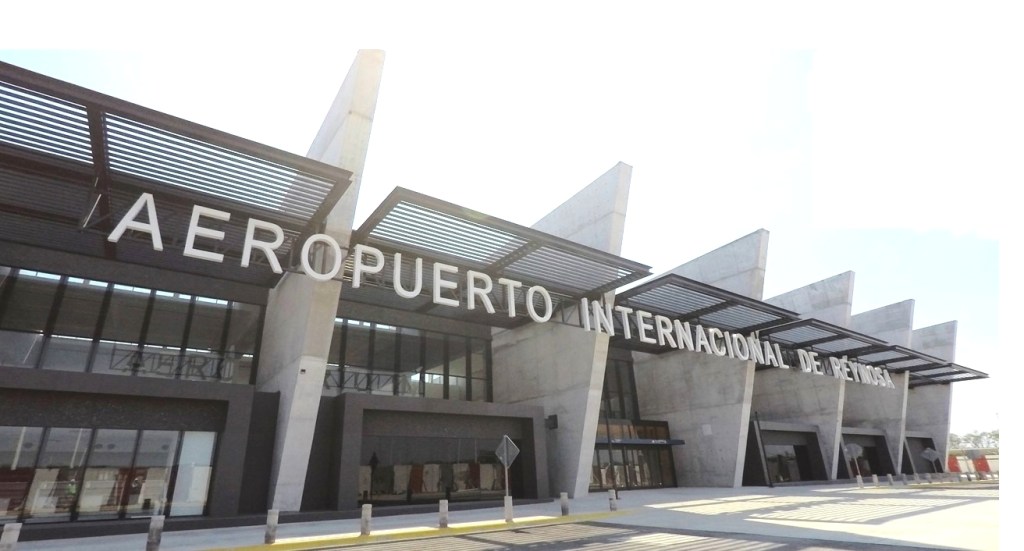
El Aeropuerto Internacional Reynosa en la República de México cuenta con un nueva terminal aérea que permitirá triplicar la llegada de visitantes a la región fronteriza de Tamaulipas. El Grupo Aeroportuario del Centro Norte (OMA) ha realizado inversiones en cuatro año de alrededor de MX$ 338 millones de Pesos y desde este Miércoles 24/02 ha inaugurado oficialmente la nueva terminal en funcionamiento. El espacio remodelado de 7.500 metros cuadrados, forma parte de los MX$ 12 mil millones de Pesos programados en las 13 terminales, que también incluye a Tampico y se encuentra en proceso de avance, indicó su Director General Ricardo Dueñas Esprui, presente en la apertura oficial de la infraestructura.
El Director de OMA ha anunciado: «Dará 15 mil empleos sector energético “Reynosa entra a una nueva etapa en su evolución, este edificio implicó una inversión de 338 millones de pesos, con sus empleos generados, y que impactará directamente en el desarrollo del destino, con oportunidades de negocios para la región y el estado, cuya características son un diseño vanguardista y funcional con una nueva cara. Este destino ha establecido 229.000 pasajeros en 2020, lo que significó una baja del 52.3 por ciento, causado por las medidas nacionales e internacionales por la pandemia del Covid-19. Con este proyecto consolidado, buscamos recibir un millón de pasajeros anuales, lo que significa triplicar su capacidad. Hoy el Aeropuerto de Reynosa inicia una nueva etapa en su evolución, resultado del talento y dedicación de un selecto equipo de ingenieros, arquitectos y constructores y por supuesto de la gran colaboración de autoridades municipales, estatales y federales”, dijo Ricardo Dueñas Esprui.
Reynosa Terminal inauguration
New Terminal Reynosa International Airport, Mexico
Reynosa International Airport in the Republic of Mexico has a new air terminal that will allow tripling the arrival of visitors to the border region of Tamaulipas. The Grupo Aeroportuario del Centro Norte (OMA) has made investments in four years of around MX$ 338 million Pesos and since this Wednesday 02/24 has officially inaugurated the new terminal in operation. The remodeled space of 7,500 square meters is part of the MX$ 12 billion Pesos programmed in the 13 terminals, which also includes Tampico and is in the process of progress, indicated its General Director Ricardo Dueñas Esprui, present at the opening infrastructure officer.
The Director of OMA has announced: «It will give 15 thousand jobs to the energy sector» Reynosa enters a new stage in its evolution, this building involved an investment of 338 million pesos, with its jobs generated, and that will directly impact the development of the destination , with business opportunities for the region and the state, whose characteristics are an avant-garde and functional design with a new face. This destination has established 229.000 passengers in 2020, which meant a decrease of 52.3 percent, caused by national measures and international due to the Covid-19 pandemic. With this consolidated project, we seek to receive one million passengers per year, which means tripling its capacity, Today Reynosa Airport begins a new stage in its evolution, the result of the talent and dedication of a select team of engineers, architects and builders and of course the great collaboration of municipal, state and federal», said Ricardo Dueñas Esprui.
Zurich Airports unifica identidad en aeropuertos de Brasil
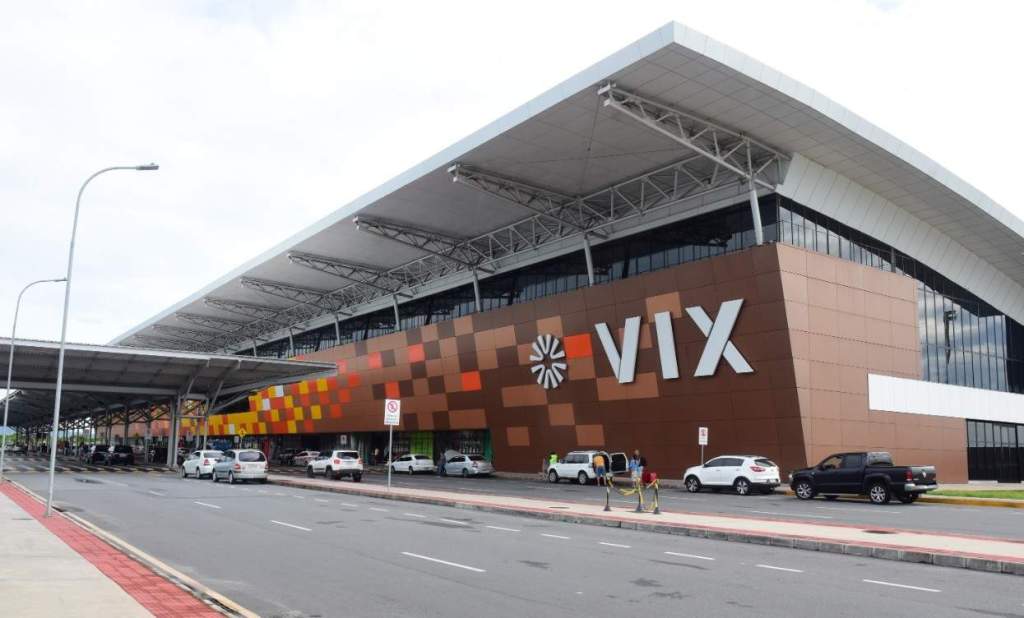
La gestión de los tres aeropuertos concesionados en Brasil de Zurich Airports Brasil ha llevado a la integración de su marca e imagen corporativa, abandonando los nombres adoptados en cada terminal. La finalidad es crear una identidad única para toda su red brasileña. Como resultado, los aeropuertos de Florianópolis/FLN (Santa Catarina), Macaé/MEA (Río de Janeiro), y Vitória/VIX (Espírito Santo), ahora se han unido bajo la marca Zurich Airports Brasil.
El cambio a una identidad unificada apunta a fortalecer su presencia en Brasil, basado en el concepto de ser más que aeropuertos, posicionándose también como centros de compras e inversiones. Una de las estrategias de la compañía es desarrollar el potencial adicional de los aeropuertos que gestiona, por ejemplo, creando centros de ocio y proyectos inmobiliarios, como premisa para valorizar el complejo aeroportuario. El modelo se adopta en algunos países, que utilizan, por ejemplo, los alrededores del aeropuerto para crear complejos comerciales o industriales.
Expansión en Brasil
El Aeropuerto Florianópolis, ahora bajo la concesión como Zurich Airports Florianópolis es el más antiguo de las terminales gestionadas por el grupo, ya que se incorporó Enero 2018. Vitória y Macaé ingresaron en Enero 2020 por medio de las subastas de concesión realizadas por el Gobierno Federal. Los contratos tienen una vigencia de treinta años y Zurich Airports Brazil ha mantenido planes de inversión futuros para modernizar las terminales, mejorar la infraestructura general y brindar nuevos servicios comerciales.
Zurich Brazil brand integration
Zurich Airports unifies identity at Brazilian airports
The management of the three concessioned airports in Brazil by Zurich Airports Brazil has led to the integration of its brand and corporate image, abandoning the names adopted in each terminal. The aim is to create a unique identity for your entire Brazilian network. As a result, the airports of Florianópolis/FLN (Santa Catarina), Macaé/MEA (Rio de Janeiro), and Vitória/VIX (Espírito Santo), have now been united under the Zurich Airports Brazil brand.
The change to a unified identity aims to strengthen its presence in Brazil, based on the concept of being more than airports, also positioning itself as shopping and investment centers. One of the company’s strategies is to develop the additional potential of the airports it manages, for example, by creating leisure centers and real estate projects, as a premise to enhance the airport complex. The model is adopted in some countries, which use, for example, the airport surroundings to create commercial or industrial complexes.
Expansion in Brazil
Florianópolis Airport, now under the concession as Zurich Airport Florianópolis, is the oldest of the terminals managed by the group, since it was incorporated in January 2018. Vitória and Macaé entered in January 2020 through the concession auctions carried out by the Federal Government. The contracts are valid for thirty years and Zurich Airports Brasil has maintained future investment plans to modernize the terminals, improve the general infrastructure and provide new commercial services.
Integração da marca Zurich Brazil
Zurich Airports unifica identidade em aeroportos brasileiros
A gestão dos três aeroportos concessionados no Brasil pelo Zurich Airports Brazil permitiu a integração da sua marca e imagem corporativa, abandonando os nomes adoptados em cada terminal. O objetivo é criar uma identidade única para toda a sua rede brasileira. Com isso, os aeroportos de Florianópolis/FLN (Santa Catarina), Macaé/MEA (Rio de Janeiro) e Vitória/VIX (Espírito Santo), passaram a ser unificados sob a marca Zurich Airports Brazil.
A mudança para uma identidade unificada visa fortalecer sua presença no Brasil, com base no conceito de ser mais que aeroportos, posicionando-se também como shopping e centros de investimento. Uma das estratégias da empresa é desenvolver o potencial adicional dos aeroportos que administra, por exemplo, através da criação de centros de lazer e empreendimentos imobiliários, como premissa de valorização do complexo aeroportuário. O modelo é adotado em alguns países, que utilizam, por exemplo, o entorno do aeroporto para a criação de complexos comerciais ou industriais.
Expansão no Brasil
O Aeroporto Florianópolis, agora concessionado como Zurich Airports Florianópolis, é o mais antigo dos terminais administrados pelo grupo, desde que foi incorporado em janeiro de 2018. Vitória e Macaé entraram em janeiro de 2020 por meio de leilões de concessão realizados pelo Governo Federal. Os contratos são válidos por trinta anos e a Zurich Airports Brazil mantém planos de investimentos futuros para modernizar os terminais, melhorar a infraestrutura geral e oferecer novos serviços comerciais.
AW | 2021 02 24 13:22 | AIRPORTS / AVIATION ORGANISMS / GOVERNMENT
Aeropuertos no exceden estándares de ruido debido a crisis de vuelos
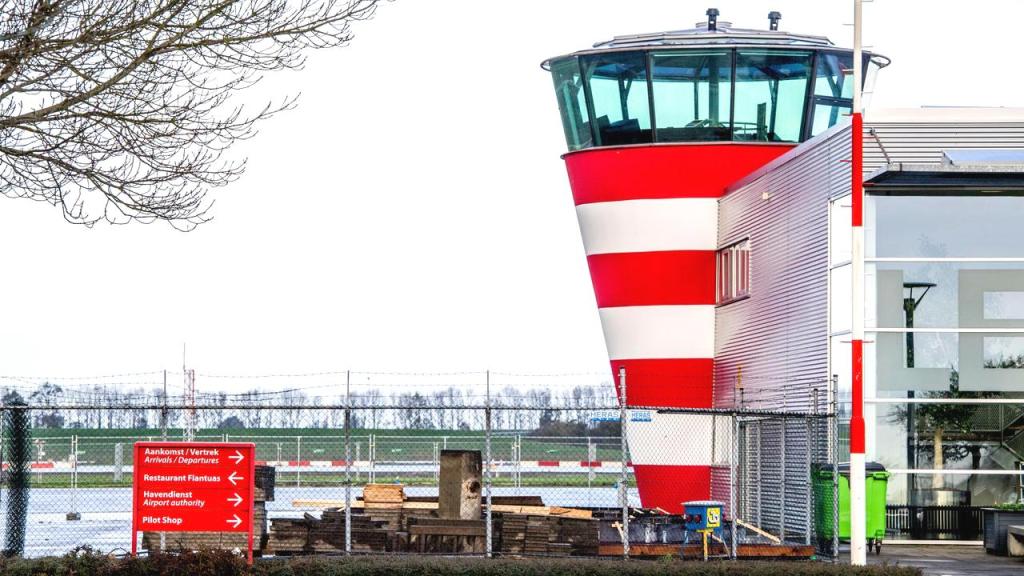
Los aeropuertos regionales del Reino de los Países Bajos como Maastricht, Lelystad y Rotterdam no han superado los estándares de ruido en el último año. Según la Inspección de Medio Ambiente y Transporte (ILT), esto se debe a que en 2020 ha volado mucho menos debido a las medidas corona.
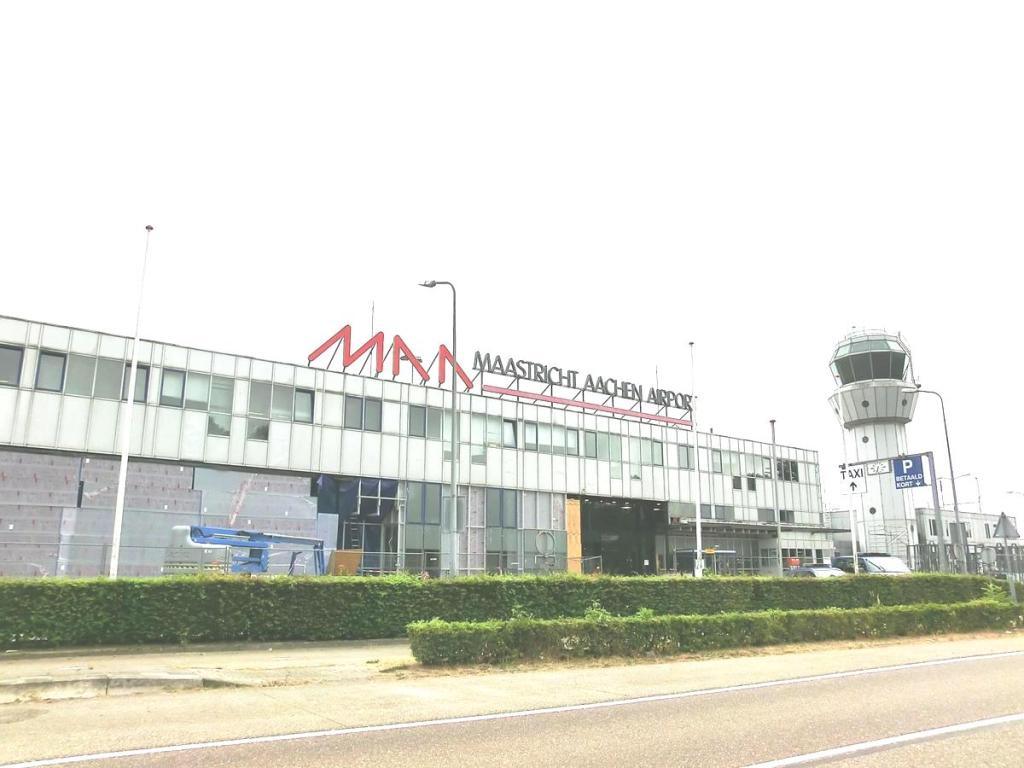
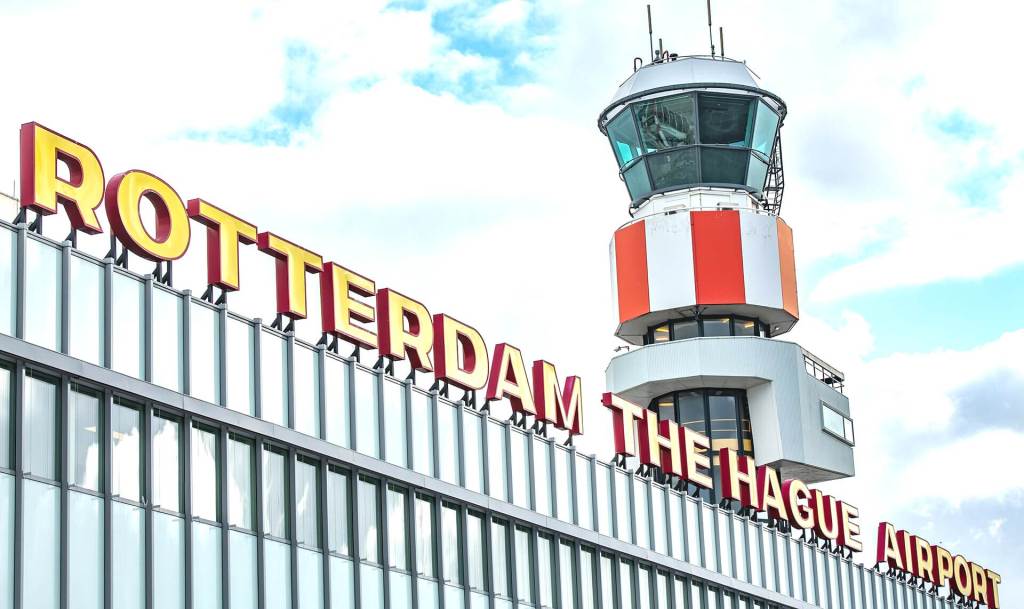
El ILT investigó el Aeropuerto de Maastricht/Aachen (MAA), el Aeropuerto de Lelystad (LA) y el Aeropuerto La Haya/Rotterdam (RTHA). Todos los aeropuertos regionales de los Países Bajos están sujetos a normas y normas de ruido para el uso del aeropuerto. De esta manera, debería haber tan pocas consecuencias como sea posible sobre las zonas habitadas. El ILT verifica esto cada año y puede imponer sanciones si es necesario. Este año el informe es muy similar al de años anteriores debido a las medidas corona, según el ILT. El servicio de inspección no tuvo que tomar medidas debido a las superaciones de ruido durante el período de control, entre el 1 de Noviembre de 2019 y el 31 de Octubre de 2020. Desde el Aeropuerto de Maastricht partieron unas cuantas noches de vuelos de carga relacionados con la pandemia. Además, el ILT fue indulgente y no actuó en su contra. El Aeropuerto de Rotterdam/La Haya redujo a la mitad el número de vuelos nocturnos. Ocho de esos vuelos fueron investigados más a fondo, pero no hubo violaciones. En el Aeropuerto Lelystad también hubo una fuerte disminución de la contaminación acústica debido a la menor salida de vuelos.
Netherlands regional airport standards
Airports do not exceed noise standards due to flight crisis
Regional airports in the Kingdom of the Netherlands such as Maastricht, Lelystad and Rotterdam have not exceeded noise standards in the last year. According to the Environment and Transport Inspectorate (ILT), this is because in 2020 it has flown much less due to the corona measures.
The ILT investigated Maastricht/Aachen Airport (MAA), Lelystad Airport (LA) and Rotterdam/The Hague Airport (RTHA). All regional airports in the Netherlands are subject to noise rules and regulations for airport use. In this way, there should be as little consequence as possible on inhabited areas. The ILT verifies this every year and can impose penalties if necessary. This year the report is very similar to previous years due to the corona measures, according to the ILT. The inspection service did not have to take action due to noise exceedances during the control period, between November 1, 2019 and October 31, 2020. A few nights of related cargo flights departed from Maastricht Airport with the pandemic. Furthermore, the ILT was lenient and did not act against him. The Rotterdam/The Hague Airport halved the number of night flights. Eight of those flights were further investigated, but there were no violations. At Lelystad Airport there was also a sharp decrease in noise pollution due to lower flight departures.
Nederlandse regionale luchthavennormen
Regionale luchthavens overschrijden de geluidsnormen niet
Regionale luchthavens in het Koninkrijk der Nederlanden zoals Maastricht, Lelystad en Rotterdam hebben het afgelopen jaar de geluidsnormen niet overschreden. Volgens de Inspectie Leefomgeving en Transport (ILT) komt dit doordat er in 2020 veel minder is gevlogen door de coronamaatregelen.
De ILT deed onderzoek naar Maastricht Airport (MAA), Lelystad Airport (LA) en Rotterdam/The Hague Airport (RTHA). Voor alle regionale luchthavens in Nederland gelden geluidsregels en regels voor luchthavengebruik. Op deze manier zouden er zo min mogelijk gevolgen moeten zijn voor bewoonde gebieden. De ILT controleert dit jaarlijks en kan indien nodig boetes opleggen. Dit jaar lijkt het rapport door de coronamaatregelen sterk op voorgaande jaren, aldus de ILT. In de controleperiode, tussen 1 November 2019 en 31 Oktober 2020, hoefde de inspectiedienst geen actie te ondernemen vanwege geluidsoverlast. Met de pandemie vertrokken enkele nachten gerelateerde vrachtvluchten vanaf Maastricht Airport. Bovendien was de ILT toegeeflijk en trad niet tegen hem op. De Rotterdam/The Hague Airport halveerde het aantal nachtvluchten. Acht van die vluchten werden nader onderzocht, maar er waren geen overtredingen. Ook op Lelystad Airport was sprake van een sterke afname van de geluidsoverlast door minder vertrekkende vluchten.
Aeropuerto Kushinagar de la India inicia operaciones internacionales
El Aeropuerto Kushinagar de Uttar Pradesh (UP) ha recibido las autorizaciones necesarias de la Dirección General de Aviación Civil (DGCA) de la India para operar servicios de vuelos internacionales. El Martes 23/02, el Ministro de Aviación Civil, Hardeep Singh Puri, dijo que el Aeropuerto kushinagar de Uttar Pradesh ha recibido las autorizaciones necesarias de la Dirección General de Aviación Civil (DGCA) del regulador de aviación para operar servicios de vuelos internacionales desde las instalaciones. El año pasado, en el mes de Junio 2020, el Gabinete de la Unión había aprobado el estatus del Aeropuerto Kushinagar como instalación internacional, diciendo que el aeropuerto ofrecerá una mejor conectividad con el importante lugar de peregrinación budista. Una vez que el Aeropuerto de Kushinagar comience a operar vuelos internacionales, se convertirá en la tercera instalación internacional funcional del estado.
La medida dará un impulso a la industria del turismo en la región, así como facilitará los viajes en el circuito budista ofreciendo conectividad aérea directa a la ciudad donde lord Buda alcanzó Mahaparinirvana. En la actualidad, dos aeropuertos internacionales están operativos en el aeropuerto internacional Chaudhary Charan Singh de la capital de Uttar Pradesh, Lucknow y el Aeropuerto Internacional Lal Bahadur Shastri en la ciudad de Varanasi. Además, otro aeropuerto internacional está llegando a Jewar en Gautambudh Nagar. Según el informe, Kushinagar en Uttar Pradesh es el punto medio del circuito budista. Sus lugares de peregrinación cercanos se encuentran en Lumbini, Kapilvastu, Shravasti. Un poco más lejos, hay lugares de peregrinación en Sarnath y Gaya, el Gobierno había mencionado en el momento de otorgar el estatus internacional al aeropuerto de Kushinagar. El Centro también había declarado que entre 200 y 300 devotos de países como Japón, Tailandia, Myanmar, Camboya, entre otras naciones, vienen a ofrecer oraciones en Kushinagar en un día dado.
Más inversiones
Mientras tanto, en su presupuesto 2021-22, el Gobierno estatal de Uttar Pradesh ha hecho una provisión de ₹ 2.000 Crores para la expansión del próximo Aeropuerto Internacional Noida Greenfield en Jewar. El gobierno también ha anunciado recientemente la creación de una ciudad electrónica cerca del Aeropuerto de Jewar. Además, el número de pistas de aterrizaje en el aeropuerto se incrementará de dos a seis. El estado más grande de la India por población, Uttar Pradesh, recibirá oficialmente su tercer aeropuerto internacional. La apertura del Aeropuerto de Kushinagar impulsará la conectividad y el tráfico turístico cuando comience a operar.
Kushinagar launches international Ops
India’s Kushinagar Airport begins international operations
Kushinagar Airport in Uttar Pradesh (UP) has received the necessary clearances from the Directorate General of Civil Aviation (DGCA) of India to operate international flight services. On Tuesday 02/23, Civil Aviation Minister Hardeep Singh Puri said that Uttar Pradesh’s Kushinagar Airport has received the necessary authorizations from the aviation regulator’s Directorate General of Civil Aviation (DGCA) to operate international flight services from the installations. Last year, in June 2020, the Union Cabinet had approved the status of Kushinagar Airport as an international facility, saying that the airport will offer better connectivity to the important Buddhist pilgrimage site. Once Kushinagar Airport begins operating international flights, it will become the third functional international facility in the state.
The move will give a boost to the tourism industry in the region, as well as facilitate travel on the Buddhist circuit by offering direct air connectivity to the city where Lord Buddha reached Mahaparinirvana. Currently, two international airports are operating at the Chaudhary Charan Singh International Airport in the capital of Uttar Pradesh, Lucknow, and the Lal Bahadur Shastri International Airport in the city of Varanasi. Also, another international airport is arriving at Jewar in Gautambudh Nagar. According to the report, Kushinagar in Uttar Pradesh is the midpoint of the Buddhist circuit. His nearby pilgrimage sites are in Lumbini, Kapilvastu, Shravasti. A little further afield, there are pilgrimage sites at Sarnath and Gaya, the Government had mentioned at the time of granting international status to Kushinagar airport. The Center had also stated that between 200 and 300 devotees from countries such as Japan, Thailand, Myanmar, Cambodia, among other nations, come to offer prayers in Kushinagar on any given day.
More investments
Meanwhile, in its 2021-22 budget, the Uttar Pradesh State Government has made a provision of ₹ 2,000 Crores for the expansion of the upcoming Noida Greenfield International Airport in Jewar. The government has also recently announced the creation of an electronic city near Jewar Airport. In addition, the number of runways at the airport will be increased from two to six. India’s largest state by population, Uttar Pradesh, will officially receive its third international airport. The opening of the Kushinagar Airport will boost connectivity and tourist traffic when it starts operating.
कुशीनगर ने अंतर्राष्ट्रीय ऑप्स लॉन्च किया
भारत का कुशीनगर हवाई अड्डा अंतरराष्ट्रीय परिचालन शुरू करता है
कुशीनगर एयरपोर्ट,उत्तर प्रदेश (यूपी) ने अंतर्राष्ट्रीय उड़ान सेवाएं संचालित करने के लिए भारत के नागर विमानन महानिदेशालय (DGCA) से आवश्यक मंजूरी प्राप्त कर ली है। मंगलवार 02/23 को, नागरिक उड्डयन मंत्री हरदीप सिंह पुरी ने कहा कि उत्तर प्रदेश कुशीनगर हवाई अड्डे को विमानन नियामक महानिदेशालय (डीजीसीए) से प्रतिष्ठानों से अंतर्राष्ट्रीय उड़ान सेवाएं संचालित करने के लिए आवश्यक प्राधिकरण प्राप्त हुए हैं। पिछले साल, जून 2020 में, केंद्रीय मंत्रिमंडल ने एक अंतरराष्ट्रीय सुविधा के रूप में कुशीनगर हवाई अड्डे की स्थिति को मंजूरी दी थी, यह कहते हुए कि हवाई अड्डा महत्वपूर्ण बौद्ध तीर्थ स्थल के लिए बेहतर कनेक्टिविटी प्रदान करेगा। एक बार कुशीनगर हवाई अड्डे से अंतरराष्ट्रीय उड़ानें संचालित होने लगीं, तो यह राज्य में तीसरी कार्यात्मक अंतर्राष्ट्रीय सुविधा बन जाएगी।
इस कदम से क्षेत्र में पर्यटन उद्योग को बढ़ावा मिलेगा, साथ ही बौद्ध सर्किट पर शहर को सीधे हवाई संपर्क प्रदान करने की सुविधा मिलेगी, जहां भगवान बुद्ध महापरिनिर्वाण पर पहुंचे। वर्तमान में, दो अंतरराष्ट्रीय हवाई अड्डे उत्तर प्रदेश की राजधानी लखनऊ के चौधरी चरण सिंह अंतर्राष्ट्रीय हवाई अड्डे और वाराणसी शहर में लाल बहादुर शास्त्री अंतर्राष्ट्रीय हवाई अड्डे पर चल रहे हैं। इसके अलावा, गौतमबुद्ध नगर के जेवर में एक और अंतरराष्ट्रीय हवाई अड्डा आ रहा है। रिपोर्ट के अनुसार, उत्तर प्रदेश का कुशीनगर बौद्ध सर्किट का मध्यबिंदु है। उनके निकटवर्ती तीर्थ स्थल लुम्बिनी, कपिलवस्तु, श्रावस्ती में हैं। इससे थोड़ा आगे, सारनाथ और गया में तीर्थ स्थल हैं, कुशीनगर हवाई अड्डे को अंतर्राष्ट्रीय दर्जा देने के समय सरकार ने उल्लेख किया था। केंद्र ने यह भी कहा था कि जापान, थाईलैंड, म्यांमार, कंबोडिया जैसे देशों के 200 और 300 से अधिक श्रद्धालु किसी भी दिन कुशीनगर में प्रार्थना करने आते हैं।
अधिक निवेश
इस बीच, अपने 2021-22 के बजट में, उत्तर प्रदेश राज्य सरकार ने जेवर में आगामी नोएडा ग्रीनफील्ड अंतर्राष्ट्रीय हवाई अड्डे के विस्तार के लिए 21 2,000 करोड़ का प्रावधान किया है। सरकार ने हाल ही में जेवर हवाई अड्डे के पास एक इलेक्ट्रॉनिक शहर बनाने की भी घोषणा की है। इसके अलावा, हवाई अड्डे पर रनवे की संख्या दो से बढ़ाकर छह की जाएगी। जनसंख्या के हिसाब से भारत का सबसे बड़ा राज्य, उत्तर प्रदेश आधिकारिक तौर पर अपना तीसरा अंतरराष्ट्रीय हवाई अड्डा प्राप्त करेगा। कुशीनगर हवाई अड्डे के खुलने से परिचालन शुरू होने पर कनेक्टिविटी और पर्यटक यातायात को बढ़ावा मिलेगा।
Tras próxima reanudación Aeroparque arribarían vuelos a Rosario
La próxima reapertura del Aeropuerto Jorge Newbery de la ciudad de Buenos Aires, el flujo de tráfico se incrementará a los diferentes destinos del país marcado por los protocolos sanitarios vigentes. Después de casi ocho meses en reparaciones, la aeroestación de Aeroparque estará habilitada hacia el 15 de Marzo de 2021 iniciando la programación de vuelos comerciales al día siguiente (16/03) para reactivar la alicaída economía de las líneas aéreas y el impacto que represente para cada aeropuerto del interior de Argentina.
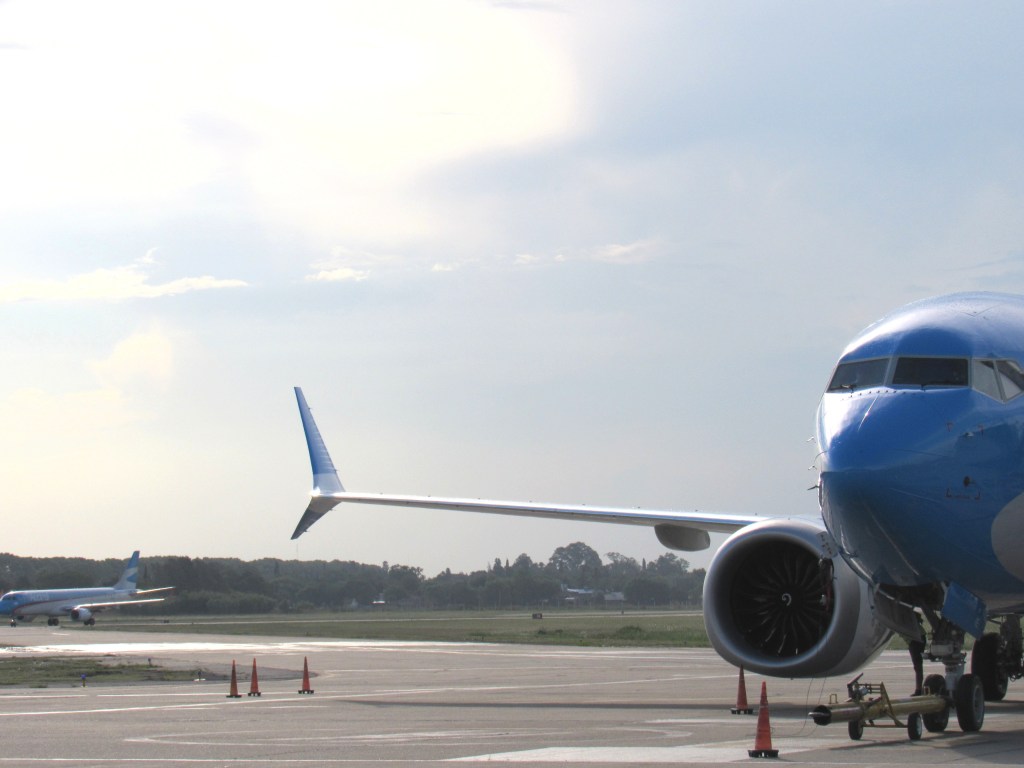
La reanudación de los vuelos domésticos en el Aeropuerto Jorge Newbery permitirá reactivar el tráfico de pasajeros en el Aeropuerto Internacional Rosario, para traer un poco de oxígeno a una demanda paralizada en el sector. Según la programación vigente, la terminal rosarina tendrá por parte de Aerolíneas Argentinas doce frecuencias semanales (12Frq/S) con aeronaves Embraer E190-100AR; hacia Santa Fe tres frecuencias semanales (3Frq/S); y hacia Paraná tres frecuencias semanales (3Frq/S).
Los directivos del Aeropuerto Rosario han expresado que actualmente no se ha oficializado la nueva programación, pero a la brevedad estaría confirmada. De todos modos, a partir de Marzo 2021 se espera un incremento sustancial de todas las frecuencias en el país gracias a la reactivación del Aeropuerto Jorge Newbery.
Rosario Airport slight activation
After the next Aeroparque resumption, flights would arrive in Rosario
The next reopening of the Jorge Newbery Airport in the city of Buenos Aires, the flow of traffic will increase to the different destinations in the country marked by current health protocols. After almost eight months in repairs, the Aeroparque airstation will be enabled by March 15, 2021, starting the scheduling of commercial flights the next day (03/16) to reactivate the ailing economy of the airlines and the impact it represents for each airport in the interior of Argentina.
The resumption of domestic flights at Jorge Newbery Airport will allow passenger traffic to be reactivated at Rosario International Airport, to bring a pod of oxygen to a paralyzed demand in the sector. According to the current schedule, the Rosario terminal will have twelve weekly frequencies (12Frq/S) by Aerolíneas Argentinas with Embraer E190-100AR aircraft; to Santa Fe three weekly frequencies (3Frq/S); and to Paraná three weekly frequencies (3Frq/S).
The managers of Rosario Airport have expressed that the new programming has not been made official at the moment, but it would be confirmed shortly. Anyway, as of March 2021, a substantial increase in all frequencies in the country is expected thanks to the reactivation of the Jorge Newbery Airport.
Aeropuerto Jorge Newbery reabre a partir del 15 Marzo 2021
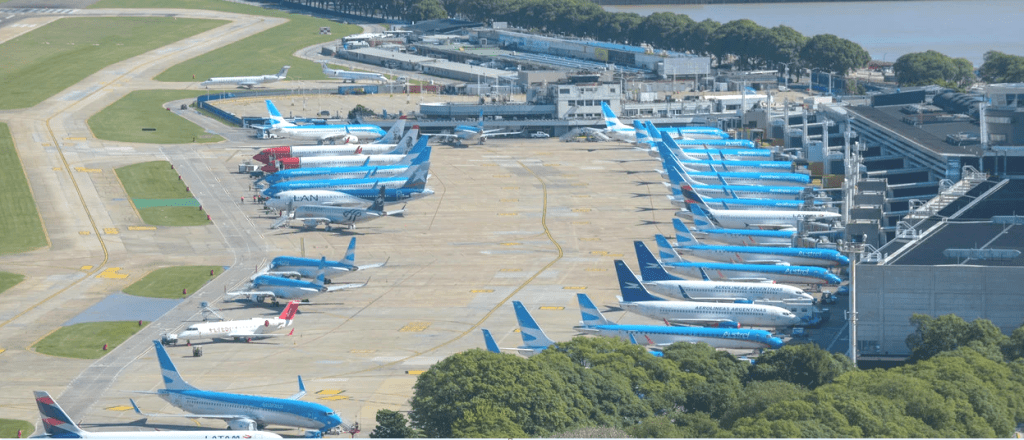
El Aeropuerto Jorge Newbery SABE/AEP de la ciudad de Buenos Aires reabre a partir del 15 de Marzo de 2021, recibiendo una excelente noticia a los usuarios del transporte aéreo. La aeroestación reiniciará operaciones luego de un año cerrado por la pandemia y por reformas. El refaccionado Aeropuerto Jorge Newbery reabrirá a partir del próximo 15/03 a partir de las 22:00 horas [hora local Argentina]. De esta manera la principal aeroestación del país tiene cuenta regresiva para retornar a la actividad aerocomercial. Las aerolíneas han iniciado la venta de tickets con esa terminal como punto de salida.
Aerolíneas Argentinas ha establecido su programación de vuelos domésticos a partir del próximo 16/03, mientras que los vuelos regionales se determinará más adelante. Con el cierre del Aeropuerto El Palomar, las aerolíneas low-cost también comenzarán a operar desde el reformado Aeroparque permitiendo acceder a franjas horarias (slots) para vuelos de cabotaje. Jetsmart Airlines Argentina ha establecido la programación de vuelos en su sistema de reservas donde ha programado su primer vuelo el 16/03 a partir de las 07:15 hs. con destino a Córdoba. Flybondi Líneas Aéreas ha informado que en los próximos días comenzarán a realizar la programación de sus cronogramas de vuelos desde Aeroparque.
Aprobaciones Aeroparque
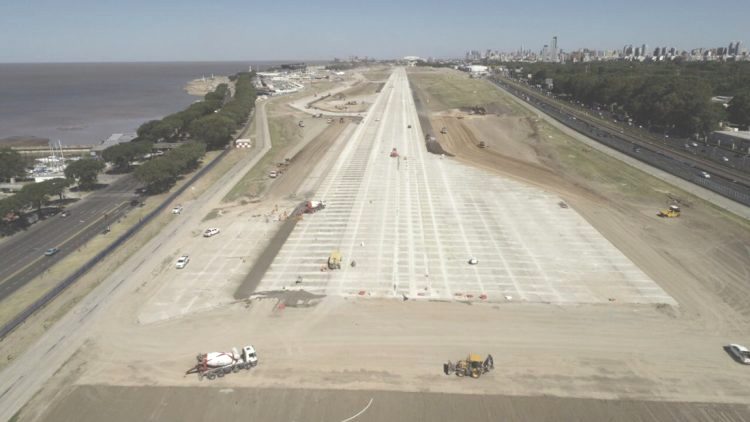
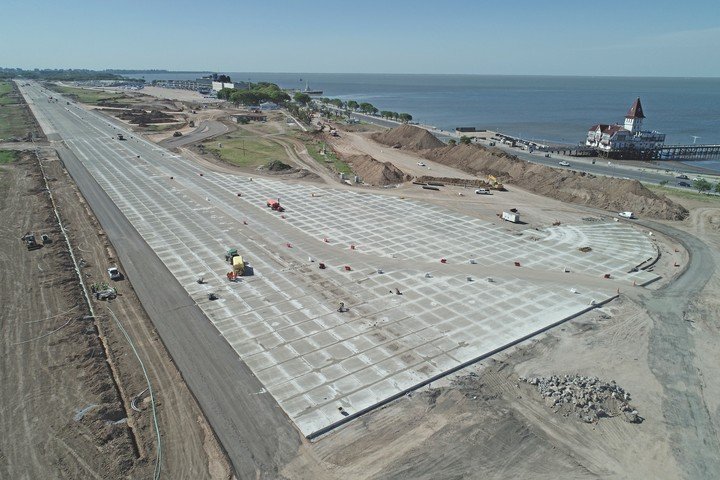
El Aeropuerto Jorge Newbery cerró sus operaciones aéreas el 1 de Agosto de 2020 por obras de modernización en la pista y en el sector de la terminal aérea en el que operarán los vuelos regionales. Los trabajos incluyeron el agregado de 615 metros de largo y 20 de ancho de pista, para optimizar las operaciones regionales y mejorar la seguridad y la conectividad con el exterior. La pista pasará de los 2.100 metros actuales de largo y 40 de ancho, a 2.715 de largo con un ancho de 60 metros. En el sector de vuelos internacionales, se amplió el sector de arribos con la suma de 800m2 de superficie y se refuncionalizará el sector de partidas en la terminal de pasajeros, que abarcará una superficie aproximada de 4.630 m2.
Estas remodelaciones permitirán las operaciones de aeronaves de mayor porte, como los Boeing 787 y los Airbus A330. También se amplió el sector de arribos y partidas internacionales en la terminal de pasajeros, y se dispuso un nuevo sistema de balizamiento para la seguridad operacional en los despegues y aterrizajes.
Inicialmente, la reapertura del Aeropuerto Jorge Newbery está prevista para los vuelos domésticos. Desde el Ministerio de Transporte confirmaron la fecha de reapertura y señalaron que, en principio, el Aeroparque funcionará solo para los vuelos de cabotaje, mientras que toda la operación internacional se mantendrá a través del Aeropuerto Internacional Ezeiza. Más adelante, se espera que la aeroestación de la ciudad de Buenos Aires esté disponible también operar algunos vuelos regionales. La decisión dependerá del Ministerio de Salud y del Organismo Regulador del Sistema Nacional de Aeropuertos (ORSNA). En tanto, desde la ANAC también confirmaron que el 15 de marzo es la fecha prevista para la reapertura. “Nuestras fiscalizaciones indican que esos plazos son cumplibles”, aseguraron. Con todo, la decisión final está en manos de ORSNA, el organismo que controla todos los aeropuertos.
La autorización para las líneas aéreas ha sido comunicada a través de una nota técnica de la Administración Nacional de Aviación Civil (ANAC), permitiendo acceder a la explotación aérea de la aeroestación. Las obras concluyentes a las 22:00 horas del 15 de Marzo de 2021, permitirán acceder a las líneas aéreas de Argentina volar desde esta importante aeroestación a partir del 16/03. En un principio, se preveía que las obras finalizaran durante Febrero 2021, pero se extendieron al menos un mes más de lo previsto. Antes del cierre, por la terminal aérea pasaron 920.000 pasajeros en Enero 2020 y 844.000 en Febrero 2020. La reapertura permitirá expandir las operaciones en el principal aeropuerto de Argentina por número de pasajeros transportados.
Regionalización Aeroparque
Además de los vuelos de cabotaje, Aerolíneas Argentinas ya comenzó a vender pasajes con destinos internacionales desde el Aeroparque y tiene programados vuelos a Lima, San Pablo, Río de Janeiro, Santa Cruz de la Sierra y Montevideo. Según dijeron en la compañía estatal, el plan de regionalización había sido aprobado por la Administración Nacional de Aviación Civil (ANAC) en marzo del año pasado, pero no se pudo concretar por la irrupción de la pandemia.
Las obras de modernización y alargue de la pista de despegue y aterrizaje que programó el Gobierno tienen como fin la regionalización del Aeroparque. Mientras tanto, todavía está en discusión qué pasará con los vuelos internacionales de las aerolíneas low cost en su nueva aeroestación, que hasta hace un años atrás operaban desde el Aeropuerto El Palomar, pero finalmente la ANAC dispuso el cierre de ese aeropuerto para actividades aerocomerciales. El argumento oficial fue que es demasiado costoso mantener tres aeropuertos en el área metropolitana de Buenos Aires, sobre todo en este contexto de baja demanda producto de la pandemia.
Aeroparque reopens next 03/15
Jorge Newbery Airport reopens as of March 15, 2021
The Jorge Newbery Airport SABE/AEP of the city of Buenos Aires reopens as of March 15, 2021, receiving excellent news for air transport users. The airstation will restart operations after a year closed due to the pandemic and due to reforms. The refurbished Jorge Newbery Airport will reopen on 03/15 at 10:00 pm [Argentina local time]. In this way, the main air station in the country has a countdown to return to commercial air activity. The airlines have started selling tickets with that terminal as the point of departure.
Aerolíneas Argentinas has established its domestic flight schedule from 03/16, while regional flights will be determined later. With the closure of El Palomar Airport, low-cost airlines will also start operating from the renovated Aeroparque, allowing access to time slots for domestic flights. Jetsmart Airlines Argentina has established the flight schedule in its reservation system where it has scheduled its first flight on 03/16 from 07:15 am. bound for Córdoba. Flybondi Lineas Aereas have reported that in the coming days they will begin to schedule their flight schedules from Aeroparque.
Aeroparque approvals
Jorge Newbery Airport closed its air operations on August 1, 2020 due to modernization works on the runway and in the area of the air terminal where regional flights will operate. The works included the addition of 615 meters long and 20 meters wide, to optimize regional operations and improve safety and connectivity with the outside world. The track will go from the current 2,100 meters long and 40 wide, to 2,715 long with a width of 60 meters. In the international flights sector, the arrivals sector was expanded with an area of 800m2 and the departures sector in the passenger terminal will be re-functionalized, covering an approximate area of 4,630 m2.
These refurbishments will allow the operations of larger aircraft, such as the Boeing 787 and the Airbus A330. The international arrivals and departures sector was also expanded at the passenger terminal, and a new beacon system was set up for operational safety at take-offs and landings.
Initially, the reopening of Jorge Newbery Airport is planned for domestic flights. The Ministry of Transportation confirmed the reopening date and indicated that, in principle, the Aeroparque will work only for domestic flights, while the entire international operation will continue through the Ezeiza International Airport. Later, it is expected that the airstation of the city of Buenos Aires will also be available to operate some regional flights. The decision will depend on the Ministry of Health and the Regulatory Body of the National Airport System (ORSNA). Meanwhile, Anac also confirmed that March 15 is the scheduled date for the reopening. «Our audits indicate that these deadlines are achievable», they assured. However, the final decision is in the hands of Orsna, the body that controls all airports.
The authorization for the airlines has been communicated through a technical note from the National Civil Aviation Administration (ANAC), allowing access to the aerial operation of the air station. The final works at 10:00 p.m. on March 15, 2021, will allow Argentina’s airlines to fly from this important air station as of 03/16. At first, the works were expected to finish during February 2021, but they took at least a month longer than planned. Before the closure, 920,000 passengers passed through the air terminal in January 2020 and 844,000 in February 2020. The reopening will allow the expansion of operations at the main airport in Argentina by number of passengers transported.
Aeroparque Regionalization
In addition to domestic flights, Aerolíneas Argentinas has already started selling tickets to international destinations from the Aeroparque and has scheduled flights to Lima, São Paulo, Rio de Janeiro, Santa Cruz de la Sierra and Montevideo. According to the state company, the regionalization plan had been approved by the National Civil Aviation Administration (ANAC) in March last year, but could not be finalized due to the outbreak of the pandemic.
The modernization and extension works of the take-off and landing runway that the Government programmed are aimed at regionalizing the Airport. Meanwhile, it is still under discussion what will happen to the international flights of the low cost airlines in their new airstation, which until a year ago operated from the El Palomar Airport, but finally the ANAC ordered the closure of that airport for commercial air activities. The official argument was that it is too expensive to maintain three airports in the metropolitan area of Buenos Aires, especially in this context of low demand as a result of the pandemic.
🛬 Se aproxima un renovado Aeroparque. Con más aviones. Más amplio. Más moderno. Más regional. Más conectado.
🙌🏻 Próximamente volverá a funcionar Aeroparque y acá abajo detallamos las principales obras que permitirán optimizar las operaciones regionales y mejorar su conexión 👇🏻 pic.twitter.com/VJPyxlSfAf
El primer aeropuerto ecológico del mundo, en las islas Galápagos, Ecuador ha sido inaugurado. Las islas Galápagos se encuentran localizadas a caso 1.000 kilómetros de distancia de la costa del pacífico ecuatoriano. El archipiélago recibe alrededor de 250.000 turistas por año, que llegan atraídos por los refugios naturales de tiburones, tortugas gigantes y lobos marinos, entre otras especies.
Terminal aérea Seymour
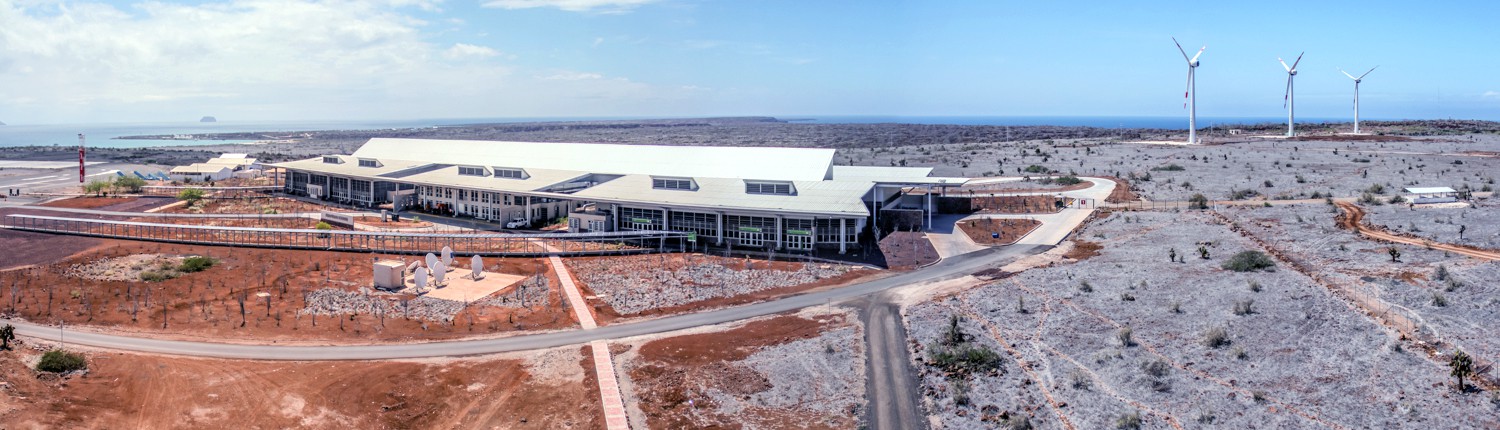
El Aeropuerto Internacional Seymour, localizado en Baltra, es considerado el primer aeropuerto del mundo en ser totalmente ecológico. Tiene una extensión de 6.000 metros cuadrados y su techo tipo sombrilla alcanza los 10.000 metros cuadrados. Estas estructuras son sostenidas por tuberías de acero de unos 30 centímetros de diámetro que fueron recuperadas de los campos de extracción petrolera de la Amazonía ecuatoriana. La modernísima aero-estación, construida por el consorcio Aeropuertos Argentina 2000 con una inversión de US$ 26 millones de Dólares, no utiliza combustibles fósiles para sus operaciones diarias. El Programa de las Naciones Unidas para el Medio Ambiente (PNUMA) ha destacado especialmente su inédita característica. Gracias a las nuevas obras se registra en las instalaciones un ahorro de energía del 70% frente a la demanda.
Características ecológicas
Funciona al 100% con energía renovable (solar y eólica) generada por paneles fotovoltaicos instalados en el conjunto de los caminos de la terminal y molinos de vientos ubicados estratégicamente. Se ha reutilizado más del 80% del material del antiguo aeropuerto: sus viejas estructuras metálicas y la madera, especialmente. Las piedras volcánicas de las islas se emplearon para revestir los muros externos y mimetizar la construcción con el entorno. Esto disminuye mucho el impacto ambiental. La iluminación y la ventilación son naturales en todos los espacios y se logró la reforestación integral con flora autóctona. Los techos del edificio fueron construidos con material refractario para reducir la temperatura interior. Se colocaron paneles solares sobre los techos de los edificios para que reciban la potente radiación de la línea del Ecuador. El agua de los inodoros y los lavabos se recupera, se trata y se reutiliza. Es originalmente tomada del océano y luego desalinizada. Ingresa a la terminal y una vez empleada se evita la generación de agua residual. El diseño de los desagües pluviales permite el control de calidad y cantidad de las descargas y se incorporaron colectores solares para calentar el agua. Los aviones no pueden abastecerse de combustible en Galápagos para evitar la contaminación ambiental.
El aeropuerto emplea carbono neutral, que se trata del único sistema avalado institucionalmente que permite evaluar y reconocer los esfuerzos realizados por los aeropuertos participantes para gestionar y reducir sus emisiones de CO2 (Ecogal). El Aeropuerto Ecológico de Galápagos se convirtió en el primero en Latinoamérica y El Caribe en ser carbono neutral y el segundo en todo el continente americano. Este logro fue certificado por el Consejo Internacional de Aeropuertos, ACI, a través del programa Airport Carbon Acreditation. Representa el único sistema avalado institucionalmente que permite evaluar y reconocer los esfuerzos realizados por los aeropuertos participantes para gestionar y reducir sus emisiones de CO2. La acreditación Nivel 4 “Neutralidad” marcó un importante precedente en la región que permite fijar el rumbo que deberían de seguir todos los aeropuertos del mundo. “Se trata de un aeropuerto que ya es referente mundial de construcciones sustentables. Recibió la certificación del Consejo de la Construcción Ecológica de Estados Unidos (U.S Green Building Council). Lo más importante es que se trata de un edificio autosustentable. Cuenta con la última tecnología mundial y ofrece un adecuado confort a los pasajeros sin contaminar el medio ambiente. Ese es el legado que pretendemos dejar para los pasajeros y para el resto de la industria aérea del mundo”, ha expresado el Departamento de Comunicación de la Corporación América de Argentina.
Galapagos 1st ecological airport
Galapagos the world’s first ecological airport
The first ecological airport in the world, in the Galapagos Islands, Ecuador has been inaugurated. The Galapagos Islands are located about 1,000 kilometers away from the Ecuadorian Pacific coast. The archipelago receives around 250,000 tourists per year, who arrive attracted by the natural refuges of sharks, giant tortoises and sea lions, among other species.
Seymour Air Terminal
Seymour International Airport, located in Baltra, is considered the first airport in the world to be totally ecological. It has an area of 6,000 square meters and its umbrella-like roof reaches 10,000 square meters. These structures are supported by steel pipes of about 30 centimeters in diameter that were recovered from the oil extraction fields of the Ecuadorian Amazon. The very modern airport, built by the Aeropuertos Argentina 2000 consortium with an investment of US $ 26 million, does not use fossil fuels for its daily operations. The United Nations Environment Program (UNEP) has especially highlighted its unprecedented characteristic. Thanks to the new works, energy savings of 70% are recorded in the facilities compared to demand.
Ecological characteristics
It works 100% with renewable energy (solar and wind) generated by photovoltaic panels installed in all the roads of the terminal and strategically located windmills. More than 80% of the material from the old airport has been reused: its old metal structures and wood, especially. The volcanic stones of the islands were used to cover the external walls and blend the construction with the environment. This greatly reduces the environmental impact. Lighting and ventilation are natural in all spaces and comprehensive reforestation with native flora was achieved. The roofs of the building were constructed with refractory material to reduce the interior temperature. Solar panels were placed on the roofs of the buildings to receive the powerful radiation from the Equator. Water from toilets and sinks is recovered, treated and reused. It is originally taken from the ocean and then desalinated. It enters the terminal and once used the generation of waste water is avoided. The design of the storm drains allows the quality and quantity of the discharges to be controlled and solar collectors were incorporated to heat the water. Airplanes cannot refuel in Galapagos to avoid environmental pollution.
The airport uses carbon neutral, which is the only institutionally endorsed system that allows evaluating and recognizing the efforts made by participating airports to manage and reduce their CO2 emissions (Ecogal). The Galapagos Ecological Airport became the first in Latin America and the Caribbean to be carbon neutral and the second in the entire American continent. This achievement was certified by the Airports Council International, ACI, through the Airport Carbon Accreditation program. It represents the only institutionally endorsed system that allows evaluating and recognizing the efforts made by participating airports to manage and reduce their CO2 emissions. The Level 4 “Neutrality” accreditation set an important precedent in the region that allows setting the course that all airports in the world should follow. “It is an airport that is already a world benchmark for sustainable construction. It has received certification from the United States Green Building Council. The most important thing is that it is a self-sustaining building. It has the latest world technology and offers adequate comfort to passengers without polluting the environment. This is the legacy that we intend to leave for passengers and for the rest of the world’s airline industry”, has expressed the Communications Department of the América de Argentina Corporation.
Aeropuerto de Catania cierra tras activación Volcán Etna
El Volcán Etna, situado en la sureña isla italiana de Sicilia, ha expulsado de manera espectacular fuego y cenizas en una explosión en la parte sureste de la montaña, lo que ha obligado al aeropuerto de Catania a paralizar sus operaciones. Medios locales y usuarios de redes sociales han compartido fotos y vídeos del evento que muestran una enorme humareda ascendiendo del cráter mientras la lava cae por la ladera en un incidente del que no se han reportado ni daños ni heridos. El flujo de lava alcanzado por la explosión del Volcán Etna ha alcanzado una altitud de 2.000 metros.
El Aeropuerto Catania ha cesado temporalmente las operaciones debido a las cenizas que han caído en balcones, casas y calles tras ascender más de un kilómetro en el aire, lo que ha hecho poco seguro volar. Estos sucesos no son poco comunes en el Etna, que tiene una altitud de 3.300 metros.
Active Etna volcano
Catania airport closes after activation of the Etna Volcano
The Etna Volcano, located on the southern Italian island of Sicily, has dramatically expelled fire and ash in an explosion in the southeast part of the mountain, forcing the Catania airport to paralyze its operations. Local media and social media users have shared photos and videos of the event that show huge smoke rising from the crater as lava falls down the hillside in an incident with no reported damage or injuries. The lava flow reached by the Etna Volcano explosion has reached an altitude of 2,000 meters.
Catania Airport has temporarily ceased operations due to ash that has fallen on balconies, houses and streets after ascending more than a kilometer in the air, which has made flying unsafe. These events are not uncommon on Mount Etna, which is 3,300 meters high.
Vulcano attivo dell’Etna
L’aeroporto di Catania chiude dopo l’attivazione del vulcano Etna
Il Vulcano Etna, situato nella Sicilia meridionale dell’isola, ha espulso in modo drammatico fuoco e cenere in un’esplosione nella parte sud-est della montagna, costringendo l’aeroporto di Catania a paralizzare le sue operazioni. Gli utenti dei media locali e dei social media hanno condiviso foto e video dell’evento che mostrano un enorme fumo che sale dal cratere mentre la lava cade giù dalla collina in un incidente senza danni o feriti riportati. La colata lavica raggiunta dall’esplosione del vulcano Etna ha raggiunto quota 2.000 metri.
L’aeroporto di Catania ha temporaneamente cessato le operazioni a causa della cenere caduta su balconi, case e strade dopo essere salita per oltre un chilometro in aria, il che ha reso pericoloso il volo. Questi eventi non sono rari sull’Etna, che è alto 3.300 metri.
AW | 2021 02 15 11:50 | AIRPORTS / AVIATION SAFETY / GOVERNMENT
Aeropuertos civiles saudíes son atacados por drones
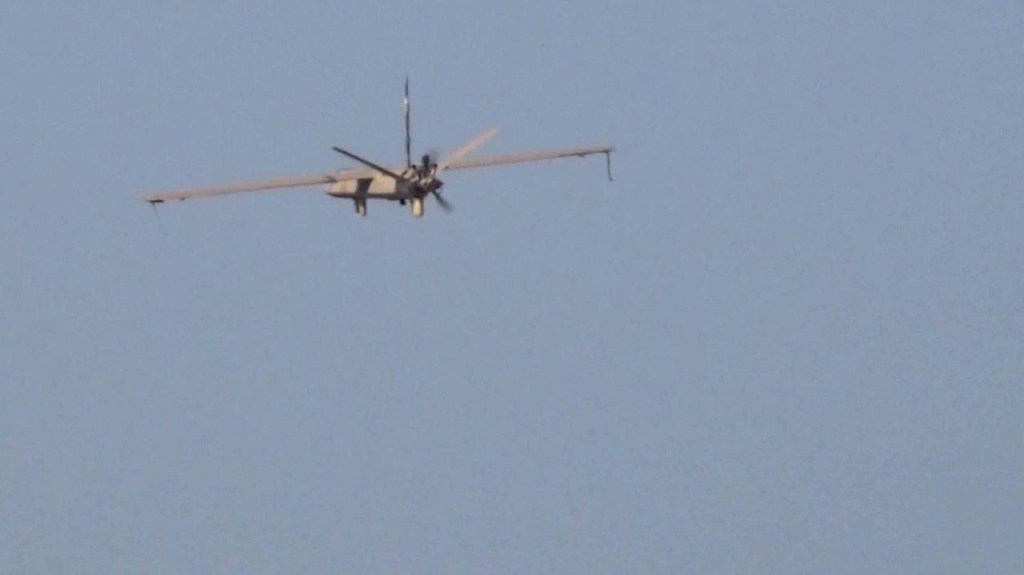
El grupo hutí alineado con Irán en Yemen dijo que el Lunes 15/02 había atacado los aeropuertos Abha y Jeddah de Arabia Saudita con drones. En un comunicado en Twitter, el portavoz militar hutí Yahya Sarea dijo que los ataques detuvieron las operaciones en los aeropuertos durante dos horas como resultado. La coalición liderada por Arabia Saudí que lucha contra los hutíes en Yemen dijo que a primera hora de la mañana del Lunes 15/02 había interceptado y destruido un avión no tripulado cargado de explosivos disparado por los hutíes hacia el reino. No hubo confirmación de las autoridades sauditas de la interrupción en los aeropuertos.
Los hutíes han dicho que han lanzado ataques que han golpeado un campo aéreo o una base en el sur de Arabia Saudita casi todos los días durante nueve días. El Miércoles 10/02 Riyadh dijo que un ataque causó un incendio en un avión civil en el Aeropuerto de Abha. La coalición intervino en Yemen en 2015, respaldando a las fuerzas gubernamentales que luchan contra los hutíes que controlan la capital y las zonas más pobladas. Los funcionarios de la ONU están tratando de revivir las conversaciones de paz para poner fin a la guerra que la ONU dice que ha creado la crisis humanitaria más grande del mundo.
Jeddah and Abha airports attack
Saudi civilian airports are attacked by drones
The Iran-aligned Houthi group in Yemen said that on Monday 02/15 it had attacked Saudi Arabia’s Abha and Jeddah airports with drones. In a statement on Twitter, Houthi military spokesman Yahya Sarea said the attacks halted operations at airports for two hours as a result. The Saudi-led coalition fighting the Houthis in Yemen said that early in the morning on Monday 02/15 it had intercepted and destroyed an explosives-laden drone fired by the Houthis into the kingdom. There was no confirmation from the Saudi authorities of the disruption at the airports.
The Houthis have said they have launched attacks that have hit an airfield or base in southern Saudi Arabia almost every day for nine days. On Wednesday 02/10 Riyadh said that an attack caused a fire in a civilian plane at Abha Airport. The coalition intervened in Yemen in 2015, backing government forces fighting the Houthis who control the capital and the most populated areas. UN officials are trying to revive the peace talks to end the war the UN says has created the world’s largest humanitarian crisis.
هجوم مطاري جدة وأبها
المطارات المدنية السعودية تتعرض للهجوم بطائرات بدون طيار
قالت جماعة الحوثي المتحالفة مع إيران في اليمن إنها هاجمت يوم الاثنين 15 فبراير مطاري أبها وجدة السعوديتين بطائرات مسيرة. وقال يحيى سريع المتحدث باسم الجيش الحوثي في بيان على تويتر إن الهجمات أوقفت العمليات في المطارات لمدة ساعتين نتيجة لذلك. قال التحالف الذي تقوده السعودية والذي يقاتل الحوثيين في اليمن إنه اعترض في وقت مبكر من صباح يوم الاثنين 15/2 / ودمر طائرة مسيرة محملة بالمتفجرات أطلقها الحوثيون على المملكة. ولم يصدر تأكيد من السلطات السعودية لتعطيل المطارات.
قال الحوثيون إنهم شنوا هجمات استهدفت قاعدة جوية أو قاعدة في جنوب السعودية كل يوم تقريبًا لمدة تسعة أيام. قالت الرياض يوم الأربعاء 2/10 الحالي ، إن هجومًا تسبب في حريق بطائرة مدنية بمطار أبها. تدخل التحالف في اليمن عام 2015 ، لدعم القوات الحكومية التي تقاتل الحوثيين الذين يسيطرون على العاصمة والمناطق الأكثر كثافة سكانية. يحاول مسؤولو الأمم المتحدة إحياء محادثات السلام لإنهاء الحرب التي تقول الأمم المتحدة إنها تسببت في أكبر أزمة إنسانية في العالم.
Gobierno Alemania oferta alternativas para paliar crisis
El Gobierno de Alemania a anunciado este 14/02 que va a inyectar € 900 millones de Euros para rescatar a los aeropuertos del país en una profunda crisis un año después de que la actividad aérea se paralizara en su mayor parte. Estas ayudas se suman a las decenas de millones ya desembolsados para Lufthansa German Airlnes, Condor Airlines, Tui Airways, entre otras líneas aéreas.
Las inyecciones de dinero corresponden a partidas para aeropuertos alemanes. Para el nuevo Aeropuerto Berlín-Brandenburgo se le ha asignado € 400 millones de Euros, como así tambien partidas para el Aeropuerto Colonia/Bonn y para el Aeropuerto Munich. Otros doce aeropuertos, incluyendo el de Frankfurt/Main, el más grande del país, obtendrán € 200 millones. Los recursos serán una combinación de préstamos, compras de acciones y avales. A los que los Gobiernos de los respectivos estados deberán añadir dinero adicional, según indica el gobierno Alemán.
Las ayudas alcanzan también para la autoridad de control aéreo DFS (Deutsche Flugsicherung GmbH) con una partida de € 300 millones de Euros, que es incapaz de ingresar dinero para financiarse en estos momentos. Ese dinero será a cambio de la participación del Gobierno en el capital de la compañía. Los demás accionistas aún deberán aceptar esta fórmula.
Sin embargo, esta ayuda que no llega a los mil millones de Euros, dista mucho de las pérdidas de tres mil millones que los aeropuertos dicen haber tenido entre el año pasado y lo que va de este, según la asociación que los agrupa. Su portavoz indicó que los aeropuertos están todos al borde del colapso económico. En Alemania, los aeropuertos son habitualmente propiedad de los gobiernos de los lander, con inversores privados en algunos casos. Alemania está siendo uno de los países más generosos en el salvamento de su sector del transporte, con fuertes ayudas económicas. Antes, como es bien conocido, Lufthansa obtuvo nueve mil millones de Euros.
Germany rescue € 900M for airports
German government offers alternatives to alleviate crisis
The Government of Germany announced this 02/14 that it is going to inject € 900 million Euros to rescue the country’s airports in a deep crisis one year after the air activity was mostly paralyzed. These aid are in addition to the tens of millions already disbursed for Lufthansa German Airlnes, Condor Airlines, Tui Airways, among other airlines.
The money injections correspond to items for German airports. For the new Berlin-Brandenburg Airport, € 400 million has been allocated, as well as allocations for the Cologne/Bonn Airport and for the Munich Airport. Twelve other airports, including Frankfurt / Main, the largest in the country, will get € 200 million. The resources will be a combination of loans, share purchases and guarantees. To which the governments of the respective states must add additional money, according to the German government.
The aid also reaches the air traffic control authority DFS (Deutsche Flugsicherung GmbH) with an item of € 300 million Euros, which is unable to enter money to finance itself at this time. That money will be in exchange for the Government’s participation in the capital of the company. The other shareholders must still accept this formula.
However, this aid, which does not reach one billion euros, is far from the losses of three billion that airports say they had between last year and so far, according to the association that groups them. His spokeswoman indicated that the airports are all on the brink of economic collapse. In Germany, airports are typically owned by lander governments, with private investors in some cases. Germany is being one of the most generous countries in rescuing its transport sector, with strong financial aid. Before, as is well known, Lufthansa earned nine billion Euros.
Deutschland rettet 900 Millionen für Flughäfen
Die Bundesregierung bietet alternativen zur krisenbewältigung
Die Deutsche Regierung kündigte am 14.02. An, dass sie € 900 Millionen Euro einbringen wird, um die Flughäfen des Landes in einer tiefen Krise ein Jahr nach der größtenteils gelähmten Luftaktivität zu retten. Diese Beihilfen kommen zu den zehn Millionen hinzu, die bereits unter anderem für Lufthansa German Airlnes, Condor Airlines und Tui Airways ausgezahlt wurden.
Die Geldspritzen entsprechen Artikeln für deutsche Flughäfen. Für den neuen Flughafen Berlin-Brandenburg wurden € 400 Millionen. Euro sowie Zuweisungen für den Flughafen Köln/Bonn und den Flughafen München bereitgestellt. Zwölf weitere Flughäfen, darunter Frankfurt am Main, der größte des Landes, erhalten € 200 Millionen Euro. Die Ressourcen werden eine Kombination aus Darlehen, Aktienkäufen und Garantien sein. Dazu müssen die Regierungen der jeweiligen Bundesländer nach Angaben der Bundesregierung zusätzliches Geld hinzufügen.
Die Beihilfe erreicht auch die Flugsicherung GmbH mit einem Posten von € 300 Millionen Euro, die derzeit kein Geld zur Selbstfinanzierung eingeben kann. Dieses Geld wird als Gegenleistung für die Beteiligung der Regierung am Kapital des Unternehmens verwendet. Die anderen Aktionäre müssen diese Formel weiterhin akzeptieren.
Diese Hilfe, die nicht eine Milliarde Euro erreicht, ist jedoch weit entfernt von den Verlusten von drei Milliarden, die Flughäfen nach Angaben des Verbandes, der sie zusammenfasst, zwischen dem letzten Jahr und bisher hatten. Sein Sprecher wies darauf hin, dass die Flughäfen kurz vor dem wirtschaftlichen Zusammenbruch stehen. In Deutschland befinden sich Flughäfen in der Regel im Besitz von Landerregierungen, in einigen Fällen auch bei privaten Investoren. Deutschland ist eines der großzügigsten Länder bei der Rettung seines Verkehrssektors mit starker finanzieller Unterstützung. Zuvor hatte Lufthansa bekanntlich neun Milliarden Euro verdient.