Cincinnati cuestionan Pista 09/27

AW | 2021 03 16 14:28 | AIRPORTS

Residentes cuestionan pista por ruidos

El Aeropuerto Internacional Cincinnati/CVG Northern Kentucky se encuentra lidiando con los Cincinnati cuestionan Pista 09/27problemas que ha ocasionado la Pista 09/27, pues la rehabilitación de la misma significará más ruido para los residentes. El Aeropuerto Cincinnati cerró la pista el 27 de Septiembre de 2020. Esa es la pista más larga y más utilizada del aeropuerto, y estará fuera de servicio durante aproximadamente seis meses. La pista 09/27 viaja de este a oeste, se usa mucho durante la noche y es fundamental para las operaciones de carga aérea en CVG. Durante la renovación de US$ 69 millones, las operaciones de aviones se trasladarán a otras pistas, según un comunicado de prensa. Eso significa que el tráfico aéreo hacia el este y oeste del aeropuerto probablemente disminuirá, mientras que el tráfico hacia el norte y el sur aumentará.

La rehabilitación consistirá en asfalto, hormigón e iluminación nuevos. En realidad, el proyecto comenzó en el otoño de 2020, pero la pista no se cerró hasta el Lunes 15/03. Normalmente, tal proyecto tomaría dos años, según el comunicado de prensa, pero CVG trabajó con la Administración Federal de Aviación y los transportistas de carga para comprimir el cronograma en un año, con la pista cerrada por solo seis meses. La FAA abonará el 75% del proyecto.

“Estamos agradecidos por el apoyo y la paciencia de la comunidad y todos los socios involucrados mientras se completa esta importante actualización de la infraestructura. Este proyecto, entre otros, posicionará a CVG bien para la recuperación pandémica y el crecimiento futuro”, dijo Candace McGraw, Directora Ejecutiva de CVG, en el comunicado. La información en el sitio web de CVG dice que las comunidades al norte y al sur del aeropuerto pueden notar un aumento del ruido durante la noche, entre las 10:00 p.m. y 07:00 a.m. Las personas con quejas por ruido pueden llamar al 859-767-7020 o completar el formulario en línea en el sitio web de CVG.

Cincinnati question Runway 09/27

Residents question runway for noise

697-bj-12-2020_9-27logov4

Cincinnati International Airport/CVG Northern Kentucky is dealing with the problems caused by Runway 09/27, as the rehabilitation of the same will mean more noise for residents. Cincinnati Airport closed the runway on September 27, 2020. That is the longest and most widely used runway at the airport, and will be out of service for approximately six months. Runway 09/27 travels east to west, is heavily used at night and is critical for air cargo operations at CVG. During the $ 69 million renovation, aircraft operations will move to other runways, according to a press release. That means air traffic to the east and west of the airport will likely decrease, while traffic to the north and south will increase.

The rehabilitation will consist of new asphalt, concrete and lighting. The project actually started in the fall of 2020, but the runway wasn’t closed until Monday 03/15. Normally, such a project would take two years, according to the press release, but CVG worked with the Federal Aviation Administration and cargo carriers to compress the schedule by one year, with the runway closed for just six months. The FAA will pay 75% of the project.

“We are grateful for the support and patience of the community and all partners involved as this important infrastructure upgrade is completed. This project, among others, will position CVG well for pandemic recovery and future growth”, said Candace McGraw, CVG Executive Director, in the statement. Information on CVG’s website says that communities to the north and south of the airport may notice an increase in noise during the night, between 10:00 p.m. and 07:00 a.m. People with noise complaints can call 859-767-7020 or fill out the online form on the CVG website.


PUBLISHER: Airgways.com
DBk: Cvgairport.com / Faa.gov / Airgways.com
AW-POST: 202103161428AR

A\W   A I R G W A Y S ®

Reabre Denver tras paso de Xylia

AW | 2021 03 16 14:08 | AIRPORTS / AIR TRAFFIC

Aeropuerto Denver reabre tras una poderosa tormenta invernal

El Aeropuerto de Denver/DIA reabrió sus puertas el Lunes 15/03 después de que la poderosa tormenta de nieve Xylia a finales del invierno arrojó más de 3 pies de nieve pesada y húmeda en partes de Colorado y Wyoming. Las 27 pulgadas (68 centímetros) que habían caído al final del domingo en el Aeropuerto Internacional de Denver, en las llanuras al este del centro de la ciudad, la convirtieron en la cuarta nevada más grande en la historia de la ciudad, según el Servicio Meteorológico Nacional en Boulder. El sistema de tormentas, alimentado por la humedad del Golfo de México, se había trasladado fuera de la región y hacia el noreste de Nebraska para el lunes, dijo Evan Direnzo, meteorólogo del servicio meteorológico en Boulder. «Definitivamente está detrás de nosotros», dijo sobre la nieve y el viento de la tormenta.

Todavía había un montón de excavaciones que hacer. Las pistas del Aeropuerto de Denver fueron cerradas poco antes del mediodía del domingo debido a la nieve que soplaba y las malas visibilidades y algunos pasajeros varados pasaron la noche en el aeropuerto. Con el sol brillando el Lunes 15/03, más de 200 arados trabajaron para limpiar la nieve y el hielo y reabrir cuatro de las seis pistas del aeropuerto, suficientes para satisfacer la demanda después de una serie de cancelaciones de vuelos, dijo la portavoz del Aeropuerto Emily Williams. Los pronosticadores predijeron con precisión la tormenta con varios días de anticipación para que la población se preparara para recibir la tormenta invernal.

Denver reopens after Xylia’s passage

Denver airport reopens after powerful winter storm

Denver Airport/DIA reopened on Monday 03/15 after powerful snowstorm Xylia in late winter dumped more than 3 feet of heavy, wet snow across parts of Colorado and Wyoming. The 27 inches (68 centimeters) that had fallen at the end of Sunday at Denver International Airport, on the plains east of downtown, made it the fourth-largest snowfall in the city’s history, according to the Service. National Weather in Boulder. The storm system, fueled by moisture from the Gulf of Mexico, had moved out of the region and into northeast Nebraska by Monday, said Evan Direnzo, a meteorologist with the weather service in Boulder. «It’s definitely behind us», he said of the snow and the storm’s wind.

There were still a lot of excavations to do. Runways at Denver Airport were closed shortly before noon Sunday due to blowing snow and poor visibility, and some stranded passengers spent the night at the airport. With the sun shining on Monday 03/15, more than 200 plows worked to clear snow and ice and reopen four of the airport’s six runways, enough to meet demand after a series of flight cancellations, the spokeswoman for the airport said. Emily Williams Airport. Forecasters accurately predicted the storm several days in advance to prepare the population for the winter storm.


PUBLISHER: Airgways.com
DBk: Flydenver.com / Airgways.com
AW-POST: 202103161408AR

A\W   A I R G W A Y S ®

Aeroparque eleva a Categoría CAT III

AW | 2021 03 16 11:33 | AIRPORTS

Aeropuerto Jorge Newbery con Sistema CAT III

La reapertura del Aeropuerto Jorge Newbery este Lunes 15 de Marzo de 2021 ha permitido posicionar a la aeroestación con mejor posición para aumentar sus capacidades en la región. La ampliación y refuncionalización del Aeropuerto Jorge Newbery significa también la inauguración de equipos de navegación aérea y observación meteorológica de mayor precisión, implementados por EANA, organismo dependiente del Ministerio de Transporte. Tanto el ILS como el AWOS son sistemas vitales para mantener la operación de un aeropuerto en condiciones meteorológicas adversas, especialmente con visibilidad reducida.

El renovado Aeroparque que reabrió sus instalaciones este 15/03 es más grande y funcional que su versión anterior, e incorpora nuevo equipamiento de navegación aérea y observación meteorológica que contribuye a elevar la categoría del aeropuerto, para una mayor eficiencia y confiabilidad de los vuelos. Su nuevo sistema Instrumental de Aterrizaje (ILS) y nuevo Sistema Automático de Observación Meteorológica (AWOS) le permitirán operar aun con valores de visibilidad menores que los mínimos actuales. Hasta antes de las reformas realizadas en Aeroparque, ambos sistemas eran de precisión estándar, la cual permitía realizar aproximaciones mediante instrumentos radioeléctricos en lo que se denomina Categoría I. Los nuevos equipos son de una precisión superior y permitirán que los aviones realicen aproximaciones en la Categoría III, con valores de visibilidad similares a los actuales del Aeropuerto Internacional Ministro Pistarini de Ezeiza. Si bien algunos valores mejoran desde la apertura, como es el caso de los mínimos de despegue, los de aterrizaje deberán ser acompañados de infraestructura de aeropuerto planificada para una segunda etapa.

El sistema ILS consiste en un conjunto de transmisores de señales de navegación, con guiado en el plano horizontal en referencia al eje de la pista, y vertical, en una trayectoria de descenso óptima. Transformadas las señales en indicaciones de guiado por los instrumentos a bordo de las aeronaves, éstas siguen una trayectoria virtual que las lleva hasta el punto de toque deseado en la pista.

Respecto del nuevo sistema AWOS de Aeroparque, éste forma parte de un total de 18 sistemas AWOS adquiridos por EANA para ser instalados en los aeropuertos del país. Un AWOS CAT III mide y transmite de manera automática ¾en ambas cabeceras de pista y en su punto medio¾ datos instantáneos de alta precisión de las condiciones meteorológicas actuales: visibilidad, alcance visual en pista, altura de la base de las nubes, precipitación, dirección y velocidad de viento, temperatura, presión atmosférica y otros parámetros. En consecuencia, pueden reducirse los valores meteorológicos mínimos de operación del aeropuerto, y con ello las demoras o desvíos de vuelos.

La instalación del ILS Categoría III implicó el reemplazo total de las antenas y todos los componentes de su instalación. Un nuevo tendido de fibra óptica y enlaces radioeléctricos entre éstas y la torre de control del aeropuerto facilitan la labor del personal de soporte técnico y el monitoreo de los equipos por parte del personal de control de tránsito aéreo. Estas instalaciones poseen redundancia de energía y datos, lo cual maximiza la disponibilidad, y es central en un aeropuerto de estas características. Las antenas de señal de eje de la pista se disponen en forma horizontal detrás de la cabecera opuesta al aterrizaje, mientras que las de trayectoria de descenso se encuentran montadas al costado de la pista, cercanas al punto previsto de toque.

Una vez finalizada la instalación y comprobado el funcionamiento inicial de los transmisores y las antenas del nuevo ILS, se procedió a su verificación en vuelo, consistente en aproximaciones realizadas por aviones equipados especialmente a tal fin. De esta manera se certificó la estabilidad, precisión y calidad de las señales radioeléctricas, de acuerdo con normas internacionales.

La modernización de sistemas de navegación y observación meteorológica llevadas a cabo por EANA en Aeroparque, en el marco del Plan de Modernización del Transporte Aéreo del Ministerio, permitirá al personal de los servicios de navegación aérea y de meteorología, así como a las empresas que operan en el aeropuerto, contar con más y mejor información para su toma de decisiones, como también mejorar la regularidad de la operación minimizando disrupciones que generan demoras y cancelaciones.

Además, tanto el personal de control de tránsito aéreo como el de apoyo técnico de los equipos CNS/ATSEP recibió la instrucción y capacitación funcional, de mantenimiento y de utilización requerida para aprovechar adecuadamente las ventajas de las nuevas tecnologías instaladas. La suma de estas acciones representa una mejora en aspectos centrales de la seguridad operacional.

Aeroparque upgrades to Category CAT III

Jorge Newbery Airport with CAT III System

The reopening of the Jorge Newbery Airport this Monday, March 15, 2021 has allowed the airstation to be positioned in a better position to increase its capacities in the region. The expansion and re-functionalization of the Jorge Newbery Airport also means the inauguration of more precise air navigation and meteorological observation equipment, implemented by EANA, a body dependent on the Ministry of Transportation. Both ILS and AWOS are vital systems for keeping an airport operating in adverse weather conditions, especially with reduced visibility.

The renovated Aeroparque that reopened its facilities on 03/15 is larger and more functional than its previous version, and incorporates new air navigation and meteorological observation equipment that contributes to raising the category of the airport, for greater efficiency and reliability of flights. Its new Landing Instrument System (ILS) and new Automatic Weather Observation System (AWOS) will allow it to operate even with visibility values ​​lower than the current minimums. Until before the reforms carried out in Aeroparque, both systems were of standard precision, which allowed to carry out approaches using radioelectric instruments in what is called Category I. The new equipment is of superior precision and will allow airplanes to make approaches in Category III, with visibility values ​​similar to those of the Ministro Pistarini International Airport in Ezeiza. Although some values ​​improve since the opening, such as the minimum take-off, those for landing must be accompanied by airport infrastructure planned for a second stage.

The ILS system consists of a set of navigation signal transmitters, guided in the horizontal plane in reference to the axis of the runway, and vertical, in an optimal descent path. Once the signals are transformed into guidance indications by the instruments on board the aircraft, they follow a virtual path that takes them to the desired touch point on the runway.

Regarding Aeroparque’s new AWOS system, it is part of a total of 18 AWOS systems acquired by EANA to be installed in the country’s airports. An AWOS CAT III automatically measures and transmits ¾at both runway headwaters and at their midpoint¾ high-precision instantaneous data of current weather conditions: visibility, runway visual range, cloud base height, precipitation, direction and wind speed, temperature, atmospheric pressure and other parameters. Consequently, the minimum meteorological operating values ​​of the airport can be reduced, and with it the delays or deviations of flights.

The installation of the ILS Category III involved the total replacement of the antennas and all the components of its installation. A new fiber optic line and radio links between them and the airport control tower facilitate the work of the technical support staff and the monitoring of the equipment by the air traffic control staff. These facilities have power and data redundancy, which maximizes availability, and is central in an airport of these characteristics. The runway center line signal antennas are arranged horizontally behind the headland opposite the landing, while the descent path antennas are mounted to the side of the runway, close to the intended touch point.

Once the installation was completed and the initial operation of the transmitters and antennas of the new ILS had been checked, they were verified in flight, consisting of approaches made by aircraft specially equipped for this purpose. In this way, the stability, precision, and quality of radio signals were certified, in accordance with international standards.

The modernization of navigation and meteorological observation systems carried out by EANA in Aeroparque, within the framework of the Ministry’s Air Transport Modernization Plan, will allow the personnel of the air navigation and meteorological services, as well as the companies that operate at the airport, to have more and better information for decision making, as well as to improve the regularity of the operation by minimizing disruptions that generate delays and cancellations.

In addition, both the air traffic control personnel and the technical support personnel of the CNS / ATSEP teams received the instruction and functional, maintenance and use training required to adequately take advantage of the new technologies installed. The sum of these actions represents an improvement in core aspects of safety.


PUBLISHER: Airgways.com
DBk: Eana.com.ar / Aa2000.com.ar / Airgways.com
AW-POST: 202103161133AR

A\W   A I R G W A Y S ®
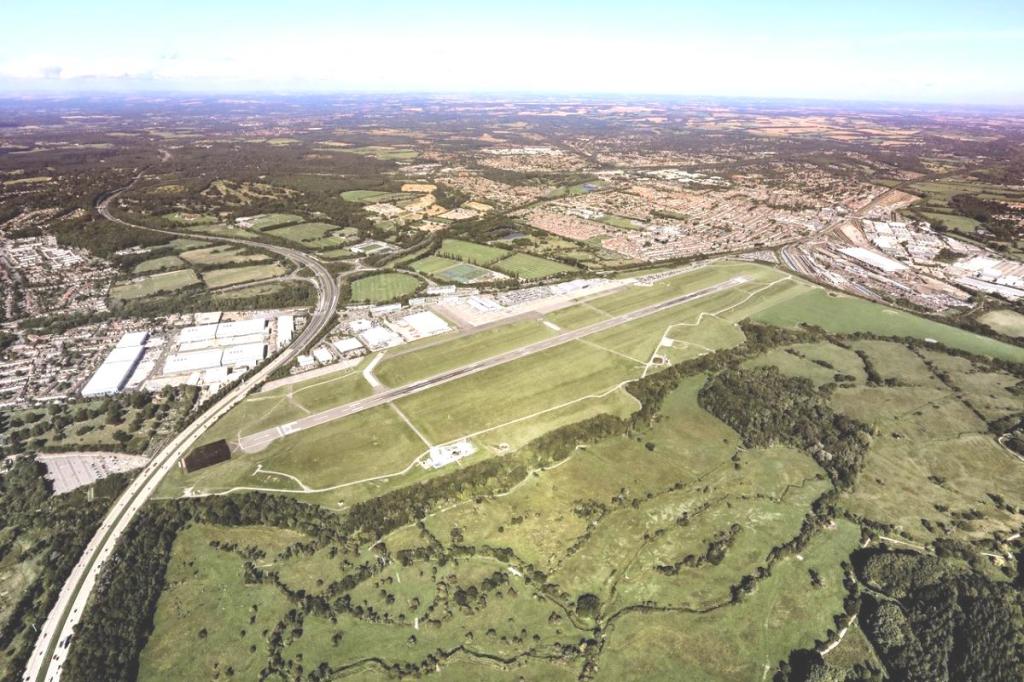
Reapertura Aeropuerto Jorge Newbery

AW | 2021 03 15 20:50 | AIRPORTS

Reinauguración operaciones comerciales de Aeroparque

aa2000_icon-3

El Aeropuerto Jorge Newbery SABE/AEP de la Ciudad de Buenos Aires ha quedado formalmente reinaugurado este Lunes 15 de Marzo de 2021 después de las 19:00 hs de arriba del primer avión procedente de Córdoba. El aterrizaje del avión Embraer E190-100AR de Aerolíneas Argentinas ha marcado el restablecimiento de las operaciones en Aeroparque luego de su cierra en Agosto 2020 por reparaciones y luego de un año de la suspensión de los vuelos por la crisis sanitaria de la pandemia en Marzo 2020.

Al momento del arribo del primer vuelo AR1505, los pasajeros ingresaron a la Terminal Aérea de vuelos domésticos permitiendo estrenar la nueva aeroestación localizada en la Ciudad de Buenos Aires. El resto de la programación de los vuelos para el 15/03 estarán dados por el vuelo WJ3445 de JetSmart Airlines Argentina procedente de Neuquén para las 22:08 hs con alguna demora y los vuelos WJ3183 procedente de Bariloche y WJ3497 desde Salta, aún no confirmados. A partir del Martes 16/03, introduce un aumento sustancial de operaciones de arribos y despegues que irá incrementándose con el paso de los días.

La introducción de una pista reformada que fue extendida en 600 metros adicionales hasta totalizar 2,7 kilómetros permitirá al Aeroparque ser el segundo aeropuerto internacional de la Argentina con Categoría III (CAT III), después de Ezeiza.

Aerolíneas Argentinas y JetSmart Airlines Argentina son por el momento las únicas líneas aéreas que utilizarán este aeropuerto durante el mes de Marzo 2021. En el caso de Aerolíneas, sus vuelos estarán repartidos entre Aeroparque y Ezeiza. En el caso de Aerolíneas, en una primera etapa trasladará a Aeroparque su flota Embraer E190, que hasta el año pasado pertenecía a Austral Líneas Aéreas. La semana que viene se sumarán aviones de la flota Boeing 737NG, mientras que los Boeing 737-8 MAX permanecerán estacionados hasta llegar a un acuerdo con el gremio de los Pilotos de APLA para su homologación.

Aerolíneas va a cubrir desde Aeroparque un total de 39 destinos. Desde el Martes 16/03 despegarán vuelos hacia Bahía Blanca, Bariloche, Comodoro Rivadavia, Córdoba, Corrientes, Jujuy, La Rioja, Mar del Plata, Rio Cuarto, Río Grande, Rosario, Santiago del Estero, San Juan, San Luis y San Rafael. A lo largo de las semanas siguientes Aerolíneas sumará otros destinos: Catamarca, Esquel, El Calafate, Formosa, Iguazú, Mendoza, Neuquén, Paraná, Posadas, Resistencia, Rio Gallegos, Santa Fe, Salta, Santa Rosa, San Martin de los Andes, Trelew, Tucumán, Ushuaia y Viedma.

La aerolínea JetSmart Argentina concentrará desde este Martes 16/03 todas sus operaciones de cabotaje en la estación metropolitana. El vuelo internacional a Chile continuará despegando desde el Aeropuerto Internacional Ezeiza.

La tercera línea aérea en incorporarse a partir del Martes 16/03 era Flybondi Líneas Aéreas. La semana pasada, desde el Organismo Regulador del Sistema Aeroportuario (ORSNA) le comunicaron que a causa de las obras complementarias que aún se siguen haciendo en Aeroparque no era posible tener lugar para uno de sus dos aviones puedan pernoctar en la aeroestación, por al menos dos semanas. En respuesta de la compañía low cost Flybondi fue que no podía duplicar la estructura de equipos y personal y que, por lo tanto, iba a permanecer en Ezeiza hasta que tenga aseguradas las dos posiciones.

ARRIBO DEL VUELO AR1505 AEROLÍNEAS ARGENTINAS E190-100AR PROCEDENTE DE CÓRDOBA INAUGURANDO AEROPARQUE

Regionalización

Respecto a las operaciones regionales-internacionales, los vuelos de Aerolíneas Argentinas serán hacia Asunción, Florianópolis, San Pablo, Santa Cruz de la Sierra, Santiago de Chile y Rio de Janeiro, incorporando a Lima como destino nuevo operado desde Aeroparque.

En el caso de JetSmart Argentina introducirá doce vuelos semanales entre Aeroparque y Córdoba, nueve a Mendoza y uno diario a Neuquén. Habrá diez vuelos semanales a Bariloche, uno diario a Salta, cinco semanales a Tucumán y también esa misma cantidad de frecuencias a Iguazú. Para los destinos australes, JetSmart tendrá un vuelo semanal a El Calafate y de dos veces por semana a Ushuaia.

En cuanto a las demás líneas aéreas, en particular las internacionales, se tiene en conocimiento que la brasileña Gol Linhas Aéreas, socia con Aerolíneas mediante la Alianza SkyTeam, tiene sus slots asegurados en la estación porteña. Las demás aerolíneas están a la expectativa tanto de lo que definan las autoridades locales como de la respuesta del mercado, por lo que con un factor de ocupación en promedio de 60% o menos, muchas líneas aéreas están esperando a que se reactive el mercado antes de salir a duplicar estructuras de equipos y personal para dos aeropuertos de la misma región geográfica.

La Terminal internacional para recibir más pasajeros de vuelos regionales permitirá incrementar y posicionar a Aeroparque como uno de los polos de distribución más importantes de la región. Según la concesionaria Aeropuertos Argentina 2000, la inversión totalizó AR$ 5.100 millones de Pesos.

Jorge Newbery Airport reopening

Aeroparque commercial operations reopening

The Jorge Newbery Airport SABE/AEP of the City of Buenos Aires has been formally reopened this Monday, March 15, 2021 after 7:00 p.m. from above the first plane from Córdoba. The landing of the Embraer E190-100AR aircraft of Aerolíneas Argentinas has marked the reestablishment of operations at Aeroparque after its closure in August 2020 for repairs and after a year of the suspension of flights due to the health crisis of the pandemic in March 2020.

At the time of the arrival of the first flight AR1505, the passengers entered the Air Terminal for domestic flights allowing the opening of the new air station located in the City of Buenos Aires. The rest of the flight schedule for 03/15 will be given by JetSmart Airlines Argentina flight WJ3445 from Neuquén for 22:08 with some delay and flights WJ3183 from Bariloche and WJ3497 from Salta, not yet confirmed. As of Tuesday 03/16, it introduces a substantial increase in arrival and departure operations that will increase as the days go by.

The introduction of a renovated runway that was extended by an additional 600 meters to a total of 2.7 kilometers will allow the Aeroparque to be Argentina’s second international airport with Category III (CAT III), after Ezeiza.

AW-700338

Aerolíneas Argentinas and JetSmart Airlines Argentina are at the moment the only airlines that will use this airport during the month of March 2021. In the case of Aerolineas, their flights will be divided between Aeroparque and Ezeiza. In the case of Aerolíneas, in a first stage it will transfer its Embraer E190 fleet to Aeroparque, which until last year belonged to Austral Líneas Aéreas. Next week aircraft from the Boeing 737NG fleet will be added, while the Boeing 737-8 MAX will remain parked until an agreement is reached with the APLA Pilots’ union for their homologation.

Aerolíneas will cover a total of 39 destinations from Aeroparque. From Tuesday 03/16, flights will take off to Bahía Blanca, Bariloche, Comodoro Rivadavia, Córdoba, Corrientes, Jujuy, La Rioja, Mar del Plata, Río Cuarto, Río Grande, Rosario, Santiago del Estero, San Juan, San Luis and San Rafael. Over the following weeks, Aerolíneas will add other destinations: Catamarca, Esquel, El Calafate, Formosa, Iguazú, Mendoza, Neuquén, Paraná, Posadas, Resistencia, Rio Gallegos, Santa Fe, Salta, Santa Rosa, San Martín de los Andes, Trelew, Tucumán, Ushuaia and Viedma.

AW-70000433

The airline JetSmart Argentina will concentrate from this Tuesday 03/16 all its cabotage operations in the metropolitan station. The international flight to Chile will continue to take off from Ezeiza International Airport.

AW-Flybondi_717

The third airline to join as of Tuesday 03/16 was Flybondi Líneas Aéreas. Last week, the Airport System Regulator Organism (ORSNA) informed him that due to the complementary works that are still being carried out at Aeroparque, it was not possible to have room for one of its two planes to stay overnight at the air station, for at least two weeks. In response from the low cost company Flybondi it was that it could not duplicate the structure of teams and personnel and that, therefore, it was going to remain in Ezeiza until it had secured both positions.

Regionalization

Regarding regional-international operations, Aerolíneas Argentinas flights will be to Asunción, Florianópolis, São Paulo, Santa Cruz de la Sierra, Santiago de Chile and Rio de Janeiro, incorporating Lima as a new destination operated from Aeroparque.

In the case of JetSmart Argentina, it will introduce twelve weekly flights between Aeroparque and Córdoba, nine to Mendoza and one daily to Neuquén. There will be ten weekly flights to Bariloche, one daily to Salta, five weekly to Tucumán and also the same number of frequencies to Iguazú. For southern destinations, JetSmart will have a weekly flight to El Calafate and twice a week to Ushuaia.

As for the other airlines, particularly the international ones, it is known that the Brazilian Gol Linhas Aéreas, a partner with Aerolíneas through the SkyTeam Alliance, has its slots secured at the Buenos Aires station. The other airlines are waiting for both what the local authorities define and the market response, so with an average load factor of 60% or less, many airlines are waiting for the market to reactivate sooner. from going out to duplicate equipment and personnel structures for two airports in the same geographic region.

The International Terminal to receive more passengers from regional flights will allow to increase and position Aeroparque as one of the most important distribution hubs in the region. According to the concessionaire Airports Argentina 2000, the investment totaled AR$ 5,100 million Pesos.


PUBLISHER: Airgways.com
DBk: Aa2000.com.ar / Clarin.com / Telam.com.ar / Santiago Torres Walsh / Dailyweb.com.ar / Airgways.com
AW-POST: 202103152050AR

A\W   A I R G W A Y S ®

Denver cancela vuelos por temporal

AW | 2021 03 14 20:47 | AIR TRAFFIC / AIRPORTS

Aeropuerto Denver cancela operaciones por temporal

el Aeropuerto Internacional Denver/DIA cancela más de 1.000 vuelos este Domingo 14/03 mientras la zona recibe casi un metro de nieve por el temporal que se desarrolla en la región. El aeropuerto ha cerrado todas las pistas y cancelado todas las operaciones comerciales mientras la zona experimenta fuertes nevadas y casi un pie de acumulación de nieve. Poco antes del mediodía del 14/03, Denver/DIA había anunciado que había cerrado todas las pistas debido a la tormenta de nieve y la baja visibilidad, aunque los funcionarios dijeron que los cierres tendrían impactos mínimos debido a vuelos previamente cancelados. A las 10:00 a.m. han informado la acumulación de 11,1 pulgadas de nieve en el aeropuerto.

El Servicio Meteorológico Nacional (NOAA) pronostica que se acumularán entre 15,5 y 27 pulgadas de nieve en el aeropuerto antes de que termine la tormenta. El Sábado 13/03 se cancelaron 1.981 vuelos y 4.315 en Denver/DIA. En respuesta a estas condiciones, 1.329 vuelos para este Domingo 14/03 han sido cancelados a partir del mediodía, según flightaware.com. Además, se han retrasado 58 vuelos. Los impactos también han comenzado a extenderse en la semana. En Denver/DIA, se han cancelado 323 vuelos y 71 se han retrasado para el Lunes 15/03, y 57 vuelos han sido cancelados para el Martes 16/03, según flightaware.com.

Los funcionarios del Aeropuerto Denver/DIA están instando a los viajeros a comprobar el estado de su vuelo antes de dirigirse al aeropuerto. «Una buena manera de evitar quedarse atascado durante la noche es confirmar el estado de su vuelo antes de salir al aeropuerto y aprovechar cualquier opción para reprogramar su vuelo si es posible», dijo Emily Williams, una Portavoz de DIA. Para aquellos cuyos vuelos no se cancelan, DIA sugiere permitir tiempo extra para llegar al aeropuerto, conducir con extrema precaución y considerar el uso de la línea RTD-A en lugar de conducir para evitar las carreteras peligrosas.

Las cuadrillas de remoción de nieve están trabajando para limpiar varios sectores del aeropuerto para la libre circulación, pero la nieve todavía se está acumulando. El aeropuerto ha preparado suministros para el evento en el que los viajeros quedan varados en DIA debido a la tormenta. Las aerolíneas de DIA están programando un número limitado de vuelos para el Domingo 14/03, con la mayoría de los vuelos programados para la tarde y la madrugada. Frontier Airlines, Southwest Airlines y United Airlines ofrecen vales de viaje para este fin de semana.

Denver cancels flights due to storm

Denver airport cancels operations due to temporary

Denver International Airport/DIA cancels more than 1,000 flights this Sunday 03/14 while the area receives almost one meter of snow due to the storm that develops in the region. The airport has closed all runways and canceled all commercial operations as the area experiences heavy snowfall and nearly a foot of snow accumulation. Shortly before noon on 03/14, Denver/DIA had announced that it had closed all runways due to the snowstorm and low visibility, although officials said the closures would have minimal impacts due to previously canceled flights. At 10:00 am. have reported the accumulation of 11.1 inches of snow at the airport.

The National Weather Service (NOAA) forecasts that 15.5 to 27 inches of snow will accumulate at the airport before the storm ends. On Saturday 03/13, 1,981 flights and 4,315 in Denver/DIA were canceled. In response to these conditions, 1,329 flights for this Sunday 03/14 have been canceled as of noon, according to flightaware.com. In addition, 58 flights have been delayed. The impacts have also started to spread into the week. In Denver/DIA, 323 flights have been canceled and 71 have been delayed for Monday 03/15, and 57 flights have been canceled for Tuesday 03/16, according to flightaware.com.

Denver Airport / DIA officials are urging travelers to check their flight status before heading to the airport. «A good way to avoid getting stuck overnight is to confirm your flight status before leaving for the airport and take advantage of any option to reschedule your flight if possible», said Emily Williams, a spokeswoman for DIA. For those whose flights are not canceled, DIA suggests allowing extra time to get to the airport, driving with extreme caution, and considering using the RTD-A line instead of driving to avoid dangerous roads.

Snow removal crews are working to clear various sectors of the airport for free movement, but the snow is still accumulating. The airport has prepared supplies for the event in which travelers are stranded in DIA due to the storm. DIA airlines are scheduling a limited number of flights for Sunday 03/14, with most flights scheduled for the afternoon and early morning. Frontier Airlines, Southwest Airlines and United Airlines offer travel vouchers for this weekend.


PUBLISHER: Airgways.com
DBk: Flydenver.com / Noaa.gov / Airgways.com
AW-POST: 202103142047AR

A\W   A I R G W A Y S ®
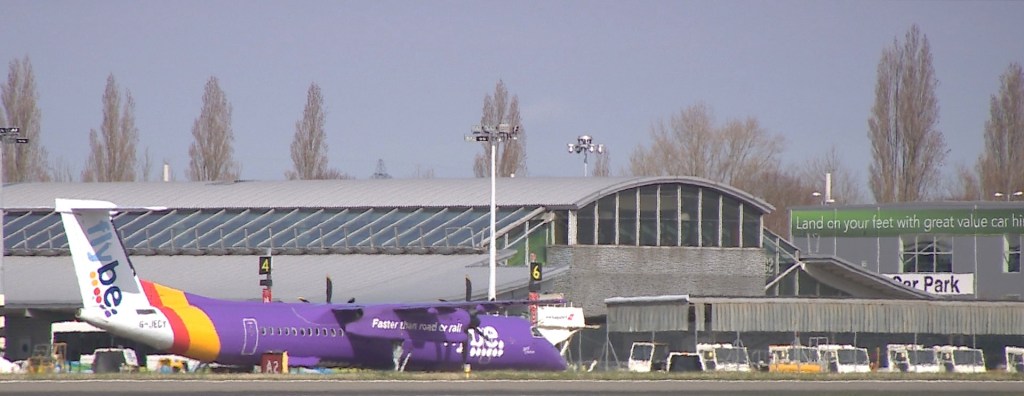
Próxima reapertura Jorge Newbery

AW | 2021 03 14 12:44 | AIRPORTS

Aeroparque reabre este Lunes 15 de Marzo de 2021

AW-Aeroparque_000

El Aeropuerto Jorge Newbery SABE/AEP quedará reiniaugurado este Lunes 15 de Marzo de 2021 a partir de las 19:00 hs con el vuelo Córdoba-Buenos Aires/AEP de un Embraer E190-100AR de Aerolíneas Argentinas. La reacondicionada y flamante Terminal Internacional y la renovada pista de 2.690 metros permitirán incorporar mayores prestaciones y puesta en valor de la aeroestación para vuelos domésticos y regionales. La obra del nuevo Aeroparque insumió AR$ 5.100 millones de Pesos de inversión.

Tras un año calendario de estar cerrado, primeramente por la pandemia y las remodelaciones a partir de Agosto 2020 el aeropuerto porteño volverá a funcionar este 15/03 por la tarde cuando reciba un vuelo procedente de Córdoba quedando habilitada la aeroestación para expandir sus operaciones nacionales e internacionales-regionales, un modelo parecido al del Aeropuerto São Paulo/Congonhas.

El reacondicionado Aeropuerto Jorge Newbery, también llamado Aeroparque, porque antiguamente existía un área de aeronaves antiguas expuestas en un predio-parque a cielo abierto. Las mejoras introducidas más importantes representarán una ampliación de las capacidades de la aeroestación para introducir más frecuencias horarias (slots) para las compañías aéreas locales como así también extranjeras.

La Pista 13/31 con 615 metros de largo y 20 metros de ancho para optimizar las operaciones regionales y mejorar la seguridad y la conectividad con el exterior. El 15 de Noviembre de 2020 comenzó la etapa de colocación del nuevo pavimento de hormigón que demandó más de 97.000 m3 de material de alto rendimiento. Para la remodelación se demolieron 70.000 m3 de pavimento y hubo 470.000 m3 de movimientos de suelo. Estas remodelaciones permitirán las operaciones de aeronaves de mayor porte, como los Boeing 787 y los Airbus 330. Se realizaron 62.000 m3 de bases y sub bases granulares y se utilizaron 100.000 m3 de hormigón concreto en pista y sectores de rodaje. En la flamante pista se incorporó, además, un nuevo sistema de balizamiento e instrumental para el aterrizaje ILS CAT. III. Este equipamiento, mejorará sustancialmente la seguridad de las operaciones y permitirán operar en condiciones de baja visibilidad.

El Preembarque del nuevo sector Internacional del Aeroparque aplicarán sistemas de scanners. Las nuevas obras ocuparon a 120 equipos que desarrollaron tareas diariamente los 7 días de la semana. Se construyeron 800m2 nuevos de terminal en el área internacional. Tendrá 2000 nuevas luces led de alta intensidad. Se utilizaron 350.000mts de cableado y 160 kilómetros de cañerías enterradas. El preembarque se diagramó para poder manejar la operación de seis vuelos por hora. Se mantienen los tres scanners de PSA (Policía de Seguridad Aeroportuaria). Sector de arribos y partidas dividido por un vidrio. Dos puertas del preembarque nacional funcionarán como posiciones flex, es decir, las puertas 12 y 13 se podrán usar para embarcar vuelos regionales lo que se hará mediante mamparas de vidrio corredizas, similares a las que ya están instaladas en el Aeropuerto de Córdoba. La Terminal Internacional tendrá un área de asientos con vista al río en la curva exterior hacia el Estacionamiento norte. También, se incluye un área de parquización y vereda de 1200 mts2. El sector de arribos internacionales se amplió con 800 m2 de superficie. Las 3 cintas de equipaje fueron separadas para brindar mayor comodidad con una superficie de 773 mts2.

Área Migraciones tendrá seis boxes dobles, lo que posibilitará 12 posiciones. simultáneas junto a 5 E-Gates. Las obras son financiadas por el Fideicomiso de Fortalecimiento del Sistema Nacional de Aeropuertos que administra el Ministerio de Transporte de la Nación, ejecutadas por el ORSNA y llevadas a cabo por Aeropuertos Argentina 2000 (AA2000). En el sector de Migraciones de la plataforma internacional se están danto los últimos retoques. En rigor, aunque el nuevo Aeroparque comenzará a funcionar este Lunes 15/03, el primer vuelo internacional arribará el Martes 16/03.

La Aduana quintuplicará su superficie, quedando un área de oficinas y sector para filas de 1200mts. La zona pública de arribos internacionales tendrá un hall de 887mts2 con una cafetería.

Las obras de renovación incluyeron además, el retiro de rejas, adecuación de un sector del terreno para implantar las plantas de hormigón, poda, retiro y trasplante de árboles de pequeño y gran porte.

La crisis aeroportuaria planteada por la pandemia de Coronavirus hizo que en varios aeropuertos en el mundo se aprovechara el obligado parate para la realización de obras similares al del Aeroparque, como en el Lousville/Muhammad Alí Internacional en Estados Unidos, el Amsterdam/Schiphol de los Países Bajos y el Aeropuerto São Paulo/Congonhas en Brasil.

Las tareas dejarán un aeropuerto de Categoría III, transformándose en el segundo del país con esta denominación junto al Aeropuerto Internacional de Ezeiza. La reapertura del Aeropuerto Jorge Newbery tendrá lugar el próximo Lunes 15 de Marzo de 2021 a las 19:00 horas.

Jorge Newbery Airport reopening next

Aeroparque reopens this Monday, March 15, 2021

AA2000 AEP

The Jorge Newbery Airport SABE/AEP will be reopened this Monday, March 15, 2021 starting at 07:00 p.m. with the Córdoba-Buenos Aires/AEP flight of an Embraer E190-100AR of Aerolineas Argentinas. The reconditioned and brand-new International Terminal and the renewed 2,690-meter runway will allow for the incorporation of greater benefits and enhancement of the air station for domestic and regional flights. The work of the new Airport involved AR$ 5.1 billion pesos of investment.

After a calendar year of being closed, firstly due to the pandemic and the remodeling from August 2020, the Buenos Aires airport will operate again this 03/15 in the afternoon when it receives a flight from Córdoba, leaving the air station enabled to expand its national operations and international-regional, a model similar to the São Paulo/Congonhas Airport.

The reconditioned Jorge Newbery Airport, also called Aeroparque, because formerly there was an area of ​​old aircraft exposed in an open-air park-grounds. The most important improvements introduced will represent an expansion of the capabilities of the air station to introduce more time frequencies (slots) for local as well as foreign airlines.

Runway 13/31 is 615 meters long and 20 meters wide to optimize regional operations and improve safety and connectivity with the outside world. On November 15, 2020, the laying stage of the new concrete pavement began, which required more than 97,000 m3 of high-performance material. For the remodeling, 70,000 m3 of pavement were demolished and there were 470,000 m3 of ground movements. These renovations will allow the operations of larger aircraft, such as the Boeing 787 and the Airbus 330. 62,000 m3 of granular bases and sub bases were built and 100,000 m3 of concrete concrete were used on the runway and taxiways. In addition, a new beaconing system and instruments for the ILS CAT landing were incorporated into the brand new runway. III. This equipment will substantially improve the safety of operations and will allow operating in low visibility conditions.

The pre-boarding of the new International Airport sector will apply scanner systems. The new works occupied 120 teams that carried out tasks on a daily basis, 7 days a week. A new 800m2 terminal was built in the international area. It will have 2000 new high intensity led lights. 350,000m of wiring and 160 kilometers of buried pipes were used. The pre-boarding was scheduled to handle the six-flight-per-hour operation. The three PSA (Airport Security Police) scanners are kept. Arrivals and departures sector divided by a glass. Two doors of the national pre-boarding will function as flex positions, that is, doors 12 and 13 can be used to board regional flights, which will be done through sliding glass partitions, similar to those already installed at the Córdoba Airport. The International Terminal will have a seating area overlooking the river on the outer curve towards the North Parking Lot. Also, it includes a landscaping and sidewalk area of ​​1200 m2. The international arrivals sector was expanded with a surface area of ​​800 m2. The 3 luggage belts were separated to provide greater comfort with an area of ​​773 m2.

Migrations Area will have six double boxes, which will allow 12 positions. simultaneous with 5 e-gates. The works are financed by the Trust for Strengthening the National Airport System administered by the Ministry of Transportation of the Nation, executed by ORSNA and carried out by Aeropuertos Argentina 2000 (AA2000). In the Migration sector of the international platform, the final touches are being made. Strictly speaking, although the new Airport will start operating this Monday 03/15, the first international flight will arrive on Tuesday 03/16.

Customs will quintuple its surface, leaving an area of ​​offices and sector for lines of 1200mts. The public international arrivals area will have an 887m2 hall with a cafeteria.

The renovation works also included the removal of bars, adaptation of a sector of the land to implant concrete plants, pruning, removal and transplantation of small and large trees.

The airport crisis caused by the Coronavirus pandemic meant that in several airports in the world the forced stop was taken advantage of to carry out works similar to that of the Aeroparque, such as in the Lousville/Muhammad Alí International in the United States, the Amsterdam/Schiphol of the Netherlands and São Paulo/Congonhas Airport in Brazil.

The tasks will leave a Category III airport, becoming the second in the country with this name, together with the Ezeiza International Airport. The reopening of the Jorge Newbery Airport will take place next Monday, March 15, 2021 at 07:00 p.m.


PUBLISHER: Airgways.com
DBk: Argentina.gob.ar / Infobae.com / Aa2000.com.ar / Nicolás Stulberg / Lanacion.com.ar / Impulsonegocios.com / Airgways.com
AW-POST: 202103141244AR

A\W   A I R G W A Y S ®
Perspectivas transporte aéreo argentino

AW | 2021 03 13 10:53 | AIRPORTS / AIRLINES MARKETS / GOVERNMENT

Perspectivas transporte aéreo argentino post-pandemia

Tras la próxima reapertura del refaccionado Aeropuerto Jorge Newbery que quedará habilitado para este Lunes 15 de Marzo de 2021, en la Argentina habrá un nuevo capítulo de un nuevo escenario del mercado aéreo. En sintonía con la lenta recuperación de la malla aérea, Aeroparque presentará un nuevo impulso para la aviación comercial, pero al mismo tiempo abrirá un nuevo capítulo acerca de las nuevas discusiones de las políticas de Estado hacia un mercado igualitario y federal.

La reinuaguración de los vuelos en el Aeropuerto Jorge Newbery está previsto que la reapertura formal se concrete este próximo Lunes 15 de Marzo de 2021 a las 19:10 hs. con el arribo de un avión Embraer E190-100AR con la nueva librea de Aerolíneas Argentinas, procedente de Córdoba. Con esa reapertura, Aeroparque retomará vuelos domésticos y luego algunos regionales. Junto con ello, las low cost JetSmart Airlines Argentina y Flybondi Líneas Aéreas, que tenían base en el Aeropuerto Internacional El Palomar, ahora han migrado sus operaciones a Aeroparque.

Hub Córdoba

El ex-Ministro de Turismo Gustavo Santos en diálogo con la Editorial Perfil, ha expresado su preocupación respecto a la posición del actual Gobierno frente a las políticas aerocomerciales. Gustavo Santos no duda en afirmar que el desmantelamiento del hub que operaba en Córdoba responde a decisiones políticas para beneficiar a Aerolíneas Argentinas. Con todo, la novedad no es una buena señal para Córdoba. Sucede que por la crisis aerocomercial que generó la actual pandemia, la actividad del Aeropuerto Internacional Córdoba/Ambrosio Taravella se redujo a su mínima expresión. Pero también jugaron otros factores que implicaron un rediseño en la oferta que tenía Córdoba y en el sistema federal de vuelos que se había concebido. Repasando los datos de tráfico en 2019, Córdoba contaba con más de 260 frecuencias semanales a 16 destinos nacionales y a 11 aeropuertos internacionales. Actualmente, su oferta se limita a unos 10 vuelos por día, todos de cabotaje.

El ex-Ministro de Turismo de la Nación y ex-titular de la Agencia Córdoba Turismo, Gustavo Santos afirma que el Estado de aislamiento que hoy tiene el Aeropuerto Córdoba obedece a una política diseñada para beneficiar a la compañía de bandera y al gremio APLA que la controla, más que a los efectos de la crisis sanitaria por el Covid-19. “Lo más relevante de la situación actual no es que hay cuatro veces menos vuelos que antes, sino que se ha desactivado la malla de distribución, el hub de Córdoba que era el que permitía una articulación norte sur del país, con base en Córdoba y las conexiones internacionales. Sin el hub, para ir a Jujuy vamos a tener que ir a Buenos Aires”, dice. A su vez, remarca que perdimos el 20% de la oferta que representaban Latam y Norwegian y que la salida de Latam fue aún más grave porque nos conectaba con hubs en Santiago, Lima y San Pablo, llegando a 126 destinos de todos los continentes. “A eso se suman Copa Airlines y Air Europa que quieren volar desde Córdoba y no las autorizan. No se han ido aún, hasta que se cansen. Están intentado volver desde septiembre del año pasado”, expresa Gustavo Santos.

GUSTAVO SANTOS EX-MINISTRO DE TURISMO DE ARGENTINA EXPONE CRÍTICA CONTRA LAS POLÍTICAS AEROCOMERCIALES

Política vs Pandemia

La actual crisis sanitaria redujo la oferta de vuelos a su mínima expresión en el mundo entero. «En el caso del Hub Córdoba, la falta de conexiones no tiene que ver con una reducción de rutas o de oferta. El hub interno del país se ha desarmado, todas las conexiones que tenía Córdoba hacia el norte, hacia el sur se hacían con la base que en Córdoba tenía Austral Líneas Aéreas. Por ese hub, los aviones y tripulantes dormían en Córdoba. Austral era paralela a Aerolíneas, con su propio sindicato. Pero la decisión que se tomó, impulsada por Pablo Biró, Secretario General de APLA, fue que Aerolíneas absorba a Austral, por lo tanto, dejó de existir ese gremio, dejaron de estar esos aviones, dejó de tener Austral hub en Córdoba. Esto es muy grave. No se recompone con los vuelos que van a llegar ahora desde Buenos Aires. Y pasa con las otras provincias. Antes teníamos 10 provincias que tenían conexión directa con el exterior. Hoy un mendocino, para ir a Chile, se tiene que ir a Ezeiza», expresa Gustavo Santos.

Unitarismo aéreo

La red desarrollada por las compañías low cost permitían incorporar valor agregado a los vuelos federales en el interior del país. La conexión que hacían desde Córdoba con otras provincias permitían a los usuarios tener alternativas en un mercado altamente concentrado. «Han vuelto a concentrar todo en Buenos Aires. Covid te baja la oferta, pero no te cambia el sistema. Los tres agentes estructurales del movimiento aerocomercial argentino, ANAC que es el que determina las rutas y autoriza quien vuela y quien no, ORSNA que determina el funcionamiento de los aeropuertos y Aerolíneas Argentinas, esas tres estructuras están manejadas por La Cámpora». Para pensar en el daño del sistema aerocomercial Gustavo Santos estima que actualmente hay una baja promedio del 40%, pero que se agrava en el caso de Córdoba por la cantidad de rutas que no se están operando, la salida de compañías y el desmantelamiento del hub local. “Si Córdoba quiere recuperar lo que tenía en 2019 tiene que crecer un 400%. Teníamos 40 vuelos diarios, hoy estamos con 10 vuelos. Lo grave es que cuando se levante el telón no vamos a ser los mismos”.

Desde el Gobierno de la Provincia de Córdoba es probable que no tengan márgenes para incentivar las economías con nuevos vuelos y nuevos oferentes. «En el caso de Latam Airlines Argentina podrían haber hecho algo. El Gobierno nacional no sólo no hizo nada para que se quedarán, sino que hizo todo lo posible para que se fueran. Tiene que ver con la visión gremial nefasta del monopolio de Aerolíneas Argentinas. La Provincia podría haber intentado alguna presión, no sé si se intentó, eso no lo sé, lo que sí me consta es que la Nación no hizo nada, ni siquiera les homologaba el acuerdo con los empleados. Y ese mismo año Aerolíneas nos costó, sin volar, US$ 650 millones. Iberia compró a Air Europa por la misma plata, € 550 millones de Euros», concluye Gustavo Santos.

Perspectivas aéreas

El escenario entre bastidores ha demostrado una crisis que supera a la de la pandemia, mostrando un próximo escenario aerocomercial donde los reales beneficiados han resultado ser el Estado y Aerolíneas Argentinas que han salido favorecidas, pero en franco detrimento de los usuarios del transporte aéreo, por las políticas nefastas implementadas por el duopolio Estado-Aerolíneas que no permite una expresión federal y pluritaria en la aviación comercial del país. El mercado post-pandemia estará marcado por una alta concentración con alrededor del 85% bajo Aerolíneas Argentinas, lo que en otras palabras traducido significará altas tarifas, reducción de frecuencias y manejo de las políticas aéreas monopólicas, una historia que la Argentina ha experimentado y continuará repitiendo en su círculo vicioso.

Argentine air transport perspectives

Post-pandemic Argentine air transport outlook

After the next reopening of the refurbished Jorge Newbery Airport that will be enabled for this Monday, March 15, 2021, Argentina will open a new chapter of a new scenario in the air market. In tune with the slow recovery of the aerial mesh, Aeroparque will present a new impulse for commercial aviation, but at the same time it will open a new chapter about the new discussions of State policies towards an egalitarian and federal market.

The reopening of flights at Jorge Newbery Airport is scheduled to formally reopen this coming Monday, March 15, 2021 at 7:10 p.m. with the arrival of an Embraer E190-100AR airplane with the new Aerolíneas Argentinas livery, coming from Córdoba. With this reopening, Aeroparque will resume domestic flights and then some regional ones. Along with this, the low cost JetSmart Airlines Argentina and Flybondi Líneas Aéreas, which were based at El Palomar International Airport, have now migrated their operations to Aeroparque.

Hub Córdoba

The former Minister of Tourism Gustavo Santos, in dialogue with the Editorial Perfil, has expressed his concern regarding the position of the current Government regarding commercial air policies. Gustavo Santos does not hesitate to affirm that the dismantling of the hub that operated in Córdoba responds to political decisions to benefit Aerolineas Argentinas. However, the news is not a good sign for Córdoba. It happens that due to the commercial aviation crisis that generated the current pandemic, the activity of the Cordoba/Ambrosio Taravella International Airport was reduced to its minimum expression. But other factors also played a role that implied a redesign in the offer that Córdoba had and in the federal flight system that had been conceived. Reviewing the traffic data in 2019, Córdoba had more than 260 weekly frequencies to 16 national destinations and 11 international airports. Currently, its offer is limited to about 10 flights per day, all domestic.

The former Minister of Tourism of the Nation and former head of the Córdoba Tourism Agency, Gustavo Santos affirms that the State of isolation that Córdoba Airport has today is due to a policy designed to benefit the flag company and the APLA union that controls it, more than for the effects of the health crisis caused by Covid-19. “The most relevant thing about the current situation is not that there are four times fewer flights than before, but that the distribution grid has been deactivated, the Córdoba hub, which was the one that allowed a north-south articulation of the country, based in Córdoba and international connections. Without the hub, to go to Jujuy we will have to go to Buenos Aires”, he says. In turn, he remarks that we lost 20% of the offer that Latam and Norwegian represented and that the departure from Latam was even more serious because it connected us with hubs in Santiago, Lima and San Pablo, reaching 126 destinations on all continents. “Added to that are Copa Airlines and Air Europa who want to fly from Córdoba and do not authorize them. They haven’t left yet, until they get tired. They have been trying to come back since September of last year”, says Gustavo Santos.

Politics vs Pandemic

The current health crisis reduced the supply of flights to its minimum expression in the entire world. «In the case of the Córdoba Hub, the lack of connections has nothing to do with a reduction in routes or supply. The country’s internal hub has been disarmed, all the connections that Córdoba had to the north, to the south were made with the base that Austral Líneas Aéreas had in Córdoba. Through that hub, the planes and crew slept in Córdoba. Austral was parallel to Aerolíneas, with its own union. But the decision that was taken, promoted by Pablo Biró, Secretary General of APLA, It was that Aerolíneas absorbed Austral, therefore, that union ceased to exist, those planes ceased to be present, they stopped having Austral hub in Córdoba. This is very serious. It is not restored with the flights that are going to arrive now from Buenos Aires and it happens with the other provinces. Before we had 10 provinces that had a direct connection abroad. Today a man from Mendoza, to go to Chile, has to go to Ezeiza», says Gustavo Santos.

Air Unitarianism

The network developed by low cost companies allowed adding value to federal flights within the country. The connection they made from Córdoba with other provinces allowed users to have alternatives in a highly concentrated market. «They have returned to concentrate everything in Buenos Aires. Covid lowers the offer, but does not change the system. The three structural agents of the Argentine aviation movement, ANAC, which is the one that determines the routes and authorizes who flies and who does not, ORSNA who determines the operation of the airports and Aerolíneas Argentinas, these three structures are managed by La Cámpora». To think about the damage to the commercial aviation system, Gustavo Santos estimates that there is currently an average drop of 40%, but that is worsened in the case of Córdoba by the number of routes that are not being operated, the departure of companies and the dismantling of the hub. local. “If Córdoba wants to recover what it had in 2019, it has to grow 400%. We had 40 daily flights, today we have 10 flights. The serious thing is that when the curtain rises we will not be the same”.

From the Government of the Province of Córdoba it is probable that they do not have margins to stimulate economies with new flights and new suppliers. «In the case of Latam Airlines Argentina they could have done something. The national government not only did nothing to make them stay, but did everything possible to make them leave. It has to do with the nefarious union vision of the Aerolíneas Argentinas monopoly The Province could have tried some pressure, I do not know if it was tried, I do not know, what I do know is that the Nation did not do anything, it did not even approve the agreement with the employees. And that same year, Aerolíneas cost us, without flying, US$ 650 million Iberia bought Air Europa for the same money, € 550 million», Gustavo Santos concludes.

Aerial perspectives

The behind-the-scenes scenario has shown a crisis that exceeds that of the pandemic, showing an upcoming commercial aviation scenario where the real beneficiaries have turned out to be the State and Aerolíneas Argentinas, which have been favored, but to the frank detriment of air transport users, for the disastrous policies implemented by the State-Aerolíneas duopoly that does not allow a federal and pluritary expression in the country’s commercial aviation. The post-pandemic market will be marked by a high concentration with around 85% under Aerolíneas Argentinas, which in other words translated will mean high rates, reduction of frequencies and management of monopoly air policies, a story that Argentina has experienced. and it will continue repeating in its vicious circle.


PUBLISHER: Airgways.com
DBk: Airgways.com / Perfil.com / Eliseo Carneiro
AW-POST: 202103141053AR

A\W   A I R G W A Y S ®

Costa Rica impulsa máxima seguridad

AW | 2021 03 12 10:42 | AIR TRAFFIC / AIRPORTS / GOVERNMENT / AIRLINES

Máxima categoría de seguridad aérea impulsa planes de renovación

La República de Costa Rica había recuperado la máxima categoría de seguridad aérea (CAT1) el pasado 11 de Febrero de 2021 siendo una buena noticia para las aerolíneas como Avianca Airlines y Volaris Airlines, que renovaron sus planes gracias a las posibilidades que ofrece cumplir con las normas de la Organización de Aviación Civil Internacional (OACI) y la Administración Federal de Aviación (FAA) de Estados Unidos.

En el caso de la aerolínea colombiana, la Categoría 1 de la FAA les permitirá incrementar la conectividad de Costa Rica con Estados Unidos, expresó David Alemán, Director General de Avianca para México, Centroamérica y el Caribe. «La apertura de nuevas rutas por parte de Avianca dependerá del incremento de la demanda, aspecto que la empresa evalúa constantemente en todos los mercados donde opera. Respecto a nuevas rutas, por el momento, tenemos previsto el inicio de operaciones en la ruta San Salvador-Ontario (California) para julio de 2021, así como algunas rutas al interior de Colombia”, agregó David Alemán. Avianca no sufrió afectación por la baja de categoría en Costa Rica hace casi dos años, gracias a las conexiones que mantiene desde el país hacia su hub de El Salvador.

En tanto, Volaris Airlines, al igual que la colombiana, se mantiene cauteloso con la apertura de nuevas rutas y la ampliación de frecuencias, ya que mientras la demanda no crezca, sería una movida arriesgada, explicó Ronny Rodríguez, director de Relaciones Institucionales de Volaris para Centroamérica. Como parte de novedades, es la incorporación de una nueva aeronave Airbus A320NEO con capacidad para 188 pasajeros en el segundo semestre, renovación de flotilla que permite la recalificación de la seguridad aérea nacional. “Cambiar la flotilla significa una inversión importante, por lo que esta renovación también depende del comportamiento de la demanda”, expresó Ronny Rodríguez.

La recalificación de Costa Rica significa más confianza para las aerolíneas que usan el país como puerto de origen hacia los Estados Unidos, pero también facilita la atracción de nuevos operadores aéreos. “Esta recalificación dice que Costa Rica cuenta con el personal, las regulaciones y la capacitación para vigilar y certificar todas las compañías aéreas que operan aquí. Es un tema de imagen también, porque cumplir con todas las normas internacionales es una condición favorable y ventajosa frente a otros destinos”, detalló Álvaro Vargas, Director de Aviación Civil.

La máxima categoría de seguridad aérea no tiene un plazo de vigencia y está sujeta a las auditorías que realice el organismo rector. Costa Rica había sufrido el descenso de categoría el 13 de Mayo de 2019, por el atraso en el cumplimiento de una serie de enmiendas técnicas recomendadas por la OACI.

Costa Rica promotes maximum security

The highest category of aviation safety promotes renovation plans

The Republic of Costa Rica had recovered the highest category of air safety (CAT1) on February 11, 2021, being good news for airlines such as Avianca Airlines and Volaris Airlines, which renewed their plans thanks to the possibilities offered by complying with the standards of the International Civil Aviation Organization (ICAO) and the Federal Aviation Administration (FAA) of the United States.

In the case of the Colombian airline, Category 1 of the FAA will allow them to increase Costa Rica’s connectivity with the United States, said David Alemán, Avianca General Director for Mexico, Central America and the Caribbean. «The opening of new routes by Avianca will depend on the increase in demand, an aspect that the company constantly evaluates in all the markets where it operates. Regarding new routes, for the moment, we plan to start operations on the San Salvador-Ontario (California) route for July 2021, as well as some routes to the interior of Colombia», added David Alemán. Avianca was not affected by the downgrade in Costa Rica almost two years ago, thanks to the connections it maintains from the country to its hub in El Salvador.

Meanwhile, Volaris Airlines, like the Colombian, remains cautious with the opening of new routes and the expansion of frequencies, since as long as demand does not grow, it would be a risky move, explained Ronny Rodríguez, director of Institutional Relations at Volaris for Central America. As part of the novelties, it is the incorporation of a new Airbus A320NEO aircraft with capacity for 188 passengers in the second semester, renewal of the fleet that allows the requalification of national aviation security. «Changing the fleet means a significant investment, so this renewal also depends on the behavior of demand», said Ronny Rodríguez.

The requalification of Costa Rica means more confidence for airlines that use the country as a port of origin to the United States (national flag), but it also facilitates the attraction of new air operators. “This requalification says that Costa Rica has the personnel, regulations and training to monitor and certify all airlines that operate here. It is also an image issue, because complying with all international standards is a favorable and advantageous condition compared to other destinations”, explained Álvaro Vargas, Director of Civil Aviation.

The highest category of aviation security does not have a validity period and is subject to audits carried out by the governing body. Costa Rica had suffered a downgrade on May 13, 2019, due to the delay in complying with a series of technical amendments recommended by ICAO.


PUBLISHER: Airgways.com
DBk: Dgac.go.cr / Avianca.com / Volaris.com / Airgways.com
AW-POST: 202103121042AR

A\W   A I R G W A Y S ®

Santos Dumont boarding 100% digital

AW | 2021 03 12 09:58 | AIRPORTS / GOVERNMENT

Aeropuerto de Rio/Santos Dumont inaugura boarding 100% digital

El Aeropuerto Rio/Santos Dumont ha inaugurado este Jueves 11/03 Embarque+Seguro, una tecnología totalmente digital, con el uso del reconocimiento facial, y que no requiere la presentación de la tarjeta de embarque por parte de los pasajeros. Concebida por el Ministerio de Infraestructura, se introdujo la tecnología para hacer el proceso de embarque en los aeropuertos más eficiente, ágil y seguro. El proyecto cuenta con la participación de empresas asociadas, con la colaboración de Infraero y Azul, que aseguraron el apoyo de equipos modernos necesarios para ofrecer envío automatizado en puertas electrónicas (puertas electrónicas), que se integrarán en un sistema nacional que permitirá comprobar y validar, de forma rápida y segura, la identidad del pasajero desde la intersección con diferentes bases de datos gubernamentales.

El Embarque+Segura representa un adelanto tecnológico y de bioseguridad durante todo el proceso en las terminales de embarque de los aeropuertos brasileños, el pasajero ya no tendrá que proporcionar documento ni tocar nada. Con el proyecto, la idea es que las autoridades públicas se conviertan en responsables de verificar la información de los pasajeros, desde el cruce de biometría y datos desde la base del sistema, y ya no el empleado de la aerolínea del embarque de la aeronave.

El Proyecto Embarque+Seguro es parte del proceso de digitalización de los servicios del Gobierno Federal de Brasil, que tiene como objetivo mejorar la calidad de los productos proporcionados, con menos tiempo y dinero.

«El Embarque+Seguro en Santos Dumont permitirá a Infraero comenzar a unirse a un grupo de aeropuertos que utiliza la tecnología para agilizar los procesos de embarque y garantizar la seguridad en los controles que requiere el transporte aéreo. En Santos Dumont, el tiempo de control por pasajero será de aproximadamente dos segundos y prescindirá del manejo de papeles y documentos, una medida alineada con las mejores prácticas para combatir el Covid-19, en el contexto del transporte aéreo, y que Infraero ya ha adoptado en sus aeropuertos», informó Infraero.

Santos Dumont boarding 100% digital

Rio/Santos Dumont Airport inaugurates 100% digital boarding

Rio/Santos Dumont Airport has inaugurated this Thursday 03/11 Embarque+Seguro, a totally digital technology, with the use of facial recognition, and that does not require the presentation of the boarding pass by passengers. Conceived by the Ministry of Infrastructure, technology was introduced to make the boarding process at airports more efficient, agile and safe. The project has the participation of associated companies, with the collaboration of Infraero and Azul, which ensured the support of modern equipment necessary to offer automated shipping on electronic doors (electronic doors), which will be integrated into a national system that will allow checking and validating, quickly and safely, the identity of the passenger from the intersection with different government databases.

The Embarque+Seguro represents a technological and biosafety advance during the entire process in the boarding terminals of Brazilian airports, the passenger will no longer have to provide a document or touch anything. With the project, the idea is that the public authorities become responsible for verifying the passenger information, from the crossing of biometrics and data from the base of the system, and no longer the employee of the airline boarding the aircraft.

The Embarque+Seguro Project is part of the process of digitizing the services of the Federal Government of Brazil, which aims to improve the quality of the products provided, with less time and money.

«The Embarque+Seguro in Santos Dumont will allow Infraero to start joining a group of airports that use technology to streamline boarding processes and guarantee security in the controls required by air transport. In Santos Dumont, the control time per passenger will be approximately two seconds and will dispense with the handling of papers and documents, a measure aligned with the best practices to combat Covid-19, in the context of air transport, and that Infraero has already adopted at its airports», Infraero reported.

Santos Dumont embarque 100% digital

Aeroporto Rio/Santos Dumont inaugura embarque 100% digital

O Aeroporto Rio/Santos Dumont inaugurou nesta Quinta-feira 03/11 o Embarque+Seguro, uma tecnologia totalmente digital, com uso de reconhecimento facial, e que dispensa a apresentação do cartão de embarque pelos passageiros. Idealizada pelo Ministério da Infraestrutura, a tecnologia foi introduzida para tornar o processo de embarque nos aeroportos mais eficiente, ágil e seguro. O projeto conta com a participação de empresas associadas, com a colaboração da Infraero e da Azul, que garantiram o suporte de modernos equipamentos necessários à oferta de remessa automatizada em portas eletrônicas (portas eletrônicas), que serão integradas a um sistema nacional que permitirá a verificação e validar, com rapidez e segurança, a identidade do passageiro a partir do cruzamento com diferentes bases de dados governamentais.

O Embarque+Seguro representa um avanço tecnológico e de biossegurança durante todo o processo nos terminais de embarque dos aeroportos brasileiros, o passageiro não precisará mais apresentar documento ou mexer em nada. Com o projeto, a ideia é que o poder público fique responsável por verificar as informações do passageiro, a partir do cruzamento de dados biométricos da base do sistema, e não mais o funcionário da companhia aérea que embarca na aeronave.

La imagen tiene un atributo ALT vacío; su nombre de archivo es aw-infraero_70007.jpeg

O Projeto Embarque+Seguro faz parte do processo de digitalização dos serviços do Governo Federal do Brasil, que visa melhorar a qualidade dos produtos prestados, com menos tempo e dinheiro.

“O Embarque+Seguro em Santos Dumont permitirá que a Infraero passe a integrar um grupo de aeroportos que utilizam tecnologia para agilizar os processos de embarque e garantir segurança nos controles exigidos pelo transporte aéreo. Em Santos Dumont, o tempo de controle por passageiro será de aproximadamente dois segundos e dispensará o manuseio de papéis e documentos, medida alinhada às melhores práticas de combate à Covid-19, no âmbito do transporte aéreo, e que a Infraero já adota em seus aeroportos”, informou a Infraero.


PUBLISHER: Airgways.com
DBk: Gov.br / Infraero.gov.br / Airgways.com
AW-POST: 202103120958AR

A\W   A I R G W A Y S ®

Coalición ecologista en Schiphol

AW | 2021 03 11 23:47 | AIRPORTS / AVIATION / GOVERNMENT

Solicitan revisión ecológica política ambiental al Gobierno

Una coalición de más de cien organizaciones ecologistas, naturaleza y clubes locales de residentes ha enviado una carta a la política holandesa pidiendo una revisión drástica de la política de aviación. Según los firmantes, entre ellos Greenpeace, Natuurmonumenten y Vogelbescherming, reclamando que los índices de contaminación se están volviendo demasiado grandes.

«El sector [de la aviación] representa aproximadamente el medio por ciento del producto nacional bruto y 100.000 puestos de trabajo. Pero por esta contribución relativamente pequeña, las personas, la naturaleza, el medio ambiente y el clima están experimentando desventajas crecientes. Los crecientes problemas hacen imposible e indeseable el regreso a lo viejo normal. Incluso con un Schiphol que tiene la mitad del tamaño de 2019, los Países Bajos están bien servidos. Cada holandés que quiera irse de vacaciones en avión tiene esta posibilidad en un Schiphol más pequeño. El gran número de pasajeros de transferencia apenas añade valor a la economía holandesa los conmutadores sólo son necesarios para continuar el modelo de negocio fuertemente gravosa del tándem KLM/Schiphol. Pero los cambiadores […] ponen una fuerte presión sobre la calidad de vida, el medio ambiente y el clima. La aviación de gran tamaño obstaculiza innecesariamente la vivienda, la salud pública, las finanzas estatales, la infraestructura y la naturaleza. Es por eso que esta coalición de más de 100 ciudadanos, organizaciones ecologistas y expertos en naturaleza y medio ambiente pide a los políticos que replanteen objetivamente las ventajas y desventajas fundamentales de la aviación», expresa el petitorio ecológico.

Environmental coalition at Schiphol

Ecological review of the environmental policy from the Government

A coalition of more than 100 environmental organizations, nature and local residents’ clubs has sent a letter to Dutch politics calling for a drastic review of aviation policy. According to the signatories, including Greenpeace, Natuurmonumenten and Vogelbescherming, claiming that pollution rates are becoming too great.

«The [aviation] sector accounts for roughly half a percent of gross national product and 100,000 jobs. But for this relatively small contribution, people, nature, the environment and the climate are experiencing increasing disadvantages. problems make a return to the old normal impossible and undesirable. Even with a Schiphol that is half the size of 2019, the Netherlands is well served. Every Dutchman who wants to go on vacation by plane has this possibility in a smaller Schiphol. The large number of transfer passengers hardly adds value to the Dutch economy switches are only necessary to continue the heavily burdensome business model of the KLM/Schiphol tandem. But changers put strong pressure on the quality of life, environment and climate. Large aviation unnecessarily hinders housing, public health, state finances, infrastructure and nature. That is why this coalition of more than 100 citizens, environmental organizations and experts in nature and the environment asks politicians to objectively rethink the fundamental advantages and disadvantages of aviation», says the ecological petition.

Ecologie coalitie op Schiphol

Overheid om een ​​ecologische herziening van het ecologie coalitie

AW-Jet

Een coalitie van meer dan 100 milieuorganisaties, natuur- en buurtverenigingen heeft een brief naar de Nederlandse politiek gestuurd waarin wordt opgeroepen tot een ingrijpende herziening van het luchtvaartbeleid. Volgens de ondertekenaars, waaronder Greenpeace, Natuurmonumenten en Vogelbescherming, beweren ze dat de vervuilingspercentages te hoog worden.

,,De [luchtvaart] sector is goed voor ongeveer een half procent van het bruto nationaal product en 100.000 banen. Maar voor deze relatief kleine bijdrage ondervinden mens, natuur, milieu en klimaat steeds grotere nadelen. Problemen maken terugkeer naar het oude normaal onmogelijk en onwenselijk. Zelfs met een Schiphol dat half zo groot is als 2019, is Nederland goed bereikbaar. Iedere Nederlander die met het vliegtuig op vakantie wil, heeft deze mogelijkheid in een kleiner Schiphol. Het grote aantal transferpassagiers voegt nauwelijks waarde toe aan de Nederlandse economie Overstappen is alleen nodig om het zwaar belastende bedrijfsmodel van de KLM/Schiphol-tandem voort te zetten. Maar wisselaars leggen grote druk op de leefbaarheid, het milieu en het klimaat. Grote luchtvaart belemmert onnodig huisvesting, volksgezondheid, overheidsfinanciën, infrastructuur en natuur. Daarom vraagt ​​deze coalitie van meer dan 100 burgers, milieuorganisaties en experts in natuur en milieu de politiek om objectief na te denken over de fundamentele voor en nadelen van de luchtvaart”, aldus de ecologische petitie.


PUBLISHER: Airgways.com
DBk: Greenpace.org / Natuurmonumenten.nl / Vogelbescherming.nl / Nu.nl / Airgways.com
AW-POST: 202103112347AR

A\W   A I R G W A Y S ®